England Birds & Gardens: Southwest
Highlights
Highlights
- Acclaimed gardens with varied designs and styles in the green rolling English countryside, and excellent birding in the well-established network of nature reserves and national parks that occur across England.
- This is a delightful month to be in England; mild and pleasant, fine evenings. The start of the breeding season for birds, and delightful spring & early summer flowers in gardens.
Map
Map
Overview
Tour Overview
This unique, double-themed tour combines birding and gardens in a delightful part of the world, southern England, at a very enchanting time of year.
We visit some of the finest gardens in a country where gardening is a way of life – from the Royal horticultural seat at Wisley, to Christopher Lloyd’s Great Dixter, the garden rooms at Sissinghurst as well as Nymans, the Castle gardens at Caerhays, the amazing colours at Compton Acres, the rediscovered gardens of Heligan, and Trebah’s exquisite garden.
We wend our way through the southern coastal counties of England, from Kent through Sussex and Hampshire to Devon and Cornwall. We blend our garden visits with stops at several productive and rewarding nature reserves, RSPBs and National Parks, from Dungeness in Kent to Arne, Radipole Lake and Portland Bill in Dorset, and Yarner Woods and Dawlish Warren in Devon and Cornwall.
We will see a fine cross section of England’s birdlife: Bearded Reedlings and Common Shelduck in wetlands, Gray Wagtails and European Dippers along waterways, Eurasian Hobby over heathland, nesting seabirds at Portland Bill, Red-billed Choughs on Cornish cliffs, and Dartford Warbler in furze stands and Woodlarks in newly regenerating forest. A very special and exciting tour led by experts in both gardens and birds!
We also offer an England Birds & Gardens: SE tour in even years.
Dates & Prices
DATES & PRICES
Please note that this tour runs bi-annually, alternating with the England: Birds and Gardens: Southeast tour.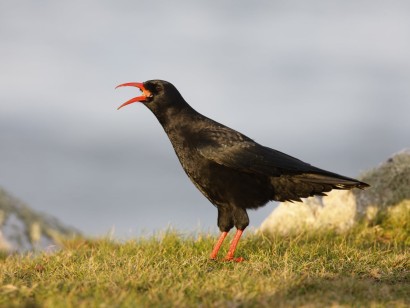
What's Included
What's Included
Tour Price Includes
- All accommodation
- All meals and soft drinks
- Ground transportation
- One guide with 4-5 participants, and two guides with 6-10.
- Park, conservation and entrance fees
Tour Price Does Not Include
- Flight to and from start/end location
- Travel Insurance
- Items of a personal nature
- Alcoholic beverages
Gallery
Gallery


Itinerary
Itinerary
Day 1: Arrival
Our England Birds & Gardens tour begins with dinner at our hotel near Heathrow, where our leaders will meet the group to discuss the upcoming trip and the next day’s activities. This is a relaxed evening to recover from flights, meet fellow travellers, and set the scene for the gardens and birding to come.
Night near Heathrow.

Day 2: Wisley RHS and transfer to Rye
This morning we visit the Royal Horticultural Society’s flagship garden at Wisley, reputedly Britain’s premier demonstration garden, with 97 ha (240 acres) offering a fascinating blend of the beautiful and the practical in horticulture. Trial beds showcase new introductions being assessed for the RHS Award of Garden Merit (AGM), while model gardens demonstrate solutions for a variety of landscaping conditions.
Leaving Wisley, we travel southeast toward the historic Cinque Port town of Rye, making one or two short birding stops en route. Depending on conditions, we may visit a small reservoir, woodland edge or heathland viewpoint to get our first taste of English birdlife—perhaps picking up Great Crested Grebe, familiar dabbling ducks, common raptors and early spring migrants in hedgerows and woods. These are gentle leg-stretch stops with flexible walking distances.
On arrival in Rye, time permitting, we enjoy an easy late-afternoon walk at Rye Harbour Nature Reserve, with its shingle, saltmarsh and saline lagoons. Here we may encounter shorebirds, terns and gulls, as well as Skylark and Meadow Pipit over the shingle.
Night in Rye/Camber area.
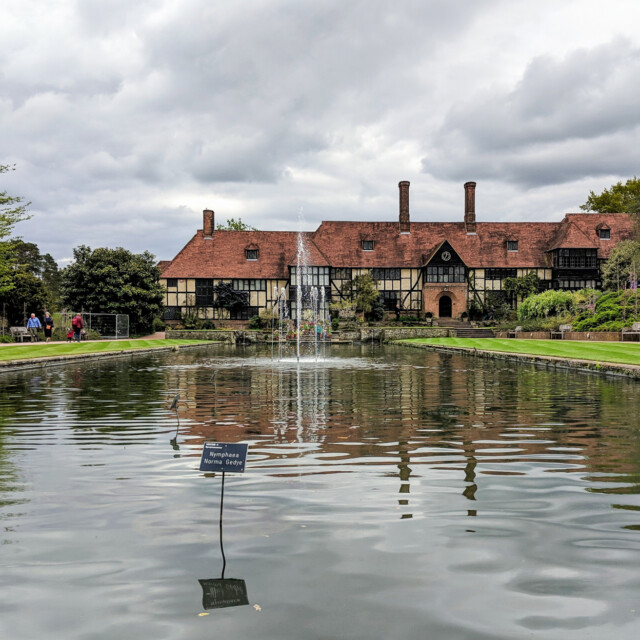
Day 3: Dungeness Nature Reserve and Great Dixter
This morning we visit Dungeness, one of the oldest nature reserves in England, established in 1929. Wetland areas support breeding Northern Lapwing, Common Redshank, Yellow Wagtail, and birds of prey such as Eurasian Kestrel and Western Marsh Harrier. Waterfowl include Greylag Goose, the ancestral species for domesticated geese. Reedbeds hold Reed and Sedge Warblers and Common Reed Bunting.
Brushy areas echo to the songs of Greater and Lesser Whitethroats, Garden Warbler and Yellowhammer, whilst ponds lure Little Egret, Pied Avocet, Great Crested Grebe and Common Terns. There are several hides here, and from these we should locate Little Grebe, Tufted Duck, Common Pochard, Eurasian Curlew, Whimbrel and parties of Barn and Bank Swallows.
The area around the lighthouse is a noted area for Black Redstart and Northern Wheatear, and migrants and overshoots from nearby Europe, and we may be lucky enough to locate a few specialties. We also visit the shingle garden of Derek Jarmin, known for its ecological sensitivity and landscaped with flotsam and jetsam left by tides.
Later in the afternoon, we visit Great Dixter, the family home of the late renowned gardener and author Christopher Lloyd. The garden is planted around the buildings, with the arrangement of colours, forms and texture of the plants so well orchestrated that house and garden appear as a beautiful painting. Now an international school of gardening, expect to see some exotic introductions to the garden! Have your digital camera ready, although you may be too entranced to take pictures! Night in Rye/Camber area.

Day 4: Sissinghurst Castle & Leonardslee Garden
In the morning, we visit the garden at Sissinghurst Castle. The ‘garden rooms’ style of planting is one of the most described and emulated in the British Isles. It was the joint creation of poet and writer Vita Sackville-West and her diplomat husband Harold Nicholson. Their work transformed the ruins of this Elizabethan mansion into a remarkable must-see garden. The White Garden, the Purple Garden, the Rose Garden, the Nuttery, the Lime Walk, and the new DelosGarden - scent and colours to be personally savoured.
April should see stunning displays of camellias, rhododendrons and azaleas, and Leonardslee’s collections are particularly renowned. Established by Sir Edmund Loder in 1889, the garden held one of the foremost UK collections of rhododendrons and related shrubs and has been revitalised in recent years. Please be aware that parts of the garden lie in a valley and some uphill walking will be involved.
Night in Sussex.

Day 5: The New Forest
We head west through Hampshire to the New Forest, an atmospheric landscape of pasture, ancient woodland and open heaths, dotted with free-ranging ponies and cattle. The area is noted particularly for breeding raptors and heathland birds.
Our main interest is locating the enigmatic Dartford Warbler, as well as Common Redstart, Woodlark, Firecrest, Red Crossbill and hunting Eurasian Hobby. We explore a mix of heath and woodland edge, using mostly level paths and tracks, with walking distances adjusted according to the group’s preferences and weather.
Later we continue on into Dorset, our base for the next two nights, well placed for exploring both heathland and coast.
Night in Dorset.

Day 6: RSPB Arne & Compton Acres
This morning we visit the RSPB site at Arne, a fine stand of pines and heathland alongside Poole Harbour, and a very rich area for birds, including Dartford Warbler, Black-tailed Godwit, Tree Pipit, Common Shelduck and Little Egret, and we walk the easy trails through the woodland with its huge population of Sika Deer.
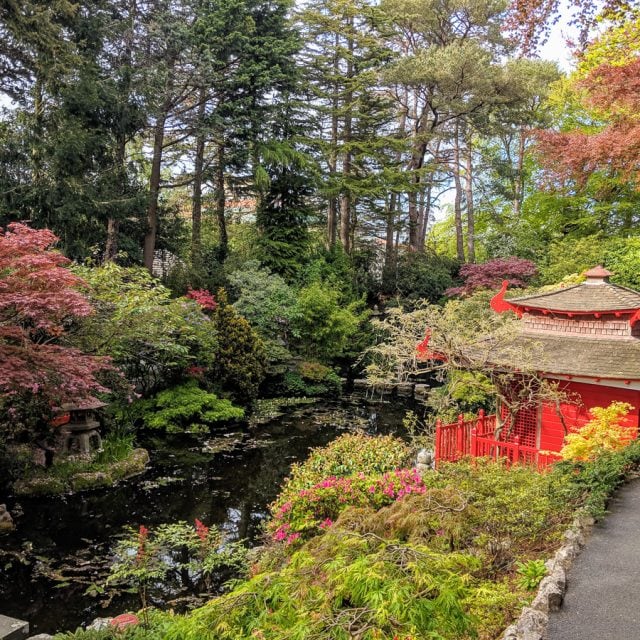
In the afternoon we visit the gardens at Compton Acres, landscaped to provide magnificent vistas over Poole Harbour. The 10-acre garden includes a richly planted Wooded Valley, an elegant, formal Italian Garden, and a tranquil Japanese Garden with water, stone and carefully pruned shrubs creating a contemplative atmosphere. The varied garden “scenes” offer colour and interest throughout the season.
Night in Dorset.
Day 7: Lodmoor, Radipole Lake, Portland Bill & Dawlish Warren
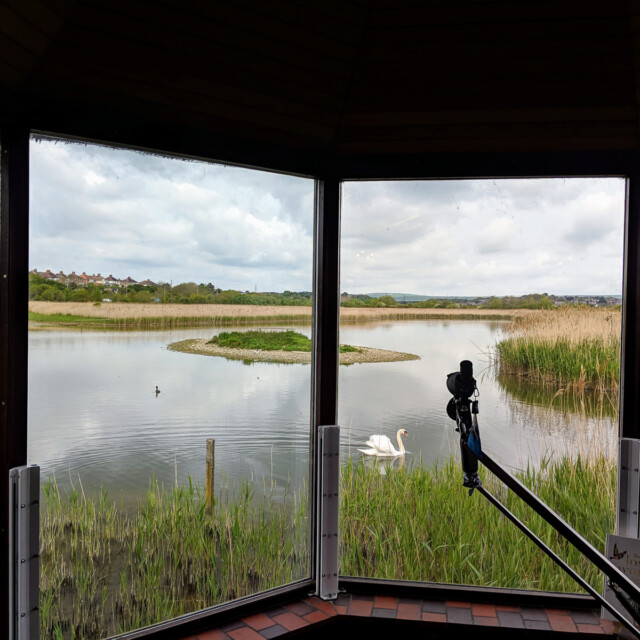
This morning we visit the RSPB’s excellent wildlife sites at Lodmoor, Radipole Lake and Portland Bill. Radipole Lake is renowned for its breeding populations of Bearded Reedlings and Cetti’s Warblers, which we will certainly hear, and with luck see clearly.
We then continue to Portland Bill, a peninsula jutting out into the English Channel and a prime location for migrants and passing seabirds. Rugged cliffs here hold nesting Common Murres (Guillemots), Razorbills, Northern Fulmars and Peregrines, while offshore we scan for Gannets and other seabirds moving along the Channel.
In the later afternoon we drive across Dorset and into Devon, aiming to reach Dawlish in time for a walk out along Dawlish Warren. This spit and sand-dune system is excellent for shorebirds such as plovers, godwits and Whimbrel, and in season we may see flocks of Brent Goose and Common Scoter offshore.
Night in Devon.
Day 8: Dartmoor
Today we visit the RSPB site at Yarner Woods on Dartmoor, an area of riparian woodland and heathland that supports Lesser and Great Spotted Woodpeckers, Stonechat and a good variety of other species including Gray Wagtail, Wood Warbler and Pied Flycatcher.
We also drive onto the heather-covered upland moorland of Dartmoor, where Eurasian Curlew, Common Buzzard, Whinchat and Northern Wheatear nest. Later, we continue west into Cornwall, our base for the next three nights.
Night in Cornwall.

Day 9: Lost Gardens of Heligan and Caerhay’s Castle Gardens
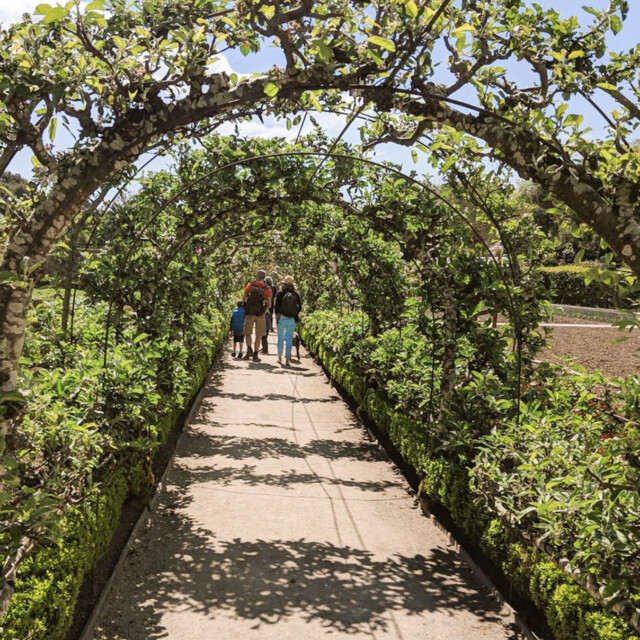
Considered to be Europe’s largest garden restoration project, the Lost Gardens of Heligan are fascinating because of their “lost and found” saga. “Rediscovered” in 1990 after 70 years of total neglect, the record producer Tim Smit and a group of enthusiasts set about reawakening the historic garden. Prior to the First World war the estate employed 40 full time gardeners, and now, thanks to the popularity of the garden, there is an active “young gardener apprentice” scheme in operation. Tim Smit was so inspired by this project he went on to be the moving force behind the Eden Project. The fruit and vegetable garden claims to have the only remaining Victorian pineapple pit in use and the walks through the woodlands and farm fields are pleasant and often filled with birds.
In the afternoon we visit Caerhays Castle Gardens, home to the national collection of magnolias, which we may catch in full bloom in late April. The gardens also showcase spring bulbs, rhododendrons, azaleas and camellias along woodland trails, with glimpses of coastal scenery and the castle itself. A short detour to a fast-running stream may reward us with views of Eurasian Dipper.
Night in Cornwall.
Day 10: Trebah and the Lizard
Today we visit Trebah, listed as one of the great gardens of Cornwall—a subtropical paradise framed against a stunning coastal backdrop. In spring, ancient rhododendrons and camellias paint the steep valley with colour, while bulbs naturalised in meadows and primulas around the streams add to the display. Trebah’s champion trees include a notable Japanese maple, Woolly tree fern, Chilean tepa and a magnificent pink, tulip-flowered magnolia.
The walk leads downhill through rhododendron “cathedrals”, a bamboo maze and towering Gunnera canopies to a sheltered beach with dramatic Second World War associations, where Allied troops embarked for the D-Day landings.
Later in the day we visit The Lizard, the most southerly peninsula in mainland Britain, to search for the very small population of Red-billed Choughs that now nest in England. While choughs are our special target, this stretch of coast also offers superb scenery, cliffs with seabirds, coastal wildflowers and the chance of raptors overhead.
Night in Cornwall.

Day 11: Hestercombe, birding sites and return to London
This morning we begin our journey back east, with the option of visiting additional birding sites en route to look for any key species we may still be missing from our list.
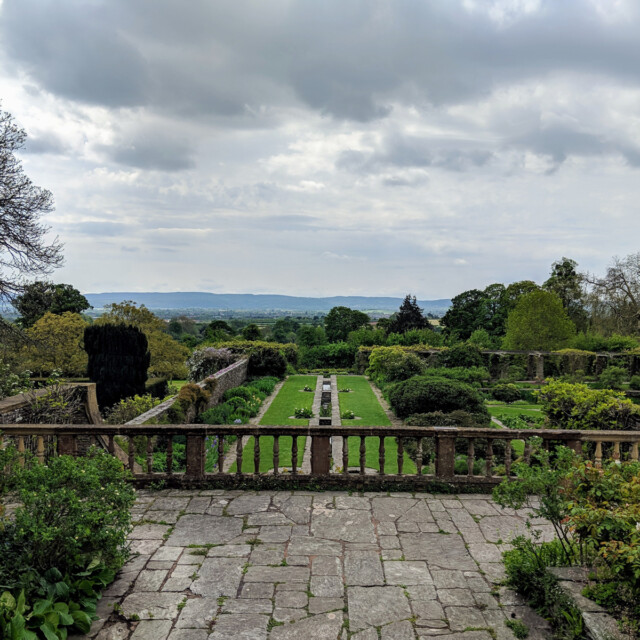
On our return to London, we stop at the garden at Hestercombe House. The garden contains three gardens in one: a Georgian landscape garden with a grand cascade, numerous classical landscape ornaments and ponds, a newly restored Victorian shrubbery and an Edwardian garden designed by Sir Edwin Lutyens with plantings as originally drawn up by Gertrude Jekyll – what a fabulous finale for our tour!
Night near Heathrow
Day 12: Departure
Our England Birds & Gardens tour ends today. You can transfer to the airport for flights home anytime today.
What to Expect
What to Expect
Overview
The excellent system of nature reserves in England should ensure a good list of species of birds and other wildlife, and we make good use of them, concentrating on the specialties in each. Our visits to gardens will be relaxed and we should have ample time to appreciate each one. This tour is led by 1-2 EET birding guides, ensuring exceptional birdwatching experiences throughout. At most gardens, we will have an opportunity to talk to the knowledgeable staff who will provide unique insights into the flora and landscapes. Each evening, the list of birds and other wildlife will be reviewed, and plans for the next day will be discussed.
Food
We generally have breakfast at the hotel before we head out for the day. We often take a picnic lunch in the field, but will occasionally stop at a restaurant for lunch. Dinner is usually at the hotel or a nearby restaurant. Each evening after dinner we compile the day’s checklist, review the day’s activities, birds, mammals and other observations, and plan the next day’s activities.
Accommodation
Generally we stay in standard hotel rooms in locations close to where we want to go birding. Please note that it is common in the UK for double occupancy rooms to feature a queen bed for those travelling as a couple & 2 single beds for those requesting 2 beds in one room.
Walking
Walking will be mostly relatively easy and leisurely, with moderate walks at Yarner Woods, The Lizard and Portland Bill, and expect some uphill/downhill sections at Leonardslee Glen and Trebah. Expect some of the garden paths to be steep and our longest walk to be 2 hours. Comfortable walking shoes will be fine.
Driving
Driving distances on our England Birds & Gardens tour will usually be short, with a couple of 2-3 hour drives as we travel back to Heathrow at the end of the tour. Expect some driving on winding country roads.
Climate
England’s weather can be unpredictable—be sure to check the forecast before you travel and pack an umbrella and waterproof outerwear just in case. When it’s warm, it’s often humid as well.
Featured Wildlife
Featured Wildlife
While we cannot guarantee sightings of the birds or mammals listed below, we believe that encountering these species is quite likely during this tour.
- Red-billed Chough
- Eurasian Dipper
- Dartford Warbler
- Pied Flycatcher
- Gray Wagtail
- Cetti’s Warbler
- Eurasian Stonechat
Past Tour Checklists
Past Tour Checklists
View the list of birds and other wildlife we encountered on our past tours.
- England Birds & Gardens SW species list 2025
- England Birds & Gardens SW species list 2019
- England BIrds & Gardens SW species list 2017
- England BIrds & Gardens SW species list 2012
- England BIrds & Gardens SW species list 2011
- See More...
- England BIrds & Gardens SW species list 2010
- England BIrds & Gardens SW species list 2007
- England BIrds & Gardens SW species list 2005