England Birds & Gardens: Southwest Trip Report (Apr 27 – May 8, 2025)
The double-theme of this tour – birding and visiting some of the many ornamental gardens and historic homes in the region – took us from London, southeast into Kent, and then through each of the counties along England’s southern coast. The diversity of landscapes, each with characteristic bird species, took in mosaics of woodland and farmland, lowland heath, shingle, rocky and muddy coastlines, freshwater marshes, hills with grassy summits and forested valleys, and tall ocean cliffs. The weather this year was almost wall-to-wall sunshine and often warm, which was great for sightseeing but limited bird activity at times; we still managed to see most specialities, including Wood Lark, European Pied Flycatcher, Firecrest, Black and Common Redstarts, Red-billed Chough and Cirl Bunting.
Day one, 27th April: RHS Wisley and on to Kent

RHS Wisley © Mike Hoit
As always, our England tour began close to Heathrow airport, where we made introductions and, in some cases, renewed acquaintance over dinner. The next day started in leisurely fashion, as it was a short drive skirting the western fringe of Greater London and just out into Surrey. Destination number one was the Royal Horticultural Society’s flagship location at Wisley, the home of gardening in a country very fond of gardening! Our guided tour at took us though the Oakwood, the Rock and Alpine Gardens, and Camassia Meadows to the wildlife garden and Clear Lake, before we stopped for much-needed refreshments. Heading back downto the Glasshouse, we admired the tropical flowers and orchids, before heading out via the woodland along the river. Birds seen included Red Kite, Blackcap and close-up Tufted Ducks. In the afternoon we headed to Kent, pausing at Hothfield Heathlands, where we had flyover Mediterranean Gulls, many more Blackcaps among the common woodland species, and Mistle Thrushes defending a nest, although no Common Nightingales piped up. The final drive of the day took us to the small market town of Cranbrook, where we settled in to a lovely old pub and were treated to their excellent food.
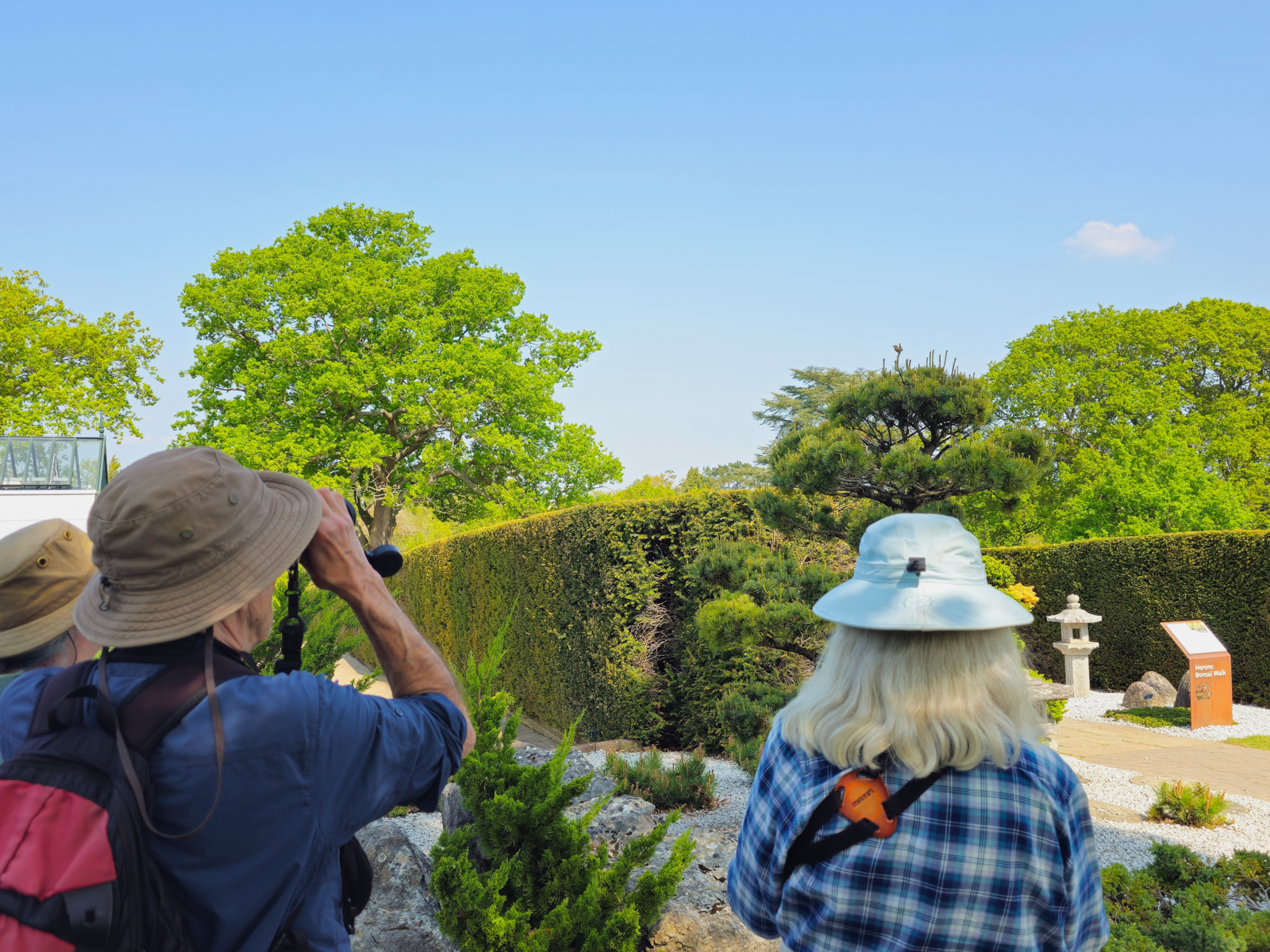
Birding at Wisley © Mike Hoit
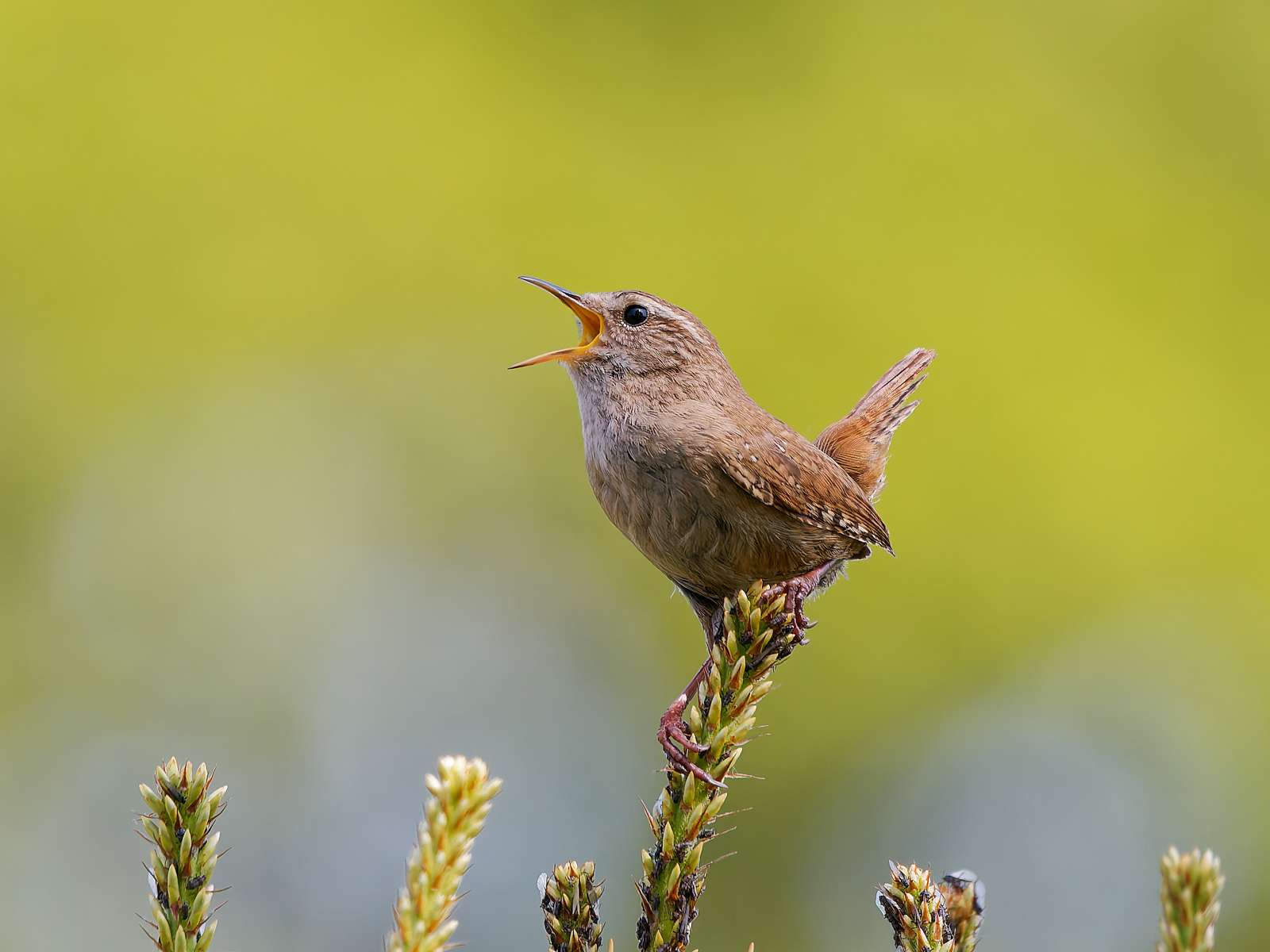
Eurasian Wren © Jim Vincent
Day two. 28th April: Dungeness and Sissinghurst
Travelling down to the coast, this morning we visited the unique landscape of Dungeness. This flat area of grazing marshes and pools, tipped with an expanse of shingle jutting out into the English Channel is a famed area for bird migration – though in fine weather, not much was happening today though, bar a kettle of wandering immature Common Buzzards! Around the beach and lighthouse we found European Stonechats, Lesser Whitethroat, singing Black Redstart, and Peregrine Falcon, plus some Harbour Porpoises breaking the glassy sea surface. We also visited Prospect Cottage, former home to artist and film-maker Derek Jarman, and still preserved in beautiful condition, also admiring the Norther Wheatears nesting over the road.
Moving to the wetlands of the RSPB reserve, we found European Hobby, Whimbrels and enjoyed Greater Whitethroats and Sedge Warblers. On the road back inland, we chanced upon the increasingly-regular sight of Western Cattle Egrets, before a late luncheon at Sissinghurst Castle. The ordered, formal garden ‘rooms’ are a delight, with brightly-coloured displays contrasting with the wilder Nuttery and orchard – all visible at once from the tower in which Vita Sackville-West locked herself away to write. Sissinghurst is home to a host of common species, including nice views of European Goldfinch, which made for an idyllic afternoon before the very short drive back to the hotel.
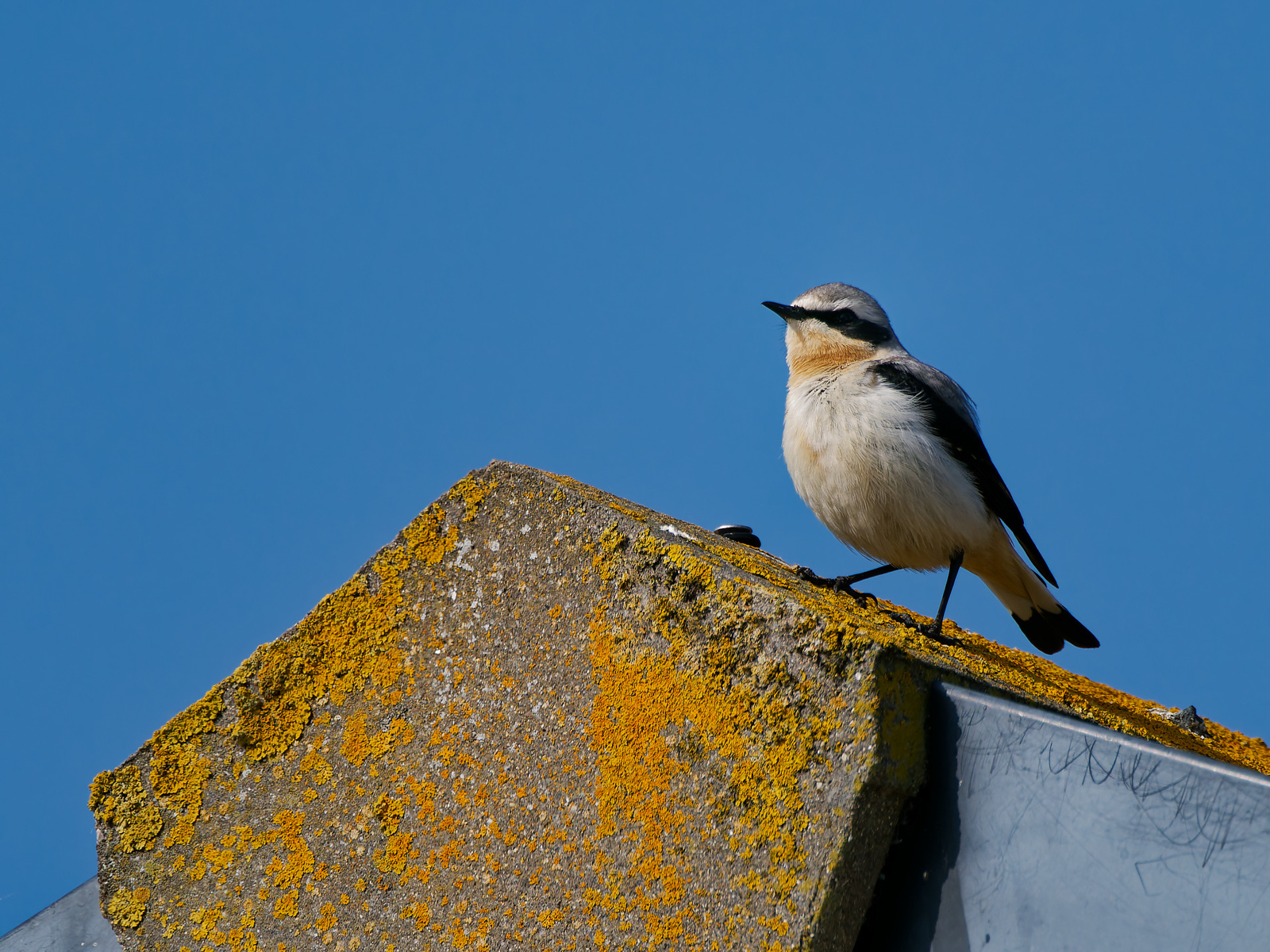
Northern Wheatear © J Vincent
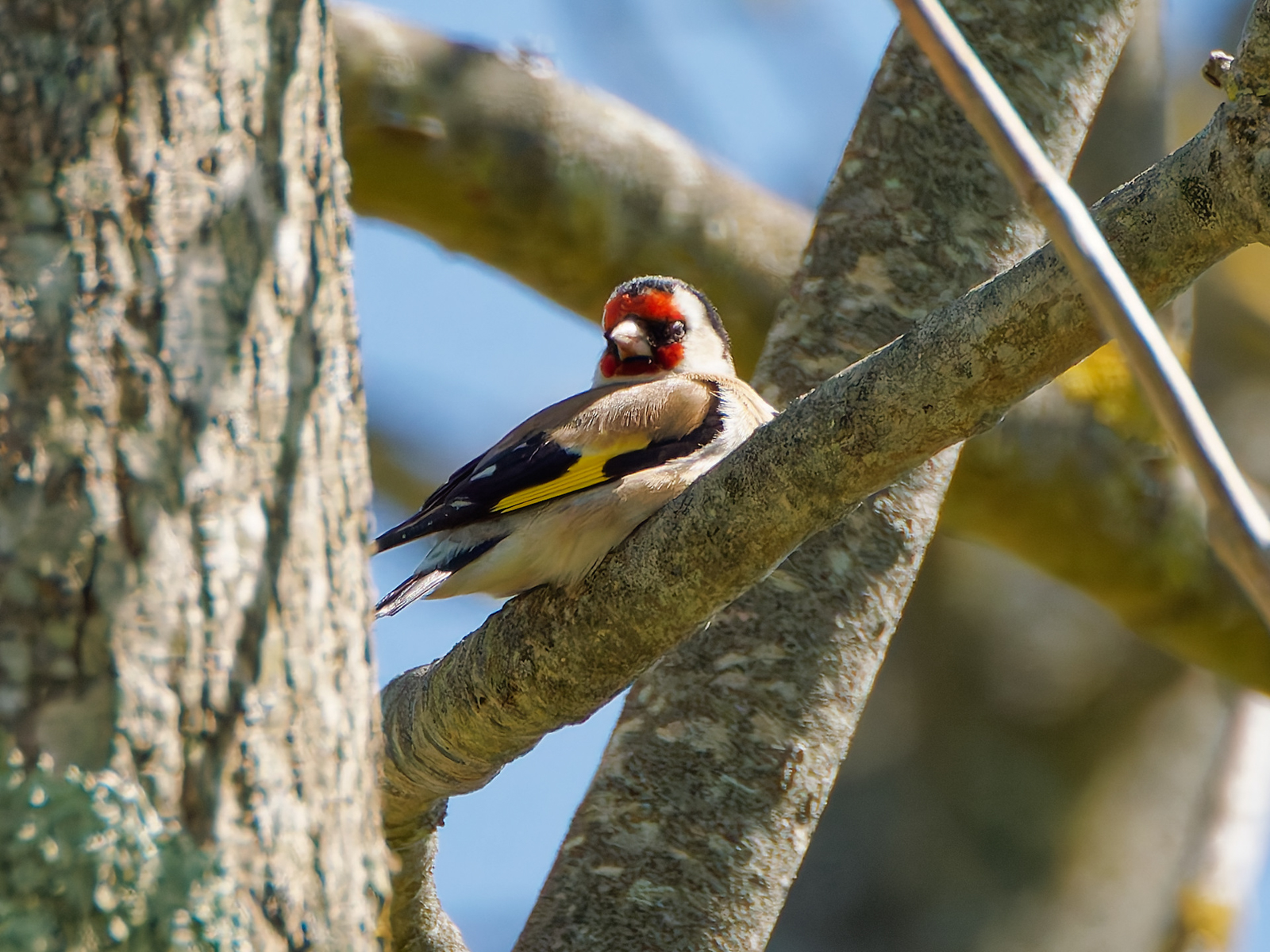
European Goldfinch © J Vincent
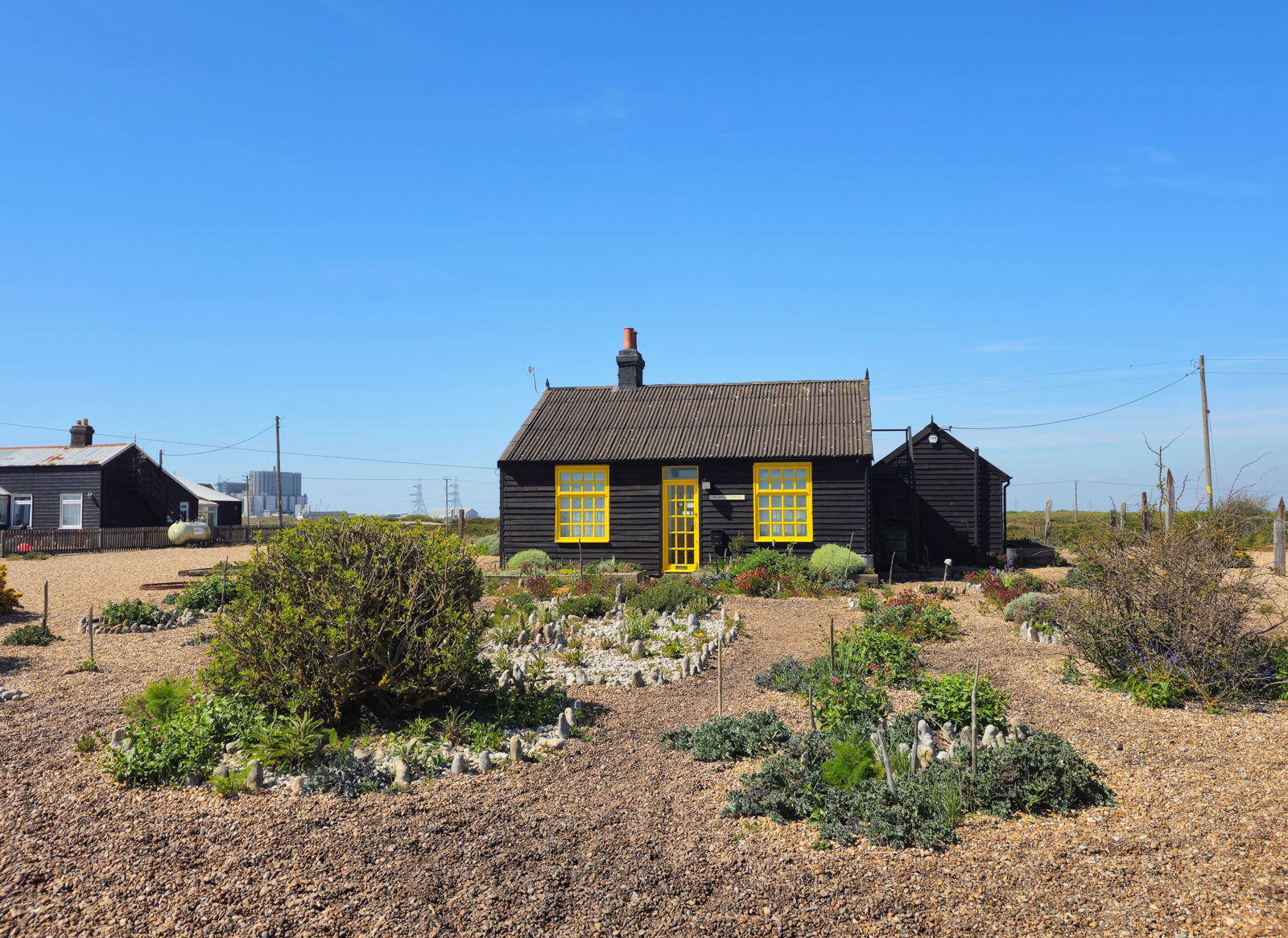
Prospect Cottage © Mike Hoit
Day three, 29th April: Great Dixter and Leonardslee
The final day in the rolling patchwork of woodland and open fields in southeast England was spent in two very different gardens, both in East Sussex. The first is set around the house at Great Dixter, one of the loveliest spots of the tour. A lot of work goes into producing the amazingly vibrant displays, and the gardeners here give equal though to the ecology of the gardens. Eschewing pesticides and meadow creation has paid off, with lawns thick with Green-winged Orchids, abundant pollinators, and lots of Common Blue Damselflies emerging from a pond holding Grass Snake and both Smooth and Great crested Newts. Leonardslee as at the other end of the size scale: in the expansive woodland landscape of a huge estate, the gardens are full of Victorian –era rhododendrons and camellias – something that became a theme – and acers, impressively restored having been lost and overgrown during the 2010s. Both were places to get more views of birds such as Song Thrush, Greenfinch and Dunnock. In the evening we moved to Langrish House bed and breakfast in Hampshire, where Tawny Owls were audible, before eating in a local pub – a very English evening.

Green-winged Orchid © Mike Hoit

Great Dixter © Mike Hoit
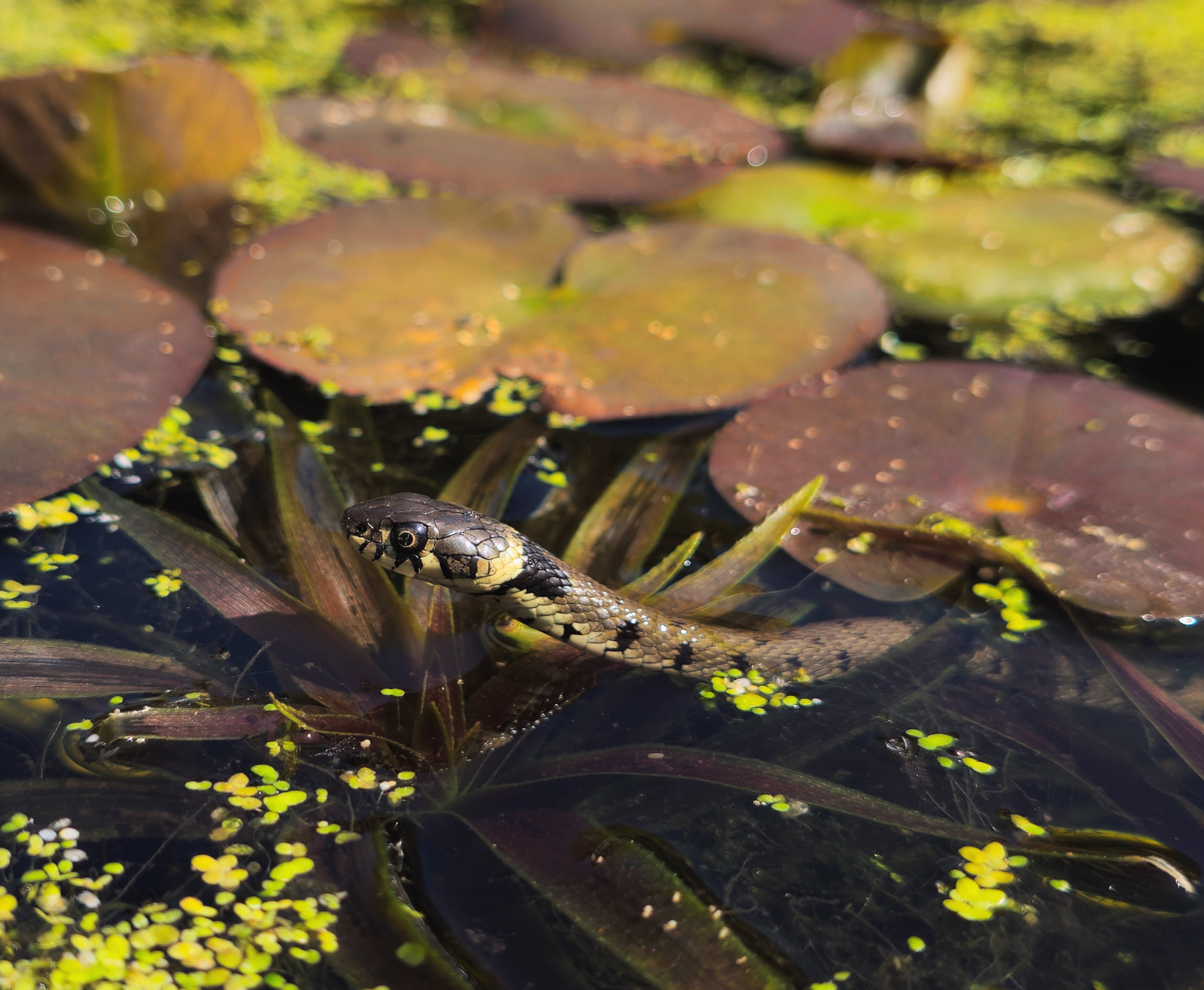
Grass Snake © Mike Hoit
Day 4, 30th April: The New Forest
Before breakfast, plenty of birds were in the grounds of the B&B, with Firecrest, Grey Wagtail and numerous Stock Doves, before we travelled to the New Forest. This vast mosaic of heathland, conifers and open beech, pastureland, and oak and birch woodland was proclaimed a royal forest by William the Conqueror and has been unfarmed ever since. It holds a wide range of species, but on a rather sun-baked day the birding was pretty slow. After sightings including fly-by Common Cuckoos, more Firecrests, and excellent views of Woodlarks, we dodged the heat and we moved to the hide at Blashford Lakes. Around the former gravel extraction pits we saw Little Ringed and Common Ringed Plovers, Common Sandpiper, displaying Great Crested Grebes and Garden Warbler, before crossing into Dorset and retiring to the next hotel in the town of Poole.
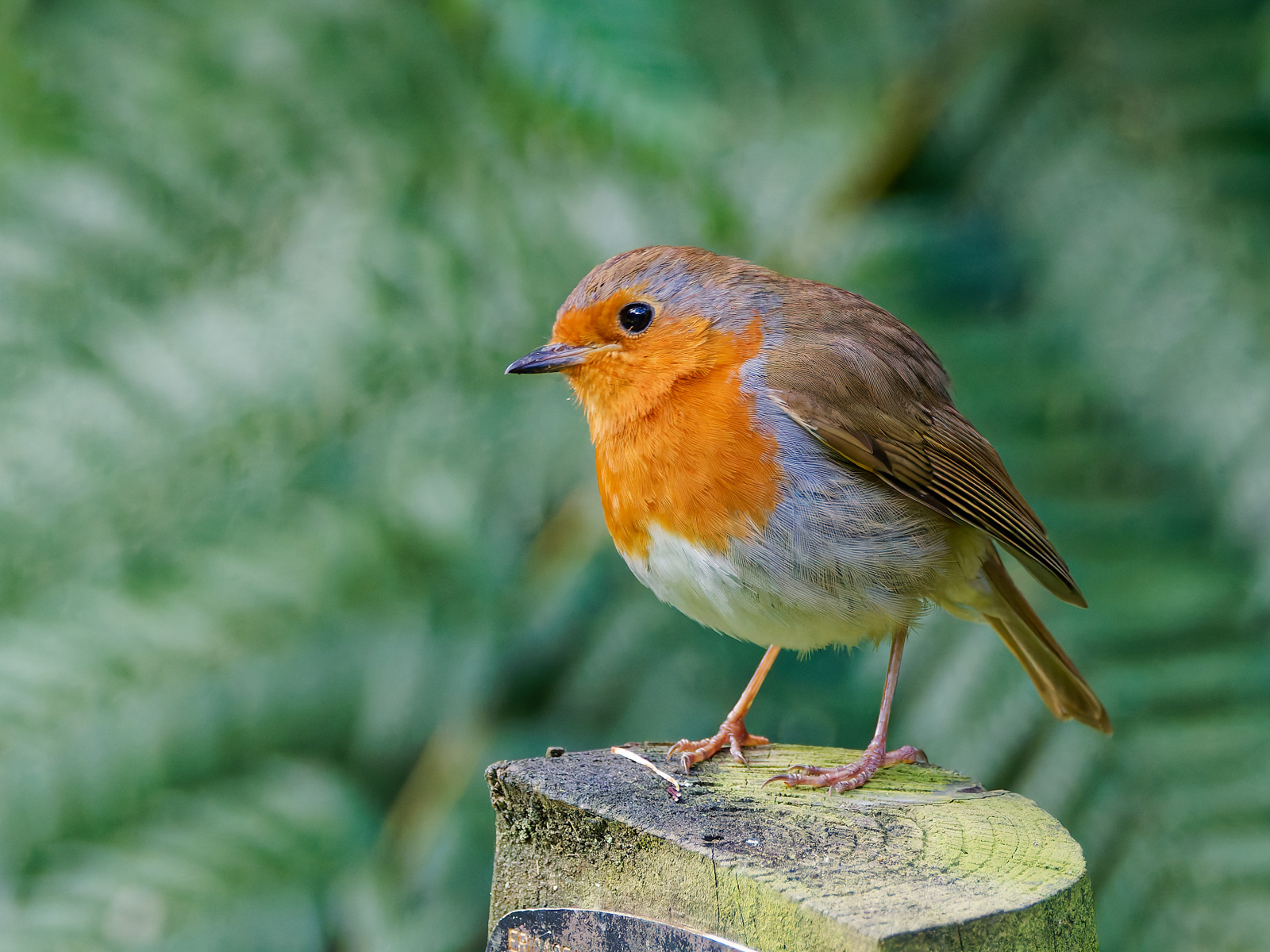
European Robin © J Vincent
Day 5, 1st May: Purbeck Heaths and Compton Acres
An earlier start to beat the summer-like weather this morning, visiting the sandy, heather clad Hartland Moor, where a Dartford Warbler proved somewhat elusive, and we saw more Woodlarks and Eurasian Curlew. We then moved to the western end of the huge, natural inlet of Poole Harbour, at Middlebere. The stroll to the hide turned up Eurasian Bullfinch, Common Reed Warbler, Goldcrest, and herds of introduced Sika Deer, before we watched Common Shelduck and Common Greenshank on the incoming tide. Over lunch, European Siskins showed well on the feeders at Arne RSPB, where we enjoyed views of this lovely part of Dorset. A late afternoon visit to Compton Acres – with a wonderfully enthusiastic tour guide whose passion for the gardens really made the day – took us through the Italianate and Japanese Gardens and wooded water features tucked away among residential areas. Eurasian Jays showed well in the trees above this masterpiece of garden planning to end another busy day.
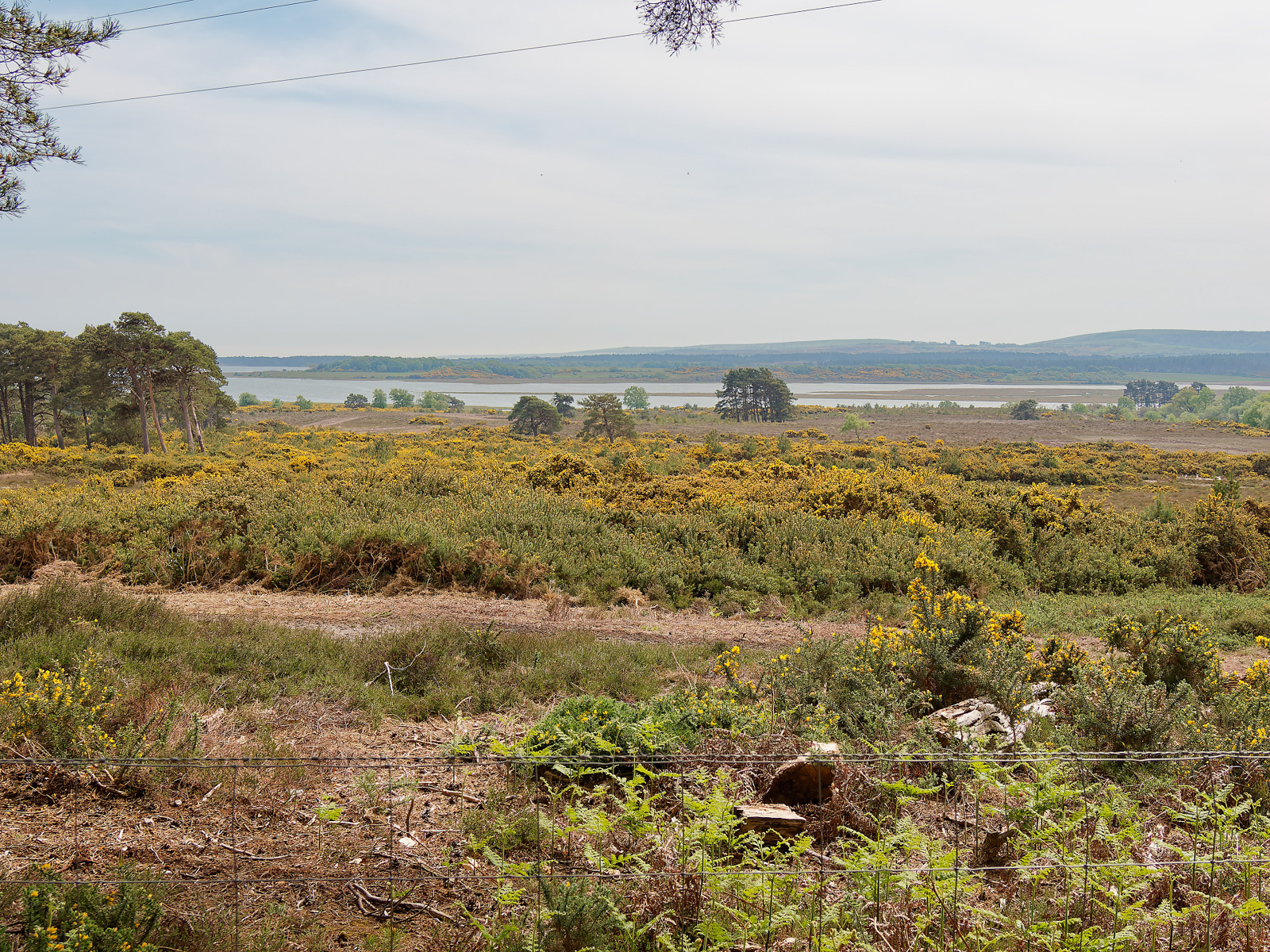
Arne © Jim
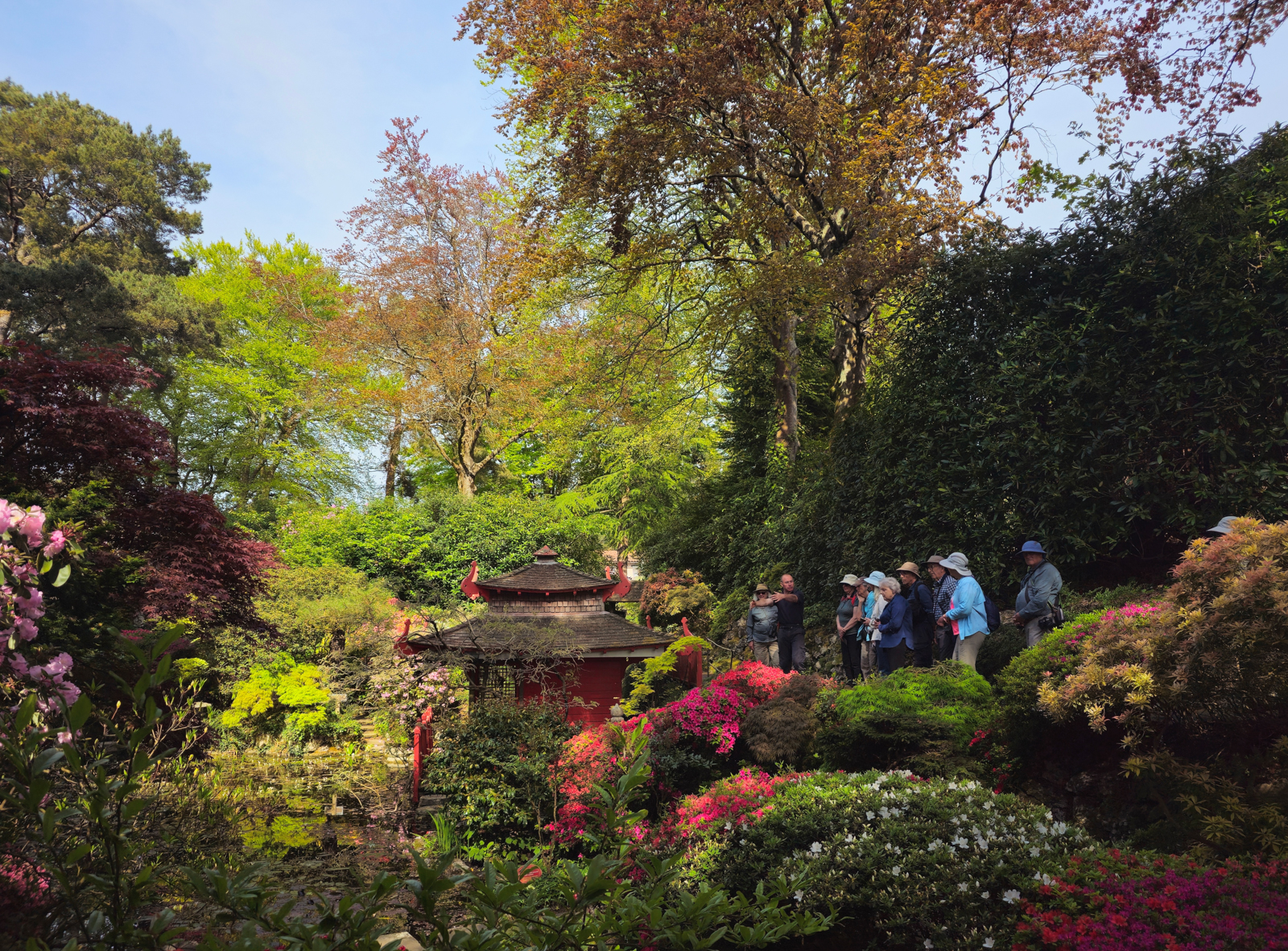
Compton Acres © Mike Hoit
Day 6, 2nd May: Weymouth area, Portland Bill and Dawlish Warren
It was time to move on again, and after another early breakfast we journeyed west to the Weymouth area, where we would bird for much of the day. First stop of the day was Lodmoor RSPB, where passage shorebirds were thin on the ground, but we saw Grey (Black-bellied) Plover, hawking Common Swifts, and a relatively obliging Cetti’s Warbler. Portland Bill – the tip of an isolated limestone outcrop – is another migration hotspot with long-standing bird observatory, but again the the weather was not particularly conducive to falls of spring migrants. We did see a Whinchat and a Northern Wheatear of the subspecies which breeds in Greenland and Arctic Canada (alongside a locally-breeding bird), and there was plenty else to look at. Great views of a Little Owl and seabirds including Northern Gannet, Razorbill and Black-legged Kittiwake were followed by a most enjoyable picnic lunch. Another stop at Ferrybridge – where the iconic Chesil Beach connects the Isle Of Portland to the mainland – gave us locally-breeding Little Terns alongside northbound Whimbrels, Sanderlings and Bar-tailed Godwits, plus localised Gold-fringed Mining Bees buzzing around salt-tolerant flora. We drove on to Devon in more sunshine, and, being ahead of schedule, stopped in to look for Cirl Buntings in the late afternoon – with partial success…
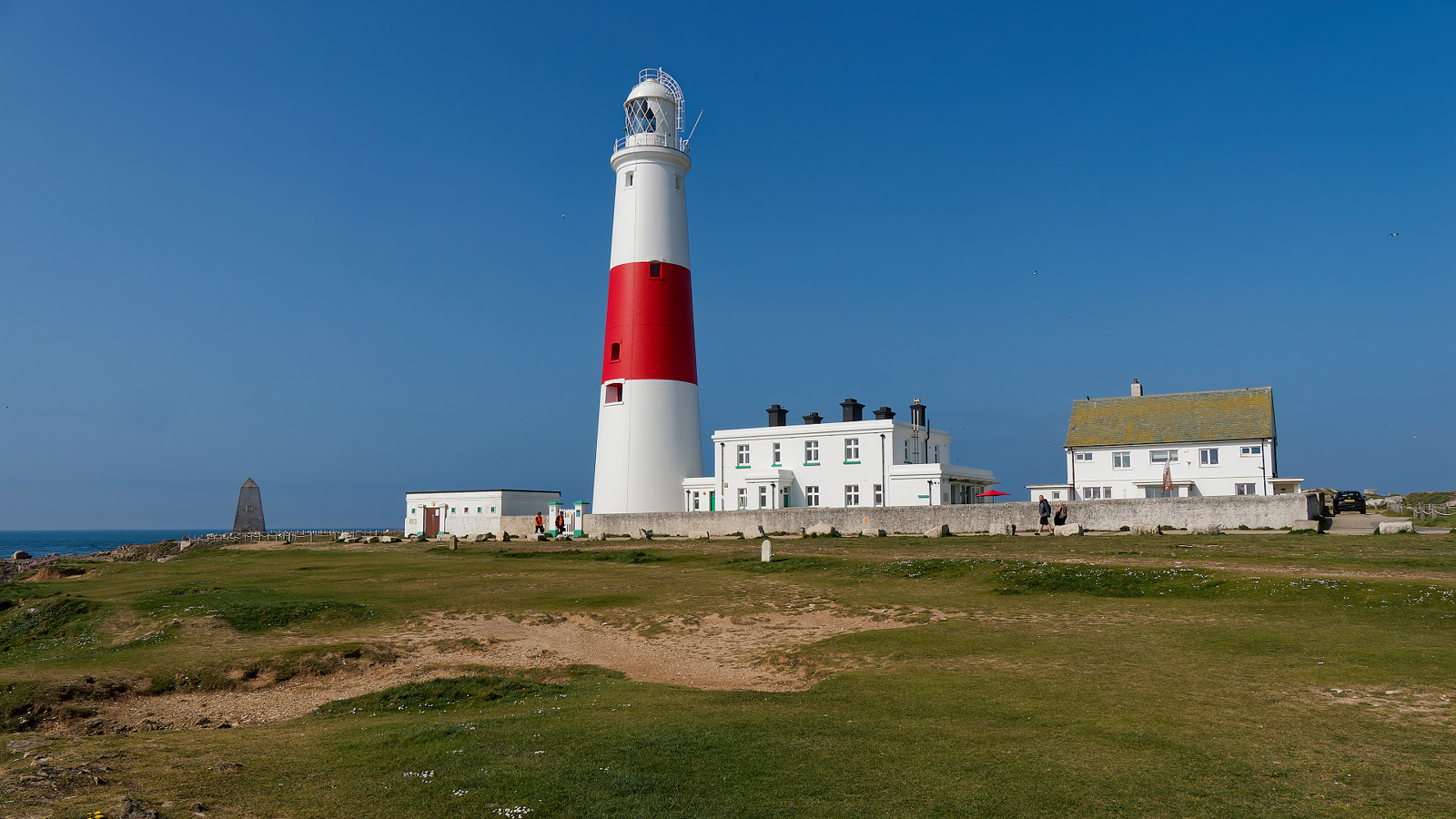
Portland © Jim Vincent

Cirl Bunting © Mike Hoit
Day 7, 3rd May: Dawlish Warren and Dartmoor, Bodmin Moor and Charlestown
For those who had missed out yesterday, a pre-breakfast excursion improved on views of Cirl Bunting – fantastic to see this lovely bird rebounding in range and numbers. Climbing up onto Dartmoor, a pleasant morning was spent birding the East Dartmoor Heaths and Woods. The highlights included many delightful Pied Flycatchers , Common Redstart, Grey Wagtail and Tree Pipit, before we enjoyed the scenery (complete with granite tors) over another al fresco DIY lunch. On our way to Charlestown, on the south coast of Cornwall, we stopped at Colliford Lake on Bodmin Moor, seeing Western House Martin and Willow Warbler in windy conditions.
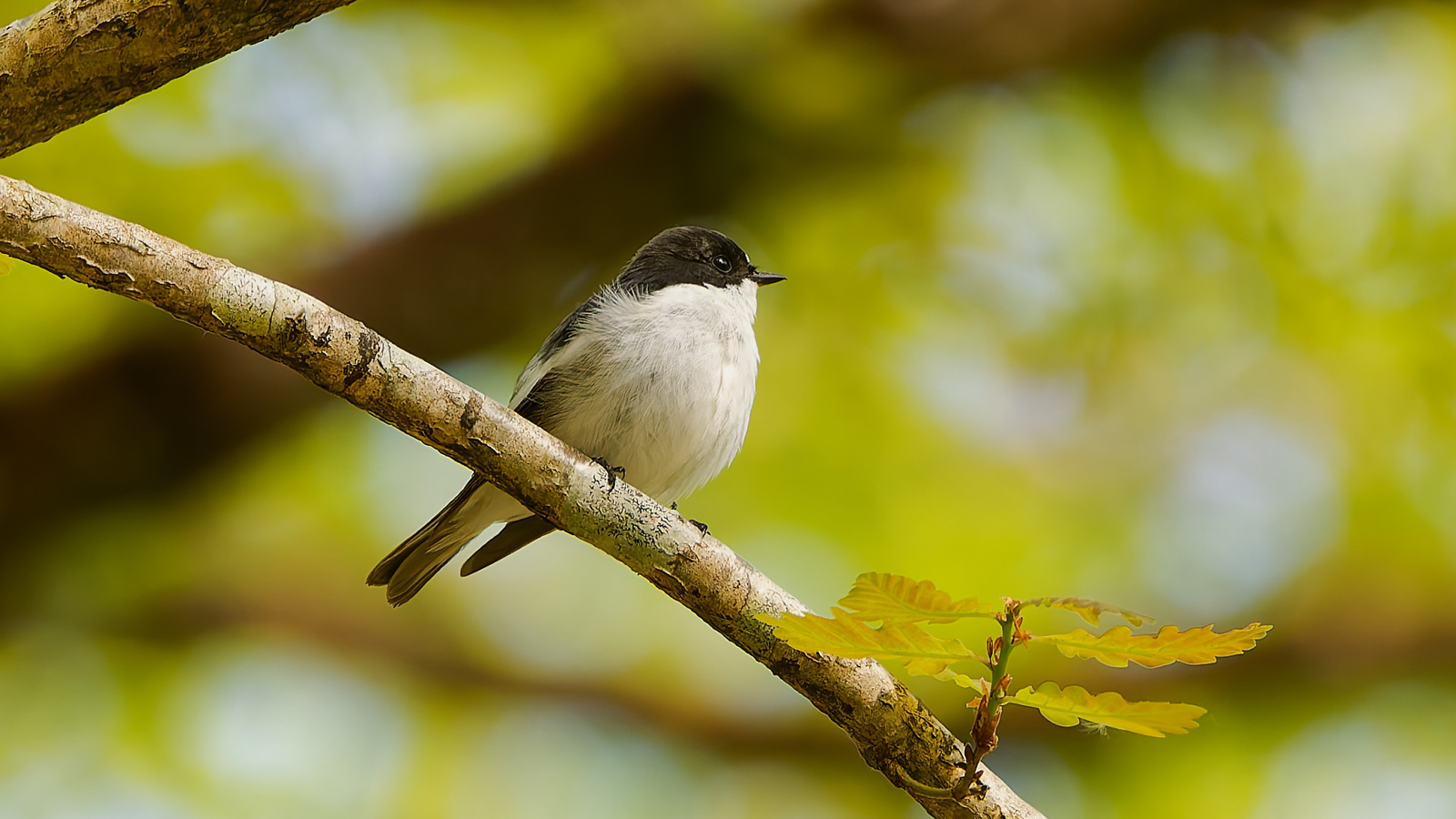
European Pied Flycatcher © J Vincent
Day 8, 4th May: Lost Gardens of Heligan and Caerhays Castle.
After two full days of being on the road and birding, today it was time to focus once again on gardens, without having to travel far. And once again, those gardens featured a high quantity of rhododendrons, the rhododendrons formerly known as azaleas, and camellias. In fact, the main theme of the day was just how fiercely competitive the Victorian “plant-hunters” and their moneyed employers were during expeditions to plunder rhododendrons from Asia!
The morning was spent at Heligan. Formerly a grand Victorian estate, the gardens were ‘lost’ as the workforce departed to fight during World War 1, and many tragically never returned, with the result that Heligan fell to rack and ruin. The derelict gardens were rediscovered in 1990, starting a remarkable restoration and now this lovely site stands as a memorial to the fallen local conscripts; the ‘productive gardens’ – such as the apple bower, vegetable, kitchen and cutting plots – were quite different to the venues we had visited before.
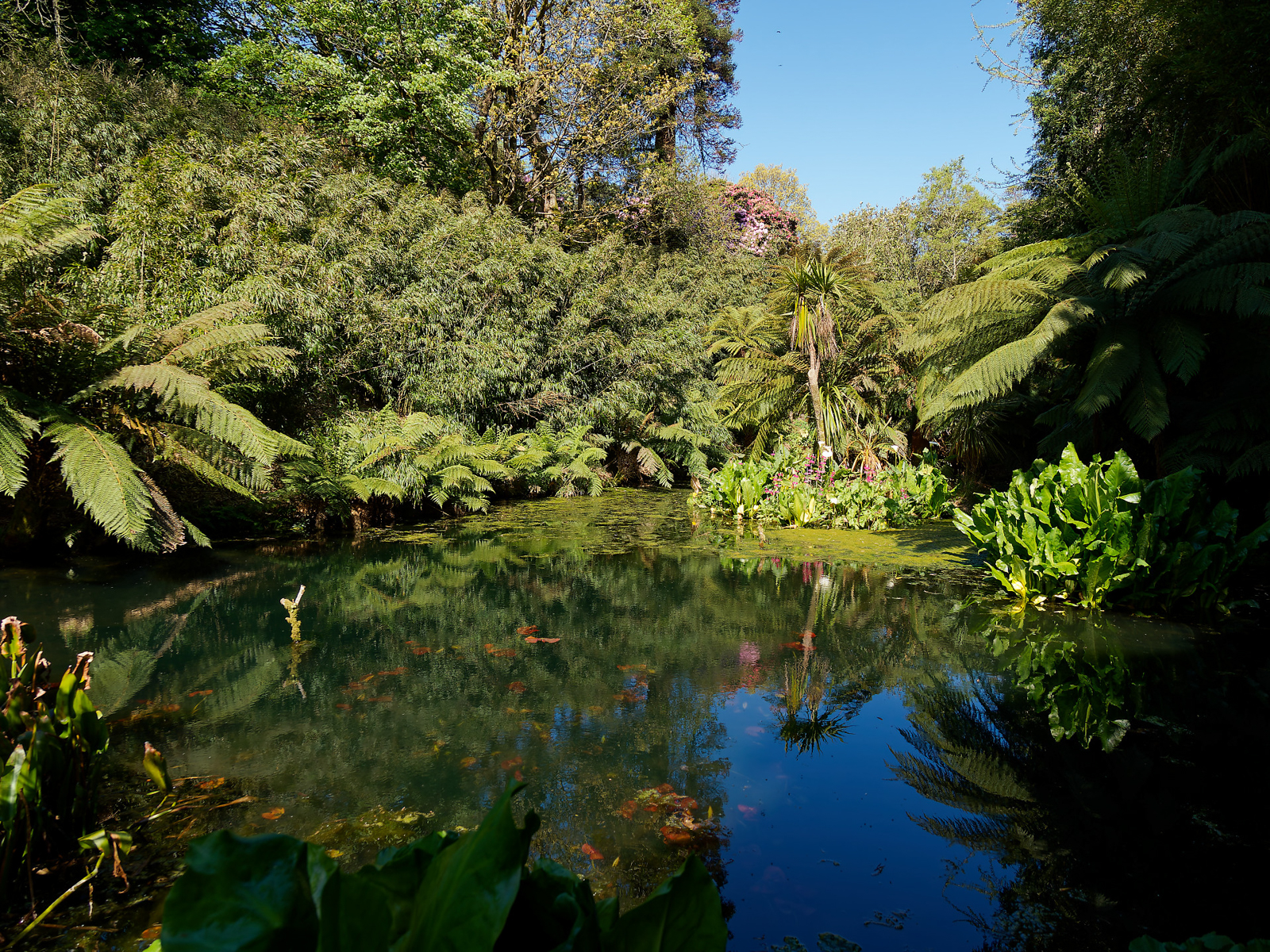
Heligan © Jim Vincent
Lunch in the courtyard at nearby Caerhays Castle was followed by stroll through the woodland gardens. Some impressive magnolias – the national collection of these plants is held here, with many Champion Trees – were in flower, and, like Heligan, the grounds here are managed sympathetically for wildlife and wild flora, rich in Wild Garlic and Bluebells. Birds seen in the course of garden explorations and in the surrounding areas included nesting Western House-Martins, Eurasian Nuthatch, yet more Firecrests, and Great Northern Diver (aka Common Loon).

Caerhays © Mike Hoit
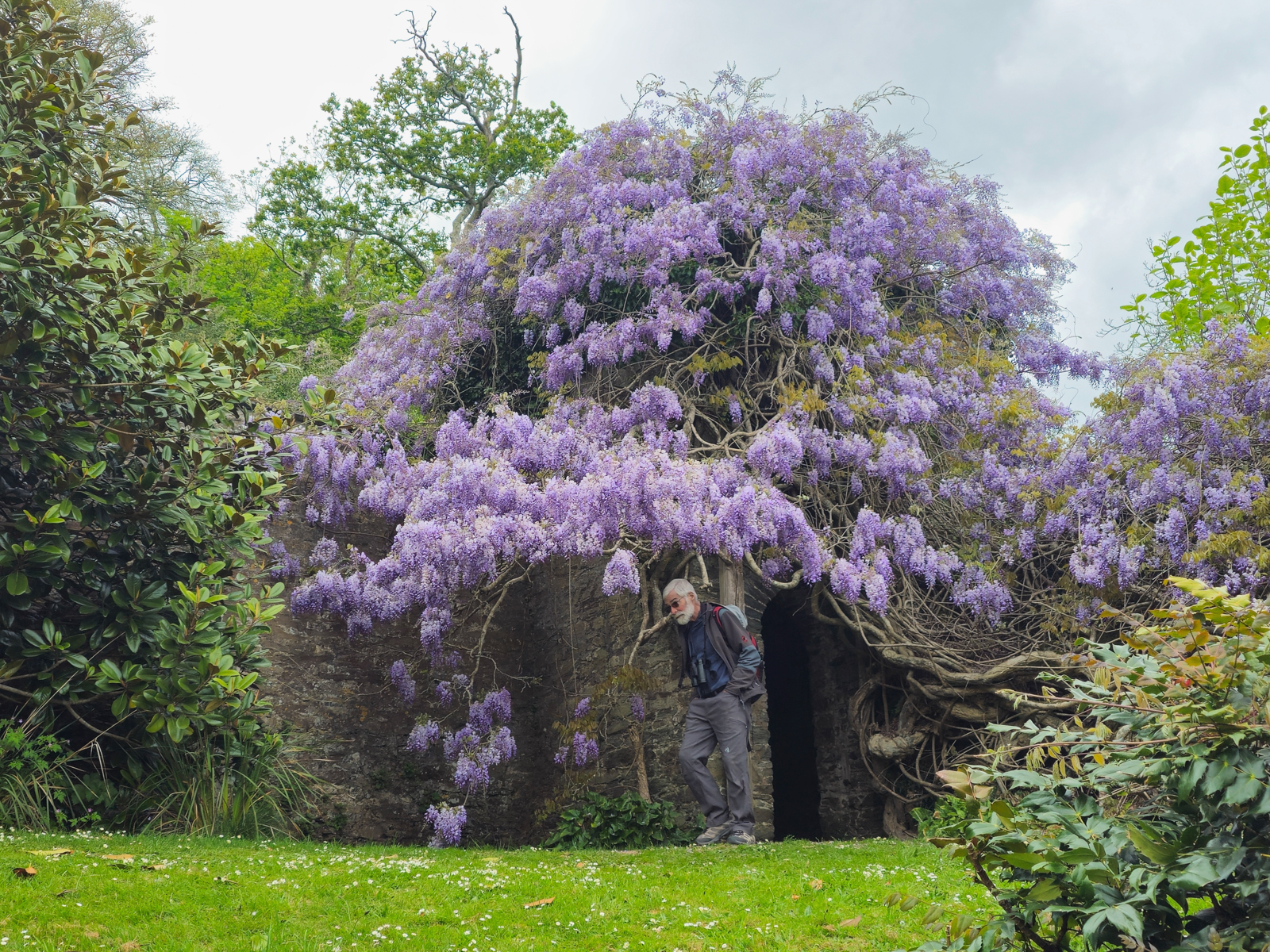
Caerhays © Mike Hoit
Day 9, 5th May: Trebah Gardens and The Lizard.
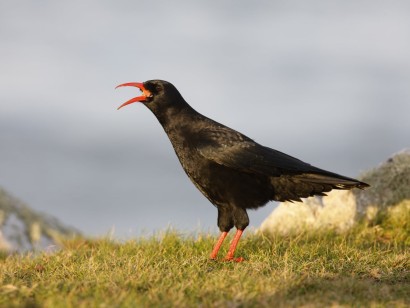
Venturing further afield in Cornwall, the last sub-tropical garden was at Trebah. Perhaps the nicest feature here is down in the valley, where ponds are fringed by a forest of tree-ferns, giant gunnera, and bamboo, ending at a secluded beach. This was the spot the troops destined to land at Omaha Beach on D-Day launched – a fitting place to visit when the 80th anniversary of the end of war in Europe was being commemorated in London. Coal Tit was seen, among many other familiar species, and traditional cream teas were consumed, before we made a final bird-focussed stop at The Lizard. With a name deriving from old Cornish meaning “high court” rather than any resemblance to a reptile, this is England’s most southerly point, and it was another perfect day to enjoy stunning scenery. Red-billed Choughs, European Shags and Northern Fulmars all performed well along tall, flower-covered sea cliffs, and many Manx Shearwaters were offshore over an almost tropical turquoise ocean. Atlantic Grey Seals were a bonus, before we head back to scenic Charlestown for an evening meal above the picturesque harbour.
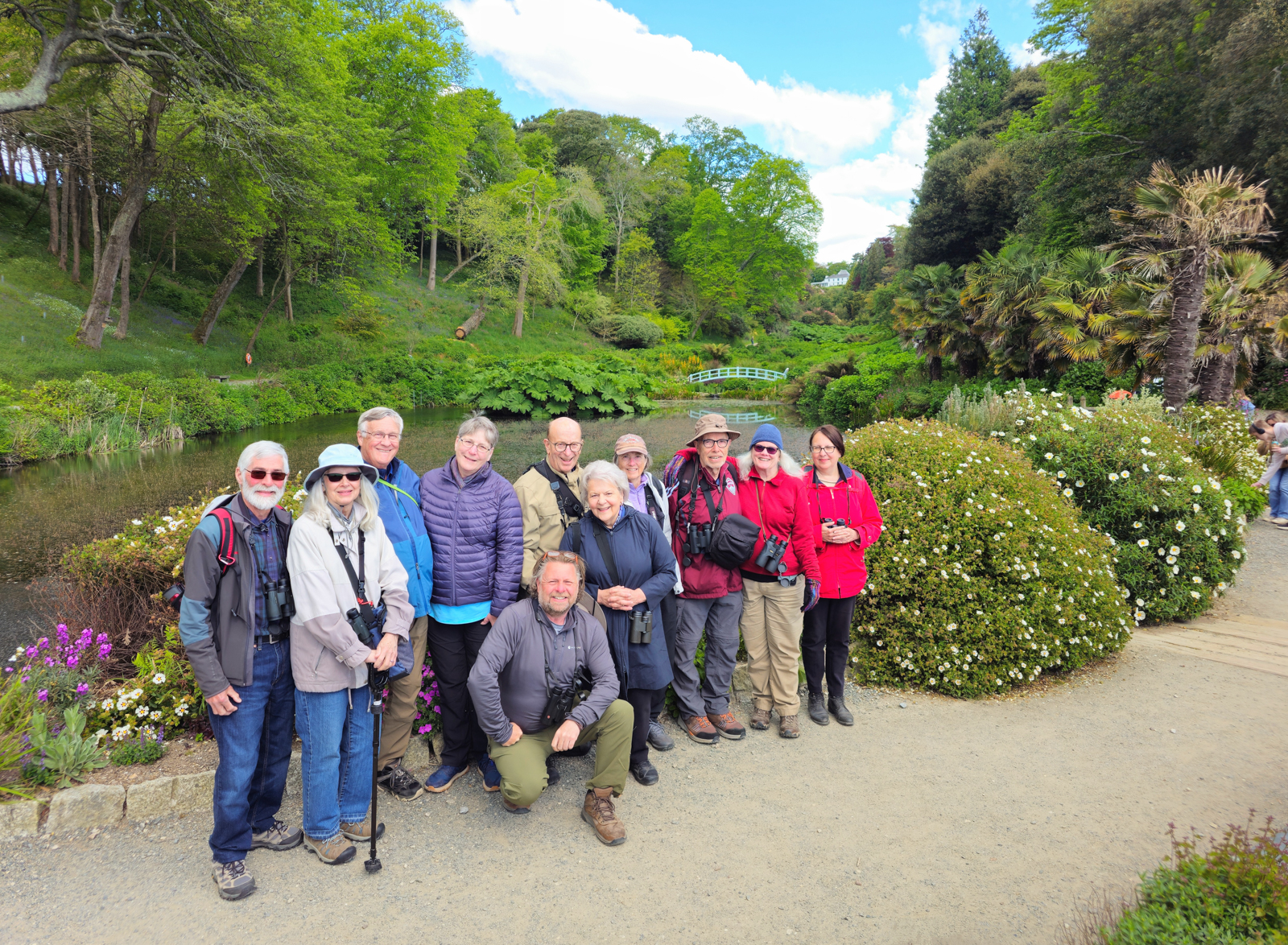
Our group in Trebah
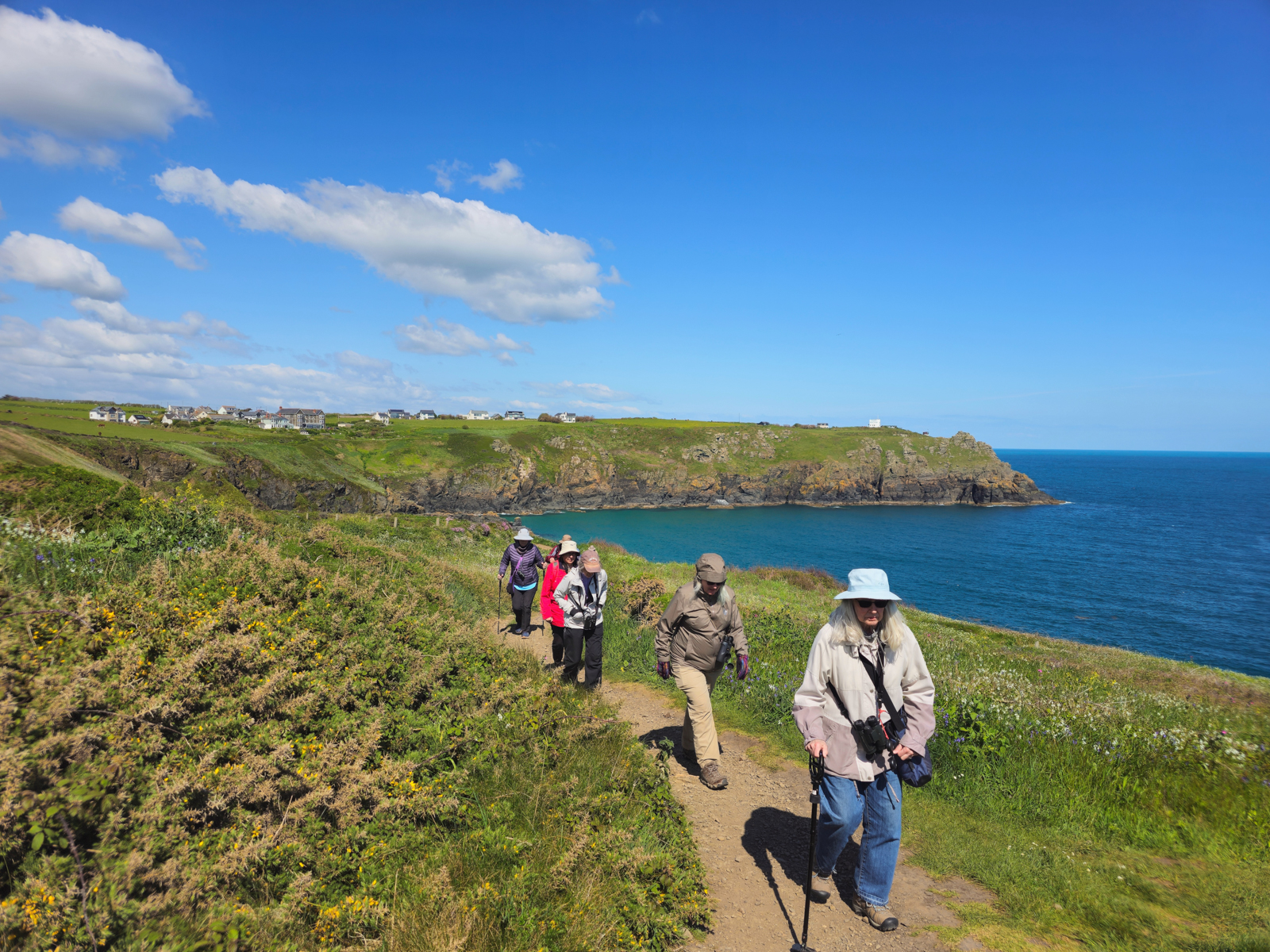
Birding at The Lizard © Mike Hoit
Day 10, 6th May: Hestercombe House and back to London.
It’s a fair way from Cornwall to Heathrow, so Hestercombe House is an ideal place to stop. Wandering the paths through the mix of formal gardens and wilder areas dotted with Victorian follies, we had last chance to catch up with woodland birds, including Great Spotted Woodpecker for some, while we were entertained by Little Grebe and a family of Common Moorhens on the ponds. Passing the Dutch Garden and Orangery, we finished the tour at the Formal Gardens which the site is famed for, with the vista of the Vale of Taunton beyond.
The rest of the journey was trouble-free, and enlivened by many Red Kites which are commonplace along the roadsides in this area, and just like that, the tour was at an end. Over a final evening as a group we had a good reminisce over this most enjoyable and unique tour – not least because the 2025 iteration was almost entirely lacking in clouds!
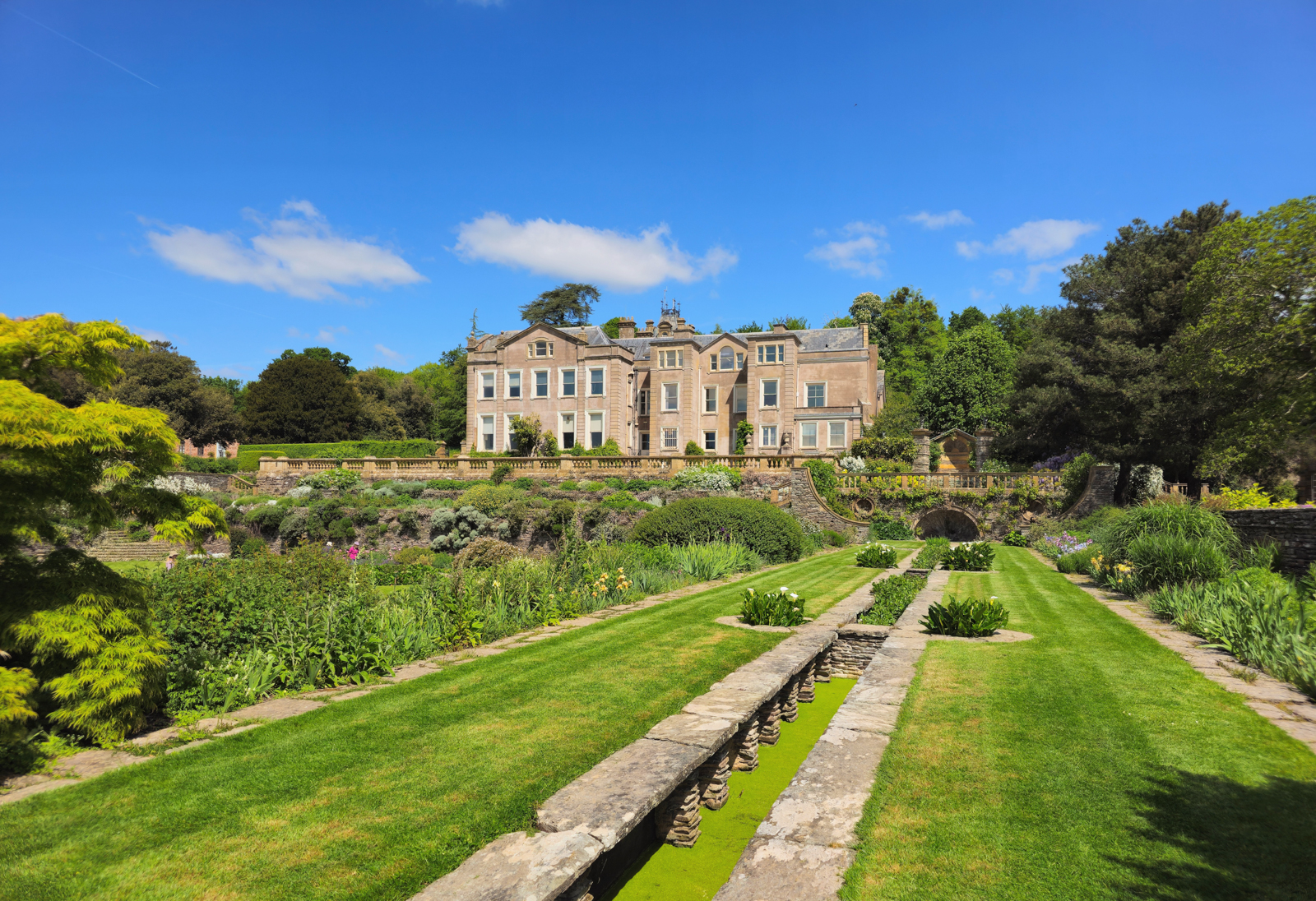
Hestercombe © Mike Hoit