New Zealand: South & Stewart Islands
New Zealand: South & Stewart Islands
Highlights
Highlights
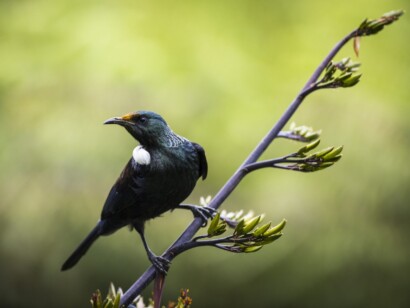
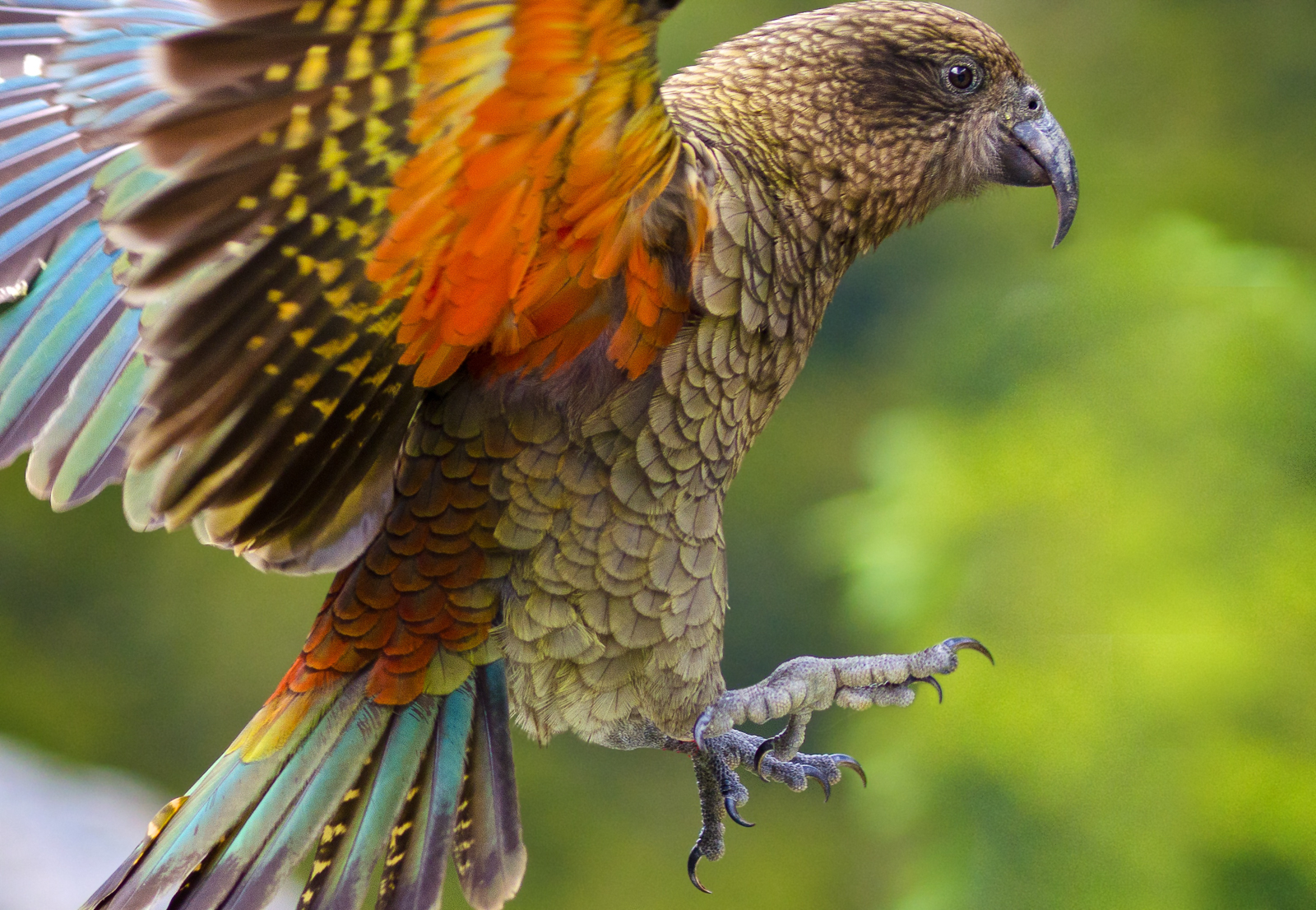
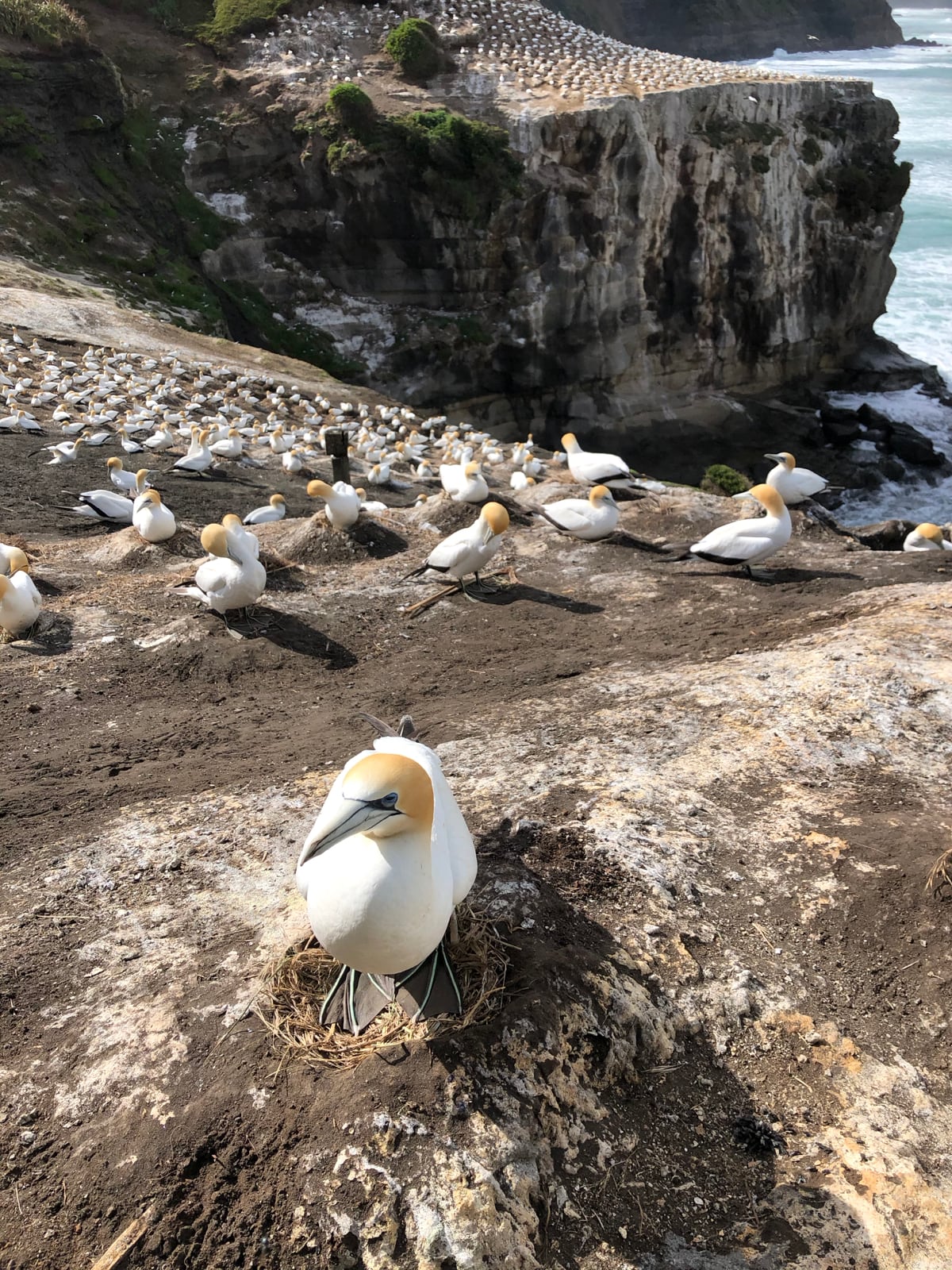
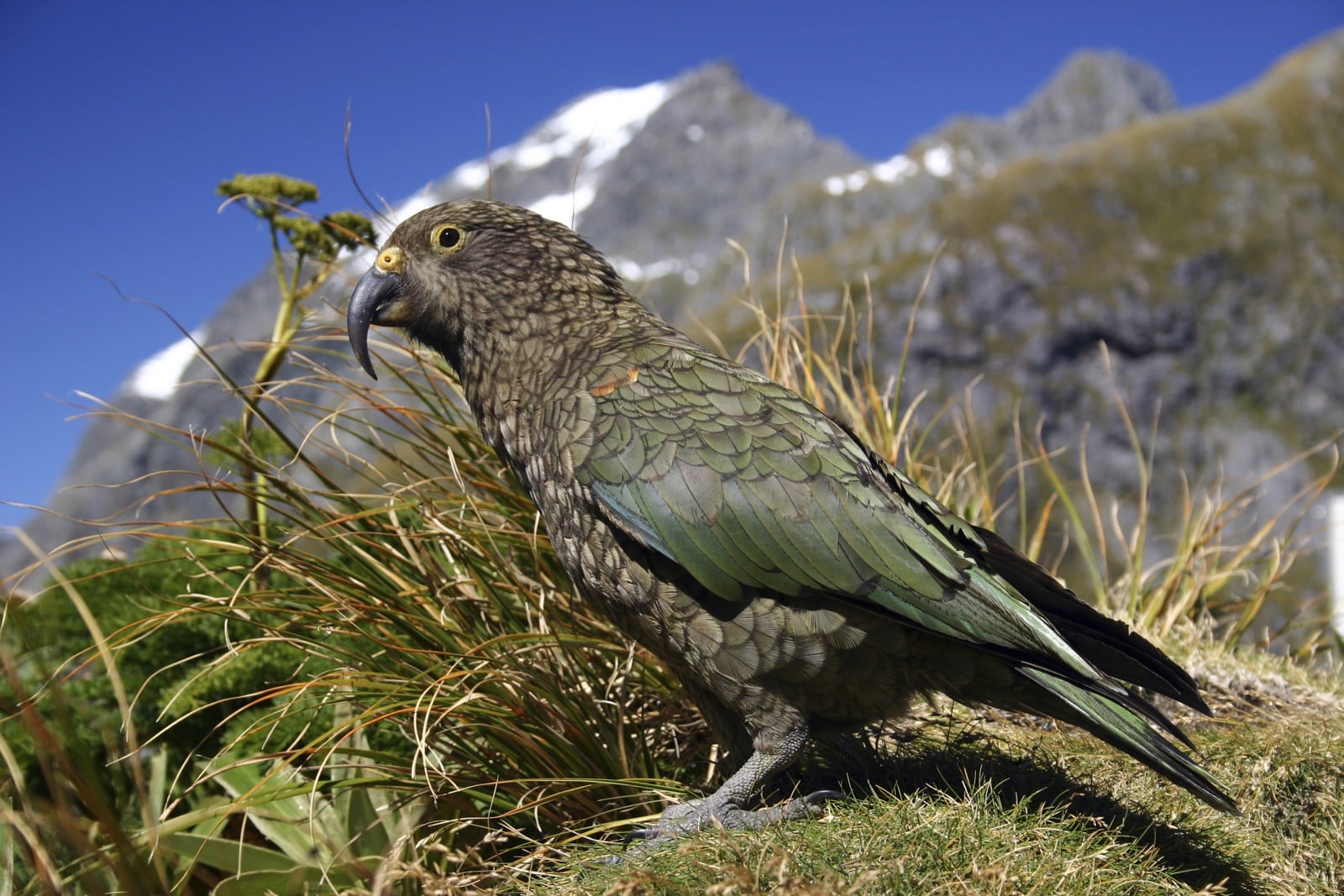
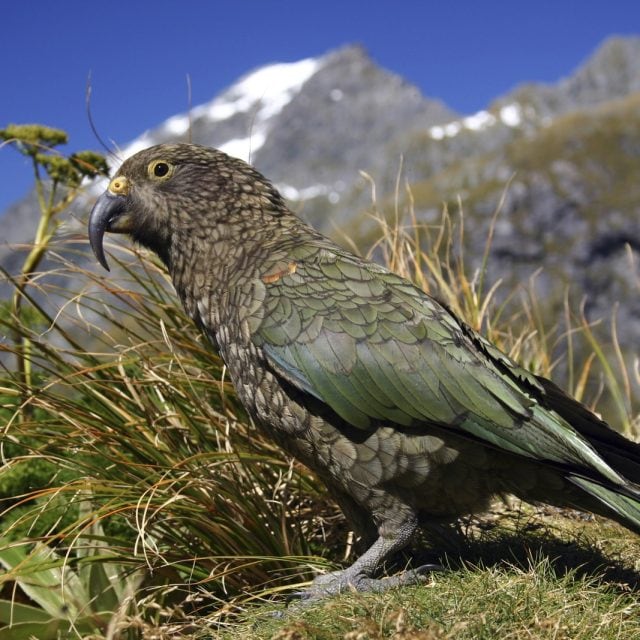
- Lots of very special and unique birds and wildlife, including kiwis, penguins, parrots, superb seabirds, astonishing Tuis, and Kea, the world's only alpine parrot
- Boat-trips to predator-free islands with numerous endemic birds
- World class pelagic trip off Kaikoura
- Pelagic cruise off Stewart Island
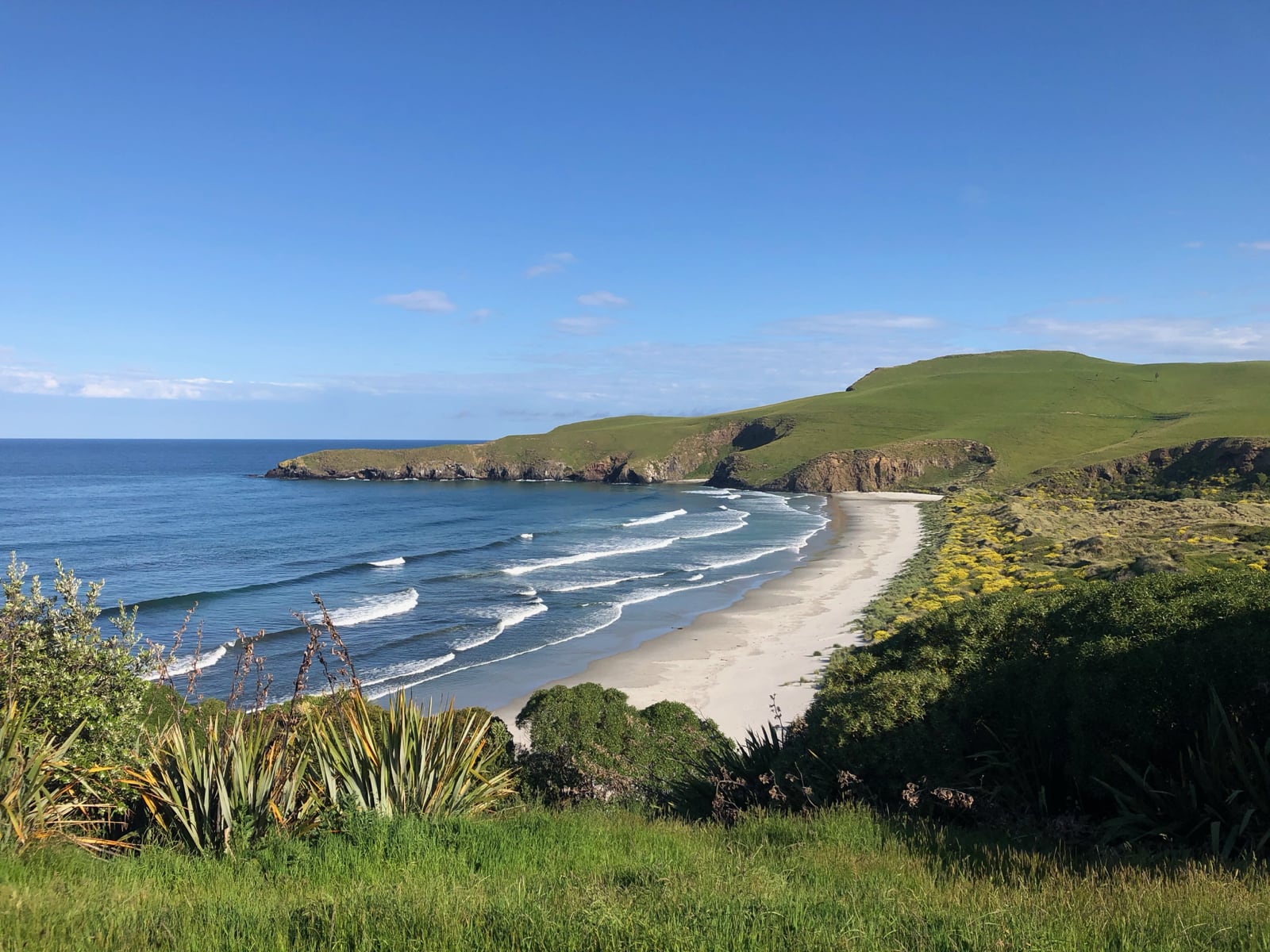
- Spectacular scenery from snow-capped mountains to rugged coastlines and volcanically active highlands!
Map
Map
Overview
Tour Overview
Our New Zealand: South Island birding tour takes in the South Island and Steward Islands. There are around 59 endemic bird species here, including quintessential New Zealanders – the Kiwis, those flightless, wingless, long-beaked ground-dwellers after which New Zealanders are named.
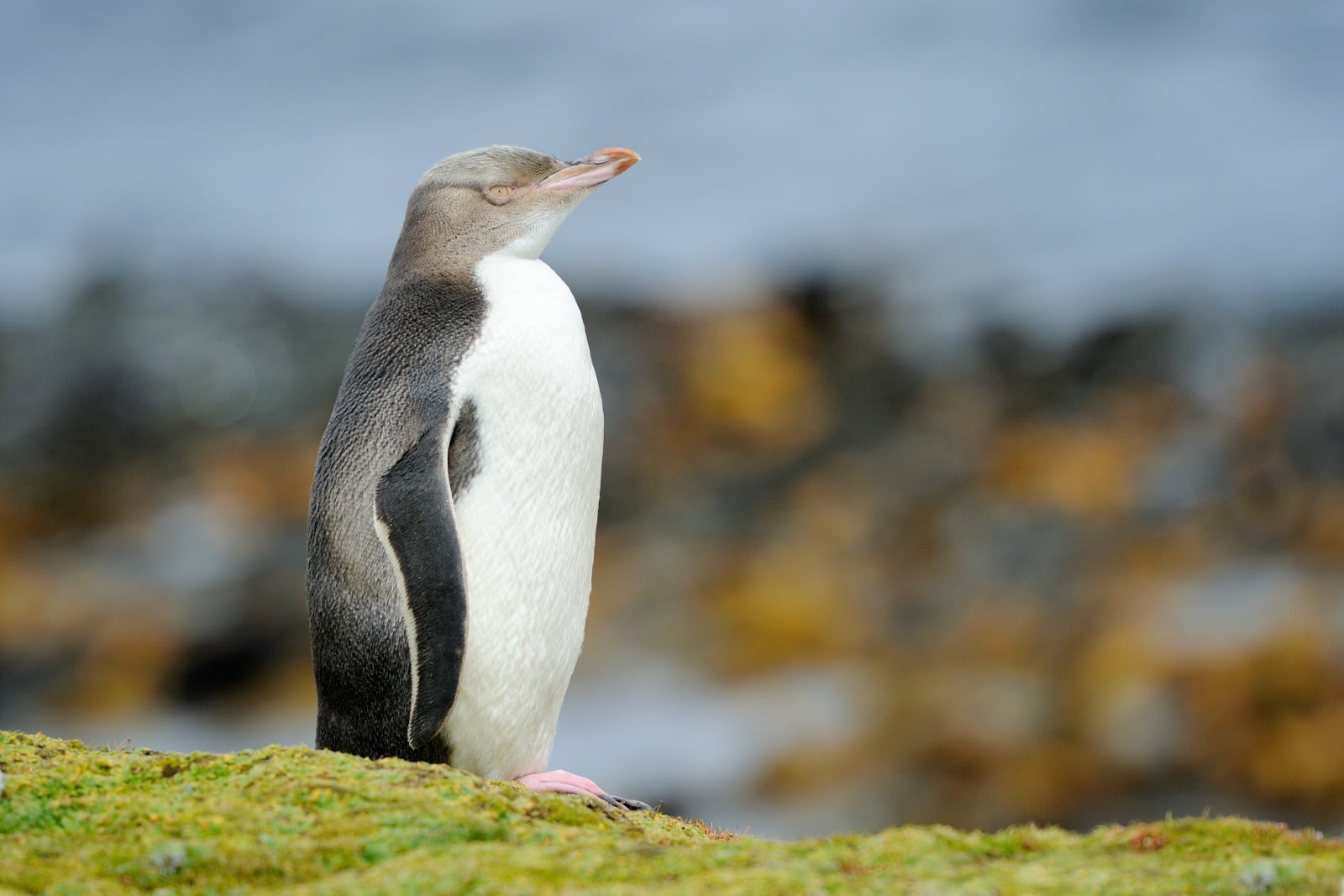
Other amazing species include the world’s rarest penguin – Yellow-eyed, the inquisitive parrot the Kea, the scarce Blue Duck, the remarkable Wrybill – surely one of the strangest of shorebirds, as well as diverse seabirds – albatrosses, shearwaters, storm-petrels, petrels.
Dates & Prices
Dates & Prices
What's Included
Tour Price Includes
- Kiwi excursions included (weather permitting)
- All accommodations (Moderate to good quality hotels and lodges)
- All meals and soft drinks
- Ferry and pelagic boat trips included
- Ground transportation
- Guides: 4 - 7 participants with one guide and vehicle, 8 - 12 with two guides and vehicles
Tour Price Does Not Include
- Travel to and from start/end location
- Travel Insurance
- Items of a personal nature
- Alcoholic beverages
Gallery
Gallery
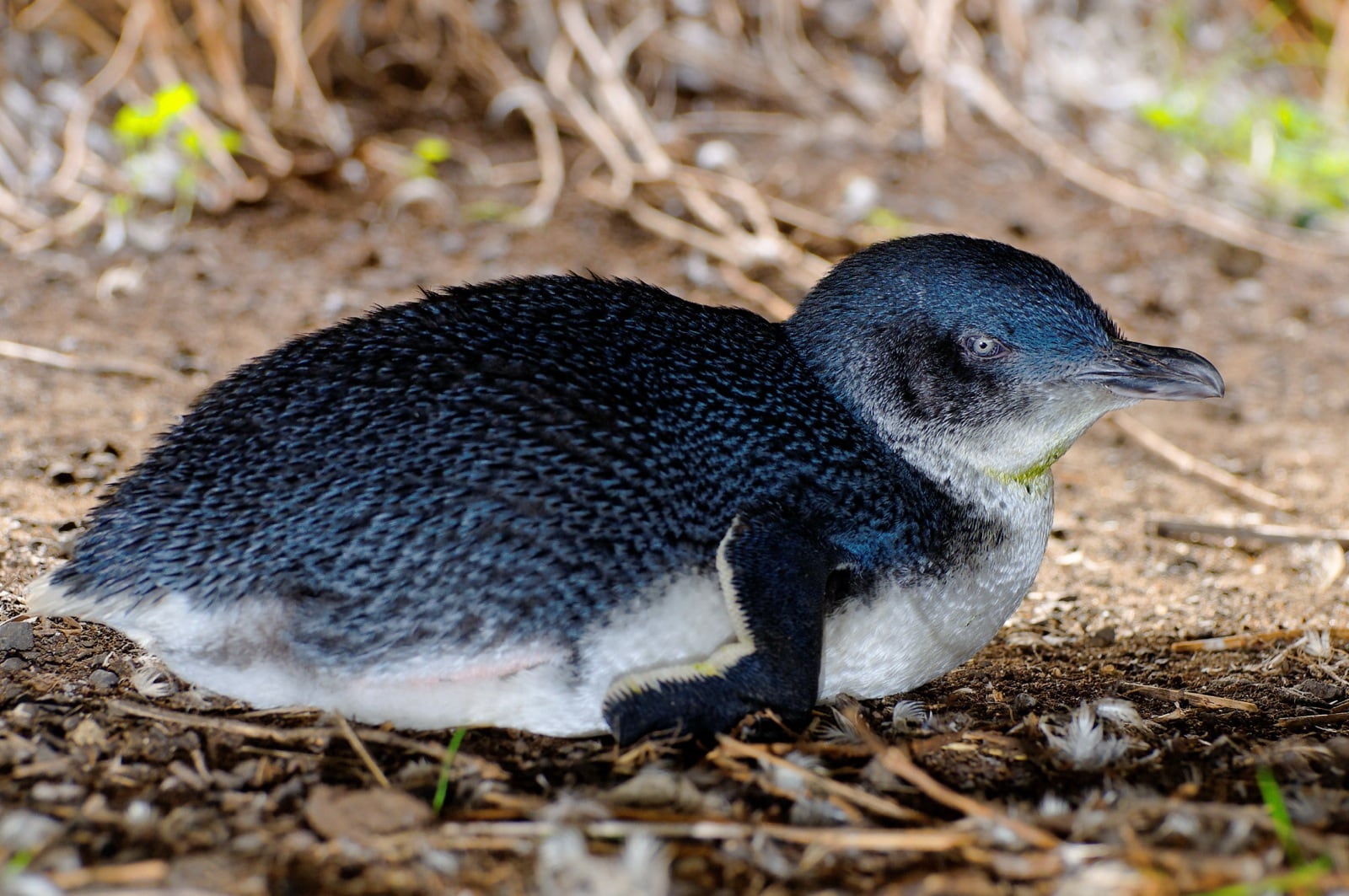
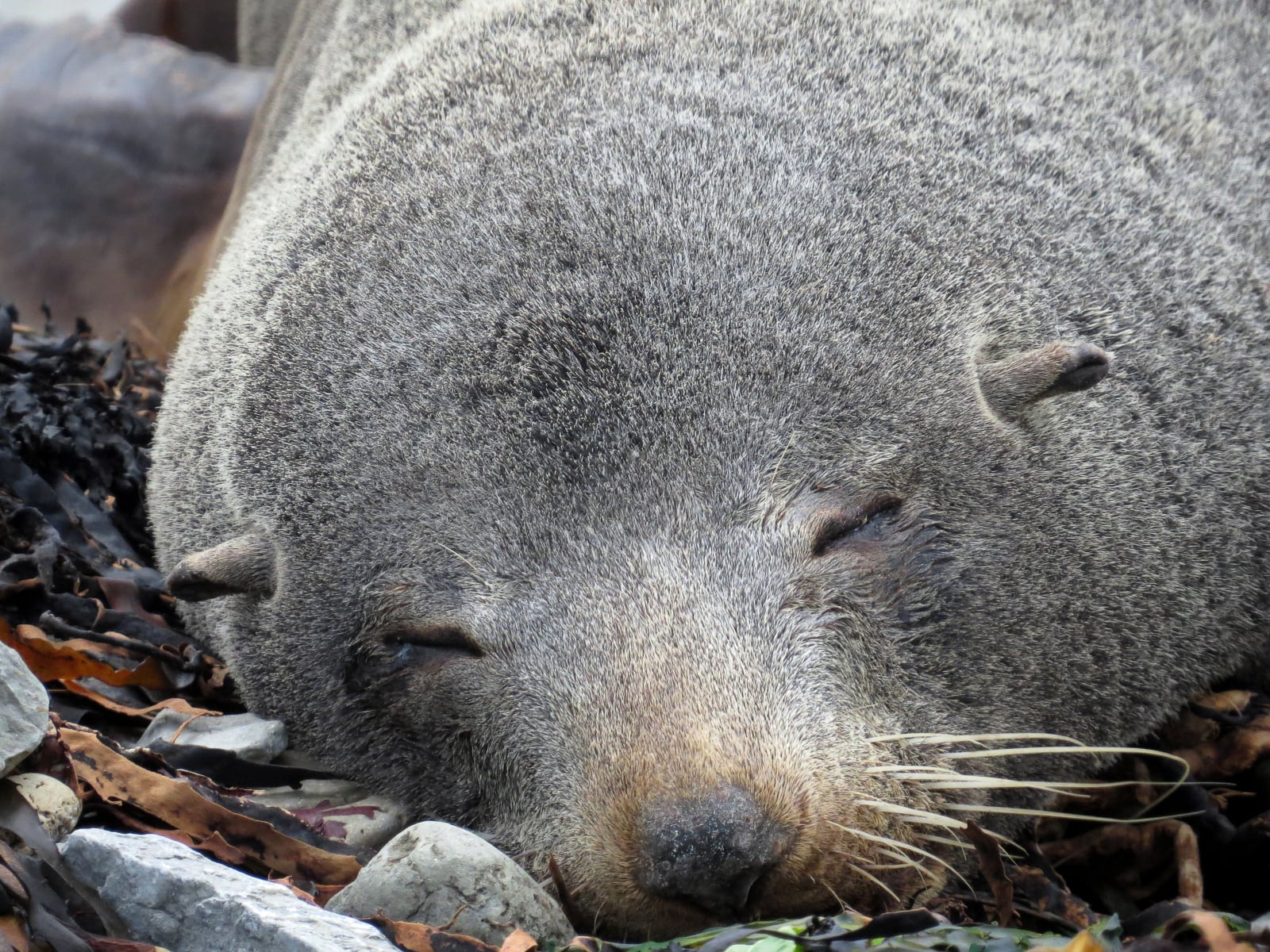
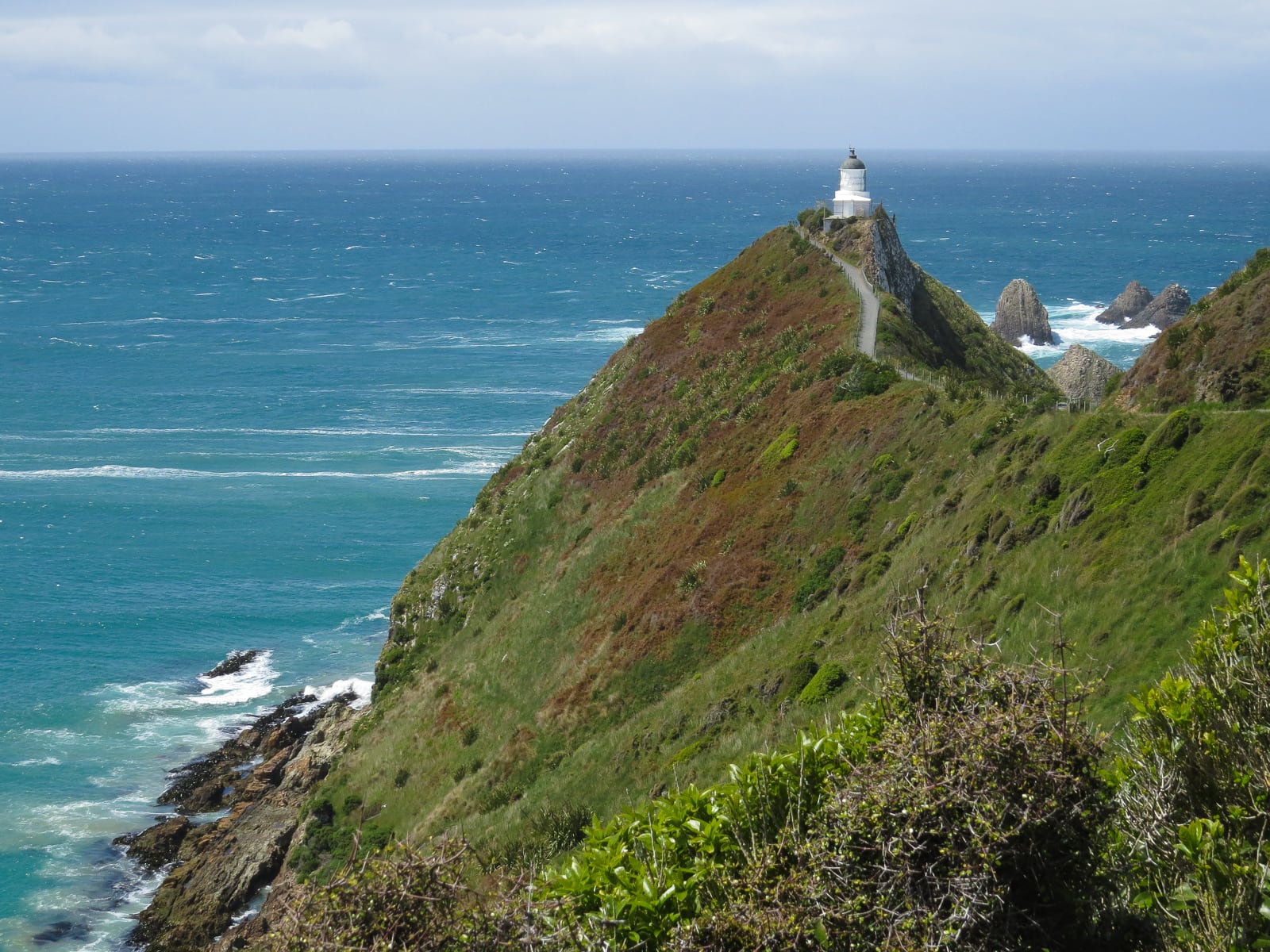
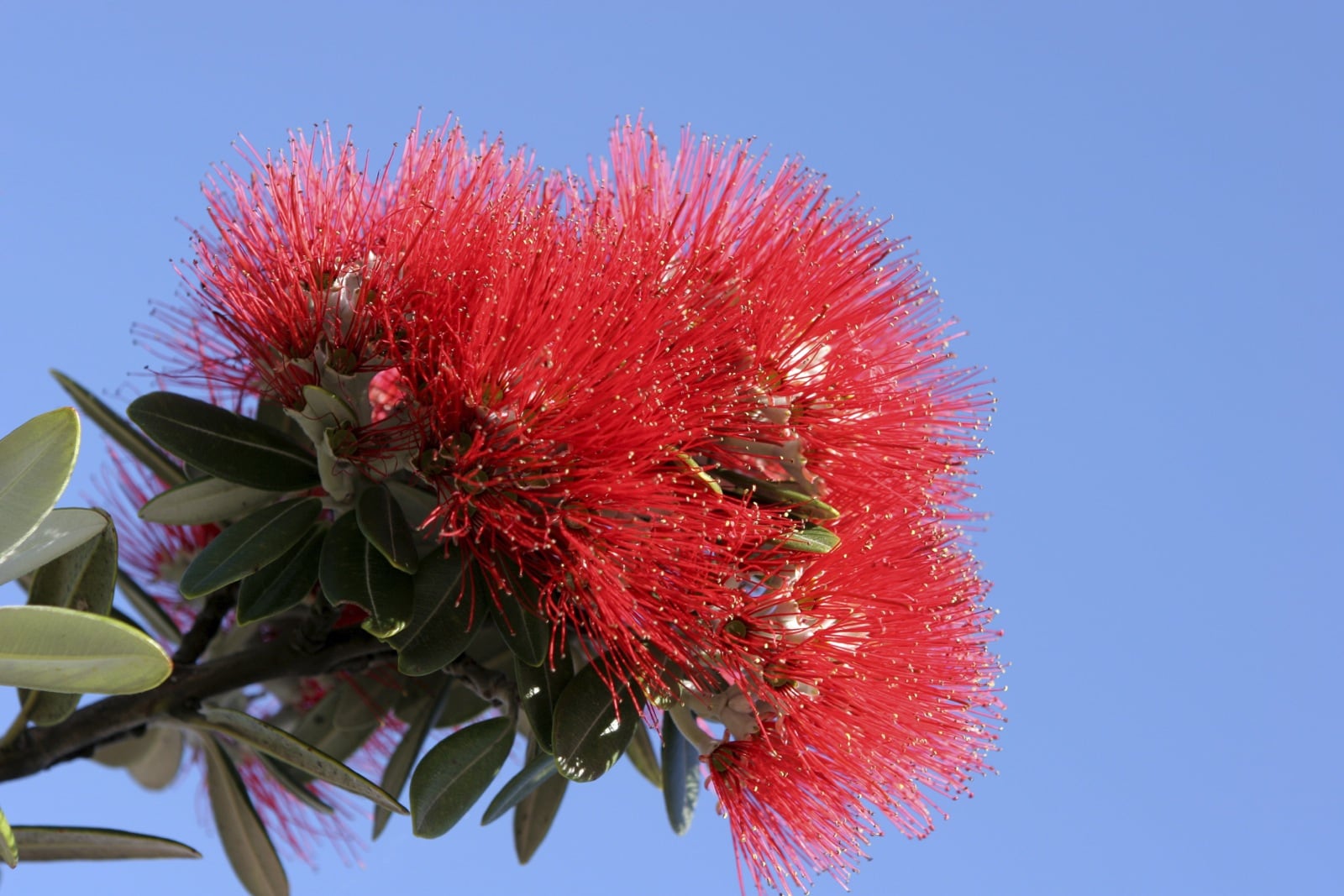



Itinerary
Itinerary
Day 1: Arrival - Wellington
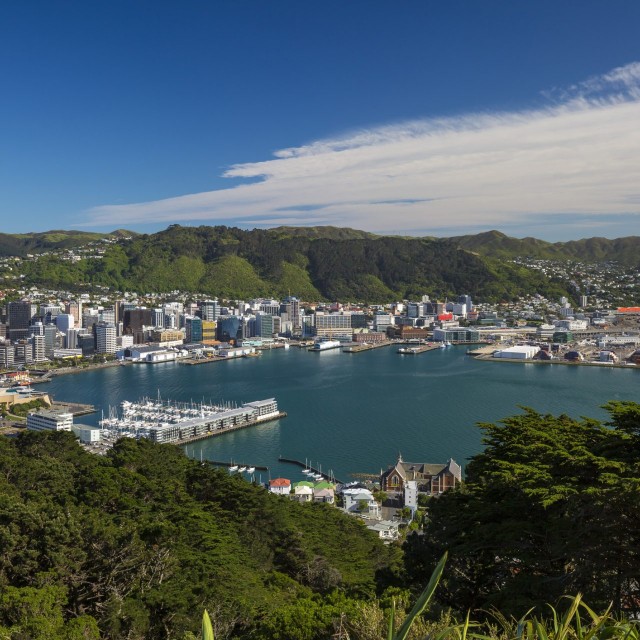
Our New Zealand: South Island tour begins today. We will meet for dinner in Wellington. If you are joining from our New Zealand North Island tour you will have had a day to relax and enjoy Wellington. Night in Wellington.
Day 2: Waikanae and Ferry Crossing to South Island
After some morning birding, we will catch a mid-afternoon ferry across the Cook Straight to Picton. Although the tall ferry means that birds are slightly further away, it offers some excellent species including a number of Albatross, Petrel and Shearwater possible, as well as dolphins.
After checking into the hotel, we will do some local birding - possibly at some wetlands around Blenheim, looking at Glossy Ibis and Royal Spoonbill breeding colonies, and looking for other birds like Cirl Bunting and Black-fronted Dotterel. Night in Picton.
Day 3: Marlborough Sounds
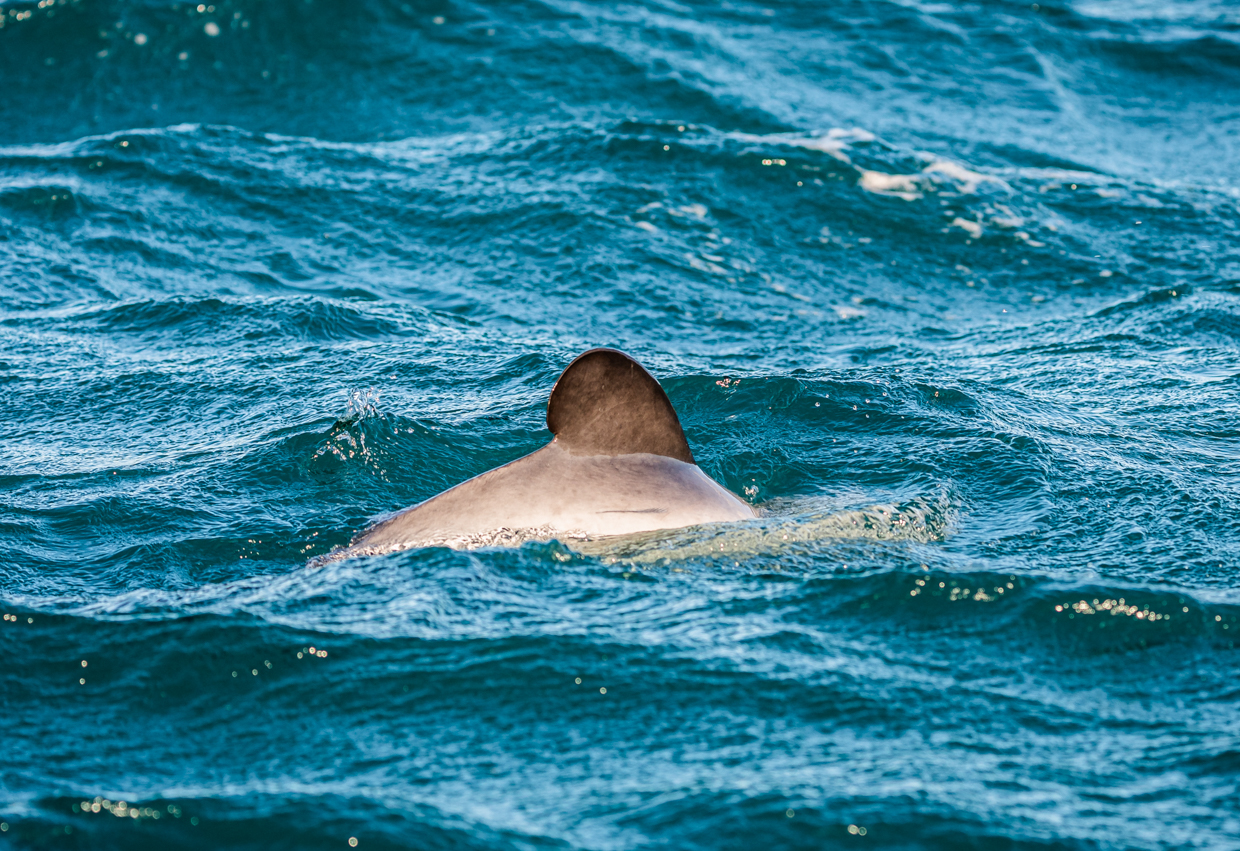
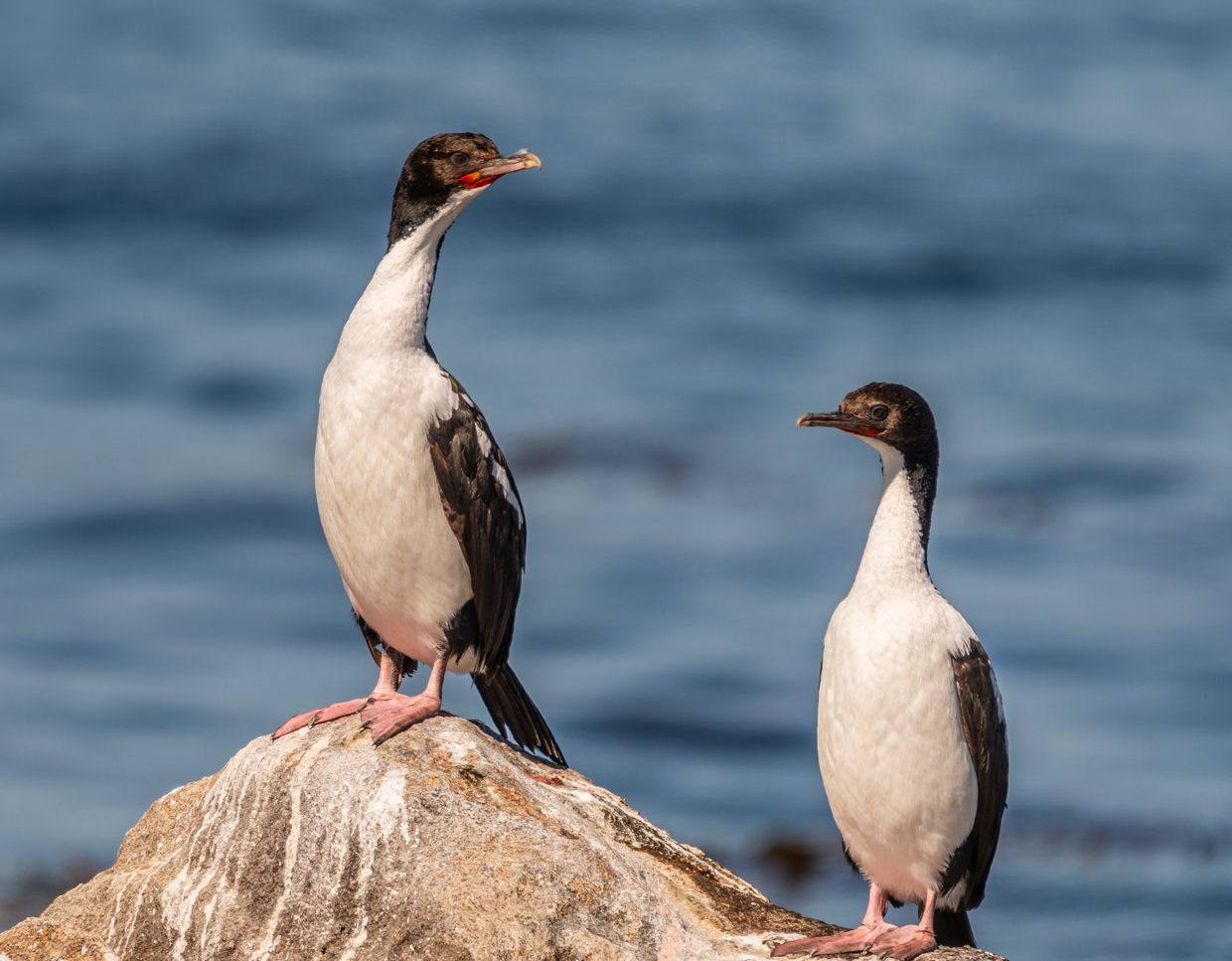
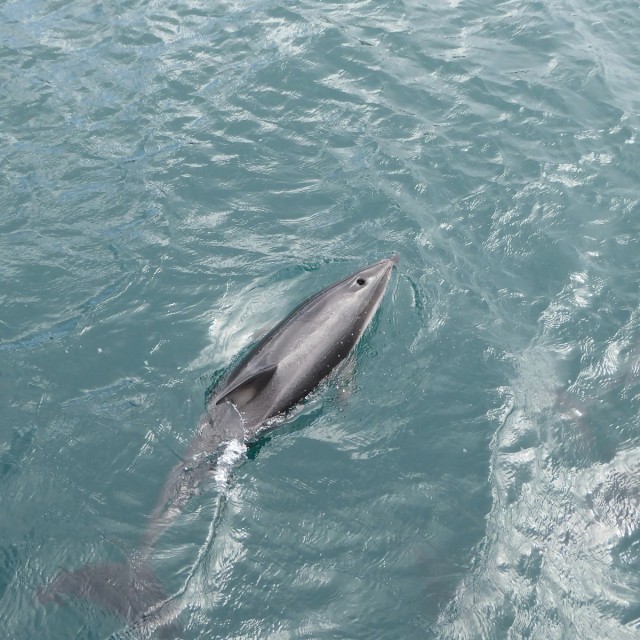
We take a morning sealife cruise through the magnificent Marlborough Sounds, where we will hope to find New Zealand King Shag, a striking bird endemic to this part of New Zealand, along with various other seabirds and cetaceans, possibly including the world’s smallest Dolphin - the Hector’s Dolphin.
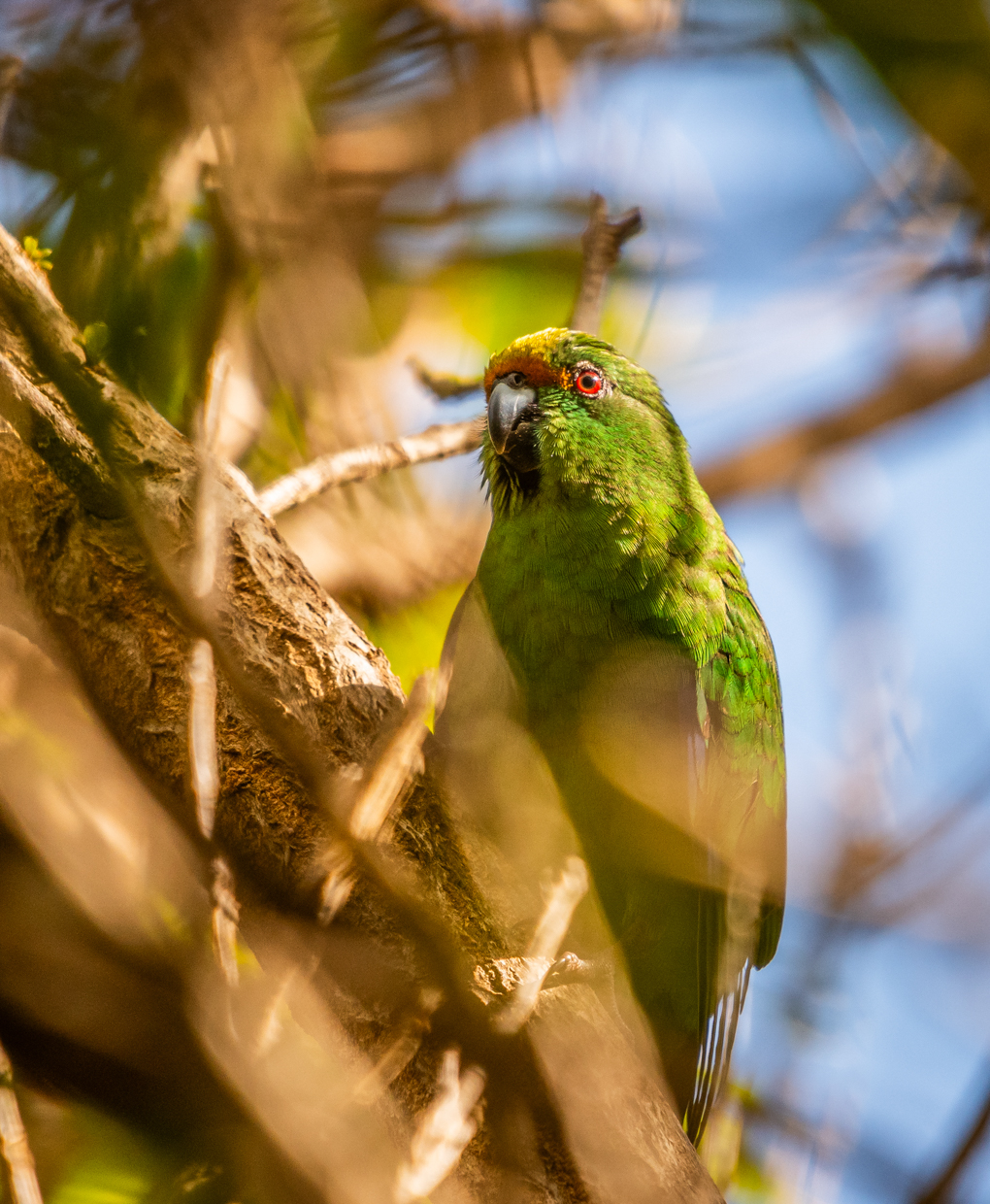
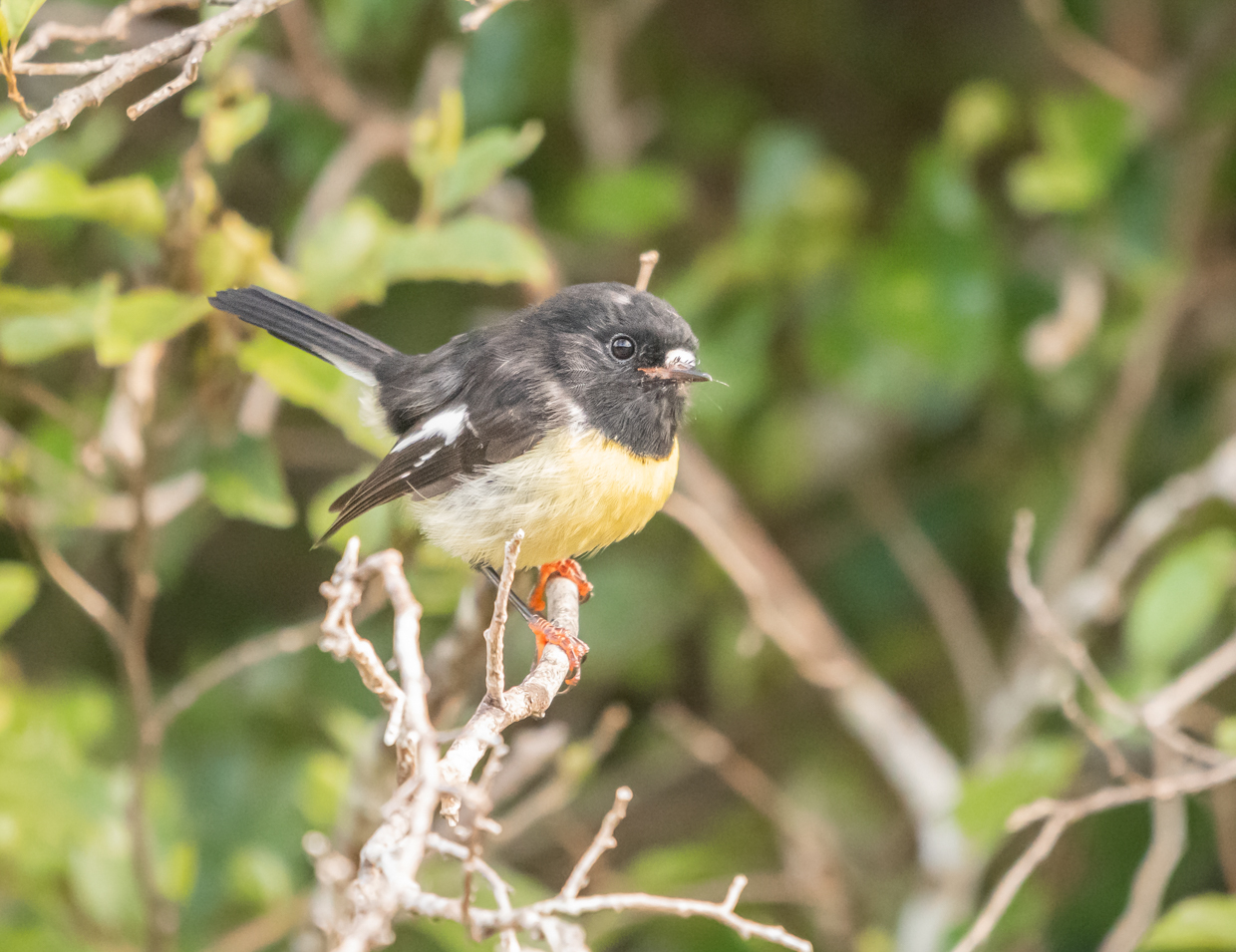
We’ll stop at Blumine Island and look for the extremely rare Malherbe’s Parakeet, of which fewer than 300 remain in the wild, along with Yellow-crowned Parakeet, South Island Saddleback and South Island Robin, while enjoying the curious and confident Weka on the beach.
We will return to Picton for lunch and then drive south towards Kaikoura. We will stop at Lake Elterwater on the way to enjoy abundant waterbirds and to look for Hoary-headed Grebe.
After dinner we will look for Little Owls around Kaikoura. Night in Kaikoura.
Day 4: Pelagic birding
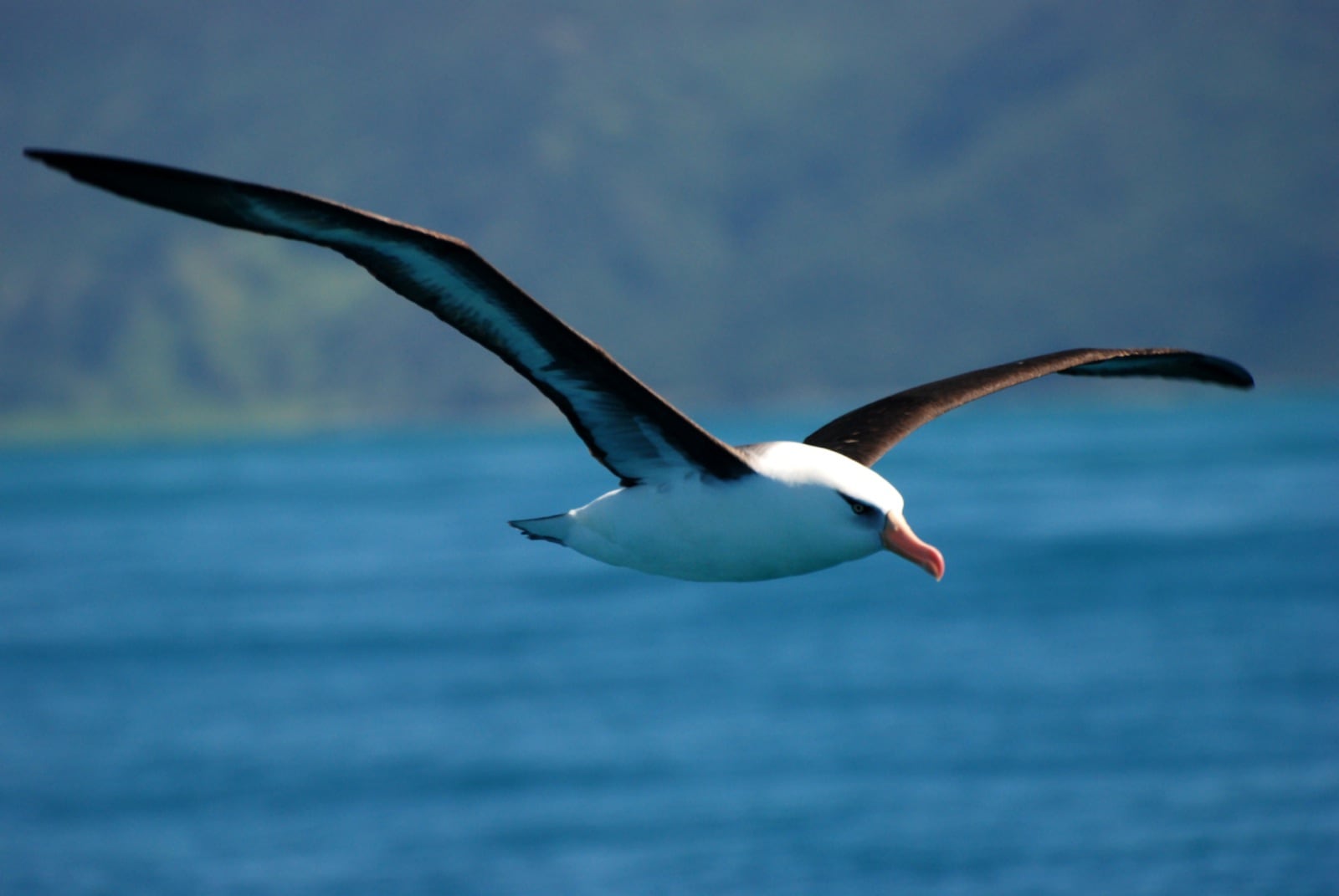
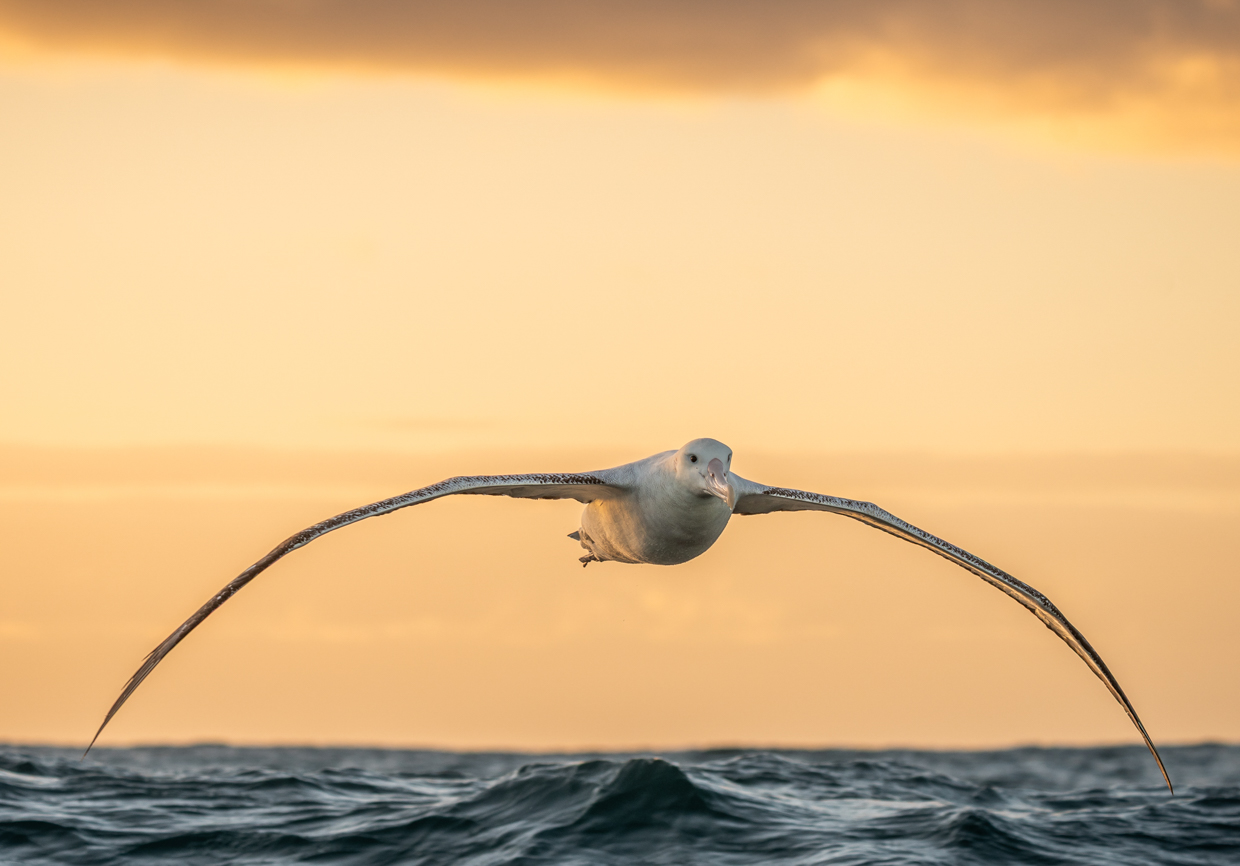
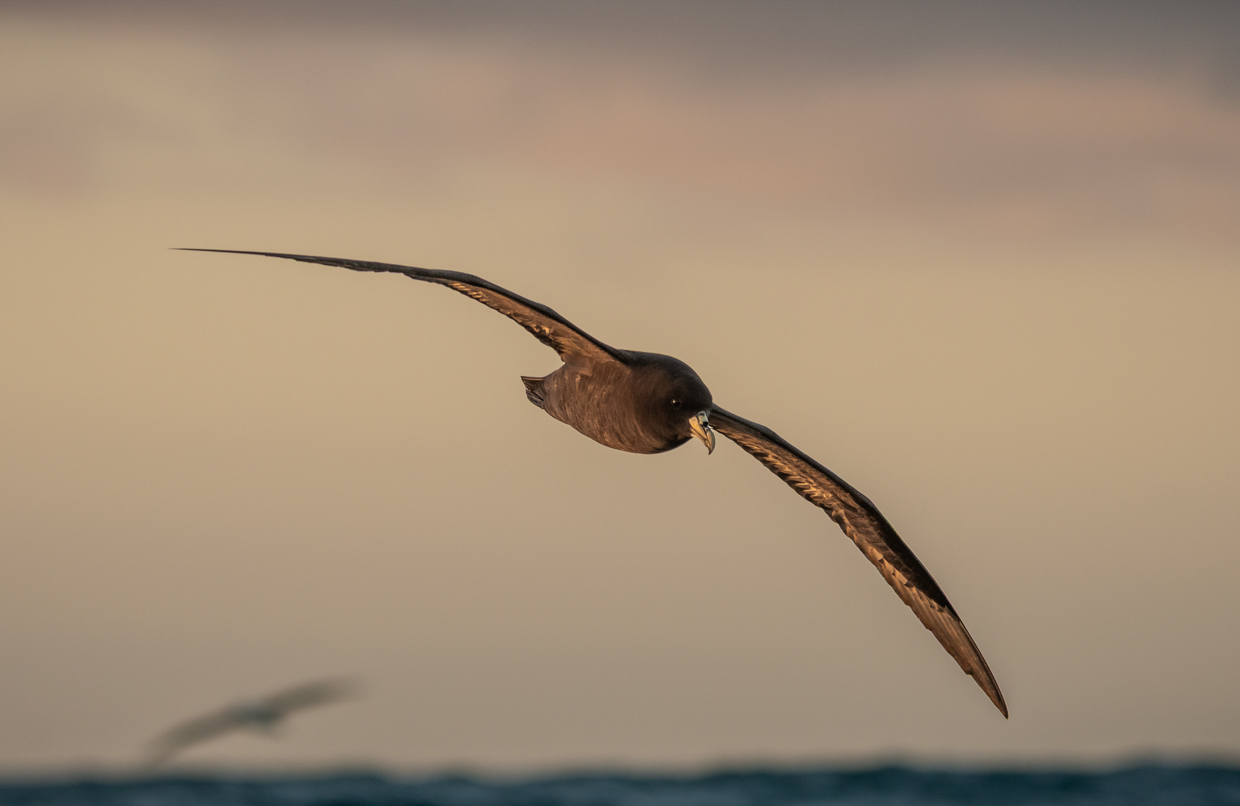
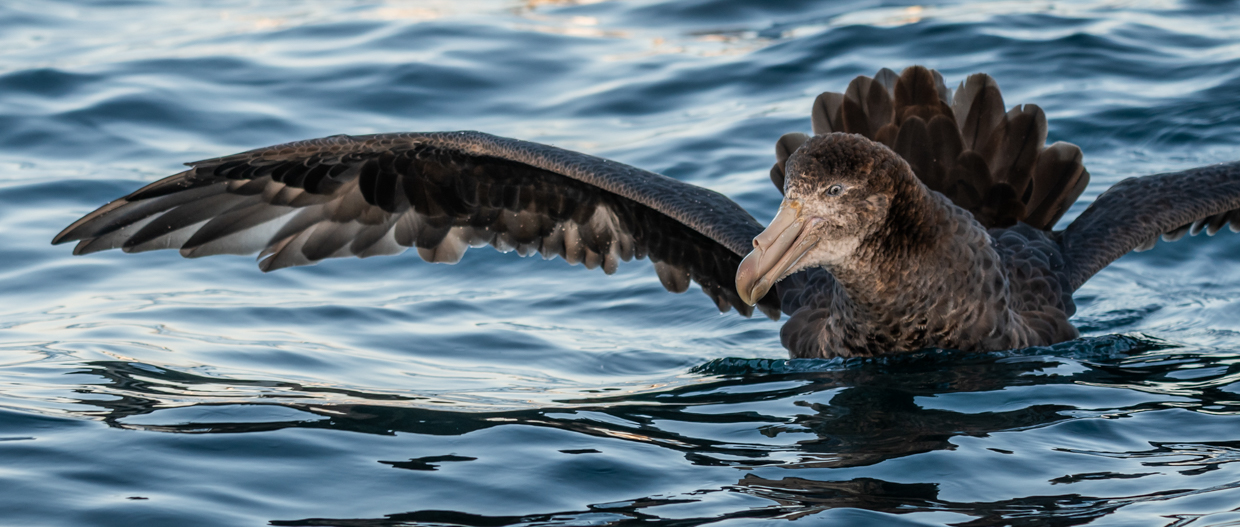
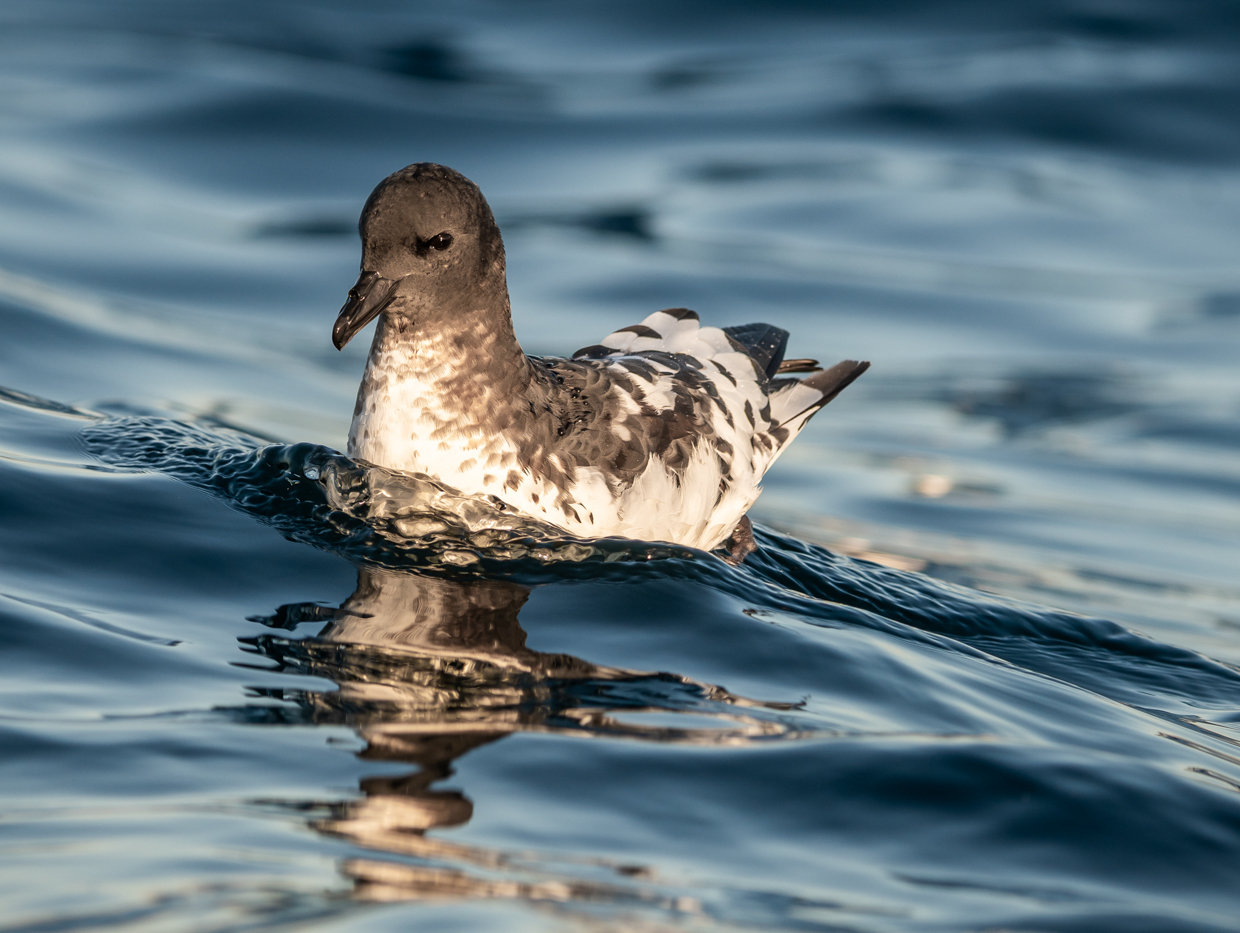
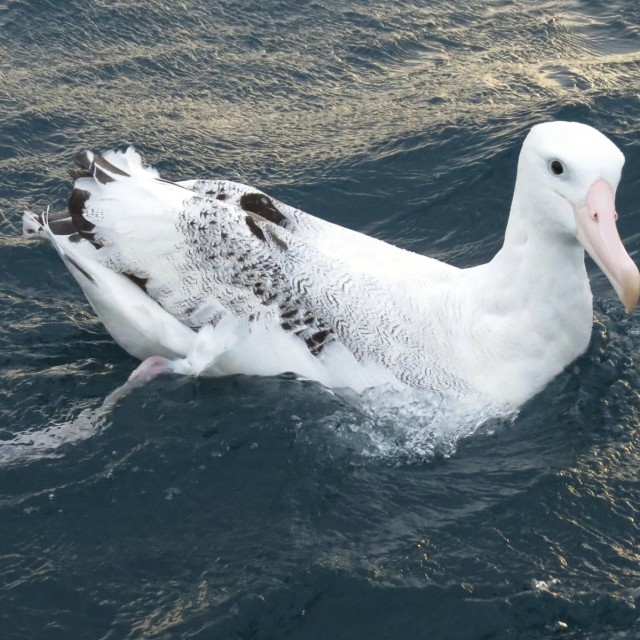
We will enjoy one of the world’s greatest pelagic tours, the Kaikoura Albatross Encounter. You can expect to see a variety of seabirds at close-quarters today including the massive Gibson's (Wandering) Albatross, with a wingspan of 3.5m! Other species include, White-capped, Salvin’s, Black-browed and Royal Albatrosses, Northern Giant Petrel and Pintado Petrels, and the Hutton’s Shearwater, which breeds only in the mountains behind the town here.
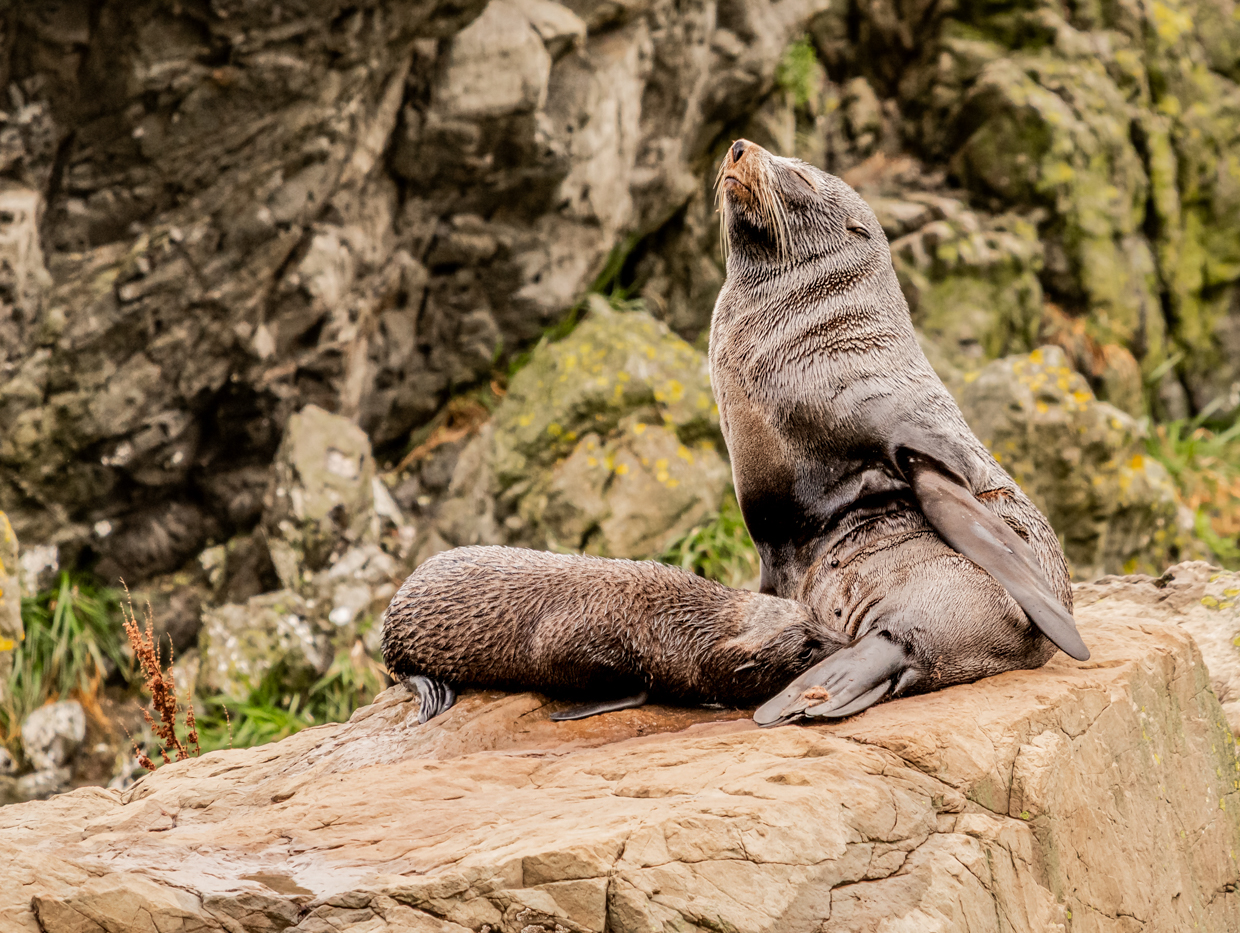
We will return to Kaikoura for lunch and then spend a relaxed afternoon visiting Fyffe Palmer Reserve to look for native songbirds, or Point Kean Seal Colony and Kaikoura Peninsula. Night in Kaikoura.
Day 5: Across the Southern Alps to Arthur’s Pass
We leave Kaikoura, and head south, stopping at Ashley Estuary to look for Black Stilt and Black-fronted Tern, along with other shorebirds. We will visit Travis Wetland in Christchurch to see abundant waterbirds, hopefully including New Zealand’s only Cape Barren Geese.
We then head inland continuing to Arthur’s Pass. We will bird around Arthur’s Pass village to look for forest birds such as South Island Robin, Pipipi and Rifleman. We will also get the chance to see the cheeky Keas stirring up mischief. We will try for Great Spotted Kiwi during the evening - even if we are unsuccessful in seeing them, we should be able to hear them calling from our accommodation throughout the night. Night in or near Arthur's Pass National Park.
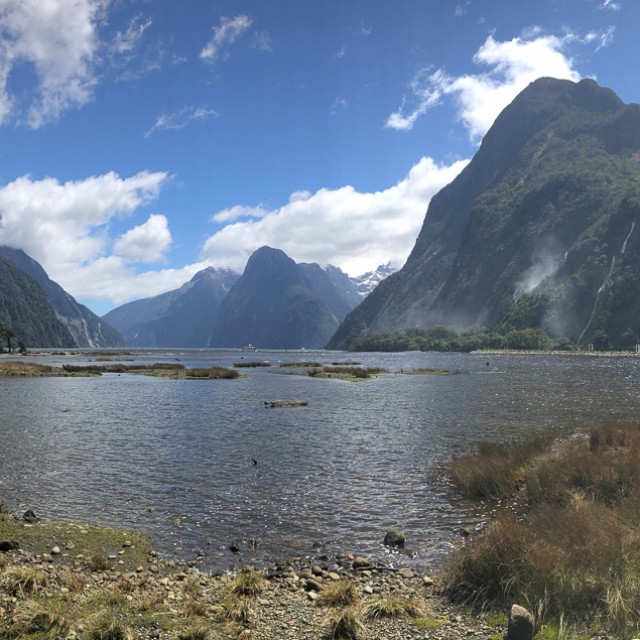
Day 6: Arthur’s Pass and Franz Josef Glacier
This morning we will bird in the nearby area and drive to Hokitika for lunch. This is a very cute little town that has some amazing shop options, including loads of jade shops and wool shops (made from a mixture of sheep wool and possum fur). We will then continue on our way to Franz Josef for the night.
There is an optional evening outing to Okarito to try to find the rarest of the kiwis, the Okarito Brown Kiwi (Rowi). This will either occur on Day 6 or Day 7. Night in Franz Josef Glacier.
Day 7: Okarito
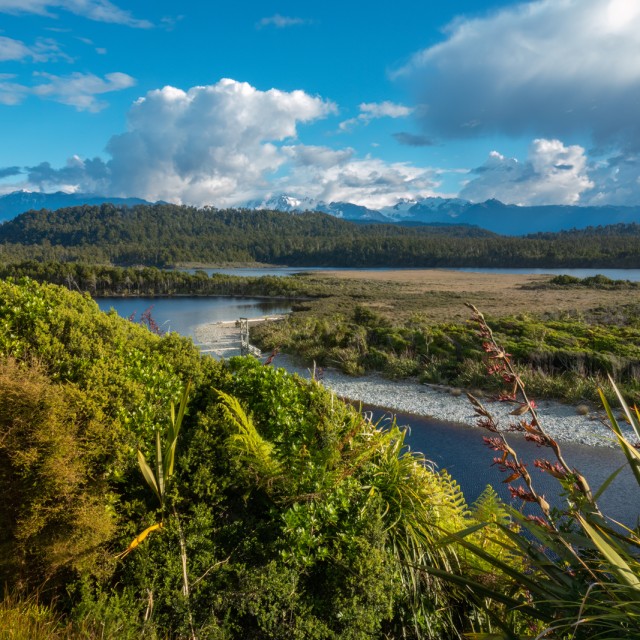
We will have a slower start to the day, after our Kiwi-watching the night before. Today we will bird around Okarito, exploring the beautiful forests of the West Coast. We will visit the lagoon at Okarito, where we should find some Great Egrets, which are rare in New Zealand. This is also a great area to look for Long-tailed Koel. Night in Franz Josef Glacier.
Day 8: Haast Pass
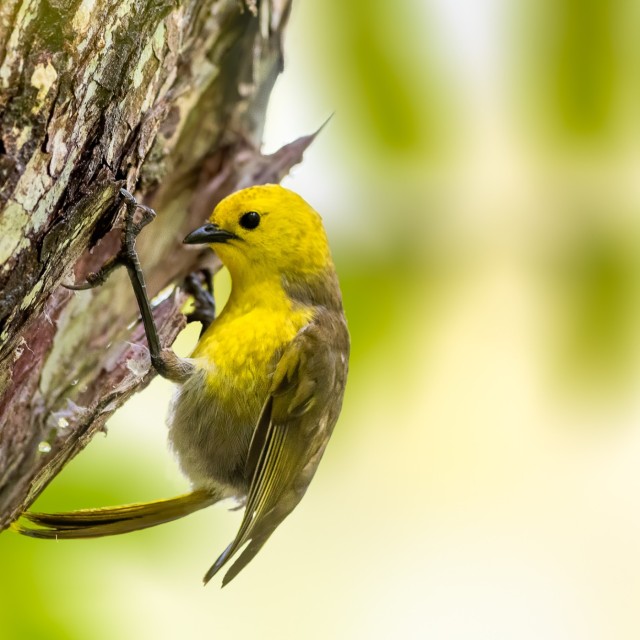
We travel today from Franz Josef to Queenstown through stunning forest and mountain habitats. We will break up the drive with stops along the way including a stop at Monro Beach to look for Fiordland Penguins. We will carry on to Haast for lunch. In the afternoon, we may take a short walk Mt Aspiring National Park, looking for native forest birds such as Rifleman and Yellowhead. Night in Queenstown.
Day 9: Ferry to Stewart Island and Kiwi excursion
We will drive from Queenstown to Bluff where we will catch an afternoon ferry to Stewart Island. This Ferry ride is a great opportunity to view large numbers of seabirds including large numbers of Albatrosses, Petrels and Shearwaters. Upon arrival, the rich native plant and bird life should be evident even around our accommodation in Oban—especially the raucous and inquisitive Kaka (parrot) whose silvery-white crown and flashy pink underparts make it an instant fan-favourite among visitors to Stewart Island. We will check into our accommodation after our arrival.
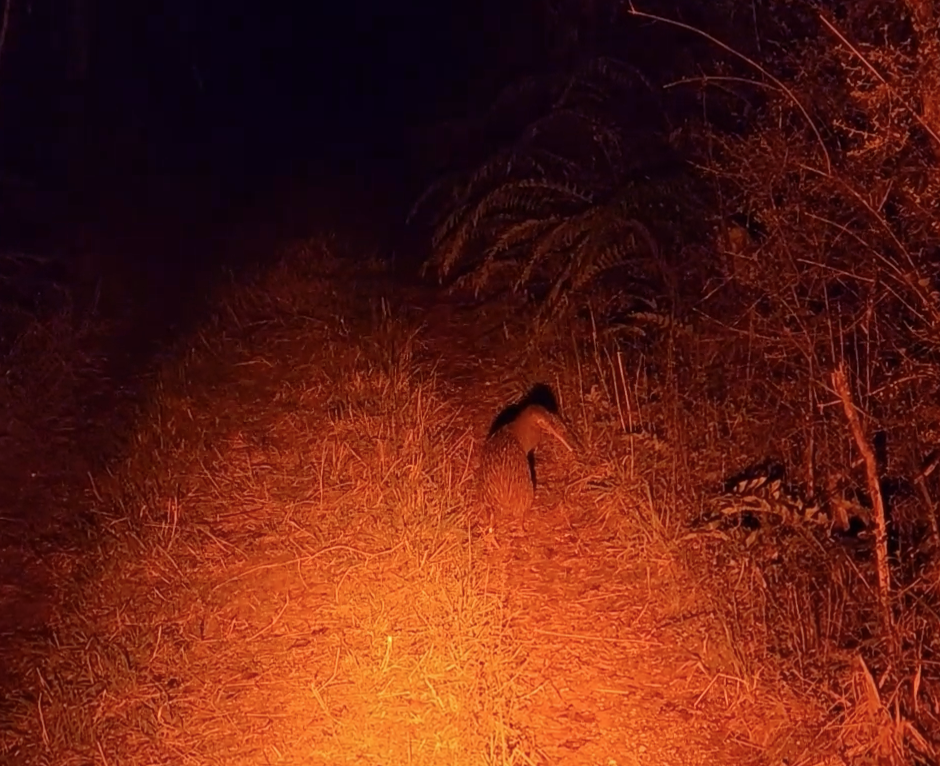
In the evening, we will take a boat trip to look for Yellow-eyed, Fiordland and Little Penguins, Brown Skua and more. We will also explore a remote beach to look for Southern Brown Kiwis (largest of the kiwis). This is always a wonderful and memorable experience. Night in Oban/Halfmoon Bay.
Day 10: Ulva Island and Stewart Island Pelagic
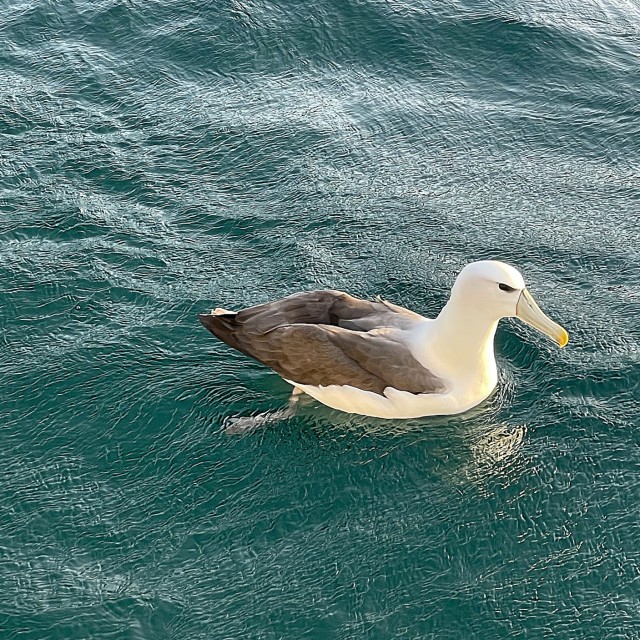
This morning we will take a half-day pelagic cruise to the east of Stewart Island. This area provides a wonderful feeding ground for a variety of pelagic birds including several species of Albatross, Petrel, Diving-Petrels and Prions. We will also be on the lookout for the much sought after Fiordland Penguin.
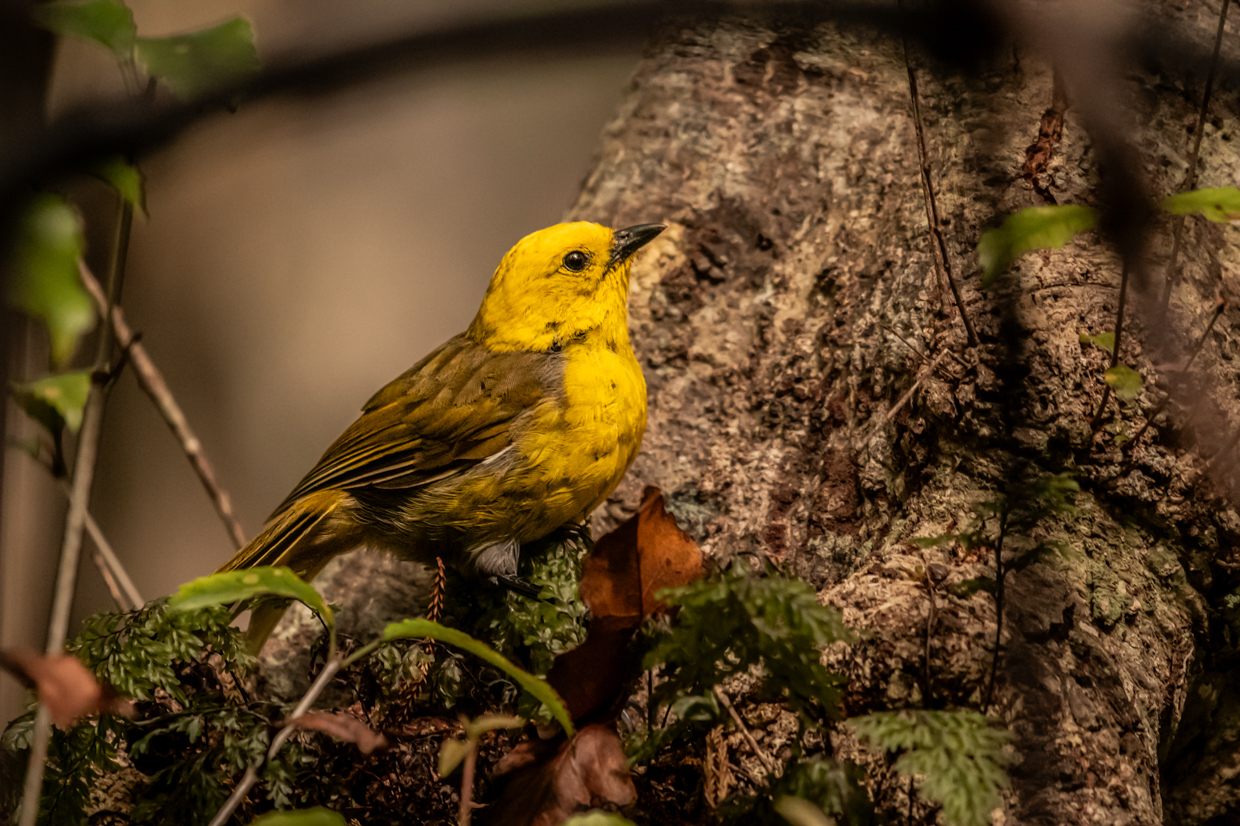
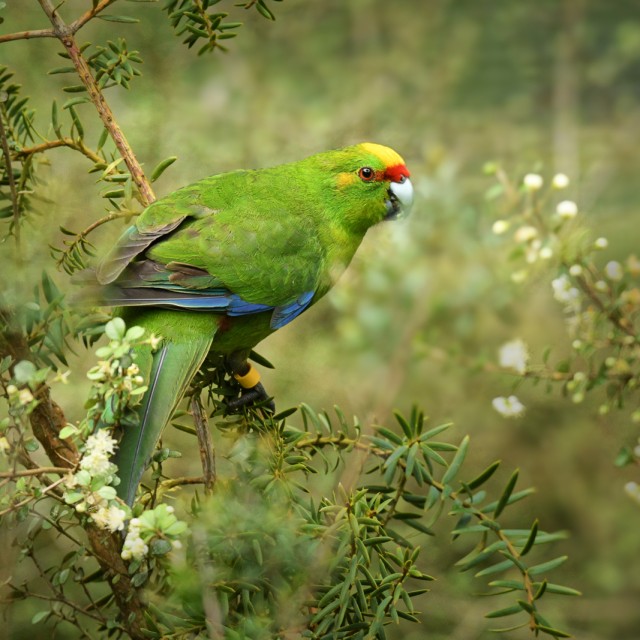
In the afternoon, we will take a water taxi to Ulva Island, the predator-free island with numerous endemic birds including Yellowhead, Pipipi, South Island Robin, South Island Saddleback, Red-crowned and Yellow-crowned Parakeet, Rifleman and Kaka. If we are extremely lucky, we might see a Kiwi during the day. Stewart Island and Ulva Island is the only place on earth where the Kiwis are active during the day as well. Night in Oban/Halfmoon Bay.
Day 11: Ferry to Bluff, the Catlins and Dunedin
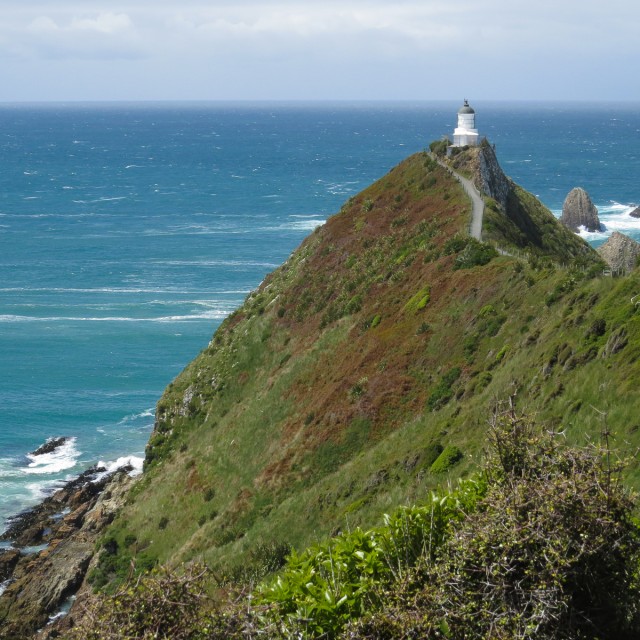
This morning we take the ferry back to Bluff, and travel the scenic southern route through the Catlins region—famous for its lush beech forests, hidden waterfalls, and wild Pacific coastline. If the tides work well, we will stop at Awarua Estuary to look for waders. Night in Dunedin.
Day 12: Albatross colony
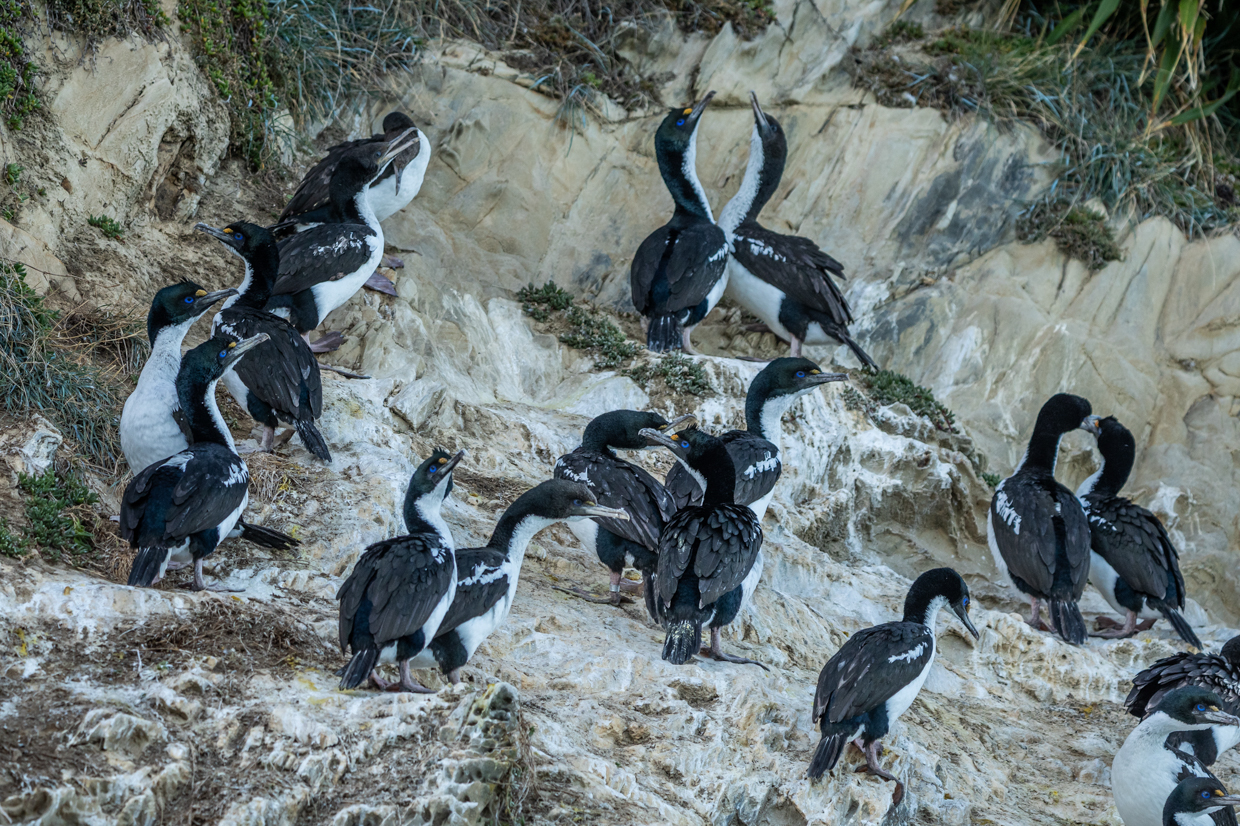
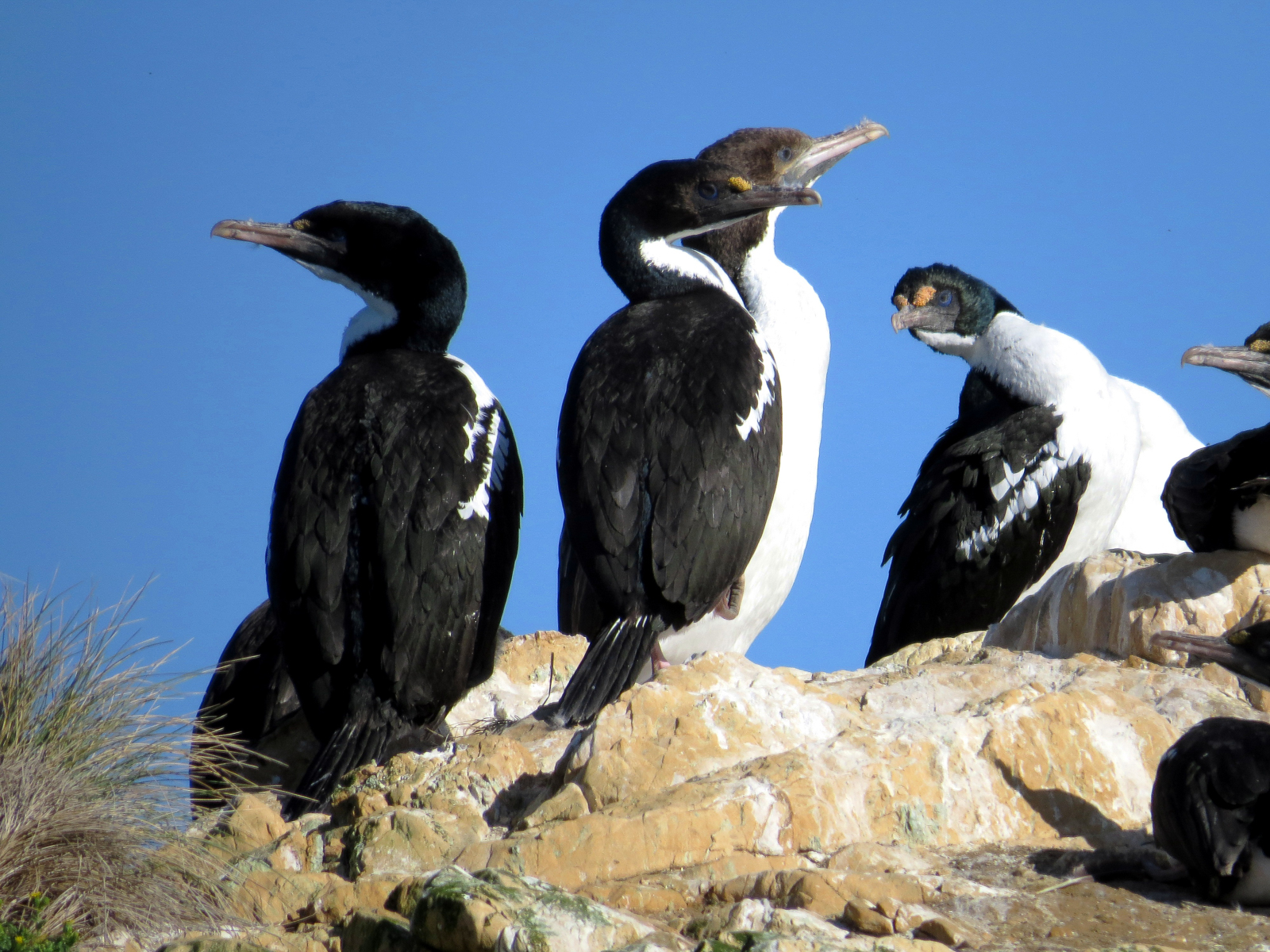
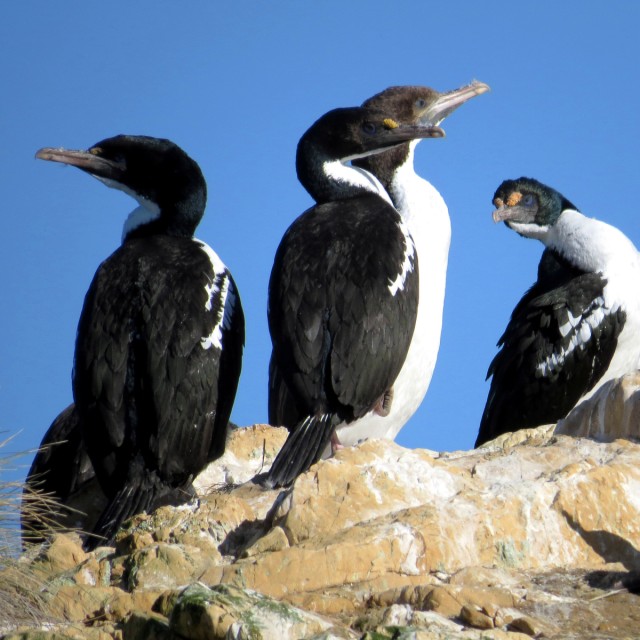
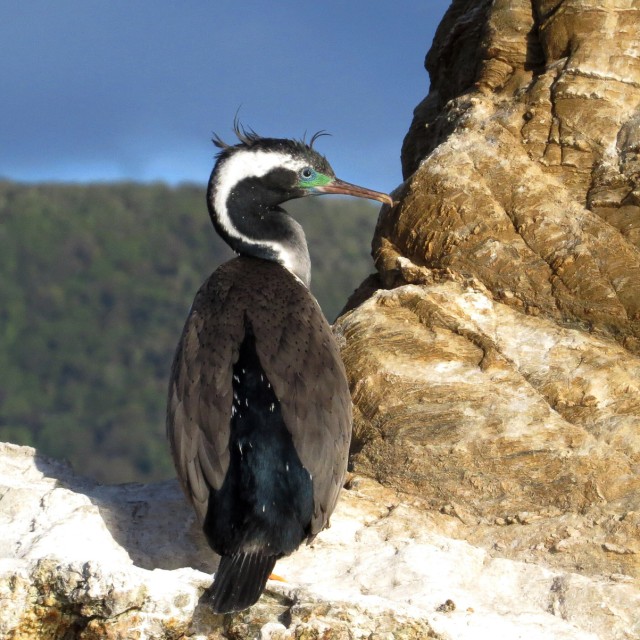
Today we travel along the scenic Otago Peninsula to visit the Taiaroa Head—the site of the World’s one and only mainland albatross colony! The Northern Royal Albatross is the second largest albatross in the world, boasting a wingspan of 3 meters! As we watch the colony we should also get great looks at both Stewart Island and Spotted Shags (endemic cormorants). We will then continue to Oamaru for the next 2 nights.
Day 13: Oamaru
This morning we will visit Bushy Beach to look for Yellow-eyed Penguins and additional sealife. We will also visit the enormous Otago and Spotted Shag colonies, and have time to enjoy the unique town of Oamaru.
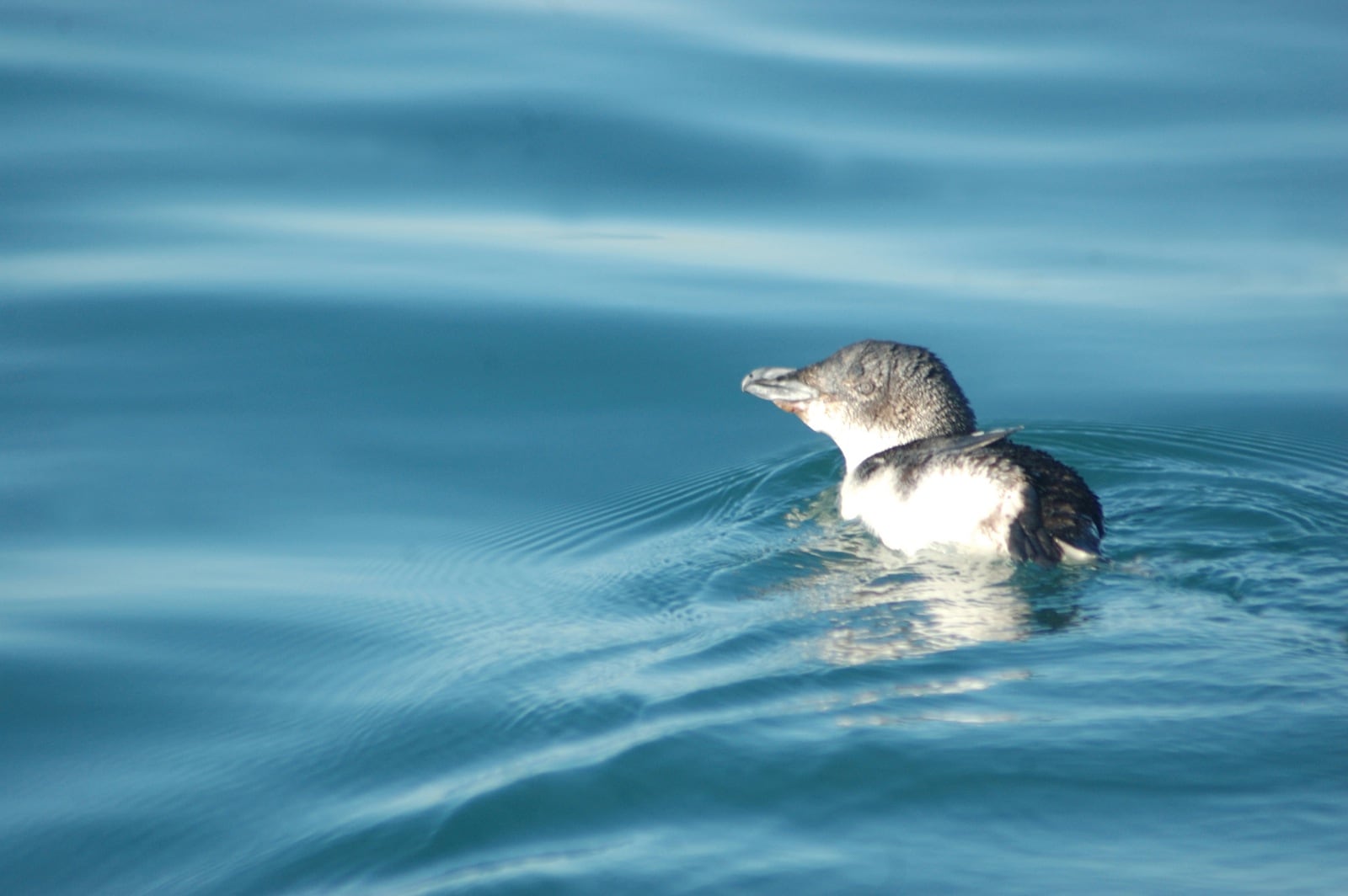
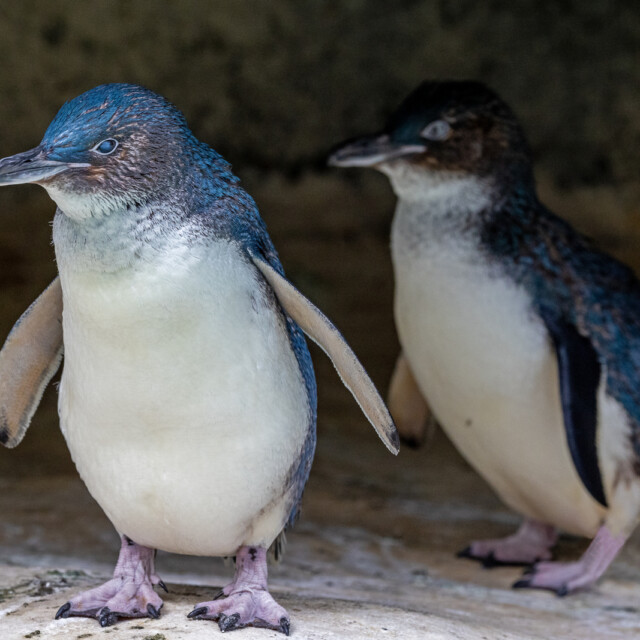
In the evening, we will take a tour to view over 200 Little Penguins come ashore, while Jaegers and Albatrosses fly offshore. Night in Oamaru.
Day 14: Christchurch
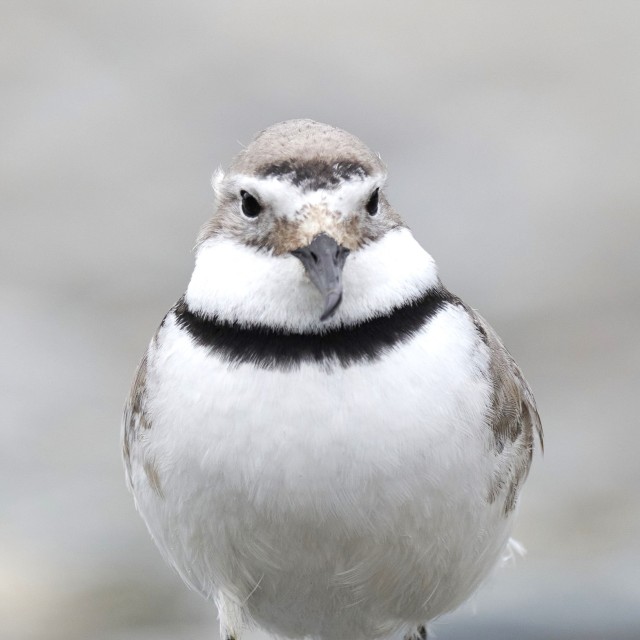
Today we will head north towards Christchurch from Oamaru. There are a number of great locations to visit and it may depend on what has been seen so far on the tour. We may stop to look for Spotless and Baillon’s Crake, or depending on conditions we may look for Wrybills and Bar-tailed Godwits. If we are lucky, we might find Australasian Bitterns and Australian Fariy Terns.
We will spend our final night in Christchurch reminiscing about our favourite highlights of the tour. Night in Christchurch.
Day 15: Departure, Christchurch
Our incredible New Zealand birding tour draws to a close and we head home after such an amazing experience. You can depart for the airport and connecting flights home anytime.
What to Expect
What to Expect
Overview
The New Zealand birding tour is a moderately paced trip. You can expect some early morning, pre-breakfast walks, as well as three optional evening forays to look for kiwis and possibly owls. Please note that our guides will not be using laser pointers on this tour due to local regulations.
Food
We generally have breakfast at the hotel before we head out for the day. Sometimes we will have optional pre-breakfast walks. We often take a picnic lunch in the field, but will occasionally stop at a restaurant or cafe for lunch. Dinner is usually at a restaurant close to the lodgings. Each evening after dinner we compile the day’s checklist, review the day’s activities, birds, mammals and other observations, and plan the next day’s activities.
Accommodation
Generally we stay in basic or standard hotel or motel rooms in locations close to where we want to go birding. Due to limited accommodations on Stewart Island and Arthur’s Pass, your group may be split between two different lodgings and ensuite rooms will be assigned on a first come, first served basis. We cannot guarantee single rooms will be available at Stewart Island.
Walking
The tour will generally involve easy to moderate walking, however, two of the night-time forays (including the Stewart Island Kiwi excursion) will involve some steep trails, and walks of up to 4 kms (2 miles) in the dark. When at higher elevations, we keep our walking to a slow pace, doing most of our observation from the vehicle. In general, we keep all our nature study to a reasonable pace, maximizing the number of things we see and allowing enough time to properly enjoy them.
Driving
There will be a number of long drives, as we travel almost the length of the south Island as well as Stewart Island. We will take frequent rest stops, and enjoy scenic viewpoints along the way. Expect to travel on winding, mountainous roads, which can be challenging for those prone to motion sickness—consider bringing medication or other remedies if needed.
Climate
Prepare for everything! The South Island is generally cooler than the North Island. Temperatures on the South Island can range from lows of around 5°C (41°F) to typical daytime highs of 15–20°C (59–68°F). Be prepared for cold winds, which can make conditions feel cooler than the actual temperature. Rain is also likely, especially on the west and south coasts of the South Island. The pelagic trip is likely to feel quite cool due to coastal winds, so it is best to dress in layers. New Zealand’s weather can change rapidly and may occasionally impact road conditions and access. Flexibility is key, as we may need to adjust the itinerary to ensure a safe and smooth journey.
Boat Trips
Our itinerary includes pelagic trips as well as a three-hour ferry ride between North and South Islands. More details below.
Blumine Island Boat Trip
Enjoy a scenic boat transfer to the Blumine Island Bird Sanctuary. The vessel features an enclosed cabin and an open deck, providing comfort and excellent views. Drop-off at Blumine Island is scheduled for approximately 9:00 AM, with pickup for the return to Picton about two hours later. The operator offers a No Seasickness Guarantee. Please note that no snacks are provided on board.
Kaikoura Pelagic Albatross Trip
Begin the day at the dock, where a café is available before departure. The ride out to prime seabirding waters is typically a short 15–20 minutes. However, sea conditions can change quickly. If you are prone to motion sickness, we strongly recommend taking preventative medication in advance. The boat accommodates up to 13 passengers and features an enclosed cabin with an open deck that sits low to the water, offering exceptional viewing and photography opportunities. The trip lasts 2 to 2.5 hours, depending on conditions, and is subject to suitable sea and weather conditions. On-board facilities include a marine toilet, though it is in a compact enclosed space, so it is advisable to use shore-based restroom facilities before departure.
Milford Sound Nature Cruise (Feb 2026) – 2-hour cruise Large open-top deck or comfy interior cabins with unobstructed views through full-height windows. Free tea and coffee, picnic lunch available, Toilets on board.
Stewart Island Pelagic
This will be a half-day pelagic trip, east of Stewart Island. The seas off Stewart Island can be very rough, so make sure you have sea sickness pills ready. The weather changes very suddenly here, so it might be calm when we start, but it can be incredibly rough when we finish. There is tea and coffee on board, as well as a small shop with snacks. There is a very nice toilet on board and there is normally lots of space for people to move around. The boat can hold over 60 people comfortably, but generally there aren’t more than 20 people on board for the pelagic. There is lots of comfortable indoor seating available. There is a deck that sits low to the water, and an upstairs deck that offers excellent views as the pelagic birds fly past and around the boat.
Frequently Asked Questions
Land Tours FAQs
Whether you’re a seasoned birder or new enthusiast, these FAQs cover important details about our tours, including schedules, fitness requirements, group dynamics and more.
Featured Wildlife
Featured Wildlife
While we cannot guarantee sightings of the birds or mammals listed below, we believe that encountering these species is quite likely during this tour.
- Okarito Brown Kiwi (Rowi)
- Great Spotted Kiwi (Roroa)
- Southern Brown Kiwi
- Royal Albatross (Toroa)
- Yellow-eyed Penguin (Hoiho)
- Fiordland Crested Penguin (Tawaki)
- Blue Duck (Whio)
- New Zealand Falcon (Karearea)
- Weka
- Black Stilt (Kaki)
- Wrybill
- Kea
- Saddleback (Tieke)
- Pipipi
- Yellowhead
- Riffleman
- New Zealand Tomtit
- New Zealand King Shag
- Salvin’s Albatross
- Black-fronted Tern
Past Tour Checklists
Past Tour Checklists
View the list of birds and other wildlife we encountered on our past tours.
- New Zealand eBird Report (Feb 21 - Mar 14, 2026)
- New Zealand species list Feb 2026 (eBird)
- New Zealand species list Nov 5 - 26, 2025 (eBird)
- New Zealand species list Nov 10 - Dec 1, 2025 (eBird)
- New Zealand species list 2024 (eBird)
- New Zealand species list 2023 (pdf)
- New Zealand species list 2022 (ebird)
- New Zealand species list 2019
- New Zealand species list 2017
- New Zealand species list 2015