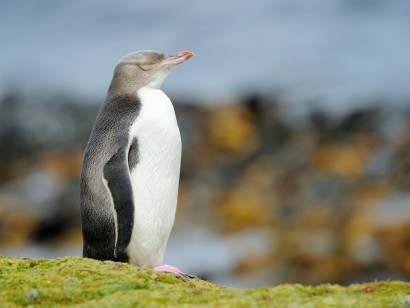
New Zealand Trip Report (Nov 10 – Dec 1, 2025)
New Zealand is one of those rare places that makes you appreciate nature more deeply than you ever expected. Its landscapes are filled with unique birdlife, breathtaking vistas, awe-inspiring forests, and experiences that stay with you for life. Two of my perennial favourites are the Pīwakawaka (New Zealand Fantail) and the Tītipounamu (Rifleman). Despite their tiny size, both species have big personalities—bold, inquisitive, and endlessly charming. The Pīwakawaka’s distinctive fanned tail earns it its name, while the Tītipounamu’s vivid green plumage does the same.
New Zealand is also one of the world’s best places to see albatrosses, with the striking Wandering Albatross among the most memorable. But visiting New Zealand isn’t just about species or scenery; it’s about filling your soul with a sense of peace, wonder, and connection.
This trip produced an astonishing 157 species, including rarities such as Chatham Albatross, Laughing Kookaburra, Curlew Sandpiper, a daytime Kiwi sighting, and intimate encounters with White-capped and Salvin’s Albatrosses. We found Kea so close we had to stop guests from reaching out to touch them, heard 11 booming Australasian Bitterns in a single location, wandered through forests alive with Rifleman and Tomtit calls, intimate encounters with Northern Royal Albatrosses and Wandering Albatrosses, and watched a Fiordland Penguin feeding beside the jetty. And between birding sessions, we recharged with the majestic views of Mount Cook, the cascading waterfalls of Milford Sound, and vast, ancient rainforests.
But the highlight for most of us? Without question, it was finding a Tokoeka (South Island Brown Kiwi) in broad daylight on Ulva Island. This extraordinary bird spent half an hour beside us—at one point walking straight through the group to feed on the other side. It ambled along the path with us, moved two guests to tears, and left the guides literally trembling. It was, without doubt, a once-in-a-lifetime encounter.
Day 1: Whangarei
We gathered as a group for our 6:30 p.m. dinner, eager to listen, engage, and share in the excitement for the days ahead.
Day 2: Whangarei
We began the day bright and early at 6 a.m., heading out before breakfast in search of Buff-banded Rail, New Zealand Fernbird, Brown Teal, and Australasian Bittern. Everyone arrived right on time and full of excitement. We enjoyed fantastic views of a New Zealand Fernbird almost immediately—a wonderful way to start the morning. The group moved confidently along the trail, eager to discover more. We heard several Australasian Bitterns calling clearly, which delighted everyone, and after a rewarding morning we returned for breakfast at 8:30.
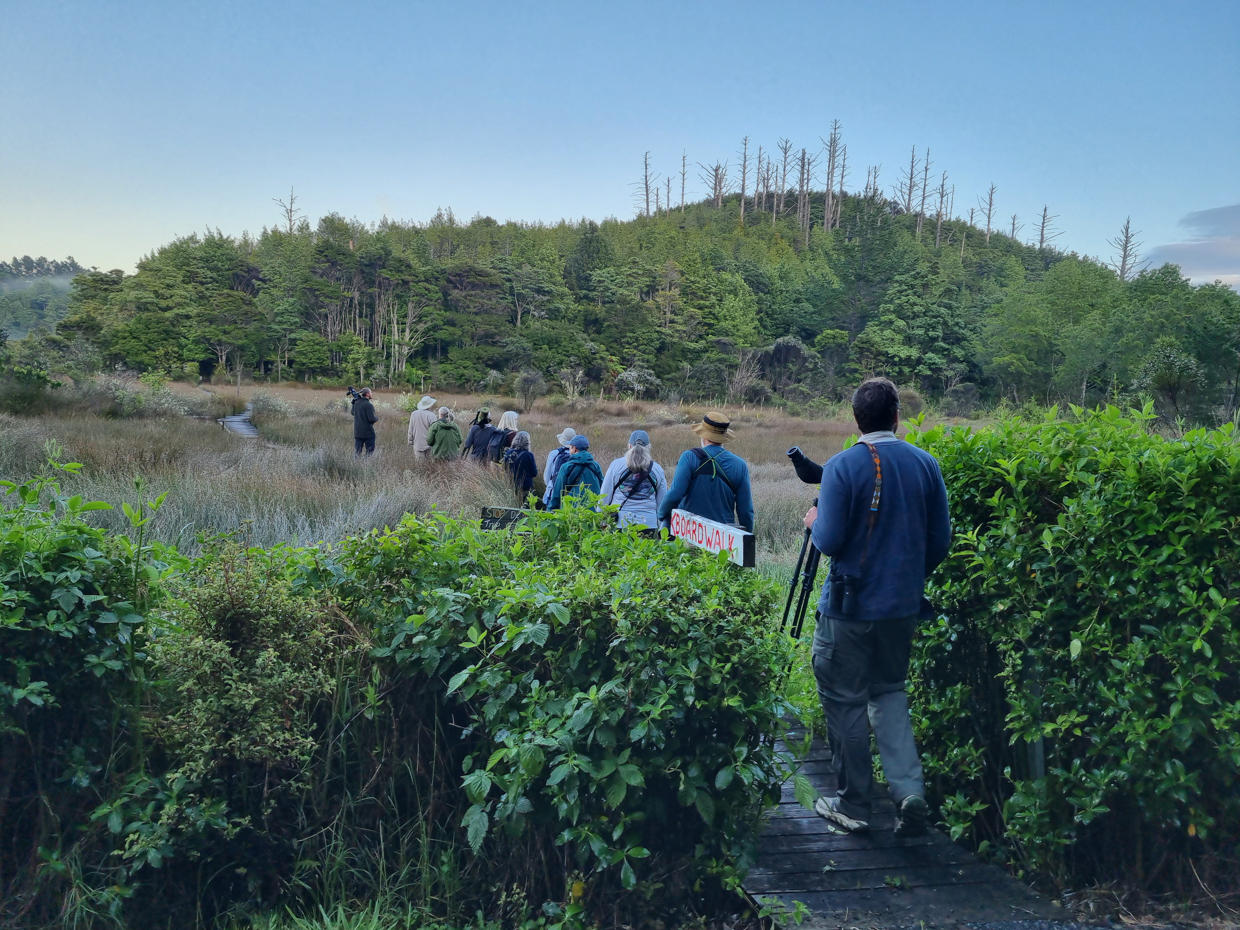
Old Mill Wetland © Simone Thierstein
After breakfast, we went searching for Brown Teal, Australasian Grebe, and New Zealand Grebe. The lake was beautifully active, with many Australasian Grebes and several New Zealand Grebes on display. The guests absolutely loved this spot, and we enjoyed a full hour soaking in the peaceful surroundings. We also visited a nearby wetland, where we found Gray Teal and had lovely views of the mangroves. A particularly obliging Silvereye provided perfect close-up looks, adding to the excitement.
After lunch, we returned to our hotel for a short rest while the tide shifted to improve afternoon birding. Recharged, we set off in search of the Pacific Reef Heron. We were successful, and the group enjoyed wonderful views along with Australasian Gannet, Variable Oystercatcher, Pied Cormorant, Little Pied Cormorant, and Great Cormorant. The scenery and birdlife here made it a memorable stop for all.
Next, we visited Ocean Beach to look for the Wandering Tattler. Right from the car park, a very friendly New Zealand Fantail entertained the group, coming in close and charming everyone. A Eurasian Skylark also captured their attention, providing great photo opportunities. Walking along the dunes, we soon located a Red-breasted Dotterel and spent time enjoying its behaviour. On the beach, a New Zealand Pipit approached to within just a couple of metres, giving exceptional views. Although the Tattler eluded us, the guests were delighted by the wealth of species and encounters. On the way back, one vehicle enjoyed stunning views of a Ring-necked Pheasant, while the other admired a group of elegant Royal Spoonbills.

Ocean Beach © Simone Thierstein

Birding at Ocean Beach © Simone Thierstein

New Zealand Pipit © Donavin de Jager
After a brief 30-minute rest at the hotel, we met again for dinner. Later, at 8:30 p.m., we went on an evening search for Brown Teal, Morepork, and North Island Brown Kiwi. The night did not disappoint—beautiful calls of the North Island Brown Kiwi echoed through the wetland, and we were treated to a lovely sighting of a Morepork. It was a peaceful and magical way to end an already exceptional day.
Day 3: Whangarei
We began the day with breakfast around 7 a.m. before heading to the harbour for a pelagic trip. Our main targets included New Zealand Storm-Petrel, Wilson’s Storm-Petrel, Mottled Petrel, Cook’s Petrel, Parkinson’s Petrel, Pycroft’s Petrel, and Fairy Prion. Our skipper, Steve, was exceptionally friendly, knowledgeable, and eager to help everyone enjoy the experience.

Pelagic © Simone Thierstein
On the way out, we enjoyed excellent views of Red Knots, South Island Oystercatchers, Bar-tailed Godwits, and Royal Spoonbills. Steve kindly paused so we could get a close look at the Pacific Reef Heron from the previous day, and during this stop we also picked up a distant but exciting Far Eastern Curlew. As we continued toward the New Zealand Storm-Petrel area, we encountered Northern Giant Petrel, Gray-faced Petrel, Parkinson’s Petrel, and White-fronted Tern.
Once we reached our target location, the birdlife was spectacular. We had wonderful sightings of New Zealand Storm-Petrel, Wilson’s Storm-Petrel, White-faced Storm-Petrel, Mottled Petrel, Cook’s Petrel, Parkinson’s Petrel, Fairy Prion, and even a Black-browed Albatross. The guests were thrilled with the variety and proximity of the species.

Parkinson’s Petrel © Donavin de Jager
We then enjoyed lunch in a picturesque cove, right beside an island alive with bird activity. Here we had delightful views of Red-crowned Parakeet, New Zealand Kākā, and North Island Saddleback—an unexpected bonus that everyone loved.
After lunch, we visited two additional offshore locations, both closer to land than the main pelagic site. These stops offered more fantastic views of Pycroft’s Petrel, Cook’s Petrel, Fairy Prion, Gray-faced Petrel, and White-faced Storm-Petrel. Returning to shore, we were greeted by a Caspian Tern flying gracefully along the coastline, adding a perfect final species to the day’s list.

Sooty Shearwater © Donavin-de-Jager
Although we had some rain for part of the trip, the boat provided excellent cover, and the guests remained comfortable and enthusiastic throughout.
Back at the hotel, everyone enjoyed a short 30-minute break before dinner. Dinner conversations were filled with excitement—the group was clearly delighted with the day’s incredible experiences.
Day 4: Whangaparaoa
Everyone enjoyed breakfast at their own pace, and we departed the hotel at 7:45 a.m. in search of the New Zealand Fairy Tern. We were rewarded with sightings of New Zealand Fairy Tern, Ruddy Turnstone, and Buff-banded Rail. We had excellent views of the rails—two adults with a chick—and lovely close looks at the turnstones. The fairy terns were a bit farther out, so we continued to Mangawhai Heads Lincoln Street Reserve for a closer vantage point. There, we spotted another New Zealand Fairy Tern in graceful flight, giving us additional, though still slightly distant, views. Considering there are only 45 left in New Zealand, finding three individuals was quite fortunate.

Mangawhai Heads © Simone Thierstein
Our next stop was to look for a Laughing Kookaburra. Along the way, the group enjoyed unexpected roadside views of Wild Turkeys. When we arrived, a brief downpour kept the guests comfortably in the vehicle while the guides assessed the area. We located the Kookaburras almost immediately, and just as the guests stepped out, the rain eased. While waiting for the kookaburra to show itself again, we were treated to fantastic views of New Zealand Kākā, and we enjoyed a relaxed lunch at the beach, accompanied by sightings of Canada Geese. After lunch, a Kookaburra perched in full view, allowing everyone wonderful scope looks—a real highlight for the group.
From there, we continued to Tāwharanui Regional Park, which proved to be a favourite stop for many. During our visit, we observed Whitehead, Brown Teal, Brown Quail, and even a South Island Takahe just as we began driving out. The park was alive with birdlife, and we enjoyed memorable encounters with North Island Robin, New Zealand Bellbird, New Zealand Kākā, Tūī, and Ring-necked Pheasant. The guests were absolutely delighted with the abundance and diversity of species in this stunning park. Afterwards, we made our way to our accommodations.
After dinner, we visited Shakespear Regional Park to look for the Little Spotted Kiwi. Although the kiwi remained elusive, we enjoyed superb sightings of Morepork and Brown Teal. A particularly memorable moment came when a pair of Moreporks remained right beside us and continued mating in full view—an unforgettable experience and a major highlight for many in the group.
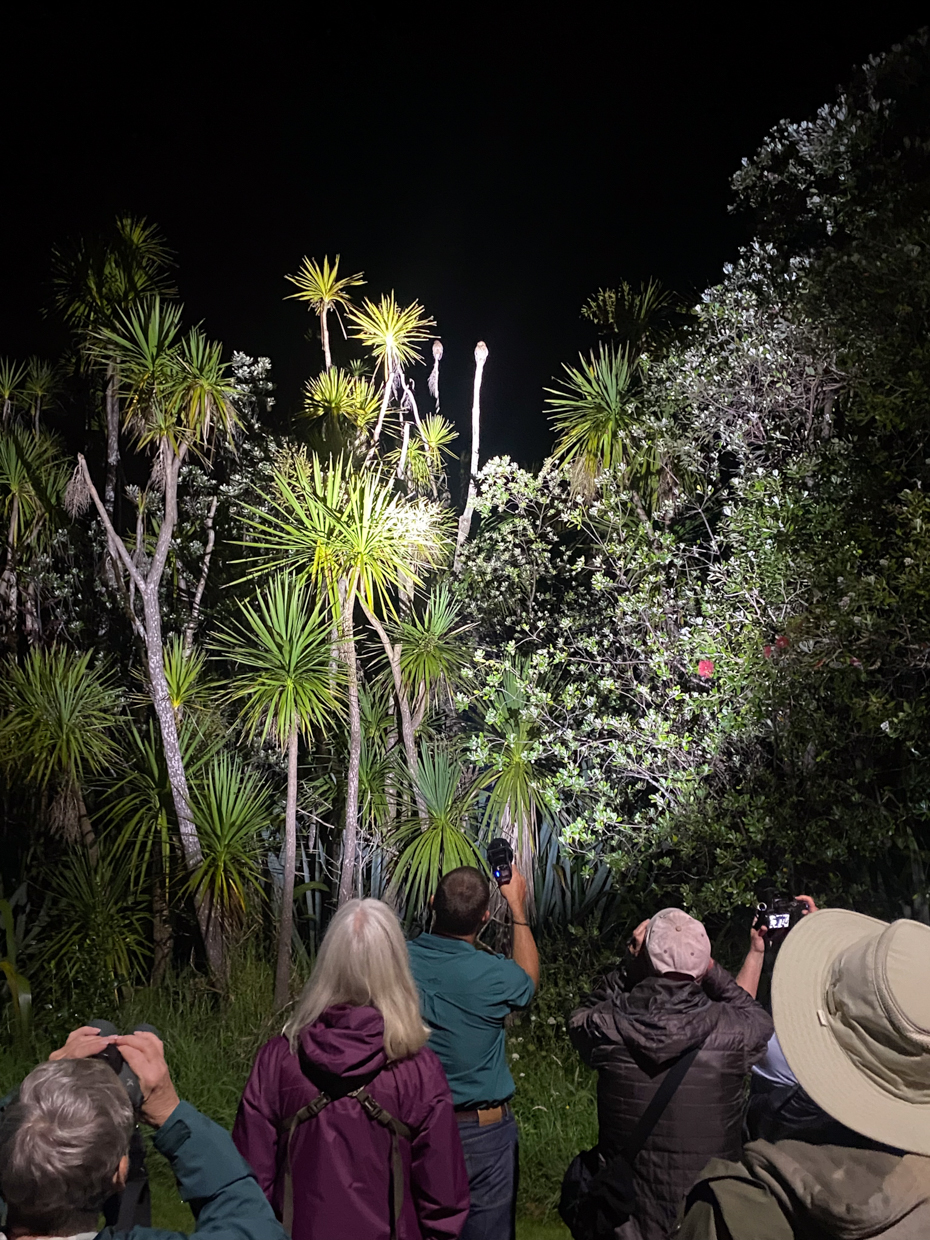
Shakespear Regional Park © Gregor Tims
Day 5: Whangaparaoa
Everyone enjoyed a well-deserved sleep, with breakfast served at a relaxed 8 a.m. We departed the lodge at 8:45 a.m. to catch the 9:30 ferry to Tiritiri Matangi. Although the ferry departed a bit later than scheduled, spirits remained high, and the group enjoyed the scenic journey. Once on the island, Neil and Shelly provided plenty of interesting background and context about Tiritiri Matangi. During our walk, we were rewarded with wonderful sightings of North Island Kōkako, North Island Robin, Red-crowned Parakeet, Brown Teal, North Island Saddleback, and Stitchbird. We also enjoyed stunning views of Bellbirds and Tūī all day, as well as some adorable Brown Quail chicks on the path back to the boat. The guests absolutely loved the island’s atmosphere, scenery, and the abundance of unique birdlife. The ferry departed the island at 2:45 p.m.

Brown Quail chick © Donavin de Jager
Back at our hotel, everyone enjoyed some free time before our early dinner and an evening of birding. We set off for Tāwharanui Regional Park around 7 p.m., arriving just after 8. As soon as we reached the parking area, we were greeted by a South Island Takahē—an incredible start to the evening. While we didn’t encounter Blue Penguins this time, we were treated to the magical calls of Fluttering Shearwaters and Gray-faced Petrels returning to land after their day at sea. The park was lively with visitors hoping to find a kiwi, and despite the activity, a short walk into the forest rewarded us with a kiwi sighting. Some guests had wonderfully clear views, while others glimpsed its back feathers, but everyone saw it, and the excitement was palpable.
As we made our way out, we encountered the Takahē once more and took a moment to appreciate it again. Just before reaching the park gate, we spotted another kiwi running across an open field into some bushes. Everyone stepped out of the vans, quietly hopeful. After a patient wait, we edged closer and were rewarded with unforgettable views as the kiwi calmly foraged, moving through the brush while the calls of four additional kiwis echoed around us. It was a truly magical encounter—one of those special New Zealand moments that stays with you.
We left the park around 11 p.m. and returned to the lodge by midnight. Everyone was tired but completely delighted with an extraordinary and deeply memorable day.
Day 6: Taupo
After a late night of kiwi searching and an early 6 a.m. start, everyone showed great spirit and energy. We arrived at a Wildlife Reserve just before 8 a.m., where we were greeted with two unexpected and very exciting sightings: a Curlew Sandpiper and several Sharp-tailed Sandpipers—an excellent surprise for the group.
From there, we headed to the Miranda Shorebird Centre around 8:50 a.m., giving guests time for some relaxed gift shopping. While we were there, Gregor and Donavin met a local guide who kindly shared updated information on the best viewing spots for Wrybill. Thanks to his helpful tip, we made our way to the spot just in time to see Wrybill before the tide shifted. We enjoyed wonderful views, along with additional Sharp-tailed Sandpipers and hundreds of Bar-tailed Godwits.
Afterward, we stopped for a late breakfast. Next, we went in search of Glossy Ibis and Cattle Egret. We enjoyed excellent views of Glossy Ibis and had especially memorable sightings of Yellowhammer, which the group loved.
Our final birding stop for the day was the Te Waihou Walkway Blue Springs (via the Whites Road entrance). We had a lovely stroll through the beautiful scenery and heard a Shining Bronze Cuckoo calling. We arrived at our hotel around 5:10 p.m., where guests used their free time to catch up on laundry and relax.
Dinner was at 6:30 p.m. at the accommodation. Although the dining pace was unhurried and the menu quite creative, the meal turned out to be absolutely delicious. The relaxed atmosphere led to one of the best bonding evenings of the trip, filled with laughter, shared stories, and great conversation.
Day 7: Taupo
We had breakfast at the hotel at 7 a.m. and departed around 8 a.m. The food was absolutely wonderful once again, giving everyone a great start to the day. After breakfast, we made our way toward the Tongariro River. Along the drive, we stopped and enjoyed lovely views of New Zealand Scaup and had a delightful surprise encounter with a group of Black-billed Gulls.
Upon reaching the Tongariro River, we immediately located a pair of Blue Ducks—an excellent sighting that everyone enjoyed. Moments later, a New Zealand Falcon soared overhead, giving the entire group clear and memorable views. We then took a short, scenic walk along the river. Although the Blue Ducks had moved on, the walk offered fantastic scenery and beautiful views of a Song Thrush.
We continued to the Tokaanu Historic Wharf in search of Spotless Crake, Eurasian Coot, and Australasian Bittern. We spotted the Coots shortly after parking, then walked into the wetland area. A Spotless Crake briefly flew between reed beds, offering a quick view to two lucky guests. As we listened quietly, an Australasian Bittern began calling deep inside the reeds. Moving to a higher vantage point, we waited patiently, hearing several Bitterns calling. Our patience paid off—two Bitterns emerged and flew slowly across the wetland, allowing fantastic views for the entire group. We continued to wait as more calls echoed around us, and soon we saw three more in flight, one through the scope, and one perched clearly atop a reed mound. Meanwhile, another Spotless Crake moved slowly through the reeds, giving an additional guest a lovely sighting. It was a remarkable series of encounters.

Welcome Swallow © Donavin de Jager
After an incredible morning, we stopped for lunch, where guests enjoyed a relaxing break and some time to stretch, accompanied by wonderful views of Black-billed Gulls in the parking area.
At our next destination, we were greeted by a stunning male Tomtit flitting along the treeline. One guest was perfectly positioned for an especially close view. As we slowly made our way up the trail, we heard Rifleman calling in the forest and soon encountered several more Tomtits. We also enjoyed great views of Gray Gerygone and Whitehead. An unexpected North Island Robin delighted the group, and on our way out we had an incredible encounter with two Rifleman, which provided beautiful close views.
On the return journey to the hotel, we made one last stop at the wharf to try again for Spotless Crake. We enjoyed listening to the Bitterns calling and watching the Coots while taking in the peaceful atmosphere. We ended the day with dinner at the accommodation at 6:30 p.m., and the group once again enjoyed a relaxed evening together. Everyone was incredibly happy with the day’s wonderful sightings and memorable experiences.
Day 8: Palmerston North
We had breakfast at 7 a.m. so we could depart around 8 a.m. Our first stop was Hihitahi to search for Rook. Although the birds were keeping their distance, we were still able to observe them from afar—a rewarding sighting of a species that can be quite elusive. The group enjoyed the scenic countryside and the opportunity to explore a less-visited area.

Hihitahi © Donavin De Jager
On our way to lunch, we were treated to wonderful roadside views of Indian Peafowl, and while watching them, we were thrilled to see a New Zealand Falcon interacting with a Swamp Harrier. Everyone had excellent views of all three species—an unexpected highlight of the morning.
We located Nankeen Night Herons on a nest and enjoyed perfect scope views of them. We were also rewarded with an incredible look at a Shining Bronze-Cuckoo through two scopes. (One guest was exploring elsewhere at the time, adding a fun little “you should’ve been here!” moment to the day’s stories.)
After lunch, we continued north of Tangimoana Beach to look for Black-fronted Dotterel. Although the dotterels were not present, the group remained in great spirits, and we decided to continue on to the Manawatu Estuary in search of Little Egret, Double-banded Plover, and Pacific Golden Plover. Despite arriving at low tide, we still enjoyed distant but rewarding views of both Little Egret and Pacific Golden Plovers, along with excellent, close views of Double-banded Plovers. With everyone feeling happy and energized, we added a scenic 45-minute extension to our drive toward Palmerston North to look for Cattle Egret and Rook. While the egrets stayed hidden, we found a group of 10 Rooks just ten minutes from our hotel—absolutely perfect views that everyone thoroughly enjoyed.

Tangimoana Beach © Donavin de Jager
The weather throughout the day was ideal—clear, comfortable, and wonderful for birding. We ended the day with a relaxed 7:30 p.m. dinner at our hotel, enjoying a pleasant meal together and reflecting on the day’s many memorable sightings. The group ended the evening feeling content and very satisfied with another successful day.
Day 9: Picton
We began the day with breakfast at 6:30 a.m. so we could depart by 7:30. Afterward, we headed in search of Black-fronted Dotterel. After about 40 minutes of enjoyable walking and scanning, we located two birds. Everyone had excellent views through the scopes, and the group had fun challenging themselves to spot the dotterels using only binoculars—a task that proved delightfully tricky. It was a fantastic and energizing start to the day!
Our next stop was Levin, where a few guests picked up medication from the pharmacy, ensuring everyone stayed comfortable and well for the remainder of the trip. We then continued to Paraparaumu Scenic Reserve in search of Sulphur-crested Cockatoos. As soon as we entered the reserve, we spotted three perched high in a large tree. With scopes set up, everyone enjoyed clear views, and we moved a little closer to appreciate even more detail—an exciting and much-loved sighting.
Our next stop was to look for White-fronted Terns, particularly for the photographers in the group. One elegant White-fronted Tern was resting on the rocks, allowing for some lovely photos and close observation. Afterwards, we made our way to the Pauatahanui Wildlife Reserve to search for Spotless Crake. With the tide high, we split up to check both hides. Although only Gregor had a brief sighting, the group enjoyed exploring the hides and observing the wetlands.
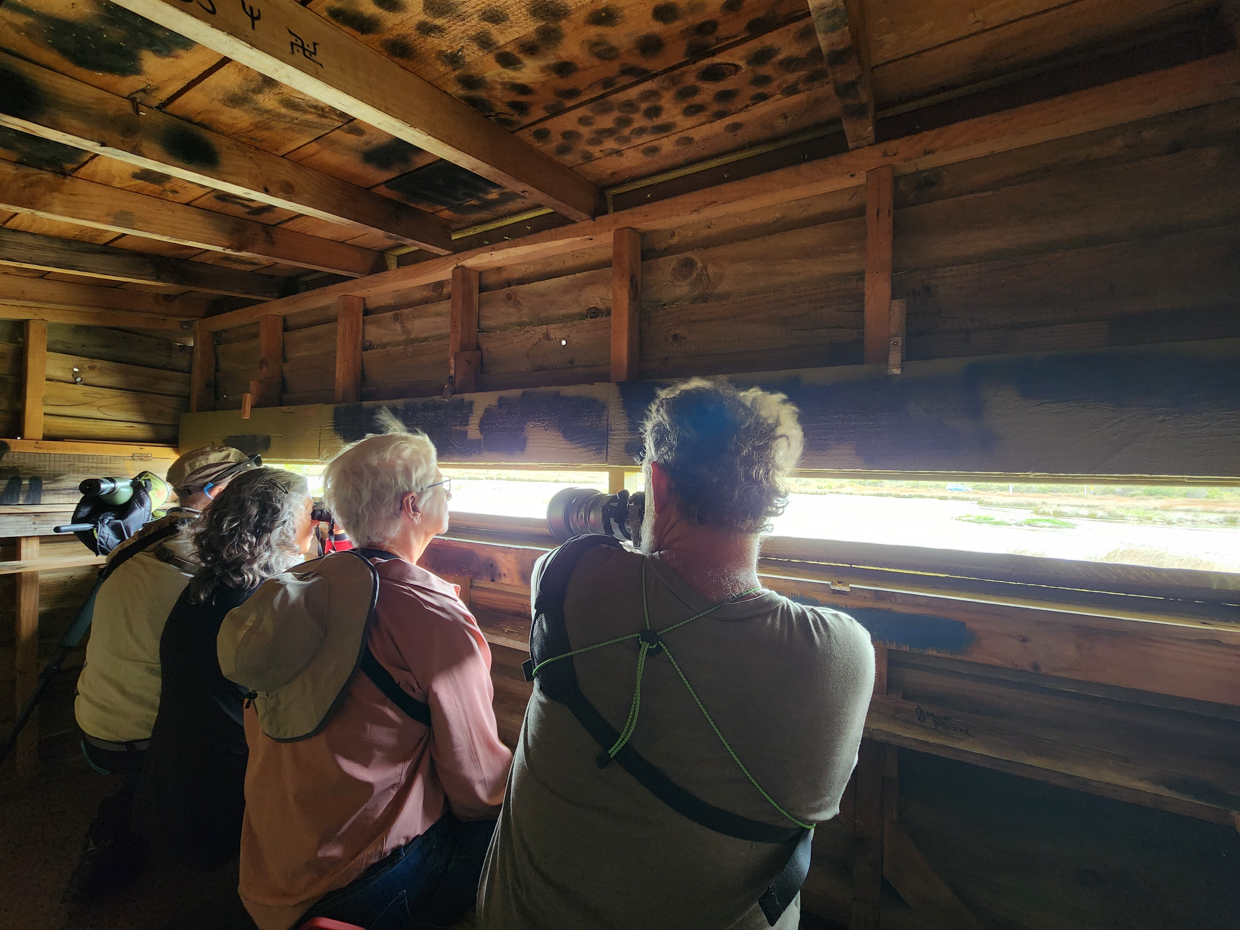
Pauatahanui Wildlife Reserve © Donavin de Jager
While waiting in the Interislander Ferry queue, we took a short, refreshing walk and were delighted to find a Little Penguin nearby. A number of guests had great views of this charming bird. The Cook Strait crossing was wonderfully calm, creating a peaceful atmosphere on deck, and the strong winds made for exceptional pelagic birding. During the journey, we spotted White-capped Albatross, Salvin’s Albatross, Westland Petrel, White-chinned Petrel, and Northern Royal Albatross—a truly impressive list. Entering the sounds, we enjoyed views of large numbers of Fluttering Shearwaters, a group of playful Dusky Dolphins, a majestic New Zealand King Shag, and a Parasitic Jaeger. After reviewing photos, we confirmed a Chatham Albatross—a scarce and exciting find (verified by several experts), since there are fewer than 20 records on the New Zealand mainland.
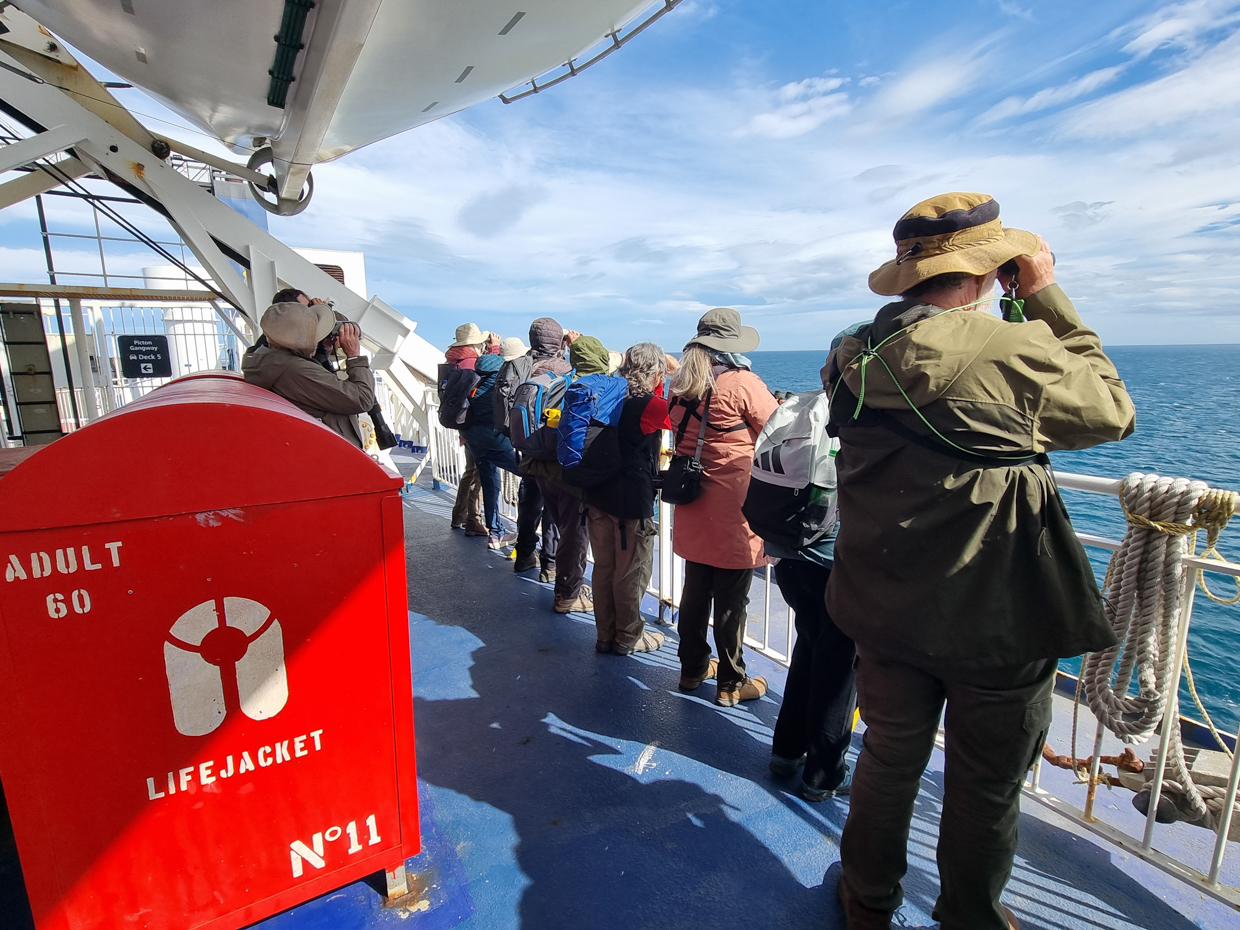
Interislander Ferry © Simone Thierstein
After checking into our hotel, we enjoyed a relaxed dinner at the accommodation at 7:30 p.m. The food was delicious, and the group had a wonderful time reflecting on an already unforgettable day. Spirits were high, and everyone went to bed delighted with the incredible birding and memorable experiences.
Day 10: Kaikoura
We started the day with a delicious breakfast at 7 a.m. and departed by 7:30 a.m. for our boat trip to Blumine Island. We received a thorough briefing before boarding, followed by a short safety session. The weather was perfect, with calm waters and comfortable temperatures, making for a wonderful start to the journey. During the boat ride, we enjoyed spectacular encounters with Little Penguins, Dusky Dolphins, and Spotted Shags. We also saw an amazingly close and relaxed King Shag next to the boat, which is endemic to Marlborough Sound, with only 800 remaining. The knowledgeable crew shared fascinating insights throughout the trip, making it an engaging and memorable experience. Despite a slightly later departure, the incredible wildlife sightings and stunning scenery made the delay completely worthwhile.

Little Penguin © Donavin de Jager

Spotted Shag © Donavin de Jager

Fluttering Shearwater © Donavin de Jager
Upon arriving at Blumine Island, we were immediately greeted by friendly Weka, who accompanied us throughout our visit. As we walked up to a viewpoint in search of Malherbe’s Parakeet, we spotted a Yellow-crowned Parakeet along the way. While Malherbe’s Parakeet was elusive at first, three guests managed a glimpse near the campsite, and just before our return, one appeared in a perfect spot for everyone to enjoy clear views. We also encountered a South Island Saddleback during our exploration. On the boat ride back to Picton, Dusky Dolphins leapt joyfully alongside us, creating an unforgettable finale to an amazing morning.
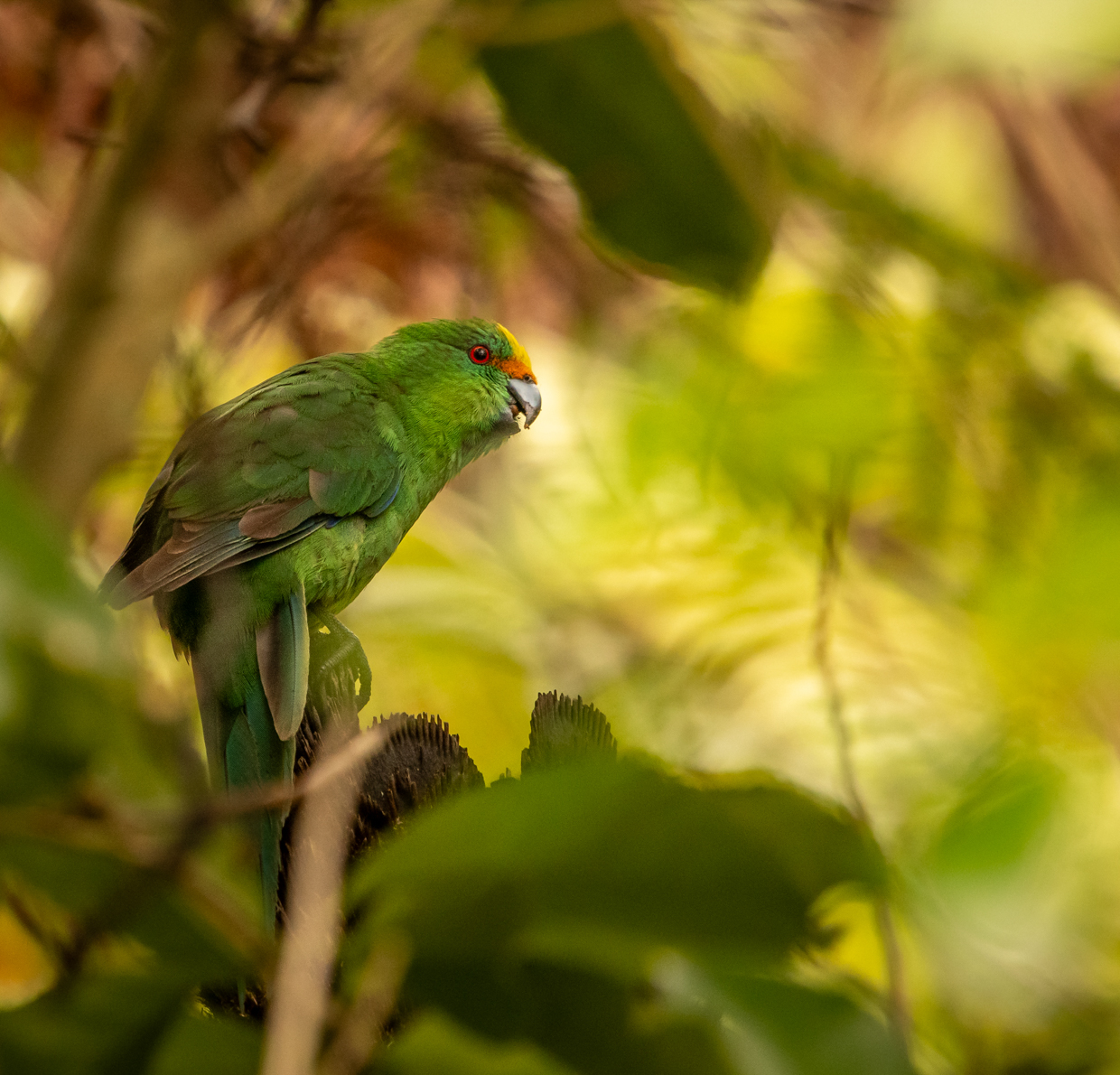
Malherbe’s Parakeet © Donavin de Jager
After lunch, we went in search of Cirl Bunting and were delighted by excellent views of nesting Glossy Ibis and Royal Spoonbill. We also located both Great Crested Grebe and Hoary-headed Grebe, enjoying close and satisfying views of these beautiful species.
Later, we checked into our accommodation in Kaikoura and once settled, we enjoyed a truly exceptional dinner. After dinner, a small group of guests ventured out in search for Little Owl. We were thrilled to find it, and everyone enjoyed incredible views, including watching the owl hunt—an unforgettable wildlife encounter.
It was a remarkable day filled with fantastic wildlife sightings, memorable experiences, and beautiful scenery—a morning and afternoon that the group will remember for years to come.
Day 11: Kaikoura
We started the day by meeting at 5:20 am for our boat trip at 6 am. We met our skipper in the parking lot, and he drove us to the boat. The guests loved that we boarded the boat on land first, and then were pushed into the water by a tractor. It didn’t take long at all for us to see our first Antipodean Albatross. Not long after, more appeared, along with Pintado Petrel, White-capped Albatross, Northern Giant Petrel, Northern Royal Albatross, and Hutton’s Shearwater. At our first stop, everyone got to experience these magnificent animals up close, as the skipper chummed the water next to the boat. This was by far (according to everyone on the boat) the best pelagic trip we’ve ever had. For the rest of the trip, we also saw Black-browed Albatross, Buller’s Shearwater, Fairy Prion, White-fronted Tern, Caspian Tern, Salvin’s Albatross, Westland Petrel, and Short-tailed Shearwater! We also enjoyed excellent views of a New Zealand Fur Seal colony as we headed back to shore.

Northern Giant Petrel © Donavin de Jager
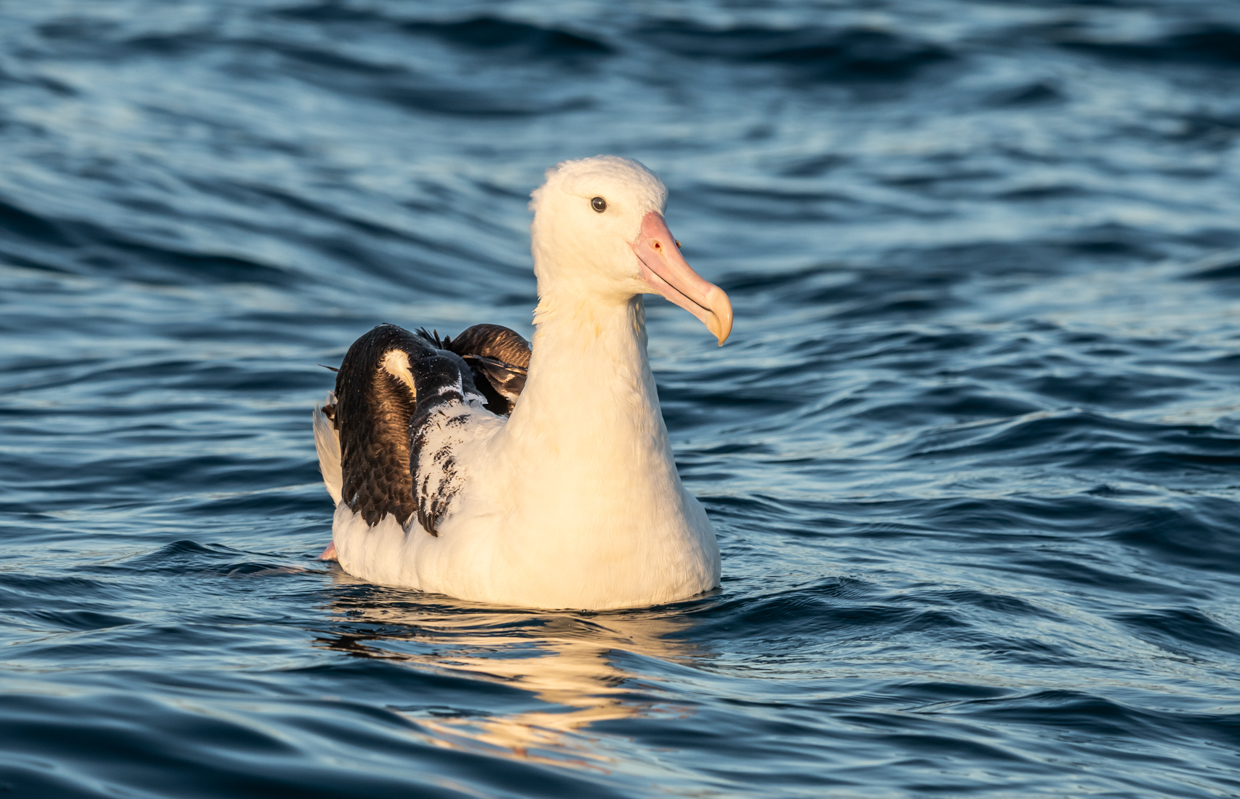
Northern Royal Albatross © Donavin de Jager

Salvin’s Albatross © Donavin de Jager

Antipodean Albatross © Donavin de Jager

Buller’s Shearwater © Donavin de Jager

Pintado Petrel © Donavin de Jager
Back on land, we had breakfast and then went looking for the Cirl Bunting. We didn’t see them, and it was becoming clear that this would be our hottest day yet. After returning briefly to the hotel, we went to Schoolhouse Road to try and find the South Island Robin, Eastern Cattle Egret, and Pipipi. We didn’t find any of these, but we enjoyed great views of bellbirds.
We took the afternoon off to rest up for the long driving days ahead.
Day 12: Arthur’s Pass
We started the day by leaving the accommodation at 6:30 a.m. and headed in search of Eastern Cattle Egret. Although the egret remained elusive, the morning was filled with anticipation and beautiful scenery.
After breakfast, we went looking for Mute Swan. With some patient searching, everyone eventually enjoyed excellent views of two elegant swans. We also stopped at an estuary for Black-fronted Tern, and were thrilled to spot one almost immediately. Guests also enjoyed great views of Bar-tailed Godwit, making this a very rewarding stop.
Next, we visited Travis Wetland (tower) to try to locate Cape Barren Goose. After a bit of a wait, four birds appeared, allowing everyone fantastic views. At the visitor center, we enjoyed spotting Eel, Shovelers, Scaup, and other wetland species, while appreciating the serene environment of the wetland—it was a wonderful experience for all.
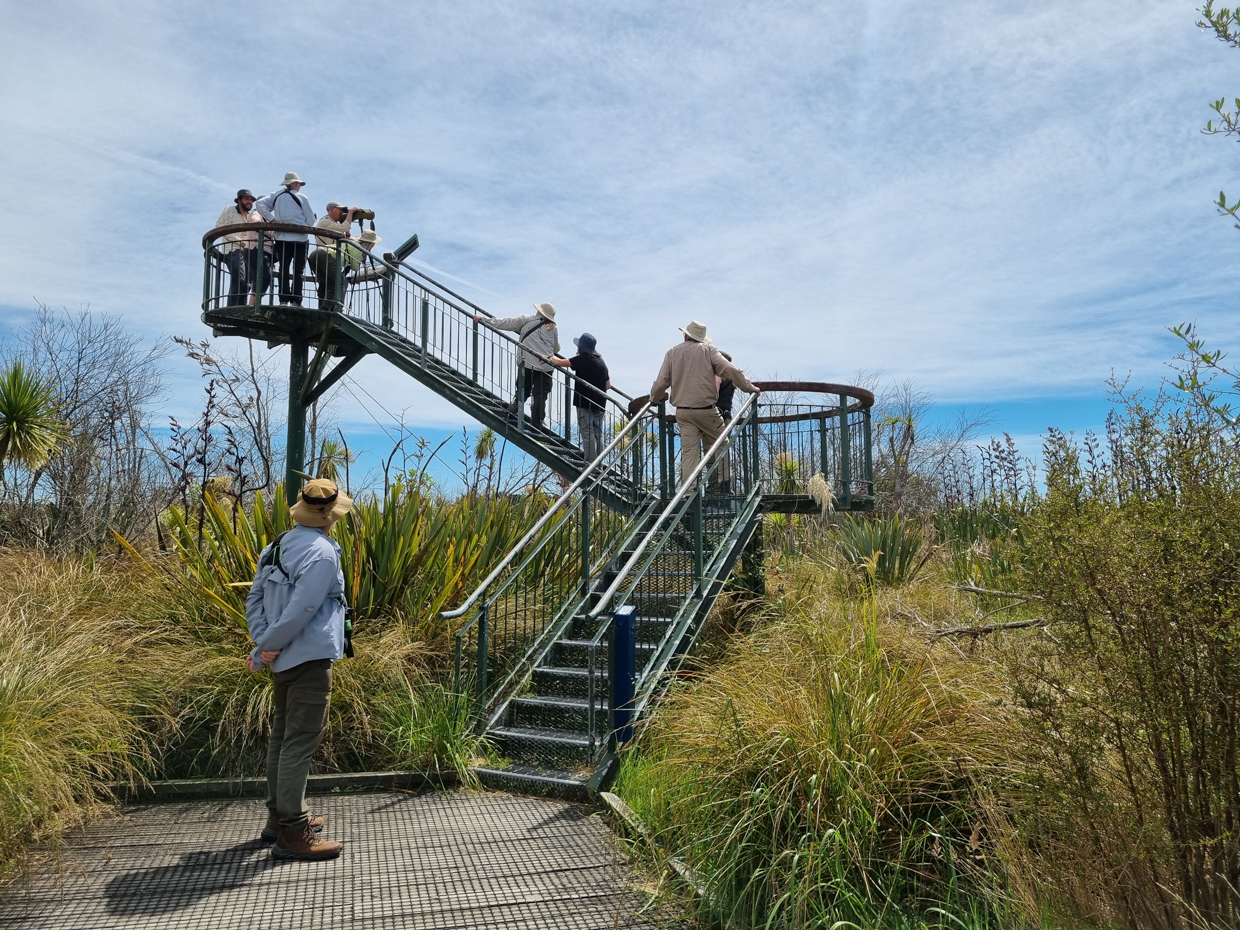
Travis Wetland © Simone Thierstein
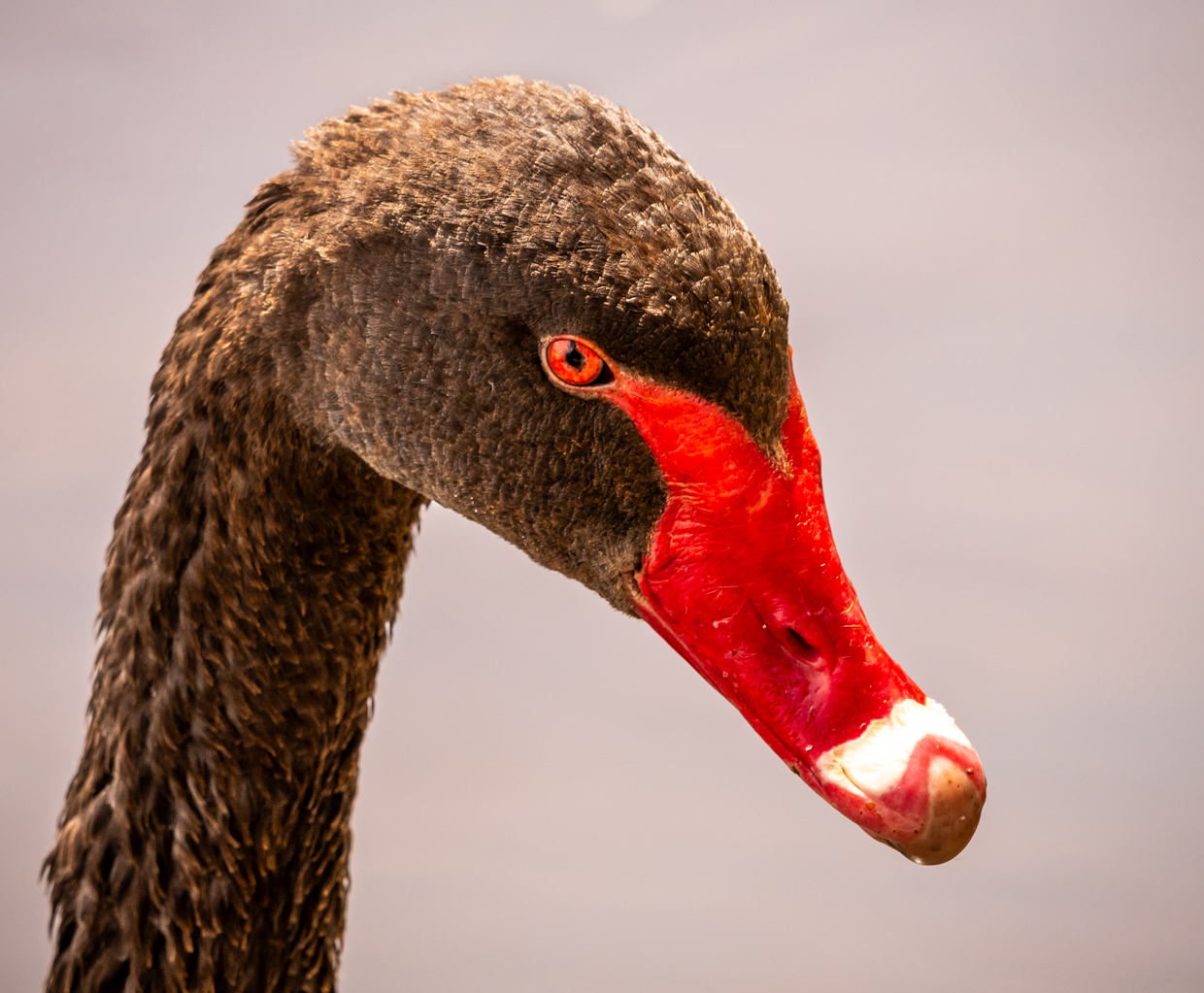
Black Swan © Donavin de Jager
After an early dinner we headed to Arthur’s Pass to search for Kea. We were able to hear and observe some of these iconic birds in the distance, while a surprise South Island Robin called from a nearby bush, adding a special touch to the outing.

Arthur’s Pass © Donavin de Jager
After checking into our accommodation for a short rest, we ventured out at 8 p.m. to look for Great Spotted Kiwi. A lovely walk before dark allowed us to enjoy views of Riflemen. Once darkness settled in, we moved into the forest and were rewarded with a fantastic encounter with a Kiwi right next to the path. Guests could hear its movements and calls, while the guides pointed out the female’s call shortly afterward. On the return to the car, Donavin shared the night sky with the group, pointing out a few stars, making it a truly magical evening and a perfect conclusion to the day.
Day 13: Franz Josef
We started the morning at 7 a.m. with an early walk, during which we were able to give the guest who had missed the Rifleman previously some excellent views of two birds. It was a lovely, peaceful start to the day.
After breakfast, we began our journey to Okarito to meet up with Ian, who would guide the group on the evening’s Okarito Kiwi tour. Along the way, we were thrilled to spot an Eastern Cattle Egret —finally adding it to our sightings! A stop in Hokitika allowed everyone to stretch their legs, enjoy the town, and explore some shops. We had a picnic lunch, where guests enjoyed a Great Egret and heard Pipipi calling from the trees, creating a peaceful and scenic lunch stop.
Upon meeting Ian, we received a 30-minute briefing to prepare for the evening Kiwi experience. Before checking into our hotel for the night, we enjoyed a quick stop at the Okarito Bridge to view a Great Egret—an excellent addition to the day’s sightings, as it displayed its magnificent breeding plumes in clear view.
The Kiwi tour began at 8:15 p.m., and we arrived early to do some birding. Guests were delighted to see Yellow-crowned Parakeets in flight and enjoy good views of Pipipi. While some stayed behind, two guests and the guides ventured in to search for Kiwi. Ian’s detailed briefing and guidance ensured everyone knew how to move quietly, spot kiwi, and listen for their calls. During the tour, group one (four guests and Gregor) enjoyed an incredible sighting of a kiwi chick, and both groups heard male and female kiwi calling in the dense forest. While this was happening, group two (four guests and Donavin) experienced an incredible Morepork sighting, less than 5 meters away.
Later, group two entered the forest and observed the female kiwi beautifully in its natural habitat. All guests appreciated the magic of the experience—the soft calls of kiwi echoing through the forest, the attentive guidance, and the thrill of being so close to these iconic birds. By the end of the night, everyone felt a deep sense of awe and connection to the forest and its inhabitants. The evening was a truly memorable wildlife encounter, leaving guests excited and inspired by the incredible Kiwi experience.
Day 14: Wanaka
After breakfast, we headed to the beach to search for Fiordland Penguin. The 2.6 km walk (one way) through lush, enchanting forest was absolutely beautiful. Once on the beach, we patiently waited, and our perseverance paid off with sightings of the first Fiordland Penguin in the ocean, followed shortly by a second one, accompanied by playful dolphins. Although the penguins never came ashore, everyone was thrilled to see them in their natural habitat.

Monro Beach Walk © Gregor Tims
In the afternoon, we went looking for Pipipi, South Island Robin, and Yellowhead. While we didn’t add these species to our list this time, the forest itself was stunning, and the guests loved the walk. Throughout the 60-minute stroll, the calls of Rifleman and Tomtit filled the air, adding to the magical atmosphere.
We then checked into our accommodations for a refreshing break before dinner.
Day 15: Wanaka
After breakfast, we made a quick stop in Omarama before our search for Black Stilt and Chukar along the road. On the way, we paused for some group photos at a breathtaking viewpoint overlooking Lake Pukaki and Mount Cook, which everyone loved.

New Zealand Birding Tour
Next, we enjoyed a scenic drive to Glentanner while having lunch in the car. We then continued to Lake Poaka, where we spotted a beautiful hybrid of Black Stilt and Pied Stilt. We finished our birding at Ohau Lagoon, soaking in the spectacular views and perfect weather along the way. The day was long with lots of driving, but the guests thoroughly enjoyed the experience and the stunning landscapes of the region.
Day 16: Te Anau
We started the day early, leaving the hotel at 6 a.m. to look for Chukar. We made a visit to Sandford Terrace in search of Baillon’s Crake. After breakfast guests had an hour to explore the town, with some choosing to shop and others joining Donavin for a riverside birding walk. The walk offered lovely views of Chaffinch, Goldfinch, Blackbird, Song Thrush, and Dunnock, which everyone appreciated.
Next, we headed to Lake Dispute. While we didn’t see Baillon’s Crake, several guests enjoyed hearing its calls and observing the wildlife, including Rabbit and Yellowhammer. In the afternoon, we went looking for Yellowhead, Pipipi, and South Island Robin, while we didn’t spot any, we enjoyed seeing some delightful Tomtits and the beautiful scenery.
We then checked into our hotel where we had dinner.
Day 17: Te Anau
We started the day with an early breakfast at 6 a.m. before departing at 7:15 a.m. for Milford Sound. On the way, we stopped at Mirror Lakes to look for South Island Robin and Pipipi. While we didn’t spot them there, a later stop at Lake Gunn was more successful. Guests enjoyed seeing the South Island Robin clearly, and although the Pipipi were high in the trees, everyone appreciated the beautiful forest surroundings. The walking trail was quite wet, so we made a scenic return along the same path, accompanied by a gentle rain.
As we continued toward Homer Tunnel, we were treated to stunning views of cascading waterfalls. At the tunnel, the weather made it too rainy and windy to search for the South Island Wren, but a special highlight awaited us: a Kea landed on a car in front of us! Guests braved the rain to get a closer look, and later we encountered another Kea, delighting everyone as it confidently approached and explored the cars.

Kea at Homer Tunnel © Gregor Tims
At Milford Sound, the rain eased just in time for our cruise with Southern Discoveries. The experience was breathtaking, with hundreds of waterfalls, calm waters, and a little game to spot 10 species during the tour. A Fiordland Penguin made a special appearance, and guests thoroughly enjoyed this unforgettable journey.
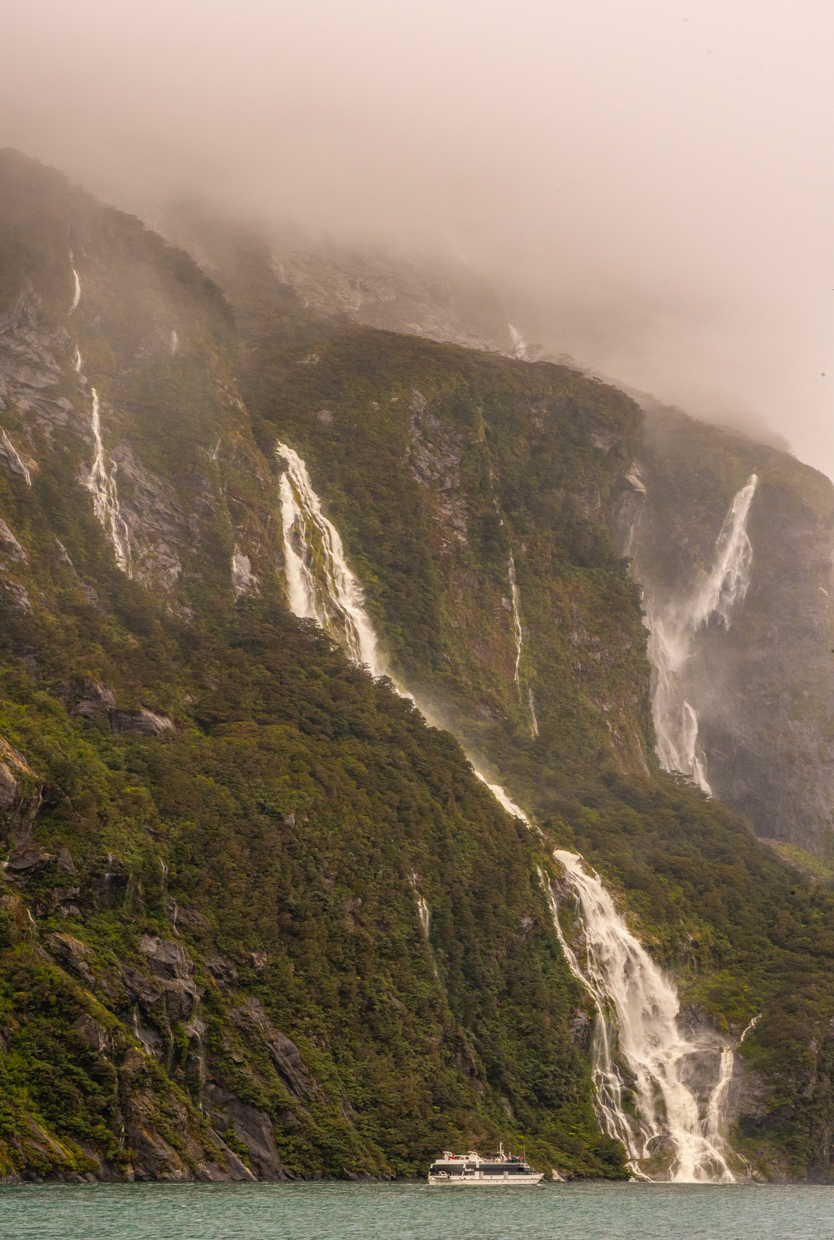
Milford Sound © Donavin de Jager
On the return trip to hotel, we stopped again at Homer Tunnel to try for the South Island Wren and were greeted by more playful Kea along the way. While the Wren remained elusive, the guests loved spending time with these intelligent birds and soaking in the dramatic scenery.

Kea © Donavin de Jager
Day 18: Stewart Island
We started the morning by leaving the hotel at 6 a.m. with breakfast packed for those who preferred to eat on the road, while others enjoyed it before leaving or once we arrived in Bluff. The drive was smooth, and we arrived with 30 minutes to spare, giving guests time for a short walk or a coffee.
Boarding The Real NZ ferry was a bit challenging due to choppy waters, but the birdlife was spectacular. Although we didn’t see our target species, we were treated to incredible sightings of albatrosses, making the journey memorable.
Upon arriving on Stewart Island, we checked into our hotel and had a good lunch, where we could watch White-capped Albatrosses at the wharf. After lunch, the weather eased enough for a longer walk of about three hours, which included both guides, Simone, and three enthusiastic guests. The walk was full of life, featuring many Tui and an amazing sighting of a Red-crowned Parakeet. One guest opted to head back after 40 minutes, but the remainder of the walk was delightful, and everyone enjoyed the rich forest and birdlife.
Dinner at the hotel was very good, giving guests a chance to recharge before the Kiwi Encounter. While waiting to board, we had an incredible up-close experience with Fiordland Penguins feeding near the jetty.
The Kiwi Encounter exceeded all expectations. It began with a 30-minute penguin search, during which we enjoyed amazing views of Fiordland Penguins—including some chicks—close-up sightings of Little Penguins, and a distant but excellent view of a Yellow-eyed Penguin. This was followed by an hour-long pelagic trip with outstanding views of White-capped Albatross, Salvin’s Albatross, Sooty Shearwater, Cook’s Petrel, Fluttering Shearwater, and a Brown Skua with a chick.
The highlight of the evening was the South Island Brown Kiwi. Around midnight, we finally found one walking right past the entire group—a magical, unforgettable moment. As an extra treat, some guests also glimpsed a second Kiwi walking along the path toward us. The return trip to shore was relaxed and comfortable, with the staff providing free hot drinks and snacks, making this one of the most extraordinary tours of the trip.
Day 19: Stewart Island
The day began with breakfast at the hotel at 8 a.m., with some guests enjoying a short walk beforehand. Before boarding the boat for our pelagic trip, we were delighted to see another Fiordland Penguin feeding near the jetty—a magical start to the morning.
The pelagic was an unforgettable experience. We enjoyed incredible close-up encounters with White-capped Albatross and Salvin’s Albatross, which flew over, beside, behind, and in front of the boat, even resting on the water alongside us. Fiordland Penguins continued to charm us, and we spotted Little Penguins swimming alongside the boat. It was truly one of the most spectacular pelagic experiences yet.

Pelagic off Stewart Island © Gregor Tims

Stewart Island pelagic © Donavin de Jager
Once back on land, Simone and the two guests who had opted out joined us, and we enjoyed a picnic lunch while waiting for the water taxi to Ulva Island. The ride across was adventurous due to rough seas, but our skilled skipper handled it perfectly, and everyone arrived safely.
On Ulva Island, we first observed South Island Saddlebacks, Pipipi, South Island Robin, Yellowhead, and Red-crowned Parakeet. Once we reached the area where guiding was allowed, we ensured everyone had excellent views of all these species, plus a delightful Yellow-crowned Parakeet. The highlight of the day was the most incredible Kiwi encounter possible. The Kiwi walked right next to the guests, through the group, and along the path. Two guests were moved to tears, and everyone else was speechless. We paused for 100 meters to allow the group to fully absorb the experience—a truly once-in-a-lifetime moment.

Ulva Island © Liz Addison
The return water taxi ride was rough, but our skipper ensured everyone returned safely. Dinner at 7 p.m. gave everyone a chance to relax, and although service was slower than expected, the food itself was enjoyable.
Overall, the day was filled with unforgettable wildlife encounters and magical moments, especially the extraordinary Kiwi and pelagic experiences, leaving everyone thrilled and deeply satisfied.
Day 20: Dunedin
The day began with breakfast at 7 a.m., followed by a prompt departure at 7:30 a.m. to catch the 8 a.m. ferry. The seas were a bit rough, but the calm conditions onboard allowed everyone to enjoy the ride. While we didn’t encounter our target species, we were thrilled to get the best views yet of some Common Diving-Petrels—a spectacular start to the day!
Next, we spent some time birding in Bluff in search of Antarctic and Little Terns. Although we didn’t find these targets, the outing was productive and enjoyable. We also focused on rare waders and were rewarded with our third pipit of the trip and our first Red-necked Stints—both fantastic sightings that delighted the group.
After lunch, our next stop was a quick visit to Balclutha to look for a Cirl Bunting, and it proved to be a fantastic choice. Not only did we hear the Cirl Bunting, but we also spotted our first Melanistic New Zealand Fantail of the trip—an unexpected and exciting highlight.
After checking into our accommodation, we enjoyed dinner at a nearby brewery. Overall, it was a day filled with wonderful birding, excellent food, and memorable experiences, leaving everyone very happy and satisfied.
Day 21: Dunedin
The day began with an 8 a.m. departure. Guests enjoyed breakfast beforehand, with some taking a lovely pre-departure walk through the botanical gardens. Our first stop was to search for Baillon’s Crake. Although we didn’t find one, the morning was off to a relaxing start.
Next, we went to the Royal Albatross Centre viewing platform. We enjoyed incredible views of a Silver Gull colony and managed to spot some Southern Royal Albatross, Northern Royal Albatross, White-capped Albatross, and Salvin’s Albatross. Although most of the albatrosses were distant, everyone appreciated the chance to observe these majestic birds in their natural habitat.

Silver Gull © Donavin de Jager
The highlight of the day came with our Penguin encounters at The Opera. The guide’s enthusiasm and knowledge made the experience unforgettable. While a wild Yellow-eyed Penguin was a rare surprise, we were thrilled to witness one coming ashore and walking on the beach. We also saw Little Penguins in their nest boxes, and at the very end, the group enjoyed incredible views of two Yellow-eyed Penguin chicks along with a Snares Penguin they were caring for. This was a truly unforgettable wildlife encounter.

Yellow-eyed Penguin at the Opera © Donavin de Jager

Snares Penguin at the Opera © Donavin de Jager
We then returned to the Royal Albatross Centre for a close-up experience of the Albatross colony. Guests were amazed by Northern Royal Albatrosses on their nests and enjoyed learning about the history and conservation efforts at the centre. On the way back from the colony, albatrosses flew overhead as they returned from the sea—a perfect finale to a wonderful day of birding.
We had a wonderful final dinner. The evening was filled with stories, reflections on favorite birds, and shared appreciation for an unforgettable experience. It was the perfect conclusion to an amazing birding adventure.
Day 22: Dunedin
The guests enjoyed a relaxed morning, with a few checking out the guide’s recommendations for some excellent birding spots in Dunedin. The trip concluded on a warm note, with lovely messages shared in the chat as a final farewell.