New Zealand Trip Report (Feb 21 – Mar 14, 2026)
New Zealand is one of those rare places that deepens your appreciation for the natural world in ways you don’t quite expect. Its landscapes are rich with endemic birdlife, dramatic scenery, ancient forests, and moments that linger long after the journey ends.
Among the many highlights of the country’s avifauna are two tiny but unforgettable species: the Pīwakawaka (New Zealand Fantail) and the Tītipounamu (Rifleman). Despite their size, both are full of character—bold, inquisitive, and endlessly engaging. The Pīwakawaka charms with its expressive fanned tail and close approach, while the jewel-like green Tītipounamu brings a quiet magic to the forest canopy.
New Zealand is also one of the finest places in the world to experience albatrosses, with the majestic Wandering Albatross standing out as a truly unforgettable sight. Yet a visit here is about far more than a species list—it’s about a feeling: a deep sense of calm, wonder, and connection to the natural world.
This tour delivered an exceptional 147 species, including standout rarities such as Erect-crested Penguin, Baillon’s Crake, Brown Skua, and South Island Wren. We enjoyed intimate encounters with White-capped and both Royal Albatross species, found two Australasian Bitterns, and had remarkable, open views of Spotless Crake and Buff-banded Rail. Forests were alive with the calls of Rifleman and Tomtit, and we were privileged to observe a Northern Royal Albatross feeding its chick.
Between birding sessions, the landscapes were just as memorable—majestic views of Aoraki / Mount Cook, the dramatic waterfalls of Milford Sound, and sweeping tracts of ancient rainforest provided the perfect backdrop to an already extraordinary experience.
Among the many highlights were exceptionally close views of Black-fronted Dotterel—closer than either guide had previously experienced—alongside superb penguin encounters, and the engaging, curious behaviour of New Zealand Robins and Fantails. The abundance of crakes and rails, often seen well in the open, added to the richness of the tour, while the rare opportunity to observe Royal Albatrosses with chicks was truly special.
A deeply memorable journey, filled with remarkable wildlife, stunning landscapes, and moments that will stay with us for a lifetime.
Day 1: Whangarei
Collected the vehicles and all the supplies needed for the tour before meeting the guests—two at the airport and four at the hotel. Every guest was warm, enthusiastic, knowledgeable, and wonderfully curious, making conversations easy and enjoyable from the very beginning. We then met the remaining guests at the hotel in Whangarei. Everyone arrived promptly for our 6:30 p.m. dinner, eager to listen, engage, and share in the excitement for the days ahead. The group was attentive and respectful, setting a fantastic tone for the start of the tour.
Day 2: Whangarei
We started the day with breakfast around 7 a.m. before heading to the harbor for a pelagic trip. Our main targets included New Zealand Storm-Petrel, Cook’s Petrel, Parkinson’s Petrel, White-faced Storm-Petrel, and Pycroft’s Petrel. Our skipper, Steve, was exceptionally friendly, knowledgeable, and eager to help everyone enjoy the experience.
On our way out, we enjoyed stunning views of South Island Oystercatchers, Bar-tailed Godwits, New Zealand Dotterels, a Caspian Tern, and Royal Spoonbills. Steve kindly paused so we could get a close look at a Pacific Reef Hero, and during this stop, we also saw some Great Cormorants, Little Pied, and Little Black Cormorants. As we continued toward the New Zealand Storm-Petrel area, we encountered Parkinson’s Petrel, Fluttering Shearwater, Australasian Gannet, White-faced Storm-Petrel, Flesh-footed Shearwater, Little Penguin, Buller’s Shearwater, and White-fronted Tern. We also saw a small pod of Common Dolphins swimming by while we enjoyed the close-up pelagic birdlife.

Pacific Reef Heron © Donavin de Jager

Little Penguin © Donavin de Jager

Australasian Gannet © Donavin de Jager
Once we reached our destination, the birdlife was incredible. We had fantastic sightings of New Zealand Storm-Petrel, White-faced Storm-Petrel, Cook’s Petrel, Parkinson’s Petrel, Buller’s Shearwater, and many Flesh-footed Shearwaters. The guests were excited by the variety and closeness of the species.

Pycroft’s Petrel © Donavin de Jager

Buller’s Shearwater © Donavin de Jager

Flesh-footed Shearwater © Donavin de Jager

Parkinson’s Petrel © Donavin de Jager

White-faced Storm-Petrel © Donavin de Jager
We then enjoyed lunch in a scenic cove, right beside an island bustling with bird activity. Here, we had wonderful views of the Red-crowned Parakeet, New Zealand Pigeon, New Zealand Kākā, and North Island Saddleback—an unexpected bonus that everyone loved. Clearly not what you’d expect on a pelagic trip! This makes the lunch spot all the more memorable.
After lunch, we visited another offshore site, closer to land than the main pelagic area. This stop offered amazing views of Flesh-footed Shearwater, Buller’s Shearwater, Fluttering Shearwater, and a Parasitic Jaeger! What a great way to end a successful pelagic.
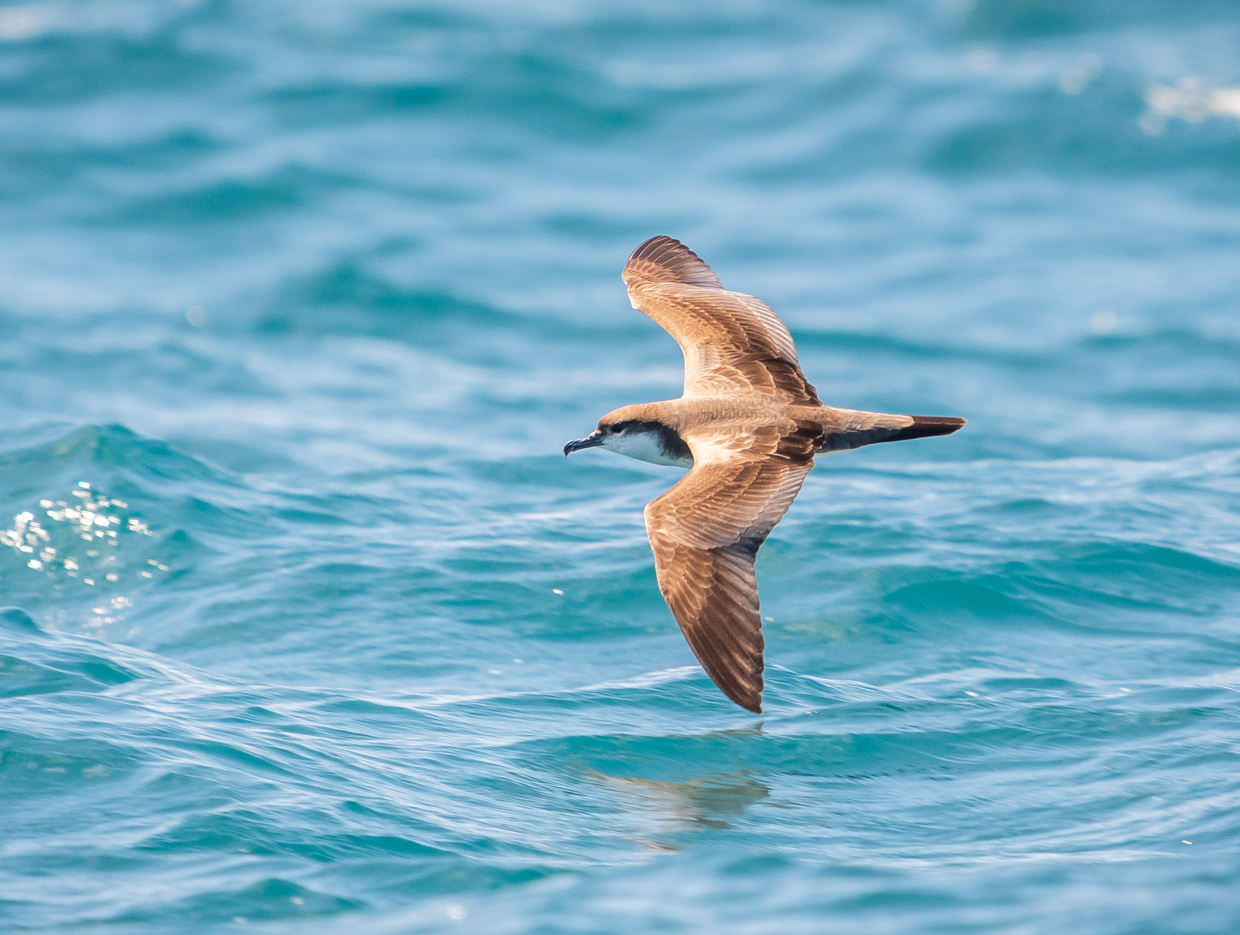
Buller’s Shearwater © Donavin de Jager
Once back on land, we visited a water treatment pond and enjoyed seeing beautiful Australasian Shovelers, Mallard hybrids, Paradise Shelducks, and Black Swans.
Back at the hotel, everyone enjoyed a well-deserved break before dinner. Dinner conversations were filled with delight, and they were very excited to see what the rest of the tour would bring.
Day 3: Whangarei
We started the day early with breakfast at 6:30 a.m., then headed to a special wetland at 7 a.m. There, we enjoyed wonderful views of some New Zealand Fernbirds, New Zealand Fantail, Eastern Rosellas, and Silvereyes.
After that, we headed to a lake to search for Australasian and New Zealand Grebes. The lake was lively, with many Australasian Grebes and several New Zealand Grebes on display. The guests loved this spot, and we enjoyed a full hour soaking in the peaceful surroundings. From there, we visited a different wetland, where we saw a White-faced Heron, a Common Chaffinch, Australasian Swamphens, Paradise Shelducks, and an incredibly rare sighting of several Pacific Black Ducks!

Pacific Black Duck © Donavin de Jager
Lunch by the river was a highlight on its own. The café served great food and had a warm, family-like atmosphere. Guests gave many compliments about the café and the venue choice.
We returned to the hotel for a quick rest while the tide shifted, enhancing our afternoon birding. Refreshed, we headed to the beach to search for some New Zealand Pipits. Walking along the dunes, we soon spotted a New Zealand Pipit that approached a guide to within just a couple of meters, providing exceptional views. On the way back to the vehicle, we enjoyed seeing some very friendly Grey Gerygones.
After this, we decided to explore a small wetland with good chances of seeing Yellowhammer, Eurasian Skylark, and Australian Magpie. The wetland did not disappoint; it not only held the target species but also was full of Gray Teal, Mallard, Black Swan, Australasian Shoveler, and surprisingly, an Australasian Bittern! A truly magical way to end the day.
Day 4: Whangaparaoa
We enjoyed breakfast at 6:30 a.m. and left the hotel at 7 a.m. for a New Zealand Fairy Tern search. At the refuge, we were rewarded with sightings of Ruddy Turnstone, Bar-tailed Godwits, South Island Oystercatcher, New Zealand Dotterel, White-fronted Tern, Caspian Tern, Black Swan, Pied Stilt, and Royal Spoonbill. The fairy terns evaded us, so we moved to a different spot for a closer vantage point. There, we spotted our one and only New Zealand Fairy Tern, giving us a somewhat distant view of a very special bird. Considering there are only 45 left in New Zealand, finding even one was quite fortunate.

Birding at the estuary © Donavin de Jager

White-faced Heron © Donavin de Jager

New Zealand Dotterel © Donavin de Jager
From there, we moved on to a very special regional park that turned out to be a favorite stop for many. We enjoyed our lunch surrounded by Silver Gulls and Australasian Swamphens. The park was teeming with birdlife, and after eating, we had memorable encounters with Whitehead, Brown Teal, North Island Saddleback, and numerous Tui and New Zealand Bellbirds. The guests were completely delighted with the variety and abundance of species in this beautiful park.
We took a short break before dinner to give everyone a chance to settle in after a long day of driving. Dinner was another highlight of the day—the guests couldn’t stop talking about the excellent food and warm, attentive service. Afterwards, we visited an incredibly special wetland, where Spotless Crake, Buff-banded Rail, and Brown Teal were very abundant. Even the guides had to admit that this was by far the best sightings (and numbers) of Spotless Crake and Buff-banded Rail they had ever experienced!
After that, we began searching for Little Spotted Kiwi and Moreporks. Although the kiwi stayed elusive, we enjoyed excellent calls of Morepork.
Day 5: Whangaparaoa
Everyone enjoyed a well-deserved sleep, with breakfast served at a relaxed 8 a.m. We left the lodge at 8:45 a.m. to catch the 9:30 ferry to Tiritiri Matangi. While waiting for the ferry, we enjoyed great views of White-fronted Terns and, a rare find, a Pacific Reef Heron.
Once on the island, Nicola (our Tiritiri guide) provided plenty of interesting background and context about Tiritiri Matangi. Her enthusiasm and knowledge were truly spectacular, and all of the guests absolutely loved her. During our walk, we were rewarded with wonderful sightings of North Island Kōkako, North Island Robin, Whitehead, New Zealand Fantail, Red-crowned Parakeet, North Island Saddleback, and Stitchbird. We also enjoyed stunning views of Bellbirds and Tūī throughout the day, as well as some adorable Brown Quails on the path back to the boat. During lunch, the guides found three South Island Takahe for the entire group to enjoy. The guests absolutely loved the island’s atmosphere, scenery, and the abundance of unique birdlife. Some of this wildlife included two Giant Weta in a tree right next to the path. The ferry departed the island at 2:45 p.m.

Stitchbird © Donavin de Jager

Whitehead © Donavin de Jager

New Zealand Fantail © Donavin de Jager

New Zealand Bellbird © Donavin de Jager

South Island Takahe © Donavin de Jager
Back at the lodge, everyone enjoyed some free time before our 5:30 dinner. We had pre-ordered to streamline the meal and ensure we could make the most of the upcoming evening’s birding. Once again, the food was fantastic and the service outstanding—the guests thoroughly enjoyed the experience and looked refreshed, energized, and excited for the night ahead. To make the day even more special, we celebrated one of the guest’s eighty-first birthdays. We watched as the guest’s pleasantly surprised expression appeared and shared some cake with him.
After dinner, we set out to find some North Island Brown Kiwi and Moreporks. The park was bustling with visitors hoping to spot a kiwi, and despite the crowds, a short walk into the forest rewarded us with a kiwi sighting. On our walk back to the van, we enjoyed the incredible calls of two kiwis less than 100 meters away. Not far from there, we encountered two Moreporks right next to us, completely unobscured! Once again, the day ended on a high note.
Day 6: Turangi
After a late night of kiwi searching and an early 6 a.m. start, everyone showed great spirit and energy. Our first stop was back at the same wetland where we found the Spotless Crake and Buff-Banded Rail to see if we could make use of the excellent lighting to get better photos of these elusive birds. We definitely did! Both of these incredible birds showed very well throughout the morning, to the point that people started getting bored of them.

Spotless Crake © Donavin de Jager
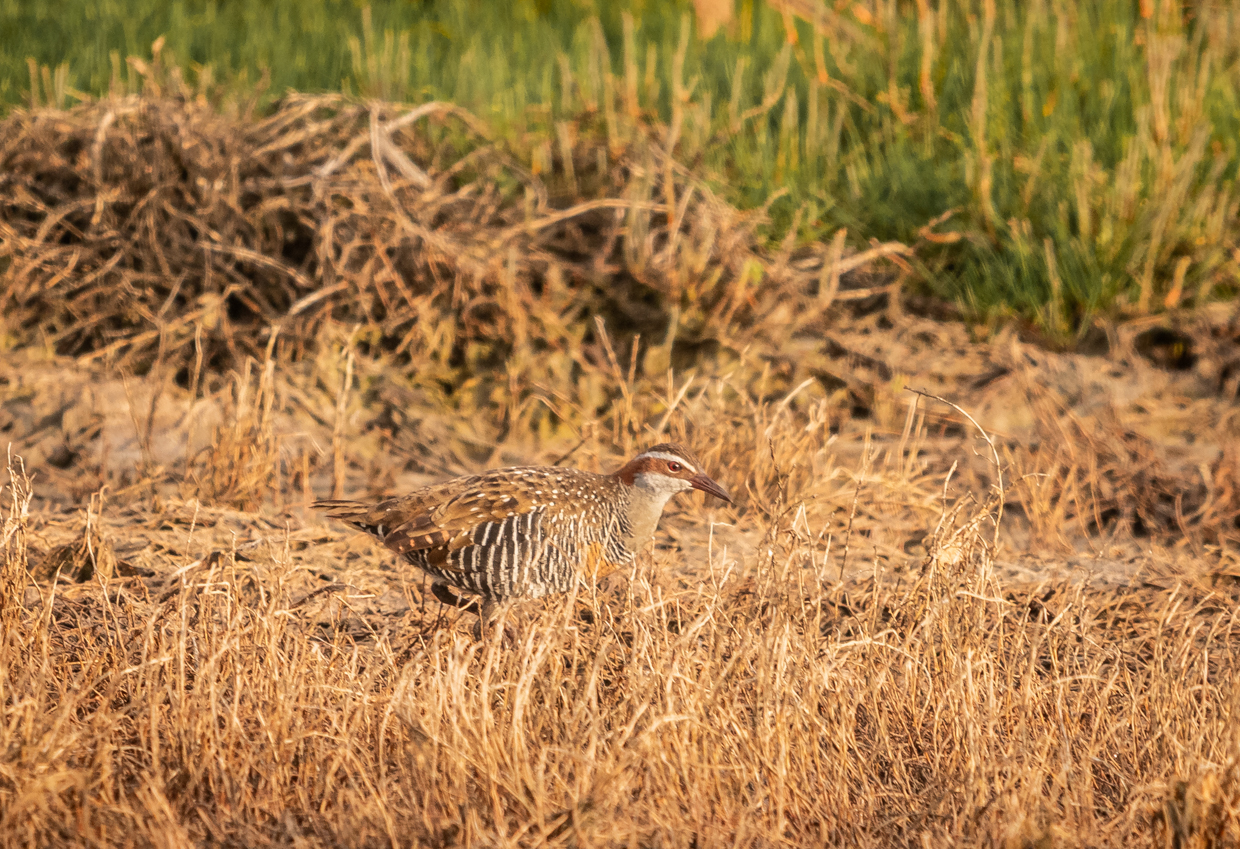
Buff-banded Rail © Donavin de Jager
Our second stop was at a small wetland where we enjoyed great views of Pied Stilt, Royal Spoonbill, Paradise Shelduck, Grey Teal, hundreds of Double-banded Plover, and our first Wrybill. Next, we paused for lunch, where the food and service were wonderful. But what truly made this café special was its incredible character—beautiful artwork, a warm atmosphere, and even the bathrooms became a talking point because of their stunning glass window design. The guests loved it.
After lunch, we visited a large wetland filled with numerous lookouts and hides. We were rewarded with thousands of Bar-tailed Godwits, hundreds of South Island Oystercatchers, Red Knots, and Wrybills, along with great views of Pacific Golden Plovers, New Zealand Dotterels, Double-banded Plovers, and Sharp-tailed Sandpipers. There is something truly spectacular about seeing so many birds crowded into such a small area. It was a genuinely magical experience.
Just before checking into our accommodation, we saw a Blue Duck by the river. It was far away at first, but it flew closer, and we got a clear view of a very special bird.
Dinner was served at 7:30 p.m. at the accommodation. The food was outstanding, and everyone praised the chef for a fantastic meal. The relaxed vibe created one of the best bonding nights of the trip, filled with laughter, shared stories, and great conversation.
Day 7: Turangi
We had breakfast at the accommodation at 7:30 a.m. and left around 8 a.m. After breakfast, we headed toward the Tongariro River. We took a beautiful, scenic walk along the river. The walk provided stunning scenery and great views of New Zealand Fantail, Silvereye, Whitehead, and some very friendly Blue Ducks.
Next, we moved further upstream on the river, where we were rewarded by a young Shining Bronze Cuckoo being fed by a Grey Geregone. Just after this, we spotted a New Zealand Falcon soaring high in the sky. We also saw our first Tomtit and enjoyed excellent views of more New Zealand Fantails and Silvereyes.
After an incredible morning, we stopped for lunch, where guests enjoyed a relaxing break and some delicious food. Next, we continued to a wharf in search of Spotless Crake, Eurasian Coot, and Australasian Bittern. We spotted the Coots shortly after parking, then walked into the wetland area. A Spotless Crake was calling in the reed beds, and some Australasian Bitterns started calling deep inside the reeds. Just before leaving, we found a Shining Bronze-Cuckoo right next to us, and everyone enjoyed an unobstructed view. At the same time, one of the guests spotted an Australasian Bittern in the reeds and called us over. We had an excellent view of it, and everyone experienced one of the best Australasian Bittern encounters the guides have ever had. It was a remarkable series of sightings.
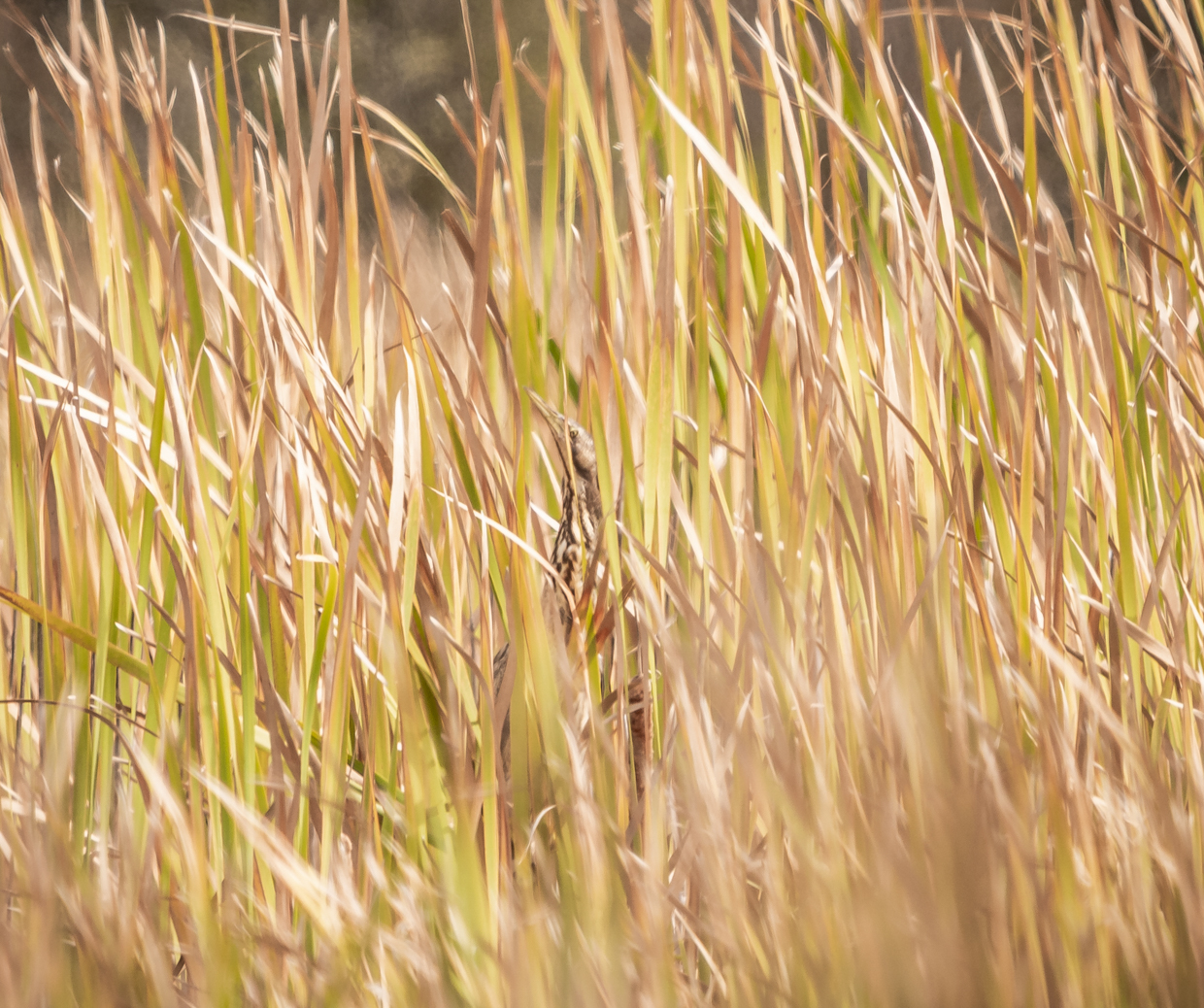
Australasian Bittern © Donavin de Jager
Our next stop was a beautiful forest to look for Tomtit and Rifleman. We managed to spot some Tomtits, Rifleman, New Zealand Kakas, a North Island Robin, and got a brief view of a New Zealand Falcon. The guests really enjoyed this forest and took some funny photos together.
After this, everyone enjoyed a 90-minute break before we went on a short 30-minute walk, during which we saw some California Quail, Silvereye, Blue Ducks, a Yellowhammer, and another New Zealand Falcon.
We finished the day with dinner at the lodge, and the group again enjoyed a relaxed evening together. Everyone was extremely happy with the day’s amazing sightings and unforgettable experiences. The conversations were lively, full of enthusiasm, delight, and happiness.
Day 8: Palmerston North
We had breakfast at 7:30 a.m. so we could leave around 8 a.m. Our first stop was a charming visitor center where we enjoyed some stunning views of the Common Redpoll. The guests also appreciated the visitor center and all the amazing information inside.
We then went to a charming cafe near Whanganui for lunch and to search for a Nankeen Night-Heron. Along the way, we enjoyed stunning roadside views of Indian Peafowl. Everyone had great sightings—an unexpected highlight of the morning.
At the café, the group thoroughly enjoyed both the food and the cozy, welcoming atmosphere. During our visit, we spotted a Nankeen Night-Heron and got excellent scope views of it. We also had an amazing glimpse of a Shining Bronze-Cuckoo. Everyone took great photos.

Shining Bronze-Cuckoo © Donavin de Jager
After lunch, we continued to an incredible predator-proof park where we enjoyed very close and clear views of North Island Saddleback, Stitchbird, and North Island Robin. We also appreciated the beautiful forest. Everyone loved the park and did a great job managing its steep slopes.
The weather all day was perfect—clear, comfortable, and great for birding. We finished the day with a relaxed 7:30 p.m. dinner, enjoying a nice meal together and thinking about the day’s many memorable sightings. The group ended the evening feeling happy and very satisfied with another successful day.
Day 9: Picton
We started the day with breakfast at 7:00 a.m. so we could leave by 7:30. Afterward, we went to a local park to look for Black-fronted Dotterel. After about 20 minutes of pleasant walking and scanning, we spotted four birds. Everyone had great views through the scopes (after a short walk to get closer), and the group enjoyed trying to spot the dotterels using only binoculars—an unexpectedly challenging task. It was a fantastic and energizing way to start the day! But as we headed back to the van, we saw an even better sight: two dotterels flew toward us and landed on the footpath less than 20 meters away. After being chased by a cyclist, they came even closer, now less than 10 meters from us! Everyone left with amazing photos and big smiles.
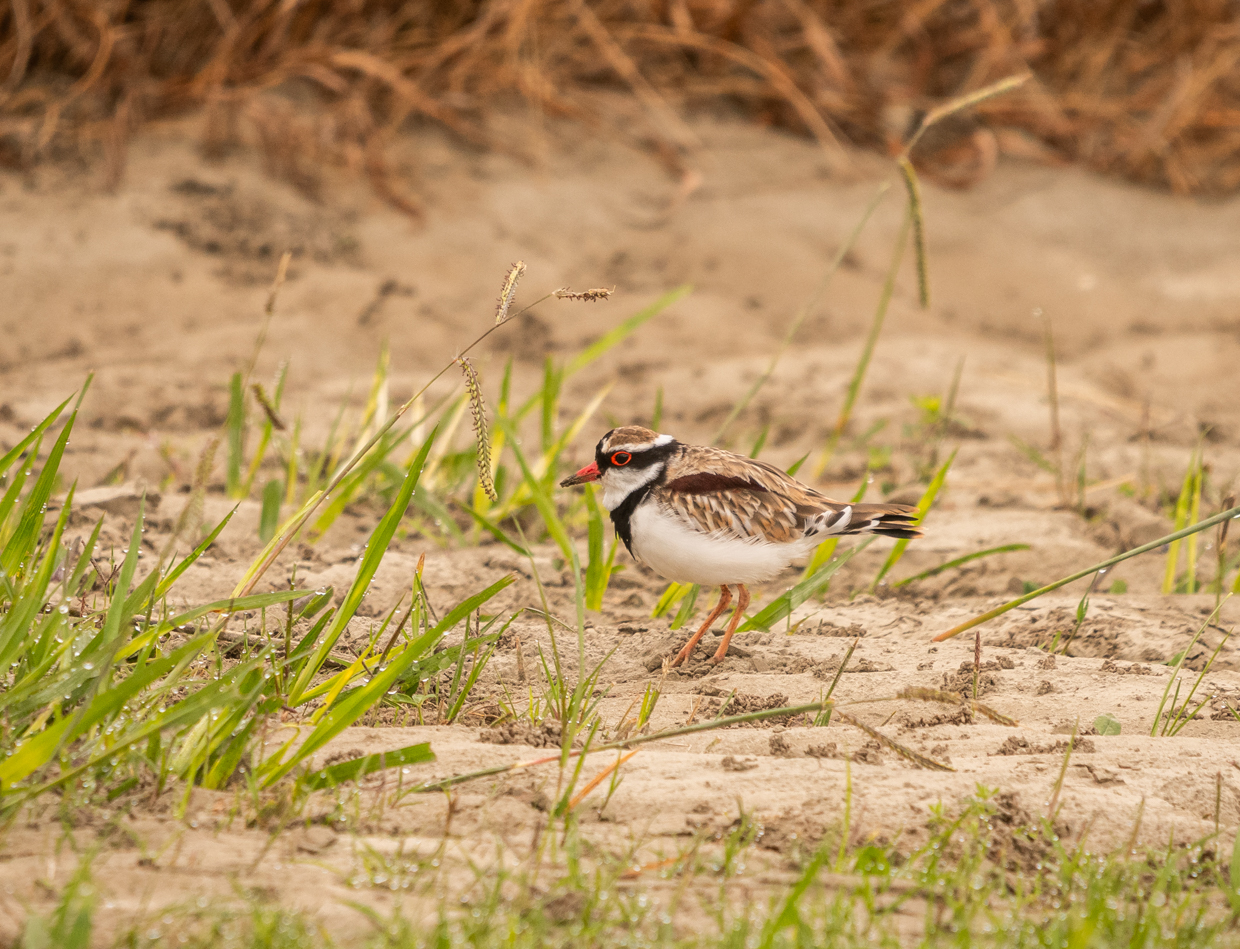
Black-fronted Dotterel © Donavin de Jager
Next, we took a short trip to try and find Rook. Along the way, we saw an amazing view of a New Zealand Falcon that landed right on top of a large fern. Not far from there, three Rooks flew over the road, and everyone got a good look at them.

New Zealand Falcon © Donavin de Jager
After that, we visited an estuary to observe some Bar-tailed Godwits, Red Knots, Pied Stilts, Double-banded Dotterels, Royal Spoonbills, Caspian Terns, Grey Teals, and White-fronted Terns. To our surprise, we also saw a Little Egret and a Common Tern. Both are extremely rare for New Zealand, and everyone had perfect, unobstructed views of each.
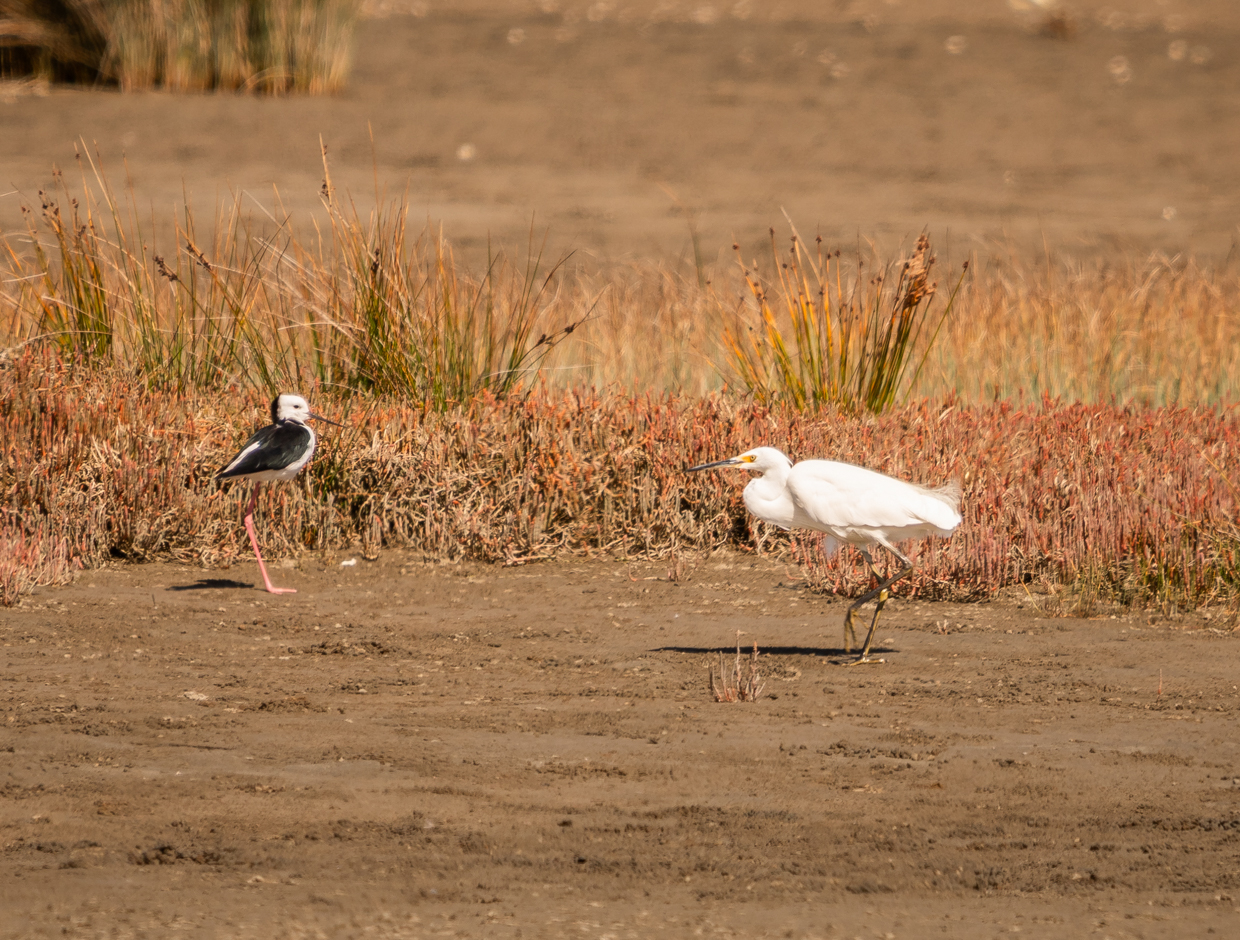
Little Egret © Donavin de Jager
The ferry ride to the South Island was wonderfully calm, creating a peaceful atmosphere on deck. During the journey, we spotted White-capped Albatross, Salvin’s Albatross, Black-browed Albatross, Westland Petrel, Sooty Shearwater, Buller’s Shearwater, Flesh-footed Shearwater, and Common Diving-Petrel—a truly impressive list for such little wind. Entering the sounds, we enjoyed views of large numbers of Fluttering Shearwaters, one New Zealand King Shag in clear view, lots of Spotted and Pied Shags, and several Parasitic Jaegers.
Once on the South Island, we enjoyed a relaxed dinner while the wind was picking up significantly outside. The food was delicious, and the group had a wonderful time reflecting on an already unforgettable trip. Spirits were high, and everyone went to bed delighted with the incredible birding and memorable experiences. The strong winds made us doubt whether the boat would go out the next morning. However, we went to bed expecting that it would go out.
Day 10: Kaikoura
We started the day with a delicious breakfast around 7 a.m. Luckily, the wind had completely died down during the night, so the boat would go out with us. At E-ko Tours, we received a detailed briefing before boarding, followed by a quick safety session. The weather was perfect, with calm waters and comfortable temperatures, making for a wonderful start to the trip. During the boat ride, we encountered spectacular sights of Little Penguins, Hector’s Dolphins, Spotted Shags, King Shags, Australasian Gannets, and Fluttering Shearwaters. The King Shag is endemic to Marlborough Sound, with only 800 remaining. We saw 5% of the world’s population during our boat ride! The knowledgeable captain shared fascinating insights throughout the journey, making it an engaging and memorable experience.
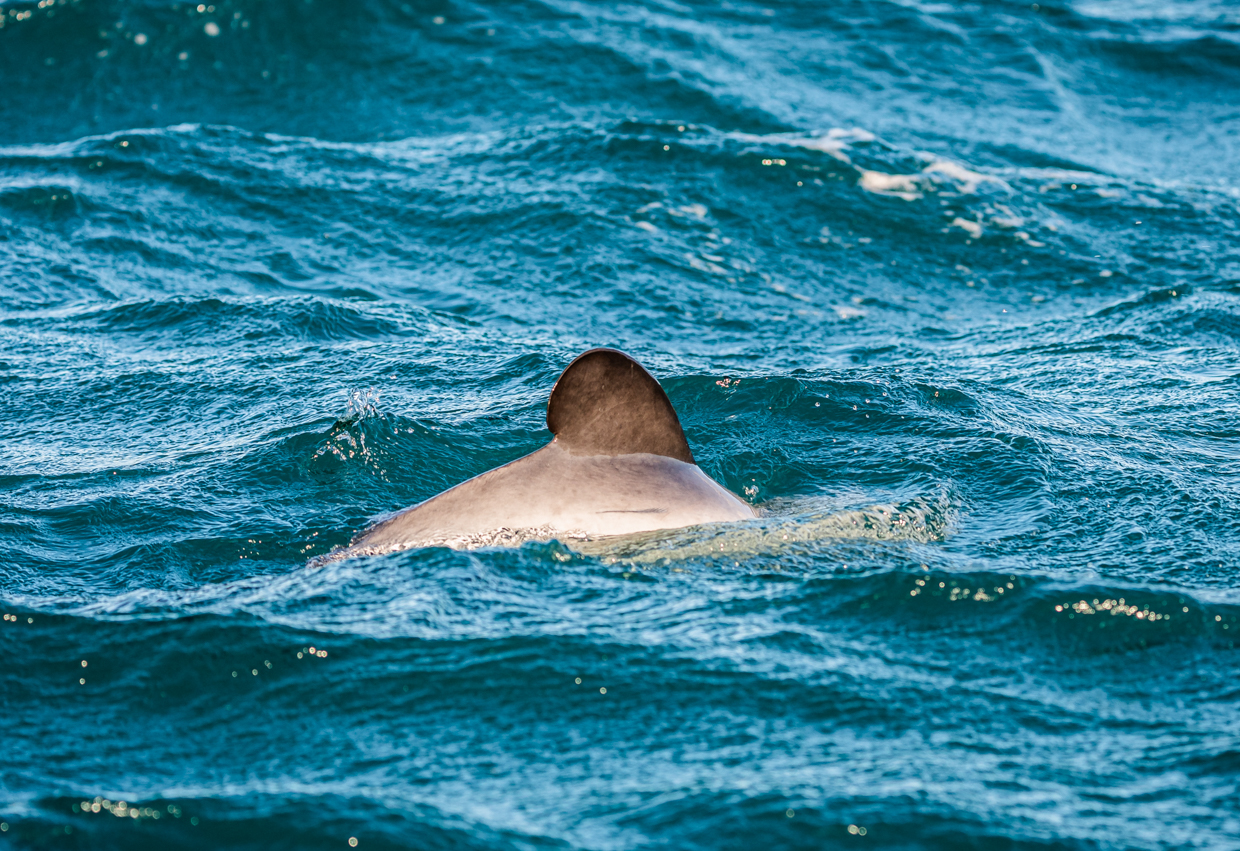
Hector’s Dolphin © Donavin de Jager
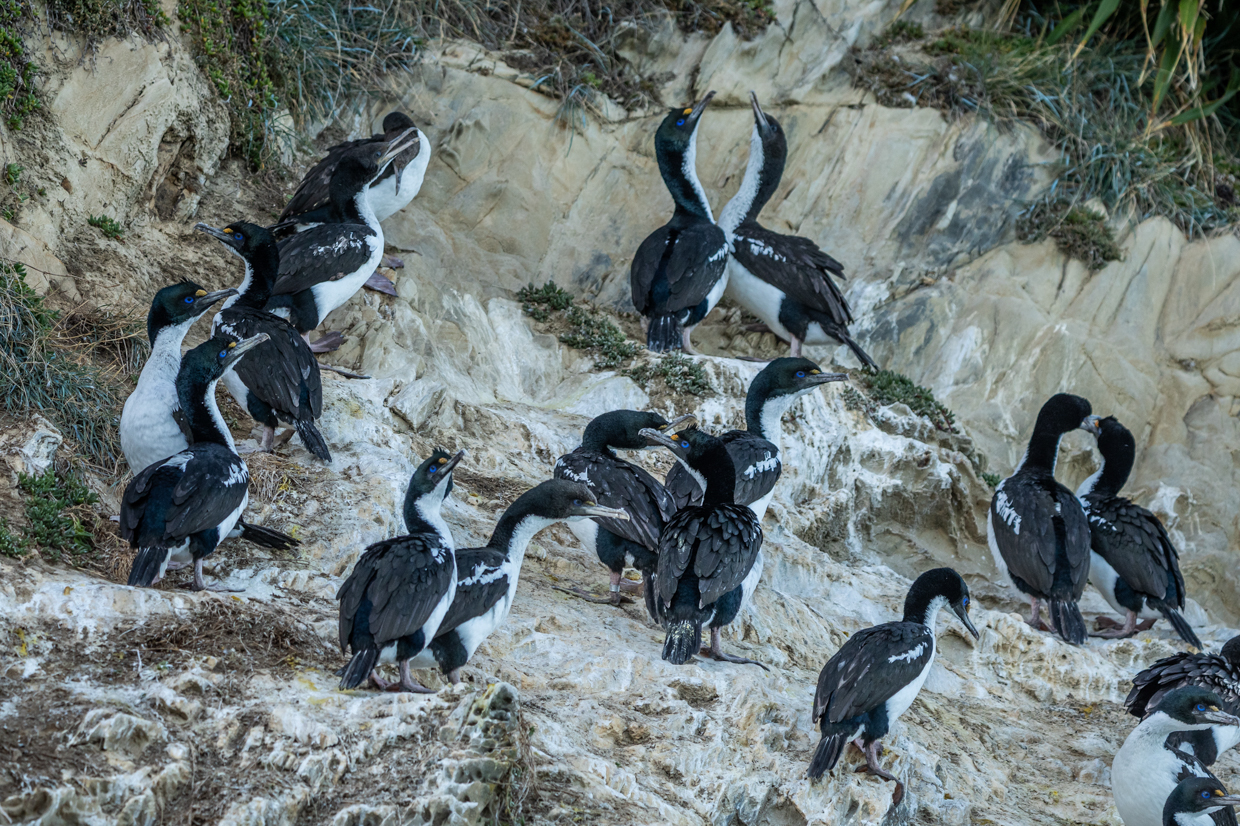
New Zealand King Shag © Donavin de Jager
Upon arriving at Blumine Island, we were immediately greeted by a friendly Tomtit. As we hiked up to a viewpoint searching for Malherbe’s Parakeet, we saw some Yellow-crowned Parakeets flying overhead, and a few people caught a glimpse of a Weka. Although Malherbe’s Parakeet was initially elusive, three guests caught a brief sighting near the campsite as it flew over, and just before we headed back, one appeared in a perfect spot for everyone to see clearly. While waiting for the boat to return, we enjoyed fantastic views of a Tomtit and a Weka.
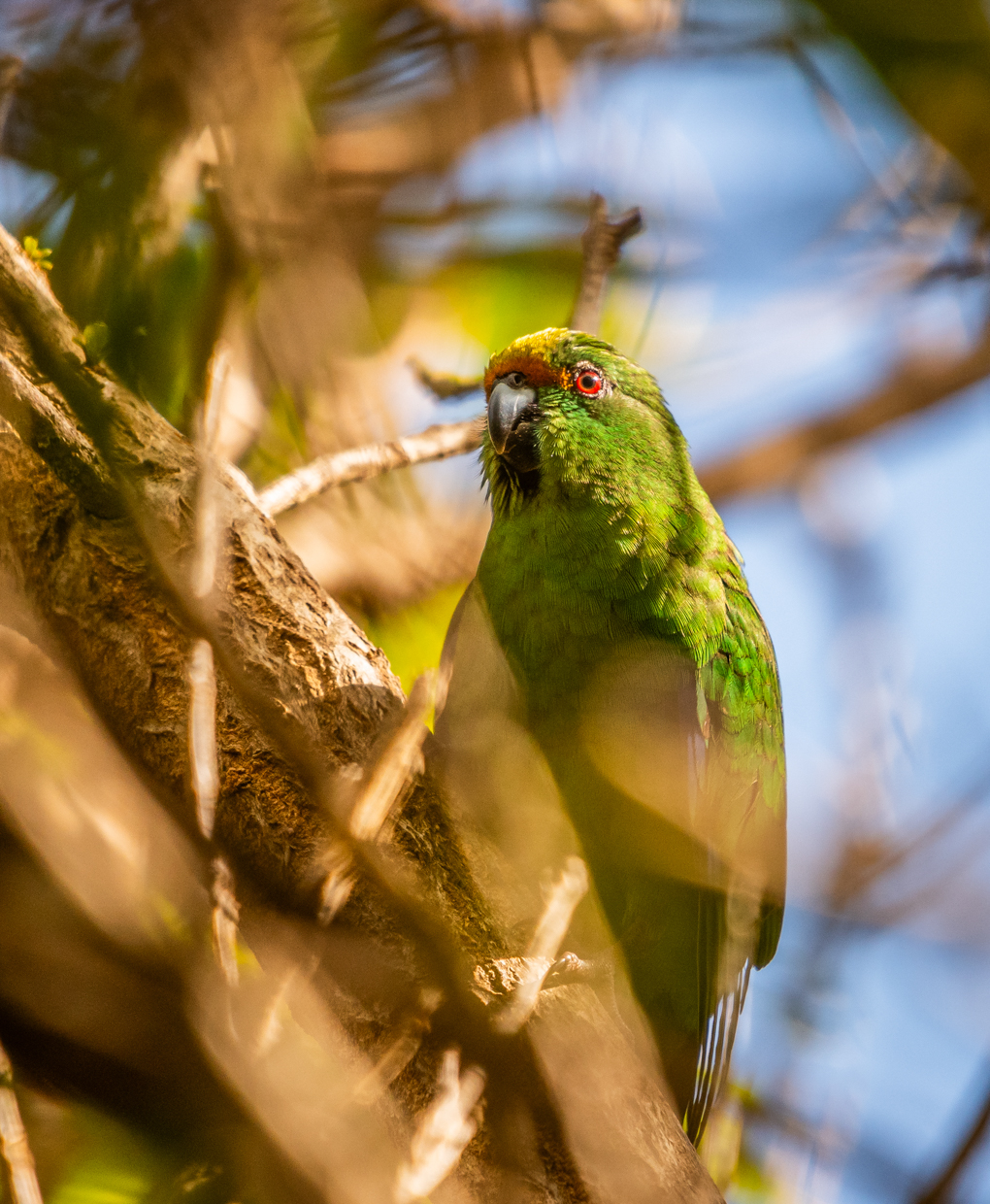
Malherbe’s Parakeet © Donavin de Jager
Lunch was a hit with everyone, offering delicious food and plenty of energy for the afternoon. The drive to Kaikoura faced terrible weather, with strong winds and moderate rain. We couldn’t do much birding along the way, but we enjoyed seeing some Royal Spoonbill, Gray Teal, Mallard hybrids, Paradise Shelduck, and Kelp Gulls at an estuary. On the trip down, we also managed to spot a Great Egret! This is one of the first sightings of this magnificent bird in the area in many years.
Just before reaching Kaikoura, we stopped to admire some New Zealand fur seals. There were pups everywhere, and the mums were scattered along the rocks. Later, we checked into our accommodation in Kaikoura. Once settled, we enjoyed a truly exceptional dinner with breathtaking views, attentive service, and generous, delicious food. After dinner, a small group of guests went out to search for Little Owl, but we were unsuccessful this time.
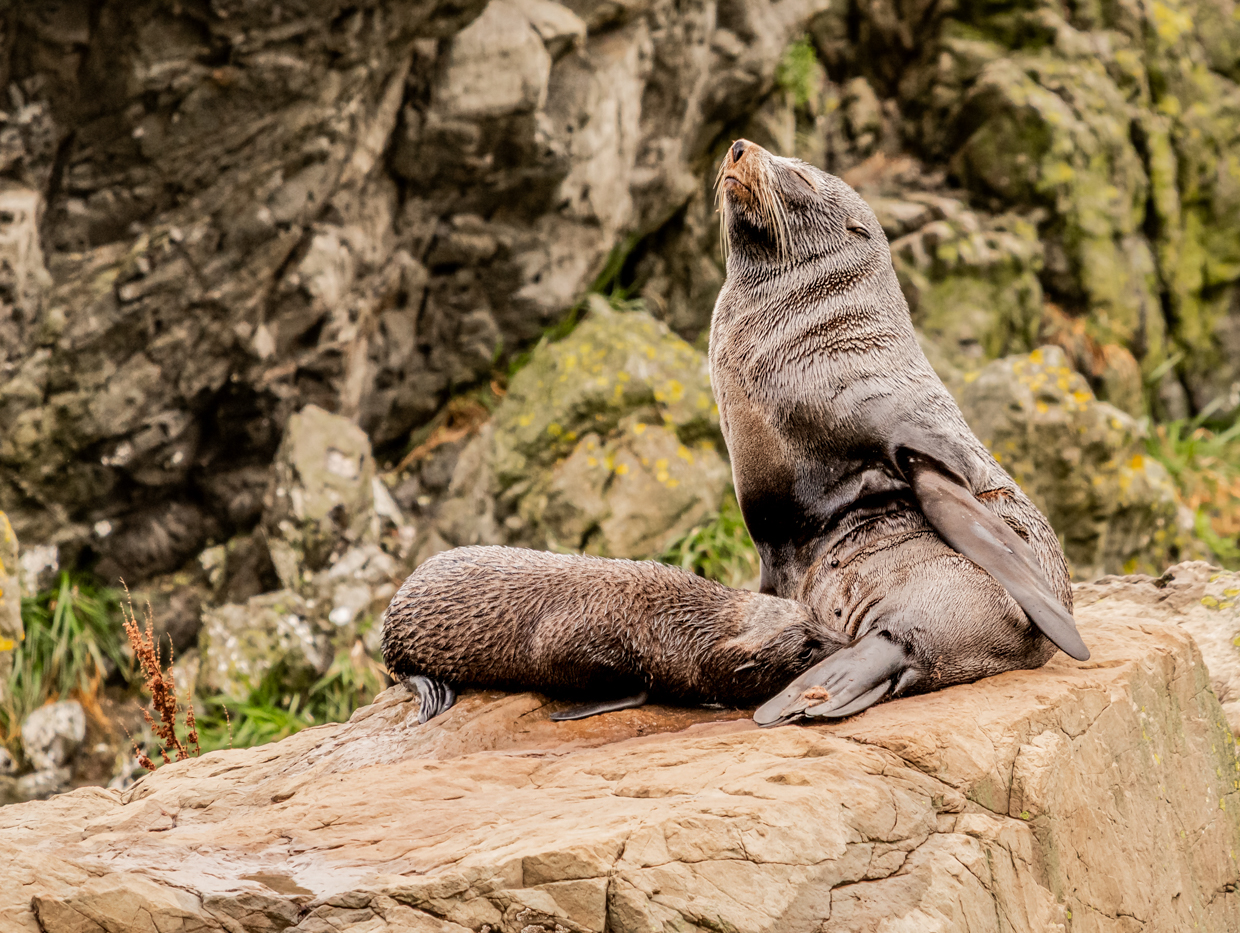
New Zealand Fur Seal © Donavin de Jager
Day 11: Kaikoura
We started the morning by visiting the Albatross Encounter office. The weather got so bad overnight that the pelagic was canceled. We had breakfast at Encounter Café, and everyone enjoyed browsing the gift shop while the guides booked another pelagic for the next morning.
After that, everyone spent some time in town exploring various shops and visiting the local museum. Some of us went to the sewage pond to see what we could find and enjoyed spotting beautiful Royal Spoonbills, Paradise Shelducks, New Zealand Scaups, European Goldfinches, and Yellowhammers.
After picking up the town residents, we headed to a beautiful beach where we enjoyed close-up views of Ruddy Turnstone, Double-banded Plover, Dunnock, and Welcome Swallows. Next, we went to a beautiful forest and saw lots of Silvereye, New Zealand Bellbirds, Gray Gerygone, and Yellowhammers. To our delight, we also heard our first South Island Robin for the trip.
We left the forest to enjoy an amazing lunch in town before heading to a beautiful local forest to look for Pipipi. During our walk in the forest, we encountered New Zealand Pigeon, New Zealand Bellbird, Gray Gerygone, some friendly New Zealand Fantails, Silvereyes, Tui, and to finish it off, a large group of Pipipi.
We took a short break before enjoying a delightful dinner with amazing food, great service, and friendly locals. After dinner, we went out looking for Little Owls. We were thrilled to find two Little Owls calling before it got dark. We spent some time trying to locate one calling very close to us, and around 8:20pm, we had an absolutely perfect (and unobstructed) view of one. What a perfect ending to a rather challenging day filled with difficult weather.
Day 12: Arthur’s Pass
We started the day by meeting at 5:30 am to catch the Albatross Encounter boat trip at 6:30 am with Encounter Kaikoura. The weather was fantastic, and we hadn’t been notified of any cancellations, so our spirits were high. We met our skipper in the parking lot, and he drove us to the boat. The guests loved that we boarded the boat on land first and then were pushed into the water by a tractor. It didn’t take long for us to see our first Antipodean Albatross. Soon after, more appeared, along with Pintado Petrel, White-capped Albatross, Northern Giant Petrel, Northern Royal Albatross, and Hutton’s Shearwater. At our first stop, everyone got to experience these magnificent animals up close as the skipper chummed the water next to the boat. This was by far (according to everyone on the boat) the best pelagic trip we’ve ever had. For the rest of the trip, we also saw White-fronted Tern, Caspian Tern, Salvin’s Albatross, White-chinned Petrel, and Southern Royal Albatross. We also enjoyed excellent views of a New Zealand Fur Seal colony as we headed back to shore.
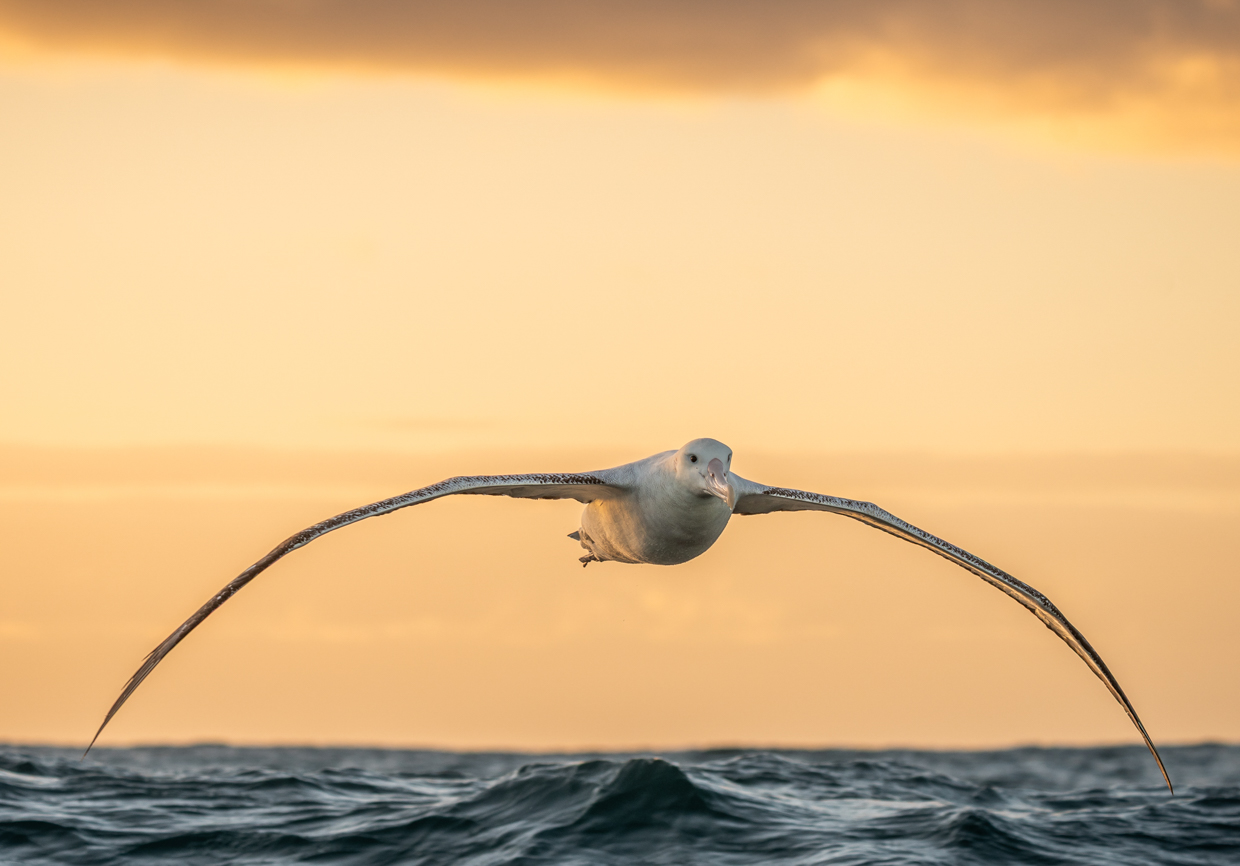
Antipodean Albatross © Donavin de Jager
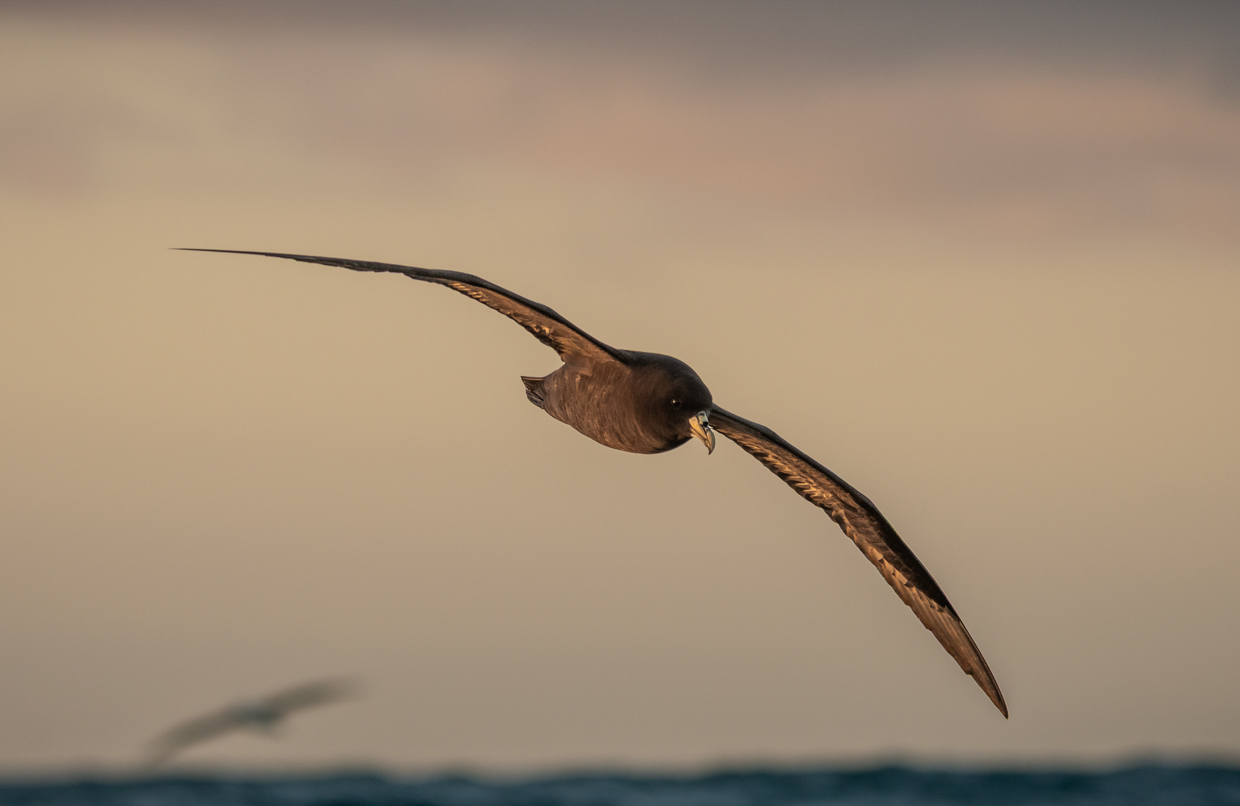
White-chinned Petrel © Donavin de Jager
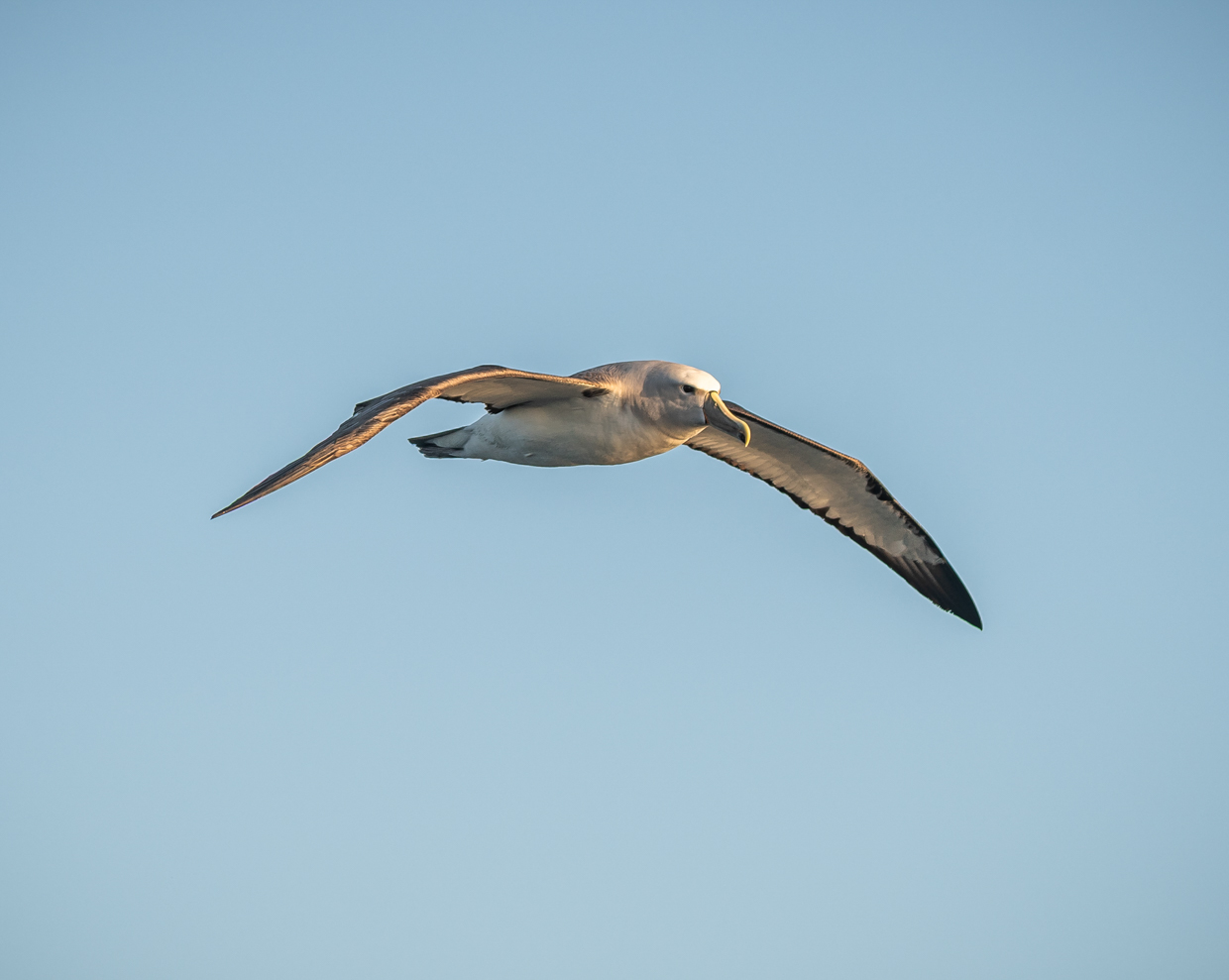
Salvin’s Albatross © Donavin de Jager
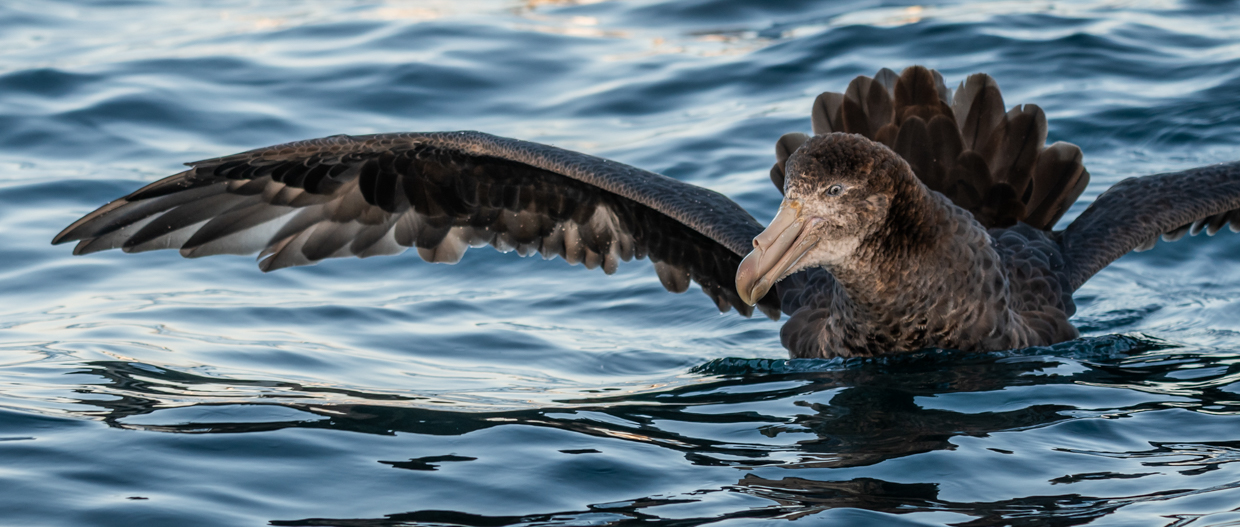
Northern Giant Petrel © Donavin de Jager
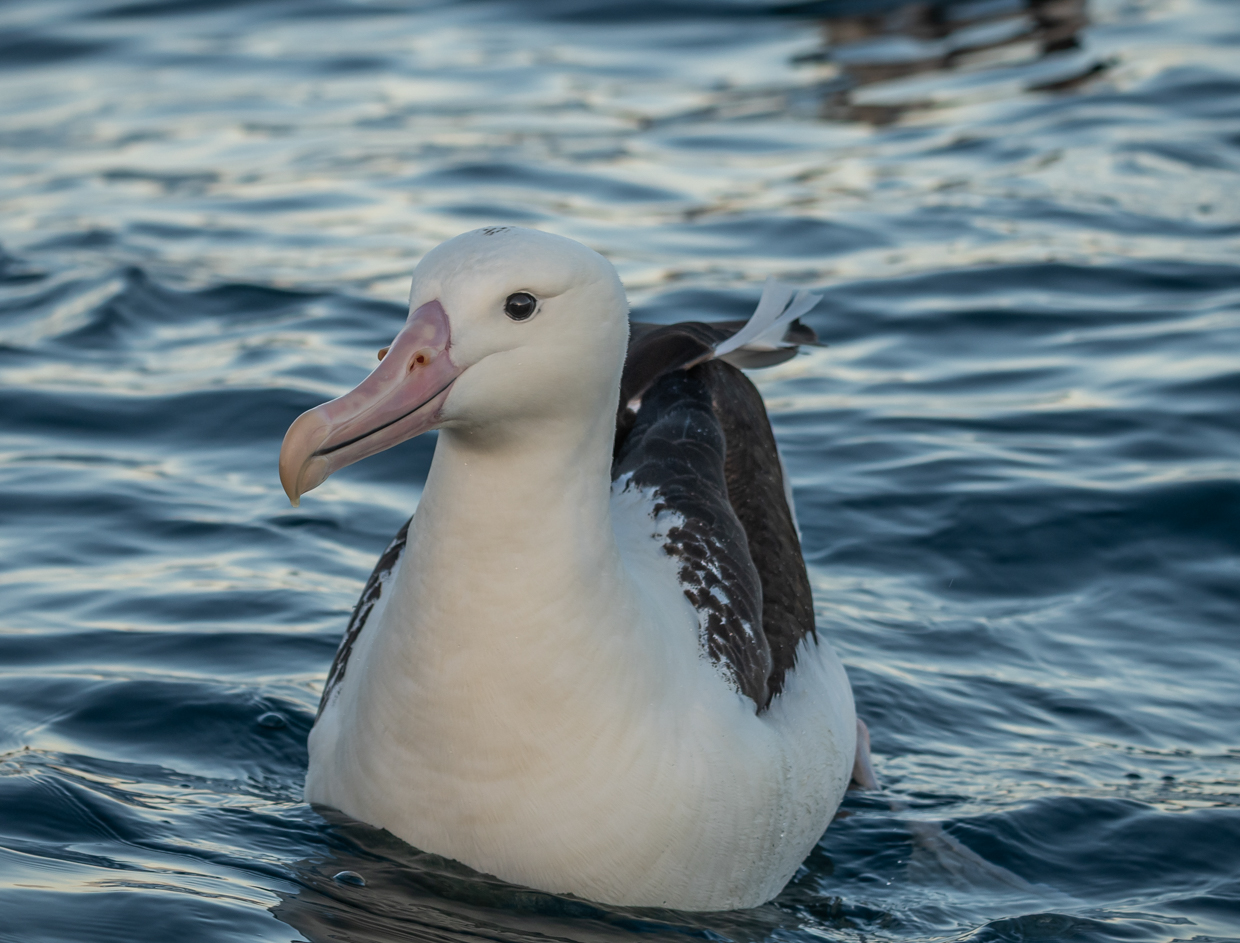
Northern Royal Albatross © Donavin de Jager
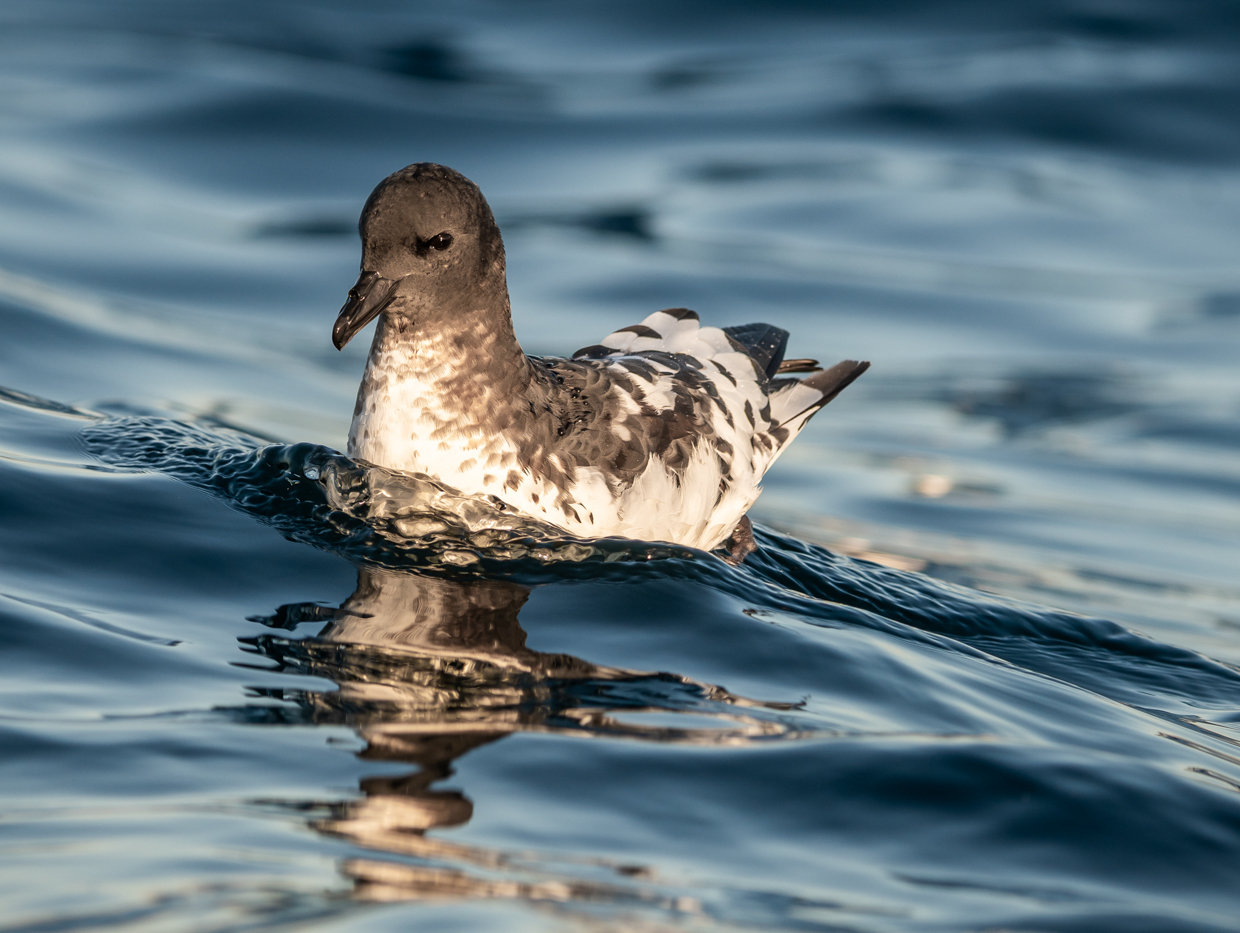
Pinatado Petrel © Donavin de Jager
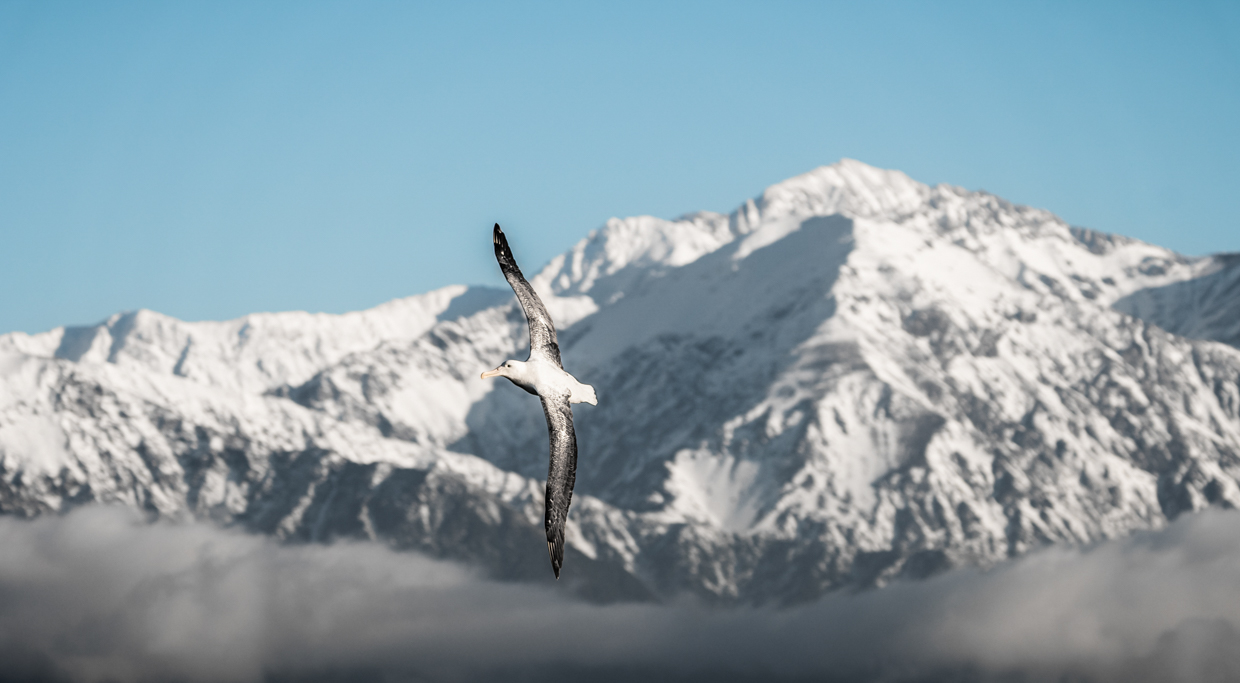
Southern Royal Albatross © Donavin de Jager
Back on land, we had breakfast at Encounter Kaikoura’s café, and the experience was pleasant. We left Kaikoura and enjoyed stunning scenery during the drive to Christchurch. We stopped at a stream next to the road to see our only Mute Swan of the trip. We also saw some very close Little Pied Cormorants, Great Cormorants, Pied Cormorants, and one Little Black Cormorant.
Next, we had lunch very close to a beautiful wetland. Everyone loved the café and commented on how much they enjoy New Zealand’s cafés. After lunch, we visited the wetland and, after a short wait, were thrilled when a Baillon’s Crake appeared! This was a huge highlight of the trip,, and everyone absolutely loved how clear the view of this very secretive little bird was.
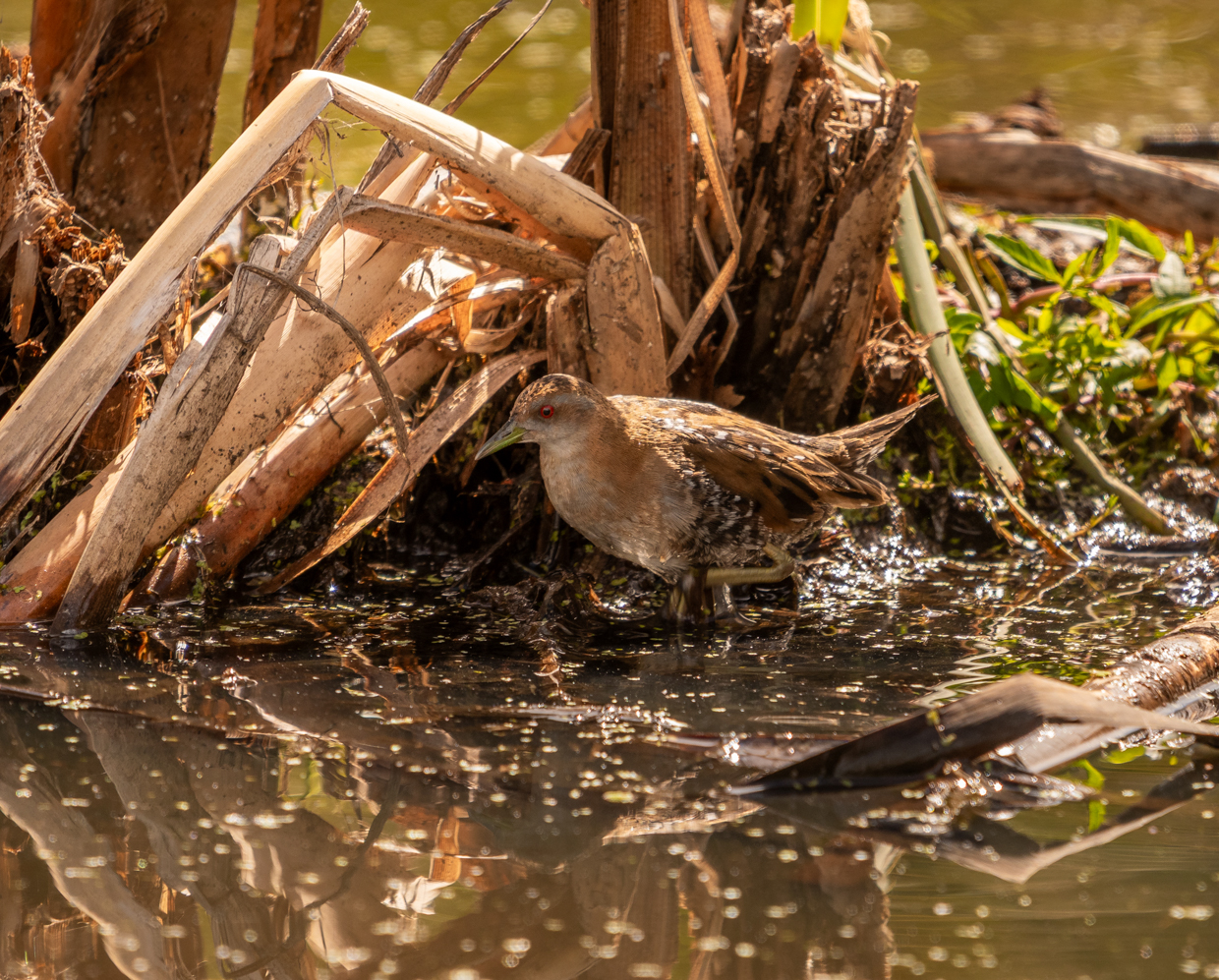
Baillon’s Crake © Donavin de Jager
Next up was a long drive to our dinner. The dinner spot had incredible views, great food, and very friendly and helpful staff. The guests especially enjoyed the life-sized Giant Moa.
Later, we headed to Arthur’s Pass to look for Kea. We were able to hear and see some of these iconic birds in the distance, while a surprise South Island Robin called from a nearby bush, adding a special touch to the outing.
We checked into the motel for a short rest, then we headed out at 8 p.m. to look for Great Spotted Kiwi. A pleasant walk before dark allowed us to enjoy views of Rifleman and Tomtit. Once night fell, we entered the forest and were rewarded with an amazing encounter with a Brush-tailed Possum right beside the trail. Guests got great views of this very large invasive animal. Around midnight, we heard clear calls from both male and female Great Spotted Kiwi. It was a perfect way to end the day.
Day 13: Franz Josef
We started our morning at 8 a.m. with a delightful breakfast in town. While we enjoyed our meal, a very friendly South Island Robin joined us. It stayed with us throughout breakfast and would stand on the table, on the fence next to the table, and even right next to people’s shoes.
Next, we returned to the trail we visited last night to enjoy observing some beautiful Tomtits, South Island Robins, and New Zealand Bellbirds. On our way to Hokitika, we stopped for a bathroom break and were surprised to see some Weka foraging on the lawn beside the parking lot. We enjoyed watching them for a while before heading to Hokitika to explore the shops. We also had our lunch there, and it was a nice change to have a home-cooked meal.
After this, we went to Okarito to meet Ian, our Okarito Kiwi guide, so he could give everyone a briefing for the night’s Kiwi spotting. Before the Kiwi spotting could start, we checked into our accommodation, enjoyed a nice dinner, and took a short break.
Now it’s time to meet with Ian for Kiwi spotting. We arrived early at our meeting point to enjoy some incredible views of Pipipi, South Island Robin, Tomtit, and some Yellow-crowned Parakeets that flew over multiple times. Once Ian arrived, we followed him into the forest and split up, with most of the group going with Ian and Donavin going out by himself as a backup plan if Ian was unsuccessful. During the evening briefing, both groups enjoyed some amazingly friendly and curious South Island Robins. They stayed right next to us, staring at us from a branch less than a meter away, then landing on the ground and practically jumping on our feet. It was an incredible start to the evening.
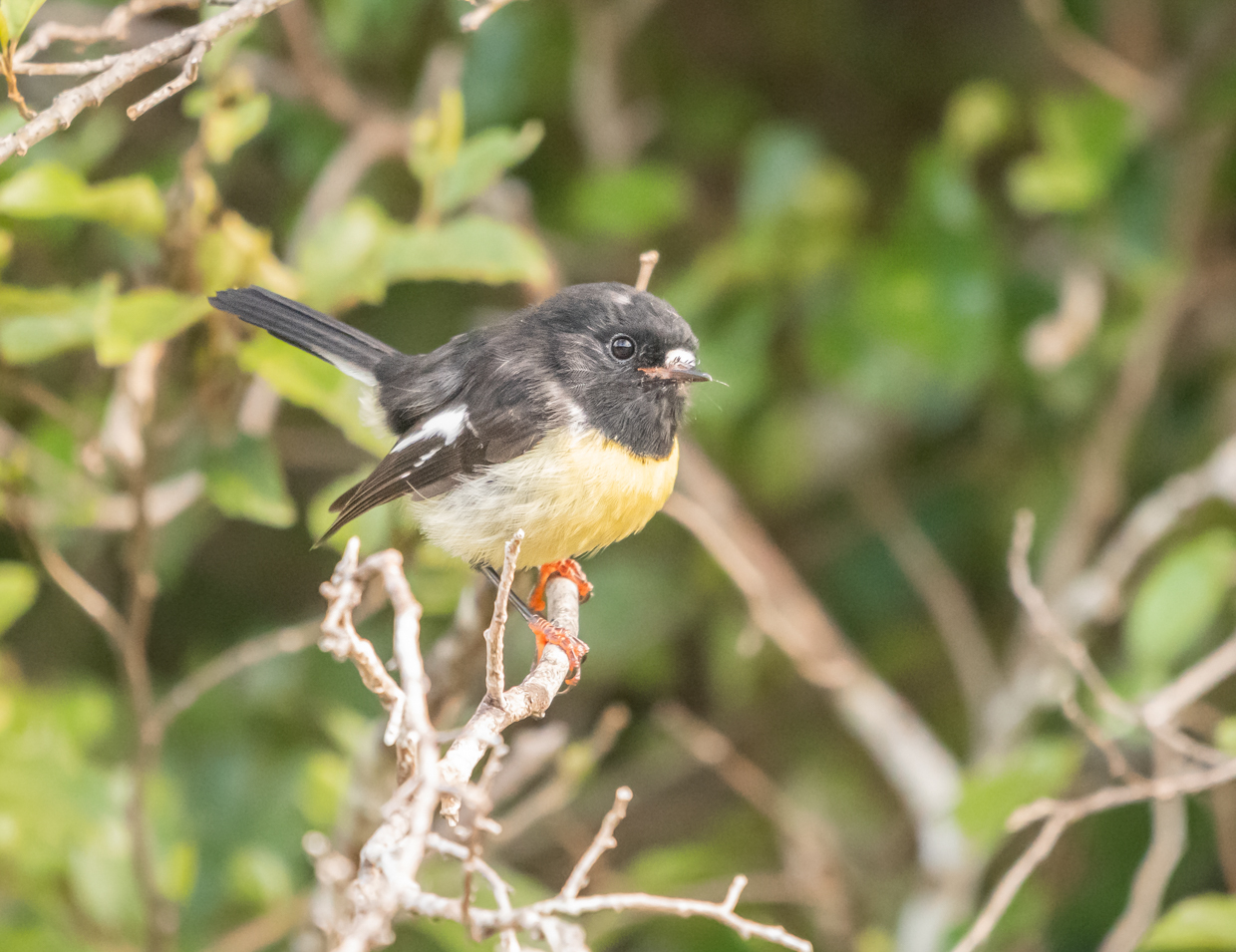
Tomtit © Donavin de Jager
[South Island Robin – Donavin de Jager (2)]
During the night, both groups enjoyed clear calls from both male and female kiwi, along with some close encounters as well. Gregor’s group had a kiwi less than 5 meters away rummaging around for food, but it did not show itself. Meanwhile, Donavin found a kiwi on the path less than 3 meters from him. The backup plan was set in motion. Ian contacted Donavin, and the group headed his way. Unfortunately, the group arrived too late. They were unsuccessful, but they were rewarded with more kiwis calling in the forest. The group loved the evening, with the robins at the start, all the moreporks calling throughout the night, and the kiwis calling in the thick vegetation.
[Okarito Kiwi – Donavin de Jager]
Day 14: Wanaka
We started the day with a lovely breakfast around 7 a.m. Next, we went for a beautiful Beach Walk filled with large native trees and birds. We enjoyed sightings of New Zealand Pigeon, Rifleman, Tui, Gray Gerygone, and New Zealand Fantail. After the walk, we went to the beach and observed many White-capped Albatrosses and Fluttering Shearwaters behind a fishing boat. We also saw a Southern Royal Albatross, an Antipodean Albatross, two Salvin’s Albatrosses, a Northern Giant Petrel, and a few Westland Petrels. While we took turns viewing through the scope, a pod of Maui’s Dolphins came within 10 meters of the shore. It truly couldn’t have been more perfect.
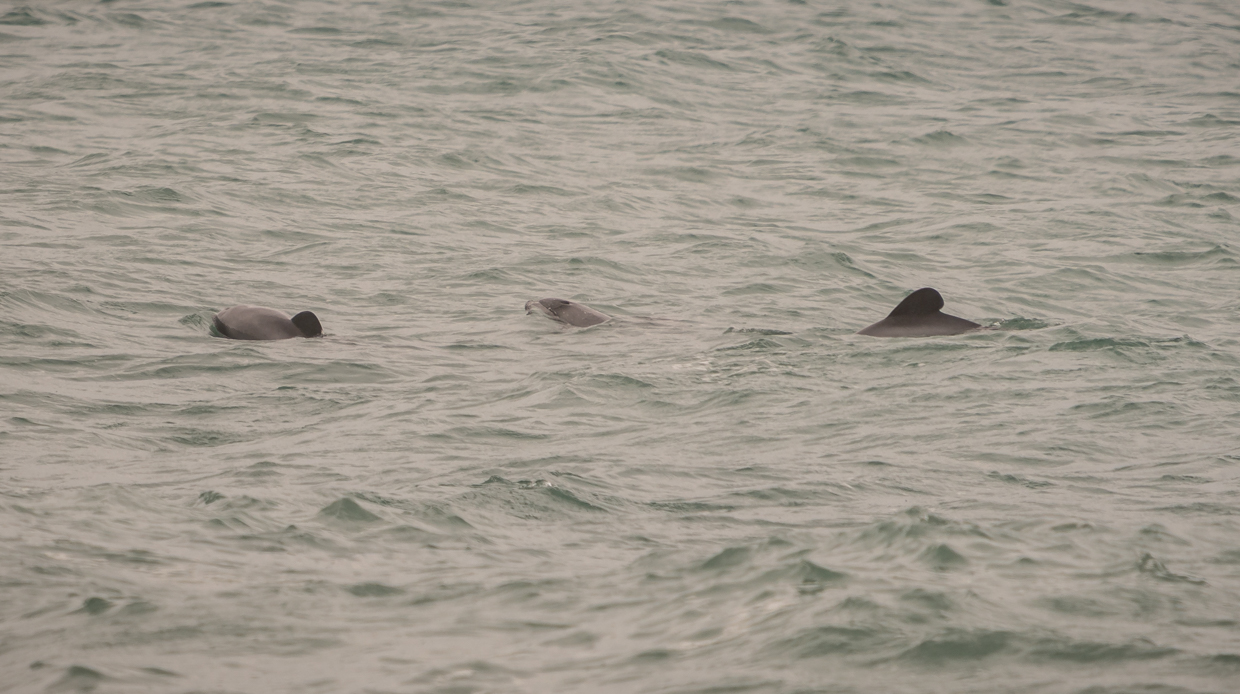
Maui’s Dolphin © Donavin de Jager
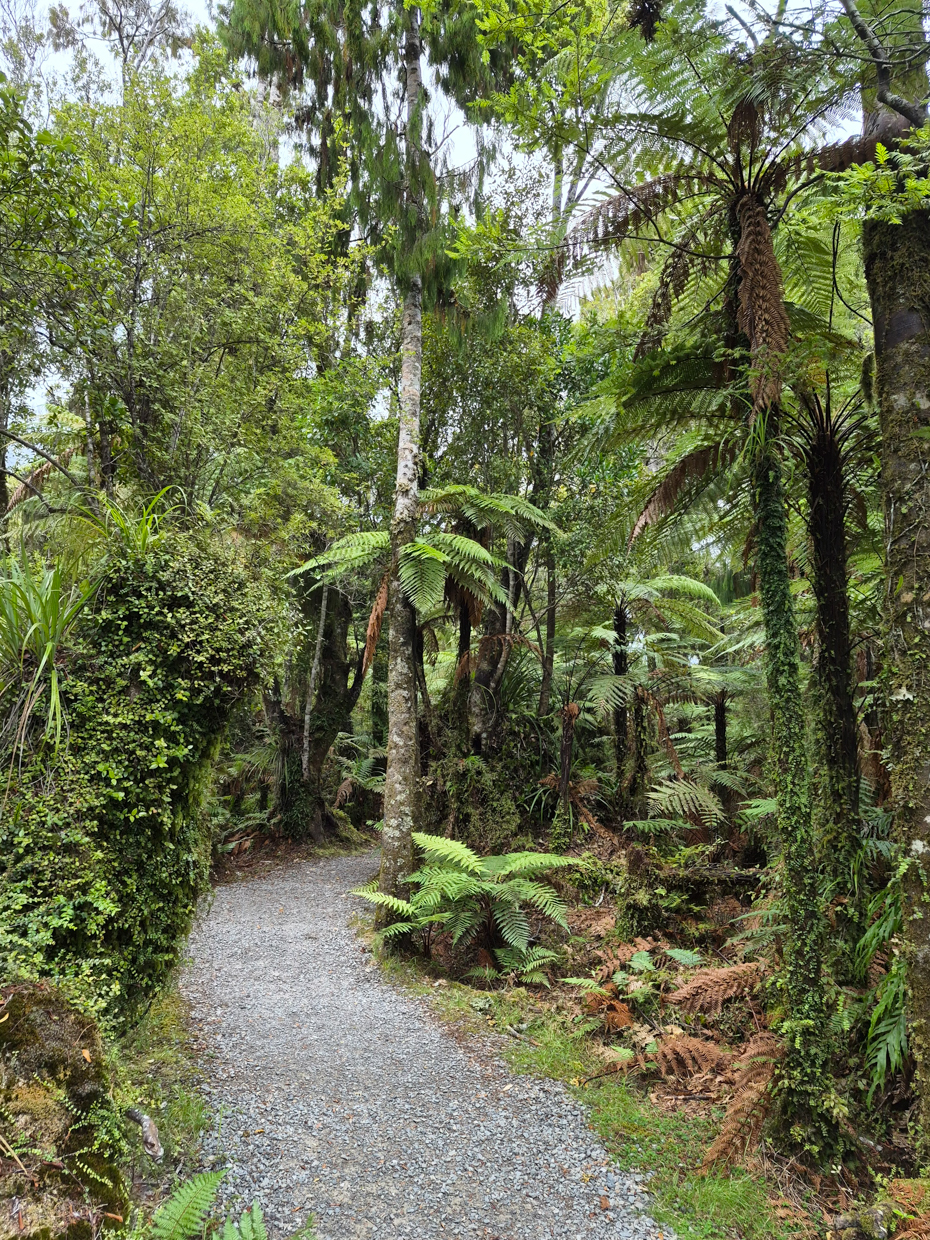
Forest © Pat McKay
Next, we stopped at the Haast visitor center to let everyone stretch their legs. Afterwards, we had a great lunch with outstanding food and service.
After that, we drove to Wanaka and stopped as soon as we arrived to look for some Great Crested Grebes. We were able to find quite a few, including a chick. Then we checked into our accommodation for a quick rest before dinner. In the evening, everyone enjoyed delicious food and a cozy atmosphere. We celebrated another guest’s birthday, and this time it was their 83rd! How special to share it during a birding trip.
Day 15: Wanaka
We started the day with a wonderful breakfast around 8 a.m. The food was exceptional, making it a must-visit for future trips. After breakfast, we headed to Arrowtown so everyone could enjoy the beautiful and charming town. Just before shopping, we took a short walk along the river, where we found our only melanistic New Zealand Fantails of the trip. A real treat! Next, everyone spent time exploring the shops in Arrowtown.
After this, we went to Lake Hayes for a relaxing stroll, hoping to get a better look at some of the finches New Zealand has to offer. Not only did we find European Goldfinch, Common Chaffinch, and European Greenfinch, but we also saw loads of Great Crested Grebes, Redpolls, Eurasian Coots, California Quails, New Zealand Scaups, Gray Teals, and Little Pied Cormorants.
For dinner, we visited an Indian restaurant. The food was delicious, and everyone enjoyed a relaxed evening together. Dessert topped off the day nicely, giving everyone a sweet ending to a day full of incredible scenery, camaraderie, and memories.
Day 16: Te Anau
We started the day with breakfast around 7 a.m. After breakfast, we went to Lake Dunstan and enjoyed some excellent views of Canada Goose, Black Swan, Paradise Shelduck, Australasian Shoveler, New Zealand Scaup, Eurasian Coot, Masked Lapwing, Black-billed Gull, and Double-banded Plover.
Next, we headed to Te Anau with a few stops along the way. We reached a beautiful forest full of old, large trees. The forest was lush and teeming with life. We enjoyed some great views of Gray Gerygone, Tomtit, New Zealand Bellbird, South Island Robin, Pipipi, New Zealand Fantail, and Common Chaffinch.
After this, we headed to the local sewage ponds. Here, we enjoyed seeing many Paradise Shelducks, Australasian Shovelers, Gray Teals, New Zealand Scaups, and Great Cormorants. Finally, we checked into our accommodation and took a short break before dinner. The dinner was excellent, with friendly staff, great food, and quick service.
Day 17: Te Anau
We started the day with breakfast at the accommodation. On the way to Milford Sound, we stopped for a coffee break and enjoyed some Tomtit, New Zealand Kaka flying over, New Zealand Scaup, Silvereye, and Gray Gerygone. Next, we paused at a campsite for a bathroom break, only to be treated to the best Weka sighting of the trip. We found two adults, with six chicks following them around. We spent about 20 minutes observing them before continuing our journey.
As we continued toward Milford Sound, we made a quick stop to enjoy the breathtaking scenery. While we were there, one guest found a Blue Duck less than 10 meters away from him! He was the only one to see it, which made it one of the trip’s highlights for him. This added to the special feeling the guest had about the encounter. At one of the stops, we spent a lot of time trying to spot a South Island Wren. Two people managed to see one: one through a scope, and another saw one flying past her head and vanishing into the thick bushes.
Once at Milford Sound, we enjoyed a coffee before walking over for the boat trip. Chorus cicadas have been present throughout the trip. However, while we waited to board the boat, one landed right next to us. Everyone loved the close view of this beautiful but noisy insect. The boat trip was filled with wonder and beauty. Everyone enjoyed the calm water, large waterfalls, and spectacular scenery.
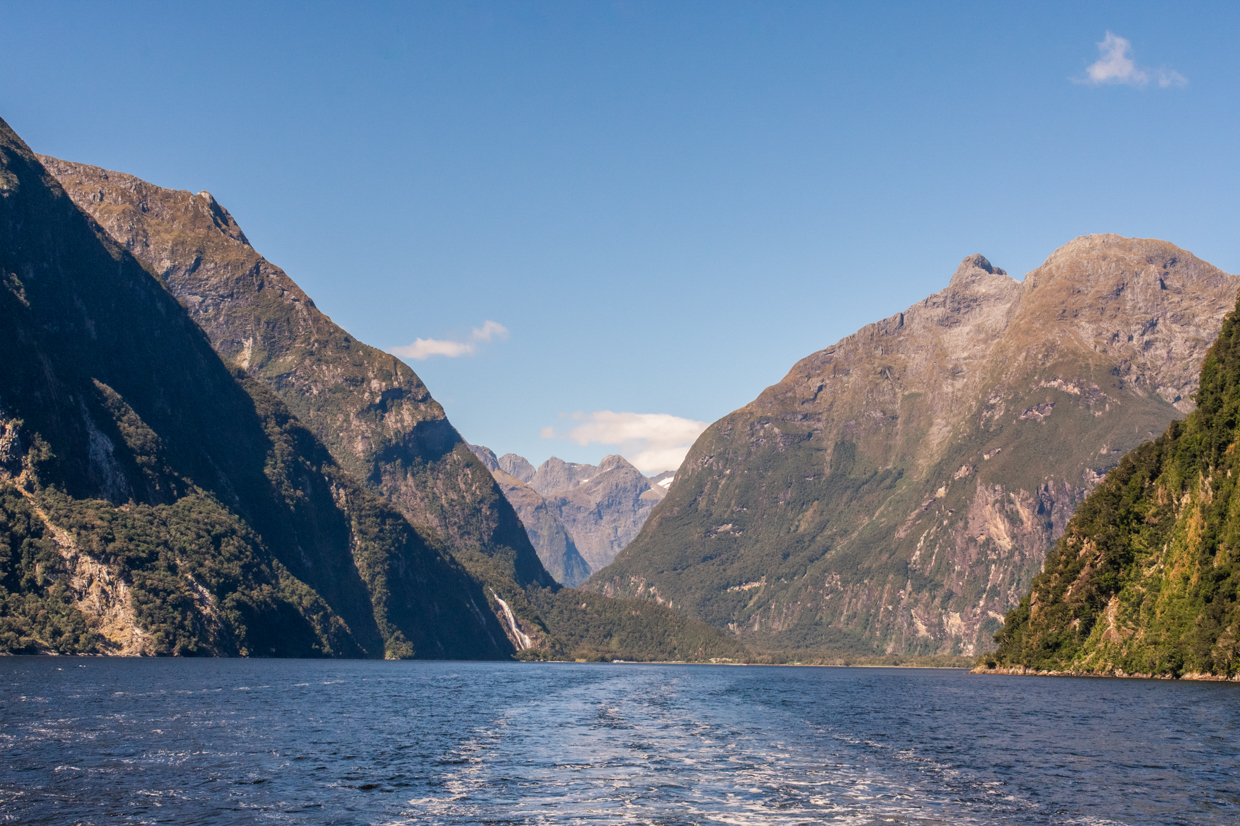
Milford Sound © Donavin de Jager
On the way back, we stopped again to try for the South Island Wren, but unfortunately, all we had with us were the stunning snowy mountains. Dinner was at the same restaurant as the night before, with excellent food, friendly service, and a warm atmosphere, giving everyone a chance to reflect on the day.
Day 18: Stewart Island
We left the hotel at 6 a.m. to catch the ferry in Bluff on time. We stopped for breakfast along the way, and it was honestly one of the best cafés of the entire trip! Everyone loved it. The food was excellent, the staff was friendly, the decorations were memorable, and the service was top-notch. The rest of the drive went smoothly, and we arrived with 30 minutes to spare, giving guests time for a quick walk.
The ferry offered spectacular birding, including Parasitic Jaeger, White-fronted Tern, White-capped Albatross, Salvin’s Albatross, Sooty Shearwater, Common Diving-Petrel, and Stewart Island Shag. Arriving in Oban is such a special moment, as you often see Albatrosses on the water right by the jetty. There are few places in the world where you can enjoy Albatrosses less than 30 meters from shore.
Our generous host met us at the wharf and drove us to the accommodation. We quickly checked in, had a safety briefing, and then went to the other wharf to catch our water taxi to Ulva Island. Once on the island, we headed straight to the nearest beach to enjoy our lunch. On the way there, we saw Weka, Rifleman, Red-crowned Parakeet, South Island Saddleback, Tomtit, and South Island Robin. During lunch, a New Zealand Sea Lion walked across the beach and disappeared into the thick forest.
After lunch, our host and local guide, Peter Tait, helped us have an amazing time on Ulva Island. There were plenty of birds, many calls, beautiful forest all around us, interesting facts from Peter, and some very friendly locals. During our visit to Ulva Island, we saw the New Zealand Pigeon, Weka, New Zealand Kaka, Red-crowned Parakeet, Rifleman, New Zealand Bellbird, Gray Gerygone, Yellowhead, New Zealand Fantail, Pipipi, Tomtit, and South Island Robin. It’s a truly spectacular place!
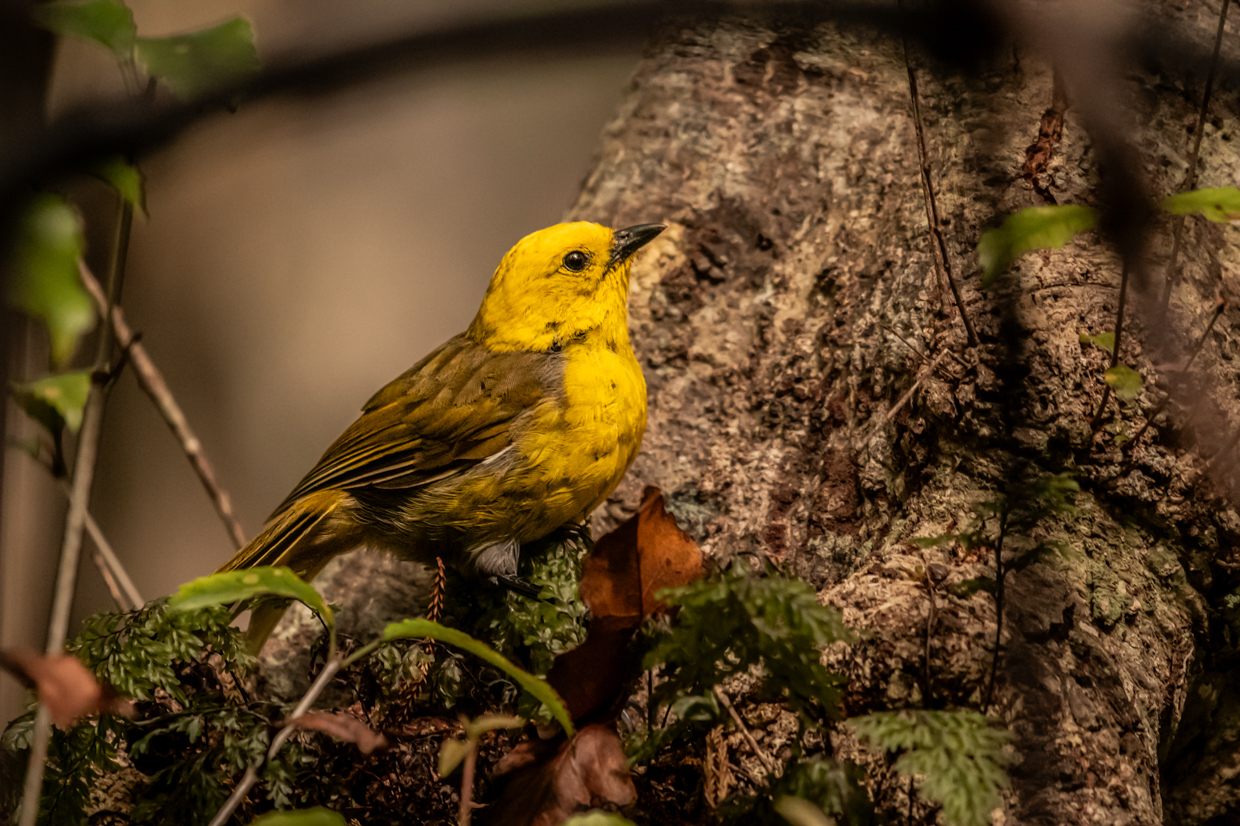
Yellowhead © Donavin de Jager
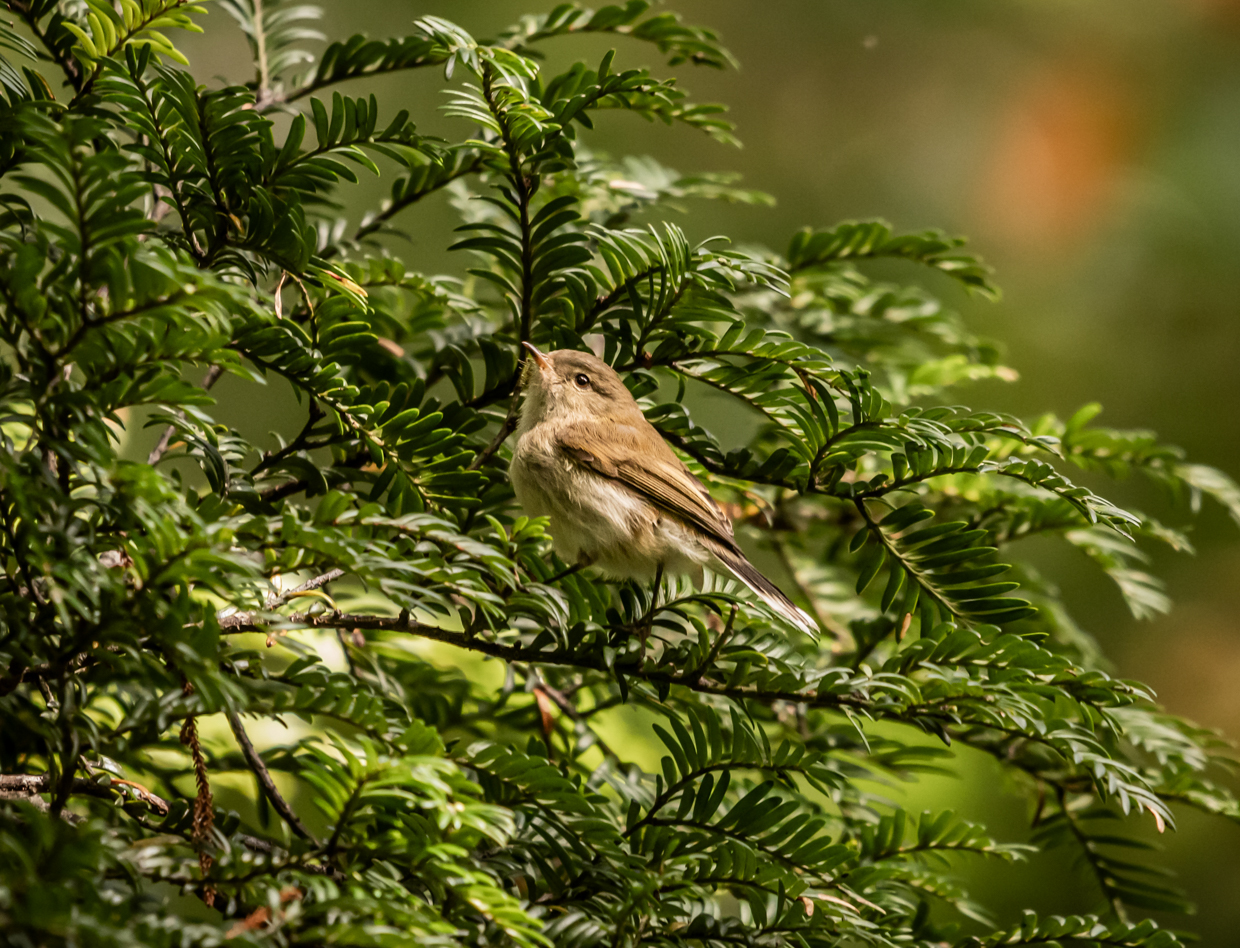
Gray Gerygone © Donavin de Jager
Dinner was from the local food truck and eaten in the accommodation, giving guests a chance to recharge before the Southern Brown Kiwi search. One of the best spots to find the Southern Brown Kiwi on Stewart Island is a long, steep hill. So, those who didn’t feel up to it stayed in one group, while the rest took the long walk to try and spot a very special bird. The group that went on the walk had all their expectations exceeded. Within 5 minutes of starting, we found a juvenile less than 3 meters away. It went into the bushes and reappeared several times. We spent about 8 minutes with it and couldn’t have asked for better views. Afterwards, we slowly made our way to the next spot. We didn’t find anything, so we decided to take a loop track back to the start, hoping the one we saw earlier might be on that track. To our delight, we found a different individual. This was an adult, and we spent roughly 20 minutes watching it forage in clear view about 12 meters away. For the cherry on top, it began sniffing the air and slowly moved toward us. When it was about 7 meters away, it caught our scent and quickly bolted back into the dense forest. This was one of the best Kiwi excursions we could have asked for—two individuals, both visible, and allowing us plenty of time to watch them. Absolutely spectacular!
Day 19: Stewart Island
The day started with breakfast at a local café. The food was delicious, the service excellent, and we were told that tonight would be pizza night. Since this only happens once a week on Stewart Island, we definitely had to take advantage of this opportunity.
After breakfast, we had some time to explore the town, visit its museum, talk to some locals, and enjoy the stunning views from the beach. The pelagic was fantastic, with incredible close-up encounters with Black-fronted Tern and White-capped Albatross, which flew over, beside, behind, and in front of the boat, even resting on the water nearby. Some Fiordland Penguins and Bottlenose Dolphins made brief appearances, and we watched Little Penguins swimming alongside the boat. We also spotted many Sooty Shearwaters, Stewart Island Shags, Spotted Shags, White-fronted Terns, and a Southern Royal Albatross.
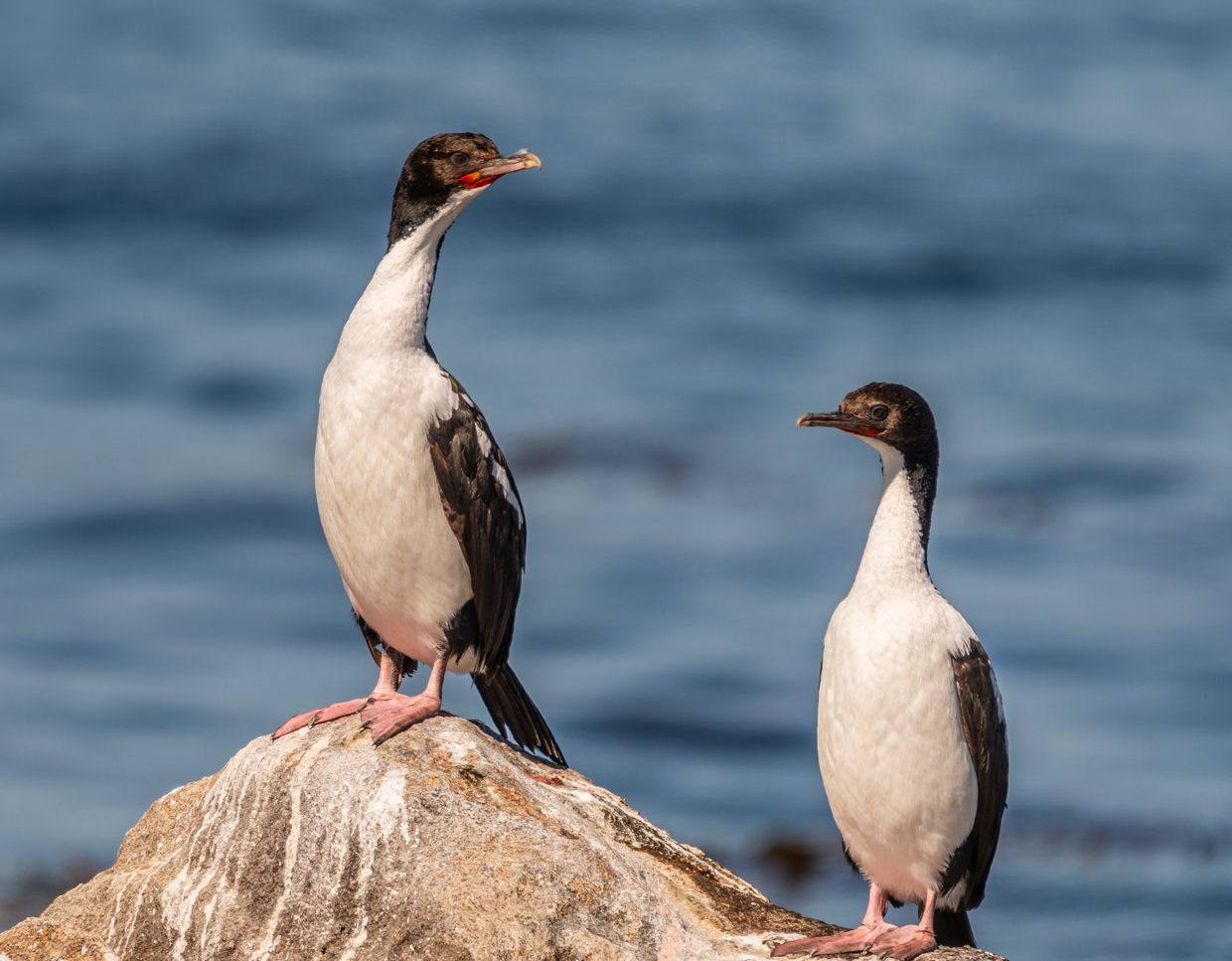
Stewart Island Shag © Donavin de Jager
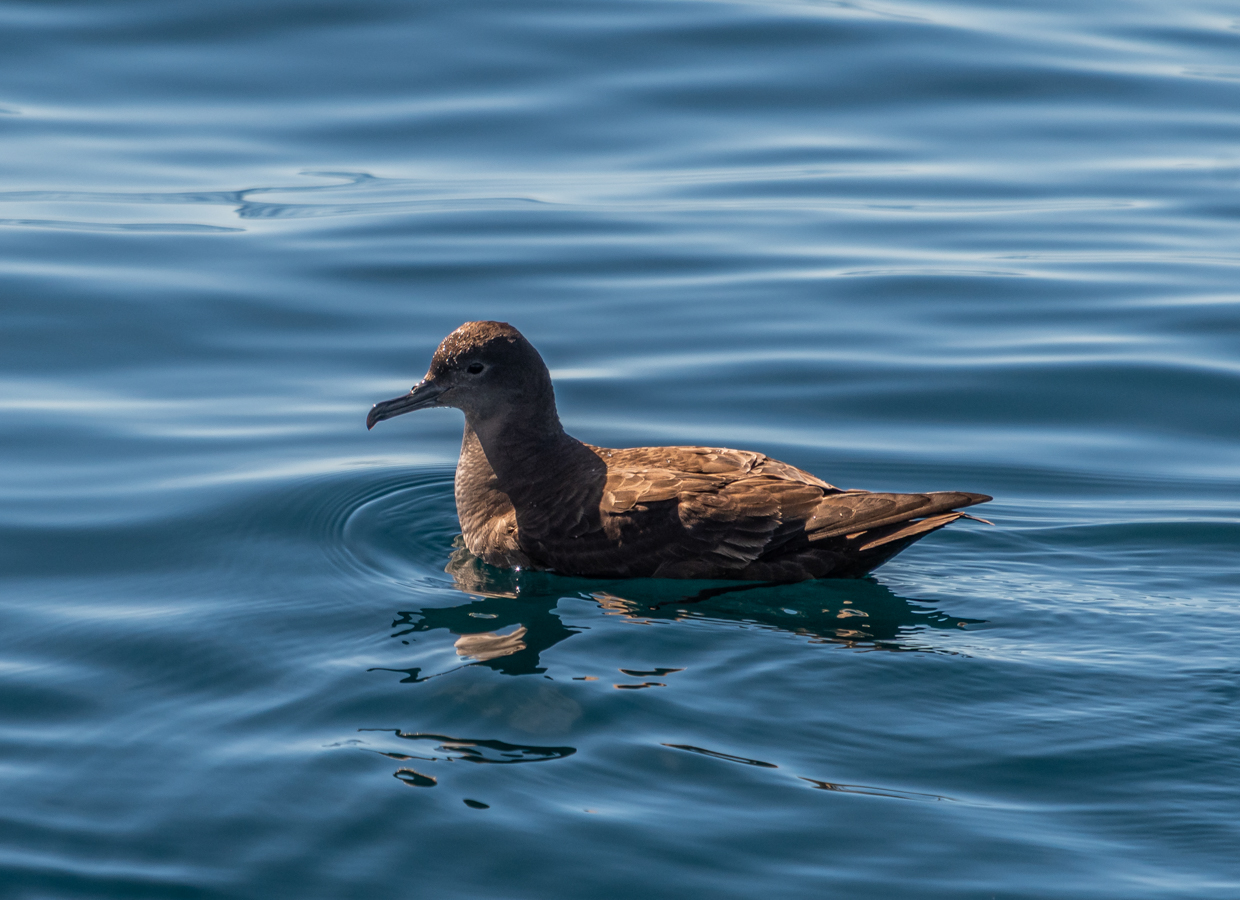
Sooty Shearwater © Donavin de Jager
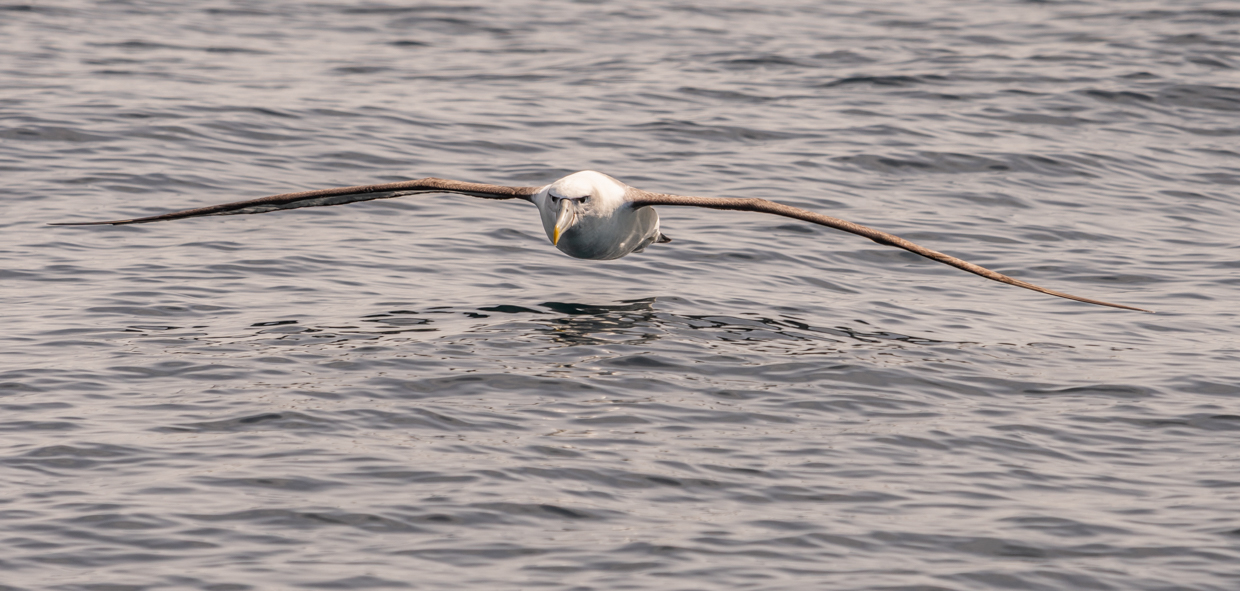
White-capped Albatross © Donavin de Jager
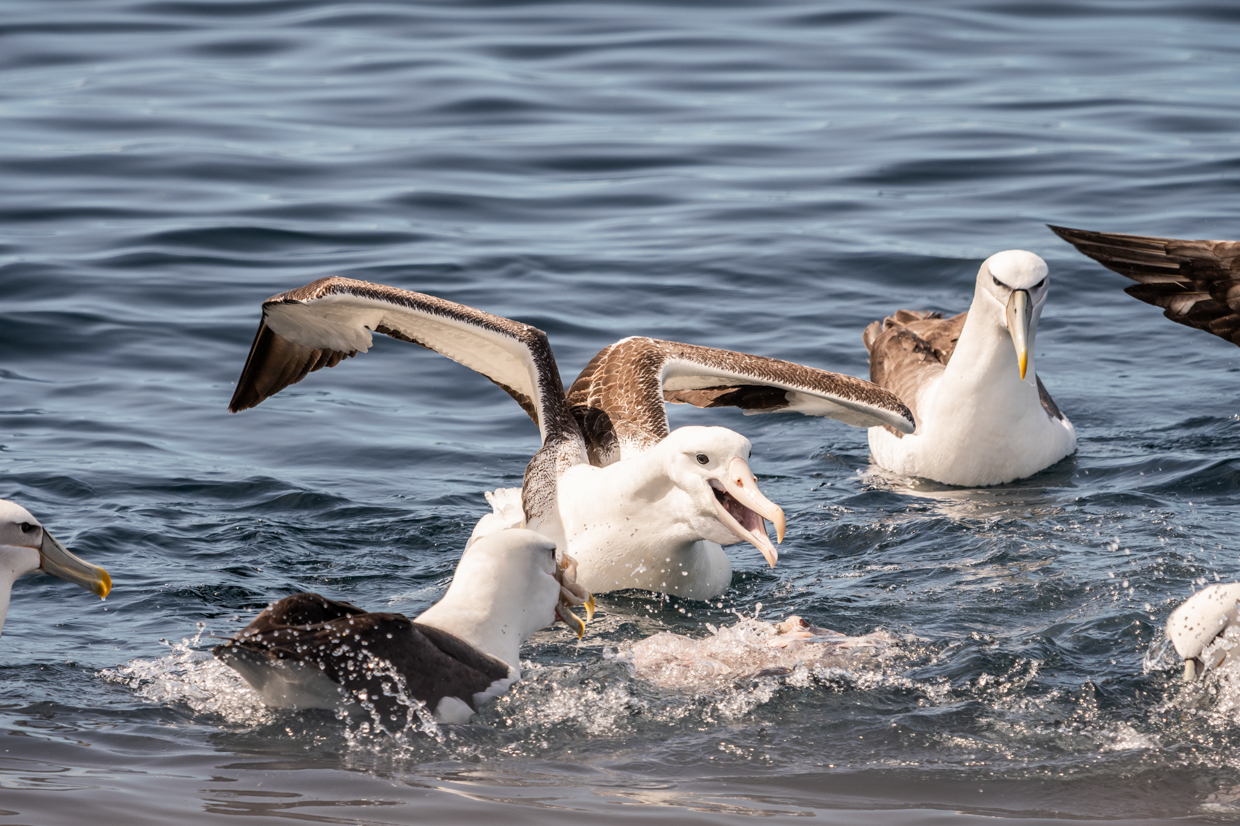
Southern Royal Albatross © Donavin de Jager
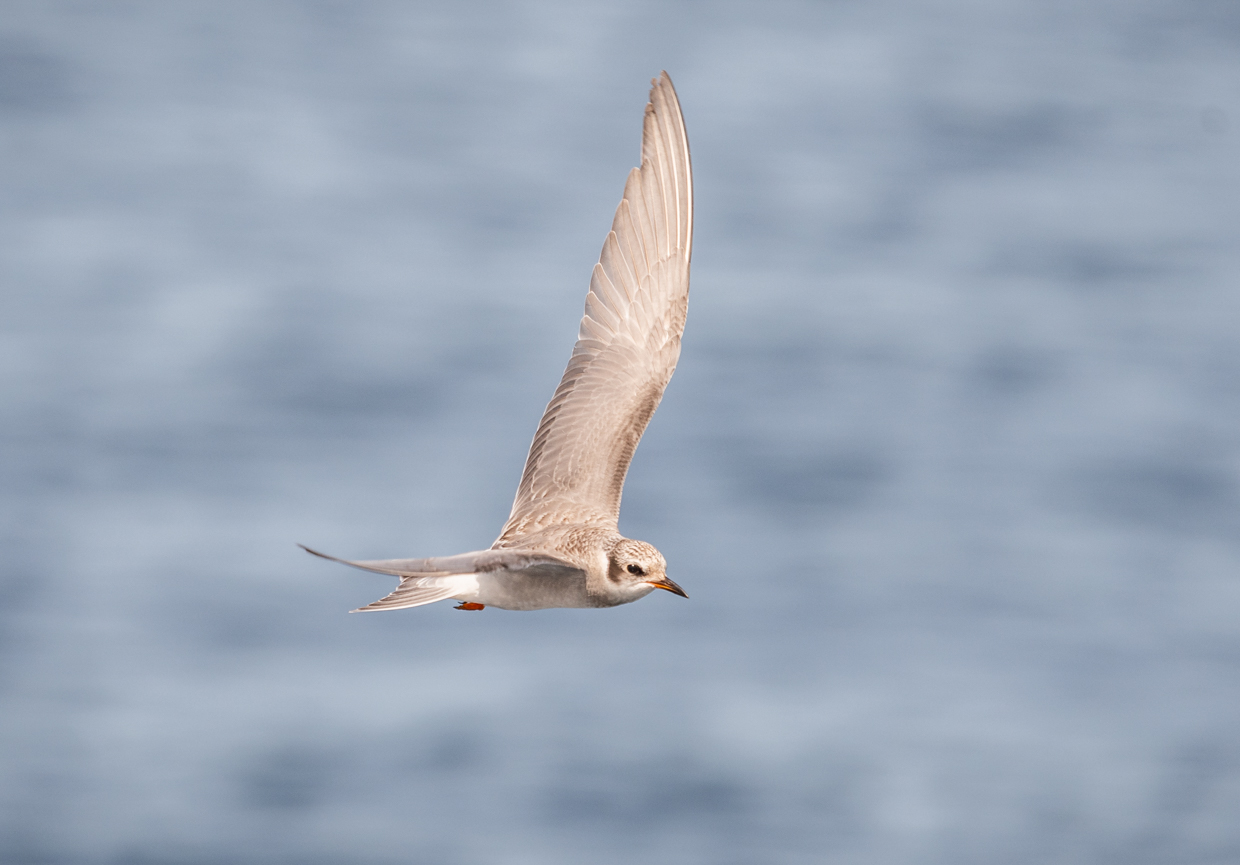
Black-fronted Tern © Donavin de Jager
Once back on land, we took a short break before enjoying the pizzas we were convinced to try. They were fantastic! Definitely worth every penny. The staff were also very friendly, accommodating, and understanding.
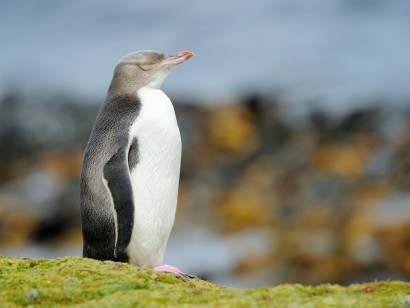
The Kiwi encounter trip started with a 60-minute penguin search, during which we had amazing views of Little Penguins and Yellow-eyed Penguins. Seeing the Yellow-eyed Penguins as closely as we did was a real treat. There are currently only about 400 remaining on the mainland. We saw three of them! During the boat ride to the Kiwi spot, we also saw some White-capped Albatrosses, a lot of Sooty Shearwaters, some Fluttering Shearwaters, and many White-fronted and Black-fronted Terns. We also got great views of a large group of New Zealand Sea Lions.
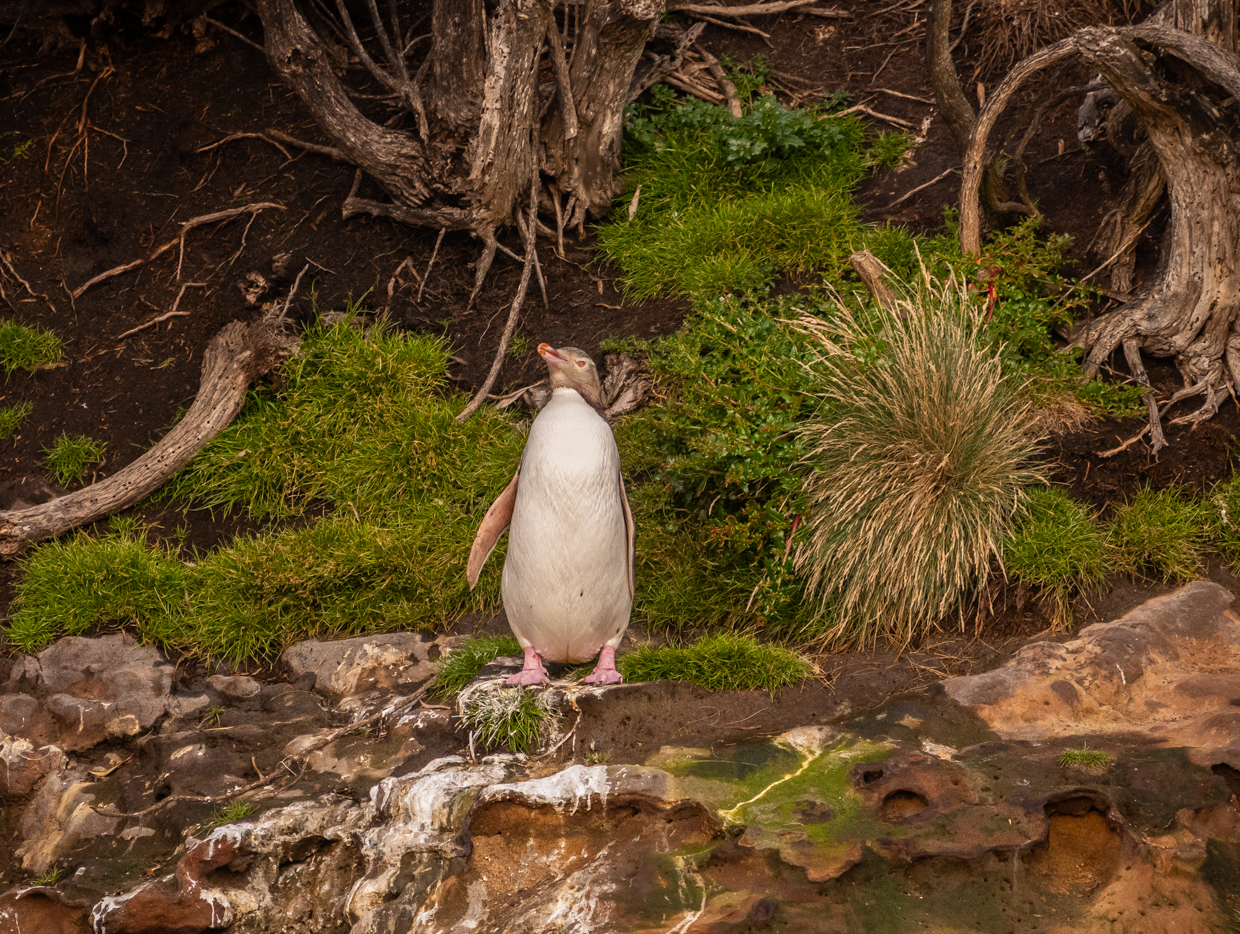
Yellow-eyed Penguin © Donavin de Jager
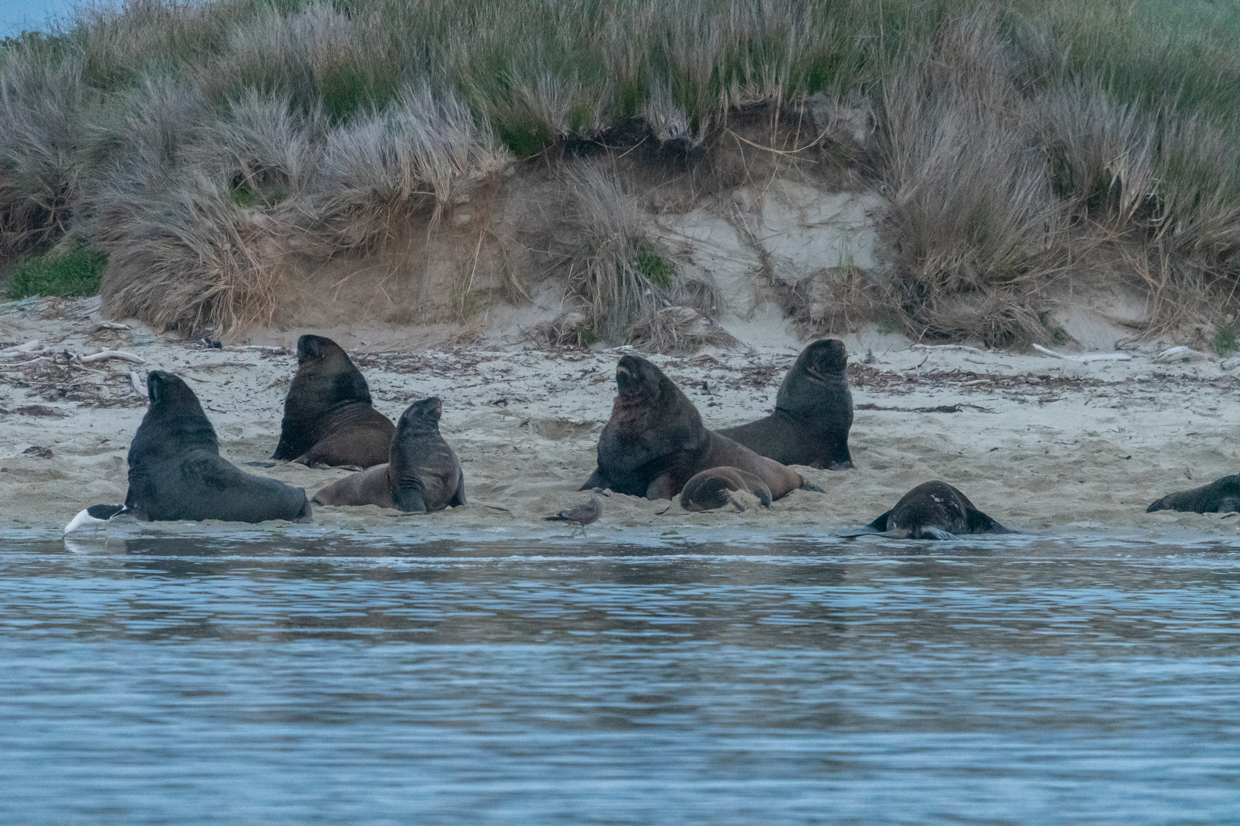
New Zealand Sea Lion © Donavin de Jager
The highlight of the evening was the Southern Brown Kiwi, though. After about an hour of walking, we finally spotted one foraging about 7 meters off the trail. We spent around 15 minutes next to it, savoring every moment.
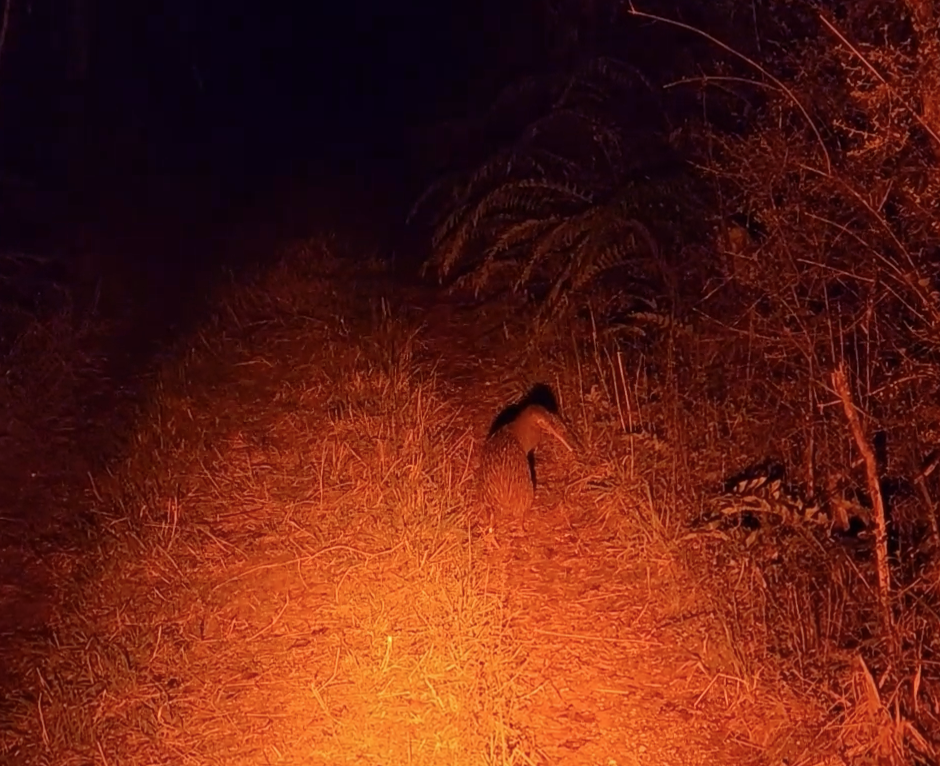
Southern Brown Kiwi © Donavin de Jager
The return trip to shore was relaxed and comfortable, with the staff providing free hot drinks and snacks. Overall, the day was filled with unforgettable wildlife encounters and magical moments, especially the extraordinary Kiwi and pelagic experiences, leaving everyone thrilled and deeply satisfied.
Day 20: Dunedin
The day started with an early departure at 7:30 a.m. to catch the 8 a.m. ferry. The seas were calm, making the ride enjoyable. During the ferry trip, we saw many Sooty Shearwaters, numerous White-capped Albatross, several Common Diving-Petrels, and the first Brown Skua and Buller’s Albatross. The Buller’s Albatross flew right to the boat before disappearing into the distance. We couldn’t have asked for a better view of this stunning bird.
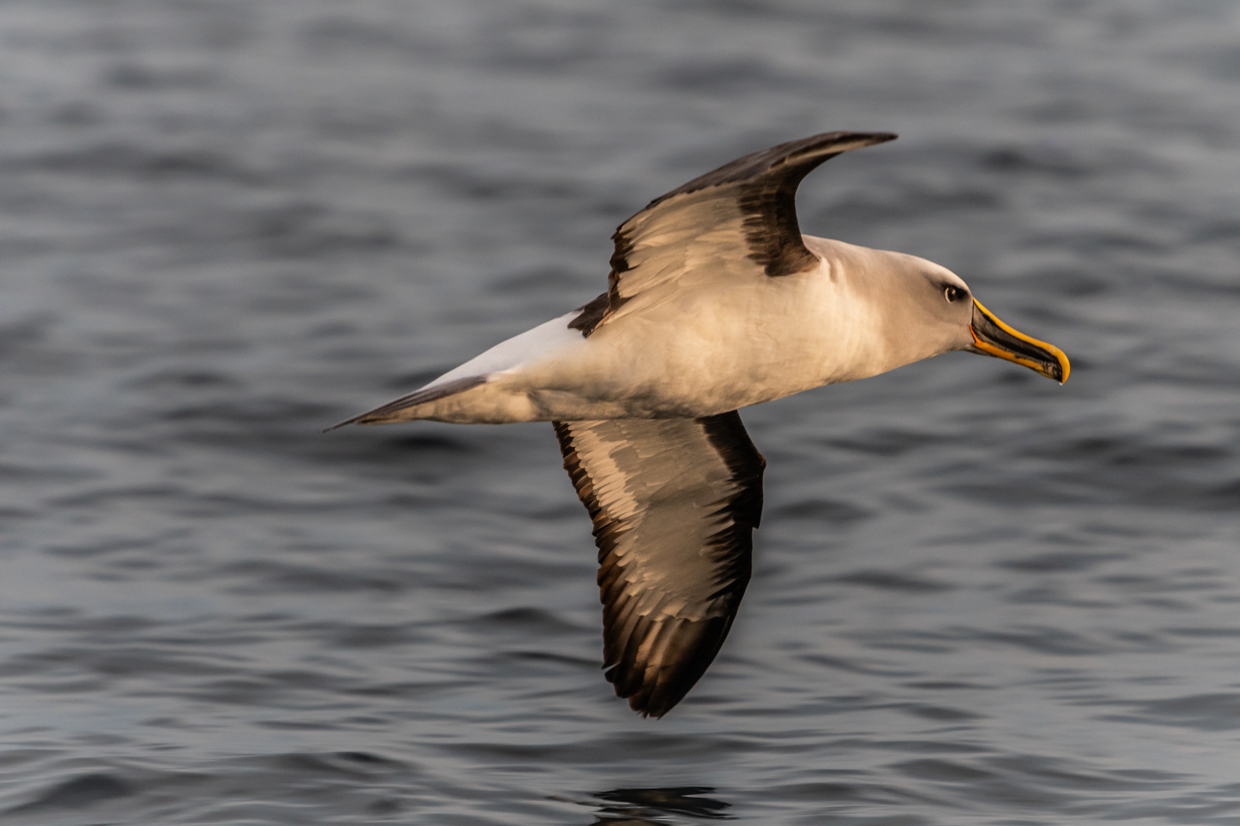
Buller’s Albatross © Donavin de Jager
Breakfast was in Invercargill and was an absolute treat. The food was excellent, the service outstanding, and the charming atmosphere made for a very enjoyable break. Our next stop was a nice long walk at the Invercargill estuary. This was one of the highlights for the guests, as we saw lots of Canada Geese, hundreds of Black Swans, many Paradise Shelducks, plenty of Australasian Shovelers, over a thousand Gray Teal, some New Zealand Scaup, numerous Pied Stilts, hundreds of South Island Oystercatchers, a few Pacific Golden Plovers, many Masked Lapwings, some Double-banded Plovers, lots of Bar-tailed Godwits, a few Ruddy Turnstones, many Royal Spoonbills, and many more species. The star of the show was some leucistic Spotted Shags hanging out right next to the walkway. This is incredibly rare, as these are the first leucistic Spotted Shags the guides have ever seen.
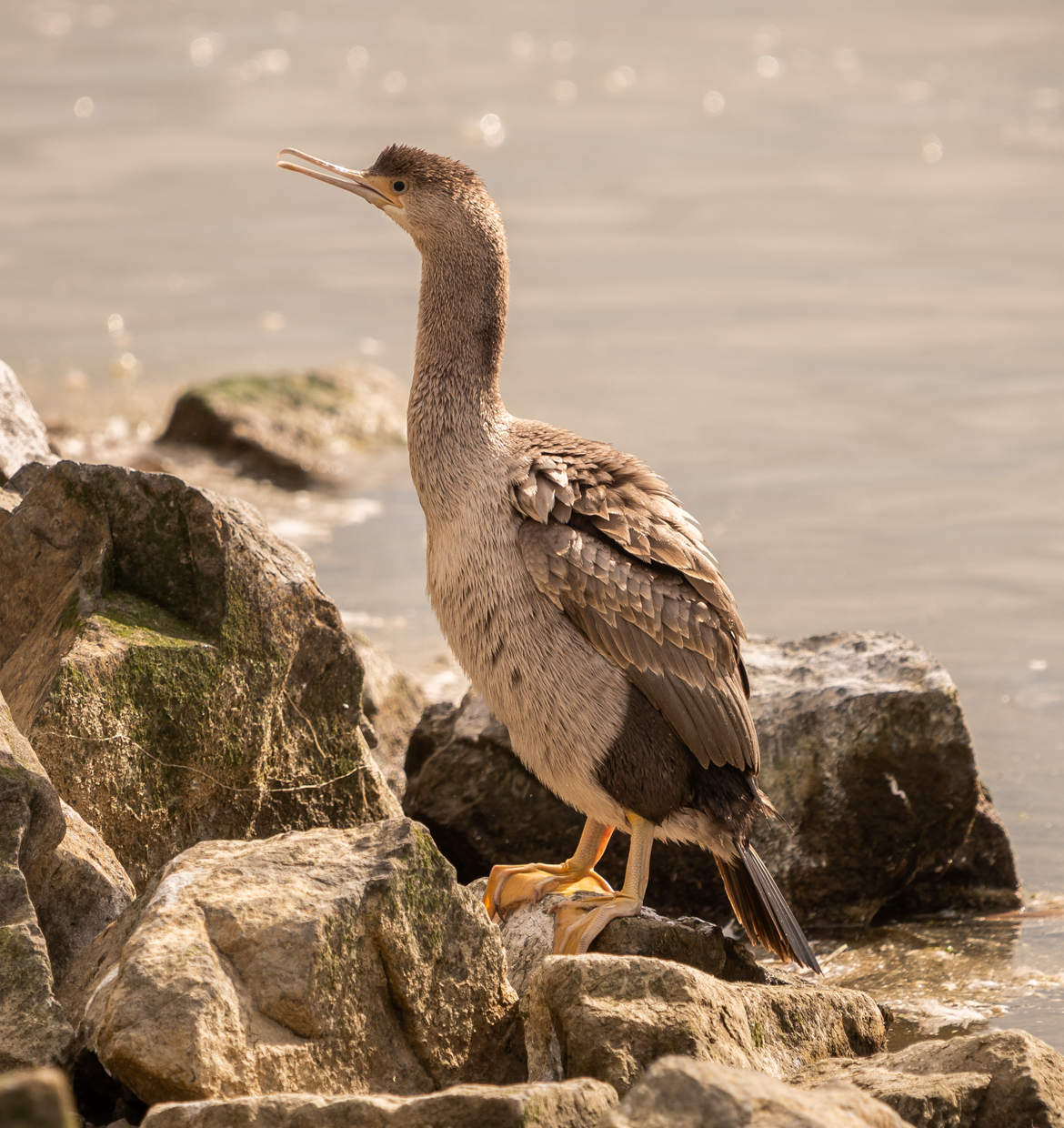
Spotted Shag © Donavin de Jager
After that, we had a long drive to Dunedin, where we checked into our accommodation and took a short break before dinner. The dinner was outstanding, with some saying it was the best restaurant of the trip. The food was very modern, delicious, and unique. The service was quick and excellent, and the staff were very friendly. We also celebrated more birthdays! There were two birthdays to celebrate, one for a guest and another for one of the guides. It was a fantastic evening, and everyone went to bed excited about what the next day would bring.
Day 21: Dunedin
The day started with an 8 a.m. breakfast at the accommodation. After that, we went to a lovely estuary and saw some Black Swans, both species of Oystercatchers, Graylag and Canada Geese, Pied Stilts, and many more.
Next, we went to the OPERA. The guide’s enthusiasm and knowledge made the experience unforgettable. Bird of the trip for some was a lone Erect-crested Penguin. This is incredibly rare for mainland New Zealand, so it was a true treat. This was a wild bird moulting on the cliff and allowed us to get within 10 meters of it. We also saw Little Penguins in their nest boxes, some New Zealand Fur Seals enjoying a nap, and at the very end, the group enjoyed incredible views of Yellow-eyed Penguin chicks along with two Fiordland Penguins they were caring for. This was a spectacular experience, and everyone enjoyed it very much.
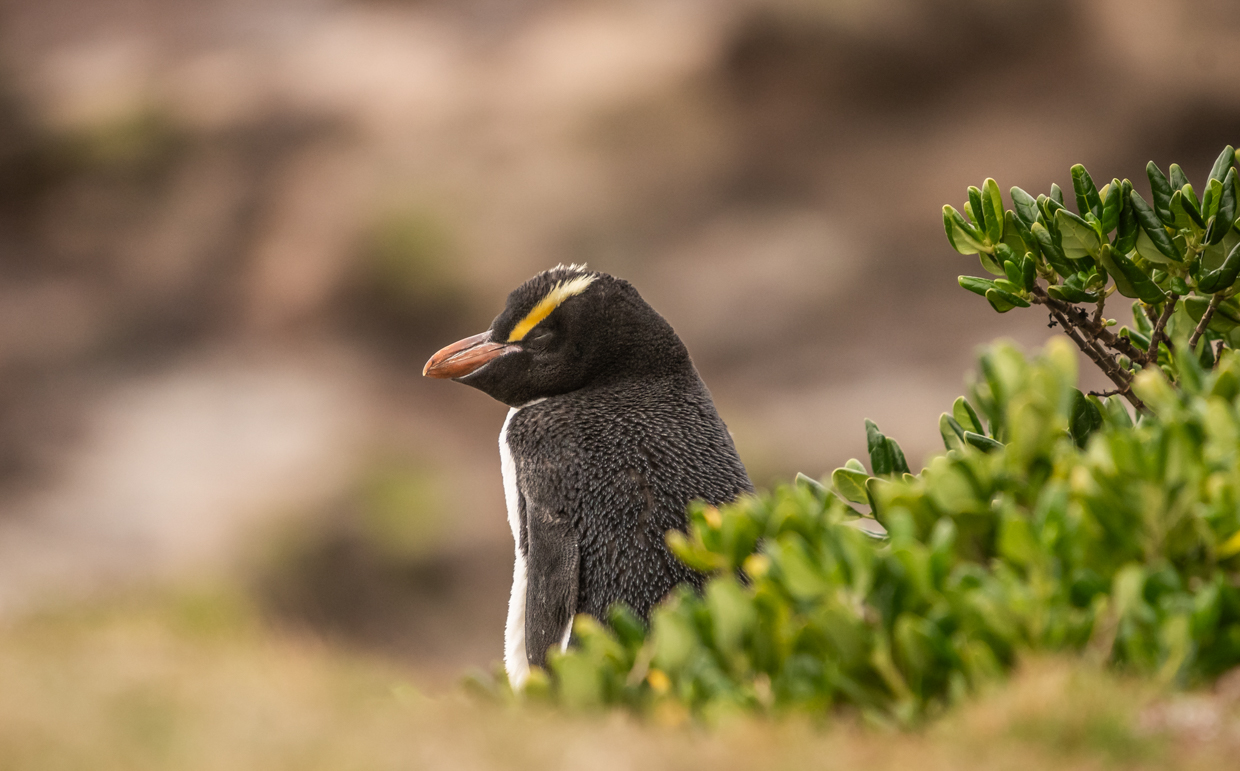
Erect-crested Penguin © Donavin de Jager
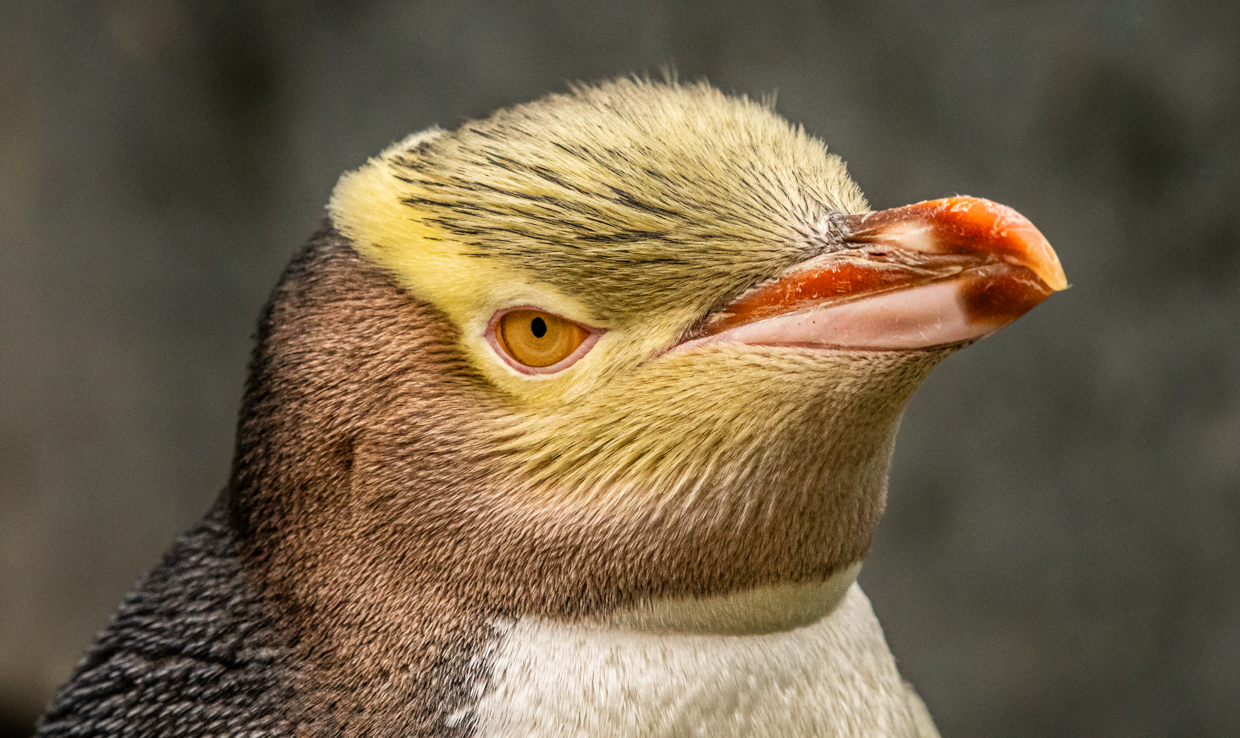
Yellow-eyed Penguin © Donavin de Jager
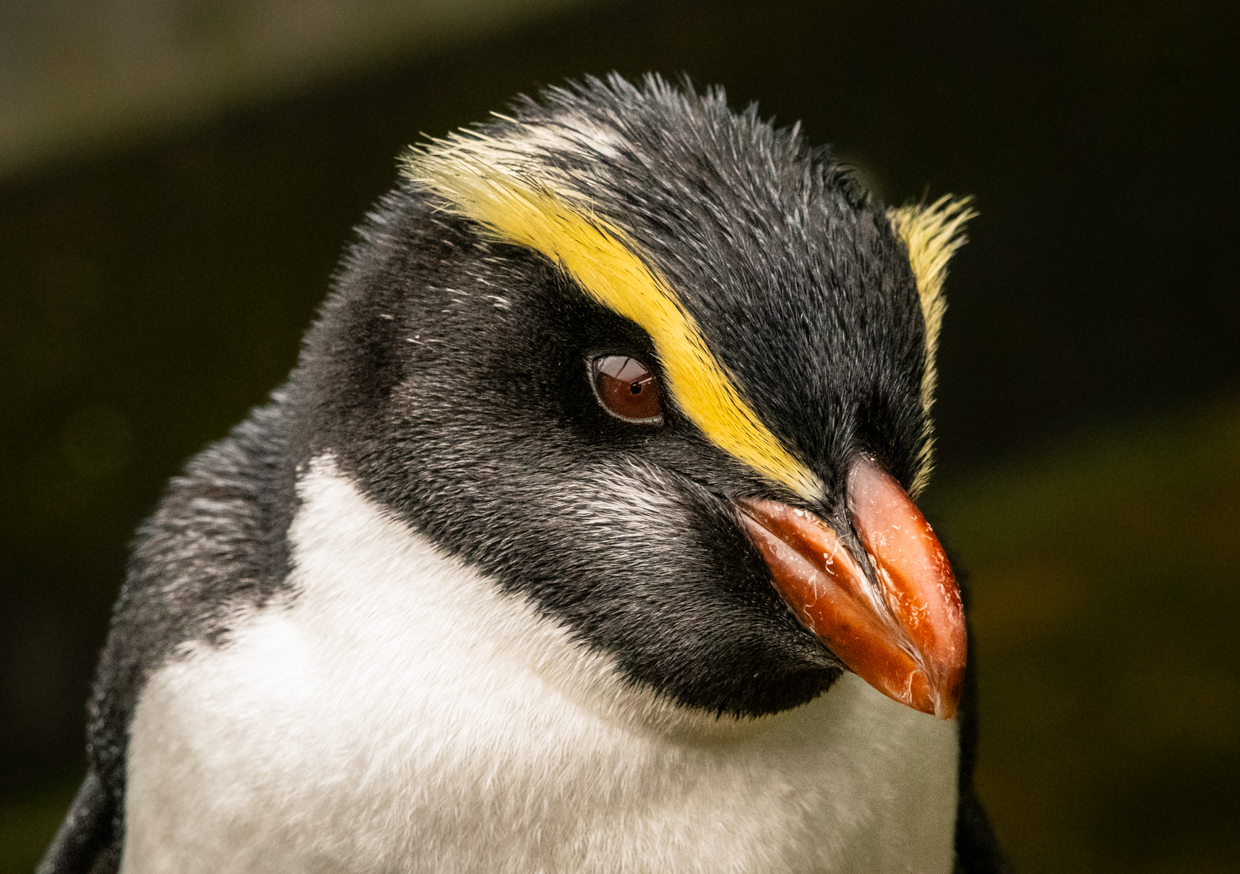
Fiordland Penguin © Donavin de Jager
We then visited the Royal Albatross Centre for an up-close experience of the Albatross colony. Before the tour, we spent some time at the lookout and spotted Southern and Northern Royal Albatrosses, Buller’s Albatrosses, White-capped Albatrosses, Sooty Shearwaters, Northern Giant Petrels, Australasian Gannets, Stewart Island Shags, and Spotted Shags. The tour was fantastic, with guests marveling at the Northern Royal Albatrosses on their nests with chicks. Everyone enjoyed learning about the history and conservation efforts at the center and experienced (with props) how large and heavy a Royal Albatross’s egg and chicks are. On the way back from the colony, albatrosses flew overhead as they returned from the sea—a perfect ending to a wonderful day of birding.
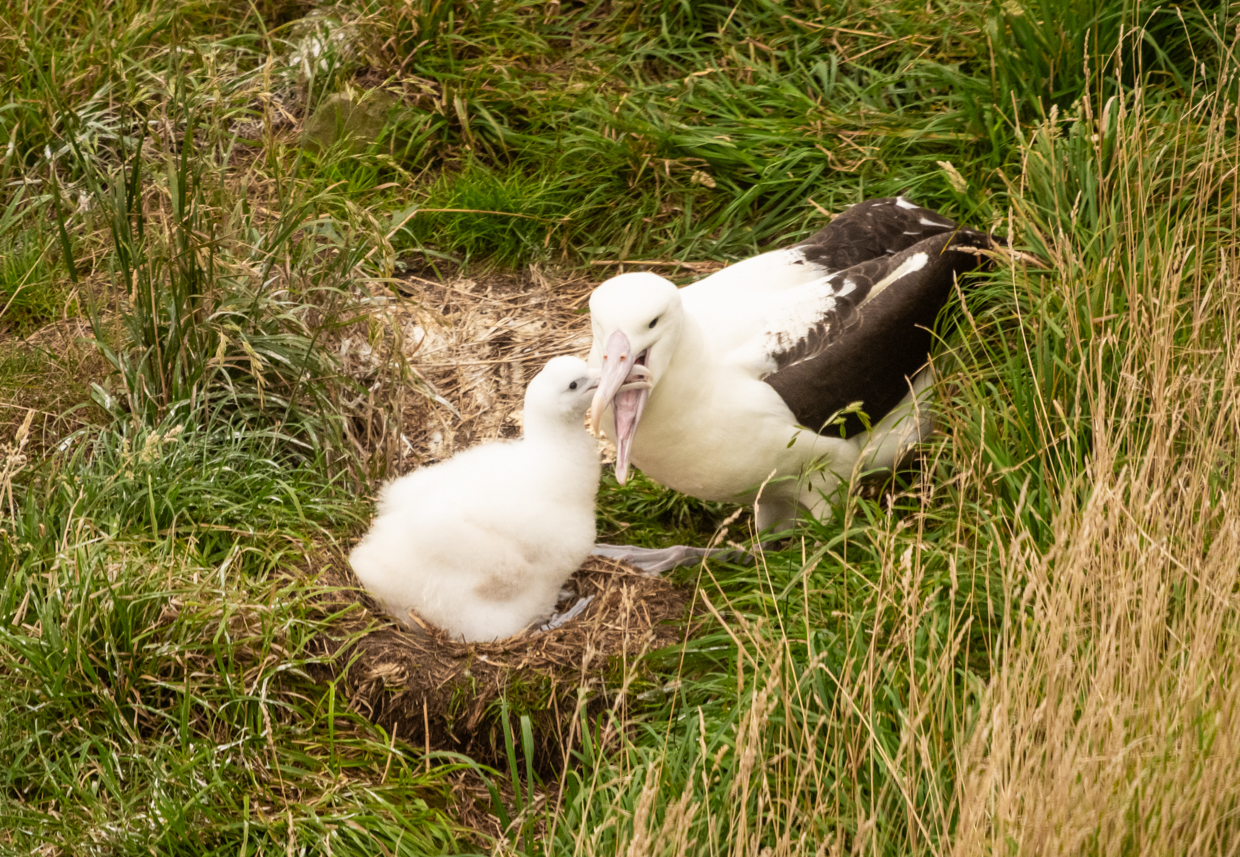
Northern Royal Albatross © Donavin de Jager
For the final night of the tour, we dined at the accommodation. The service was excellent, with tasty food delivered promptly. Guests shared heartfelt thanks for the guides’ knowledge, enthusiasm, and care. The evening was filled with stories, reflections on favorite birds, and shared appreciation for an unforgettable experience. It was the perfect way to end an amazing birding adventure.
Day 22: Dunedin
The day started early, with both guides leaving at 5:30 a.m. to return the van to the rental company in Christchurch. Meanwhile, the guests enjoyed a relaxed morning, with some following the guide’s recommendations for great birding spots in Dunedin. The trip ended on a warm note, with lovely messages shared in the chat as a final goodbye.