New Zealand: North Island
Highlights
Highlights
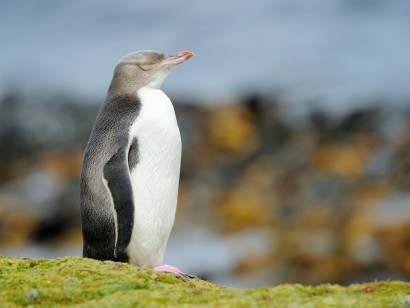
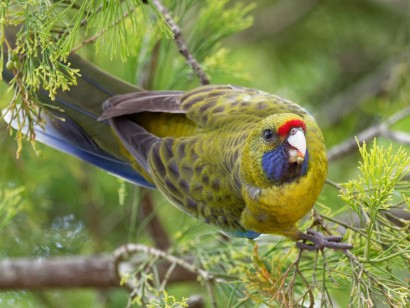
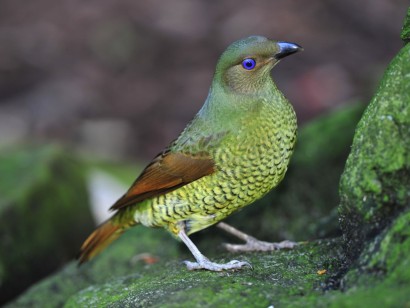
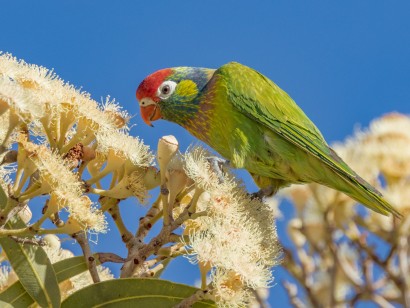
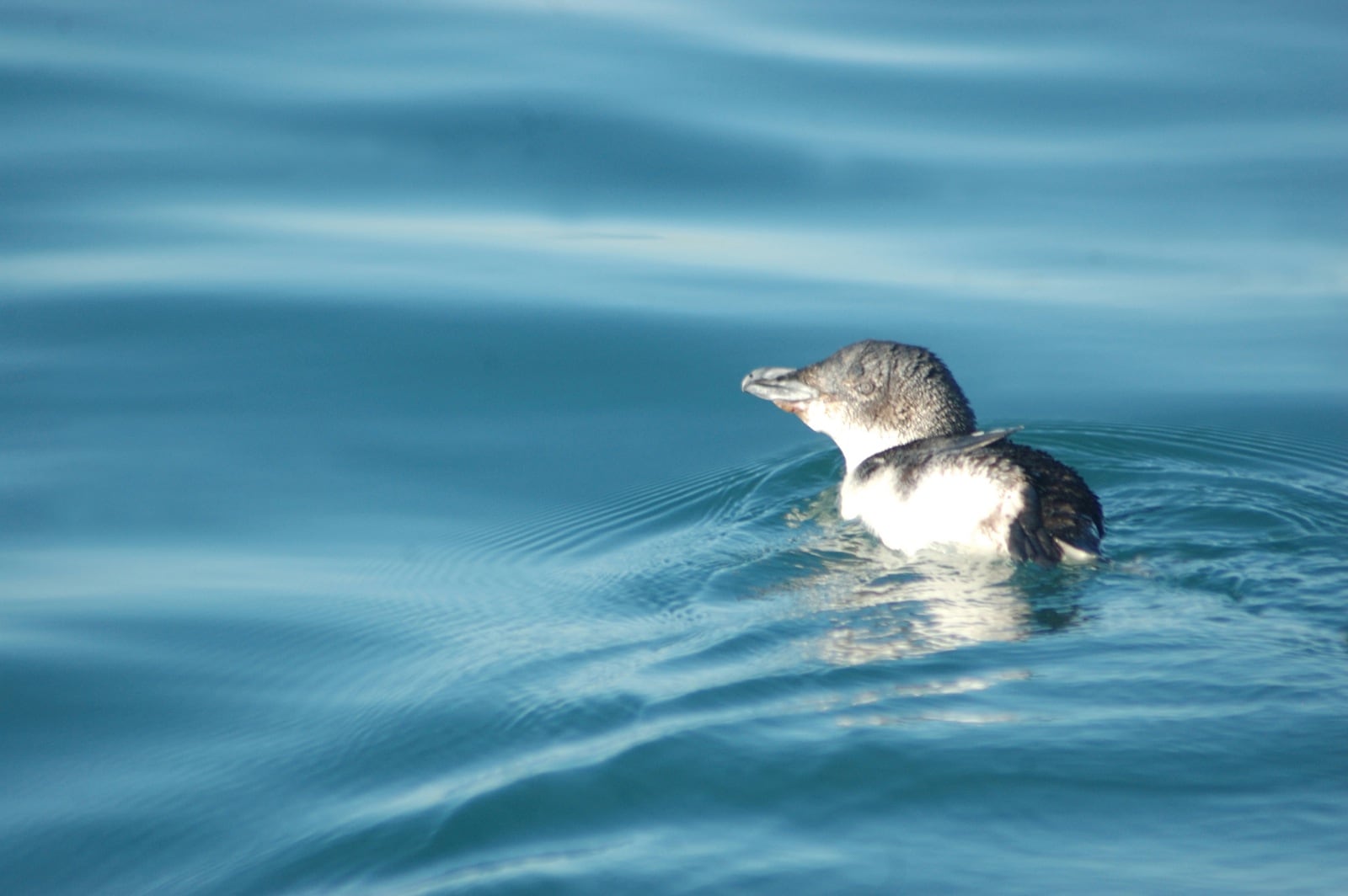
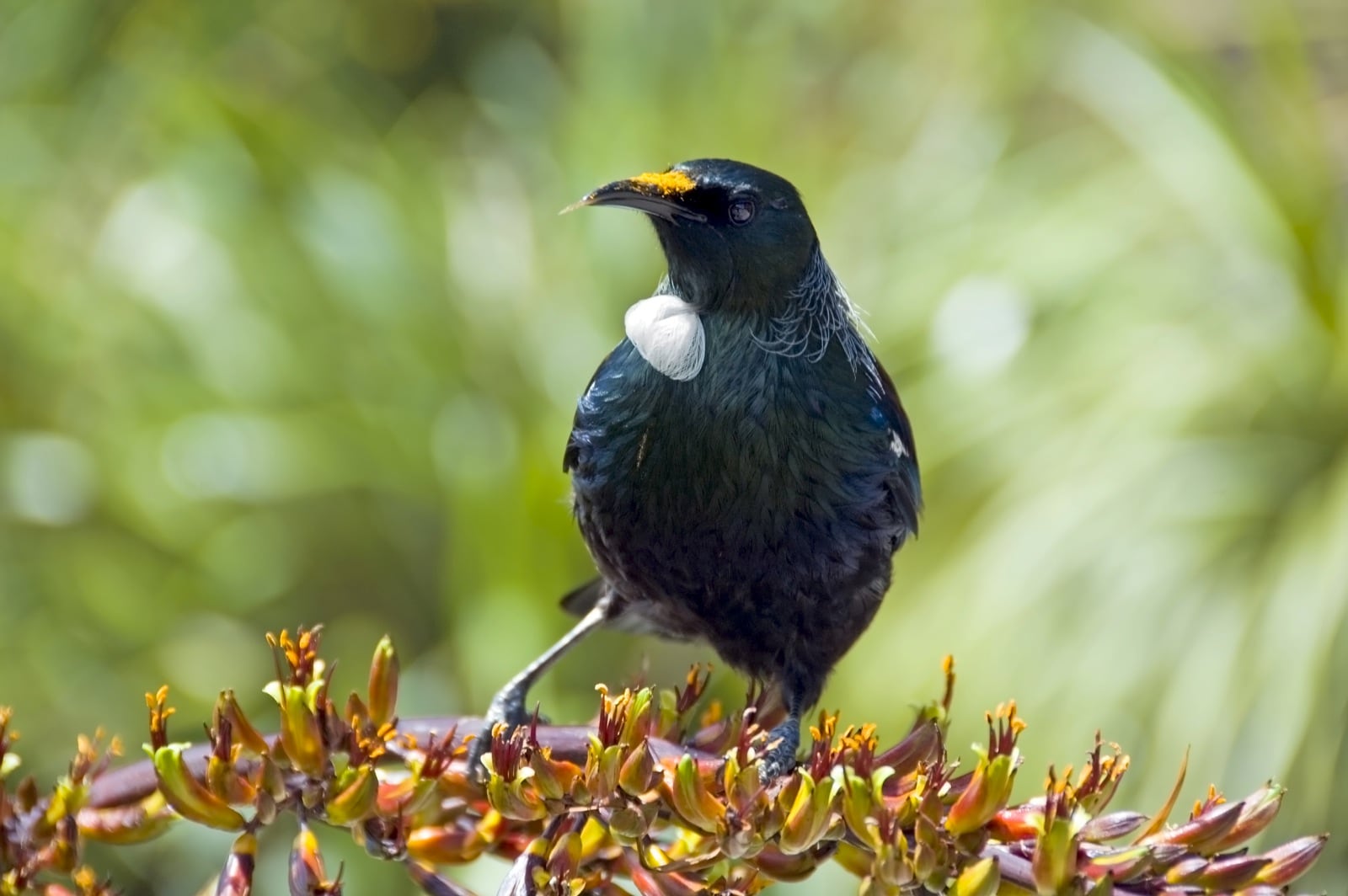
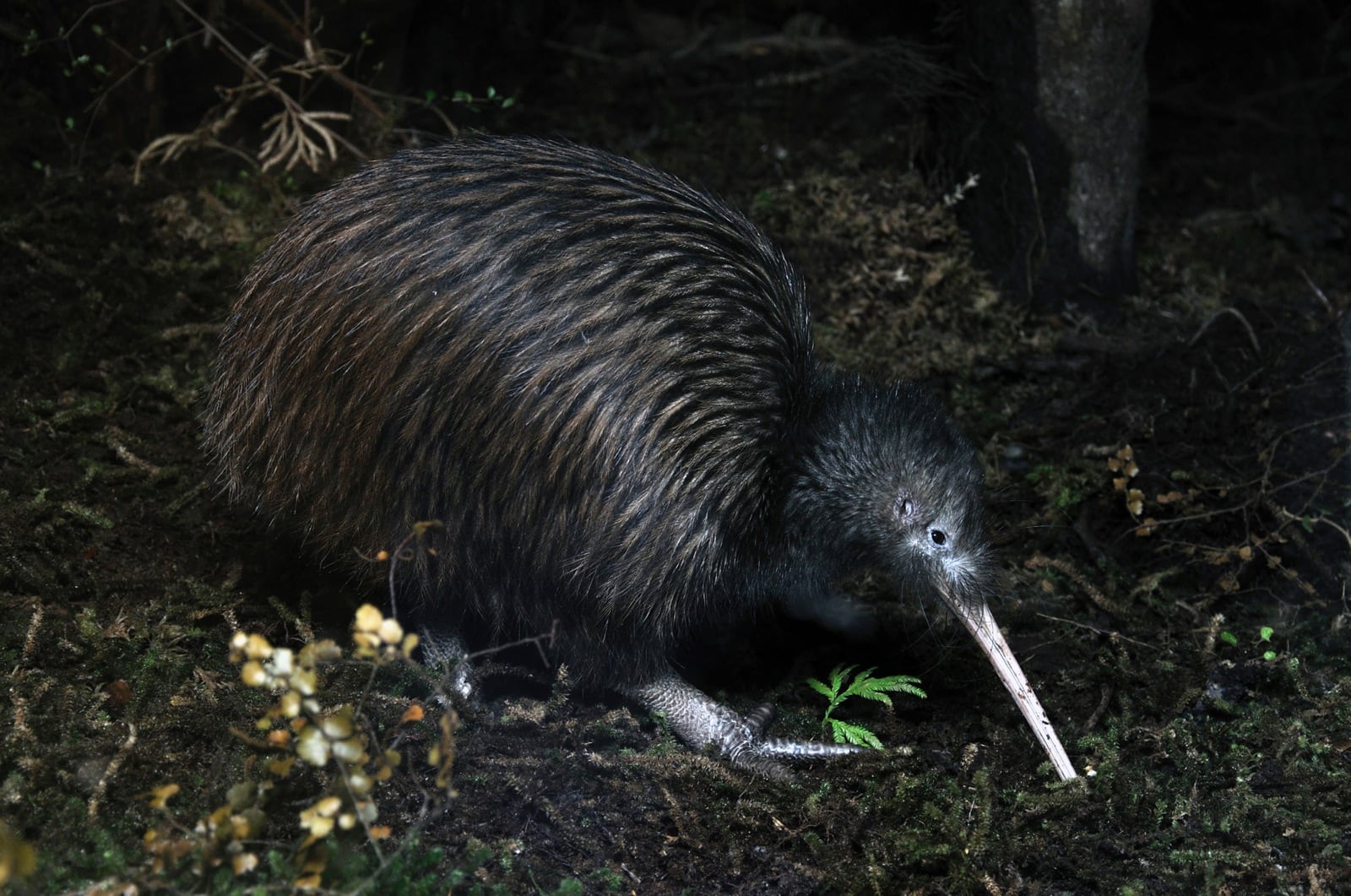
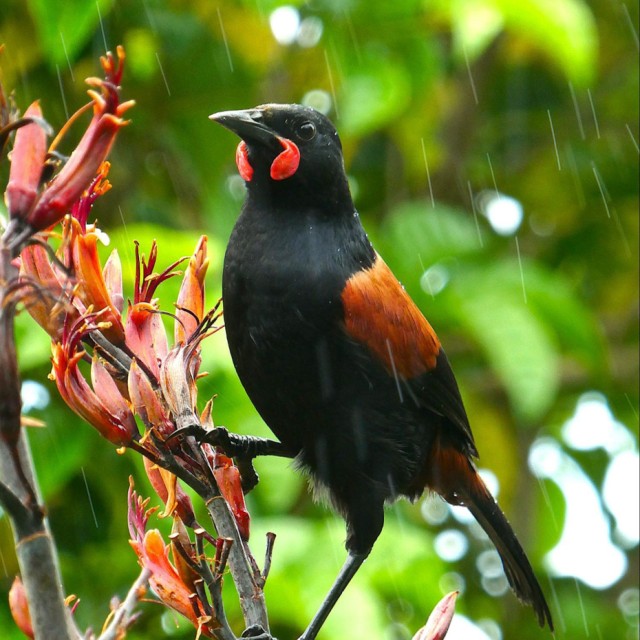
- Lots of very special and unique birds and wildlife, including kiwis, penguins, parrots, superb seabirds, astonishing Tuis and Kokakos, and the bizarre shorebird, the Wrybill!
- Boat-trips to predator-free islands with numerous endemic birds
- Spectacular scenery from snow-capped mountains to rugged coastlines and volcanically active highlands!
Map
Map
Overview
Tour Overview
Our New Zealand: North Island birding tour explores a remarkable range of habitats and endemic wildlife. The North Island hosts 48 endemic bird species, including quintessential New Zealanders – Kiwis, as well as Kokako, Saddlebacks and Stitchbirds, the flightless Takahe, the scarce Blue Duck, and a wealth of seabirds including albatrosses, shearwaters, storm-petrels and petrels. New Zealand is a land of ancient forests – magnificent Kauri trees of immense historical importance, lush podocarp and temperate rainforests, and groves of splendid Tree Ferns.
Dates & Prices
Dates & Prices
Please note that the Feb 2026 departure has a very limited number of spaces for the nighttime kiwi tour in Wellington.
What's Included
Tour Price Includes
- Kiwi excursions included (weather permitting)
- All accommodations (Moderate to good quality hotels and lodges)
- All meals and soft drinks
- Ferry and pelagic boat trips included
- Ground transportation
- Guides: 4 - 7 participants with one guide and vehicle, 8 - 12 with two guides and vehicles
Tour Price Does Not Include
- Travel to and from start/end location
- Travel Insurance
- Items of a personal nature
- Alcoholic beverages
Gallery
Gallery







Itinerary
Itinerary
Day 1: Arrival in Whangarei
Our New Zealand birding tour begins today. We will meet after lunch, for a gentle introduction to New Zealand birding around Whangarei. We will visit Vinegar Lake to look for waterbirds such as New Zealand Grebe, Australasian Grebe, Australasian Shoveler, Grey Teal and Paradise Shelduck, and then Old Mill Wetland to look for Buff-banded Rail, Australasian Bittern and New Zealand Fernbird. Dinner and night in Whangarei.
Day 2: Hauraki Gulf pelagic birding trip
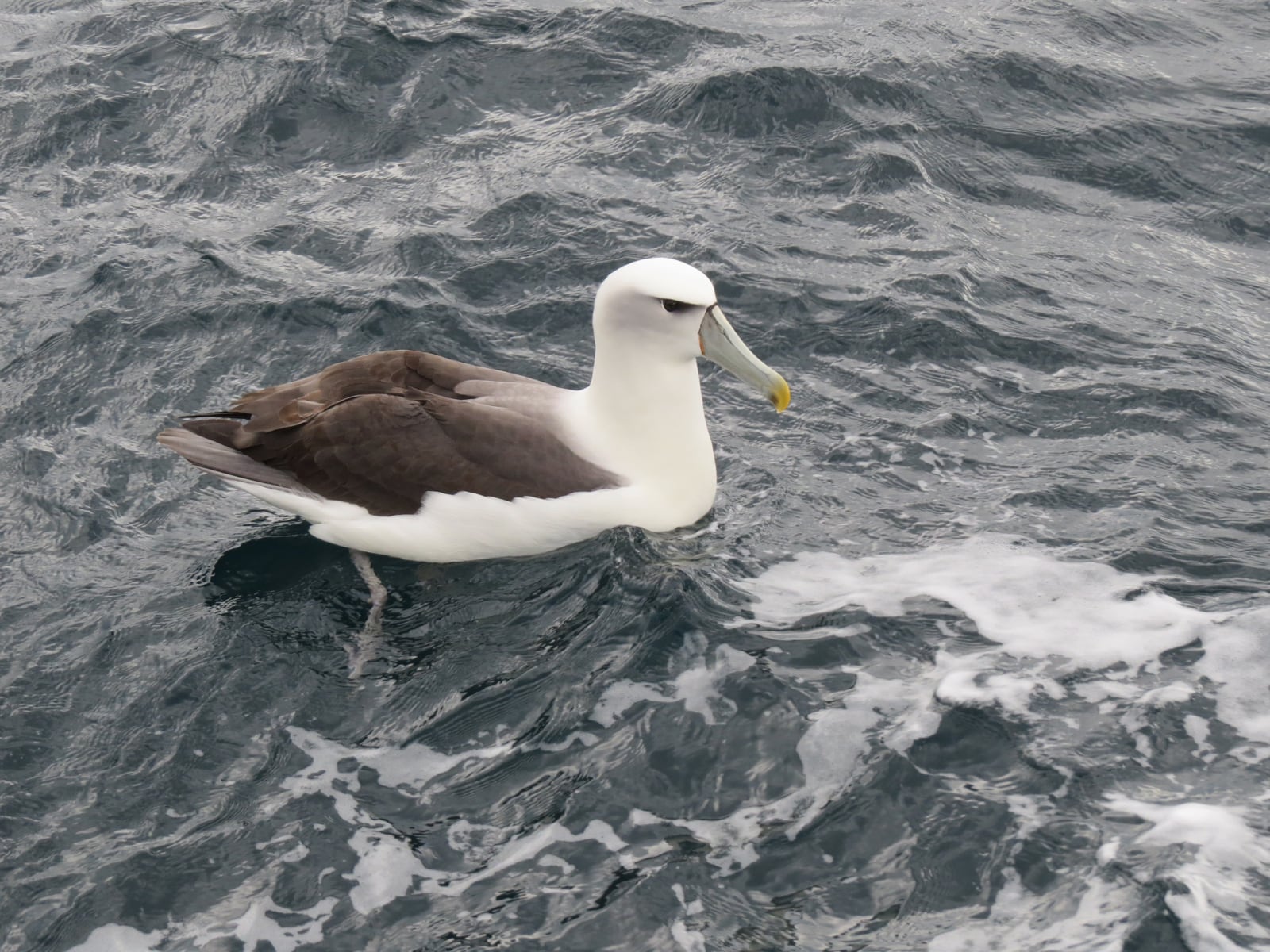
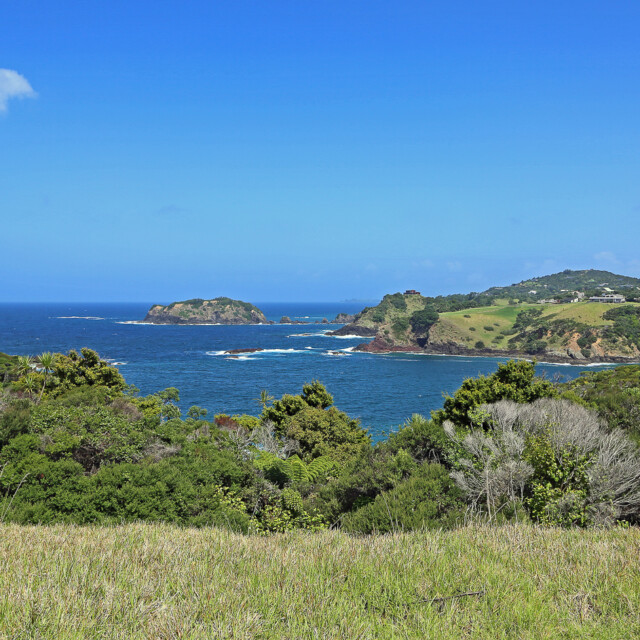
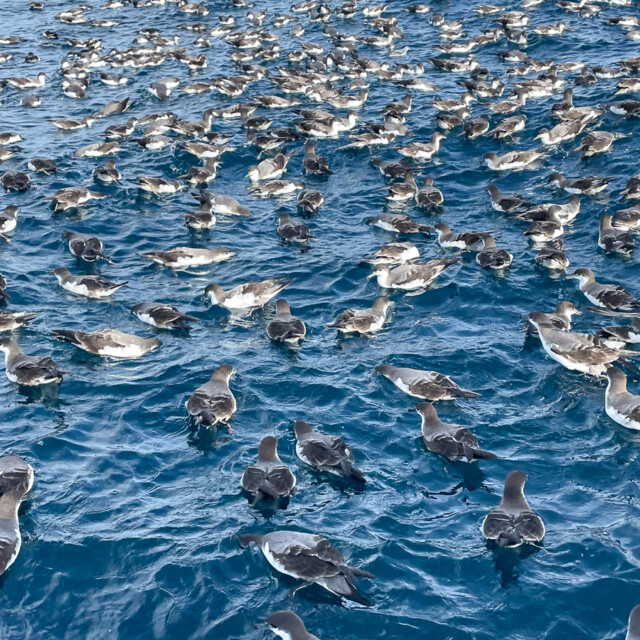
Today we’ll embark on a full-day pelagic birding adventure in the outer Hauraki Gulf. Departing from Marsden Cove, we’ll head northeast past the Hen and Chickens Islands to the deep waters of the gulf—an area known for its rich marine life and exciting seabird diversity.
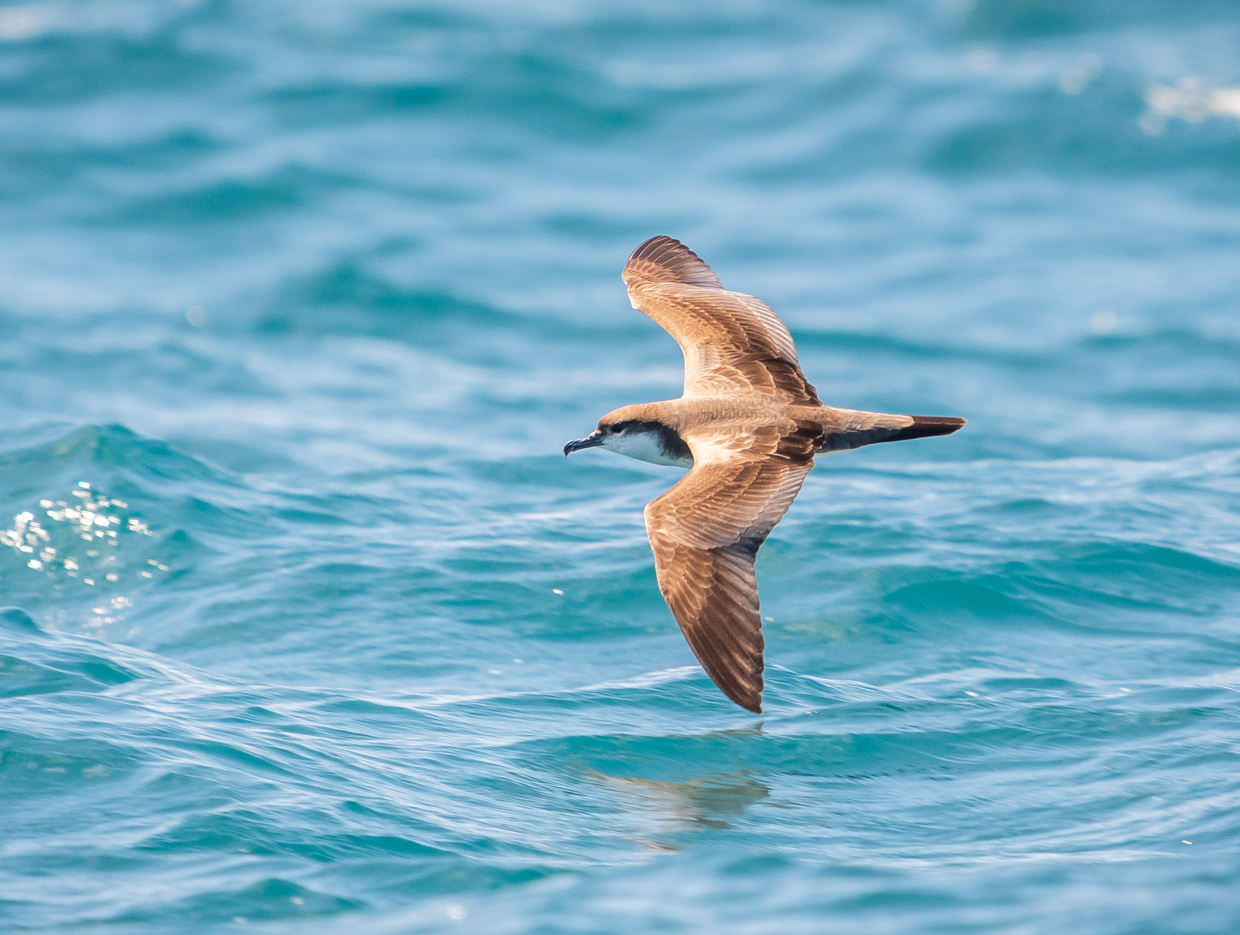
As we cruise these productive offshore waters, we’ll keep our eyes peeled for an exciting mix of seabirds. Highlights may include New Zealand Storm-Petrel, Parkinson's Petrel, Buller’s Shearwater, and Flesh-footed Shearwater, along with possible sightings of Cook’s and Pycroft’s Petrels, White-faced Storm-Petrel, Fluttering Shearwater, and Fairy Prion. There’s always the chance of spotting something unexpected, and the presence of feeding flocks often draws in dolphins or even a passing whale.
The trip lasts approximately 7.5 hours, returning in the late afternoon. If a full-day pelagic is not of interest, you can do some walking and exploring of Whangarei. Lunch on your own if you are not on the pelagic. Note that there is no discount if you do not participate in the pelagic.
Night in Whangarei.
Day 3: Mangawhai Heads & Tawharanui Regional Park
Toward we will work our way south towards Warkworth. On the way, we will stop at Waipu Wildlife Refuge and Mangawhai Heads to look for New Zealand’s rarest bird, the Australian Fairy Tern, of which only 45 individuals remain, along with other species such as Buff-banded Rail and various shorebirds such as the endemic Variable Oystercatcher and South Island Oystercatcher.
We will visit Tawharanui Regional Park on the journey south to look for North Island Robin, Takahe, North Island Saddleback, Brown Teal and Whitehead.
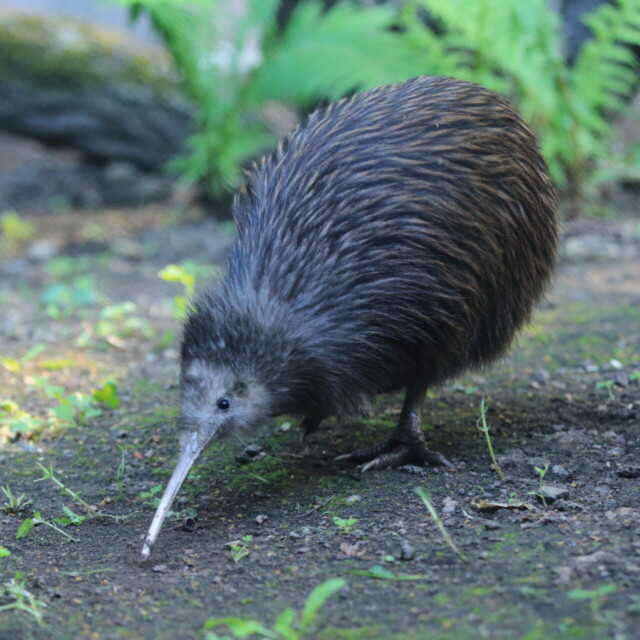
After dinner we will be making a special night excursion to the Tāwharanui Regional Park for our first chance to see a kiwi! North Island Brown Kiwi and Morepork are our targets for this evening outing. Night in Warkworth.
Day 4: Tiri Tiri Matangi Island
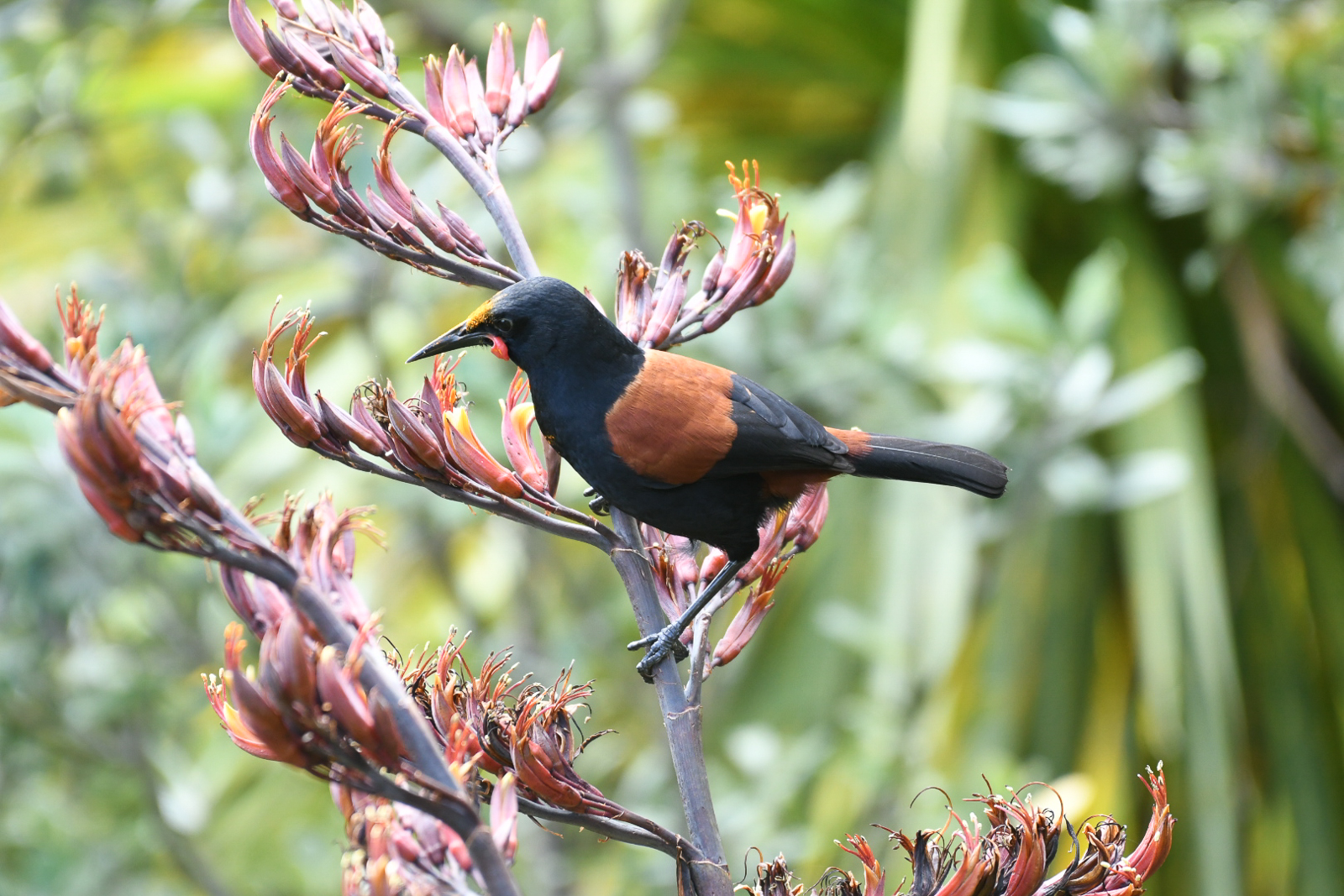
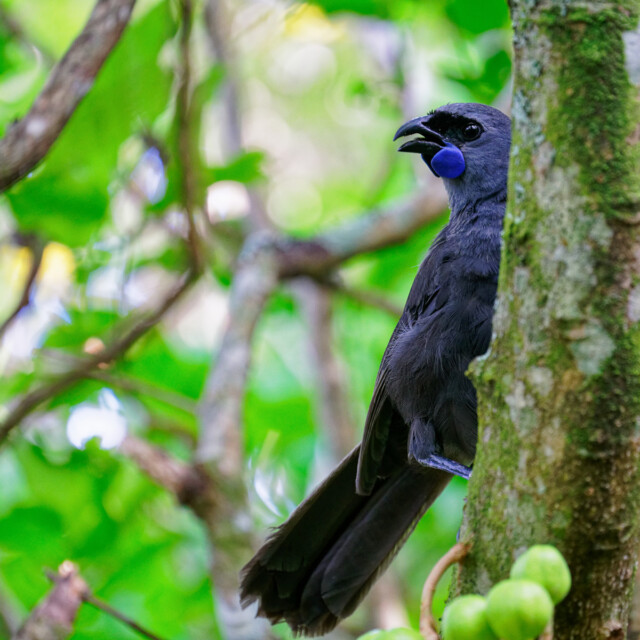
Today we take the boat ride to Tiri Tiri Matangi Island—one of the greatest bird conservation success stories in New Zealand. What was once an overgrazed islet supporting little birdlife, is now a predator-free sanctuary covered in native plants, all supporting a vibrant bird community including some of the countries rarest endemics like Stitchbird, North Island Kokako, and the iconic Takahe (giant flightless swamphen), as well as North Island Saddleback and Red-crowned Parakeet.
If the weather permits, back on the mainland we will visit Shakespear Regional Park in search of Spotless Crake and Buff-banded Rail, before heading back north towards Warkworth. Dinner and night in Warkworth, with an option to return to look for North Island Brown Kiwi in Tawharanui again if needed. Night in Warkworth.
Day 5: Pukorokoro Miranda Shorebird Centre
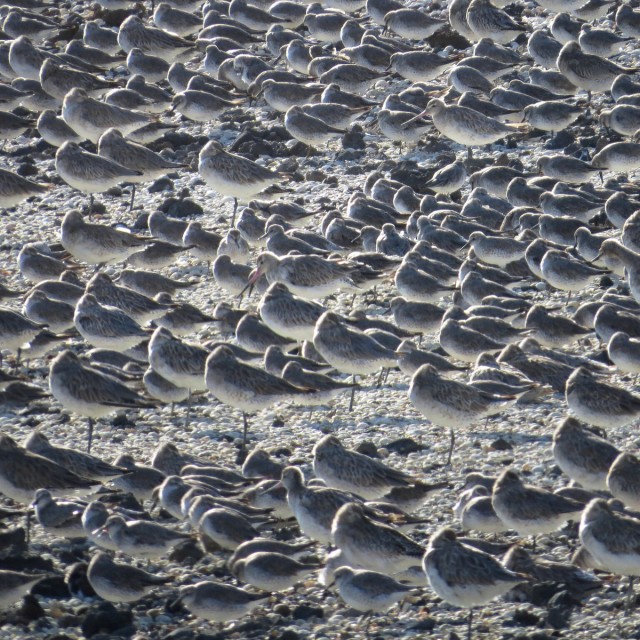
Make the journey south to the amazing spectacle of waders at Miranda/Pukorokoro Shorebird Centre. Our day will be partially organized around the high tide here. The coastal mudflats and saltmarsh of Miranda (NZ’s most famous shorebird hot spot) support Bar-tailed Godwits (who fly non-stop from Alaska—11,000+km—to winter here!), Red Knot, Sharp-tailed Sandpiper, Red-necked Stint, Wrybill, Red-breasted Dotterel, Buff-Banded Rail, Pied Oystercatcher, Pied Stilt, Pacific Golden Plover and White-fronted Tern. If we’re lucky, there might be a few other Siberian waders, such as Marsh Sandpiper or Greater Sand Plover.
We will then head to Piako Wader Roost, which often hosts rare waterbirds among good numbers of Royal Spoonbill, Paradise Shelduck and Grey Teal.
We will continue south to Turangi for dinner and the night.
Day 6: Turangi
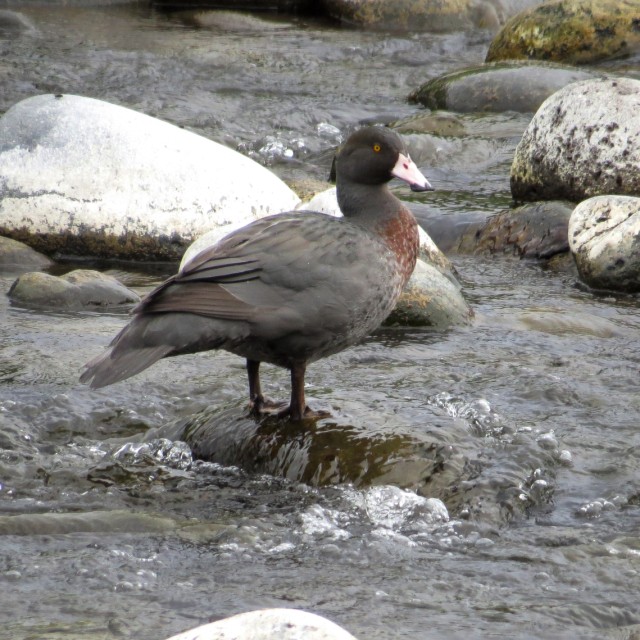
We will spend the morning birding around Turangi. We will visit Turangi Bridge to look for Blue Ducks (or “Whio”)—a highly specialized endemic of NZ’s mountain rivers, followed by Tokaanu Historic Wharf to look for Australasian Bitterns and Spotless Crakes.
Late morning, we will drive (2.5hrs) to Upokongaro for a late lunch. There is a lovely cafe there where you can see New Zealand’s only Nankeen Night Herons roosting above the tables in the garden. Night in Whanganui.
Day 7: Whanganui
We will begin our day with a visit to Bushy Park Sanctuary near Whanganui, with a good chance of finding Stitchbird, North Island Saddleback and more. We will then journey south towards Foxton Beach and Manawatu Estuary to look for waders and other waterbirds.
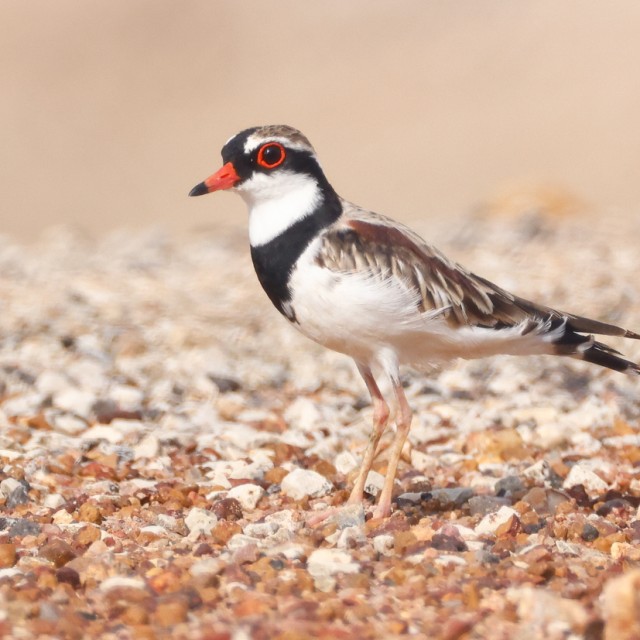
Continuing south towards Wellington, we will visit various forests and wetlands on the way to look for birds like Black-fronted Dotterel, Spotless Crake and Sulphur-crested Cockatoo.
After dinner will will go on the Zealandia night tour to look for Little Spotted Kiwi and Tuatara. Night in Wellington.
Day 8: Zealandia
This morning we will bird at Zealandia, a wonderful bird reserve near the centre of Wellington. Target birds will include Takahe, North Island Saddleback, Stitchbird, Kaka, Red-crowned Parakeet, Pied Cormorants, Little Pied Cormorants, and Black Cormorants.
After lunch, we may visit Te Papa, New Zealand’s national museum, which has an incredible array of natural history exhibits, or visit Plimmerton to find rare Terns and Jaegers, or other wetlands near the city in search of Crakes and other waterbirds.
If you are not joining us on the New Zealand: South & Stewart Island tour, this will be our final dinner together with the group. Night in Wellington
Day 9: Departure OR continue on South & Stewart Island Tour
Our New Zealand: North Island birding tour concludes this morning. If you are not joining us on the South Island tour, you can depart anytime today.
If you are joining us for the New Zealand: South & Stewart Island Tour, you have a free day to enjoy Wellington. We will meet the new guides and guests for dinner.
What to Expect
What to Expect
Overview
The New Zealand birding tour is a moderately paced trip. You can expect some early morning, pre-breakfast walks, as well as three optional evening forays to look for kiwis and possibly owls. Please note that our guides will not be using laser pointers on this tour due to local regulations.
Food
We generally have breakfast at the hotel before we head out for the day. Sometimes we will have optional pre-breakfast walks. We often take a picnic lunch in the field, but will occasionally stop at a restaurant or cafe for lunch. Dinner is usually at a restaurant close to the lodgings. Each evening after dinner we compile the day’s checklist, review the day’s activities, birds, mammals and other observations, and plan the next day’s activities.
Accommodation
Generally we stay in basic or standard hotel or motel rooms in locations close to where we want to go birding.
Walking
The tour will generally involve easy to moderate walking, however, night-time forays may involve some steep inclines in the dark. When at higher elevations, we keep our walking to a slow pace, doing most of our observation from the vehicle. In general, we keep all our nature study to a reasonable pace, maximizing the number of things we see and allowing enough time to properly enjoy them.
Driving
There will be a number of long drives, as we travel the length of the North Island. We will take frequent rest stops, and enjoy scenic viewpoints along the way. Expect to travel on winding, mountainous roads, which can be challenging for those prone to motion sickness—consider bringing medication or other remedies if needed.
Climate
Prepare for everything! The North Island is mild, with temperatures ranging from lows of about 10°C (50°F) to highs of 24°C (75°F). Be prepared for cold winds, which can make conditions feel cooler than the actual temperature. Rain is also likely, especially on the west coast. The pelagic trip is likely to feel quite cool due to coastal winds, so it is best to dress in layers. New Zealand’s weather can change rapidly and may occasionally impact road conditions and access. Flexibility is key, as we may need to adjust the itinerary to ensure a safe and smooth journey.
Boat Trips
North Island Pelagic Tour
We will be birding an area 6-8 miles North East of the Chick’s Islands group. Our vessel, a stable 14-meter (45-foot) boat, accommodates 23 passengers plus two crew members, including the skipper. While generally comfortable, conditions at sea can be rough depending on wind speed. Stronger winds often result in more bird activity, but they can also create choppier waters. If you are prone to motion sickness, we highly recommend taking preventative medication before departure. The boat is well-equipped with a full galley, including a fridge and facilities for coffee and tea. There is a lavatory on board, along with ample undercover seating and tables for cameras, field guides, and other gear.
Frequently Asked Questions
Land Tours FAQs
Whether you’re a seasoned birder or new enthusiast, these FAQs cover important details about our tours, including schedules, fitness requirements, group dynamics and more.
Featured Wildlife
Featured Wildlife
The species below are among the birds and mammals we may encounter on this tour. Sightings vary from year to year and cannot be guaranteed.
- Over 48 endemics possible including: (Maori name in parentheses)
- North Island Brown Kiwi
- Little Spotted Kiwi
- New Zealand Kaka
- New Zealand Storm Petrel
- Pycroft’s Petrel
- Parkinson’s Petrel
- Buller’s Shearwater
- Blue Duck (Whio)
- Brown Teal
- New Zealand Falcon (Karearea)
- Takahe
- Red-crowned Parakeet
- Whitehead
- Wrybill
- Kokako
- Saddleback (Tieke)
- Black-billed Gull
Past Tour Checklists
Past Tour Checklists
View the list of birds and other wildlife we encountered on our past tours.
- New Zealand species list Feb 2026 (eBird)
- New Zealand species list Nov 5 - 26, 2025 (eBird)
- New Zealand species list Nov 10 - Dec 1, 2025 (eBird)
- New Zealand species list 2024 (eBird)
- New Zealand species list 2023 (pdf)
- New Zealand species list 2022 (ebird)
- New Zealand species list 2019
- New Zealand species list 2017
- New Zealand species list 2015
Compare your life list to our last tour
Get an estimate of how many new species you may see.
Try our Lifer tool