Tanzania Birding & Wildlife Safari
Highlights
Highlights
- Explore the iconic Serengeti National Park, Ngorongoro Crater and Tarangire National Park, three of northern Tanzania’s most celebrated wildlife and birding destinations.
- Exceptional bird diversity, including Tanzanian endemics and sought-after East African specialties.
- Outstanding wildlife viewing, with excellent chances for Lion, Leopard, Cheetah, Elephant, Giraffe and a remarkable variety of antelope and other mammals.
- A tremendous variety of habitats and scenery, from baobab woodland and open plains to mountain forest, wetlands and the dramatic Ngorongoro Highlands.
Map
Map
Overview
Tour Overview
Northern Tanzania offers one of the world’s great combinations of birding, wildlife and scenery. From the vast plains of the Serengeti and the extraordinary Ngorongoro Crater to the baobab-dotted landscapes of Tarangire, this safari explores some of East Africa’s most celebrated wilderness areas while also reaching quieter corners of the country.
Our journey begins near Mount Kilimanjaro and continues through the dry country of Mkomazi and the forested slopes of Mount Meru before heading west into Tanzania’s classic safari landscapes. Along the way we experience an exceptional variety of habitats, including acacia savanna, open grasslands, wetlands and montane forest, each supporting its own distinctive birdlife.
The wildlife viewing is equally impressive, with excellent opportunities for Lion, Leopard, Cheetah, Elephant, Giraffe, Wildebeest, Zebra, a wide variety of antelope and many other mammals. Birding is superb throughout, ranging from colourful savanna species and large raptors to wetland birds, forest specialties and Palearctic migrants.
With outstanding bird diversity, abundant African wildlife, dramatic scenery and some of the continent’s most iconic national parks, our Tanzania birding and wildlife safari offers a wonderfully varied introduction to one of Africa’s finest natural destinations.
Dates & Prices
Dates & Prices
What's Included
Tour Price Includes
- All meals and soft drinks
- Accommodation in comfortable well-located lodges throughout
- Airport transfers
- Ground transportation by long wheelbase Toyota Land Cruiser
- Internal flight
- EET guide and driver with 4 - 6 participants.
- All park, conservation and entrance fees
- Gratuities to driver and local hotel staff
Tour Price Does Not Include
- Flights to and from start / end location
- Travel Insurance
- Alcoholic beverages
- Items of a personal nature
Gallery
Gallery

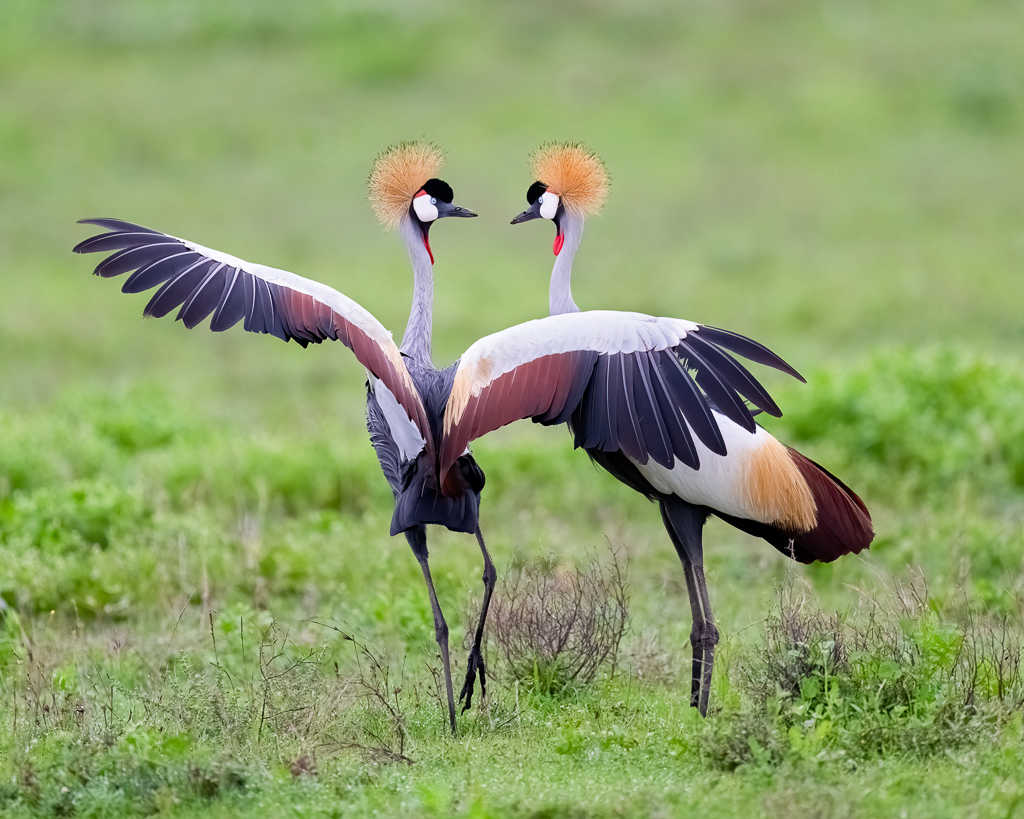
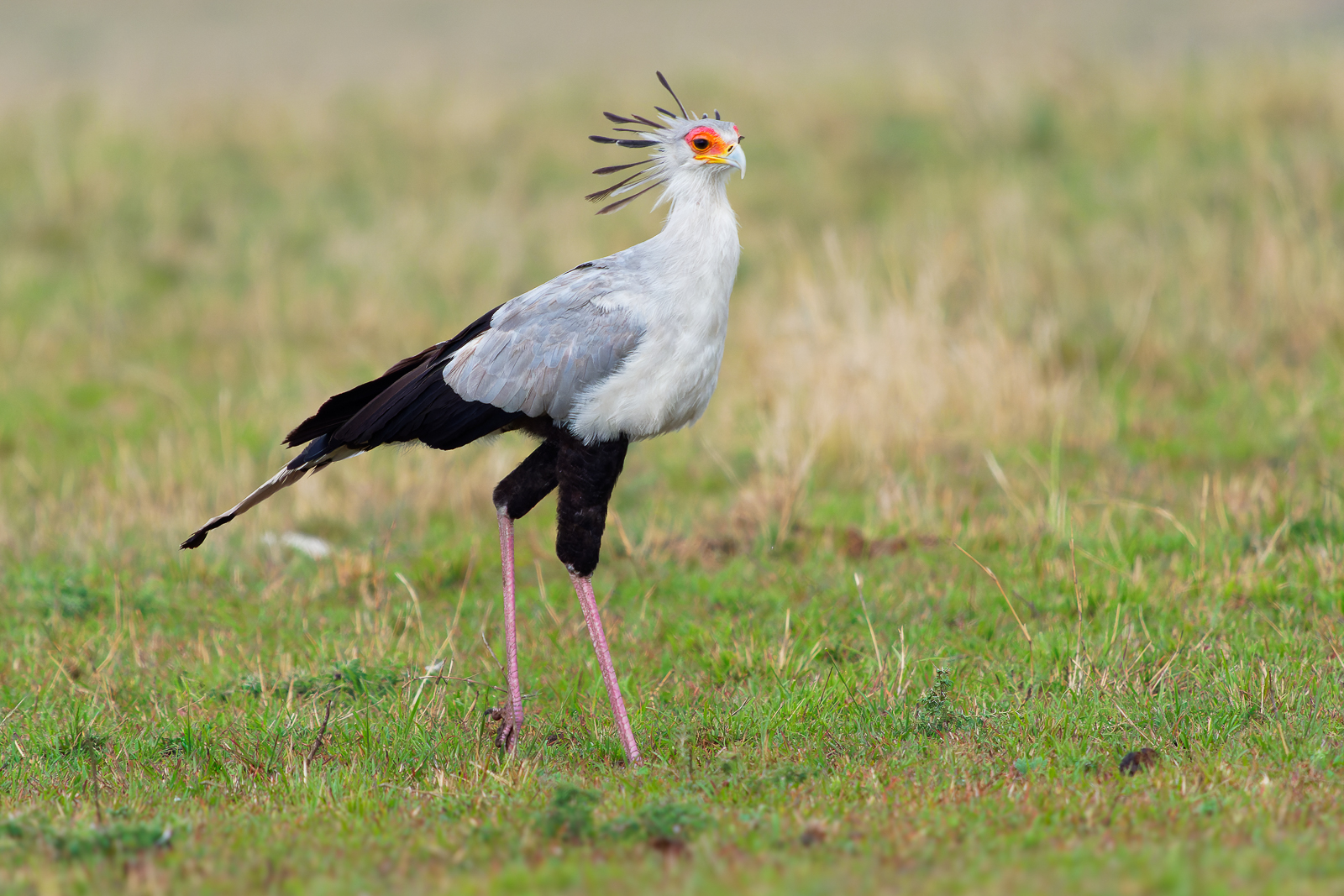
Itinerary
Itinerary
Day 1: Arrival
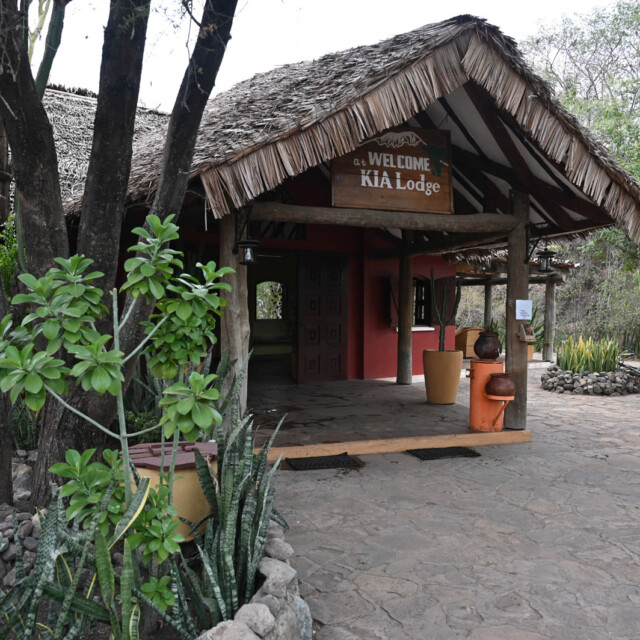
Our Tanzania birding and wildlife safari begins at Kilimanjaro International Airport, where we will be met on arrival and transferred the short distance to KIA Lodge. The lodge grounds offer a pleasant introduction to Tanzania’s birdlife, with views towards Mount Kilimanjaro when the weather is clear.
We gather for dinner and an opportunity to meet our guide and discuss the adventure ahead.
Night: KIA Lodge.
Days 2 & 3: Mkomazi National Park
After breakfast we set out for Mkomazi National Park, travelling east towards one of northern Tanzania’s least-visited and most scenically impressive protected areas. Lying against the Kenyan border and forming part of the greater Tsavo-Mkomazi ecosystem, the park protects a striking landscape of dry savanna, acacia scrub, open grasslands and rugged mountains.
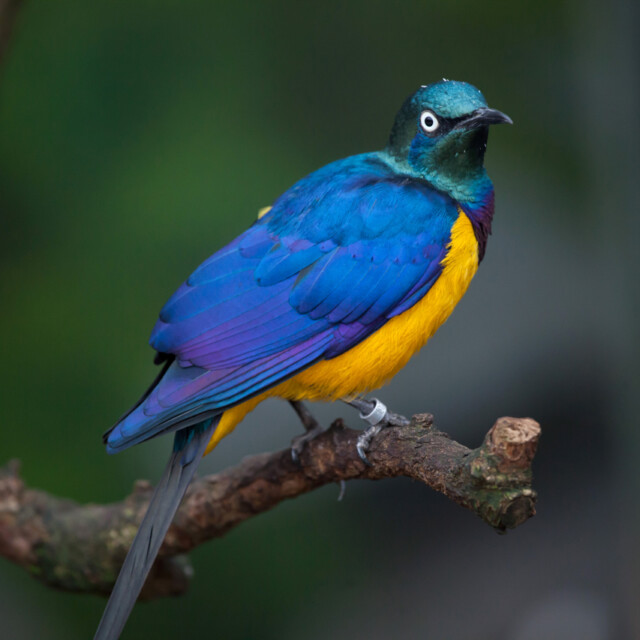
For birders, Mkomazi brings an exciting new element to our safari. Its position within the Somali-Masai biome gives us access to a suite of dry-country and range-restricted species that are difficult or impossible to find elsewhere on our route. Among our principal targets are the dazzling Golden-breasted Starling and Golden Pipit, along with Vulturine Guineafowl, Three-streaked Tchagra and Pangani Longclaw. Seasonal wetlands and watercourses provide contrasting habitat, with possibilities including African Woolly-necked Stork and a variety of other waterbirds.
Mkomazi is equally interesting for mammals. The distinctive Gerenuk and Lesser Kudu are important targets here, together with a variety of more widespread East African game. The park has also played an important role in the conservation of African Wild Dogs and Black Rhinos.
Over two days we will explore a range of habitats, giving us plenty of time to search for the park’s bird specialties while enjoying its spectacular scenery and wonderfully uncrowded wilderness.
Nights: Babu’s Camp
Days 4 & 5: Ngare Sero & Arusha National Park
After some final birding in Mkomazi, we travel west towards Arusha and the green foothills of Mount Meru. Our destination is Ngare Sero Mountain Lodge, a beautiful historic property surrounded by mature trees, gardens and a clear mountain stream.
The change from Mkomazi’s dry country to lush evergreen vegetation brings a completely different selection of birds. Silvery-cheeked Hornbills are among the more conspicuous species, while the gardens, forest edge and waterways can produce sunbirds, kingfishers, flycatchers and other forest birds.
The following day we explore Arusha National Park on the lower slopes of Mount Meru. The park protects a wonderful mixture of montane forest, open glades, lakes and grassland, making it one of the most varied birding areas on the tour. We will look for Hartlaub’s Turaco, Silvery-cheeked Hornbill and Kilimanjaro White-eye, while African Pygmy Kingfisher and Green Malkoha may also be encountered. Narina Trogon is a more elusive possibility in the forest.
Momella Lakes provide another change of habitat, with Greater and Lesser Flamingos possible alongside Pied Avocets, Black-winged Stilts, Gray Crowned-Cranes, ducks and other waterbirds.
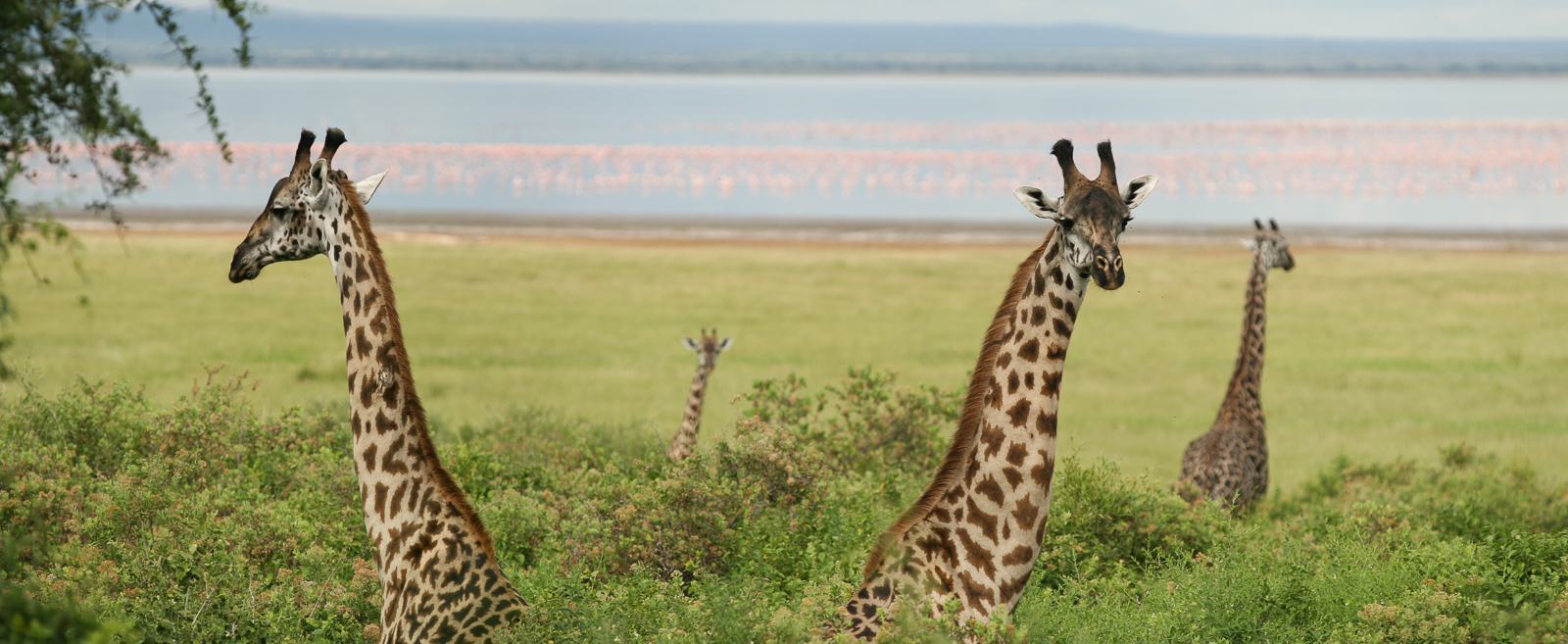
Arusha is also an excellent introduction to Tanzania’s larger wildlife. Maasai Giraffes can be particularly numerous, while African Buffalo, Plains Zebra, Bushbuck and Common Waterbuck may all be seen. The striking black-and-white Guereza Colobus is one of the characteristic mammals of the forest.
Nights: Ngare Sero Mountain Lodge

Days 6 & 7: Tarangire National Park
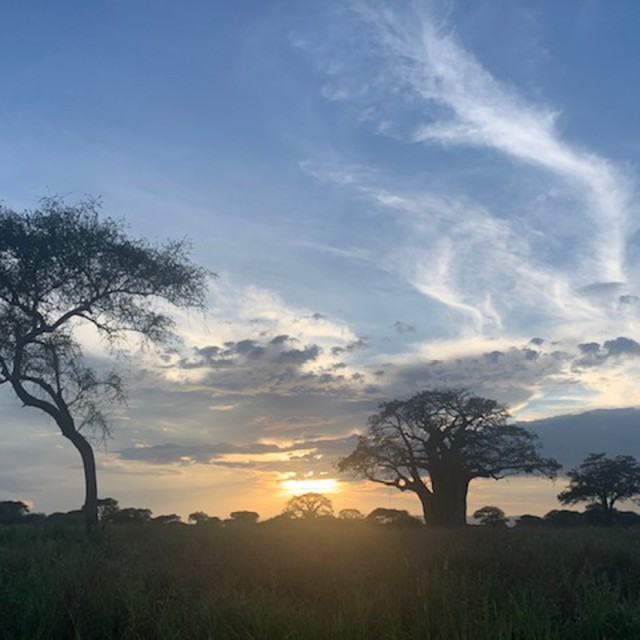
Leaving the green foothills of Mount Meru, we travel into the warmer and drier landscapes of Tarangire National Park. Huge baobabs rise above open savanna and acacia woodland, while the Tarangire River, seasonal pools and extensive wetlands create important concentrations of wildlife.
Tarangire is an outstanding birding destination. Ashy Starling and Rufous-tailed Weaver are among the regional specialties we will look for, while colourful Yellow-collared Lovebird is another possibility. Buff-crested Bustard may occur in the drier areas and Hartlaub’s Bustard is possible in suitable grassland.
The park can also be rewarding for coursers and raptors, including Bronze-winged Courser and Bateleur, while African Scops-Owl may be found around the lodge. Wetlands and riverine areas add storks, herons, lapwings and kingfishers, along with colourful bishops and whydahs.
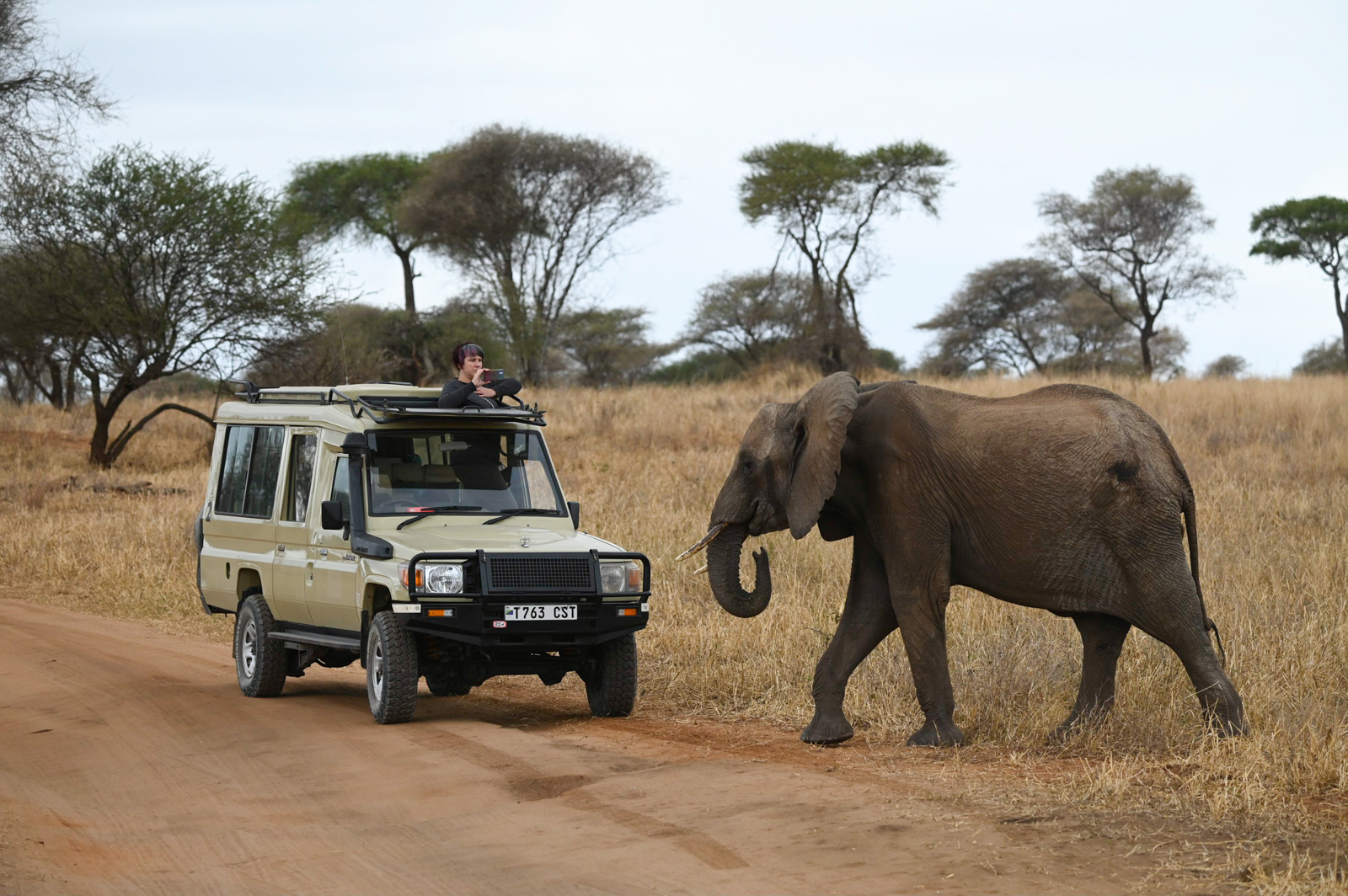
Tarangire is perhaps best known for its Elephants, which are often a dominant feature of the landscape. Lion, Giraffe, Zebra and a wide variety of antelope and other mammals add to the classic East African safari experience.
Our lodge occupies a superb position overlooking the Tarangire River, and the grounds themselves can be excellent for birds and wildlife.
Nights: Tarangire Safari Lodge

Days 8 & 9: Ndutu Plains
We leave Tarangire and travel towards the vast shortgrass plains of the southern Serengeti ecosystem. Around Ndutu, open grasslands alternate with acacia woodland, brackish lakes and marshy areas, producing one of the richest combinations of birding and mammal watching on the tour.
Several of northern Tanzania’s characteristic birds occur here. We will look for Fischer’s Lovebird, Gray-breasted Spurfowl, Secretarybird and Pygmy Falcon across the open plains. Around Lakes Ndutu and Masek, Chestnut-banded Plover and sandgrouse are possible, while the surrounding woodland and lodge grounds may add Verreaux’s Eagle-Owl, starlings, sunbirds, weavers and other colourful species.
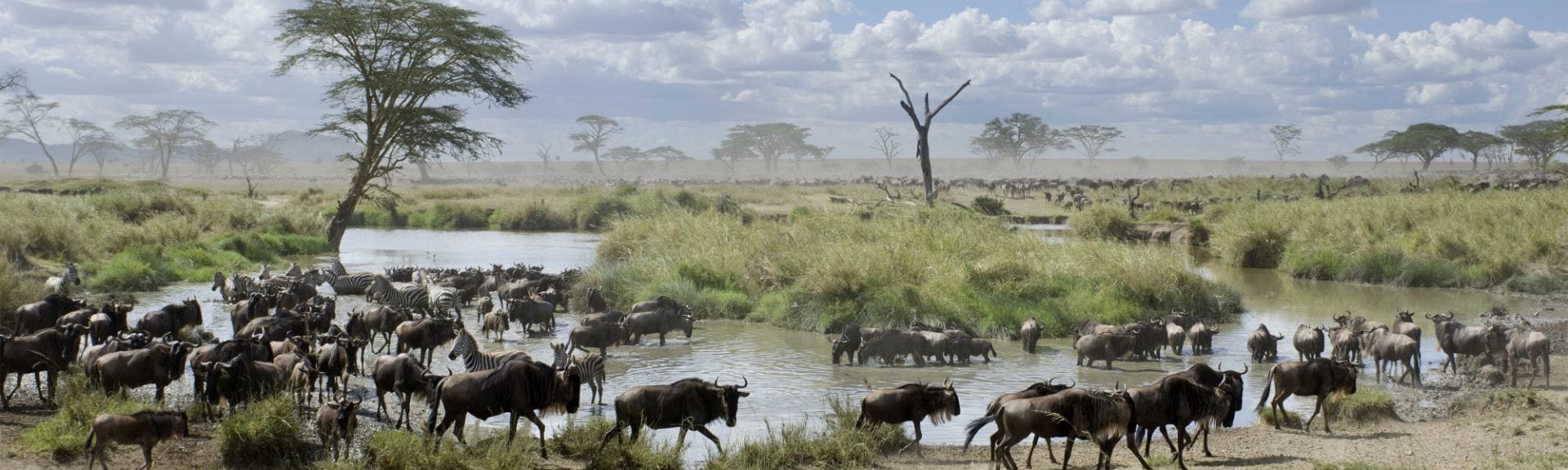
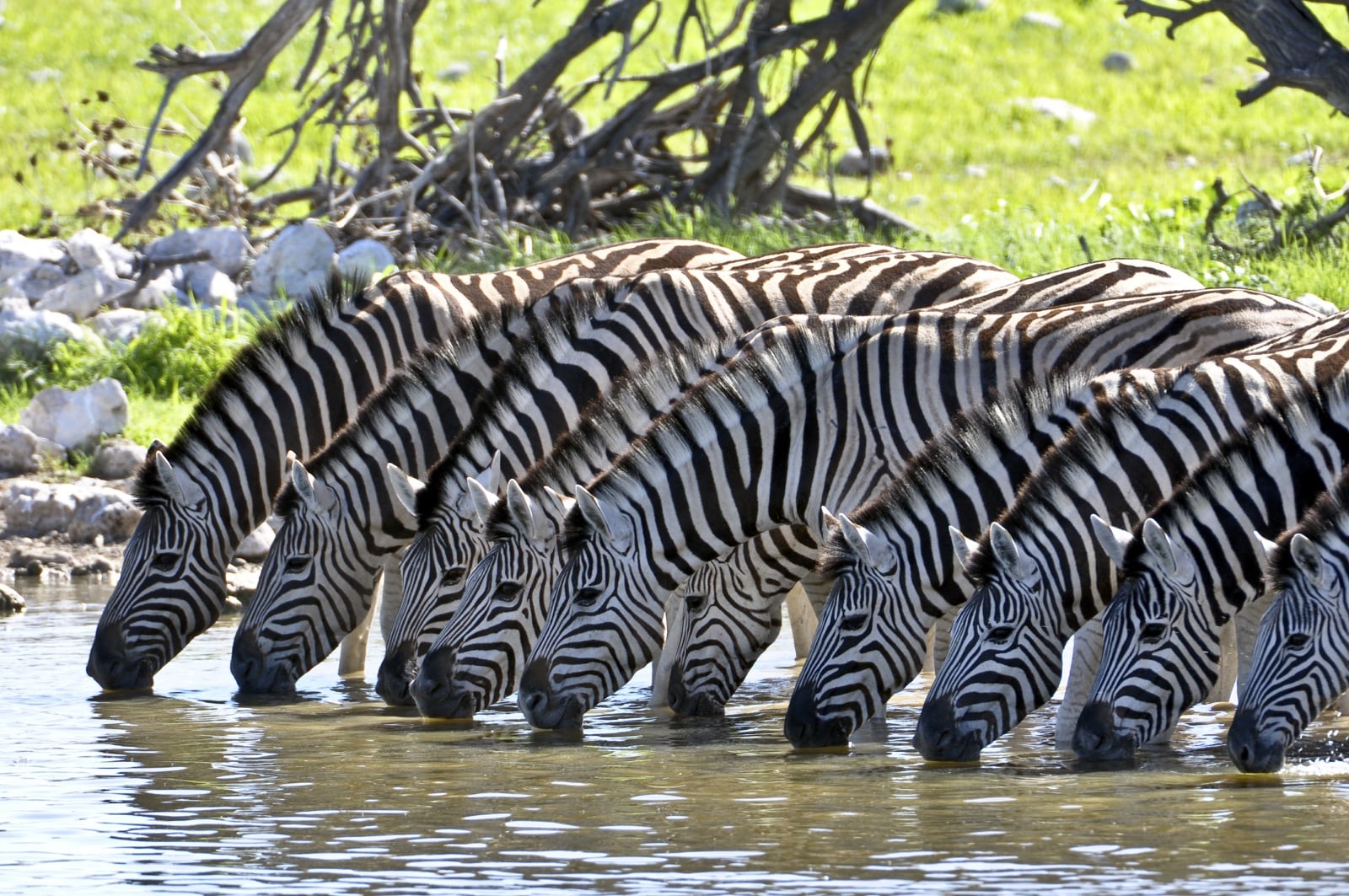
This is also one of the great wildlife landscapes of Africa. Depending on seasonal movements, immense numbers of Wildebeest, Zebra and gazelles may spread across the plains. These concentrations attract Cheetah, Lion, Spotted Hyena, Black-backed Jackal and other predators, making every game drive unpredictable.
Depending on our route and timing, we may also visit Olduvai Gorge and its museum, an important site in our understanding of early human history.
Nights: Ndutu Safari Lodge
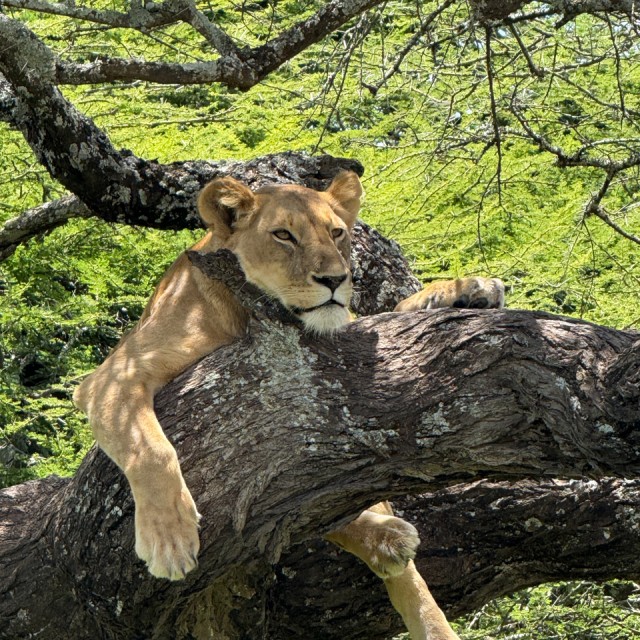
Days 10 & 11: Serengeti National Park
From Ndutu we continue west across the plains and enter Serengeti National Park at Naabi Hill. The immensity of the landscape soon becomes apparent, with vast grasslands broken by acacia woodland, river valleys and massive granite kopjes.
The Serengeti is world-famous for its mammals, but the birding is equally rewarding. Gray-breasted Spurfowl, Fischer’s Lovebird and Coqui Francolin are among the species we will watch for, while Secretarybirds may be seen striding across the open plains.
Raptors are one of the great features of the Serengeti. Bateleur, Martial Eagle, snake-eagles, harriers and several species of vulture are possible, and the skies can remain busy throughout the day. Bustards, hornbills, rollers, starlings, weavers and numerous larks add further variety.
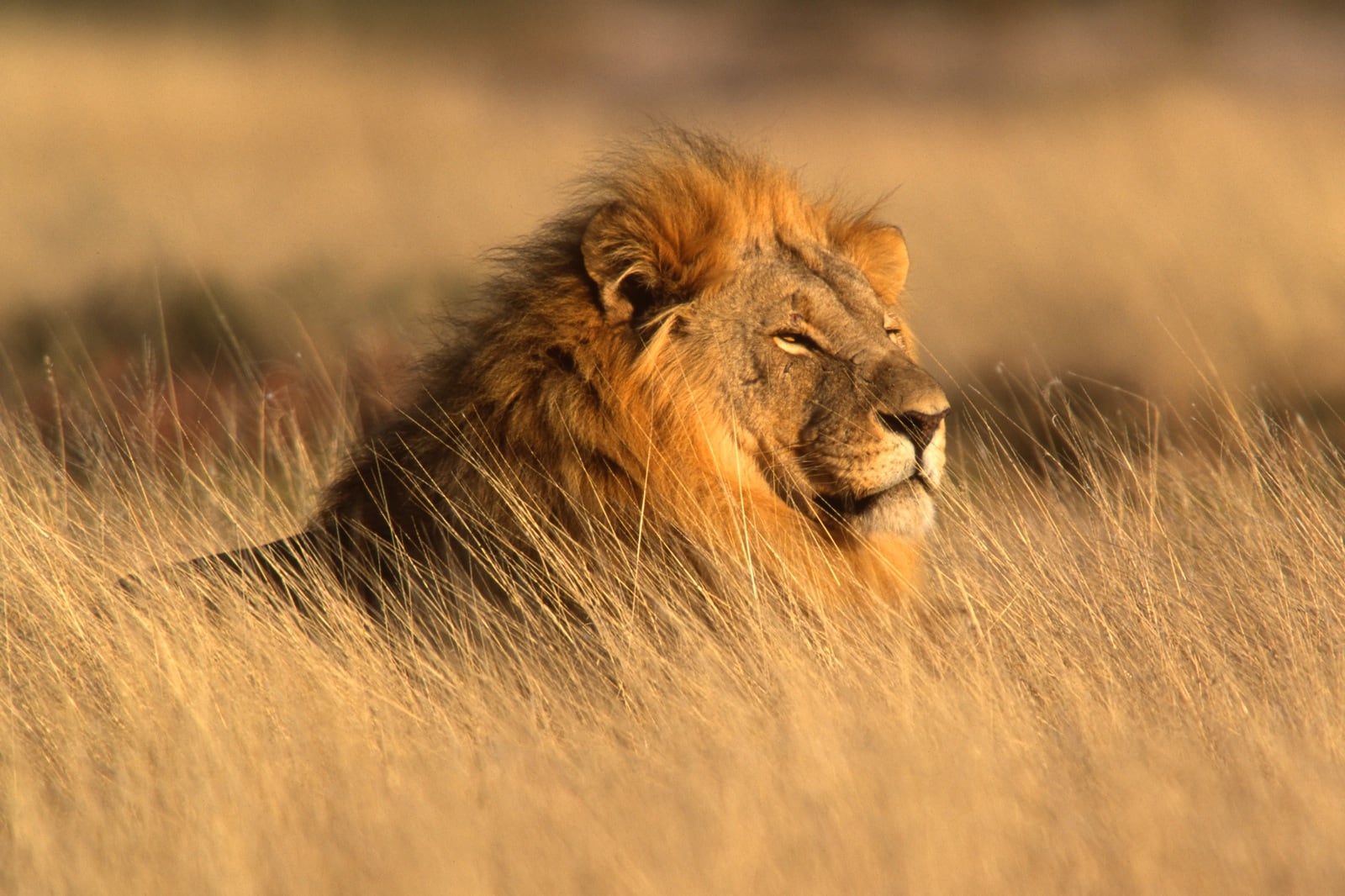
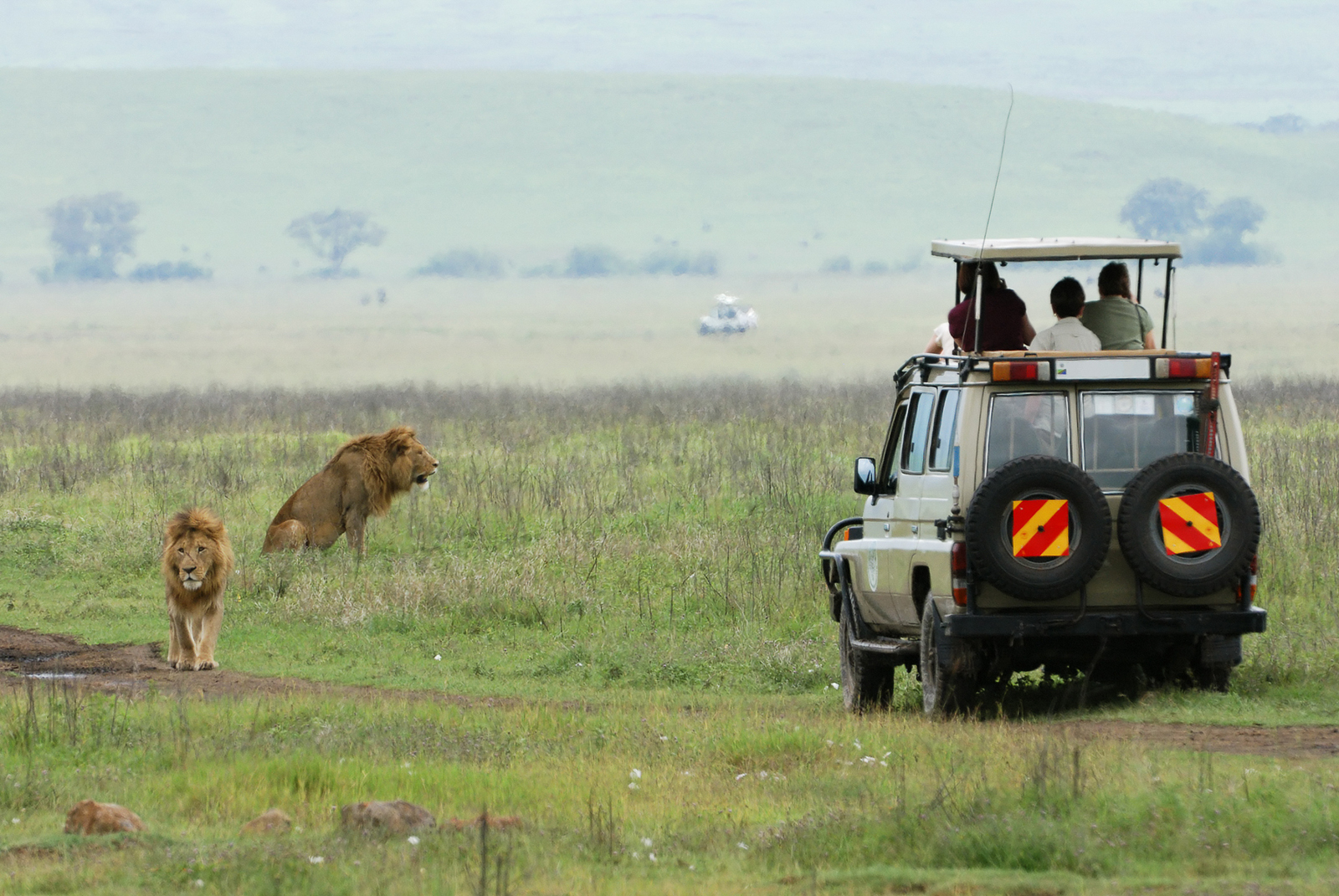
Large mammals are everywhere. Herds of Wildebeest, Zebra, Topi, Coke’s Hartebeest and gazelles occupy the plains, while Klipspringers and hyraxes live among the granite rocks. The central Serengeti is also outstanding predator country, with excellent chances for Lion and good possibilities for Leopard and Cheetah. Spotted Hyena, Black-backed Jackal and smaller carnivores add further interest.
Nights: Intimate Seronera Camp
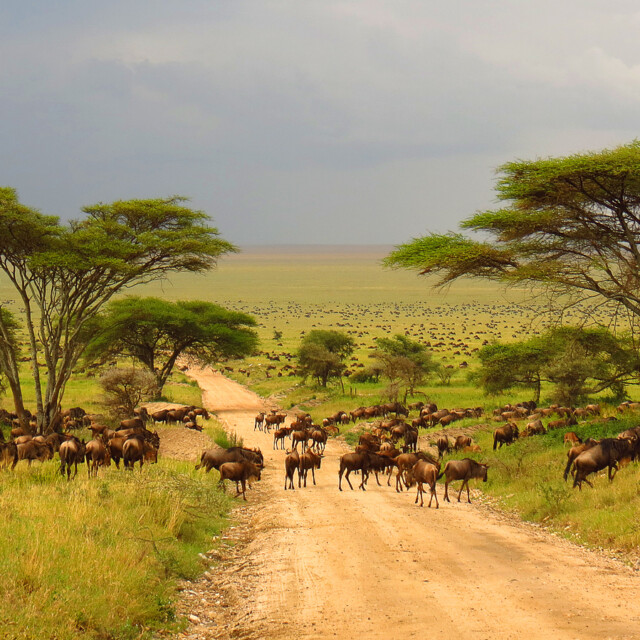
Day 12: Serengeti to Ngorongoro Highlands
We have another morning to enjoy the Serengeti before turning east and beginning our journey towards the Ngorongoro Highlands.
The scenery and birdlife change noticeably as we leave the open plains and climb into cooler, greener country. Montane forest replaces savanna, bringing with it a very different selection of birds.
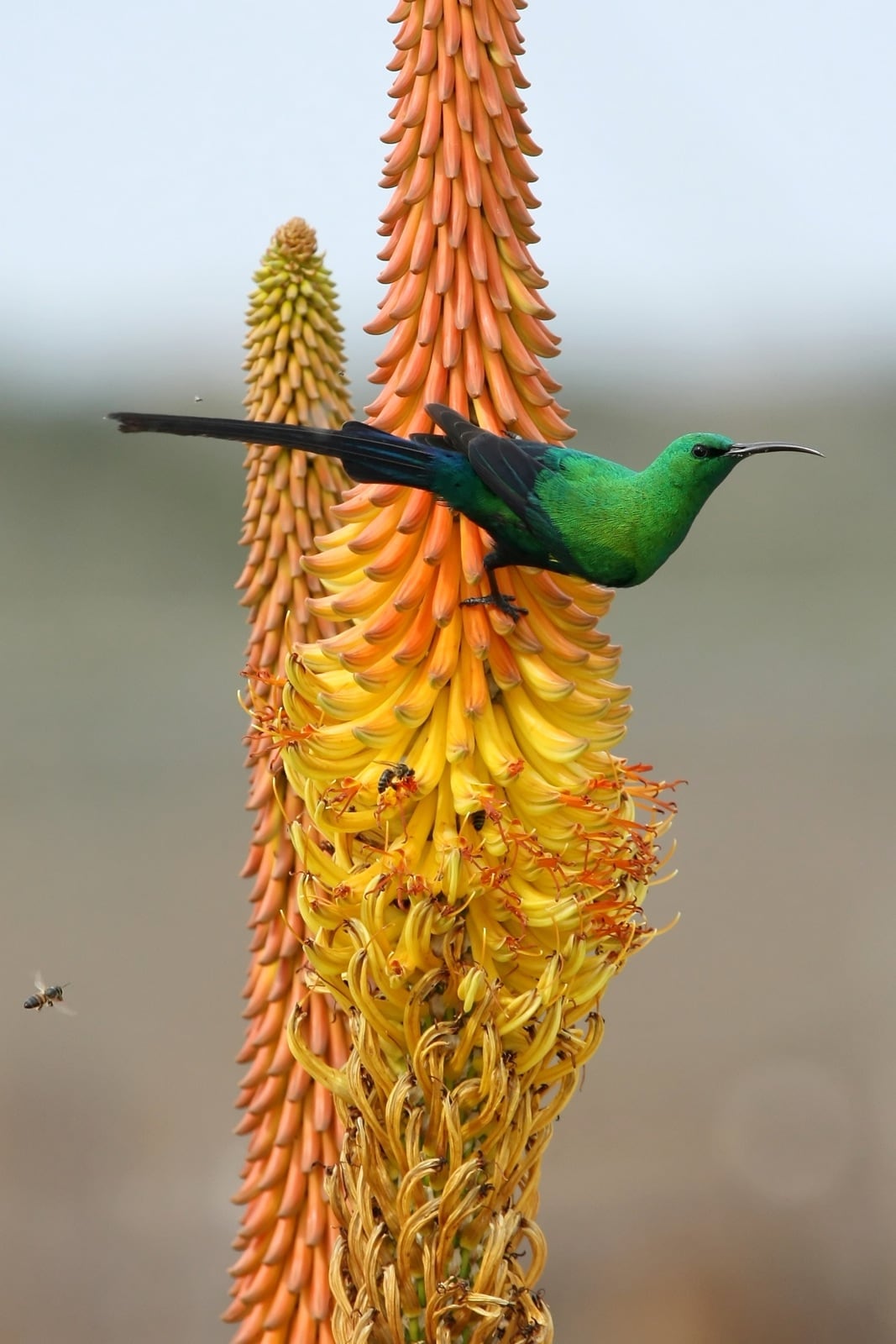
Around the crater rim and lodge grounds we will watch for highland species. Sunbirds are particularly attractive here, with Tacazze and Golden-winged Sunbirds among the possibilities, alongside Bronze Sunbird and other montane species. White-eyes, turacos, woodpeckers and a variety of forest birds may also be encountered.
Our lodge sits directly on the rim of Ngorongoro Crater, with spectacular views across the vast caldera below.
Night: Ngorongoro Serena Safari Lodge
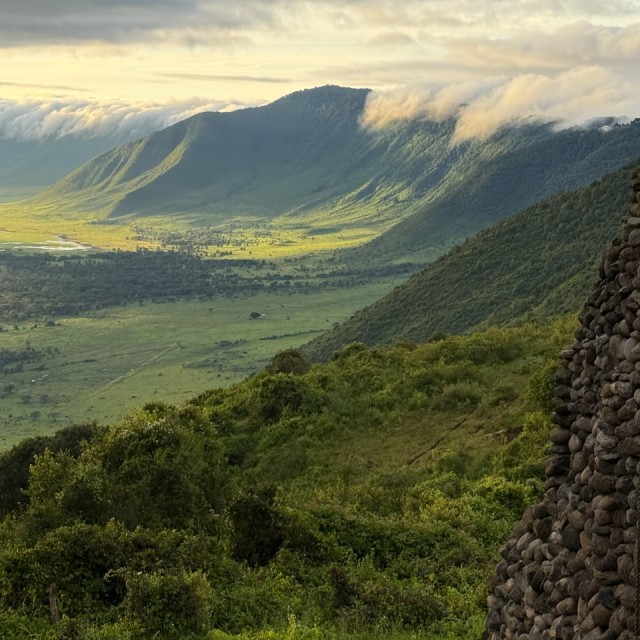
Day 13: Ngorongoro Crater
Today we descend into Ngorongoro Crater for one of the great days of the tour.
The crater combines extraordinary scenery with an exceptional concentration of both birds and mammals. Grasslands, freshwater marshes, patches of woodland and alkaline Lake Magadi create a remarkably varied landscape within the crater floor.
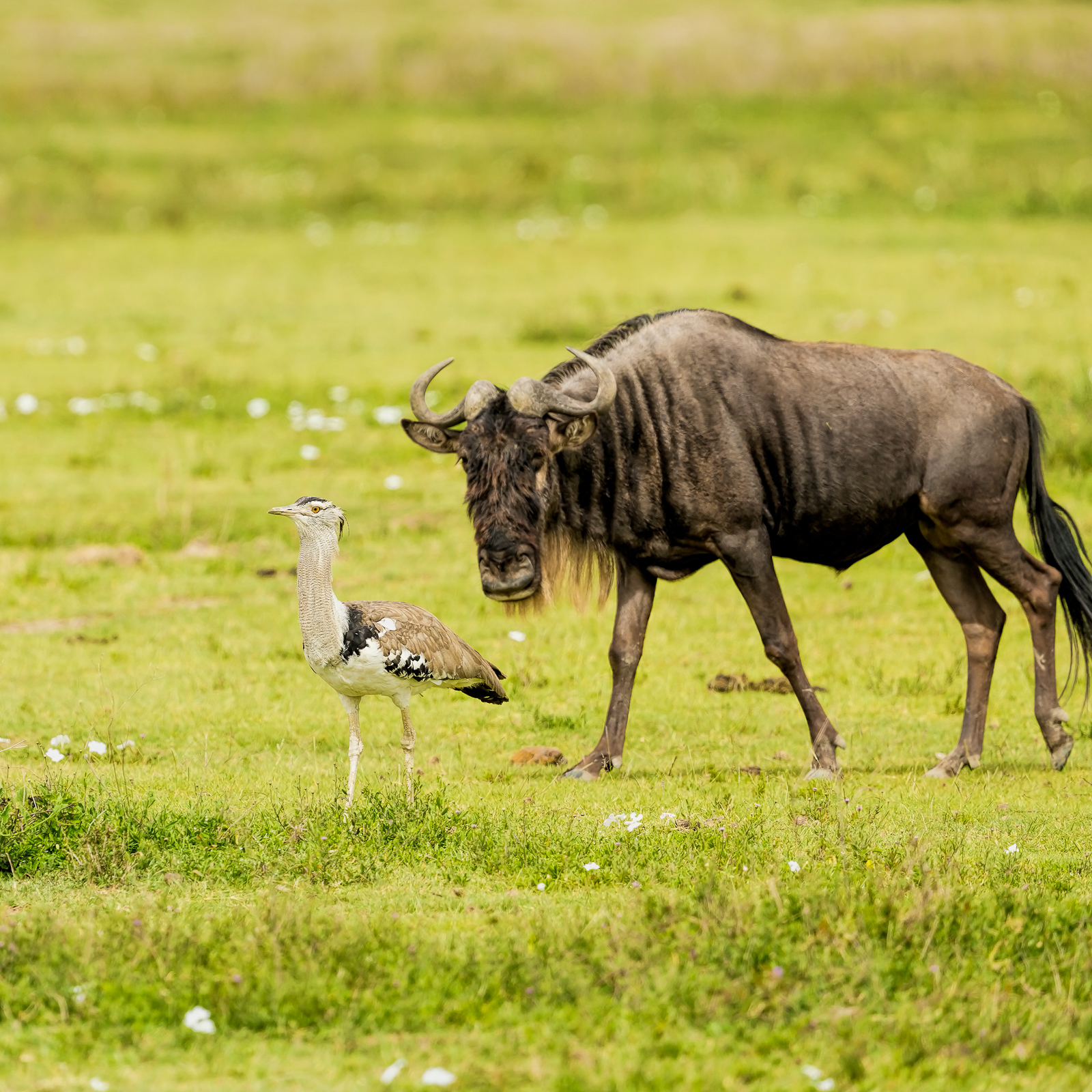
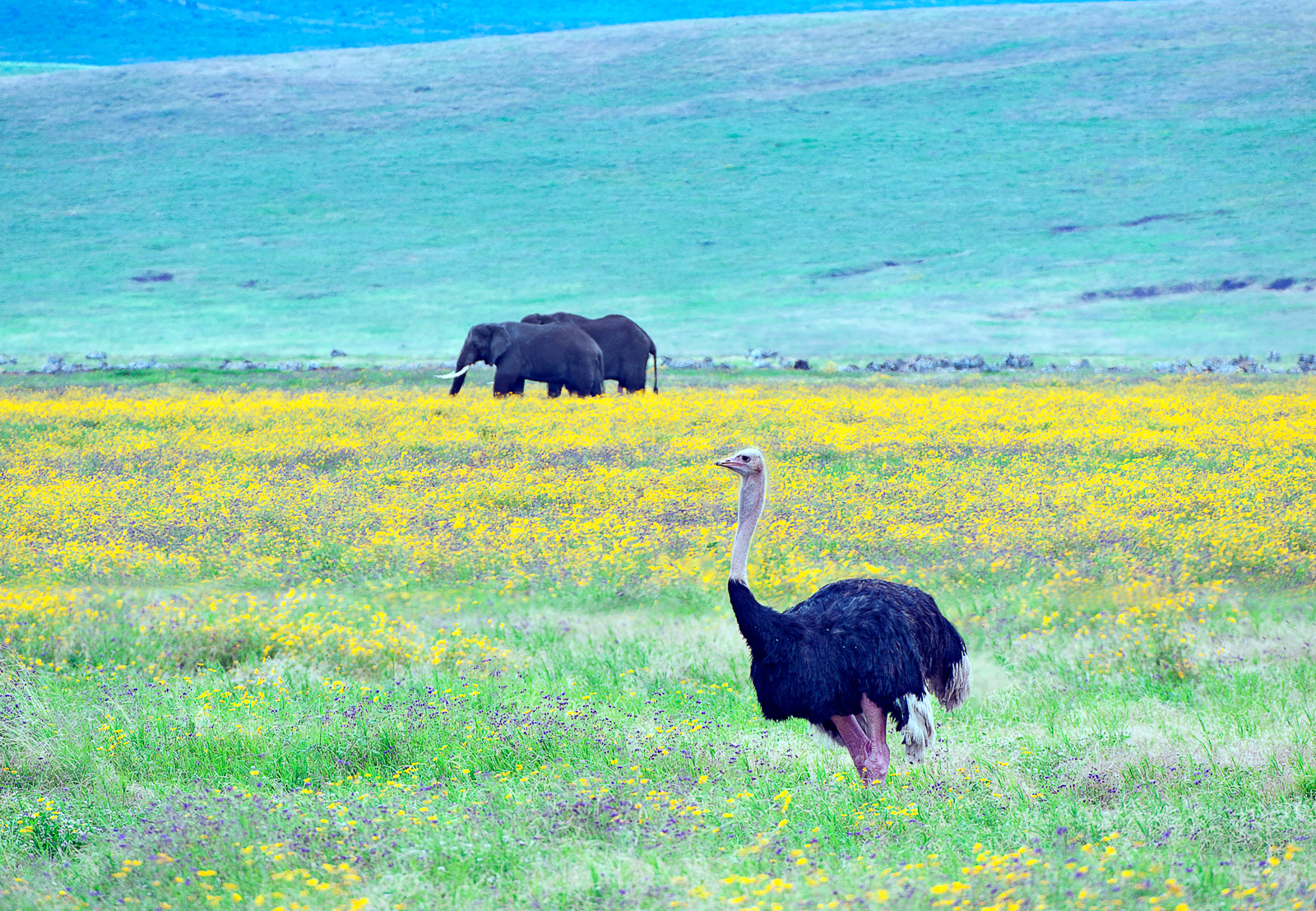
Rosy-throated Longclaw is one of the distinctive grassland birds we will look for, while Kori Bustard, Gray Crowned-Crane and Ostrich may also be encountered. Around Lake Magadi we will search for flamingos, pelicans, terns and migrant shorebirds, with Chestnut-banded Plover another interesting possibility.
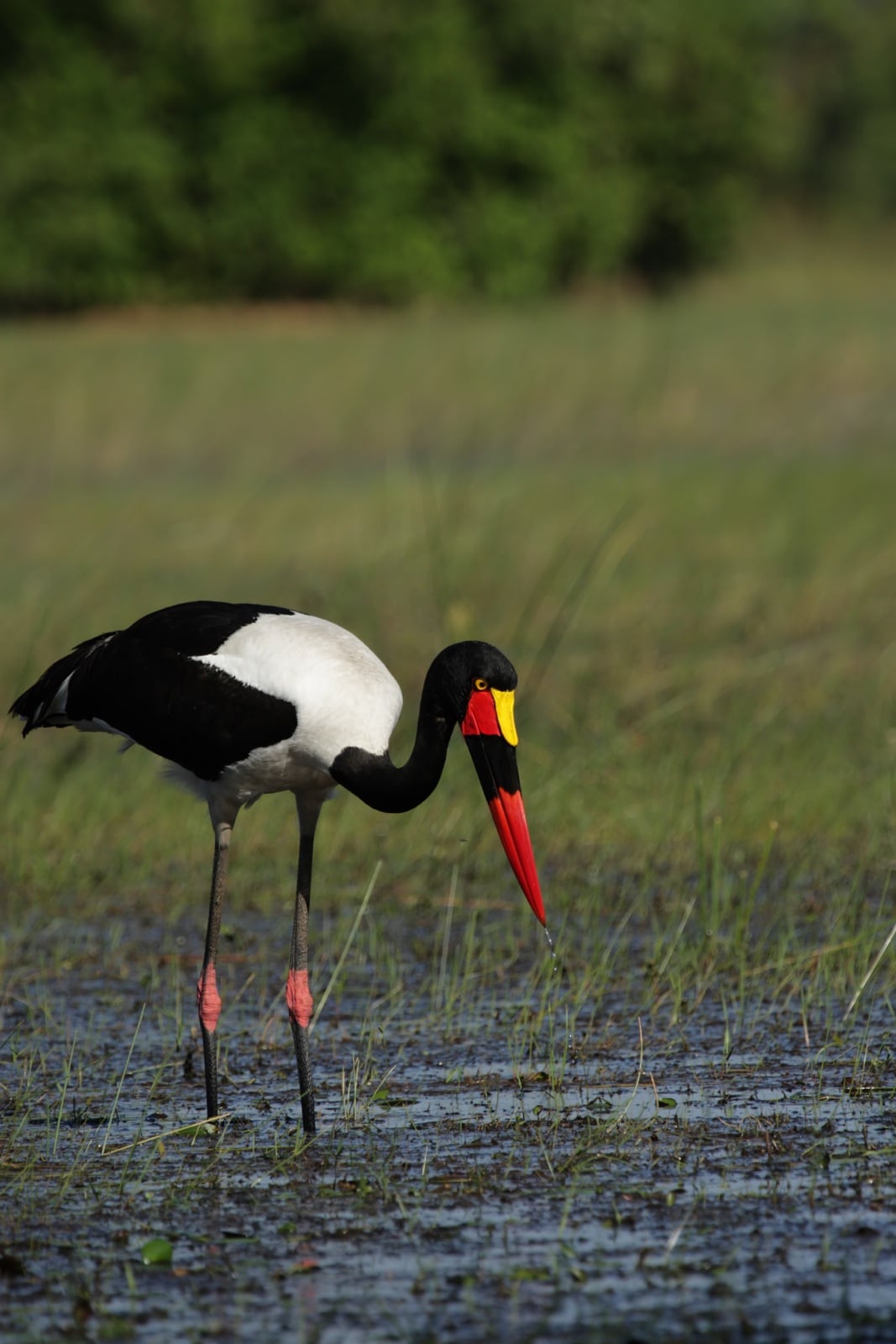
Freshwater wetlands support a different bird community, including rails, jacanas, storks, spoonbills, herons and other waterbirds. Raptors are also well represented, with eagles, harriers and vultures possible throughout the day.
The crater is equally remarkable for mammals. Wildebeest, Zebra and gazelles are abundant, with Lion, Spotted Hyena and African Golden Wolf among their predators. Large bull Elephants can occur around the swamps and woodland, and Ngorongoro provides one of our better opportunities for Black Rhino.
Late in the afternoon we climb out of the crater and continue through the highlands to our lodge for the next two nights.
Night: The Retreat at Ngorongoro
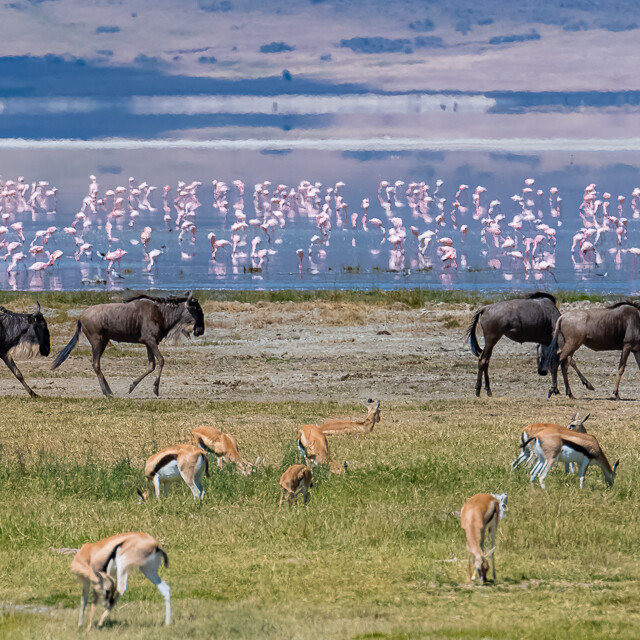
Day 14: Endoro Falls & Crater Highlands
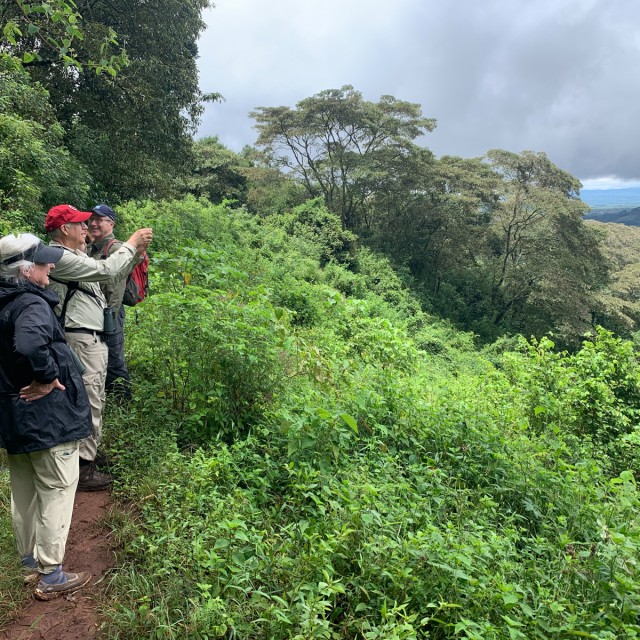
After many days largely spent birding from safari vehicles, today gives us an opportunity to explore the cool montane forests of the Crater Highlands on foot. We walk through the Endoro area along trails passing forest, clearings and streams. The shady, high-elevation forest supports birds quite different from those of the open plains below.
Schalow’s Turaco is one of the characteristic species here, while Mbulu White-eye, White-tailed Blue Flycatcher and Black-fronted Bushshrike are among the other birds we will seek. Mixed feeding flocks may also include African Hill Babbler, Brown-headed Apalis, Gray-capped Warbler, Cinnamon-chested Bee-eater and a variety of sunbirds and cuckooshrikes. Sharpe’s Starling is another possibility, while the secretive African Broadbill is a more difficult bird that may be encountered in suitable forest.
We return to The Retreat with time to enjoy the lodge grounds and perhaps add a few final highland birds.
Night: The Retreat at Ngorongoro
Day 15: Crater Highlands & Departure
We have one final morning to enjoy the cool highlands, with time for birding around the lodge and nearby habitats before a leisurely brunch.
We then begin our journey back towards Arusha and Kilimanjaro International Airport.
As we descend from the highlands, the scenery changes once more, taking us through farmland, woodland and drier country and giving us a final opportunity to enjoy the birds and wildlife of northern Tanzania.
Our Tanzania birding and wildlife safari concludes at Kilimanjaro International Airport in time for outbound flights.
What to Expect
What to Expect
Overview
On our Tanzania Birding & Wildlife Safari, we often begin early in the morning, usually having breakfast before dawn. Days will usually start at first light to catch bird activity in the morning before the day warms up and activity slows down. The pace will be relaxed and most of the birding & wildlife spotting will be from the vehicle. On some days, we may rest for a mid-day ‘siesta’. During leisurely dinners we discuss the day’s activities and review the day’s list of sightings, and make plans for the next day. There will be a few optional evening outings, to search for nocturnal birds (owls and nightjars) and mammals.
Group Dynamics
This tour attracts birders, photographers and mammal lovers alike – you will likely have a mixed group and the opportunity to share the experience with people who have a variety of interests!
Please be mindful of this while on the tour. Although we will try to accommodate everyone’s interests throughout each day, there may be limited opportunities for photographers to spend adequate time at all observation sites, as we need to keep to a tight schedule.
Food
Breakfast are generally buffet style with hot and cold choices, and also fresh fruit and juice. Lunches are usually a picnic or boxed lunch that we eat in the field. We might occasionally eat lunch at a local restaurant. We will generally have dinners at our lodges/accommodations. Dinners will be a mix buffets and served or plated meals with a variety of choices. Bottle water is available throughout the day.
Driving
Most of the day will be spent in the vehicle viewing wildlife and birds. The vehicles are modified Toyota Land Cruiser, specifically designed for safaris, in which the roof pops up, allowing you to stand up fully and take unobstructed photos or view the wildlife. Everyone will have a window seat in the vehicle (there will be 3 rows of 2 people). We will make frequent stops at clean toilet facilities throughout the day; however, please be aware that in remote areas, some bathroom breaks will need to be taken in nature where facilities are not available. The lodge-to-lodge format offers unique experiences at each location, but the long travel days between them can be tiring. The roads are bumpy and dusty.
Walking
There will be some early morning walks around the hotel grounds. The longest distance will be an uphill walk, at the Endoro Forest, approximately 3km (2 miles) roundtrip, taking 3-4 hours.
Accommodation
We stay in mostly good quality accommodations, often in excellent birding localities. Some accommodations may be ‘tented camps’, which are very comfortable walled tents with proper beds and indoor plumbing.
Climate
Tanzania is a diverse country, and we visit montane forests, huge grasslands, arid plains, and expansive wetlands. Short heavy rainfalls can happen at any time, and occasionally humidity is an inconvenience.
Please note that the detailed itinerary cannot be guaranteed as it is a guide and may be changed due to factors such as availability of accommodation, updated information on the state of accommodation, roads, or birding sites, the discretion of the guides and other factors.
Take a look at our blog post: What to expect on an African Safari
Frequently Asked Questions
Frequently Asked Questions
Land Tours FAQs
Whether you’re a seasoned birder or new enthusiast, these FAQs cover important details about our tours, including schedules, fitness requirements, group dynamics and more.
Featured Wildlife
Featured Wildlife
While we cannot guarantee sightings of the birds or mammals listed below, we believe that encountering these species is quite likely during this tour.
- Grey-breasted Spurfowl (E)
- Lesser Flamingo - many hundreds of thousands on Lake Manyara
- White-headed Vulture
- Secretary Bird
- Gray-crowned Crane
- Kori Bustard
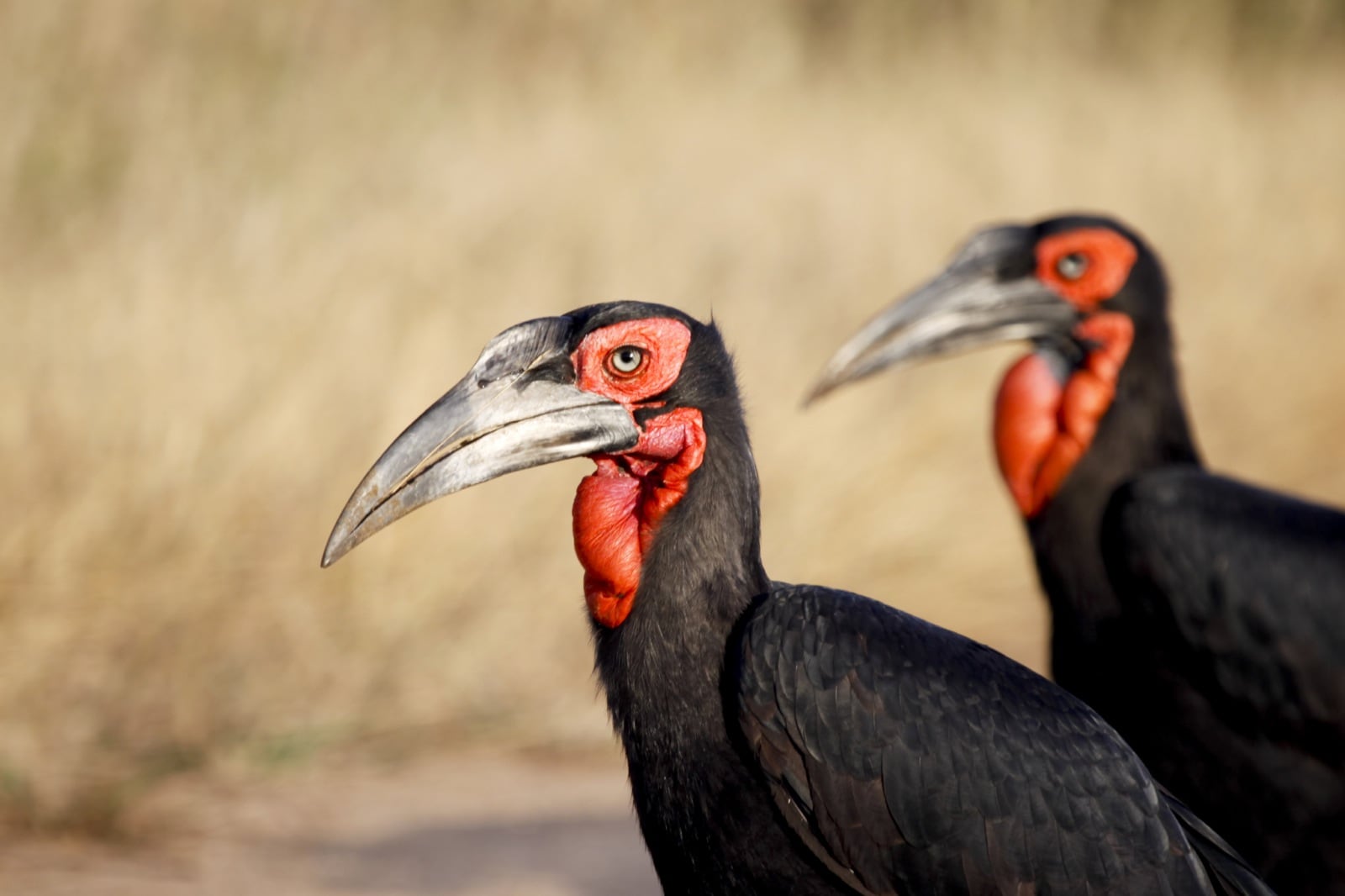
- Southern Ground Hornbill
- Silvery-cheeked Hornbill
- Hartlaub’s Turaco
- Verreaux’s Eagle-owl
- Brown-breasted Barbet
- Red-and-Yellow Barbet
- African Broadbill
- Ashy Starling (E)
- Grey-crested Helmet-shrike
- Black-headed Gonolek
- Rufous-tailed Weaver (E)
- Taveta Golden Weaver
- Tanzania Broad-ringed White-eye (E)
- Golden-winged Sunbird
- Huge numbers of wildebeest other large herbivores (antelope, zebras, elephants and more) and attendant carnivores (lions, leopards, hyenas, cheetahs)
Past Tour Checklists
Past Tour Checklists
View the list of birds and other wildlife we encountered on our past tours.
- Tanzania species list (Apr 19 - May 4, 2026)
- Tanzania species list (Apr 1 - 16, 2026) (pdf)
- Tanzania species list (Apr 15 - 30, 2025) (pdf)
- Tanzania species list (Mar 29 - Apr 13, 2025) (pdf)
- Tanzania species list (Nov 25 - Dec 10, 2024) (pdf)
- Tanzania species list (Apr 13 - 28, 2024) (pdf)
- Tanzania species list (Mar 27 - Apr 11, 2024) (pdf)
- Tanzania species list (Apr 15 - 29, 2023) (pdf)
- Tanzania species list (Mar 29 - Apr 12, 2023) (pdf)
Trip Reports & Inspiration
Trip Reports & Inspiration
Tanzania Trip Report (Apr 1 - 16, 2026)
Tanzania Trip Report (Mar 29 - Apr 13, 2025)
Tanzania Trip Report April 15 - 30, 2025
Tanzania Birding & Wildlife Safari Trip Report (Nov 2024)
Tanzania Birding & Wildlife Safari Trip Report (Mar 28 - Apr 11, 2024)
Tanzania Birding & Wildlife Safari Trip Report (Apr 13 - 28, 2024)
Tanzania Birding & Wildlife Safari Trip Report 2023
What to expect on an African safari
Why Visit Africa (… nowadays)?