Tanzania Trip Report (April 19 – May 4, 2026)
Looking back in my mind’s eye upon our Birding and Wildlife Safari from the cool and disconcerting quiet of the “Global North” Northern Tanzania really does offer the discerning traveller an utterly unique adventure. Nowhere else on Earth could we have witnessed what we saw during our two weeks in Tanzania in late April.
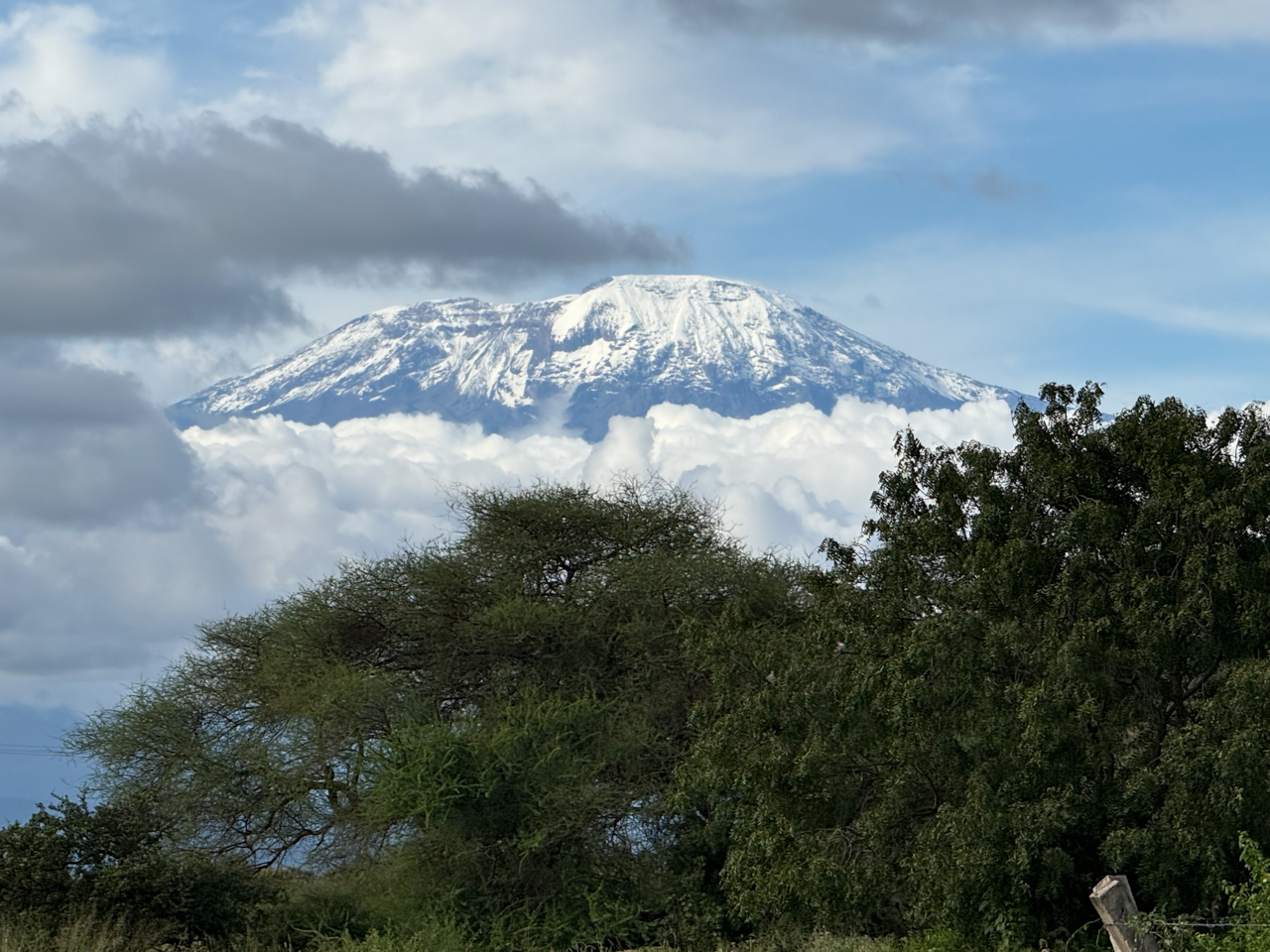
Kilimanjaro © James Wolstencroft
As is usual, we started at KIA Lodge beside the single runway of Kilimanjaro International Airport. Birds came thick and fast to our binoculars and cameras. Colourful birds, straight off, birds which we would subsequently see in a bewildering diversity of shapes and sizes from the tiny Collared Sunbird to the giant Kori Bustard.
However it is the mammals that really impress any visitor to Tanzania who is fortunate enough to participate in a proper safari to the fabled game parks of the northern circuit.
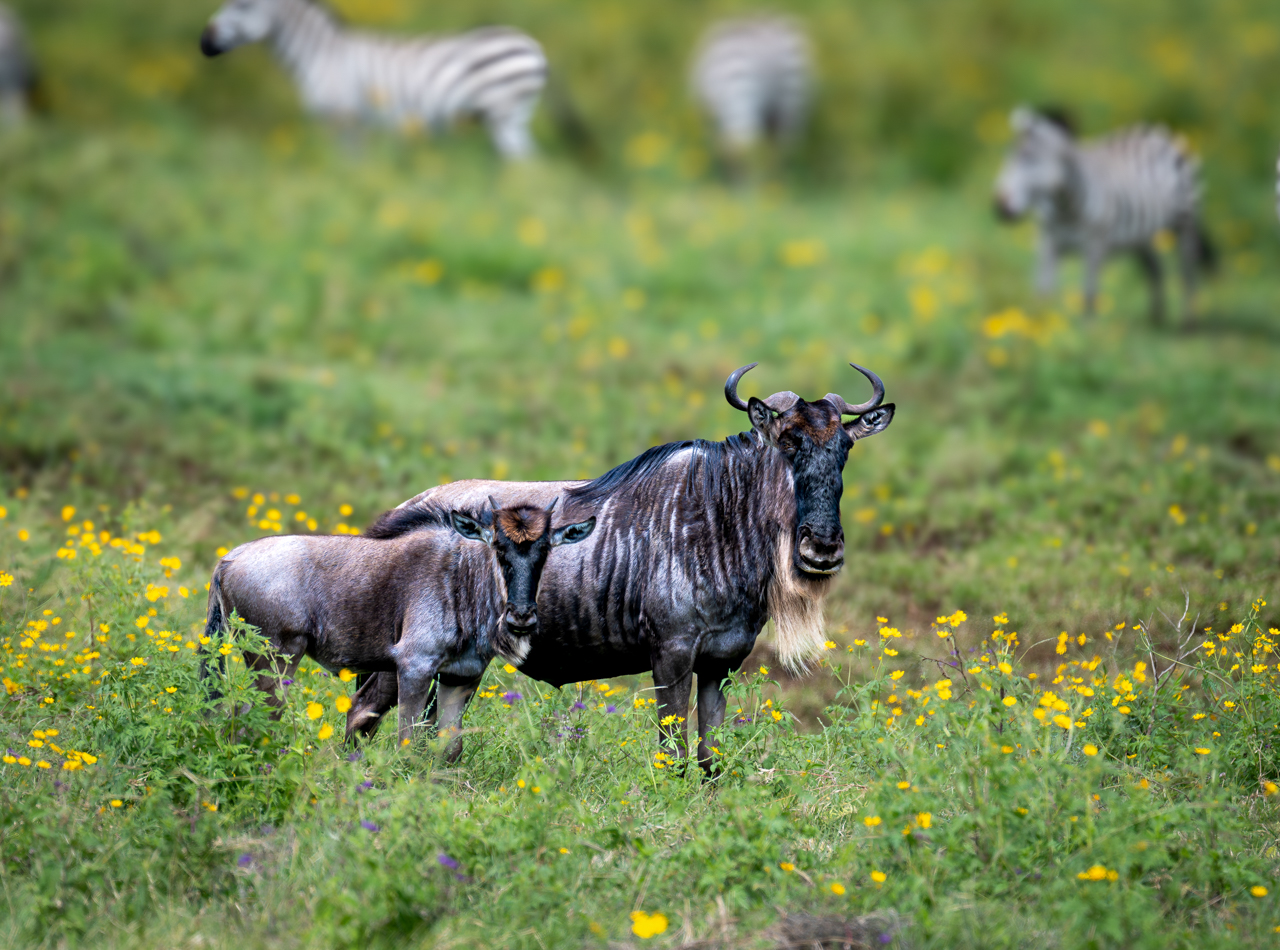
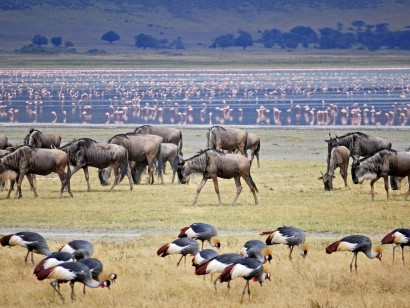
Wildebeest © Vincent Yeung
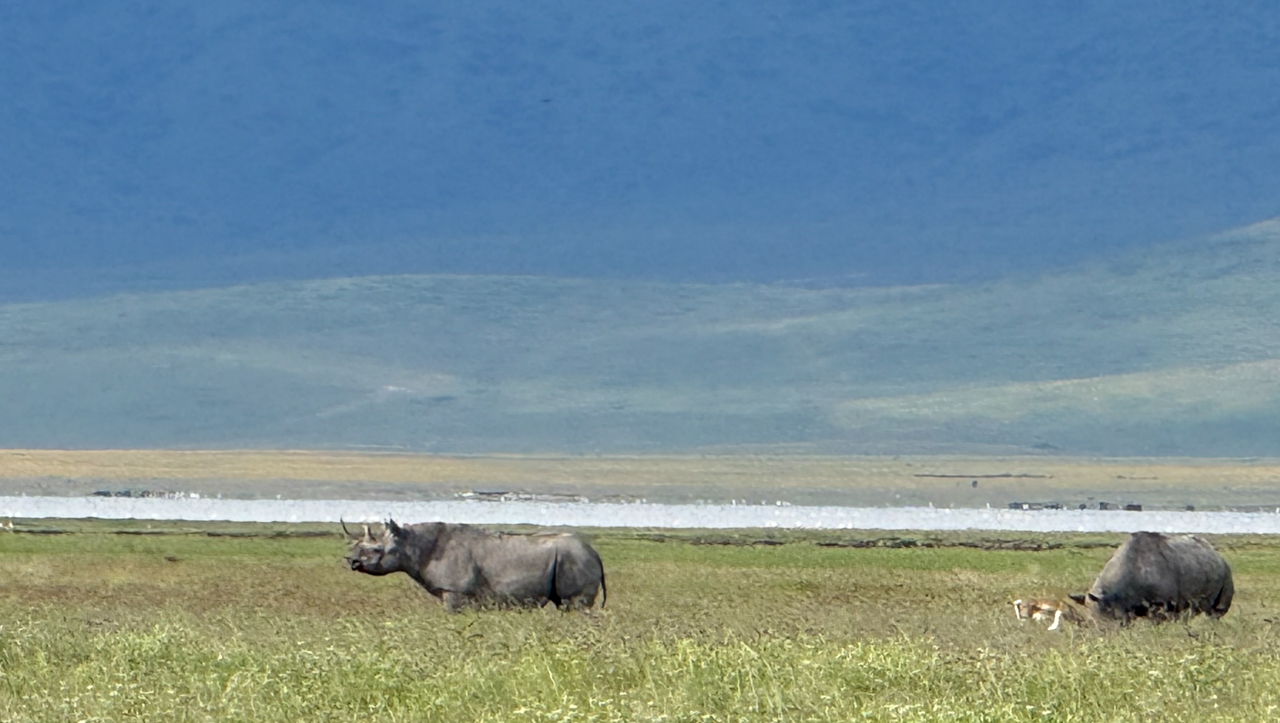
Black Rhinoceros © James Wolstencroft
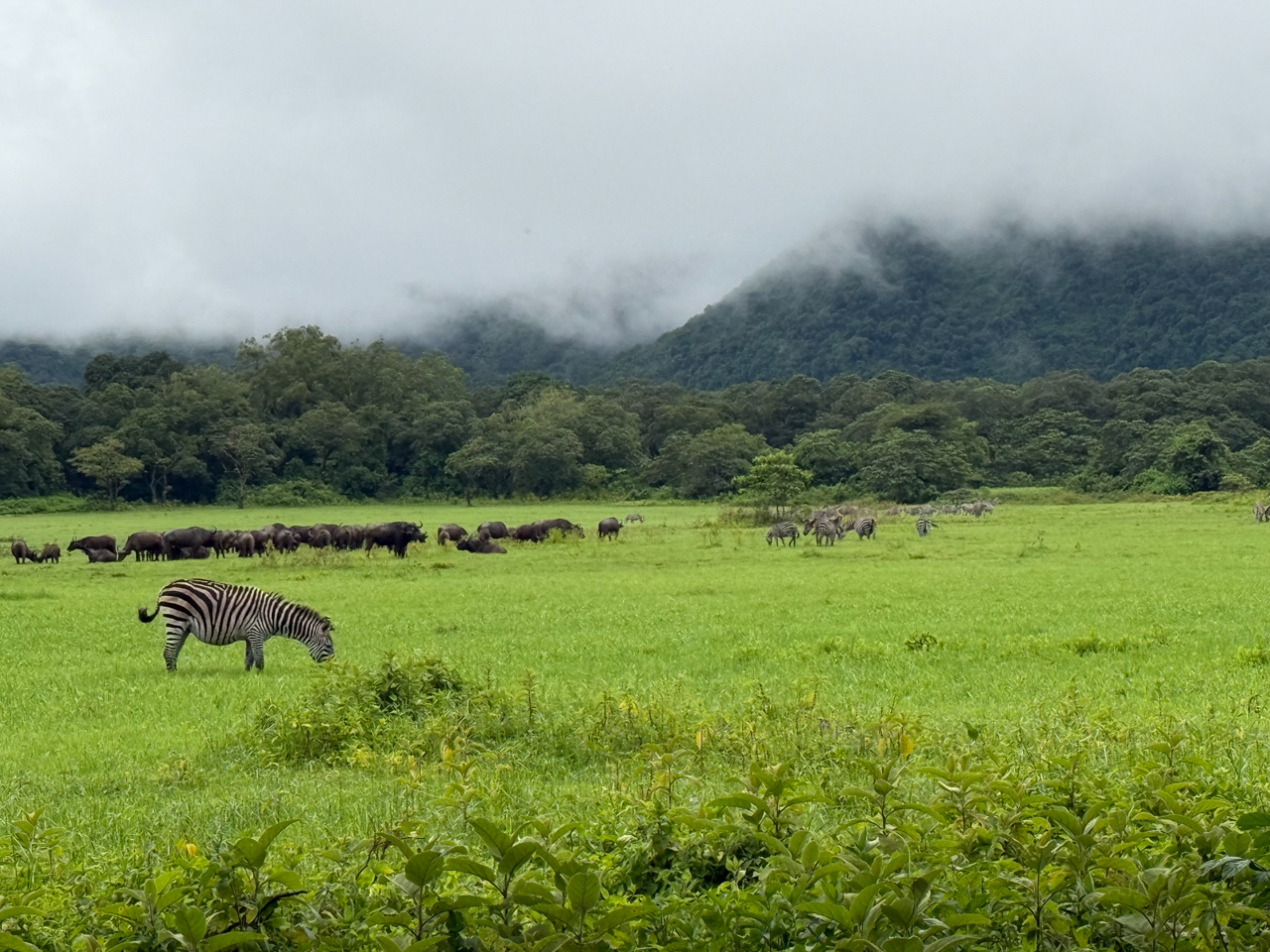
Cape Buffalo © James Wolstencroft
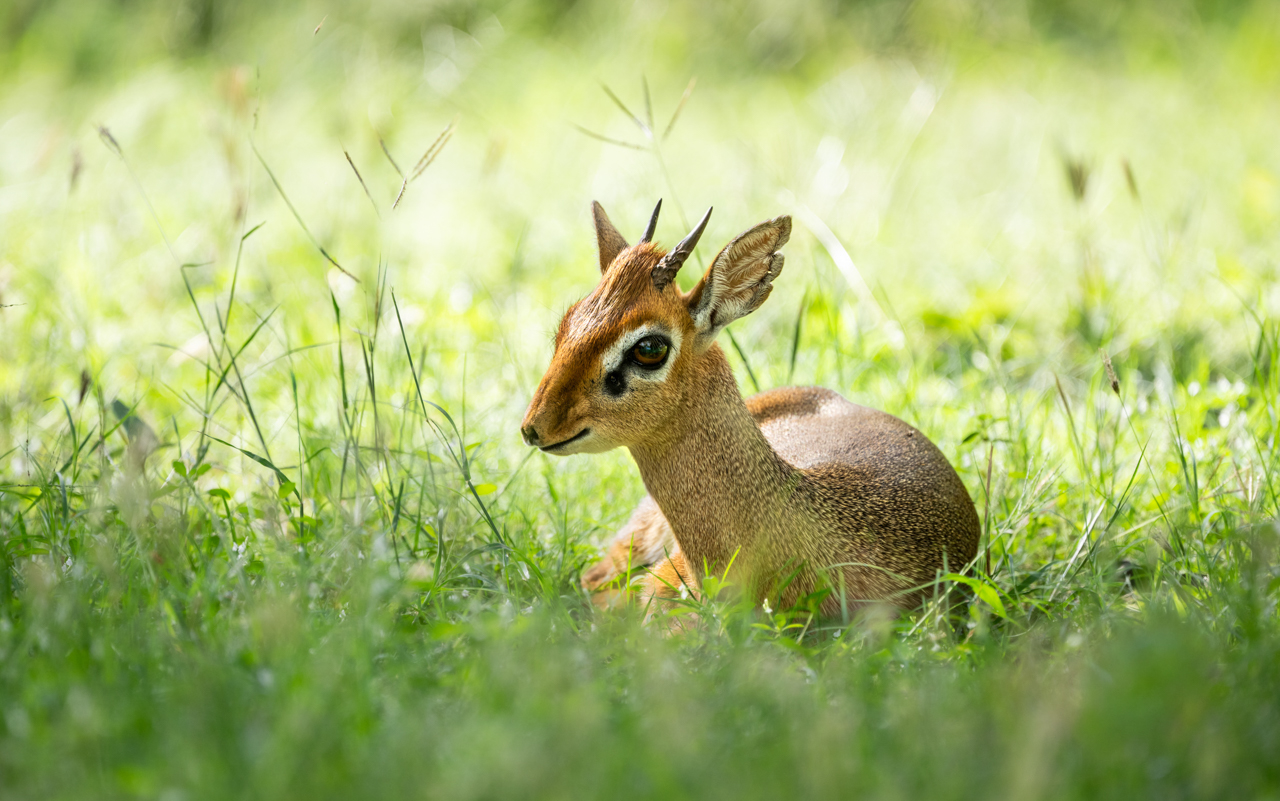
Dikdik © Vincent Yeung
As always, the day in the Ngorongoro Crater was the zenith, or hinge-point of our tour. In a single day trundling around in the warm on the crater floor, fully 600 m below the mist-draped rim, we clocked 134 species of bird in less than eight hours. For me as the guide Ngorongoro Crater is the measure of the safari as a whole. If the participants are awed by their individual experience here, then I am a “happy birder”, like in those days of old! And today I am pleased to report that, collectively, we have never been disappointed by this a quintessential “Big Day”.
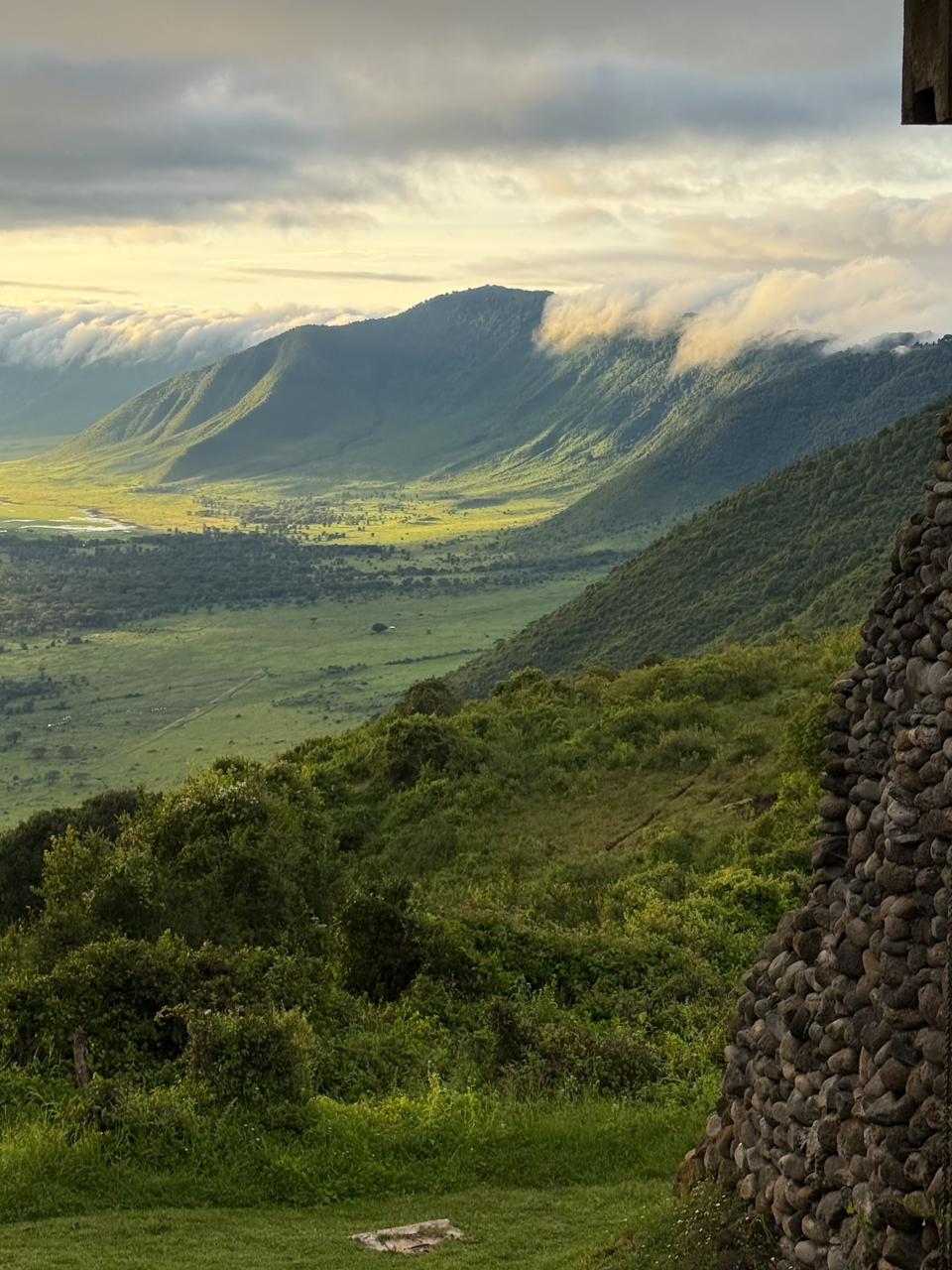
Ngorongoro Crater © James Wolstencroft
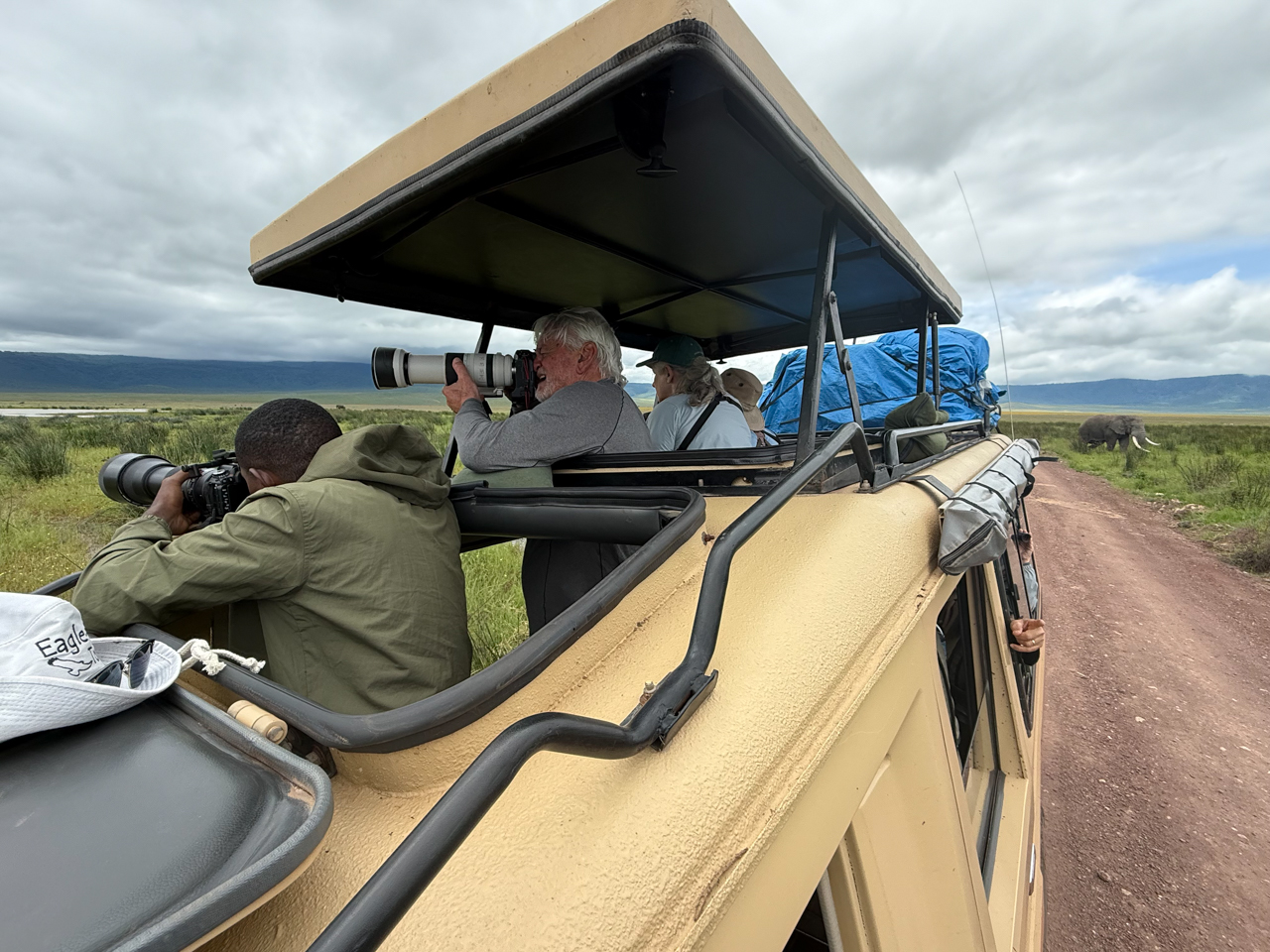
In the Crater © James Wolstencroft
More than anything I think the scenic diversity and unspoiled landscapes are what makes this safari unique. For sure the fingers of human progress are scratching sores here and there, especially along the roads, but in the main we are able to avoid these places. Consequently we may carry home a kaleidoscope of images, mental and digital, some of which will, without doubt, stay with us forever.
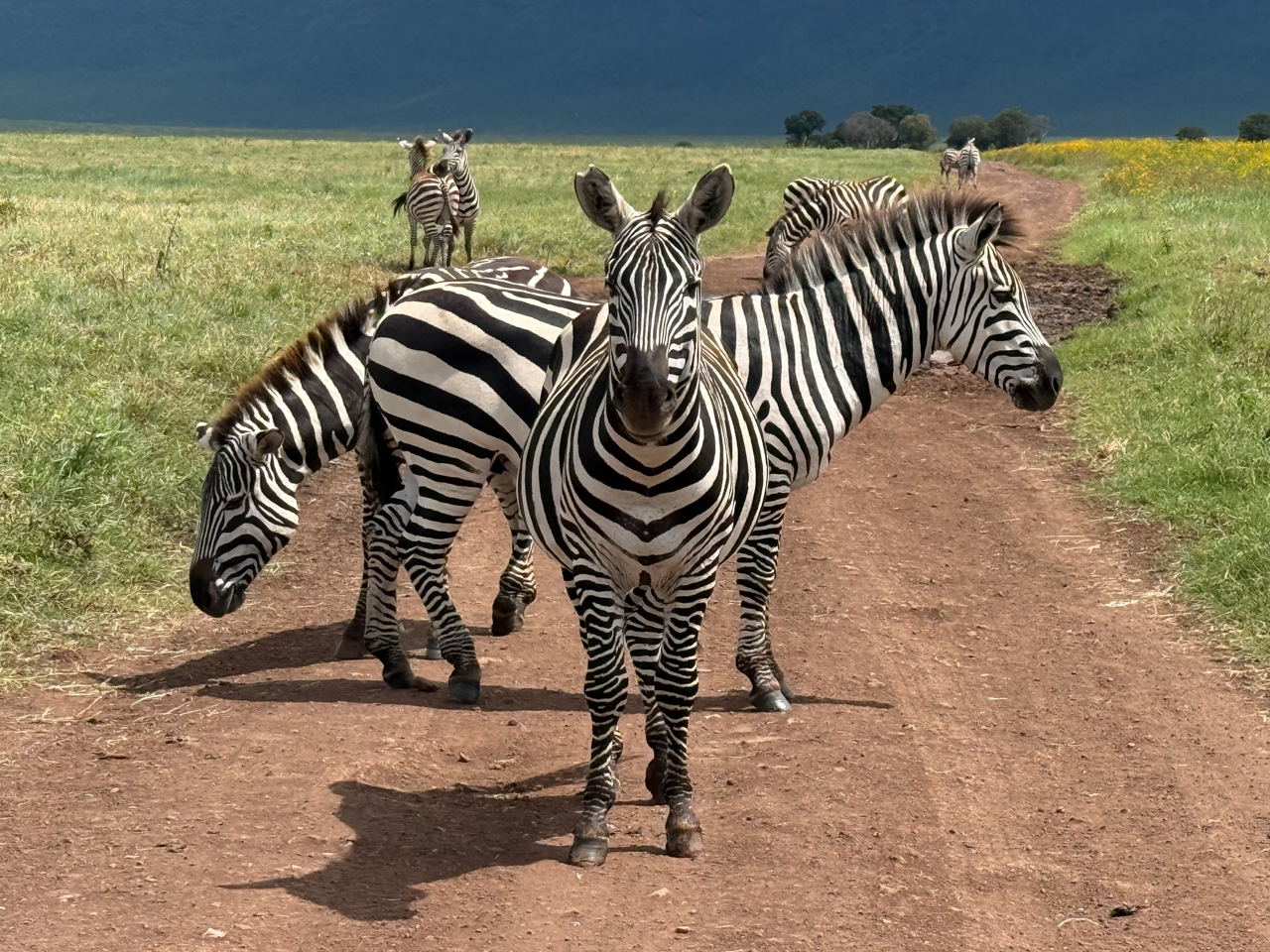
Plains Zebra © James Wolstencroft
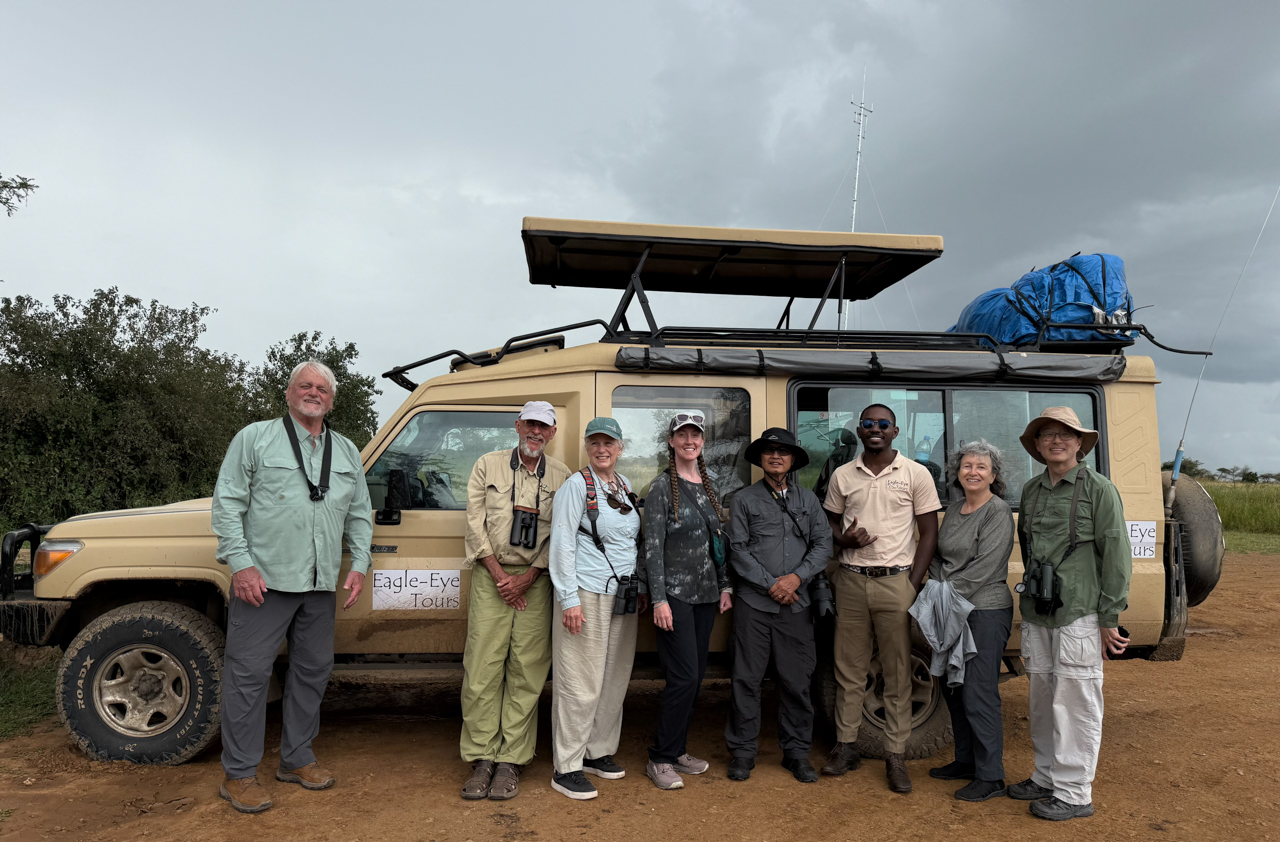
This tour is a scheduled late departure in the “Green Season”. Formerly known as the “Long Rains”. Rains which have become increasingly unpredictable over the last thirty years. These rains conspired to hamper our activities on one morning only. That was at Ndutu. As a consequence Masoud and I were unable to deliver “the almost promised Cheetah” the Prince of the short grass plains! However, it is worth noting in this regard that our youngest Eagle-Eye participant subsequently proved that staying alert, standing up in the very back of the truck, can sometimes pay a handsome dividend!
Cheetah was the only significant mammal we missed. Although of birds there were a few. Nevertheless, we racked-up a very impressive list of almost 380 species, with the keenest of our clients seeing about 360 of those.
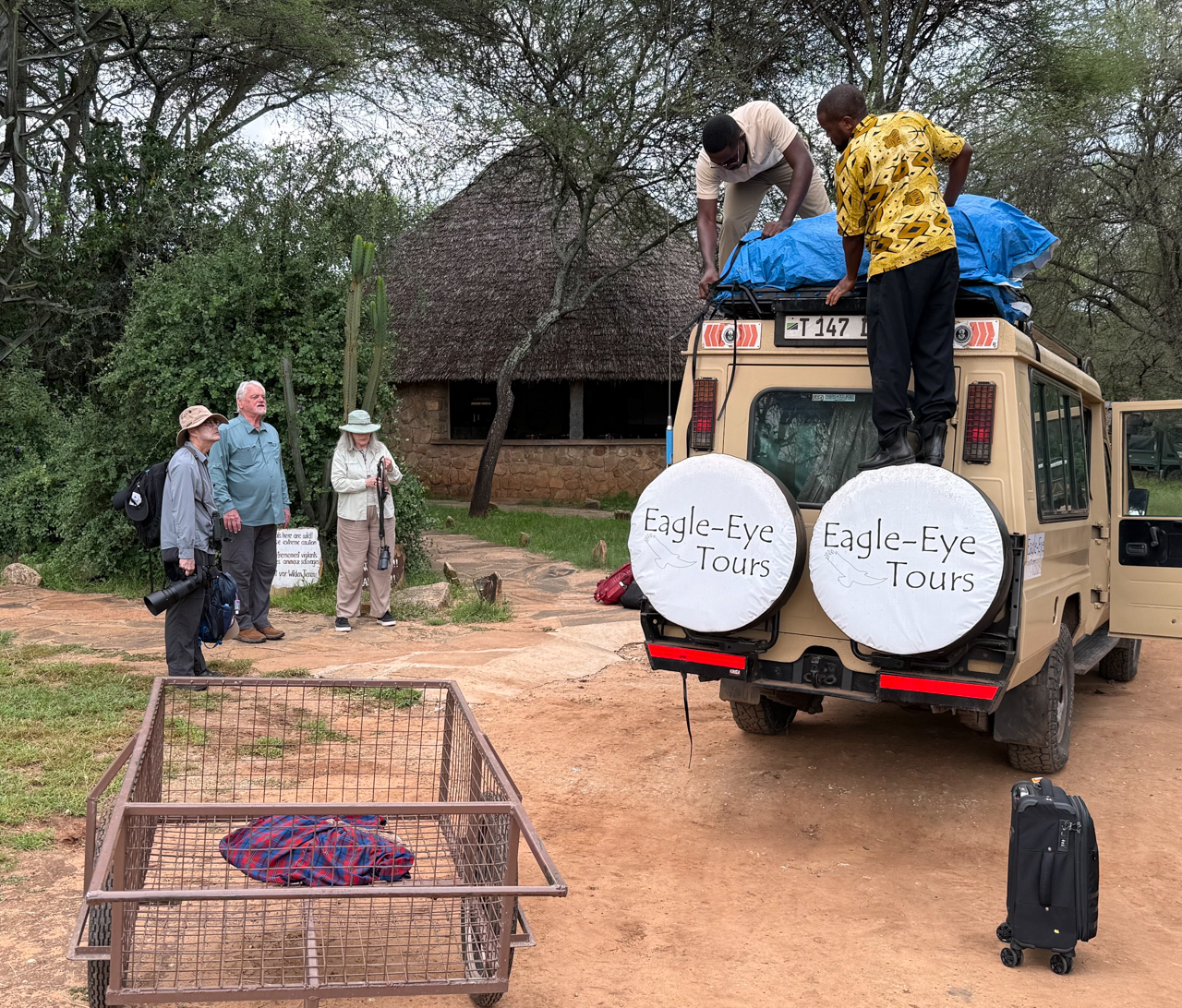
At the lodge © James Wolstencroft
Moreover, we enjoyed multiple “Long Rains” compensations for a slightly smaller list : the butterflies and dragonflies, the amphibians and reptiles, these groups in particular provided some special “Green Season” wonder. Experiences, some of which I have never had before. Please recall I lived in Tanzania for twelve years from 2005 to 2017.
Among the mammals, particularly rewarding for me were the Spotted Hyenas who foraged around our luxury camp in the centre of the vast Serengeti and who could actually be heard laughing in the early morning.
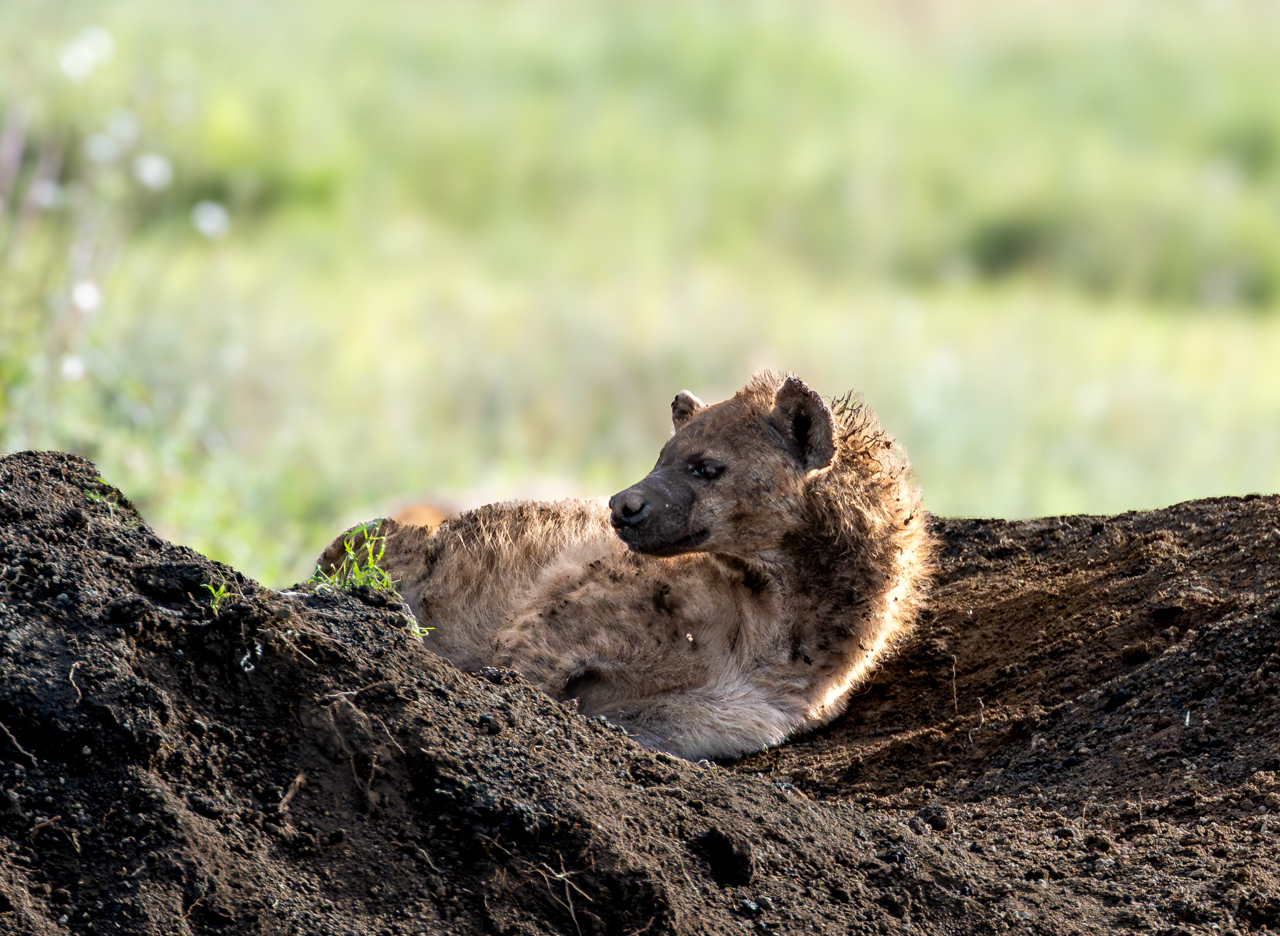
Spotted Hyena © Vincent Yeung
The glorious Elephants are always a stand out, of course. Also the intimate views we obtained of four species of higher primate, here pride of place must go to the exceptionally beautiful pied Colobus Monkeys.
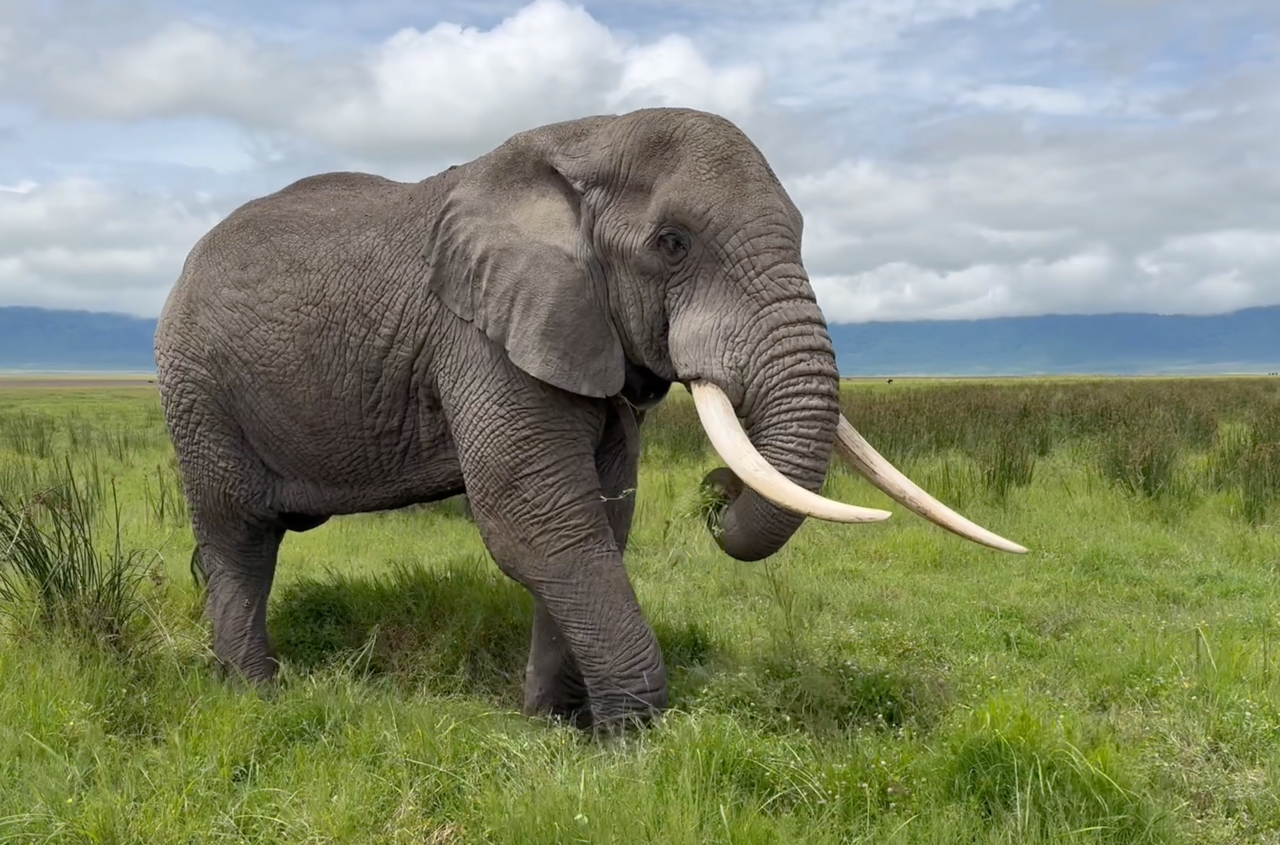
Elephant © James Wolstencroft
For a variety of reasons one is dissuaded from driving at night in Tanzania’s national parks. So we were fortunate indeed to spy a secretive Serval (cat) one evening from our truck, in the gathering gloom, outside our camp in the Serengeti.
We had lovely close views of the two easy-to-see Canids: the African Golden Wolf and the delightful Black-backed Jackal. More especially around Lake Ndutu on the edge of the Serengeti short grass plains.
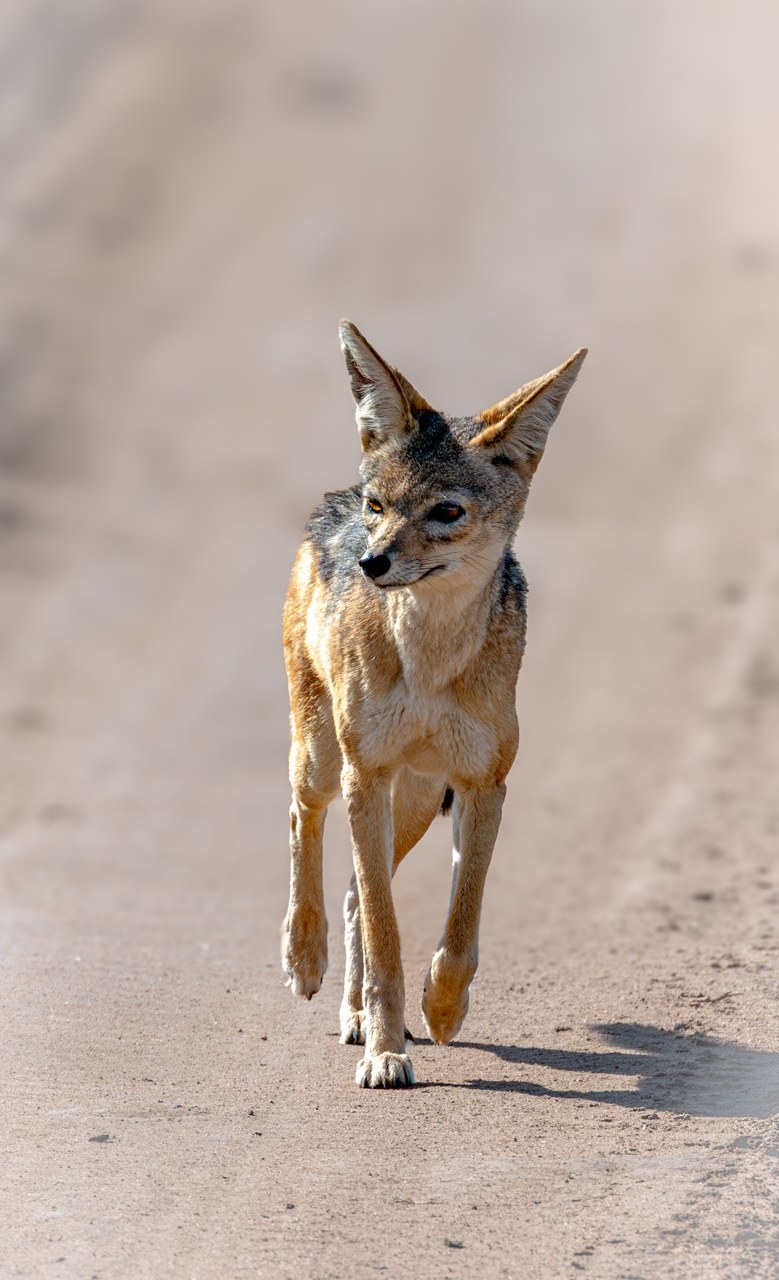
Black-backed Jackal © Vincent Yeung
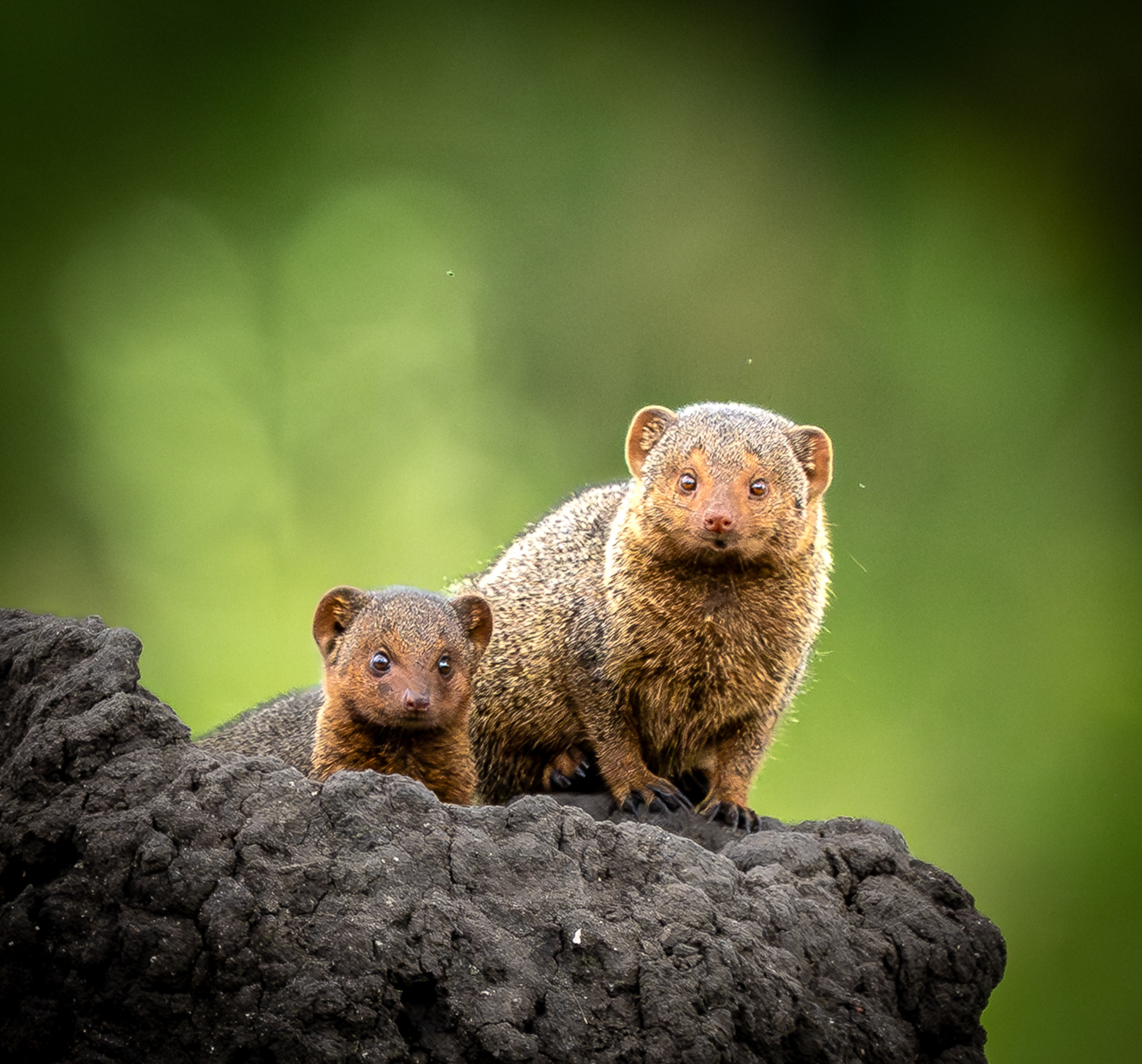
Dwarf Mongoose © Vincent Yeung
We saw both the open country hyraxes and really well. Strangely one can see both the diurnal species of Hyrax on the same rocks near Seronera. Despite careful scrutiny, and being able to separate the one from the other, it remains hard to accommodate the fact that these guinea pig-style animals are the nearest living relatives of the mighty Savanna and Forest Elephant.
However, Top Spot among the mammal observations on this safari goes, as it so often does, to the fantastic Leopard. We saw five animals in total and on each occasion it was breathtaking. Watching the male of a pair who has been courting, pausing for a drink at an overnight puddle, early one morning on a bend in the road above Ngorongoro Crater will remain with us all forever. An absolutely breathtaking encounter. And with such a graceful and secretive being. Unimprovable! Once in a lifetime!
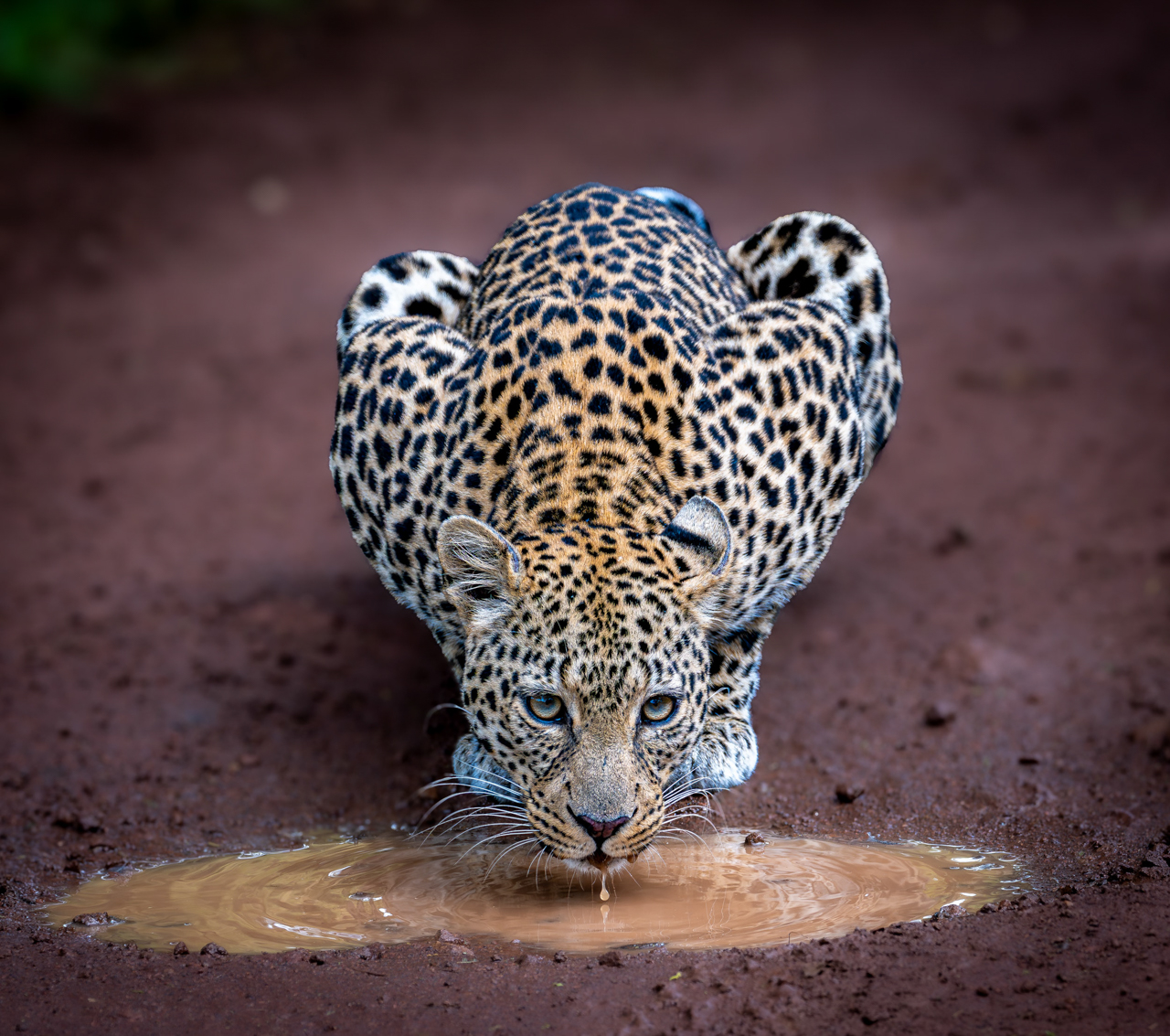
Leopard © Vincent Yeung
So the forty something species of “furry ones” performed their magic, as somehow they always do on our safaris. What of the feathered beings of the air?Perhaps the most persuasive reason for undertaking an April visit to Tanzania‘s northern reserves is that most of the passerine birds, more especially the great pantheon of seed eaters, are in nuptial plumage. None of us will forget the colours of the waxbills or the antics of the amazing male whydahs of four species; each one very different and each sporting a tail that was simply outrageous. More conspicuous no doubt are the males of the many weaver species. Garrulous birds who appear in complex patterns of yellow and black, patterns that it takes two weeks to learn! Not only are they very brightly dressed but they are also very ostentatious and perform their breeding acrobatics in colonies that are frequently adjacent to human habitation.
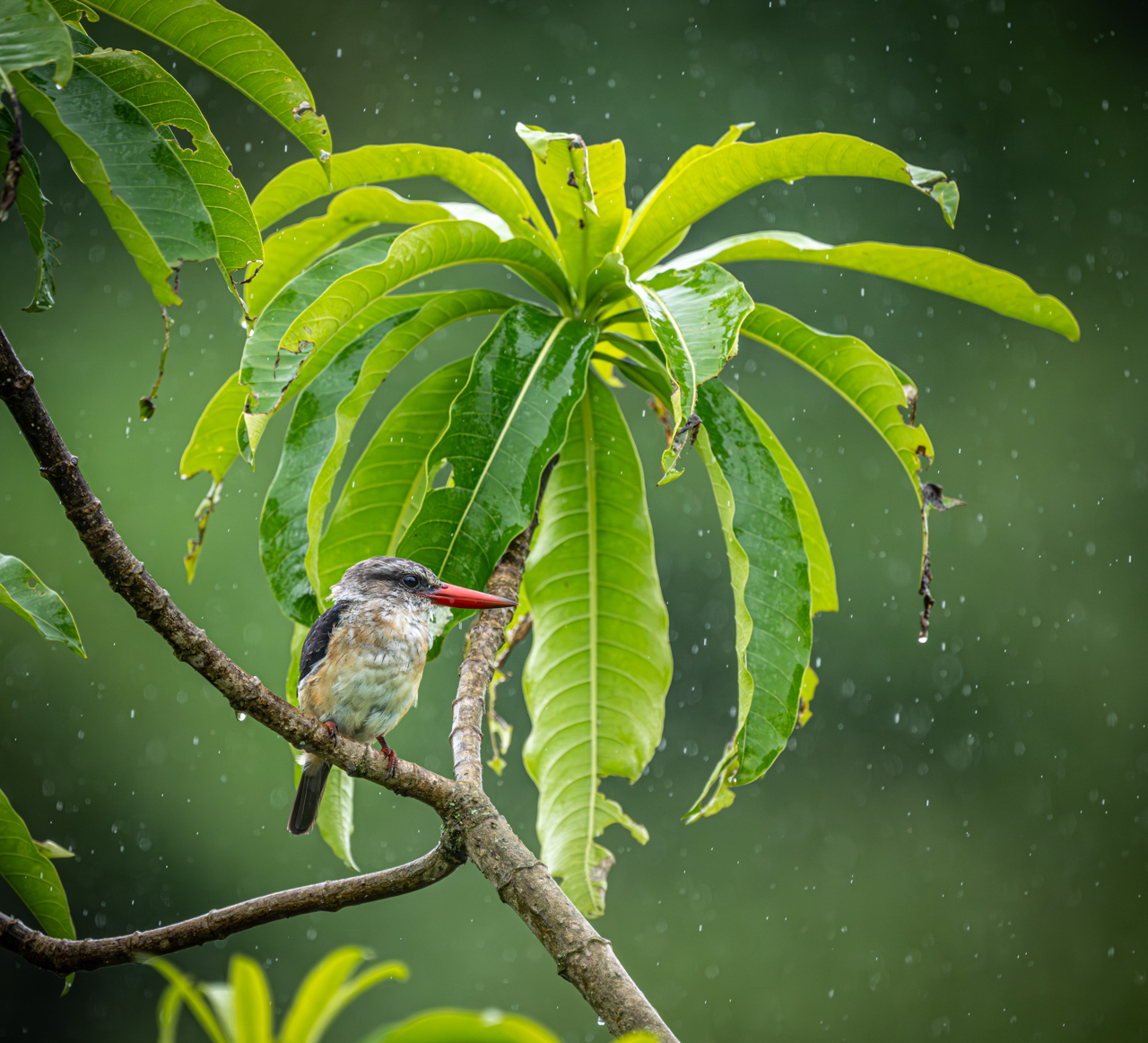
Brown-hooded Kingfisher © Vincent Yeung
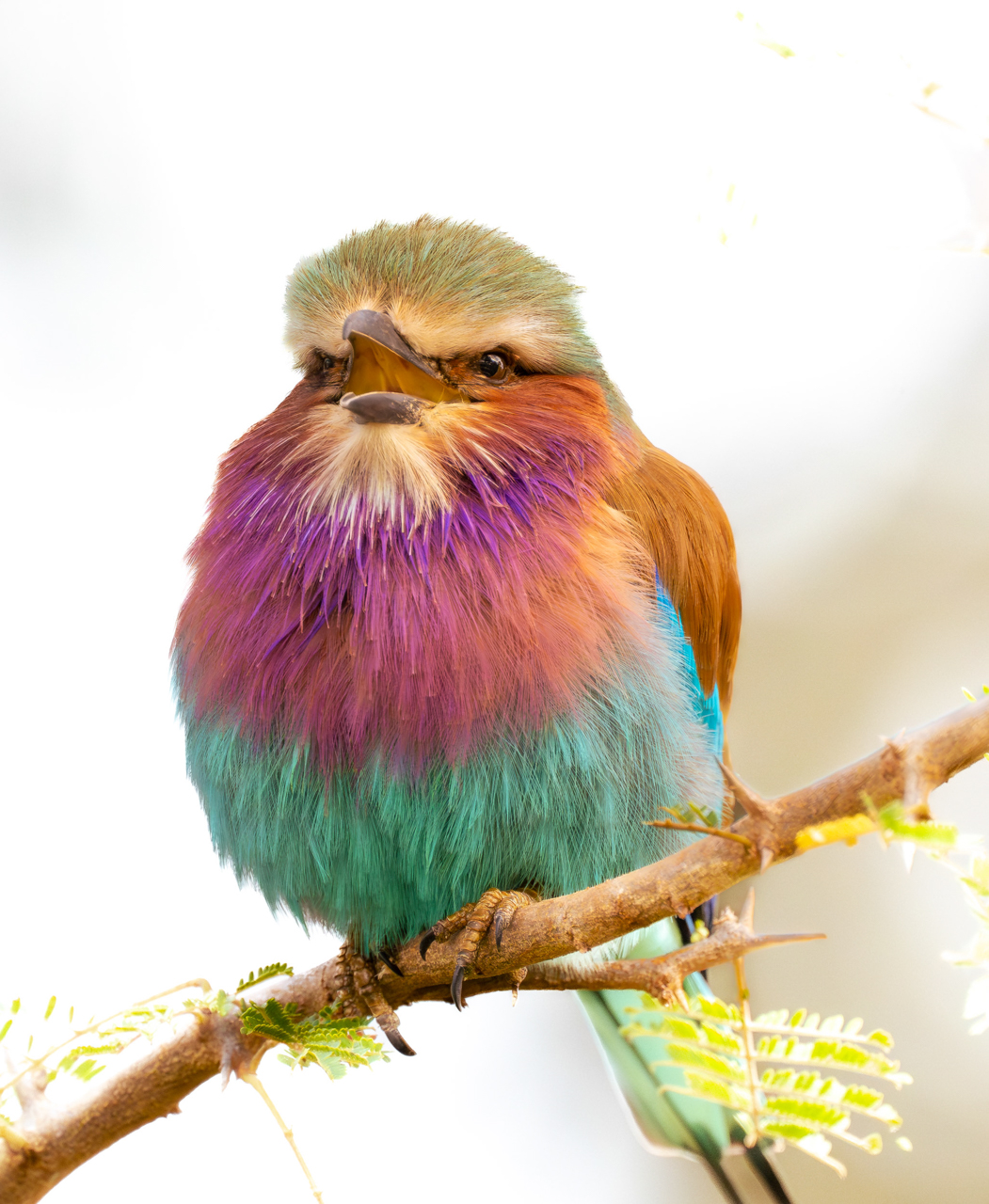
Lilac-breasted Roller © Vincent Yeung
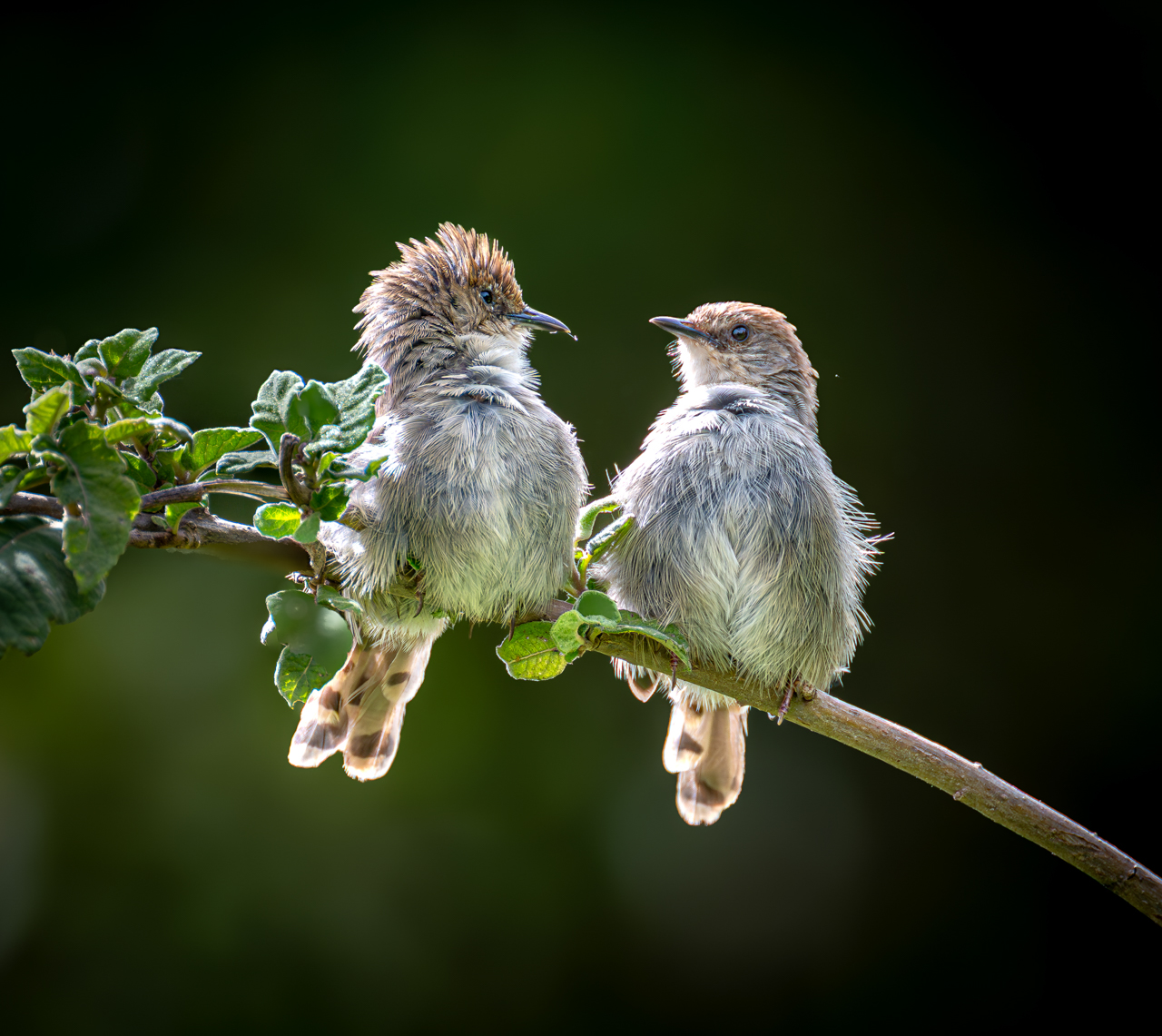
Hunter’s Cisticola © Vincent Yeung
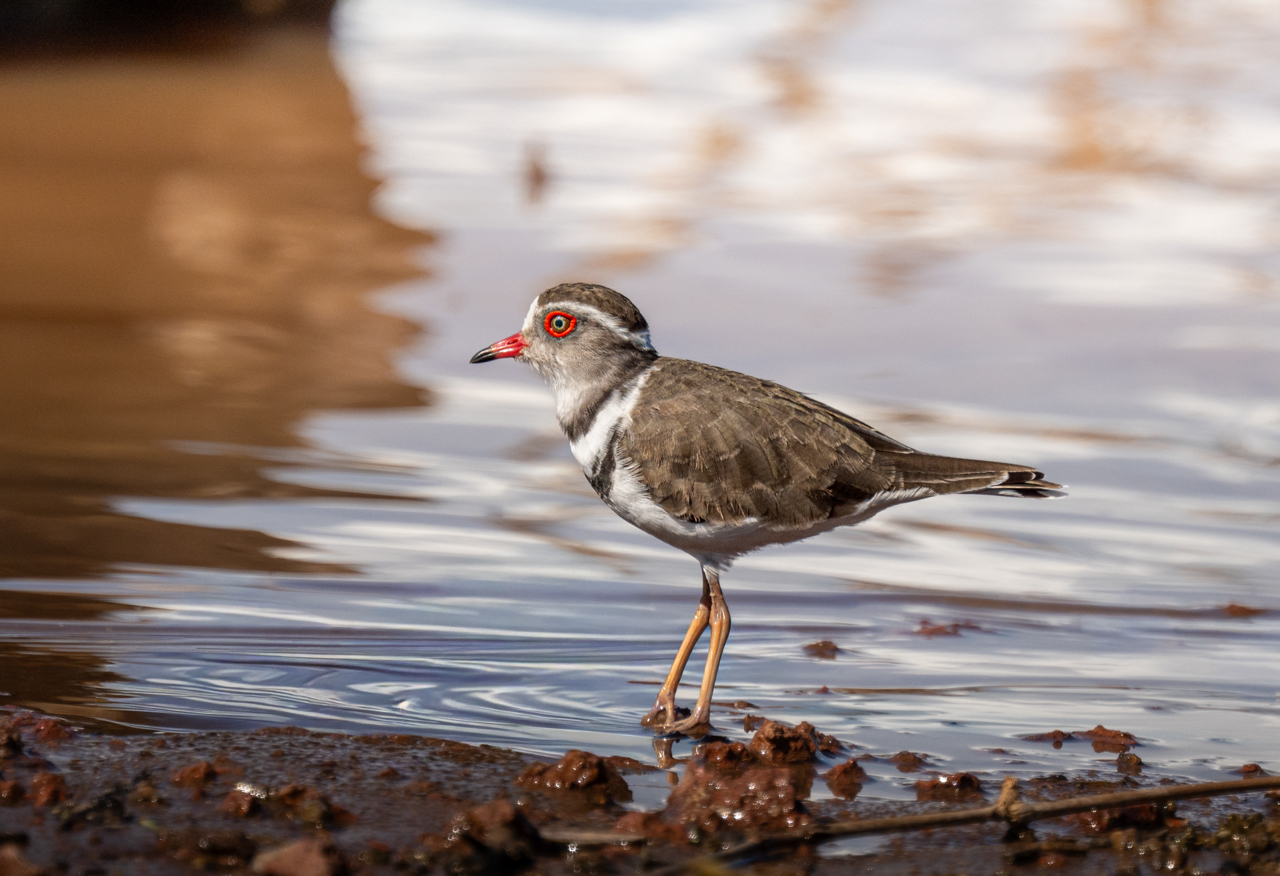
Three-banded Plover © Vincent Yeung
The weavers of Tanzania come together with many of Africa’s fantastic selection of starlings. Amazing birds who superficially resemble the many grackles of the New World. The starlings and the sunbirds are the most scintillating of all in Africa. The most brilliant of all the amazing birds which appear, at times, to be lining-up along the road side as if for our delectation. We “did well” for sunbirds with a total of 11 species being seen by the group.
Mention must also be made of the bishops. Who could fail to gasp when a male Black Bishop pops-up in ‘pom-pom’ display and only a few feet away? “Tangerine Bishop” might be a more descriptive term for this particularly fine species.
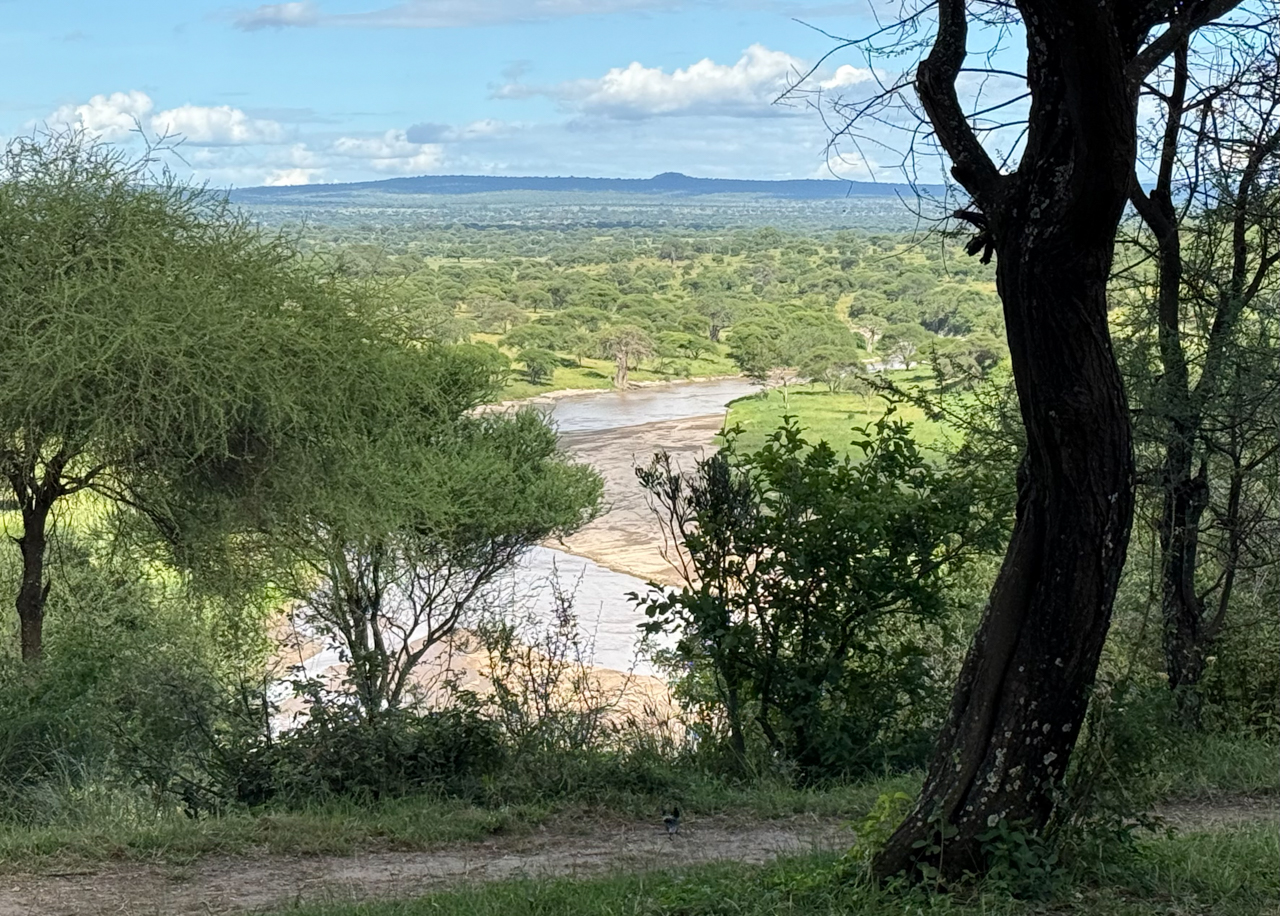
Tarangire Safari Lodge © James Wolstencroft
The swallow tribe too appears to have evolved in Africa and we were clearly confused at times by the variety of swallows which one can see in a single day. We did well, with again, at least 10 species seen.
One of my favourite families is the Laniidae, the Shrikes. In April more than ten species are possible, and we saw eight species of true strike very well, including the crisply-marked Taita Fiscal and the utterly delightful Magpie Shrike.
On our walk in the cloud forests of Endoro, on the moist eastern slopes of the Crater Highlands, we connected with a couple of tropical bird waves. It was great fun, albeit somewhat frustrating, as each participant saw a slightly different selection of birds. It is simply a case of being in one spot on the trail at the right time. Yet sometimes it seems to me that there is a serendipity to “Birding” that defies a rational or binary explanation.
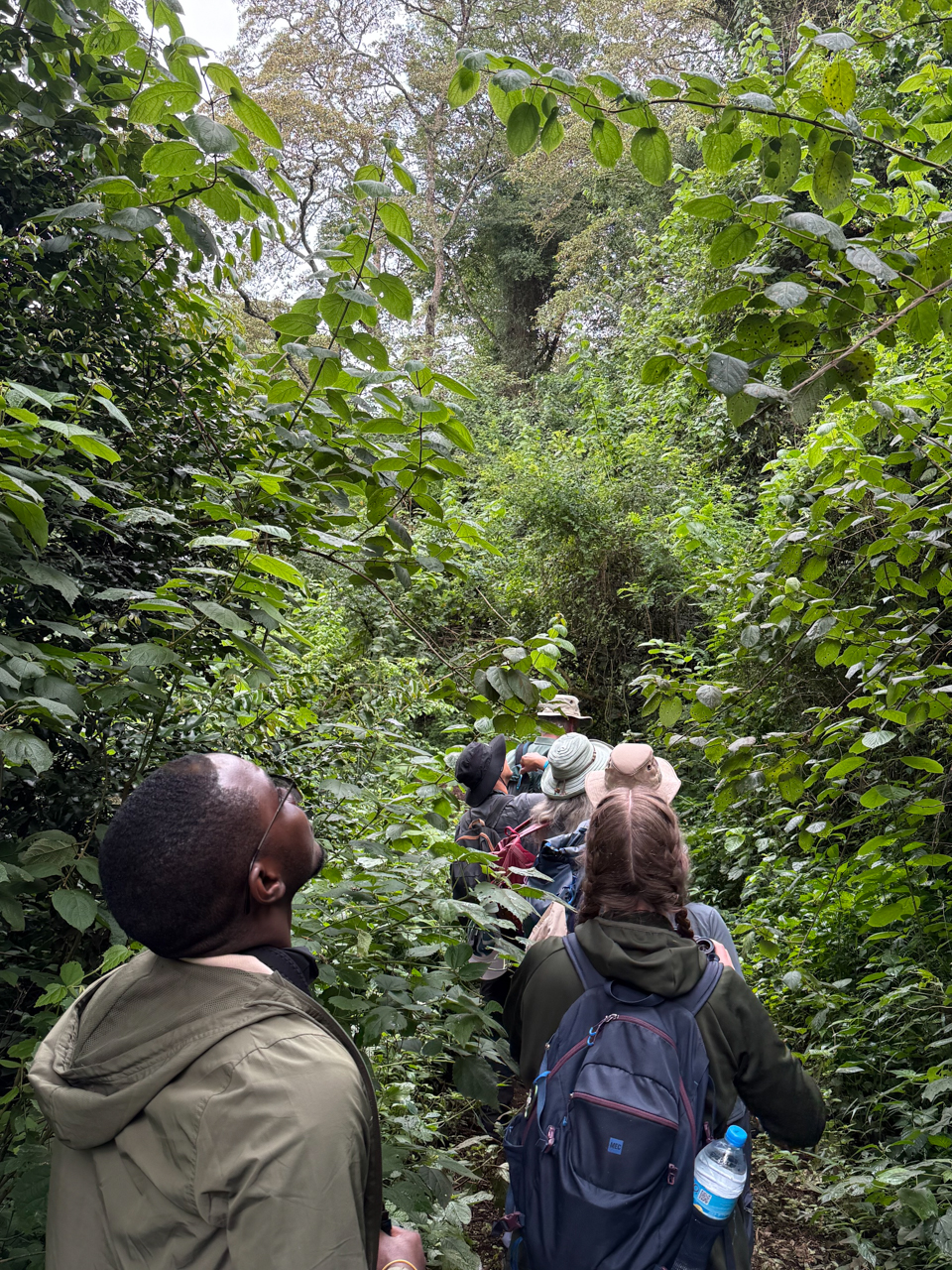
Endoro Forest © James Wolstencroft
I haven’t even mentioned the larger birds here. Well, where to start? Perhaps the pair of Secretary-birds at their nest, on top of a low acacia, beside a public road through the Grumeti Conservancy.
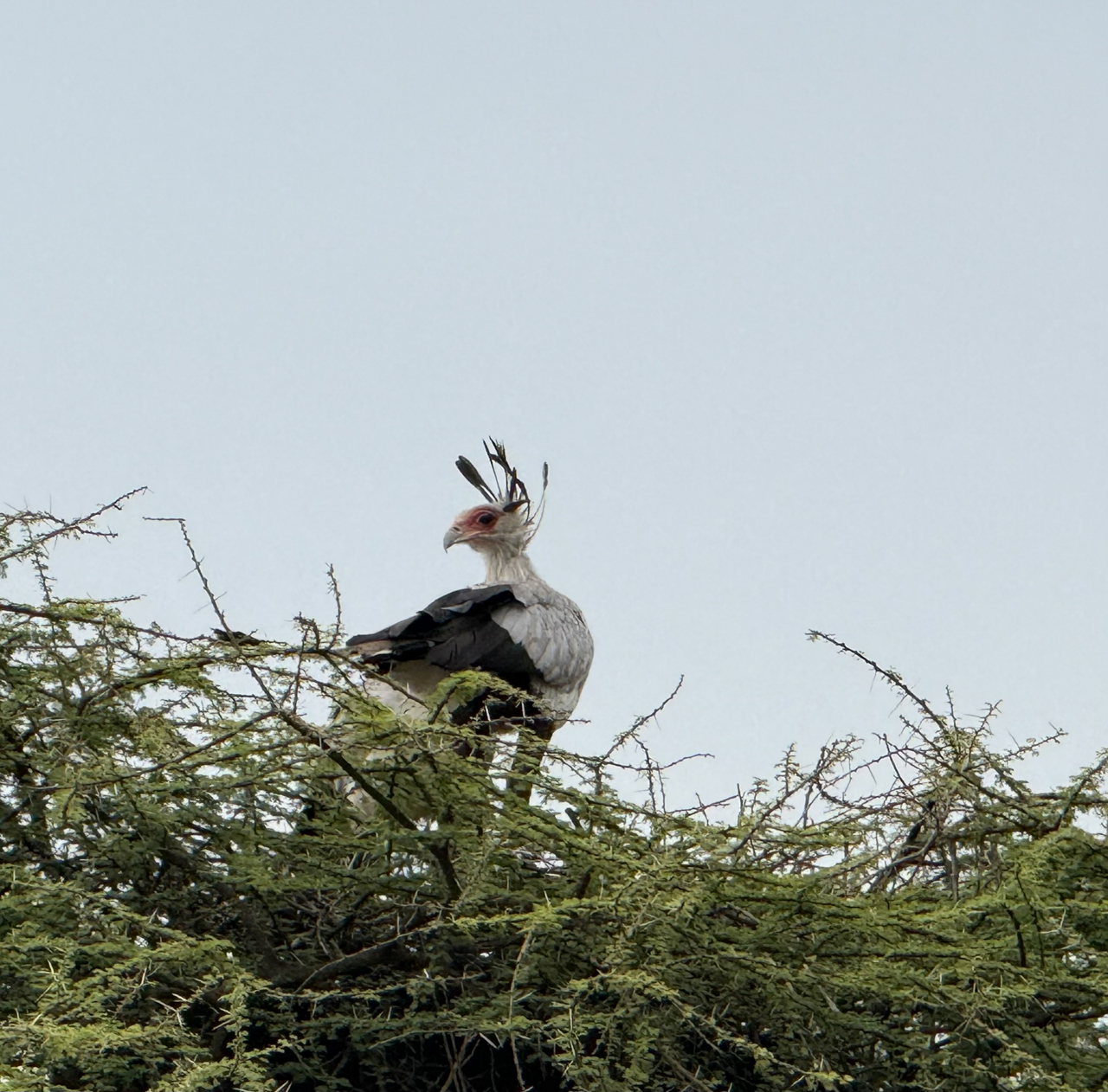
Secretary-bird © James Wolstencroft
But what of the huge variety of eagles and of goshawks? All those vultures, and Marabous at those lion kills? We saw eighteen lions in total.
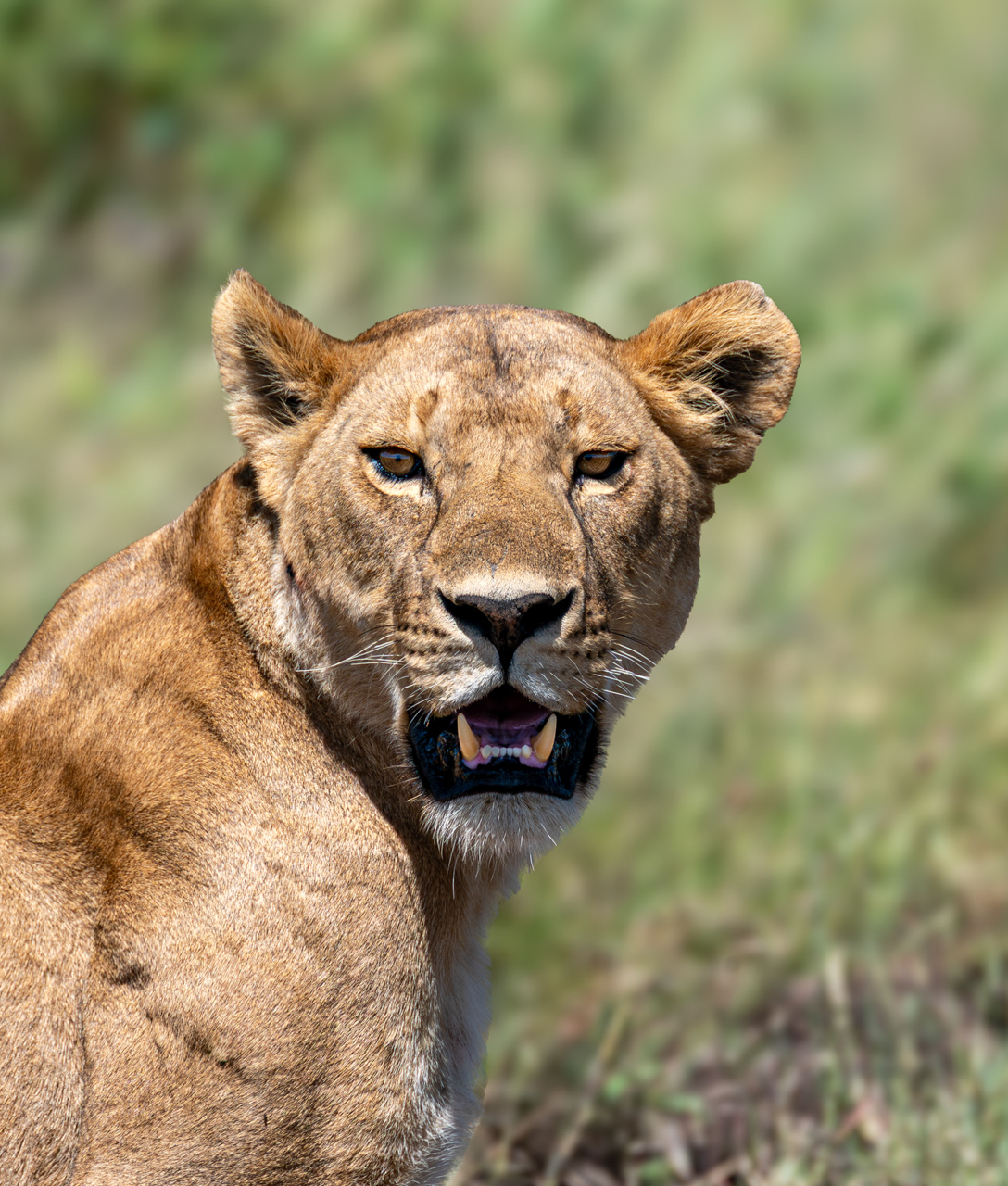
Lion © Vincent Yeung
The hornbills (seven species seen), the amazing ‘Common’ Hoopoe and the various wood-hoopoes and scimitar-bills, the four species of owl : from tiny African Scops to the giant Verreaux’s and all of them snoozing, or trying to, at their diurnal roosts?
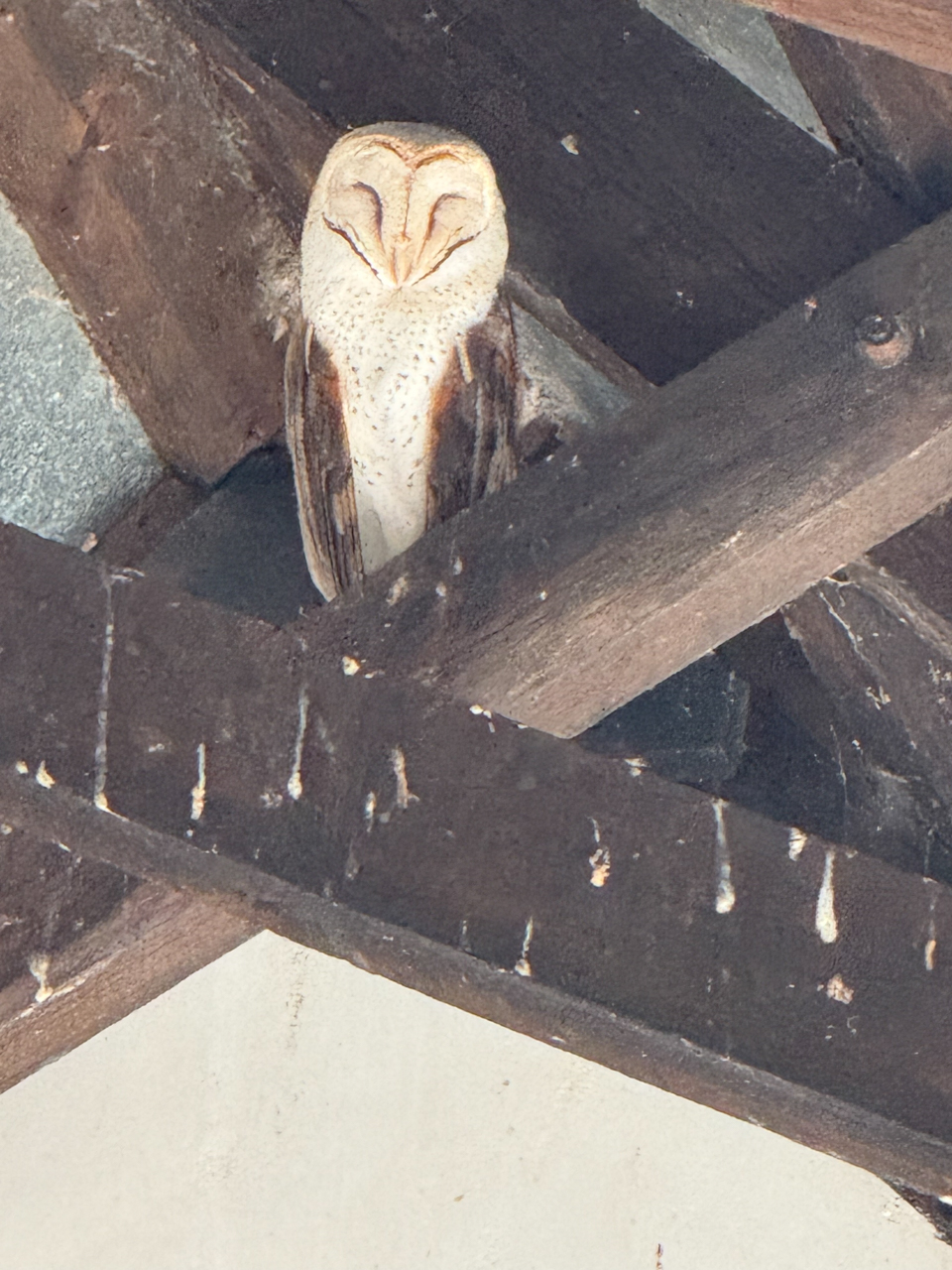
Barn Owl © James Wolstencroft
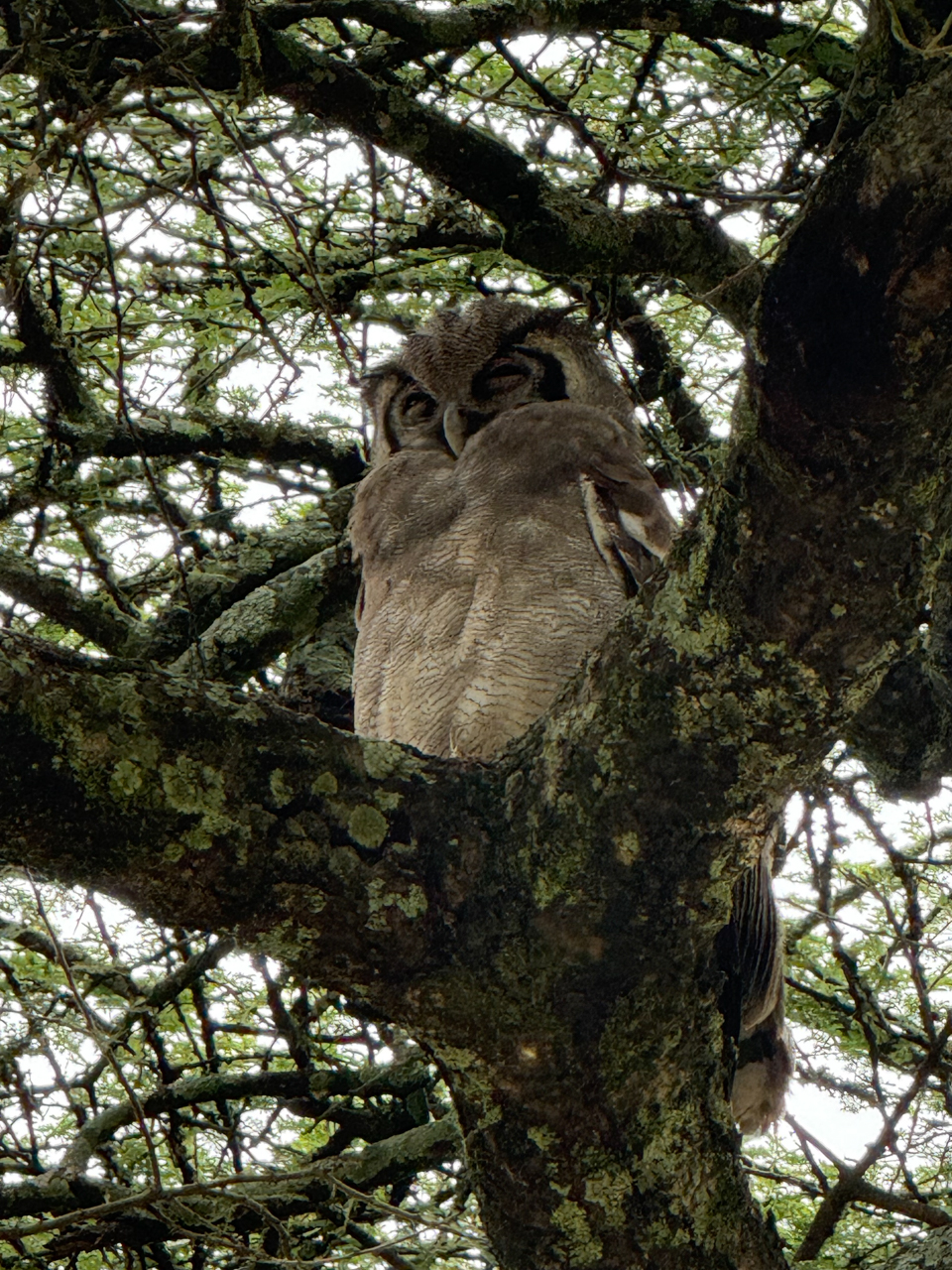
Verreaux’s Eagle-Owl © James Wolstencroft
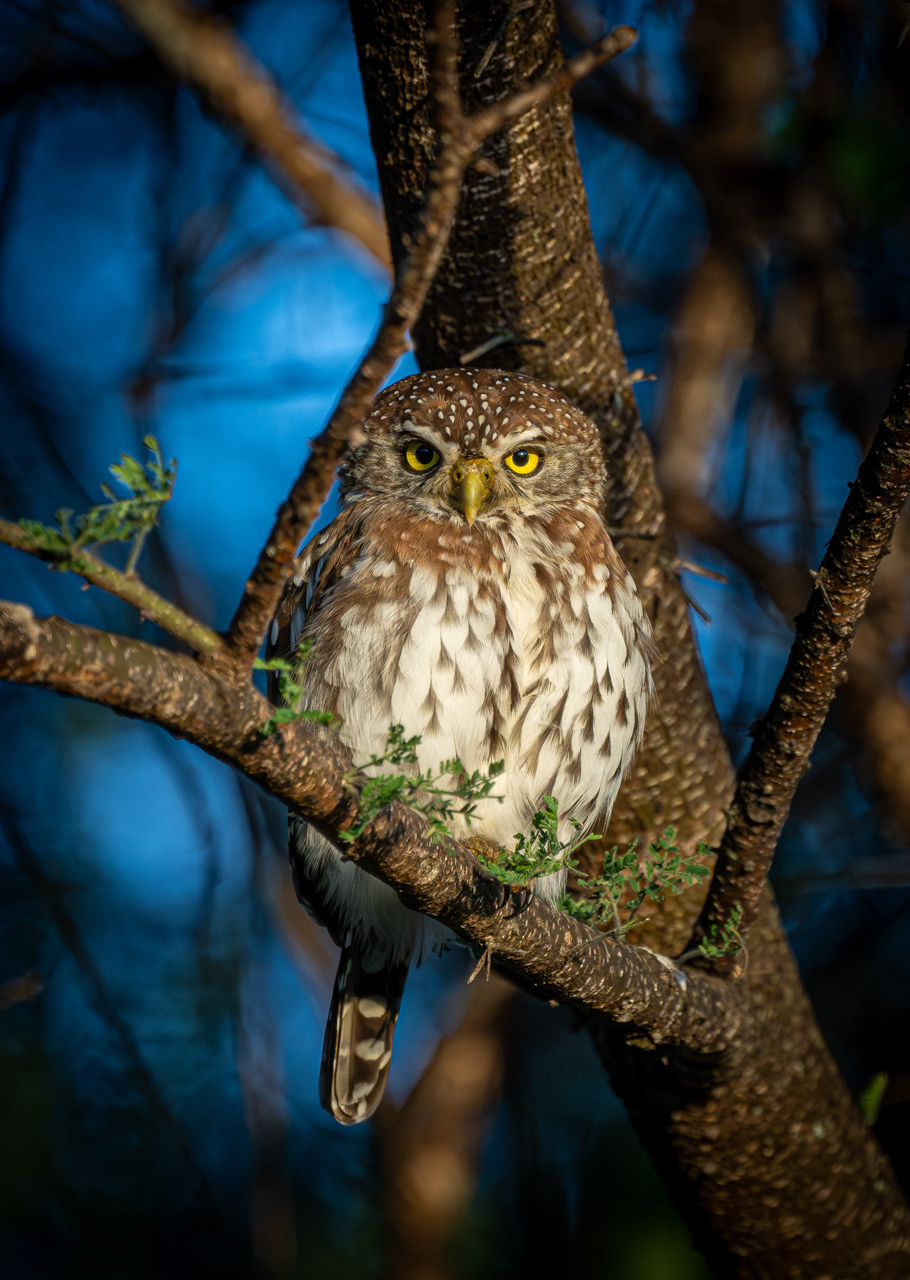
Pearl-spotted Owlet © Vincent Yeung
The pair of Narina Trogons at their nest hole which we found in Arusha. The tiny Brown-backed Honeybird above the splendid accommodation at “The Retreat”. Too many birds to mention in this little essay here, besides which everyone has their own particular favourites. Their cherished memories!
Personally, I hope my memory of a displaying Hartlaub’s Bustard, only feet away from us all beside the LandCruiser, in the beautiful flower-filled grasslands of Tarangire NP will remain with me forever.
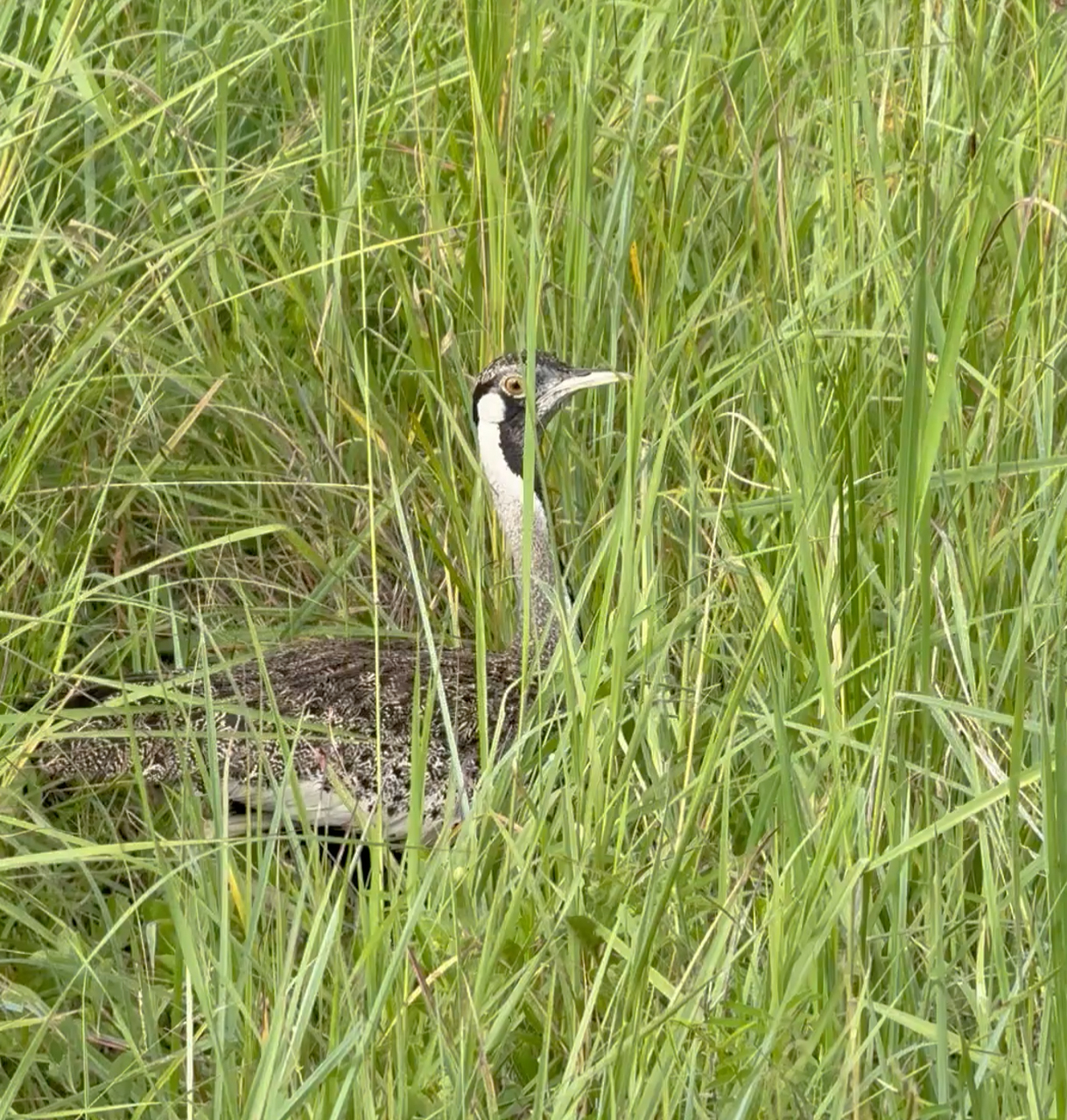
Hartlaub’s Bustard © James Wolstencroft
Yes, looking back from our normal lives a Birding and Wildlife Safari in Tanzania can certainly seem like a wonderful dream. A dream one hopes somehow will come again and soon.
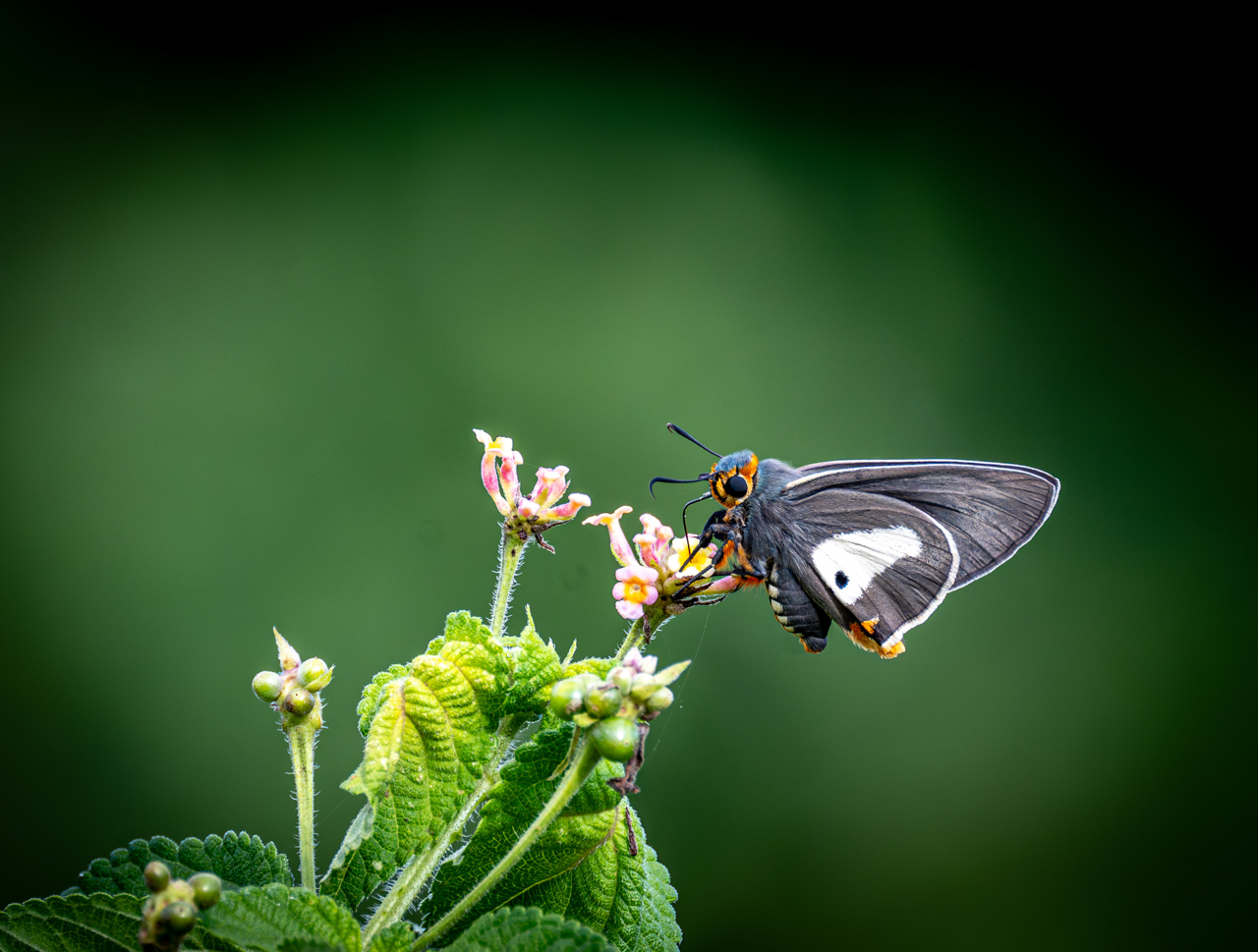
One-pip Policeman (Hesperiidae) © Vincent Yeung