Out of the Northwest Passage Cruise
- Upcoming Departures:
- Sep 10 - 26, 2027
- Sep 2 - 18, 2028
Highlights
Highlights
- Travel east through the Northwest Passage from the Canadian Arctic to Greenland.
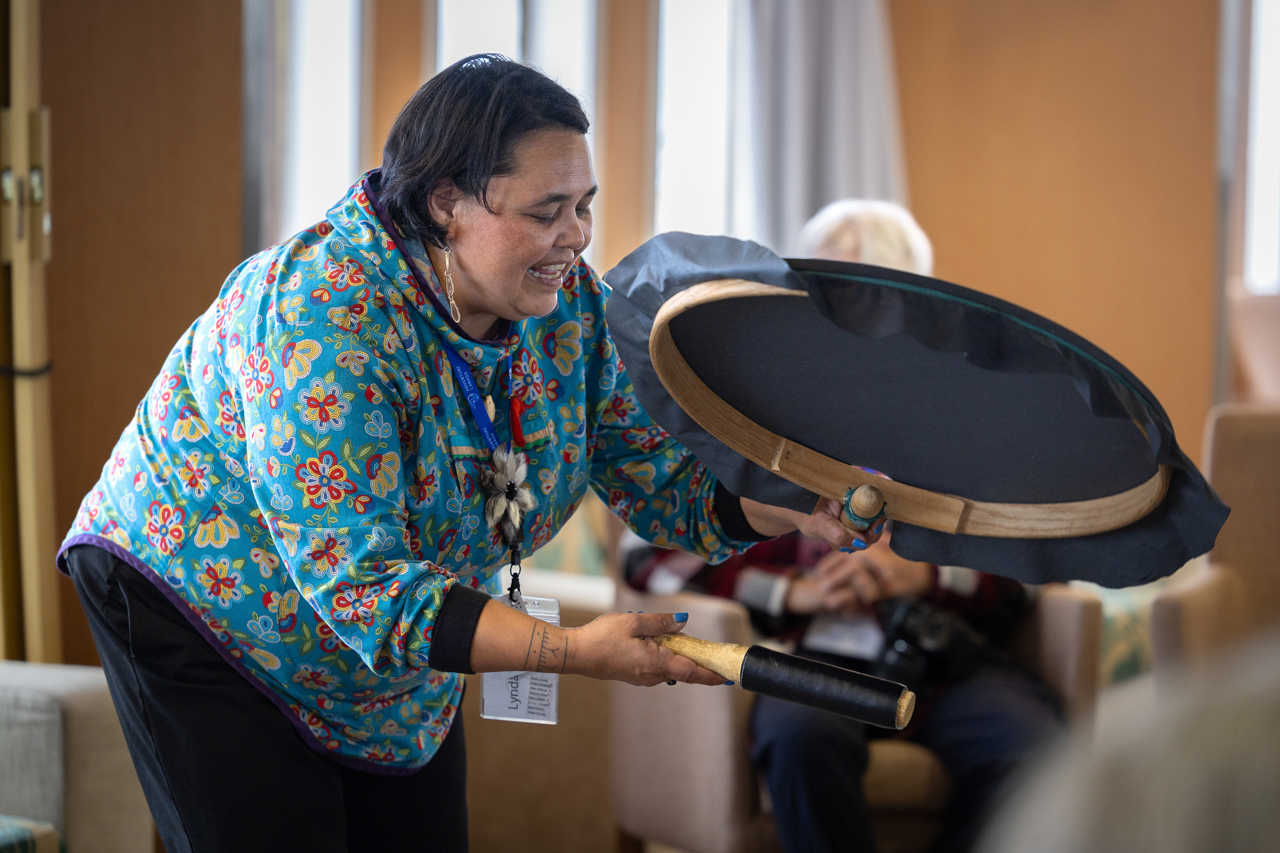
- Visit Inuit communities and learn from Inuit cultural educators, knowledge holders and hosts.
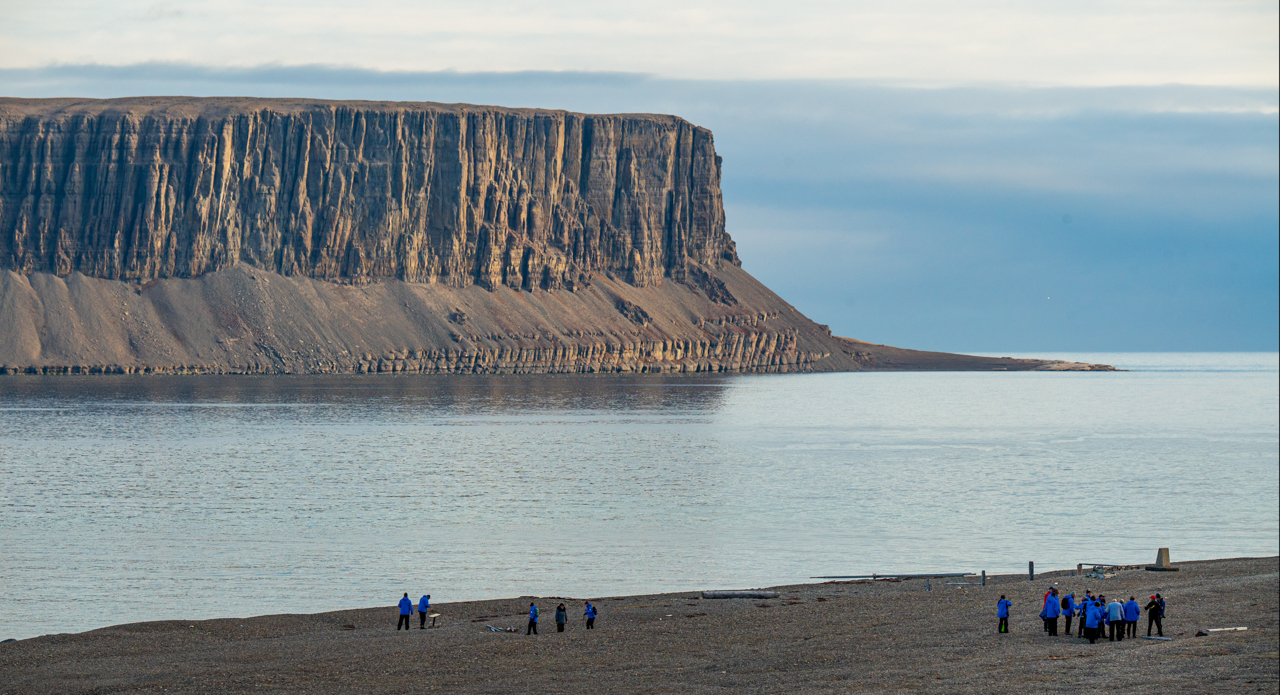
- Explore Beechey Island and other sites connected to Arctic exploration history.
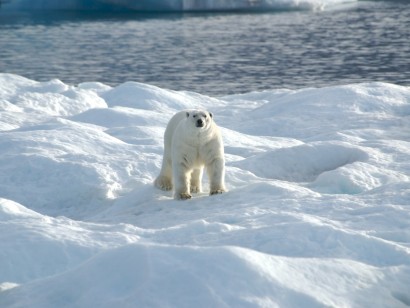
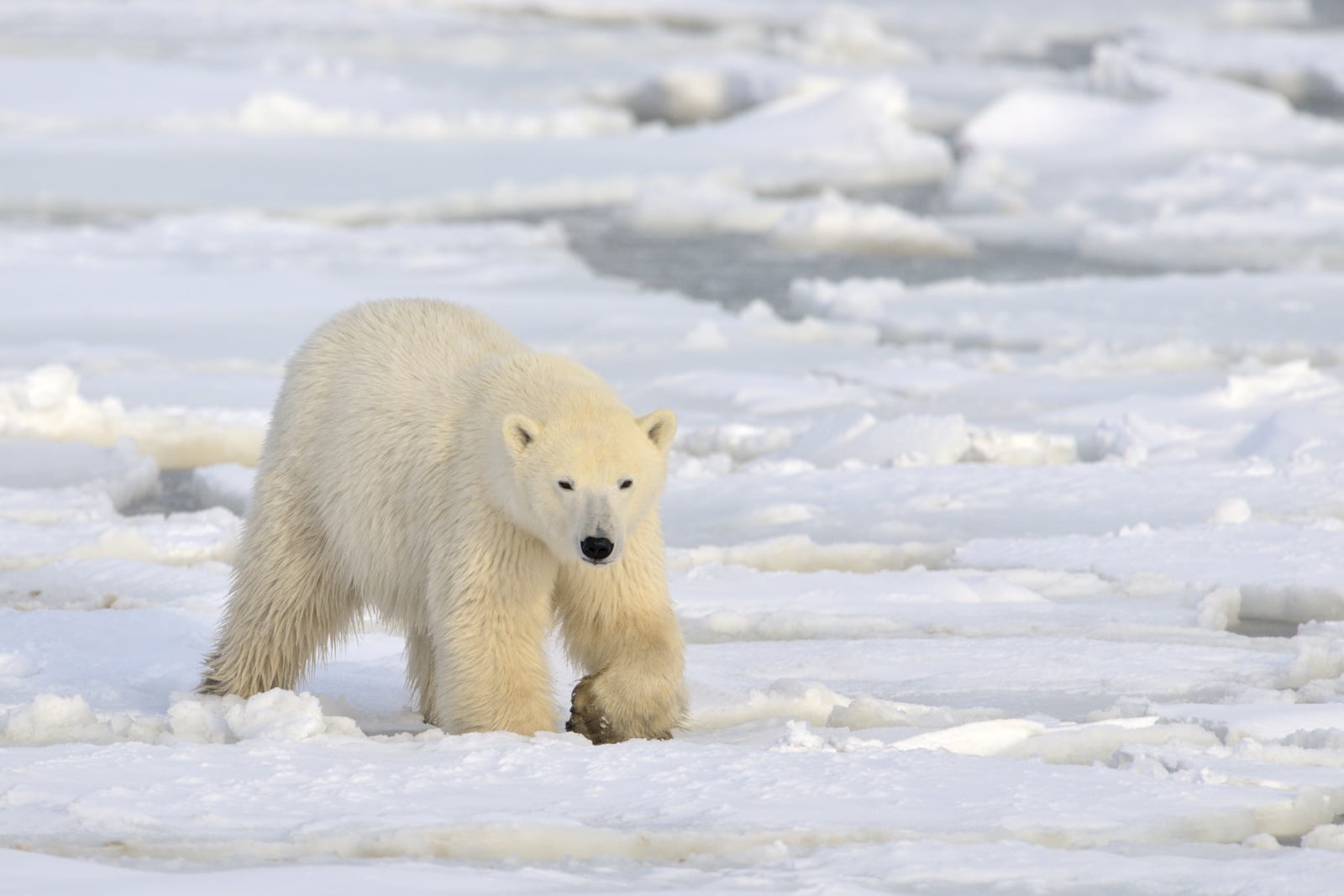
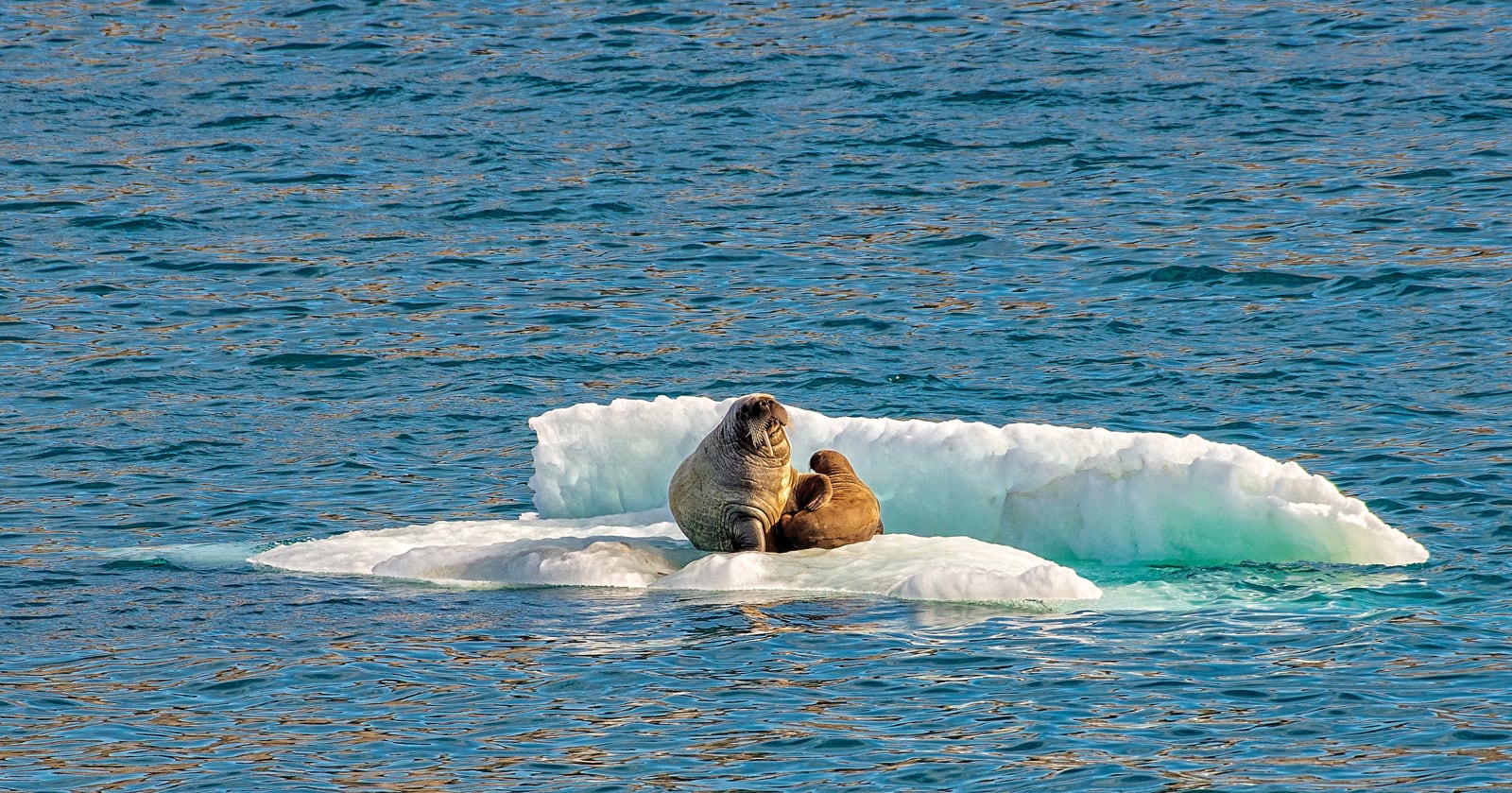
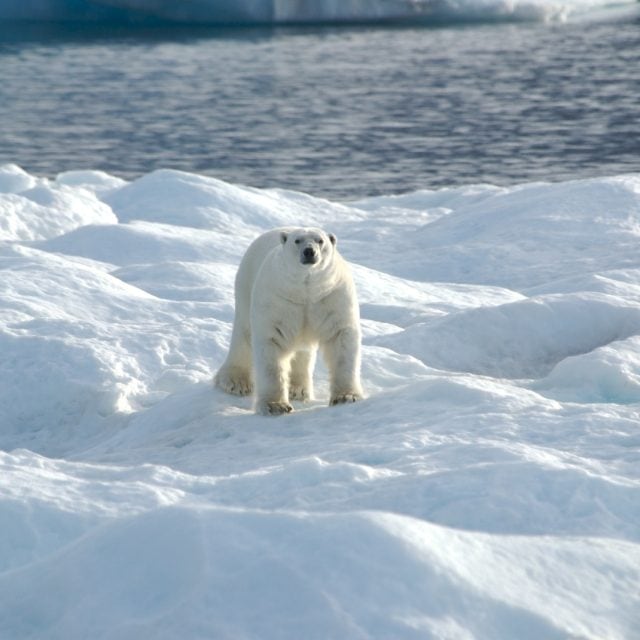
- Look for whales, walrus, seals, polar bears and seabirds in Tallurutiup Imanga and beyond.
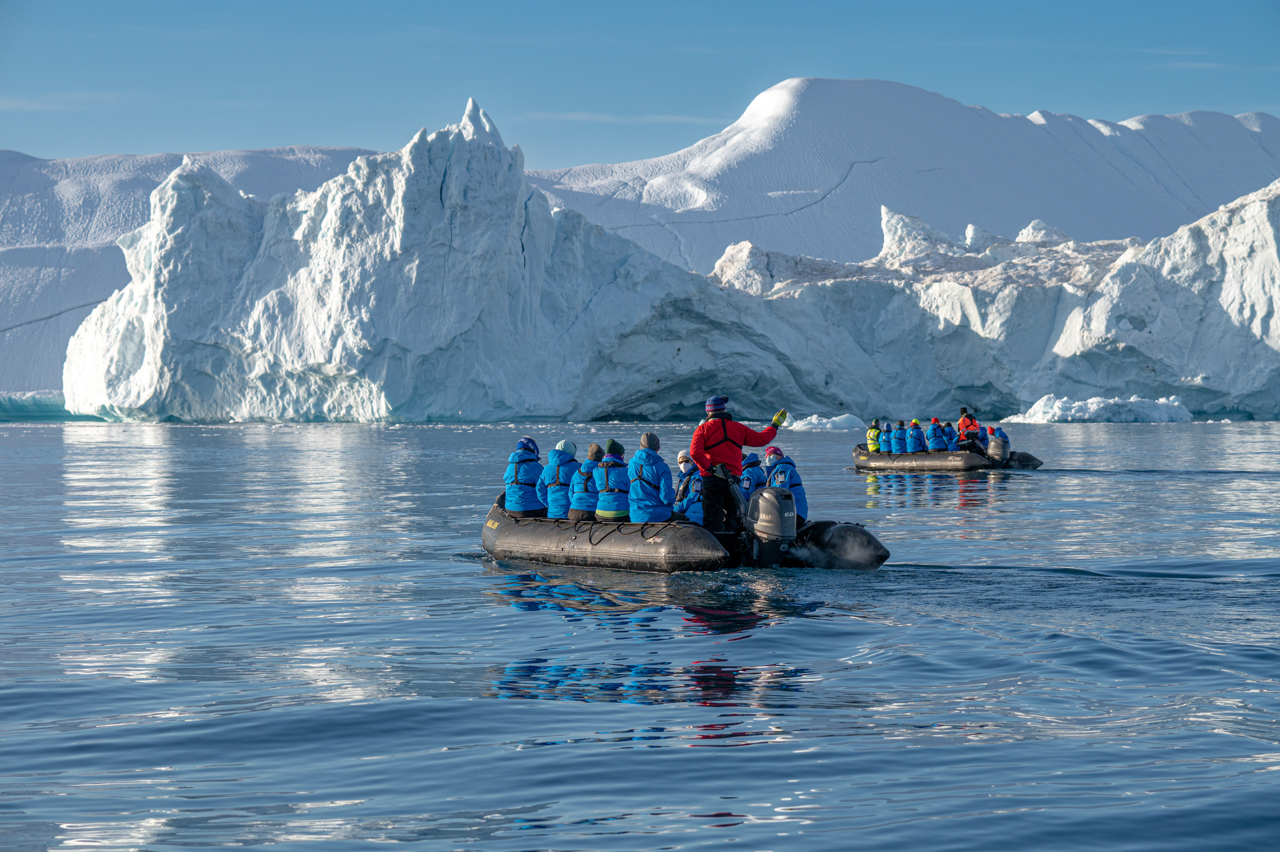
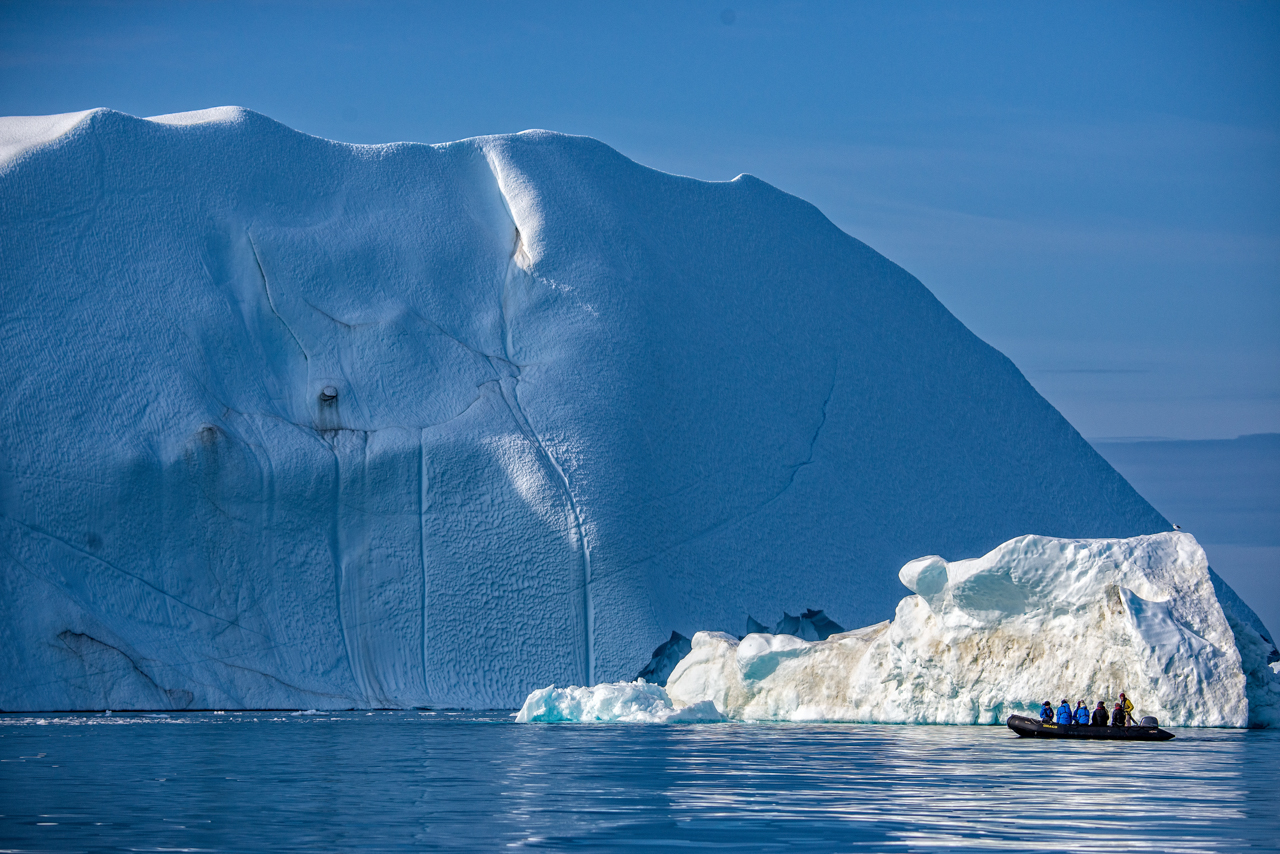
- Experience Greenland’s Ilulissat Icefjord and its massive icebergs.
- Travel during the transition to Arctic autumn, with changing tundra colours and the possibility of northern lights.
Map
Map
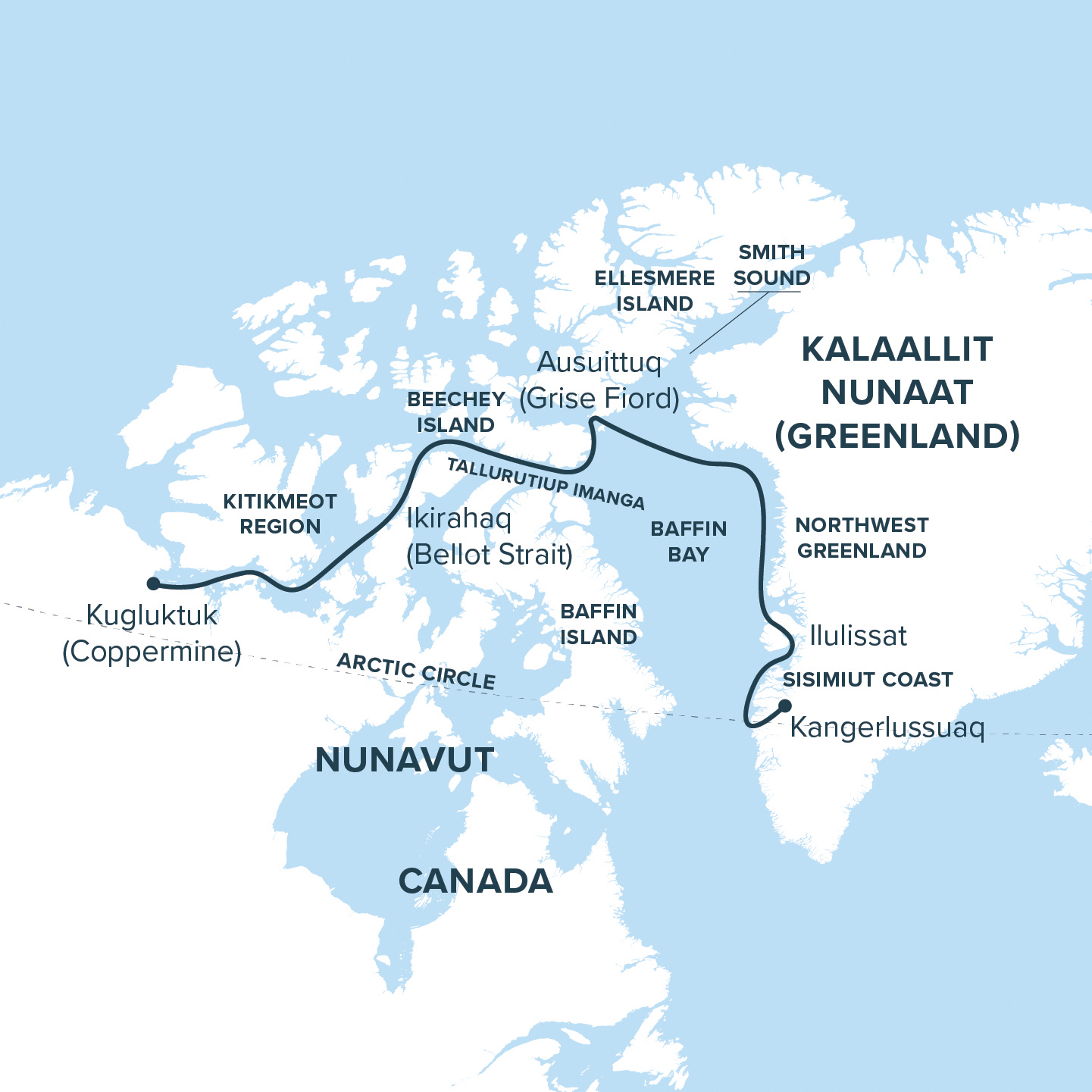
Overview
Tour Overview
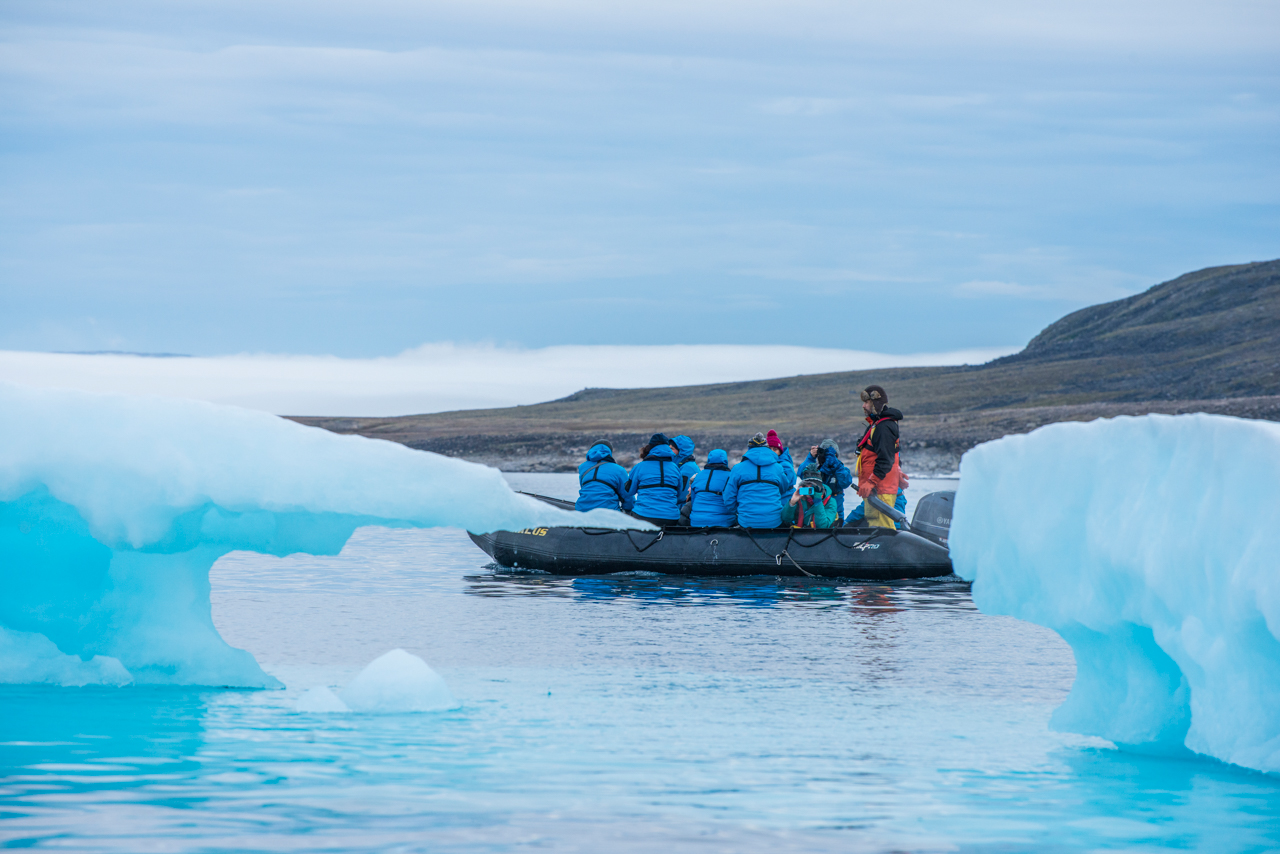
Travel east through the Northwest Passage, from Kugluktuk and the intricate waterways of the western Canadian Arctic to the glacier-carved coast of Greenland. Along the way, explore Bellot Strait, Beechey Island, Tallurutiup Imanga, Devon Island, Grise Fiord, and Smith Sound, moving through a dramatic landscape of tundra, narrow channels, towering cliffs, glaciers, historic Arctic sites, and rich wildlife.
Crossing Baffin Bay, continue along Greenland’s spectacular coast, where deep fjords, colourful communities, and immense icebergs create some of the journey’s most memorable scenery. A highlight is Ilulissat Icefjord, where vast icebergs drift out into Disko Bay, before the expedition continues along the rugged Sisimiut coast to Kangerlussuaq. Throughout the voyage, Inuit hosts and cultural educators add depth to the experience, connecting these extraordinary landscapes with the history, culture, and contemporary life of the Arctic.
Departures & Cabins
Departures & Cabins
Deck Plan
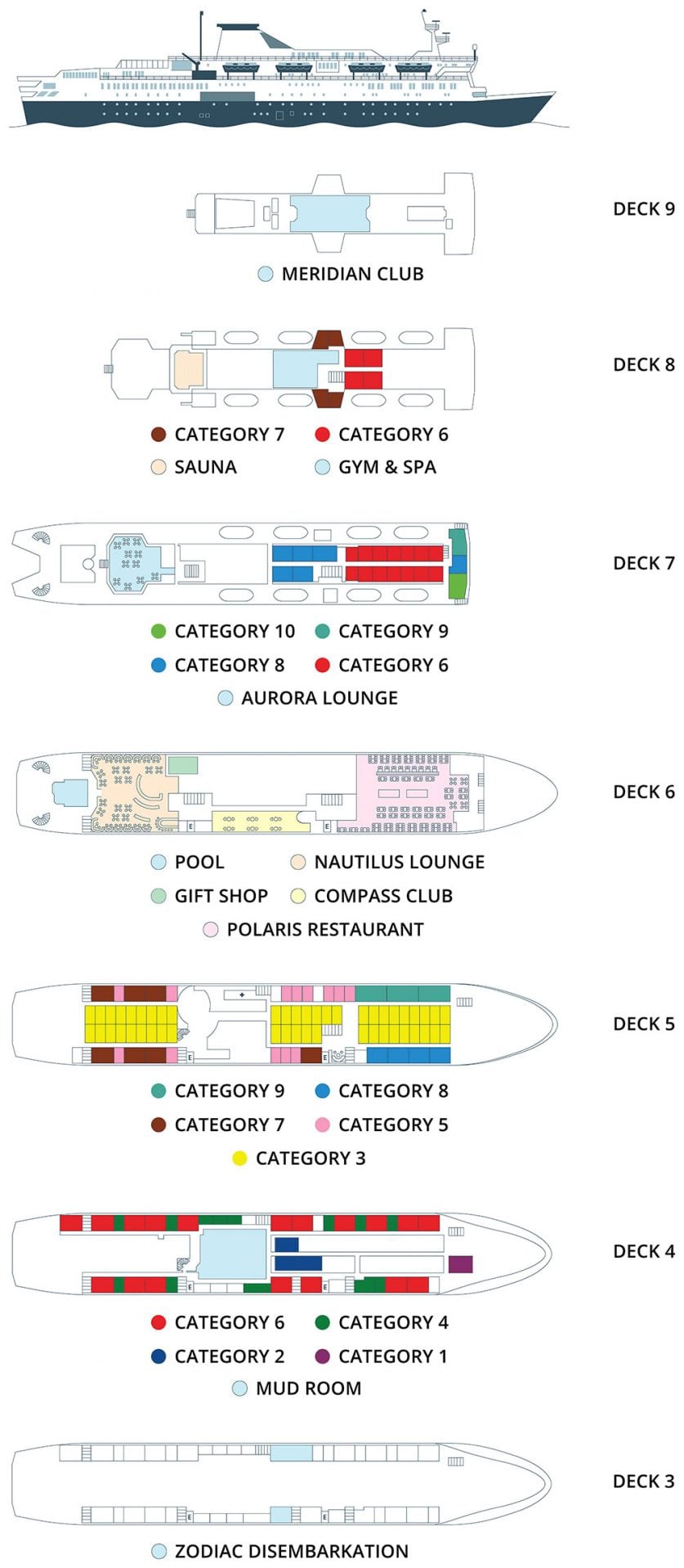
Deck Plan
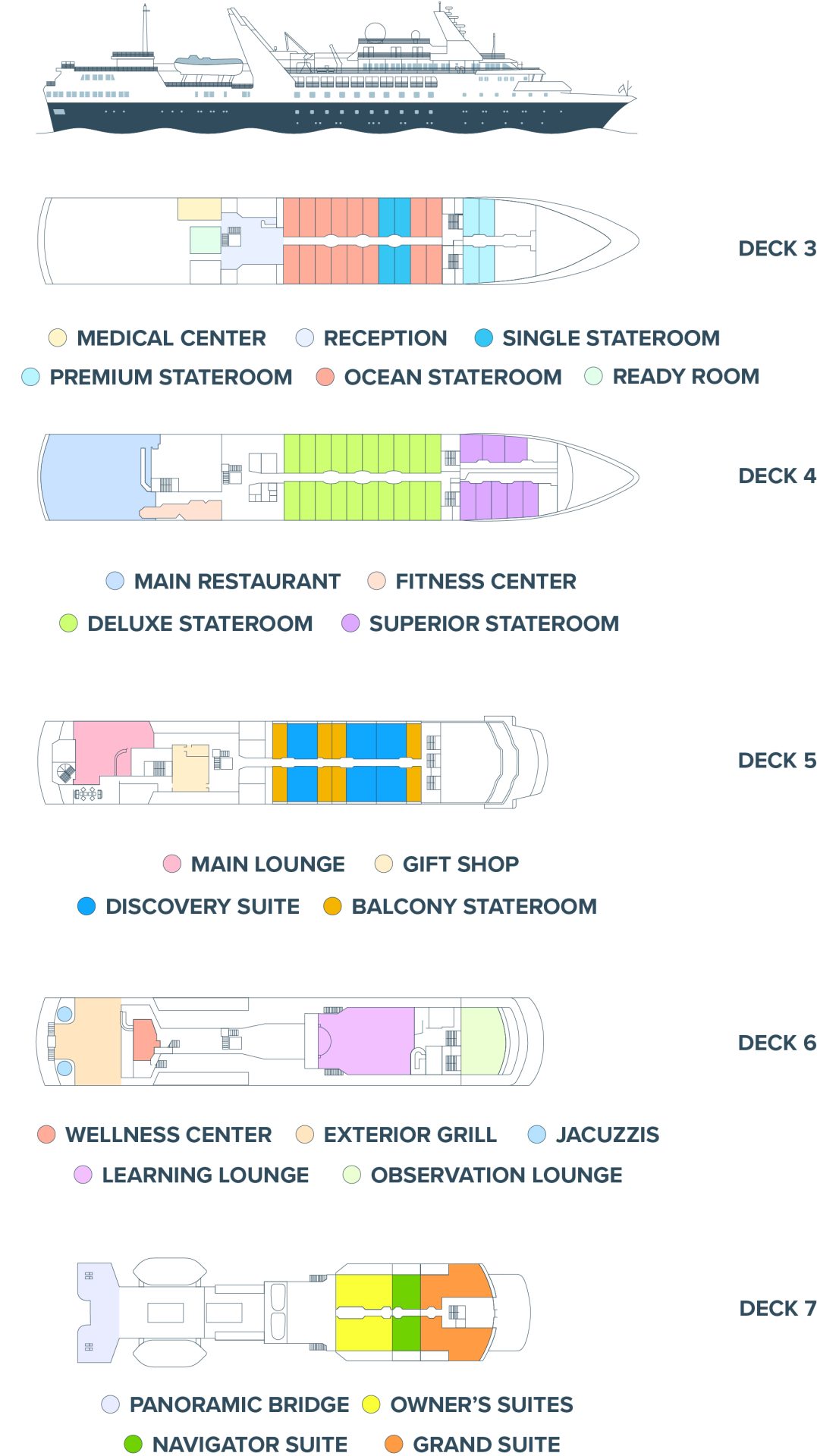
Deck Plan
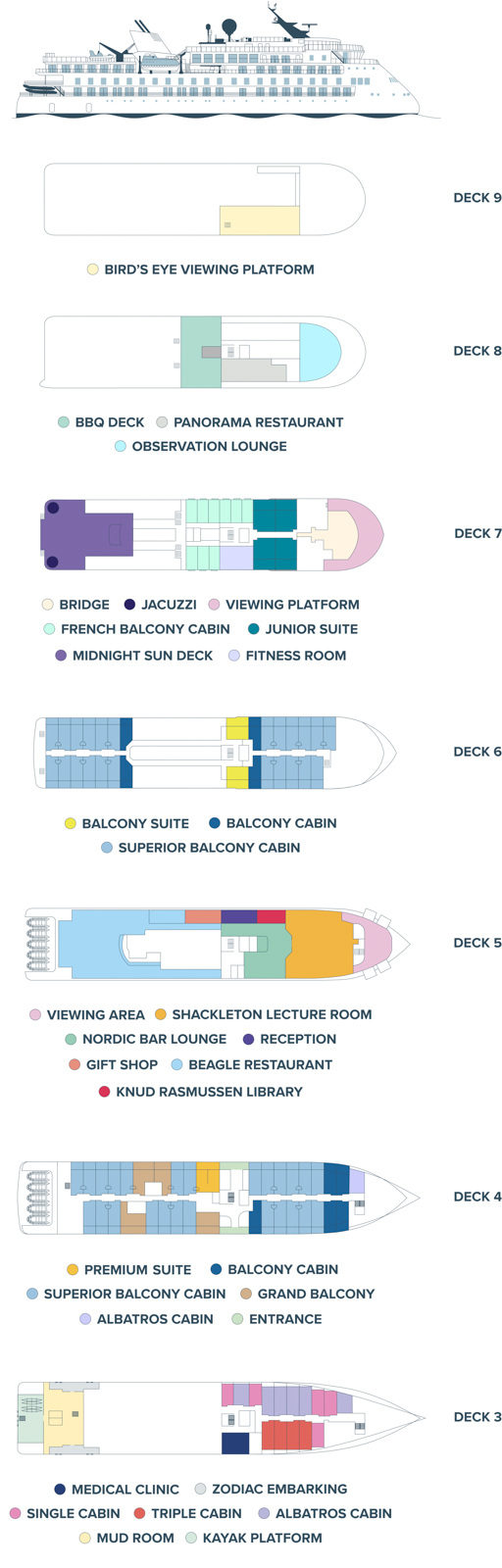
What's Included
Tour Price Includes
- Passage aboard the Ocean Victory
- Applicable taxes and credit card fees
- Complimentary expedition jacket
- Special access permits, entry, and park fees
- Expert expedition team
- Guided activities
- Sightseeing and community visits
- All Zodiac excursions
- Port fees
- Pre-departure materials
- Educational program
- Interactive workshops
- Evening entertainment
- All shipboard meals
- Complimentary wine, beer, and soft drinks are served with dinner
- Wi-Fi access (basic service included)
Tour Price Does Not Include
- Commercial and charter flights
- Program enhancements/optional excursions
- Gratuities
- Personal expenses
- Mandatory medical evacuation insurance
- Additional expenses in the event of delays or itinerary changes
- Possible fuel surcharges and administrative fees
- Pre- and post-trip hotel accommodation
- Kayak program
- Premium internet access available at an additional cost
Gallery
Gallery




Itinerary
Itinerary
Day 1: Kugluktuk (Coppermine), NU, Canada
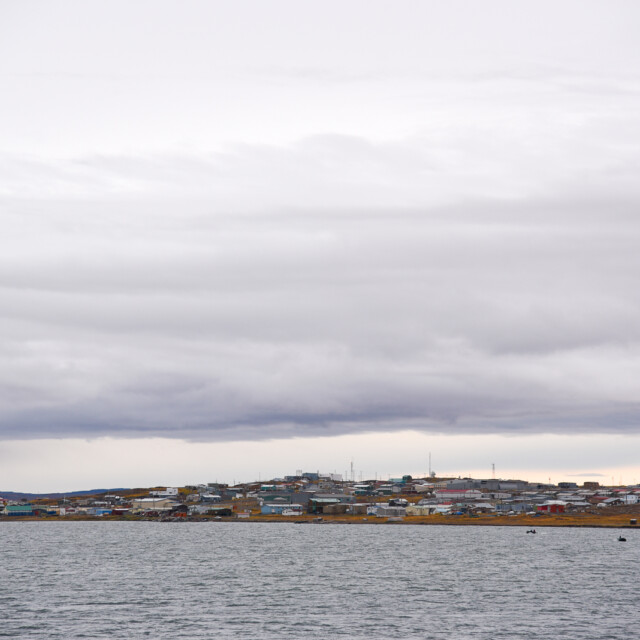
The voyage begins in Inuit Nunangat, the Inuit homeland encompassing the land, water, and ice of Arctic Canada. At its western edge, Kugluktuk stands where the Coppermine River enters Coronation Gulf. Its Inuinnaqtun name means “place of moving waters,” reflecting the currents and rapids that have long defined this meeting of river, tundra, and sea.
Kugluktuk is an Inuinnait community shaped by close relationships with the river and surrounding nuna (the land). Fishing, harvesting, artistic expression, and travel on the land remain central to life here, while Inuinnaqtun carries knowledge and stories particular to the western Arctic. Time with local hosts introduces the people and cultural region whose homelands frame the first days of the journey.
After boarding the Ocean Victory, the route turns east beneath the lower light and deepening colours of Arctic autumn. The voyage also marks one hundred years since the St. Roch was
launched for Arctic service. In partnership with the Vancouver Maritime Museum, its history becomes one thread within a much larger journey through Inuit Nunangat.
Days 2–4: Kitikmeot Region
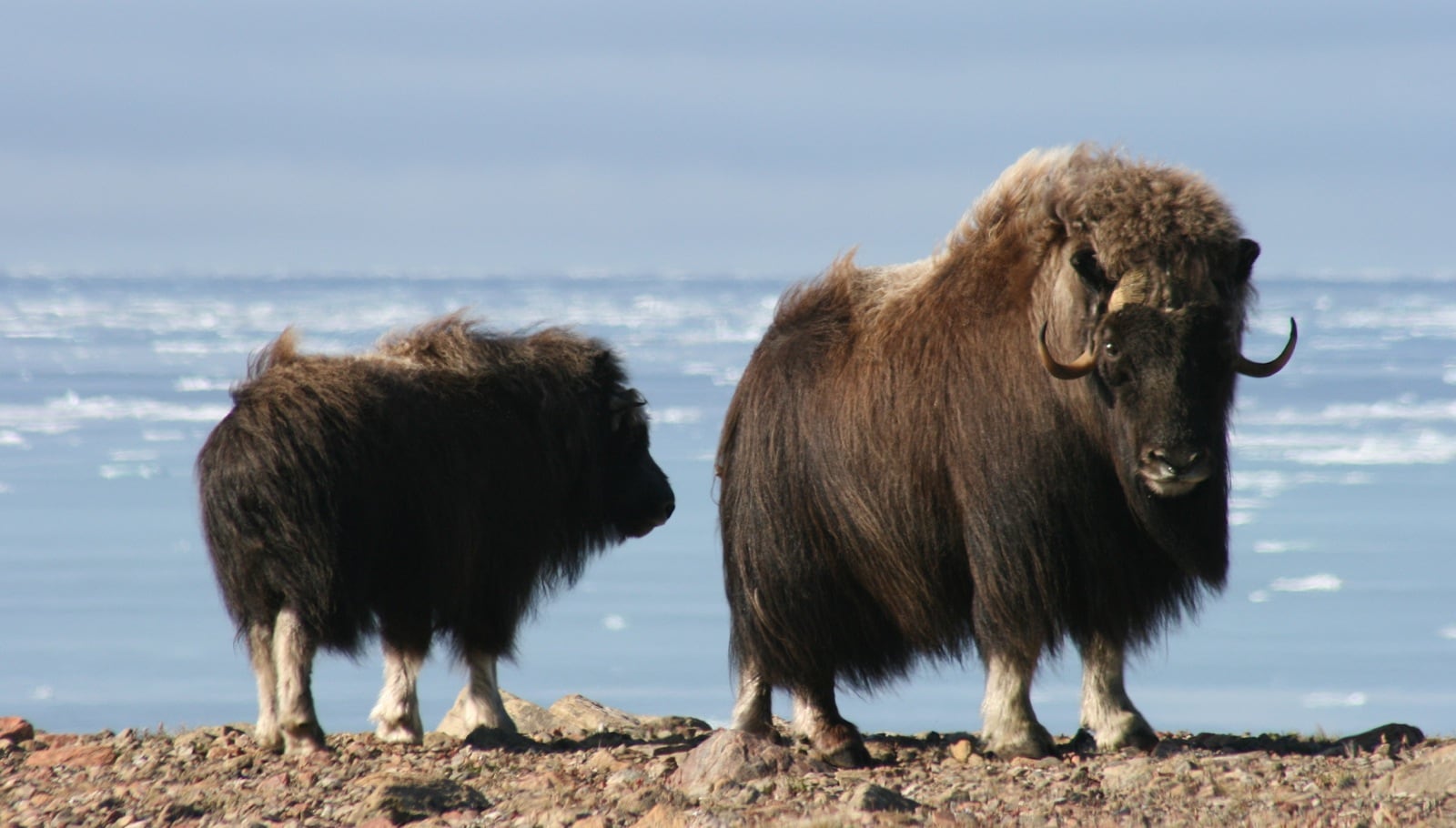
Western Kitikmeot opens in low tundra, scattered islands, wetlands, and distant horizons. Wide sounds narrow into channels that weave among gravel coastlines and archaeological sites. Muskoxen and caribou move across the land, while seals and whales travel the surrounding waters and migratory birds gather as autumn advances.
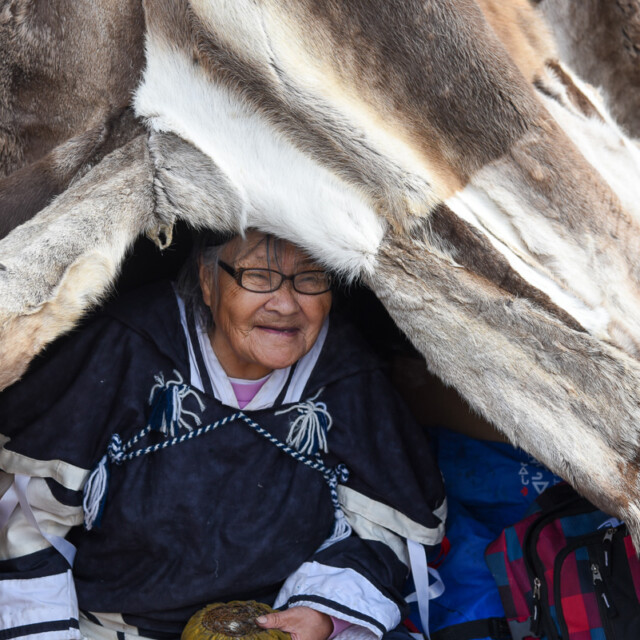
This is the Inuinnait country, a distinct regional group of Inuit whose language, Inuinnaqtun, carries an intricate geography of place names, travel routes, stories, and ecological knowledge. Generations of harvesting caribou, muskoxen, seals, and fish have shaped distinctive clothing, tools, food traditions, and patterns of movement. Today, Inuinnait communities are strengthening the transmission of their language and culture while adapting these traditions within contemporary life.
The St. Roch spent two winters in this region during its 1940–42 crossing, first at Walker Bay on Victoria Island and later at Pasley Bay on the Boothia Peninsula. During these extended stays, crew members learned ice-fishing and hunting methods from Inuit whose knowledge helped them adapt to Arctic conditions. Those long winters in the ice speak to the distance, uncertainty, and challenges of navigating the Arctic in a wooden vessel. Today, landings, tundra walks, community visits, and Zodiac explorations bring the people, wildlife, and expansive landscapes of Kitikmeot into view.
Day 5: Ikirahaq (Bellot Strait)
Ikirahaq is a narrow, twenty-five-kilometre passage separating Somerset Island from the Boothia Peninsula. At its narrowest, little more than a kilometre divides the shores. Strong tidal currents move through the channel as waters from the eastern and western Arctic meet beneath steep granite walls.
In 1942, the St. Roch entered Ikirahaq during the final year of its west-to-east crossing. Moving ice pressed the wooden schooner against grounded floes as the tide drove more ice into the
strait. The vessel eventually broke free and continued east, making this one of the most perilous moments of its twenty-seven-month passage.
Seals, whales, seabirds, and occasionally polar bears may be encountered along the shores or among the moving ice. On the southern side lies Murchison Promontory, the northernmost point of mainland North America. Passage through Ikirahaq remains governed by powerful currents, ice, weather, and careful navigation.
Day 6: Beechey Island
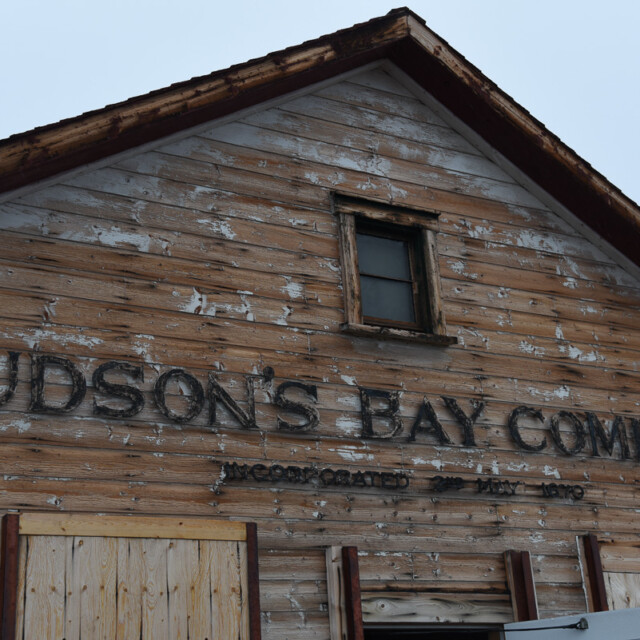
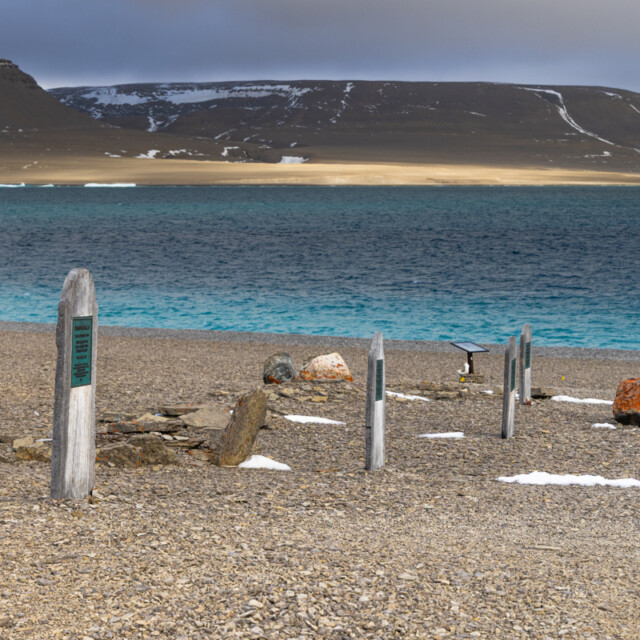
At Beechey Island, history lies close to the surface. In 1845, Sir John Franklin set out from England with HMS Erebus and HMS Terror, attempting to sail through the Northwest Passage. His crew overwintered here, where three of his men died. Later, in 1854, Thomas Morgan of HMS Investigator was buried beside them—a solemn witness to the relentless search for Franklin’s lost expedition.
Beechey became a depot and landmark for numerous search parties that followed. Amundsen and Bernier stopped here, as did Henry Larsen aboard the St. Roch on August 20, 1944. Given the island’s importance to British Arctic exploration and the Franklin Expedition, the visit held particular significance for Larsen and his crew. Archival photographs capture crew members gathered beside the Franklin Expedition cenotaph, adding their own presence to the island’s layered history.
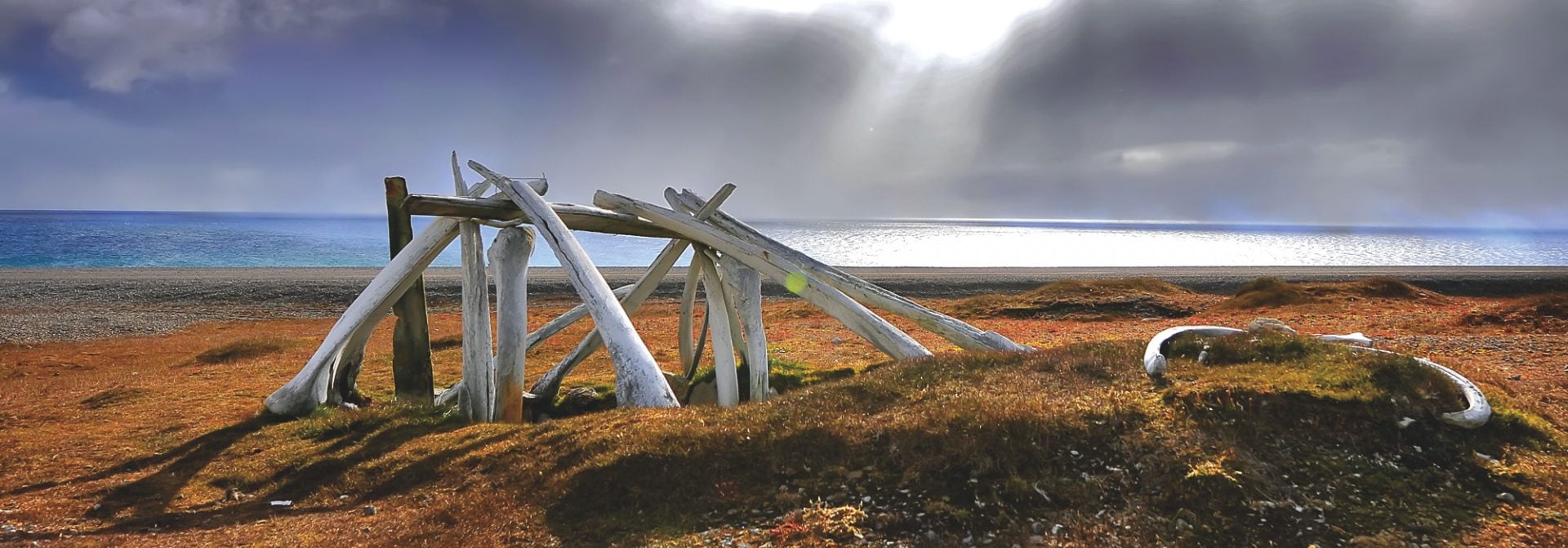
Nearby stand the ruins of Northumberland House, while the surrounding landscape remains stark and wind-scoured: gravel, ice, and the call of gulls echoing across still water. Standing here, you feel the continuity between ambition and endurance—held quietly in the land’s enduring silence.
Inuit testimony proved essential to tracing the expedition’s final movements and, generations later, locating its lost ships. Beechey Island connects Franklin’s failed voyage with its wider legacy, including expanded geographical knowledge, growing colonial ambitions, and an increasingly sustained southern presence in Inuit Nunangat.
Days 7–8: Tallurutiup Imanga (Lancaster Sound) and Devon Island
Tallurutiup Imanga is the ecological engine of the eastern Canadian Arctic. Nutrient-rich waters and recurring areas of open water support narwhal, beluga and bowhead whales, walrus, seals, polar bears, and some of the Canadian Arctic’s largest seabird colonies. As autumn approaches, marine mammals continue to move through its channels while migratory birds gather before turning south.
This National Marine Conservation Area has supported Inuit travel, harvesting, and cultural practice for millennia. Inuit stewardship and Inuit Qaujimajatuqangit, or Inuit knowledge, play an essential role in its protection. Inuit expedition team members and naturalists bring the relationships among currents, ice, wildlife, and human life into focus.
After navigating Ikirahaq in 1942, the St. Roch continued through Prince Regent Inlet and entered Tallurutiup Imanga on its way towards Baffin Bay and the Atlantic. After two winters in the western Arctic, these broad eastern waters marked the final stage of its historic west-to east crossing. Two years later, the schooner passed through Lancaster Sound in the opposite direction during its single-season return voyage.
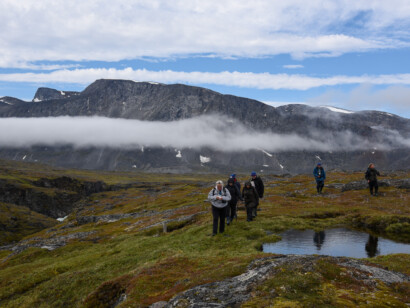
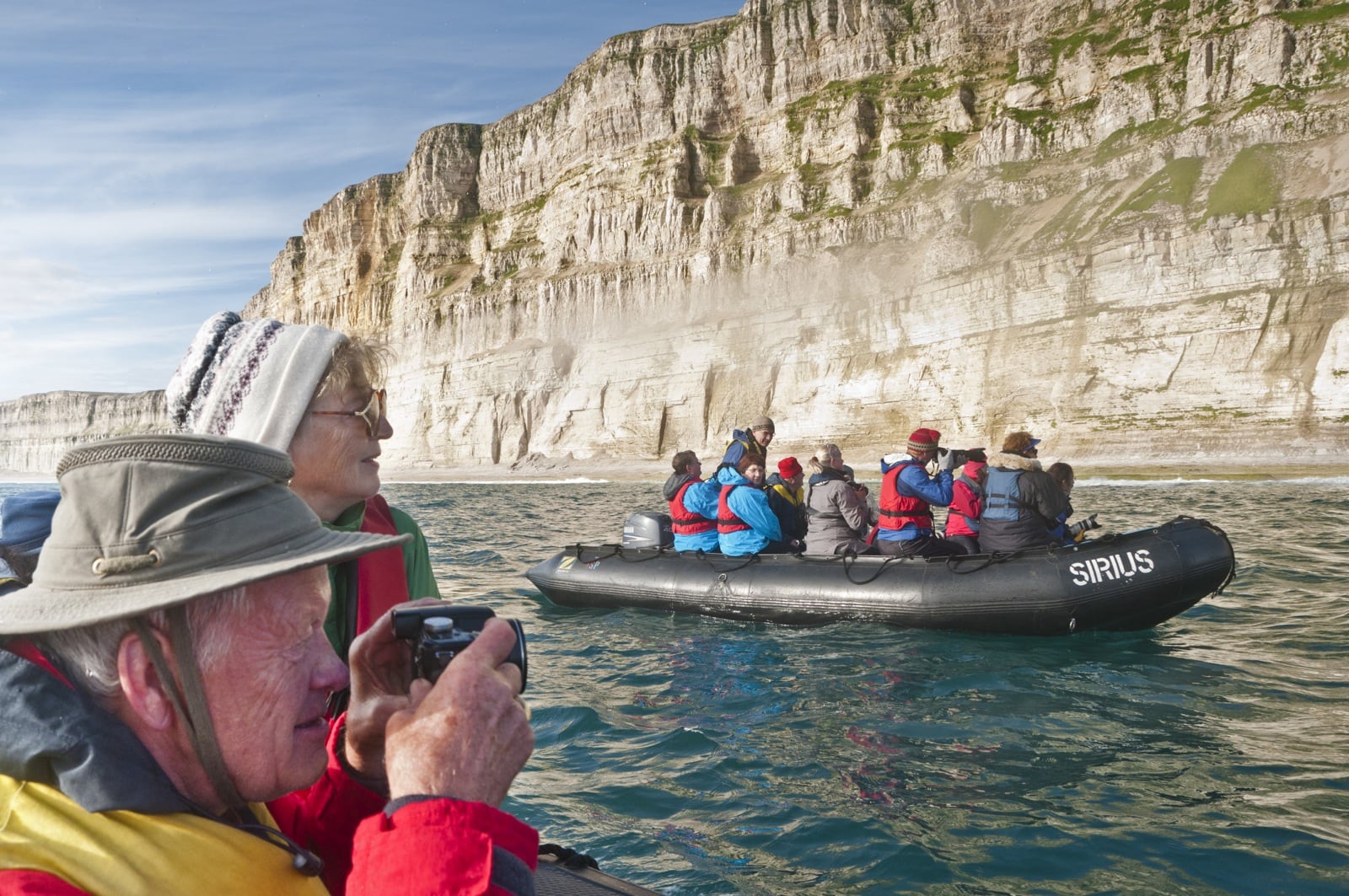
To the north, Devon Island rises in broad plateaus, glacial valleys, gravel plains, and open tundra. It is the world’s largest uninhabited island, although archaeological sites attest to centuries of Inuit and earlier human presence. Walks and Zodiac explorations reveal autumn vegetation, immense geological scale, and coastlines approached most naturally from the sea.
Day 9: Ausuittuq (Grise Fiord)
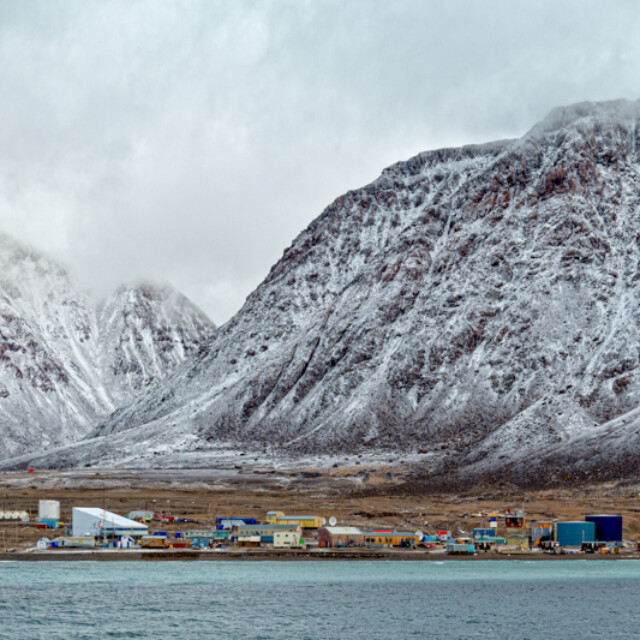
Set between the mountains and sea of southern Ellesmere Island, Ausuittuq means “the place that never thaws.” Canada’s northernmost civilian community occupies a landscape of glaciers, open tundra, and waters that remain covered by sea ice through much of the year.
The community was established in 1953 through the Canadian government’s relocation of Inuit families from Inukjuak and Mittimatalik. That difficult history remains an important part of Ausuittuq’s story, alongside more than seventy years of community life shaped by family, ingenuity, and cultural continuity. Hunting, travel on the nuna, artistic expression, and the rhythms of the seasons remain closely woven into life here. Time with local hosts offers a view of contemporary High Arctic community life within the immense landscape of Ellesmere Island.
Day 10: Smith Sound
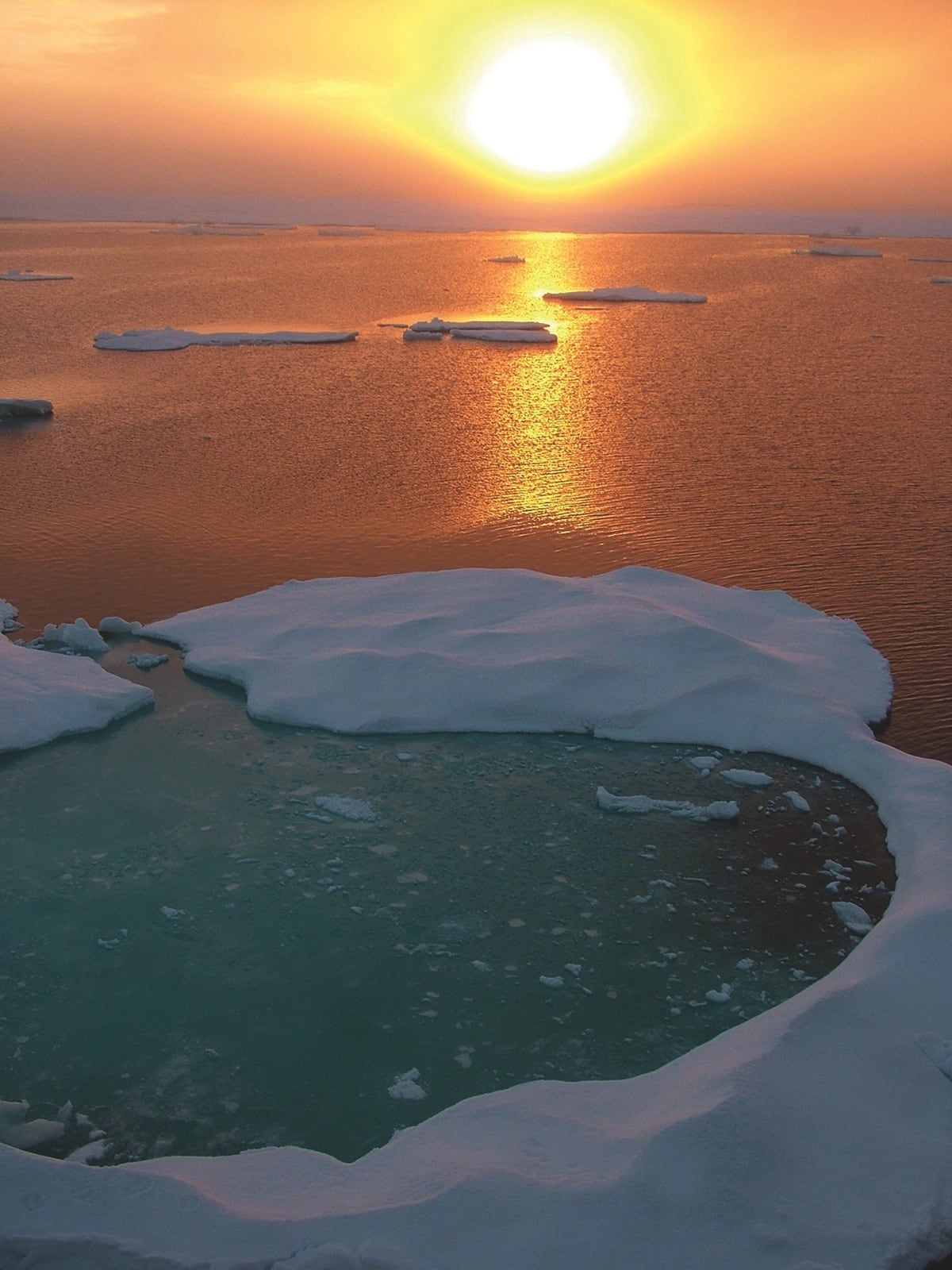
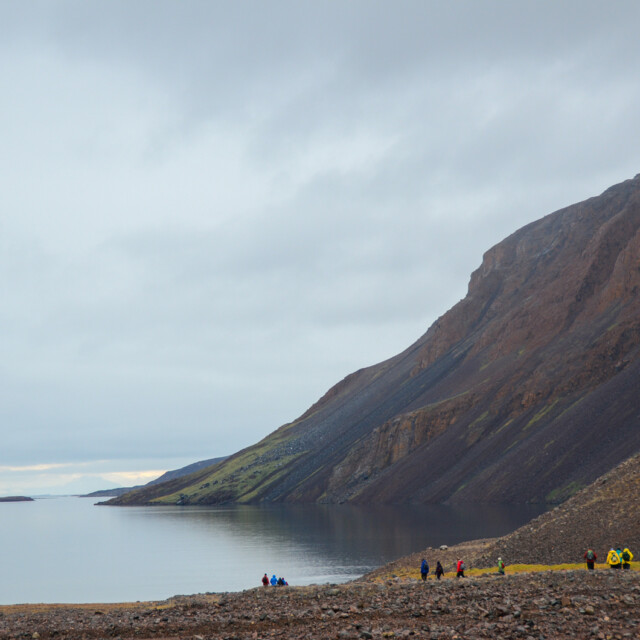
Low autumn light draws out the immense scale of Smith Sound, where Greenland and Ellesmere Island rise on either side of a channel linking Baffin Bay with Kane Basin. The sun follows a lower arc across the sky, casting long shadows over mountains and glaciers. Fresh snow may trace the higher slopes, while colder air and extended twilight bring a new character to the passage.
Drifting ice and immense icebergs move through these waters between two great Arctic coastlines. Inuit have long travelled and hunted throughout the region, while nineteenth century expeditions later followed Smith Sound in search of Franklin and routes towards the North Pole. These histories remain present within a passage still governed by current, ice, weather, and distance.
Day 11: At Sea
September places Baffin Bay at a seasonal threshold. Sea ice is near its annual minimum, even as colder nights begin the transition towards freeze-up in the bay’s northwestern reaches. Icebergs circulate with the currents, while whales and seals remain active and migratory seabirds move towards their winter ranges.
A day aboard offers time to watch the changing sea and sky from the decks and observation spaces. Presentations, workshops, and informal conversations with Inuit cultural educators, naturalists, historians, and other expedition team members deepen understanding of the wildlife, geography, cultures, and exploration history of the Northwest Passage.
Between sessions, the decks remain a gathering place for shared wildlife sightings and the quiet spectacle of icebergs moving across the horizon. As daylight fades, true darkness returns to the bay, and clear skies may bring the possibility of the aurora.

Days 12–13: Northwest Greenland
In Kalaallit Nunaat, the Kalaallisut name for Greenland, the northwest coast forms both an immense seascape and a lived cultural world. Kalaallisut, the country’s official language, carries the names, stories, and knowledge of its distinctive shores. Across western Greenland, Kalaallit culture shapes language, food, creative expression, and everyday relationships with the sea.
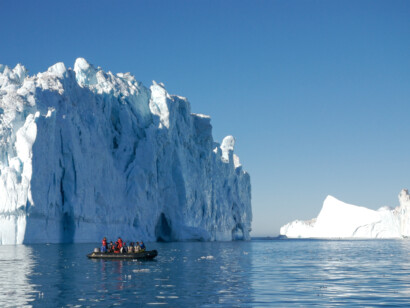
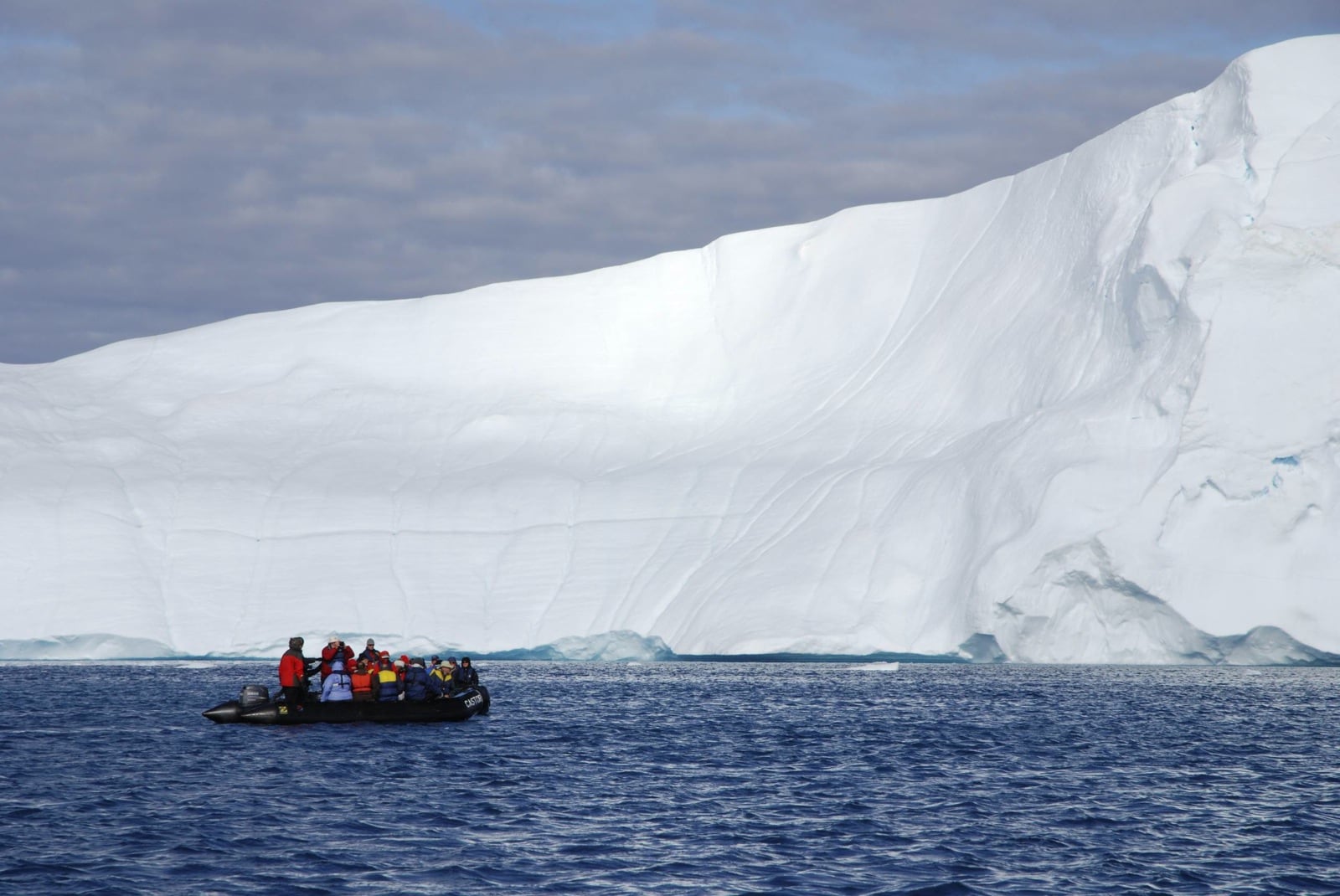
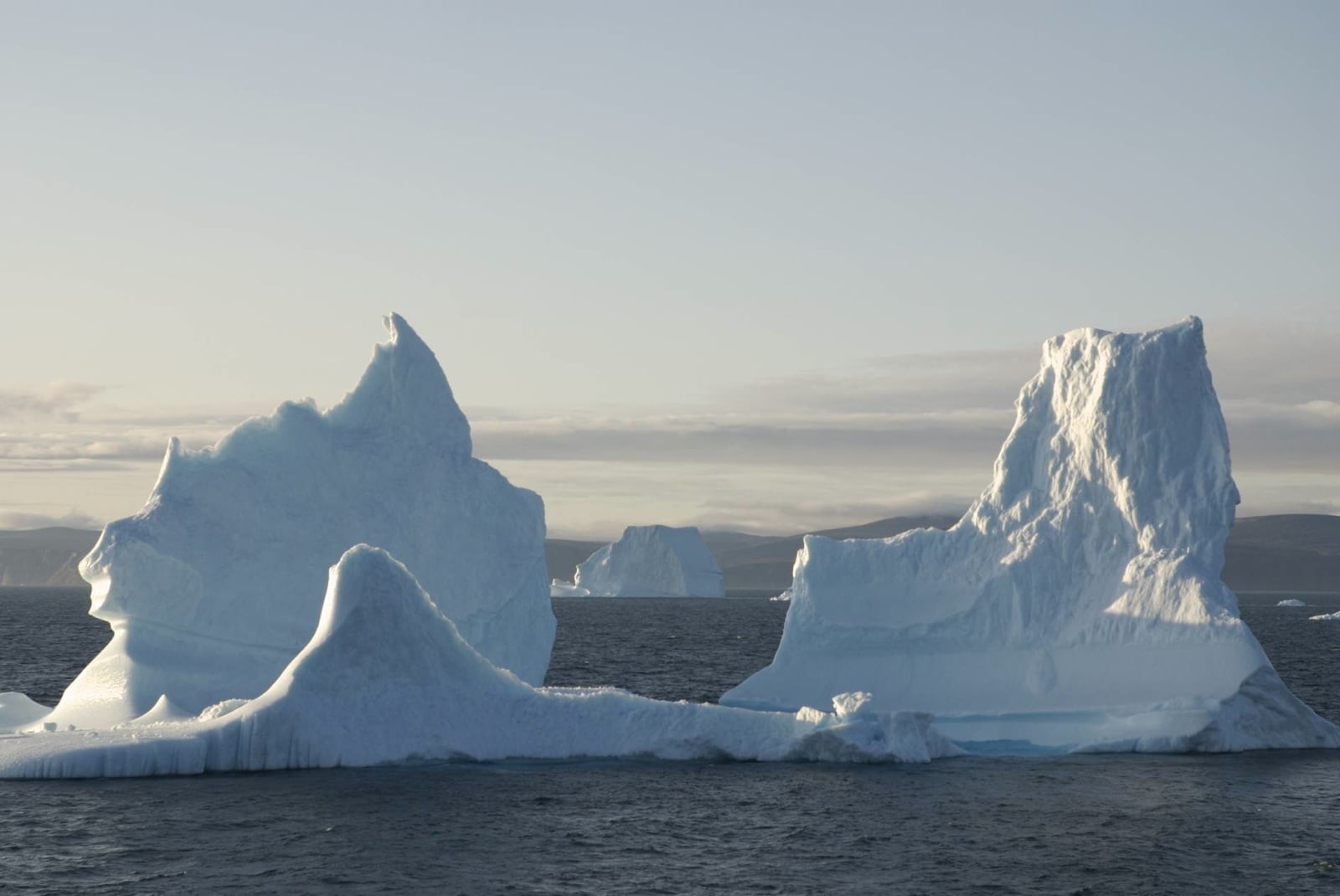
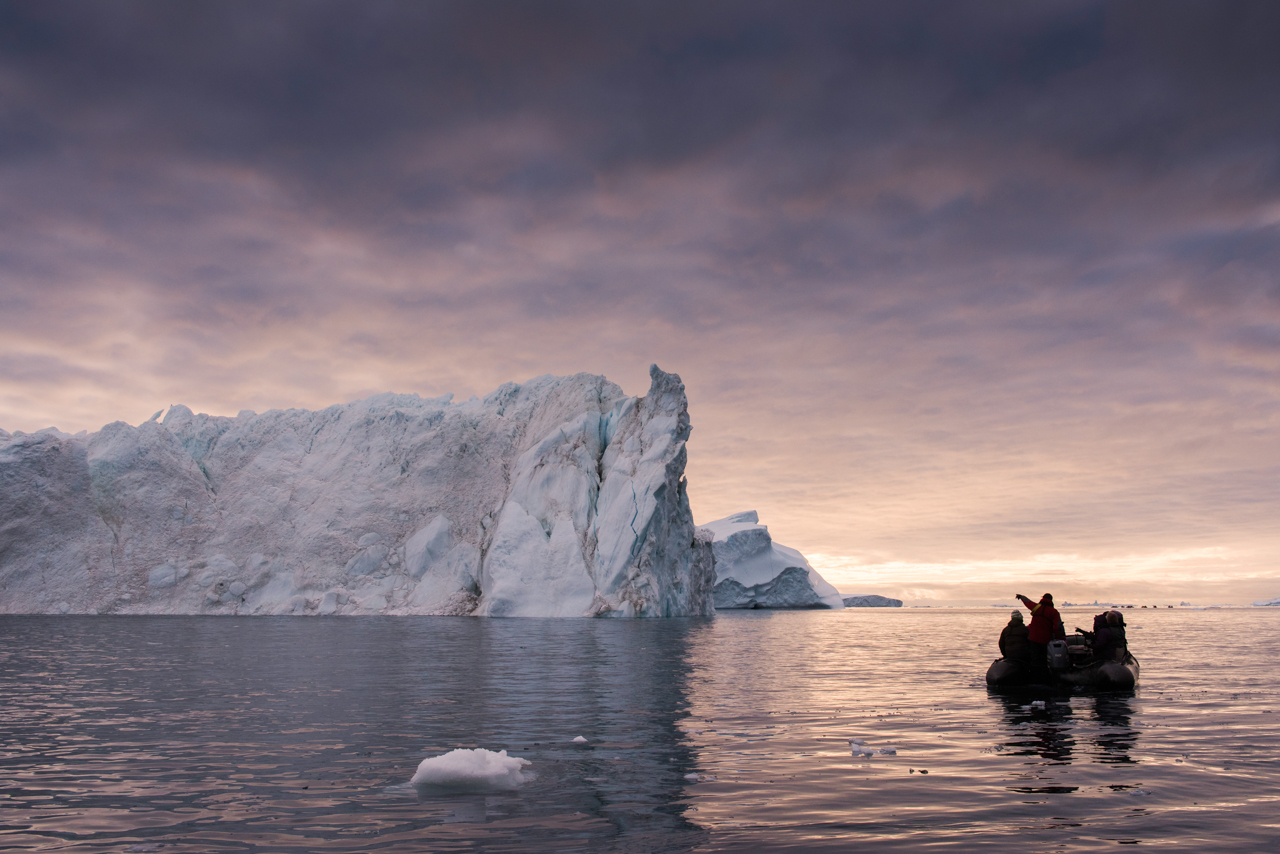
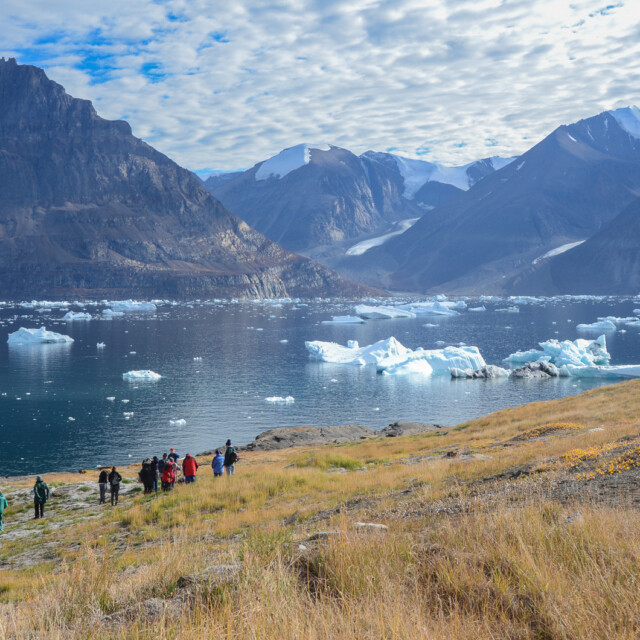
The northwest coast rises from the water in islands, narrow channels, sheltered bays, and deep fjords enclosed by steep mountains. The West Greenland Current carries immense icebergs northward, gathering bergs from Disko Bay and glaciers farther north into a moving flotilla of towers, arches, and fractured blue faces.
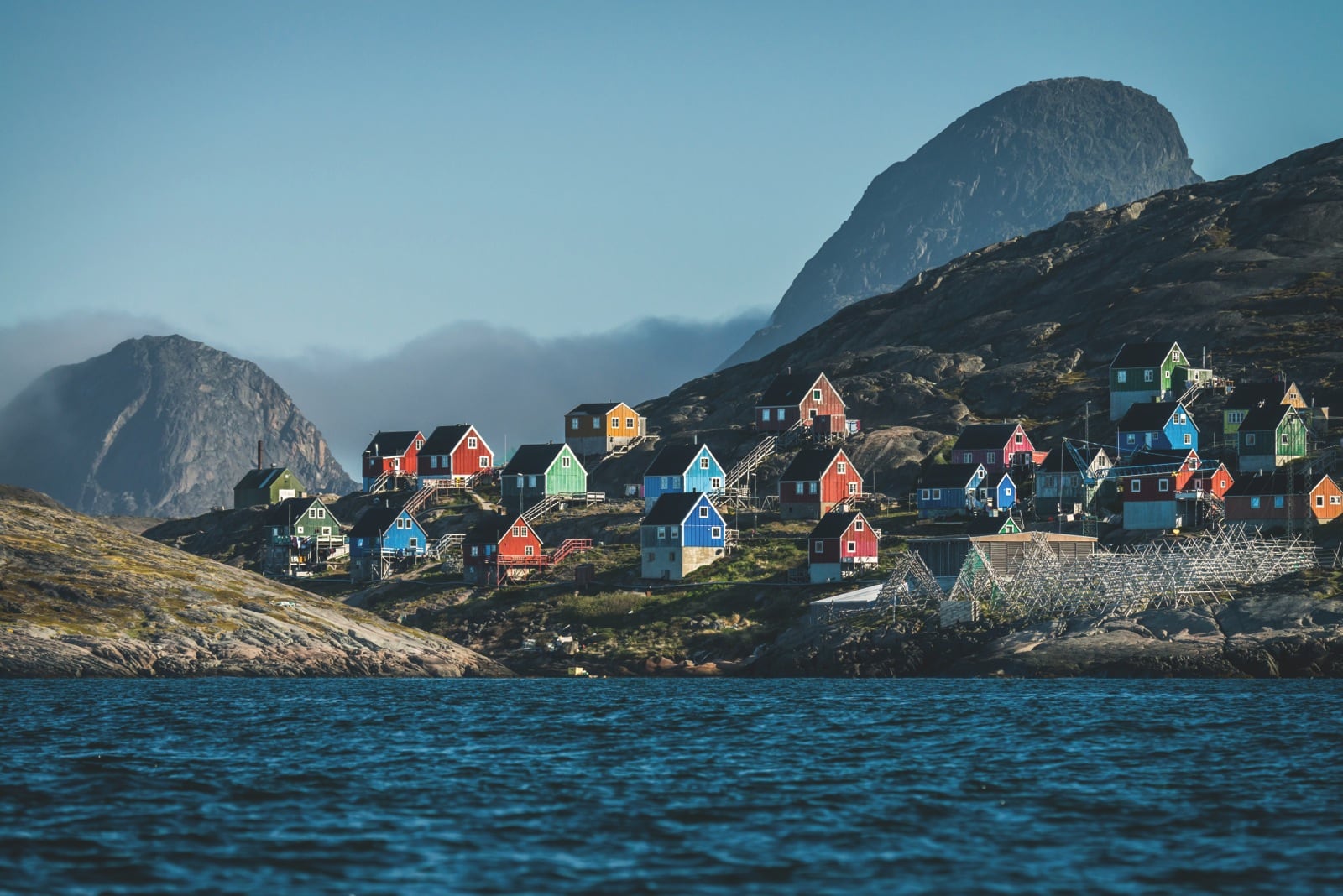
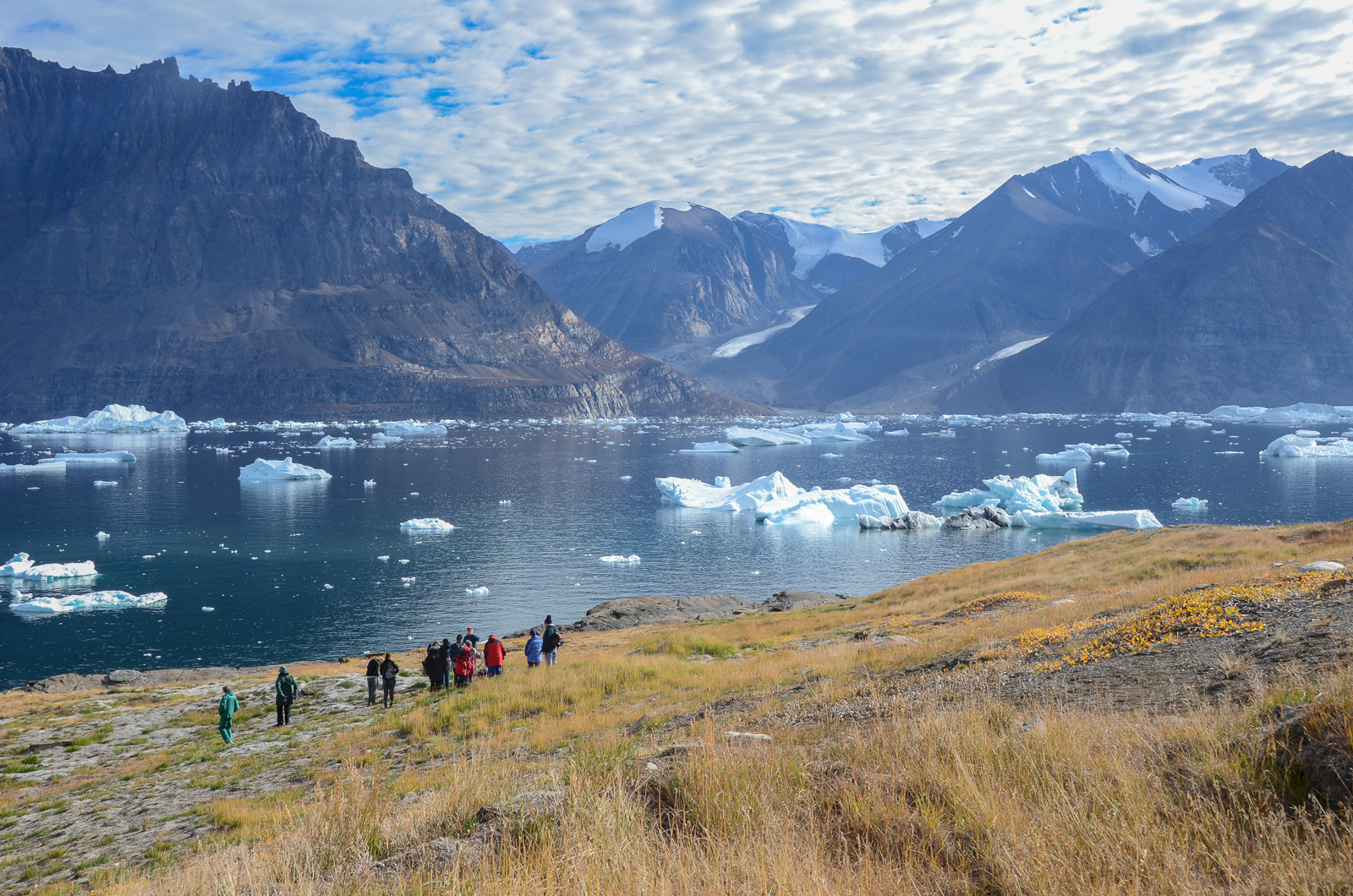
Small communities occupy rocky islands and natural harbours throughout this intricate seascape. Fishing and hunting remain central to local economies and food traditions, while boats connect settlements separated by water and rugged terrain. Autumn deepens the tundra into red, gold, and ochre, setting the final colours of the growing season against dark rock and drifting ice.
Explore the coast by ship, Zodiac, and on foot. Community visits and shoreline walks bring contemporary Kalaallit life and the immense scale of the landscape into view.
Day 14: Ilulissat
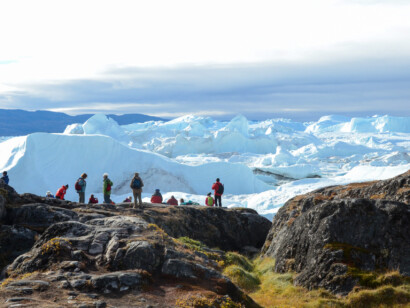
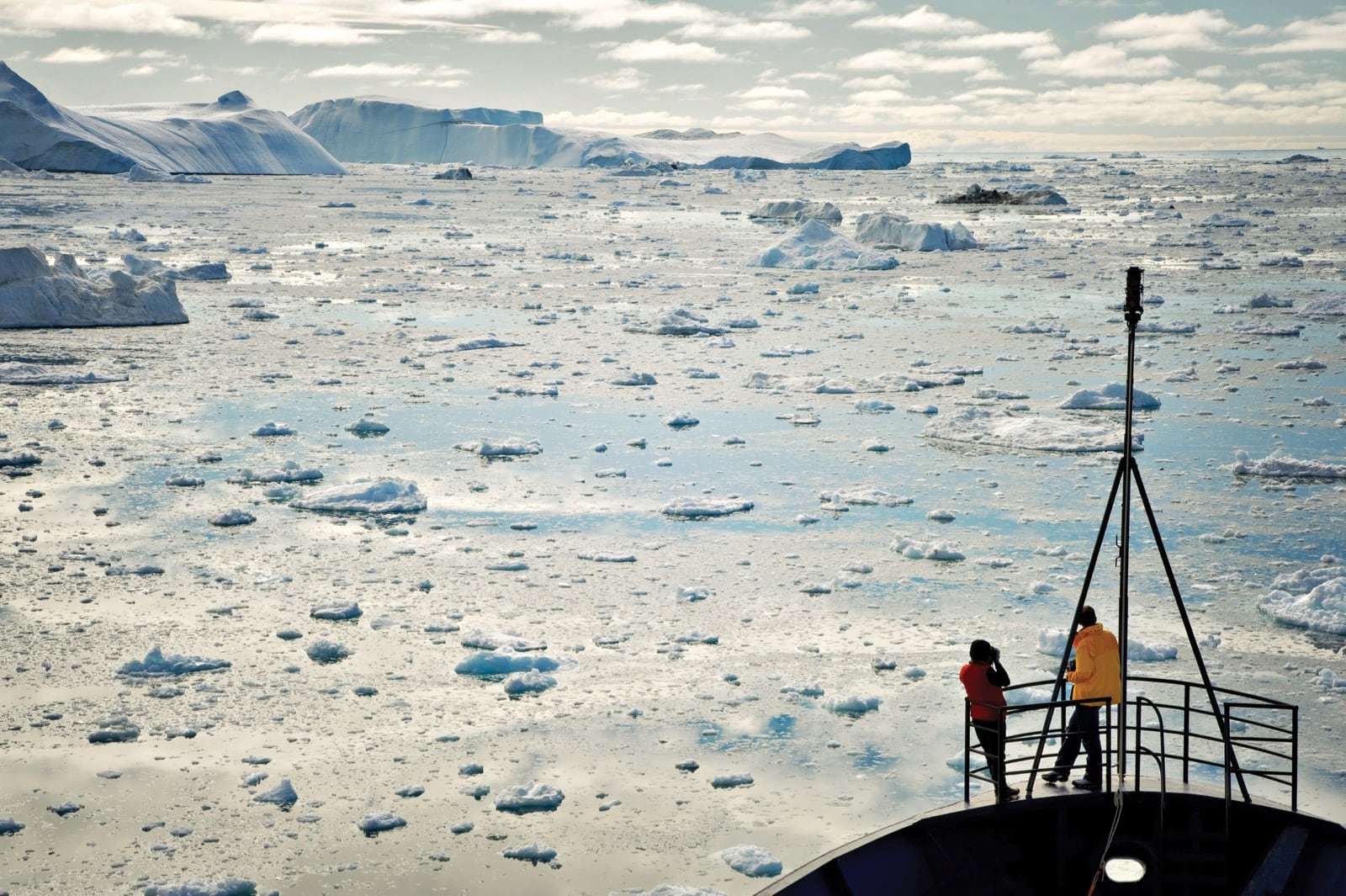
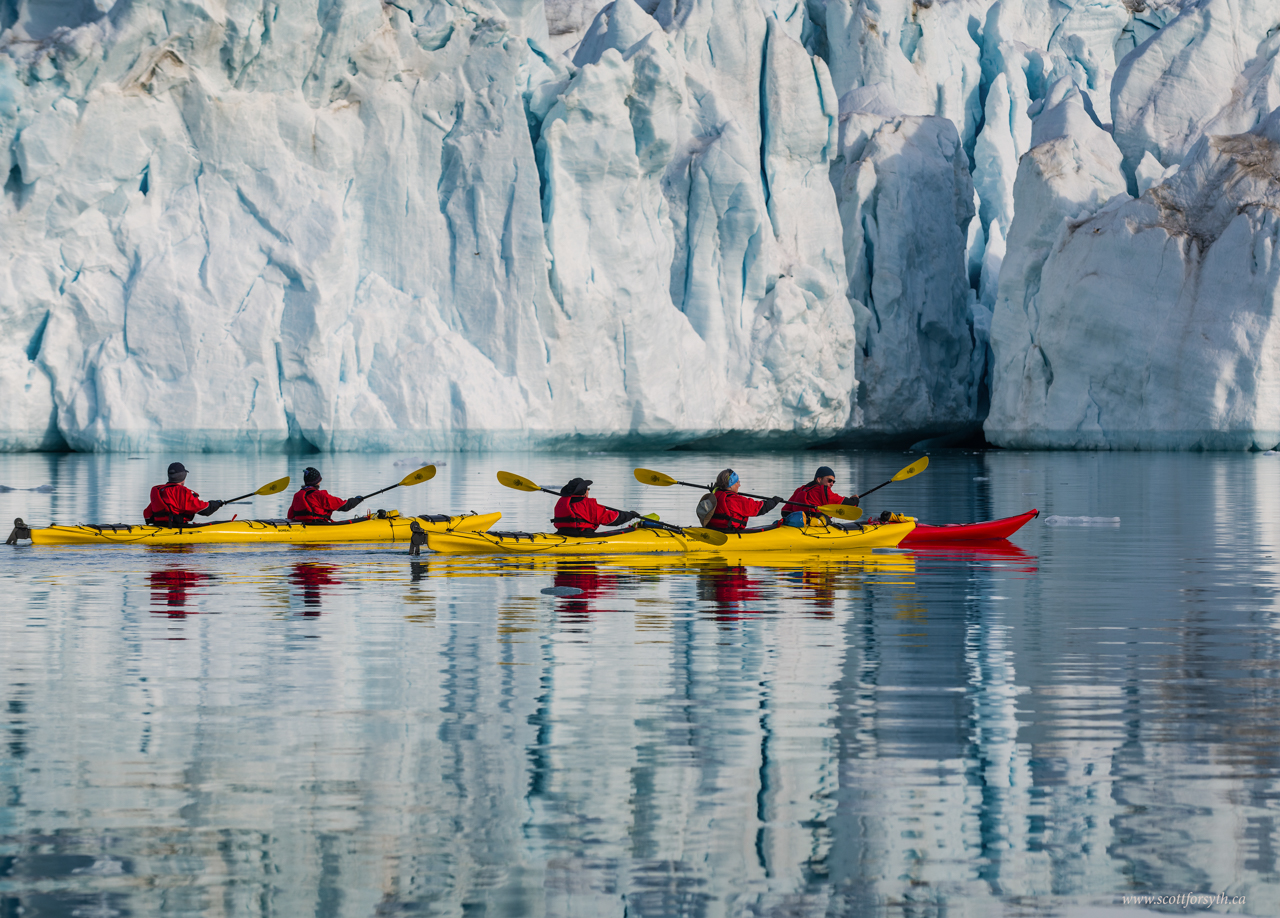
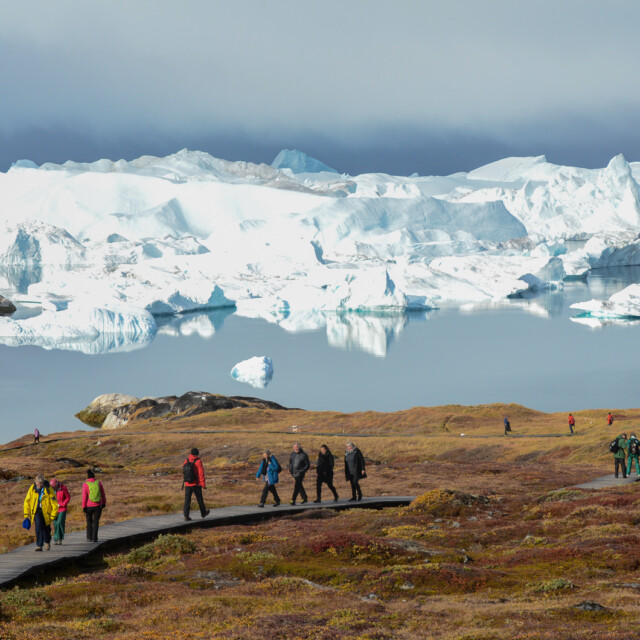
At Ilulissat Icefjord, a UNESCO World Heritage Site, Sermeq Kujalleq carries ice from the Greenland Ice Sheet towards the sea. Immense icebergs enter Disko Bay in a continually changing procession of towers, arches, and fractured blue faces. Ilulissat means “icebergs,” a name that captures the defining presence of ice within the landscape and community.
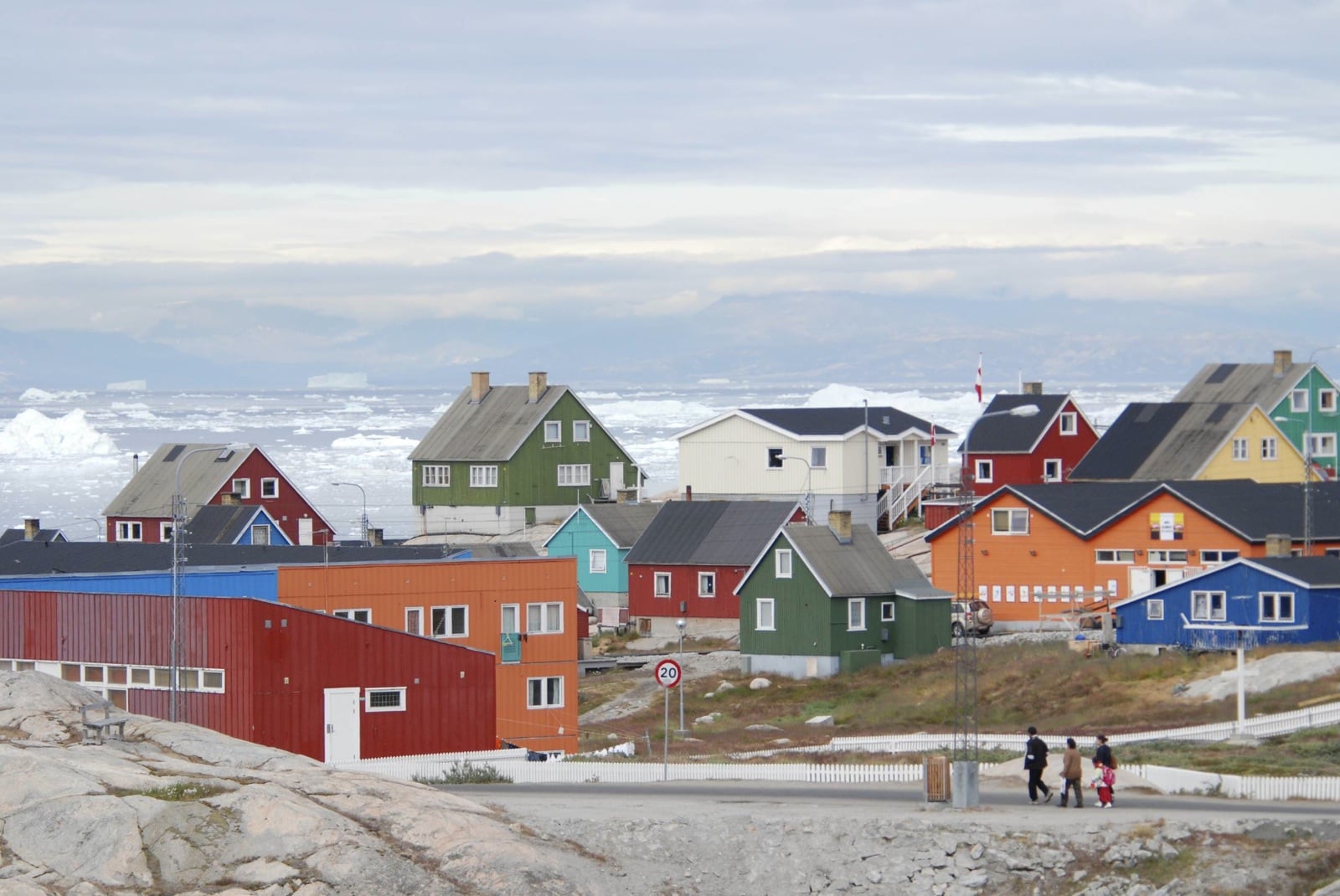
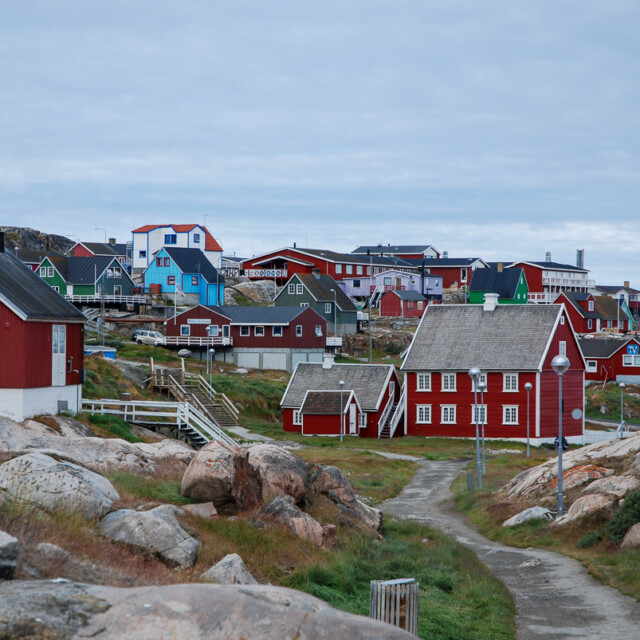
A boardwalk leads towards views across the icefjord, while the Ilulissat Icefjord Centre explores the connections among ice, climate, culture, and human history. In town, a working harbour, museums, restaurants, cafés, shops, and colourful neighbourhoods reveal one of Greenland’s most energetic contemporary communities, lived within sight and sound of the moving ice.
Day 15–16: Sisimiut Coast
The Sisimiut coast brings together mountain ridges, sheltered waterways, offshore islands, and long fjords reaching towards the Greenland Ice Sheet. Autumn deepens the colours of crowberry, dwarf birch, willow, and tundra moss, while lower light sharpens the outlines of rock and water. Darkening evenings may also bring opportunities to watch for the aurora borealis.
Human history along this coast reaches back more than 4,500 years. Archaeological traces left by successive cultures, including Saqqaq, Dorset, and Thule peoples, speak to generations of movement and adaptation. Contemporary communities continue to look to the sea for travel, fishing, and connection.
Zodiac cruises, hikes, community visits, and time aboard offer different ways to experience this meeting of coast and fjord. Whales may still be encountered offshore, while seabirds move through the final stages of their seasonal migrations.
Day 17: Kangerlussuaq, Greenland
Kangerlussuaq lies within a broad glacial valley between the Greenland Ice Sheet and the sea. Its dry climate and unusually stable weather led to the establishment of an American air base here during the Second World War and continue to make it one of Greenland’s most important aviation gateways. The surrounding region has a much longer history as a place of Inuit travel and hunting.
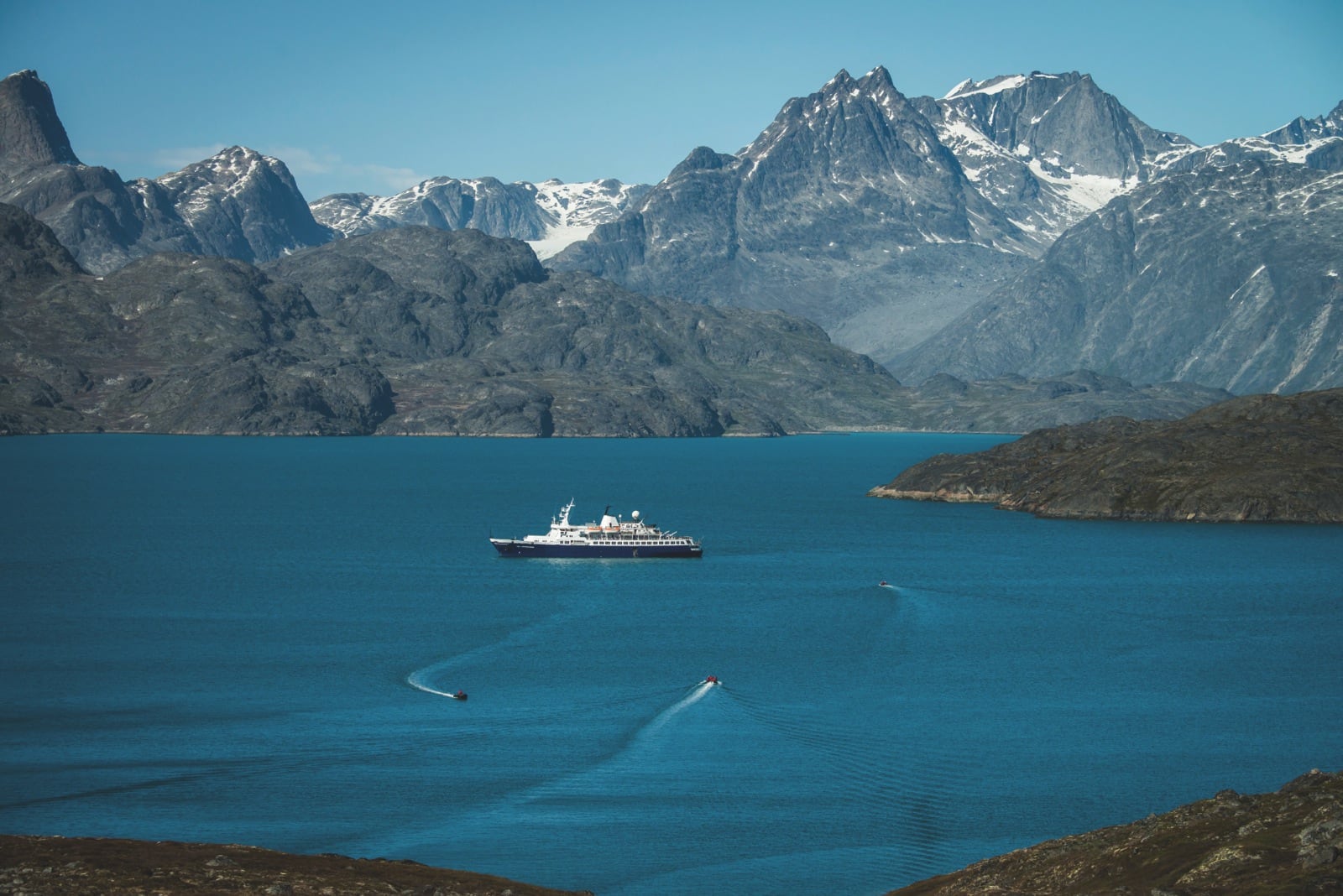
The journey concludes after sailing through Kangerlussuaq Fjord, one of Greenland’s longest fjords. Mountains, glacial valleys, and pale meltwater mark the transition from the western coast towards the interior. After disembarkation, transfer to the airport for the charter flight south.
From the moving waters of Kugluktuk to this glacial valley, the route has crossed the Northwest Passage from west to east through a season of changing light.
What to Expect
What to Expect
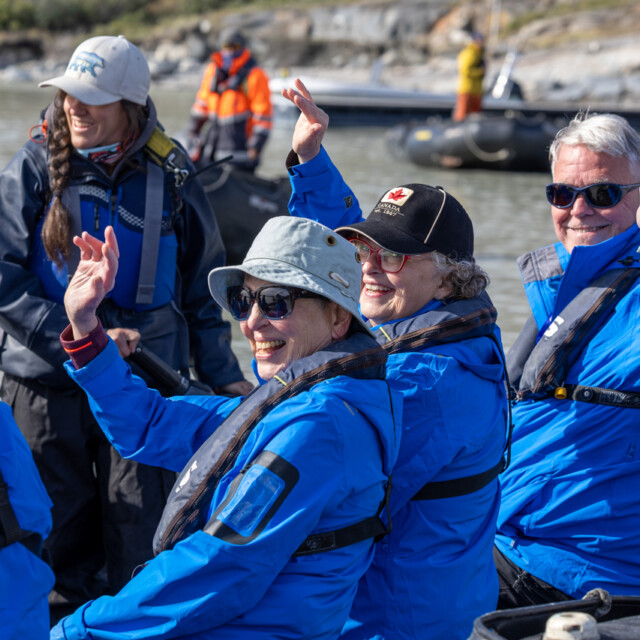
Our small ship cruising programs allow you to experience the best of the natural world, while enjoying the comforts of our friendly floating hotel. The ship generally makes crossing between islands at night, so every morning you awake to new vistas and discoveries. Every day we offer a combination of interesting shore excursions and fun shipboard activities. You can choose which elements of the program you want to participate in.
This is a general natural history and cultural expedition rather than a dedicated birding tour. Travellers can look forward to a mix of wildlife viewing, cultural experiences, and time to appreciate the region’s incredible scenery — with opportunities for birding included along the way.
This expedition cruise necessitates passengers to be in reasonably good health. Zodiac cruises and transfer times can be lengthy. You must be able to climb stairs between decks on the ship, as well as the external gangway stairs to transfer between the zodiac and ship.
Some of our shore landings will be ‘wet’, requiring waterproof boots. Once you have left the zodiac, you’ll find our shore excursions accommodate both those who wish to enjoy a gentle stroll and those who prefer more active hikes. The excursion may involve walking over uneven or sandy terrain in variable weather conditions. Our onboard specialists will join us on these shore excursions to provide interpretation and narration to these wonderful landscapes and experiences.
Each evening we will gather in the lounge to recount the day’s events and share memorable stories. Our onboard musician will provide some lively entertainment during happy hour and the expedition leader will outline the following day’s schedule. Our resource staff of naturalists, historians, and other guest speakers will give informative talks at various times throughout the voyage.
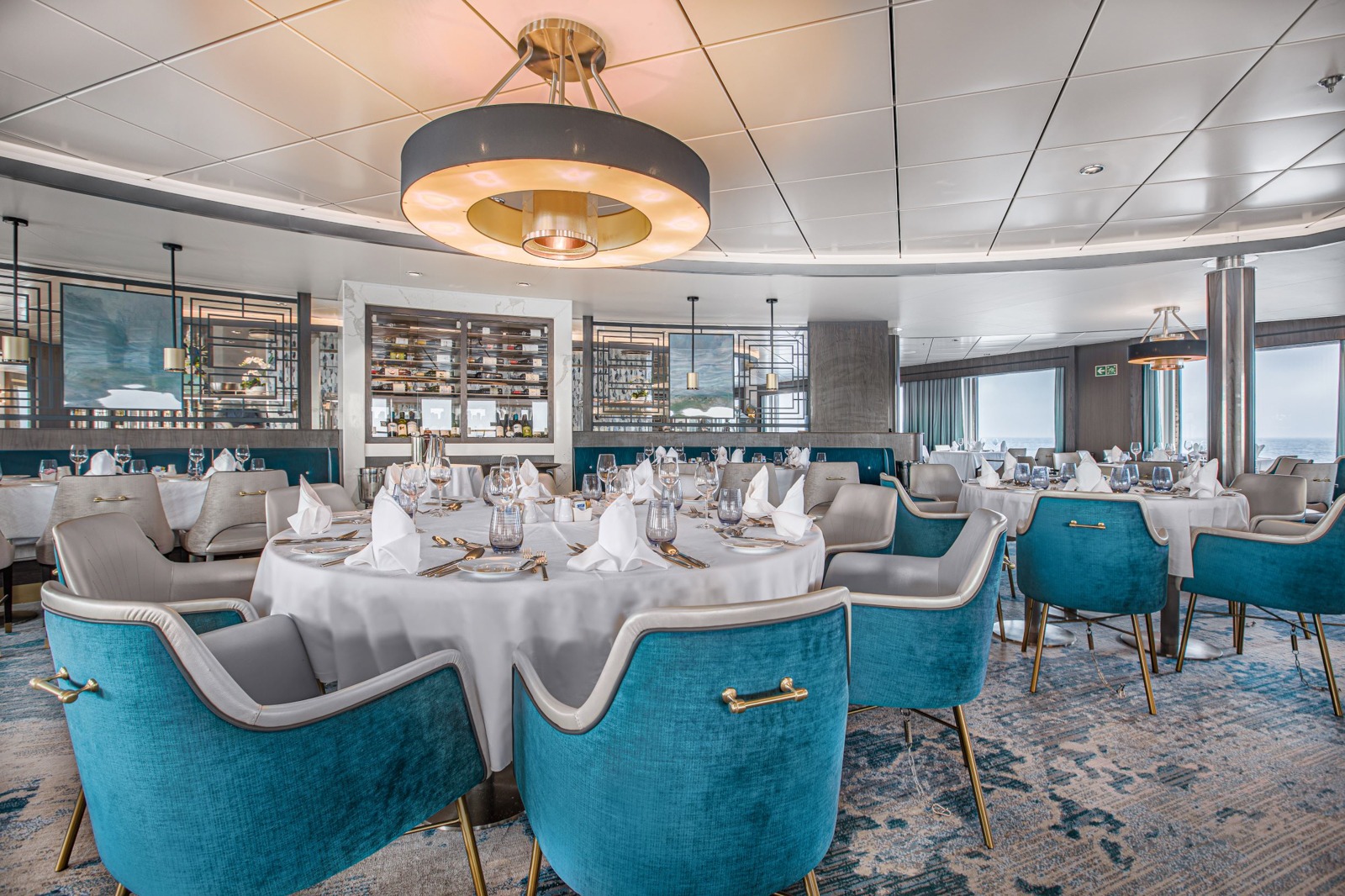
Meals in the ship’s dining room are a great opportunity to meet new friends and recount the day’s adventures. Special diets can be accommodated with advance notice. Safety is also a top priority with Eagle-Eye Tours – our team has extensive experience in the field, and all of our Voyages are run in conjunction with operators with the highest safety standards.
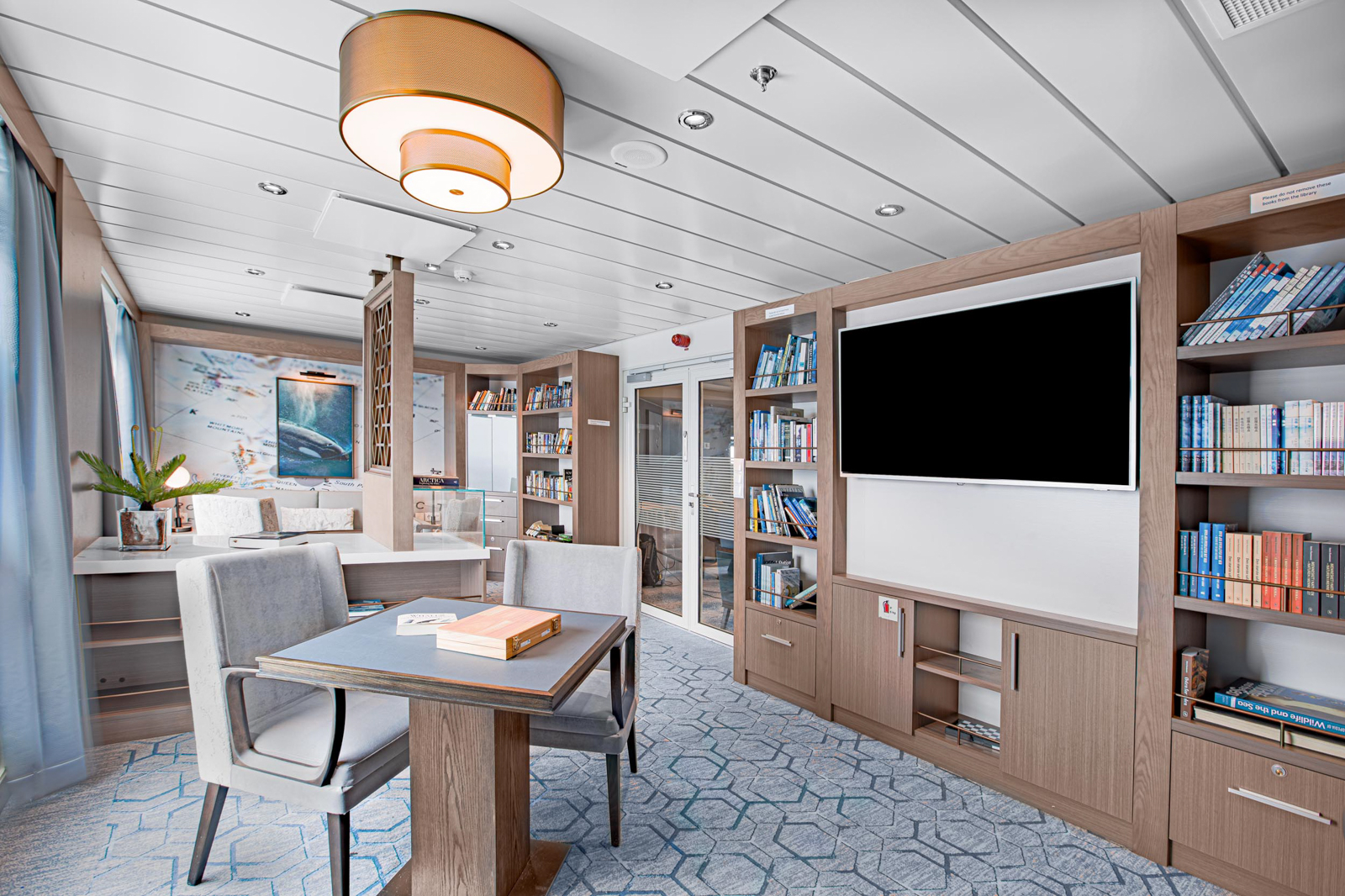
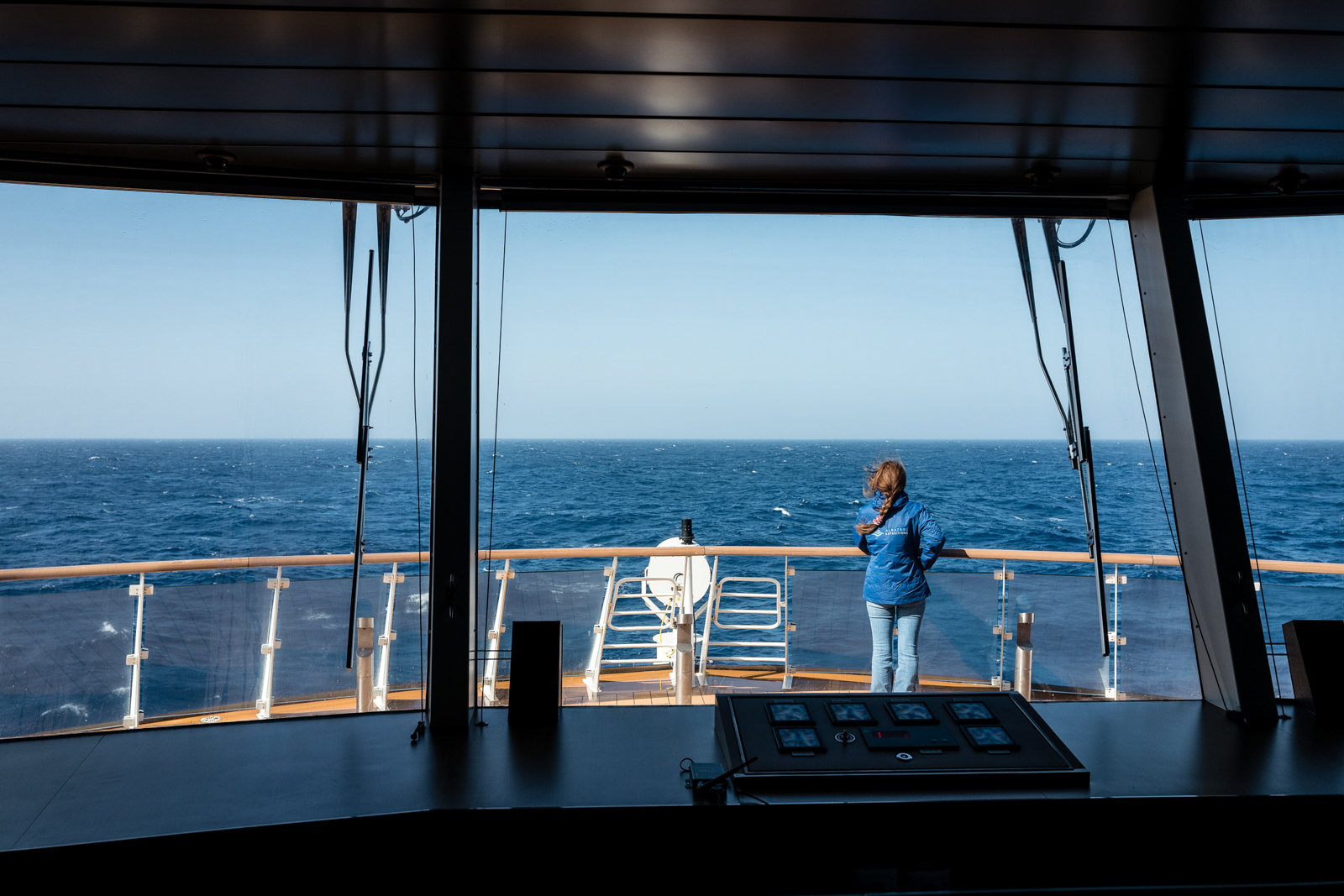
When the ship is underway, it is a wonderful time to join a naturalist on deck, take photos of the stunning scenery, or get caught up on some reading in the library.
Weather, ice, government regulations, and community requests may necessitate changes to the planned itineraries and/or the cancellation of certain shore excursions and enhancements. Published itineraries are examples only and we reserve the right to change or modify the itinerary and landing sites at any time prior or during an expedition. Changes will be communicated at your expedition orientation or during your onboard expedition briefings.
We know that everyone travels for different reasons. Over the years, however, we have found one common element among the guest who choose to travel with us – a thirst of knowledge and authentic experience. Knowing this drives us to ensure the highest quality learning experience on our trips, by taking time to carefully design each trip we offer.
Frequently Asked Questions
Ship Trip FAQs
Find answers to our Frequently Asked Questions regarding our Ship Trips, including information on our cancellation and refund policy, or how fit you need to be to go on an expedition cruise or sailing tour.
Ship & Deck Plan
Ship & Deck Plan: Ocean Victory
Ocean Victory
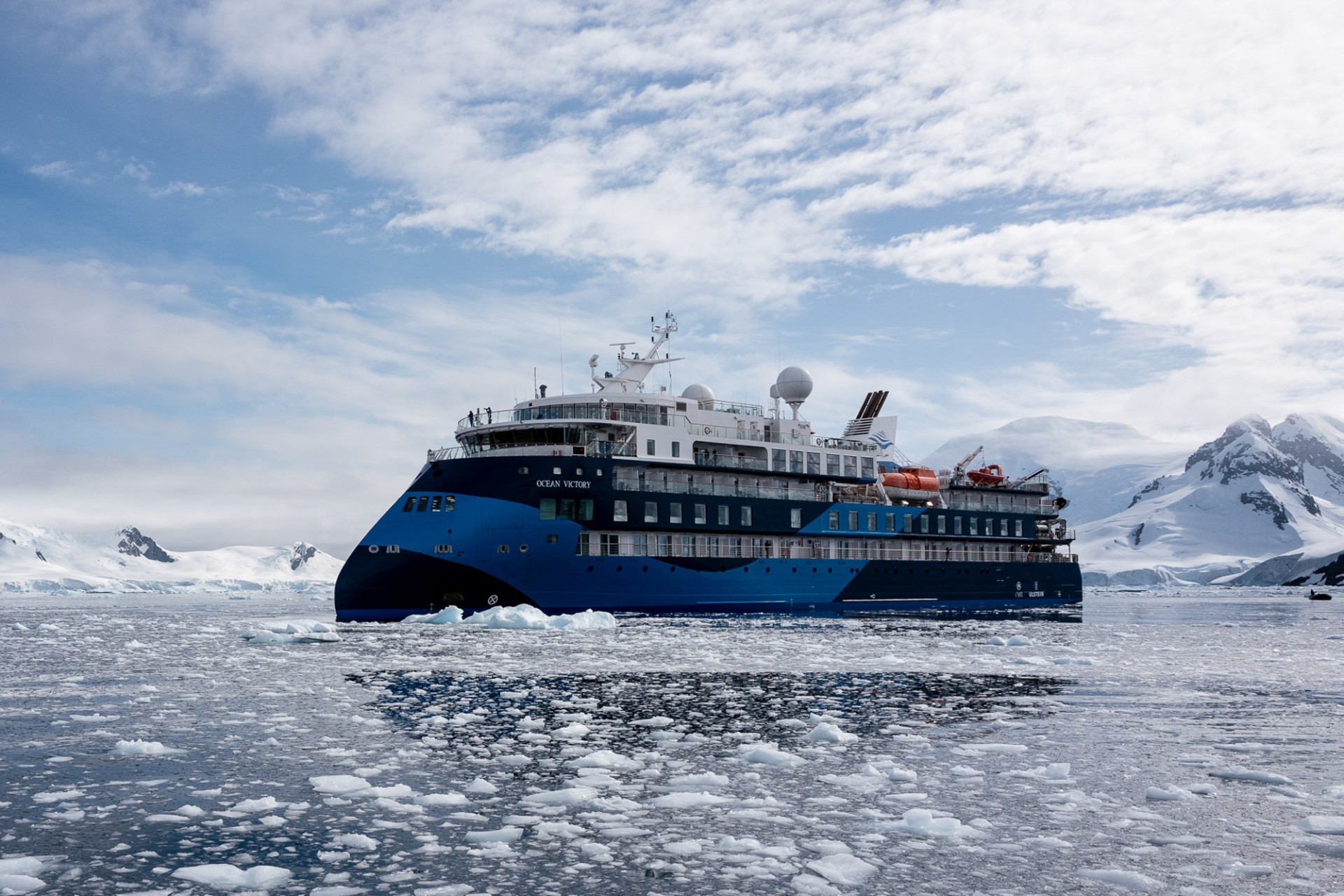
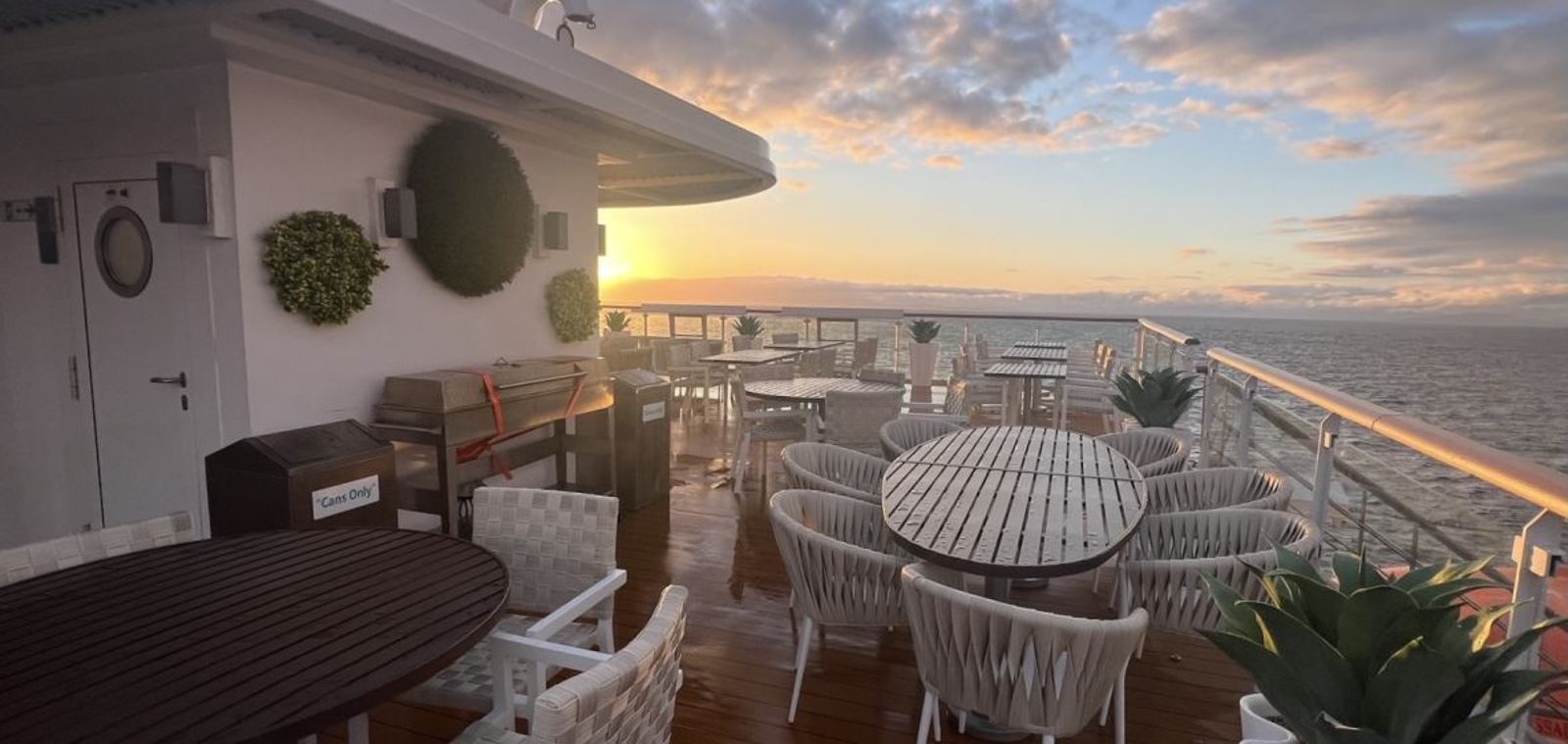
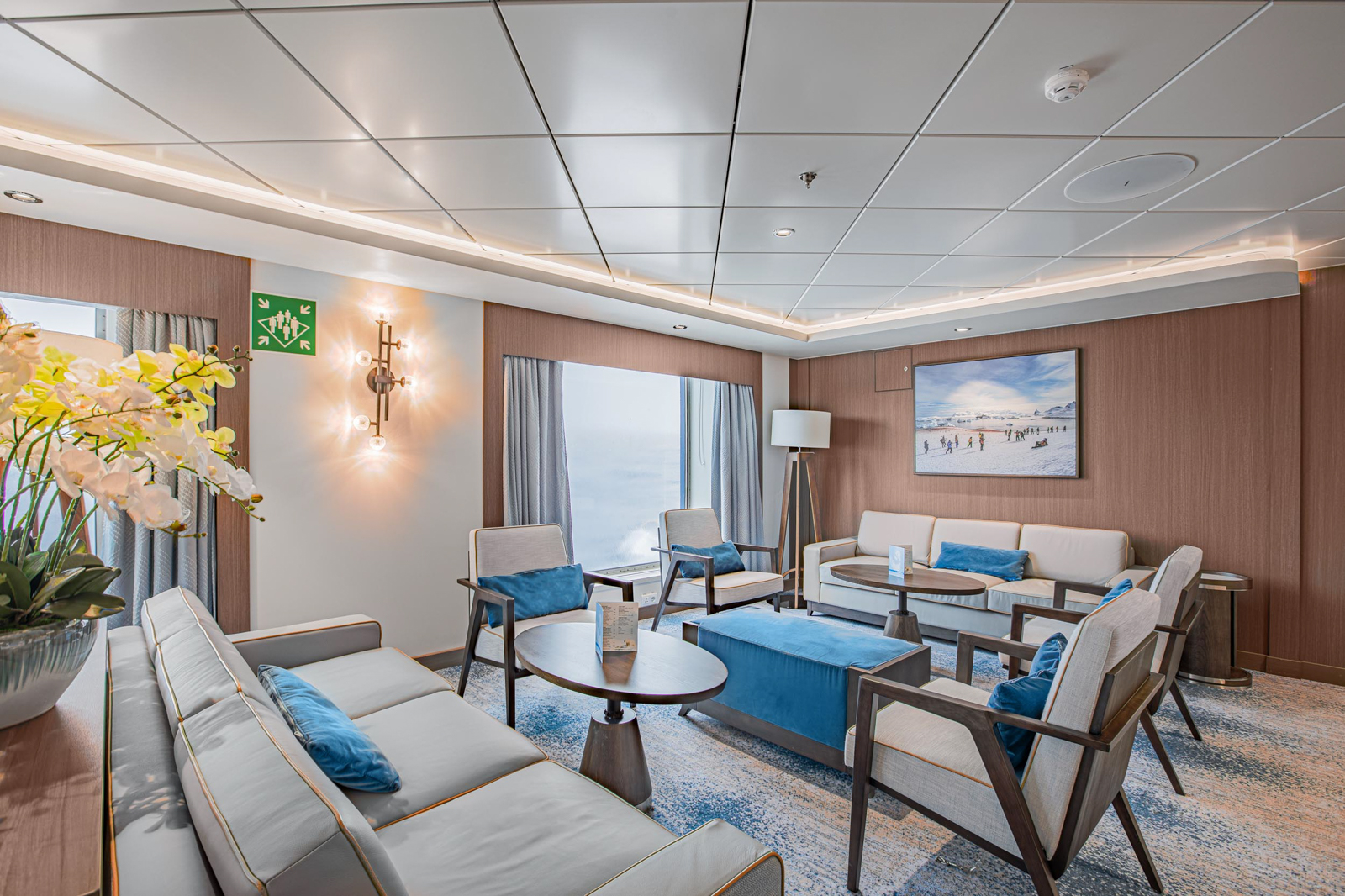
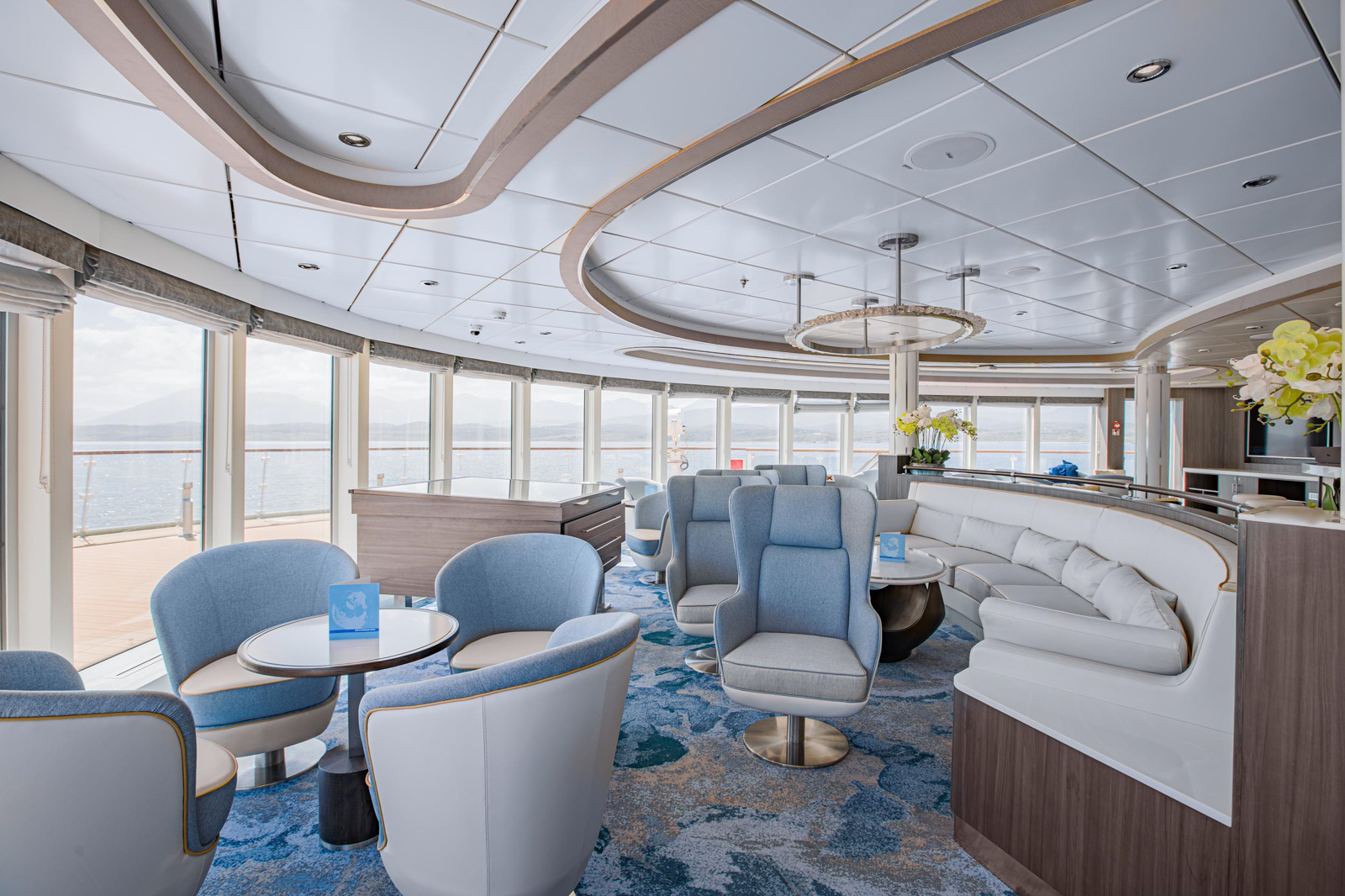
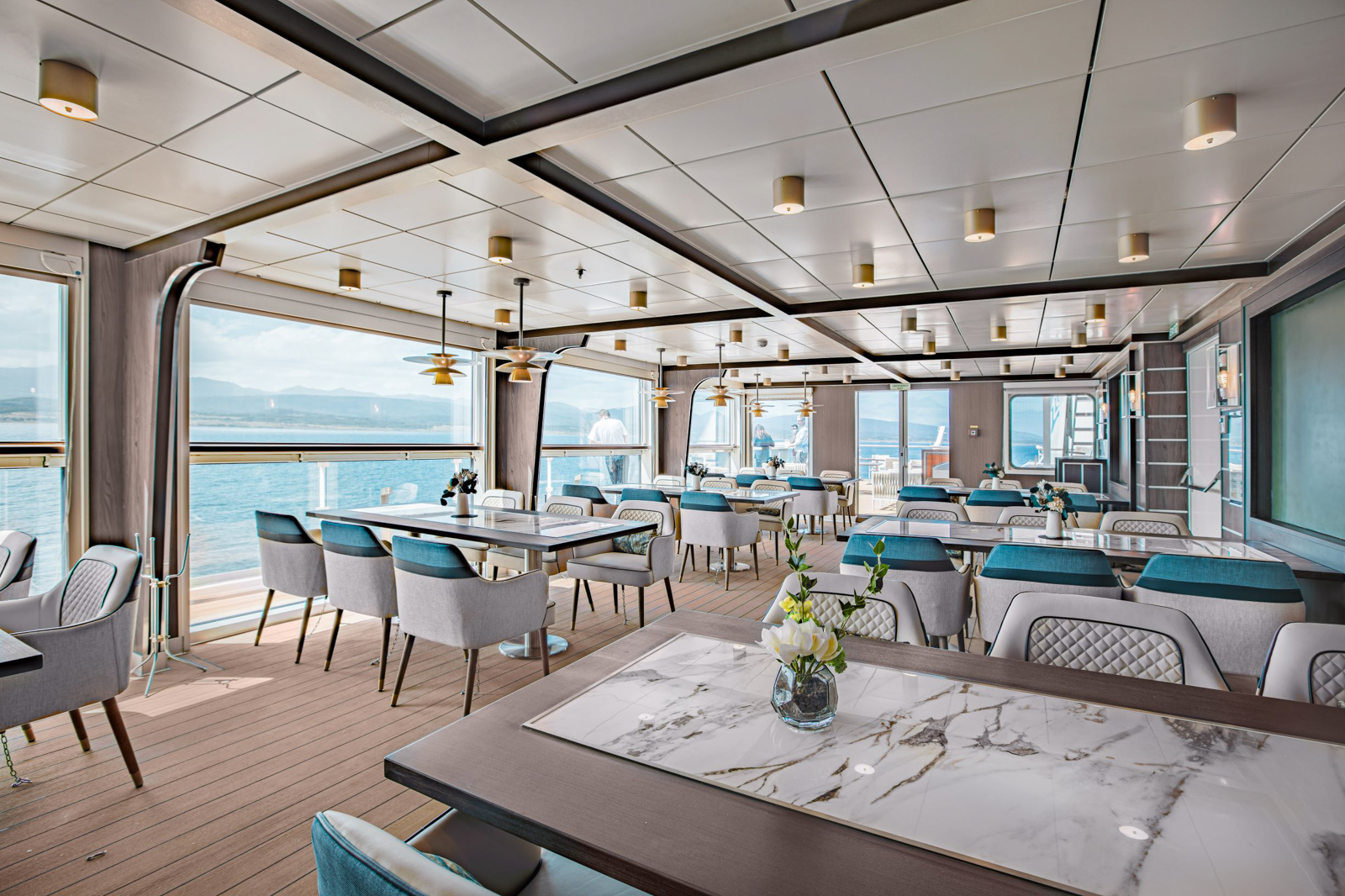
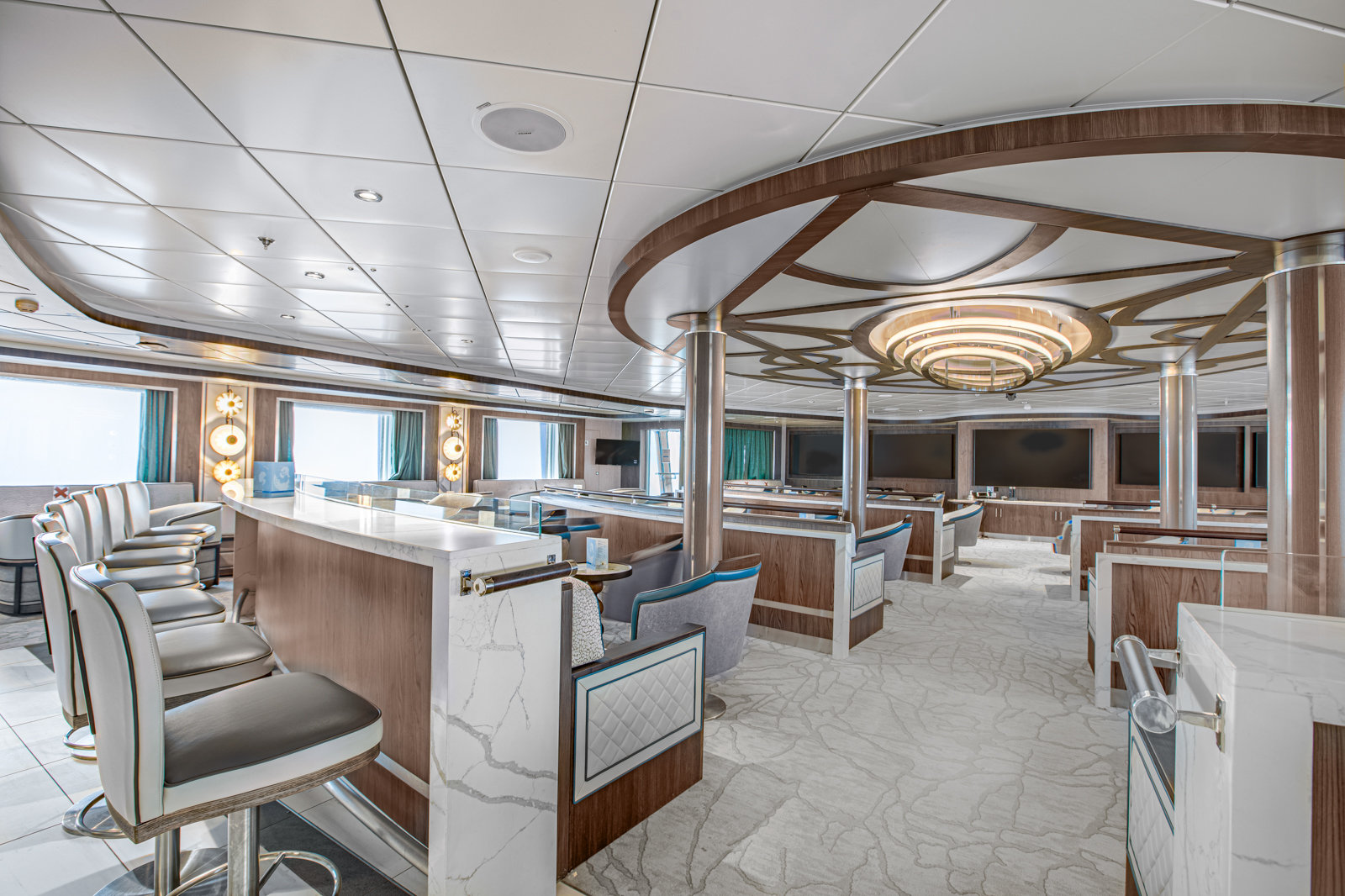
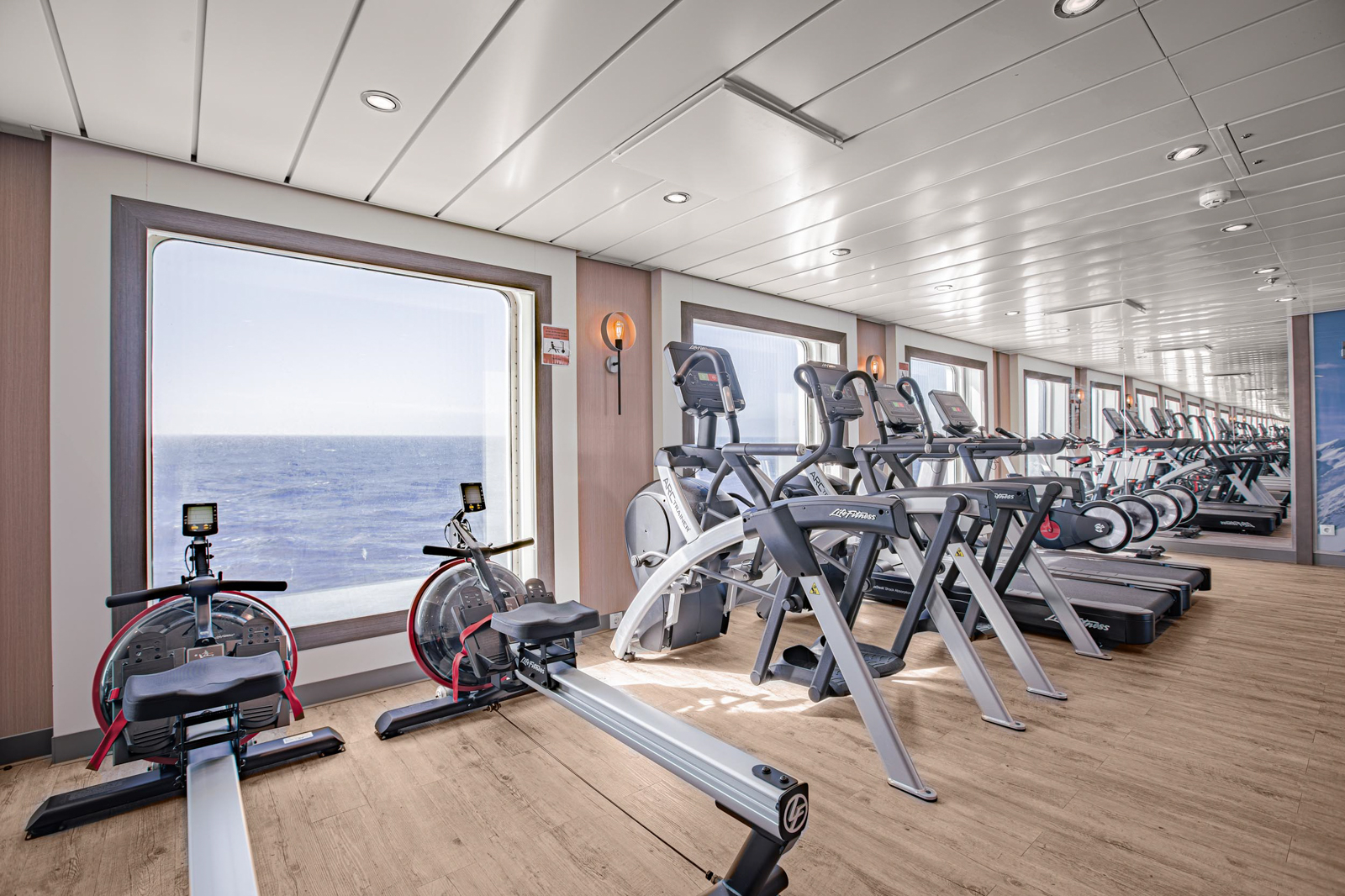
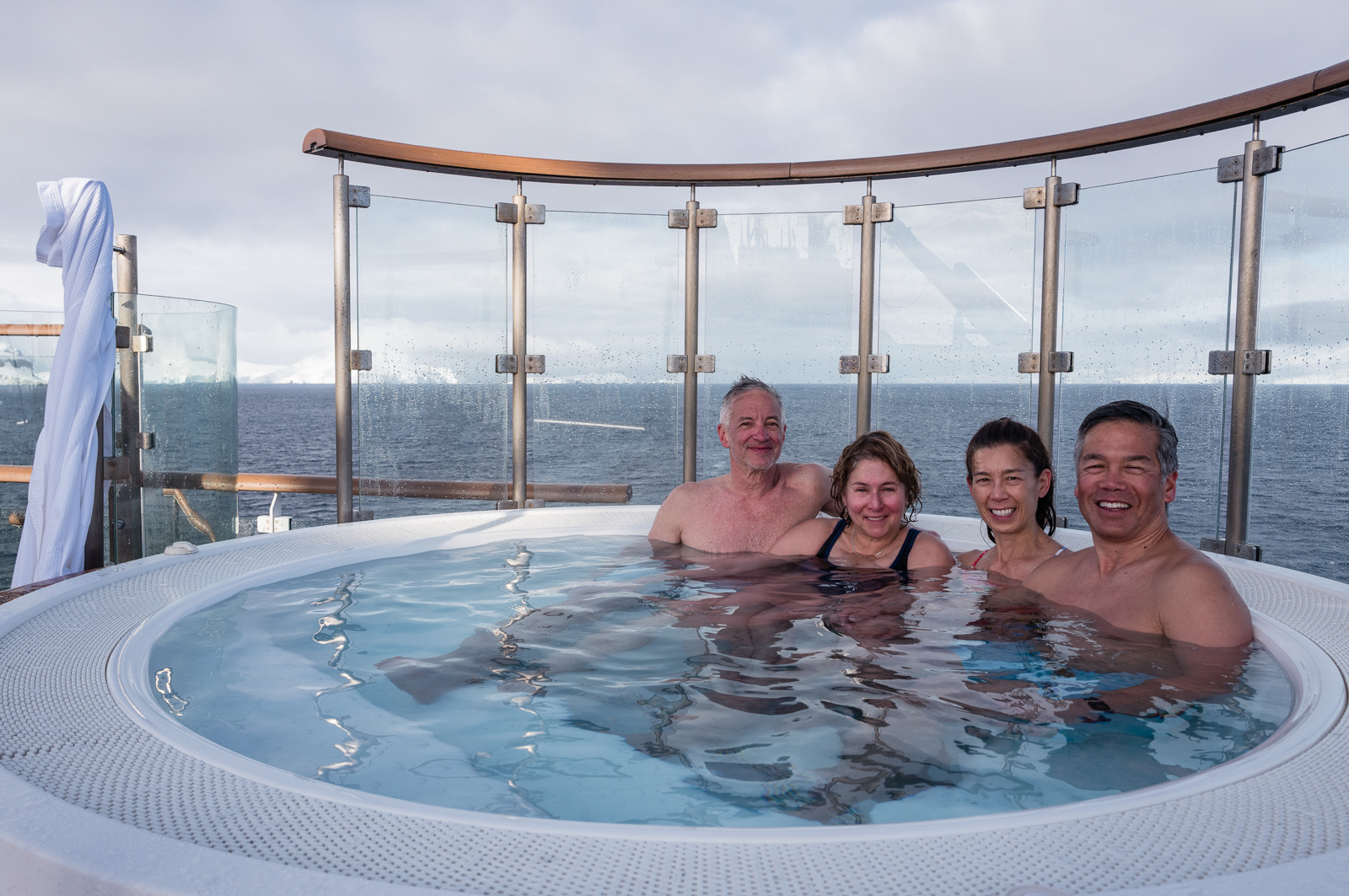
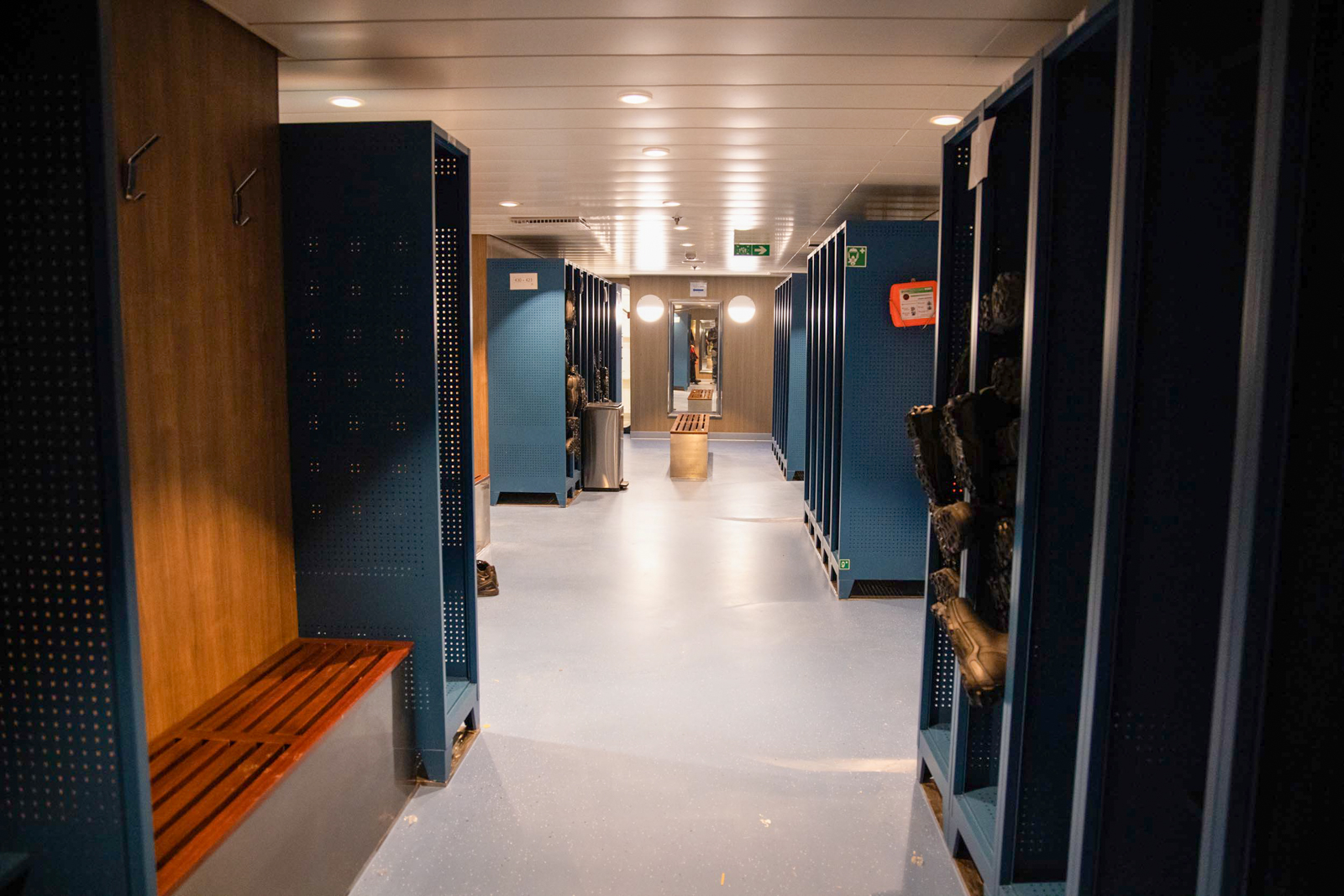
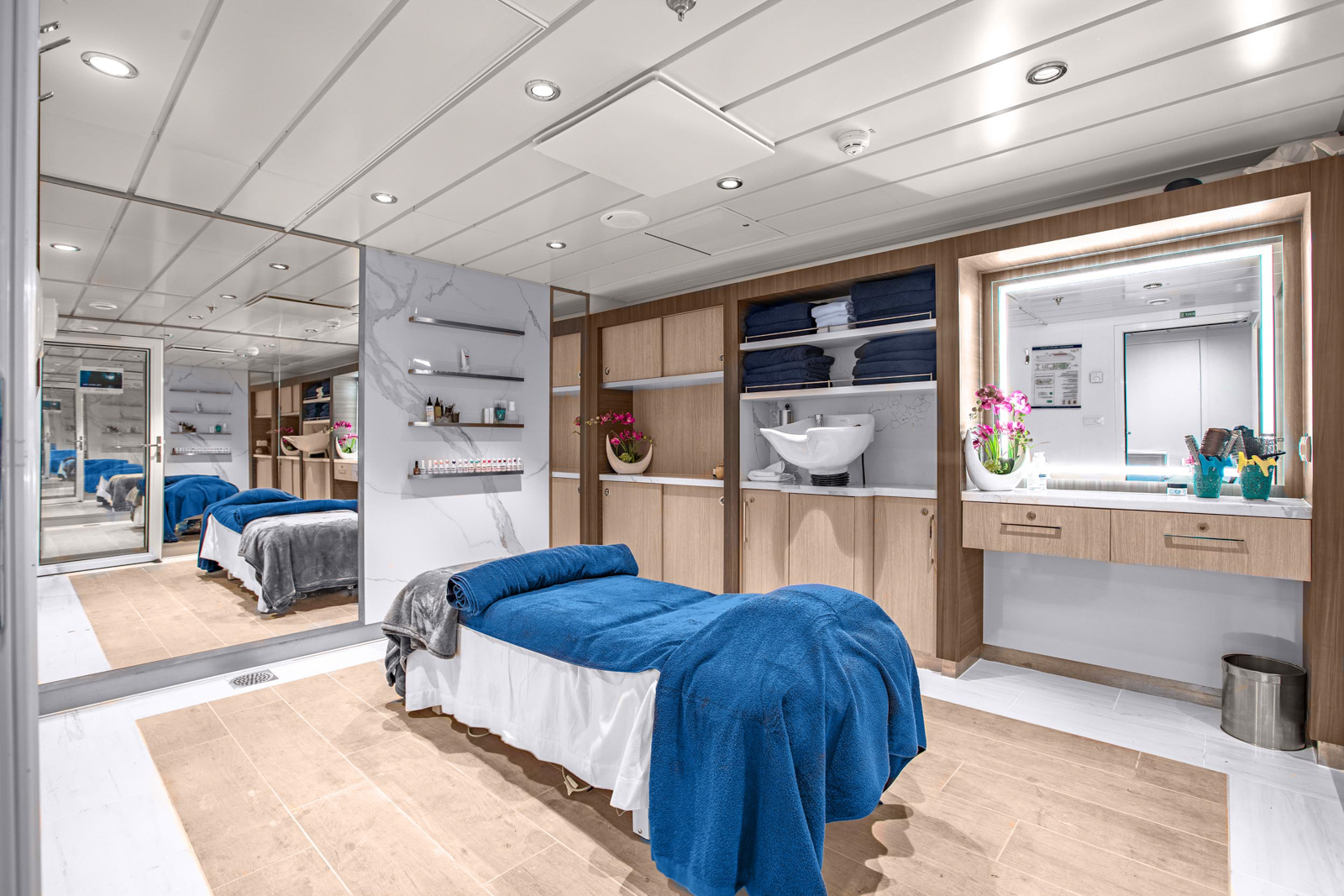
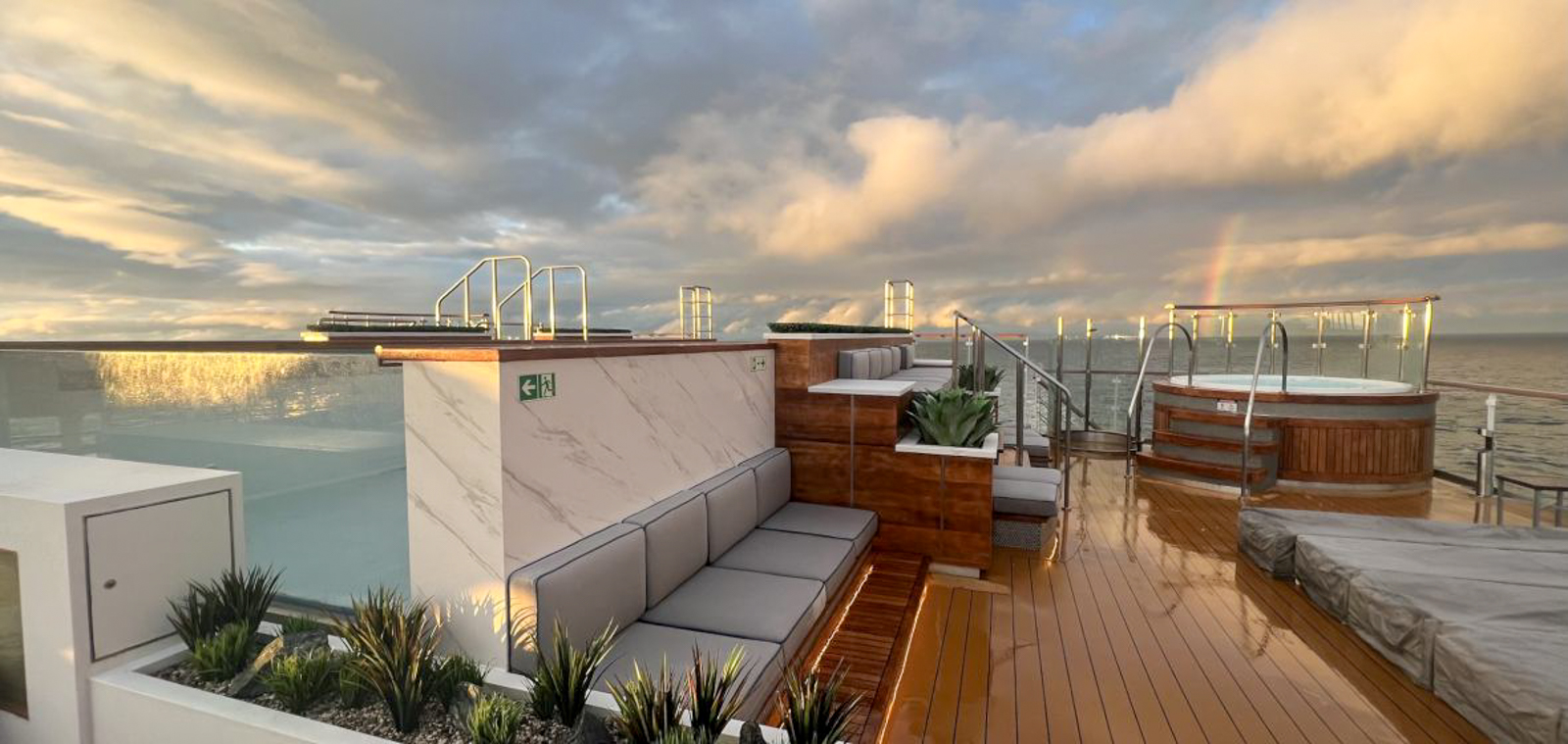
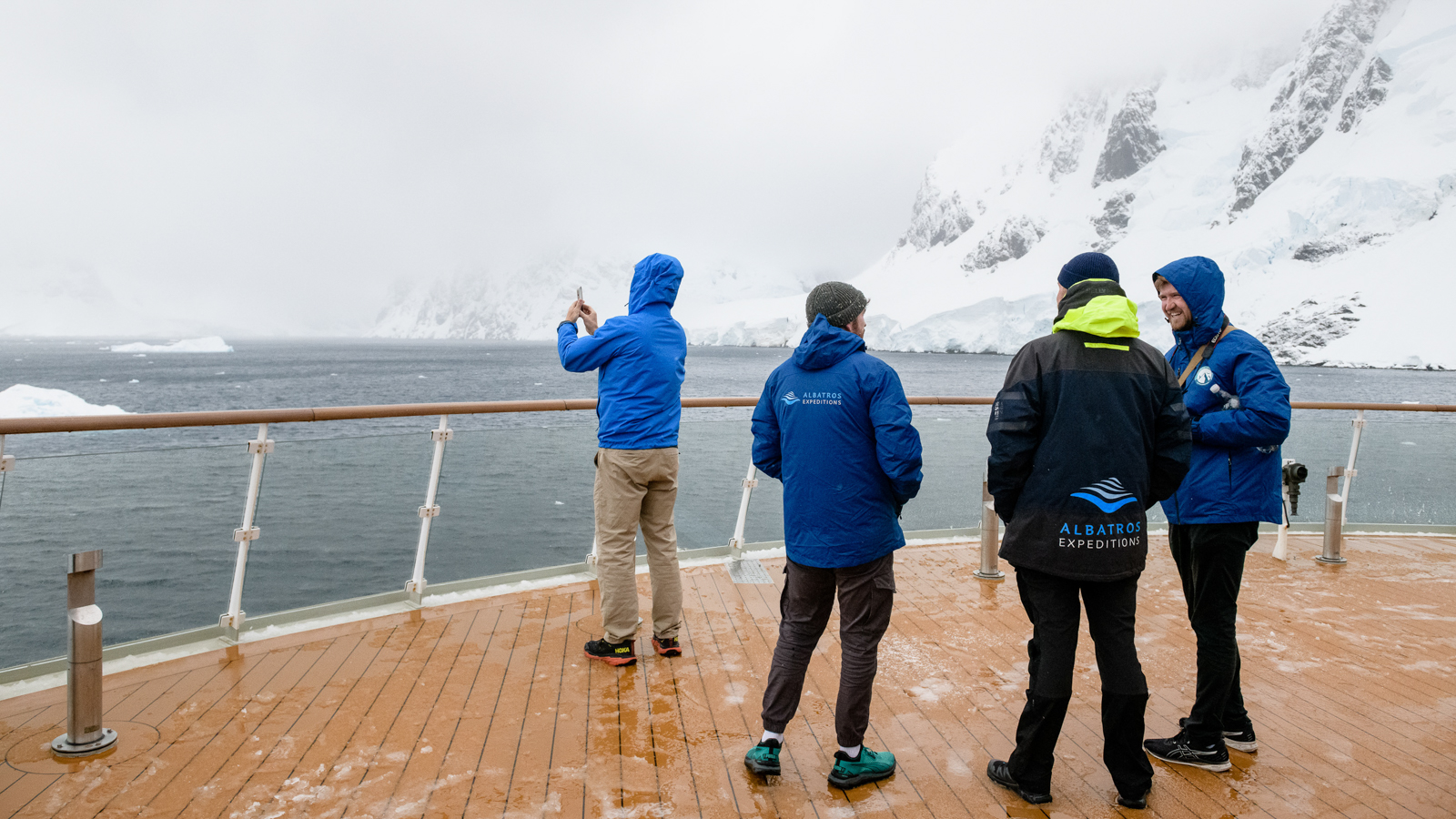
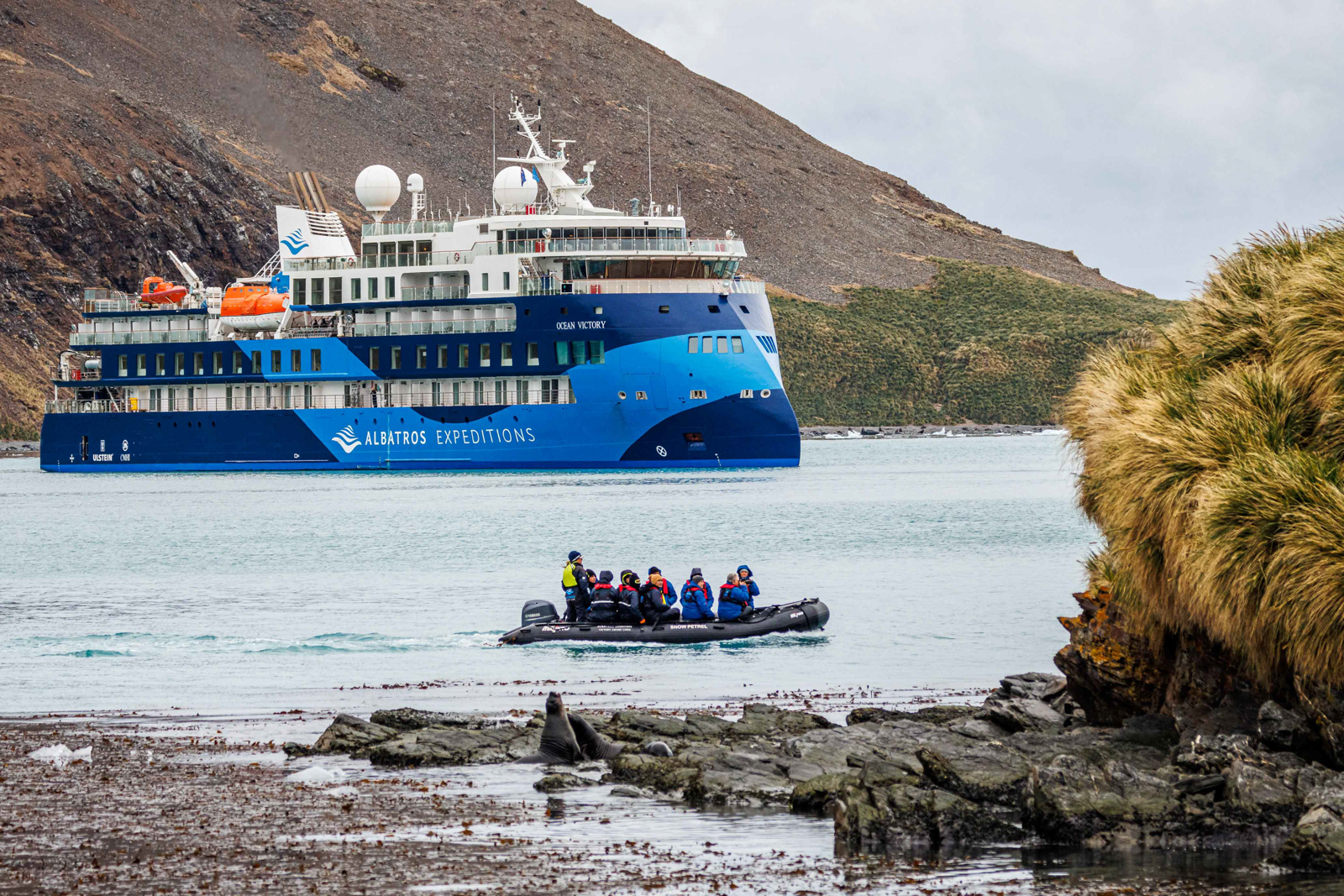
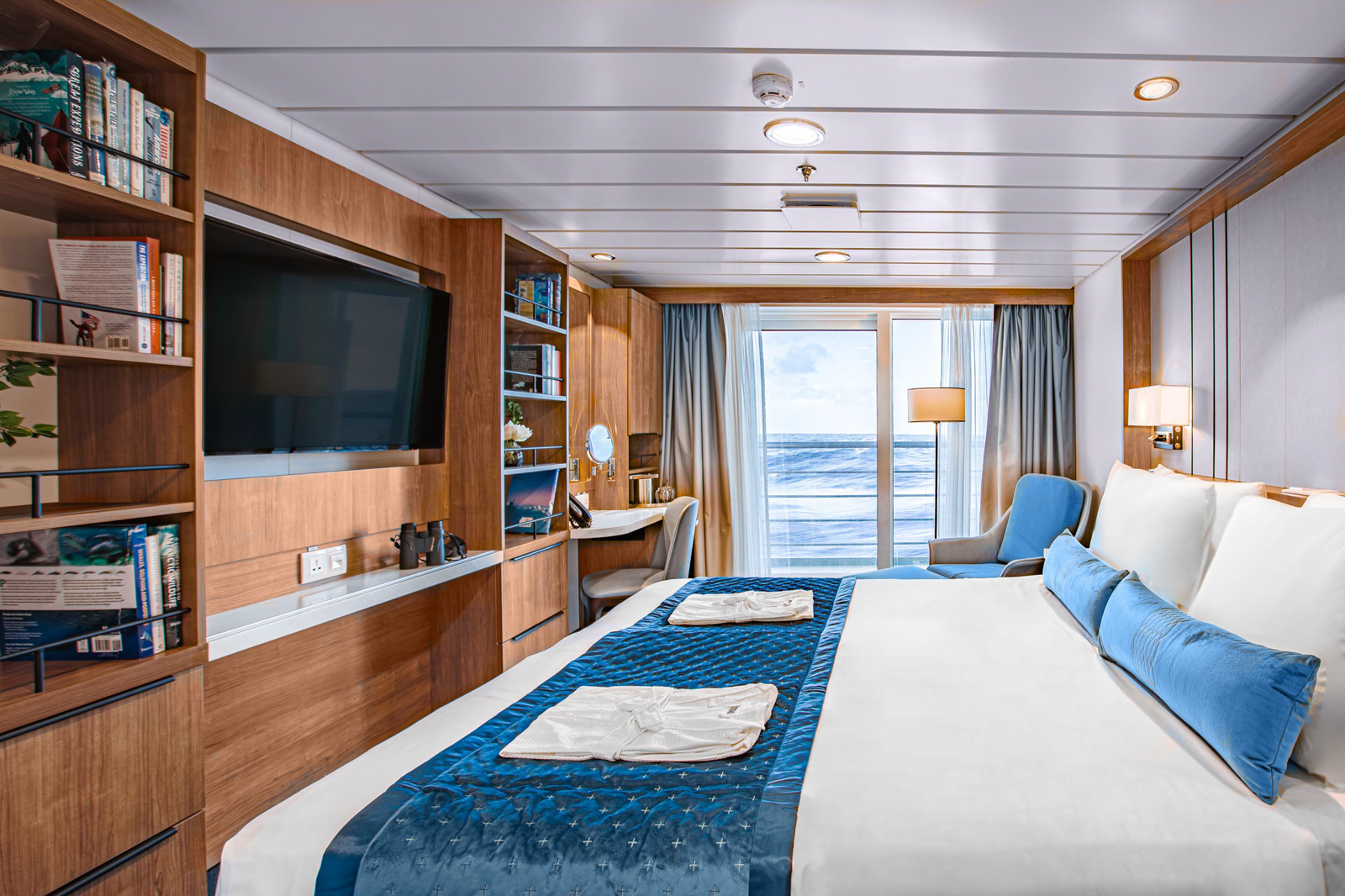
The Ocean Victory, launched in 2021, is one of the most modern small expedition vessels at sea. Purpose-built for discovery, it combines comfort, capability, and a deep commitment to sustainability—an ideal platform for our smallship journeys to some of the world’s most remarkable places. Its innovative X-BOW® hull delivers smoother, quieter crossings and greater stability, while its ice-strengthened design ensures safe passage into areas few ships can reach. On board, travellers are welcomed into bright cabins, panoramic decks, and inviting spaces designed to spark conversation, laughter, and learning. Shared meals, engaging presentations, and quiet moments of reflection as icebergs drift past create a sense of community and curiosity. The Ocean Victory offers a rare combination of comfort, connection, and environmental care.
Highlights:
Purpose-built for exploration with capacity for 186 passengers
Polar Code 6 and Ice Class 1A certification
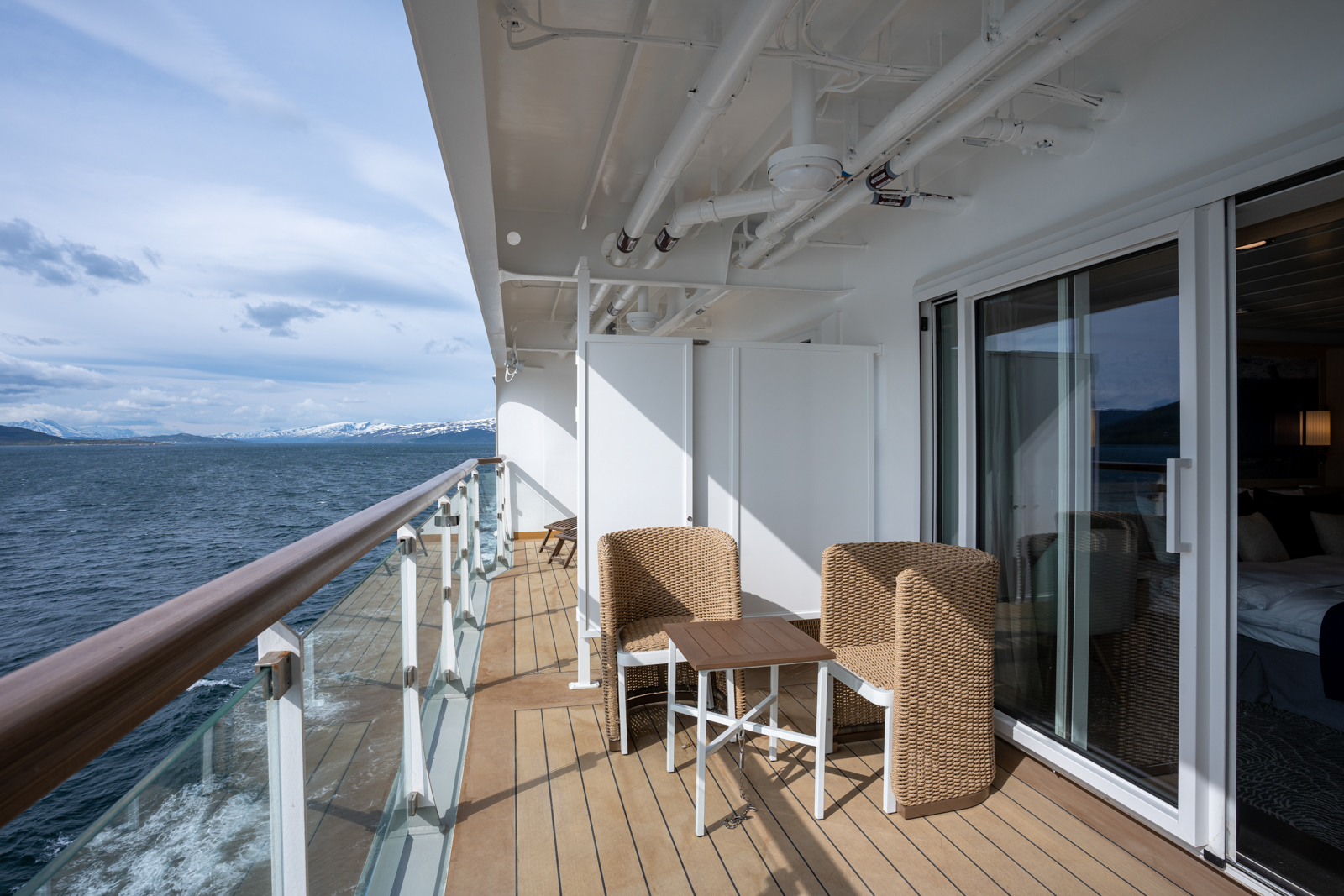
All cabins with ocean views, most with balconies
New X-BOW® design for more comfortable sea travel
Low-energy design plus on-board green initiatives for responsible, sustainable travel
Learn MoreDeck Plan
Featured Wildlife
Featured Wildlife
While we cannot guarantee sightings of the birds or mammals listed below, we believe that encountering these species is quite likely during this tour.
- Northern Fulmar
- Dovekie
- Glaucous Gull
- Thayer's Gull
- Iceland Gull
- Polar Bear
- Musk ox
- Narwhal
- Humpback Whale
Past Tour Checklists
Past Tour Checklists
View the list of birds and other wildlife we encountered on our past tours.
- Out of the Northwest Passage Bird & Mammal list (pdf)
- Out of the Northwest Passage mammal list 2025
- Out of the Northwest Passage species list 2014
- Out of the Northwest Passage species list 2013
Compare your life list to our last tour
Get an estimate of how many new species you may see.
Try our Lifer tool