Great Bear Rainforest Sailing
- Upcoming Departures:
- Sep 20 - 27, 2026
- Aug 25 - Sep 1, 2027
- Sep 10 - 17, 2027
Highlights
Highlights
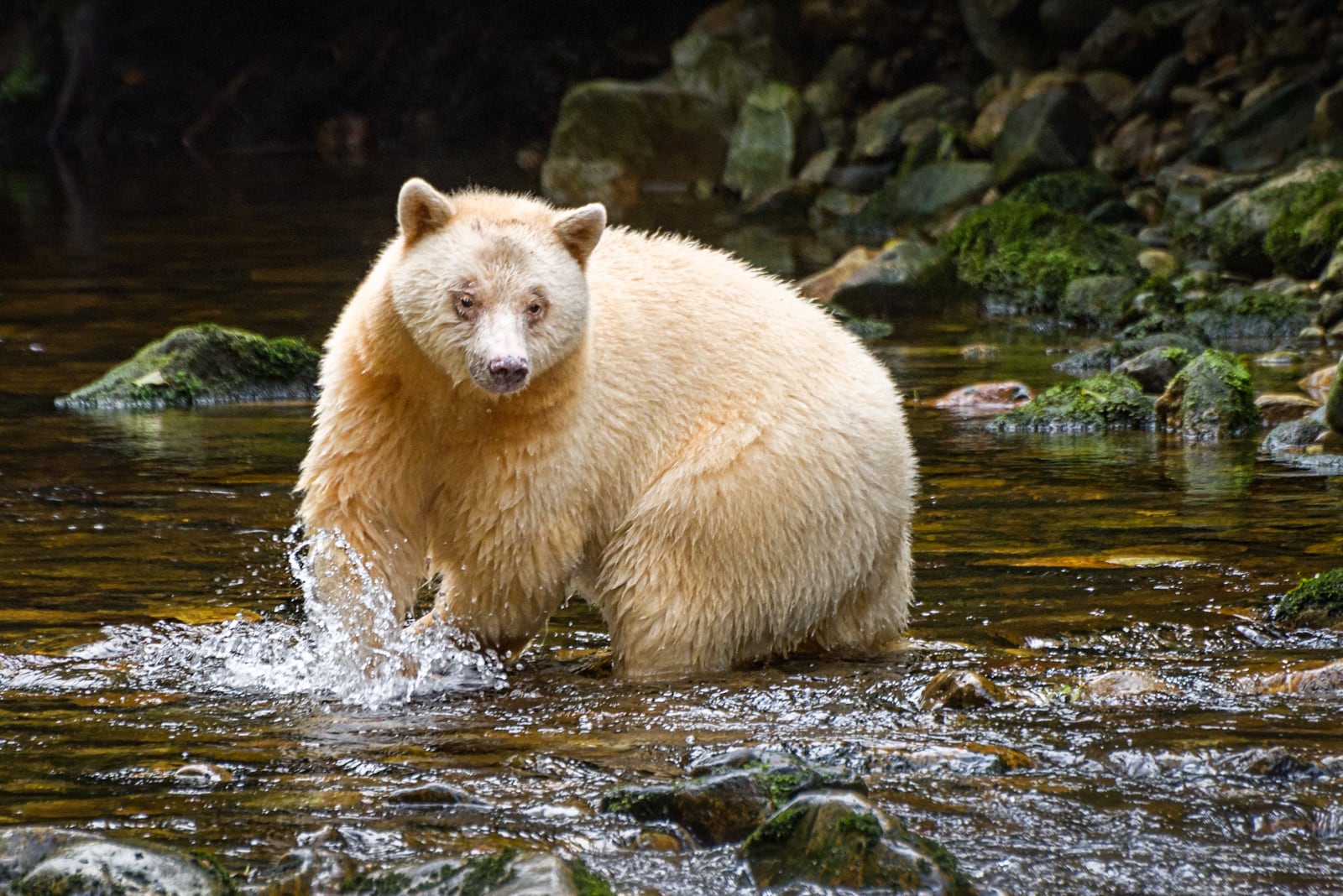
- Spend a day with local Gitga’at First Nation guides who will take us to their favourite bear viewing areas. With a little patience, we hope to be lucky enough to see black bears and the Spirit bear.
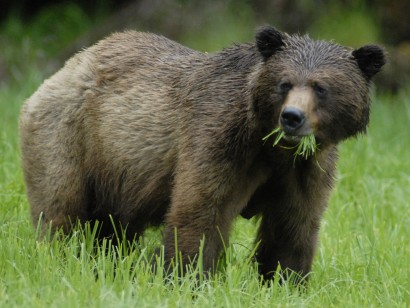
- Great opportunities for grizzly viewing from the ship
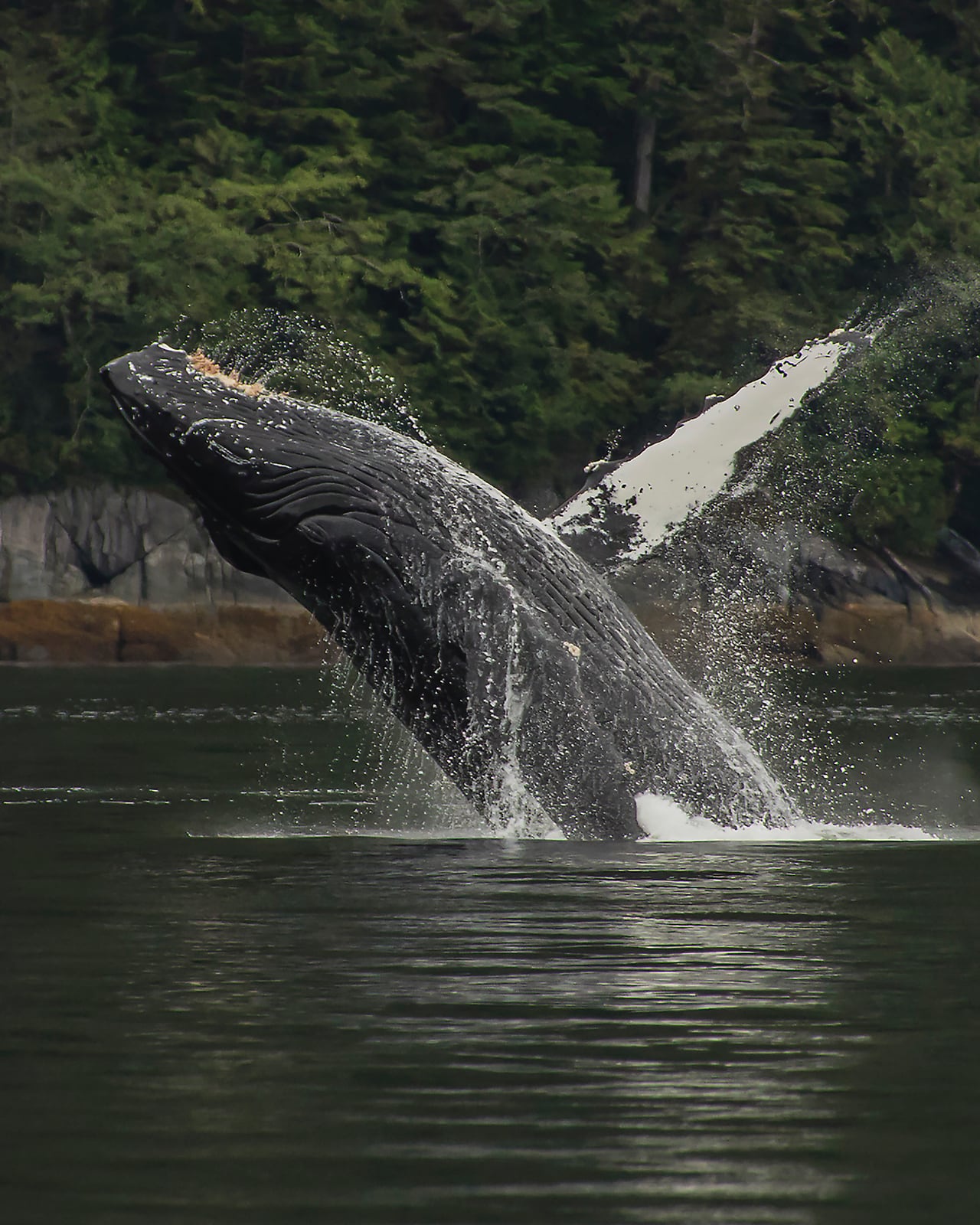
- Look for Fin and Humpback Whales and watch their fascinating behaviours
- Visit Bishop Bay Hot Springs
Map
Map
Overview
Tour Overview
Cruise the Great Bear Rainforest in search of bears, whales and wolves. The remote central coast of British Columbia holds a spectacularly scenic wilderness. Every fall Grizzly and Black Bears come down from the towering peaks and lush rainforests to feed on spawning salmon.
On this adventure we search for these bears, including the all white race of Black Bear called a Kermode or Spirit Bear. We also have a good chance of finding wolves, humpback whales and numerous migrating and resident birds, including large numbers of Bald Eagles.
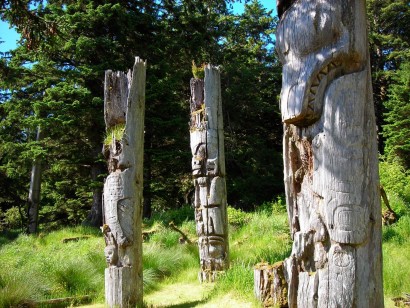
Join us to experience nature as you have never seen it alongside ten-thousand-year-old native cultures and learn why the Great Bear Rainforest is one of the last gems on the Pacific Coast.
Departures & Cabins
Departures & Cabins
More dates may be available than those listed - contact us for more information.
Deck Plan
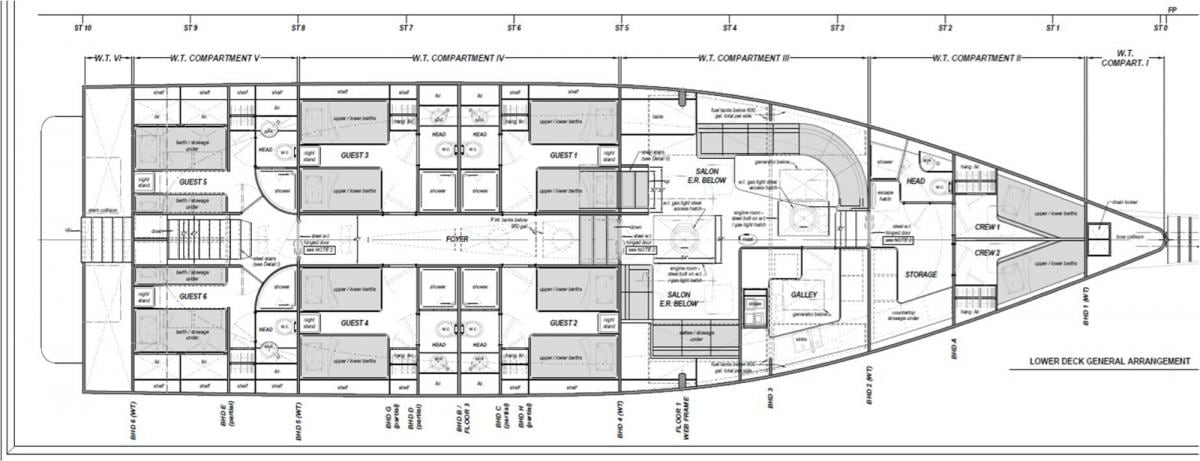
Deck Plan
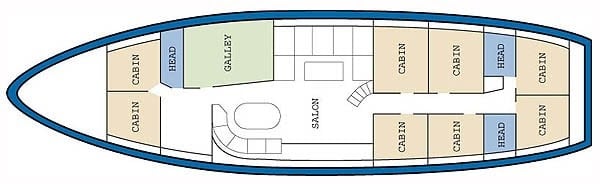
What's Included
Tour Price Includes
- All meals from lunch on Day 1 to breakfast on the last day
- All accommodation onboard ship; skipper, cook, naturalist;
- Full use of all onboard facilities, including kayaks.
Tour Price Does Not Include
- Transportation to the start point and from the finish point of the trip
- Accommodation and meals prior to or after the trip
- Travel or cancellation insurance
- Airport transfers
- $200 CAD Sustainability Fee
- Taxes (5% GST)
- The only money participants require during the trip is for optional purchases and gratuities for the crew.








Itinerary
Day 0: Arrival in Bella Bella
Our trip starts in the small First Nations coastal town of Bella Bella. Located on remote Campbell Island, Bella Bella - also known as Waglisla - is the home of the Heiltsuk First Nation. Their traditional territory is spread out over an area of 16,658 square kilometres. Bella Bella is located 181km north of Vancouver Island and 144km west of Bella Coola and counts 1450 residents.
As unforeseen weather delays are common when travelling in coastal regions – to ensure that the group can set sail on time – we advise you to arrive in Bella Bella today and spend the night at an accommodation of your choice.
There are limited accommodation options. Most people will stay at the Shearwater Resort located on Denny Island, a short water taxi ride from Bella Bella. Denny Island offers the most facilities for tourists visiting the area, such as lodging, a restaurant/ pub, and 2 small shops.
Upon arriving at the Bella Bella Airport, collect your luggage outside and look for Star Shuttle driving a large white passenger van. They will be notified of your arrival and a driver will meet your flight to transport you either to the Municipal Dock for the water taxi to Denny Island or to your accommodation in Bella Bella. Please note that Star Shuttle requires a cash payment of CAD $15 per person at time of travel.
Once at the Municipal Dock proceed down the ramp to where you will catch your water taxi for the 10-minute crossing to the Shearwater Marine Resort. The water taxi crossing to Denny Island costs $5.00 per person; unless you are staying at Shearwater Resort, in which case it is included in your hotel fees.
Once on Denny Island, it is a short walk up the dock to Shearwater Resort.
Day 1: Embarkation, Bella Bella
Guests staying in Shearwater: meet the vessel and crew at the Shearwater Marine Resort Dock. Guests staying in Bella Bella: meet the vessel and crew at the top of the Bella Bella Municipal Dock.
Upon boarding the vessel, cabins will be assigned and following a brief introduction and safety orientation we will set sail for the Great Bear Rainforest where each night we anchor in a different, secluded anchorage.
As we depart Bella Bella and approach the waters of Milbanke Sound keep watch for sea otters. With the nuclear testing at Amchitka between 1968 and 1972, 89 sea otters were transplanted to Vancouver Island. Some found their way to the Central Coast and occasionally we spot them in the kelp beds wrapped in the fronds of kelp to anchor themselves against the currents. We will spend each evening in different and remote anchorages with wonderful views.
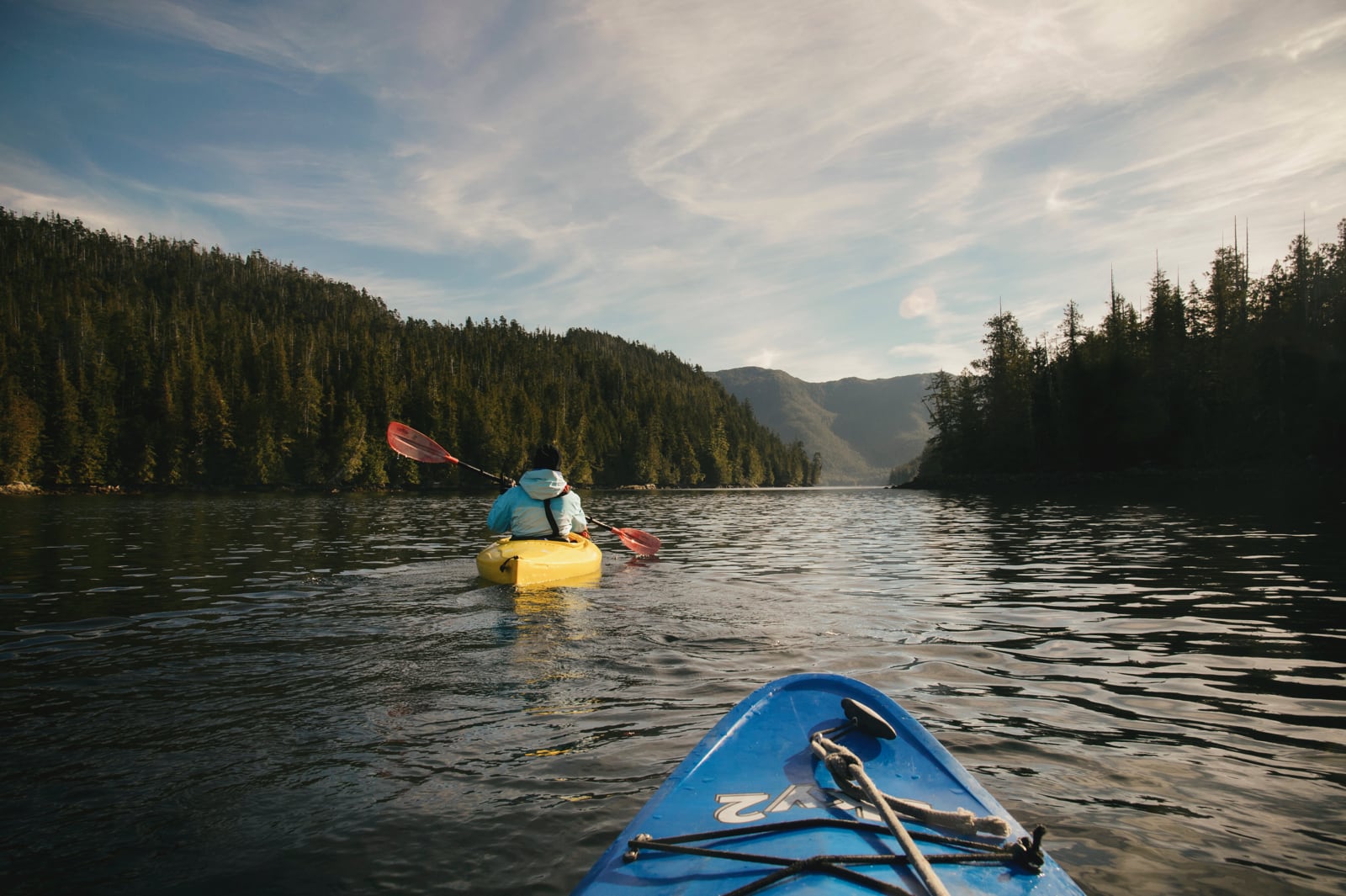
During our daily shore or small boat excursions, our onboard naturalist will help identify different coastal plants, animals, birds and marine life. Interested participants can help keep a species list for the trip. There will be time to explore the protected waters using our stable sea-kayaks.

Days 2-4: Fiordland Conservancy
Heading north, we explore Mathieson Channel and Finlayson Channel; keep your eyes trained on the shoreline for foraging bears while underway. We see a variety of birdlife throughout the region including bald eagles and the “trickster’ ravens. If weather and tides permit, a wander along remote beaches and wildlife trails will show evidence of bears and possibly wolves in the area.
We will voyage deep into the coastal mountains to explore a large marine park called the Fiordland Conservancy. Beneath towering granite cliff faces and impressive waterfalls, we will search remote estuaries with the expectation of seeing grizzly bears attracted by the spawning salmon – hopefully some have cubs of the year. Time permitting, we may visit the Kitasoo/Xai’xais First Nations village of Klemtu to see the ceremonial Big House that was recently built by the local community.
We keep watch for bears and coastal wolves along the shoreline to Khutze Inlet. Its beautiful river valley provides a rich estuary and we hope for some good grizzly viewing at the water’s edge. Spawning salmon also attract a wide variety of sea birds, such as American Dippers, Bonaparte Gulls, Common Mergansers, and Bald Eagles.

Days 5 – 6: Douglas, Squally and Whale Channel
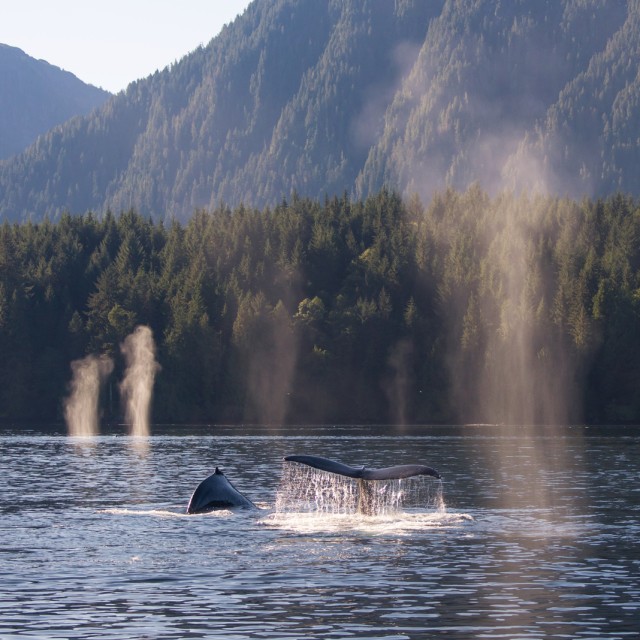
As we explore the waters of southern Douglas Channel, Squally Channel, and Whale Channel (and at various other places along our journey) we expect to see humpback whales. We keep an eye out for large spouts and hope to witness very interesting behaviours like breaches, pectoral slaps, spy-hopping and possibly bubble-net feeding. We will take the time to observe these amazing, 15-metre-long creatures whenever the opportunity arises.
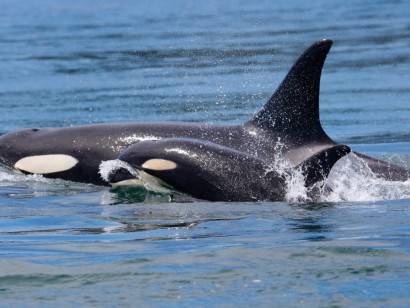
Fin whales have also been spotted more often in recent years and we hope to have luck in spotting these massive and speedy cetaceans. We also keep watch for other marine mammals like orca, porpoise, and Steller sea lions – an inquisitive species that are expert, deep-water predators who dine a variety of fish, octopus and halibut. If time permits, we will make a stop at Cetacea Lab to learn about their fascinating work in whale research.
In open Principe Channel or Campania Sound, we hope for a good wind to set the sails and have one of our best sails of the voyage! There may be an opportunity to visit Hartley Bay, a water access only First Nations community and to visit Bishop Bay hot springs for a soothing soak.
Day 7: Princess Royal Island
As we travel along Princess Royal Island, we keep a close watch on the shoreline, since this is the best known area for seeing the rare Spirit (also known as Kermode) bear. We are fortunate to spend a day with local Gitga’at First Nation guides, who will take us to their favourite bear viewing areas. With a little patience we hope to be lucky enough to see black bears and the elusive, all-white Spirit Bear fishing for salmon at a quiet spawning stream hidden in the forest. These white bears are actually black bears expressing a genetic variation resulting in about ten percent of the area’s population being all white.

Day 8: Departure - Kitimat and shuttle to Terrace
We will arrive in Kitimat around noon. Travel time to the airport is approximately 1 hour. We will provide transportation for you and your luggage to the Terrace Airport for a mid/late afternoon flight. Alternatively, you can decide to spend an extra day in Terrace and either depart on the evening flight or the next day.
Shuttle fees from the Kitimat Marina to the Terrace Airport are included in your trip fees. Any transportation beyond this service is the responsibility of the guest.
What to Expect
What to Expect
On our Great Bear Rainforest tour, as in all of our destinations, our itineraries remain flexible. This allows the crew to take time to enjoy wildlife sightings, spend more time at an ancient village site, or simply cater to the interests of the group.
This is a general natural history expedition rather than a dedicated birding tour. Travellers can look forward to a mix of wildlife viewing and time to appreciate the region’s incredible scenery — with opportunities for birding included along the way.
Usually on the Pacific Coast we have a good variety of constantly changing weather. Expect a mixture of sunshine, rain and wind on most trips. You will require waterproof rain gear and rubber boots as most of our landings will be wet, where you will be stepping into the water and onto the beach. Boots can be provided for guests who require them; sizing must be supplied well in advance of the trip. Large rain ponchos are also available, however guests should plan to bring their own waterproof jacket and pants, which also serve as excellent wind protection while on deck viewing wildlife.
We travel in protected areas most of the time. On many days of the summer this coast is like sailing on a lake – flat and calm. Sometimes we cross into open water for short periods of time where we may experience greater motion. If you are prone to motion sickness it is a good idea to bring sea sickness medication. Check with your doctor.
All of our meals are served buffet style. We can usually accommodate most special dietary concerns if we are given sufficient advance notice. Alcoholic beverages are available for purchase onboard. A modest amount of wine is served at dinner and beer is usually available. Coffee and a wide selection of herbal teas are available throughout the day. Guests are also welcome to bring their own preferred drinks, including soft drinks, which can be refrigerated as space allows.
Frequently Asked Questions
Frequently Asked Questions
Ship Trip FAQs
Find answers to our Frequently Asked Questions regarding our Ship Trips, including information on our cancellation and refund policy, or how fit you need to be to go on an expedition cruise or sailing tour.
Ship & Deck Plan
Ship & Deck Plan: Island Solitude
Island Solitude
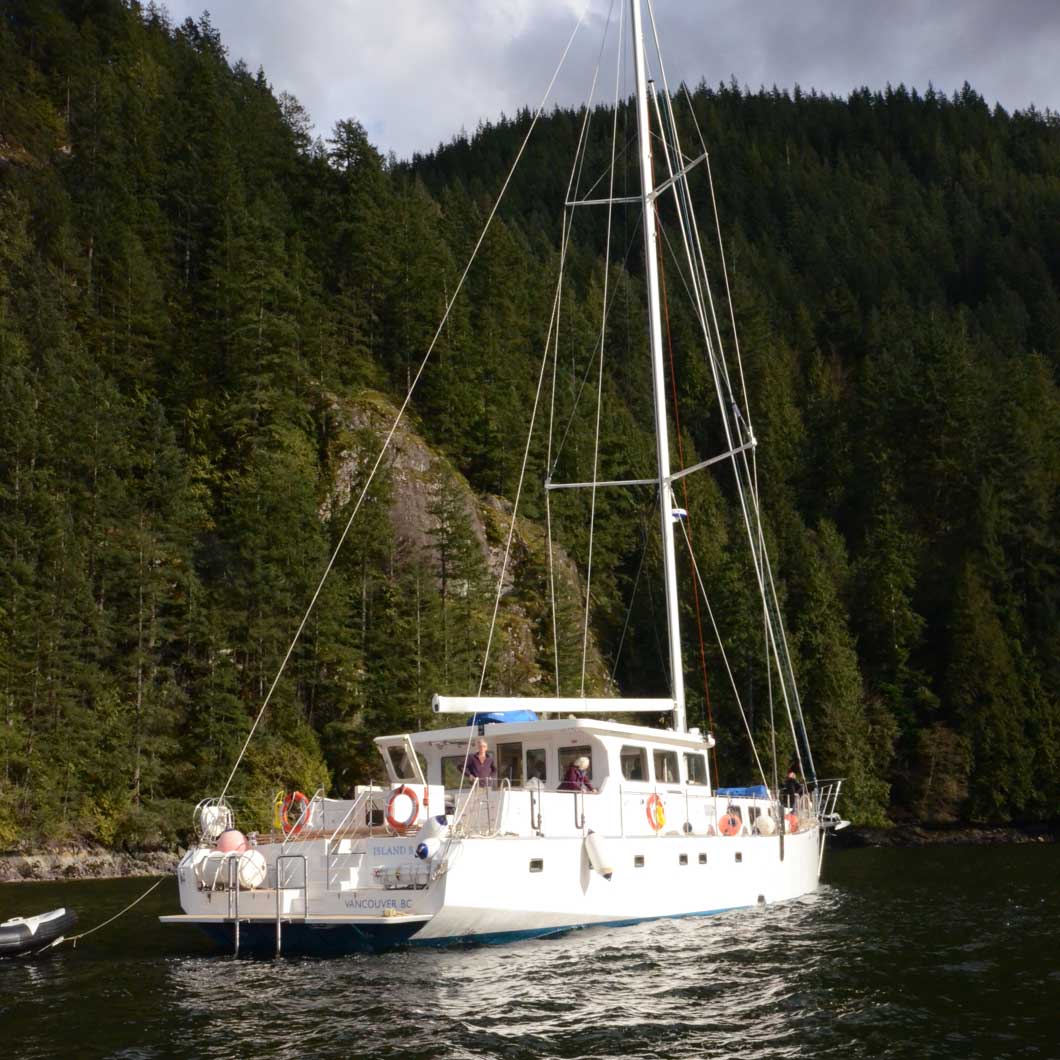
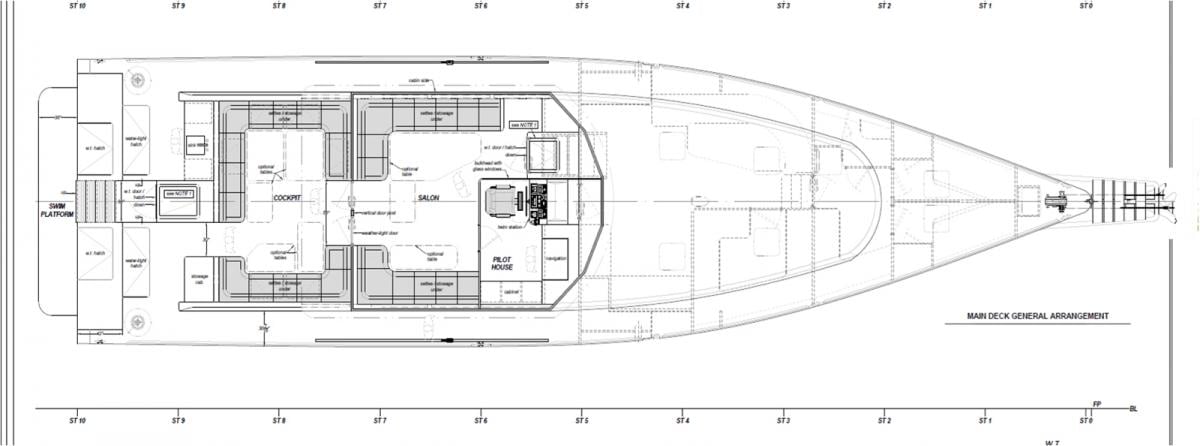
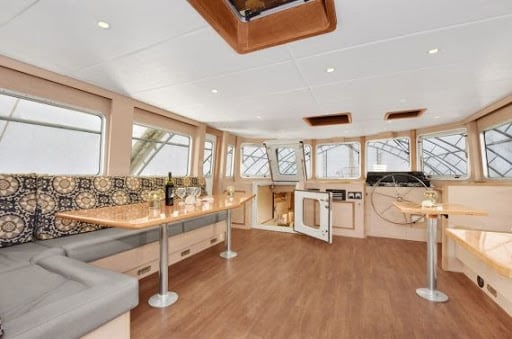
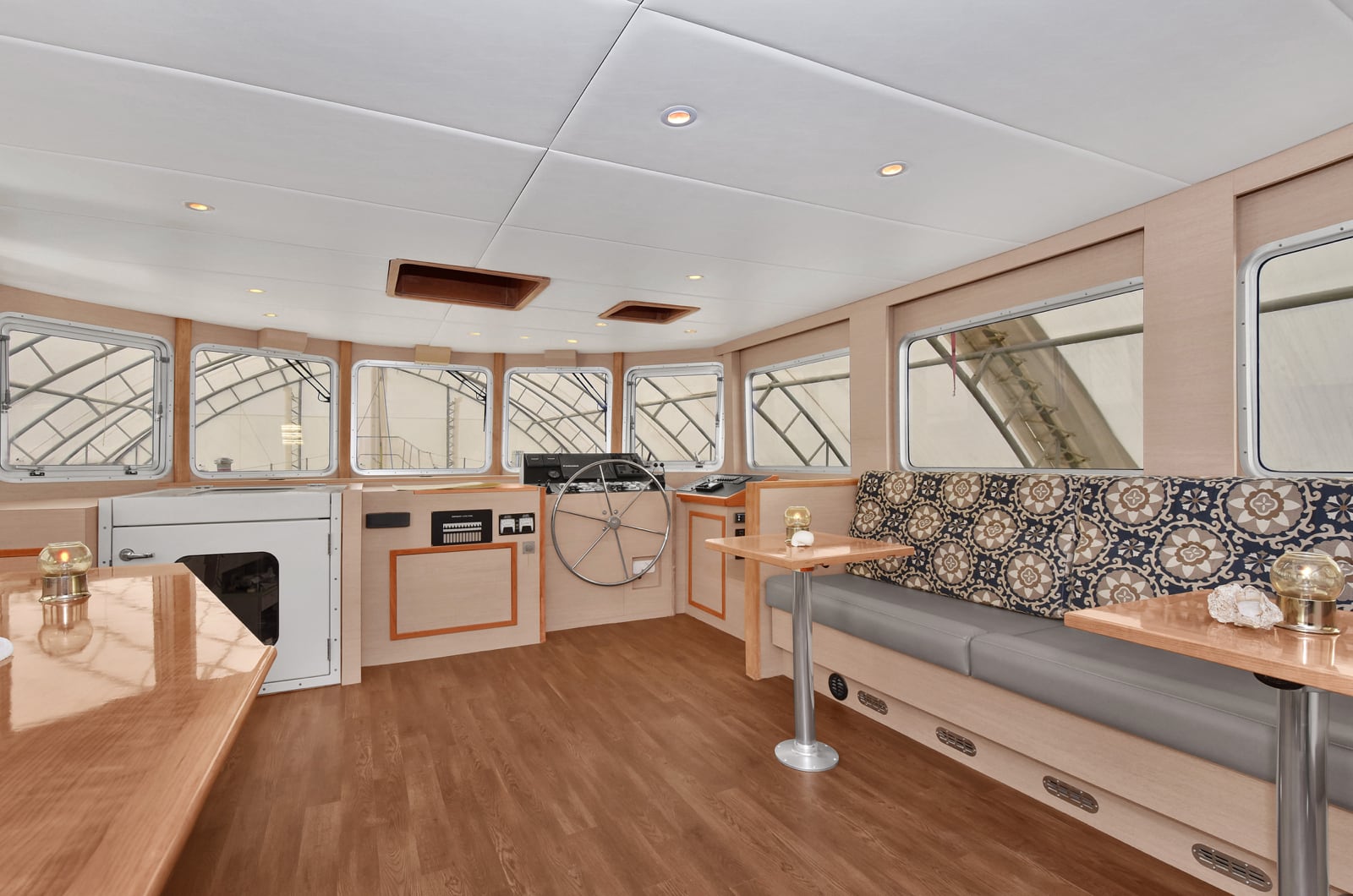
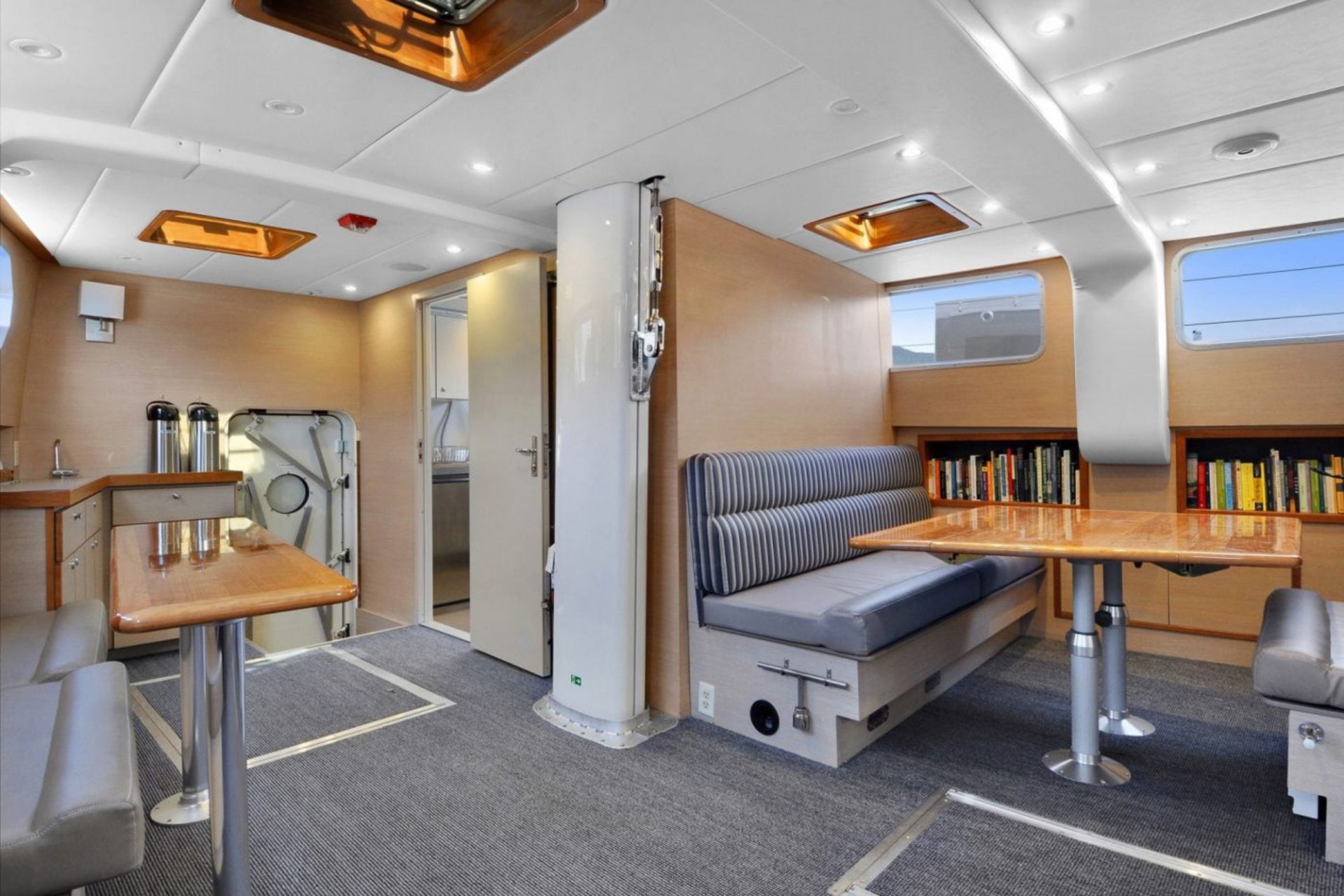
The newly built, SV Island Solitude is 82′ long and accommodates twelve guests in six cabins. Each is furnished with two lower berths and a private ensuite bathroom, complete with a hot shower. The spacious wheelhouse, located on the main deck, accommodates the entire group during meal time where guests will enjoy healthy and deliciously prepared food surrounded by 360-degree views.
Built on the British Columbia coast with the environment in mind, the engines exceed EPA emission standards. Designed specifically for expedition travel, Island Solitude provides elegance and comfort in while exploring some of the most remote and beautiful coastal areas.
There is plenty of space on deck for wildlife watching with 2 zodiacs for daily shore excursions and 5 stable sea kayaks for guests to use whenever the vessel is at anchor.
Learn MoreDeck Plan




Featured Wildlife
Featured Wildlife
While we cannot guarantee sightings of the birds or mammals listed below, we believe that encountering these species is quite likely during this tour.
- Black Bear, Grizzly Bear, Kermode (Spirit) Bear
- Bald Eagle
- Black Oystercatcher
- American Dipper
- Chestnut-backed Chickadee
- Humpback Whale
- Orca (Killer Whale)