Australia: Tasmania
Australia: Tasmania
Highlights
Highlights
- Spectacular scenery and pristine forest at Mt Field National Park
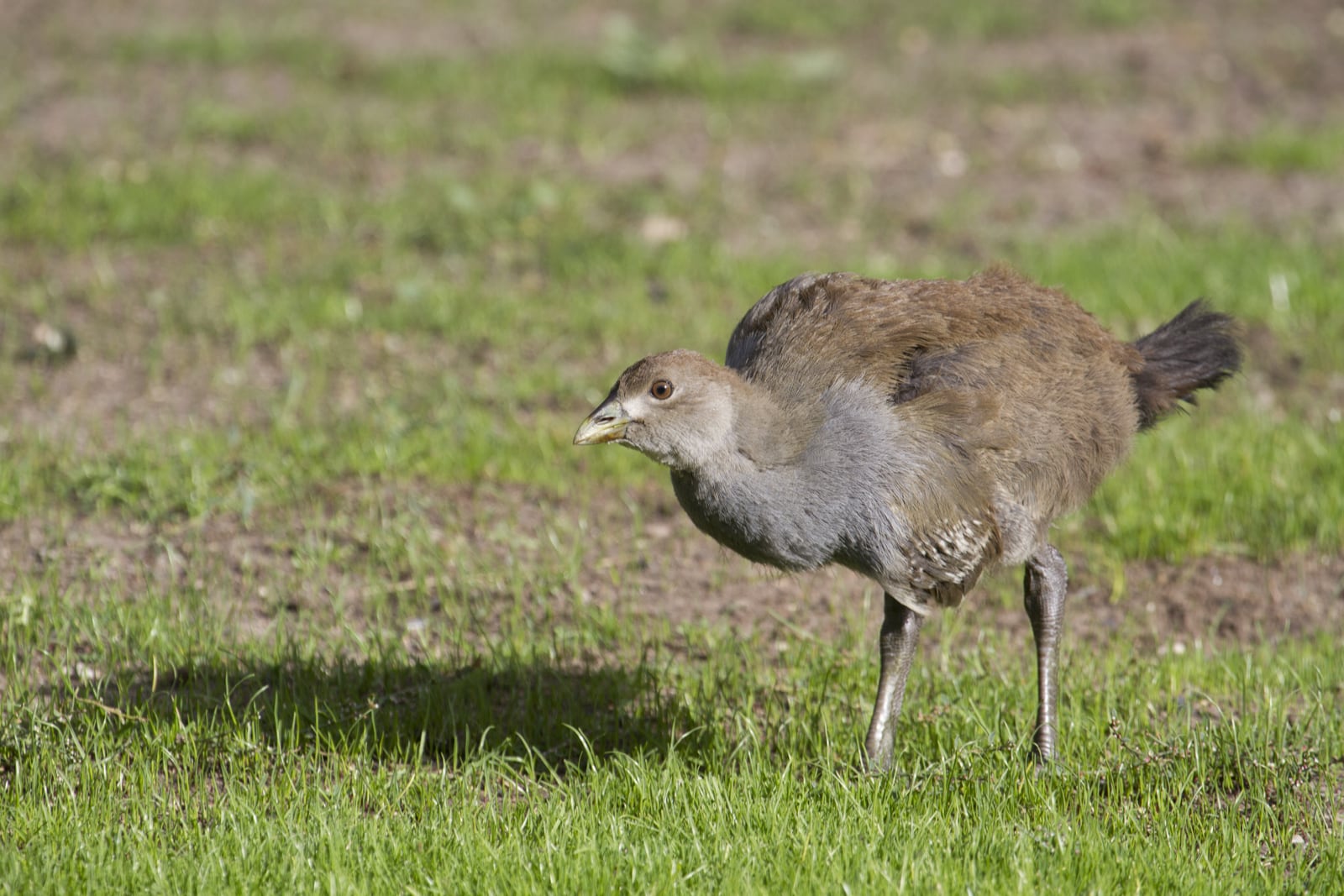
- Spend a couple of days birding on Bruny Island to look for all 12 of Tasmania's endemics, including the flightless giant Tasmanian Native-Hen
- World-class pelagic trip from Eaglehawk Neck
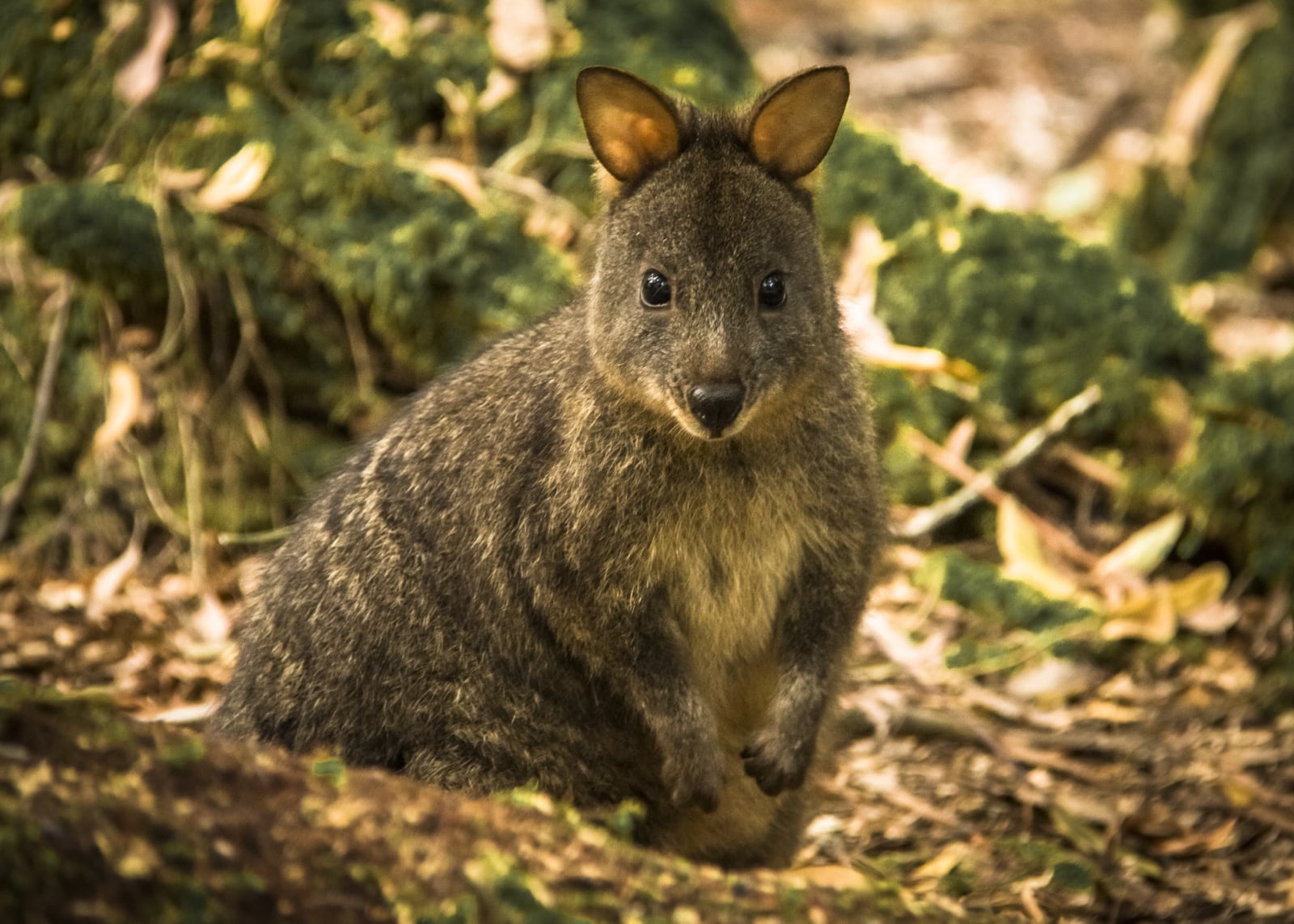
- Evening/night excursion to search for marsupials including quolls, pademelons and potoroos!
- Superb country of excellent infrastructure and hospitable people
Map
Map
Overview
Tour Overview
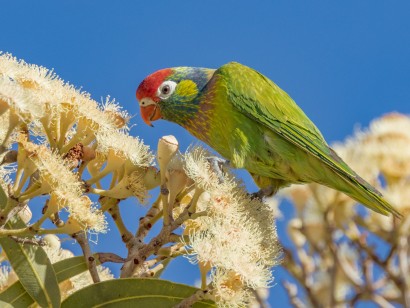
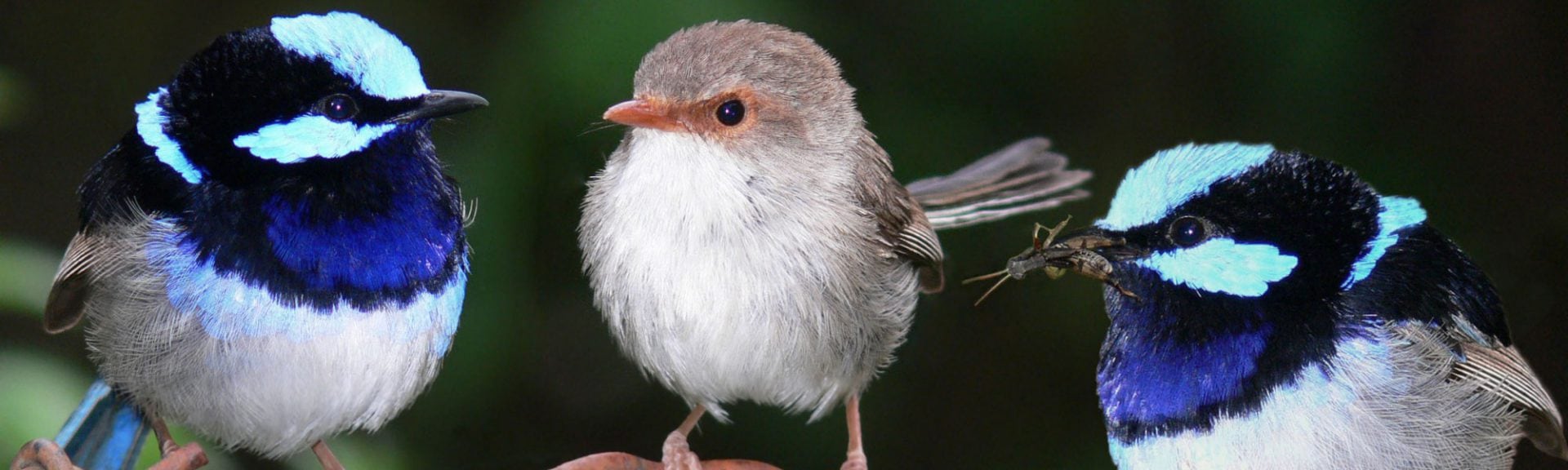
Tasmania encompasses a wide variety of habitats and climates. The Victorian countryside seems reassuringly familiar due to two centuries of European settlement, but wildlife is specifically Australian. Large flocks of exotic parrots feed on the highway verges and multicolored fairy-wrens and honeyeaters fill the woods, while kangaroos graze in the paddocks. Tasmania holds many endemics, among them some fascinating birds, even flightless ones such as the Tasmanian Native Hen.
Dates & Prices
Dates & Prices
What's Included
Tour Price Includes
- Tour price includes 10% Australian GST
- All accommodations
- All meals and soft drinks
- Ferry trips
- One guide and vehicle with 4 - 8 participants, two guides and vehicles with 9 - 12 participants
- All park, conservation, entrance fees
Tour Price Does Not Include
- Travel to and from start/end location
- Travel Insurance
- Items of a personal nature
- Alcoholic beverages
- Optional flight to SW Tasmania in search of Orange-bellied Parrots (For more information, please contact us)
Gallery
Gallery







Itinerary
Itinerary
Day 1: Hobart
Our Tasmania birding tour begins in Hobart, Tasmania’s vibrant waterfront capital. We will meet for a welcome dinner and a briefing about the exciting birding ahead. Tasmania hosts twelve endemic bird species, and over the coming days we will visit several of the island’s most reliable locations to find them plus a host of other exciting species.
Overnight: Hobart
Day 2: Mt. Field National Park
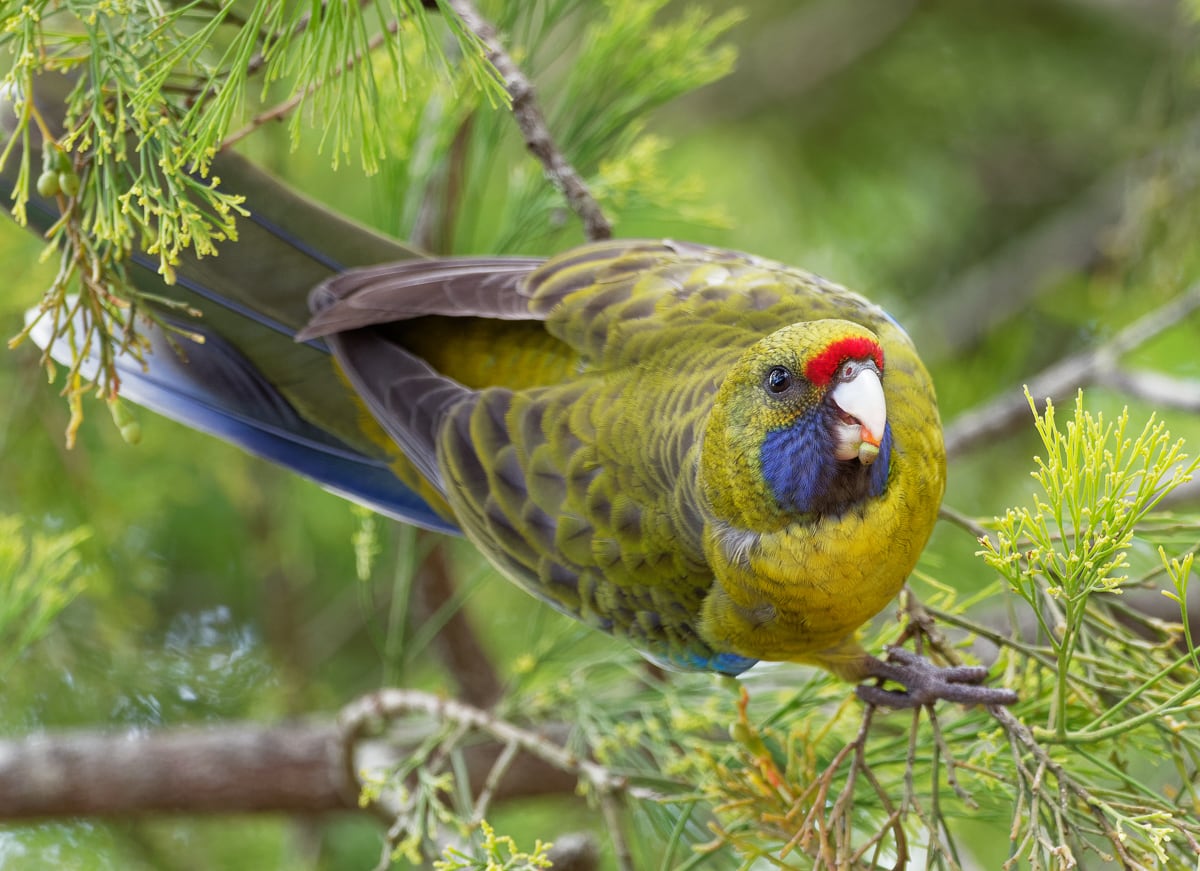
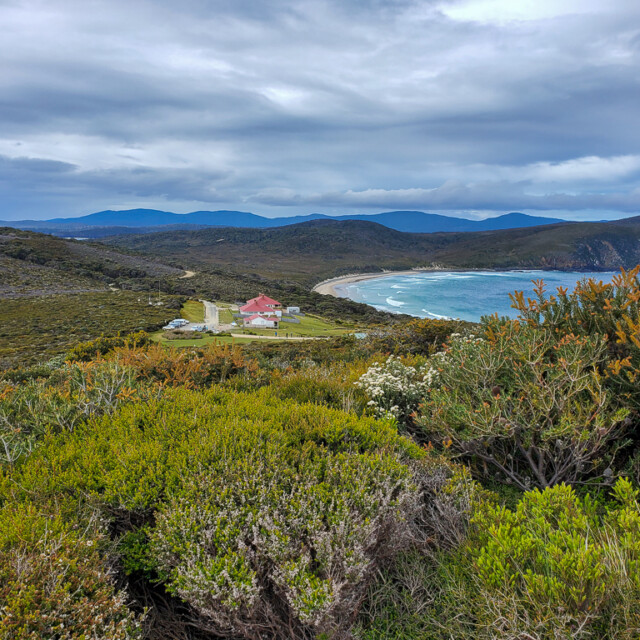
After breakfast we travel to Mount Field National Park, one of Tasmania’s best locations for forest birding and a key site for many of the island’s endemic species. Here we search towering eucalypt forests and cool temperate rainforest for a number of Tasmanian specialties including Scrubtit, Tasmanian Scrubwren, Tasmanian Thornbill, Strong-billed Honeyeater, Yellow-throated Honeyeater, Black Currawong, and Green Rosella. Open areas around the park may also produce Dusky Robin and Tasmanian Nativehen.
In the afternoon we return toward Hobart and continue south to Kettering, where we board the ferry to Bruny Island. The island is an important stronghold for several endemic birds and will be our base for the next two nights.
Overnight: Bruny Island
Day 3: Bruny Island
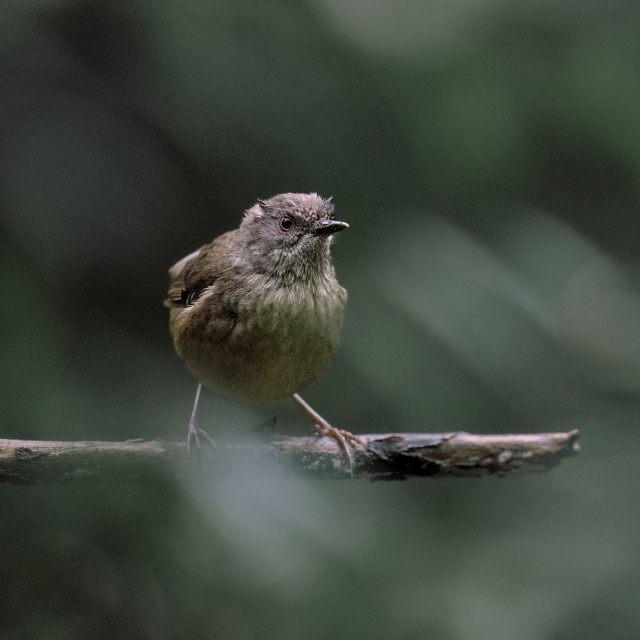
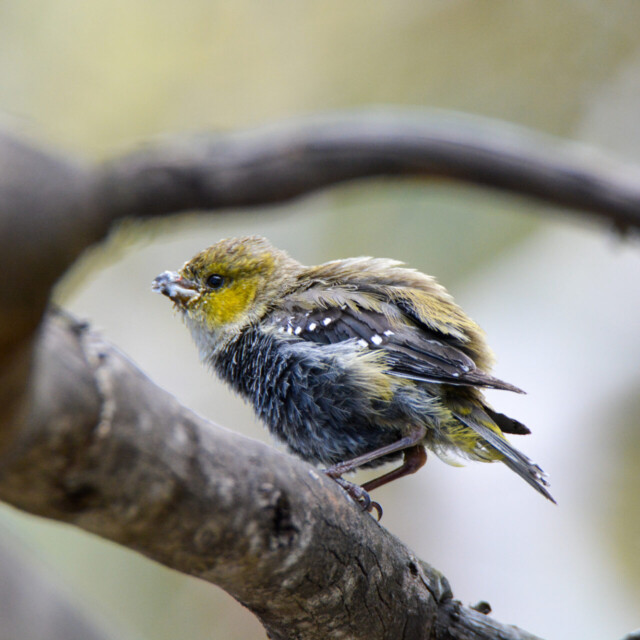
All twelve of Tasmania’s endemic species are found on Bruny: Tasmanian Native-hen, Green Rosella, Dusky Robin, Tasmanian Thornbill, Forty-spotted Pardalote, Tasmanian Scrubwren, Scrub-Tit, Yellow Wattlebird, Black Currawong, Strong-billed Honeyeater, Black-headed Honeyeater, and Yellow-throated Honeyeater.
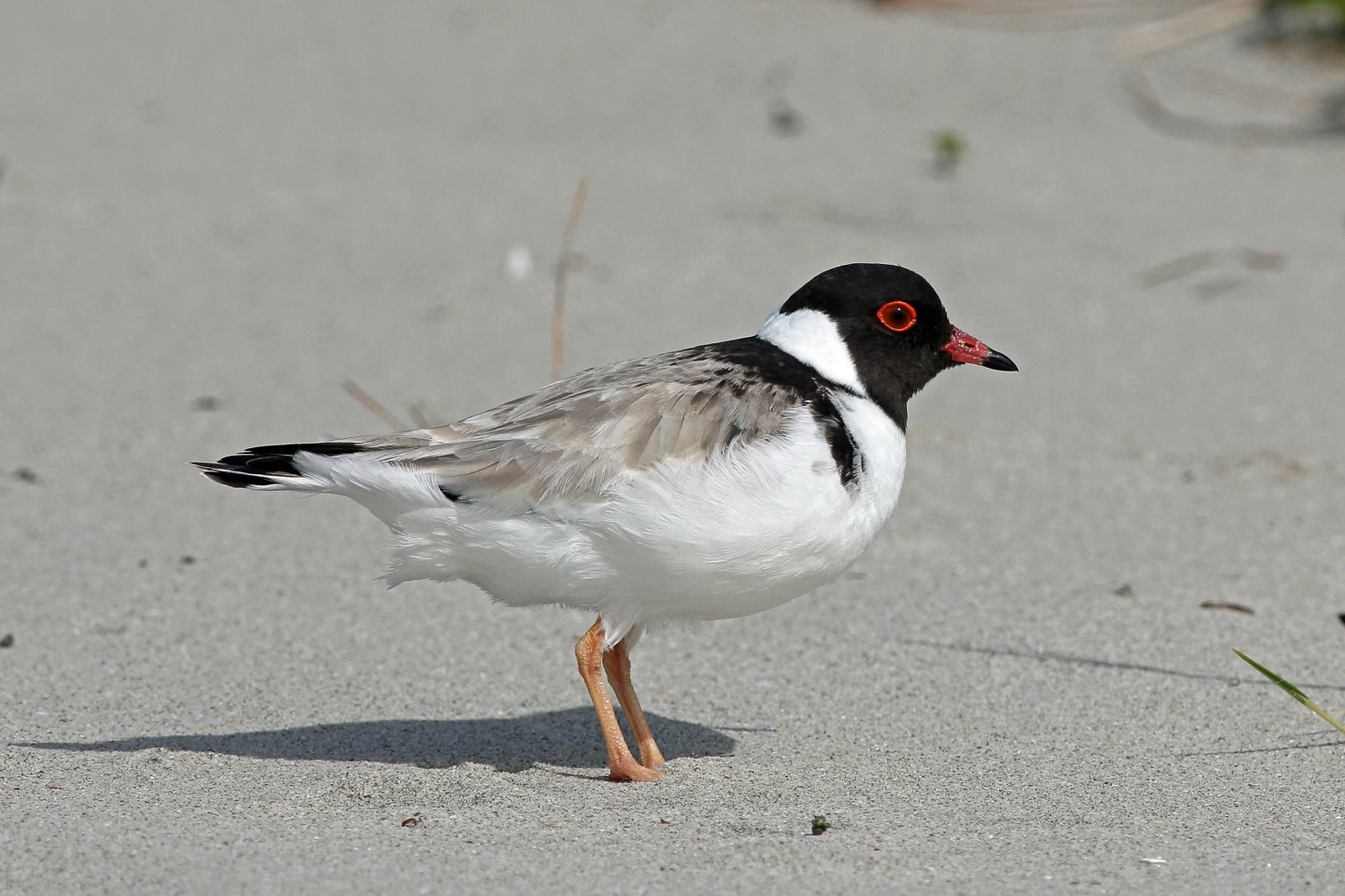
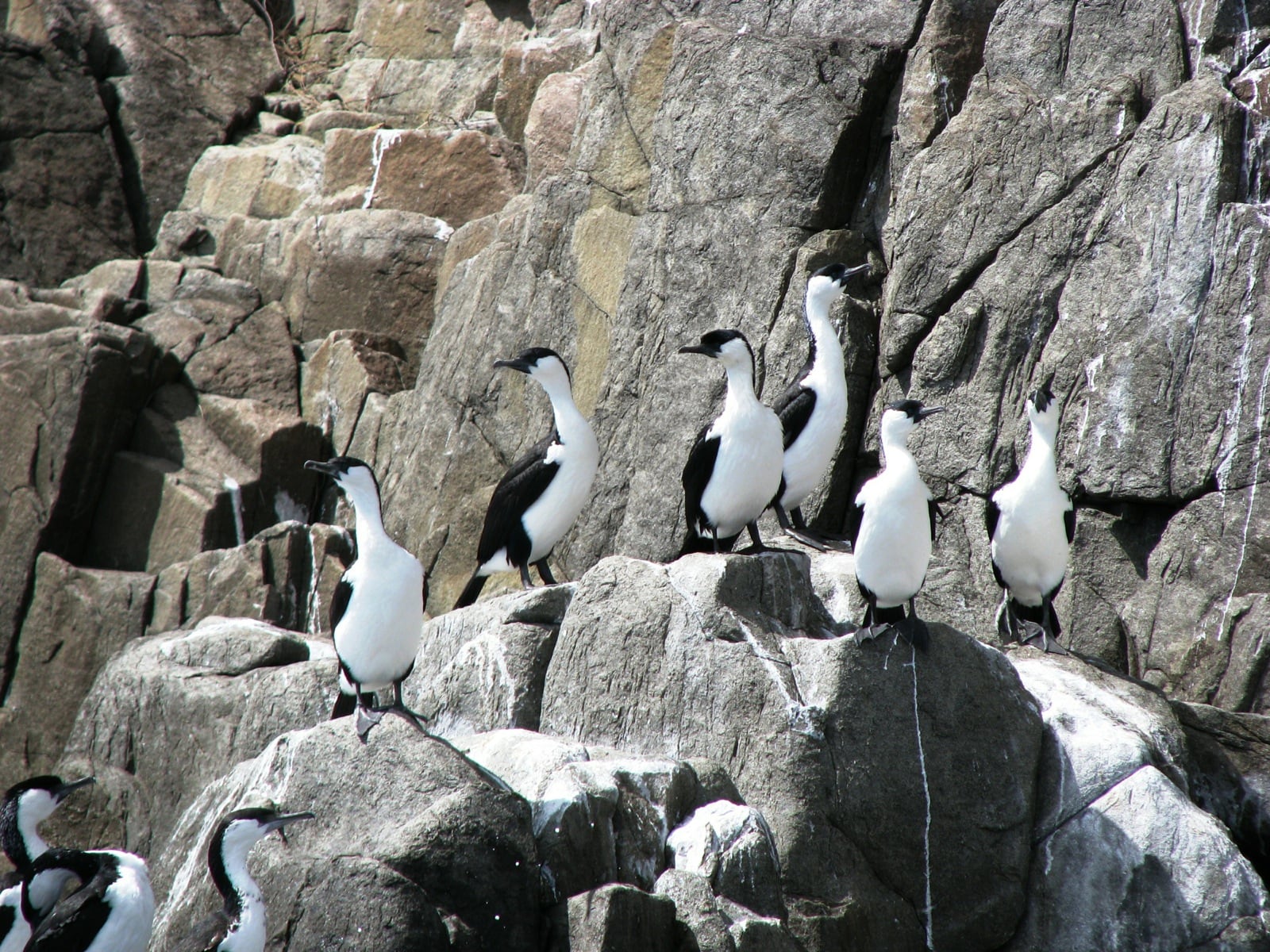
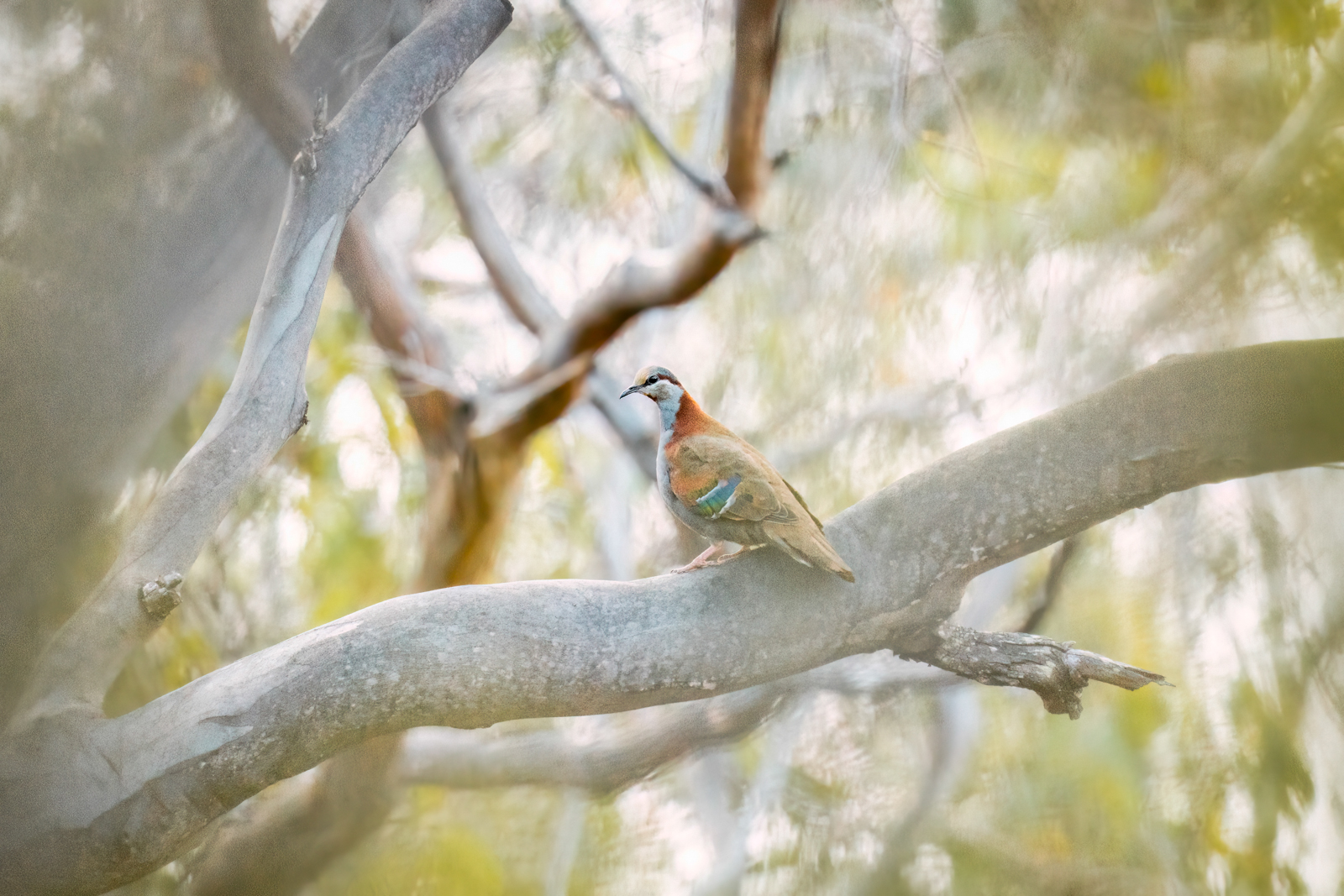
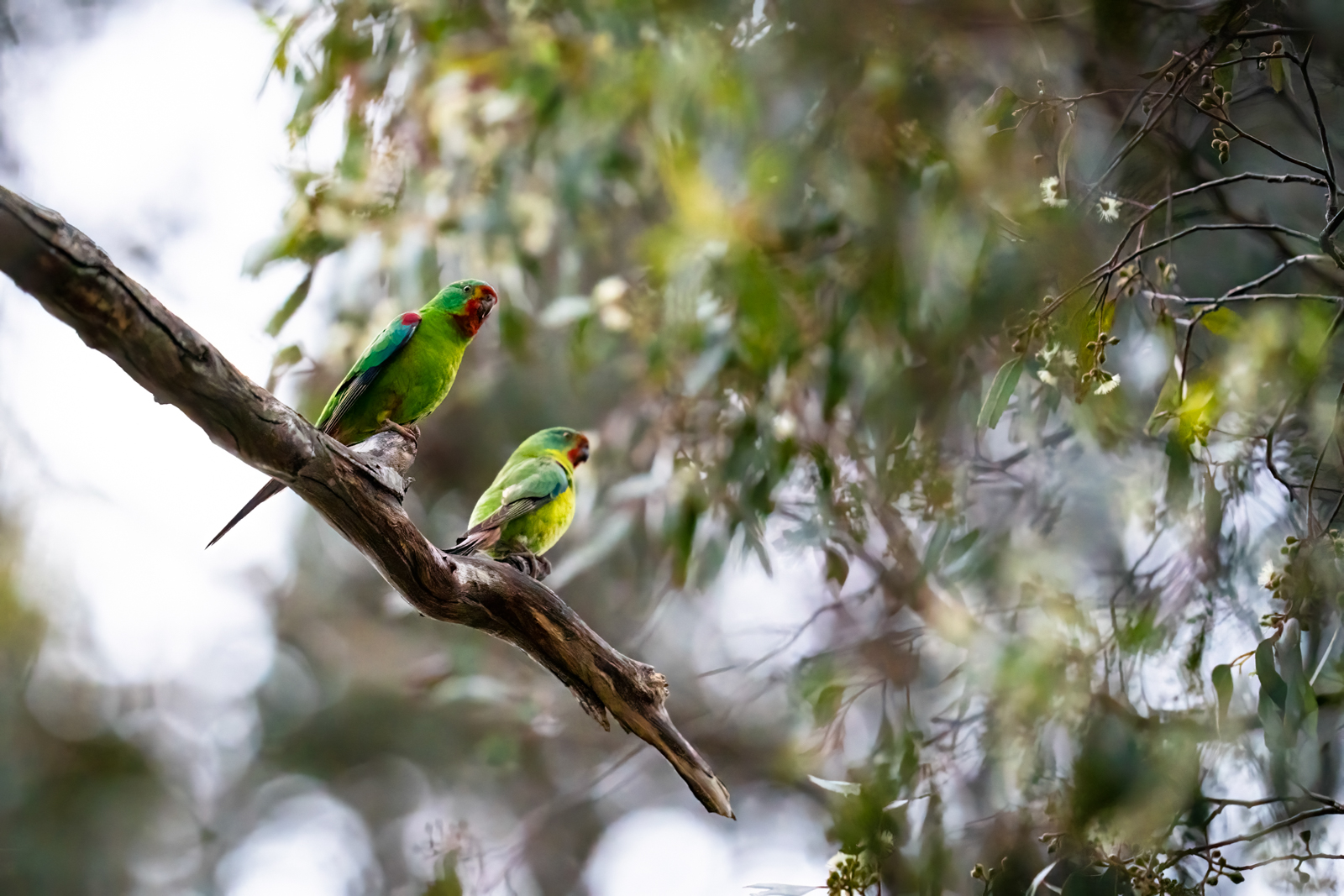
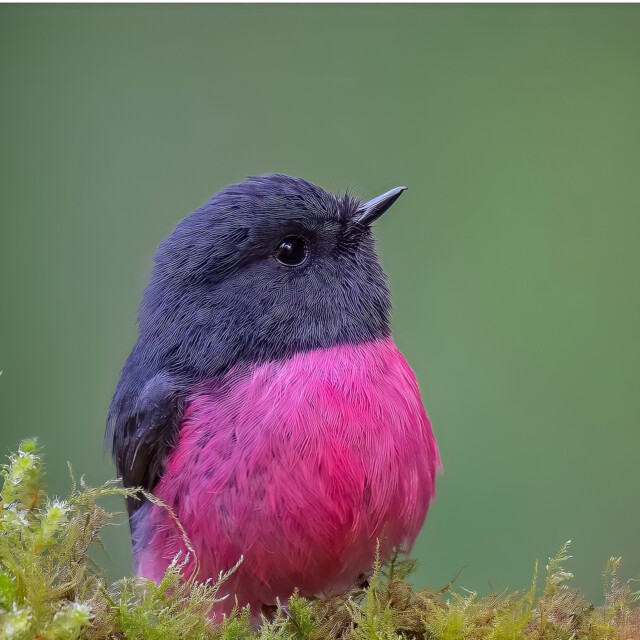
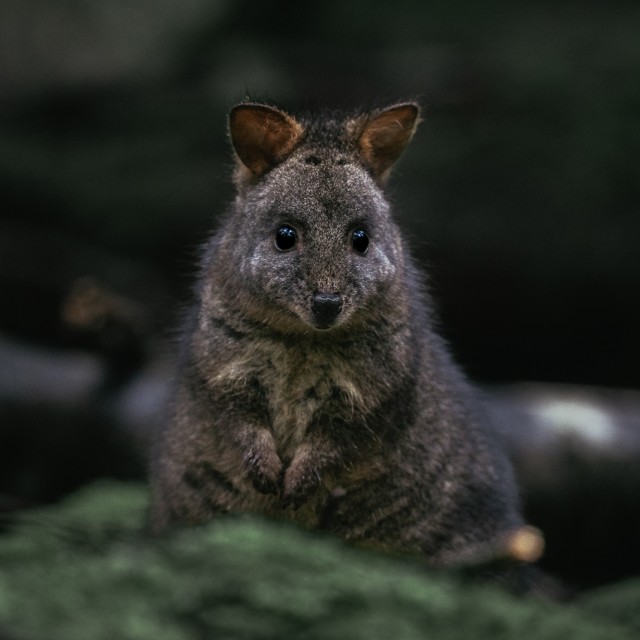
We’ll spend the full day birding on the island targeting the endemics and the non-endemics that are more abundant on Tasmania than on the mainland, including Hooded Plover, Brush Bronzewing, Swift Parrot, Flame and Pink Robins, Crescent Honeyeater, and the Forest Raven, Tasmania’s only Corvid. Along the coast we should see Black-faced Cormorants Short-tailed Shearwaters, and other seabirds. We may also do some night spotlighting for marsupials including Bennett’s Wallaby, Tasmanian Pademelon, Long-nosed Potoroo, and Eastern Quoll. Overnights on Bruny Island.
Day 4: Bruny Island - Tasman Peninsula
After a final morning of birding on Bruny Island, we take the ferry back to mainland Tasmania and travel toward the spectacular Tasman Peninsula.
Along the way we may stop at productive sites such as Peter Murrell Conservation Area, where dry forests can hold honeyeaters and pardalotes and may produce Swift Parrot in season. Coastal areas along the South Arm Peninsula may also provide opportunities to observe Pacific Gull, Kelp Gull, and shorebirds.
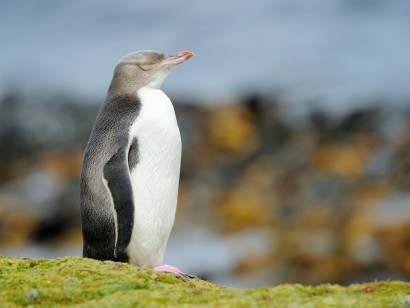
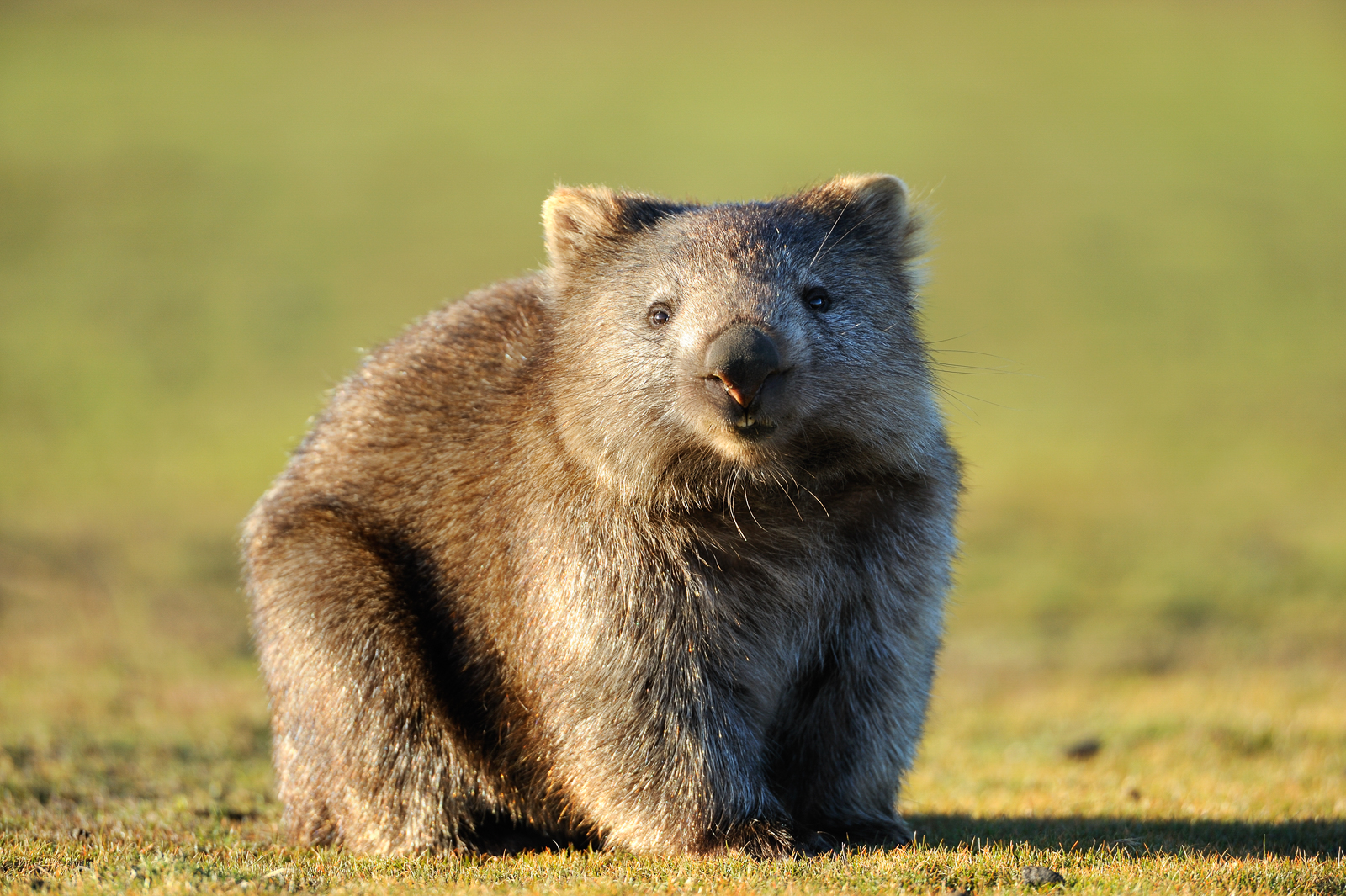
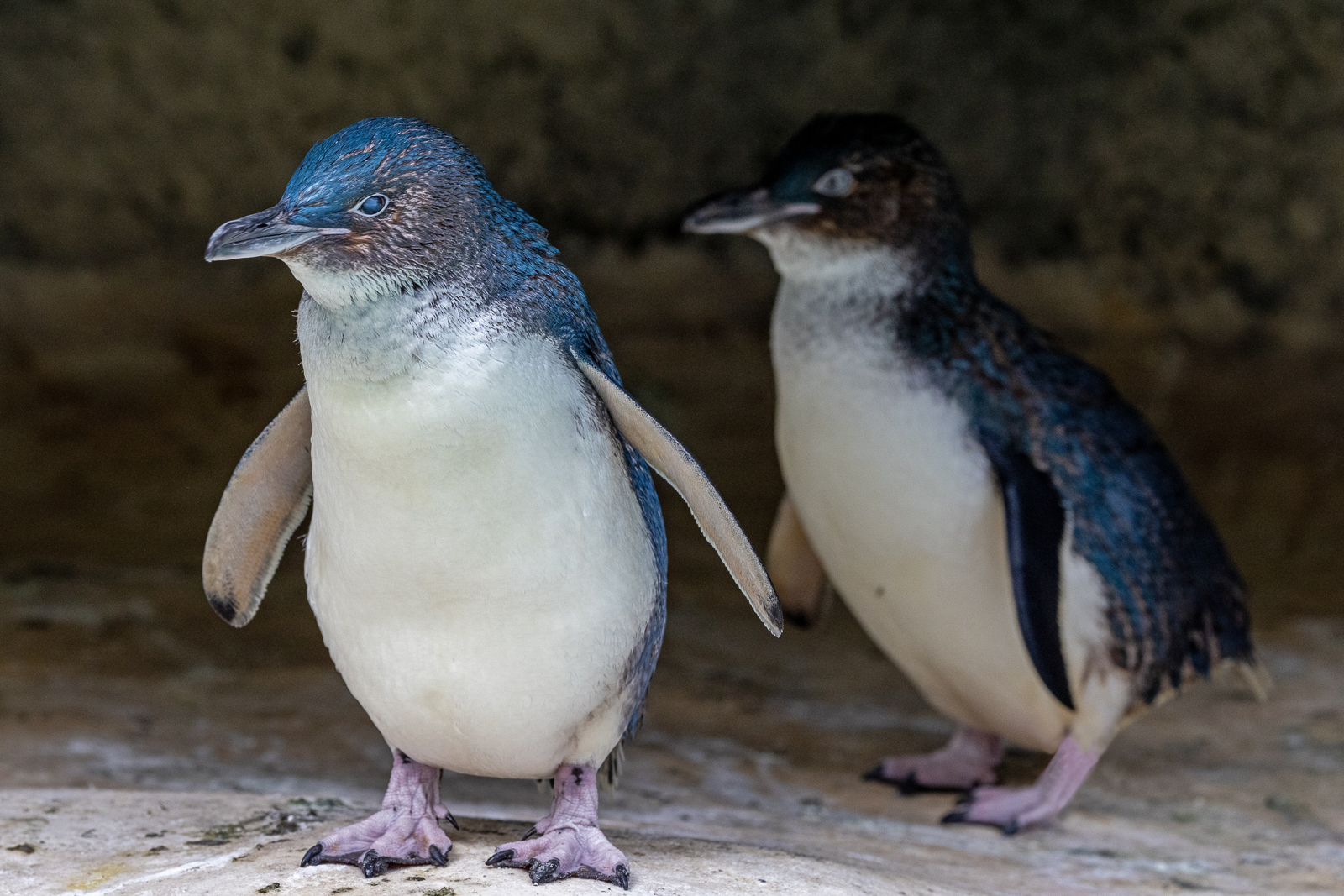
By late afternoon we arrive at Eaglehawk Neck where we will check into our accommodation for the next 2 nights. After dinner we visit a nearby beach to look for Little Penguins returning from the sea to their burrows. We may also go spotlighting searching for nocturnal wildlife such as Tasmanian Pademelon, Bennett’s Wallaby, Common Brushtail Possum, and with luck Eastern Quoll or Common Wombat. Night birds may include Tawny Frogmouth and Southern Boobook. Overnight: Eaglehawk Neck
Day 5: Pelagic Birding from Eaglehawk Neck
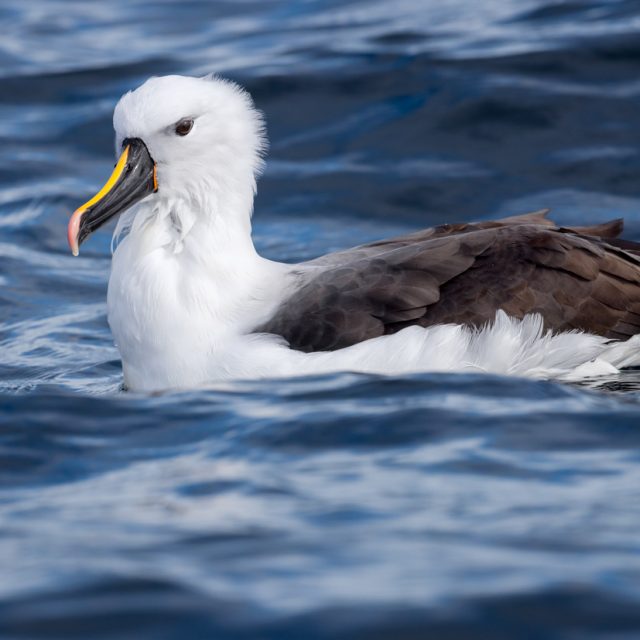
Today we embark on an exciting pelagic birding trip off the dramatic coastline of the Tasman Peninsula. These waters are among the most productive in Australia for seabirds.
On a typical outing we record five or more albatross species. The pelagic waters here also offer good opportunities for Cookilaria petrels, with species such as Cook’s, Pycroft’s, and Gould’s Petrels all possible. Other seabirds may include shearwaters, storm-petrels, diving petrels, and prions, along with the chance of encountering marine mammals.
In the evening we may visit a nearby beach to watch for Little Penguins returning to shore and possibly another spotlighting session in search of nocturnal wildlife. Overnight: Eaglehawk Neck
Day 6: Tasman Peninsula to Hobart
This morning we enjoy some final birding around the Tasman Peninsula, where forest edges and coastal habitats provide spectacular scenery and birding.
Later we return to Hobart where the afternoon is free to relax or explore the city. In the evening we will gather for a farewell dinner to celebrate the highlights of the tour. Overnight: Hobart
Day 7: Hobart
Our Tasmania birding tour concludes today. Breakfast is available, but you can depart anytime.
You can also extend your visit and take an optional flight to the wild southwest corner of Tasmania in search of Orange-belled Parrots. This is the most reliable site for this species and there is also a chance of encountering Ground Parrot, Black Currawong and Southern Emu-Wren. The flight is weather dependent and is at an additional cost. Please contact us for more information.
What to Expect
What to Expect
Overview
The Tasmania tour is a moderately paced birding tour. There will be several early mornings, and most of the day will be spent out in the field. Please note that our guides will not be using laser pointers on this tour due to local regulations.
Food
We will have breakfast at the hotel in Hobart, or at a local spot close to our accommodation in Bruny Island, before we head out for the day. Sometimes we will have optional pre-breakfast walks. Lunch will be a picnic out in the field. Dinner is usually at the lodge or a nearby restaurant. Each evening after dinner we compile the day’s checklist, review the day’s activities, birds, mammals and other observations, and discuss the next day’s activities.
Accommodation
Generally we stay in comfortable hotels.
Walking
This tour involves easy to moderate walking and hiking, as well as short forays away from the van. There are several walks between 2 – 3 kms (up to 2 miles) which we take at a gentle pace.
Driving
Most days have a small to moderate amount of driving. There will be two longer drives, but we make several stops along the way.
Climate
It is likely to be cool in Tasmania, especially on Bruny Island, around 15-17°C (59-63°F), and nights can be cold with lows of 7°C (44°F). Warm clothing is recommended and rain is possible at any time. Wet weather protection is recommended with light waterproof pants and jacket ideal. The sun can be intense, so sunscreen and a brimmed hat are advised.
Boat Trips
Our itinerary includes ferry rides to and from Bruny Island. The ferry takes about 20 minutes between Hobart and Bruny Island. You can get out of the vehicle to stretch your legs, take photos, or use the restroom. It’s a short trip so there is no food on the ferry.
We also take a full-day pelagic boat trip focused on albatrosses, petrels, and prions around Eaglehawk Neck. The boat is comfortable and semi-covered. There is a toilet on the vessel. Note: The pelagic boat excursion has a maximum capacity of 11 participants (plus one EET guide), due to vessel capacity limits.
Frequently Asked Questions
Land Tours FAQs
Whether you’re a seasoned birder or new enthusiast, these FAQs cover important details about our tours, including schedules, fitness requirements, group dynamics and more.
Featured Wildlife
Featured Wildlife
While we cannot guarantee sightings of the birds or mammals listed below, we believe that encountering these species is quite likely during this tour.
- Tasmanian Native-Hen
- Forty-spotted Pardalote
- Green Rosella
- Black Currawong
- Chestnut Teal
- Flame Robin
- Tasmanian Thornbill
- Yellow Wattlebird
- Fairy Penguin
- Long-nosed Potoroo
- Eastern Quoll
- Bennett’s Wallaby
Past Tour Checklists
Past Tour Checklists
View the list of birds and other wildlife we encountered on our past tours.
- Australia: Tasmania species list (Nov 21 - 25, 2025)
- Australia: Tasmania species list (Oct 24 - 28, 2025)
- Australia:Tasmania species list 2024 eBird
- Australia:Tasmania species list (Nov 26 - 30, 2023) eBird
- 2023 Australia: Tasmania species list (Oct 28 - Nov 1)
- 2022 Australia: Tasmania species list #3 (Dec 1 -4)(eBird)
- 2022 Australia: Tasmania species list #2 (pdf)
- 2022 Australia: Tasmania species list #1 (pdf)
- 2019 Australia: Tasmania species list (pdf)
- 2018 Australia: Tasmania tour species list (pdf)
- 2017 Australia: Tasmania tour species list (pdf)
- 2016 Tasmania tour species list (pdf)
- 2011 Tasmania tour species list (pdf)
Trip Reports & Inspiration
Trip Reports & Inspiration
Australia: Tasmania Trip Report (Oct 24 - 28, 2025)
Tasmania Australia Trip Report 2024
Australia: Tasmania Trip Report (Nov 2023)
Tasmania Trip Report (Nov 30 - Dec 4, 2022)
Australia: Tasmania Trip Report (Nov 2022)
Tasmania Birding Tour 2022 - Trip Report (Oct 26 - 3o)