Australia: Tasmania Trip Report (Oct 24 – 28, 2025)
After the Eastern Australia Tour crew was picked up from the airport, we had some time to explore the Hobart waterfront before the official start of the tour. We then met the rest of our birding companions at the hotel and departed for our first birdwatching stop. Gould’s Lagoon, north of Hobart, offers some great bird diversity not far from the city. We were spoiled early with our first endemics, the Tasmanian Nativehen along the water’s edge and a Yellow Wattlebird in the surrounding eucalypts. The lagoon, a designated wildlife sanctuary, also provided excellent views of Freckled Duck, Hardhead, and Australian Spotted Crake.

Tasmania Nativehen © Sören Salvatore
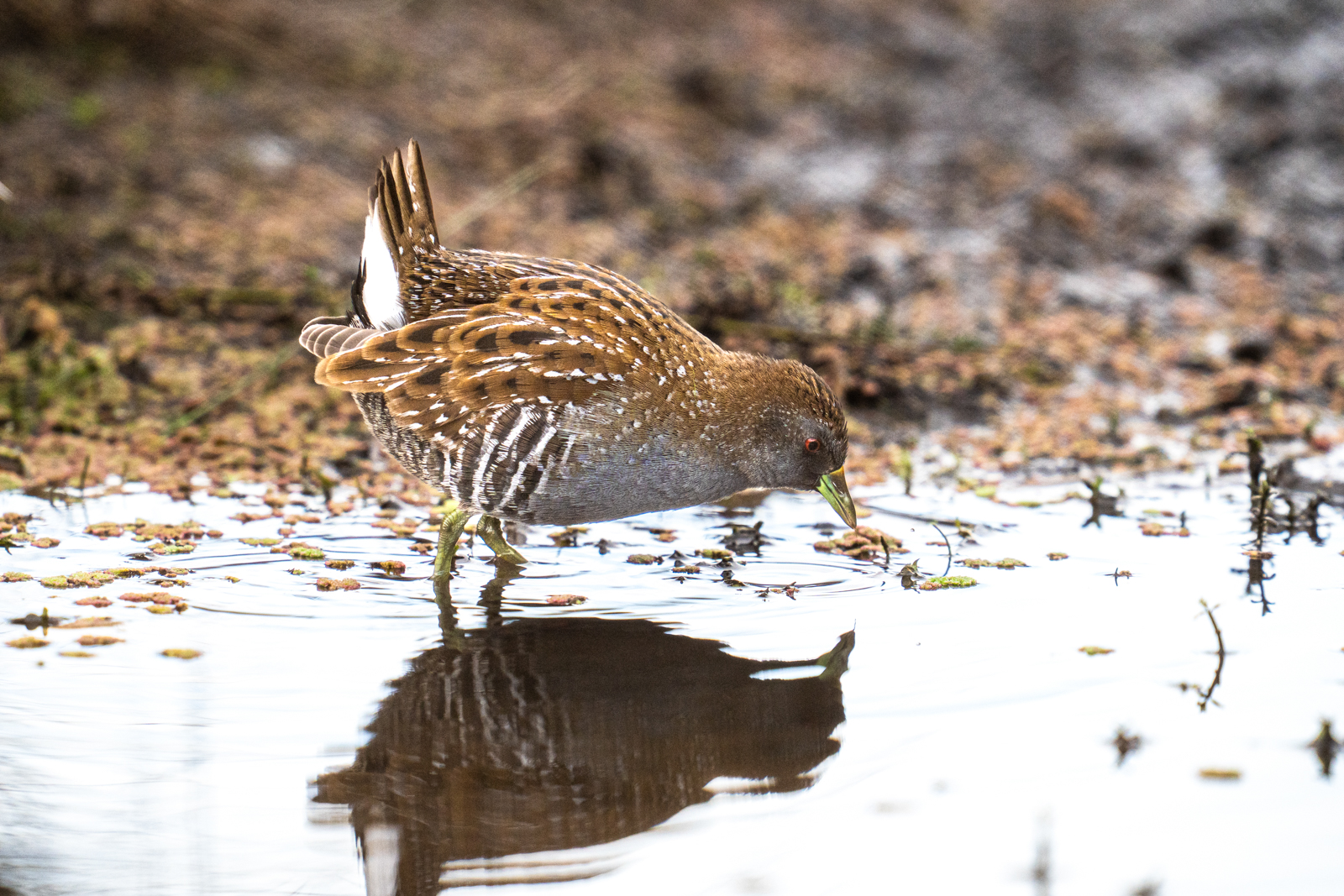
Australian (Spotted) Crake © Sören Salvatore
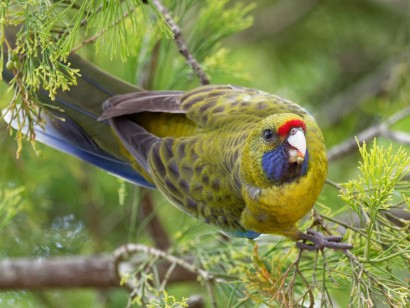
Day 2 began with a drive to Mount Field National Park. Upon arrival, we enjoyed a quick picnic among Tasmanian Pademelons before setting out on our first walk. The park is a magical world of waterfalls and mossy rainforest, home to special birds such as Pink Robin, Bassian Thrush, and Yellow-tailed Black Cockatoo. Endemics including the Black Currawong, Green Rosella, Tasmanian Scrubwren, and perhaps the hardest to get good views of, the Scrubtit, rounded off a rewarding morning before lunch at the Waterfalls Café.
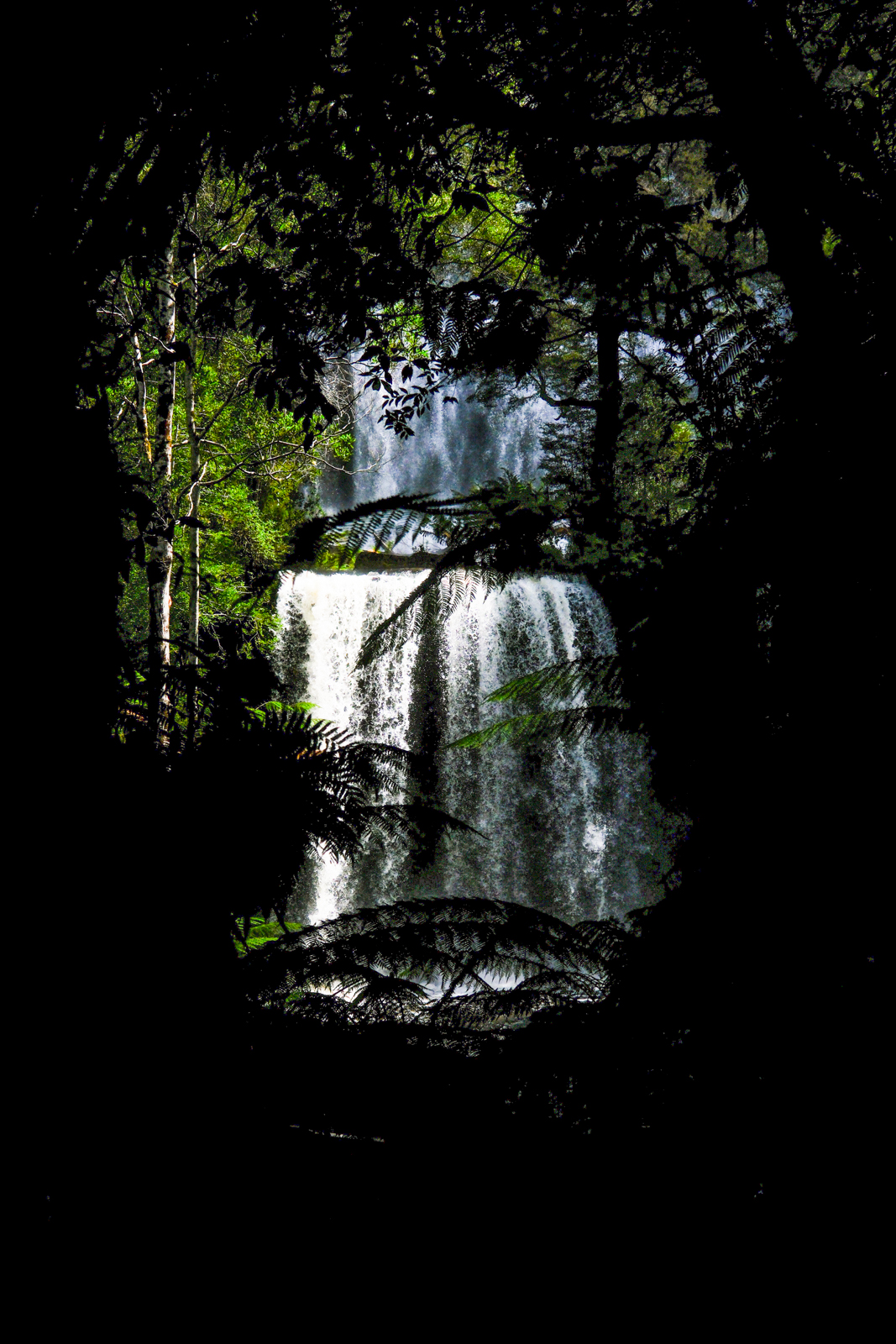
Russell Falls, Mt Field National Park © Sören Salvatore

Black Currawong © Sören Salvatore
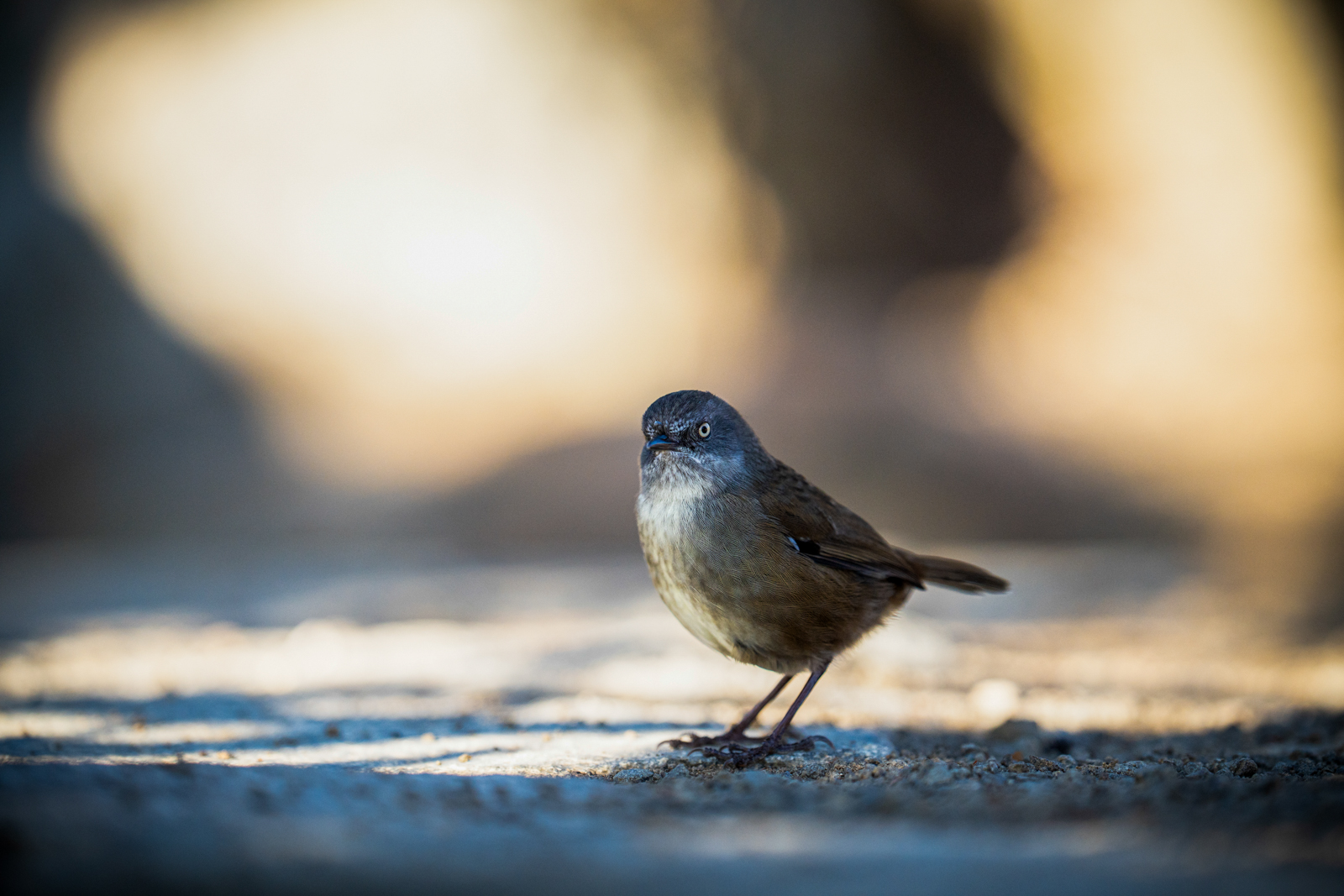
Tasmanian Scrubwren © Sören Salvatore
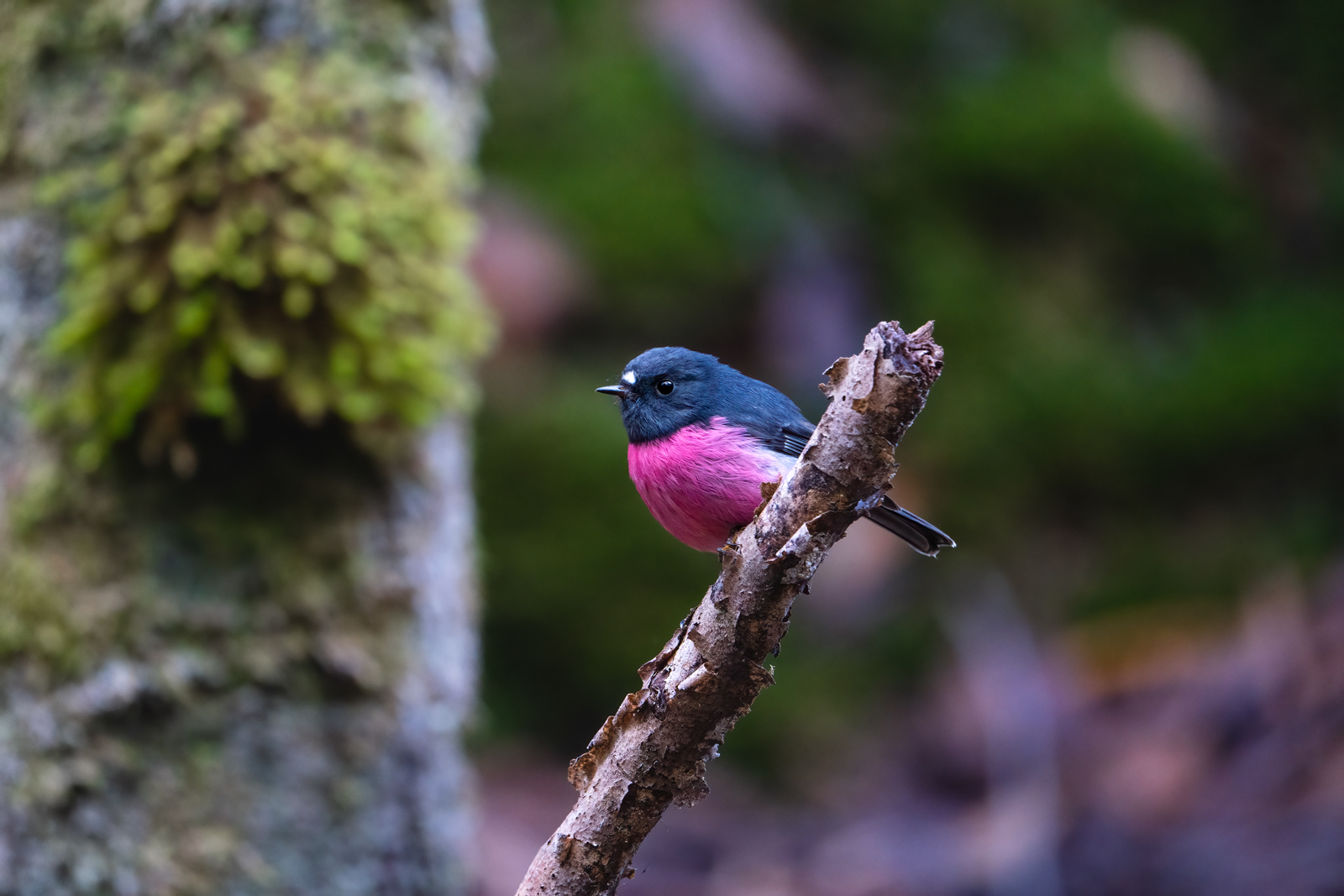
Pink Robin © Sören Salvatore
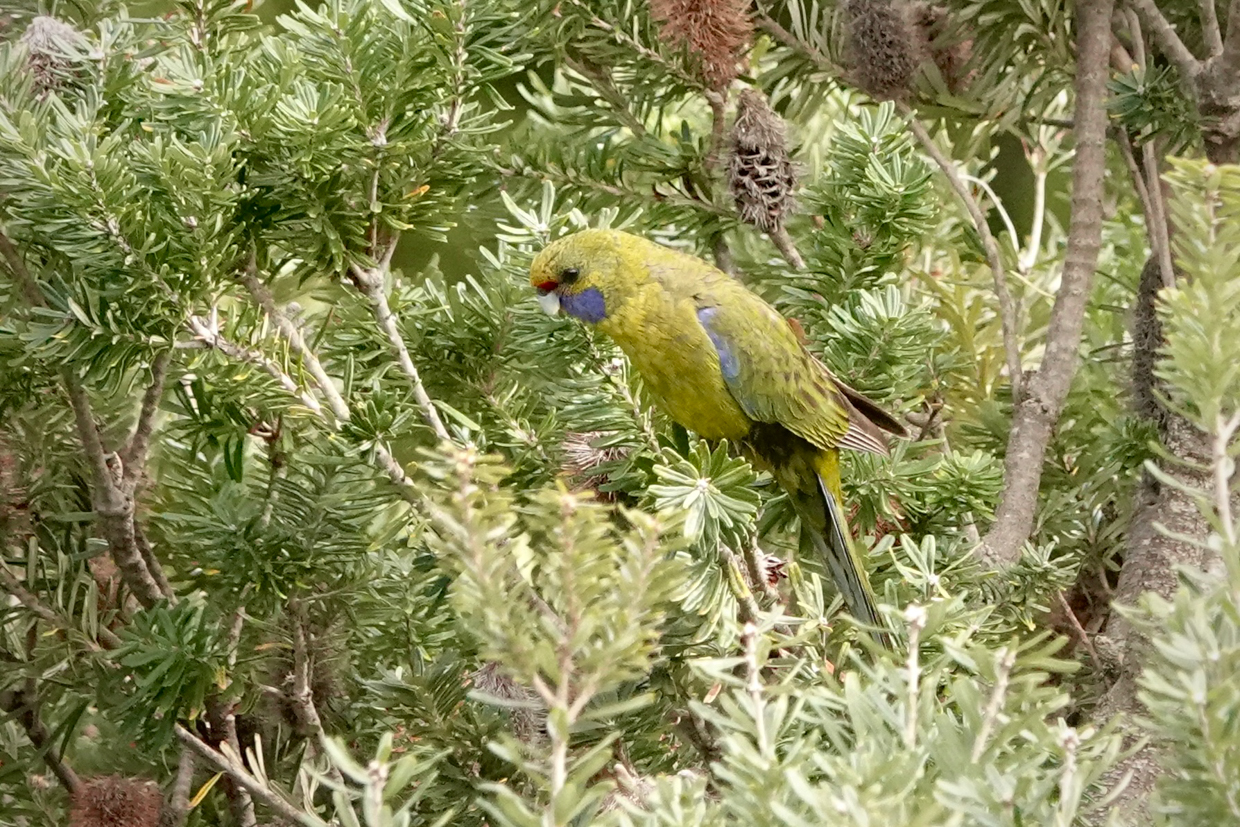
Green Rosella © Debbie Hilaire

Yellow-tailed Black Cockatoo © Sören Salvatore
After lunch, we drove back through Hobart to catch the Bruny Island ferry.
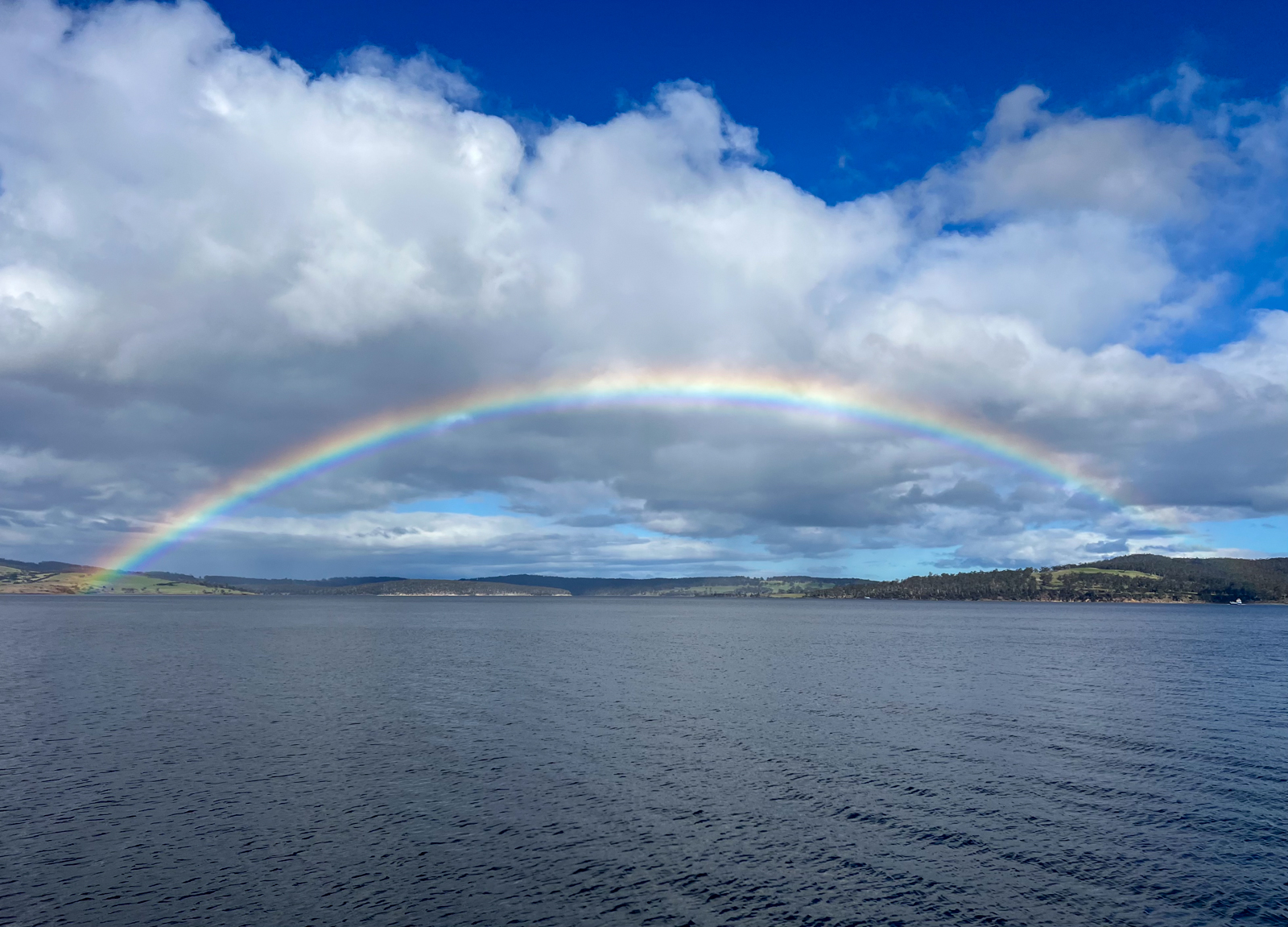
Rainbow crossing to Bruny Island © Sören Salvatore
Birding on Bruny Island began early the next morning with a tour of Inala Nature Reserve. Here, we enjoyed excellent views of the endangered endemic Forty-spotted Pardalote from Inala’s unique “Pardalote Platform” and learned about the conservation challenges and vital work being done to save one of Tasmania’s most iconic birds from extinction.

Forty-spotted Pardalote © Wei Wang
Although the raptor hide didn’t produce any views of the birds of prey that frequent the Inala property, we managed to spot a Grey Goshawk (white morph), a Swamp Harrier, and several Wedge-tailed Eagles before ending an amazing tour with our Inala guide Don.
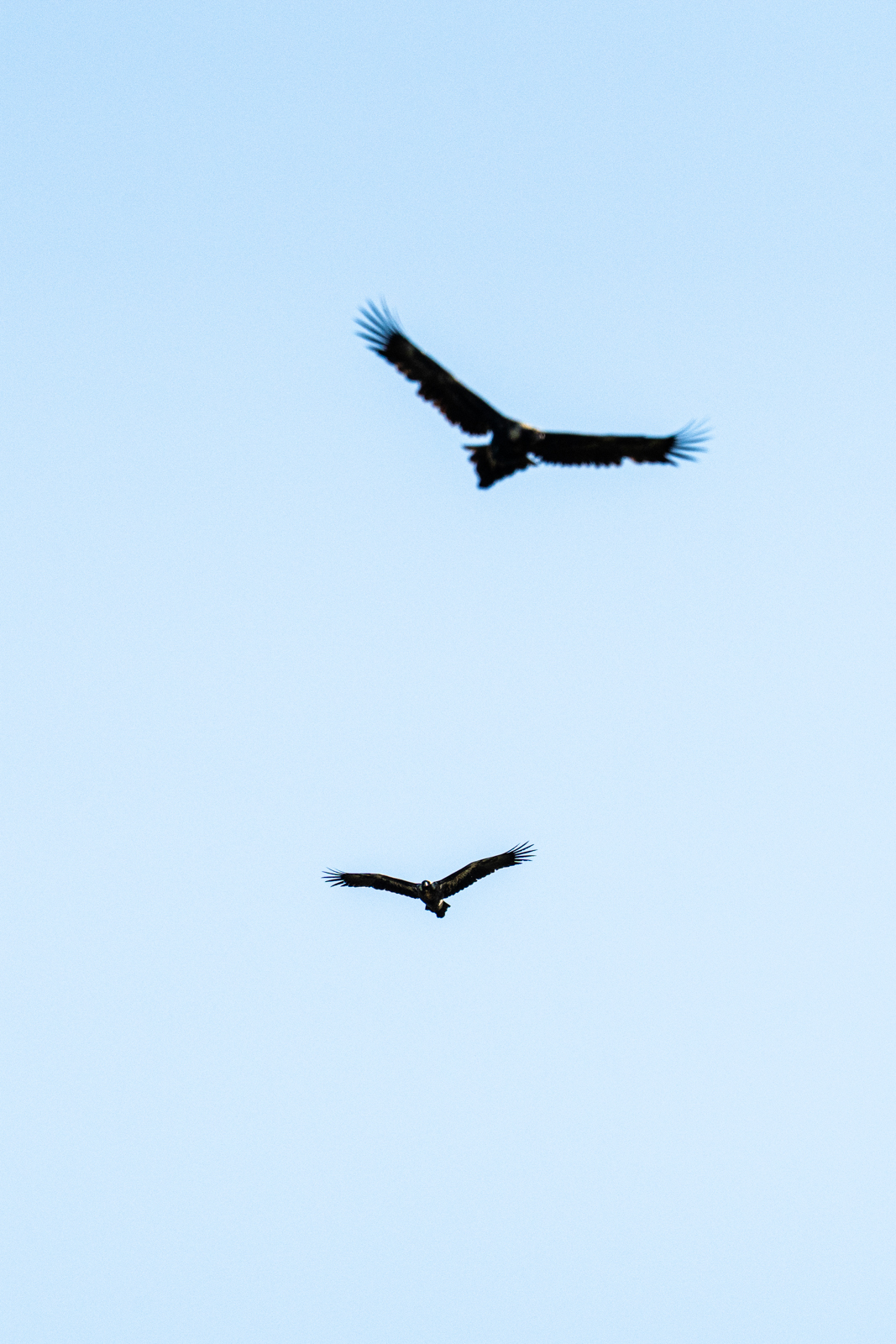
Wedge-tailed Eagle © Sören Salvatore
The afternoon at Adventure Bay began with a picnic surrounded by Swift Parrots, giving us extended views of the world’s fastest parrot feeding in eucalypt blossoms and drinking from puddles on the ground. We continued our day with sightings of a Hooded Plover, one of the island’s specialties. Bruny Island is a stronghold for this endangered species, which faces threats from disturbance and predation when they nest on exposed beaches.

Swift Parrot © Sören Salvatore

Group watching Swift Parrot © Sören Salvatore
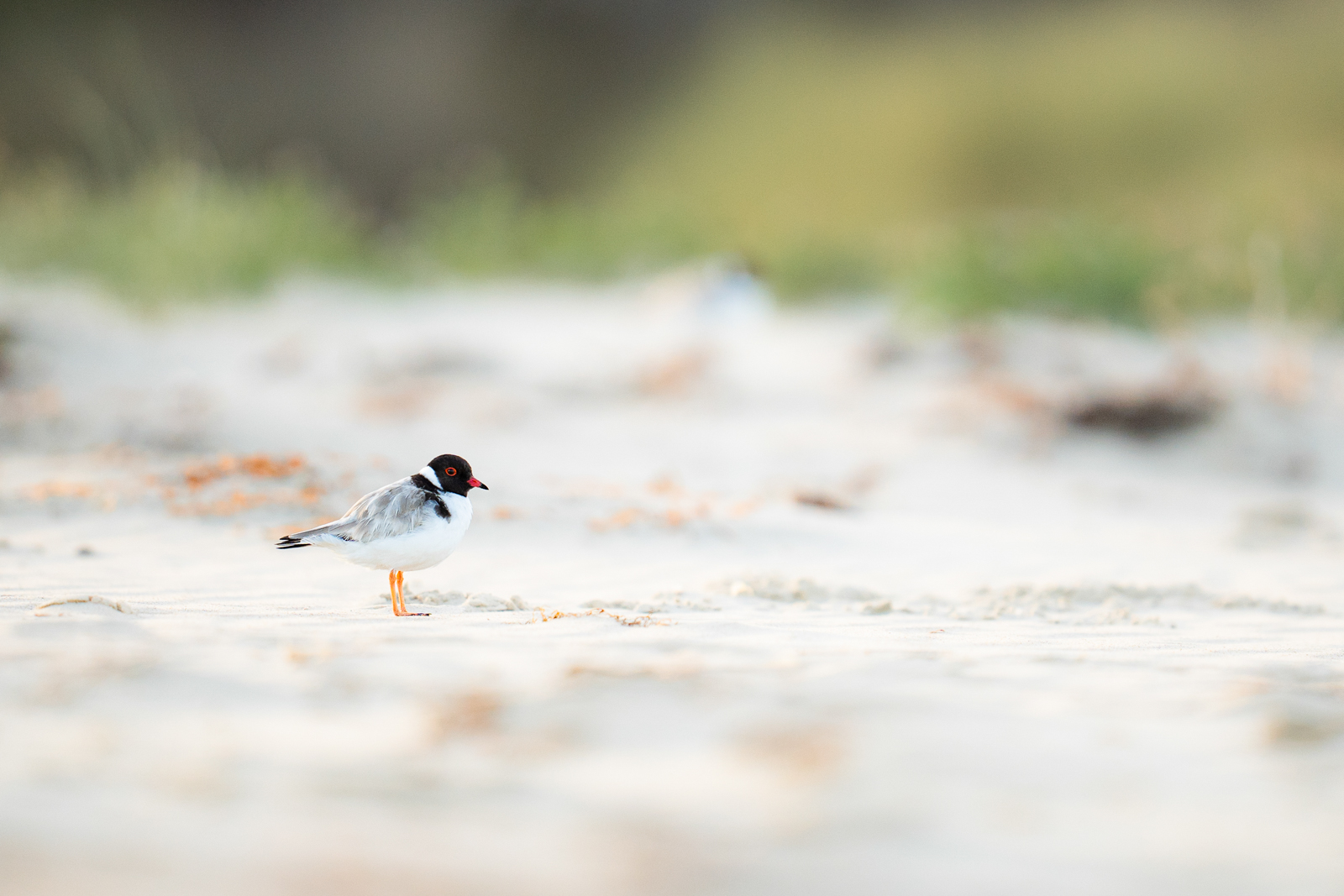
Hooded Plover © Sören Salvatore
To end the day, we walked along the Cape Queen Elizabeth Track in search of Shelduck and White-fronted Chat. Among the walk through dry eucalypt forest, another endemic was spotted. After teasing us with a variety of songs and calls, the Yellow-throated Honeyeaters finally braved the cold and windy weather to show themselves. The drive back to the hotel offered great views of Bruny Island’s iconic White Wallabies. The island is home to around 200 albino Bennett’s Wallabies.
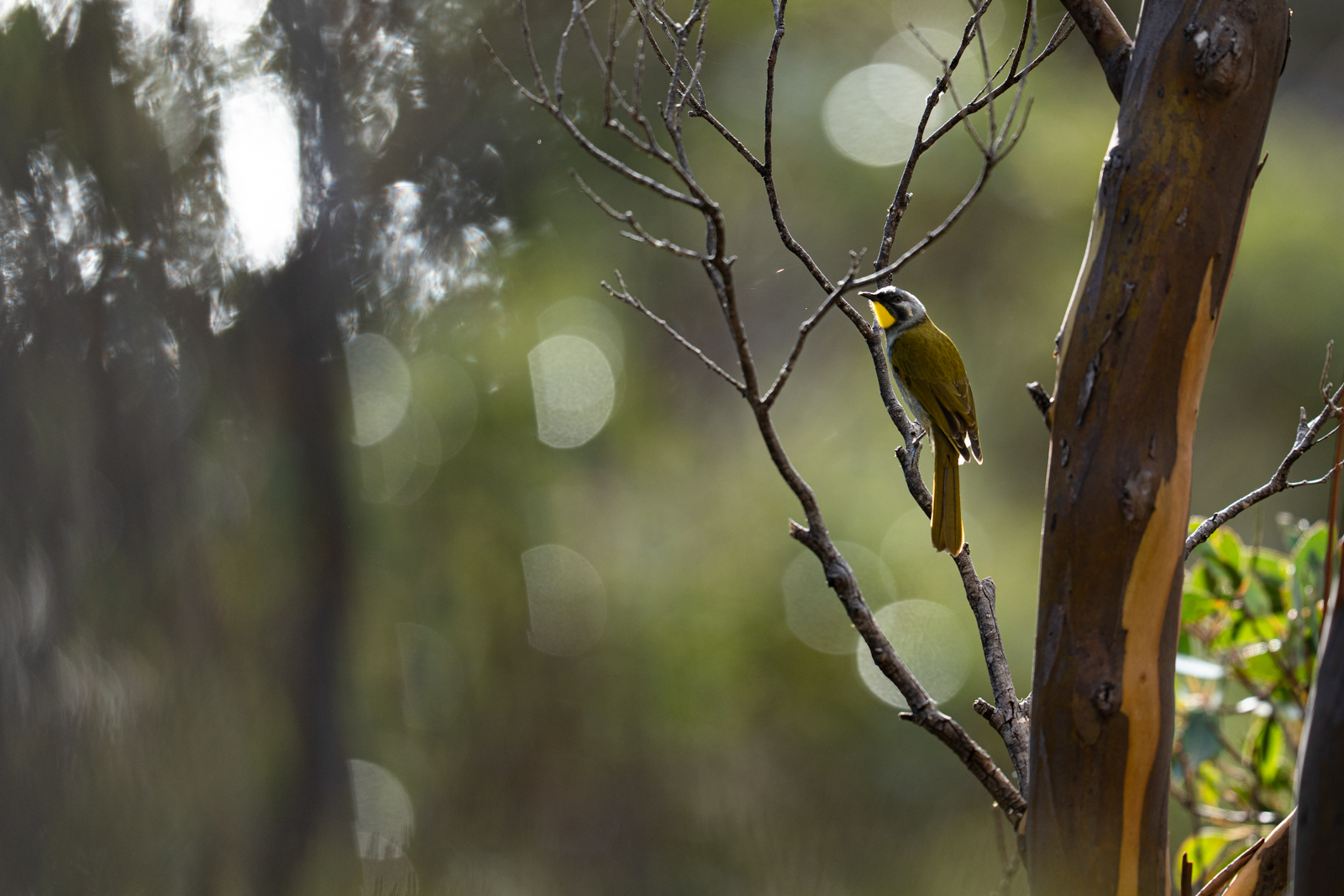
Yellow-throated Honeyeater © Sören Salvatore

Albino Bennet’s Wallaby © Sören Salvatore
Our final day on Bruny Island was a cold one. The mercury dropped to just above freezing overnight, and snow fell as low as 500 m above sea level. Combined with strong southerly winds straight from Antarctica and frequent rain or hail showers, birding was a challenge. Because of the weather, the group split: some headed south to Cape Bruny Lighthouse, while others braved the freezing wind and swell on the Pennicott cruise. The strong winds rewarded us with several pelagic species, including Northern Giant Petrel, White-headed Petrel, and White-capped (Shy) Albatross. We reunited for lunch and soon afterwards ticked off our 12th and final endemic of the tour, the Strong-billed Honeyeater.

Snow-capped Mountains © Sören Salvatore
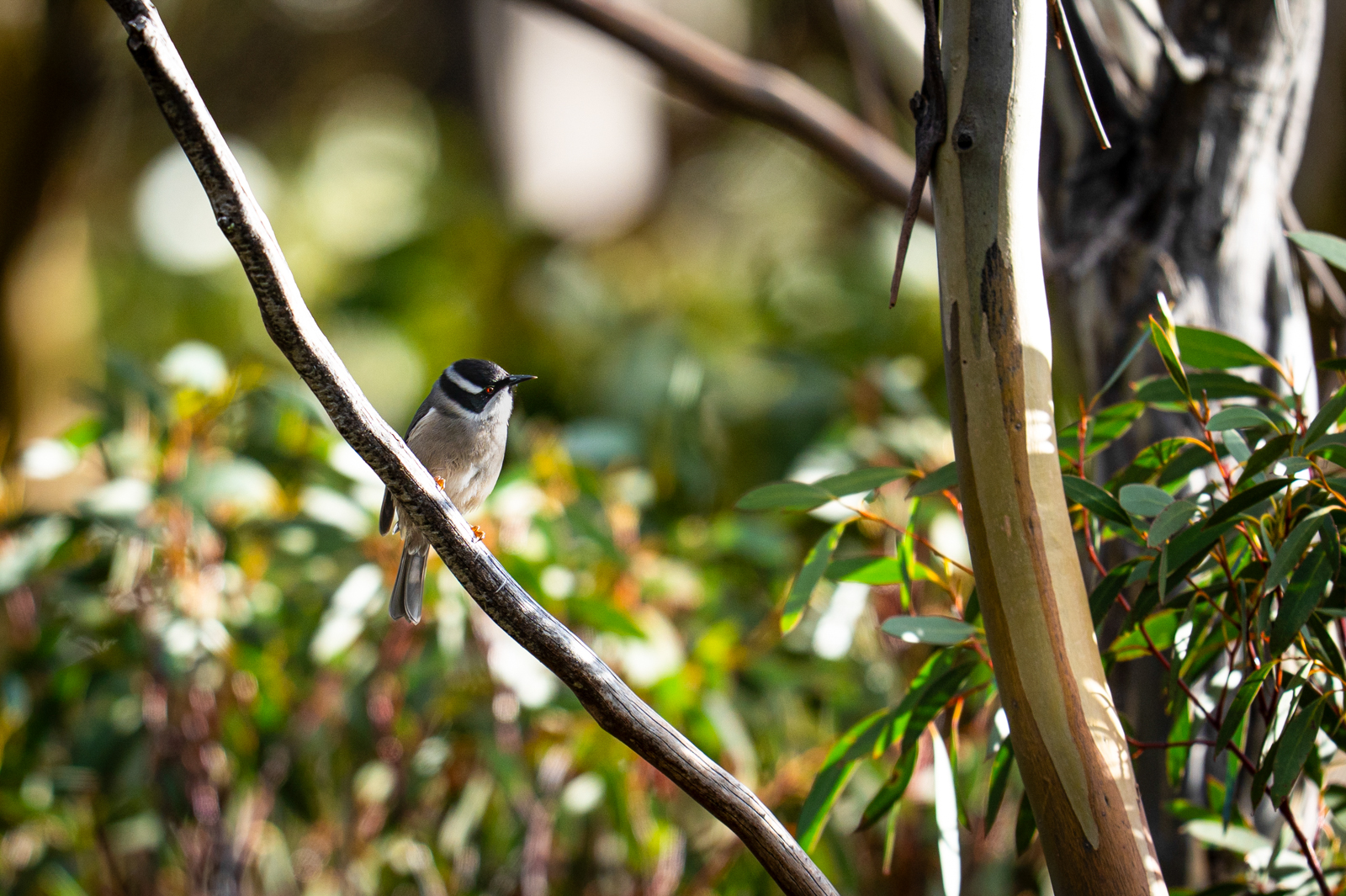
Strong-billed Honeyeater © Sören Salvatore
In the evening, after an early dinner, we visited a shearwater breeding colony to watch the birds return after dusk. As the light faded, the wheeling forms of Short-tailed Shearwaters appeared overhead, crash-landing into the vegetation before disappearing into their burrows.
On our way home, we set off on a short night drive in search of Eastern Quolls. Just before returning to the hotel, we were delighted by views of a perched Tasmanian Boobook, a perfect end to the day.

Short-tailed Shearwater © Sören Salvatore
The next morning, it was time to end our stay on Bruny Island. On the way to the ferry, we stopped on North Bruny for some excellent Blue-winged Parrot sightings. At first, the birds stayed a little distant, but soon a few flew in closer, perching on a fence before dropping to the ground to feed on grass seeds just a few metres from where we stood.

Blue-winged Parrot © Jim Mathews
After another lovely picnic surrounded by Blue-winged and Swift Parrots, we boarded the ferry back to the mainland. Before ending the tour in Hobart, we made one final stop at Peter Murrell Reserve. Here, a Striated Fieldwren became our 100th bird species seen in the past five days, a fantastic achievement for the group and their guides. To celebrate, two sleepy Brush-tailed Possums in a tree hollow and a strolling Echidna sent us off to our final celebratory lunch before we said our goodbyes.

Echidna © Sören Salvatore
Jackson Hagley and Sören Salvatore