Ultimate British Columbia: Coast & Grasslands
Highlights
Highlights
- Explore BC’s remarkable habitat diversity, from coastal rainforest and open ocean to mountains and dry grasslands.
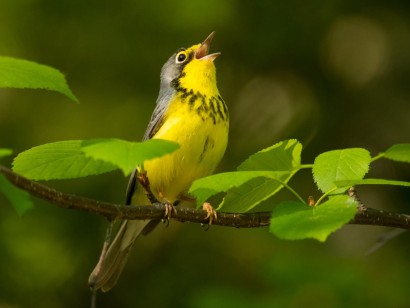
- Up to 200 species of birds; including many warblers, a dozen shorebirds, six wrens, five vireos, four hummingbirds, and many others.
- Take a pelagic trip in search of albatrosses, shearwaters, storm-petrels, puffins and more.
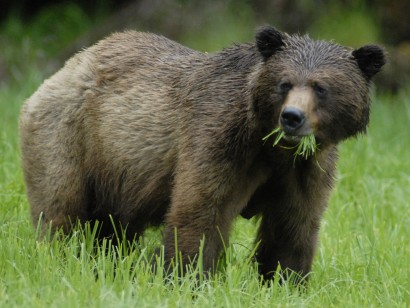
- Spectacular mammal viewing with a great chance at Orcas, Gray Whales, Sea Otter, Black Bears, Bighorn Sheep, marmots and more.
- Bird the forests and mountains of Manning Park for northern and montane specialties.
- Discover the Okanagan’s distinctive birdlife, including hummingbirds, woodpeckers, grassland birds and night birds.
Map
Map
Overview
Tour Overview
From the temperate rainforest of the Pacific ocean to the grassland and desert areas of the Okanagan, we visit a diverse set of habitats on this birding tour of British Columbia.
We begin in Vancouver on the mighty Fraser River delta. This city’s position makes it a huge draw for birders from around the world who seek migrants, breeding birds and vagrants. Highlights here include exciting shorebird viewing in Boundary Bay, montane birds of the North Shore Mountains and seabirds and rainforest specialties of Stanley Park.
Vancouver Island awaits us after a two hour ferry ride. We’ll spend three days exploring birding hotspots near Victoria such as Swan Lake and Martindale Flats, and take a whale-watching tour to view orcas up close. We’ll visit the wild west coast near Tofino for a pelagic tour that opens up a world of possibilities for seabirds, and comb the beaches in hopes of whimbrels, eagles and perhaps even a wolf.
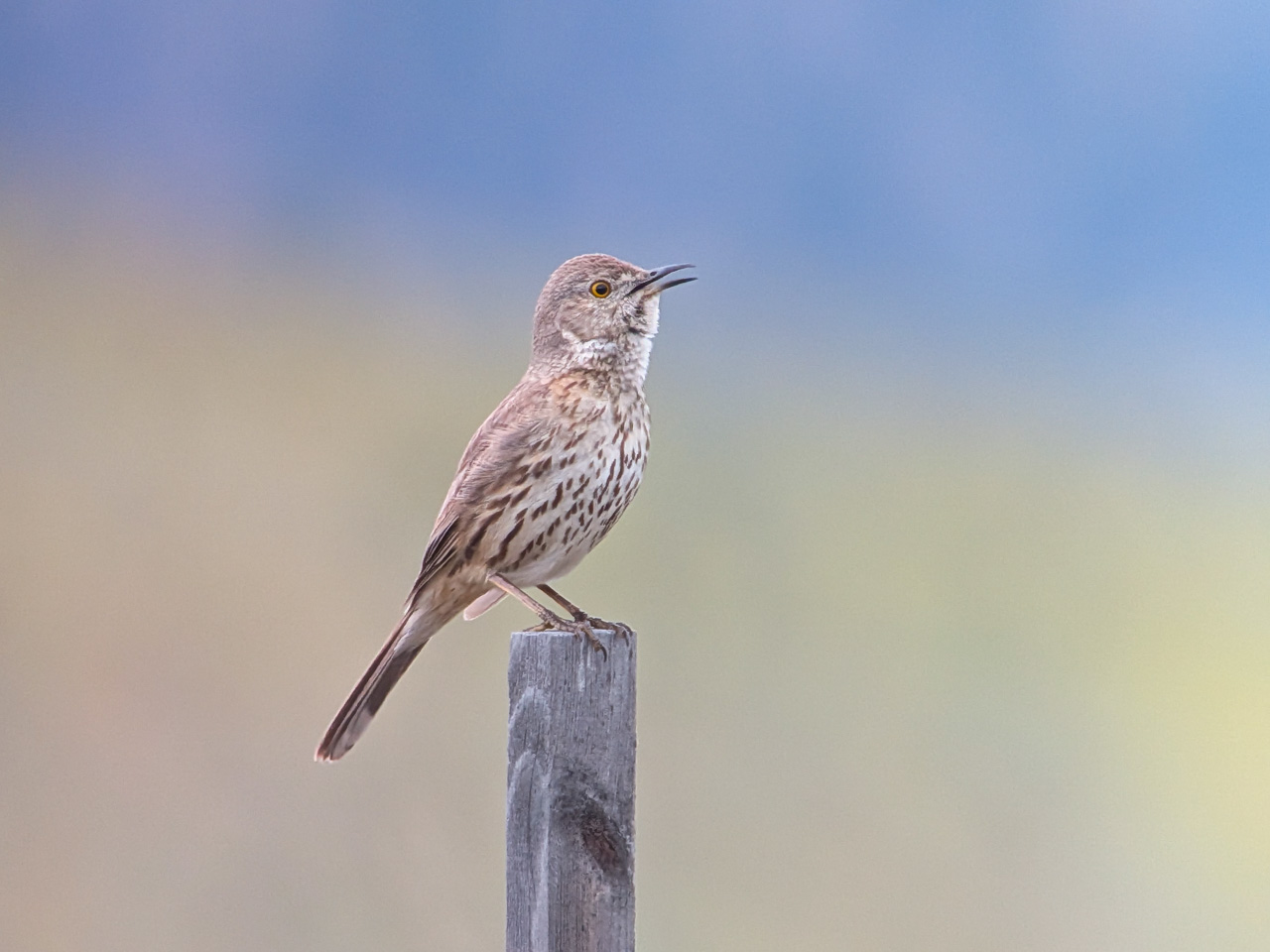
From here we’ll traverse inland to the famed Okanagan region, known not only for its vineyards but also for avian diversity. Areas such as Kilpoola Lake host Common Poorwills and perhaps even Sage Thrashers, while Vaseux Lake is a site where we could have our highest daily species totals for the trip.
Dates & Prices
Dates & Prices
What's Included
Tour Price Includes
- All accommodation (Good quality)
- All meals and soft drinks
- Pelagic boat trip (weather permitting) for the first 10 clients that register
- Boat trip out of Victoria
- Ground transportation
- 1 guide with 4 - 8 participants, 2 guides in 2 vehicles with 9 - 12 participants
- All park, conservation and entrance fees
Tour Price Does Not Include
- Flights to and from Vancouver
- Travel Insurance
- Items of a personal nature
- Possible additional excursion costs if you opt out of the pelagic boat trip
- Taxes (5% GST)
- Alcoholic Beverages
Gallery
Gallery


Itinerary
Itinerary
Day 1: Arrival in Vancouver
Our Ultimate British Columbia birding tour begins in Vancouver where we meet at our hotel for dinner on the first night. We’ll discuss our plans to explore Canada's most diverse province over the coming days. Night near the Vancouver airport.

Day 2: Vancouver area
We will hit the ground running by exploring a number of birding sites near the airport and around Vancouver. Iona Island is one of the best birding locations in a city renowned for its outstanding birdlife. We'll listen for the chattering of Bewick's Wren, Warbling Vireo, and Bushtit as we explore this part of the Fraser River Delta. Here, we should see plenty of gulls, terns, and herons, and, depending on the tide, good numbers of shorebirds.
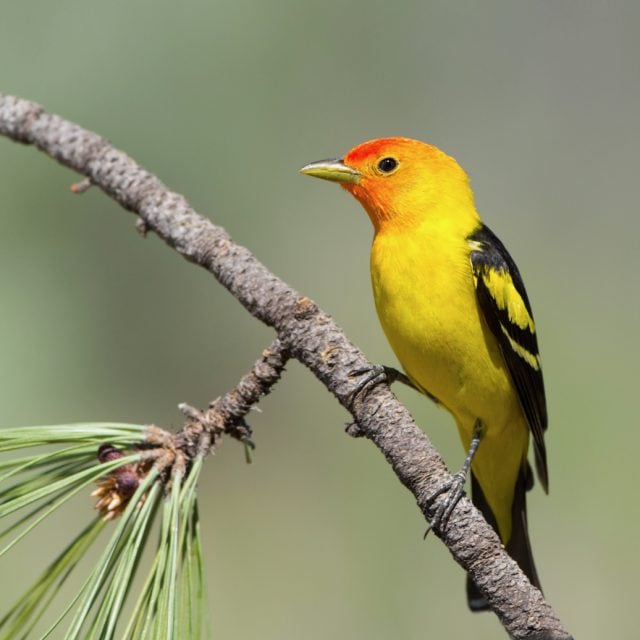
In the afternoon, we head to Minnekhada Regional Park, a forest dominated by Western Red Cedar, Douglas-fir, and Western Hemlock. The understory is packed with sword ferns, salal, and wild huckleberry bushes. Here we should find plenty of Western Tanagers, Western Wood-Pewees, Black-headed Grosbeaks, and even Black-throated Gray Warblers.
We will then cross over to the North Shore for dinner. Night in North Vancouver.
Days 3 - 5: West Coast and Tofino Pelagic
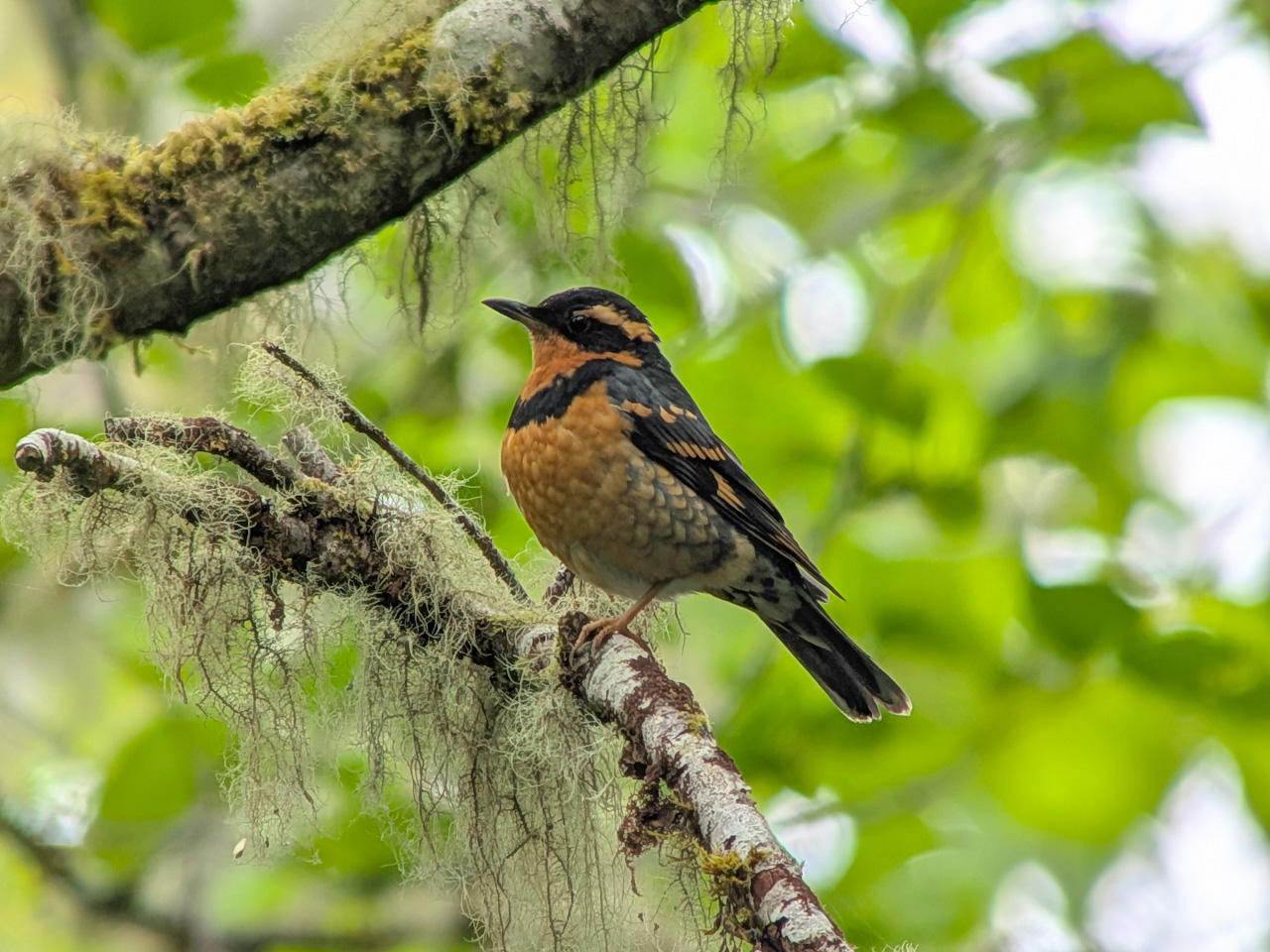
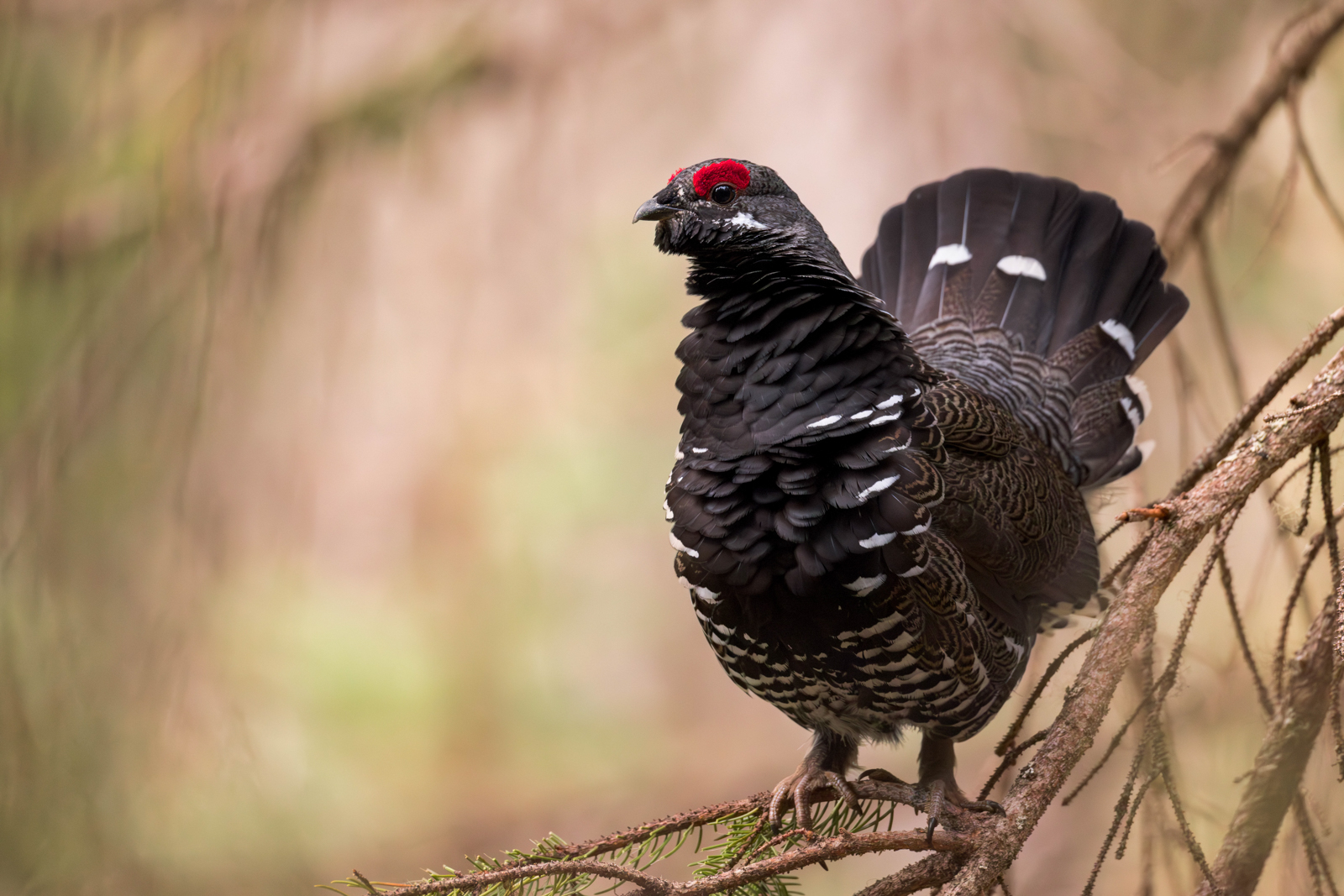
This morning we’ll head upslope for some montane forest birding. Weather permitting, from Cypress Mountain we’ll have unreal vistas over the city while Vaux’s and/or Black Swifts parade by. This is our best spot on the tour for Black-throated Gray Warbler, Black-headed Grosbeak and Anna’s Hummingbird. At Cypress, where the 2010 Olympics were hosted, we’ll hear and perhaps see a displaying male Sooty Grouse booming one of the world’s lowest frequency songs. More obvious songsters include Olive-sided and Pacific-slope Flycatcher, Cassin’s Vireo, Pacific Wren, MacGillivray’s Warbler, Western Tanager along with Varied, Hermit and Swainson’s Thrush.
After this we’ll board a ferry from Horseshoe Bay to Nanaimo, and from the deck we can scan the waters of the Strait of Georgia for seabirds such as Brandt’s and Pelagic Cormorant, Rhinocerous Auklet, Marbled Murrelet and Pigeon Guillemot. Upon arrival we’ll get the sense of the relaxed feel of Vancouver Island as we traverse to the real west coast, stopping at a grove of majestic Douglas Firs, some more than 800 years old! Pacific Wren provides the complex audio backdrop to this wondrous ecosystem.
Nearing the coast we smell the ocean air and investigate the wild Long Beach, where we look for Black Oystercatcher, Sanderling, Hammond’s Flycatcher, Wilson’s Warbler and Chestnut-backed Chickadee, among others.
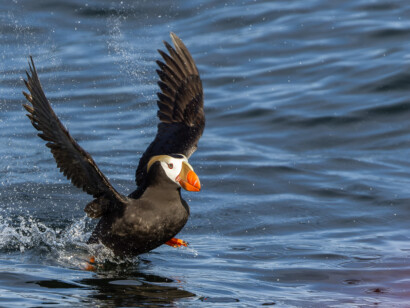
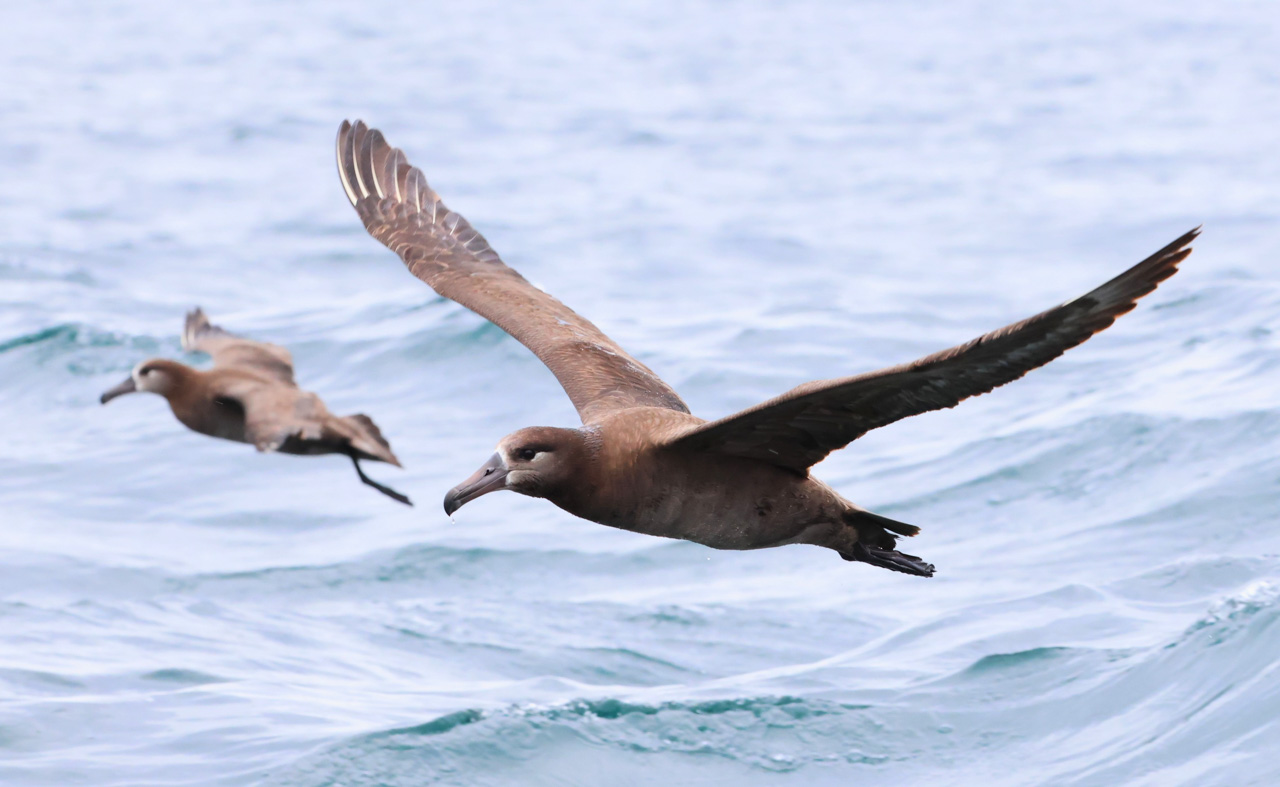
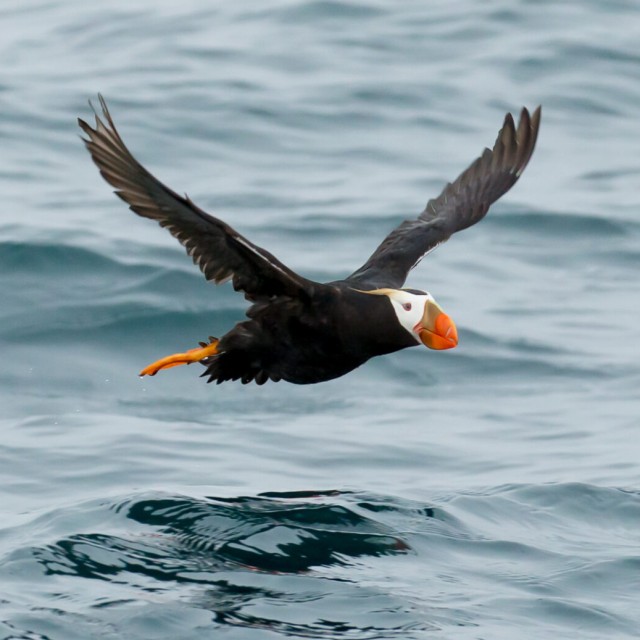
The next morning, weather permitting, we depart on a pelagic adventure, and we don’t have to go far to find excitement. Gray or Humpback Whales might be sighted in near-shore waters and we’ll visit a small colony of Tufted Puffins. Once arriving offshore at the deep Clayoquot Canyon we may encounter ocean-faring species such as Black-footed Albatross, Pink-footed and Sooty Shearwaters, Common Murre, Fork-tailed Storm-petrel, Red-necked Phalarope and Ancient Murrelet, among many others. Blue Sharks, Rizzo’s Dolphins and Northern Fur Seals are a possibility and we have twice seen the enigmatic Short-tailed Albatross, a species that nests in Japan. Surprises await us on this six-hour tour.
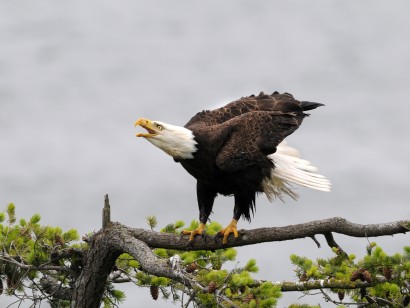
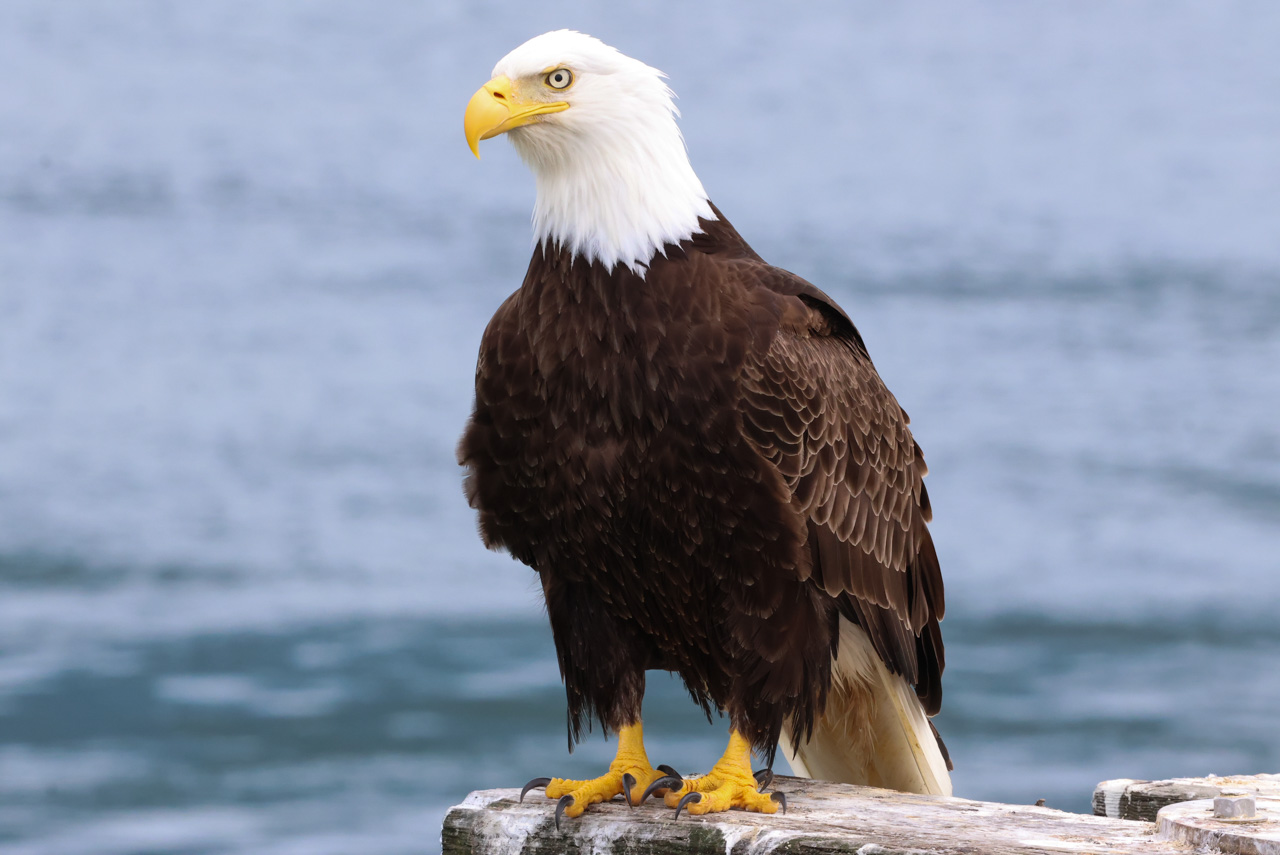
Our second full day in the Pacific Rim area allows more exploration of the ethereal rainforests in this area. We’ll hike another old-growth trail, scan for Pacific Loons and scoters over expansive beaches and visit the town of Tofino, where Bald Eagles are more common than House Sparrows. Nights in Tofino.
Days 6 - 7: Victoria
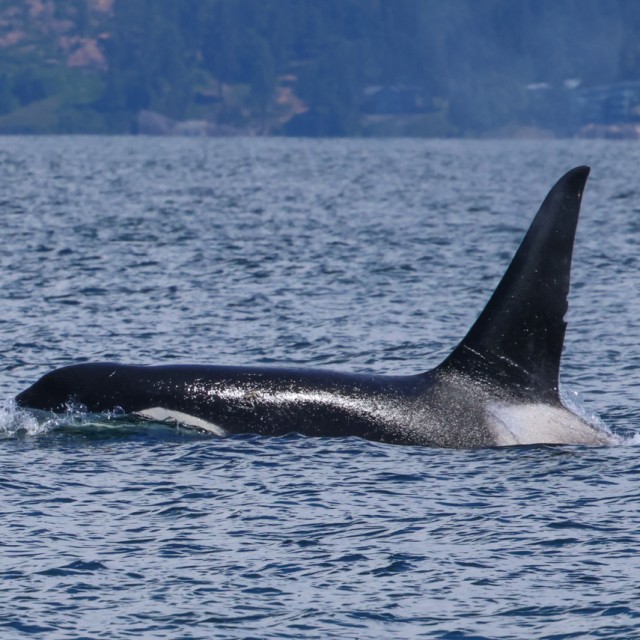
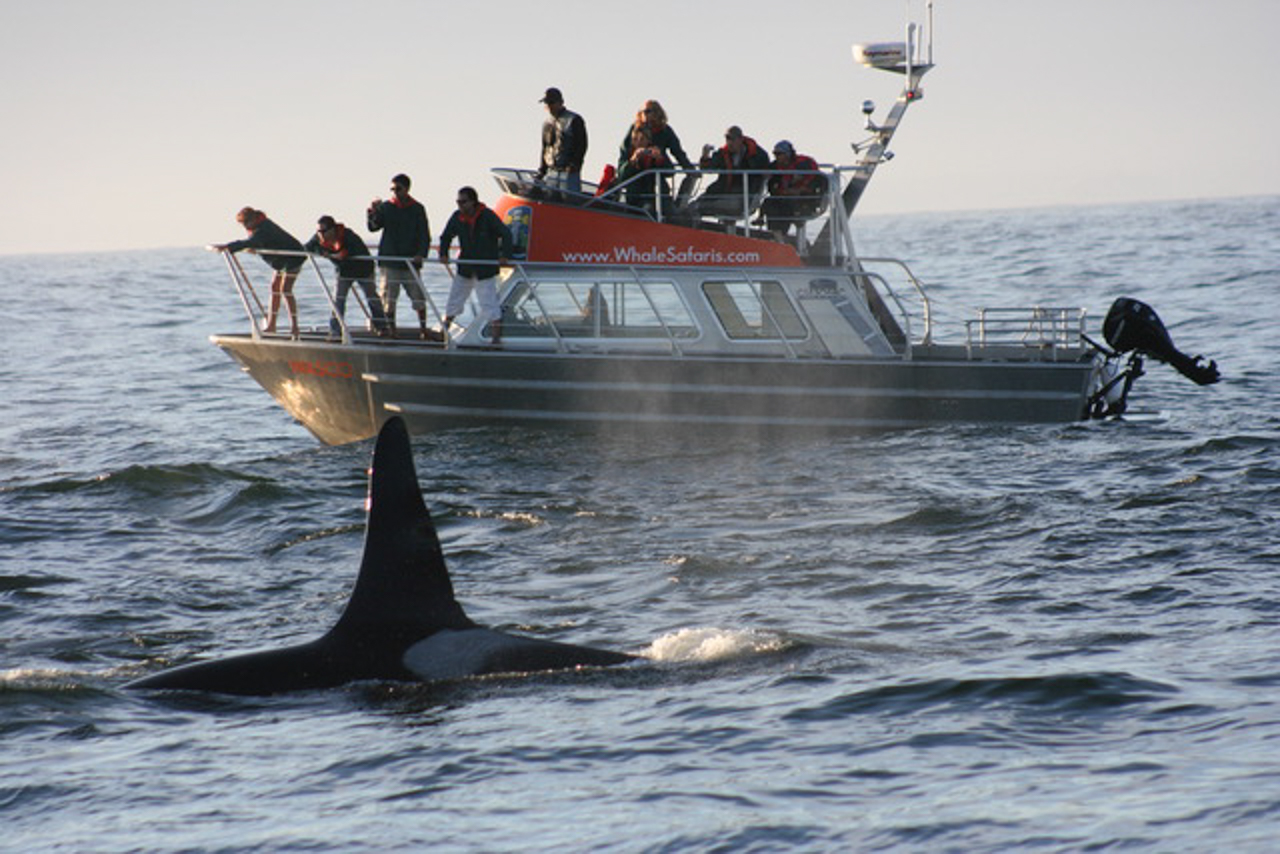
This morning we’ll commute south to the provincial capital of Victoria, stopping en route to check an estuary for wildlife. Raccoon, Mink, and River Otter are common here. We’ll see why the southeastern part of Vancouver Island is so attractive to retirees. Once in in Victoria we’ll settle in and have some down-time to see the famed Inner Harbour. Suburban Victoria has the highest density of Cooper’s Hawks in North America and Barred Owls are common in the city parks. We’re not done with our ocean watch however, and we’ll scan for Glaucous-winged, Western, and lingering Mew Gulls. Great Blue Heron, Wandering Tattler and Harlequin Duck could be highlights at Clover Point. One day we’ll take a three-hour boat tour into Juan de Fuca Strait specifically to search for Orcas up-close and personal, as they munch on Chinook salmon. Humback whales are making a comeback and are a probable sighting, along with two species of Sea Lions.
In the evenings we’ll have a chance to relax amid Victoria’s charming ambience and perhaps enjoy a craft brew and some local seafood treats. Nights in Victoria.
Day 8: Victoria to Manning Park
Keeping the flow, we depart Victoria and return to the Lower Mainland via a different ferry route. We will stop for a picnic breakfast at Island View Beach, where we can watch Surf Scoters and the many Bald Eagles searching for their own breakfast. From here, it is a short drive to Swartz Bay Terminal to board our ferry to Tsawwassen.
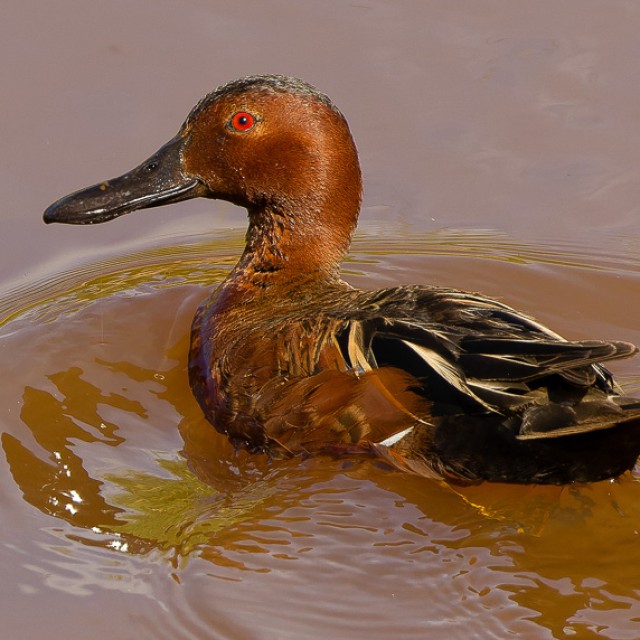
During the crossing, we will scan from the upper deck for seabirds and whales as we make our way across the Strait of Georgia. Once back in Tsawwassen, we will make a short drive to the estuary, where we should find a variety of shorebirds and waterfowl, which may include Cinnamon Teal. After lunch, we will follow one of British Columbia's most scenic highways as we travel to Manning Park, our destination for the next two nights.
Night at Manning Park Lodge.
Day 9: Manning Park
Manning Park lies at the heart of the Cascade Mountains. This spectacular mountain park acts as a transition zone between the wet coastal rainforest and the dry interior semi-arid region, featuring cool subalpine and alpine ecosystems.
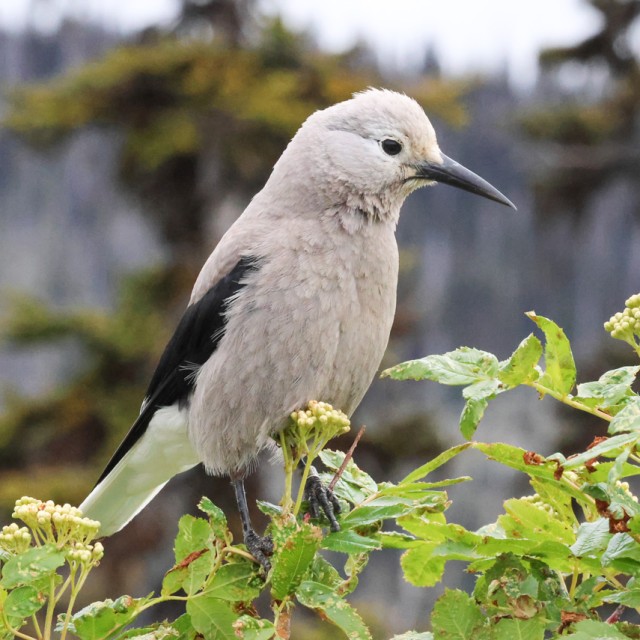
Around our hotel, we should see curious Steller's Jays and Red-naped Sapsuckers. We will spend time birding in the valley's coniferous forests, looking for crossbills, Evening and Pine Grosbeaks, American Three-toed Woodpecker, Canada Jay, and Spruce Grouse. At higher elevations, we will search for Hammond's Flycatcher, Cassin's Finch, Mountain Chickadee, Cassin's Vireo, Townsend's Solitaire, and Clark's Nutcracker. The rivers and lakes may also provide opportunities to see American Dipper, Harlequin Duck, Barrow's Goldeneye, and Spotted Sandpiper. This park also offers excellent opportunities to view mammals, including Snowshoe Hare, American Pika, Golden-mantled Ground Squirrel, and Black Bear.
Night at Manning Park Lodge.
Day 10 - 12: The Okanagan
After breakfast we’ll continue east and soon enter the Great Basin ecosystem. On route we will spend some time looking for Long-billed Curlews that nest in the flat grasslands on our way into the Okanagan Valley.
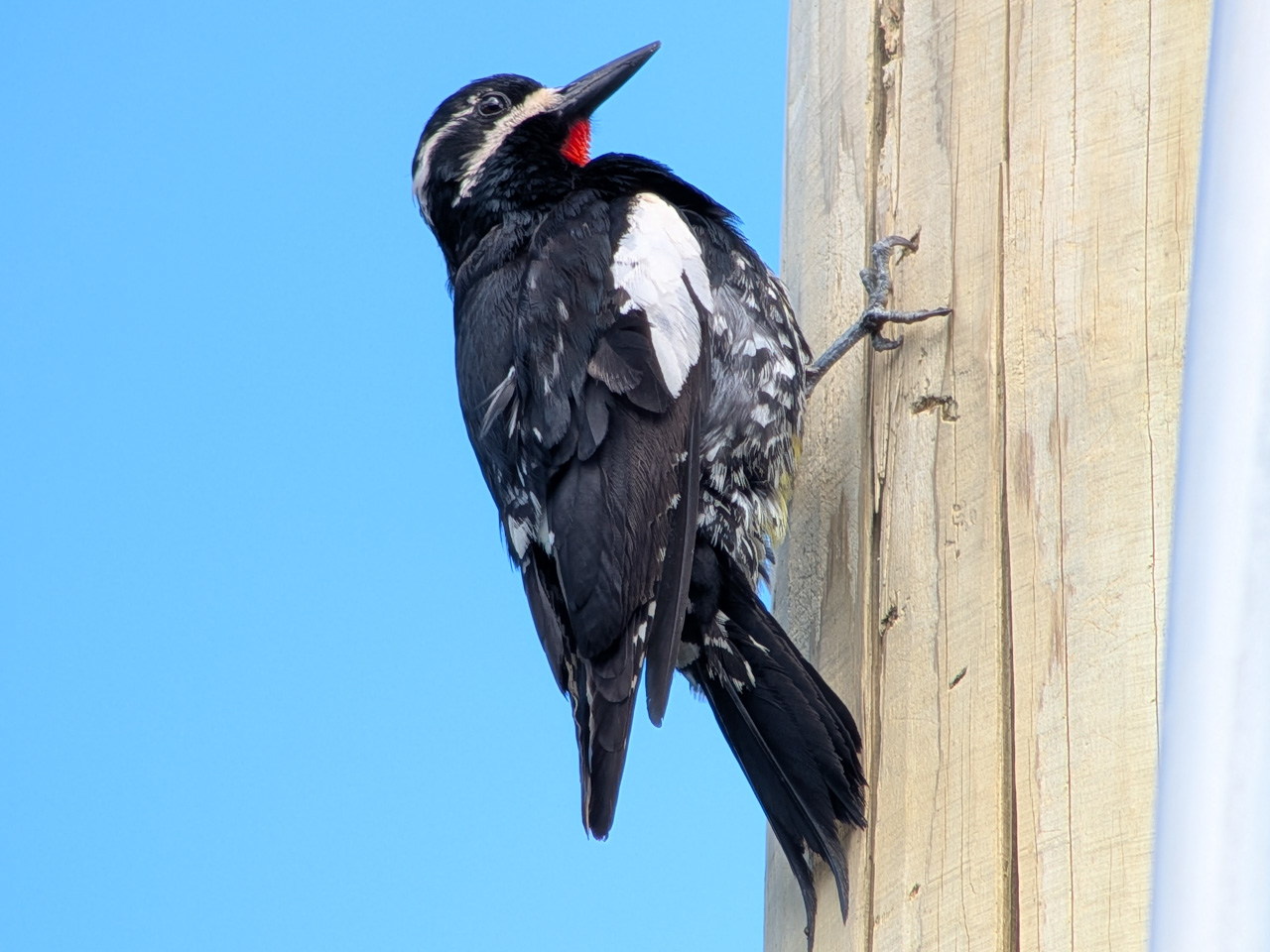
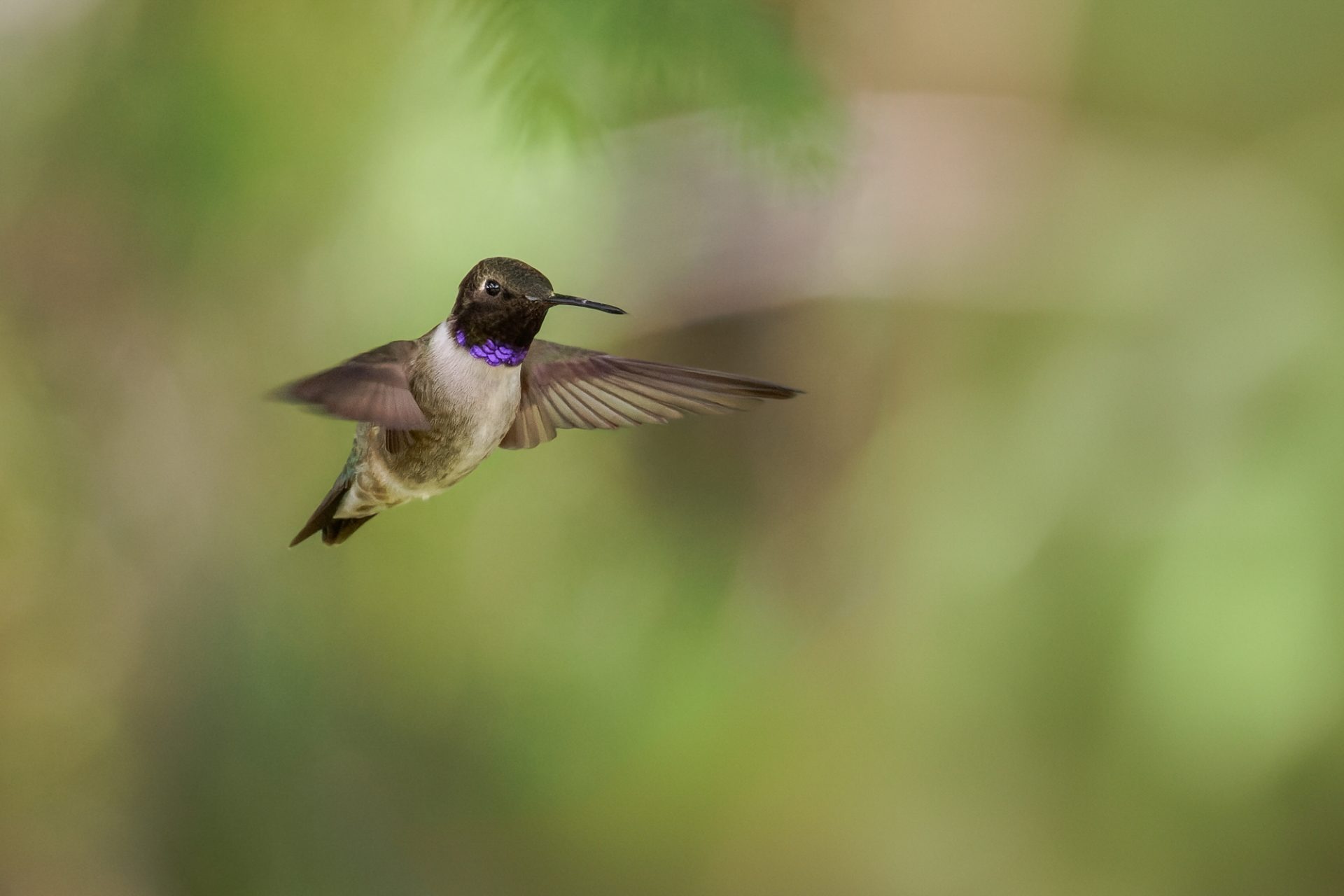
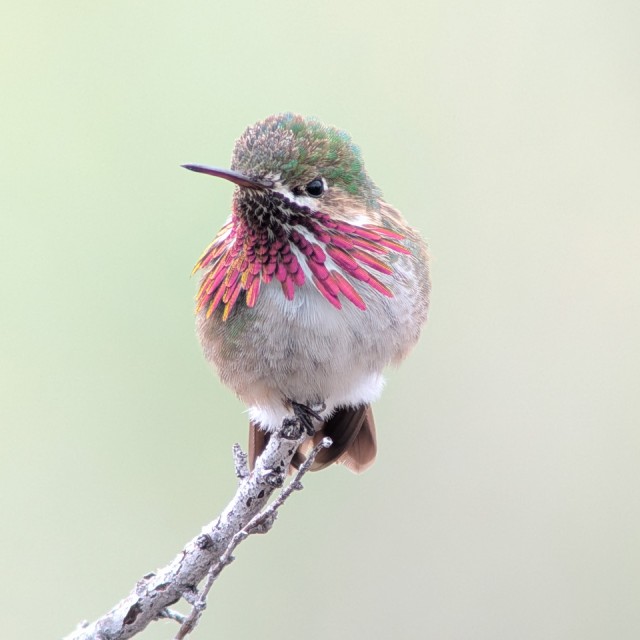
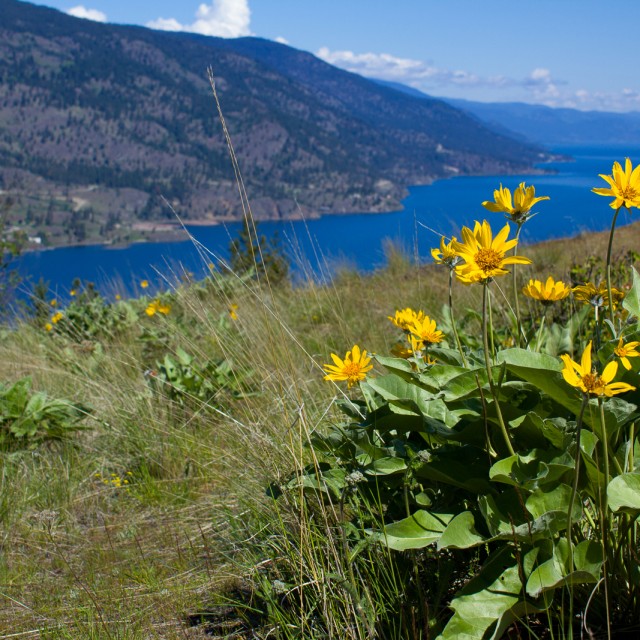
While in the Okanagan we’ll explore the best options for sagebrush and dry forest birding. Small lakes will hold plenty of ducks including Cinnamon Teal and Redhead. Near Oliver we’ll watch breeding Wilson’s Phalaropes try to out-compete Bobolinks for our attention while we search grasslands and patches of water birch for more amazing birds. At White Lake we’ll look and listen for Grasshopper Sparrow and Gray Flycatcher. At Vaseux Lake we’ll investigate the riparian areas for migrant surprises while listening to Canyon and Rock Wren both singing from the cliffs above (Marsh, House, Bewick’s and Pacific Wrens are also present!). We’ll scan for large and small birds alike, including Golden Eagles across the lake and Rufous, Black-chinned and Calliope Hummingbirds in the forests. Lewis’ Woodpecker, Williamson’s Sapsucker, Lazuli Bunting and Pygmy Nuthatch each have their favourite tree species to cling to. An evening foray might produce a Common Poorwill or Flammulated Owl.
Nighthawk Road is a great introduction to sagebrush birding where hopefully we’ll catch Brewer’s and Lark Sparrows singing in the evening and with much luck we could encounter something rare such as Black-throated Sparrow or Sage Thrasher. These birds seem to arrive annually from south of the border, which is just over the hill.
If we need a breather there’s always a nearby winery, or we can dip our feet into the warm waters of Osoyoos Lake nearby our hotel. Nights in Osoyoos.
Day 13: Return to Vancouver
On our final full day we have some time for more birding prior to returning on a four-hour drive to Vancouver. This leaves time for exploring since we take a different route—one takes us through other scenic mountains. We’ll be driving through areas of contiguous forest and may have time to detour and look for bonus birds. Night in Vancouver.
Day 14: Departure from Vancouver
Our British Columbia birding tour ends today. Breakfast is available, but you can depart for flights home anytime today. If you are carrying on to our Boreal Extension, you will join the guides for a morning flight to Fort St. John to truly round out your Ultimate British Columbia tour!
What to Expect
What to Expect
Overview
The Ultimate British Columbia: Coast and Grasslands tour is a moderately paced birding tour, where we focus on finding a diversity of birds. The daily schedule will vary to account for weather, tides and reported bird sightings. You can expect some early mornings and relatively long days in the field. We may also have the occasional evening owling outing.
Food
We generally have breakfast at the hotel before we head out for the day. Sometimes we will have optional pre-breakfast walks. We often take a picnic lunch in the field, but will occasionally stop at a restaurant for lunch. Dinner is usually at the lodge or a nearby restaurant. Each evening after dinner we compile the day’s checklist, review the day’s activities, birds, mammals and other observations, and plan the next day’s activities.
Accommodation
Generally we stay in standard hotel rooms in locations close to where we want to go birding.
Walking
The walking on this tour is rated easy to moderate. Most birding is done from roads and well-marked trails, but we occasionally traverse low brush, swampy and uneven terrain, and there is some hill hiking. We walk at a slow pace, stopping frequently to observe fauna and flora. Our longest walk will be 2 kms (1.25 miles), taking approximately 2 hours, at Strawberry Flats in Manning Park.
Driving
Driving times will vary from 1 – 4 hours of driving when transferring to a new location. We will have many rest stops along the way when moving to a new town.
Climate
The weather in spring in British Columbia can be highly variable, from cool rain and wind on the Ocean, to warm and dry in the Okanagan. It is best to check the weather the week before the tour starts and pack layers!
Boat Trips
There are 2 boat trips on this tour.
You’ll embark on a 6-hour pelagic (Open Ocean) adventure aboard WASCO, a purpose-built coastal cruiser designed for stability, comfort, and excellent wildlife viewing. WASCO comfortably carries up to 10 guests+2 guides and features a heated indoor cabin with seating, a small restroom, and outdoor viewing areas. Rainjackets and life vests will be available.
The pelagic requires optimal weather and sea conditions and is at the discretion of the boat captain. Our safety is paramount and will be the primary deciding factor in how far and long we can stay out at sea. If sea conditions are not cooperative during the allotted time, we will continue with a nearshore boat excursion. Please note that this boat tour may not be suitable for those with serious neck/back issues or those extremely prone to seasickness. We suggest you take precautions if you are prone to motion sickness.
The second boat tour is a 3-4 hour Whale-Watching adventure in Victoria, BC. You’ll board a well-equipped semi-covered or open boat with panoramic views, comfortable seating, and onboard washrooms. Tours include all-weather gear and are led by experienced crews focused on both wildlife education and responsible viewing practices.
Frequently Asked Questions
Land Tours FAQs
Whether you’re a seasoned birder or new enthusiast, these FAQs cover important details about our tours, including schedules, fitness requirements, group dynamics and more.
Featured Wildlife
Featured Wildlife
The species below are among the birds and mammals we may encounter on this tour. Sightings vary from year to year and cannot be guaranteed.
- Ancient and Marbled Murrelets
- Tufted Puffin
- Barrow’s Goldeneye
- Sooty and Dusky Grouse
- Williamson’s, Red-naped, and Red-breasted Sapsucker
- Lewis’s Woodpecker
- Canyon and Rock Wrens
- Bald Eagle
- Flammulated Owl
- Common Poorwill
- Calliope Hummingbird
- Black-chinned Hummingbird
- White-throated Swift
- Yellow-breasted Chat
- Gray Flycatcher
- Black-throated Gray Warbler
- Yellow-bellied Marmot
- Mountain Goat
- Gray Whale
- Orca
- Sea Otter
- Black Bear
Past Tour Checklists
Past Tour Checklists
View the list of birds and other wildlife we encountered on our past tours.
- Ultimate British Columbia: Coast & Grasslands eBird Report (May 31 - June 12)
- Ultimate British Columbia: Coast & Grasslands 2025 (eBird)
- Ultimate British Columbia: Coast & Grasslands 2024 (eBird)
- Ultimate British Columbia species list 2023 (eBird)
- Ultimate British Columbia species list 2022 (pdf)
- Ultimate British Columbia species list 2022 #2 (ebird report)
- Ultimate British Columbia species list 2019
Compare your life list to our last tour
Get an estimate of how many new species you may see.
Try our Lifer toolTrip Reports & Inspiration
Trip Reports & Inspiration
Ultimate British Columbia: Coast & Grasslands Trip Report (May 26 -Jun 5, 2025)
Ultimate BC: Coast & Grasslands Trip Report 2024
Ultimate British Columbia Trip Report 2023
Ultimate British Columbia trip report May 28 - June 9, 2022
Ultimate British Columbia Tour May-June 2022 Trip Report
Why take a guided birding tour?
Pelagic birding in Tofino, British Columbia