Arizona in Winter
Highlights
Highlights
- Explore southeastern Arizona’s incredible habitat diversity, from saguaro desert and open grasslands to oak canyons and high-elevation pine forests.
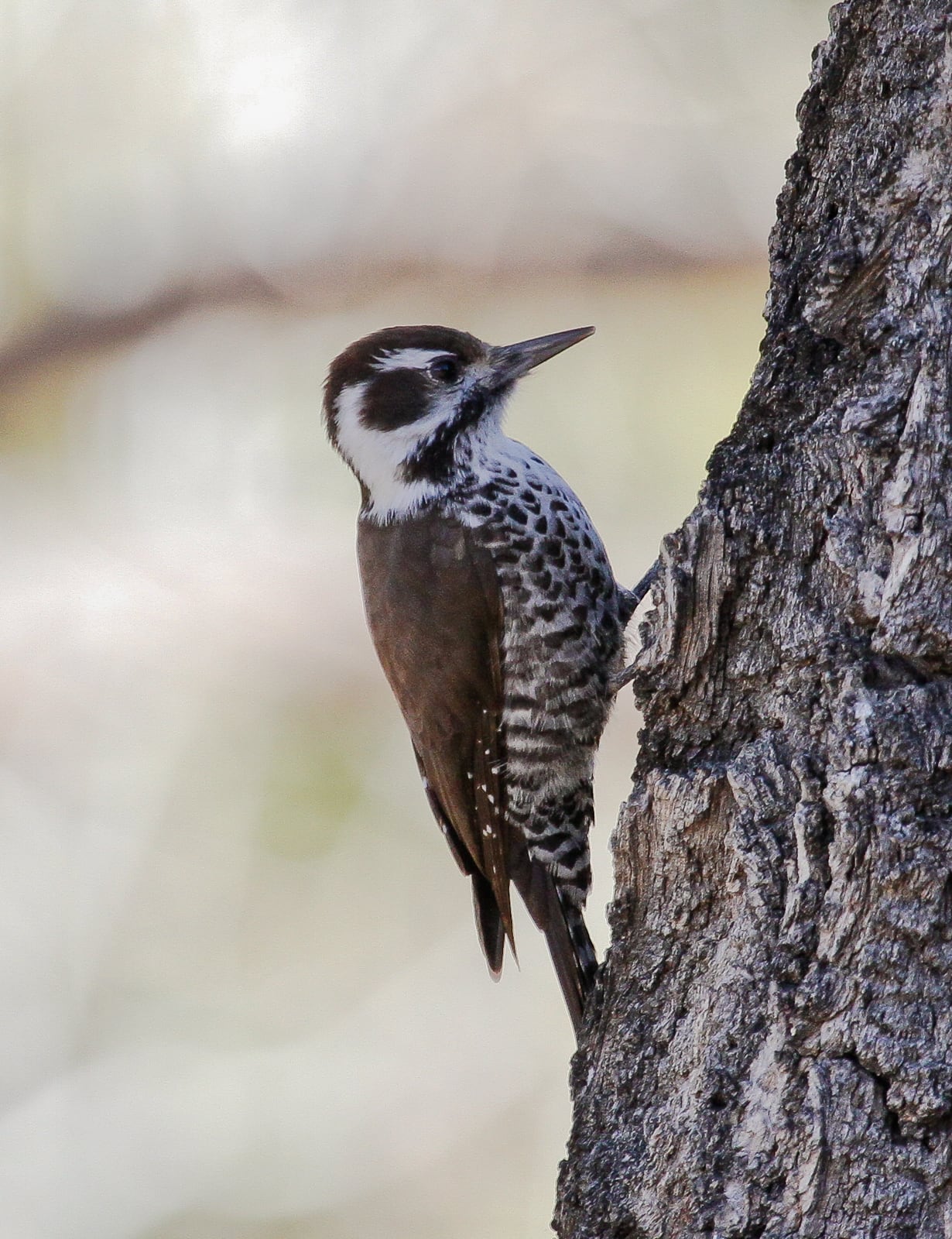
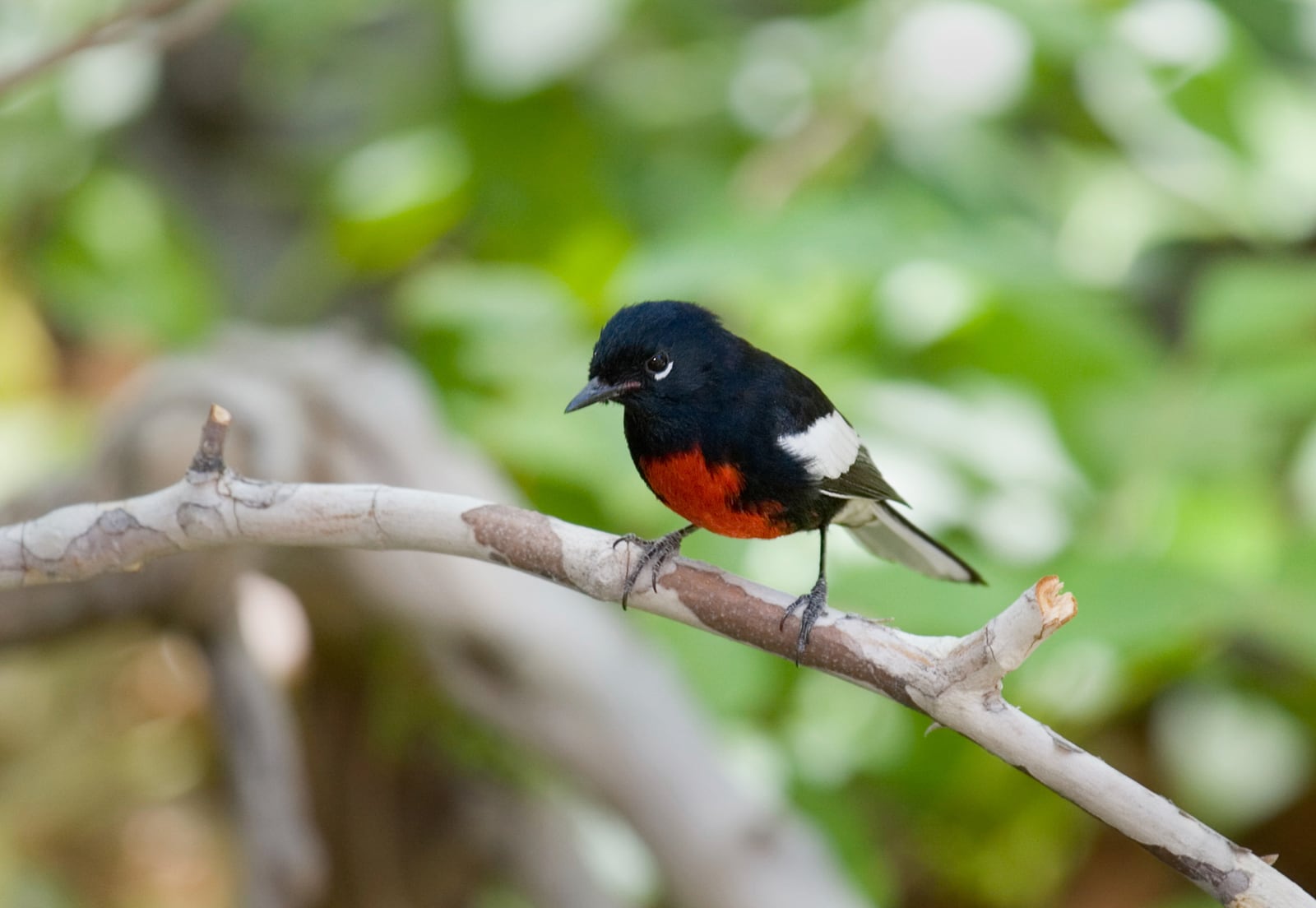
- Search for southwestern specialties like Gilded Flicker, Arizona Woodpecker, Mexican Jay, Yellow-eyed Junco and Painted Redstart.
- See thousands of wintering Sandhill Cranes, plus waterfowl and raptors.
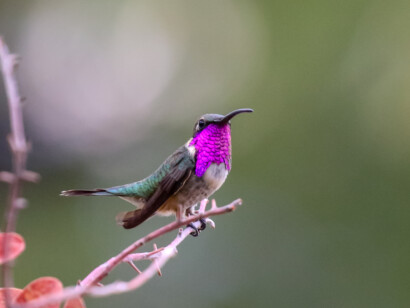
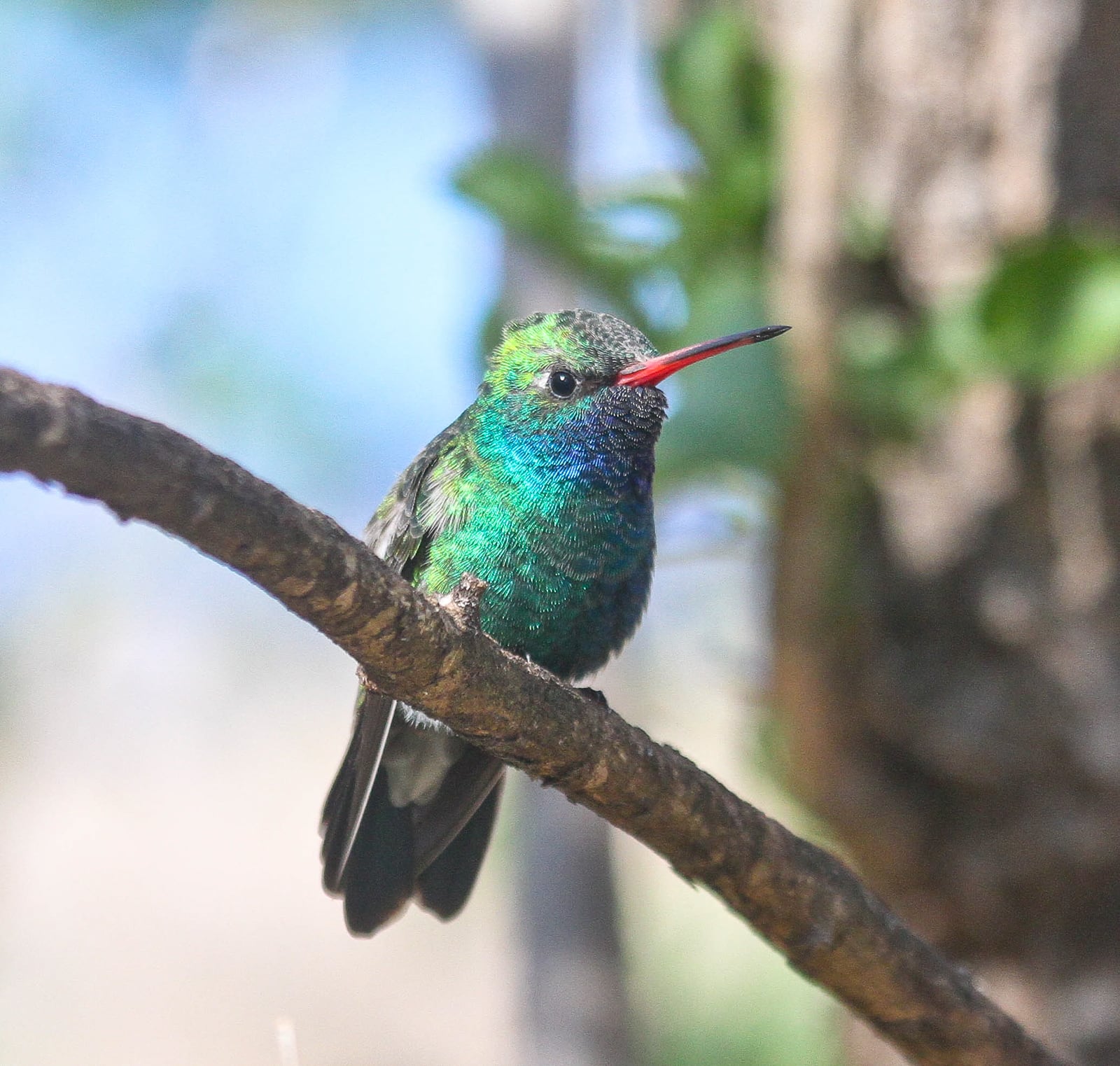
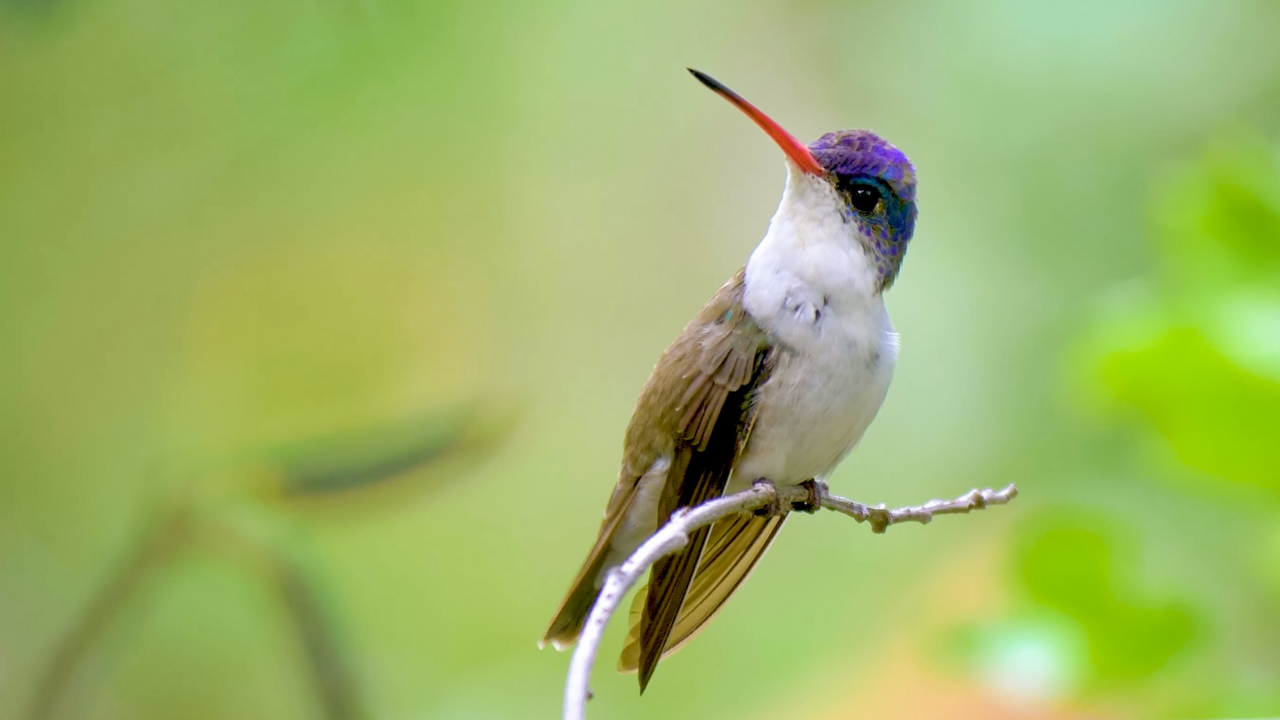
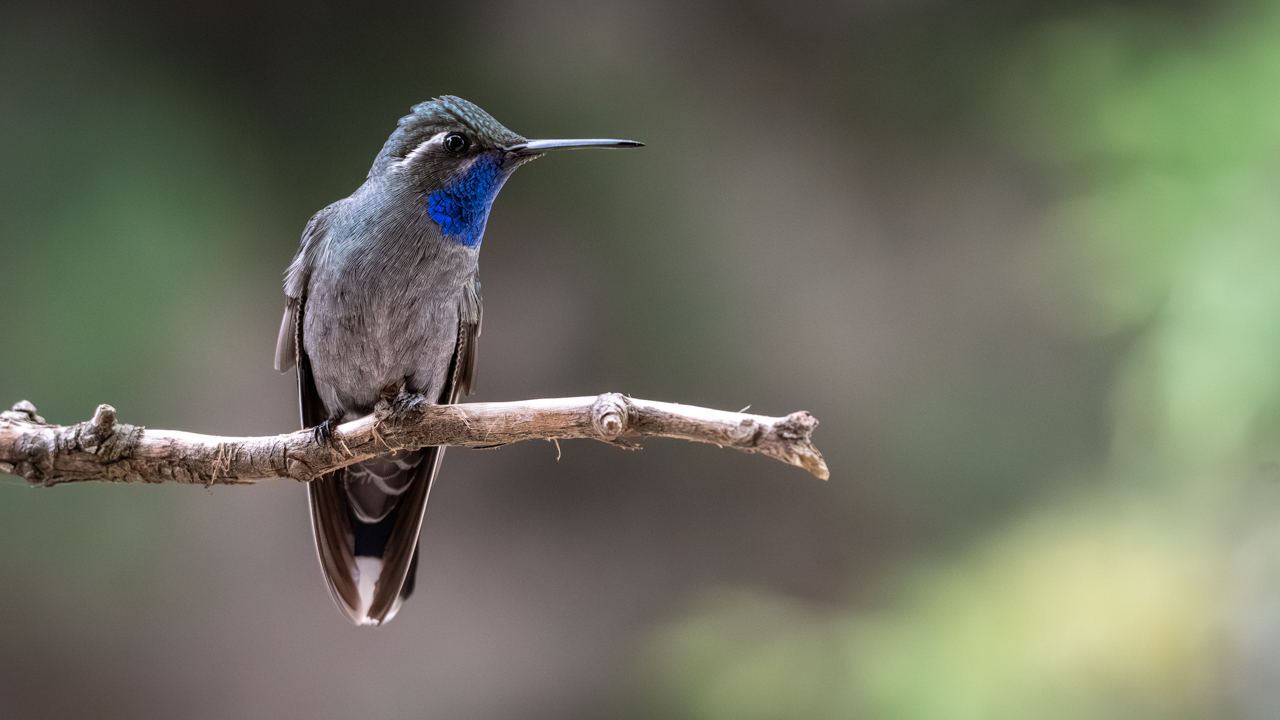
- Enjoy excellent hummingbird diversity, including Violet-crowned and Blue-throated Mountain-gem.
Map
Map
Overview
Tour Overview
Winter is a wonderful time to explore southeastern Arizona, when comfortable temperatures and an extraordinary variety of habitats combine to produce excellent birding. From the saguaro-studded Sonoran Desert and rolling grasslands to oak-filled mountain canyons and high-elevation pine forests, we’ll search for a distinctive mix of southwestern specialties and winter visitors.
Highlights may include Gilded Flicker, Arizona Woodpecker, Mexican Jay, Yellow-eyed Junco, Painted Redstart, Chihuahuan Meadowlark, Chestnut-collared Longspur and an impressive variety of hummingbirds, including Violet-crowned, Broad-billed, Rivoli’s and Blue-throated Mountain-gem. Wetlands and open country add Sandhill Cranes, wintering waterfowl and raptors such as Ferruginous Hawk, while the grasslands offer opportunities for Baird’s Sparrow and Mountain Bluebird.
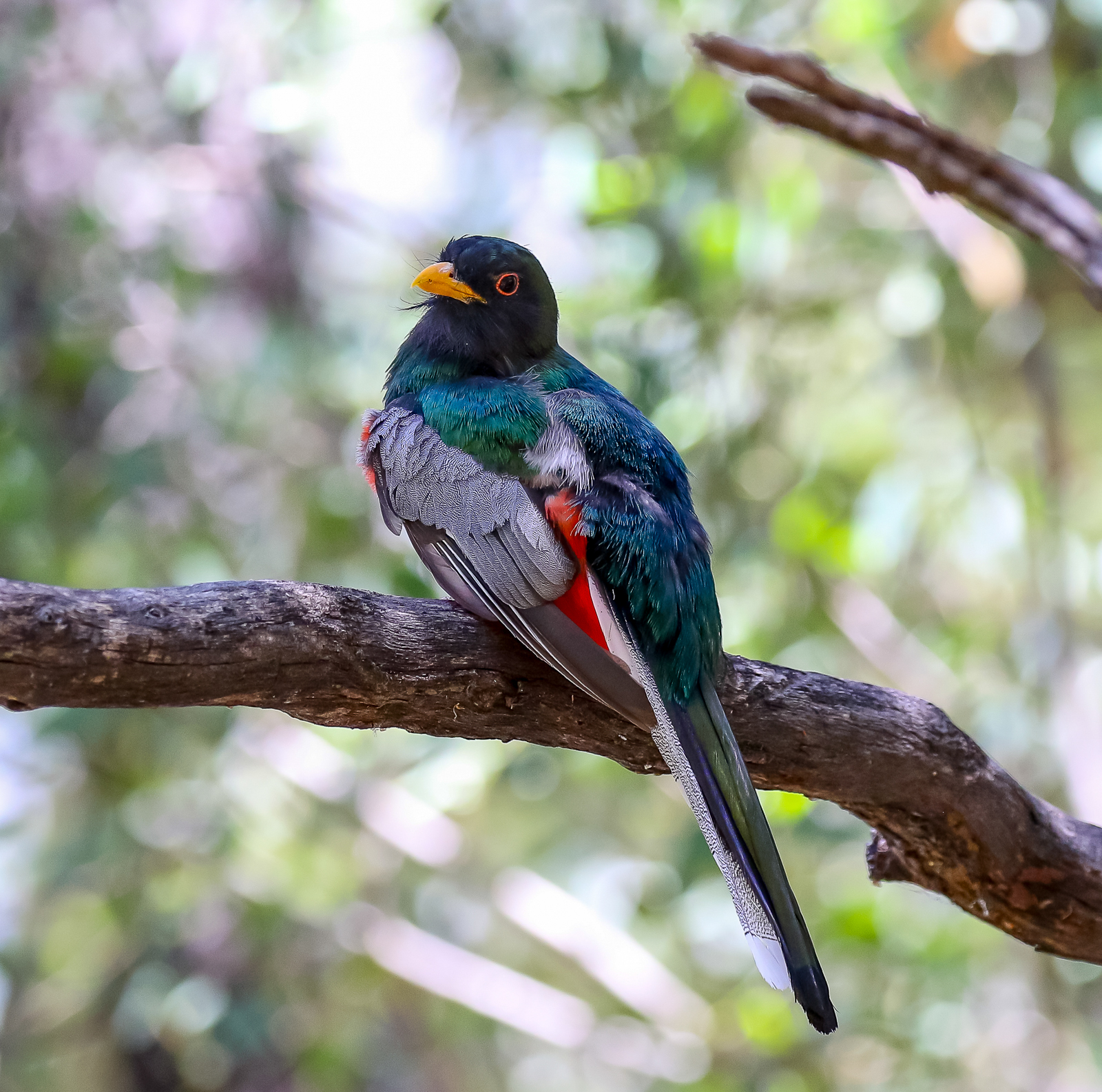
Winter is also an exciting season for unexpected visitors from Mexico, and depending on current sightings we may have opportunities to search for rarities such as Rufous-backed Robin or even a wintering Coppery-tailed Trogon.
With spectacular scenery, diverse habitats and a relaxed pace, this tour offers a superb introduction to the birds and landscapes that make southeastern Arizona one of North America’s most celebrated birding destinations.
Dates & Prices
Dates & Prices
What's Included
Tour Price Includes
- Good quality accommodation
- Includes all meals and soft drinks
- Ground transportation (15-passenger vans)
- One EET guide with 4 - 8 participants, 2 guides with 9 - 12 participants
- All park, conservation and entrance fees
Tour Price Does Not Include
- Flights to and from start of tour
- Travel Insurance
- Alcoholic beverages
- Items of a personal nature
Gallery
Gallery
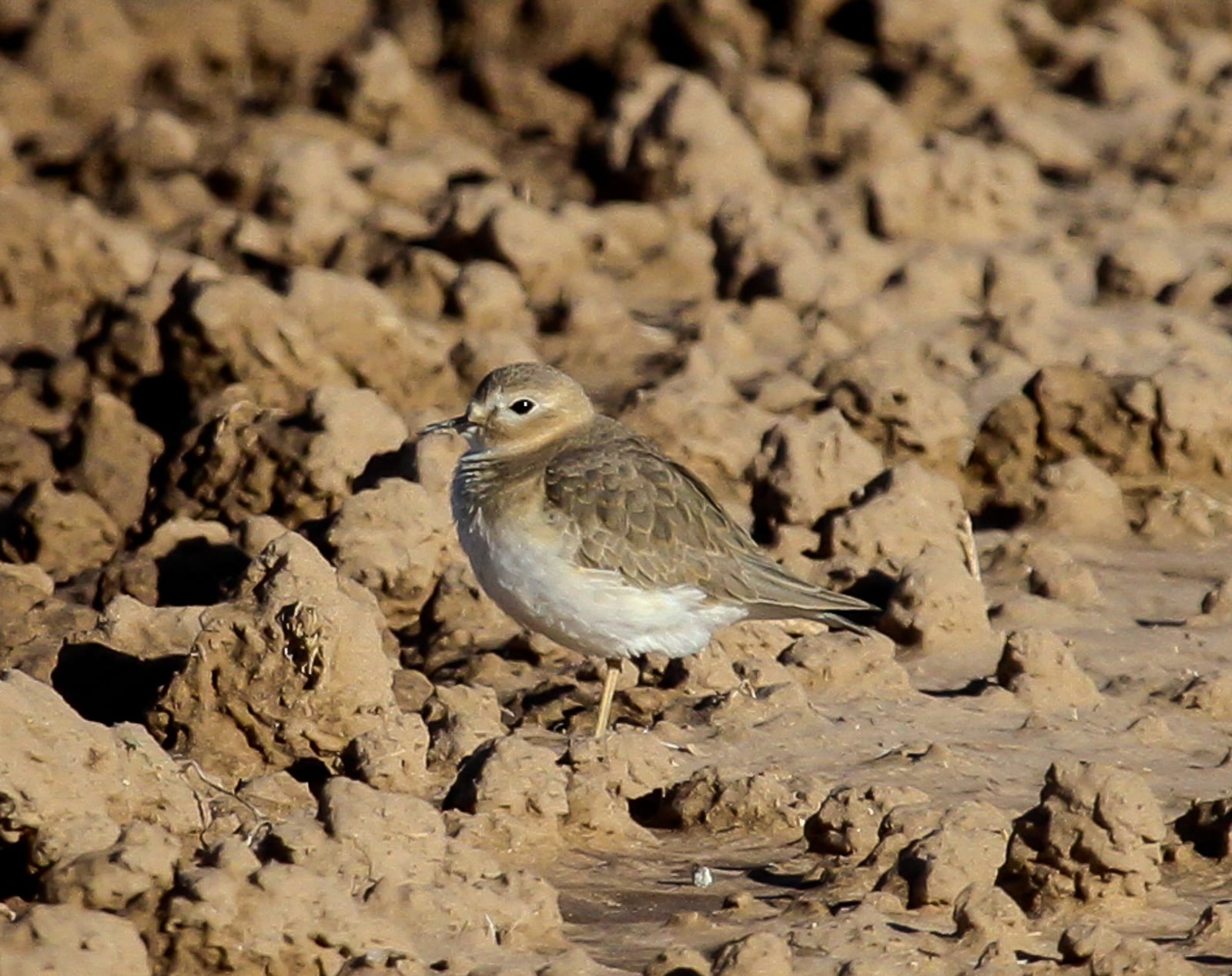
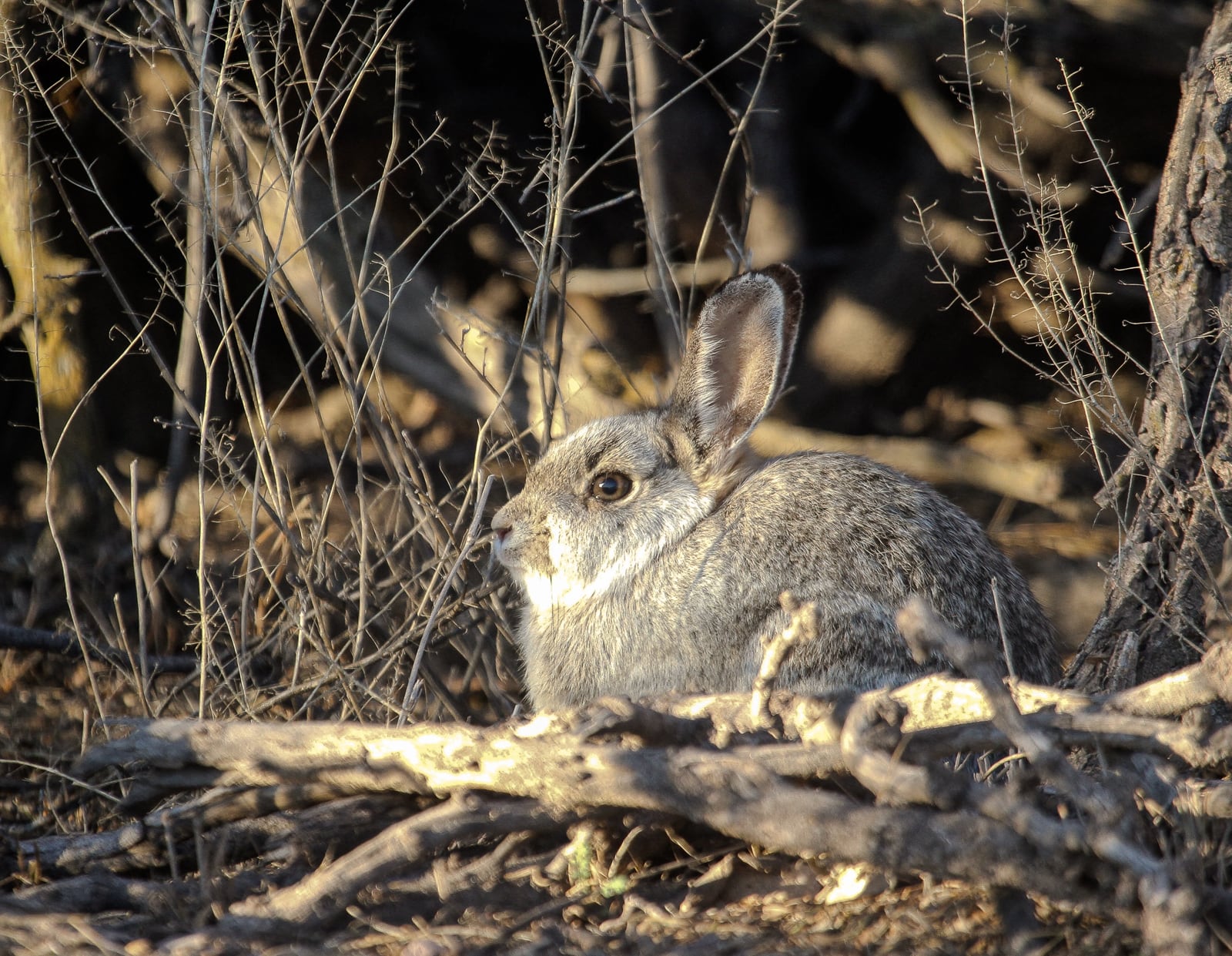



Itinerary
Itinerary
Day 1: Arrival in Tucson
Our Arizona in Winter birding tour begins today. We will meet at the hotel for a welcome dinner and an introduction to the exciting birding ahead. Night in Tucson.
Day 2: Tucson & Sonoran Desert
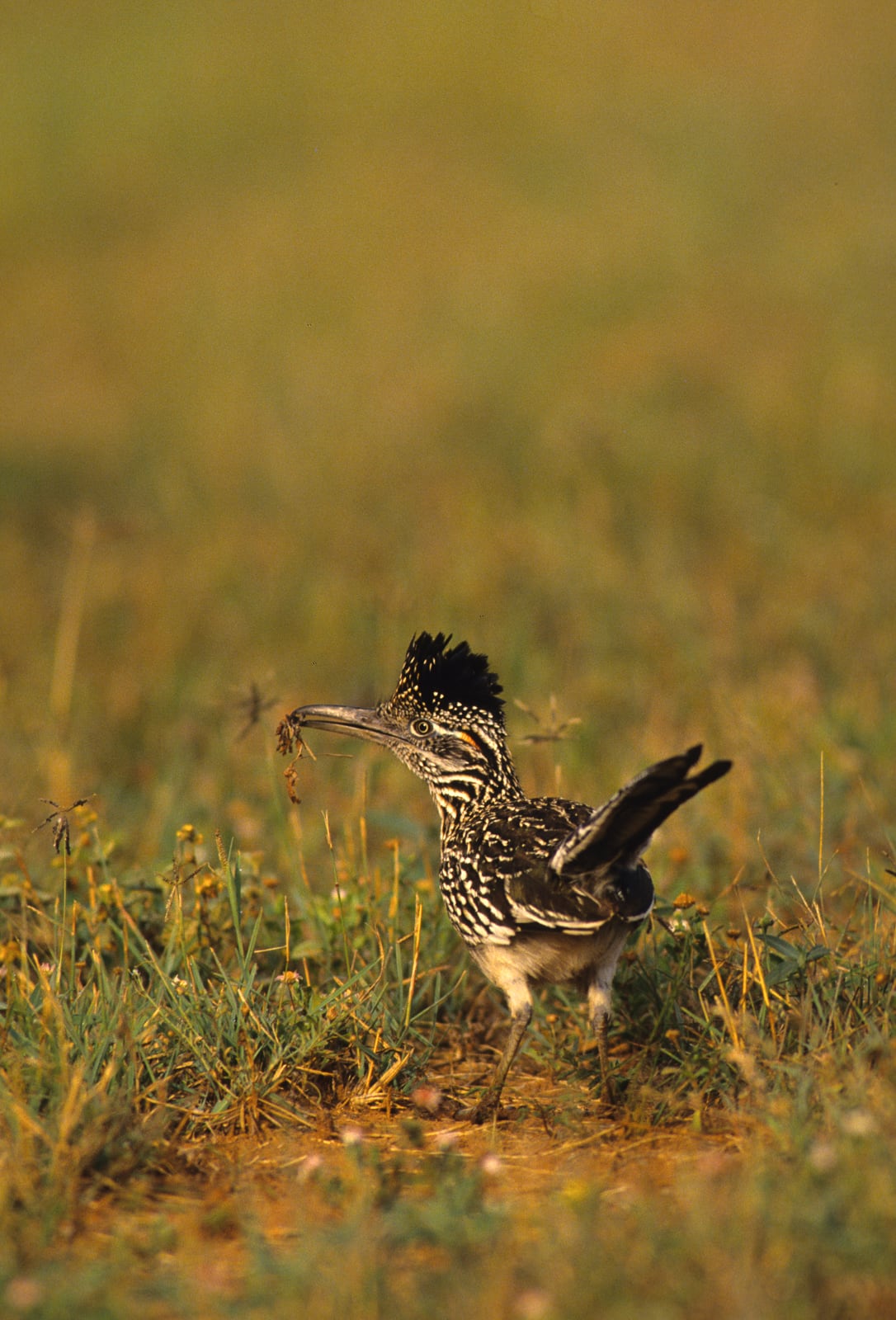
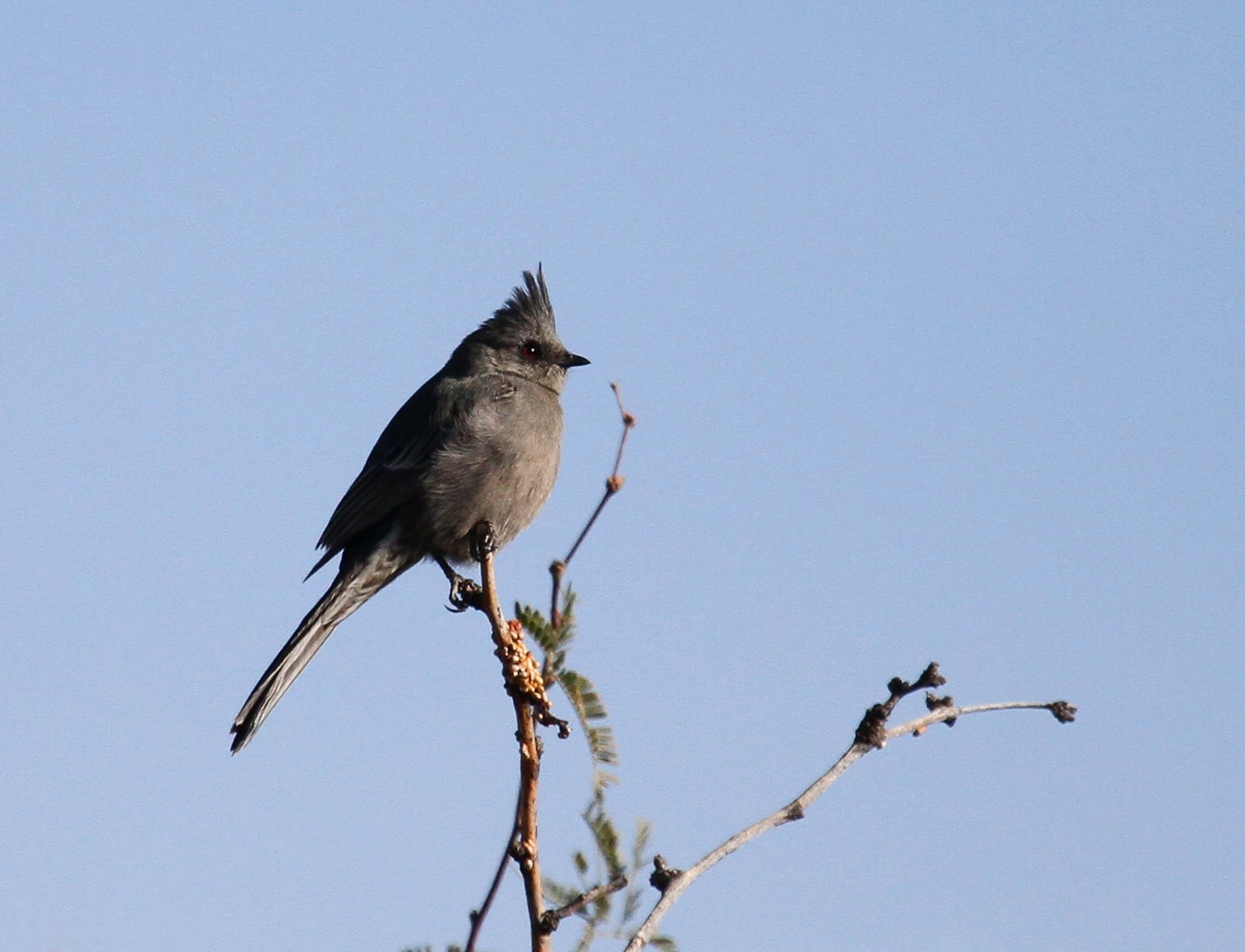
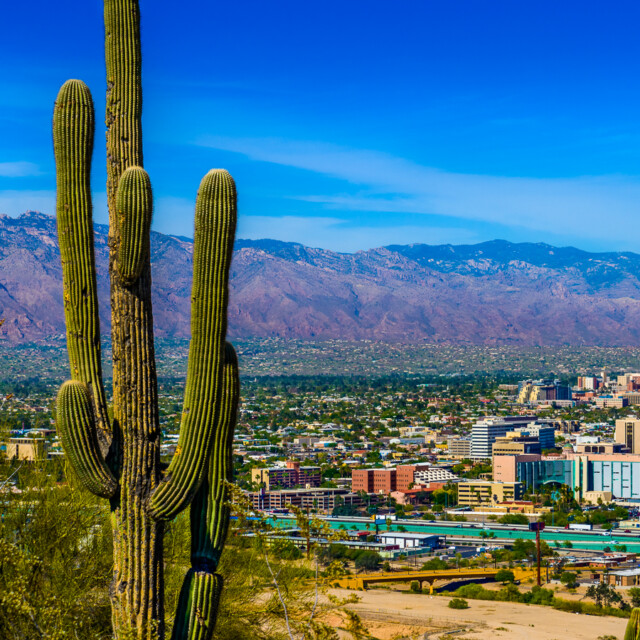
We begin our birding adventure in the spectacular Sonoran Desert around Tucson, where forests of towering saguaro cactus provide habitat for a distinctive community of desert birds. We’ll search for regional specialties such as Gilded Flicker, Gila Woodpecker, Verdin, Black-tailed Gnatcatcher, Phainopepla and Cactus Wren. Greater Roadrunner is another bird we’ll keep watch for, while Crested Caracara is a more localized possibility.
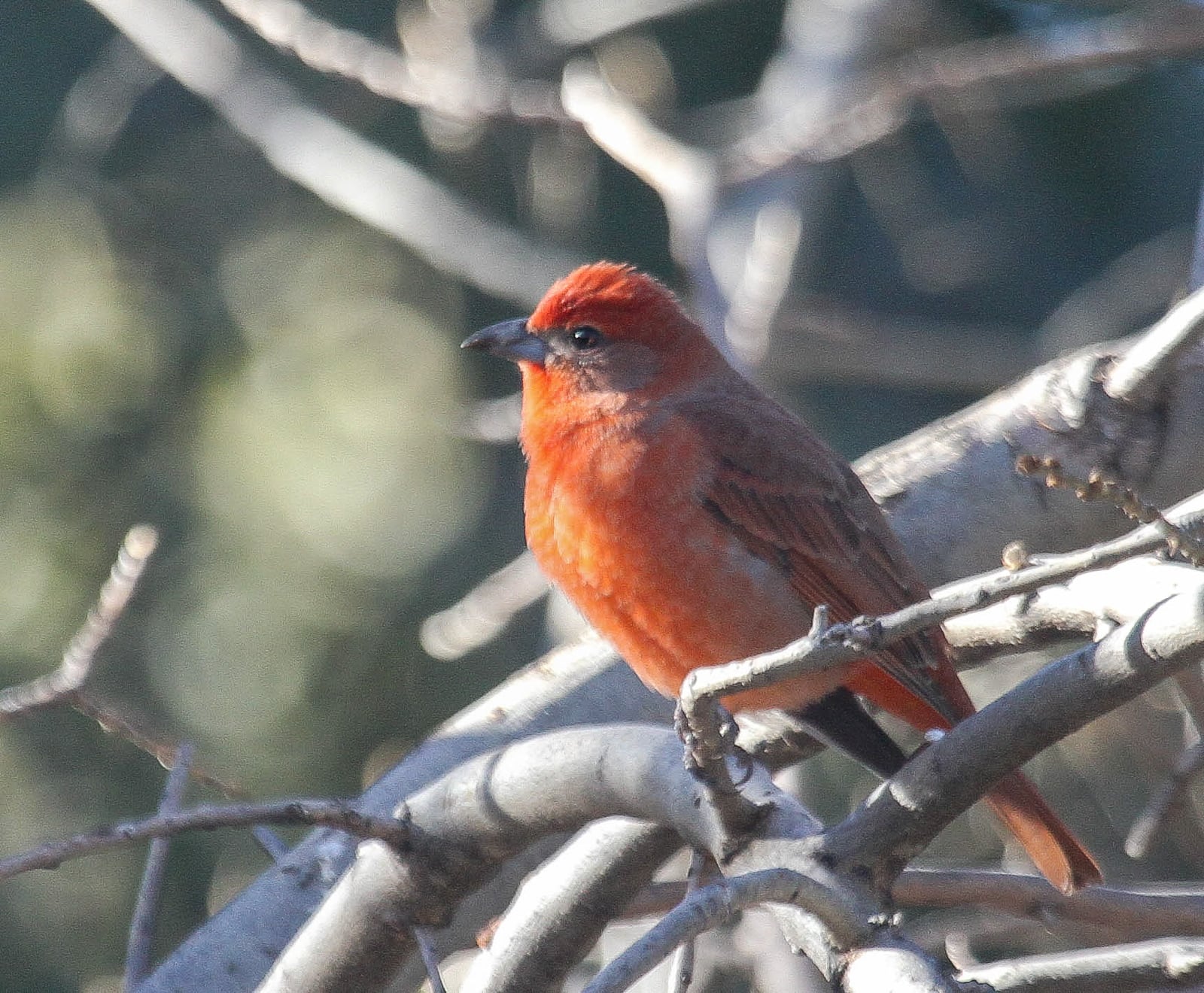
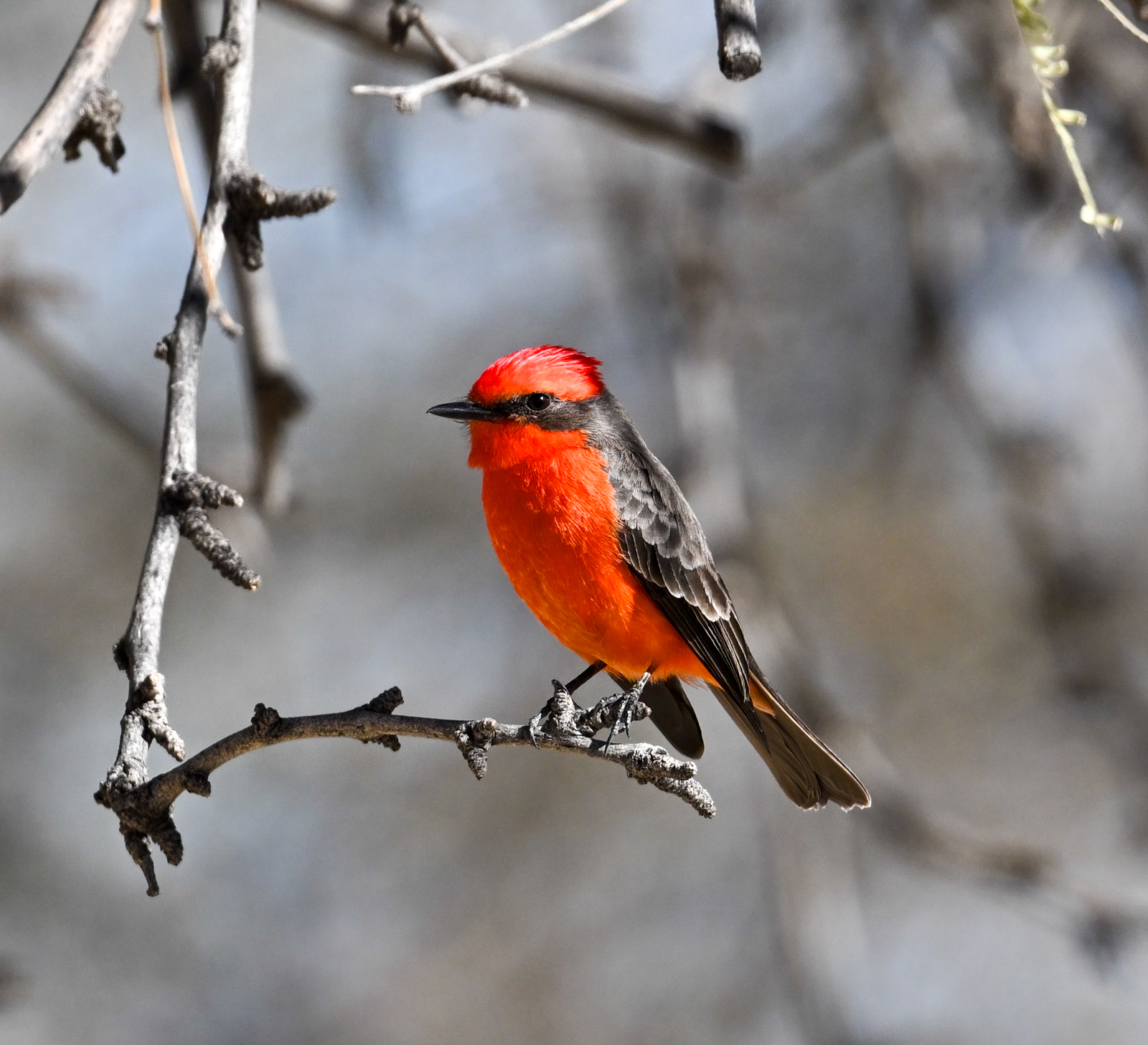
We’ll also visit some of Tucson’s productive wetland areas. In this arid landscape, open water concentrates an impressive variety of wintering ducks, rails, herons and other birds. Cinnamon Teal, Mexican Duck, Sora and the brilliant Vermilion Flycatcher are among the species we may encounter.
As we make our way south toward Green Valley, we may make additional stops depending on recent sightings and local bird activity. Night in Green Valley.

Day 3: Madera Canyon & Santa Rita Mountains
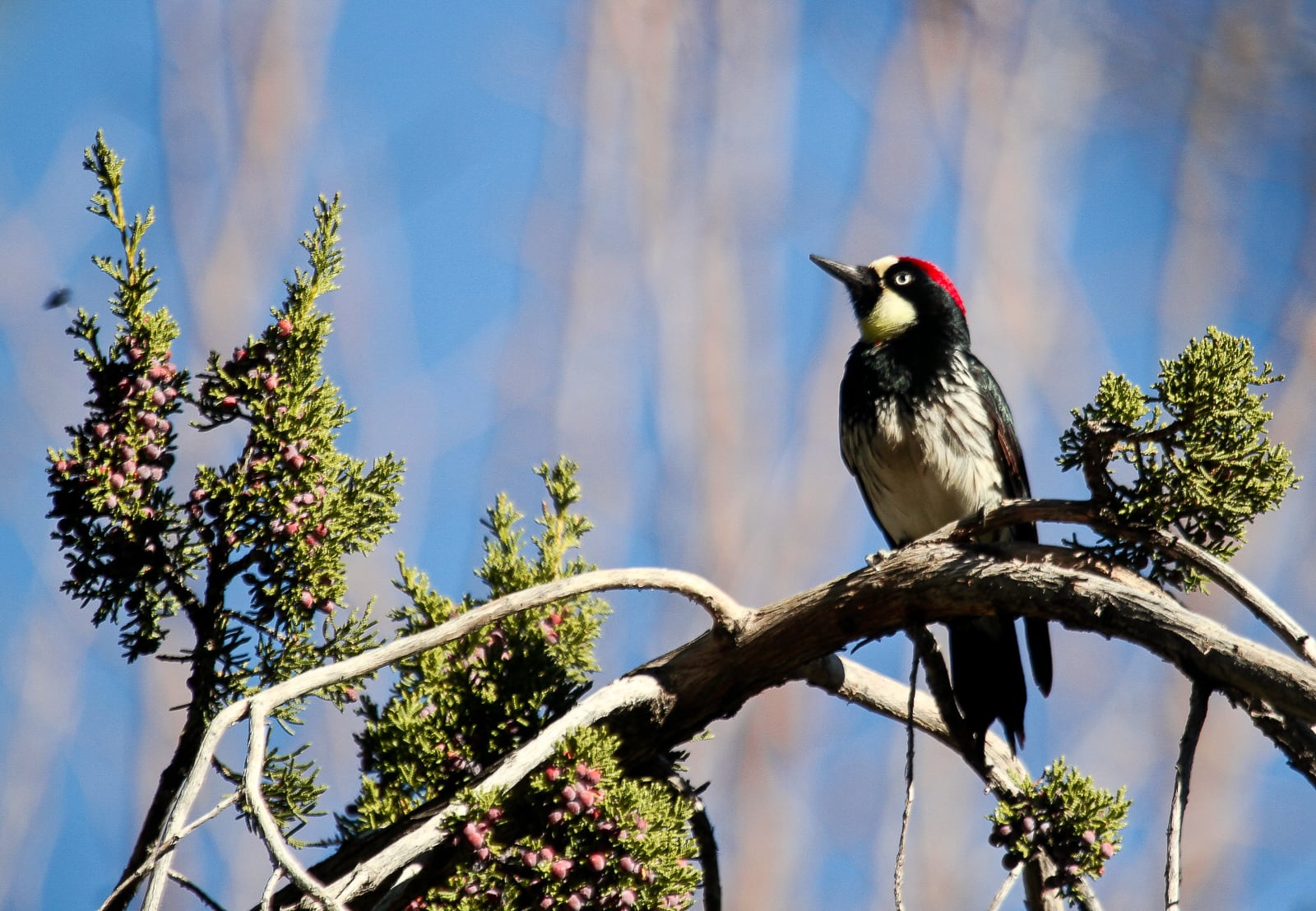
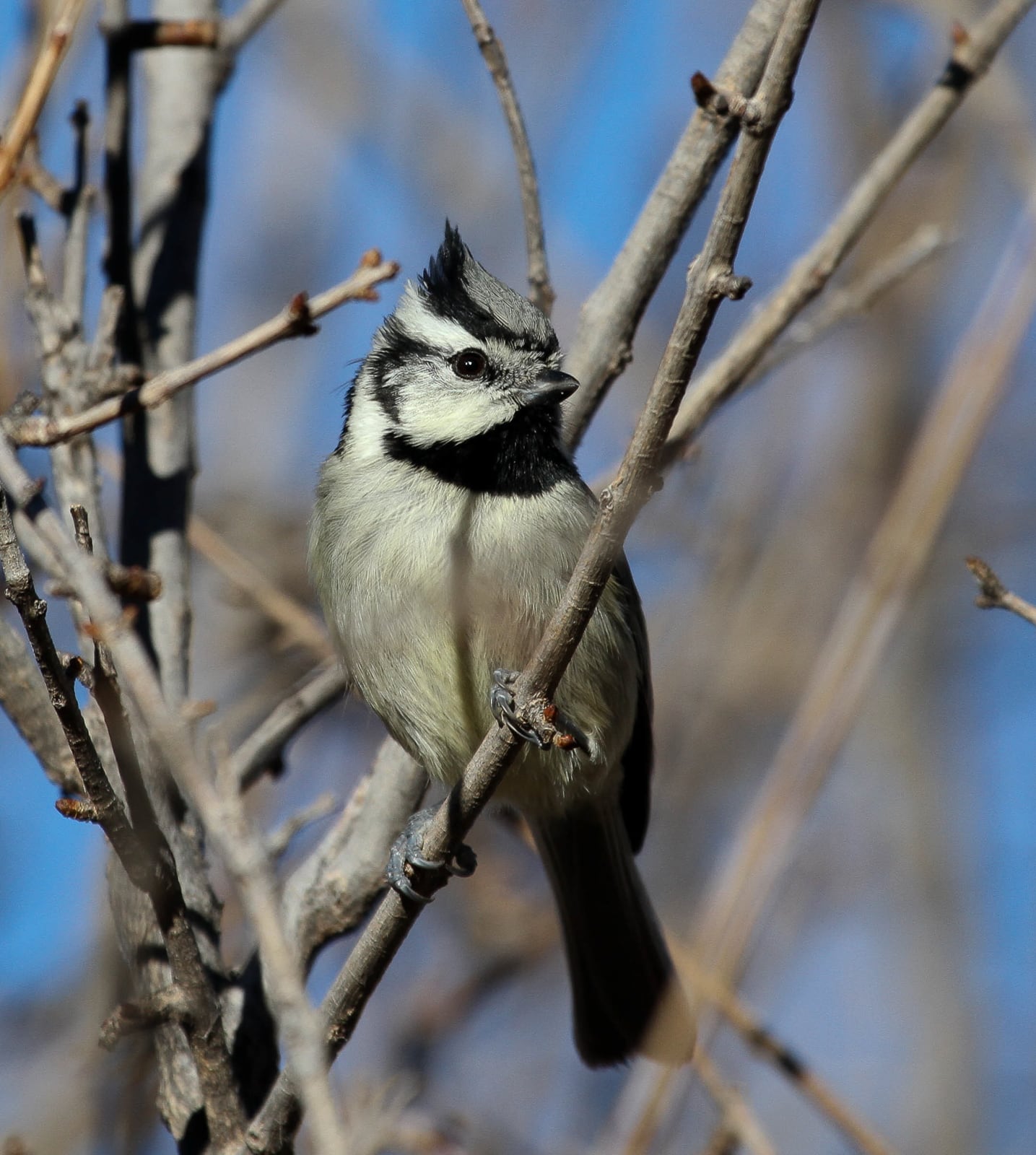
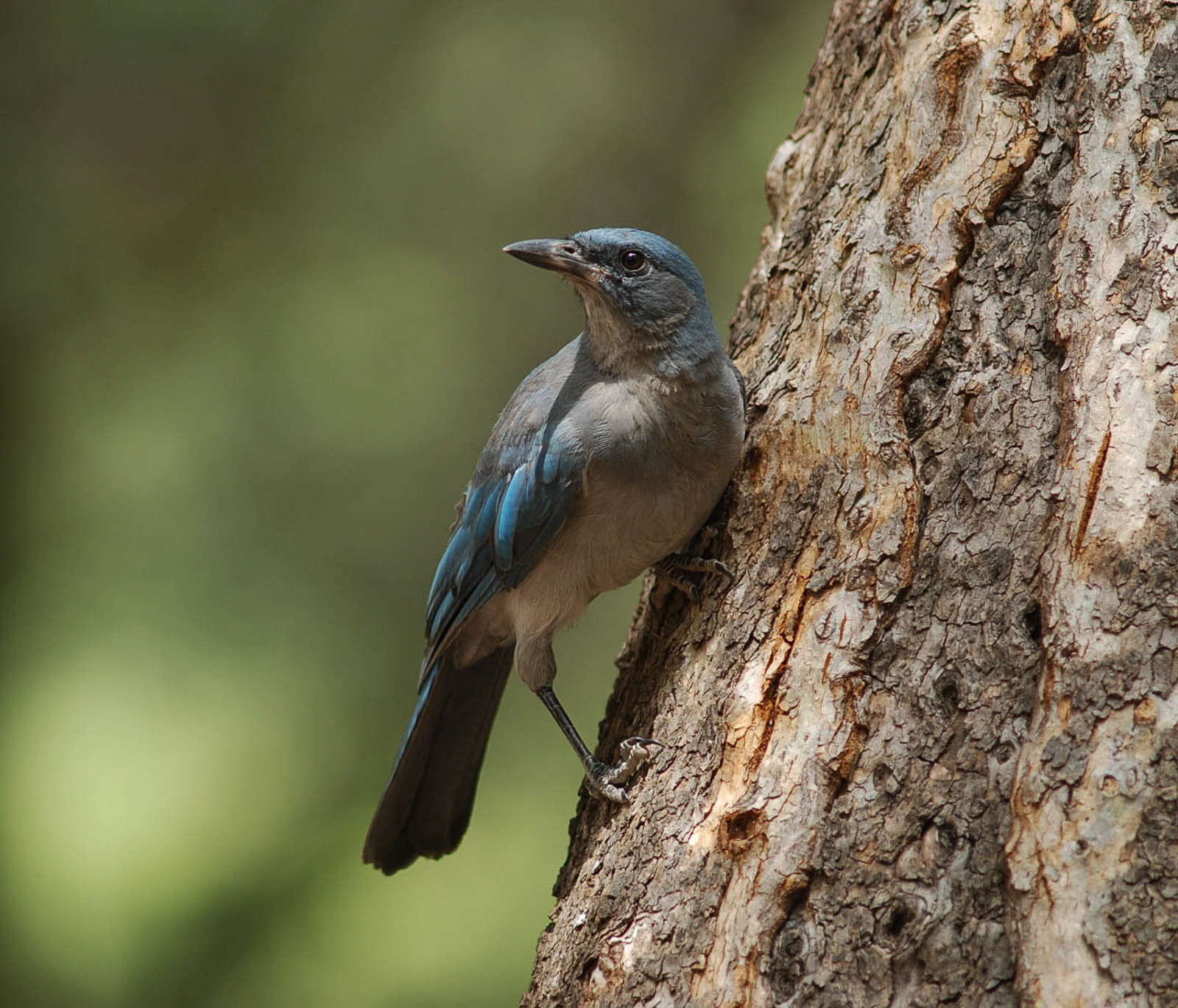
Today we explore the beautiful Santa Rita Mountains and Madera Canyon, one of southeastern Arizona’s classic birding destinations. The oak, sycamore and pine woodlands of these Sky Islands support a wonderful collection of Sierra Madrean birds, and we’ll search for Mexican Jay, Arizona and Acorn Woodpeckers, Bridled Titmouse, Painted Redstart and Hepatic Tanager.
The feeders around Santa Rita Lodge are particularly productive. Here we may encounter several forms of Dark-eyed Junco, including Oregon, Pink-sided and Gray-headed, alongside the distinctive Yellow-eyed Junco. Rivoli’s Hummingbird is another sought-after species, while nearby trails offer opportunities for Red-naped Sapsucker, Townsend’s Warbler and other woodland birds.
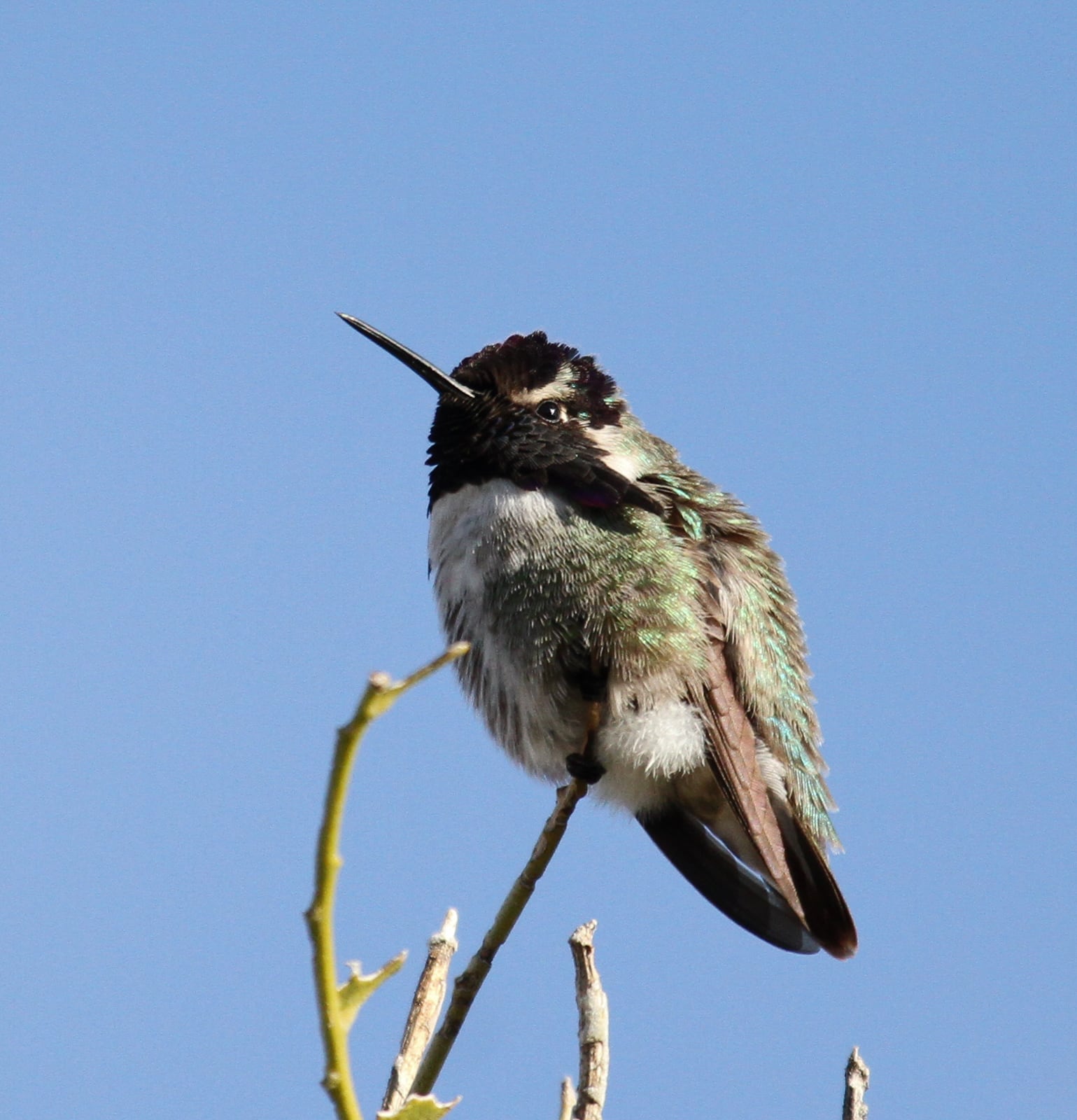
Before or after our time in the canyon, we may visit productive birding sites around Green Valley for Costa’s and Broad-billed Hummingbirds, Rufous-winged Sparrow, Abert’s Towhee and Gambel’s Quail.
Occasionally, a Coppery-tailed Trogon remains in southeastern Arizona for the winter, and if one is being seen locally we may have a chance to search for this spectacular species. Night in Green Valley.

Day 4: Santa Cruz Valley & Patagonia
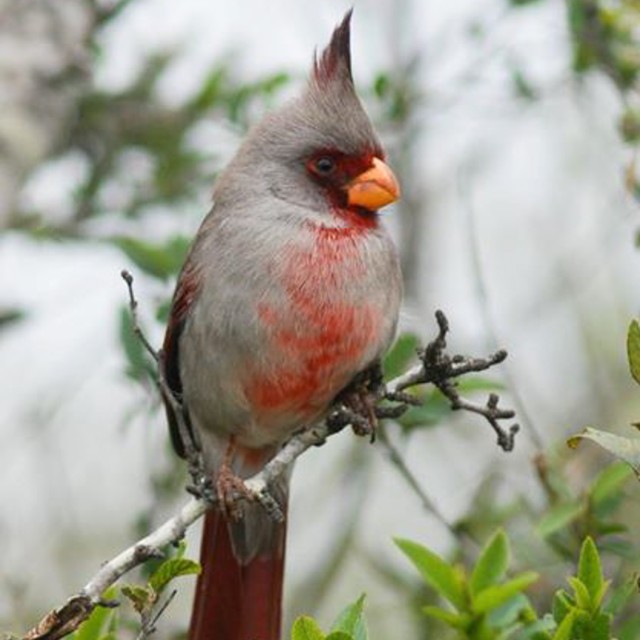
Water is a magnet for birds in southeastern Arizona, and we’ll begin the day exploring wetlands, ponds and desert habitats in the Santa Cruz Valley. Canoa Ranch and other productive sites can hold an excellent variety of wintering waterfowl and sparrows, with possibilities including Cinnamon Teal, Mexican Duck, Lark Bunting, Rufous-winged Sparrow and Green-tailed Towhee. Greater Roadrunner and Pyrrhuloxia are among the other southwestern specialties we may encounter.
Continuing south, exploring areas where mesquite, riparian woodland and open water support an impressive diversity of birds. Northern Beardless-Tyrannulet is an uncommon but regular possibility, while Black-throated Sparrow, Vermilion Flycatcher and a variety of grebes and ducks may also be present.
Winter birding in southeastern Arizona can be wonderfully unpredictable, so we may adjust our route to take advantage of current sightings and local bird activity. By late afternoon we arrive in the bird-friendly town of Patagonia. Night in Patagonia.
Day 5: Patagonia & Sonoita Grasslands
We’ll spend the morning exploring Patagonia and its surrounding foothills and riparian habitats. The area regularly attracts interesting winter visitors, and depending on current sightings we may search for occasional rarities such as Rufous-backed Robin.
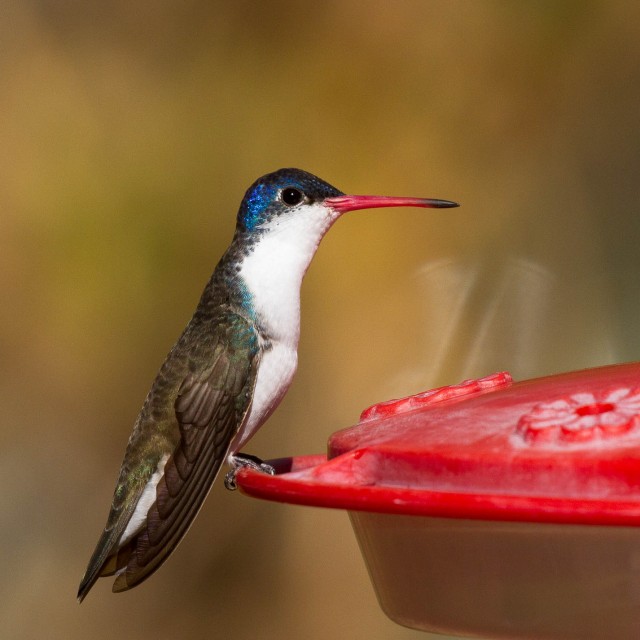
A highlight will be a visit to the Tucson Bird Alliance’s Paton Center for Hummingbirds, one of southeastern Arizona’s best-known birding sites. Feeders and gardens provide excellent opportunities for Violet-crowned, Broad-billed and Anna’s Hummingbirds, while Lazuli Bunting, Canyon Towhee and a variety of sparrows and finches may also be present.
Later we’ll explore the expansive grasslands around Sonoita. Here we’ll search for wintering open-country birds such as Chihuahuan Meadowlark, Mountain Bluebird and Chestnut-collared Longspur. Baird’s Sparrow is a particularly sought-after but elusive winter visitor, and finding one can require patience and a little luck.
We’ll also keep watch for wintering raptors and for Pronghorn roaming across the rolling grasslands. Night in Patagonia.
Day 6: San Pedro Valley & Whitewater Draw
Leaving Patagonia, we begin our journey east toward the Chiricahua Mountains, birding along the way through southeastern Arizona’s grasslands, desert scrub and riparian habitats.
We’ll explore the San Pedro Valley, where cottonwood woodlands and surrounding mesquite support Green-tailed and Spotted Towhees, woodpeckers and a variety of wintering songbirds. Western Screech-Owl is another possibility where known roost sites are occupied.
We then continue to Whitewater Draw, home to one of the great spectacles of winter birding in Arizona. Thousands of Sandhill Cranes gather around this wetland complex, their calls filling the air as flocks move between feeding and roosting areas. Snow Geese are also often present, sometimes with smaller Ross’s Geese mixed among them.
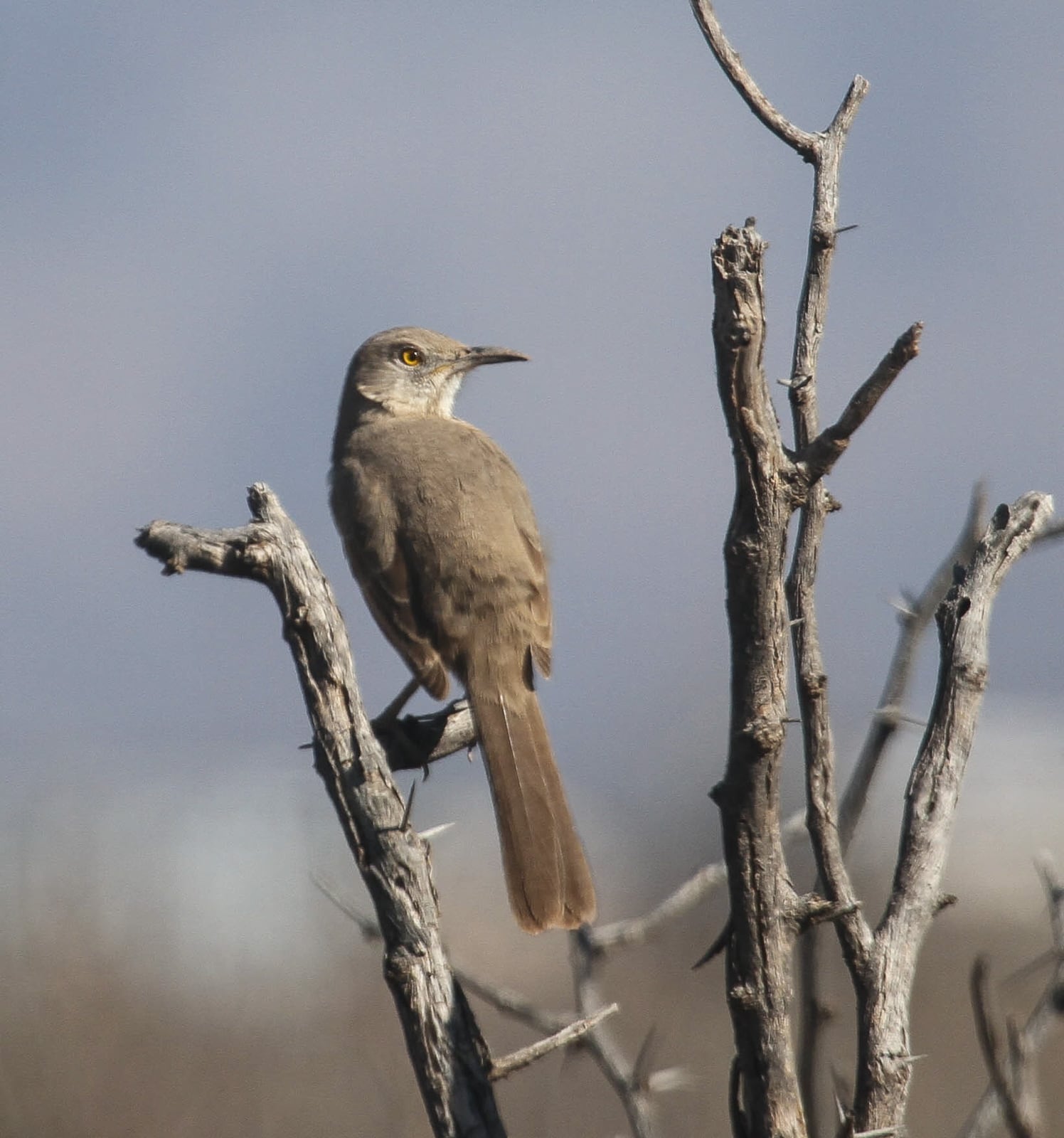
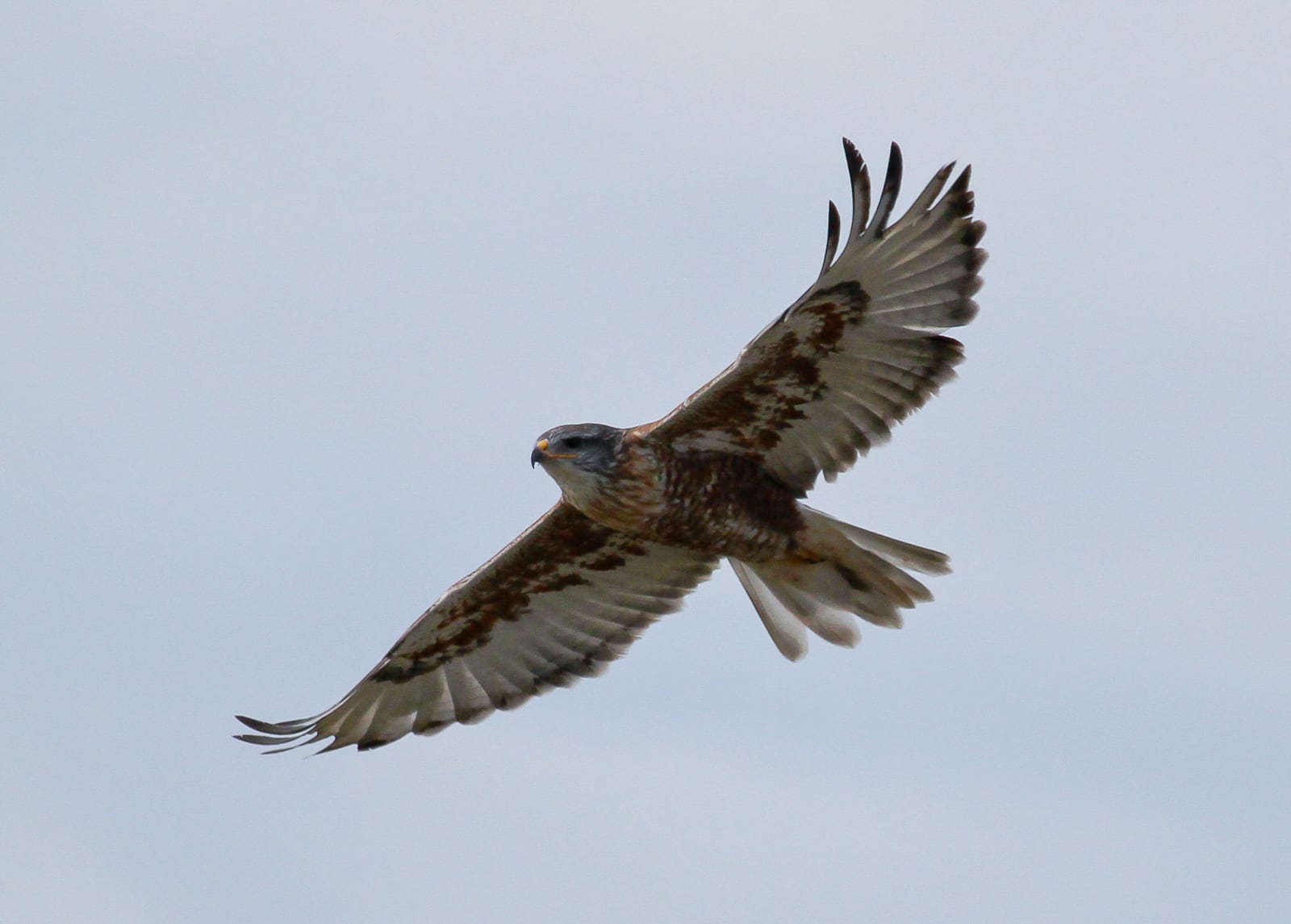
The surrounding agricultural fields, grasslands and Chihuahuan Desert offer further opportunities for open-country birds and raptors. Bendire’s Thrasher, Prairie Falcon, Ferruginous Hawk and Sagebrush Sparrow are among the species we’ll keep watch for as we continue east toward the Chiricahuas. Night in Portal.

Day 7: Portal & Cave Creek Canyon
Few places in North America are as spectacular as Cave Creek Canyon. The tiny village of Portal sits at the entrance to the canyon on the eastern side of the magnificent Chiricahua Mountains and is surrounded by an extraordinary variety of habitats.
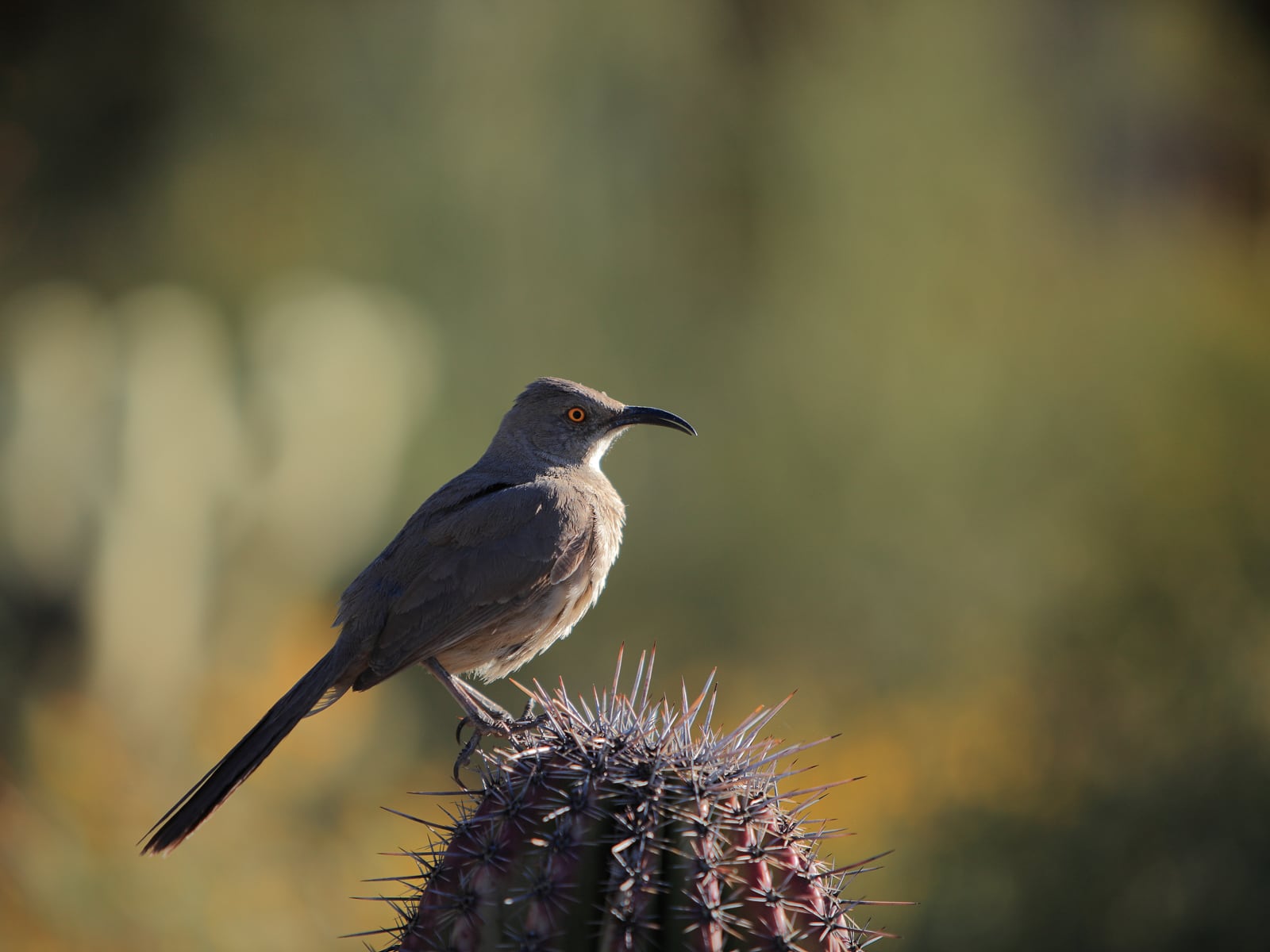
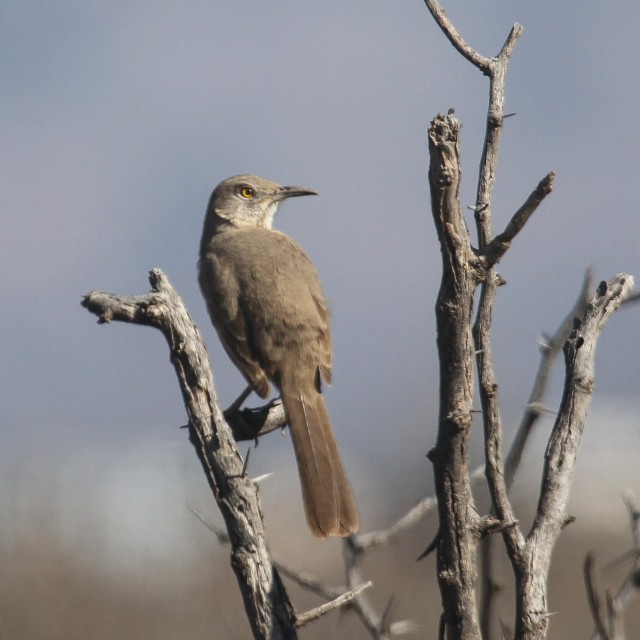
We’ll spend the day exploring Portal, local bird-feeding stations and the oak-sycamore woodlands of Cave Creek Canyon. Around the village and lower slopes we may encounter Woodhouse’s Scrub-Jay, Curve-billed and Crissal Thrashers, Green-tailed Towhee and Scaled Quail.
The area’s feeders provide wonderful opportunities for close views of southwestern birds. Blue-throated Mountain-gem is one of the specialties we’ll hope to encounter; a small number regularly winter around Portal and Cave Creek Canyon.
As we work our way into the canyon, we enter beautiful oak, sycamore and pine woodland. Mexican Jays, Arizona Woodpeckers, Bridled Titmice, Painted Redstarts, Red-naped Sapsuckers and Yellow-eyed Juncos are among the birds we may encounter, while Black-chinned Sparrow is another possibility. Night in Portal.

Day 8: Chiricahua Mountains, Willcox & Return to Tucson
We’ll spend our final morning in the Chiricahua Mountains, with our exact plans depending on weather and road conditions. If access allows, we may climb into the higher-elevation conifer forests, where we’ll search for Mexican Chickadee, Steller’s Jay and Pygmy Nuthatch. Townsend’s Solitaire is another possibility, although its winter abundance varies considerably from year to year.
We then begin our journey back toward Tucson, birding through the Chihuahuan Desert and agricultural country along the way. This open landscape can be excellent for wintering raptors and desert birds, with possibilities including Ferruginous Hawk, Sage and Bendire’s Thrashers, Sagebrush Sparrow and Chihuahuan Raven. Golden Eagle is an occasional bonus.
Our final major stop will be in the Willcox area, where we will look for large numbers of wintering waterfowl and Sandhill Cranes. Snow and Ross’s Geese may also be present, along with shorebirds, sparrows and sometimes impressive flocks of Yellow-headed Blackbirds.
After a final afternoon of birding, we return to Tucson for our farewell dinner. Night in Tucson.
Day 9: Departure
Our Arizona in Winter birding tour concludes today. You can depart for flights home anytime today.
What to Expect
What to Expect
Overview
Our Arizona in Winter Birding tour focuses on finding a diversity of birds, with an emphasis on southwestern specialties and wintering species. The tour is moderately paced, accounting for some early mornings and full birding days. Birding is mainly a mix of short walks, roadside stops and time spent watching feeders. Daily plans may vary depending on weather, road conditions and current bird sightings.
Food
Breakfast will usually be at the hotel or a local café. Lunch will typically be picnic-style in the field, although we may occasionally stop at a restaurant. Dinner will be at the hotel or a local restaurant. Each evening, we usually compile the day’s checklist, review our sightings and discuss plans for the following day.
Accommodation
Accommodation ranges from comfortable hotels to smaller, more rustic birding lodges and inns close to areas where we want to go birding.
Walking
Walking on this tour is generally easy to moderate, mostly on relatively level trails and paths. One or two walks are moderately steep or uneven, but most walking is easy and at a leisurely birding pace. Our longest planned walk is approximately 1.3 miles (2.2 km) in Madera Canyon and may take around 2¼ hours. Parts of this trail are moderately steep, rocky or uneven. There is an option to opt out of this walk.
Weather and road conditions permitting, we may reach elevations of approximately 8,000 feet (2,400 m) in the Chiricahua Mountains. Most birding takes place at considerably lower elevations.
Driving
We change locations every couple days as we travel through southeastern Arizona. Most transfer drives are approximately 2 hours, with stops along the way for birding, rest breaks and meals.
Climate
Winter weather in southeastern Arizona is generally dry and pleasant, but temperatures can vary considerably with elevation and throughout the day. Early mornings may be around freezing, particularly in the mountains, and temperatures can occasionally fall below freezing. Lower elevations often warm to around 15–20°C (60–68°F) during the day, while higher elevations can remain considerably cooler.
Layers are essential, including a warm jacket, hat and gloves for cold mornings. On sunny afternoons at lower elevations, considerably lighter clothing may be comfortable. Snow is possible in the higher mountains and can occasionally affect access to some birding areas.
Frequently Asked Questions
Land Tours FAQs
Whether you’re a seasoned birder or new enthusiast, these FAQs cover important details about our tours, including schedules, fitness requirements, group dynamics and more.
Featured Wildlife
Featured Wildlife
The species below are among the birds and mammals we may encounter on this tour. Sightings vary from year to year and cannot be guaranteed.
- Mexican Duck
- Cinnamon Teal
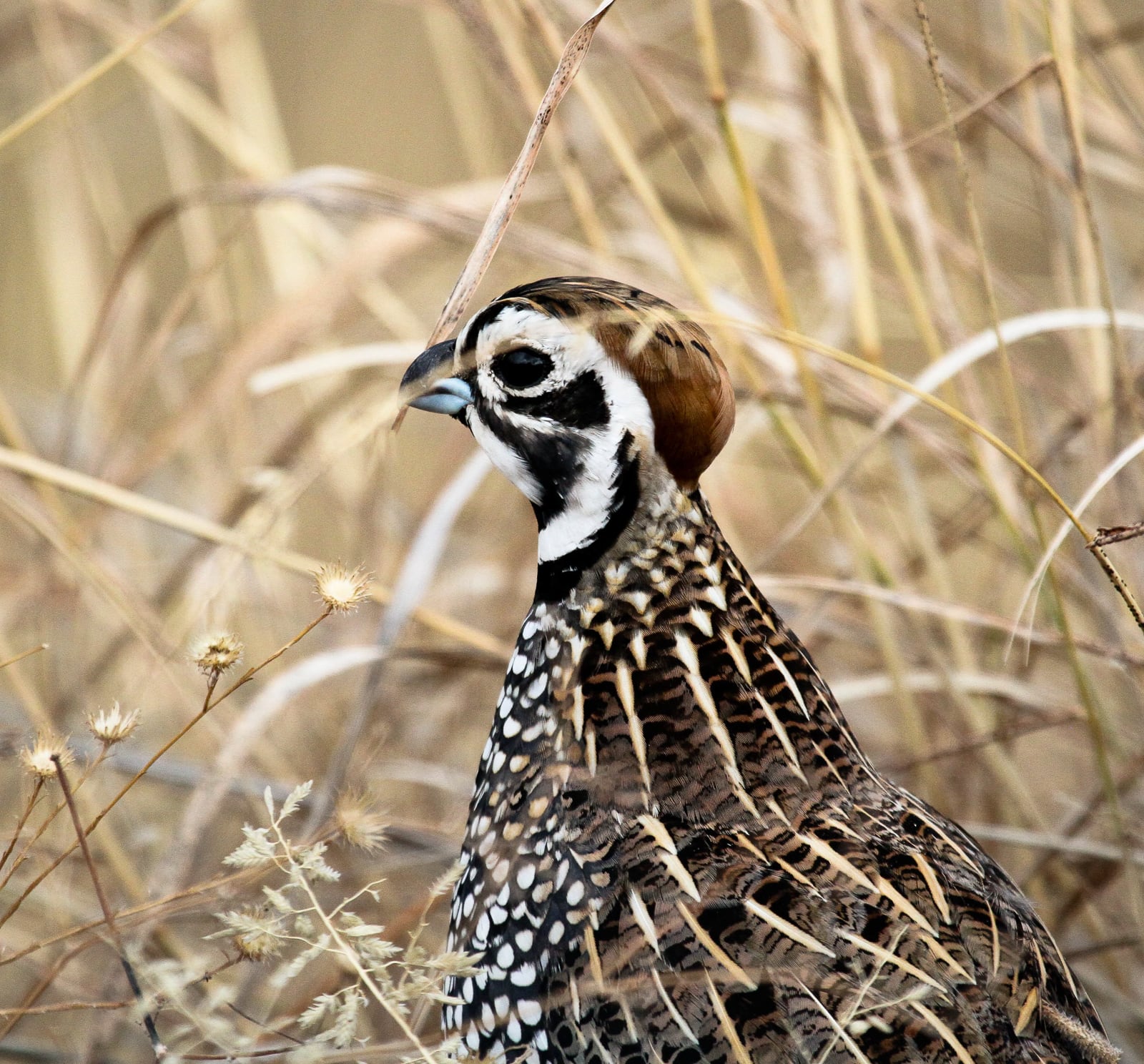
- Montezuma Quail
- Blue-throated Mountain-gem
- Violet-crowned Hummingbird
- Costa’s Hummingbird
- Sandhill Cranes by the 10,000s!
- Ferruginous Hawk
- Greater Roadrunner
- Western Screech-Owl
- Coppery-tailed Trogon
- Red-naped Sapsucker
- Arizona Woodpecker
- Gilded Flicker
- Crested Caracara
- Prairie Falcon
- Rose-throated Becard
- Mexican Jay
- Bridled Titmouse
- Mexican Chickadee
- Bendire’s Thrasher
- Crissal Thrasher
- Rufous-backed Robin
- Phainopepla
- Chestnut-collared Longspur
- Rufous-winged Sparrow
- Baird’s Sparrow
- Sagebrush Sparrow
- Yellow-eyed Junco
- Chihuahuan Meadowlark
- Townsend’s Warbler
- Olive Warbler
- Painted Redstart
- Hepatic Tanager
Past Tour Checklists
Past Tour Checklists
View the list of birds and other wildlife we encountered on our past tours.
- Arizona in Winter species list Mar 7 - 15, 2026 (eBird)
- Arizona in Winter species list Jan 27 - Feb 4, 2026 (eBird)
- Arizona in Winter species list Jan 30 - Feb 7, 2025 (eBird)
- Arizona in Winter species list Nov 2024 (eBird)
- Arizona in Winter species list Jan 2024 #1 (eBird)
- Arizona in Winter species list Jan 2024 #2 (eBird)
- Arizona in Winter species list Nov 2023 (eBird)
- Arizona in Winter species list Feb 2023 (eBird)
- Arizona in Winter species list Jan 2023 (eBird)
- Arizona in Winter species list Feb 2022 (ebird)
- Arizona in Winter species list Jan 2022 (ebird)
- Arizona in Winter species list Nov 2021 (ebird)
- Arizona in winter checklist 2006
Compare your life list to our last tour
Get an estimate of how many new species you may see.
Try our Lifer toolTrip Reports & Inspiration
Trip Reports & Inspiration
Arizona in Winter Trip Report (Jan 27 - Feb 4, 2026)
Arizona in Winter Trip Report (Jan 22-30, 2025)
Arizona in Winter Trip Report (Jan 30 - Feb 7, 2025)
Arizona in Winter Trip Report (Nov 8-16, 2024)
Arizona in Winter 2024 Trip Report (Jan 30 - Feb 7)
Arizona in Winter 2024 Trip Report (Jan 22-30)
Arizona in Winter Trip Report Nov 2023
Arizona in Winter Trip Report 2023 (combined)
Top Birding Destinations to Escape Winter: Going south when the snow flies!
Arizona in Winter 2022 Trip Report