Saguaro Landscape © Kyle Schanta
To begin our birding adventure we drove to the edge of Tucson, and began winding our way through Sonoran Desert habitat defined by the towering forms of the iconic saguaro cactus. Here we encountered such desert species as Verdin, Black-tailed Gnatcatcher, Phainopepla and Cactus Wren.

Cactus Wren © Victoria Chaussee

Black-tailed Gnatcatcher © Victoria Chaussee.
Our prime target was the Gilded Flicker, limited almost exclusively to forests of saguaro, and we found a pair appropriately perched on top of a giant saguaro. A bonus species encountered here was Crested Caracara.

Gilded Flicker -Male & Female © Victoria Chaussee
As we began to make our way south to Green Valley, we visited Sweetwater Wetlands and had lunch along a lake at a city park. In this dry region waterbirds are concentrated in such habitats and we enjoyed such species as Snow Goose, Cinnamon Teal, Snowy Egret, Vermilion Flycatcher and a cooperative Sora.

Sora © Victoria Chaussee
Our search for a rare wintering Red-breasted Sapsucker outside of Green Valley was not only successful, but this location produced a Lewis’s Woodpecker as well.

Vermilion Flycatcher © Victoria Chaussee
The focus of our second full day of birding was Madera Canyon, but we stopped at a local park on the way where we saw our first Costa’s and Broad-billed Hummingbirds, and familiarized ourselves with Gambel’s Quail, Curve-billed Thrashers and Abert’s Towhees. A furtive Rufous-winged Sparrow eventually cooperated and showed itself well to us. A Plumbeous Vireo also gave us nice looks.
In Madera Canyon we stationed ourselves at the feeding station of the Santa Rita Lodge and enjoyed a parade of Sierra Madrean birds such as Acorn and Arizona Woodpeckers, Mexican Jays, Bridled Titmice, Rivoli’s Hummingbirds and Hepatic Tanagers.

Arizona Woodpecker – Cave Creek Ranch © Victoria Chaussee
Short hikes along trails that followed the flowing stream produced sightings of Red-naped Sapsucker, Ladder-backed Woodpecker, Hammond’s Flycatcher and Painted Redstart.

Rivoli’s Hummingbird Female Portal © Victoria Chaussee
Water was the theme for the next morning’s birding from our first stop at a water reclamation facility to our lunch stop at Patagonia Lake State Park. Among the fifteen duck species spotted were Ruddy Ducks, Cinnamon Teal, Buffleheads and Mexican Ducks.

Cinnamon Teal © Victoria Chaussee.
A Common Raven chasing a Chihuahuan Raven gave us an opportunity to use an actual size comparison to distinguish these similar species. A highlight for all was watching a flock of Lawrence’s Goldfinches coming to drink at the edge of the pond at Canoa Ranch.

Lawrence’s Goldfinch © Victoria Chaussee
A Northern Beardless Tyrannulet put in an all-too-brief appearance while we ate lunch at Patagonia Lake. More cooperative here were White-winged Doves, Black-throated Sparrows and Pyrrhuloxias. Four species of grebe graced the lake’s surface including a distant but identifiable group of one Western and two Clark’s Grebes.

Verdin © Victoria Chaussee
After checking into our hotel in Patagonia we stepped outside into the town park where a colorful male Williamson’s Sapsucker put on a show. Later on, toward dusk, a loose assemblage of noisy Cassin’s Kingbirds flew in to roost.

Williamson’s Sapsucker © Louie Dombroski
In the morning we took a short drive into the foothills of the Patagonia Mountains to search for a Rufous-backed Robin, a typically shy species that nonetheless showed itself well to us almost immediately once we got to the spot.

Rufous-backed Robin © Victoria Chaussee
As we headed back toward town, we stopped to enjoy Say’s and Black Phoebe’s, a singing Bewick’s Wren and were delighted by a flock of Western Bluebirds and an unexpected Mountain Bluebird.

Mountain Bluebird – female © Victoria Chaussee
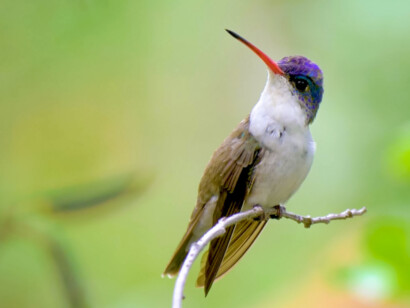
A must-see hotspot on any trip to southeast Arizona is the Tucson Bird Alliance’s Paton Center for Hummingbirds. With the help of their friendly volunteers we had no trouble finding their flagship species, the stunning Violet-crowned Hummingbird, along with Broad-billed and Anna’s Hummingbirds.

Broad-billed Hummingbird © Victoria Chaussee

Violet-crowned Hummingbird © Victoria Chaussee
We searched through flocks of Lesser Goldfinches and White-crowned Sparrows and were rewarded with sightings of colorful Lazuli Buntings and not as colorful but still subtly attractive Canyon Towhees.

Lazuli Bunting © Victoria Chaussee
An afternoon drive into the vast grasslands around Sonoita was a bit quiet on the birding front, but we did see both Western and Chihuahuan Meadowlarks, Loggerhead Shrike, and had a close study of another Mountain Bluebird. A large flock of Chestnut-collared Longspurs wheeled around in the sky giving their distinctive call-notes, but not otherwise cooperating for good views.

Harris’s Hawk © Victoria Chaussee
The first stop on our next morning was the San Pedro House where we saw Green-tailed and Spotted Towhees and a sleepy Western Screech-Owl tucked into a cavity in an ancient Fremont cottonwood tree.

Western Screech-Owl © Victoria Chaussee.
Then it was off to Whitewater Draw, stopping along the way for a Bendire’s Thrasher that showed nicely as flocks of Sandhill Cranes performed aerial acrobatics overhead.

Bendire’s Thrasher © Victoria Chaussee
Once at Whitewater Draw, we searched through flocks of Snow Geese and found several smaller Ross’s Geese among them. Other highlights were an adult Bald Eagle and a Rough-legged Hawk, both rare in southeast Arizona. Flycatchers around the ponds included the now familiar Vermilion Flycatcher and both Black and Say’s Phoebes, but also our only Gray Flycatcher of the trip.
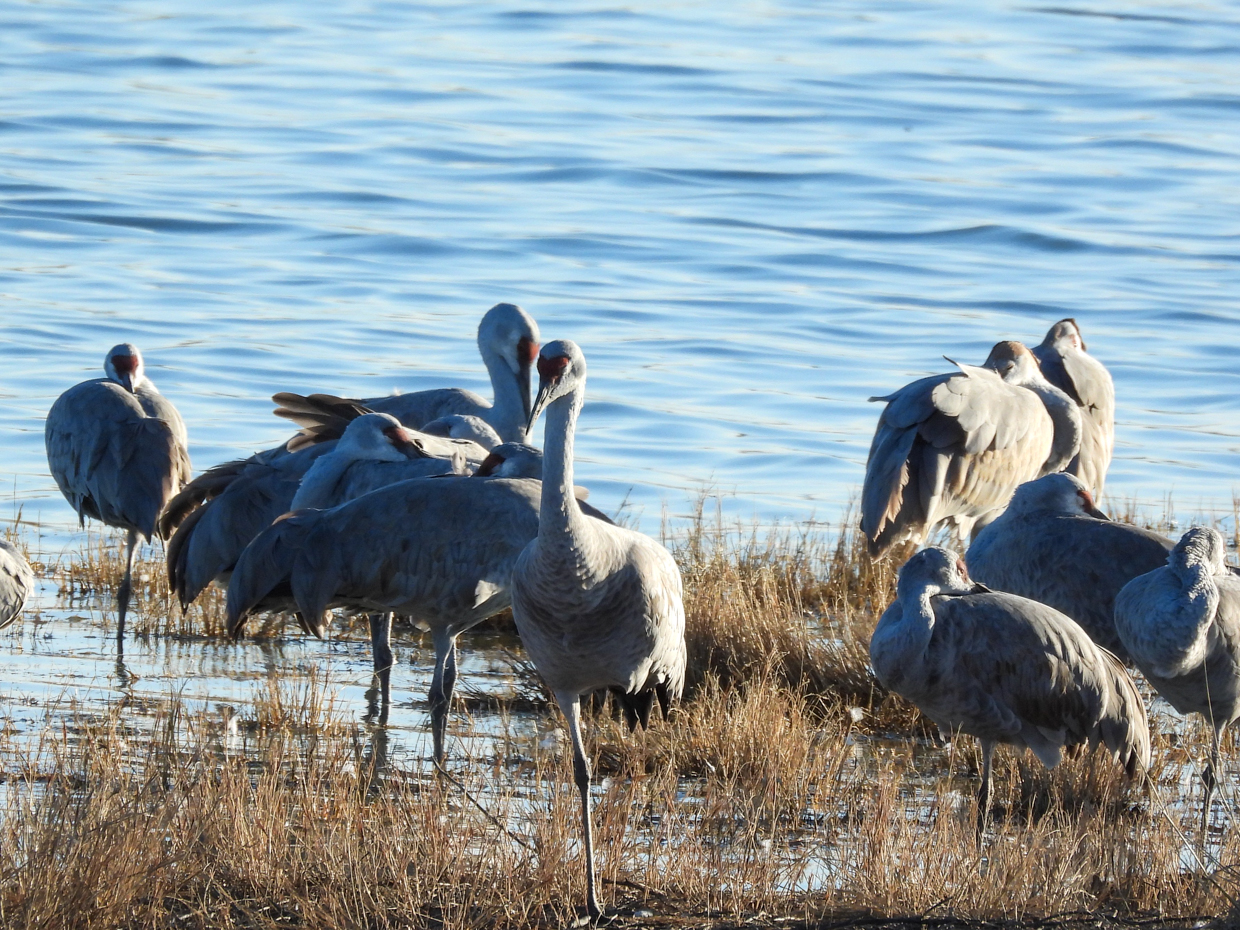
Sandhill Cranes © Victoria Chaussee
As we drove through miles of Chihuahuan desert scrub habitat on our way to the Chiricahua mountains, we lamented the relatively low numbers of sparrows and raptors as the ongoing drought in this region continues, but were delighted when we spotted a Prairie Falcon perched next to a utility pole alongside the road, which allowed everyone to enjoy close spotting scope looks before it flew off.
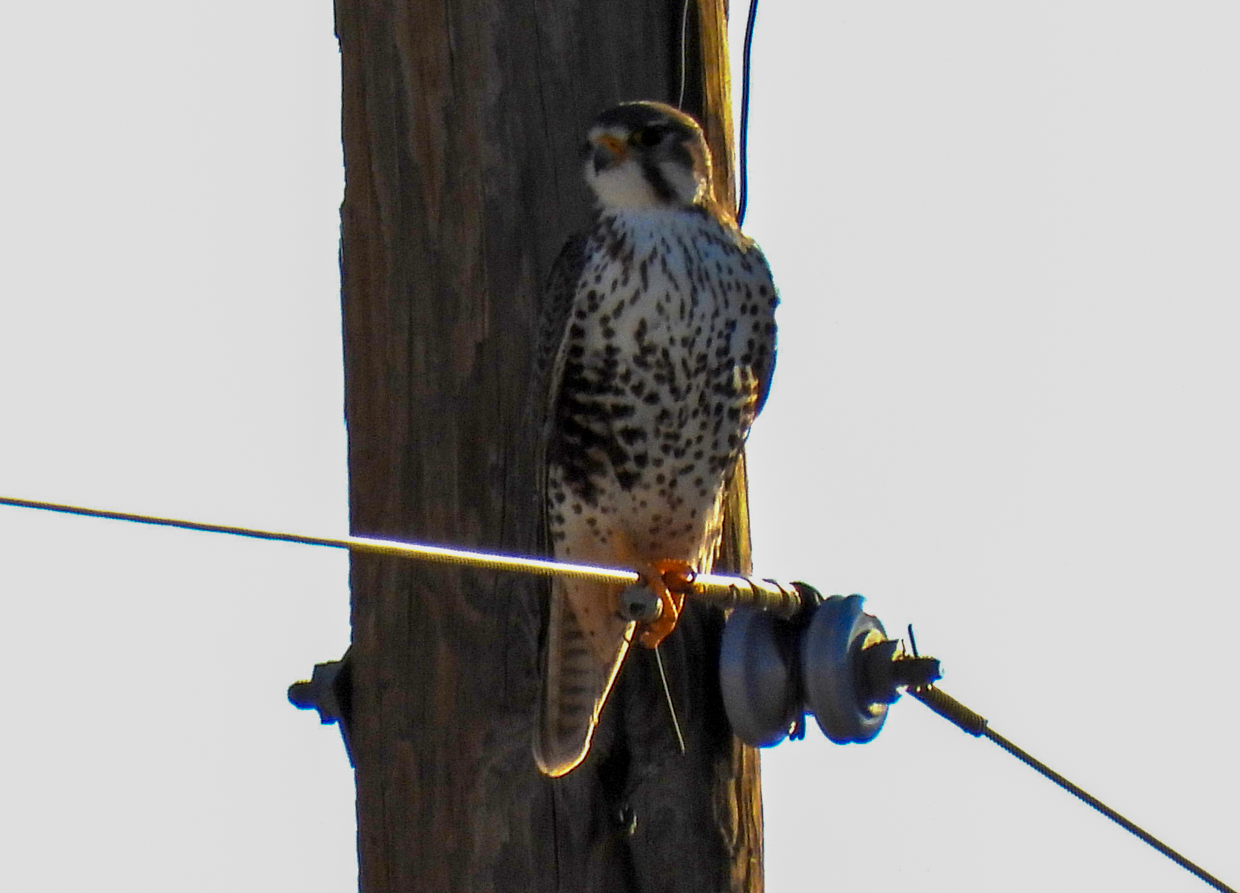
Prairie Falcon © Victoria Chaussee
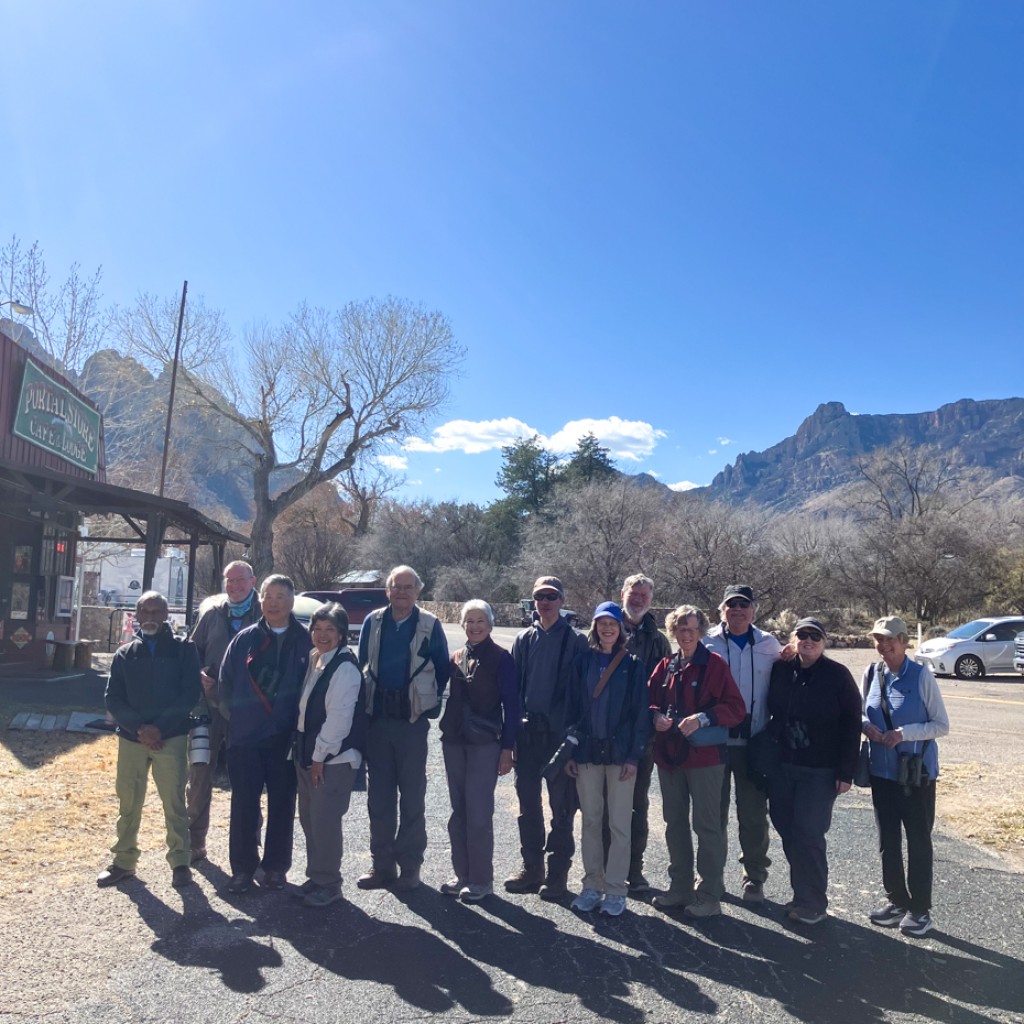
Nestled along Cave Creek Canyon in the foothills of the magnificent Chiricahua Mountains is the delightful town of Portal, where we would spend the next two nights.The birding is often great right in town, and we had great looks at a singing Curve-billed Thrasher.
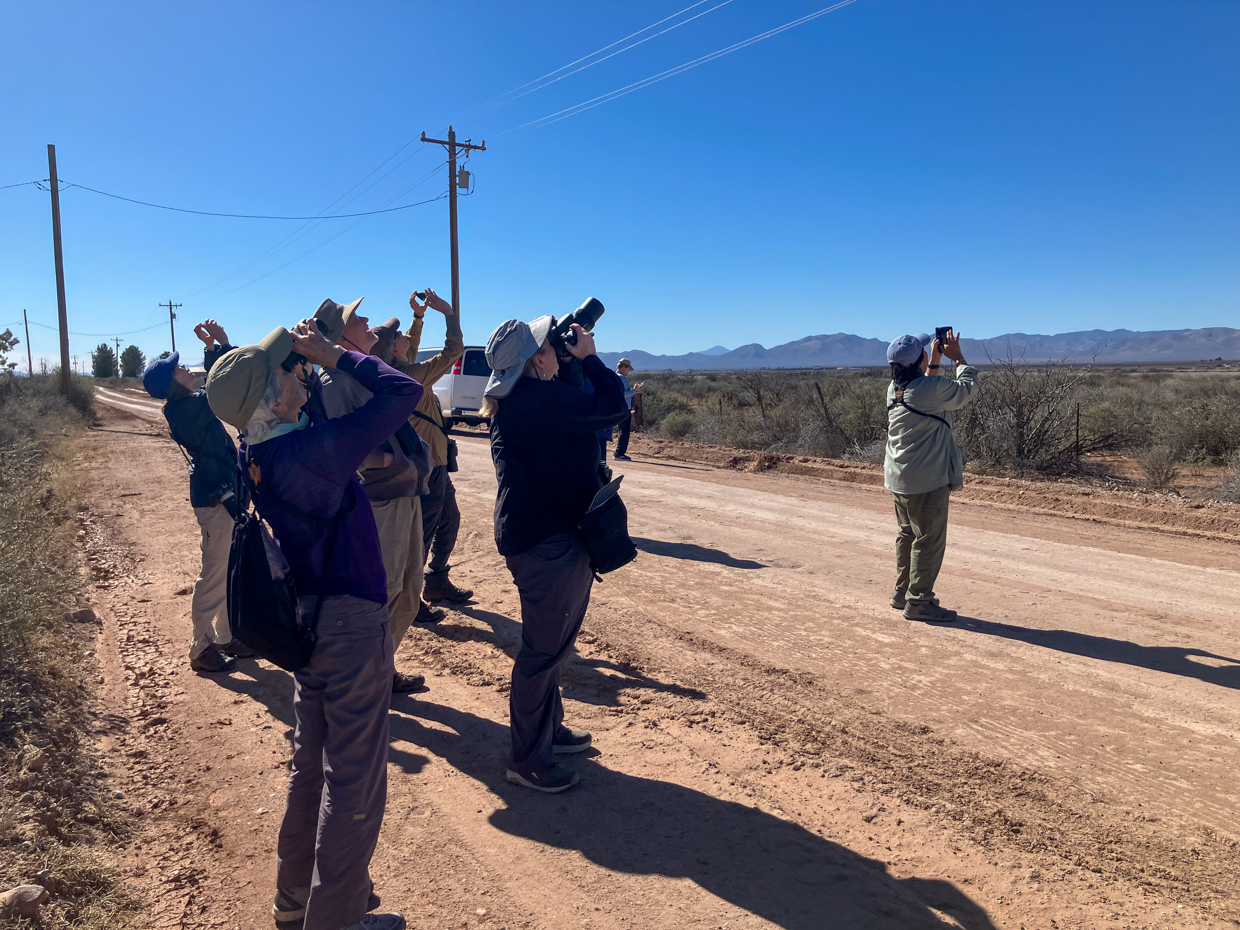
The Group Watching the Skies © Kyle Schanta
A short distance away are some locations where people have opened up their yards and bird-feeding stations to the birding public, and we took full advantage of this easy birding, and got great views of such species as Woodhouse’s Scrub-Jay, Steller’s Jay, Verdin and Bushtit, and our final hummingbird of the tour, the largest North American hummer, the Blue-throated Mountain-Gem.
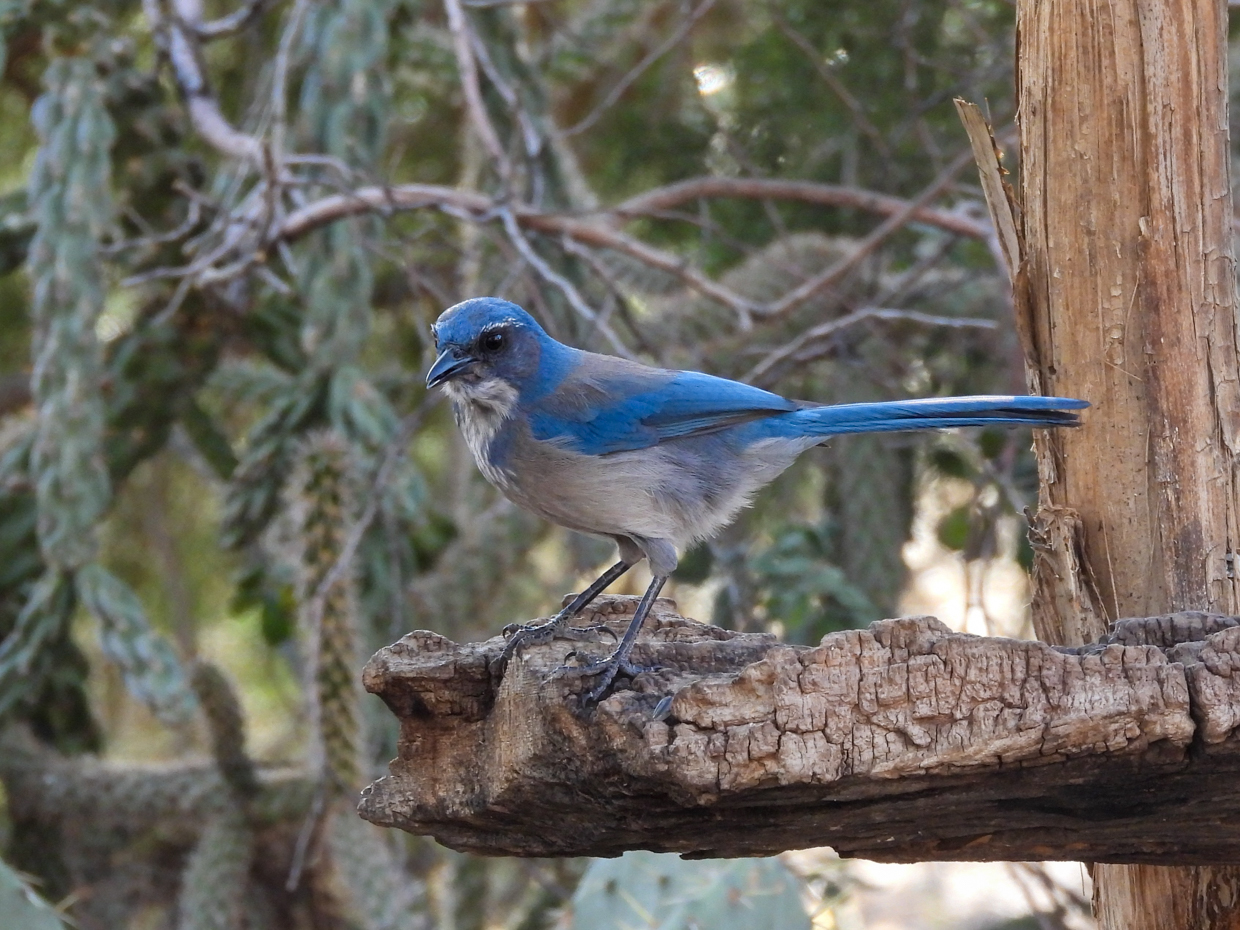
Woodhouse’s Scrub Jay © Victoria Chaussee
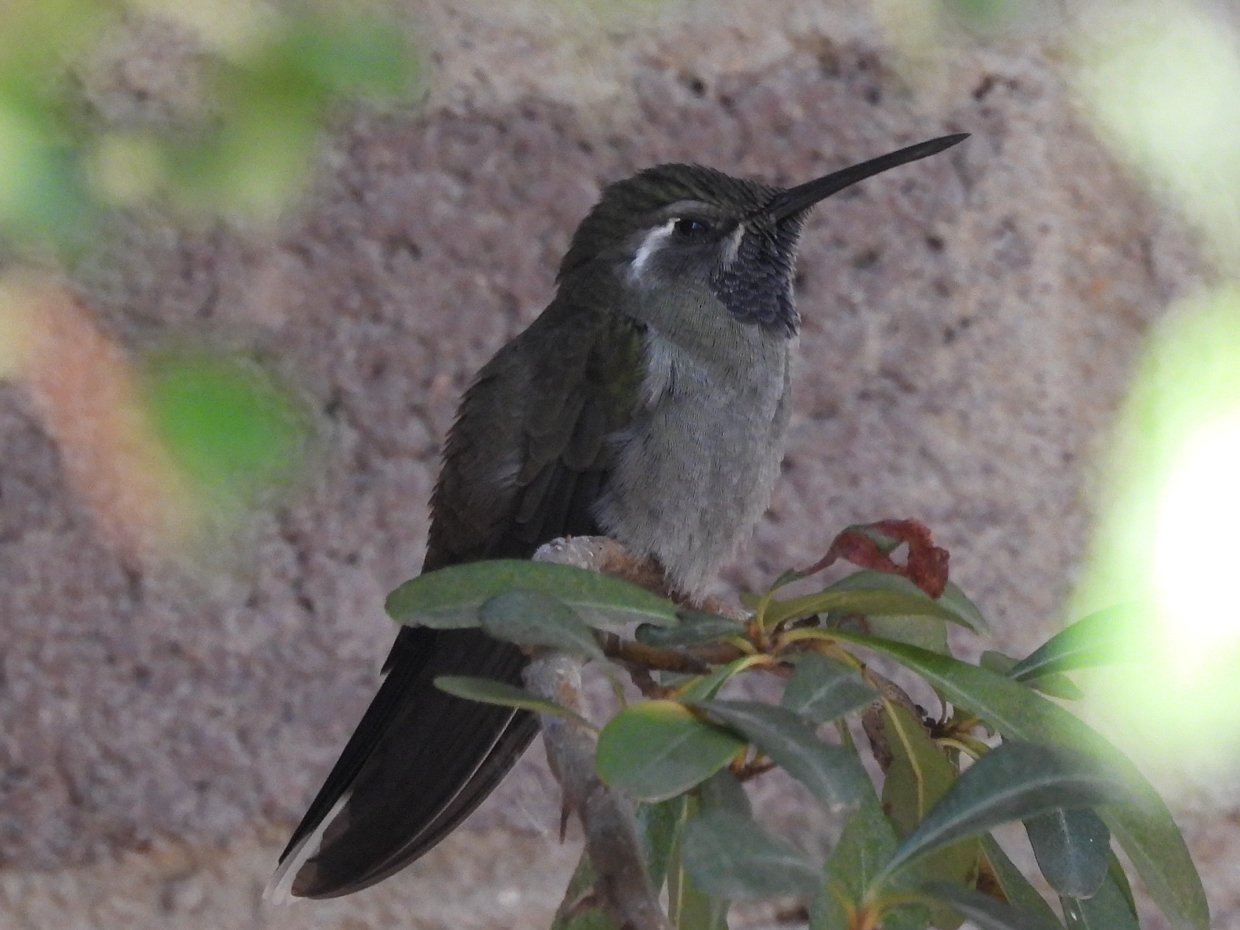
Blue-throated Mountain Gem © Victoria Chaussee.
Before heading back to Tucson we ventured into the higher country above Portal, though snow cover higher up the mountain prevented us from getting to the best areas for the endemic Mexican Chickadee. We did encounter flocks of juncos, Bridled Titmice, and encountered a few new species for the tour, a Townsend’s Solitaire and a Hairy Woodpecker, our 11th species of woodpecker for the tour.
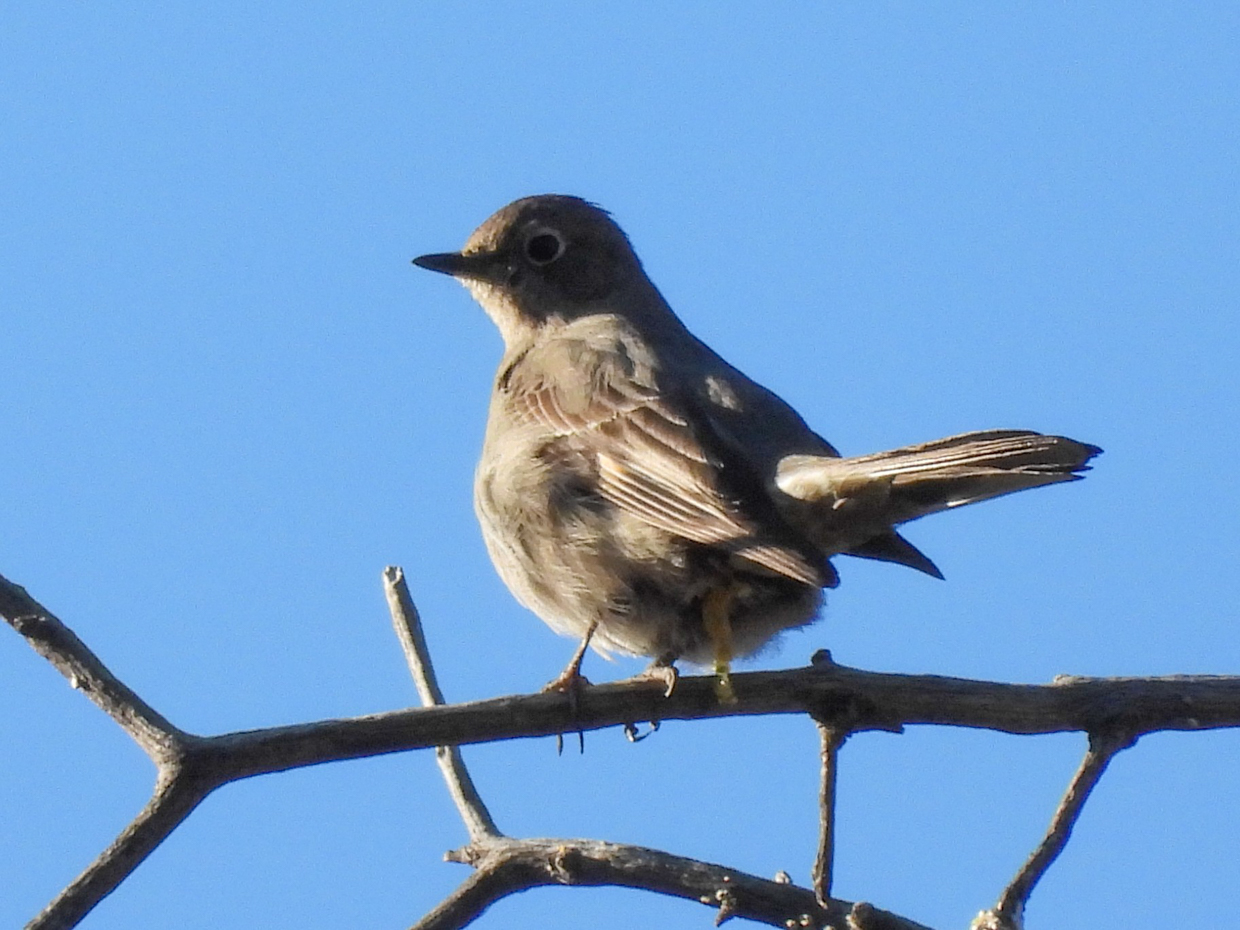
Townsend’s Solitaire © Victoria Chaussee
On our final trip back to Tucson we made a few stops in the Willcox area, where we got great looks at both Crissal and Sage Thrashers.
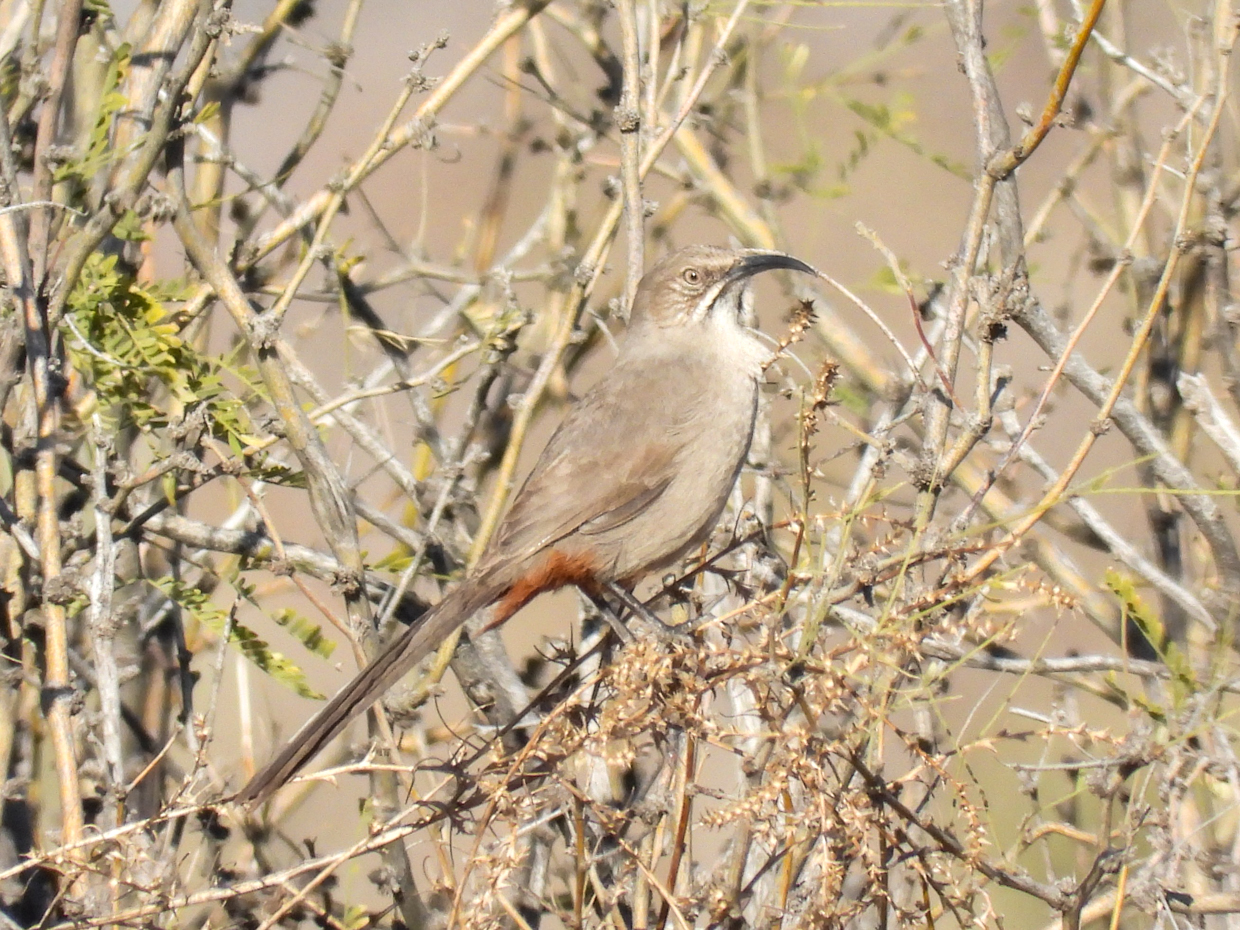
Crissal Thrasher © Victoria Chaussee
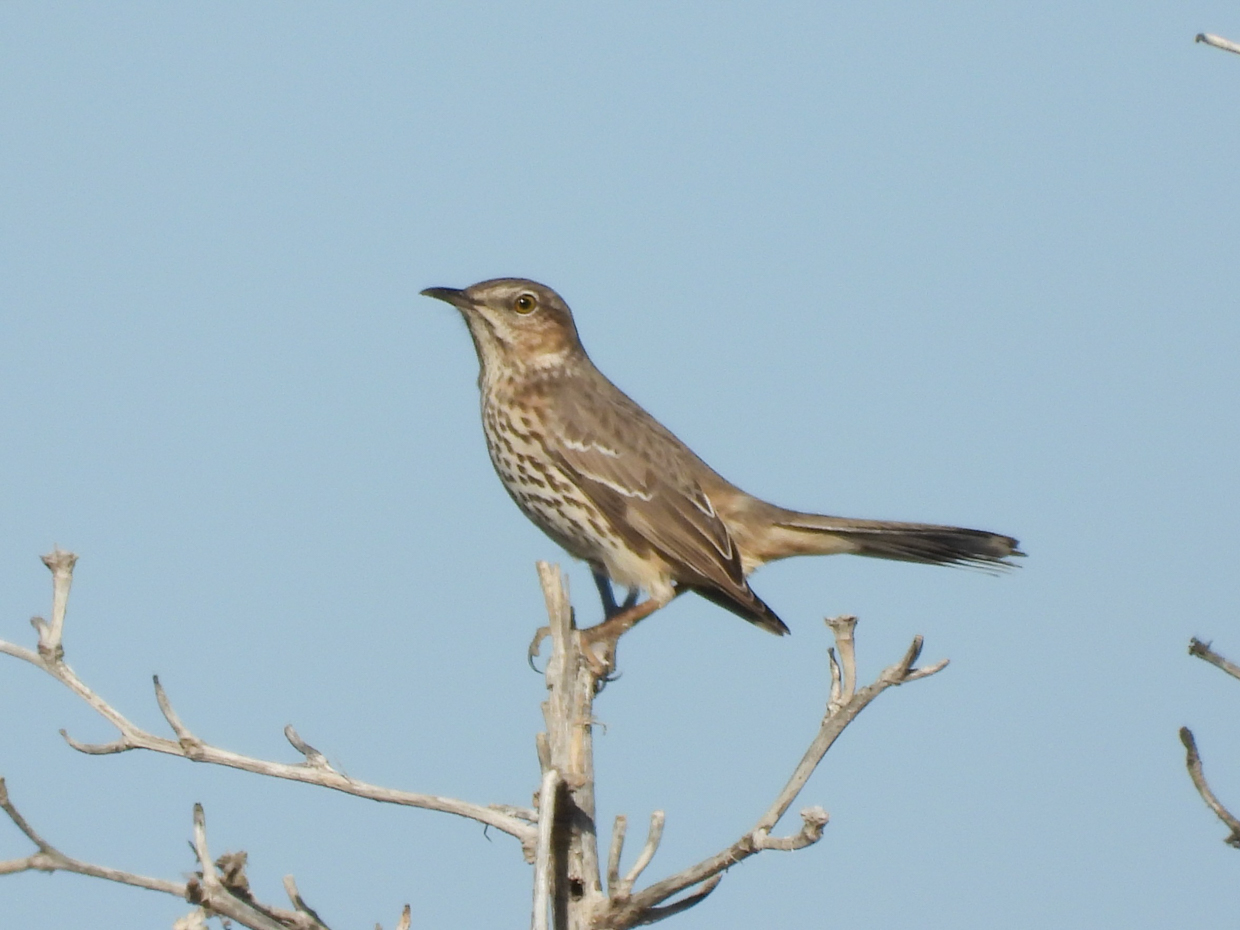
Sage Thrasher © Victoria Chaussee
At the Twin Lakes Golf Course ponds and Lake Cochise we had great afternoon light on an assortment of ducks including Cinnamon Teal, flocks of thousands of Sandhill Cranes, and Snow and Ross’s Geese standing side by side for a direct comparison.
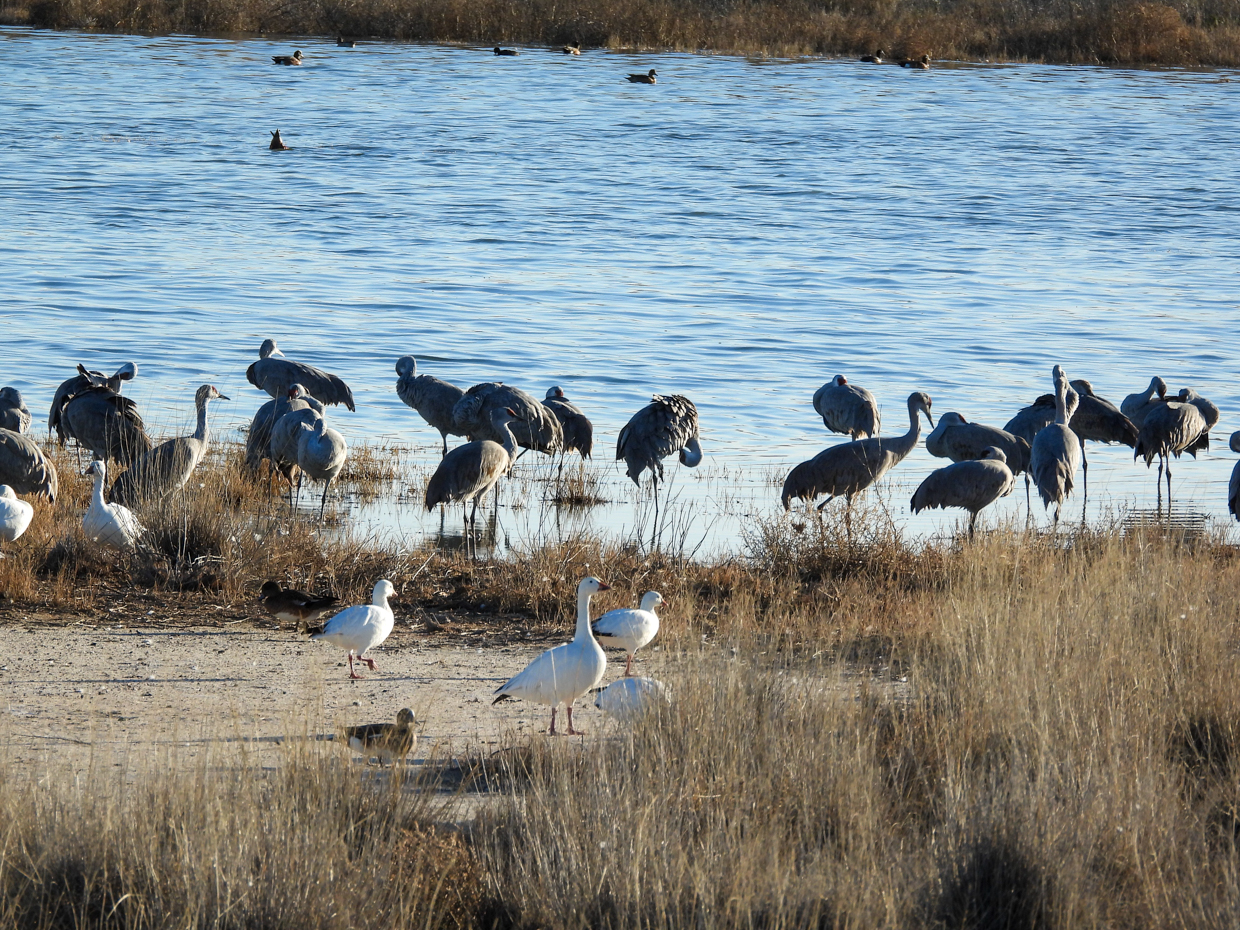
Snow Goose Ross’s Goose & Sandhill Cranes © Victoria Chaussee
With visions of the 2000 strong flock of Yellow-headed Blackbirds fresh in our minds, we headed back to Tucson and our final dinner of the tour.
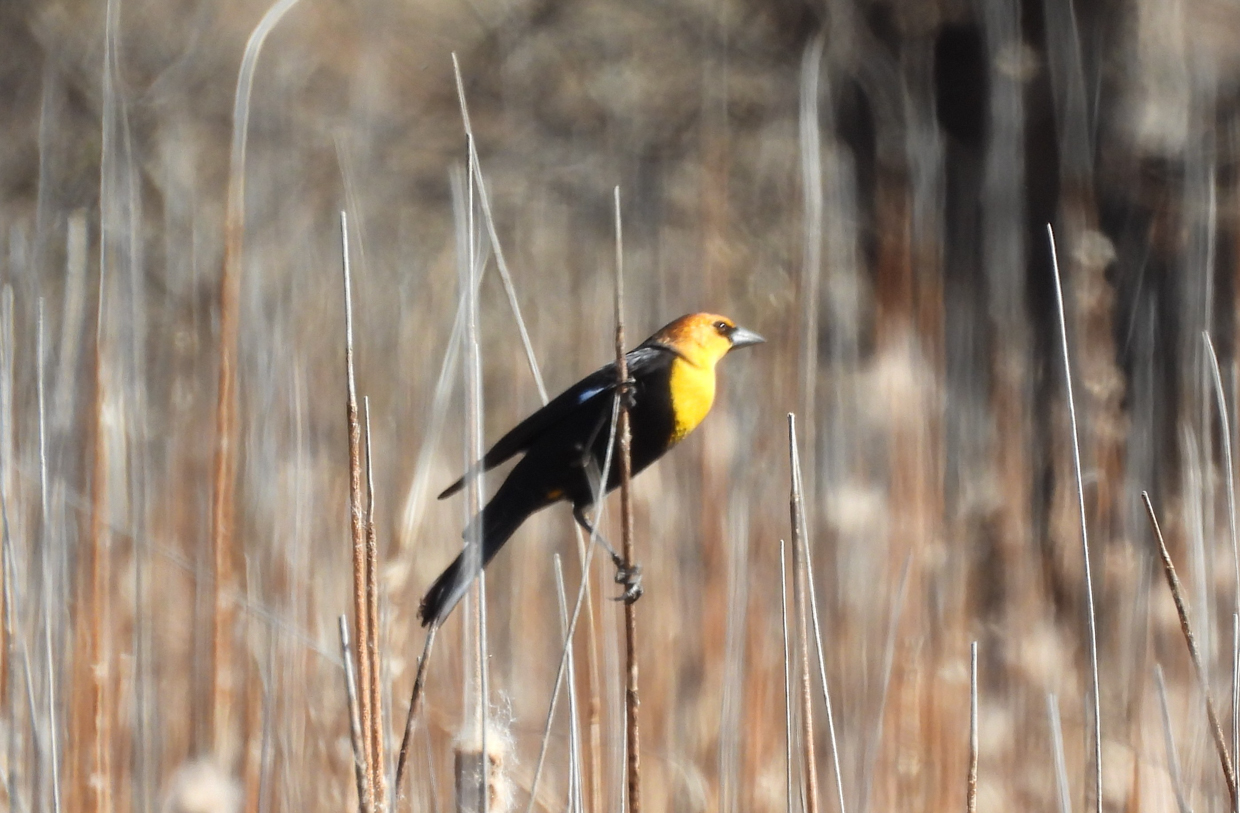
Yellow-headed Blackbird © Victoria Chaussee