Panama: Canal Zone & the Darien
Highlights
Highlights
- Bird Panama's most famous hotspots, including Pipeline Road, Cerro Azul, and Darién.
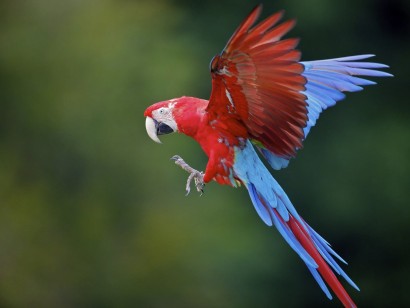
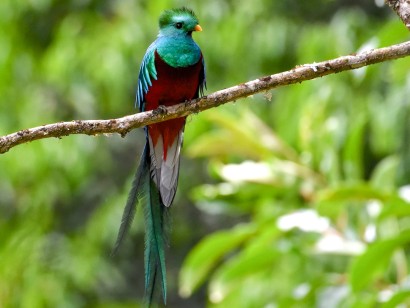
- Diverse and rich wildlife including hummingbirds, manakins, antbirds, trogons, puffbirds, toucans, parrots, and macaws.
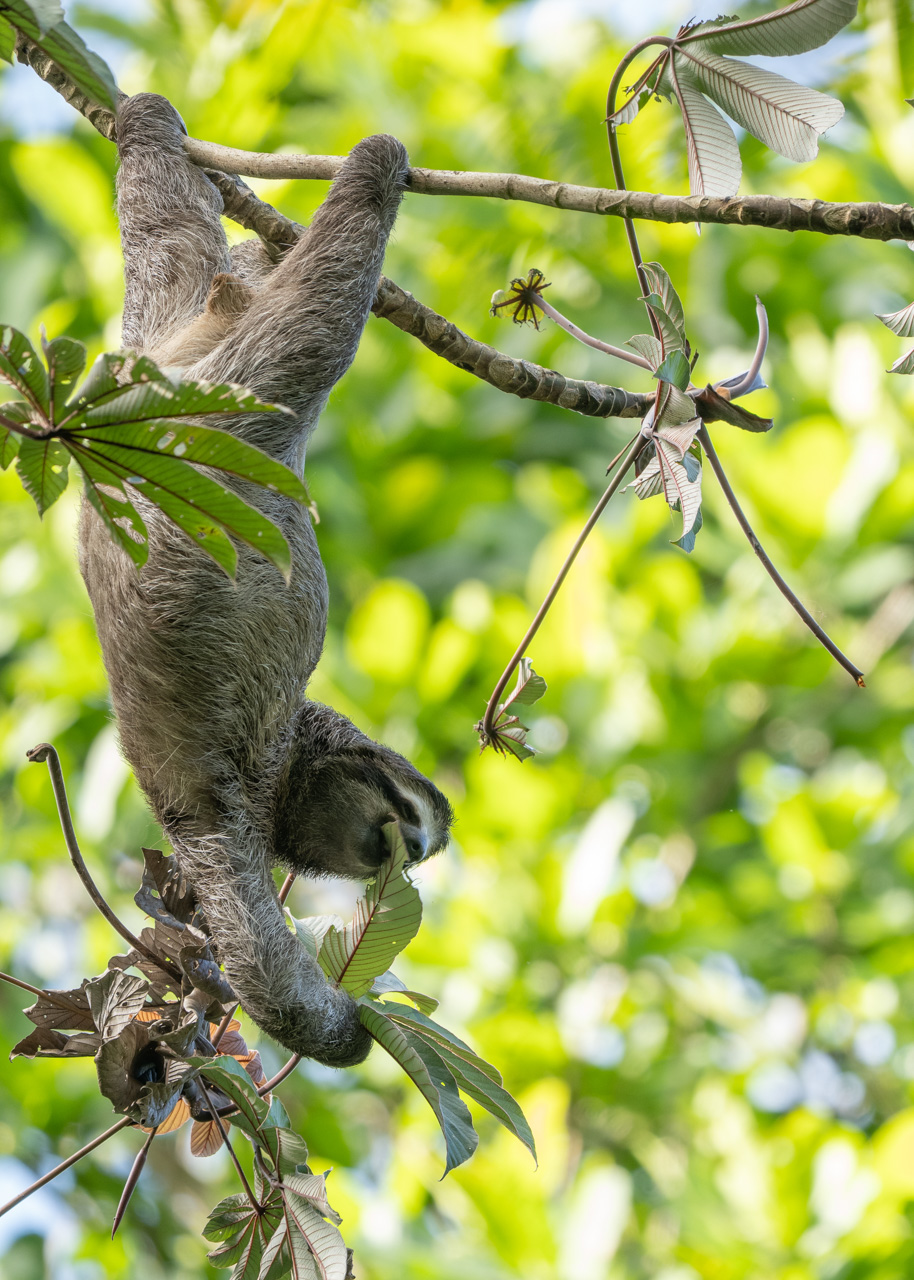
- Enjoy excellent opportunities to see sloths, tamarins, and other tropical wildlife alongside incredible birding.
- Cruise the Chagres River for birds, monkeys, and spectacular rainforest scenery.
Map
Map
Overview
Tour Overview
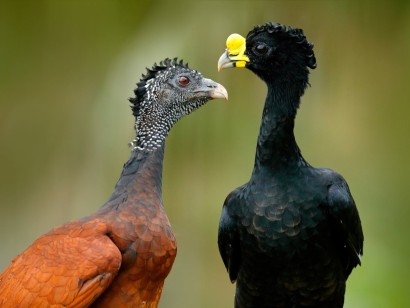
Panama’s extraordinary diversity of birds and tropical habitats make it one of Central America’s top birding destinations. Situated at the meeting point of Central and South America, the country supports a fascinating mix of species from both regions, including toucans, motmots, puffbirds, manakins, antbirds, hummingbirds, parrots, trogons and tanagers.
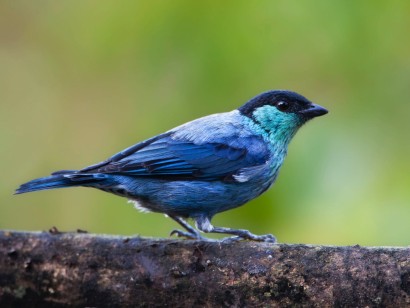
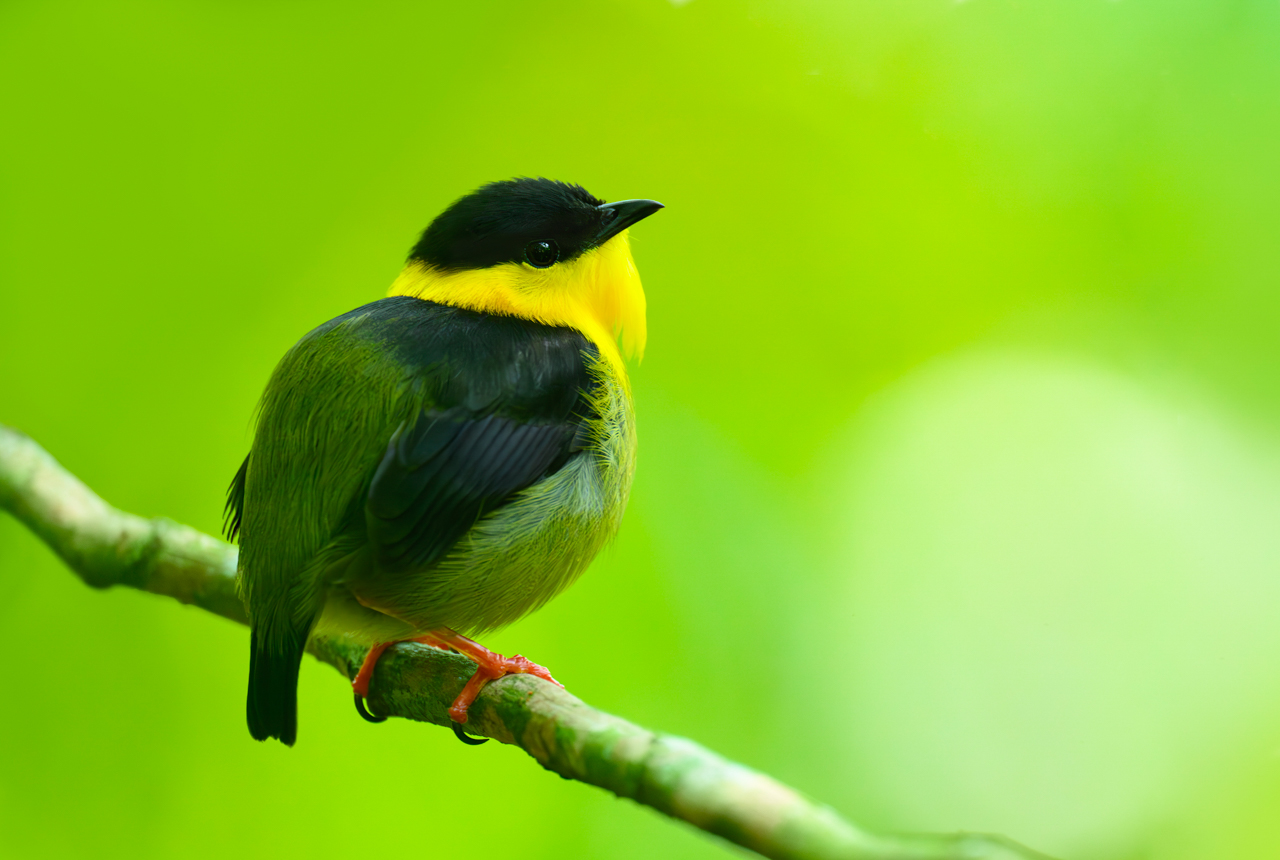
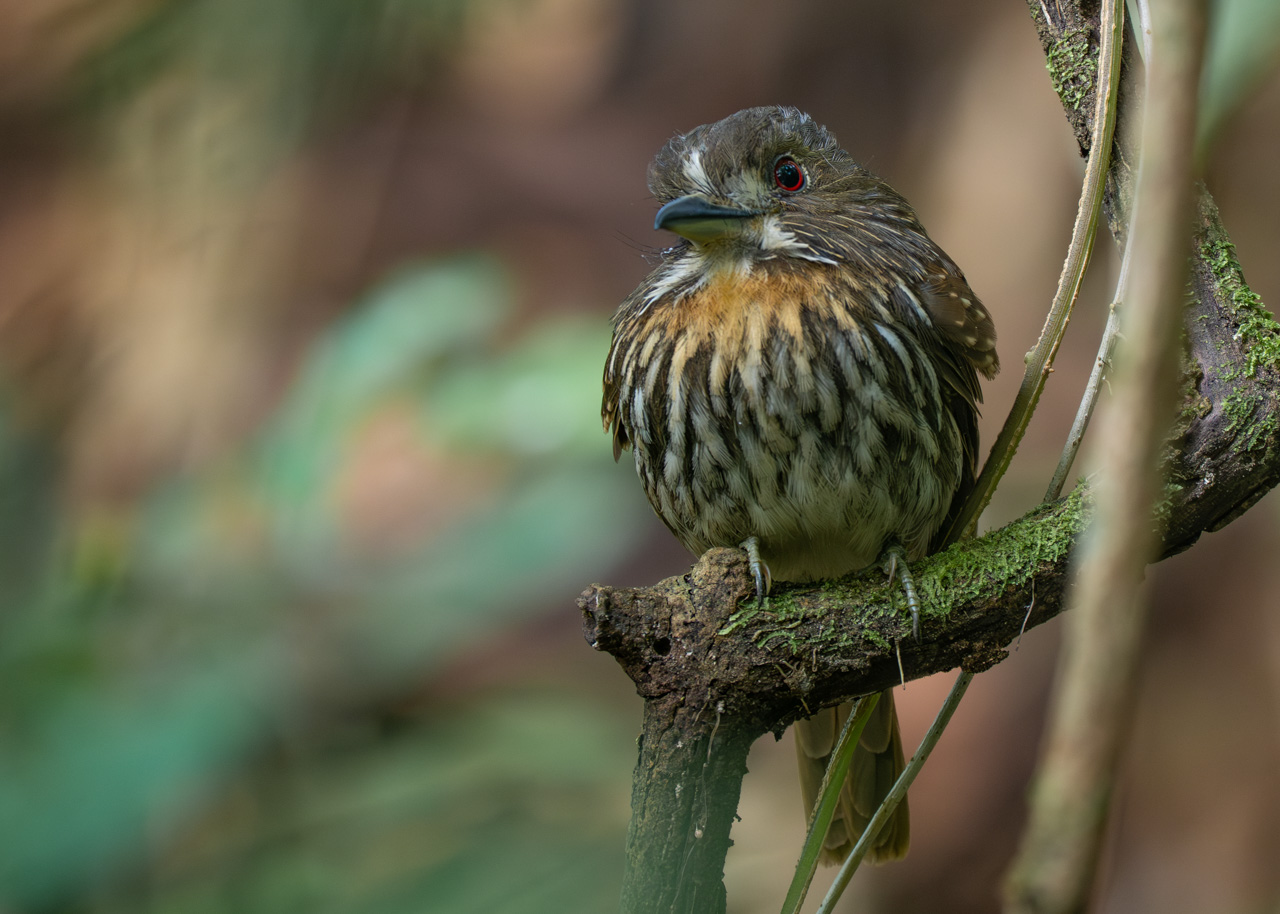
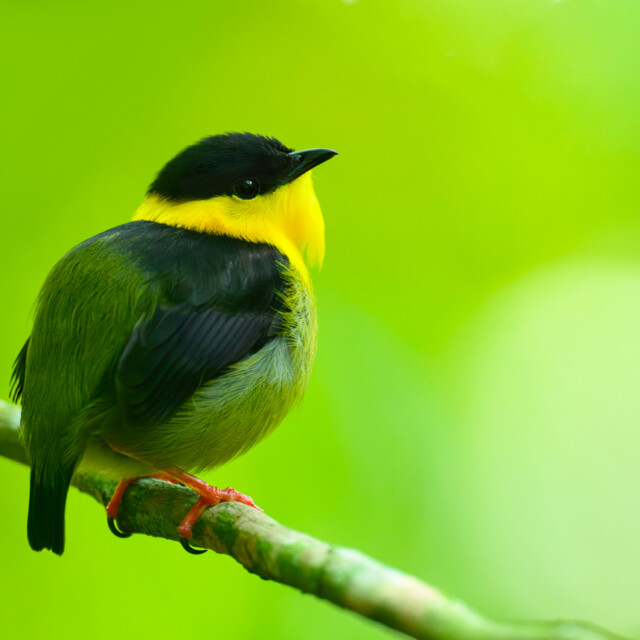
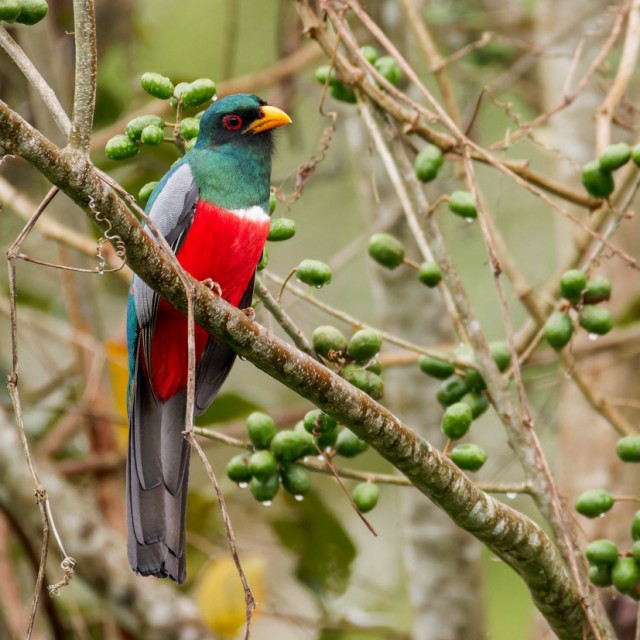
Our Panama birding tour focuses on eastern Panama around Tortí and the Darién, followed by the forests of the Canal Zone. The Darién brings a strong South American and Chocó influence, with several regional specialties that are difficult to find elsewhere in Central America. From Tortí we explore productive lowland and foothill habitats for birds such as Black-tailed Trogon, Black-breasted Puffbird, Golden-collared Manakin, Chestnut-fronted Macaw and Black-chested Jay.
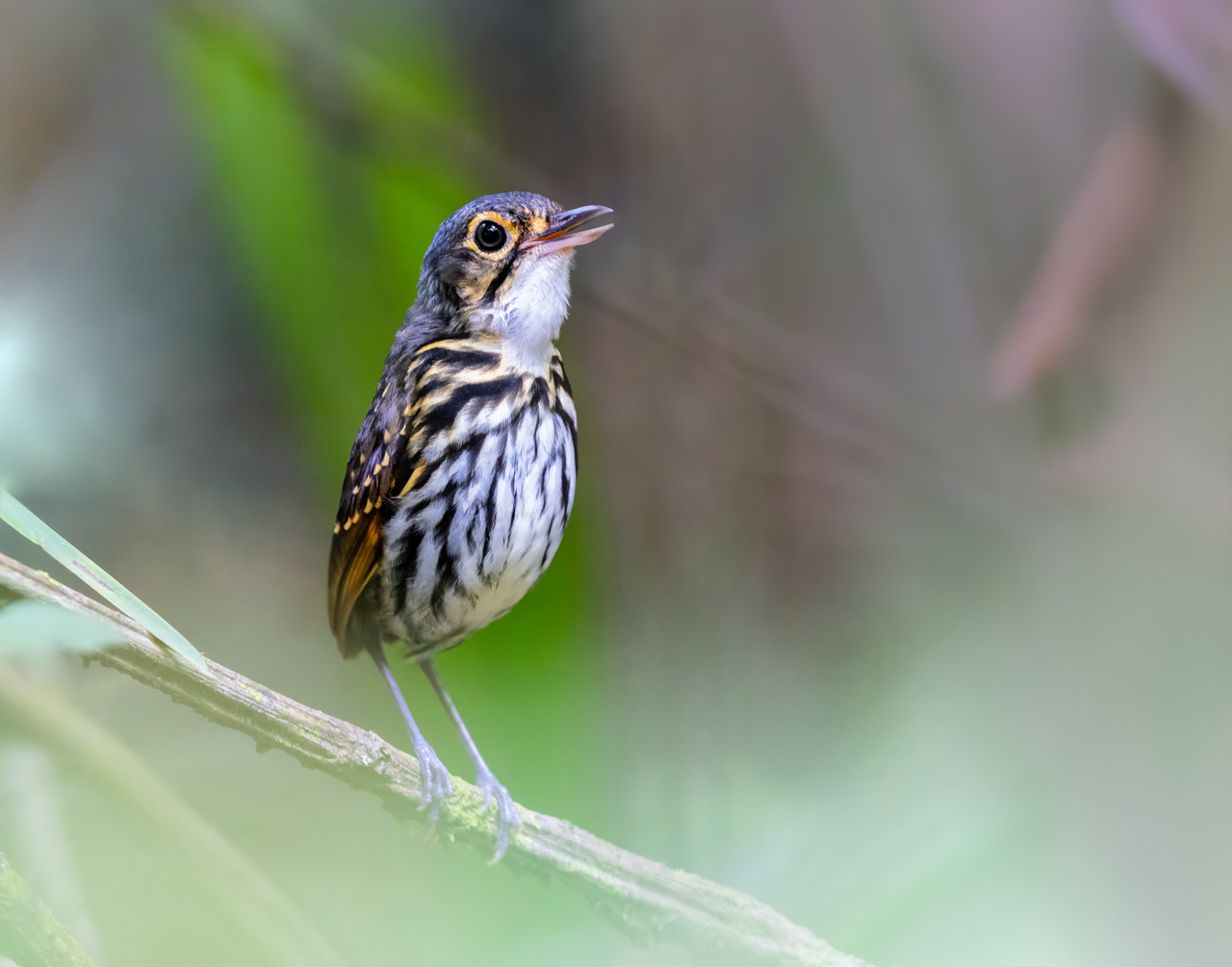
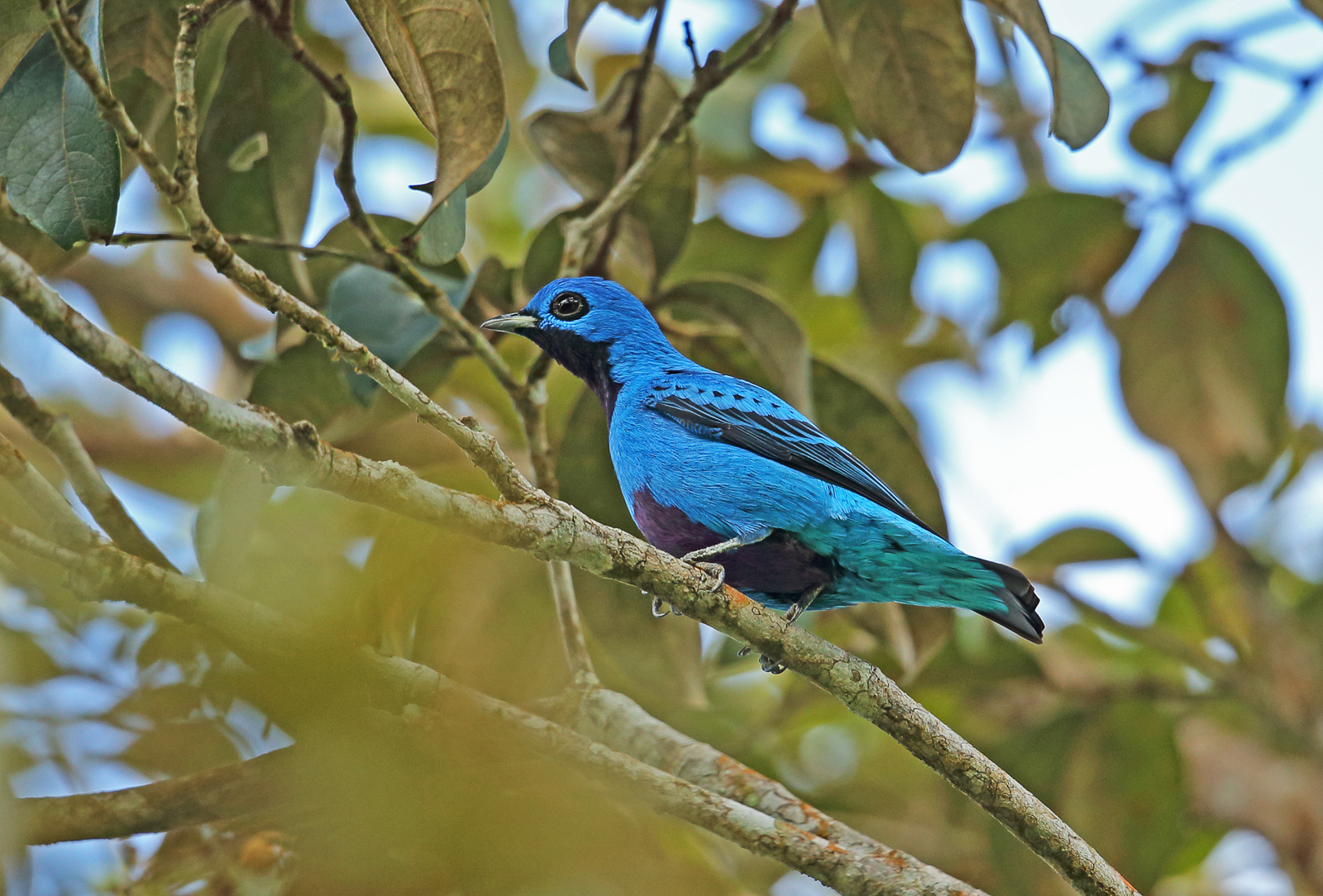
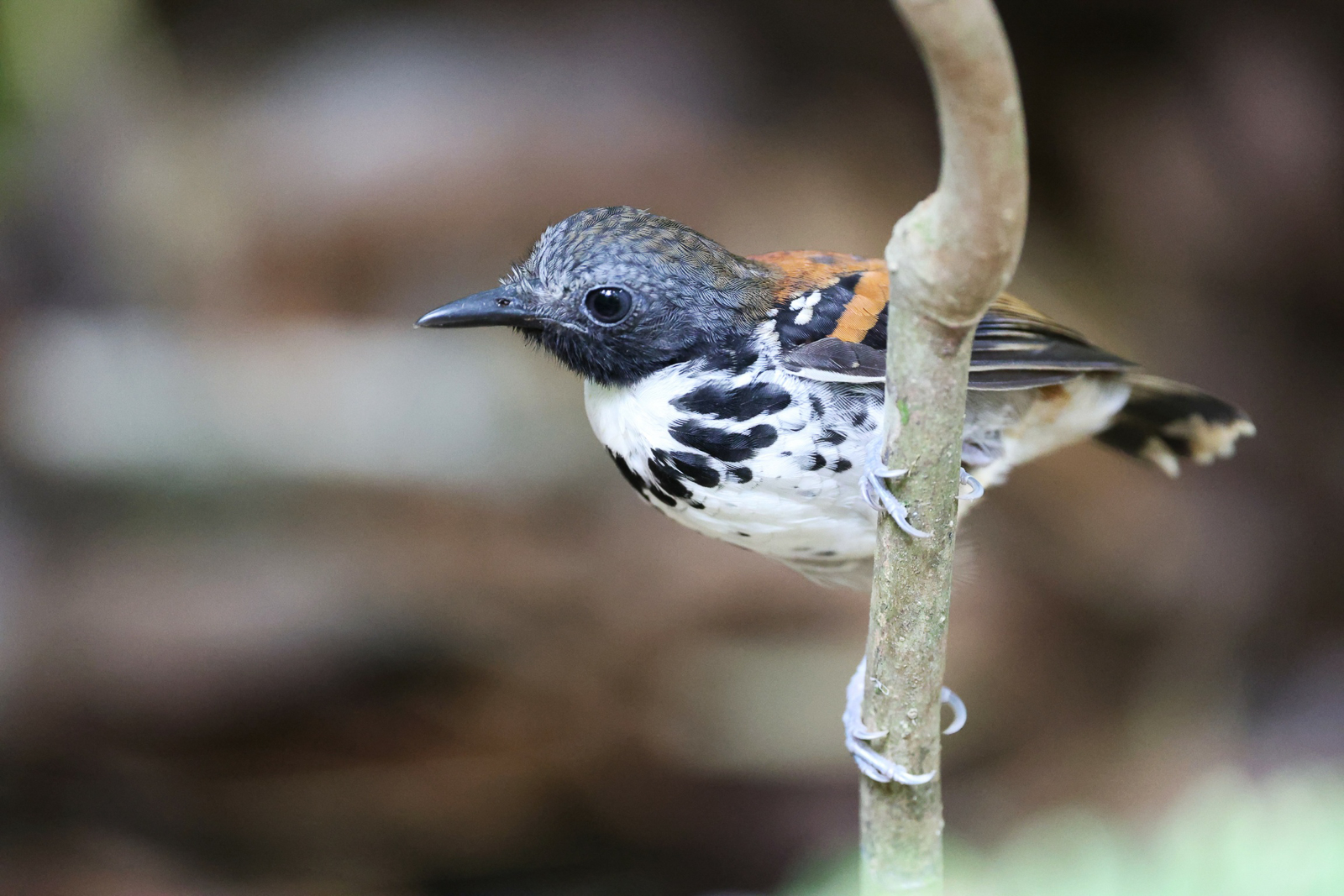
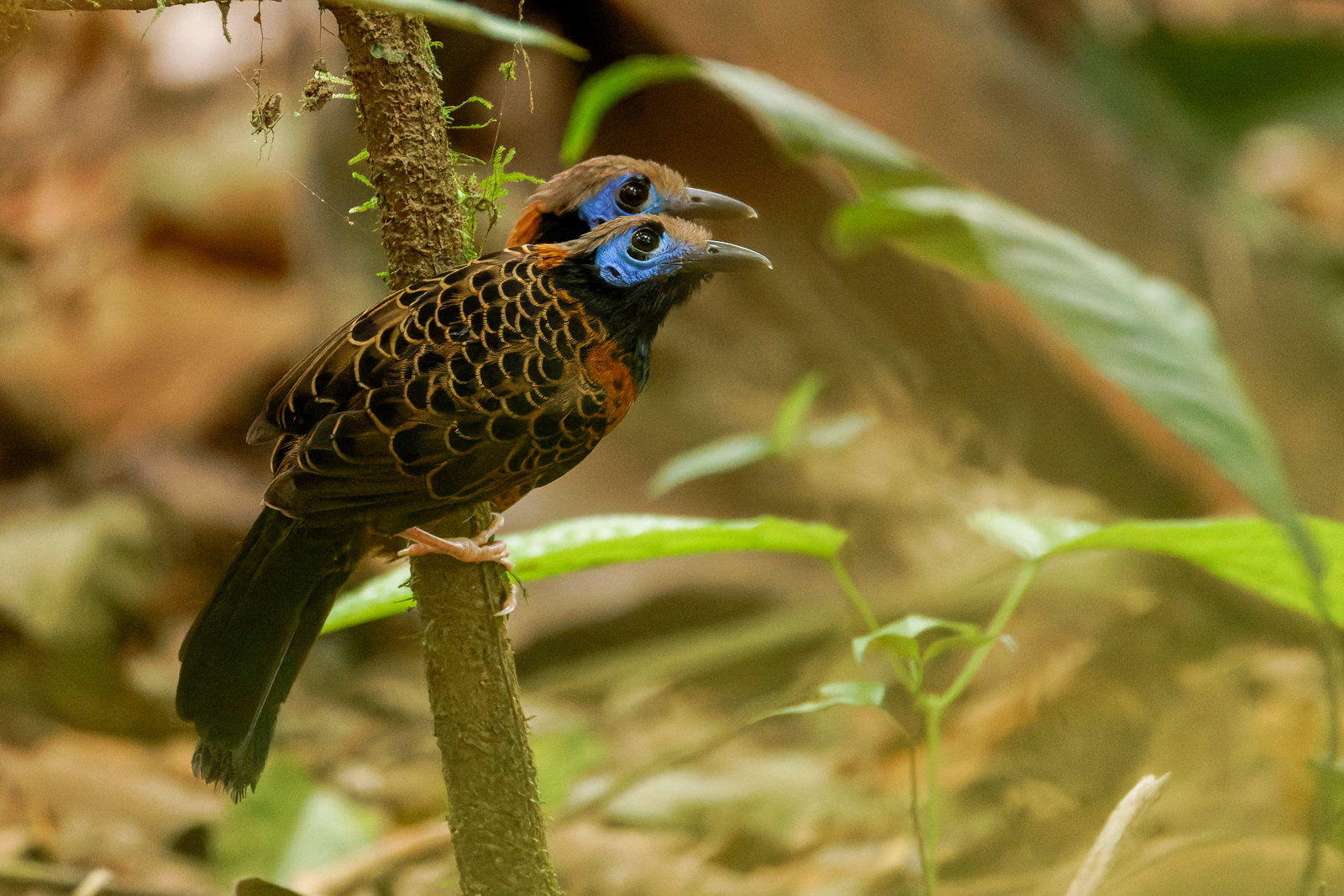
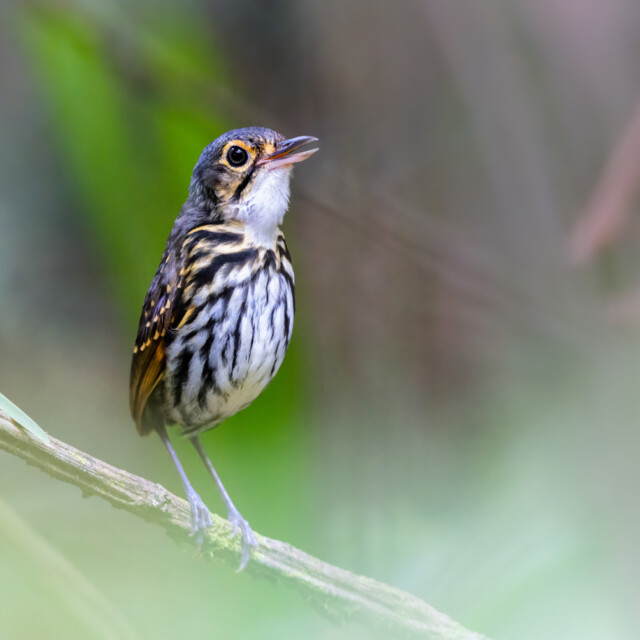
We then travel west to the famous Canal Zone, where Pipeline Road and Soberanía National Park offer superb lowland rainforest birding. These forests support an exceptional variety of antbirds, trogons, toucans, puffbirds, manakins and mixed-species flocks, with opportunities for sought-after birds such as Blue Cotinga and Streak-chested Antpitta.
With relatively short travel distances, comfortable accommodations and exceptional bird diversity, Panama offers a rewarding blend of Central and South American birdlife.
Dates & Prices
Dates & Prices
What's Included
Tour Price Includes
- All accommodations
- All meals and soft drinks
- Airport transfers
- Ground transportation
- Guides - 1 guide with 4 to 8 pax, 2 guides with 9 to 12 pax
- All park, conservation and entrance fees
- Gratuities to local guides and drivers
Tour Price Does Not Include
- Flights to and from Panama City
- Travel Insurance
- Items of a personal nature
- Alcoholic beverages
Gallery
Gallery









Itinerary
Itinerary
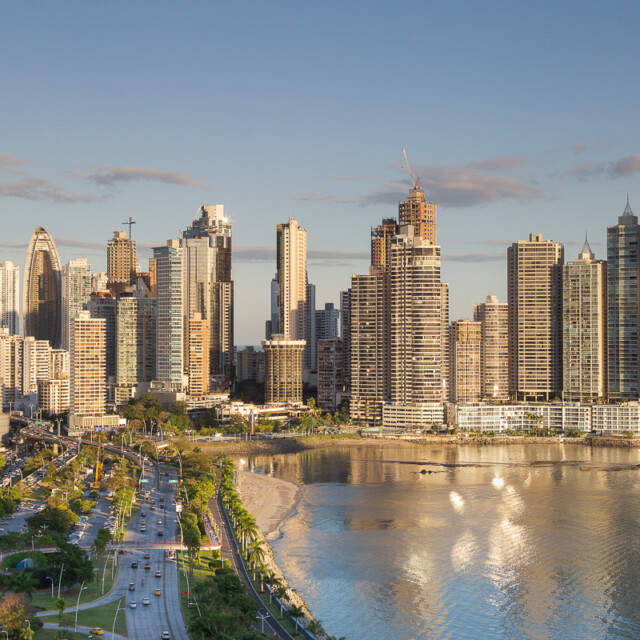
Day 1: Arrival in Panama City
Our Panama birding tour begins with arrival in Panama City, where you will meet your guide and fellow birders. Over dinner and an evening orientation, we will review the itinerary and look ahead to the exciting birding experiences to come. Overnight in Panama City.
Day 2: Cerro Azul
We depart early for Cerro Azul, a forested area in the hills east of Panama City and our first introduction to Panama’s remarkable birdlife.
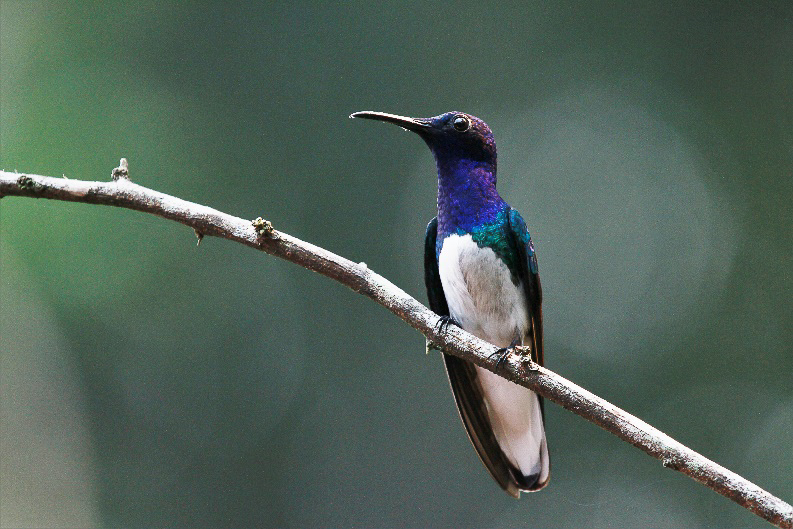
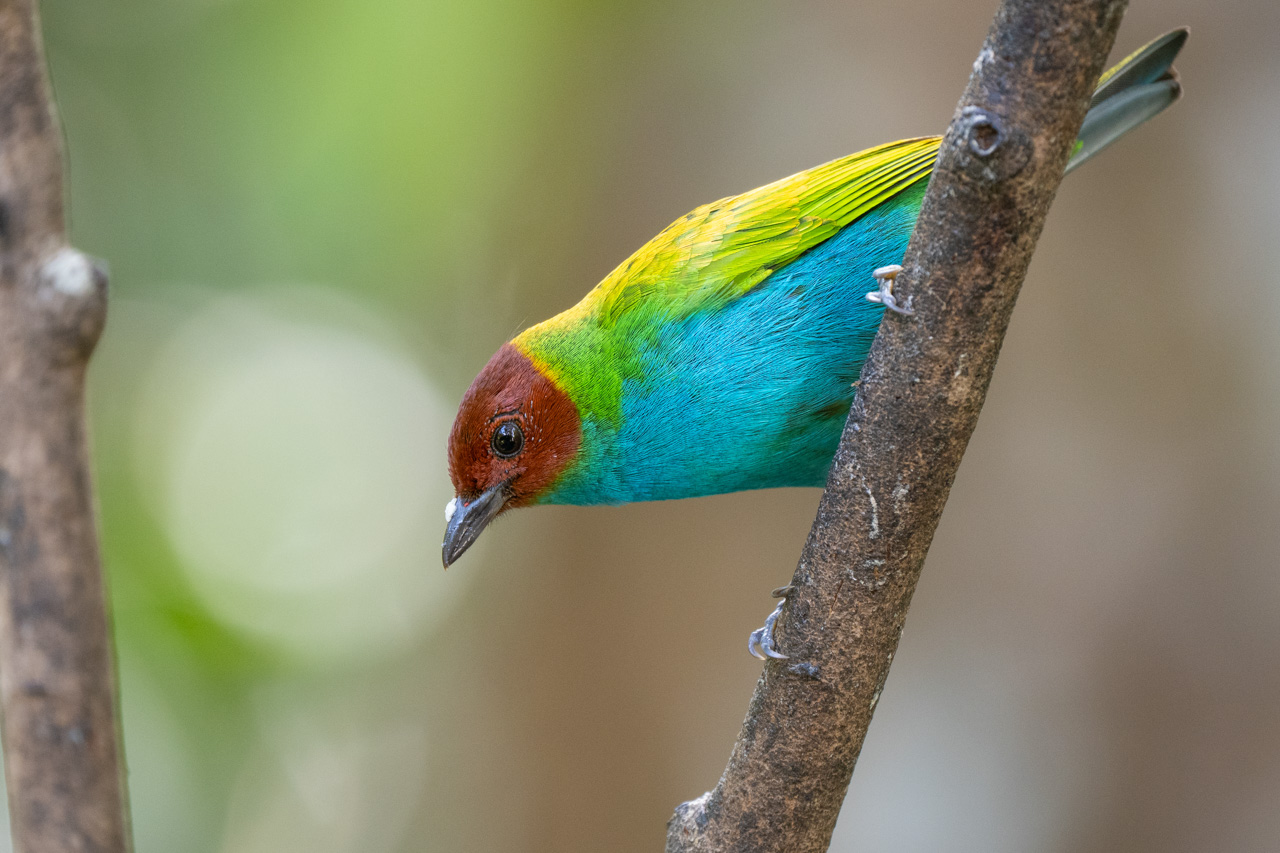
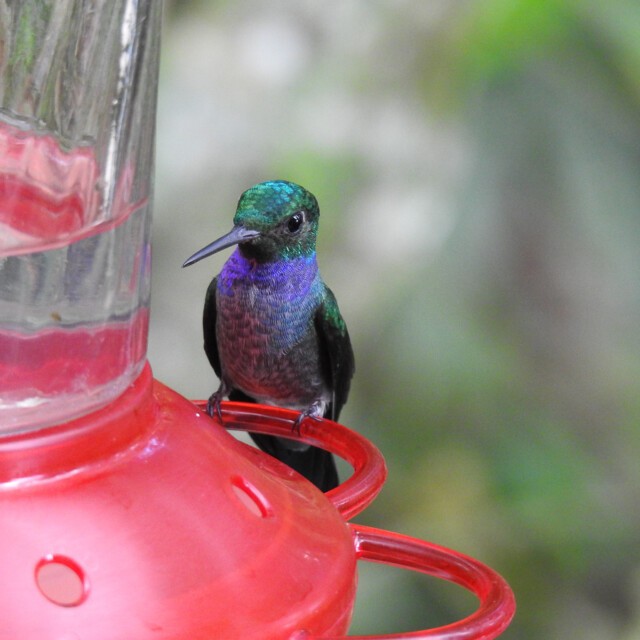
A highlight of the morning is a visit to a feeder setup. Hummingbirds can be particularly abundant here, with possibilities including Snowy-bellied Hummingbird, Blue-chested Hummingbird, Crowned Woodnymph, White-necked Jacobin and Bronze-tailed Plumeleteer. The feeders and surrounding forest can also attract colourful tanagers, euphonias and honeycreepers.
We spend additional time birding the roads and forests around Cerro Azul and Chagres National Park, where Rufous Motmot, White-ruffed Manakin and Swallow-tailed Kite are among the possibilities. We return to our hotel near Panama City for the night.
Day 3: Panama City to Tortí
Today we travel east toward Tortí, making birding stops along the way as time and conditions allow.
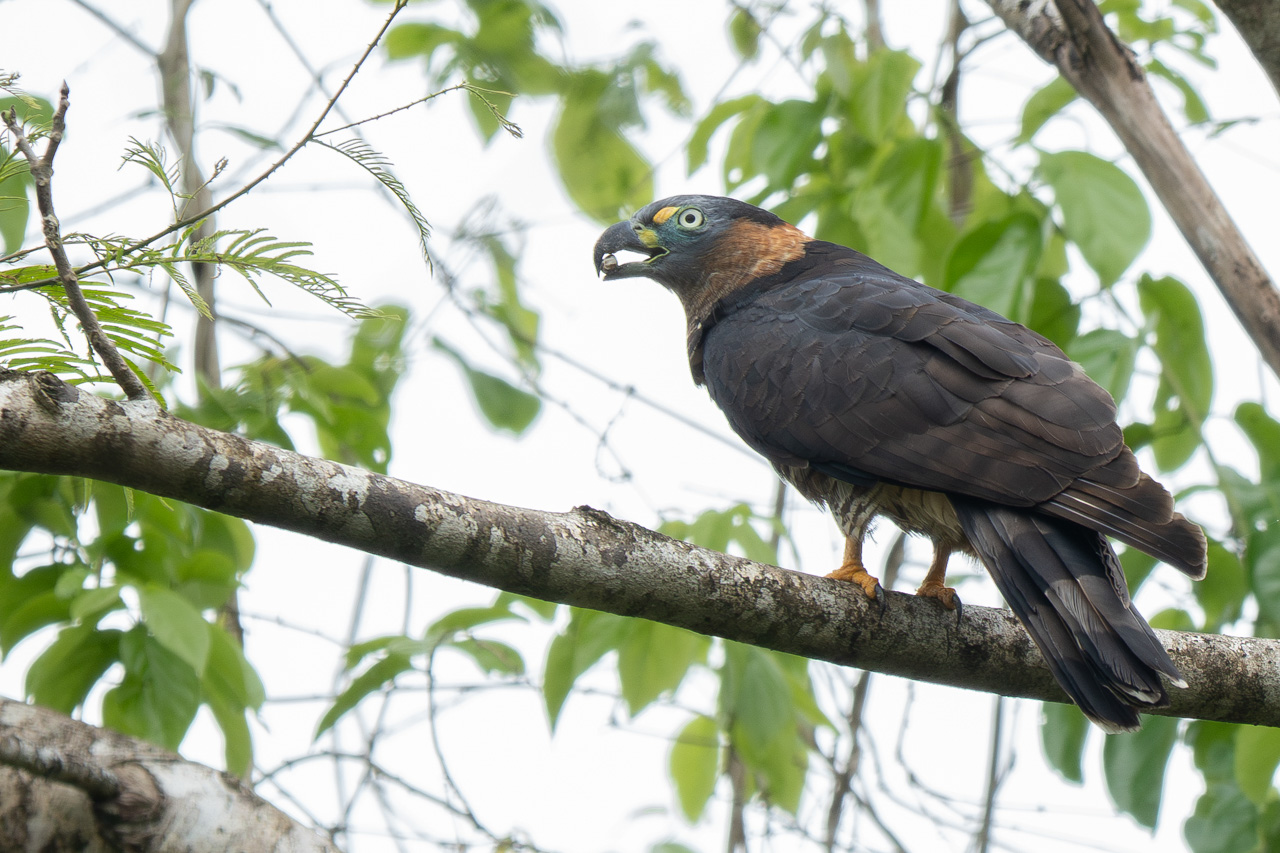
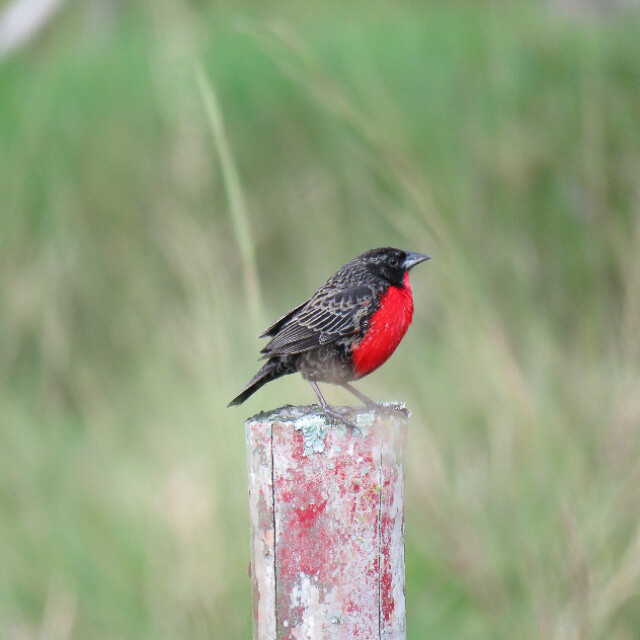
We may explore agricultural areas, wetlands and open country around Camino de Tanara and Chepo, where possibilities include Savanna Hawk, Laughing Falcon, Pied Water-Tyrant, Fork-tailed Flycatcher, Red-breasted Meadowlark and Wattled Jacana.
If time permits, we may also bird along the Llano–Cartí Road, where forest and foothill habitats provide opportunities for tanagers, toucans and forest raptors. Additional stops may be made around Lake Bayano or other productive locations before continuing east to Tortí. Night in Tortí.
Day 4: San Francisco Reserve and Tortí Area
Today we explore some of the excellent birding close to Tortí, including the forest at San Francisco Reserve.
The reserve protects mature forest, streams and open areas that attract a rich assortment of birds. Possibilities include Barred Puffbird, Tropical Royal Flycatcher, Black-headed Tody-Flycatcher and a variety of toucans, woodpeckers and raptors.
Nearby wetlands and the Río Tortí add another mix of species, with opportunities for kingfishers, woodcreepers, antbirds and other lowland birds.
Depending on conditions and bird activity, we may divide the day between the reserve, river and other nearby sites. Night in Tortí.
Day 5: Darién
We make an early start for a full day exploring farther east into the Darién, one of Panama’s most exciting birding regions.
The exact sites visited may vary depending on road, trail and weather conditions, but our day may include areas around El Salto, Yaviza, the Chucunaque River or other productive reserves and forest sites.
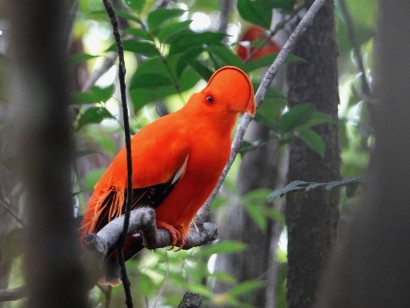
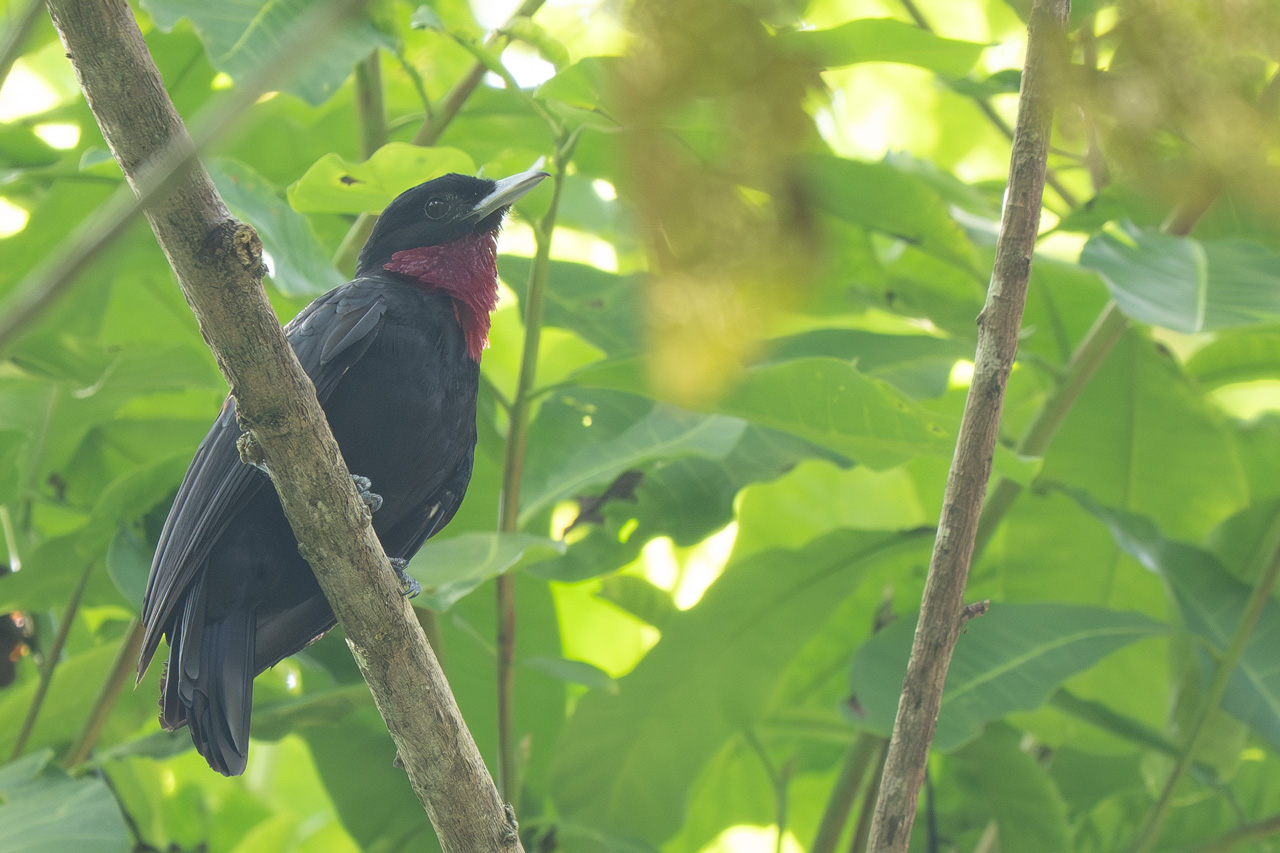
Here we search for species characteristic of eastern Panama and the Darién. Possibilities include Black-tailed Trogon, Gray-cheeked Nunlet, Chestnut-fronted Macaw, Black-chested Jay, Purple-throated Fruitcrow and Red-throated Caracara, along with parrots, antbirds and forest raptors.
The Darién is an especially exciting area because conditions and sightings can vary considerably, and there is always the possibility of something unexpected.
Night in Tortí.
Day 6: Tortí to Gamboa
We spend our final morning birding around Tortí, often exploring the Río Tortí and nearby fields and forest edge.
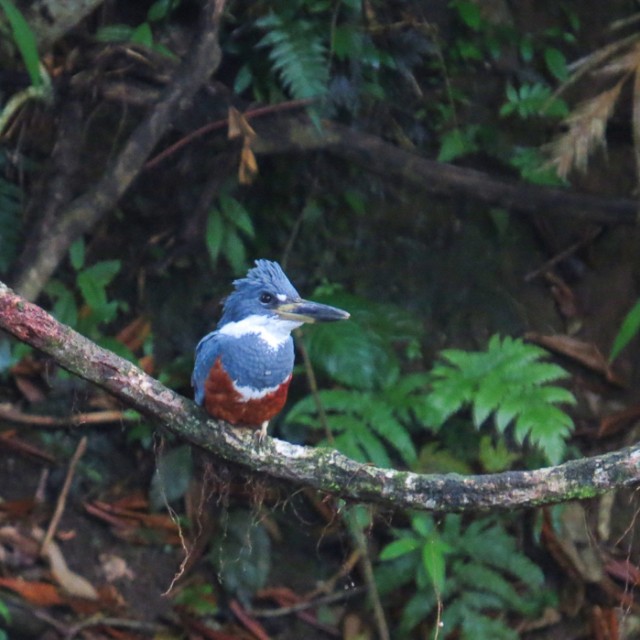
This productive area can provide opportunities for kingfishers, flycatchers, woodcreepers and wetland species, as well as another chance to find birds we may have missed during the previous days.
After breakfast we begin our journey west toward the Canal Zone. Depending on timing, we may make birding stops along the way before arriving at our new base at Gamboa.
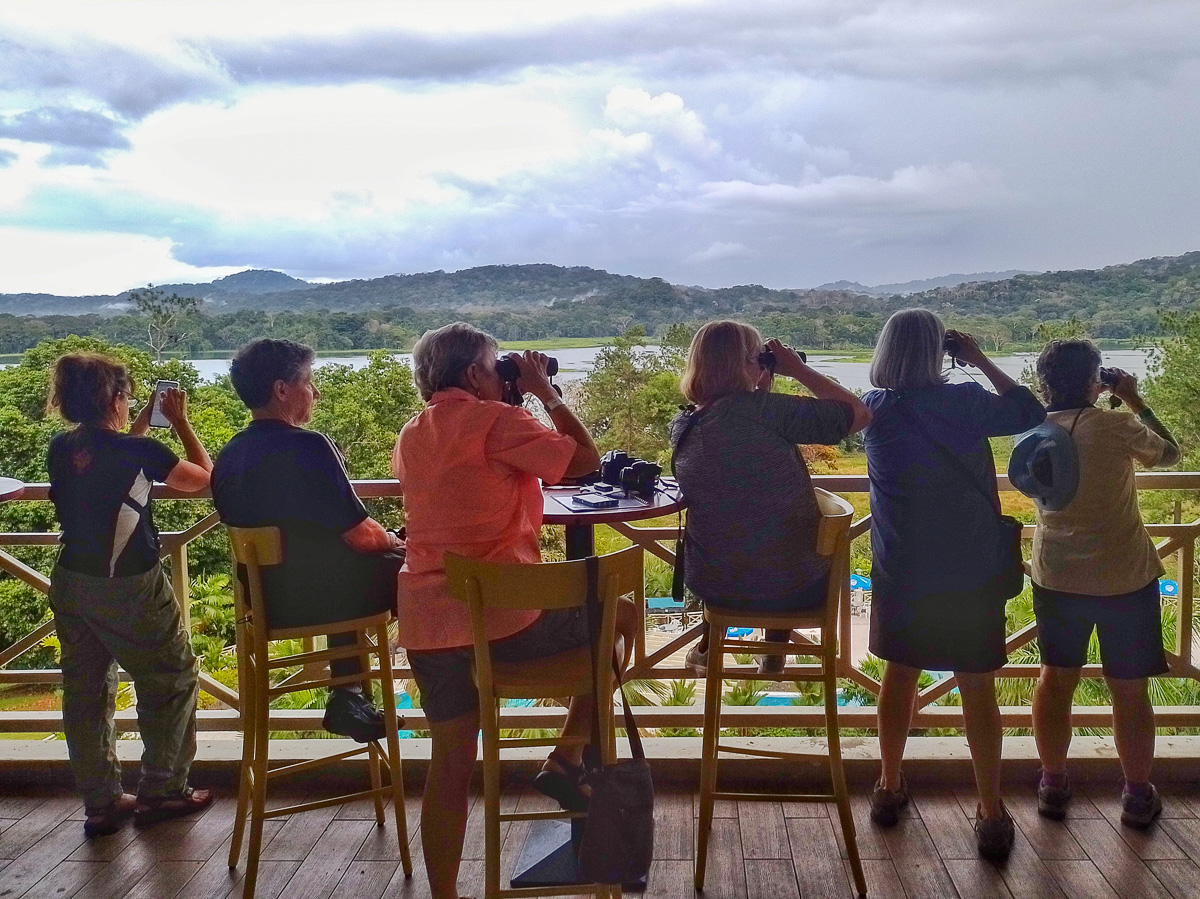
After settling in, there may be time for some relaxed birding around the hotel grounds and along the Chagres River. Night at Gamboa Rainforest Resort.
Day 7: Pipeline Road and Soberanía National Park
We begin with early birding around Gamboa before heading to the legendary Pipeline Road in Soberanía National Park.
Pipeline Road is one of the best-known birding locations in the Neotropics. Its mature tropical forest supports an extraordinary diversity of birds, including antbirds, woodcreepers, puffbirds, trogons and mixed-species flocks.
Among the species we may encounter are Streak-chested Antpitta, Black-breasted Puffbird, Chestnut-backed Antbird, Cinnamon Woodpecker and Crimson-crested Woodpecker.
We may also visit the Ammo Dump Ponds, where wetlands and forest edge can produce Wattled Jacana, Purple Gallinule, Rufescent Tiger-Heron and White-throated Crake. Night at Gamboa Rainforest Resort.
Day 8: Rainforest Discovery Center and Chagres River
This morning we return to the Pipeline Road area to explore the trails around the Rainforest Discovery Center.
The forest here provides another excellent opportunity for understory birds and mixed-species flocks. Army-ant swarms, when encountered, can attract specialized ant-followers, while other possibilities include Blue Cotinga, Velvety Manakin, Black-faced Antthrush, White-whiskered Puffbird and Golden-crowned Spadebill.
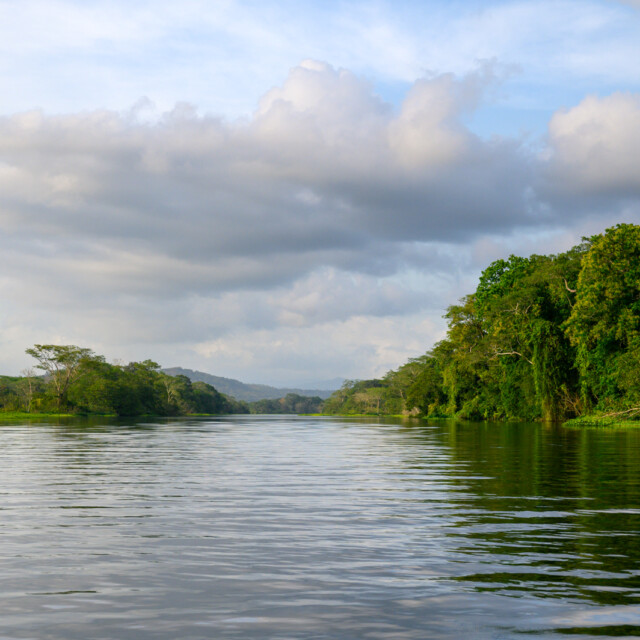
In the afternoon we take a boat excursion on the Chagres River and waterways of the Panama Canal. From the boat we can look for Snail Kite, kingfishers, herons, jacanas and other waterbirds, while monkeys and other wildlife may be seen along the forested shoreline. Night at Gamboa Rainforest Resort.
Day 9: Gamboa and return to Panama City
We begin the day with some final birding around Gamboa before returning to Panama City.
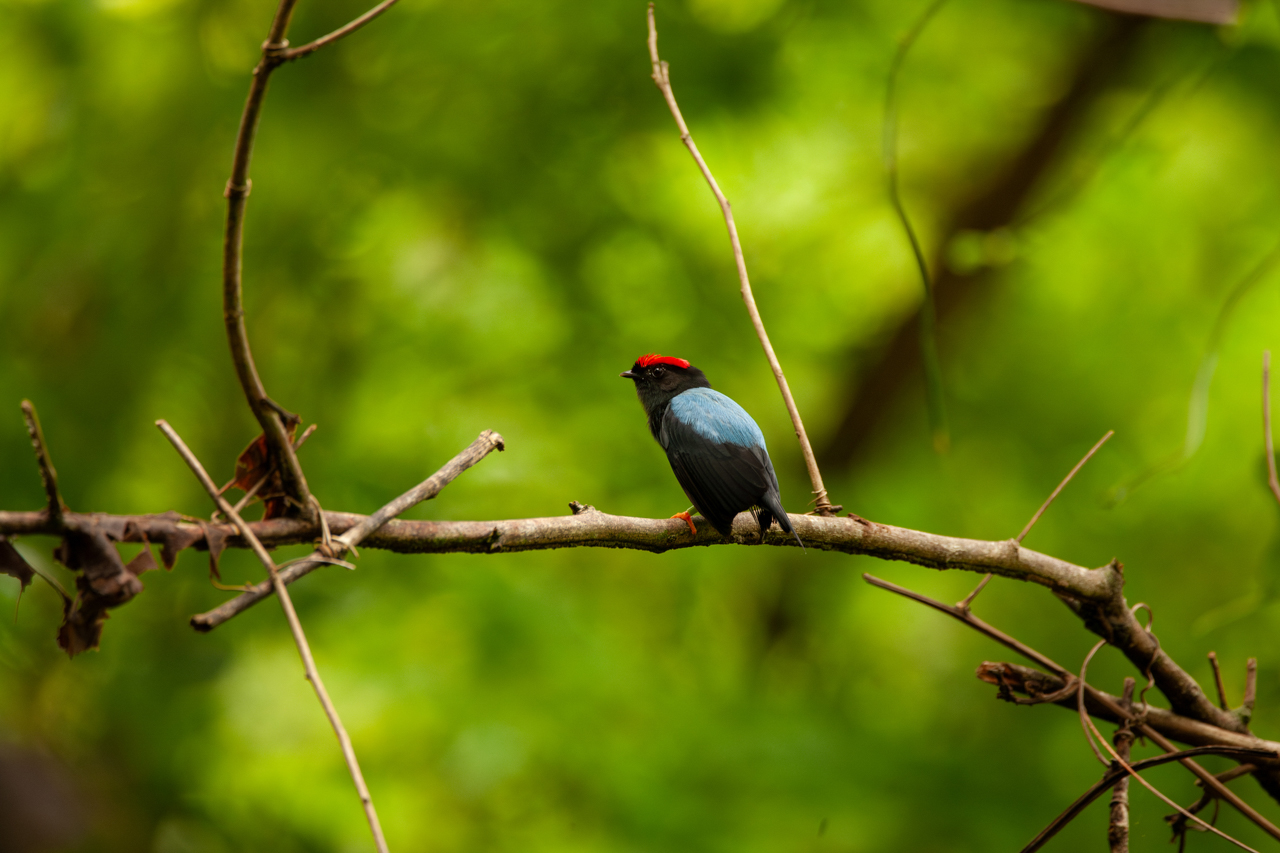
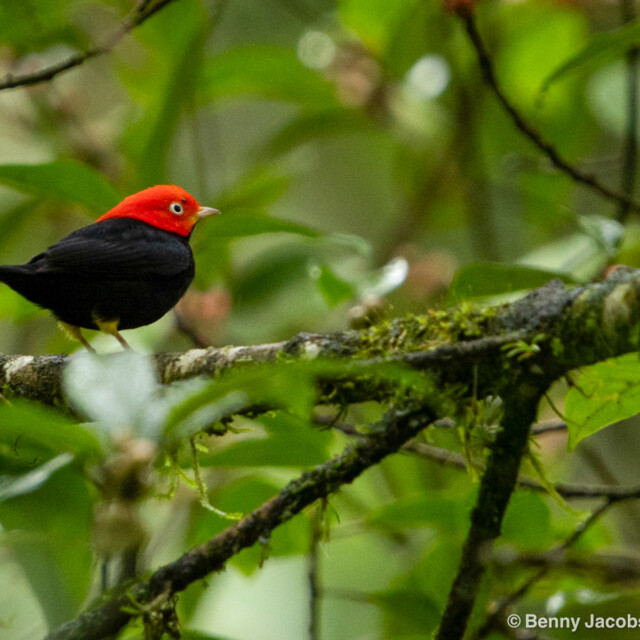
During the day, we plan to visit Metropolitan Natural Park, where possibilities include Lance-tailed Manakin, Red-capped Manakin, Rufous-and-white Wren, woodpeckers, flycatchers and a variety of other forest and edge species.
Depending on the tides, we may also spend time along the Pacific coast, where the tidal flats can attract a wide variety of shorebirds and other waterbirds. including Hudsonian Whimbrel, Willet, Black-necked Stilt, Short-billed Dowitcher, plovers, herons, gulls and terns.
We may also spend some time in the historic Casco Viejo district before returning to our hotel for a final evening together. Night in Panama City.
Day 10: Departure home
Our Panama birding tour ends this morning. Breakfast is available at the hotel, and transfers to the airport will be arranged according to individual flight times. You may depart at any time today.
What to Expect
What to Expect
Overview
The Panama tour is a moderately-paced birding tour. We usually start the day early (5:30-6am), with a pre-breakfast walk. On some days we take a short siesta in the afternoon and may go birding again in the coolness of the late afternoon. Occasionally, we may go out after dusk to search for nightbirds. While the birding experience is incredible, it’s important to note that long days in the field mixed with the heat may be physically demanding for some.
Food
We generally have breakfast back at the hotel after some early birding. We often take a picnic lunch in the field, but will occasionally stop at a restaurant for lunch. Dinner is usually at the lodge or a nearby restaurant. Each evening after dinner we compile the day’s checklist, review the day’s activities and plan the next day’s activities.
Accommodation
Accommodations are variable, ranging from simple, but comfortable to very good. Good, modern accommodation in Panama City; excellent accommodations in the Canal Zone; basic hotel in Torti.
Walking
Walking conditions range from easy to moderate, with some steep and rocky sections. If there has been rain, trails will be muddy. The longest walk is 3 kms (1.9 miles) in total and takes approximately 3 hours. We recommend a reasonable level of physical fitness to ensure you can fully enjoy the experience, keeping in mind the humidity.
Driving
On a few days, we will have drives of 3 to 4 hours to reach our next destinations (e.g., Panama City to Tortí, and Tortí to the Canal area). These longer journeys will be broken up with stops for birding and comfort. Roads are generally in good condition.
Climate
January through March is considered Panama’s dry season, bringing generally warm, sunny conditions with temperatures around 24–32 °C (75–90 °F). Rain is usually limited, though brief showers and some mist in the highlands are possible. Humidity remains moderate to high at this time of year, and March can be hotter.
Boat Trips
The boat trip will be on an open boat with a roof for shade. Conditions will be calm. Please note there is not a bathroom on board.

Frequently Asked Questions
Land Tours FAQs
Whether you’re a seasoned birder or new enthusiast, these FAQs cover important details about our tours, including schedules, fitness requirements, group dynamics and more.
Featured Wildlife
Featured Wildlife
While we cannot guarantee sightings of the birds or mammals listed below, we believe that encountering these species is quite likely during this tour.
- Black-tailed Trogon
- Black-breasted Puffbird
- White-whiskered Puffbird
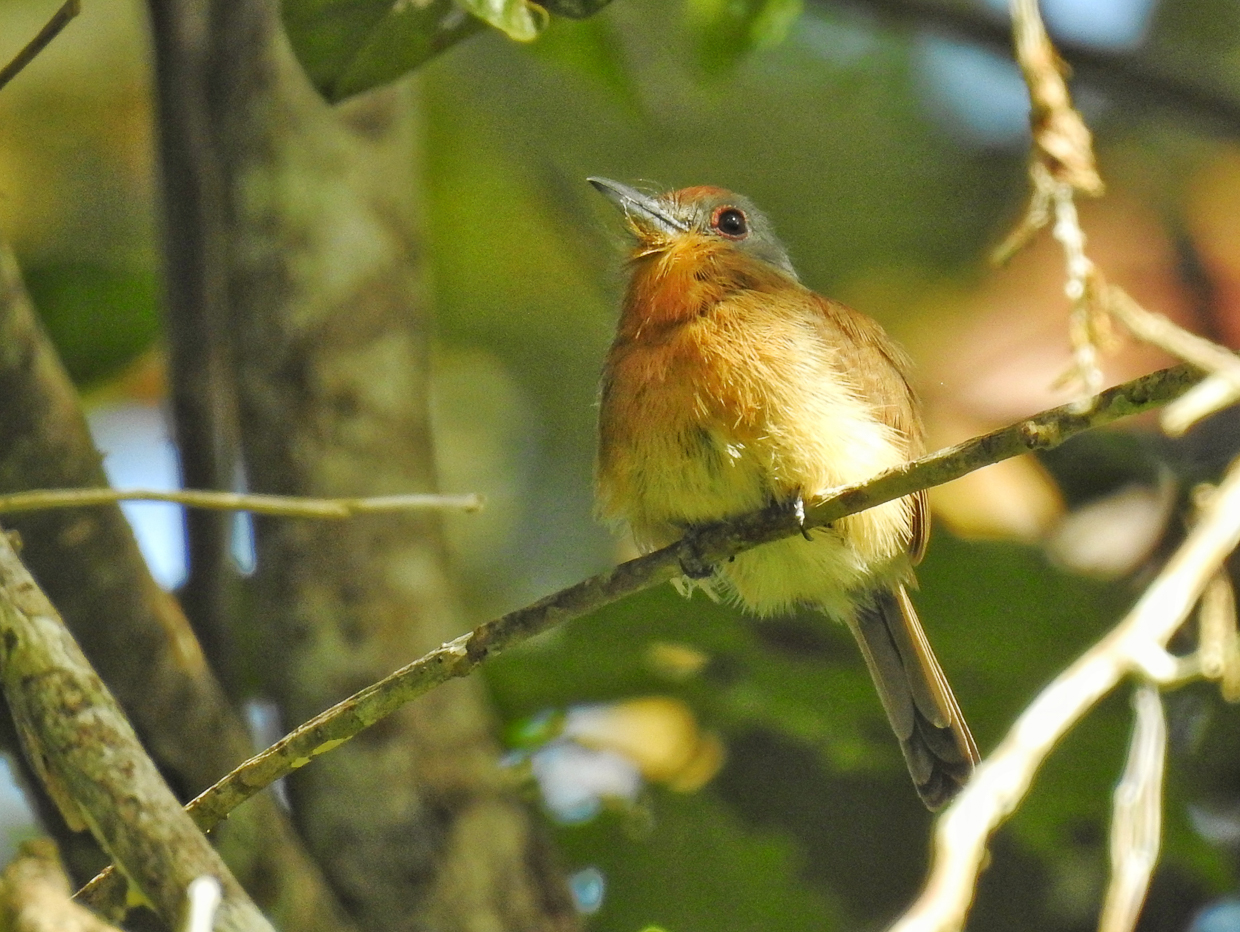
- Gray-cheeked Nunlet
- Chestnut-fronted Macaw
- Black Antshrike
- Streak-chested Antpitta
- Black-faced Antthrush
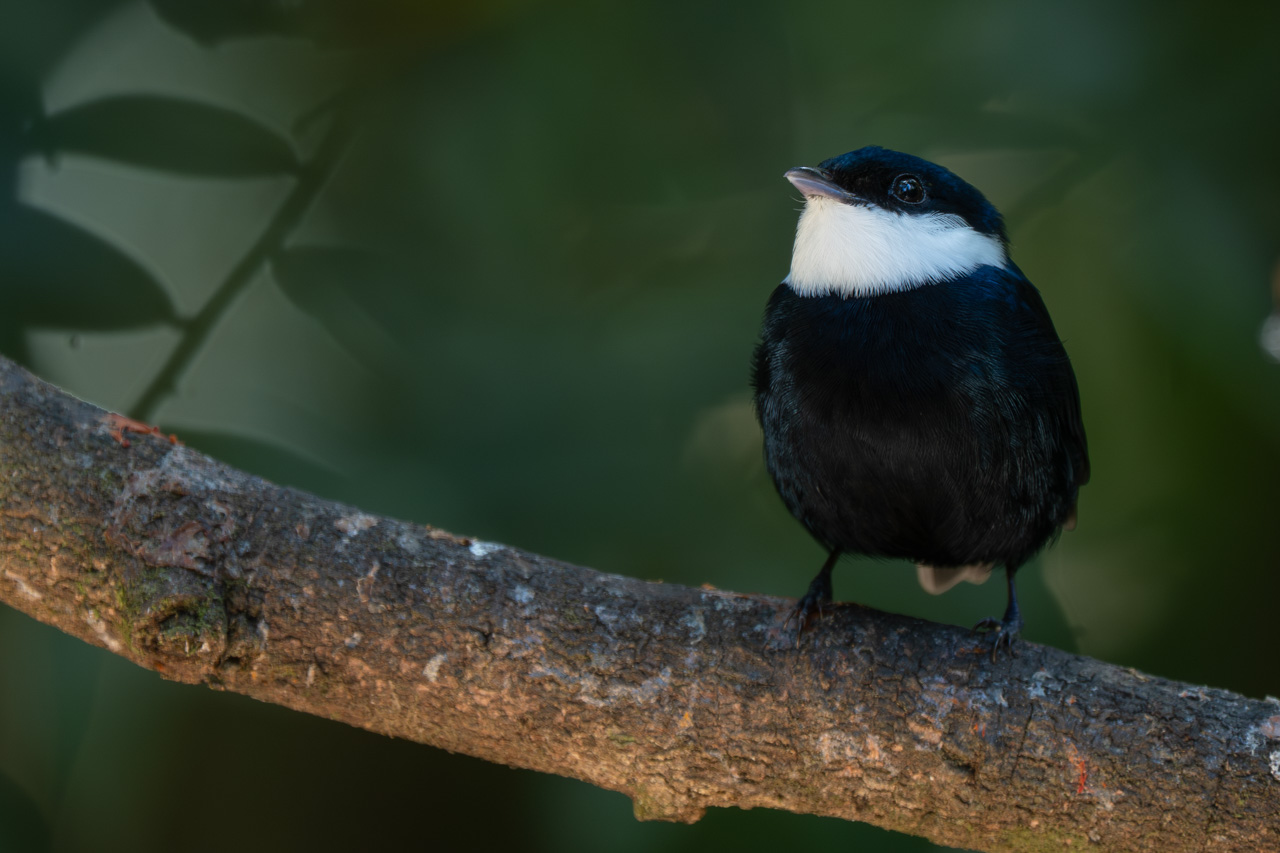
- Lance-tailed Manakin
- Velvety Manakin
- Golden-collared Manakin
- Purple-throated Fruitcrow
- Blue Cotinga
- Yellow-green Tyrannulet
- Choco Elaenia
- Black-chested Jay
- Black Oropendola
Past Tour Checklists
Past Tour Checklists
View the list of birds and other wildlife we encountered on our past tours.
- Panama eBird Report (March 4 - 14, 2026)
- Panama Canal Zone & Darien species list Mar 2026 (ebird)
- Panama Canal Zone & Darien species list Feb 2026 (ebird)
- Panama Canal Zone & Darien species list Jan 2026 (ebird)
- Panama Canal Zone & Darien species list Mar 2025 (ebird)
- Panama Canal Zone & Darien species list Jan 2025 (ebird)
- Panama Canal Zone & Darien species list Jan 2024 (ebird)
- Panama Canal Zone & Darien species list March 2023 (ebird)
- Panama Canal Zone & Darien species list Jan 2022
- Panama Canal Zone & Darien species list 2020
- Panama Canal Zone & Darien species list 2019
- Panama Canal Zone & Darien species list 2015
- Panama Canal Zone & Darien species list 2013
- Panama Canal Zone & Darien species list 2007
- Panama Canal Zone & Darien species list 2006
Trip Reports & Inspiration
Trip Reports & Inspiration
Panama Trip Report (Feb 13 - 22, 2026)
Panama Trip Report (Jan 8 - 17, 2026)
Panama Canal and Darien Zone Trip Report March 2025
Panama Trip Report – Jan 2025
Panama Trip Report (Mar 2 - 11, 2024)
Panama Trip Report - January 2024
Panama Trip Report January 2023
Panama: The Canal Zone and Darien Trip Report March 2023
Best ways to find birds in the tropics
Panama Birding Tour 2022 Trip Report