Panama Trip Report (Jan 8 – 17, 2026)
Day 1 – January 9, 2026
Our group gathered in the evening for introductions, and welcome dinner.
Day 2 – January 9, 2026
We began the day by meeting at dawn and birding around the hotel parking area before breakfast. In just 45 minutes, we enjoyed an nice mix of species that made for a introduction to birding in Panama. Several pairs of Red-lored Amazon and Yellow-crowned Amazon flew overhead toward the southeast and gave us great looks at them, and we found a still-sleepy Peregrine Falcon perched on a tower across from the hotel. Other species included Tropical Mockingbird, Black-throated Mango, Thick-billed Euphonia, Tropical Kingbird, Social Flycatcher, Blue-gray Tanager, Palm Tanager, Lesser Goldfinch, and Pale-vented Pigeon.
Several dozen Orchard Orioles and Baltimore Orioles streamed overhead almost continuously for several minutes, accompanied by a number of Fork-tailed Flycatchers flying high in the opposite direction.
After breakfast, the group met our excellent driver and friend, Misael, and we headed toward the small mountains just outside of Panama City called Cerro Azul. Here we visited Jerry and Linda Harrison, a enthusiastic couple that welcomed the group to their home in which have maintained bird feeders for about 14 years. Our time in Cerro Azul produced a list of eight hummingbird species, including Bronze-tailed Plumeleteer, White-vented Plumeleteer, Blue-chested Hummingbird, Crowned Woodnymph, Snowy-bellied Hummingbird, White-necked Jacobin, and Long-billed Hermit. Songbirds were equally diverse, with highlights such as Hepatic (Tooth-billed) Tanager, Summer Tanager, Crimson-backed Tanager, Bay-headed Tanager, Rufous-winged Tanager, the full honeycreeper trifecta (Shining, Red-legged, and Green Honeycreepers), White-ruffed Manakin, Scarlet-thighed Dacnis, Scarlet-rumped Cacique, Chestnut-capped Warbler, American Redstart, among many others. We also enjoyed extended views of Rufous Motmots.
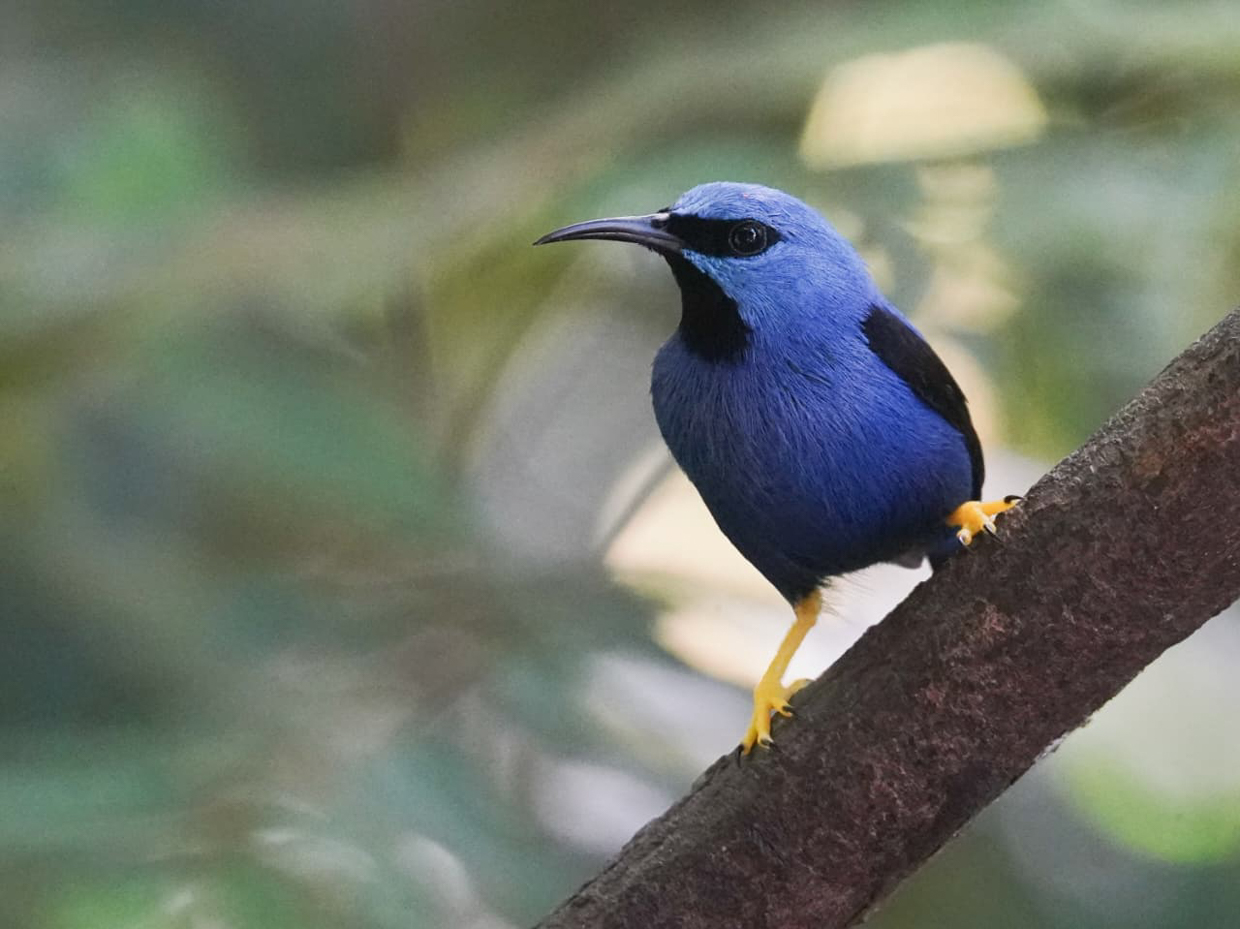
Shining Honeycreeper © Jose Pablo Castillo

Happy Birders at Cerro Azul
After a delicious picnic lunch, we returned toward the hotel, making a couple productive stops that added new species for the group, including Green Kingfisher, Spotted Sandpiper, Black Phoebe, Plain-colored Tanager, Mourning Warbler, Northern Waterthrush, Bay-breasted Warbler, and Short-tailed Hawk.
Following an excellent first full day, we returned to the hotel for our nightly checklist session, dinner, and a review of the plan for the following day.
Day 3 – January 10, 2026
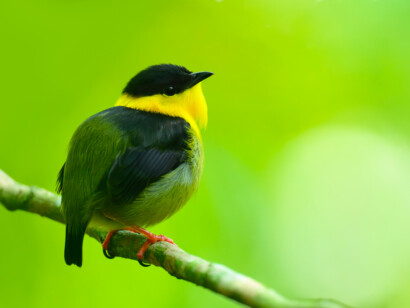
We began the day by packing our luggage before breakfast and departing early toward eastern Panama. Along the way, we discussed the formation of the Isthmus of Panama, general ecology of the region and its immense global significance. We birded two rural roads through open country, enjoying excellent views of Fork-tailed Flycatcher, Red-breasted Meadowlark, Brown-throated Parakeet, Wattled Jacana, Lesser Yellow-headed Vulture, and Barred Antshrike, capped off by the surprise bird of the day—a Whistling Heron, a rare species in Panama!
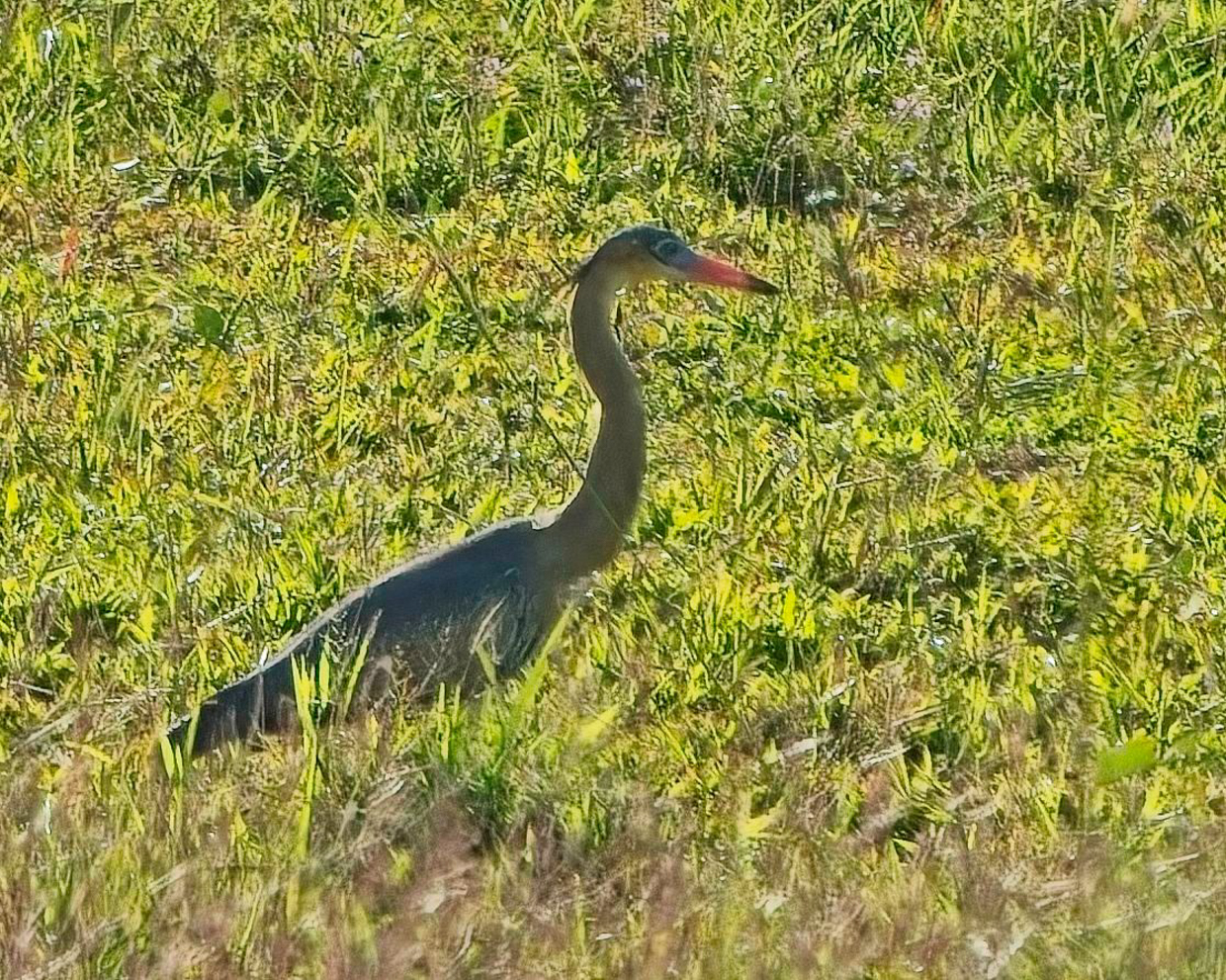
Whistling Heron © F Letniowski
We also birded the El Llano–Cartí Road, where we observed Tawny-crested Tanager, Golden-hooded Tanager, Blue Dacnis, Plain-colored Tanager, Short-tailed Hawk, Ornate Hawk-Eagle, and Keel-billed Toucan. Farther along, we stopped at the bridge over beautiful Lake Bayano, where we found a variety of waterbirds including Cocoi Heron, Great Blue Heron, Purple Gallinule, Osprey, Green Heron, and Neotropic Cormorant. Here we also encountered our first primates of the tour: Mantled Howler Monkeys.
Minutes later, another roadside stop produced great views of Slaty-tailed Trogon, Golden-collared Manakin, Rusty-winged Antwren, Yellow-olive Flatbill, White-eared Conebill, Forest Elaenia and Sooty-headed Tyrannulet.
After a day filled with excellent birding, we arrived at our hotel and closed the evening by reminiscing about our favorite sightings.
Day 4 – January 11, 2026
After an early breakfast, we headed to the beautiful San Francisco Reserve, near the community of Tortí. Managed by Franciscan priests, this reserve protects important forest remnants that support an outstanding diversity of flora and fauna.
We arrived at dawn and were greeted by a wonderful dawn chorus echoing through the surrounding mountains. Several pairs of Red-lored and Mealy Amazons flew overhead and occasionally perched high in the canopy, accompanied by Collared Aracari, Keel-billed Toucan, and Chestnut-headed Oropendola. Throughout the morning, we enjoyed excellent views of Barred Puffbird, Zone-tailed Hawk, King Vulture, Long-tailed Tyrant, Ringed Kingfisher, Spotted Antbird, Forest Elaenia, Yellow-green Tyrannulet, Crimson-crested Woodpecker, One-colored Becard, and Black-crowned Tityra.
We recorded four species of trogons—Gartered-Violaceous, Graceful Black-throated, Slaty-tailed, and Black-tailed Trogon—as well as three nesting hummingbird species: Black-throated Mango, Scaly-breasted Hummingbird, and Band-tailed Barbthroat. Another memorable moment was encountering a lively troop of Geoffroy’s Tamarins foraging in the mid-story, followed closely by a Double-toothed Kite.
During lunch, we enjoyed hummingbirds visiting the feeders at Avicar, including Violet-bellied Hummingbird, White-necked Jacobin, and Black-throated Mango. After a well-deserved midday break, we returned to San Francisco for a productive afternoon, adding Gray-headed Tanager, Black Antshrike, the spectacular Blue Cotinga, and finishing the day with a stunning American Barn Owl.
We turned in early to prepare for a very special day ahead.

Band-tailed Barbthroat
Day 5 – January 12, 2026
We departed well before dawn, traveling to Yaviza, the town marking the end of the northern section of the Pan-American Highway (12,580 km from Alaska!). From here, we embarked on a true adventure to La Escondida Reserve, accessing the property via a short boat ride along the Chucunaque River.
Heavy rain made the day hard for birding and the trails extremely muddy, but challenging conditions did nothing to dampen the group’s enthusiasm. As always, nature rewarded our efforts with spectacular birds, including Purple-throated Fruitcrow, Chestnut-fronted Macaw, Marbled Wood-quail, Yellow-rumped Cacique, Black Oropendola, and Crane Hawk, along with our first Three-toed Sloths of the tour.
After hiking through open areas, we entered the forest and arrived at the base of a massive Cuipo tree (Cavanillesia platanifolia), where we observed a 17-week-old Harpy Eagle chick—one of the most powerful and legendary raptors on Earth, revered by civilizations across the Americas for thousands of years and now Panama’s national bird. This was undoubtedly a once-in-a-lifetime moment for everyone.
As if that weren’t enough, on our return walk to lunch we encountered a pair of Red-throated Caracaras that flew in close and perched on a leafless tree just meters away, delivering an intense display of calls and movement. Absolutely incredible.
Despite the difficult conditions, the sense of accomplishment at day’s end was immense.
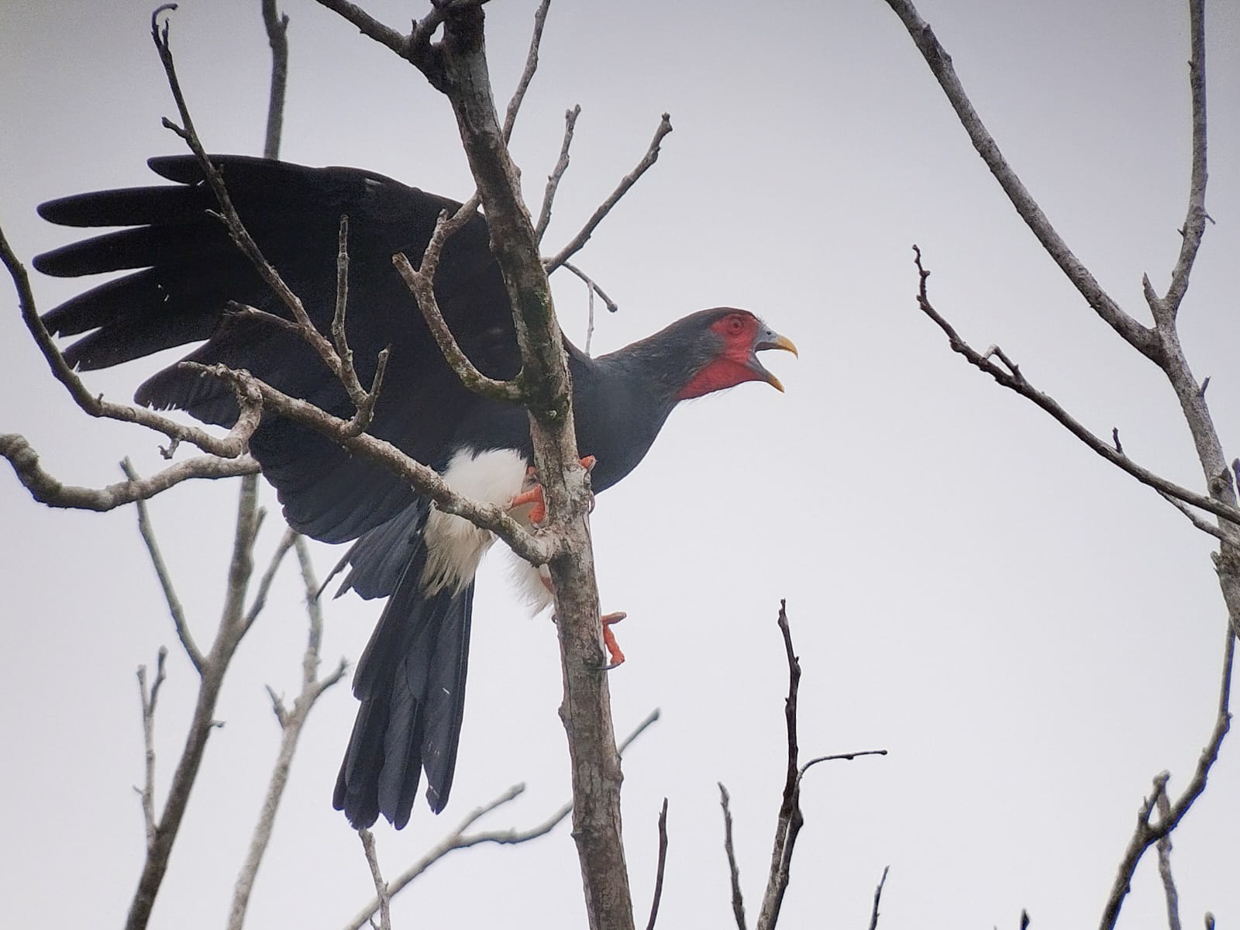
Red-throated Caracara © Jose Pablo Castillo
Day 6 – January 13, 2026
After breakfast, we began our journey back toward central Panama. Persistent rain accompanied us through much of the morning, but we still managed several productive stops that added Rufescent Tiger-Heron, Carib Grackle, and Broad-winged Hawk to our list.
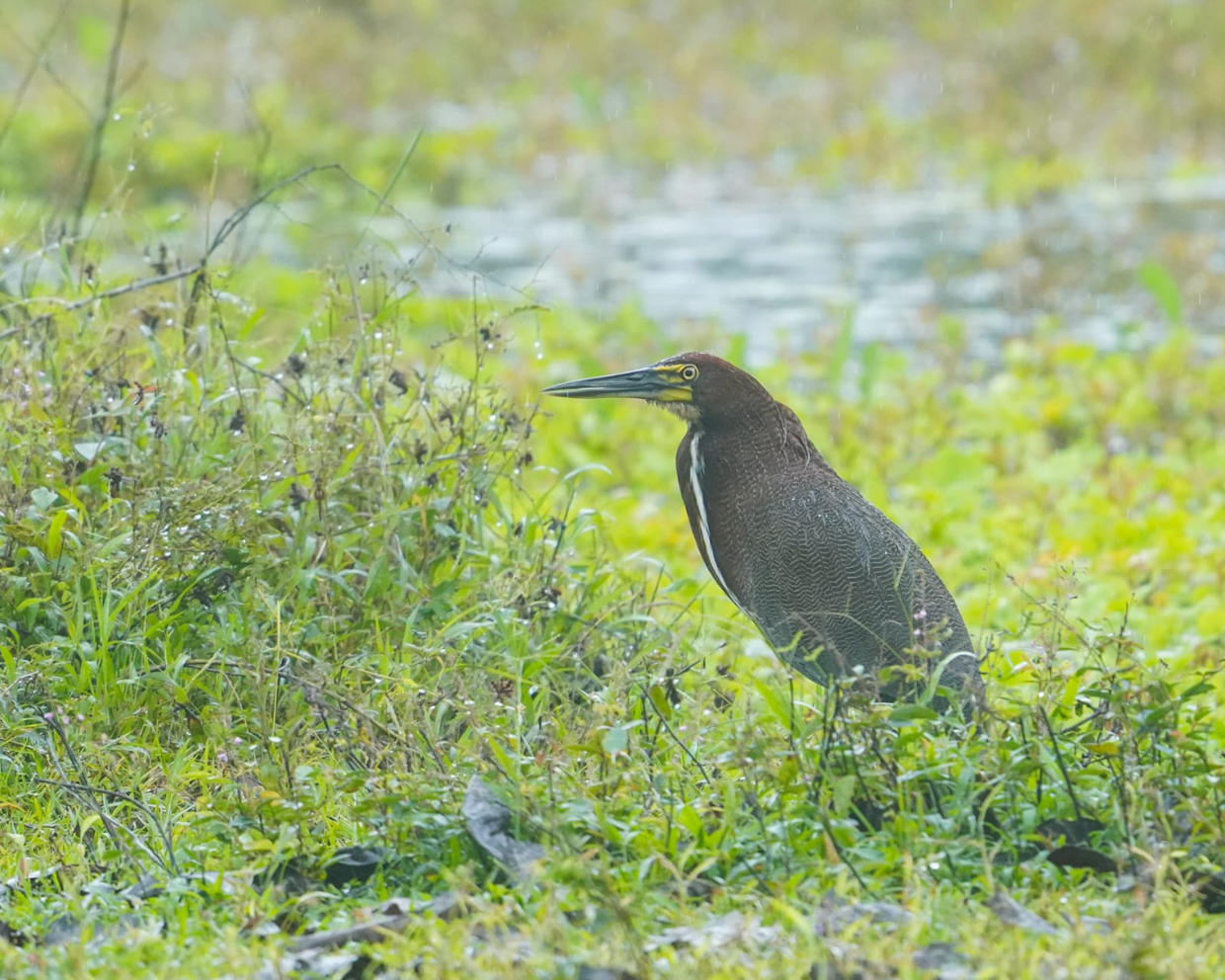
Rufescent Tiger-heron © Jose Pablo Castillo
Upon reaching Panama City, we discussed the region’s great historical importance and global influence. We visited the Pedro Miguel Locks of the Panama Canal, watching two vessels begin their transit toward the Caribbean while enjoying excellent views of Mangrove Swallow, Brown Pelican, and Magnificent Frigatebird.
Before reaching our destination, we made a short stop near Soberanía National Park, where we observed a lovely mixed flock featuring Dot-winged Antwren, Fasciated Antshrike, Golden-fronted Greenlet, White-shouldered Tanager.
At the hotel, we settled into our rooms and gathered at the viewpoint to enjoy the stunning scenery, birding nearby areas where we found Short-tailed Swift, Lesser Swallow-tailed Swift, Keel-billed Toucan, Yellow-throated Toucan, and Collared Aracari.
Day 7 – January 14, 2026
We met before breakfast on the deck overlooking the Chagres River. Over the course of about 30 minutes, we observed Southern Beardless-Tyrannulet, Gray-lined Hawk, Flame-rumped Tanager, and Boat-billed Flycatcher, along with large numbers of Keel-billed Toucans and Collared Aracaris.
After breakfast, we headed to the legendary Pipeline Road. We first stopped at the Ammo Dump Ponds, where bird activity was high and included Ochre-bellied Flycatcher, Common Squirrel Cuckoo, White-necked Puffbird, Panama Flycatcher, Chestnut-sided Warbler, Purple Gallinule, and Buff-breasted Wren.
At Pipeline Road, we spent most of the morning walking and enjoying a superb selection of forest species, such as Purple-throated Fruitcrow, Black Hawk-Eagle, Yellow-rumped Cacique, White-tailed Trogon, Cinnamon Woodpecker, Black-breasted Puffbird, Black-crowned Antshrike, Black-striped Woodcreeper, Crimson-crested Woodpecker, Brown-capped Tyrannulet, White-flanked Antwren, and amazing scope views of Streak-chested Antpitta.
In the afternoon, we revisited both sites and added excellent sightings of Crane Hawk, Great Tinamou, and a nesting Whooping Motmot.
That evening, we enjoyed a nocturnal outing around Gamboa, finding Common Pauraque, Brown-throated Three-toed Sloth, and Kinkajou, and admiring a beautiful star-filled sky with Jupiter and the constellations Taurus, Gemini, and Orion shining brightly.
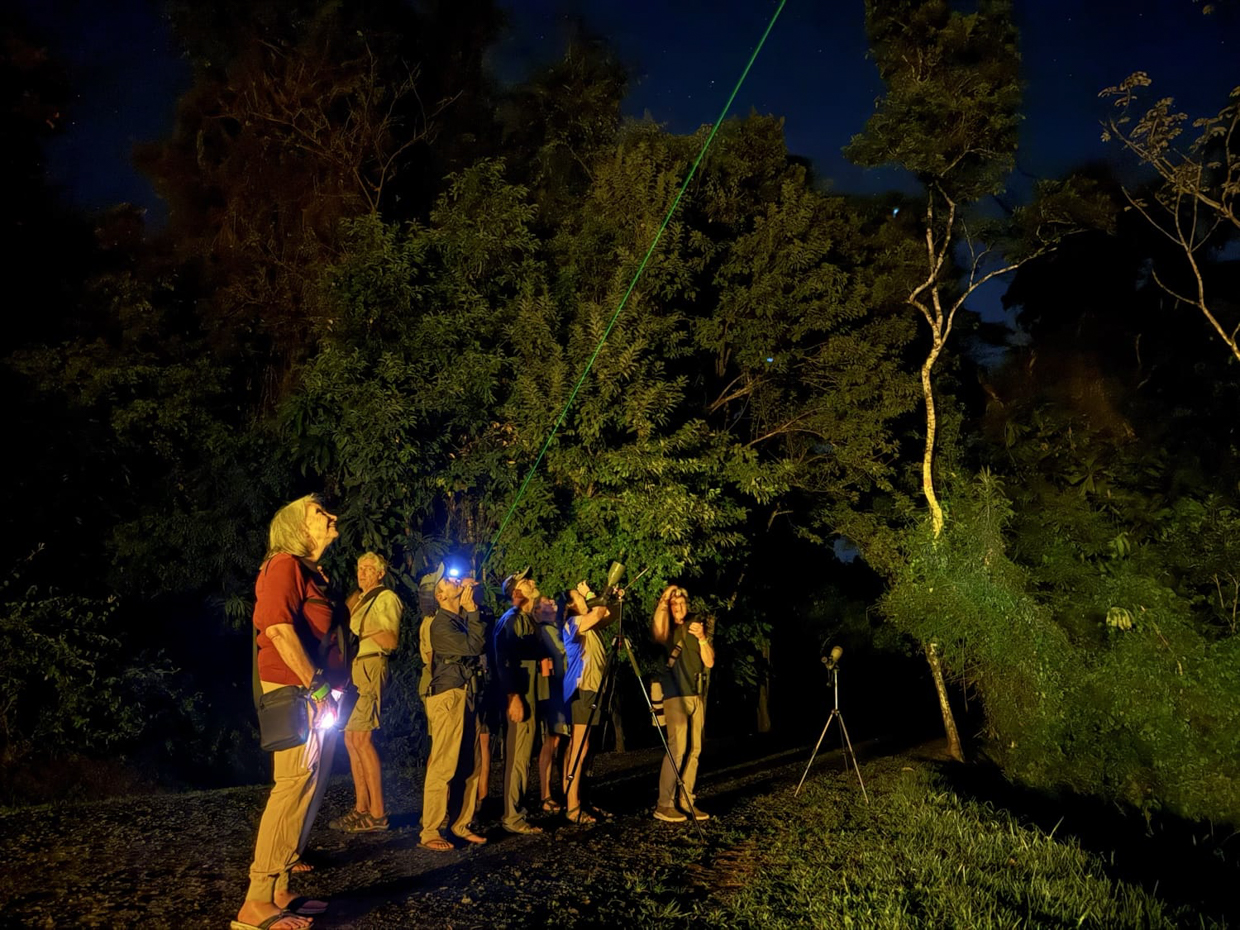
Owling and stargazing near the Soberania National Park © Benny Jacobs-Schwartz
Day 8 – January 15, 2026
In the morning we visited the Gamboa Discovery Center, where we quickly encountered a large number of birds following army ants near the reception area. This gave us outstanding views of White-whiskered Puffbird, Spotted Antbird, Black-faced Antthrush, Chestnut-backed Antbird, Plain-brown Woodcreeper, and Rufous Motmot.
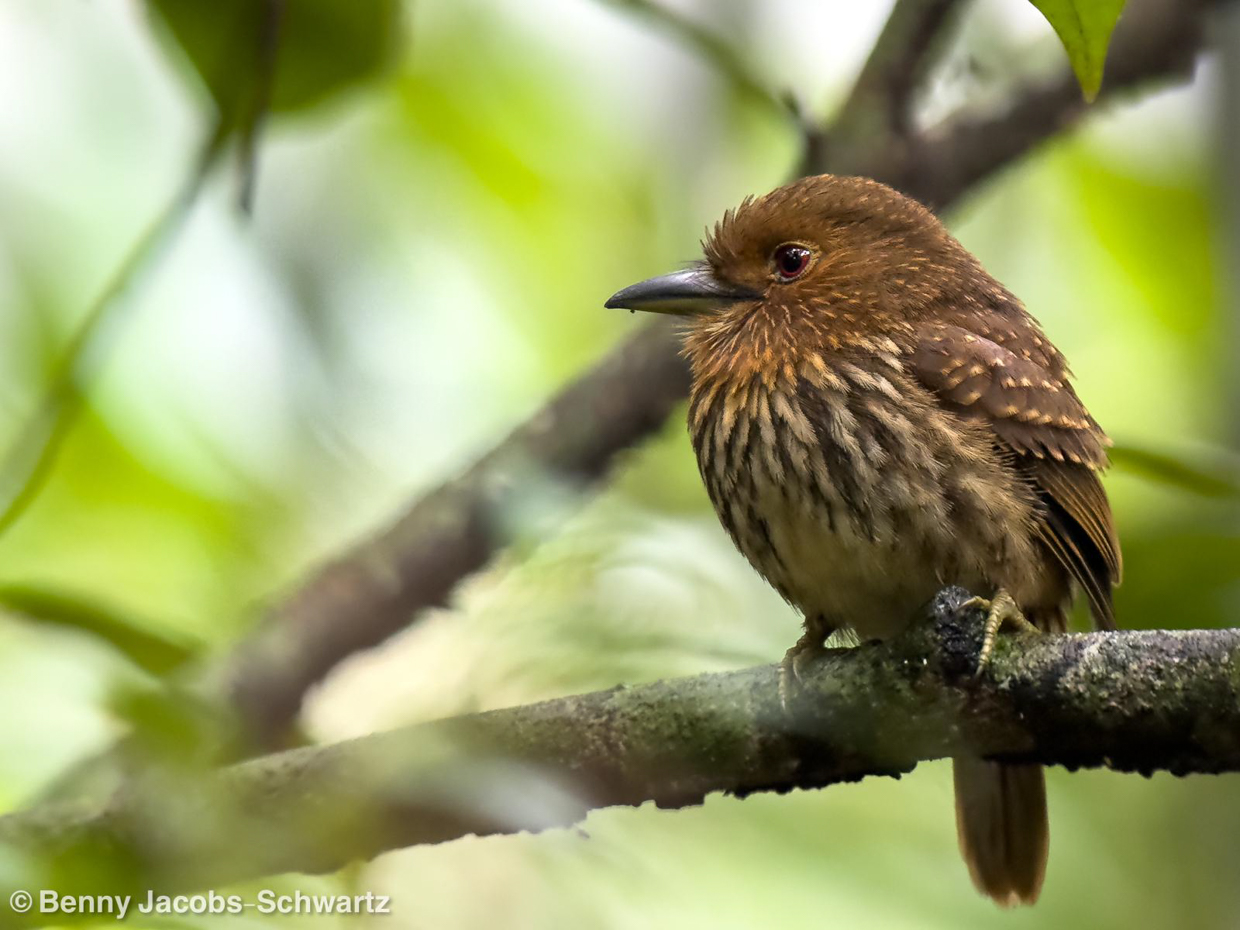
White-whiskered Puffbird
Farther along, we heard the beautiful songs of four Song Wrens, which treated us to several minutes of unforgettable vocal performances and fantastic views. Shortly afterward, we found the fascinating Velvety Manakin along with a Southern Bentbill, though views were brief before heavy rain set in and lasted nearly an hour and a half. Fortunately, we were close to the visitor center and its comfortable hummingbird feeders, where we relaxed and enjoyed Long-billed Hermit, Blue-chested Hummingbird, White-necked Jacobin, and Violet-bellied Hummingbird. We also observed a lovely Hoffmann’s Two-toed Sloth mother moving slowly with her baby clinging tightly to her chest.
In the afternoon, we took a boat trip along the Chagres River, so vital to the Panama Canal. We observed numerous herons including Cocoi Heron, Great Blue Heron (feeding on a large pleco fish), and Tricolored Heron, as well as Greater Ani, Peregrine Falcon, Blue Ground-Dove, Snail Kite, and the tiny but spectacular American Pygmy Kingfisher.
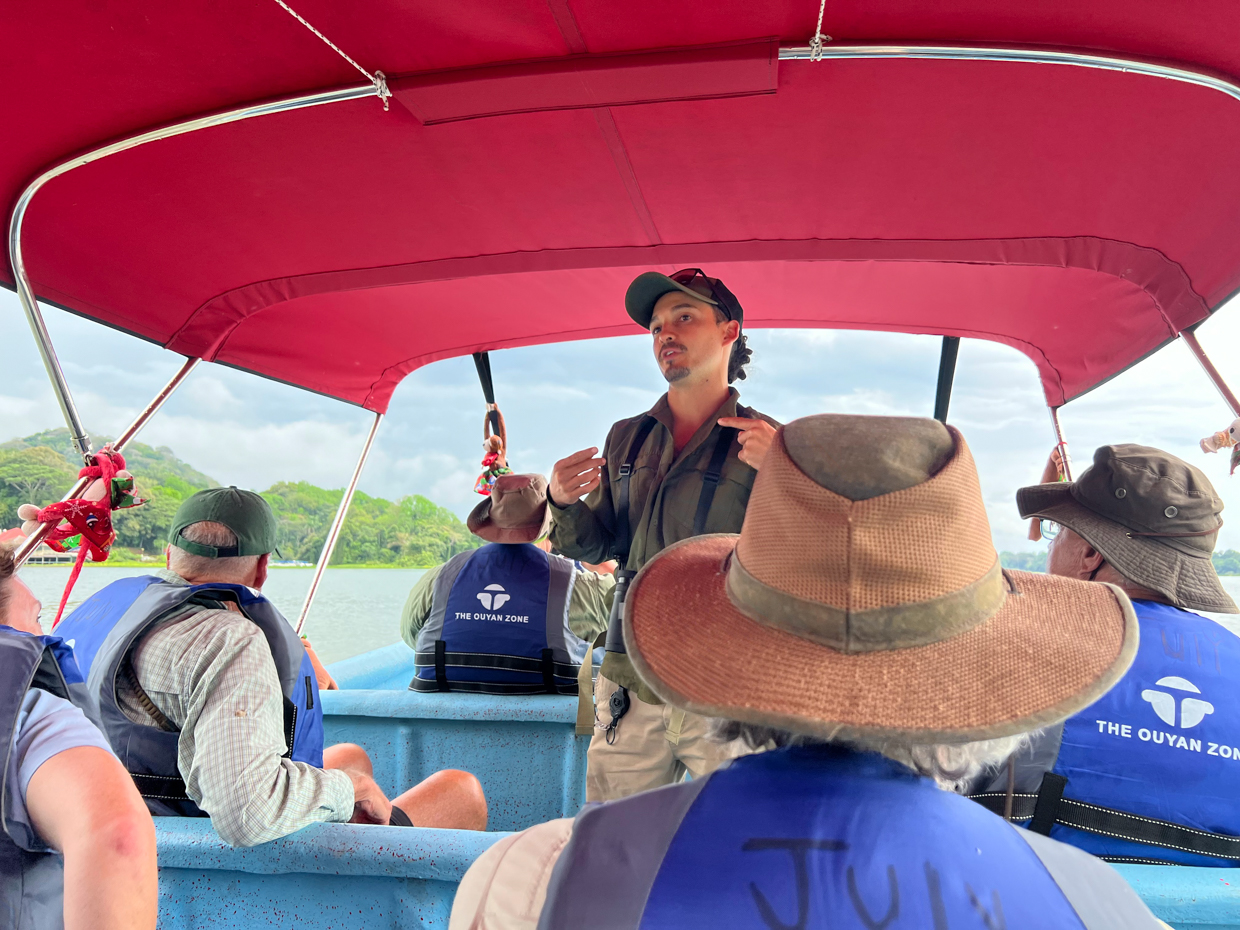
Boat tour Chagres River

Chagres River boat tour

American Pygmy Kingfisher
Day 9 – January 16, 2026
After breakfast, we packed our bags and returned to Panama City. Our first stop was the 232-hectare Metropolitan Natural Park, where we spent about two hours birding the trails and found Black-chested Jay, Northern Plain Xenops, Red-crowned Ant-Tanager, White-winged Becard, Prothonotary Warbler, Yellow-backed Oriole, Long-billed Gnatwren, Yellow-winged Flatbill, and Red-capped Manakin, as well as a surprising group of Slate-colored Seedeaters feeding on native bamboo (Chusquea).
Following a productive morning, we headed to Casco Viejo for a delicious lunch overlooking the historic Plaza de la Catedral with its beautiful Metropolitan Cathedral, an architectural marvel that dates back to the 18th century. Our next stop was Panamá Viejo Museum, where we explored the nearby coastline and observed a wide variety of waterbirds and shorebirds, including Marbled Godwit, Hudsonian Whimbrel, Black-necked Stilt, Willet, Roseate Spoonbill, Short-billed Dowitcher, Blue-winged Teal, Sandwich Tern, and Common Black Hawk.
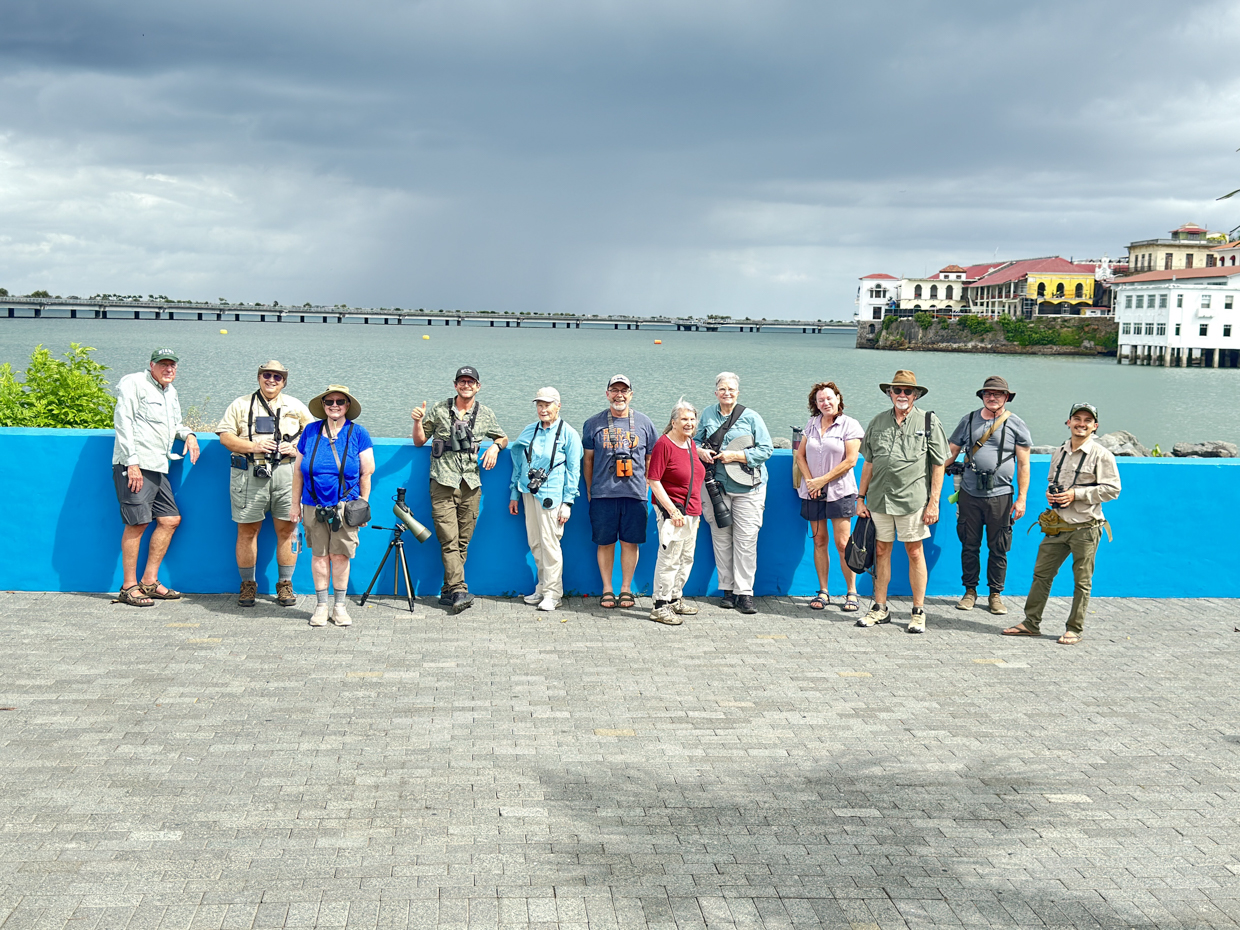
Our group at Casco Viejo
To end the day, we made a well-deserved stop to relax and celebrate with ice cream at one of my favorite gelaterias in Panama, before returning to Hotel Riande for our final checklist and farewell dinner. We reminisced about the fantastic moments shared during this incredible adventure through Panama’s natural wonders, recording more than 260 bird species, along with a variety of other organisms.
A heartfelt thank-you to all the participants, to Misael, our outstanding driver, and to my co-leader Benny for an exceptional job on this unforgettable journey through the tropical rainforests of Panama.