Into the Northwest Passage Cruise
- Upcoming Departures:
- Aug 25 - Sep 10, 2027
- Aug 17 - Sep 2, 2028
Highlights
Highlights
- Cruise the heart of the Northwest Passage in comfort aboard our ice-strengthened expedition ship
- Cross the Arctic Circle as you sail the length of Sondre Stromfjord—168 kilometres!
- Visit ancient sites of the Thule and Dorset people with our onboard archaeologist
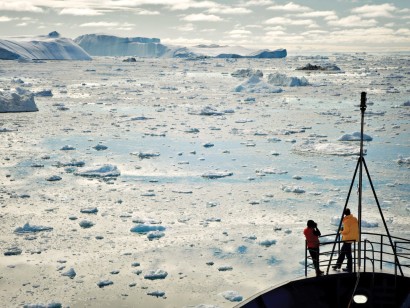
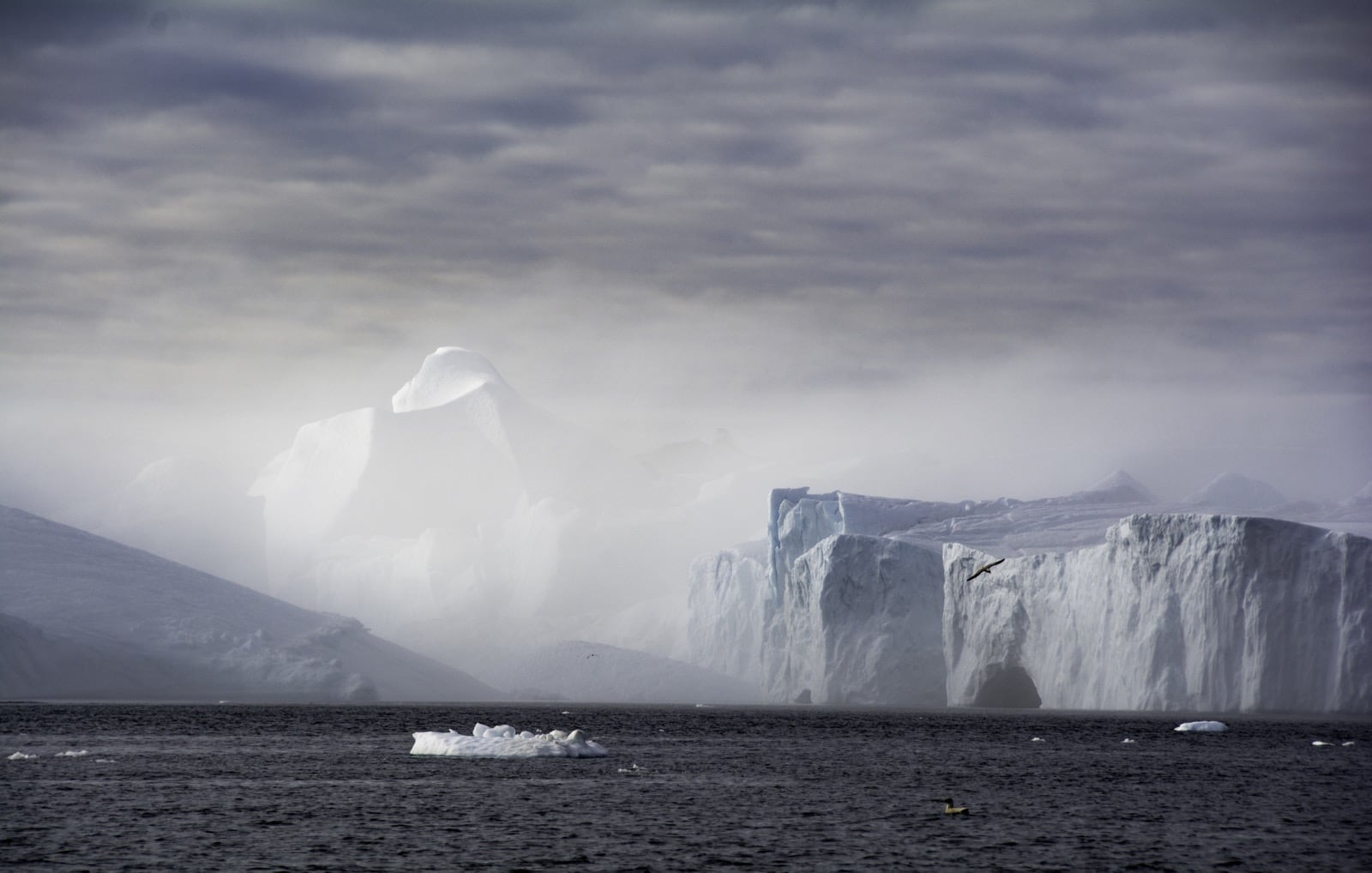
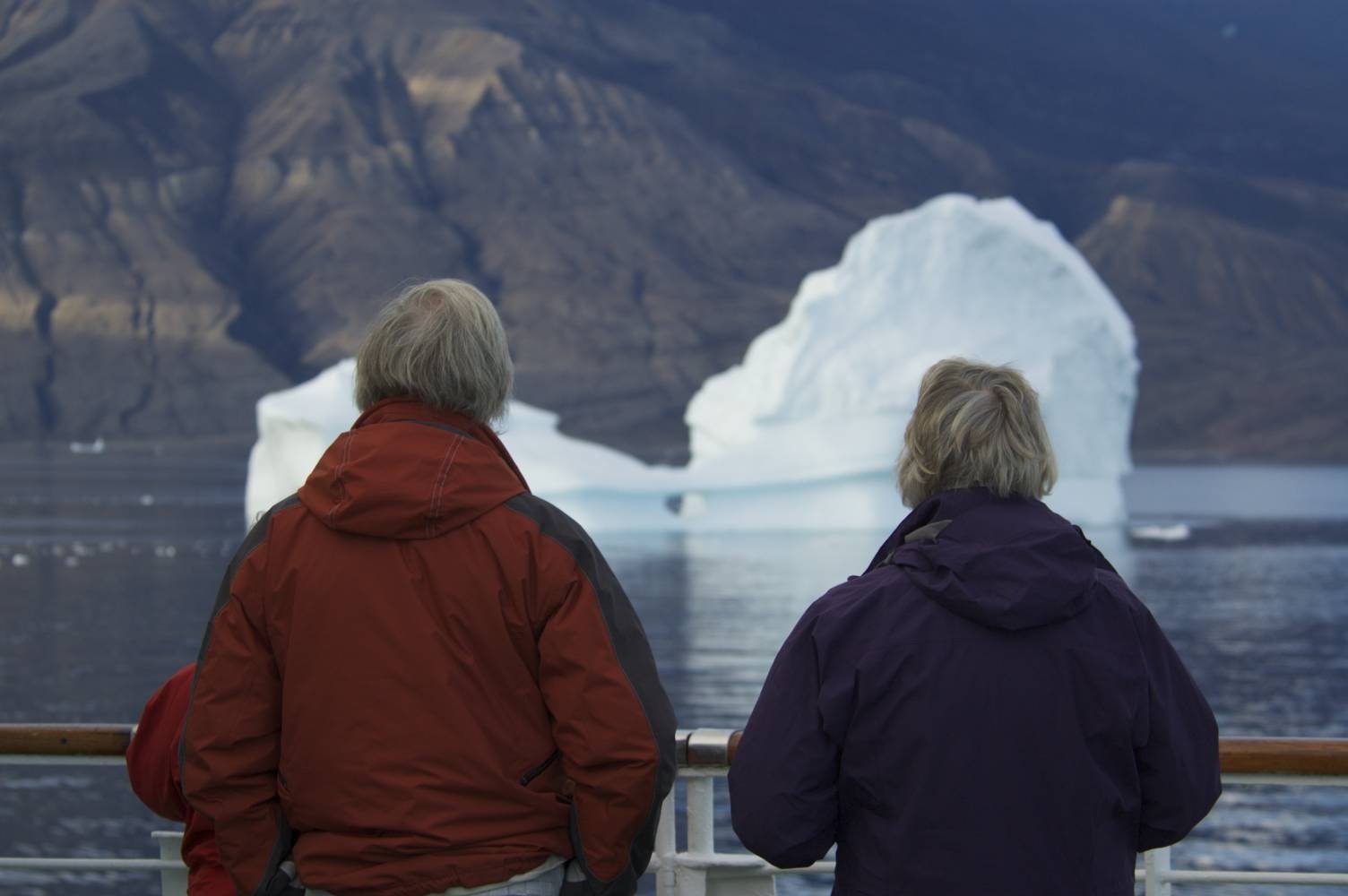
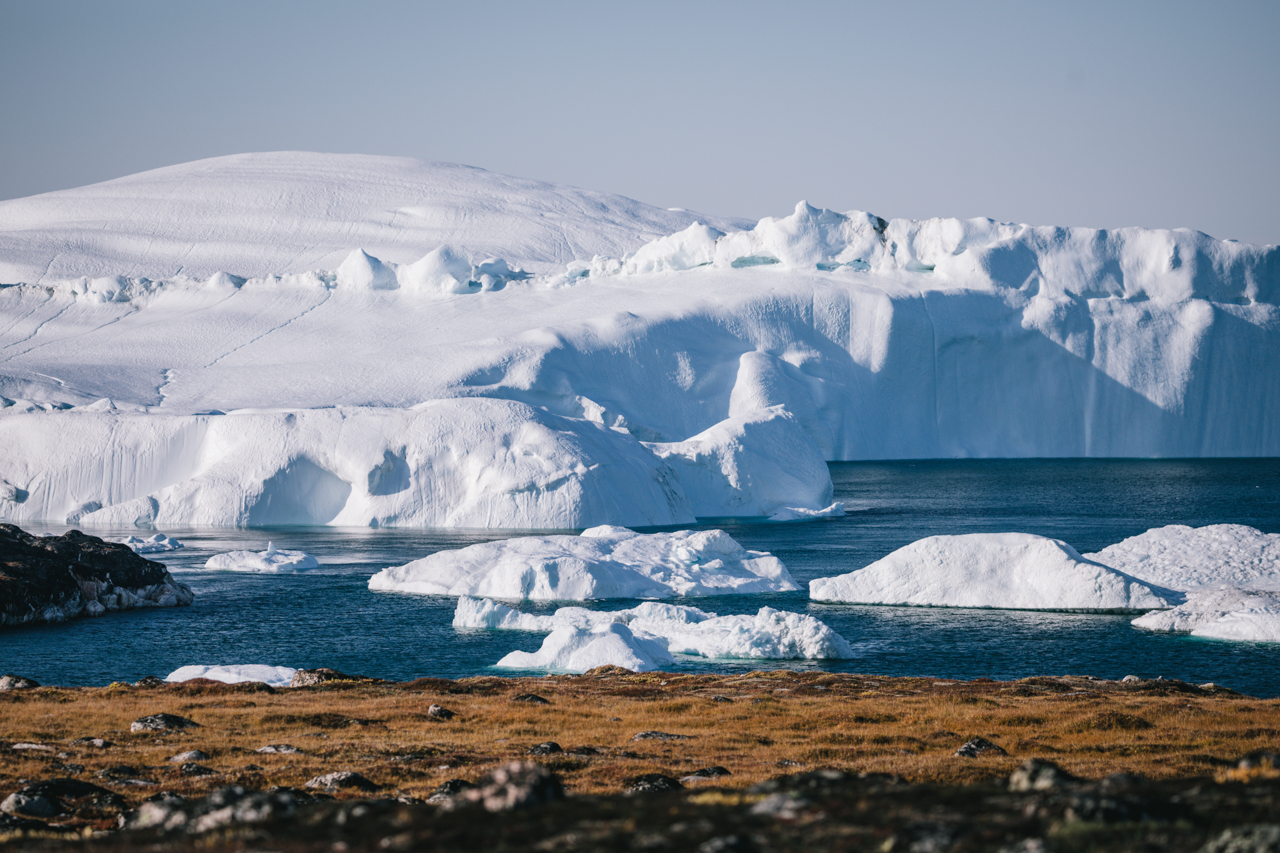
- Cruise among icebergs at Ilulissat Icefjord, a UNESCO World Heritage Site, where 90% of the North Atlantic’s icebergs calve
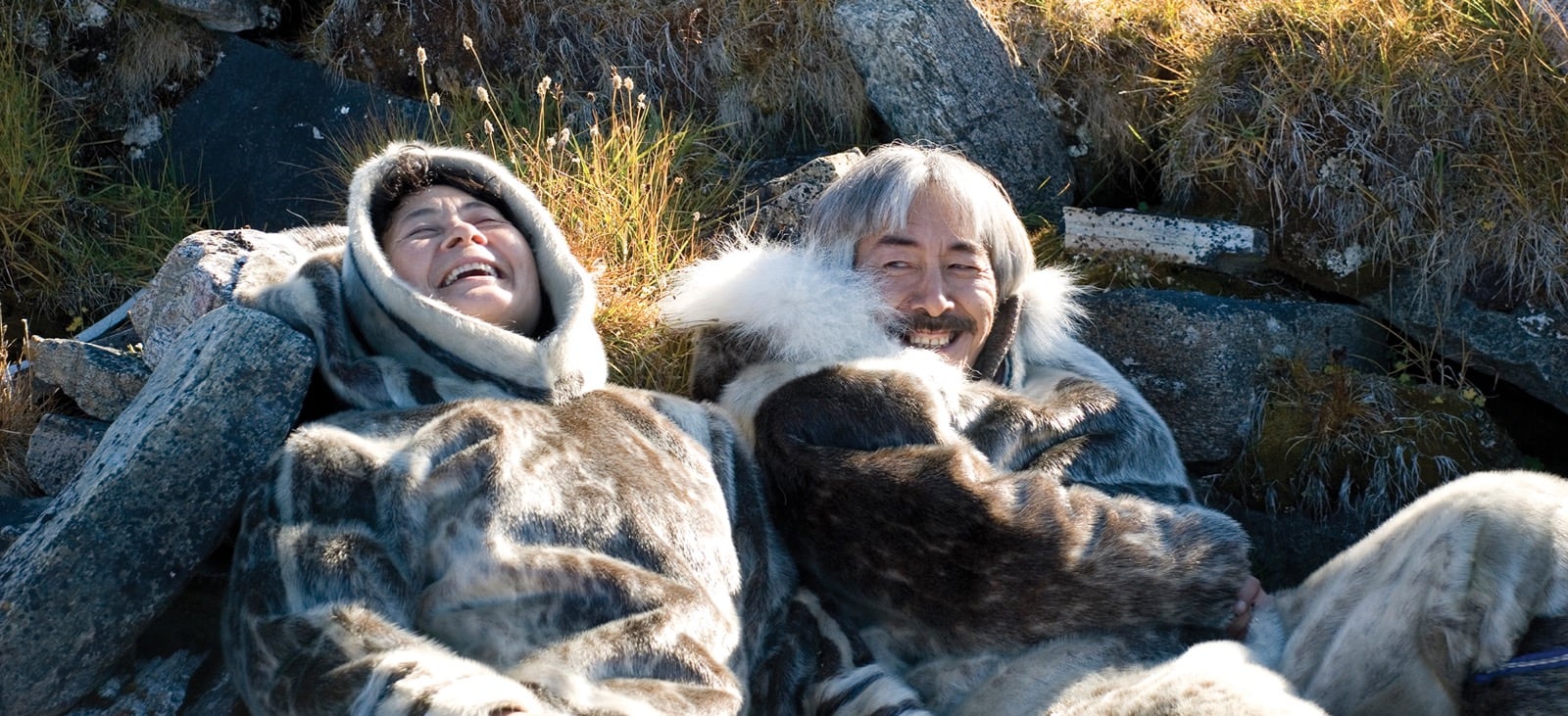
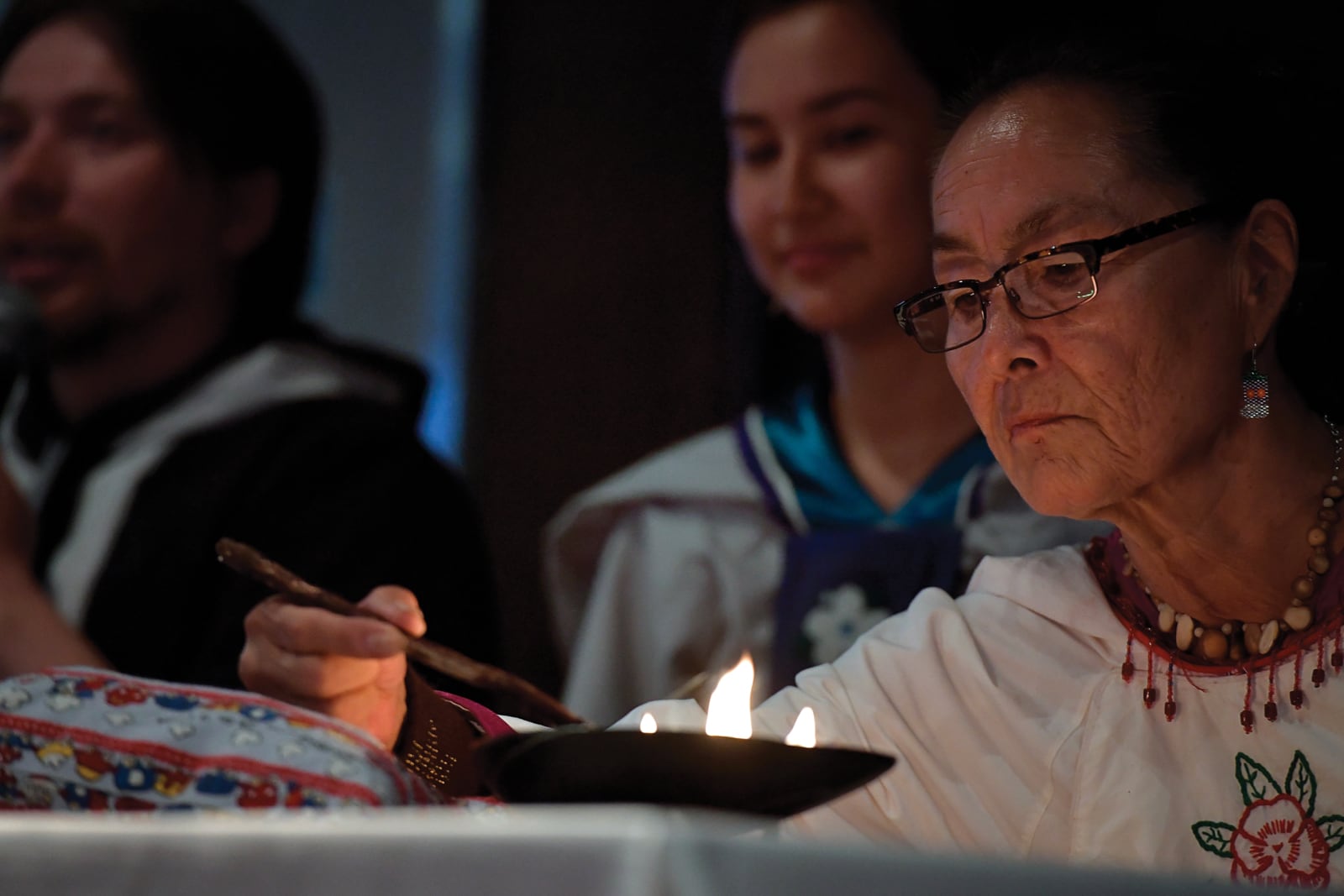
- Experience Inuit communities and culture first hand
- See haunting artifacts of the northern explorers, HBC, and RCMP
- Spend three days in Canada’s second largest National Marine Conservation Area, Tallurutiup Imanga, searching for marine life
- Visit Queen Maud Gulf, home to the wrecks of the Franklin ships, HMS Erebus and Terror
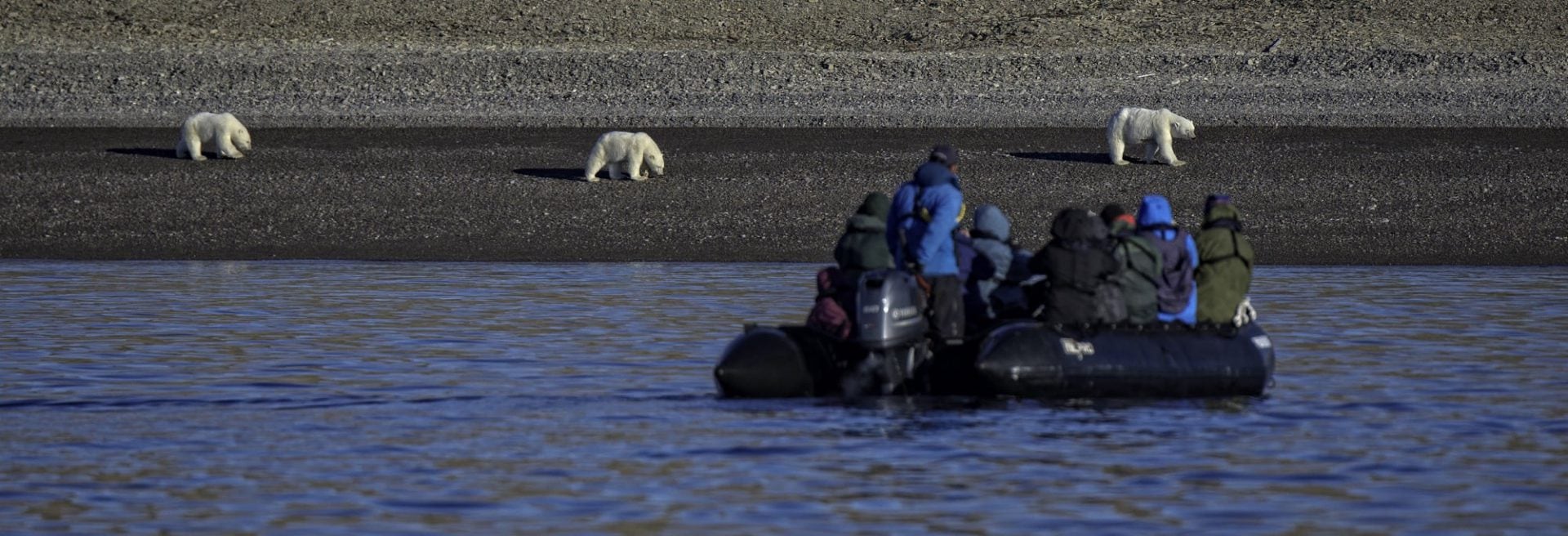
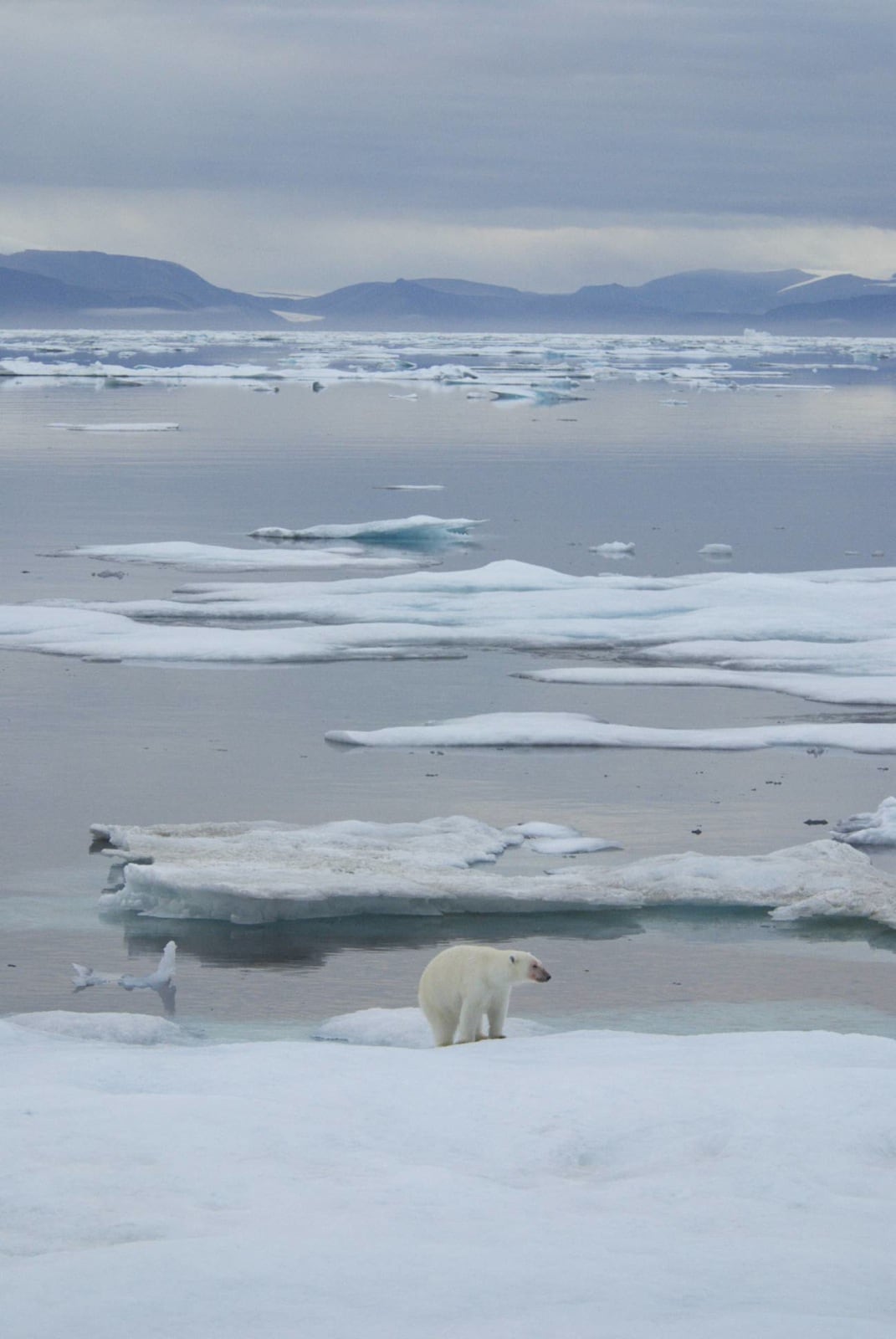
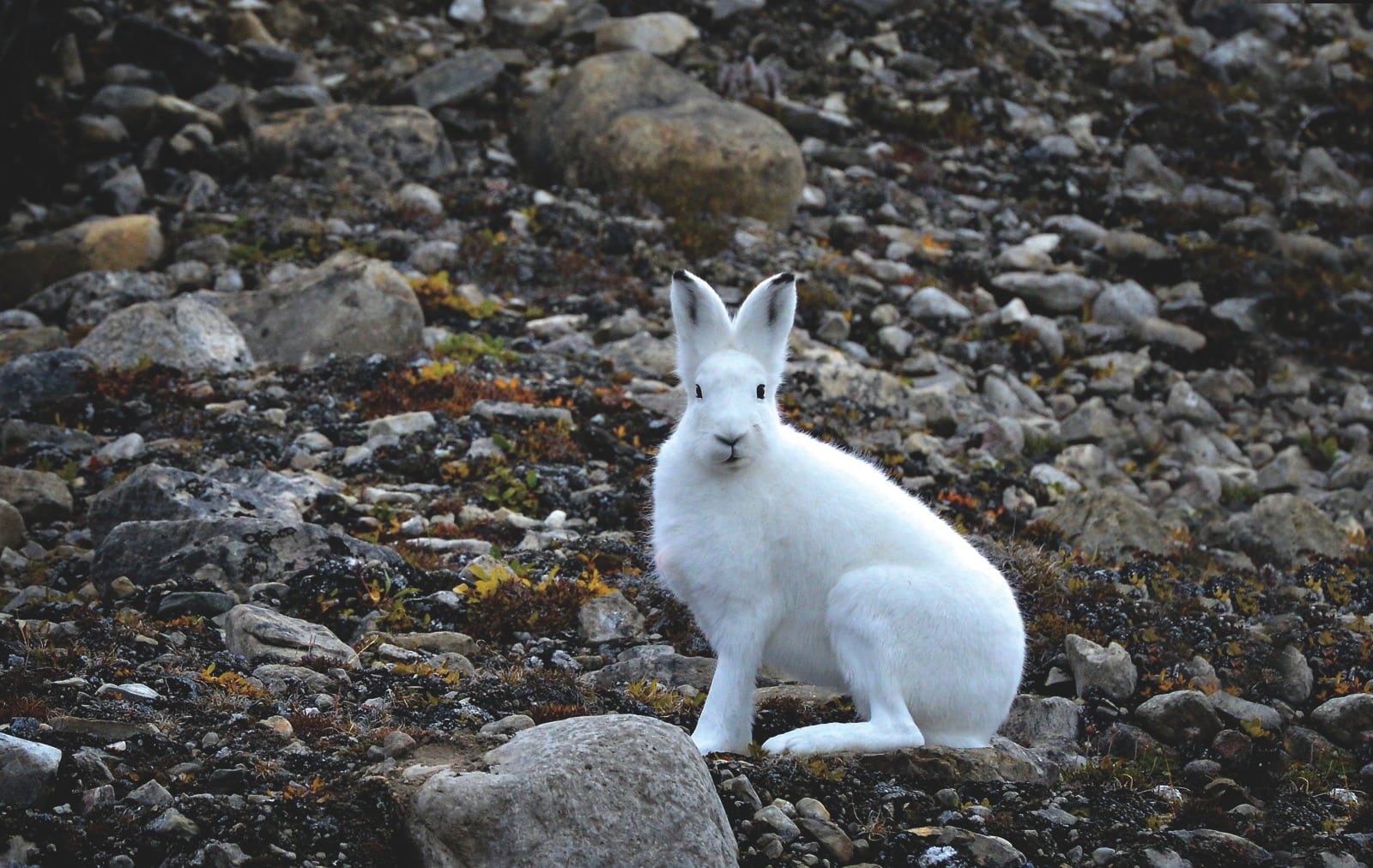
- Seek polar bears, seabirds, and other Arctic wildlife in pristine natural environments
- Transit Ikirasak (Bellot Strait), the narrow and dramatic waterway at the very northern tip of continental North America
Map
Map

Overview
Tour Overview
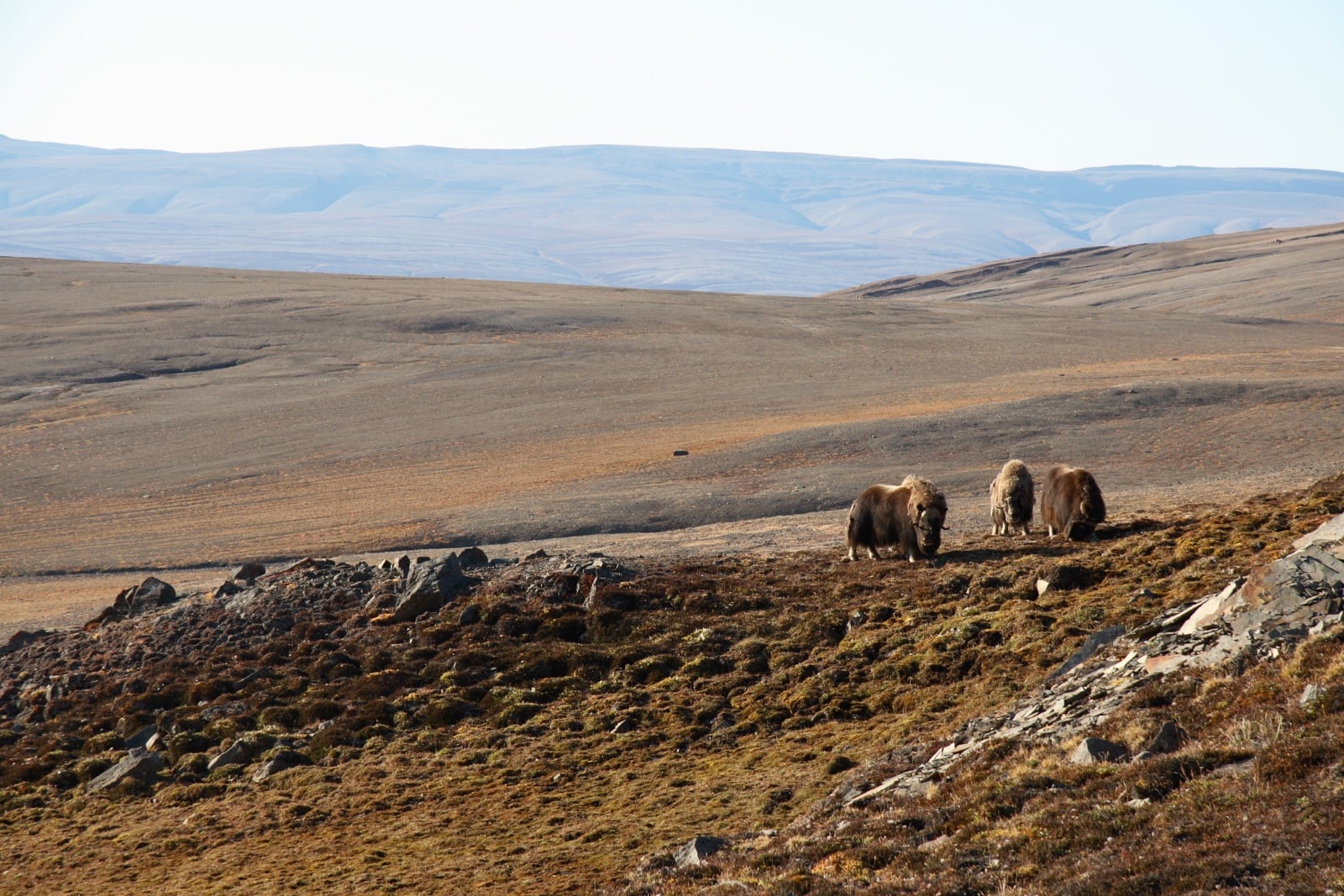
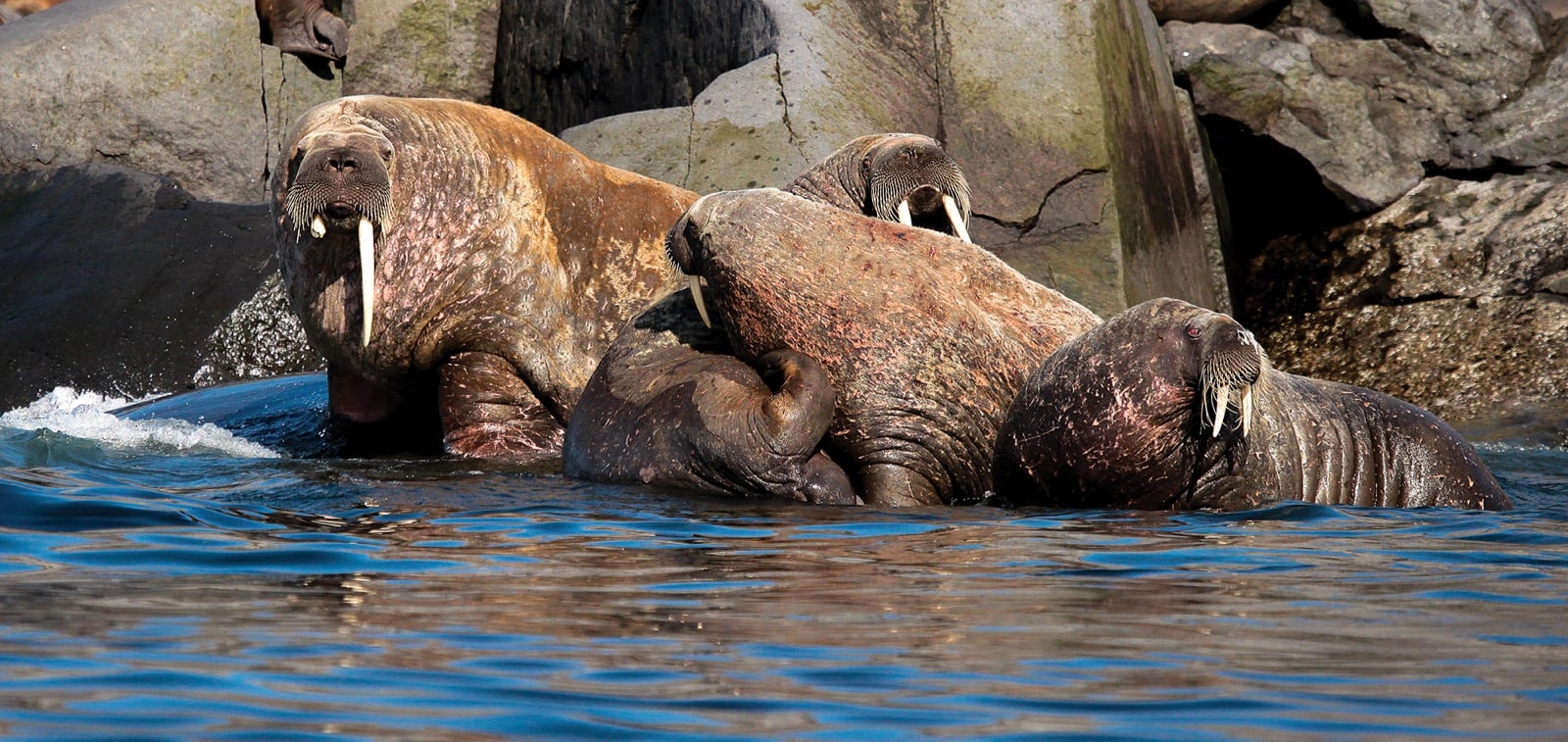
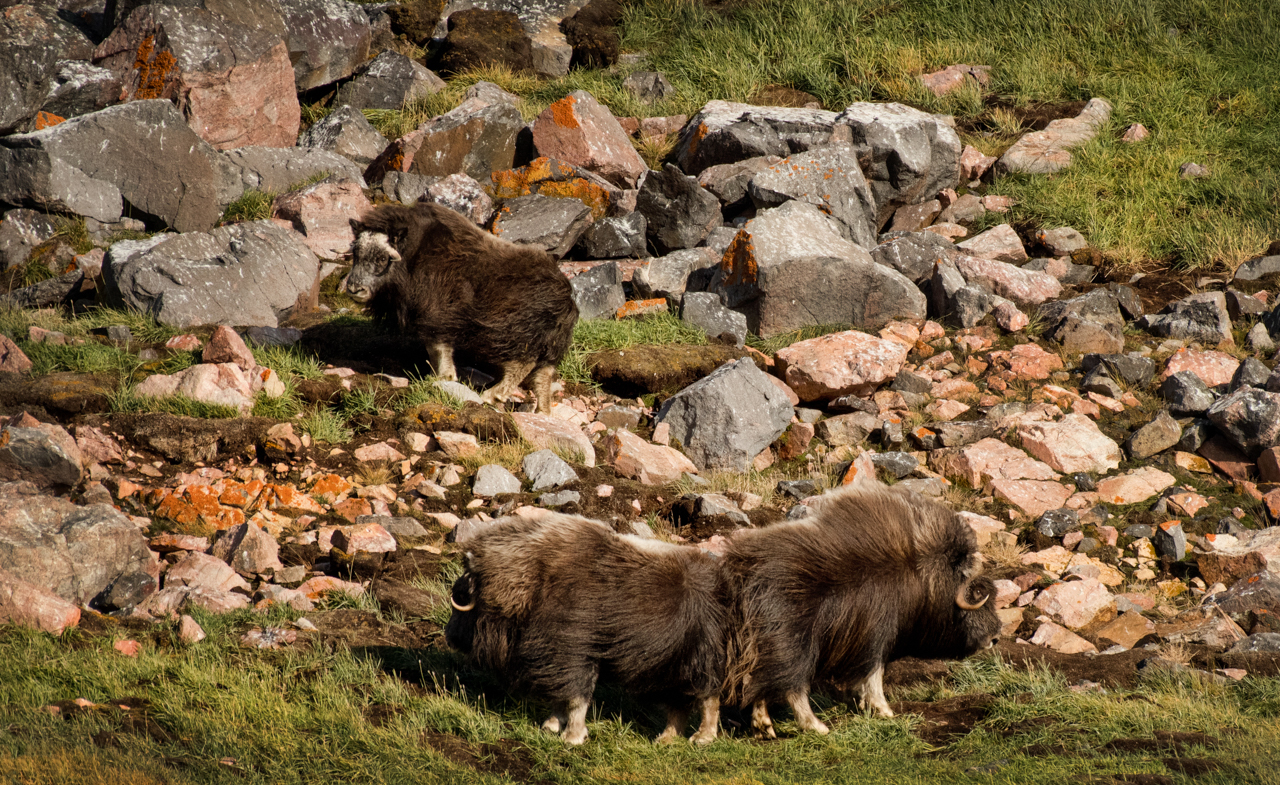
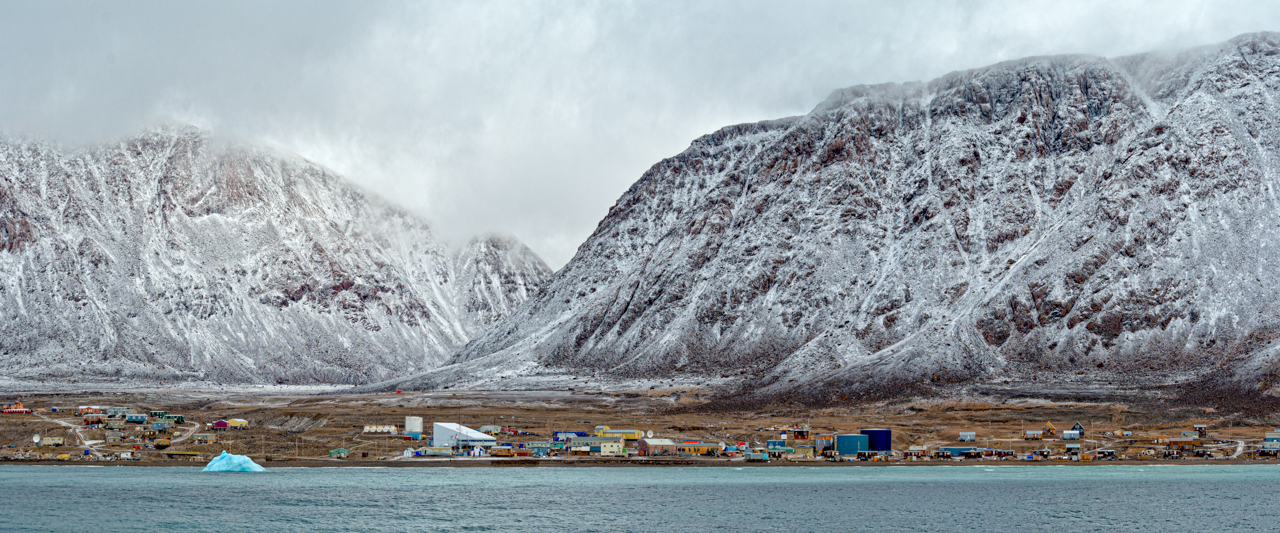
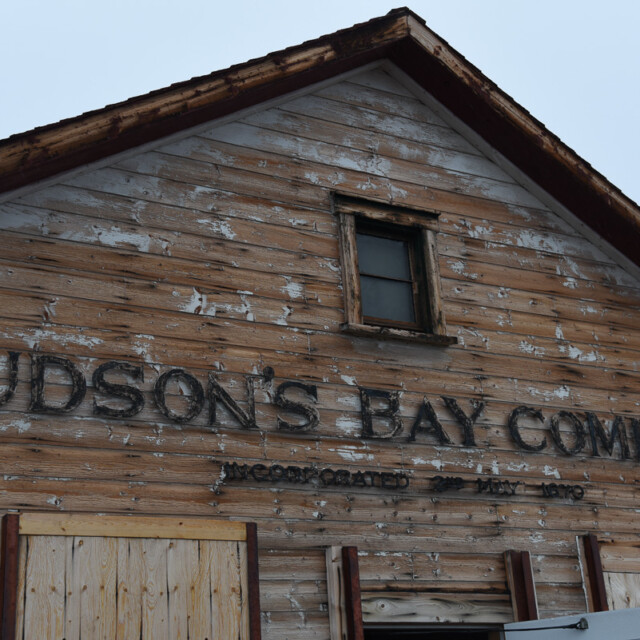
The Northwest Passage represents the pinnacle of Arctic exploration. On this trip, like the explorers before us, we’ll experience the quaint villages, dramatic fjords, and calving glaciers of Greenland, working our way north to spectacular Kap York. Then, crossing Smith Sound, we’ll visit Aujuittuq (Grise Fiord), Canada’s northernmost community, and pay respects at the Franklin Expedition graves at Beechey Island. Melville, Banks, and Devon Islands offer opportunities to spot Peary caribou, polar bear, walrus and musk ox—and visits to ghostly RCMP and Hudson’s Bay Company posts. Prince of Wales Strait affords a passage to Amundsen Gulf and our destination: Kugluktuk (Coppermine), the end of our epic journey above the Arctic Circle.
To sail the Northwest Passage is to sail living history and the history of the Inuit who have called this remarkable place home for countless generations. This is your chance to cruise the Northwest Passage and join the ranks of the fearless adventurers who have been lured by its spirit and legend.
Departures & Cabins
Departures & Cabins
Deck Plan
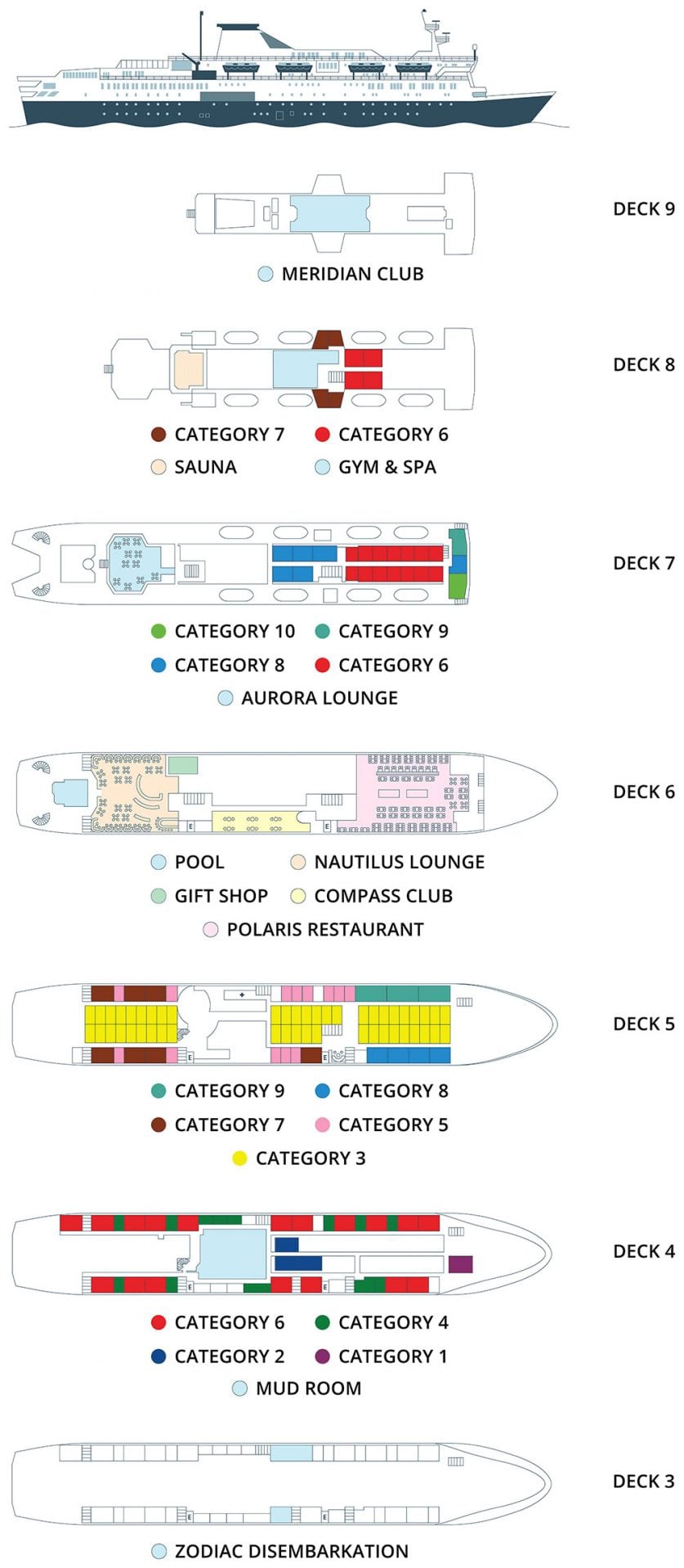
Deck Plan
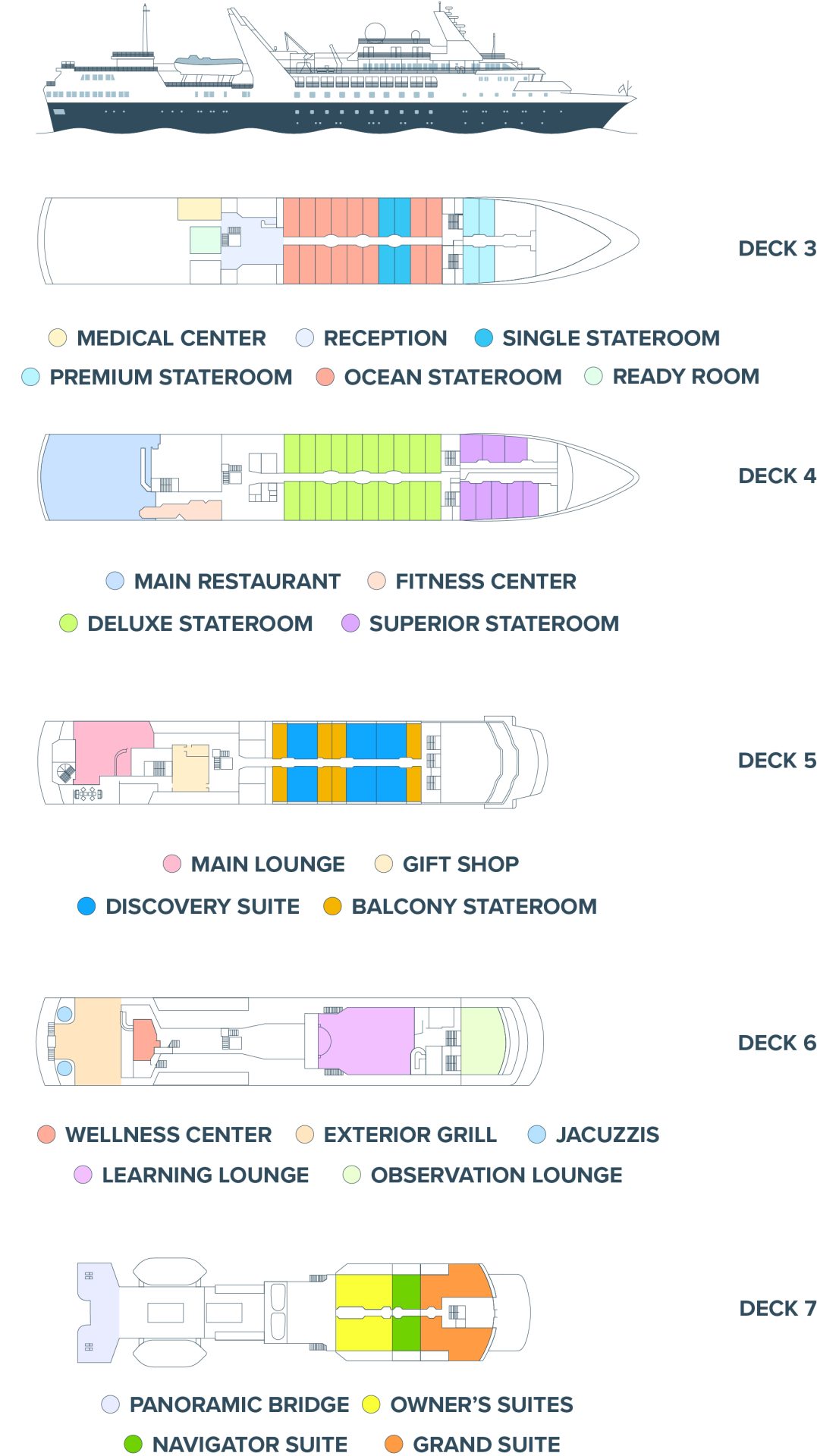
Deck Plan
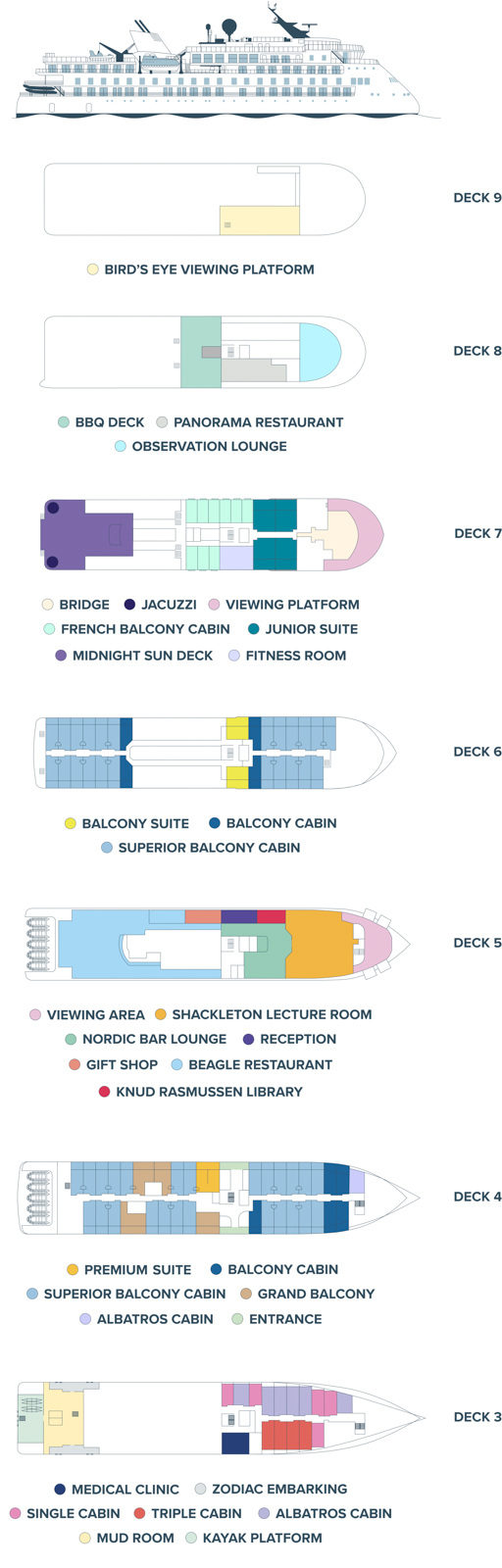
What's Included
Tour Price Includes
- Passage aboard the Ocean Victory
- Applicable taxes and credit card fees
- Special access permits, entry, and park fees
- Complimentary expedition jacket
- Expert expedition team
- Guided activities
- Sightseeing and community visits
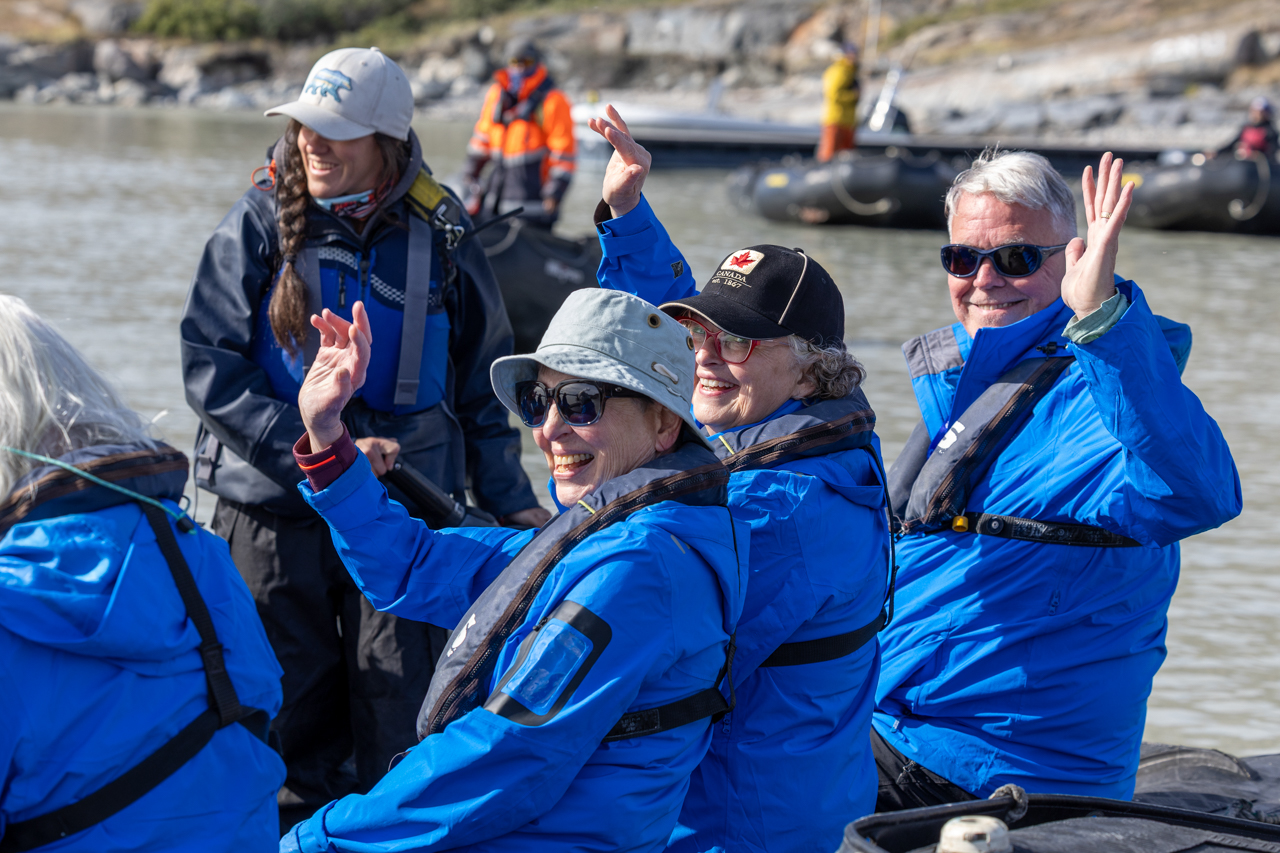
- All Zodiac excursions
- Port fees
- Pre-departure materials
- Educational program
- Interactive workshops
- Evening entertainment
- All shipboard meals
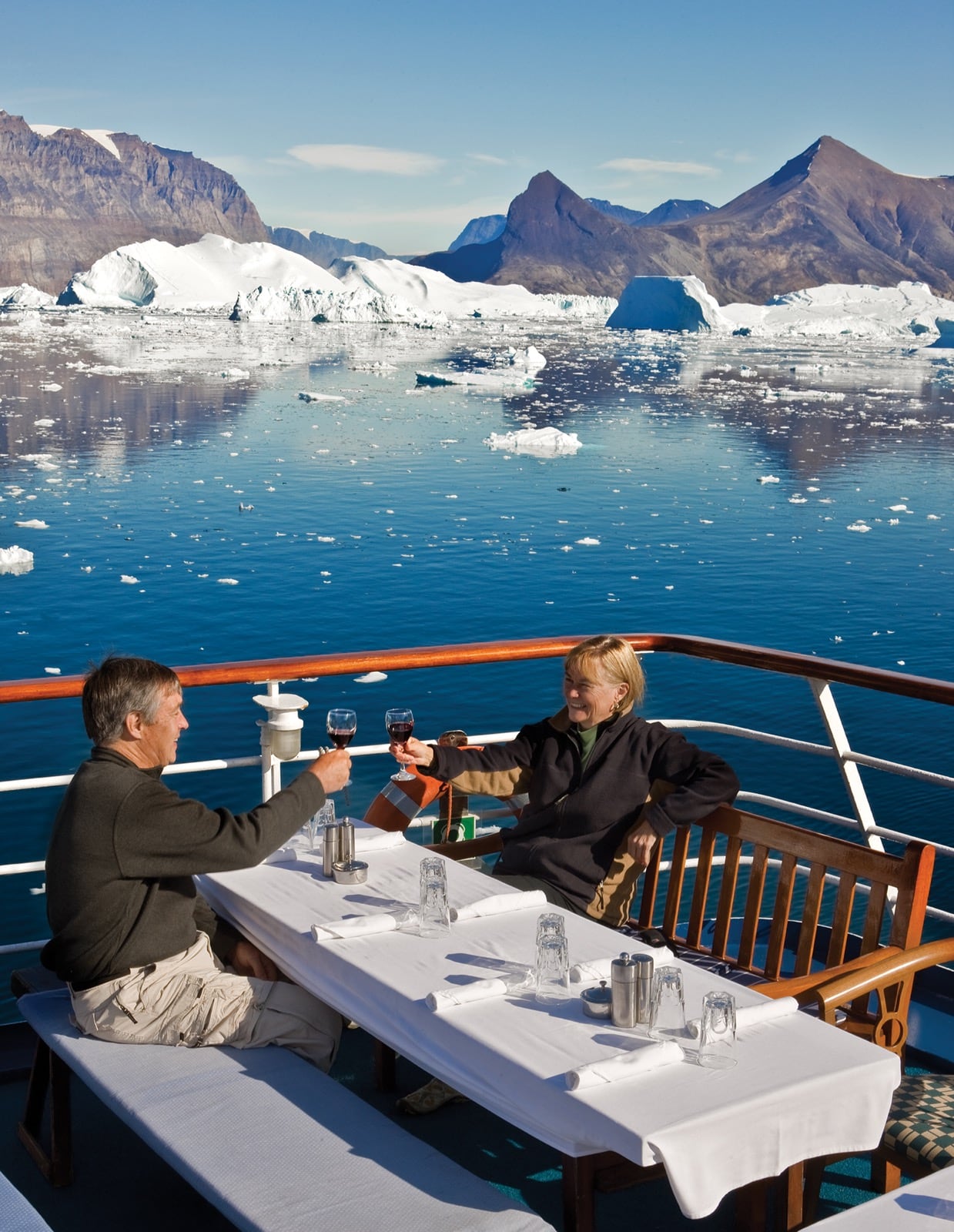
- Complimentary wine, beer, and soft drinks are served with dinner
- 1 GB complimentary internet access
Tour Price Does Not Include
- Commercial and charter flights
- Program enhancements/optional excursions
- Gratuities
- Personal expenses
- Mandatory medical evacuation insurance
- Additional expenses in the event of delays or itinerary changes
- Possible fuel surcharges and administrative fees
- Pre- and post-trip hotel accommodation
- Kayak program
- Premium Wi-Fi access
Gallery
Gallery
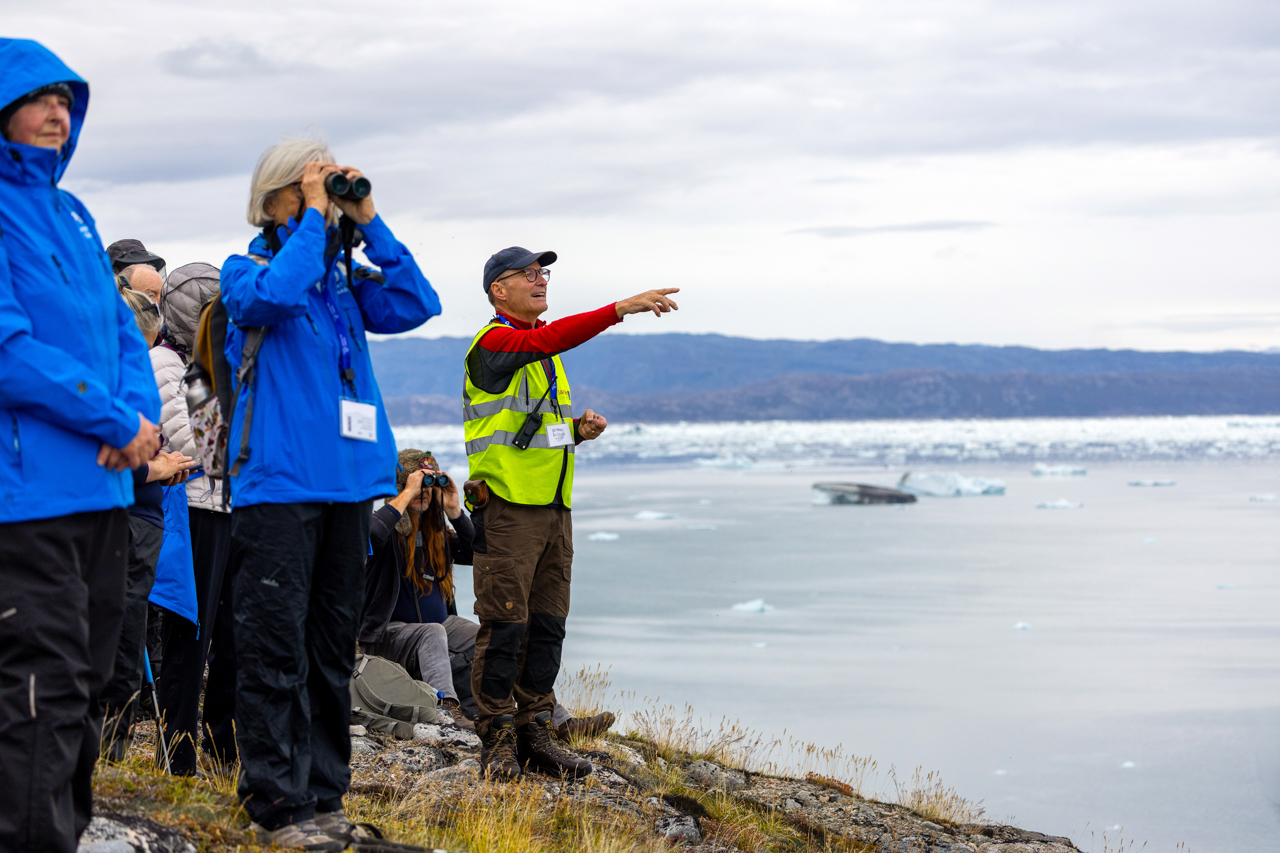
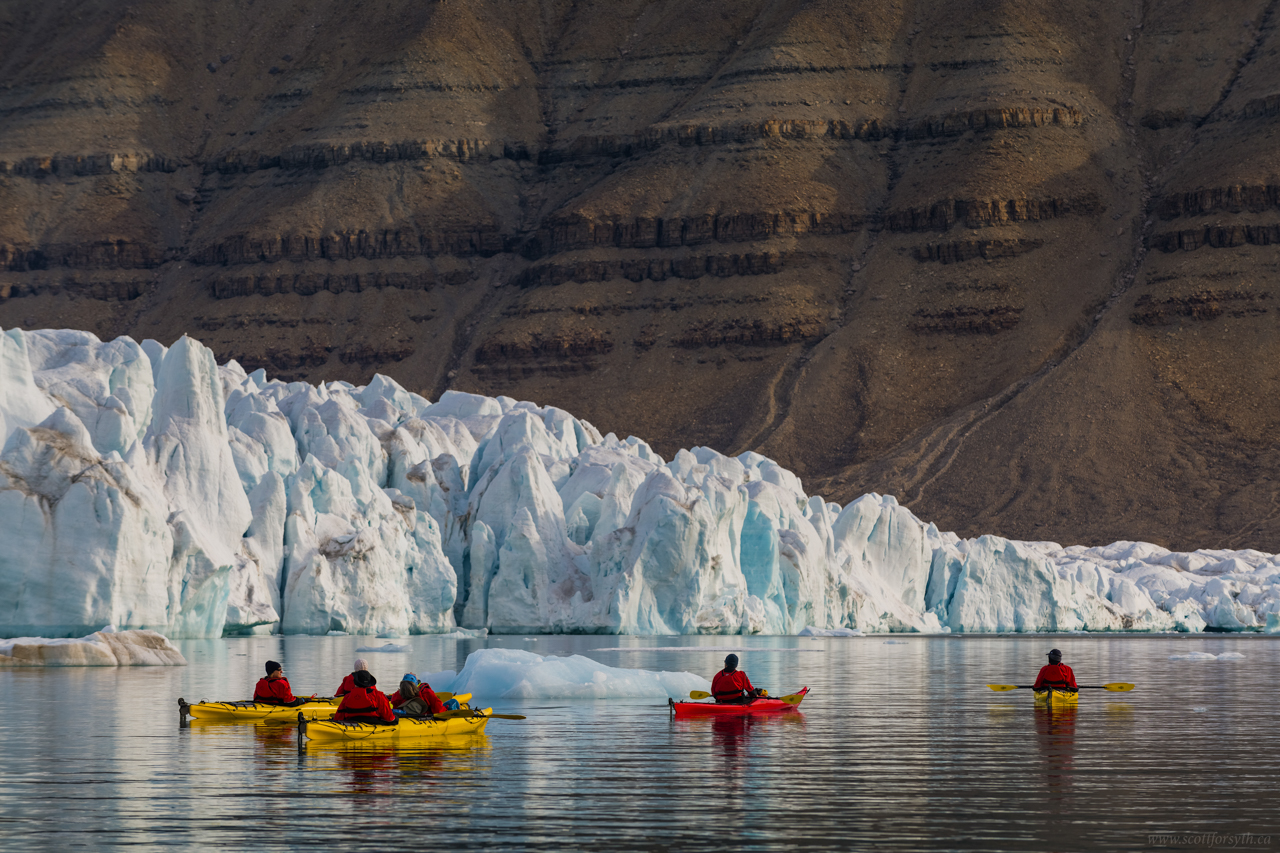
Itinerary
Day 1: Kangerlussuaq, Greenland
Your journey begins in Kangerlussuaq, a broad glacial valley on Greenland’s western coast, once home to a U.S. Air Force base. After a charter flight from Toronto, Zodiacs carry you toward your ice-class expedition vessel—your floating home for the weeks ahead.
As we sail southwest through Kangerlussuaq Fjord, one of the longest fjords in the world, the scenery unfolds in layers of blue, white, and stone. Glacial tongues slide slowly down the valleys, their meltwater turning the shallows a milky turquoise. Mountains rise from still waters as we cross the Arctic Circle, marking the start of our passage toward the open sea.
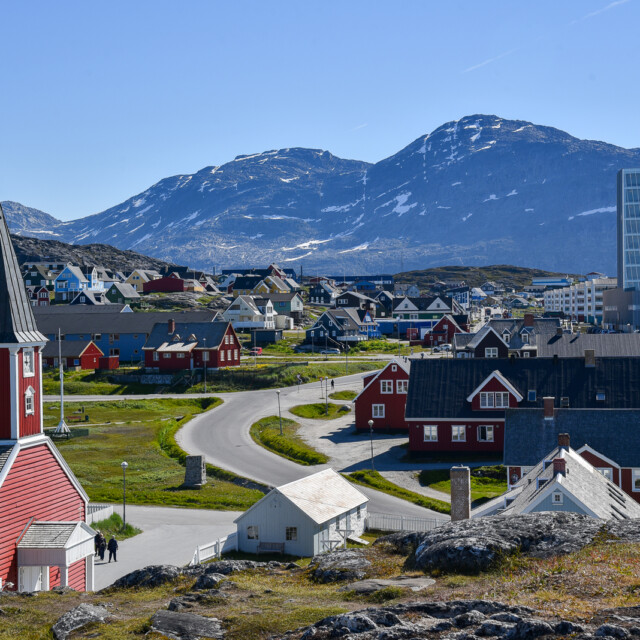
Days 2-3: Sisimiut Coast
The Sisimiut coast reveals Greenland’s west in all its complexity: a weave of islands, fjords, and communities framed by mountain silhouettes. Zodiacs trace the shoreline; hikers climb for sweeping views. The air smells of salt and tundra moss, and the sea carries a low, constant murmur.
Here, layers of time overlap. The Saqqaq, Dorset, and Thule peoples lived and travelled these lands for more than 4,500 years—each leaving traces that speak of endurance and adaptation. Learn from local Inuit voices about how these histories remain alive within the fabric of modern life. The West Greenland Current brings relative warmth to these waters—a reminder that here, the sea and seasons do the teaching.
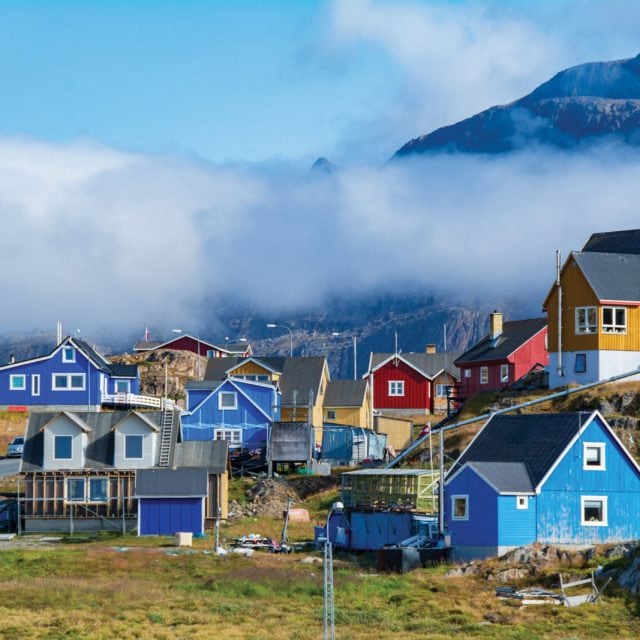
Day 4: Ilulissat
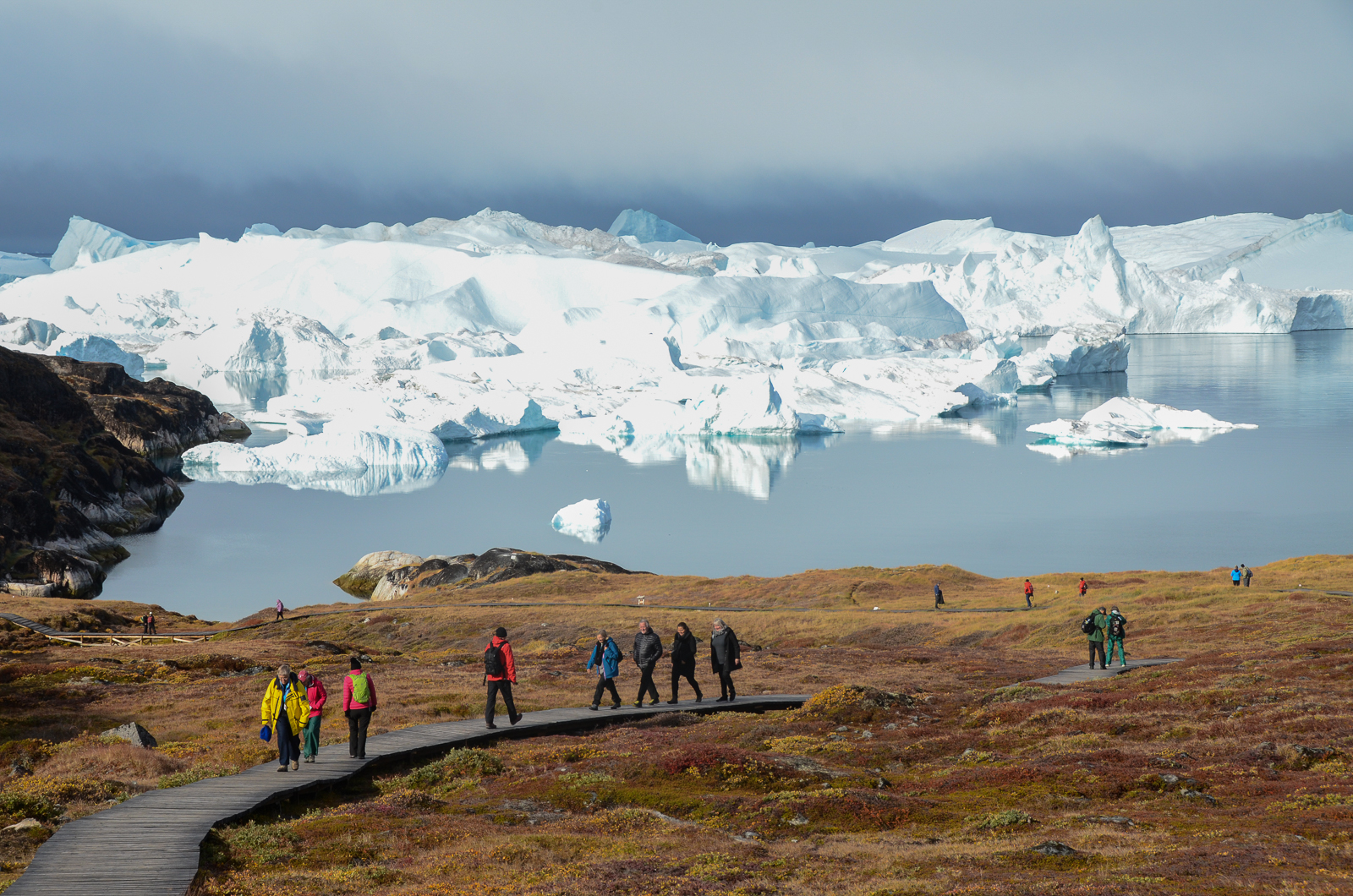
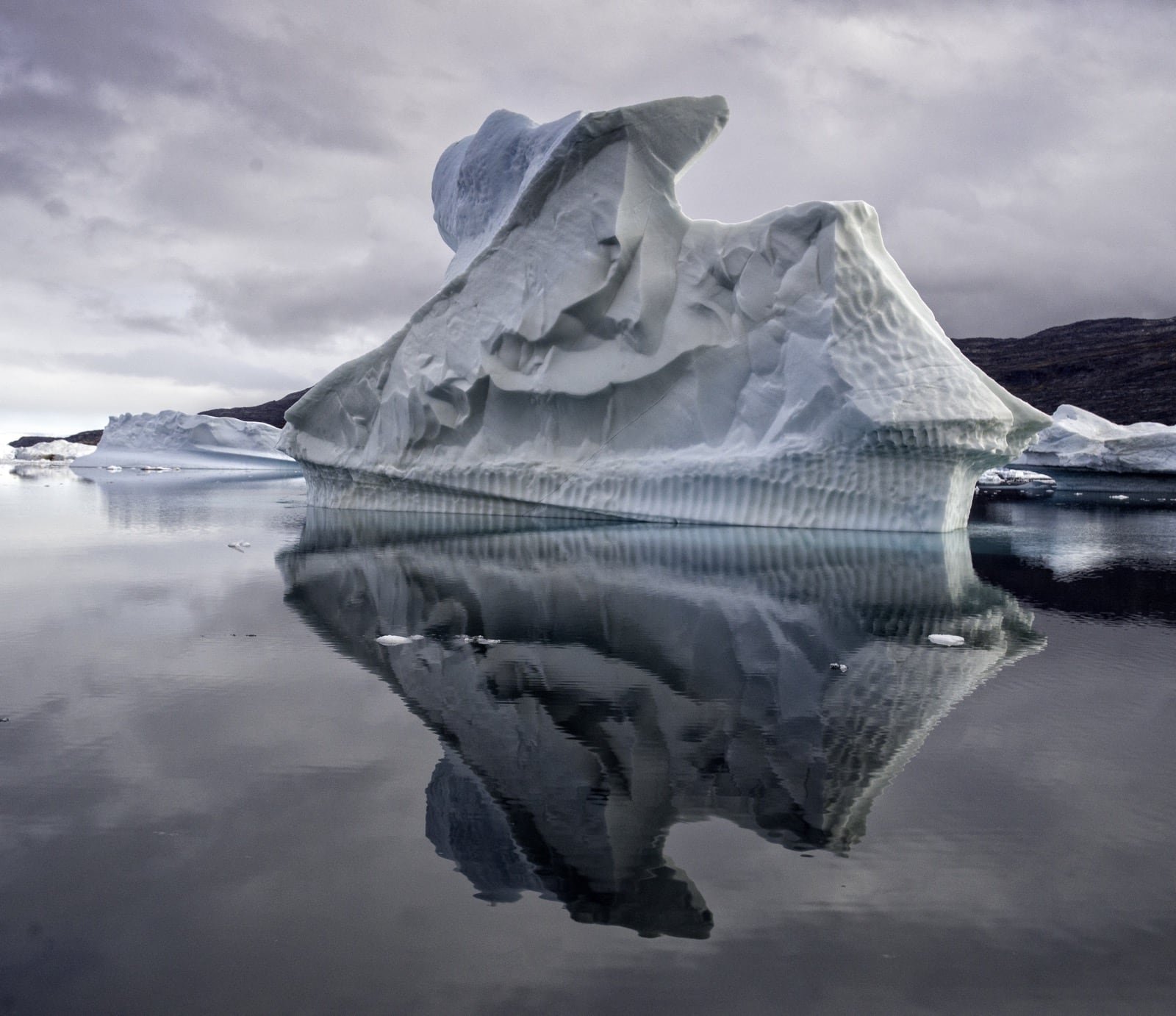
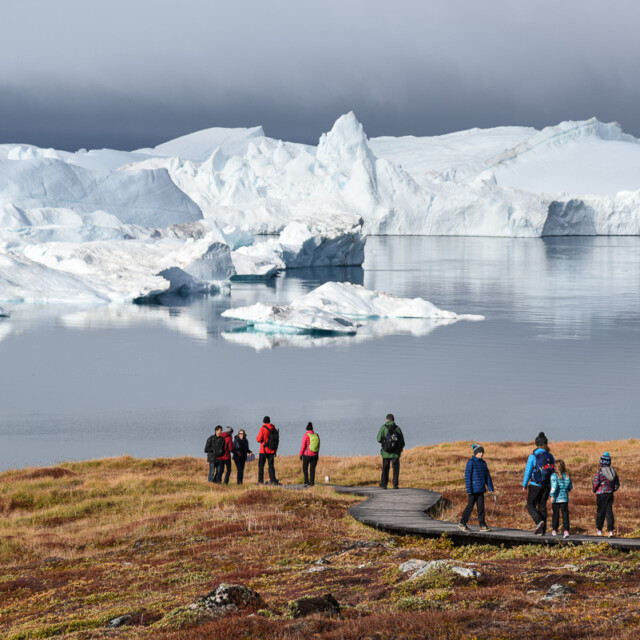
At Ilulissat Icefjord, a UNESCO World Heritage Site, the world distills to ice and light. The vast Sermeq Kujalleq glacier sends its creations—crystalline cathedrals of blue and white—into Disko Bay, where they drift, groan, and fracture. Ilulissat means “iceberg,” and here the name feels earned.
Walk the boardwalk above the fjord as thunder echoes from the ice below. Visit the Icefjord Centre to trace the stories held within this landscape: scientific, cultural, and deeply human. In town, wander through museums, cafés, and craft shops alive with colour and conversation—a vibrant contrast to the hushed immensity of the ice itself.
Day 5: Western Greenland
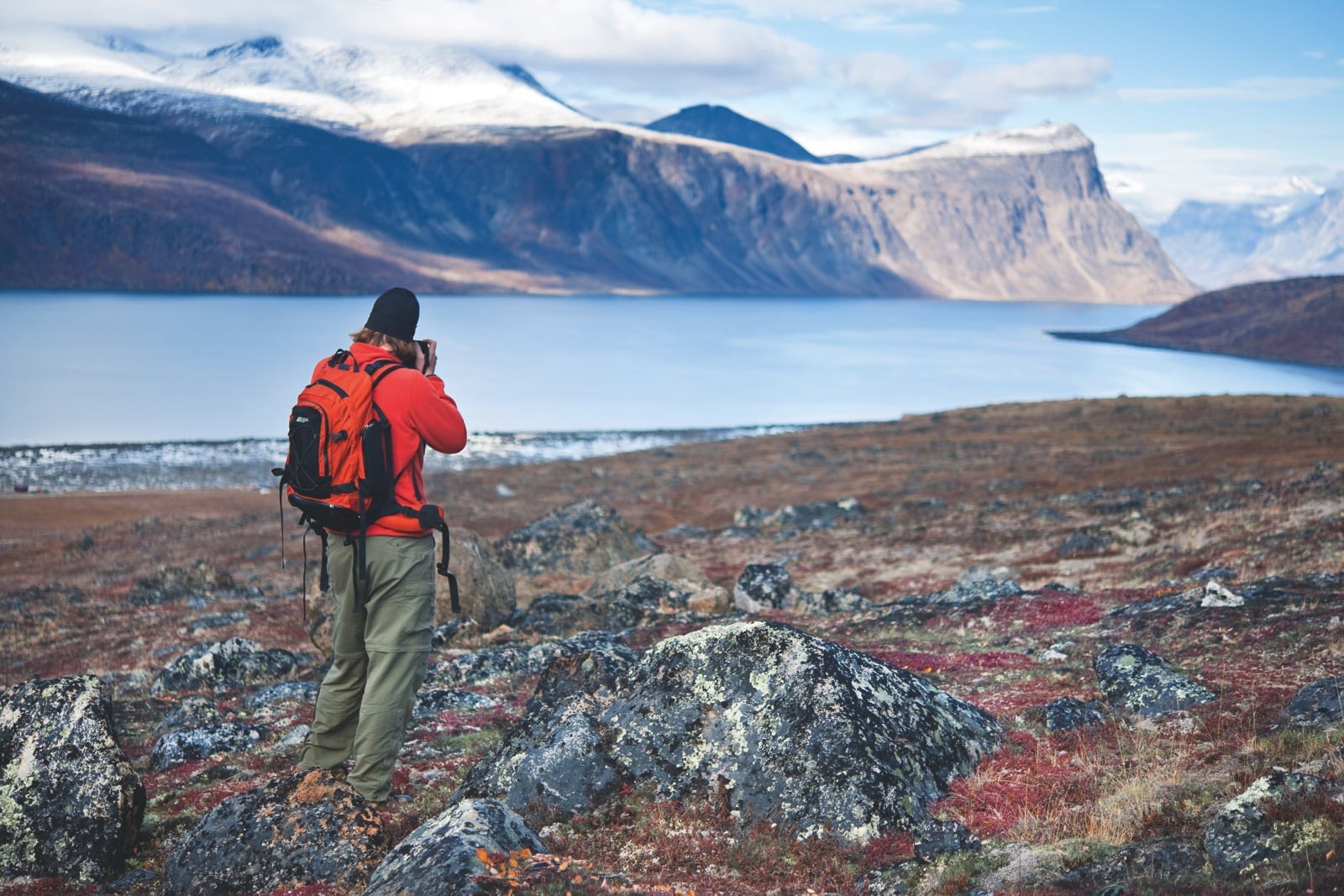
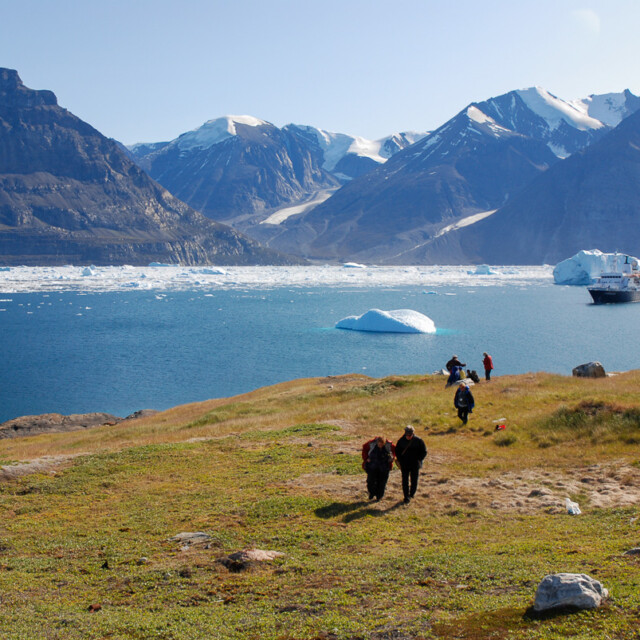
Along Greenland’s western coast, fjords open like mirrors between mountain and cloud. The tundra rises in gentle folds—moss, stone, and the bright trace of late-summer flowers. From the ship or by Zodiac, we explore sheltered bays and narrow inlets, watching as weather and light shape the day.
Where conditions allow, we step ashore to walk the tundra, guided by Inuit expedition team members who share stories of the plants, animals, and ancestral presence that knit this landscape together. Every encounter—whether with the quiet rhythm of waves on rock or the sudden lift of a seabird—becomes a lesson in attention.
As we sail westward, Greenland falls behind and Baffin Bay opens ahead. The sea stretches to the horizon, vast and still, carrying us toward the Canadian Arctic and the next chapter of the passage.
Day 6: At Sea — Davis Strait
Between Greenland and Baffin Island lies Davis Strait, a vast expanse where ocean and ice mingle in a dance of shifting light. The ship glides through open water, the horizon moving gently with each breath of wind. This is a day for pleasure as much as discovery—for letting the rhythm of the sea relax the mind, for feeling joy in the quiet act of watching and listening. Here, learning unfolds not as effort, but as delight.
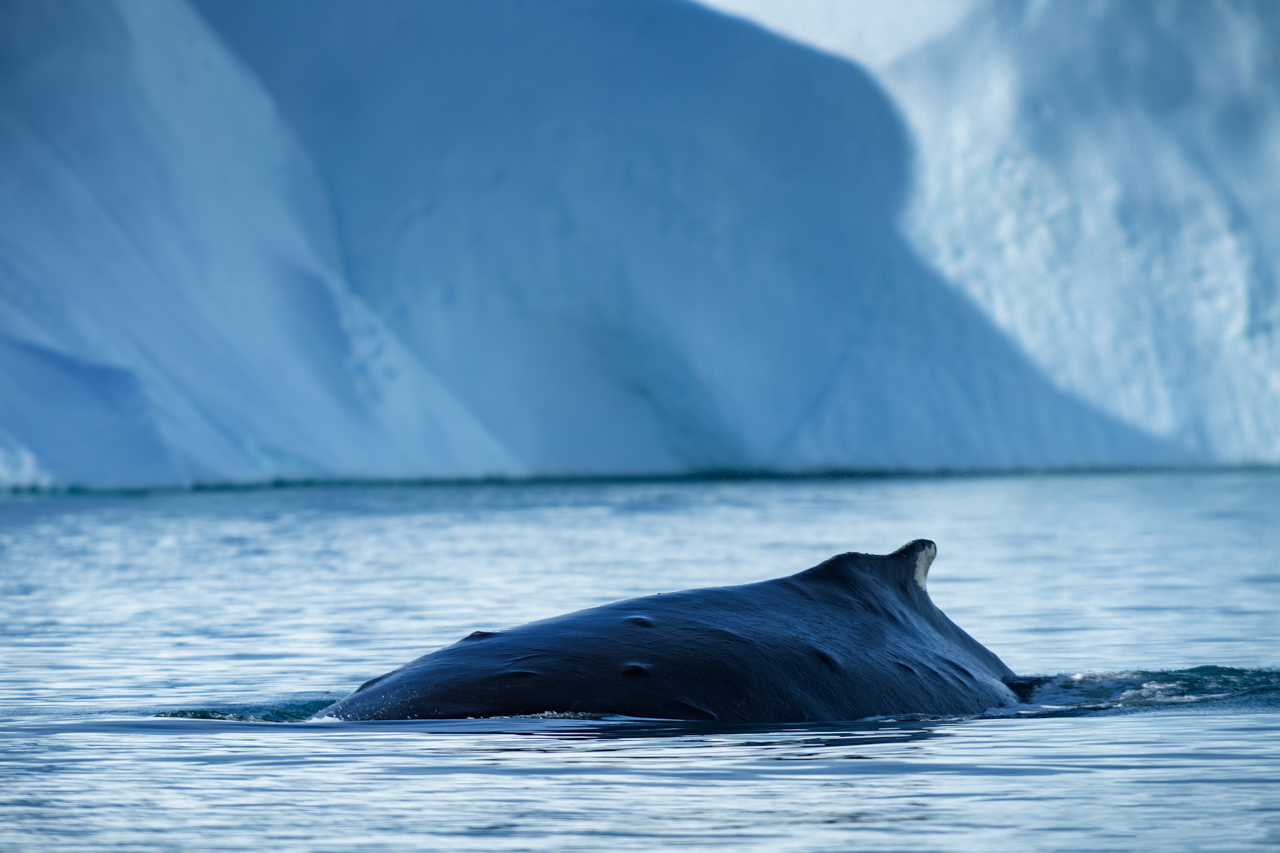
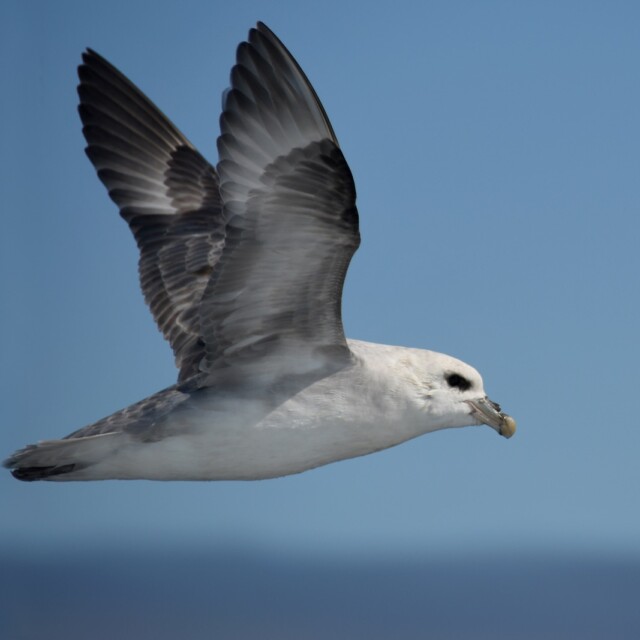
From the decks, scan for minke and humpback whales, their sleek backs cutting the surface before vanishing again. Fulmars and kittiwakes wheel above the ship, while murres and dovekies gather on the water in small, dark rafts, rising and dipping with the swell. Inside, join workshops and presentations that deepen understanding of the Arctic’s ecology, culture, and story.
Here, in the heart of Inuit Nunangat, learn directly from Inuit educators and cultural ambassadors. Through shared games, food, and conversation, they offer insight into daily life and the enduring relationship between people and place. Knowledge, like the sea itself, flows in every direction—connecting past and present, traveller and host.
Days 7–9: Tallurutiup Imanga (Lancaster Sound) & Devon Island
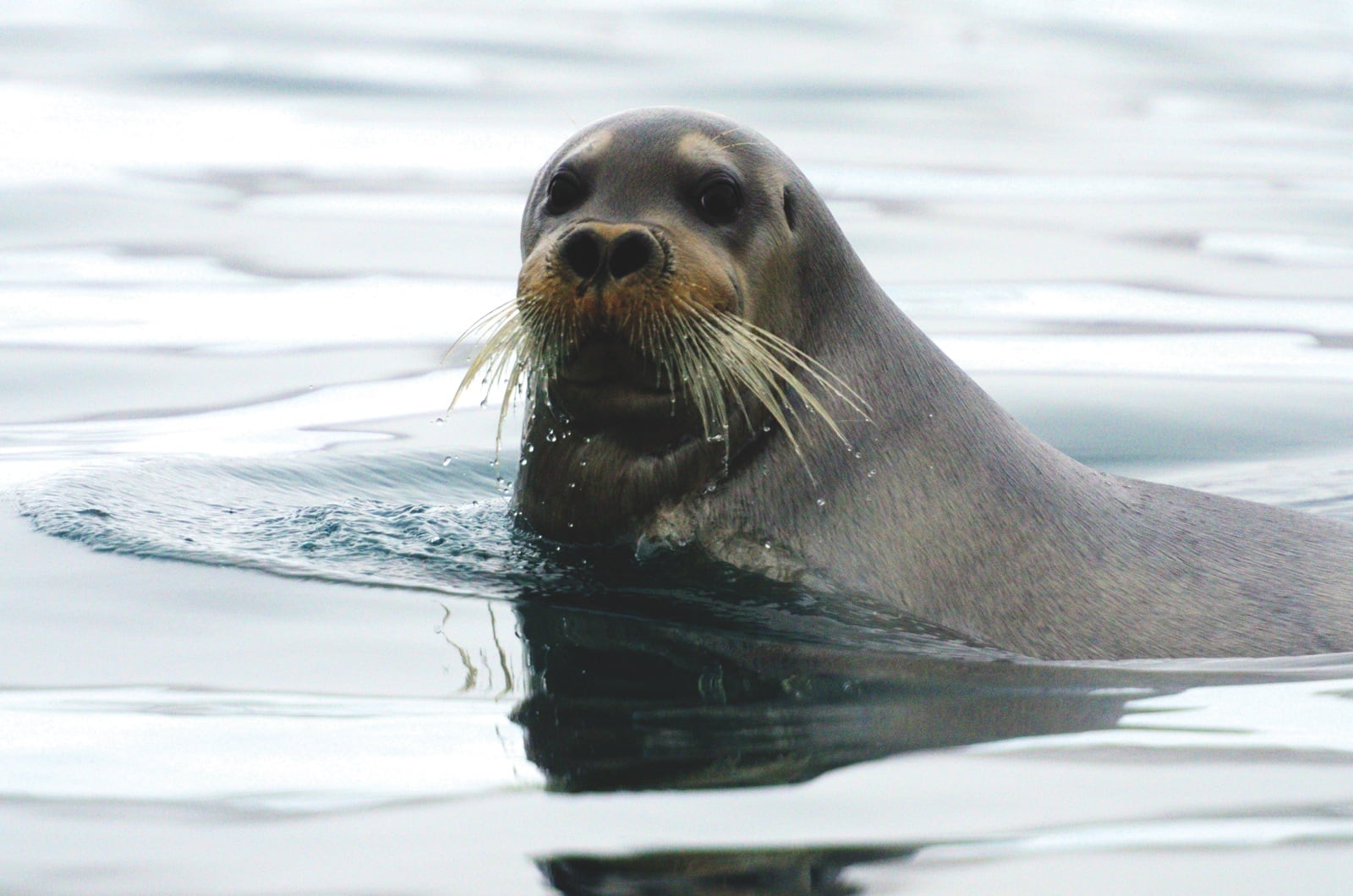
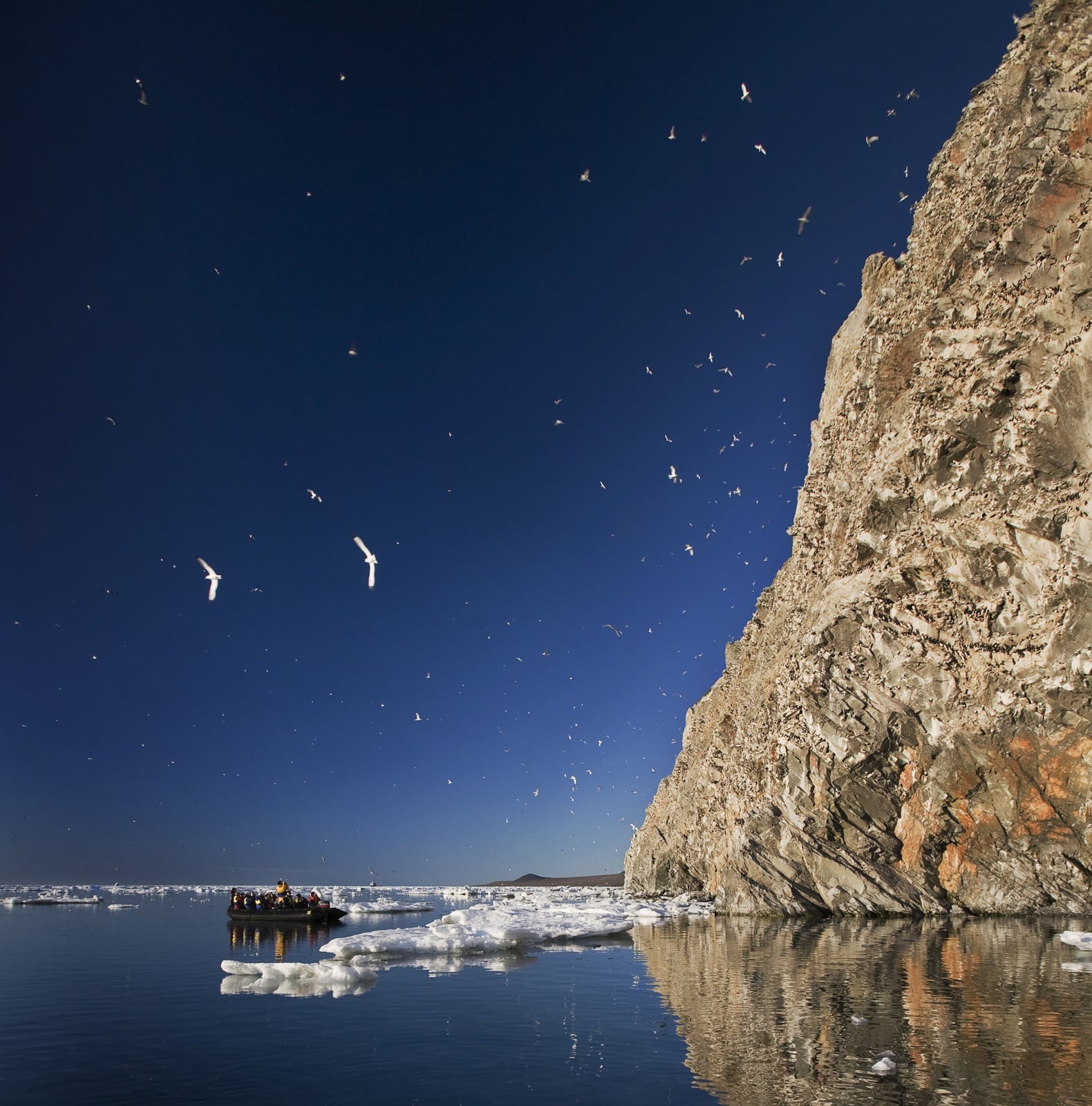
We enter Tallurutiup Imanga, the great inlet known to many as Lancaster Sound—a place where rare Arctic wildlife concentrates. Glaciers feed the cold, clear water; tides carry nutrients that sustain the region’s intricate web of life. Narwhal, beluga, and bowhead whales move through the channels, while fulmars, kittiwakes, and ivory gulls wheel above the cliffs.
Travelling by ship and Zodiac, we explore these protected waters, guided by naturalists and Inuit expedition team members who share how this vast marine environment has sustained Inuit and their ancestors for millennia. Their deep knowledge continues to shape how Tallurutiup Imanga is cared for today, ensuring the rhythms of the sea endure for generations to come.
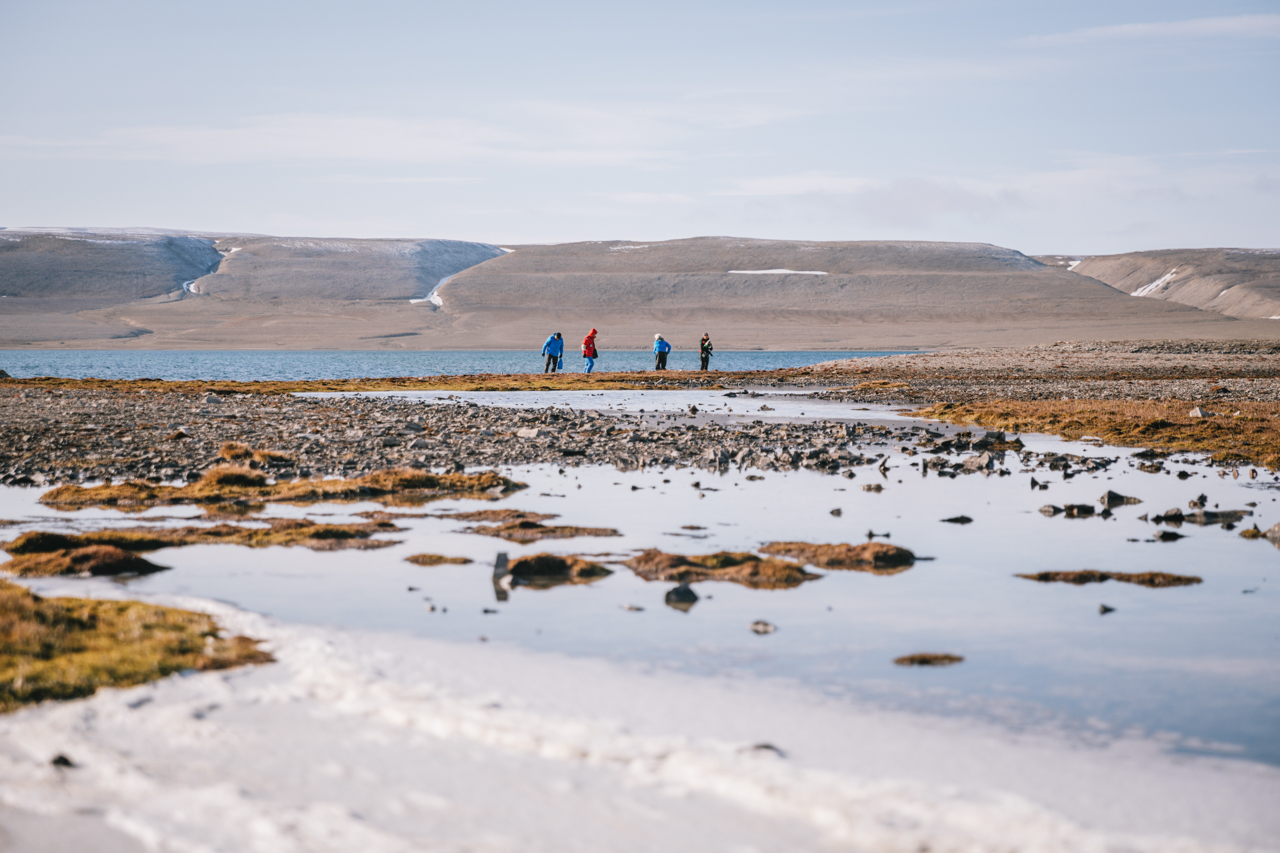
To the north lies Devon Island, the largest uninhabited island on Earth—its tundra carved by ice, wind, and time. Hiking across gravel plains and glacial valleys, we find traces of ancient dwellings and the resilient plants that colour this austere landscape: purple saxifrage, Arctic willow, moss campion. Here, stillness is its own story.
Day 10: Beechey Island
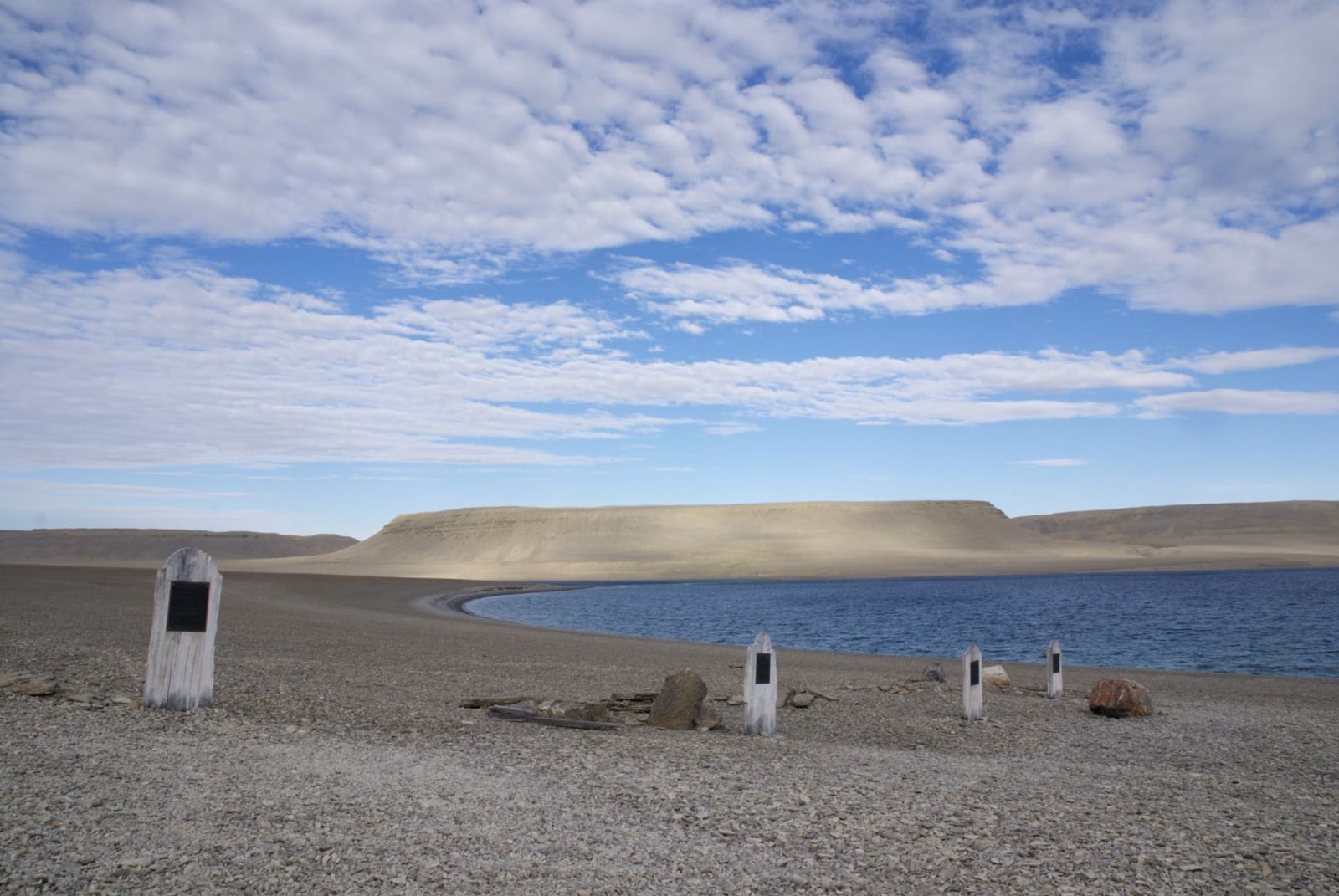
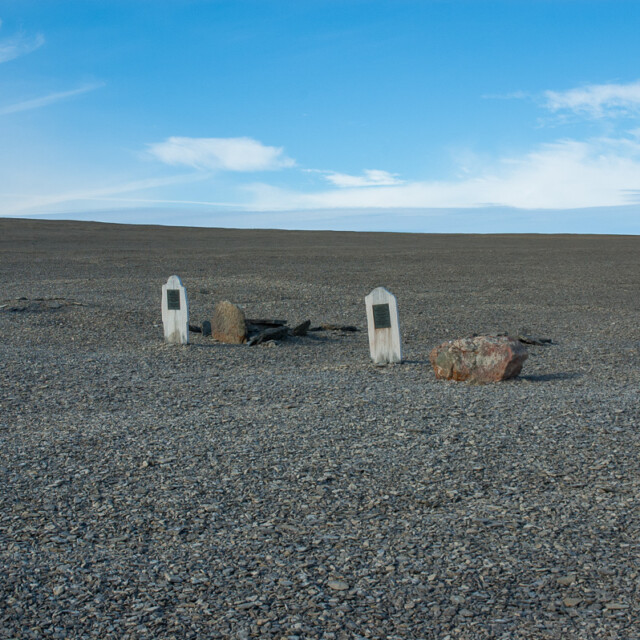
At Beechey Island, history lies close to the surface. In 1845, Sir John Franklin set out from England aboard HMS Erebus and HMS Terror, seeking a navigable route through the Northwest Passage. His crew overwintered here, where three men died and were laid to rest on the stony shore.
In the years that followed, Beechey became a landmark for the searchers who came after—Amundsen, Bernier, Larsen, and many more. Supplies were cached, ships anchored, and in 1854 another grave was added: Thomas Morgan, of the HMS Investigator, buried beside Franklin’s men. The remains of Northumberland House, a rough stone depot, still stand as witness to those long years of searching and loss.
For Inuit, the story of Franklin has long been part of the living memory of the land. Their knowledge of routes, ice, and survival helped reveal the fate of the expedition—understanding carried not by charts, but by experience. To walk among these graves today is to feel that confluence of history and knowing, and the vastness that holds them both.
Day 11: Ikirahaq (Bellot Strait)
We reach Ikirahaq, known to many as Bellot Strait—a narrow, two-kilometre channel where the currents of the western and eastern Arctic converge. Threading between Somerset Island and the Boothia Peninsula, it marks the northernmost point of continental North America. The currents here are swift and precise, changing direction with the breathing of the tides.
From the deck, granite walls rise close on either side, streaked with snow and shadow. Beluga whales, narwhals, and seals might surface in the swirling water; seabirds flock to feed on the small creatures swept through by the currents.
For Inuit, Ikirahaq has long been a place of passage and gathering, known for its moving ice and the life that travels with it. In the 1850s, Joseph René Bellot, a French naval officer, joined the search for Franklin and lent his name to the strait—though its story runs far deeper than any map.
To pass through Ikirahaq is to feel that meeting of worlds: east and west, land and sea, past and present. The water quickens beneath the hull, and the voyage turns once more toward the heart of the Passage.
Days 12–15: Kitikmeot Region
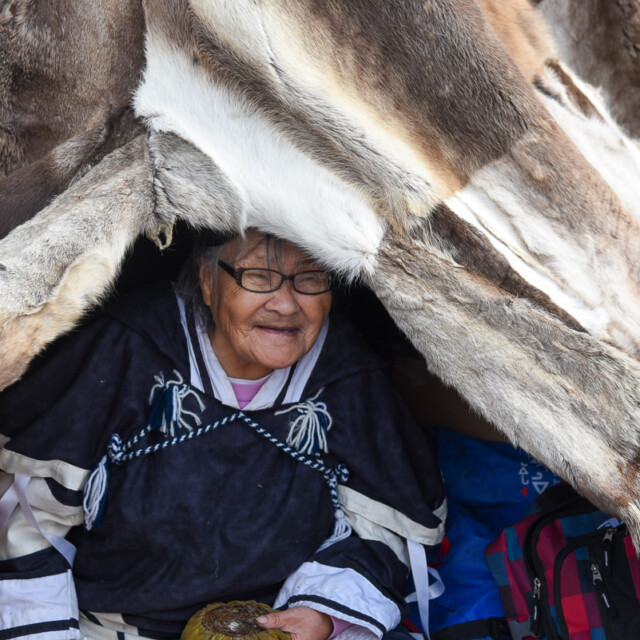
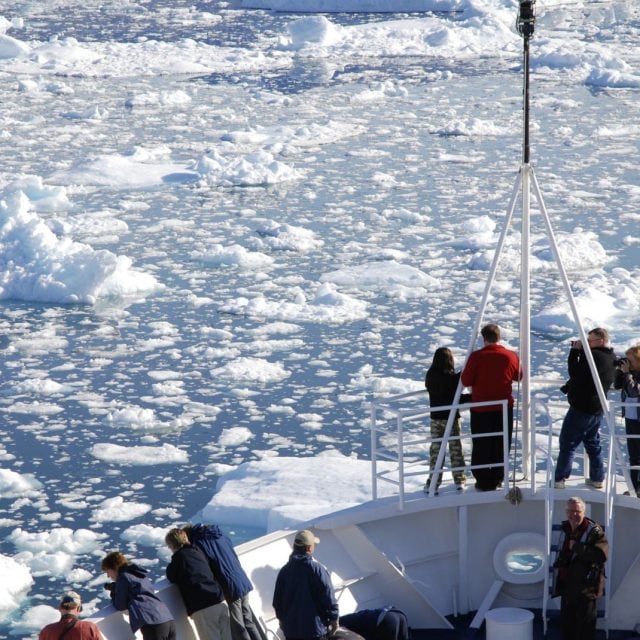
We sail west into the Kitikmeot Region, the heart of the Northwest Passage. Sea ice drifts in quiet mosaics; the coastline unfolds in muted browns and silver blues. Though sparsely populated, these lands and waters hold life—muskoxen and caribou on the tundra, seals and whales in the shifting sea.
This is the setting of many historic journeys. Roald Amundsen overwintered nearby for two years while completing the first full transit of the Passage. His success rested on knowledge learned from Inuit—skills of survival and navigation born of generations living with ice and weather.
Each day brings new light and new waters. We move steadily westward, carried by the rhythm of the sea and the enduring presence of those who know it best.
Day 16: Iqaluktuuttiaq (Cambridge Bay)
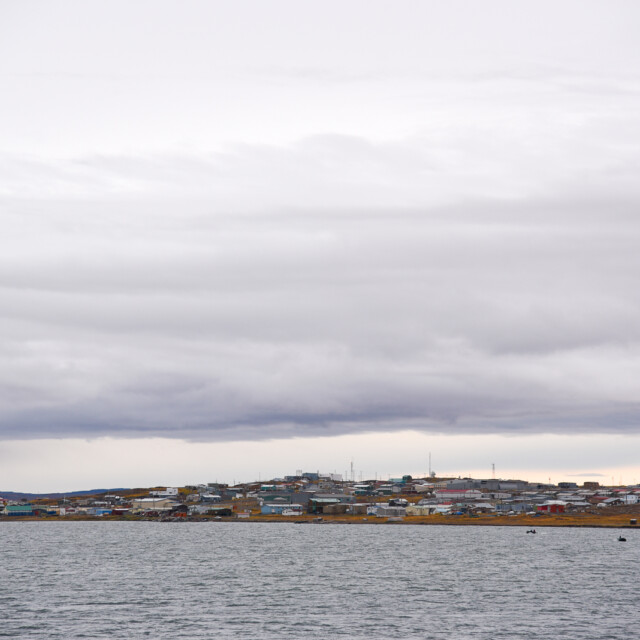
We arrive at Iqaluktuuttiaq, or Cambridge Bay, a welcoming community on the southern coast of Victoria Island. Its name—“place of many fish”—speaks to the abundance that has long sustained life here.
Join a guided tour to learn about daily life in the Kitikmeot Region, where tradition and innovation meet. Visit the Canadian High Arctic Research Station (CHARS), a state-of-the-art facility operated by Polar Knowledge Canada, dedicated to studying Arctic ecosystems and climate through collaboration between science and Indigenous knowledge.
Explore local arts and crafts—carvings, prints, beadwork—each carrying stories of skill, connection, and endurance. As evening light settles over the tundra, the sea glows with the last warmth of summer, and the voyage begins to turn toward home.

Day 17: Kugluktuk (Coppermine), NU, Canada
Our voyage ends at Kugluktuk, the westernmost community in Nunavut, where the Coppermine River meets the sea. Its Inuinnaqtun name means “place of moving waters,” a fitting farewell after weeks spent following the rhythms of ice and tide.
Step ashore to explore this warm and welcoming community, known for its artistry and deep connection to the surrounding land. Here, stories flow as steadily as the river itself—threads of history, language, and belonging carried forward through generations.
Depending on sea, ice, and weather conditions, Iqaluktuuttiaq (Cambridge Bay) may serve as an alternate disembarkation point. From either location, guests will board a charter flight to Yellowknife, Northwest Territories, marking the final leg of the journey south.
In the soft northern light, we say goodbye to shipmates and newfound friends, carrying with us the quiet understanding that the Arctic does not end—it continues to move, to teach, and to remind.
What to Expect
What to Expect
Our small ship Northwest Passage cruise program allow you to experience the best of the natural world, while enjoying the comforts of our friendly floating hotel. The ship generally makes crossing between islands at night, so every morning you awake to new vistas and discoveries. Every day we offer a combination of interesting shore excursions and fun shipboard activities. You can choose which elements of the program you want to participate in.
This is a general natural history and cultural expedition rather than a dedicated birding tour. Travellers can look forward to a mix of wildlife viewing, cultural experiences, and time to appreciate the region’s incredible scenery — with opportunities for birding included along the way.
This expedition cruise necessitates passengers to be in reasonably good health. Zodiac cruises and transfer times can be lengthy. You must be able to climb stairs between decks on the ship, as well as the external gangway stairs to transfer between the zodiac and ship.
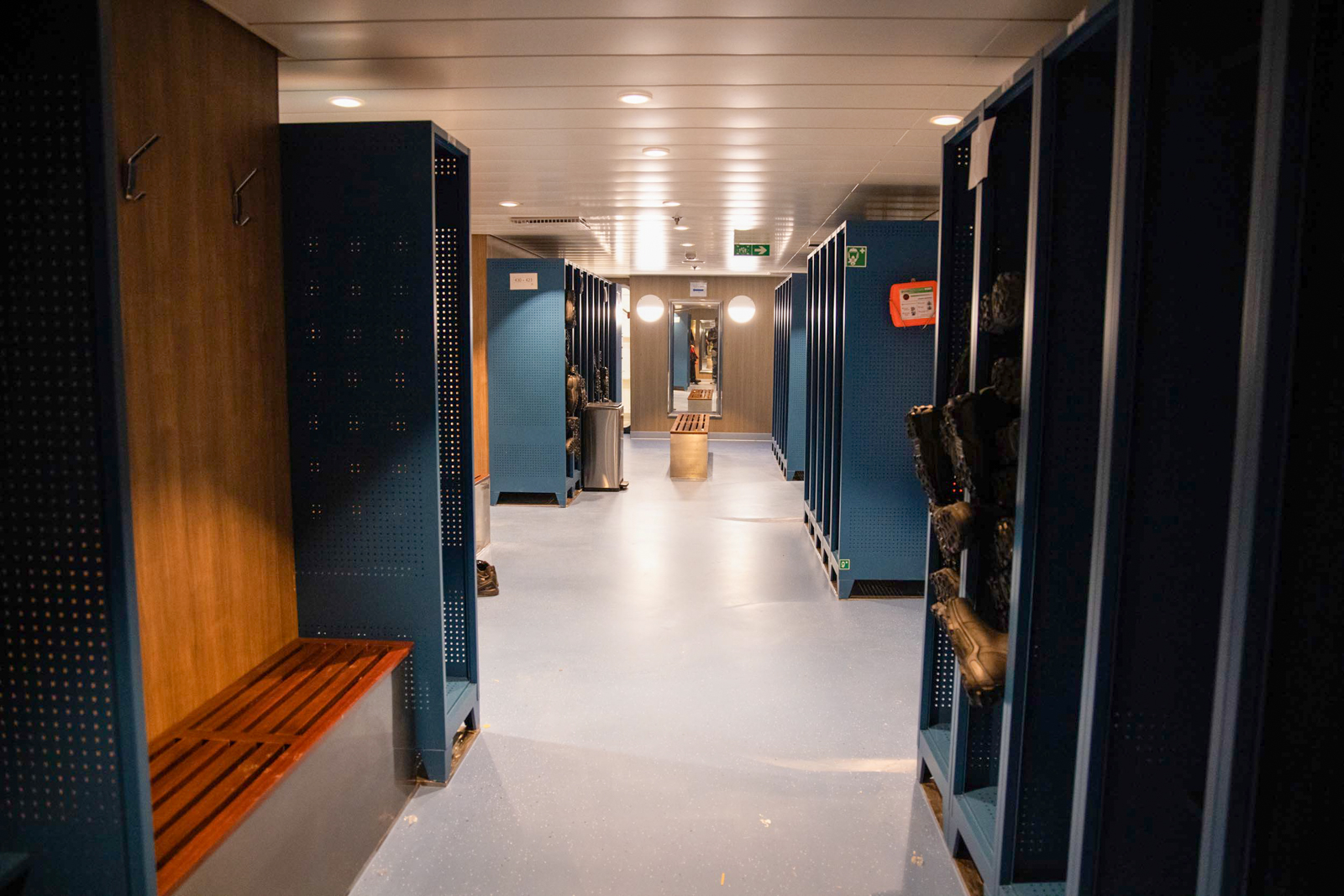
Some of our shore landings will be ‘wet’, requiring waterproof boots. Once you have left the zodiac, you’ll find our shore excursions accommodate both those who wish to enjoy a gentle stroll and those who prefer more active hikes. The excursion may involve walking over uneven or sandy terrain in variable weather conditions. Our onboard specialists will join us on these shore excursions to provide interpretation and narration to these wonderful landscapes and experiences.
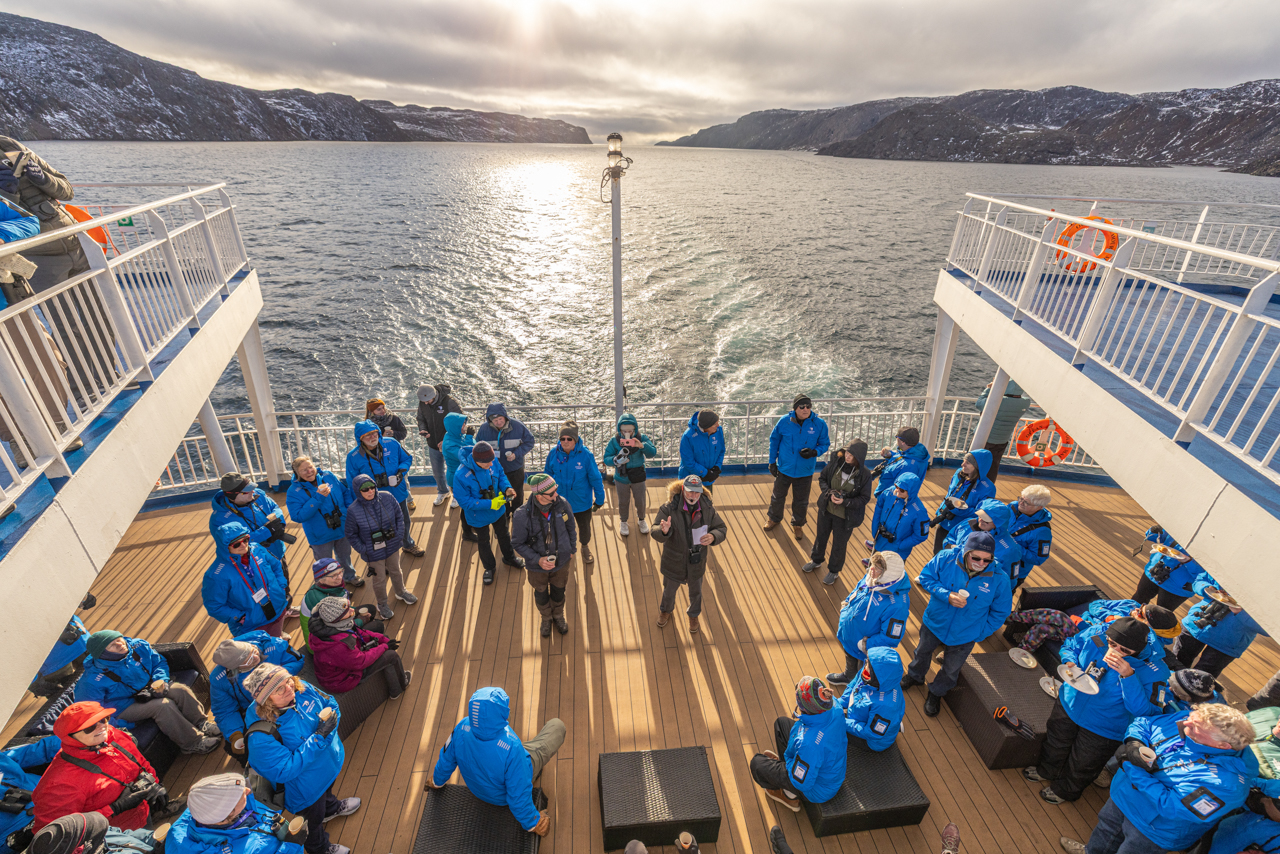
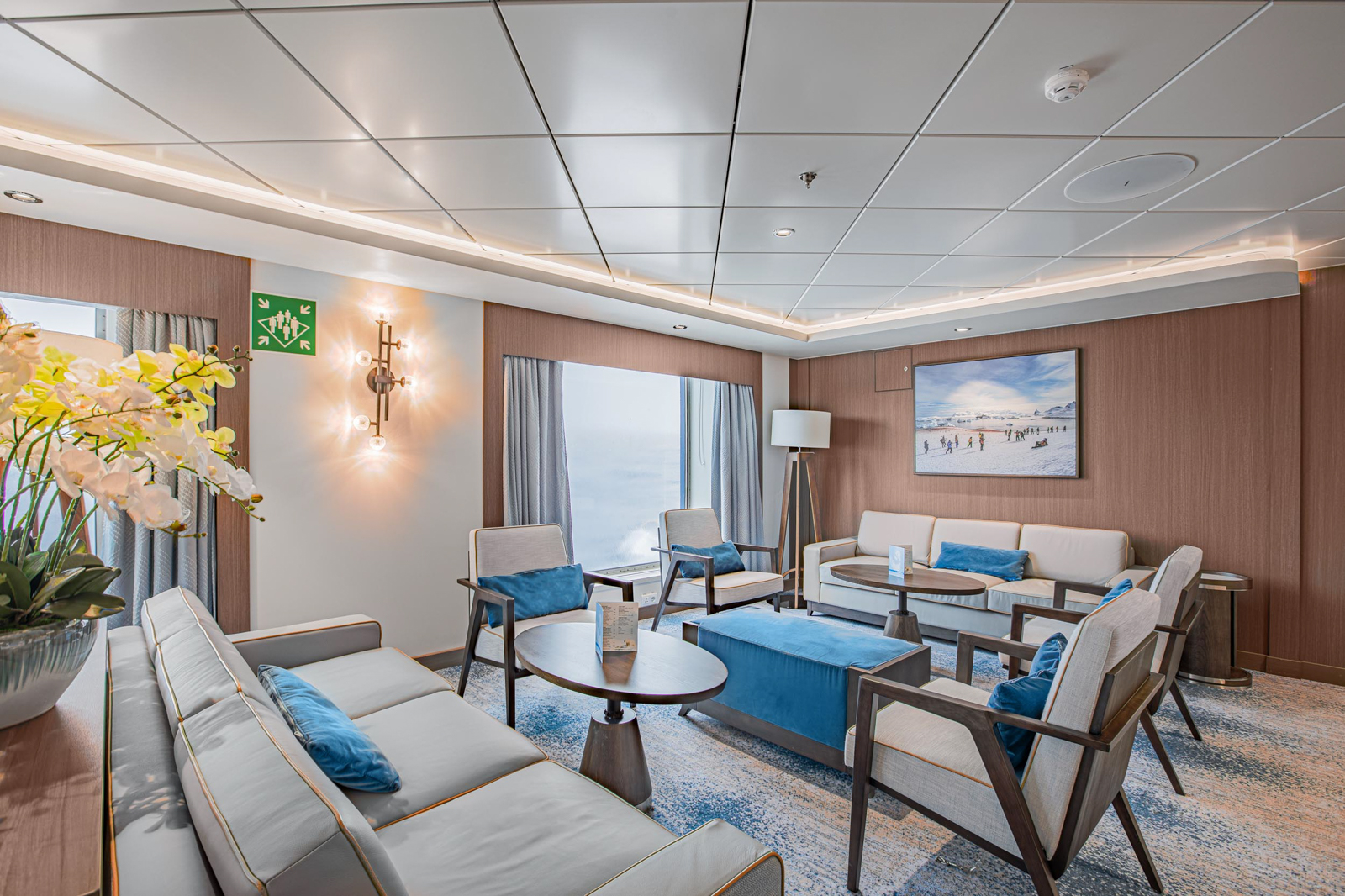
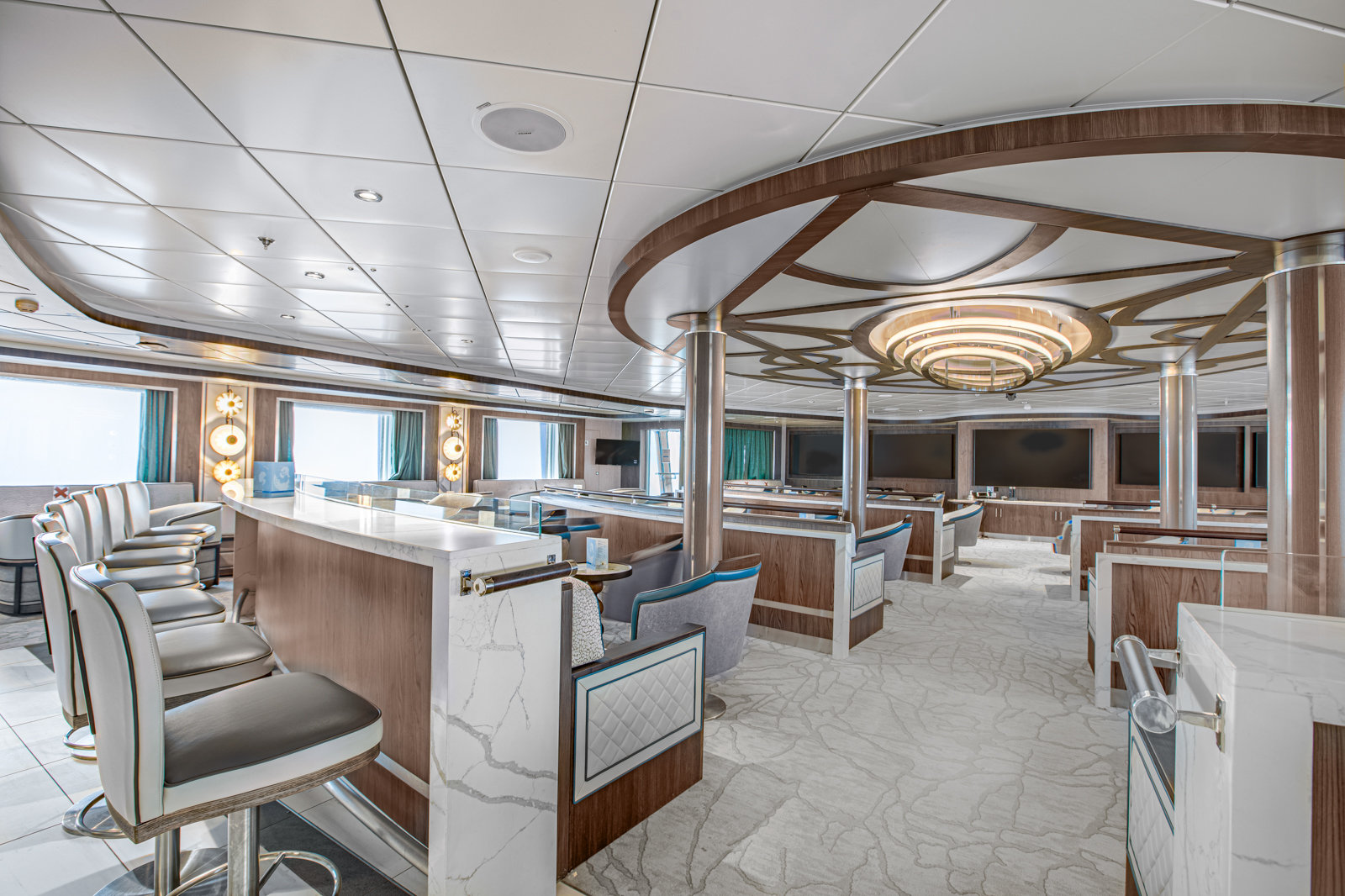
Each evening we will gather in the lounge to recount the day’s events and share memorable stories. Our onboard musician will provide some lively entertainment during happy hour and the expedition leader will outline the following day’s schedule. Our resource staff of naturalists, historians, and other guest speakers will give informative talks at various times throughout the voyage.
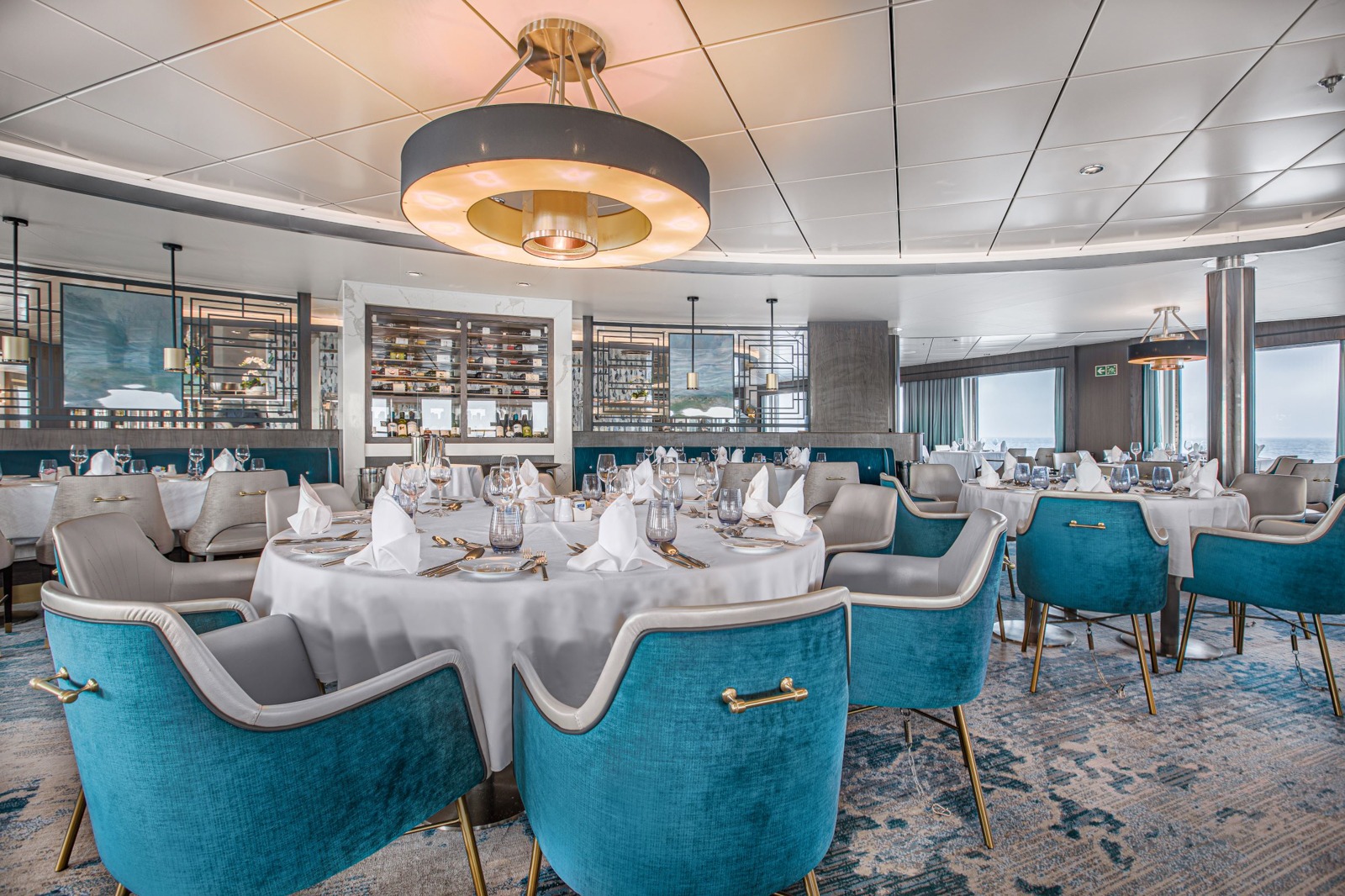
Meals in the ship’s dining room are a great opportunity to meet new friends and recount the day’s adventures. Special diets can be accommodated with advance notice. Safety is also a top priority with Eagle-Eye Tours – our team has extensive experience in the field, and all of our Voyages are run in conjunction with operators with the highest safety standards.
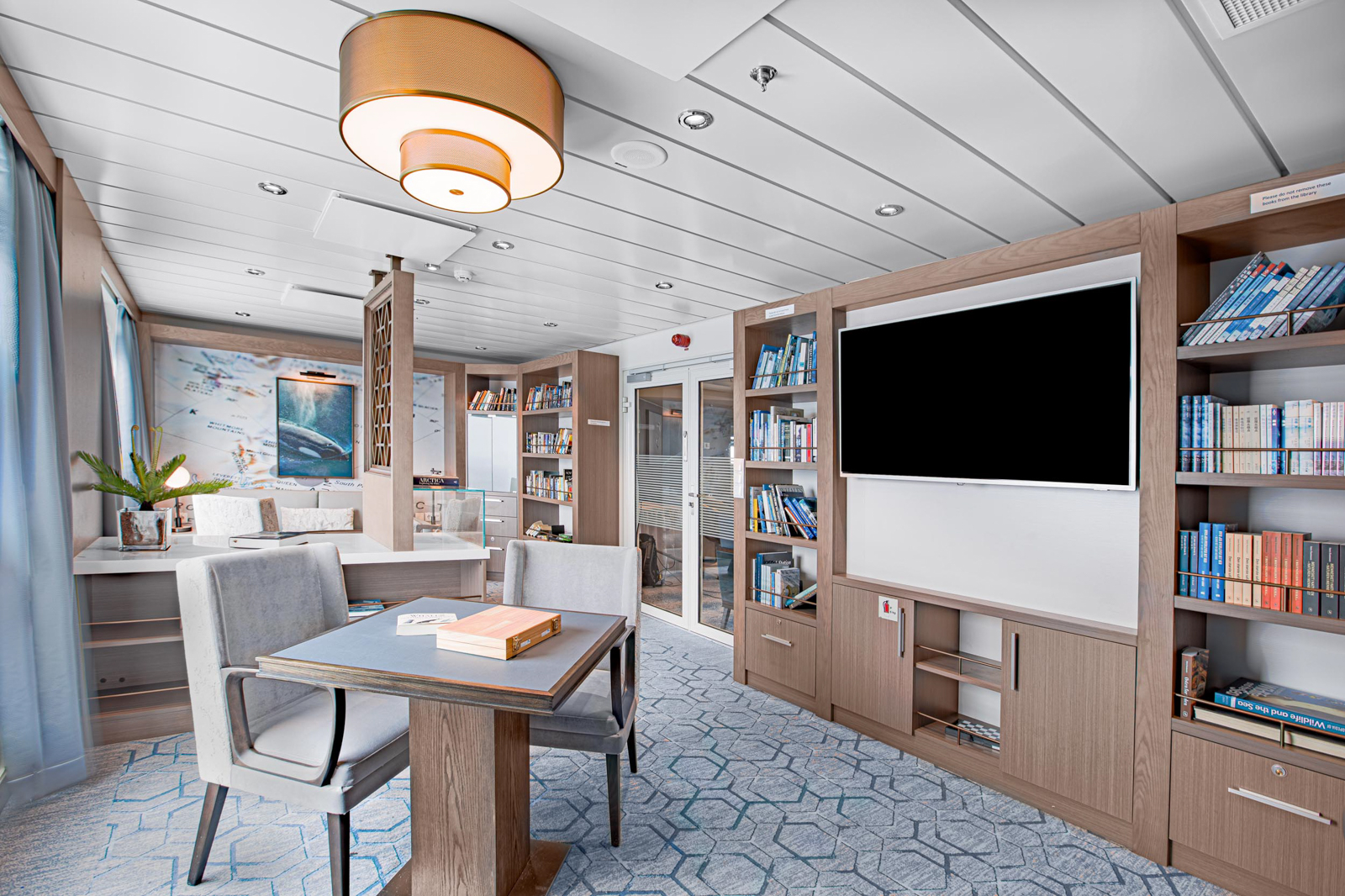
When the ship is underway, it is a wonderful time to join a naturalist on deck, take photos of the stunning scenery, or get caught up on some reading in the library.
Weather, ice, government regulations, and community requests may necessitate changes to the planned itineraries and/or the cancellation of certain shore excursions and enhancements. Published itineraries are examples only and we reserve the right to change or modify the itinerary and landing sites at any time prior or during an expedition. Changes will be communicated at your expedition orientation or during your onboard expedition briefings.
We know that everyone travels for different reasons. Over the years, however, we have found one common element among the guest who choose to travel with us – a thirst of knowledge and authentic experience. Knowing this drives us to ensure the highest quality learning experience on our trips, by taking time to carefully design each trip we offer.
Frequently Asked Questions
Ship Trip FAQs
Find answers to our Frequently Asked Questions regarding our Ship Trips, including information on our cancellation and refund policy, or how fit you need to be to go on an expedition cruise or sailing tour.
Ship & Deck Plan
Ship & Deck Plan: Ocean Victory
Ocean Victory
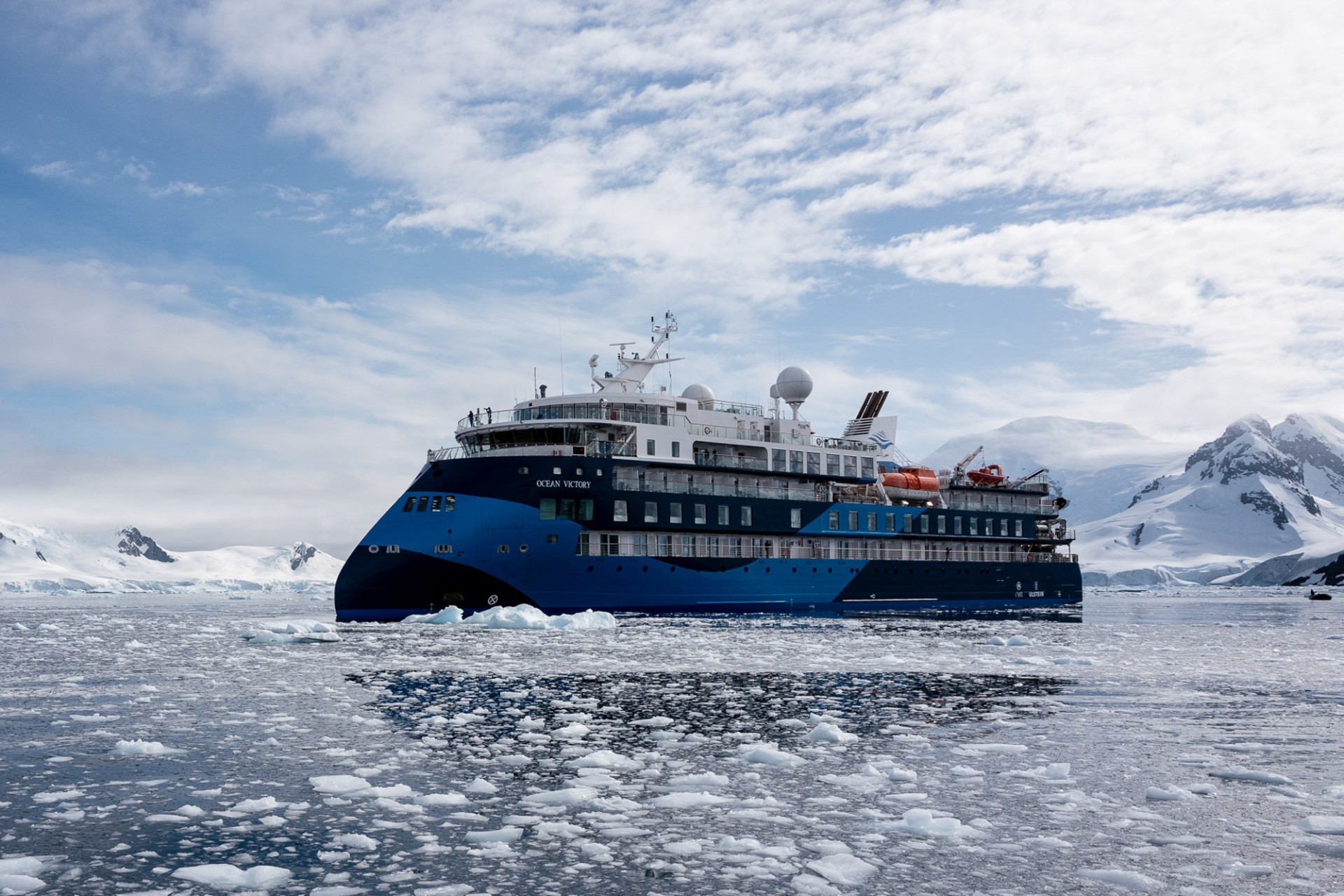
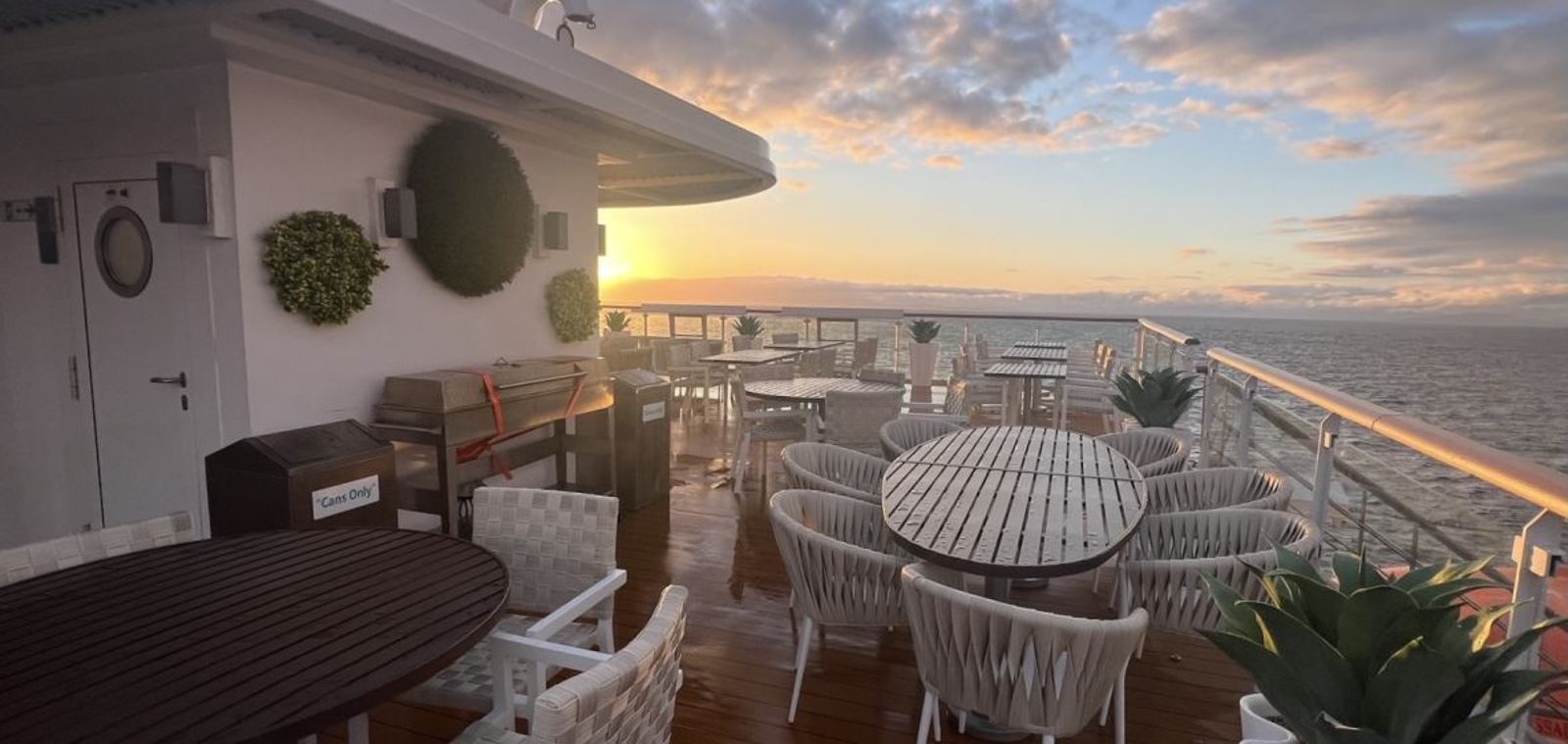
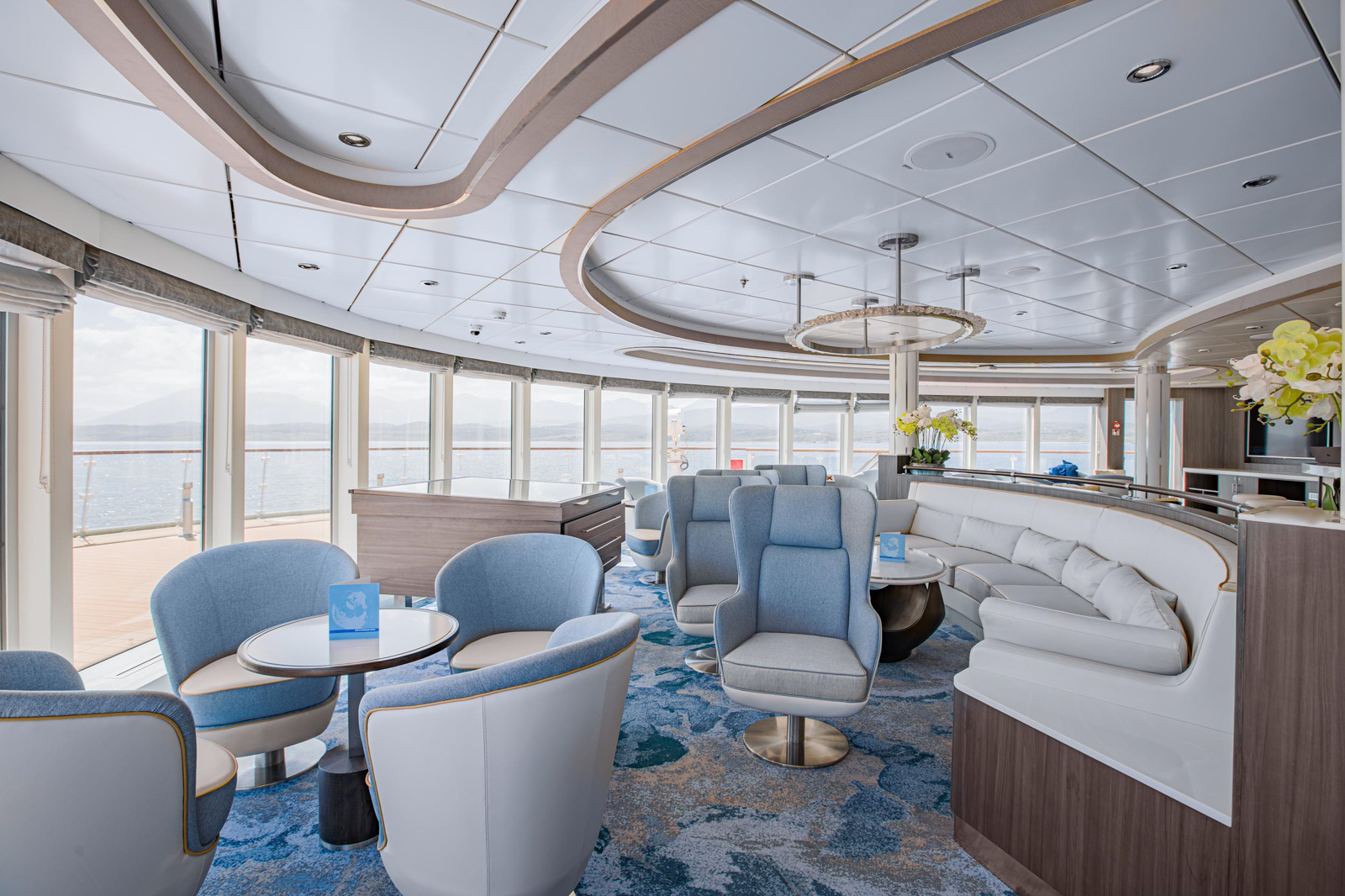
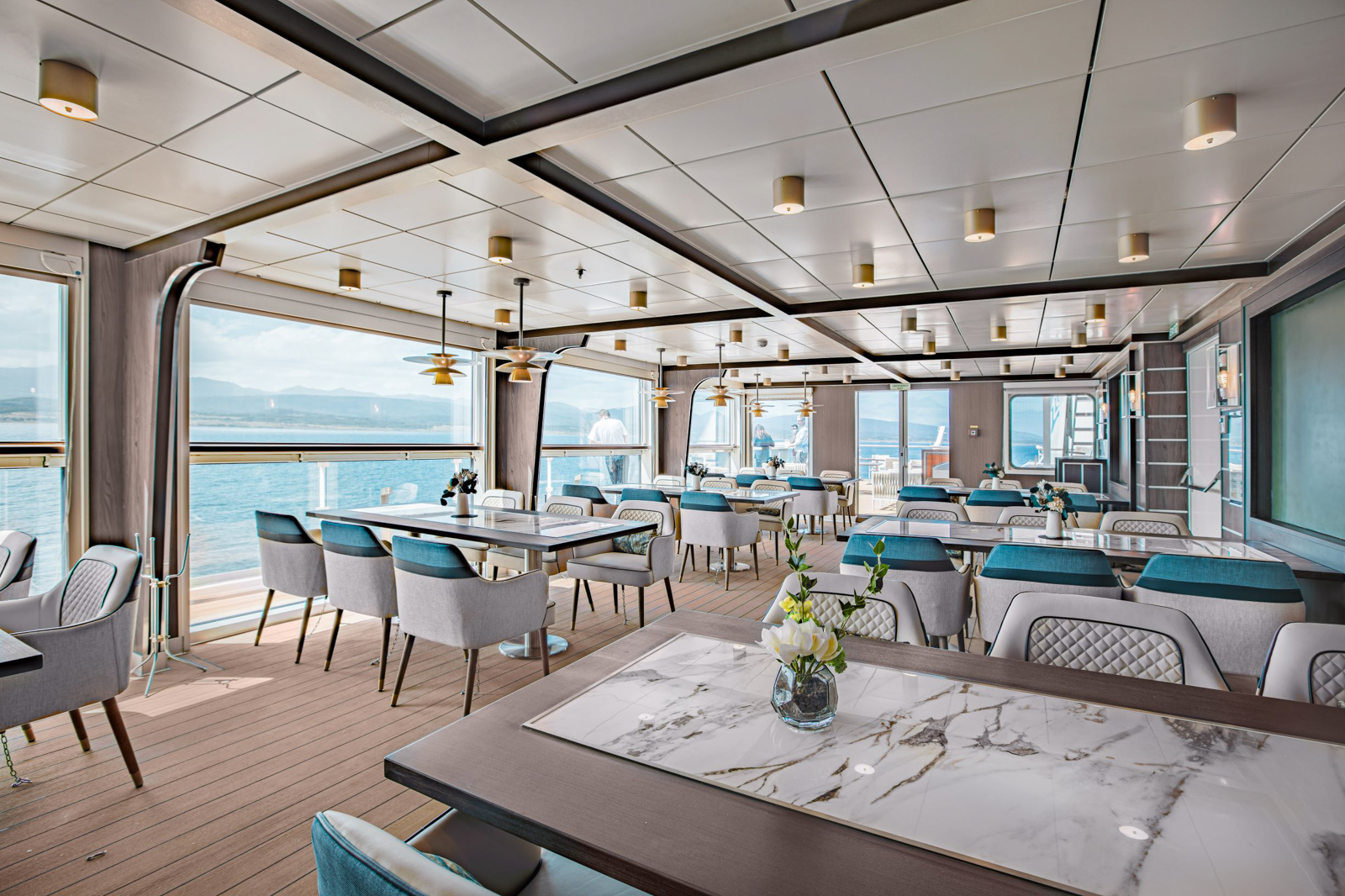
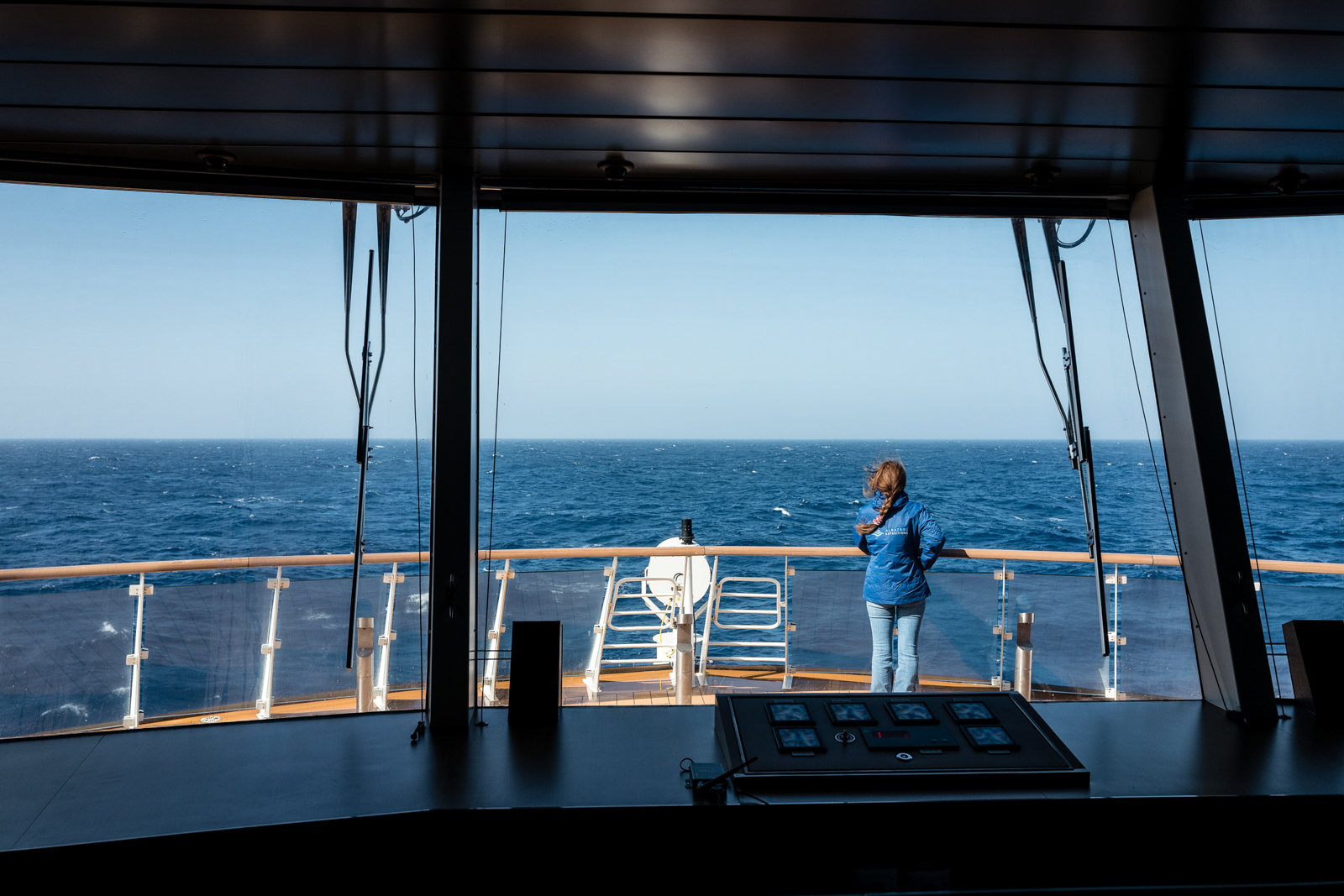
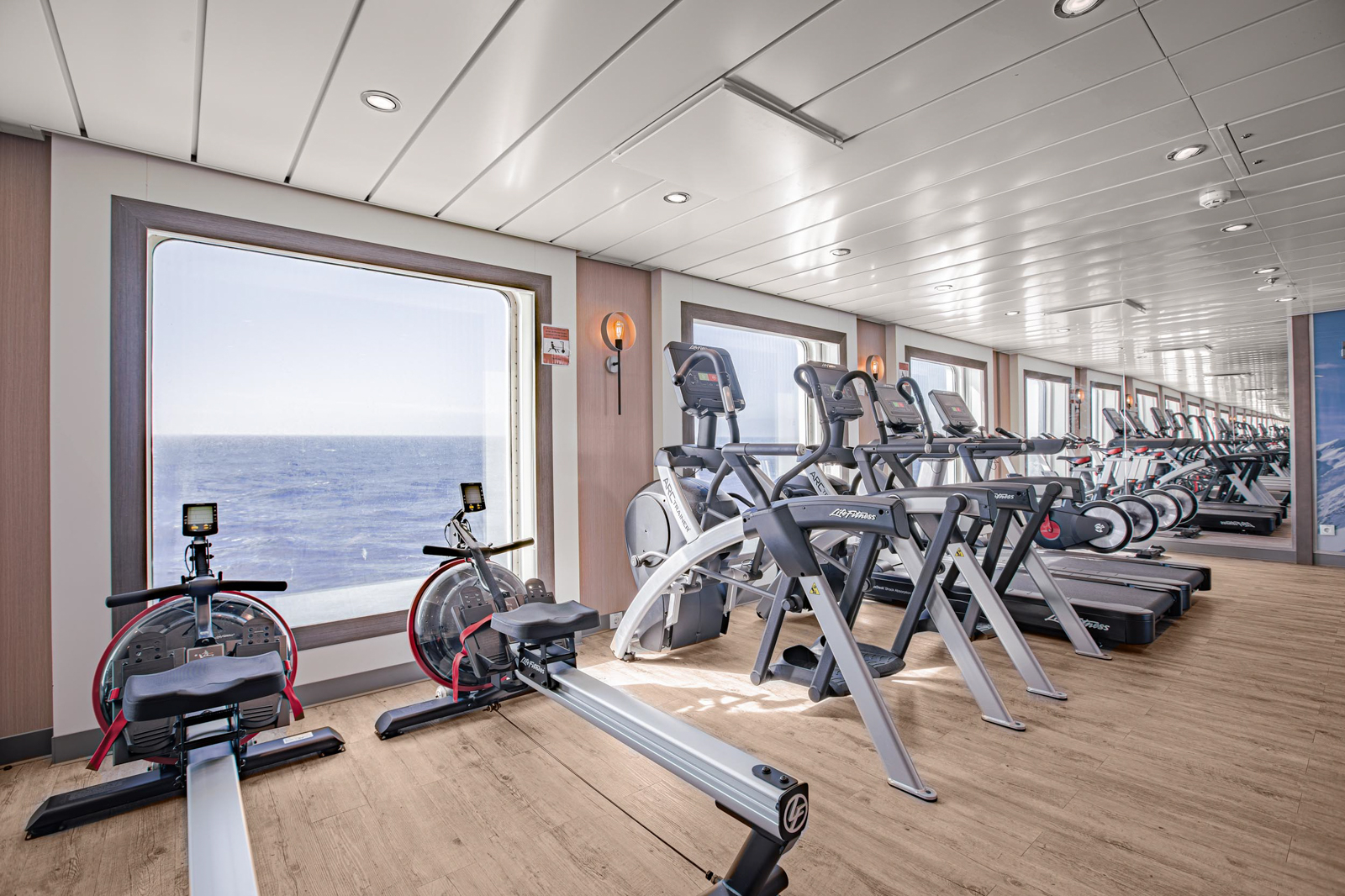
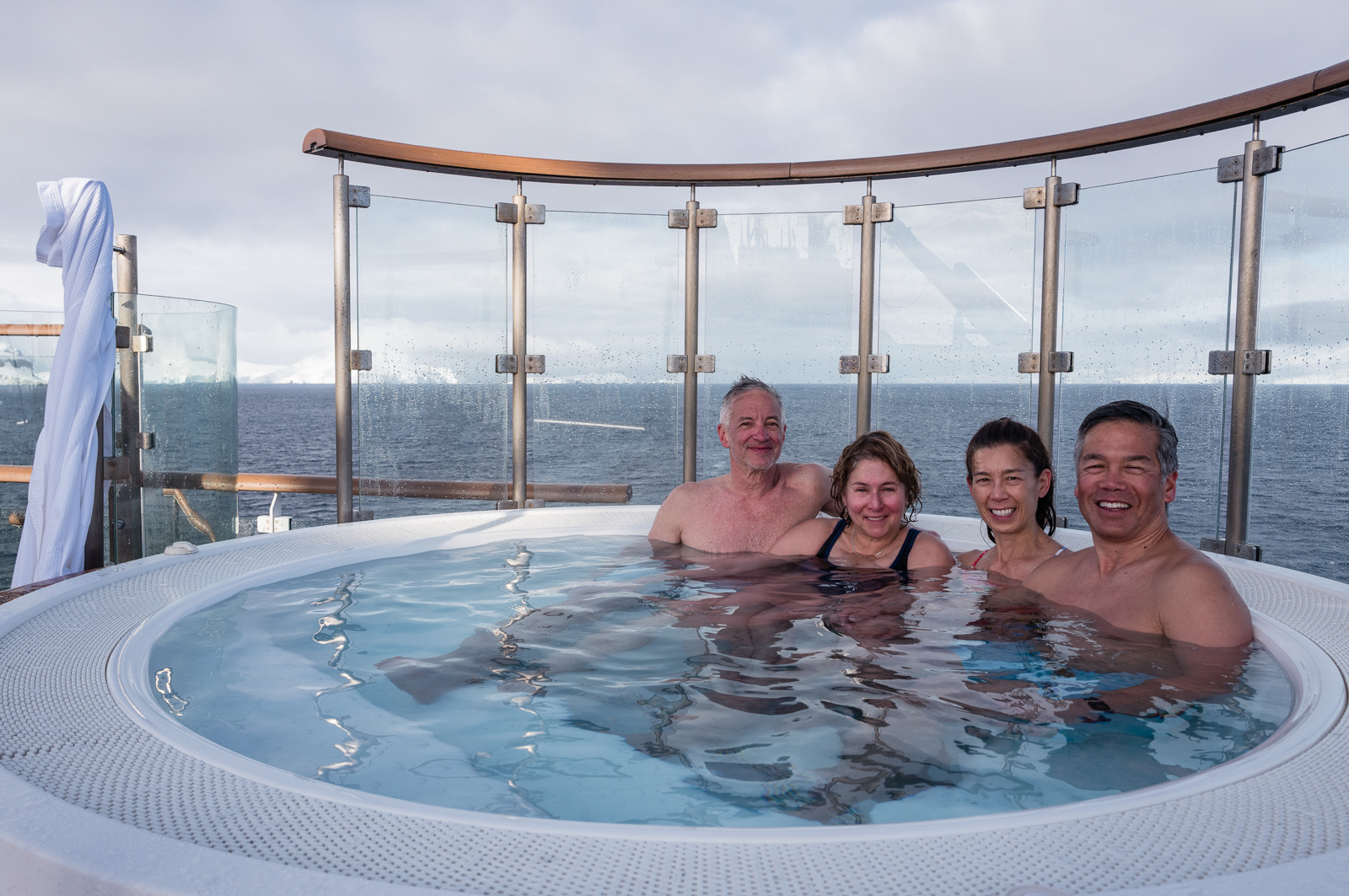
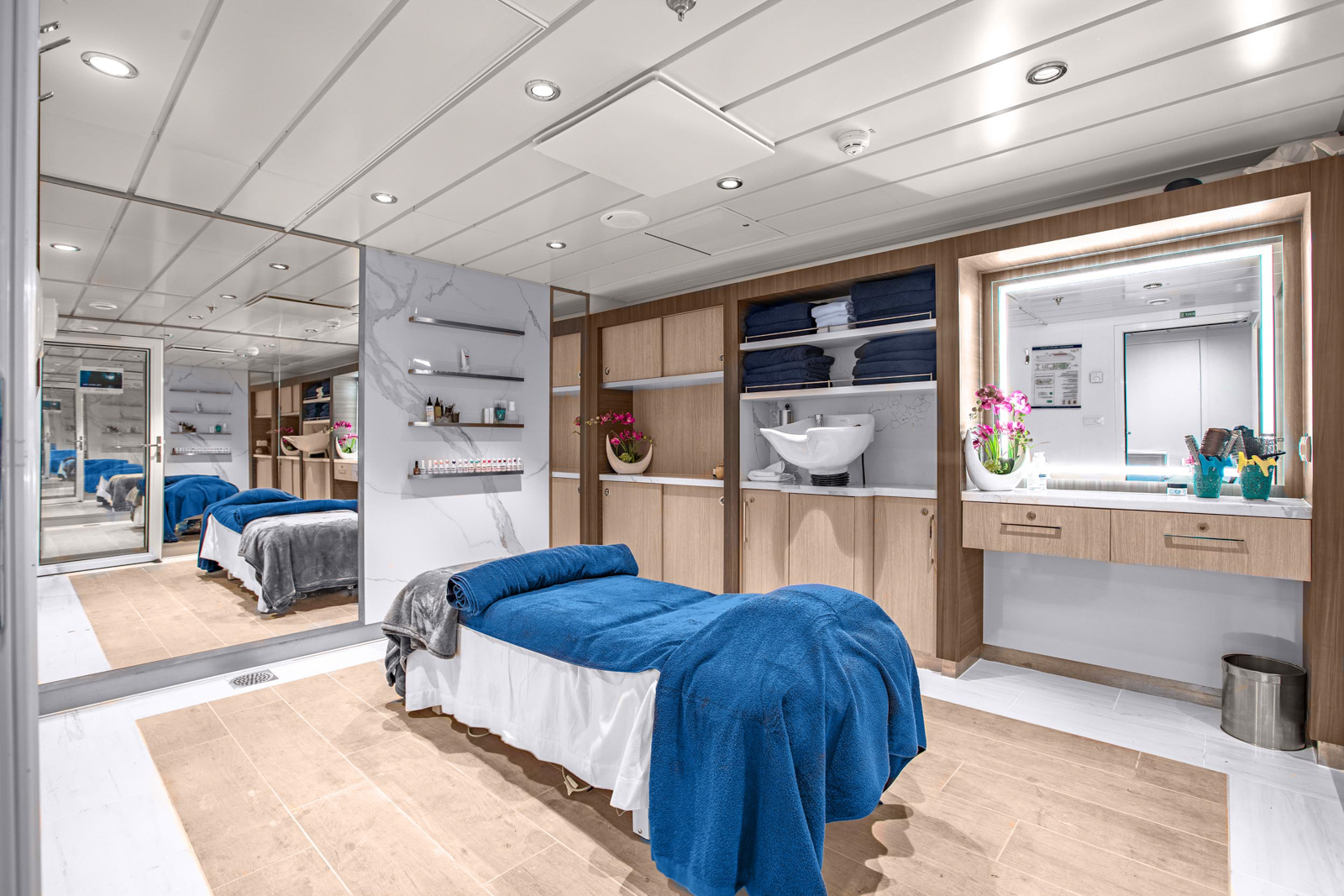
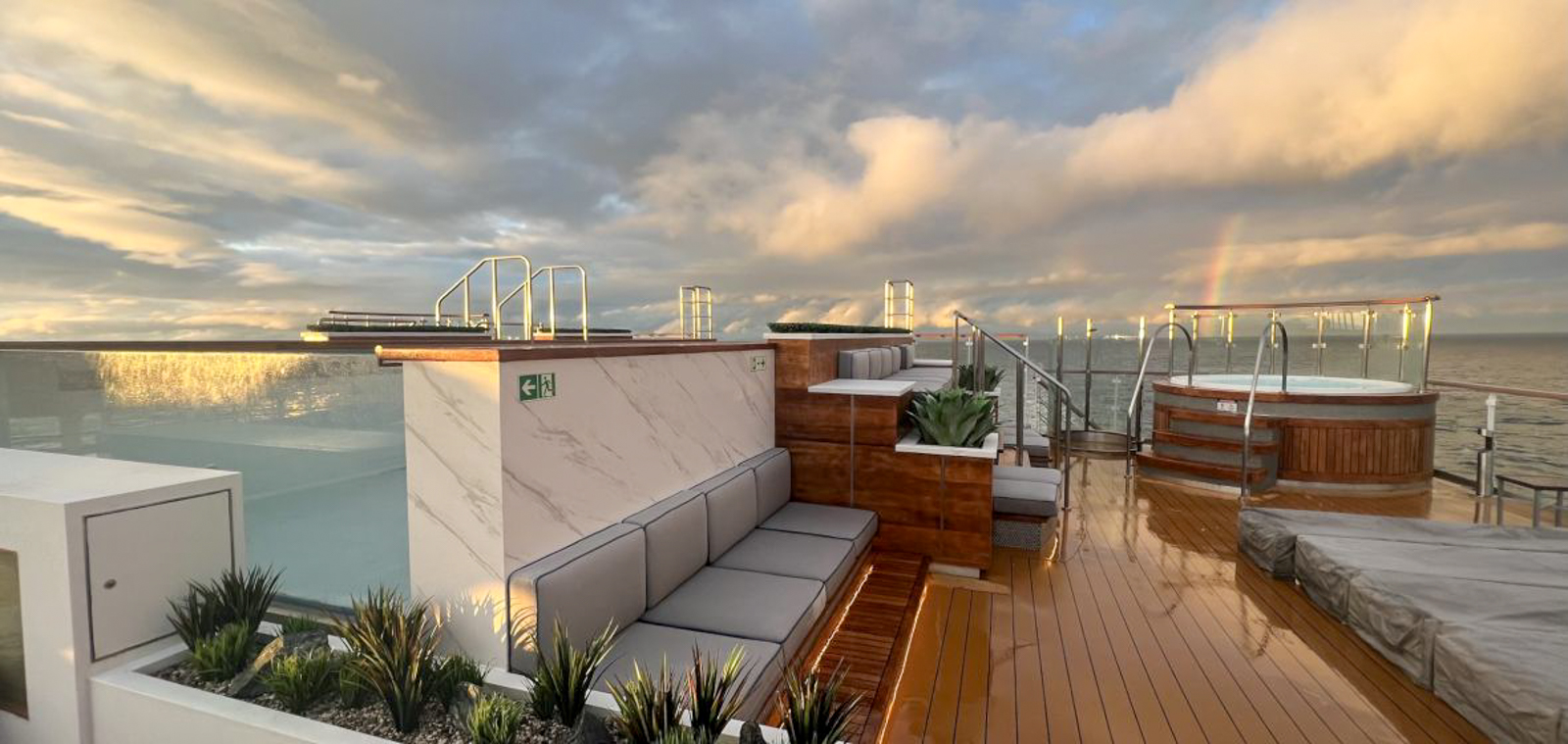
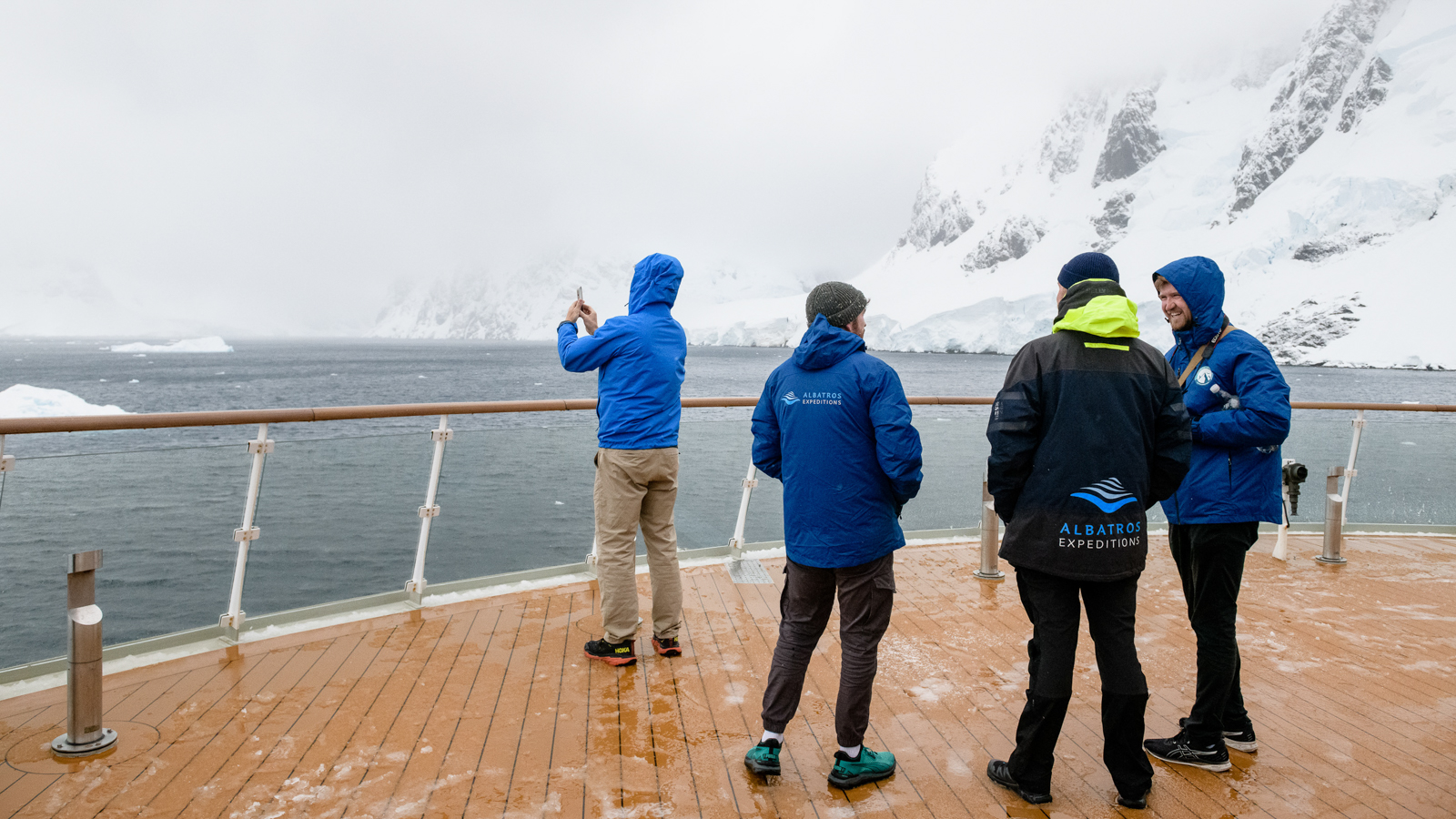
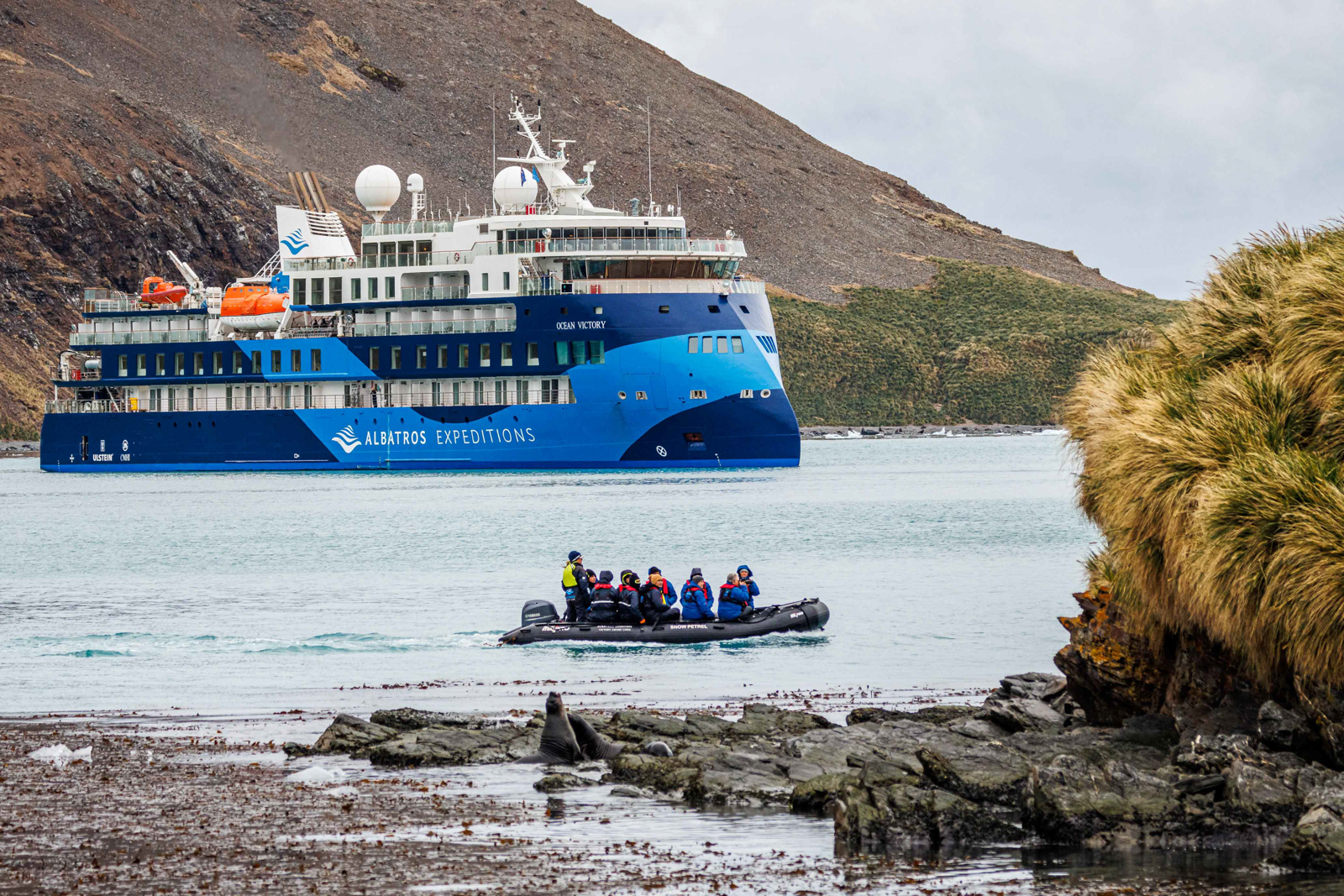
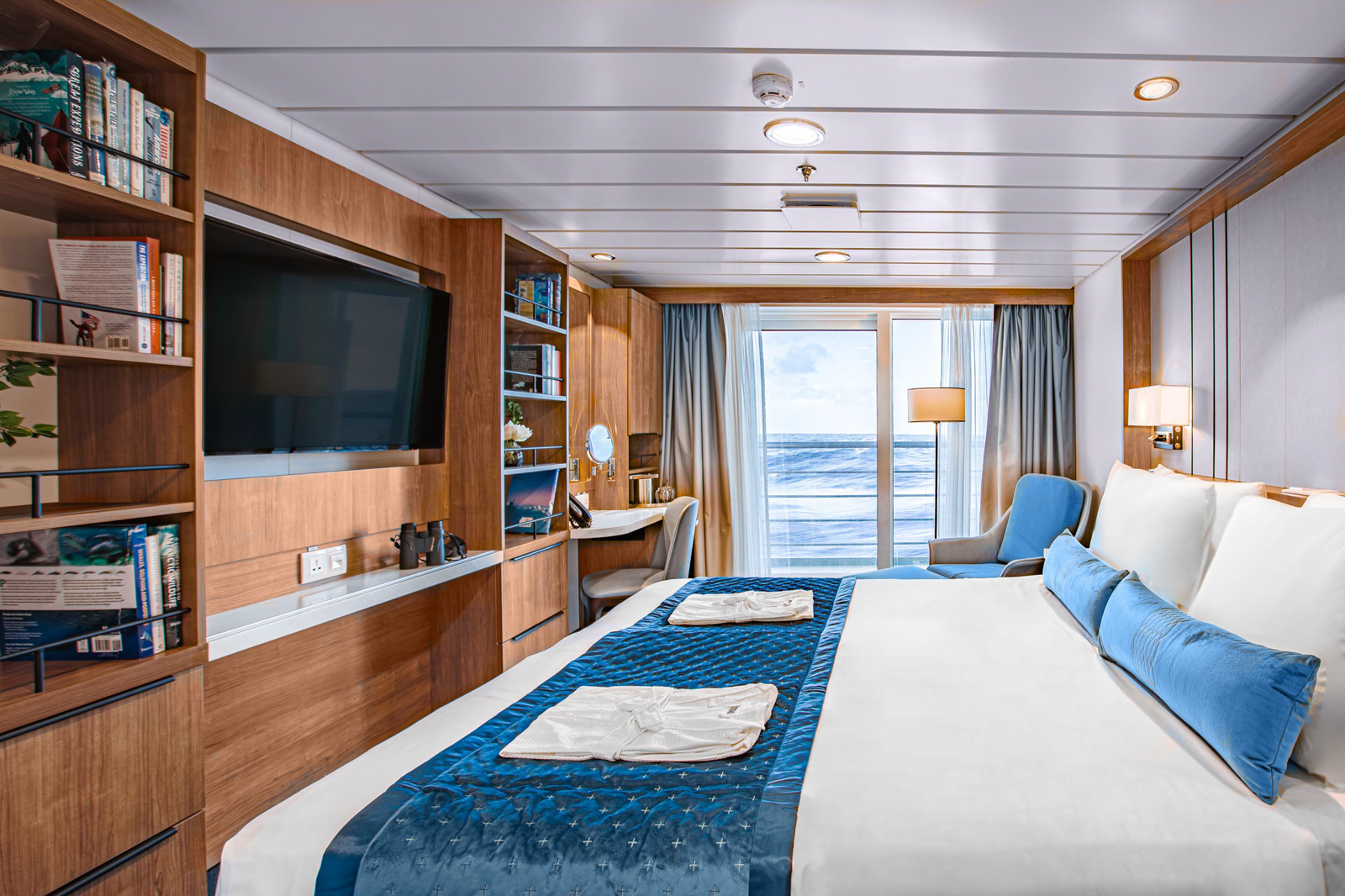
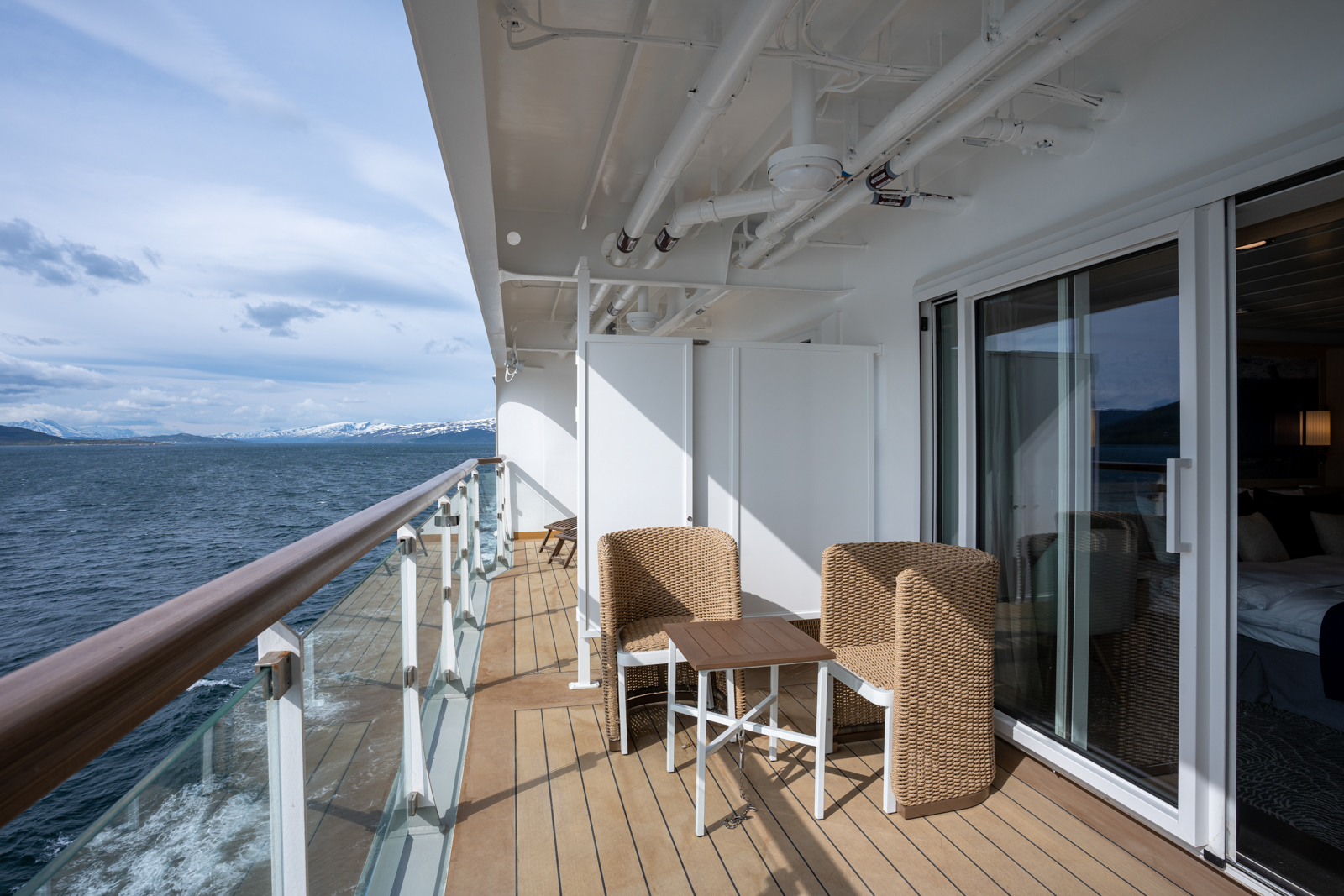
The Ocean Victory, launched in 2021, is one of the most modern small expedition vessels at sea. Purpose-built for discovery, it combines comfort, capability, and a deep commitment to sustainability—an ideal platform for our smallship journeys to some of the world’s most remarkable places. Its innovative X-BOW® hull delivers smoother, quieter crossings and greater stability, while its ice-strengthened design ensures safe passage into areas few ships can reach. On board, travellers are welcomed into bright cabins, panoramic decks, and inviting spaces designed to spark conversation, laughter, and learning. Shared meals, engaging presentations, and quiet moments of reflection as icebergs drift past create a sense of community and curiosity. The Ocean Victory offers a rare combination of comfort, connection, and environmental care.
Highlights:
Purpose-built for exploration with capacity for 186 passengers
Polar Code 6 and Ice Class 1A certification
All cabins with ocean views, most with balconies
New X-BOW® design for more comfortable sea travel
Low-energy design plus on-board green initiatives for responsible, sustainable travel
Learn MoreDeck Plan
Featured Wildlife
Featured Wildlife
The species below are among the birds and mammals we may encounter on this tour. Sightings vary from year to year and cannot be guaranteed.
- Northern Fulmar
- Dovekie
- Thick-billed Murre
- Black-legged Kittiwake
- Black Guillemot
- Glaucous Gull
- Thayer's Gull
- Iceland Gull
- Northern Wheatear
- Polar Bear
- Musk ox
- Humpback Whale
Past Tour Checklists
Past Tour Checklists
View the list of birds and other wildlife we encountered on our past tours.
- Into the Northwest Passage Bird & Mammal List 2025 (pdf)
- Into the NWP Mammal list 2025 (pdf)
- Into the NWP Birds and Mammals 2013 (pdf)
Compare your life list to our last tour
Get an estimate of how many new species you may see.
Try our Lifer tool