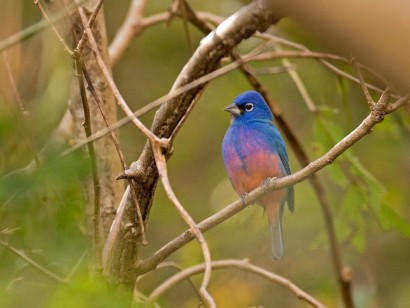
Southern Mexico Trip Report (Jan 14 – 28, 2026)
Oaxaca and Chiapas are the habitat of a vast number of bird species. A total of 360 species seen and 18 additional species that we only heard; many of these are endemic or near-endemic to Mexico, and some awaiting elevation to species level in the future.
Day 1. Arrival in Oaxaca
This first day, all the participants met at Hotel Victoria, Oaxaca, located on the southeastern slope of Cerro Fortin, in the gardens surrounding our rooms we were able to observe some species of both migratory and local birds, with very good views of Dusky Hummingbird and Virginia’s Warbler.

Our group © Anuar López
Day 2. Oaxaca area (Yagul & Teotitlán del Valle)
We begin the day on the road that goes to the entrance of Yagul, a Zapotec archaeological site nestled in rocky hills west of Oaxaca City; The dominant vegetation is xeric scrub, some elements of dry forest and cropland; We stood in front of a group of flowering columnar cacti (Myrtillocactus schenkii, endemic to Oaxaca-Puebla) where our first bird was the Blue Mockingbird, this species is elusive and remained exposed and singing for several seconds. Other important endemic species were: Gray-breasted Woodpecker, White-throated Towhee, Dusky Hummingbird and Boucard’s Wren.
Afterwards we headed towards Teotitlán del Valle, passing the town there is a small body of water (Piedra Azul) where we observed a large number of species of waterfowl and flycatchers, all at the same time, pointing out a different species every second, as well as incredible views of a pair of Plain-capped Starthroat sipping nectar from the flowers of an American Coral tree (Erythrina americana).
We had lunch in Teotitlán del Valle and then visited an incredible demonstration of traditional Oaxacan weaving at the workshop called “Bug in the Rug”.
In the afternoon, climbing the hills following the road to Benito Juarez, the xeric scrub quickly transforms into an oak forest, with some humid ravines where we were able to observe great activity of hummingbirds drinking from Salvias, among the species observed: Mexican Violetear, Rivoli’s Hummingbird, Blue-throated Mountain-gem, Berylline Hummingbird. Other notable species were Greenish Elaenia, Tufted Flycatcher, Golden Vireo, Crescent-chested Warbler and incredible views of Red Warbler.
To end the day, almost in the last minutes of light, we visited the Tule tree, the tree with the thickest trunk in the world and 1,400 years old, here we heard the constant calls of an American Barn Owl.

Blue Mockingbird © Anuar López

Plain-capped Starthroat © Anuar López

Weaving demonstration © Anuar López

Red Warbler © Anuar López
Day 3. Oaxaca area (Tlacolula & La Cumbre Ixtepeji).
We begin on the Camino San Miguel Arcangel in Tlacolula west of Oaxaca City. At our first stop in a xeric scrub area we observed new important species for the trip: Bridled Sparrow, Woodhouse’s Scrub Jay (Sumichrast’s), Gray-silky Flycatcher and Rufous-capped Warbler. At a second point at a higher altitude and with pine elements we had incredible views of the Oaxaca Sparrow, endemic to Oaxaca and sometimes difficult to observe due to its secretive habits among the low and dense vegetation; very still and in front of us was a Slaty Vireo, another gem of the trip. Other important species at this point were: White-striped Woodcreeper, Slate-throated Redstart, Painted Redstart and Chesnut-sided Shrike-Vireo.
In Ixtlán, after midday, we had lunch at Restaurante Colibrí, where we achieved incredible views of Rivoli’s Hummigbird, Steller’s Jay (Middle American), Chesnut-capped Brushfinch, Yellow-eyed Junco, Collared Towhee and Rufous-capped Brushfinch.
In the afternoon we visited the humid pine-oak forests at Cerro San Felipe (La Cumbre Ixtepeji), here the oaks and pines are very tall, their trunks covered with moss, epiphytes and bromeliads, where we achieved very good views of the two obligatory species in the area: Dwarf Jay capturing caterpillars on a White Tepozan (Buddleja cordata) and a family of Gray-barred Wren.

Oaxaca Sparrow © Anuar López

Slaty Vireo © Anuar López
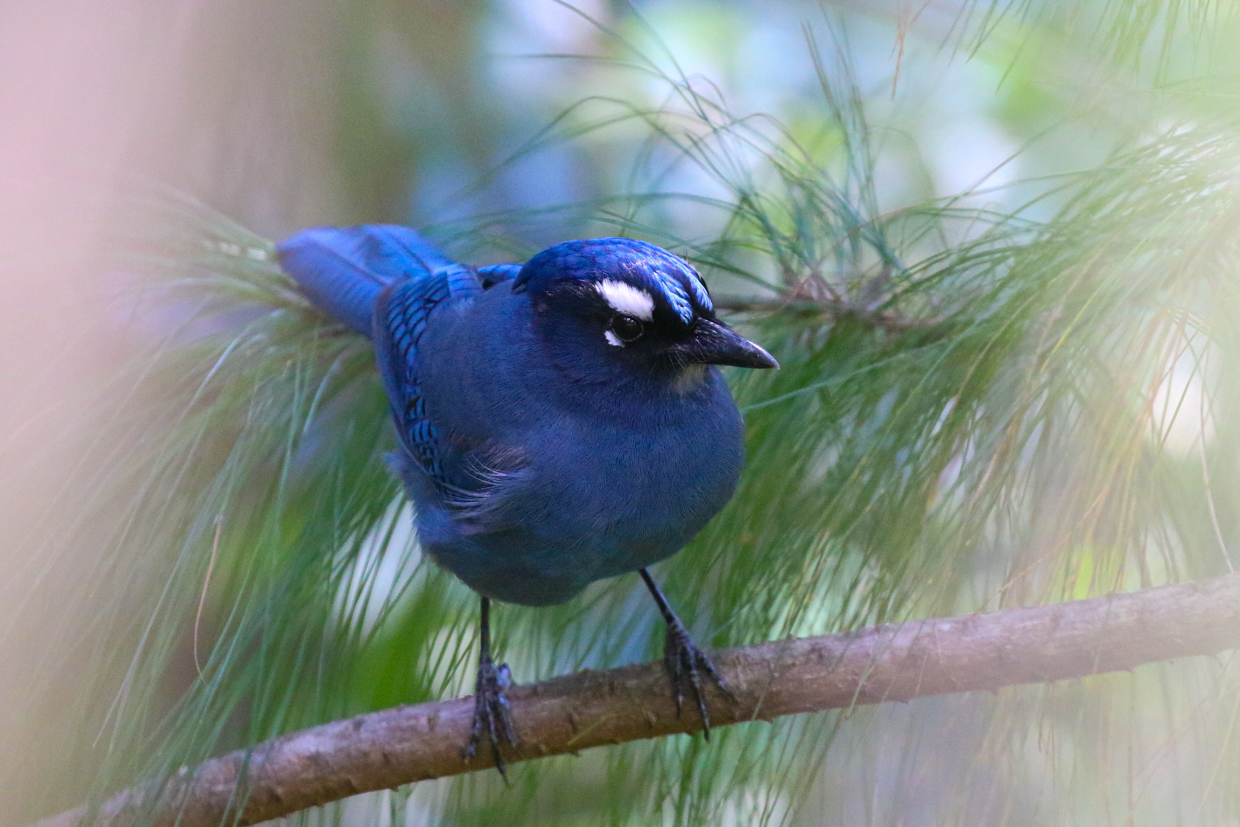
Steller’s Jay (Middle American) © Anuar López

Lunch in Restaurante Colibrí © Anuar López

Birding in Cumbre Ixtepeji © Anuar López

Dwarf Jay © Anuar López
Day 4. Monte Albán and drive to Sierra Madre del Sur.
Because the Monte Albán Archaeological Zone opens late (9am) we started on a side trail where bird activity was slow and few species, perhaps the relative cold in the area due to winter could be related, however, we achieved good views of a White-tailed Hawk perched on the top of a hill receiving the first rays of the sun, very good views of Rufous-crowned Sparrow, as well as several migratory species: Blue-headed Vireo, Black-and-white Warbler, Nashville Warbler, Virginia’s Warbler, MacGillivray’s Warbler and Western Tanager. We entered the Archaeological Zone, and headed towards the northern platform where Jorge explained to us everything about the origin, development and fall of Monte Albán. Unexpectedly, a large group of White-collared Swifts flew over the area, a species not common to the central area of Oaxaca. Other species we observed were Canyon Wren, as well as several migratory species, namely: Western Kingbird, Cassin’s Vireo, Ash-throated Flycatcher, Orange-crowned Warbler, Yellow-rumped Warbler (Audubon’s), and Wilson’s Warbler.
After a long day traveling towards the Sierra Madre del Sur mountains we arrived at our cabins, immersed in a beautiful cloud forest where we managed to observe good views of the White-eared Hummingbird, Tennessee Warbler and a very brief view of the Hairy Woodpecker (South Mexican). Almost at dusk the vocalizations of a group of Long-tailed Wood-Partridge broke the silence.

Boucard’s Wren © Anuar López

White-throated Towhee © Anuar López

Corn and beans, key elements of Oaxaca food © Anuar López
Day 5. Sierra Madre del Sur.
We spent the first six hours of the day in the humid pine-oak forests of Sierra Madre del Sur, visiting different points. Notable species include Band-tailed Pigeon, Sharp-shinned Hawk, Spot-crowned Woodcreeper, Greater Pewee, Brown Creeper, Olive Warbler, Golden-browed Warbler, Mountain Trogon, Western Flycatcher, Common Chlorospingus, Cinnamon-bellied Flowerpiercer. Drinking nectar from the flowers of the Mexican Hand Tree (Chiranthodendron pentadactylon) we managed to observe several Garnet-throated Hummingbird, Amethyst-throated Mountain-gem, as well as incredible views of Bumblebee Hummingbird drinking from all types of flowers in bushy areas. One of the participants located an Oaxaca Arboreal Alligator Lizard (Abronia oaxacae) walking on the ground and with perfect camouflage, a species that has less than 10 records for the Sierra Madre del Sur and that is endemic to Oaxaca.
Continuing towards the Pacific slope, but even in the mountainous area the landscape changed to tropical forests; In a shade-grown coffee area we had incredible views of Northern Emerald-Toucanet (Wagler’s), Grey-crowned Woodpecker, Mexican Squirrel-Cuckoo, as well as additional migratory species: Black-throated Green Warbler and Rose-breasted Grosbeak.
Arriving with the last rays of the sun in the lowlands near Santa María Huatulco in a Manila Tamarin tree (Pithecellobium dulce) we managed to observe Long-billed Starthroat, Golden-cheeked Woodpecker, as well as other migratory species: Least Flycatcher, Bullock’s Oriole, American Redstart, Northern Yellow Warbler.

Garnet-throated Hummingbird © Anuar López
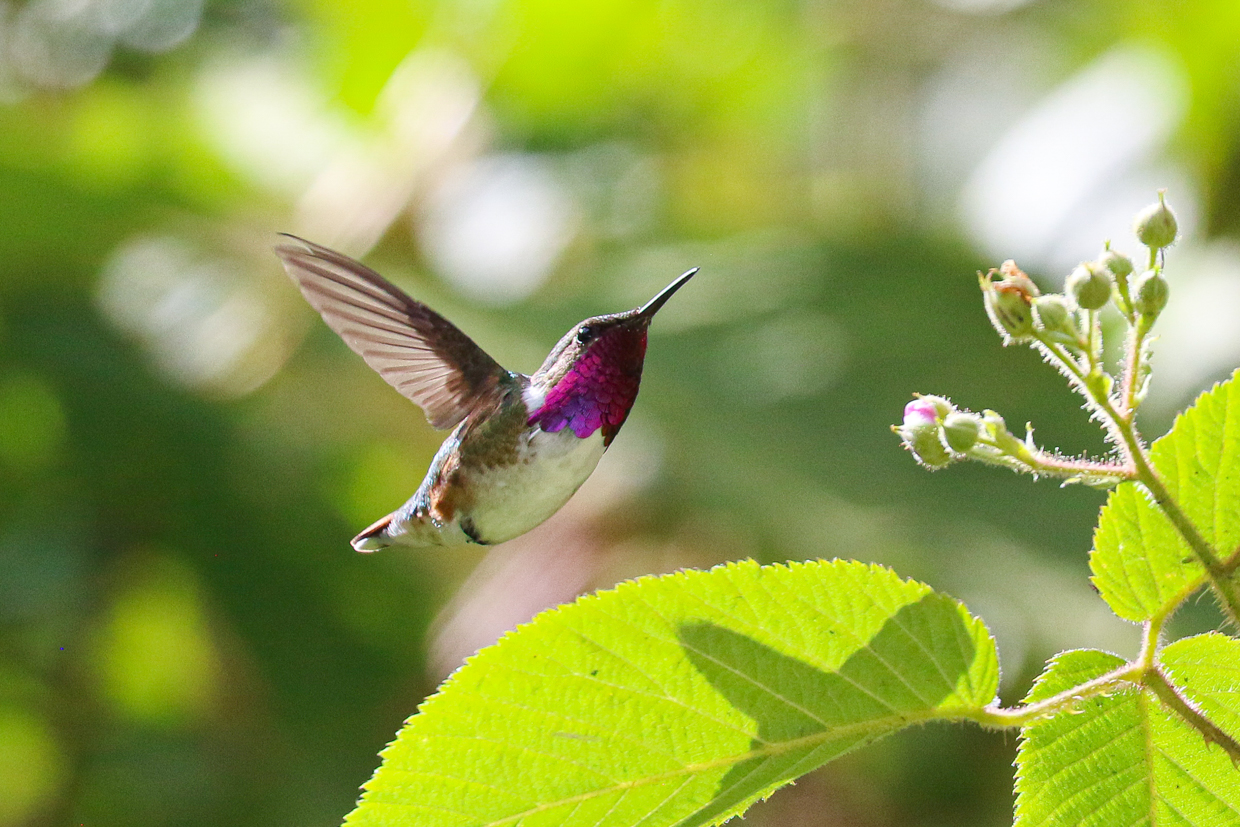
Bumblebee Hummingbird © Anuar López

Oaxaca Arboreal Alligator Lizard © Anuar López

Northern Emerald Toucanet © Anuar López
Day 6. Huatulco National Park
We started just before dawn to have opportunities for owls, but only managed to hear four species, the most important being Pacific Screech-Owl (Oaxaca). We headed to the southern entrance of Huatulco National Park, where we got good views of many species that are obligatory for Western Mexico, many of them endemic: Turquoise-crowned Hummingbird, Cinnamon Hummingbird, Crane Hawk (Blackish), Citreoline Trogon, Pale-billed Woodpecker, Lineated Woodpecker, White-fronted Amazon, Orange-fronted Parakeet, White-lored Gnatcatcher (Van Rossem’s), Russet-naped Wren, Banded Wren, Rufous-backed Robin, Yellow-winged Cacique, Streak-backed Oriole, Spot-breasted Oriole, Altamira Oriole, Northern Cardinal (Long-crested), Blue Bunting (West Mexico).
Continuing the road towards the Isthmus of Tehuantepec we made a stop for Red-breasted Chat, but unfortunately we did not manage to observe it, instead we achieved incredible views of Cinnamon-tailed Sparrow and Orange-breasted Bunting. We had the opportunity to see a Zone-tailed Hawk when it came down to the dry forest canopy to capture a Black Iguana (Ctenosaura sp.) that was sunbathing on the tip of a columnar cactus.

White-lored Gnatcatcher © Anuar López

Orange-breasted Bunting © Anuar López

Zone-tailed Hawk © Anuar López
Day 7: Isthmus of Tehuantepec
The day began in an area of low-altitude dry forest, typical of the Isthmus of Tehuantepec, where strong winds drive the height of the forests to no more than four meters in the lowlands, achieving incredible views of a pair of Double-striped Thick-knee, as well as the Tropical Mockingbird (Mayan), as well as new views of Cinnamon-tailed Sparrow. Afterwards we arrived at the beach of Santa María Xadani, part of a huge brackish interior lagoon. A large number of shorebirds and waterfowl allowed us to put our identification skills into practice, coupled with the great difficulty due to incredible gusts of wind that at times made it impossible to stay standing. We located American Oystercatcher, Collared Plover, Hudsonian Whimbrel, Marbled Godwit, Black Skimmer, Reddish Egret, Mangrove Swallow among other species.
After lunch we traveled to the Sierra del Tolistoque where we had incredible views of the highly endangered and local Rose-bellied Bunting, ¡we counted 30 individuals at one point! Leaving this site, just before taking the road we observed the Stripe-headed Sparrow.
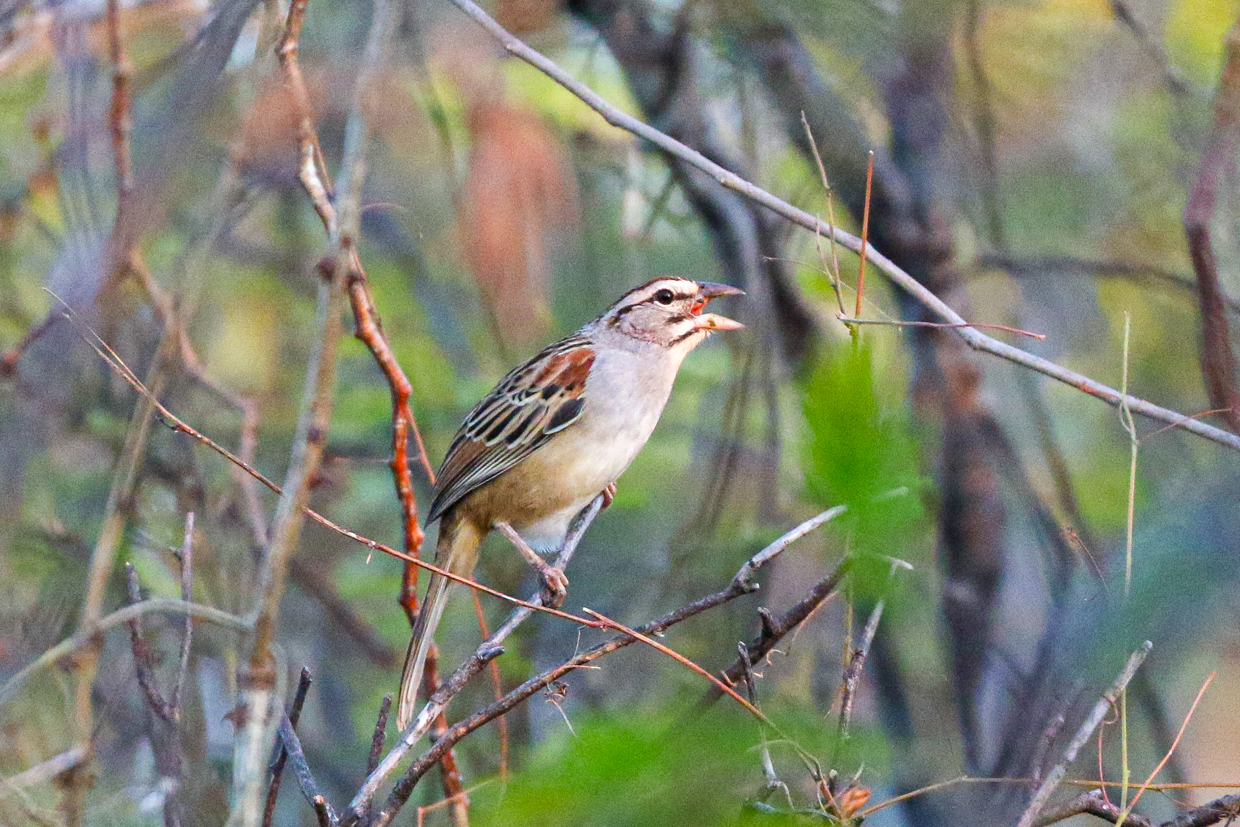
Cinnamon-tailed Sparrow © Anuar López
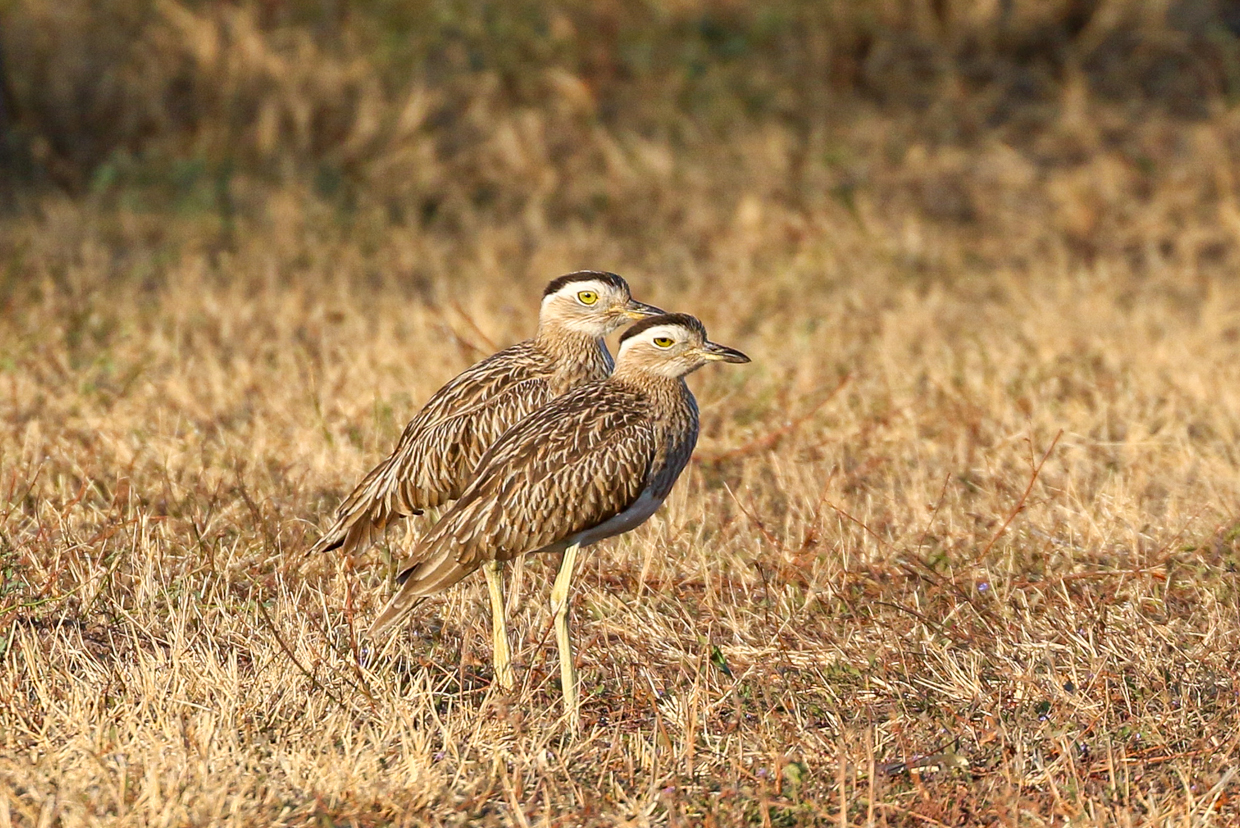
Double-striped Thick-knee © Anuar López

Turquoise-crowned Hummingbird © Anuar López

Rose-bellied Bunting © Anuar López
Day 8. Chiapas Lowlands
Our day started very early, having a picnic breakfast on the Pan-American highway; in mango farmland and some jungle elements over a river, achieving species such as Collared Aracari, Orange-chinned Parakeet, Rose-throated Becard, Scrub Euphonia and Rufous-backed Wren. Arriving at Mapastepec we descended towards an extensive area of jungle patches now converted into pastures for cattle, however, some bodies of water present allowed us to observe new birds such as White-bellied Chachalaca, Northern Jacana, Bare-throated Tiger Heron, Boat-billed Heron, Black-collared Hawk, Laughing Falcon and Morelet’s Seedeater. We then took a boat trip among spectacular mangroves in the La Encrucijada Biosphere Reserve where we observed many birds including Northern Potoo, Sungrebe, Agami Heron, Common Black Hawk, Great Black Hawk, Ringed Kingfisher, Amazon Kingfisher, American Pygmy Kingfisher. Finally, on the way back we finally managed to observe a couple of not shy Giant Wrens.

Mangrove boat ride © Anuar López
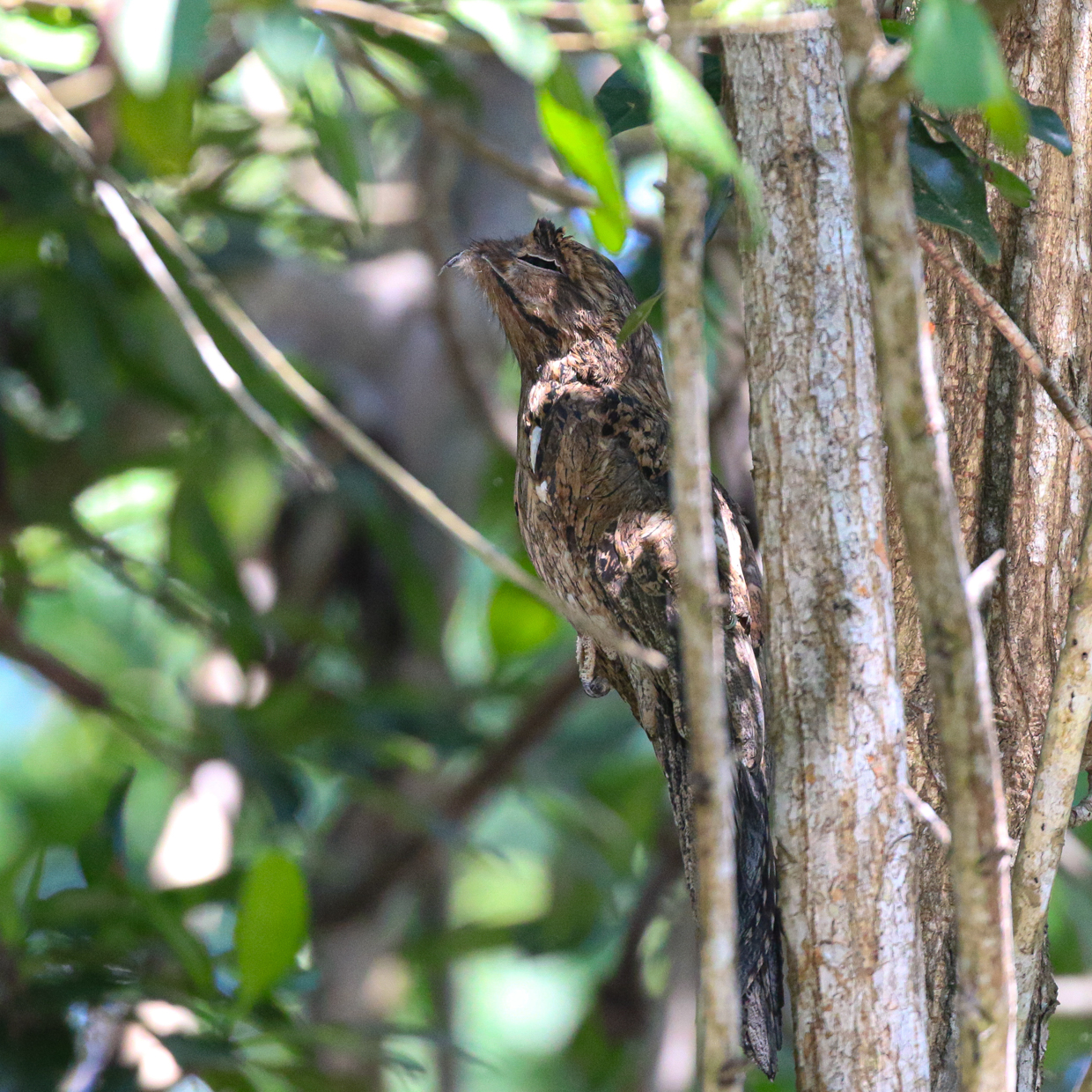
Northern Potoo © Anuar López
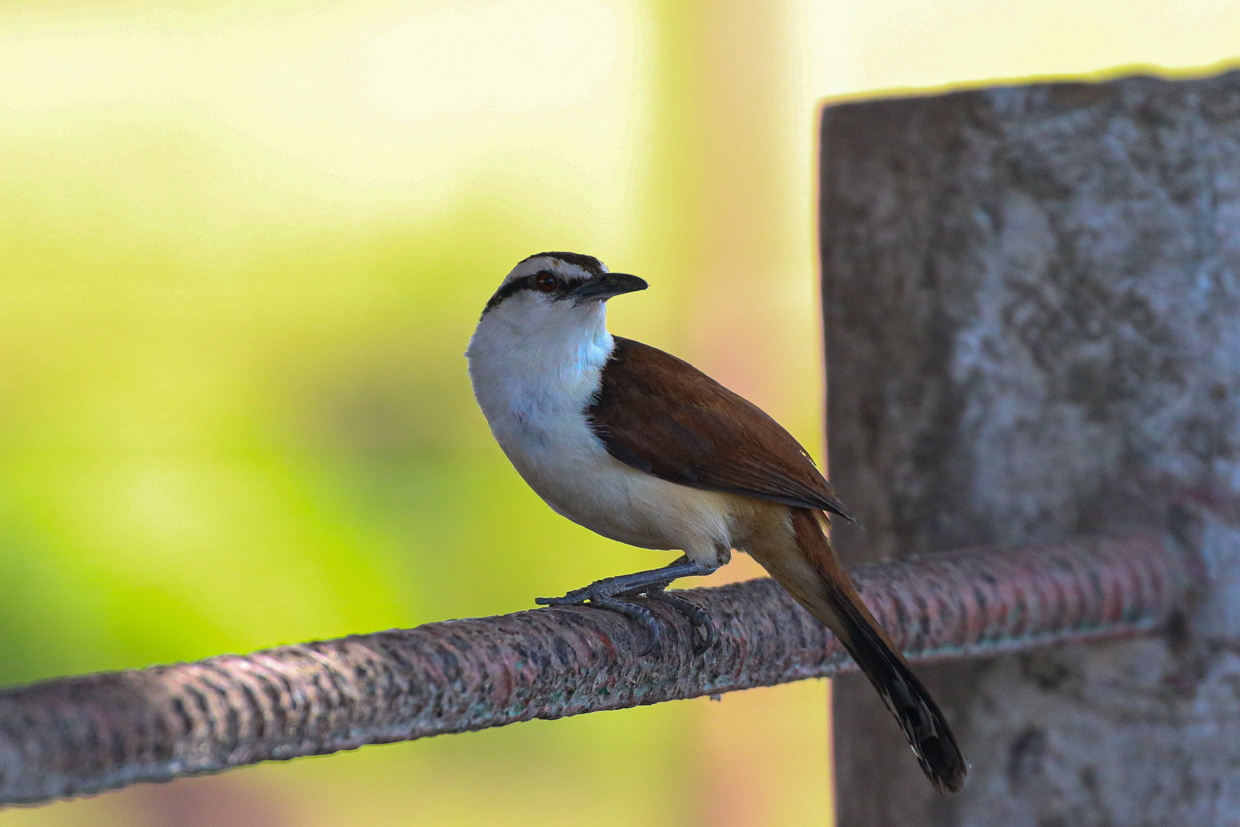
Giant Wren © Anuar López
Day 9. San Cristóbal de las Casas.
In a completely different habitat, in the pine-oak highlands (Los Altos de Chiapas) we started the day with our local guide Alberto Martinez, our first point just before the entrance to Montetik Park we observed Acorn Woodpecker, Hammond’s Flycatcher, Band-backed Wren, Blue-and-white Mockingbird, Rufous-collared Robin, Rusty Sparrow. During our delicious picnic breakfast with a spectacular view of the mountains we observed the Pink-headed Warbler, but it quickly moved away. Later, entering a beautiful humid forest where almost all the trees in their branches were covered with bromeliads, we observed several Garnet-throated Hummingbird, a couple of Guatemalan Flicker and one Strong-billed Woodcreeper.

Picnic in Montetik © Anuar López
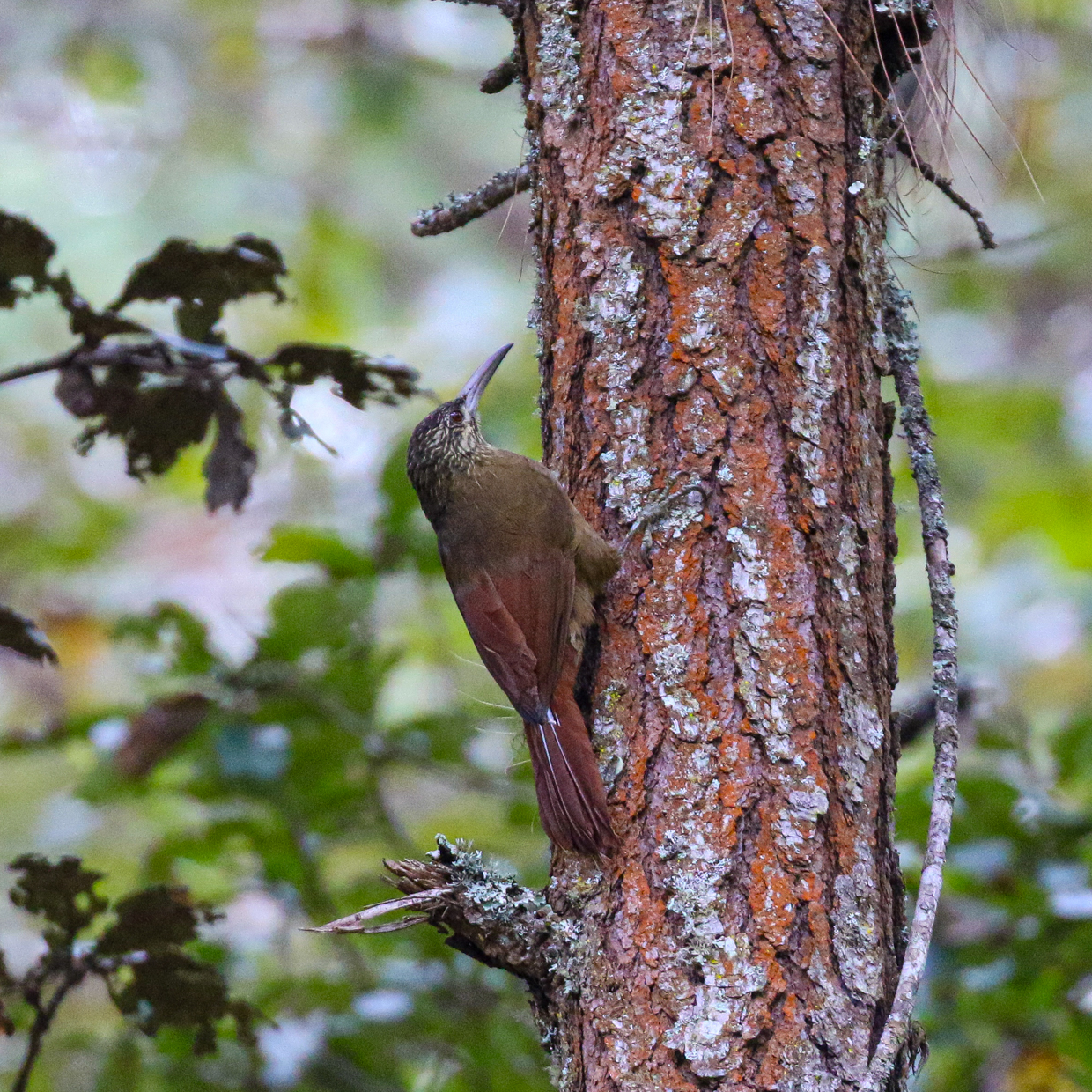
Strong-billed Woodpecker © Anuar López
Day 10: Tzontehuitz Cloud Forest
We started the day in the cloud forests of Tzontehuitz, with spectacular views of the sunrise, many new birds in this locality such as Northern Pygmy-Owl (Guatemalan), Unicolored Jay, Rufous-browed Wren, White-naped Brushfinch, Cinnamon-bellied Flowerpiercer, and spectacular views of a pair of Pink-headed Warbler for several minutes.
After noon we moved west of San Cristobal de las Casas towards a local park where we achieved views of the Blue-throated Motmot, and a mixed flock where many species were feeding frantically at the same time, achieving very good views of almost all the species, among the most important Mountain Trogon, Hermit Warbler, Golden-cheeked Warbler.
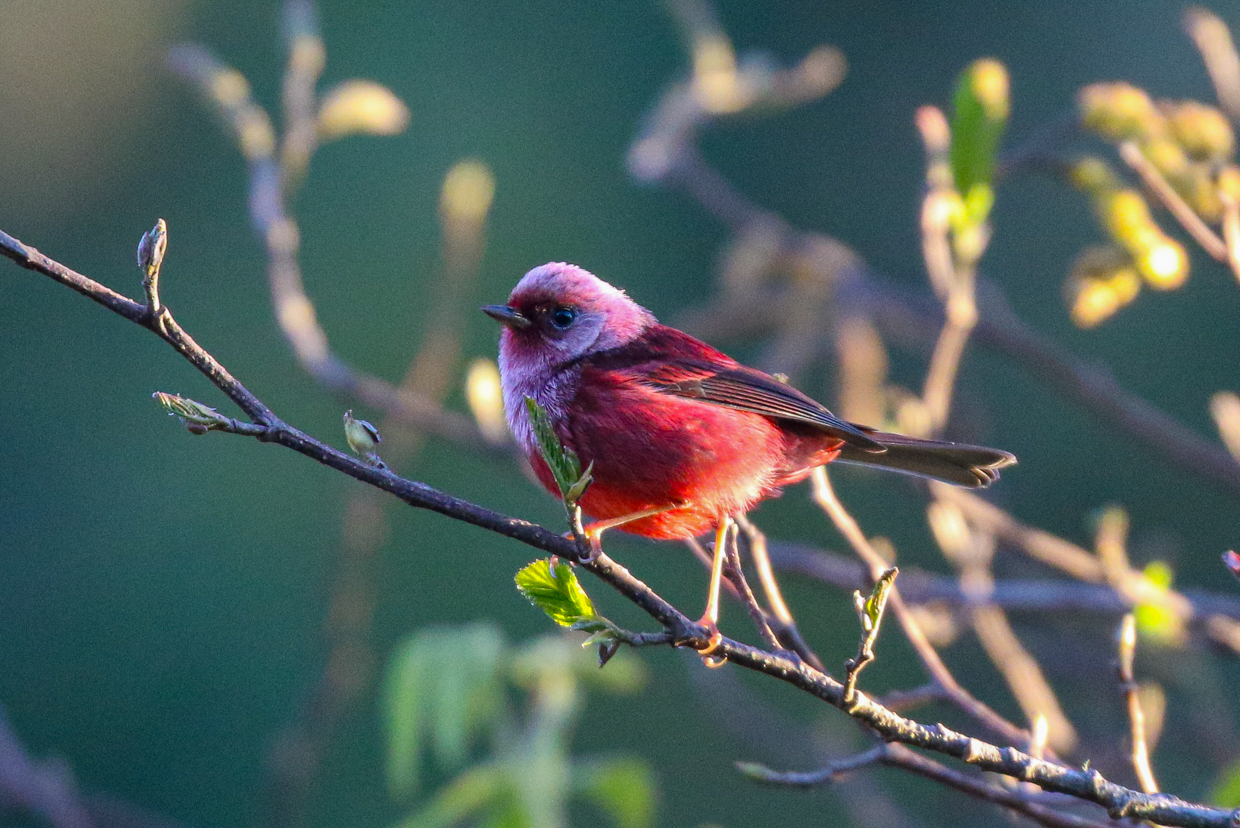
Pink-headed Warbler © Anuar López
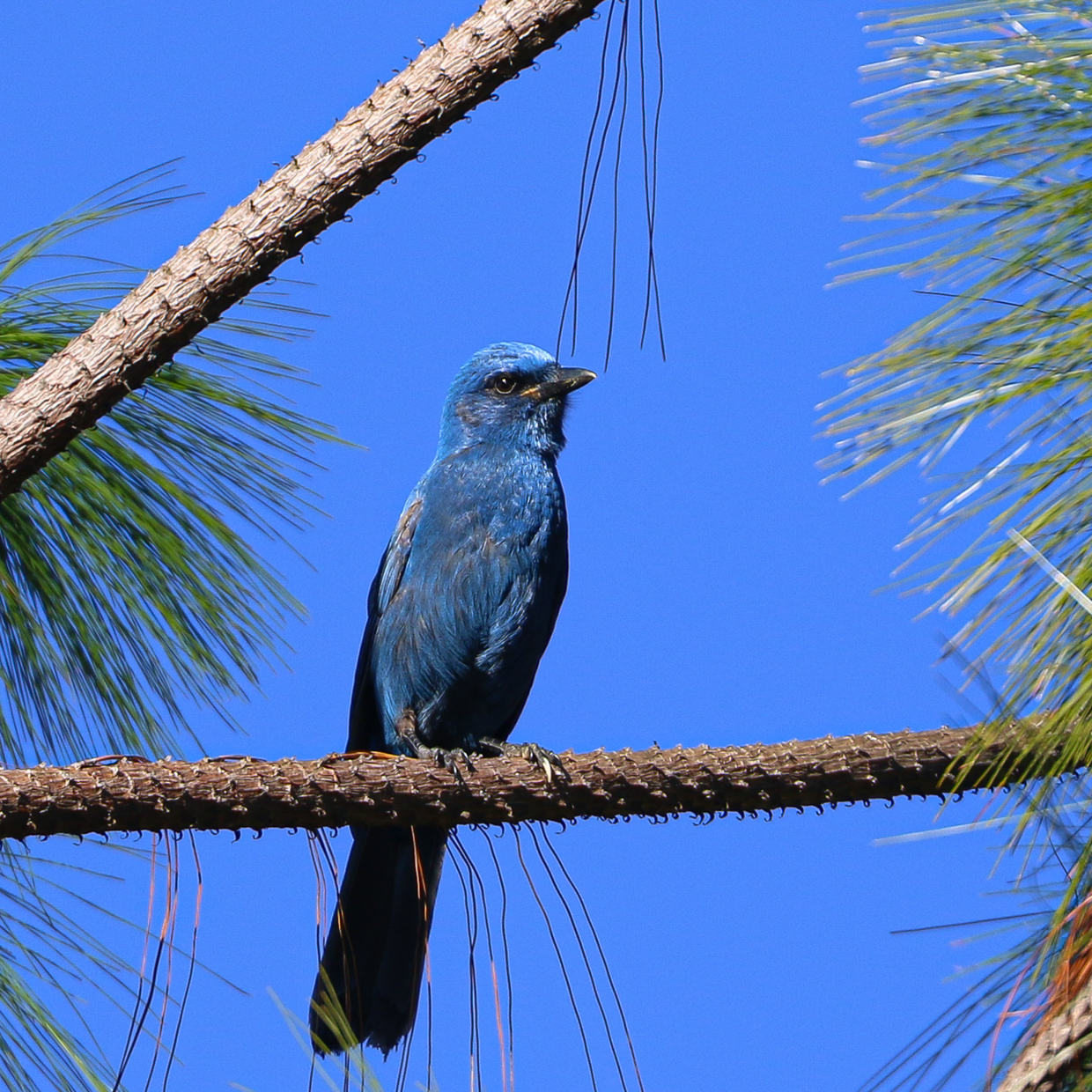
Unicolored Jay © Anuar López

Mountain Trogon © Anuar López
Day 11. Sumidero Canyon
This day we visited different trails in the Sumidero Canyon, this canyon has walls more than 1,300 m high, where the Grijalva River runs. In the morning we observed Common Squirrel-Cuckoo, Canivet’s Emerald, Buff-bellied Hummingbird, Ferruginous Pygmy-Owl, Russet-crowned Motmot, Masked Tityra, White-throated Magpie-Jay, Northern Parula, Olive Sparrow, Green-fronted Hummingbird, Plain Chachalaca, Fan-tailed Warbler, Azure-crowned Hummingbird and the elusive Belted Flycatcher associated with weeds of bamboo. We witnessed a behavior perhaps little documented for the Russet-crowned Motmot: three adults were constantly interacting, but apparently one of them fed another (offering butterflies), on one occasion an individual was left hanging from another held by its beak.

Russet-crowned Motmot © Anuar López

Olive Sparrow © Anuar López

Group at Sumidero Canyon
Day 12. El Ocote Biosphere Reserve
We started the day in the El Ocote Jungle, a tropical rainforest that stands on karst soil. Unfortunately, strong gusts of wind hit the area, making birding difficult. New birds at this point were Stripe-throated Hermit, Rufous-tailed Hummingbird, White-bellied Emerald, Keel-billed Toucan, Brown Jay, Montezuma Oropendola, Black-cowled Oriole, White-winged Tanager.
We continued to Palenque, upon arriving at our hotel in a Ficus tree with small fruits we managed to observe a Golden-hooded Tanager; almost at dusk we heard a Great Tinamou.
Day 13. Palenque area
In the early morning the incessant calls of several families of howler monkeys created an incredible atmosphere. The day dawned rainy, in the hotel gardens we managed to observe Slaty-tailed Trogon, Red-lored Amazon, Olive-throated Parakeet, Scarlet Macaw, Northern Barred-Woodcreeper, Ivory-billed Woodcreeper and Red-throated Ant-tanager. Fortunately the rain stopped and we visited the beautiful Mayan city of Palenque, an archaeological site with incredible pyramids and temples immersed in the jungle, while contemplating the site we managed to see many birds: Violet Sabrewing, Broad-winged Hawk, Gartered Violaceous Trogon, Black-cheeked Woodpecker, Yellow-throated Euphonia, Red-legged Honeycreeper, Variable Seedeater. During our lunch we observed Russet-naped Wood-Rail and Pale-vented Pigeon.
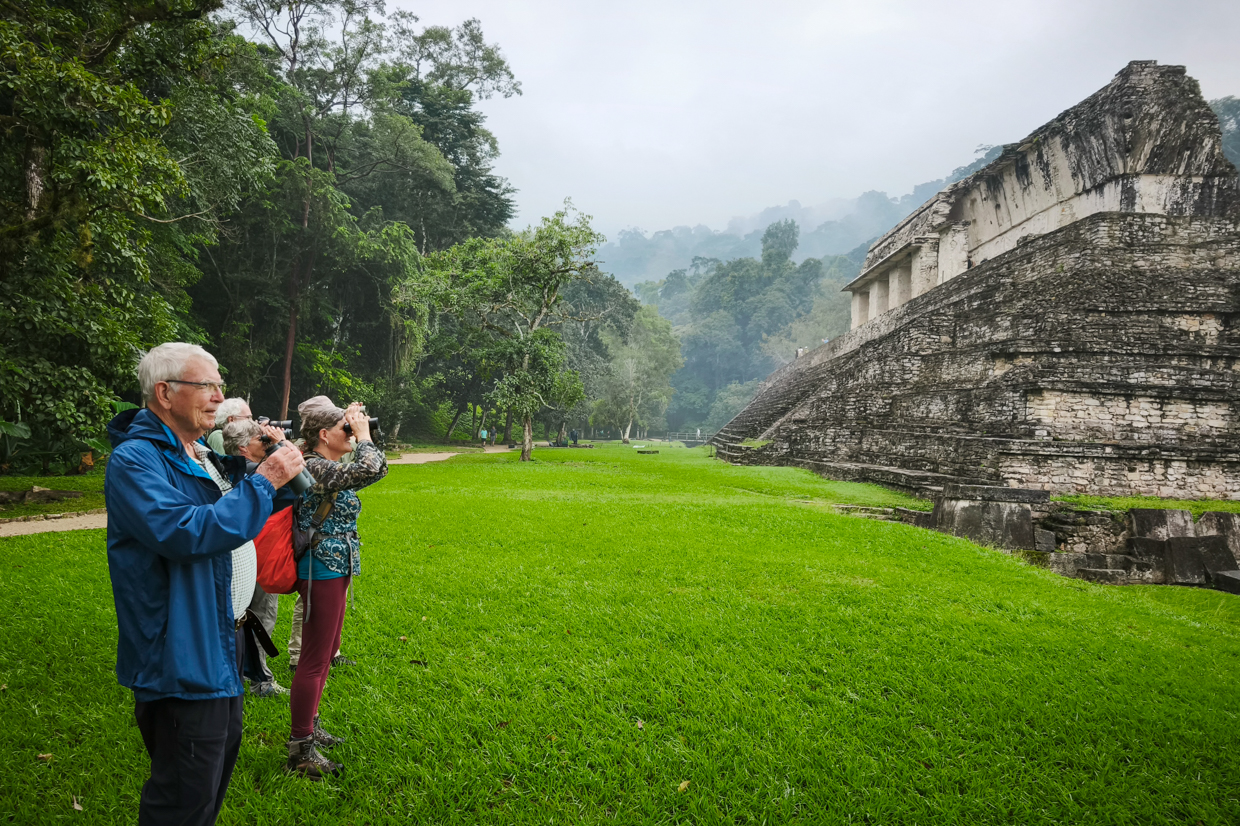
Birding in Palenque © Anuar López

Keel-billed Toucan © Anuar López

Palenque ruins © Anuar López
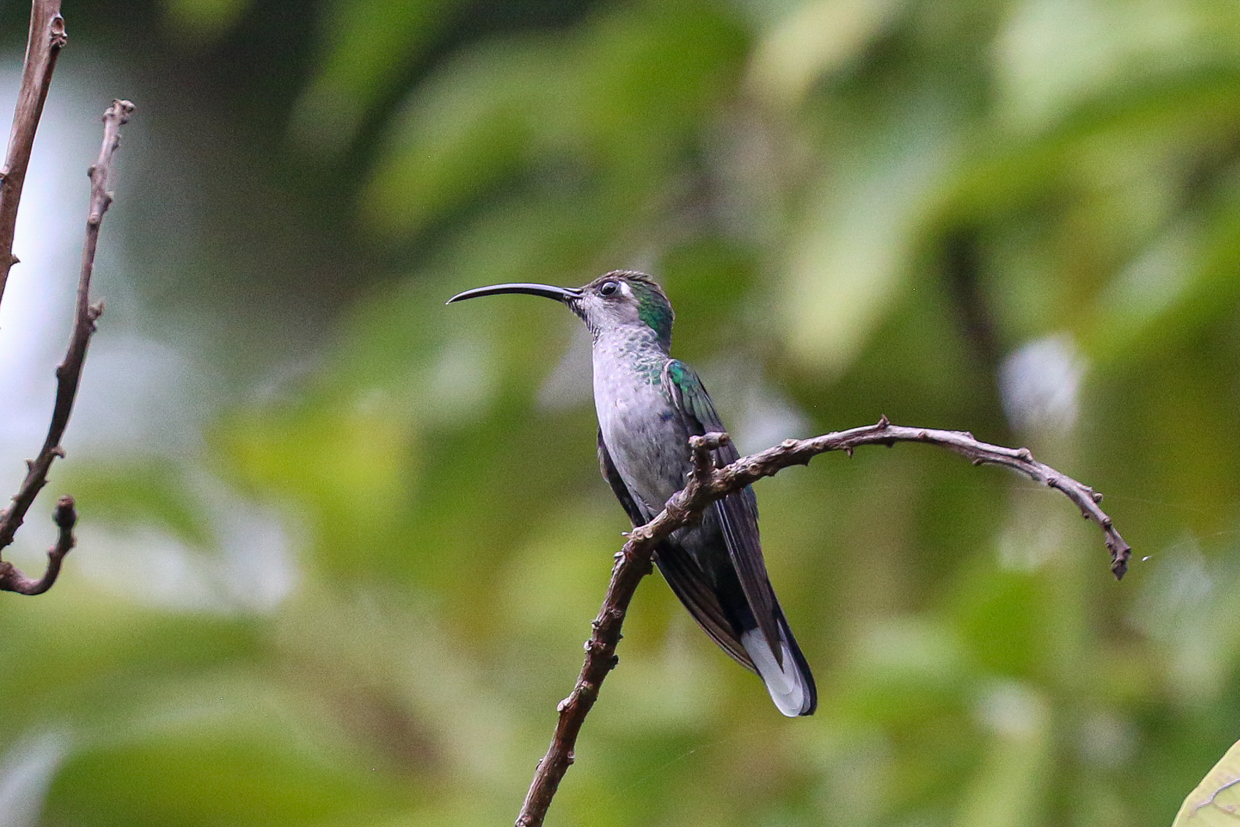
Violet Sabrewing © Anuar López
Day 14. Drive to Villahermosa.
During our last day we saw many species of birds, visiting different points from jungle patches to swampy áreas, covering from the outskirts of Palenque to Villahermosa, among the most important Scrub Euphonia, Spot-breasted Wren, Gray-crowned Yellowthroat, Painted Bunting, Yellow-breasted Chat, Muscovy Duck, Gray-breasted Crake (only heard), Lesser-yellow Headed Vulture, Snail Kite, Yellow-headed Amazon, Black-crowned Tityra, Rufous-browed Peppershrike. We spotted a pair of Aplomado Falcon next to the road; our last bird species was the elusive Pinnated Bittern in a swampy area in Tabasco.
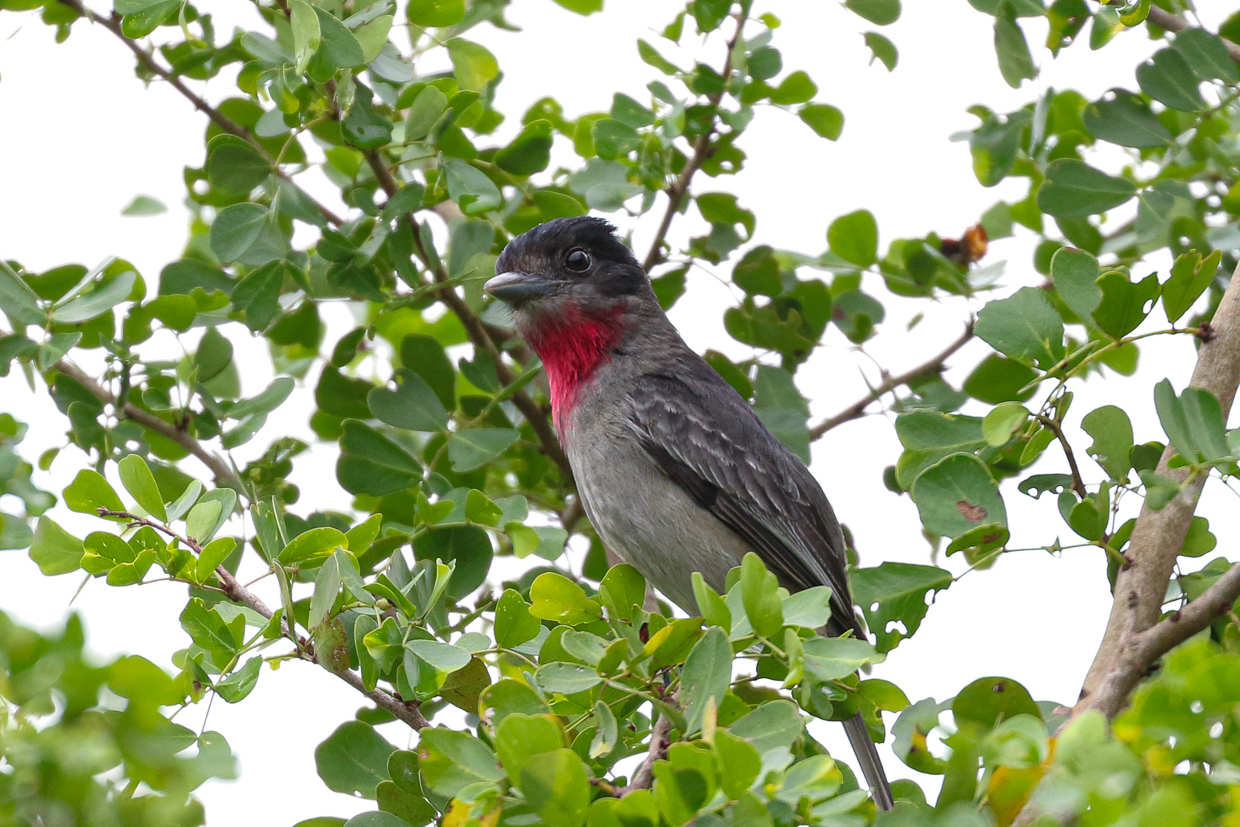
Rose-throated Becard © Anuar López

Black-crowned Tityra © Anuar López

Pinnated Bittern © Anuar Lopez