Saskatchewan in Spring Trip Report 2026
A Spring Birding Adventure, Regina to Cypress Hills
Spring on the Canadian prairies is unlike anywhere else on earth. The skies are enormous, the light is golden, and the birds, oh, the birds. Our group of eight guests and one guide gathered in Regina for eight days of non-stop prairie birding, from the alkaline shorelines of Chaplin Lake to the deep coulees of Grasslands National Park and the pine-scented hills of Cypress Hills Interprovincial Park. What followed was one of the most diverse and memorable birding journeys any of us had experienced, and by the time we raised a final toast in Regina, we had tallied an impressive 150 species.
Day 1: Arrival in Regina
After arriving in Regina and loading the van, we made our way to dinner and our first proper birding of the tripp on the edge of Wascana Lake. It was the perfect introduction to Saskatchewan birding. Scopes and binoculars came out alongside the menus, and from the patio we scanned the lake as the evening light played across the water. Western Grebes and other waterfowl were present in good numbers, and in what would prove to be our only opportunity of the entire trip, we picked out the subtly different Clark’s Grebe alongside them, a crowd-pleasing early lifer for several participants. Not a bad start for a trip that hadn’t technically started yet.
Day 2: Regina to Swift Current
An early breakfast, a spirited van-packing session (Day 1 Tetris, as it’s known), and we were off, but not before a quick scout around the hotel grounds and a peer through the fence at the adjacent airport. Gray Partridge can be genuinely difficult to track down in Saskatchewan, and we were delighted to connect with a small covey here before we’d even left the city.
The morning’s main destination was Chaplin Lake, and our guide for the day was Wally, the extraordinarily knowledgeable co-owner of the Chaplin Nature Centre, who holds private land access to some of the most productive shorebird habitat in North America. What followed was a masterclass in prairie shorebirding. Piping Plovers crept along the alkaline flats while Upland Sandpipers (including fluffy, improbably cute chicks) watched us from the surrounding grassland. We had looks at both dowitcher species, sorted through both phalaropes, and marvelled at the elegant Marbled Godwits that strode through the shallows. White-rumped Sandpipers, still in crisp breeding plumage, mingled with the masses. It was the kind of morning that reminds you why Saskatchewan is quietly one of the great shorebird destinations on the continent.
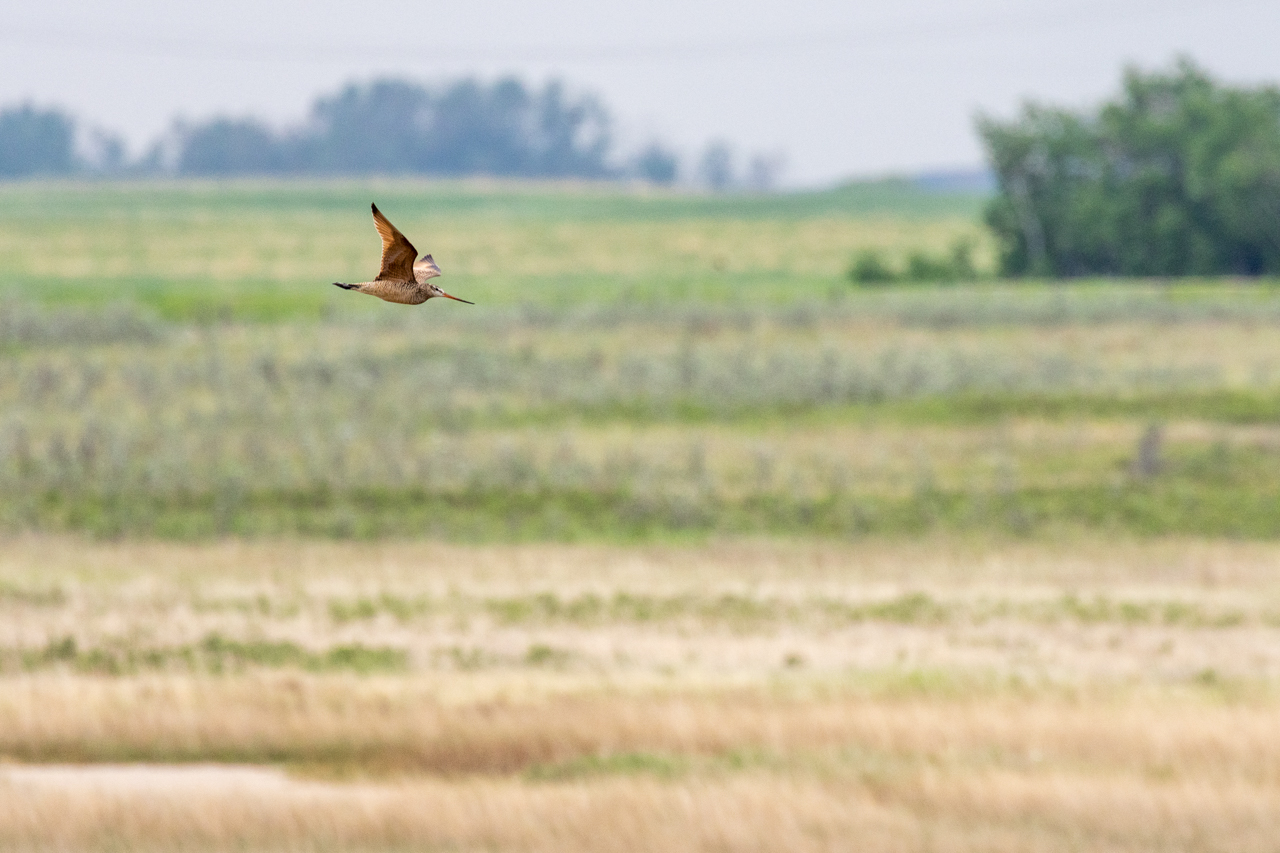
Marbled Godwit © Rick Szabo
After a picnic lunch at the Nature Centre, we worked a handful of productive afternoon spots. Uren Marsh delivered exactly what it promised: close-up views of Red-necked and Wilson’s Phalaropes spinning and dabbling, Black-necked Stilts picking their way through the shallows, and a boisterous colony of Yellow-headed Blackbirds providing an almost comically loud soundtrack. Reed Lake was next, and the scale of it was staggering. We set up scopes along the bisecting road and worked through shorebird flocks that, by conservative estimate, numbered above ten thousand! The area is known to host half of the world’s Sanderlings during northbound migration, and breeding-plumaged birds in the tens of thousands is not an exaggeration. Ruddy Turnstones, Stilt Sandpipers, Semipalmated Sandpipers, and White-rumped Sandpipers were all present. The day’s tally was remarkable, and we arrived in Swift Current feeling very pleased with ourselves.
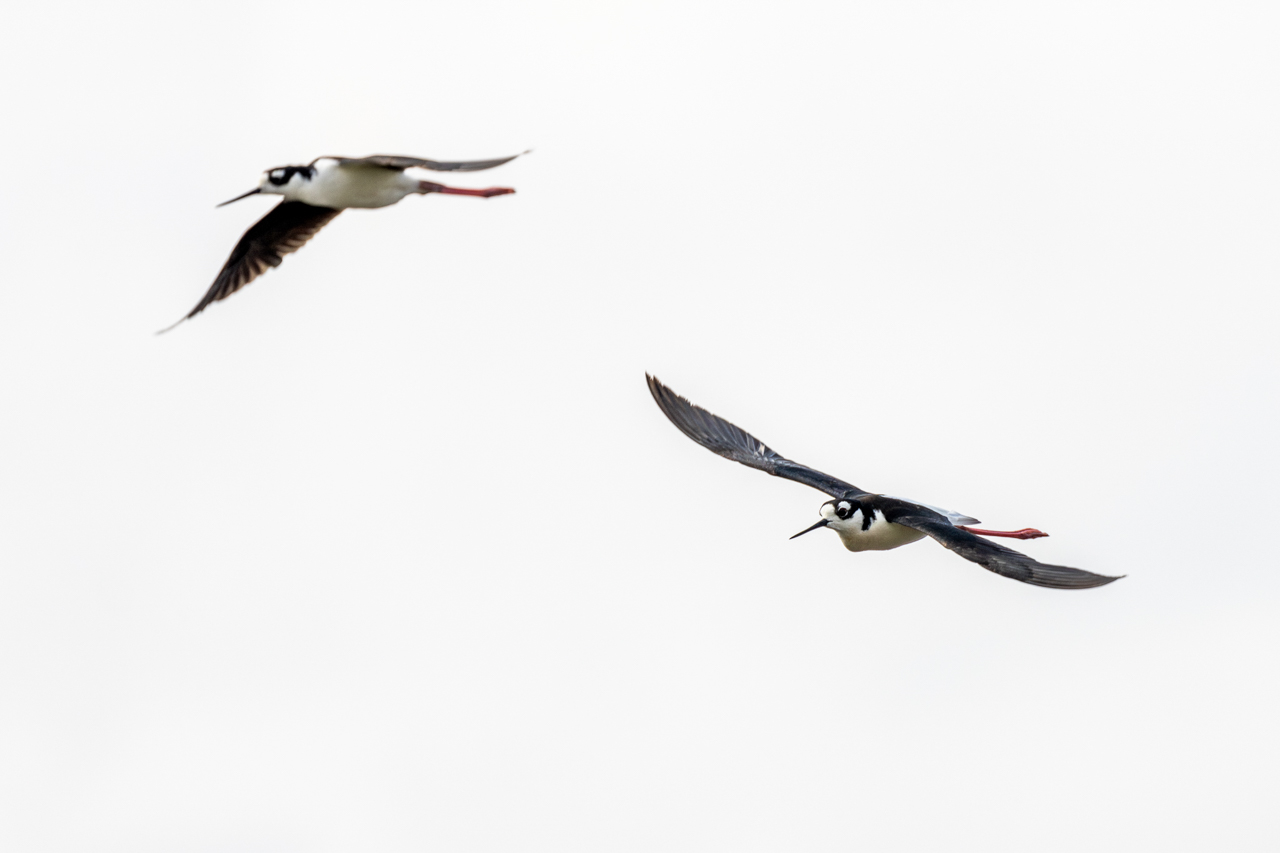
Black-necked Stilts © Rick Szabo
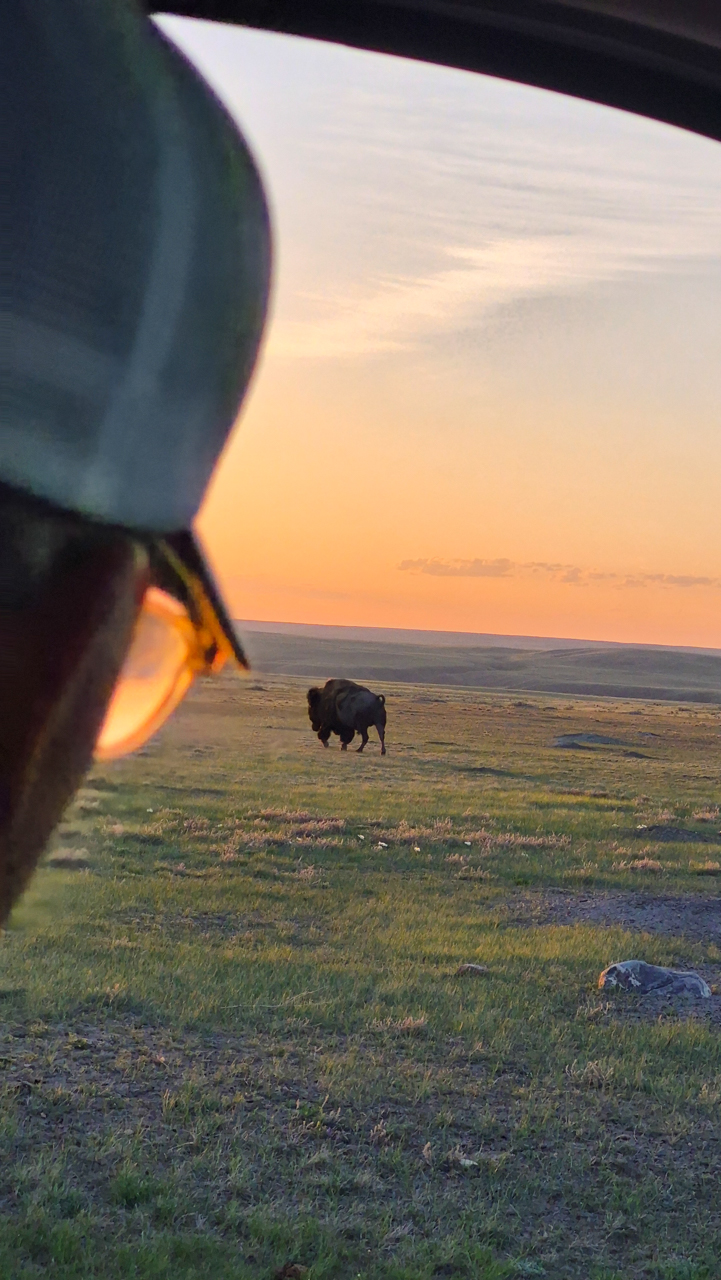
Watching Plains Bison © Jennifer Jackman
Day 3: Swift Current to East End
We were up and out early, pulling into the Swift Current Sewage Lagoons as the sun climbed. Sewage lagoons have a way of humbling birders: walk in skeptical, leave converted, and this was no exception. Black Terns and Forster’s Terns hawked overhead, Ruddy Ducks and Canvasbacks loafed in the calm water, and a Yellow-headed Blackbird colony turned the cattail fringe into something spectacular. Two Swainson’s Hawks were busy building a nest, and patient listening produced both Sora and Virginia Rail working the reeds. A brief, coffeed stop in Swift Current, and then we were heading south toward Val Marie and the edge of Grasslands National Park.
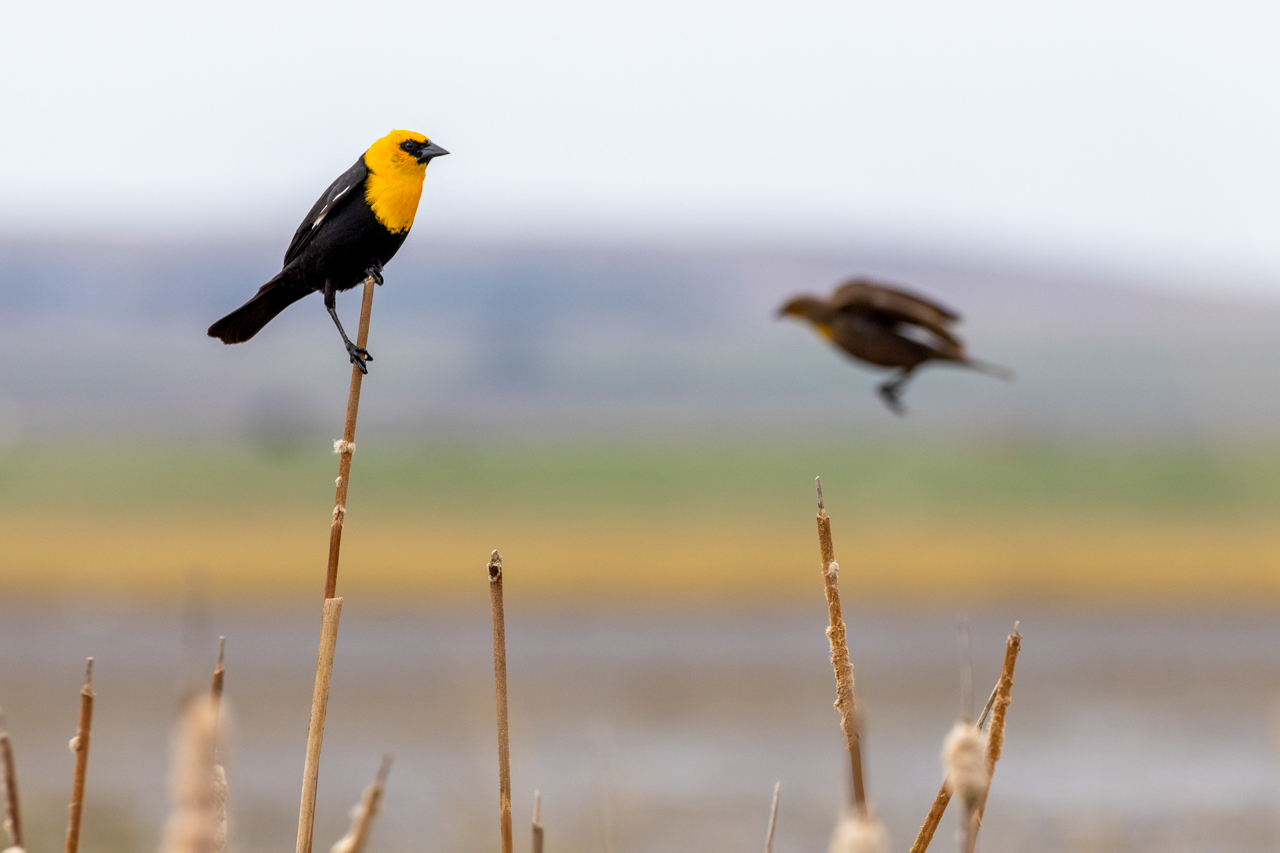
Yellow-headed Blackbird © Rick Szabo
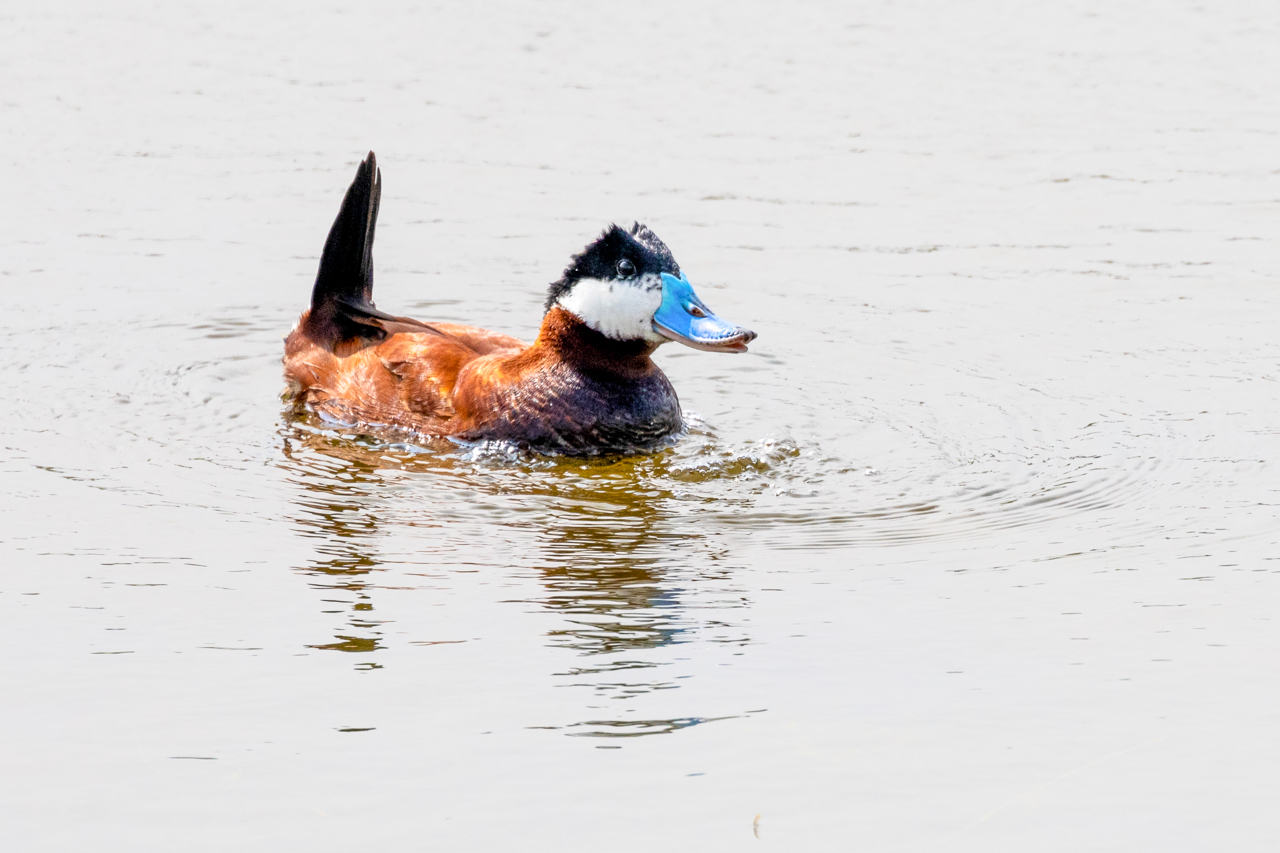
Ruddy Duck © Rick Szabo
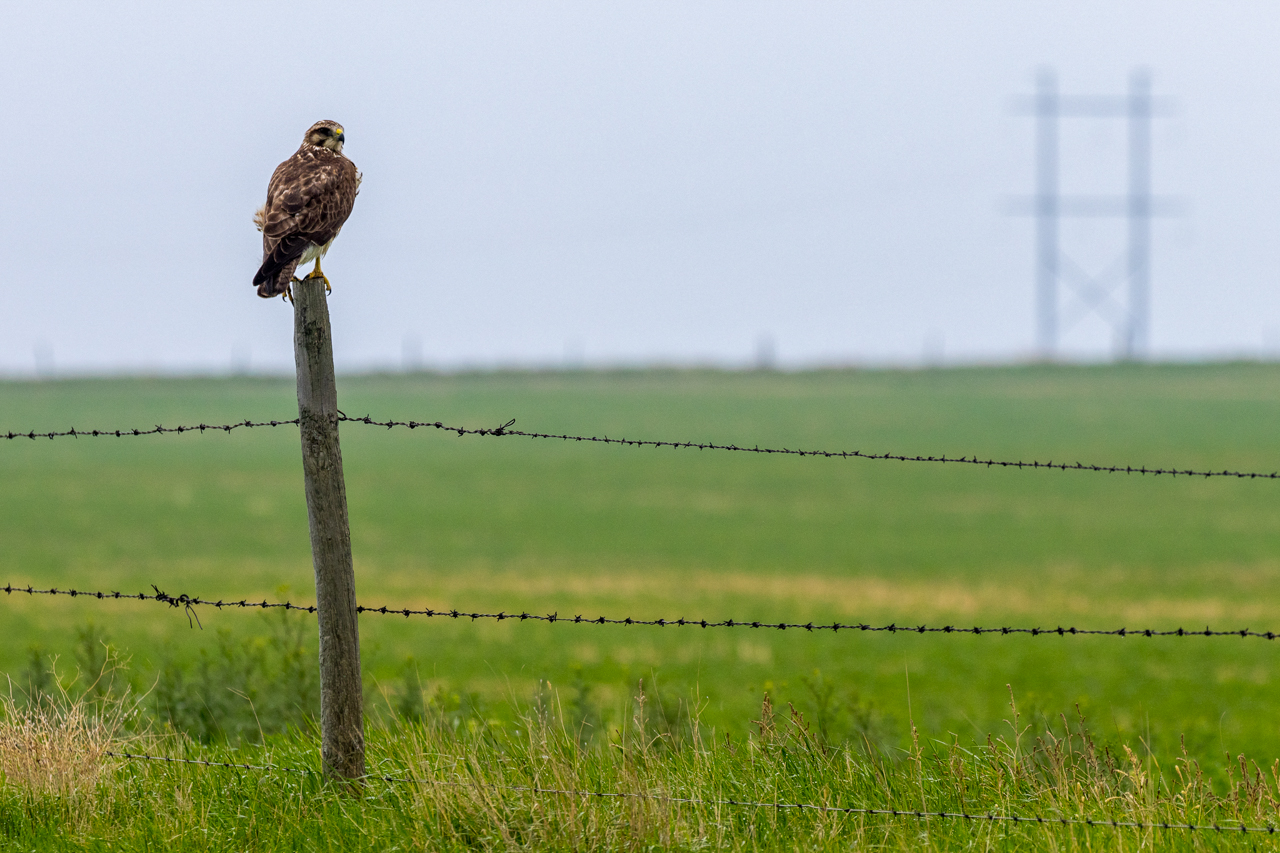
Swainson’s Hawk © Rick Szabo
The drive itself produced some lovely roadside birding. An abandoned church near Cadillac had an obliging Loggerhead Shrike, and we stopped for photo opportunities as these handsome, masked predators posed on wire fences and steeples. We drove the farmer roads around Newton Lake, adding more Upland Sandpipers, and our first good looks at the characteristic prairie specialties: Lark Buntings in full breeding plumage, Western Meadowlarks, and Horned Larks skimming along the roadside.
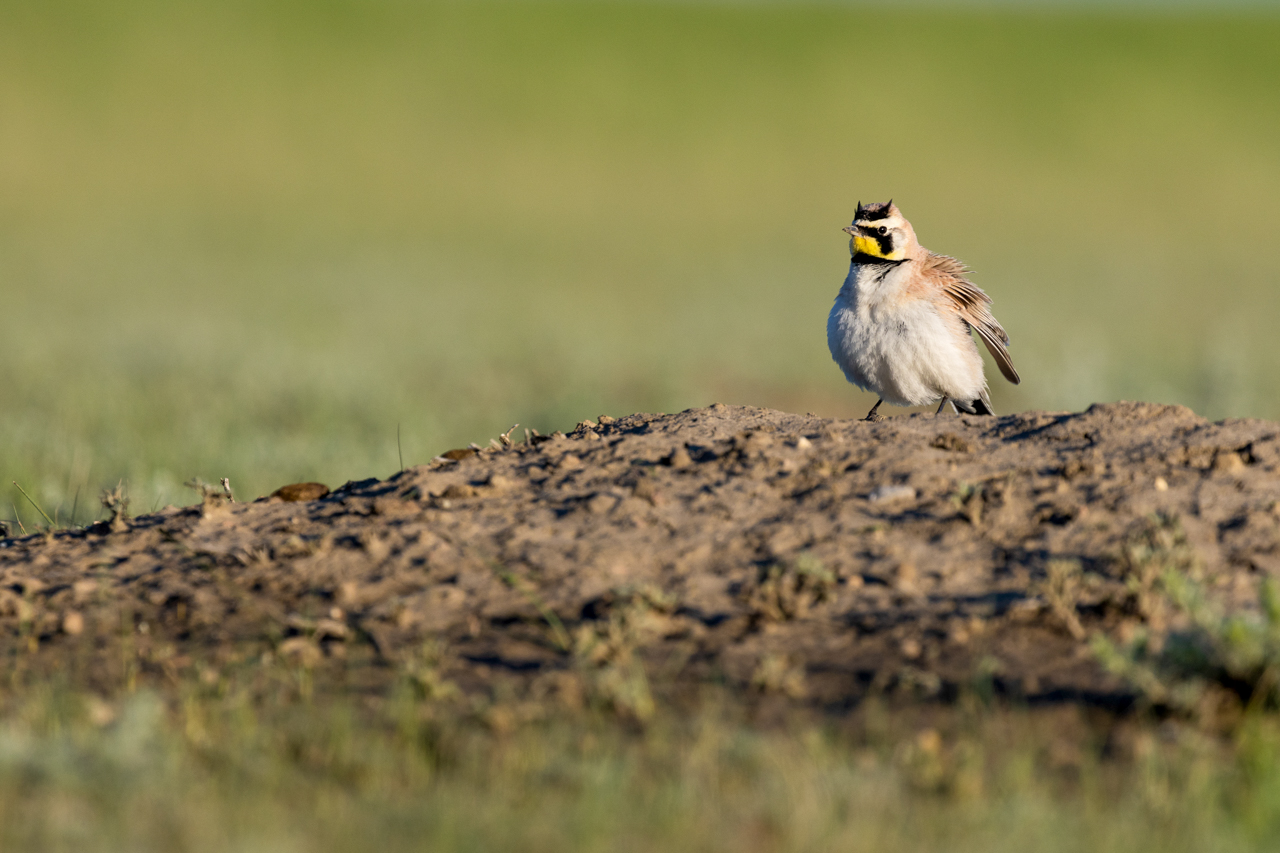
Horned Lark © Rick Szabo
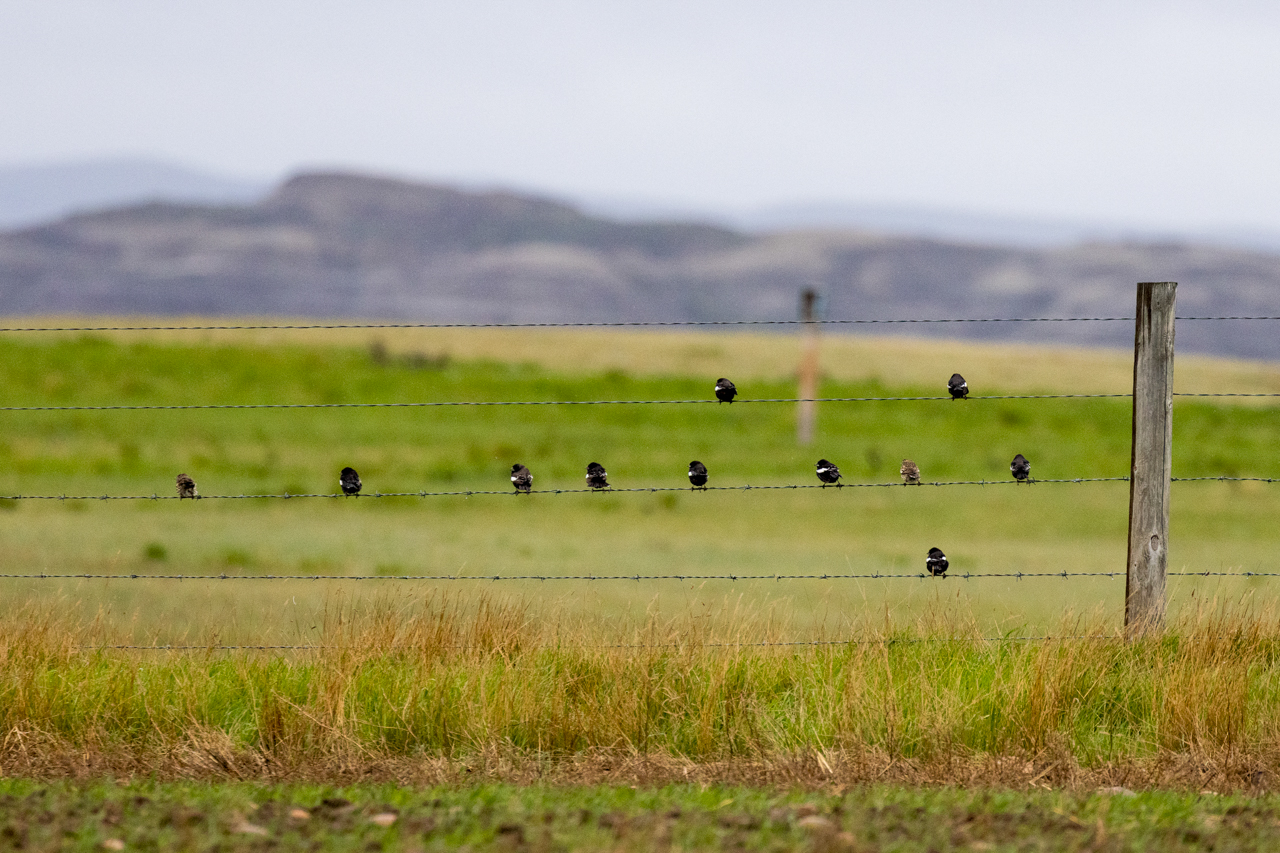
Lark Buntings © Rick Szabo
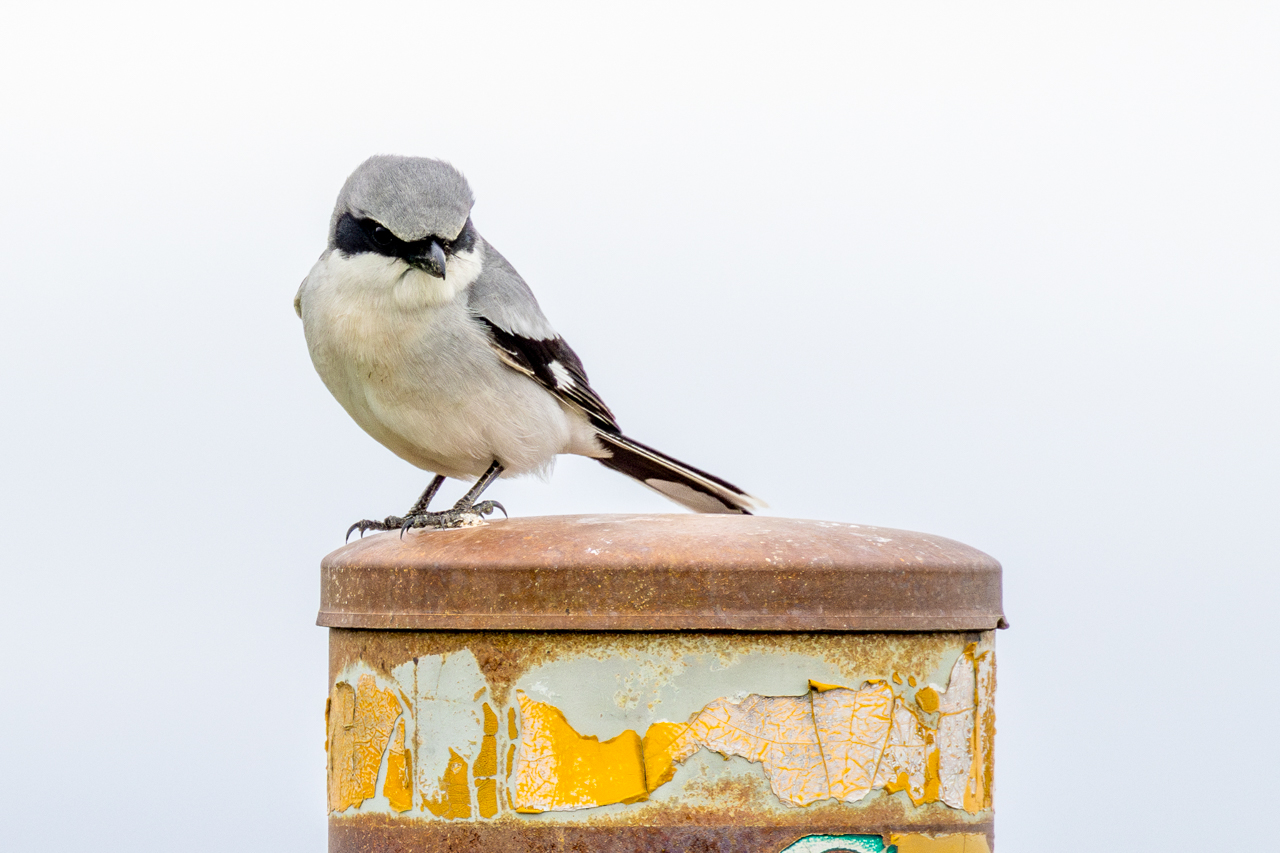
Loggerhead Shrike © Rick Szabo
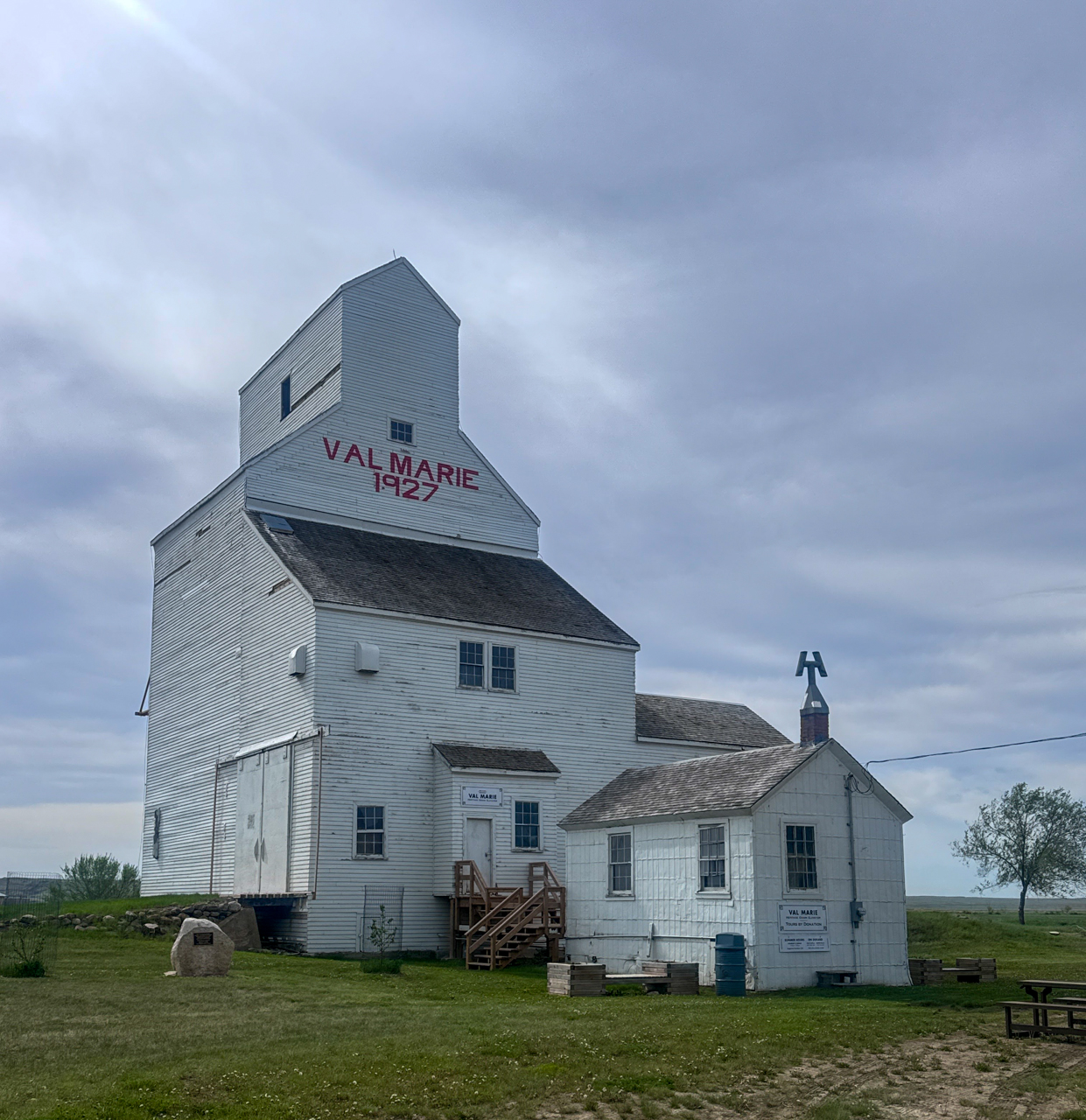
Val Marie grain elevator © Rick Szabo
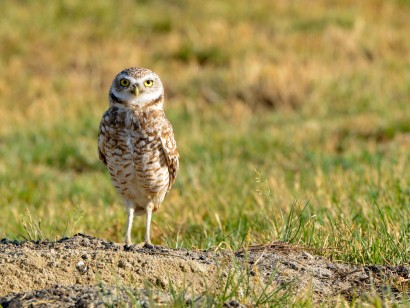
The afternoon brought our first real taste of Grasslands National Park itself, with a visit to the Prairie Dog Town and its resident Burrowing Owls. If you have never watched a colony of Black-tailed Prairie Dogs going about their business (barking, wrestling, standing sentinel) while a pair of wide-eyed Burrowing Owls bobs at the entrance to a burrow nearby, you are missing something. It is impossible not to grin. We watched until the light faded and headed back to Val Marie for dinner at the hotel, the only game in town, and perfectly adequate after a very full day.
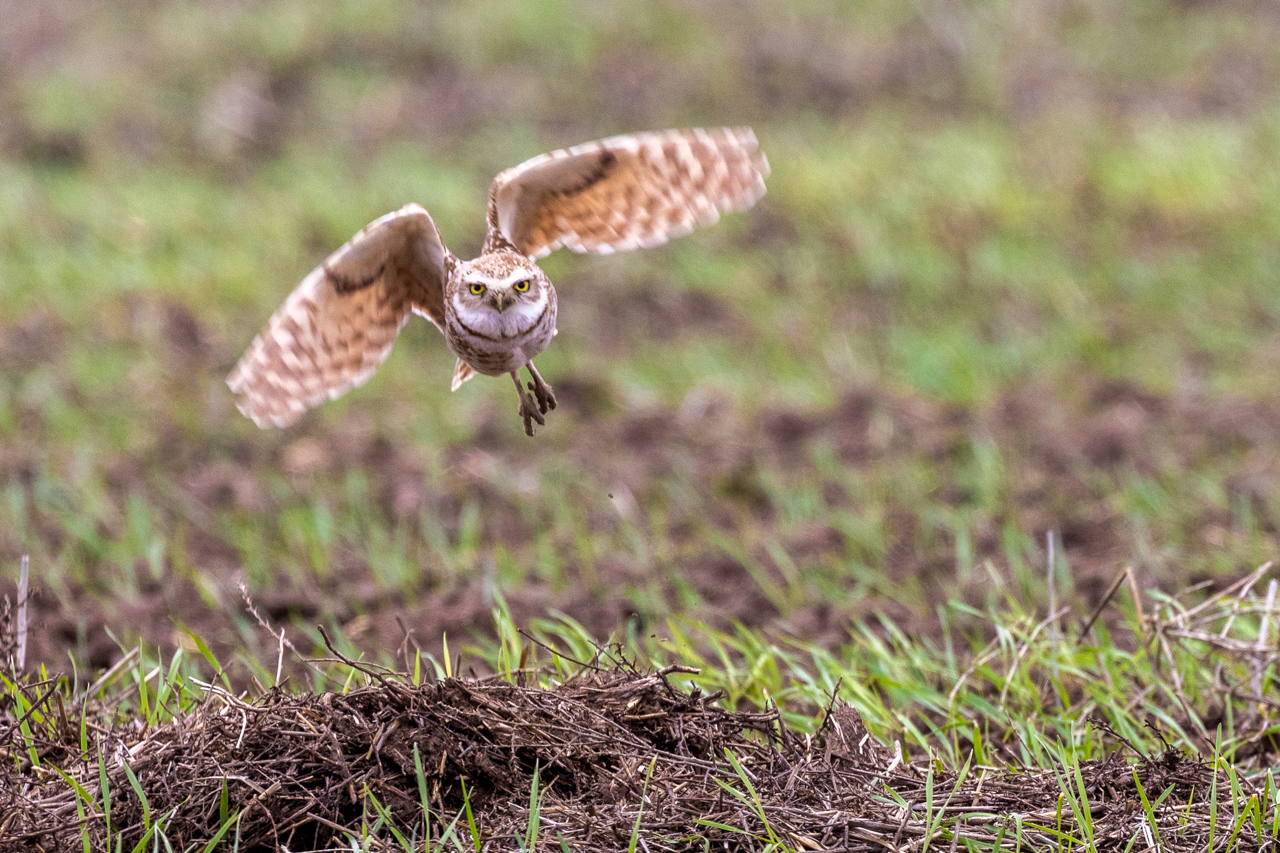
Burrowing Owl © Rick Szabo
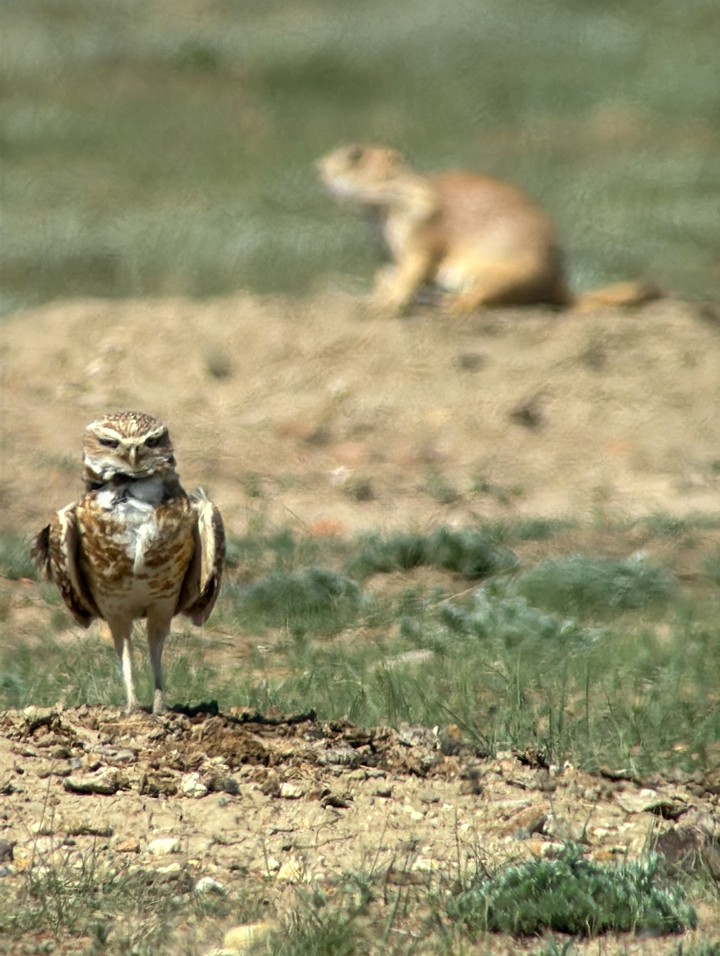
Burrowing Owl and Prairie Dog © Rick Szabo
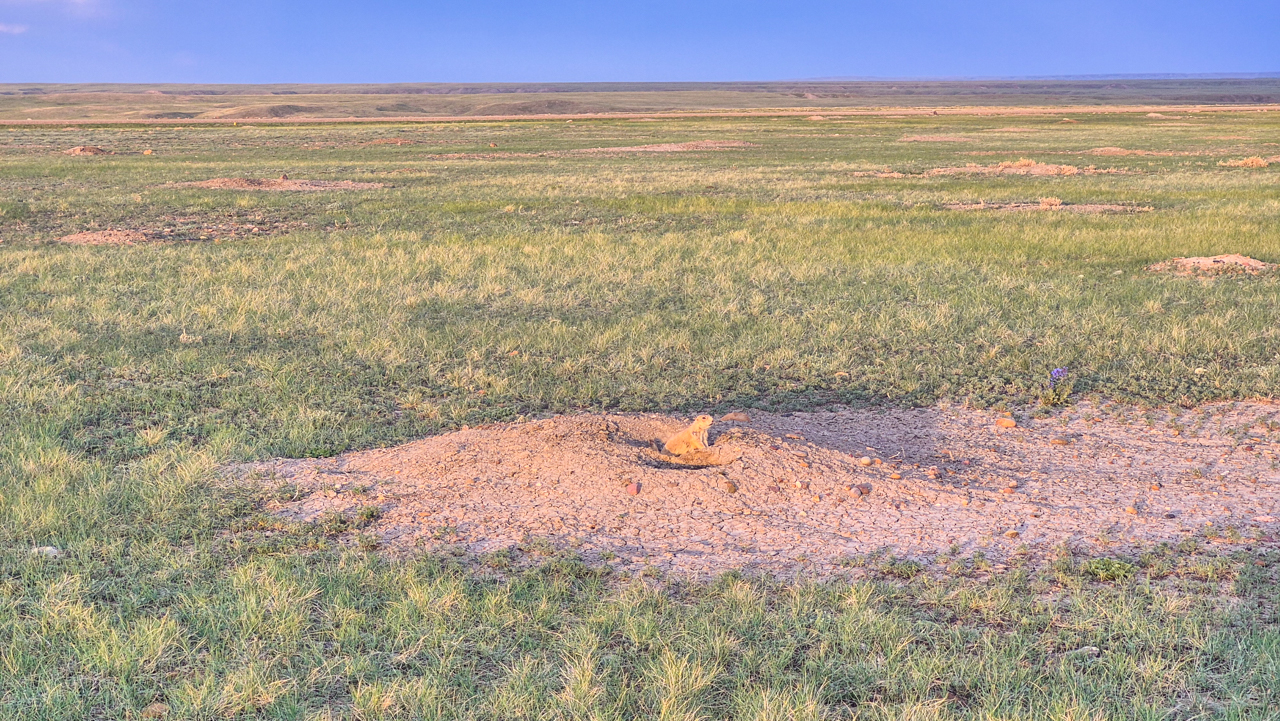
Black-tailed Prairie Dog © Jennifer Jackman
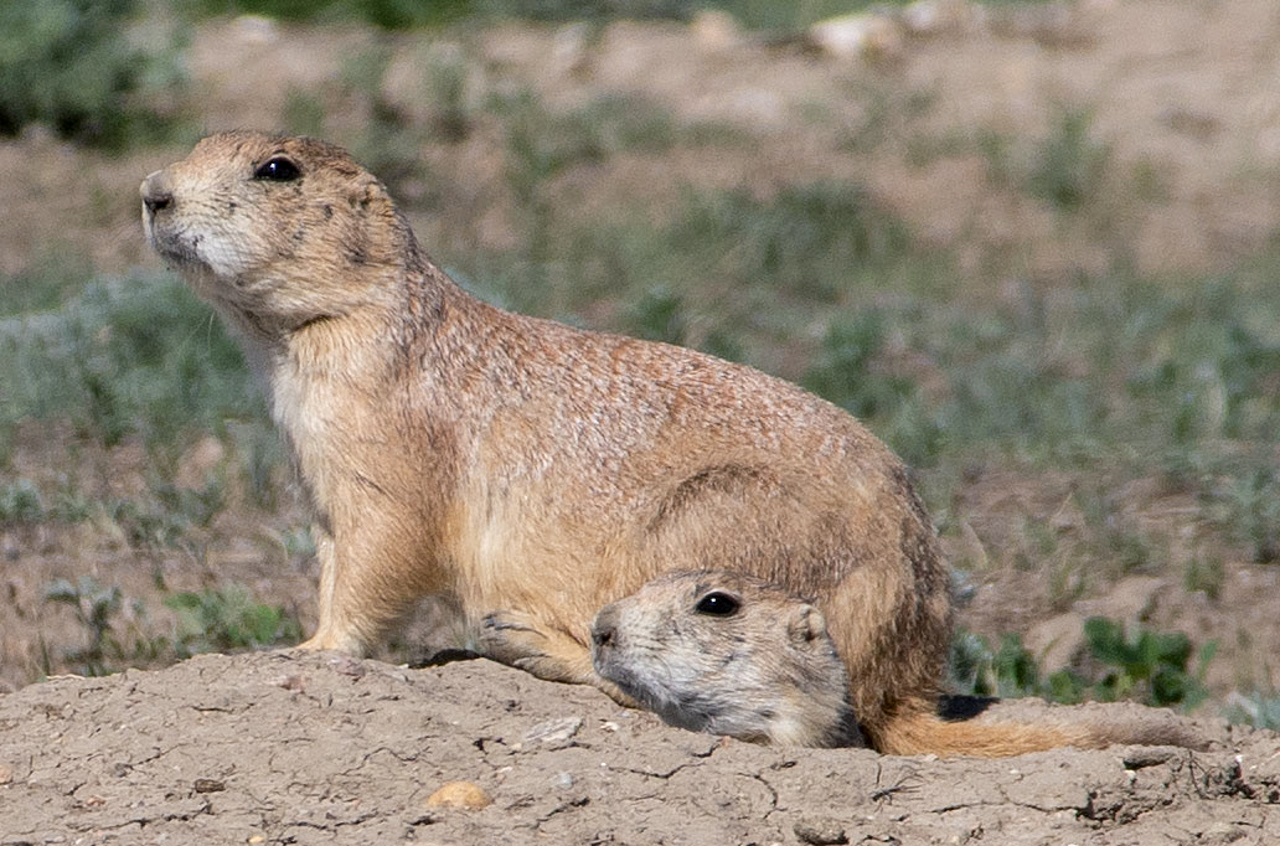
Black-tailed Prairie Dog © Steven Rowe
Day 4: Grasslands National Park
A 5am departure in the dark, coffee in hand, brought us to Parking Lot 5 in Grasslands National Park just as the sky began to lighten. We had come for the Sharp-tailed Grouse lek, and it did not disappoint. More than twenty birds were already dancing when we arrived, foot-stomping, rattling their purple air sacs, spinning and chasing in the low grass. The noise, the spectacle, the sheer absurdity and beauty of it. This would be one of those moments that we talked about all week.
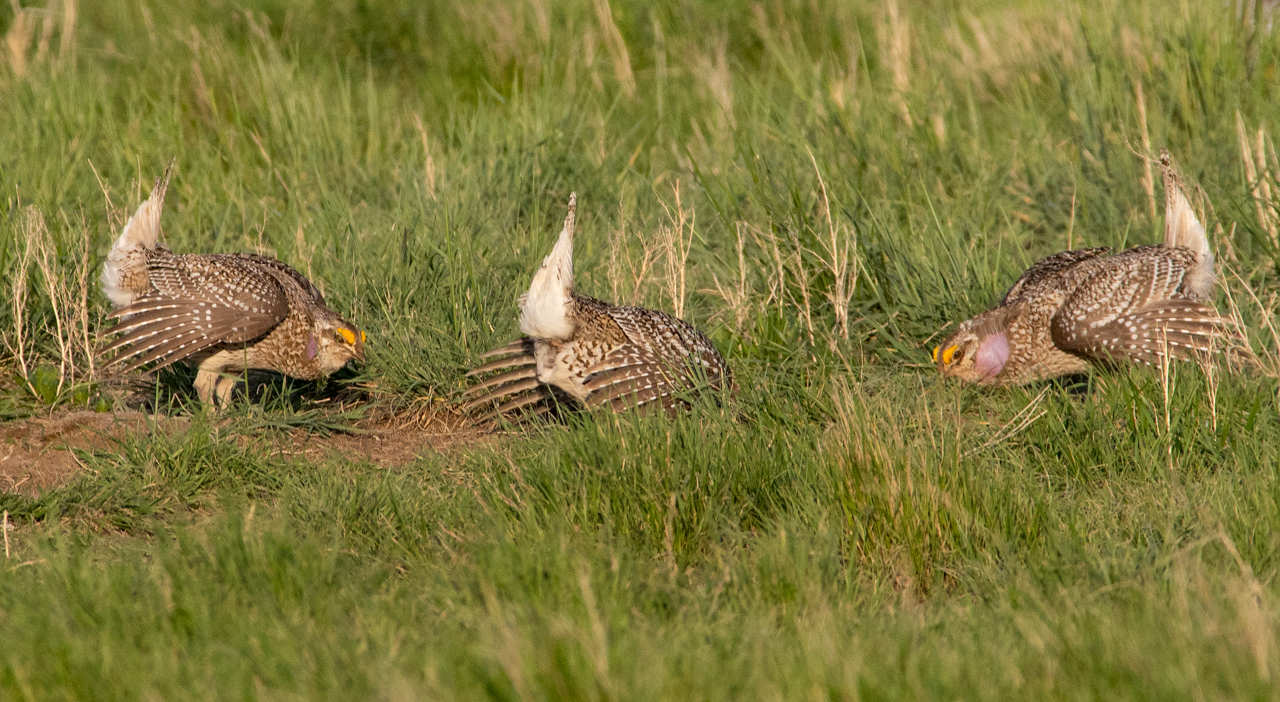
Sharp-tailed Grouse lek © Steven Rowe
The rest of our time was spent exploring the Frenchman River Valley. Baird’s Sparrow sang from the grassland slopes, Long-billed Curlews with their improbable bills probed the ground, and we saw both Prairie Falcon & Praire Merlin flying low across the ridge. We came across a few Chestnut-collared Longspurs in the short-grass uplands but missed out on the scarcer Thick-billed Longspur. We thoroughly enjoyed exploring one of Canada’s most underrated parks.
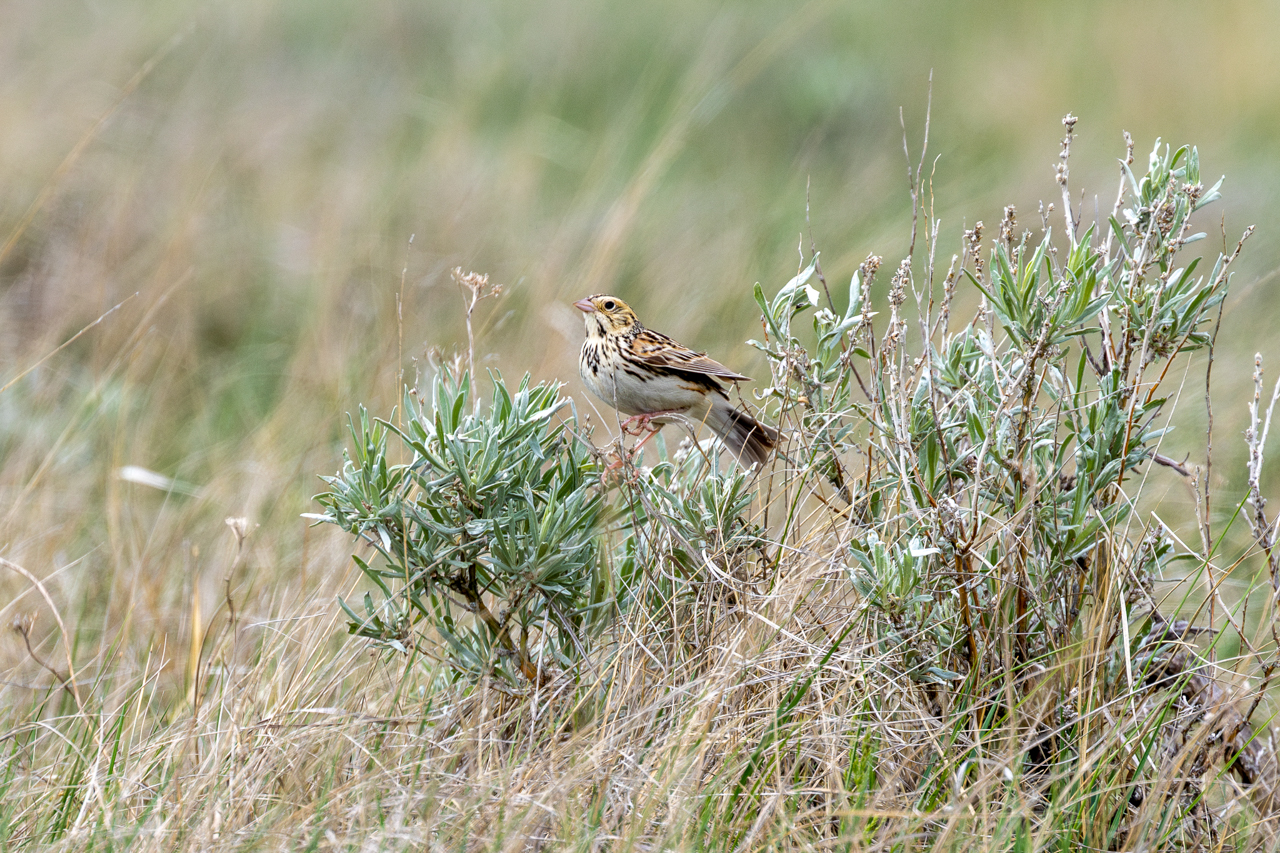
Baird’s Sparrow © Rick Szabo
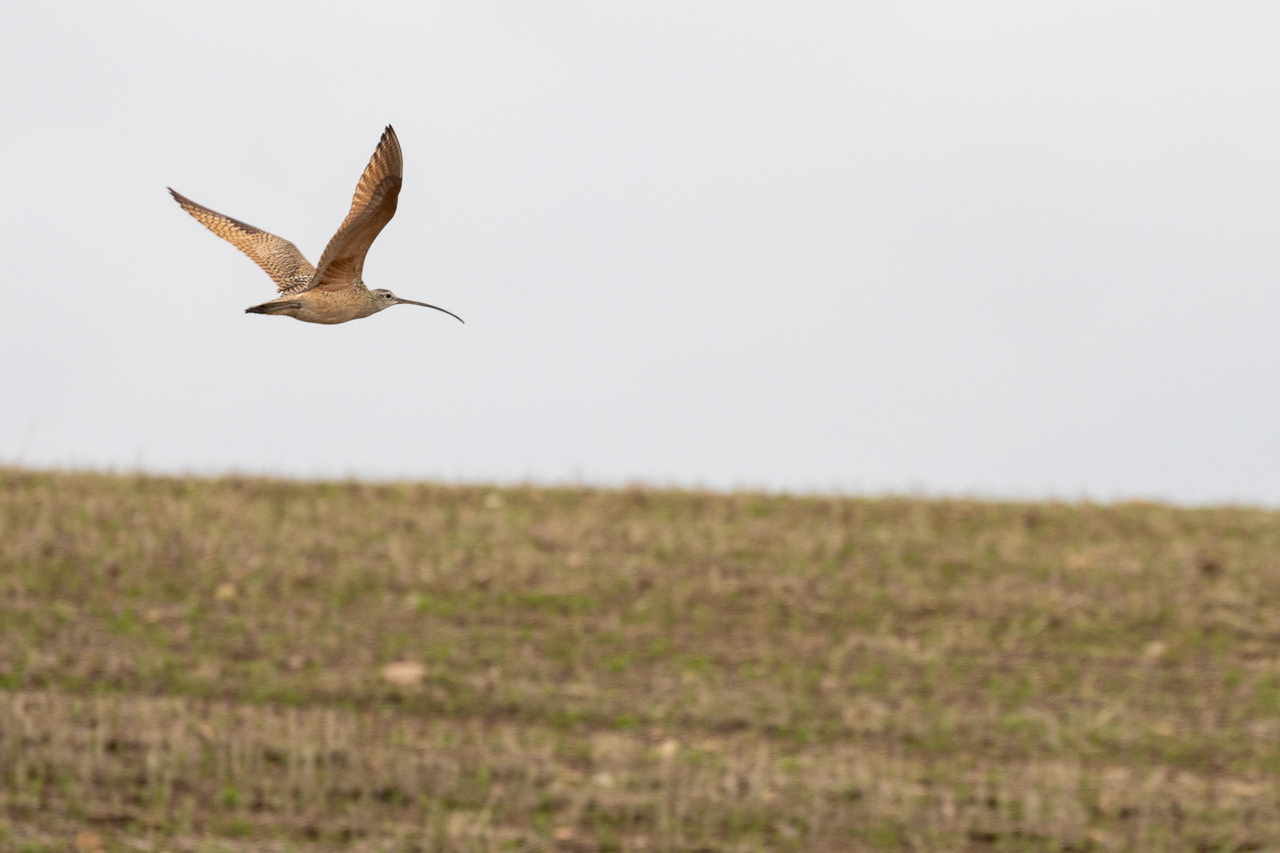
Long-billed Curlew © Rick Szabo
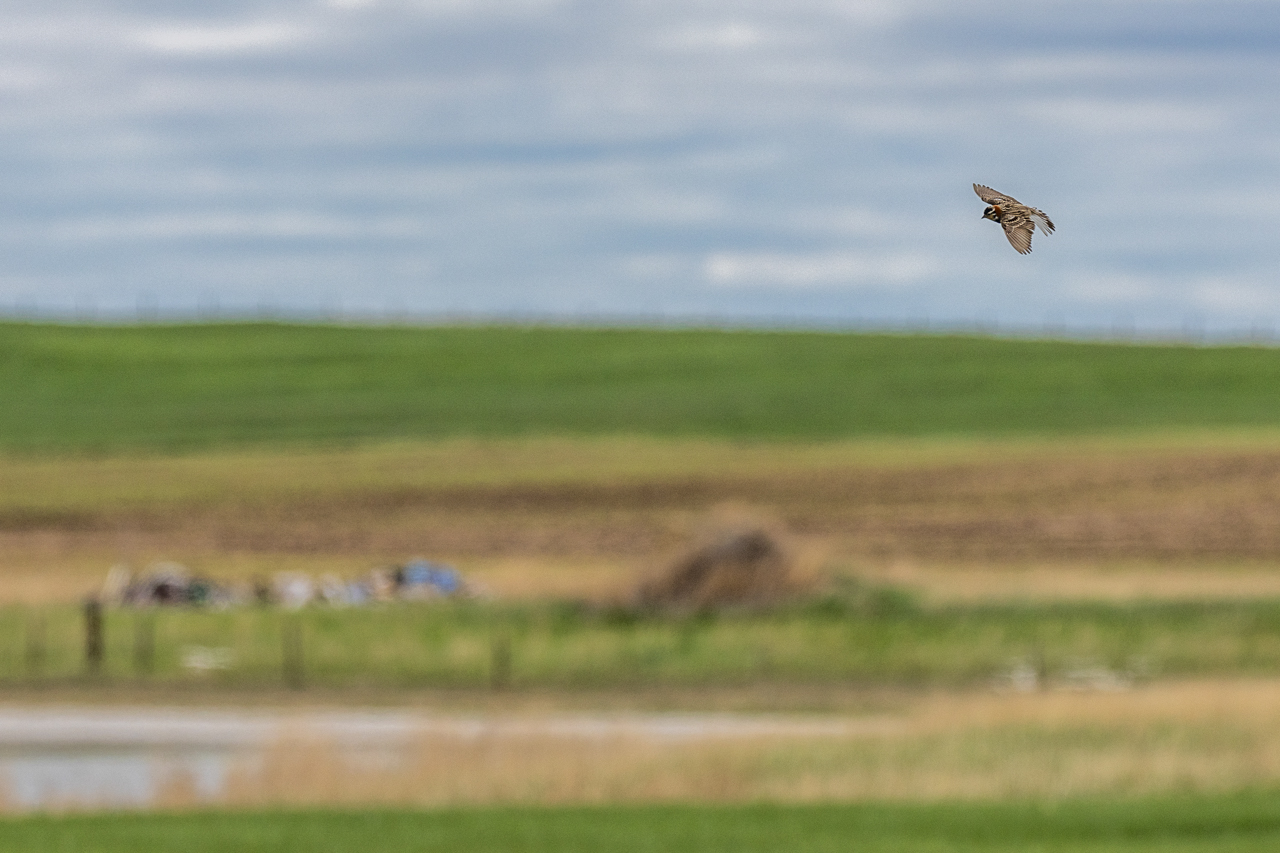
Chestnut-collared Longspur © Rick Szabo
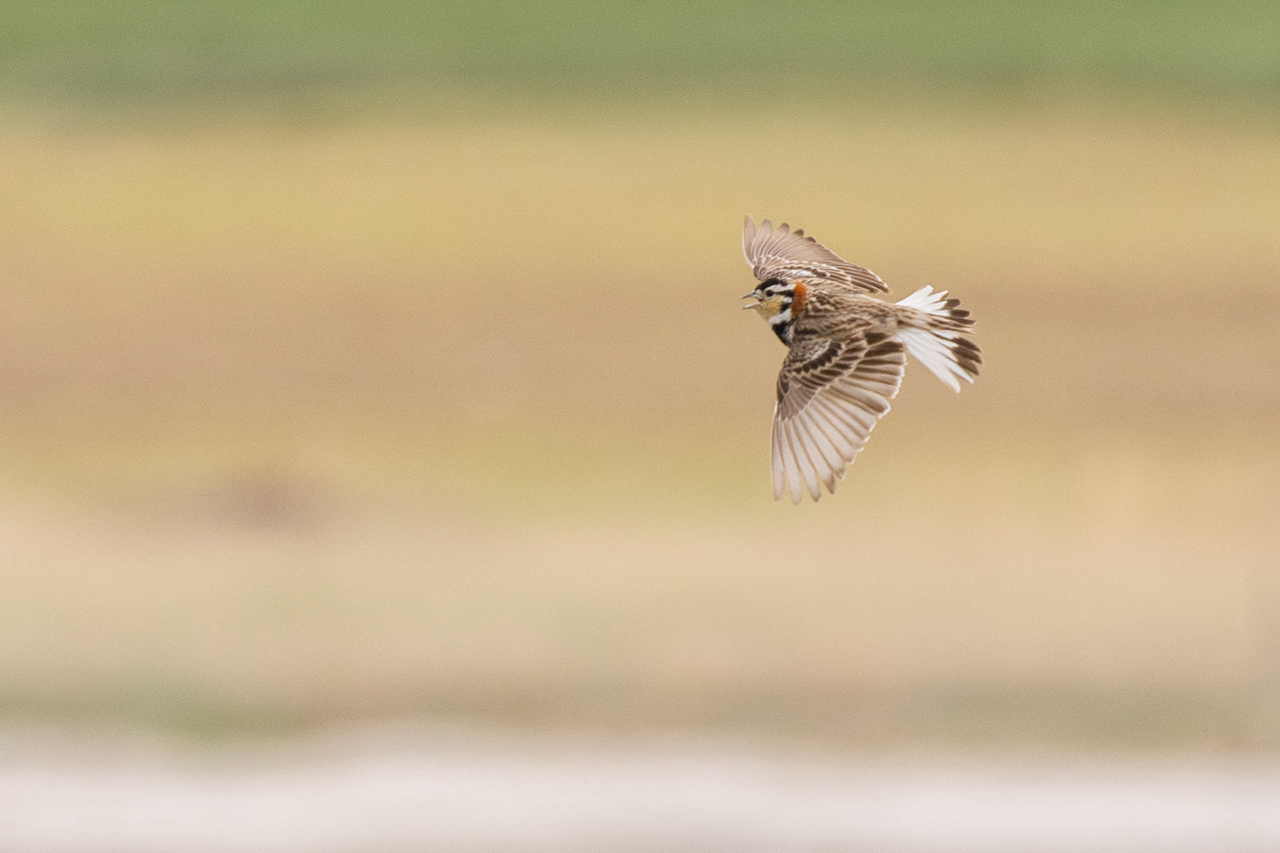
Chestnut-collared Longspur © Rick Szabo
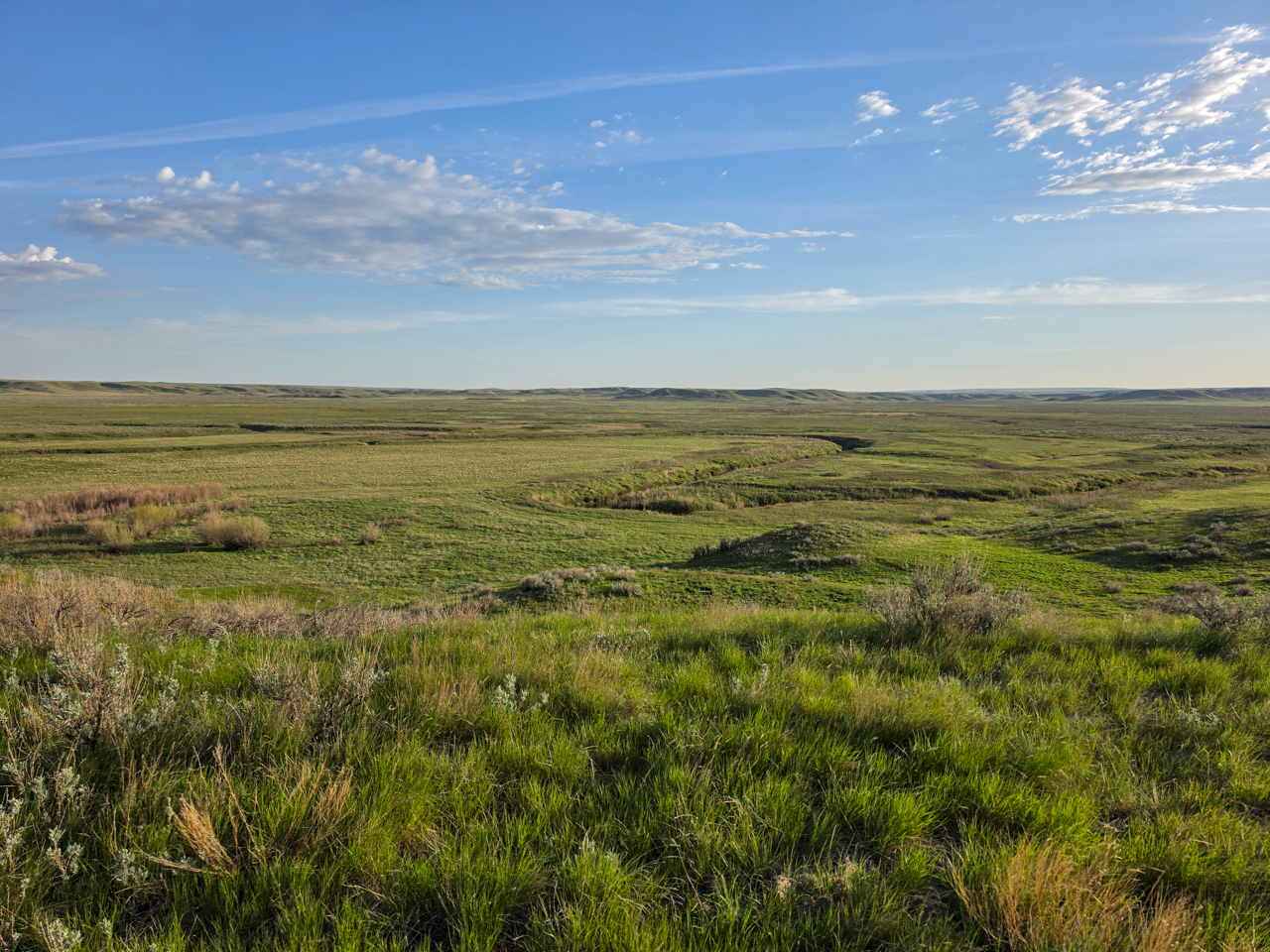
Grasslands © Peter Siminski
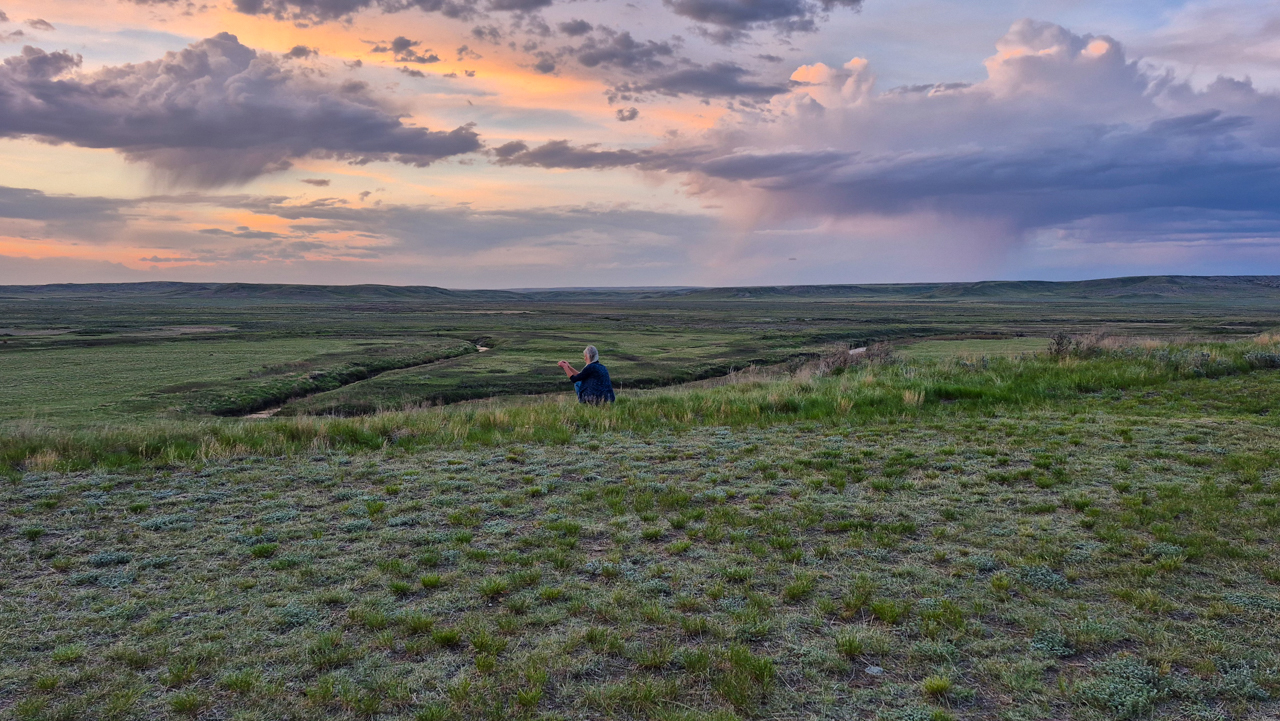
Prairie landscape © Jennifer Jackman
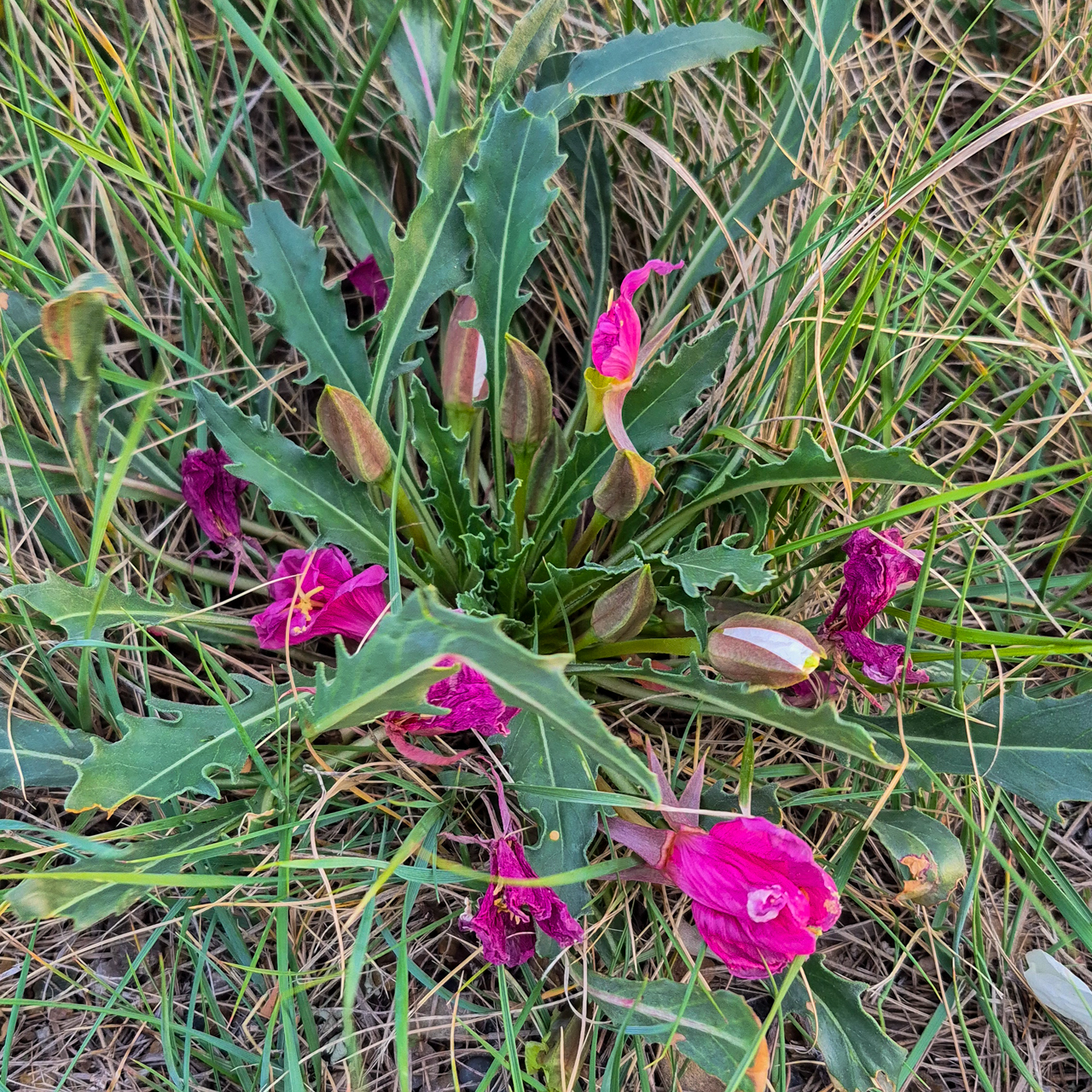
Fragrant Evening Primrose © Jennifer Jackman
Day 5: Grasslands NP to Eastend
A pre-breakfast walk around the Two-Trees Trail trailhead, where a pair of Great Horned Owls had been nesting, rewarded us with both adults perched in the trees above the trail and two large, fluffy owlets peering down at us with the enormous yellow eyes that only owlets possess. We spent a long, happy two hours here, also picking up Grasshopper Sparrow on the hilltop and two Brown Thrashers posing for photos.
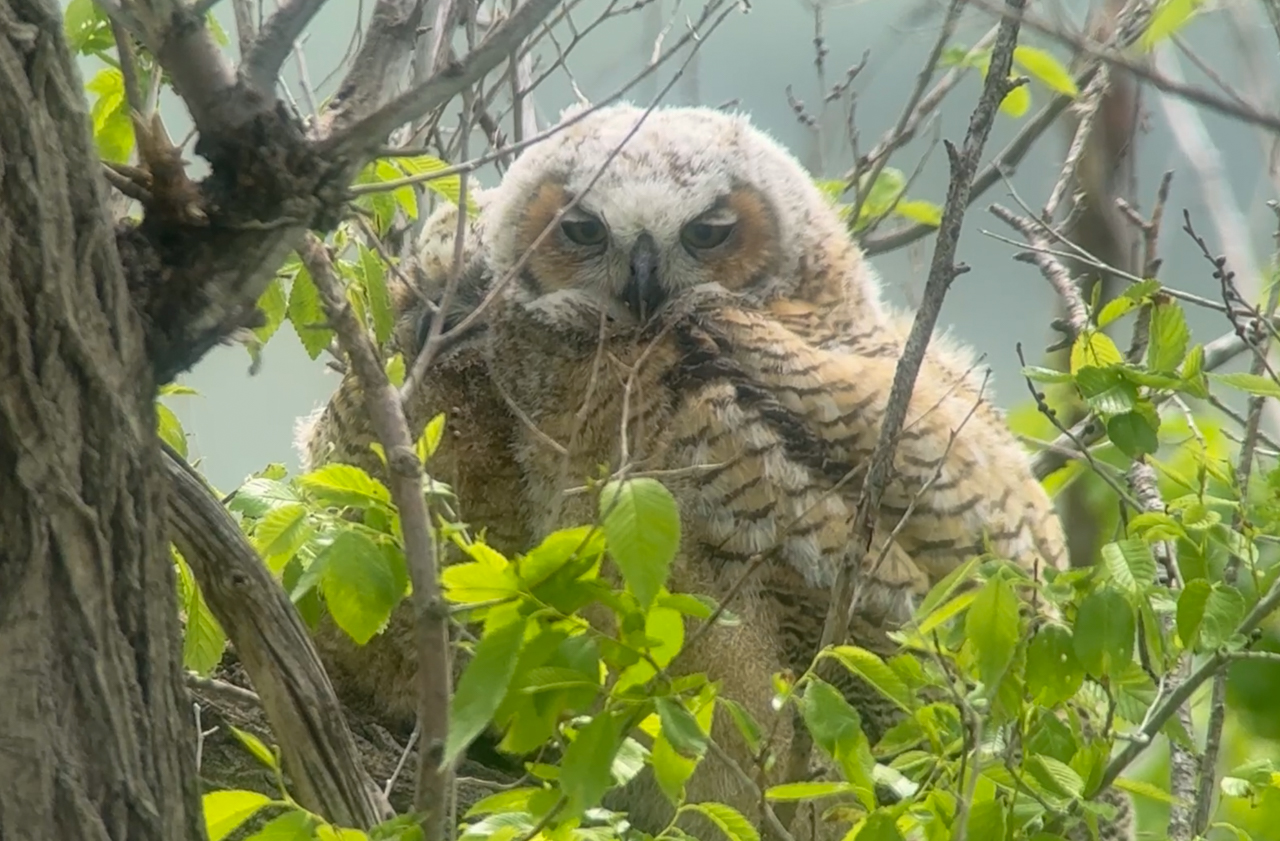
Great Horned Owl chicks © Rick Szabo
After breakfast and checkout at the B&B, we made our way west toward Old Man on his Back NCC, a Nature Conservancy of Canada property that serves as a cleaning-up spot for any grassland species that slipped through our grasp in the park. We clicked off Thick-billed Longspur on the property, and Say’s Phoebes hunted from the paddock fences. Slow driving along the gravel approach road was productive for sparrows perched on the barbed wire.
The afternoon brought a genuine crowd-pleaser: a stop at the T-Rex Discovery Centre in Eastend, where nearly everyone wanted a look at Scotty, one of the largest and most complete T. rex skeletons ever found. Forty-five minutes well spent. We checked into the Riverside Eastend Hotel and regrouped before making the short drive to Shaunavon for dinner at the Harvest Eatery, a genuinely excellent meal that felt especially welcome after two nights in Val Marie.
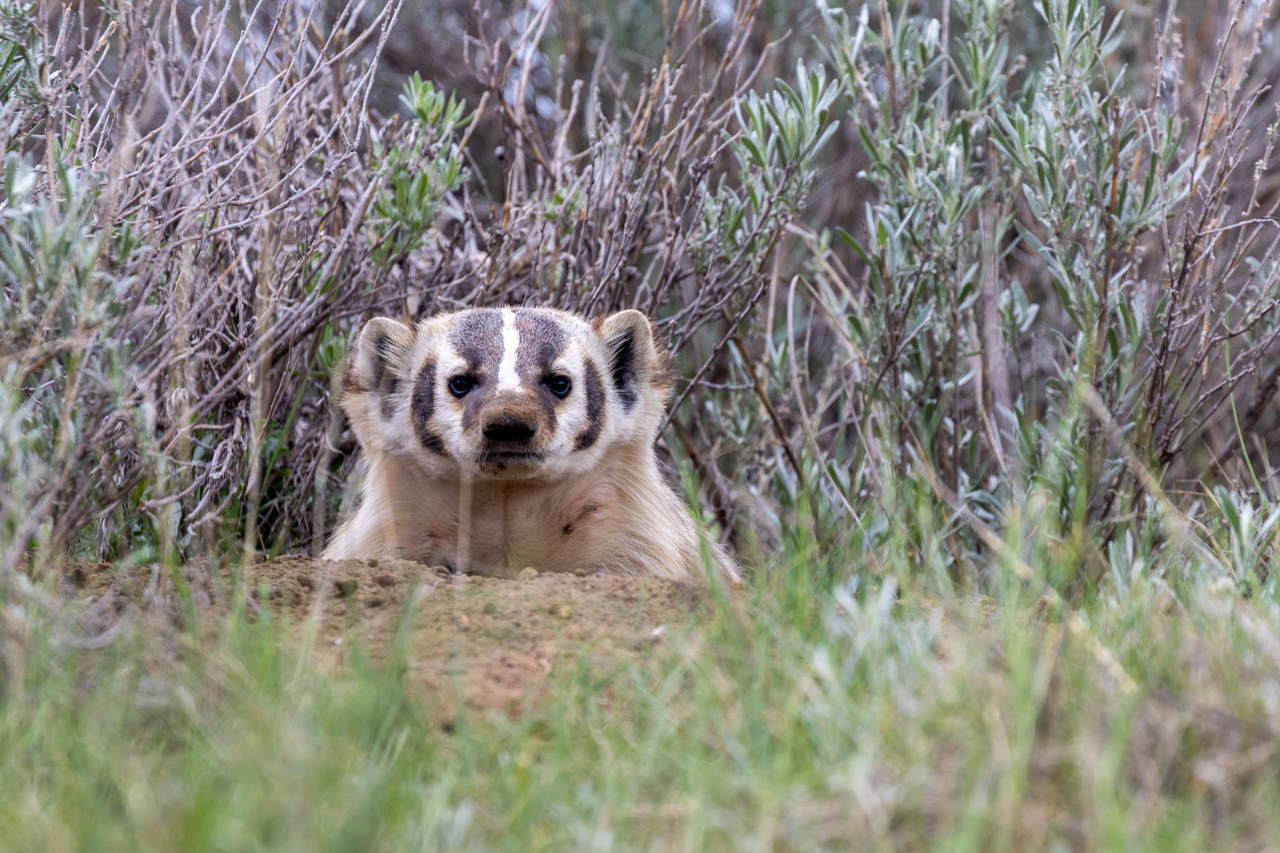
American Badger © Rick Szabo
Day 6: Eastend to Cypress Hills
Pre-breakfast, we slipped over to the Eastend Campground to seek out an Eastern Screech-Owl that had been reliably occupying the dead trees near the campsite 43. Although it wasn’t showing for us, we were happy to find a Hooded Merganser, Red-eyed Vireo & Eastern Warbling Vireo, all birds that were only found on this checklist. A delightful start to the day.
After breakfast, the Eastend Reservoir produced Red-breasted Merganser and Wood Duck (our only ones of the entire trip). We then made our way toward Cypress Hills, stopping above Ravenscrag where our group still needed a good look at Sprague’s Pipit. Three birds obliged us by singing and flying in wide circles above the hilltop prairie. Their cascading, descending songs carried perfectly on the breeze. They drove us crazy as we never could find them in the sky.
Cypress Hills Interprovincial Park felt like another world after a week on the open prairies. Suddenly there were trees, cool shade, the sound of running water. After a picnic lunch beside the ice cream shop, we walked the Highland Trail, a beautiful two-kilometre loop through mixed forest and marsh that is the park’s best spot for warblers reaching the westernmost edge of their range. MacGillivray’s Warblers sang from the dense willow tangles, Veerys called from the forest floor, and American Redstarts and Yellow-rumped Warblers were present in the canopy. We settled in for the evening at the Cypress Hills Resort.
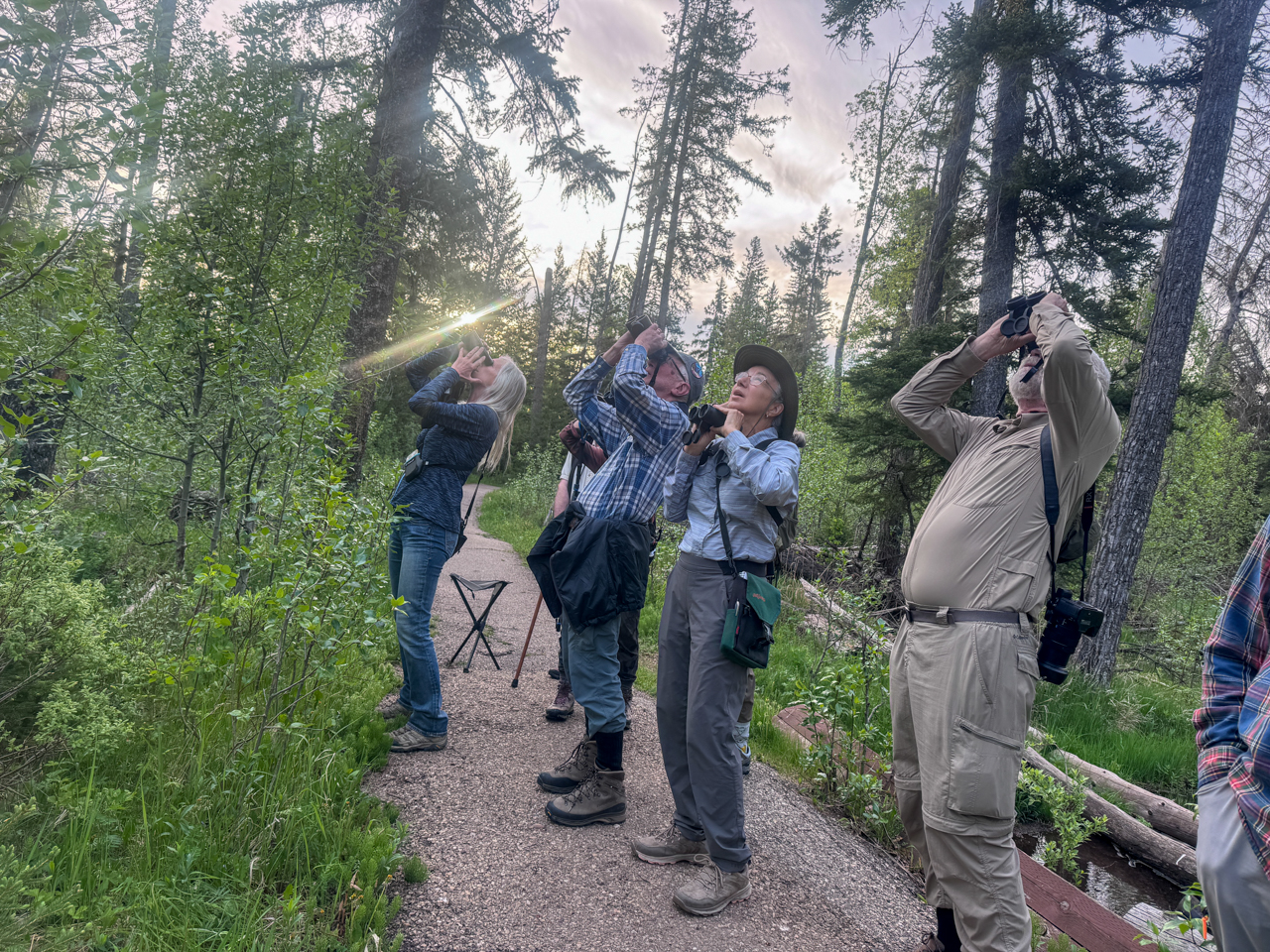
© Rick Szabo
Day 7: Cypress Hills
An early start on the Whispering Pines Trail, with target species firmly in mind: Red-naped Sapsucker, Dark-eyed Junco (Pink-sided), Ovenbird & Brown Creeper.
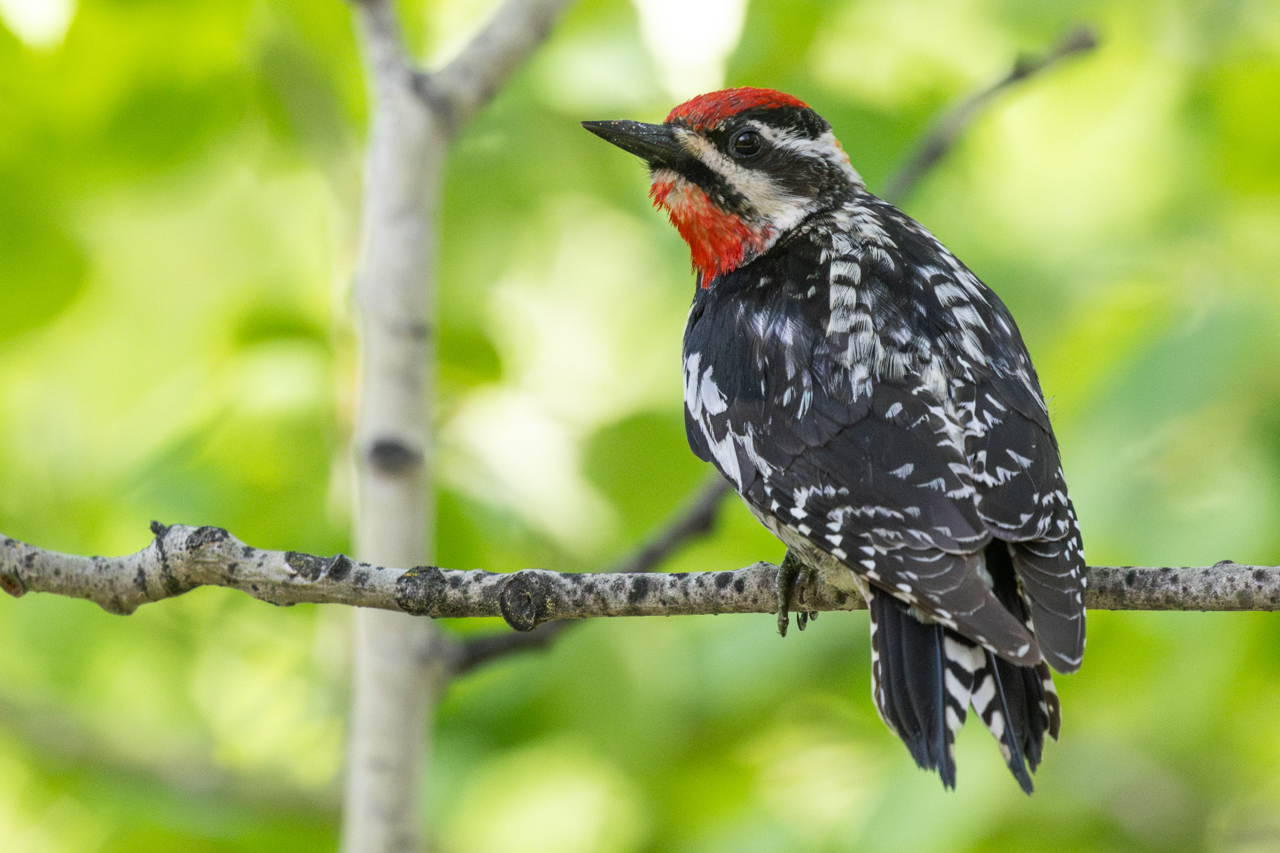
Red-naped Sapsucker © Rick Szabo
After breakfast, a stop at Loch Leven produced Red-necked Grebes actively building nests on a floating platform. We then drove the Gap Road to the West Block, a longer, more remote section of the park. Our long drive was rewarded with a very close Cinnamon Teal & red-necked Phalarope just inside the West Block. Our first stop was at Conglomerate Cliffs where a Dusky Flycatcher called persistently from the shrubby slope below the viewpoint. A stop at the campground picnic area was accompanied by Pine Siskins, Red Crossbills, and a surprise overflight of an Evening Grosbeak that sent several people scrambling for binoculars.
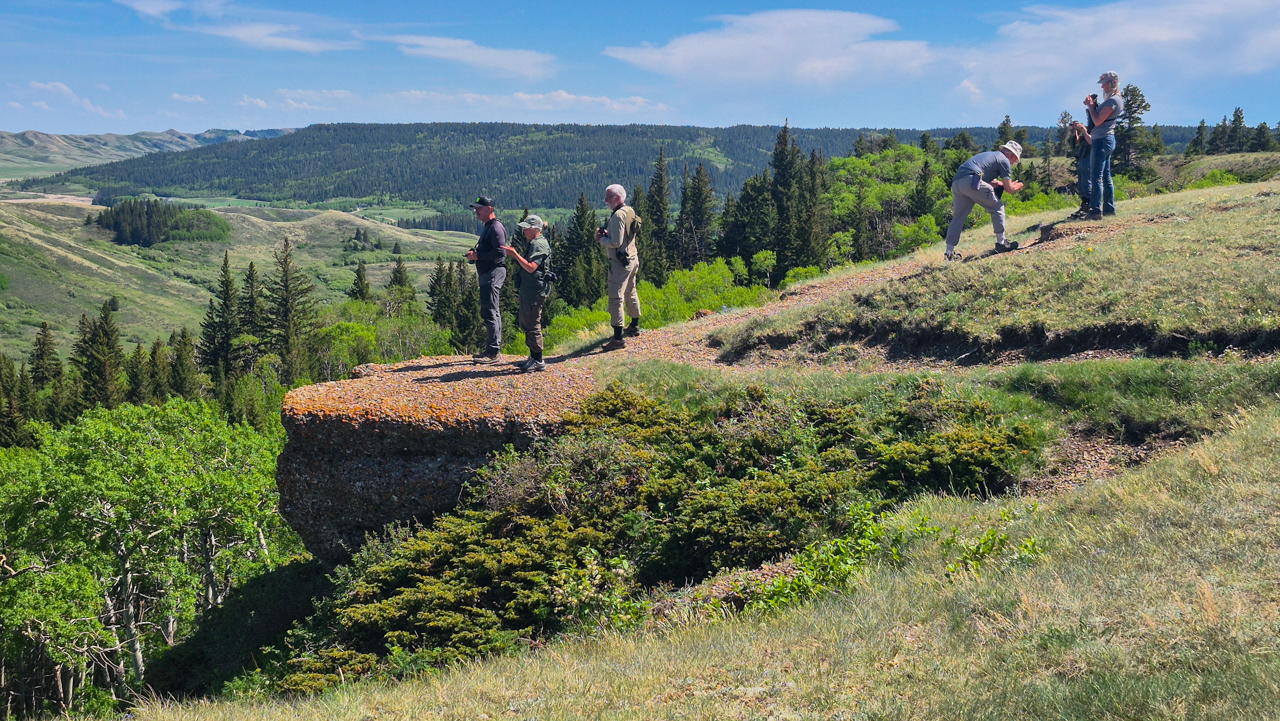
Conglomerate Cliffs © Jennifer Jackman
A long, satisfying drive back through Maple Creek, and dinner back at the Resort.
Day 8: Cypress Hills to Regina
Our last morning in the park was a gentle one. A pre-breakfast walk along the Valley of the Windfalls Trail from the Resort parking lot, followed by a group photo at the Lookout Point where a Dusky Flycatcher performed obligingly for those who had missed it earlier in the trip. Then a final breakfast, a final van-pack, and we were pointed east toward Regina.
A souvenir stop in Maple Creek’s charming downtown gave everyone an hour to decompress and browse, before a mid-day coffee stop in Swift Current and a final return to Reed Lake, still spectacular, still full of shorebirds, and a reminder of just how remarkable that corridor of alkaline lakes really is.
We arrived back in Regina in the late afternoon, checked in, and gathered one last time for a farewell dinner at a brewpub, a Regina institution with character to spare. Over pints and reminiscing, we went around the table sharing trip highlights. The Sharp-tailed Grouse lek came up again and again. So did the Great Horned Owl family, the vast shorebird flocks at Reed Lake, and the surreal early-morning magic of Grasslands National Park before the rest of the world was awake.
Eight days, forty checklists, nine very happy birders, and a final trip list of 150 species. Saskatchewan, it turns out, is one of Canada’s great birding destinations, and it rarely gets the credit it deserves.
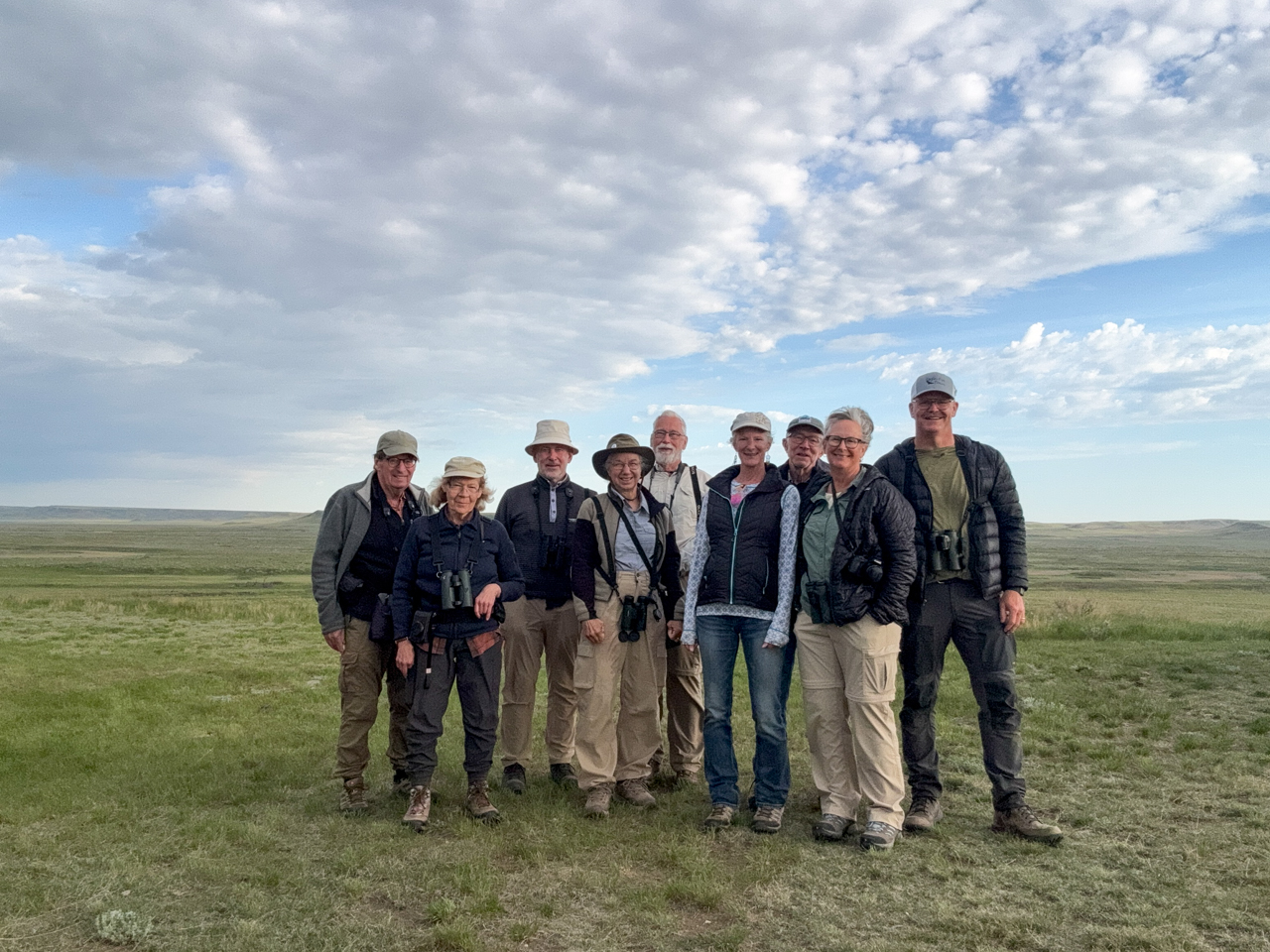
Our group
Besides birds, our group also observed the following wildlife during the trip.
Mammals: Richardson’s Ground Squirrel, White-tailed Jackrabbit, Thirteen-lined Ground Squirrel, Mule Deer, White-tailed Deer, Pronghorn, American Badger, Black-tailed Prairie Dog, Muskrat, Coyote, Red Fox, Plains Bison, Swift Fox, Moose, American Red Squirrel, Least Chipmunk
Reptiles and Amphibians: Plains Garter Snake, Canadian Toad, Boreal Chorus Frog, Northern Leopard Frog