Netherlands Trip Report 2026
Day 1 – Arrival
Arrival in Amsterdam.
Day 2 – Amsterdam to Arnhem
We kicked off the tour with an early morning walk in the Schinkelbos behind the hotel. This small forest patch with reeds and grazing horses is part of the Amsterdam Bos, a large park area in the heart of Amsterdam. We were greeted by many birds singing but also good views of Common Cuckoo, Bluethroat and Song Thrush. After a well-deserved breakfast we headed east to visit Landje van Geijsel. This meadow is specifically managed and flooded for the arrival of migratory shorebirds like Redshanks and Godwits, to name a few. Afterwards we headed to Zouweboezem for a quick picnic and birding stop on a small birdwatching platform. We were lucky to get some good looks at a very cooperative, singing Sedge Warbler. Raptors like White-tailed Eagles, an Osprey and a pair of Western Marsh Harriers joined us over lunch. We concluded day one at Binnenveldse Hooilanden where the group braved freezing winds and a light drizzle. Nevertheless, their persistence rewarded us with a great view of Curlews, Whimbrel and Godwits. Further down the track we watched in surprise as a Godwit and Lapwing kept divebombing a male Pheasant.
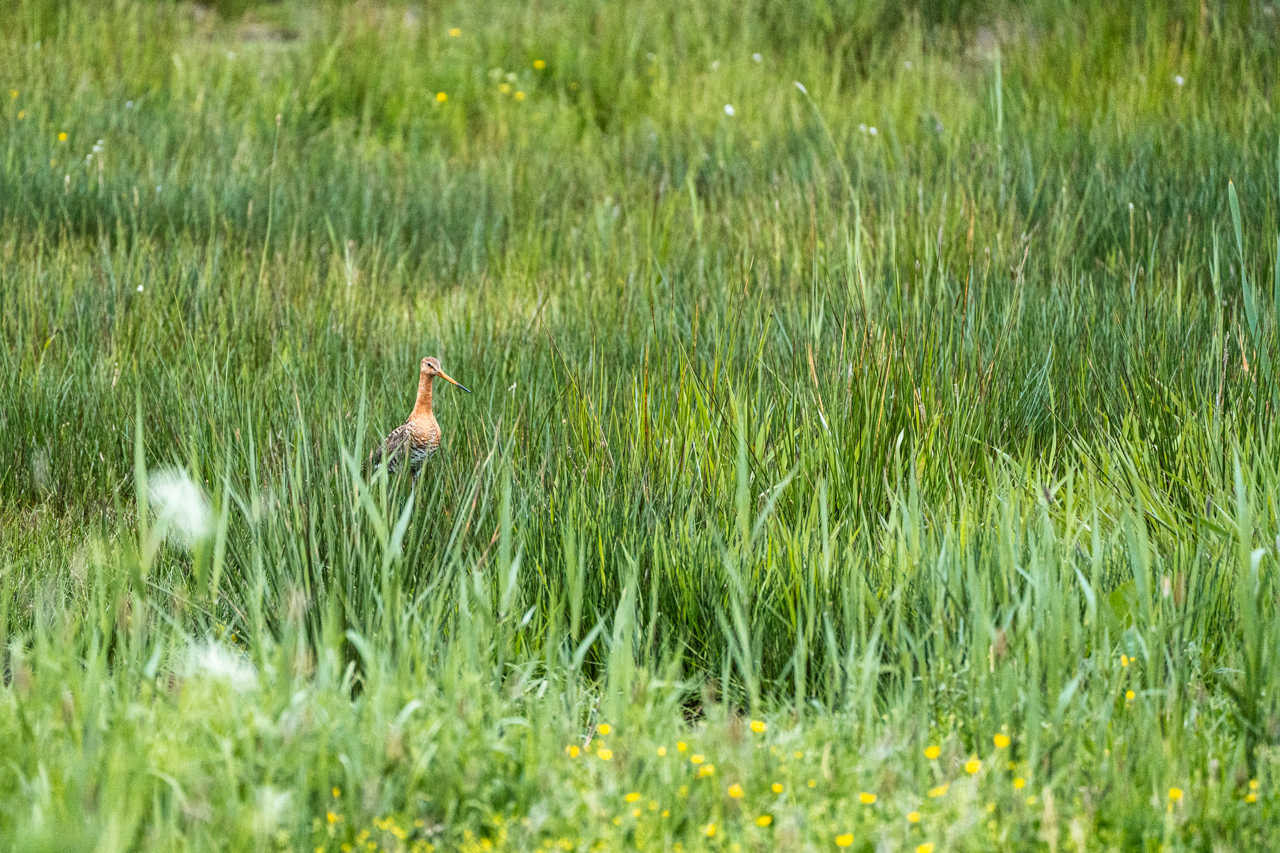
Black-tailed Godwit © Sören Salvatore
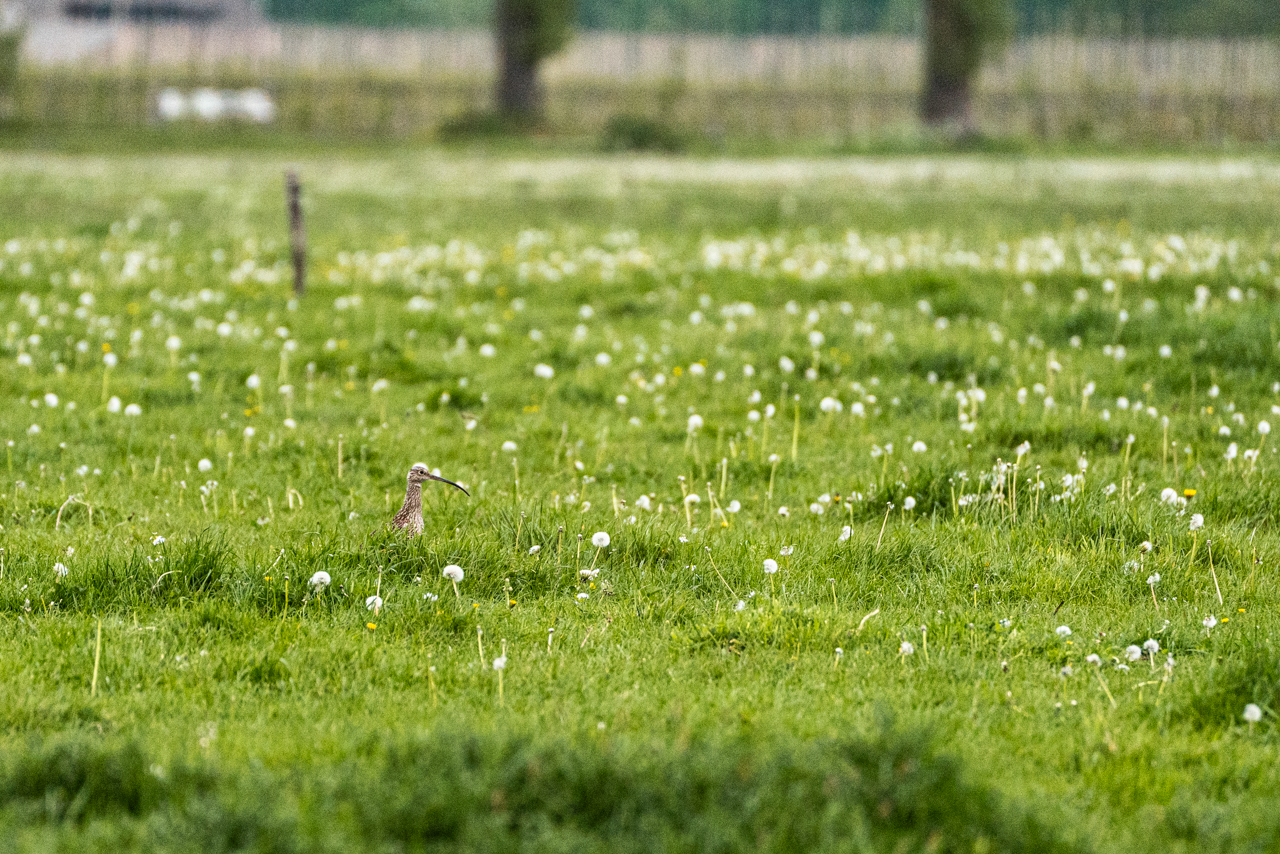
Eurasian Curlew © Sören Salvatore
Day 3 – Hoge Veluwe National Park
We spent a full day in the Hoge Veluwe National Park. Once a private estate in the early 1900s, the park still is one of two privately owned national parks in the Netherlands. It consists of a variety of habitats like woodland, heathland and sand dunes. Right from the start we had great views of European Pied Flycatcher and Crested Tit. A drive through the heathland offered excellent birding along the forested edges and we had great views of Stonechat, Tree Pipit and Meadow Pipit, as well as a couple of Yellowhammers and a Cuckoo.
After lunch we visited the Kröller-Müller Museum within the park, one of the finest art museums in the Netherlands, holding the second largest collection of Van Gogh paintings. Before leaving the park we searched for the elusive Black Woodpecker. Europe’s largest woodpecker proved hard to find. A few distant calls and a quick flyby while driving past some beautiful beech trees with old hollows were unfortunately the only observations we would get that day.
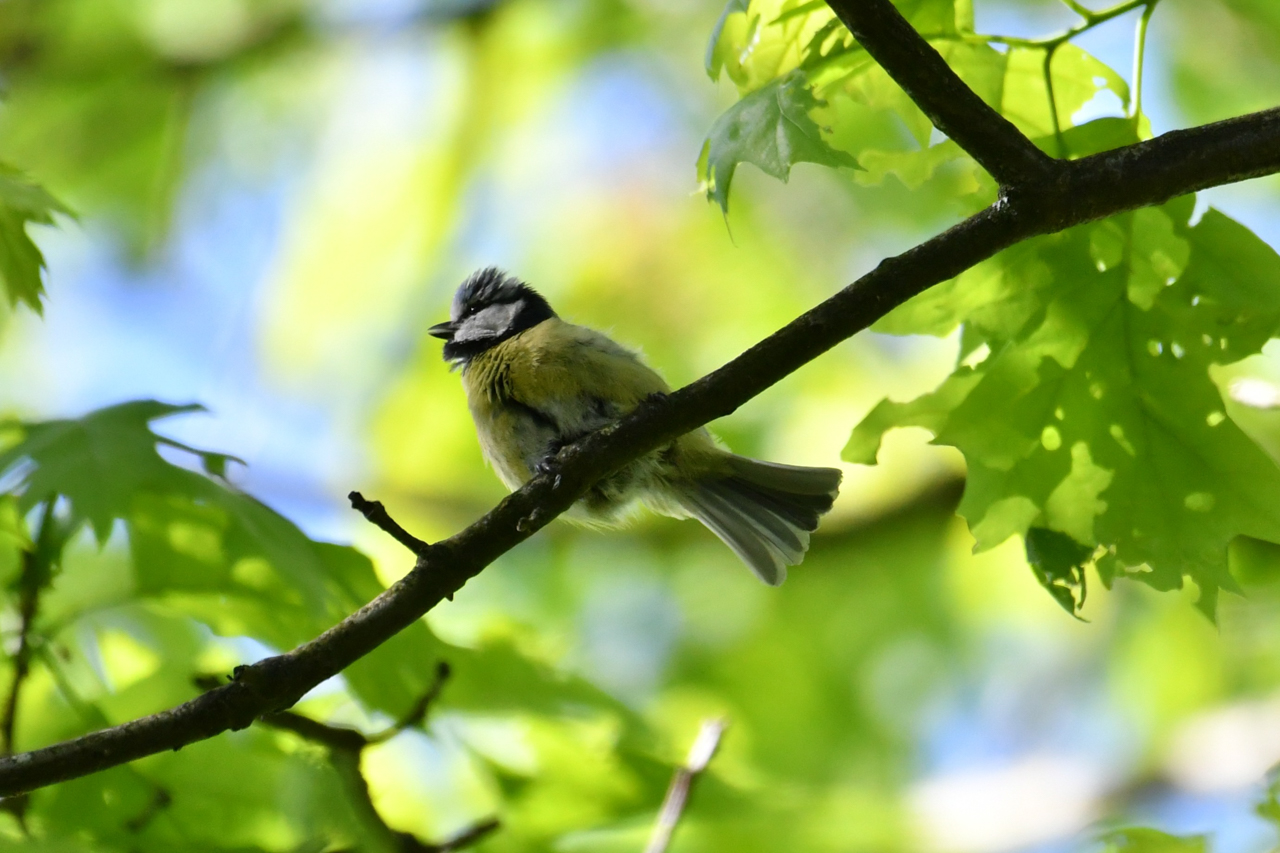
Eurasian Blue Tit © Lou Chauvin
Day 4 – Oostvaardersplassen
We started the day early with another pre-breakfast outing. Woodpeckers were our main focus in Sonsbeek Park just north of our hotel in Arnhem. With a cool sunrise on our faces we got a first glimpse of the Eurasian Green Woodpecker. A little later the same bird perched beautifully on top of a dead branch to give us excellent views. The highlight of the morning was a brief but great view of a Middle Spotted Woodpecker in a large oak tree.
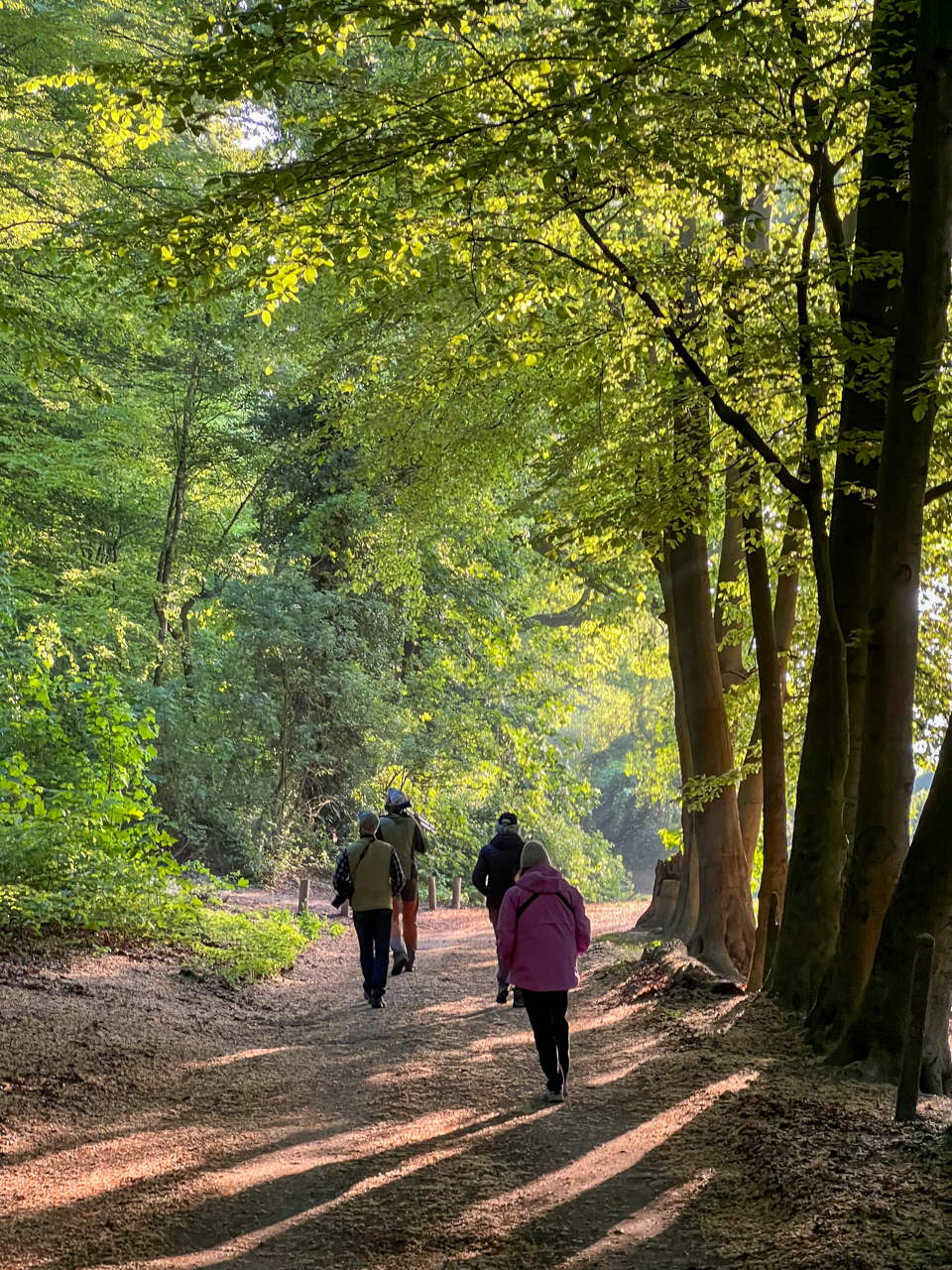
© Sören Salvatore
After breakfast we headed to Oostvaardersplassen, a must-see birding destination in the Netherlands. It’s located on Flevoland, the country’s most recently reclaimed land, some of which didn’t exist until as recent as the 1960s.
The reserve, famous for its rewilding experiment, proved to be tough birding in the hot late morning sun. Different species of warblers could be heard but spotting them was a different story. After some success with Chiffchaffs, Willow Warblers and a Cetti’s Warbler that briefly sat fully exposed in the open, we moved to our lunch spot. We were greeted by thousands of Barnacle Geese floating just outside the window of our table. The occasional White-tailed Eagle flyby made for an exceptional flight show of seemingly endless waves of birds flushing and flying by the visitor centre. At the entrance a large Red Deer male with velvet antlers was another nice distraction while we waited for our food.
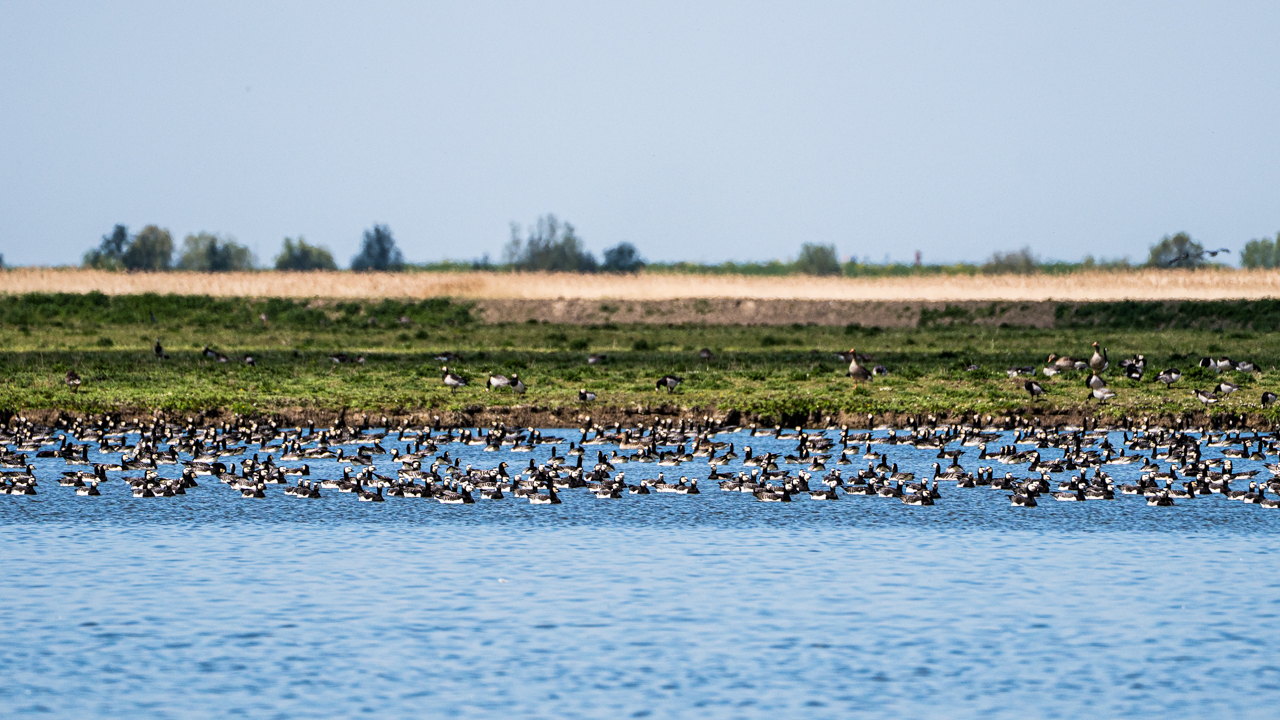
Barnacle Geese © Sören Salvatore
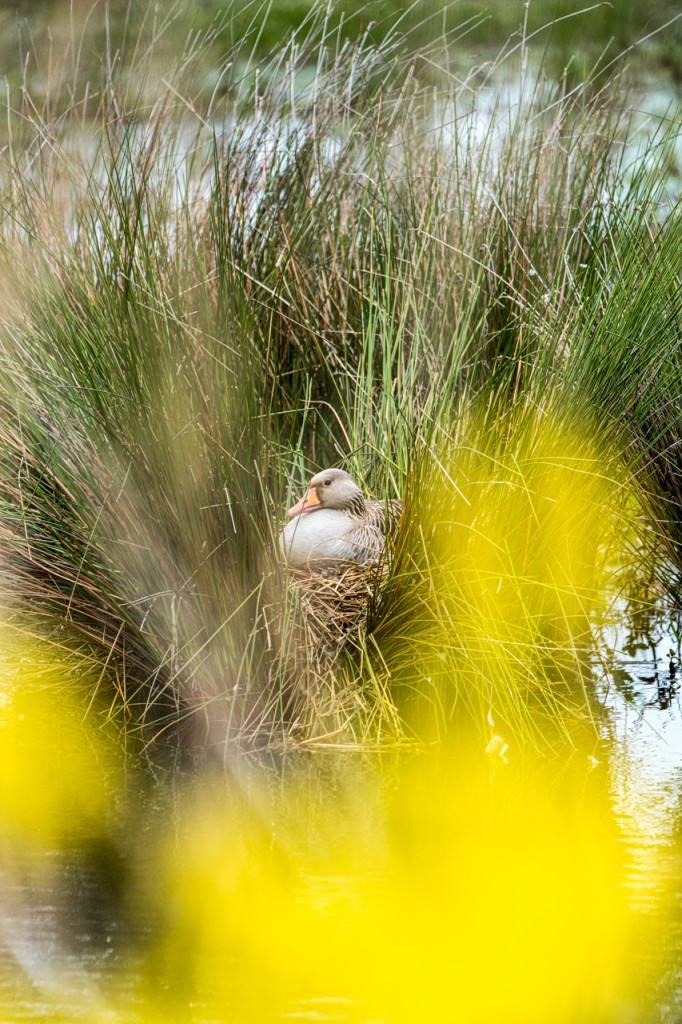
Graylag Goose © Sören Salvatore
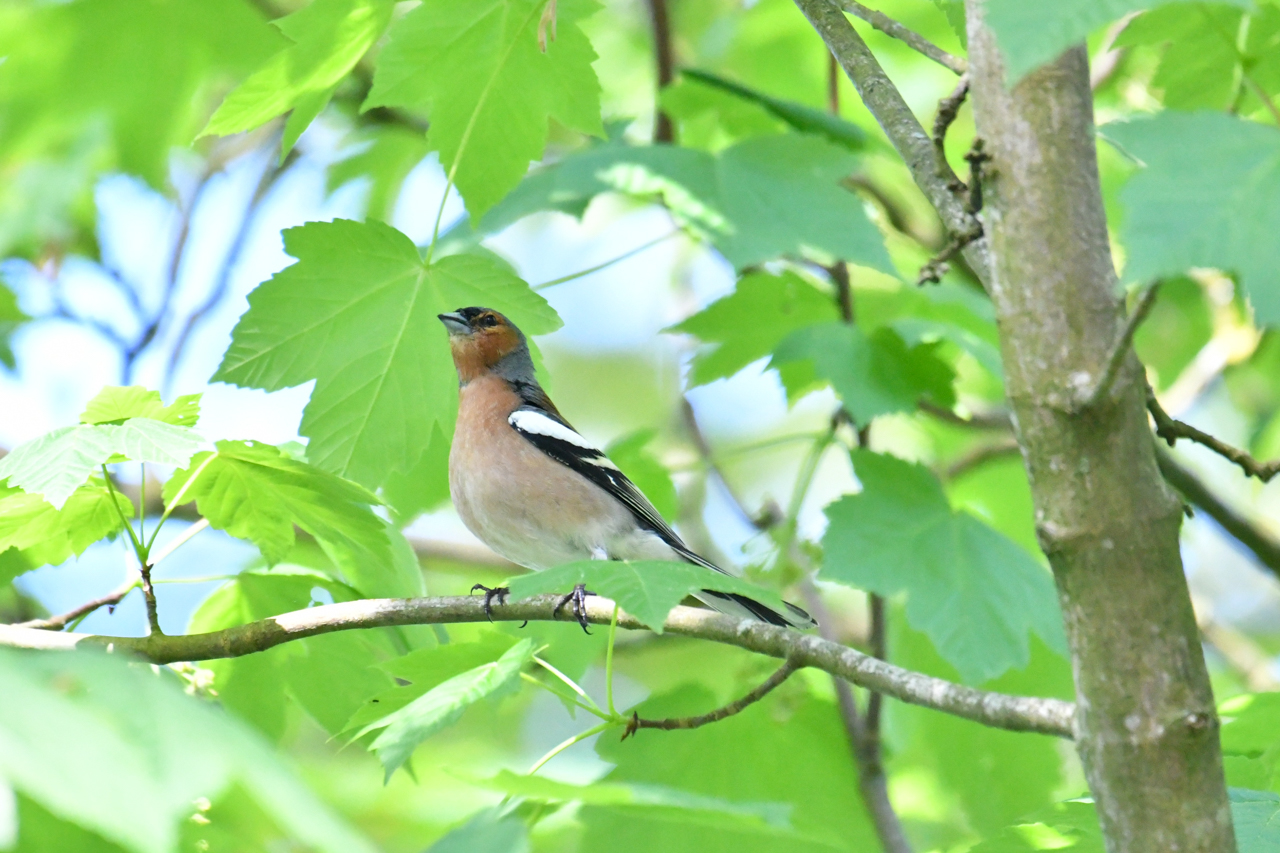
Common Chaffinch © Lou Chauvin
After lunch we stopped at a few spots on the dyke at the northern end of the reserve before heading to our next base at Meppel.
Day 5 – Weerribben-Wieden National Park
From Meppel we headed northwest to spend the day at Weerribben-Wieden National Park. The park was once a hotspot for peat extraction and reed cultivation. Ecological restoration has led to a beautiful mosaic of different ecosystems and in the early 2000s the locally extinct Eurasian Otter was reintroduced to this fabulous landscape. Now a hotspot for otters, we checked out a hide famous for otter sightings. Although we didn’t get to see any otters, we had fantastic views of the blue lightning bolt, the blue jewel, the Common Kingfisher. After the kingfisher moved on and the excitement wore off, we moved back to the car, quickly stopped for a couple of Long-tailed Tits and drove to our next birding hides in the park. At one of the birding towers next to a large reed bed we were welcomed by a large colony of Bank Swallows nesting in an artificial wall, all the while a Eurasian Bittern boomed, well hidden but close by. Close views of a Bluethroat rounded up the morning before we headed to lunch.
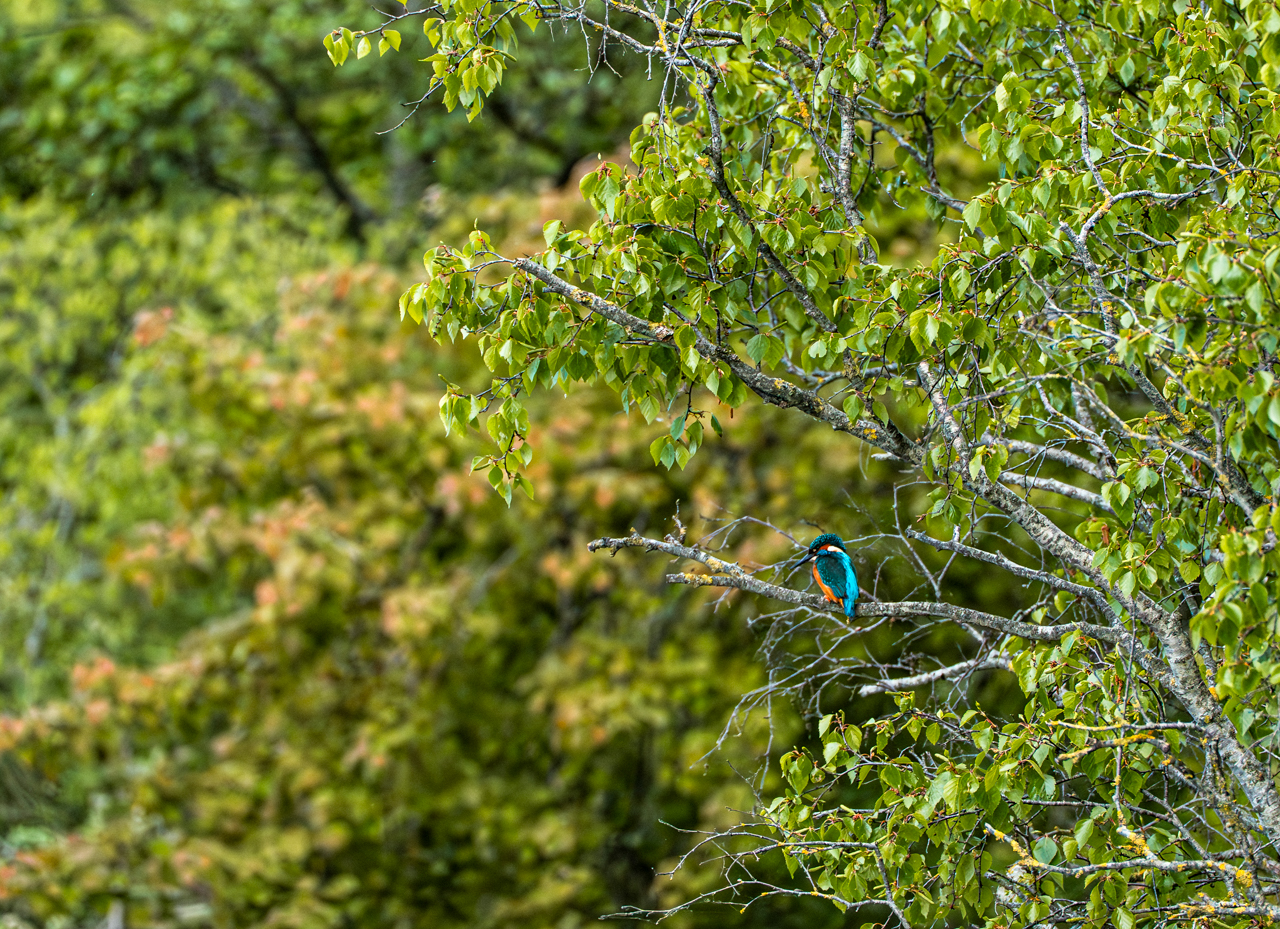
Kingfisher © Sören Salvatore
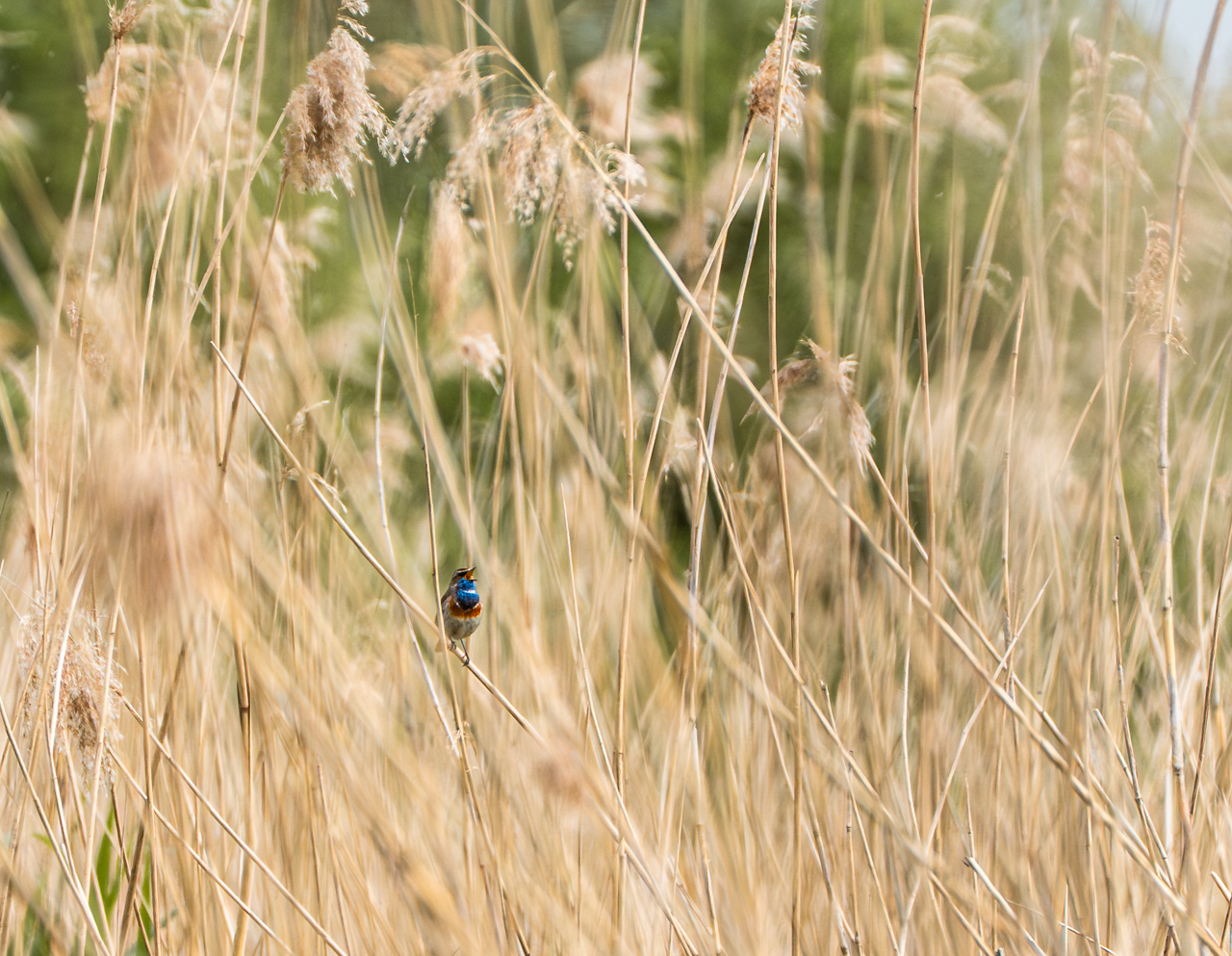
Bluethroat © Sören Salvatore
Giethoorn, the Venice of the North, was overrun by busloads of tourists but still provided a picturesque lunch spot along the beautiful canals. Just outside the restaurant a pair of White Storks on their nest celebrated the addition of a new stick with some loud bill-clattering and a singing Common Redstart posed long enough for everyone to get great views. We left the busy town before more passersby could ask us why we were all looking up a bare tree.
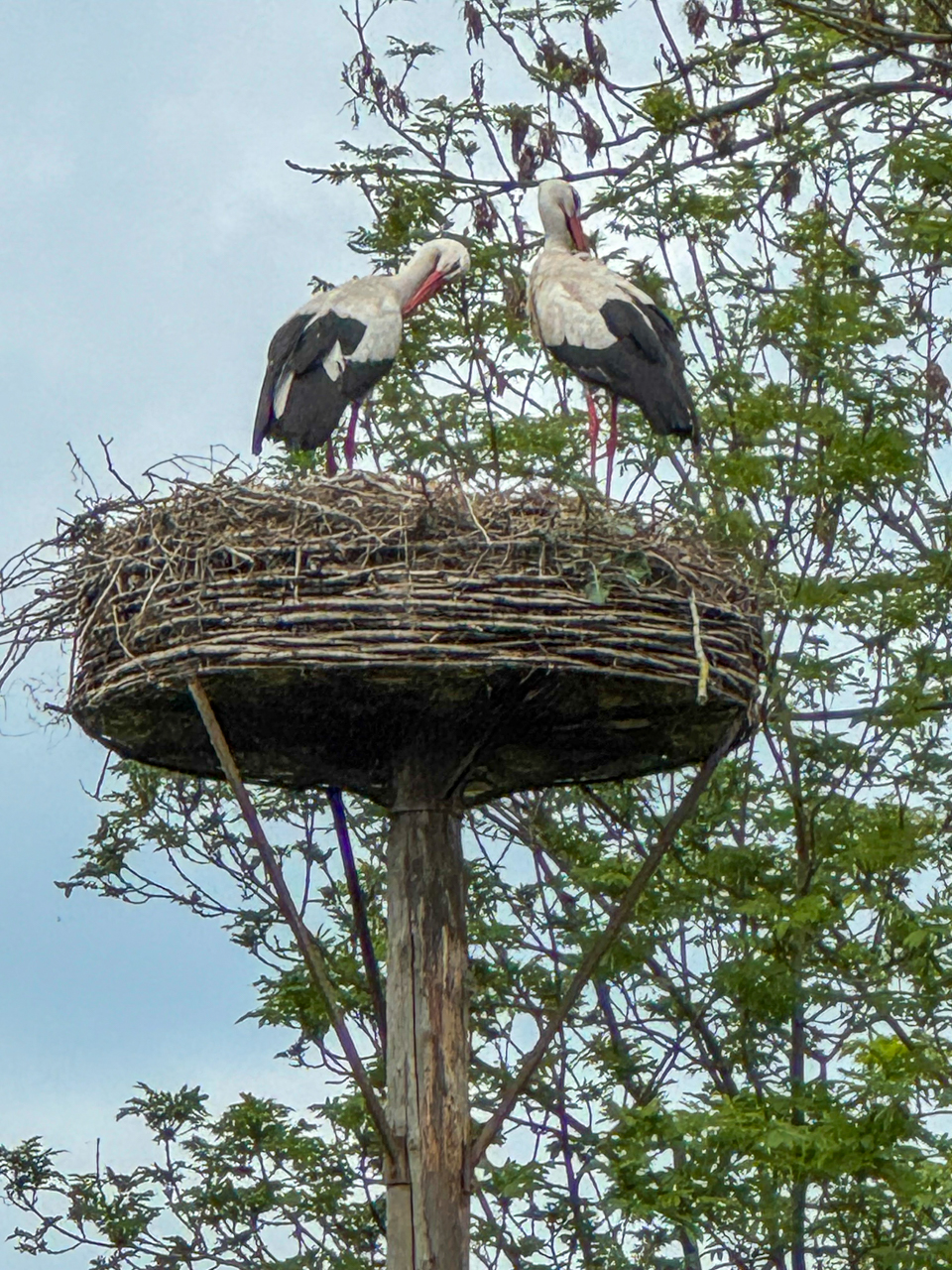
Storks © Lou Chauvin
After lunch we had a couple more stops within the Weerribben-Wieden National Park, including the Netherlands’ busiest bird-watching tower. Luckily the friendly Dutch birders quickly moved on and let us have a try at finding a Cattle Egret nest among countless nests of Gray and Purple Herons, Spoonbills and Great Egrets. We managed to spot the nest when an adult flew in but had to be satisfied with rather obscured views. As most of the group missed the bird, we were very delighted to find another Cattle Egret in a paddock on our way back to Meppel.
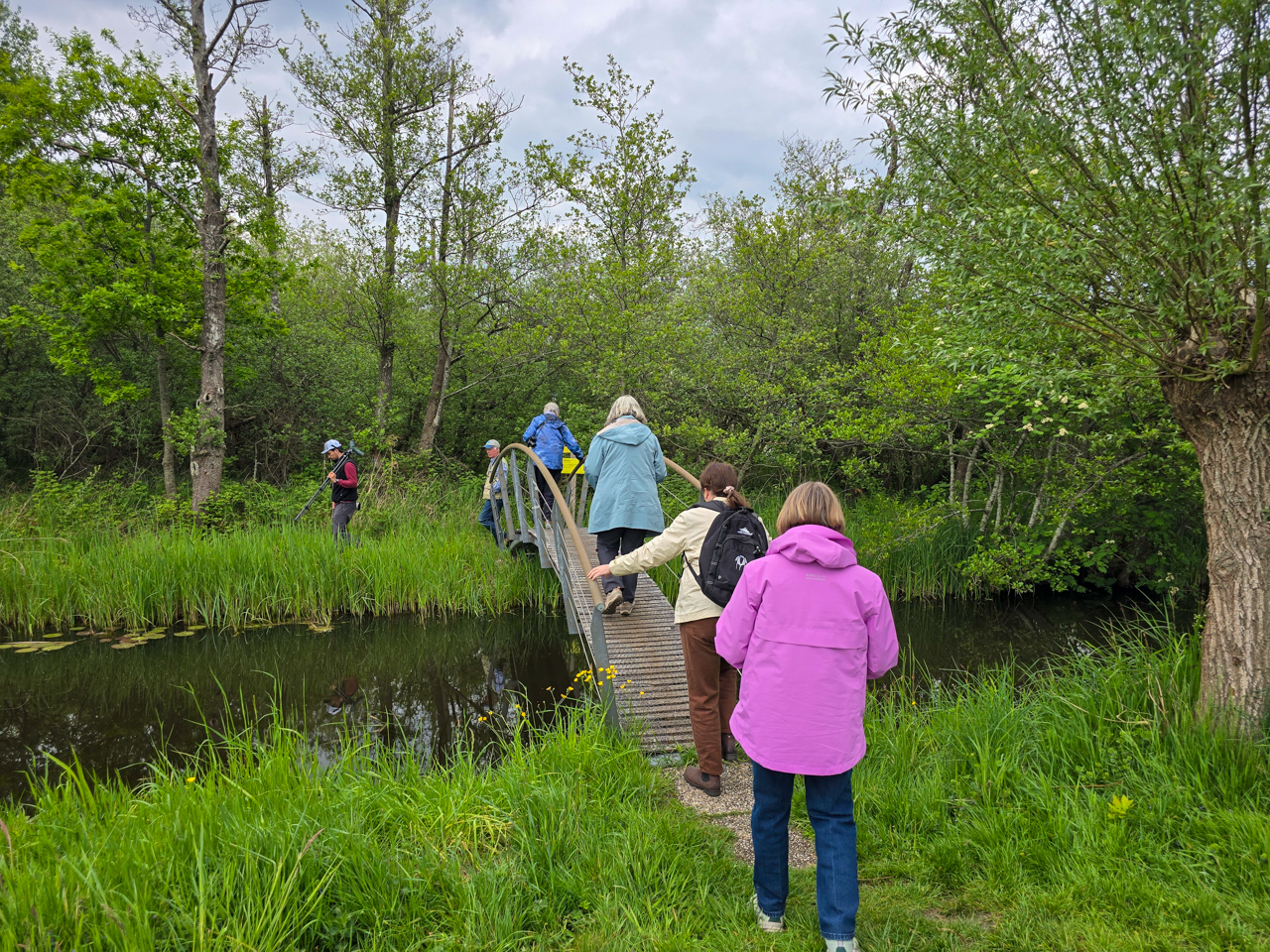
Bridge © Lou Chauvin
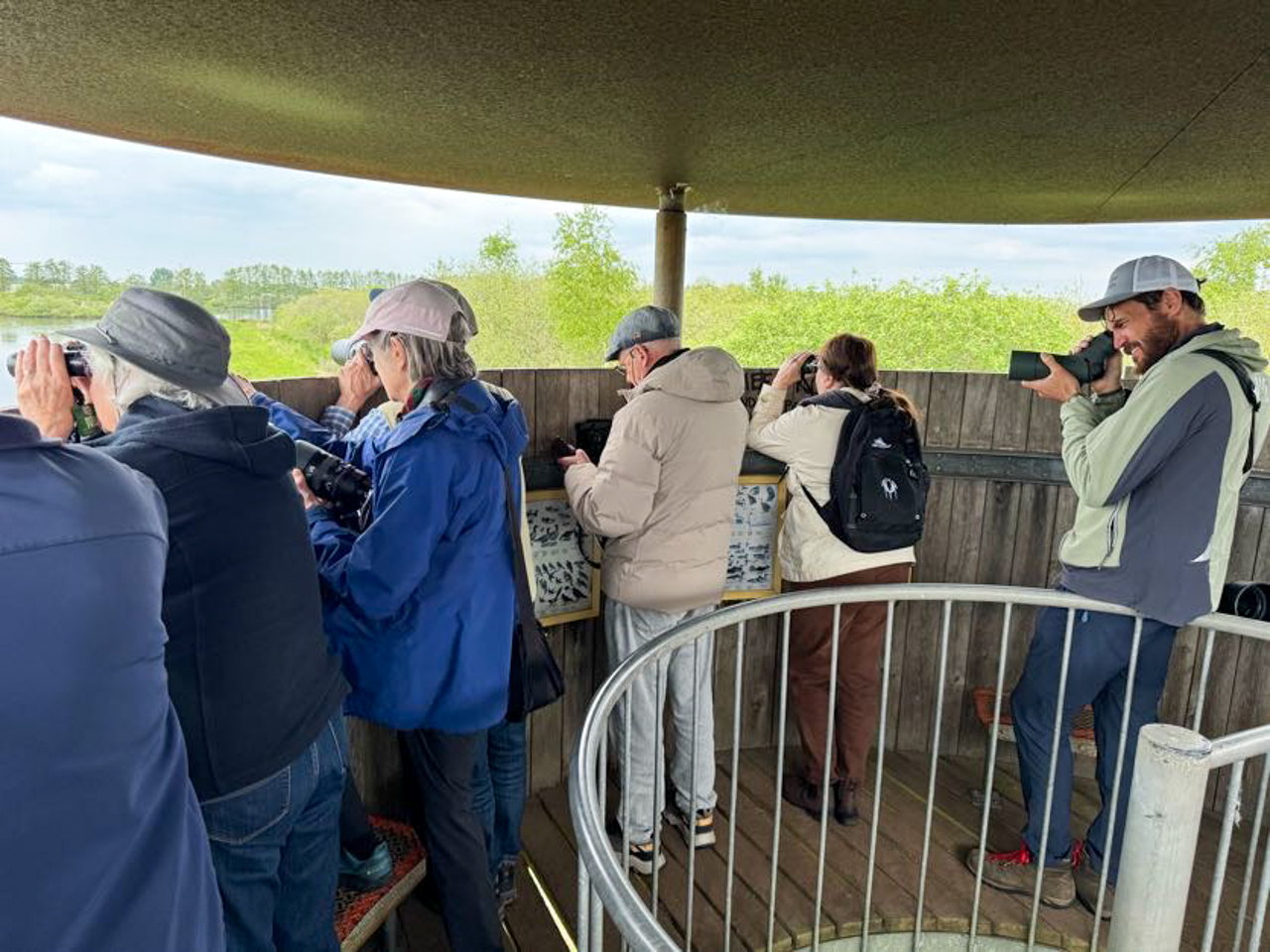
Birding tower © Lou Chauvin
After a very nice dinner the group headed out again for some nocturnal birding. Our main target species was the Eurasian Nightjar. Multiple recent records in the area showed that the birds had finally returned from their overwintering grounds. As soon as we arrived at our spot in Drents-Friese Wold National Park, we could hear multiple birds calling in the distance. This was a promising start and after some scouting with a thermal camera the group knew which area to focus on. With the fading light of blue hour, a Nightjar flew across the path we were standing on, calling and doing one loud wing clap before it disappeared. After this spectacular display all nightjars went silent. Just before leaving, two Eurasian Woodcocks called and flew straight over our heads. We couldn’t have asked for more and decided to leave the park to the darkness and head back to the hotel for a well-deserved sleep.
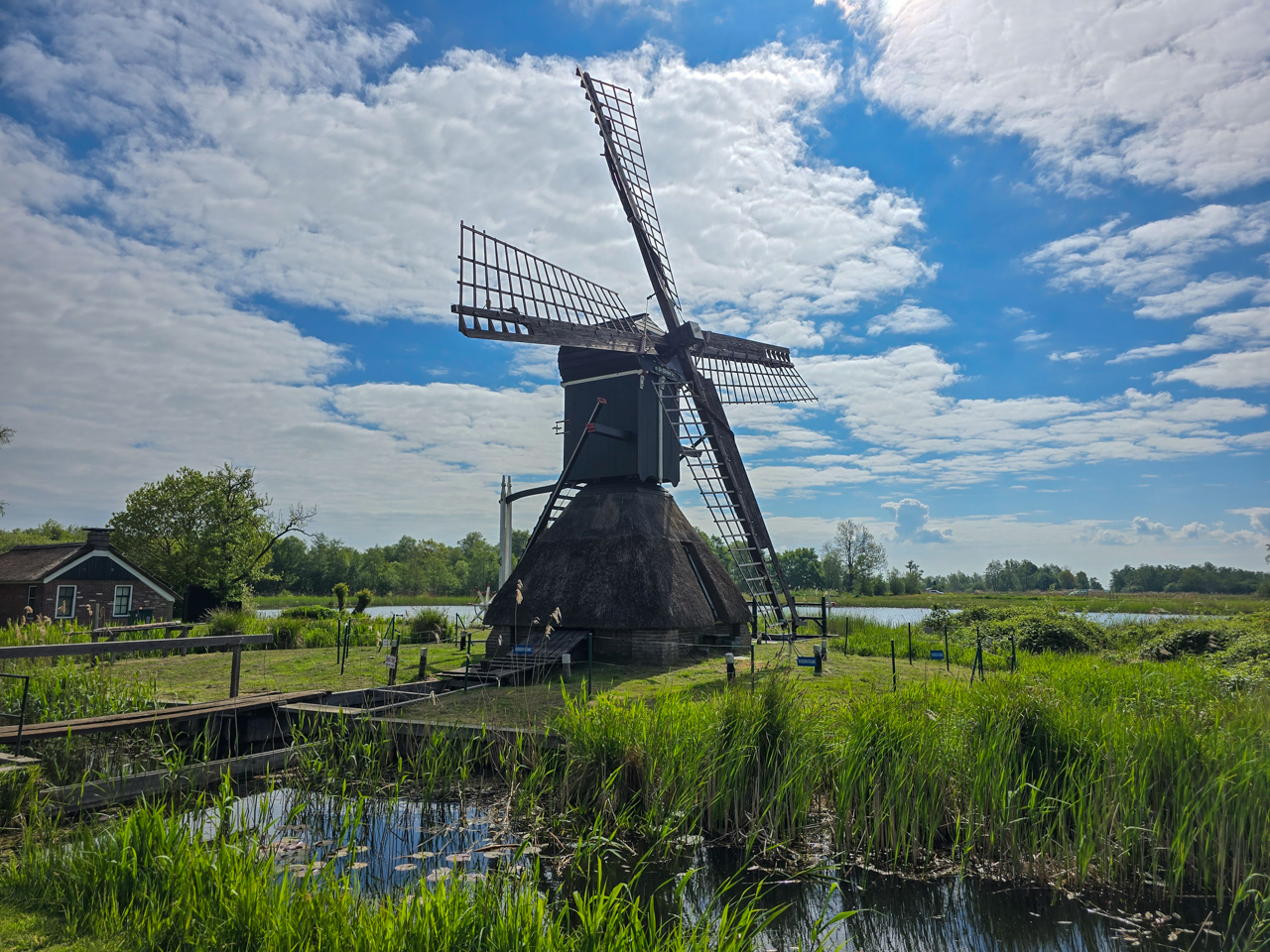
Windmill © Lou Chauvin
Day 6 – Dwingelderveld National Park and Fochteloërveen
We spent our morning birding in Dwingelderveld National Park, the largest wet heathland area in western Europe. Although the start of our walk was slow and hard birding at first, we ended up with some really great sightings. A group of European Hobbies were hunting dragonflies over the moors, giving us great views of these smaller falcons. The park was also a great place for Brecht to show us more butterflies and dragonfly species, as well as frogs crossing our paths. Finishing up our loop we could hear the distinct calls and songs of the beautiful Eurasian Golden Oriole. While we only caught glimpses of these beautiful birds, a European Honey-buzzard flew by very close, giving us great looks at another raptor.
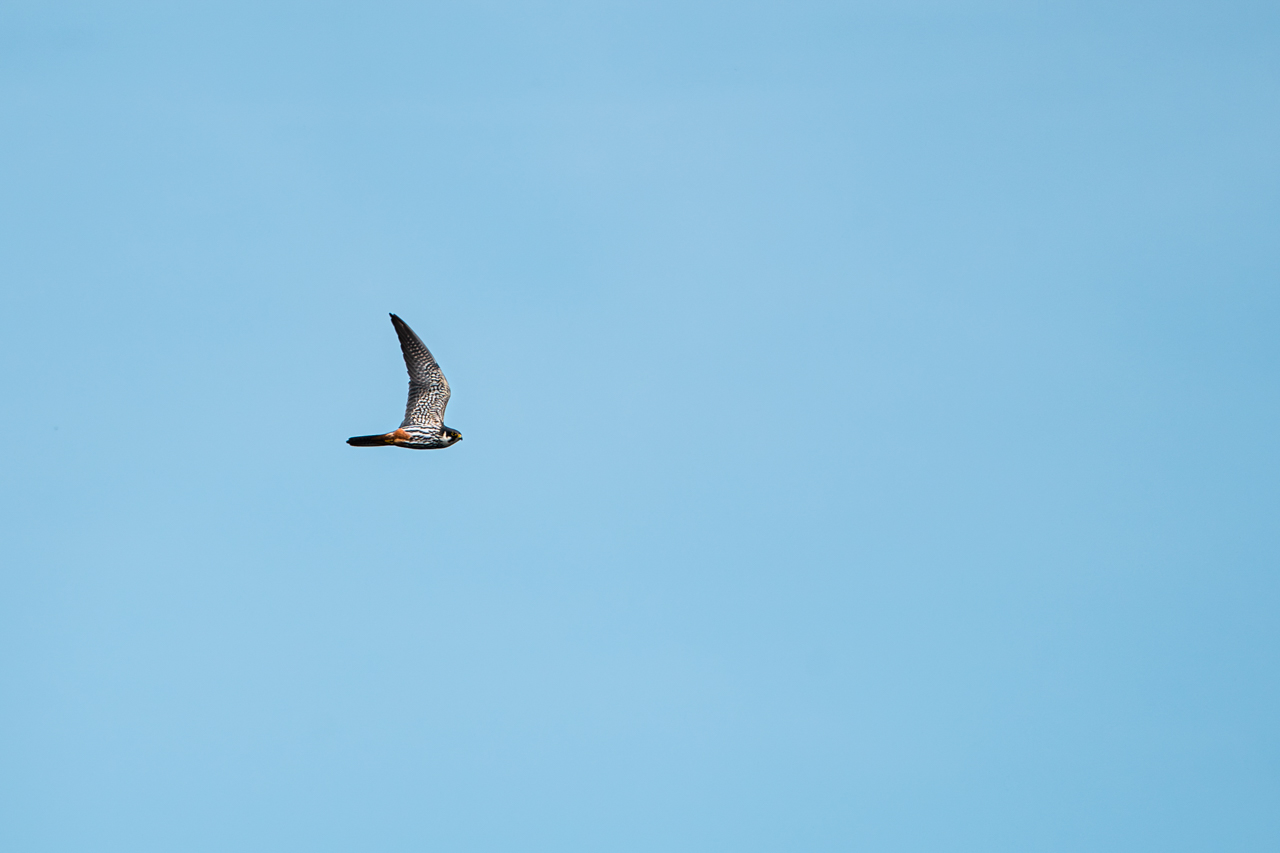
Eurasian Hobby © Sören Salvatore
After lunch we headed to Fochteloërveen, one of the last remaining high moors in Europe and the first place where Common Cranes returned to breed after being absent for hundreds of years. After failing to spot any birds in the park, we drove around the surrounding fields in search of these large birds. We finally found them and after some great views and pictures we headed to our next base in Leeuwarden.
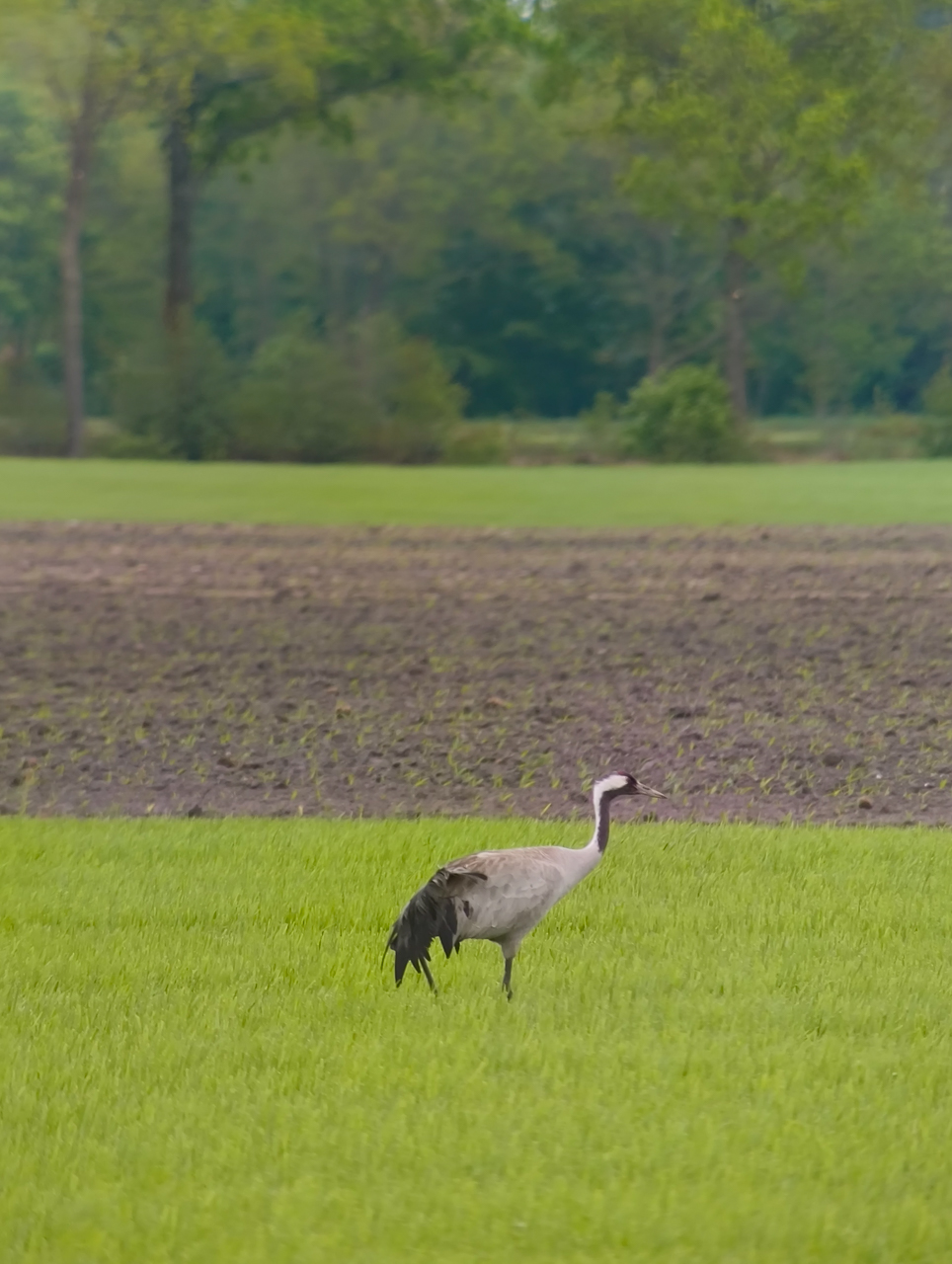
Common Crane © Brecht De Meulenaer
Day 7 – Lauwersmeer National Park
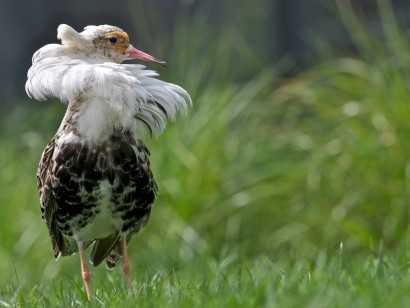
This day was spent exploring Lauwersmeer National Park. We started at Ezumakeeg on the Friesland side of the park. The weather forecast for the day was a little daunting with cold winds and heavy rains moving through the region. Luckily our “birding forecast” looked much more exciting. Our first stops were a shorebird paradise, including large groups of Ruff with multiple males in breeding plumage displaying right in front of us. While chatting to a local birder we got word of a group of Eurasian Dotterel resting nearby. We quickly made our way there and found them resting among hundreds of Golden Plovers.
After a great lunch at the Seal Rehabilitation and Research Centre in Lauwersoog we headed down the Groningen part of the park, birding in between heavy rain showers and hiding out in some fabulous birding hides. At Jaap Deensgat we watched eight individual White-tailed Eagles catching fish and flushing large flocks of Barnacle Geese. Before heading back to our hotel we drove past our first morning birding spot again to look for Temminck’s Stints that had just arrived.
Day 8 – It Hegewiersterfjild to Den Helder
Today we headed back west along the coast. At It Hegewiersterfjild we had another fantastic hide sheltering us from yet one more day of freezing North Sea winds and rain showers. The hide offered fantastic views of Pied Avocet, Spotted Redshank and Red-crested Pochard among others. Afterwards we headed further towards Den Helder, our next base, crossing the famous Afsluitdijk. This dyke separates the IJsselmeer, formerly the Zuiderzee but now a freshwater lake, from the Wadden Sea.
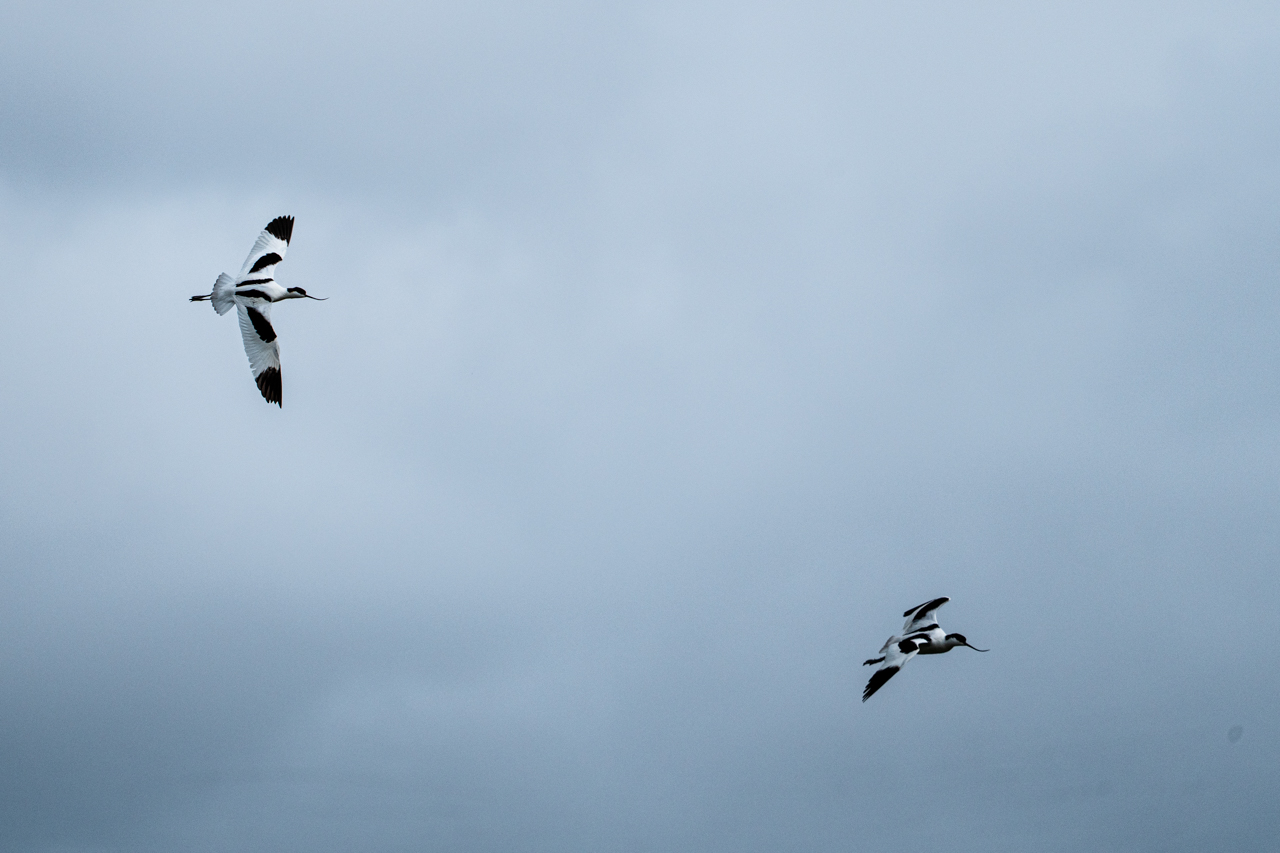
Pied Avocet © Sören Salvatore
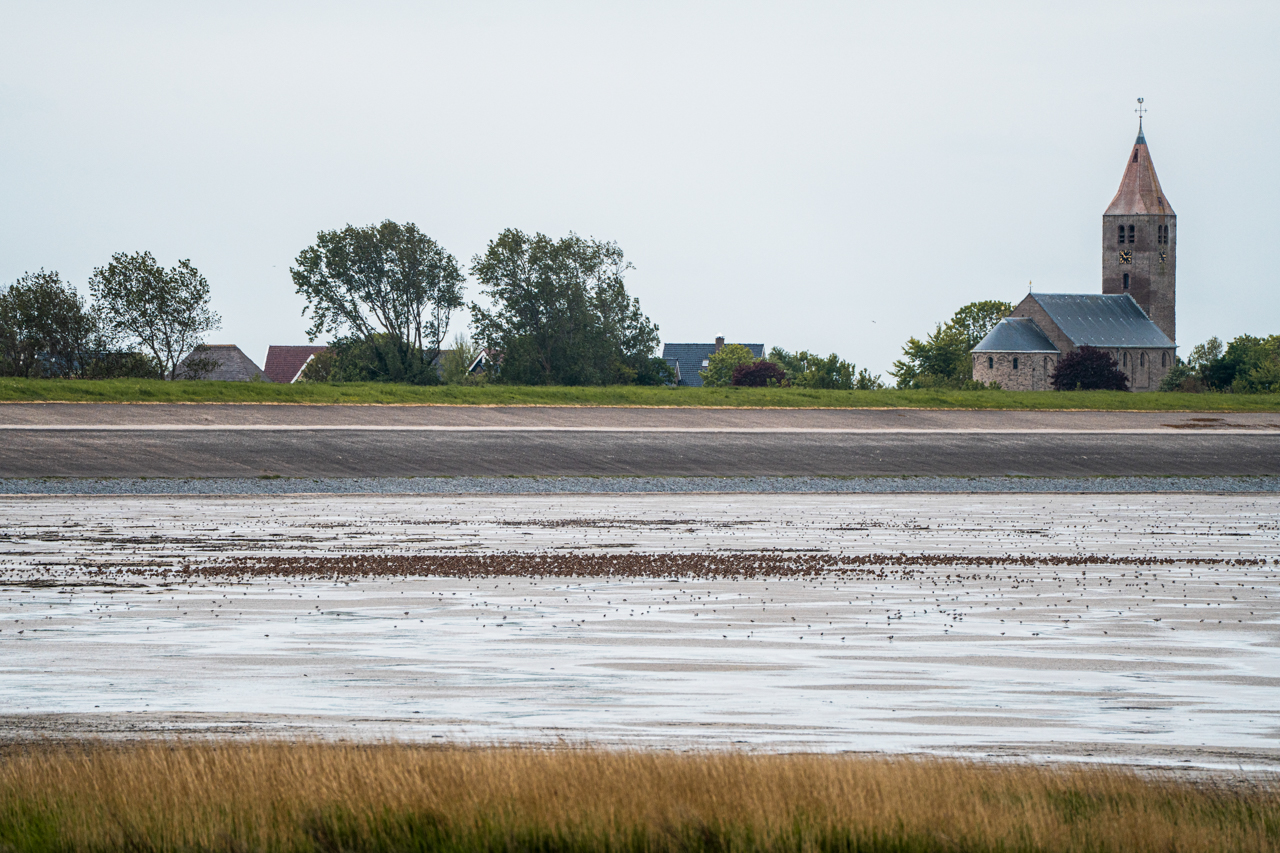
Shorebirds © Sören Salvatore
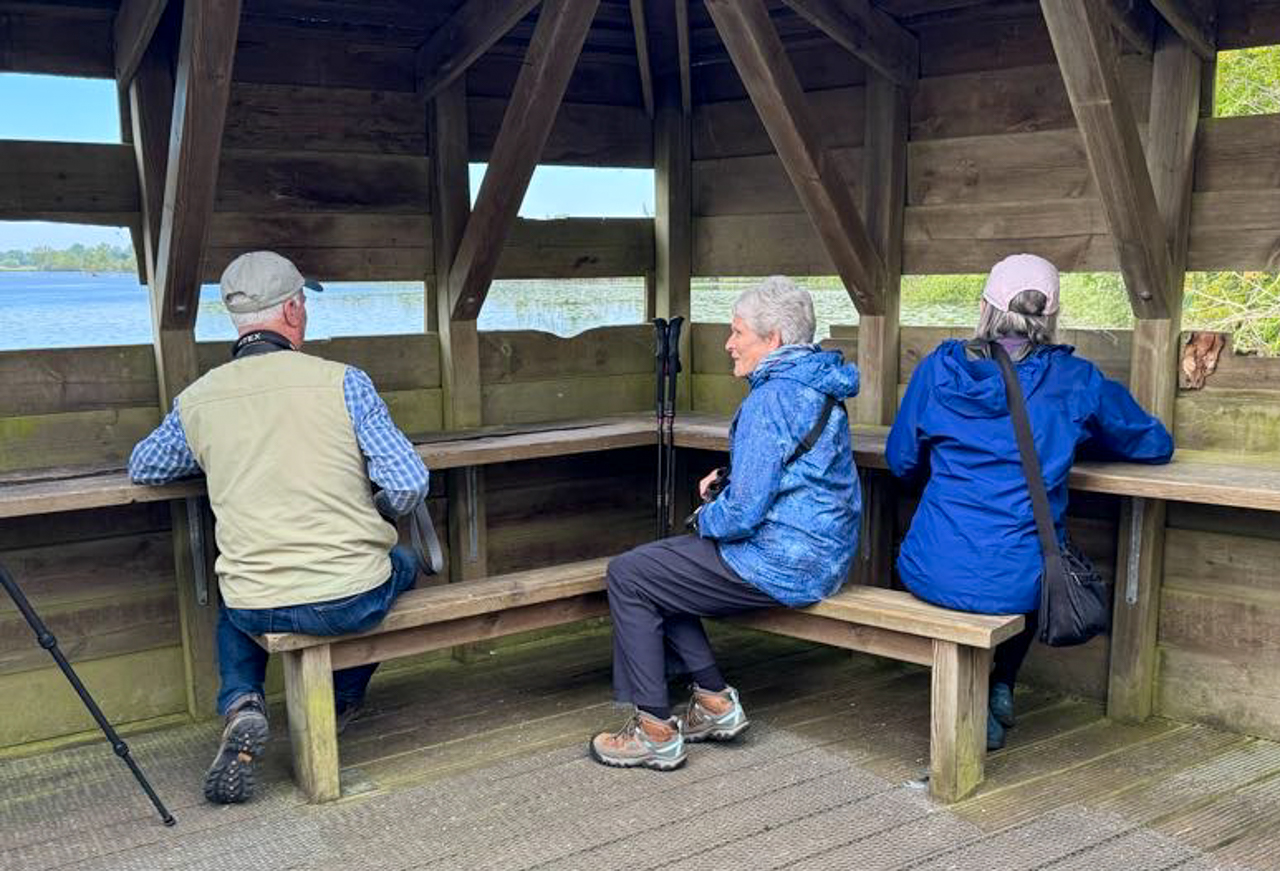
Hide © Lou Chauvin
Day 9 – Texel
The group spent the whole day birding on this famous island. A quick ferry ride brought us and our vehicles across the Wadden Sea and offered first looks at Common Eiders and Sandwich Terns. Our first stop at Mokbaai & Horspolders offered tidal flats on one side and dunes on the other. We encountered countless Ring-necked Pheasants on our drive in and had great views of Black-bellied Plover and Common Eider on the tidal flats, and Icterine Warbler, Dunnock and European Greenfinch in the dunes before we had to escape another heavy rain shower.
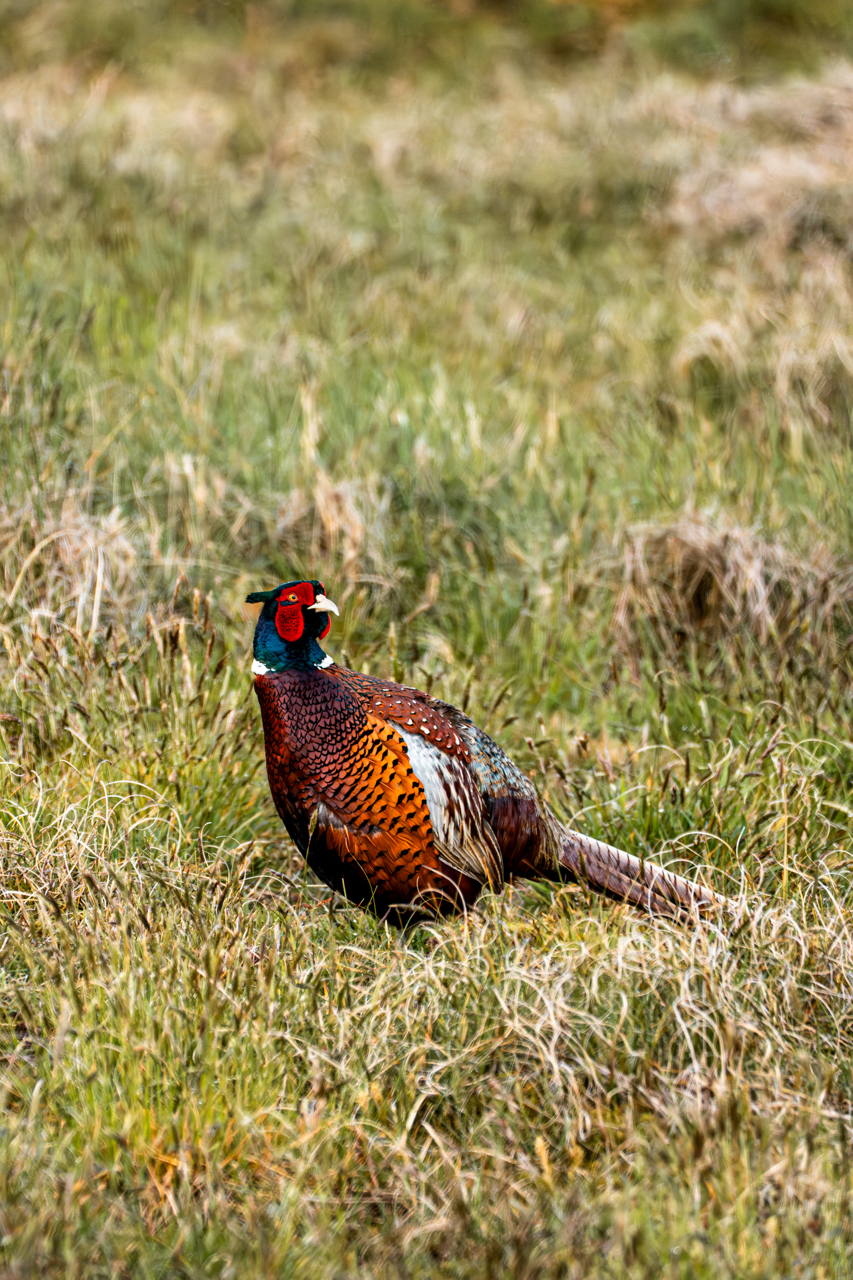
Ring-necked Pheasant © Sören Salvatore
Our next stop, the Prins Hendrik Zanddijk, offered good but distant views of Little Terns. We then headed towards the small village of Oudeschild to look for a single Red-breasted Goose, a species that usually breeds on the high arctic tundra and mainly overwinters by the Black Sea. Further down the road we did one last car birding stop to look for two Arctic Terns before heading to lunch.
The afternoon program was packed with large Sandwich Tern colonies near Wagejot. Thousands of breeding pairs make for quite a sight and soundscape. The colonies on Texel were hit hard by a large outbreak of bird flu a few years ago but seem to be stable at the moment. A few more stops around the island offered some interesting Common Eider behaviour, adult females rounding up young chicks and shielding them from incoming Herring Gull attacks, as well as good views of Gray Partridge running and hiding in the grass. We concluded our day on the island with another visit to some tidal flats. With the incoming tide, large flocks of Bar-tailed Godwits in full breeding plumage flew in to rest on their high tide roosts. A fantastic sight to end a great but wet day on Texel.
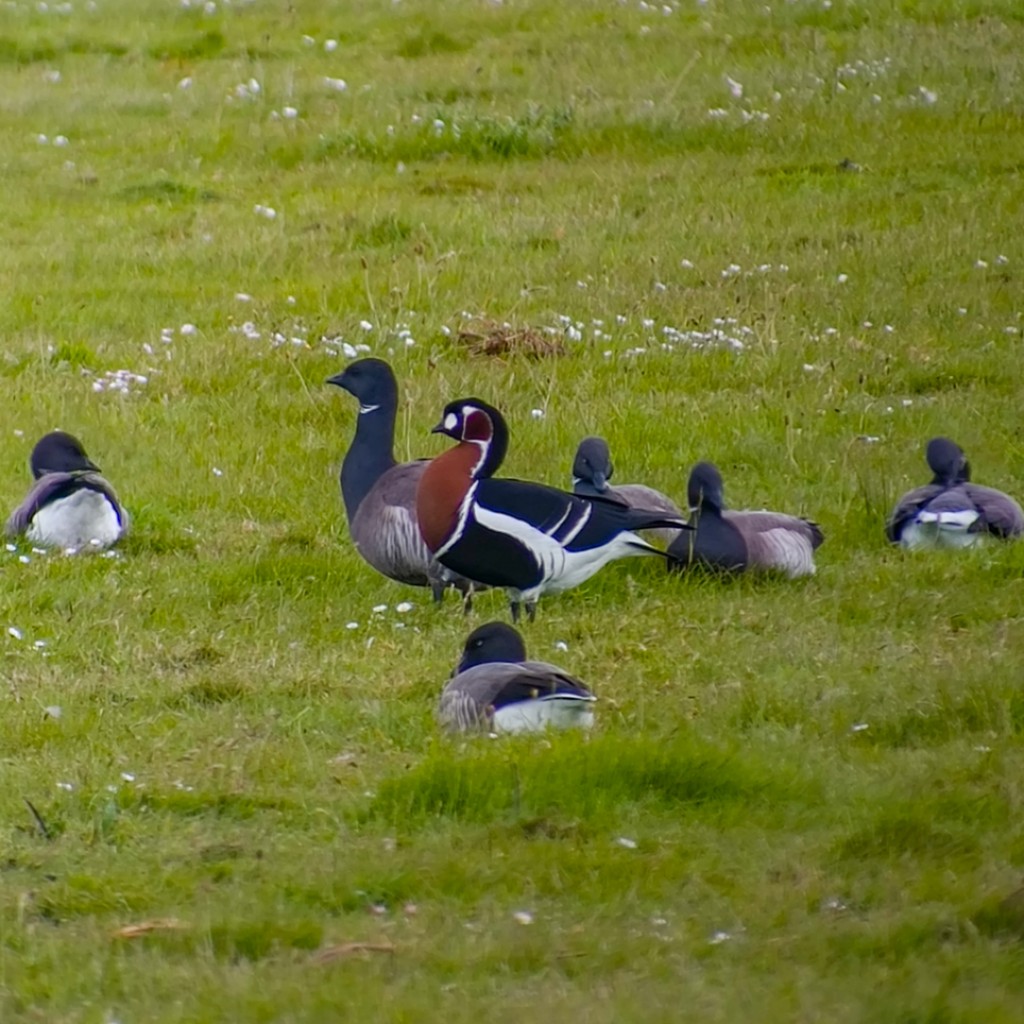
Red-breasted Goose and Brant © Brecht De Meulenaer
Day 10 – Back to Amsterdam
We started our last full day of birding with a stop at Zwanewater, a beautiful reserve in the dunes with a mosaic of habitats like small water bodies, heath and wet woodland. Right from the start we were greeted by a perched immature Eurasian Goshawk. This impressive large raptor stuck around just long enough for everyone to get some great views and take a few pictures before it moved on. Right around the corner another new species for the trip perched beautifully, a Spotted Flycatcher. After lunch we headed to our last stop, a drinking water catchment area for Amsterdam, surrounded by beautiful forest. This park area was great to brush up on some forest species we had missed so far. Multiple Short-toed Treecreepers greeted us right past the gate, a common species that had eluded the group so far. In the park we also encountered some very tame Fallow Deer as well as multiple species of butterfly and a large Roman snail. At the parking lot the guides had a last surprise up their sleeves. One of Europe’s smallest birds, the Common Firecrest was the tour’s official last bird and a great way to end an amazing trip.
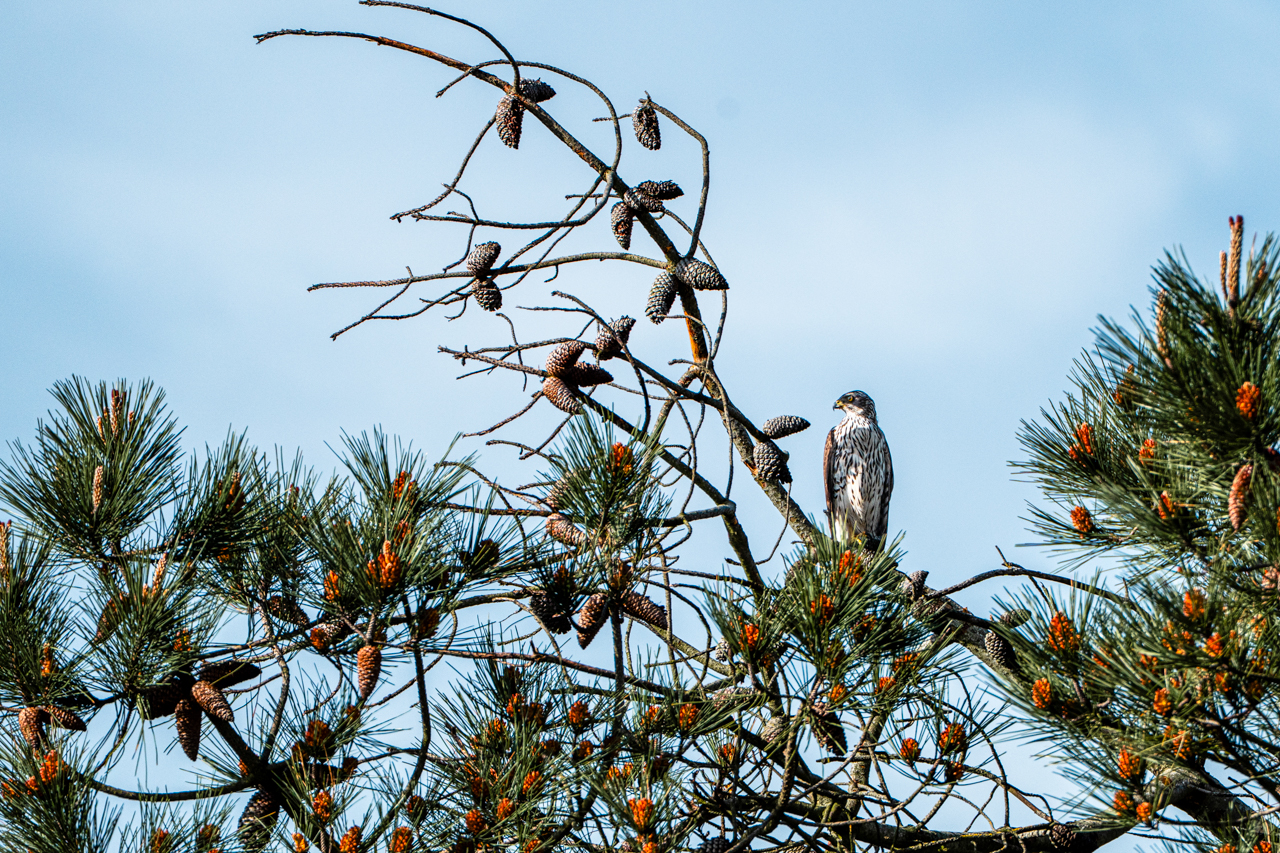
Eurasian Goshawk © Sören Salvatore
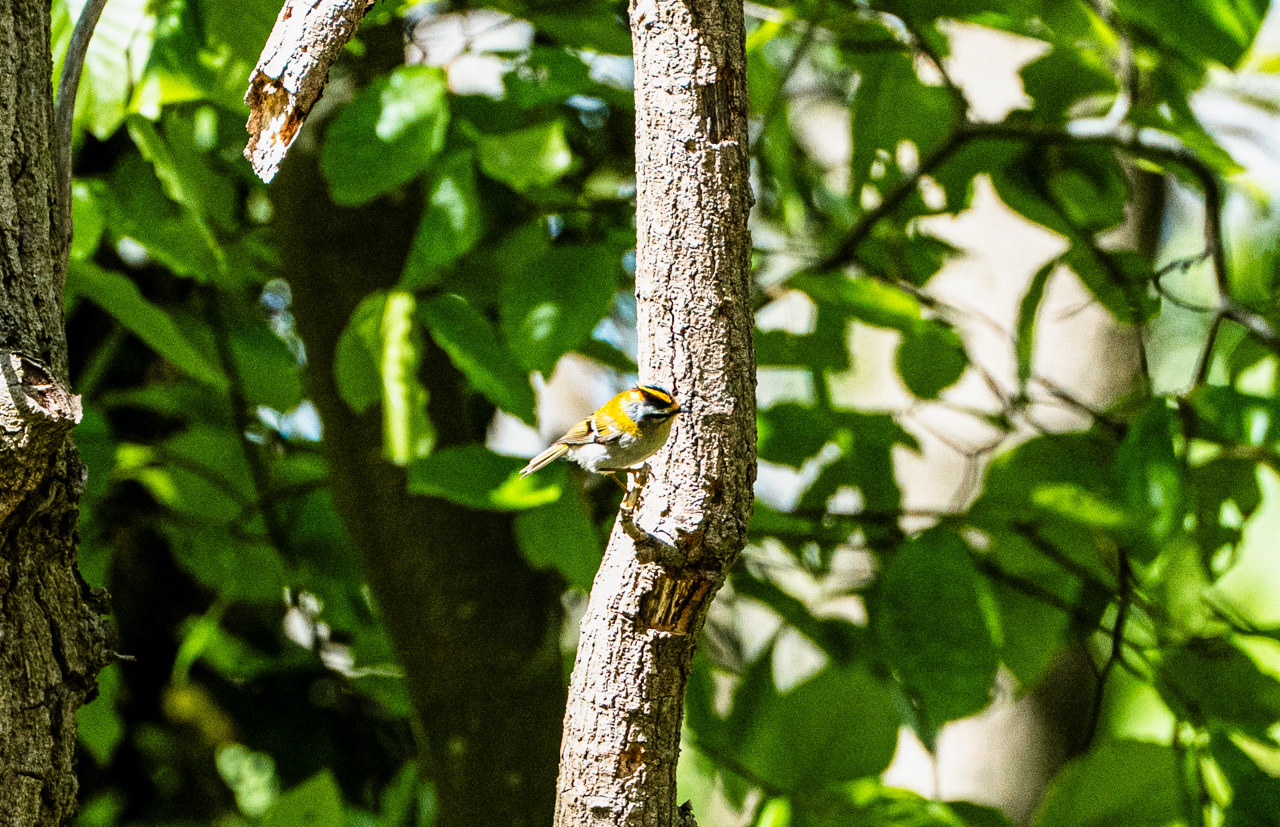
Firecrest © Sören Salvatore
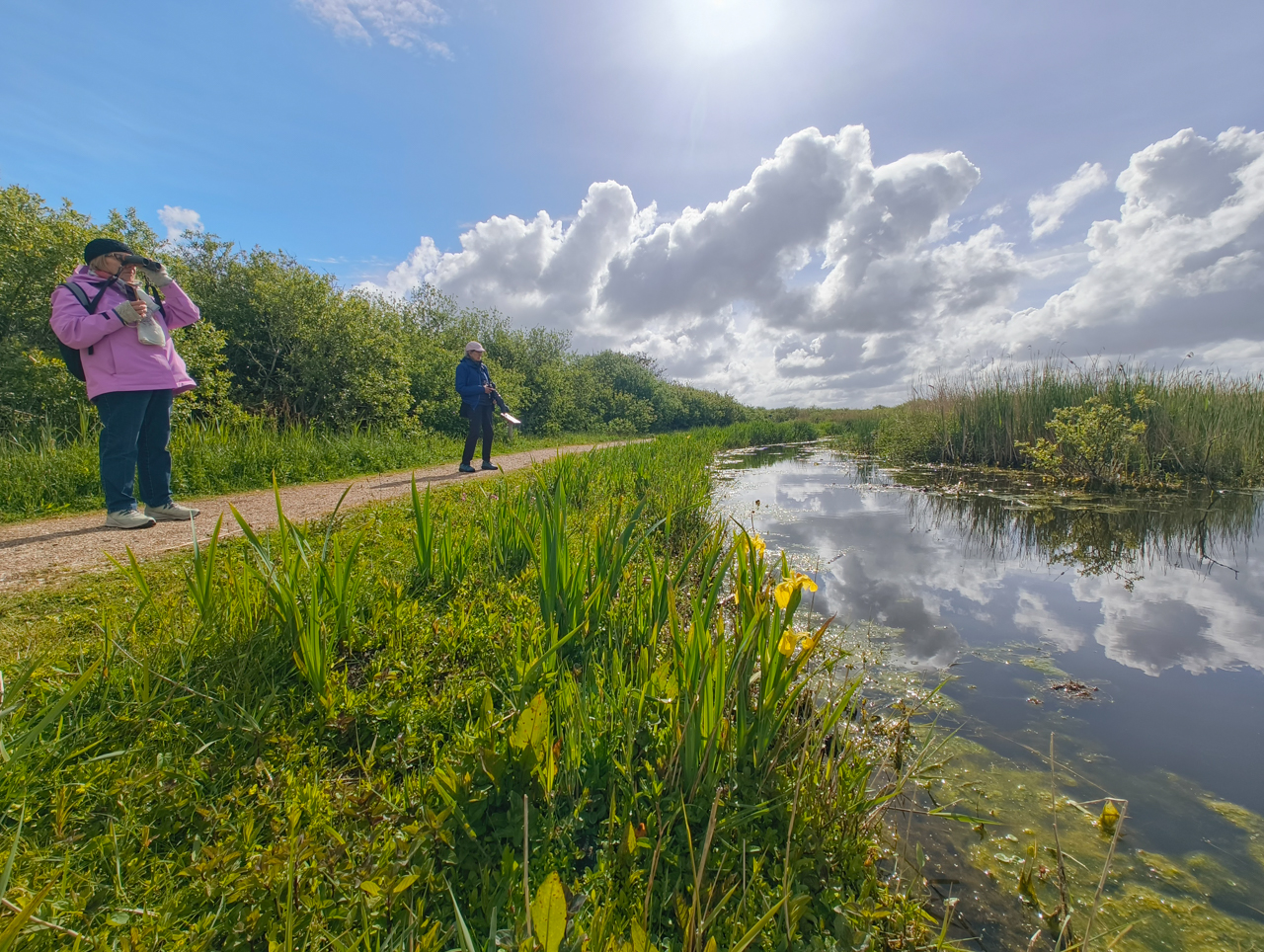
© Brecht De Meulenaer
Day 11 – Departure
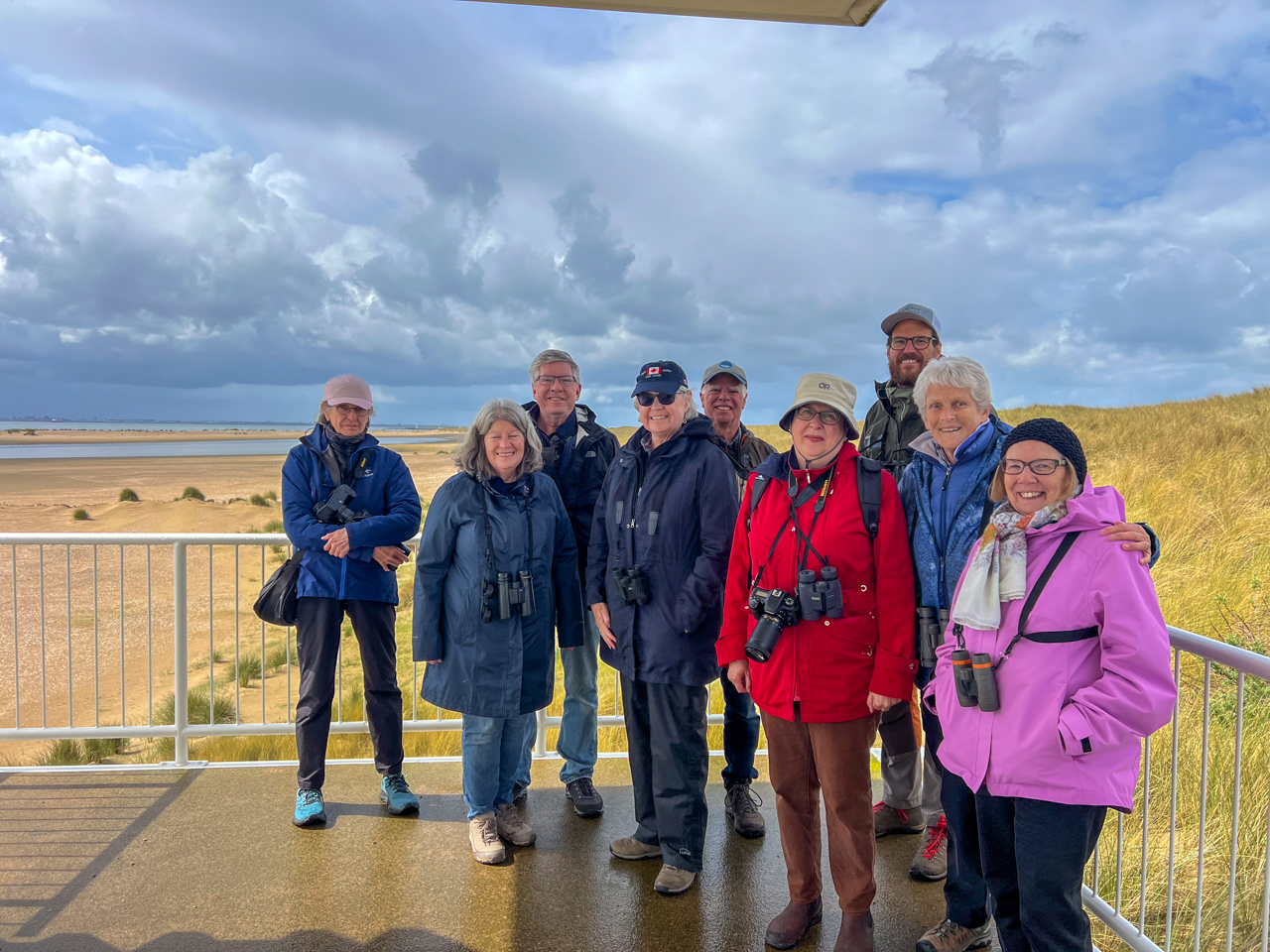
Our group