Grand Newfoundland Trip Report (June 22 – 3 July, 2026)
Our group of twelve adventurers and two guides explored a remarkable diversity of spectacular scenery unlike anywhere else in North America. From the breathtaking fjords, forests and mountains of the west coast to the tundra-like barrens and incredible seabird colonies along the Avalon Peninsula.
June 23-25: Deer Lake & Gros Morne National Park
Our tour started in Deer Lake, perched along the beautiful Humber River and surrounded by lush mixed forests. Our first morning was spent strolling the wonderful Humber River trail and highlighted by a great diversity of birds from American Wigeons and Green-winged Teal showing off their families to glimpses of secretive Sora in the wetlands, and Lincoln’s Sparrows hopping along the path to Alder Flycatchers calling from the nearby shrubbery. We even spotted ten species of warbler before lunch, including Tennessee, Black-throated Green, Mourning and our only Bay-breasted Warbler of the trip. We soon turned our attention slightly north and headed to our next destination and an afternoon of jaw-dropping scenery.
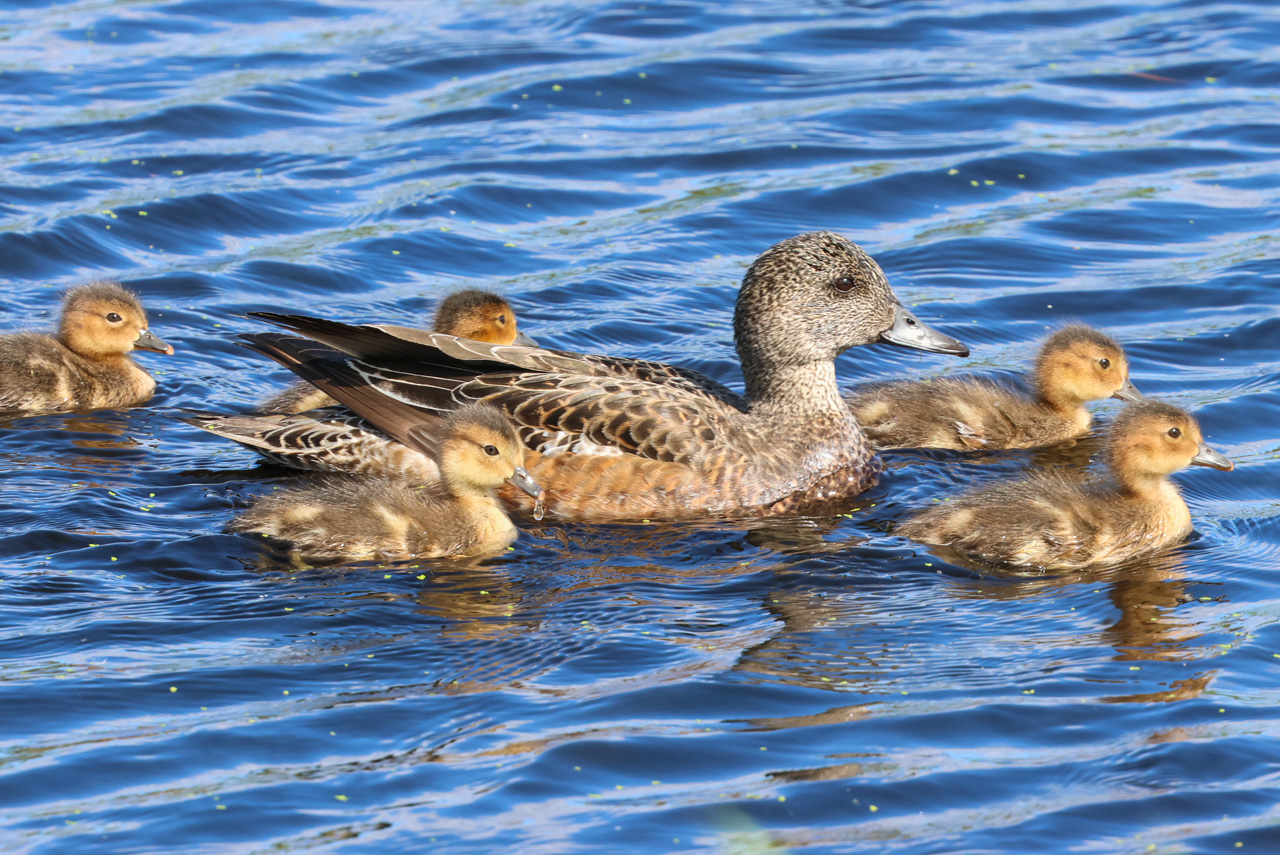
American Wigeon family © James Lees
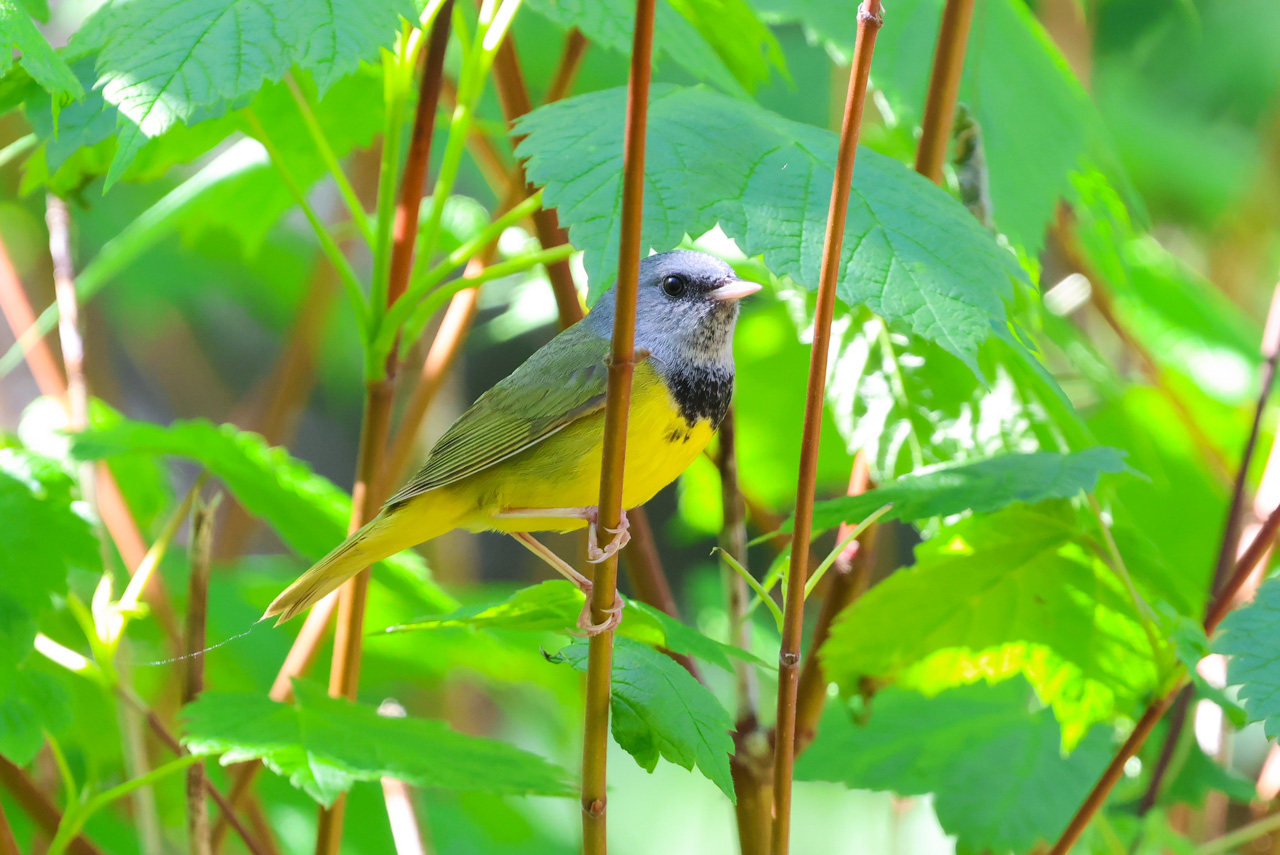
Mourning Warbler © James Lees
Gros Morne National Park is considered one of the gems of Newfoundland, and rightly so. A UNESCO World Heritage Site, the park is known around the globe for its amazing geology, stunning scenery and world-class hiking. We spent two full days soaking it all in the birds, wildlife, flowers and landscapes. Southern portions of the park offered our first glimpses of the park as we skirted around beautiful Bonne Bay but that was just a teaser for our afternoon destination at the famous Western Brook Pond. A boat tour of the amazing land-locked fjord was a relaxing and beautiful treat the glacier-carved cliffs and towering mountains absolutely breathtaking. What an amazing place to experience!
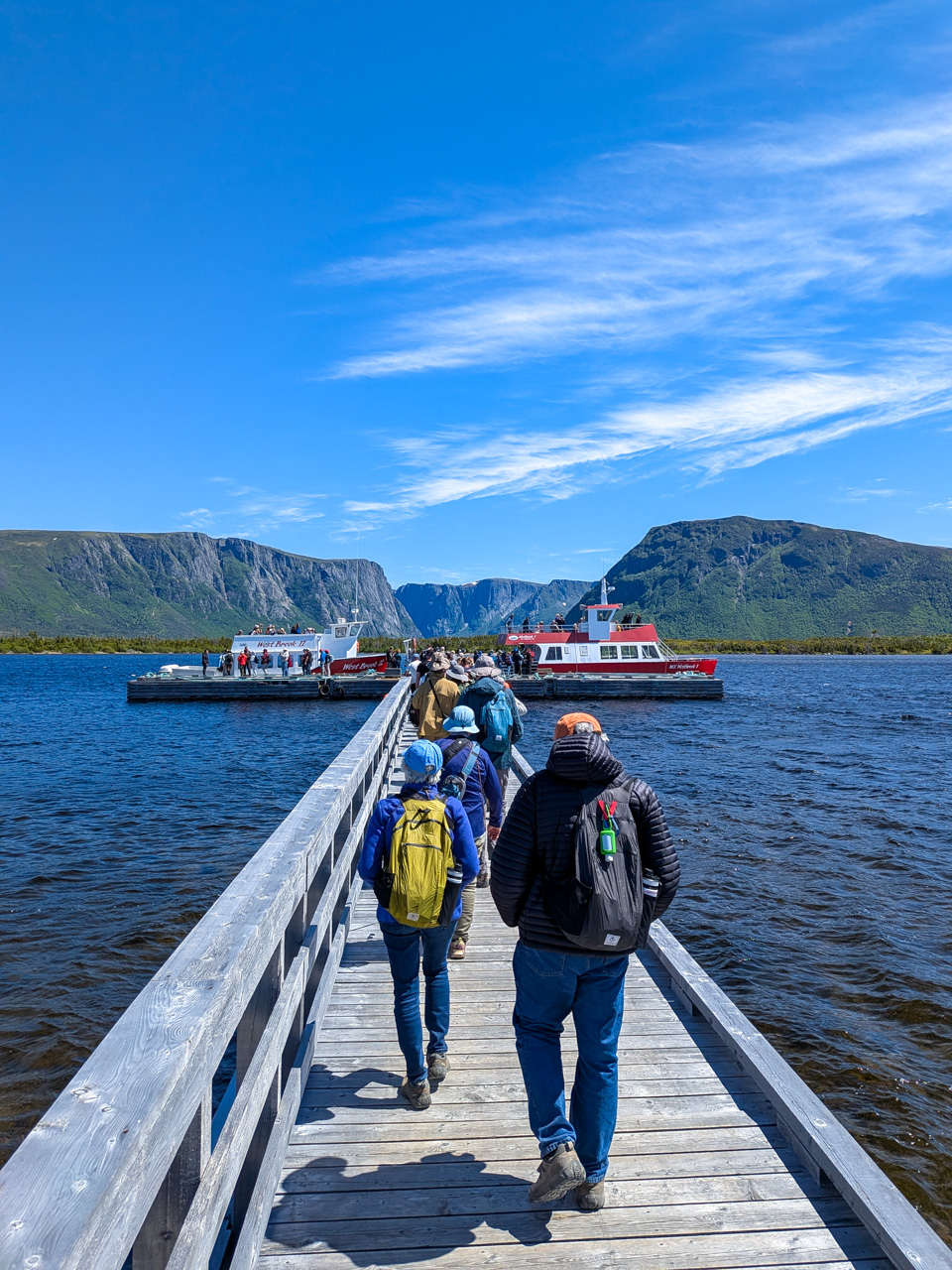
Gros Morne © James Lees
Strolling trails throughout the park, we spotted highlights such as Swainson’s Thrush, Blue-headed Vireo, Boreal Chickadee and Pine Grosbeak. A very cooperative Black-backed Woodpecker at The Arches Provincial Park was a somewhat unexpected find by two of our participants, but stuck around to put on a show for everyone. We also found more than a dozen species of warbler including great views of Northern Waterthrush, Magnolia Warbler, Blackpoll Warbler and Common Yellowthroat among others. Forays along the dramatic coastline produced more highlights such as Common Eider, Caspian Tern and a very sharp-looking Harlequin Duck. It was fun to watch threatened Bank Swallows zipping in and out of their cliffside colonies and over the roaring ocean at several locations. Beautiful wildflowers including dainty Dragon’s mouth Orchids, Yellow Ladyslippers, Northern Green Orchids, a rare form of Striped Coralroot and the unassuming Water Avens captured our attention along the way.
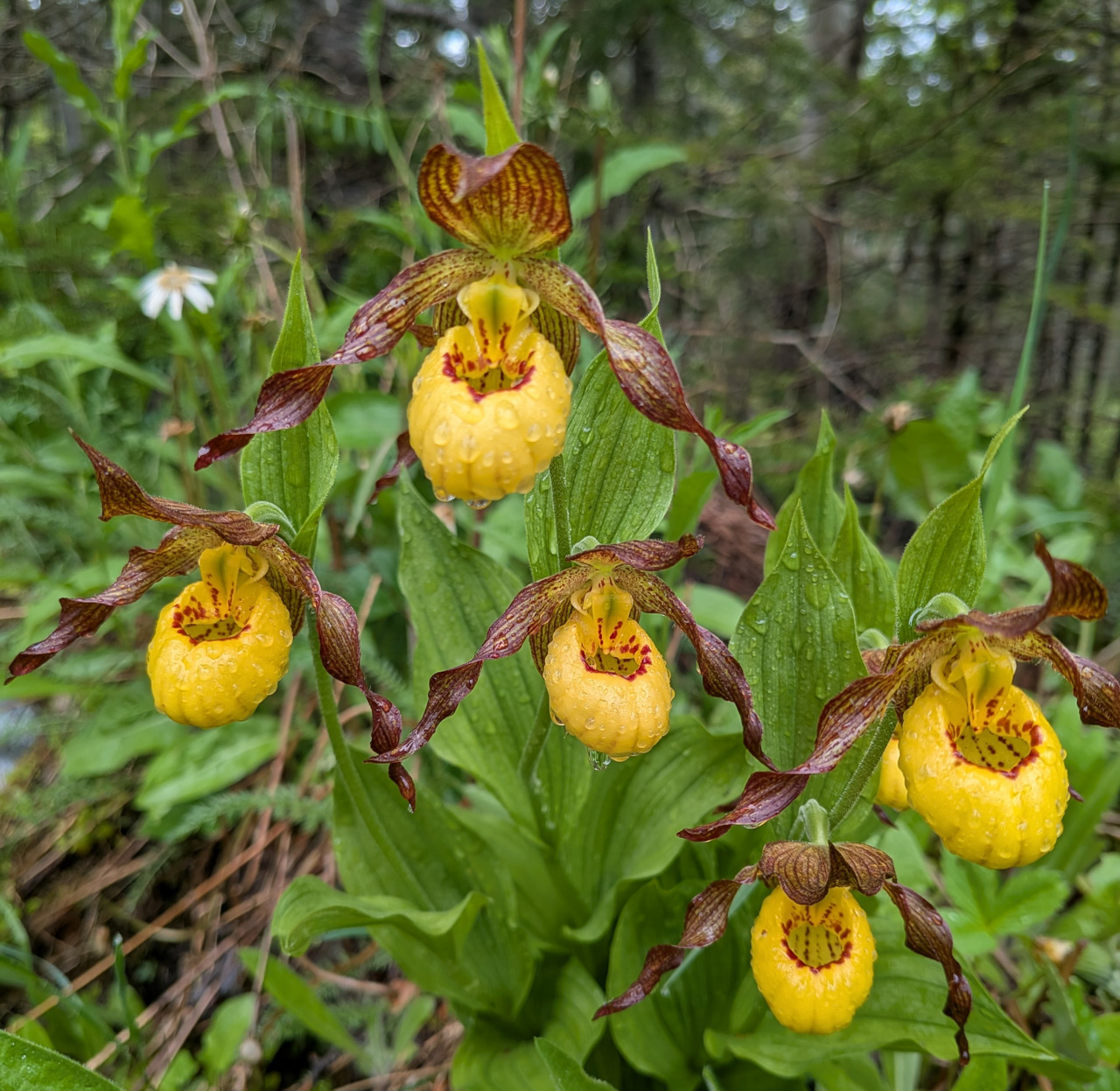
Yellow lady’ slipper Orchid © James Lees
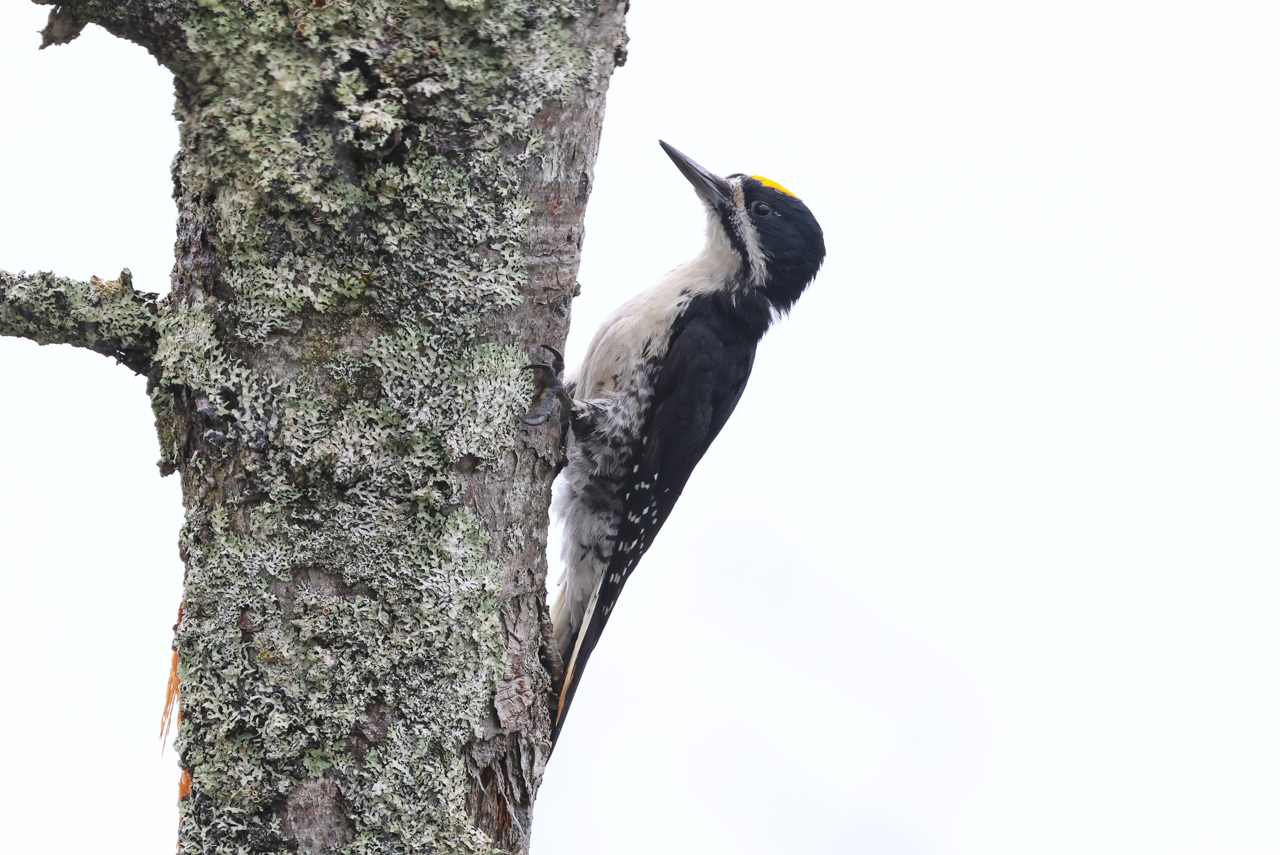
Black-backed Woodpecker © James Lees
We also visited the magnificent Tablelands a massive chunk of the earth’s mantle that juts out of the ground like alien mountains. These rocks are so full of heavy metals that little can grow here, and the red barren landscape stands in stark contrast to the forested ridges of the Long Range Mountains that surround it. Geological formations like this can only be glimpsed at a few places on earth. While our hike through the Tablelands was nearly devoid of animal life, plenty of interesting plant species such as Purple Pitcher Plant (Newfoundland & Labrador’s provincial flower), Common Butterwort and Round-leaf Sundew (all carnivorous!) and hardy alpine shrubs dotted the landscape. Gros Morne may have set the bar high, but the remainder of our tour had many other highlights in store as we headed across the island…
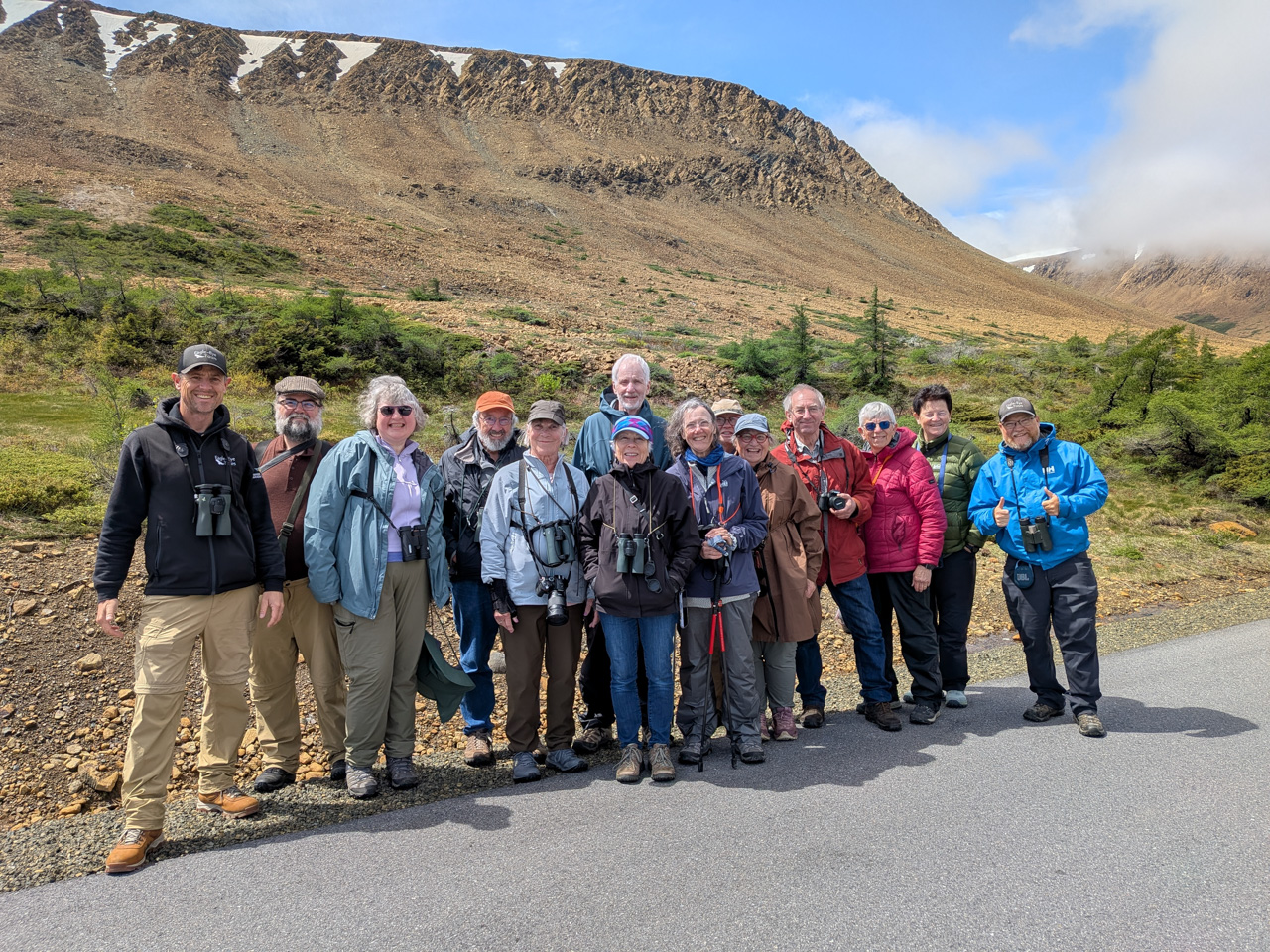
The group on the Tablelands © James Lees
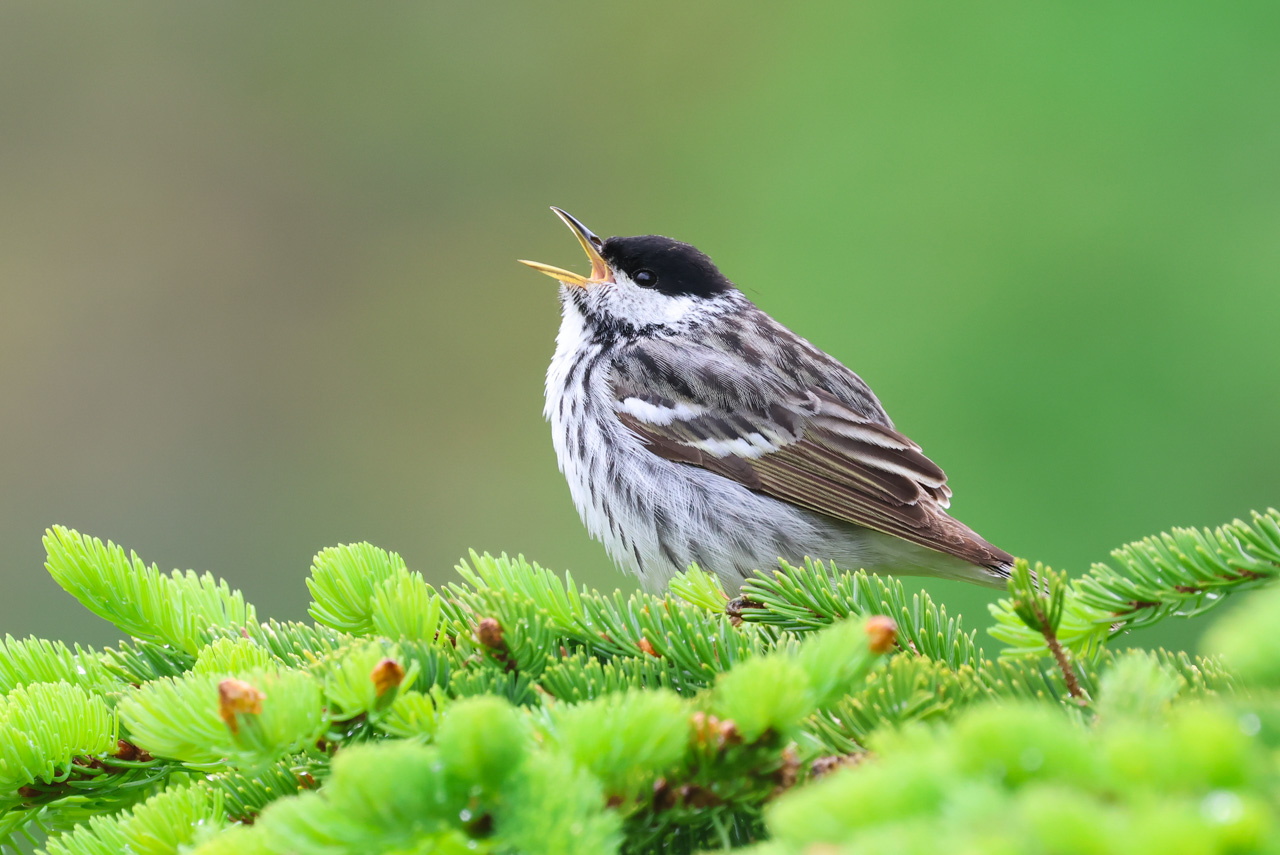
Blackpoll Warbler © James Lees
June 26: Central Newfoundland
The weather was just about perfect for our day in Grand Falls-Windsor, where we spent a morning exploring wetlands and the mixed forests of central Newfoundland on the beautiful Corduroy Brook Nature Trail. A great variety of songbirds entertained us from the trails many of them carrying food and feeding recently fledged young. Alder Flycatchers called from the marsh, Fox Sparrows sang from treetops and we enjoyed better views of several warblers included American Redstart and Wilson’s Warbler. A quick stop at the local lagoons included our only Wood Duck and Blue-winged Teal of the trip, along with Green-winged Teal and many Ring-necked Ducks. After lunch, we visited the Exploits Valley Salmonid Interpretation Centre, located on the mighty Exploits River which flows nearly 250km from central Newfoundland to Notre Dame Bay on the northeast coast. The river and fish ladders were swollen with water after recent heavy rains, but we were awed by the power of the falls and did manage to see a handful of salmon that braved the flow. Later that afternoon we pointed our vans east and headed off to our next destination at Terra Nova National Park National Park.
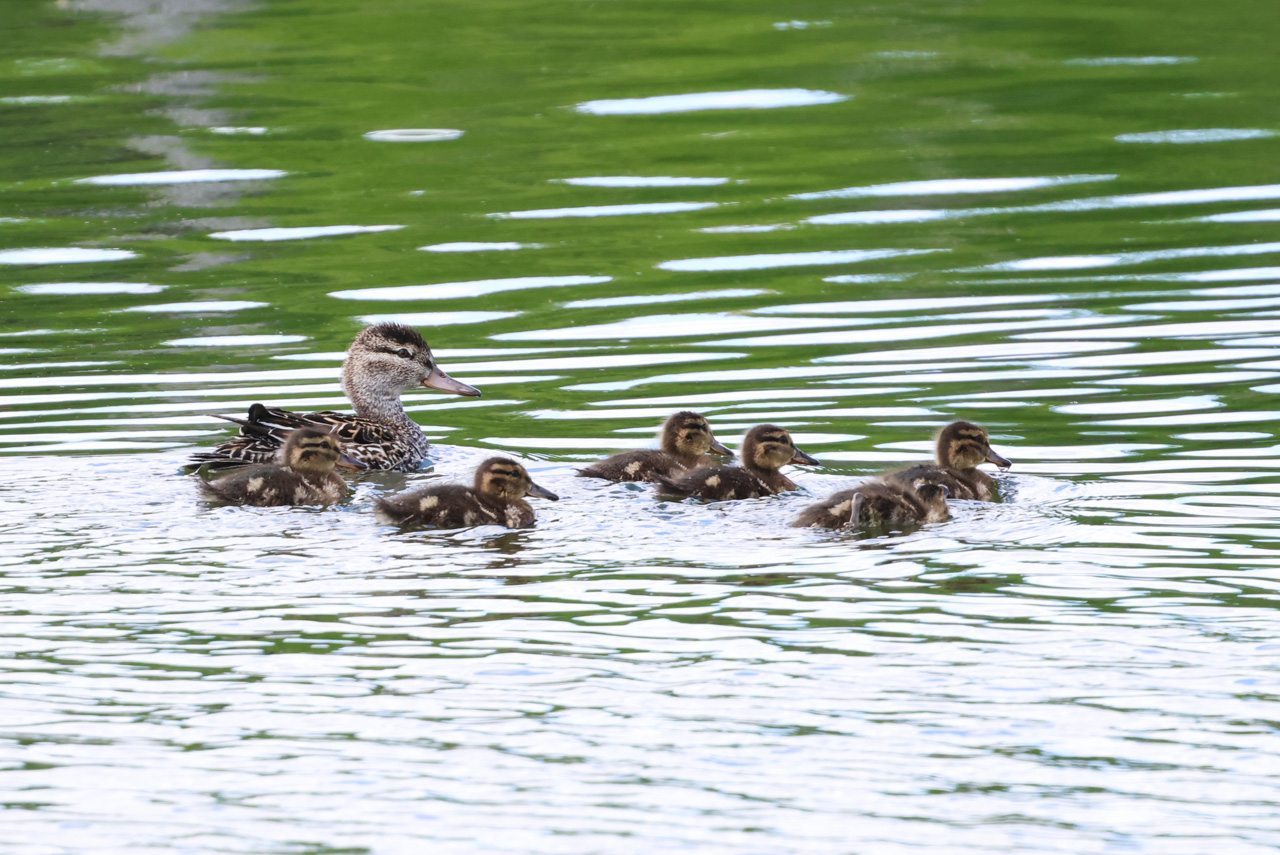
Green-winged Teal family © James Lees
June 27-28: Terra Nova National Park
Much of the next two days was spent exploring Terra Nova Canada’s most easterly national park and a great example of Newfoundland’s lush boreal forests and sheltered ocean inlets. Our mornings began with pre-breakfast birding adjacent to our lodge in Charlottetown, followed by hikes and explorations around the park itself. We checked out old growth forests, spruce and larch bogs, coastal estuaries and tranquil ponds. We encountered numerous new birds along the way including Canada Jay, Olive-sided Flycatcher and eastern Palm Warbler. A very cool butterfly of the northern boreal region, Arctic Jutta, made us work for views and photos but eventually provided a hands-down highlight for many. We even enjoyed a fantastic sunset from a ridge overlooking the entirety of this beautiful park.
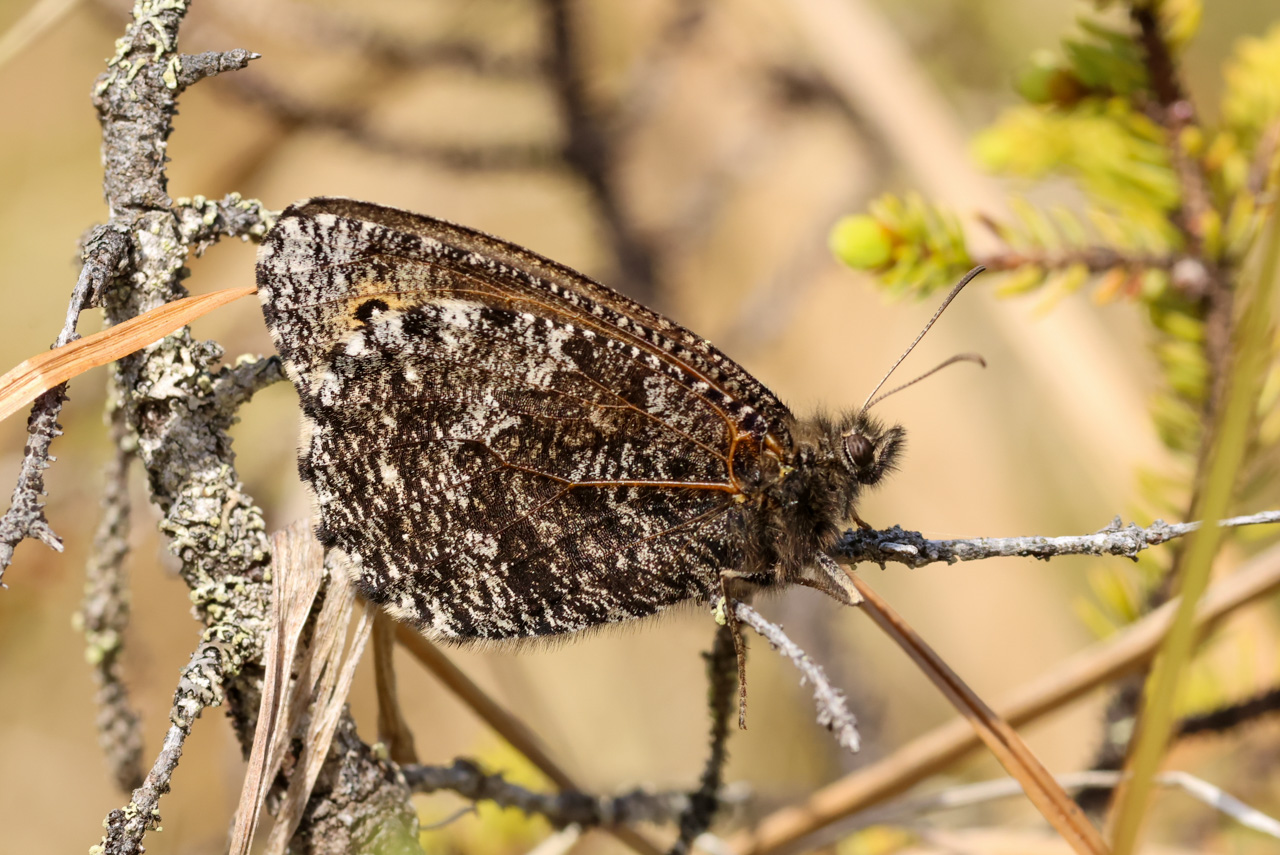
Arctic Jutta © James Lees
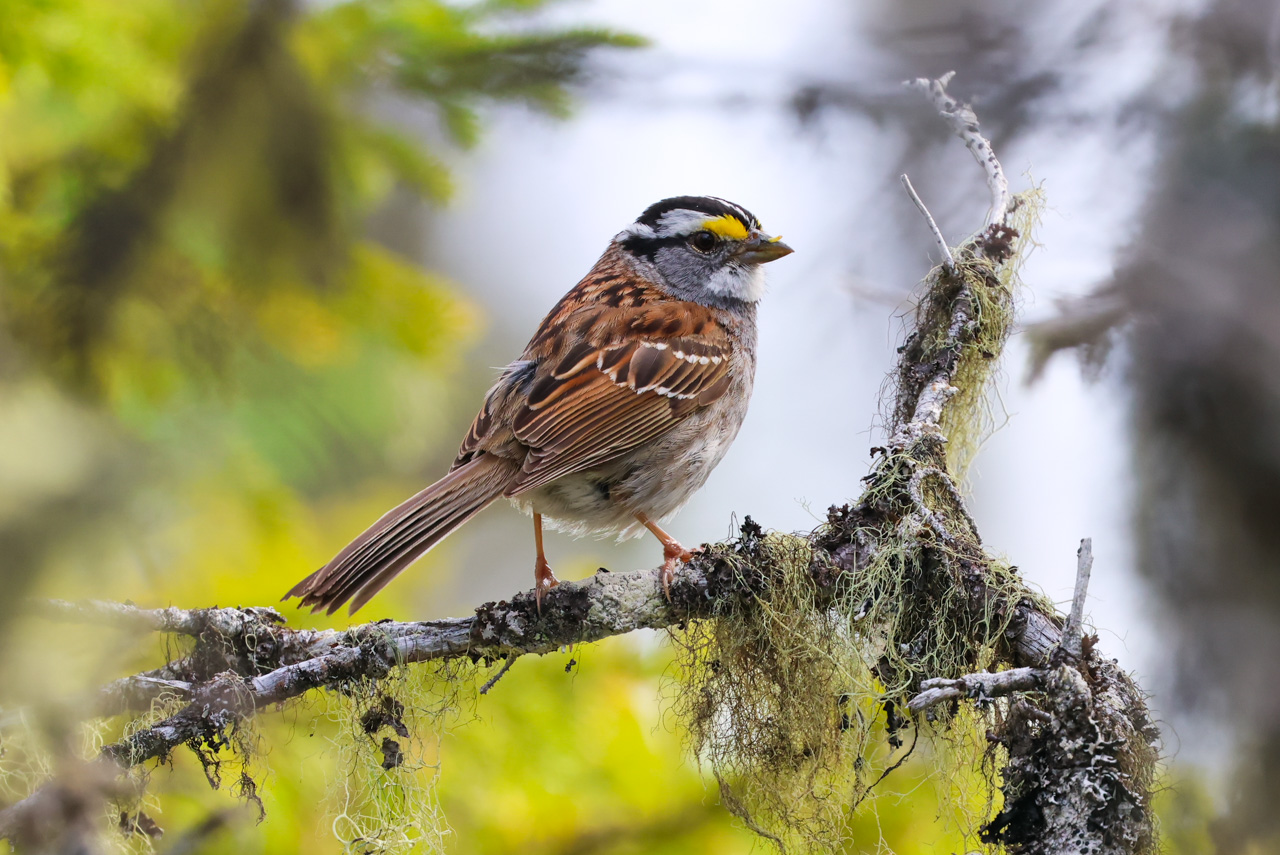
White-throated Sparrow © James Lees
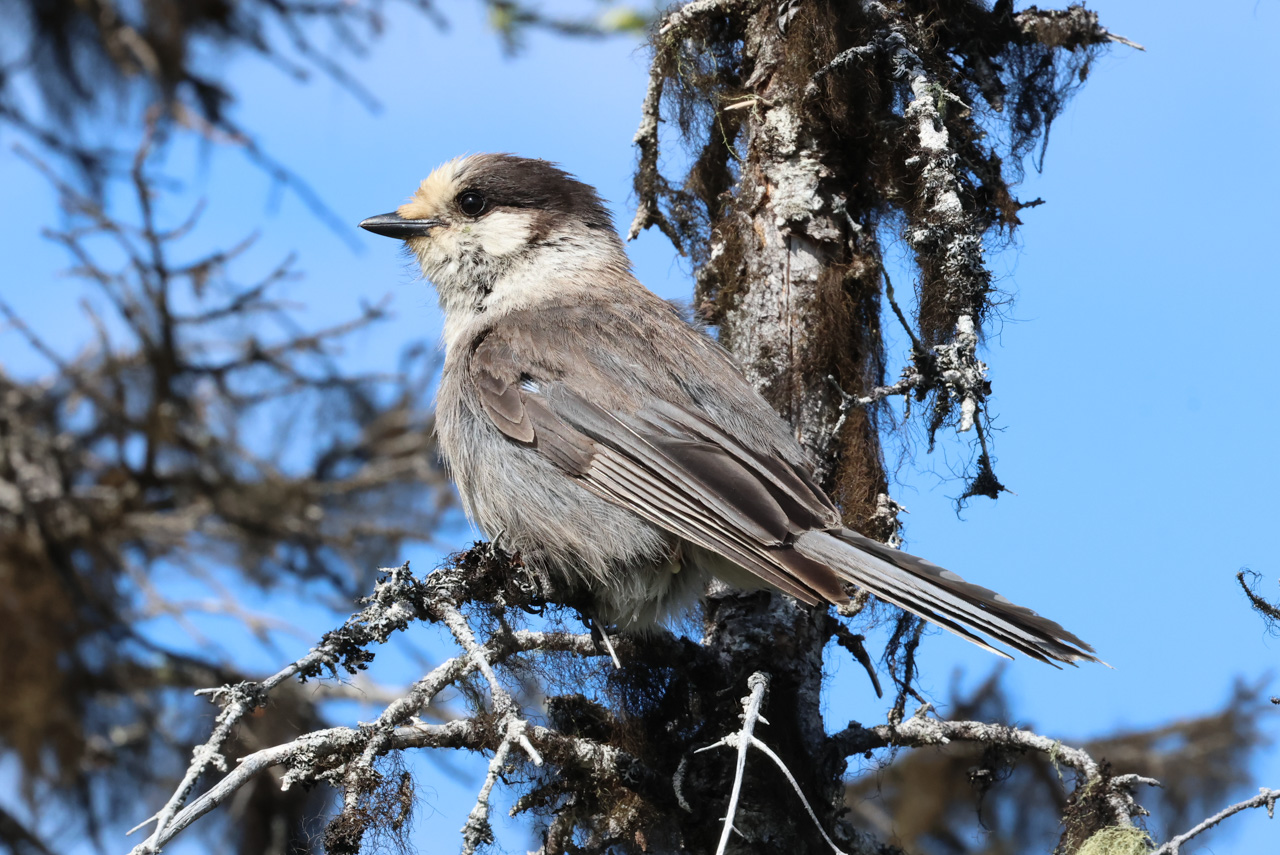
Canada Jay © James Lees
After leaving the park and crossing the “isthmus” to the Avalon Peninsula, we stopped at Castle Hill National Historic Site to learn more about the cod fishery that defined this island and some of the early Europeans that eventually settled it. But we’re never not birding, as they say, and we also managed to find several very cooperative Red Crossbills our best views of this species for the tour and used audio recordings to conform that they are part of the “percna” race that is endemic to Newfoundland!
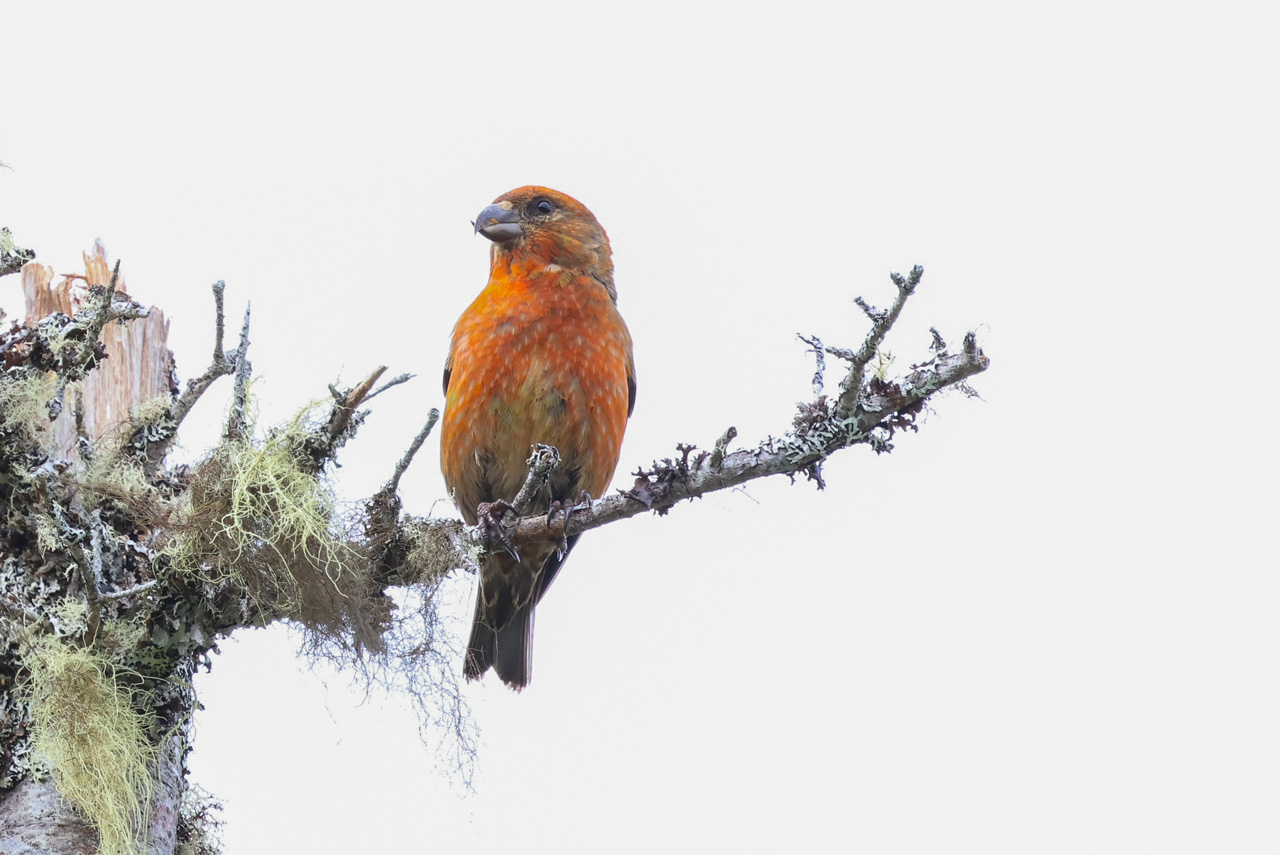
Red Crossbill (Male) © James Lees
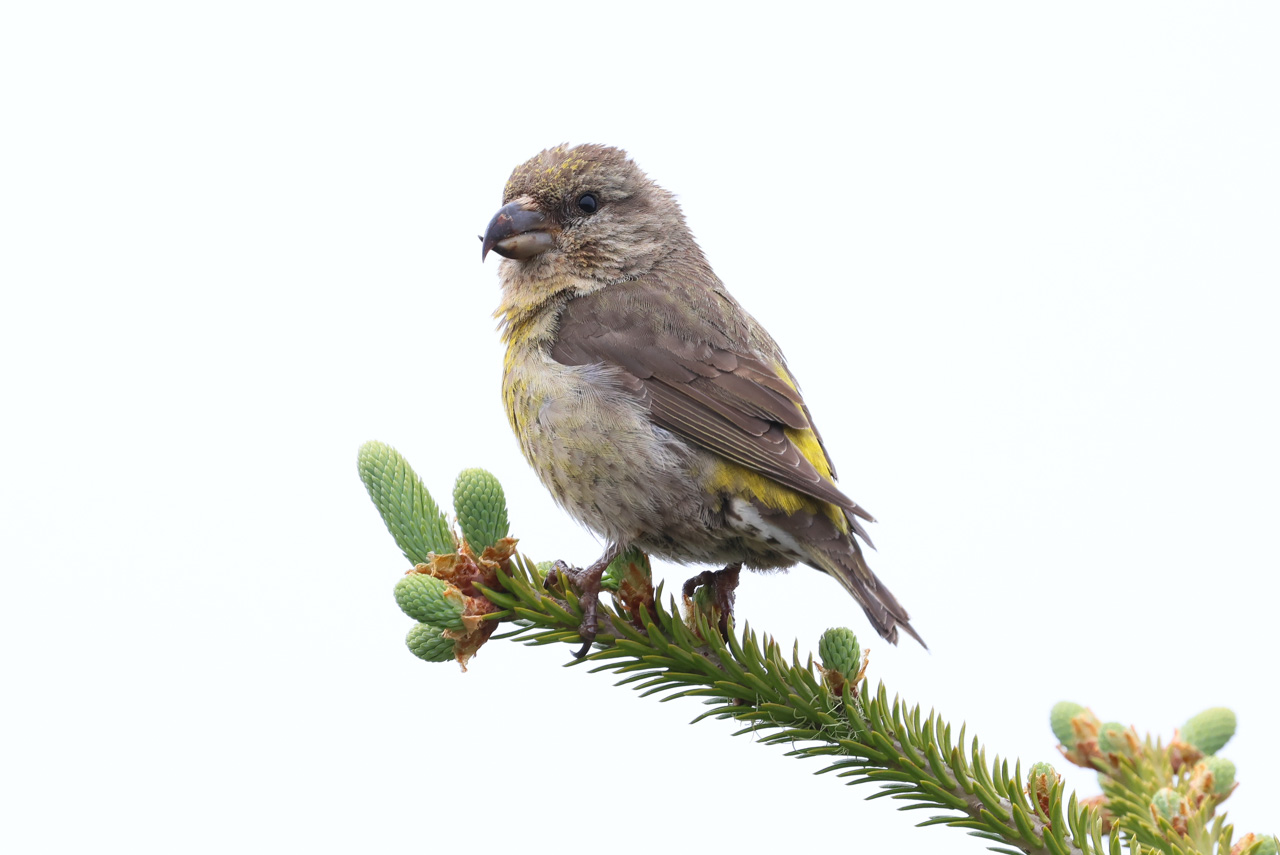
Red Crossbill (Female) © James Lees
June 29: Cape St. Mary’s Ecological Reserve
One of the most anticipated days of any summer tour in Newfoundland is a visit to Cape St. Mary’s. Known as one of the foggiest places on earth, we were fortunate to experience this amazing place on a beautiful clear afternoon. The excitement began before we even left the parking lot, where we spotted hundreds of Sooty and a few Great Shearwaters sitting on the calm ocean and milling about providing excellent scope views. A short hike over the tundra brought us great views of “bird rock” (a towering sea stack) and surrounding cliffs that are home to North America’s third largest colony of Northern Gannets. Thousands of these majestic birds greeted our arrival and the close views amazed everyone, as they always do. Among the hundreds of Black-legged Kittiwake and Common Murre that lined the cliffs, we also spied several nesting Razorbill and at least one Thick-billed Murre. Below the cliffs, beneath the swirling masses of seabirds, we enjoyed incredible views of a Humpback Whale feeding directly below us. As it surfaced, we could hear its powerful blow and admire the entire animal through the remarkably clear water an unforgettable wildlife encounter.On the rocks below, we picked out a Great Cormorant hanging out with a Double-crested Cormorant a perfect comparison of these two similar species. Savannah Sparrows flitted around the path, while Horned Lark and American Pipit were singing and advertising their territory along the way. The walk back added yet another highlight a family of Willow Ptarmigan including at least 14 newly fledged fluffballs skittering over the barrens! Even our meals at the local restaurant were full of flavor and local colour both the food and the wonderful staff. Cape St. Mary’s never disappoints!
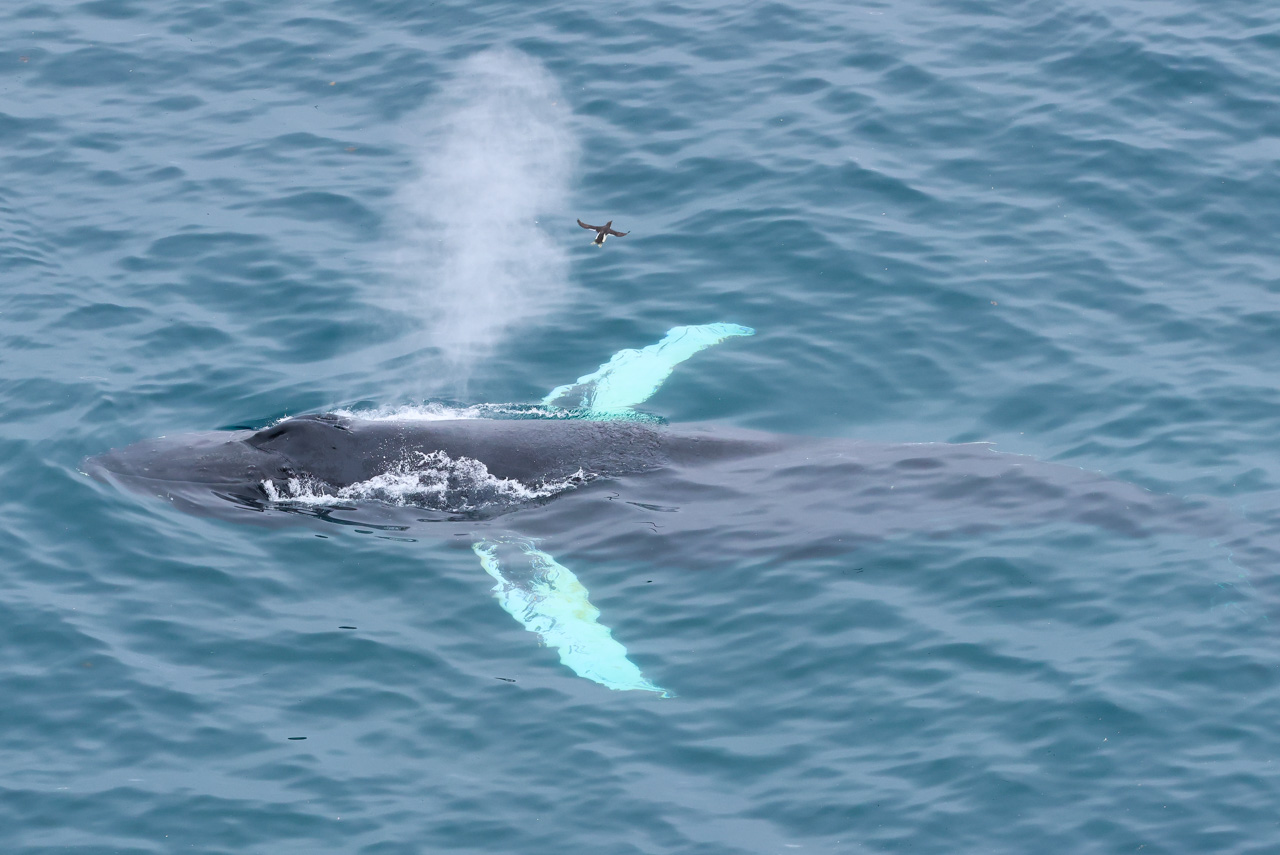
Humpback Whale © James Lees
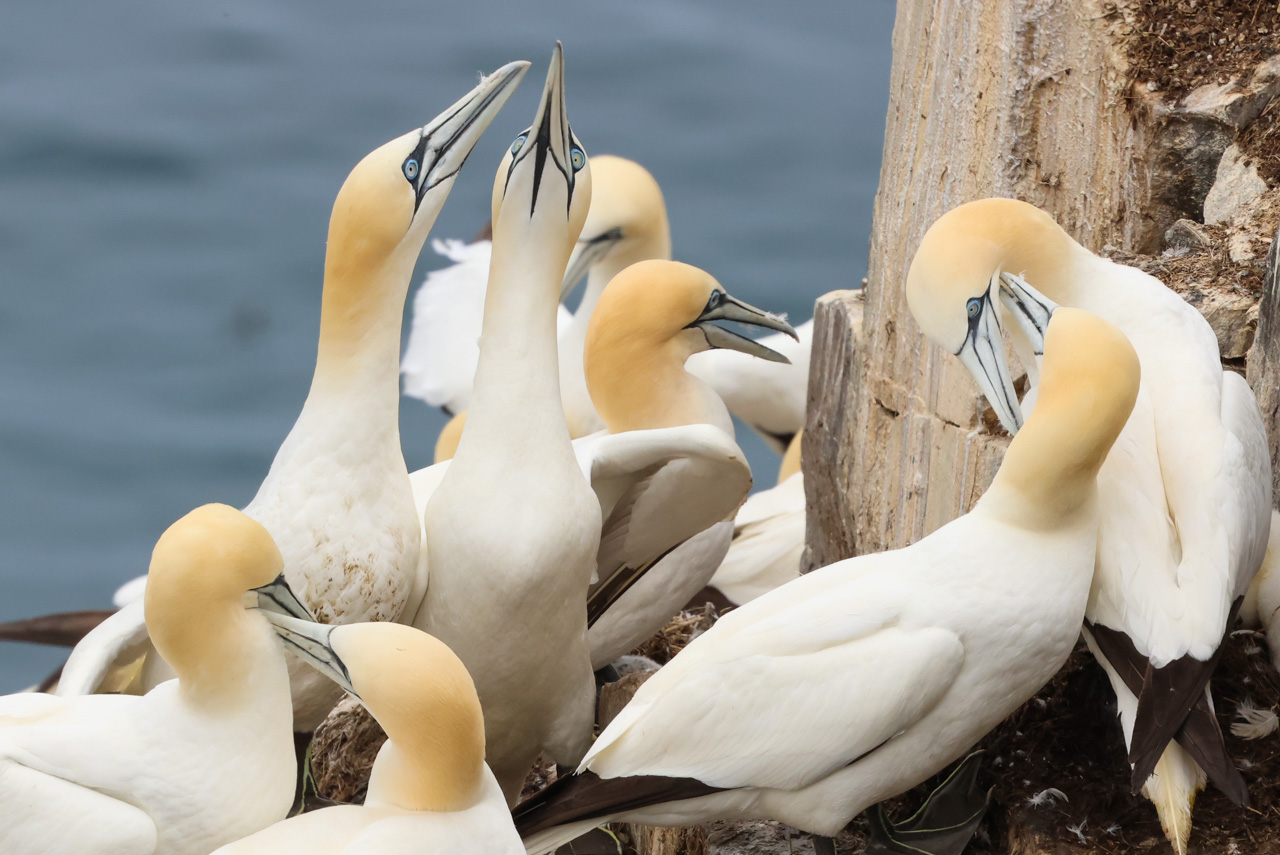
Northern Gannets © James Lees
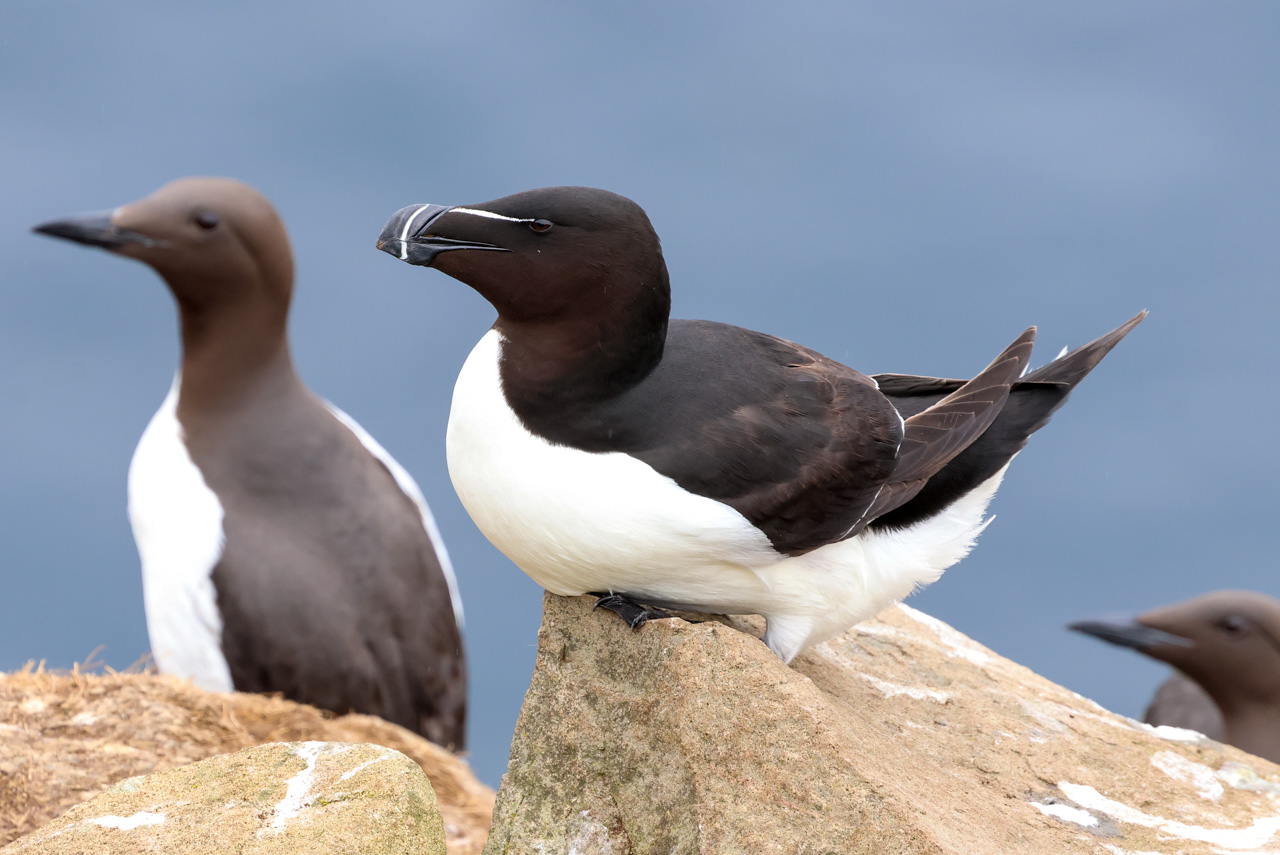
Razorbill and Common Murres © James Lees
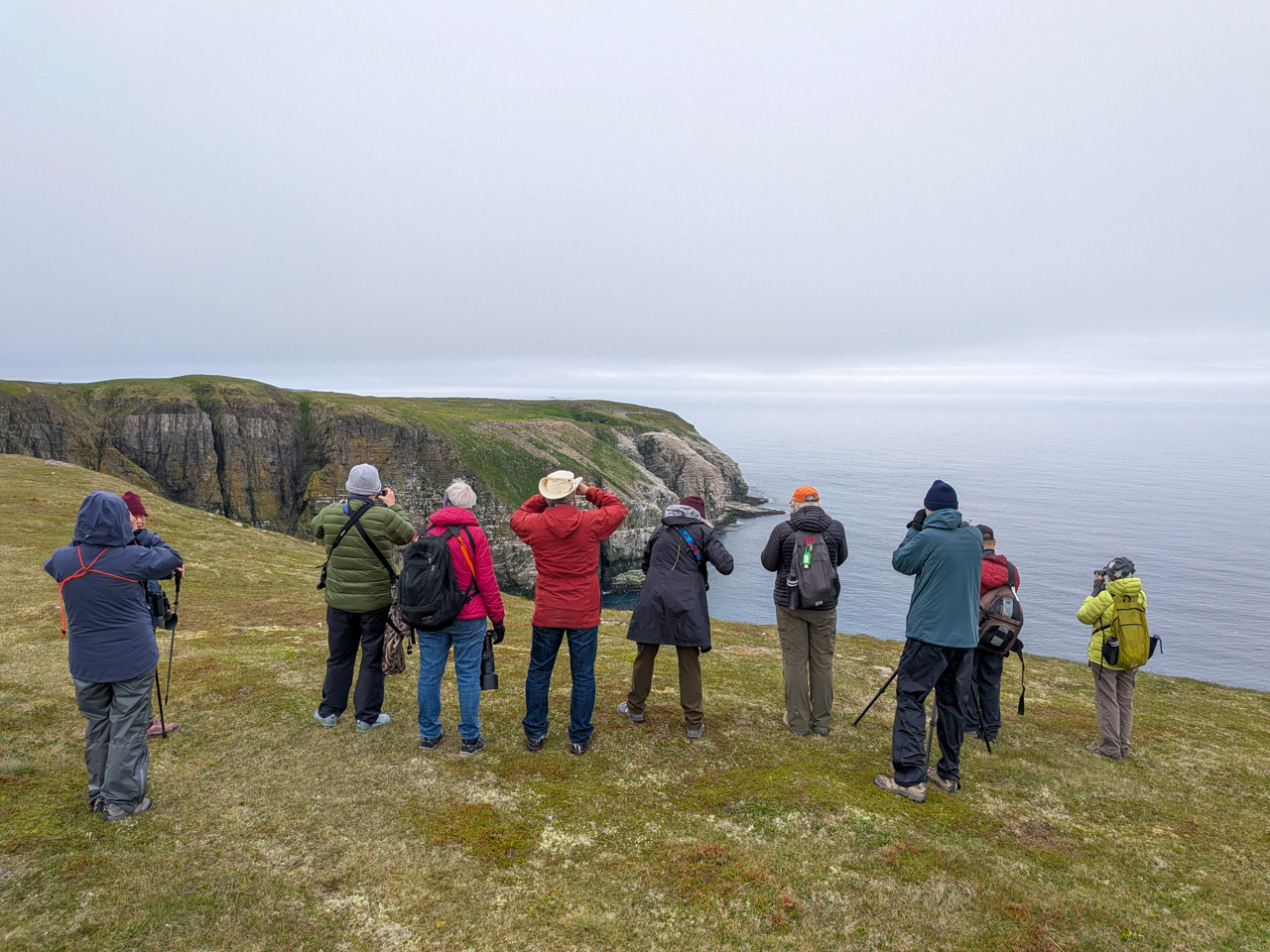
Cape St Mary’s © James Lees
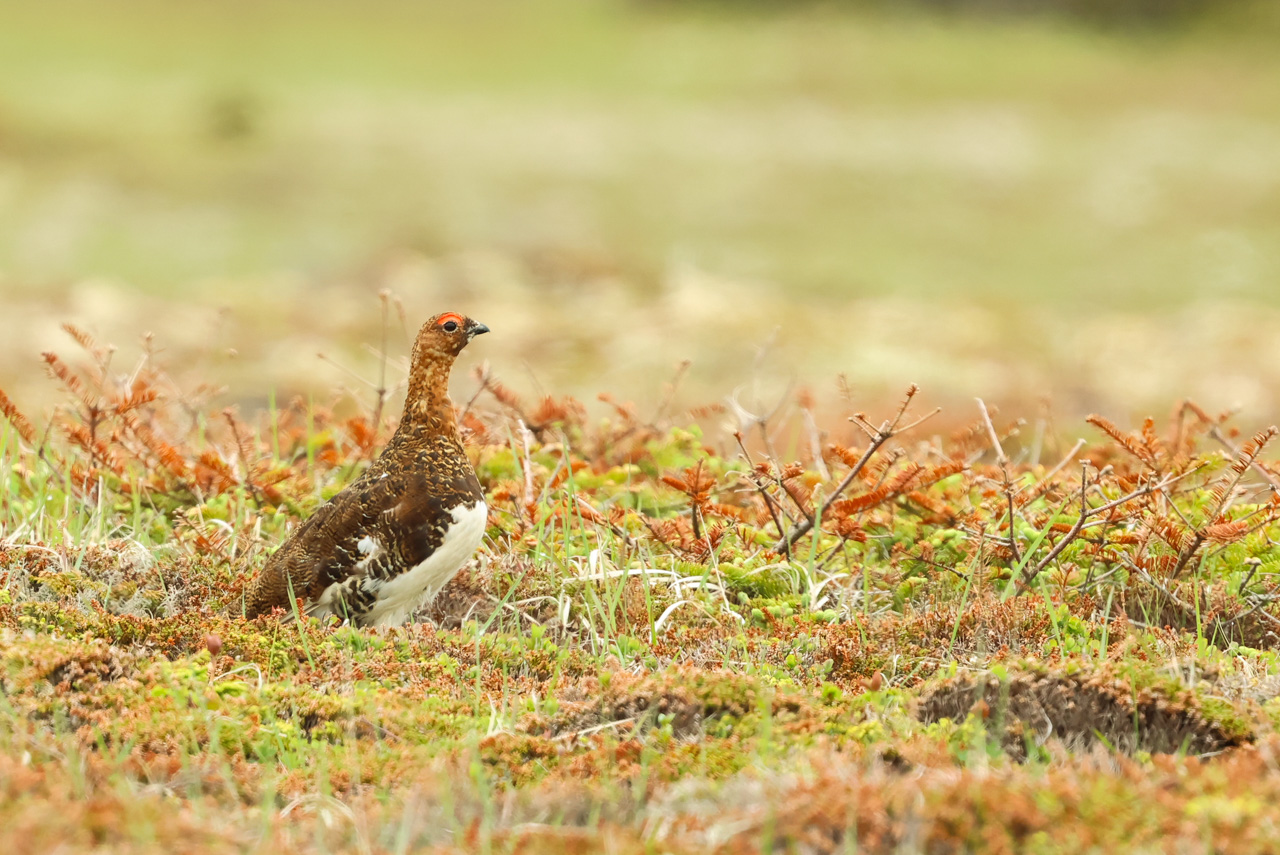
Willow Ptarmigan © James Lees
June 29-30: The Southeastern Avalon Peninsula
The Avalon Peninsula’s “eastern hyperoceanic barrens” are a unique and globally rare habitat, where the world’s southernmost subarctic tundra meets the ocean so we made sure to take time and explore it as we toured the area. Expansive barrens stretched out before us on several occasions from Cape St. Mary’s to Cape Race National Historic Site. Overlooking the rugged cliffs and wild ocean at Point La Haye and St. Vincent’s beach, we spotted several Common Loons, a large flock of White-winged Scoters and plenty of Northern Gannets plunge diving into the fish-filled waters below. Two Arctic Terns were roosting close to the road on a rocky beach among a group of Common Terns, allowing for yet another fun and informative comparison. Even an early Lesser Yellowlegs, typically a late summer migrant, popped in for a quick visit. While searching for Woodlands Caribou (which we did spot in the distance), we noticed two Short-eared Owls hunting low over the barrens and eventually saw one perched on a rock not far from the highway. At Trepassey, a lingering Glaucous Gull (common here in winter but rare in summer) was yet another highlight for this stretch of the coast.
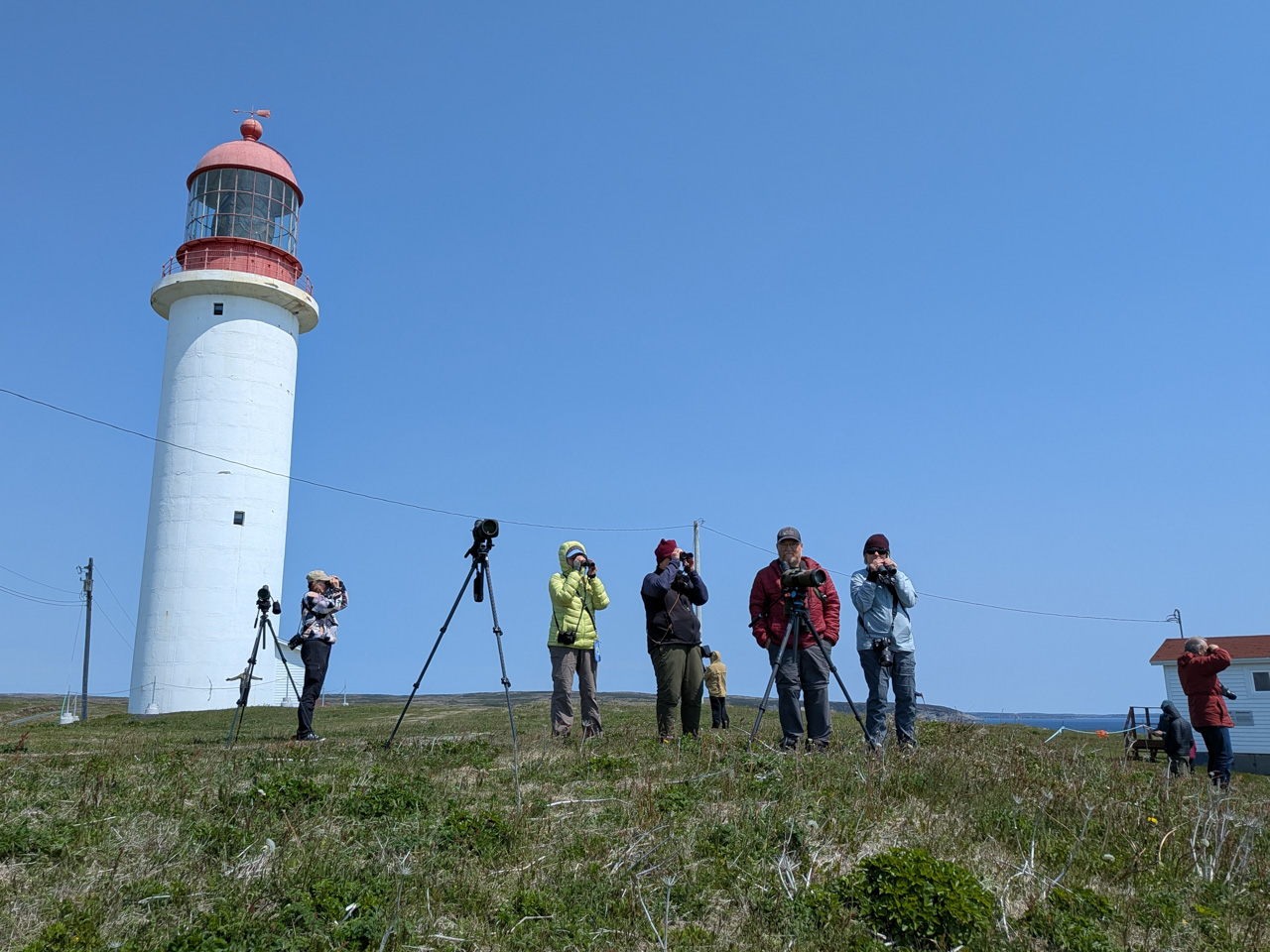
Cape Race © James Lees
At Cape Race, situated at Newfoundland’s southeastern corner, we stood below one of the most important and iconic lighthouses in the North Atlantic to scan for seabirds. The highlight here, however, was a Short-tailed Swallowtail a handsome butterfly with a very restricted range and difficult to find outside this province. An American Pipit displayed overhead and several Black Guillemots loafed on the waters below, while a handful of Sooty and Great Shearwaters zipped by far offshore. The real show occurred at nearby Long Beach, where the fog was lingering just offshore and thousands of shearwaters milled about just off the coast an amazing thing to see, especially from the comfort of land! Along the road we spotted not only our only White-winged Crossbill (part of a small number that were just beginning to arrive on the island following months of absence), but also a young bull Moose that seemed just as interested in us as we were by it. We even stopped to examine the remnants of a recent “capelin roll” in Portugal Cove South a small fish that arrives in Newfoundland waters to spawn on the beaches each summer. It was great to witness part of this phenomenon and understand more about these fish that serve an integral role in the lives of the many seabirds and whales we were here to enjoy.
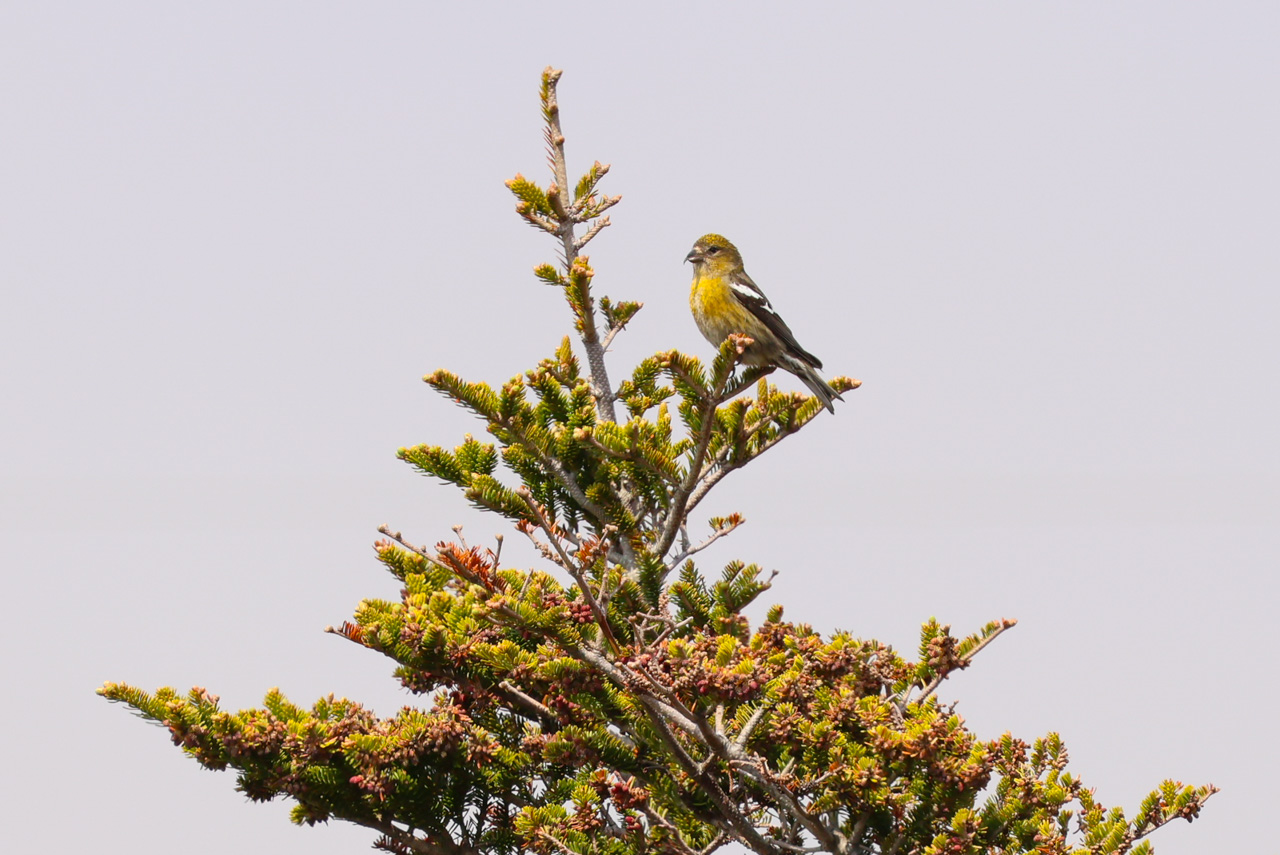
White-winged Crossbill © James Lees
Continuing north along the “Irish Loop”, we were awed as the landscape changed from treeless barrens and towering cliffs to rolling coastline and eventually back to lush boreal forests. Stops at quaint fishing outports like Ferryland, Cape Broyle and Renews provided more views of now familiar species such as Greater Yellowlegs, Northern Pintail and Common Terns in their breeding habitats. We made a quick stop to view the southern islands of the Witless Bay Ecological Reserve, where we spotted more nearly a dozen Northern Fulmar nesting on the craggy cliffs of Ship Island (a relatively rare breeder in Atlantic Canada) along with the abundant Puffins, Murres and Kittiwakes just a small sample of the spectacle we would enjoy the following day!
July 1-3: St. John’s & Witless Bay Ecological Reserve
The last few days of our adventure were based in St. John’s a historic, seaside city with amazing scenery and excellent birding right at its doorstep. Using the city as a hub, we spent our last few days exploring nearby parks, forests and seabird colonies of the northeast Avalon Peninsula.
A boat tour of the incredible Witless Bay Ecological Reserve is always amazing, and this year was no exception. During summer, the islands in this reserve are home to more than 4.5 million breeding seabirds! Despite some rolling swell, we had a grand afternoon on the water and experienced the spectacle of North America’s largest Atlantic Puffin colony numbering more than 250,000 pairs! Not to be outdone, tens of thousands of Common Murre were spotted on and around the islands. We also managed to pick out several much scarcer Thick-billed Murres nestled among the throngs. Black-legged Kittiwakes, Razorbills, Black Guillemots and some wandering Northern Gannets also joined in for the show. Dozens of Sooty Shearwaters gliding past the boat were a major highlight for the entire group. We also enjoyed watching several Humpback Whales along the way, and even lucked into a show of Capelin “rolling” (spawning) on the beach at the nearby town of Witless Bay. These small fish are an integral part of the food chain for the whales and seabirds that spend their summer here, and seeing that for ourselves was a special treat!
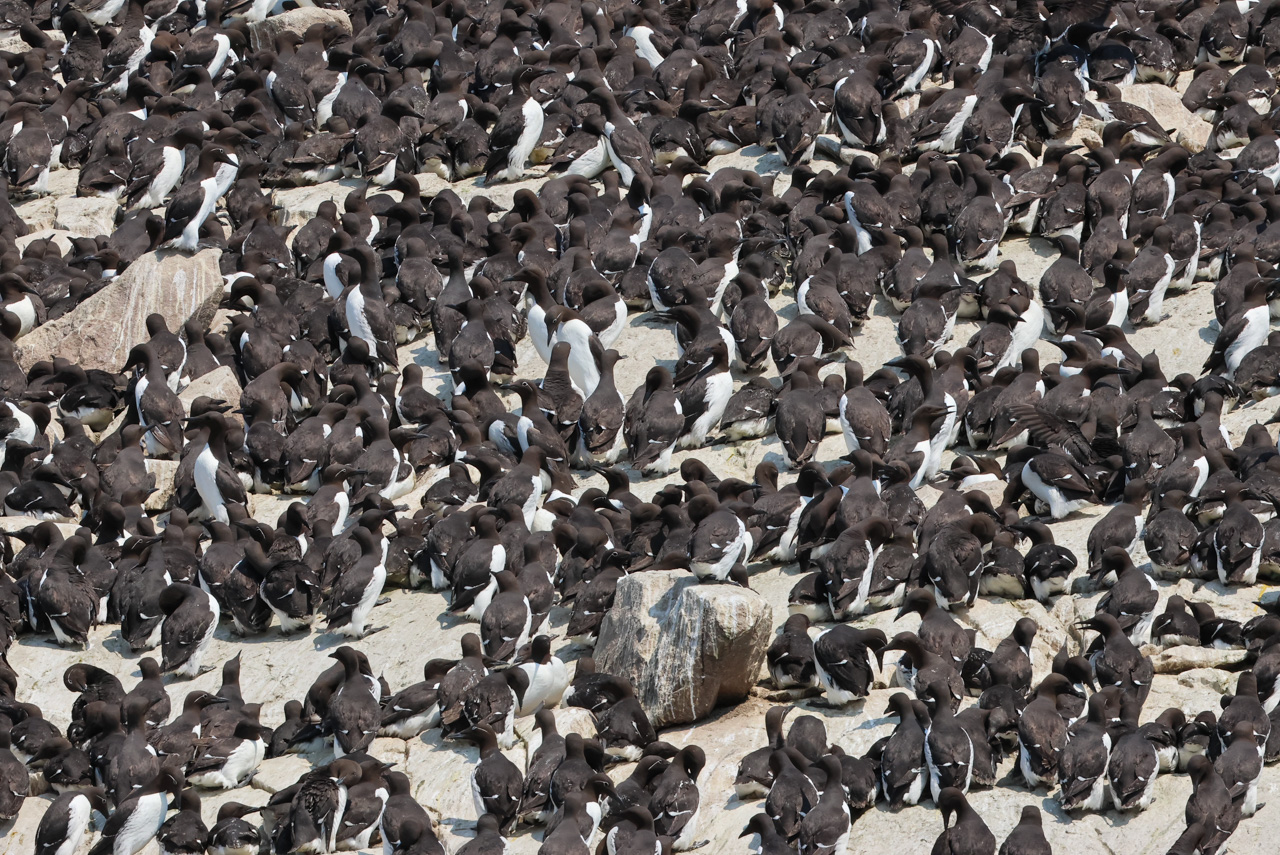
Common Murres © James Lees
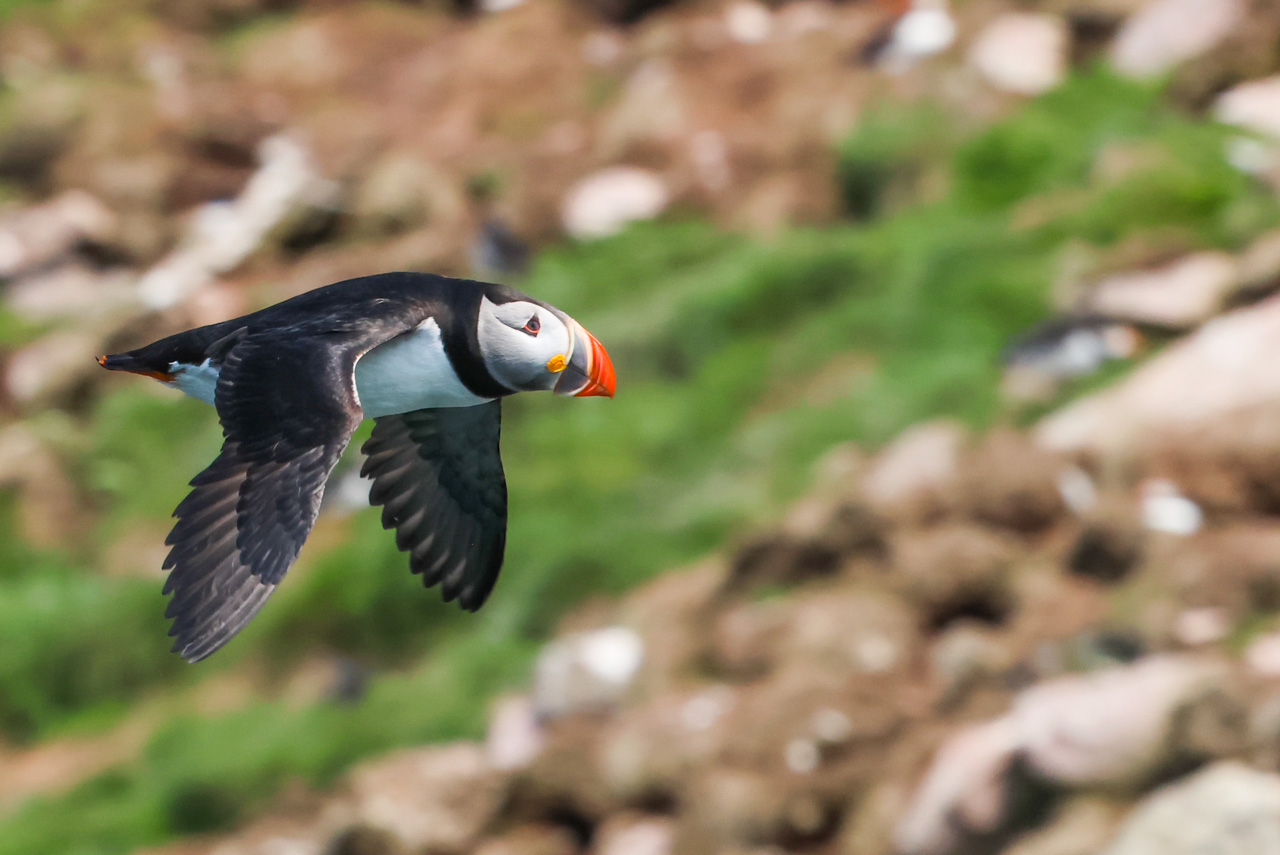
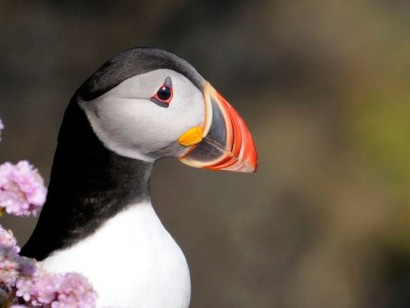
Atlantic Puffin © James Lees
One morning was spent at Cape Spear National Historic Site the easternmost point of land in North America. The lighthouse here dates back to 1836 and has been a key waypoint for travelers ever since. Here we had fun with a very cooperative American Pipit, singing Savannah Sparrows and lots of passing seabirds. A stroll in the nearby forest allowed quick but wonderful views of Gray-cheeked Thrush a species of concern in Newfoundland where the population has experienced a significant and somewhat unexplained decline in recent decades. Other walks in the forest included more boreal species such as Boreal Chickadee, Fox Sparrow, Yellow-bellied Flycatcher, Northern Waterthrush and Blackpoll Warblers. Local ponds hosted a variety of waterfowl including American Black Ducks, Mallard, and American Wigeon along with a lingering Eurasian Wigeon that is not usually here at this time of year and rare in most other parts of North America. Our last stop was one that had been talked about much throughout the trip, as we headed to Conception Bay and found a long-awaited Black-headed Gull, along with several Bonaparte’s Gulls (yet another excellent study of similar species) and our only Least Sandpiper of the trip.
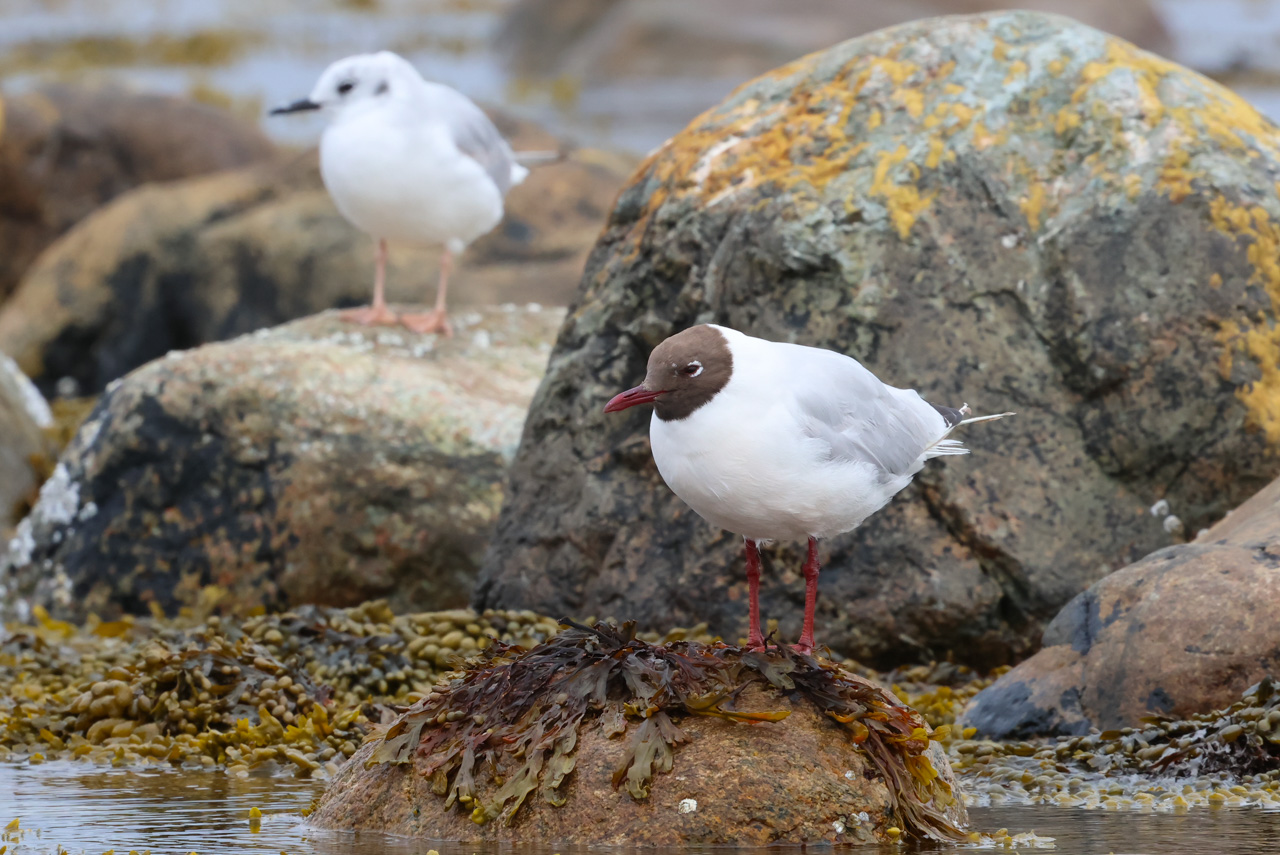
Bonaparte’s & Black-headed Gull © James Lees
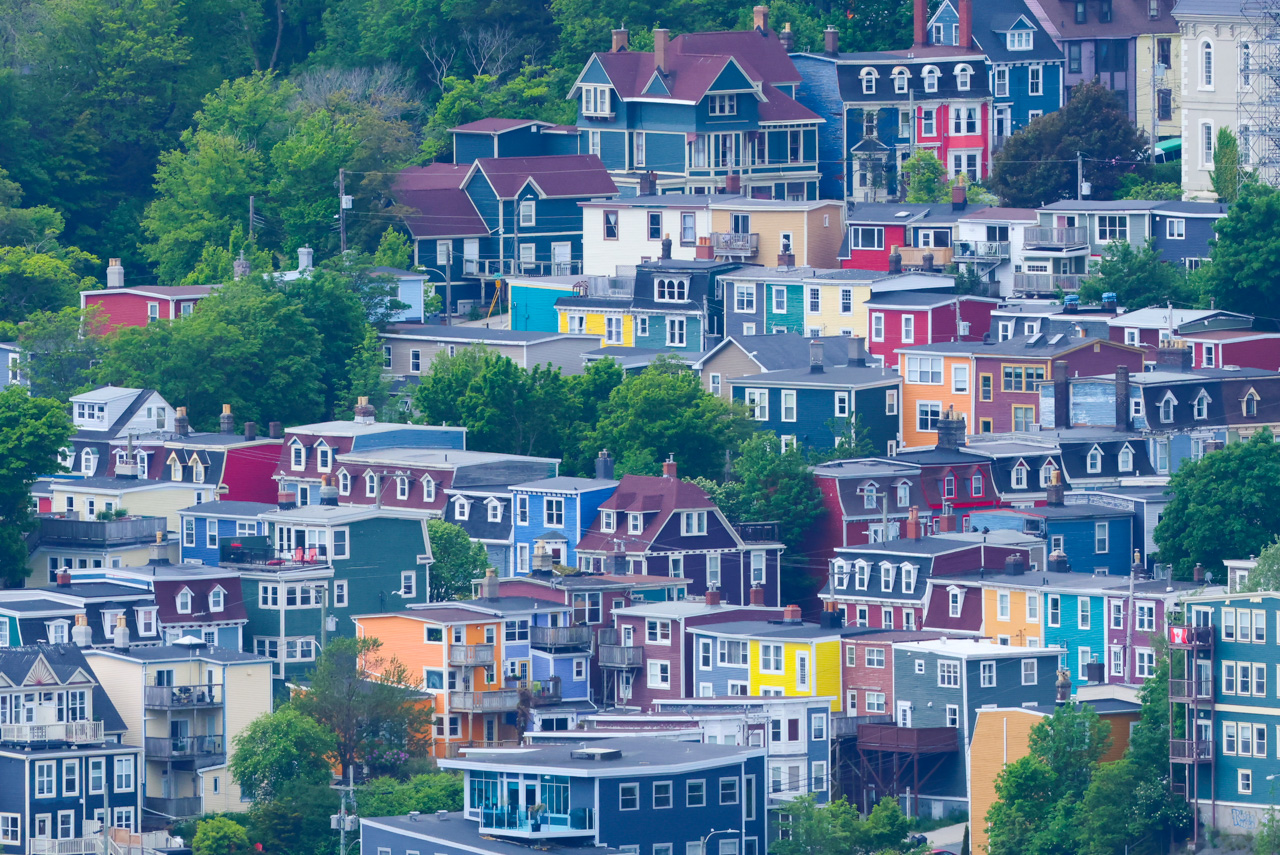
St John’s jelly bean row © James Lees
Fully satisfied with birds and dodging some rain, we spent our last afternoon exploring The Rooms Newfoundland’s fantastic provincial museum and art gallery and the perfect way to end our adventure. We reminisced and shared our favourite memories over dinner before heading our separate ways. What a fantastic trip, with a wonderful group of people!
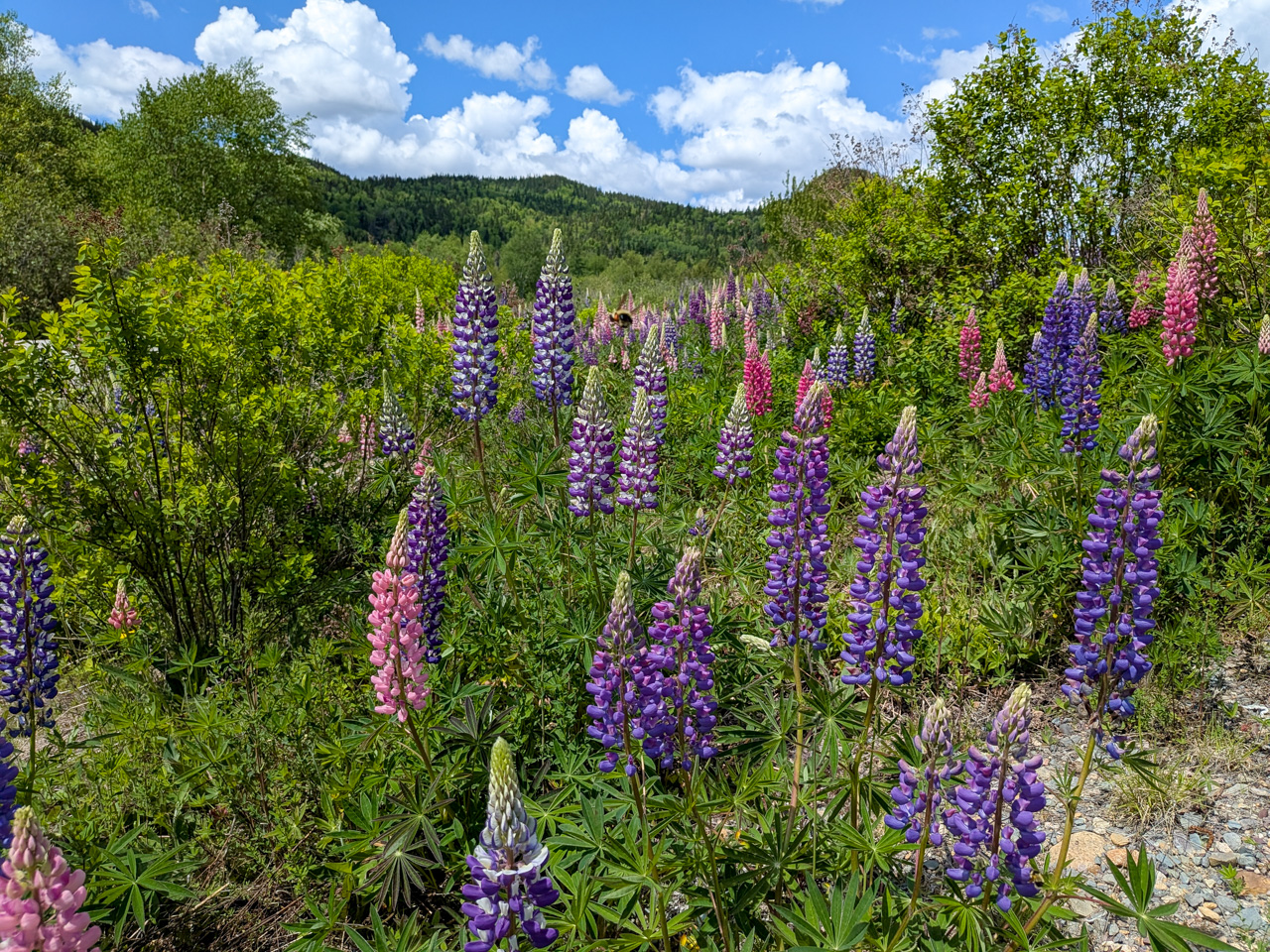
Lupine view © James Lees