Cape May Migration Trip Report (Oct 1 – 7, 2026)
Getting to bird Cape May shortly after a Nor’easter meant the floodgates of southbound migrants were wide open during our visit. The stream of raptors, especially falcons, overhead was a consistent joy and we were lucky enough to witness a significant warbler fallout event at Higbee Beach WMA. New for this trip was a jaunt over to Delaware where we got to observe the cute little Brown-headed Nuthatch, an endemic species to the United States.
Days 1 & 2: Arrival in Cape May
After arriving in Philadelphia for a welcome dinner, we made a beeline for the hawkwatch platform at Cape May Point State Park. There, we admired the steady flight of Sharp-shinned and Cooper’s Hawks, American Kestrels and other occasional raptors including Peregrine Falcon, Merlin, and Broad-winged Hawk. Walking the trails and checking the park’s ponds, we spotted Pied-billed Grebe, Blue-winged Teal, Field Sparrow, and Ruby-throated Hummingbird. Other migrants overhead included Chimney Swift, Bobolinks, and an impressive Blue Jay movement.
After lunch at the park, we headed to CMBO’s Northwood Center to check out the gift shop. The garden there provided us with excellent views of a Black-throated Blue Warbler, a Yellow-bellied Sapsucker, a few American Redstarts, and even a Philadelphia Vireo. We also had wonderful views of a juvenile Yellow-crowned Night Heron that was roosting next to Lily Lake across the street.
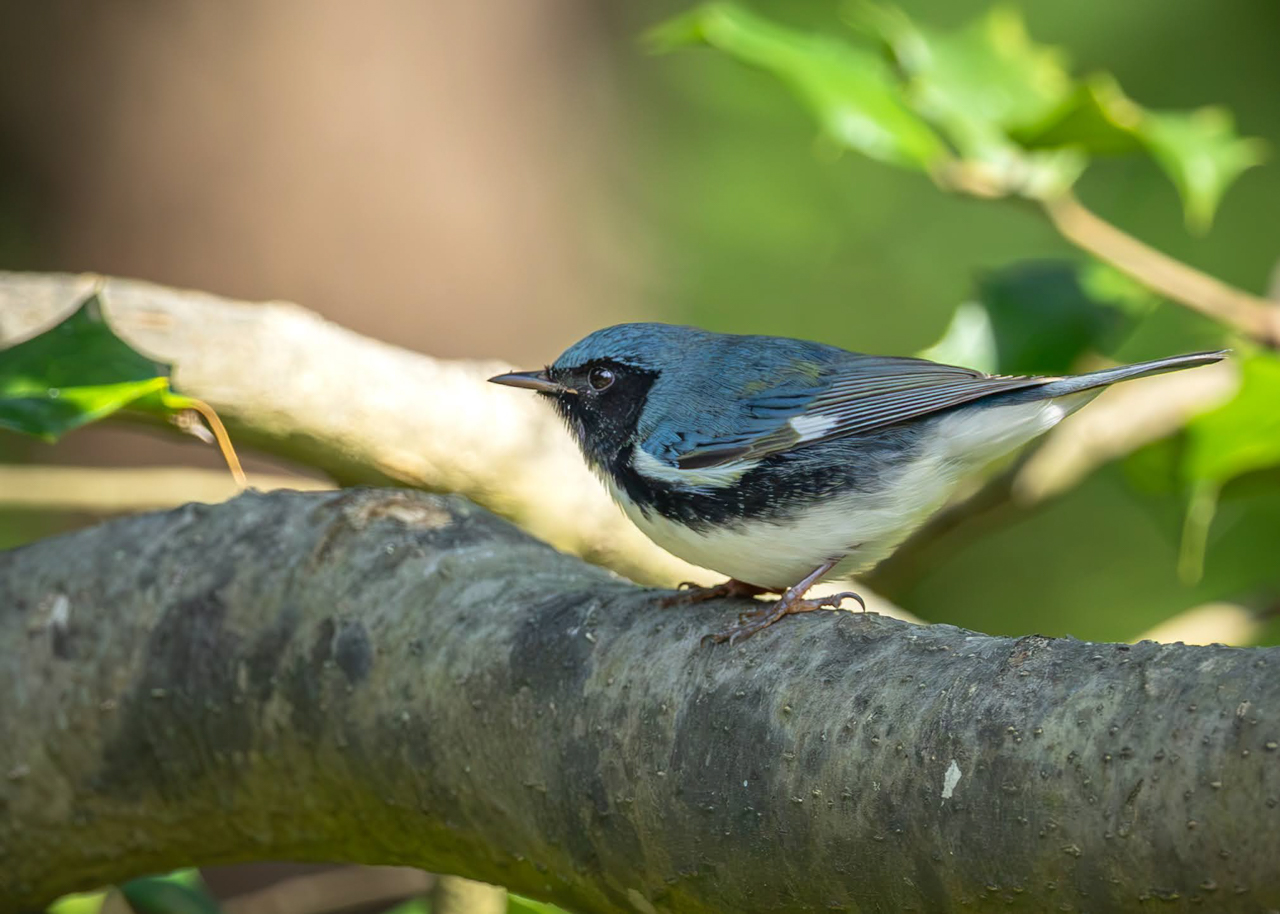
Black-throated Blue Warbler © Rudy Garns
After checking into our hotel, we had some time before dinner to check out a spot on the beach where hundreds of Black Skimmers roost for the evening. We watched them wheel around in the air before settling down alongside some Lesser Black-backed and Laughing Gulls.
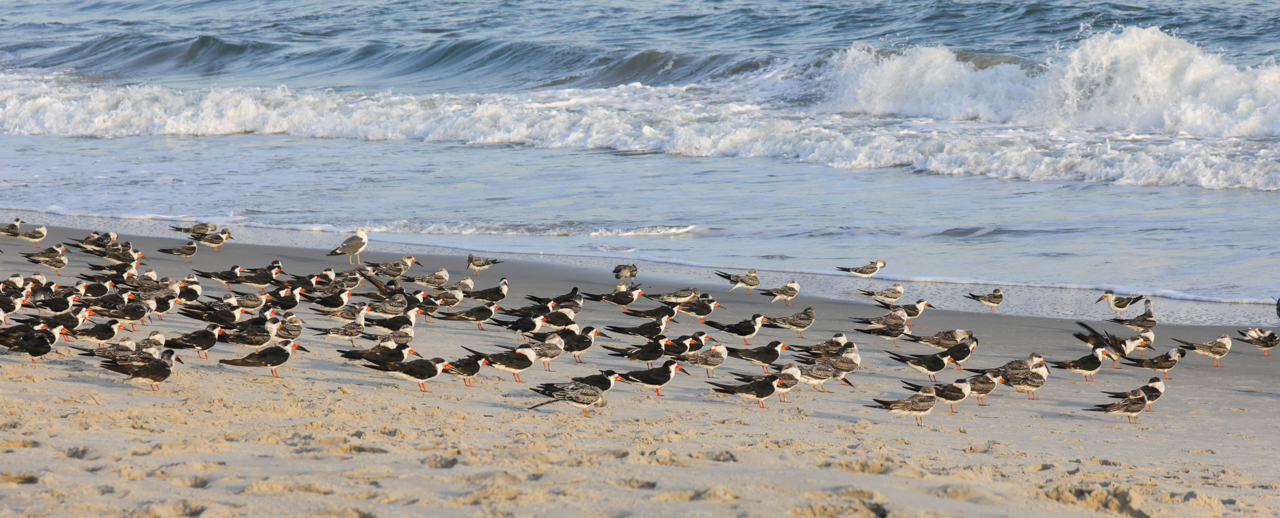
Black Skimmer © Josh Gant
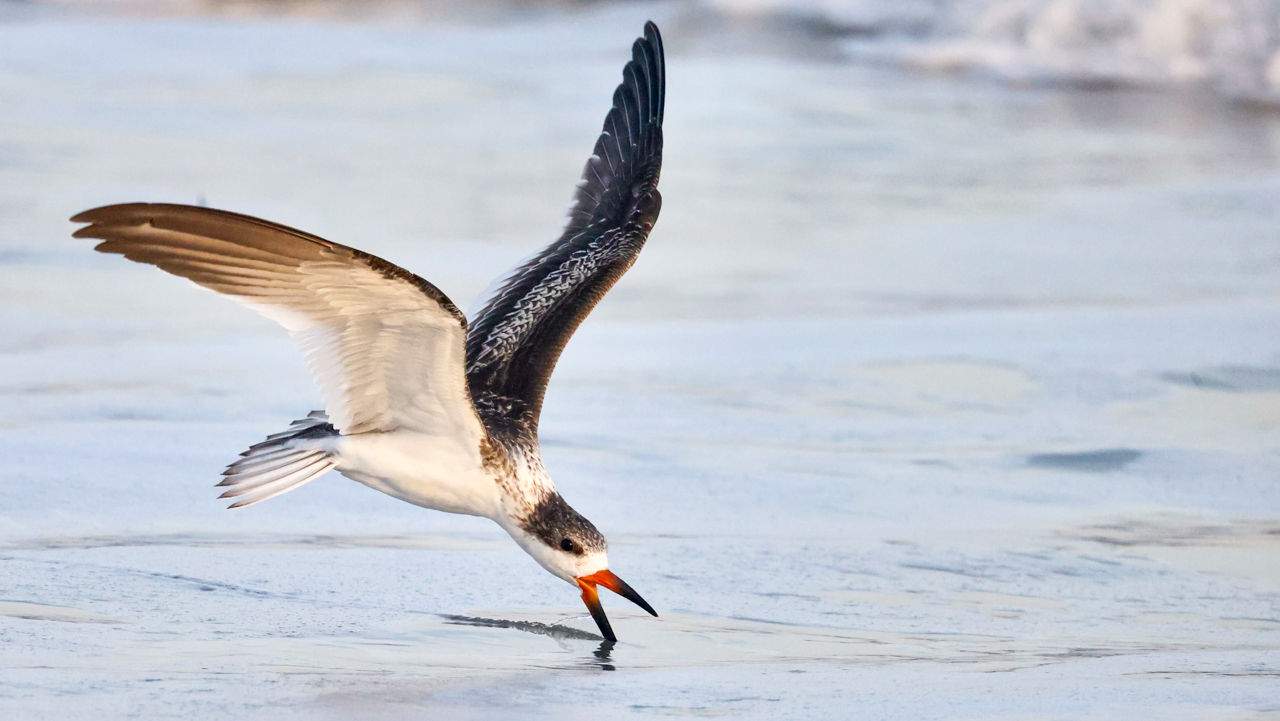
Black Skimmer © Andrew Waud
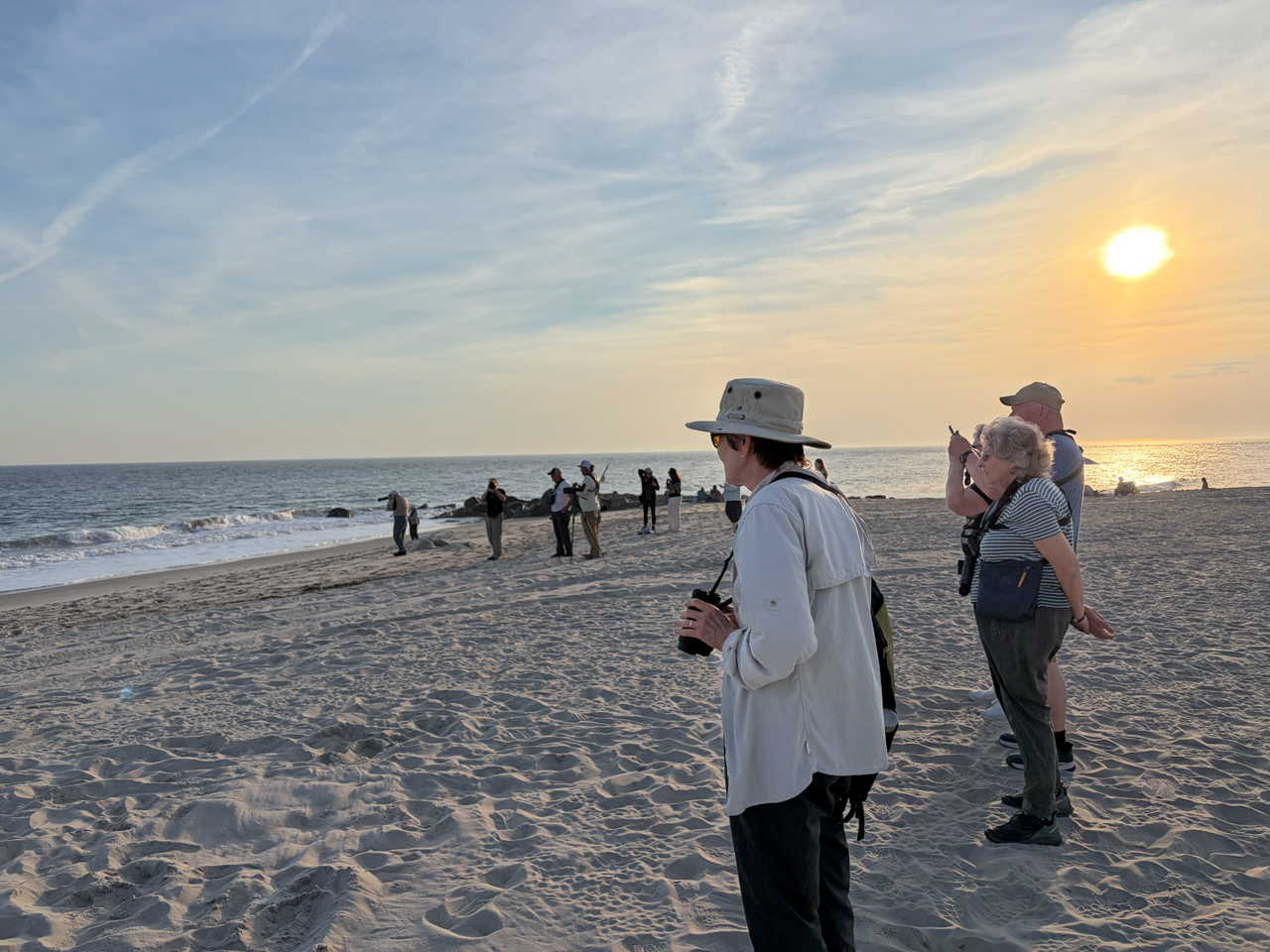
Birding on the Beach © Sam Darmstadt
Day 3: Fallout in Cape May
After checking BirdCast the evening before, we were eager to get to Higbee Beach WMA early. The migration forecast was lit up along the Atlantic coast and there was no better place to go to witness the spectacle of songbird migration. Many other birders had thought the same thing and the area was packed with eager observers. Overhead warblers streamed north along the shore of the Delaware Bay and we stood in awe. The steady stream contained Blackpoll, Cape May, Palm, and Magnolia Warblers along with American Redstarts, Northern Parulas, and more.
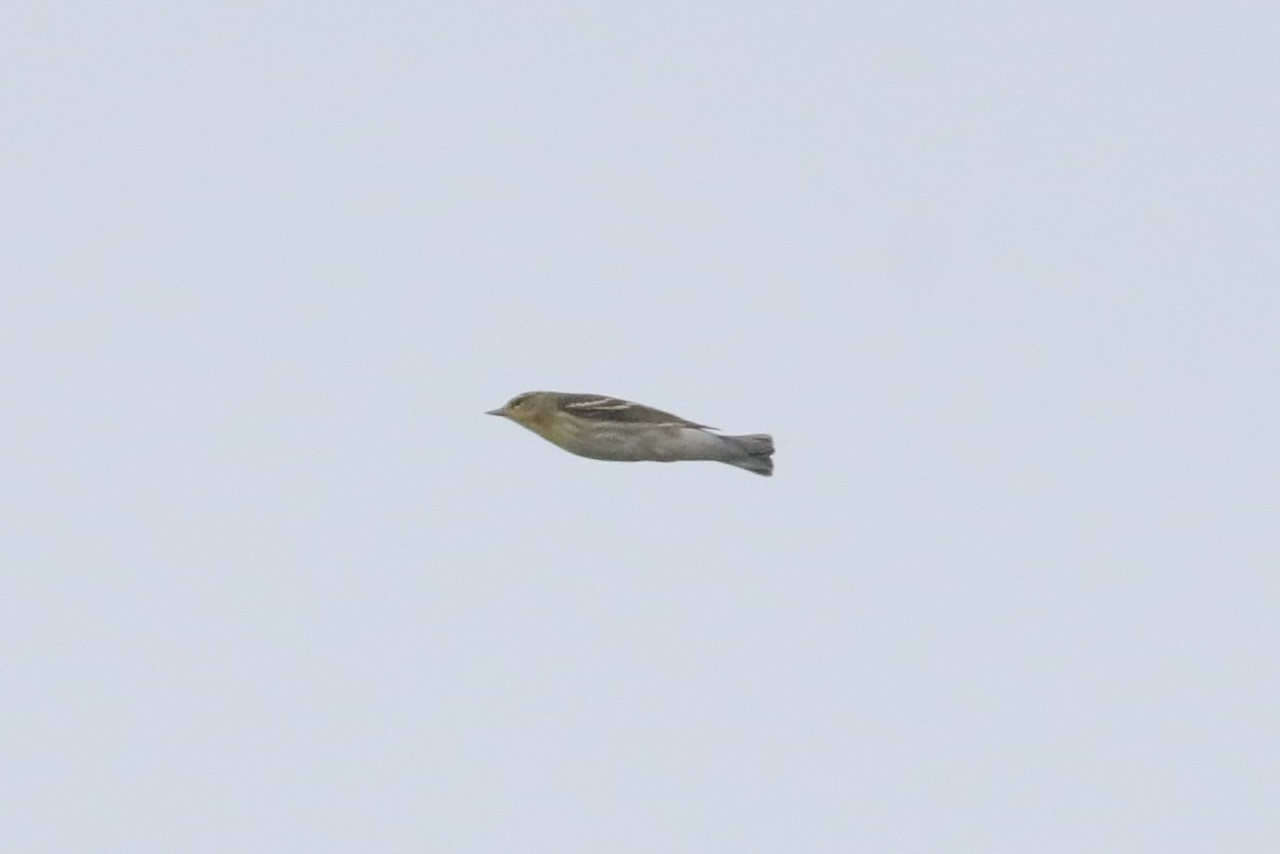
Blackpoll Warbler in Flight © Josh Gant
Some birds dropped down to forage where we were eagerly awaiting to admire them. At one point a Summer Tanager popped up and several Eastern Wood-Pewees also landed around us. Once the trickle slowed, we hit the trails where many of these birds could be seen at eye level. We picked up Black-throated Green, Black-and-white, and Chestnut-sided Warblers. Indigo Buntings were also present along the field edge and Common Yellowthroats and Gray Catbirds were abundant. A flock of Fish Crows flying over and a conspicuous duo of Yellow-billed Cuckoos were also highlights.
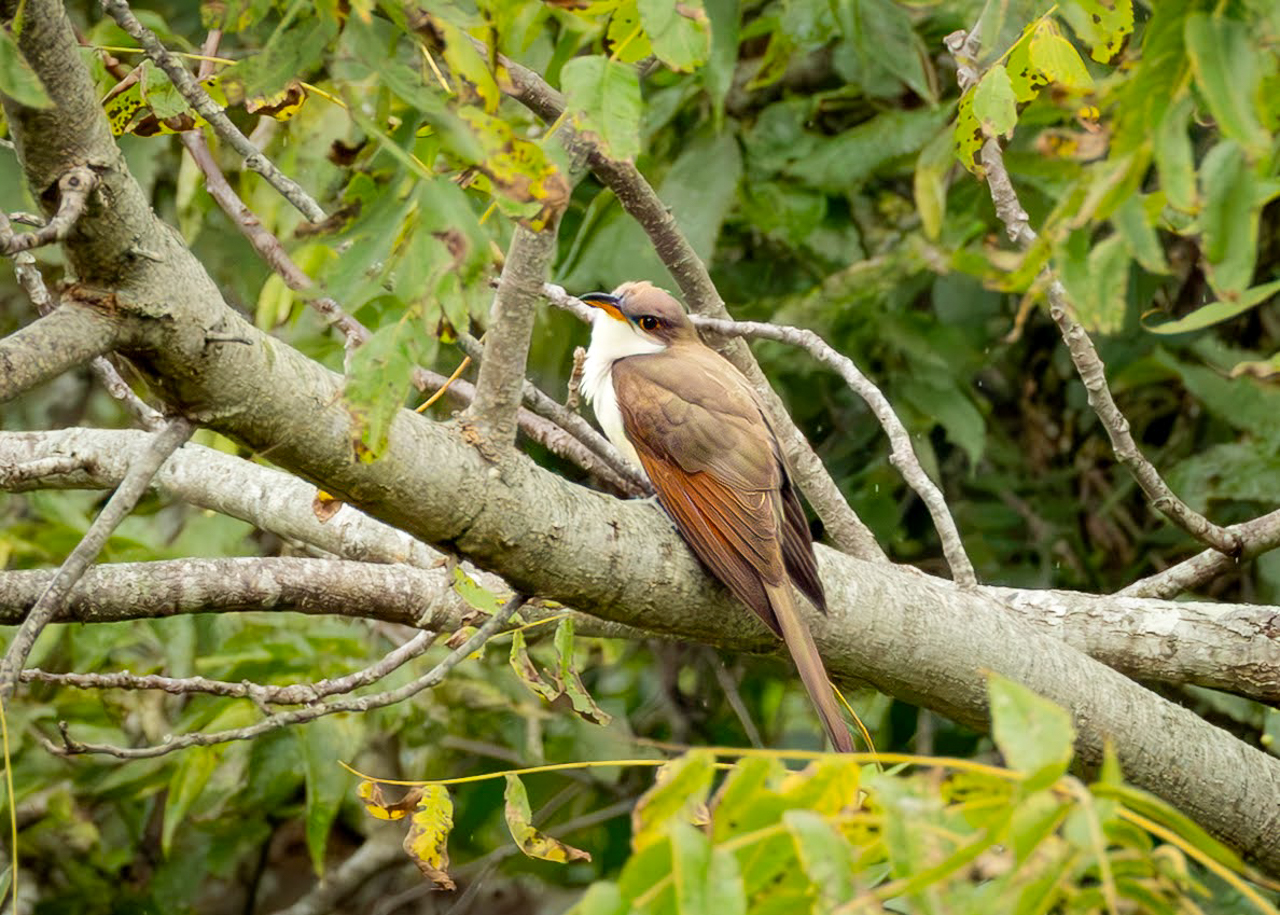
Yellow-billed Cuckoo © Rudy Garns
As we left Higbee, the rain started to pick up and we took shelter under a picnic pavilion overlooking the west end of the Cape May Canal. After our afternoon break, we headed north to Nummy Island and the Wetlands Institute to look for coastal birds. At Nummy Island, American Oystercatchers abounded, flying and calling over the coastal saltmarsh. We also had distant views of many Black-bellied Plovers, some Caspian Terns, and a couple of Marbled Godwits. Snowy Egrets were plentiful in the marsh and we also spotted our first Boat-tailed Grackles and Tricolored Herons. The Wetlands Institute was unfortunately closed, but the environs still provided us with a wonderful view of an adult Little Blue Heron as well as Least, Semipalmated, and Western Sandpipers foraging alongside Dunlin and Short-billed Dowitchers.
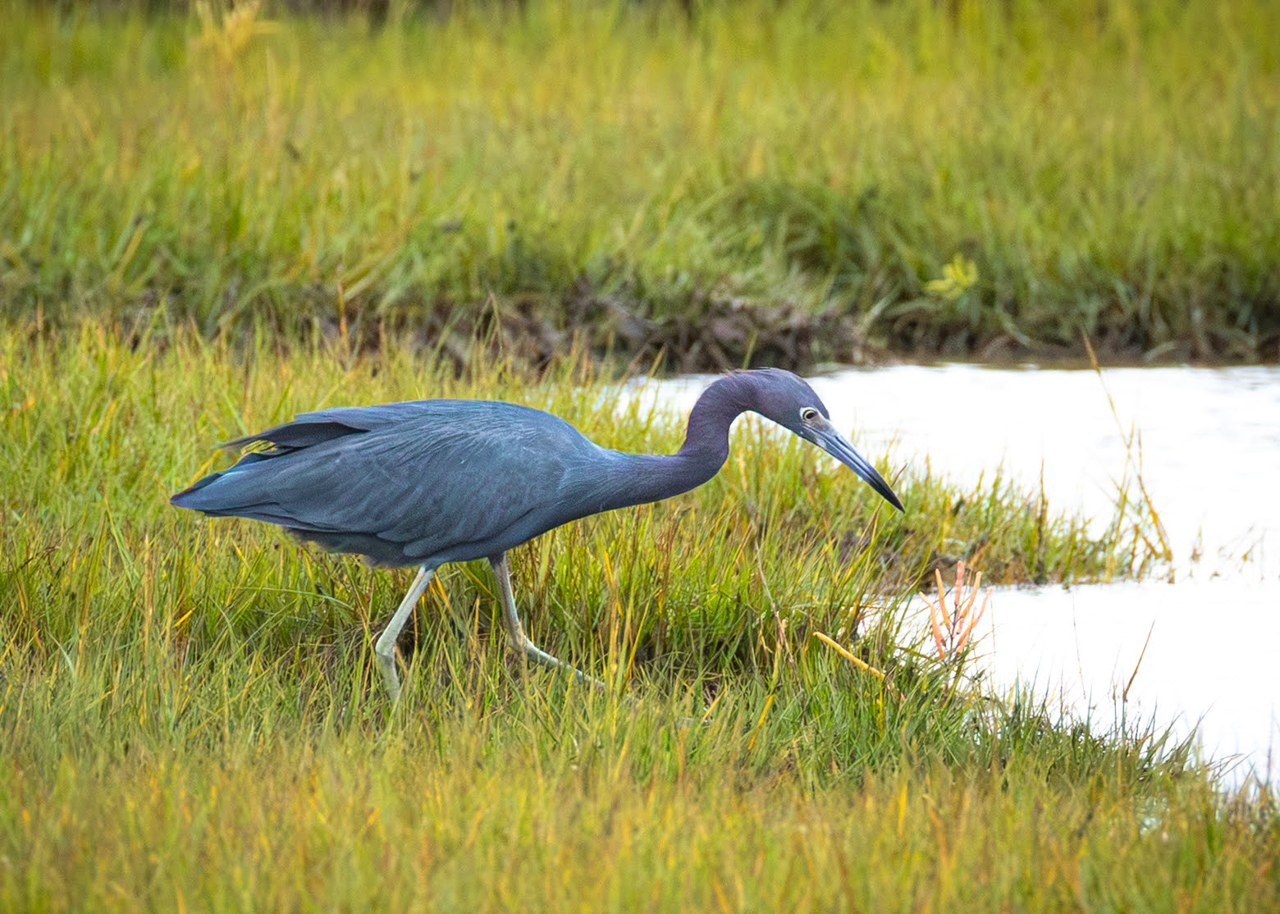
Little Blue Heron © Rudy Garns
Day 4: Cape May boat trip
The next day was a rainy one and we put off getting soaked by going out to breakfast at a local pancake house. We had some time after that so we braved the rain and headed to South Cape May Meadows. Despite the rain, raptors and warblers were still on the move! We mostly hung out in the relative shelter of a bird blind where we watched a pair of Northern Shovelers forage in their pond and heard the grunting of a Virginia Rail. The walk also yielded our first looks at Savannah Sparrow and a lucky sighting of a Pectoral Sandpiper.
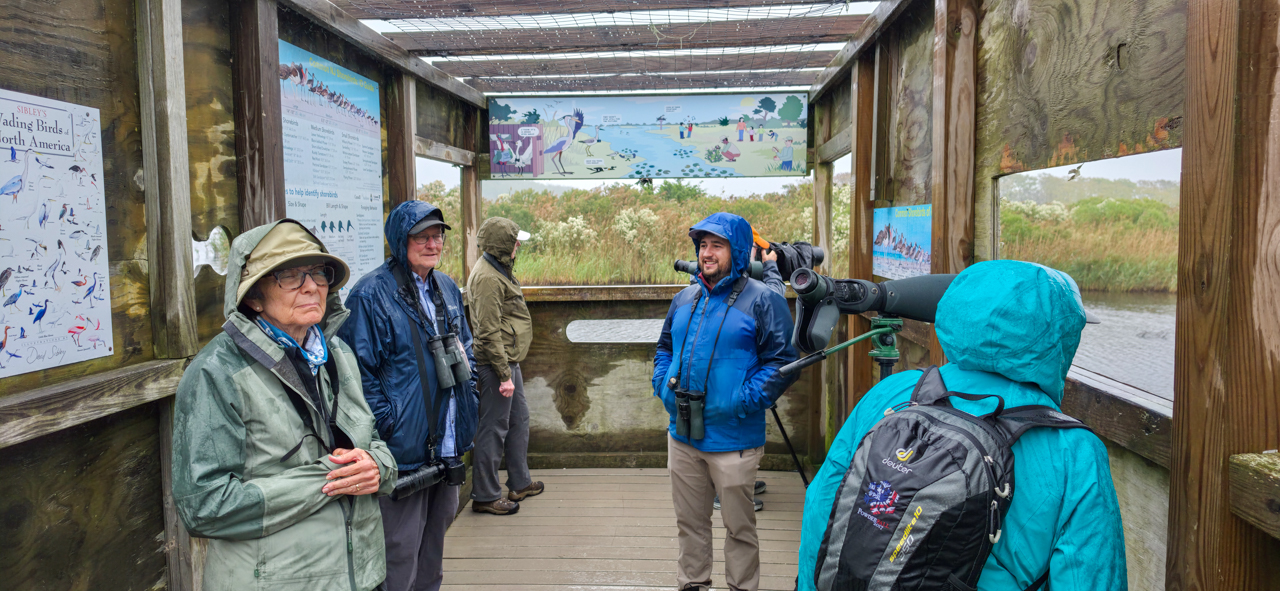
Taking shelter in the bird blind © Josh Gant
After drying off a little we took to the coastal waterways of Cape May aboard the Osprey. As we cruised along we spotted Belted Kingfishers and large skeins of Double-crested Cormorants. Along harbor bulkheads Ruddy Turnstones took shelter from the high tide. We got to observe many shorebirds roosting on the jetties on Cape May Inlet while nearby hundreds of Tree Swallows whirled in the damp dark skies.
Raptors were still abundant and one short section of snags along the water hosted almost a dozen Peregrine Falcons. We also found a nice roost of both Yellow-crowned and Black-crowned Night Herons. One main mission of the trip was to see the saltmarsh-obligate birds that can be tricky to find in October. As we cruised the channels we lucked into a close and obliging Seaside Sparrow and had a glimpse of a distant Saltmarsh Sparrow. Clapper Rails called loudly but never showed themselves.
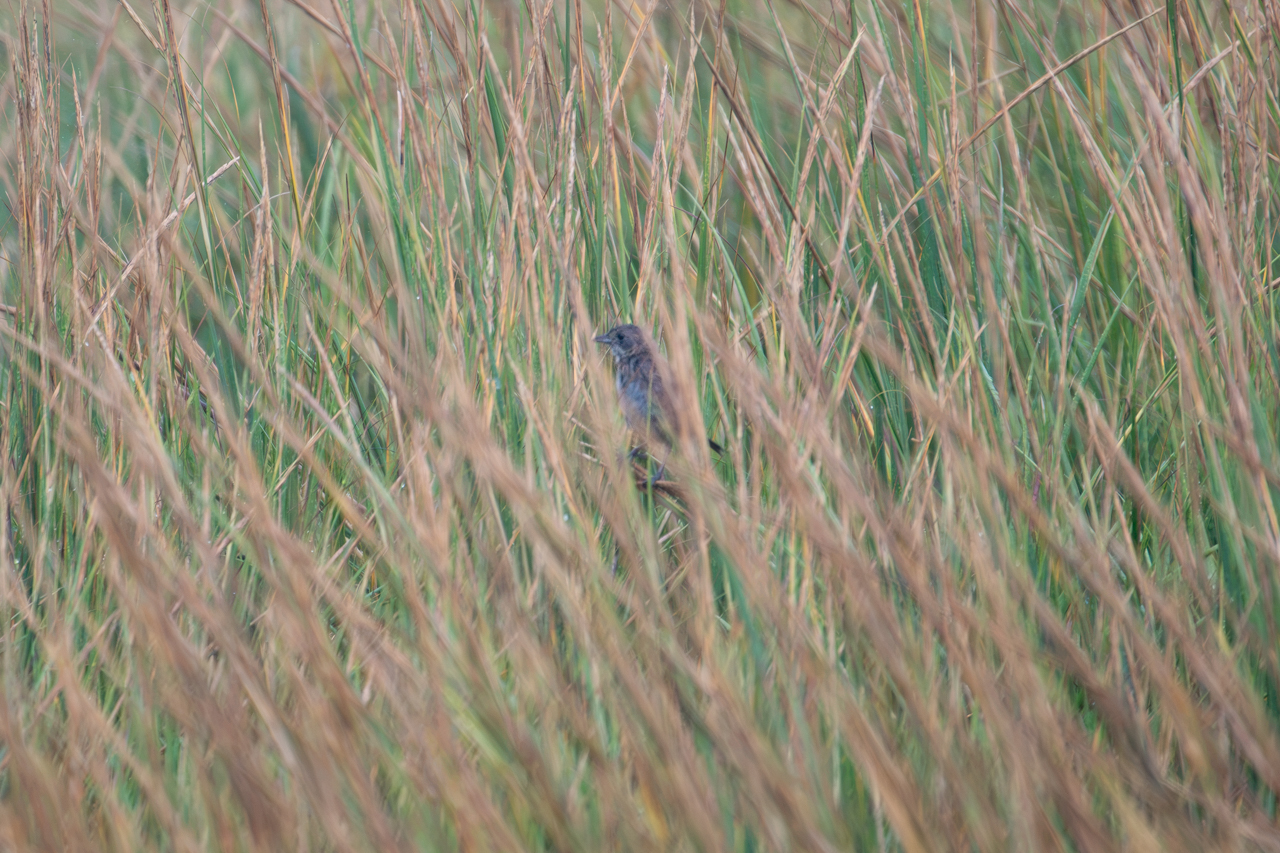
Seaside Sparrow © John Liller
After drying off (again) and warming up inside with lunch, we took a spin around Rea Farm and Cox Hall Creek WMA. Despite the cloudy weather, all three species of falcons were pleasantly abundant. Some other special treats of the outing included a flyby Common Nighthawk, a brief appearance of a Northern Waterthrush, and nice looks at Magnolia Warbler. Northern Flickers continued to be ultraabundant at every site we visited.
Day 5: Edwin B. Forsythe NWR
After fueling ourselves up at Wawa, one of New Jersey’s premier cultural touchstones, we ventured into the vast and awesome property of Edwin B. Forsythe NWR. This was our most diverse area for ducks where we had good numbers of Northern Pintail, American Black Ducks, and American Wigeon. Towards the beginning of our loop, some Wood Ducks showed off as well and a young Common Gallinule was a lucky sighting. Around the auto tour, ducks, wading birds, and shorebirds were abundant while Bald Eagles soared overhead. However, the clear highlight was an American Bittern that was luckily out in the open and easily visible. While we watched it a second one even flew by over the marshes.
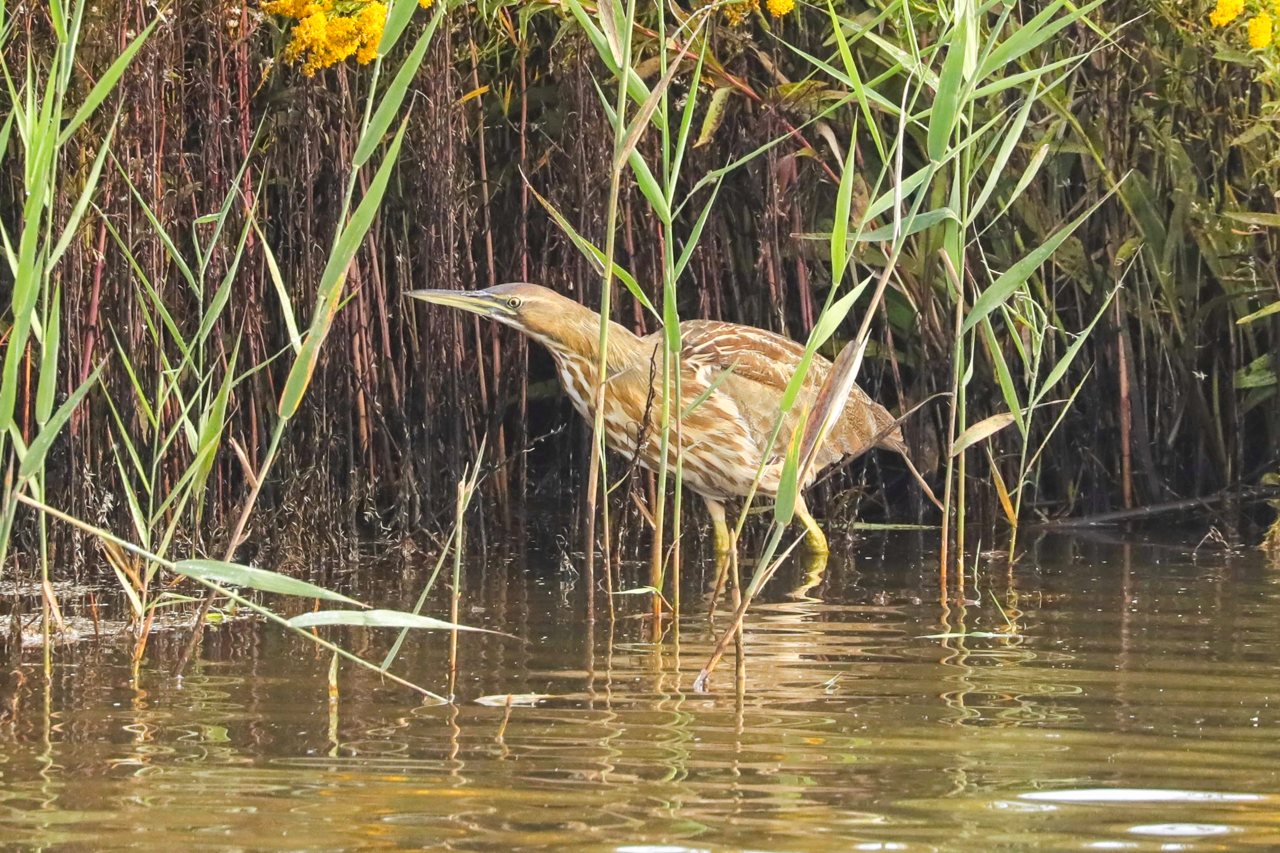
American Bittern © Josh Gant
One highlight on the wildlife drive was seeing large flocks of White Ibis flying overhead, a bird that only recently joined New Jersey’s nesting avifauna. The wooded area around the visitor center allowed us to add some songbirds to our list at the refuge including a few species of warblers and a beautiful White-crowned Sparrow that we saw while eating lunch.
Once we were done at Forsythe, we made a stop at the Avalon Seawatch and managed to pick out some Northern Gannets that were migrating south out at sea. A few flocks of scoters flew by including Black and Surf Scoters.
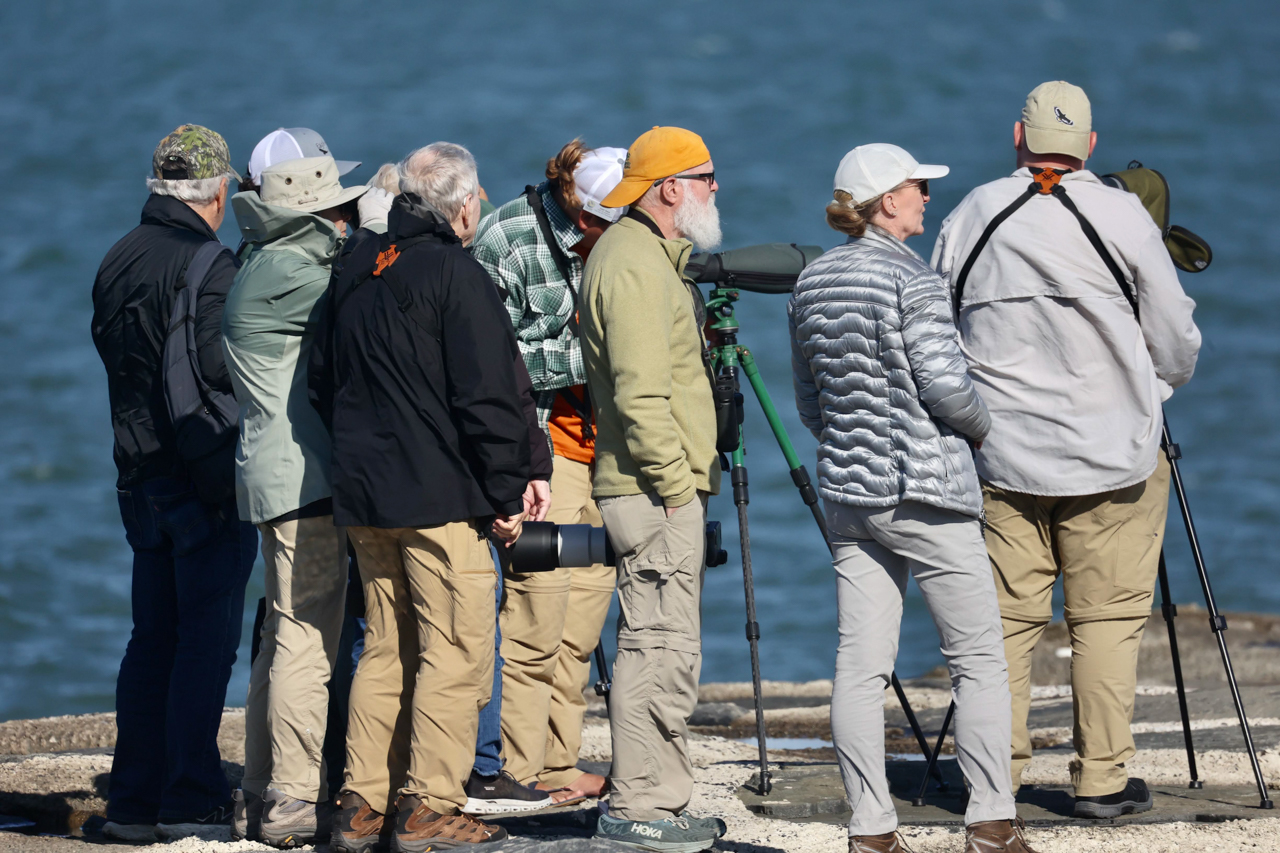
Seawatching © Andrew Waud
Days 6 & 7: Delaware then home
Our final full day of the trip had us rising early and boarding the ferry headed across the Delaware Bay to Lewes, Delaware. The boat ride provided beautiful views and we enjoyed watching Royal Terns, Brown Pelicans, Lesser Black-backed Gulls and even a few Northern Gannets and a Common Loon. The major highlight of the ride was seeing a pod of Tamanend’s Bottlenose Dolphins as we pulled into the harbor in Lewes.
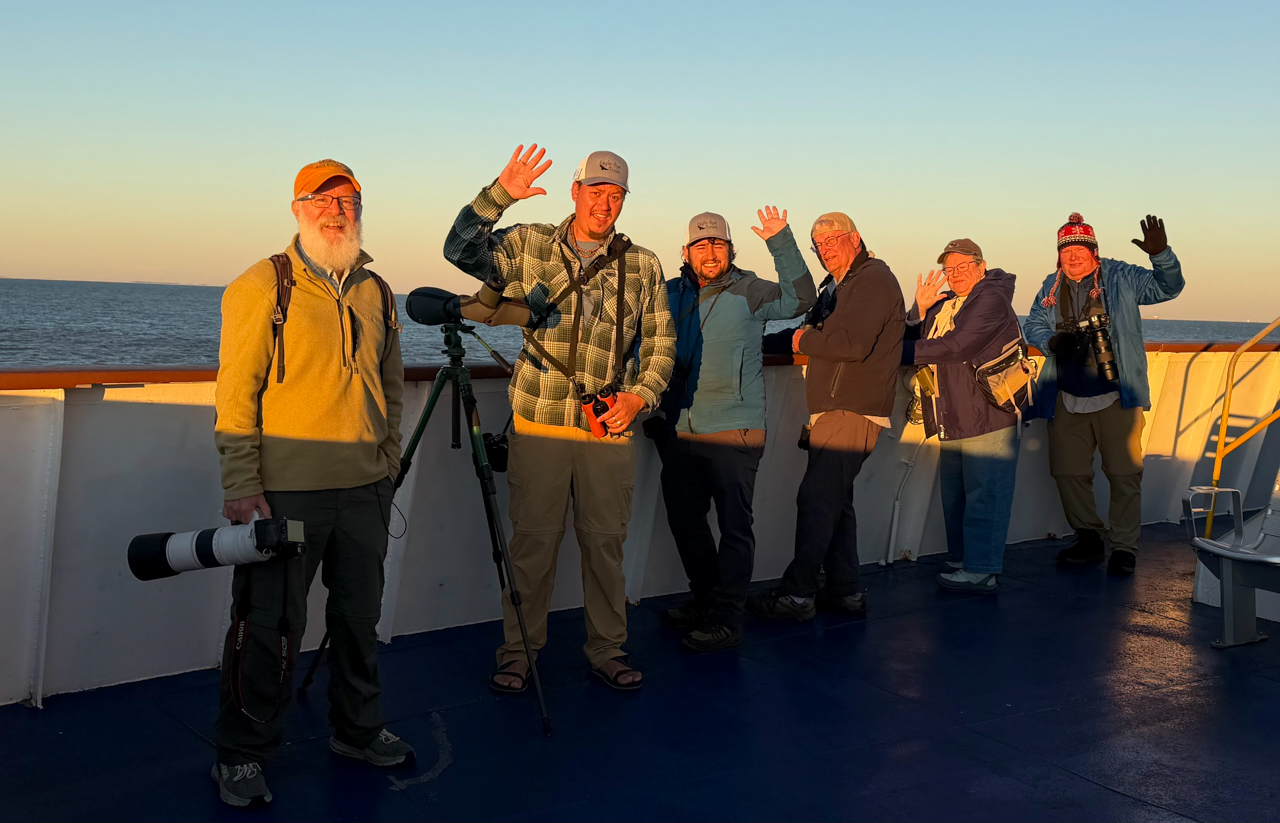
Ferry ride © Andrew Waud
Once we arrived in Delaware, we had a delicious breakfast and headed to the nature center at Cape Henlopen State Park. Our main target there was the adorable Brown-headed Nuthatch which we saw soon after visiting a bird feeder alongside Carolina Chickadees, Tufted Titmice, numerous House Finches, and a White-throated Sparrow. Vireos were a highlight with nice views of both Blue-headed and White-eyed Vireos once we hit the trails. We took a walk out to the beach where Great Black-backed Gulls, Turkey and Black Vultures, and an immature Bald Eagle feasted on a washed-up Atlantic Sturgeon. The woods next to the dunes provided great birding and we admired Ruby-crowned Kinglets and our only Brown Creeper of the trip.
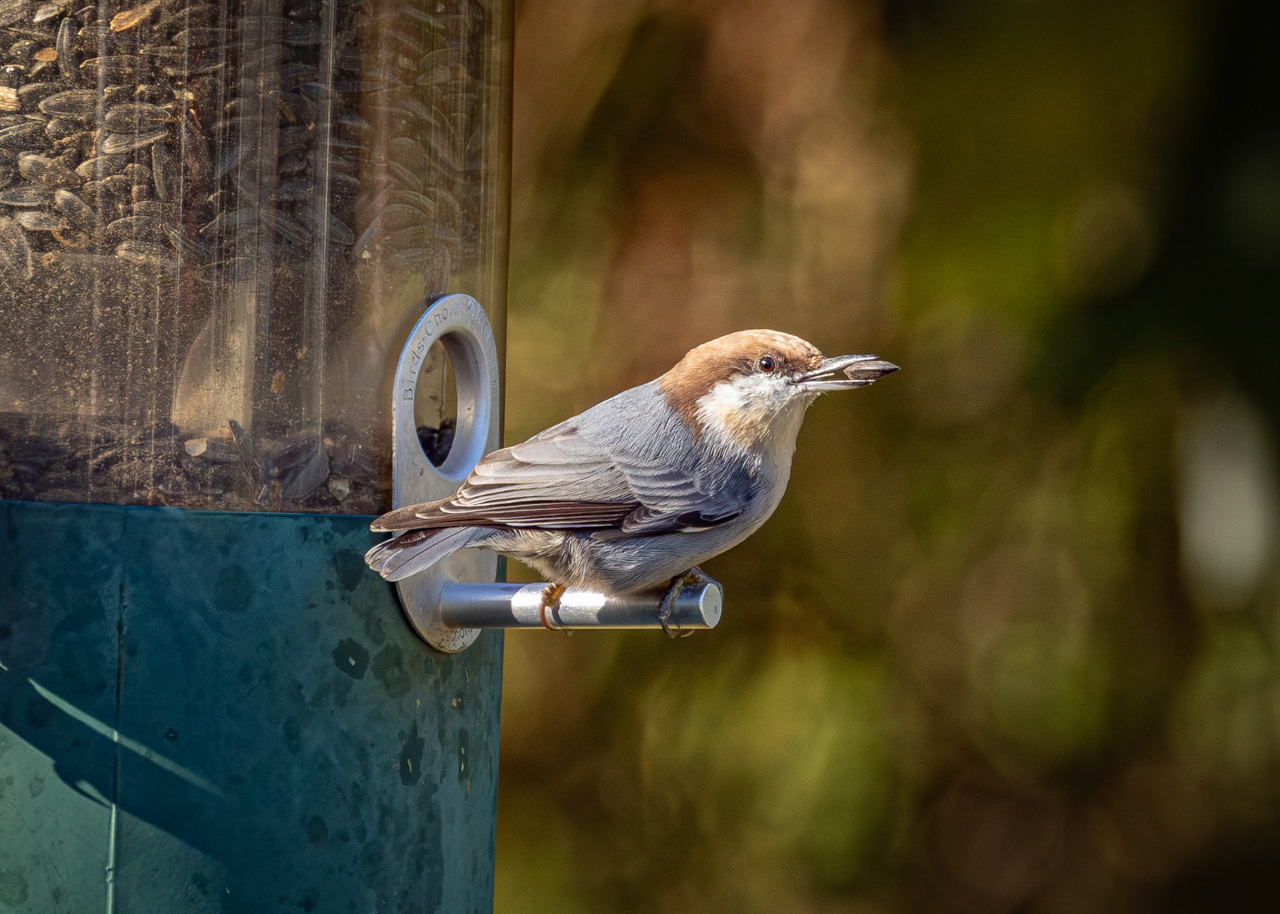
Brown-headed Nuthatch © Rudy Garns
We then headed straight for Bombay Hook NWR where we enjoyed a picnic lunch and the gift shop. The wildlife drive there was bustling and we saw hundreds of Green-winged Teal and a variety of shorebirds including a Hudsonian Godwit. The large flock of American Avocets was a major highlight and we enjoyed watching them forage enthusiastically in the mudflats. We were shocked by the abundance of Eastern Phoebes that we observed while keeping our eyes out for songbirds. A bright Philadelphia Vireo gave us good looks near the boardwalk trail. To end the trip’s birding on a nice high note, we found a pair of Sandhill Cranes that calmly and cooperatively foraged near the road.
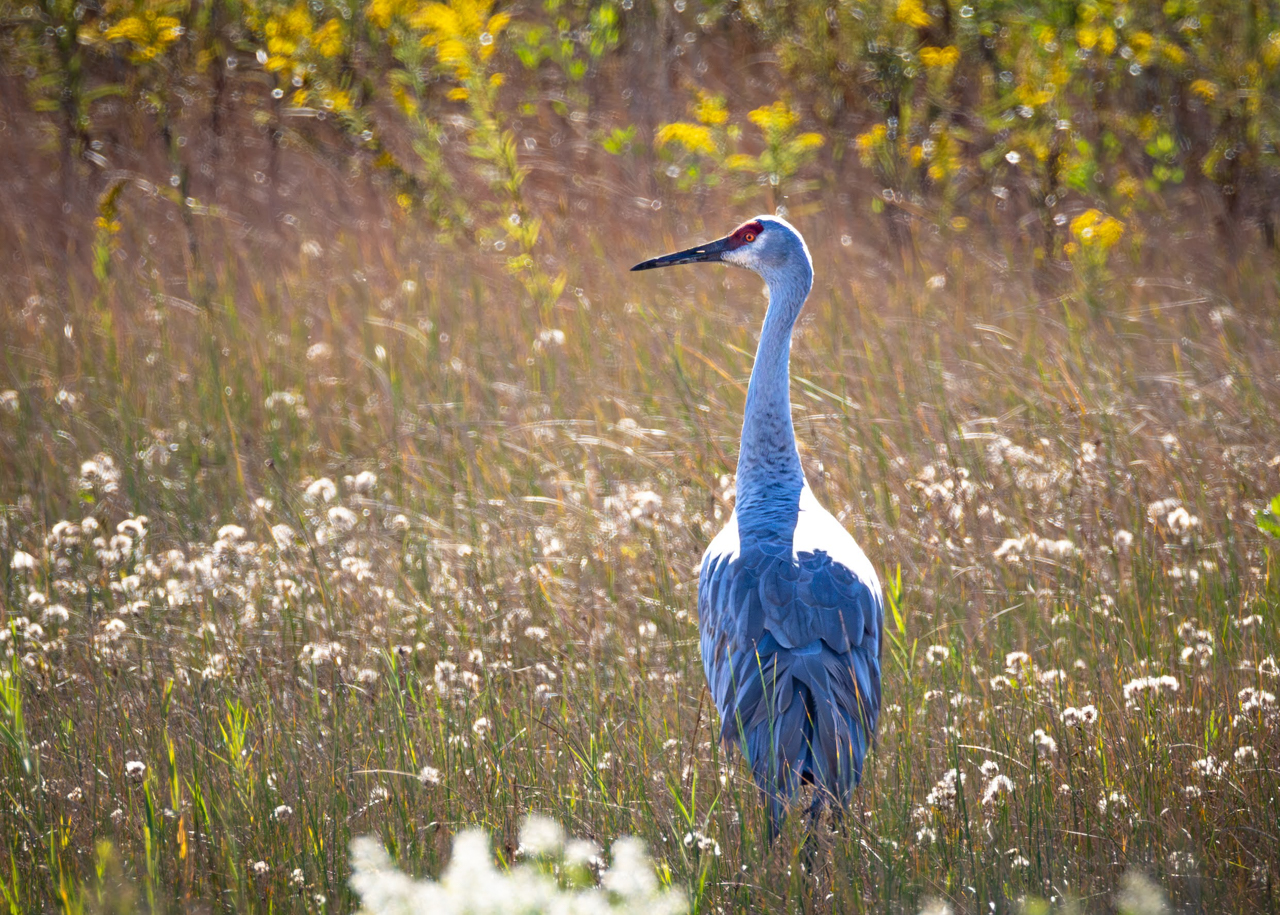
Sandhill Crane © Rudy Garns
Once we were finished birding at Bombay Hook, we returned to Philadelphia where we enjoyed one last dinner as a group before going our separate ways the following morning, satisfied with a bird-packed adventure in good company.
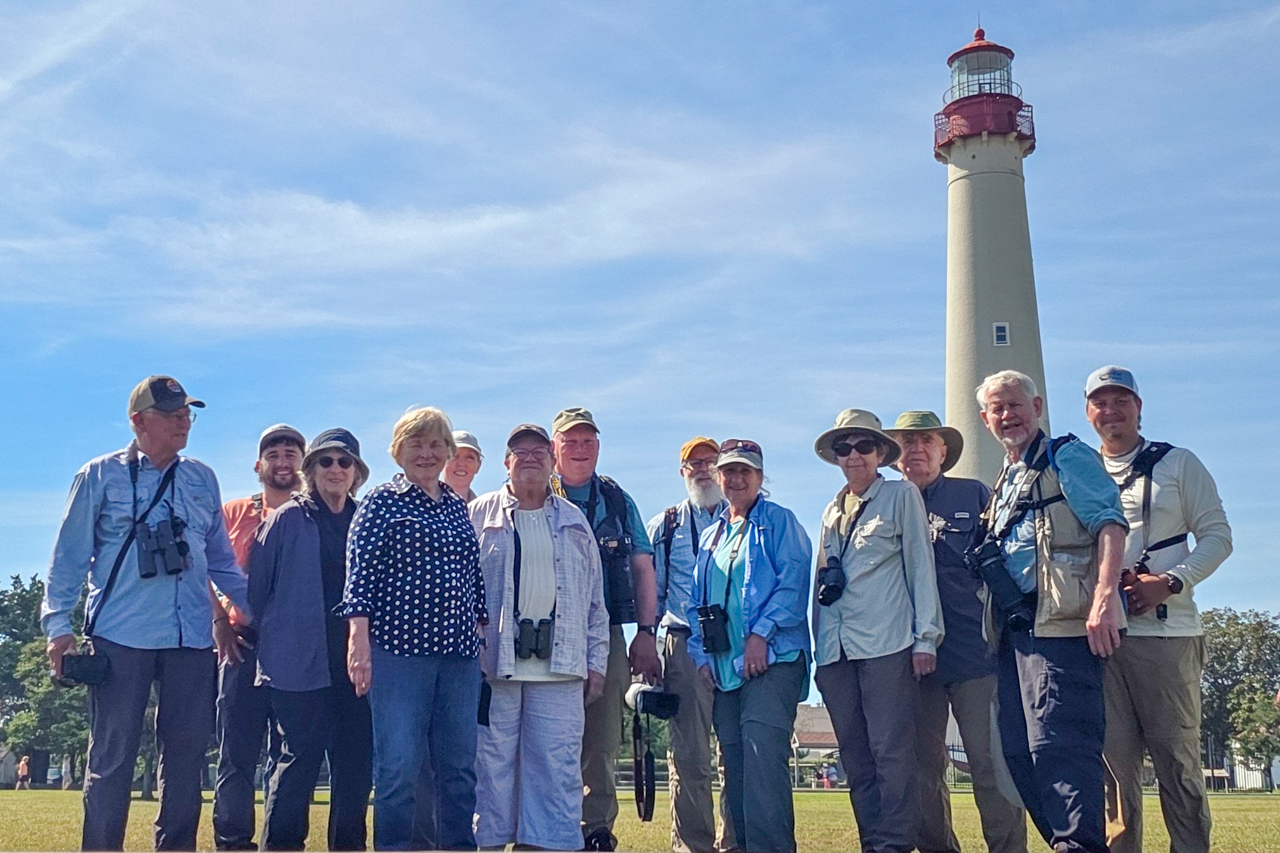
Our group © Josh Gant


Leave a Reply