Florida
Highlights
Highlights
- Explore South Florida’s pine flatwoods and scrub, home to distinctive woodpeckers, nuthatches, sparrows and jays.
- Experience the Everglades and South Florida wetlands, with an abundance of herons, egrets, ibises, spoonbills and raptors.
- Bird the tropical Florida Keys, searching for pigeons, warblers and other subtropical specialties and watching for unexpected Caribbean visitors.
- Visit spectacular Dry Tortugas National Park, where huge colonies of terns and noddies gather alongside boobies and frigatebirds.
Map
Map
Overview
Tour Overview
Winter is a wonderful time to explore the subtropical landscapes of South Florida. On our Florida birding tour, we experience an extraordinary variety of habitats, from pine flatwoods, freshwater marshes and cypress swamps to mangrove forests, tropical hardwood hammocks and the turquoise waters of the Florida Keys.
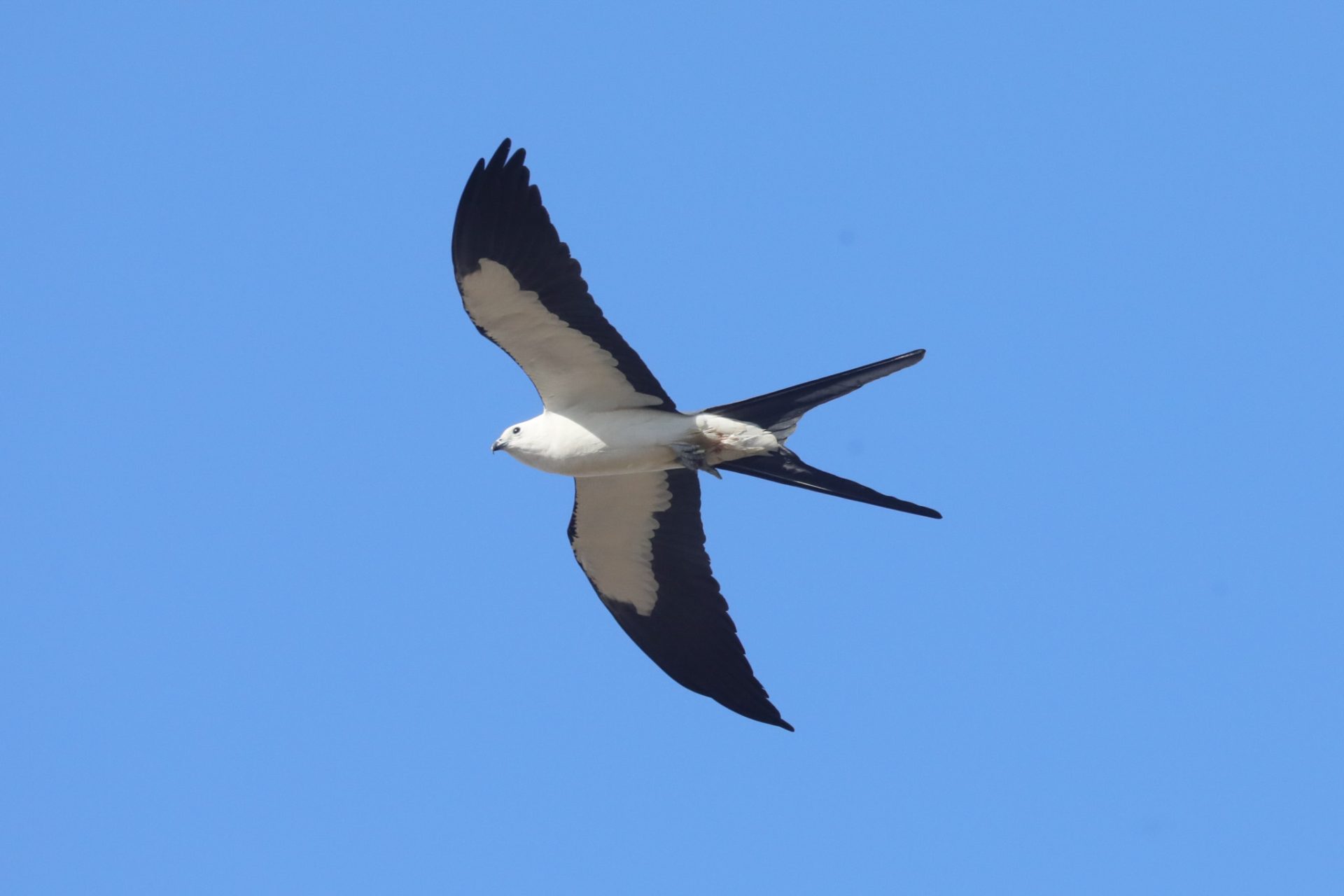
We visit some of Florida’s most celebrated birding locations, including Ding Darling National Wildlife Refuge, Babcock-Webb Wildlife Management Area and Everglades National Park. Along the way, we search for many of the region’s signature birds, including Florida Scrub-Jay, Red-cockaded Woodpecker, Bachman’s Sparrow, Brown-headed Nuthatch, Burrowing Owl, Snail Kite, Short-tailed Hawk, Swallow-tailed Kite, Painted Bunting and White-crowned Pigeon, alongside an impressive diversity of wading birds and waterfowl.
A highlight is our day trip to Dry Tortugas National Park, where thousands of Sooty Terns and Brown Noddies gather at their breeding colony and Magnificent Frigatebirds and Masked Boobies add to the spectacle. We finish in Miami, where an unusual assortment of established exotic birds—including parrots, parakeets, Red-whiskered Bulbul and Spot-breasted Oriole—adds another dimension to the birding. And in South Florida, there is always the possibility that an unexpected Caribbean visitor or other rarity will add a surprise to our adventure.
Dates & Prices
Dates & Prices
We strongly encourage bookings before Dec. 15th to ensure a spot on the Dry Tortugas boat tour.
What's Included
Tour Price Includes
- All accommodation (Good, comfortable)
- All meals and soft drinks
- Ground transportation (15-passenger vans)
- One EET guide with 4 - 8 participants, 2 guides with 9 - 12 participants in 2 vehicles
- Full-day boat ride to Dry Tortugas
- All park, conservation and entrance fees
Tour Price Does Not Include
- Flights to and from start/ end location
- Travel Insurance
- Alcoholic beverages
- Items of a personal nature
Gallery
Gallery






Itinerary
Itinerary
Day 1: Arrival - Fort Myers
Our Florida birding tour begins in Fort Myers. We will meet in the hotel lobby at 6:30 p.m. before heading out for a welcome dinner, where we’ll get to know one another and discuss the birding adventure ahead. Night in Fort Myers.

Day 2: Ding Darling NWR & Fort Myers Area
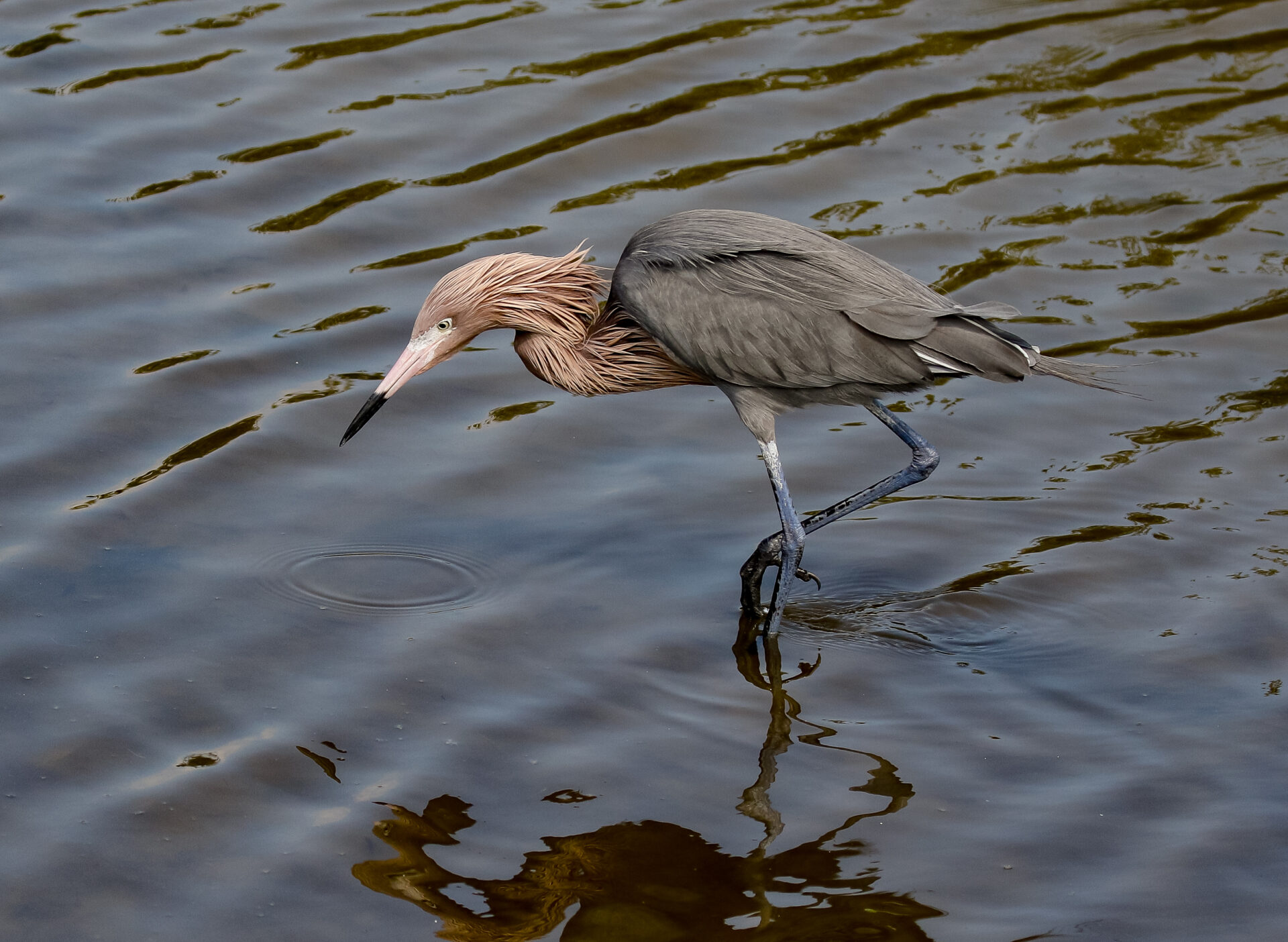
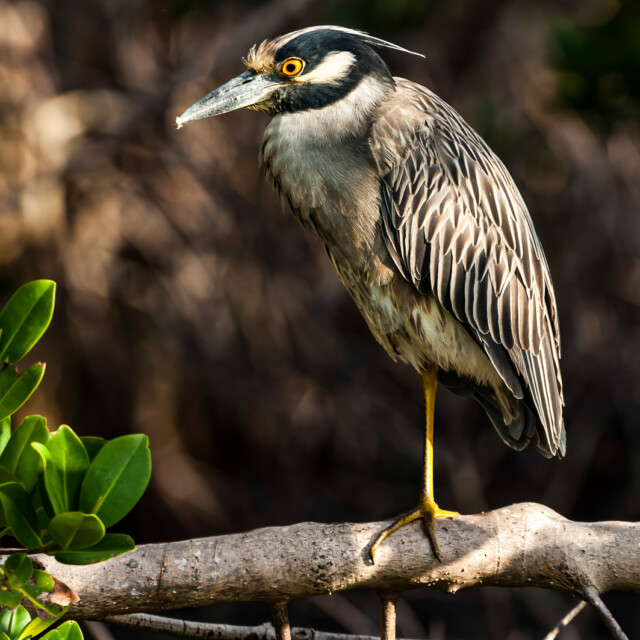
Our first full day of birding takes us to the world-renowned J. N. “Ding” Darling National Wildlife Refuge on Sanibel Island. Its extensive mangroves, tidal flats and wetlands support an impressive variety of wading birds, shorebirds and waterfowl. We’ll search for southern Florida specialties such as Reddish Egret, Roseate Spoonbill and Yellow-crowned Night-Heron, along with Wood Stork, American White Pelican and other wetland birds. Short-tailed Hawk and Bald Eagle are also possible overhead.
Later, we explore additional birding sites around the Fort Myers and Cape Coral area. One of our main targets will be the diminutive Burrowing Owl, which makes its home in some of Cape Coral’s open spaces. We’ll also look for Monk Parakeet, Loggerhead Shrike and a variety of other resident birds before finishing our first bird-filled day. Night in Fort Myers.
Day 3: Babcock-Webb WMA & Florida Scrub
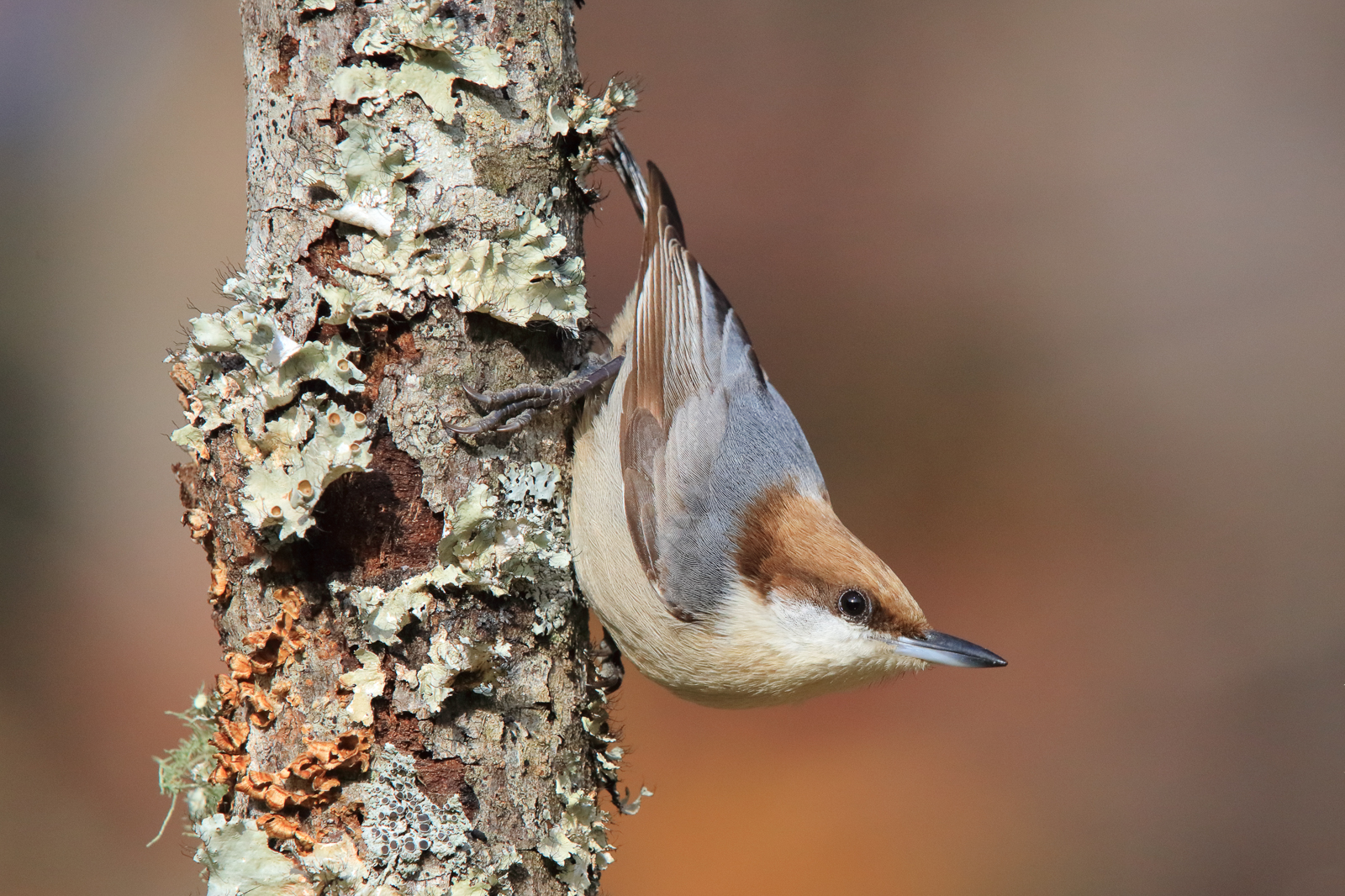
We begin the morning at Babcock-Webb Wildlife Management Area, an extensive landscape of pine flatwoods, prairie and wetlands. Our primary targets are three characteristic pinewoods birds: Red-cockaded Woodpecker, Brown-headed Nuthatch and Bachman’s Sparrow. Eastern Towhee, Brown Thrasher, Eastern Bluebird and Eastern Meadowlark are among the other possibilities.
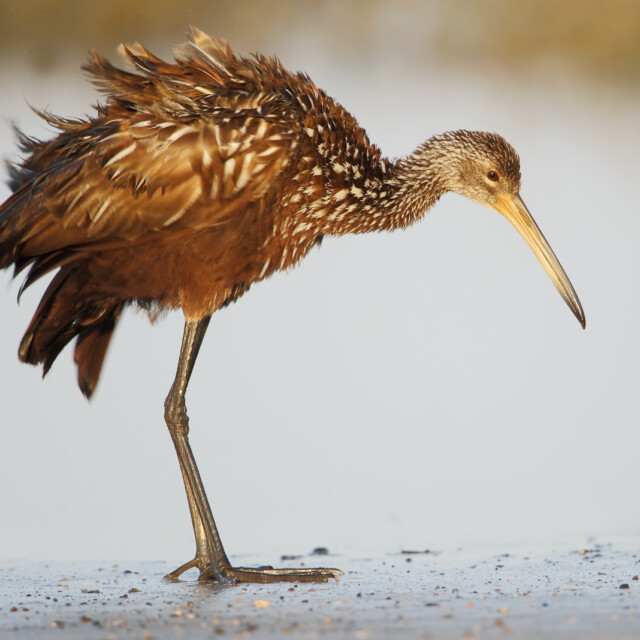
In the afternoon, we visit nearby scrub habitat in search of Florida Scrub-Jay, Florida’s only endemic bird species. We then finish the day at a local marsh, where we’ll search for Snail Kite, Limpkin, Sandhill Crane, Mottled Duck, gallinules and other wetland birds. Night in Fort Myers.

Day 4: Corkscrew Swamp & Big Cypress
This morning we visit Audubon’s Corkscrew Swamp Sanctuary, where a boardwalk winds through magnificent cypress forest, marsh and other subtropical habitats. Feeders near the visitor centre can attract colourful Painted and Indigo Buntings and Common Ground-Doves, while the surrounding forest supports Limpkin, Tufted Titmouse and an assortment of wintering and early migrant warblers.
In the afternoon, we begin our journey across southern Florida toward Homestead, travelling through the Big Cypress region and making birding stops along the way. We’ll watch the roadsides and wetlands for Crested Caracara, herons, egrets and raptors, with possibilities including Snail Kite and the spectacular Swallow-tailed Kite. Night in Homestead/Florida City area.
Day 5: Everglades
Today we explore the wetlands and tropical habitats of southern Florida, beginning around Lucky Hammock before venturing into Everglades National Park and Marjory Stoneman Douglas’s famous “River of Grass.” Our route takes us through a remarkable variety of habitats, from freshwater marshes and tropical hardwood hammocks to mangroves and the coastal wetlands around Flamingo.
The Everglades support an impressive diversity of birds, and we’ll search for Purple Gallinule, Anhinga, Mottled Duck, Wood Stork, Roseate Spoonbill, Barred Owl and Short-tailed Hawk. Swallow-tailed Kite is another exciting possibility, while less predictable species such as White-tailed Kite and Shiny Cowbird may also occur.
There is plenty of other wildlife to watch for as well, including American Alligator, American Crocodile and West Indian Manatee. An optional evening outing may provide an opportunity to search for owls and nightjars. Night in Homestead/Florida City area.

Day 6: Florida Keys
Today we make our way south through the Florida Keys, birding at a variety of sites along the way. In Key Largo, we explore tropical hardwood habitat where White-crowned Pigeon is one of our primary targets. We’ll also look for White-eyed Vireo, Painted Bunting and other resident and wintering birds, while keeping watch overhead for Short-tailed Hawk.
Continuing through the Keys, we stop on Big Pine Key to search for the diminutive Key Deer, a subspecies of White-tailed Deer found only in the Florida Keys. Coastal habitats farther south offer opportunities for shorebirds, gulls and terns, as well as the distinctive white form of Great Blue Heron, commonly known as “Great White Heron.” Night in Key West.

Day 7: Dry Tortugas
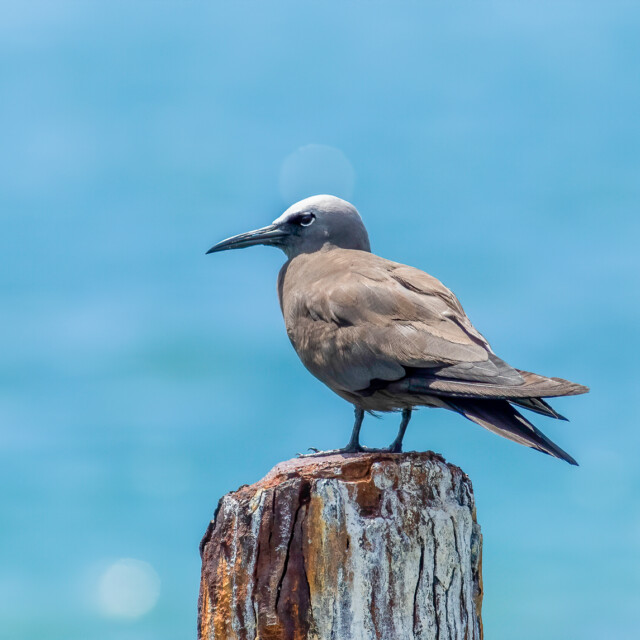
Today is sure to be one of the highlights of the tour as we take the ferry across the Gulf of Mexico to spectacular Dry Tortugas National Park. The isolated islands support one of North America’s great seabird colonies, and at this time of year thousands of Sooty Terns and Brown Noddies gather to breed. Magnificent Frigatebirds are another highlight, and we’ll watch for Masked Boobies nesting on nearby keys.
March also marks the beginning of northbound migration through the region, and the islands can attract migrant songbirds and occasional Caribbean rarities. There is always the possibility of a surprise — our 2026 tour was fortunate to encounter rare Black Noddies among the much more numerous Brown Noddies.
There may also be time to explore historic Fort Jefferson, or opportunities for swimming or snorkelling for those who wish. We return to Key West in the late afternoon. Night in Key West.
Day 8: Key West & Florida Keys
We spend the morning exploring some of Key West’s best birding locations, including Fort Zachary Taylor Historic State Park. The combination of coastal habitat and tropical vegetation can produce shorebirds, seabirds, warblers and other passerines, while the area's position at the southern tip of Florida makes it well known for attracting unusual visitors.
Depending on conditions and recent sightings, we may visit additional parks and gardens around Key West in search of migrant and resident birds. The Keys are particularly exciting because Caribbean vagrants can appear unexpectedly; past visitors to the region have included Western Spindalis, Black-faced Grassquit, Cuban Pewee and Red-legged Thrush. After our morning of birding, we begin the drive north to Miami. Night in Miami.

Day 9: Miami Area
Our final full day introduces us to a very different side of Florida birding. Miami’s parks, wetlands and neighbourhoods support an unusual mixture of native birds and established exotic species. We’ll search for birds such as Spot-breasted Oriole, Red-whiskered Bulbul and Scaly-breasted Munia before exploring additional habitats for waterbirds and other South Florida specialties.
Other possibilities include Gray-headed Swamphen, Egyptian Goose and Indian Peafowl, while Miami’s remarkable assortment of established parrots and parakeets provides a colourful finale. We’ll keep track of recent sightings throughout the day as well, allowing us to pursue any unusual birds that may have appeared in the area. We finish with a farewell dinner and a chance to celebrate the highlights of our Florida adventure. Night in Miami.

Day 10: Departure - Miami
Our Florida birding tour concludes today in Miami. You can depart at any time for your flights home.
What to Expect
What to Expect
Overview
The Florida tour is a relatively fast paced birding tour. You can expect early mornings and long days in the field, followed by a restful evening and early nights.
Food
We often go birding right after (or sometimes before) breakfast and take a picnic lunch in the field, but will occasionally stop at a restaurant for lunch. We will spend the whole day birding. Most days we return in the late afternoon to our accommodations, and in the evening we arrange to go to a local restaurant. After dinner will be personal time at the hotel. Each evening after dinner we compile the day’s checklist, review the day’s activities, birds, mammals and other observations, and plan the next day’s activities.
Accommodation
Generally we stay in comfortable hotel rooms in locations close to where we want to go birding.
Walking
The walking on this tour is easy to moderate. Most birding locations involve just short forays away from the van, but there will be some longer days including going to Oscar Scherer and Corkscrew Swamp, which are just under 5km (3 miles) in length. Participants must be able to walk slowly for up to three hours in warm weather. The topography of southern Florida is quite flat, and most trails are well groomed, paved or boardwalks.
Driving
Driving distances vary from short on some days to moderate on others, and we make frequent stops during each day’s travel.
Climate
The climate of this region is generally mild to seasonably warm with average February temperatures ranging from 25°C (76° F) during the day to 16° C (60°F) at night. Temperatures will be higher from Miami southwards.
There is generally little rain at this time of year but humidity is high. The sun can be intense, so sunscreen and a brimmed hat are advised. Mosquitoes and small biting flies can be a nuisance, but are usually not severe in this region; insect repellent is recommended as a precaution. Chiggers and ticks are present; we will avoid walking in tall grass where possible.
Boat Trips
Our Florida birding tour includes a boat trip out to the Dry Tortugas; motion sickness on boat trips can be an issue, although the size of the boat minimizes the problem. It may be quite cool on the water, so layered clothing underneath a waterproof windbreaker would be desirable. Boat trips are rarely cancelled due to weather, however, if this occurs, we will bird alternative locations.
You will have the option to go snorkeling in the Dry Tortugas. Standard snorkeling equipment is included, but you will want to bring your prescription mask if you require one.
Frequently Asked Questions
Land Tours FAQs
Whether you’re a seasoned birder or new enthusiast, these FAQs cover important details about our tours, including schedules, fitness requirements, group dynamics and more.
Featured Wildlife
Featured Wildlife
While we cannot guarantee sightings of the birds or mammals listed below, we believe that encountering these species is quite likely during this tour.
- Florida Scrub-Jay
- Red-cockaded Woodpecker
- Brown-headed Nuthatch
- Bachman’s Sparrow
- Snail Kite
- Short-tailed Hawk
- Swallow-tailed Kite
- Burrowing Owl
- White-crowned Pigeon
- Painted Bunting
- Reddish Egret
- Roseate Spoonbill
- Sooty Tern
- Brown Noddy
- Masked Booby
- Magnificent Frigatebird
- Key Deer
Past Tour Checklists
Past Tour Checklists
View the list of birds and other wildlife we encountered on our past tours.