Florida Trip Report (Mar 6 – Mar 15, 2026)
Our first full day of birding in Fort Myers was very eventful. We began the day at J. N. Ding Darling NWR. This 6000+ acre plot of undeveloped Mangrove swamp is part of the largest undeveloped mangrove ecosystems in the entire country. It is known for its amazing migration, 4-mile wildlife drive, and year-round Florida charm. The species diversity at that location was amazing! We ended the trip around with 47 species, including some early targets like reddish egret, Florida Boat-tailed Grackles, and American White Pelican. We spent the rest of the day driving around some of the local areas hunting for local specialties. We saw our first Short-tailed Hawk, a light morph, while eating lunch at a small park and then while driving saw another target, Burrowing Owl, fly right across the road in front of the car! We all filed out for the obligatory shot of this cute little fellow hanging out right on the side of the road.
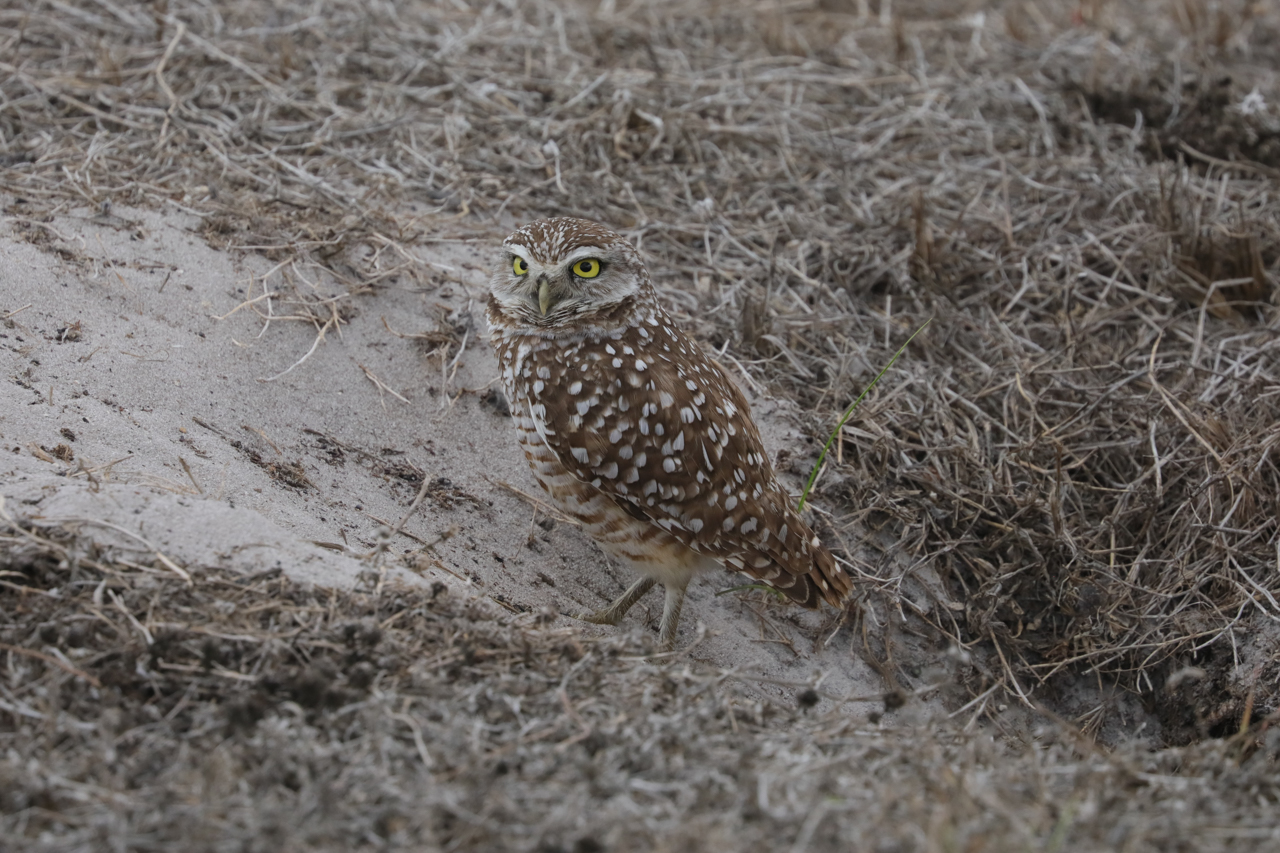
Burrowing Owl © Josh Gant
The local baseball fields at Pelican Boulevard were next. These fields are well known for their Burrowing Owl presence as well as their Monk Parakeets and Loggerhead Shrikes and they certainly did not disappoint. The group ended the day on the Glover Bight Trail where we had our second Short-tailed Hawk, this time a dark morph, flying over the boardwalk.
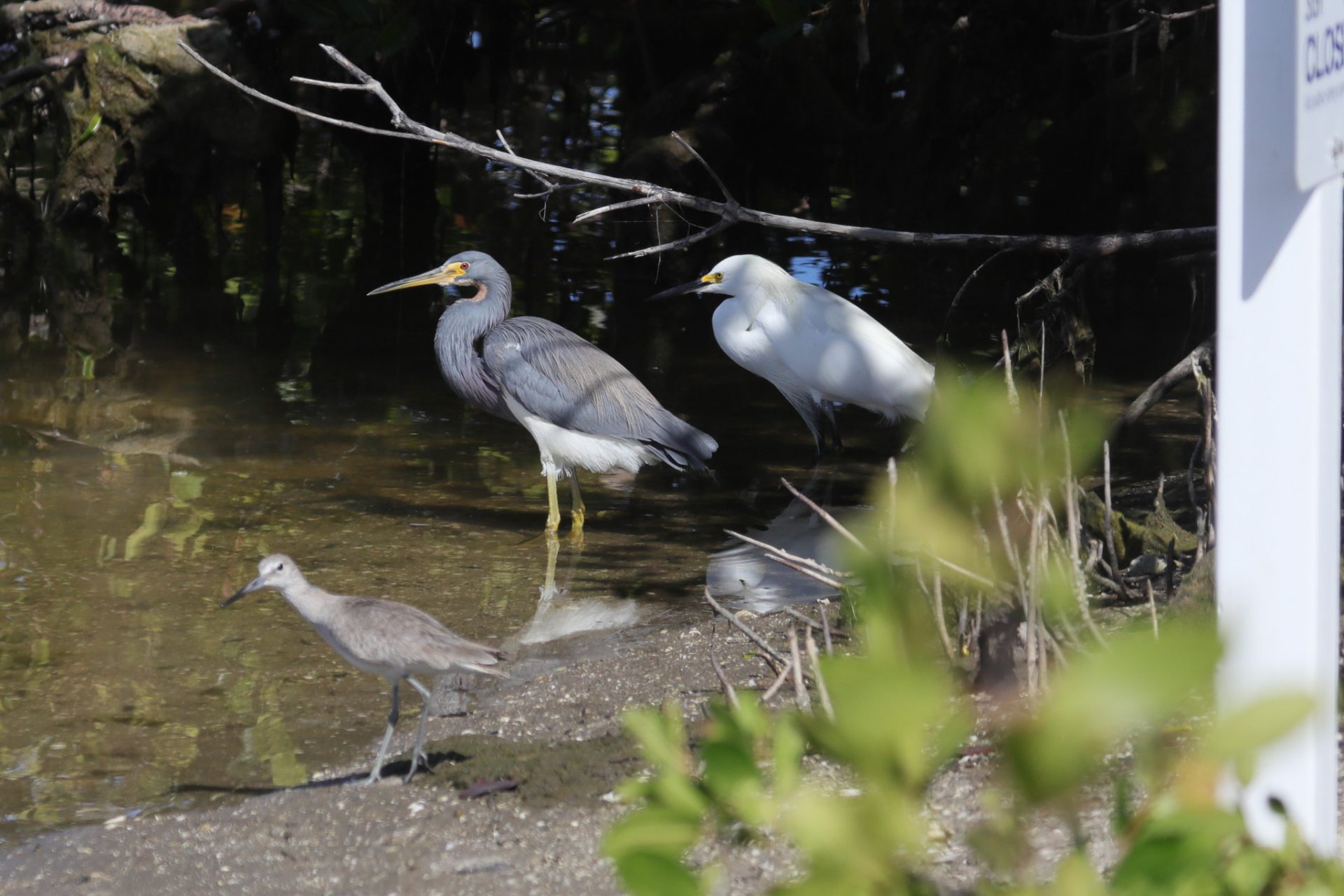
Willet, Tricolored Heron and Little Blue Heron © Josh Gant
We started bright and early the next day and drove to nearby Babcock WMA for some pine flatwoods specialties. After finding our target species, Red-cockaded Woodpecker

Red-cockaded Woodpecker © Josh Gant
Then headed over to Lehigh Acres in search of the only Florida endemic bird: the Florida Scrub Jay. After a short search we came across a family group flying around the small patches of undeveloped scrubby Oak-Pine Forest.
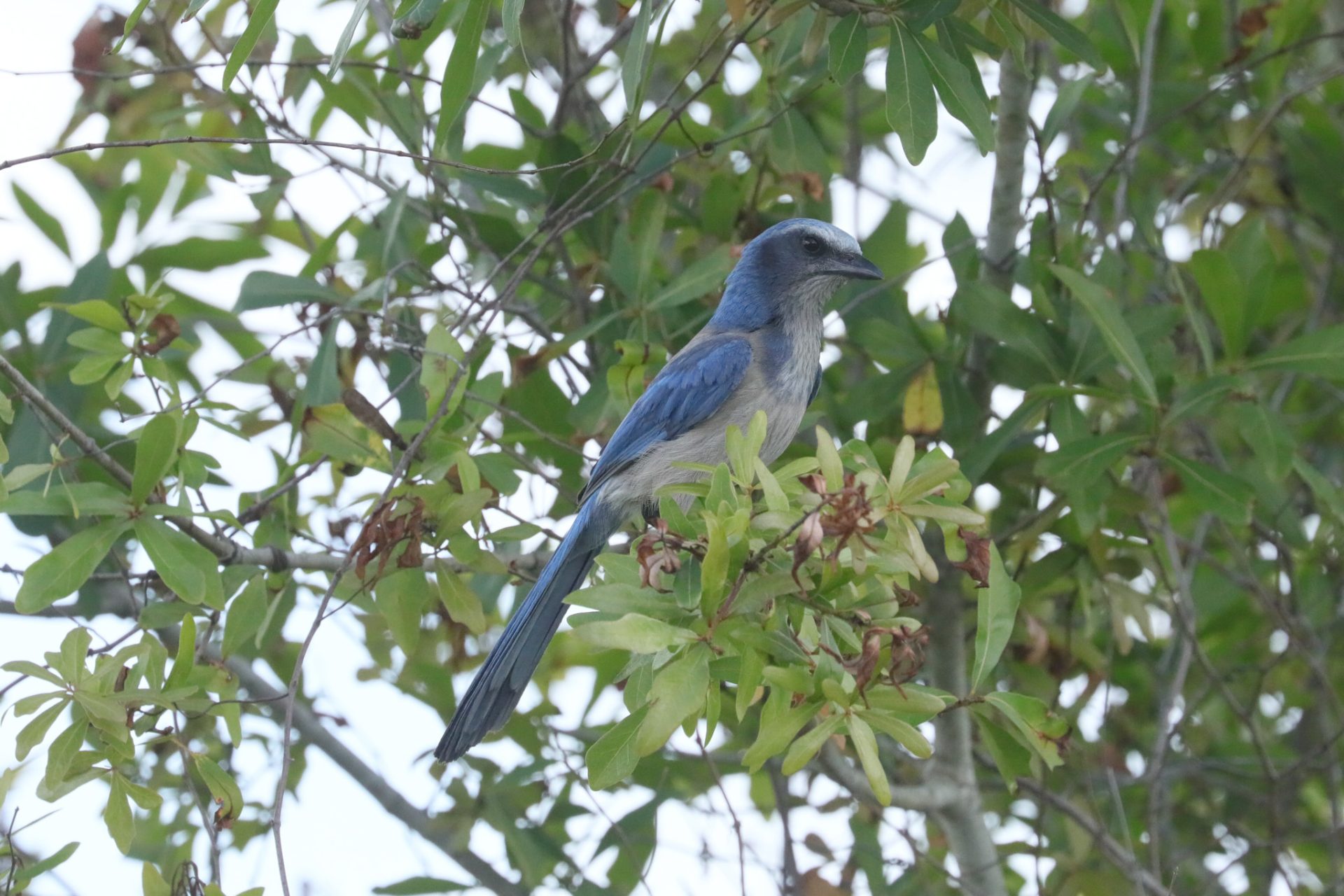
Florida Scrub Jay © Josh Gant
To end the day, we visited a local wetland, Harns Marsh, known for its Snail Kites and waterfowl. This location was an absolute hit, we had close views of Limpkin, Mottled Duck, Blue-winged Teal, and yes, a female Snail Kite did show off her beautiful colors for us. We also had the closest view of a dark morph Short-tailed Hawk of the whole trip in the parking lot juts before we left.
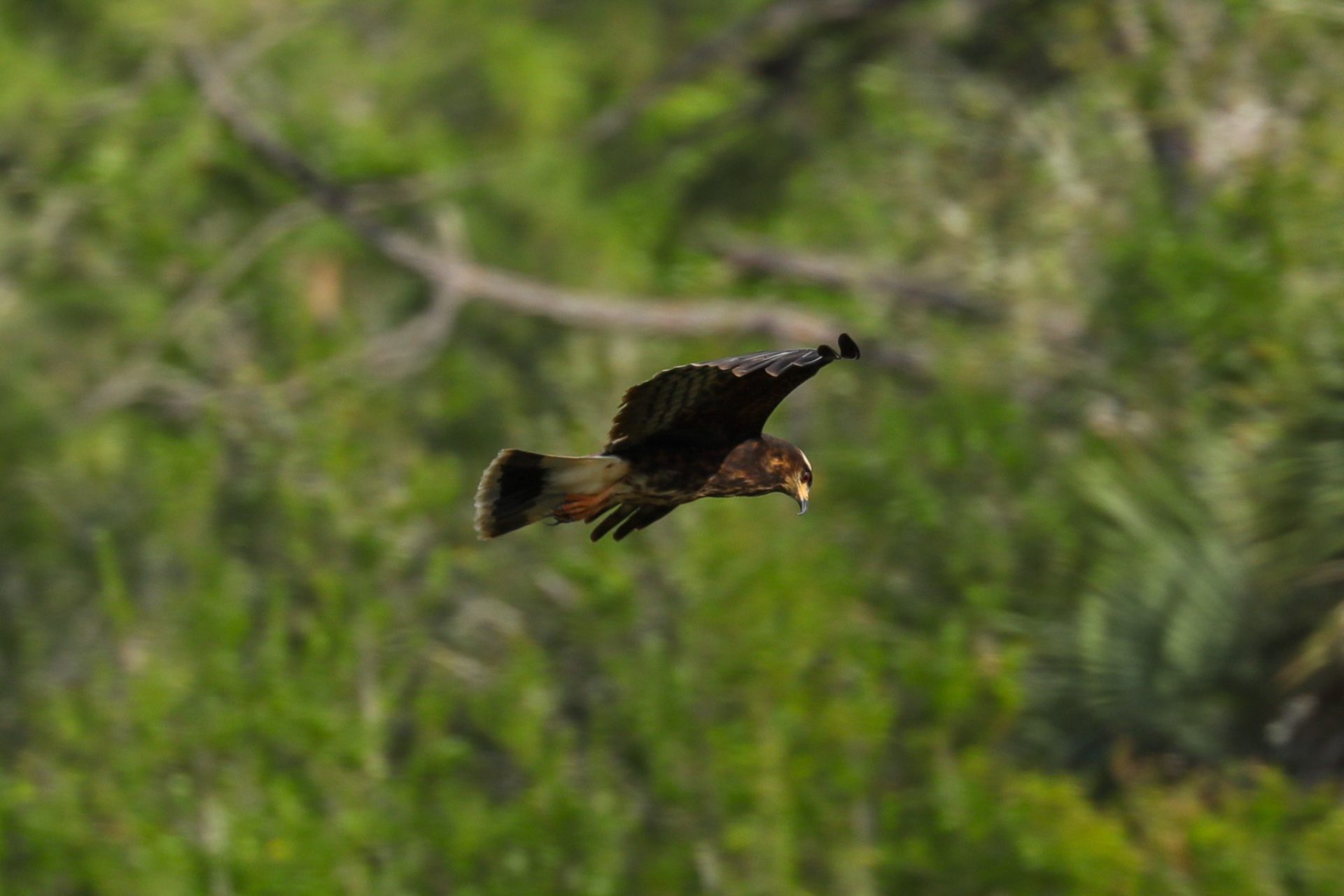
Snail Kite © Josh Gant
We started the third day early at Audubon Corkscrew Swamp Sanctuary, a protected Lowland and Upland forest maintained by the National Audubon Society. We gathered an impressive list of birds there, tallying 45 species, including the local celebrity couple, a pair of Painted Buntings. These gorgeous birds were actively coming to the feeders, along with indigo buntings and Common Ground Doves.
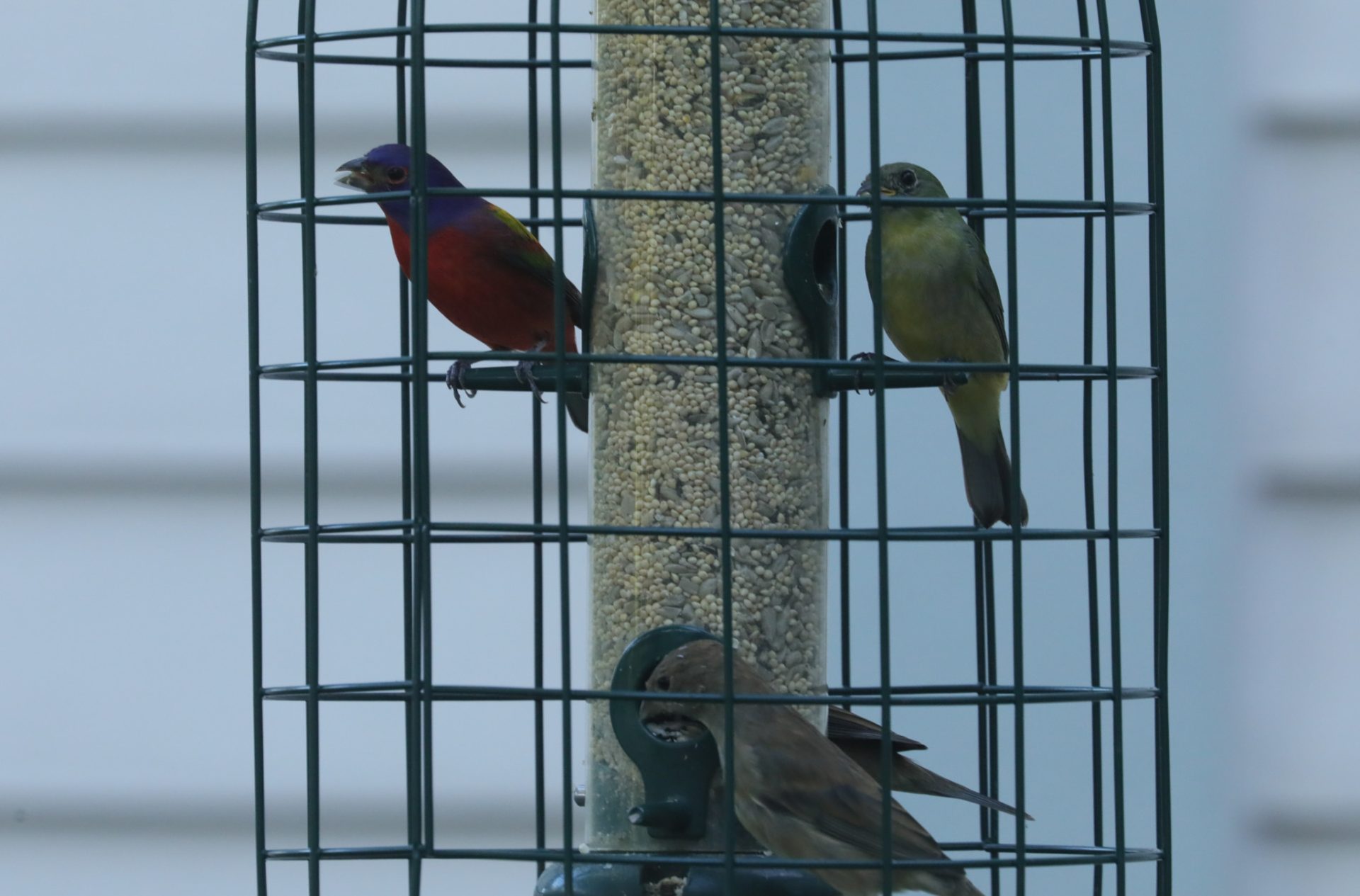
Painted Buntings © Josh Gant
Throughout the sanctuary we also saw quite a few warblers including Black-and-white Warbler, Black-throated Green Warbler, Northern Parula, and to top it off we heard a Prothonotary Warbler singing at the north end of the boardwalk. This was a shorter day of birding as we headed south to venture to the everglades the following day.
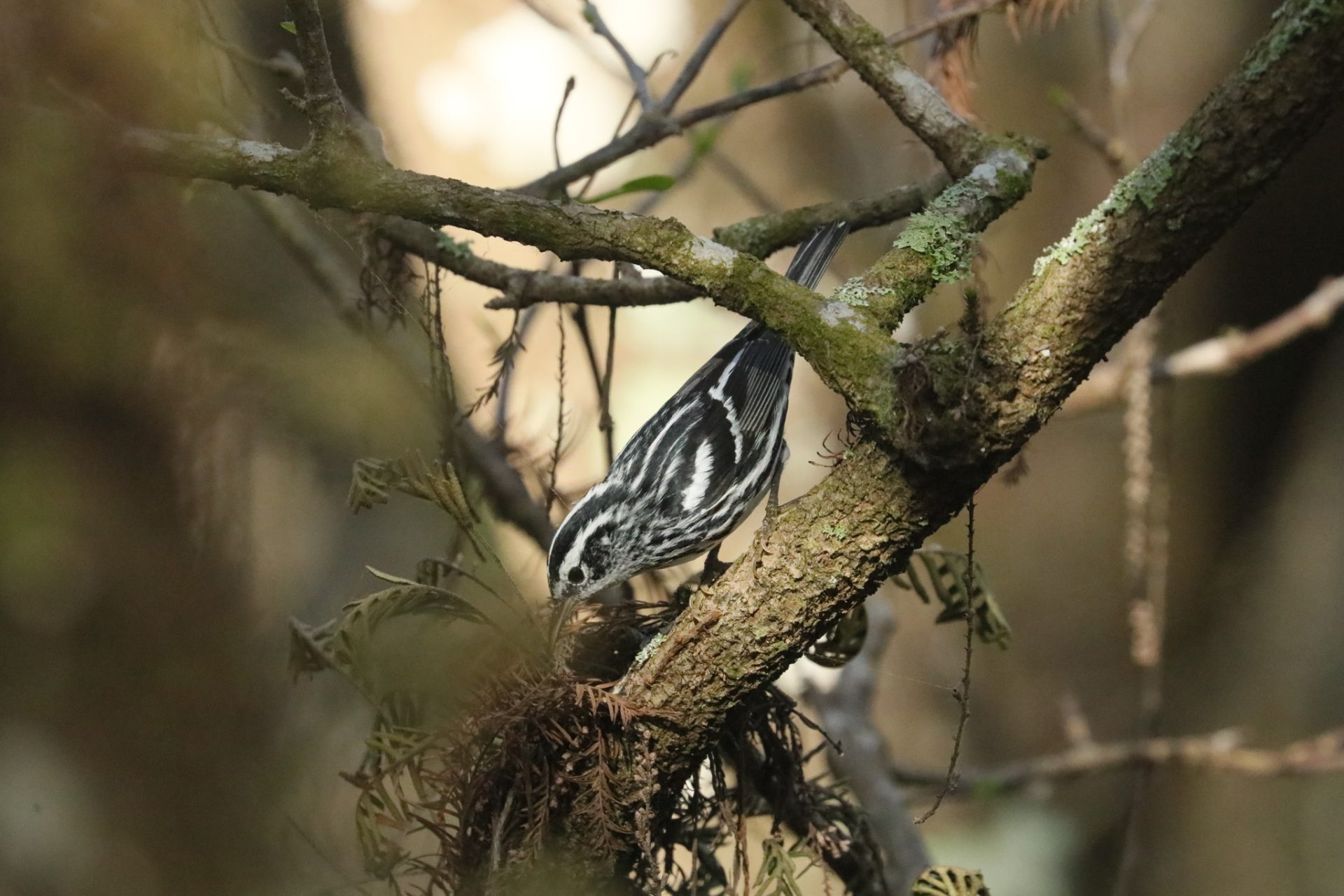
Black & White Warbler © Josh Gant
Of course, that didn’t stop us from birding the roadsides as we drove, picking up Crested Caracara on the way and Common Myna at the hotel before dinner.
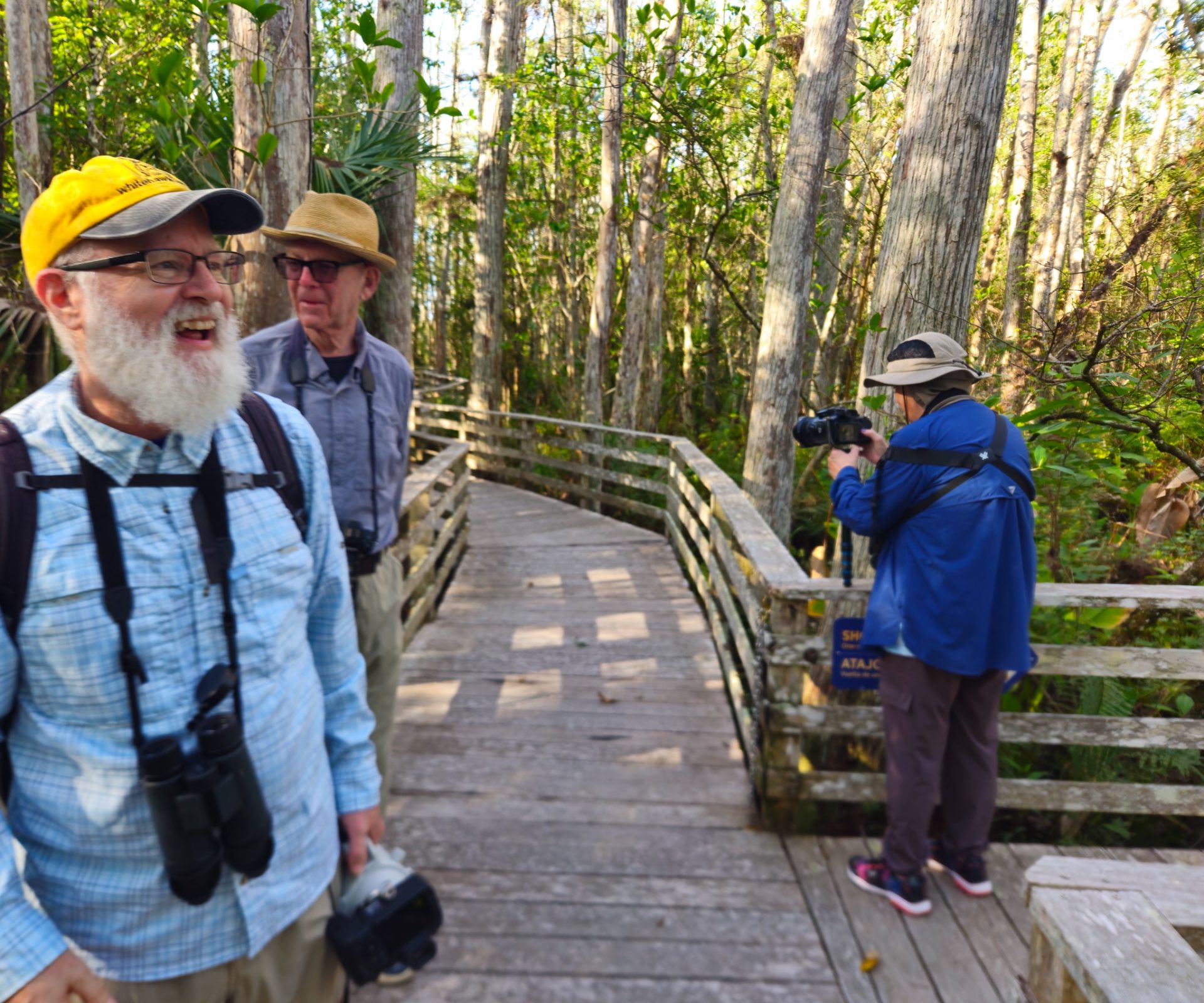
Our group Corkscrew Swamp © Josh Gant
The Everglades is an expansive ecosystem of shallow wetlands and grasses, Florida happened to be in a drought during our visit, so it was a little shallower than usual. We stopped at Lucky Hammock to see if there were any Florida specialties and were happy to find and photograph two White-Tailed Kites that put on quite a show for us.

White-Tailed Kites © Josh Gant
As we ventured further into the everglades we began to tick a few more bird species off the list. Barred Owl at Mohogany Hammock, Shiny Cowbirds at the Flamingo Campground, and a Wurdemann’s Heron at East Pond.
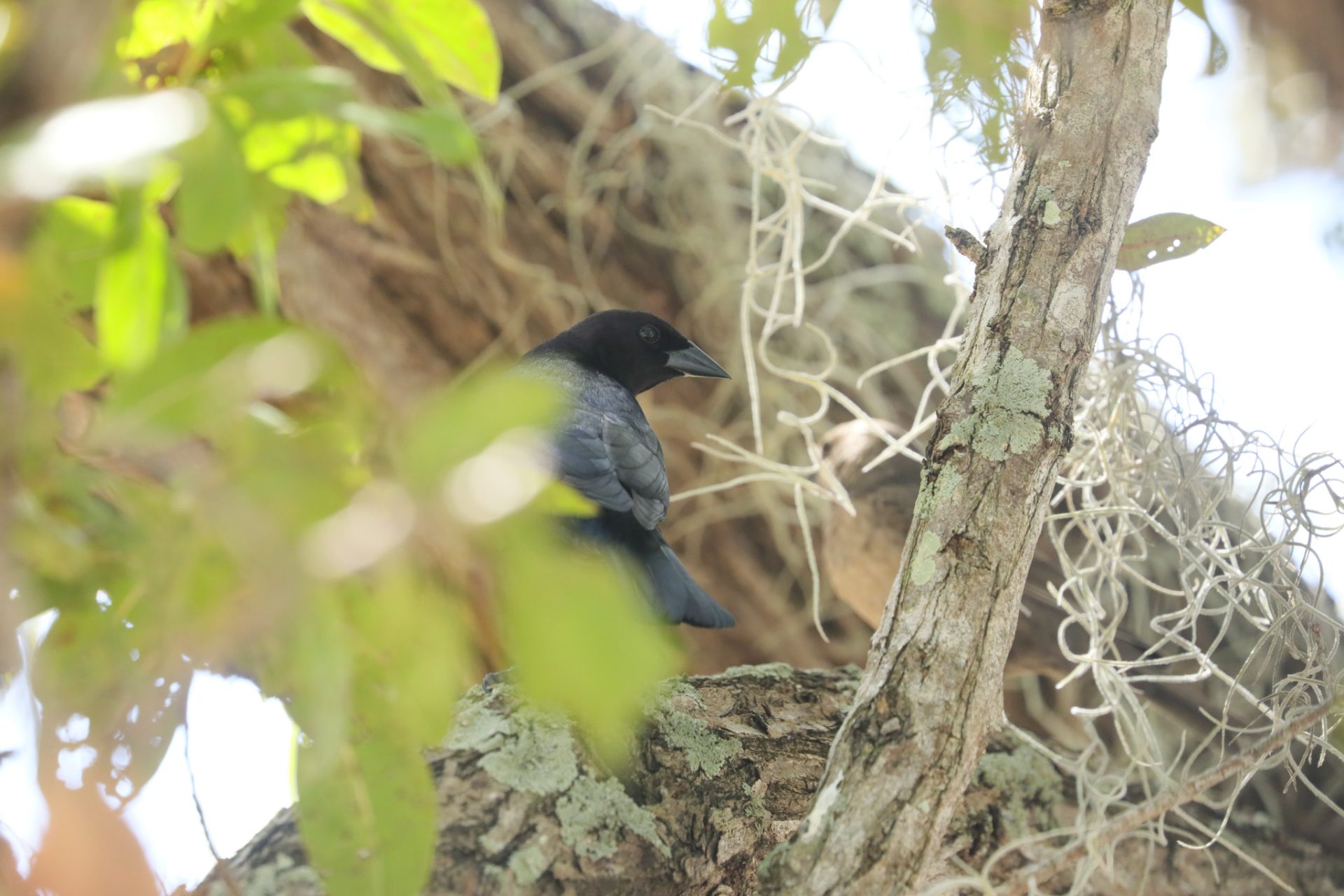
Shiny Cowbird © Josh Gant
We also had some very good views of American Wigeon, Cattle Egret, Caspian Tern, and a massive American Crocodile at Flamingo to finish the day.
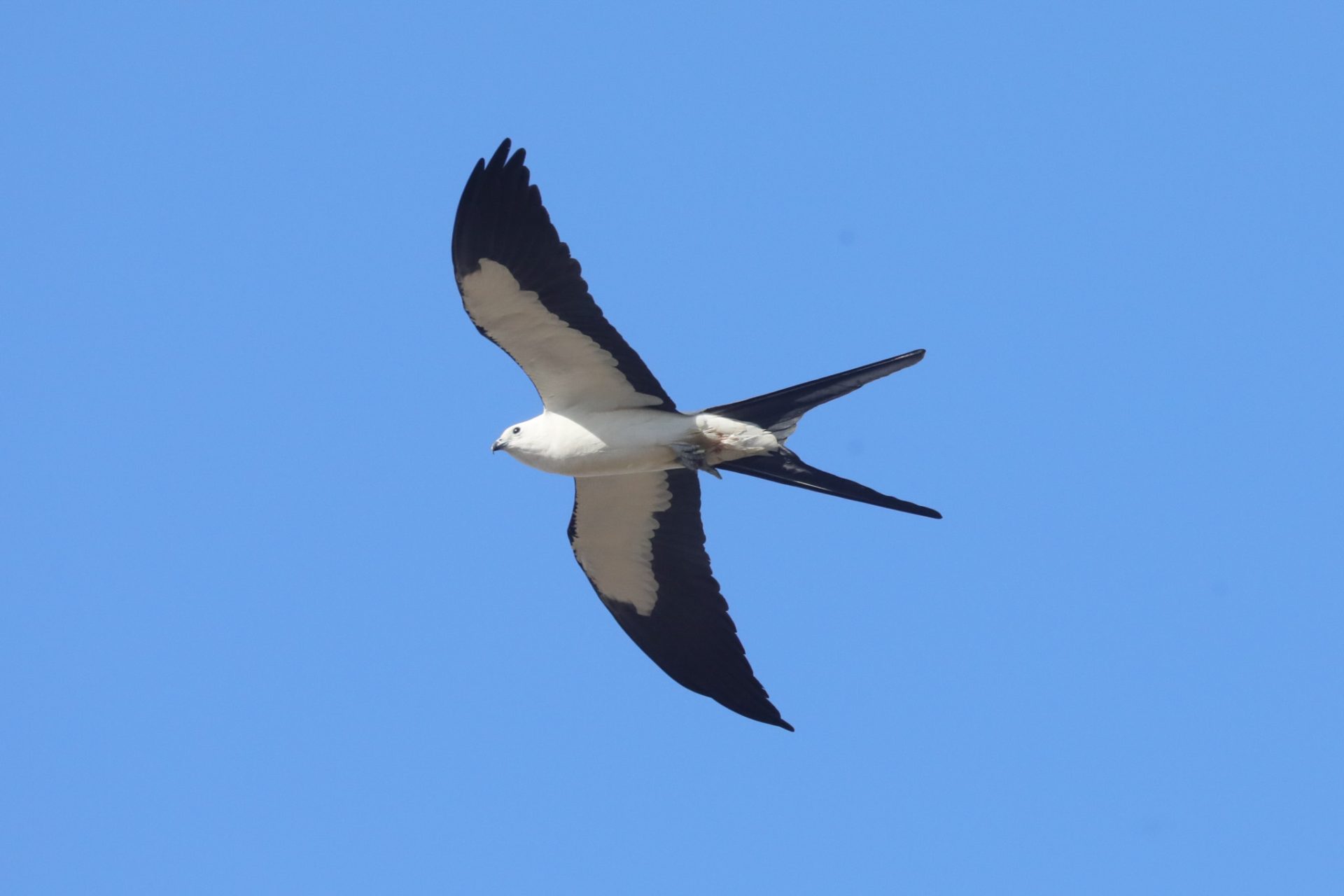
Swallow-tailed kite © Josh Gant
As we made our way down through the keys to Key West, we stopped at a few of the birding hot spots and got our first looks at another South Florida Specialties, White-Crowned Pigeon.
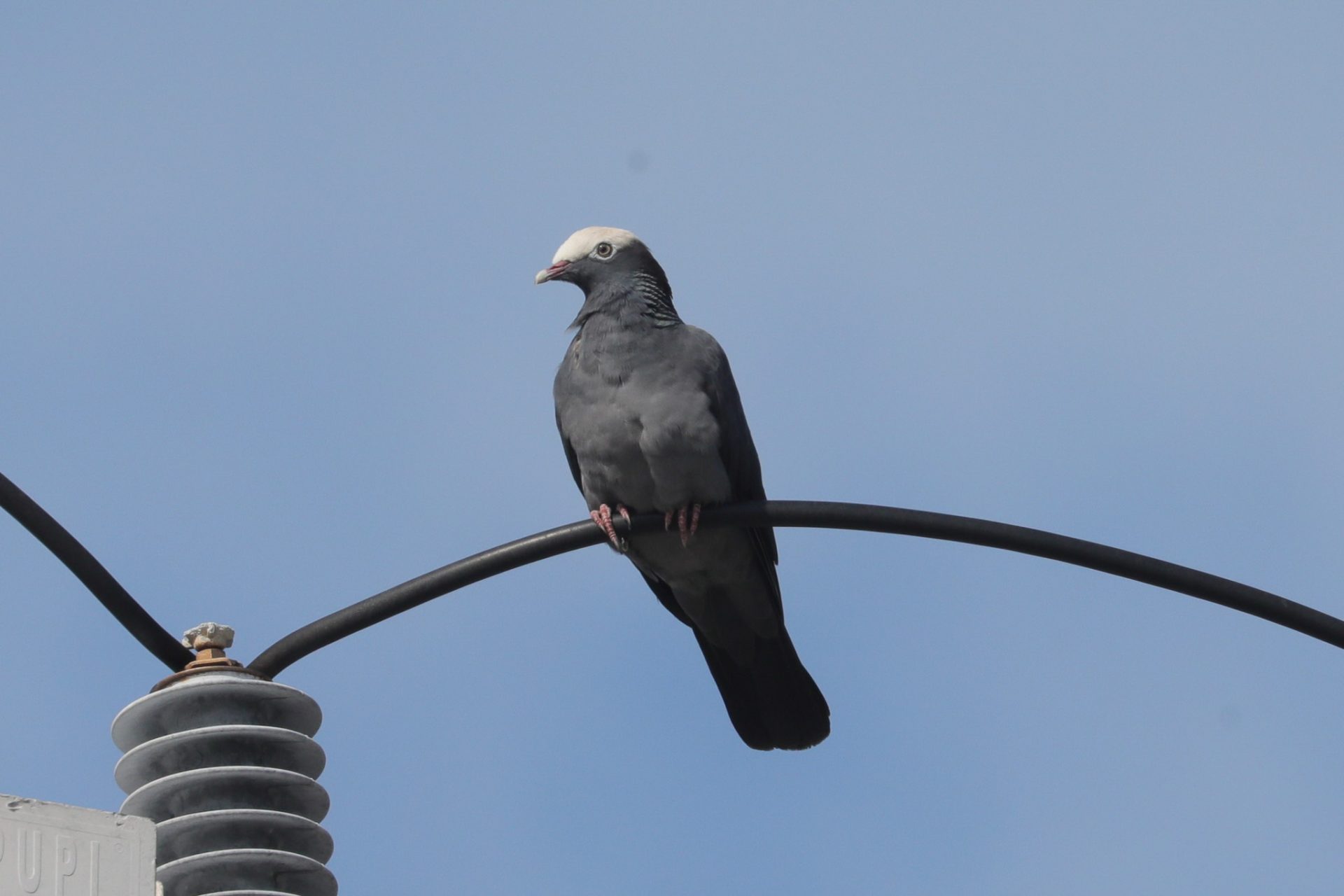
White-Crowned Pigeon © Josh Gant
We also got a few more migrant species like Yellow-throated and White-eyed Vireos. Around mid-day we got first view of the famous Chickens of Key West, or as eBird likes to report: Red Junglefowl (Domestic). We explored Key West for next two days wrangling up some new birds. We finally got to see the White Morph Great Blue Heron, commonly called the Great White Heron, and we picked up our first close view of Magnificent Frigatebird, and saw an Early Cape May Warbler and Magnolia Warbler, along with other warbler species, and a few beautiful butterflies including Florida Duskywings and Florida Hammock Skippers and the rare Atala!
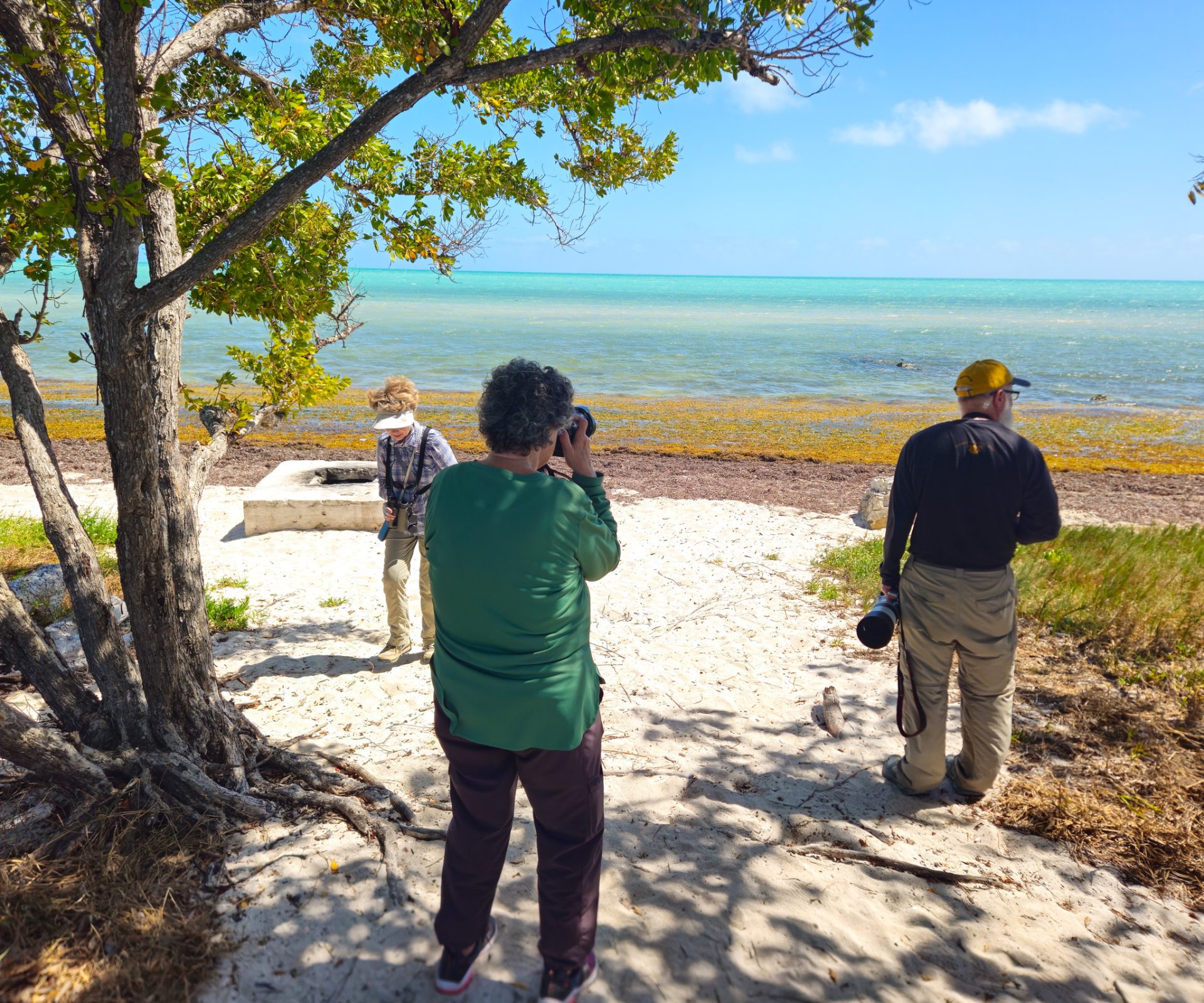
Group Photo at Boca Chica Rd © Josh Gant
Our next big adventure was upon us, the 2.5-hour ferry ride to the Dry Tortugas! The weather was beautiful and the ride was smooth. We arrived on the Tortugas and immediately began exploring the historic fort. We were greeted by thousands of Sooty Terns and Black Noddies dotting the landscape. Every inch of real-estate was taken up by the massive nesting colony.
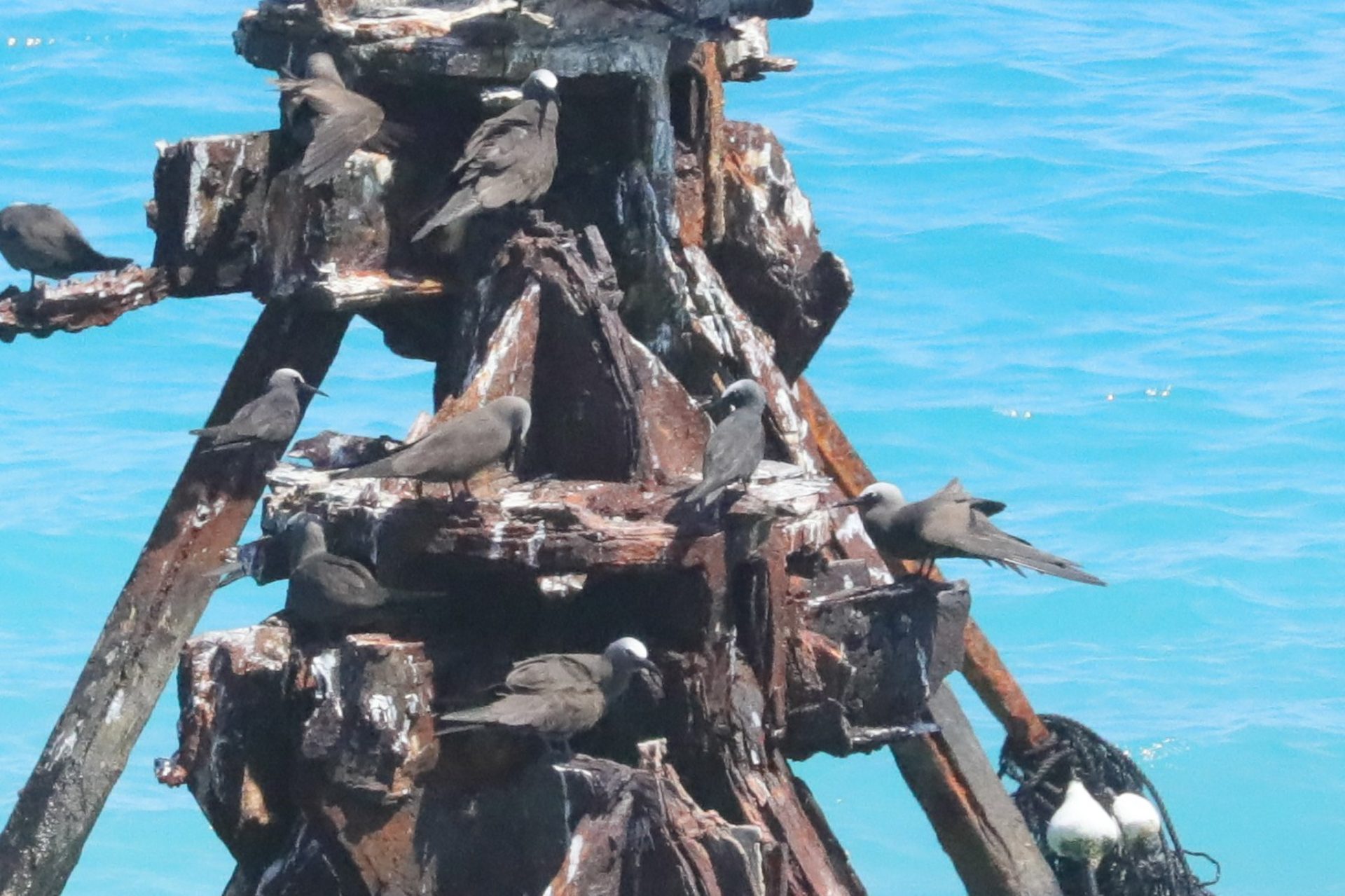
Brown and Black Noddies © Josh Gant
We started heading up to the North Coaling Docks and were greeted by a wonderful surprise, the Black Noddies had returned! We were able to get great views of these extremely rare birds perched among their cousins, the Brown Noddies, giving us great comparison views of these two similar species. The Magnificent Frigatebirds were displaying which as well was quite a sight. They inflate their red throat pouches and hold their wings out in dominance displays white perched on the shrubs around the island. On the ferry back we were also able to get close to the Masked Booby Colony on East Key, this is the only nesting colony of these birds on the United States, what an amazing day!
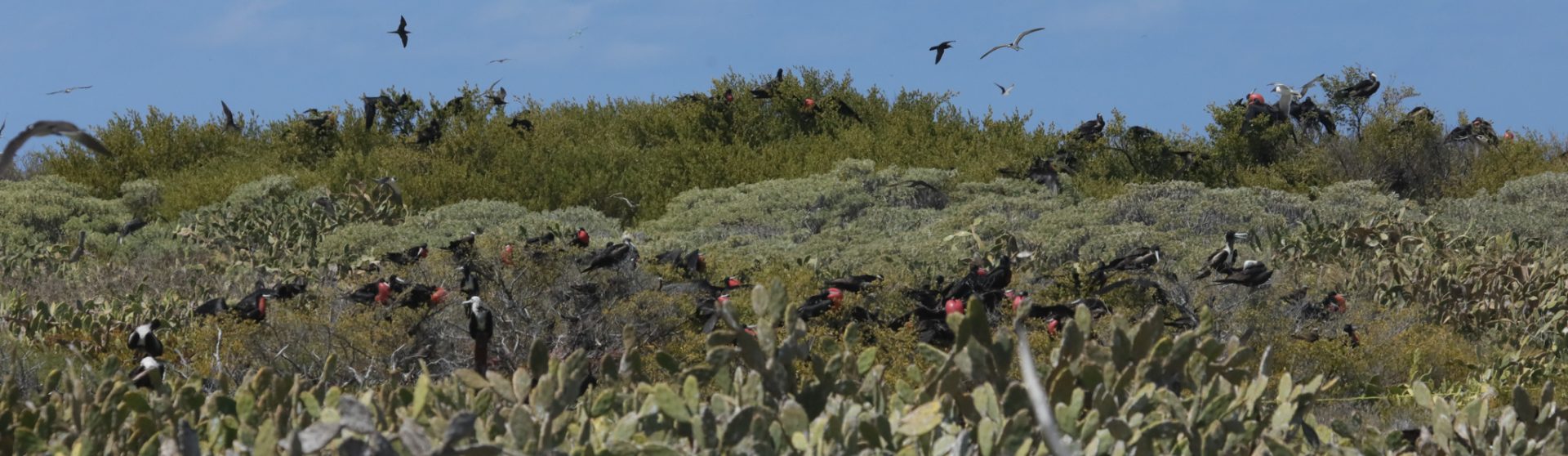
Magnificent Frigatebirds © Josh Gant

Group Photo at the Dry Tortugas © Josh Gant
With our last day in Key West behind us we made our way back towards Miami, stopping at the famous Mid-Way Café for brunch. We made it to Pinewoods Park in time to see one of our targets, the Scaly-breasted Munia, along with a displaying male Indian Peafowl. I made the call to head a little farther north and stop at one of the best photography locations in North Miami.
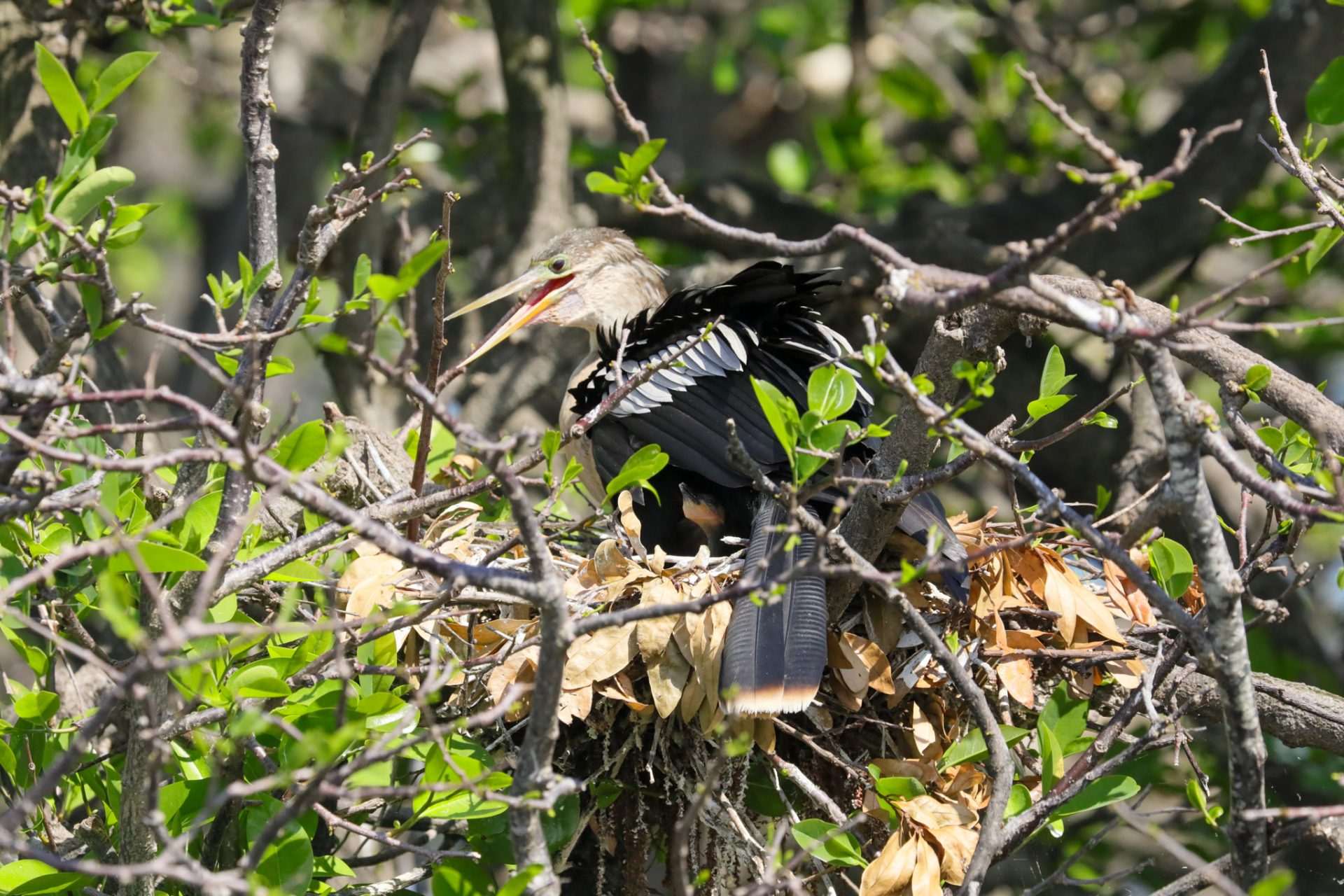
Anhinga and Chick © Josh Gant
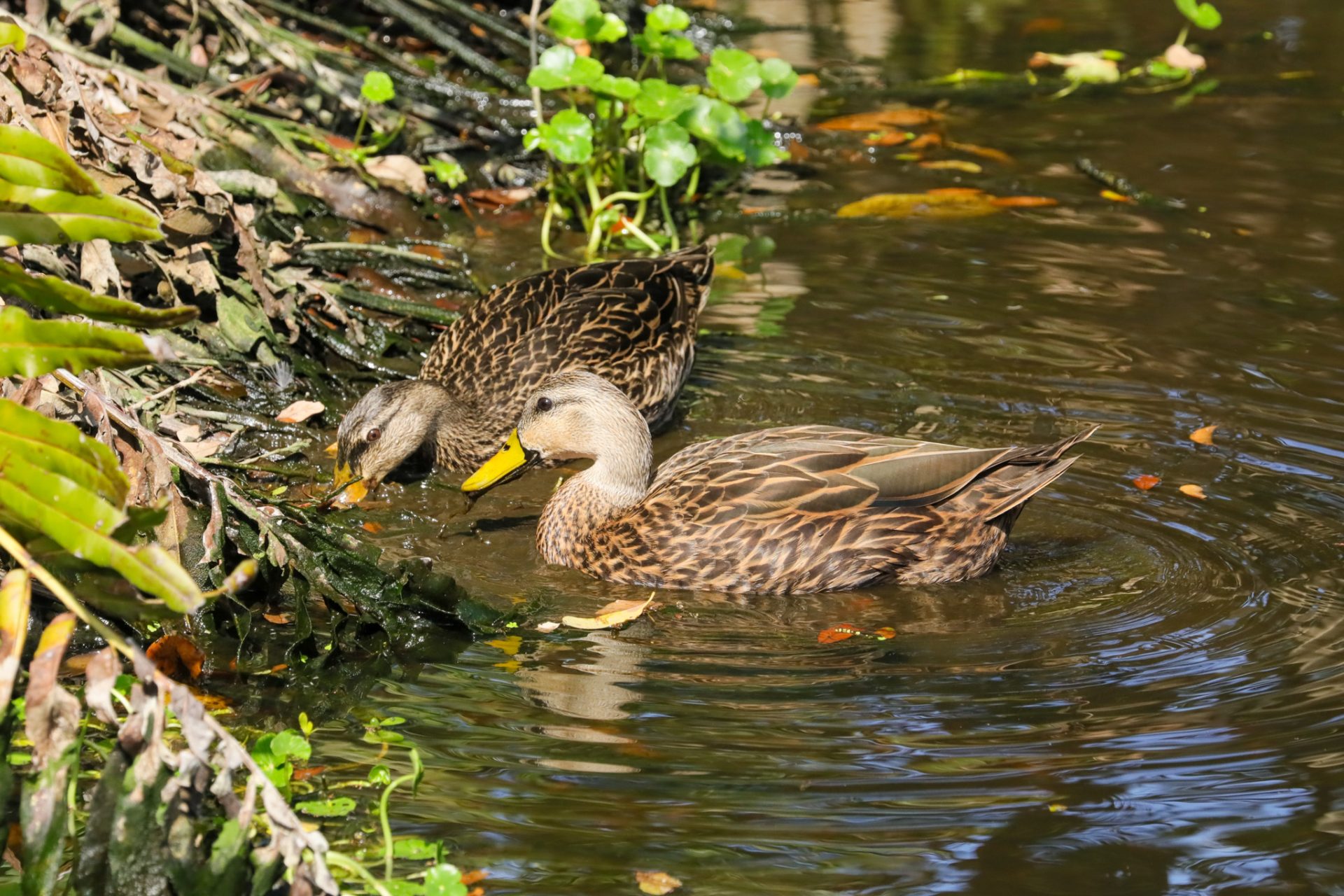
Mottled Duck © Josh Gant
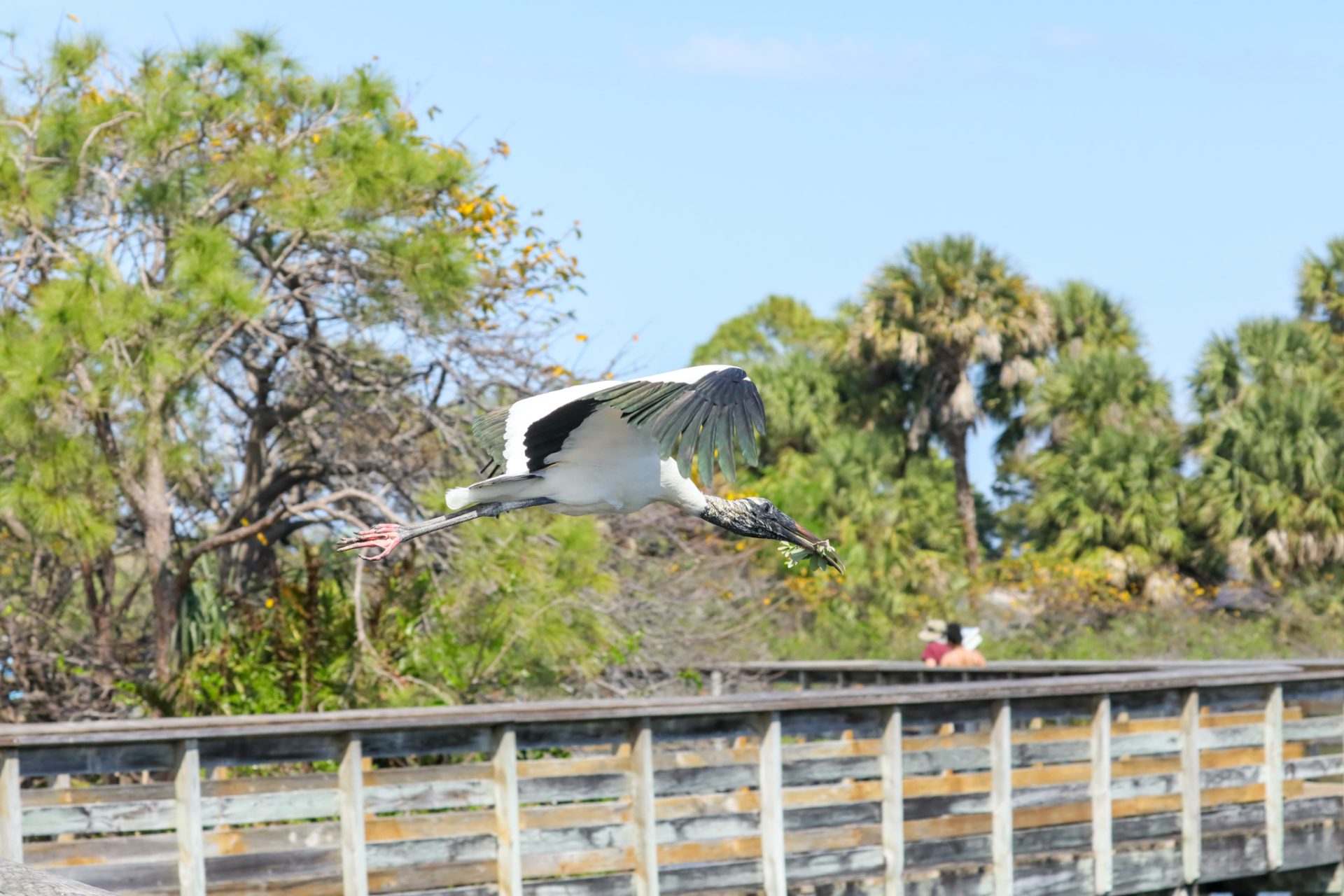
Wood Stork © Josh Gant
Then we headed north to the Wakodahatchee Wetlands, a massive property with an accessible boardwalk and amazing species diversity. The water comes from treated wastewater from the local area and is cleaned and pumped into the wetlands daily. This spot is one of the best in all of south florida for Photography opportunities and it definitely did not disappoint. All of the clients agreed it was the best way to end an amazing trip.