Quebec in Spring: Gaspé Peninsula
Highlights
Highlights
- Experience incredible spring migration at Tadoussac and Gaspé Peninsula, with opportunities for warblers, raptors, shorebirds and other northbound migrants.
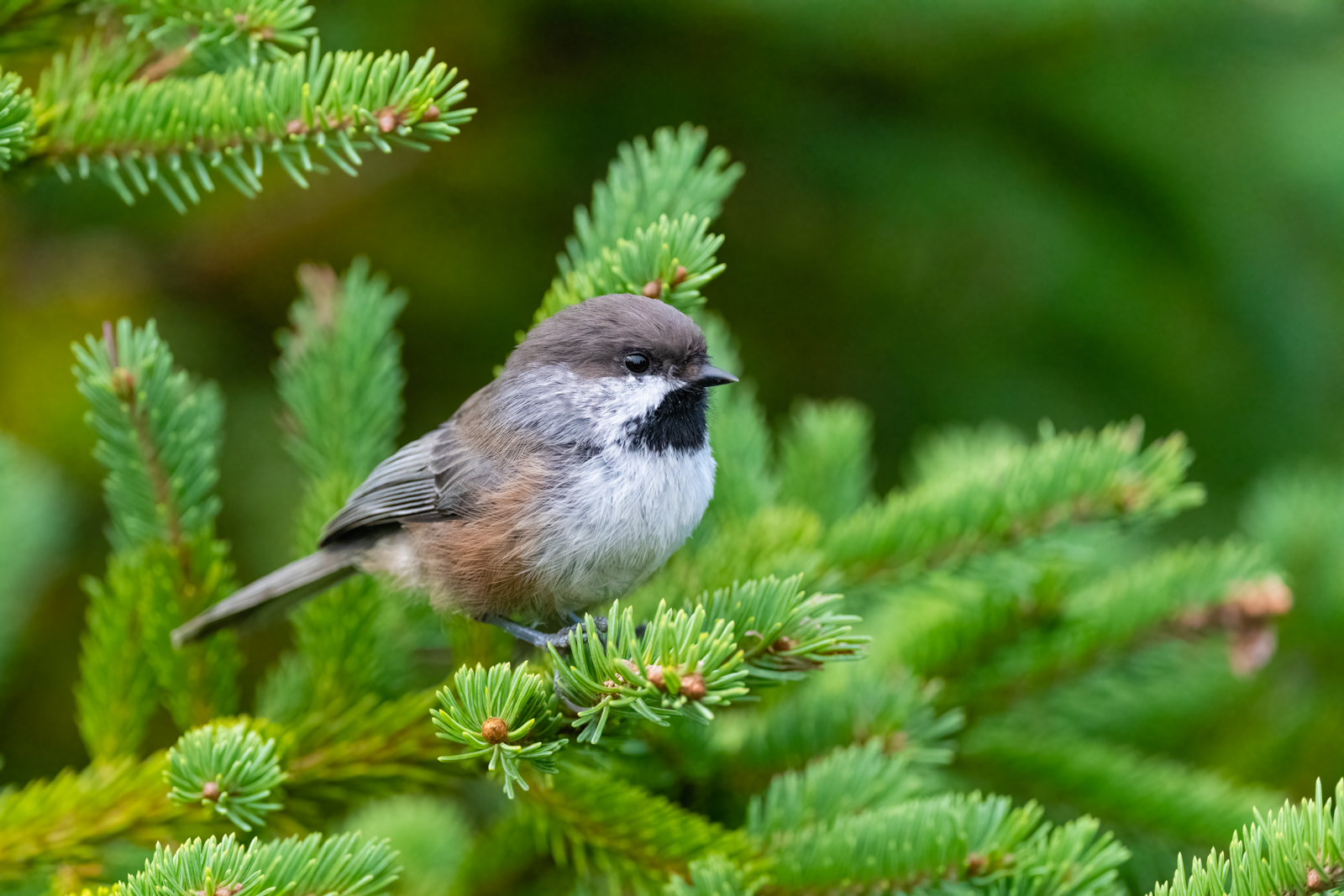
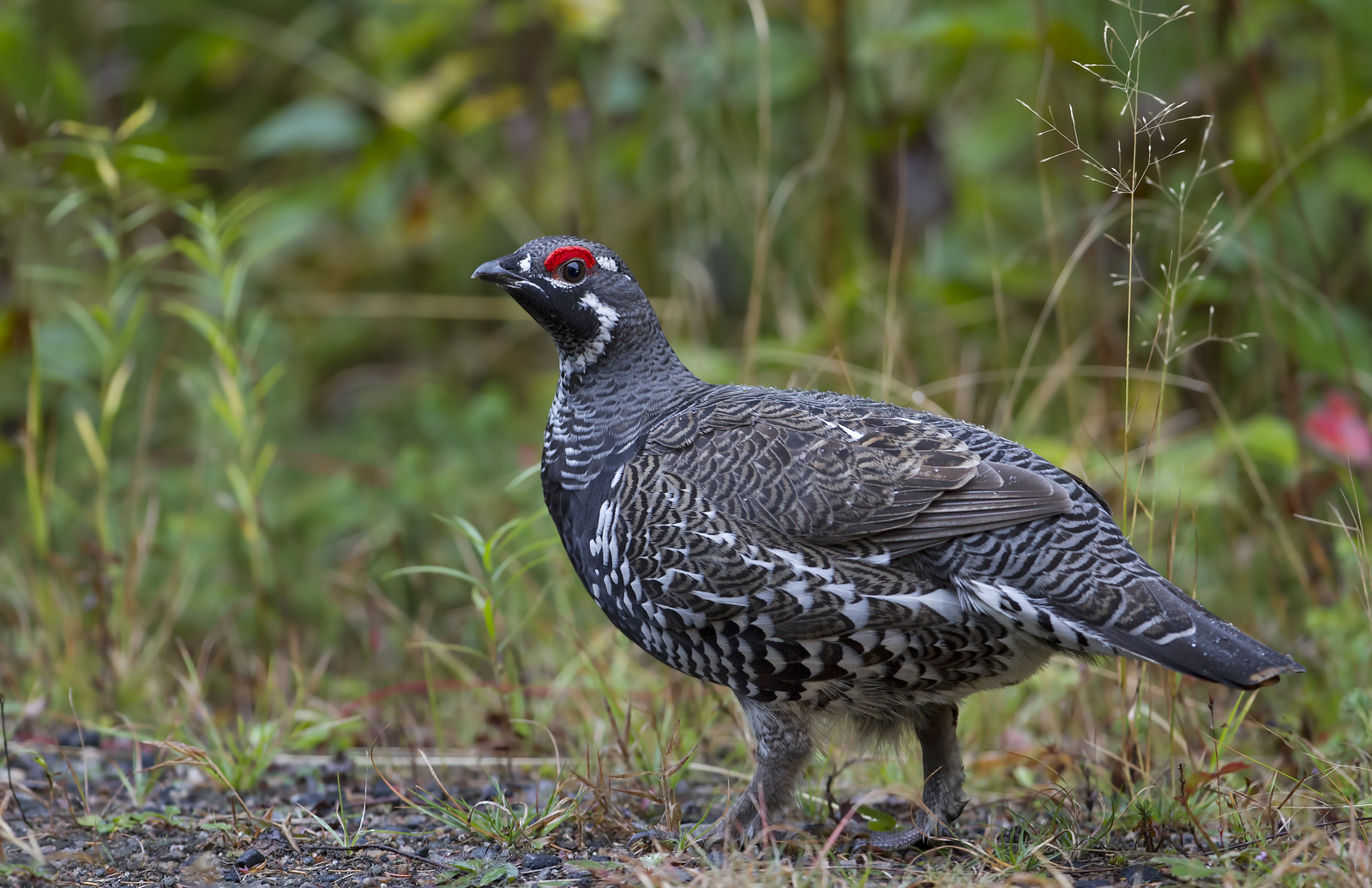
- Explore the boreal forests and Chic-Choc Mountains of Gaspésie National Park for Spruce Grouse, Canada Jay, Boreal Chickadee, Pine Grosbeak, Black-backed Woodpecker and Moose.
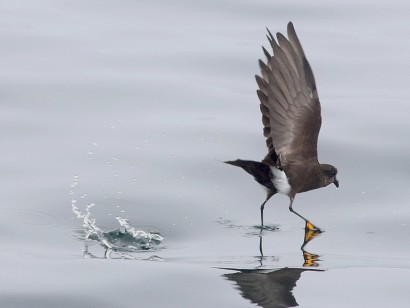
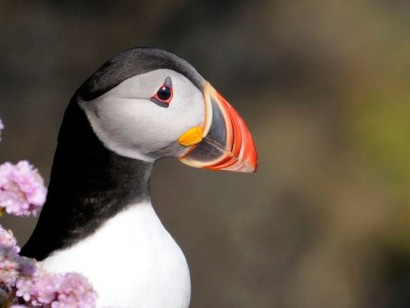
- Visit Bonaventure Island’s world-famous Northern Gannet colony and search the St. Lawrence and Gulf for puffins, murres, razorbills, kittiwakes, jaegers, phalaropes and sea ducks.
- Whale watching around Tadoussac
Map
Map
Overview
Tour Overview
Join us this spring to discover the birdlife of the Gaspé Peninsula during the peak of migration frenzy. Much like Cape May and Quebec’s Upper North Shore, the Gaspé Peninsula is a major migratory corridor for passerines heading toward the boreal forest of eastern North America. Yet, until now, only a handful of birders have taken full advantage of the spectacle this region has to offer.
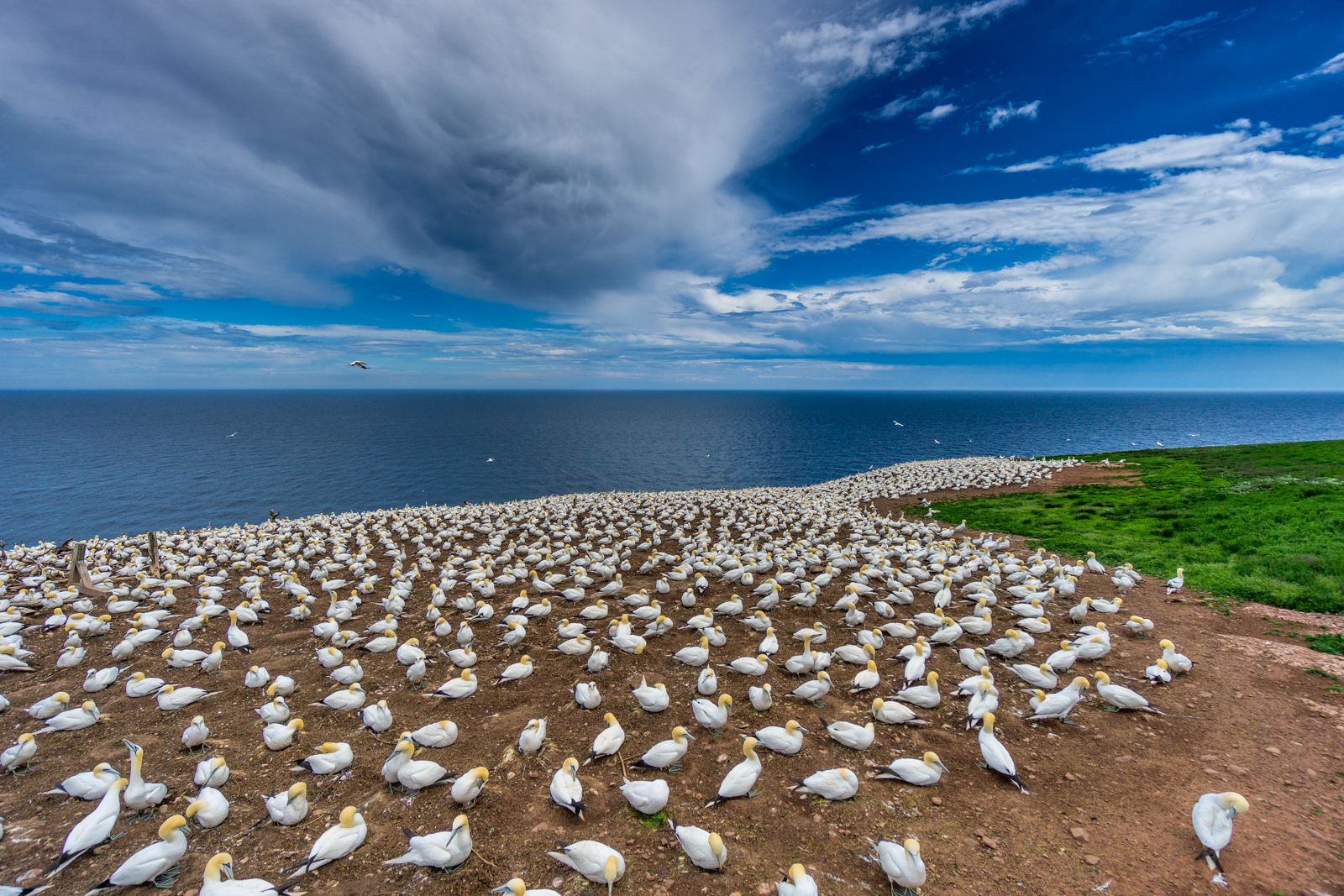
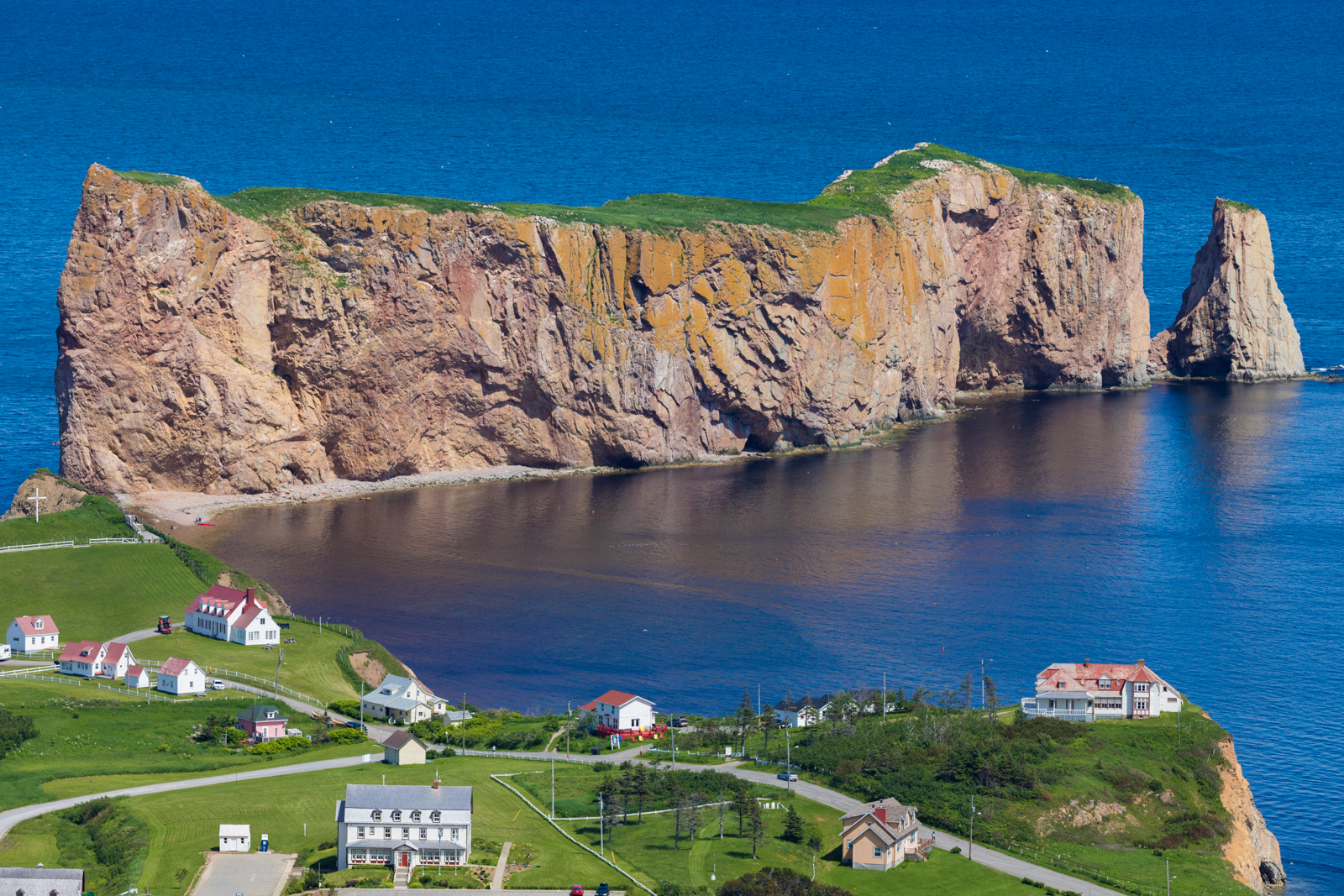
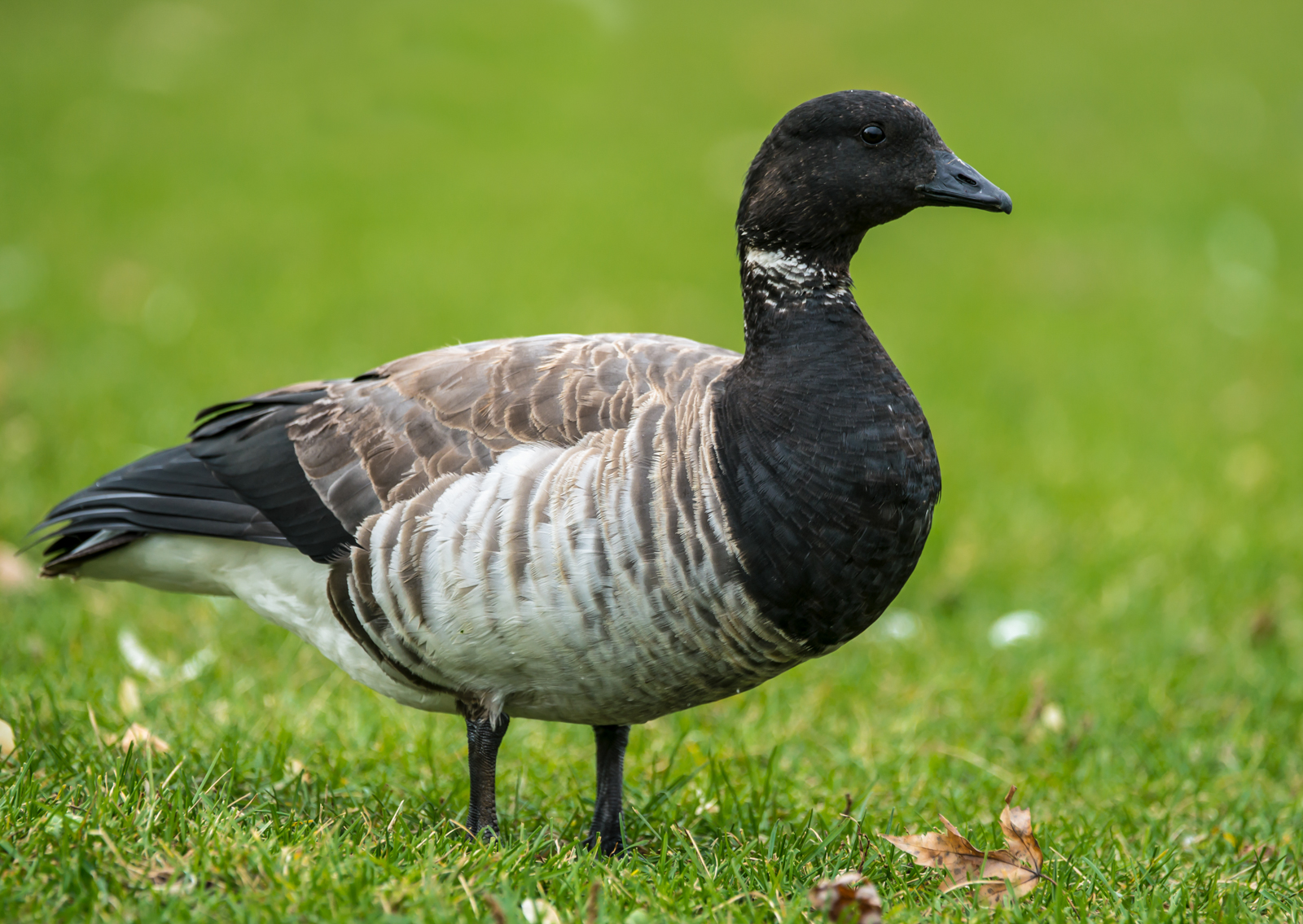
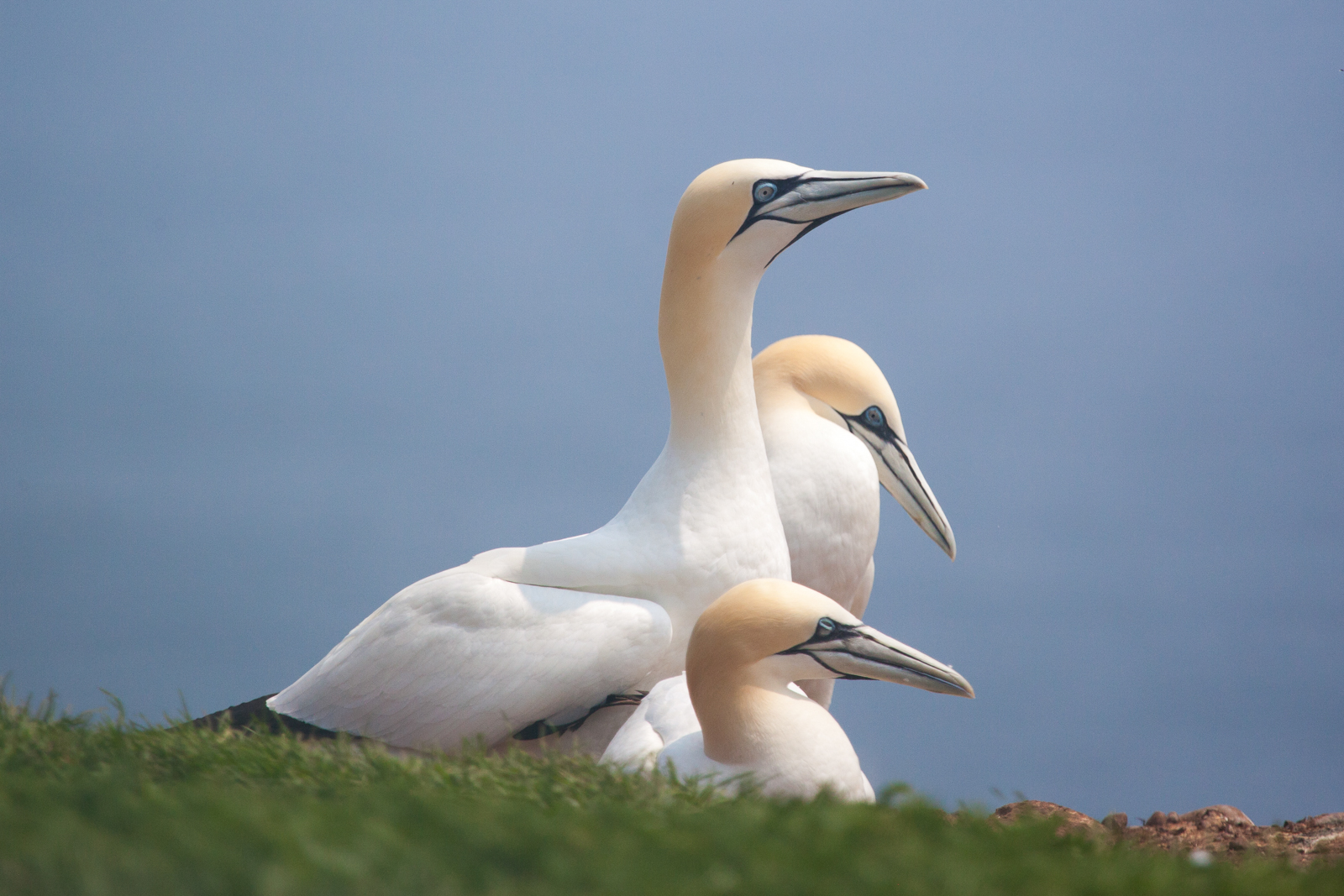
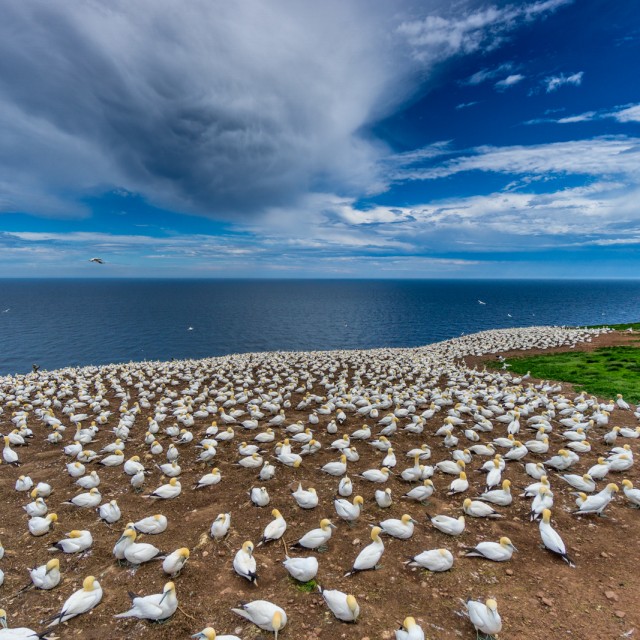
We’ll visit great coastal habitats where sea ducks, Brant, shorebirds and gulls gather on their way to the arctic. We will get to experience the blooming of the boreal forest in spring, with forests filled with colorful breeding warblers, finches, flycatchers and more. Once in the town of Percé, home to the famous Percé rock, our group will enjoy this charming town with booming culture and great gastronomy. From a ferry, we’ll go around the Percé rock and onto a private tour of Bonaventure Island, which hosts 55,000 breeding pairs of Northern Gannet. We’ll be able to get up close to the colony and explore rugged habitat and ancient fishing installations on the island.
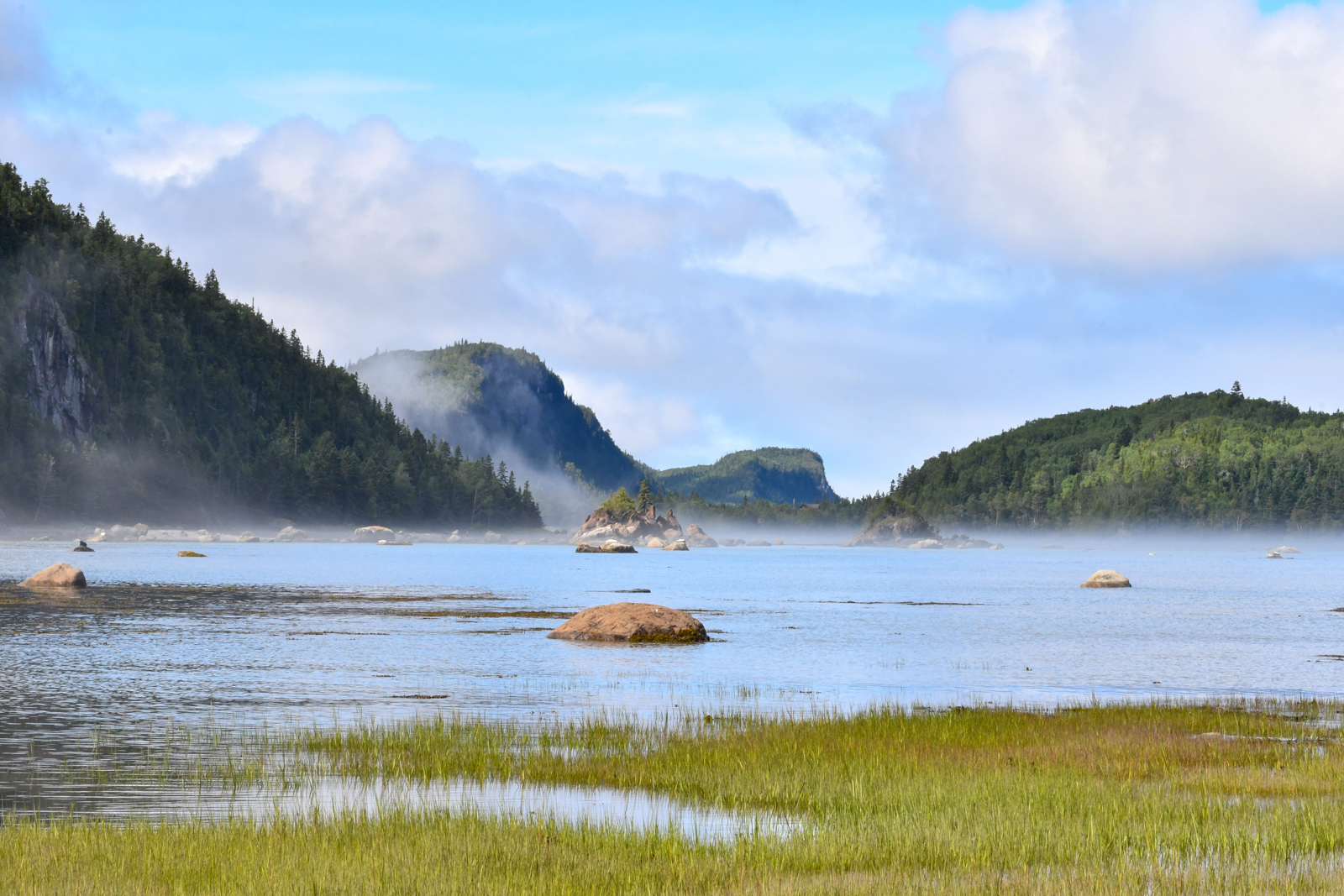
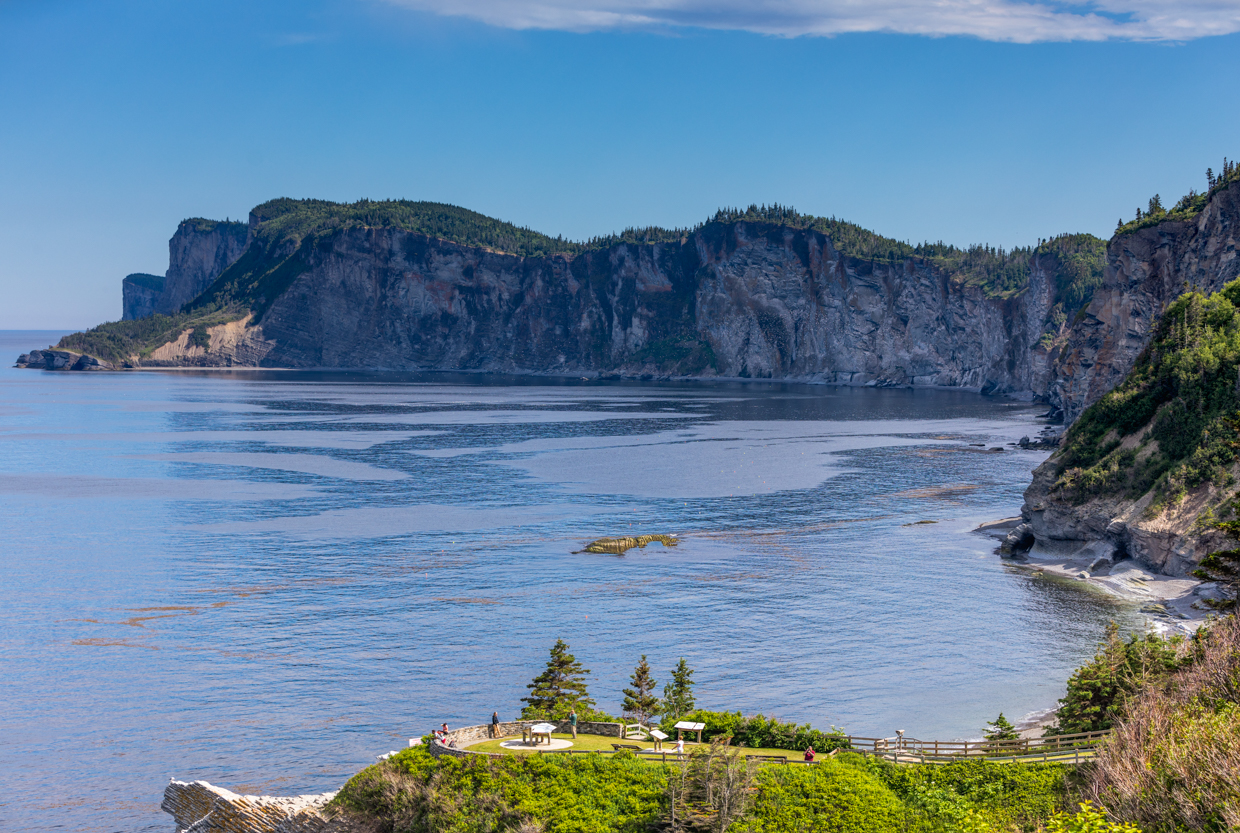
Our trip will then lead us to the Gaspé coast and Forillon National park where the end of the Appalachian mountains meet the gulf of the Saint Lawrence. This park hosts some of the greatest numbers of migrating passerines in North America, acting as a funnel for birds going to Newfoundland and northern Quebec. The banding station there will offer us a glimpse of that spring madness and we will be able to join them in their migration monitoring activities. The park and the areas around it are great for overshooting migrants and European vagrants lost at sea, so we may make some very unexpected encounters along the way! This trip will allow you to discover the culture and wildlife of the Gaspé Peninsula like never before, as our experienced local guides will unveil the secret wonders that make this region a true hidden gem of North American birding.
Dates & Prices
Dates & Prices
What's Included
Tour Price Includes
- All accommodation (Good quality)
- All meals
- Boat trip
- Guides (4 - 8 participants with one leader, 9 - 12 with two)
- Ground transportation (One or two 15-passenger vans)
- Park and entrance fees
Tour Price Does Not Include
- Travel to Quebec City and from Gaspé
- Travel Insurance
- Items of a personal nature
- Taxes (5% GST)
Gallery
Gallery



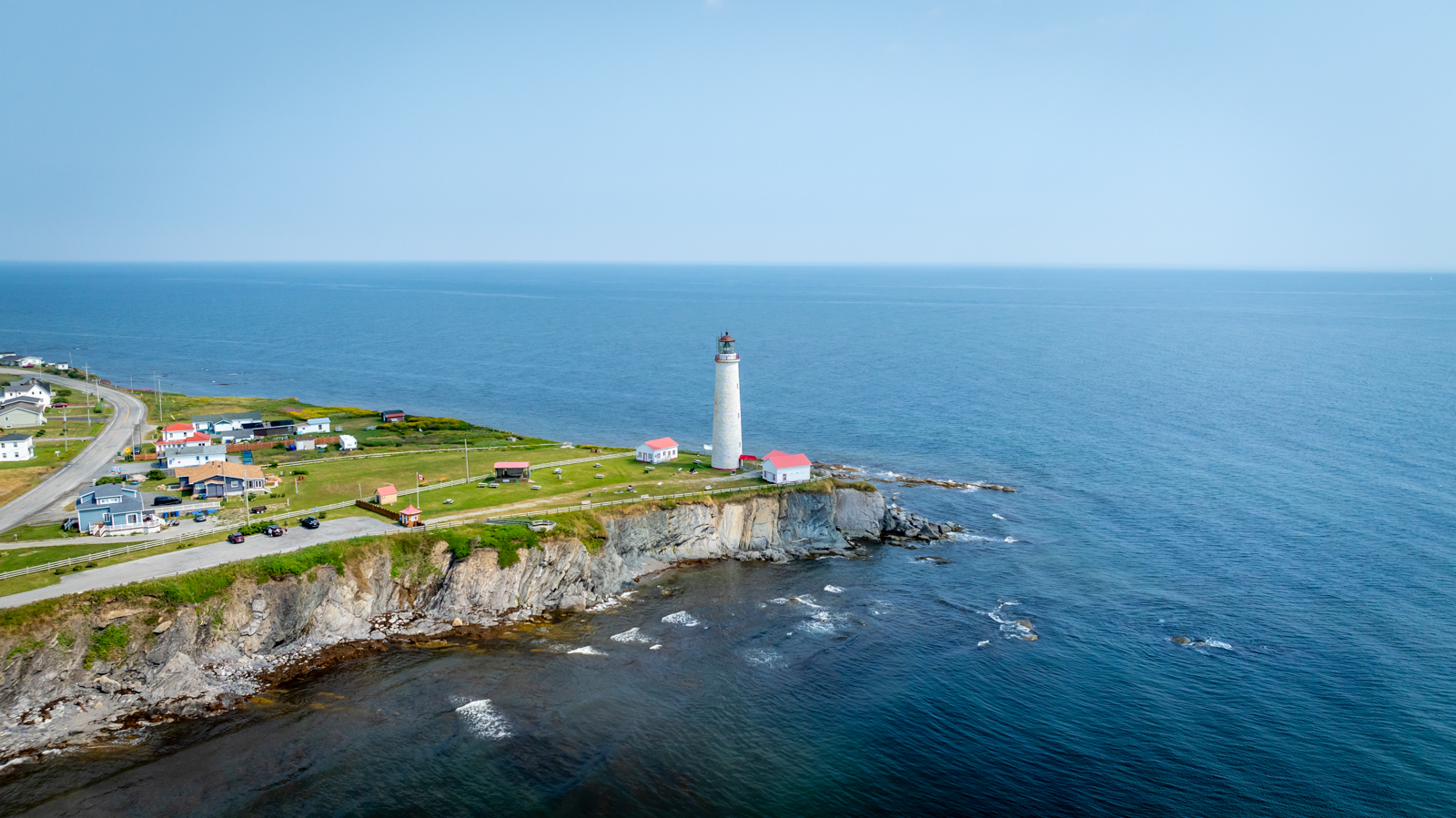
Itinerary
Itinerary
Day 1: Arrival in Québec City
Québec City—a UNESCO World Heritage treasure and the charming capital of the province—rests gracefully along the St. Lawrence River. This picturesque city will serve as the starting point for our spring birding adventure through eastern Québec and the Gaspé Peninsula.
We’ll gather this evening for a welcome dinner, get acquainted and discuss the exciting birding days ahead.
For those who wish to explore more, we recommend arriving a day early to enjoy the cobblestone streets, historic architecture and lively atmosphere of Old Québec City at your own pace. Night in Québec City near the airport.

Day 2: Cap-Tourmente and Tadoussac
We’ll leave Québec City this morning and follow the St. Lawrence northeast to Cap-Tourmente National Wildlife Area, one of southern Québec’s premier spring birding destinations.
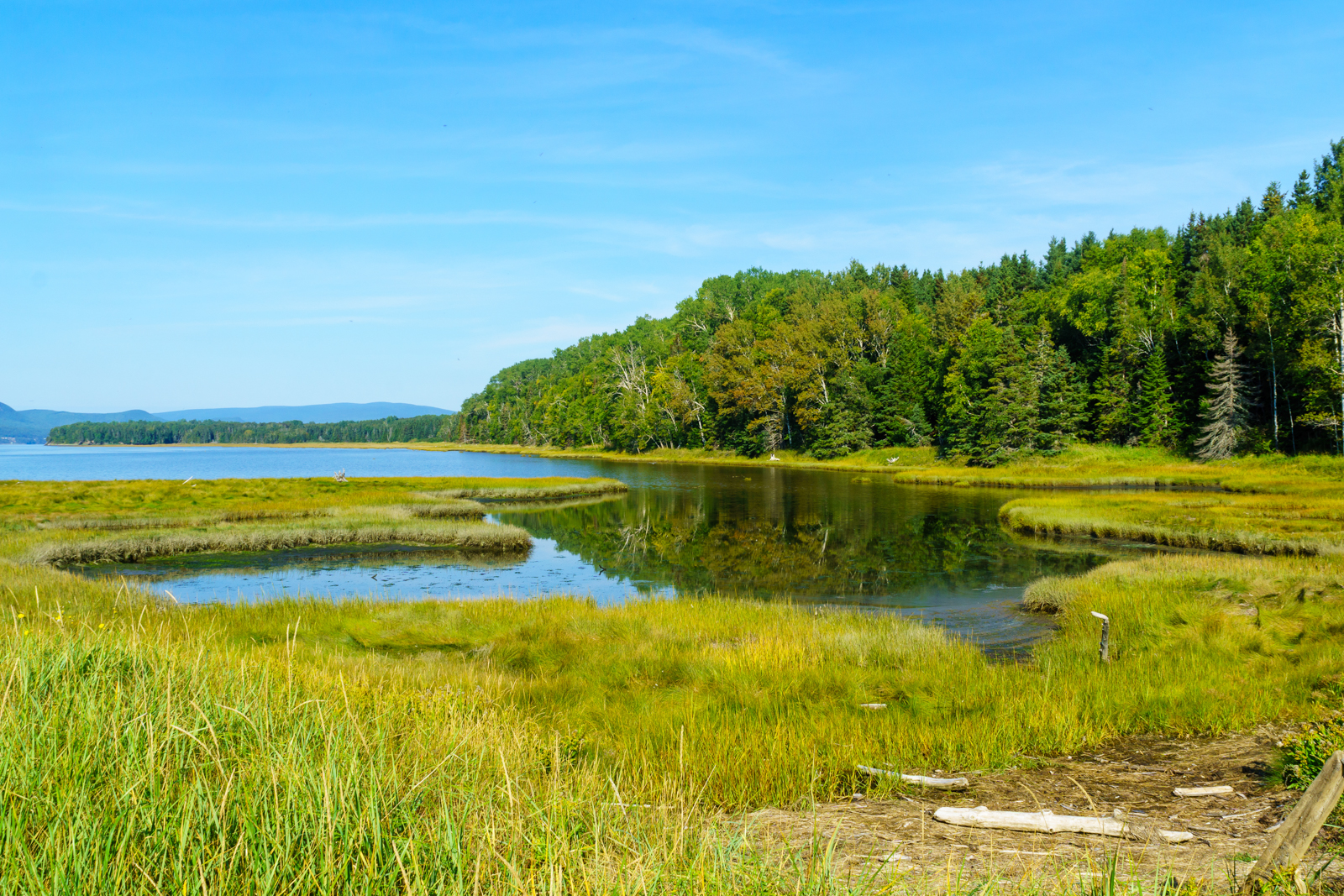
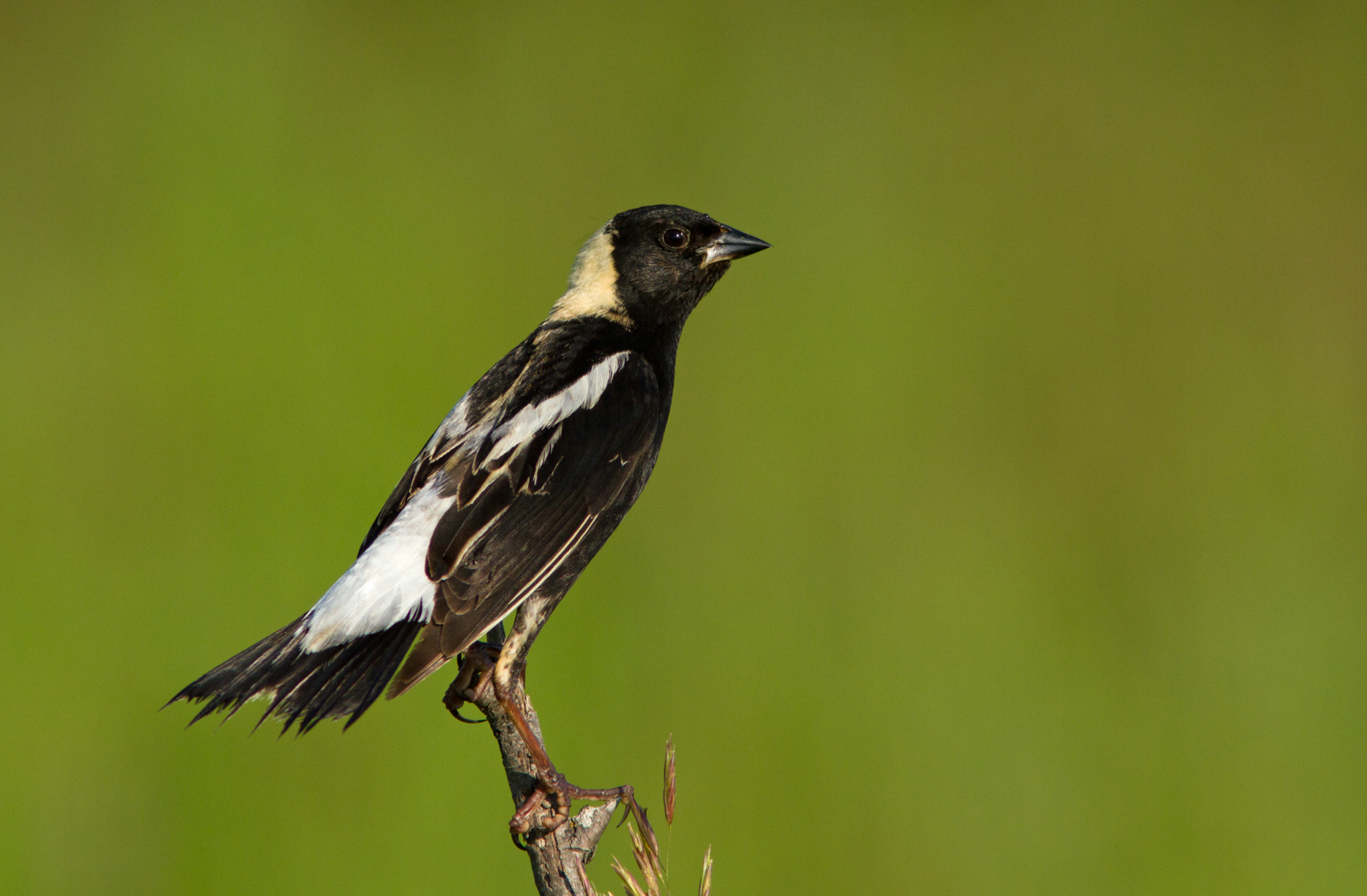
Situated where extensive marshes, agricultural fields and forests meet the St. Lawrence, Cap-Tourmente provides an important stopover for migrating birds. We’ll explore several habitats in search of newly arrived warblers, sparrows and other songbirds, while the wetlands can hold an excellent variety of waterfowl. Bobolinks may already be displaying over the fields, and favorable conditions can produce movements of migrating hawks overhead.
After a picnic lunch, we’ll continue northeast toward Tadoussac. Near the mouth of the Saguenay Fjord, we’ll make a stop to scan the water for the famous Beluga Whales that inhabit this region year-round, with Minke Whales also possible.
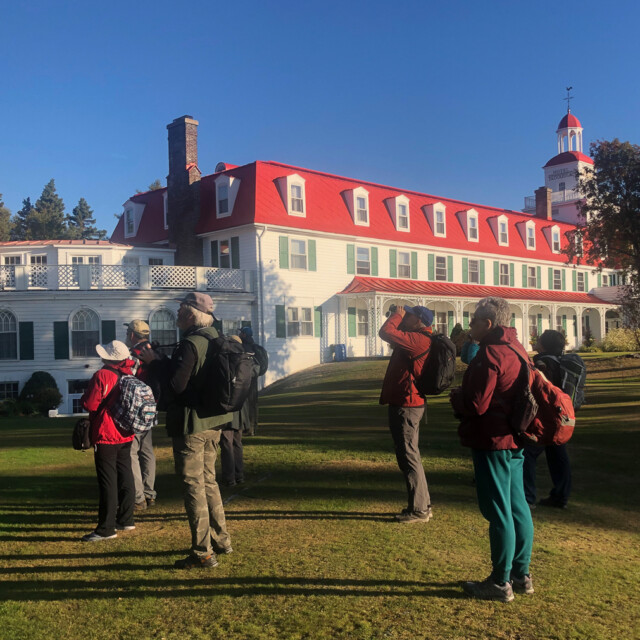
A short ferry crossing brings us into the historic village of Tadoussac, spectacularly situated where the Saguenay Fjord meets the St. Lawrence. Night at Hôtel Tadoussac
Day 3: Tadoussac and the Upper North Shore
Today we begin exploring one of the most exciting spring migration areas in Québec. Our exact plans will depend heavily on weather and migration conditions, allowing us to be in the best locations when birds are moving.
When conditions align, the famous Tadoussac dunes can produce spectacular morning flights, with some of the world’s biggest concentrations of boreal warblers. We’ll watch for waves of warblers and other songbirds, along with finches and migrating raptors. On mornings when birds are settling into the surrounding habitat instead, we’ll explore spruce forests, coastal areas and other migrant traps along the Upper North Shore.
Later in the day, we may visit coastal sites such as Pointe à Émile, where beaches and saltmarshes can attract migrating shorebirds, waterfowl, gulls, American Pipits and other open-country species. Depending on conditions, we may instead explore the Saguenay Fjord or some of the region’s productive boreal forests. Night at Hôtel Tadoussac
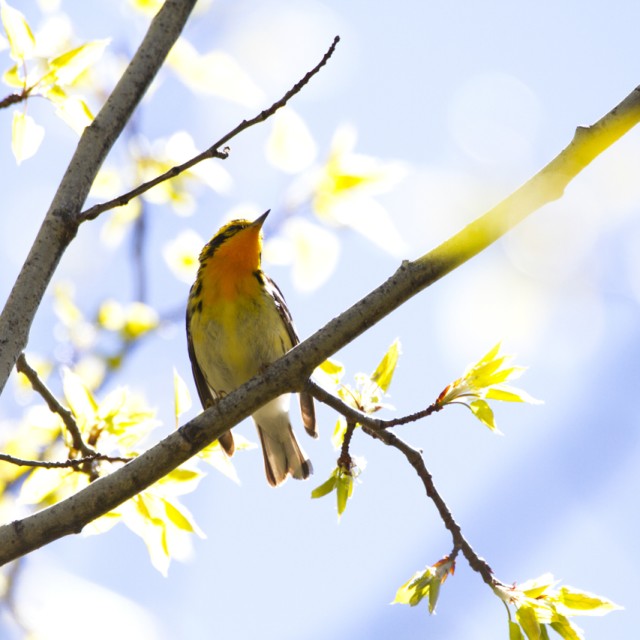
Day 4: Tadoussac and Whale Watching
We’ll begin with another early morning of migration birding around Tadoussac. If conditions are favorable for a major morning flight, we’ll return to the dunes; otherwise, we’ll explore nearby forests and coastal habitats for newly arrived migrants.
Later in the morning, we’ll take to the water for a whale-watching cruise on the St. Lawrence. Although late May is still early in the whale-watching season, these rich waters offer opportunities for Beluga and Minke Whales. For birders, the cruise also gives us an exciting chance to search farther offshore for species such as jaegers, Arctic Terns, phalaropes, Atlantic Puffins and other pelagic birds.
After the cruise, we’ll continue exploring the Upper North Shore. Depending on conditions, we may visit coastal habitats for shorebirds and waterfowl or venture toward the Saguenay Fjord, where extensive tidal flats and boreal forests provide another completely different birding experience. Night at Hôtel Tadoussac.

Day 5: Tadoussac to Rimouski
We have one final morning to take advantage of the migration around Tadoussac before beginning our journey across the St. Lawrence.
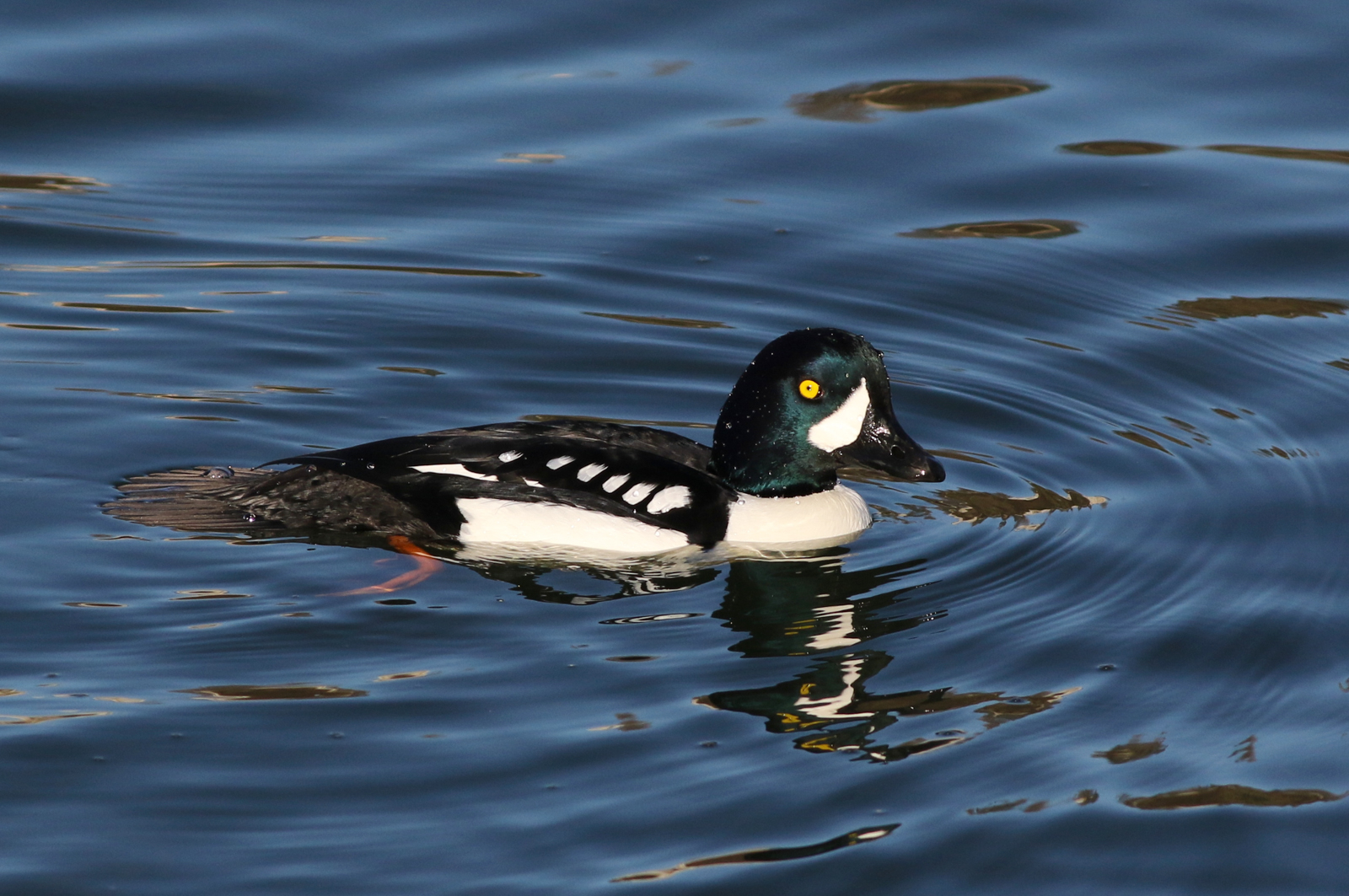
On our way to Les Escoumins, we’ll explore coastal areas where concentrations of gulls and waterfowl can gather. This is also one of our better opportunities to find Barrow’s Goldeneye.
We’ll then board the ferry from Les Escoumins to Trois-Pistoles. Far more than simply transportation, this crossing offers some of the best pelagic birding opportunities on the St. Lawrence. We’ll watch from the upper deck for jaegers, phalaropes, Atlantic Puffins, gulls and migrating sea ducks while keeping an eye out for marine mammals.
Once ashore, we’ll continue to Rimouski. In the evening, there may be an opportunity to watch large flocks of Brant gathering along the waterfront. Night in Rimouski.
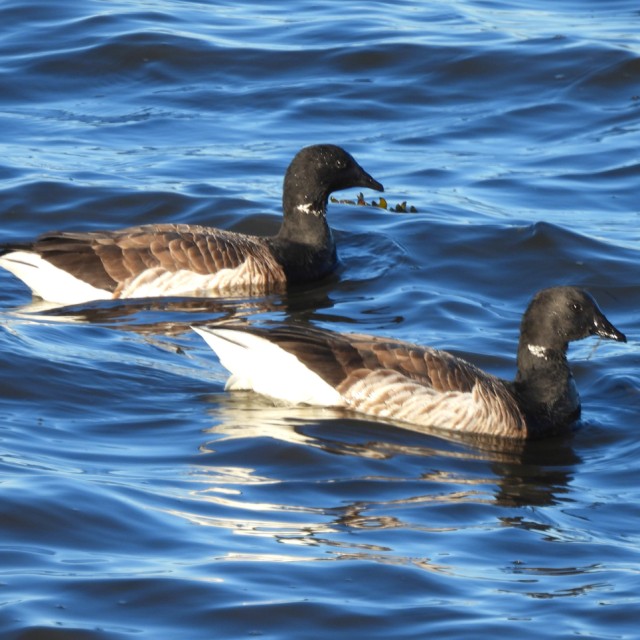
Day 6: Bic National Park to Gaspésie National Park
Before heading east, we’ll spend the morning birding around Rimouski and Bic National Park.
Bic National Park is one of the province’s most sought after destinations, with native archeological sites dating back 9000 years and rich coastal boreal habitat. Weather permitting, we’ll visit the spectacular Raoul-Roy Lookout, where migrating raptors follow the St. Lawrence coastline. On favorable days, the lookout can provide excellent opportunities to watch and learn about spring raptor migration.
Alternatively, we may explore the forests and coastline of Bic National Park or visit birding areas around Rimouski, where another spring migration monitoring station may give us an additional opportunity to experience bird banding.
After lunch, we’ll turn inland and east toward Gaspésie National Park and the rugged Chic-Choc Mountains. Our journey takes us through the highest mountains of the province situated at the very northern end of the Appalachians. We’ll then settle at the sumptuous Gîte du Mont Albert. This luxurious forest lodge is one of the best rated in the province. Night at Gîte du Mont-Albert.
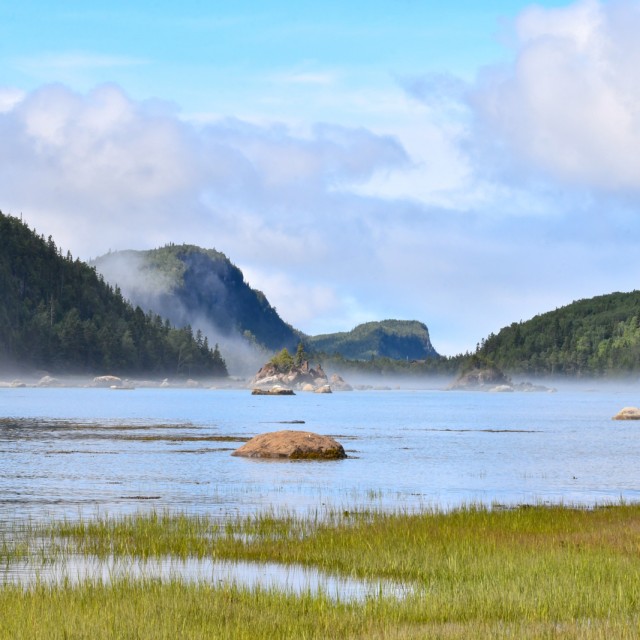
Day 7: Gaspésie National Park
Today is devoted to the magnificent mountains and boreal forests of Gaspésie National Park.
We’ll choose our trails according to weather and the abilities of the group, with possibilities including Lac aux Américains, Chute Sainte-Anne and Mont Ernest-Laforce. These forests provide some of our best opportunities for classic northern birds such as Spruce Grouse, Canada Jay, Boreal Chickadee, Pine Grosbeak and Black-backed Woodpecker.
Mont Ernest-Laforce offers particularly impressive views over the surrounding Chic-Chocs and is also an excellent area for Moose, one of the park’s most conspicuous large mammals.
Later in the day, we’ll explore the river valley, where Harlequin Ducks breed along fast-flowing mountain rivers, before enjoying another evening surrounded by the spectacular scenery of the park. Night at Gîte du Mont-Albert.
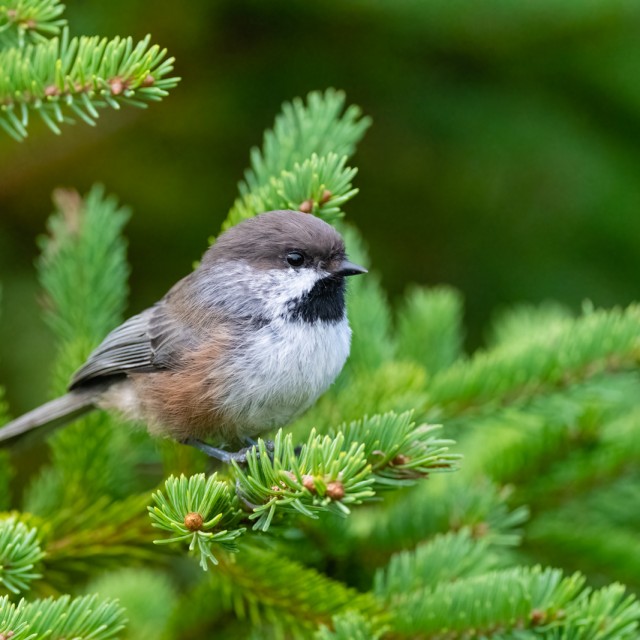
Day 8: Gaspésie National Park to Gaspé
We have one final morning to explore the mountains, giving us another opportunity to search for Spruce Grouse, Canada Jay, Pine Grosbeak and other high-elevation specialties. Depending on conditions and our previous sightings, we may also search suitable habitat for Bicknell’s Thrush.
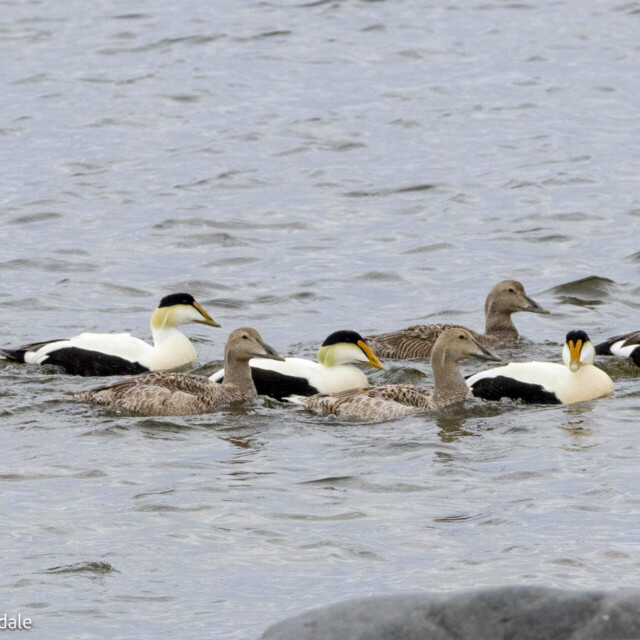
We’ll then begin the spectacular journey east along the northern coast of the Gaspé Peninsula. This is one of the most scenic drives of the tour, with the Chic-Choc Mountains meeting the Gulf of St. Lawrence around a succession of small coastal villages. Along the way, we’ll make stops to scan for seabirds and sea ducks. Large gatherings of Common Eiders commonly occur along this coast.
We arrive in Gaspé this afternoon, where we’ll settle in for the final part of our tour. Night in Gaspé.
Day 9: Gaspé and Forillon National Park – South Sector
Our first full day around Gaspé takes us into the varied habitats of Forillon National Park.
Migration conditions will once again help shape our morning. When weather produces a major movement, the tip of the peninsula can concentrate impressive numbers of migrating songbirds. We hope to experience some of this visible migration around the southern portion of Forillon, where spring migration monitoring and bird banding also take place.
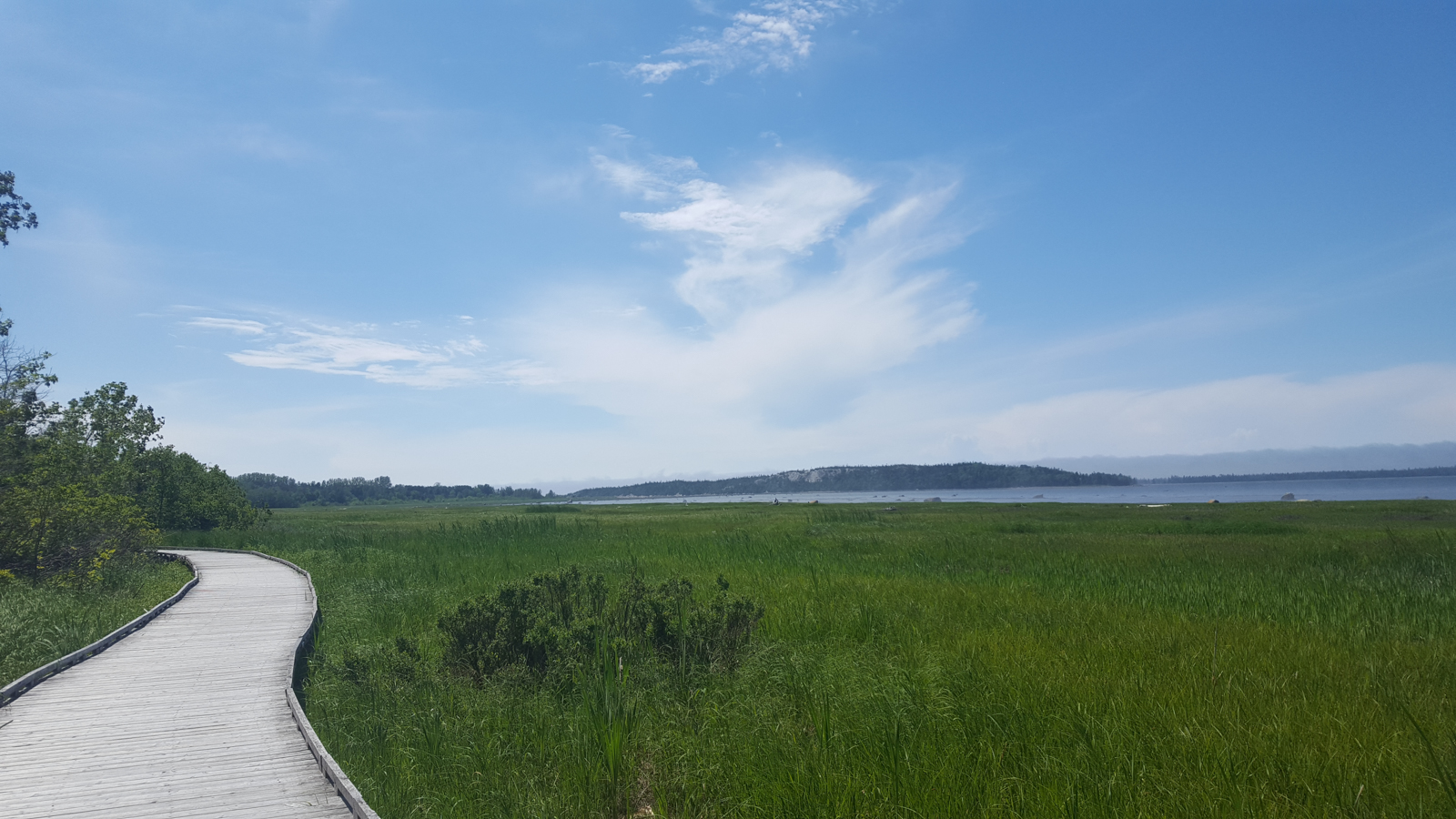
We’ll then explore Penouille, a long sandy peninsula extending into Gaspé Bay. Its boardwalks pass through wetlands, coastal forest and shoreline habitats that can hold an excellent variety of migrants. Nearby forest trails give us opportunities for Black-backed Woodpecker, Olive-sided Flycatcher, American Three-toed Woodpecker and mixed groups of migrating warblers.
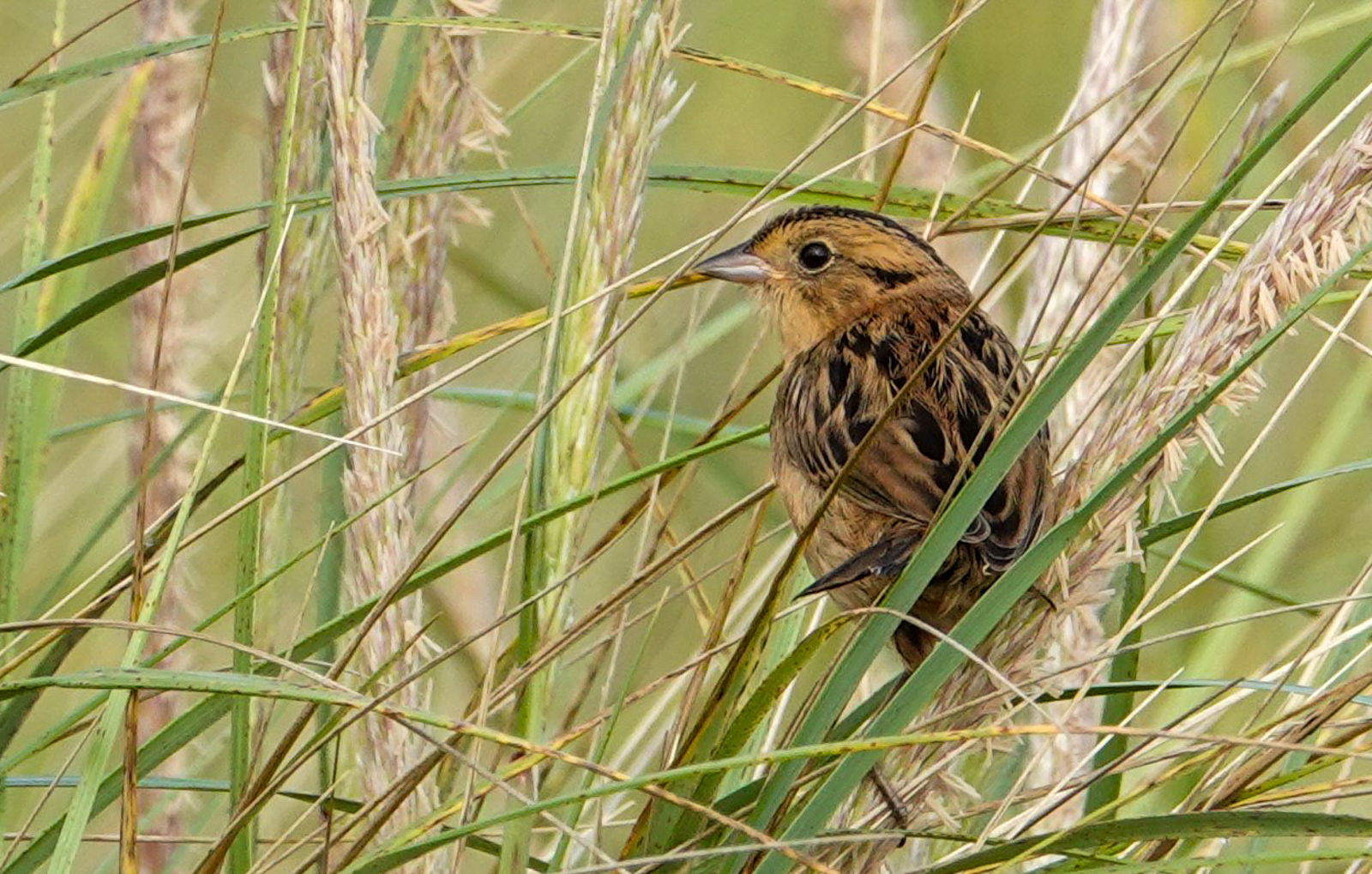
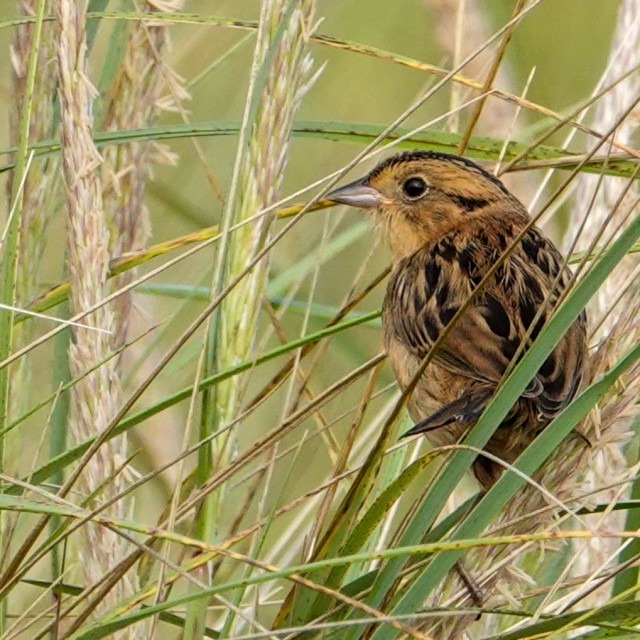
Later, we may visit coastal wetlands around Gaspé, where quiet evenings can bring possibilities such as Nelson’s Sparrow, Common Nighthawk and, later in the season, Yellow Rail. Night in Gaspé.
Day 10: Percé and Bonaventure Island
Today we travel south to one of Québec’s most famous landscapes: Percé.
Weather and sea conditions permitting, we’ll take a boat around legendary Percé Rock and continue to Bonaventure Island. The island supports one of the world’s great colonies of Northern Gannets, and we’ll walk approximately six kilometres round-trip to experience this extraordinary spectacle just steps from the colony.
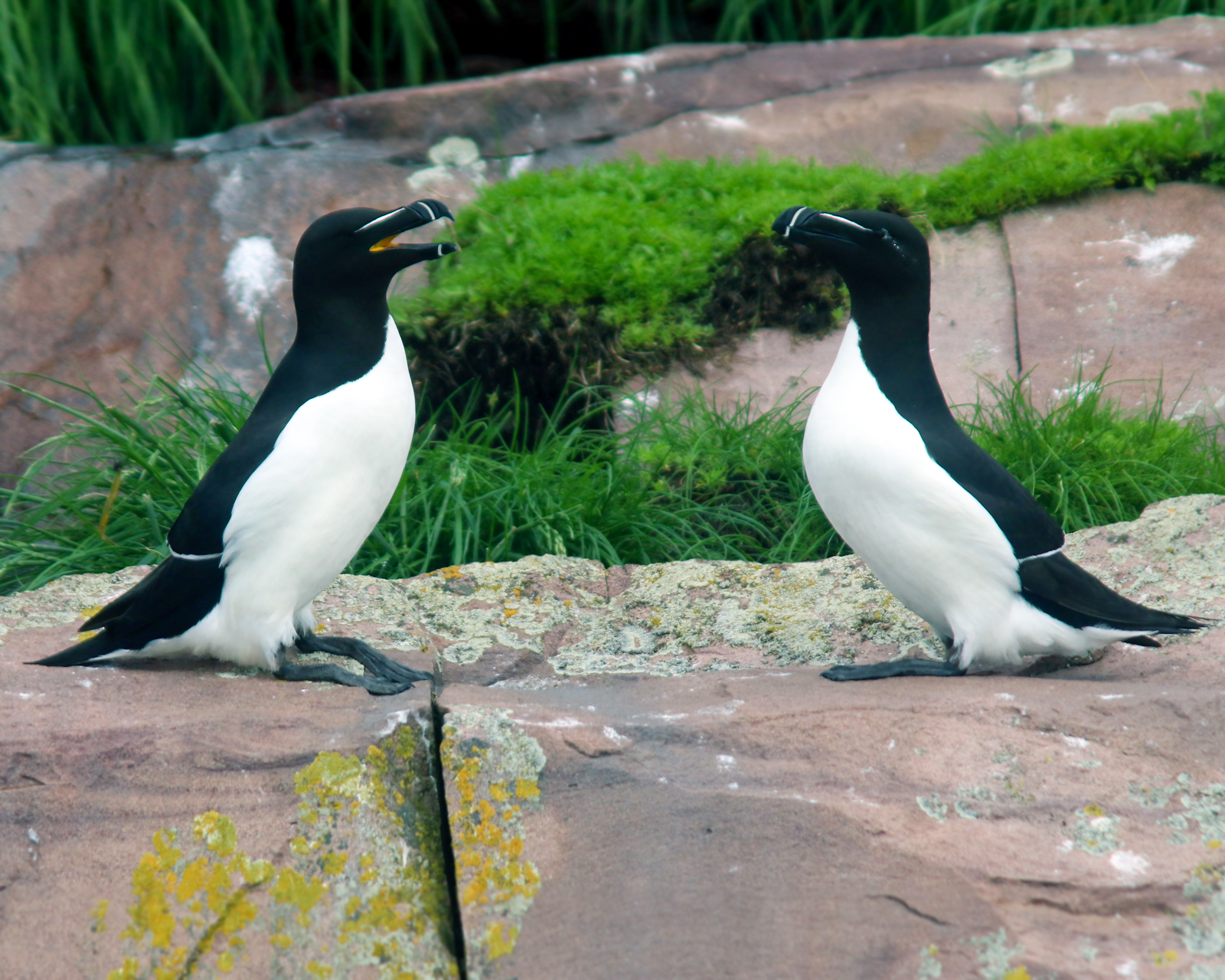
The surrounding waters and cliffs support an equally exciting collection of seabirds, including 15 000 pairs of Common Murres, Razorbills, Black Guillemots, Black-legged Kittiwakes and Atlantic Puffins.
After returning to the mainland, we’ll continue our coastal birding at Cap-d’Espoir, an outstanding seawatching location where Great Cormorants, alcids and scoters can pass close to shore.
We’ll finish around the Malbay saltmarsh and Barachois, searching for migrating shorebirds, gulls, Nelson’s Sparrows, Cliff Swallows and large flocks of Common Eiders. Night in Gaspé.
Day 11: Forillon National Park – North Sector
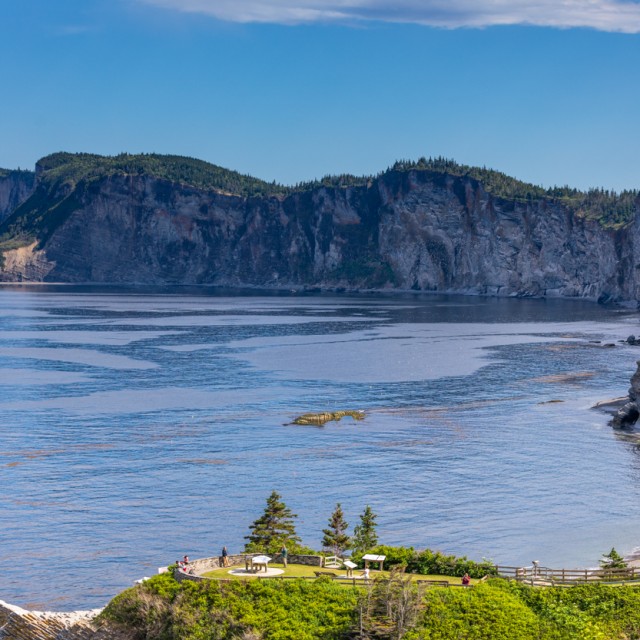
Today we explore the northern side of Forillon National Park, where forest, marsh, rocky shoreline and the open Gulf come together.
We’ll begin along the Castor and Banc trails, searching the wetlands for American Bittern and other marsh birds while the surrounding forests and thickets can hold groups of migrating songbirds. The exposed shoreline gives us excellent opportunities to scan for Surf, Black and White-winged Scoters, Long-tailed Ducks, Harlequin Ducks and other sea ducks.
After lunch at the beautiful harbour of Le Havre de Forillon, we’ll continue exploring the park. Depending on conditions, we may visit the short trail to La Chute or continue toward spectacular Cap Bon-Ami, where Black-legged Kittiwakes nest on the towering cliffs.
As throughout our time in Gaspé, we’ll remain flexible enough to respond to exceptional migration conditions or reports of unusual birds. Night in Gaspé.
Day 12: Departure - Gaspé
Our final morning gives us one last opportunity to experience spring migration around the Gaspé Peninsula. If conditions are favorable, we may return to the migration hotspots of Forillon for another morning flight.
Our Quebec in Spring birding tour will end after lunch. We will transfer you to the airport for your flight home.
What to Expect
What to Expect
Overview
Our Quebec in Spring birding tour is a moderate-paced birding adventure with a strong focus on spring migration and the distinctive birds and wildlife of eastern Québec. You can expect early mornings, starting at first light some mornings (5am), and full days in the field.
Spring migration is highly dependent on weather, so some days will remain flexible. When conditions are particularly good, we may adjust our plans to take advantage of concentrations of migrants or exceptional visible migration.
Food
We generally have an early breakfast at the hotel before heading out for the day. We often take a picnic lunch in the field but will occasionally stop at a restaurant for lunch. Dinner is usually at the hotel or a nearby restaurant.
Each evening, we compile the day’s checklist, review the birds, mammals and other wildlife we encountered, and discuss our plans for the following day.
Accommodation
We stay in comfortable hotels and lodges chosen for their proximity to our birding locations.
Walking
Walking on this tour is rated as moderate. Most outings involve relatively short walks on trails, boardwalks and roads, although some walks in Gaspésie and Forillon National Parks involve uneven terrain, hills and steeper sections.
Our longest planned walk is the excursion on Bonaventure Island, which is approximately 6 km round-trip to the Northern Gannet colony. Participants should be comfortable walking several kilometres on natural trails. Other outings, including Mont Ernest-Laforce, may involve moderate elevation gain.
Driving
Most days involve a small to moderate amount of driving between our accommodations and birding sites. There are also several longer travel days as we move between Québec City, Tadoussac, Rimouski, Gaspésie National Park and Gaspé.
Our longest drives are approximately three hours, but we will make rest, birding and wildlife stops where possible.
Climate
Spring weather in eastern Québec can be highly variable. Conditions may range from warm and sunny to cold, windy and wet, particularly along the St. Lawrence, on whale and ferry crossings, and at higher elevations in the Chic-Choc Mountains.
We recommend dressing in layers and bringing warm, windproof and waterproof clothing. Waterproof footwear is also strongly recommended for shoreline, wetland and forest birding.
Mosquitoes and black flies are generally not at their summer peak at this time of year, although some insects may be encountered during warmer weather and in sheltered forest areas.
Boat Trips
This tour includes several experiences on the water: a whale-watching cruise from Tadoussac, the Les Escoumins–Trois-Pistoles ferry across the St. Lawrence, and, weather permitting, a boat trip around Percé Rock and to Bonaventure Island.
Conditions on the St. Lawrence and Gulf can be significantly colder and windier than on land, so warm layers, rain protection and windproof clothing are essential. All boat excursions and ferry crossings are subject to weather, sea conditions and operating schedules.
Frequently Asked Questions
Land Tours FAQs
Whether you’re a seasoned birder or new enthusiast, these FAQs cover important details about our tours, including schedules, fitness requirements, group dynamics and more.
Featured Wildlife
Featured Wildlife
The species below are among the birds and mammals we may encounter on this tour. Sightings vary from year to year and cannot be guaranteed.
- Brant
- Harlequin Duck
- Long-tailed Duck
- Barrow’s Goldeneye
- Black / Surf / White-winged Scoter
- Spruce Grouse
- Atlantic Puffin
- Razorbill
- Common Murre
- Black Guillemot
- Northern Gannet
- Black-legged Kittiwake
- Great Cormorant
- Iceland / Glaucous Gull
- Northern Goshawk
- Black-backed Woodpecker
- Canada Jay
- Boreal Chickadee
- Bicknell’s Thrush
- Swainson’s Thrush
- Pine Grosbeak
- White-winged / Red Crossbill
- Blackburnian Warbler
- Blackpoll Warbler
- Canada Warbler
- Black-throated Blue Warbler
- Black-throated Green Warbler
- Beluga Whale
- Moose
- Black Bear
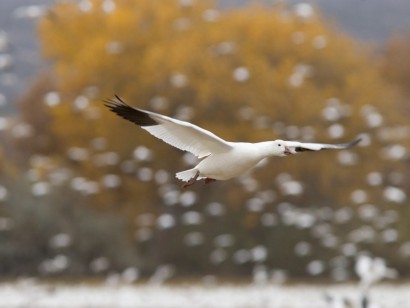
- ...Plus thousands of migrating warblers, finches, sparrows, raptors, sea ducks, shorebirds and alcids!
Past Tour Checklists
Past Tour Checklists
View the list of birds and other wildlife we encountered on our past tours.
Compare your life list to our last tour
Get an estimate of how many new species you may see.
Try our Lifer tool