Quebec in Spring: Gaspé Peninsula
Highlights
Highlights
- View the spring raptor migration with a specialist from the Rimouski Bird Observatory at the Raoul-Roy Lookout in Bic National Park
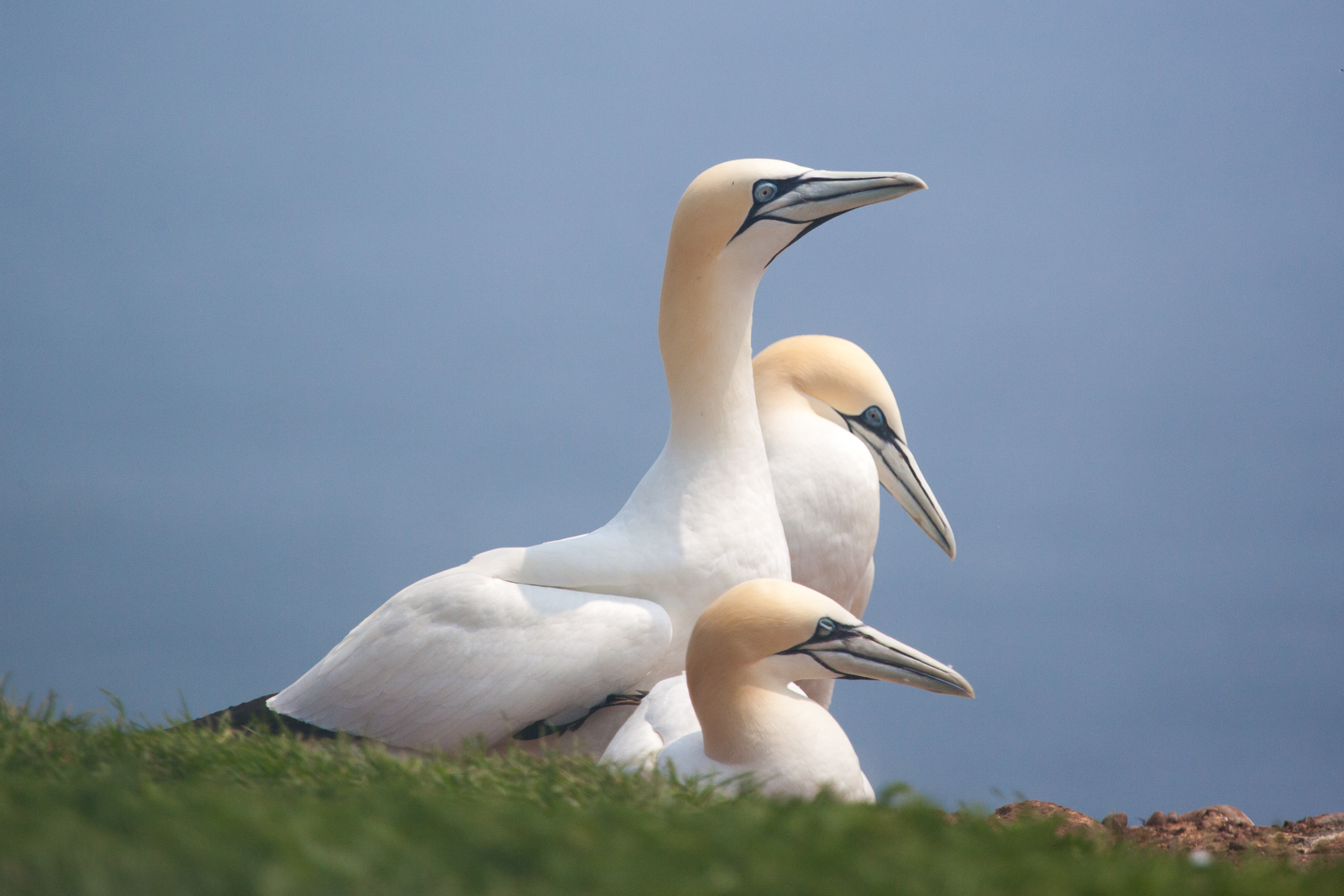
- Visit Bonaventure Island National Park, home of the largest Northern Gannet colony in North America
- Bird banding demonstration and guided birding excursion in Grande-Grave (Forillon National Park), with professional ornithologists leading spring migration monitoring.
Map
Map
Overview
Tour Overview
Join us this spring to discover the birdlife of the Gaspé Peninsula during the peak of migration frenzy. Much like Cape May and Quebec’s Upper North Shore, the Gaspé Peninsula is a major migratory corridor for passerines heading toward the boreal forest of eastern North America. Yet, until now, only a handful of birders have taken full advantage of the spectacle this region has to offer.
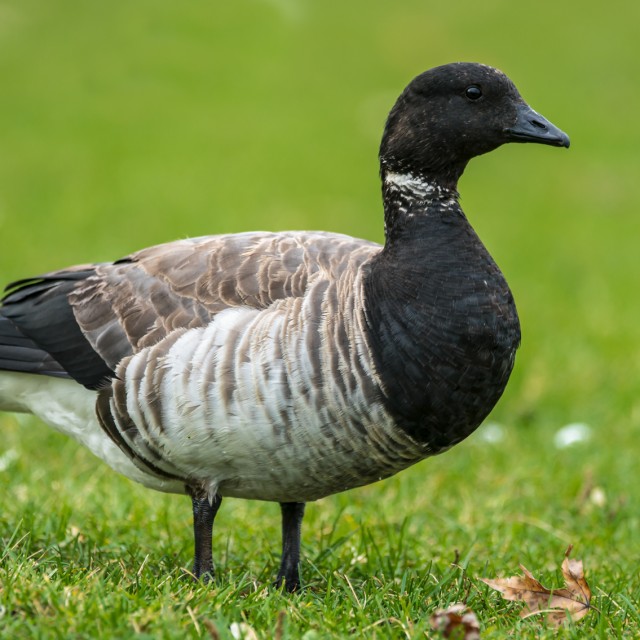
We’ll visit great coastal habitats where sea ducks, Brant, shorebirds and gulls gather on their way to the arctic. We will get to experience the blooming of the boreal forest in spring, with forests filled with colorful breeding warblers, finches, flycatchers and more. Once in the town of Percé, home to the famous Percé rock, our group will enjoy this charming town with booming culture and great gastronomy. From a ferry, we’ll go around the Percé rock and onto a private tour of Bonaventure Island, which hosts 55,000 breeding pairs of Northern Gannet. We’ll be able to get up close to the colony and explore rugged habitat and ancient fishing installations on the island.
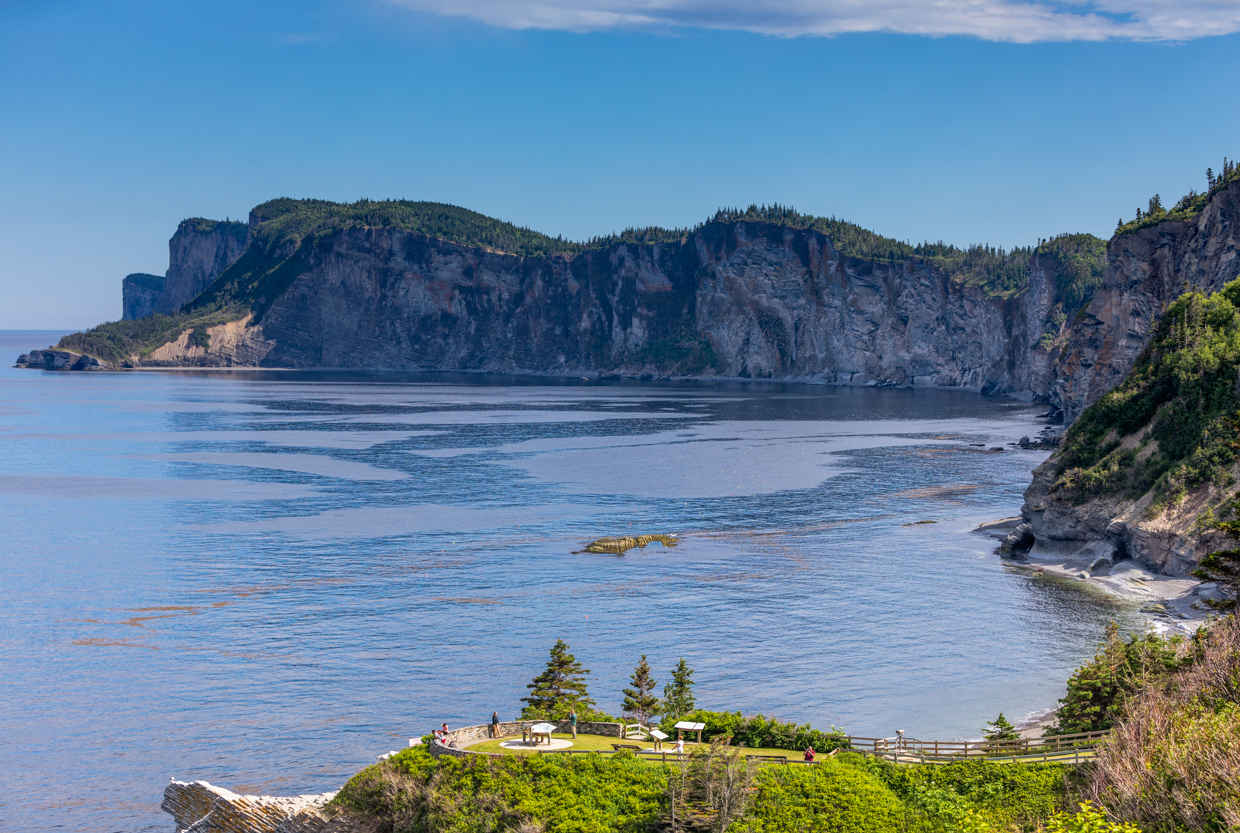
Our trip will then lead us to the Gaspé coast and Forillon National park where the end of the Appalachian mountains meet the gulf of the Saint Lawrence. This park hosts some of the greatest numbers of migrating passerines in North America, acting as a funnel for birds going to Newfoundland and northern Quebec. The banding station there will offer us a glimpse of that spring madness and we will be able to join them in their migration monitoring activities. The park and the areas around it are great for overshooting migrants and European vagrants lost at sea, so we may make some very unexpected encounters along the way! This trip will allow you to discover the culture and wildlife of the Gaspé Peninsula like never before, as our experienced local guides will unveil the secret wonders that make this region a true hidden gem of North American birding.
Dates & Prices
Dates & Prices
What's Included
Tour Price Includes
- All accommodation (Good quality)
- All meals
- Boat trip
- Guides (4 - 8 participants with one leader, 9 - 12 with two)
- Ground transportation (One or two 15-passenger vans)
- Park and entrance fees
Tour Price Does Not Include
- Travel to and from start/end location
- Travel Insurance
- Items of a personal nature
- Taxes (5% GST)
Gallery
Gallery








Itinerary
Itinerary
Day 1: Arrival in Québec City
Québec City—a UNESCO World Heritage treasure and the charming capital of the province—rests gracefully along the St. Lawrence River. This picturesque city will serve as our starting point for our spring birding tour to Quebec’s Gaspésie region. We’ll gather for a welcome dinner to get acquainted and discuss the exciting birding days ahead.
For those who wish to explore more, we recommend arriving a day early to enjoy the cobblestone streets, historic architecture, and lively atmosphere of Old Québec City at your own pace. Night near the Quebec City airport.

Day 2: Lower St. Lawrence and Rimouski
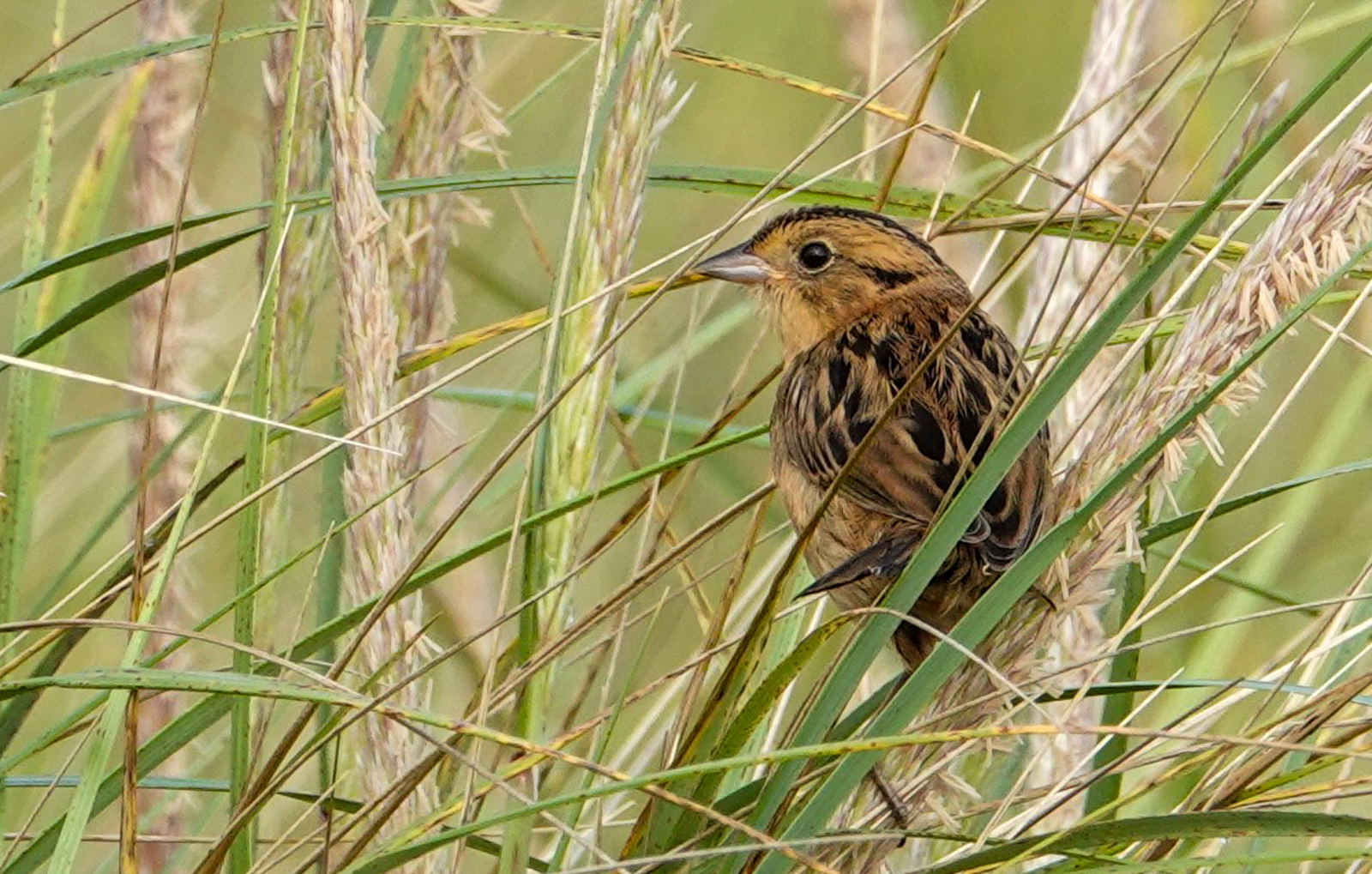
A pleasant driving and birding day with some great birding spots to enjoy the shorebirds, ducks and geese gathering along the St-Lawrence River. It will be our chance to explore the lower St. Lawrence region, notably the Parc Côtier Kiskotuk/Marais du gros Cacouna, a massive network of wetlands and forest habitats which is one of the birdiest places in the province. Nelson’s Sparrows are often seen there throughout the summer as well as Ruddy Ducks and Redheads and we may get to see Eurasian wigeons, who are casual visitors in the area. Our day ends in the beautiful city of Rimouski: a vibrant university town situated right on the St. Lawrence. Night in Rimouski.

Day 3: Matapedia Valley and Amqui
The day starts with a session of hawkwatching at the glorious Raoul-Roy hawkwatching station in Bic National Park. Alongside professionals working with the Rimouski Bird Observatory, we’ll learn the ways of advanced hawk identification and enjoy the raptors flying close by this lookout situated on a cliff right on the river.
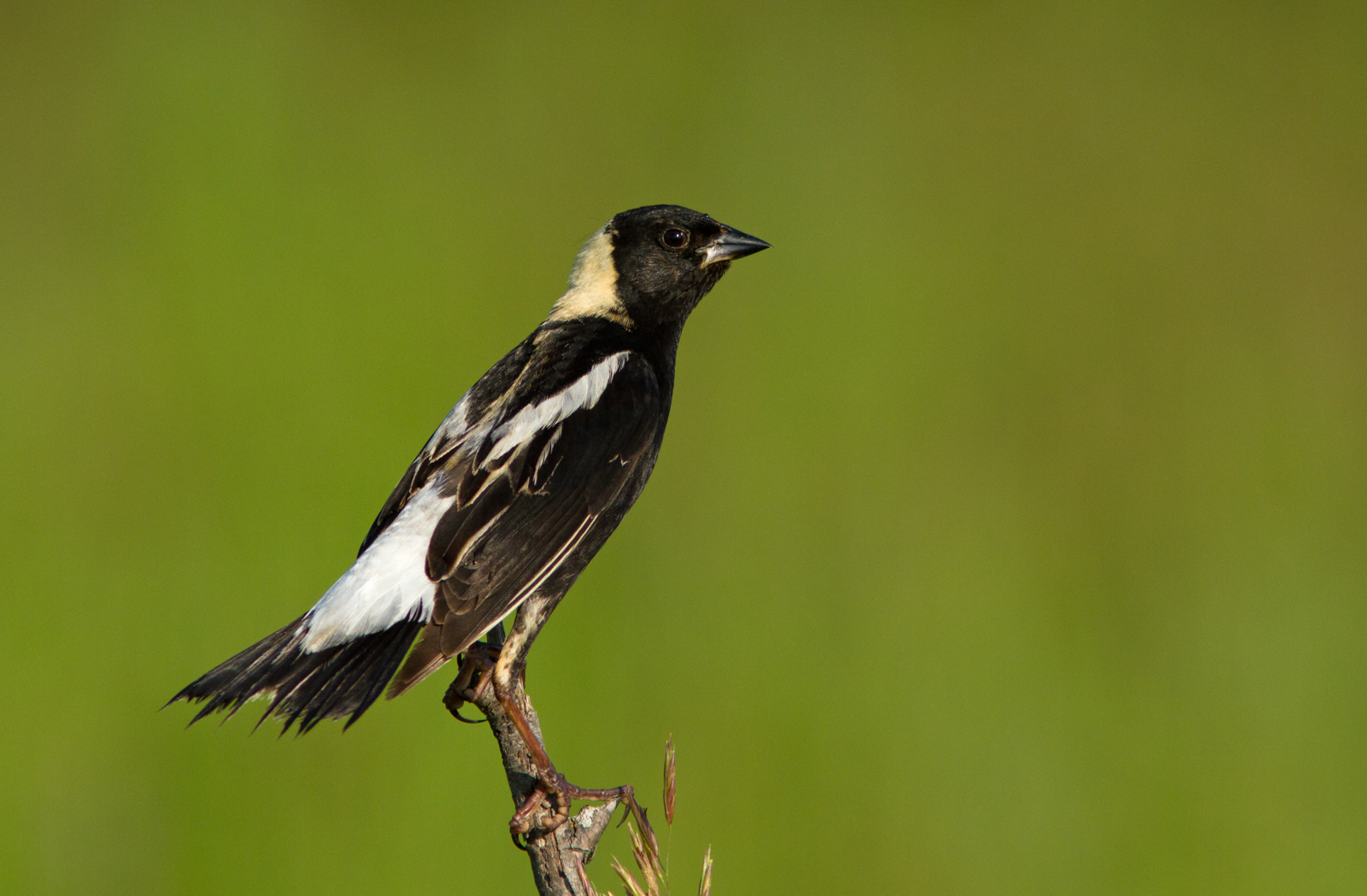
We then drive into the Matapedia valley: nestled between the Chic-Choc Mountains and the rolling hills of the Gaspé Peninsula, it is a picturesque region of forests, lakes, and rivers. Renowned for its salmon-filled Matapedia River and scenic villages, it offers a perfect blend of natural beauty and authentic rural Québec charm. We will stop in the afternoon to search for migrants that regularly stop in Amqui’s Castonguay lake like Bobolink as well as colonies of nesting Bank and Cliff Swallows. Night in Amqui.

Day 4: Chaleur Bay
After driving out of the Matapedia Valley, we’ll enter the southern shore of Gaspésie: Chaleur Bay. Stretching between Québec and New Brunswick, Chaleur Bay is famed for its warm waters, sandy beaches, and stunning coastal scenery. This rich marine environment attracts a remarkable variety of seabirds and shorebirds, making it a highlight for any spring birding adventure. We hope to see flocks of resting Brant as well as mixed groups of gulls including Lesser Black-Backed, Iceland and Glaucous. Our birding and sightseeing will take us to the picturesque village of Carleton, where we'll have its scenic charm and coastal landscapes almost entirely to ourselves. Our day will end up in yet another pearl of Chaleur Bay. Night in Bonaventure.
Day 5: Bonaventure and Percé
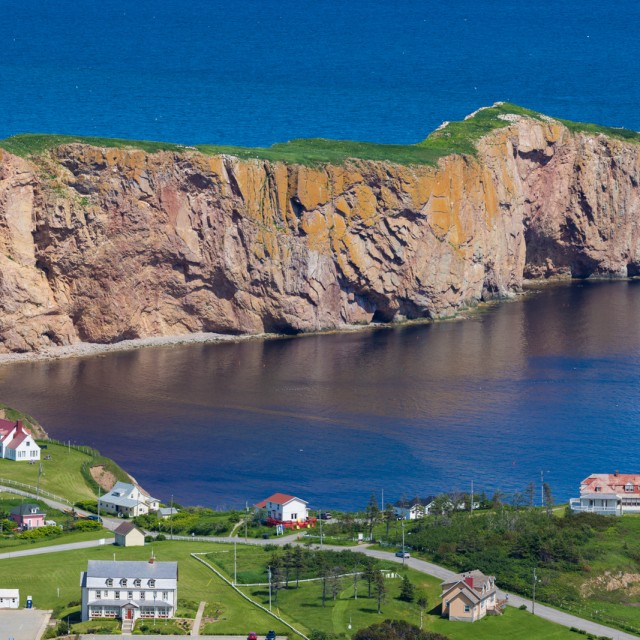
We enjoy a morning of birding dedicated to boreal and neotropical passerines in the Bonaventure area. We’ll then head to Paspébiac, a historic coastal town on Chaleur Bay, which offers excellent birding for shorebirds and waterfowl along its tidal flats, alongside a glimpse into Québec’s rich maritime heritage. Paspébiac’s fishing port has cod fisheries installations dating back to the 1700’s that are central to the region’s history. We’ll then make our way to Chandler’s Dike, a renowned birding hotspot where rare Eurasian vagrants, including Curlew Sandpiper and Slaty-backed Gull, have been recorded in past springs. Birds such as Sora and Olive-sided Flycatcher are also found around the Dike. Our day ends in beautiful Percé where guests will enjoy a view of the legendary Percé Rock from the hotel. Night in Percé.
Day 6: Around Percé
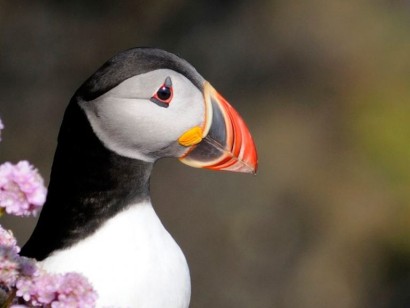
On our first day in Percé, we’ll have the exclusive and rare opportunity to experience a private tour of Bonaventure Island and boat ride around the Percé Rock. Not only are these world famous rock formations treasured around the world, they are true gems of North American bird life, hosting the biggest Northern gannet colony on the continent. The beautiful red cliffs surrounding the island also host nesting pairs of Common Murres, Razorbill, Black Guillemots, Great Cormorants and Black-legged Kittiwakes along with a few dozen pairs of Atlantic Puffins.
We will also get to enjoy the gannet colony from only a few feet away once we’re on the island! After the boat trip, you will be free to rest and enjoy the rich cultural life and history of the charming town of Percé. Once the night sets in, it will be our chance to try for the elusive Yellow Rails nesting in the nearby saltmarshes. Night in Percé.

Day 7: Mountains around Percé then on to Gaspé
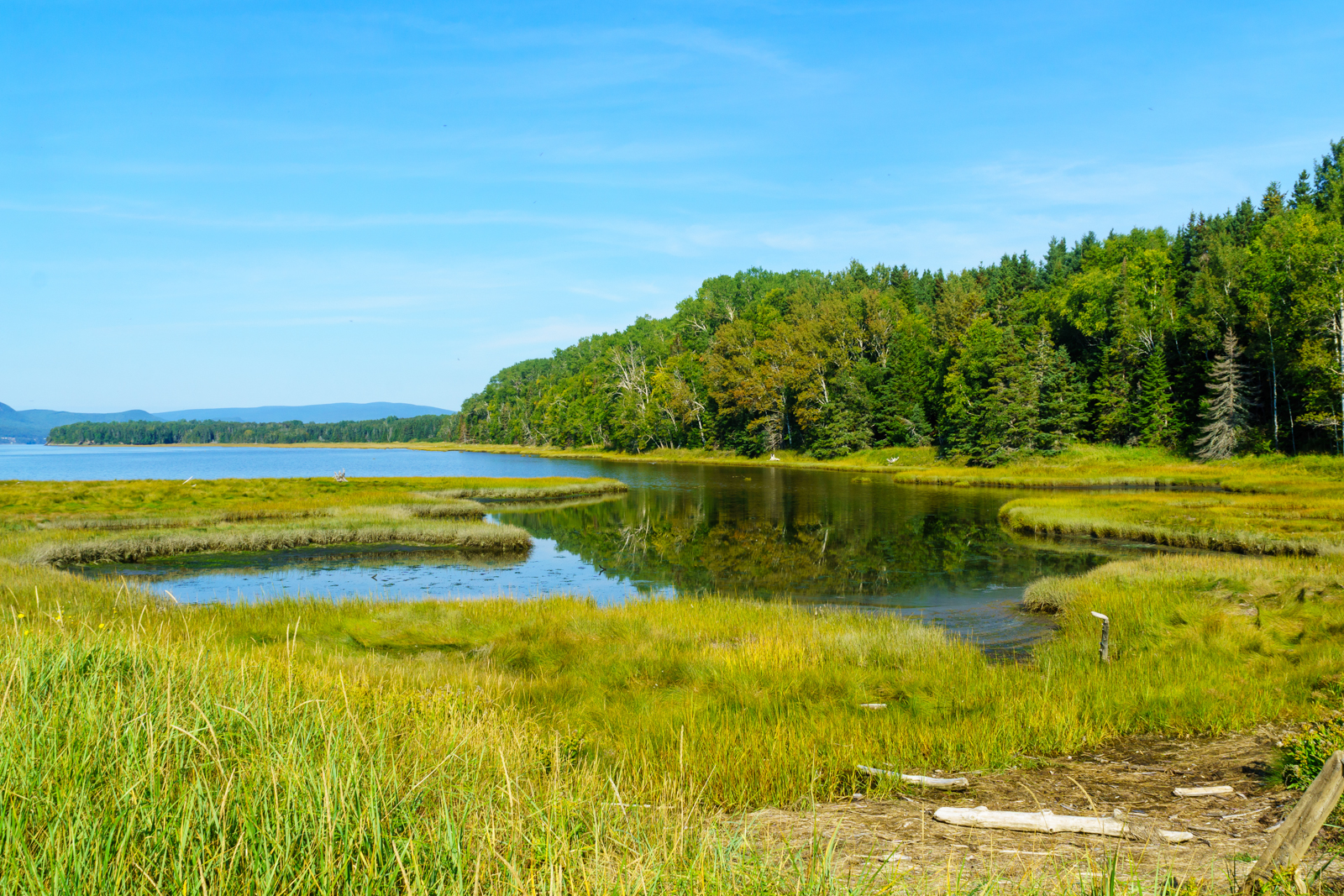
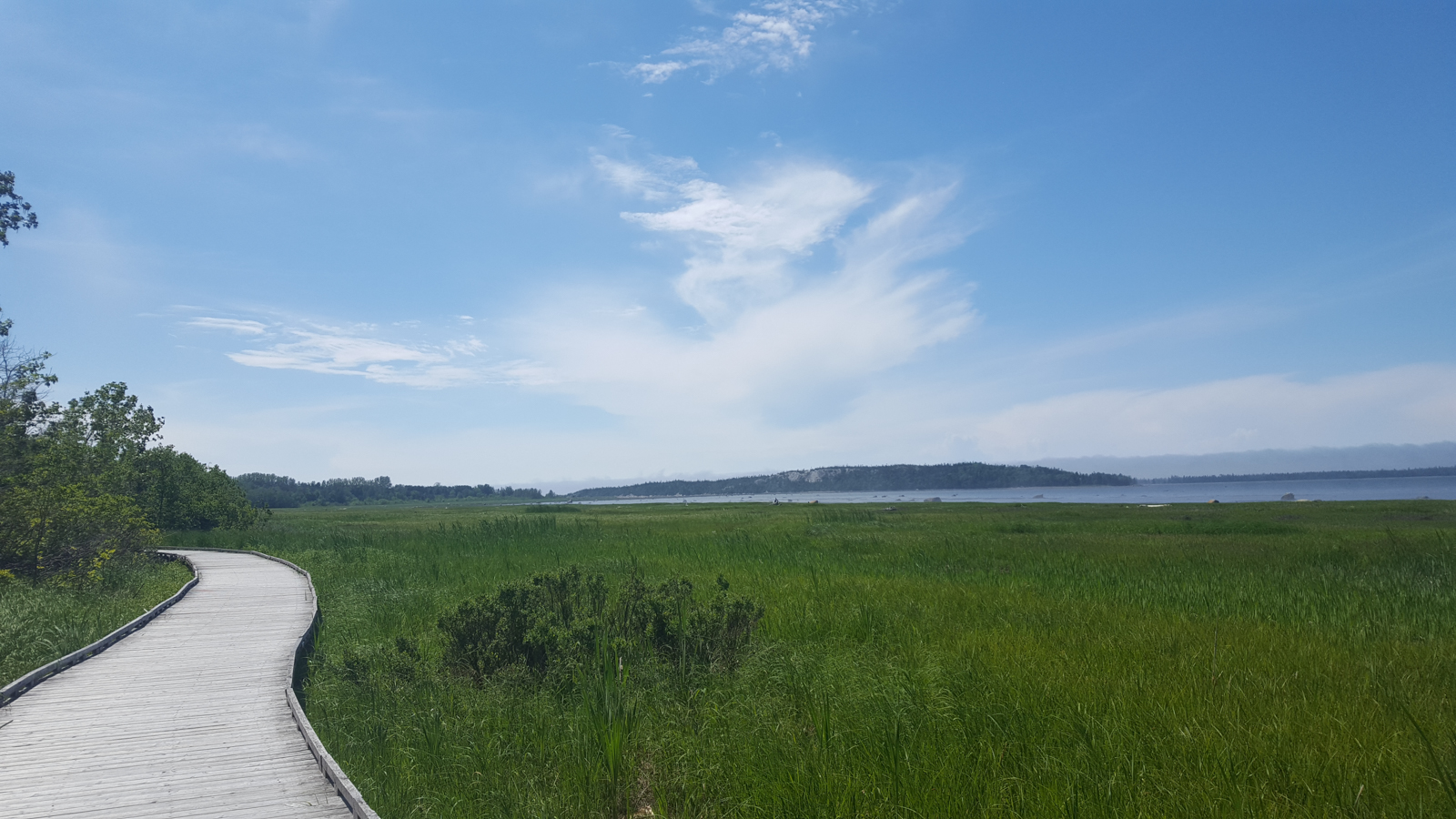
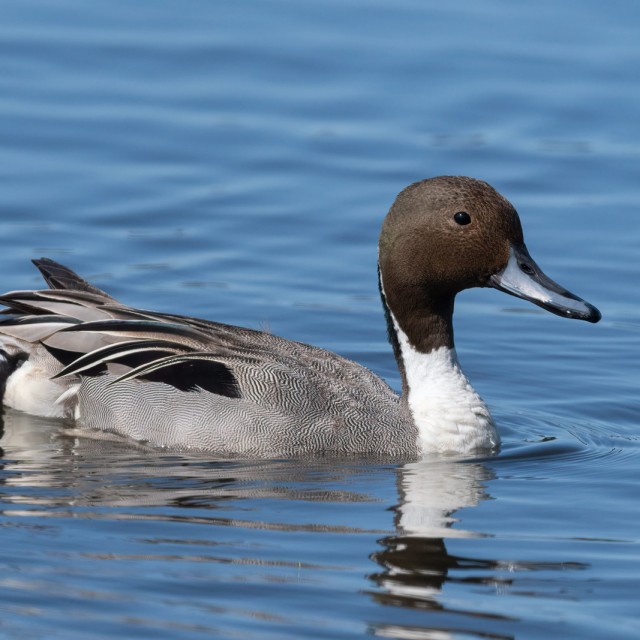
Our second day in Percé will start with a session of birding in the reddish hills and canyons that tower over the town. These mountains, part of the Appalachian geological system, host an array of boreal species and one of our rarest species of birds in North America: Bicknell’s Thrush. After enjoying the town for a little bit, we’ll head towards Gaspé, stopping at a series of saltmarshes and coastal birding spots along the way which are crucial resting stops for shorebirds in the province. We hope to see gatherings of dabbling ducks such as Northern Pintail, migrating shorebirds like Short-billed Dowitchers and elusive waders like American Bitterns. Night in Gaspé.
Day 8: Gaspé and Forillon National Park
Our first day in the Gaspé area will start in Forillon National Park, right at the easternmost end of Québec, where migrating birds gather in thousands to make their way to nesting sites across the gulf of St-Lawrence. We’ll bird migration hotspots around the Forillon point and then make our way to the bird banding station run by the Rimouski Bird Observatory. We’ll get the chance to have a bird banding demonstration while enjoying this closed off part of the park, great for visible migration of raptors and songbirds. On our way back, we’ll visit Penouille beach, a long sandy point going into the Bay of Gaspé with great marshes, coastal habitats and woodlands filled with boreal and neotropical migrants. We’ll then spend the evening in the great town of Gaspé, a youthful charming city with great food and scenery. Night in Gaspé.

Day 9: Forillon National Park
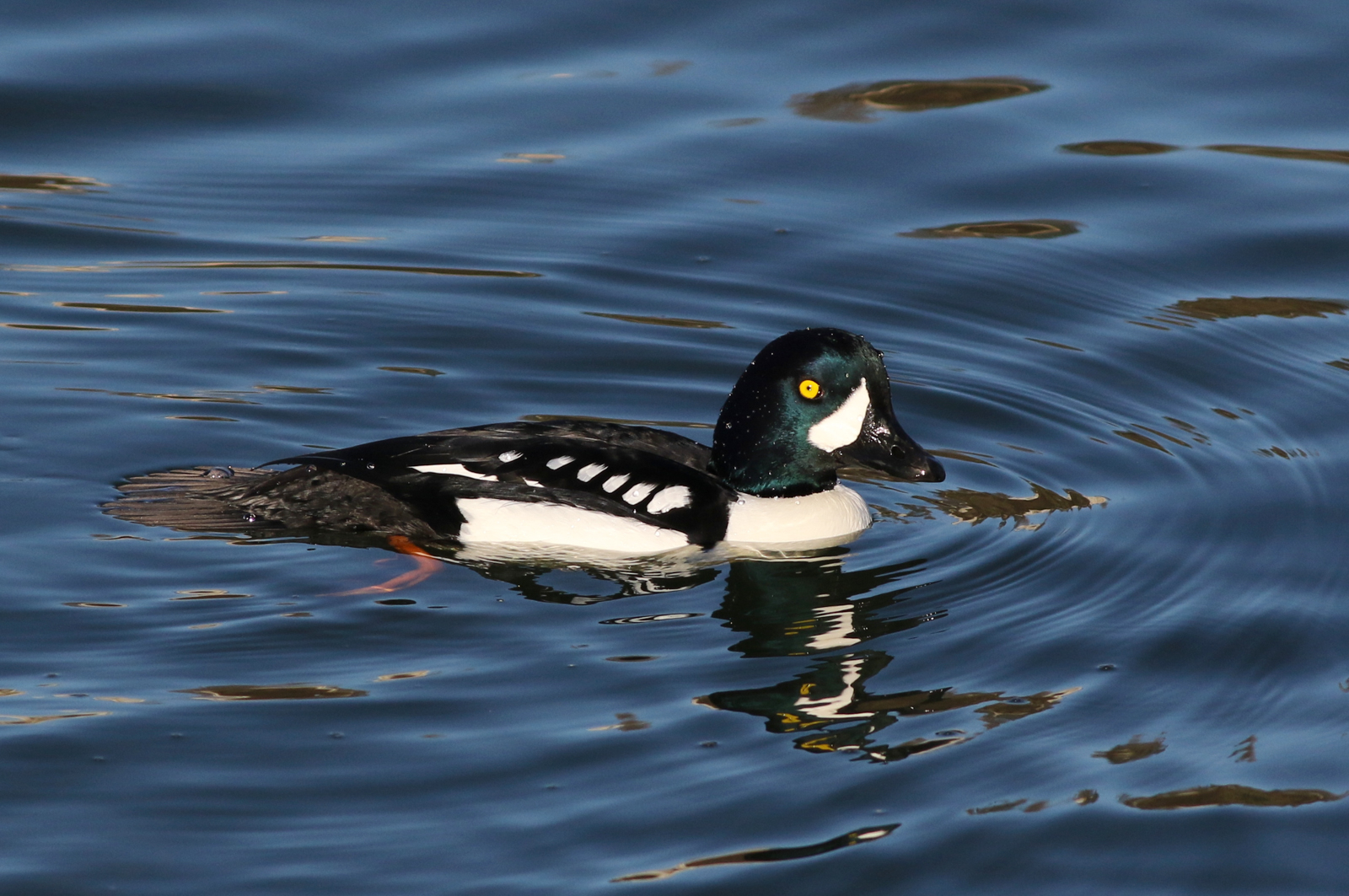
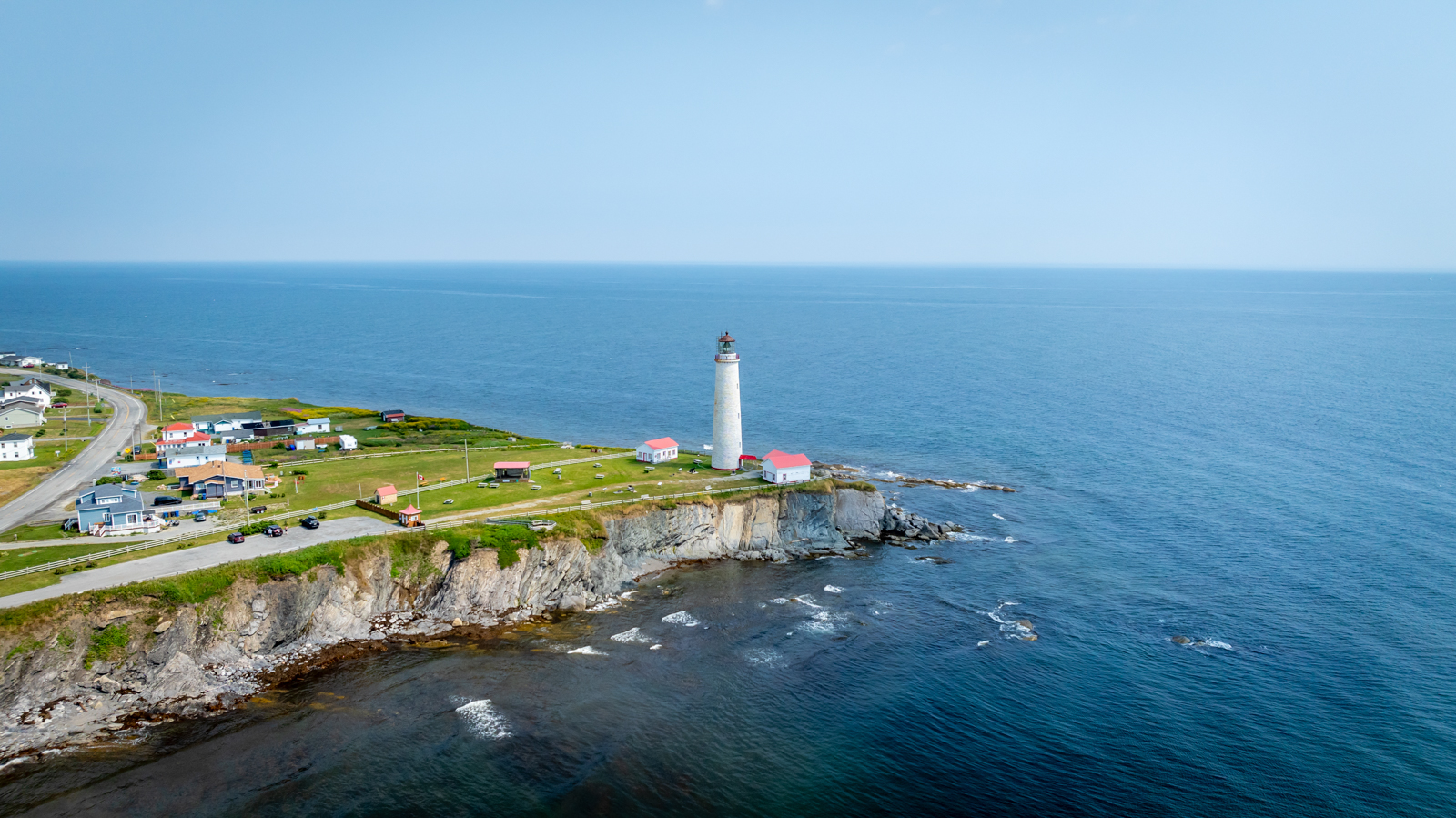
On our second day around Gaspé and Forillon we’ll head to the northern end of the National Park and bird the Banc Trail which hosts a great mix of brushy habitats, woodlands, marshes and rocky beaches. This amazingly scenic area hosts a great diversity and abundance of migrant sea ducks (such as Harlequin Ducks, Long-tailed Ducks, Barrow’s Goldeneye White-winged, Black, and Surf Scoters) and alcids as well as being a resting stop for many migrants and overshooting vagrant songbirds. Right next to the trail, we’ll get a chance to visit the beautiful Bon Ami Cape, where the rocky cliffs are filled with noisy Kittiwake pairs attending to their young. We’ll make a last stop in the area at the nearby historical site of the Cap-Des-Rosiers Lighthouse, the tallest lighthouse in Canada, dating back to the mid 1850’s. The spot is also a seabird migration monitoring station and we’ll get the chance to experience pelagic birds moving through. Night in Gaspé.

Day 10: Forillon and Gaspé area
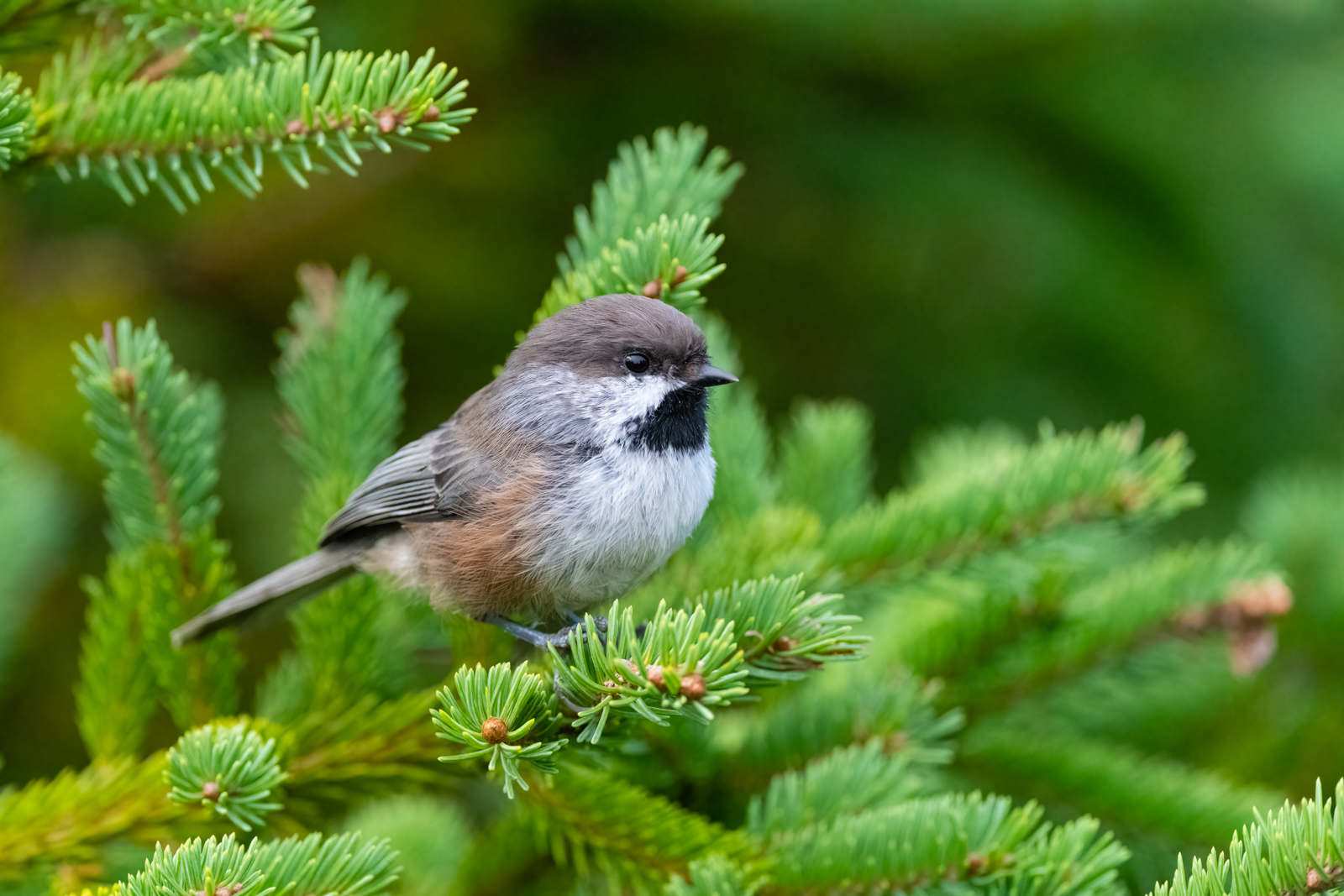
Our first adventure of the day will be to seek out the Golden Eagles that nest in the area and watch some of their breeding behavior, a rare sight in eastern North America. This will give us a chance to bird the heart of the boreal forest of the region and encounter some northern specialities such as Canada Jays, Spruce Grouse, Boreal Chickadees and an array of finches and warblers in full breeding attire. We’ll then gather in Gaspé for one last evening where we can enjoy this ‘’city at the end of the world’. Night in Gaspé.

Day 11: Gaspé and flight to Quebec City
On our last morning, we’ll be able to enjoy a final birding session in the Sandy Beach area called ‘’Boom Defense’’ by the locals because of the WW2 bunker still standing among the vegetation there. This will give us a chance to get a last glimpse at ducks, gulls, shorebirds and boreal songbirds before heading back to the airport in time for a midday flight to Quebec City (not included). You can book onward flights home from there today or spend more time in Quebec City. Our Quebec in Spring birding tour has come to an end, but we hope you will travel home with many fond memories of this charming region that his home to some exceptional birding.

What to Expect
What to Expect
Overview
The Quebec in Fall tour is a moderate-paced birding tour, where we focus on finding a variety of species. You can expect early mornings (6:30-7am) and long days out in the field.
Food
We generally have an early breakfast at the hotel before we head out for the day. We often take a picnic lunch in the field, but will occasionally stop at a restaurant for lunch. Dinner is usually at the hotel or a nearby restaurant. Each evening after dinner we compile the day’s checklist, review the day’s activities, birds, mammals and other observations, and plan the next day’s activities.
Accommodation
Generally we stay in pleasant hotel rooms in locations close to where we want to go birding.
Walking
The walking on this tour is rated as moderate with distances less than 5km. The walking is on relatively level ground. However, there are a couple of walks on steeper trails with uneven terrain.
Driving
Most days have a small to moderate amount of driving going from the lodgings to birding sites. The longest drive will be about 3.5 hours, but we will take rest stops along the way.
Climate
Weather in spring is usually pleasant, with warm days and cool nights. Along the coast and on the water it can be cool, so pack layers.
It is a good idea to bring footwear that is waterproof for shore and wetland areas. We should not encounter significant numbers of mosquitos or black flies at that time of year; however, you may wish to bring mosquito repellent in case of an exceptionally warm day mosquitoes or black flies are not usually a problem anywhere except perhaps in sheltered trails.
Boat Trips
We will take a boat trip around Perce Island and Bonaventure Island. There are washrooms on board.
Frequently Asked Questions
Land Tours FAQs
Whether you’re a seasoned birder or new enthusiast, these FAQs cover important details about our tours, including schedules, fitness requirements, group dynamics and more.
Featured Wildlife
Featured Wildlife
While we cannot guarantee sightings of the birds or mammals listed below, we believe that encountering these species is quite likely during this tour.
- Brant
- King Eider
- Harlequin Duck
- Barrrow’s Goldeneye
- Common Murre
- Atlantic Puffin
- Spruce Grouse
- Yellow Rail
- Atlantic Puffin
- Iceland / Glaucous Gull
- Great Cormorant
- Golden Eagle
- Northern Goshawk
- Black-backed Woodpecker
- Three-toed Woodpecker
- Canada Jay
- Boreal Chickadee
- Bicknell’s Thrush
- Pine Grosbeak
- White-winged / Red Crossbill
- Nelson’s Sparrow
- Moose
- Forest population of Caribou (almost extinct, fair chance of seeing them on a steep trail)
- Pine marten
- Black bear
- ...Plus tens of thousands of migrating neotropical songbirds, ducks, and alcids!