Hawaii Birding Tour
Highlights
Highlights
- Explore three Hawaiian islands — O‘ahu, Kaua‘i and the Big Island of Hawai‘i
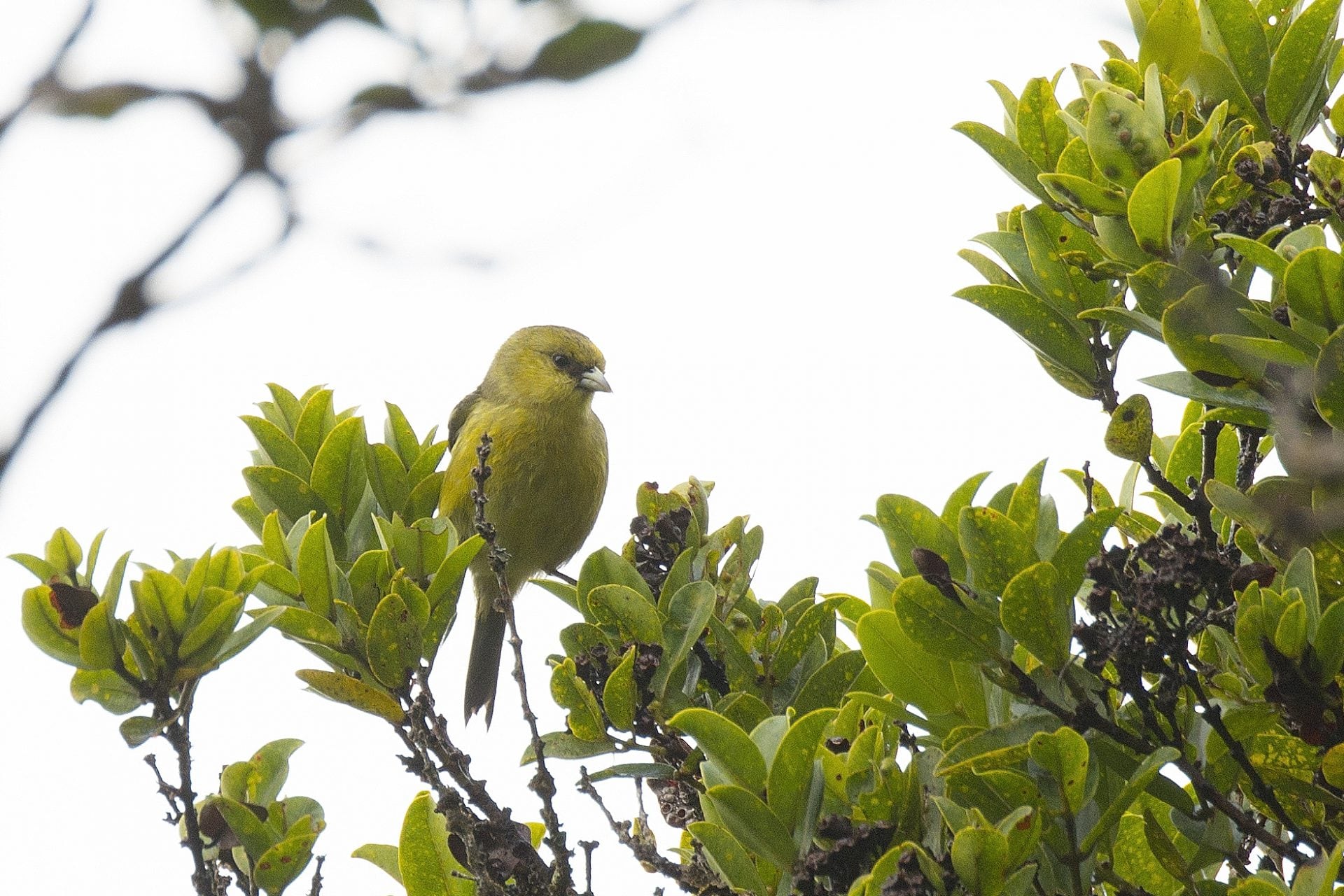
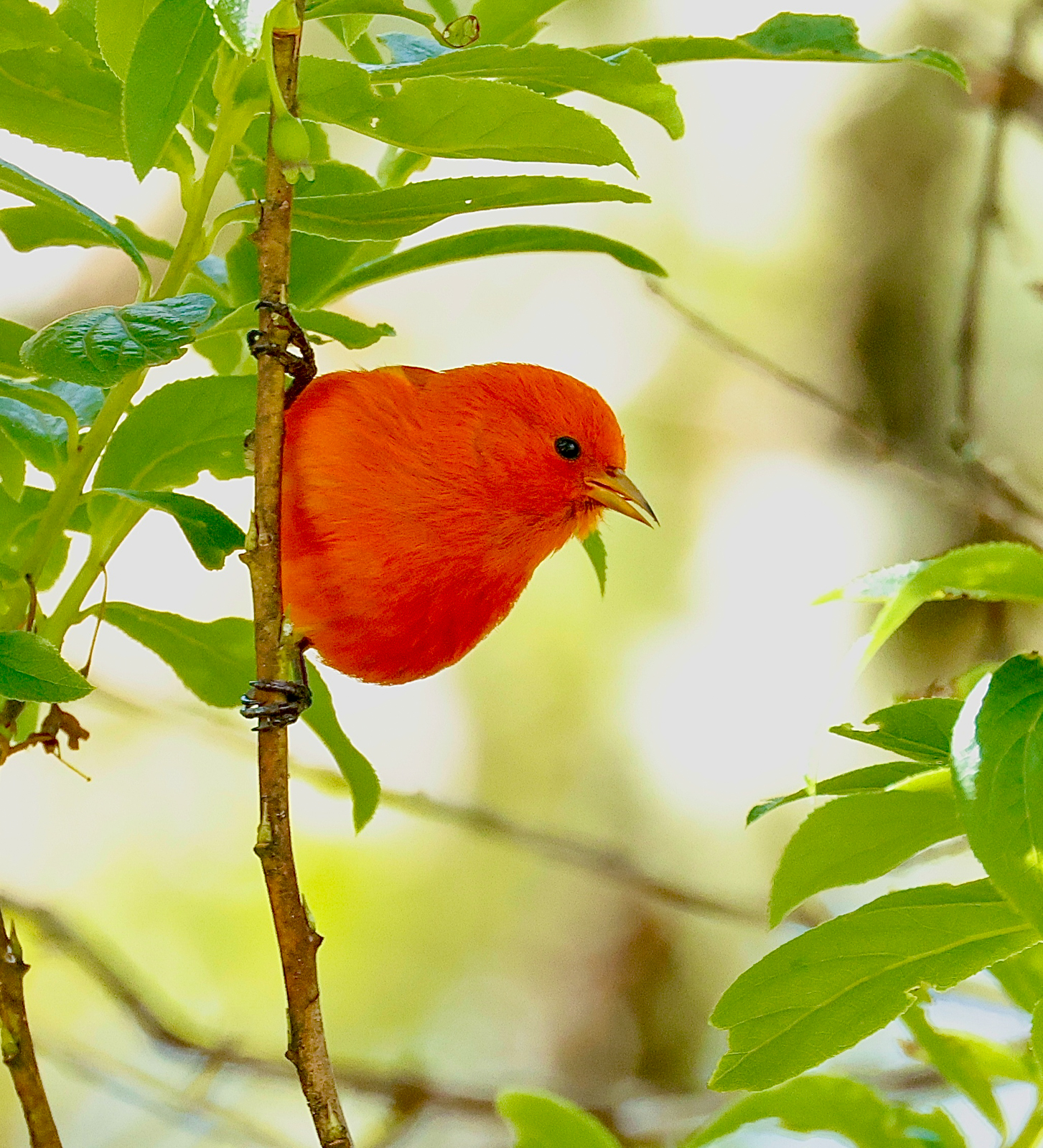
- Search for Hawaii’s remarkable endemic birds, including colourful honeycreepers found nowhere else on Earth
- Bird native forests, wetlands, dry country and coastal habitats for an exceptional variety of island birds
- Enjoy spectacular views of seabirds from dramatic coastal viewpoints
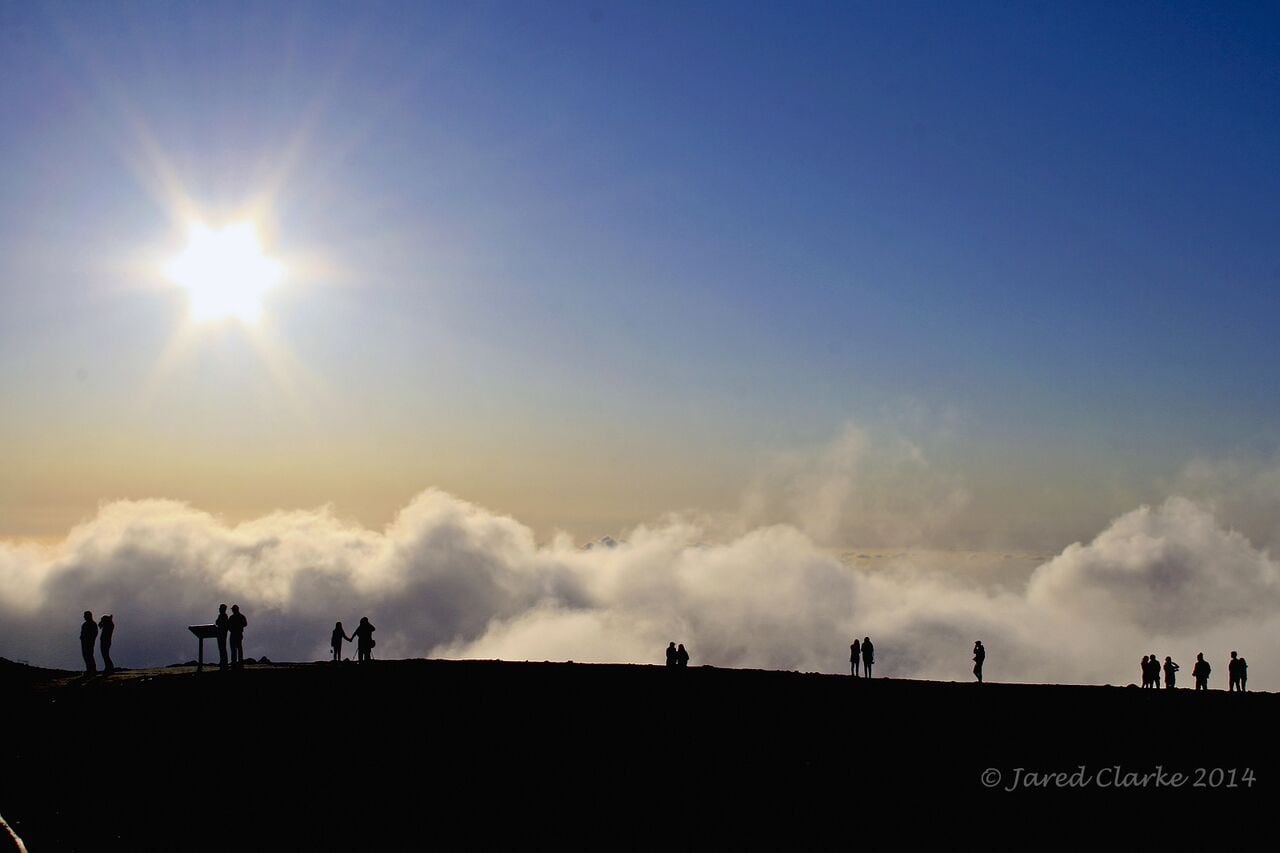
- Visit Hakalau Forest National Wildlife Refuge, Waimea Canyon, Kōke‘e State Park and the extraordinary volcanic landscapes of Hawai‘i Volcanoes National Park
Map
Map
Overview
Tour Overview
The Hawaiian Islands are quite simply enchanting! Spectacular scenery, a mild climate and the islands’ unique natural and cultural history provide the backdrop for our birding journey through O‘ahu, Kaua‘i and the Big Island of Hawai‘i.
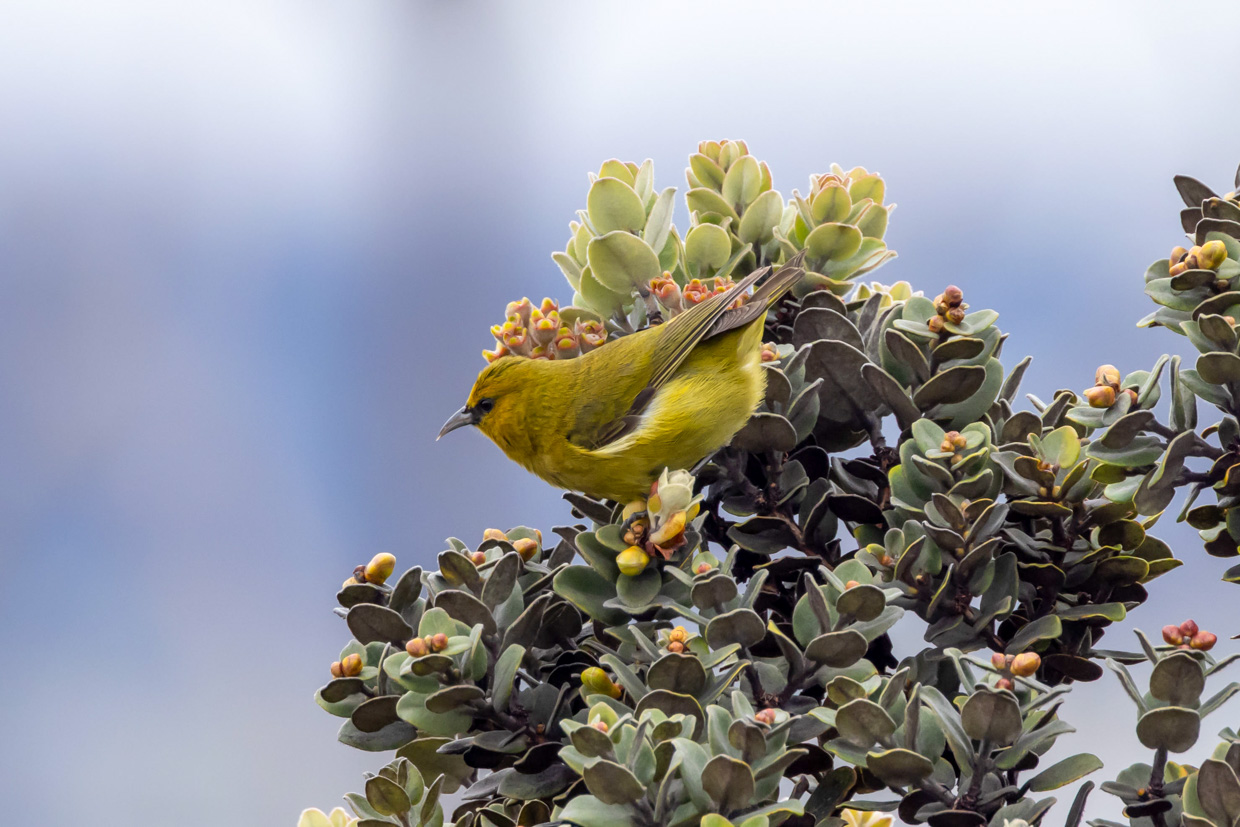
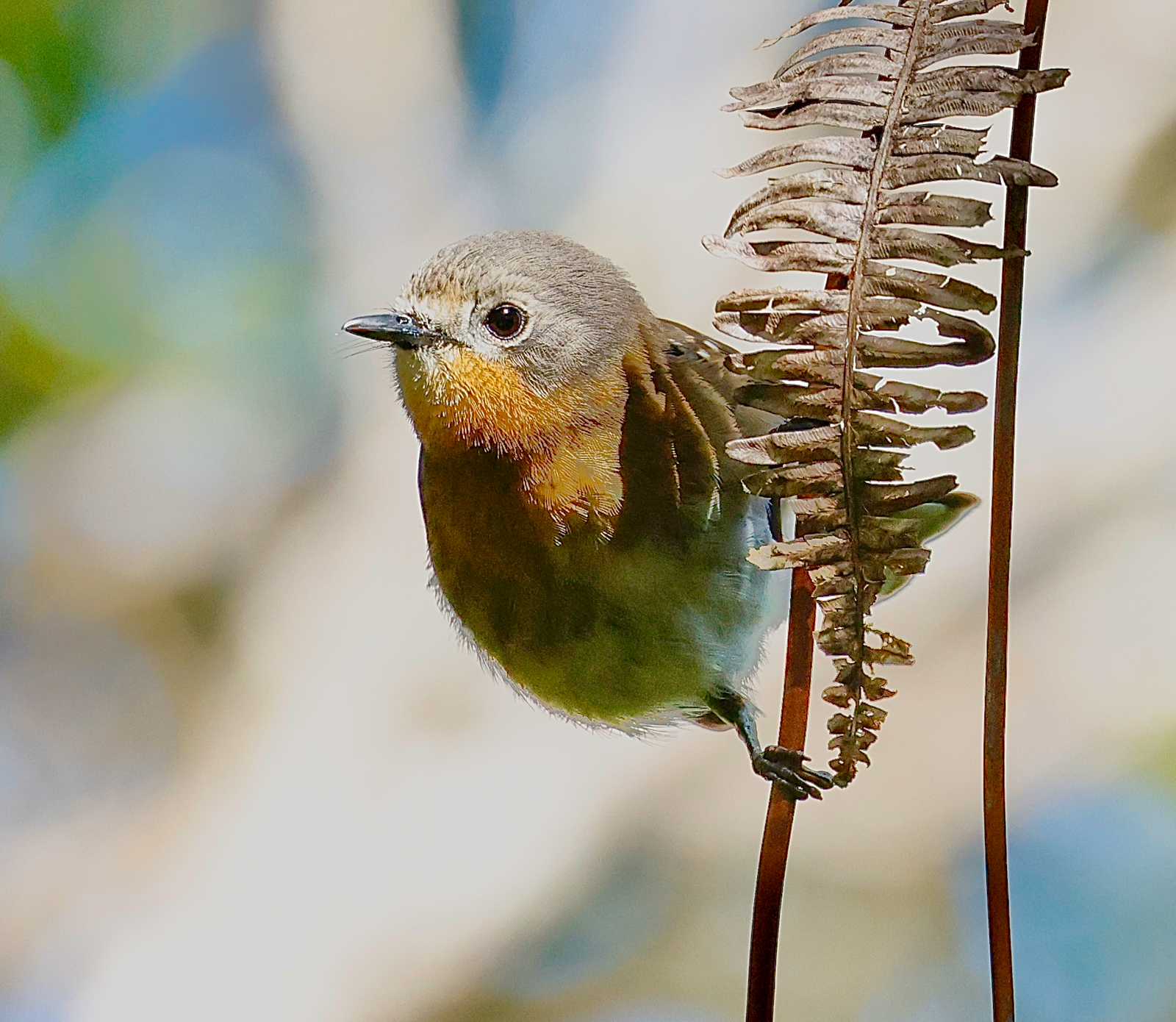
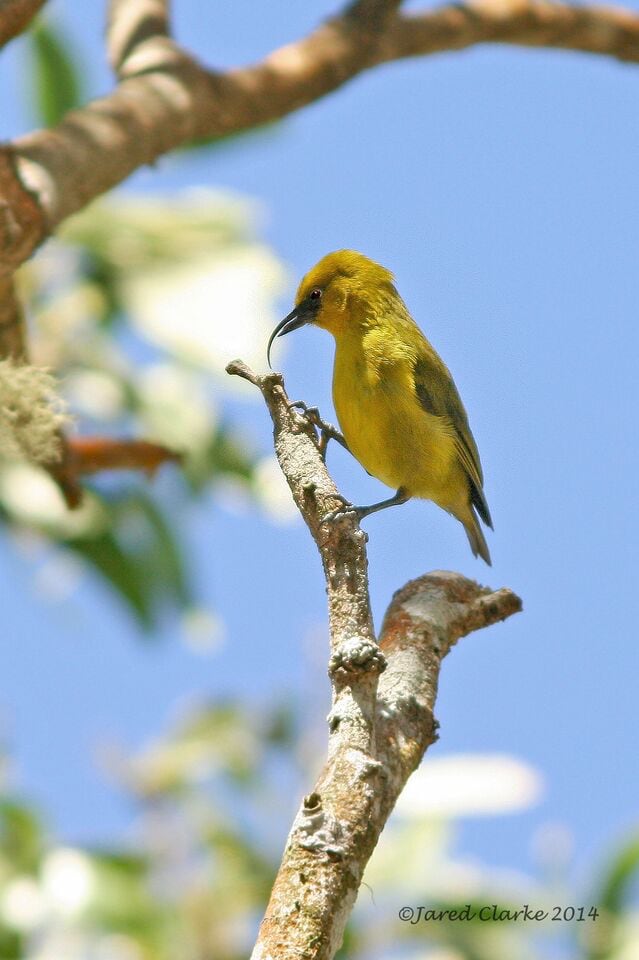
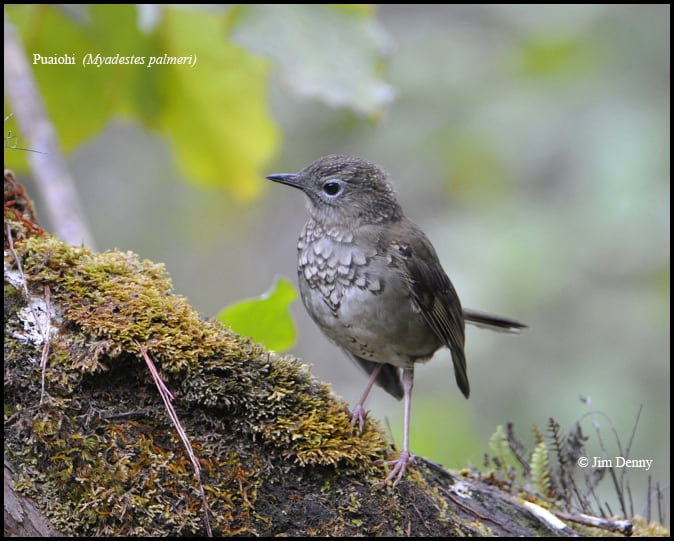
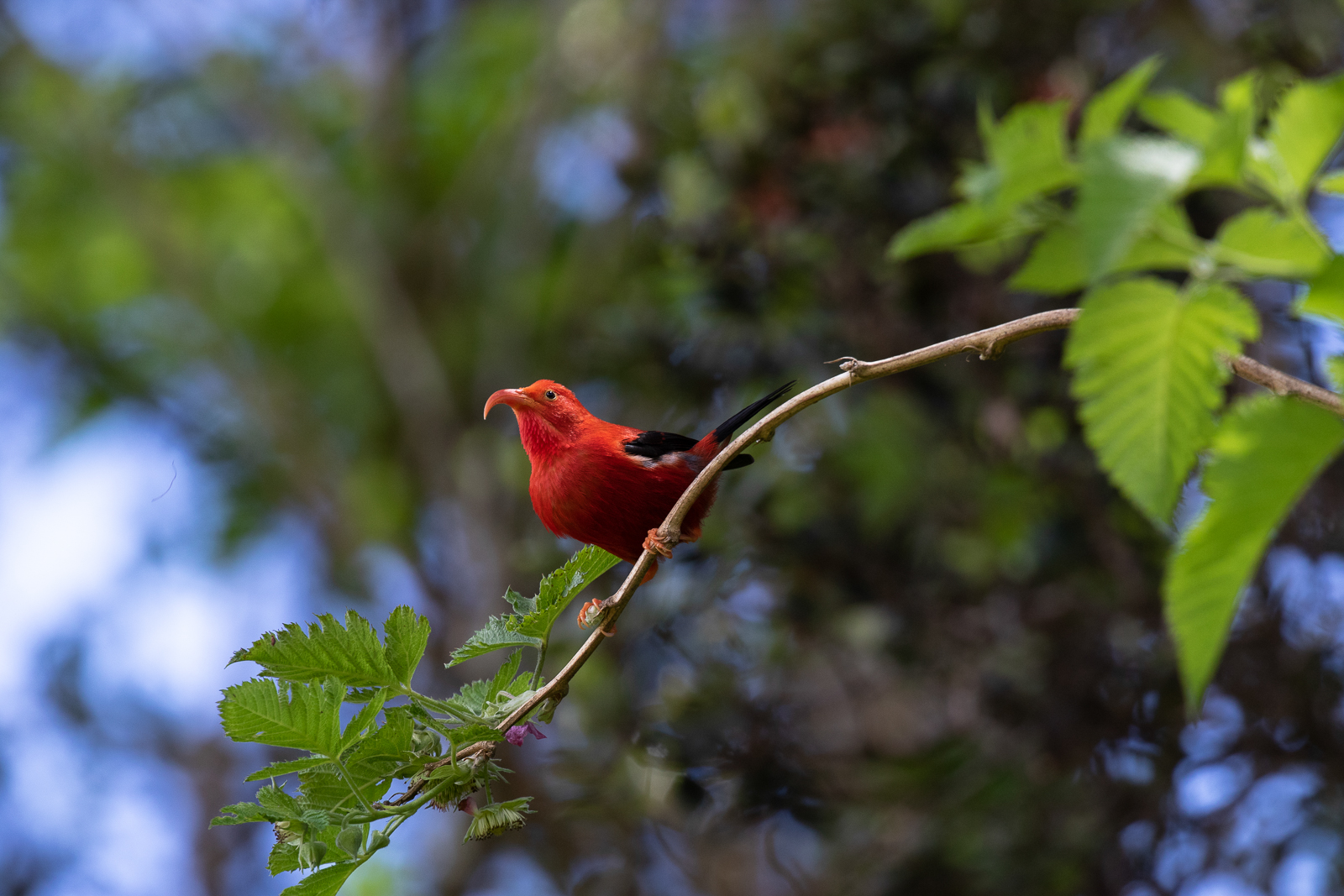
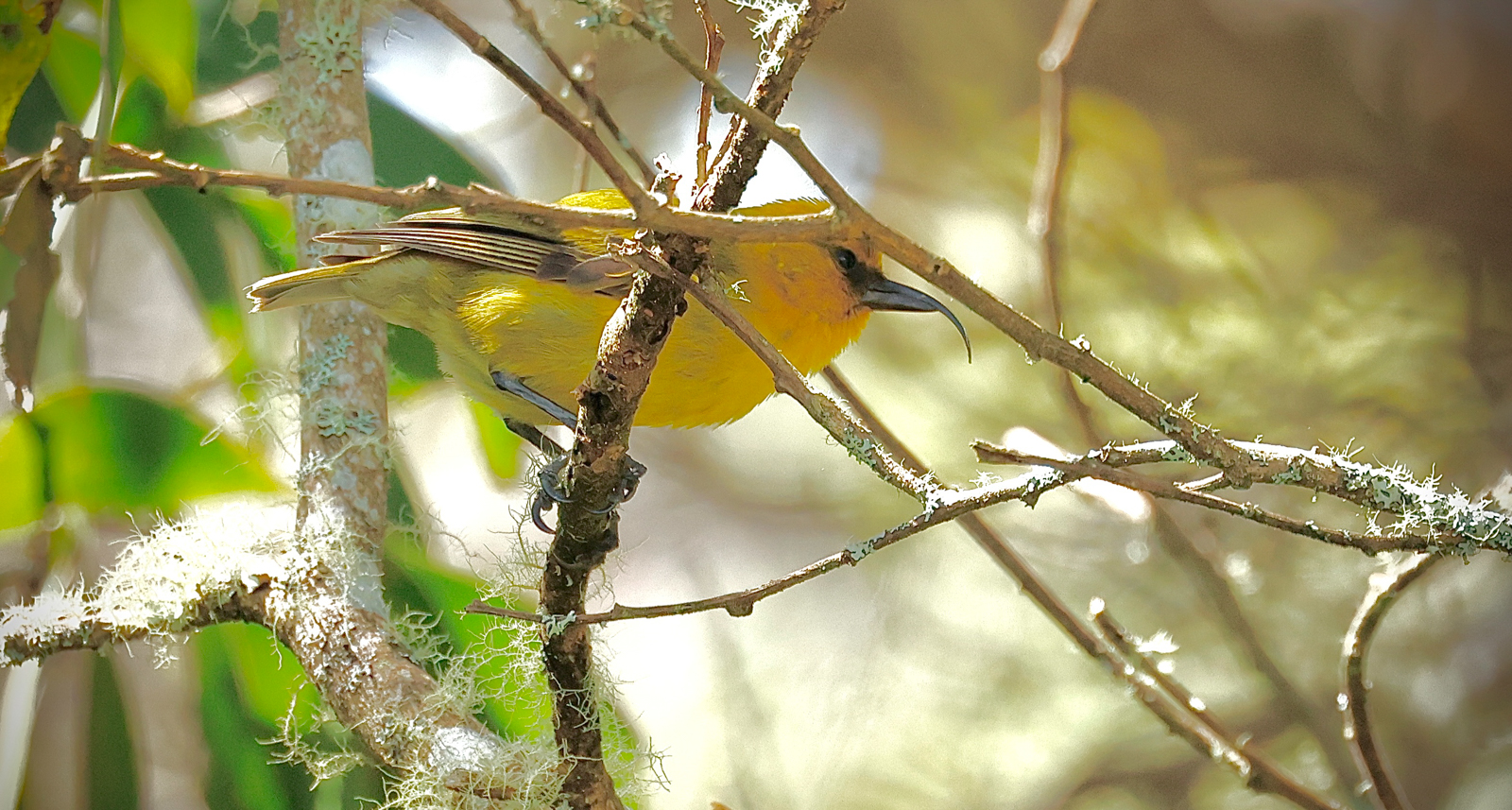
Hawaii is renowned for its extraordinary endemic birdlife, and we search for the specialities of each island, from O‘ahu ‘Elepaio and Kaua‘i ‘Amakihi to the remarkable honeycreepers of the Big Island. Among the many highlights are ‘I‘iwi, Hawai‘i ‘Akepa, Hawai‘i Creeper, Anianiau and the extraordinary ‘Akiapōlā‘au.
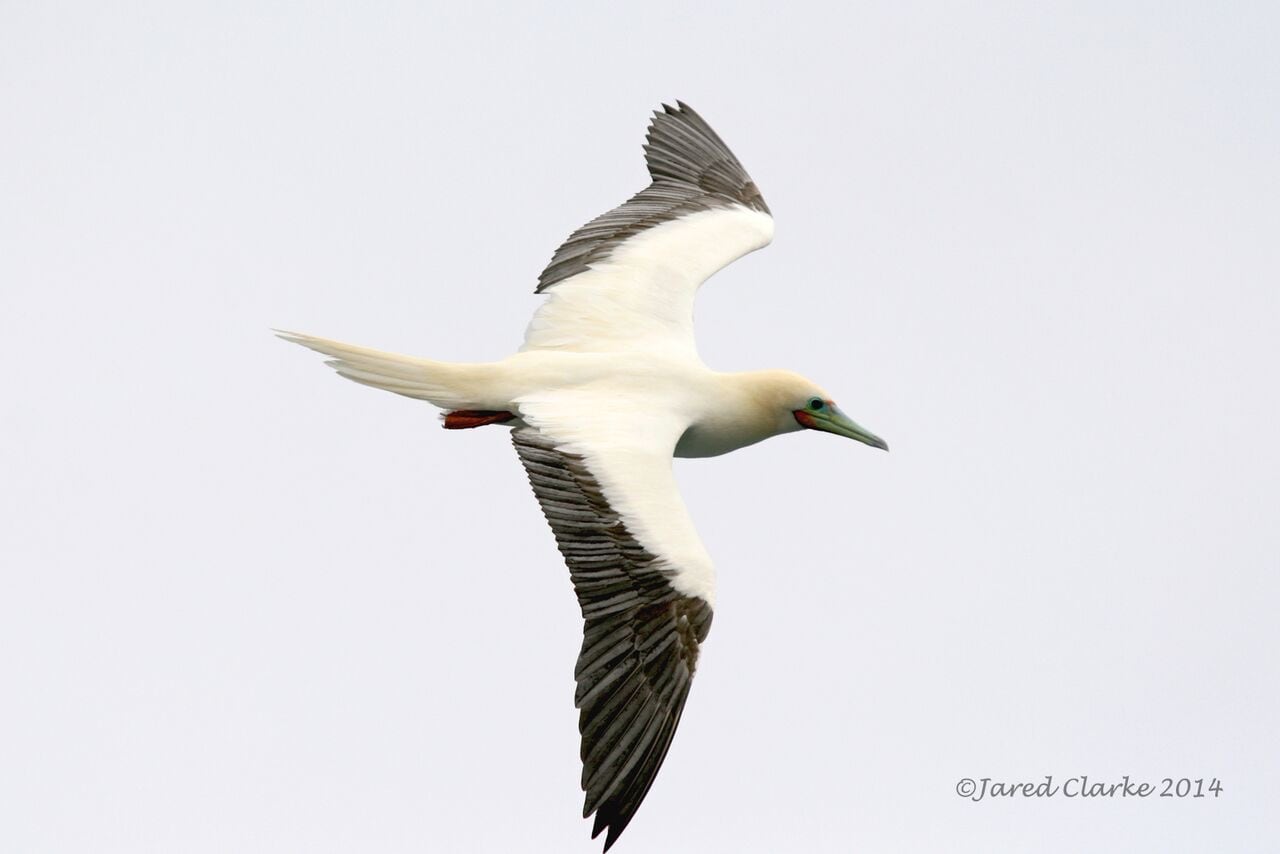
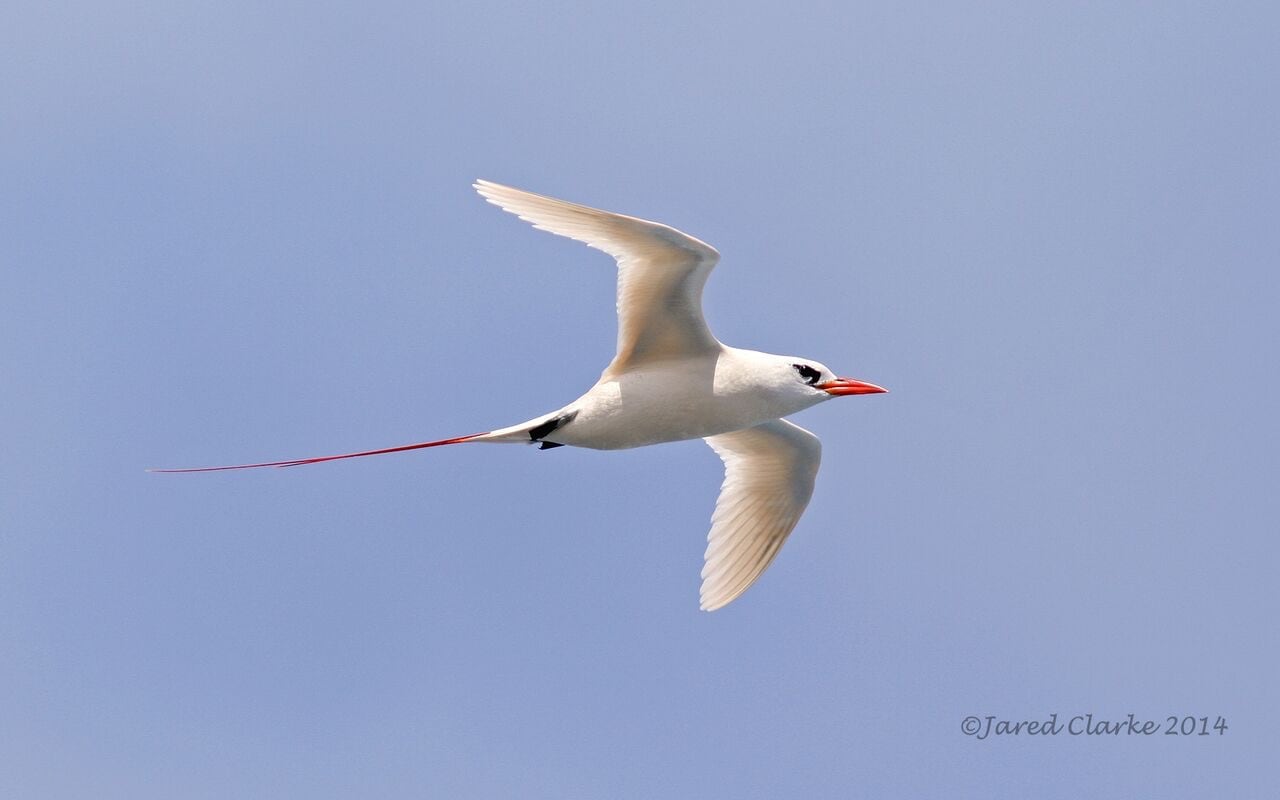
There is much more to discover along the way. Laysan Albatross, Red-footed Booby, tropicbirds and other seabirds enliven the coastlines, while native waterbirds inhabit wetlands across the islands. We explore places such as Waimea Canyon, Kōke‘e State Park, Hakalau Forest National Wildlife Refuge and the dramatic volcanic landscapes of Hawai‘i Volcanoes National Park.
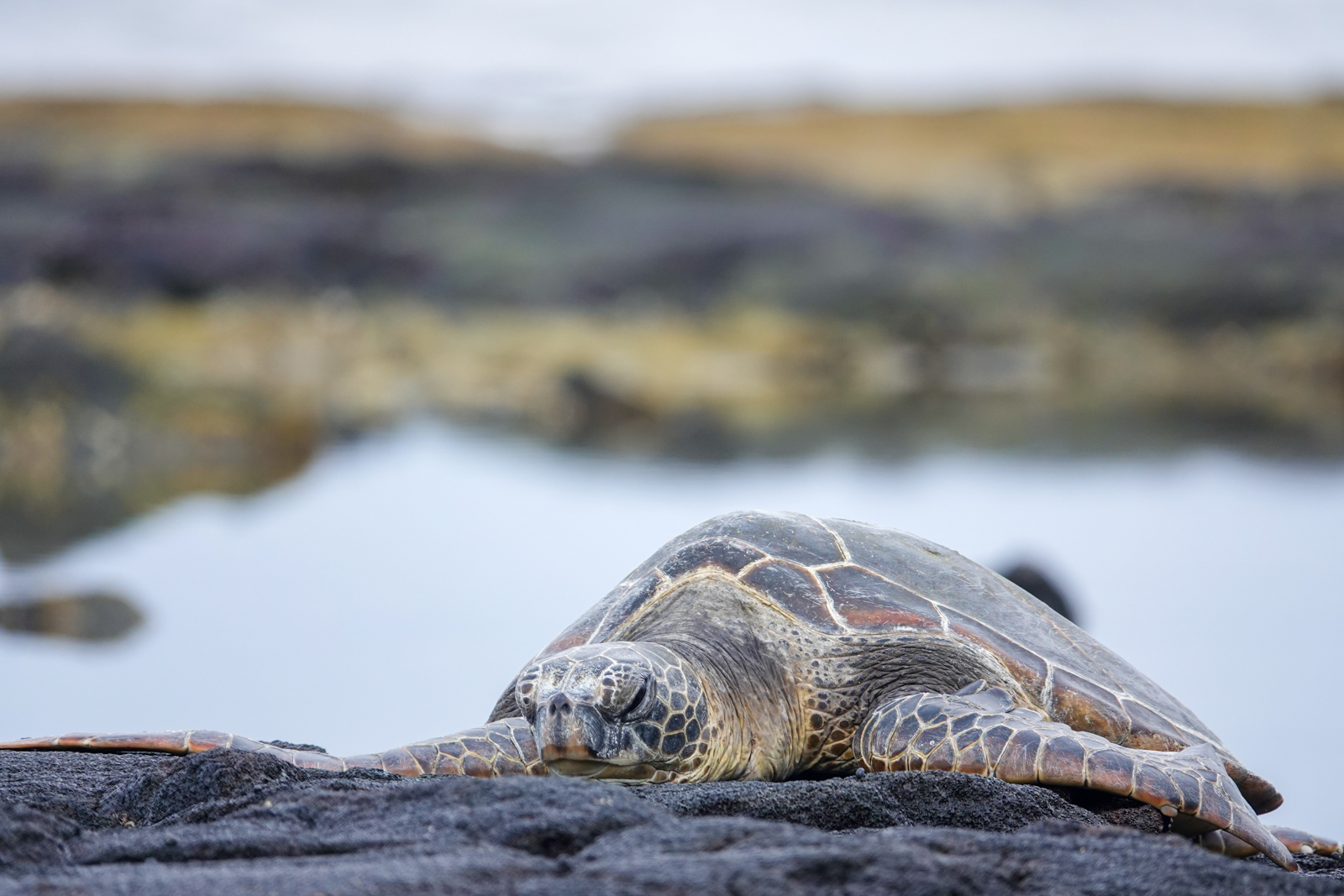
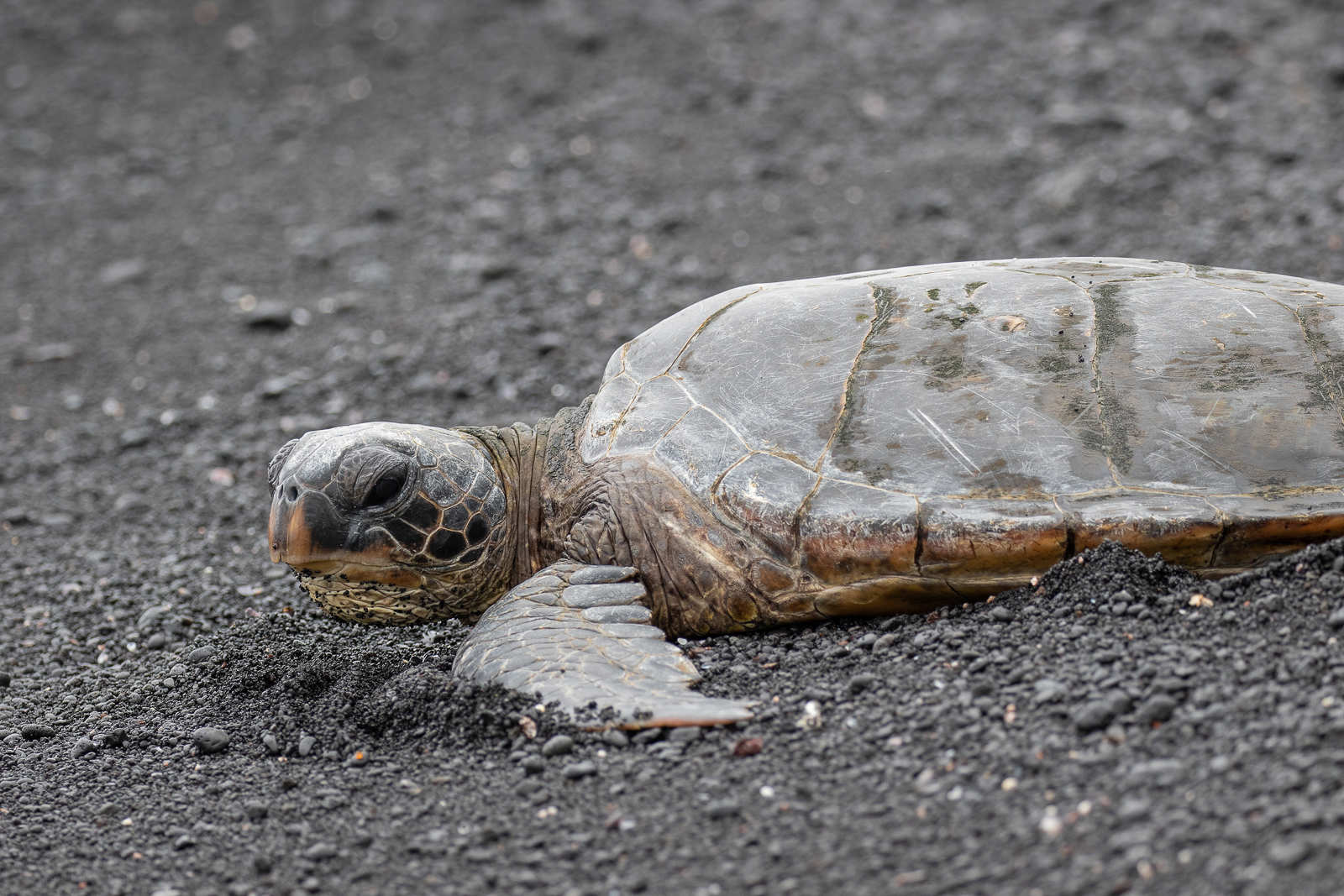
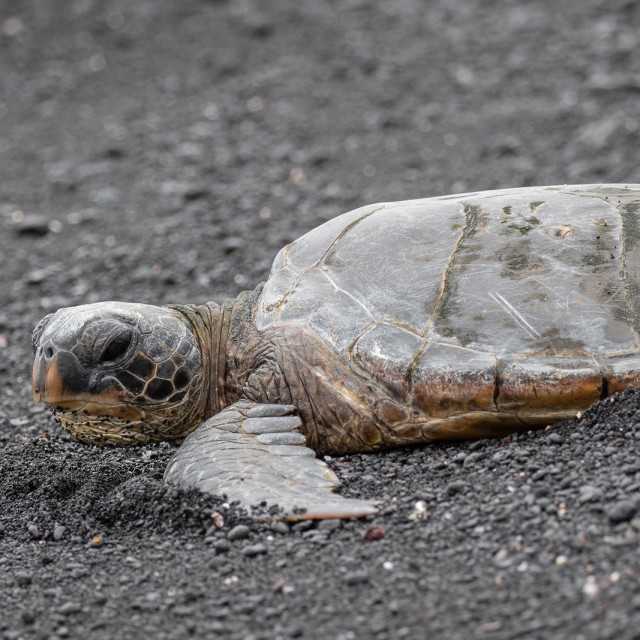
Add Hawaiian Green Sea Turtles, the possibility of whales and other marine life, beautiful coastlines and constantly changing island scenery, and this is a wonderfully varied introduction to the birds and natural history of Hawaii.
Dates & Prices
Dates & Prices
What's Included
Tour Price Includes
- All accommodation
- All Meals and soft drinks
- Ground transportation
- 2 short, inter-island flights included
- 4 - 8 participants will be guided by one guide. 9 - 12 participants will be guided by two guides in two vehicles.
- All park, conservation and entrance fees
Tour Price Does Not Include
- Flights to and from start/end location
- Travel Insurance
- Items of a personal nature
- Alcoholic beverages
Gallery
Gallery




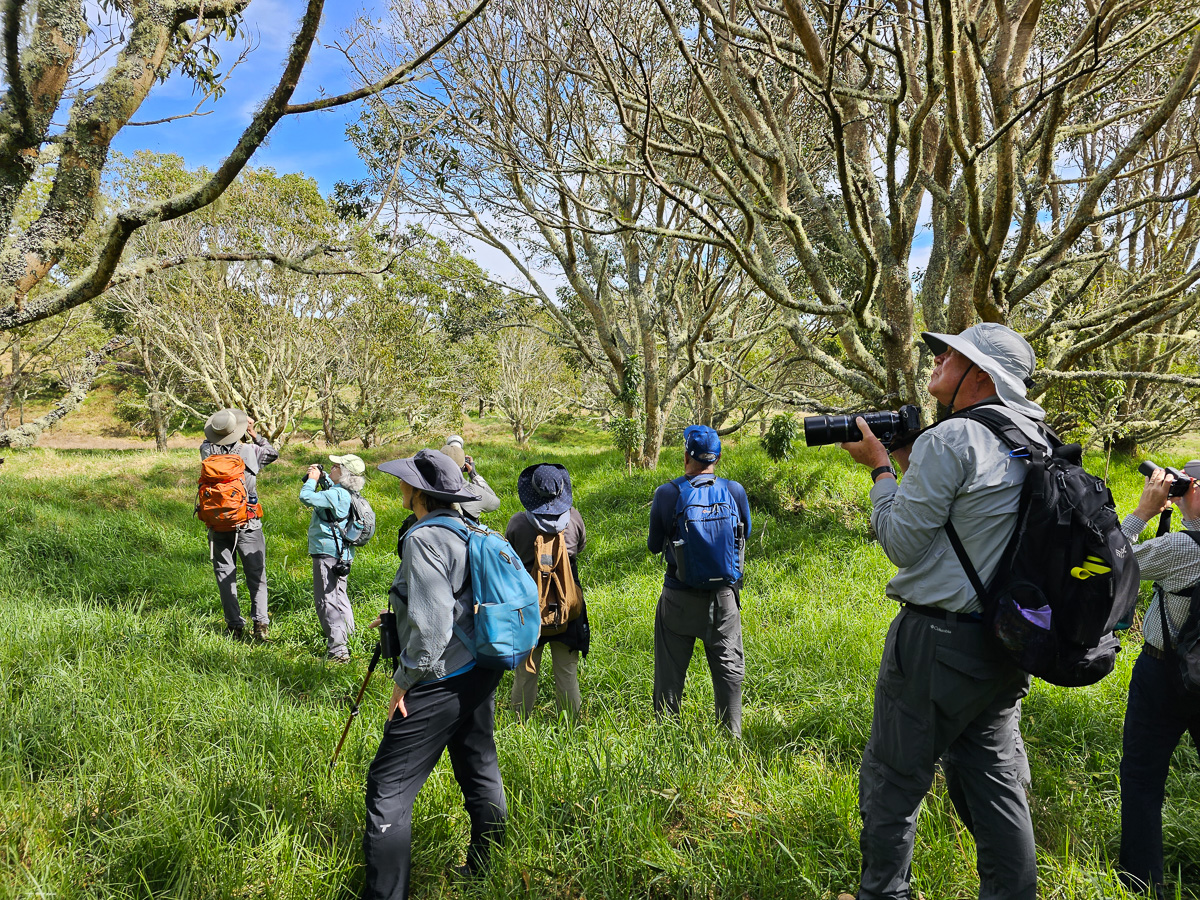
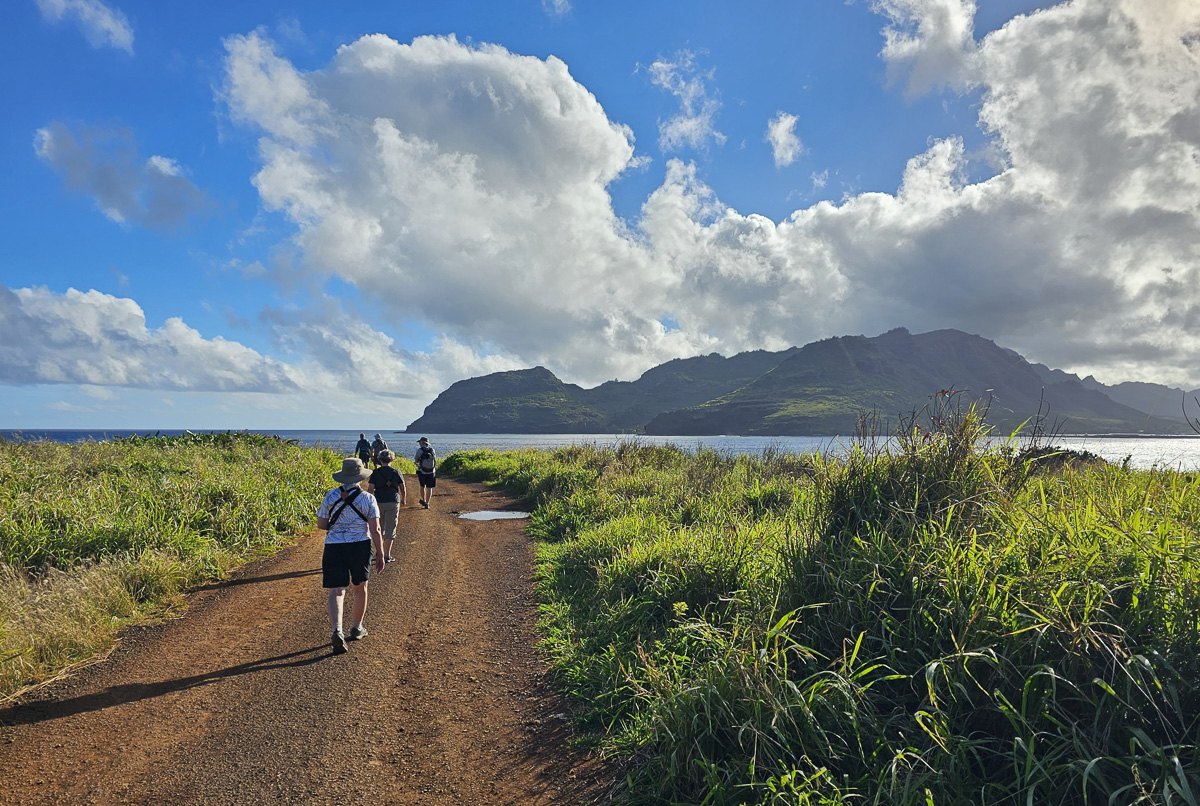
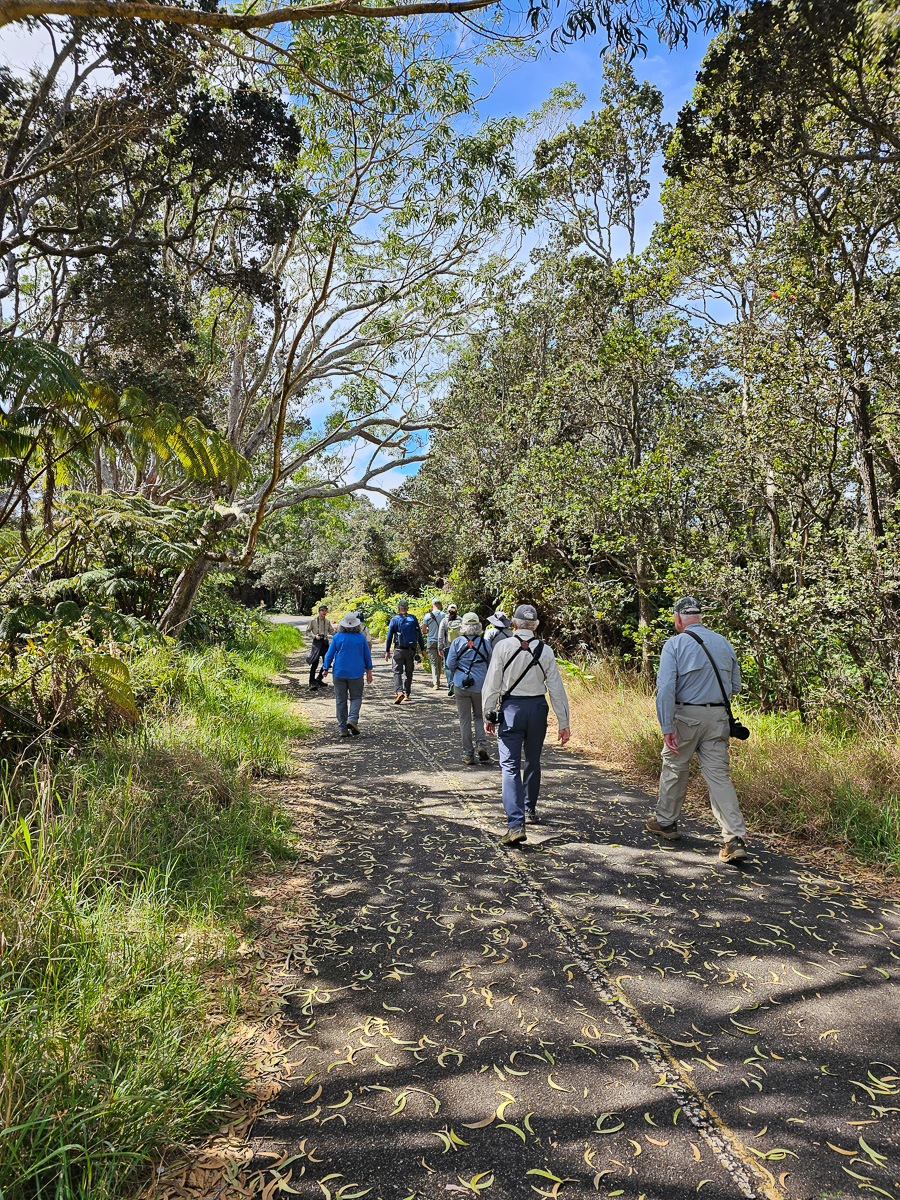
Itinerary
Itinerary
Day 1: Arrival Oahu
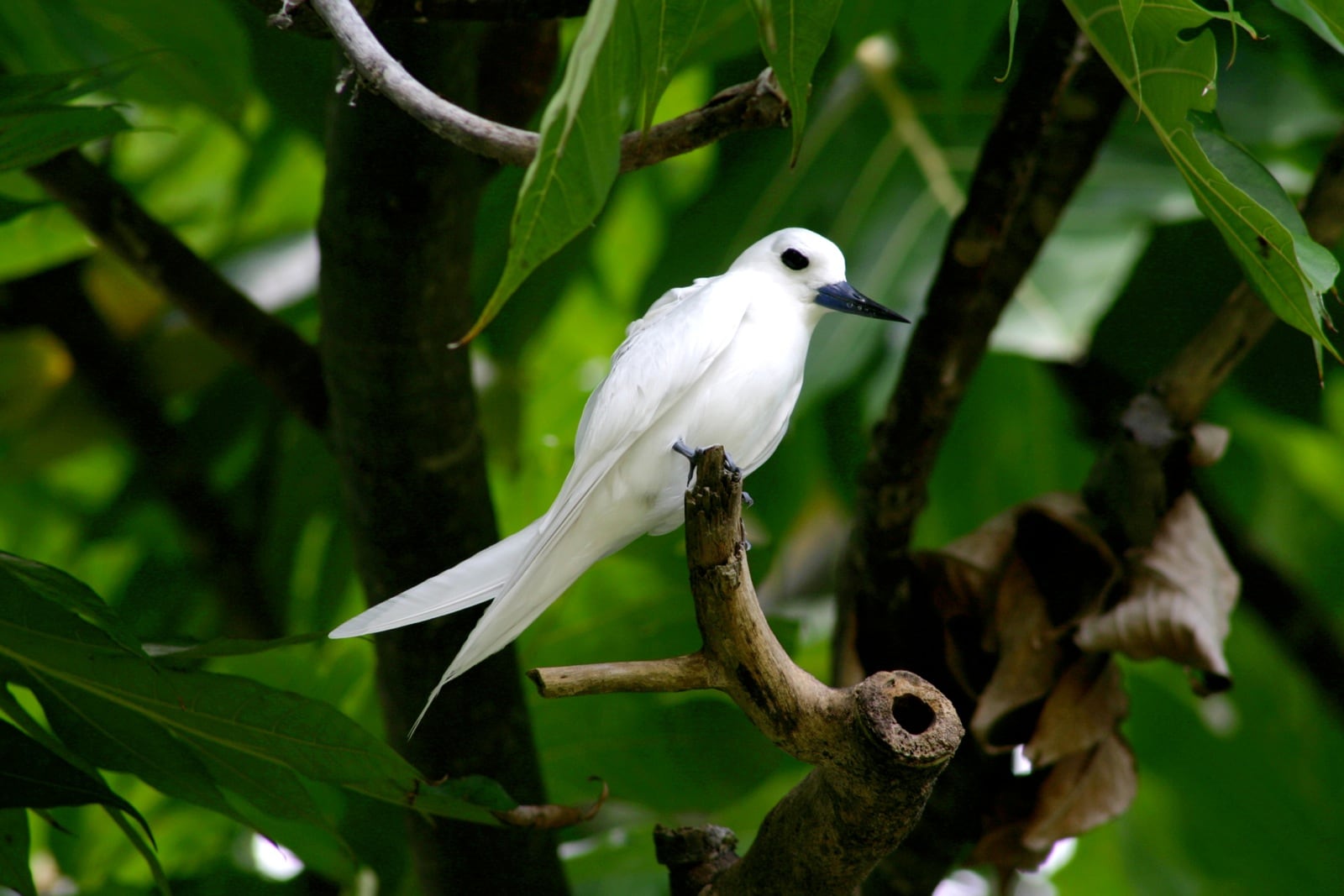
Our Hawaii birding tour begins on O‘ahu, where we settle into island life and meet for our welcome dinner. Depending on arrival times, there may be an opportunity for a first look at some of the birds around Waikīkī, including the elegant Blue-billed White-Tern that nest in the city. Night in Waikīkī.
Days 2: O‘ahu – Native Forests & North Shore
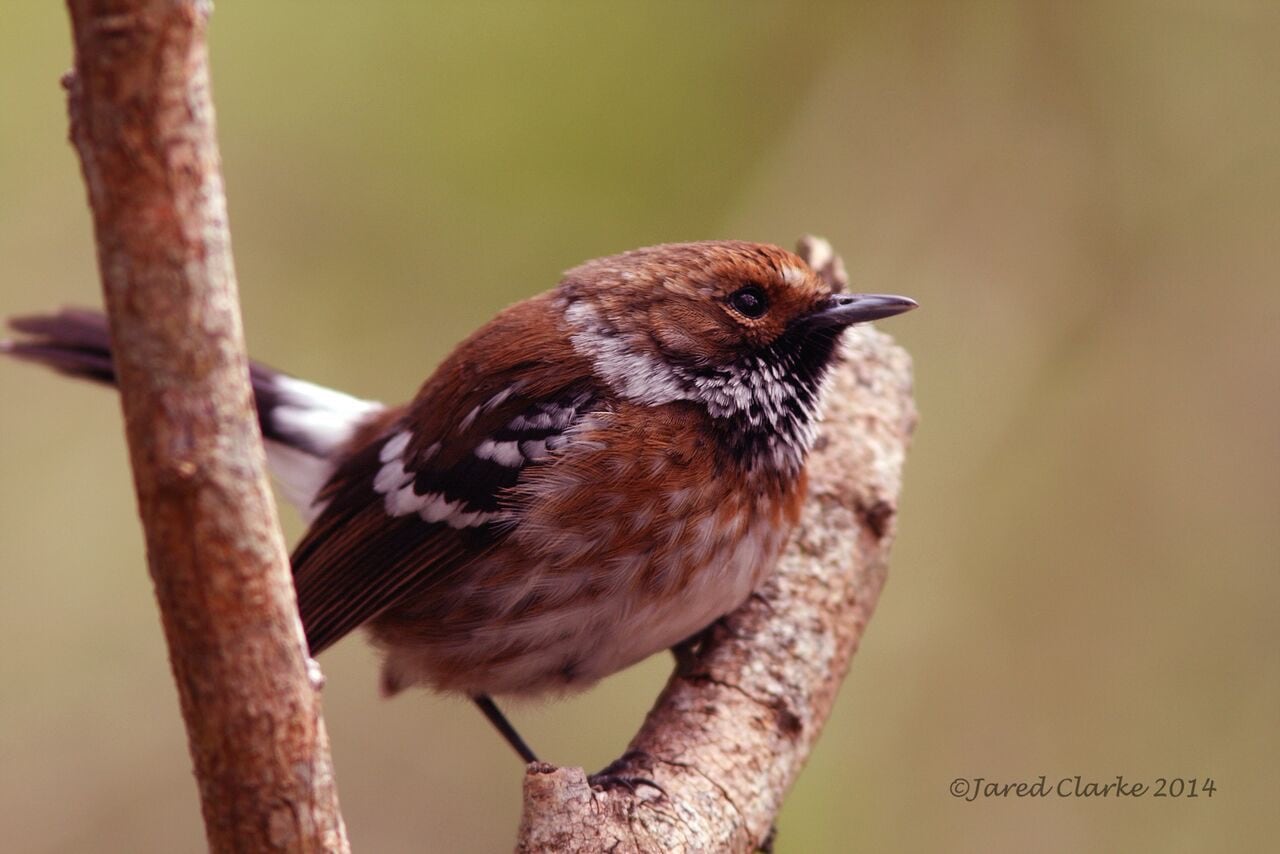
We begin our birding in the forested hills above Honolulu, where we search for two of O‘ahu’s special endemic birds: O‘ahu ‘Amakihi and the much more difficult O‘ahu ‘Elepaio. These native forests also support a colourful assortment of introduced species, and we may encounter White-rumped Shama, Red-crowned Amazon and other island residents.
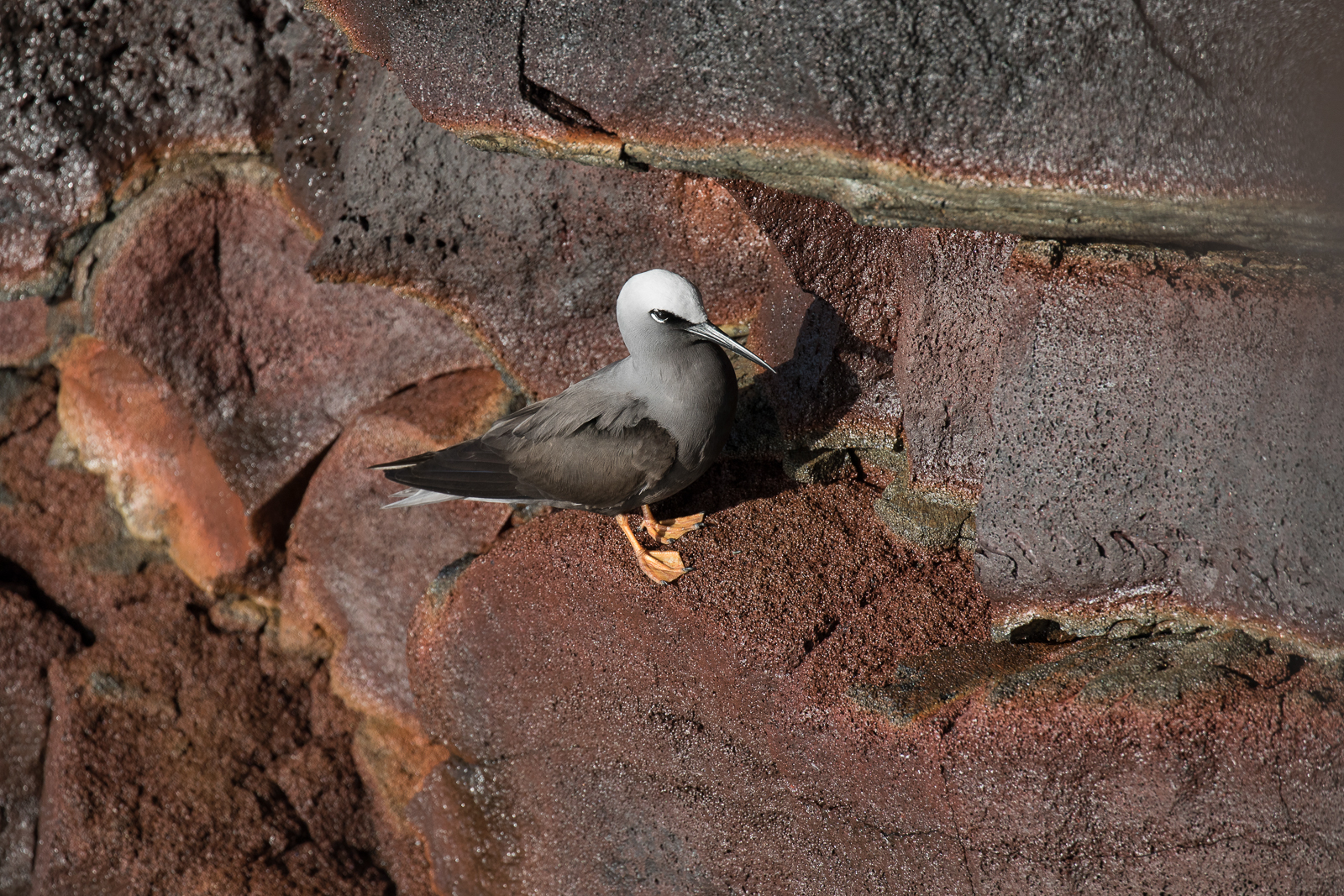
Later, we make our way toward O‘ahu’s North Shore. Here, coastal habitats provide a very different mix of birds. We will search for Bristle-thighed Curlew, one of the island’s most sought-after wintering shorebirds, while scanning offshore for seabirds. Brown Noddy, Sooty Tern and several species of boobies are among the possibilities.
As we return toward Waikīkī along the coast, we may make additional stops for seabirds and spectacular ocean views, depending on conditions and what we have already seen. Night in Waikīkī.
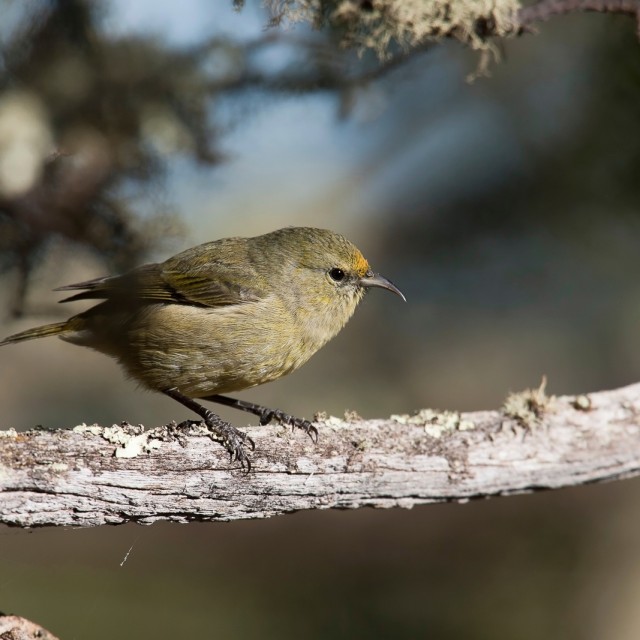
Day 3: O‘ahu & Flight to Kaua‘i
We have another morning to explore O‘ahu’s upland forests, giving us a second opportunity for O‘ahu ‘Elepaio and O‘ahu ‘Amakihi. These can be challenging birds, and our exact route will depend on recent sightings and local conditions.
Before leaving the island, we spend some time around Kapi‘olani Park and Waikīkī, where Blue-billed White-Tern that nest and introduced species such as Rose-ringed Parakeet, Java Sparrow and several munias are often conspicuous.
Later in the afternoon we transfer to the airport for our flight to Kaua‘i, the lush “Garden Island.” Night in Līhu‘e, Kaua‘i.
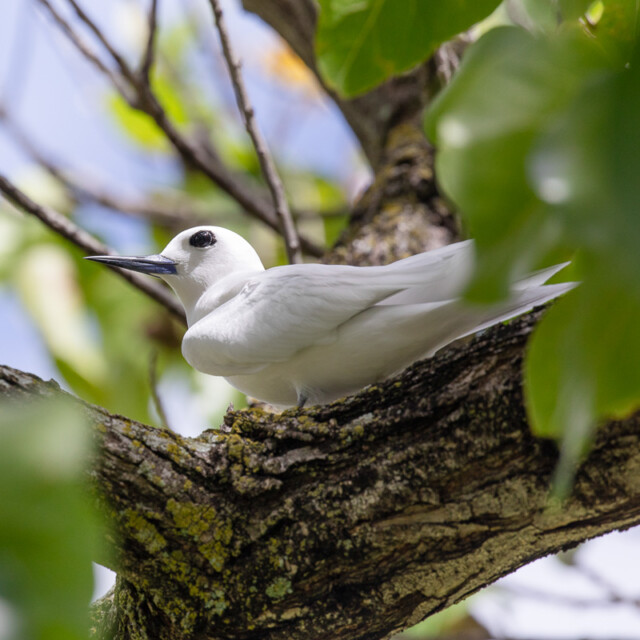
Day 4: Kaua‘i – North Shore
Today we explore Kaua‘i’s beautiful north and east coasts. We begin with some forest birding, where we may encounter introduced species such as Greater Necklaced Laughingthrush, White-rumped Shama and Chinese Hwamei before continuing north.
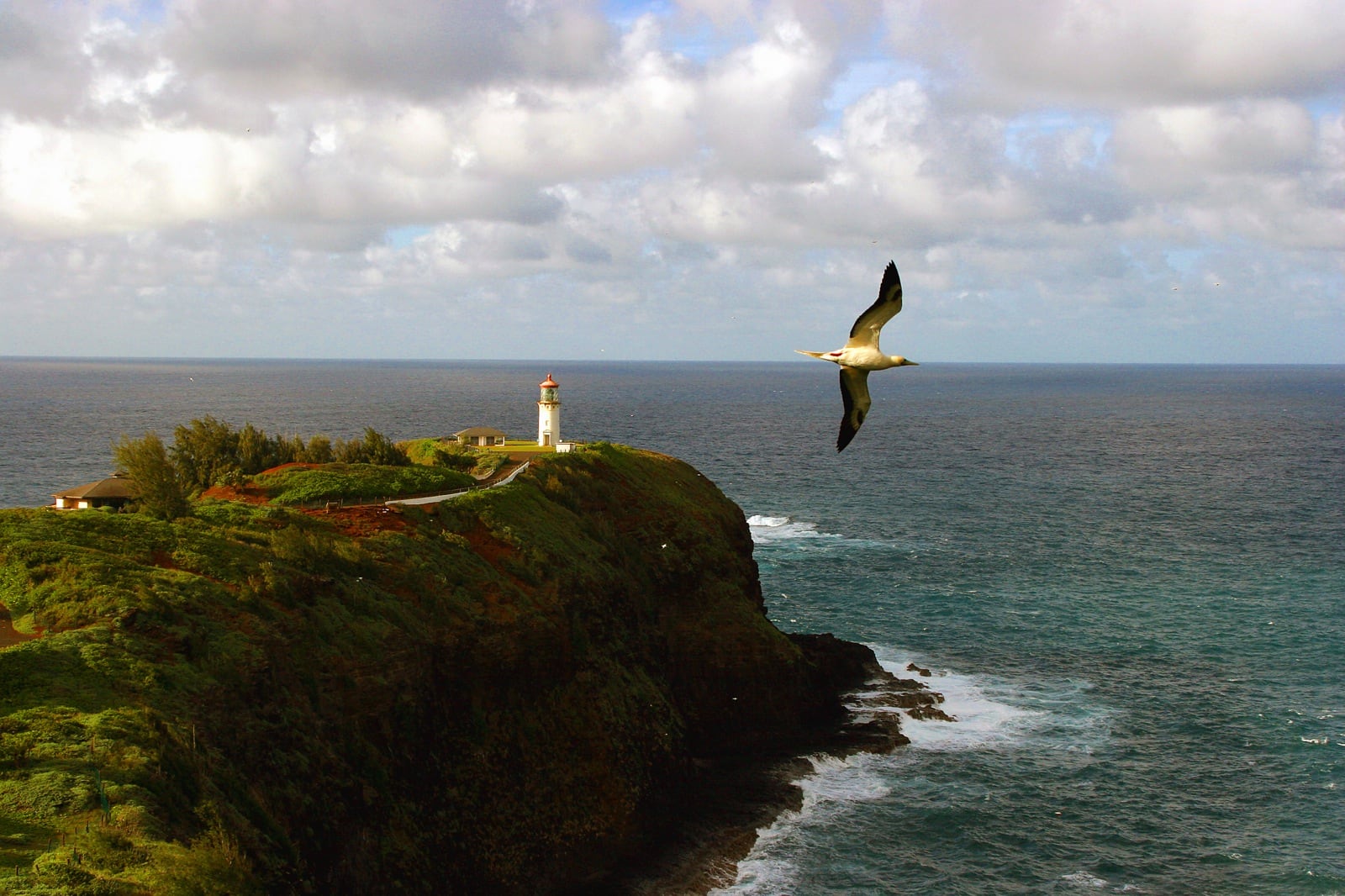
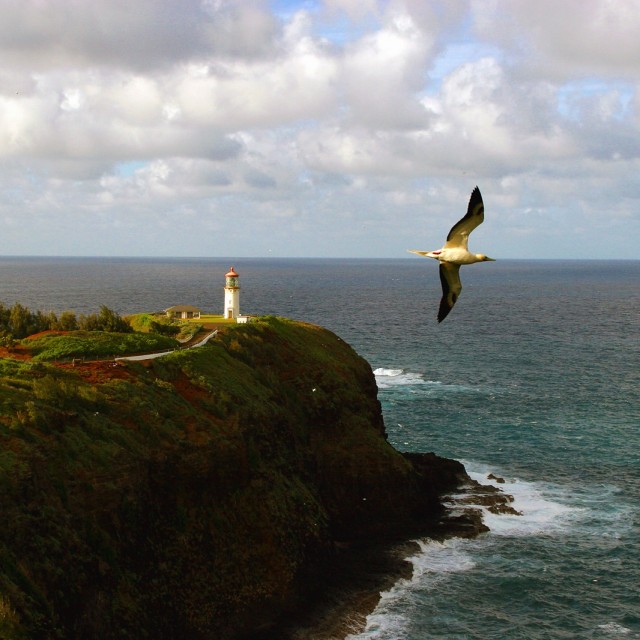
Kīlauea Point National Wildlife Refuge is one of Hawaii’s outstanding places to watch seabirds from land. Red-footed and Brown Boobies, Great Frigatebirds and Wedge-tailed Shearwaters are among the species we may see, while the dramatic coastal setting makes this one of the island’s most memorable stops.
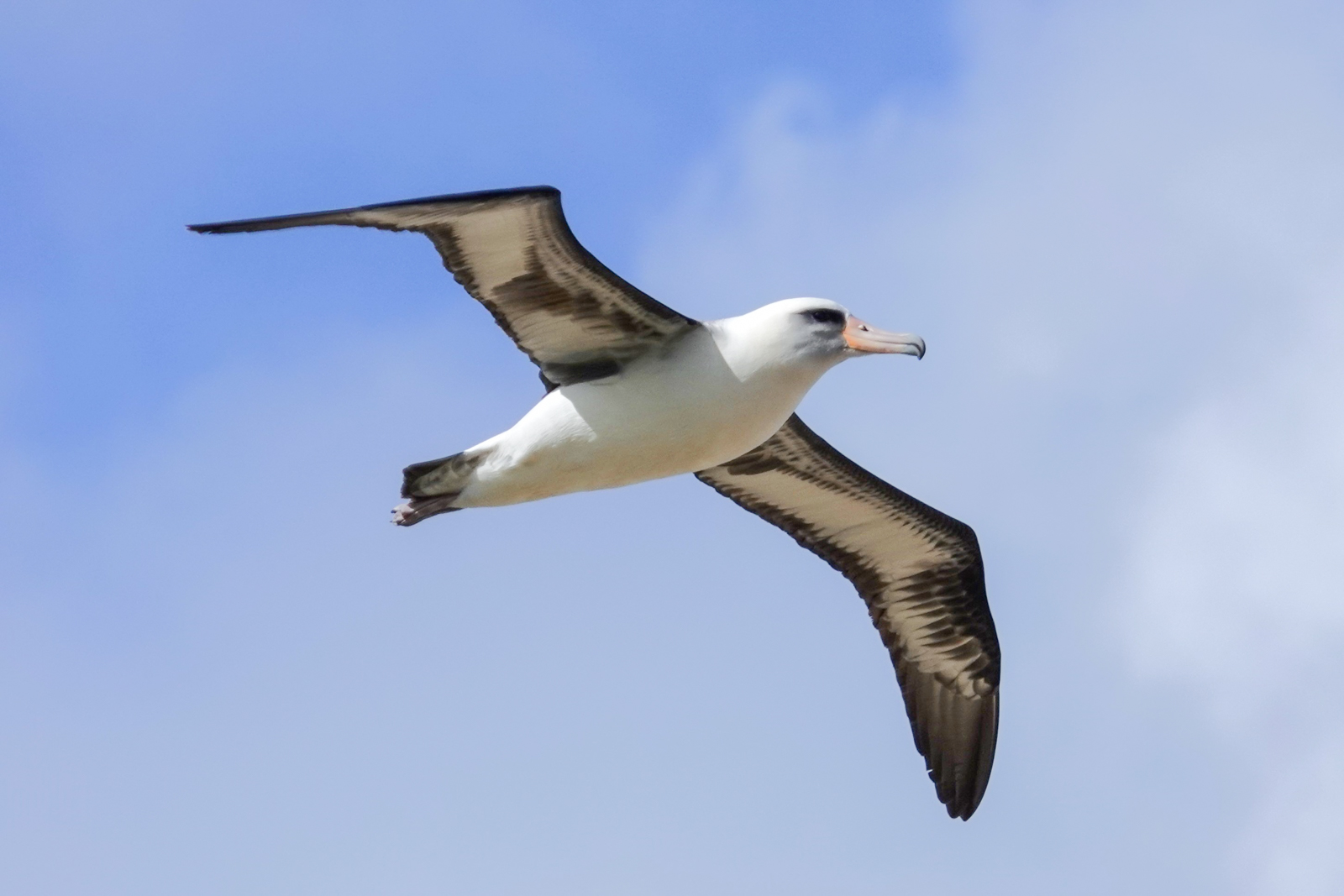
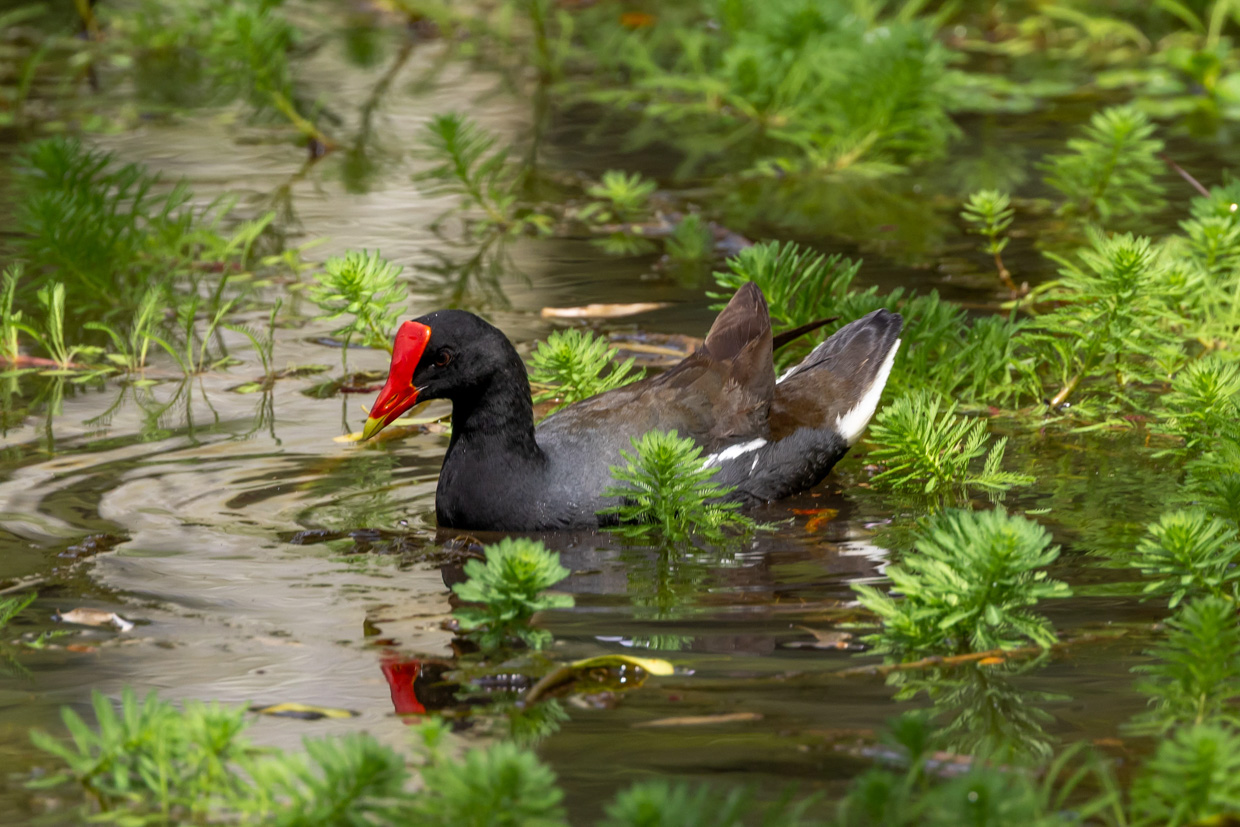
round Princeville we search for Laysan Albatross, which remarkably nest among homes and golf courses, before continuing to the wetlands around Hanalei. Here our targets include several native Hawaiian waterbirds, including Koloa or Hawaiian Duck, Hawaiian Coot, Common Gallinule (Hawaiian) and Ae‘o, the Hawaiian form of Black-necked Stilt.
If weather and timing cooperate, we may finish with an evening seawatch near Līhu‘e. Night in Līhu‘e.
Day 5: Waimea Canyon & Kōke‘e
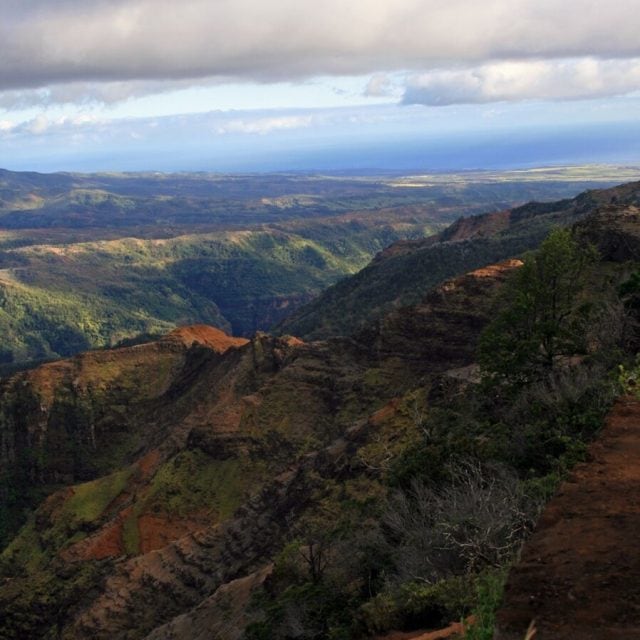
Today we head into the spectacular uplands of western Kaua‘i. The drive takes us through the colourful landscapes of Waimea Canyon and upward into the cooler native forests of Kōke‘e State Park.
Our main focus is Kaua‘i’s endemic forest birds. We will search for Kaua‘i ‘Amakihi, Anianiau and Kaua‘i ‘Elepaio, while ‘Apapane can also occur in the flowering native forest. Japanese Bush Warbler is another species we may hear or see in the uplands.
The scenery is nearly as impressive as the birding, and we will make time to enjoy some of the magnificent viewpoints overlooking Waimea Canyon and the deeply carved valleys of northwestern Kaua‘i.
As we descend from the mountains, we may encounter some of the island’s introduced gamebirds as well as Pueo, the endemic Hawaiian subspecies of Short-eared Owl. We finish the day with a visit to coastal wetlands, where Hawaiian Duck, Hawaiian Coot, Common Gallinule (Hawaiian), Ae‘o and migrant shorebirds may be present. Night in Līhu‘e.
Day 6: Kaua‘i & Flight to the Big Island
We have another morning to explore Kaua‘i looking for any birds we may have missed.
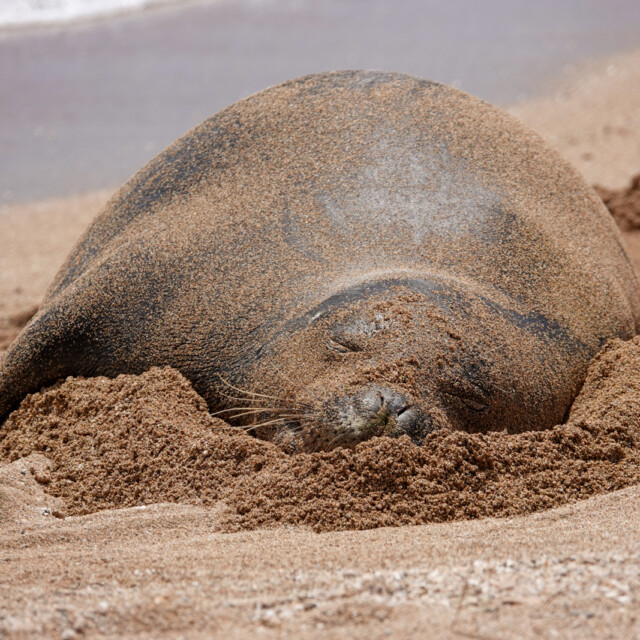
Later we travel toward Kaua‘i’s south and west coasts. Beaches and sheltered coves give us opportunities to look for Hawaiian Green Sea Turtles and, with luck, Hawaiian Monk Seals resting along the shoreline.
After lunch and some final birding, we return to Līhu‘e for our evening flight to Kona on the Big Island of Hawai‘i. Night in Kona.
Day 7: Hakalau Forest National Wildlife Refuge
Today brings one of the birding highlights of the entire tour: a guided excursion into Hakalau Forest National Wildlife Refuge.
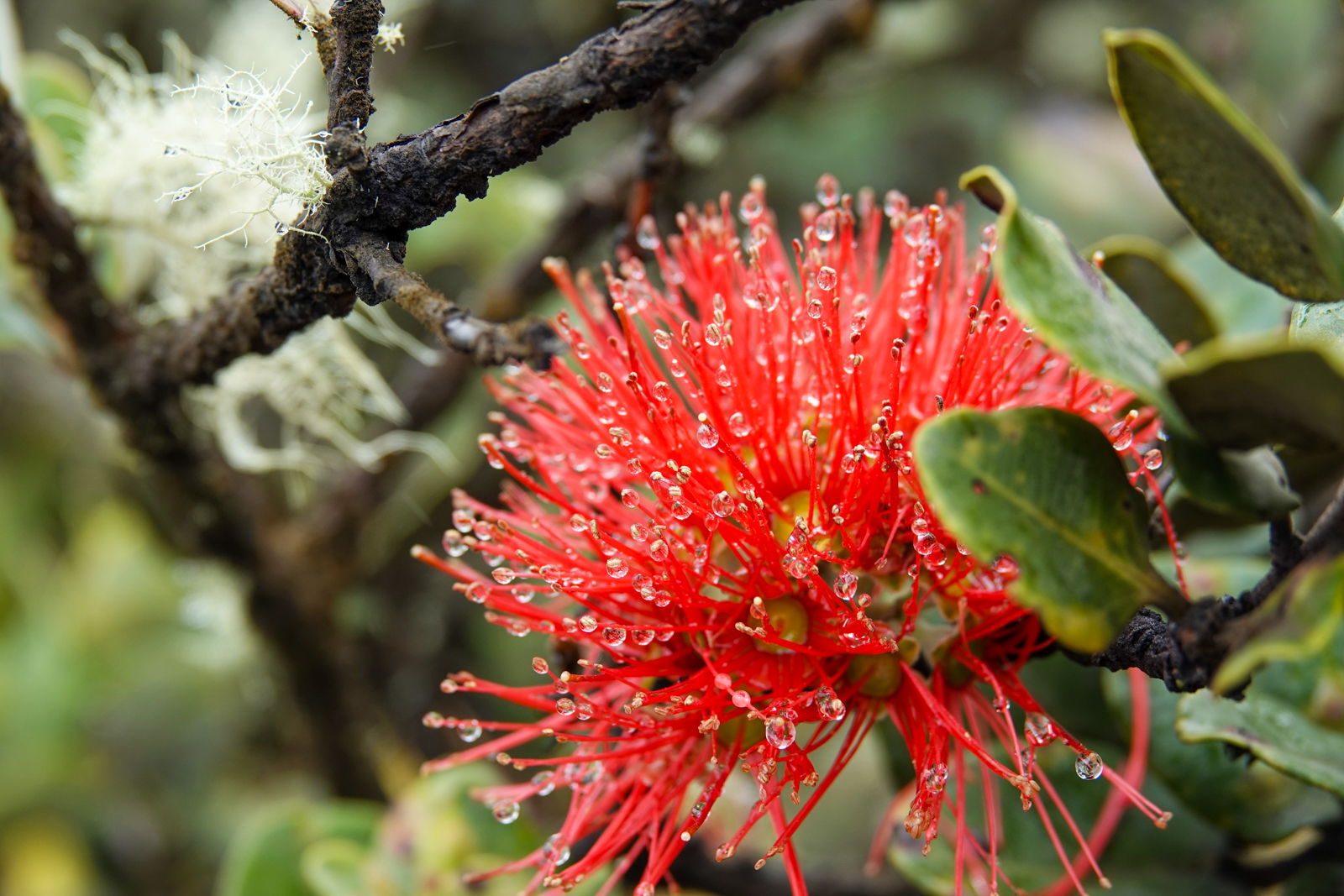
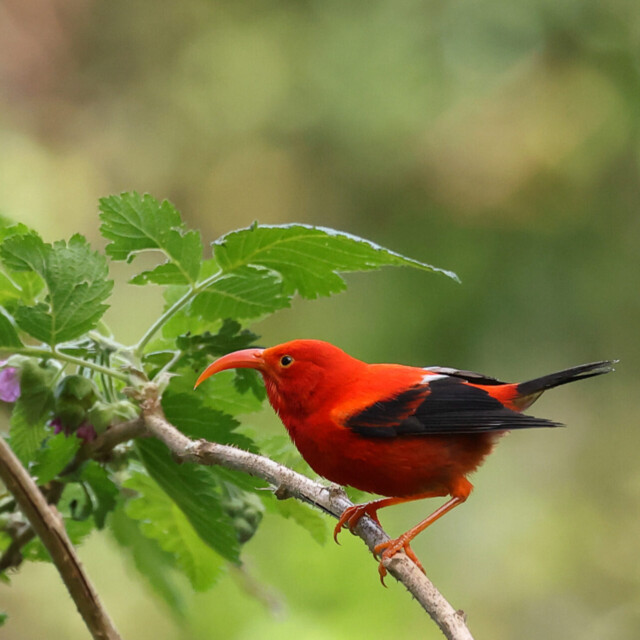
Hakalau protects some of the finest remaining native Koa and ‘Ōhi‘a forest on the Big Island and supports an exceptional concentration of Hawaiian endemic birds. Among our main targets are ‘I‘iwi, Hawai‘i ‘Akepa, Hawai‘i ‘Elepaio, Hawai‘i ‘Amakihi and Hawai‘i Creeper.
We will also make a special effort to find the remarkable ‘Akiapōlā‘au. This extraordinary honeycreeper uses its stout lower mandible to chip and chisel into branches before probing for insects with its long, curved upper mandible.
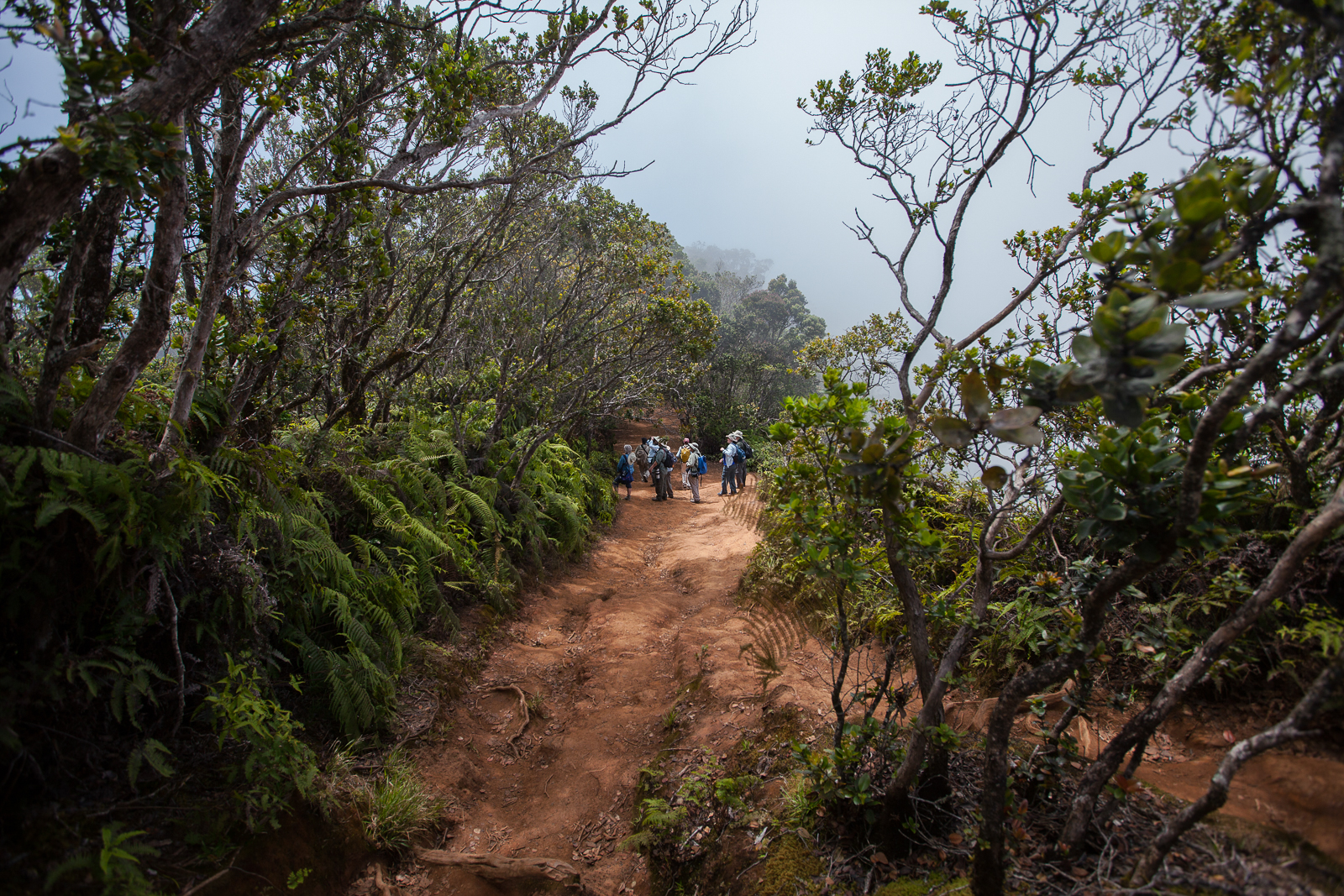
The refuge lies at roughly 6,500 feet elevation and our visit involves several hours of walking on hilly forest roads and trails. Rain is always possible, but this beautiful upland forest offers some of the finest native birding in Hawaii. Night in Kona.
Day 8: Kona & Waikōloa
After the long day at Hakalau, today offers a more flexible exploration of the dry western side of the Big Island.
Wetlands and coastal habitats around Kona can attract Hawaiian waterbirds as well as occasional migrant and vagrant species. We may also visit dry country and open habitats farther north, where a very different collection of birds occurs.
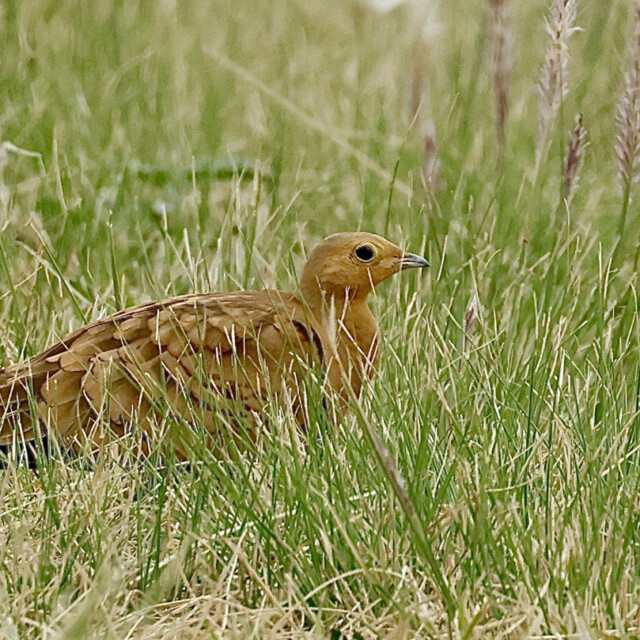
Around Waikōloa we search for several localized introduced species. Rosy-faced Lovebird can be surprisingly conspicuous, while Chestnut-bellied Sandgrouse is much less predictable and may require some patience. Eurasian Skylark, African Silverbill, Red Avadavat, francolins and other introduced birds may also be encountered.
The precise selection of stops will depend on what we have already seen, recent sightings and the interests of the group. Night in Kona.
Day 9: Kona to Volcano
Today we leave Kona and cross the centre of the Big Island via the high Saddle Road. This journey provides another look at the remarkable diversity of landscapes that make Hawai‘i such an unusual destination, from the dry western slopes to high volcanic country and the lush eastern side of the island.
Along the way we may make selected birding stops for open-country species such as California Quail, Chukar, Wild Turkey and other introduced gamebirds. Pueo is also possible in the more open country.
By afternoon we reach the community of Volcano, our base for the next two nights and an excellent location for exploring Hawai‘i Volcanoes National Park. Night in Volcano.

Day 10: Hawai‘i Volcanoes National Park
We spend today exploring the extraordinary landscapes of Hawai‘i Volcanoes National Park. Much of our visit is devoted to experiencing the geology and natural history of this remarkable area, but there are birds to look for throughout the day as well.
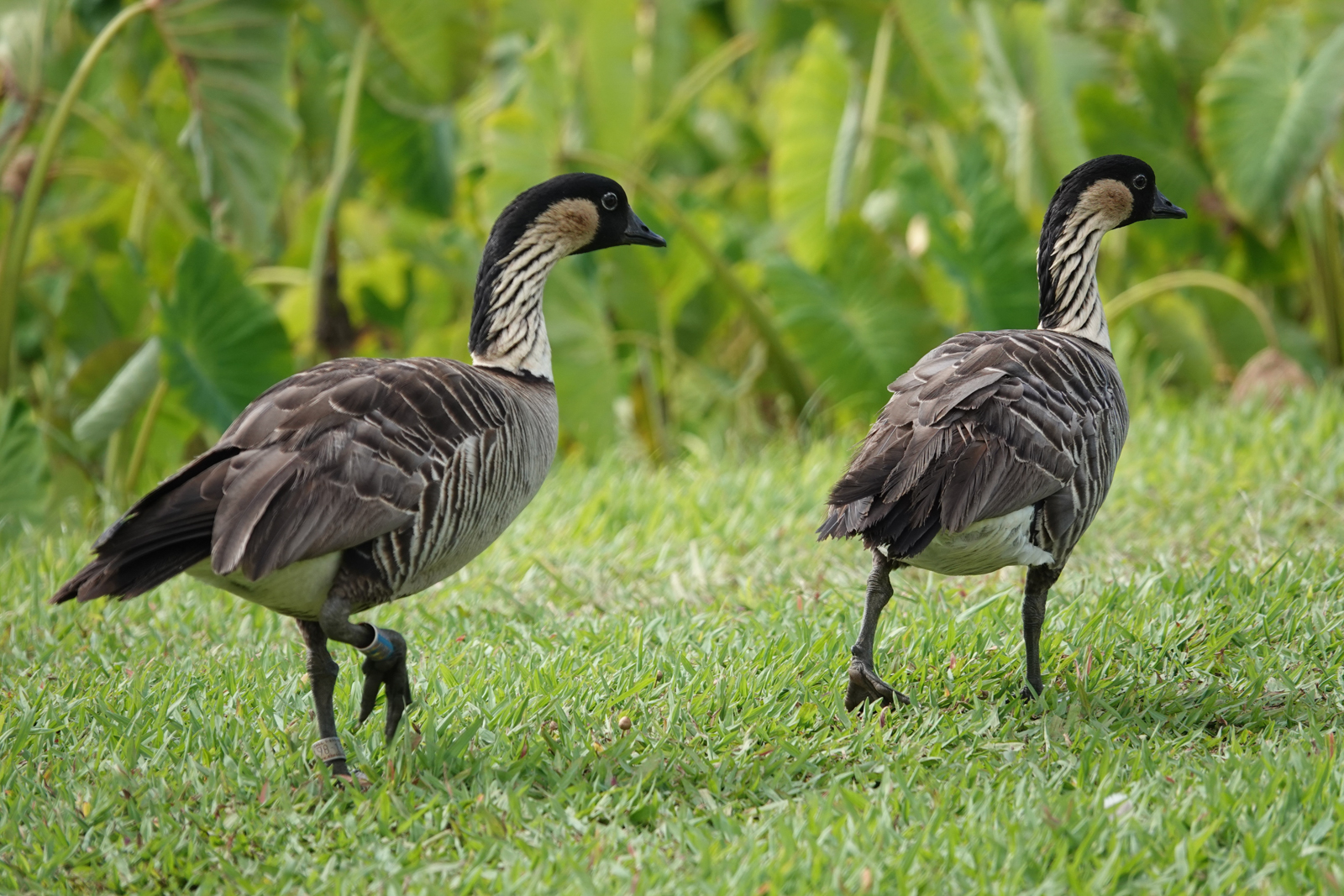
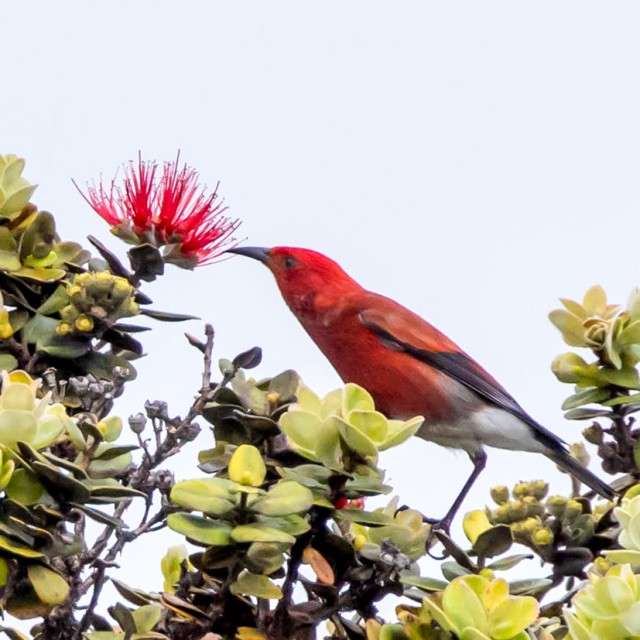
Native forest around Volcano supports ‘Ōma‘o, ‘Apapane, Hawai‘i ‘Amakihi and Hawai‘i ‘Elepaio, while ‘Io, the endemic Hawaiian Hawk, may appear overhead. Nēnē are another possibility, sometimes seen wandering through the park’s open volcanic landscapes. Introduced Kalij Pheasants can also occur along forested roads and trails.
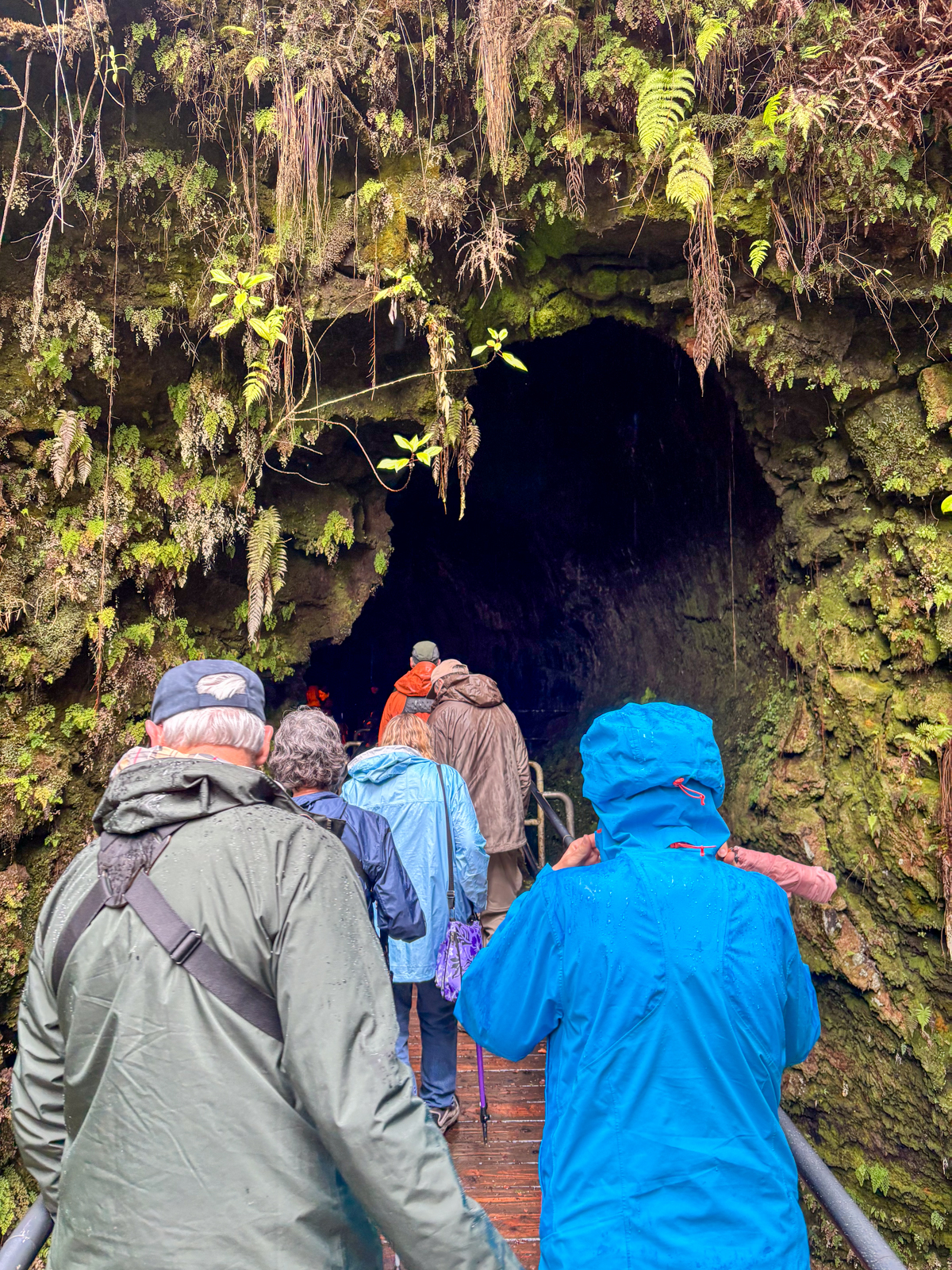
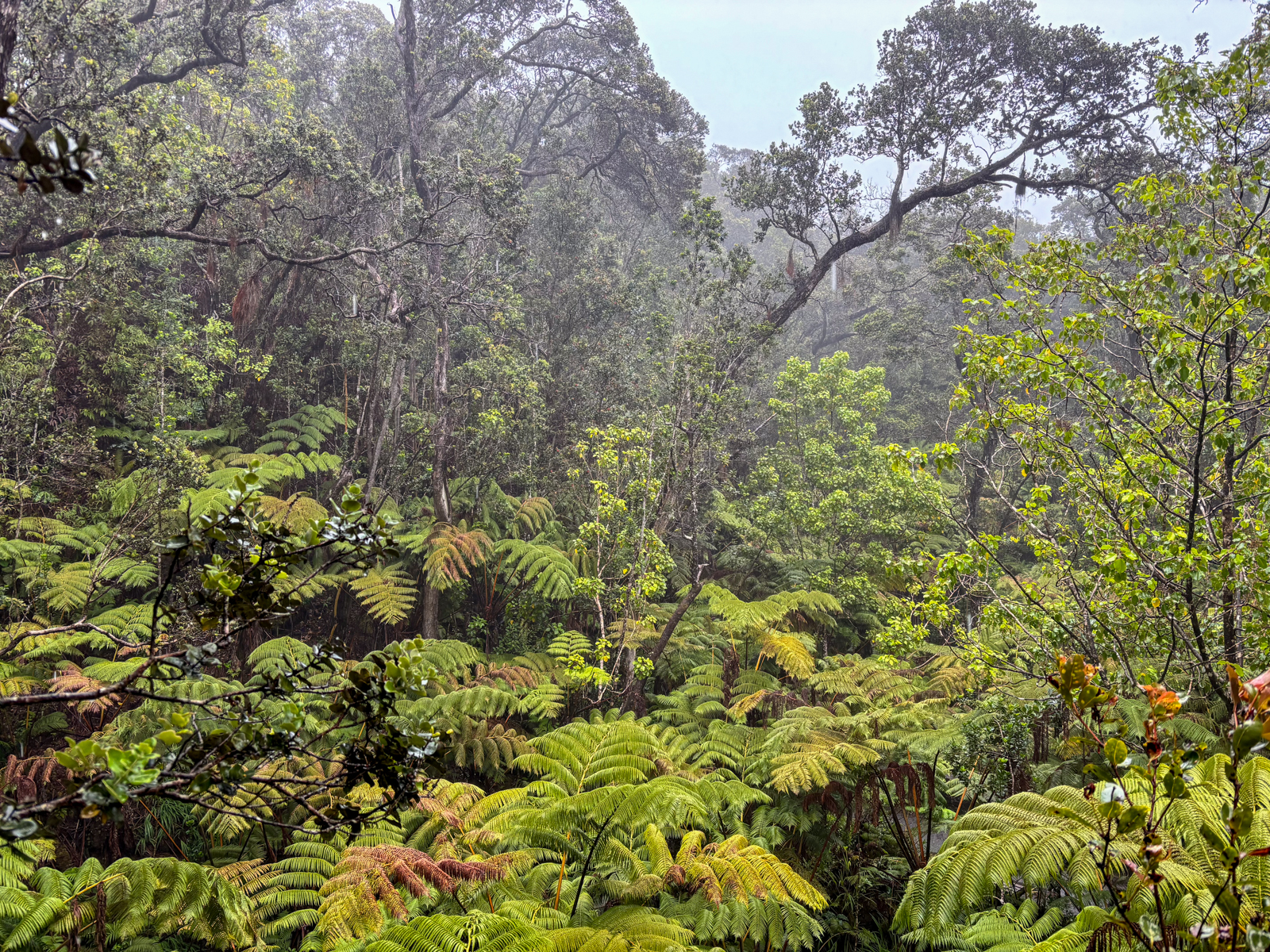
Our explorations may take us through lush rainforest, steaming volcanic landscapes, lava flows and some of the park’s best-known geological features, including Nāhuku, the Thurston Lava Tube. Depending on time and conditions, we may finish with additional birding in the native forest. Night in Volcano.
Day 11: Volcano to Kona – South Coast
After a final opportunity to explore the forests around Volcano, we begin our journey back to Kona, this time travelling around the southern side of the island.
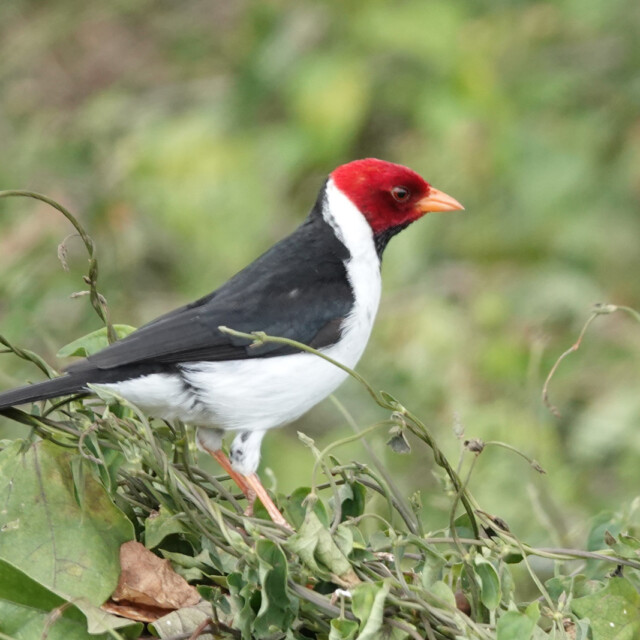
This scenic route takes us through yet another cross-section of the Big Island’s varied landscapes. Along the coast we make a stop to look for Black Noddy, while nearby ponds and shorelines may hold migrant shorebirds and other waterbirds. Yellow-billed Cardinal and Yellow-fronted Canary are among the more widespread introduced species we may encounter along the way.
We continue north along the Kona coast, making additional stops if there are particular species we are still hoping to find. By late afternoon we return to Kona, where we gather for our farewell dinner and reflect on an extraordinary journey through the Hawaiian Islands. Night in Kona.
Day 12: Departure, Kona
Our Hawaii birding tour concludes today in Kona. You can depart anytime today.
What to Expect
What to Expect
Overview
The Hawaii tour is an exciting and rewarding experience, but it is also quite demanding. Many days involve early starts, extensive travel—including winding mountain roads—and birding throughout the day, often leaving little time to rest before dinner. Despite the challenges, the tour offers incredible rewards: endemic honeycreepers, superb seabirds, an amazingly diverse flora, breathtaking vistas, colorful marine life, and much more.
Food
We generally have breakfast at the hotel or at a nearby restaurant/coffee shop before we head out for the day. Sometimes we will have optional pre-breakfast walks. We often take a picnic lunch in the field, but will occasionally stop at a restaurant for lunch. Dinner is usually at the lodge or a nearby restaurant. Each evening after dinner we compile the day’s checklist, review the day’s activities, birds, mammals and other observations, and plan the next day’s activities.
Accommodation
We stay in comfortable hotels that provide the perfect end to an adventurous day.
Walking
The walking on this tour is rated as moderate and some terrain may be challenging. The following hikes are the most difficult: ‘Aiea Loop Trail: 3 hour hike with 550 feet of elevation gain; slick conditions and steep drop offs | Hakalau Forest and Palila Discovery Trail: both physically demanding due to high elevation. In areas such as Koke’e State Park, Alaka’i Swamp, and some trails in Volcanoes National Park, participants should expect short steep sections, uneven and potentially slippery terrain. We take these trickier trails at a slow and comfortable pace, but participants should be able to hike 5km (3 miles) up and down moderate grade slopes for 2 hours. Sturdy footwear with ankle support is recommended for some trails (particularly in Kaua’i at the Alaka’i Swamp); otherwise comfortable running shoes are fine for most other activities. Participants are welcome to bring hiking poles if they wish.
Driving
Most days have a small to moderate amount of driving. There will be two longer drives, but we make several stops along the way. Traffic can be an issue in Kauai, but we will try to avoid that where possible.
Climate
The weather is mostly pleasant in March, with an average low temperature of 20°C (68°F) and an average high of 27°C (80.6°F). As Hawaii has a tropical climate, humidity can be noticeable at times, particularly at lower elevations, making it feel warmer than the temperature suggests. There will likely be rain on some days, and during visits to higher elevations we may encounter cooler, misty conditions.
Clothing should be layered, and a light sweater and a waterproof jacket are highly recommended. Breathable, lightweight fabrics are ideal for comfort in humid conditions. And don’t forget a hat – Hawaii is tropical!
Frequently Asked Questions
Land Tours FAQs
Whether you’re a seasoned birder or new enthusiast, these FAQs cover important details about our tours, including schedules, fitness requirements, group dynamics and more.
Featured Wildlife
Featured Wildlife
While we cannot guarantee sightings of the birds or mammals listed below, we believe that encountering these species is quite likely during this tour.
- Nēnē (Hawaiian Goose)
- Koloa
- Laysan Albatross
- White-tailed and Red-tailed Tropicbirds
- Red-footed Booby
- Great Frigatebird
- ‘Io (Hawaiian Hawk)
- Pacific Golden-Plover
- Ae’o (Hawaiian Stilt)
- Wandering Tattler
- Bristle-thighed Curlew
- Hawaiian Noddy
- Blue-billed White-Tern
- Pueo (Short-eared Owl)
- O’ahu ‘Elepaio
- Omao
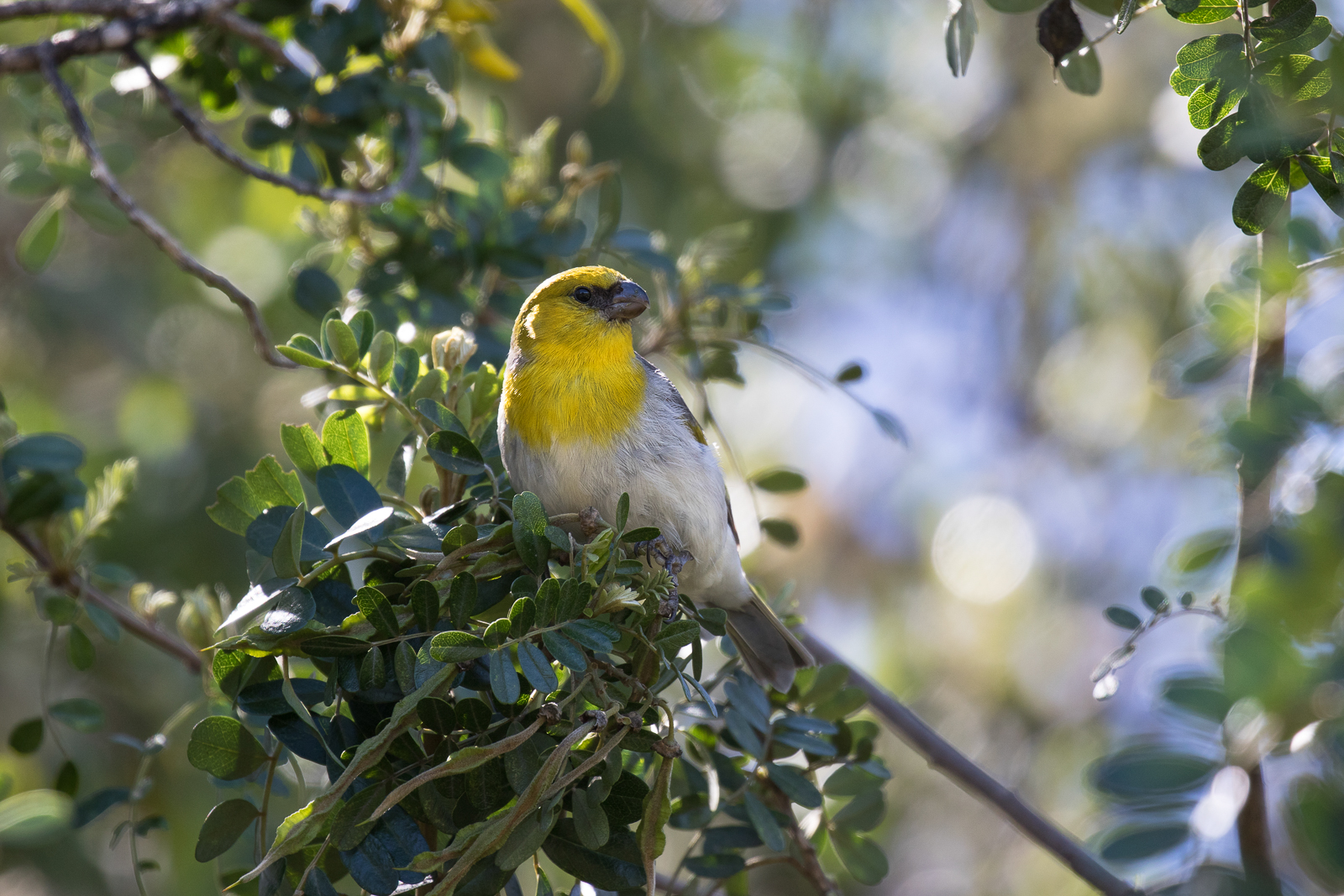
- Several Hawaiian honeycreepers (Sub-family Drepanidinae) including: Palila, ‘Anianiau, Hawai’i ‘Akepa, ‘I‘iwi and the increasingly rare ‘Akiapola’au
- Humpback Whale
- Spinner Dolphin
- Green Sea Turtle
Past Tour Checklists
Past Tour Checklists
View the list of birds and other wildlife we encountered on our past tours.
- Hawaii eBird checklist (Mar 9 -26, 2026)
- Hawaii birding tour species list 2025
- Hawaii birding tour species list 2024
- Hawaii birding tour species list 2023
- Hawaii birding tour species list 2022
- Hawaii birding tour species list 2019
- Hawaii birding tour species list 2018
- Hawaii birding tour species list 2017
- Hawaii birding tour species list 2016
- Hawaii birding tour species list 2015
- Hawaii birding tour species list 2014
- Hawaii birding tour species list 2013
- Hawaii birding tour species list 2011
- Hawaii birding tour species list 2008
- Hawaii birding tour species list 2006
- Hawaii birding tour species list 2005
- Hawaii birding tour species list 2004
- Hawaii birding tour species list 2003