Ellesmere Island & North Greenland Cruise
- Upcoming Departures:
- Aug 19 - 31, 2027
- Aug 22 - Sep 3, 2028
Highlights
Highlights
- Journey deep into the High Arctic through Kane Basin, Smith Sound and the Nares Strait, reaching some of the highest latitudes accessible by expedition ship.
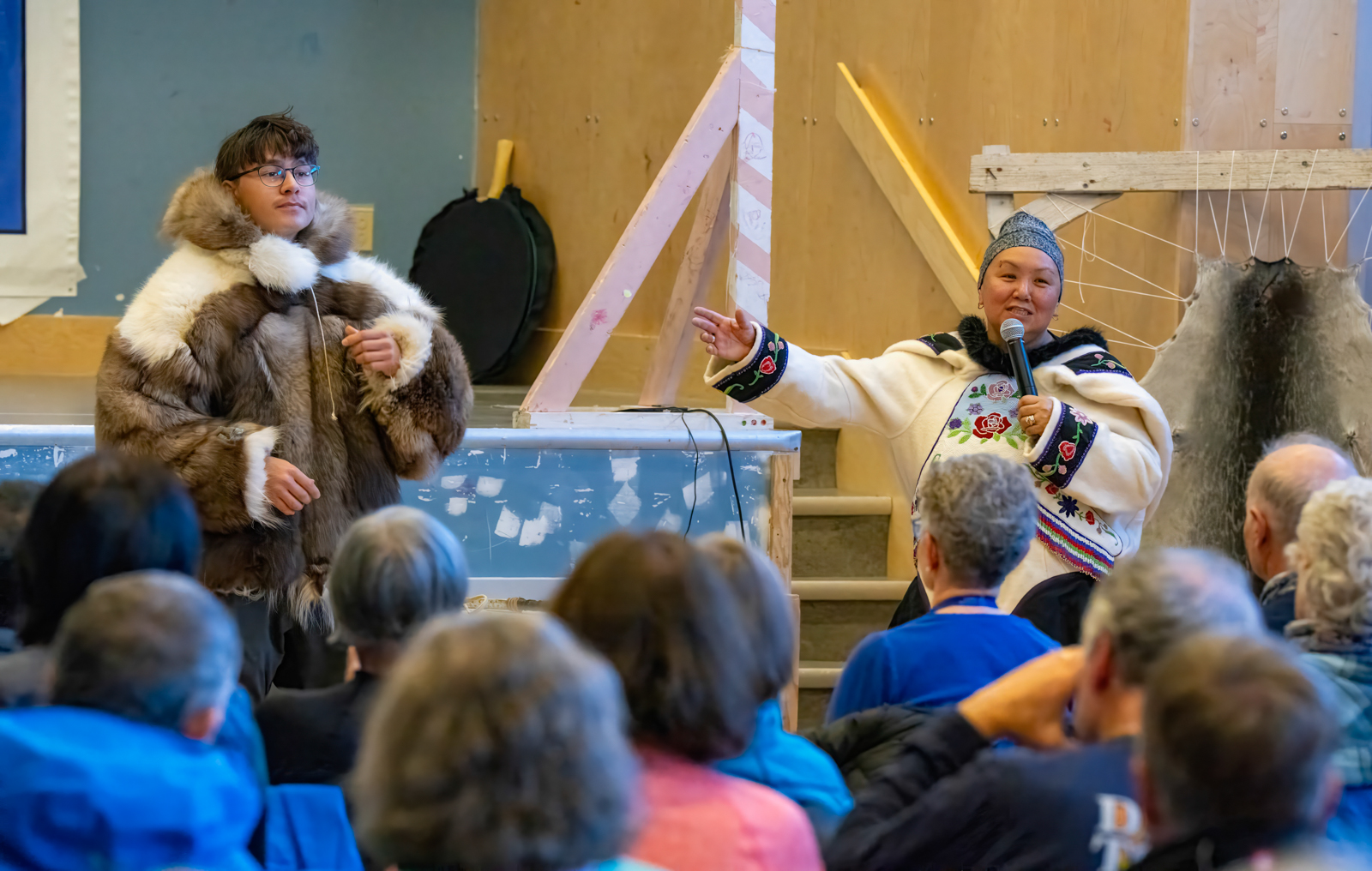
- Experience Inuit culture in Nunavut and northern Greenland, with opportunities to learn about traditions, community life and enduring connections to the land and sea.
- Explore Tallurutiup Imanga (Lancaster Sound), a spectacular Arctic marine region rich in whales, seals, seabirds and dramatic scenery.
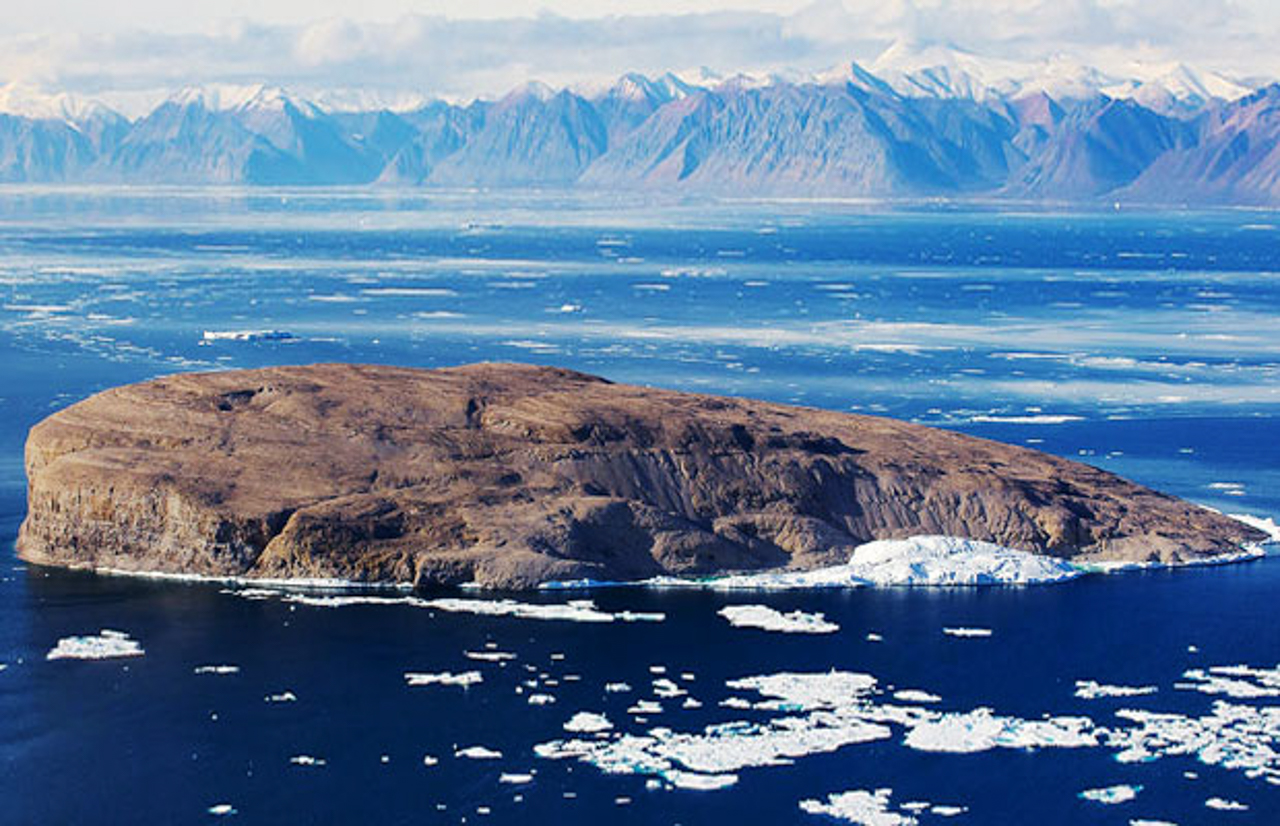
- Visit remote Tartupaluk (Hans Island), set in the Nares Strait between Ellesmere Island and Greenland.
- Watch for High Arctic wildlife including whales, seals, seabirds and other northern species along the journey.
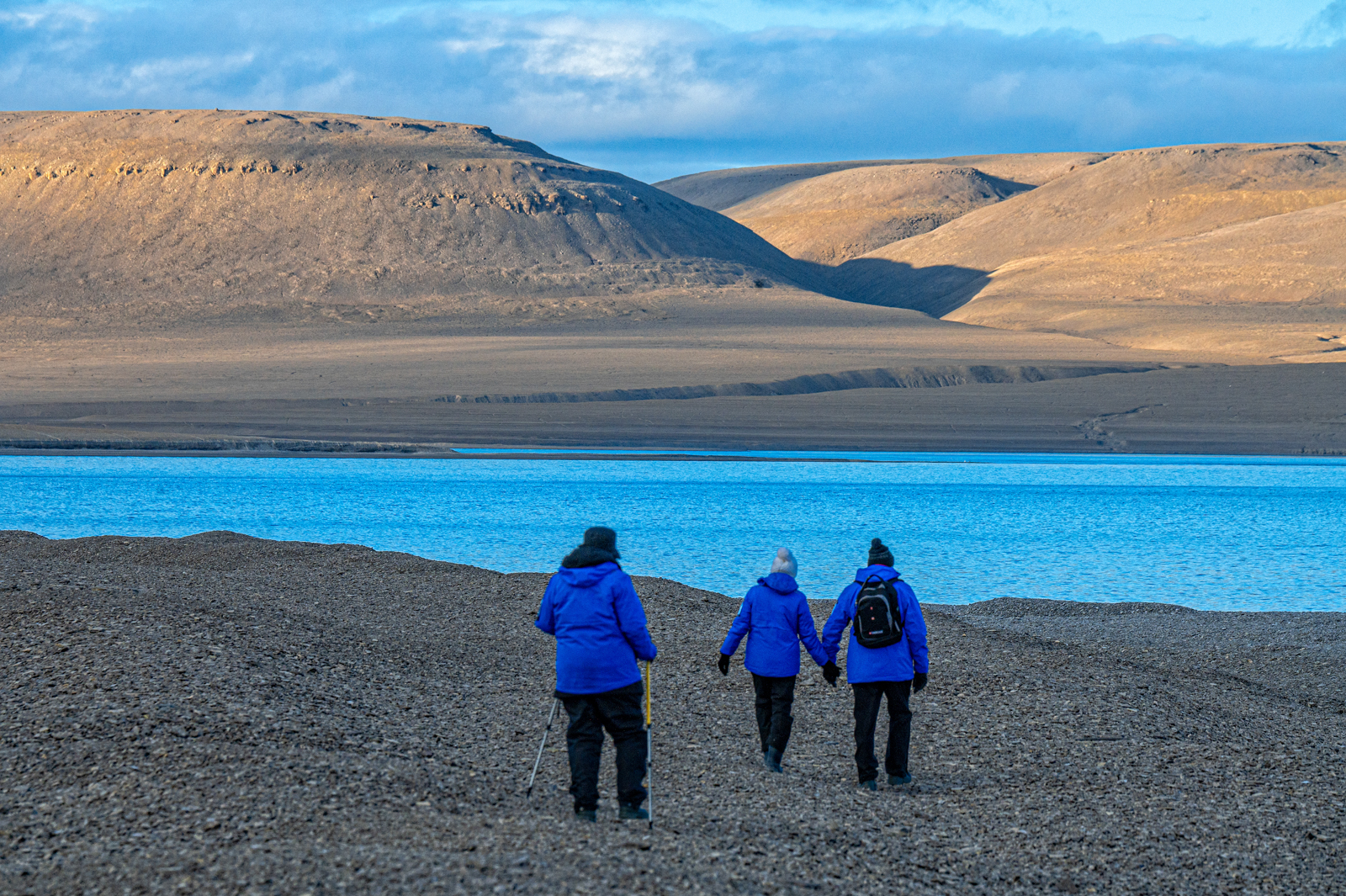
- Step ashore on historic Beechey Island, where traces of the Franklin expedition remain along the windswept shoreline.
Map
Map
Overview
Tour Overview
Our Ellesmere Island and North Greenland: Journey to the Top of the World expedition explores some of the northernmost reaches of Canada and Greenland, travelling through a dramatic world of sea ice, glaciers, towering mountains and vast Arctic landscapes.
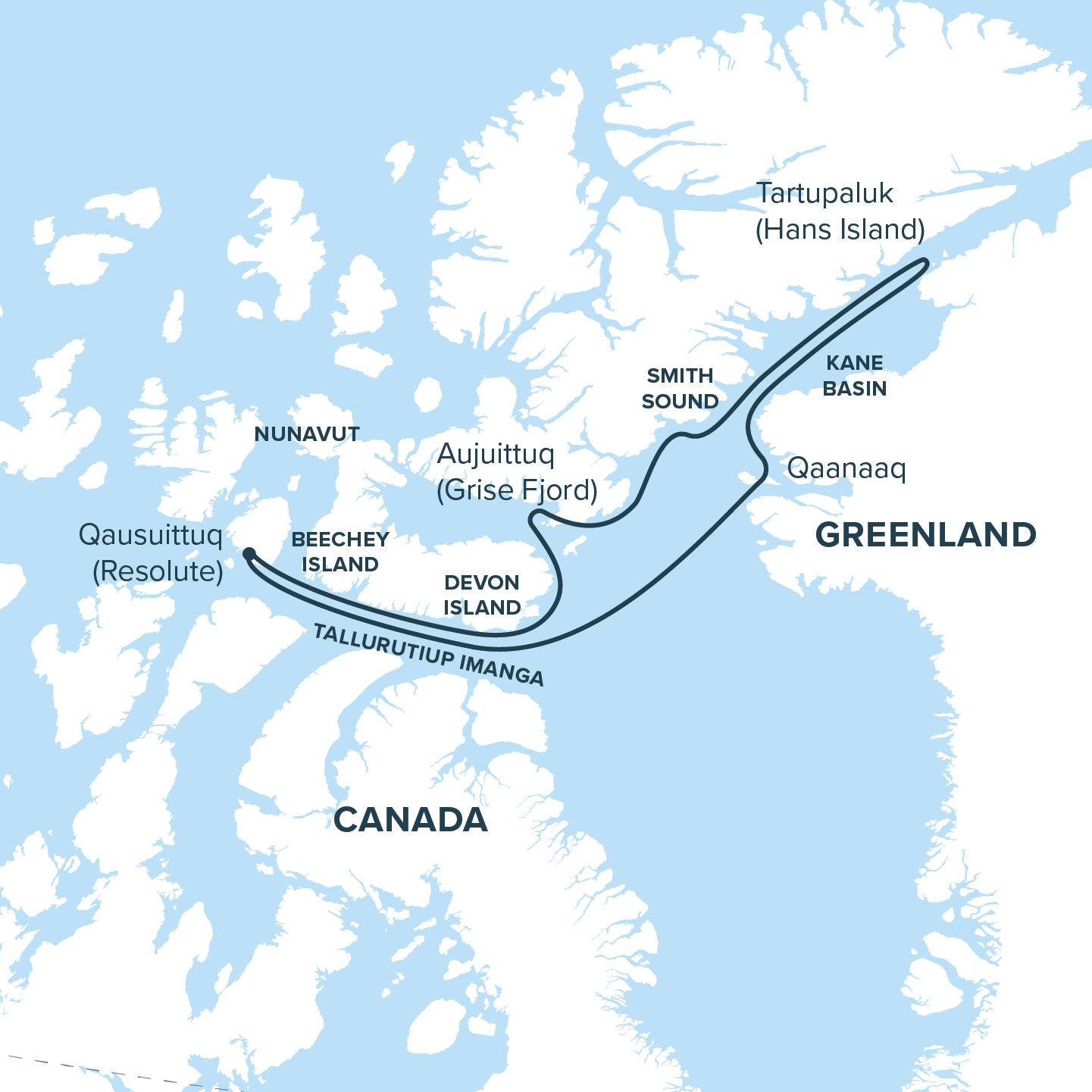
Beginning in Qausuittuq (Resolute), we journey through Tallurutiup Imanga (Lancaster Sound), where whales and seabirds thrive, before crossing to Greenland and the Inughuit community of Qaanaaq. From there, we continue north through Kane Basin, Smith Sound and the Nares Strait, travelling between Greenland and Ellesmere Island and reaching toward some of the highest latitudes accessible by expedition ship.
Along the way, we visit Tartupaluk (Hans Island), explore the tundra and dramatic landscapes of Devon Island, and step ashore at historic Beechey Island. Throughout the journey, Inuit history, culture and enduring connections to the land and sea add depth to the experience.
This is a rare opportunity to experience the High Arctic at its most powerful, where immense landscapes, wildlife, sea ice, culture and history come together in a true expedition journey.
Departures & Cabins
Departures & Cabins
Deck Plan
What's Included
Tour Price Includes
- Passage aboard the Ocean Nova
- Applicable taxes and credit card fees
- Complimentary expedition jacket
- Special access permits, entry, and park fees
- Expert expedition team
- Guided activities
- Sightseeing and community visits
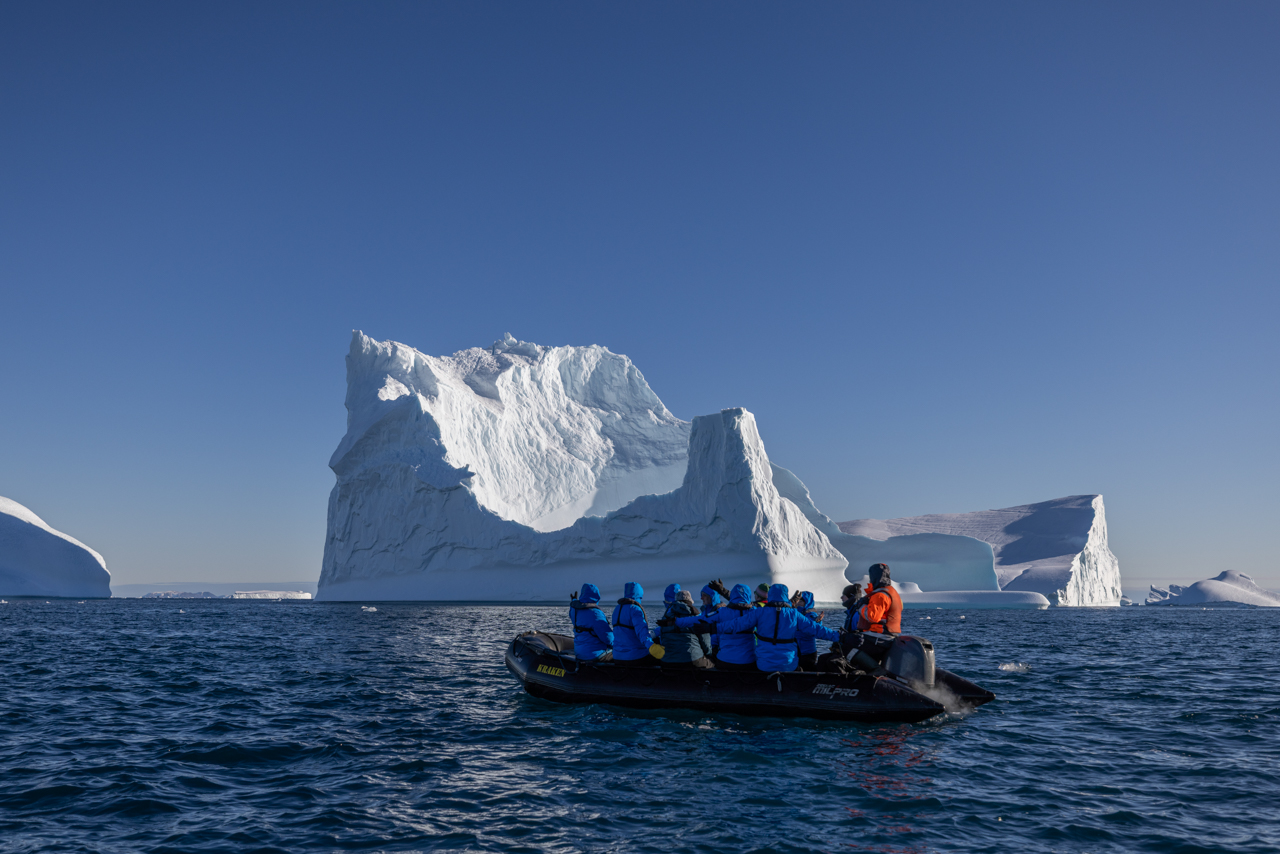
- All Zodiac excursions
- Port fees
- Pre-departure materials
- Educational program
- Interactive workshops
- Evening entertainment
- All shipboard meals
- Wi-Fi access (basic service included)
Tour Price Does Not Include
- Commercial and charter flights
- Program enhancements/optional excursions
- Gratuities
- Personal expenses
- Mandatory medical evacuation insurance
- Additional expenses in the event of delays or itinerary changes
- Possible fuel surcharges and administrative fees
- Pre- and post-trip hotel accommodation
- Premium internet access available at an additional cost
Gallery
Gallery

Itinerary
Itinerary
Day 1: Qausuittuq (Resolute), NU, Canada
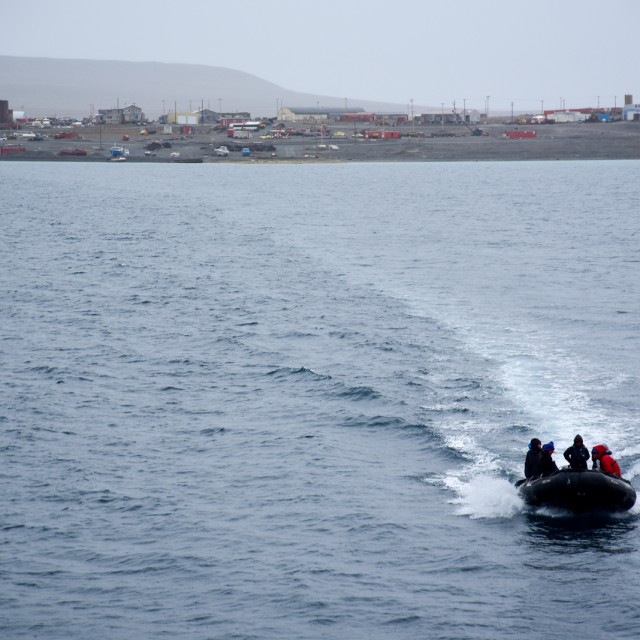
Beneath the lingering glow of the Arctic summer sun, Qausuittuq, “the place with no dawn,” welcomes you to the High Arctic. Set amid gravel flats and rolling moraine, this community carries stories of adaptation and renewal, from relocation in 1953 to its role today as a gateway for Arctic research and travel. Take time to orient yourself to the land and its stories before embarking aboard the Ocean Nova. The North awaits.
Days 2–3: Tallurutiup Imanga (Lancaster Sound)
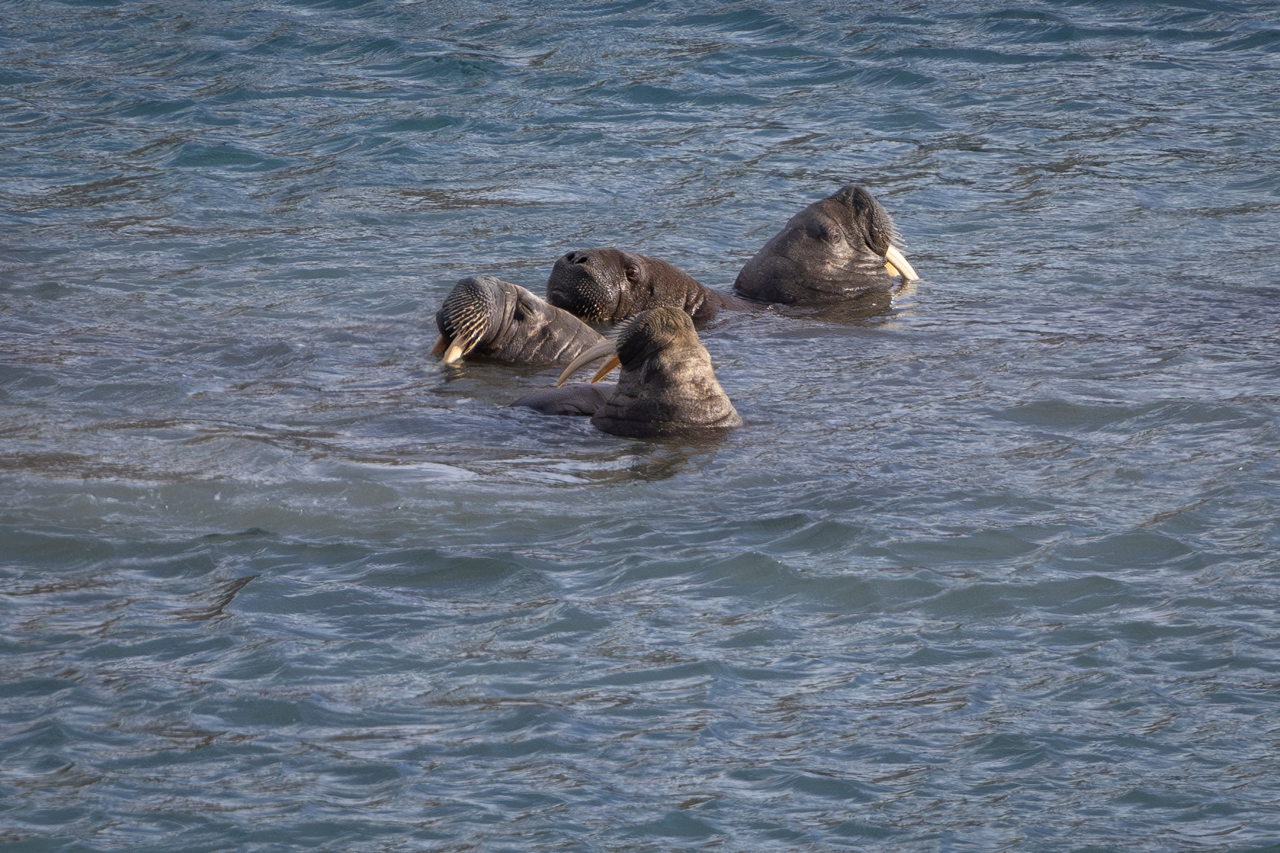
Enter Tallurutiup Imanga, one of Canada’s largest marine protected areas, where nutrient-rich waters support whales, walrus, seals, and immense seabird colonies beneath towering cliffs and
across deep fjords. On Devon Island, the world’s largest uninhabited island, glaciers meet the sea and archaeological traces reveal thousands of years of Inuit and earlier human presence.
Day 4: Qaanaaq, Greenland
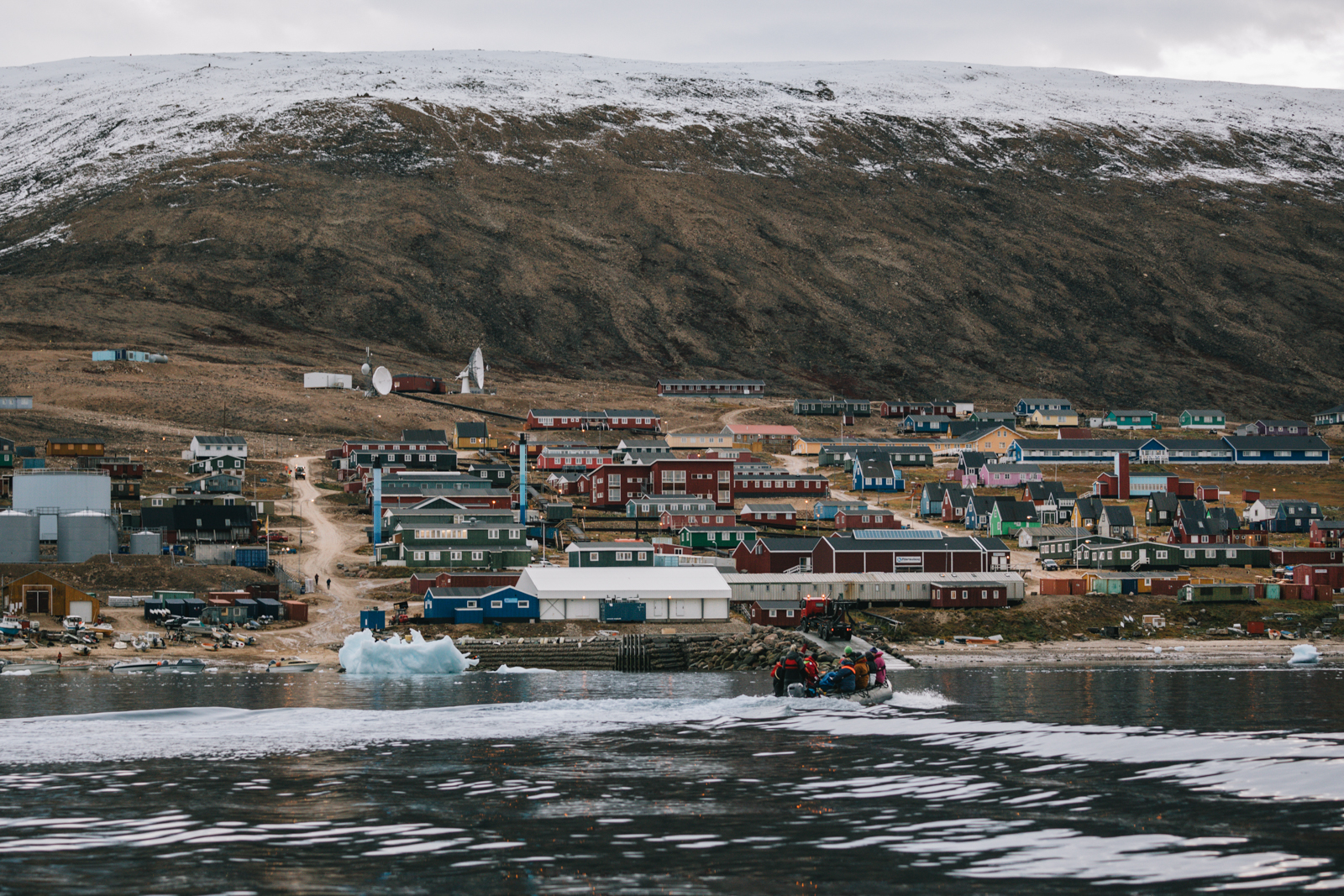
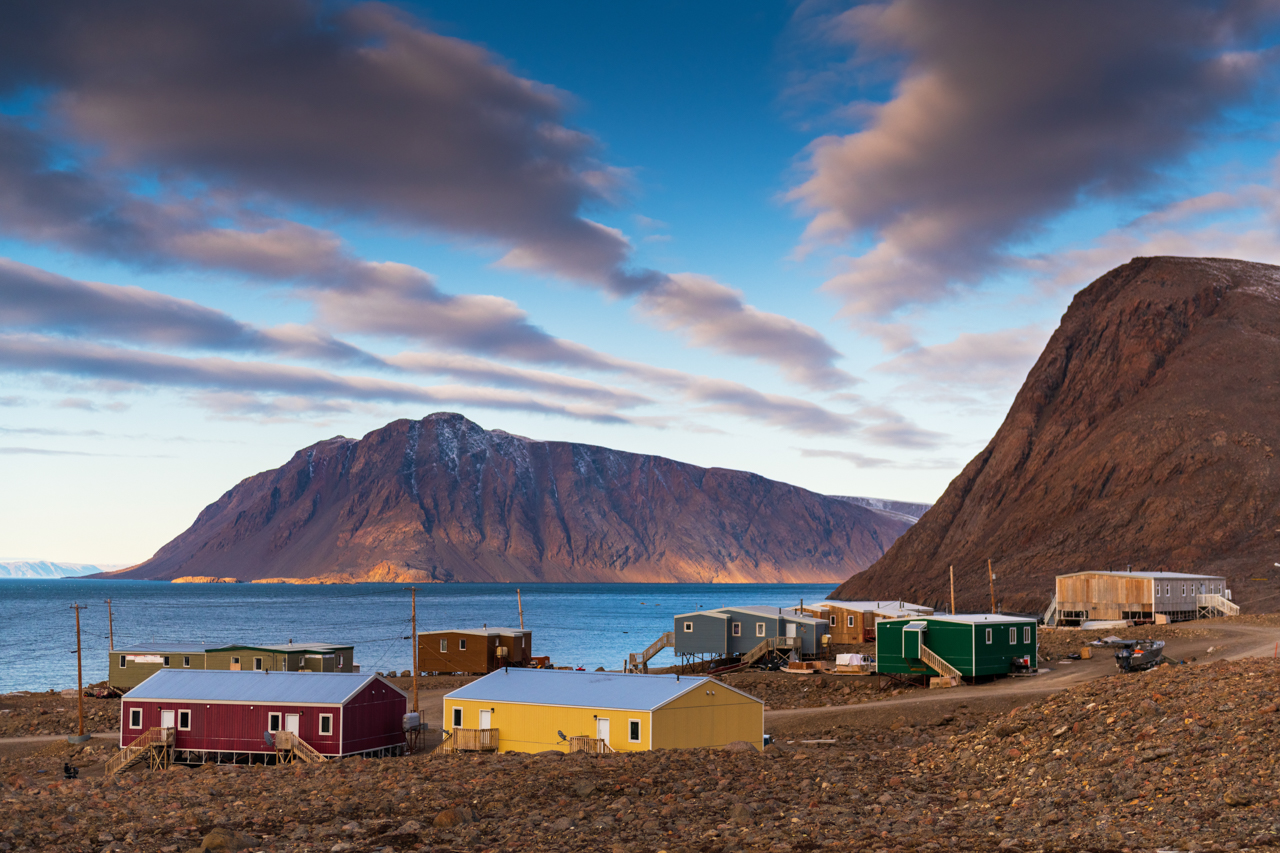
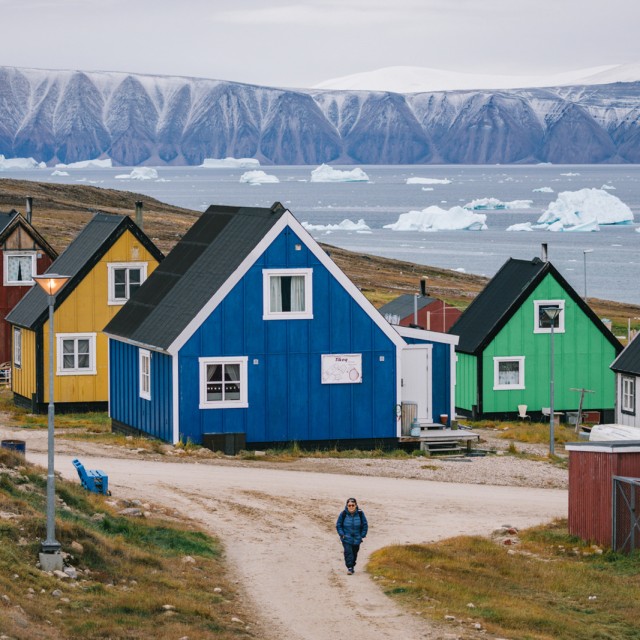
Set against a backdrop of mountains and drifting sea ice, Qaanaaq is one of the world’s northernmost towns and a centre of Inughuit culture. Here, longstanding skills and modern life flow together with the rhythms of the sea ice. Traditions such as dog sledding and hunting remain vital parts of community identity, reflecting deep connections to place. Meeting the people of Qaanaaq offers a glimpse of extraordinary adaptation and continuity, with life still shaped by ice, animals, and seasons.
Days 5–6: Kane Basin
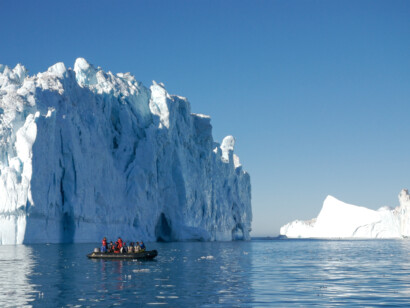
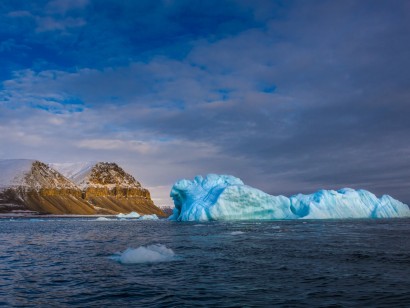
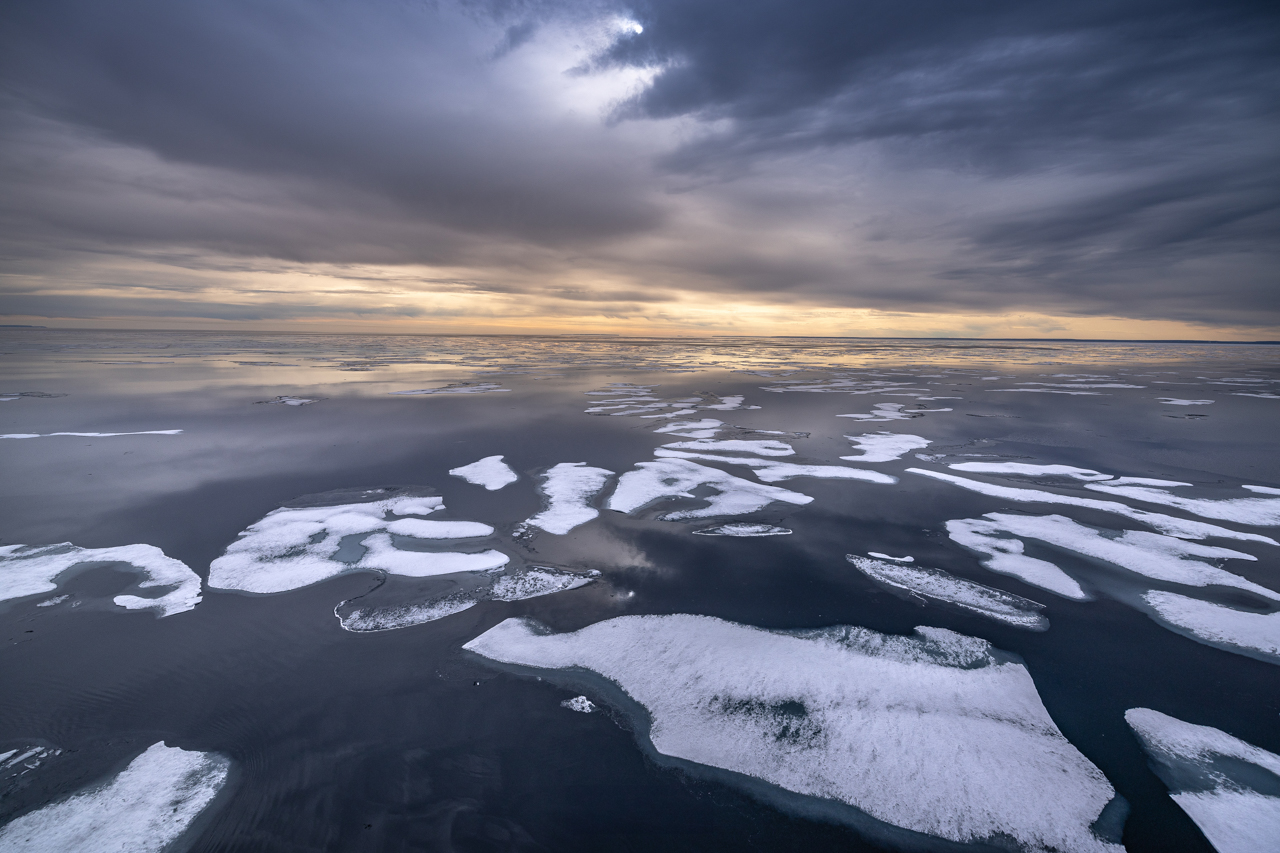
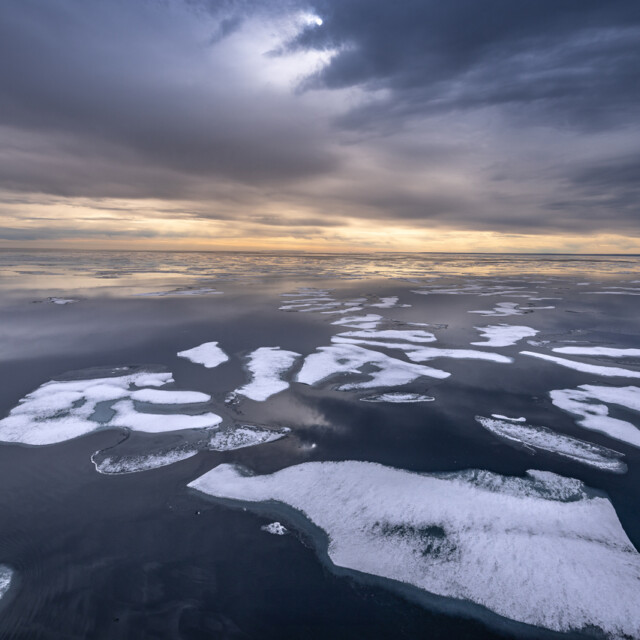
Sail into Kane Basin, where Ellesmere Island and Greenland nearly meet. Across two days, the scale of this High Arctic waterway unfolds through towering mountains, immense glaciers, drifting sea ice, and light that continually transforms the passage. Changing conditions reshape the view from hour to hour, revealing new coastlines, channels, and possibilities for wildlife.
Long travelled by Inuit, these waters later became a principal route for expeditions seeking the lost Franklin expedition and a way to the North Pole. The basin bears the name of American explorer Elisha Kent Kane, who crossed it in 1854 during his search for Franklin. Few waterways bring the scale of the High Arctic and the history of polar ambition into such powerful focus.
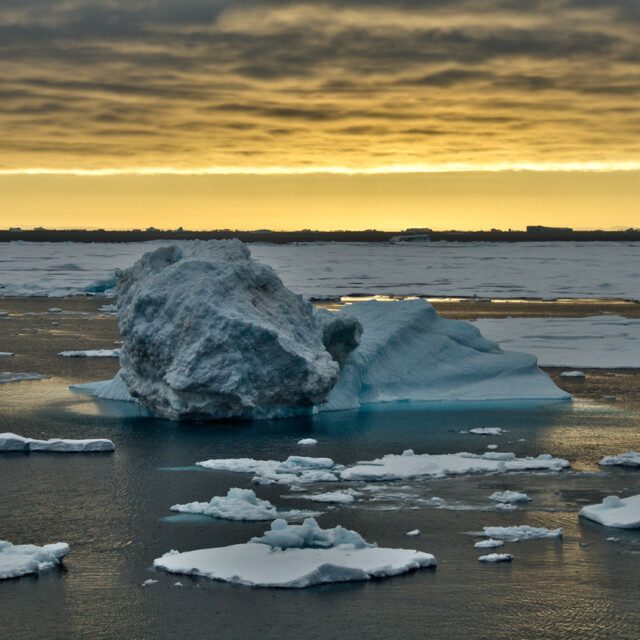
Day 7: Tartupaluk (Hans Island)
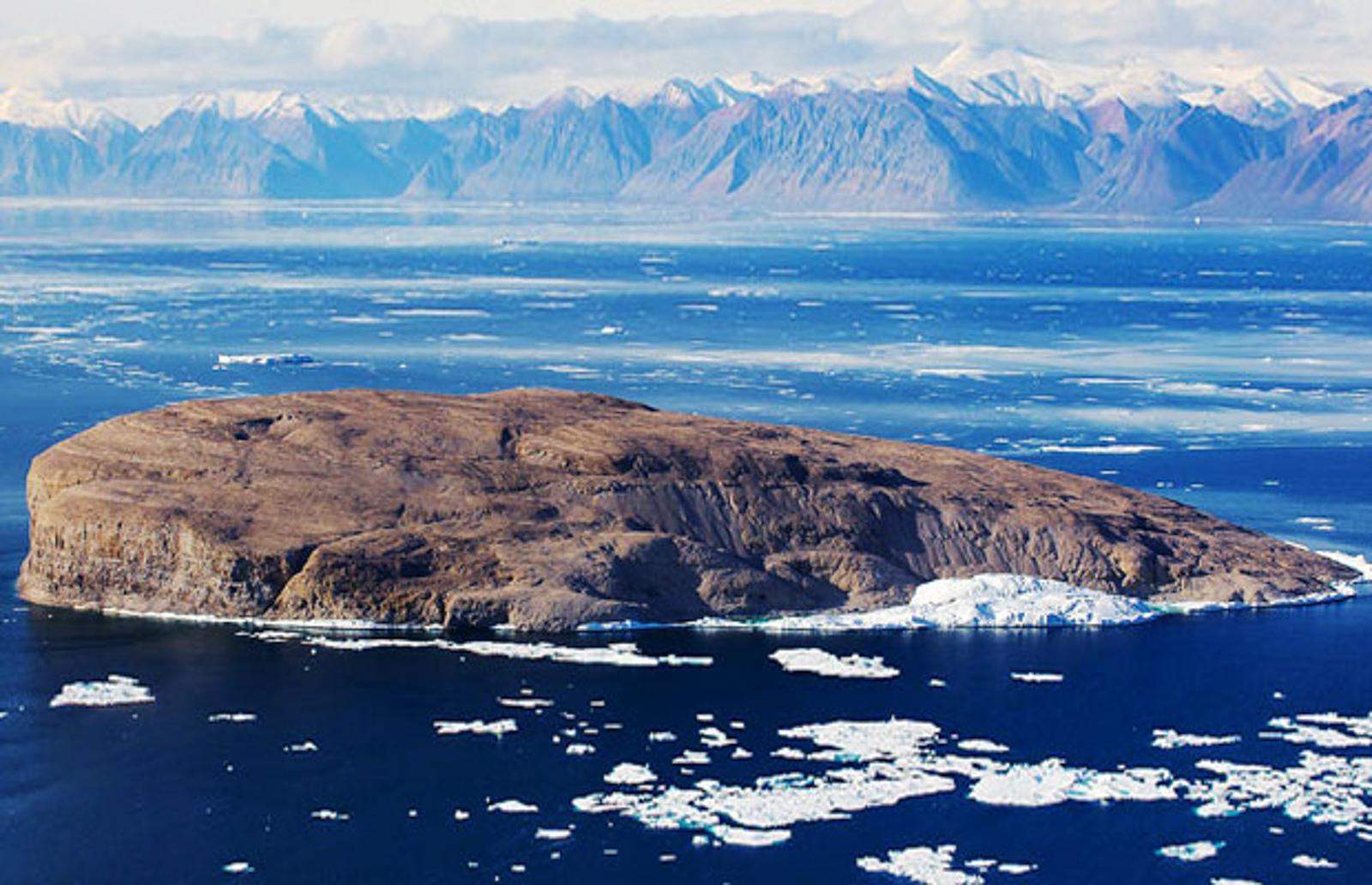
Set foot on Tartupaluk, a place few will ever visit. Perched in the middle of Nares Strait between Canada and Greenland, this small, rocky island marks a remarkable meeting point between nations. In modern times, it became the focus of a good-natured yet symbolically important territorial dispute between Canada and the Kingdom of Denmark.
In 2022, an agreement divided the island along a natural ravine, creating one of the world’s newest international land borders. The agreement also maintains access and freedom of movement across the entire island for Inuit and local people from Nunavut and Greenland, recognizing connections to these waters that long predate the border itself. With one foot in Canada and the other in Greenland, Tartupaluk offers a memorable example of sovereignty resolved through cooperation.
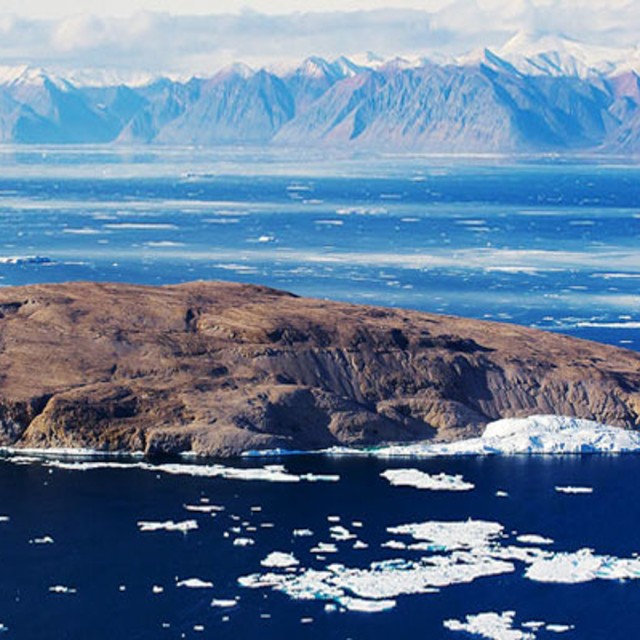
Days 8–9: Smith Sound
Venture through Smith Sound, the dramatic channel connecting Baffin Bay with Kane Basin and part of the greater Pikialasorsuaq region. Pikialasorsuaq means “great upwelling” in Kalaallisut and is known in Nunavut as Sarvarjuaq.
Recurring open water within the surrounding sea ice makes this the Arctic’s largest polynya and one of the most biologically productive regions north of the Arctic Circle. Nutrient-rich waters sustain an extraordinary abundance of life, drawing whales, seals, and millions of seabirds to this vital Arctic ecosystem.
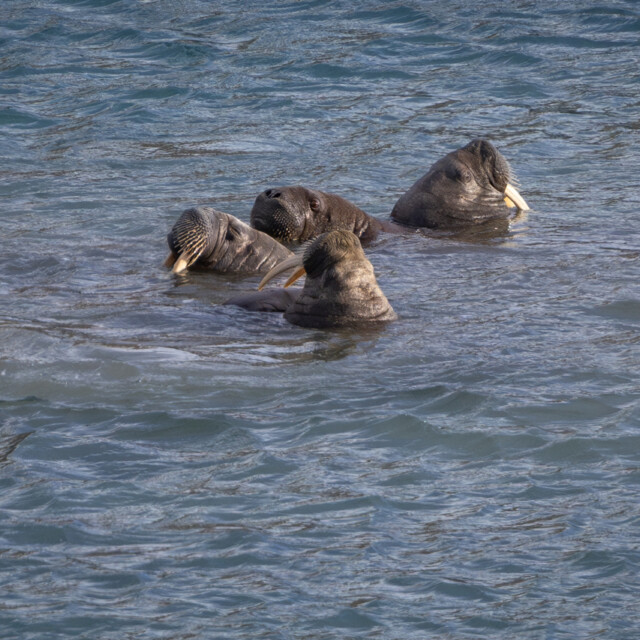
Day 10: Ausuittuq (Grise Fiord)
Set between the mountains of southern Ellesmere Island and the waters of Jones Sound, Ausuittuq (Grise Fiord) is Canada’s northernmost civilian community. Its Inuktitut name means “the place that never thaws,” a reference to the enduring ice above the community.
Ausuittuq was established through the High Arctic Relocations of 1953 and 1955, when the Canadian government moved Inuit families from Inukjuak and Mittimatalik, in part to reinforce Canadian sovereignty. The hardship and injustice of that history remain part of the community’s story, commemorated by a monument overlooking the shore. Today, family, language, harvesting, and community life give this small and remarkable Inuit hamlet its enduring character.
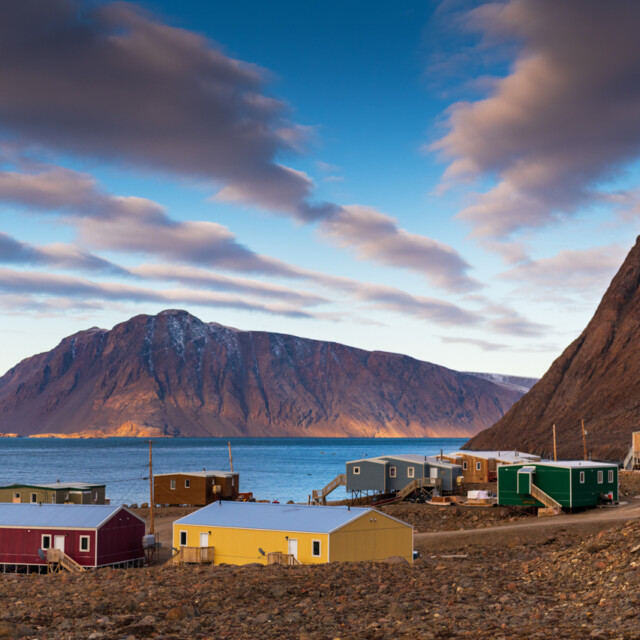
Day 11: Devon Island
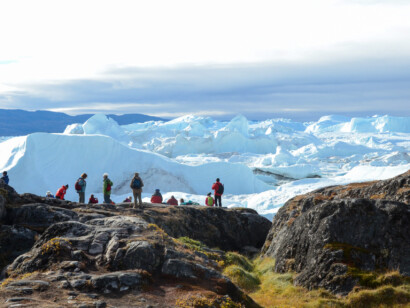
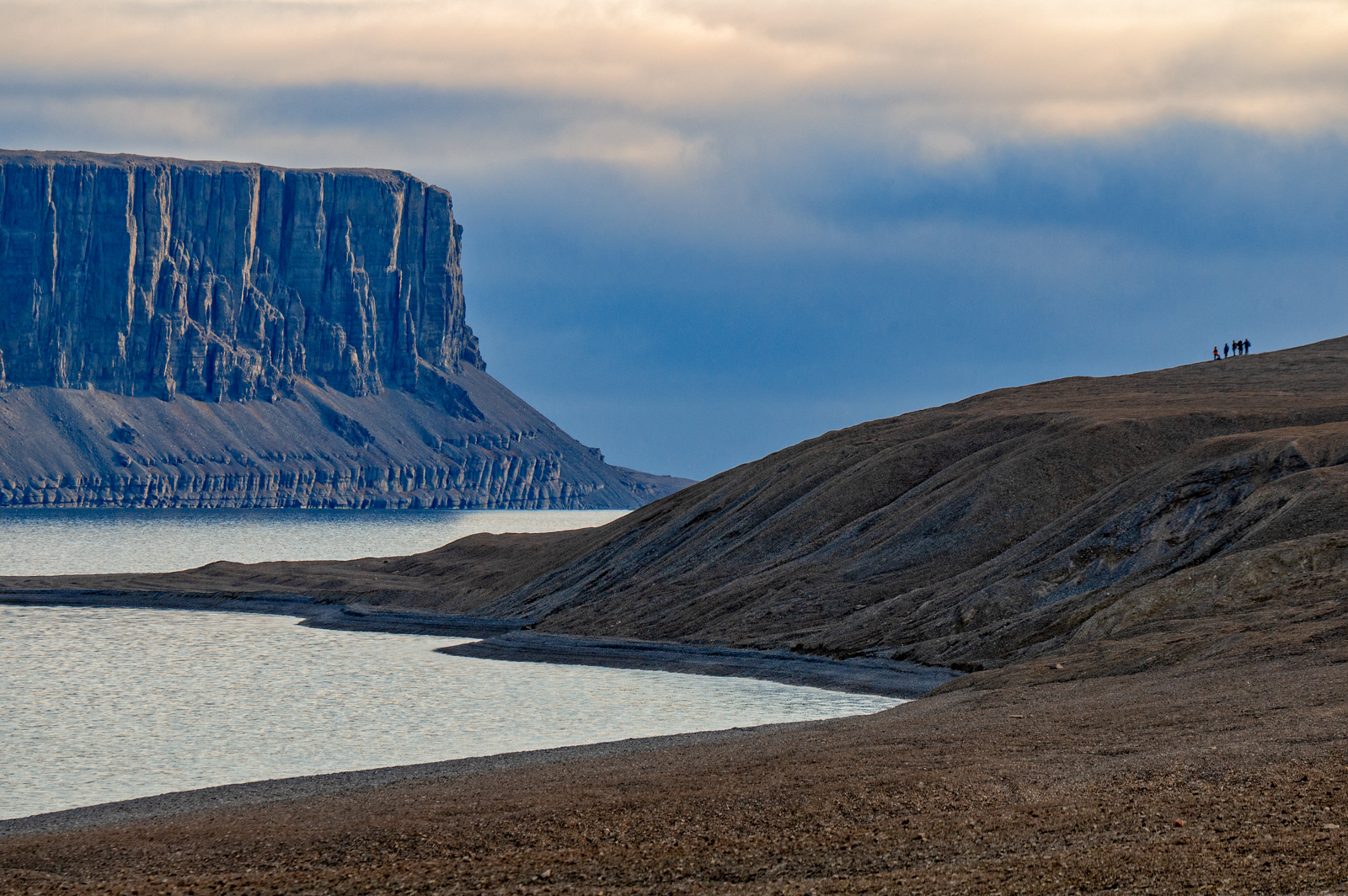
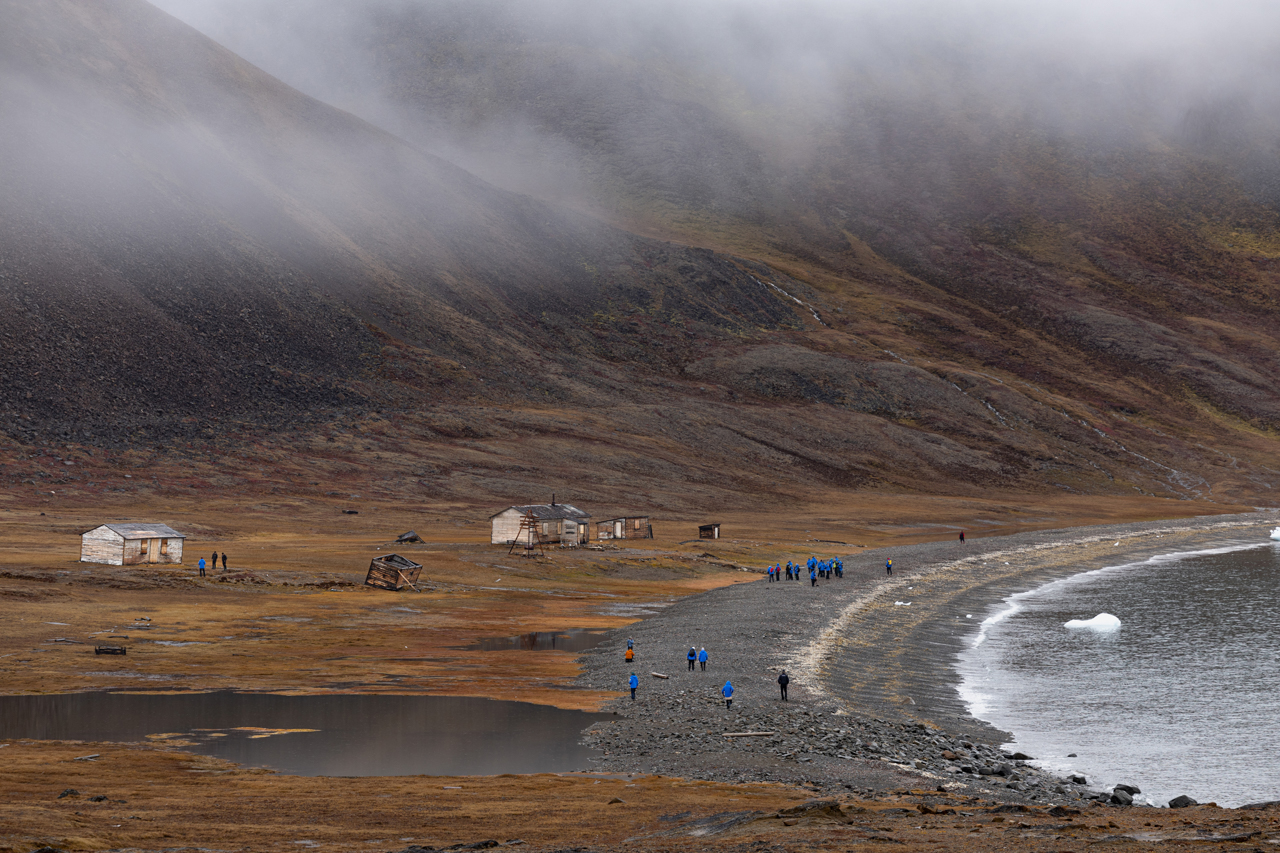
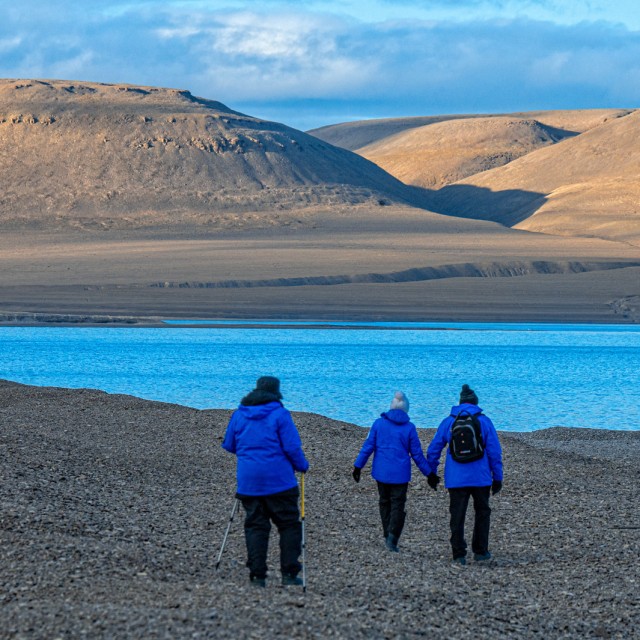
Vast and elemental, Devon Island reveals a world shaped by ice and time. Here, broad valleys and exposed rock tell of ancient forces, while bursts of Arctic wildflowers bring unexpected colour to the tundra. Along the shore, traces of Inuit presence remind us that even in the quietest landscapes, human stories endure. Immense views, striking geological formations, and profound silence combine to make this one of the most atmospheric stops of the journey.
Day 12: Beechey Island
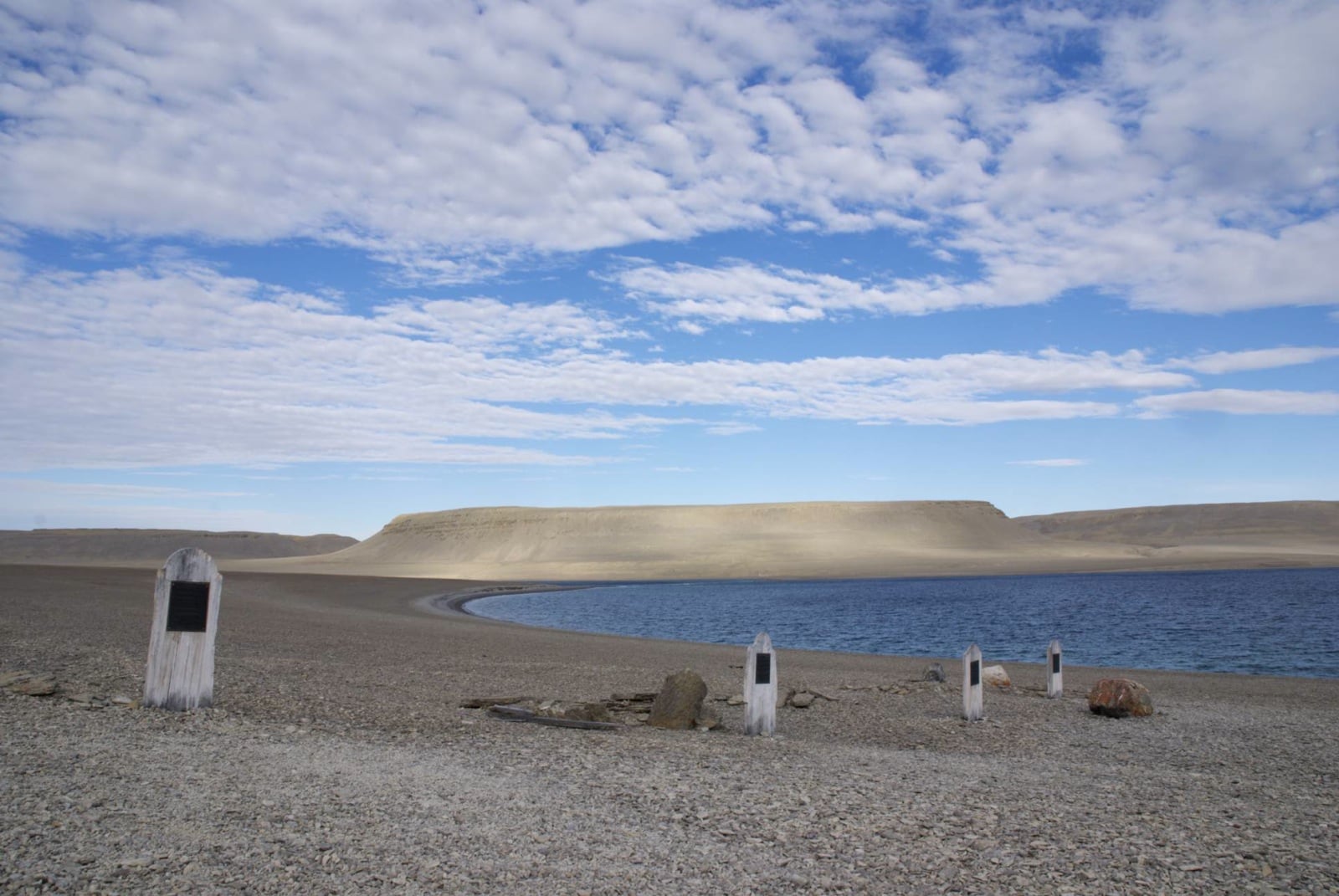
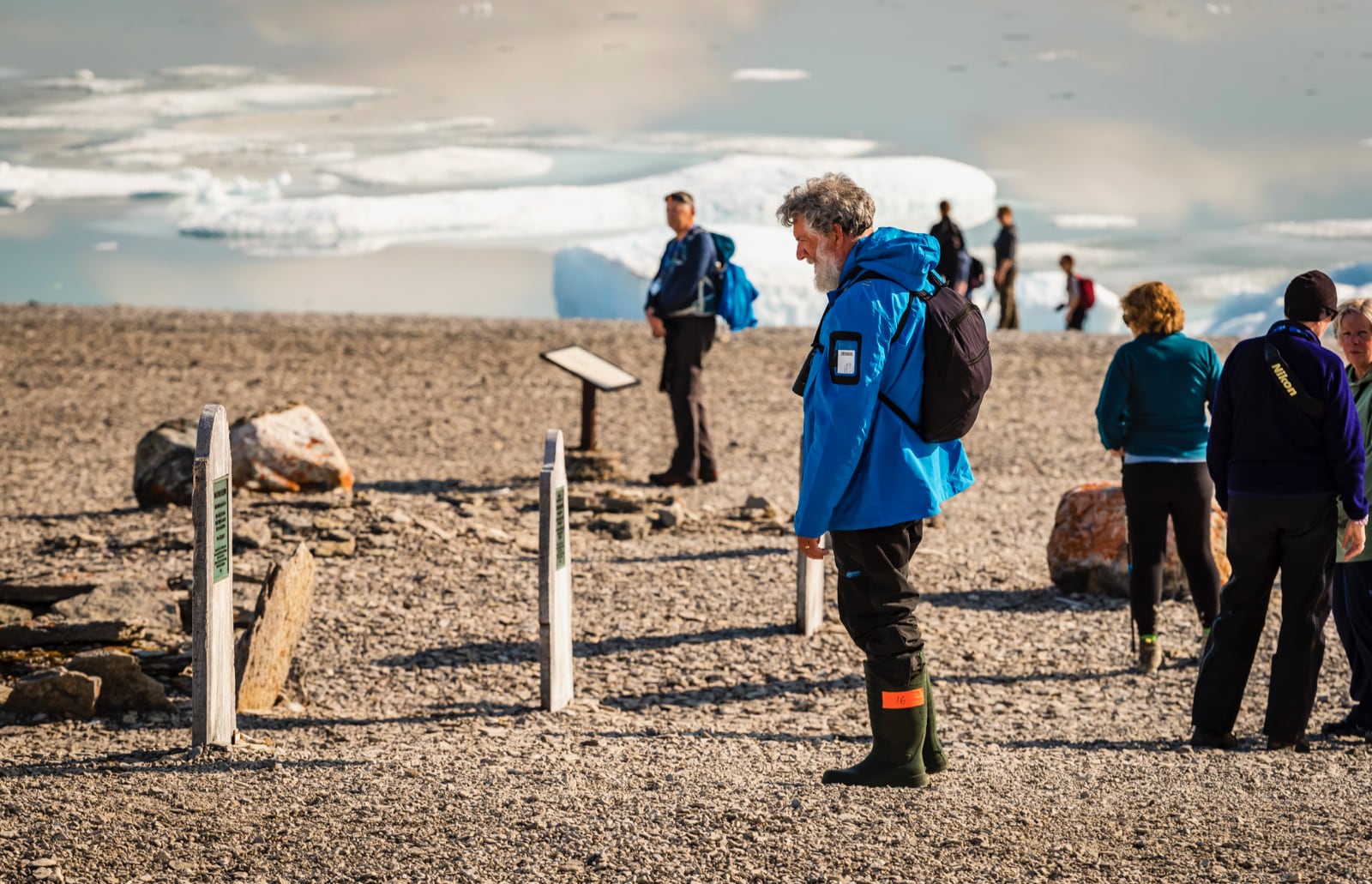
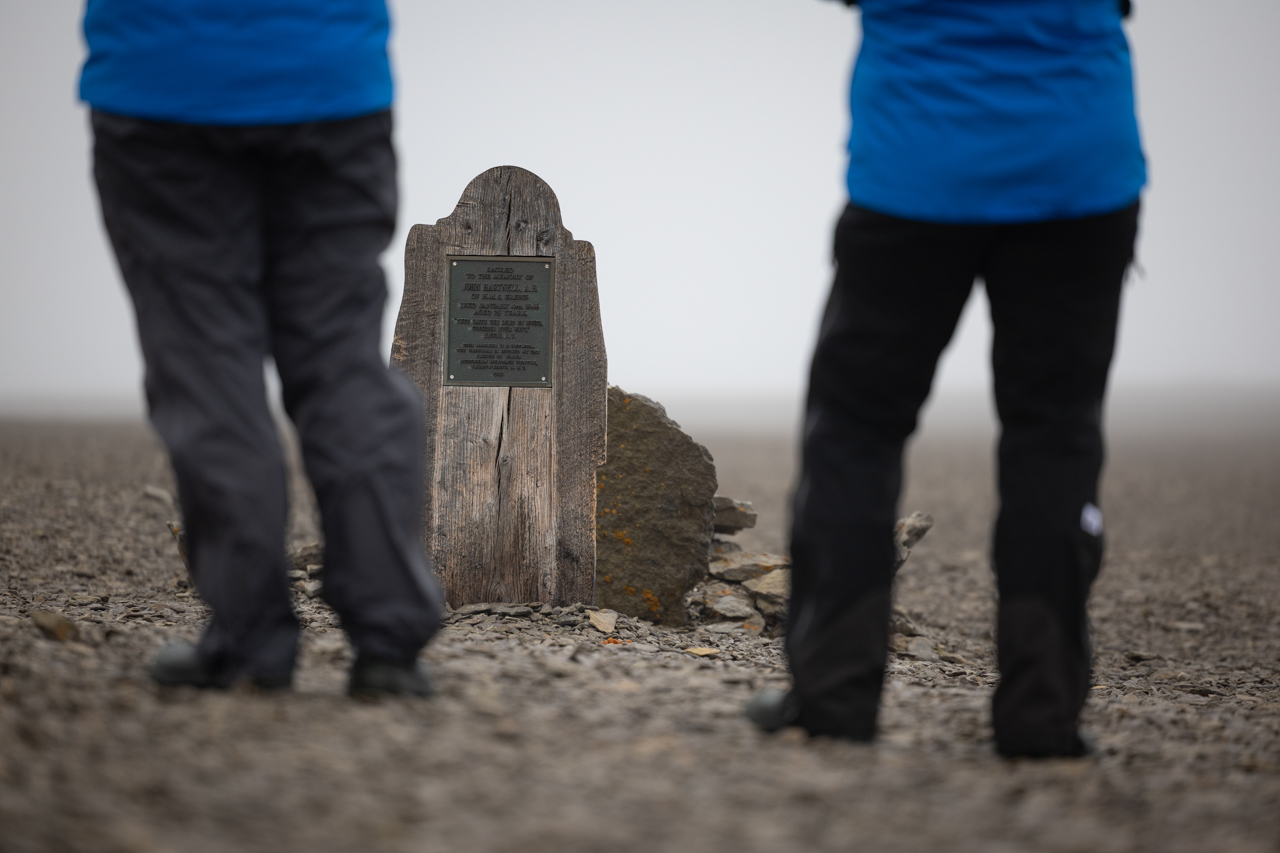
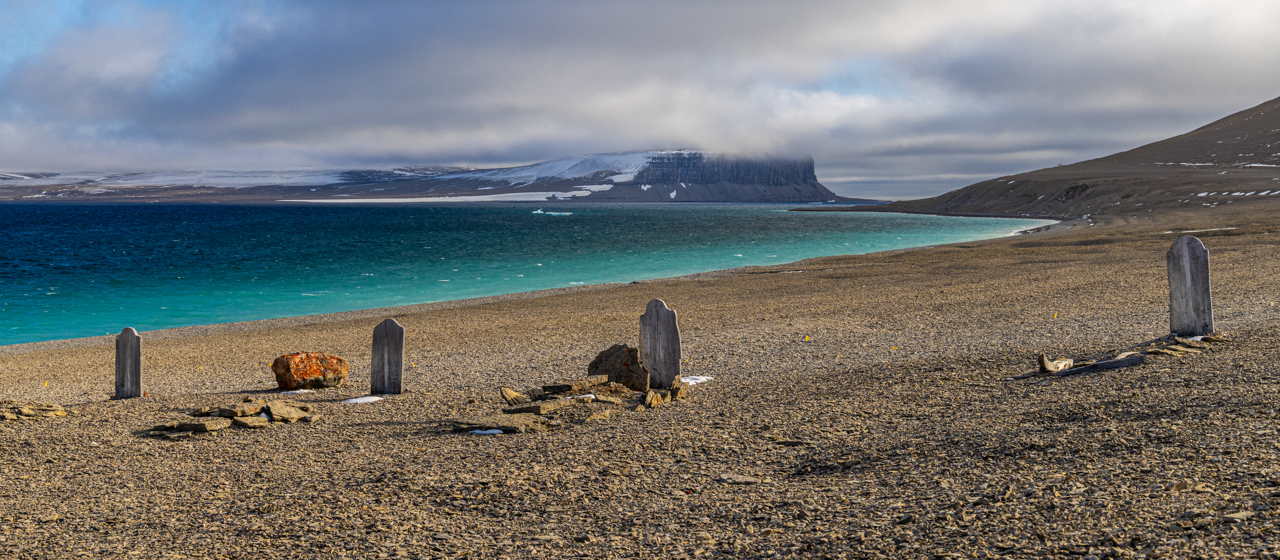
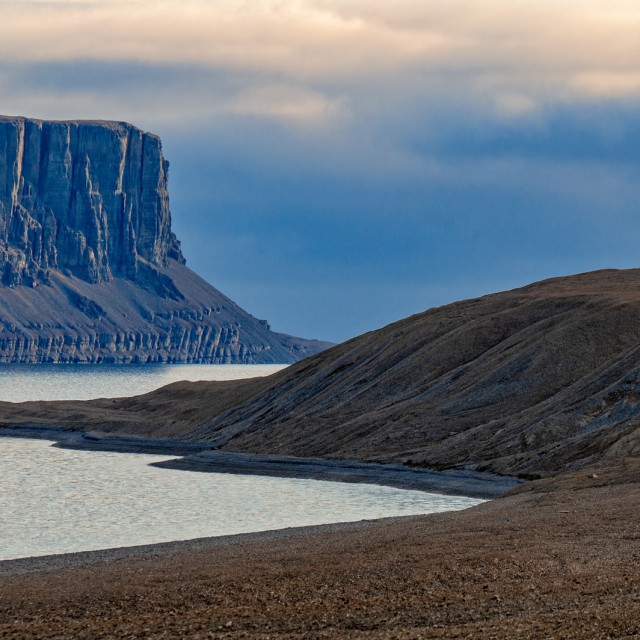
Beechey Island holds one of the most tangible chapters in the Franklin mystery. HMS Erebus and HMS Terror spent the winter of 1845–46 here before sailing south and disappearing. The graves of three crew members, remains of the winter camp, stone cairns, and traces left by later search expeditions still mark its narrow, windswept shore.
Protected as part of Beechey Island Sites National Historic Site, these remains capture the expedition at the threshold of mystery. The island later became a base for the vast search effort that helped map much of the Canadian Arctic Archipelago.

Day 13: Qausuittuq (Resolute), NU,
The expedition concludes in Qausuittuq, set on gravel flats and moraine beneath an immense Arctic sky. Its Inuktitut name means “place with no dawn,” a reference to the long polar night. Established through the Canadian government’s High Arctic Relocation of 1953, Qausuittuq has become an important centre for northern research, transportation, and travel.
After disembarking, transfer to the airport for the charter flight to Ottawa. Here, at a crossroads of High Arctic travel, the sea journey ends and the route turns south.
What to Expect
What to Expect
Our small ship cruising programs allow you to experience the best of the natural world, while enjoying the comforts of our friendly floating hotel. The ship generally makes crossing between islands at night, so every morning you awake to new vistas and discoveries. Every day we offer a combination of interesting shore excursions and fun shipboard activities. You can choose which elements of the program you want to participate in.
This is a general natural history and cultural expedition rather than a dedicated birding tour. Travellers can look forward to a mix of wildlife viewing, cultural experiences, and time to appreciate the region’s incredible scenery — with opportunities for birding included along the way.
This expedition cruise necessitates passengers to be in reasonably good health. Zodiac cruises and transfer times can be lengthy. You must be able to climb stairs between decks on the ship, as well as the external gangway stairs to transfer between the zodiac and ship.
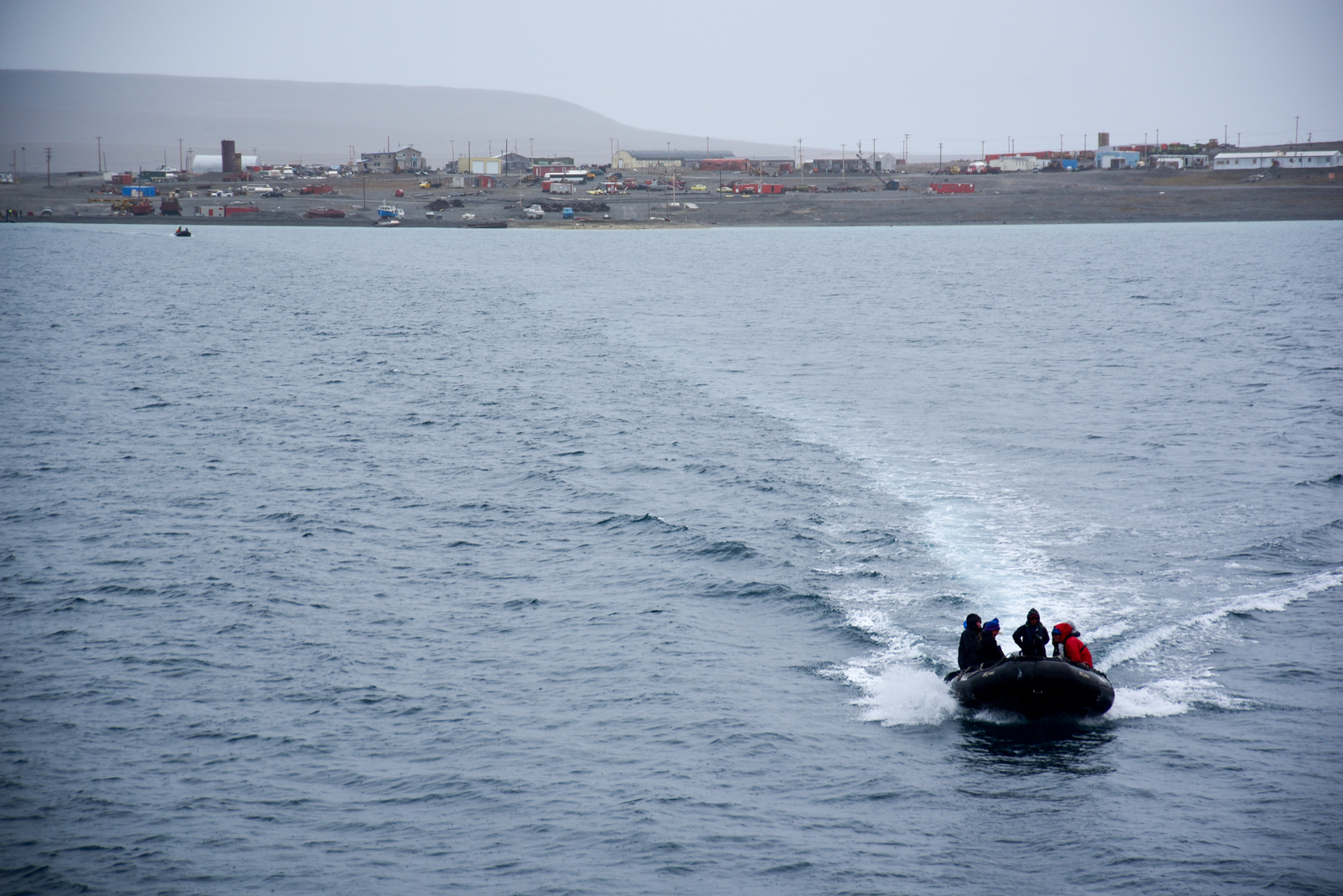
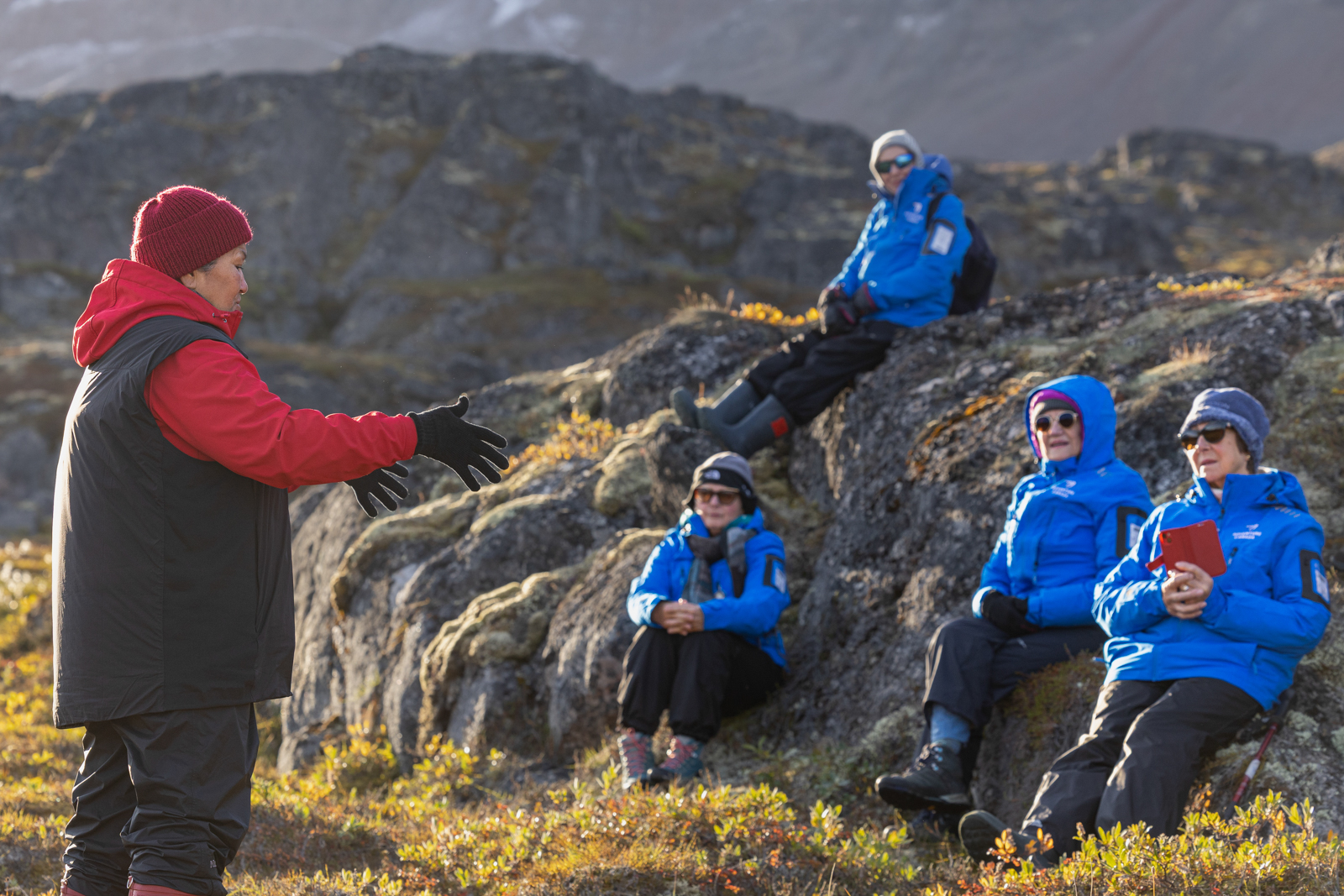
Some of our shore landings will be ‘wet’, requiring waterproof boots. Once you have left the zodiac, you’ll find our shore excursions accommodate both those who wish to enjoy a gentle stroll and those who prefer more active hikes. The excursion may involve walking over uneven or sandy terrain in variable weather conditions. Our onboard specialists will join us on these shore excursions to provide interpretation and narration to these wonderful landscapes and experiences.
Each evening we will gather in the lounge to recount the day’s events and share memorable stories. Our onboard musician will provide some lively entertainment during happy hour and the expedition leader will outline the following day’s schedule. Our resource staff of naturalists, historians, and other guest speakers will give informative talks at various times throughout the voyage.
Meals in the ship’s dining room are a great opportunity to meet new friends and recount the day’s adventures. Special diets can be accommodated with advance notice. Safety is also a top priority with Eagle-Eye Tours – our team has extensive experience in the field, and all of our Voyages are run in conjunction with operators with the highest safety standards.
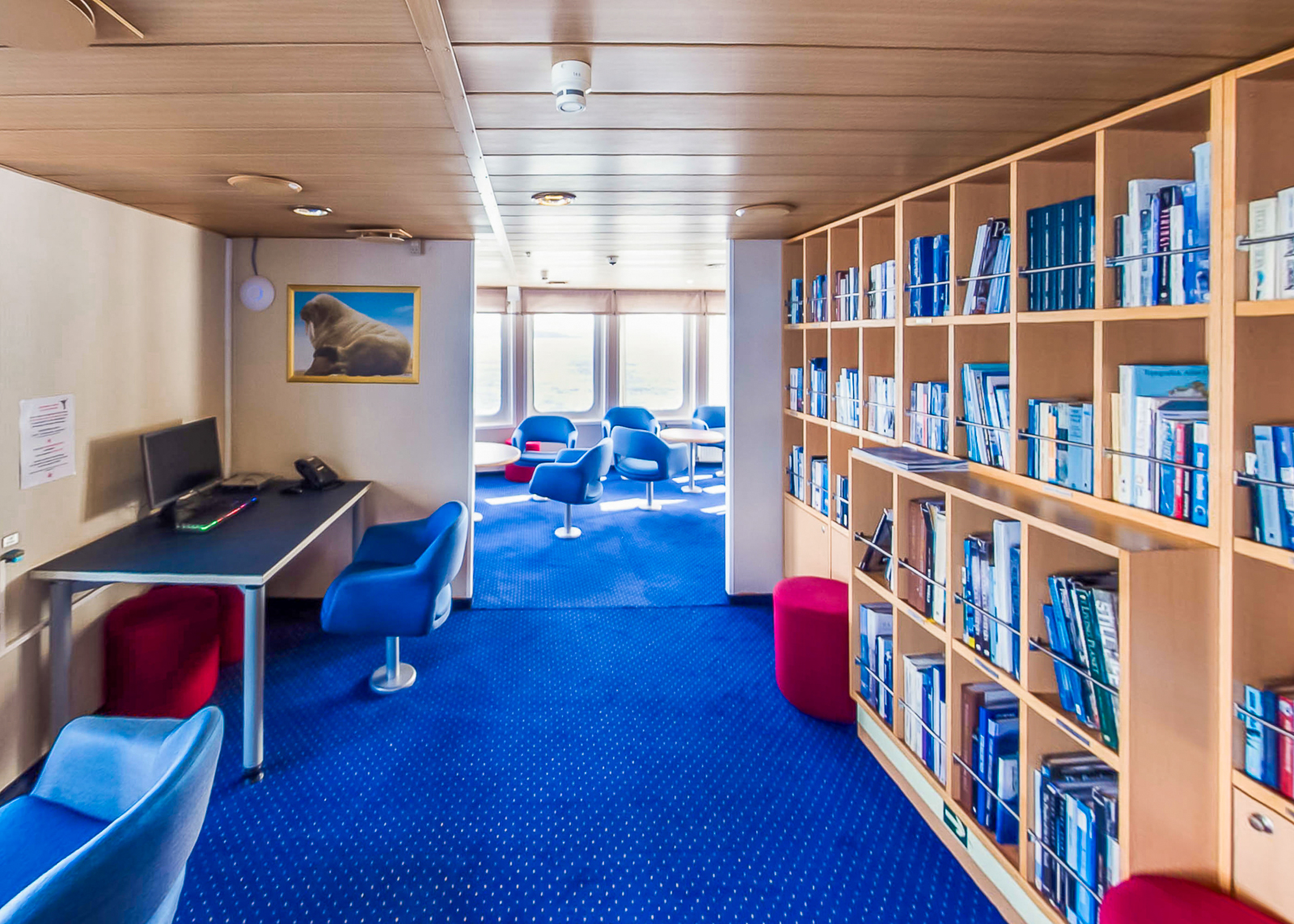
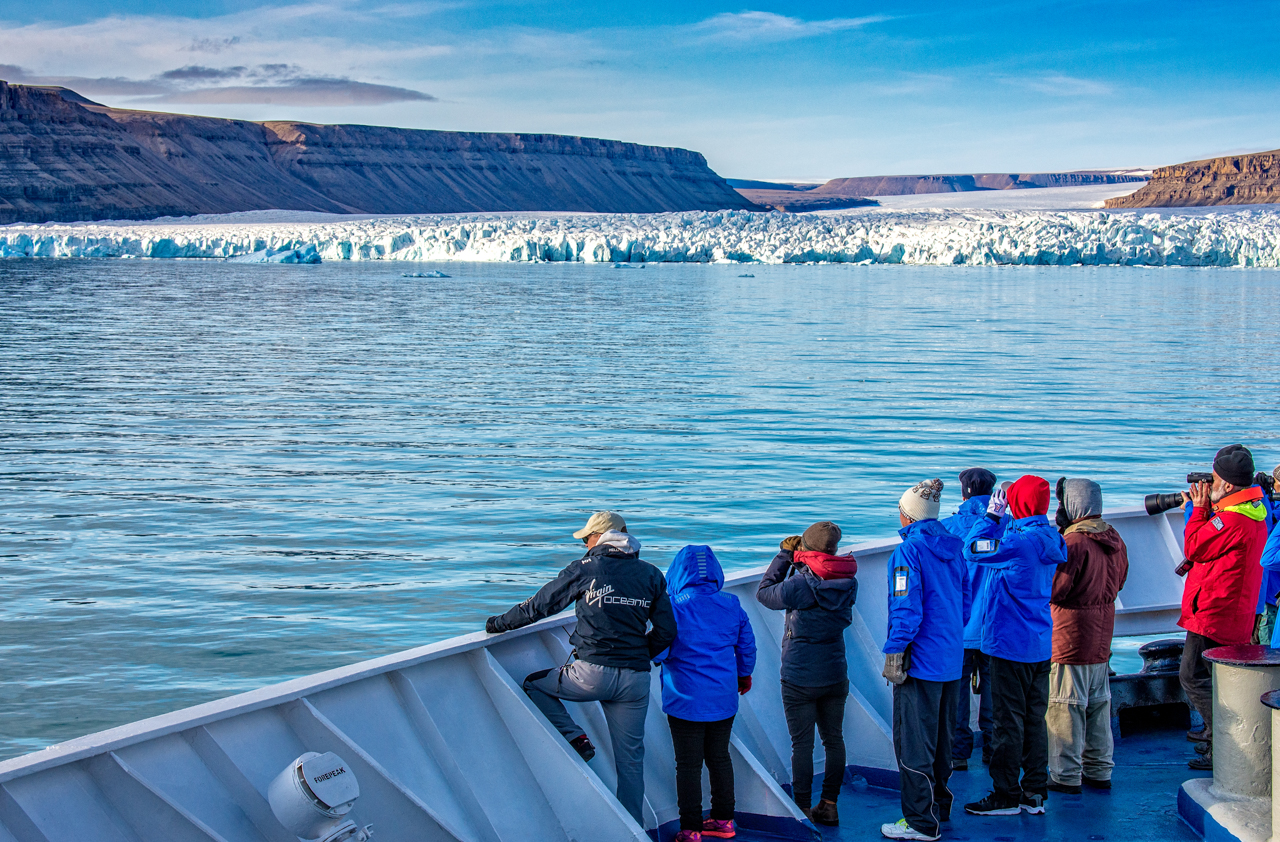
When the ship is underway, it is a wonderful time to join a naturalist on deck, take photos of the stunning scenery, or get caught up on some reading in the library.
Weather, ice, government regulations, and community requests may necessitate changes to the planned itineraries and/or the cancellation of certain shore excursions and enhancements. Published itineraries are examples only and we reserve the right to change or modify the itinerary and landing sites at any time prior or during an expedition. Changes will be communicated at your expedition orientation or during your onboard expedition briefings.
We know that everyone travels for different reasons. Over the years, however, we have found one common element among the guest who choose to travel with us – a thirst of knowledge and authentic experience. Knowing this drives us to ensure the highest quality learning experience on our trips, by taking time to carefully design each trip we offer.
Frequently Asked Questions
Ship Trip FAQs
Find answers to our Frequently Asked Questions regarding our Ship Trips, including information on our cancellation and refund policy, or how fit you need to be to go on an expedition cruise or sailing tour.
Ship & Deck Plan
Ship & Deck Plan: Ocean Nova
Ocean Nova
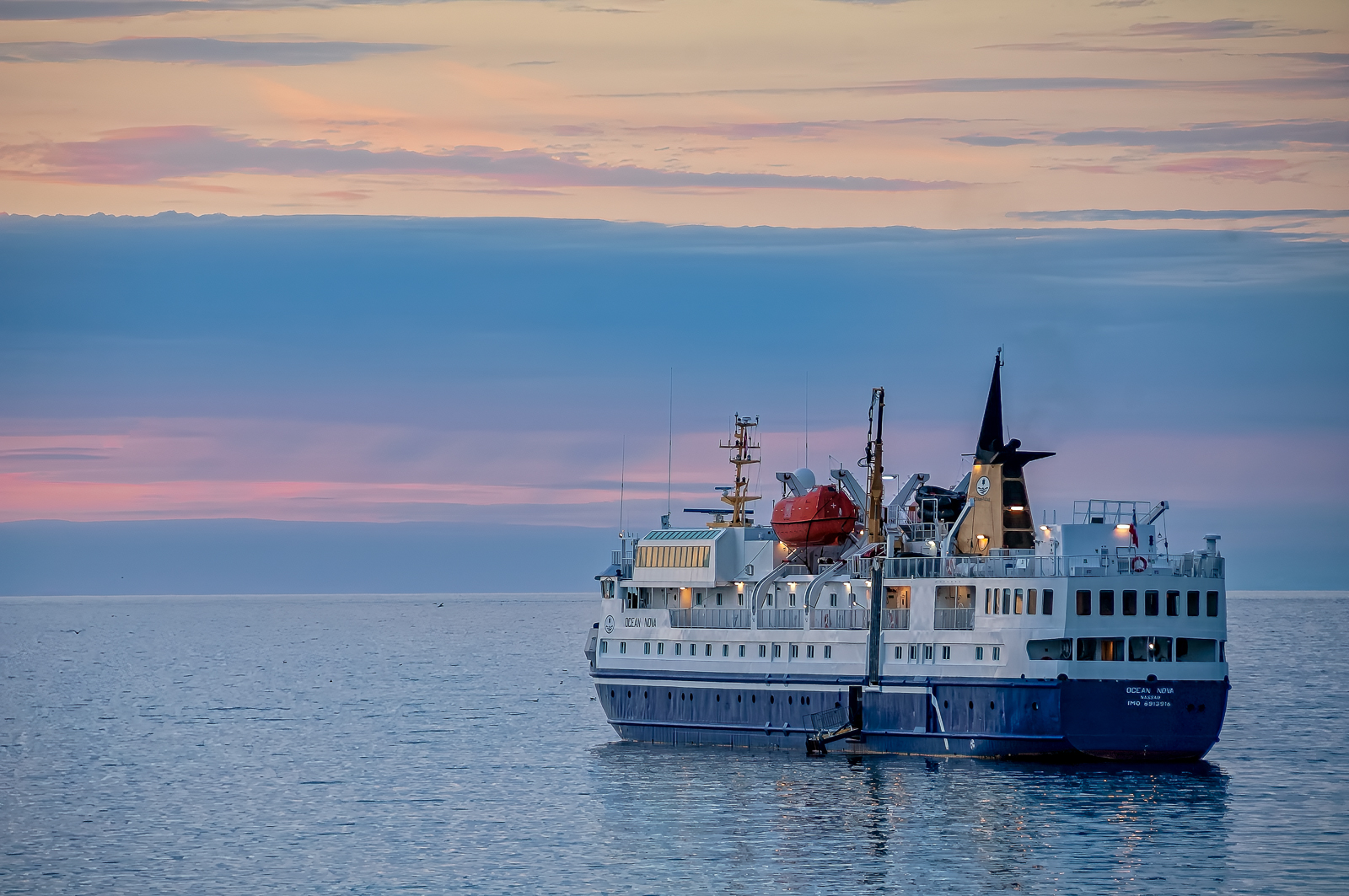
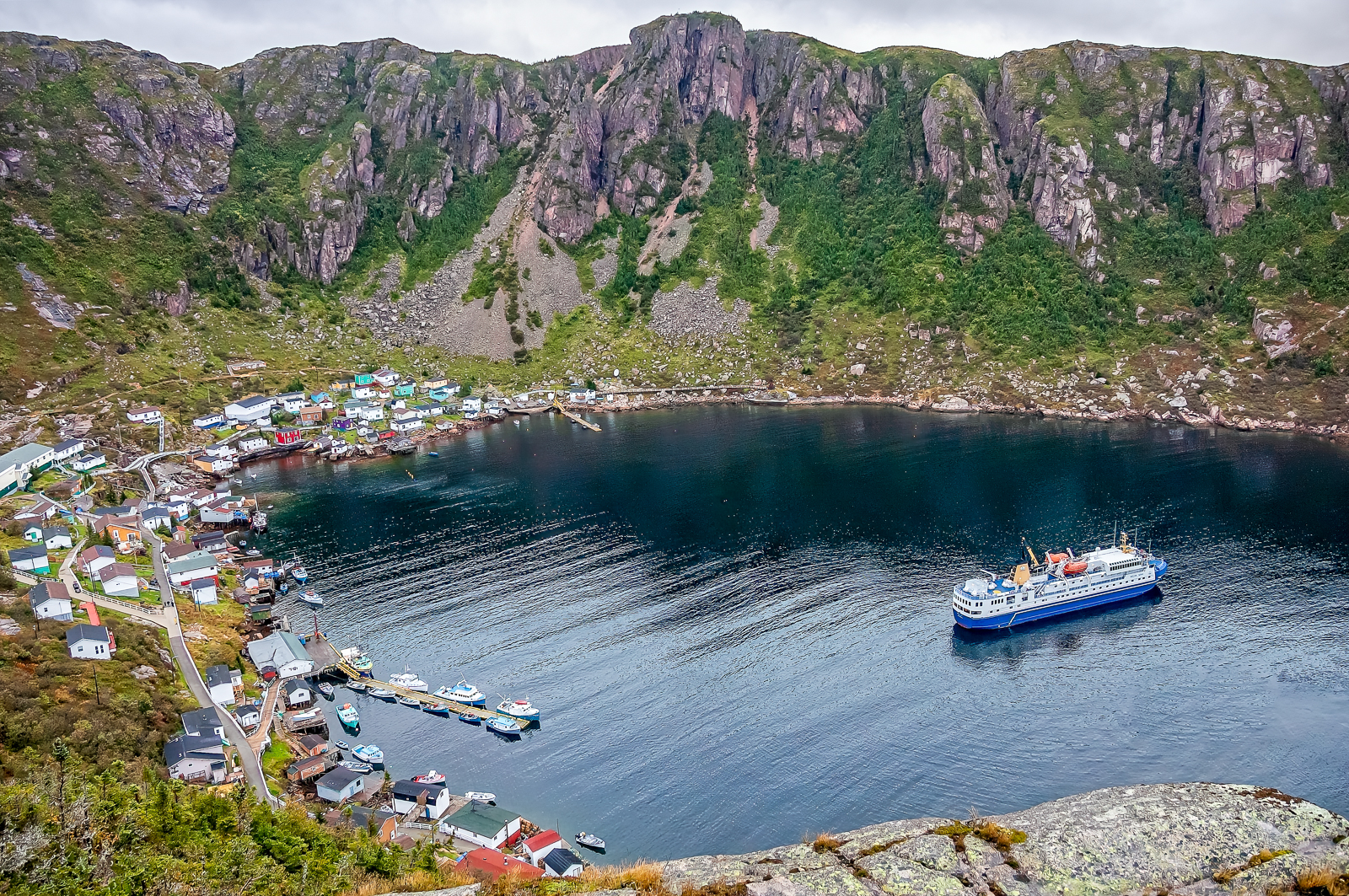
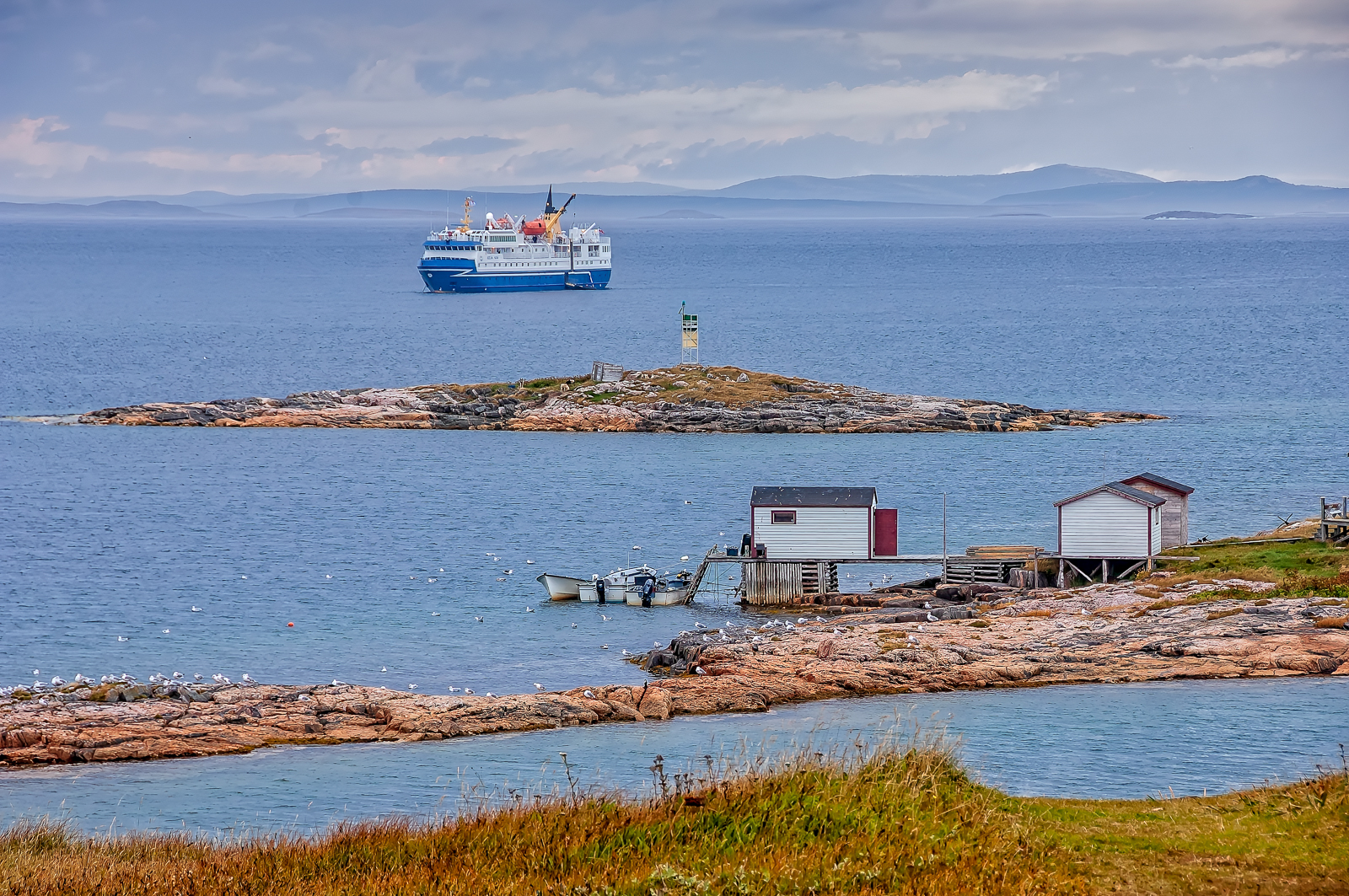
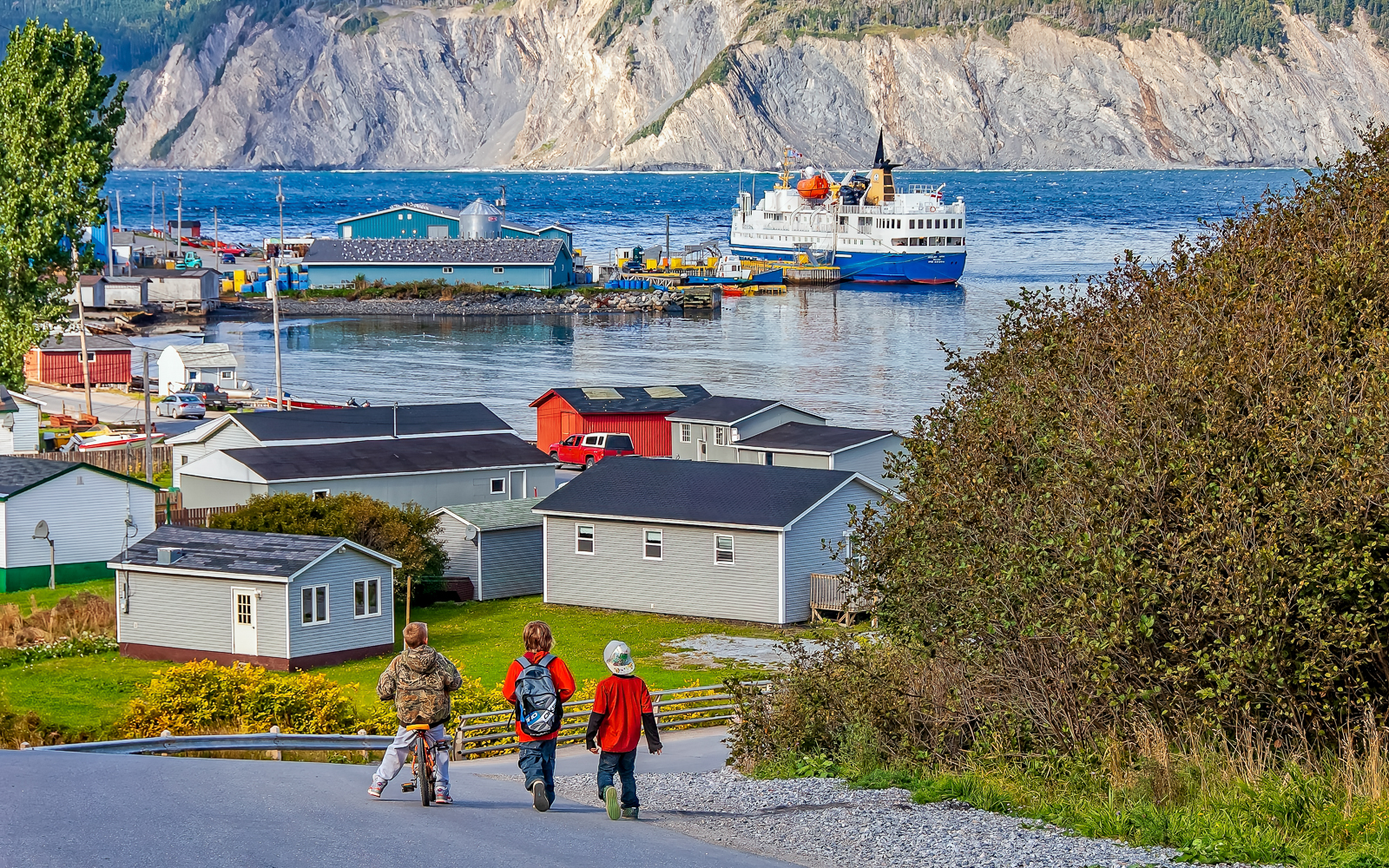
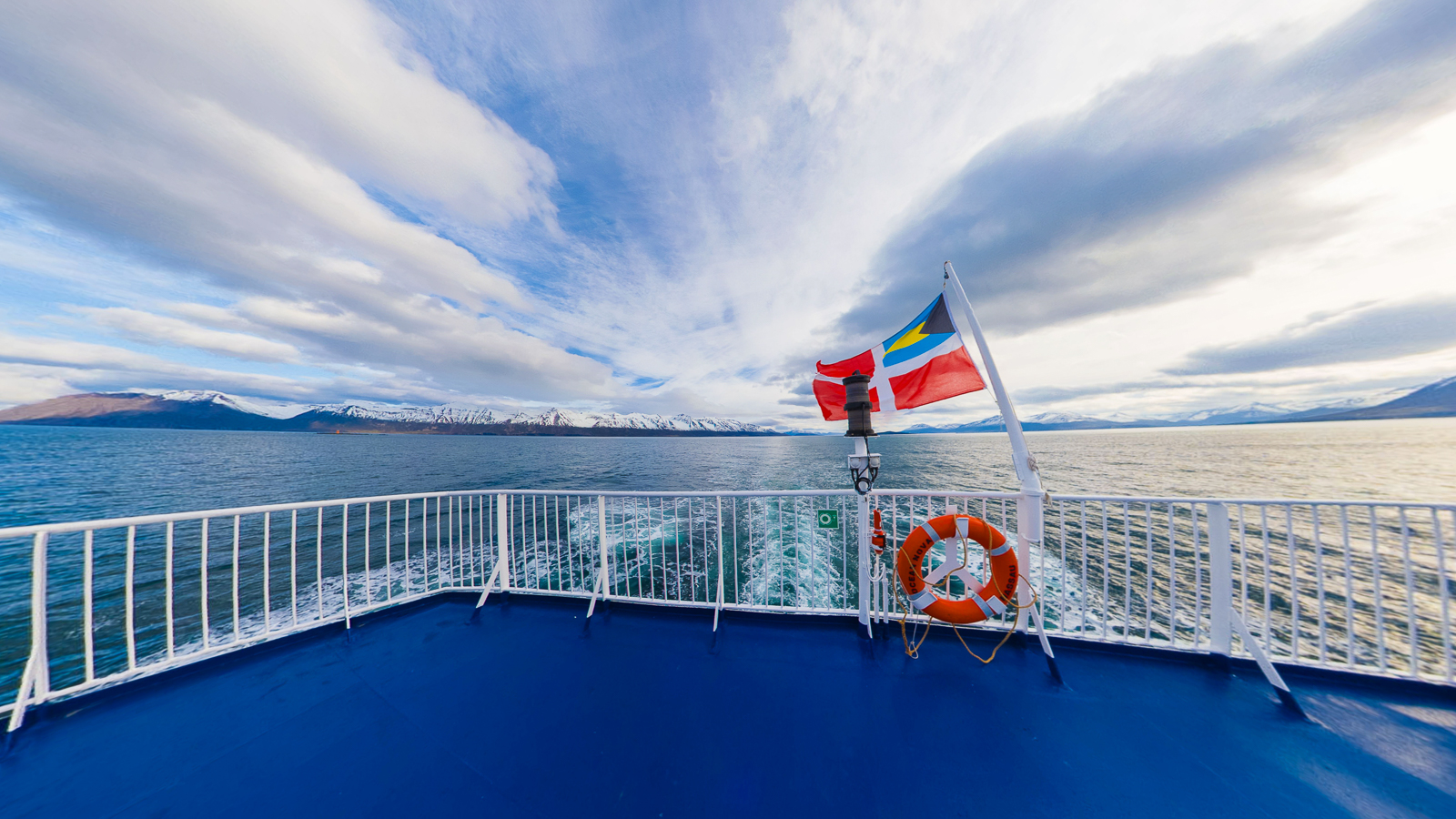
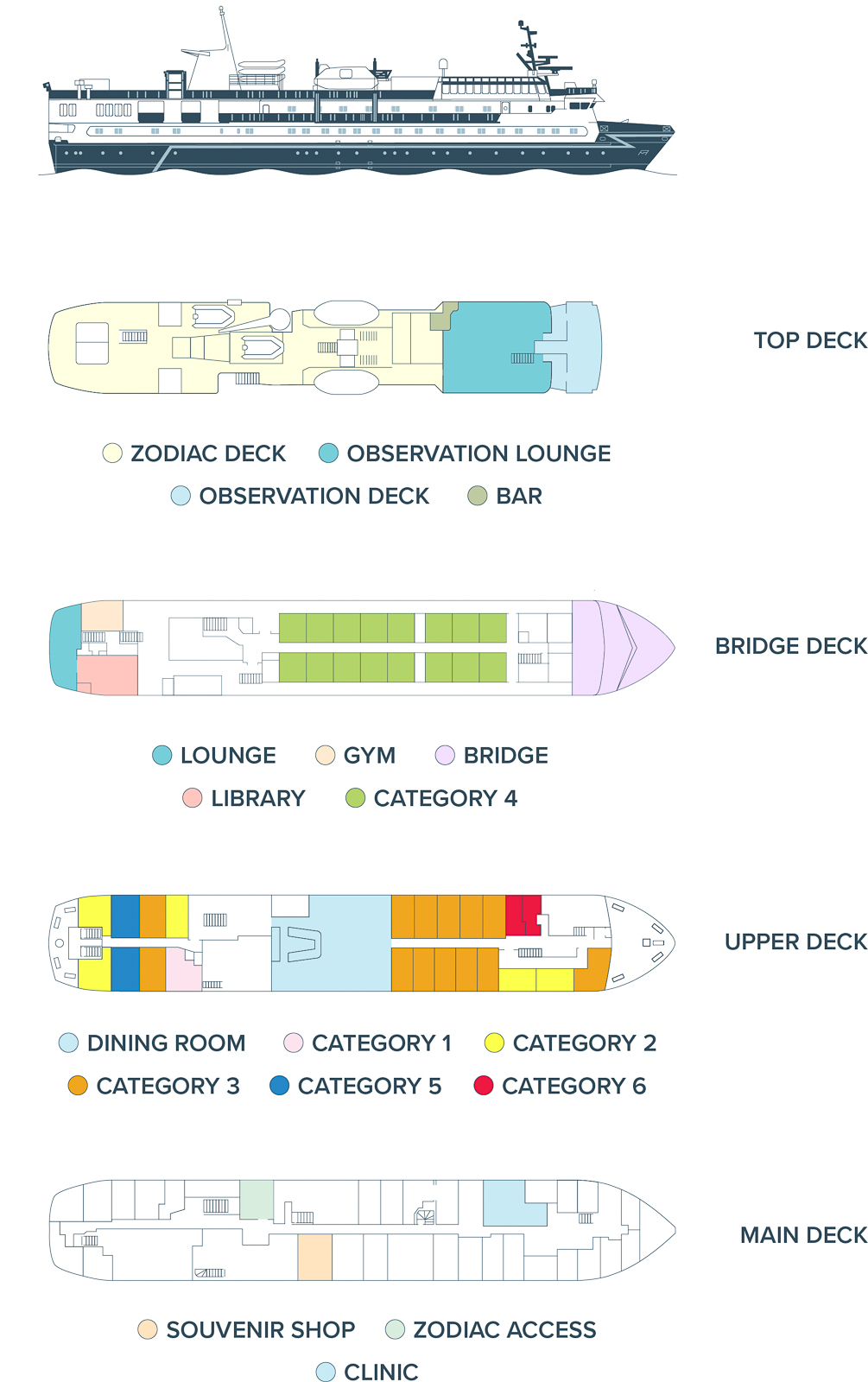
The Ocean Nova offers a classic expedition experience. Built in Denmark in 1992 for Greenland’s icy waters, this compact ship sails with a lighter carbon footprint than most expedition vessels.
Designed for intimate and immersive journeys, this nimble and sturdy ship accommodates just 75 guests. With the ship’s shallow draft and ability to anchor close to shore, you’ll spend less time ferrying and more time exploring.
Cosy cabins feature large windows for breathtaking views, while a glass-enclosed lounge offers sweeping 200-degree views—perfect for whale watching and seabird spotting. The open decks are a dream for photographers and scenery lovers. Meals feature open seating and ocean views, with globally inspired options to suit all tastes.
With one of the best guide-to-guest ratios, the Ocean Nova is perfect for those seeking an enriching experience.
Learn More
Deck Plan