Colorado Grouse
Highlights
Highlights
- Witness five spectacular lekking species—Greater and Gunnison Sage-Grouse, Sharp-tailed Grouse, and Lesser and Greater Prairie-Chickens
- Search for sought-after western specialties including Dusky Grouse, White-tailed Ptarmigan, Mountain Plover, rosy-finches and Pinyon Jay
- Explore an exceptional range of birding habitats, from shortgrass prairie and sagebrush to montane forests and alpine tundra
- Travel through spectacular western landscapes, including the Rocky Mountains, Pawnee National Grassland and Black Canyon of the Gunnison
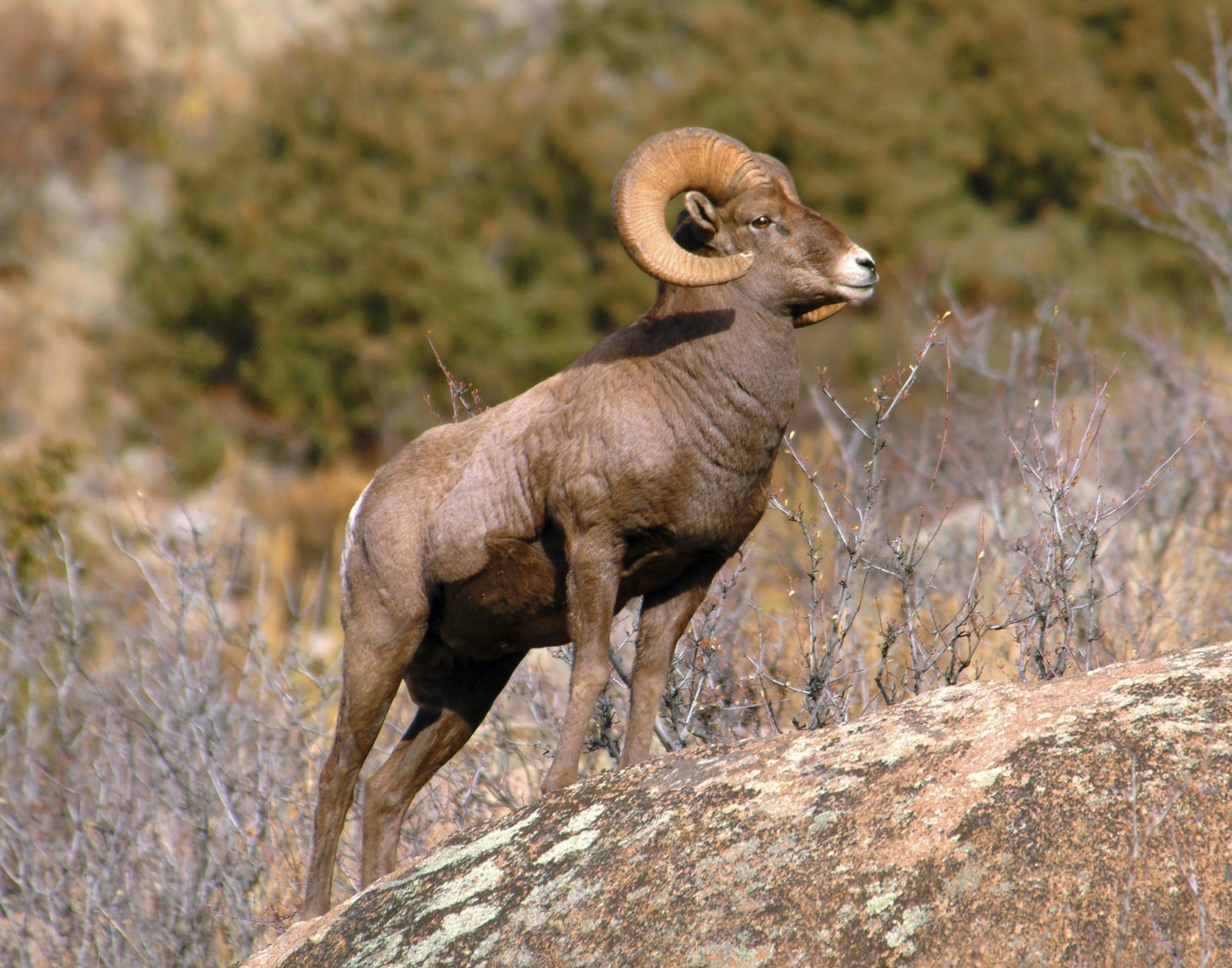
- Enjoy excellent mammal watching, with possibilities including American Bison, Bighorn Sheep, Elk and Coyote
Map
Map
Overview
Tour Overview
Join us on our Colorado Grouse tour for one of North America’s great spring wildlife spectacles—the foot-stomping, booming, cooing and cackling displays of lekking grouse.
Travelling from the Great Plains to the Rocky Mountains, we explore a remarkable range of habitats, including shortgrass prairie, sagebrush country, riparian corridors, montane forests, dramatic canyons and snow-covered alpine landscapes. April is an exciting time to witness the breeding displays of Greater and Gunnison Sage-Grouse, Sharp-tailed Grouse, Lesser Prairie-Chicken and Greater Prairie-Chicken, each with its own distinctive courtship ritual.
Beyond the leks, we search for other western specialties such as Dusky Grouse, Mountain Plover, Thick-billed Longspur, Pinyon Jay and rosy-finches. Mammals add further variety, with possibilities including Bighorn Sheep, Elk, Coyote and American Bison. With spectacular scenery, diverse birding and unforgettable displays, this is a wonderful spring journey through Colorado and the surrounding plains.
Dates & Prices
Dates & Prices
What's Included
Tour Price Includes
- All accommodations
- All Meals and soft drinks
- Ground transportation
- One guide and vehicle with 4 - 7 participants, 2 guides and vehicles with 8 - 12
- All park, conservation and entrance fees
Tour Price Does Not Include
- Flights to and from start / end location
- Travel Insurance
- Items of a personal nature
- Alcoholic beverages
Gallery
Gallery





Itinerary
Itinerary
Day 1: Arrival in Denver, Colorado
Welcome to Colorado! Our tour begins in Denver, where we meet our fellow travellers and guides for introductions and a welcome dinner. We’ll discuss the exciting days ahead before settling in for the night.
Night in Denver.

Day 2: Denver to Oakley, Kansas
We begin our birding adventure at Rocky Mountain Arsenal National Wildlife Refuge, a remarkable expanse of grassland, wetlands and prairie on the outskirts of Denver. The refuge provides an excellent introduction to Colorado birding, with possibilities including Burrowing Owl, Swainson’s Hawk, Western Meadowlark, Say’s Phoebe and a variety of waterfowl and other grassland birds.
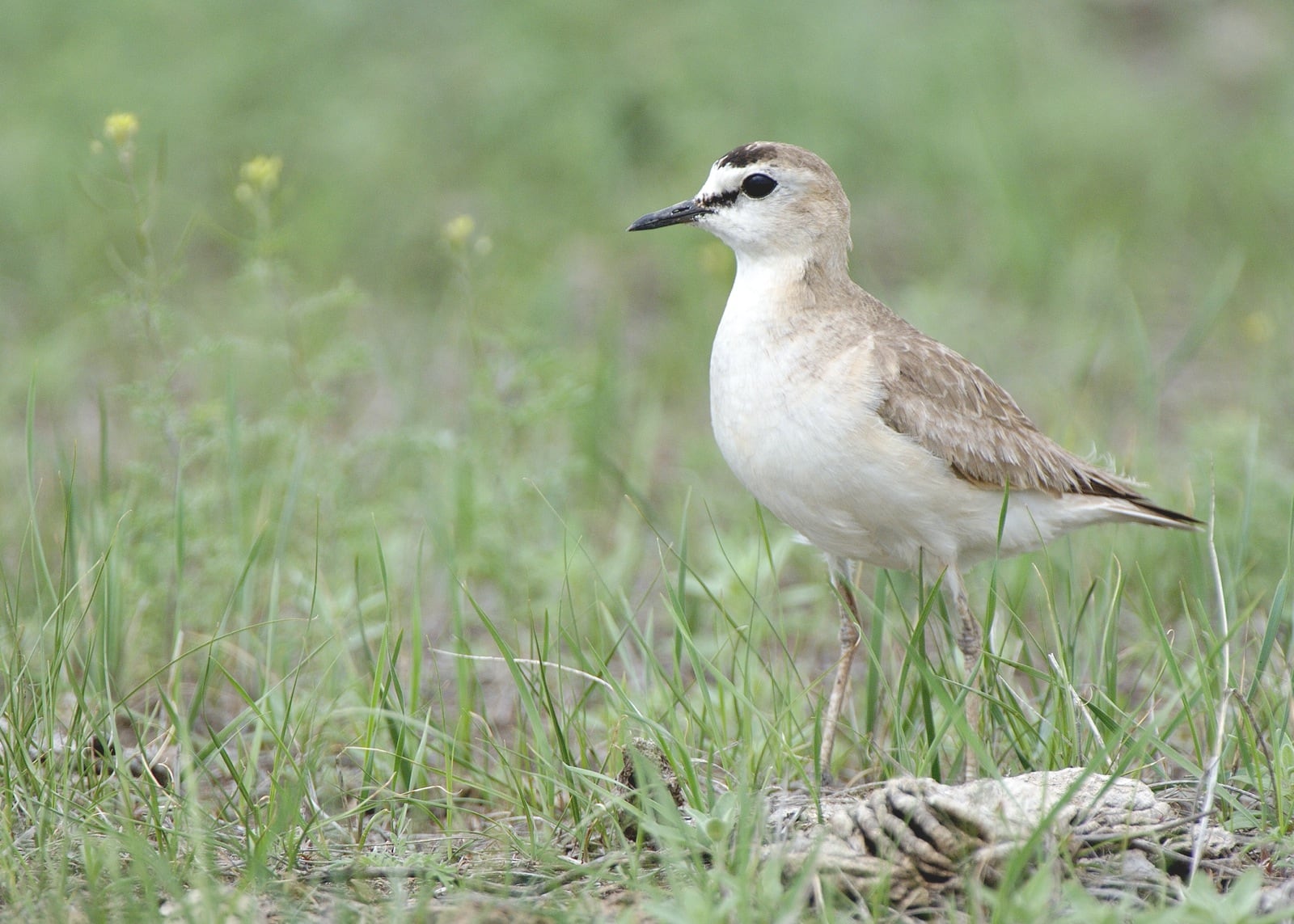
We then turn east across the plains toward Kansas. Along the way, we’ll keep watch for Mountain Plover, a distinctive shortgrass prairie specialty. Horned Larks, Burrowing Owls and a variety of raptors are also possible as we make our way toward Oakley.
Night in Oakley.
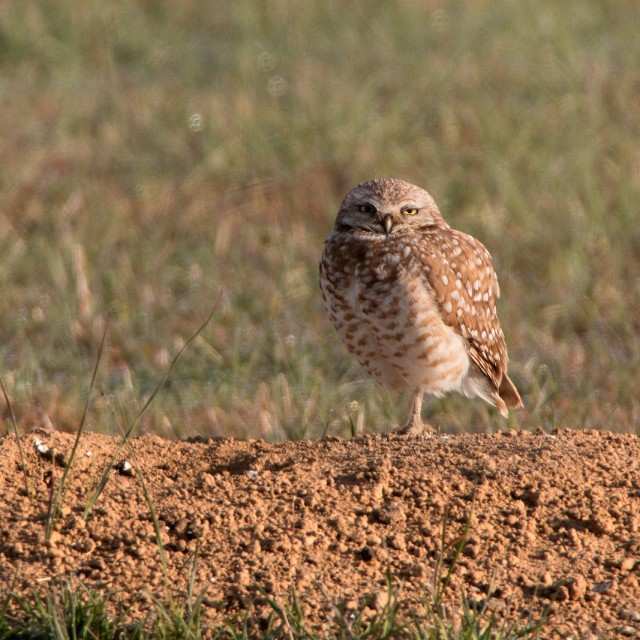
Day 3: Lesser Prairie-Chicken lek
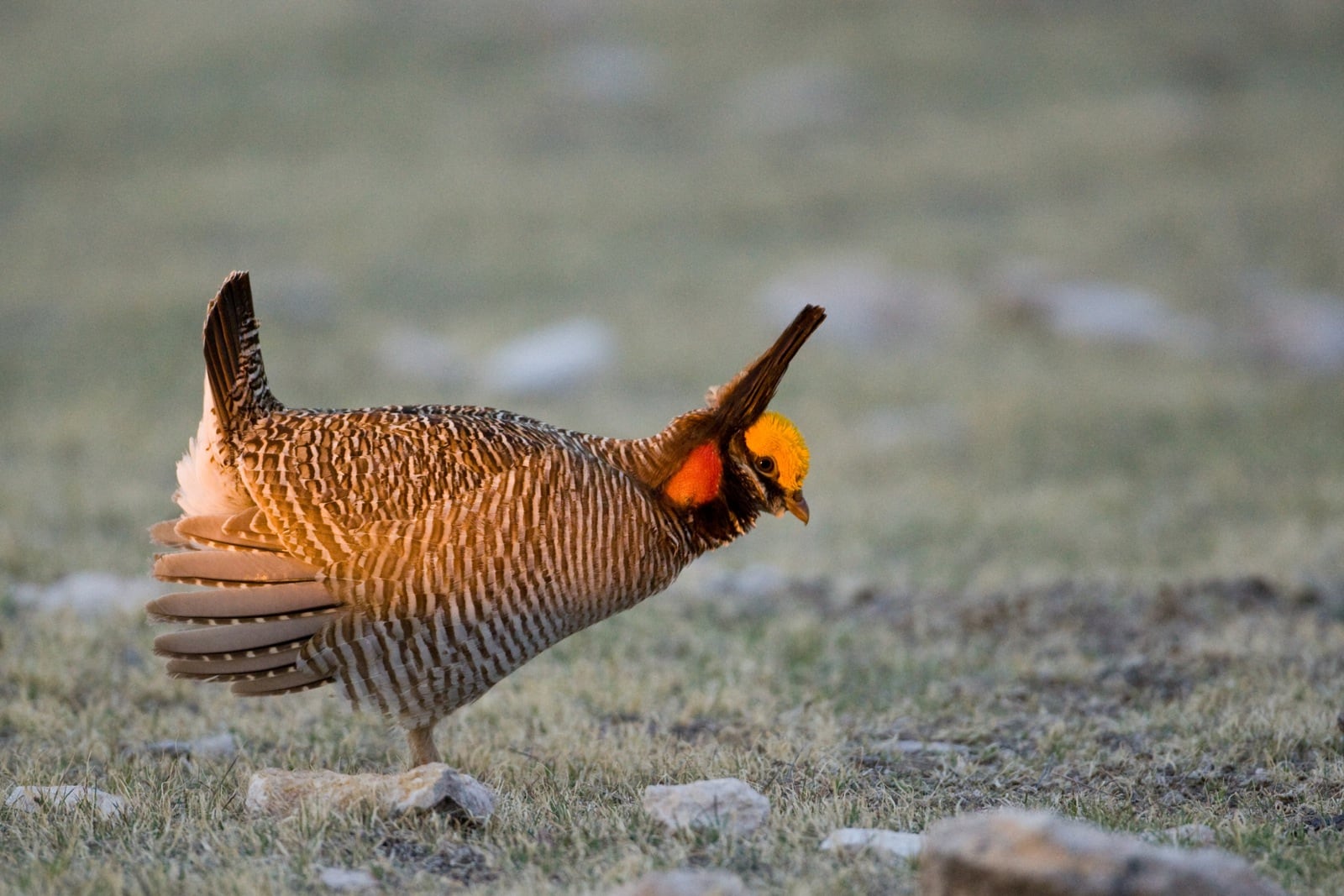
An early start takes us to our first lek of the tour, where we hope to witness the remarkable courtship display of the Lesser Prairie-Chicken. As dawn breaks over the prairie, males gather to boom, posture and spar for the attention of females—a memorable introduction to the lekking grouse of the Great Plains.
After breakfast, we begin our journey north toward Wray, birding along the way. Depending on conditions and recent sightings, we may visit Scott State Park or other productive sites, looking for waterfowl, shorebirds, raptors and grassland species. Swainson’s Hawk, Ferruginous Hawk, Burrowing Owl, Loggerhead Shrike and Long-billed Curlew are among the possibilities.
Night in Wray.
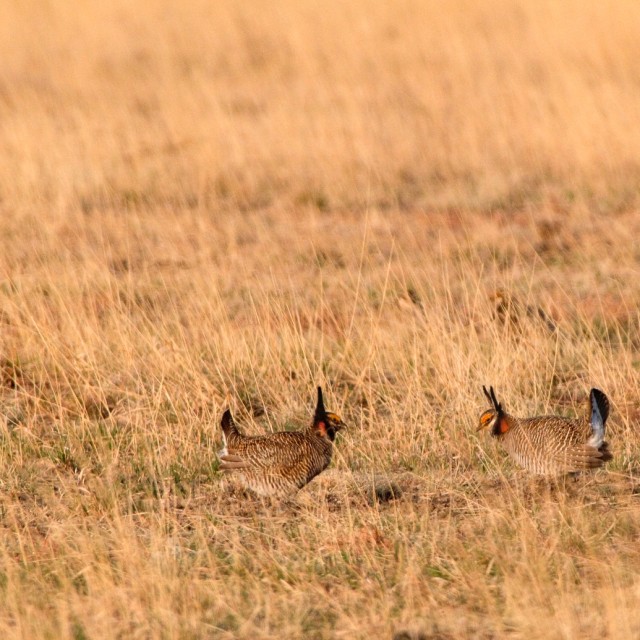
Day 4: Greater Prairie-Chicken Lek
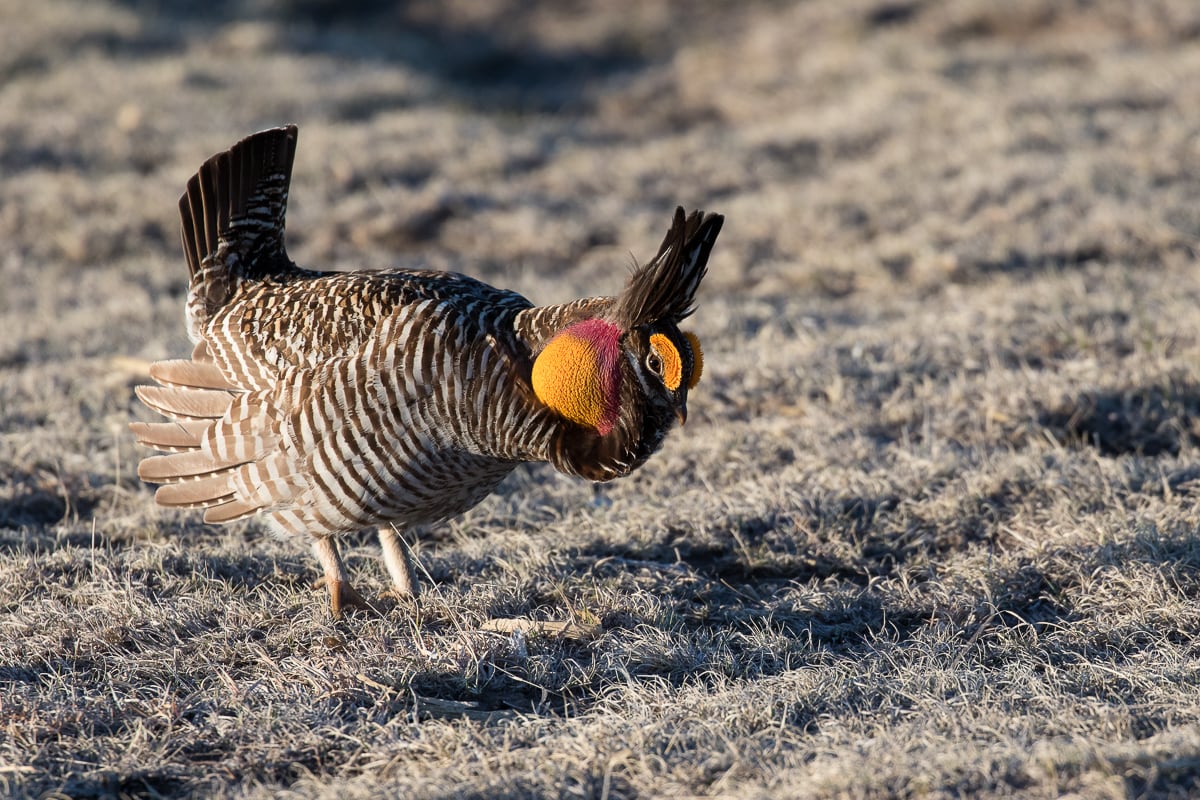
Another early morning takes us to a private ranch near Wray for the spectacular display of the Greater Prairie-Chicken. Their booming calls, rapid foot-stomping and territorial confrontations make this one of the great wildlife spectacles of the North American grasslands.
After the lek, we continue west toward Fort Collins, stopping at productive prairie, reservoirs and wetlands as time and conditions allow. These habitats can produce an excellent assortment of waterfowl, shorebirds and raptors, with possibilities including American Avocet, Black-necked Stilt, Long-billed Dowitcher, Bald Eagle and Swainson’s Hawk.
Night in Fort Collins.
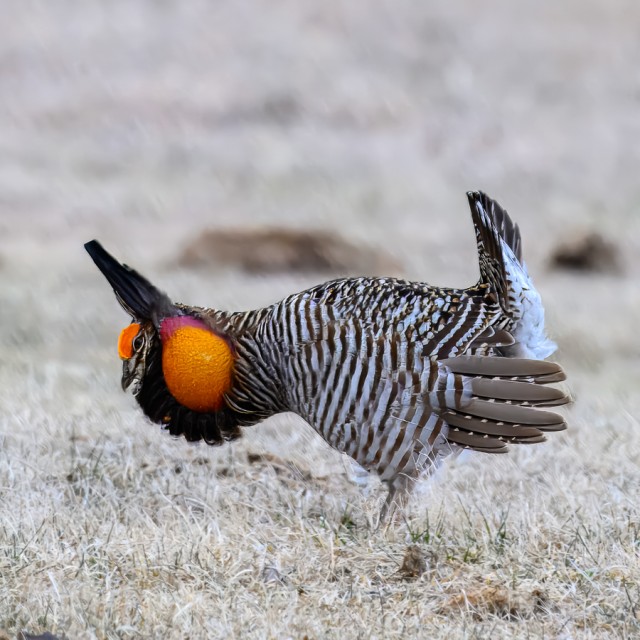
Day 5: Pawnee National Grassland
Today we explore the expansive Pawnee National Grassland, one of Colorado’s finest areas of shortgrass prairie. The grasslands, buttes, scattered wetlands and cottonwood groves support a distinctive collection of birds adapted to this increasingly scarce habitat.
We’ll search for Thick-billed and Chestnut-collared Longspurs, along with Ferruginous Hawk, Golden Eagle, Prairie Falcon, Mountain Plover and other prairie specialties. Pawnee Buttes and the Crow Valley area can add further variety, while the open landscape itself provides a wonderful contrast to the mountains ahead.
Night in Fort Collins.
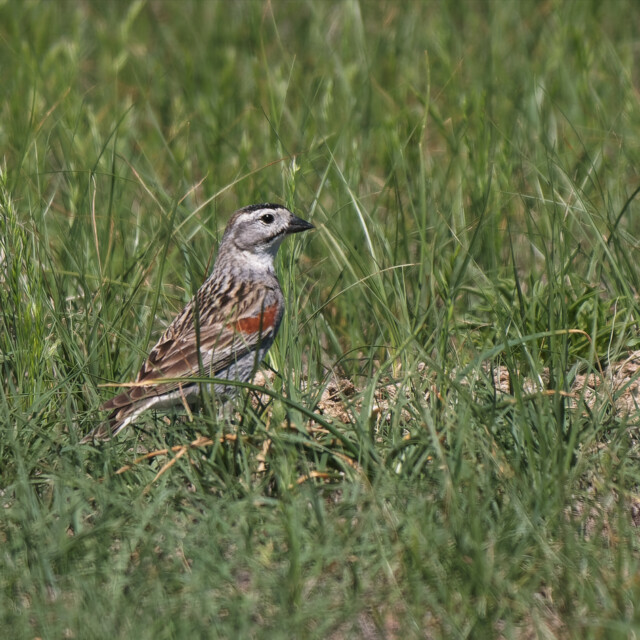
Day 6: Fort Collins to Craig
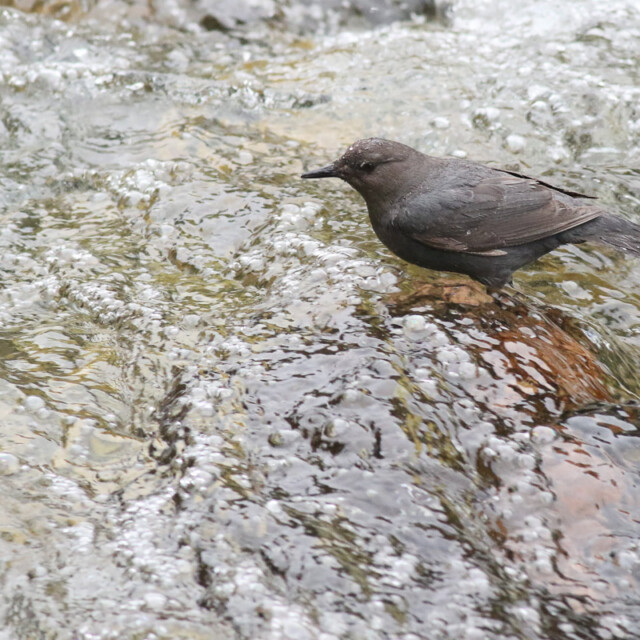
Leaving Fort Collins, we climb into the mountains through the scenic Poudre Canyon, following the Cache la Poudre River toward Colorado’s high country. Along the river we’ll watch for American Dipper, while the surrounding forests may hold Mountain Chickadee, Steller’s Jay, Cassin’s Finch, Pine Siskin and other montane birds.
Continuing through State Forest State Park and the Walden area, we’ll make birding stops as conditions allow. Walden Reservoir and nearby wetlands can be productive for waterbirds and migrants, while the surrounding mountain and sagebrush country offers our first taste of northwestern Colorado.
By late afternoon we continue west to Craig, where we settle in before another early morning.
Night in Craig.
Day 7: Greater Sage-Grouse and Dusky Grouse
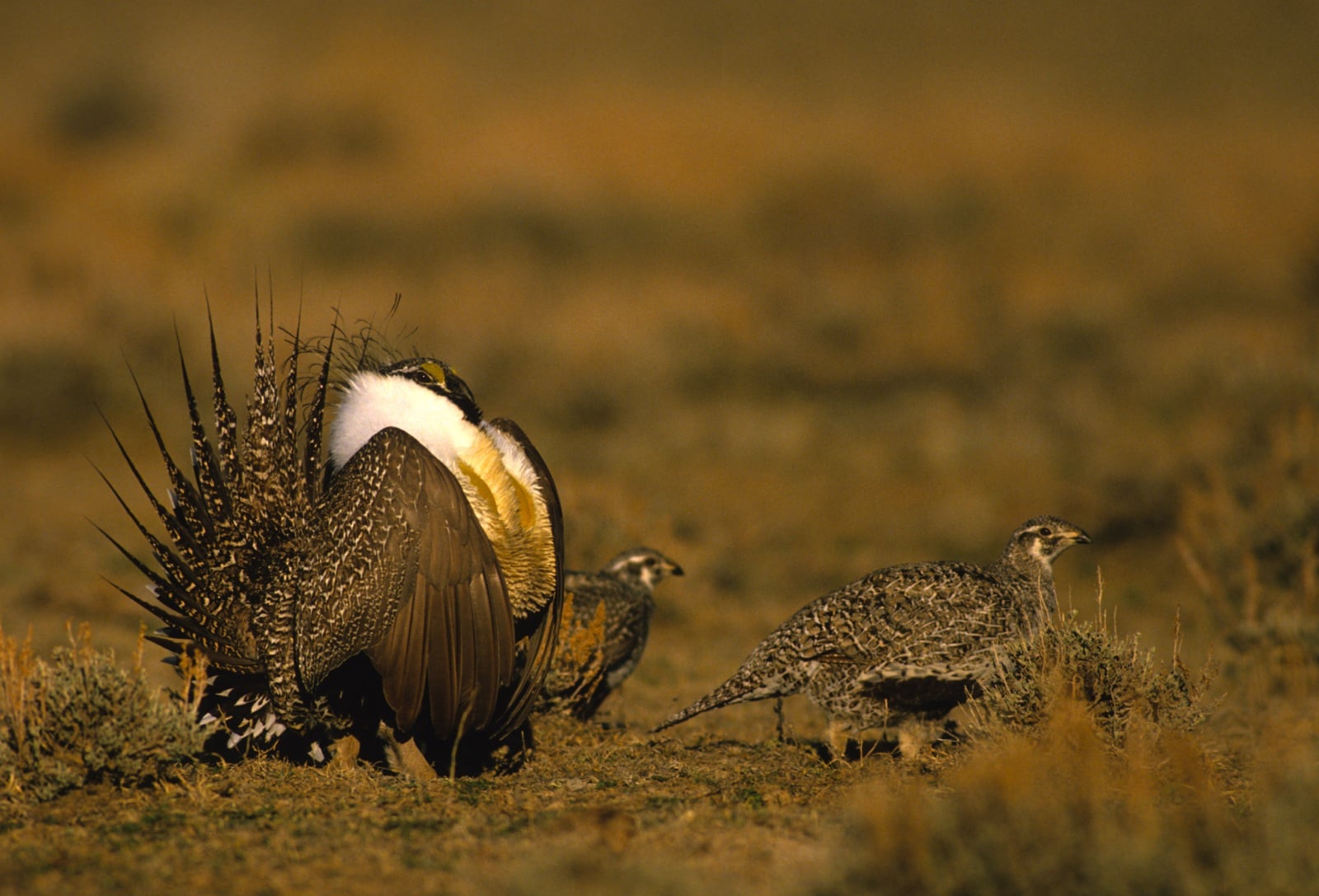
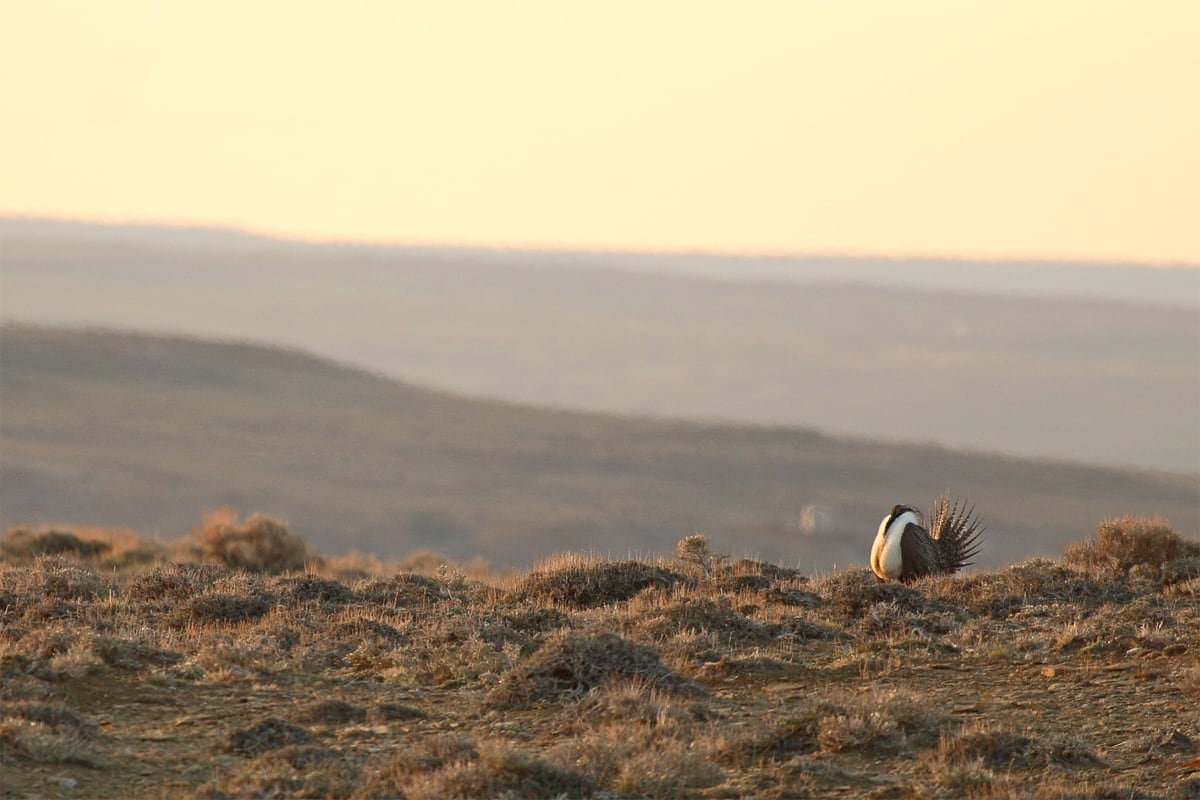
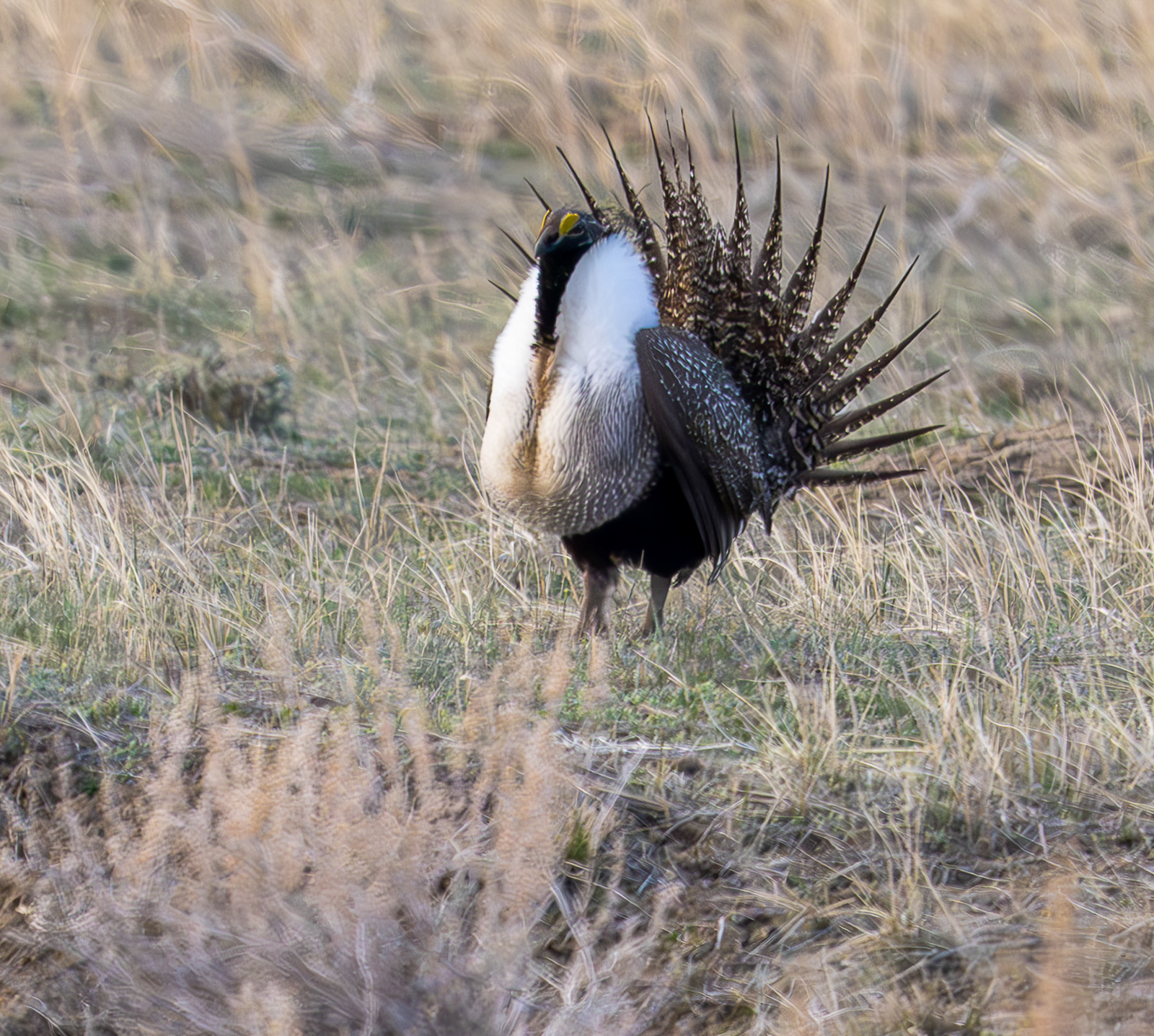
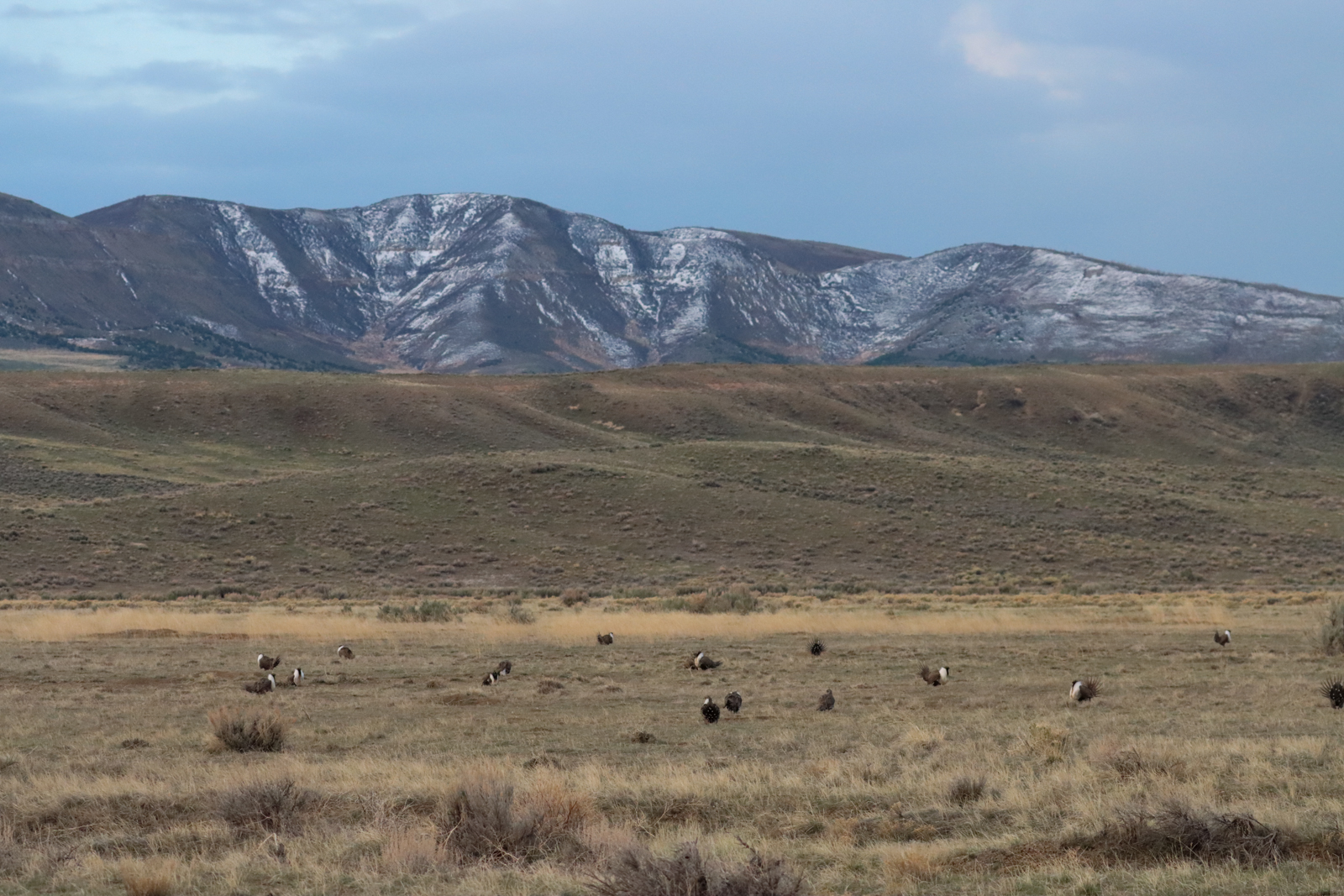
Before sunrise we travel to a Greater Sage-Grouse lek, where males gather on traditional display grounds in the sagebrush. Their elaborate courtship—with fanned tails, inflated air sacs and extraordinary popping calls—is one of the signature experiences of this tour.
After breakfast, we spend time exploring the Craig and Yampa River area, where sagebrush, riparian habitat and open country can produce Sage Thrasher, Brewer’s Sparrow, Golden Eagle, Prairie Falcon and a variety of other western birds.
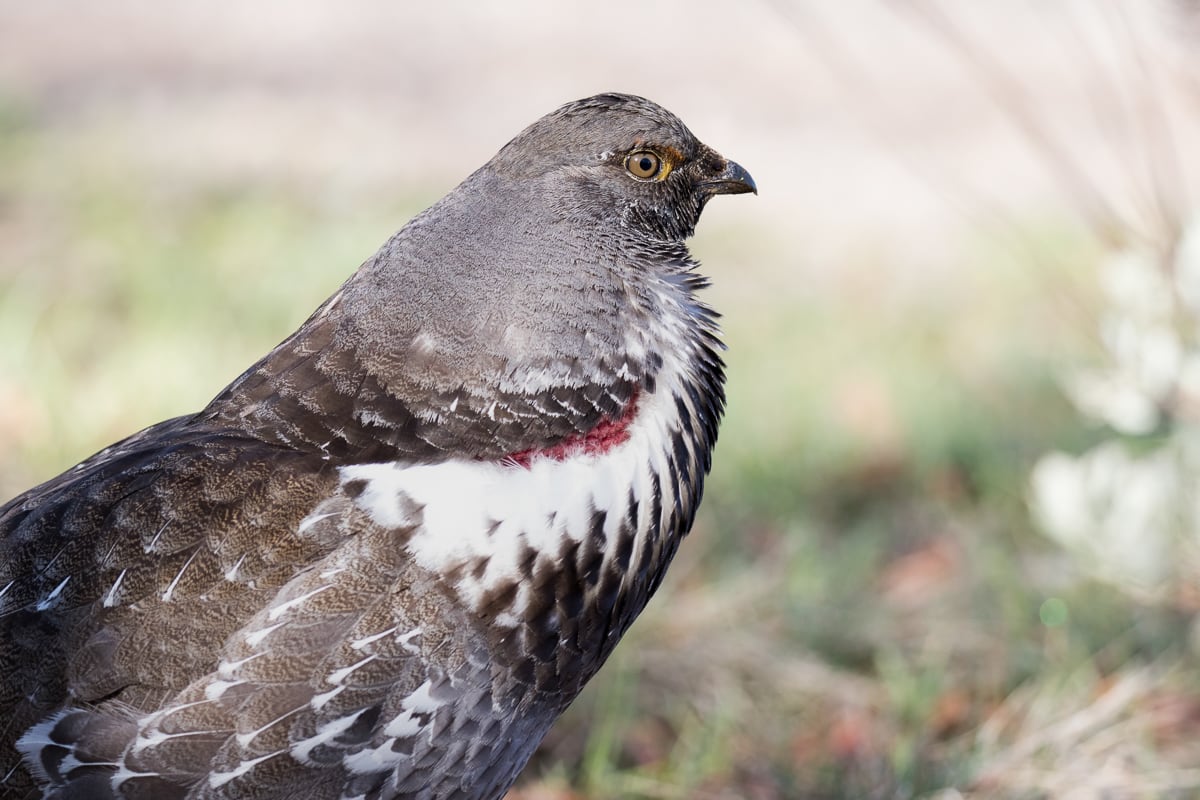
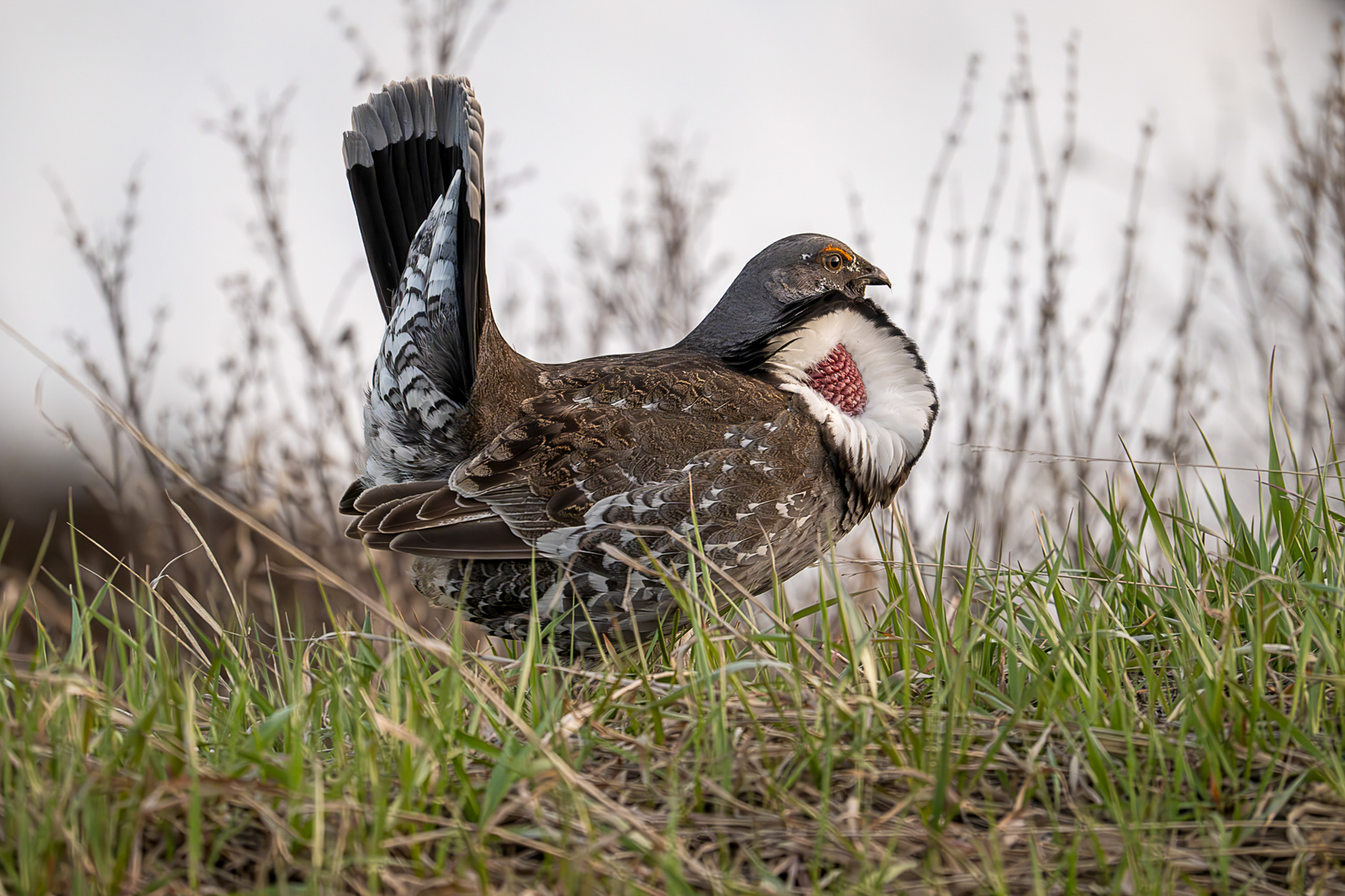
Later in the day, we’ll turn our attention to another important target: Dusky Grouse. We’ll search suitable wooded and shrubby hillsides in the Craig/Hayden area for this often-elusive mountain grouse.
Night in Craig.

Day 8: Sharp-tailed Grouse and Colorado National Monument
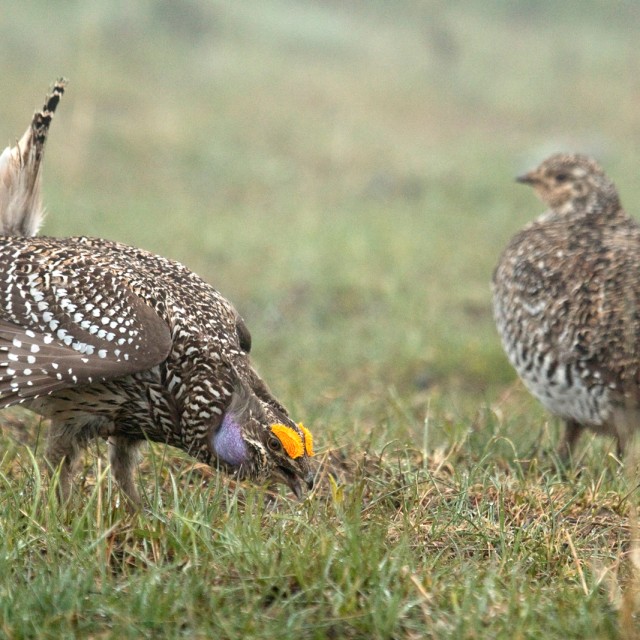
We begin the morning at a Sharp-tailed Grouse lek. Few grouse displays are as energetic as this one, with males rapidly stamping their feet, rattling their tails and charging across the lek as they compete for females.
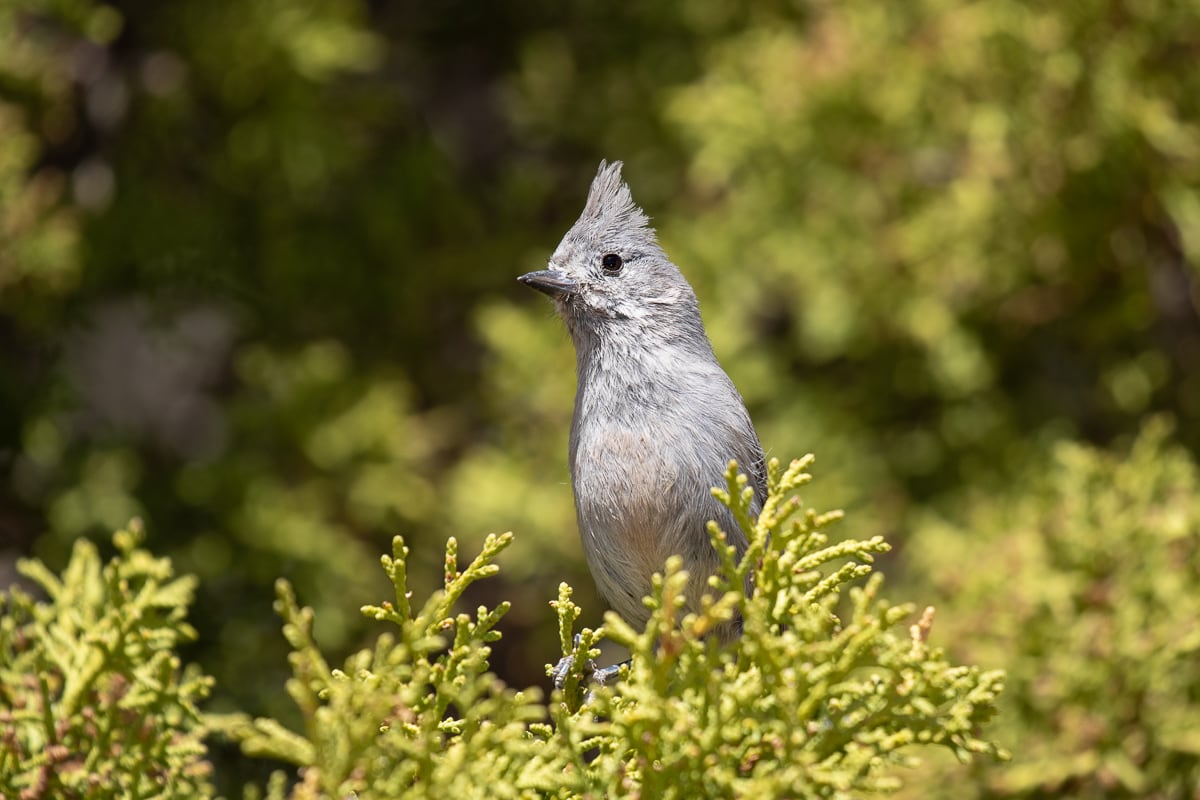
After breakfast we head south toward Grand Junction and the spectacular red-rock landscapes of Colorado National Monument. Here we trade sagebrush and prairie for pinyon-juniper woodland and canyon country. Birds may include Golden Eagle, Gambel’s Quail, Woodhouse’s Scrub-Jay, Juniper Titmouse, White-throated Swift and a variety of other western species.
Night in Grand Junction.
Day 9: Grand Junction to Gunnison
We leave Grand Junction and travel toward Black Canyon of the Gunnison National Park, birding productive western Colorado habitats along the way. Wetlands, reservoirs, agricultural areas and pinyon-juniper woodland can provide a wide range of possibilities, and our exact stops will depend on current bird activity.
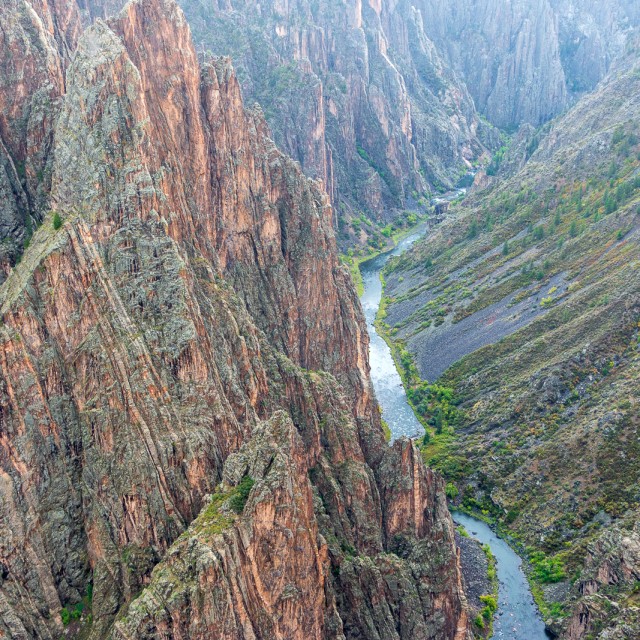
At Black Canyon, dramatic cliffs plunge toward the Gunnison River far below. We’ll explore the park while watching for birds such as White-throated Swift, Violet-green Swallow, Clark’s Nutcracker, Peregrine Falcon and other species of the surrounding forests and canyon country.
We then continue to Gunnison in preparation for our final lek of the tour.
Night in Gunnison.
Day 10: Gunnison Sage-Grouse
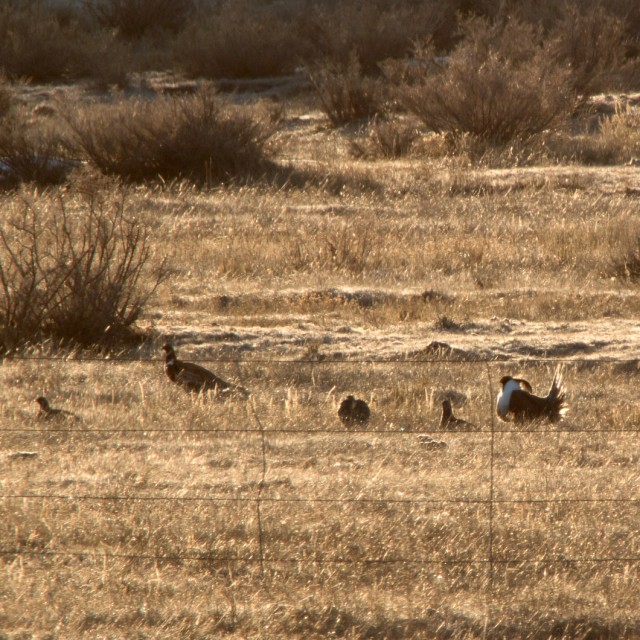
Before dawn we travel into the Gunnison Basin to witness the courtship display of the rare and highly localized Gunnison Sage-Grouse. This species has an extremely restricted range, and watching males perform their elaborate displays against a backdrop of sagebrush and mountains is a special experience.
After breakfast, we explore the Gunnison River valley and surrounding mountain forests, where possibilities include American Dipper, Townsend’s Solitaire, Red-naped Sapsucker and American Three-toed Woodpecker. Depending on conditions, we may continue toward Crested Butte and Mt. Crested Butte, where we’ll also keep watch for rosy-finches and other high-elevation birds.
Night in Gunnison.
Day 11: Gunnison to Denver
Our final full day takes us back across the Rockies toward Denver, with several exciting birds still on our target list. We’ll make stops through the mountains as conditions and recent sightings dictate.
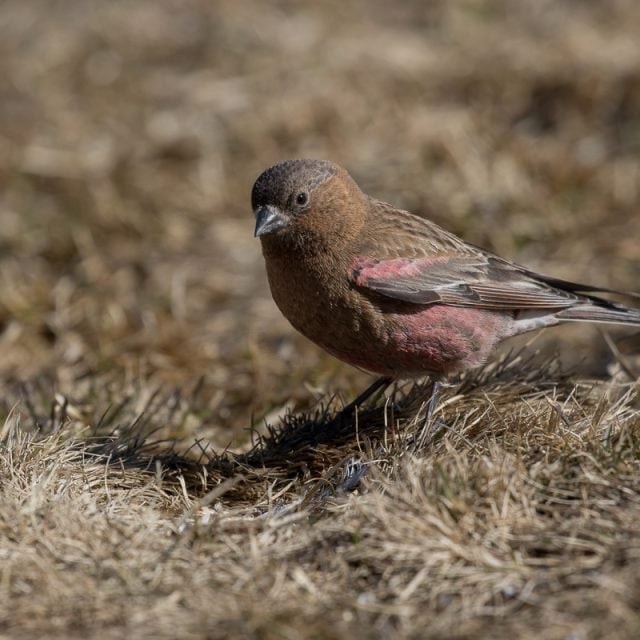
In the Silverthorne area, feeders and mountain communities can attract Brown-capped, Black and Gray-crowned Rosy-Finches. We’ll also visit Loveland Pass to search the alpine tundra for the elusive White-tailed Ptarmigan. This beautifully camouflaged high-elevation species can be difficult to locate, making any sighting especially rewarding. Other possibilities during our journey include Clark’s Nutcracker, Pygmy Nuthatch, Red Crossbill and additional mountain specialties.
We arrive back in Denver for our final evening together.
Night in Denver.
Day 12: Departure
Our Colorado Grouse tour concludes this morning. After an unforgettable journey through the Great Plains, sagebrush country, canyonlands and Rocky Mountains—and opportunities to experience some of North America’s most remarkable bird displays—we say our farewells and begin our journeys home. You can depart anytime for home.
What to Expect
What to Expect
Overview
The Colorado Grouse tour is a moderately paced tour. You can expect very early morning starts (we are at the lek before daylight) on five days, the other days we will aim to be on the road by 8am.
Food
On the lek days, we will be birding very early and we will have breakfast after visiting the leks. On other days, we will have breakfast at the hotel before we head out for the day. We often take a picnic lunch in the field, but will occasionally stop at a restaurant for lunch. Dinner is usually at the hotel or a nearby restaurant. Each evening after dinner we compile the day’s checklist, review the day’s activities, birds, mammals and other observations, and plan the next day’s activities.
Accommodation
We stay in accommodations close to the best birding locations. This means we are often staying in rural locations and hotels, which may be basic. Because we are visiting many sites on this tour, there will be many 1-night stays.
Walking
Walking on this tour is easy. Walking will usually be on well-maintained trails or along roads. Our longest hike (near Wildernest) is about a mile.
Driving
This tour involves a significant amount of driving, with many days spent covering long distances as we travel between key birding hotspots. While the drives can be lengthy, we make rest stops along the way to stretch and enjoy the scenery. We will be viewing the leks from vehicles or from a viewing trailer, which will be positioned in a way for all to see and appreciate the grouse.
Climate
Weather conditions during the trip will range from mild to cool. We may experience windy conditions and rain or even snow. Higher altitudes and nights may be cold. Sometimes weather impacts our itinerary, and we have to modify our daily plan. Clothing should be appropriate for the cold, including winter boots and jackets, gloves, scarves and warm hat, and we recommend dressing in layers. High altitude can pose problems from altitude sickness; those with heart or respiratory conditions should consult their physicians.
Frequently Asked Questions
Land Tours FAQs
Whether you’re a seasoned birder or new enthusiast, these FAQs cover important details about our tours, including schedules, fitness requirements, group dynamics and more.
Featured Wildlife
Featured Wildlife
While we cannot guarantee sightings of the birds or mammals listed below, we believe that encountering these species is quite likely during this tour.
- Gunnison Sage-Grouse
- Greater Sage-Grouse
- Lesser Prairie-Chicken
- Greater Prairie-Chicken
- Sharp-tailed Grouse
- Dusky Grouse
- White-tailed Ptarmigan
- Mountain Plover
- Thick-billed Longspur
- Pinyon Jay
- Brown-capped Rosy-Finch
- Black Rosy-Finch
- Gray-crowned Rosy-Finch
- Bighorn Sheep
- Pronghorn
- American Bison
Past Tour Checklists
Past Tour Checklists
View the list of birds and other wildlife we encountered on our past tours. Please note that sensitive species (such as Gunnison's Sage-Grouse and Lesser Prairie-Chicken) do not appear on public eBird lists.
- Colorado Grouse eBird Trip Report (April 14 - 25, 2026)
- Colorado Grouse Tour 2025 eBird list
- Colorado Grouse & Utah Canyon 2018 species list
- Colorado Grouse & Utah Canyon 2014 species list
- Colorado Grouse & Utah Canyon 2013 species list
- Colorado Grouse & Utah Canyon 2011 species list
- Colorado Grouse & Utah Canyon 2010 species list
Compare your life list to our last tour
Get an estimate of how many new species you may see.
Try our Lifer tool