Colorado Grouse Trip Report (April 14 – 25, 2026)
The beauty of Colorado in April is truly dynamic. From the snowcapped Southern Rockies and lime green aspen stands, on down the sage steppe and into diverse riparian corridors and seemingly endless prairies, the Eagle-Eye 2026 Colorado Grouse tour explored it all.
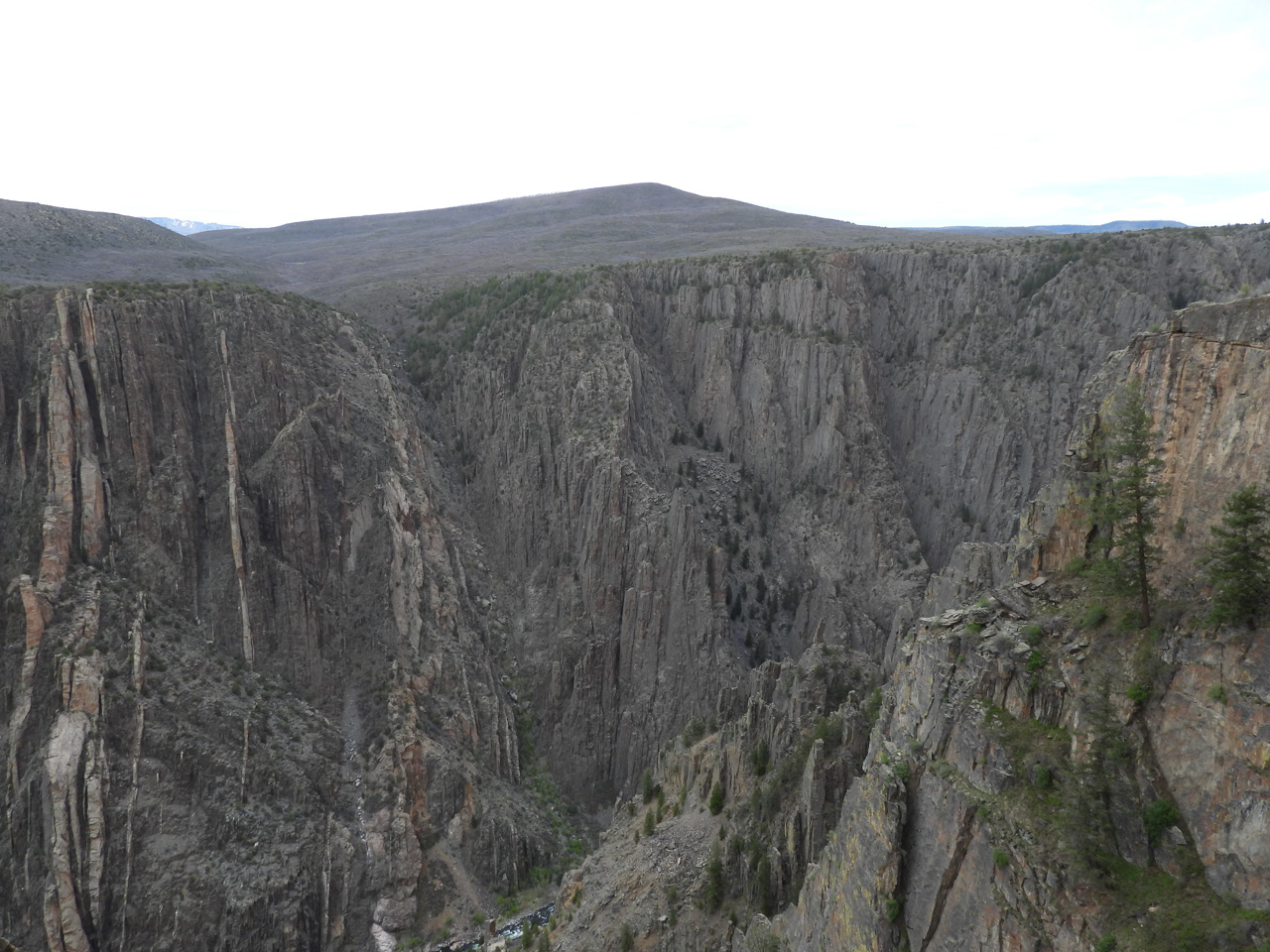
Black Canyon ©Kyle Schanta
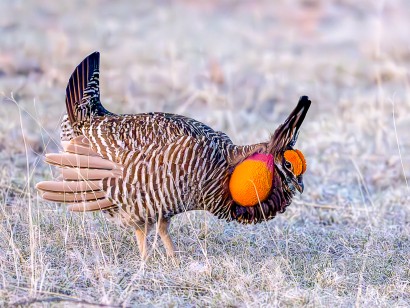
April is also high-time for the lekking behavior of five grouse species – Lesser Prairie-Chicken, Greater Prairie-Chicken, Sharp-tailed Grouse and both Greater and Gunnison Sage-Grouse – and we were there at its peak!
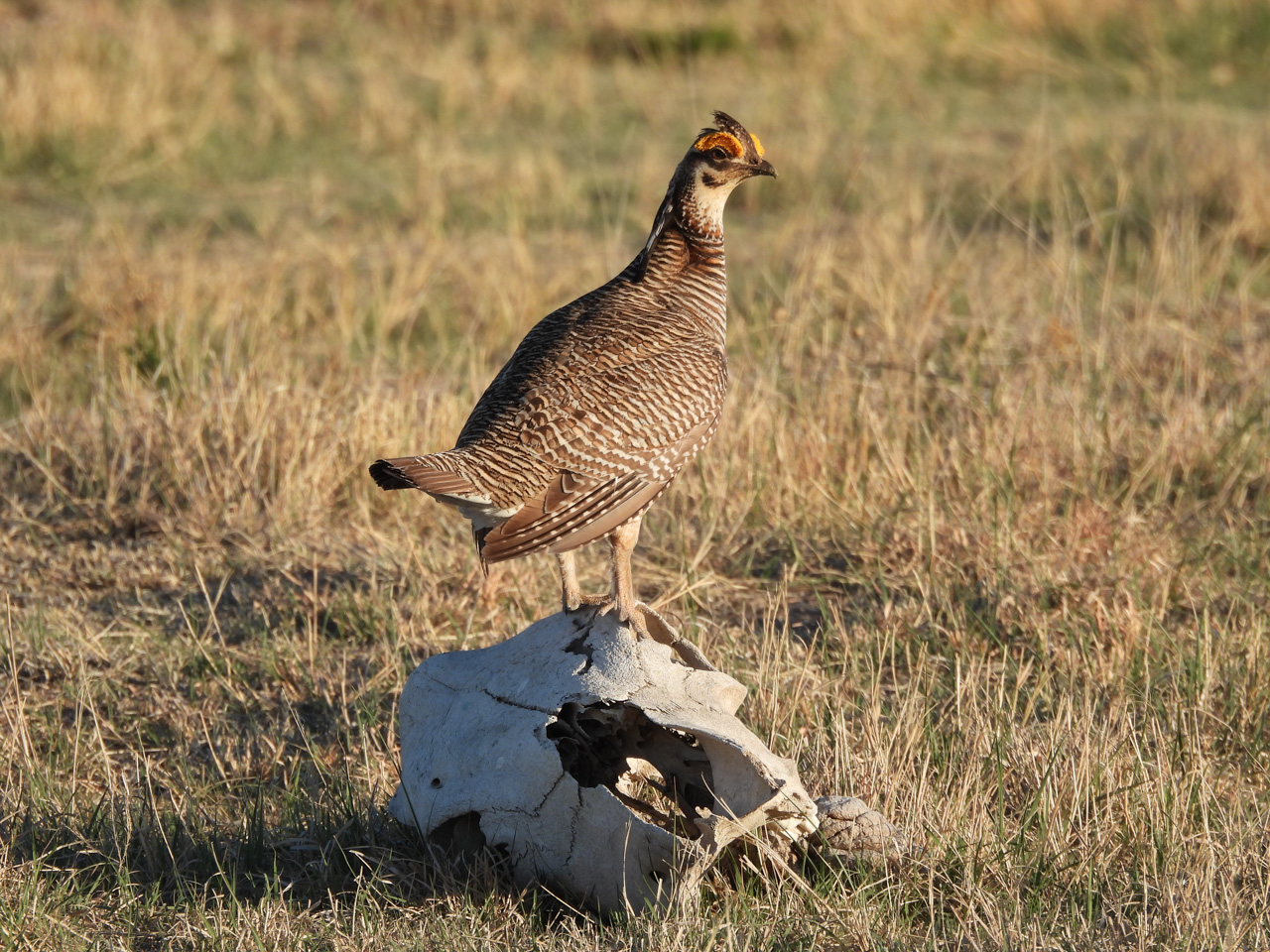
Lesser Prairie-Chicken ©Kyle Schanta
Our tour began in the mile-high city of Denver in the foothills of the Rockies. Our gang assembled the first evening for introductions and conversation about our adventure ahead. We had our first dinner as a collective before heading off to sleep and dreams of the feather-filled days to come.
Our birding excursion began by cruising around the Rocky Mountain Arsenal National Wildlife Refuge, a haven for wildlife at the edge of the city. It was our first foray into the grasslands and marshes, and upon entering the Wildlife Drive loop, we encountered a nesting Great Horned Owl who was being harassed incessantly by a Common Raven.
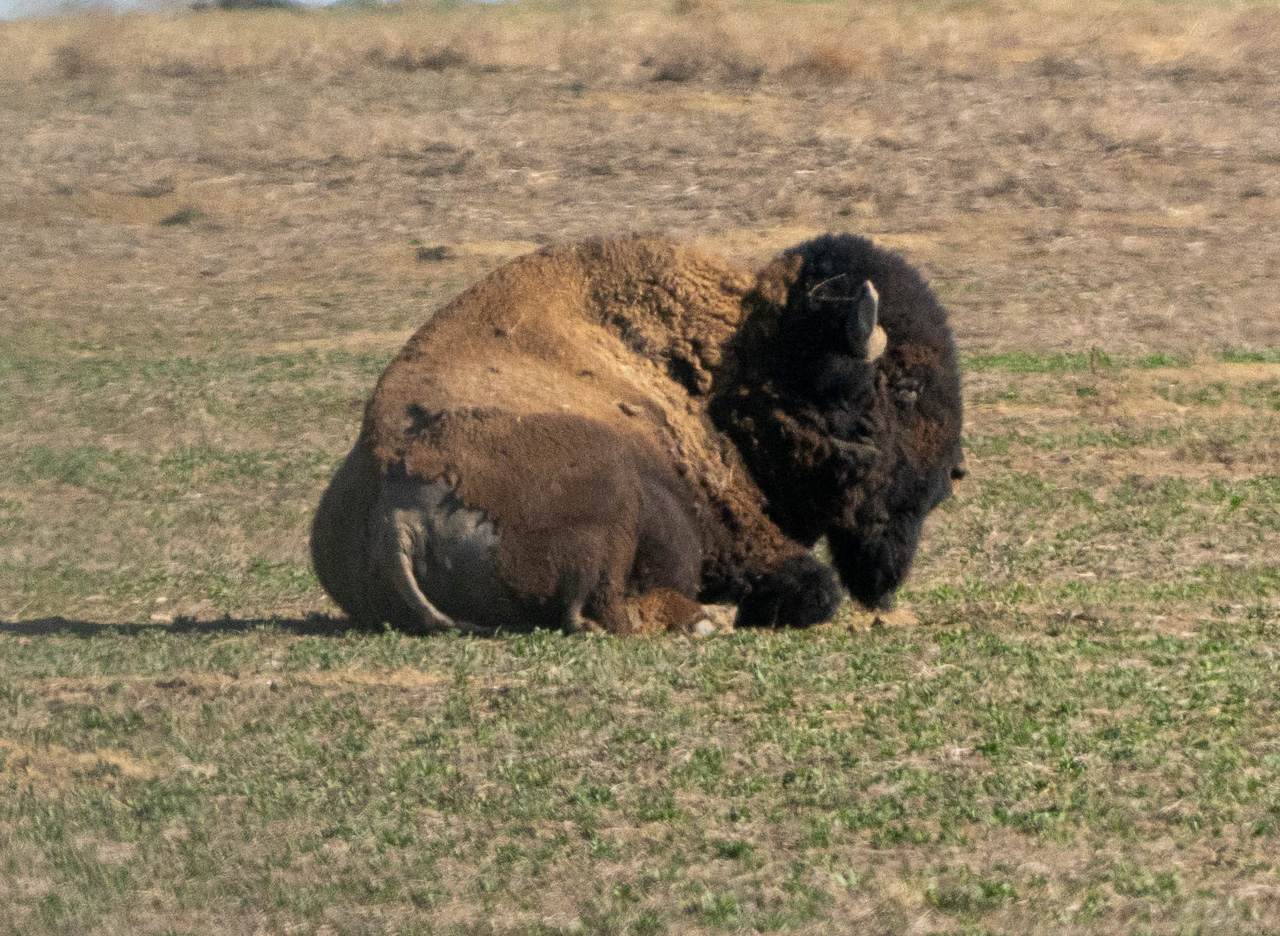
American Bison ©Richard Thunen
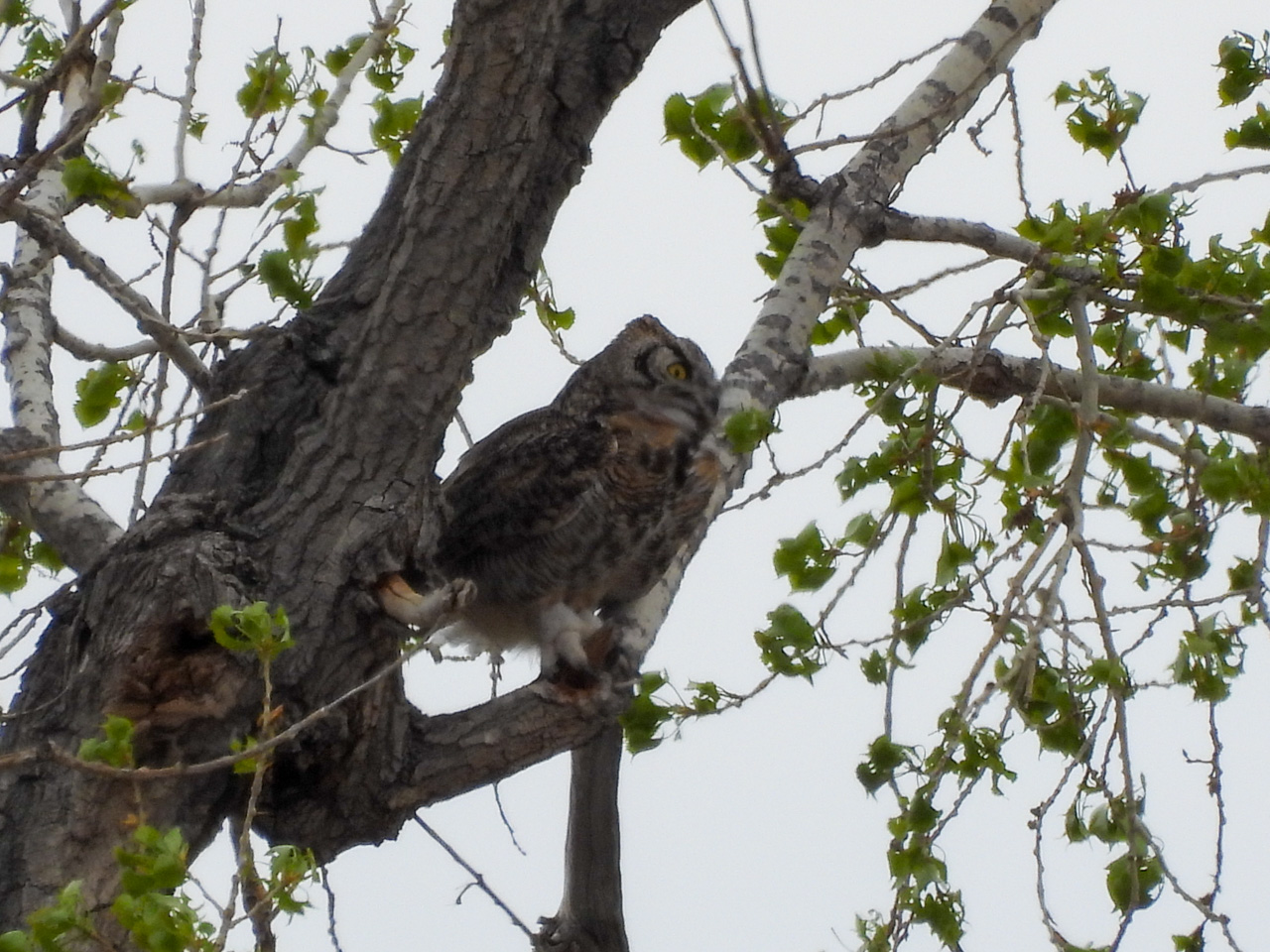
Great Horned Owl ©Kyle Schanta
As we continued, Black-billed Magpies lined shrub lines being patrolled by Coyote, while the songs of Western Meadowlarks filled the expanse. We made it to several ponds, where singing Pied Billed Grebe, hungry American Avocets and ducks such as American Wigeon, Gadwall and Bufflehead foraged sincerely.
We continued on to Black-tailed Prairie dog towns where we witnessed a group of four Long-billed Curlew came in to land and feed. American Bison herds fed close by as our first Say’s Phoebes sang from fences as we made our way out of the park to continue on down the birding trail. A quick pit stop for restrooms yielded nesting American Robin and a raucous commune of Great-tailed Grackles which was entertaining to say the least.
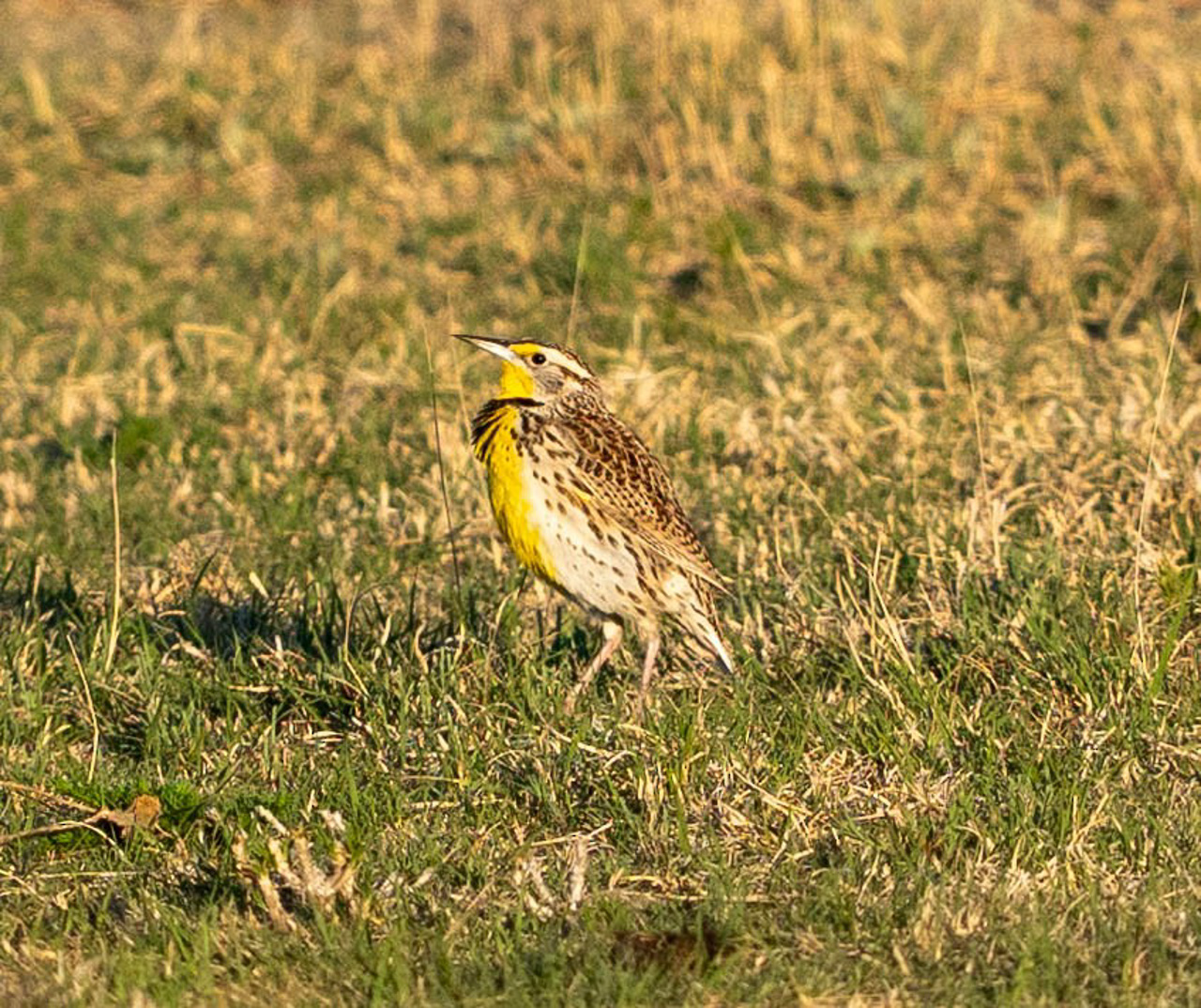
Western Meadowlark ©Richard Thunen
Heading east toward our hotel in Kansas, we took advantage of the barren, dry fields abound in search of Mountain Plover, a near threatened breeder here in Colorado. We stopped to scope a promising patch of habitat where Horned Larks and Vesper Sparrows seemed to be everywhere. Suddenly, a bird appeared, bounding toward us.. Mountain Plover! We watched it in flight and followed it until it landed on the dusty road where we were able to study this incredible shorebird.
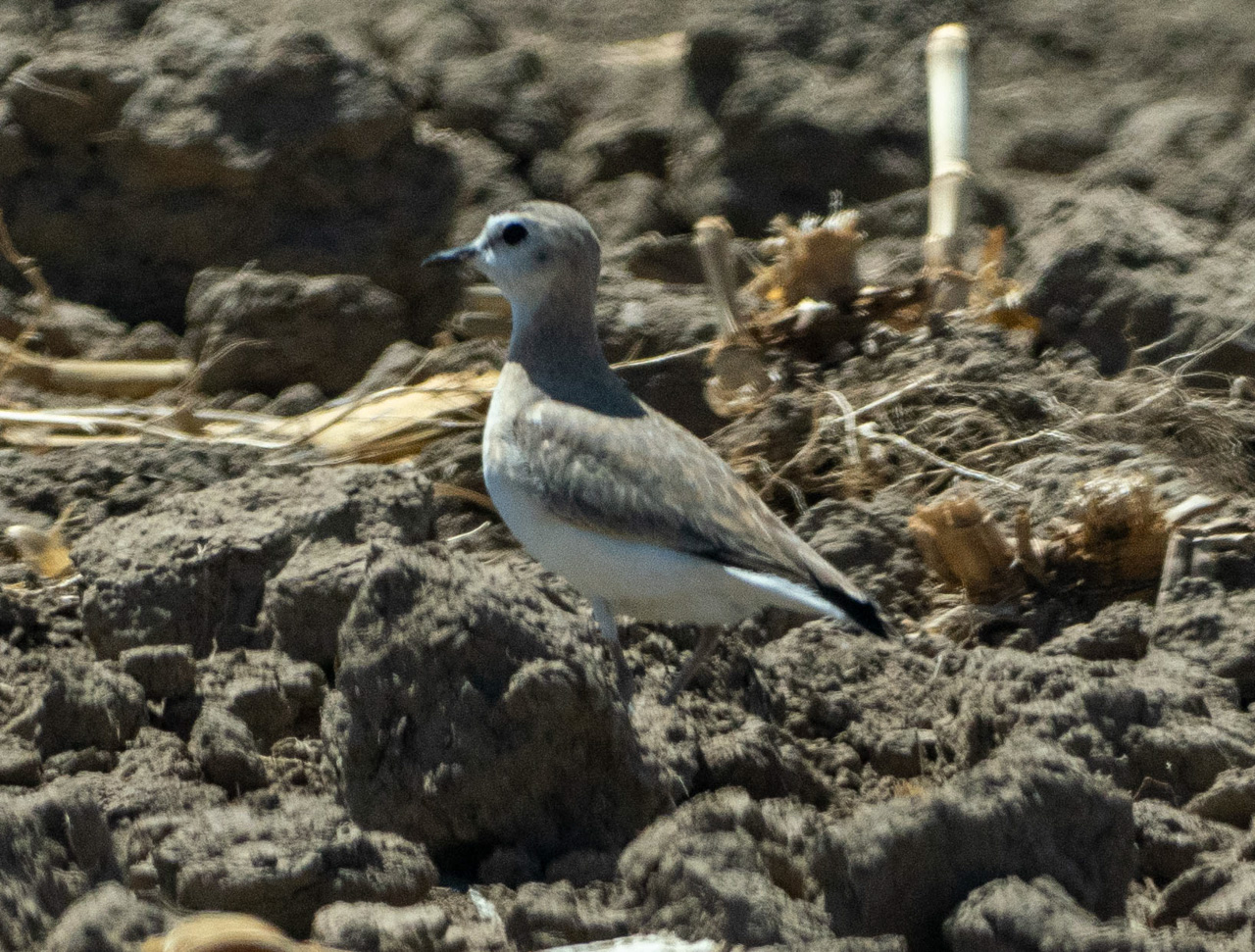
Mountain Plover ©Richard Thunen
As we continued, we encountered the first Burrowing Owl of the trip, which was working close to the road. We made it to Oakley, where we fed and rested up for the following early morning lek.
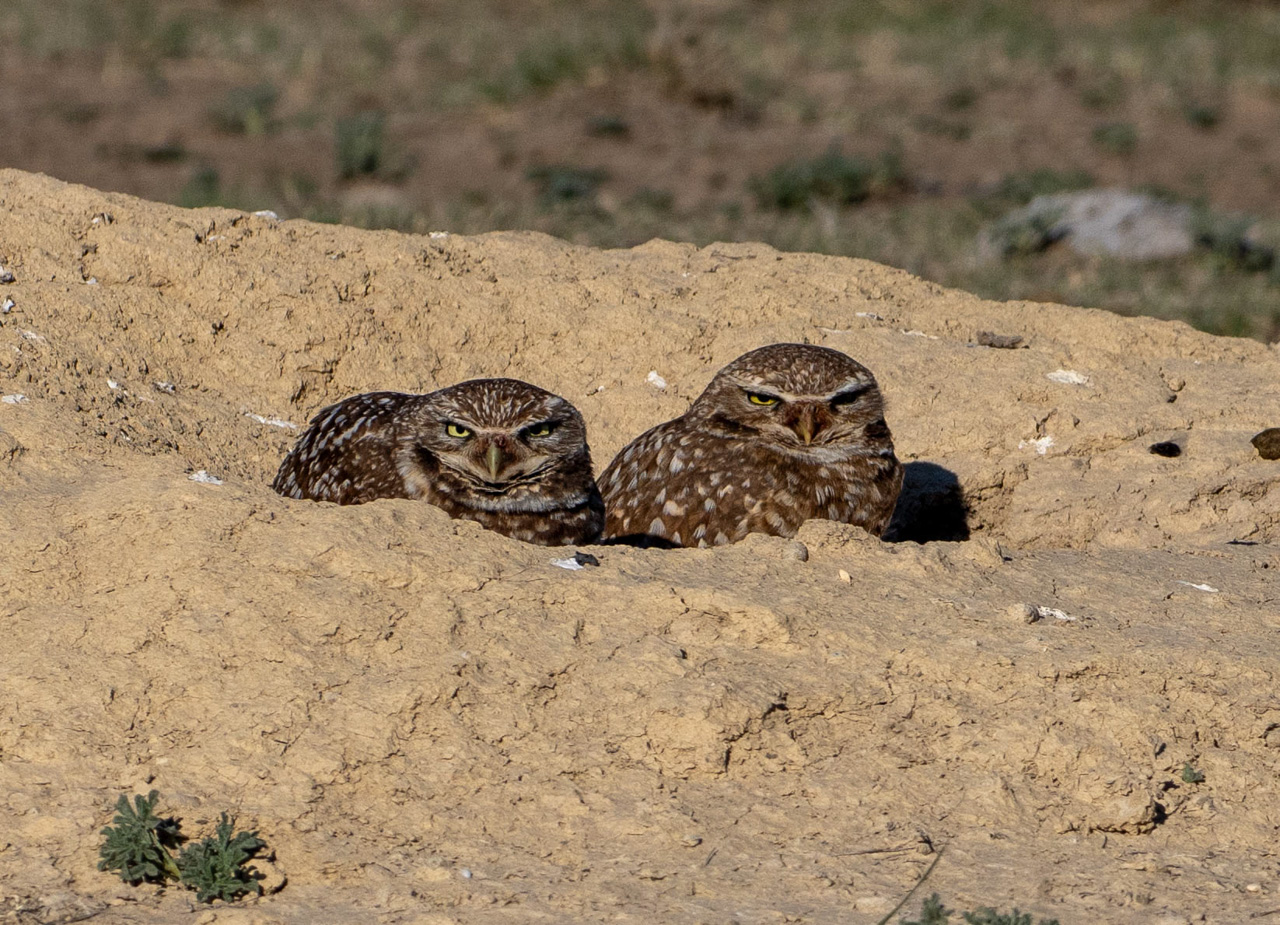
Burrowing Owls ©Richard Thunen
The morning of our second day was an early start, and for good reason. We arrived on sight in the predawn twilight, eager for our first grouse lekking experience. Before long, the bubbling hoots of Lesser Prairie-Chickens filled our ears. As the light began to crack, their forms manifested and we were treated to an incredible show of their lekking behavior. Their aggressive and territorial tendencies really set the tone of the experience.
We were also treated in viewing an extensive Burrowing Owl colony, and a scope scan of the nearby cliffs gave way to the discovery of a distant Ferruginous Hawk on a massive nest.
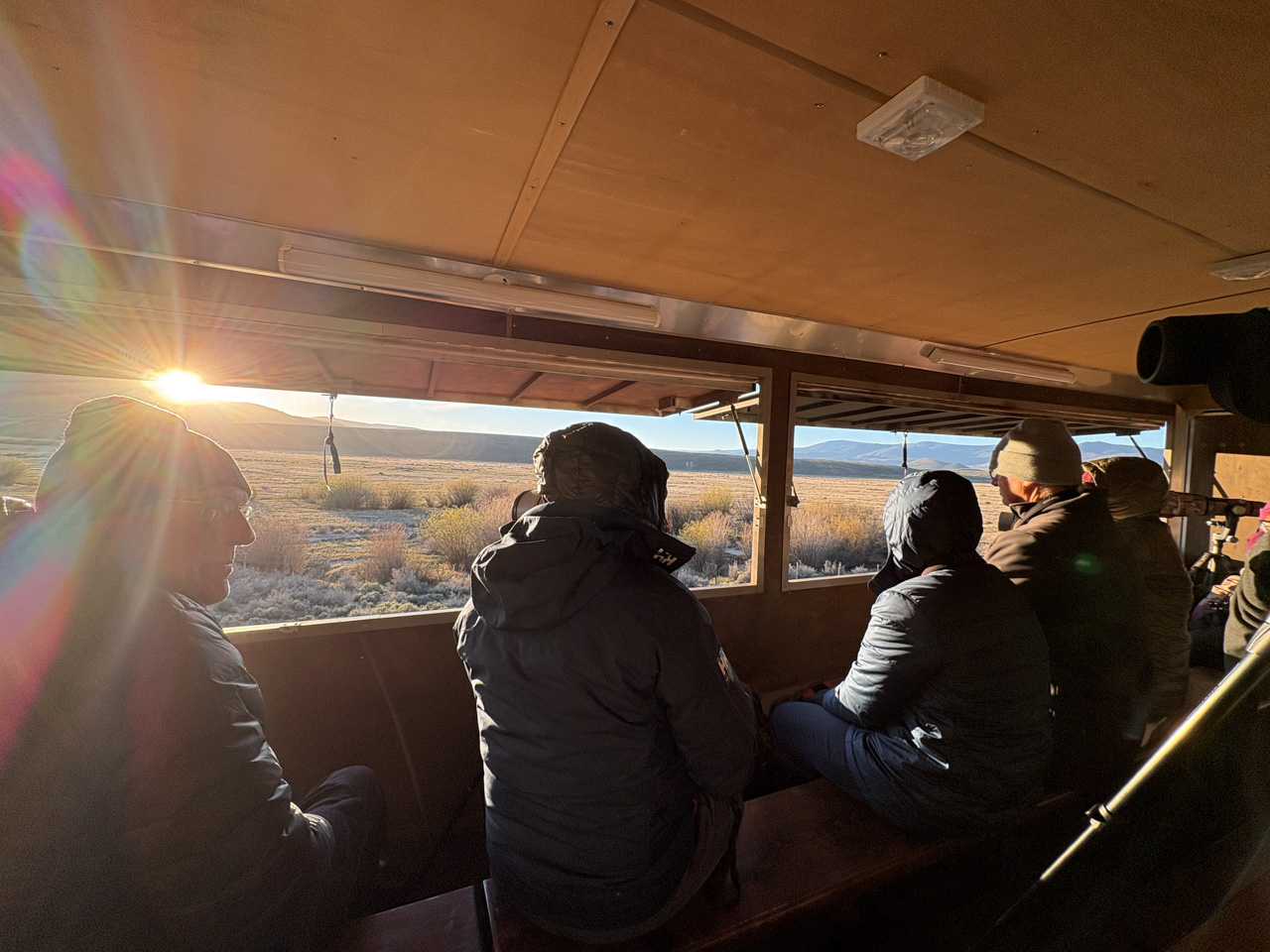
Lek Viewing in the Blind
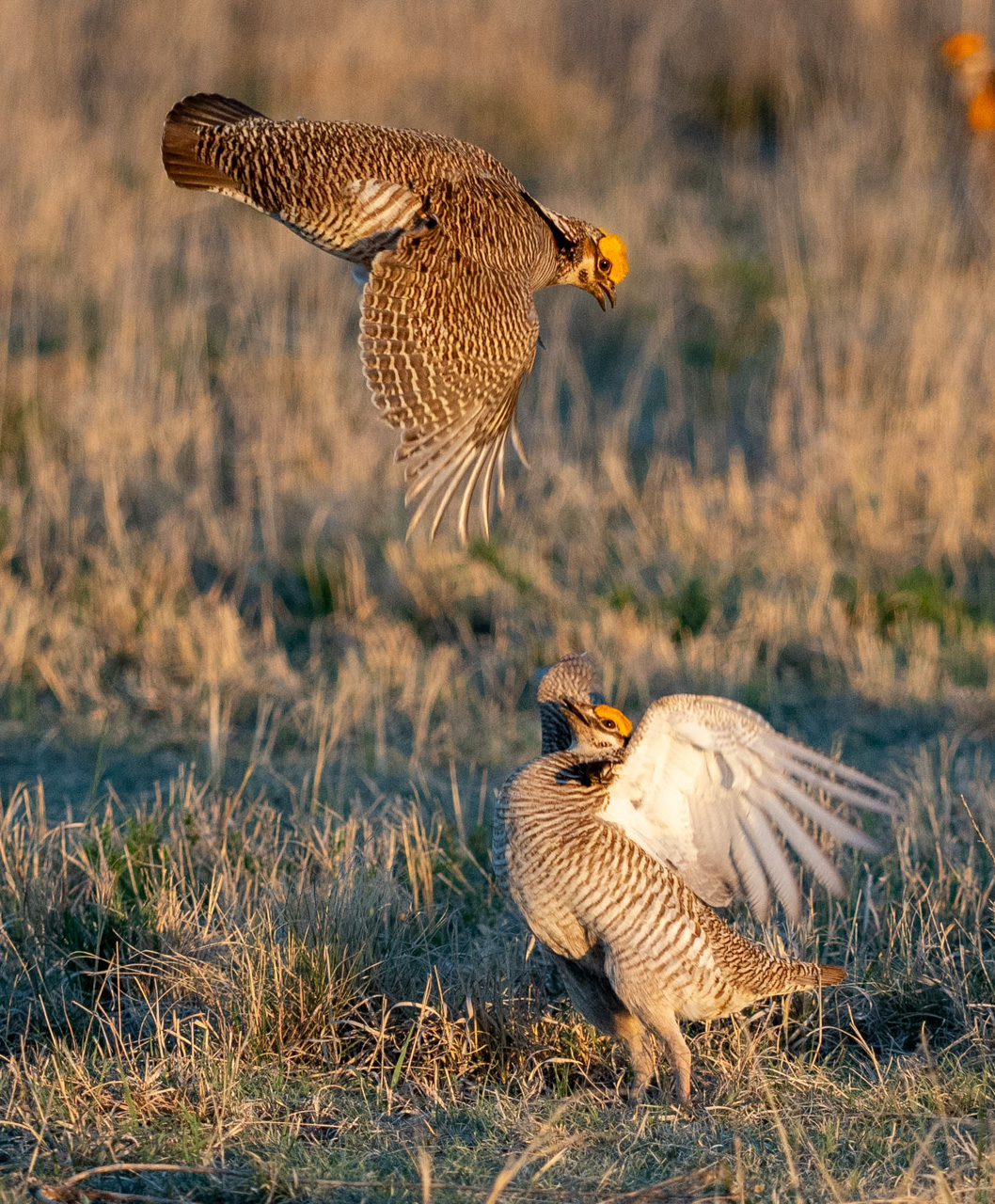
Lesser Prairie-Chickens ©Richard Thunen
On our way to breakfast, our first Northern Harriers appeared hunting fields along our drive north toward the town of Wray, Colorado where we would be staying for the night. A pitstop at the World’s Tallest Art Easel in Goodland made many smile, and so did the Wilson’s Phalaropes, Baird’s, Least and Western Sandpipers and Ring-necked Pheasants that we were beside at a nearby water treatment plant.
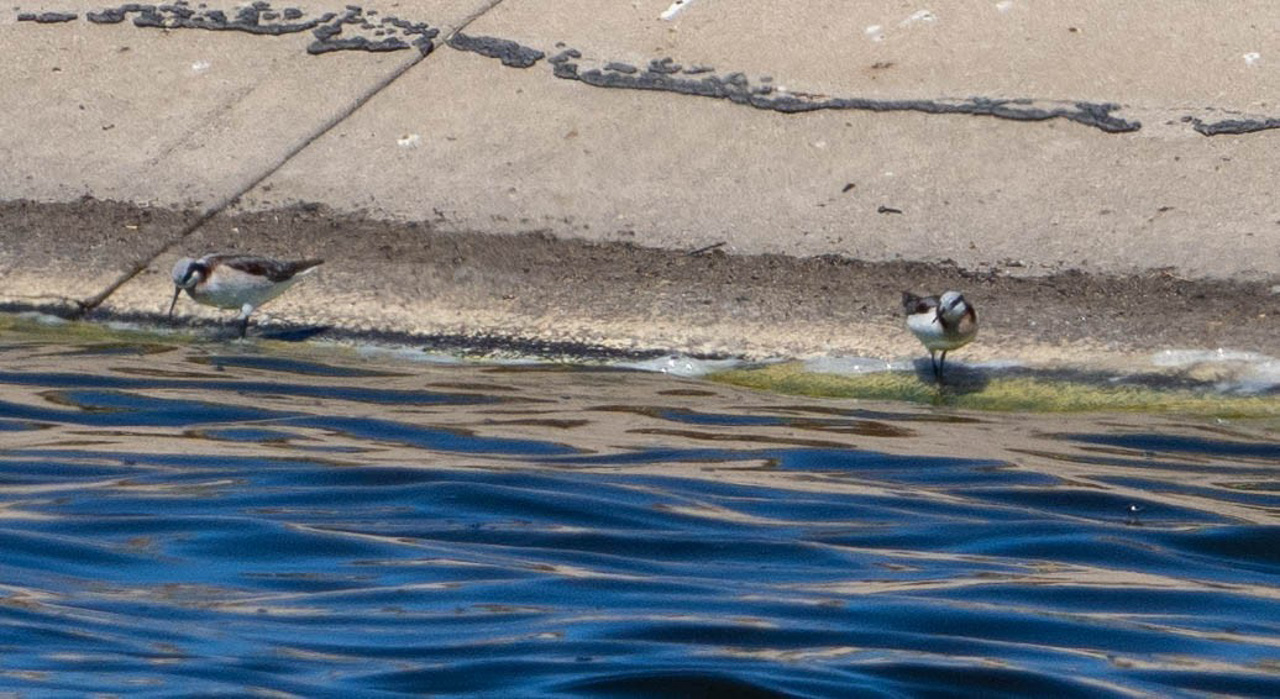
Wilson’s Phalarope ©Richard Thunen
We headed through Nebraska where our first Swainson’s Hawk soared above the state line. Upon making it to Wray, we were treated to sightings of Loggerhead Shrike and both White-crowned and Lark Sparrows before heading to dinner. With another lekking experience in the morning, we headed off to rest and reflection on a great first full day.
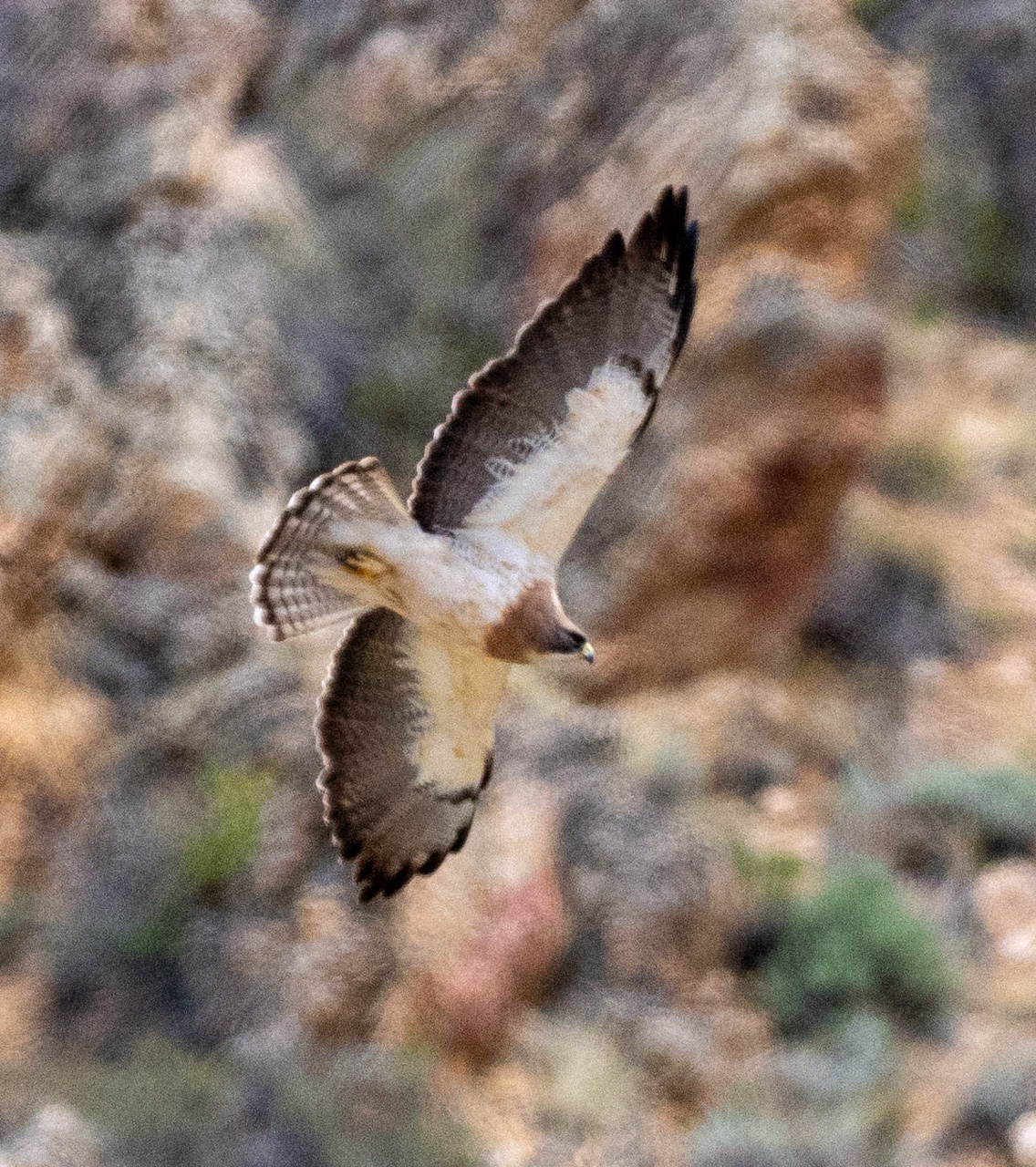
Swainson’s Hawk ©Richard Thunen
Day three started off cold and windy, as is the case at times in April’s prairies. As the dawn light bubbled, we sat, eagerly anticipating the Greater Prairie-Chicken and their dances, chuckles and moans. Birds flew in from each direction, fighting the wind and each other to establish dominance and to hopefully entice a willing hen. Grasshopper Sparrows and our first American Kestrel were also present as we watched and listened to the ancient act before us.
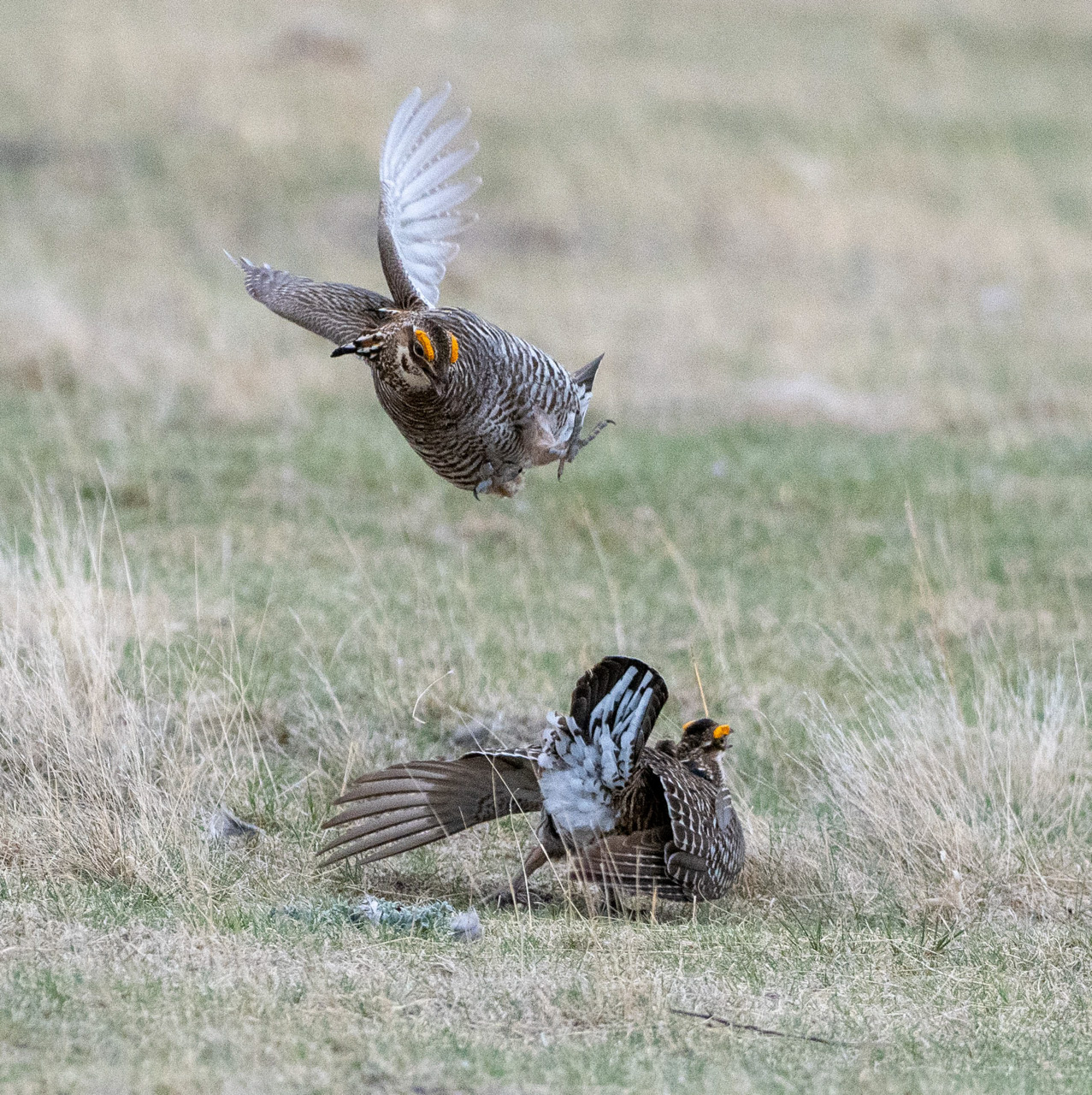
Greater Prairie-Chicken ©Richard Thunen
On our way out of the prairie, we scanned a tiny pond and were elated to find Lesser Yellowlegs, Willet and a band of Northern Shovelers feeding in the morning light. Ruddy Duck, American Coot and a flock of blackbirds consisting of Red-winged, Common and Great-tailed Grackle, and Yellow-headed Blackbird all battled the temperatures and high winds.
We pushed on, and eventually caught up with Green-winged, Blue-winged and Cinnamon Teal at a nearby reservoir. An occupied Red-tailed Hawk nest with both birds was beautiful to witness, and Barn, Cliff and Northern Rough-winged Swallows swirled above the water’s surface below.
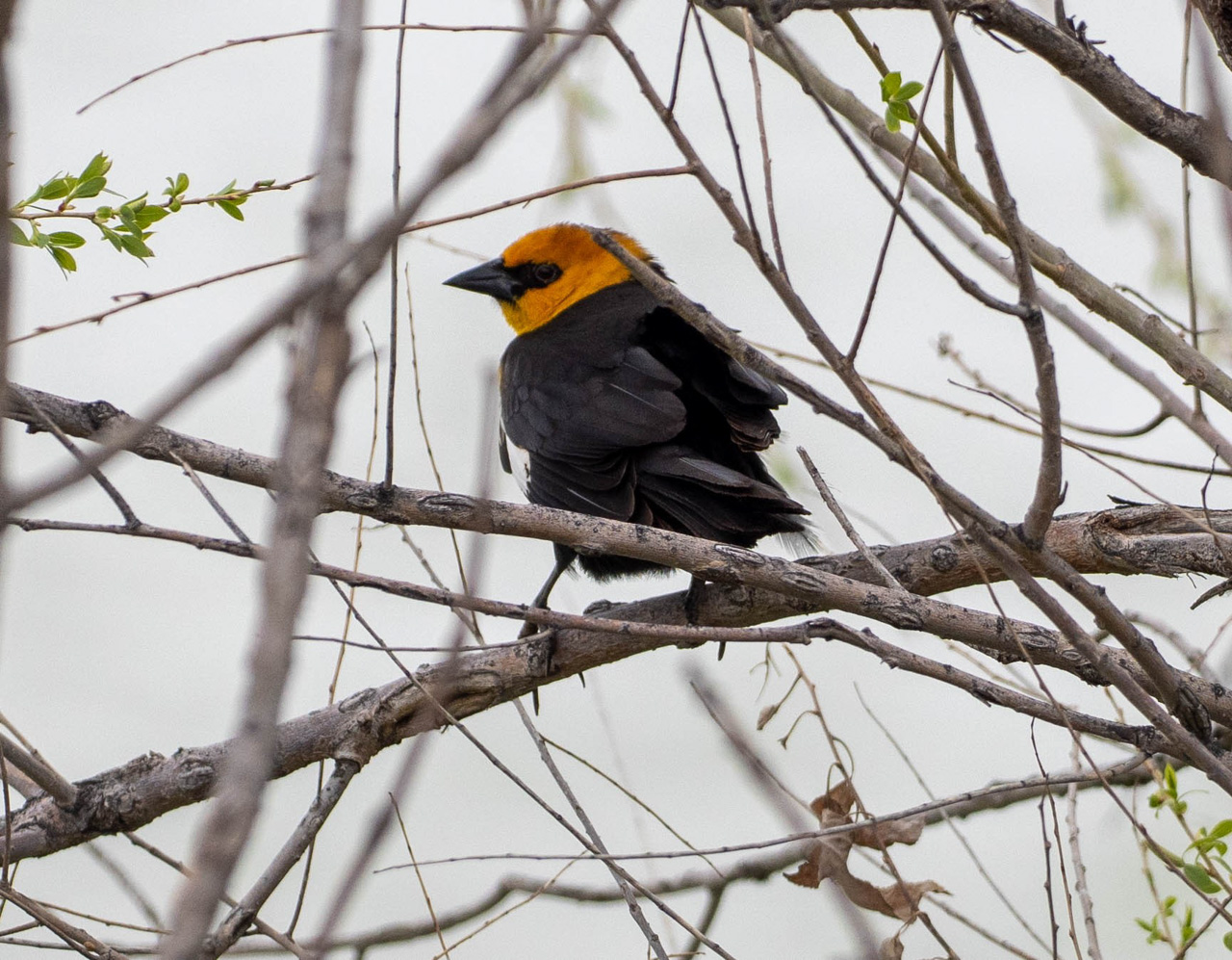
Yellow-headed Blackbird ©Richard Thunen
After a delicious lunch, we birded on to the wetlands of Weld where birds like American Avocet, Long-billed Dowitcher and Black-necked Stilt foraged just off of the dike. As we were packing up, a flock of American White Pelicans came flying overhead as two Bald Eagles buzzed the marshes, kicking up hundreds of ducks, shorebirds and passerines.
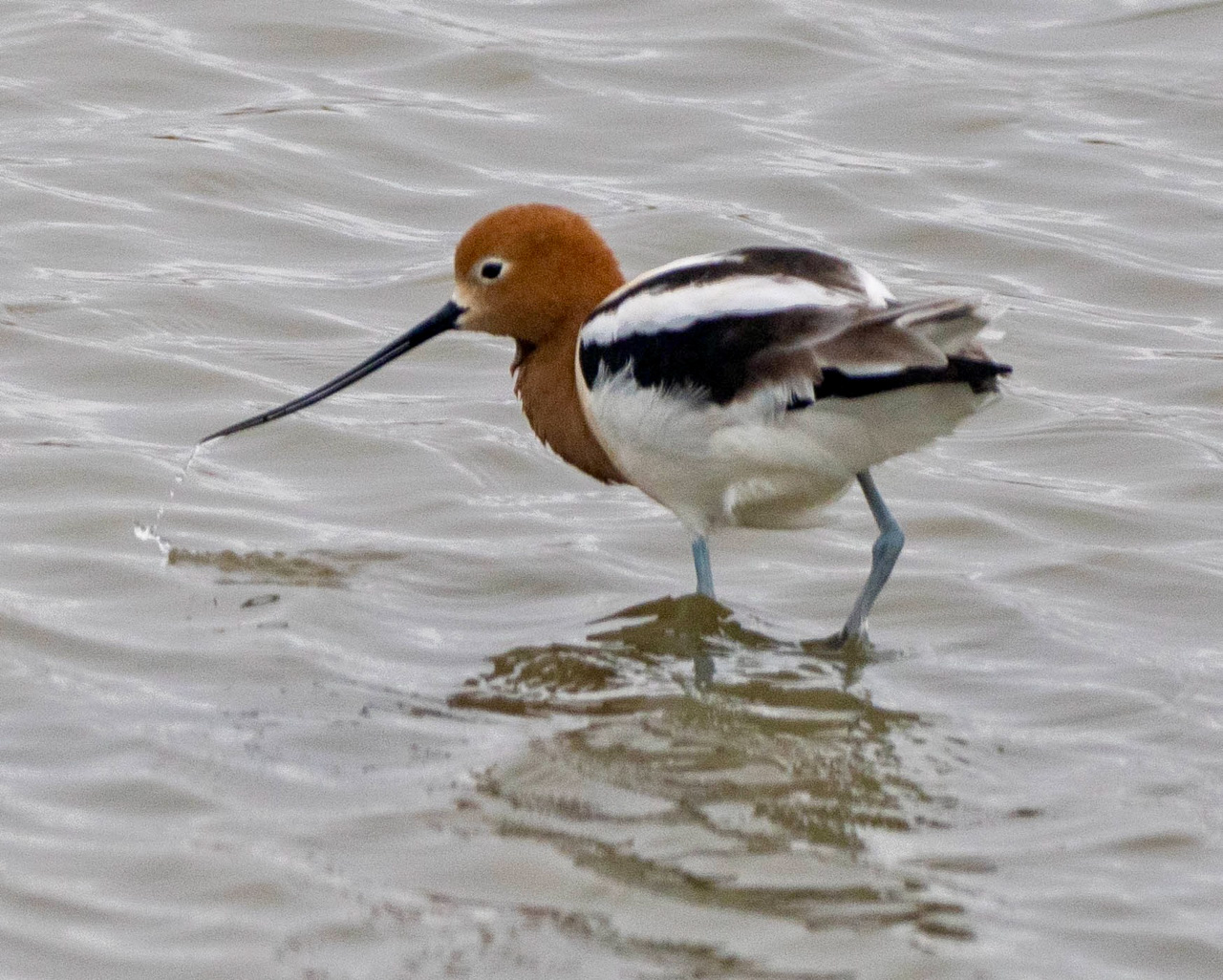
American Avocet ©Richard Thunen
The next morning, we headed east post-breakfast to the Pawnee National Grasslands, the 193,060 acre complex of short grass prairie plains home to an array of wildlife. We started our morning viewing the breathtaking Pawnee Buttes, where a hunting Golden Eagle and Prairie Falcons cruised the cliff faces.
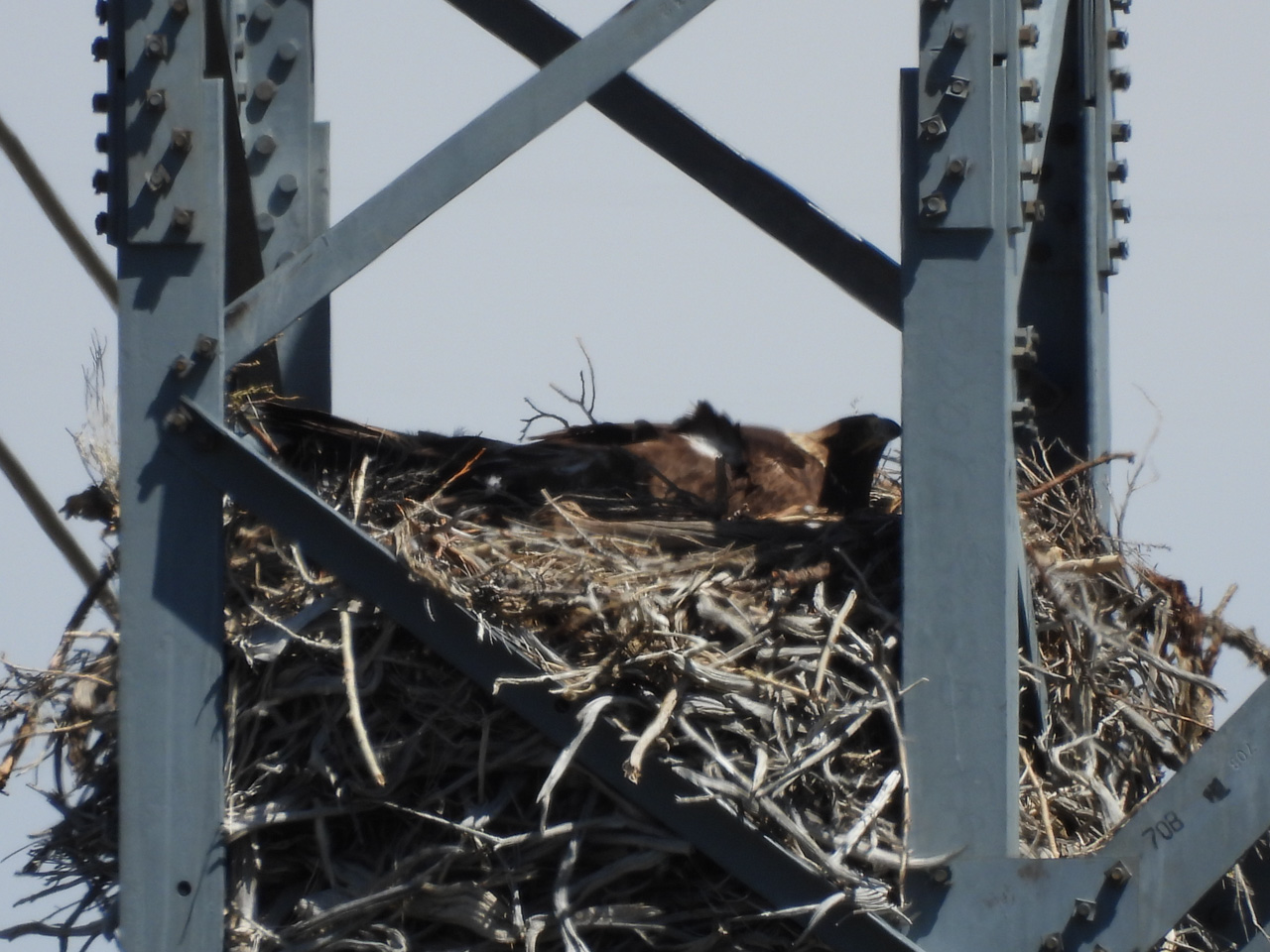
Golden Eagle ©Kyle Schanta
We worked our way west, walking the birding trail at Crow Valley Campground where nesting American Kestrels put on a show! We flushed up a Great Horned Owl and Blue Jays took notice, as did a massive flock of Mourning Doves and a lonely Wild Turkey who were hiding out in the thick cottonwood groves.
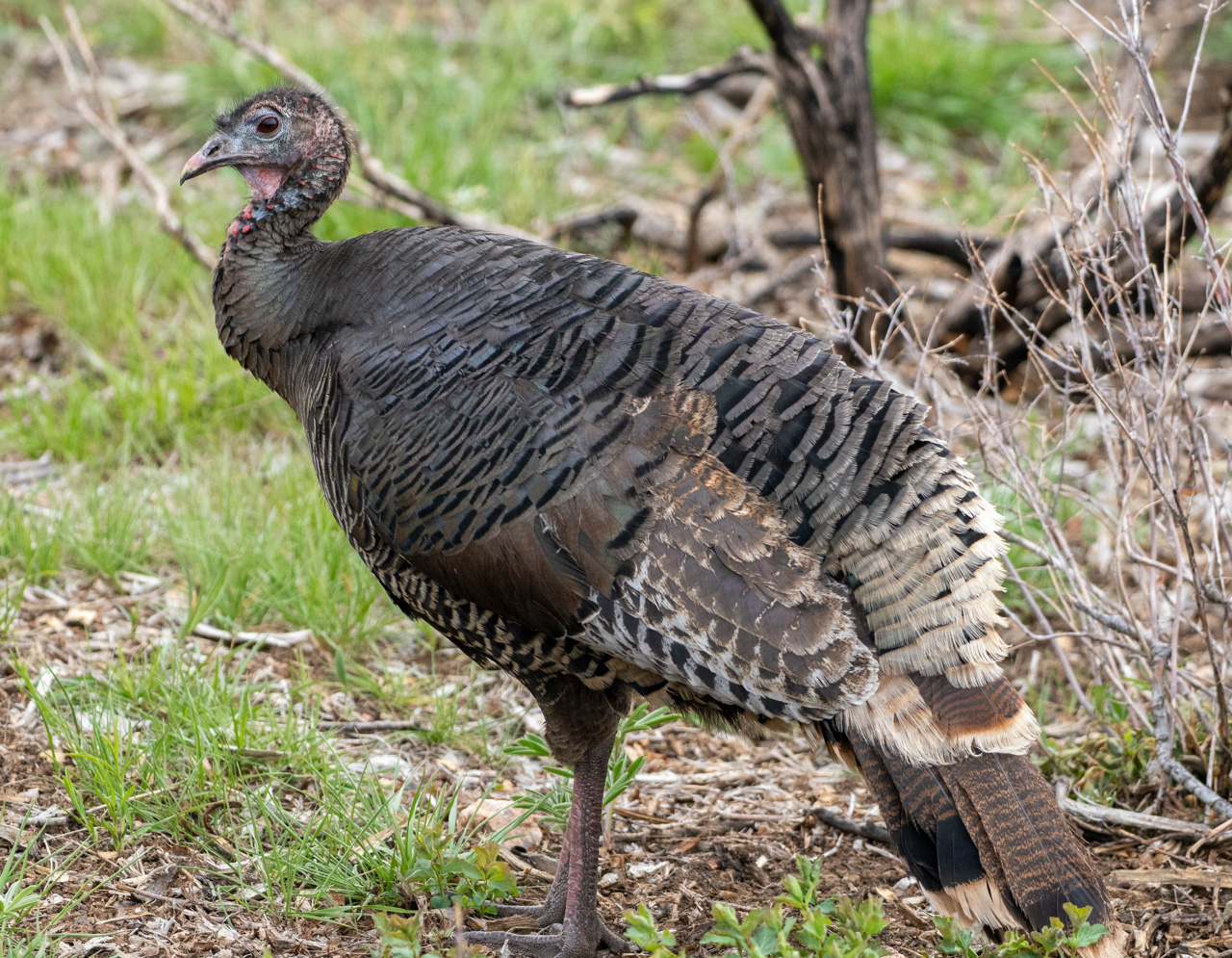
Wild Turkey ©Richard Thunen
We had great views of a pair of hunting Northern Harriers at lunch nearby before we headed out on the Pawnee Bird Tour, a 13-stop drive through the heart of Pawnee’s Crow Valley Unit.
Ferruginous Hawks were out in the short grass, and not too far in a lone cottonwood was an occupied Swainson’s Hawk nest, with the incubating female giving us world-class views from the roadside.
We played tag with a Sage Thrasher as it flew down the fence posts while a close Red-tailed Hawk was screaming overhead.
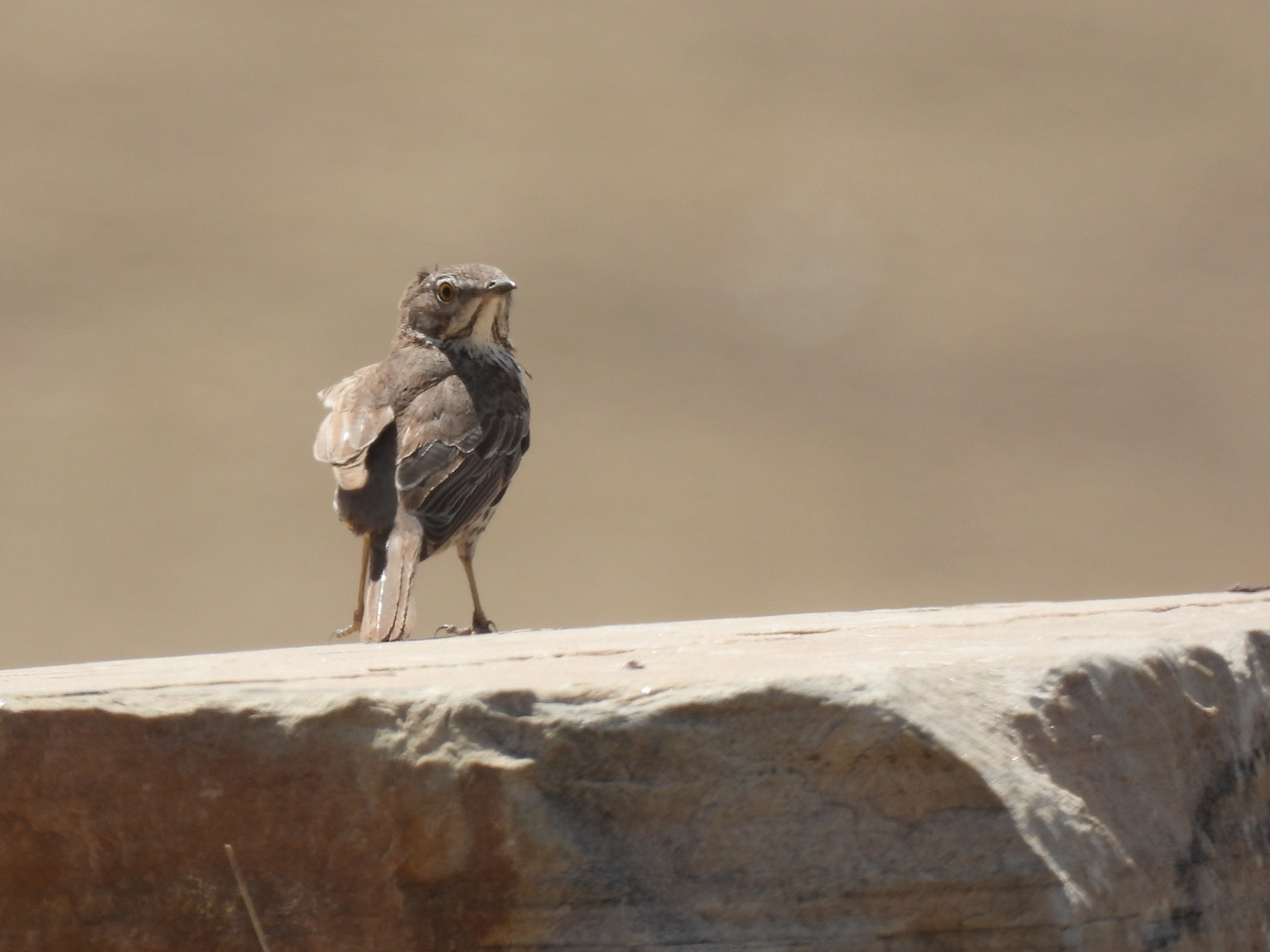
Sage Thrasher ©Kyle Schanta
We took a stop at a watering hole, and both Chesnut-collared and Thick-billed Longspurs flushed and eventually took to the road for grit and seed, giving our group great views of these specialized grassland breeders. What a way to end our day in such a rare and unique habitat.
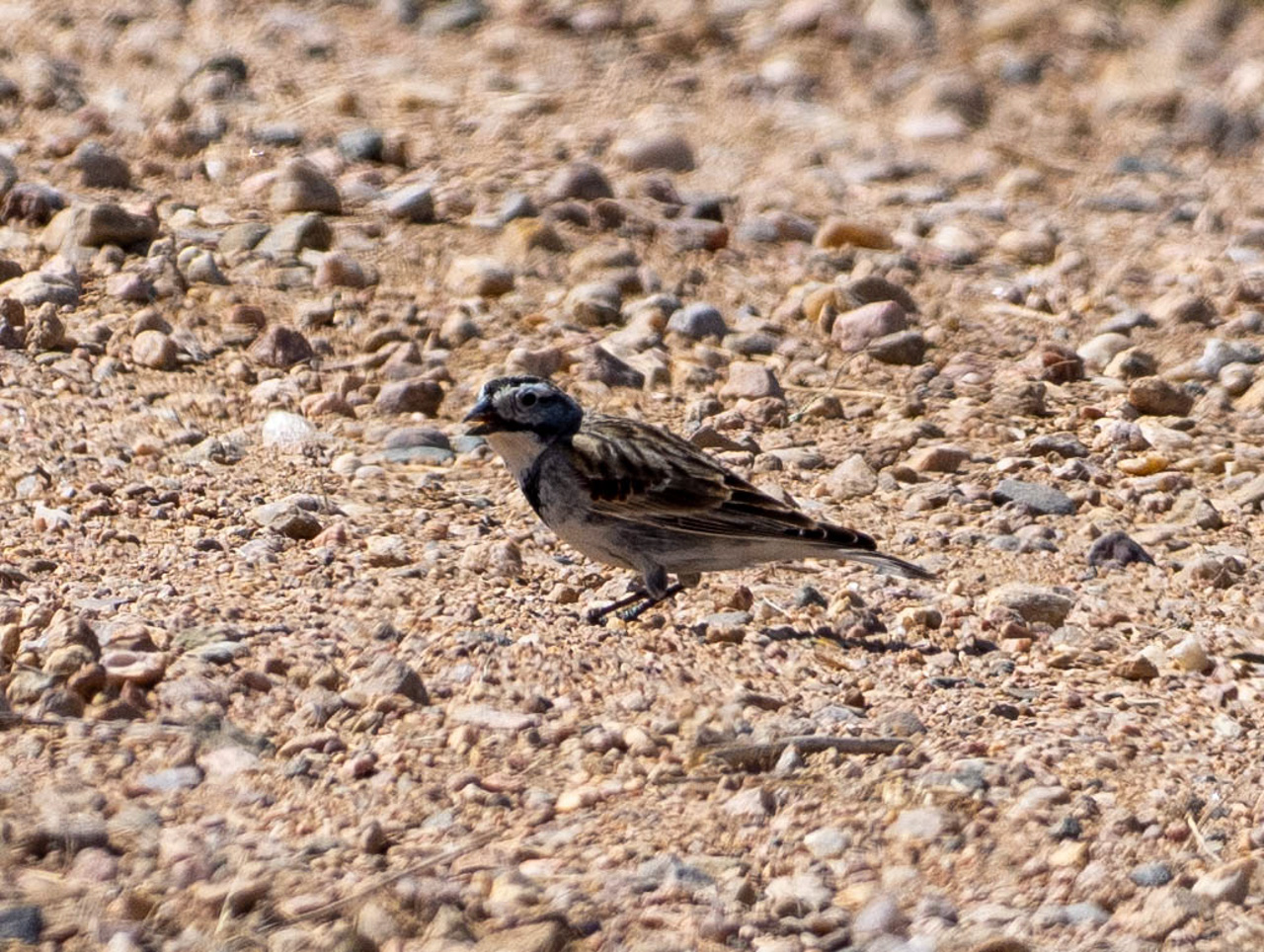
Thick-billed Longspur ©Richard Thunen
Day six started out just beautifully, with crisp, blue skies and very little wind. We left our hotel in Fort Collins and started up the Poudre Canyon along the scenic Poudre River. Our first stop of the morning, we were greeted with the sound of singing Mountain Chickadees, Song Sparrows and Red-breasted Nuthatches.
The high ringing trill of an adult male Broad-tailed Hummingbird also filled our ears, giving great views as it worked a flowering purple lilac.
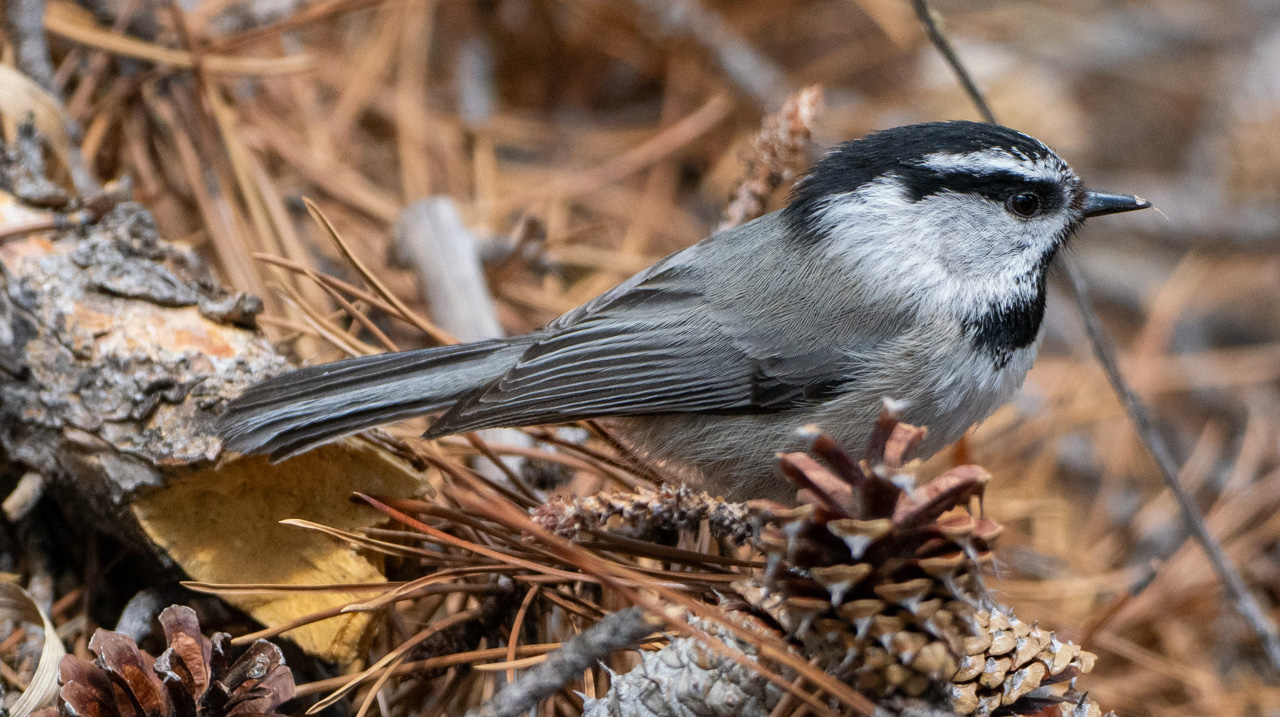
Mountain Chickadee ©Richard Thunen
We eventually made it to a cottonwood stand where we were in absolute delight with the sighting of a successfully hunting Northern Pygmy-Owl with an unlucky vole in its talons. We really took the moment in, listening to its tooting calls which echoed through the canyon. This pint-sized predator really put on a show for us as we watched below.
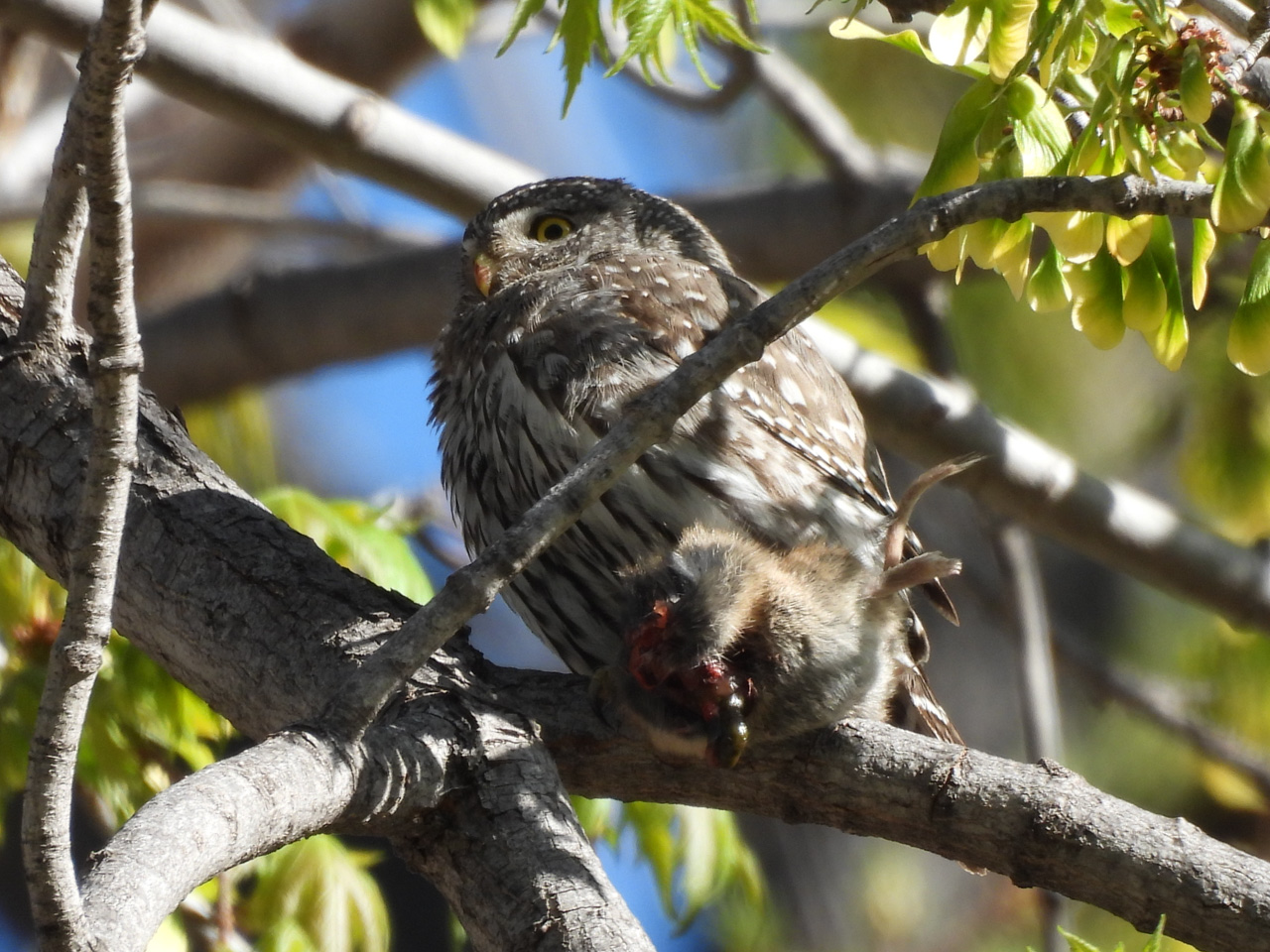
Northern Pygmy Owl ©Kyle Schanta
Another song filled our ears, and as we investigated the river’s edge we came upon an American Dipper fishing along the fast-flowing corners of the river at our feet. What a way to start the day!
We pushed on to the Moose Visitor Center in State Forest State Park where the sounds of singing Cassin’s Finches and Pine Siskins filled the cold mountain air. We hung by the feeders as Mountain Chickadees, Steller’s Jays and Dark-eyed Juncos went to work before continuing on through the canyons.
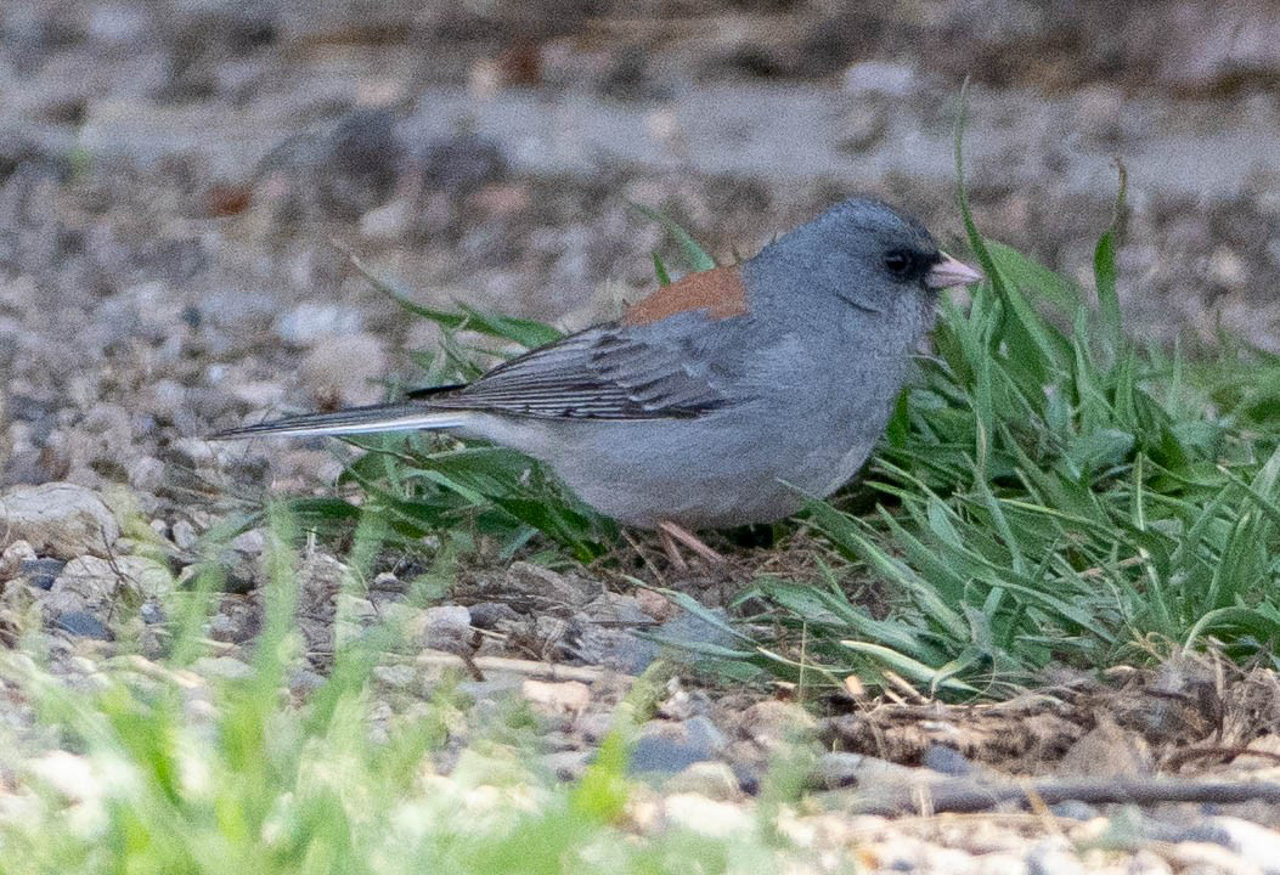
Gray-headed Dark-eyed Junco ©Richard Thunen
After a satisfying lunch outside of the Arapahoe National Wildlife Refuge, we checked out the nearby Walden Reservoir where nesting American White Pelicans, California Gulls and Double-crested Cormorants lined the vegetation along the islands. The wildly-styled Eared Grebe and elegant Northern Pintail really stood out in their striking plumages, while our first Tree Swallows and Franklin’s Gulls flew overhead.
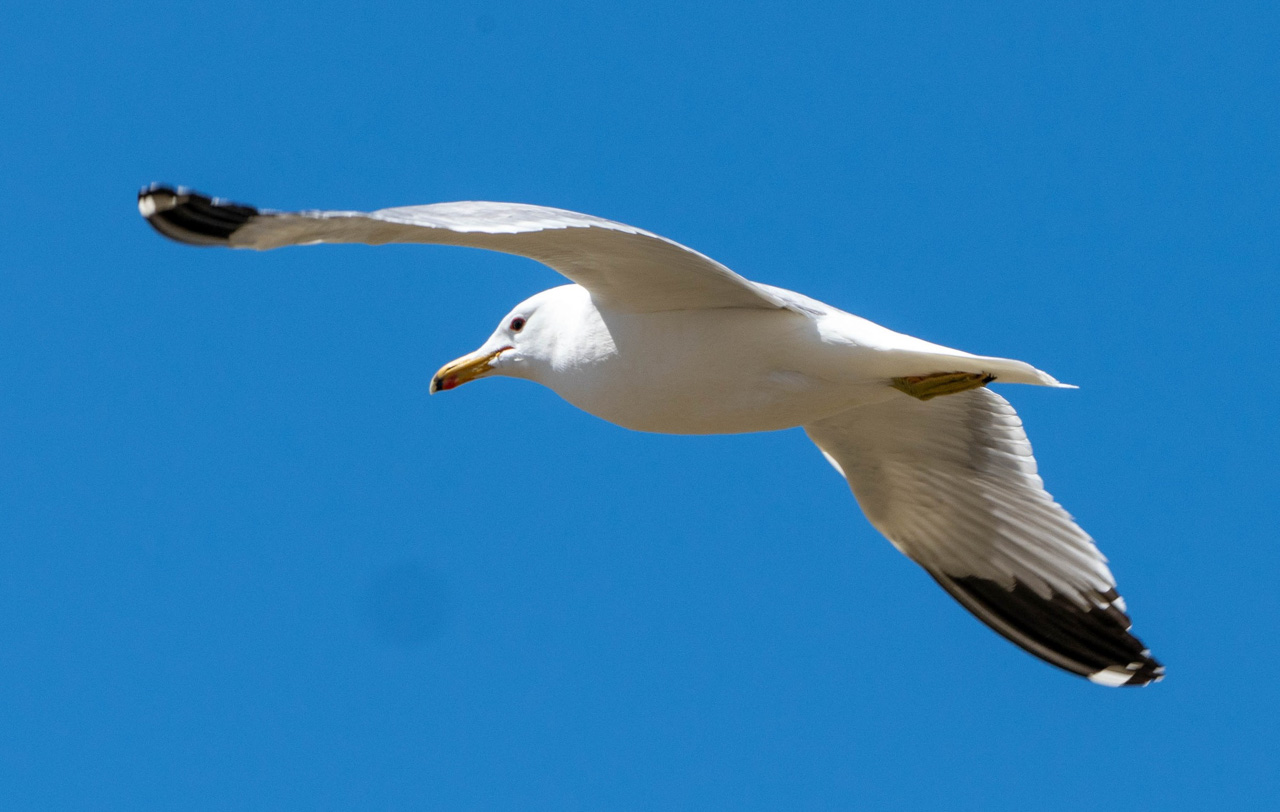
California Gull ©Richard Thunen
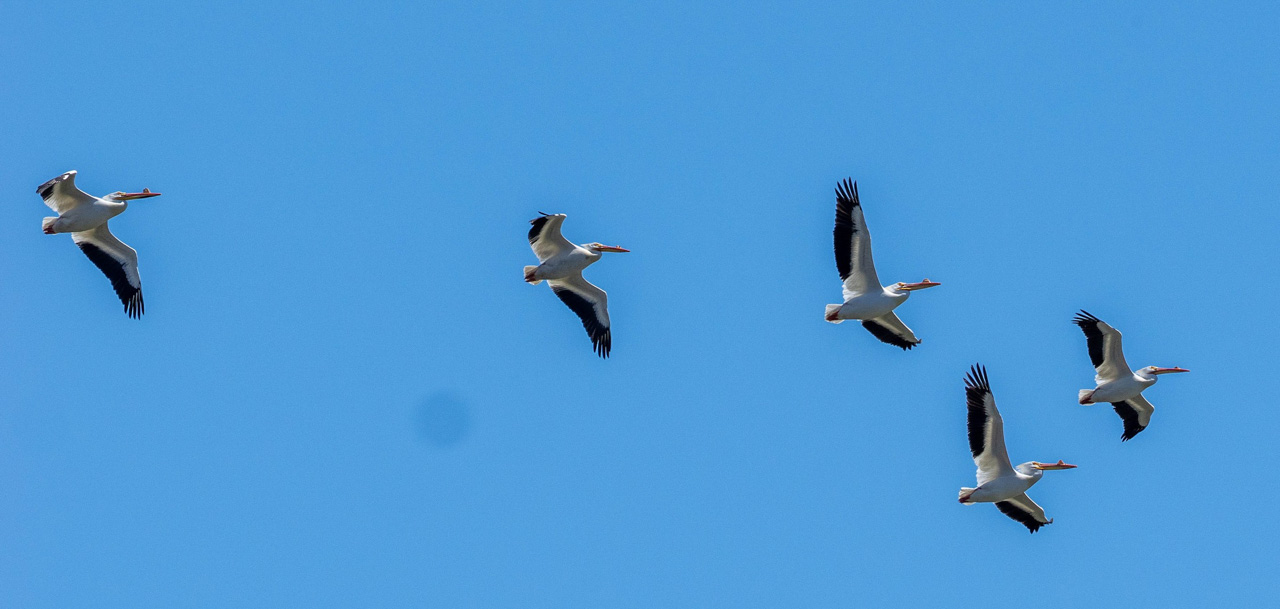
American White Pelican ©Richard Thunen
On our drive to Craig, multiple nesting pairs of Osprey were a pleasant surprise, as was a roadside Coyote. Plus,our first sightings of Great Blue Heron and Sandhill Crane also came to fruition. We made it to Craig in the later afternoon, and went to a delicious dinner before heading for rest before our third lek experience the following morning.
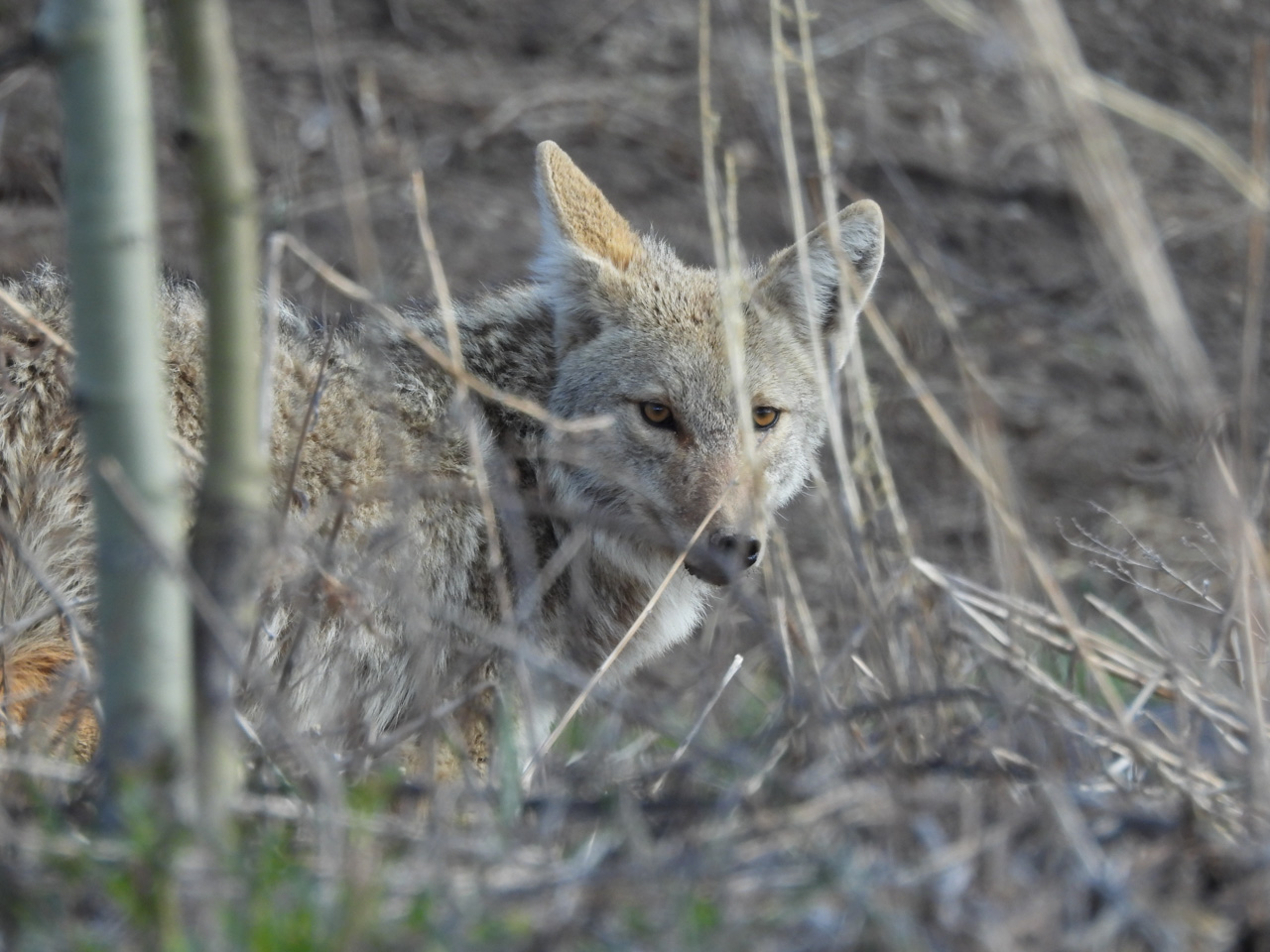
Coyote ©Kyle Schanta
As we arrived in the Colorado twilight on the morning of day seven, we were welcomed by the songs of Sage Thrasher, Brewer’s Sparrow and Vesper Sparrow, which all gave great views.
However, the main attraction was about to begin, and as the light came over the Pinyon-Juniper hills, dark, spiky forms began to materialize, jumping, running and throwing themselves every which-way. The Greater Sage-Grouse has one of the most iconic lekking behaviors, filling their golden-green asophageal air sacs while throwing forward their breasts as their yucca-like tail fans stand strong, intricate and full. We were lucky to have birds along the roadside eventually, as they were unfazed by us astounded birders, giving top-notch viewing opportunities.
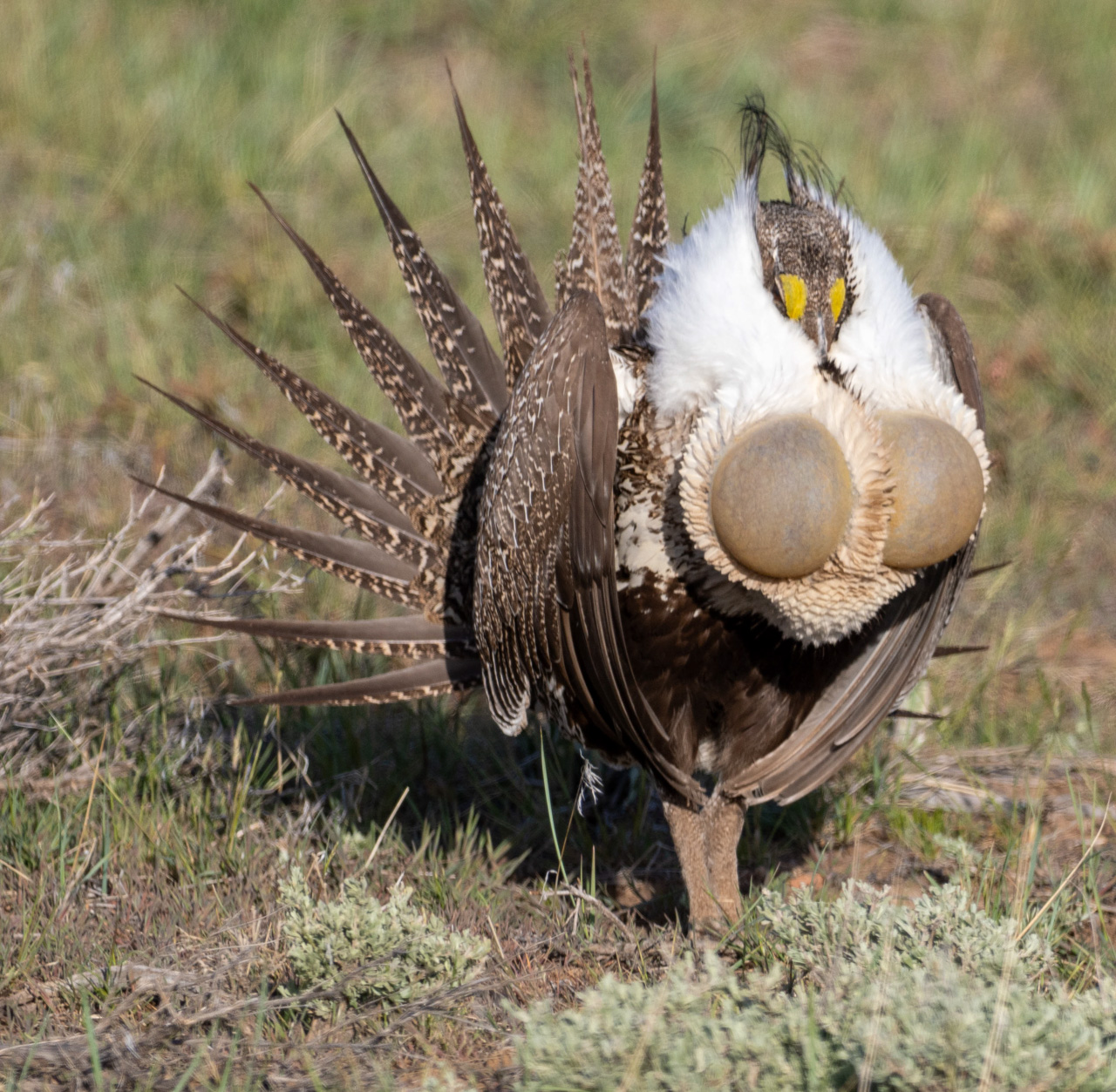
Greater Sage-Grouse ©Richard Thunen
After the morning’s lek magic, we headed to town for breakfast where we encountered a pair of perching and calling Evening Grosbeaks just feet away from us. Their bold markings and stout, colorful bills really got our attention!
Our afternoon was super birdy as well, finding a late migrant Snow Goose, nesting and displaying Golden Eagles and fly-by Prairie Falcons and Red-tailed Hawks. We went for a nice walk along the Yampa River, where Cedar Waxwings, White-breasted Nuthatch, Lesser Goldfinches and a swallow colony consisting of Northern-rough Winged, Bank and Tree Swallows all lived communally.
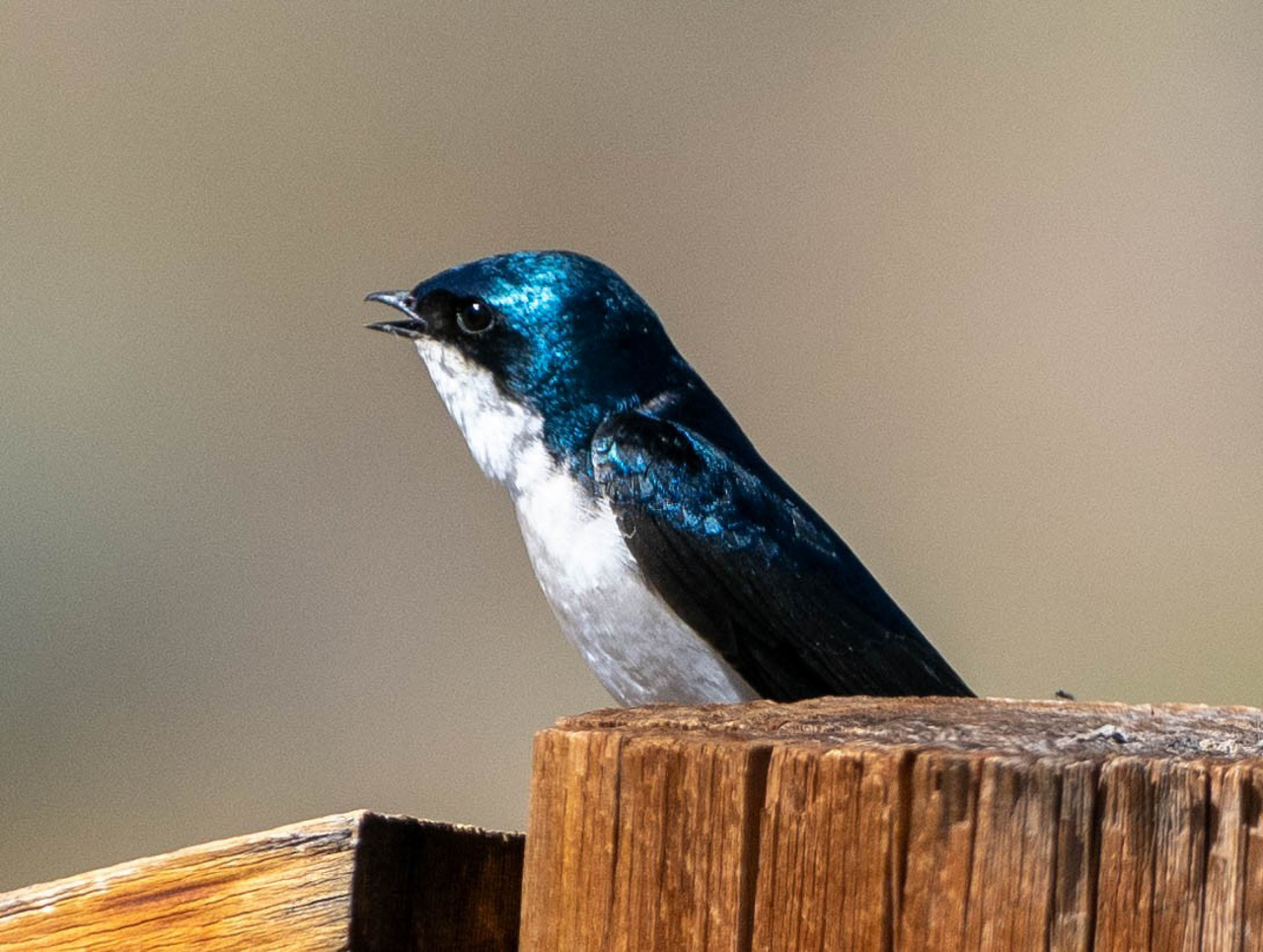
Tree Swallow ©Richard Thunen
After dinner in Hayden, we went up the county roads in search of booming Dusky Grouse in the large tracks of wooded and shrubby hillsides above town. A brief glimpse was all a handful of us had, while an unexpected and first-for-the-trip Sharp-tailed Grouse stood tall on a sagebrush tangle.
A pair of red-shafted Northern Flickers gave incredible eye-level views on our way back down while the electric trills of Spotted Towhees rolled through the hills. Our day ended with excitement, and we headed back to our rooms in eager anticipation for the following day’s lekking grouse encounter.
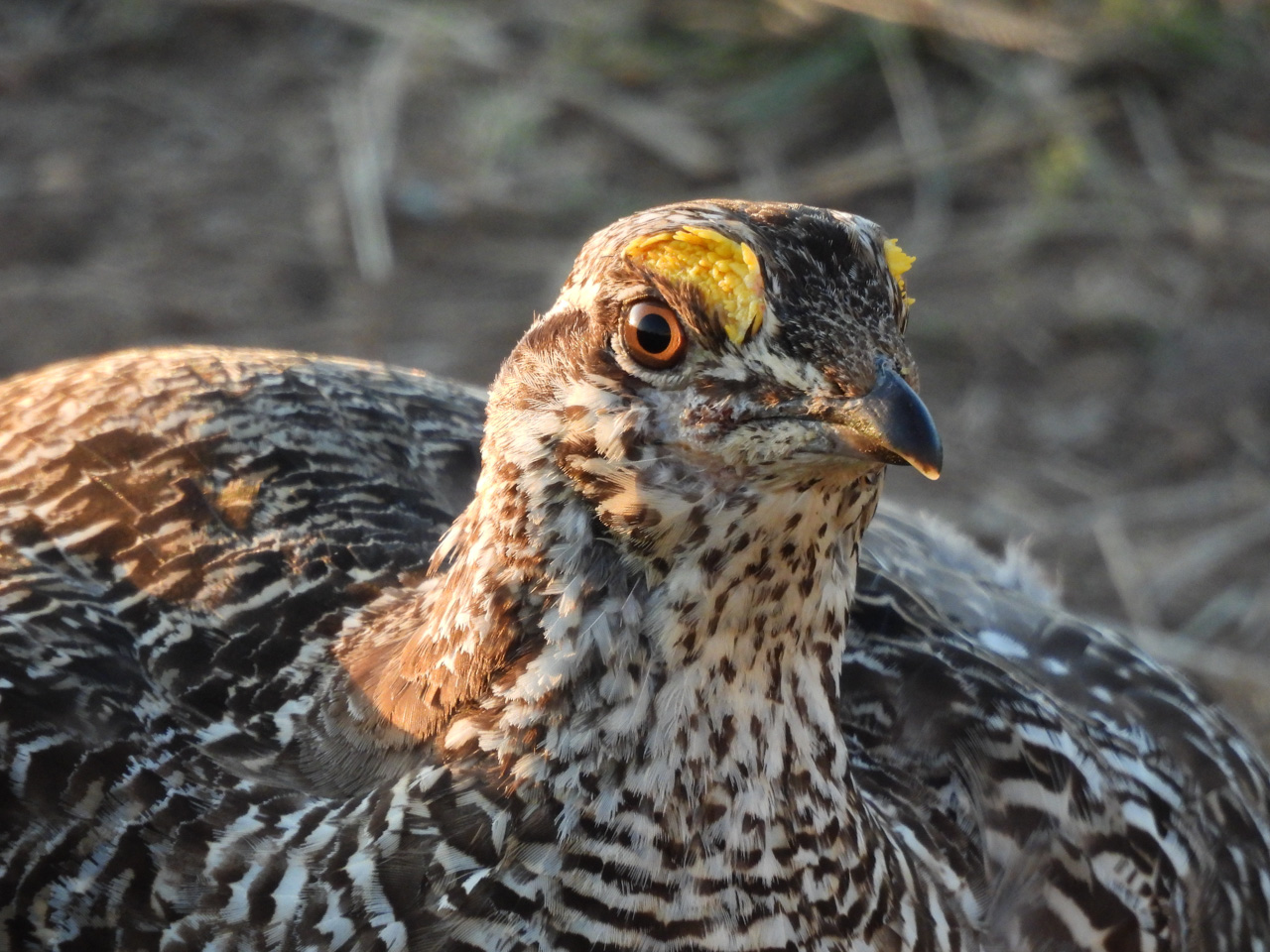
Sharp-tailed Grouse ©Kyle Schanta
We started out birding at dawn, arriving just as the first light was turning behind the ridges behind us, but the action was already in full swing. The Sharp-tailed Grouse is one of the most energetic and entertaining phasianids on the trip, and our experience was truly unforgettable. Young and seasoned males battled for the center of the lek, the prime dance floor, trying their best to impress the weary females moving through the tall grasses that surrounded the lek site. The males would chase all while trying their best to maintain their territories and dominance. The feet-stomping, wing-fluttering jumps and electric pops kept us fully engaged and present. Our group was left simply stunned.
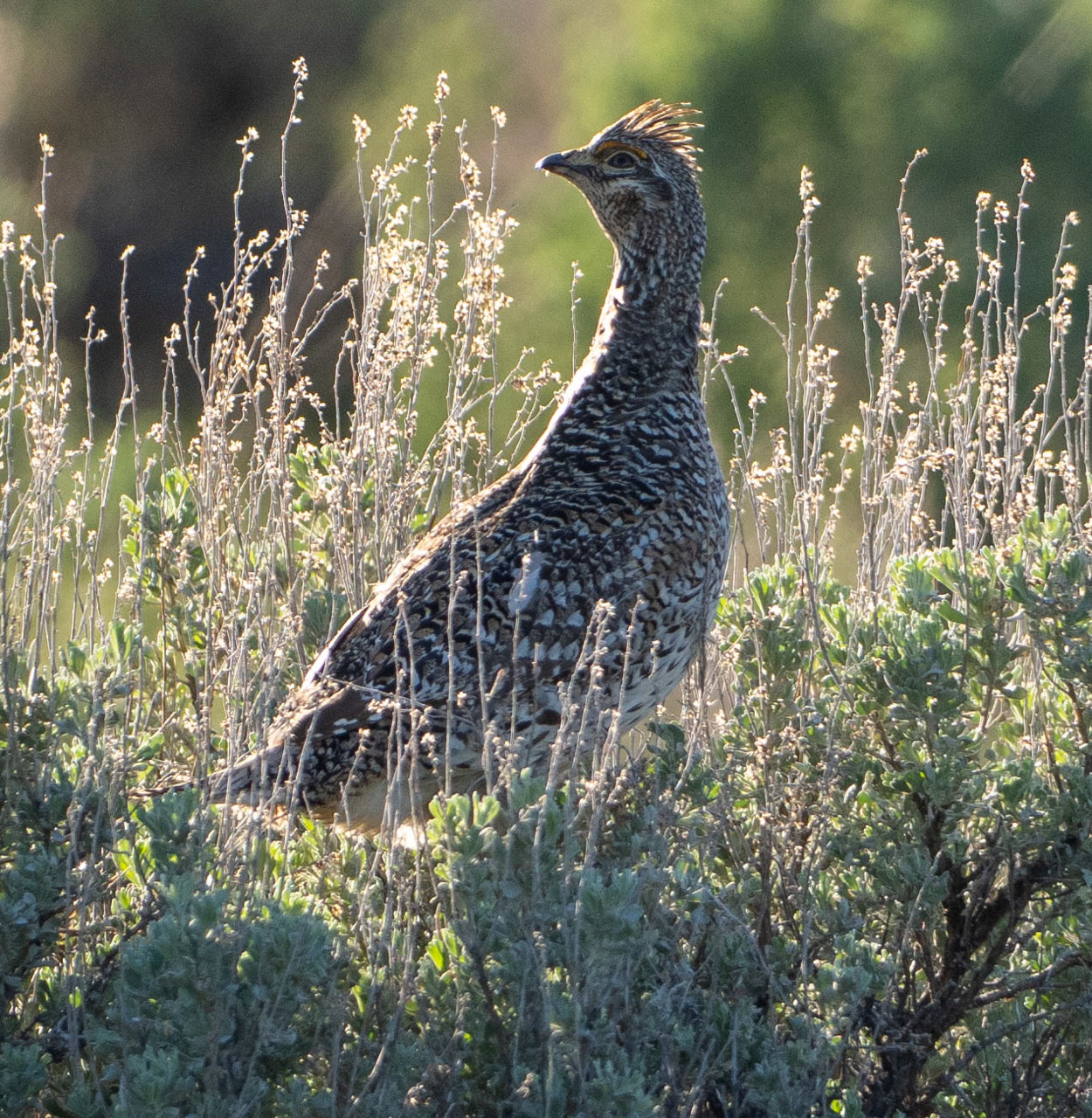
Sharp-tailed Grouse ©Richard Thunen
After coffee and conversation with the gracious conservationist and landowner Ken Bekkedahl, we headed for Grand Junction, but not before we spotted Loggerhead Shrikes, masses of Horned Larks and at least fourteen individual American Kestrels on one stretch of rural highway. Seeing this many of these declining falcons in one take was a beautiful and enriching sight.
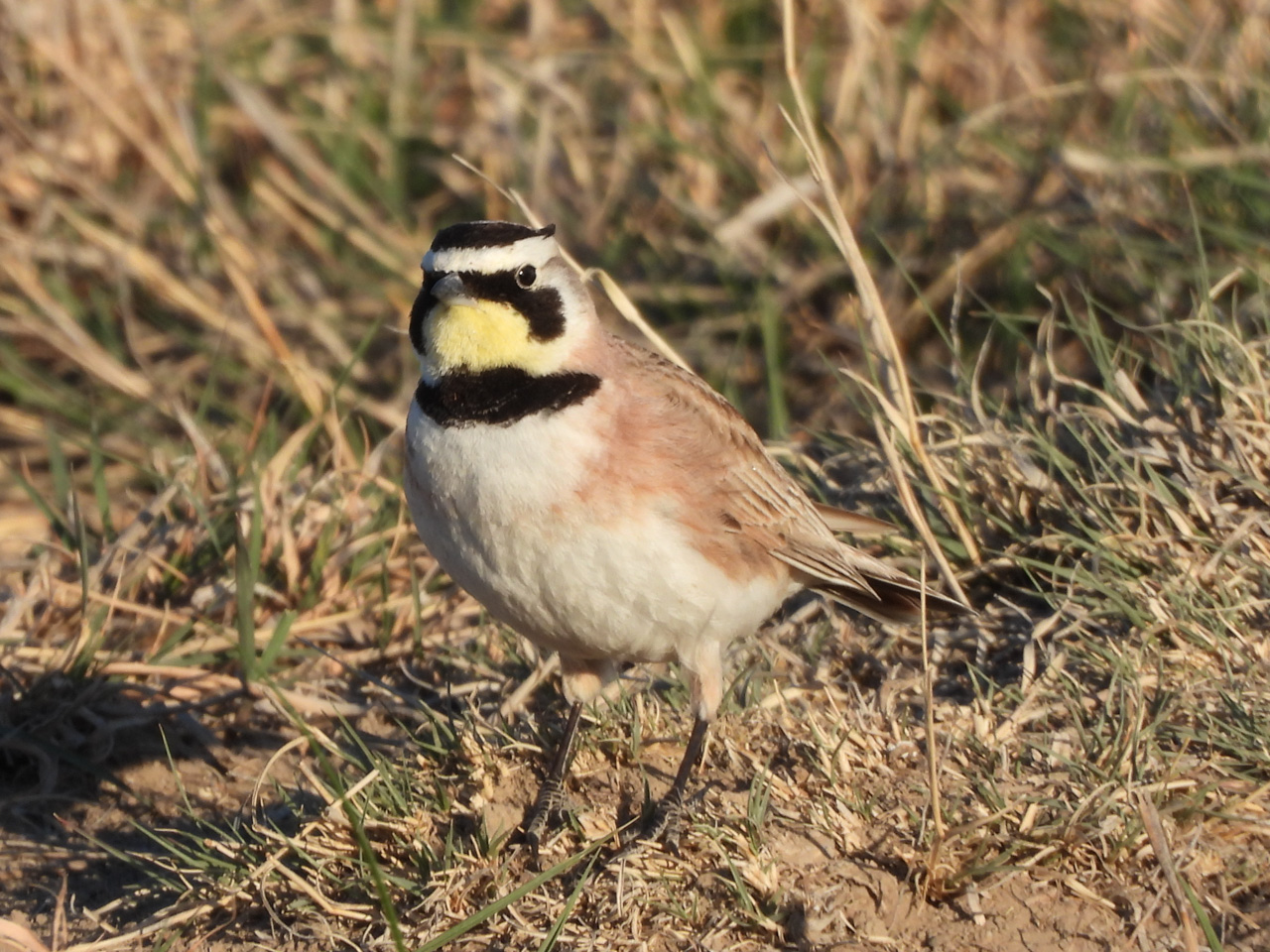
Horned Lark ©Kyle Schanta
On our drive to Grand Junction, we spotted a nesting roadside Great Horned Owl high in a massive stick nest. She was intently incubating, so we made a brief stop before heading for our next big stop for the afternoon: Colorado National Monument.
As we made our way up Monument Road, we came upon an obviously mated pair of Rock Wren, who gave spectacular views as it sang on a close rocky ridge. Blue-gray Gnatcatcher couples were calling and flitting about Devil’s Kitchen Trail. Also, we encountered our first White-throated Swifts and Gambel’s Quail of the trip!
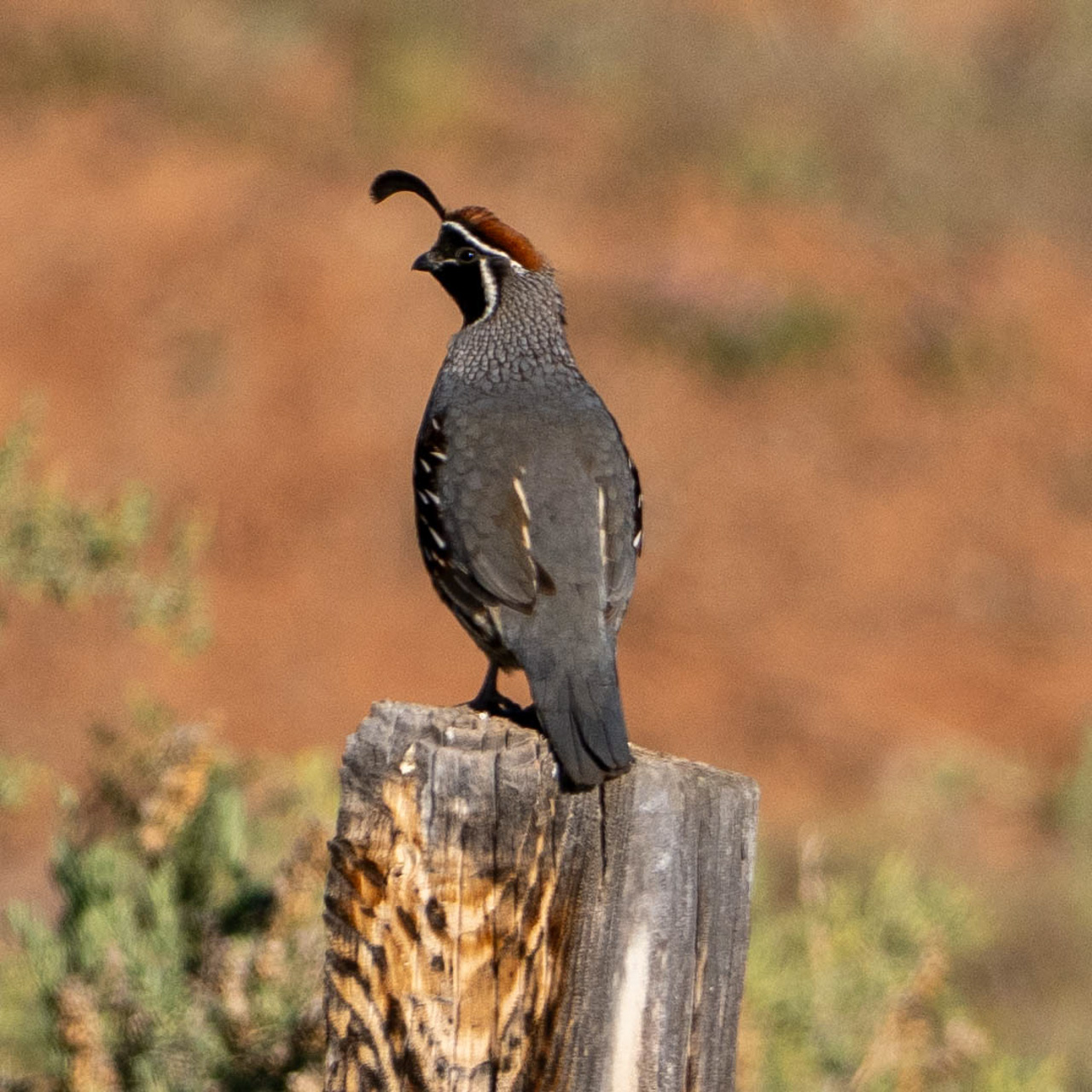
Gambel’s Quail ©Richard Thunen
We worked our way toward Glade Park, but not before finding ourselves entranced by the ancient music of the shrubby Pinyon-Juniper mountainsides. A gang of Juniper Titmice inundated us in their tinny trills, Chipping Sparrows too, and a skulky Gray Vireo demanded our full attention shortly after.
A Black-throated Gray Warbler perched up too, giving great views as it sang out to the hills. Bushtits, Yellow-rumped Warblers and a Bewick’s Wren were also present.
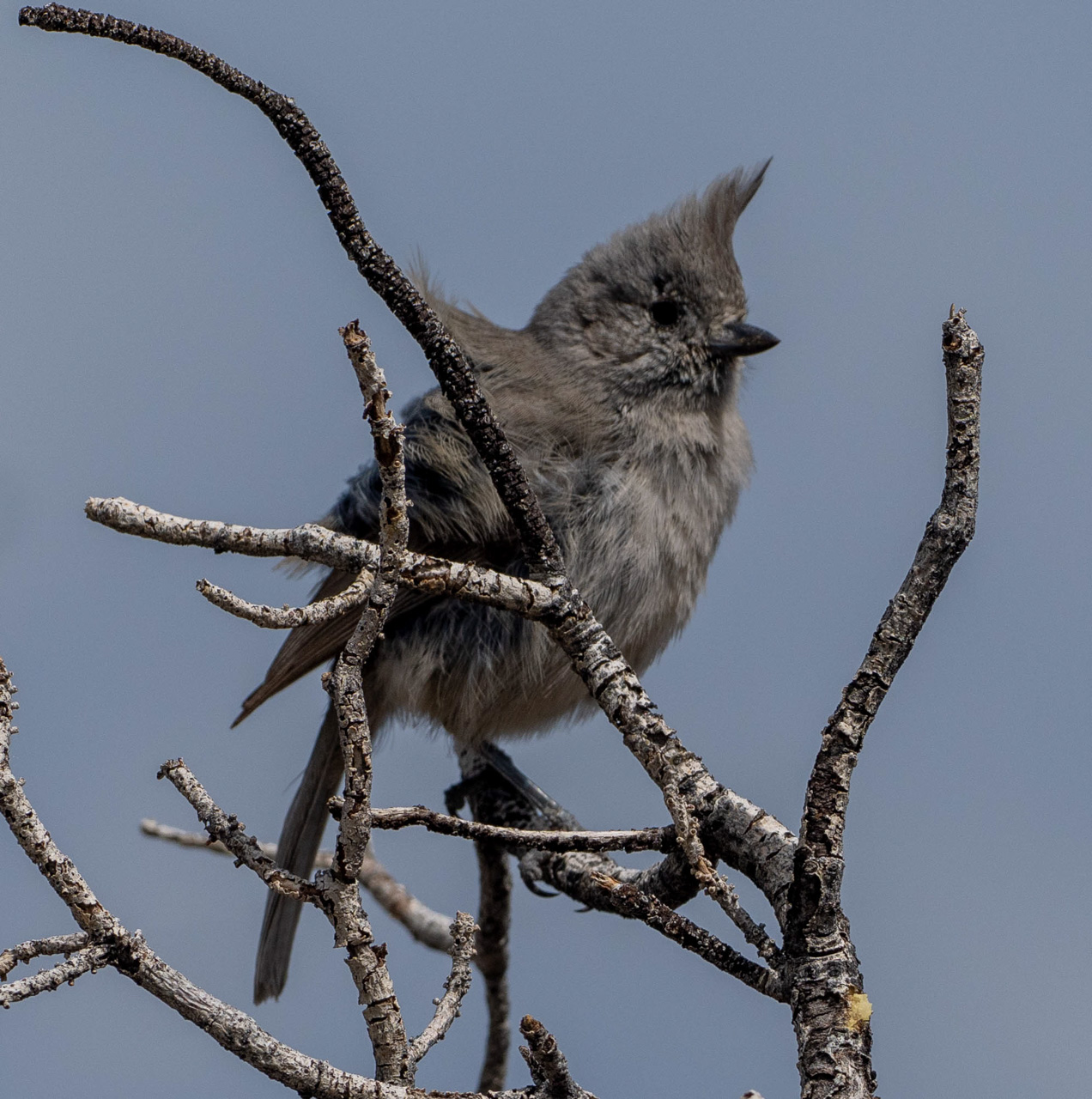
Juniper Titmouse ©Richard Thunen
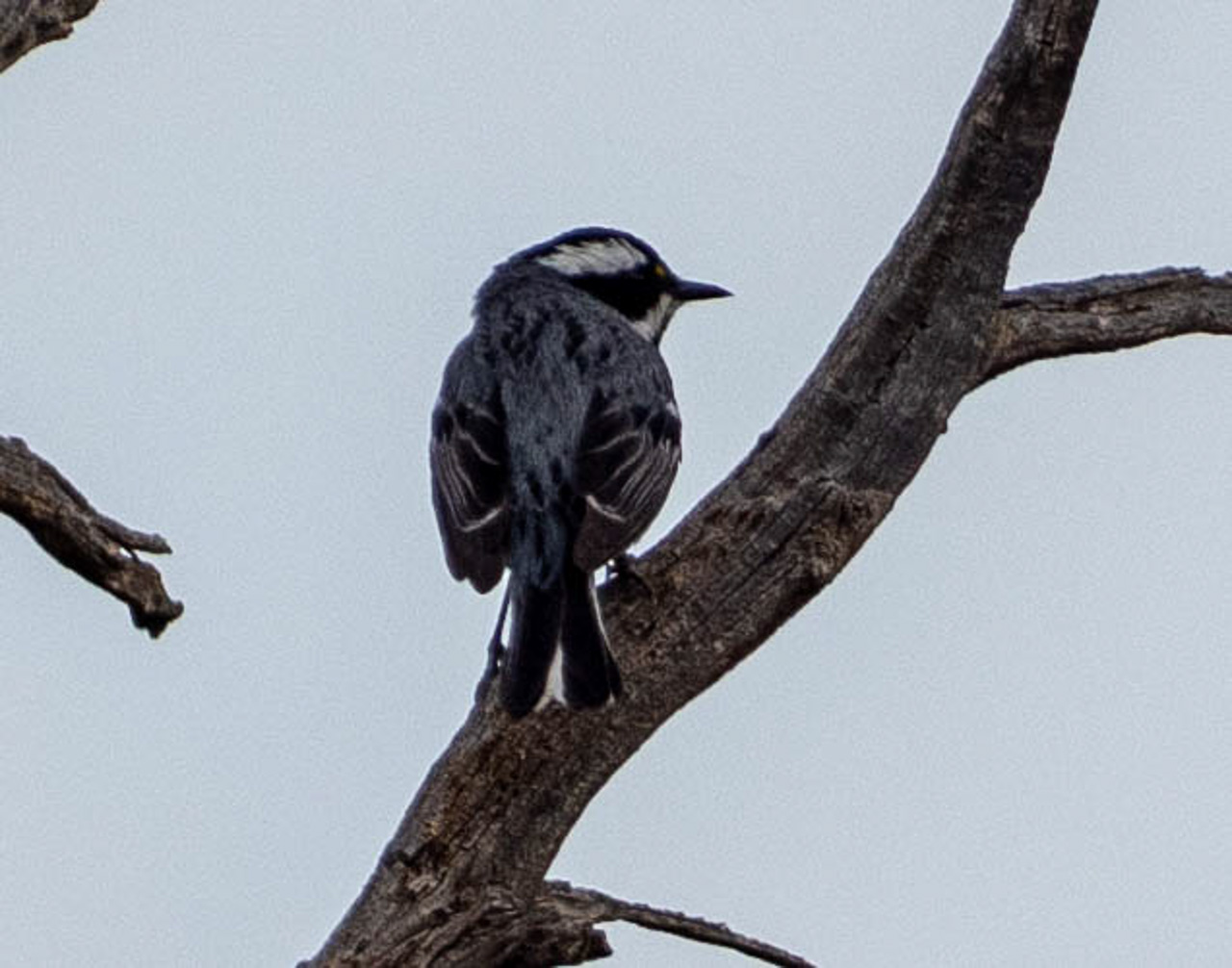
Black-throated Gray Warbler ©Richard Thunen
Before heading back to town, we encountered a small group of Woodhouse’s Scrub-Jays who were perching up high on ridges, only to dark into the growth, just to come back out again. Their dusky gray eyebrows, long tails and shrill calls gave us no choice but to observe.
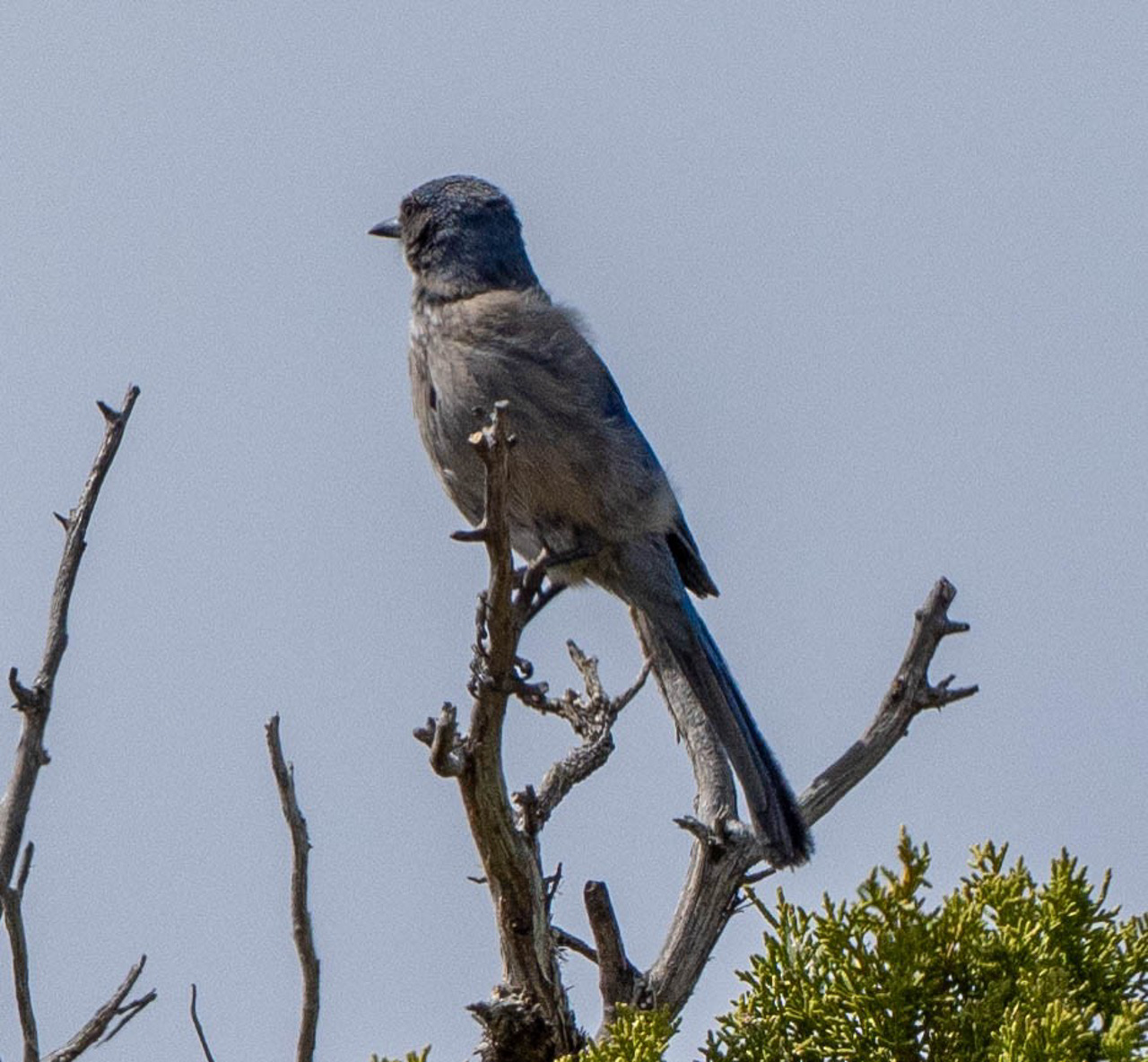
Woodhouse’s Scrub-Jay ©Richard Thunen
After a delicious Italian dinner in town, a few of us decided to head out to listen and look for birds of the night. We pulled into the Audubon Nature Preserve to the sounds of singing Boreal Chorus Frogs, Bullfrog and the flicking of bats above our heads. Before long, we heard the bouncing ball-like song of the Western Screech-Owl as two pairs began to sound off in the waning light. We were treated to great views overhead as two lined a cottonwood snag directly over the marshy roadside where the bats were foraging incessantly. We said goodnight and headed to town to rest up for the following day’s birding and traveling to Gunnison.
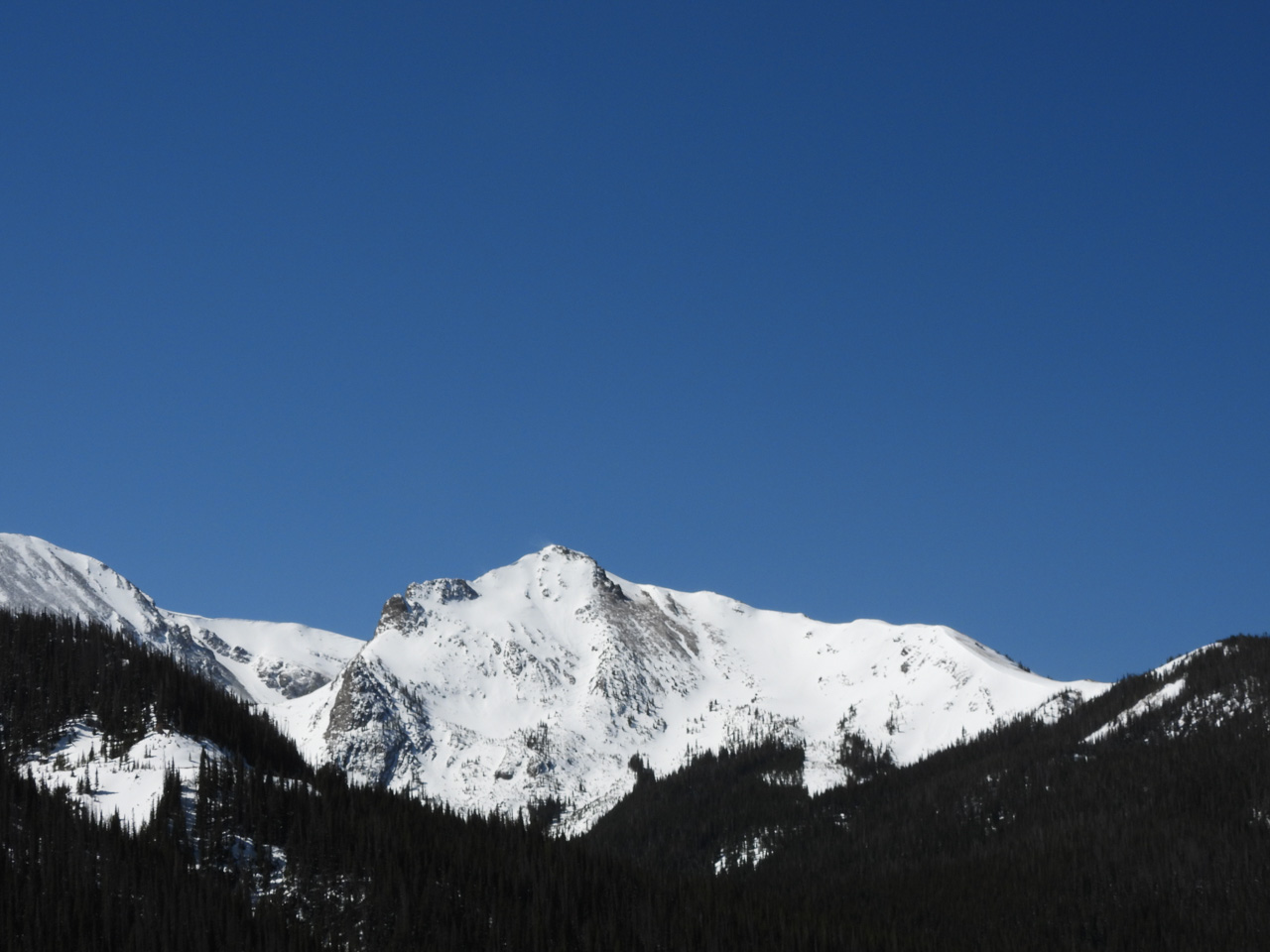
State Forest State Park
We cruised Red Canyon on the way out of Grand Junction, running into singing and foraging Western Kingbirds, nesting Western Bluebirds and pairs of bonded Gambel’s Quail. We headed east to Orchard City, where the reservoir and farmlands treated this birding group to an excellent morning of sight and sound.
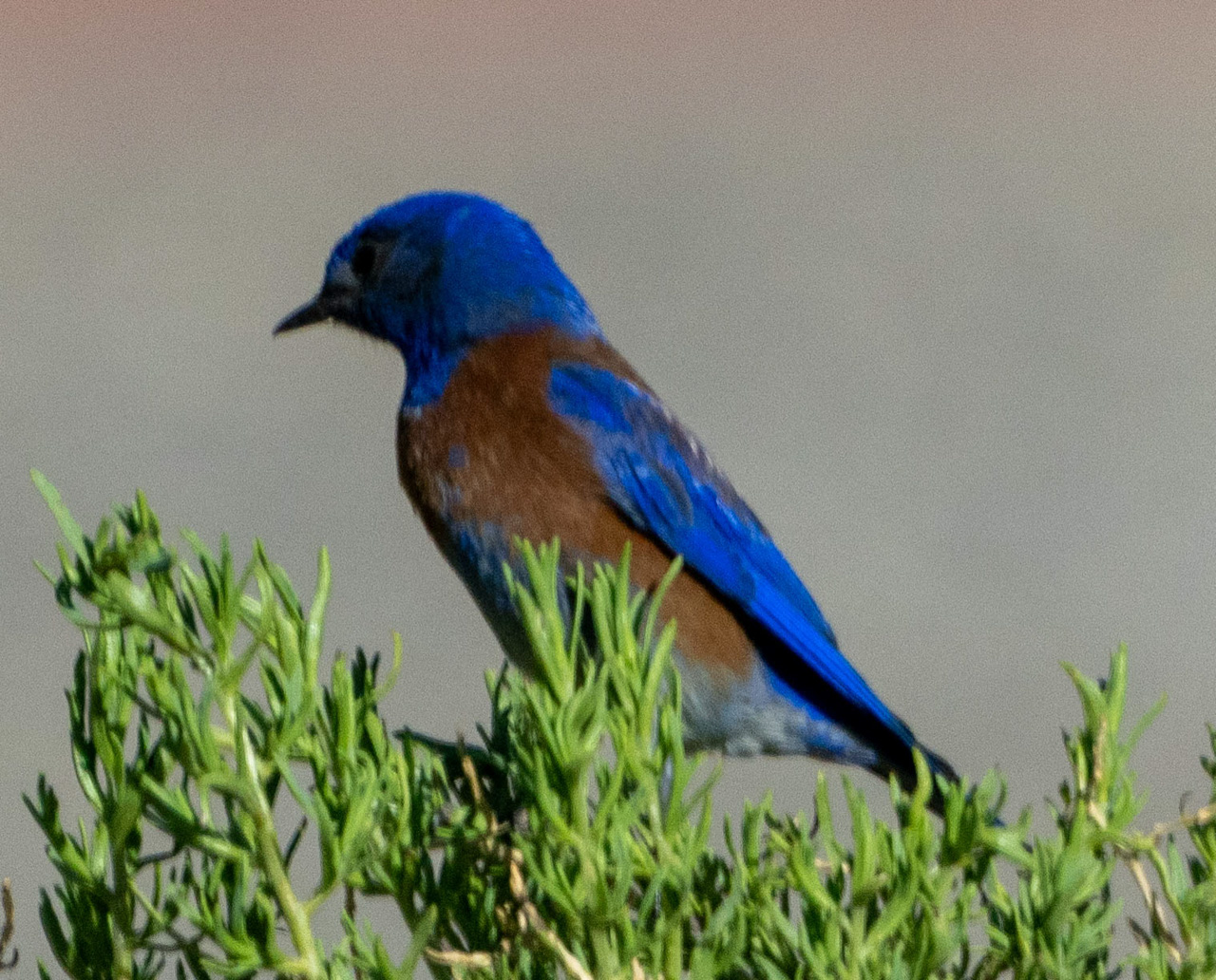
Western Bluebird ©Richard Thunen
At Fruitgrower’s Reservoir, a flock of foraging White-faced Ibis worked the water’s edge. Singing Marsh Wren were abound, and the songs of both Sora and Virginia Rail exploded out of the cattails as an adult Red-tailed Hawk soared overhead. Western Grebes took center stage, however, with dozens present. Upon further exploration, we were able to pick out a single Clark’s Grebe, along with Gadwall and our only Red-breasted Merganser of the trip.
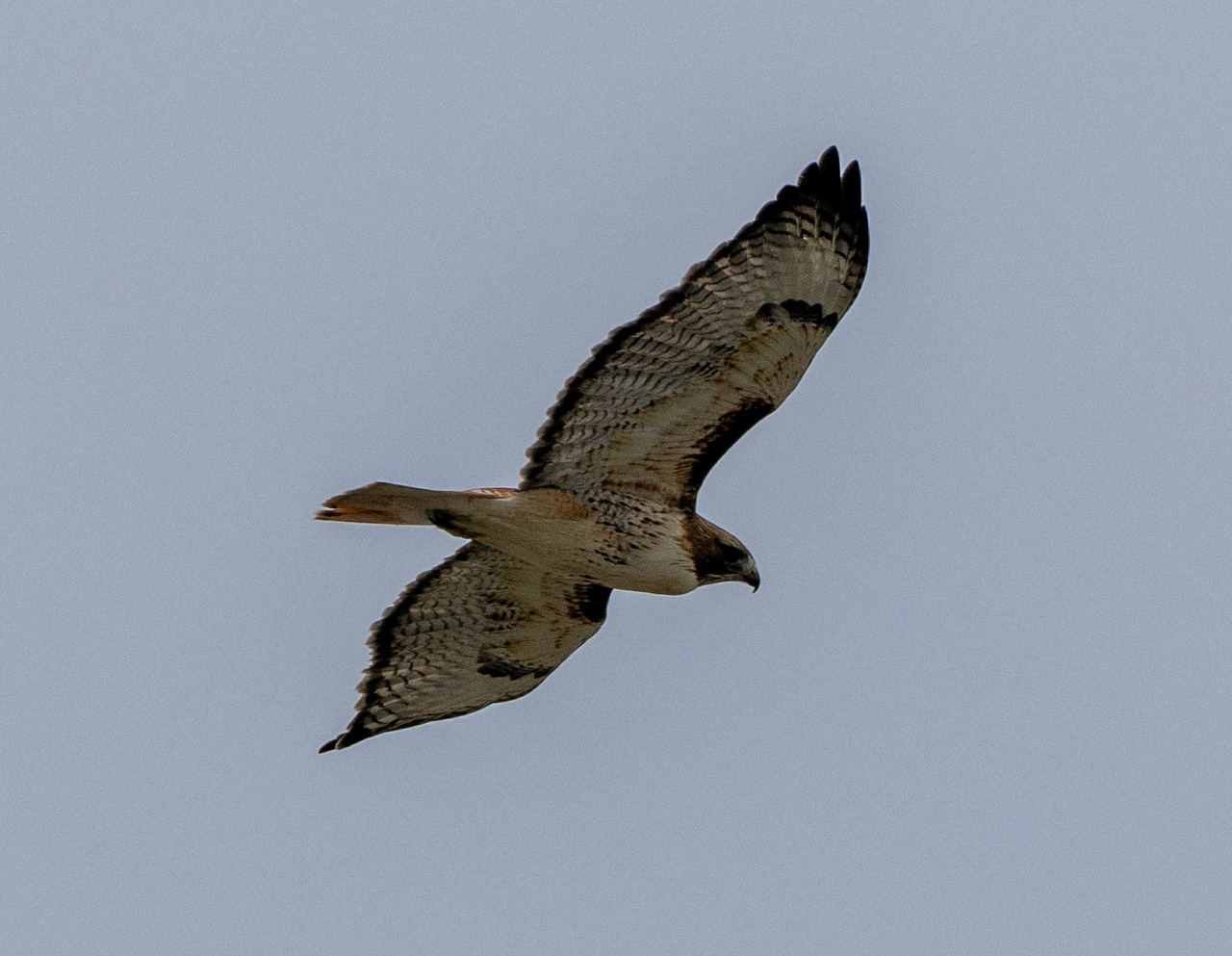
Red-tailed Hawk ©Richard Thunen
On our way out of Orchard City, a pair of very active Lewis’s Woodpeckers stopped our collective dead in our tracks. We spent a good amount of time witnessing them working a cavity, excitedly calling and sallying through the giant cottonwood that they were calling home. Our group was in awe of their showy greens, pinks, reds and pearl white feathering. Watermelon Woodpecker would not be too bad of a name for this gorgeous tree smasher.
After a quick and satisfying lunch, we made it to our main birding destination for the afternoon: Black Canyon of the Gunnison National Park. One of North America’s steepest mountain descents, the often shadow-shrouded Black Canyon is home to an incredible suite of wildlife. From the South Rim Visitor Center, above-bird views of Violet-green Swallow, Peregrine Falcon and a distant yet massive Black Bear treated us to an unforgettable afternoon. Chipping Golden-mantled Ground Squirrels, a singing Virginia’s Warbler and a pair of Townsend’s Solitaires flew up and landed above us as we made our exit and descent toward Gunnison, and the following morning’s final lek.
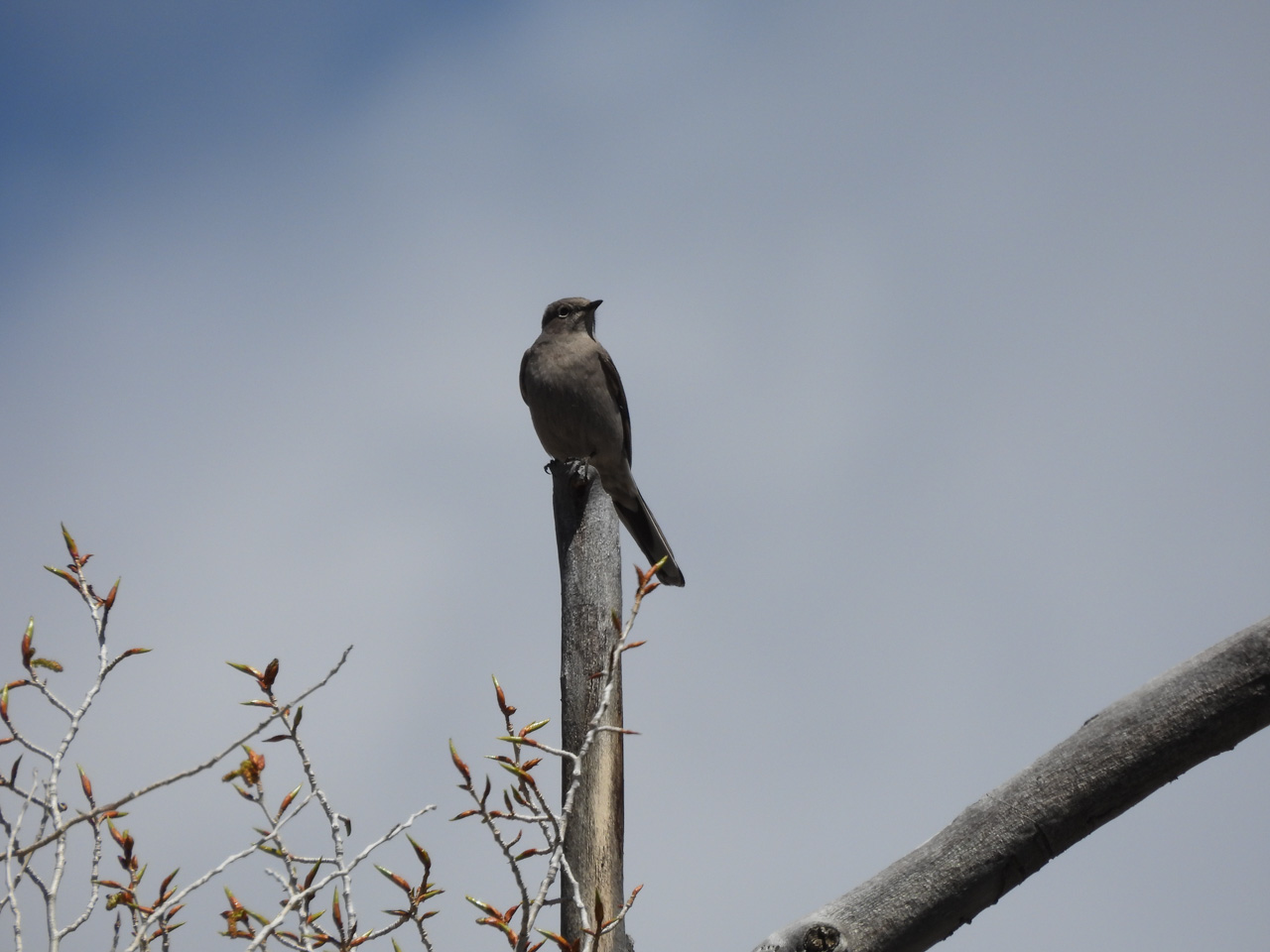
Townsend’s Solitaire ©Kyle Schanta
We started out very early, arriving at the lek site in total darkness. It was the peak of a meteor shower, and winnowing Wilson’s Snipe and singing Sage Thrashers and Vesper Sparrows set the mood for the morning. As light first broke over the mountains and down into the Gunnison Basin, a Short-eared Owl briefly zipped through our viewing area, hunting the willow-lined Hot Springs Creek before us.
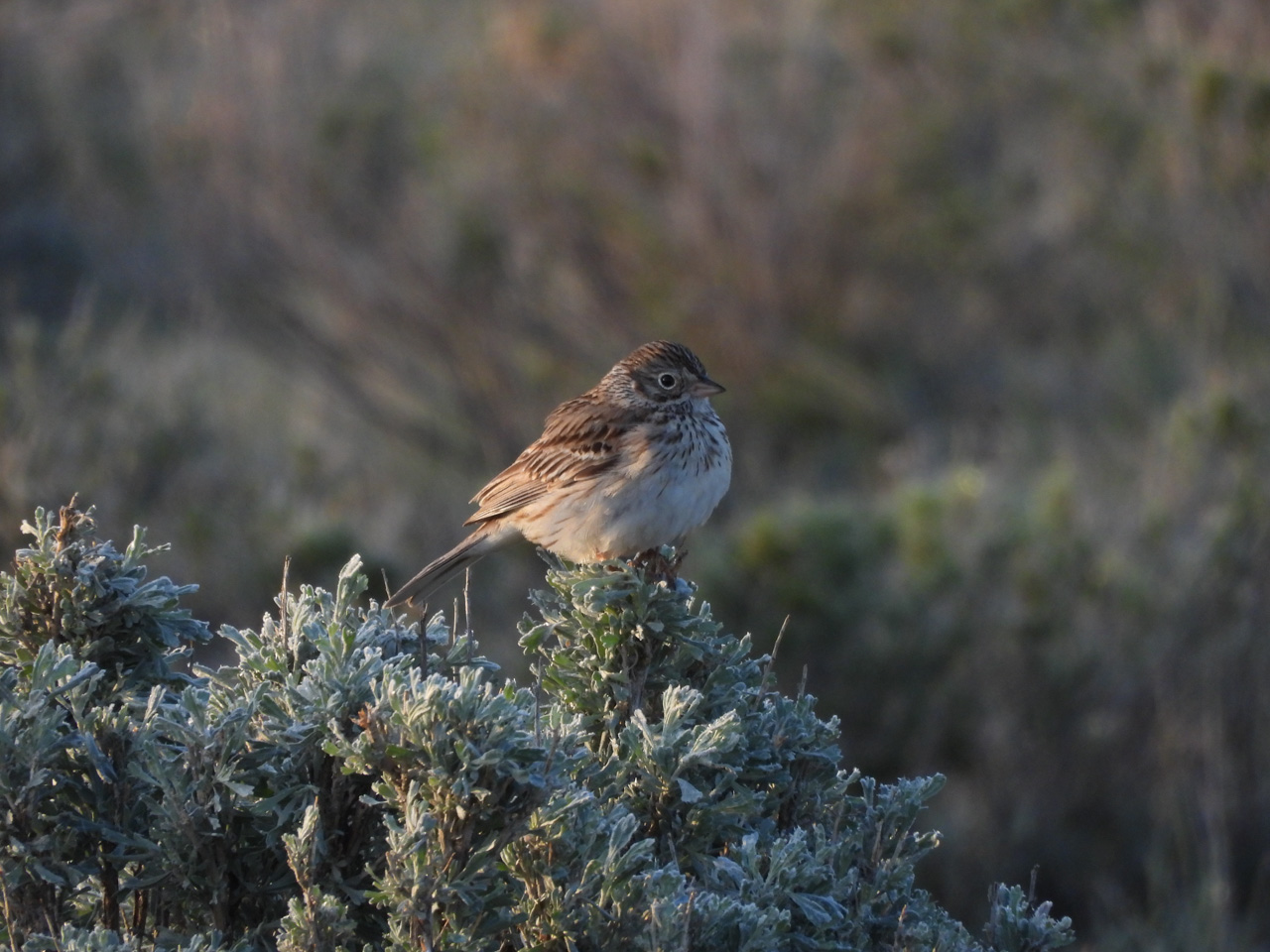
Vesper Sparrow ©Kyle Schanta
As the first light began to bubble over the distant ridges of the Gunnison Basin, tiny white forms began to scurry across an opening dotted with blobs of juniper and sagebrush. The forms began to take shape more and more, albeit distant, as the sun worked its way over. Distant elk and coyote also took shape, but we were here to watch the lekking behavior of the highly-localized Gunnison sage-grouse. One of North America’s endangered birds with a population of less than 5,000 across its range, the Gunnison sage-grouse and their visible lek are are quite a distance. Being there in the darkness and watching the morning come to life with a great group of people and an incredible visual and audible soundtrack was a real treat!
On the way down the county road, we ran into these Gunnison Prairie Dogs who were quite tame and putting on quite a show outside of their extensive burrow systems.
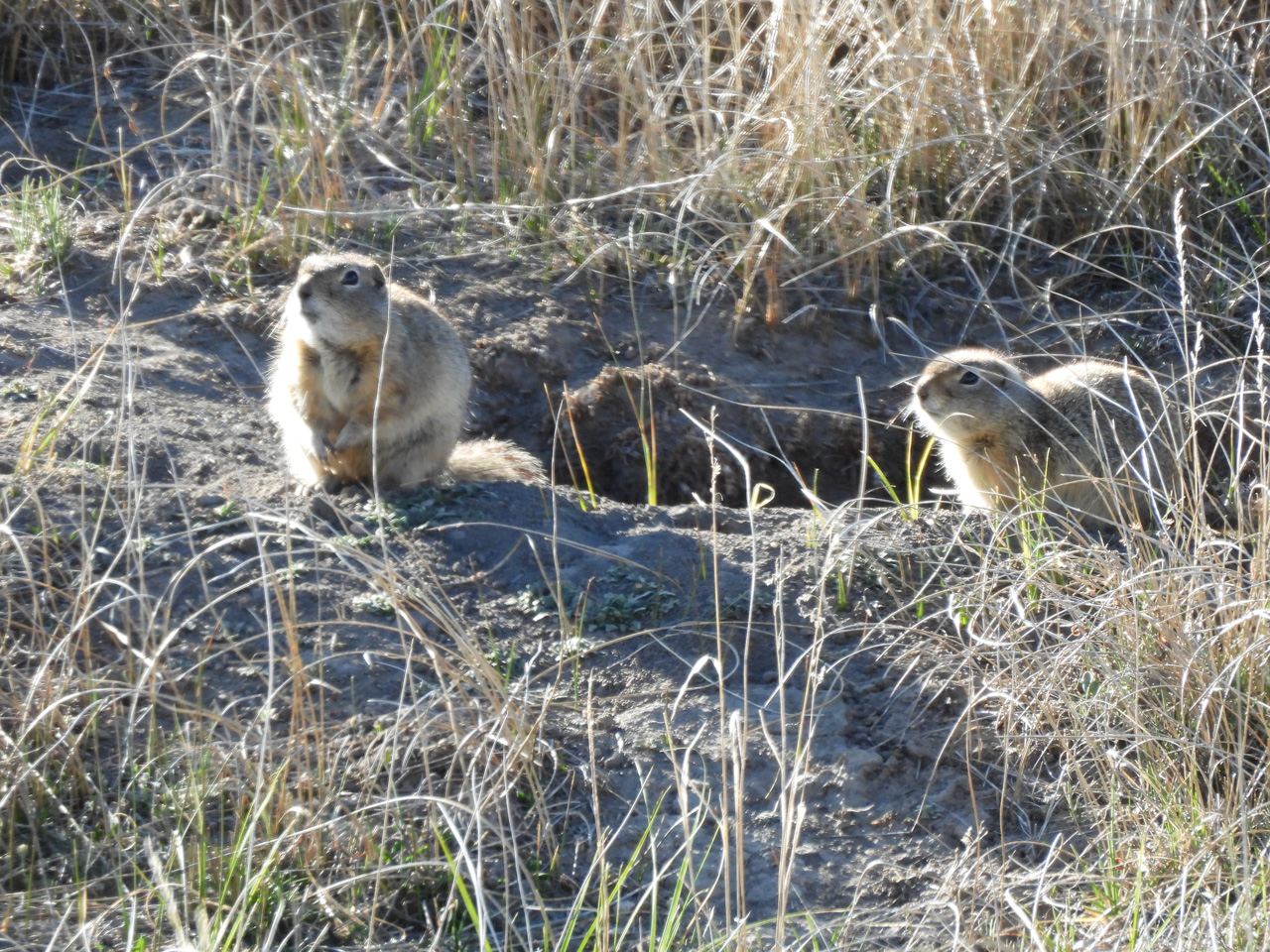
Gunnison’s Prairie Dog ©Kyle Schanta
After an impressive forty-four individual Gunnison sage-grouse took flight and flushed off high over the hills, we headed to town for a satisfying breakfast, an early respite and then off for more birding. We left town going north up the roads along the Gunnison River, stopping along the way at various campgrounds, pull-outs and trailhead parking lots. We encountered an incredible diversity of species, with some breathtaking views of Townsend’s Solitaire, Swainson’s Hawk and nesting Black-billed Magpies. We also encountered Dark-eyed Juncos and a pair of Red-shafted Northern Flickers excavating a cavity.
Also, counter-singing American Dippers from their staging stones put on quite the show and the overhead high wing trill of the male Broad-tailed Hummingbirds ripped through the Douglas fir trees around us.
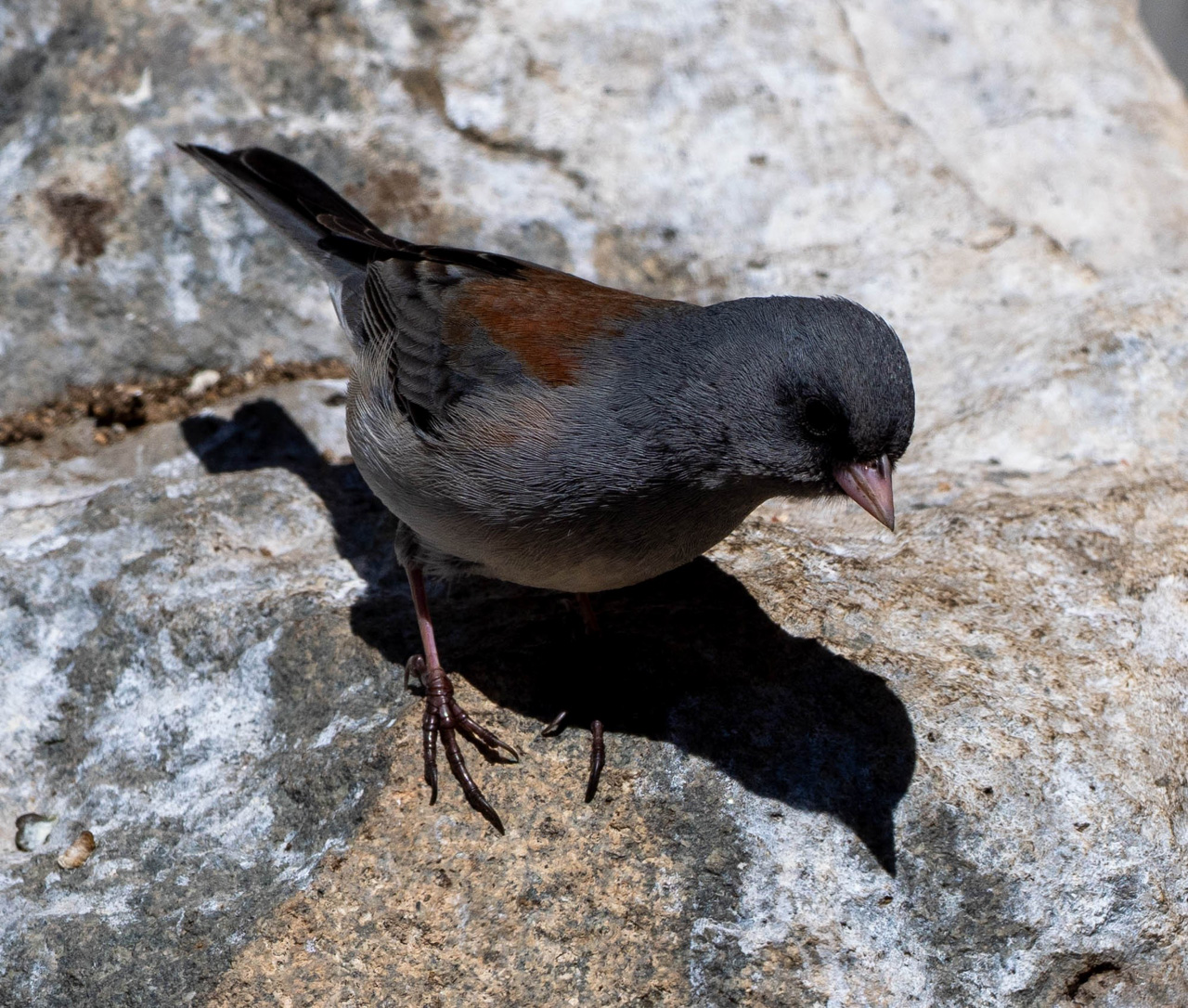
Gray-headed Dark-eyed Junco ©Richard Thunen
The highlight on our Gunnison River birding excursion for the afternoon was hands-down this male and female pair of American Three-toed Woodpeckers who were clearly a bonded pair. The female was doing much of the drumming up high while the male was flaking off bark of trees but closer to the base. We took our time and watched as they worked the grove together, ultimately melting away into the rocky, fir-lined crags.
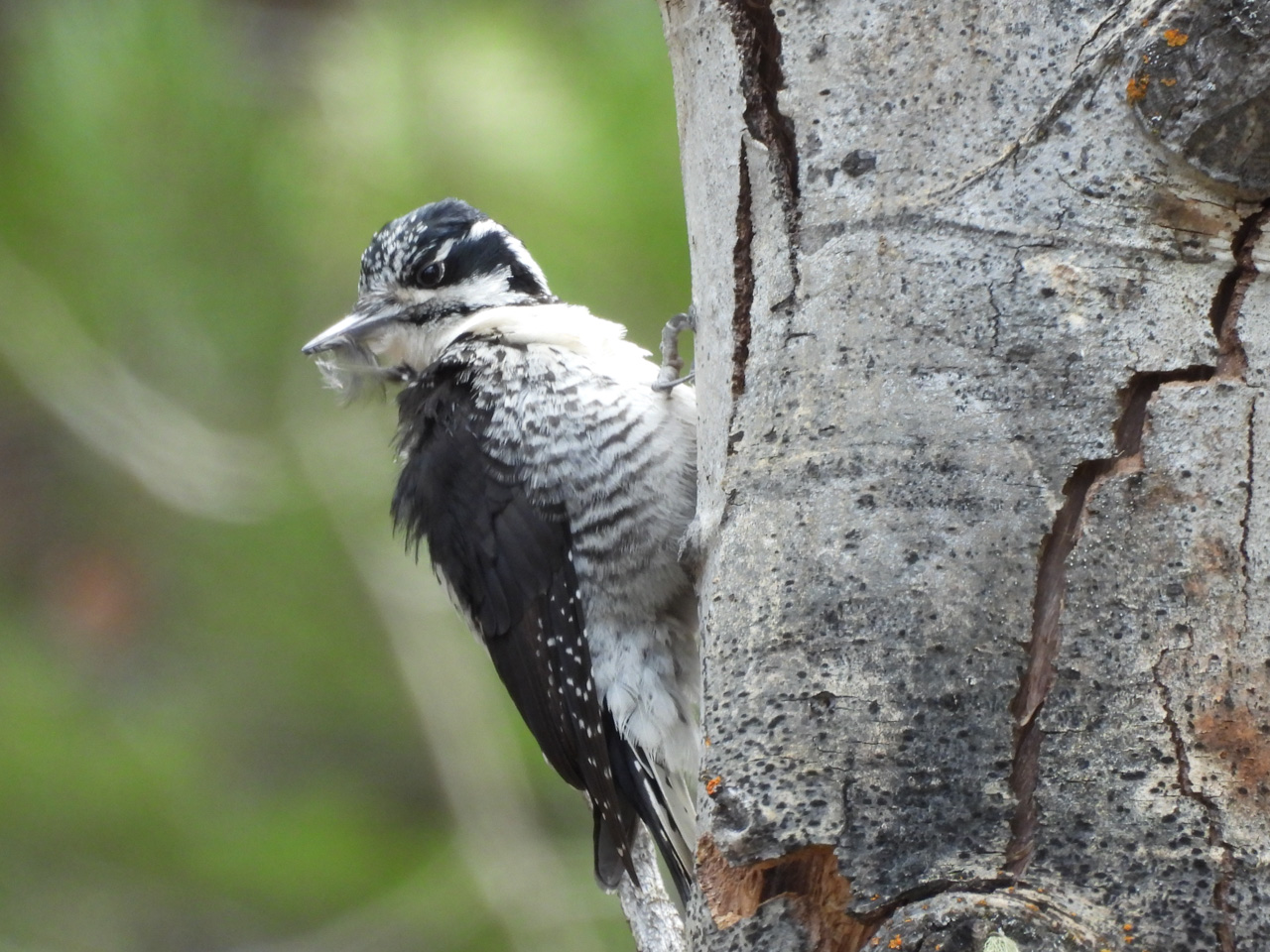
American Three-toed Woodpecker ©Kyle Schanta
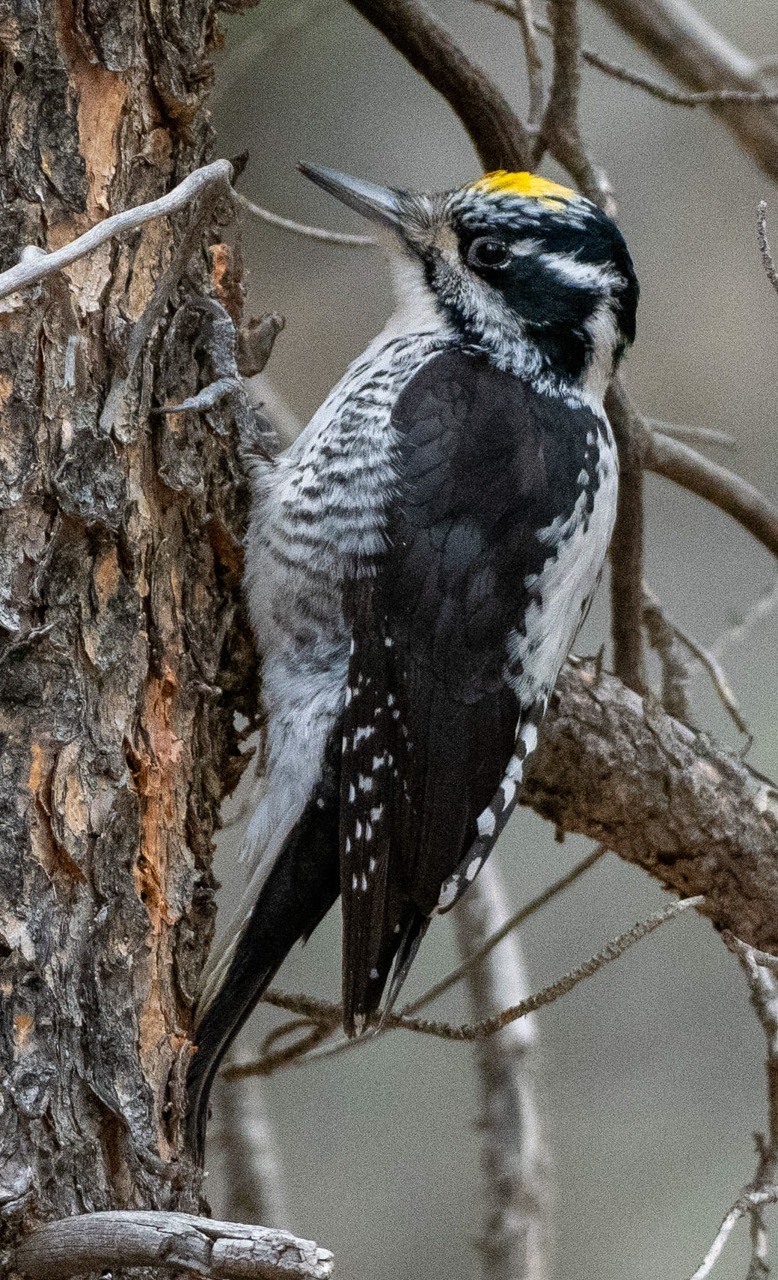
American Three-toed Woodpecker ©RIchard Thunen
We drove down the river, and then back north toward Mt. Crested Butte. We headed up as far as we could go and started looking and listening for birds. Two pair of Red-tailed Hawks were calling and diving at each other overhead as soon as we made the crest. Brown Creeper, Red-naped Sapsucker and a flyby Peregrine Falcon were other highlights.
A very photogenic coyote and a pair of mated Mountain Bluebirds lead us up another street, and a busy feeder gave us the notion to stop. As we exited, Brown-capped Rosy Finches were in the trees above, giving us fantastic views. With a full day of birding and a delicious pizza dinner in Crested Butte, we headed back to Gunnison.
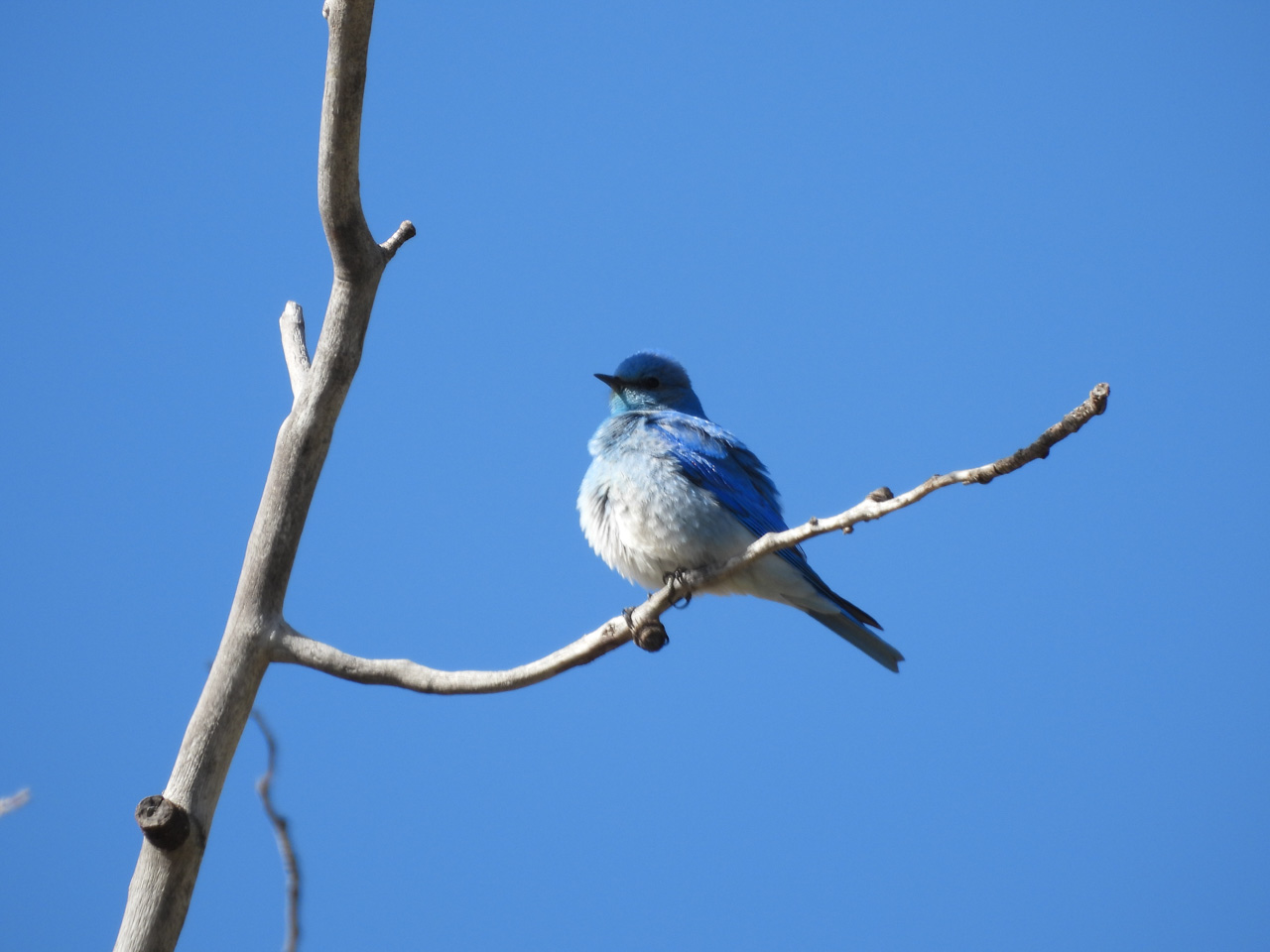
Mountain Bluebird ©Kyle Schanta
On our final full day of birding, we left Gunnison and headed east in search of some birds that eluded us the past week. Roadside stops lead us to Williamson’s Sapsucker, Red Crossbill and Clark’s Nutcracker. The town of Poncha Springs was good to our group, yielding a flock of Pinyon Jays, dark morph and nesting Swainson’s Hawks, and both Golden and Bald Eagles.
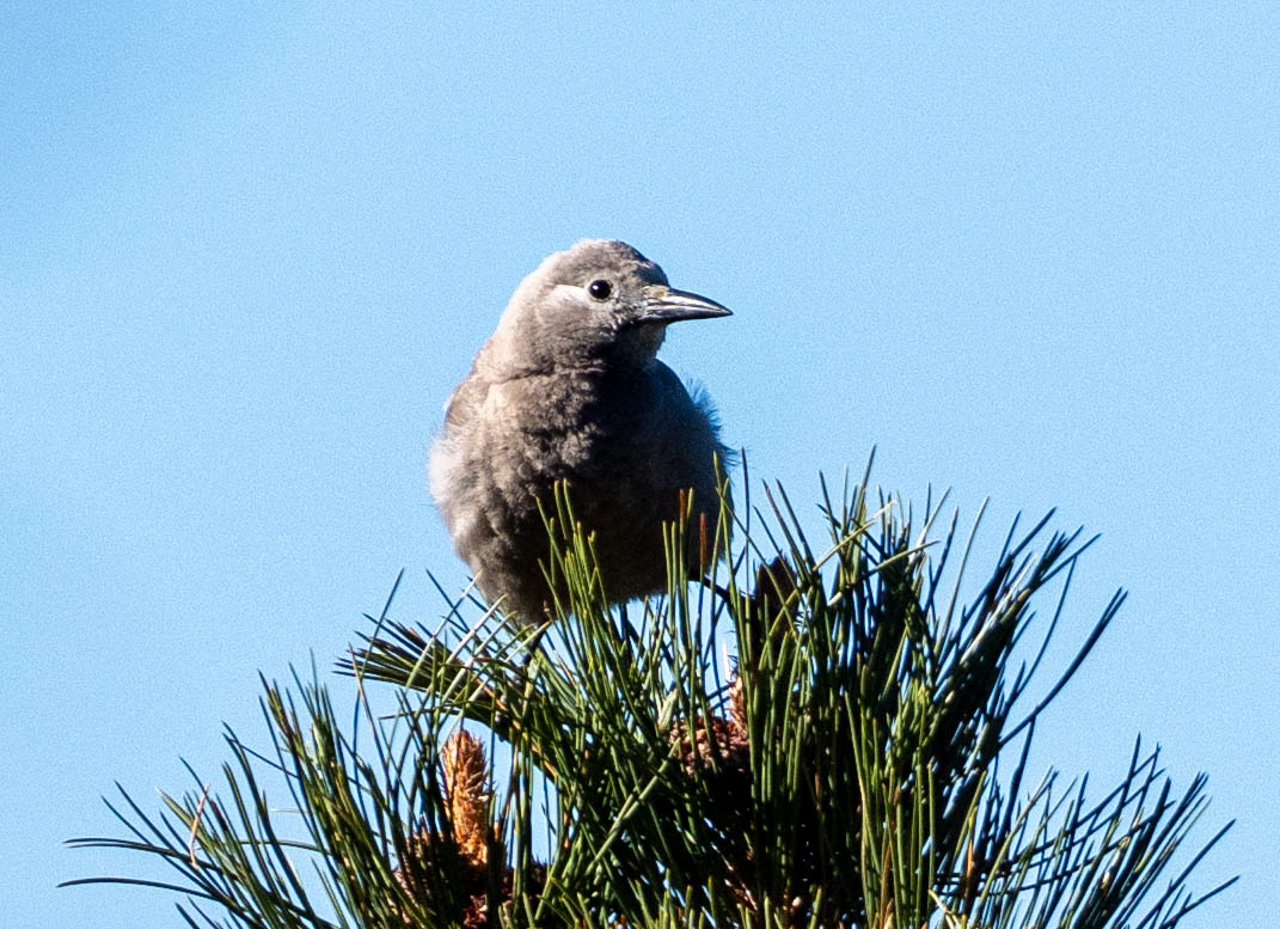
Clark’s Nutcracker ©Richard Thunen
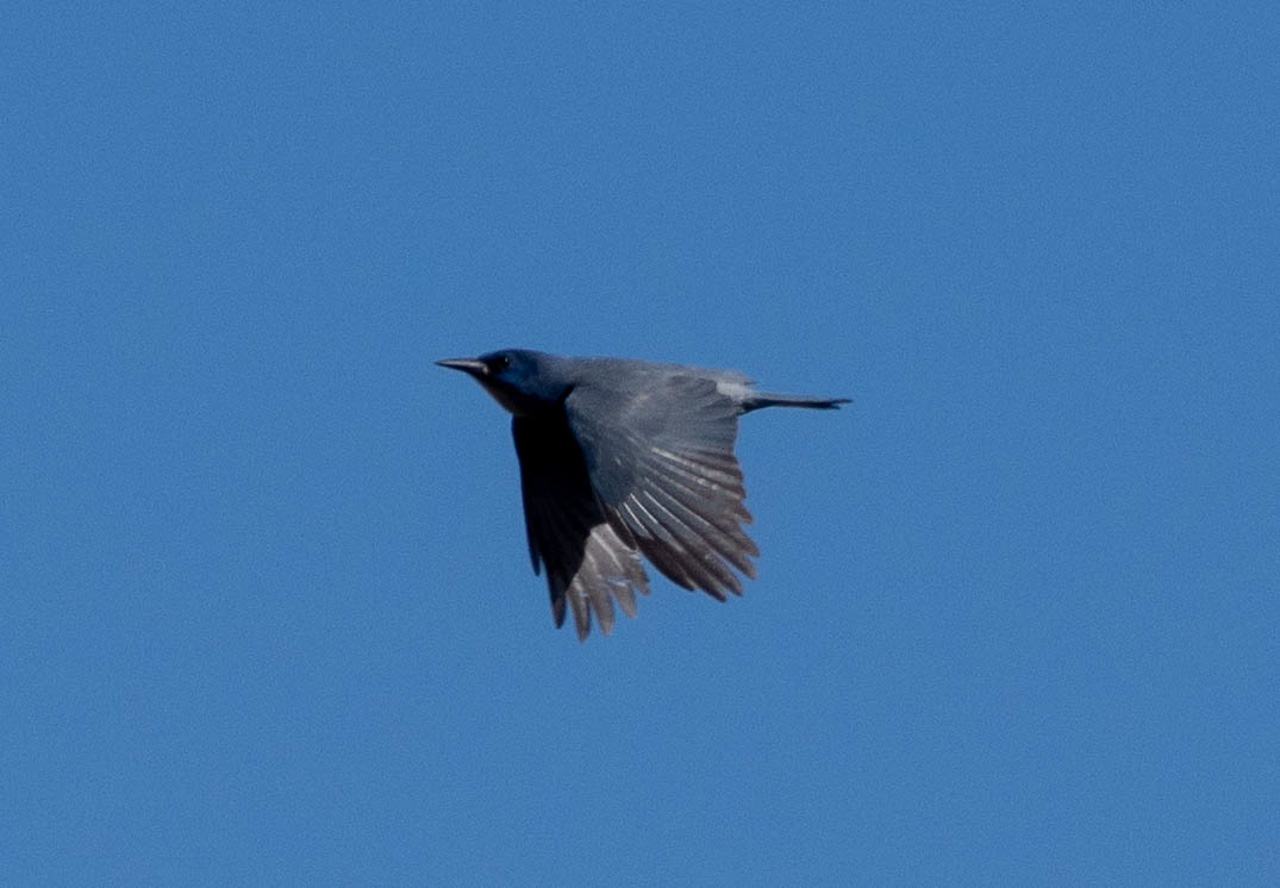
Pinyon Jay ©Richard Thunen
We made a pitstop at Brown’s Canyon National Monument and were greeted by singing Rock Wrens, swirling White-throated Swifts and some very territorial Tree Swallows. We headed up the road, and I knew we were leaving the ‘country’ for good, hitting the freeway on our way to Silverthorne.
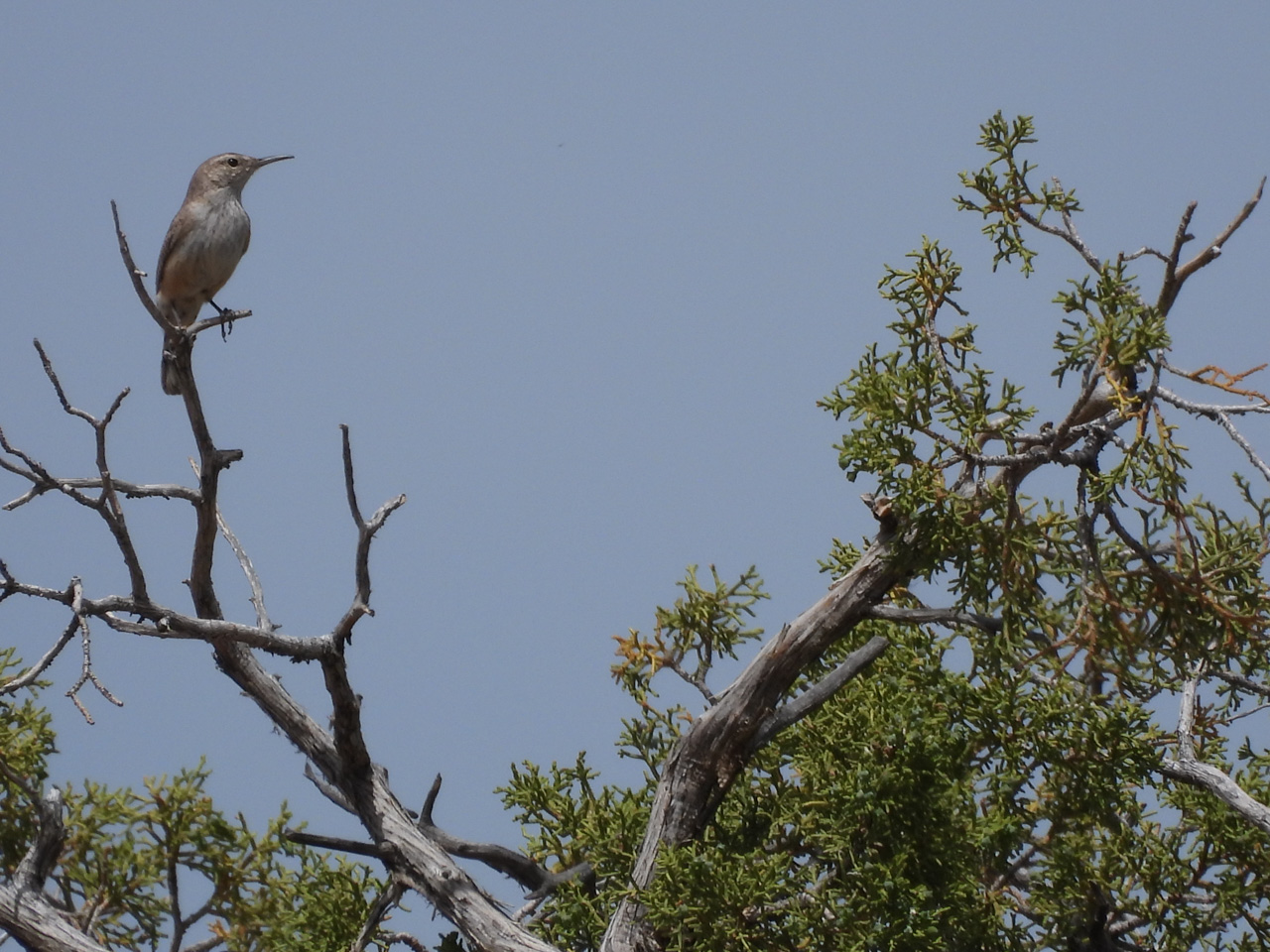
Rock Wren ©Kyle Schanta
After a quick and satisfying lunch at a cafe, we headed up the winding roads of Silverthorne. We scoured the neighborhoods, turning up pairs of Downy and Hairy Woodpeckers, and adding Pygmy Nuthatch to our ever-growing trip total.
We ended up finding a feeder with some action, so we decided to park the vehicles. On our way, a participant asked what the ‘giant squirrel’ was on the left in between two houses… Pine Marten! We hurried to park, and were hoping for another look.
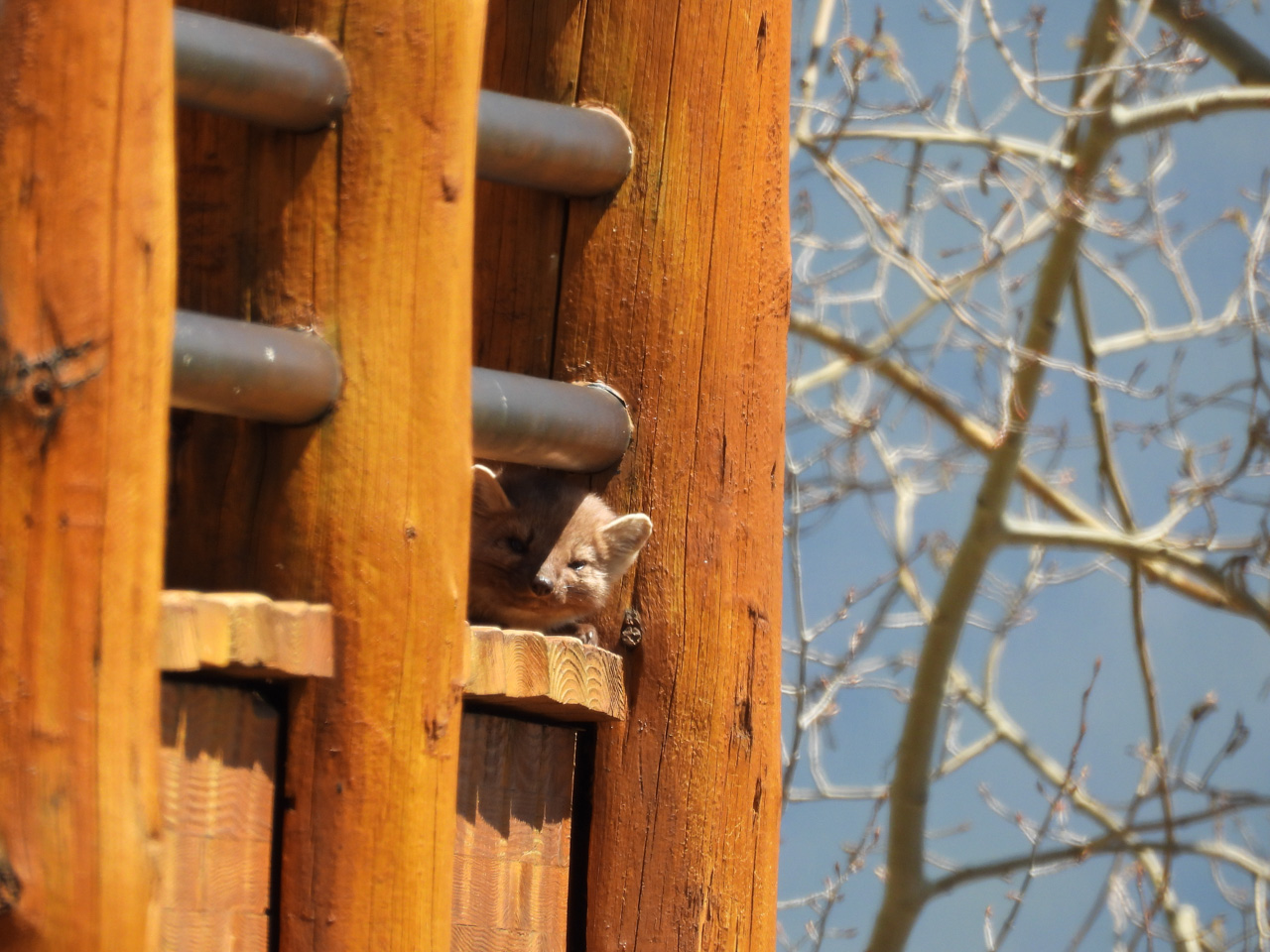
Pine Marten ©Kyle Schanta
While waiting out the Marten, a pair of Brown-capped Rosy-finches that were in a feeding frenzy gave us great views, and as we looked closer, another smaller, much lighter Pine Marten was sleeping on a sunlit deck, right near a busy bird feeder. We waited patiently as she eventually rose, fed on the seeds in the feeder and hopped on down the deck stairs. She made it under one of the vans at one point before running into the aspens.
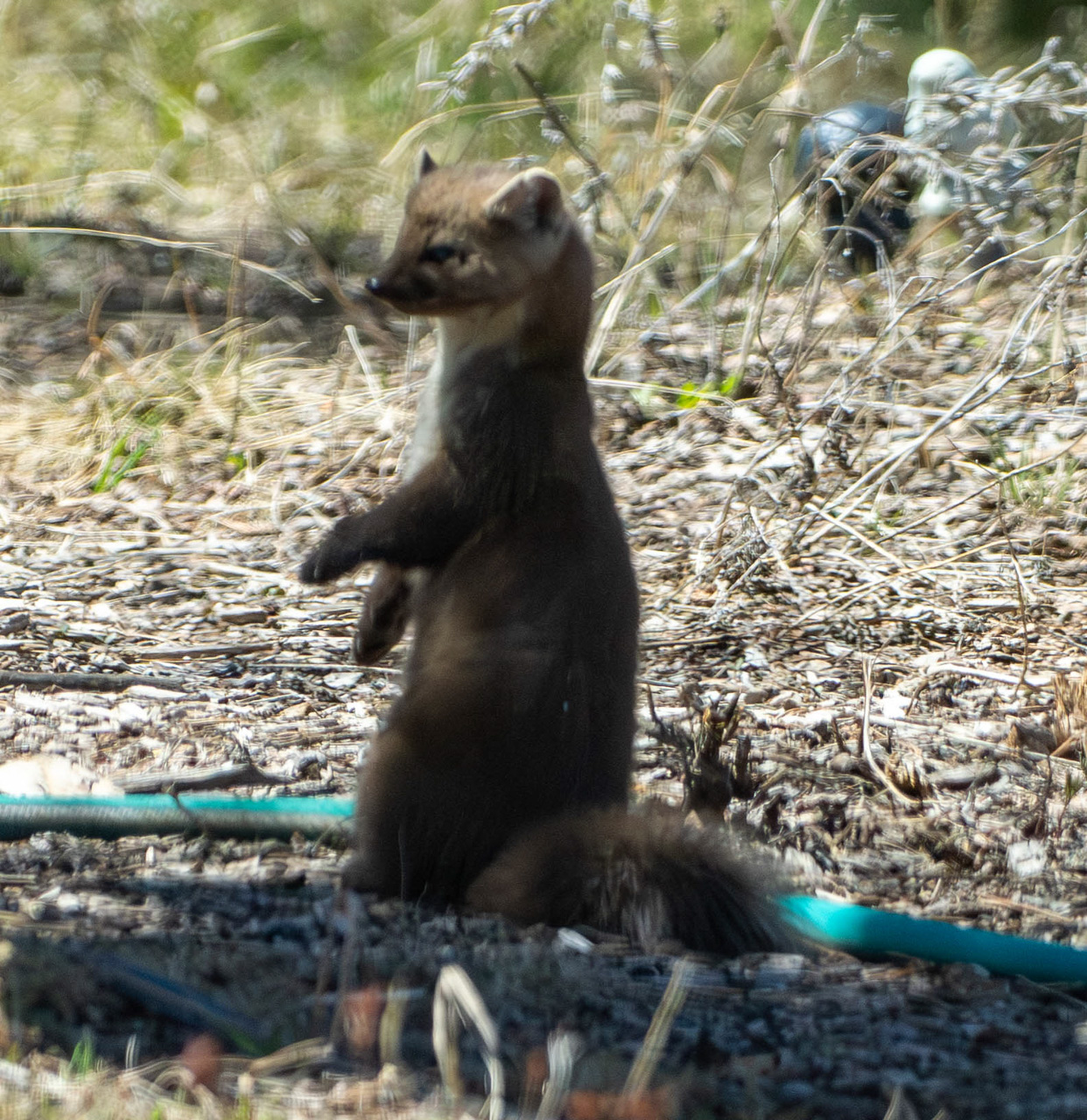
Pine Marten ©Richard Thunen
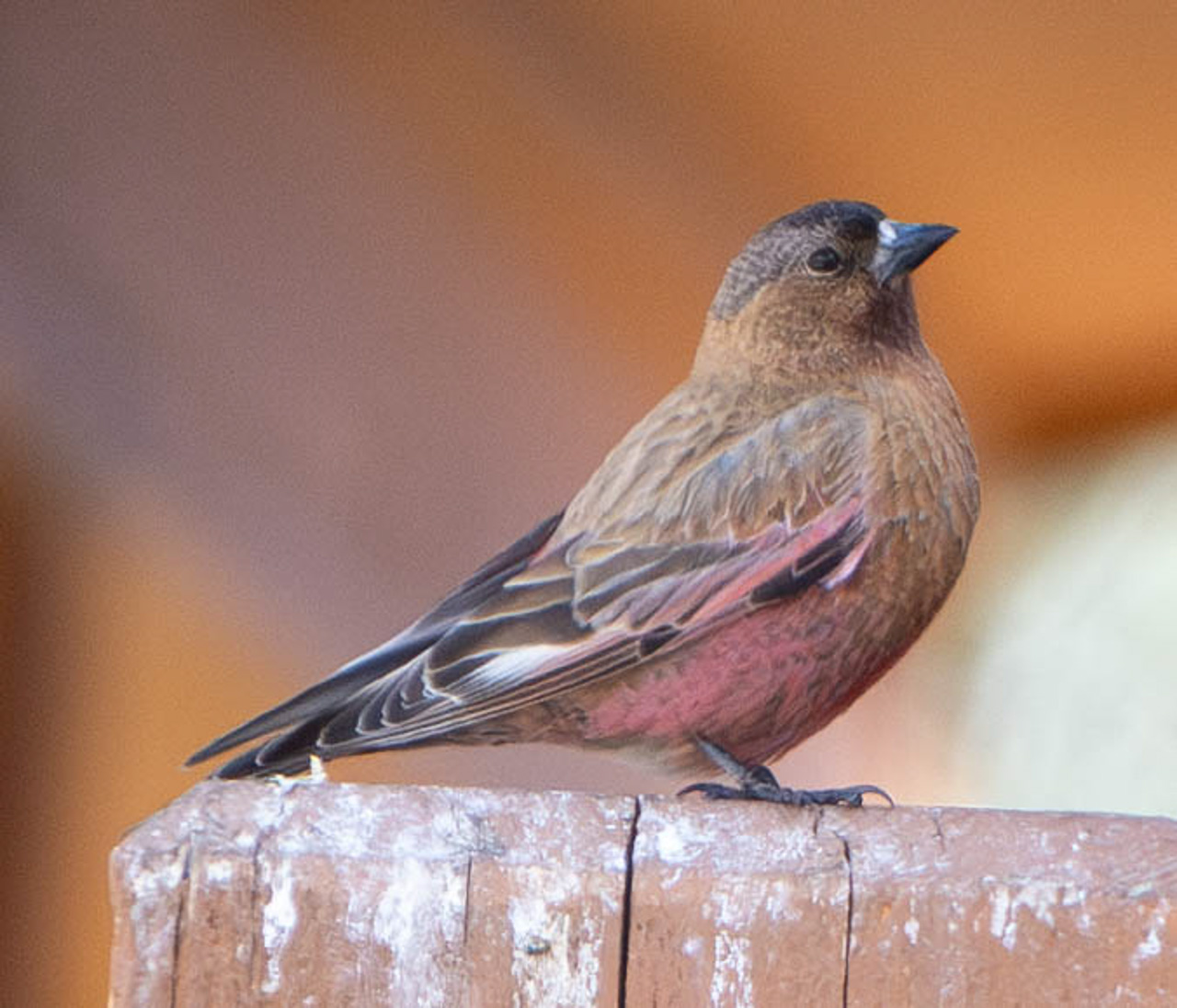
Brown-capped Rosy-finch ©Richard Thunen
We decided to hit one more birding spot, Loveland Pass, on our way down, and we talked about Pine Martens and Ptarmigans until we pulled up to Pass Lake.
We all decided to go for a walk in the tundra in search of the elusive White-tailed Ptarmigan, an arctic chicken known for their beautiful, snowy white plumage and their incredible camouflage. Well, we scoured the alpine hillsides by foot and by scope, yielding now birds. Half of the group had had enough of the windchill and the birdless hiking, so some peeled away. Just as the distant van door closed we came upon a Ptarmigan!
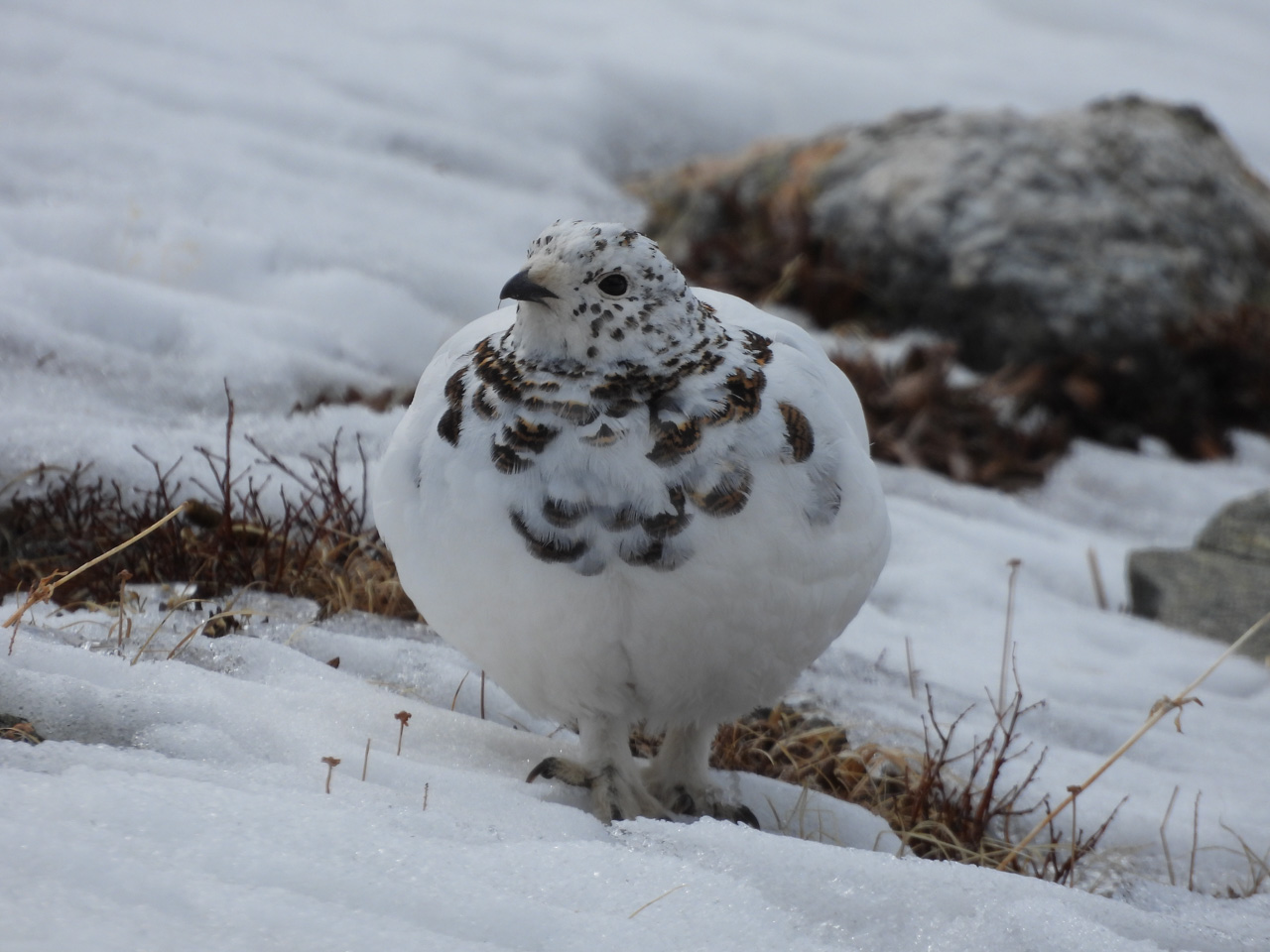
White-tailed Ptarmigan ©Kyle Schanta
We must have scanned over it dozens of times, but it now poked out like a sore thumb. We had an incredible experience with the individual giving us top-notch views and even some vocalizations. We all walked back feeling great, and I know I felt very grateful for that experience. We were even able to find it way out on the mountainside so the folks that peeled away got to see this true beauty.
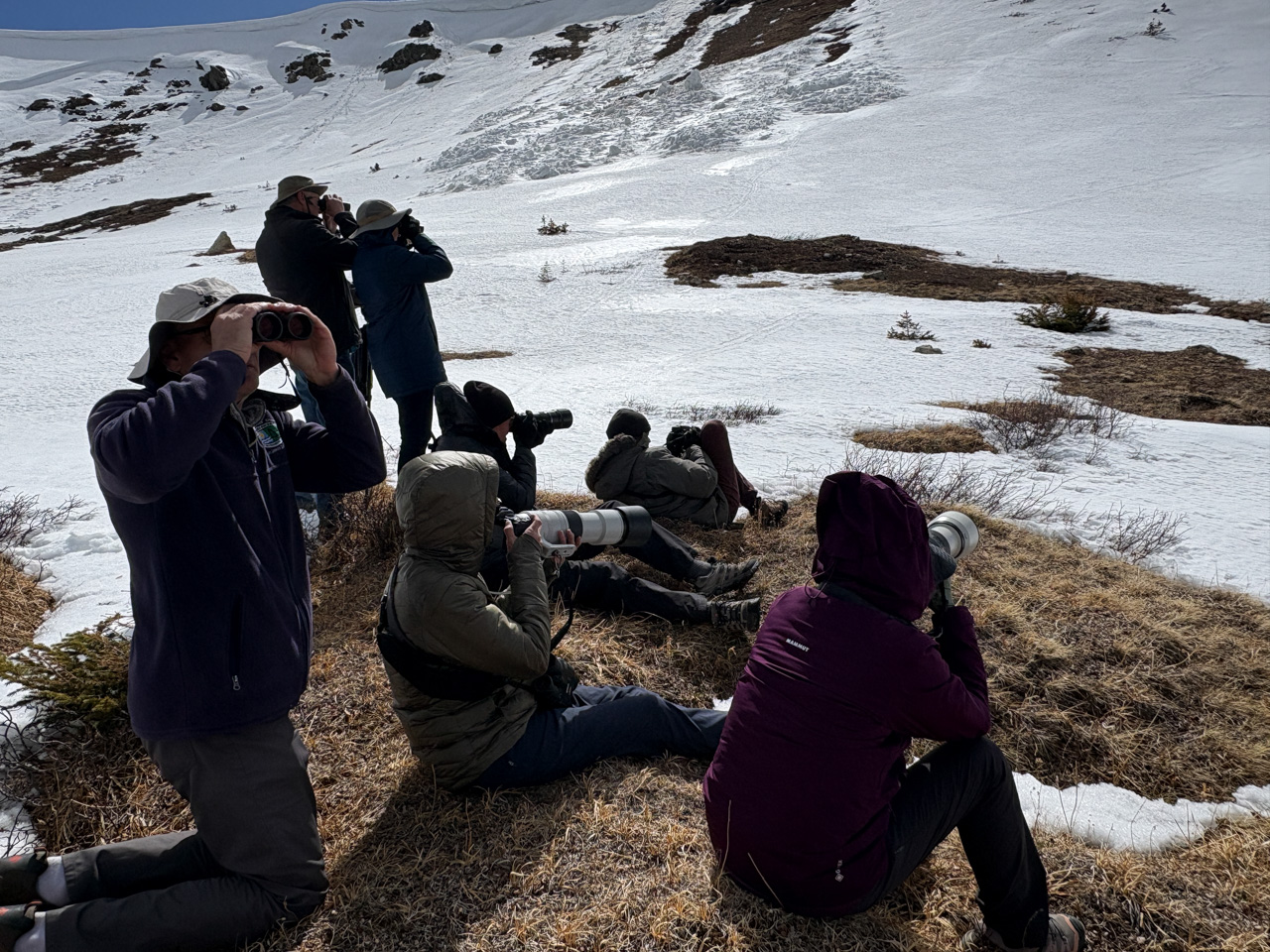
Group viewing the White-tailed Ptarmigan © Richard Thunen
We headed back to Denver, checking into our hotel rooms and ultimately getting together for one last dinner. We went over the day’s list, some of the highlights of the tour, a few toasts (to Pinyon Jays!), and said our final goodbyes.
We’d like to thank Stacy Hoeme, Bob Bledsoe and especially Ken Bekkedahl for the endless inspiration, conservation and hospitality during our visits. Thank you for all you are doing for these special birds! Join us next year when we do it all over again!
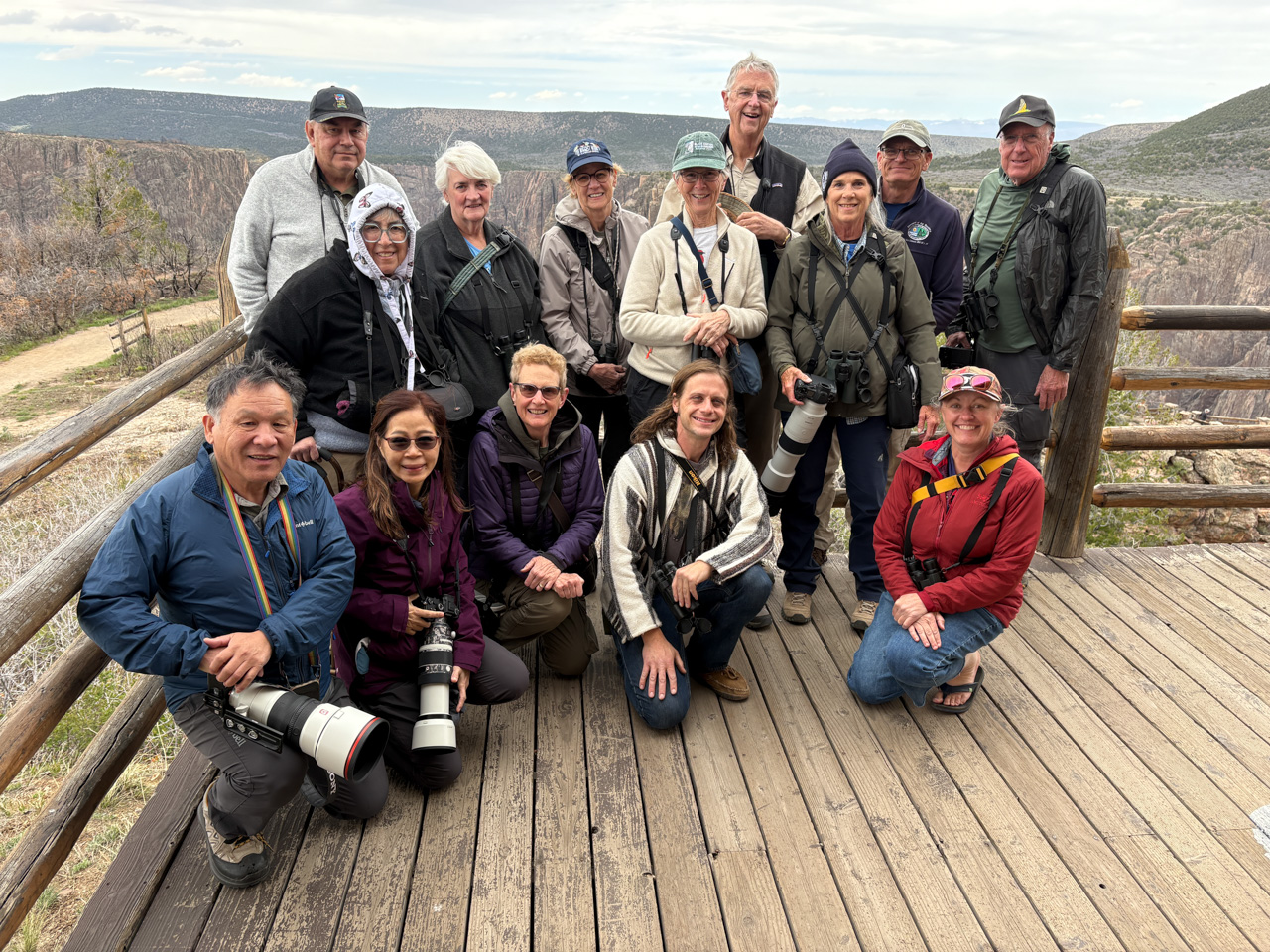
Group at Black Canyon of the Gunnison National Park
Mammals we encountered:
Yellow-bellied Marmot — Marmota flaviventris
Black-tailed Prairie Dog — Cynomys ludovicianus
White-tailed Prairie Dog — Cynomys leucurus
Gunnison’s Prairie Dog — Cynomys gunnisoni
Wyoming Ground Squirrel — Urocitellus elegans
Thirteen-lined Ground Squirrel — Ictidomys tridecemlineatus
Golden-mantled Ground Squirrel — Callospermophilus lateralis
Least Chipmunk — Neotamias minimus
Colorado Chipmunk — Neotamias quadrivittatus
Hopi Chipmunk — Neotamias rufus
Eastern Gray Squirrel — Sciurus carolinensis
Eastern Fox Squirrel — Sciurus niger
North American Red Squirrel — Tamiasciurus hudsonicus
Deer Mouse — Peromyscus maniculatus
Vole sp. — Microtus sp.
Desert Cottontail — Sylvilagus audubonii