Texas Spring Migration Trip Report (Apr 16 – 24, 2026)
The spring migration tour of Texas was, as always, a huge hit for everyone involved. We began our travels at the edge of the Chihuahuan Desert, traveling up into the very scenic and juniper-clad hills of the Edward’s Plateau, then transferred to the upper Texas coast, to work the migrant trap oak mottes and coastal beaches and salt marshes before finishing up in the Texas Pineywoods north of Houston. This route made for some delightful and diverse birding and we recorded 247 species of birds as a group, with highlights such as Limpkin, Short-tailed Hawk, Ruff, Swainson’s Warbler, Black-capped Vireo, Green Jay & Tropical Parula. 28 Species of warbler was one of our highest in a few years and we were lucky to catch a very good fallout of songbirds on our first day in High Island.
Scissor-tailed Flycatchers were the most delightful bird encountered at our first rest stop on the drive from our starting point in San Antonio to the Hill Country birding locations on our first day’s birding. Crested Caracaras, Chihuahuan Ravens and Golden-fronted Woodpeckers were among the species spotted before we even reached our first real birding destination.
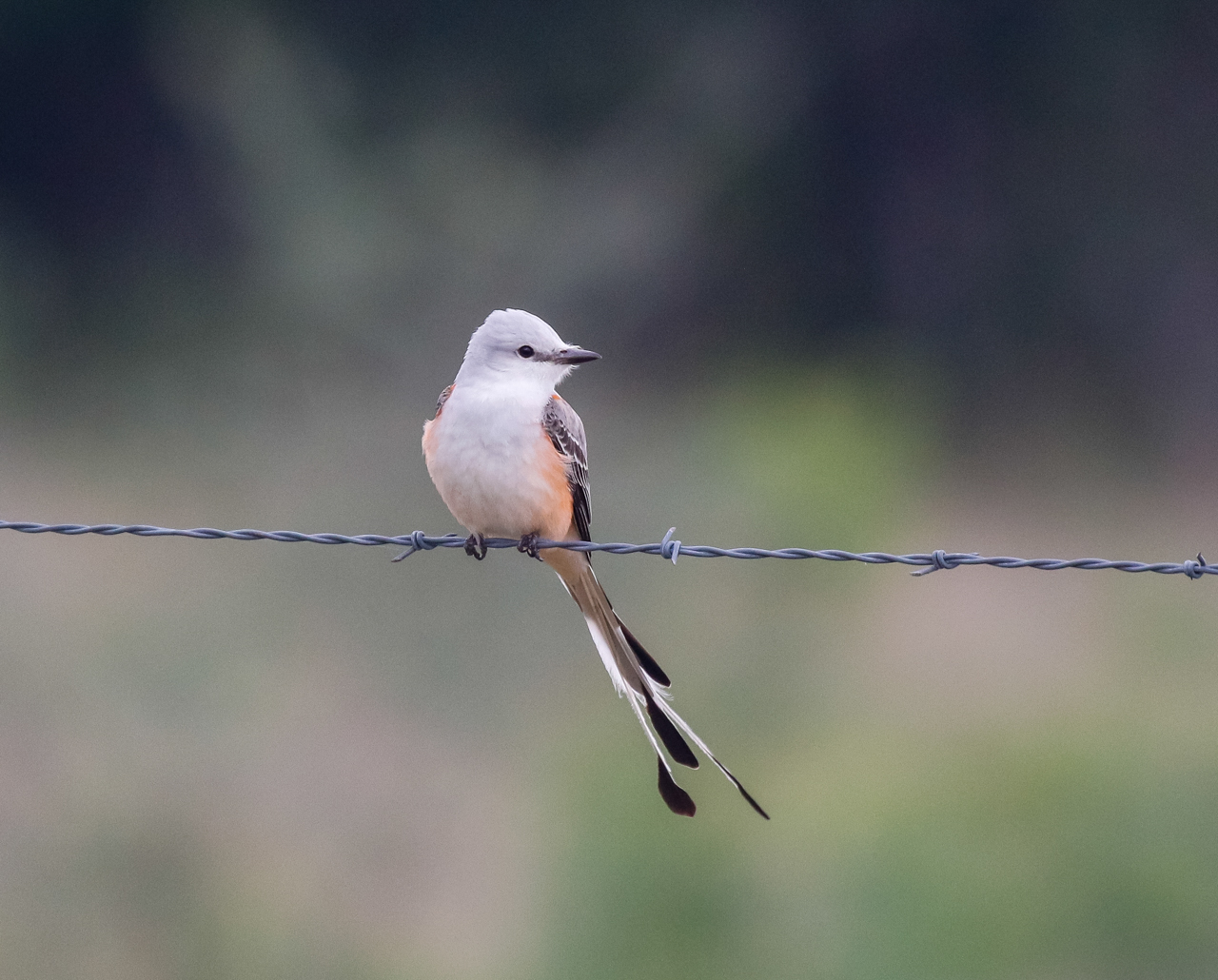
Scissor-tailed Flycatcher © Skye Haas
Our main birding locales this day were a couple of riparian zones that contained northern outposts of Rio Grande Valley specialties such as Audubon’s Oriole, Great Kiskadee and Couch’s Kingbird as well as desert species in the surrounding mesquite woods such as Ladder-backed Woodpecker and Verdin. The diversity of habitats brought us Bell’s, White-eyed, Red-eyed and Yellow-throated Vireos, the first four of nine vireo species we would see on the tour.
After getting settled in at the lodge where we would spend the next two nights we set off toward dusk to witness the spectacle of thousands of Mexican Free-tailed Bats emerging from a cave. We also saw numerous Cave Swallows and witnessed the drama of three species of hawks swooping into the aerial river of bats to secure an evening snack.
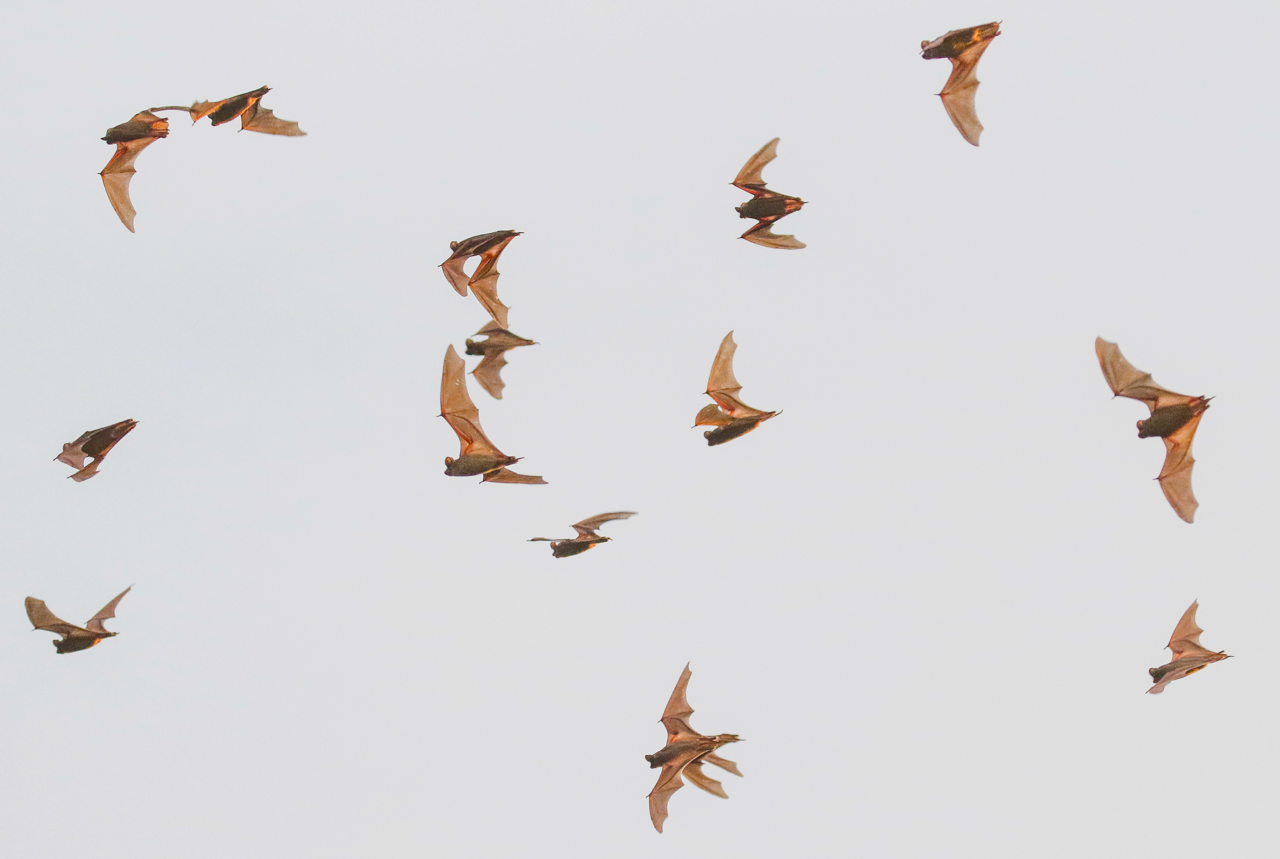
Mexican Free-tailed Bats © Skye Haas
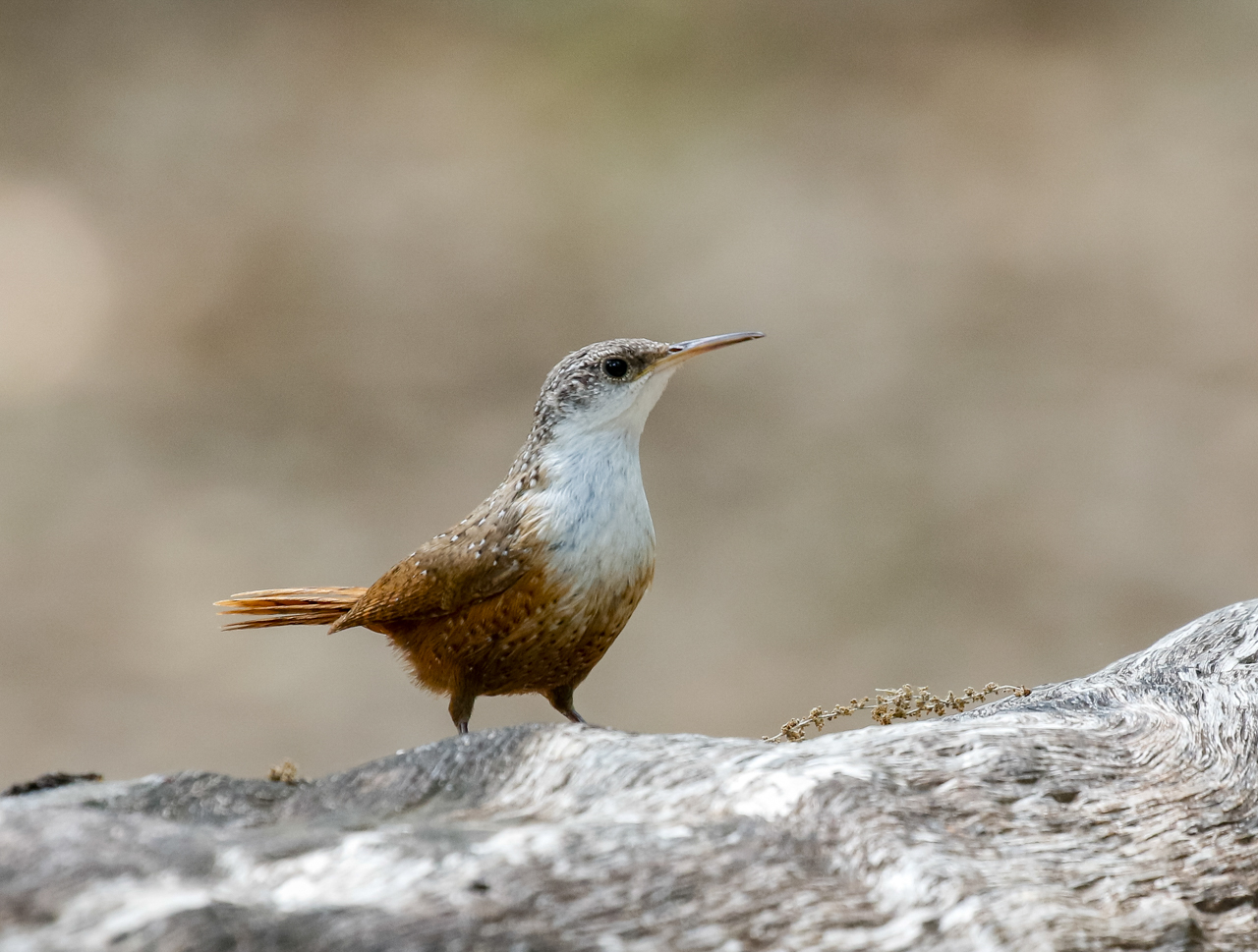
Canyon Wren © Skye Haas
By the time we got into the vans after breakfast the next morning we’d seen Black-chinned Hummingbird, Yellow-throated Warbler and Tropical Parula. Once we began our hike at Lost Maples State Natural Area, we realized that a cold front that had passed through had suppressed bird song, so our work was cut out for us. Though numbers of individuals were not high, we accrued a good species list, and saw our main target species, getting great prolonged looks at a few male Golden-cheeked Warblers. As a bonus, we also spotted a rare Short-tailed Hawk soaring overhead.
Our picnic lunch was at a bird feeding station that was visited by Black-crested Titmice, Carolina Chickadees, Rufous-crowned and Clay-colored Sparrows and Lesser Goldfinches. The biggest surprise of the tour by far was our discovery of a hybrid Northern Parula x Yellow-throated Warbler that sang and posed cooperatively for several minutes from the juniper right by our picnic table. This unusual hybrid sometimes referred to as Sutton’s Warbler is recorded on a national basis less than annually.
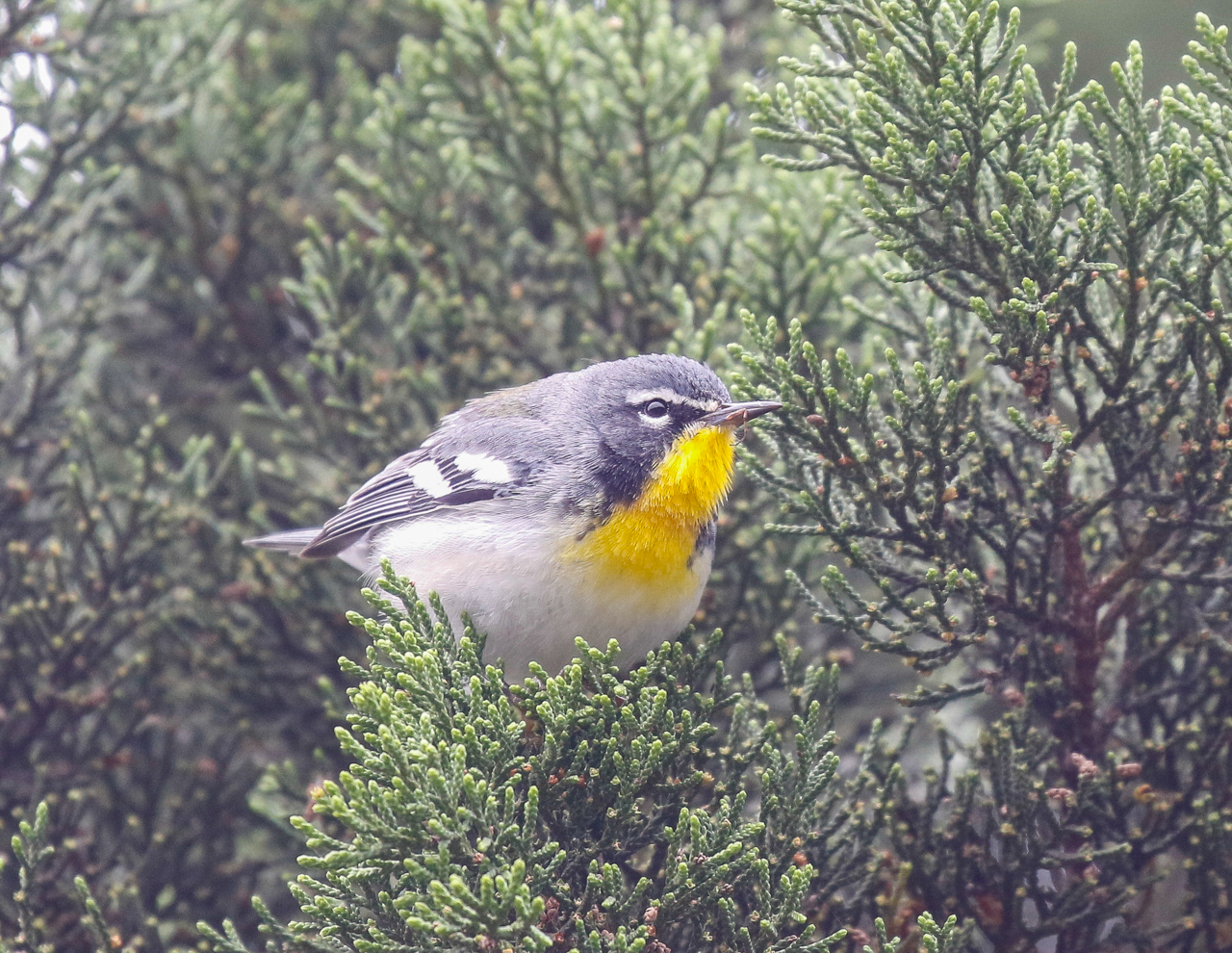
Sutton’s Warbler (Northern Parula x Yellow-throated Warbler hybrid) © Skye Haas
By the time we left the hill country and headed east toward the coast, we got good views of Long-billed Thrasher, Cassin’s Sparrow, Yellow-breasted Chat, Painted Bunting and, after the requisite amount of patience this species demands, Black-capped Vireo.
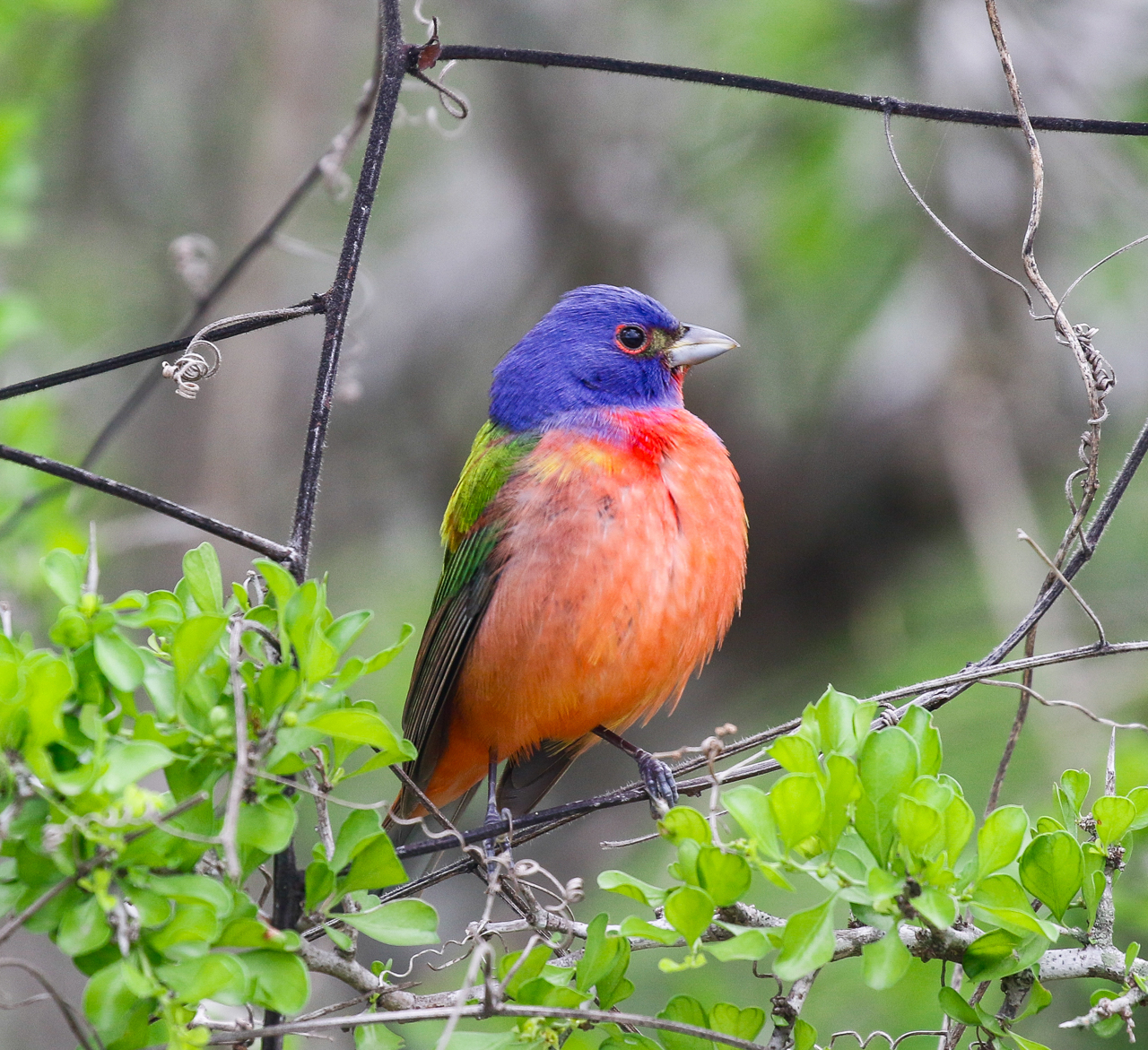
Painted Bunting © Skye Haas
The small town of Winnie, 20 miles north of the legendary migrant trap of High Island, was our base for the next four nights. We took leisurely hikes through the wooded preserves at High Island where we had great looks at such species as Yellow-billed Cuckoo, Acadian Flycatcher, Wood Thrush, and Summer and Scarlet Tanagers. Highlights among the warblers were Prothonotary, Hooded, Cerulean, Blue-winged, Golden-winged and Kentucky Warblers and both Northern and Louisiana Waterthrushes.
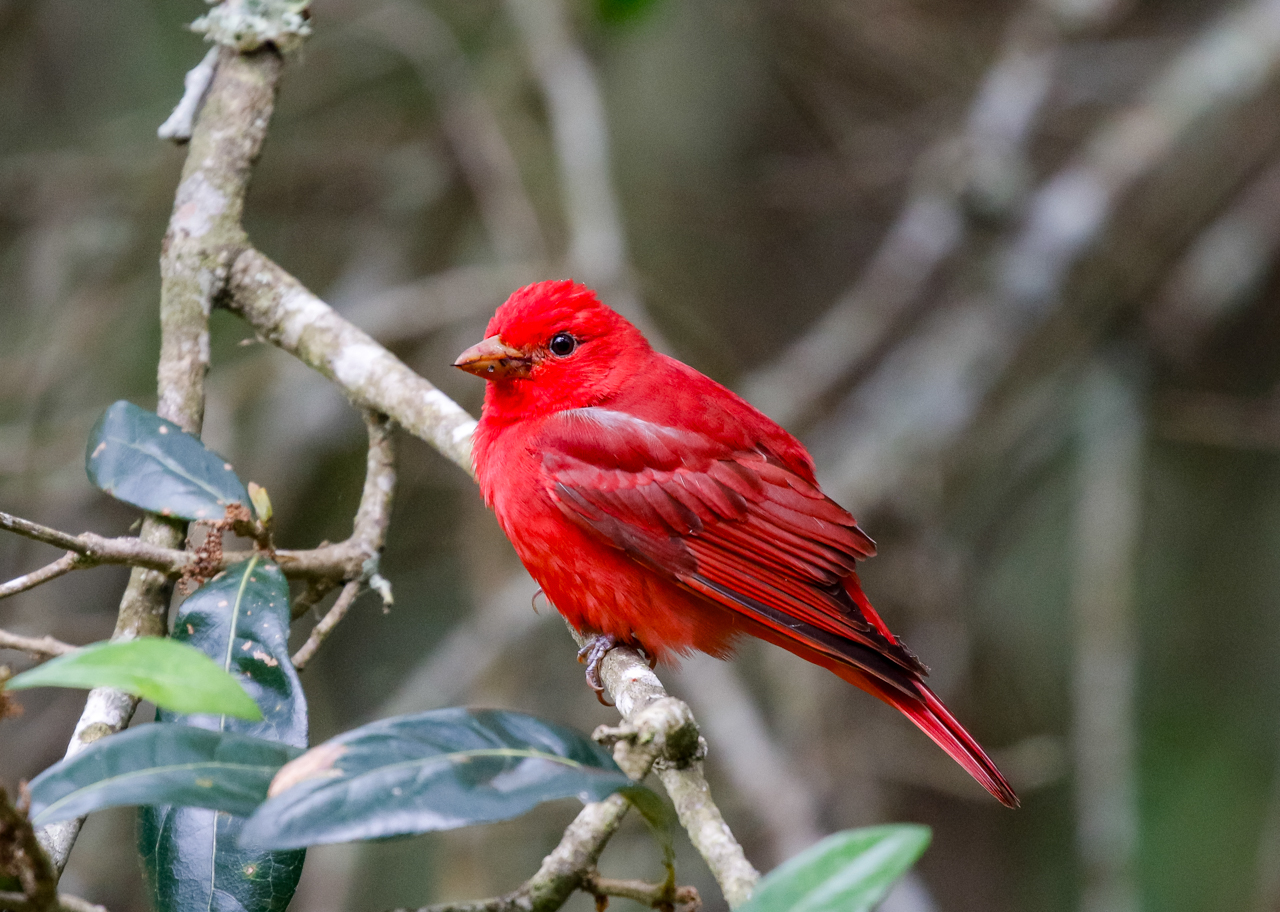
Summer Tanager © Skye Haas
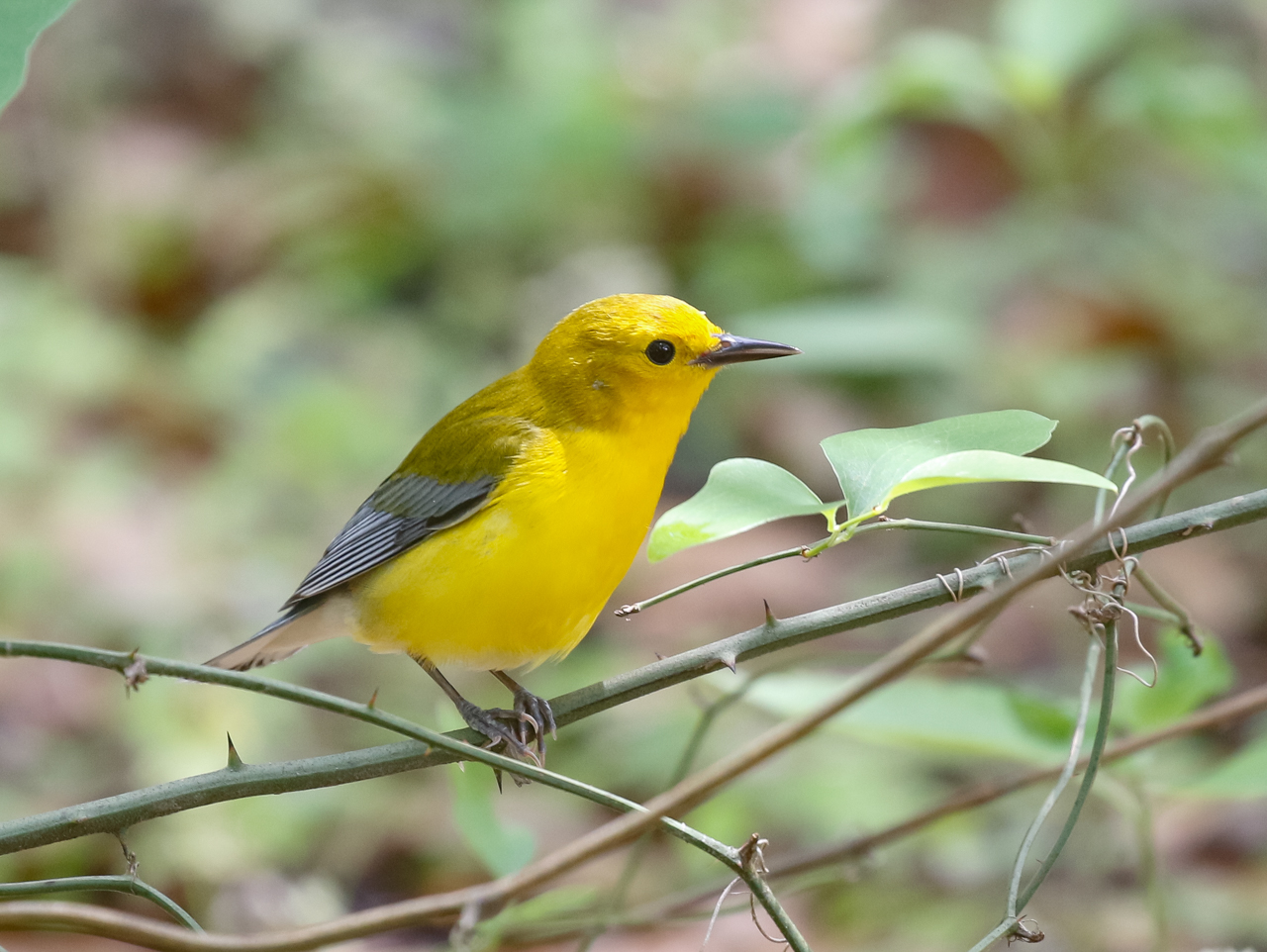
Prothonotory Warbler © Skye Haas
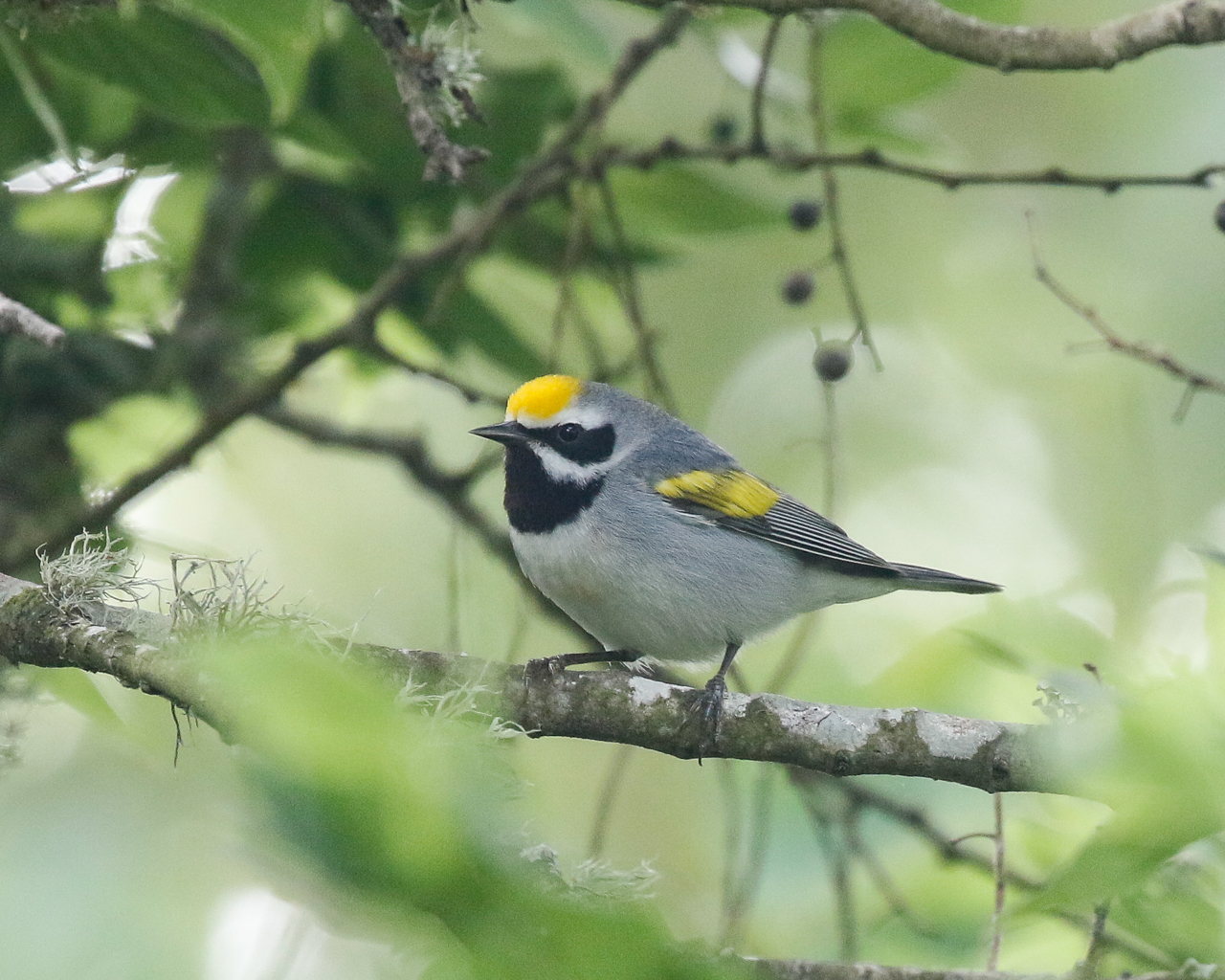
Golden-winged Warbler © Skye Haas
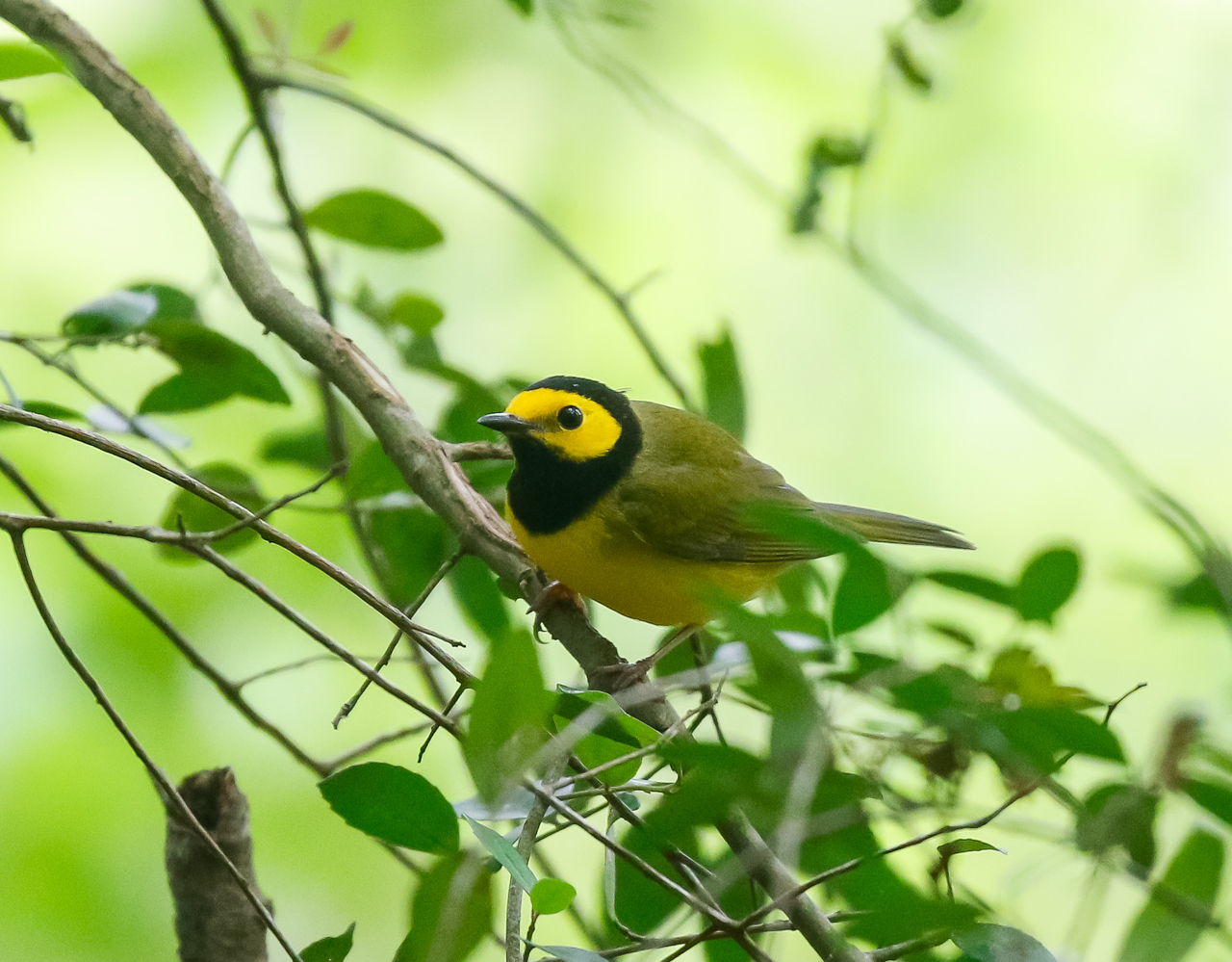
Hooded Warbler © Skye Haas
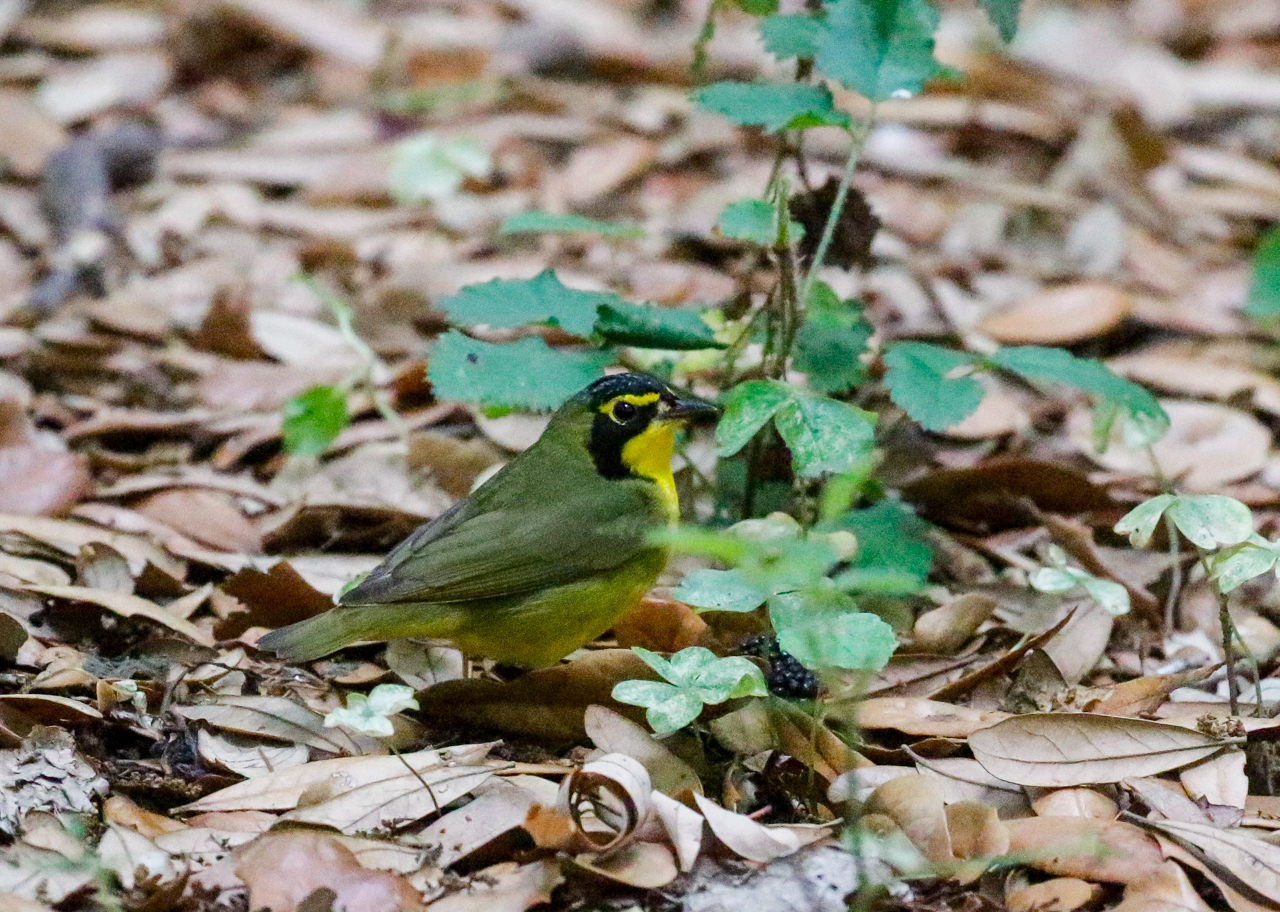
Kentucky Warbler © Skye Haas
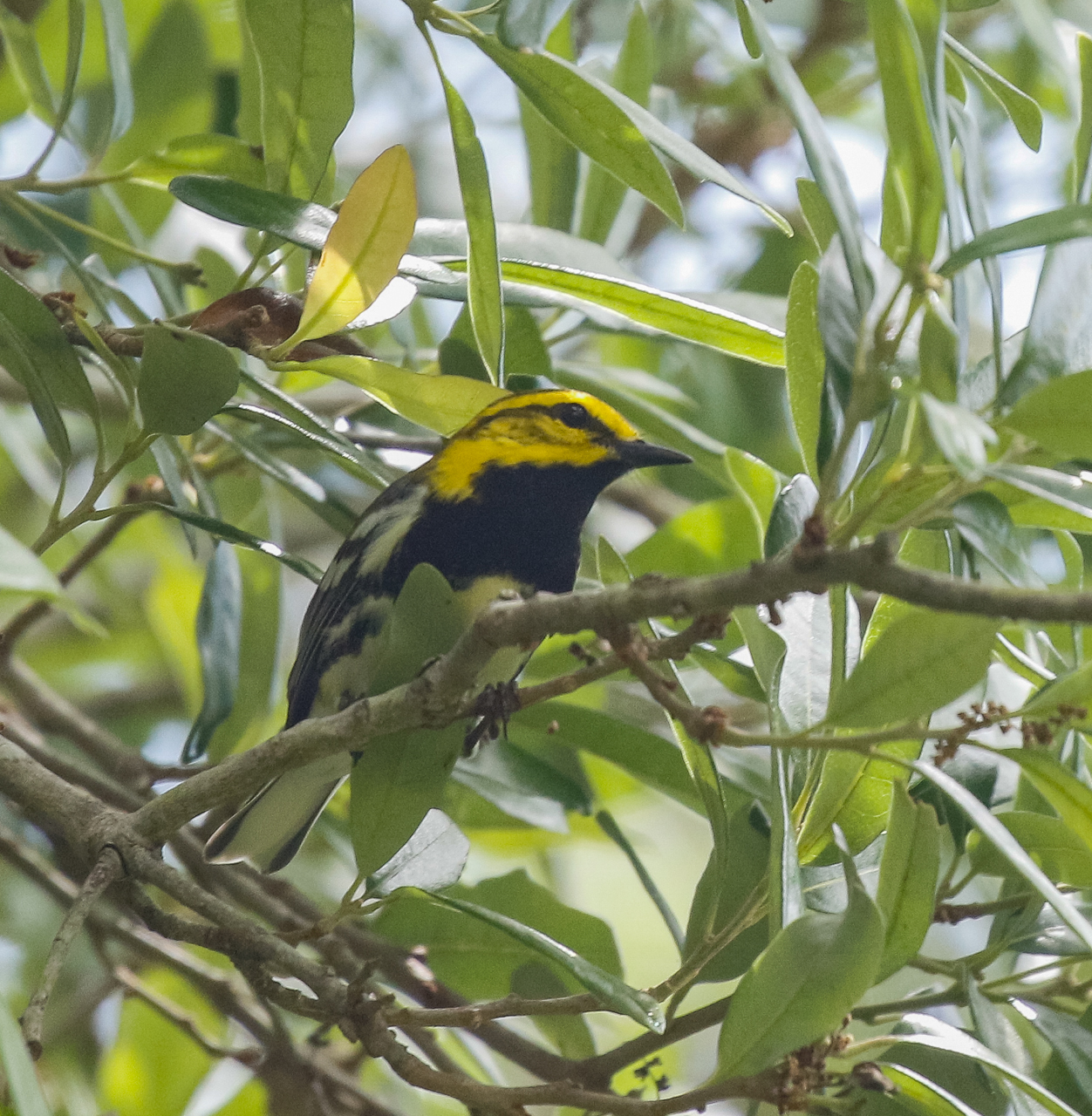
Black-throated Green-Warbler © Skye Haas
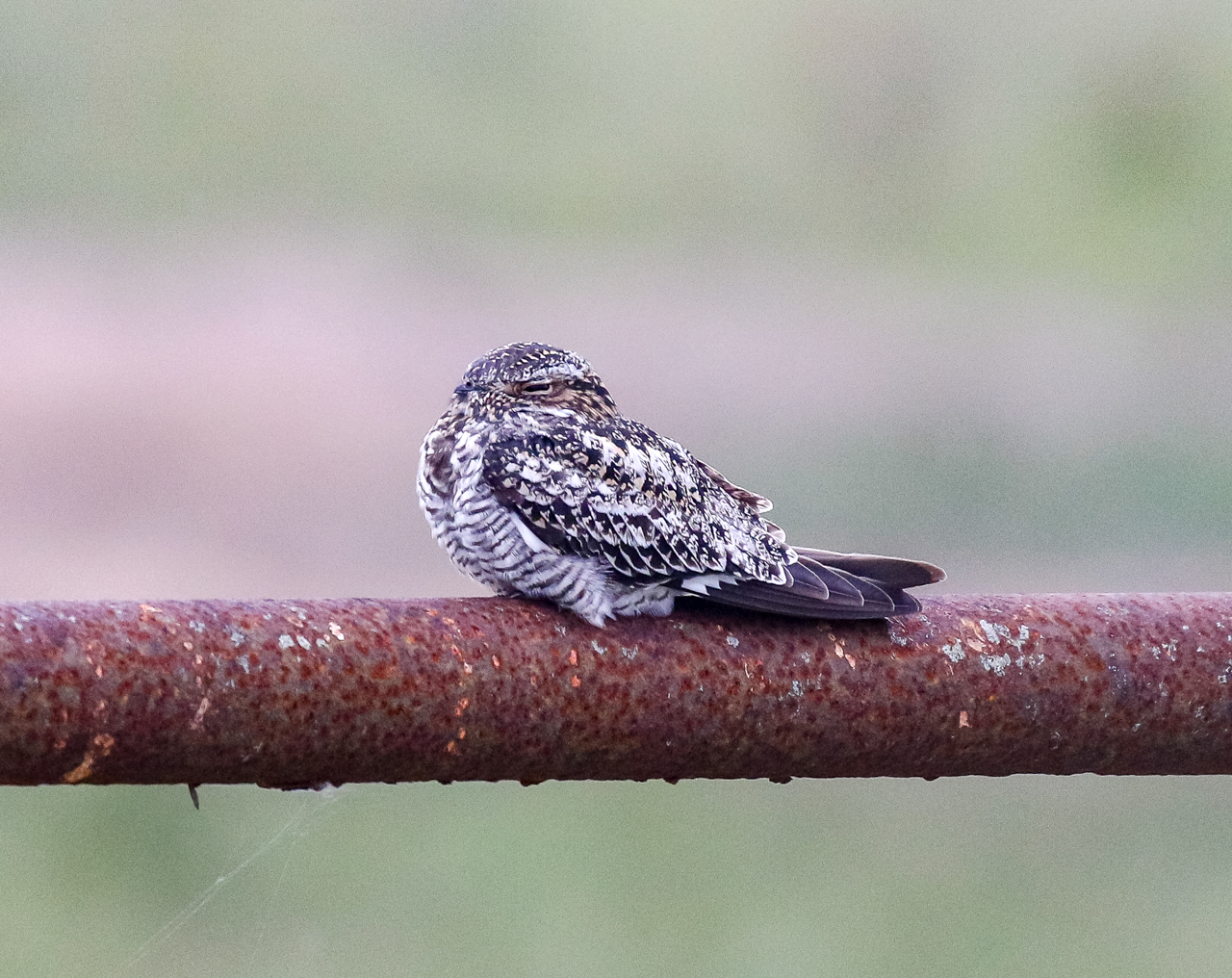
Common Nighthawk © Skye Haas
The rookery at Smith Oaks Sanctuary had a wide variety of nesting waterbirds from Neotropic Cormorants to Great and Snowy Egrets and Tricolored Herons. Adding more color to the palette were Roseate Spoonbills and Purple Gallinules.
Drives through the agricultural fields between Winnie and High Island gave us looks at Fulvous Whistling Ducks among the many Black-bellied Whistling-Ducks, an edge-of-range White-tailed Hawk, and many shorebird species including Wilson’s Phalarope, Hudsonian Whimbrel, American Golden- and Black-bellied Plovers, Upland and Stilt Sandpipers, Black-necked Stilts, and even an immature male Ruff, a rare Eurasian wanderer that happened to be reported right along the way we were headed one morning.
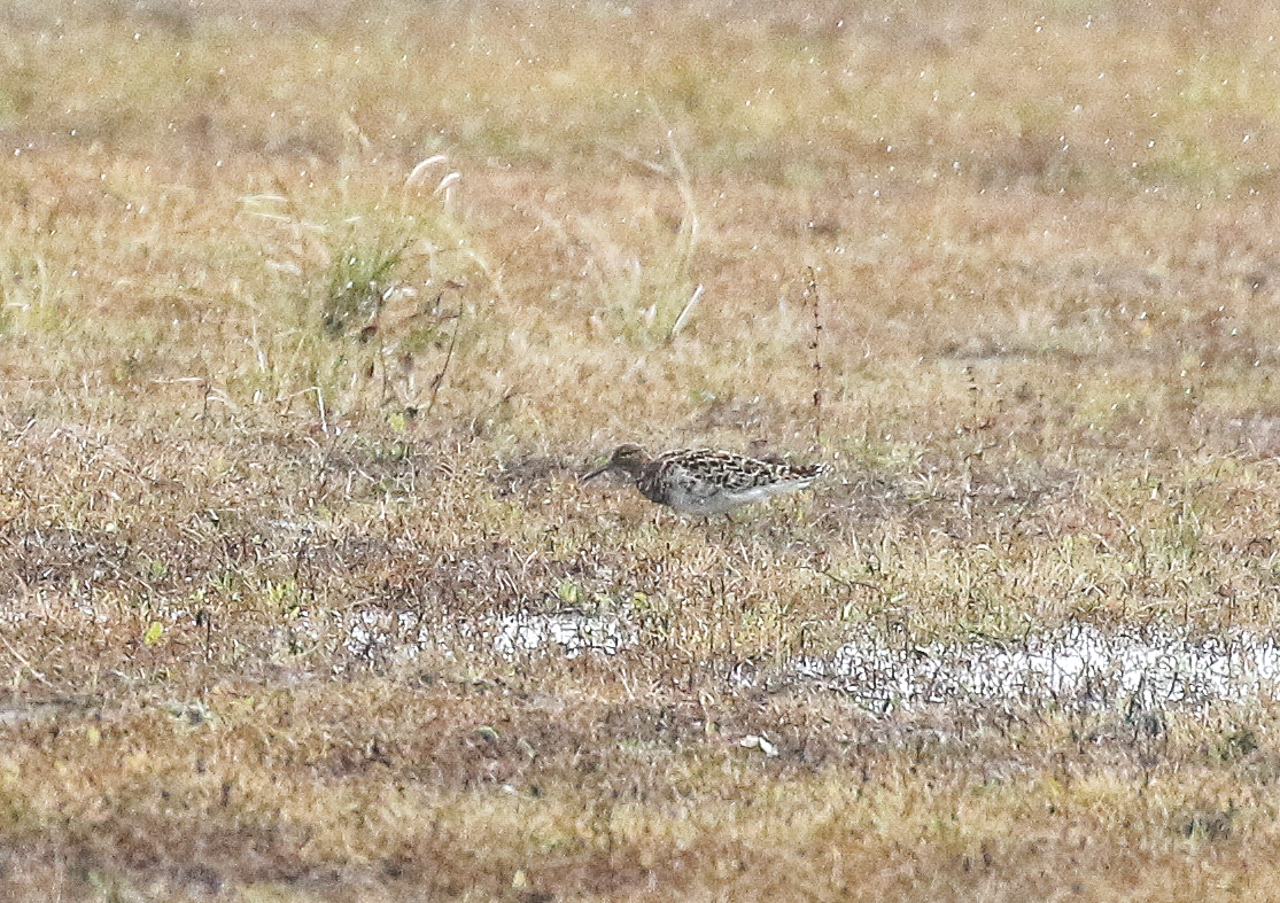
Ruff © Skye Haas
A drive through Anahuac National Wildlife Refuge afforded us good looks at King Rails, Soras, Long-billed Dowitchers, Least Grebes and a shocking number of Least Bitterns. A family of American Barn-Owls in a structure were a big hit, and notable passerines included Purple Martins, Orchard Orioles and both Great- and Boat-tailed Grackles.
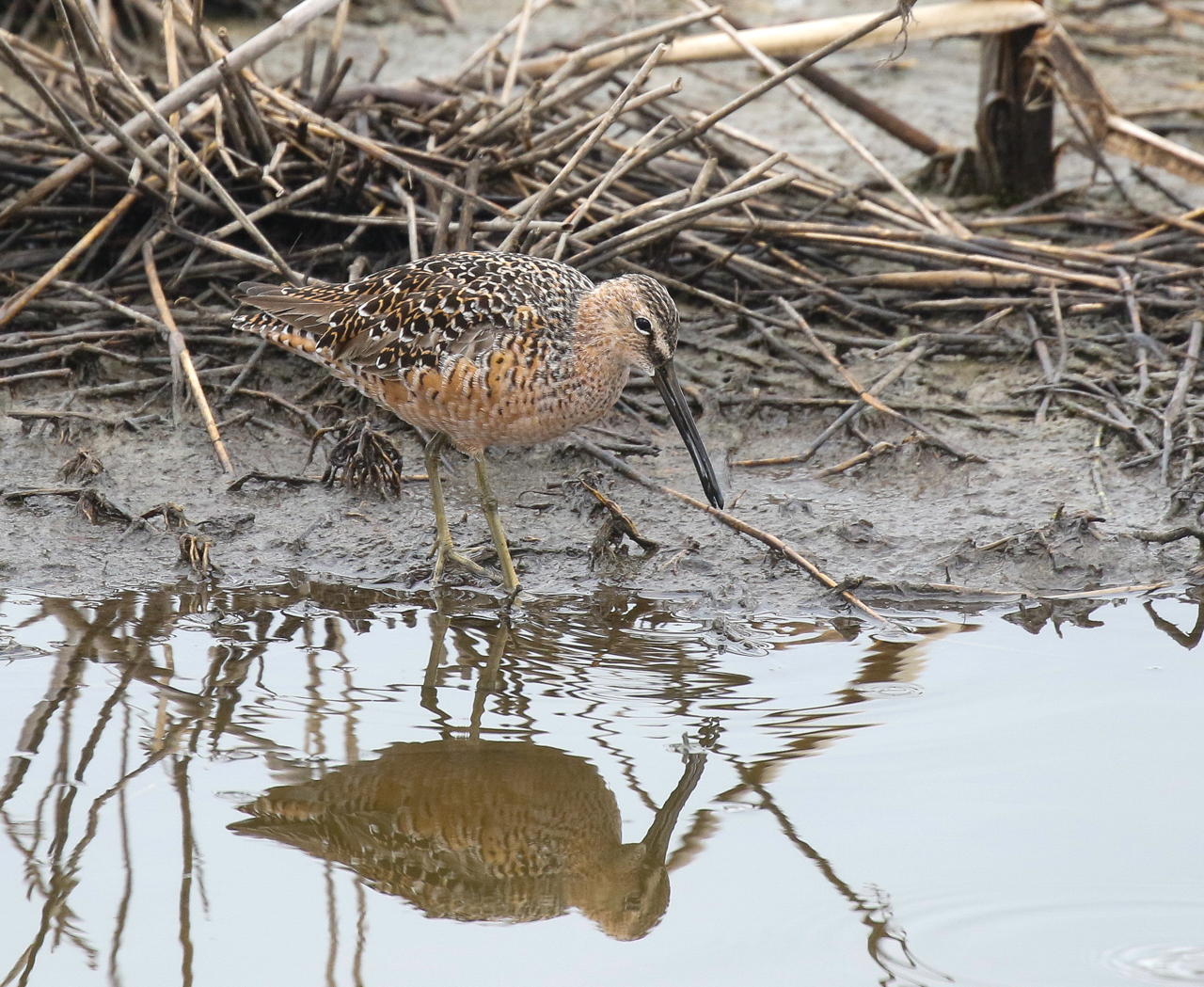
Long-billed Dowitcher © Skye Haas
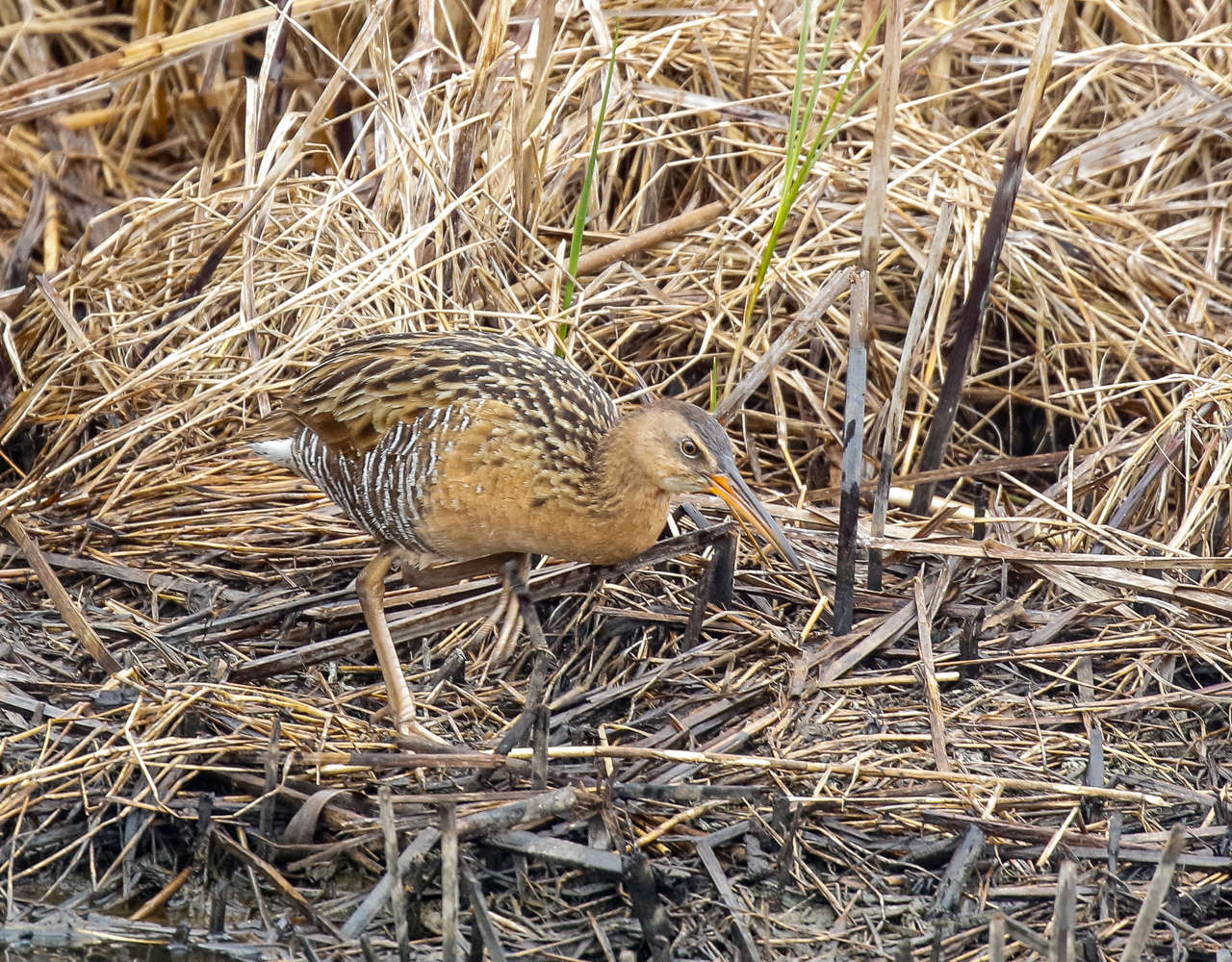
King Rail © Skye Haas
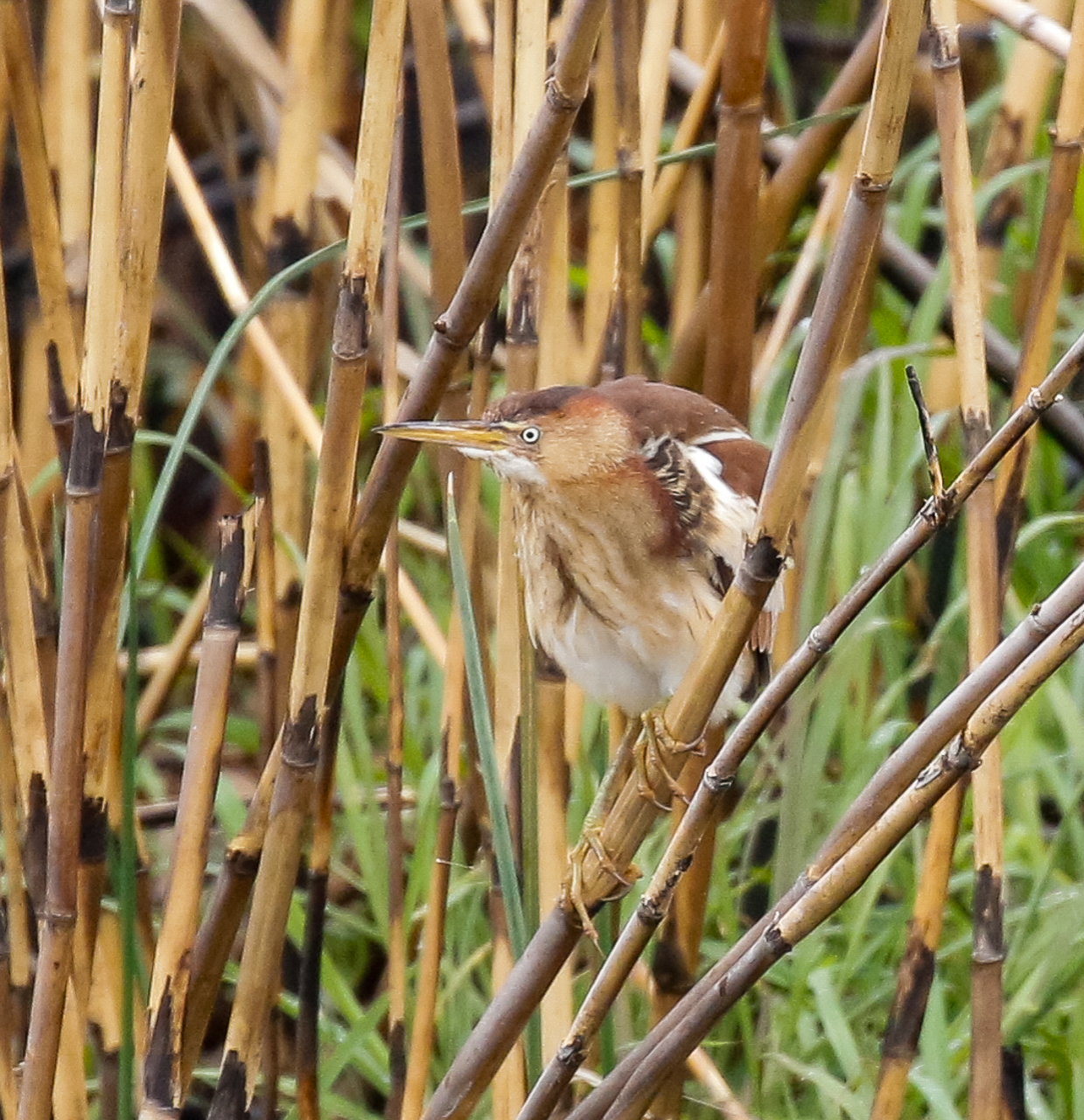
Least Bittern © Skye Haas
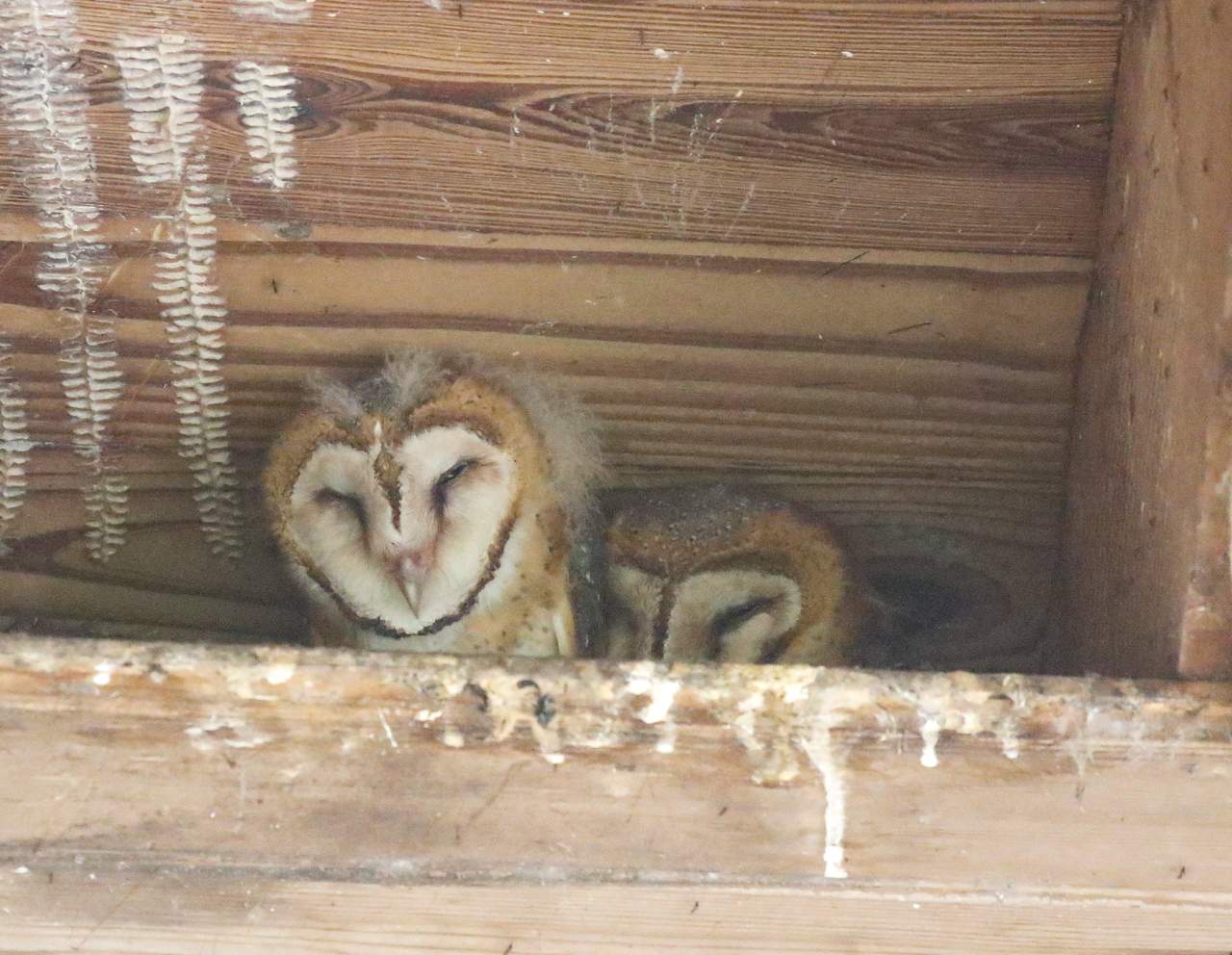
Barn Owls © Skye Haas
Visits to several spots along the ocean shore and intercoastal waterway added sightings of Marbled Godwit, Long-billed Curlew, American Oystercatcher and seven species of terns including Least, Sandwich, and Royal Terns.
We spent a morning in the Big Thicket where we found such breeding species as Swainson’s and Prairie Warblers, and Red-headed and Red-bellied Woodpeckers. An afternoon hike through Sabine Woods let us visit with Rose-breasted and Blue Grosbeaks, Indigo Buntings, Worm-eating Warblers and Swainson’s Thrushes, and enabled us to add Gray-cheeked Thrush to the trip list.
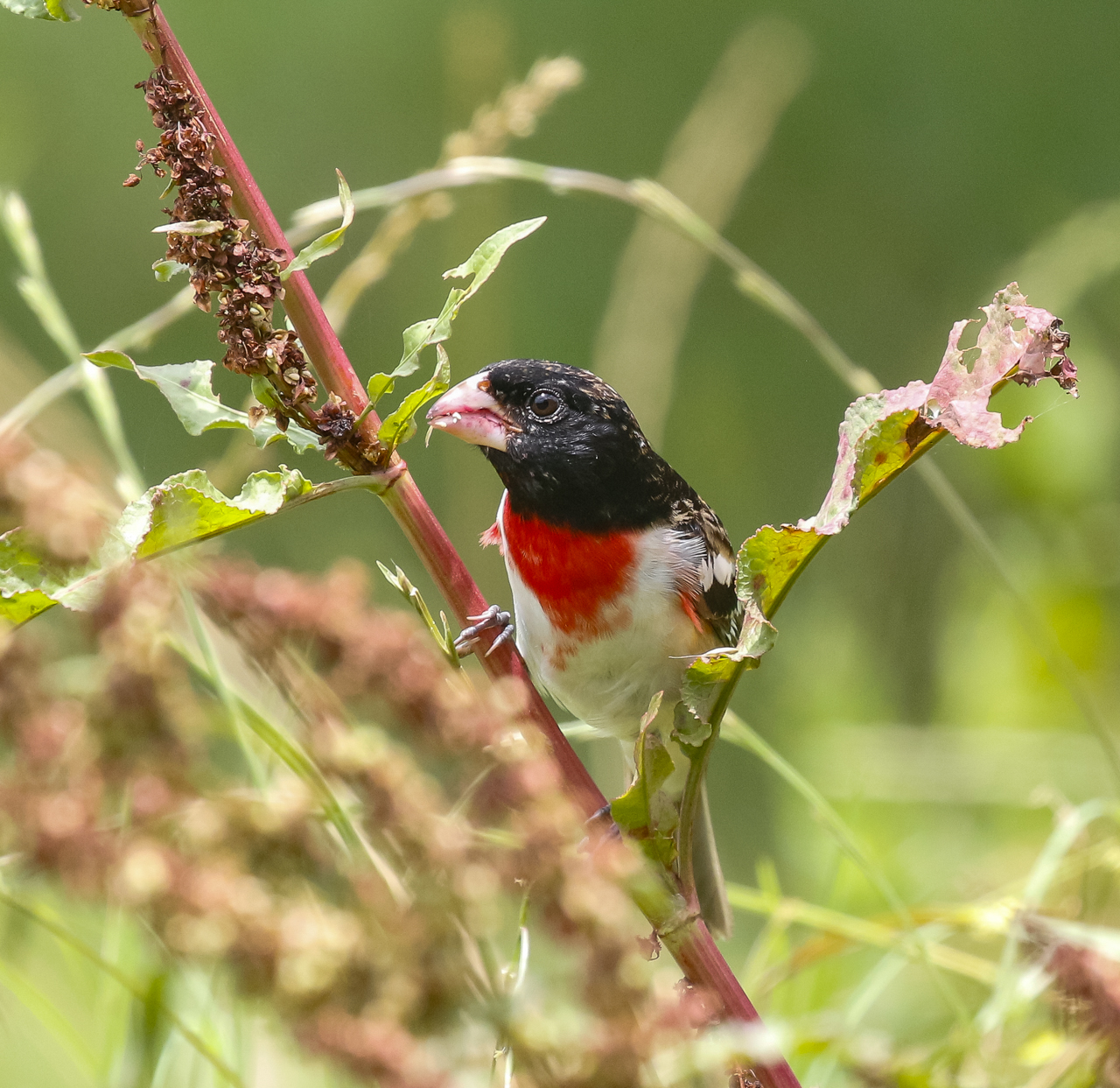
Rose-breasted Grosbeak © Skye Haas
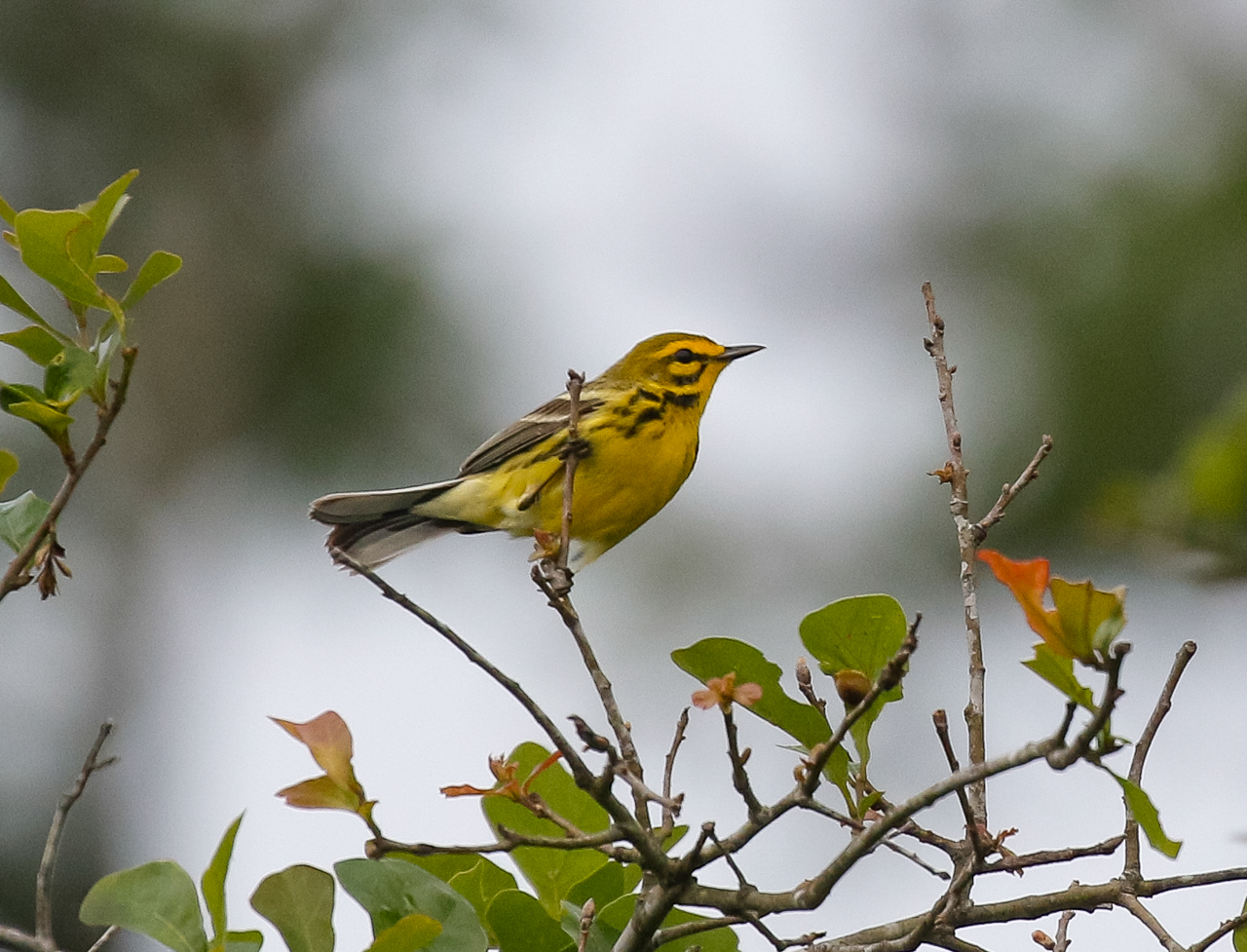
Prairie Warbler © Skye Haas
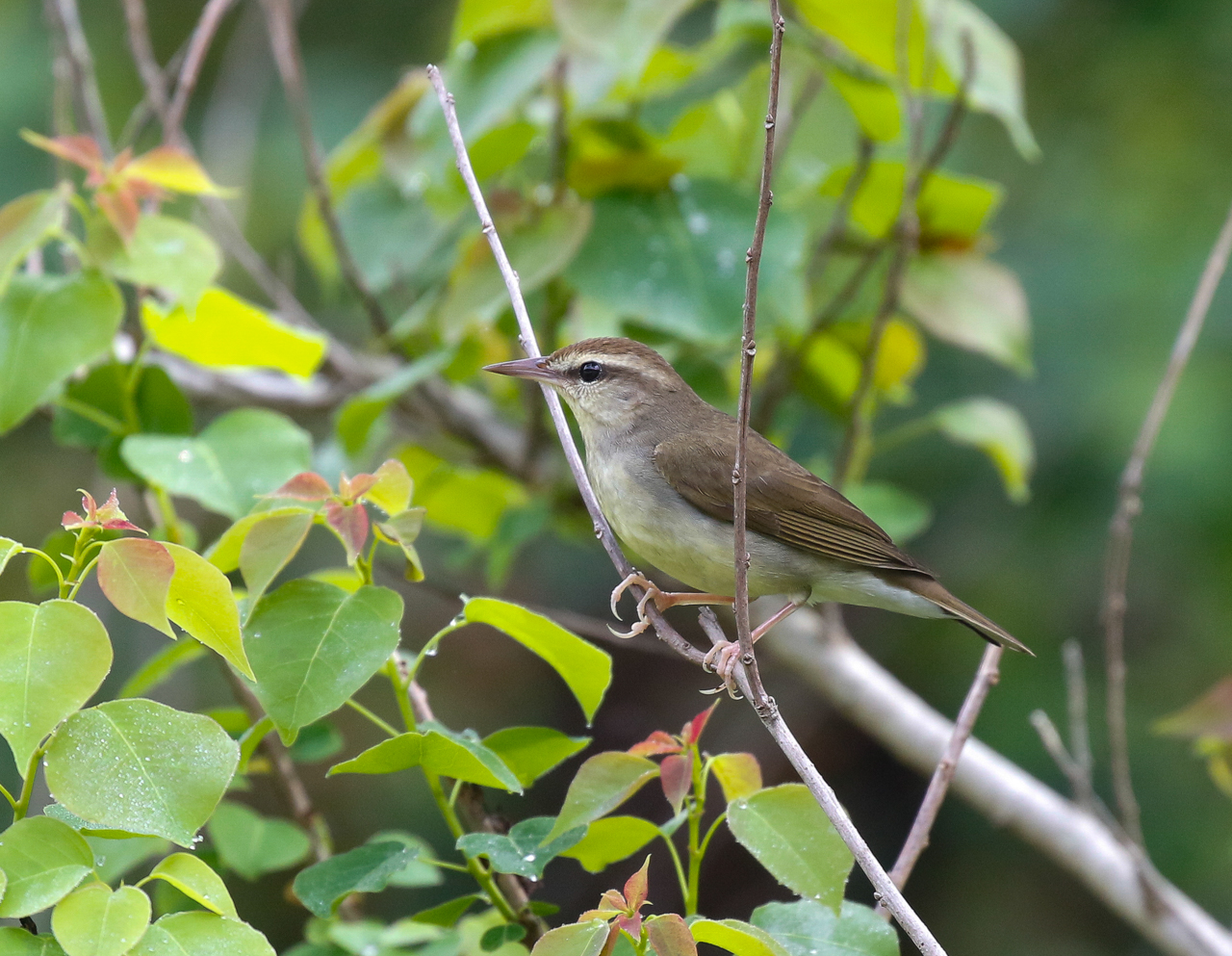
Swainson’s Warbler © Skye Haas
The day we left Winnie for our final night in Houston was packed with birding, beginning at a marsh where we heard Clapper Rails that could have given us better looks. The Seaside Sparrows however were very cooperative, singing up a storm, with several perched up as high and exposed as possible in a salt marsh. Also showing nicely were a veritable flock of Nelson’s Sparrows, lingering wintering birds soon to be headed to breeding grounds in the prairies in northern states and Canada.
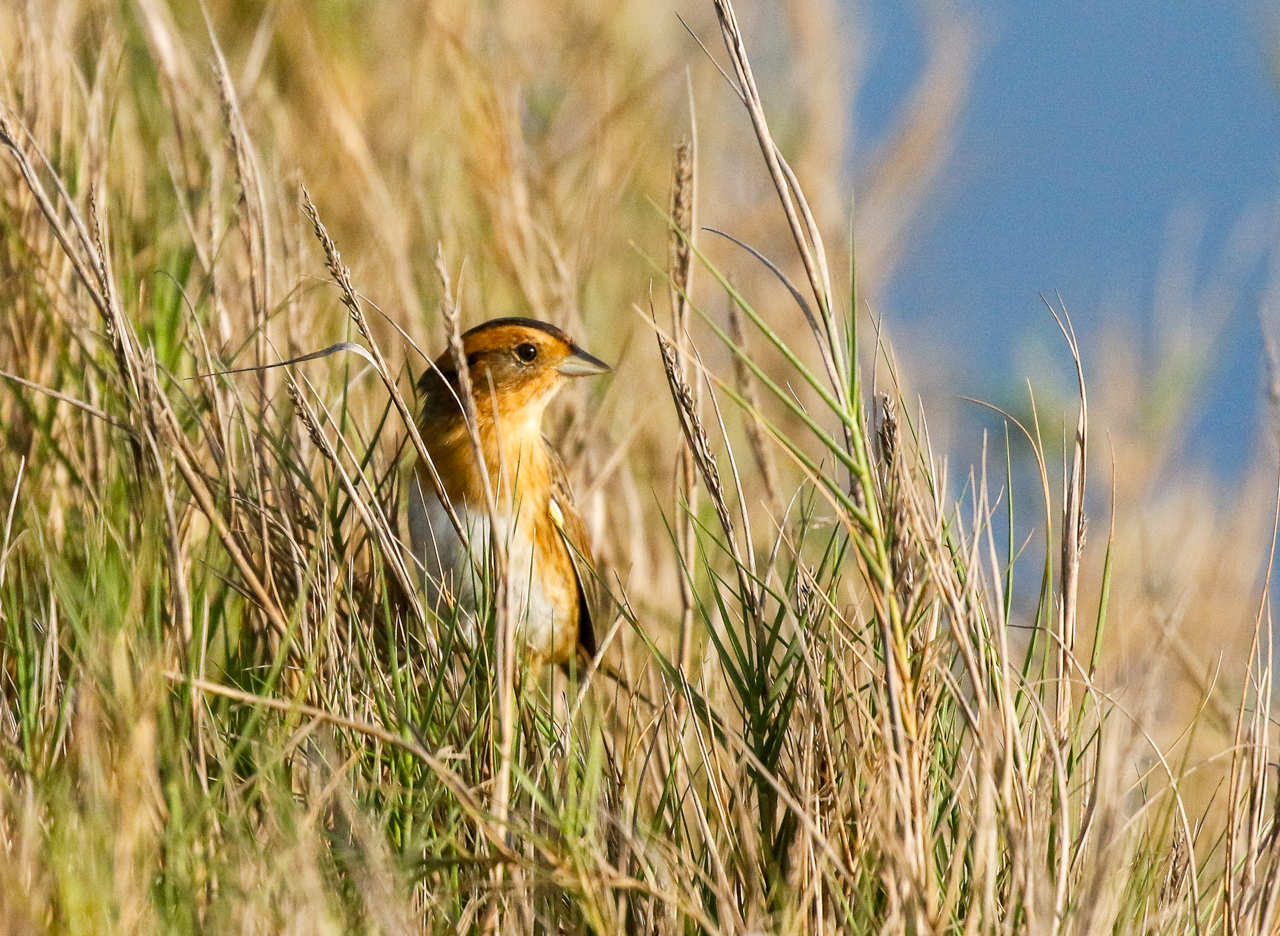
Nelson’s Sparrow © Skye Haas
We then birded the beach at Bolivar Flats and left with sightings of Piping, Snowy and Wilson’s Plovers, as well as great looks at Yellow-crowned Night-Heron and a hovering White-tailed Kite.
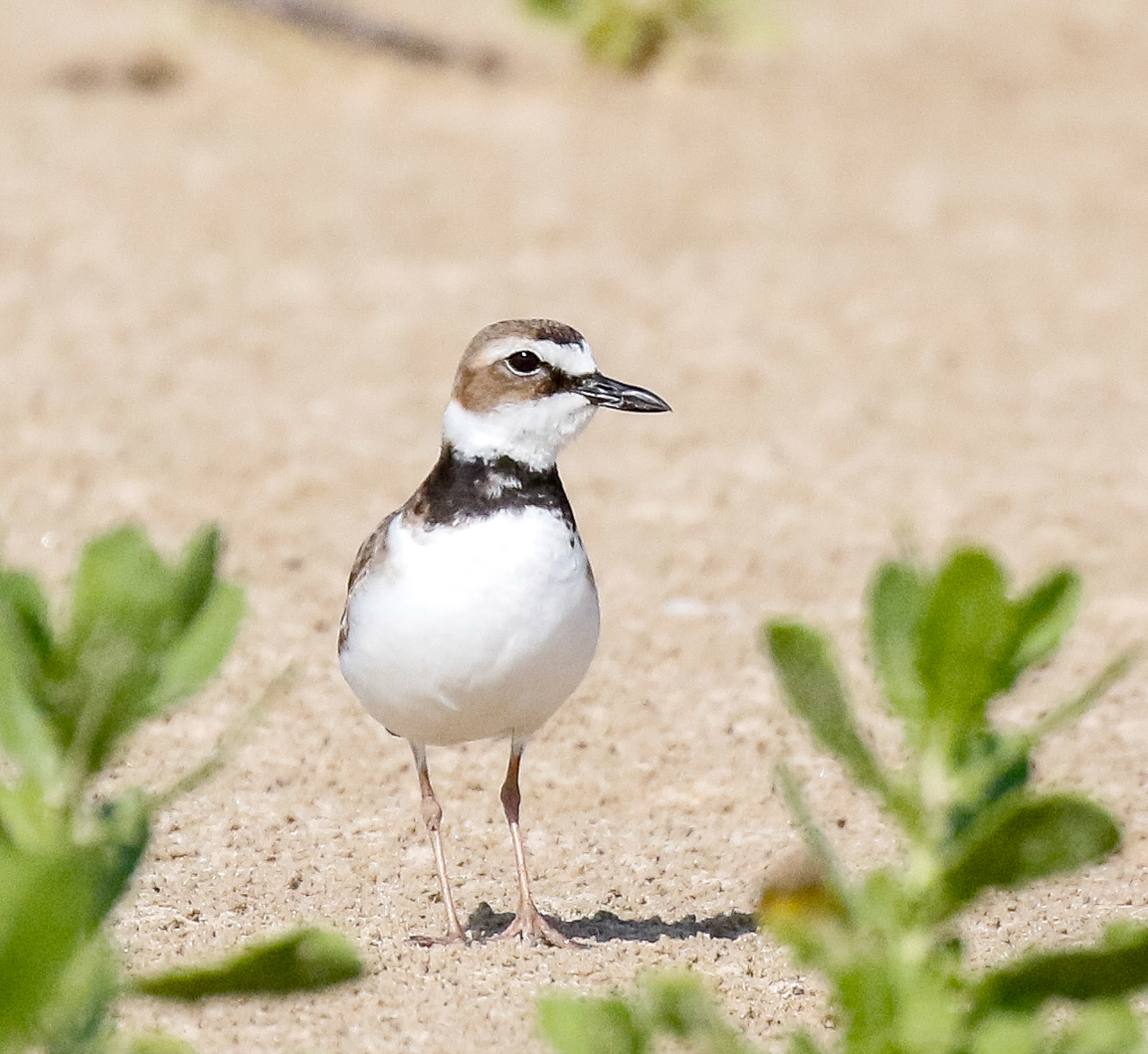
Wilson’s Plover © Skye Haas
After leaving Winnie we swung through a swampy state park where an abundance of apple snails have made it an improbable hotspot for Limpkins, a recent addition to the regular avifauna of Texas. While we waited for a noisy Limpkin to finally show itself, a flock of Mississippi Kites high overhead provided a welcome diversion.
Our last birding stop was a pine forest where our two main target species were Red-cockaded Woodpecker and Brown-headed Nuthatch. In a reversal of the usual order, we found the somewhat secretive woodpecker before the noisy and sociable nuthatch but eventually got good looks at both, and then began the final leg of our journey to our farewell dinner in Houston.