Saskatchewan Cranes & Geese Trip Report (Oct 1 – 6, 2026)
Day 1: October 1
We met with the group and went over the plan for the trip; we quickly got acquainted over dinner at a restaurant.
Day 2: October 2
After breakfast, we headed north towards the Marcelin area. This is a reliable area where Whooping Cranes stage while on their southbound migration. They feed here in the fields and prairie potholes for roughly a month, then make their way to their wintering grounds in Texas.
Just before reaching Blaine Lake, we made a quick stop along the North Saskatchewan River, at the Petrofka Bridge. Along with a handful of American Avocets and Greater Yellowlegs were some Bonaparte’s Gulls, as well as a single Short-billed Gull! While this species breeds in northern Saskatchewan, it is rarely seen in this area during migration.
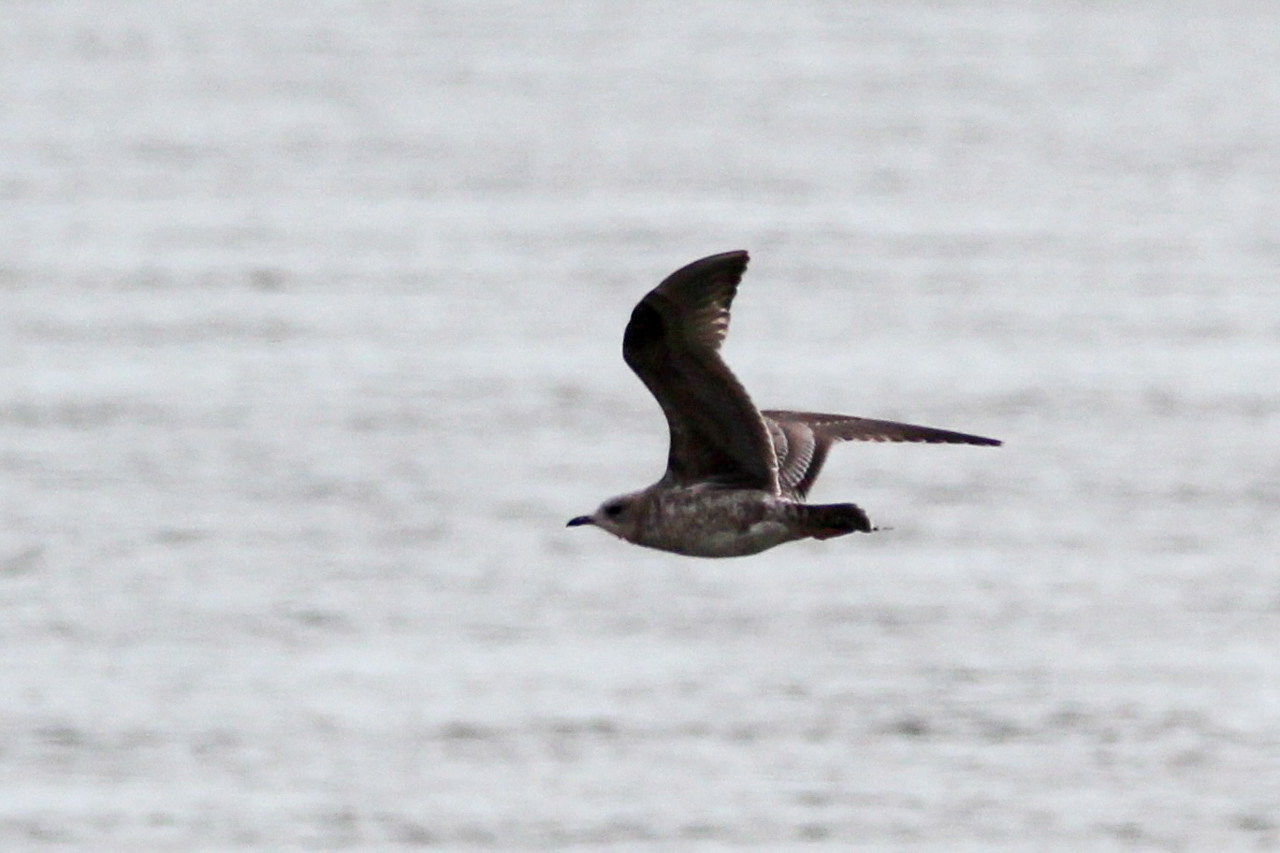
Short-billed Gull © Josh Dewitt
Not long afterwards, we arrived in the Blaine Lake area, an important stopover site for our target species: Whooping Cranes. First, we made our way along the shores of Ashe Lake, where we found a handful of shorebirds. Among them were some of each yellowlegs species, which provided a nice size comparison, as well as a single American Golden-Plover and Pectoral Sandpiper.
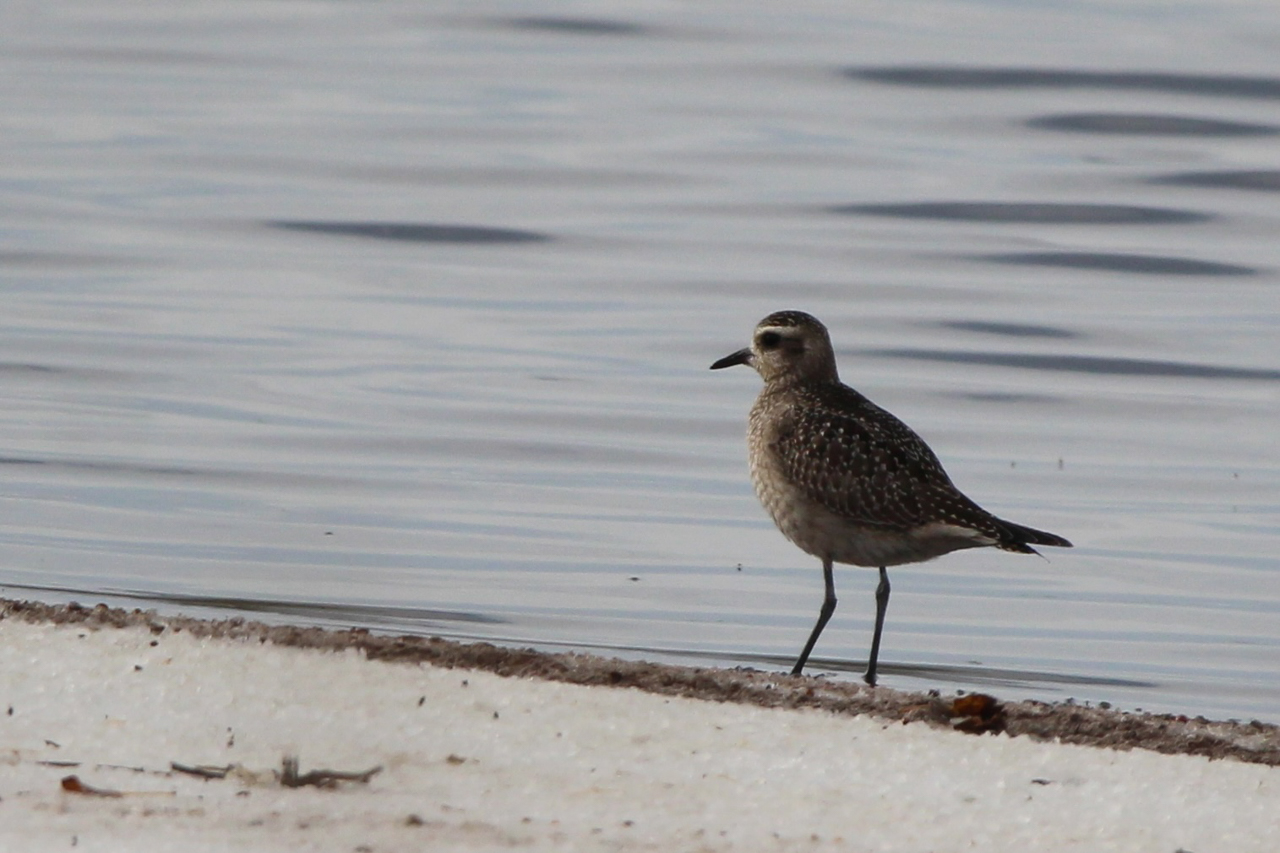
American Golden-Plover © Josh Dewitt
Moving on from here, we then spotted our first trio of Whooping Cranes, a pair of adults and their colt. From here we made our way over to Marcelin and spotted a large group of cranes feeding in a grain field. Upon checking out this field from two angles, we counted over 160!
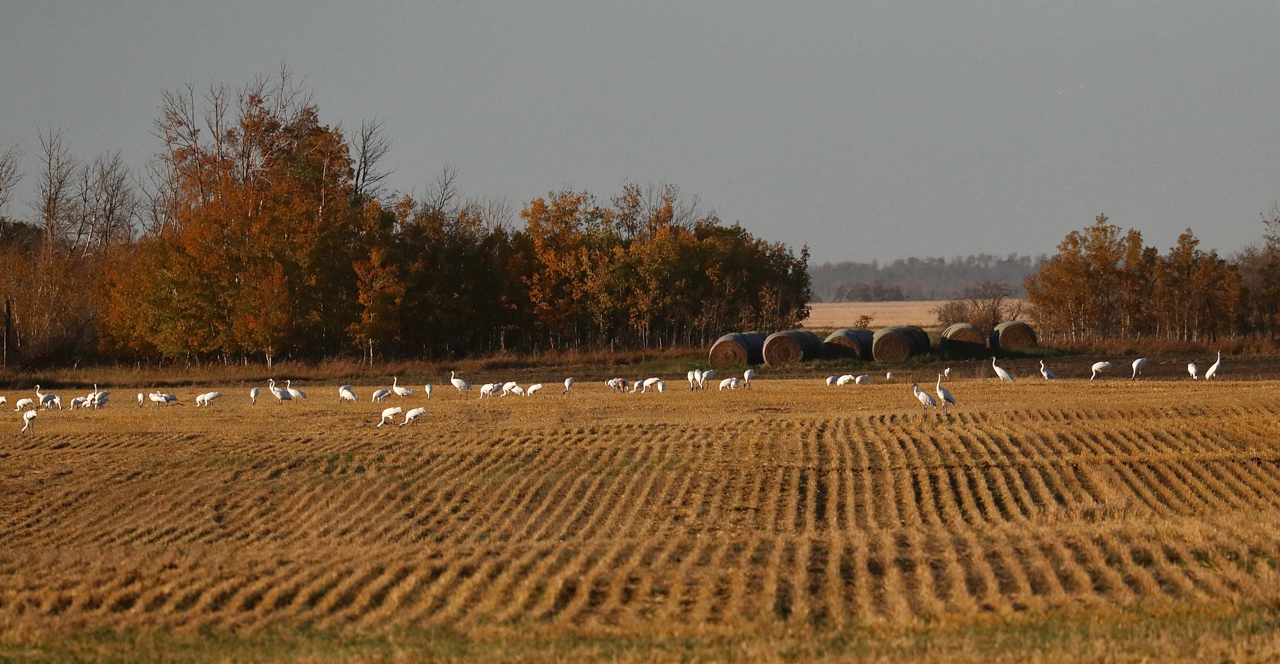
Whooping Cranes © Chris Dalziel
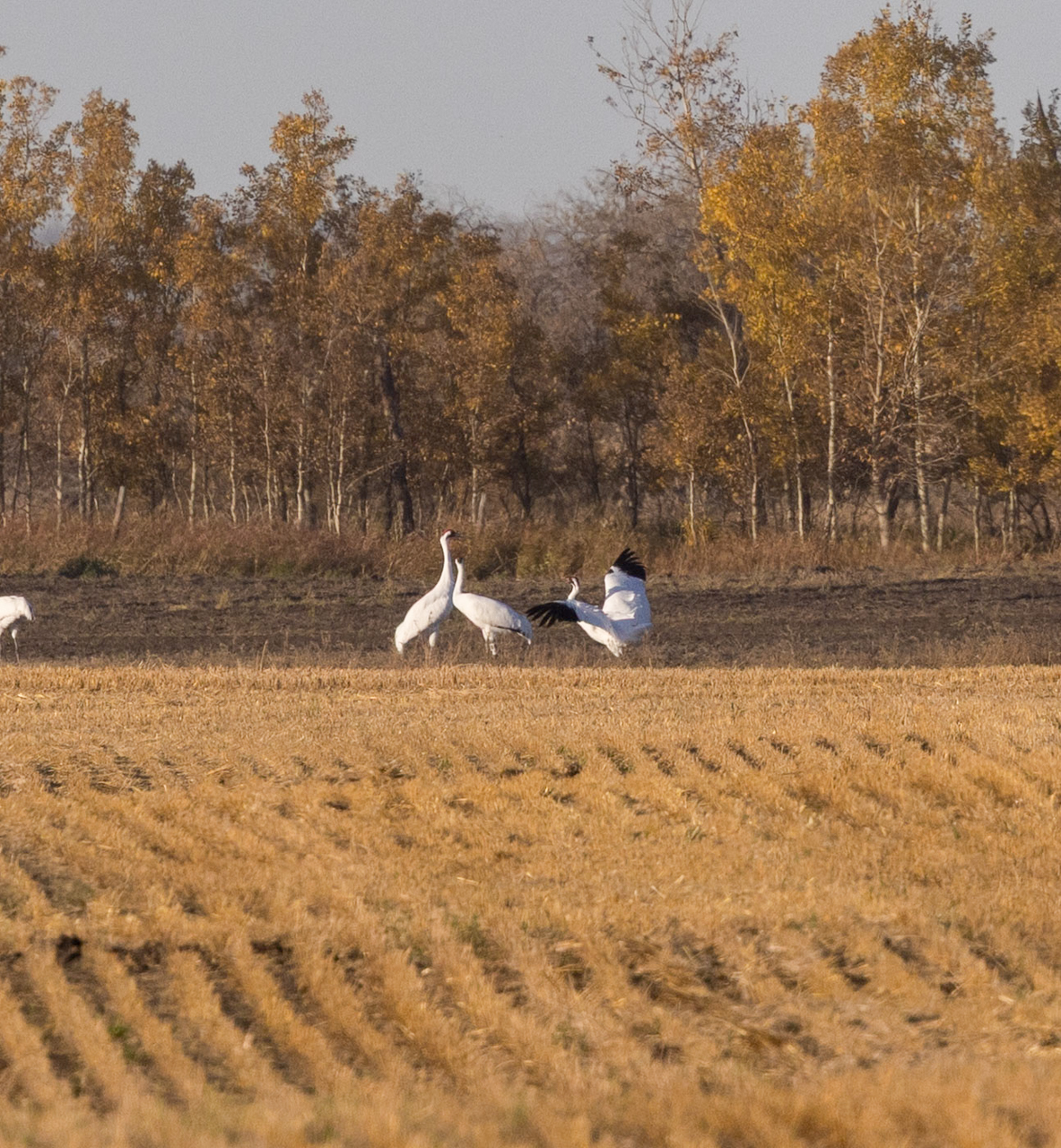
Whooping Cranes Dancing © Lisa Lazarus
We followed this up with a picnic lunch at Leask, after which we checked out the lakes nearby. We were happy to find a large assortment of waterfowl, from diving ducks like Canvasback and Redhead to Ruddy Ducks, American Wigeon, and a surprise Sabine’s Gull!
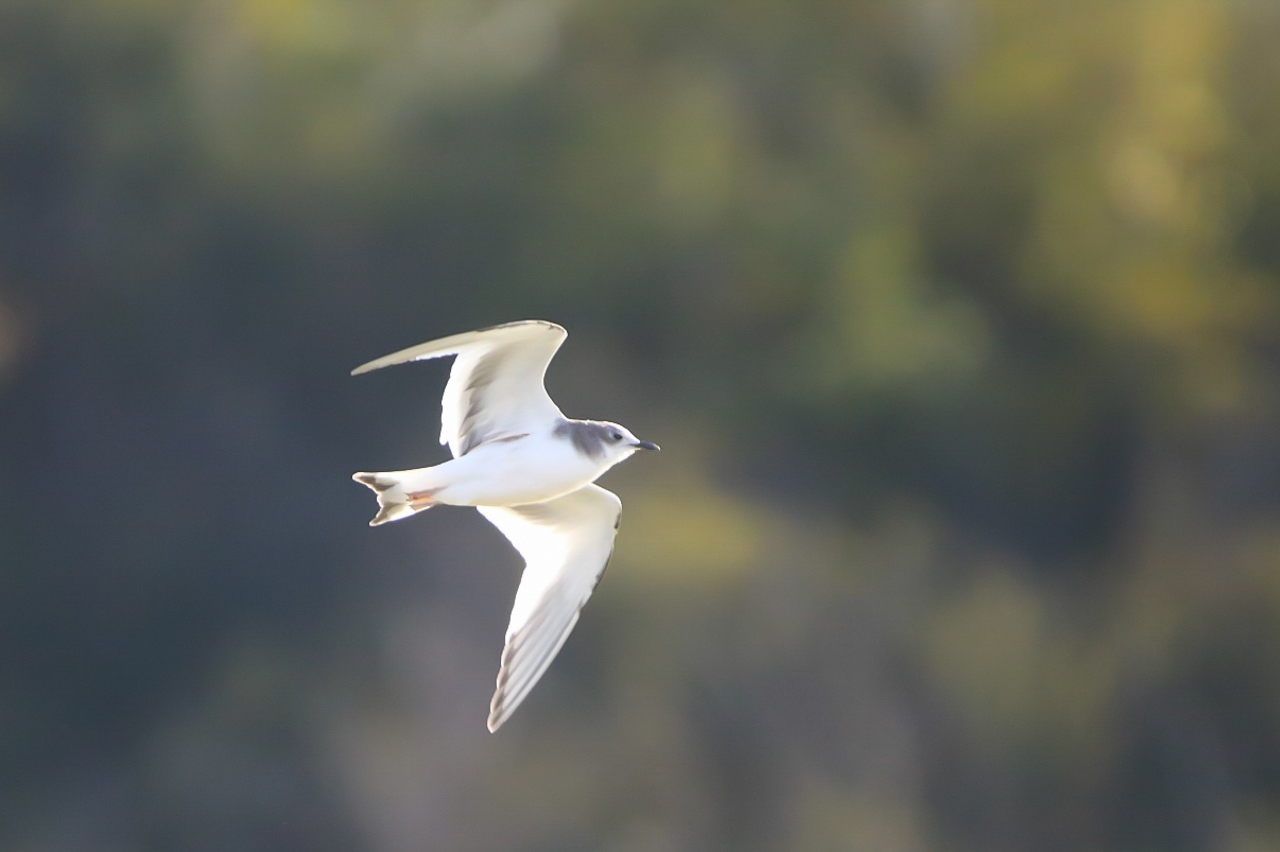
Sabine’s Gull © Katelyn Luff
Day 3: October 3
After filling up on breakfast, we took a short drive to the Saskatoon Forestry Farm Park. This park is great for migrant species at this time of year, and we did decently well. At our first stop, we were greeted by a handful of Yellow-rumped Warblers, as well as a single Palm Warbler. Also present here was a confiding Hairy Woodpecker and a couple of Ruby-crowned Kinglets.
In the garden area and around the pond, we were happy to add some White-throated and American Tree Sparrows, as well as Pine Siskins, House and Purple Finches, and some very friendly Red-breasted Nuthatches and Black-capped Chickadees. While looping past the trout pond, we had a very cooperative juvenile Pied-billed Grebe and a nice comparison between Canada and Cackling Geese.
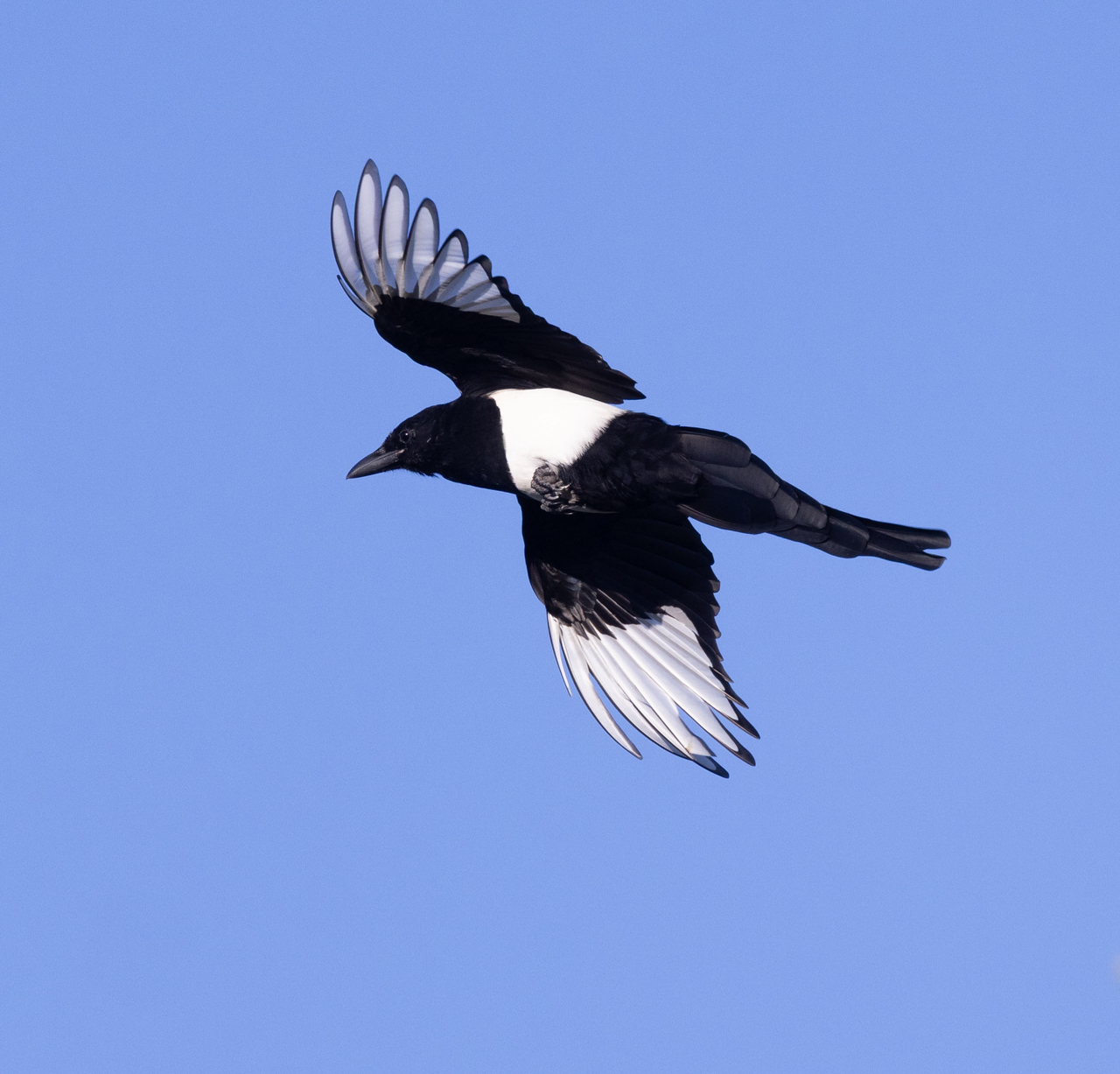
Black-billed Magpie © Lisa Lazarus
Having our fill at the park, we made our way over to the south end of Blackstrap Reservoir. We were greeted by a large group of Double-crested Cormorants, as well as a handful of lingering American White Pelicans. In the water around them was an assortment of waterfowl: Mallards, American Wigeon and Gadwall, Lesser Scaup, Redhead and Hooded Merganser.
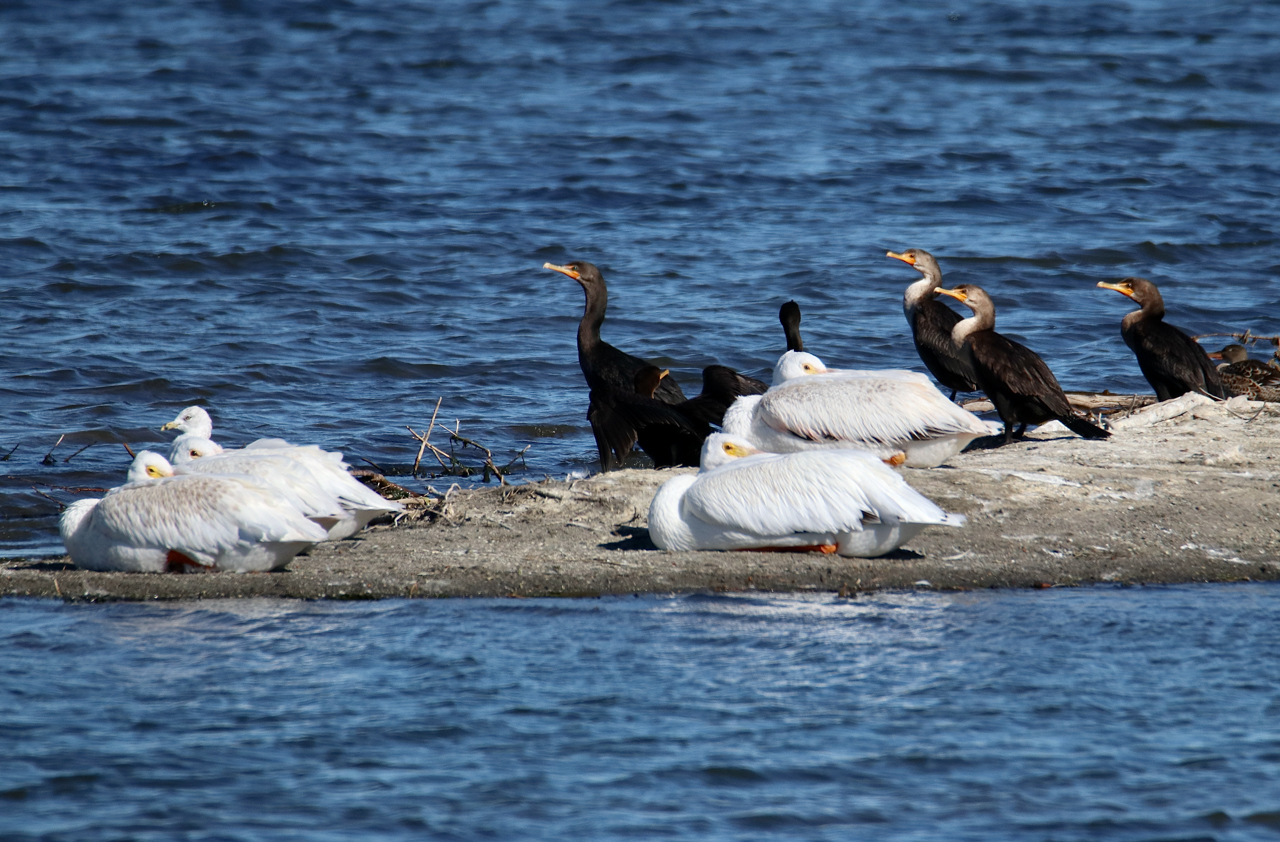
American White Pelicans and Double-crested Cormorants © Chris Dalziel
We could see a small group of Western Grebes out in the lake, so we decided to set up lunch where we could get a good look at them. Once we satisfied both our views of the grebes and our hunger, we packed up and set out to explore the prairie potholes. On our way out of Blackstrap Provincial Park, we were treated to some great looks at a Belted Kingfisher fighting the wind for a perch near the water.
The kingfisher wasn’t the only one fighting the wind, and strong gusts forced many birds to stay down out of the wind and out of view. A wet prairie summer meant the parched potholes had been recharged, but open shoreline was a challenge to find, and some potholes that are generally good for shorebirds were quiet.
With this, we went to Ol’ Reliable: Crawford Lake. The lake was alive with waterfowl, mainly Snow Geese, but also many Greater White-fronted, Ross’s and Cackling Geese mixed in. Tundra Swans were also present in decent numbers, and a huge assortment of ducks mingled with them. Along the shore closest to us were some shorebirds as well! A mixed group of Long-billed and Short-billed Dowitchers was doing their classic sewing-machine feeding motion. We also spotted a Coyote along the far shore, which suddenly dropped into a stalking position, clearly intent on catching a Snow Goose for dinner.
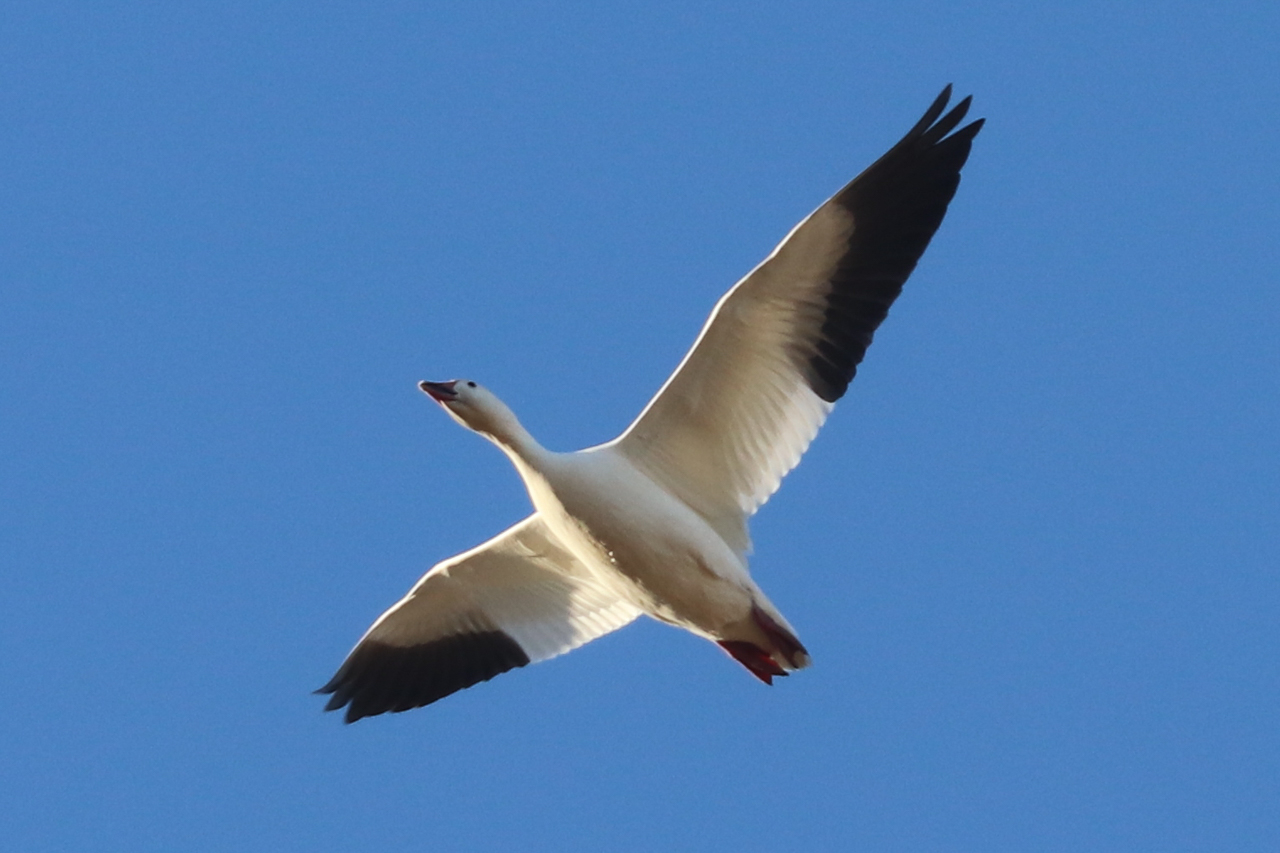
Snow Goose © Jim Bowman
We spent some time here but received a tip that there were some other good birds just around the corner, so we loaded up and headed over. We were again lucky to see not just one, but two Sabine’s Gulls! That made three for the trip. Also present here was a nice Black-bellied Plover, a new bird for us as well.
Day 4: October 4
Everyone still had crane fever, so after breakfast we went south of Saskatoon to find some Sandhill Cranes. We were happy to find over 1,000 feeding together in the grain fields. It was a joy to see so many interacting and dancing. Occasionally, youngsters would join in with the adult birds and test their dance moves out.
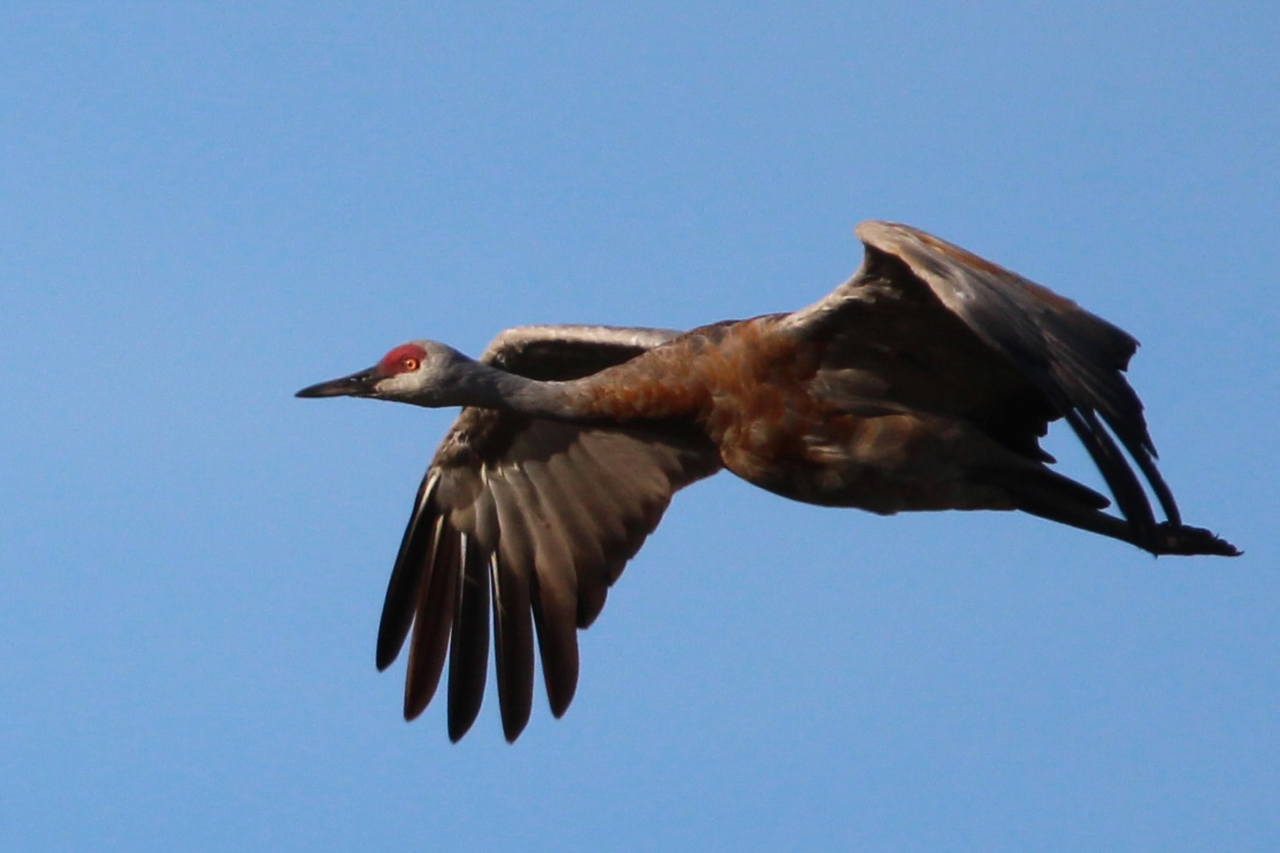
Sandhill Crane © Josh Dewitt
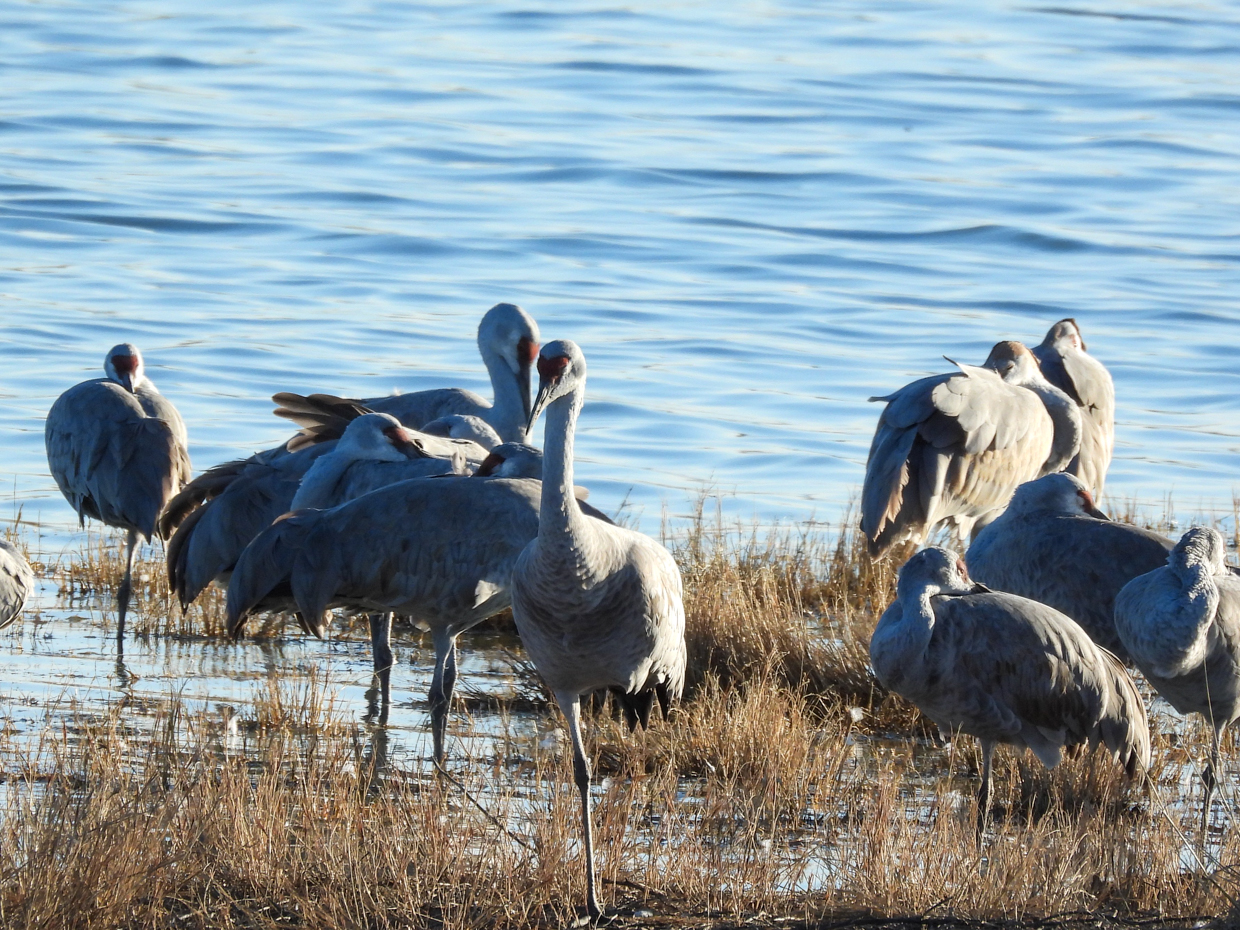
Sandhill Cranes © Victoria Chaussee
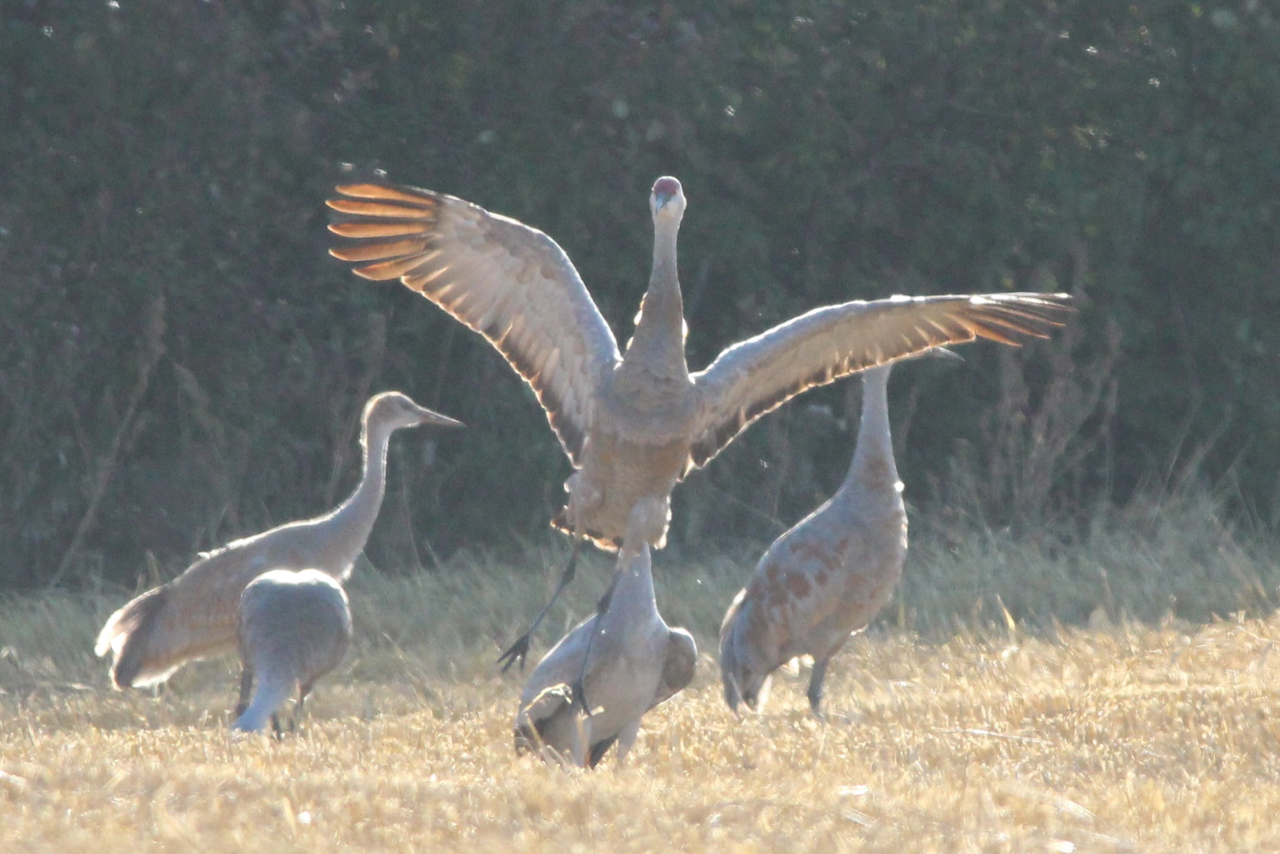
Dancing Cranes © Josh Dewitt
Satisfying our crane fix, we then made the long drive to Prince Albert National Park. After a cruise through the fall foliage, we were greeted by our first mammals in the park, a trio of young Elk, lounging around on the golf course.
We took a drive down the Narrows Road and stopped at Paignton Beach for lunch. In between bites and chasing off a curious Red Squirrel, we were able to get some nice scope views of lingering Common Loons and Red-necked Grebes. Not far up the beach, a group of gulls were resting, the majority being Ring-billed, but a few Bonaparte’s and a pair of California Gulls were hanging out with them. A female Common Merganser also decided this part of the beach was a lovely place to have a rest.
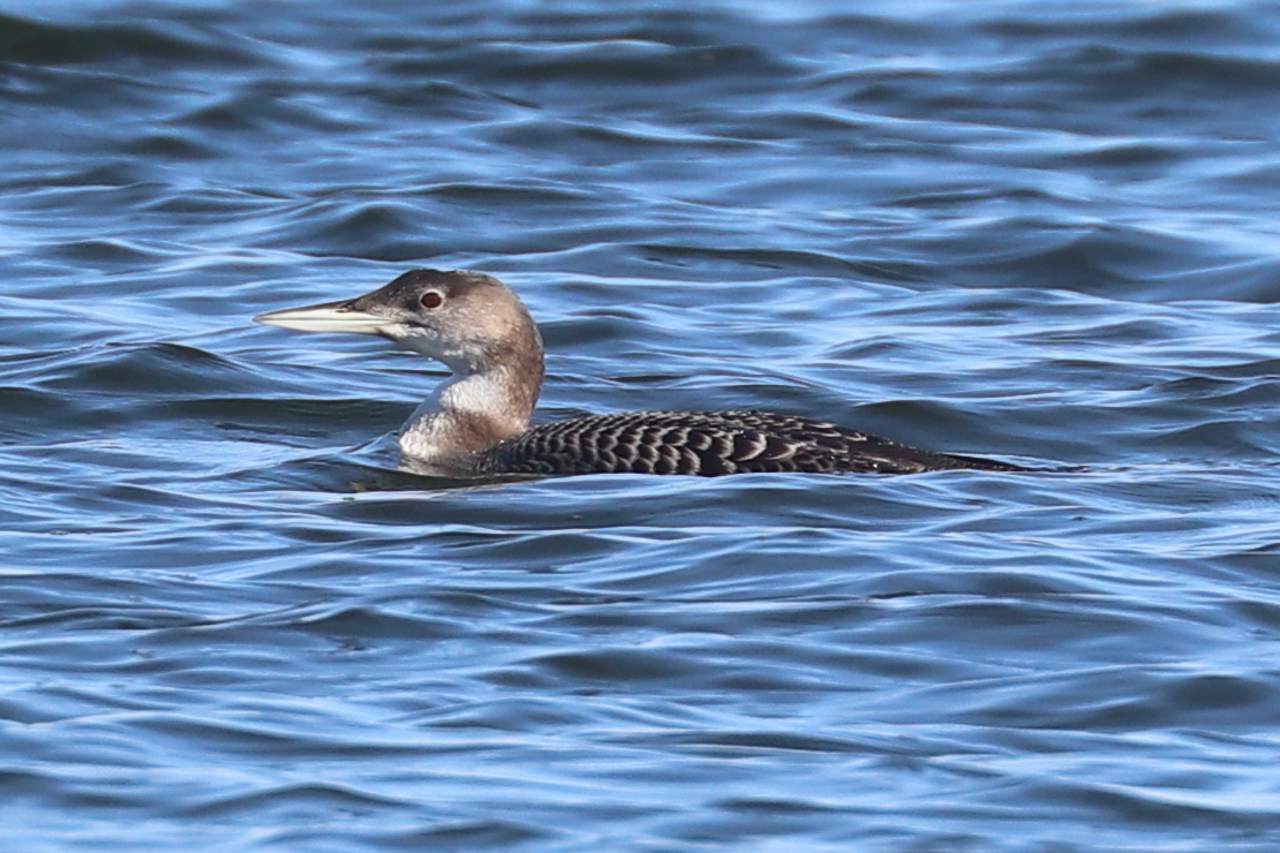
Common Loon © Jim Bowman
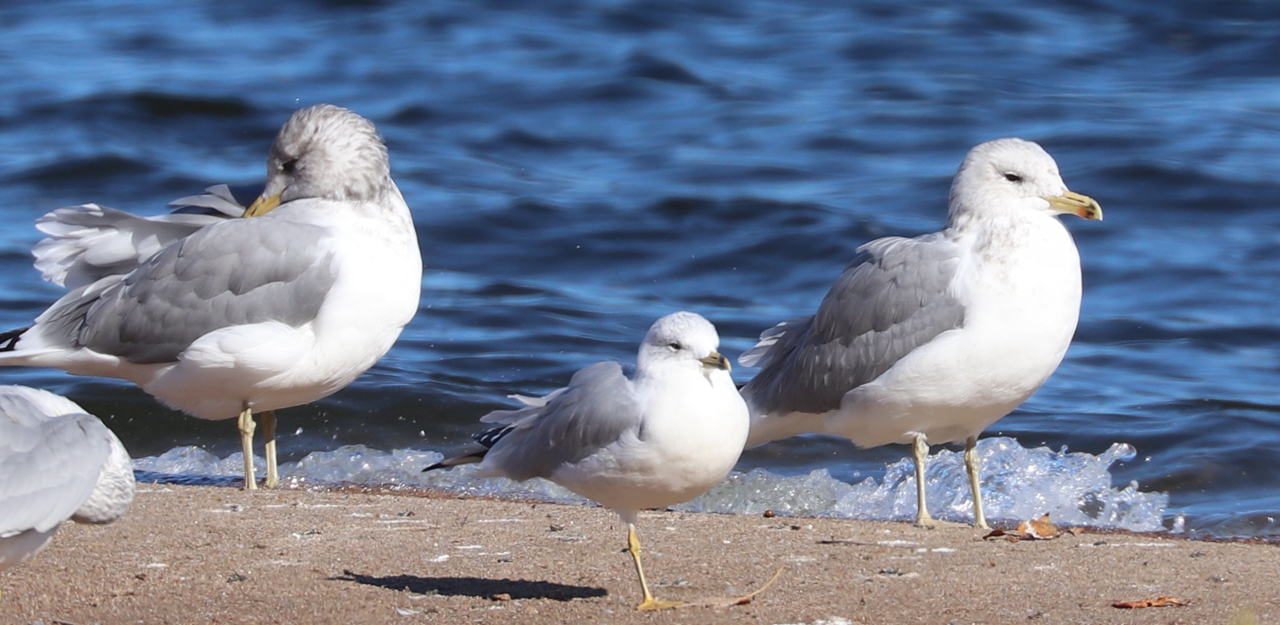
California Gulls and Ring-billed Gull © Jim Bowman
We popped into our hotel to check in. Afterwards, we went down to the Boundary Bog Trail. This easy trail features a boardwalk in the midst of a mixed Black Spruce and Tamarack bog and winds through mature boreal forest with stands of aspen and Jack Pine. The weather was beautiful: warm, calm and sunny, but things were quite quiet here. We were lucky enough, however, to get some great looks at a female American Three-toed Woodpecker, but aside from this, birds seemed to be scarce.
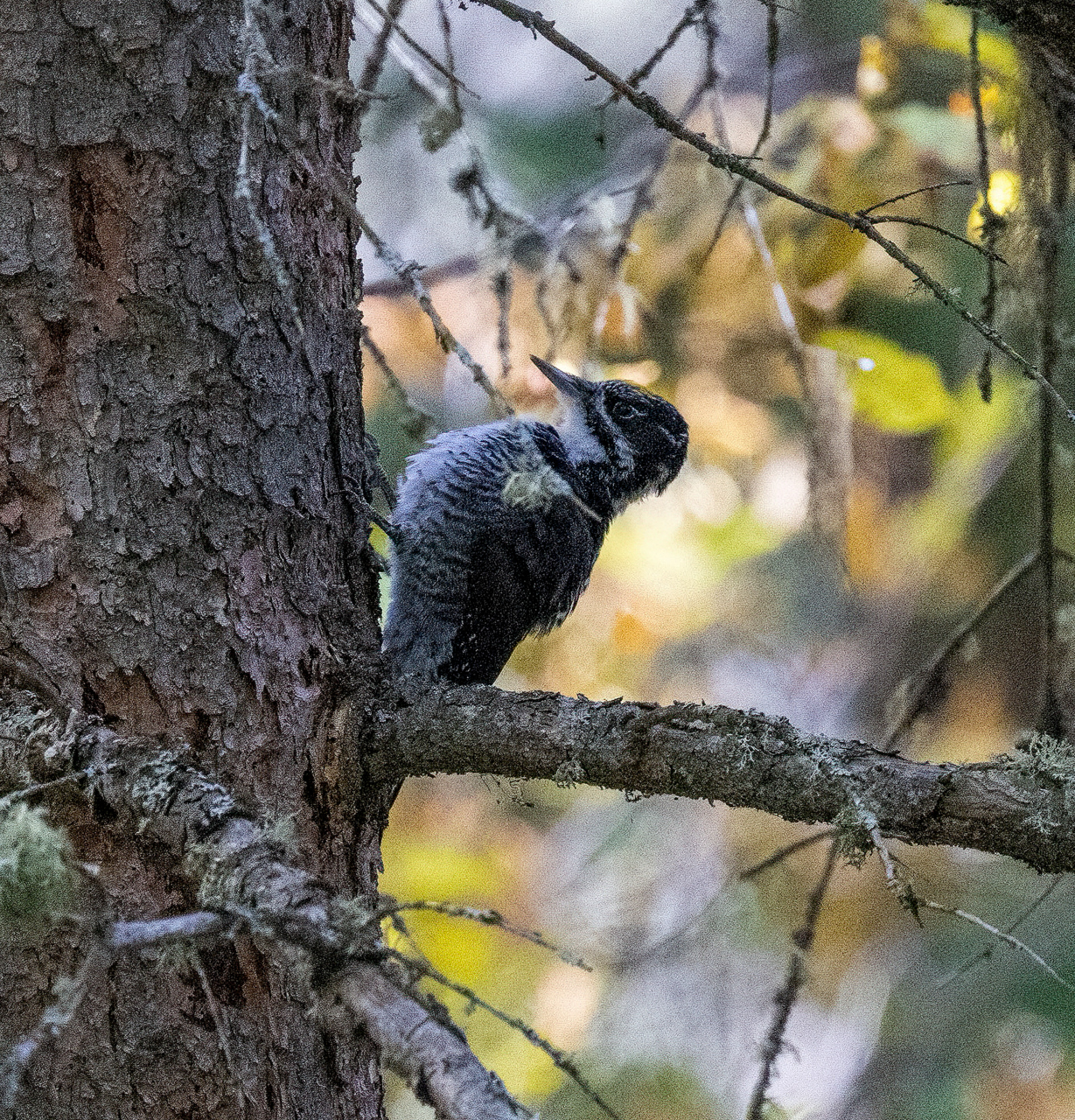
American Three-toed Woodpecker © Lisa Lazarus
Day 5: October 5
Starting bright and early, some of the group took a pre-breakfast stroll through town to see what we could find. Straight away, we were presented with a handsome bull Elk, making his way towards the walking path along the lake. We carried on once he was out of sight and stopped at the Red Deer Trail, his namesake. All was relatively quiet at first, but after a short while we came upon a mixed flock of birds feeding in the conifers. Among these birds were some Boreal Chickadees, which can often be hard to spot. Also in the group were some of both kinglet species: Ruby-crowned and Golden-crowned Kinglets. We continued around the loop and stopped to take a look at the lake, which was quiet aside from a couple of grebes and a distant Bufflehead. Just as we were turning back to the path, we spotted the bull Elk from earlier coming down the pathway. We gave him a safe amount of space, and he passed by, continuing down the path.
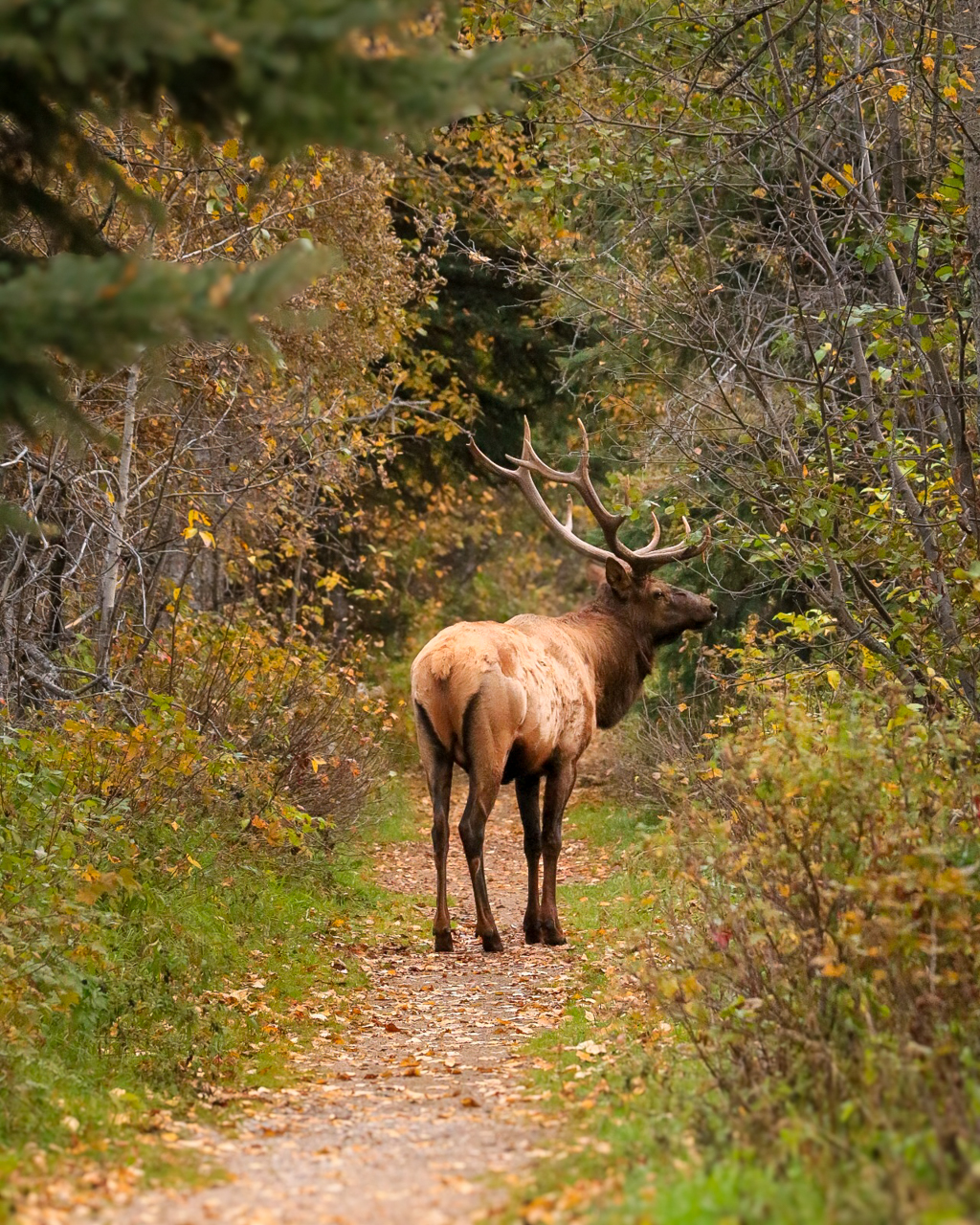
Elk © Katelyn Luff
Getting back to the restaurant for breakfast, we learned that the rest of the group also had a successful pre-breakfast outing. Along the waterfront, across from the hotel, the rest of the group were treated to a quartet of playful otters!
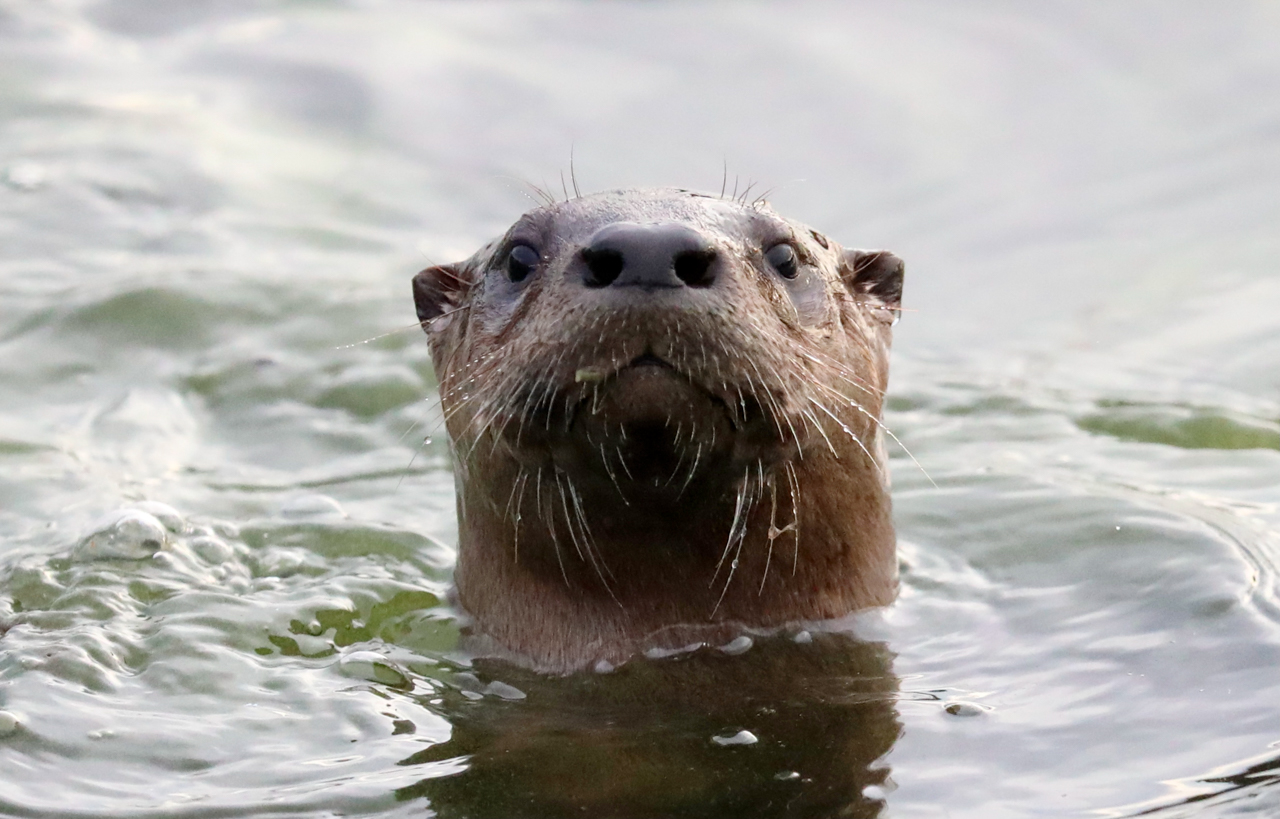
River Otter © Chris Dalziel
After breakfast, we headed up towards the Waskesiu River and took a quiet walk along the boardwalk. While we could occasionally hear Boreal Chickadees and Canada Jays, we spotted a handful of Common Goldeneye lounging around and an immature Bald Eagle, no doubt intent on catching one of the goldeneye. Additionally, we were lucky enough to find a beautiful male American Three-toed Woodpecker.
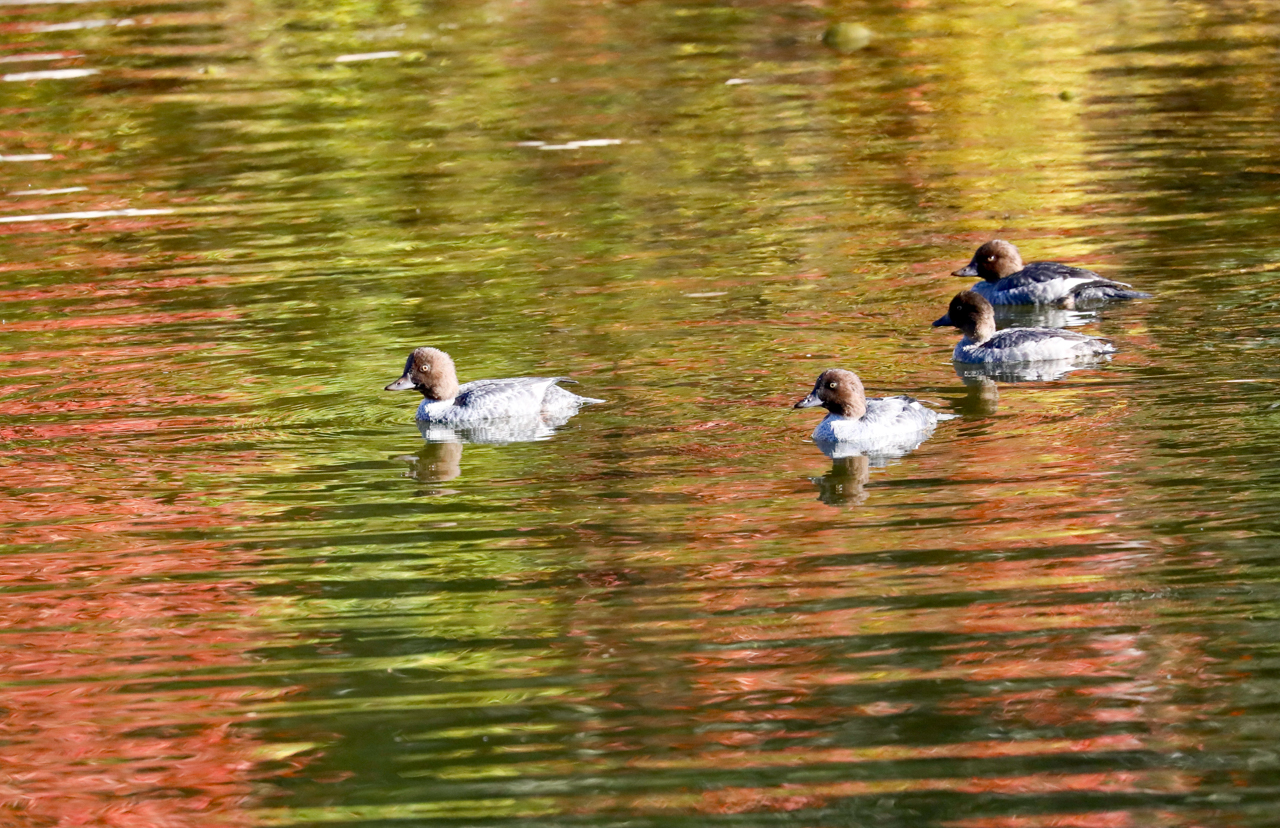
Common Goldeneye © Chris Dalziel
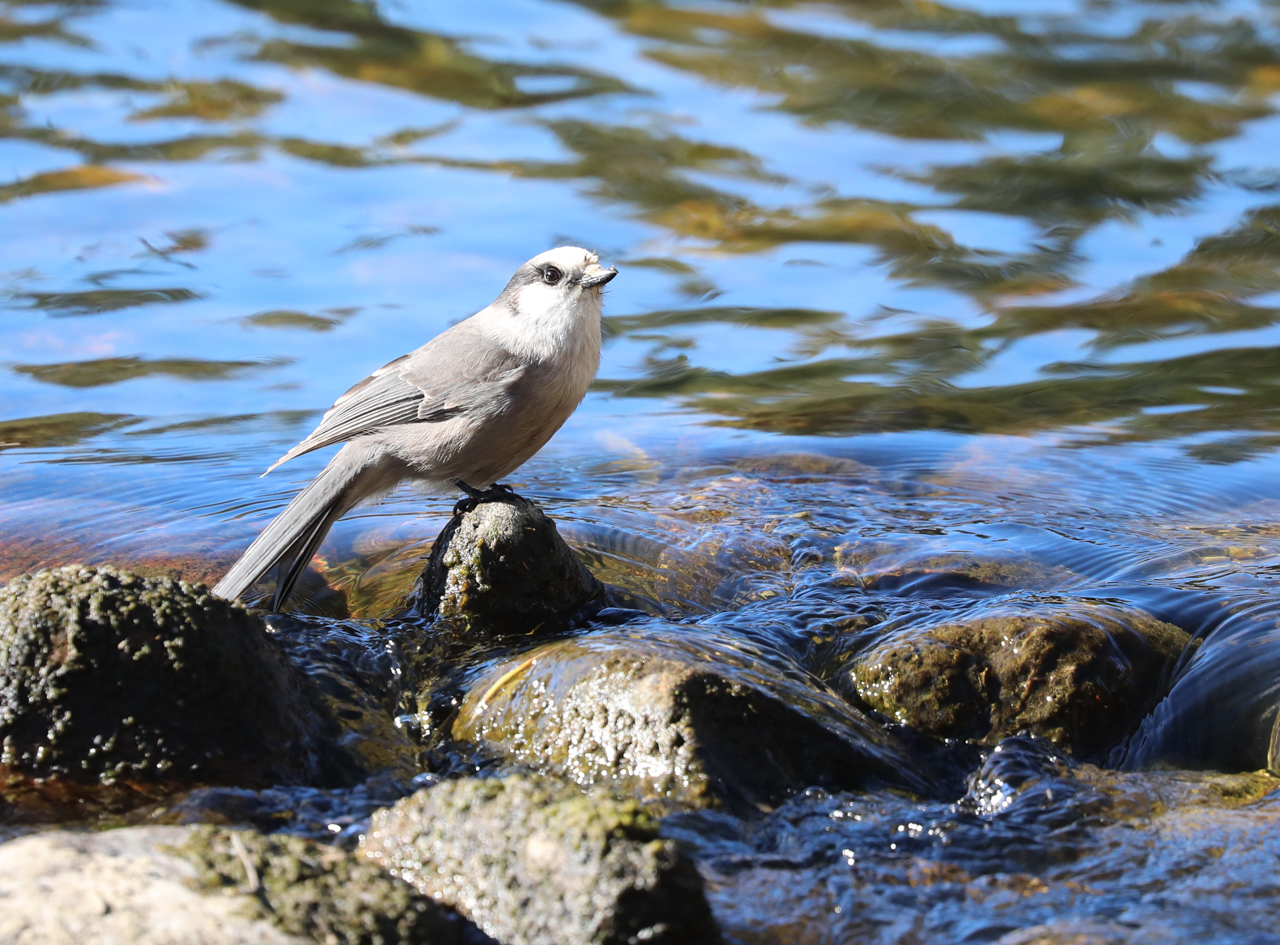
Canada Jay © Chris Dalziel
We started back towards Saskatoon but made a brief lunch stop at Namekus Lake, being approached by a friendly Red Fox along the way. At lunch, we were careful to keep the curious Canada Jays off the picnic table. These little thieves were even trying to take food from us as we put it up to our mouths! The icing on the cake was an excellent boreal bird – an immature American Goshawk that decided to briefly circle over us.
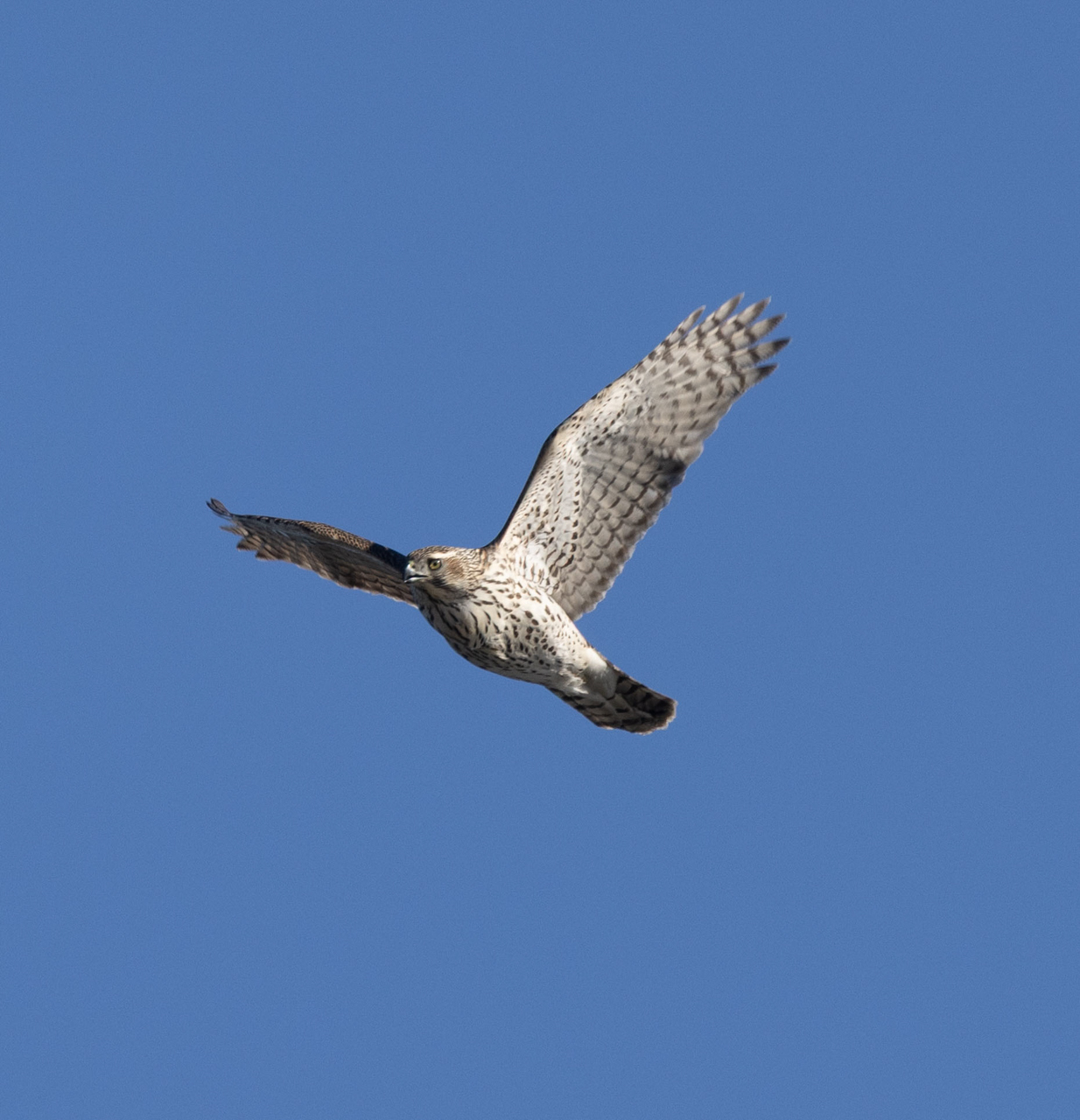
American Goshawk © Lisa Lazarus
We collectively decided that on our way back to Saskatoon we would take one last swing past the Whooping Cranes around Marcelin. We were pleased to find a group of just over 70 feeding in a field in the golden light of late afternoon, while thousands of geese swirled in the surrounding fields. What a fantastic way to end the Cranes & Geese tour!
Day 6: October 6
After a fantastic trip, full of great memories and great birds, everyone headed home.
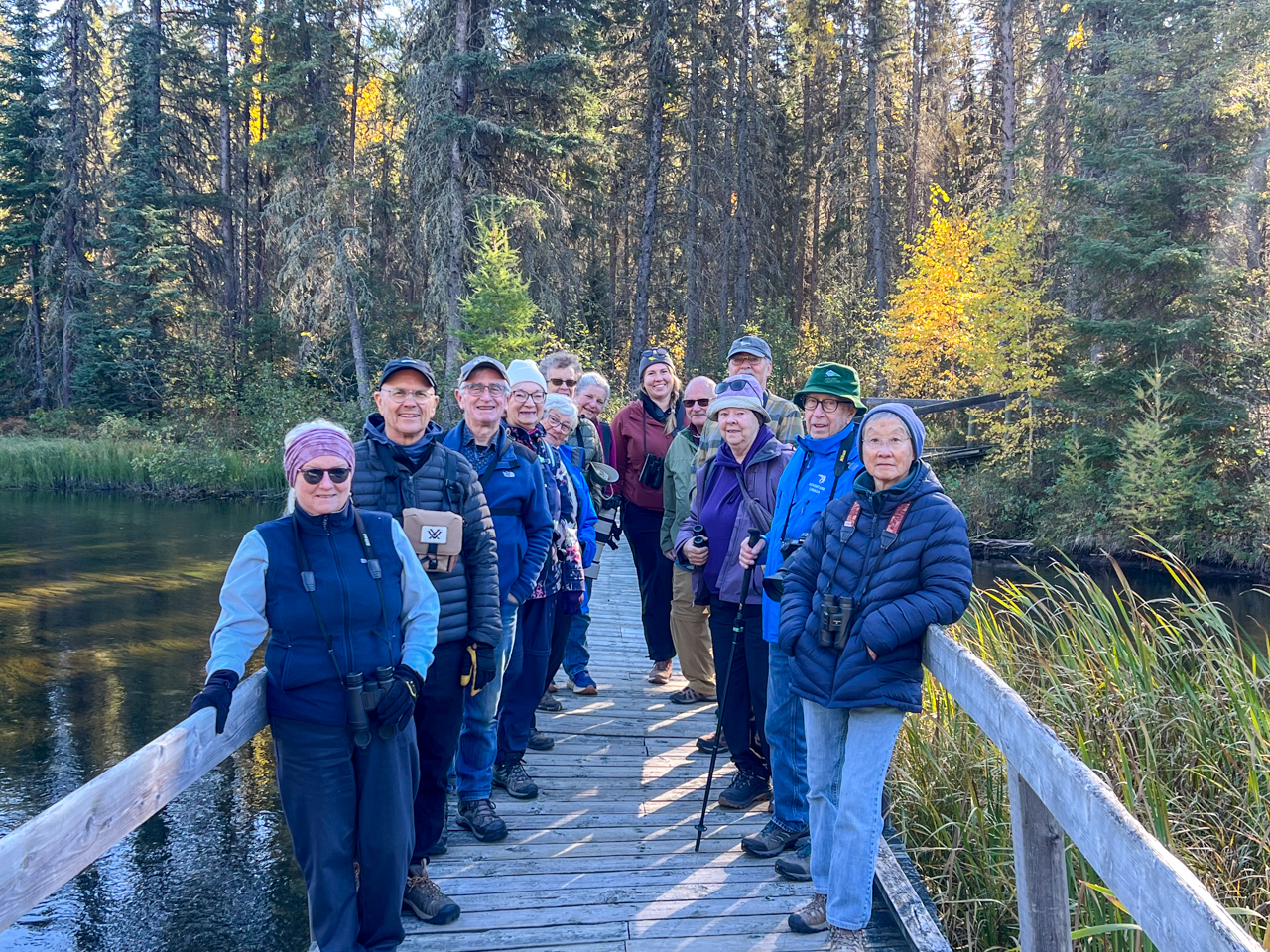
Our Group © Josh Dewitt



Leave a Reply