Quebec in Fall Trip Report (Sep 18 – 27, 2026)
It would be nice to say that the day began like any other – but that’s never true on an Eagle-Eye trip, and it certainly doesn’t apply to the day in question!
For one thing, we were on a whale watching trip, always a special and unique experience. Secondly, we were off the beautiful North Shore of the Gulf of St. Lawrence, a place where anything can happen – and it did! Someone called ‘Whale, ho!’ and our boat slowed to a crawl as we came upon a pod of the beautiful white Beluga Whales, part of a population of 1000 here that have been isolated from their northern cousins since the last Ice Age. The Belugas crowded around us, diving beneath the boat, playfully thrusting their noses into the bubbles coming from our idling motor, flagging their gentle curiosity with every move of their strong bodies. Needless to say we were all on our feet and entranced, the guides beaming with pleasure as they observed their precious clients in the throes of the kind of peak experience that makes an Eagle-Eye trip truly, deeply, and pleasurably memorable…
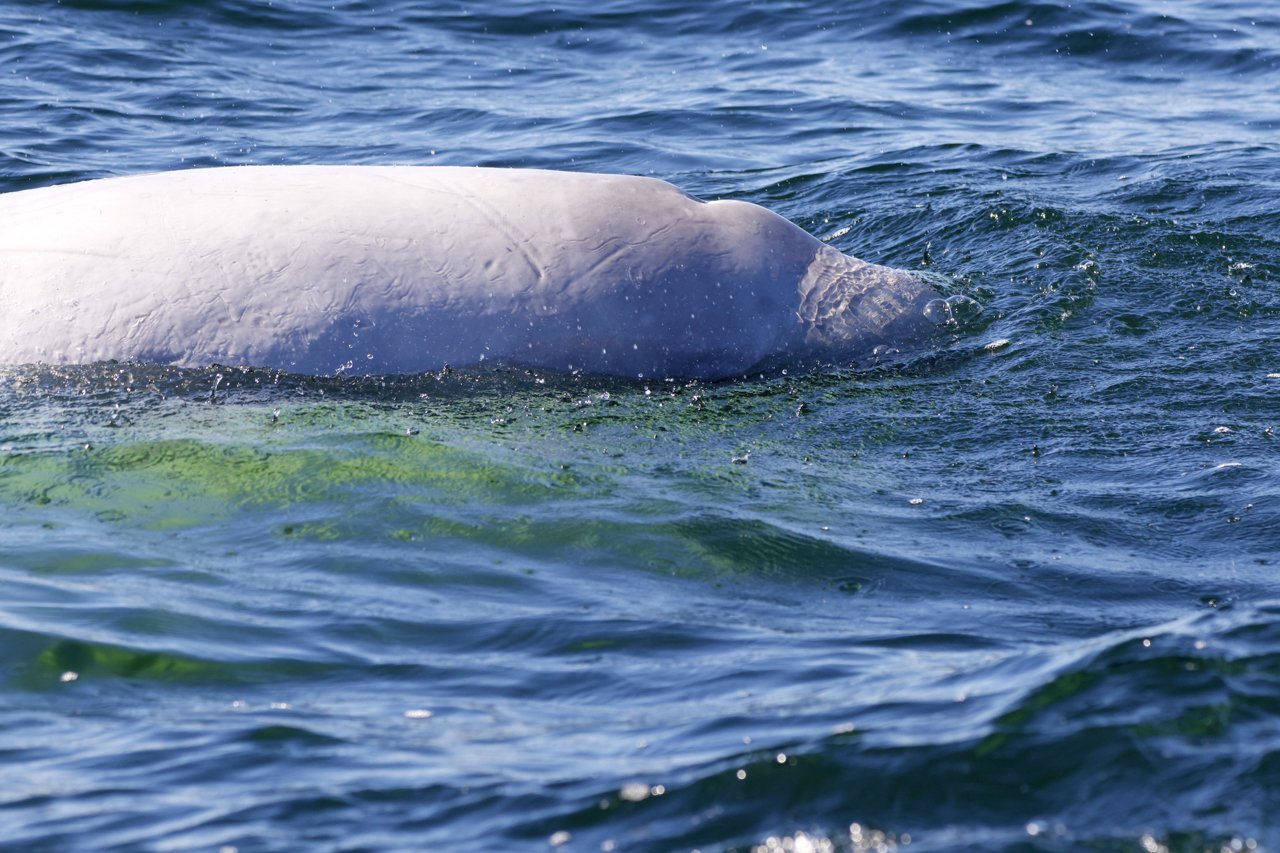
Beluga © Arnaud Valade
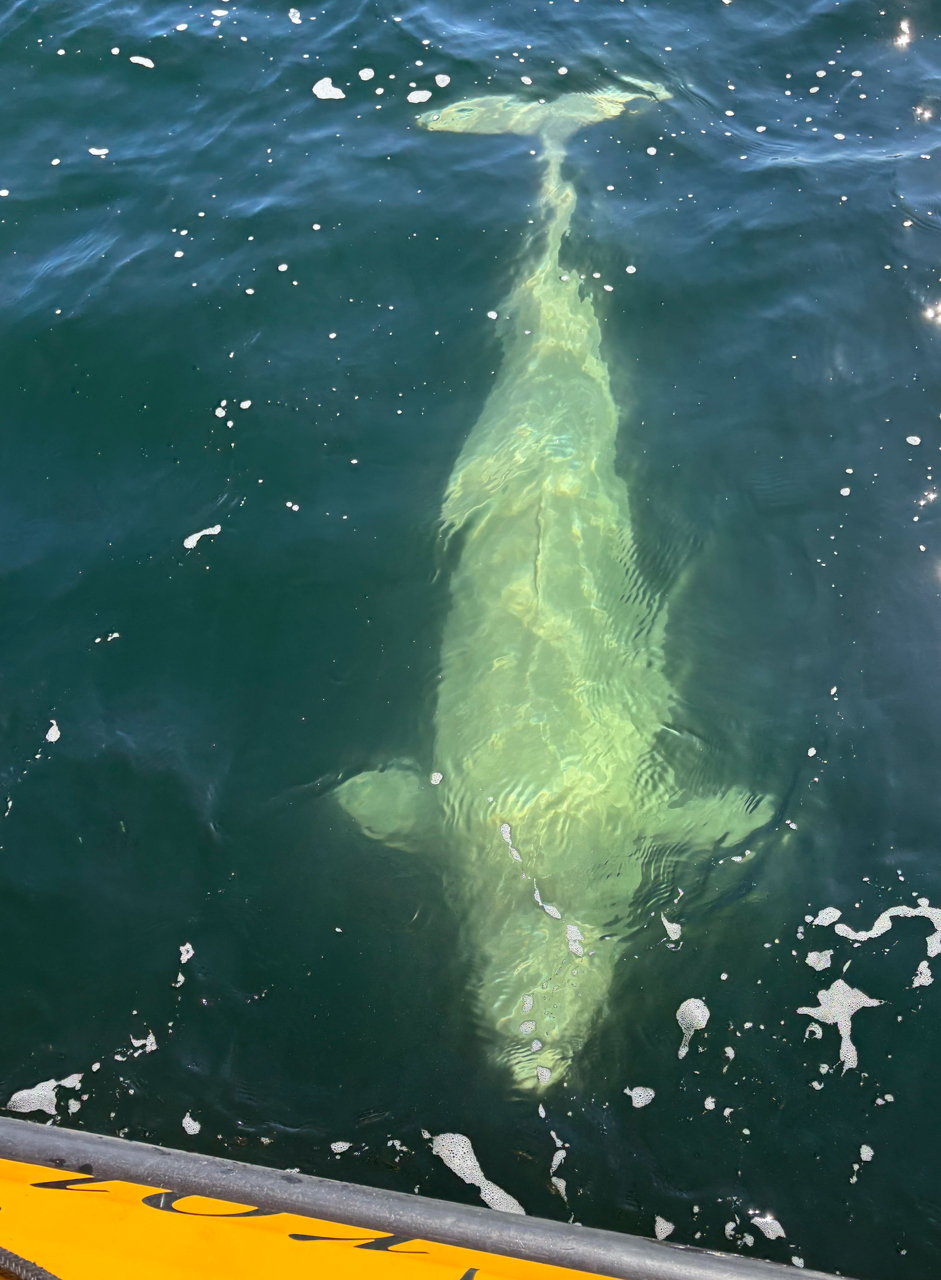
Beluga © Gareth Thomson
The very next day, on our pelagic birding trip, we had been skimming the tranquil waters of the Gulf in silence for some several minutes when we heard a hoarse and excited shout from one of our guides, yelling “Jaeger!” in a voice that was surely heard inside the cafes on the faraway mainland.
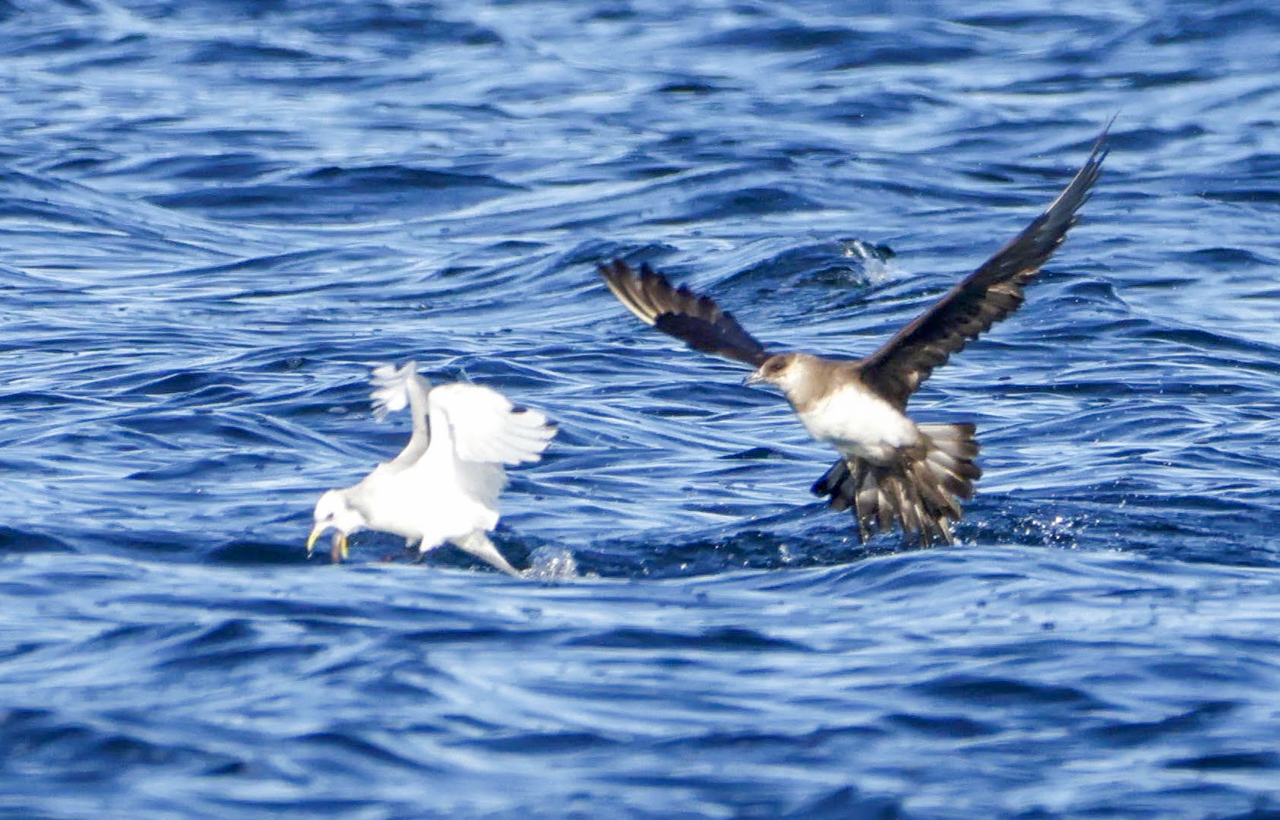
Parasitic Jaeger, forcing a Black-legged Kittiwake to disgorge a fish © Arnaud Valade
And sure enough, there was a Parasitic Jaeger flying powerfully after a gull. The biological term is ‘kleptoparasite:’ the bird is a pirate of the sea, chasing gulls to steal their catch from them. We watched the thrilling chase, saw the Jaeger force the gull into the water, and then gulp down the fish the gull had reluctantly relinquished. This was a bumper year for this species: we viewed at least 11 individuals, a number that put a reverent expression on our faces for some time..
Our nautical adventures were matched by our land-based adventures! We schedule this tour to coincide with the Tadoussac Bird Festival, and one evening we were delighted to sit in hushed silence as we watched a volunteer expertly banding a Northern Saw-Whet Owl, a diminutive owl scarcely larger than a starling that combines an endearing and cute facial expression with a fierce and predatory ability to kill its prey.
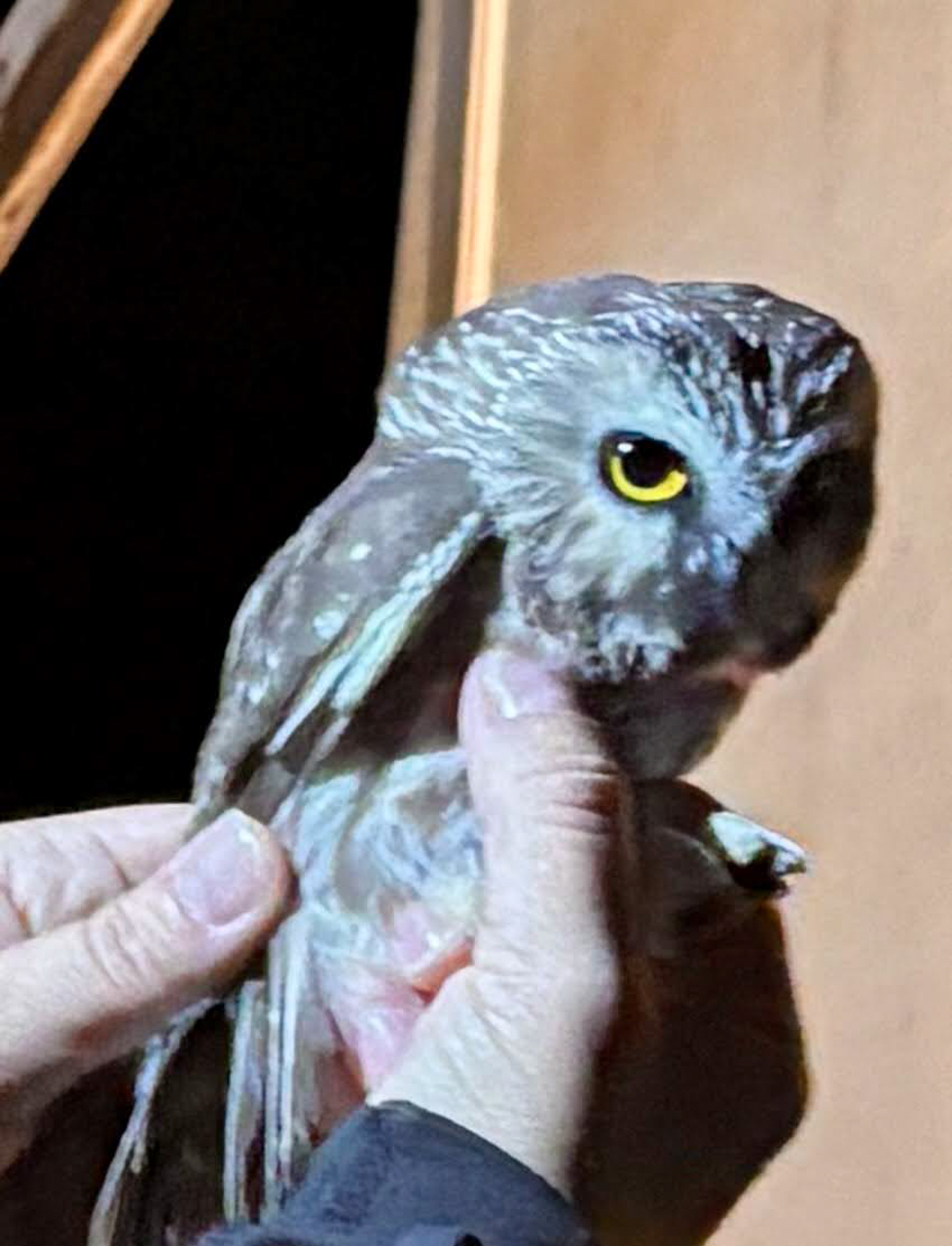
Northern Saw-whet Owl © Gareth Thomson
Most raptors and perching birds (passerines) prefer to travel through Tadoussac as they follow this coast in a southwest direction, preferring safer passage over land to the more risky passage over the many kilometers of the Gulf’s cold water, and we were able to view good numbers of birds such as Peregrine Falcon, Bald Eagle, Northern Harriers, and many Sharp-Shinned Hawks.
We were impressed by the birds – but we were also really impressed by the humans we met at the festival. Birds need protected areas, and other forms of conservation, to survive and thrive; that conservation needs to be informed by research; and education delivered to interested bird-watchers and other publics is essential to build support for all of the above. And the volunteers and a few staff delivered! They were everywhere: staffing booths, tirelessly heading out in the middle of the night to collect birds from mist nets in order to band them, or educating visitors in both of Canada‘s official languages. We were privileged to spend a few minutes with a locally famous bird counter, a man who has spent the past eight years dedicating three full months of his life every autumn– day and day out, between 8 to 10 hours per day – counting the raptors that fly above this important flyway. What dedication!
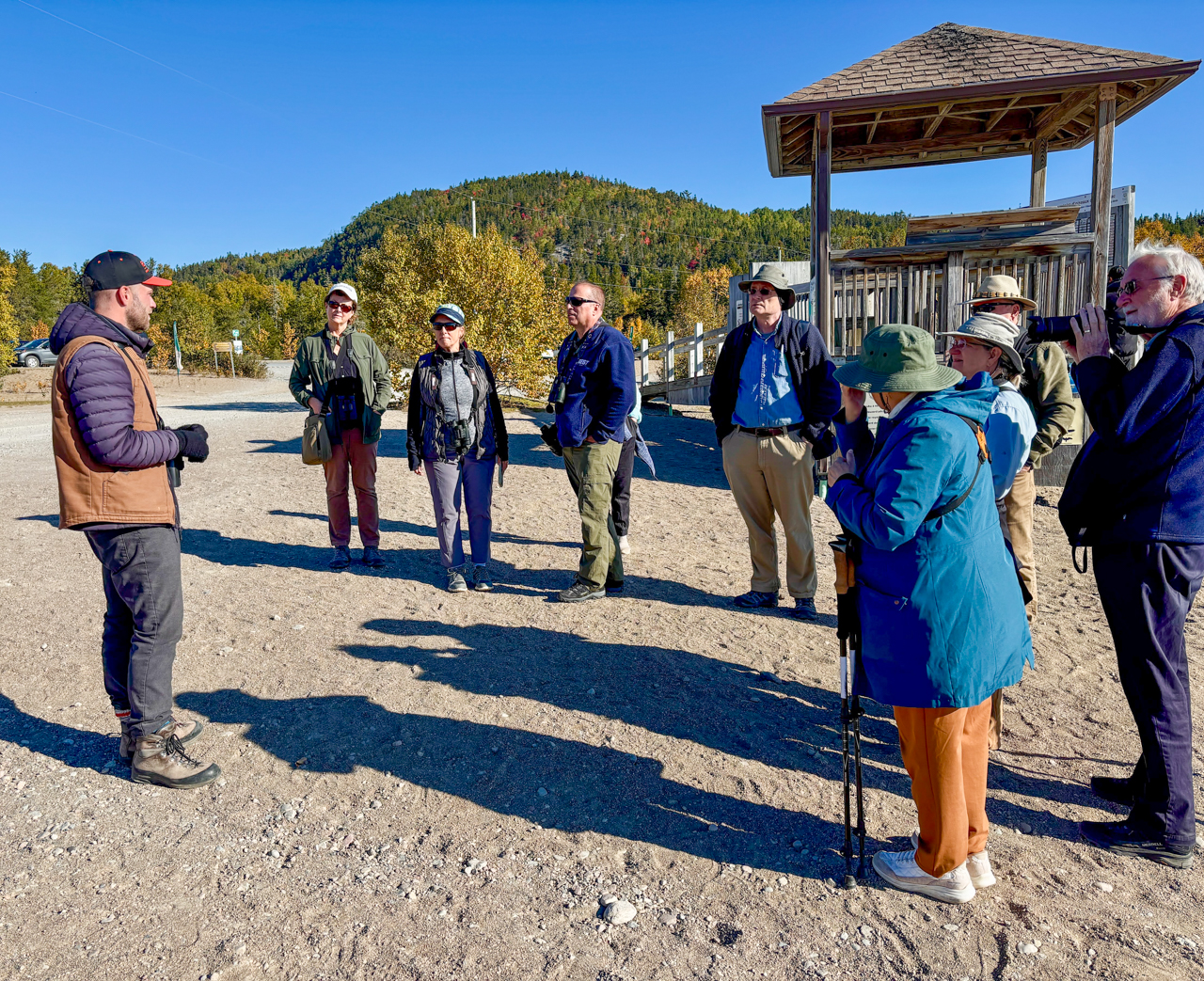
Tadoussac Bird-Spotter Extraordinaire with group © Gareth Thomson
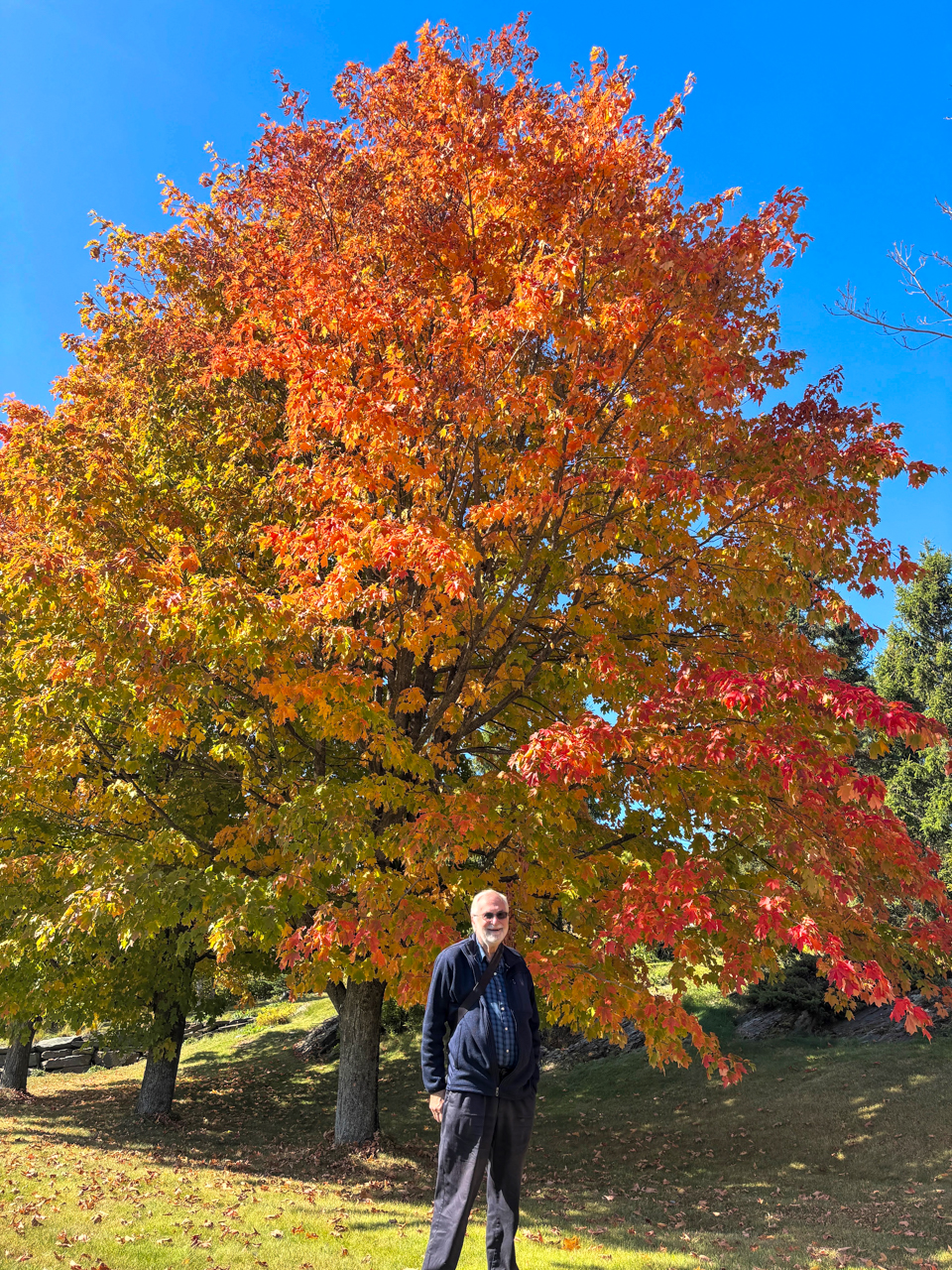
Spectacular fall colours, courtesy of the maple trees! © Gareth Thomson
The guests cited many other trip highlights. Massive gatherings of up to 7000 Common Eider at a time, bobbing in huge rafts before diving to the sea bottom for food. The spectacular fall colors of Sumac and Maple trees, in all their autumnal glory. An Atlantic Puffin, bobbing in the St. Lawrence. They fell in love with one particular perch, an overlook in the Camping Bon-Désir campground where they could survey the ocean and its many birds and mammal species, like an eagle on its eyrie. And some guests flagged our many picnic lunches as a highlight of the trip!
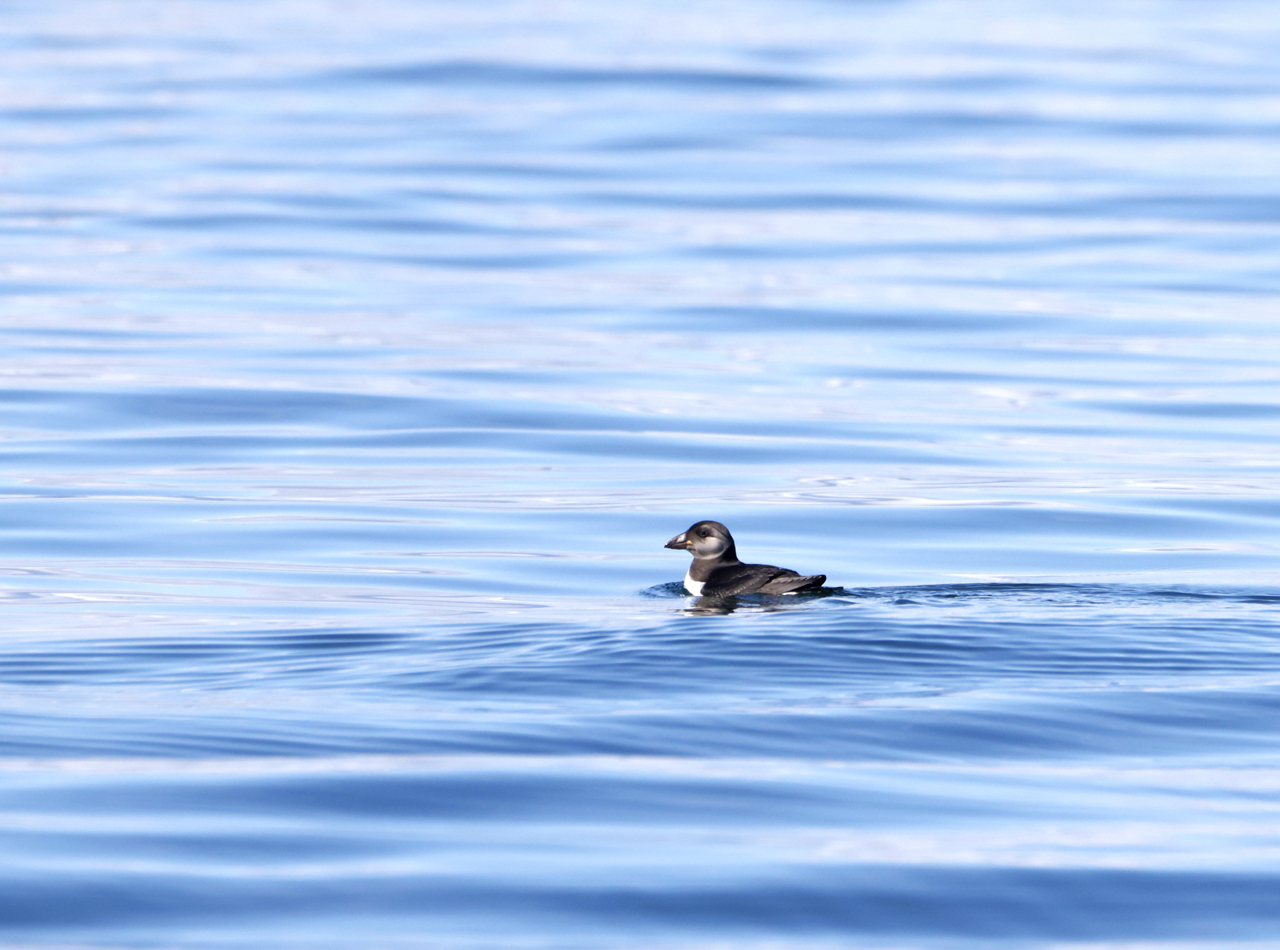
Atlantic Puffin © Arnaud Valade
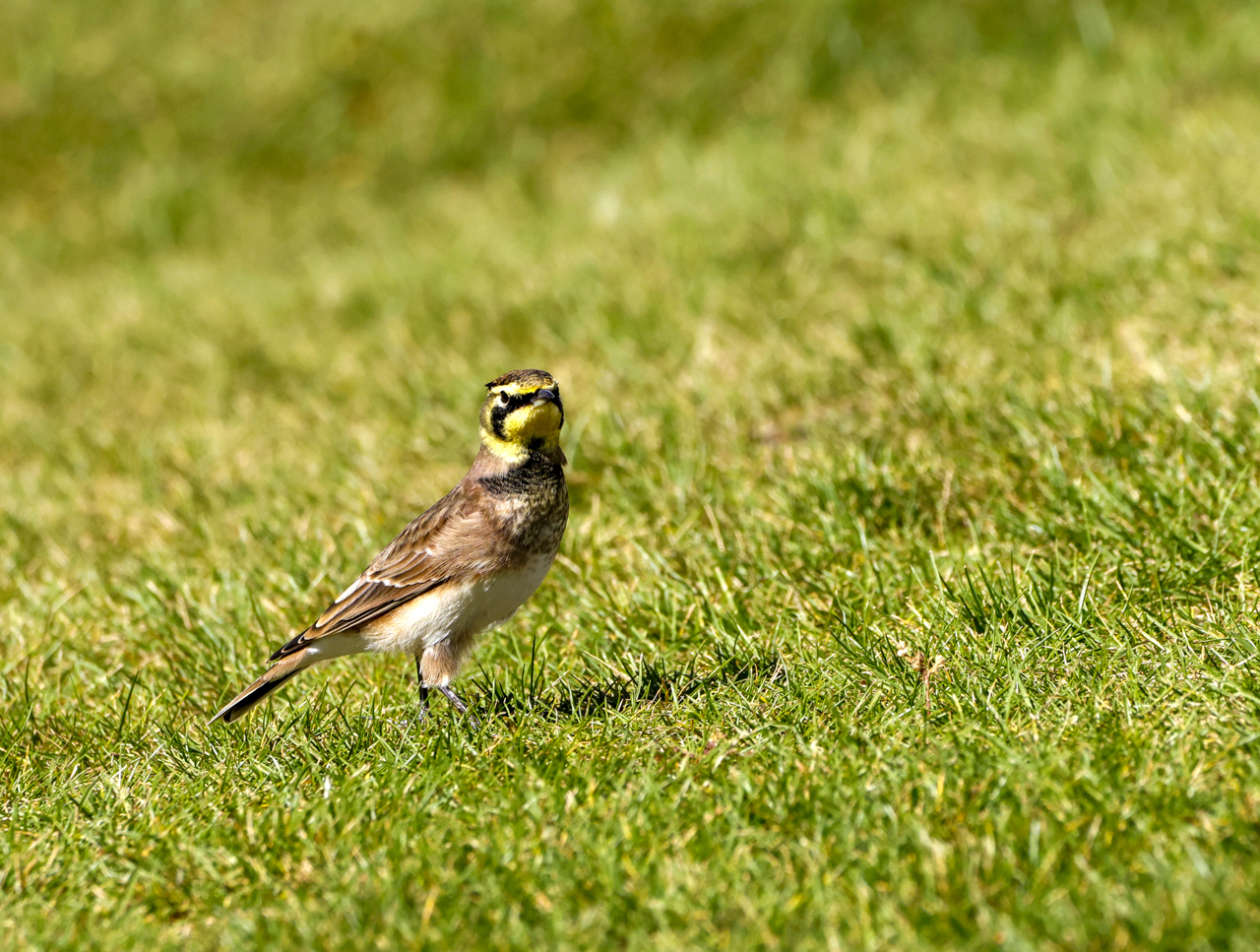
Horned Lark © Arnaud Valade
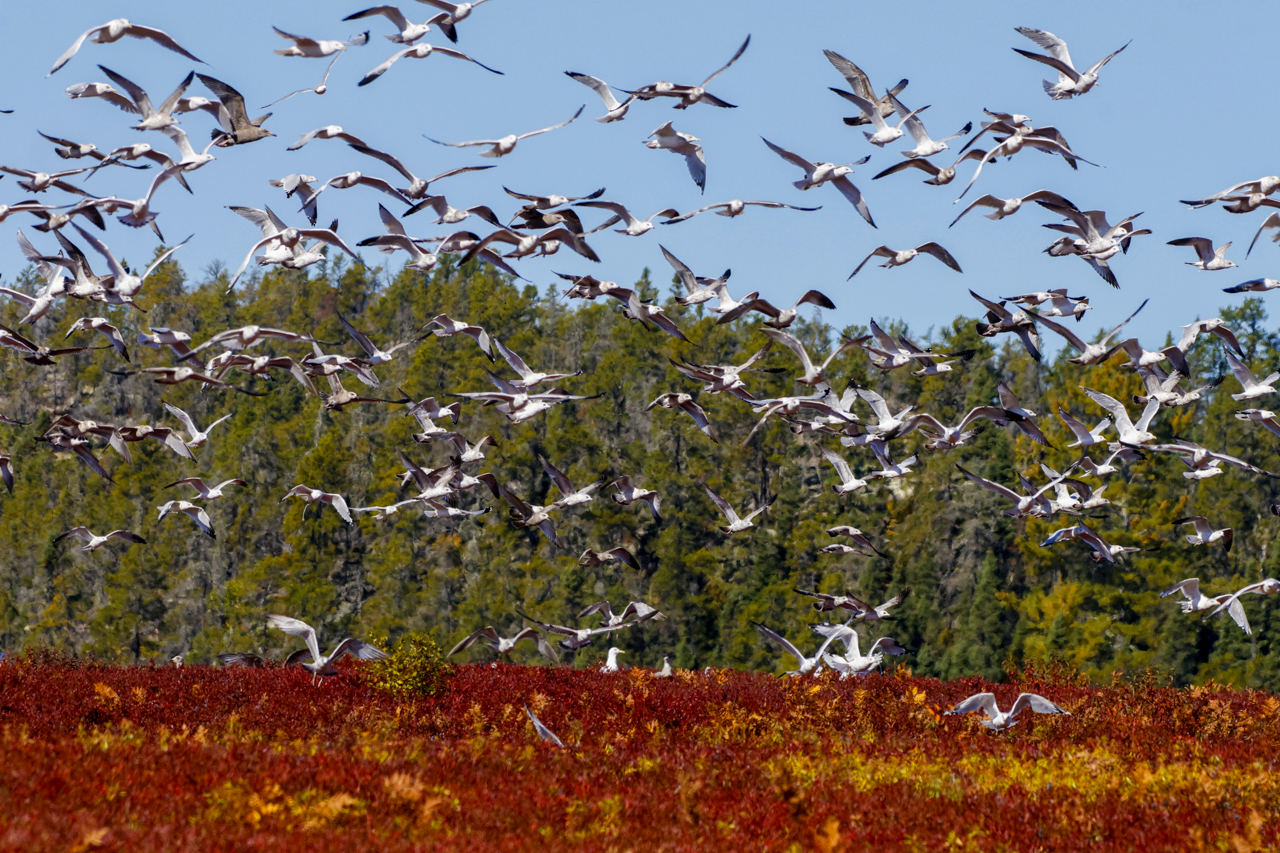
Gulls in blueberry field © Arnaud Valade
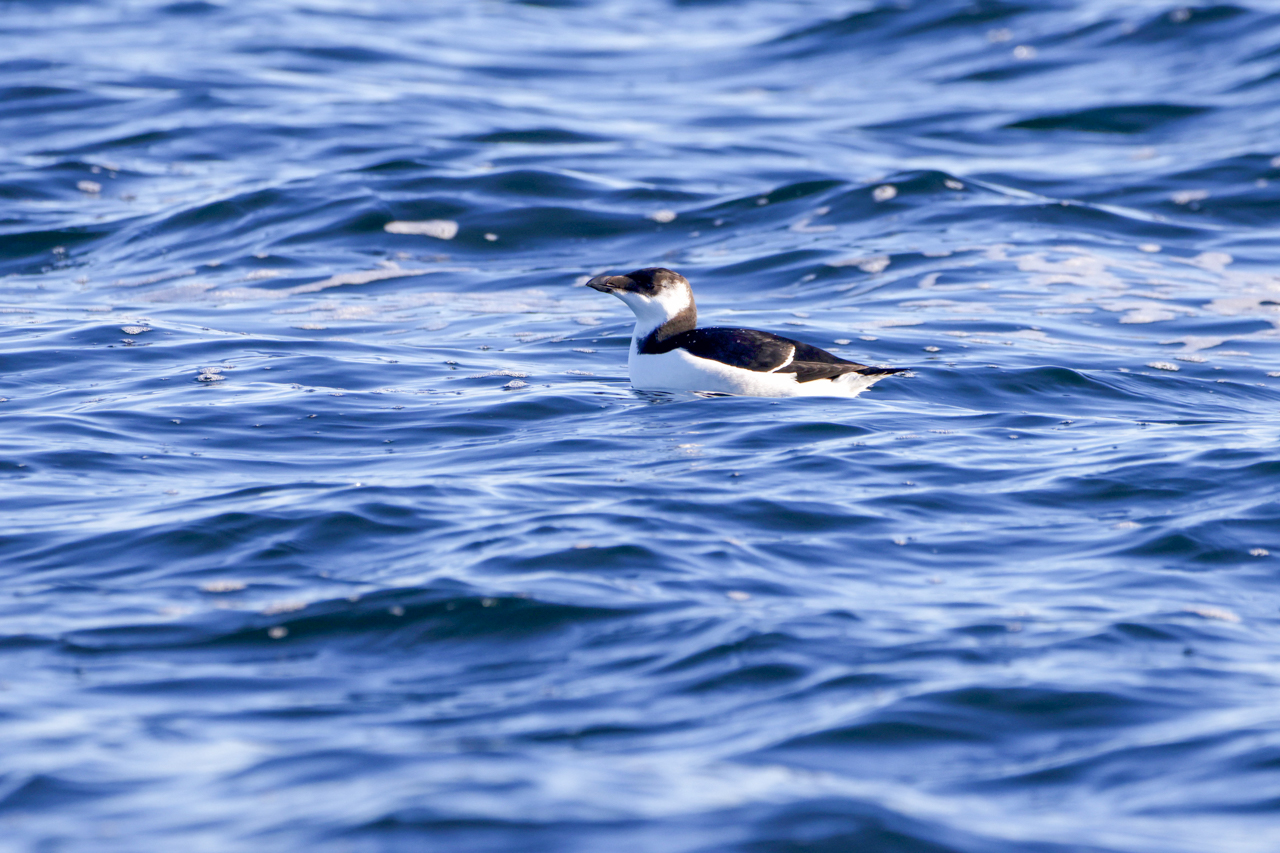
Razorbill © Arnaud Valade
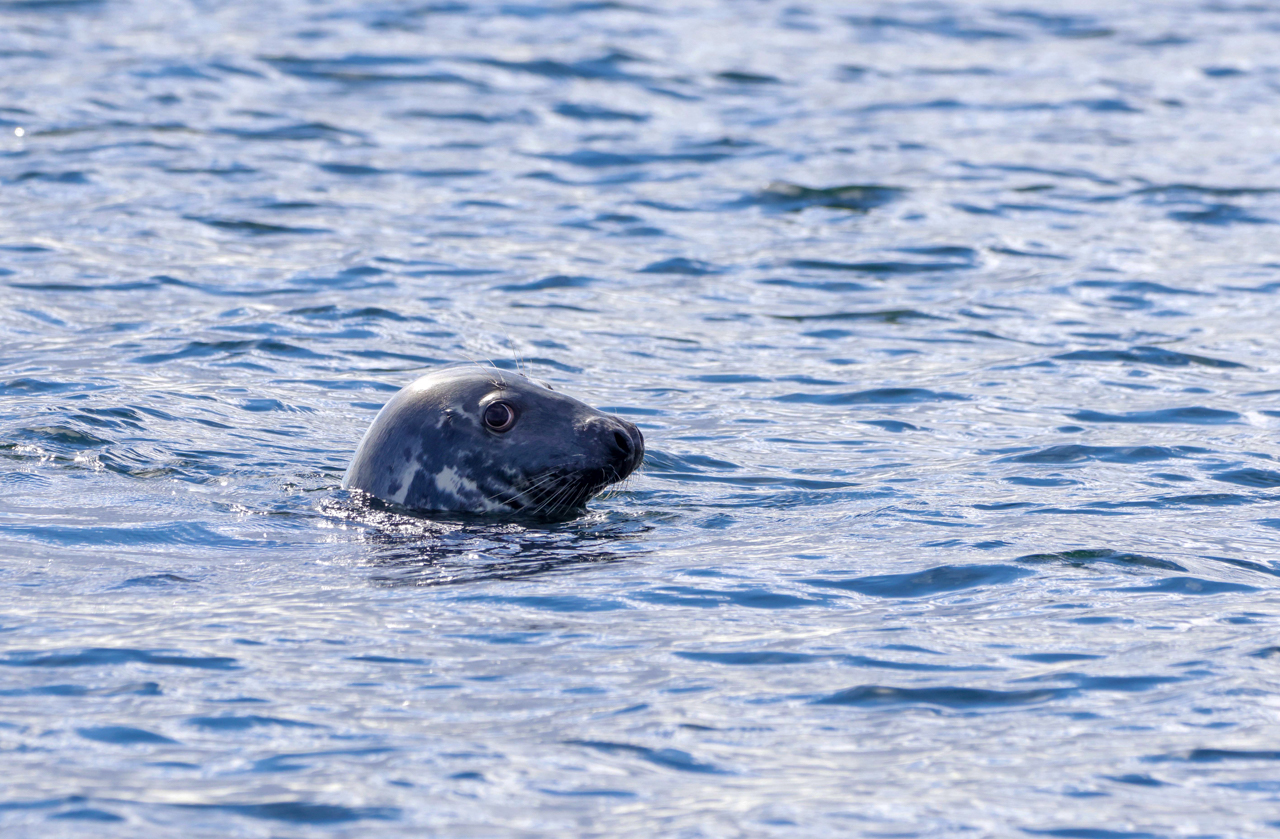
Gray Seal © Arnaud Valade
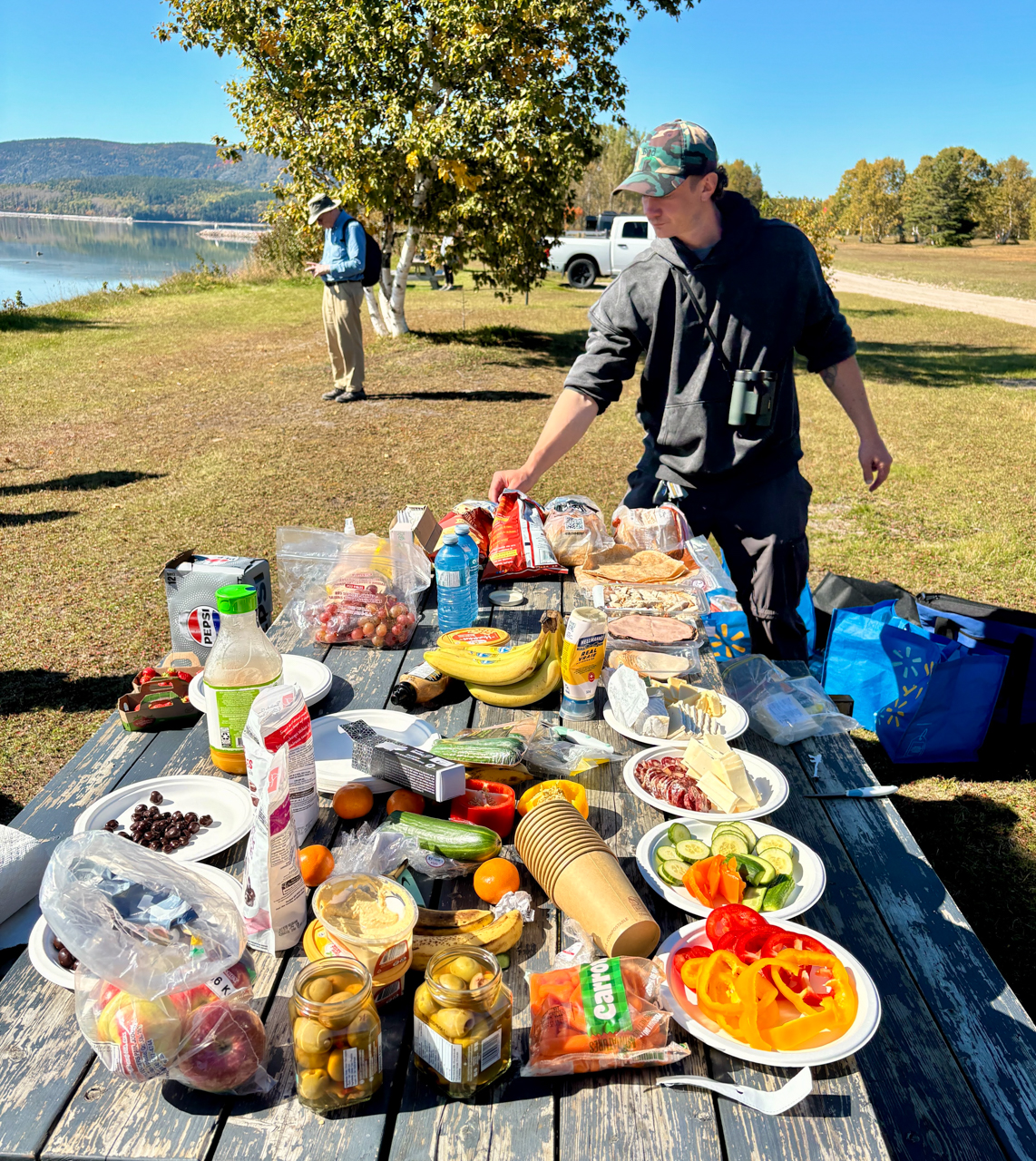
One of our sumptuous picnic lunches! © Gareth Thomson
And the birds just kept coming. We viewed many species of shorebird (ranging from smaller Dunlin and Semipalmated Sandpipers to mid-size Golden and Black-Bellied Plovers, and polished off by a group of six of the large, spectacular, and rarely found Hudsonian Godwit). These birds would give their clarion cries, dash in towards the shore – and then fold their wings upon they reach the beach, becoming well nigh invisible.
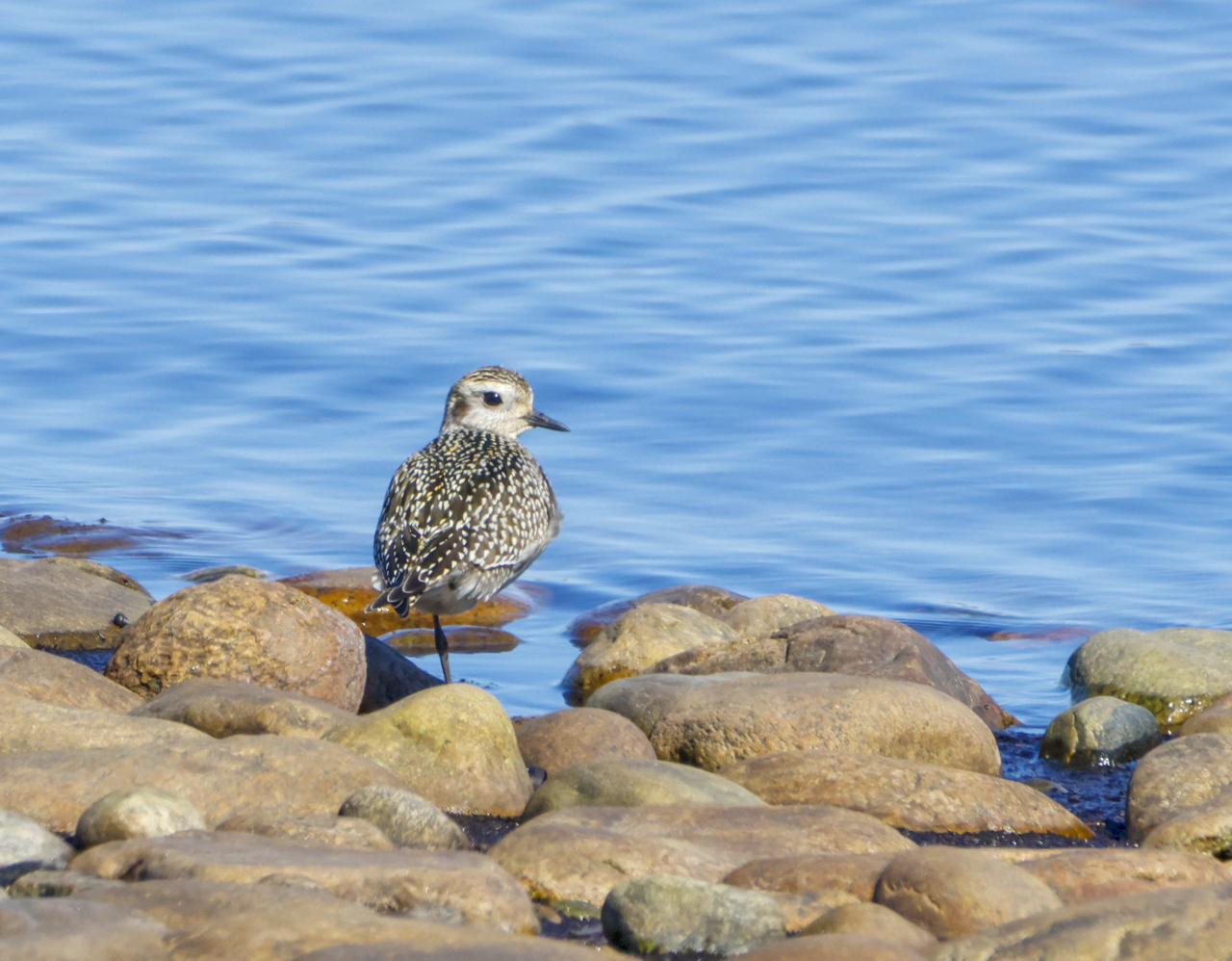
Golden Plover © Arnaud Valade
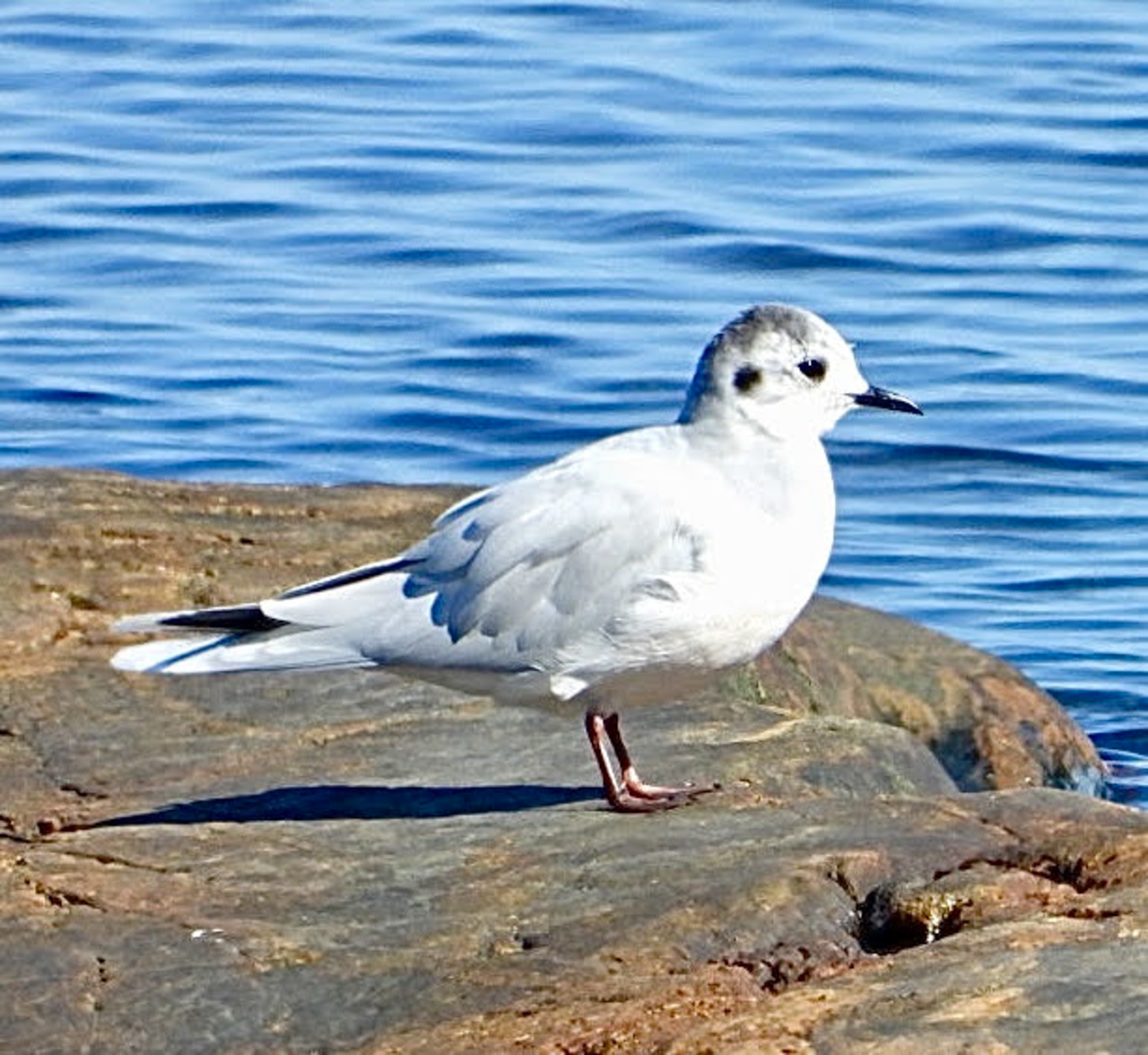
Little Gull © B Taylor
We also found the rare and much sought after Little Gull, a diminutive bird with unexpectedly dark underwings, who was kind enough to perch like some beautiful and aquatic ground dove right in front of us, for all to see.
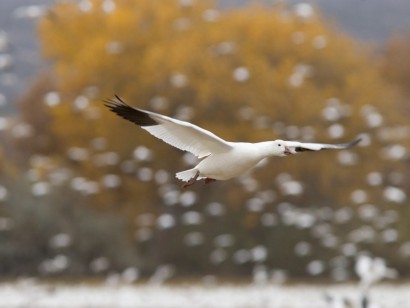
A major theme of this trip is migration, and its poster child is the Snow Goose. Tens of thousands of these beautiful and majestic white geese pour through this area at this time of year, and formed an important backdrop for us throughout the tour, arriving in squadrons to roost in a bay before our eyes, occupying farmers fields in their hundreds, or flying in V-shaped formations far, far above our heads, inviting us to strain our eyes and use our binoculars to pick out the far away geese as they headed south.
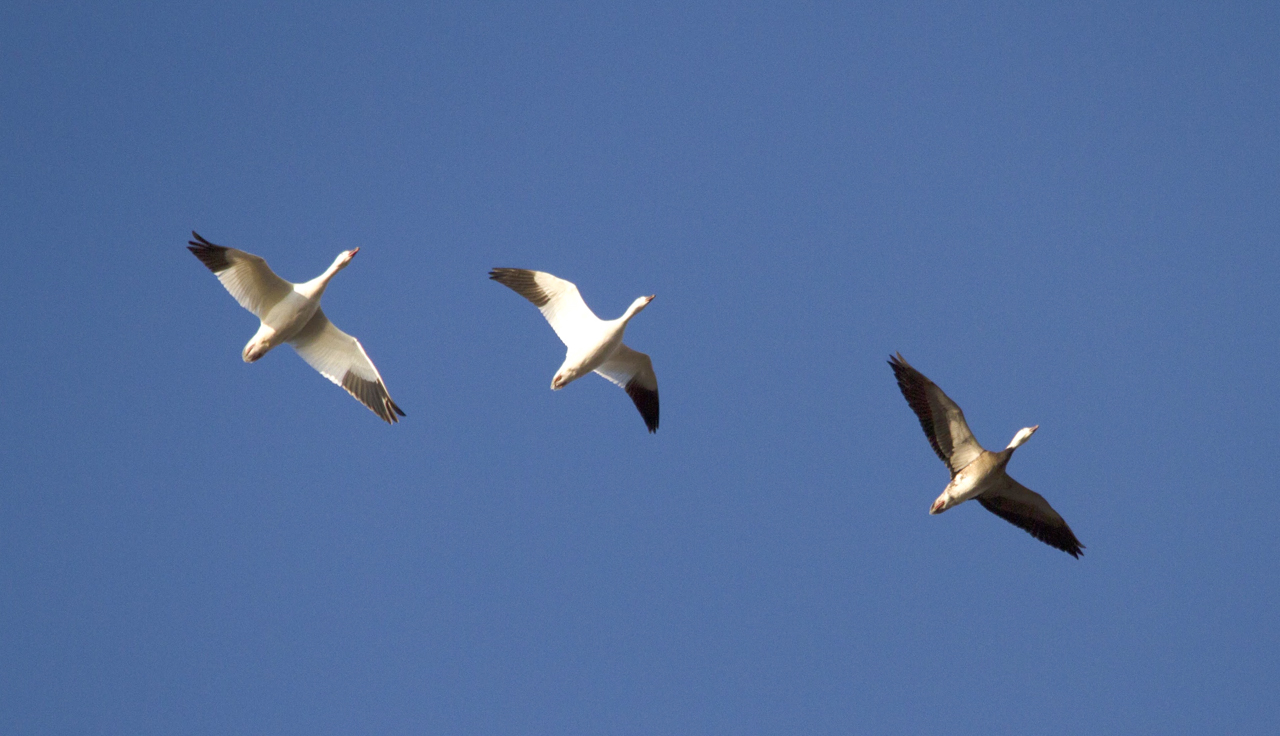
Snow Goose (bird at right is a ‘Blue Goose,’ an infrequent colour Snow Goose colour morph) © Arnaud Valade.
We could barely see them – but oh, we could hear their strident calls, more high pitched than their Canada Goose cousins. It was thrilling to have this daily reminder that we live embedded in nature, with its powerful seasonal rhythms; and we agreed on how very lucky we were to witness all this. It reminded us of the closing lines of Mary Oliver’s poem, Wild Geese:
“Whoever you are…
the world offers itself to your imagination,
calls to you like the wild geese, harsh and exciting –
over and over announcing your place in the family of things.”
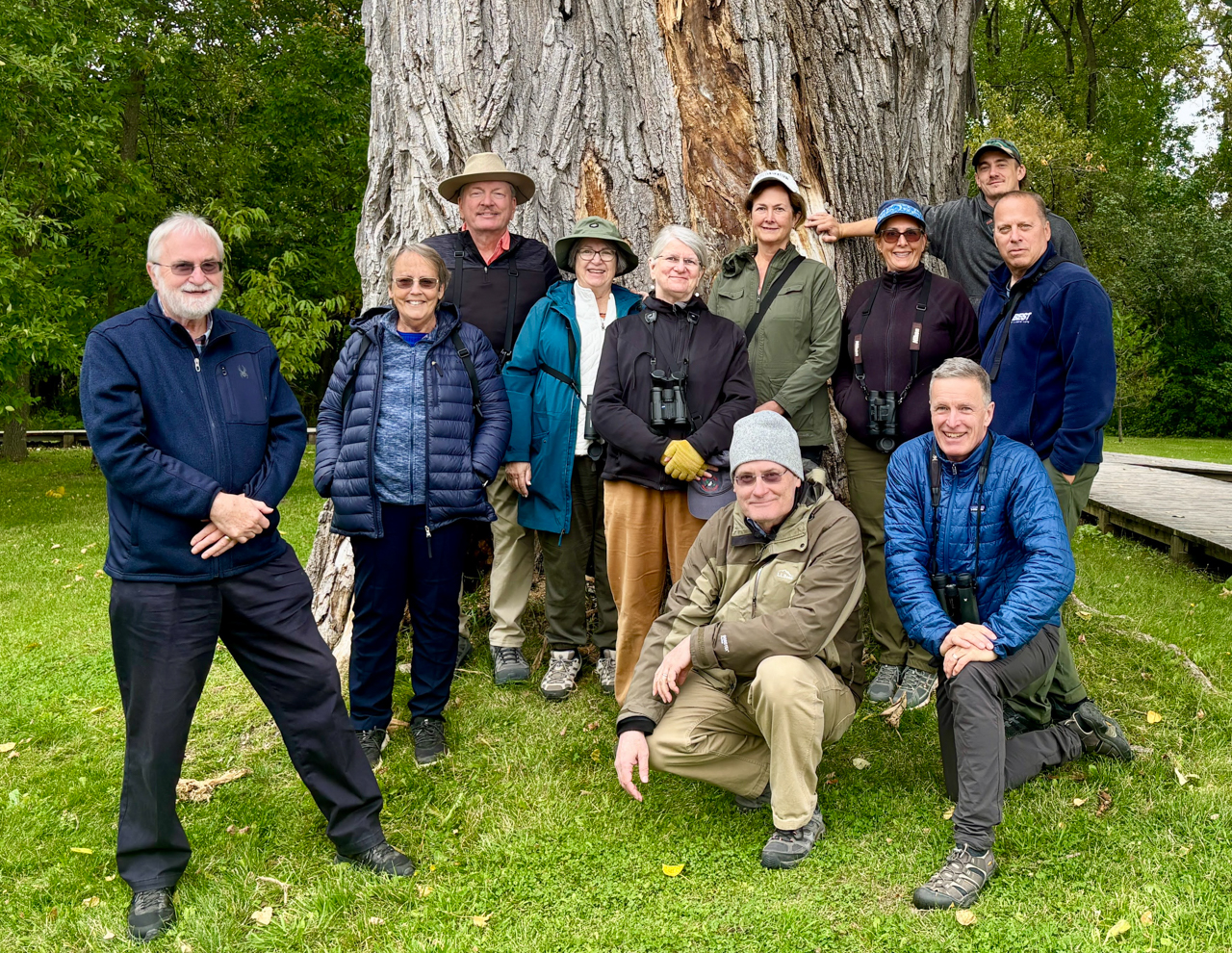
Our group