Point Pelee & Algonquin Park Trip Report (May 5 – 16, 2026)
Spring migration is an exciting time for birds & birders alike, and nowhere showcases it better than southern Ontario. Our group of five enthusiastic birders explored some of Canada’s busiest and most well-known migration hot-spots along Lake Erie and the southernmost reaches of the boreal forest from May 5-16.
May 5-6: Toronto & Lake Ontario
Our group met in Toronto Canada’s largest city and our launching pad into ten days of non-stop birds. Even in this urban jungle, we found delightful birding at Colonel Sam Smith Park and enjoyed our first taste of migrants like Ruby-crowned Kinglet, Palm Warbler and Blue-grey Gnatcatcher. The cool, drizzly morning kept bird activity low but encounters with local breeders such as Northern Cardinal, Eastern Warbling Vireo and Yellow Warbler would become familiar to us over the next few days. Two Black-crowned Night Herons roosting in a tree was a surprise find, and our only sighting of this species on the entire trip. We were also entertained by some very vocal Red-necked Grebes nesting near the marina and lingering waterfowl such as Red-breasted Merganser and Long-tailed Duck.
We soon headed west towards our next destination at Point Pelee, breaking up the drive with a lovely lunch stop near Guelph.
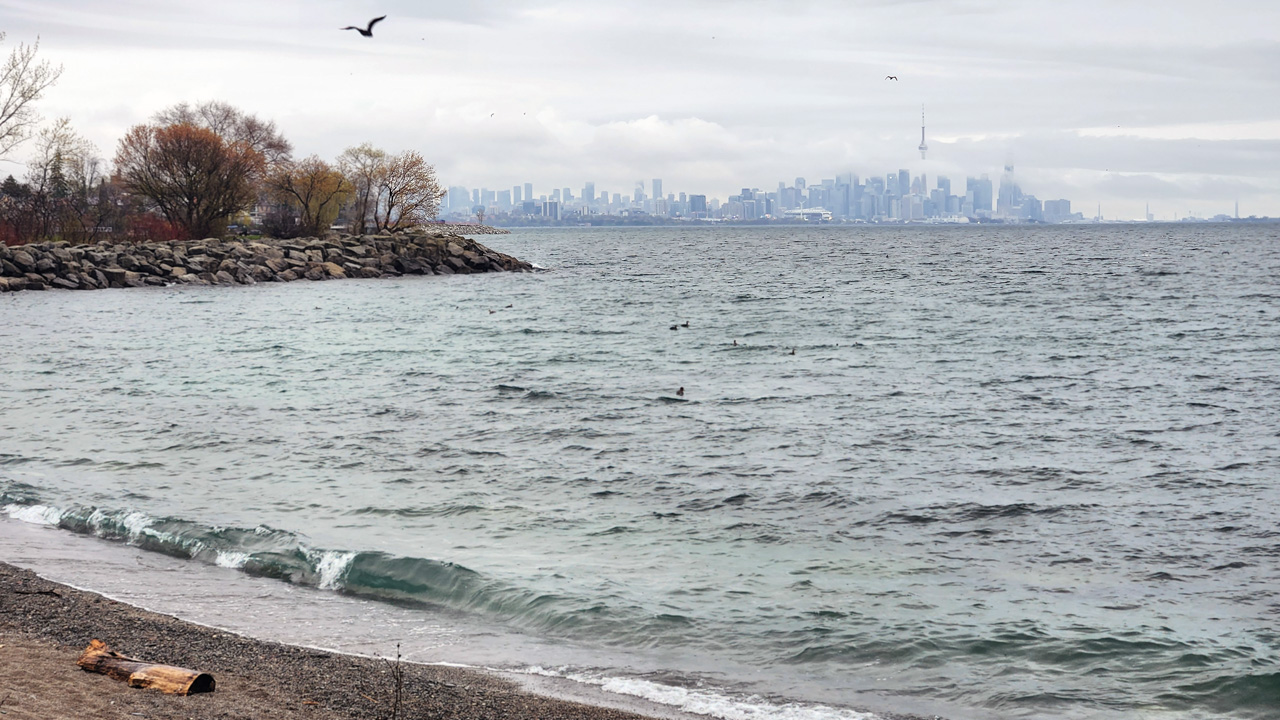
UrbanBirding ©Jared Clarke
May 7-9: Point Pelee National Park
After a busy travel day, we were up well before the crack of dawn the next morning and excited to dig into the birding. Eager to experience the legendary migration of Point Pelee National Park, we took advantage of our hotel’s early breakfast and arrived as the first hints of sun trickled in through the trees. We rode the famous “tram” to the tip and spent the next few hours birding and soaking in the show (of both birds AND birders) at Canada’s most southerly point of land. Despite it being a somewhat slow migration day, we spotted a nice diversity of birds including Red-headed Woodpeckers, Rose-breasted Grosbeaks, a skulky Marsh Wren alongside the trail and a brilliant Indigo Bunting hopping among the branches. Especially exciting was a Least Bittern posing quietly in the woods near the tip, showing exceptionally well for such a secretive bird. It was the perfect introduction to this magical place!
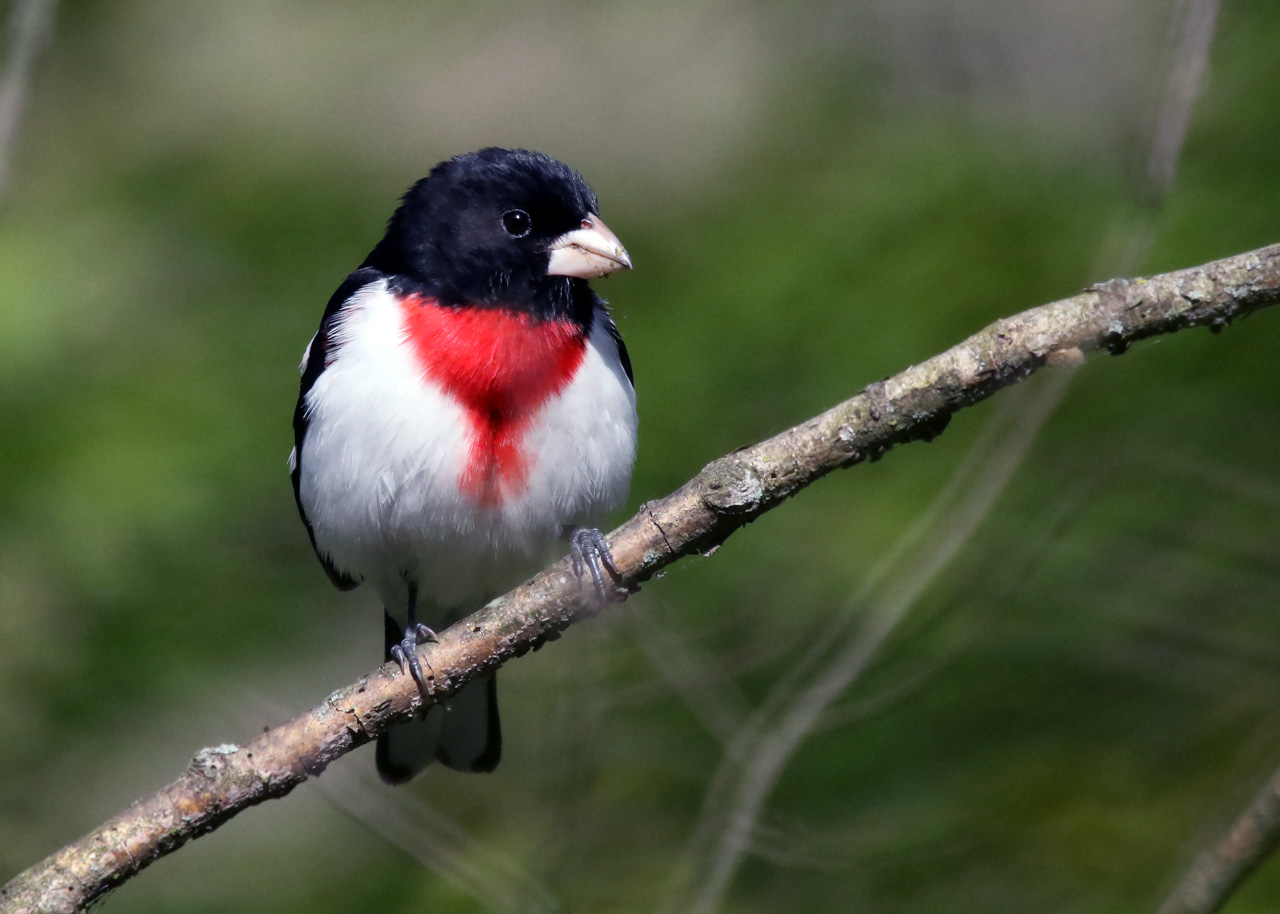
Rose Breasted Grosbeak ©Jared Clarke
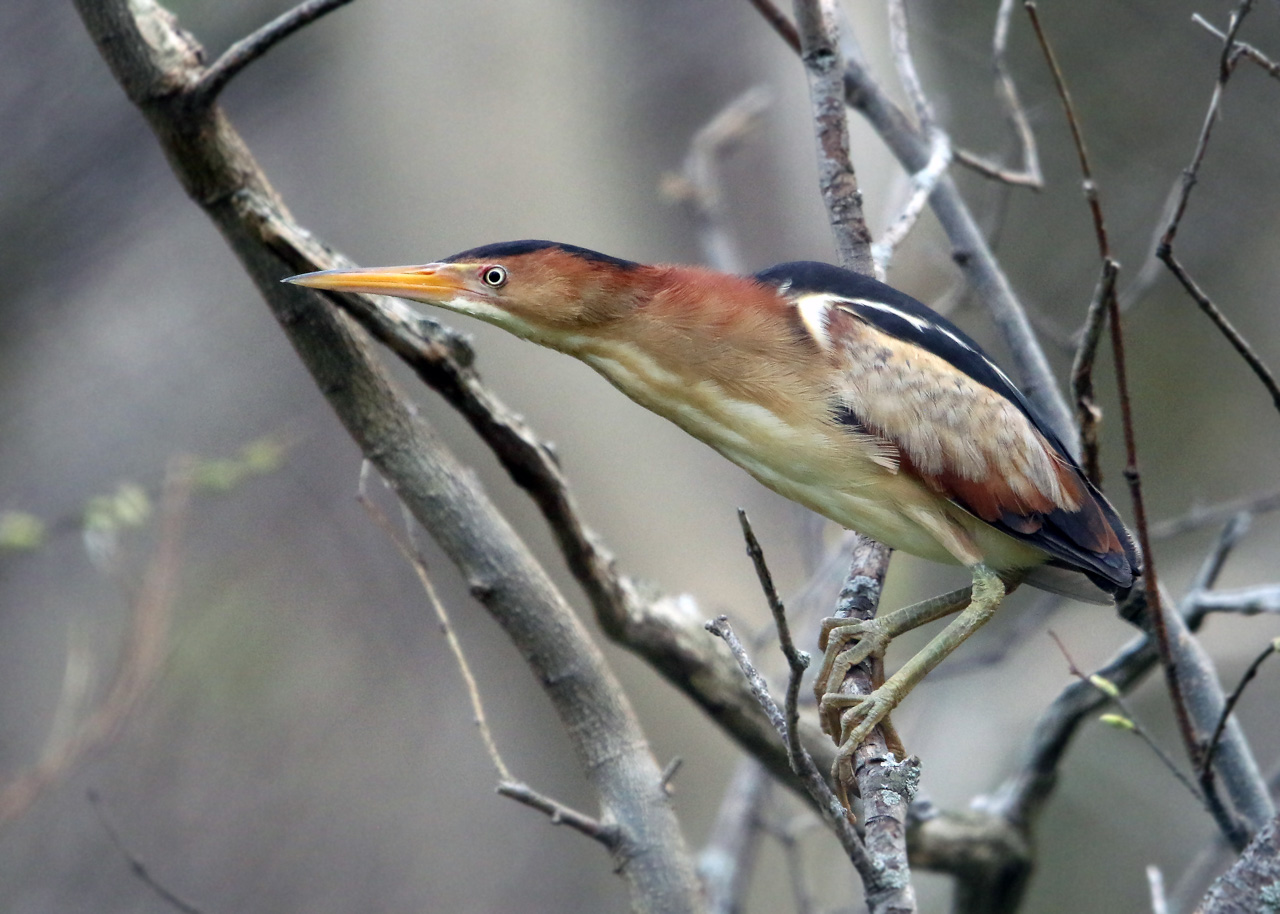
Least Bittern ©Jared Clarke
While a couple participants took time to deal with unexpected health concerns, a few of us headed to nearby Kopegaron Woods for a stroll through the lush forest. Numerous birds were singing high in the canopy and difficult to spot including Northern Parula, Black-throated Green Warbler and Blue-headed Vireo among others. A beautiful Hooded Warbler was much more cooperative, providing excellent views as it foraged along a series of dead fallen trees. We also scared several eastern garter snakes off the trail which had been drawn out by the warm afternoon sun.
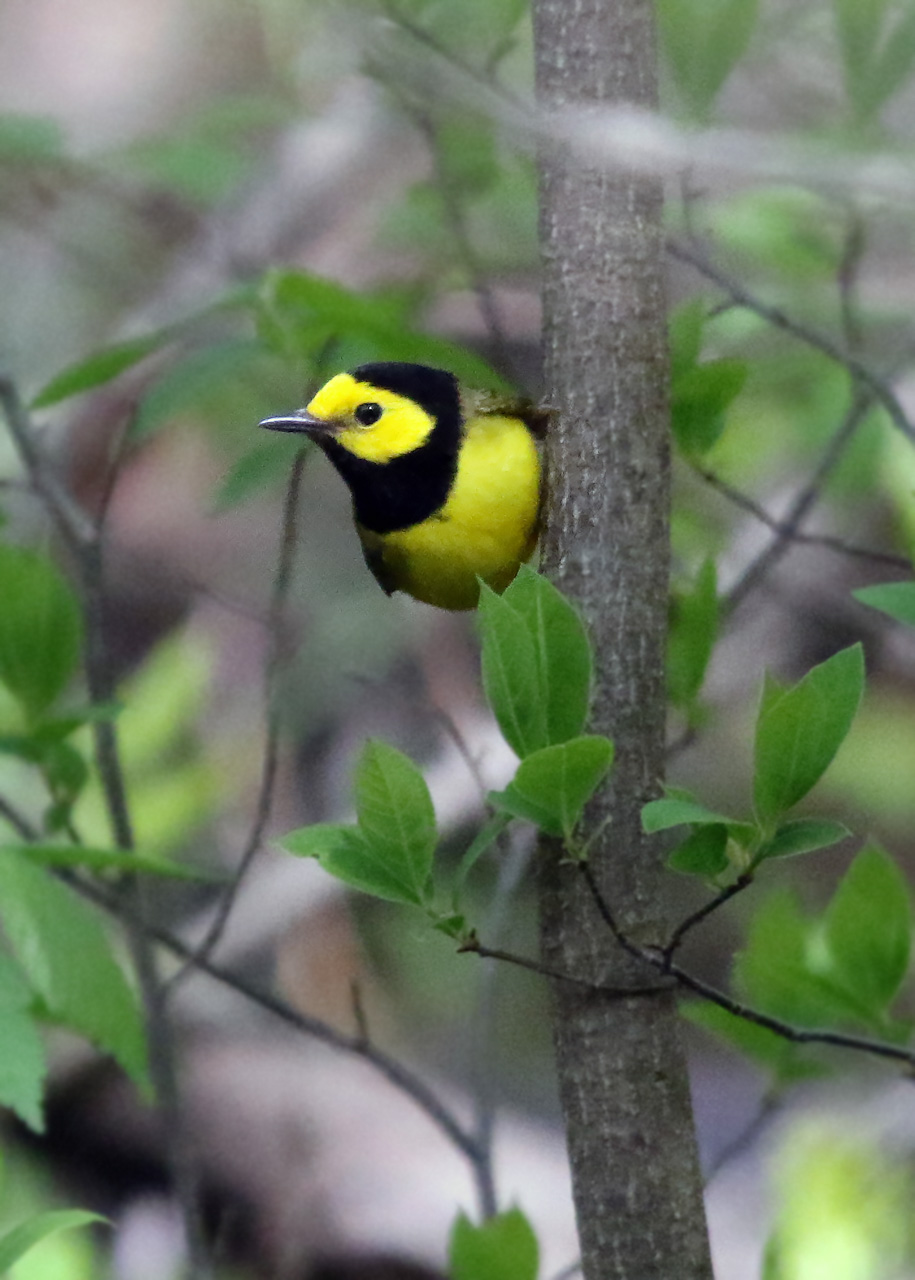
Hooded Warbler ©Jared Clarke
Our early mornings continued, and our group was at the “tip” just after sunrise both days. While the winds were not especially conducive to migration, we did get to witness a little of the famed “reverse migration” an intriguing phenomenon that occurs at Point Pelee when recently arrived birds funnel back to the tip and make (usually) short flights out over the lake. We watched dozens of birds do this blackbirds, warblers, orioles and sparrows among others. It was fun to watch, and one of the main reasons we set out before dawn each morning. The tip was also host to numerous roosting birds during our visits Bald Eagles, Common Terns and Dunlin along with Herring, Great Black-backed Gulls and Bonaparte’s Gulls. Very rare for Ontario, a Black-headed Gull created lots of excitement not only for our group but among the crowds of birders enjoying the morning.
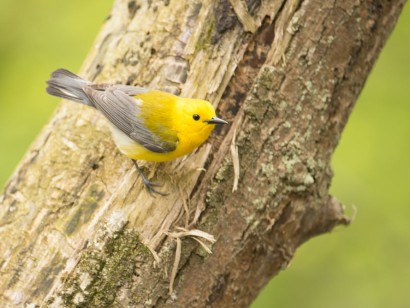
Other highlights of our time at Point Pelee included roosting Eastern Screech-Owl, Red-bellied woodpeckers, Great Crested Flycatcher, Fish Crow, Clay-coured & Field Sparrows, incredibly intimate views of Prothonotary Warbler and a dozen other species of warbler – although it was the general abundance and diversity of birds encountered that really stuck with our group.
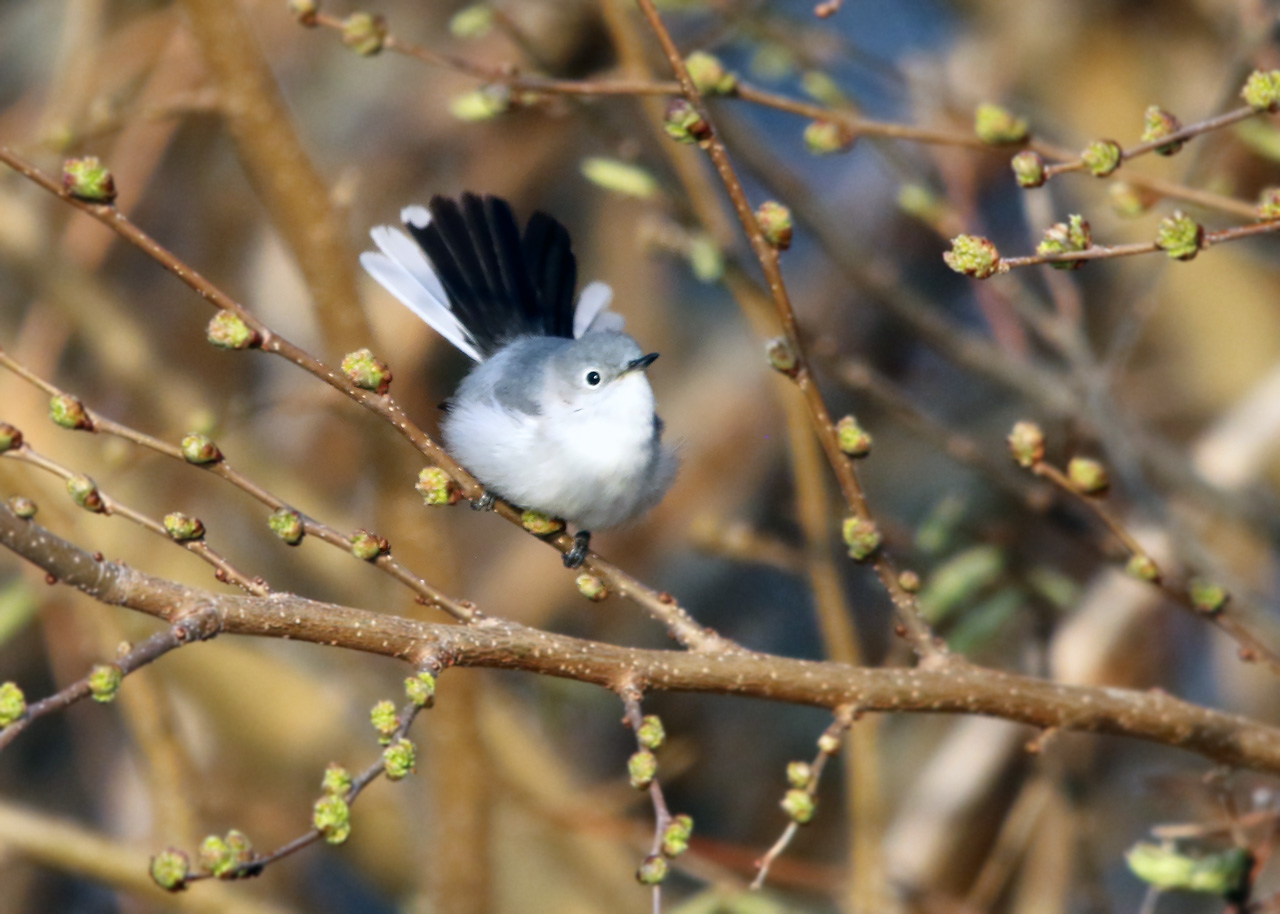
Blue Gray Gnatcatcher ©Jared Clarke
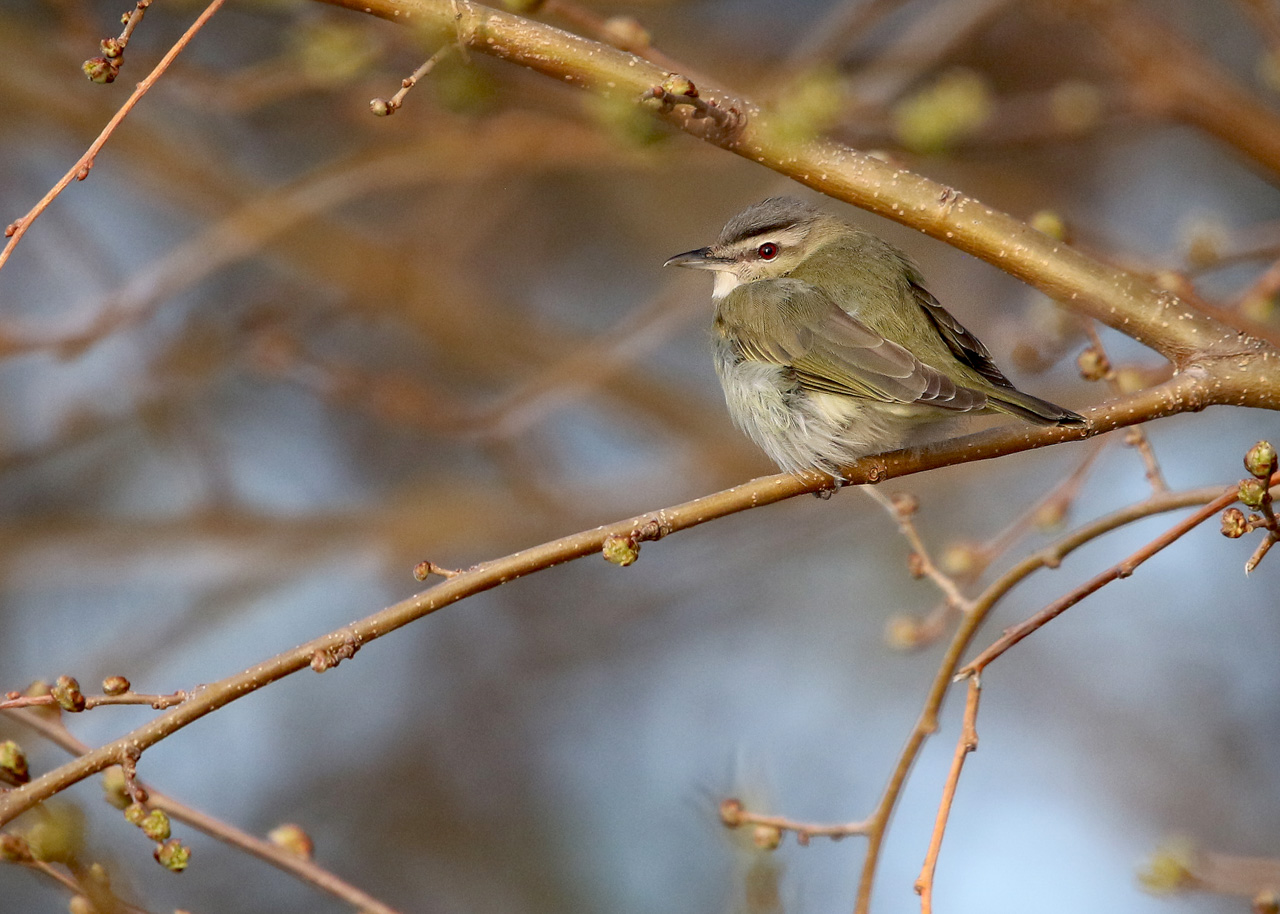
Red Eyed Vireo ©Jared Clarke
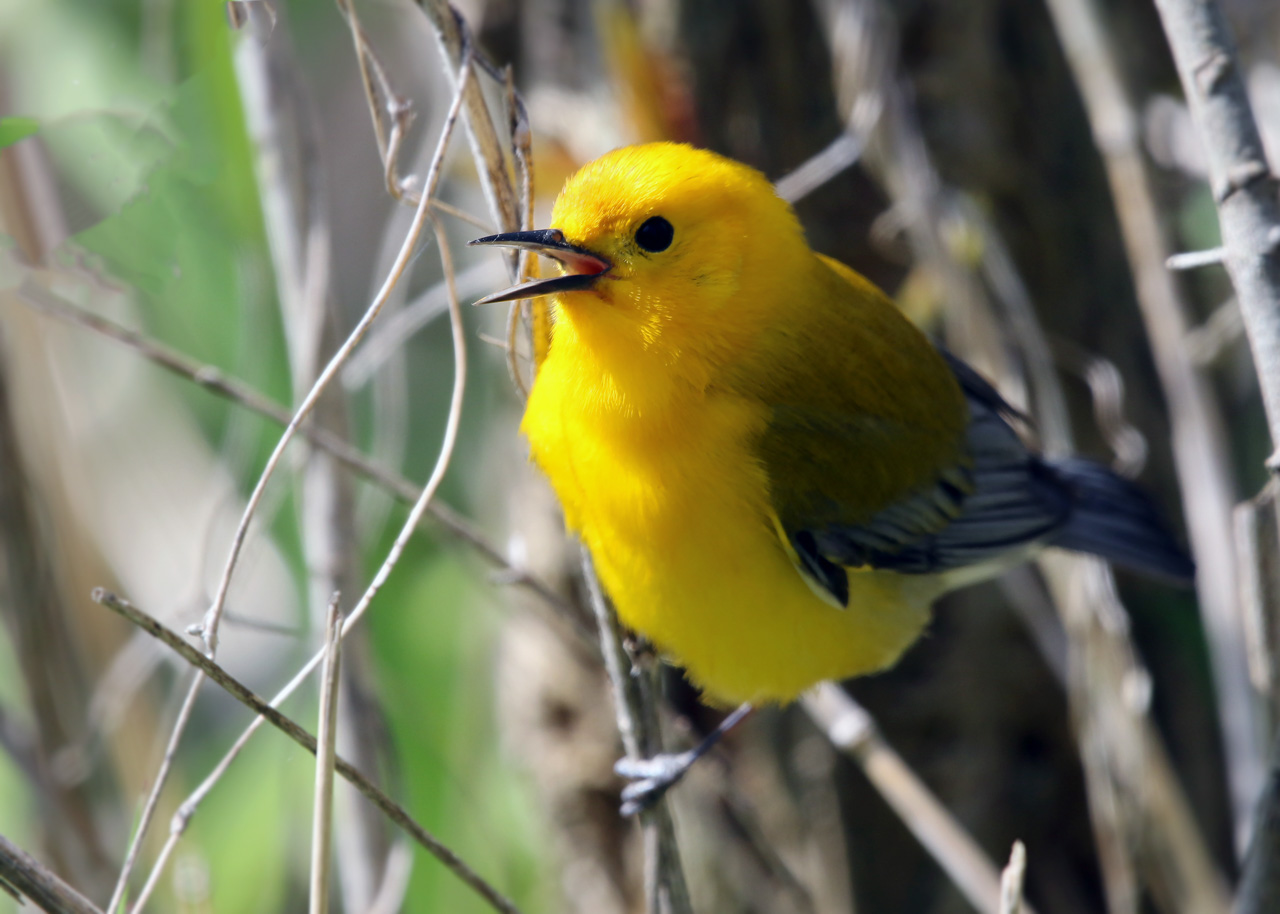
Prothonotary Warbler ©Jared Clarke
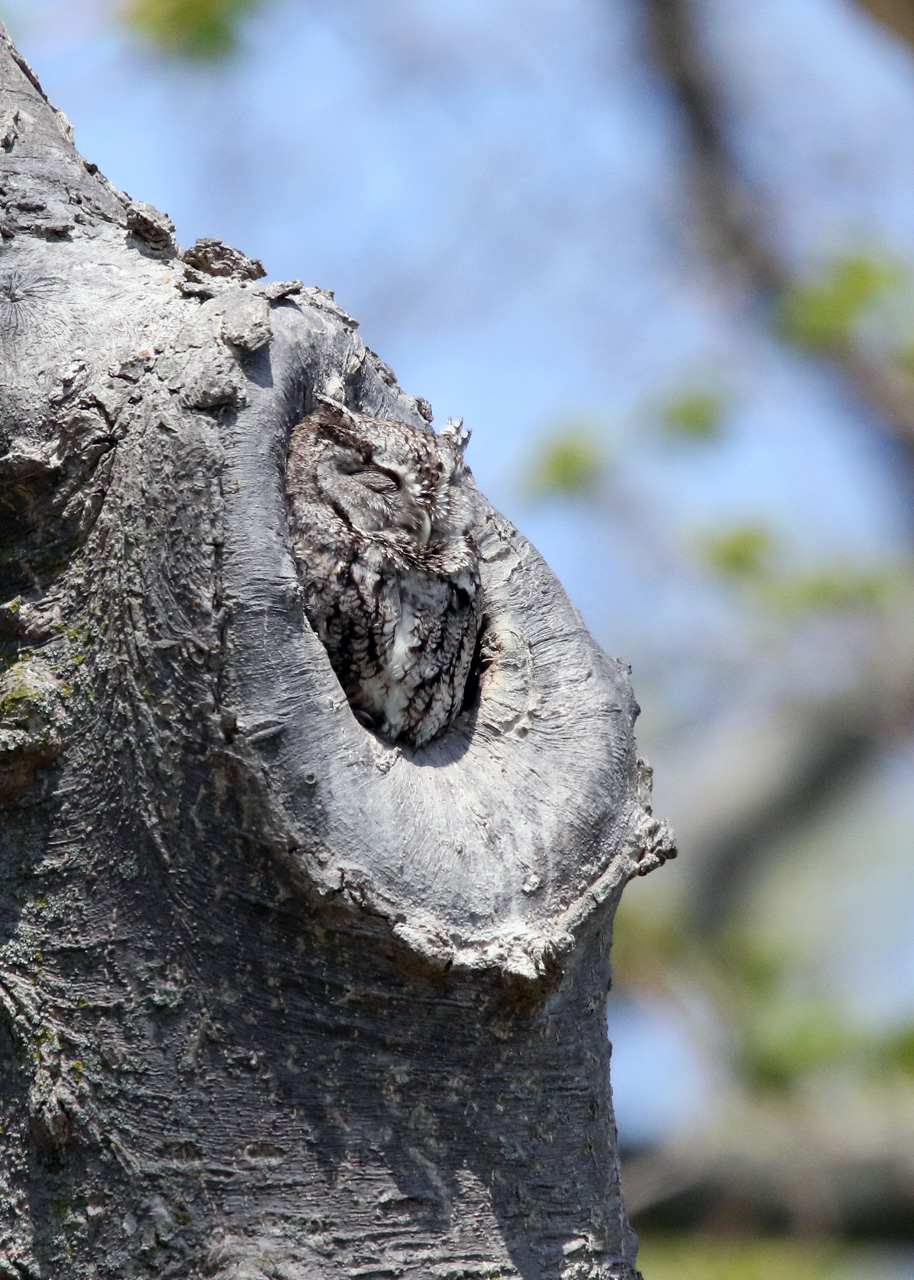
Eastern Screech Owl ©Jared Clarke
Outside the park, we also visited nearby Hillman Marsh one evening a managed wetland that provides an important stopover for many migrating waterfowl, shorebirds and other waders. Here we enjoyed swarms of shorebirds consisting of a dozen species – including Wilson’s Snipe, Black-bellied Plover, Dunlin, Sanderling, Semipalmated Sandpiper and both Short- and Long-billed Dpowitchers among others. We spied our only Northern Shovelers of the trip along with Gadwall, American Wigeon and both Green-winged & Blue-winged Teal. All of this without a single issue, not even getting the van stuck in the mud while parking in a wet meadow 😉
While it was difficult to say good-bye Point Pelee, more adventures and interesting places lay ahead. Enroute to our next stop at Chatham, we checked out the well-known lagoons at Blenheim and found our only Lesser Scaup and Ruddy Ducks of the trip, along with a very cooperative Bobolink foraging among the dandelions. The mixed flock of shorebirds included locally scarce White-rumped and Barid’s Sandpiper among the usual suspects.
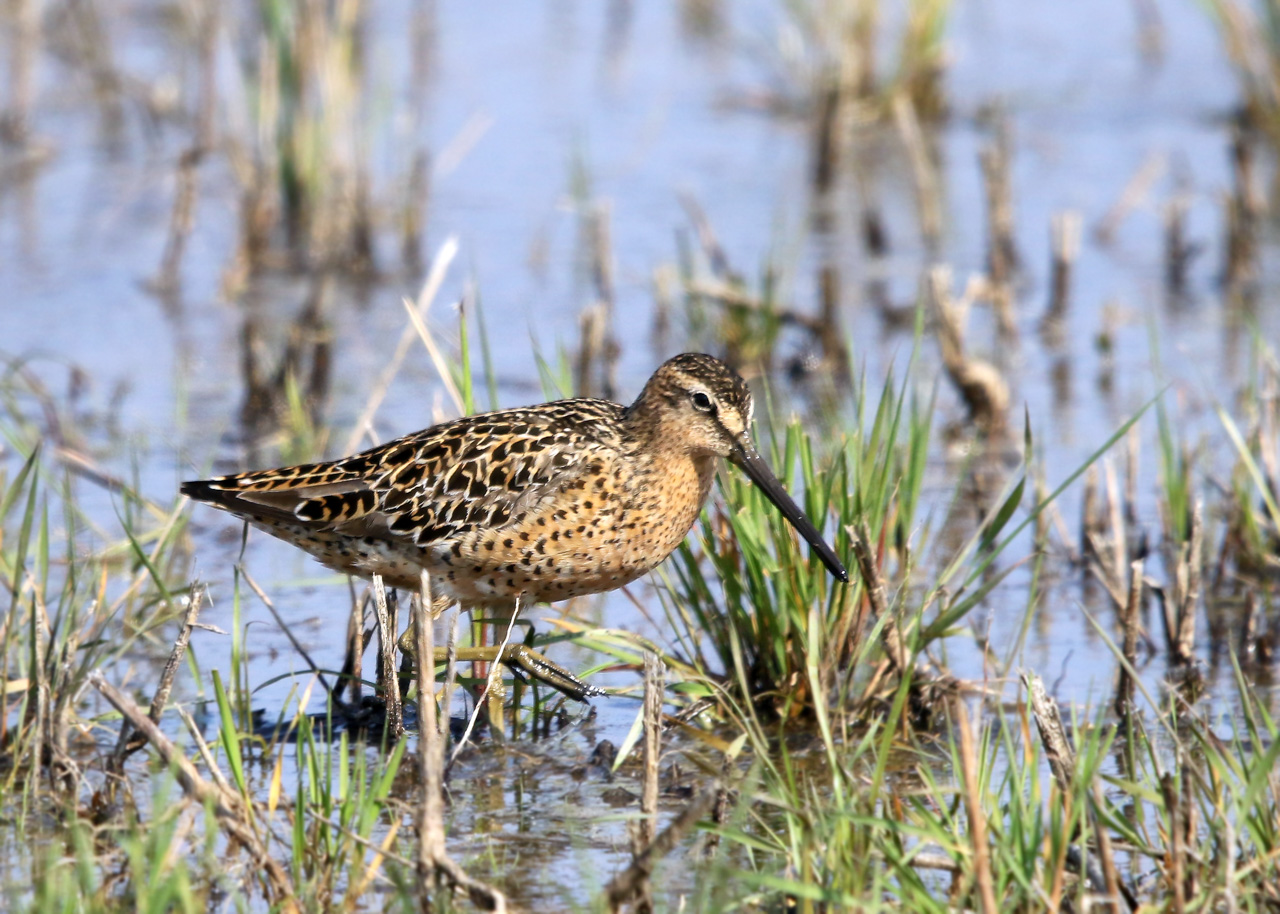
Short Billed Dowitcher ©Jared Clarke
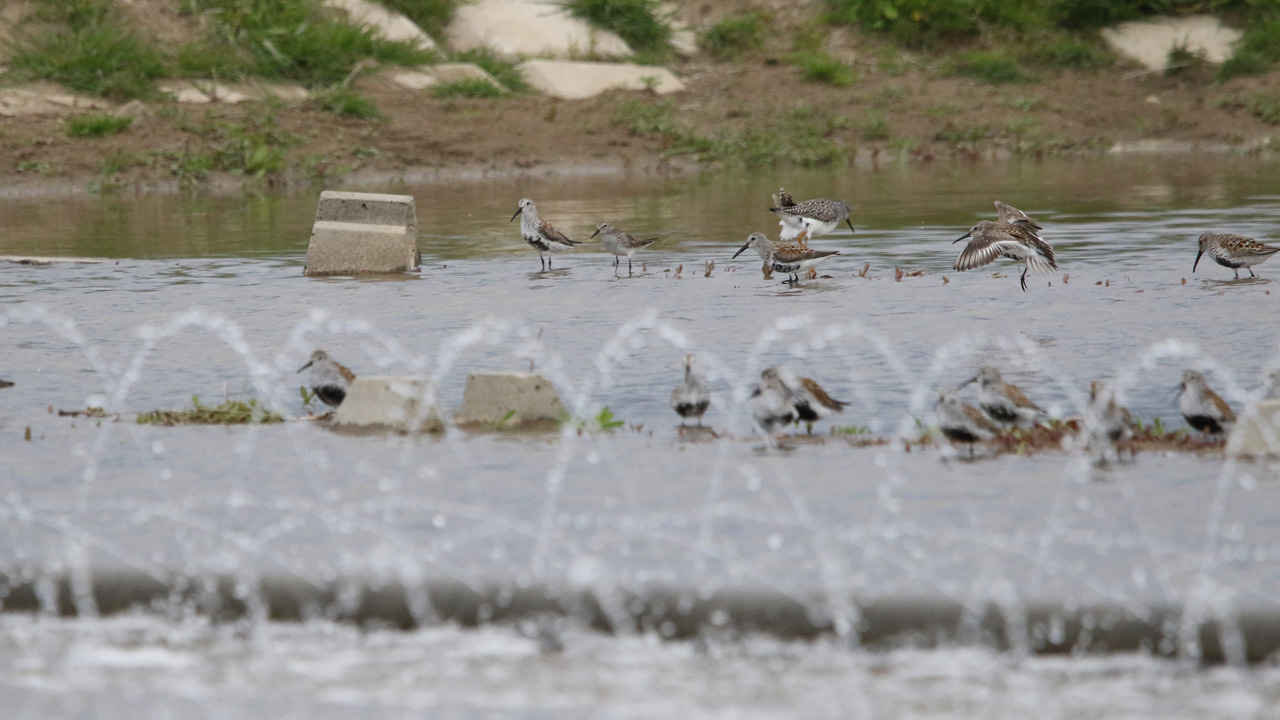
Blenheim Lagoons ©Jared Clarke
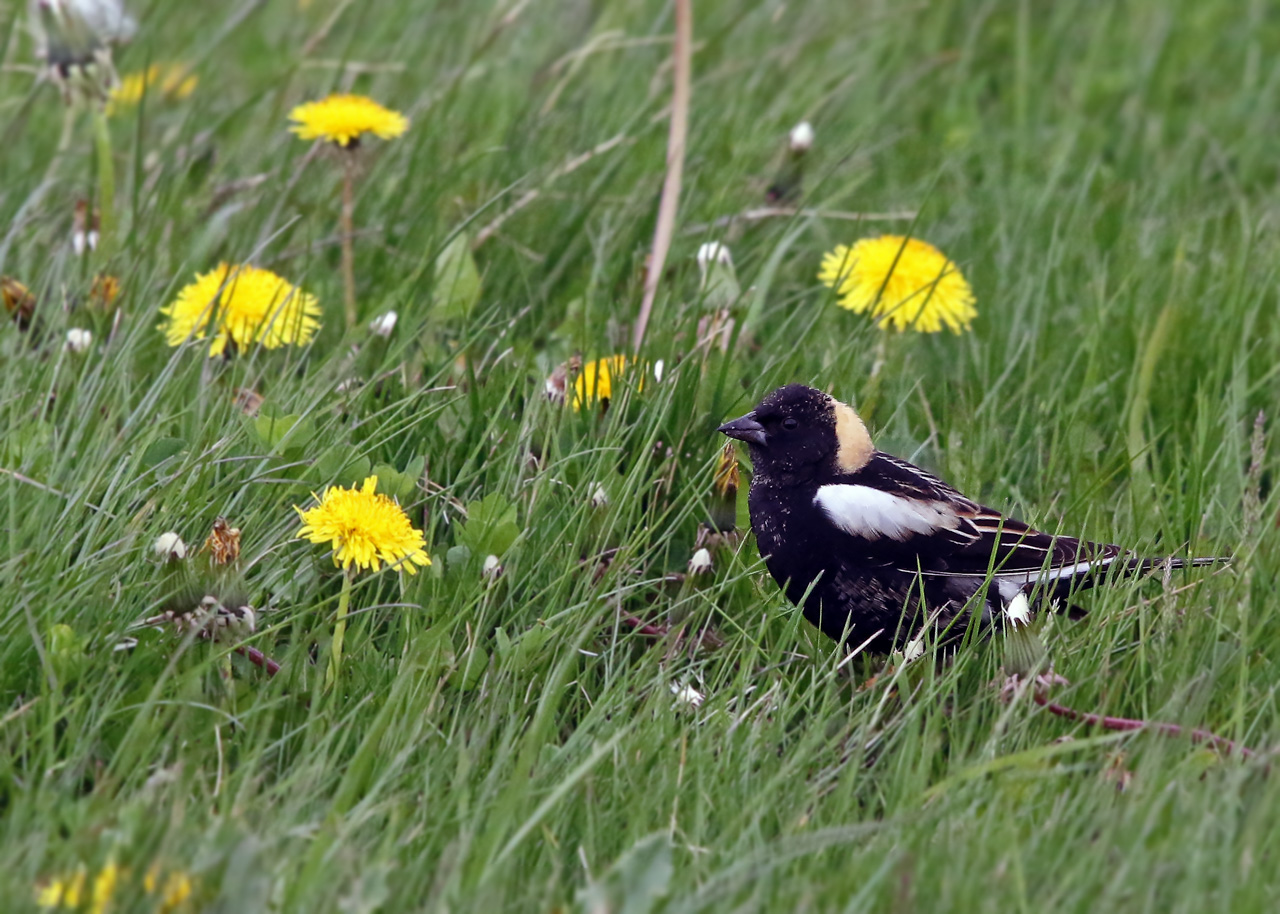
Bobolink ©Jared Clarke
May 10: Rondeau Provincial Park
After a lovely evening meal and early breakfast in Chatham, we headed off to explore Rondeau Provincial Park another migration hot-spot along the Lake Erie shore. This park may be popular with boaters, campers and cottage-owners but its lush Carolinian forests and magnetism for migrants makes it equally fun for birders. We spent the morning strolling several areas of the park, bumping into a variety of both migrating birds and local breeders. Migration had picked up significantly overnight and we found 15 species of warblers including great looks at Nasvhille, Chestnut -sided, Blackburnian and Cape May. A singing White-eyed Vireo proved a nice surprise, while our first good views of Wood Thrush and Eastern Phoebe were enjoyed by all.
A morning walk in the flooded forest of the Tulip Tree Trail was especially beautiful, and we encountered several excellent birds including a very busy Yellow-throated Vireo, Veery and yet another Prothonotary Warbler. The highlight of this walk, though, was a locally rare Worm-eating Warbler foraging among the dead leaves and entertaining a very happy group of birders. A colony of Purple Martins appeared very active as the birds flitted in and out of the gourd-shaped homes while we enjoyed a lakeside picnic, while a a mixed flock of Barn, Tree and Cliff Swallows hawked insects over our heads.
This afternoon we continued east along the lake to our next destination at Simcoe.
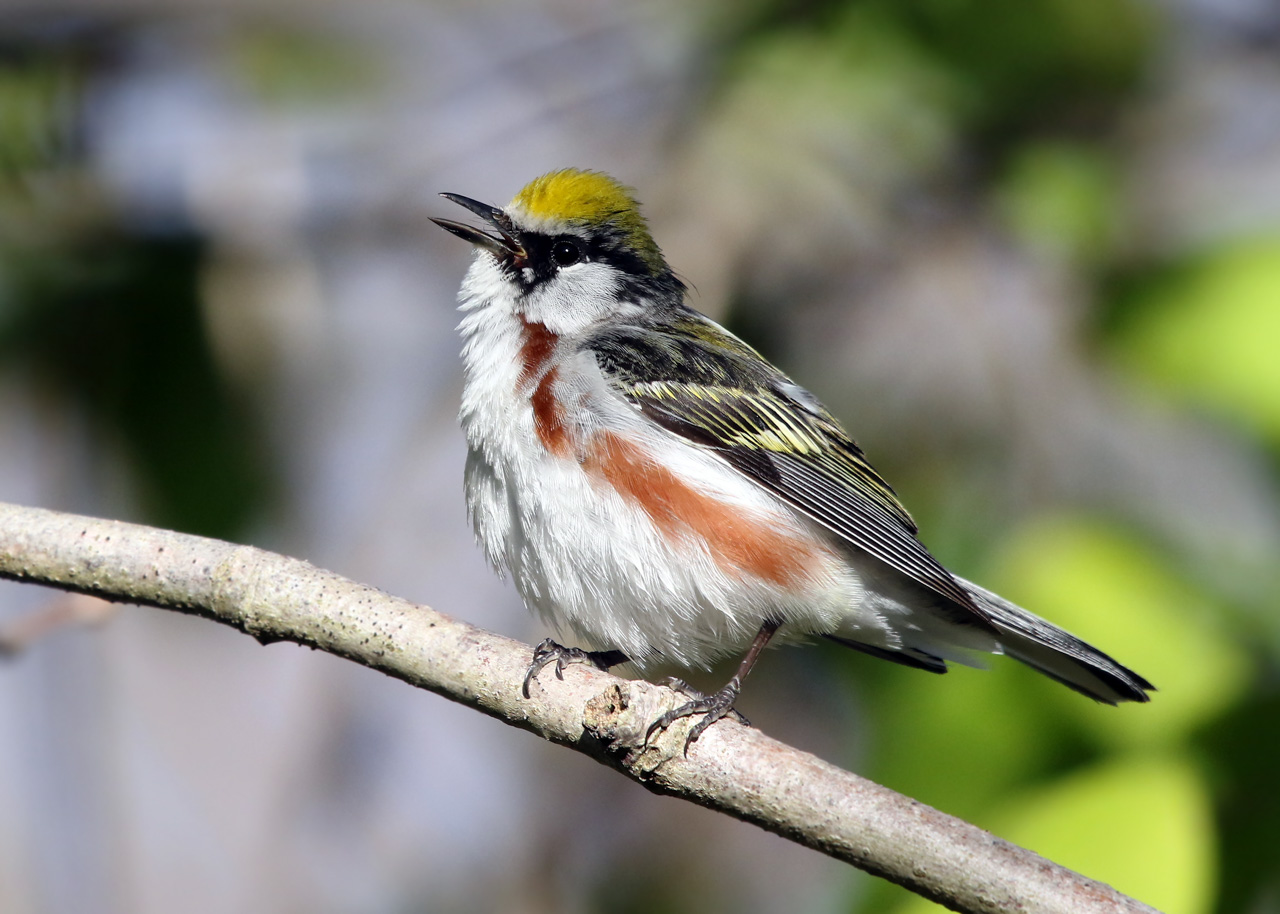
Chestnut Sided Warbler ©Jared Clarke
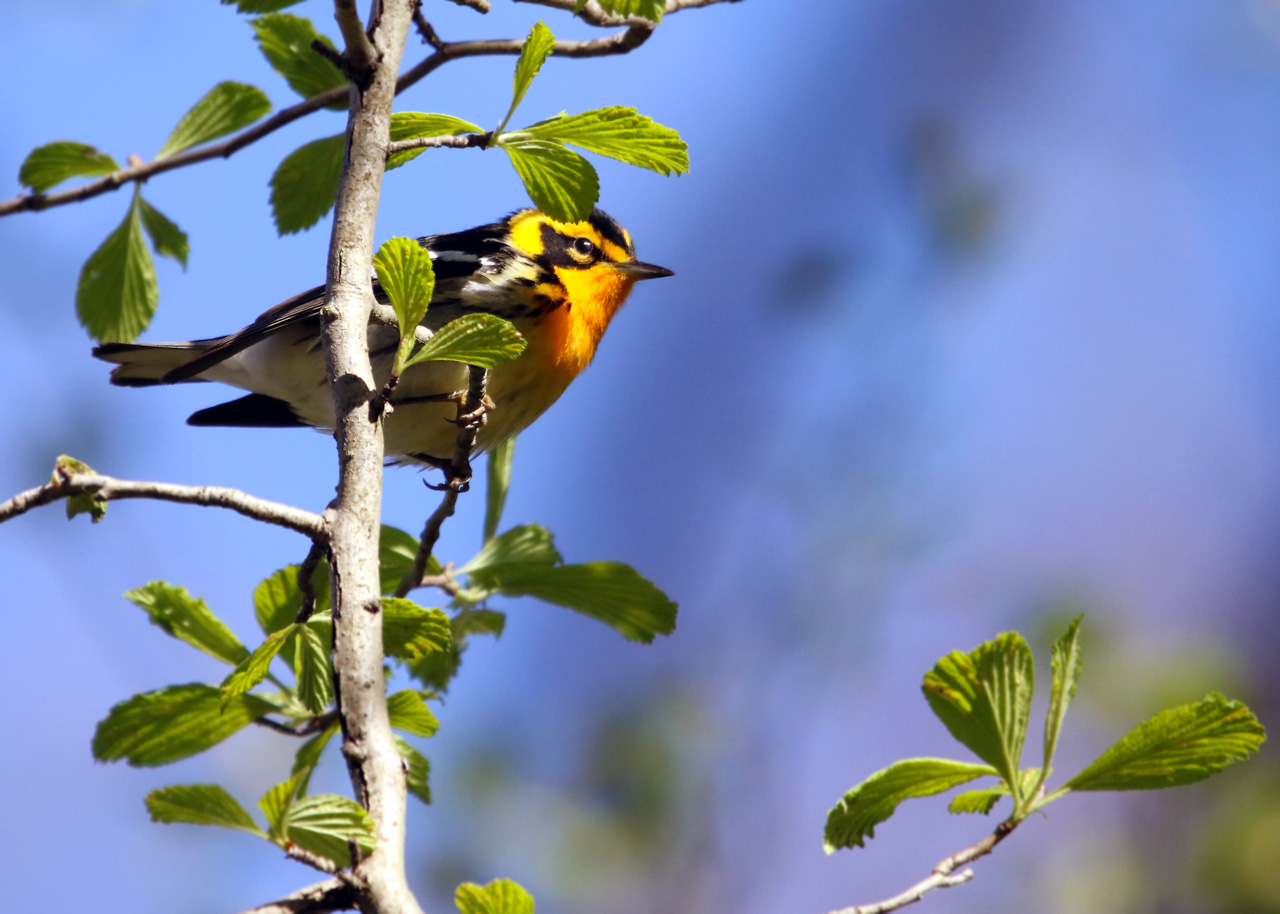
Blackburnian Warbler ©Jared Clarke
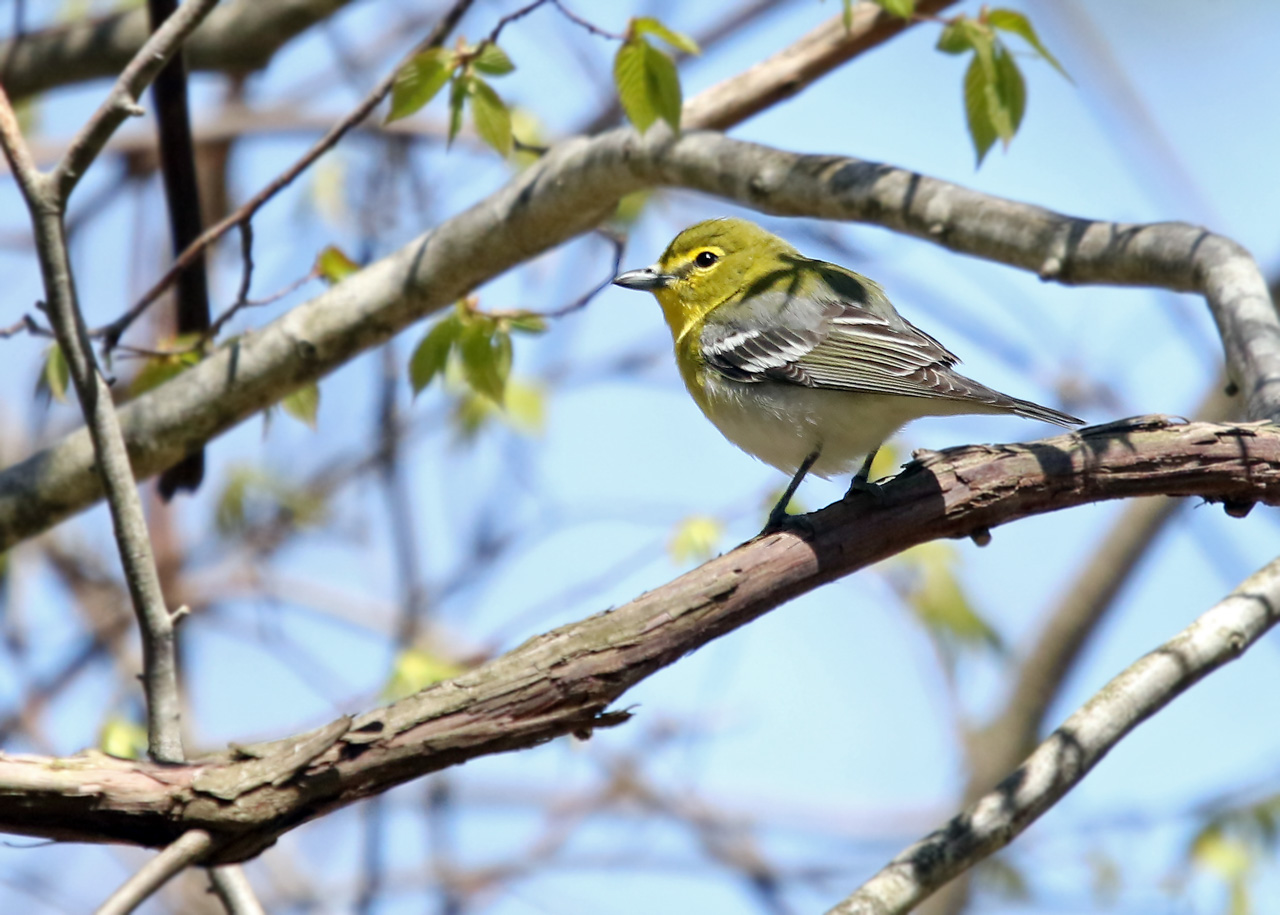
Yellow Throated Vireo ©Jared Clarke
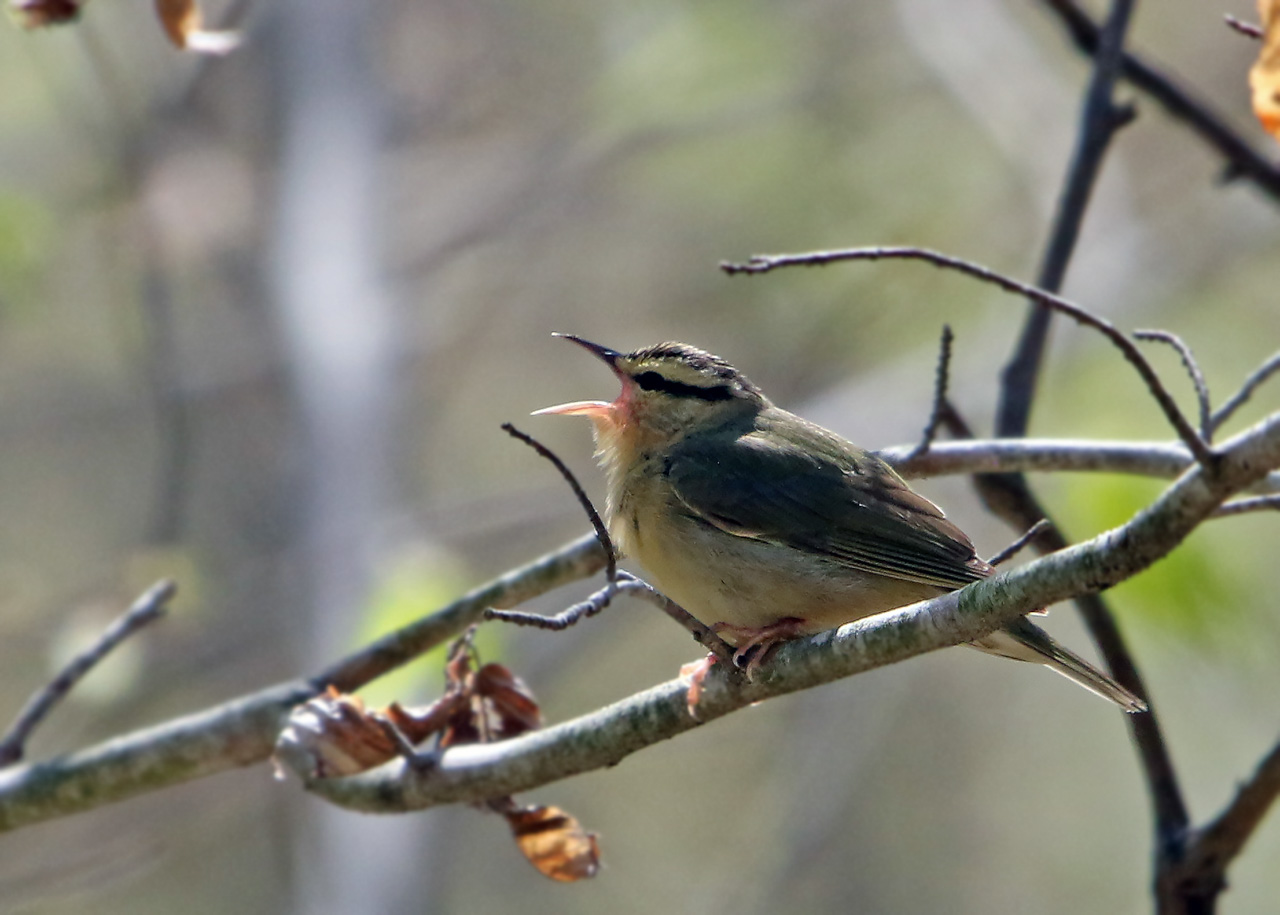
Worm Eating Warbler ©Jared Clarke
May 11-12: Long Point & area
Over the next two days, we visited several important places and habitats in the Long Point area from wetlands to Carolinian forests and meadows to woodlots. While Long Point may not have the fame and notoriety of Point Pelee, it can be just as magical during migration. The Old Cut Banding Station is always a fun stop, and this time we enjoyed an excellent banding demonstration from Birds Canada staff that included handheld Black-throated Blue Warbler, Black-and-White Warbler, White-crowned Sparrow and Blue Jay among others. Seeing these birds up close and learning about the important research being done here is always exciting and enlightening.
Strolling the trails of the Old Cut woodlot and nearby Long Point Provincial Parks (both old and new), we found a fun diversity of migrants that were (mostly) stopping by on their journey north. Notable among the many birds we encountered here were Red-headed Woodpecker, Willow Flycatcher, Veery, Scarlet Tanager, Black-throated Green Warblers and our first Northern Parulas.
A late morning walk at Backus Woods produced our first Yellow-bellied Sapsuckers, Hairy Woodpeckers, a brilliant male Scarlet Tanager, numerous singing Hooded Warblers and oh so many chipmunks. The forest floor was covered in trilliums, dutchman’s breeches and many other spring wildflowers.
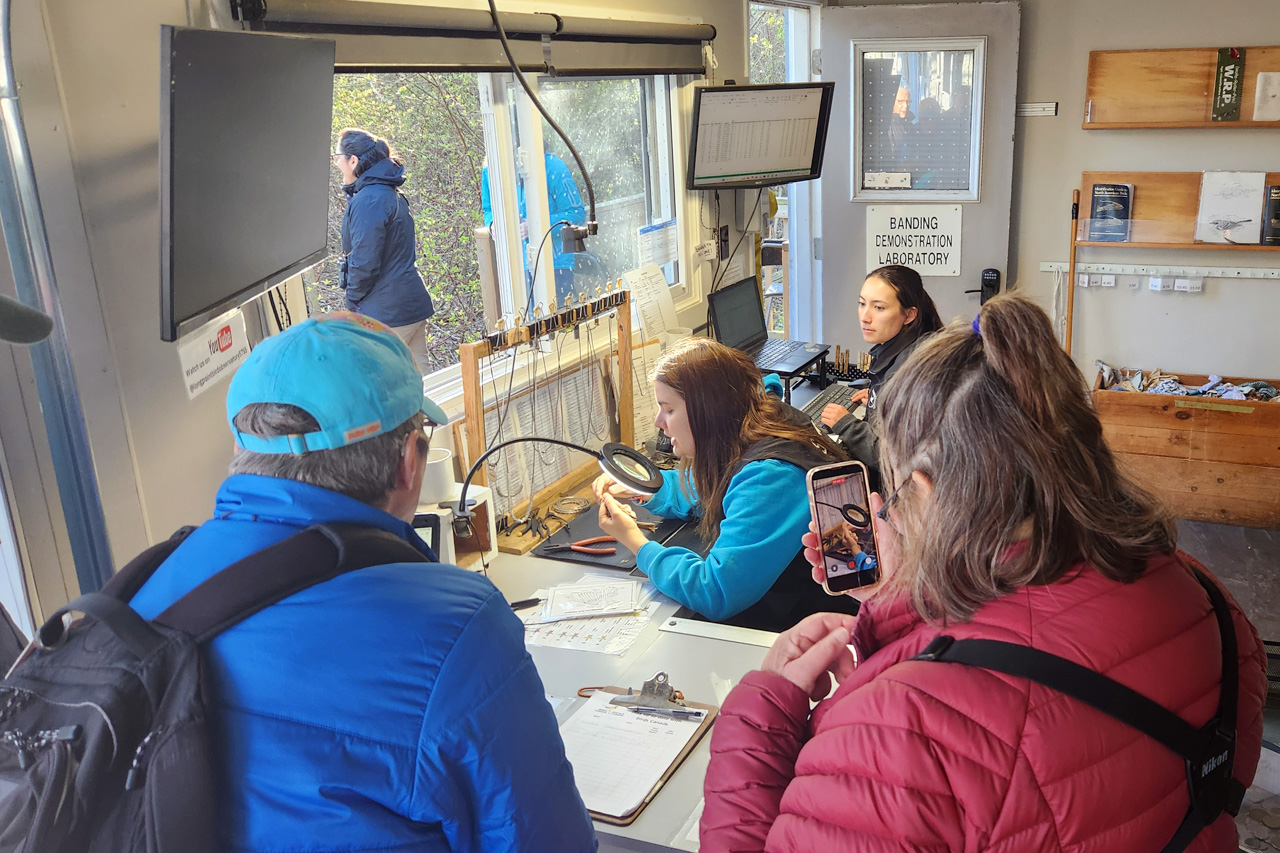
Banding Demo ©Jared Clarke
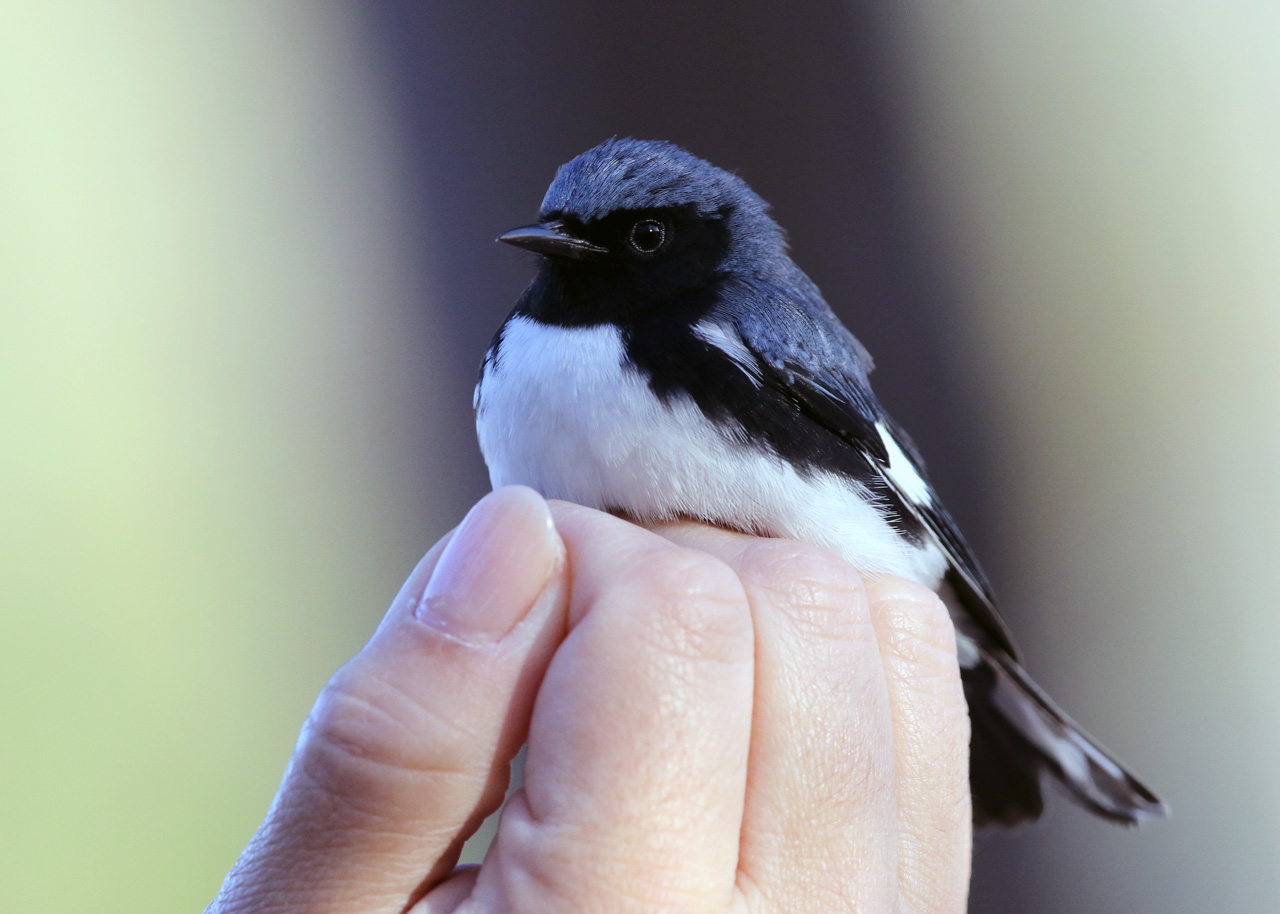
Black Throated Blue Warbler © Jared Clarke
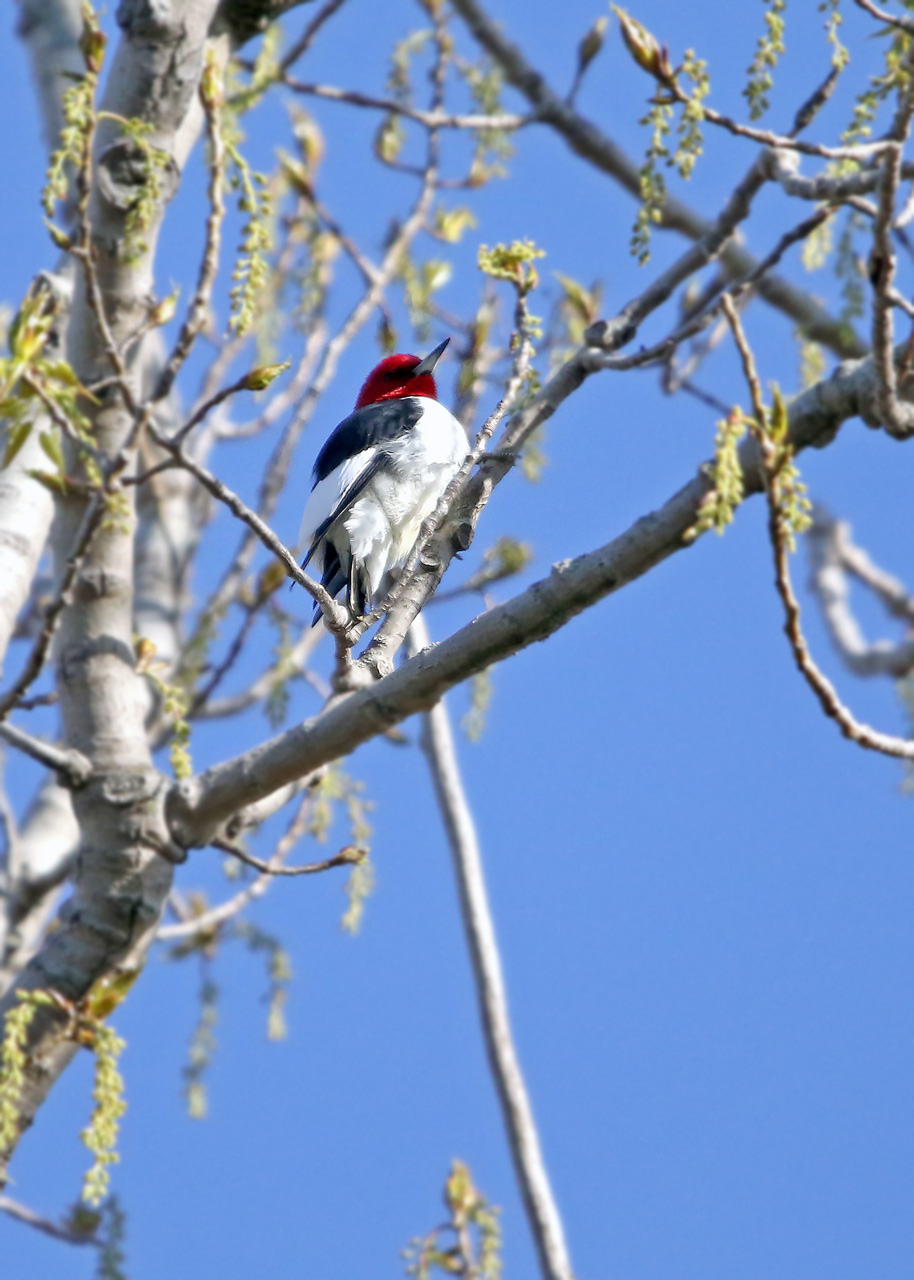
Red-headed Woodpecker ©Jared Clarke
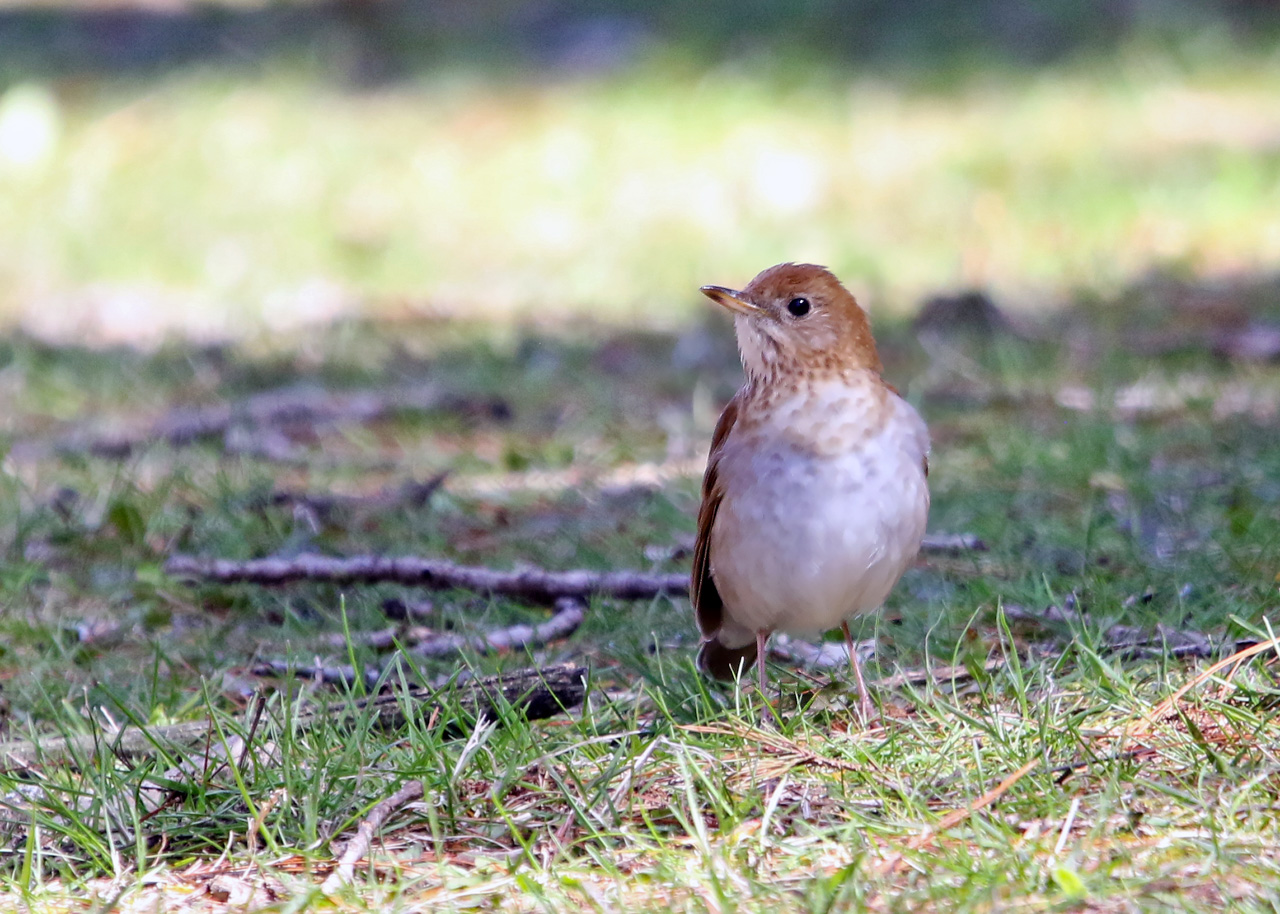
Veery ©Jared Clarke
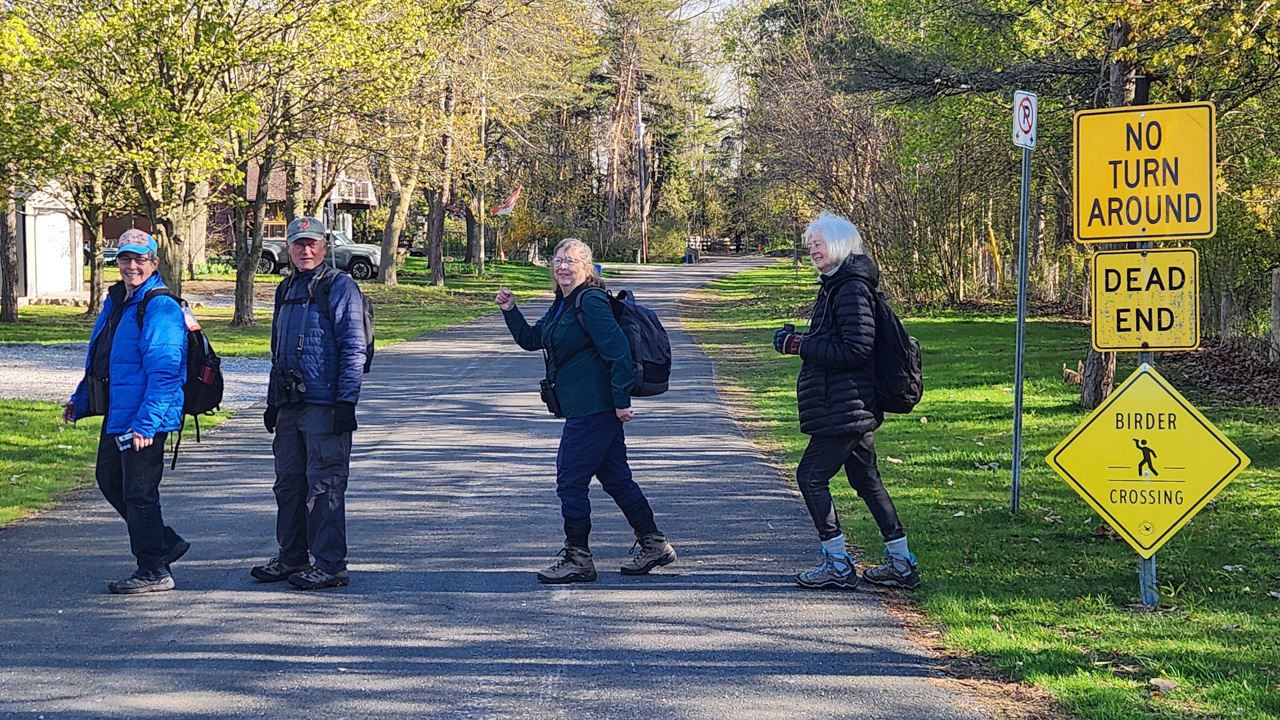
Birder Crossing ©Jared Clarke
One evening we visited a nearby farming area to find a number of grassland and meadow-loving species such as Grasshopper Sparrow, American Kestrel and Eastern Bluebird although an uncooperative Blue-winged Warbler added another highlight. We lingered until after sunset, when several American Woodcock and a much-anticipated Eastern Whip-poor-will began to call and display along the field edges. While we didn’t get to see either species at the time, we did flush a Whip-poor-will off the road on the drive home and got close but very brief looks as it zipped by the window!
A stop at Big Creek provided our only looks at several species during the tour Common Gallinule, Pied-billed Grebe and a family of Sandhill Cranes foraging on the berms. Forster’s Terns zipped around over the marsh, and at least one person glimpsed Spotted Gar (a very unique fish) swimming around in the murky waters.
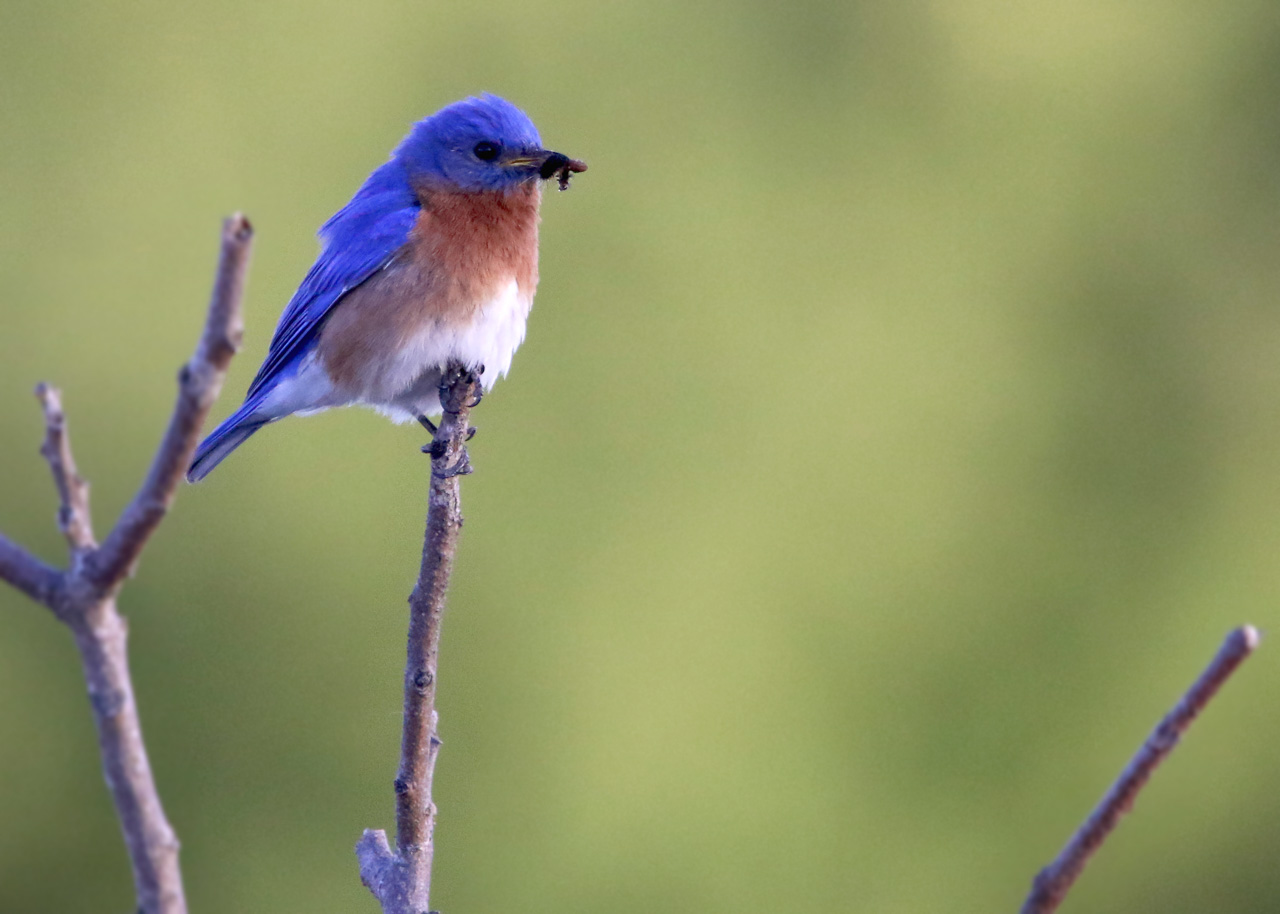
Eastern Bluebird ©Jared Clarke
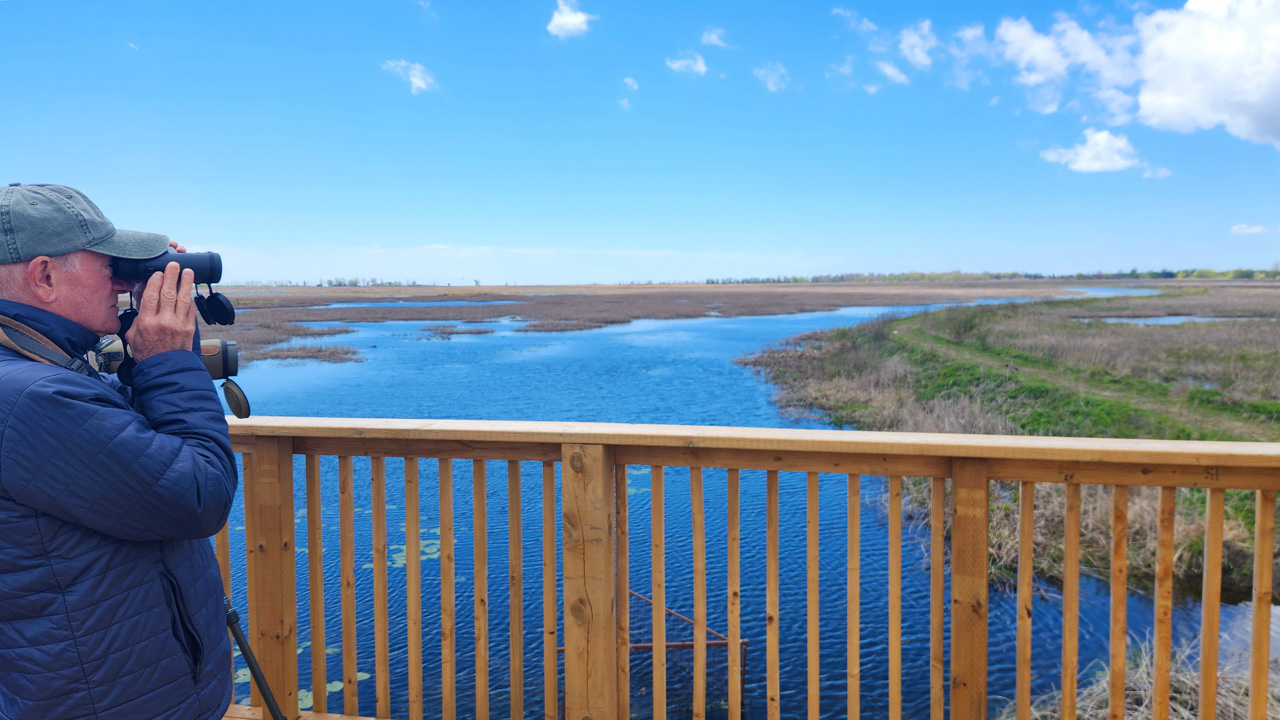
Birding Big Creek ©Jared Clarke
May 13: Carden Alvar Provincial Park
Having made the pilgrimage north through Toronto the day before, we set out this morning to explore a new and very different landscape the globally rare “alvars” (a unique type of grasslands with thin soil and poor drainage sitting atop limestone bedrock) of Carden Alvar Provincial Park. We started our visit at “Sedge Wren Marsh”, where we watched Marsh Wrens sing their reedy song, spied a Swamp Sparrows showing off its rusty cap and even spotted a secretive Virginia Rail as it flew stalked through the grass and eventually across the road. Several Sora called from the reeds and one flew out briefly to tease us.
The (mostly) former ranches and pastures of Wylie, McNamee and Shrike Roads provided opportunities to watch a fun variety of birds including Eastern Bluebirds, Eastern Meadowlarks, Bobolink, Grasshopper Sparrows and even some Wilson’s Snipe. Unfortunately we “dipped” on the provincially endangered Loggerhead Shrikes that maintain a tenuous stronghold in this region, but many other birds stepped up to keep us entertained. A stunning Golden-winged Warbler was spotted at the forest edge, a Winter Wren belted out its elaborate song, a lusty Brown Thrasher sang its heart out in the roadside bushes and an Eastern Towhee flaunted its stuff in an open treetop.
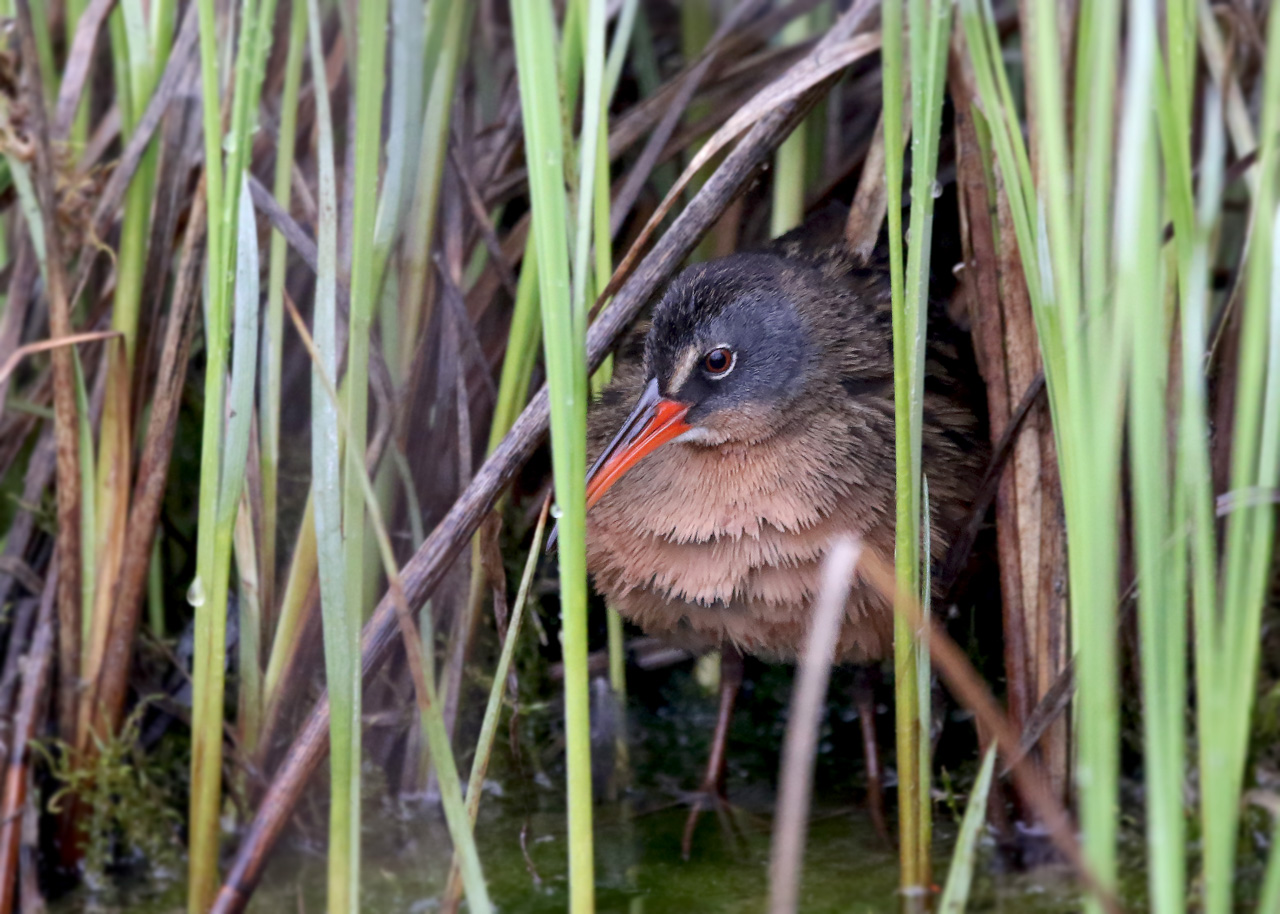
Virginia Rail ©Jared Clarke
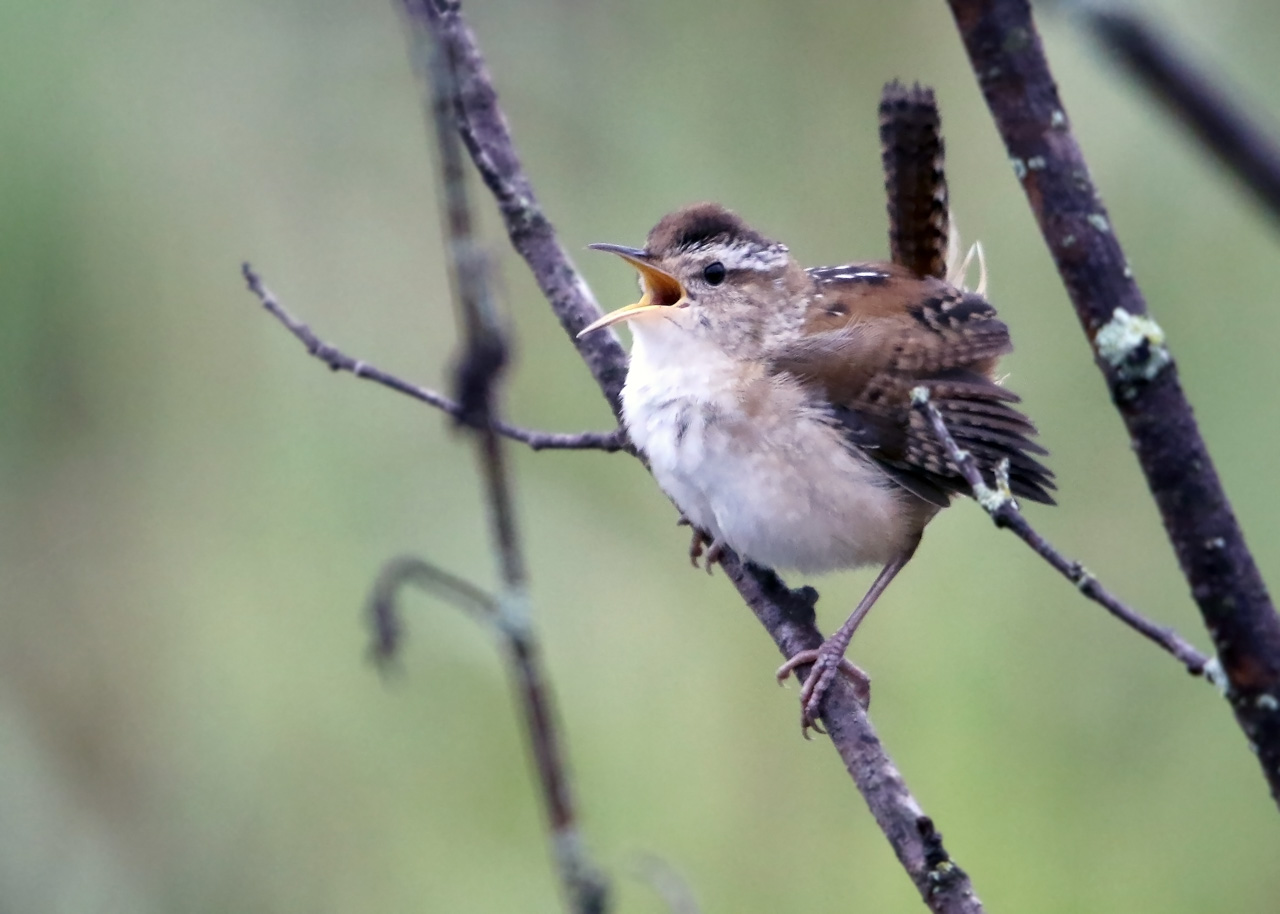
Marsh Wren ©Jared Clarke
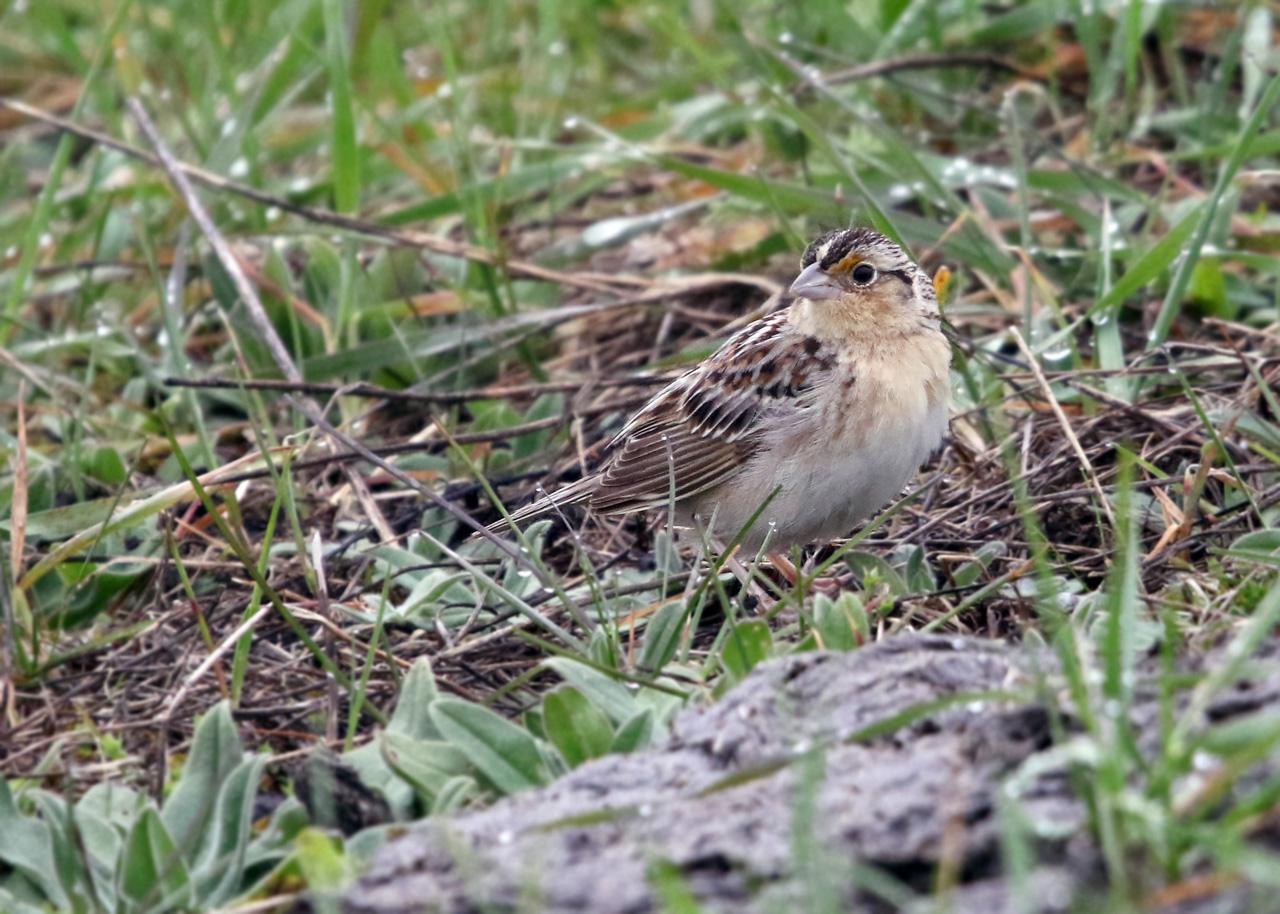
Grasshopper Sparrow ©Jared Clarke
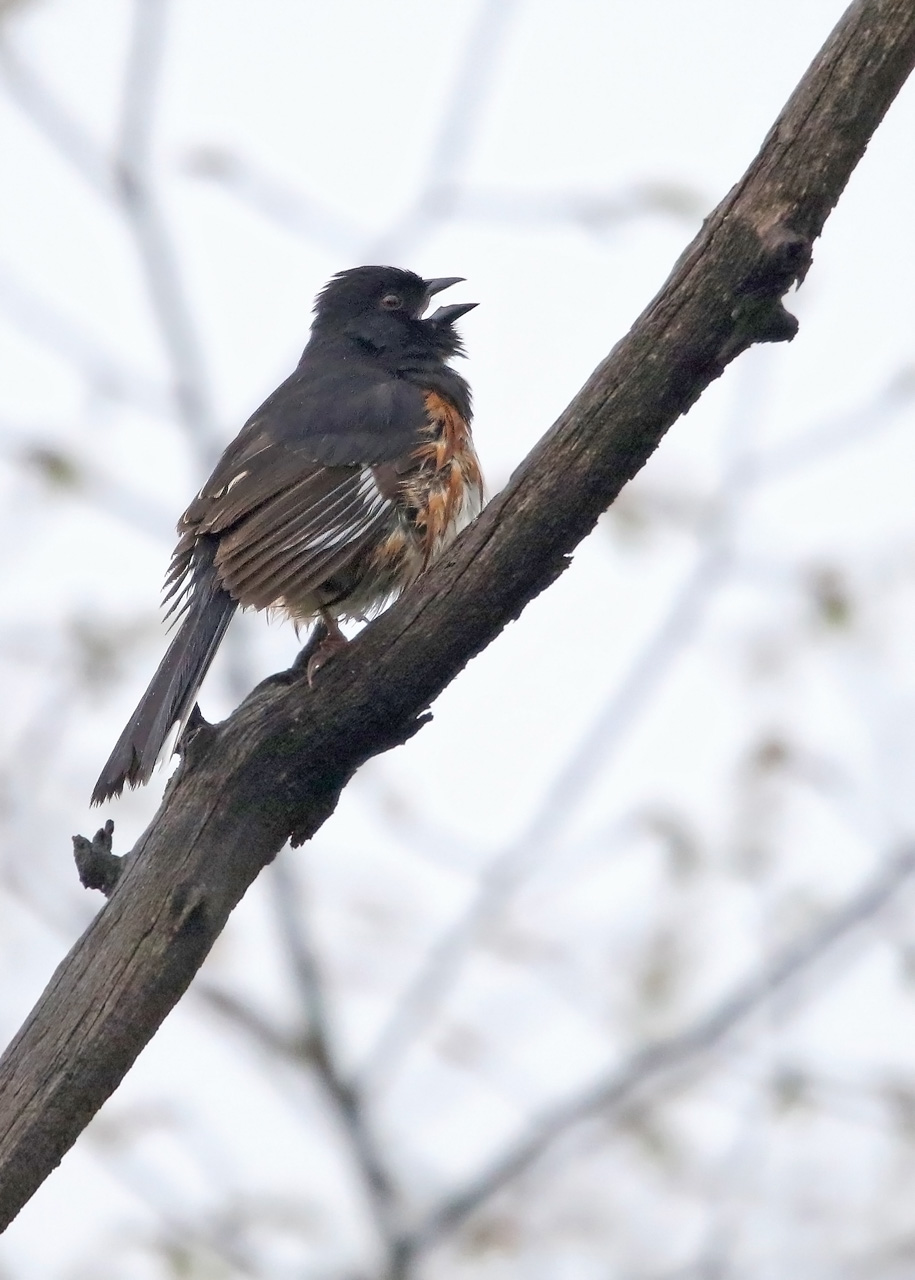
Eastern Towhee ©Jared Clarke
May 14-15: Algonquin Provincial Park
Continuing just a little north, we spent the last two days of our tour exploring Algonquin Provincial Park a large and breathtakingly beautiful area that represents Ontario’s southernmost enclave of boreal forest. This land of lakes, rivers and lush forests was very different from any of the habitats we had experienced over the past few days and offered opportunities to find a whole new suite of birds and other wildlife.
Boreal birds have reportedly been getting scarcer in Algonquin in recent years presumably retreating from these southern fringes of their range due to climate change. We did, however, track down several of our target species during our time here including excellent views of a Black-backed Woodpecker announcing its territory on a large burned out tree. The Opeongo Road delivered with our first Ring-necked and American Black Ducks of the trip, along with a surprise American Bittern that flew in and posed for a few short moments. We even tracked down a Ruffed Grouse as it drummed away on a hidden log.
A morning hike on the Mizzy Lake trail was scenic and tranquil, plus we picked up a number of new birds for the trip including Hooded Merganser, Golden-crowned Kinglet and a less than friendly Rusty Blackbird. An American mink skulked along the water’s edge and feasted on a fish while we watched. Numerous warblers were singing throughout the forest, and we managed better looks at several that evaded us during migration especially Palm Warbler, Northern Waterthrush and the secretive Ovenbird.
An evening outing surpassed or expectations with a very cooperative roadside moose, a busy beaver trimming trees along the river and incredible views of an American Woodcock “peenting” and displaying at a picnic area.
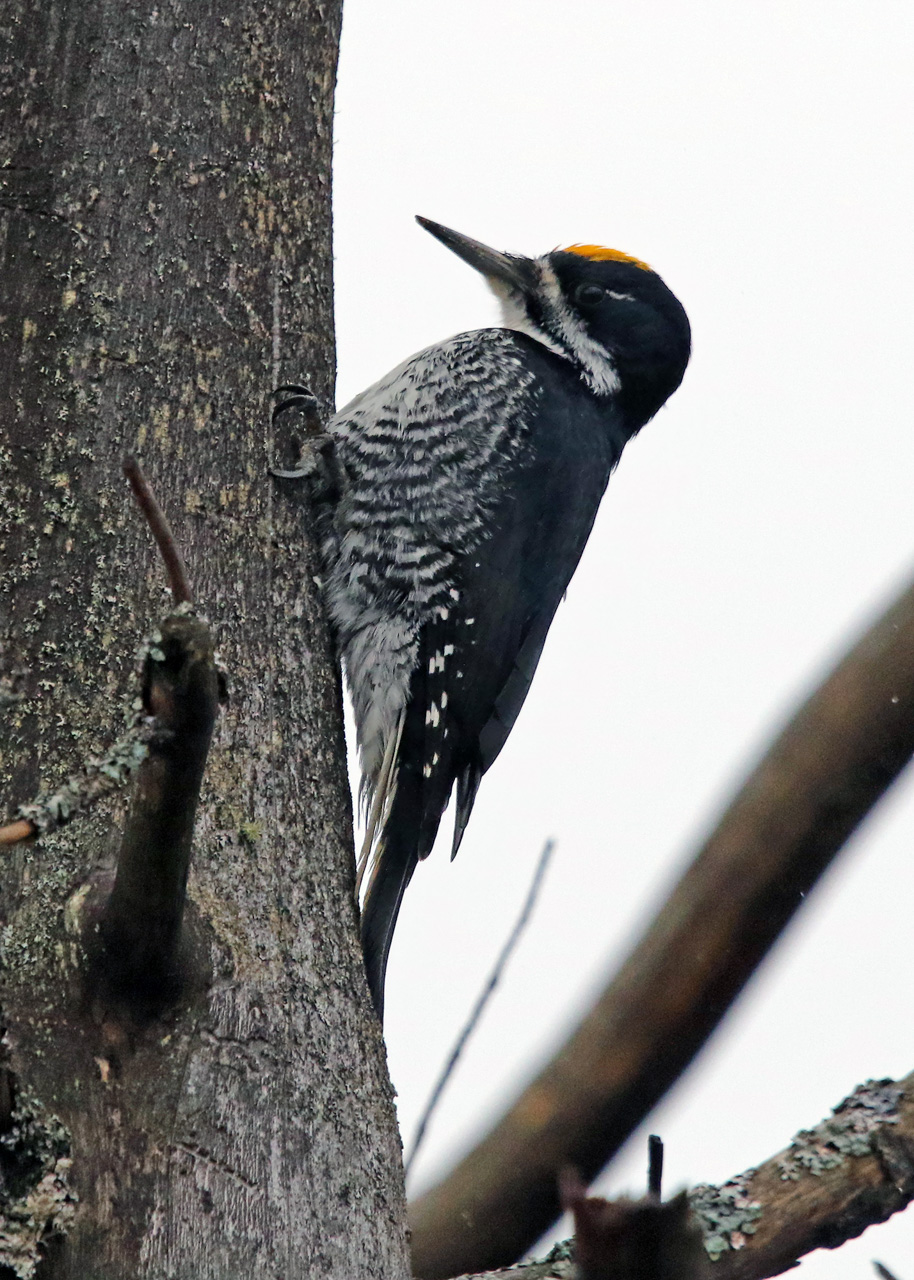
Black-backed Woodpecker ©Jared Clarke
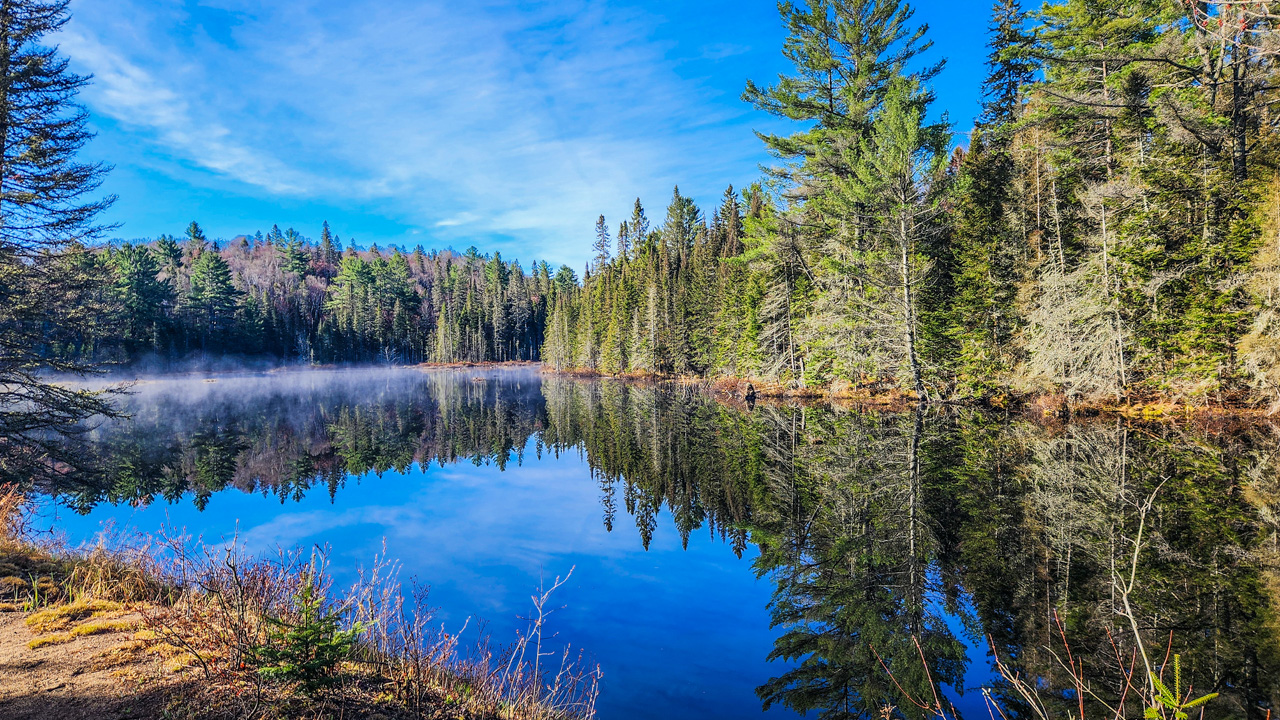
Mizzy Lake Trail Scenery ©Jared Clarke
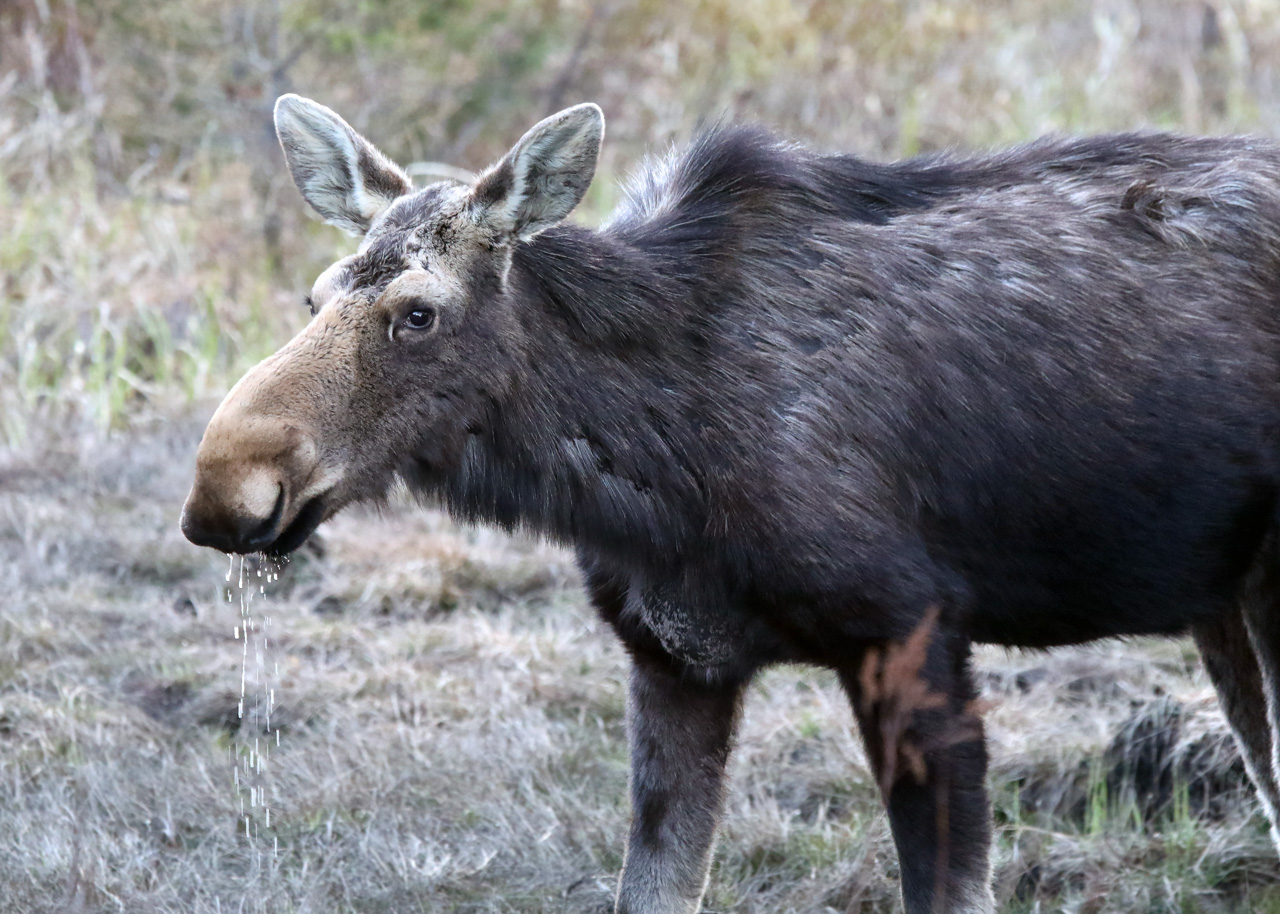
Moose ©Jared Clarke
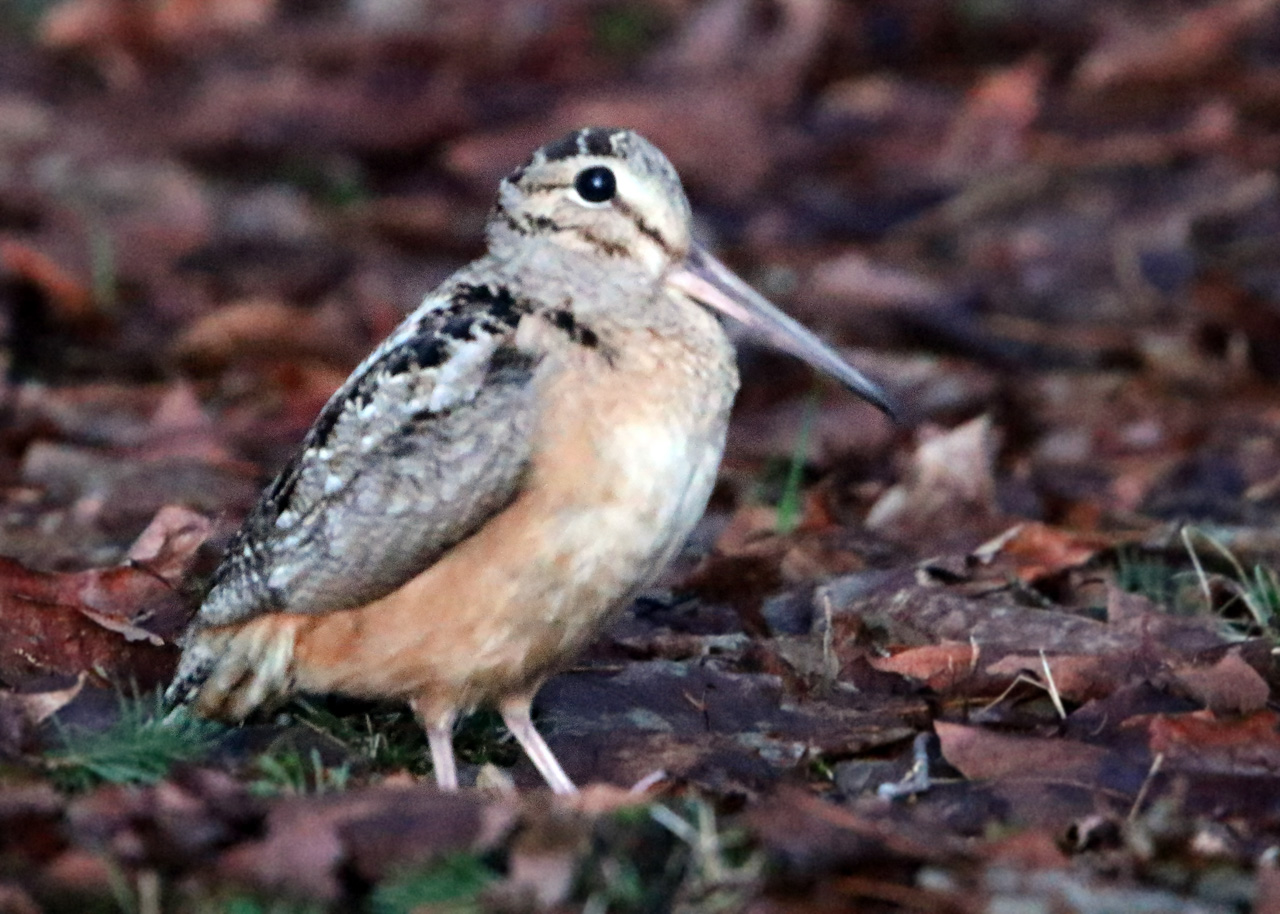
American Woodcock ©Jared Clarke
Even our homebase for the weekend, beautiful Spring Lake Resort, was home to many great birds. A steady flow of beautiful birds were visiting the feeders including Evening Grosbeak, Purple Finch, American Goldfinch and (finally) our only Ruby-throated Hummingbird. A walk on the property’s trails was very birdy with Belted Kingfisher, Common Merganser, Bufflehead, Least Flycatcher, and a great mixed flock of warblers including Bay-breasted and Pine Warblers our 24th and final warbler species of the trip! We left Algonquin Provincial Park and headed back to Toronto enamoured with both the birds and the places we visited.
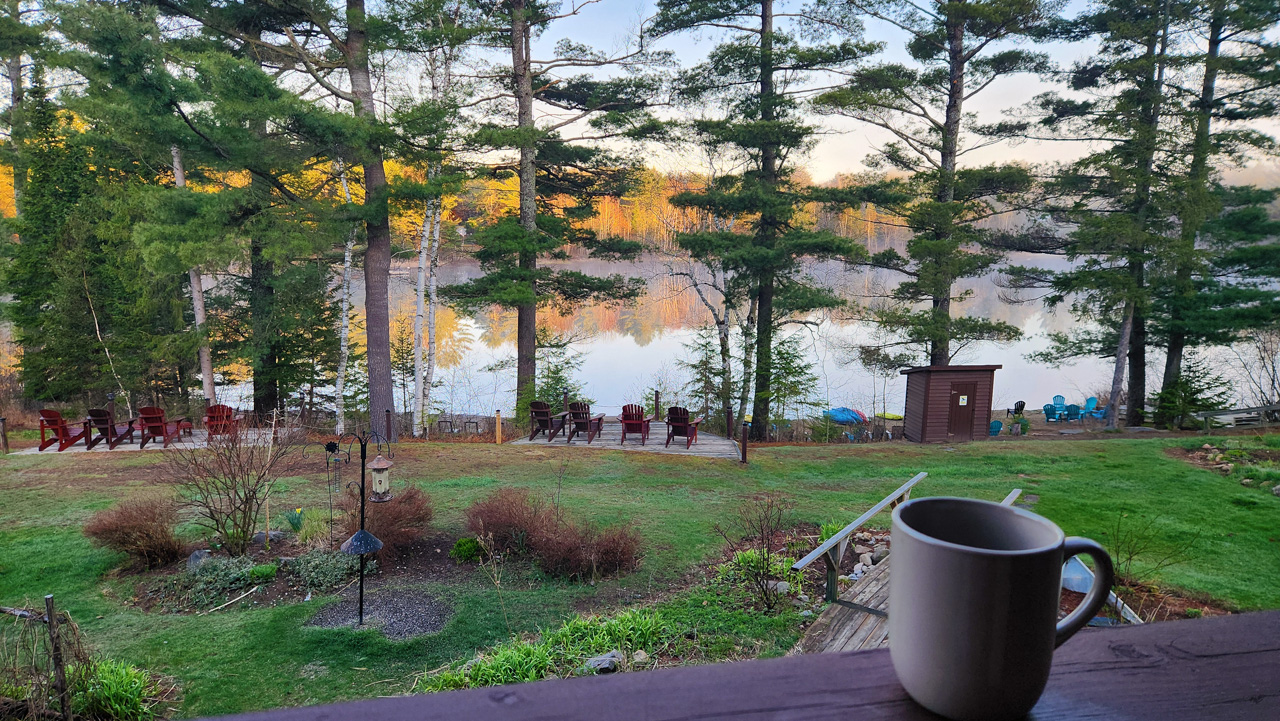
Spring Lake Resort ©Jared Clarke
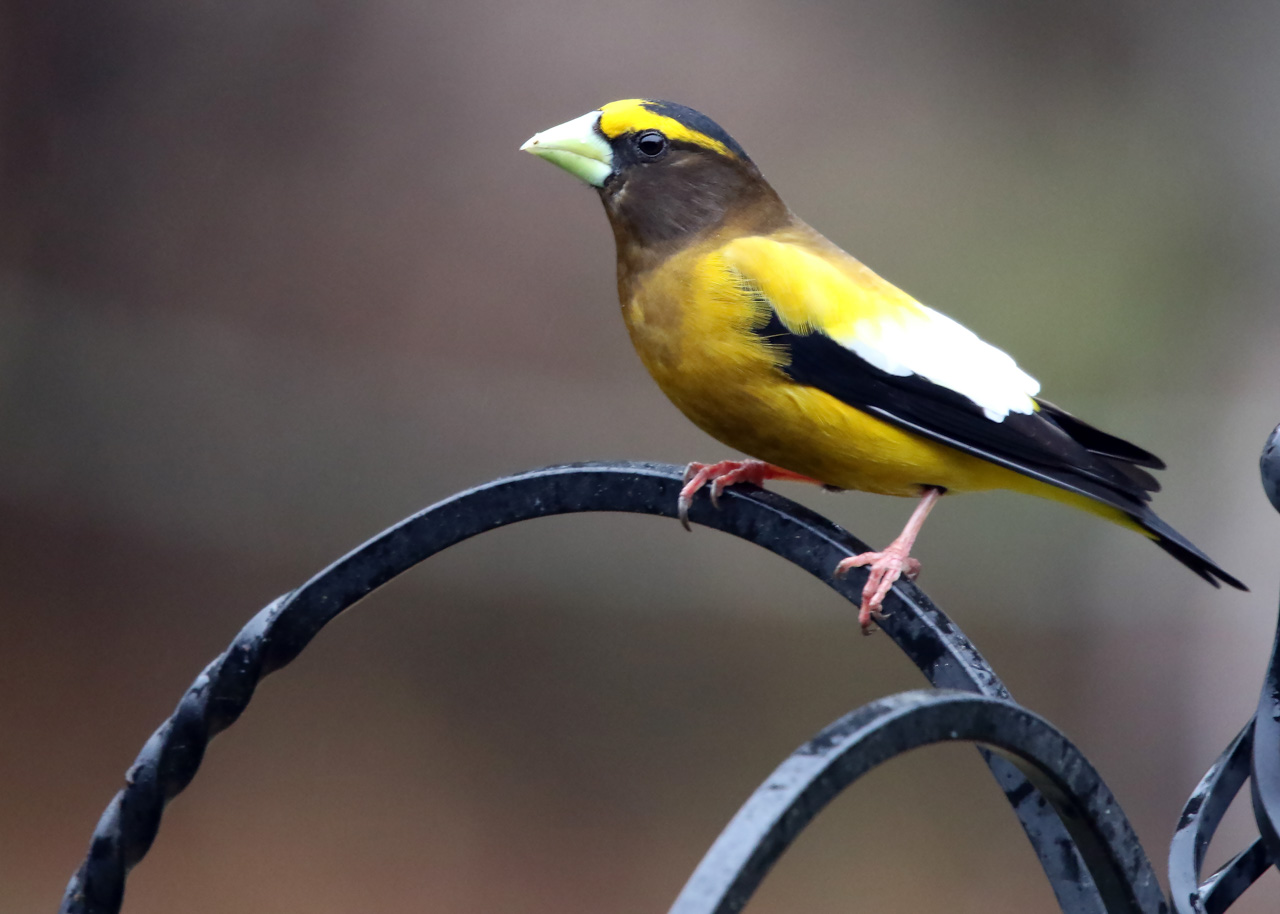
Evening Grosbeak ©Jared Clarke
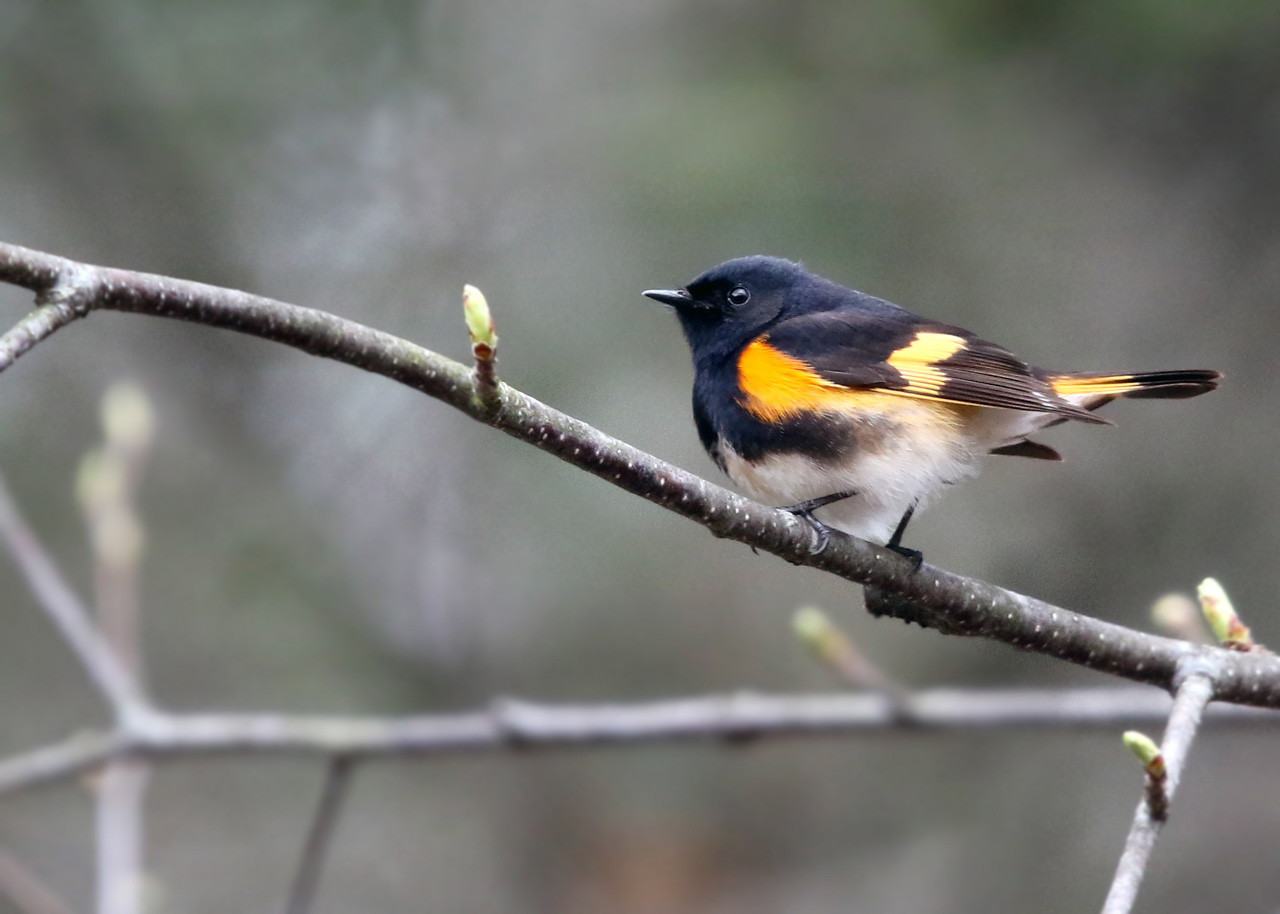
American Redstart ©Jared Clarke
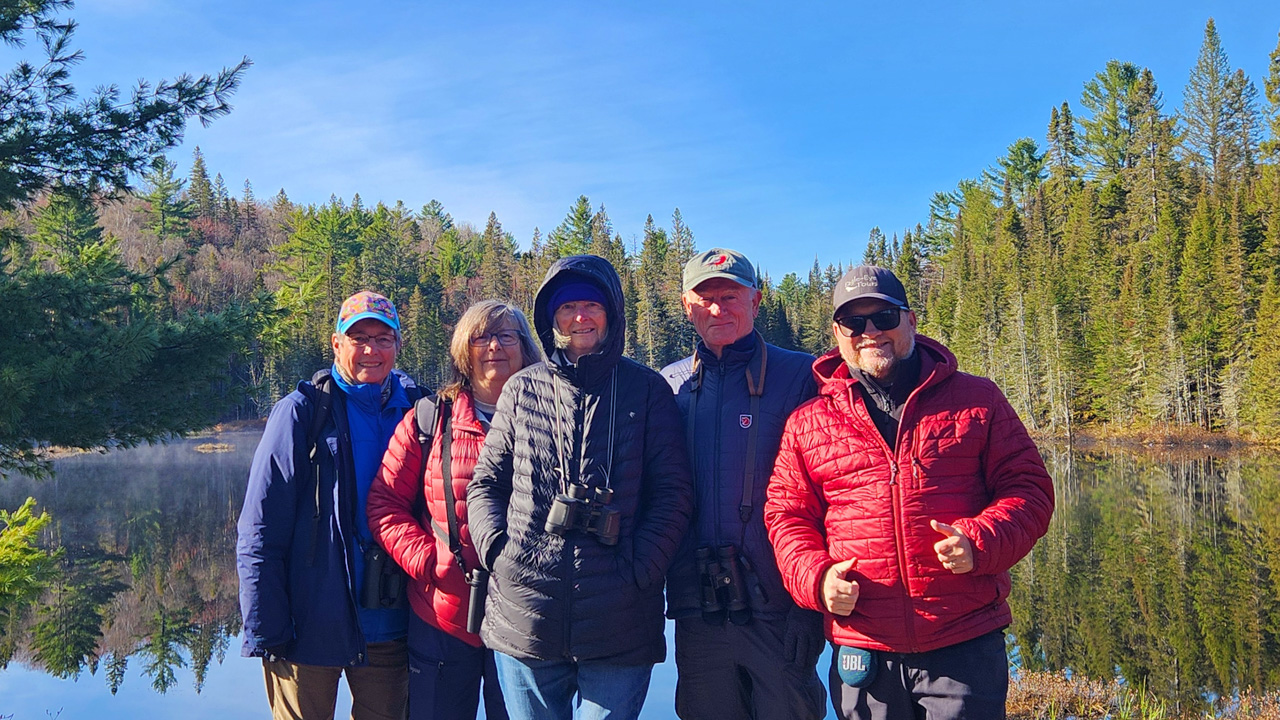
Group at Mizzy Lake ©Jared Clarke
At dinner we reminisced about our trip and shared our highlights, before bidding farewell to each other and heading off in our own directions. What a great trip, with a wonderful group of people!