Morocco Trip Report (April 21 – May 3, 2026)
Our late April to early May Morocco tour traced a classic arc from Marrakesh and the High Atlas through desert fringes and the Erg Chebbi dunes, before finishing on the Atlantic coast and the wetlands of the Souss. While migration was patchy at times, the trip delivered an excellent spread of resident specialities, localised breeders and a rich supporting cast of reptiles and plants. Highlights included Marbled Duck, Egyptian Nightjar, Northern Bald Ibis, Pharaoh Eagle‑Owl, Thick‑billed and Temminck’s Larks African Desert Warbler, Desert Sparrow and a fine selection of Acanthodactylus lizards. Combined with atmospheric landscapes, varied habitats and warm Moroccan hospitality, it made for a rewarding spring journey.
Day 1 – Arrival in Marrakesh
Guests arrived in Marrakesh and settled into our hotel before heading into the city for dinner overlooking the Jemaa el‑Fna. The famous square provided a lively introduction to Morocco, with Little Swift scything overhead and White Stork drifting past in the evening light. Common Bulbul and House Bunting around the hotel grounds offered the first familiar faces of the tour.
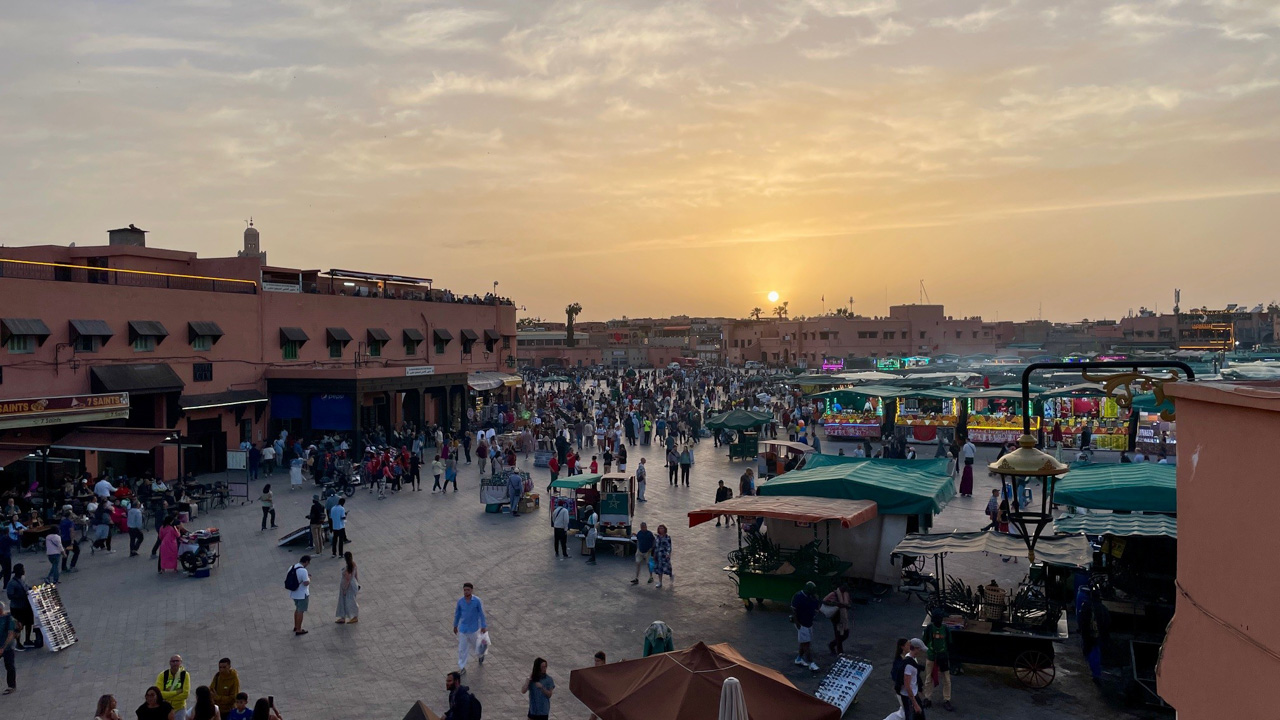
Jemaa el-Fnaa © Ed Hutchings
Day 2 – Oukaimeden and High Atlas slopes
We headed up into the High Atlas, spending the morning at Oukaimeden. The alpine plateau produced classic high-altitude species including both Red-billed and Alpine Choughs, Horned Lark and Atlas Wheatear. Andalucian Wall Lizard and Atlas Dwarf Lizard added herpetological interest among lingering snow patches. In the afternoon we worked the High Atlas slopes, where careful searching brought Tristram’s Warbler and the smart Moussier’s Redstart in scattered scrub.
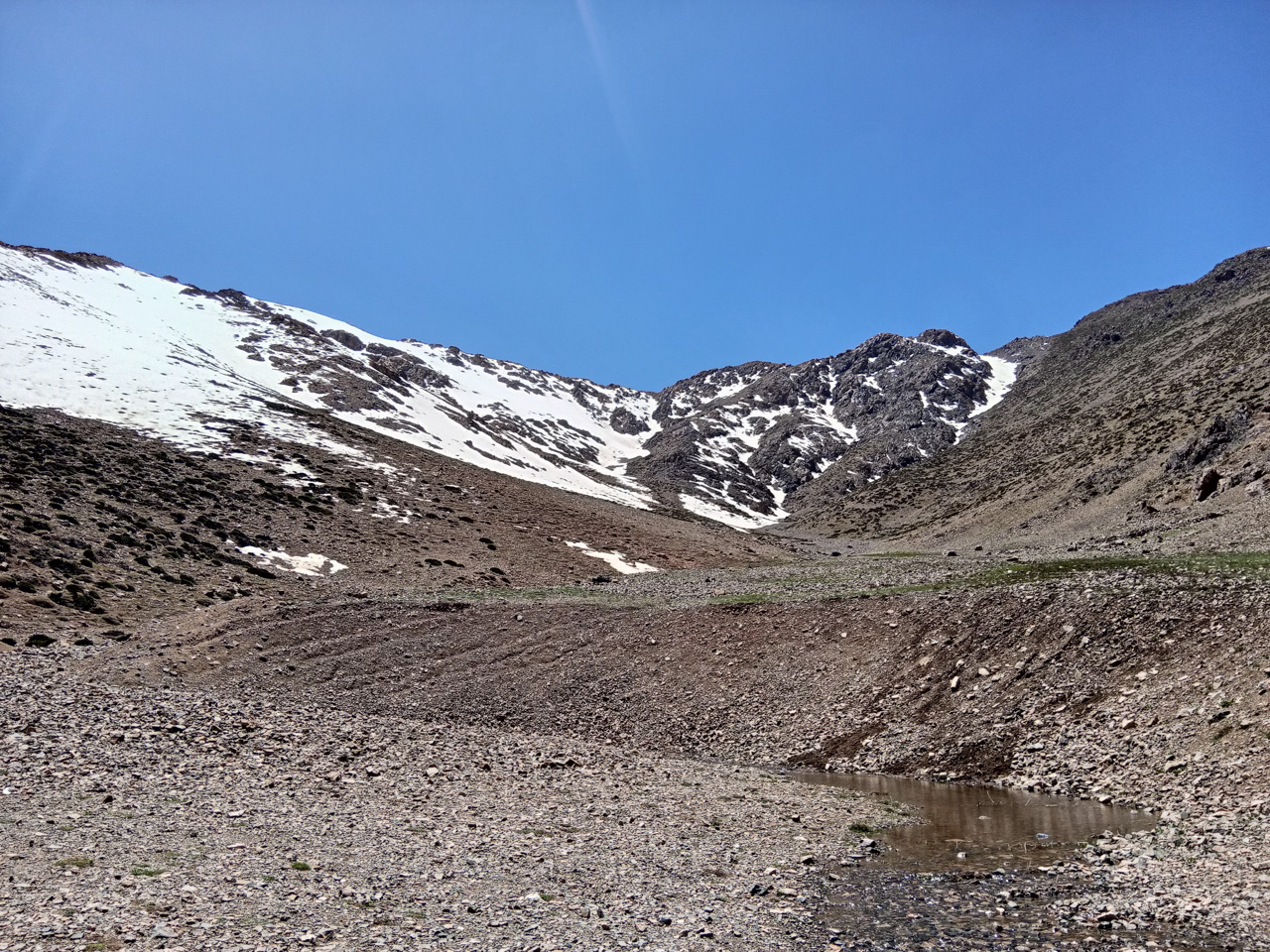
High Atlas valley © Nacho Barrionuevo
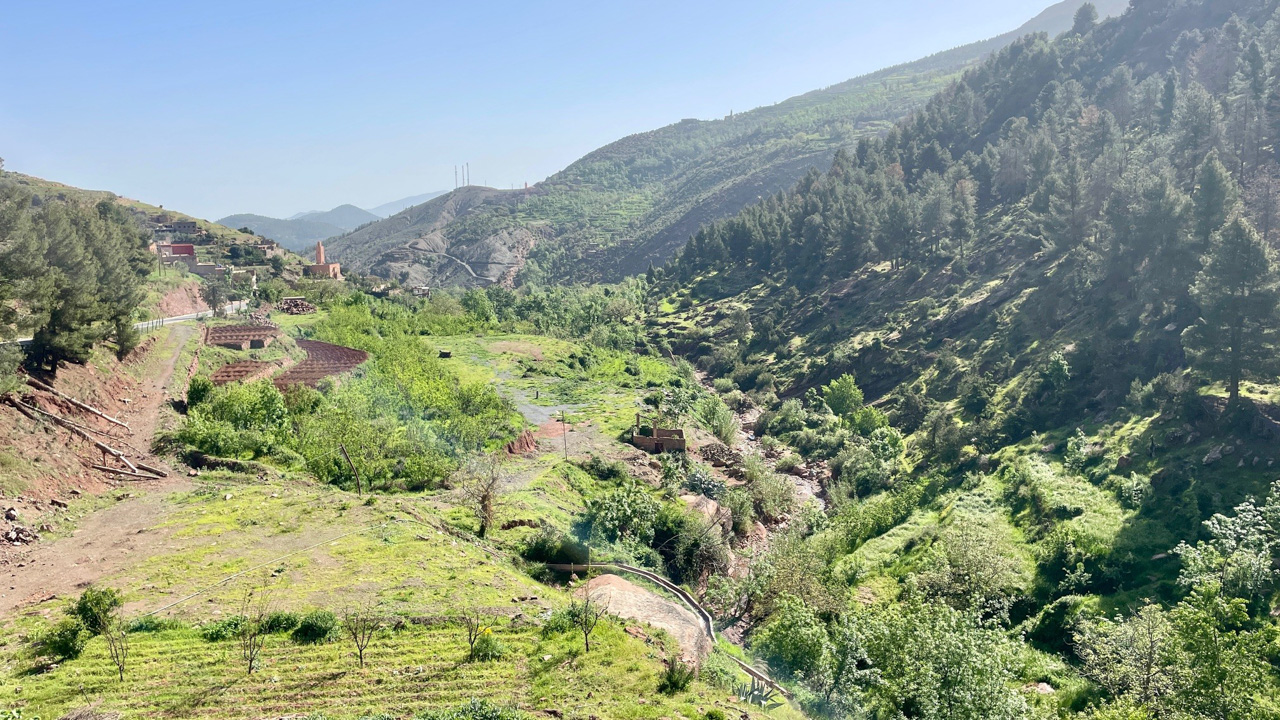
Ourika Valley © Ed Hutchings
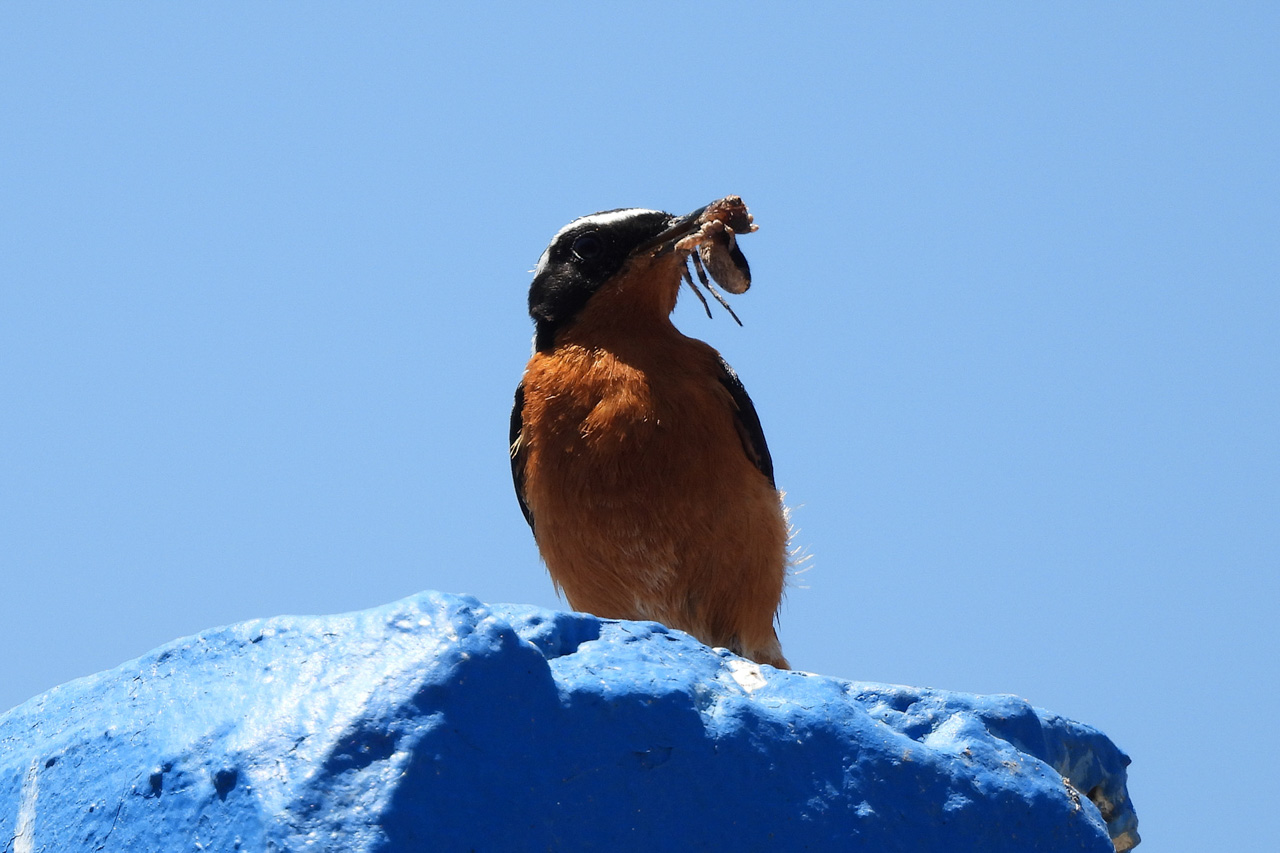
Moussier’s Redstart © Nacho Barrionuevo
Day 3 – Escale Forest, Tizi n’Tichka and Ait Ben Haddou
The morning was spent in Escale Forest, where Coal Tit and African Chaffinch were joined by a fine assemblage of characteristic plants, including Barbary Thuja, Dwarf Palm and Moroccan Lavender. We then climbed the Tizi n’Tichka Pass, stopping for Thekla Lark and roadside views of Black Wheatear. By afternoon we reached Ait Ben Haddou, where White‑crowned Wheatear performed well around the kasbah, adding a touch of birding to the famous cultural site.
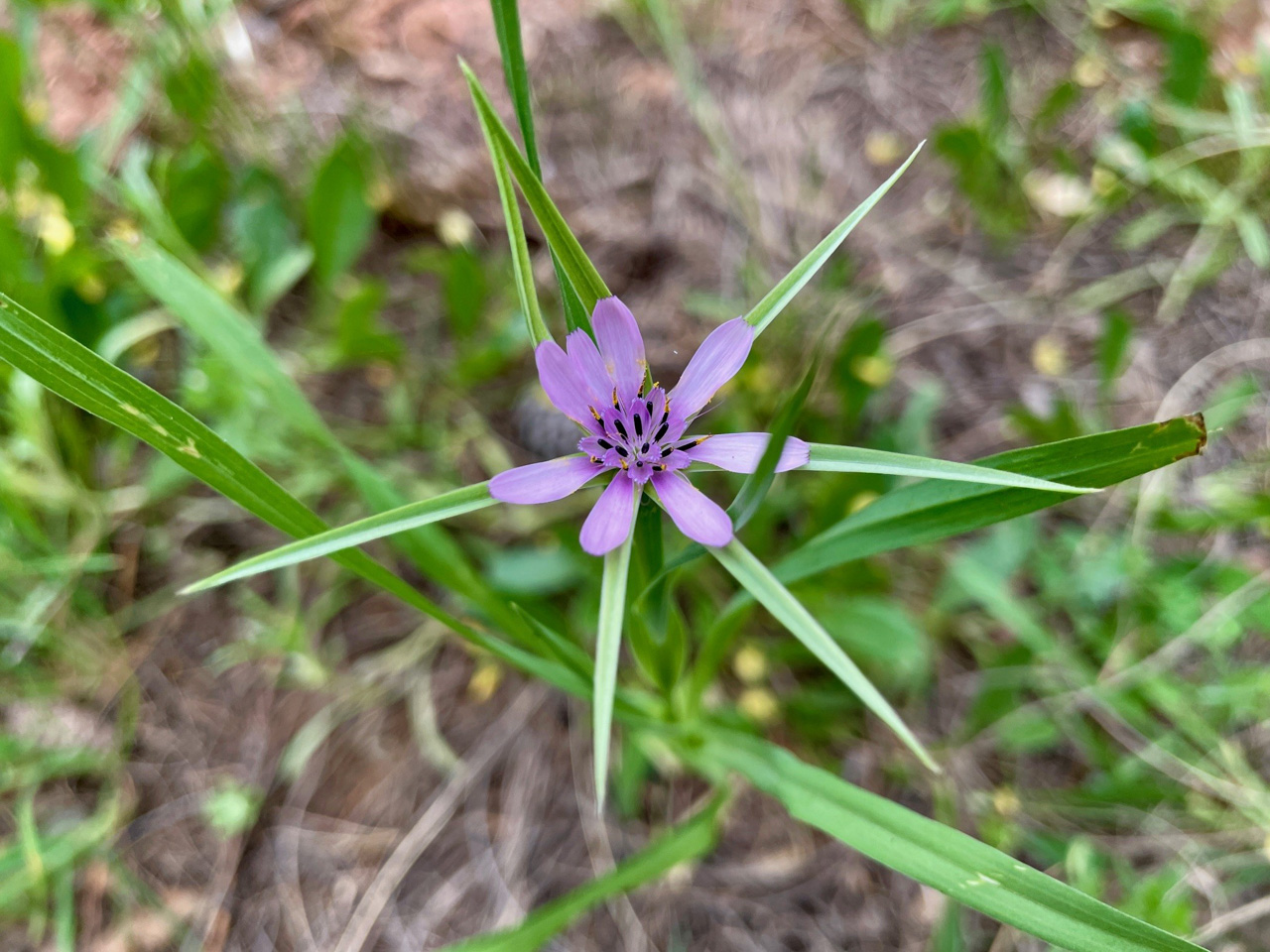
Slender Salsify © Ed Hutchings
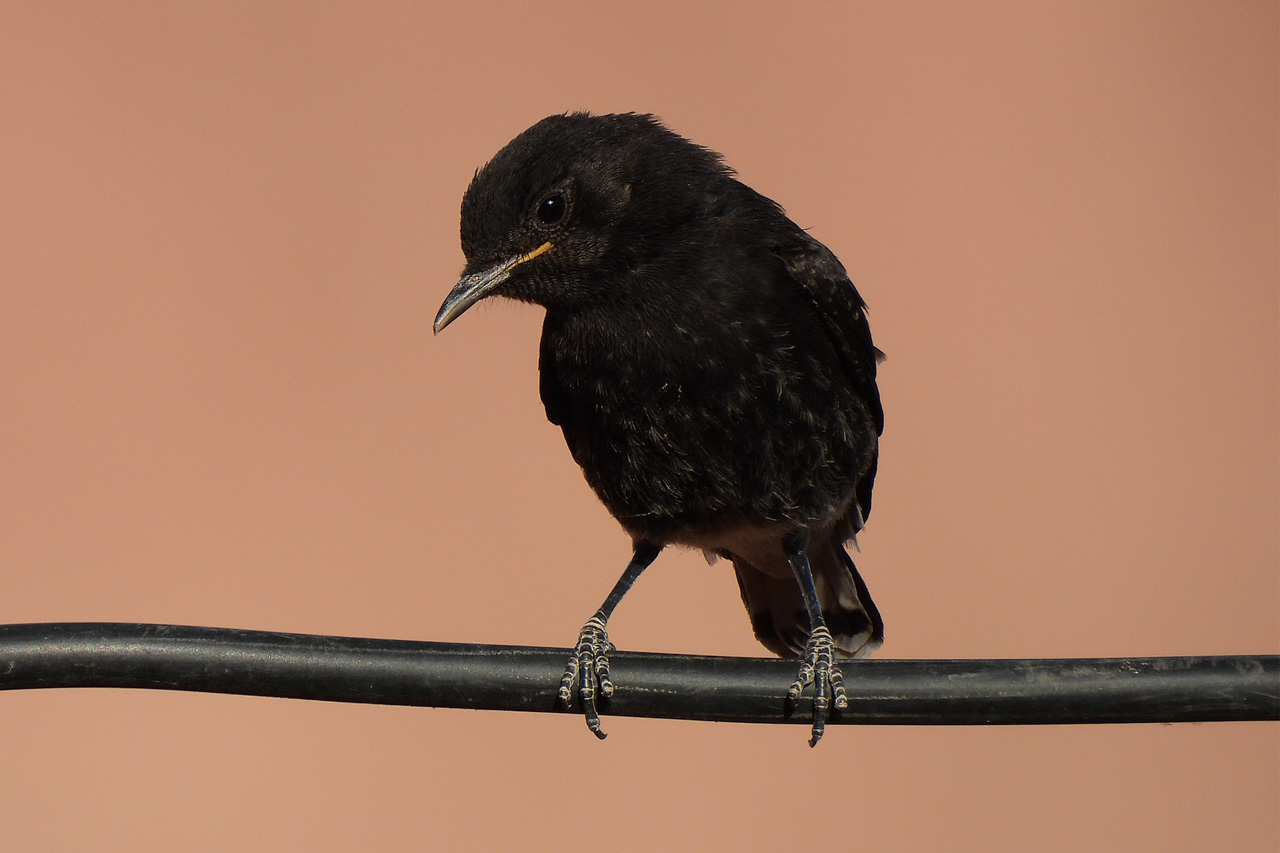
White-crowned Wheatear © Nacho Barrionuevo
Day 4 – Tizgi Lilan and Tagdilt Track
We travelled east via Tizgi Lilan before reaching the stony hamada of the Tagdilt Track. The afternoon produced Desert and Red‑rumped Wheatears, both showing well among the rubble, while Moroccan Spiny‑tailed Lizard basked on exposed rocks. The stark landscape and big skies gave a strong sense of being on the edge of the desert.
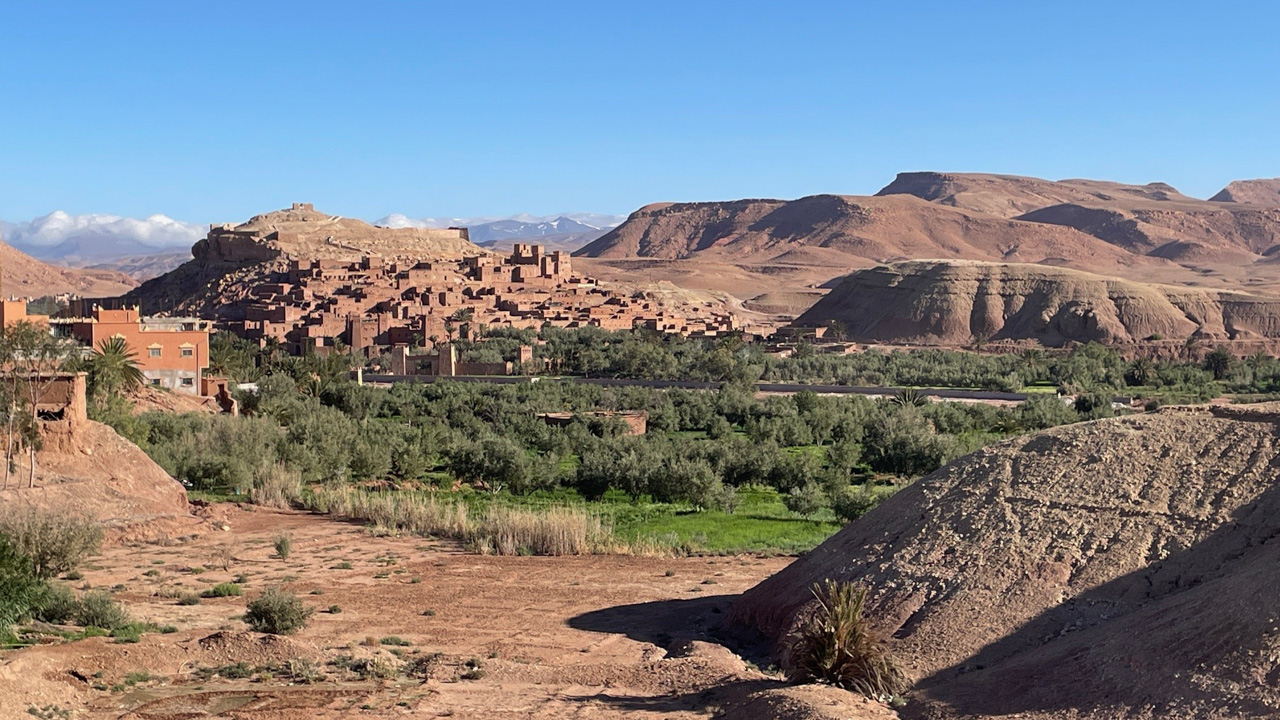
Ait Benhaddou from afar © Ed Hutchings
Day 5 – Tinejdad, Jorf Khettaras and Erg Chebbi
The day began near Tinejdad, where patient work delivered Streaked Scrub Warbler in low, tangled vegetation. Botanically minded participants enjoyed Asphodelus tenuifolius, Euphorbia calyptrata, Cleome africana and Calotropis procera. We continued via the Jorf khettaras, exploring traditional irrigation systems, before pressing on to the dunes of Erg Chebbi, which glowed orange in the evening light.
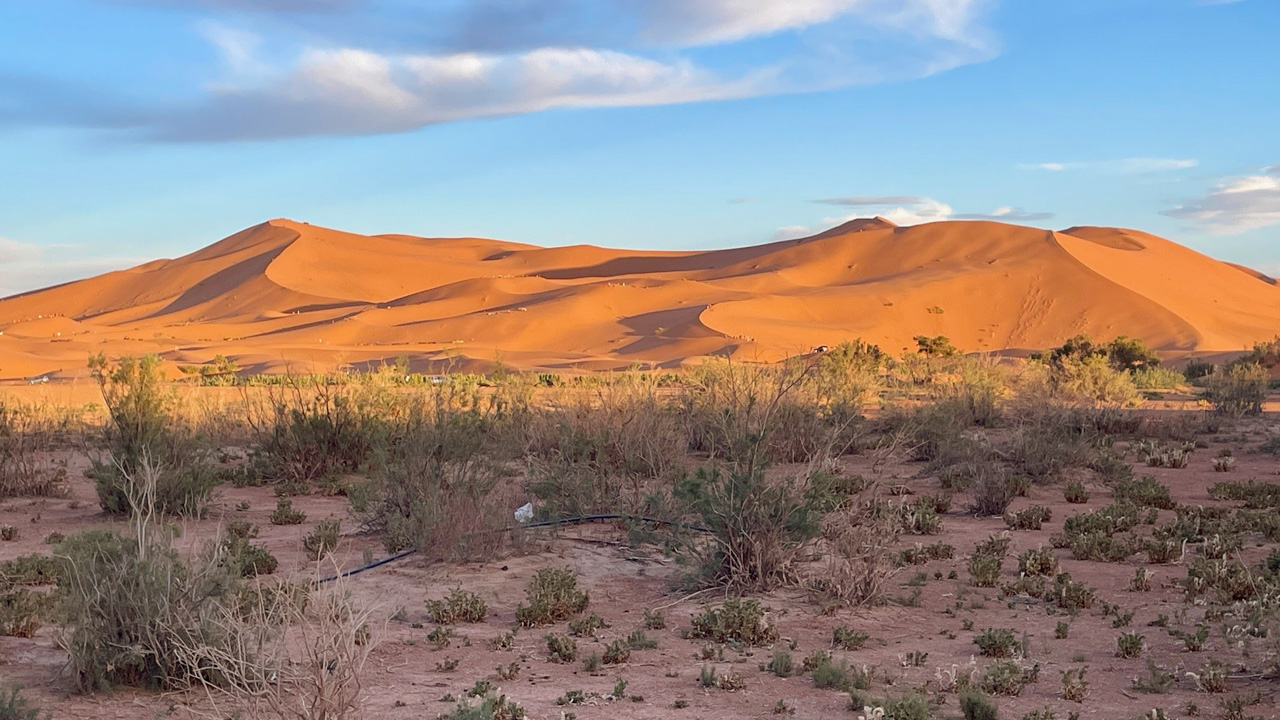
Erg Chebbi © Ed Hutchings
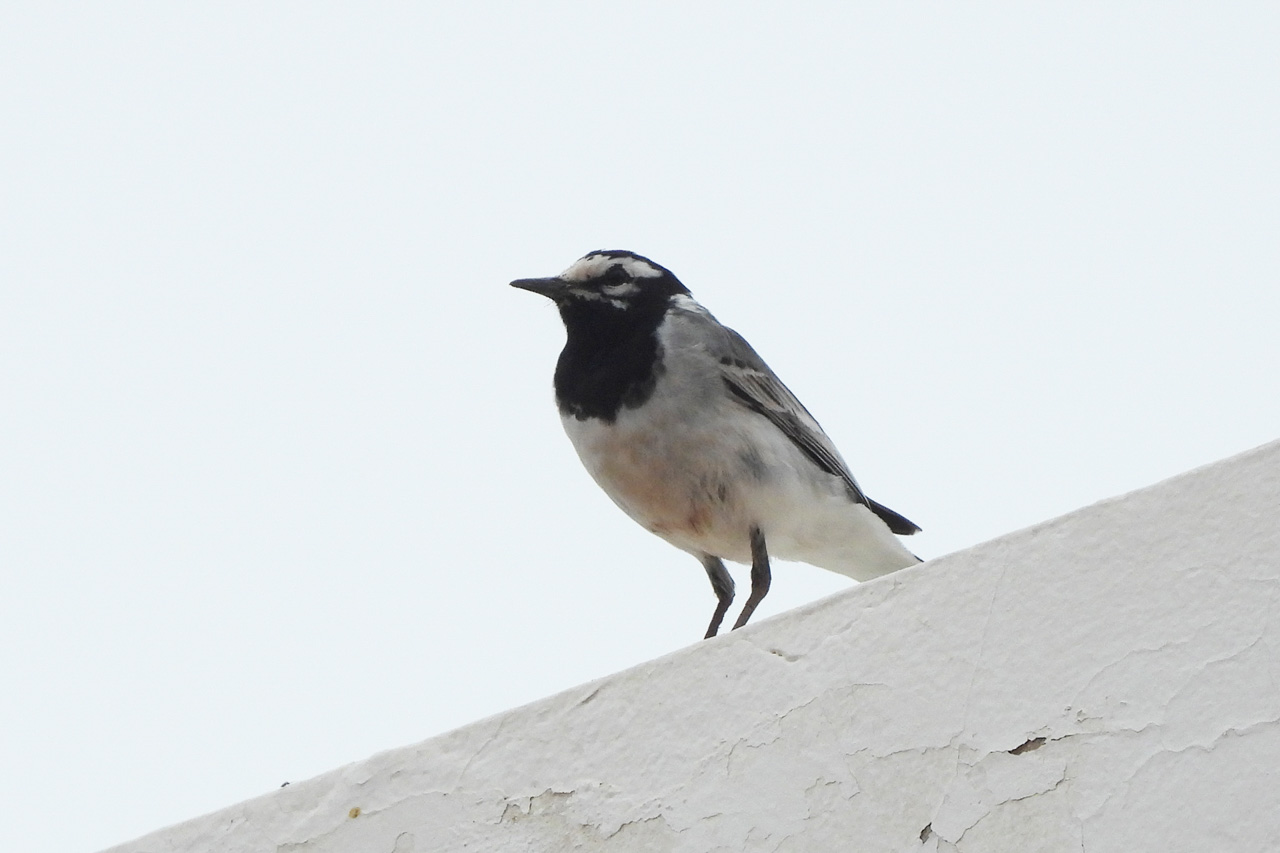
White Wagtail (Moroccan subspecies) © Nacho Barrionuevo
Day 6 – Erg Chebbi and Dayet Srij
A full day around Erg Chebbi showcased the desert at its best. African Desert Warbler skulked in scattered tamarisks, while Fulvous Babbler and Desert Sparrow were found at a desert camp. A local guide led us to a roosting Egyptian Nightjar, a major highlight, and we enjoyed Spotted and Crowned Sandgrouse, Cream‑colored Courser, Bar‑tailed Lark, Brown‑necked Raven and African Green Toad. Duméril’s and Long Fringe‑fingered Lizards and the distinctive Citrullus colocynthis added further interest. Later, at Dayet Srij, Marbled Duck, Greater Flamingo, Black‑winged Stilt and Whiskered Tern were joined by large numbers of migrant shorebirds, giving a strong wetland contrast to the desert morning.
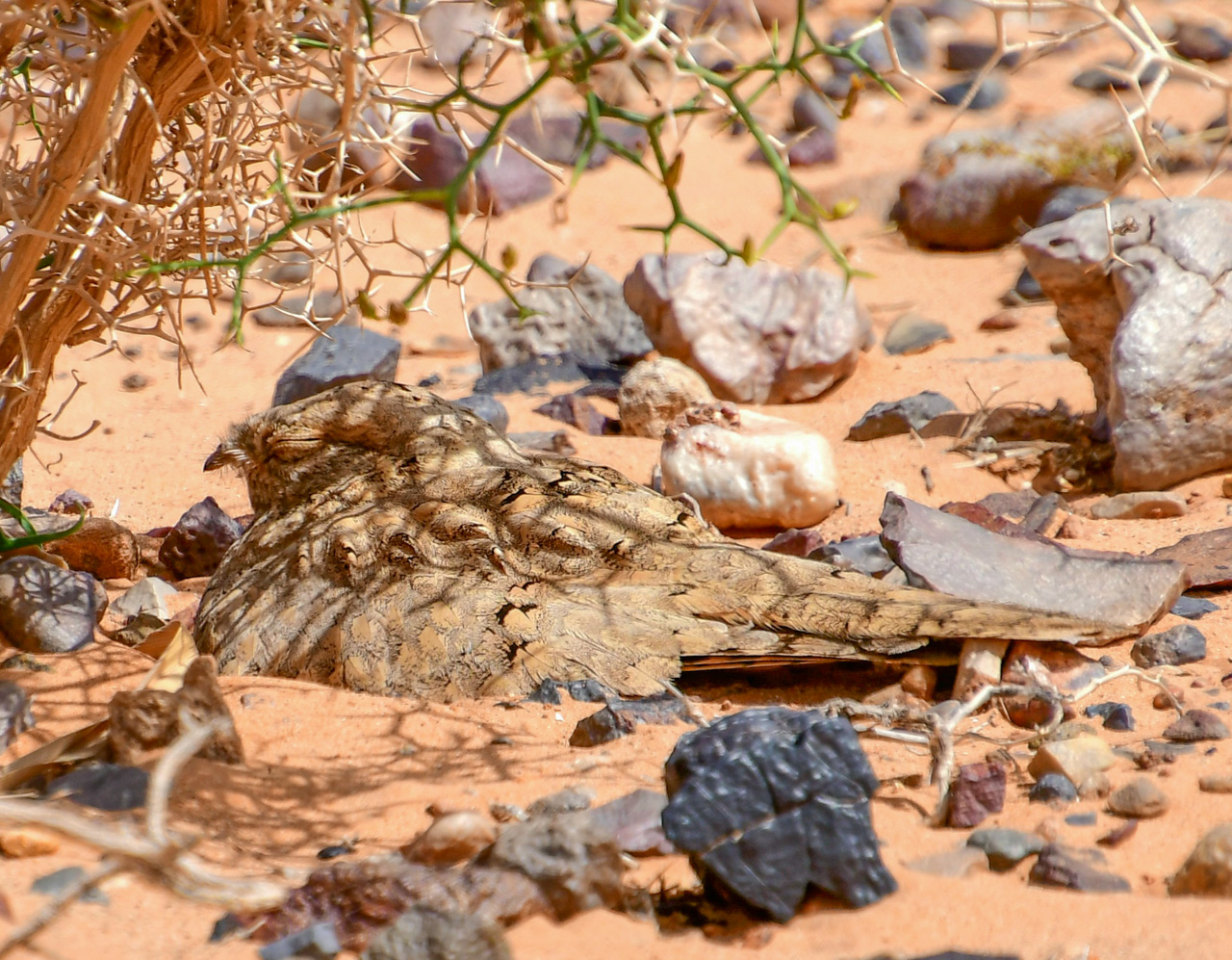
Egyptian Nightjar © Joseph Sina
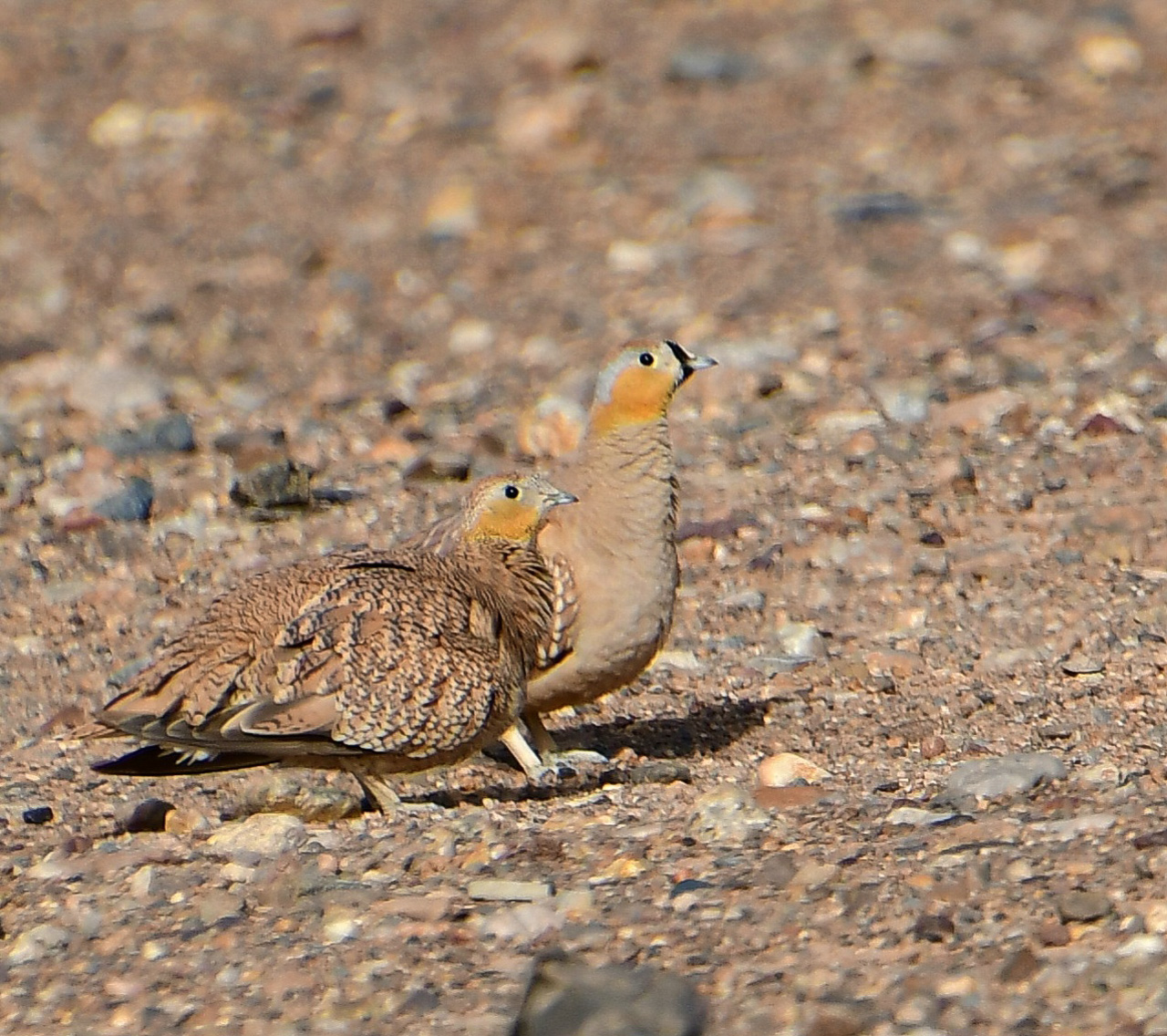
Crowned Sandgrouse © Joseph Sina
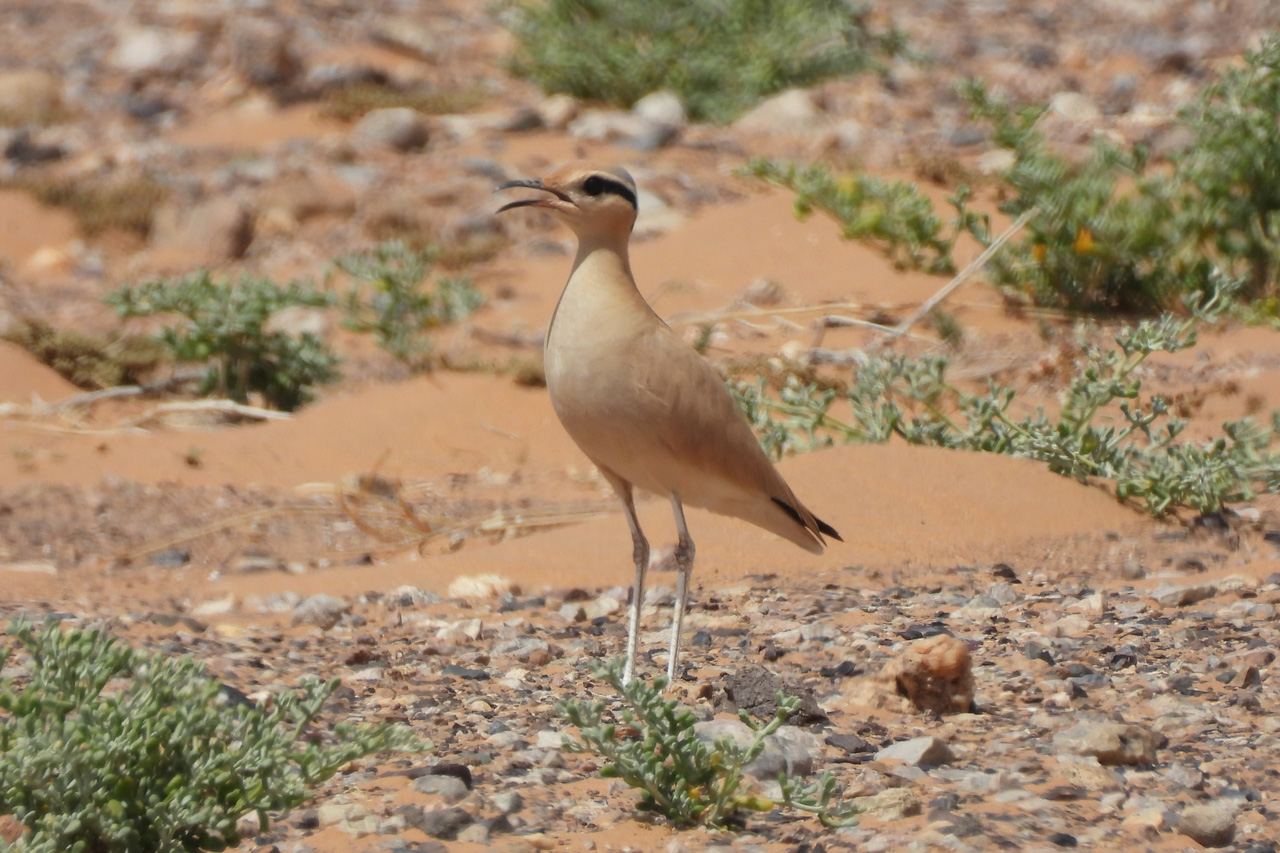
Cream-coloured Courser © Nacho Barrionuevo
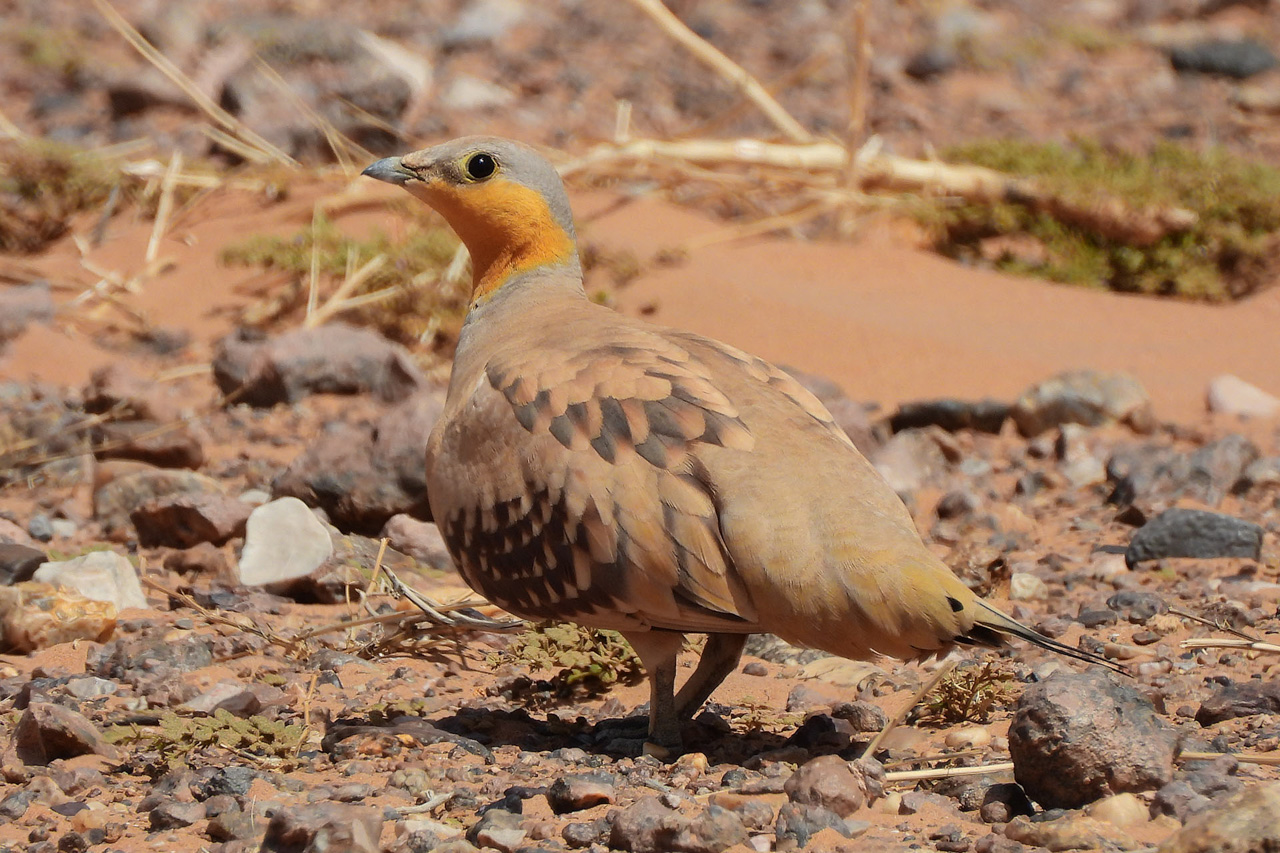
Spotted Sandgrouse © Nacho Barrionuevo
Day 7 – Rissani Souk and Todra Gorge
We spent the morning in Rissani’s souk, soaking up the atmosphere of this historic market town and its surrounding palm groves. In the afternoon we moved to the Todra Gorge, where towering cliffs framed a gentle walk that produced Eurasian Crag Martin and Grey Wagtail along the river.
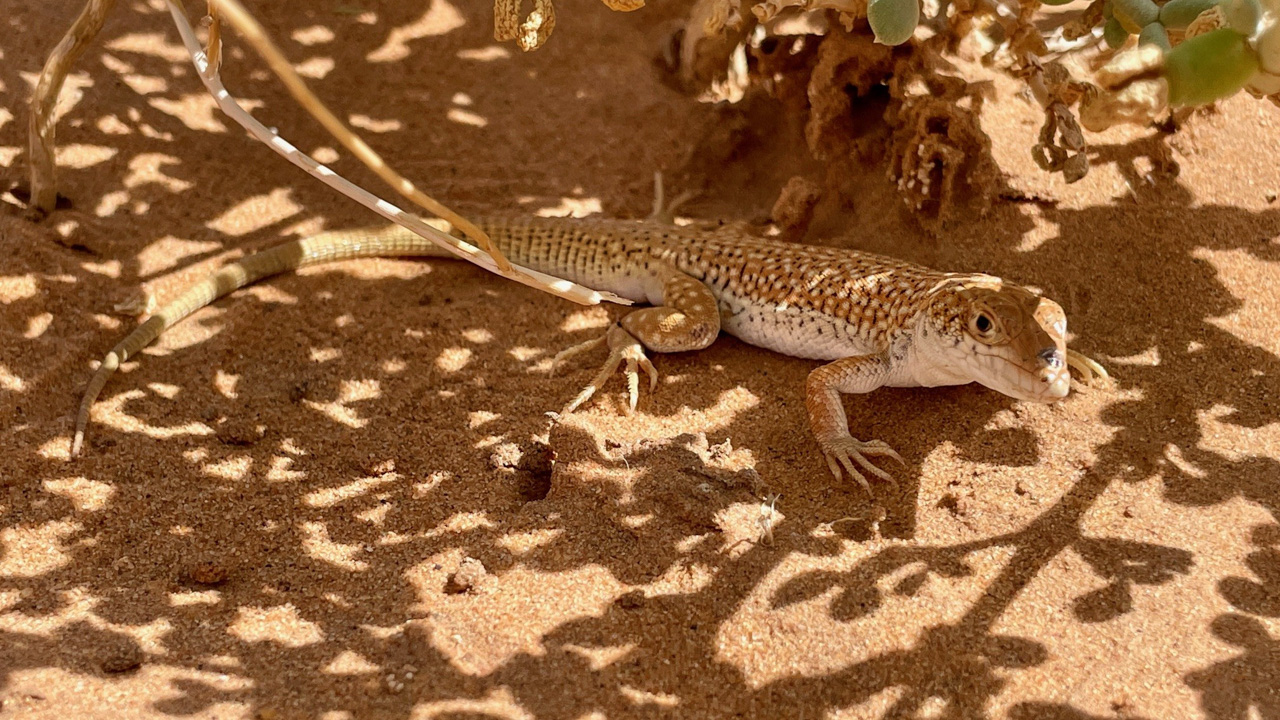
Dumeril’s Fringe-fingered Lizard © Ed Hutchings
Day 8 – Tagdilt Track, Imiter Gorges and Dades Gorge
A return to Tagdilt in the morning was productive, with Thick-billed, Thekla and Temminck’s Larks all showing, alongside Desert and Red‑rumped Wheatears, Moroccan Spiny‑tailed Lizard and Fat Sand Rat. We then explored the Imiter Gorges, where Mourning and Black Wheatears were joined by Long‑legged Buzzard, Pharaoh Eagle‑Owl and Lanner Falcon. Bosc’s Fringe‑toed Lizard added to the reptile tally. The day ended in the Dades Gorge, with Eurasian Crag Martin, Blue Rock Thrush and Rock Bunting against a backdrop of dramatic red rock scenery.
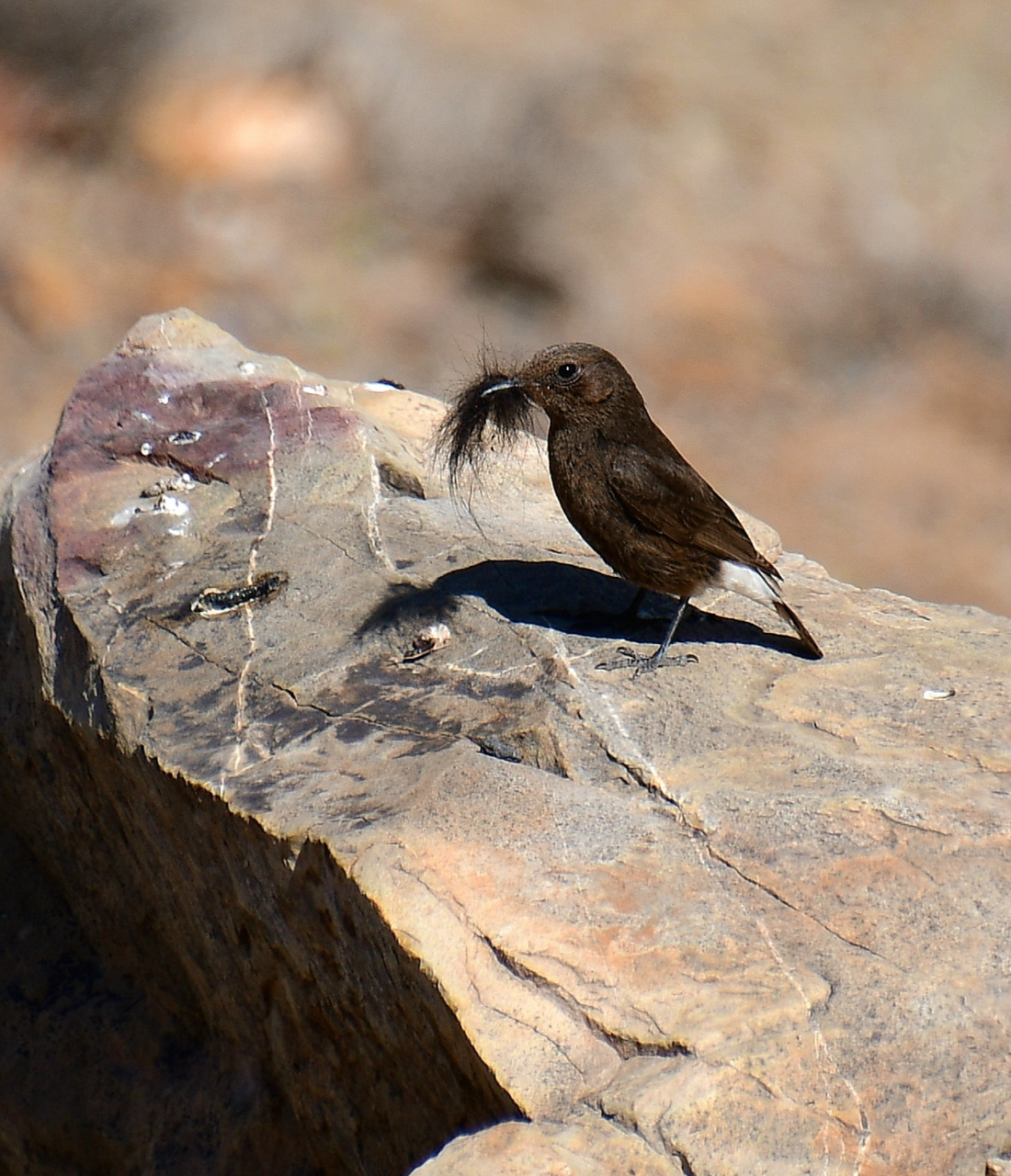
Black Wheatear © Joseph Sina
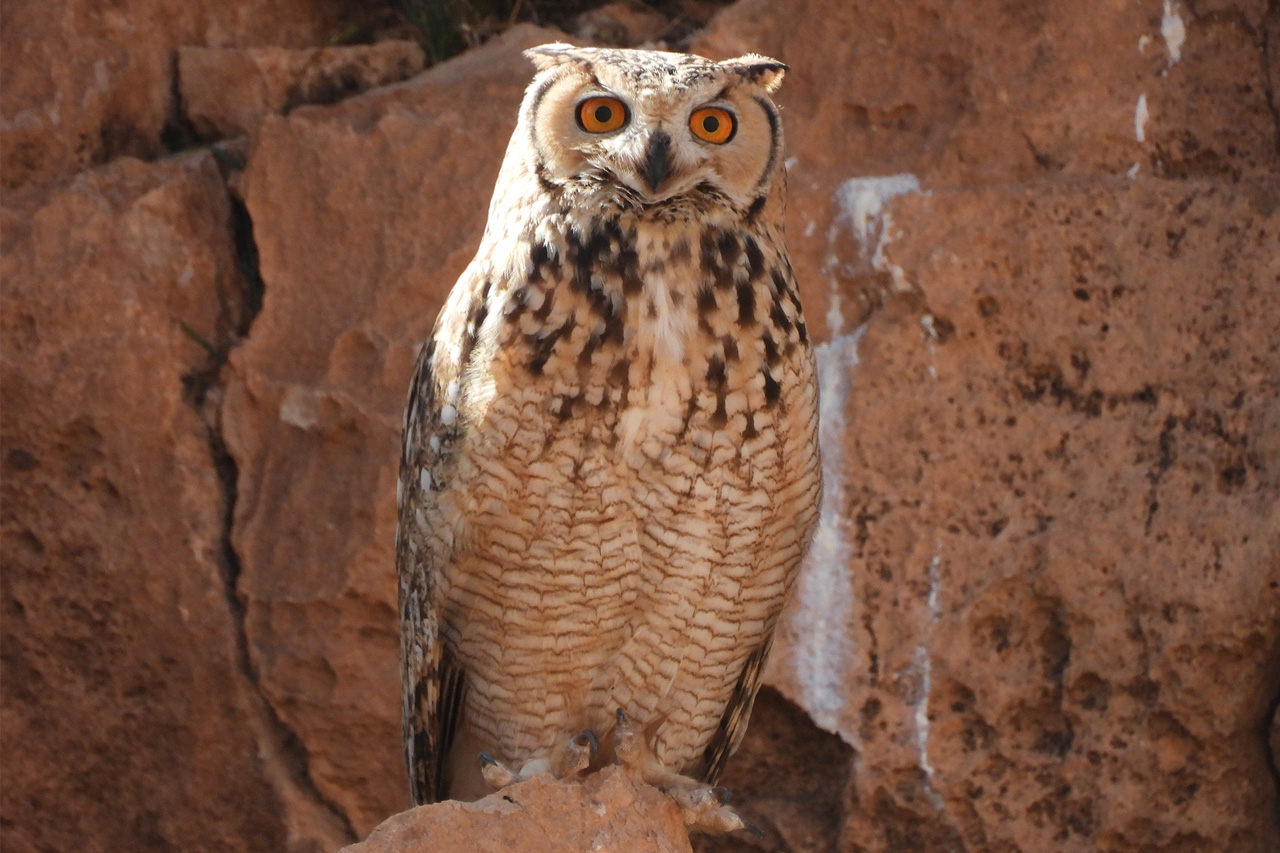
Pharaoh Eagle-Owl © Nacho Barrionuevo
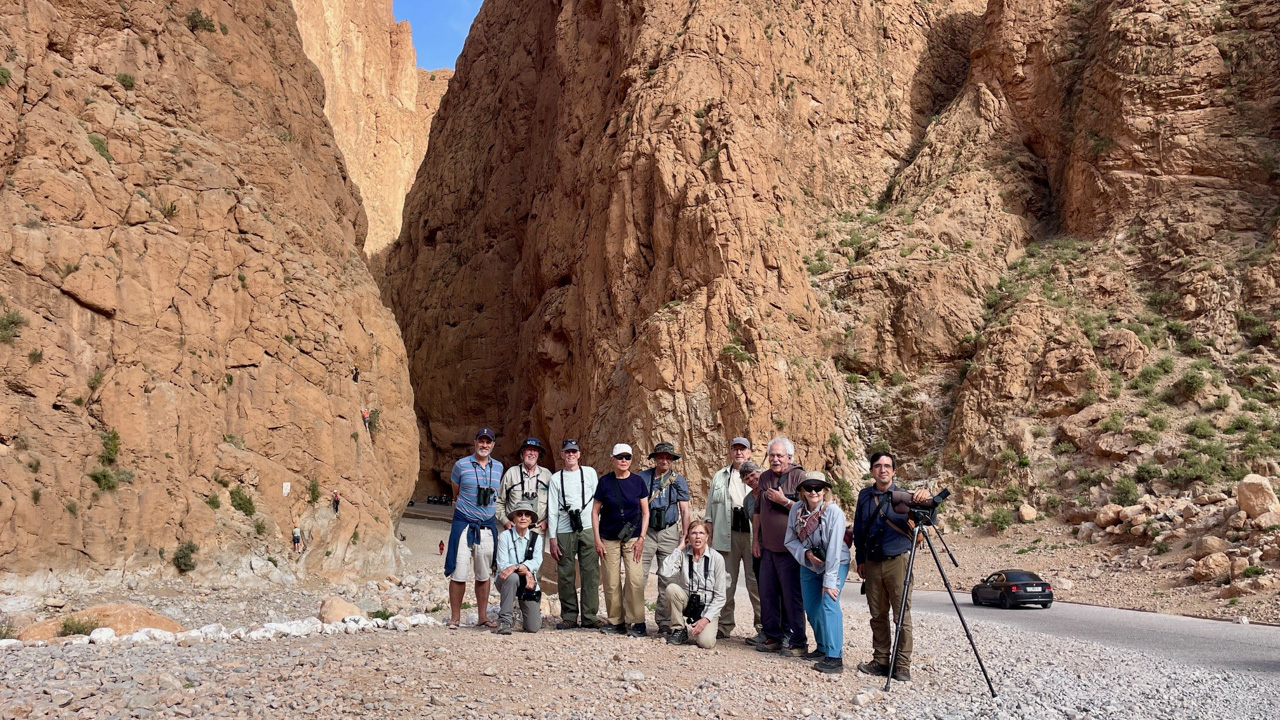
The group at Todra Gorge © Ed Hutchings
Day 9 – Tiouiyine Bridge and Taroudant
A stop at the Tiouiyine Bridge brought Cetti’s Warbler (heard), Rock Bunting, Moroccan Toad and Bosc’s Fringe‑toed Lizard. We then continued west to Taroudant, where the group enjoyed a relaxed evening in our hotel just outside this attractive walled town.
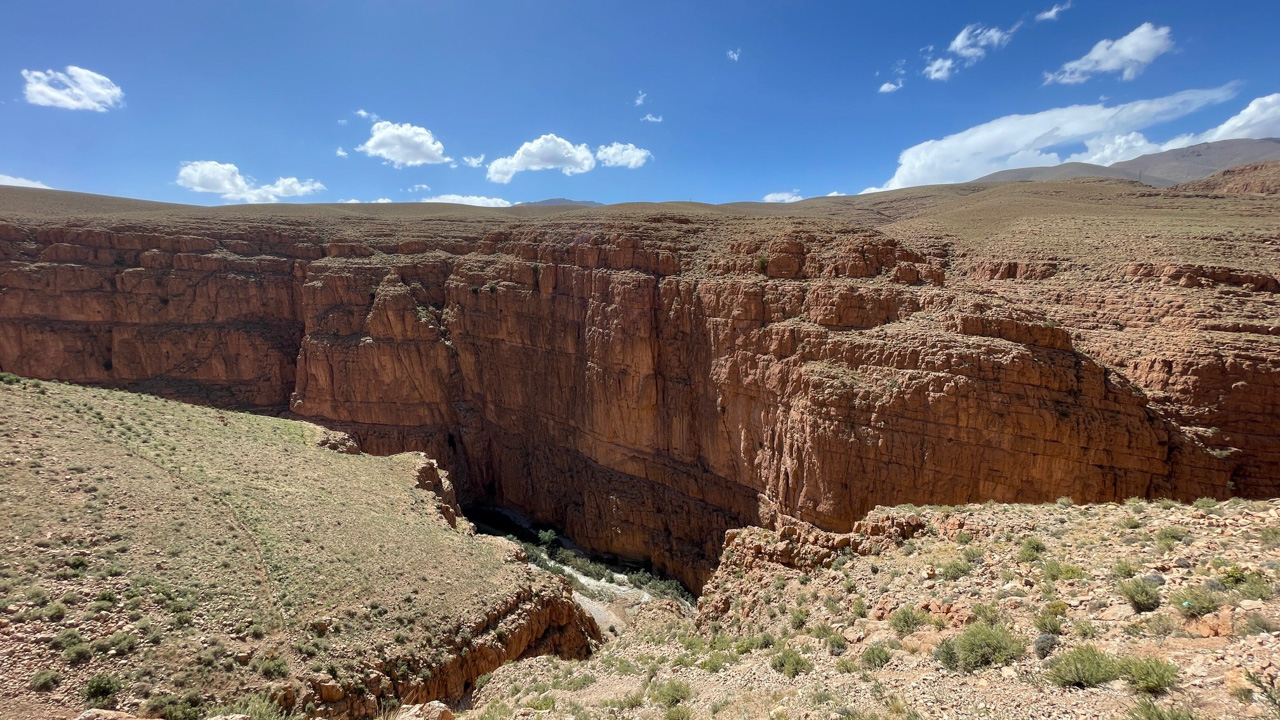
The dramatic Dades Gorge © Ed Hutchings
Day 10 – Taroudant, Cap Ghir and Tamri
An enjoyable birding session overlooking the dry wadi next to our hotel set the tone for the morning before we moved to Cap Ghir, where Sandwich Tern and Cory’s Shearwater were noted offshore. In the afternoon we reached Tamri, enjoying excellent views of Northern Bald Ibis, one of the world’s rarest birds. Audouin’s Gull and Acanthodactylus margaritae rounded off a fine coastal day.
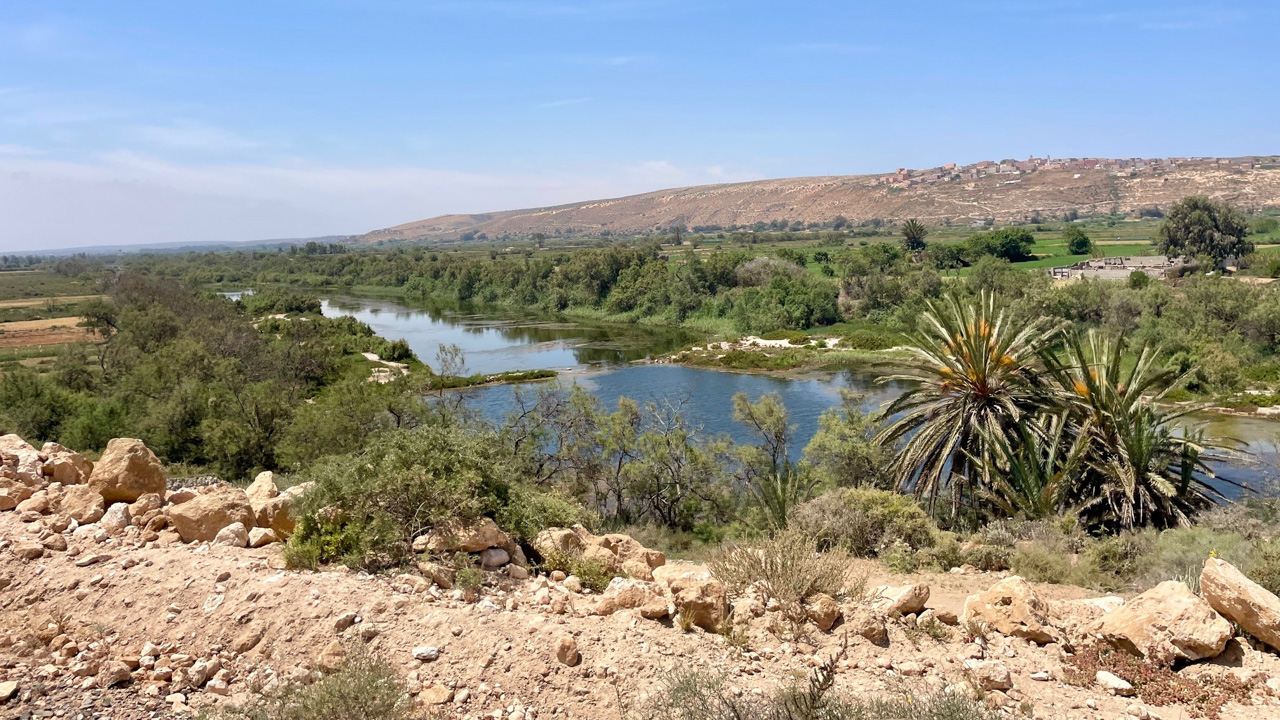
The Souss-Massa National Park © Ed Hutchings
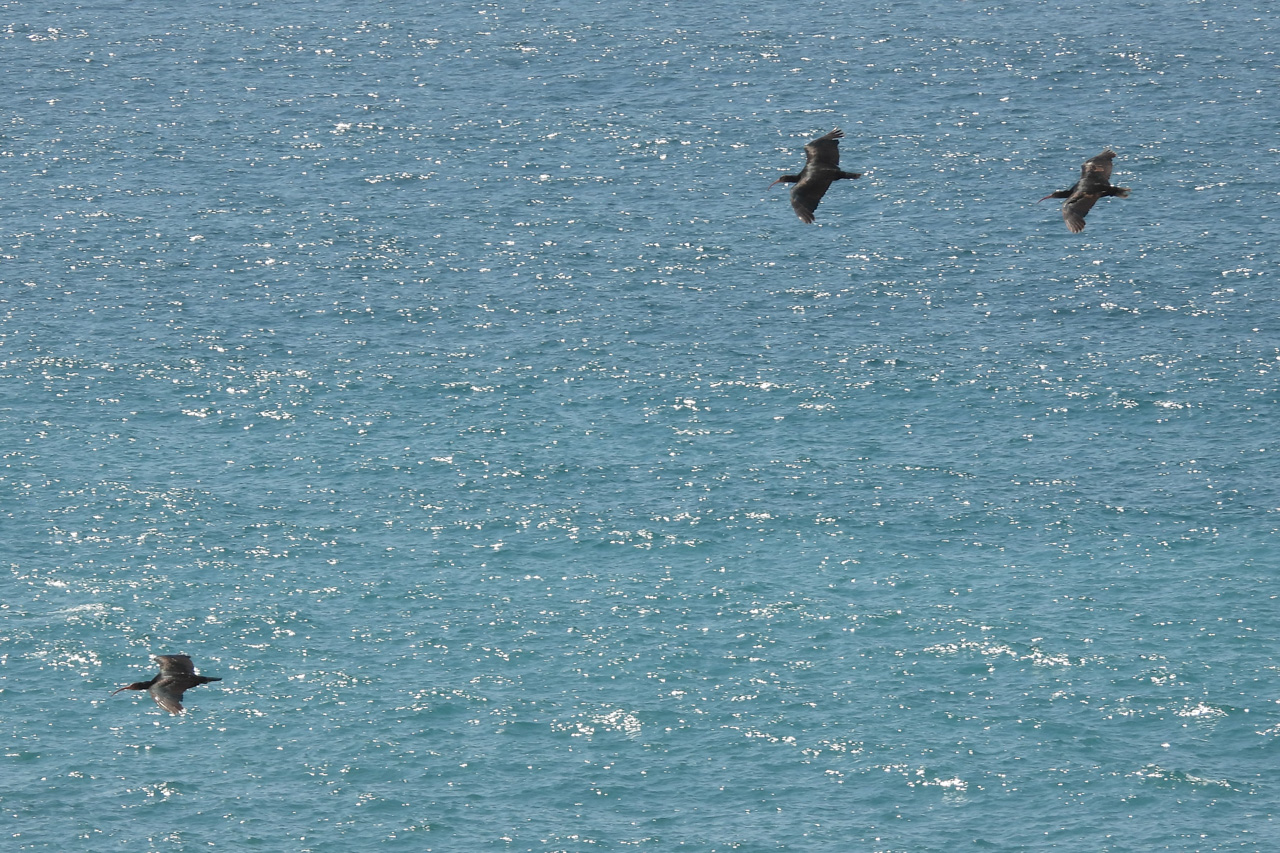
Northern Bald Ibis © Nacho Barrionuevo
Day 11 – Oued Massa
A full day at Oued Massa produced Marbled Duck, Black‑crowned Tchagra and Golden Fringe‑fingered Lizard in varied coastal habitats. The mix of wetlands, scrub and dunes provided a rich backdrop for the final birding on the Atlantic coast.
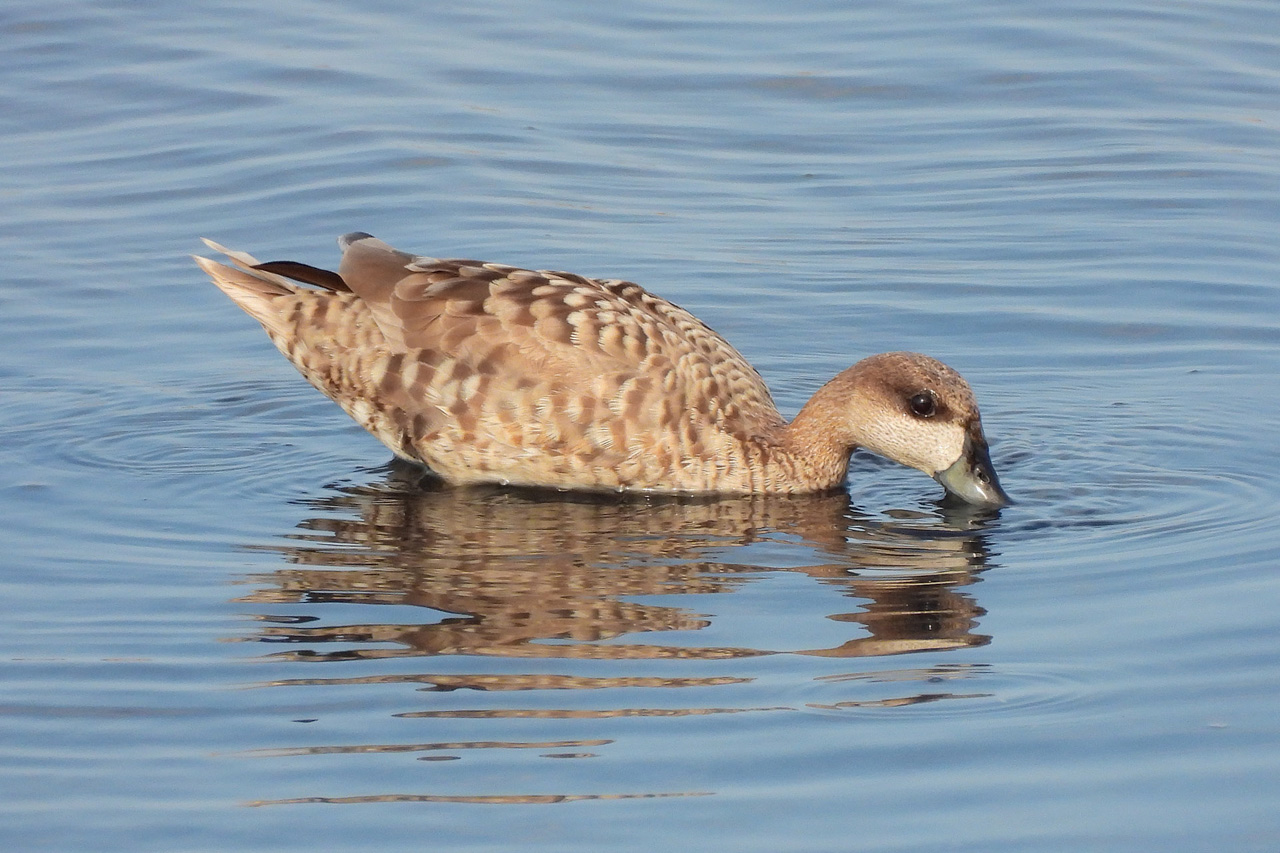
Marbled Duck © Nacho Barrionuevo
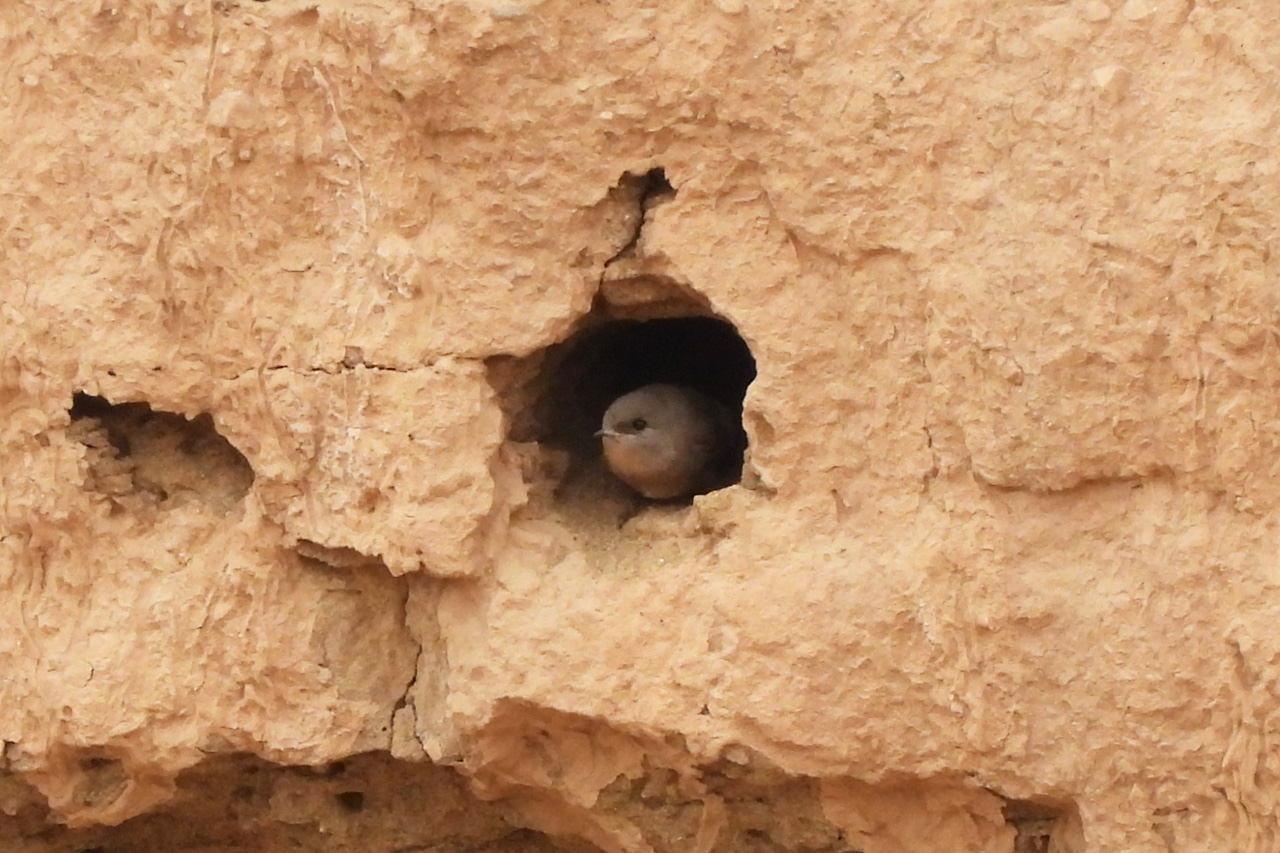
Plain Martin chick © Nacho Barrionuevo
Day 12 – Souss Estuary and return to Marrakesh
Our final birding day took us to the Souss Estuary, where Greater Flamingo, Western Osprey and numerous shorebirds were logged. A visit to an Argan cooperative offered insight into local livelihoods before we returned to Marrakesh for our last evening together.
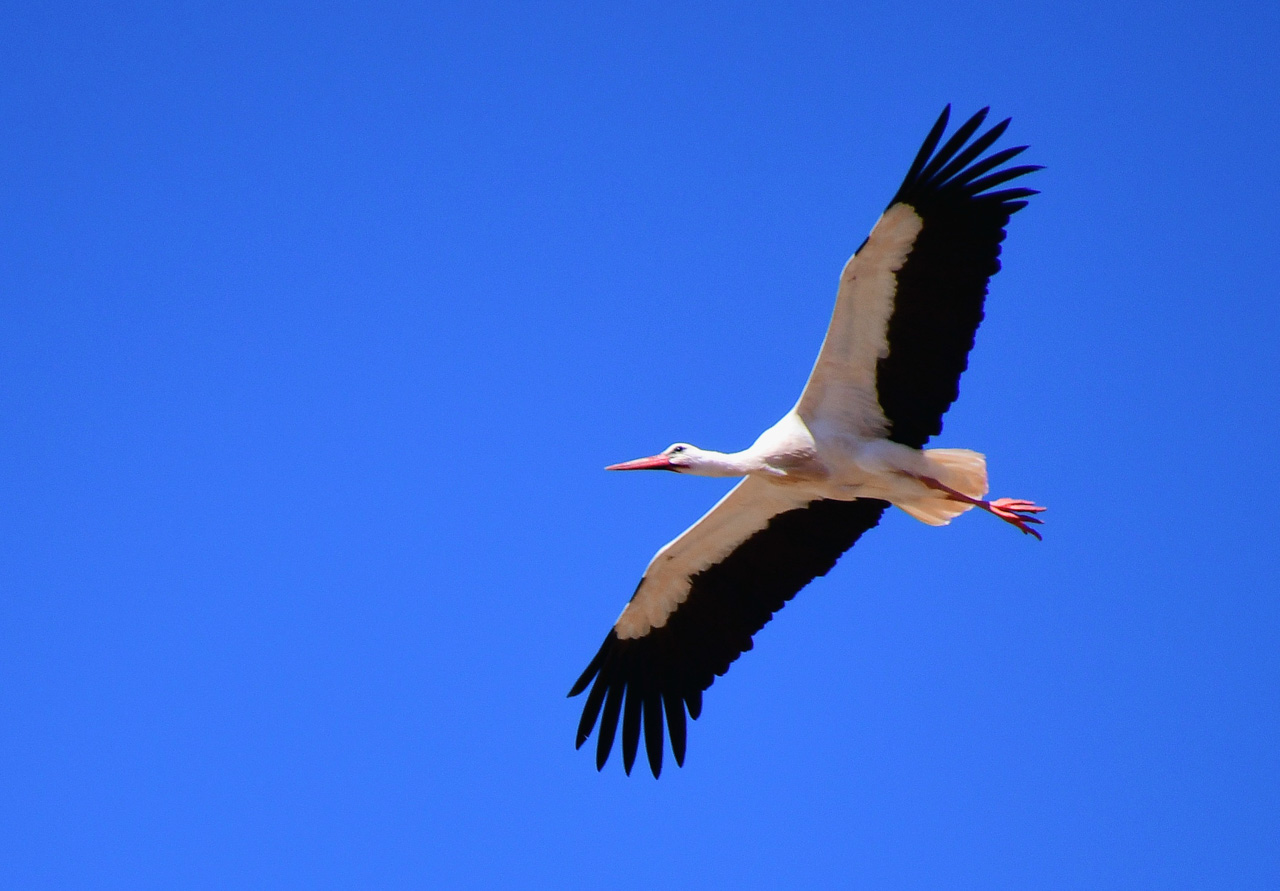
White Stork @ Joseph Sina
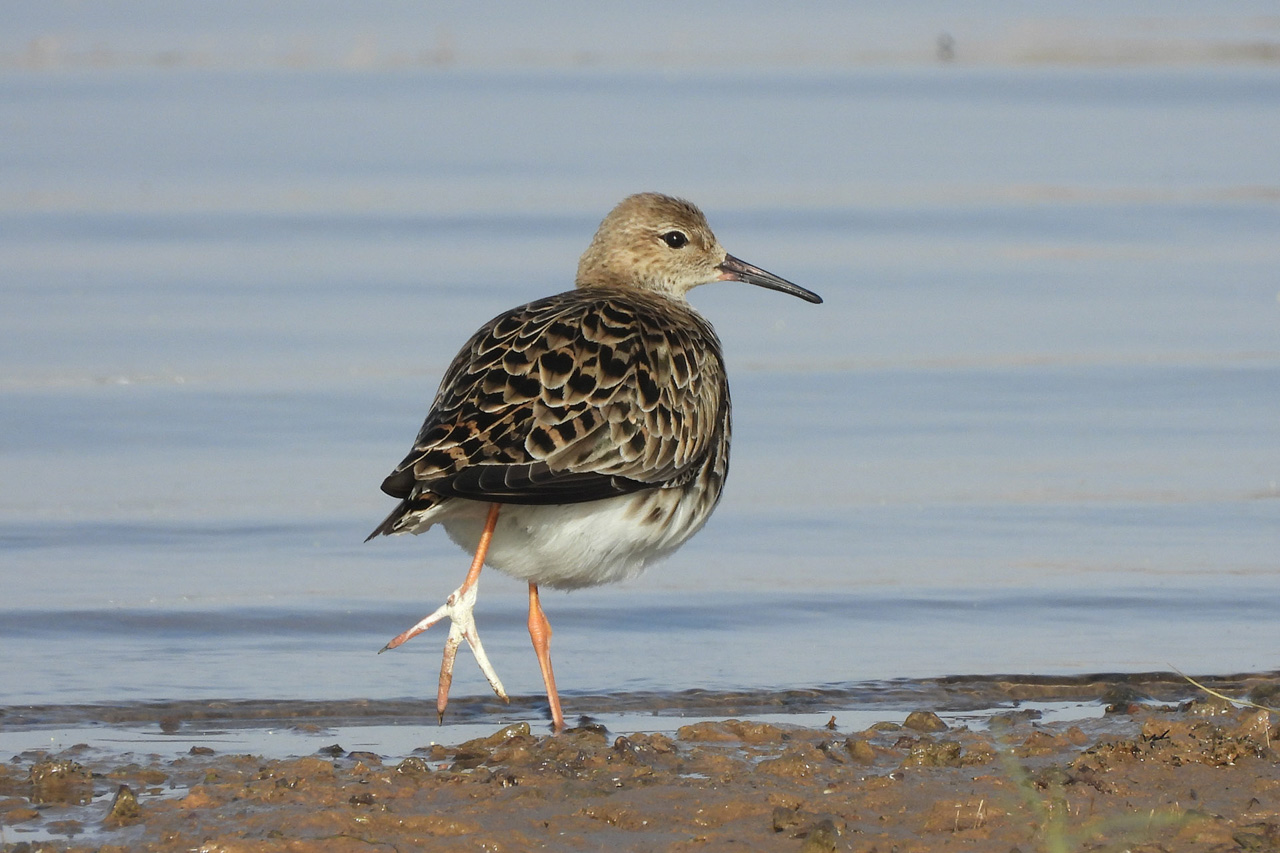
Ruff © Nacho Barrionuevo
Day 13 – Departure
Departures throughout the day brought the tour to a close. From alpine plateaus and desert dunes to coastal wetlands, the itinerary delivered a broad sweep of Morocco’s habitats, with a strong showing of resident specialities and a satisfying mix of birds, reptiles and plants.