Brazil: Atlantic Forest Trip Report (Oct 9–20, 2026)
Southeast Brazil holds a large diversity of endemic flora and fauna, with nearly half of all native plants being endemic to the Atlantic rainforest. Consequently, around 200 bird species are found only here, which we endeavoured to find on our tour. We visited Itatiaia National Park, Ubatuba, and Intervales State Park. Although labelled a rainforest, we only encountered scant showers one day and it rained at night once or twice. Otherwise, the weather was cool, dry and pleasant. Guides were Steve Ogle from Canada and Carlos Gussoni from Minas Gerais.
Days 1–4: Itatiaia National Park
We met at our hotel near the international airport. Some folks had arrived one or two days earlier and were accustomed to the garden birds in the area. We didn’t start until the morning of departure to Itatiaia on day 2, when loading the van. It was interesting to see capybaras at the airport hotel!
Our lodge was our home for three nights, a complex of cabins built on a steep slope. The feeders here support many colourful birds, including Green-headed Tanager, Blue Dacnis, Saffron Finch and the sought-after Frilled Coquette. Less flamboyant species sighted on the grounds were Dusky-legged Guan, Slaty-breasted Wood-Rail and Cliff Flycatcher. On our first day we took a couple of walks along the access road and saw Pallid Spinetail, Black-billed Scythebill, Surucua Trogon, Fork-tailed Pygmy-Tyrant, Gilt-edged Tanager and others. We were off to a good start, although we had difficulty luring in the resident pair of Tawny-browed Owls.
Our first full day of dedicated birding was our high-elevation day in the park, where a suite of Atlantic forest endemics found nowhere else on the tour awaited us. The following were sighted: Black-and-gold Cotinga, Green-crowned Plovercrest, Greenish Tyrannulet, Mouse-colored Tapaculo, Bay-chested and Gray-throated Warbling Finches, Serra do Mar Bristle-Tyrant, Itatiaia Spinetail, Gray-backed Tachuri, Velvety Black-Tyrant, White-vented Violetear, Large-tailed Antshrike, Rufous-backed Antvireo, Rufous-tailed Antbird, Rufous-tailed Antthrush (heard), Araucaria Tit-Spinetail, and, finally, Black-capped Piprites (scant views). Phew!
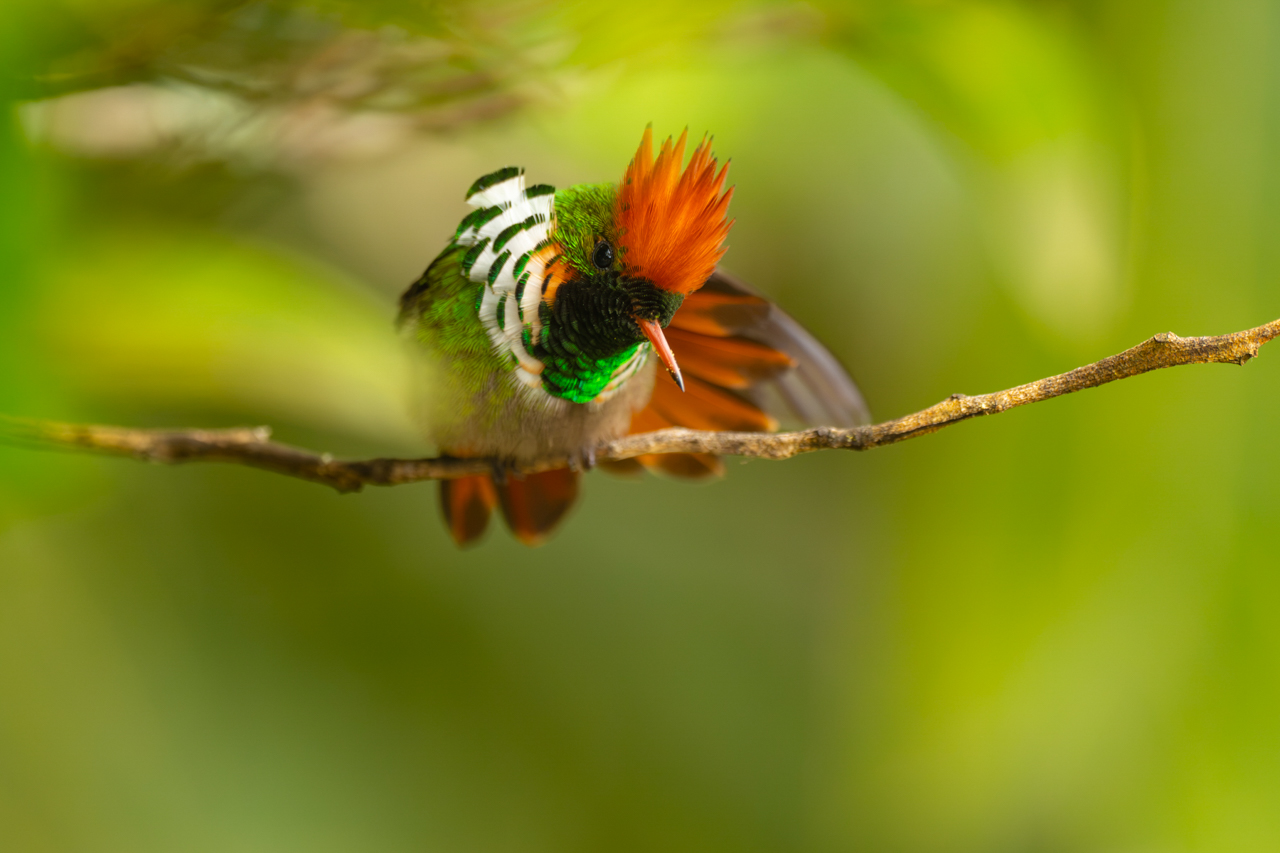
Frilled Coquette © Steve Ogle
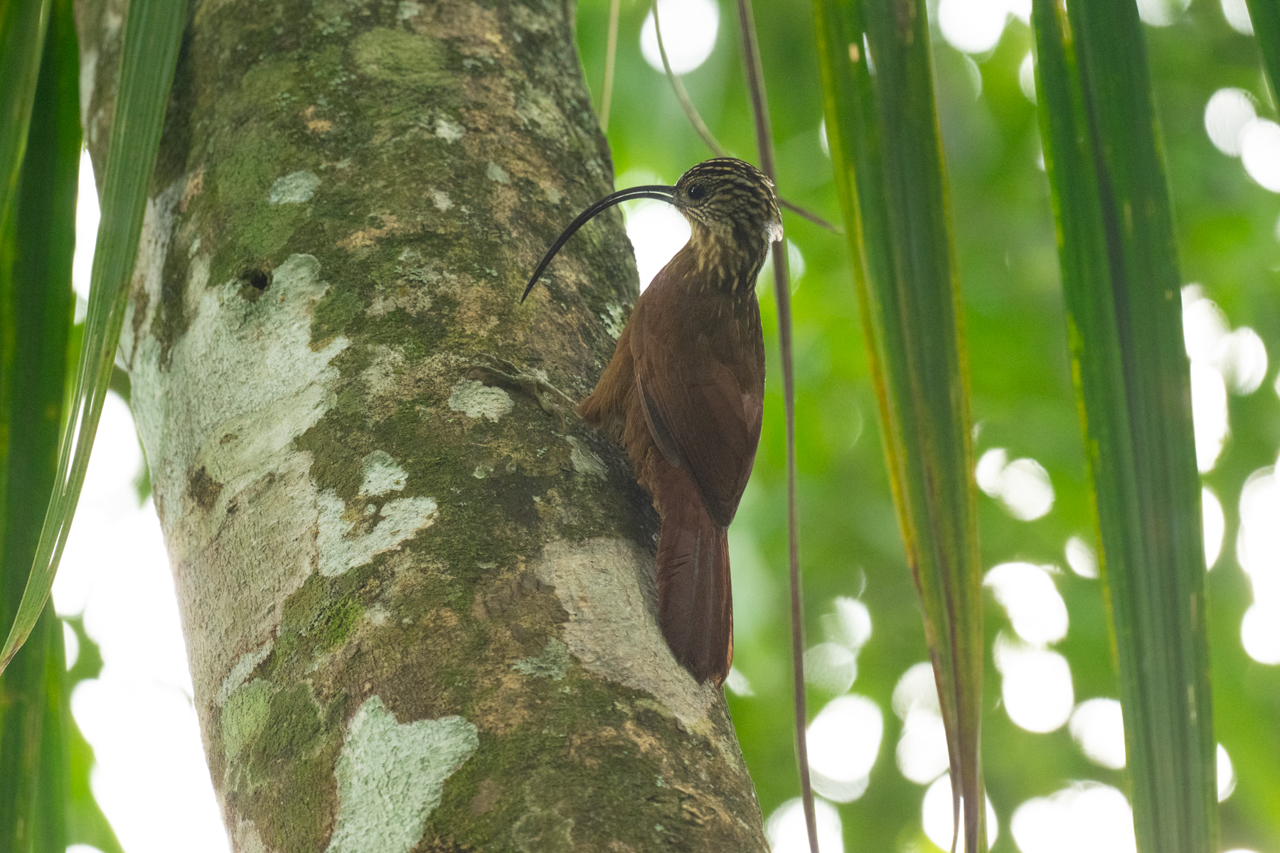
Black-billed Scythebill © Steve Ogle
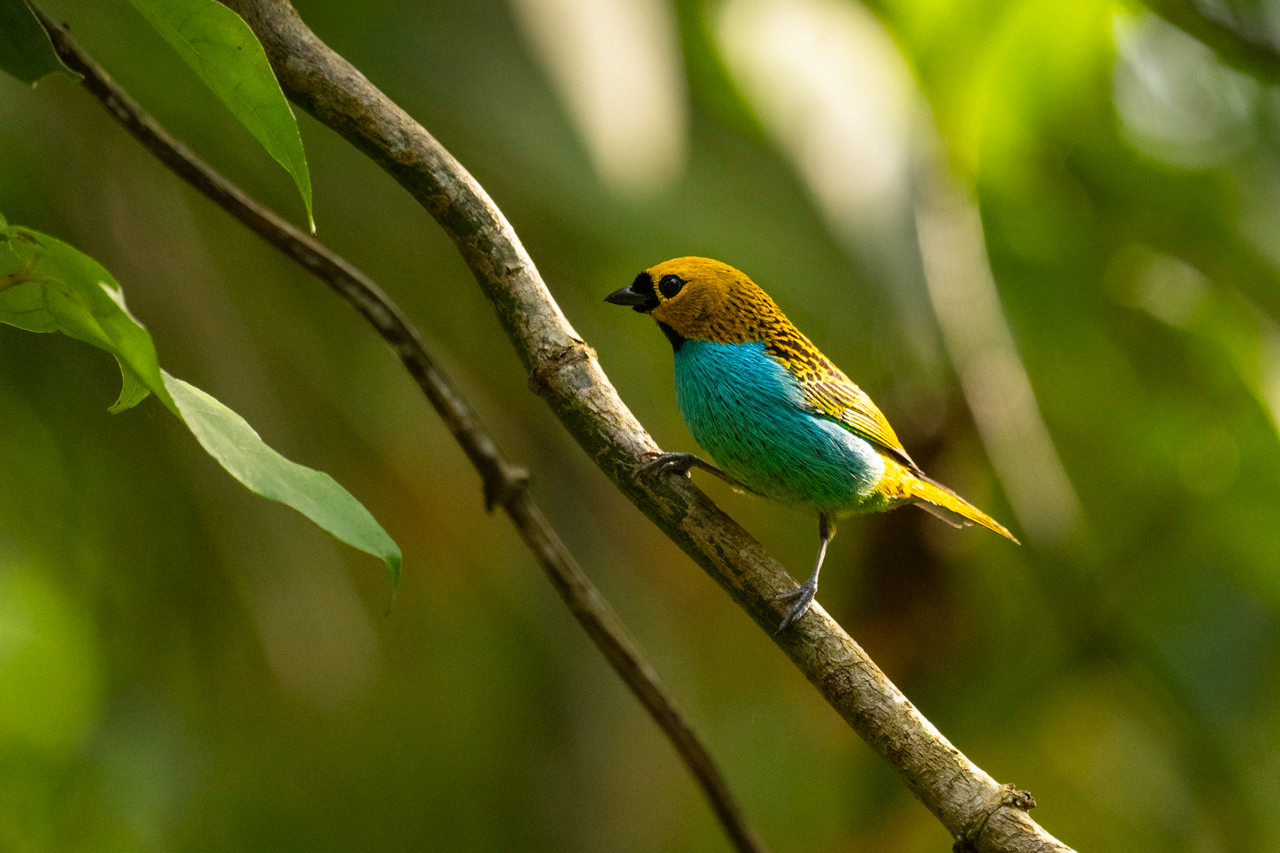
Gilt-edged Tanager © Steve Ogle
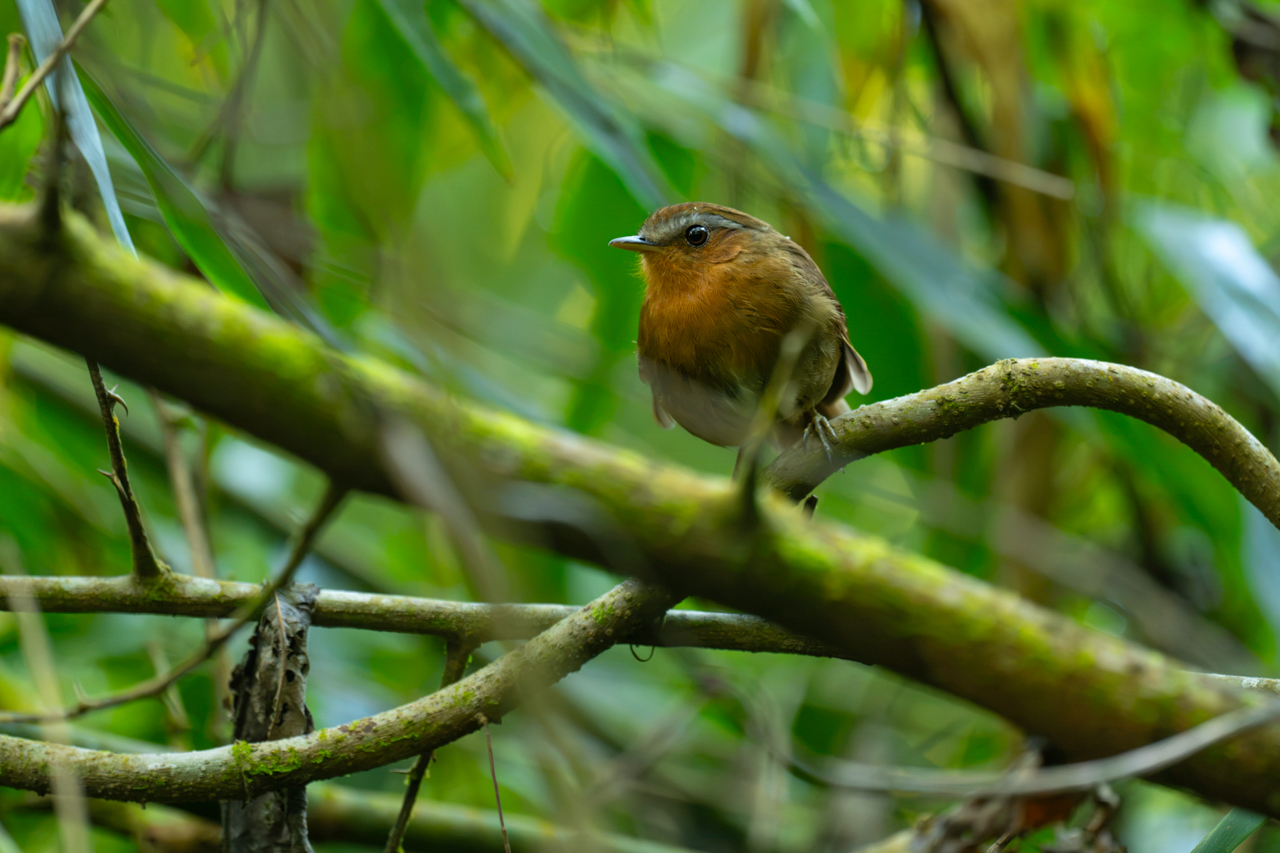
Rufous Gnateater © Steve Ogle
At the end of this day we pulled off the highway to visit a farm and added about forty species in an hour: Giant and Pantanal Snipe, Black-capped Donacobius, White-eared Puffbird, Rufous-fronted Thornbird, Streamer-tailed Tyrant and many others.
The next day we took it a little bit easier and walked from the old Simon Hotel along the dos Puris trail, and slightly up the Três Picos trail. More birds followed, with great looks at Golden-rumped Euphonia, White-bibbed Antbird, Gray-headed Tody-Flycatcher, White-browed Warbler and Red-breasted Toucan. We didn’t have much luck sighting the Half-collared Sparrow (saw one later!). Also, we didn’t even try to lure in the enigmatic Variegated Antipitta or Such’s Antthrush, singing nearby, since normally we spend an hour or more and still don’t see them. Stormy skies appeared but it didn’t rain. We did see a couple of interesting species in the evenings by the pool, including Blue-winged Macaw and Short-tailed Nighthawk.
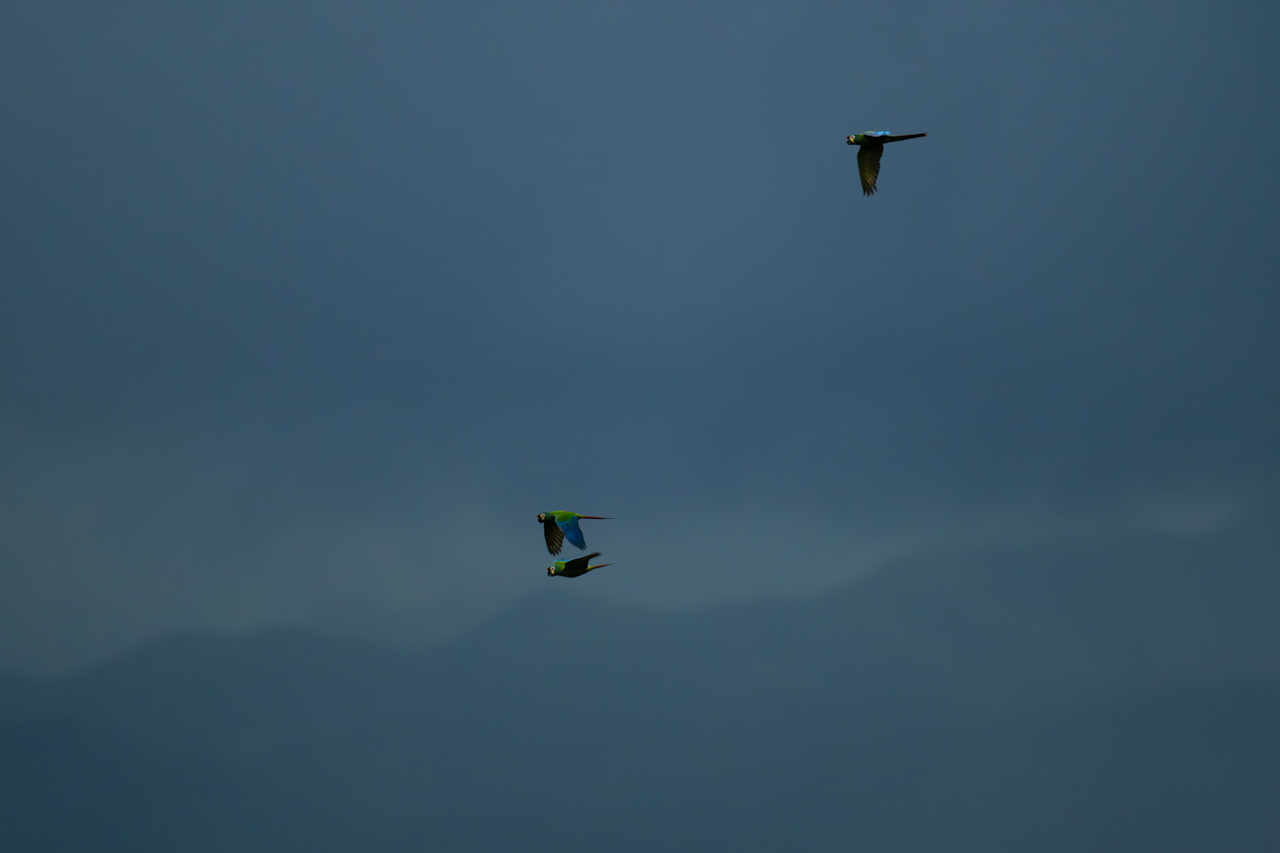
Blue-winged Macaws © Steve Ogle
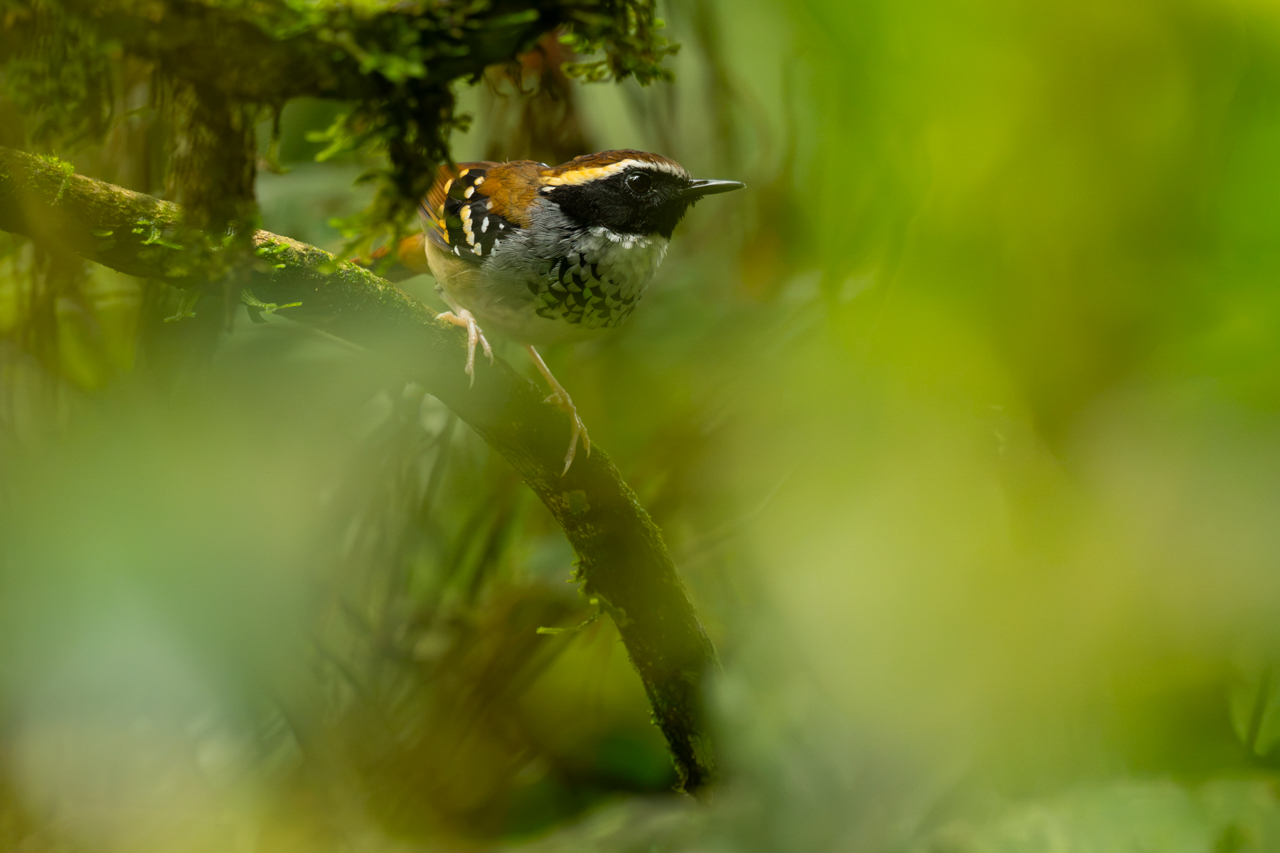
White-bibbed Antbird © Steve Ogle
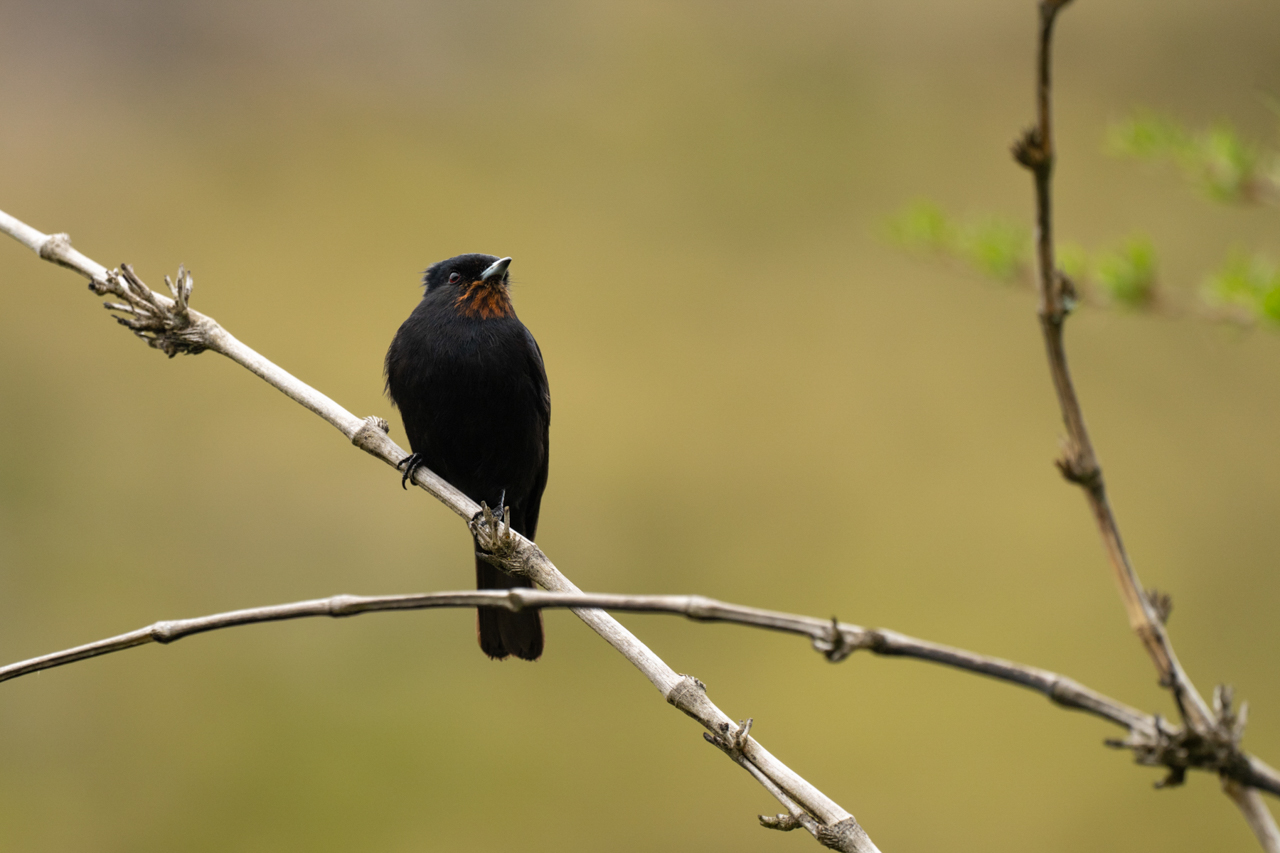
Velvety Black-Tyrant © Steve Ogle
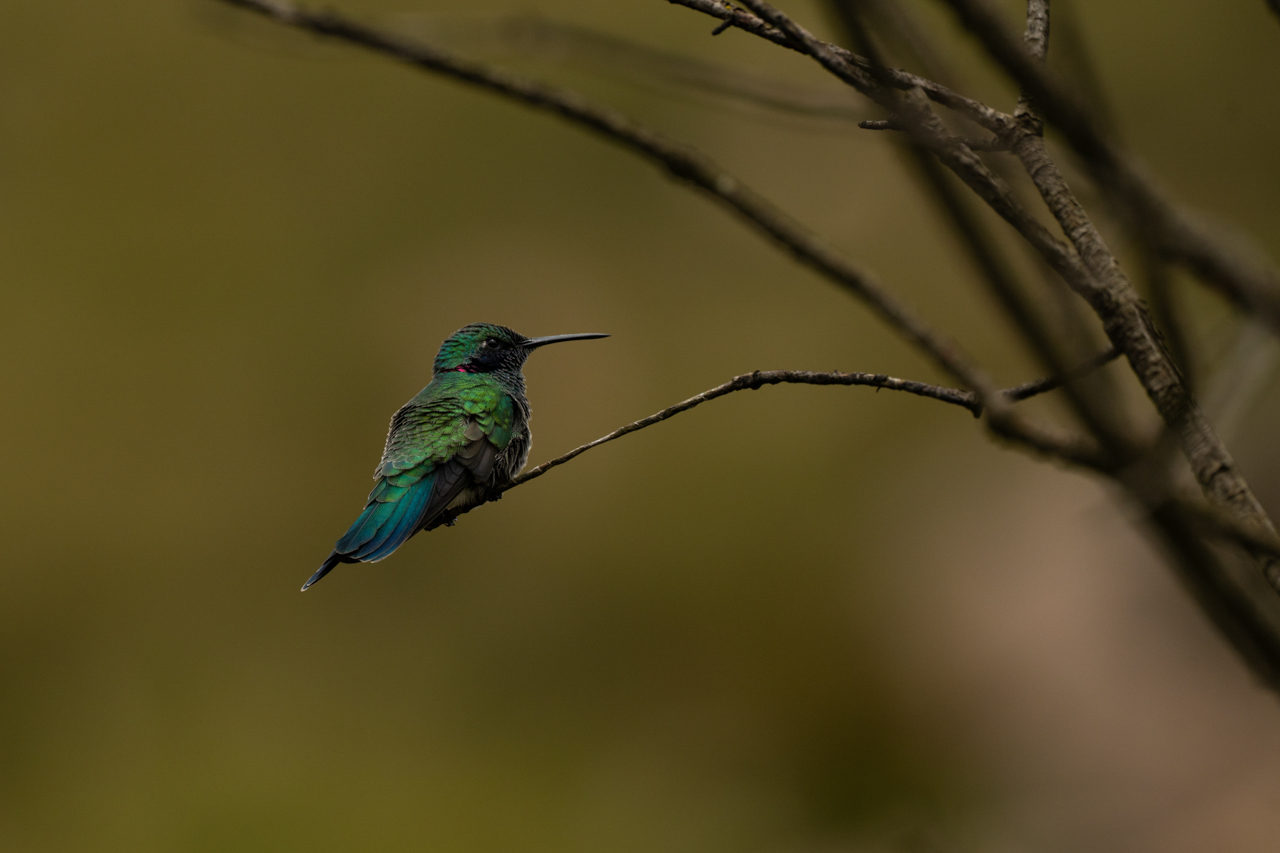
White-vented Violetear © Steve Ogle
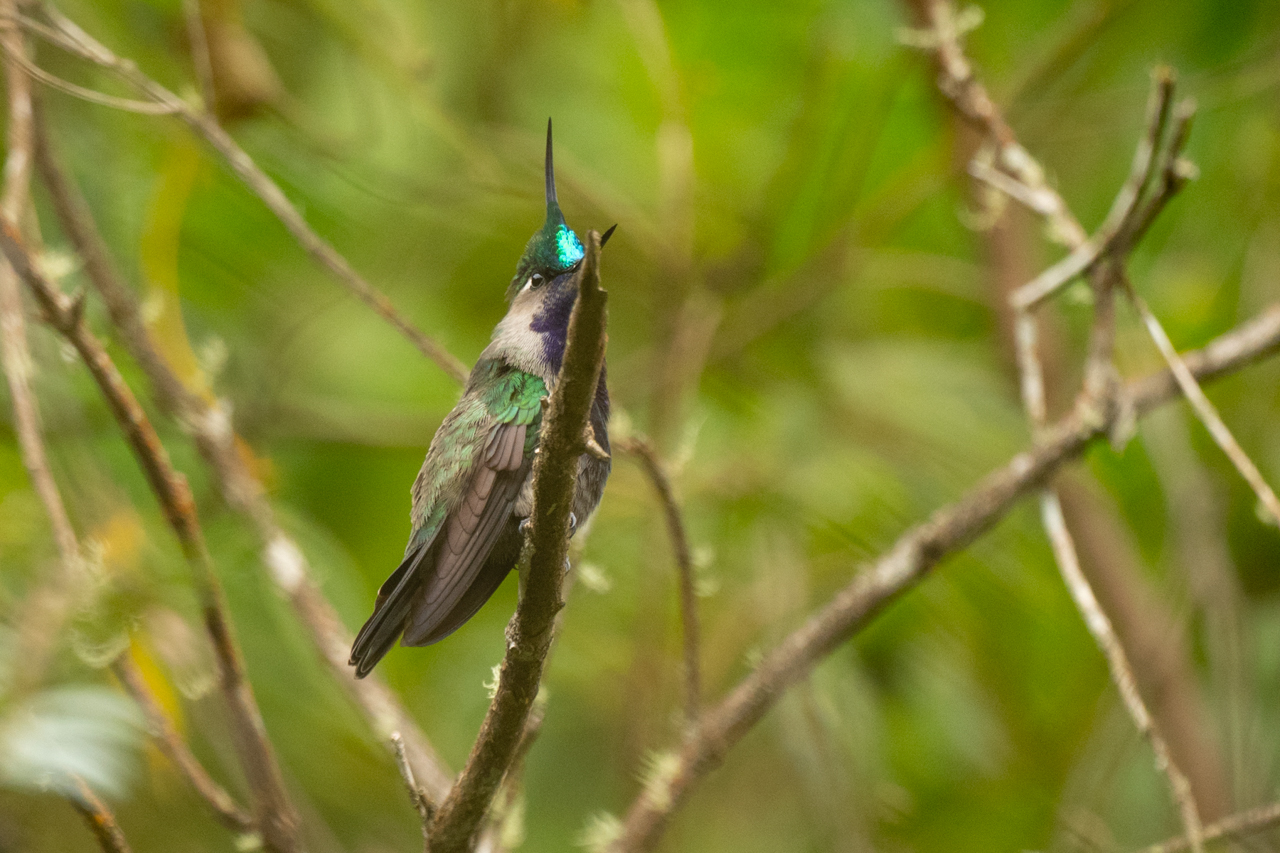
Green-crowned Plovercrest © Steve Ogle
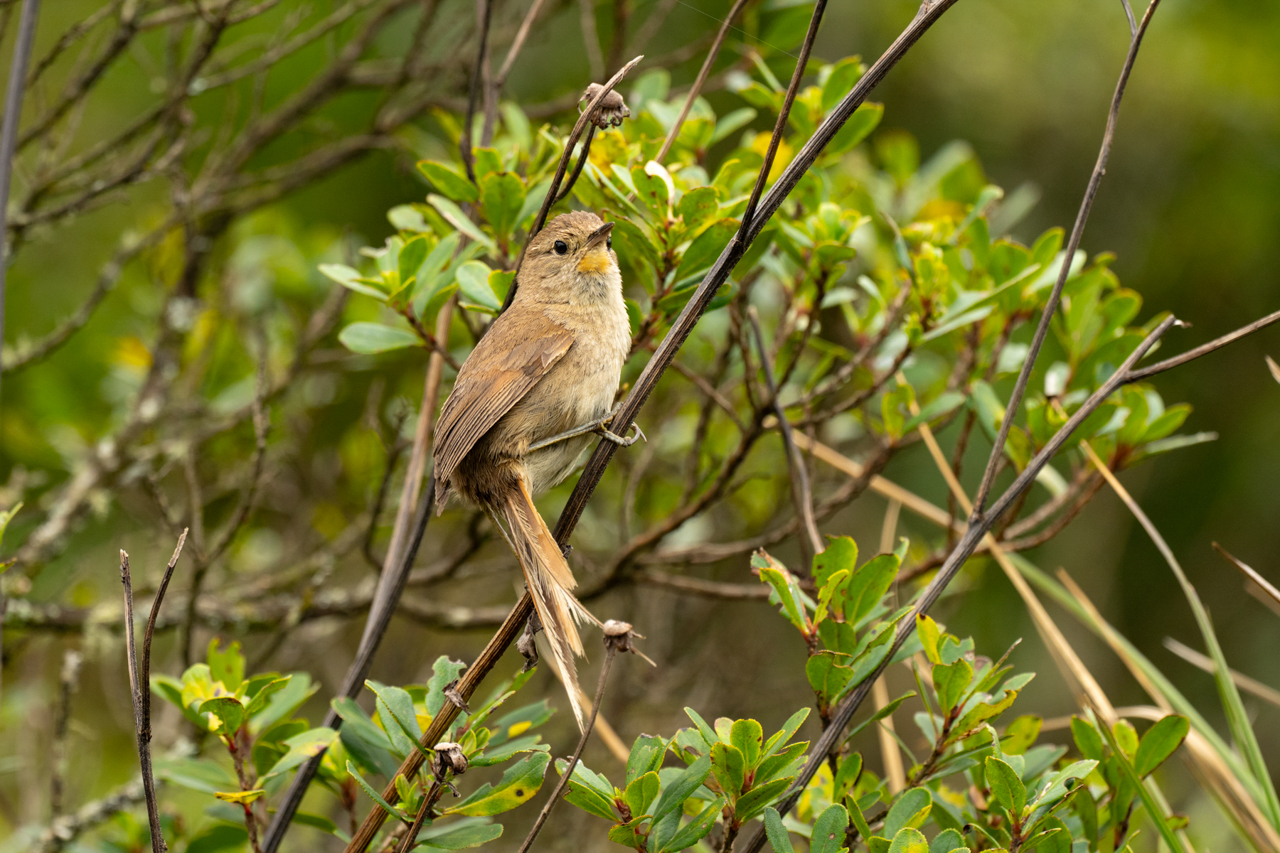
Itatiaia Spinetail © Steve Ogle
Days 5–7: Ubatuba
Our commute to Ubatuba was uneventful other than stopping at a different restaurant than usual, where we experienced our first pay-per-weight buffet lunch. This was the first time our tour arrived in Ubatuba without torrential rain and in fact, we enjoyed two full days without a drop! More or less our first bird in the lowlands was a Buff-throated Purpletuft, which was a main target and a good sighting given we’d missed it on previous tours. Riverbank Warbler, Lemon-chested Greenlet, Chestnut-backed Antshrike, Blackish Rail, Flame-crested Tanager and our first Brazilian Tanagers were other highlights.
Fazenda Angelim the next morning delivered more than 80 species. Folks with cameras appreciated the pair of Green-backed Trogons that perched only a few metres away. Some of the more range-restricted birds we sighted here included Buff-fronted Seedeater, Saw-billed Hermit, Salvadori’s Antwren, Black-cheeked Gnateater, Squamate Antbird and Spot-backed Antshrike (with no tail). An afternoon at the Folha Seca feeders was somewhat quiet for overall birds, especially tanagers, but the hummingbirds are the main attraction. The Festive Coquette never disappoints! Before this, we stopped at a beach lookout and saw some very distant Brown Boobies, Royal Terns and (much closer) several Green Sea Turtles!
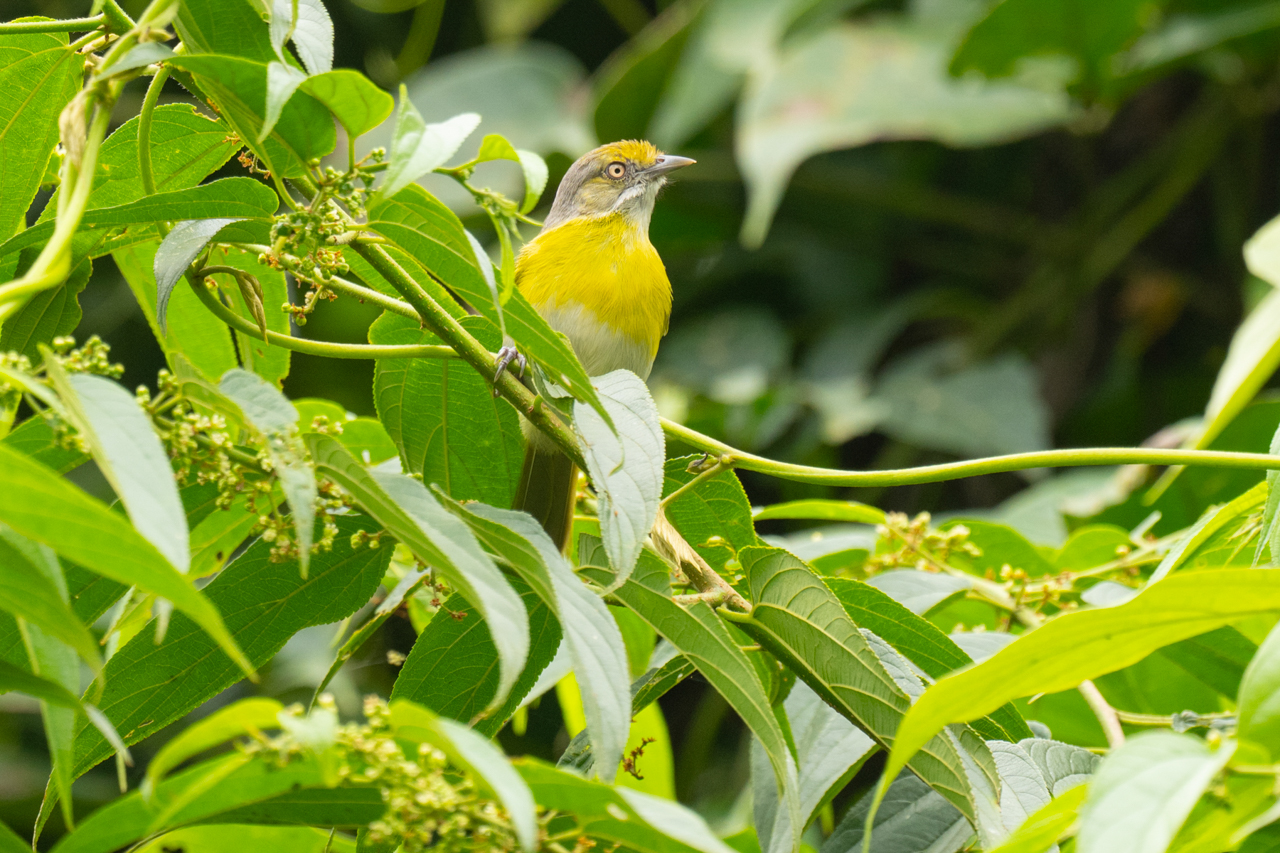
Lemon-chested Greenlet © Steve Ogle
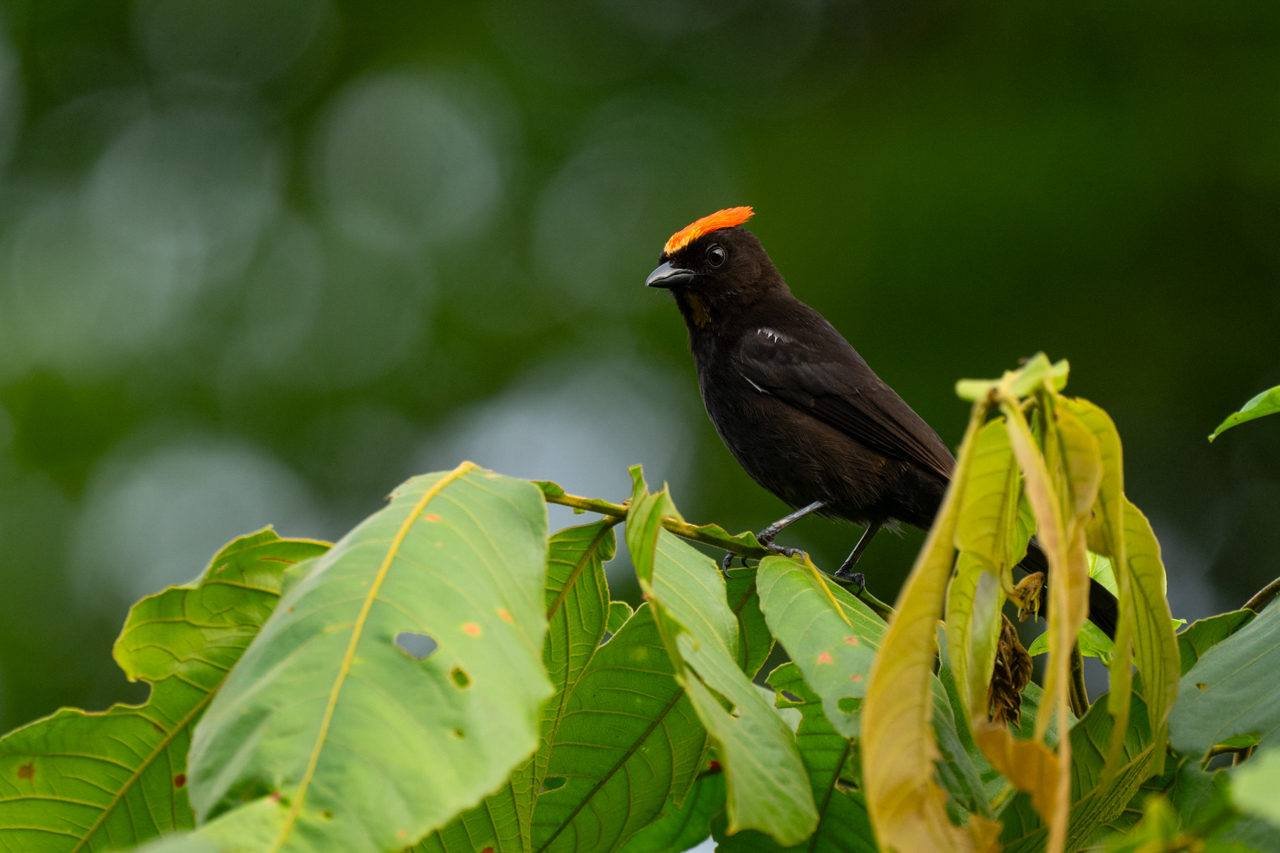
Flame-crested Tanager © Steve Ogle
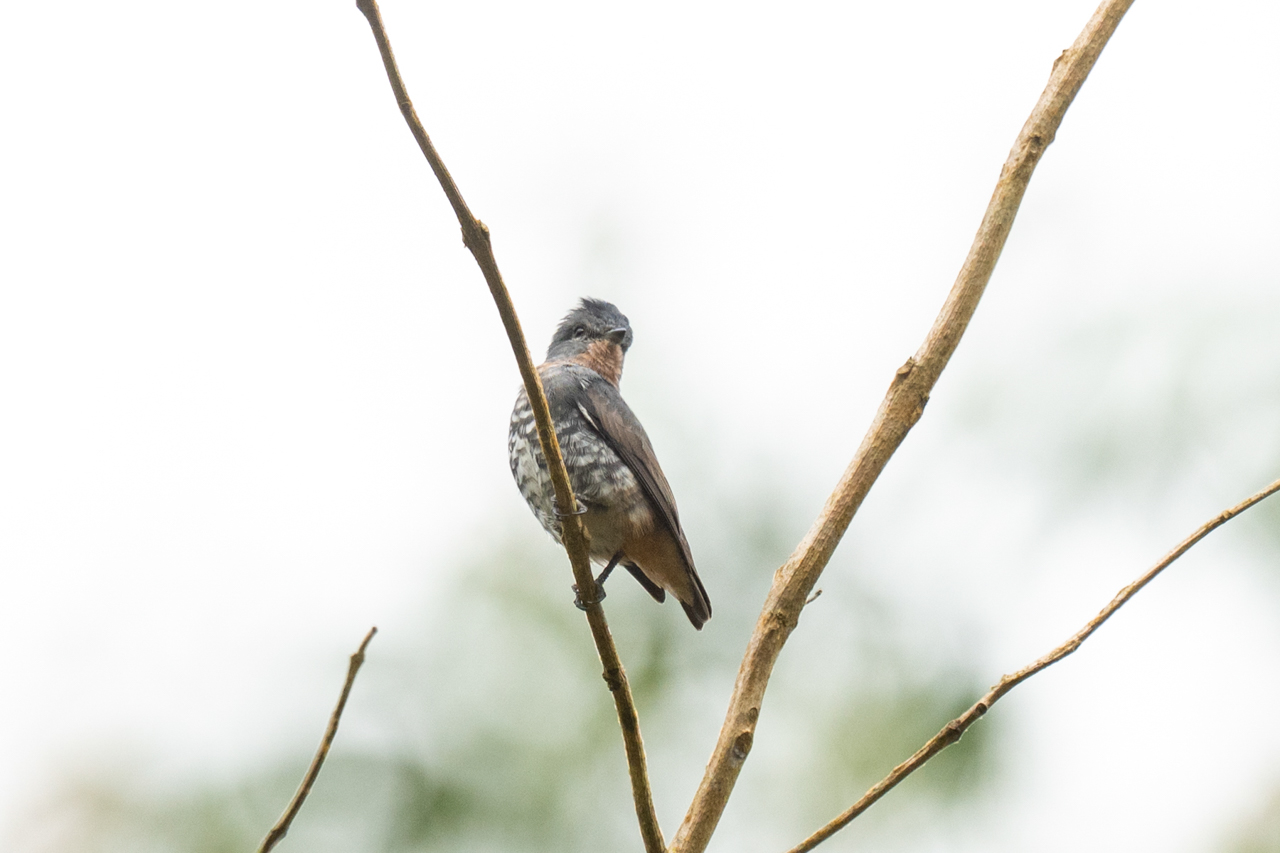
Buff-throated Purpletuft © Steve Ogle
Our last morning in the Ubatuba area was spent walking out and back along the Mar Verde trail, which is basically a maintenance road into the Serra do Mar State Park. We didn’t observe too many new species, but we got looks at Long-billed Wren, not to be confused with Long-billed Gnatwren (which we also saw) and Tufted Antshrike, Black-capped Foliage-gleaner and Planalto Woodcreeper. We drove to Salesópolis for the night and on the way stopped at a wetland which produced many new species for us: Spix’s Spinetail, Yellow-rumped Marshbird, Brazilian Teal and Tawny-headed Swallow to name a few. In the vicinity of Salesópolis we went on the hunt for the endangered Marsh Antwren and had great looks at this much-sought-after species. We also saw our first Bare-throated Bellbird of the trip!
Day 8: Macuquinho Lodge
This morning we visited Macuquinho Lodge, named after the White-breasted Tapaculo, which we heard but did not see here. Our visit started with coffee and breakfast, then a walk around the grounds to see a few birds. Red-and-white Crake was the main attraction but we also got looks at Orange-fronted Thornbird and a Black Hawk-Eagle. The weather was as close to rain as we experienced on the trip—sporadic light showers—and we hung around long enough to see and hear many species still thriving in a fragmented forest. Additional highlights included Golden-crowned Warbler, Scale-throated Hermit, White-shouldered Fire-eye, and three species of becard and three species of elaenia in one tree! After this we drove to Piracicaba to settle in for the night.
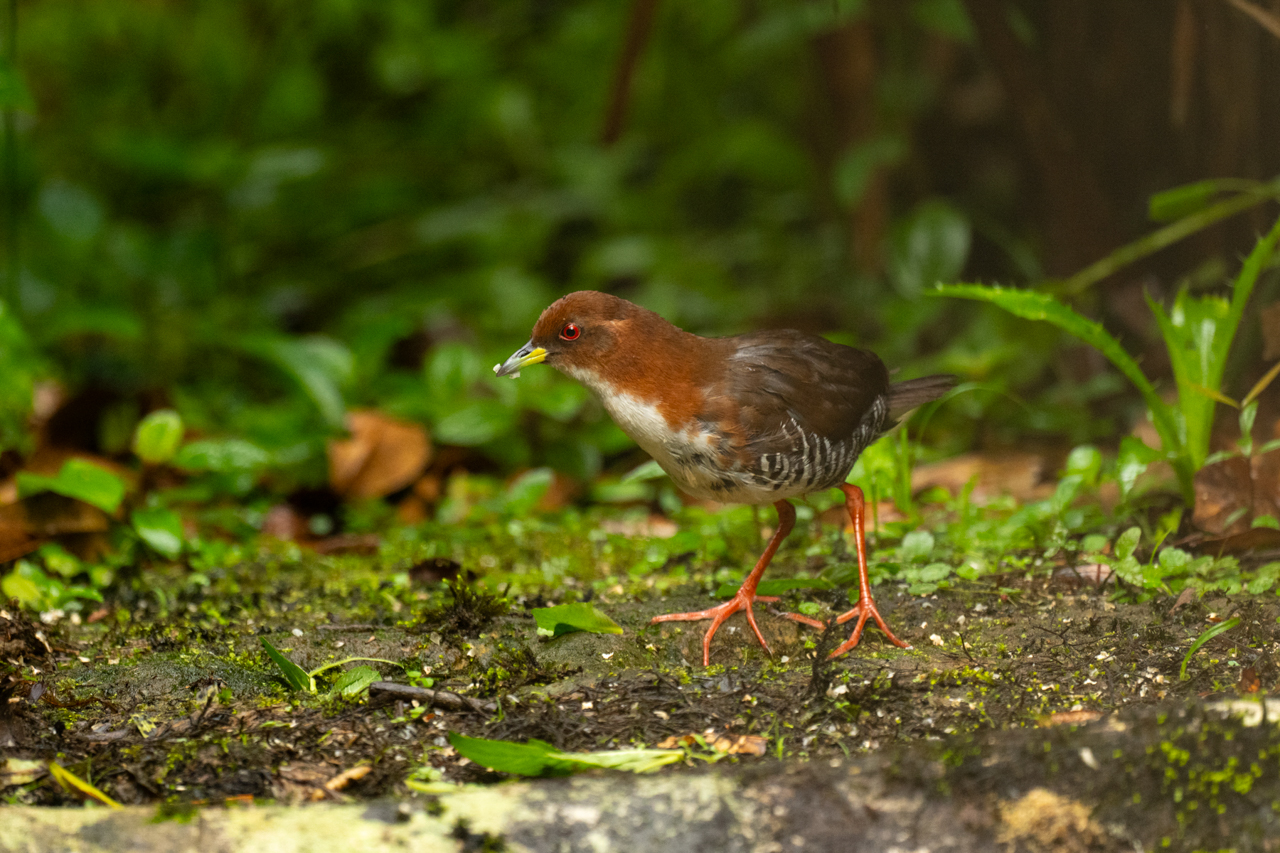
Red-and-white Crake © Steve Ogle
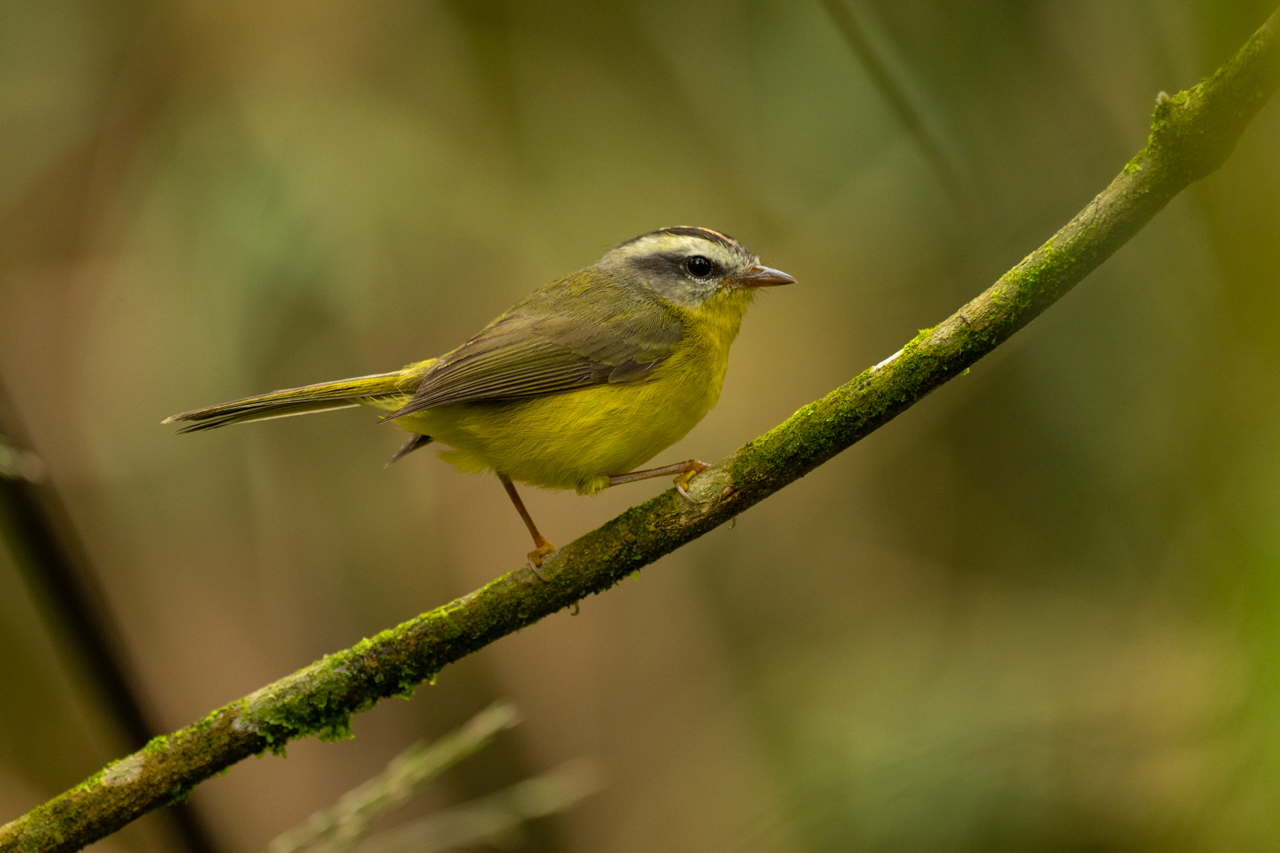
Golden-crowned Warbler © Steve Ogle
Day 9: Tanqua Wetlands
This was a new addition to our itinerary, and one that we’ll definitely keep in the future! The Tanqua wetlands are a section of the Piracicaba River, and we explored here for over three hours in boats. Carlos kept us busy by covering an assortment of areas featuring various target birds. The first one was the Yellow-breasted Crake. This little guy turned up after some coaxing, and we all had fairly decent looks. We moved around to a few other spots and in doing so saw a huge assortment of water birds. Some of the highlights included both Horned Screamer and Southern Screamer, Spotted Rail, Rufous-sided Crake, Chestnut-capped Blackbird, White-headed Marsh-Tyrant, Jabiru, Long-winged Harrier, Plumbeous Rail and Purple Gallinule. A short walk through town to what basically amounted to a fencerow tangle produced some interior, drier forest species such as Helmeted Manakin and White-wedged Piculet. We saw some migrant birds from North America too—Barn and Bank Swallows.
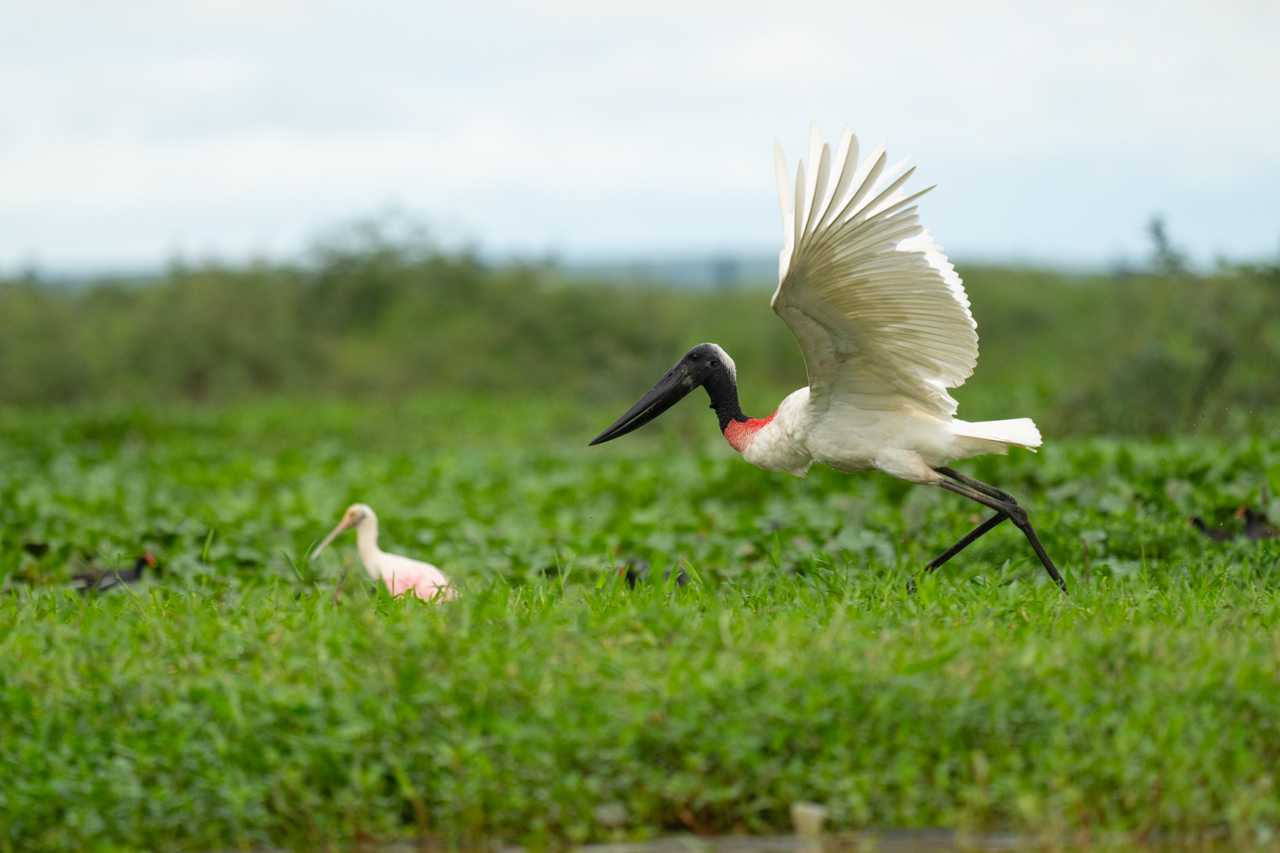
Jabiru © Steve Ogle
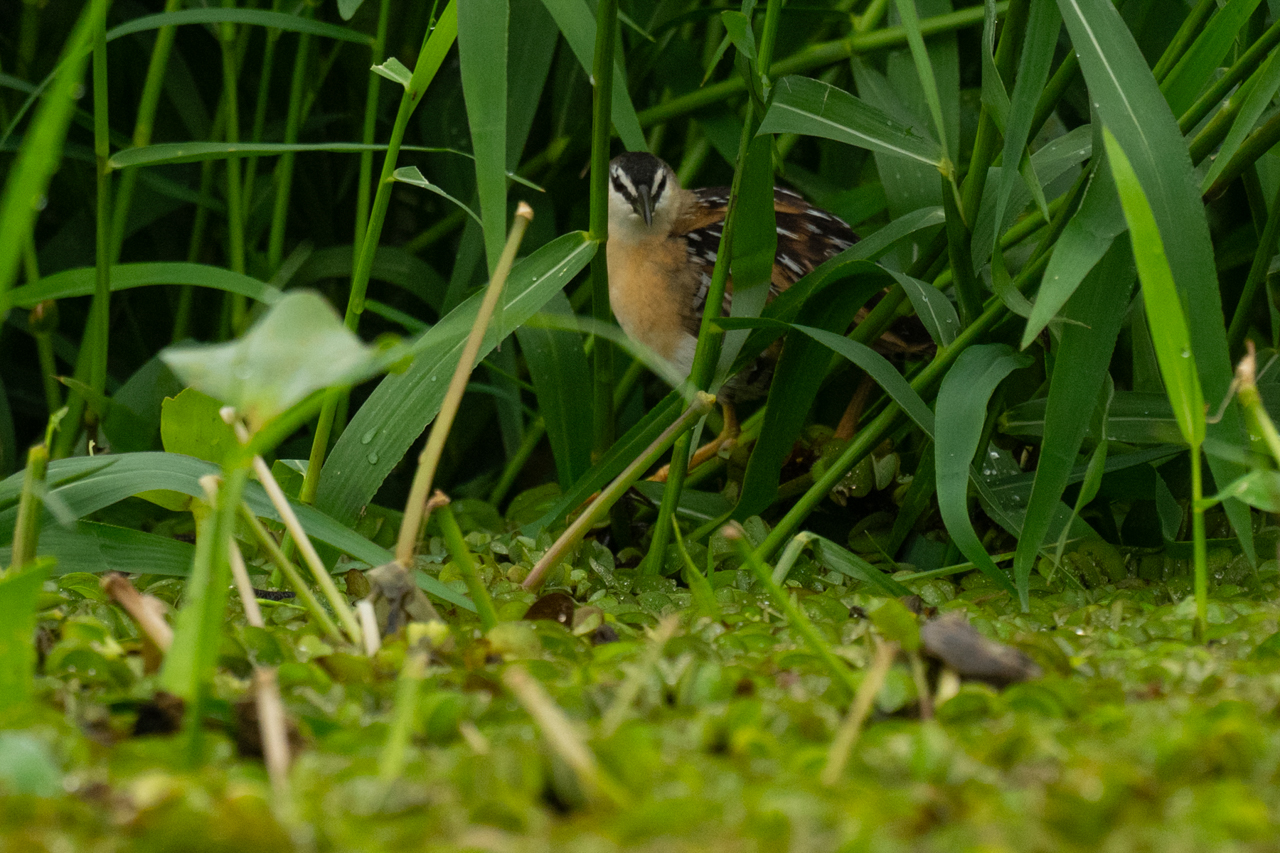
Yellow-breasted Crake © Steve Ogle
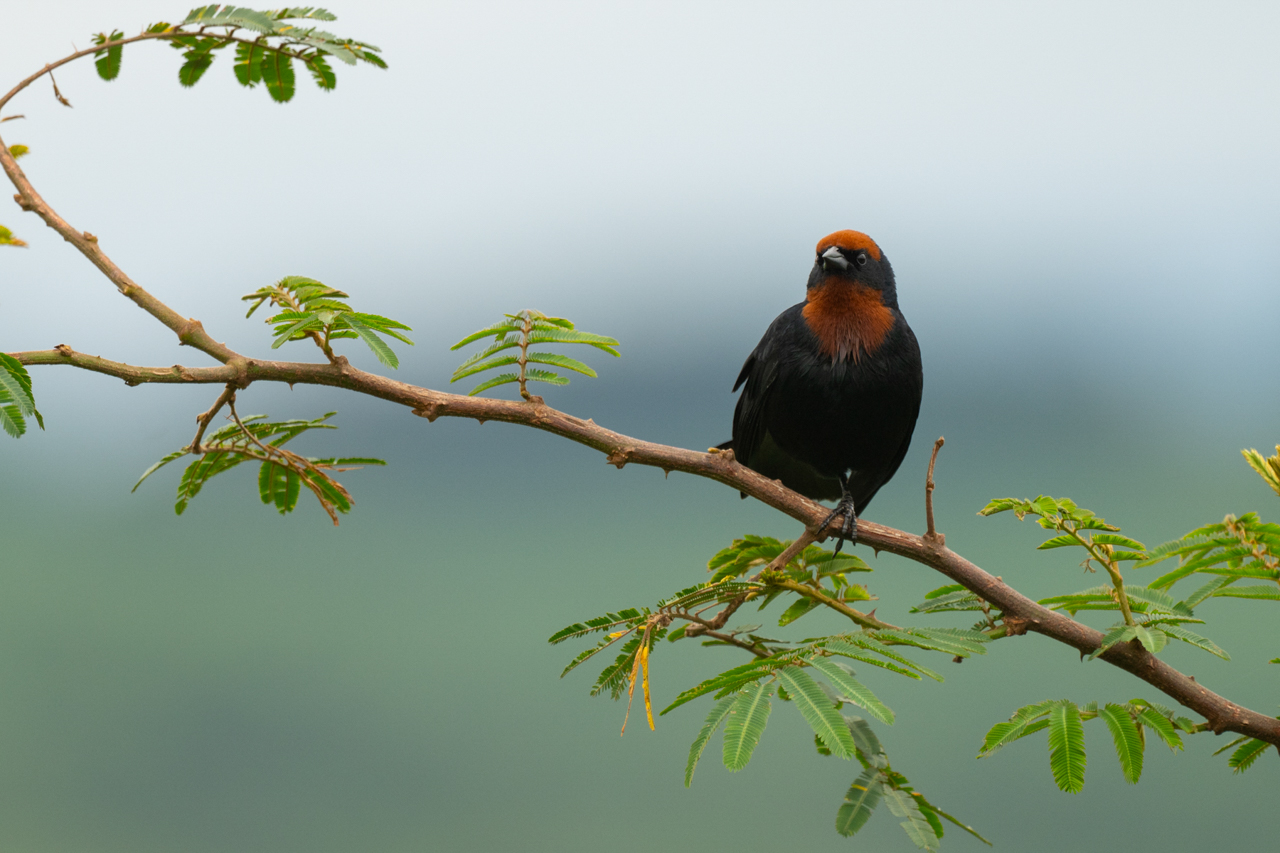
Chestnut-capped Blackbird © Steve Ogle
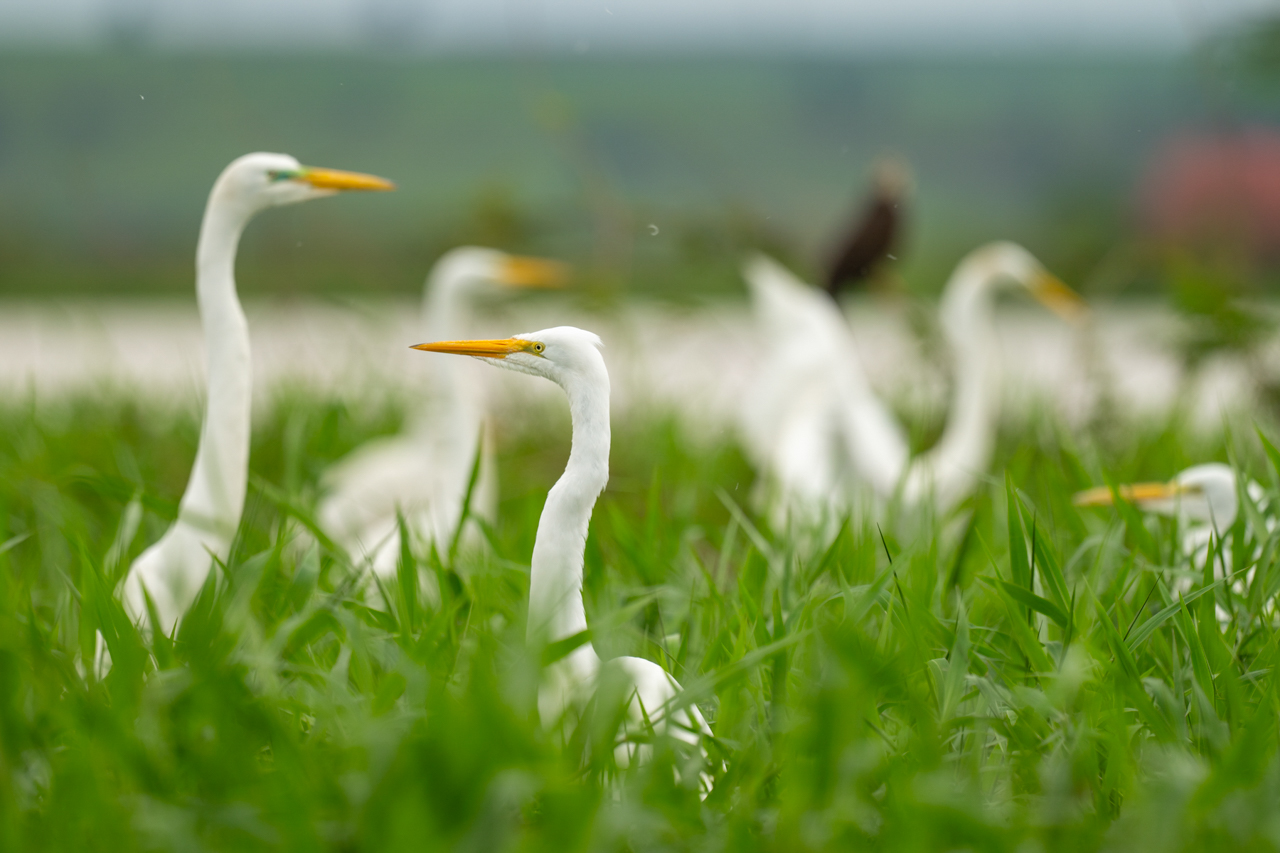
Great Egrets © Steve Ogle
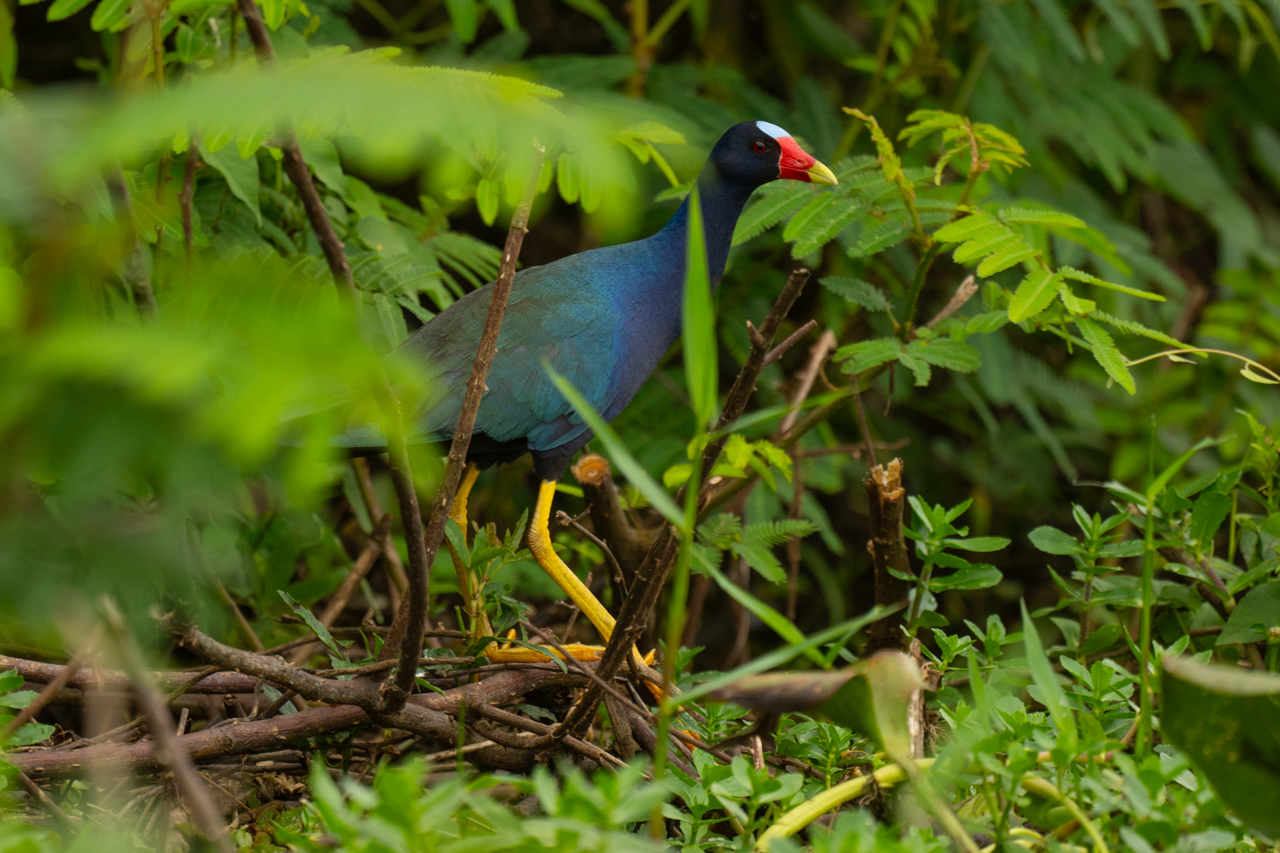
Purple Gallinule © Steve Ogle
Days 10–12: Intervales State Park
Intervales was our last stop and it did not disappoint! On our first afternoon we saw a pair of roosting Long-tufted Screech-Owls and took an evening foray resulting in a roadside view of a Long-trained Nightjar and a heard-only Common Potoo and Tropical Screech-Owl. The next morning had meaning for us guides, since during the tour we had been repeatedly saying, “We’ll have a chance to see that in Intervales.” Despite seeing so many species earlier, and especially at our previous wetland sites, it was during our first full day in Intervales that we recorded nearly 130 species, all in the forest! This trip up Carmo Road was amazing, with bird after bird appearing before our cameras, binoculars, scope and eyes. We saw Black-fronted Piping-Guan, Three-striped Flycatcher, Brown Tanager, Hooded Berryeater, Buff-bellied Puffbird, Saffron Toucanet, Pin-tailed Manakin and Sharpbill (amazing scope views!).
We got very lucky on three other special birds. One was a nesting Black-legged Dacnis, which is a rare Atlantic forest endemic species with very few nesting records. Our local guide in Intervales, Gerson, put us onto this sighting, although we’ll have to come back someday to see the male! We also saw Helmeted Woodpecker, a species new for Steve and only the second ever that Carlos had seen! Almost everyone was able to photograph this handsome male. And the third special bird was Spotted Bamboowren, which we had missed earlier and basically written off. At least one person in the group laid eyes on this skulker but I’m willing to bet nobody photographed it!
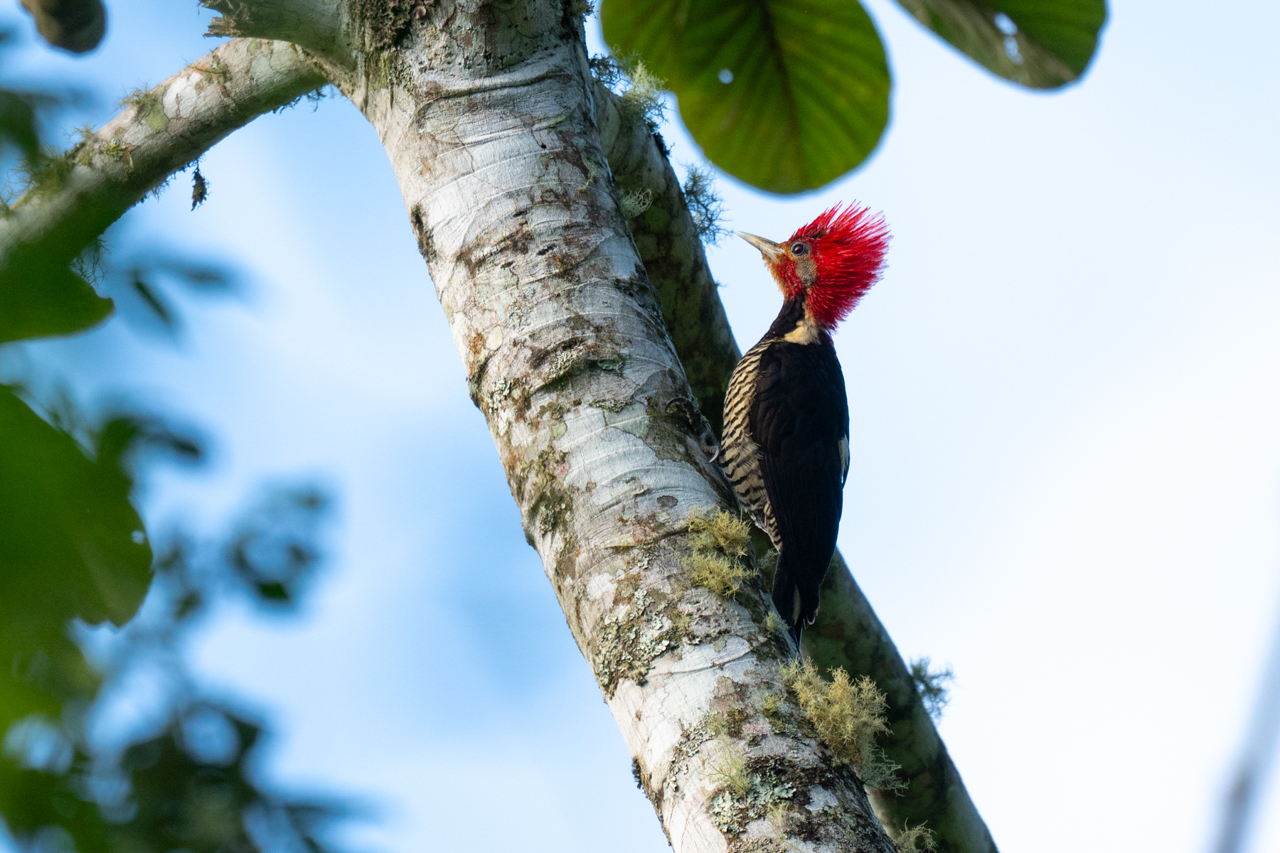
Helmeted Woodpecker © Steve Ogle
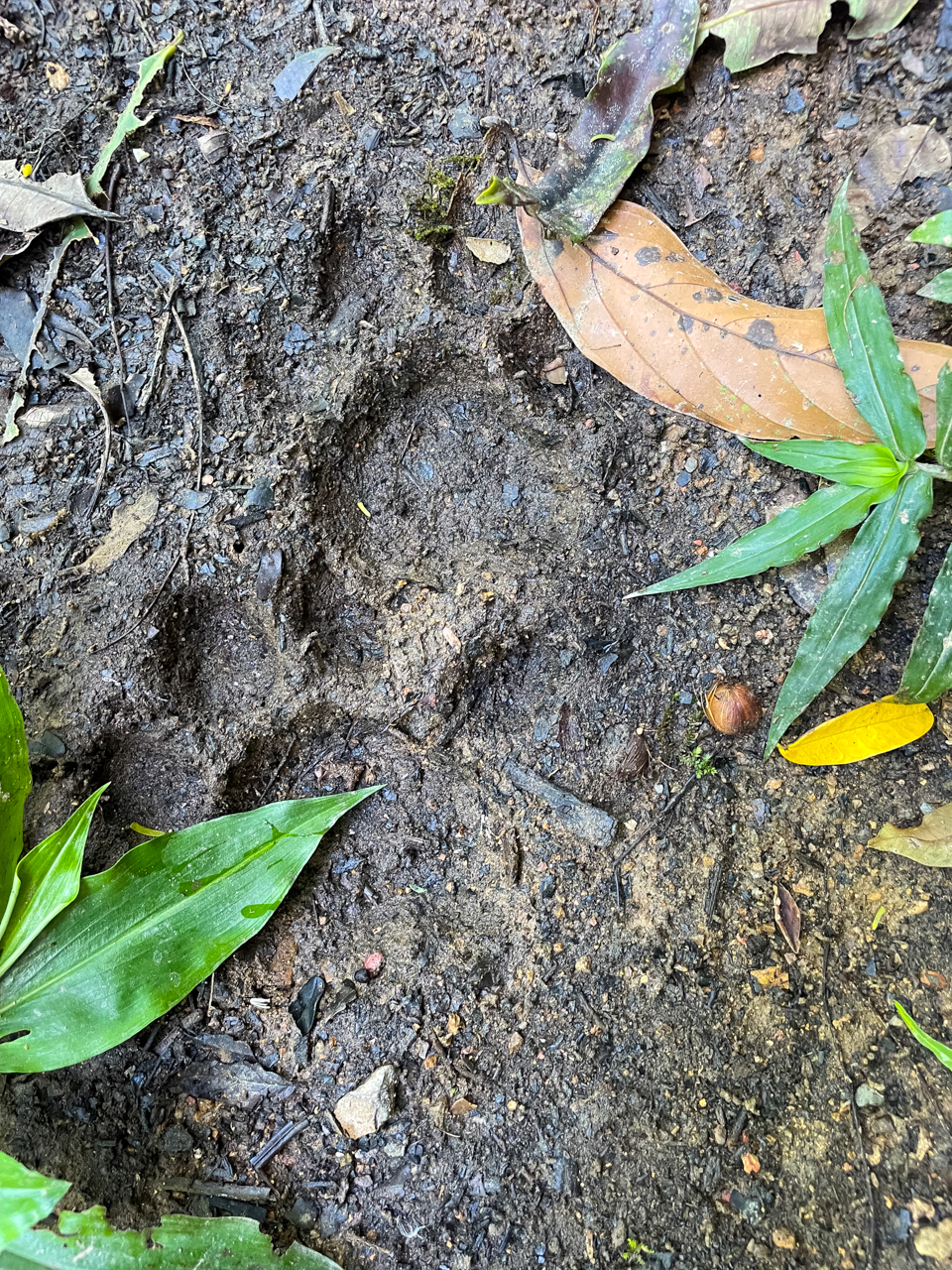
Jaguar tracks © Steve Ogle
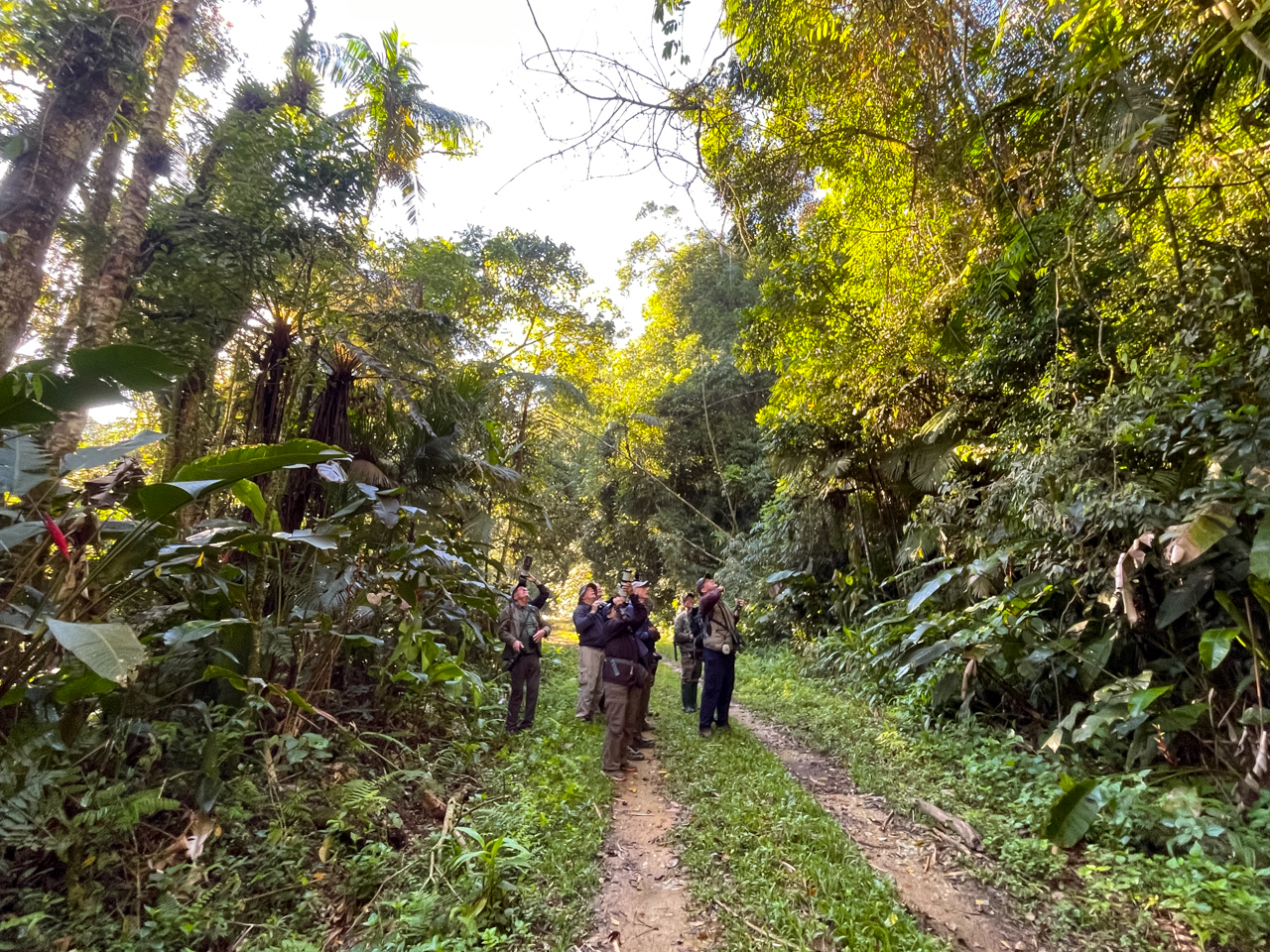
Intervales hike © Steve Ogle
That afternoon, we finally saw a Slaty Bristlefront and spent some time at a Dusky-throated Hermit lek and the Spot-winged Wood-Quail feeding station where a cute and very cooperative quail was present! Time at the feeders outside of the lunch spot was fruitful, no pun intended. We did get some great looks at Chestnut-backed Tanager and Glistening-bellied Emerald.
The next day we went to see the Atlantic Royal Flycatcher, which was successful by all accounts. A bonus was seeing a few Pileated Parrots feasting in their favourite tree. Later on, we went for a walk along the access road and found a Pavonine Cuckoo that was “glued” to its perch. Rufous-breasted Leaftosser and Gray-bellied Spinetail were other additions before going out in the evening to see a pair of Rusty-barred Owls.
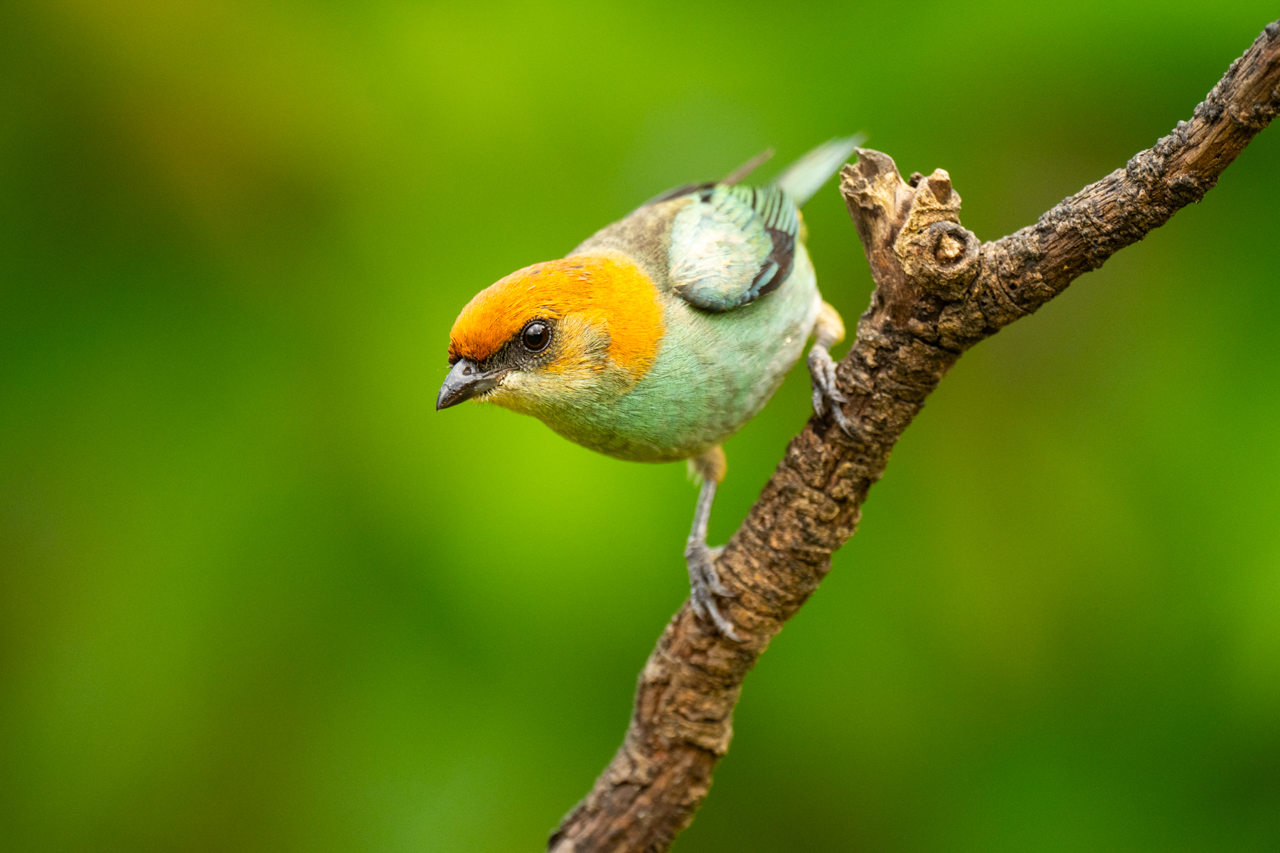
Chestnut-backed Tanager © Steve Ogle
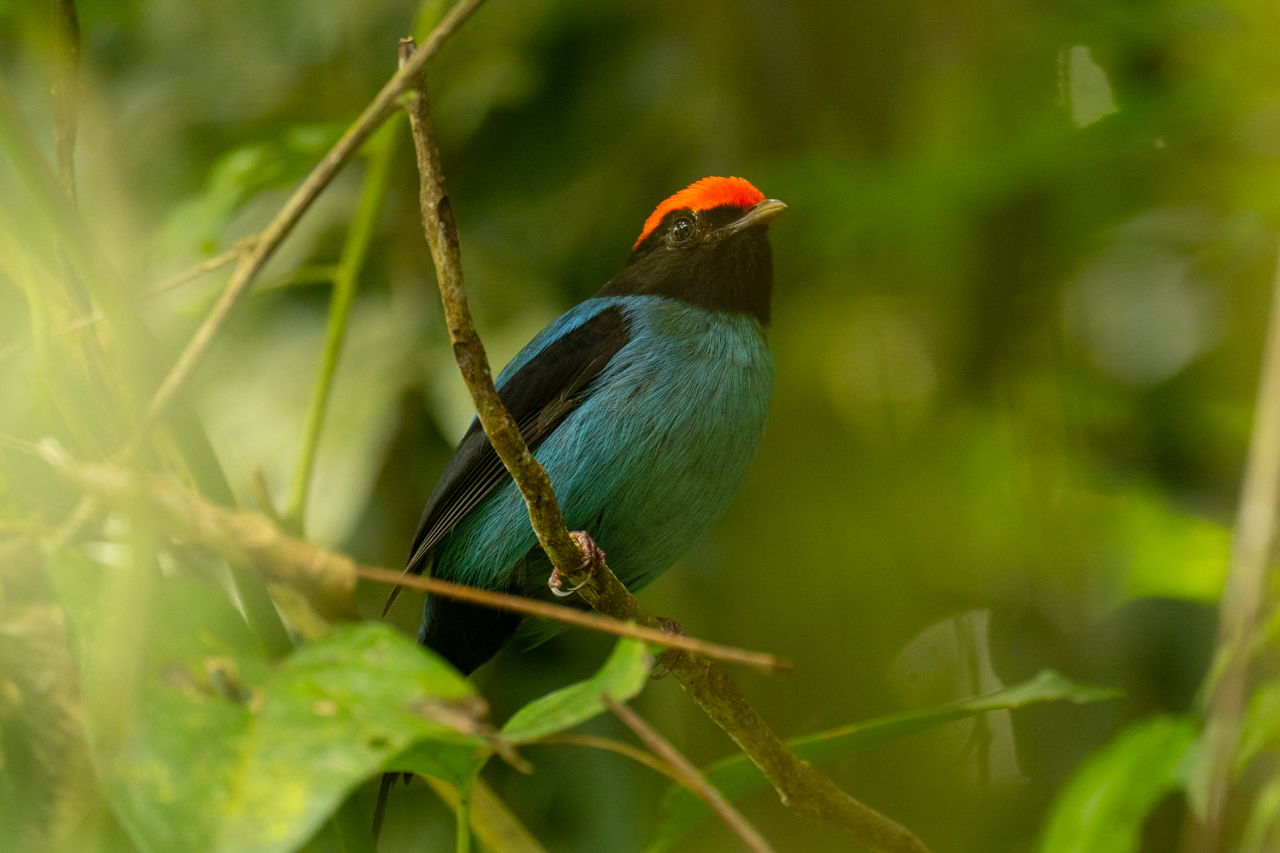
Swallow-tailed Manakin © Steve Ogle
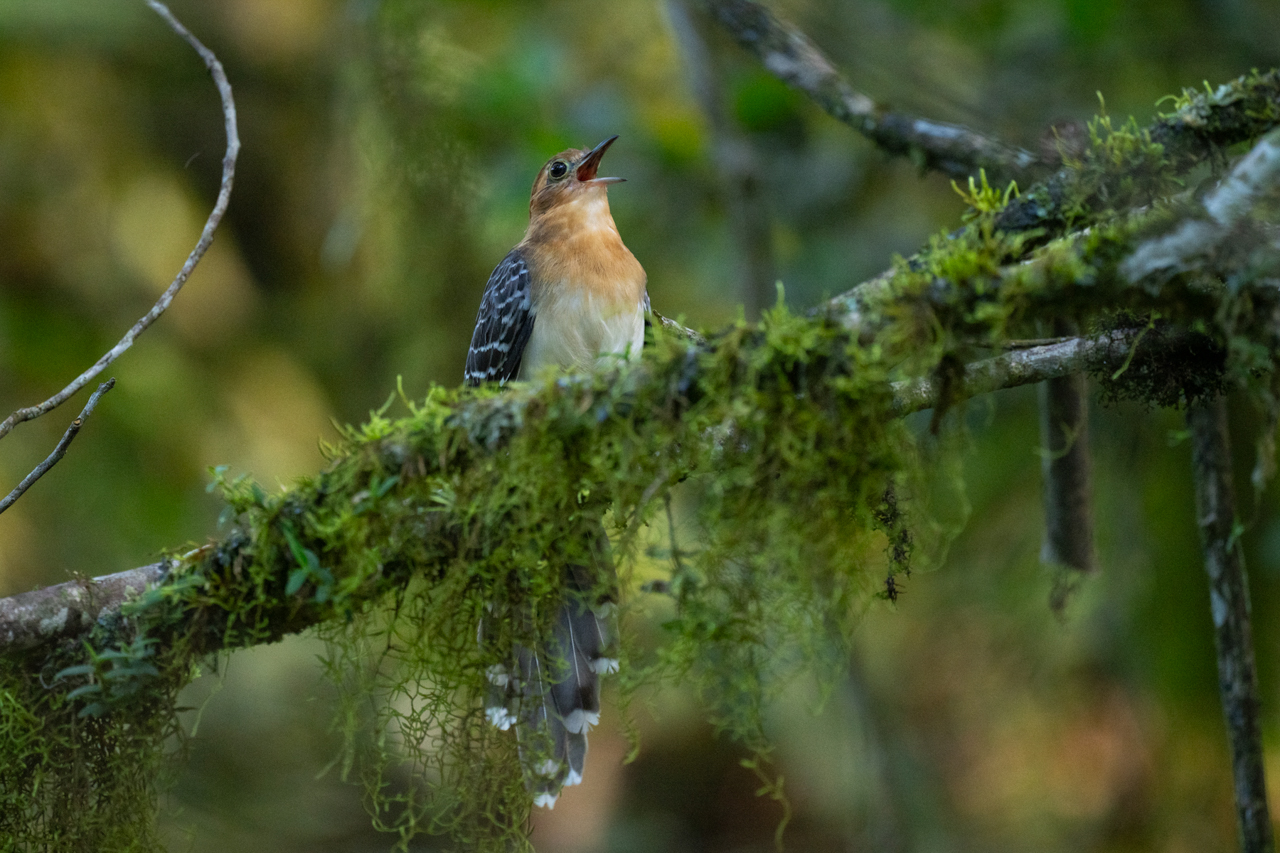
Pavonine Cuckoo © Steve Ogle
On our departure day the weather looked like it might turn on us, but in the end it was just a misty fog that cleared once we left the state park. But we did manage to enjoy one final walk providing us with views of the strikingly adorned Purple-crowned Plovercrest and a perhaps less exciting Rough-legged Tyrannulet. Black-goggled Tanagers, Tropical Parula and a surprise Red-legged Seriema were observed on the exit road. From here it was a four-hour drive to the airport!
Thank you to all the participants and our ground operator Brazil Bird Experts for the excellent journey!
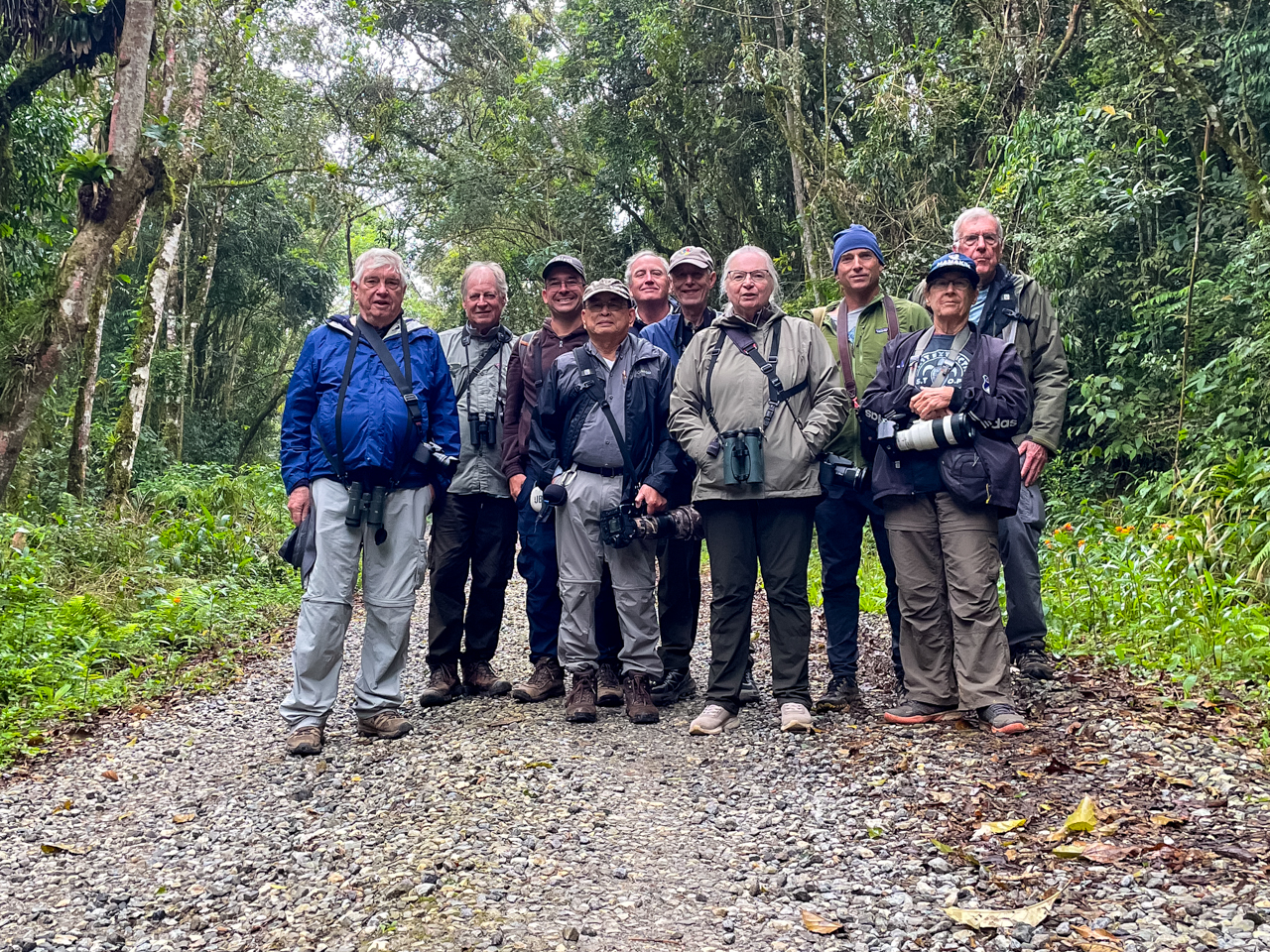
Our group © Steve Ogle


Leave a Reply