Southern Peru: Manu to Machu Picchu
Highlights
Highlights
- A comprehensive journey from the coast to the high Andes and Machu Picchu, the foothills, and the premier sites in the Peruvian Amazon
- Incredible diversity of birds including many endemics
- Stunning scenery and diversity of habitats from the Amazon Rainforest to the Andes
- Visit fantastic Inca Ruins including Machu Picchu and Saqsayhuaman
Map
Map
Overview
Tour Overview
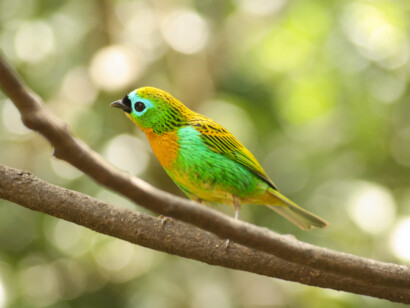
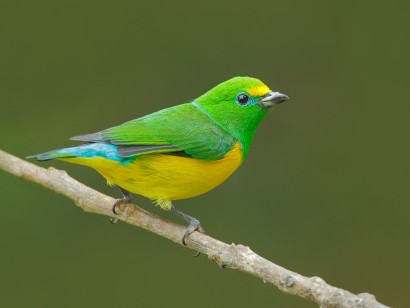
Peru is a top birdwatching destination due to its diverse landscapes, from the Amazon Rainforest to the Andes, offering birdwatchers an unparalleled experience. On our Southern Peru birding tour, we will visit some of the world’s richest ecosystems to discover the incredible birdlife that lives there. We will also experience some of the spectacular cultural sites in this country, including Machu Picchu.
We begin our tour in Lima and will explore the nearby marine and wetland habitats looking for Inca Tern, Peruvian Pelican, Peruvian Booby, Humboldt Penguin, Many-colored Rush Tyrant, Peruvian Thick-knee and more. We will then head to the Amazon Rainforest and take a boat up the Tambopata River. Here we will be looking for herons, Hoatzins, tinamous, antbirds and more. We will visit a clay lick for macaws and climb a tower offering breathtaking views of the Amazon forest canopy and mixed-species flocks.
We will visit the Sacred Valley and one of the most iconic historical places in Peru, Machu Picchu. We will also visit Abra Malaga an area that spans a range of altitudes and variety of habitats each hosting a suite of birds, many which are endemic to the Andean region. We then make our way to higher elevations as we bird the high dry slopes of the western Andes making our way to Manu National Park. We will visit a variety of habitats including elfin and cloud forests, and Puna grasslands. We will also visit a Cock-of-the-rock lek, where we can watch the bright and colorful males put on a show.
This tour offers an unparalleled blend of birds, culture, and natural beauty and will leave you with memories to last a lifetime!
Dates & Prices
Dates & Prices
What's Included
Tour Price Includes
- All accommodations and meals (soft drinks included)
- Ground Transportation with driver
- 2 internal flights (Lima to Puerto Maldonado, Puerto Maldonado to Cusco)
- Local guide plus EET guide with 4 - 8 participants
- All park entry/tour fees
Tour Price Does Not Include
- Flights to Lima and from Cusco
- Travel Insurance
- Items of a personal nature
- Alcoholic Beverages
Gallery
Gallery


Itinerary
Itinerary
Day 1: Arrival in Lima
Lima, known as the "City of Kings," is not only the capital of Peru but also a gateway to its rich cultural and historical heritage. It was the heart of the Spanish colonial empire in South America. Now it is the gateway to several UNESCO World Heritage Sites, and it has a vibrant culinary scene that ranks among the best in the world.
Upon arrival in Lima, you will be greeted at the airport by our team and transferred to your hotel. Our southern Peru birding tour will begin with our evening meal where we will discuss our exciting journey ahead through Peru's natural and cultural wonders. Night in Lima.

Day 2: Pucusana and Pantanos de Villa
We will start after an early breakfast towards Pucusana, a small fishing village known for its abundant seabird population. We will board a boat to navigate the rocky inlets and islets off the coast, an ideal setting for observing species such as the Inca Tern, Peruvian Pelican, Peruvian Booby, Humboldt Penguin, Surf Cinclodes, Guanay Cormorant and Red-legged Cormorant among many more. The rocky cliffs provide excellent nesting grounds for these birds, allowing for close-up views.
After exploring the marine bird habitats, we will drive to the Pantanos de Villa, a key wetland reserve near Lima. This area supports a different ecological community, including the beautiful Many-colored Rush Tyrant, Wren-like Rushbird, White-cheeked Pintail, Yellow-hooded Blackbird, White-tufted Grebe and the Peruvian Thick-knee, along with migratory birds that visit seasonally. Night in Lima.

Day 3: Lima to Puerto Maldonado and transfer to Finca Sachavacayoc
After breakfast, we will be transferred to Lima's Jorge Chávez International Airport for a domestic flight to Puerto Maldonado, the gateway to the Amazon rainforest.
Known as the "Biodiversity Capital of Peru", it is home to some of the planet's richest ecosystems. Upon arrival in Puerto Maldonado, we will drive for about an hour to the Filadelfia port. From there, we'll embark on a scenic boat ride along the Tambopata river, where Capped & Cocoi Heron, Great-black Hawk, Several species of Macaws, Crested Oropendola, and Yellow-billed and Large-billed terns may be seen heading deeper into the lush Amazon. The journey offers chances to spot wildlife like herons, kingfishers, and perhaps even caiman lounging on the riverbank.
In the afternoon, we'll arrive at Finca Sachavacayoc, a comfortable lodge nestled in the heart of pristine rainforest. After settling in, we explore the surrounding forest looking for White-throated Toucans, Curl-crested Aracaris, White-necked Puffbirds and tanagers such as Paradise, Bay-headed, Opal-rumped and Green-and-Gold Tanagers. The tower also offers a chance to see colourful Red-and-Green, Scarlet, Blue-and-Yellow and Blue-headed Macaws gliding across the canopy. Night at Finca Sachavacayoc.

Day 4: Oxbow Lake
After an early breakfast, we’ll visit Lake Tres Chimbadas, a peaceful oxbow lake deep in the rainforest. As the mist lifts, we’ll glide silently across the calm waters by canoe, surrounded by the sounds of the awakening jungle. This is an excellent spot to see Hoatzins, Ladder-tailed Nightjars, Sungrebes, Anhingas, Black-collared Hawks, and the elusive Silvered and Goeldi’s Antbirds. We may also encounter Giant River Otters, herons, kingfishers, and caimans basking in the morning sun.
After breakfast, we’ll begin venture along the river, offeiring fantastic wildlife viewing—Razor-billed Curassows, Black Skimmers, and Horned Screamers along the riverbanks, as well as Black and White Caimans, Capybaras, and Howler Monkeys in the forest canopy.
We’ll spend the rest of the afternoon exploring nearby trails or relaxing as macaws and toucans fly overhead. Night at Finca Sachavacayoc.

Day 5: Macaw Clay Lick
We begin early with one of the true highlights of the Amazon: a morning visit to an immense macaw clay lick where four large macaw species — the Red-and-Green Macaw, Scarlet Macaw, Blue-and-Yellow Macaw, and Chestnut-fronted Macaw — gather alongside parakeets, amazons and other parrots in a frenetic spectacle of colour and sound. Clay licks are vital natural features in the rainforest: birds and parrots consume the exposed mineral-rich earth for nutrients such as sodium and other trace elements, helping neutralize toxins from their fruit-based diets and maintain physiological balance.
Returning to the lodge, we’ll visit the canopy tower at the lodge. The tower stands some 30m high on naturally elevated ground, offering sweeping views across pristine rainforest and the winding river — an ideal vantage point to observe treetop wildlife such as macaws and parrots in flight, toucans, mixed-species canopy flocks, raptors, and monkeys moving through the upper forest layers. This elevated experience both deepens our understanding of the ecosystem and delivers unforgettable bird-and-wildlife encounters from a unique perspective. Night at Finca Sachavacayoc.

Day 6: Return to Cusco
At dawn, we’ll explore the excellent trail system, which winds through tall primary forest and extensive bamboo stands—prime habitat for rare species. These trails are ideal for encountering understory mixed flocks, with tanagers, antbirds, and woodcreepers moving together. We’ll search for specialties such as Pale-winged Trumpeter, Rufous-fronted Antthrush, Manu Antbird, White-lined Antbird, Pavonine Cuckoo, Bamboo Antshrike, and Rufous-capped Nunlet. The bamboo forest here is among the finest in the Amazon.
Mid-morning, we’ll board our boat for the return journey along the Tambopata River toward Puerto Maldonado. This is another excellent opportunity for wildlife viewing — the riverbanks often reveal Collared Plovers, Amazon Kingfishers, Black Caracaras, Swallow-winged Puffbirds, Large-billed Terns, and Orinoco Geese resting on the sandbars.
We’ll arrive in Puerto Maldonado to connect with our flight to Cusco — the archaeological capital of Peru and the heart of the great Inca Empire. Nestled in the Andes, Cusco is a city of extraordinary beauty, rich history, and timeless charm. Overnight in Cusco.

Day 7: Sacred Valley of the Incas
After breakfast we will leave Cusco for the Urubamba Valley, one of the most important tributaries of the Amazon. The places are stunning here, Písac is an exquisite Inca construction, a dramatic terraced slope of ancient ruins which shows the skills of the Inca engineers. The possibilities here are: Bearded Mountaineer(E) and Rusty-Fronted Canastero(E). The open views rewards with Mountain Caracara, Black-chested Buzzard-eagle, Black-backed Grosbeak, Golden-billed Saltator.
After our lunch in a colonial house, we will visit Ensifera Camp Hummingbird Garden, where the feeders attract Sword-billed Hummingbird, Shinning Sunbeam, White-bellied Hummingbird Chestnut-breasted Mountain-Finch (E), Tyrian Metaltail, Red-crested Cotinga and Undulated Antpitta are regular visitors to the garden.
We will finally take a train from Ollantaytambo to Machu Picchu Town. Night in Machu Picchu Town (Aguas Calientes).

Day 8: Full Day Machu Picchu
Lower, warmer and more humid than Cusco, right in the place where the Andes meets the Amazon Rainforest, Machu Picchu is high in diversity of flora and fauna. We will have some time for birding around the town and after breakfast where Highland Motmot, Green-and-white Hummingbird (E), Black-capped Tyrannulet, Sclaters Tyrannulet, Variable Antshrike, Andean Solitaire, Black-streaked Puffbird are all possibilities.
Later, we will take a 20-minute bus ride to finally visit one of the New Seven Wonders of the World. More than 200 structures constructed covering more than 30 hectares over peaks and slopes makes of Machu Picchu a dramatic experience. You will hardly find another place where exuberant nature meets such a refined architecture.
Birding possibilities at the sanctuary include Inca Wren(E), White-tipped Swift, Ocellated Piculet and Tricolored Brush-finch among others. Once again we will take the train to return to the Sacred Valley where Torrent Duck and White-capped Dipper are frequently seen. Night in Ollantaytambo.

Day 9: Abra Malaga endemics
Today we will go birding at Abra Malaga. The day will begin with an early morning 2-hour drive to the area. We will start birding in the east slope of the cordillera and will cover puna, elfin and cloud forest habitats searching specialities such as Marcapata Spinetail (E), Urubamba Antpitta (E), Red-and-White Antpitta (E), Parodi's Hemispingus (E), Unstreaked Tit-tyrant(E), Inca Wren (E), Taczanowski's Tinamou, Diademed Tapaculo, Gray-breasted Mountain-Toucan, Sunangel, Scaled Metaltail, Black-capped Hemispingus, Scarlet-bellied Mountain-Tanager, Plushcap, Yellow-billed Cacique, among others. We will have lunch in the field and will return to Ollantayatambo for dinner. Night in Ollantaytambo.

Day 10: Inca Megastructures and Highland Lakes
The Urubamba River, one of the most important tributaries of the Amazon Basin, carves through the Sacred Valley of the Incas, home to some of Peru’s most breathtaking cultural and natural landscapes.
Our day begins with a visit to the megalithic site of Ollantaytambo, an extraordinary example of Inca military, agricultural, and religious innovation. Its colossal stone terraces and ceremonial temples showcase advanced Andean engineering framed by spectacular mountain views.
We’ll then continue to Moray, a fascinating pre-Hispanic agricultural laboratory composed of concentric terraces that reflect the ingenuity of ancient Peruvian science and architecture. To close the morning, we’ll visit the Maras Salt Mines. Later we'll head into the highlands of Chinchero, where we’ll explore several scenic lakes that are excellent for highland waterbirds. Target species include: Silvery Grebe, Puna Teal, Andean Goose, Short-billed Pipit, and others.
Additionally, these wetlands are a stopover for boreal migrants during the austral summer. Night in Cusco.

Day 11: Cusco to Wayqecha Cloud Forest Lodge
Our journey starts early morning in Cusco. After breakfast we leave Cusco in search of the wetland of Huacarpay, designated by UNESCO as a RAMSAR site. We expect to enjoy a variety of waterfowl, hummingbirds, a few endemics and the largest hummer in the world, Giant Hummingbird. We will look for Puna Tinamou, Yellow-billed Pintail, Puna Teal, Andean Lapwing, Plumbeous Rail, White-tufted Grebe, Puna Ibis, Rusty fronted Canastero (E), Many-colored Rush-tyrant, and Andean Flicker. In addition, Huacarpay hosts several austral and boreal migratory birds.
Wayqecha is located in one of the most spectacular elfin forest in South America, this pristine elfin forest is perched at the top of the cloud forest on the western slope of the Andes. Here, we’ll be searching for an impressive list of specialties, including: Solitary Eagle, Mountain Caracara, Variable Hawk, Creamy-crested Spinetail (E), Grass-green Tanager, Golden-collared Tanager, Scribble-tailed Canastero, Red-and-white Antpitta (E), Urubamba Antpitta (E), Marcapata Spinetail (E), Taczanowski’s Tinamou, Puna Tapaculo, Moustached Flowerpiercer, Black-faced Brushfinch, among others. Night at Wayqecha Cloud Forest Lodge.

Day 12: Wayqecha to Cock-of-the-Rock Lodge
The road takes us through a spectacular and unique pristine habitat. The elfin forest is the entrance to the Manu National Park at the top of the cloud forest in the west slope of the Andes. Among the specialities awaiting we can find: Solitary Eagle, Mountain Caracara, Variable Hawk, Creamy-crested Spinetail(E), Grass-green Tanager, Golden-collared Tanager, Scribble-Tailed Canastero, Red-and-white Antpitta (E), Urubamba Antpitta (E), Marcapata Spinetail (E), Taczanowski's Tinamou, Puna Tapaculo, Moustached Flowerpiercer, Black-faced Brushfinch. among several more, are regularly seen in the Area. Night in Cock of the Rock Lodge
Day 13: Cock of the Rock Lodge
Cock of the Rock Lodge is located at 1500 meters elevation. This place is particularly special for it's Andean Cock-of-the-rock lek, a wonderful show where groups of bright and colourful males gather to display, attracting females. There is a platform conveniently placed at the lek to enjoy it.
Other wildlife specialities here are: Brown Tinamou, Rufous-breasted Wood-Quail, White Hawk, Rufescent-Screech-Owl, Military Macaw, Blue-headed Macaw, Great Potoo, Buff-thighed Puffleg, Rufous-booted Racket-tail, Peruvian Piedtail (E), Violent-fronted Brilliant, Speckled Hummingbird, Blue-banded Toucanet, Highland Motmot, Lanceolated Monklet, Rufous-capped Nunlet, Blue-moustached Barbet, Yellow-billed Nunbird, Chestnut-backed Antshrike, Stripe-chested Antwren, Yellow-breasted Warbling-antbird, Blackish Antbird, White-crowned Tapaculo, Maroon-belted Chat-tyrant, Black-backed Tody-flycatcher (E), Ornate Flycacher, Fulvous- breasted Flatbill, Cinnamon-faced Tyrannulet. Among a large list of multi-colored Tanagers and others. In addition, Inti Tanager, a species that was new to science in 2021, has been reported and photographed here. The range-restricted Wooly Monkey lives here as well as the Brown Capuchin Monkeys. Night at Cock of the Rock Lodge.

Day 14 & 15: Manu Biolodge
We descend further down the slopes of the Andes to our next birding lodge. Manu Biolodge (formerly called Villa Carmen) is located at 500 m elevation and borders Manu National Park. This 3,000-hectare private reserve is a hotspot for bamboo specialists, foothill endemics, and Amazonian wildlife.
We’ll explore trails and bamboo patches in search of key species such as: Rufous-headed Woodpecker, Manu Antbird, Rufous-vented Ground-Cuckoo, White-cheeked Tody-Flycatcher, Bamboo Foliage-Gleaner, Fine-barred Piculet, Scarlet-hooded Barbet, Foothill Antwren, and more.
Lodge trails often yield: Military Macaw, Great Potoo, Rufous-capped Nunlet, Fiery-capped Manakin, Yellow-breasted Warbling-Antbird and Band-tailed Manakin. Nearby aquatic enviroment may offer: Gray-cowled Wood-Rail, Riparian Antbird, or Black-billed Seed-Finch. Hummingbird feeders attract: Koepcke’s Hermit (E), or Rufous-crested Coquette, etc. Additional visitors include Amazonian Antpitta, King Vulture, and Rufous-sided Crake.
Mammals like Night Monkey, Urubamba Titi Monkey, and Spider Monkey are possible. Nocturnal birding is excellent, with Black-banded Owl, Striped Owl, Tropical Screech-Owl, etc. Nights in Manu Biolodge.

Day 16: Return to the mountains
We’ll begin our final morning at Manu Biolodge, birding near the lodge where feeders and nearby trails offer close encounters with species like: Black-capped Tinamou, Little Tinamou, Undulated Tinamou, and Amazonian Antpitta.
Other key sightings around the lodge may include: White Hawk, Blue-headed Macaw, Military Macaw, Rufous-capped Nunlet, White-lined Antbird, Sooty Antbird, Bamboo Antshrike, Foothill Antwren, Johanne’s Tody-Flycatcher, Mottle-backed Elaenia, Black-backed Tody-Flycatcher (E), Rusty-belted Tapaculo, and
Cuzco Warbler.
After lunch, we’ll begin our journey back up the Andean slope, making birding stops along the way. These may reward us with better views or previously missed targets like: Urubamba Antpitta (E), Cerulean-capped Manakin (E), Yungas Manakin, Crimson-crested Woodpecker, White-backed Fire-eye, Slaty Gnateater, Buff-tailed Sicklebill, Inca Flycatcher (E), Ochraceous-breasted Flycatcher, Black-throated Tody-Tyrant, Golden-headed Quetzal, Crested Quetzal, and White-collared Jay. Night at Wayqecha Cloud Forest Lodge.

Day 17: Wayqecha Lodge to Cusco
Birding from Wayqecha Lodge back toward Cusco (typically along the Manu Road and surrounding high-Andean slopes) offers an incredible elevational and habitat gradient experience in a single journey: you begin deep in the lush Andean cloud forest (~2,900–3,000 m) where tanagers, antpittas, hummingbirds and mixed-species flocks thrive, then ascend and traverse through elfin forest, montane forest and puna grasslands as you approach Cusco’s highlands, each band hosting its own suite of birds.
Along this stretch you can encounter high-Andean specialists like Puna Thistletail and others higher up, while the cloud forest and lower slopes reward with mixed flocks of tanagers and flycatchers, with roadside stops often yielding excellent views and a rapidly changing avifauna as you climb toward Cusco. The route itself—one of the most famous birding corridors in Peru—makes the entire drive a productive birding experience beyond just the lodge grounds. Night in Cusco.

Day 18: Cusco Tour and Departure from Cusco
After breakfast, we’ll explore the ancient capital of the Inca Empire with visits to two of Cusco’s most remarkable archaeological sites:
•The Temple of the Sun (Qoricancha) – once the most sacred site in the Inca world.
•Saqsaywaman – a monumental fortress overlooking the city, built in a jaw-dropping megalithic style that showcases the architectural mastery of pre-Hispanic Peru.
These sites provide a profound cultural and historical complement to your nature-filled journey.
We may have options for Andean specialties, including: Peruvian Sierra-Finch, Mourning Sierra-Finch, Andean Flicker, Giant Hummingbird, and if still needed, two important endemics: Creamy-crested Spinetail (E) and Chestnut-breasted Mountain-Finch(E).
You can choose to spend more time in Cusco on your own or transfer to the Cusco Airport to connect to Lima and flights home. Our Southern Peru birding tour has come to an end, but you will have had an incredible opportunity to experience the birding across this remarkable country.

What to Expect
What to Expect
Overview
This is a moderately paced birding tour with a focus on finding a variety of birds including some endemics. We also visit some iconic cultural and historical sites during this tour. This itinerary includes several very early starts and some long travel days in order to experience the region’s key birding highlights. Guests should be prepared for a demanding but rewarding schedule.
Meals
We will usually have breakfast at the hotel or lodge. On some occasions we may go on an early morning excursion before breakfast. Lunch will either be in the field or at the lodge or occasionally at a restaurant when travelling between locations. In the evening, we enjoy good meals provided by the various lodges’ dining facility or at the hotel restaurant. At this time we discuss the day’s activities and review the list of birds and wildlife we have encountered. We outline the events for the next day, in preparation for another round of excitement and discovery.
Accommodations
Our accommodations range from good to excellent. We stay in a number of good quality lodges located in excellent birding locations. Please note that some accommodations have limited electricity, which is typically turned off at night. We recommend planning ahead for charging any essential devices during the available hours.
Weather
Weather on this tour will be variable. At low and middle elevations days are usually warm to hot, sunny and likely humid, although it can be cool and overcast. At higher altitudes conditions range from cool to cold, especially in the early morning. Rain can be expected at times. Layers and a windbreaker would be the solution in the mountains. At all altitudes, we should remember to have adequate protection from the sun. There may be mosquitoes.
Walking
Walking effort is mostly moderate. Expect to walk a maximum of 4 kms in a day at a slow walking pace with plenty of stops for birding. Trails may be muddy and waterproof footwear is recommended. On some occasions we go spotlighting at night. Participants should also be comfortable getting in and out of the long boats used for the boat trips.
Driving
Boat trips
We take a number of boat trips on this tour. Our first is on the ocean near shore looking for penguins, boobies, etc. In the Amazon basin we travel on motorized long boats with a covered canopy. While there are no washrooms on board, there are washrooms at the docks.

Frequently Asked Questions
Land Tours FAQs
Whether you’re a seasoned birder or new enthusiast, these FAQs cover important details about our tours, including schedules, fitness requirements, group dynamics and more.
Featured Wildlife
Featured Wildlife
While we cannot guarantee sightings of the birds or mammals listed below, we believe that encountering these species is quite likely during this tour.
- Andean Condor
- Andean Cock-of-the-Rock
- Inca Tern
- Many-colored Rush Tyrant
- Bearded Mountaineer
- Many species of hummingbirds, tanagers, toucans, antbirds, cotingas and more
Past Tour Checklists
Past Tour Checklists
View the list of birds and other wildlife we encountered on our past tours.