Saskatchewan in Spring
Highlights
Highlights
- Experience the prairie at its best with grassland specialties in full song
- Visit one of the largest and most intact blocks of native mixed-grass prairie left in North America - Grasslands National Park.
- Explore the birdlife in a variety of habitats including grasslands, badlands, wetlands and the forest of Cypress Hills Interprovincial Park.
Map
Map
Overview
Tour Overview
Spring transforms southwest Saskatchewan into one of Canada’s most vibrant birding regions. On the open prairie, sparrows and longspurs fill the air with song while raptors cruise the big sky, and in the region’s marshes and lakes, migrating waterbirds and shorebirds gather. Over the course of our Saskatchewan Spring birding tour we’ll sample a rich mosaic of habitats—native grasslands, wetlands and prairie lakes, river valleys and coulees, and the forested heights of Cypress Hills—for an exceptional cross-section of the region’s birdlife.
Dates & Prices
Dates & Prices
What's Included
Tour Price Includes
- All accommodation
- All meals & soft drinks
- Ground transportation
- One EET guide with 4 - 8 participants and 2 EET guides with 9 - 12 participants
- All park, conservation and entrance fees
Tour Price Does Not Include
- Flights to and from Regina
- Travel Insurance
- Items of a personal nature
- Taxes (5% GST)
- Alcoholic beverages
Gallery
Gallery


Itinerary
Itinerary
Day 1: Arrival, Regina
Our Saskatchewan in Spring birding tour begins with a welcome dinner where we will discuss the tour. Night: near the Regina airport.
Day 2: Chaplin Lake and Swift Current
We will have an early departure from Regina and make our way to the Chaplin Lake area. Here we will look for shorebirds, ducks, grebes and more. This is a reliable site for the endangered Piping Plover plus is an important stopover for many arctic-bound shorebirds including Ruddy Turnstones, Baird’s and White-rumped Sandpipers, Red Knots, plus others. Upland Sandpipers are in the surrounding fields and pasture, as well as more common grassland birds. We may also see Loggerhead Shrike, Sprague’s Pipit and Sharp-tailed Grouse in the surrounding area.
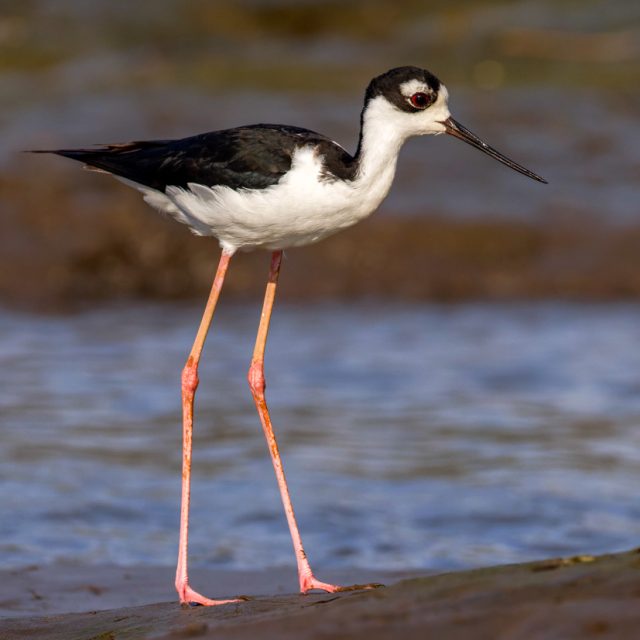
We will continue west toward Reed Lake scoping for additional shorebirds including American Avocet, Black-necked Stilts, Marbled Godwits and Ruddy Turnstones. American White Pelican, Eared Grebes and a host of waterfowl will be active in these and other ponds and lakes. Overnight: Swift Current
Day 3: Swift Current to Grasslands National Park
Today we will make our way to Grasslands National Park. Along the way we will be looking for shrikes, Bobolinks, Chestnut-collared Longspurs, as well as Pronghorn. Lark Sparrow, Say’s Phoebe, and other prairie-edge species are often found around the town and nearby ranchlands. In Val Marie we will look for several uncommon but regular species, including Red-headed Woodpeckers, Baltimore, and Orchard Orioles, which have all been seen here in recent years. We will make our way to our accommodation and in the evening we may look and listen for Common Nighthawks and owls. We will spend two nights in Val Marie.
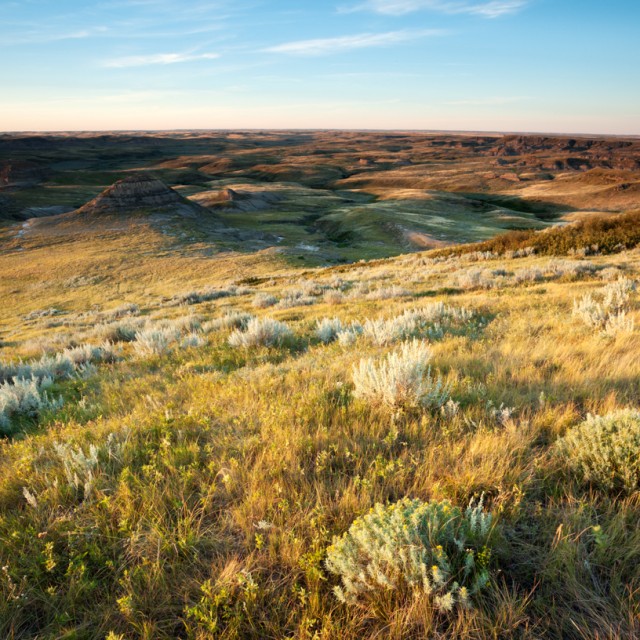
Day 4: Grasslands National Park
Grasslands National Park protects one of the largest and most intact blocks of native mixed-grass prairie left in North America. Its vast, undisturbed landscapes provide essential habitat for many of Canada’s most threatened grassland birds and mammals.
Grasslands National Park protects one of the largest and most intact blocks of native mixed-grass prairie left in North America. Its vast, undisturbed landscapes provide essential habitat for many of Canada’s most threatened grassland birds and mammals.
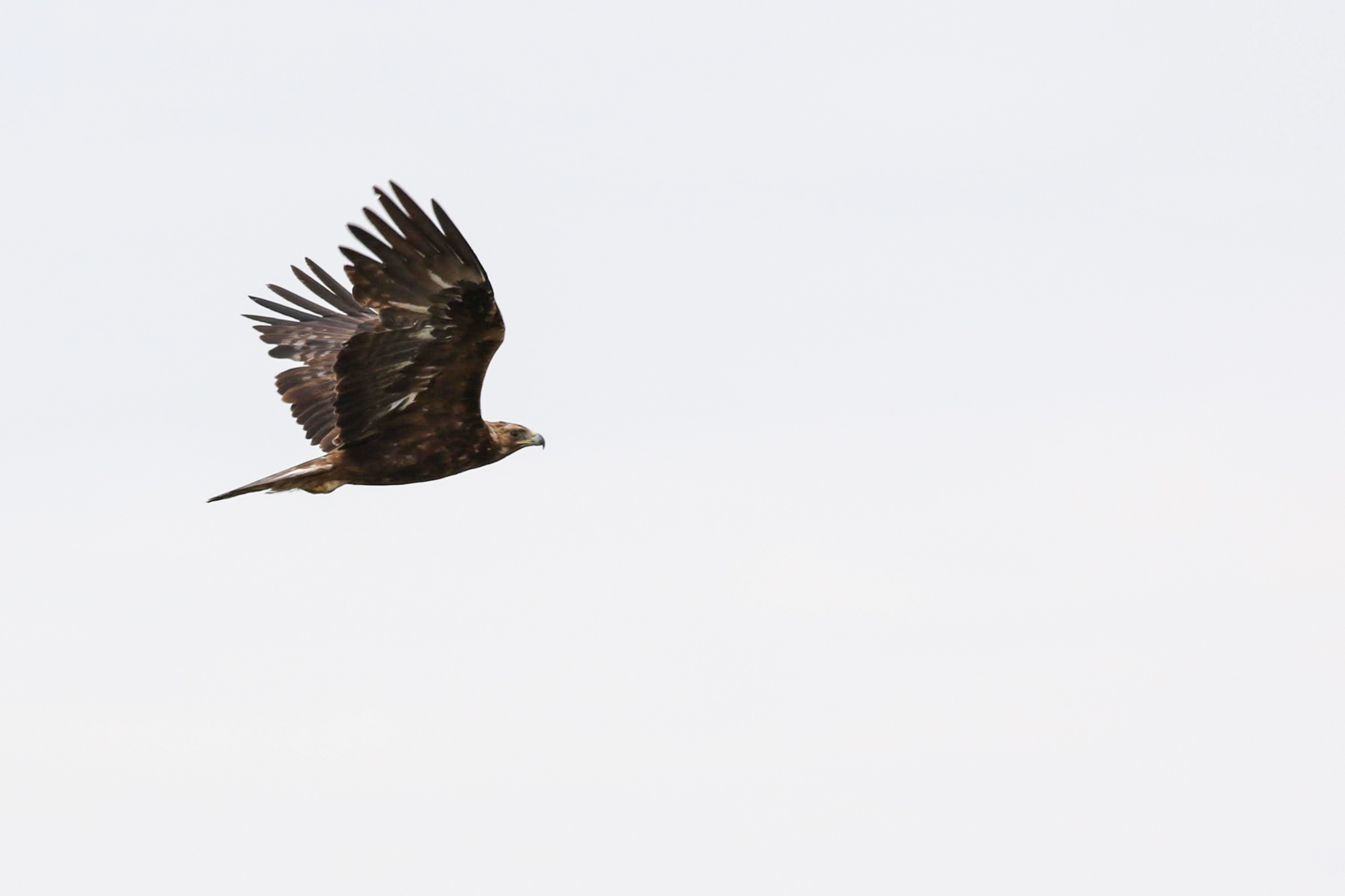
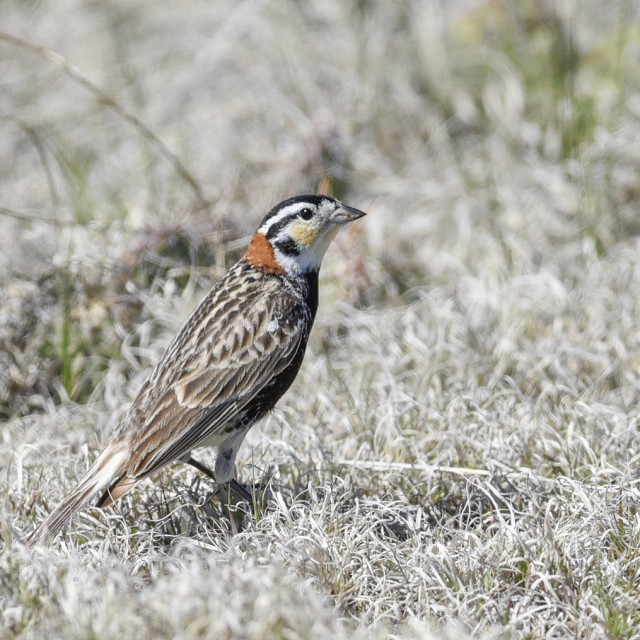
We spend a full day exploring the West Block of the park of vast shortgrass plains and gentle coulees. We will begin the day early to make the most of the day. This is premier habitat for Baird’s Sparrow, a regional specialty, and Chestnut-collared Longspur is widespread across the area. Sprague’s Pipits often deliver their high, continuous song from far above. Long-billed Curlew, Sharp-tailed Grouse, and Rock Wren are also regulars. Around the Prairie Dog colony’s we will be on the look out for Burrowing Owls, as well as Golden Eagles and Ferruginous Hawks. We may encounter Loggerhead Shrikes in shrubby valley edges. We may also see a variety of other wildlife including Greater Short-horned Lizards, Prairie Rattlesnakes, and Bullsnakes. Night: Val Marie
Day 5: Grasslands - Eastend
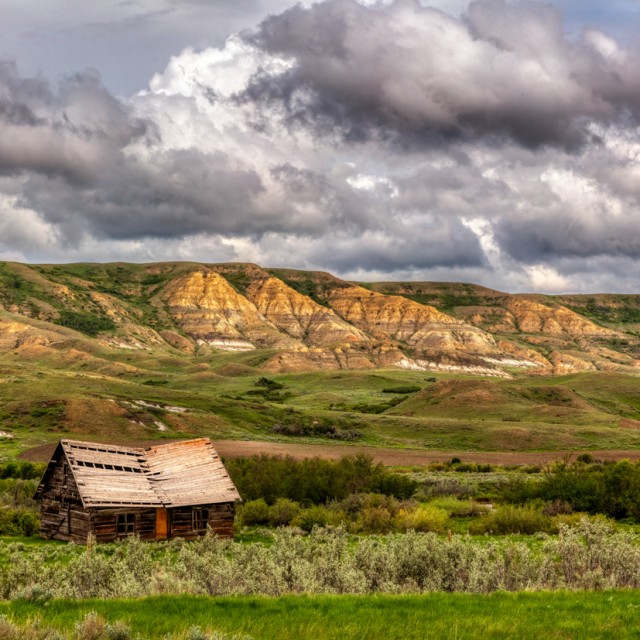
We will rise again early for some more grassland birding before making our way to Eastend, possibly stopping at some additional native prairie sites on the way. Around Eastend, we will explore scenic coulees, creeks and abandoned farmsteads, as well as the Eastend Reservoir.
We will also make a visit to the T Rex Discover Centre. The fossil beds around here are one of Canada’s most famous dinosaur-producing landscapes. The world-famous T. rex nicknamed Scotty was discovered nearby in the Frenchman River Valley in 1991. This discovery is the Centre’s origin story and the region’s biggest claim to fame. Overnight in Eastend.
Day 6: Eastend - Cypress Hills
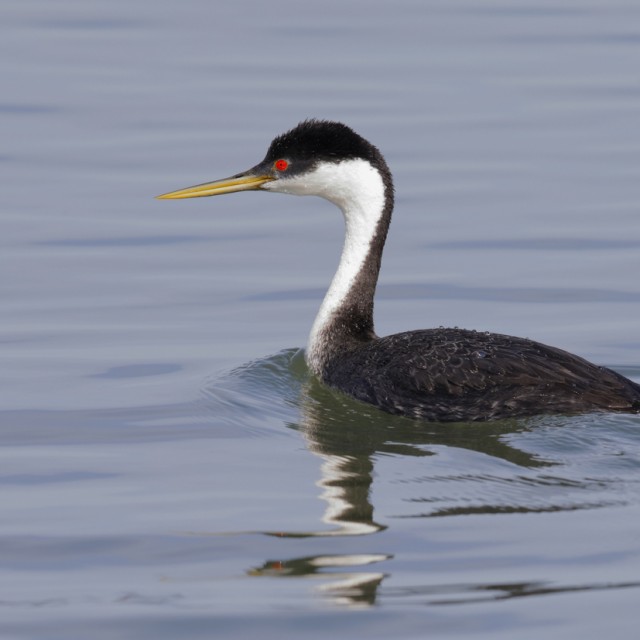
Today we will make our way to the Cypress Hills area, visiting the Cypress Lake dams on the way. This area has a good mix of water and grassland birds for more excellent birding. We will look for Cinnamon Teals, Canvasback, Ruddy Duck, Redhead, and Western Grebe, as well as Thick-billed Longspurs, and Bobolinks. Both Western and Eastern Kingbirds appear regularly on fencelines as we transition into more wooded country.
The approach to the Cypress Hills is striking, with the terrain rising abruptly out of the prairie to a forested plateau. This change in elevation brings a new suite of species and a notable shift in scenery, making the next part of the tour distinct from the prairie days. We will spend two nights in Cypress Hills.
Day 7: Cypress Hills
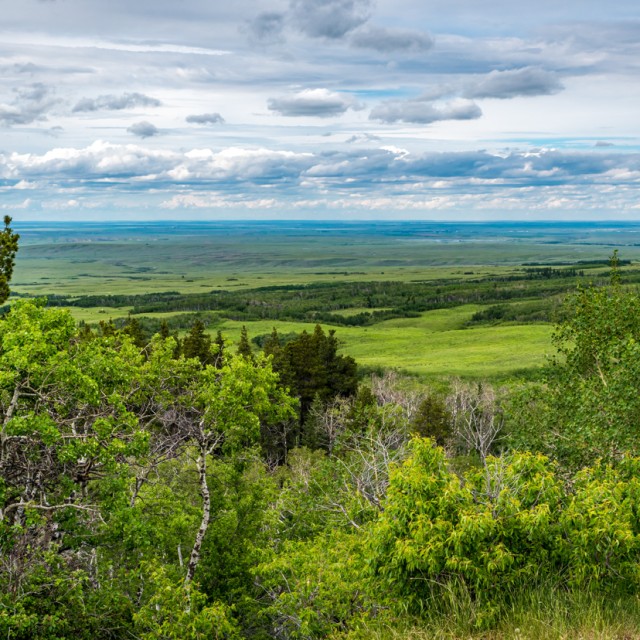
Cypress Hills Provincial Park is an interprovincial park straddling the Saskatchewan and Alberta border, renowned for its unique geology as an erosional plateau that rises above the surrounding prairies.
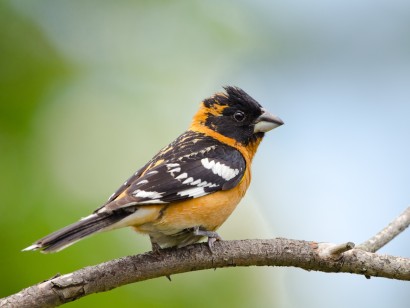
Here we find a mix of lodgepole pine, aspen, and high-elevation lakes that support a unique blend of mountain and boreal species. We dedicate the day to exploring the area looking for Red-naped Sapsucker, Dusky Flycatcher, Ruby-crowned Kinglet and Western Tanager, MacGillvary's Warblers, Black-head Grosbeaks, Clark’s Nutcrackers and more. Night: Cypress Hills.
Day 8: Cypress Hills - Regina
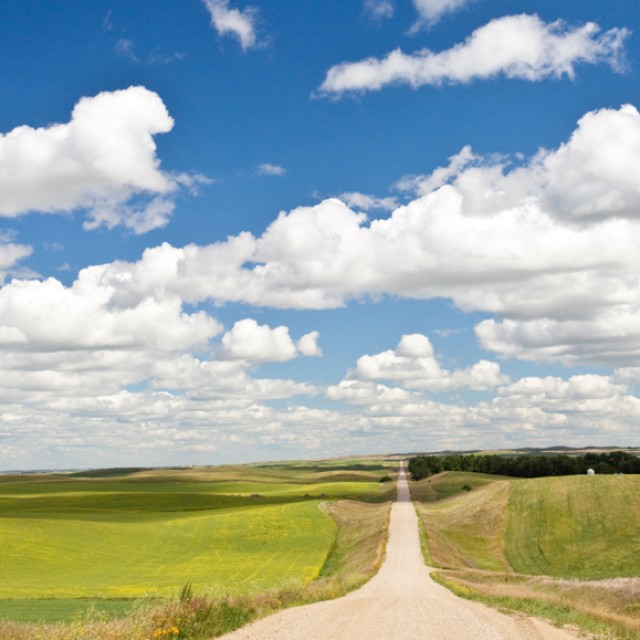
We will begin the day with some morning birding around our accommodation before we begin our drive back to Regina. We will make stops along the way in different habitat depending on what birds we might still want to see. We arrive in Regina by late afternoon for a final dinner and review of the tour’s highlights. Overnight near the Regina airport.
Day 9: Departure, Regina
Our Saskatchewan Spring birding tour concludes today after our amazing tour through the southwest of this province. Breakfast is available and ou can book your flights home anytime today.
What to Expect
What to Expect
Overview
This tour is designed for birders who want outstanding prairie spring diversity, with a comfortable pace and a variety of habitats in a single trip.
Most days begin with an early start to take advantage of peak bird activity. You can expect long days in the field. We’ll spend time birding from roadsides, viewing points, and wetland edges, with frequent short stops throughout the day. The itinerary is flexible, allowing us to adjust timing and locations depending on weather, water levels, and where birds are most active.
Walking
The walking on this tour is relatively easy, often on gravel roads, prairie tracks, or short trails. Some areas in Grasslands National Park and Cypress Hills may involve uneven ground, gentle slopes, or sandy sections. This tour is appropriate for most participants with average mobility.
Accommodations & Travel
We stay in comfortable hotels and inns in key locations including Regina, Swift Current, Val Marie, Eastend, and Cypress Hills, minimizing daily backtracking and maximizing time in prime habitats. Drives between regions are an important part of the tour, but they are balanced with frequent stops and productive birding en route. Several days include longer travel time, especially when moving between major regions (for example, Eastend to Cypress Hills and Cypress Hills back to Regina).
Food
We generally have an early breakfast at the hotel before we head out for the day. We often take a picnic lunch in the field, but will occasionally stop at a restaurant for lunch. Dinner is usually at the hotel or a nearby restaurant. Each evening after dinner we compile the day’s checklist, review the day’s activities, birds, mammals and other observations, and plan the next day’s activities.
Climate
Spring in southwest Saskatchewan can be wonderfully pleasant, but it is also famously variable. You can expect cool mornings and warmer afternoons. Wind is common on the open prairie and we may get the occasional rainstorm, so dress in layers and be prepared for a variety of conditions.
Frequently Asked Questions
Land Tours FAQs
Whether you’re a seasoned birder or new enthusiast, these FAQs cover important details about our tours, including schedules, fitness requirements, group dynamics and more.
Featured Wildlife
Featured Wildlife
While we cannot guarantee sightings of the birds or mammals listed below, we believe that encountering these species is quite likely during this tour.
- Ferruginous Hawk
- Baird’s Sparrow
- Sprague’s Pipit
- Chestnut-collared Longspur
- Thick-billed Longspur
- Long-billed Curlew
- Upland Sandpiper
- Piping Plover
- Burrowing Owl
- Prairie Falcon
- Golden Eagle
- Marbled Godwit
- Red-naped Sapsucker
- Western Tanager
- Dusky Flycatcher
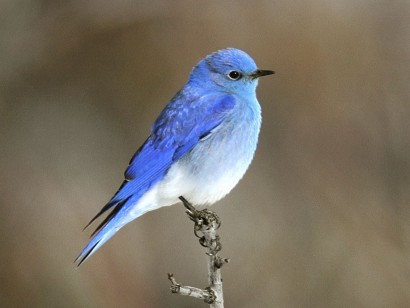
- Mountain Bluebird
- Black-tailed Prairie Dog
- Pronghorn