Romania Birding
Highlights
Highlights
- Explore the Black Sea coast and Danube delta (UNESCO Biosphere Reserve) viewing large groups pelicans, herons, egrets, cormorants, and ibises
- Explore the Carpathian Mountains for alpine and forest birds
- Spend an evening in a comfortable hide to see Brown Bear
- Enjoy several cultural highlights including Bran Castle
Map
Map
Overview
Tour Overview
Our Romania Birding Tour explores three of the country’s most wildlife-rich regions: the Southern Carpathian Mountains, the Black Sea Coast, and the Danube Delta.
In the dramatic Carpathians—home to Europe’s largest Brown Bear population, with up to 8,000 individuals—you’ll also discover a variety of alpine and forest birds. Notable species include Alpine Swift, Crag Martin, Wallcreeper, Ring Ouzel, and Nutcracker.
Along the Black Sea Coast, migration hotspots offer sightings of sought-after raptors overhead, while nearby grasslands, forests, and hills may reveal specialties like Calandra Lark, Pied Wheatear, and Sombre Tit. Wetlands here shelter rare residents and late migrants, including Ruddy Shelduck and Paddyfield Warbler.
The tour culminates in the spectacular Danube Delta, a 3,000-square-mile mosaic of lakes, canals, reedbeds, forests, and sand dunes. Divided into three main estuary channels, this UNESCO Biosphere Reserve supports over 300 bird species and 45 species of freshwater fish. Here we enjoy exceptional views of vast flocks of pelicans, herons, egrets, cormorants, and ibises—all set against a backdrop of rich cultural heritage and wild, untamed beauty.
Dates & Prices
Dates & Prices
What's Included
Tour Price Includes
- All accommodations
- All meals and soft drinks
- Ground transportation
- All park, conservation and entrance fees
- 4 - 5 participants with one guide, 6 - 10 participants with 2 guides
Tour Price Does Not Include
- Flights to and from start/end locations
- Travel Insurance
- Items of a personal nature
- Alcoholic Beverages
Gallery
Gallery


Itinerary
Itinerary
Day 1: Arrival in Bucharest
Our Romania birding tour begins when we meet for dinner and discuss our upcoming tour.
Night at Bucharest

Day 2: Travelling from Bucharest to Zarnesti in the Southern Carpathians
We leave Bucharest and start driving north towards the mighty Carpathian Mountains. On the way we might see our first Common Buzzard and Marsh Harrier above the mostly agricultural fields. Driving across the mountains we reach the resort town of Sinaia. Here we can visit the famous medieval Monastery and dramatic Peles Castle of King Carol 1 of Romania. We might also explore nearby ancient evergreen forests to look for Great Spotted Woodpecker, Coal, Crested, Willow and Great Tits, Eurasian Nuthatch, Eurasian Treecreeper, Eurasian Wren, White-throated Dipper, Goldcrest, Firecrest, Common Chiffchaff, Wood Warbler, Eurasian Blackcap, Spotted Flycatcher, Song and Mistle Thrush, Gray Wagtail, Common Chaffinch, Eurasian Bullfinch, Red Crossbill and Eurasian Siskin.
We then have a short drive to our first accommodation. We stay 4 nights in a family hotel which provides locally produced fresh and tasty organic food, wonderful views of the mountains and great birding in the vicinity. The hotel is reached by a serpentine gravel road, but it is certainly worth the climb up with the van to enjoy the fantastic location. Night at Magura.

Day 3: Birding in Zarnesti Gorge and Stramba Valley, bear watching from a hide
We will spend two full days in the famous Bucegi Mountains that are part of the Southern Carpathian Mountains. Scenic alpine meadows and vast spruce and beech forests are home to a nice array of high elevation bird species and mammals. We will spend an evening in a specially located comfortable hide to see Brown Bear. This area is one of the best places in Europe to see bears and we have rarely failed to find them on our tours. Besides bears Chamois also occurs here, sometimes they can be seen from the terrace of our hotel.
During the day we will explore Zarnesti Gorge, a fascinating valley carved deep into the stone by a quick stream. There is usually a pair of Wallcreeper nesting here, but it is difficult to find them on the massive crags and walls. Nevertheless Alpine Swift, Peregrine, Crag Martin, White-throated Dipper, Gray Wagtail and Rock Bunting are easier to find along with the more common forest birds.
In the afternoon we will visit Stramba Valley. At the entrance to the valley meadows and hedges are a great place for European Honey-buzzard, Lesser Spotted Eagle, Common Buzzard, European Turtle-Dove, Common Cuckoo, European Bee-eater, Lesser Spotted and Grey-headed Woodpecker, Red-backed Shrike, Eurasian Jay, Common Raven, Eurasian Golden Oriole, Eurasian River and Barred Warbler, Greater Whitethroat, Spotted Flycatcher, Whinchat, European Stonechat, Fieldfare and Yellowhammer. As we reach the more forested areas woodland bird species take the scene: Middle Spotted and Black Woodpeckers, Coal, Crested, Marsh, Willow, Eurasian Blue and Great Tits, Long-tailed Tit, Eurasian Nuthatch, Eurasian Treecreeper, Eurasian Wren, Goldcrest, Firecrest, Willow and Wood Warblers, Common Chiffchaff, Eurasian Blackcap, Red-breasted, Pied and Collared Flycatchers, European Robin, Song and Mistle Thrush, Common Chaffinch, Eurasian Bullfinch, Eurasian Siskin and Hawfinch. Sometimes Ural Owl and White-backed Woodpecker are also found here.
The comfortable and secure bear hide is located deep inside the forest where we drive in taking a local ranger with us. We take our place in the hide late afternoon and wait for the bears to appear in front of the hide. We normally spend 3 hours in the hide starting at 6 pm. The hide has a very good success rate with usually several bears appearing and staying for a longer time. Night at Magura.

Day 4: Birding at Poiana Brasov, visit to Brasov
In the morning we explore the woodlands at Poiana Brasov. We take the cable car to the top of Mount Postavaru at a height of around 2,000 metres where the air is filled with the song of Water Pipits. Northern Wheatear and Eurasian Linnet are characteristic birds of the grassy slopes while we look for Ring Ouzel further down in the Dwarf Pine zone. Spruce forests are home to Black and Three-toed Woodpeckers, and we have good chances of finding them here along with a good set of more common woodland birds.
We visit the city of Brasov in the afternoon. Fringed by the peaks of the Southern Carpathian Mountains and resplendent with gothic, baroque and renaissance architecture, as well as a wealth of historical attractions, Brasov is one of the most visited places in Romania. We will have a stroll around the old Town Hall Square where we can admire colorfully painted and ornately trimmed baroque buildings. We take a peek inside the Black Church, the largest gothic church in Romania. Its name derives from damage caused by the Great Fire of 1689, when flames and smoke blackened its walls. We’ll also take a look at the Saxon defensive fortifications. Most work was done between 1400 and 1650, when outer and inner walls were erected, together with massive defense towers and gates. Part of the defensive wall, once 40 feet high, seven feet thick and two miles long, can still be seen today along with bastions, towers and ornately decorated gates. Night at Magura.

Day 5: Birding in Magura, Dumbravita Fishponds and visit to Dracula’s Castle
Our hotel is located in a little village on a high plateau surrounded by the scenic mountaintops of Piatra Craiului and Bucegi Mountains. Birds are abundant around our hotel and a morning walk can be very productive as it may produce European Turtle-Dove, Common Cuckoo, Eurasian Hoopoe, Eurasian Wryneck, Syrian and Green Woodpeckers, Eurasian Kestrel, Red-backed Shrike, Eurasian Magpie, Hooded Crow, Skylark, Woodlark, Barn Swallow, Western House Martin, Common Chiffchaff, Eurasian Blackcap, Lesser and Greater Whitethroat, Whinchat, Spotted Flycatcher, Common Nightingale, Black Redstart, Northern Wheatear, Fieldfare, Song Thrush, White Wagtail, Tree Pipit, Yellowhammer, Corn Bunting, European Greenfinch, Goldfinch and Serin, Eurasian Linnet and Eurasian Tree Sparrow.
We explore the nearby fishpond system of Dumbravita. The ponds have breeding Little and Great Crested Grebe, Eurasian Coot and Moorhen, Little Bittern, Great and Common Reed Warbler, Savi’s and Marsh Warbler, Eurasian Penduline Tit and host many water birds on migration including ducks, herons, egrets and also shorebirds. The surrounding fields are favorite hunting grounds of Western Marsh Harrier and Lesser Spotted Eagle. In the scrub and more open fields we may see European Roller, Eurasian Hoopoe, Red-backed and Lesser Grey Shrike, Eurasian Golden Oriole.
On the way back we make a small detour to see Bran Castle also known as Count Dracula’s castle in the village of Bran. Bram Stoker depicted the imaginary Dracula’s castle based upon a description of Bran Castle that was available to him in turn-of-the-century Britain. The scenically located romantic castle erected in the 14th century is a museum now open to tourists, displaying art and furniture collected by Queen Maria of Romania. Night at Magura.

Day 6: Travel to Sinoie on the Black Sea Coast
We leave the Carpathian Mountains and descend to the flat lands of the Danube Valley reaching the Black Sea in the afternoon. On the drive we shall stop several times for birds and we expect to see some lowland dry country species such as Long-legged Buzzard and Roller perched along the roadside.
We should arrive at our next hotel in the afternoon and time permitting, we may have a short visit to the fantastic wetlands close to our hotel to have a taste of what is coming up in the next few days in terms of diversity of birds and number of individuals. Night at Sinoie.

Day 7: Birding in Sinoie, Histria and Vadu
Today we visit one of the best birding areas in Europe, the wetlands of Histria and Vadu. At Histria the habitat of muddy pools, ponds, extensive reedbeds, steppe and sandy scrub attracts many bird species in big numbers. White and Dalmatian Pelicans are conspicuous and beautiful birds that are often seen on the lakes in big flocks. Cormorants, herons, ibises and ducks will be everywhere in big numbers and we expect to see Graylag Goose, Common and Ruddy Shelducks, Gadwall, Eurasian Wigeon, Garganey, Common Teal, Red-crested and Common Pochards, Ferruginous and Tufted Ducks, Pygmy and Great Cormorants, Great and Little Bittern, Great and Little Egret, Grey, Purple, Black-crowned Night and Squacco Heron, Glossy Ibis and Spoonbill. Raptors will be much in evidence the commonest being Marsh Harrier, but also Osprey, Pallid and Montagu’s Harrier, White-tailed Eagle, Long-legged Buzzard and Eurasian Hobby are also around. Histria is one of the few areas for nesting Paddyfield Warbler in Europe and we shall see them singing at the edge of the reedbeds. Common Moorhen, Eurasian Coot, Black-headed and Caspian Gull, Whiskered, White-winged, Black and Common Terns will be fairly common. The secretive Water Rail and Little Crake are often heard calling from inside the reeds, but it is difficult to see them. Eurasian Hoopoe, Common Kingfisher, Calandra Lark, Bearded and Penduline Tits, Sedge, Moustached, Marsh, Eurasian Reed and Great Reed, Savi’s Warbler, Bluethroat, the black-headed form of Western Yellow Wagtail, migrating Red-throated Pipit and Reed Bunting are all expected!
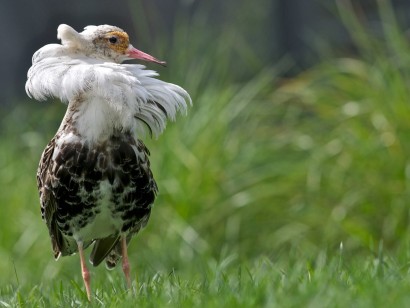
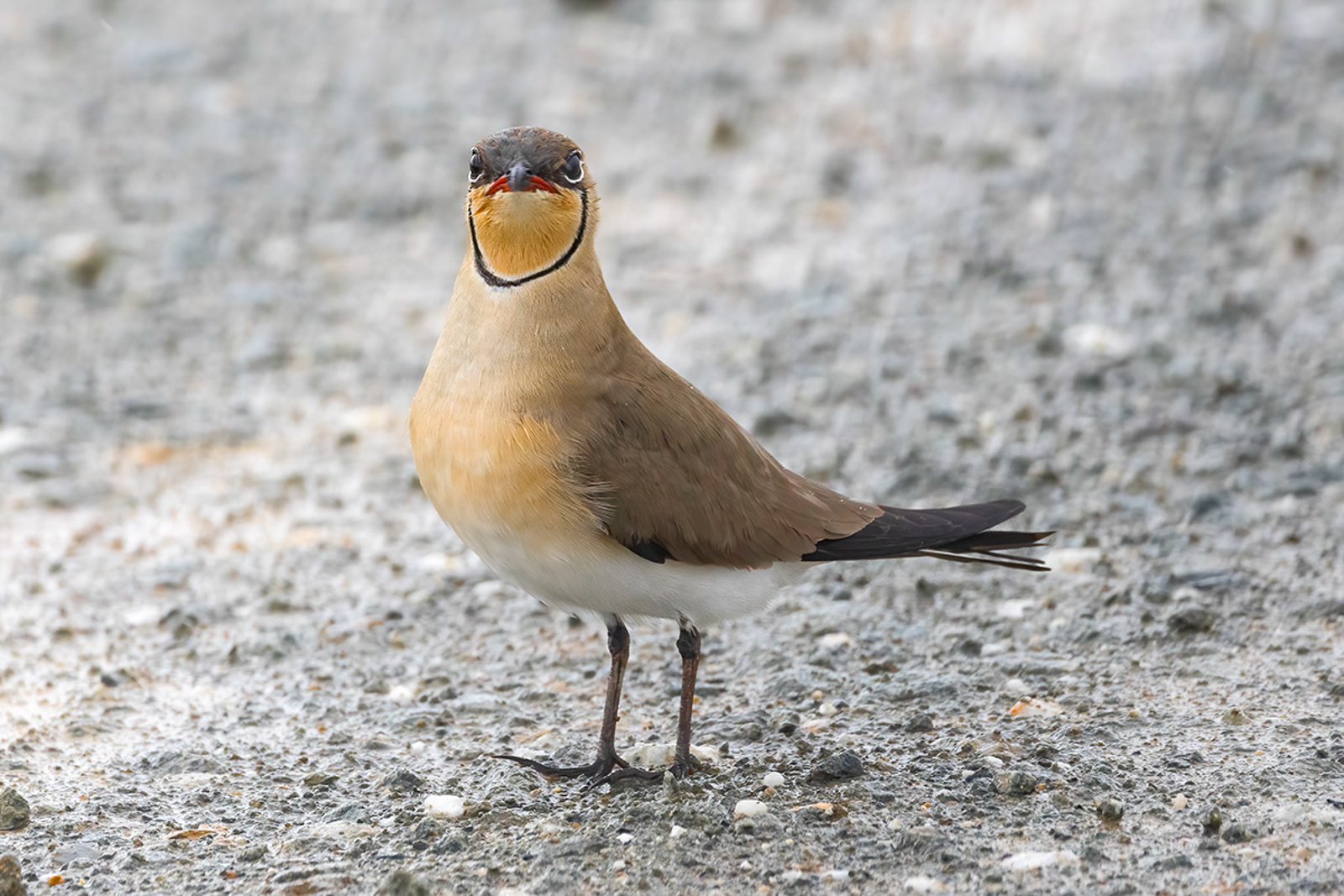
The extensive salt marshes of Vadu support many waders. Eurasian Thick-knee, Black-winged Stilt, Pied Avocet, Black-tailed Godwit, Common Redshank, Little Ringed and Kentish Plover, Eurasian Curlew are breeding here, while waders on migration include Ruff, Spotted Redshank, Marsh, Wood, Green and Curlew Sandpipers, Dunlin, Temminck’s and Little Stints. Rarities such as Broad-billed and Terek Sandpiper are also possible. There is a good population of Collared Pratincoles here, sometimes including Black-winged as well. Mediterranean, Slender-billed and Pallas’s Gulls, Gull-billed, Sandwich, Little and Caspian Terns can be seen here with a bit of luck too. Night at Sinoie.

Day 8: Birding in Cheia Gorge and around Sinoie
We visit Cheia Gorge in the morning for a change of scenery. As we drive through small villages White Stork nests will be noticeable especially with the noisy colonies of Spanish Sparrows nesting underneath the storks. Syrian Woodpecker is another bird found in villages and orchards and Little Owl is sometimes seen during the day sitting atop a chimney.
Cheia Gorge is a scenic valley bordered by limestone crags. It is located amongst the vast steppes and arable lands close to the Black Sea. Small ground squirrels called Sousliks are home to the valley and steppes in big numbers and being a favorite prey of many raptors this is an excellent place to see Booted and Short-toed Eagle, Montagu’s and Pallid Harrier, Long-legged Buzzard and sometimes even the rare Saker Falcon. The scarce Levant Sparrowhawk is also nesting in the woodlands above the gorge and we hope to see these elegant little raptors gliding above us. The rocky outcrops of Cheia Gorge are one of the few places in Romania where Pied Wheatear is found nesting. It is found mainly eastwards as far as Mongolia. Rufous-tailed Rock Thrush and Isabelline Wheatear are also home to the limestone crags. Eurasian Hoopoe, European Roller, European Bee-eater, Crested and Wood Lark, Red-backed and Lesser Grey Shrikes, Eurasian Jackdaw, Rook, Golden Oriole, Barred Warbler, Black Redstart, Tawny Pipit and Ortolan Bunting are the other avian highlights of this place. The gorge is also home to a fascinating array of butterflies and other wildlife.
In the afternoon we visit the ponds, reedbeds and wet meadows around Sinoie to see even more water birds and to enjoy the spectacle of bird migration. Night at Sinoie.

Day 9: Travel to Tulcea and Danube
We leave Sinoie and head north towards the Danube Delta. Soon we will reach the famous Babadag Forest, an excellent place for raptors. Levant Sparrowhawk, Honey and Long-legged Buzzard, Short-toed, Booted, Lesser-Spotted and Eastern Imperial Eagles have all been sighted here. Inside the woods Sombre Tit and Icterine Warbler are our main targets, but European Turtle-dove, Eurasian Wryneck, Lesser Spotted, Middle Spotted and Great Spotted, Eurasian Green and Grey-headed Woodpeckers, Red-backed and Lesser Grey Shrikes, Golden Oriole, Marsh, Blue, Great and Long-tailed Tits, Eurasian Nuthatch, Short-toed Treecreeper, Barred Warbler, Greater Whitethroat, Spotted and Collared Flycatcher, Song Thrush, Yellowhammer, Common Chaffinch and Hawfinch.
Later on we stop at the scenic hilltop castle of Enisala where Booted and Short-toed Eagles, Red-footed Falcons and other migrating raptors are often seen as Sousliks inhabit the hillside. The views from the hill above the huge lagoons are fantastic.
A few nice alkaline lakes along our route might be worth further birding stops, but we shall arrive at our hotel in Tulcea in the afternoon.
Night on floating hotel Danube Delta if group size is large enough, otherwise regular hotel nearby.

Days 10 and 11: Cruising in the Danube Delta visiting small villages, lakes, smaller canals
We spend 2 full days of birding along the waterways of the Danube Delta! The Danube Delta is the second largest river delta in Europe after the Volga Delta and is the best preserved on the continent. It is a World Heritage site. The greater part of it lies in Romania. The approximate surface area is 4152 km², of which 3446 km² are in Romania. The Danube branches into three main arms into the delta, Chilia, Sulina and Sfântu Gheorghe. The Danube Delta is a low alluvial plain, mostly covered by wetlands and water. It consists of an intricate pattern of marshes, channels, streamlets and lakes. It hosts over 300 species of birds as well as 45 freshwater fish species in its numerous lakes and marshes.
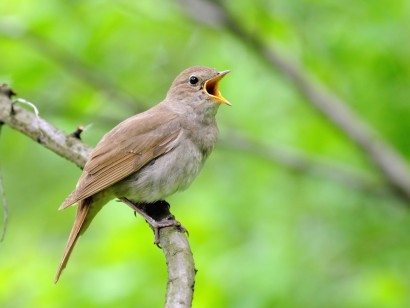
We will float on the channels of the Delta and explore lakes and marshes on smaller motorboats. Squadrons of White and Dalmatian Pelicans are the most dominant sight of the Delta and we will also see these huge birds fishing in tight groups on many ponds. They are often joined by hundreds of Pygmy and Great Cormorants, Caspian and Black-headed Gulls. Ponds and oxbow lakes are home to ducks including Garganey, Red-crested Pochard and Ferruginous Duck, grebes such as Little, Red-necked, Great Crested and Eared Grebes, herons and ibises like Great and Little Egrets, Grey, Purple, Black-crowned Night and Squacco Herons, Spoonbill and Glossy Ibis. As we sail along the main arm of the Danube or take a smaller motorboat on the canals and side arms we might encounter Water Rail and Little Crake, while Common Kingfisher is seen frequently. Black Stork and White-tailed Eagle are soaring above us majestically, while Black, Grey-headed and Great Spotted Woodpecker work on older trees alongside the water. Penduline Tits are nesting along the canals, Eurasian Reed and Great Reed Warbler sing from the reedbeds. Alluvial forests are inhabited by Thrush Nightingale the great songster and River Warbler busy giving away its insect-like song. On higher sandy banks European Bee-eater and Roller hunt for insects. Colorful dragonflies are everywhere and Hobbies hunt for them especially during late afternoon.
Night on floating hotel Danube Delta if group size is large enough, otherwise regular hotel nearby.

Day 12: Leaving the boat, travel to Bucharest
We leave the boat after breakfast and head towards Bucharest. We stop several times for birding en route. We arrive in Bucharest in the afternoon and might have time for a short stroll in the capital of Romania. Night at Bucharest.
Day 13: Departure
Our Romania birding tour will conclude after breakfast. You are welcome to catch your flight anytime today unless you are opting for a tour of Bucharest.
What to Expect
What to Expect
Overview
This is a moderate pace birding tour featuring a few distinct areas.
Accommodation
We will stay in standard hotel rooms in areas close to where we go birding. Please note that staying on the floating hotel in the Danube Delta requires a minimum number of participants. If we do not reach this minimum we will stay in a hotel on land and do daily excursions by boat to reach the same habitats and encounter the same species. The floating hotel has small cabins, but excellent food and facilities.
Food
We generally have breakfast at the hotel before we head out for the day. We usually take a picnic lunch in the field. Dinner is usually at a nearby restaurant. Each evening after dinner we compile the day’s checklist, review the day’s activities, birds, mammals and other observations, and plan the next day’s activities.
Walking
Most of the walking will be on footpaths in the forest, marshes, and steppes. The longest walk is in Zarnesti gorge where we walk for about 2 hours in the bottom of the gorge. There is a very slight uphill climb which we take very easy, slowly, looking at birds, butterflies, etc.
Driving
Most days have a small to moderate amount of driving. There is one long drive, when we drive from the Carpathian to the Black Sea, which will take approximately 6 hours, but we will make stops along the way.
Weather/Climate
At this time of year, you can expect pleasant daytime temperatures. Highs generally range between 65°F and 75°F (18–24°C). Evenings can dip to around 50°F (10°C), so pack some layers, especially for the cooler mountain areas.
Boat trips
When we are in the Danube delta, we will be spending the majority of the days on small boats cruising the delta to access some of the narrow channels and lakes. The small motorboats do not have washrooms on board, but we will make stops to use washrooms and have lunch.
If numbers are sufficient and we stay on the floating hotel, we will spend the majority of the time on it on the viewing platform. Occasionally, we would board smaller boats to do a few hour excursion.


Frequently Asked Questions
Land Tours FAQs
Whether you’re a seasoned birder or new enthusiast, these FAQs cover important details about our tours, including schedules, fitness requirements, group dynamics and more.
Featured Wildlife
Featured Wildlife
While we cannot guarantee sightings of the birds or mammals listed below, we believe that encountering these species is quite likely during this tour.
- Dalmatian Pelican
- Wall Creeper
- Alpine Swift
- Eastern Imperial Eagle
- Lesser Spotted Eagle
- Levant Sparrowhawk
- Long-legged Buzzard
- Pallid Harrier
- Black Woodpecker
- Middle Spotted Woodpecker
- Eurasian Three-toed Woodpecker
- Pied Wheatear
- Paddyfield Warbler
- Lesser Gray Shrike
- Pallas's Gull
- Collared Pratincole
- Eurasian Brown Bear