Northwest Argentina
Highlights
Highlights
- Exceptional bird diversity featuring endemics and near-endemics, iconic Andean species, and elusive forest specialists.
- Remarkable habitat diversity, from lush Yungas cloudforest to high-altitude Andean altiplano.
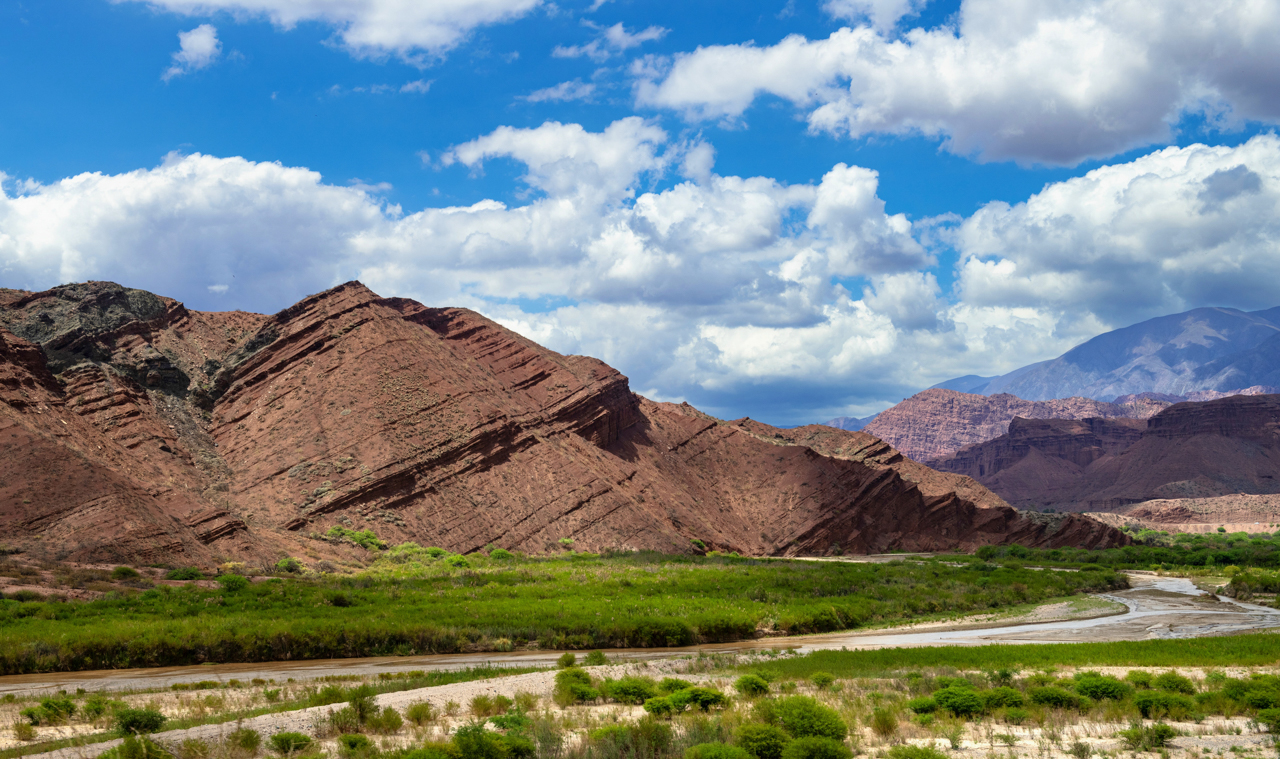
- Stunning landscapes including deserts, wetlands, dramatic canyons, and iconic sites like Humahuaca Canyon and Los Cardones National Park
- Journey through remote national parks, traditional villages, and wine regions, offering a well rounded view of northwestern Argentina.
Map
Map
Overview
Tour Overview
Our Northwest Argentina birding tour explores a striking range of habitats, from lush Yungas cloudforest up to the high Andean altiplano, then south through cactus-clad valleys and Chaco woodlands, offering an excellent introduction to Argentina’s diverse birdlife.
Beginning near Salta, we explore rich cloudforests with a mix of tanagers, hummingbirds, parrots, and mixed flocks, along with more elusive understory species such as antpittas, before moving into Calilegua National Park’s even greater diversity of forest birds.
Climbing into the dramatic landscapes of Humahuaca Canyon and the Altiplano, we encounter Andean Condors, flamingos, and a range of high-elevation specialists, including regional endemics such as Tucuman Mountain Finch and Bare-eyed Ground Dove.
The route continues south through Monte desert and Chaco habitats, home to cacholotes, gallitos, woodcreepers, and other dry-country specialists.
We finish in the Córdoba highlands, focusing on sought-after endemics including Córdoba and Olrog’s Cinclodes.
Dates & Prices
Dates & Prices
What's Included
Tour Price Includes
- All accommodations
- All meals and soft drinks
- Internal Flights
- Guides: 4 - 12 with a local guide and an EET guide
- All park, conservation and entrance fees
- Gratuities to local guides
- Airport transfers
- Ground transportation
Tour Price Does Not Include
- Flights to/from start location
- Travel Insurance
- Items of a personal nature
- Alcoholic Beverages
Gallery
Gallery

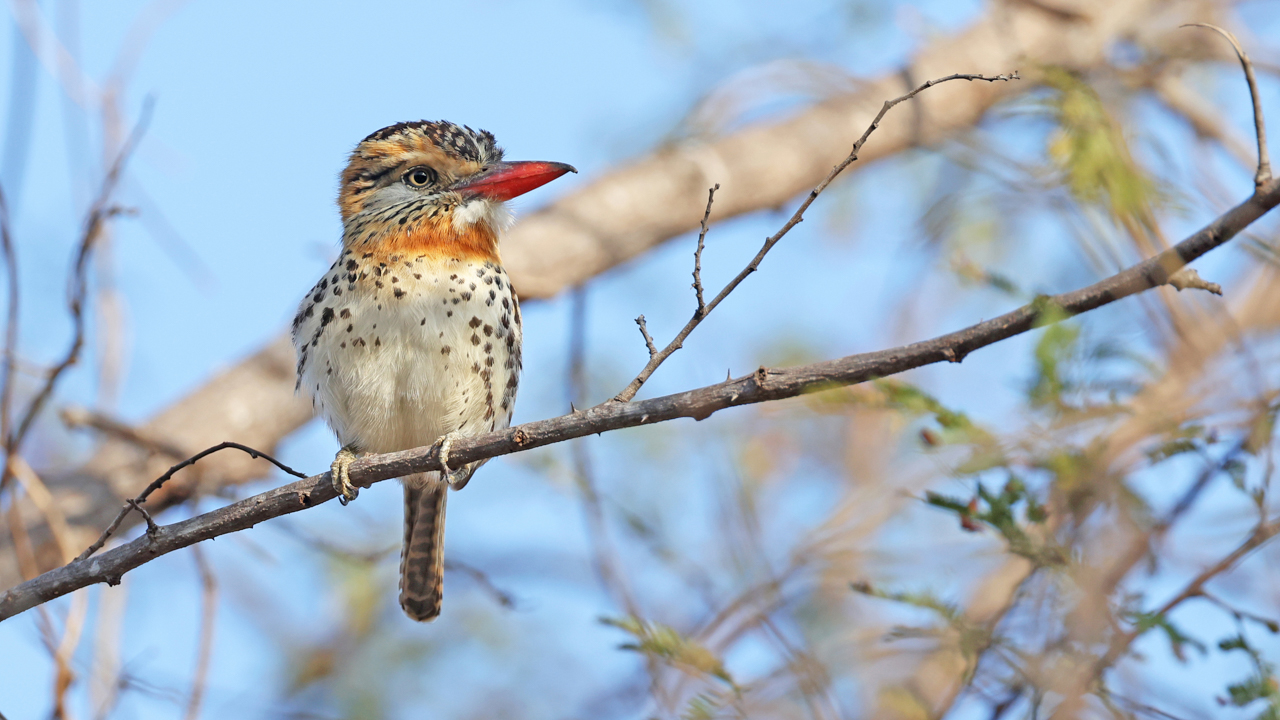


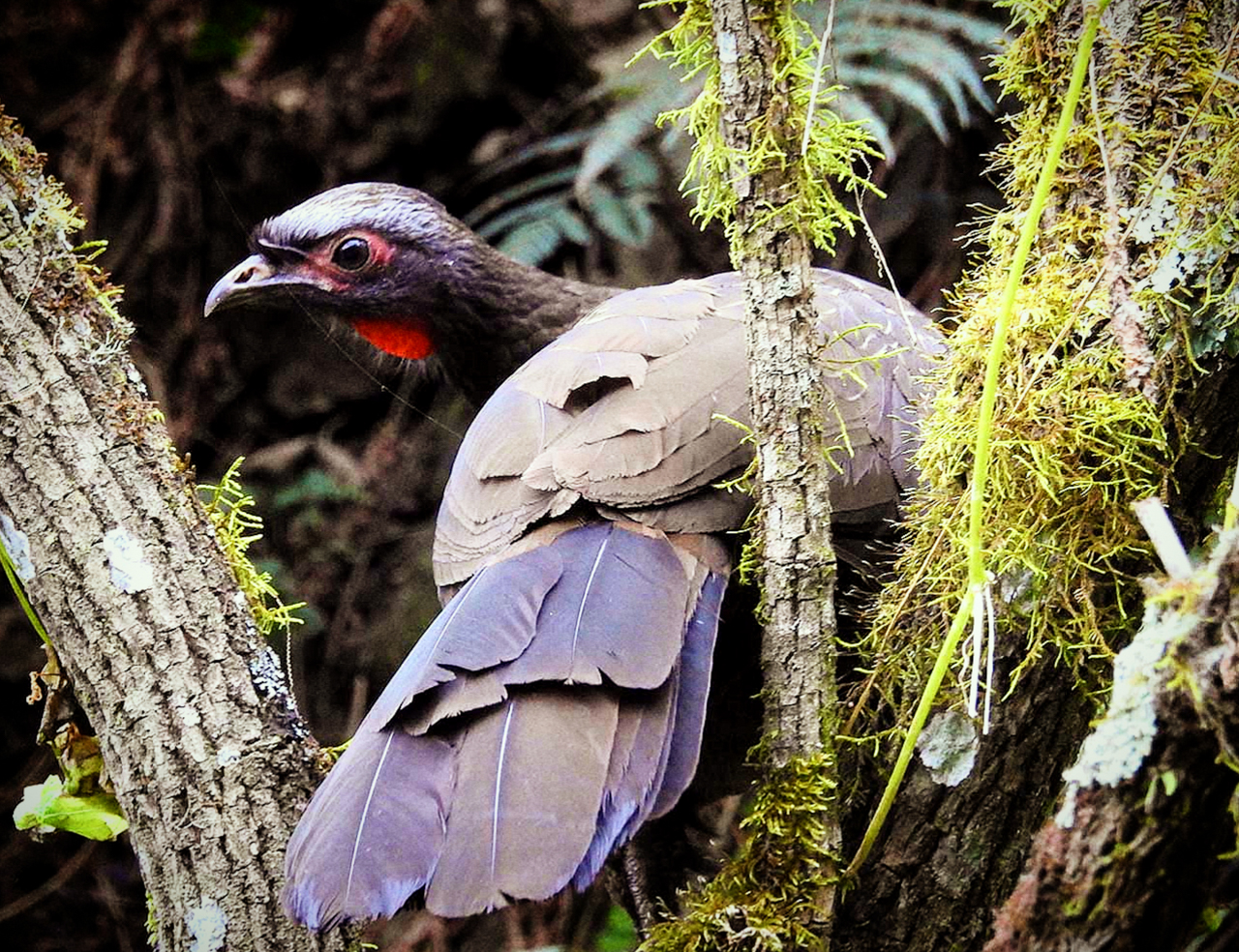
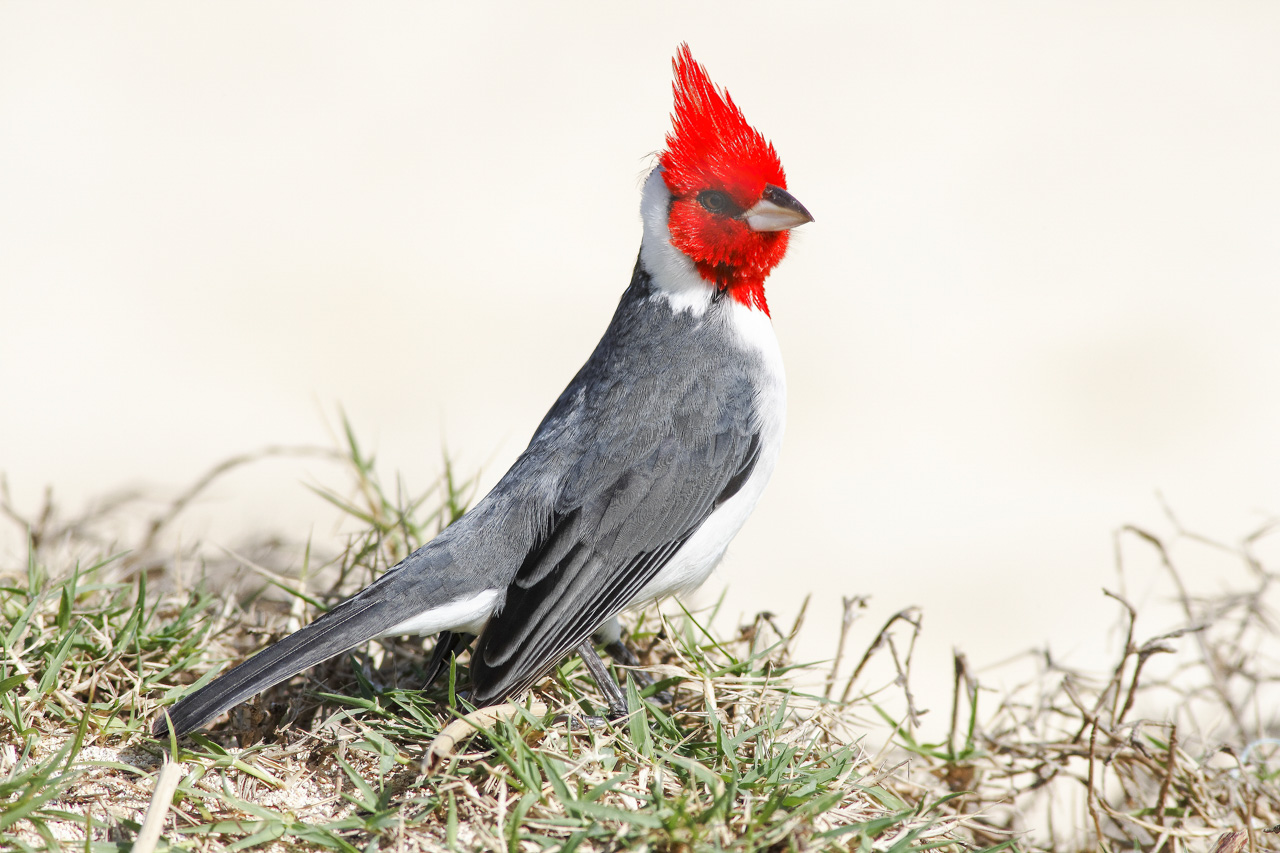
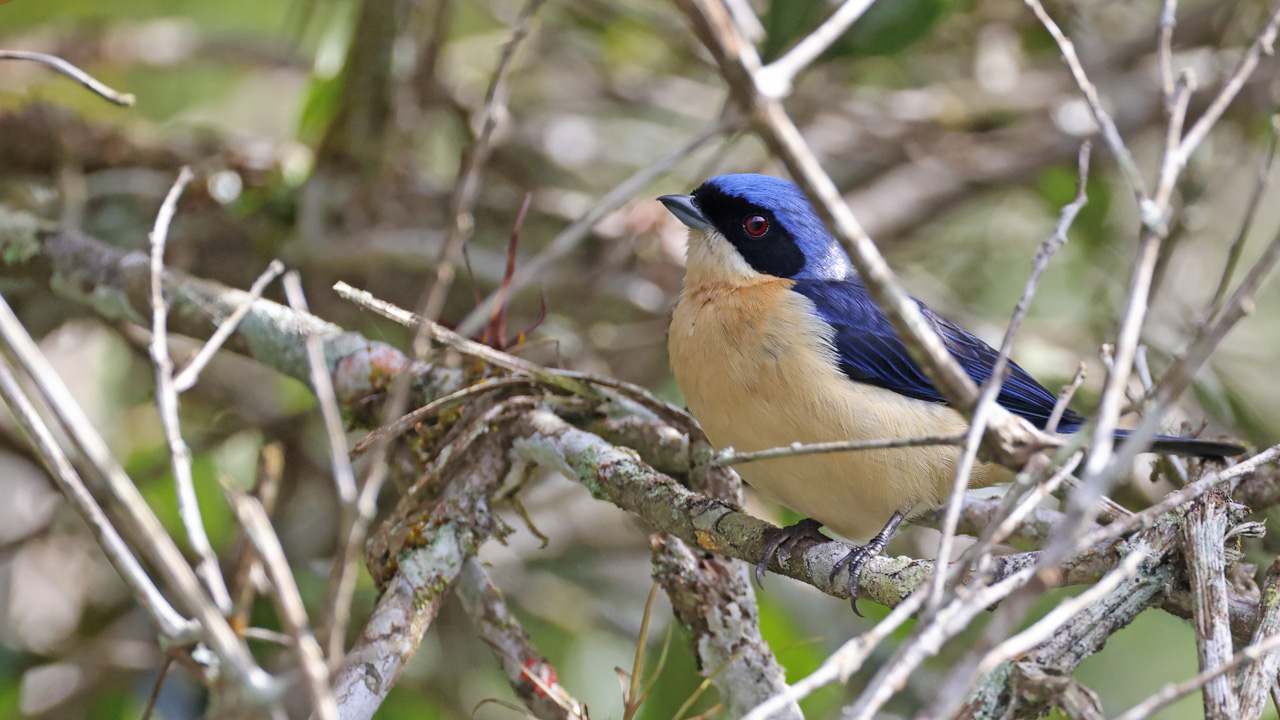




Itinerary
Itinerary
Day 1: Arrive in Buenos Aires
Our Northwest Argentina birding tour begins today. We will arrive in Buenos Aires, the capital of Argentina, and transfer to a centrally located hotel for the night. We will meet for dinner and discuss the exciting trip ahead. Overnight at an airport hotel in Buenos Aires.

Day 2: Morning fly to Salta / San Lorenzo
In the morning, we will take a short drive to the airport, followed by a two-hour flight from Buenos Aires to Salta. After arrival at Salta airport, we will transfer to San Lorenzo village, located a 30-minute drive along the slopes of the Subandean mountain ridges, to our accommodation for our first two nights at Selva Montana Ecolodge.
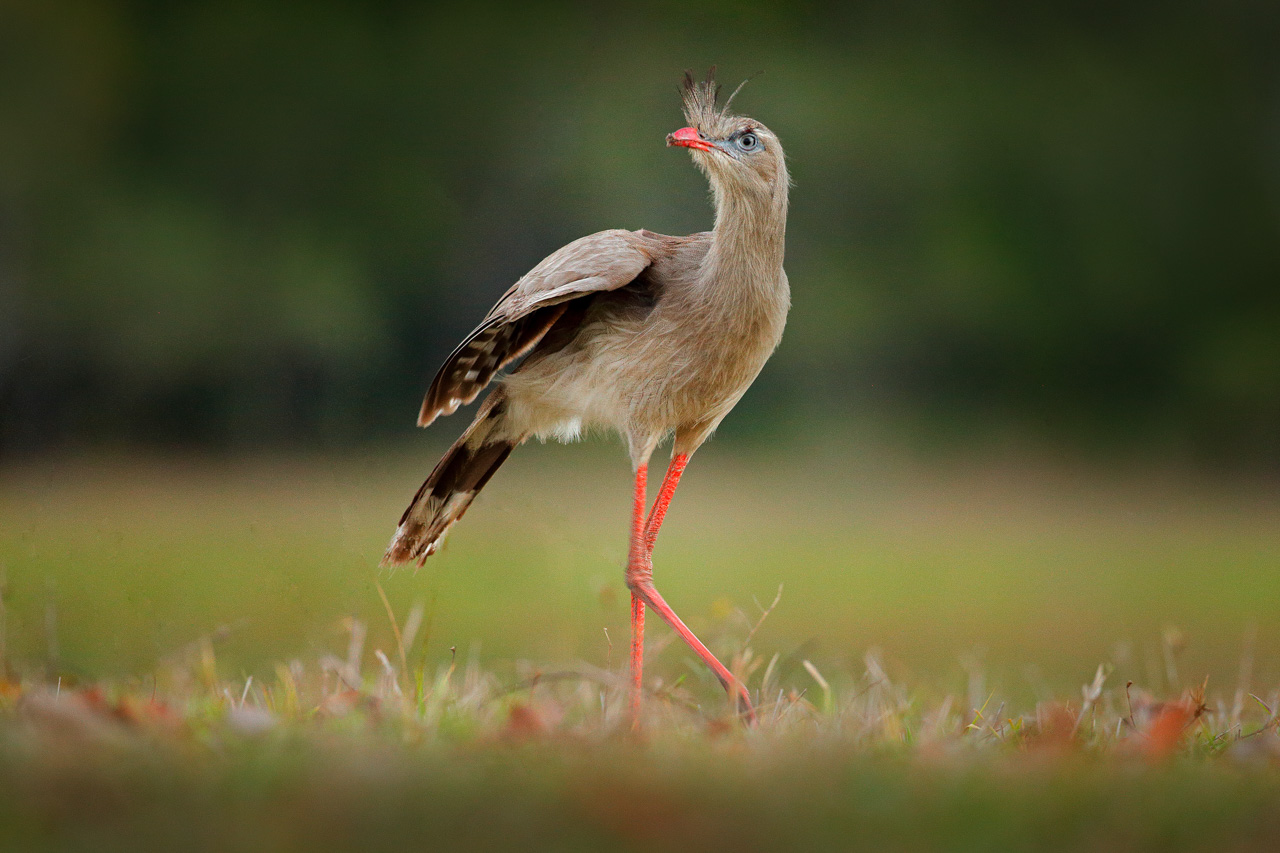
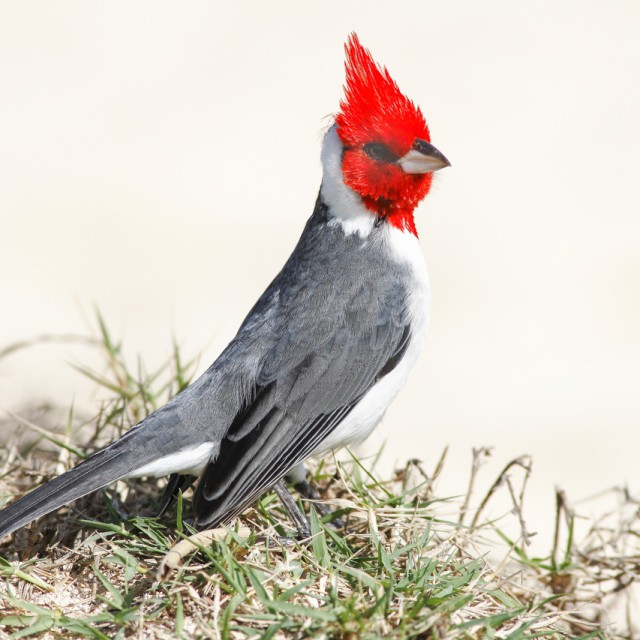
This afternoon, we will visit a nearby pond for a good introduction to the local waterfowl, including several attractive species of waterfowl such as the colourful Ringed Teal. Red-legged Seriemas are sometimes seen in the surrounding grasslands, while passerines might include Red-crested Cardinal, Black-and-chestnut Warbling-Finch, Great Pampa-Finch, and Yungas Sparrow.
In the evening, we plan to visit Huaico Reserve above the backyards of our hotel to look for the localized Montane Forest- Screech-Owl, Scissor-tailed Nightjar, and possibly Common Potoo.
Day 3: San Lorenzo / Calilegua
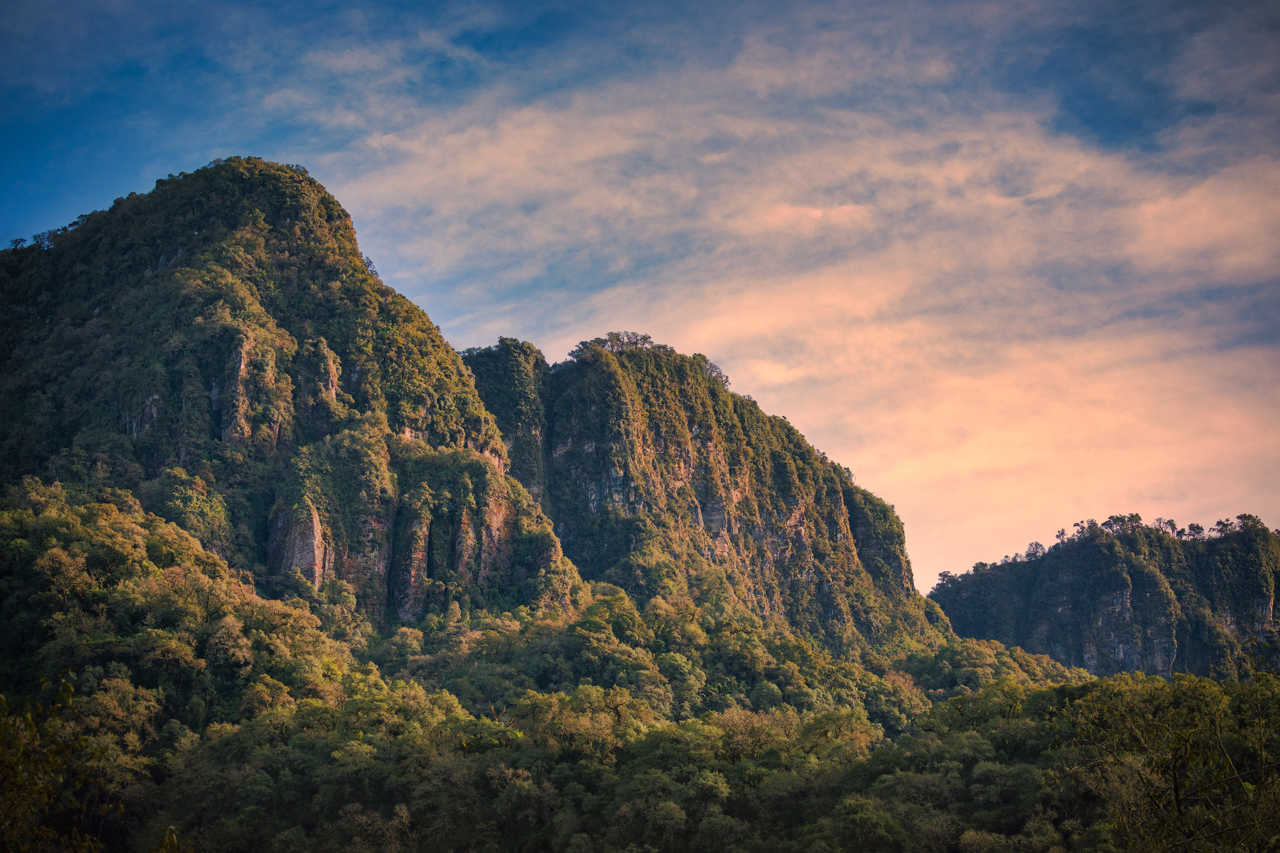
Early in the morning, we will take in some forest birding at Huaico Reserve, which protects a unique stand of Yungas Cloudforest carpeting the San Lorenzo mountain ridge.
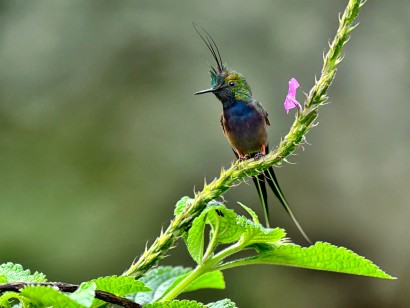
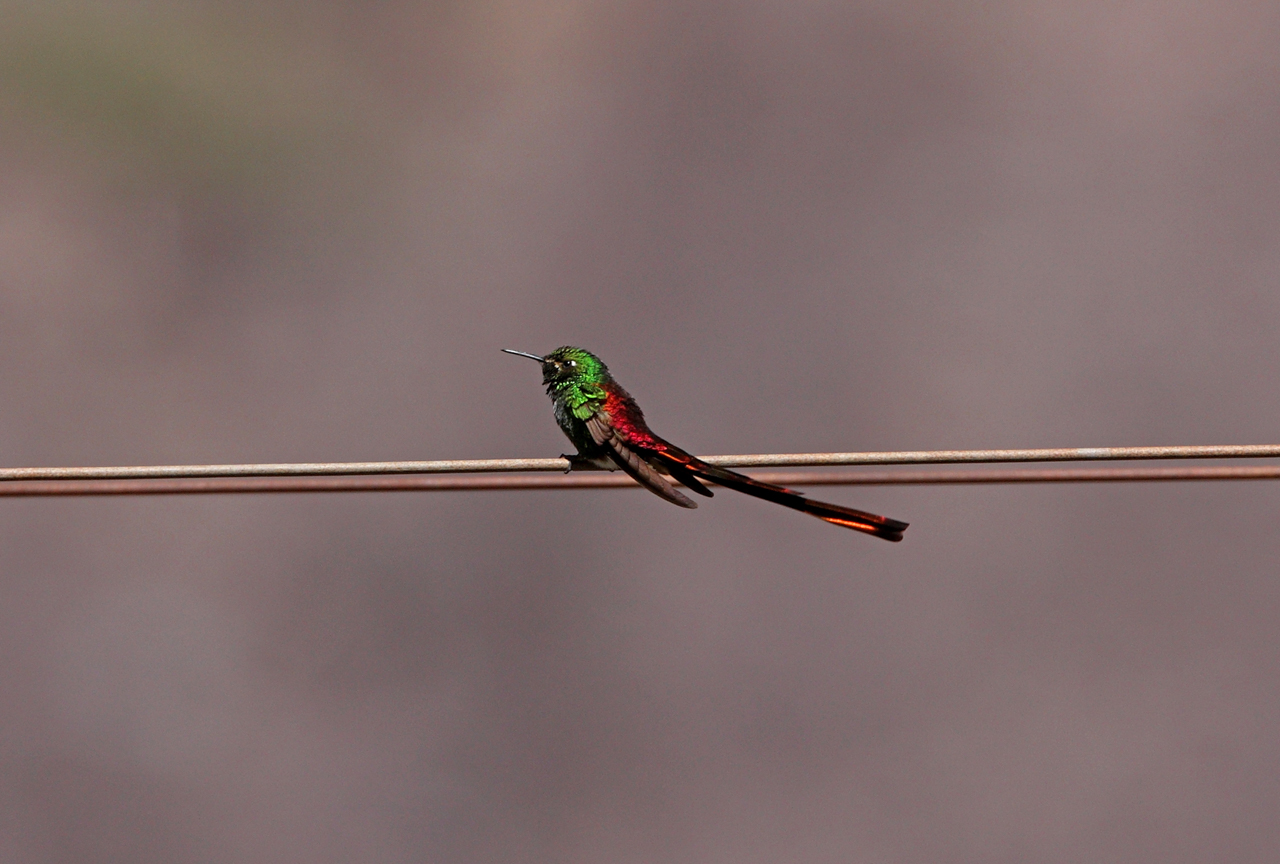
Here we plan to walk the trails in search of the stunning Cream-backed Woodpecker, Golden-olive Woodpecker, and the minute Ocellated Piculet, plus noisy flocks of Mitred Parakeet and Scaly-headed Parrot. White-bellied Hummingbird, Red-tailed Comet, and Slender-tailed Woodstar are amongst the possibilities too.
The list of passerines may include the beautiful Fawn-breasted Tanager, White-winged Becard, Brown-capped Redstart, Stripe-crowned and Azara's Spinetails, Buff-browed Foliage-Gleaner, a fine collection of Tyrannulets including Rough-legged, Mottle-cheeked, White-throated, and Sclater's, plus Pale-legged Warbler, the minute Mountain Wren, and two beauties of the bushes: Fulvous-headed and White-browed Brushfinches.
In the afternoon, we drive northwards into Jujuy province to Calilegua town, where we plan to arrive for some local birding before a good dinner and sleep at a local hosteria, where we will spend two nights near the entrance to Calilegua National Park.
Day 4: Calilegua National Park
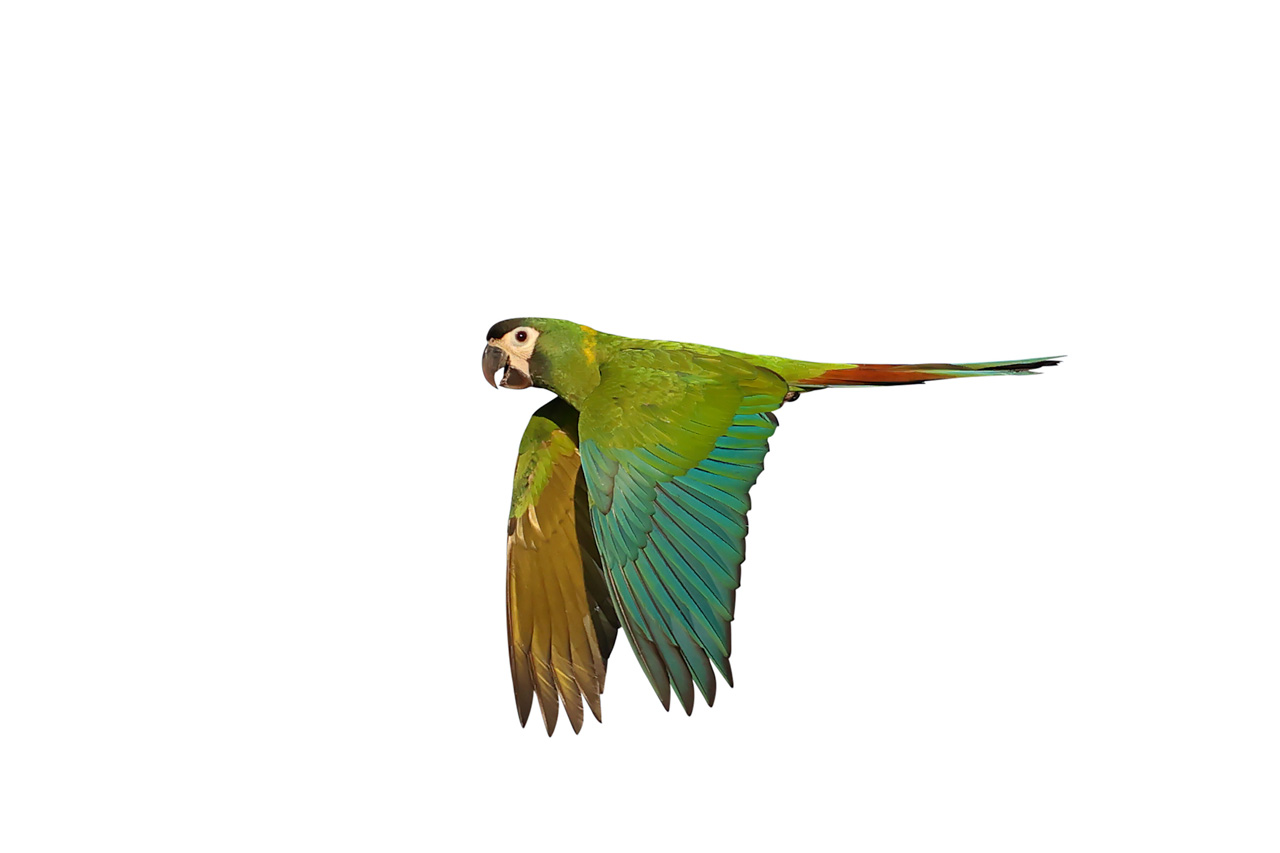
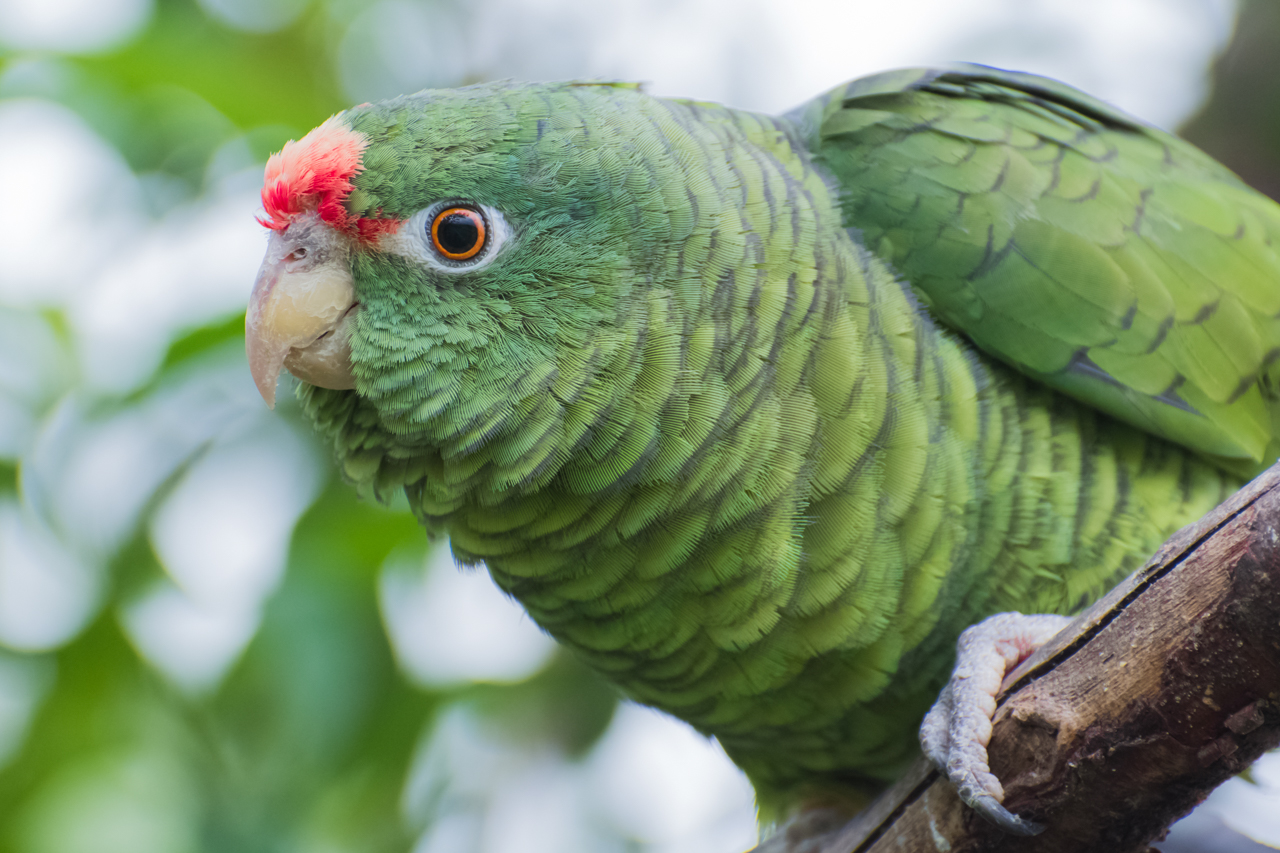
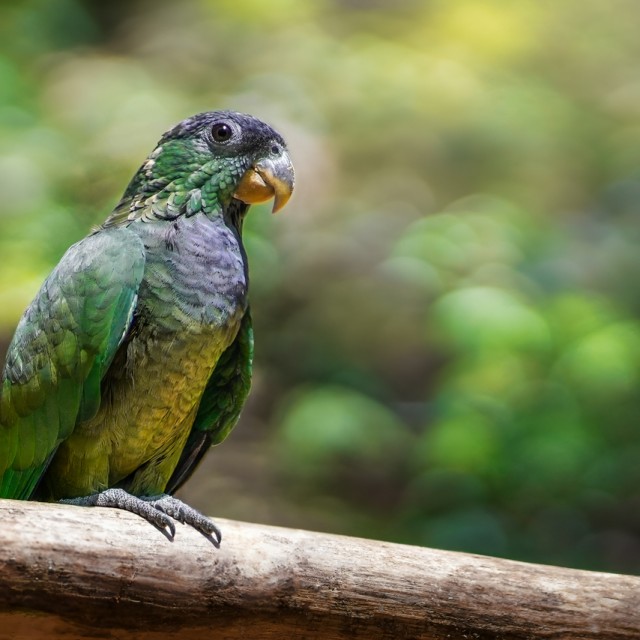
Calilegua National Park encompasses 70,000 hectares of rugged country with deep valleys and vertical slopes carpeted by dense Yungas Forest, and almost permanently immersed in clouds and life-giving mist. Today we will concentrate on birding the higher section of the park and the contiguous Loma Chata Reserve in order to look for those rather tame but difficult-to-spot White-throated Antpitta and Giant Antshrike as they call from the thickets. Here we also hope to find the endangered Red-faced Guan and White-throated Quail-Dove foraging on the forest border. Yellow-collared Macaw and the endangered Tucuman Amazon will hopefully catch our attention with their loud calls from the tops of taller trees.
In the middle strata, Squirrel Cuckoo, Planalto Hermit, Blue-capped Puffleg, Speckled Hummingbird, and Dot-fronted Woodpecker must be mentioned amongst the long list of realistic possibilities for today. Listening to calls and watching for movements in the canopy, we should find some of the subtropical forest inhabitants such as Chestnut-vented Conebill, Golden-rumped Euphonia, Rust-and-Yellow Tanager, Rusty-browed Warbling-Finch, Black-backed Grosbeak, Alder Flycatcher, and Slaty and Yellow-bellied Elaenia. Raptors are always unpredictable, although Barred Forest Falcon, the elegant Swallow-tailed Kite, White-rumped Hawk, Short-tailed Hawk, and King Vulture must be mentioned as very likely sightings. We will spend a full morning exploring the highest area of the park and the Loma Chata Reserve at about 1,800 meters.
In the afternoon, we will also bird the lowest section of Calilegua National Park, where we look for Yungas Pygmy Owl, Blue-crowned Trogon, and the Amazonian Motmot, although easier to spot will be the spectacular Crested Oropendola and the inquisitive Plush-crested Jay. Amongst the small deep forest residents, we will be trying for Ochre-faced Tody-Flycatcher, Pearly-vented Tody-Tyrant, and Ochre-cheeked Spinetail, but even the scarce Black-capped Antwren is a good possibility in this area. We will return to the hosteria in Calilegua for the night.

Day 5: Calilegua National Park / Yala
This morning, we will look at a roadside pond that may produce Muscovy Duck, Gray-cowled Wood-Rail, and Rufous-sided Crake. We will also look in the area for Chestnut-capped Blackbird, Greater Thornbird, and noisy flocks of Green-cheeked Parakeet.
The road we follow today will take us to a large wetland where we hope to find Southern Screamer, Giant Wood Rail, Ringed and Green Kingfishers, plus a variety of egrets, ibises, and ducks.
After some exciting although easy birding here, we keep on driving southwards along sugar-cane cultivated valleys and small islets of Basal Cloudforest still surviving amidst citrus, tobacco, and soy plantations. Soon we reach a drier forest known as Transitional Chaco habitat, where we will be looking for several specialities such as Blue-crowned Parakeet, Turquoise-fronted Amazon, Pearly-vented Tody-Tyrant, and the attractive Southern Yellowthroat amongst many others.
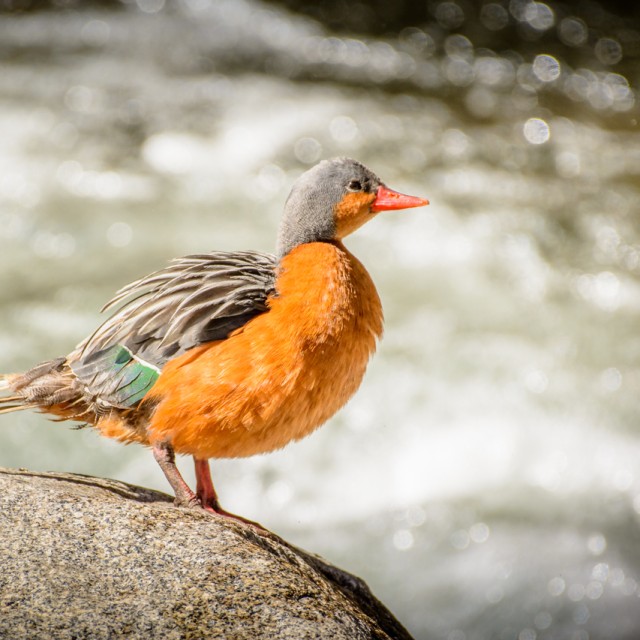
Later we reach the Yungas forest again at Yala River, where we hope to find the scarce Rufous-throated Dipper bobbing on rocks amid the fast-flowing water and also Torrent Ducks diving through the maelstroms in their own unique fashion. This protected site will also provide chances for many other interesting species such as the localized Spot-breasted Thornbird, Plumbeous Black-Tyrant, Rust-and-Yellow Tanager, and Smoke-coloured Pewee. Other common citizens here will be Mitred Parakeet, Dusky-capped Flycatcher, Rufous-browed Peppershrike, Purple-throated Euphonia, and Andean Slaty Thrush.
We will stay for one night at a hosteria in Yala at c. 1,400 m. After dinner, we will look for both Tropical Screech-Owl and Lyre-tailed Nightjar amidst great habitat of moist grass and epiphytes.

Day 6: Yala / Humahuaca
Today we will spend the early morning birding the surrounding forest, and another section of Yala River will offer good chances for finding, perhaps for a second time, Torrent Duck and Rufous-throated Dipper.
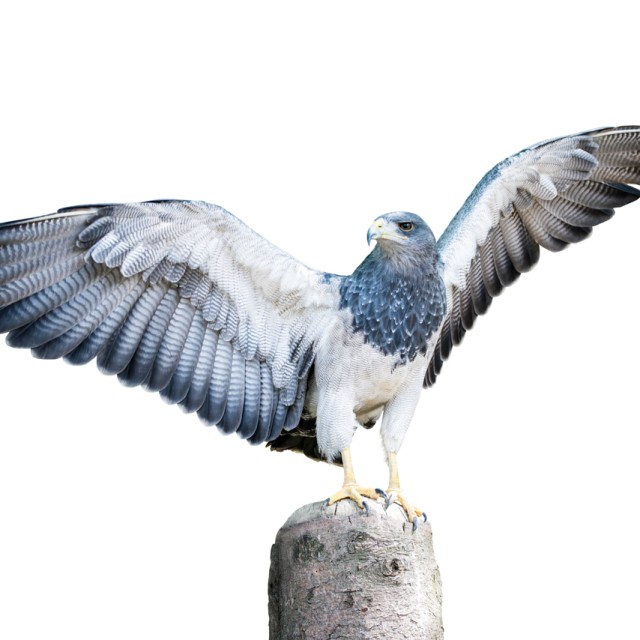
Huge mountain ridges creating deep valleys here are favourite habitat for large raptors, including the endangered Black-chested Buzzard-Eagle, which we will keep a constant lookout for overhead. We continue driving northwards, ascending along the dramatic landscapes of Barcena slope and Volcan Canyon to the even more spectacular Humahuaca Canyon, where we will spend some time walking in search of the endemic Bare-eyed Ground Dove, plus others such as Band-tailed Seedeater, Gray-hooded Parakeet, and the attractive Blue-and-Yellow Tanager. A small pond bordered by reeds might produce close views of Plumbeous Rail, Red-fronted Coot, and Andean Ruddy Duck.
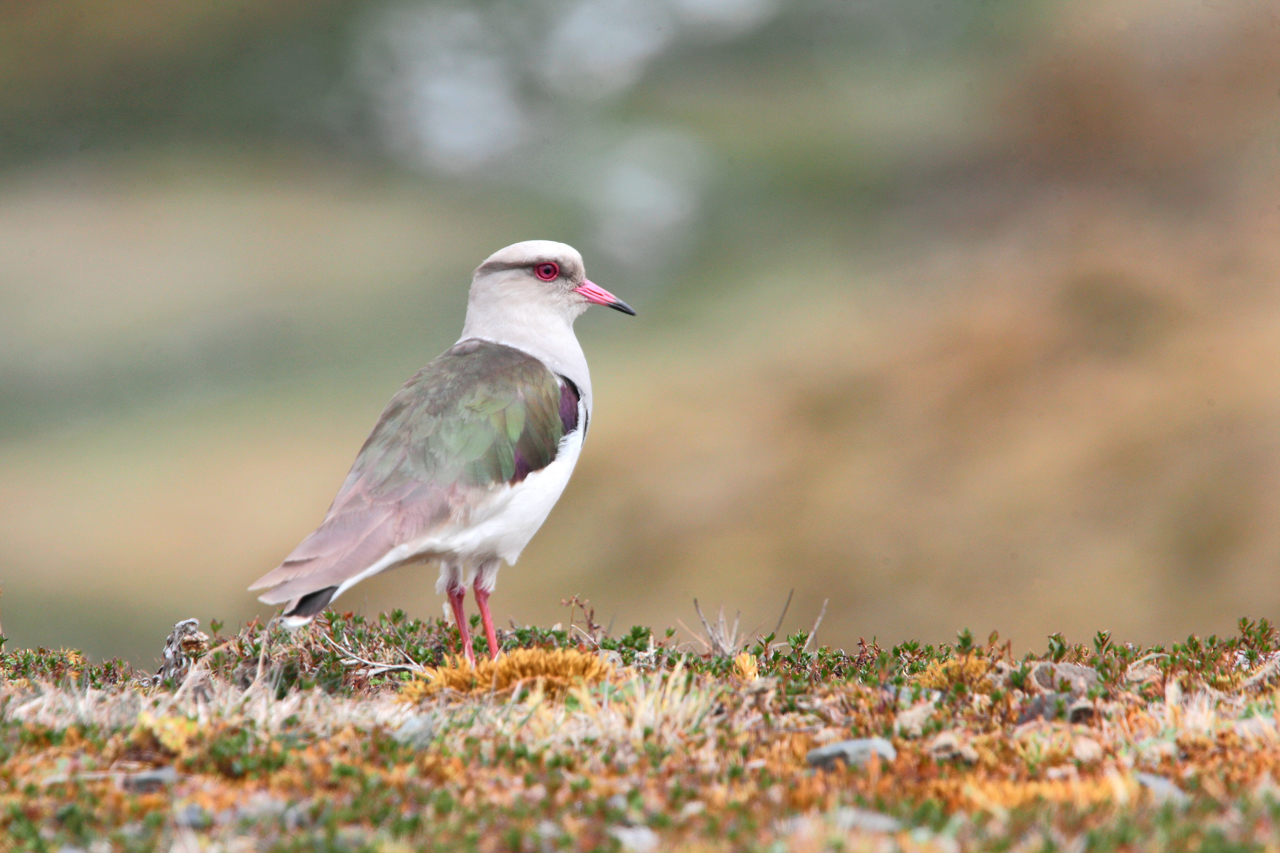
Later we keep on travelling northwards, and in a show of contrasts as we gradually gain elevation, species to expect include Andean Swift, Andean Lapwing, Buzzing (Rufous-banded) and Puna Miners, Rusty-vented Canastero, Streak-fronted Thornbird, Mourning Sierra-Finch, Greenish Yellow-Finch, and the localized Brown-backed Mockingbird. The attractive geological formations and the varied colours of the mountains give an adequate frame to ancient adobe villages, old churches of Cuzco influence, and other cultural aspects of Humahuaca Canyon, which was declared a World Heritage Site a few years ago.
Later in the afternoon, we will arrive in Humahuaca town, where we will stay for the next two nights at a comfortable hotel.
Day 7: Lake Pozuelos National Monument
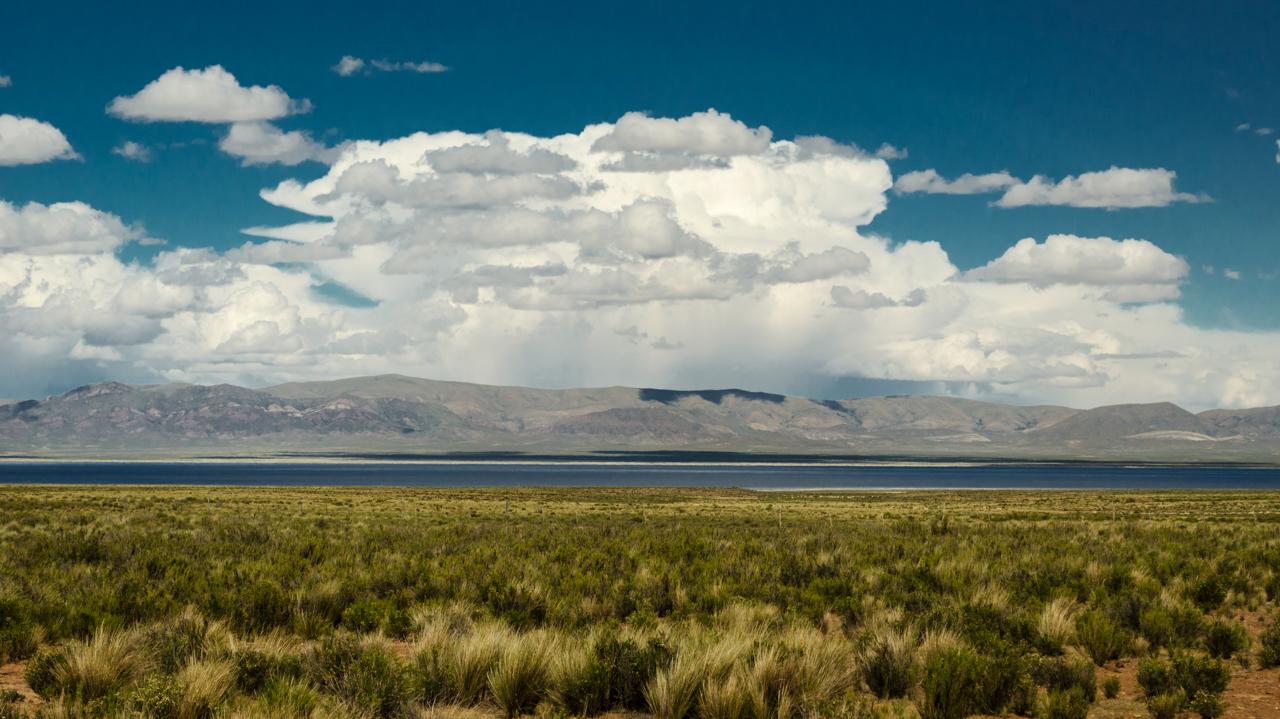
We will depart early in the morning for an unforgettable journey into the altiplano wilderness from Humahuaca. We will drive northwest for a couple of hours until reaching Lake Pozuelos at c. 3,700 m in a mountain-ringed basin with shallow brackish water at the northern corner of the altiplano in Jujuy. Ornate Tinamous can be spotted crossing this solitary dirt track, and Vicuña, the most elegant of the four South American camelids, will be sighted running in small herds across the plain. The ravines are inhabited by some highly specialized furnariids such as Slender-billed and Puna Miners, Rock Earthcreeper, plus several attractive singers such as Band-tailed Sierra-Finch, Thick-billed Siskin, Puna Yellow-Finch, and the rather unobtrusive Golden-spotted Ground Dove.
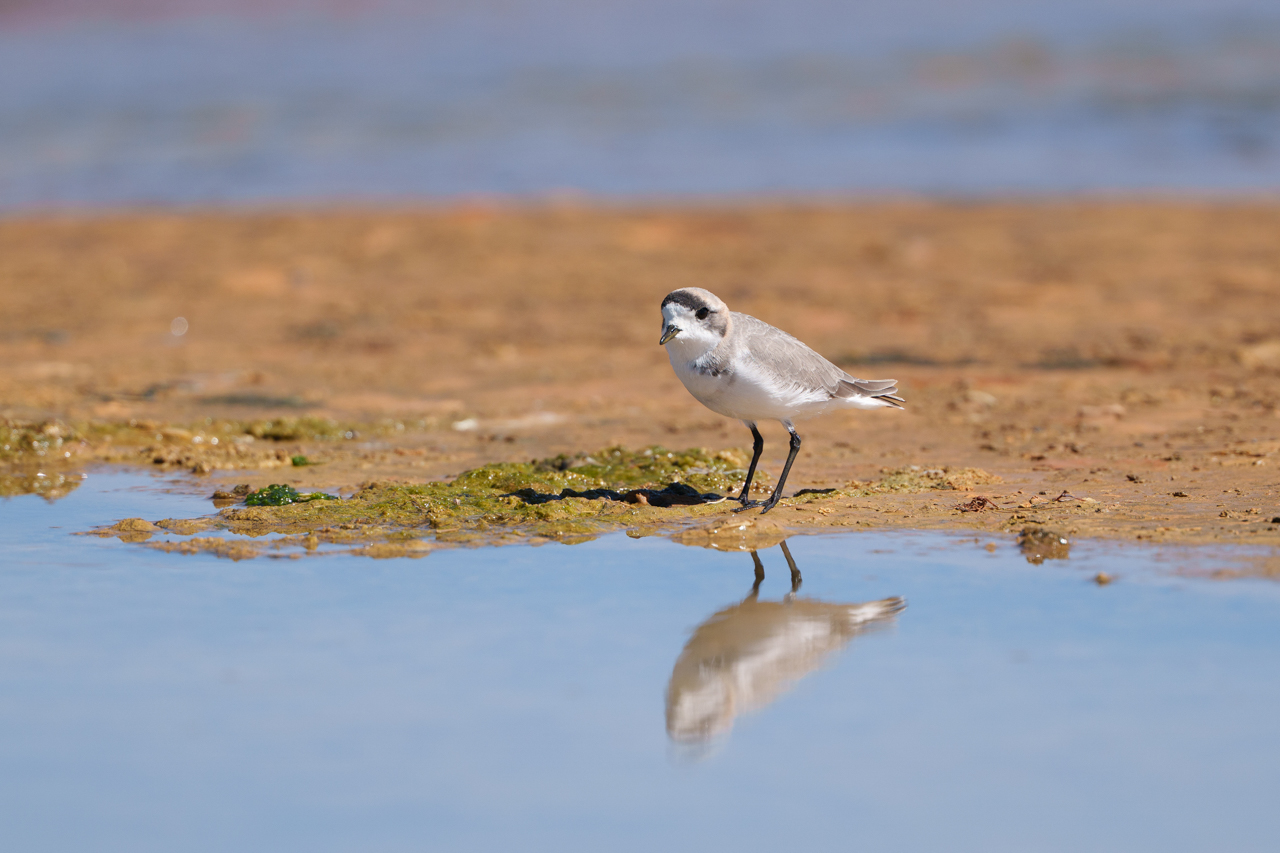
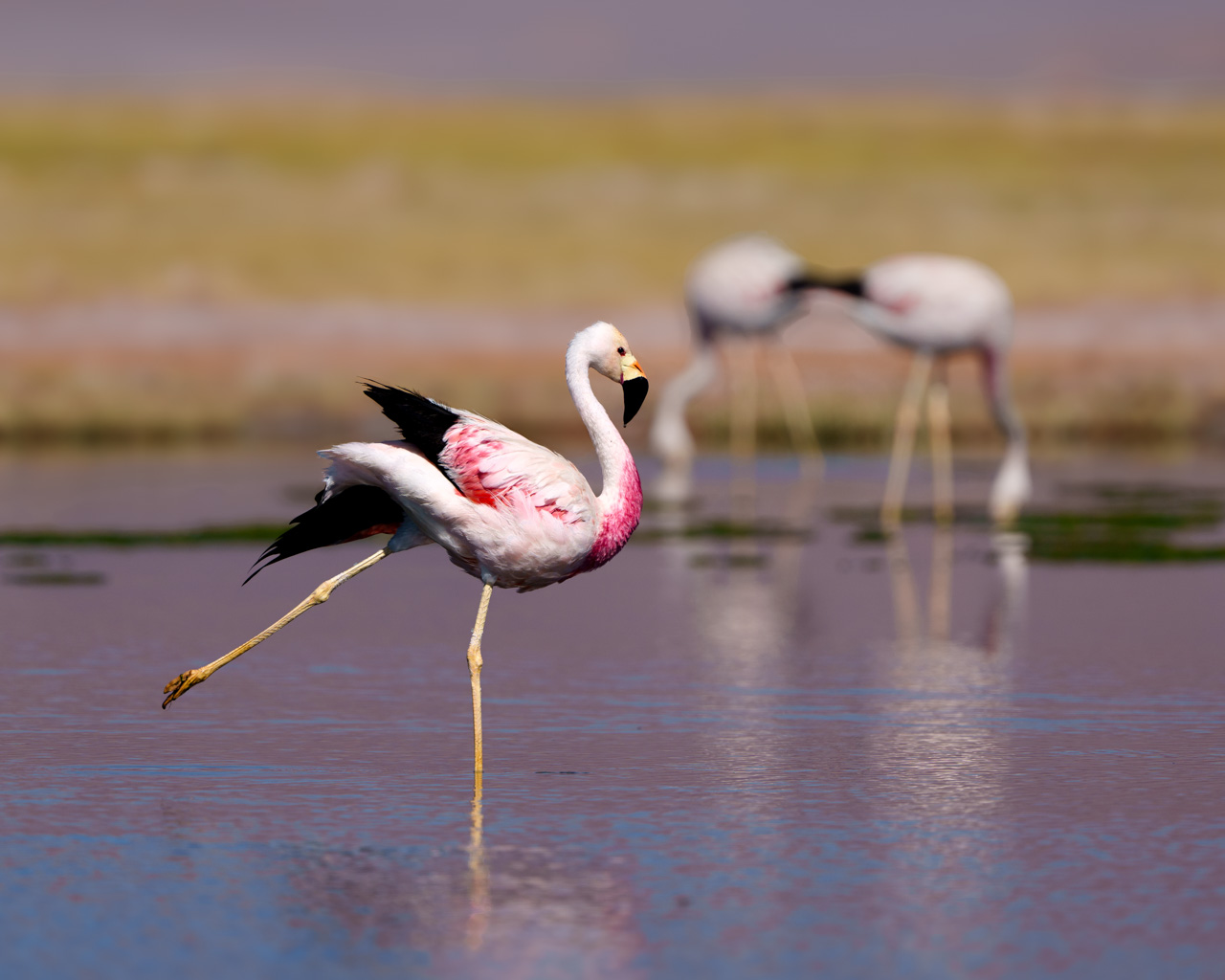
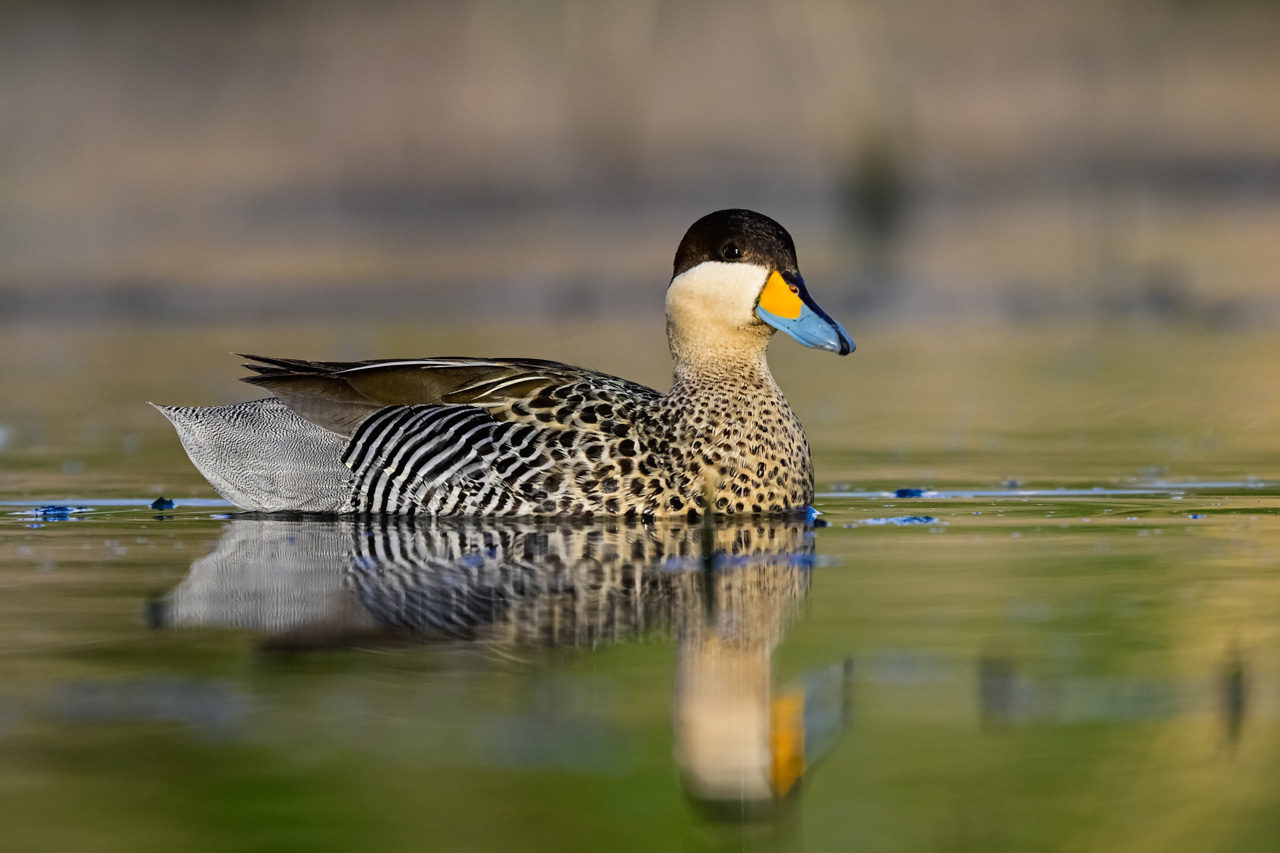
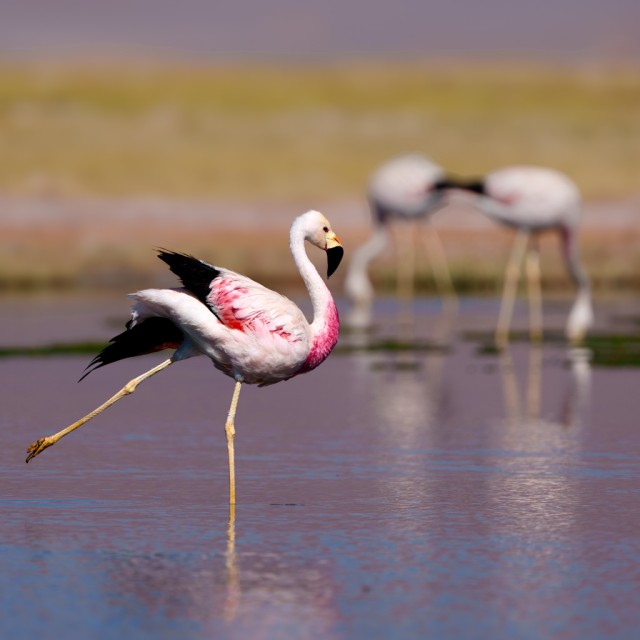
We plan to reach Pozuelos by mid-morning and spend the rest of the day exploring this magnificent Natural Monument, where we hope to find some of the most attractive Andean avifauna, including James’s and Andean Flamingos, Lesser Rhea, Silvery Grebe, Andean Goose, Puna Teal, Andean Avocet, Puna Ibis, Mountain Caracara, the localized Giant Coot, Puna Plover, and a host of migratory shorebirds such as Baird's and Pectoral Sandpipers, plus Wilson's Phalarope. We return to Humahuaca in the afternoon.
Day 8: Humahuaca Canyon / Moldes
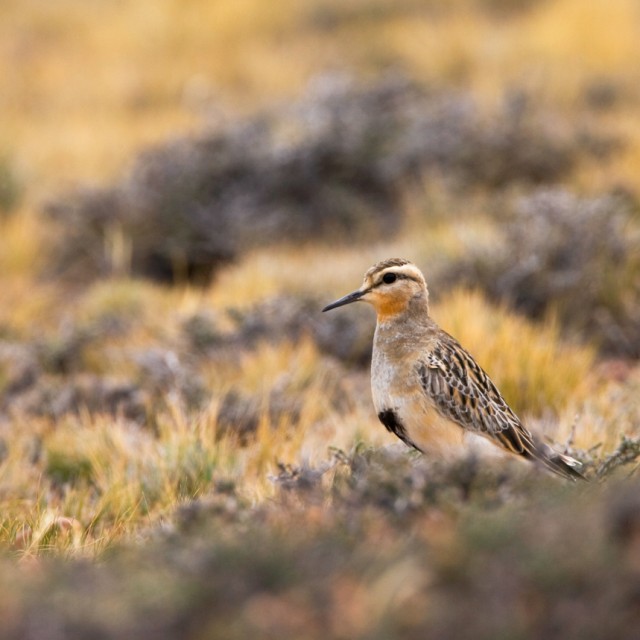
Today we will retrace our steps from the Altiplano, driving down and southwards along a paved road while doing birding stops at different altitudes and various places with fantastic grassland Andean habitat. We plan to spend the day looking for those species we might be missing from previous journeys that might include some of the camouflaged species that will prove rather difficult to spot, such as Tawny-throated Dotterel together with a selection of Ground-Tyrants such as Cinereous, Ochre-naped, and Rufous-naped. Amongst the likely attractions, we must mention Variable Hawk, Aplomado Falcon, Sparkling Violetear, Andean Hillstar, Giant Hummingbird, Andean Flicker, and Mountain Parakeet.
Sandy borders of shallow streams will provide the best chances for Scale-throated Earthcreeper and White-winged Cinclodes. Amongst the songbirds, Grey-hooded and the striking Black-hooded Sierra-Finches are characteristic of shrubby slopes and gullies, but everywhere the fantastic landscape of Humahuaca Canyon and the Yacoraite geological formation will keep us busy taking photographs and enjoying the grandeur of this land.
Lower down from Volcan, we return to the cloudforest along the ancient road crossing the Santa Laura mountain ridge, where we have further chances for the always unpredictable Red-legged Seriema.
We plan to stop along the way to look for the Rufous-fronted Thornbird at its hanging nest, Pale-breasted Spinetail, and Great Antshrike calling from the understory while a Swallow-tailed Kite crosses the road flying low. We will spend the next two nights in Moldes town at a local Hosteria.
Day 9: Los Cardones National Park
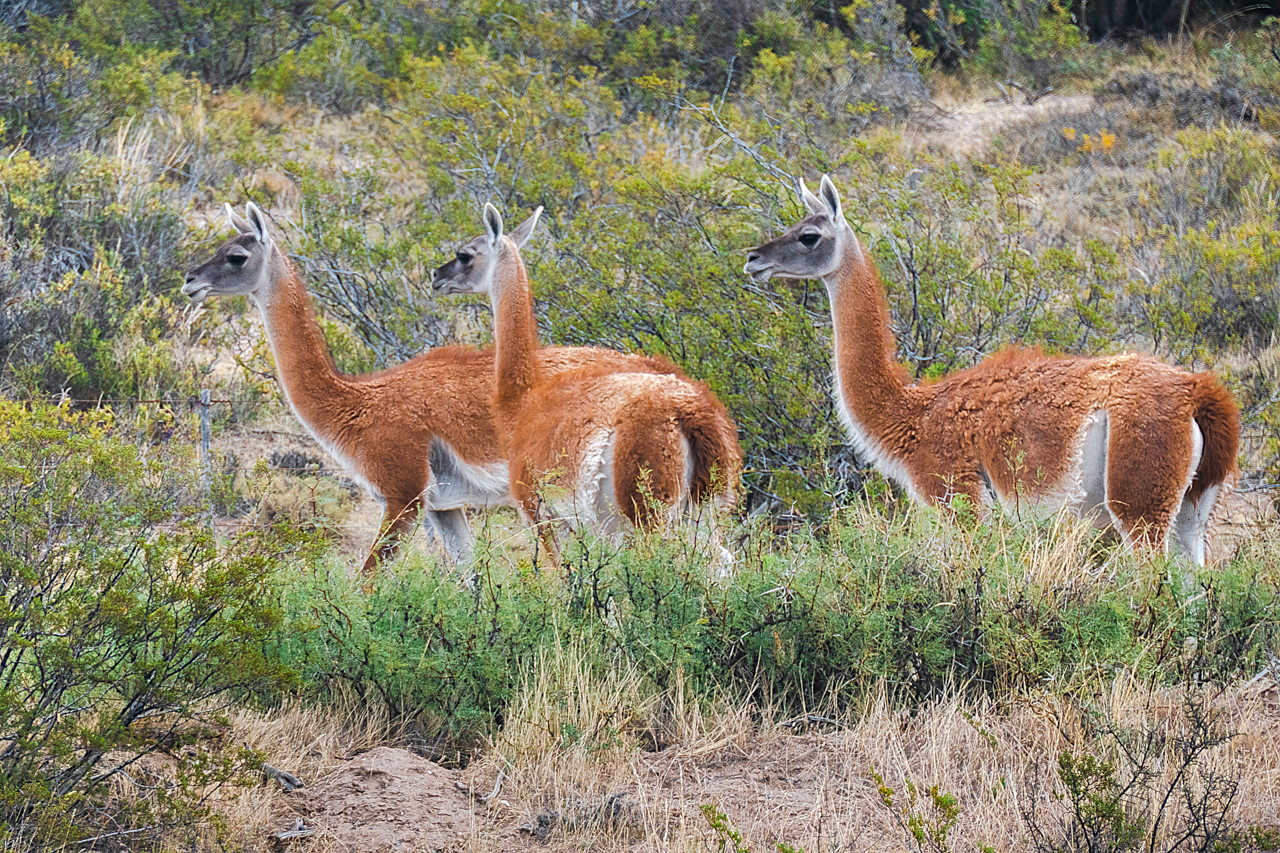
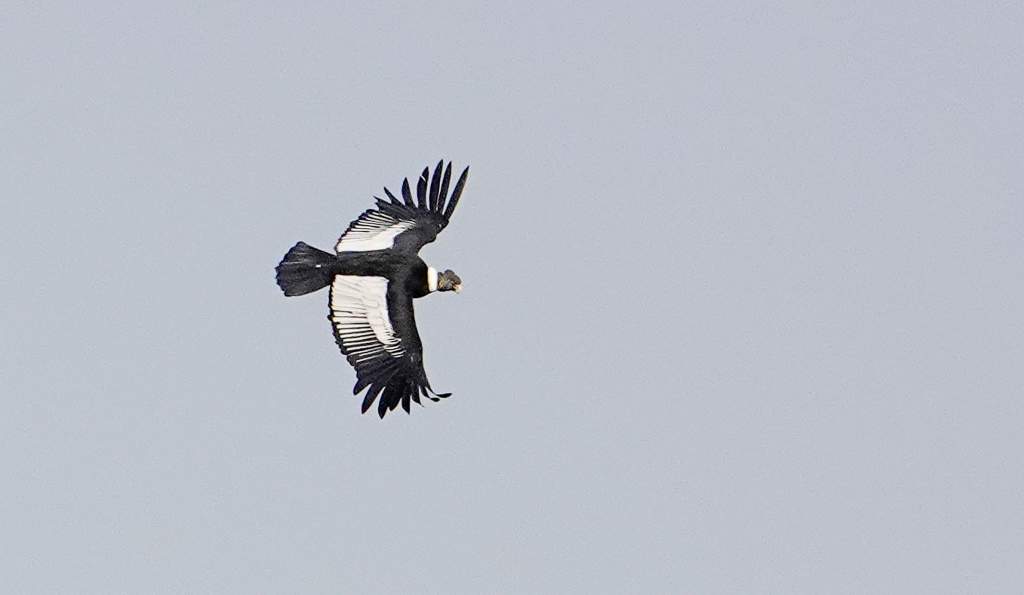
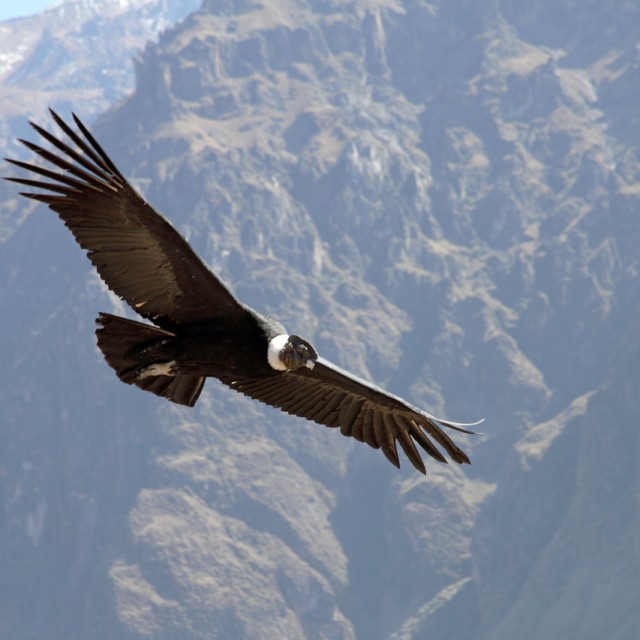
We will head out early to make the most of a full day in Los Cardones National Park. We will see spectacular cacti-clad slopes and towering peaks rising to more than 5,000 metres in the Subandean ranges southwest of Salta. Andean Condor can be found soaring over the ridges or just below us along deep valleys, whilst herds of Guanacos, a wild South American camelid, run across the Puna grassland.
The winding road crosses the river and climbs up the Escoipe Canyon to 3,500 metres, where Black-chested Buzzard-Eagle, Andean Tinamou, and Black-billed Shrike-Tyrant are very likely sightings. We actually plan to spend some time outside the park to take short walks along vegetated gullies supporting the scarce Maquis Canastero, Brown-capped Tit-Spinetail, Yellow-billed Tit-Tyrant, White-winged Black-Tyrant, Black Siskin, Rusty Flower-piercer, Rufous-sided Warbling-Finch, and the scarce near-endemic Rufous-bellied Saltator. Flowering tobacco bushes attract the striking Red-tailed Comet.
Once inside the park, we plan to spend a couple of hours exploring the trails along the Enchanted Valley in search of the localized Zimmer's Tapaculo and the scarce endemic Tucuman Mountain Finch. In the afternoon, we will return to Moldes.
Day 10: Las Conchas Canyon / Cafayate / Amaicha del Valle
We will start the day walking and birding the nearby semi-arid Monte forests, where we will devote some time to looking for Burrowing Owl, White-barred Piculet, and the scarce Black-crested Finch. A drier section of habitat in this area will provide good chances of finding a Crested Gallito or even the hard-to-spot Black-legged Seriema.
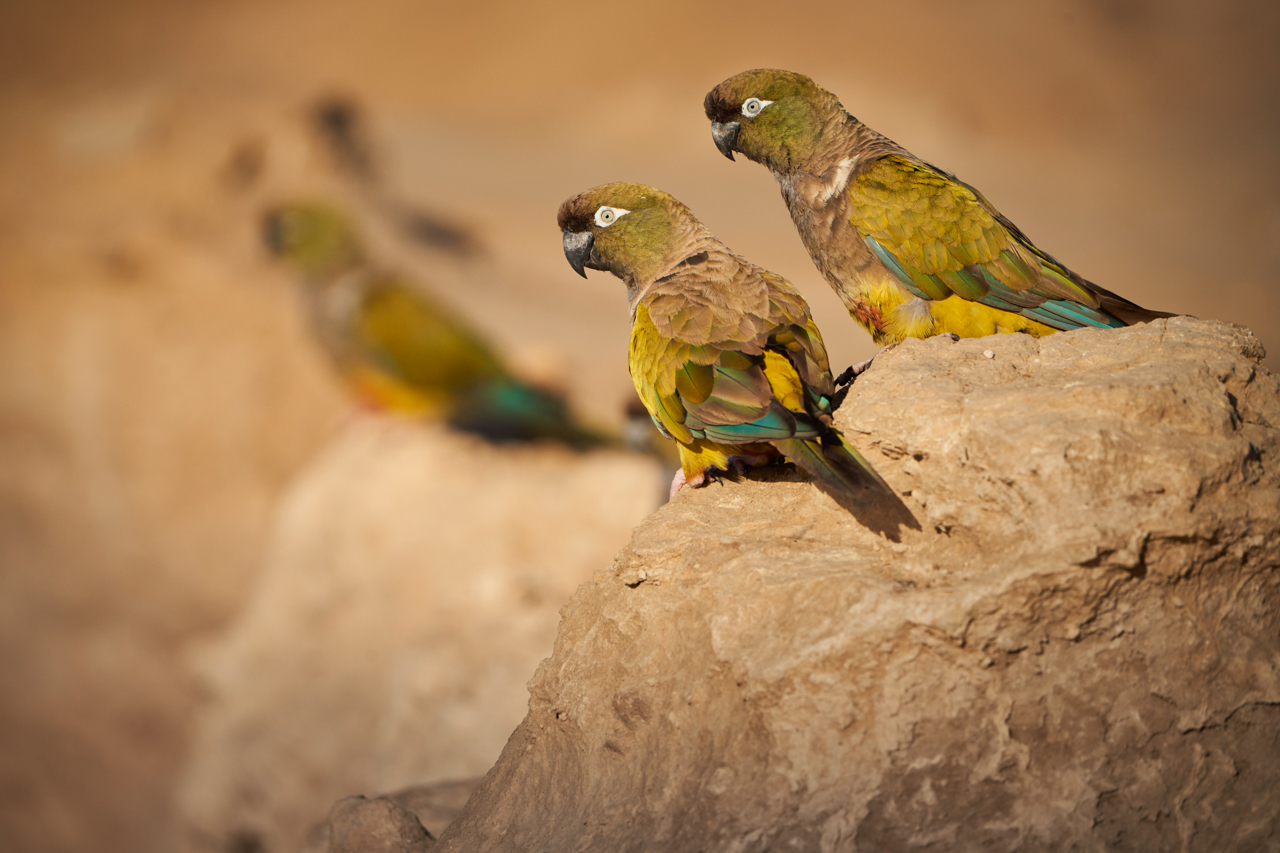
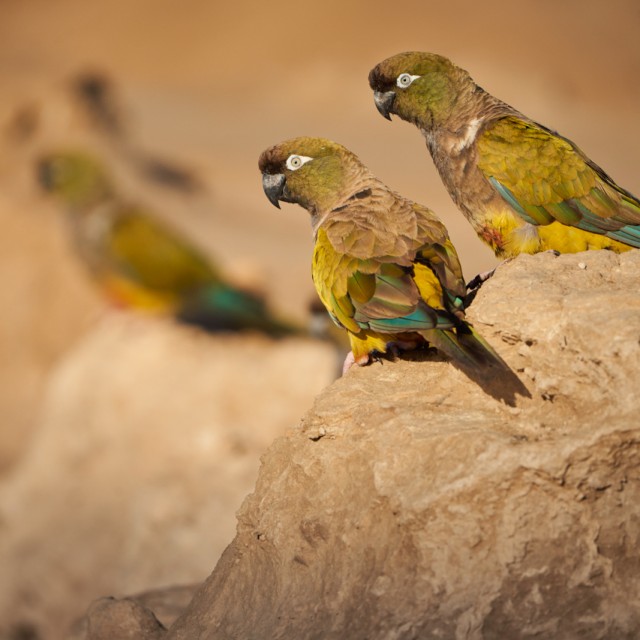
We then set out on a scenic drive along Las Conchas Canyon, where yet another endemic, the recently described Monte Yellow-Finch, can be found. Large flocks of Burrowing Parrots will be found near the crop fields, while pairs of White-fronted Woodpeckers can be spotted atop cactus trees. The long list of possibilities to add to our checklist today includes Cliff Flycatcher, Checkered Woodpecker, Harris's Hawk, Long-tailed Meadowlark, White-browed Blackbird, and Spectacled Tyrant.
Later in the afternoon, we reach the beautiful and peaceful town of Cafayate, capital of the wine region in the north of the country, where celebrated Malbec and Torrontés brands are produced at their best. We proceed southwards to the Amaicha del Valle area in Tucumán province, where we will be staying at a local hotel in Amaicha.
Day 11: Aconquija Mount – Tafi del Valle
We will spend a full morning devoted to exploring the surrounding Monte semidesert habitat in this rainshadow valley of the Santa María River. Here we will be looking for two endemics, the furnariid White-throated Cacholote and the hard-to-spot Sandy Gallito. Our birding stops will hopefully produce many other specialities such as Burrowing Parrot, Blue-tufted Starthroat, White-banded Mockingbird, Elegant Crested-Tinamou, White-tipped Plantcutter, the beautiful Chaco Warbling-Finch, and another endemic, the very local and scarce Steinbach's Canastero.
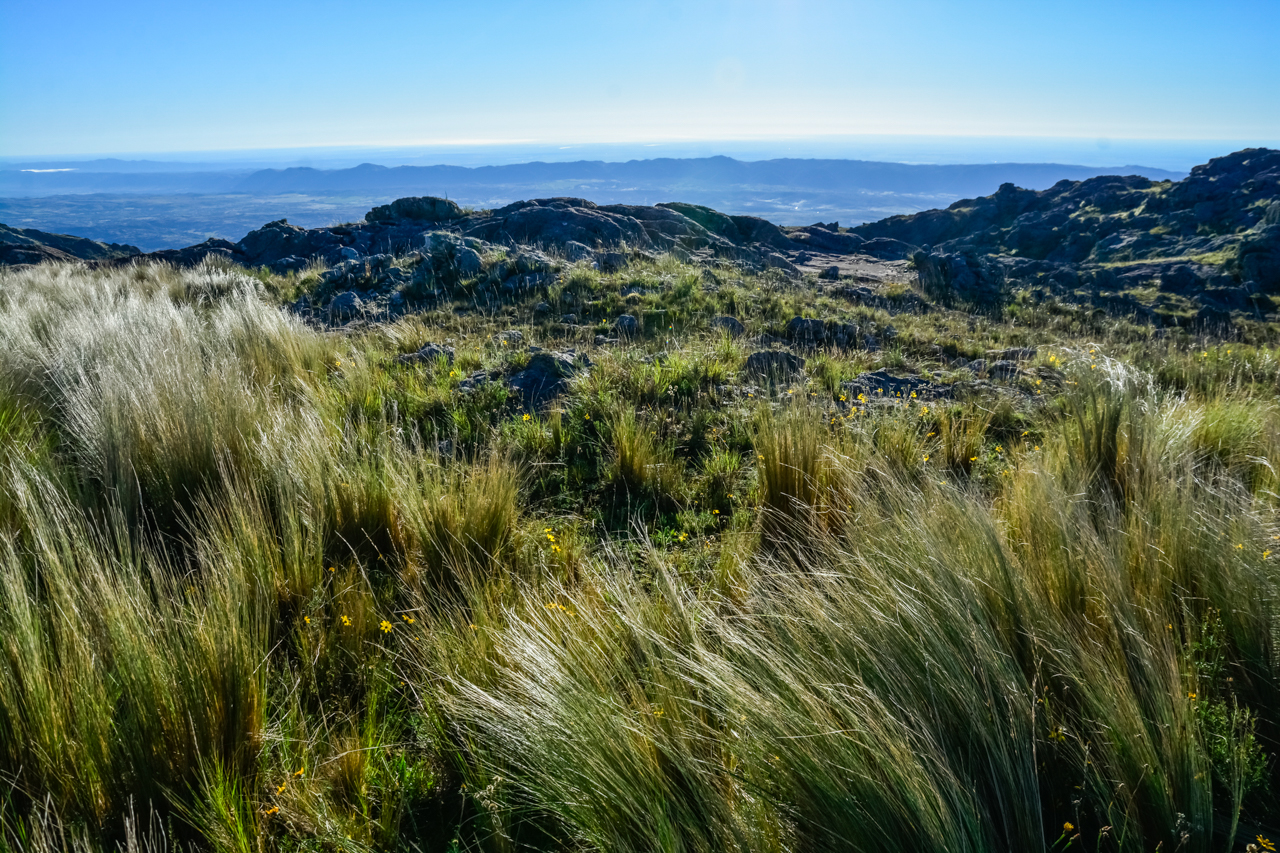
Then we will drive slowly, climbing up along the western slopes of the Aconquija mountain ridge to the famous Infiernillo mountain pass, just below 10,000 feet (3,000 m). In this fantastic setting of Andean tall grassland, we will be looking for such delicacies as Scribble-tailed and Puna Canasteros, Andean and Ornate Tinamous, Slender-billed Miner, Hellmayr's Pipit, the near-endemic Buff-breasted Earthcreeper, and the endemic Bare-eyed Ground Dove.
Anywhere in these mountains, we might suddenly spot Variable Hawk, Black-chested Buzzard-Eagle, or the majestic Andean Condor coming close to inspect us.
After a very productive day of birding we arrive at the mountain village of Tafí del Valle, where we will stay at a comfortable hotel for two nights.
Day 12: Tafi del Valle
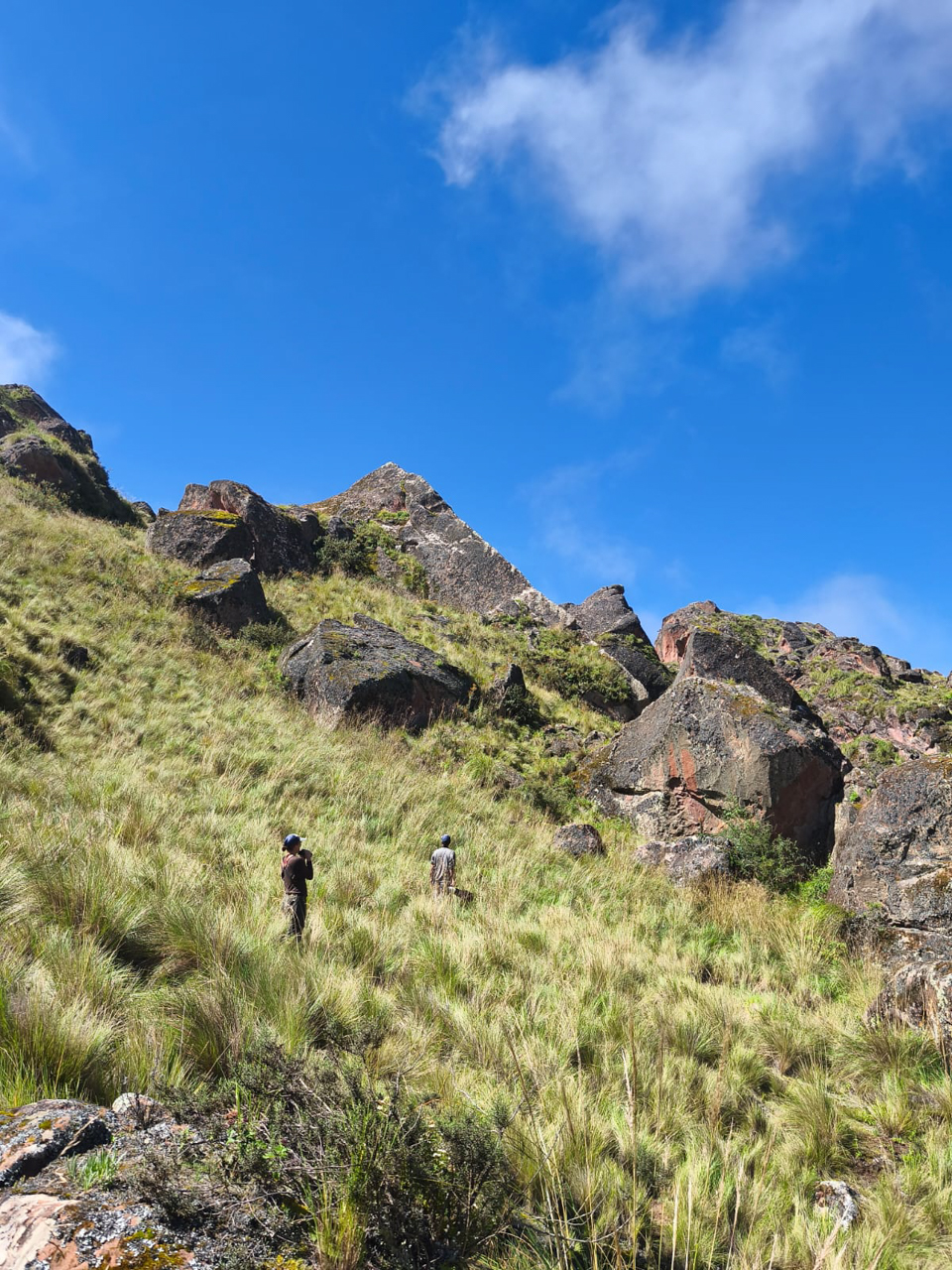
Tafí del Valle is a strategic location on the eastern slope of the Aconquija ridge, and we will take full advantage of this exciting location. We plan to drive down the slope along Los Sosa Canyon and also back to higher elevations along the western slope, where we will devote plenty of time in search of the scarce Paramo Pipit, Scribble-tailed Canastero, and the endemic Tucuman Mountain Finch.
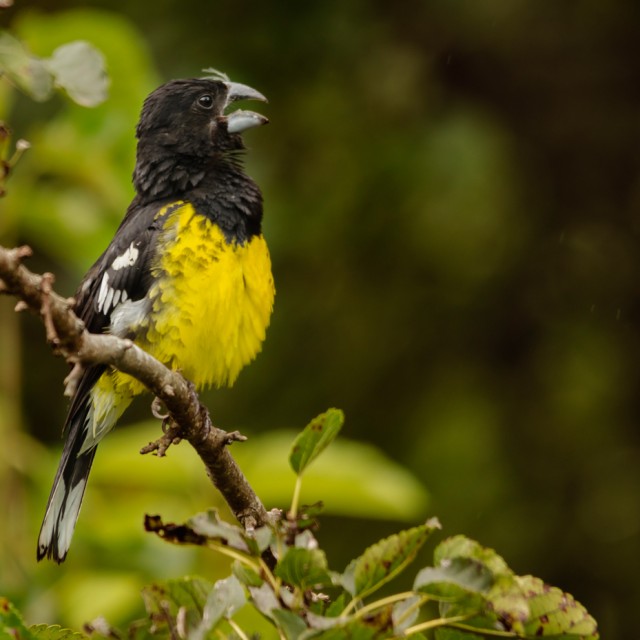
In the Yungas wet forest below Tafí, we will be looking for the beautiful endemic Yellow-striped Brush-Finch and other cloudforest residents that will be new for us. This may include Black-backed Grosbeak, Moss-backed Sparrow, Streak-throated Bush-Tyrant, Slender-tailed Woodstar, Golden-winged Cacique, Dot-fronted Woodpecker, Band-tailed Pigeon, and even the rare Solitary Eagle is a possibility here.
In the deep gullies above Tafí, we will look for the endemic White-browed Tapaculo and a host of mountain birds, including several attractive flycatchers. We will spend the night in Tafí del Valle.
Day 13: Tafi del Valle / Recreo
The large lake in front of Tafí will provide good birding from the shore and with chances for Andean Gull, Andean Lapwing, Andean Goose, and a variety of ducks.
This morning there will also be time for birding the Yungas forest carpeting the slopes of Los Sosa Canyon, providing a second chance to search several stretches of the river for the attractive Torrent Duck and the unique Rufous-throated Dipper.
Then we head south along a paved road into the new Chaco habitat and to the town of Recreo for our overnight stay at a local hotel.

Day 14: Salinas Grandes / Dean Funes
Recreo is a small locality near the large saltflats known as Salinas de Ambargasta and Salinas Grandes. Today, in the early morning, we set out into Chaco habitat travelling towards the northern border of the Salinas Grandes. Chaco habitat is a vast and very biodiverse mixture of savanna and forest in this region of Argentina hosting another suite of endemic and local species.
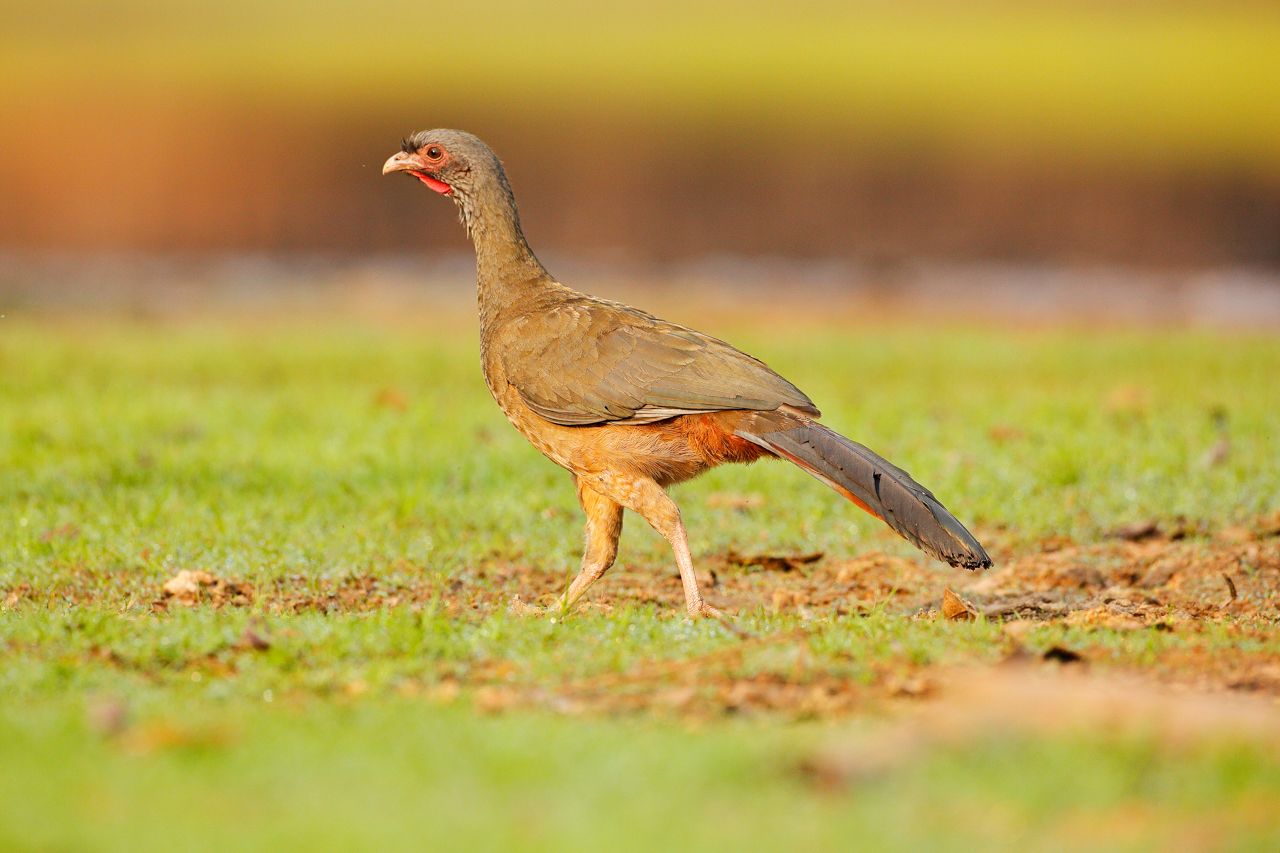
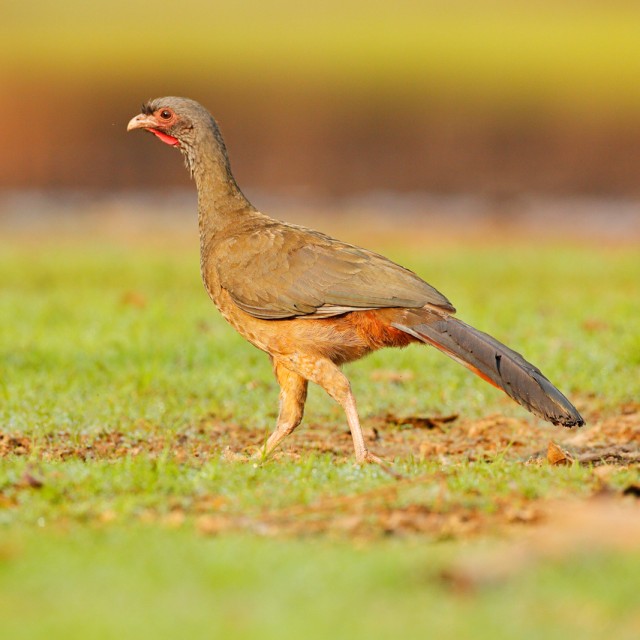
Some excellent birding in Chaco habitat is awaiting us in the surrounding woodland, including noisy flocks of Chaco Chachalaca, the endemic Cinnamon Warbling-Finch, and the scarce Spot-winged Falconet.
Amongst the furnariids, we will be looking for Chaco Earthcreeper, Crested Hornero, the restless Lark-like Brushrunner, and Stripe-crowned Spinetail, Short-billed Canastero, Firewood Gatherer. If luck is on our side we may also find Sooty-fronted and Austral Spinetails, Tufted Tit-Spinetail, Little Thornbird, plus the spectacular Brown Cacholote and Crested Gallito, which we will try for close-up views.
One of our main targets for today is the endemic and very attractive Salinas Monjita. They are only found in the saltflats of this region and Argentina and we plan to spend a couple of hours birding in appropriate habitat before driving south to our hotel in Deán Funes for a good rest and dinner.
Day 15: Chaco Serrano / Icho Cruz
This morning, we will drive further south, birding en route at some very productive spots of Chaco habitat in search of the shy Black-legged Seriema, Spot-backed Puffbird, and many others. Even the scarce and endangered Chaco Eagle is a realistic possibility in this area.
Other possibilities for today include Variable and Great Antshrikes, Bran-colored Flycatcher, Pearly-vented Tody-Tyrant, Straneck's Tyrannulet, Tawny-crowned Pygmy-Tyrant, Yellow-billed Tit-Tyrant, and the loud vocalizer, Greater Wagtail-Tyrant.
Later, we turn west towards Uritorco Mount, birding along a large section of Chaco Serrano habitat where we will look for a few specialities such as the spectacular Scimitar-billed Woodcreeper and the scarce Black-bodied Woodpecker. After lunch, we keep on driving southwards for some 80 km to the small summer village of Icho Cruz. The surrounding gardens of our hotel are full of flowers, which are a magnet for the spectacular Red-tailed Comet, while in the evening we will try in the surroundings for Ferruginous Pygmy-Owl.
We will stay here at Hosteria Icho Cruz for a couple of nights.

Day 16: Pampa de Achala
Just outside our hotel, we'll begin birding as we drive along the Altas Cumbres road, which gradually climbs into the mountains. Along the way, we'll explore at varying altitudes in Pampa de Achala and Quebrada del Condorito National Park. Covering roughly 90 km to the summit at about 2,200 m, we'll search for Andean Tinamou and Darwin's Nothura, along with a number of other highlights, including the local race of Streak-backed Canastero, the endemic Olrog's Cinclodes and Cordoba Cinclodes, and the striking Olive-crowned Crescentchest.
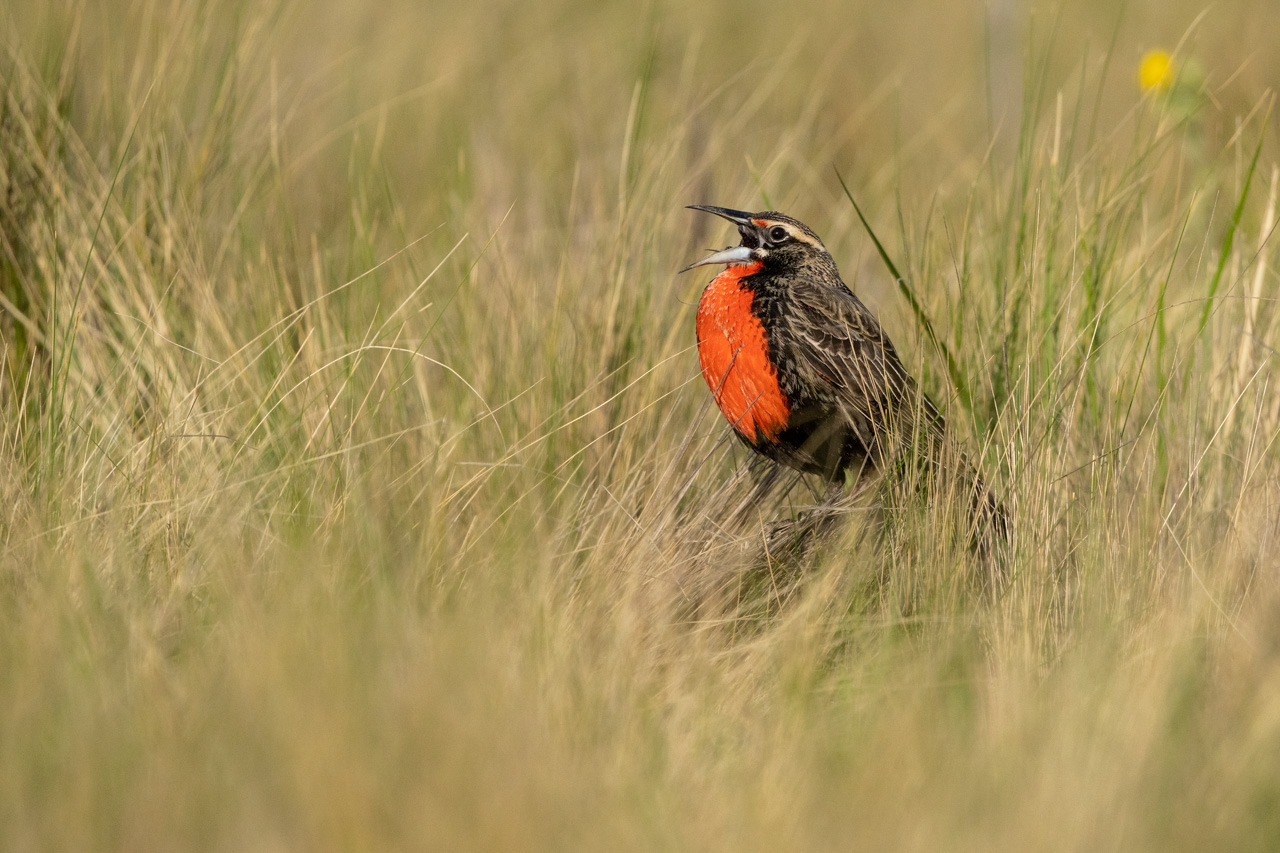
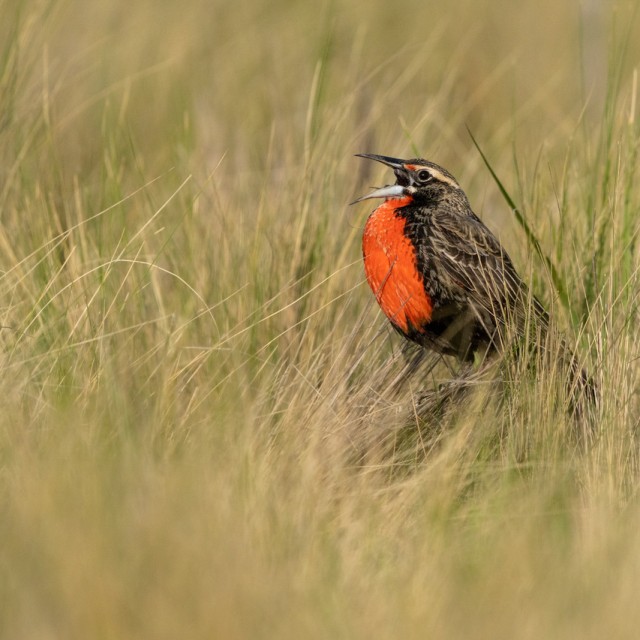
We'll also seek out the Long-tailed Meadowlark and with luck the Carbonated Sierra-Finch, while a fine assortment of tinamous, parakeets, earthcreepers, and yellow-finches is sure to keep us busy. The local races of Sedge Wren and White-winged Cinclodes look quite different from those we encountered in the north, so we'll take careful note of them as well.
In the afternoon, we'll descend from the mountains and return to Icho Cruz for our final night in the Sierras.
Day 17: Fly to Buenos Aires and back home
This morning, we will drive about one hour to Córdoba airport for our flight to Aeroparque and then a transfer to Ezeiza International Airport. You can book your international flights home from Buenos Aires (EZE) this evening.
Our Northwest Argentina birding tour has come to an end, but we will have certainly enjoyed an incredible variety of birds and landscapes across this beautiful region.
What to Expect
What to Expect
Overview
This is a comprehensive and moderately fast-paced tour covering a wide range of habitats. The itinerary includes several very early starts and some long travel days in order to experience the region’s key birding highlights. Guests should be prepared for a demanding but rewarding schedule.
Meals
We will usually have breakfast at the hotel. Sometimes we will have an optional pre-breakfast walk. On some occasions we may take a breakfast to go. Lunch will either be a picnic in the field or at the lodge or occasionally at a restaurant when travelling between locations. Dinner will be at a nearby restaurant. At this time we discuss the day’s activities and review the list of birds and wildlife we have encountered.
Accommodations
The accommodations on this tour range from basic to good. Some of them are the best option in the larger towns, others in more rural areas might be more basic. In general, they are comfortable with an ensuite private bathroom.
Weather
Expect a range of temperatures and weather conditions on this tour. The Yungas forests will be warm and humid (20–30°C) with possible afternoon showers. The Andean valleys and mid-elevations will feel more comfortable and mostly dry (about 18–28°C), with strong sun. High elevations areas will have cold mornings and mild, sunny days. Towards the end of the trip, the lower valleys will be the hottest areas (often 28–35°C) with some humidity. In Calilegua Park we may encounter mosquitoes and small biting flies.
Walking
Most birding is done via short walks on trails, tracks, or roadsides, usually at a relaxed pace with frequent stops. The longest walk would be three hours at a slow pace covering a distance of about 2 kms. The hardest walks are in Reserva del Huaico and Tafi del Valley where we will slowly climb approximately 200 mts elevation. Some trails may be uneven, slightly steep, or at altitude (up to ~2,300m), so a reasonable level of fitness and mobility is necessary.
Driving
Overall, expect moderate daily driving times (often 2–5 hours broken up through the day), with conditions ranging from smooth highways to rough rural tracks. Roads are paved for about 80% of the trip. Expect some winding mountain roads, and occasional dirt or rough tracks—especially in parks and at higher elevations.
Frequently Asked Questions
Land Tours FAQs
Whether you’re a seasoned birder or new enthusiast, these FAQs cover important details about our tours, including schedules, fitness requirements, group dynamics and more.
Featured Wildlife
Featured Wildlife
The species below are among the birds and mammals we may encounter on this tour. Sightings vary from year to year and cannot be guaranteed.
- Ornate Tinamou
- Torrent Duck
- Southern Screamer
- James’s Flamingo
- Andean Flamingo
- Lesser Rhea
- Red-faced Guan
- Bare-eyed Ground Dove
- Spot-backed Puffbird
- Cream-backed Woodpecker
- Dot-fronted Woodpecker
- Tucumán Amazon
- Yellow-collared Macaw
- Burrowing Parakeet
- Black-legged Seriema
- Andean Condor
- Rufous-throated Dipper
- White-throated Antpitta
- Zimmer's Tapaculo
- Crested Gallitos
- Rock Earthcreeper
- Brown-capped Tit-Spinetail
- Spot-breasted Thornbird
- Yellow-striped Brushfinch
- Tucuman Mountain Finch
- Monte Yellow Finch
- Sandy Gallito
- Vicuña
- Guanaco
- Culpeo Fox