Costa Rica North - Women's Birding Tour
Highlights
Highlights
- Explore a diversity of habitats from tropical dry forest and wetlands to lush Caribbean rainforest and volcanic foothills.
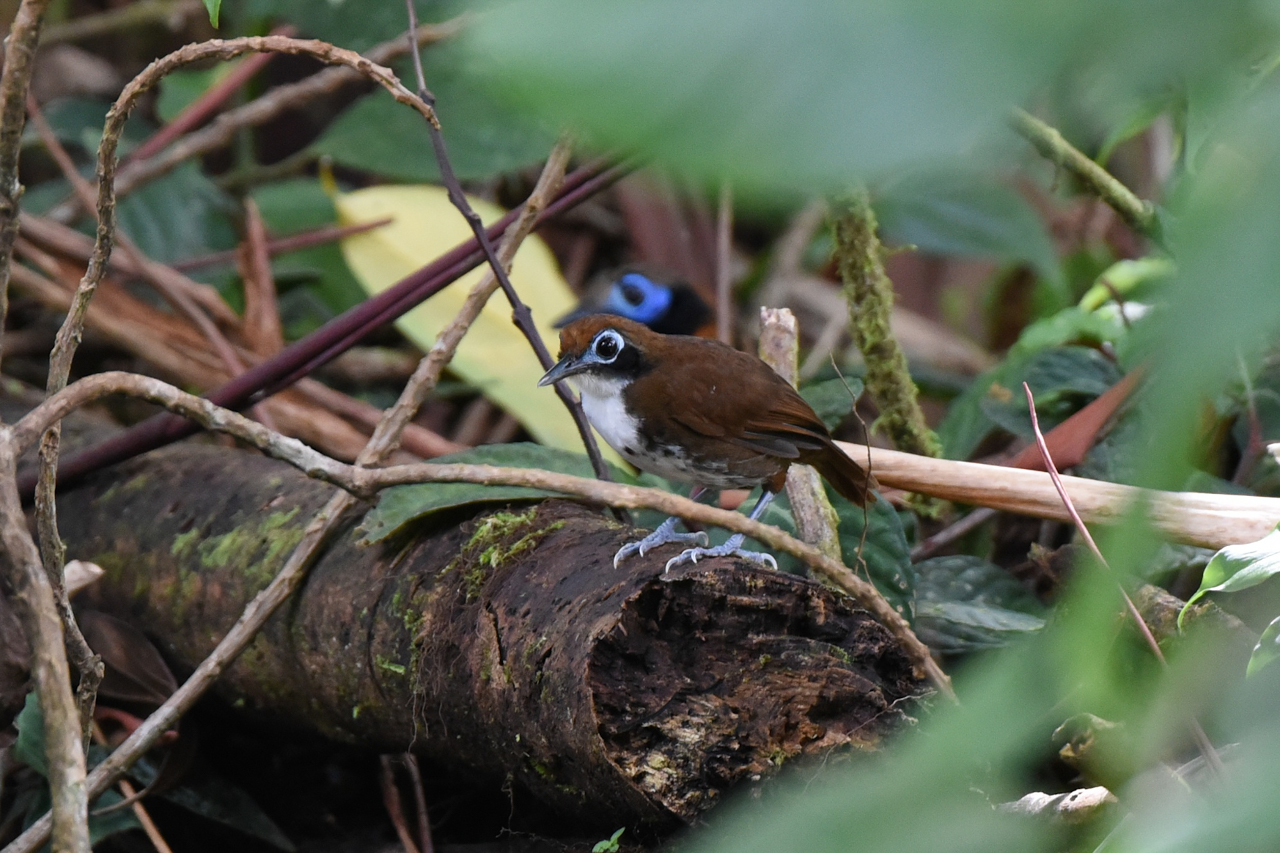
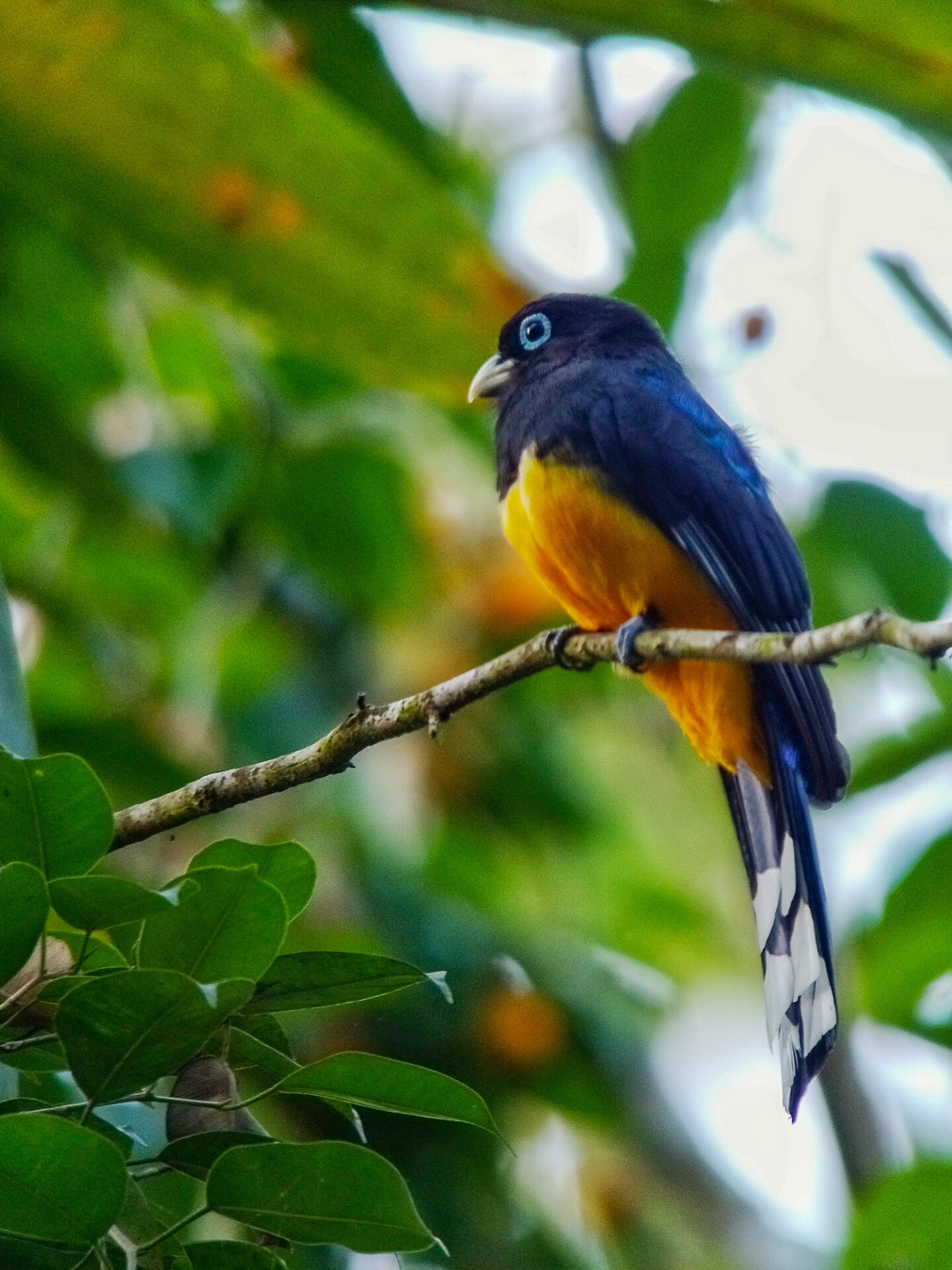
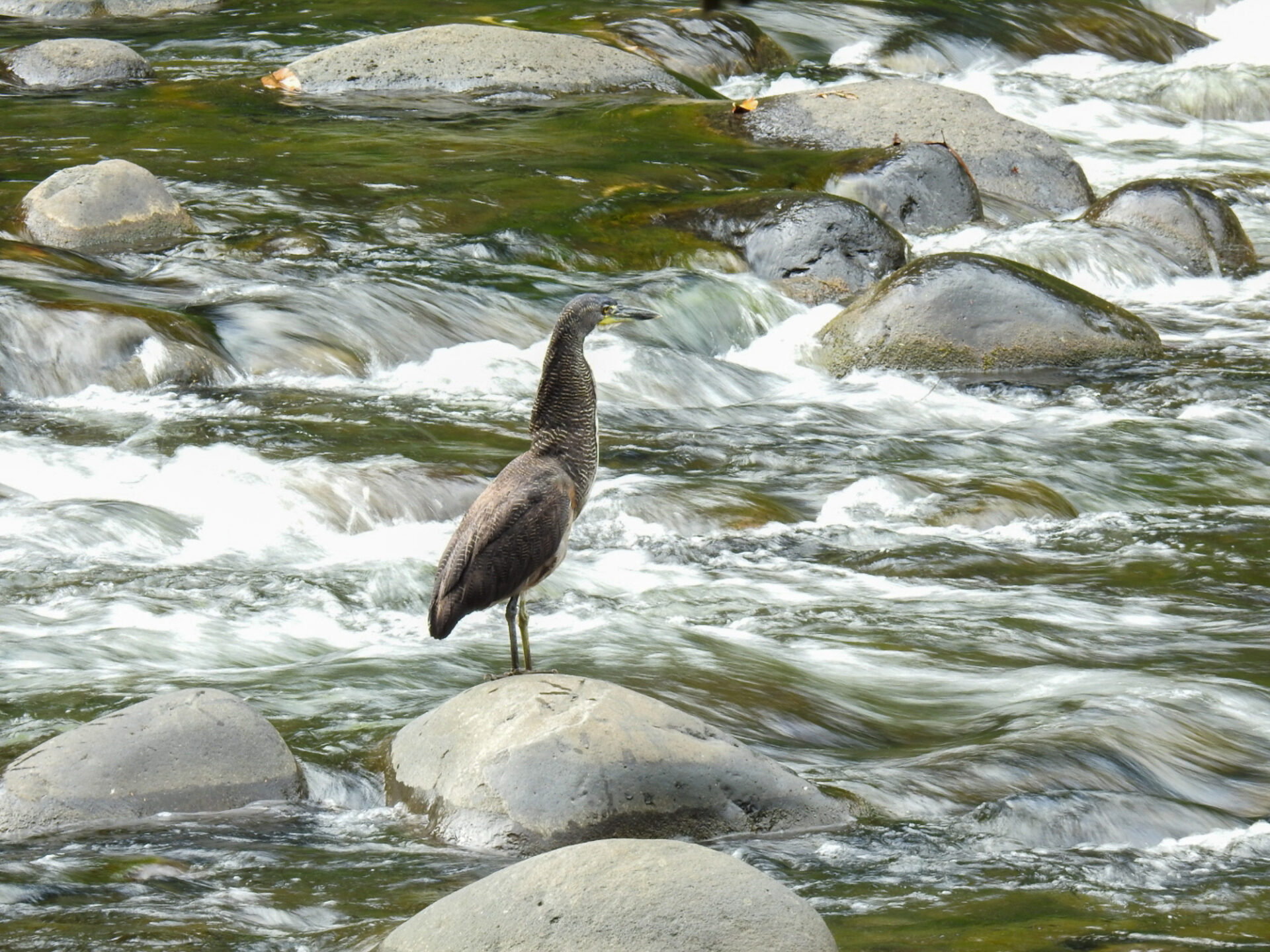
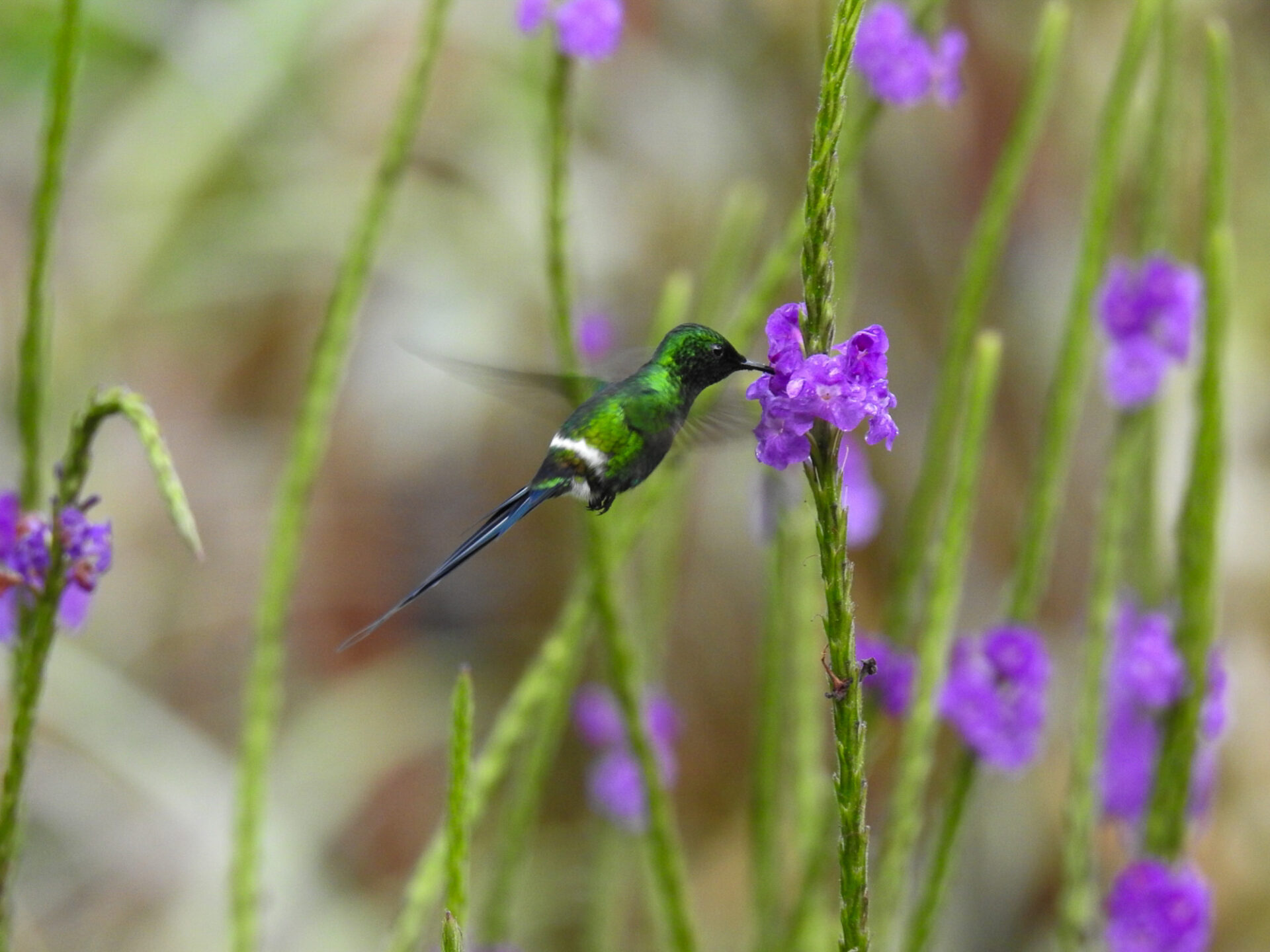
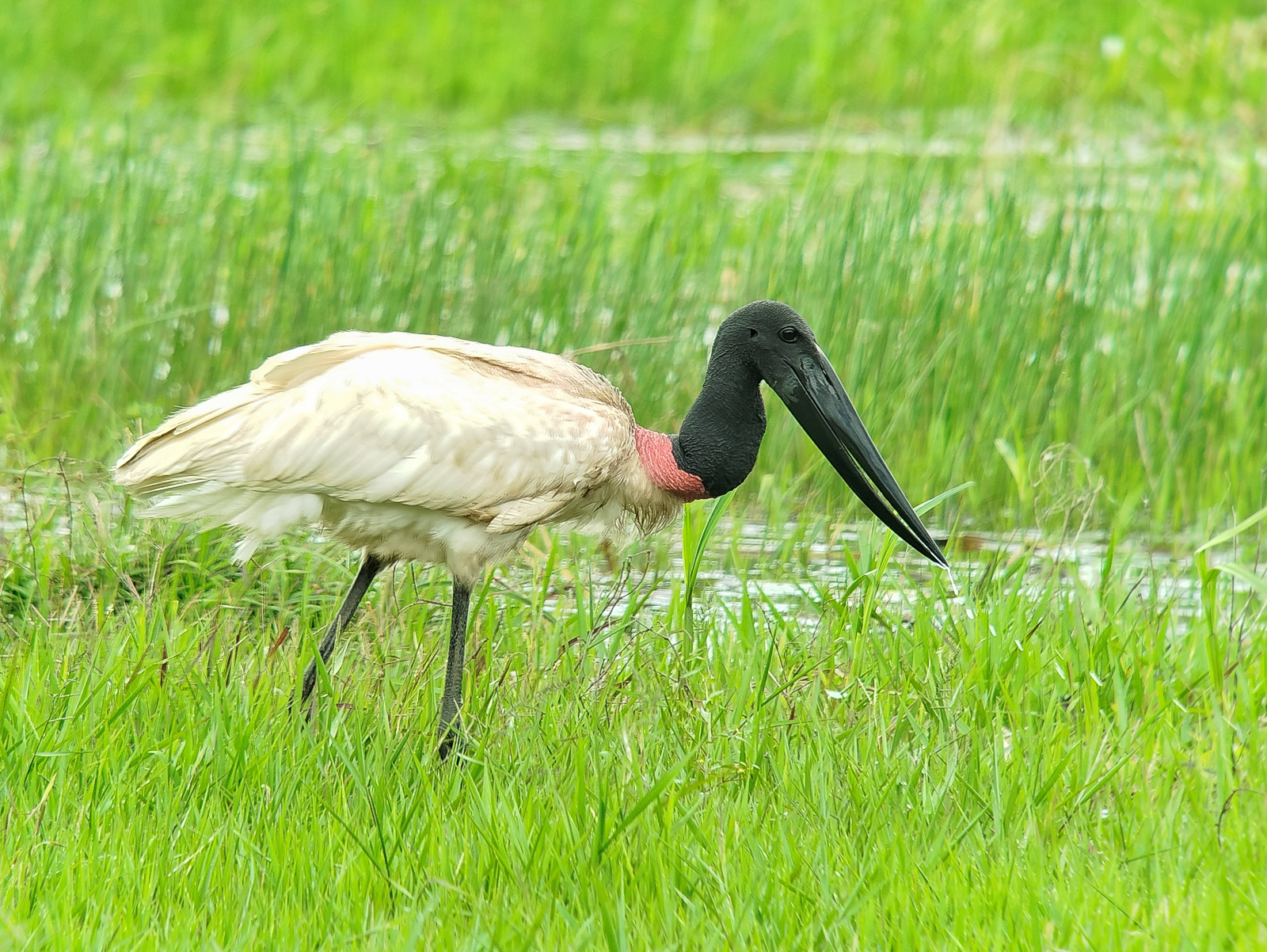
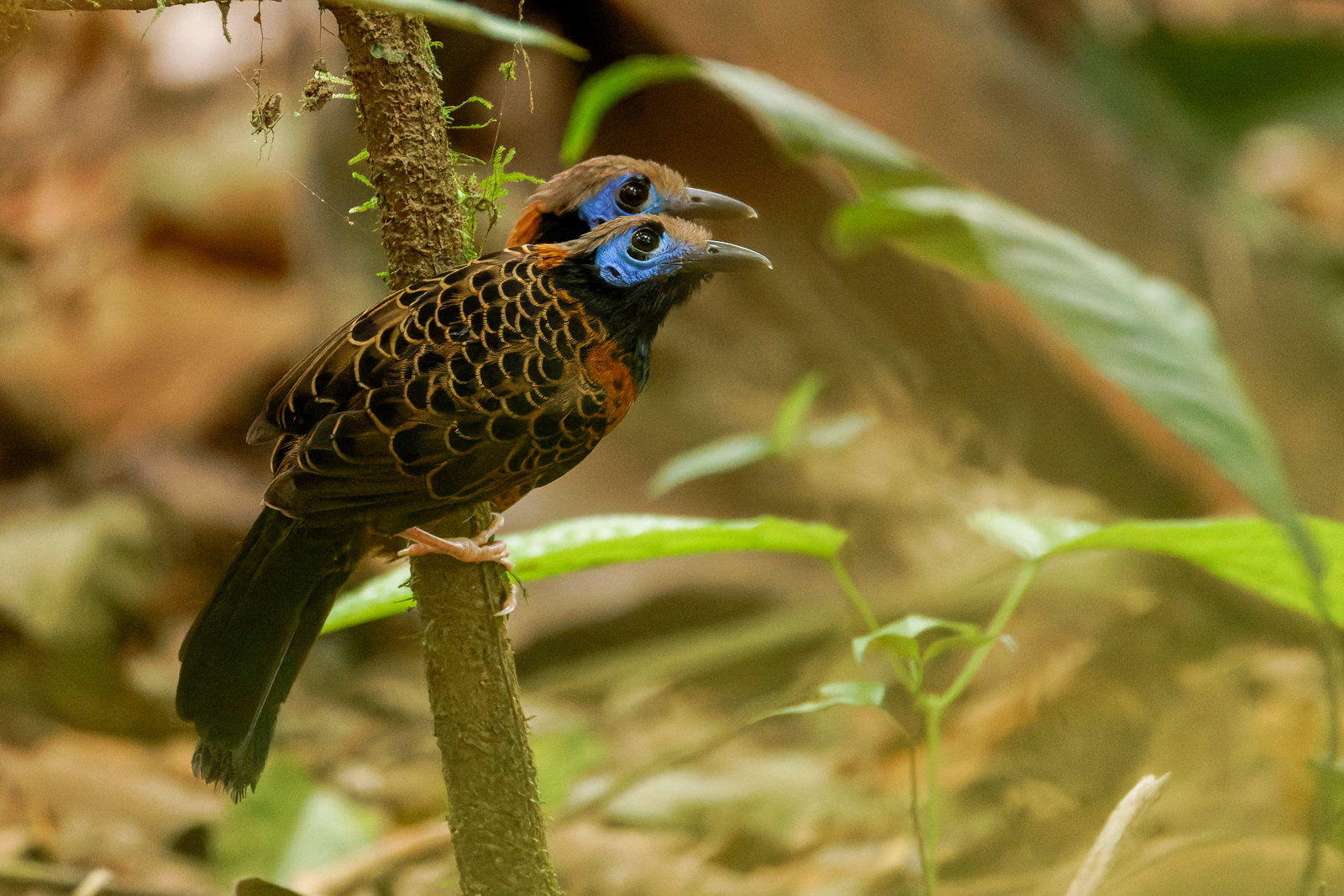
- Search for an exciting variety of birdlife including motmots, trogons, antbirds, toucanets, hummingbirds, and the majestic Jabiru stork
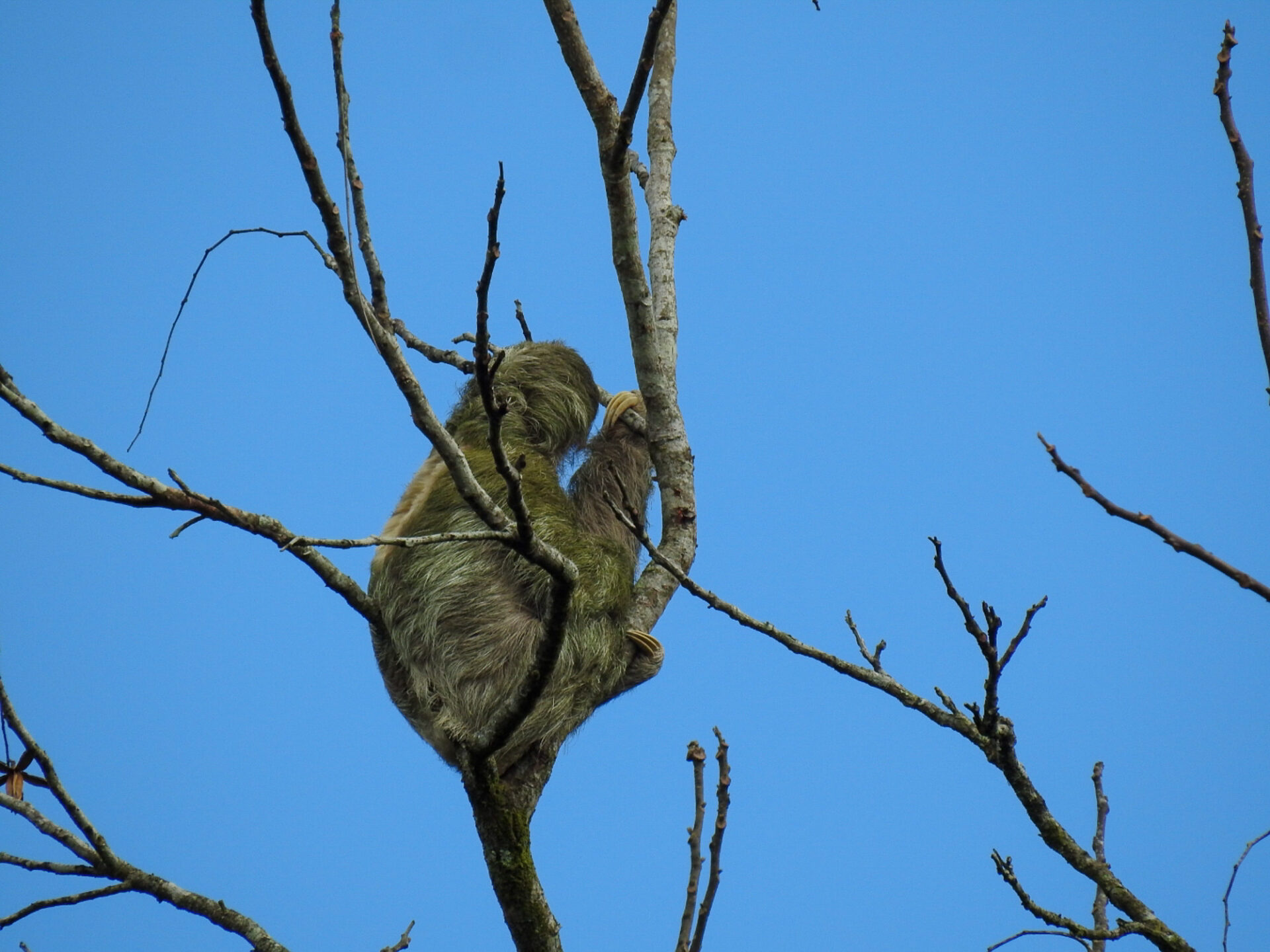
- Wonderful wildlife encounters with chances to see monkeys, sloths, coatimundis, tamanduas, and even the elusive Baird’s Tapir
- Enjoy unique cultural and nature experiences including volcanic hot springs, boat safaris through Caño Negro wetlands, and peaceful swims in the Pacific Ocean.
- Stay in beautiful eco-lodges and share this birding adventure with a small group of women travelers and expert local guides.
Map
Map
Overview
Tour Overview
An exclusive birding adventure designed for women who enjoy exploring nature in a welcoming and supportive environment. This women-only Costa Rica North birding tour offers an immersive journey through the country’s diverse ecosystems, from tropical dry forests and volcanic slopes to wetlands and lush rainforest.
We will explore renowned birding hotspots such as Rincón de la Vieja, Santa Rosa National Park, Caño Negro, Arenal, and Bijagua while searching for an incredible variety of species including motmots, trogons, antbirds, toucanets, and the majestic Jabiru stork. Alongside exceptional birdwatching, the itinerary includes cultural and nature experiences such as volcanic hot springs, boat excursions, hanging bridges, and night walks in search of owls, potoos, frogs, and even Baird’s Tapir. The tour balances active exploration with relaxation, creating a memorable experience for women travelers who share a passion for birds and the natural world.
Dates & Prices
Dates & Prices
What's Included
Tour Price Includes
- All accommodation
- All meals and soft drinks
- Airport transfers
- Ground transportation (air conditioned bus with driver)
- 4 - 8 Participants will be guided by one guide. 9 - 12 participants will be guided by two guides.
- All park, conservation and entrance fees
- Gratuities to drivers
Tour Price Does Not Include
- Flights to and from Liberia
- Travel Insurance
- Items of a personal nature
- Alcoholic beverages
Gallery
Gallery





Itinerary
Itinerary
Day 1: Arrival Liberia, Costa Rica
Our Costa Rica North Women's birding tour will begin in the late afternoon we will meet up in the hotel lobby with our fellow travelers and leaders to bird the hotel grounds and see our first common backyard birds such as Great-tailed Grackle, Clay-colored Thrush, Tropical Kingbird and maybe even Lesser Nighthawks flying overhead at dusk. After birding we will discuss the adventure ahead over dinner. Night in Liberia.
Day 2: Liberia and Rincón de la Vieja
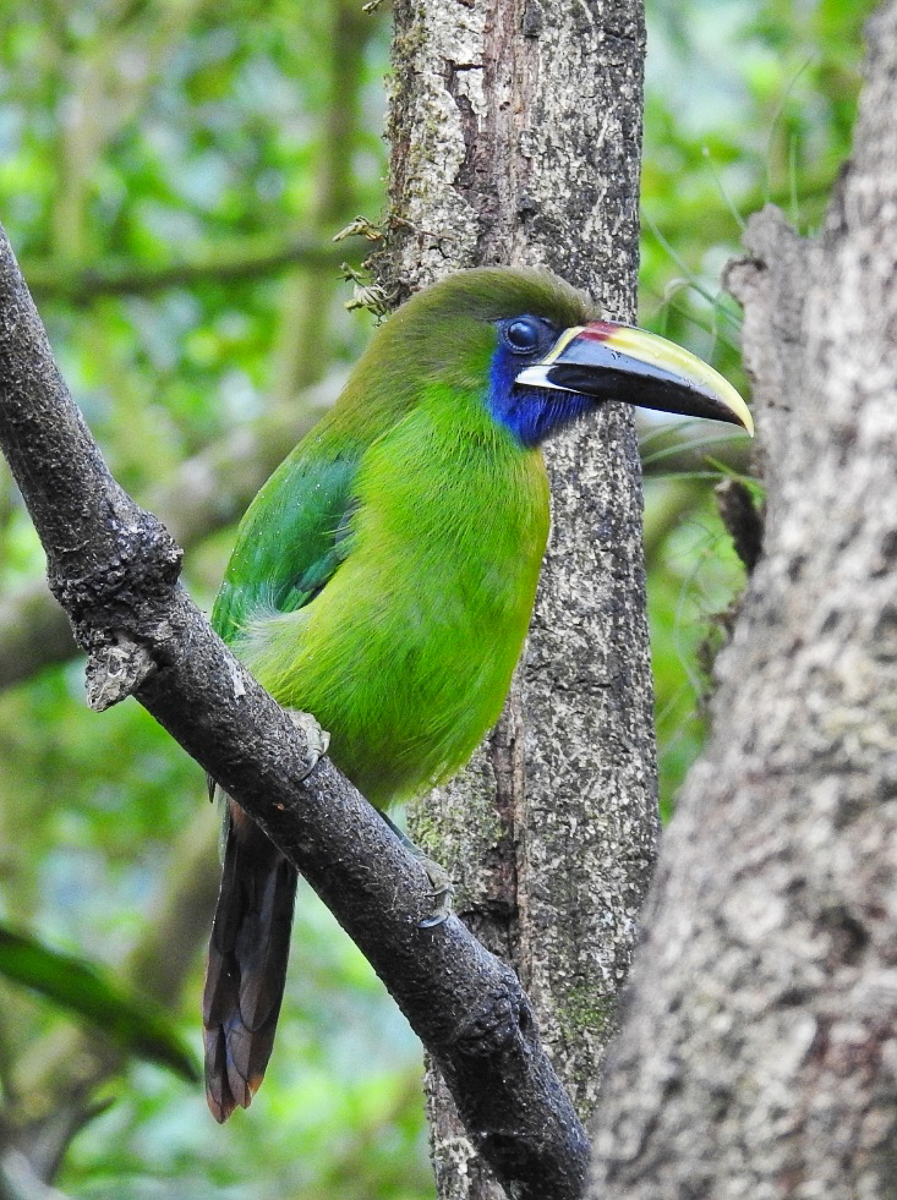
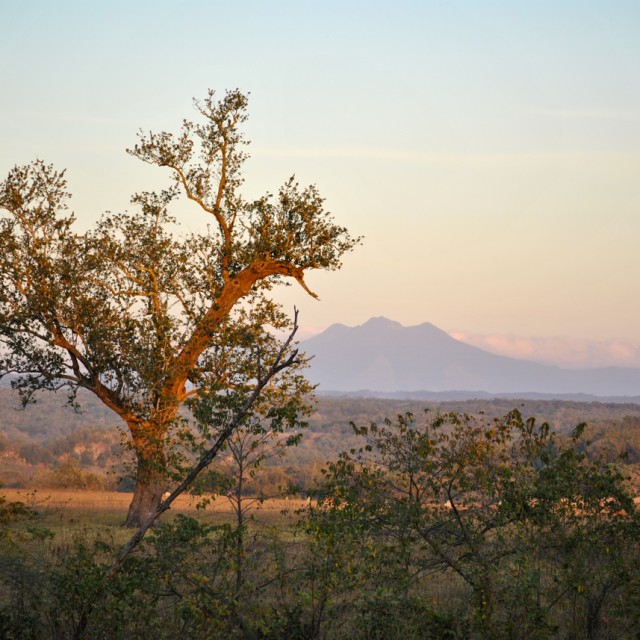
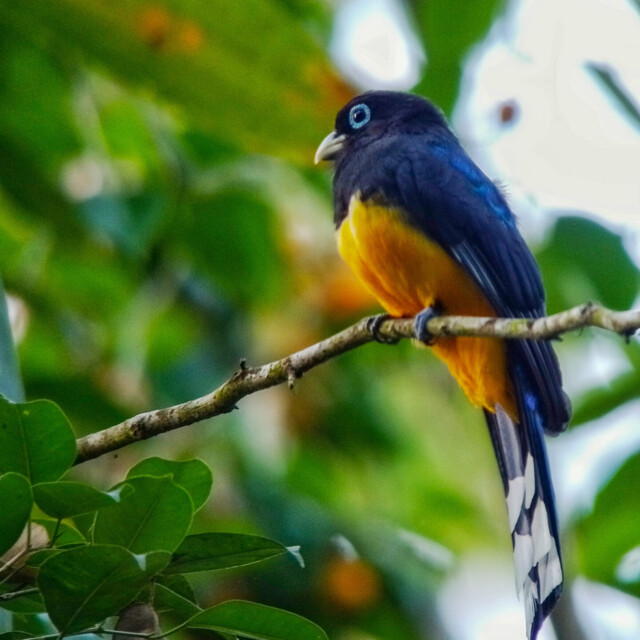
Today is our first full day of birding and we will begin by birding Rincón de la Vieja National Park where we have the opportunity to see some typical dry forest birds such as Lesser Ground-Cuckoo, Black-headed Trogon, Stripe-headed Sparrow, White-throated Magpie-Jay and Streak-backed Oriole as well as some hard to find species such as Yellow-eared Toucanet and Black-eared Wood-Quail. We will also get a chance to see the boiling mud pots, testament of the ongoing volcanic activity of this mountain.
After lunch we will begin driving to our lodge, arriving in time to enjoy a spectacular sunset over the Pacific Ocean. Night near Rincón de la Vieja National Park.
Day 3: Santa Rosa National Park and Bahía Junquillal
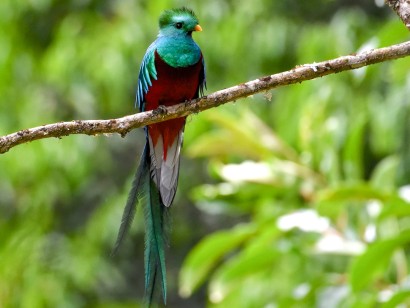
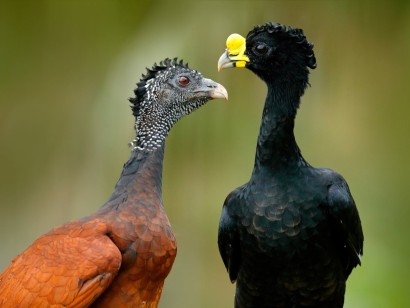
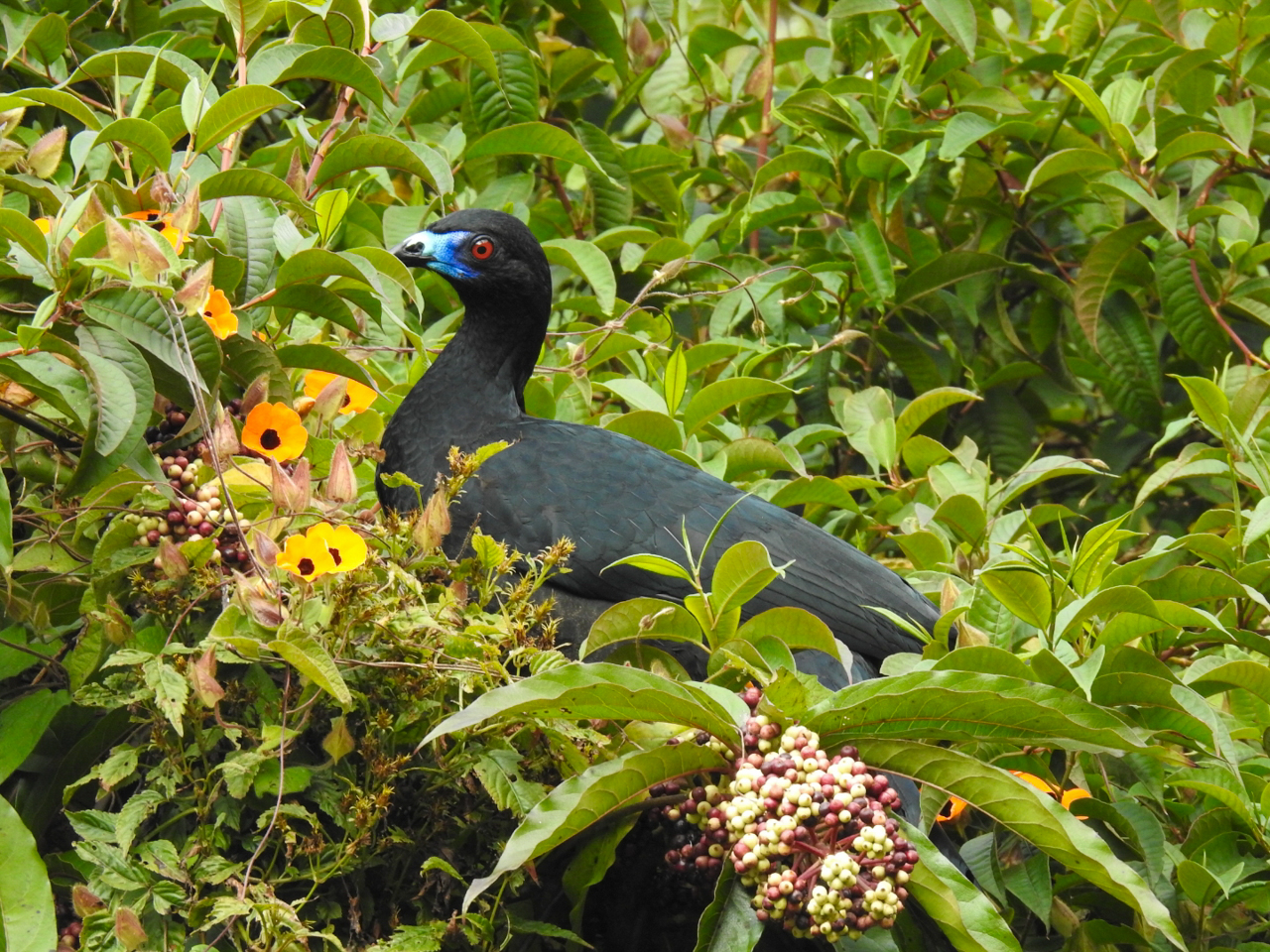
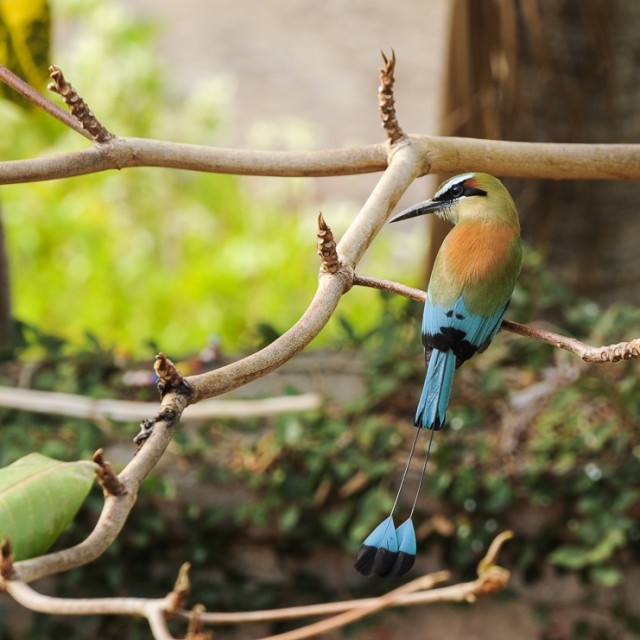
Today we will be spending the morning in Santa Rosa National Park, a site of great conservation and historical importance as it protects an important area of Tropical Dry Forest and it was also the site where Costa Rica won a very important battle that had a tremendous impact on its future. Apart from visiting the historical Casona de Santa Rosa we will bird the forest and look for White-necked Puffbird, Turquoise-browed Motmot, Royal Flycatcher, Stub-tailed Spadebill, Yellow-olive Flatbill, Brown-crested and Nutting’s Flycatchers, Great Curassow and Elegant Trogon. From here we will visit Junquillal Bay to have a picnic lunch and put on our bathing suits to have a swim in the calm waters of the gorgeous bay. Night near Rincón de la Vieja National Park.
Day 4: Rincón de la Vieja
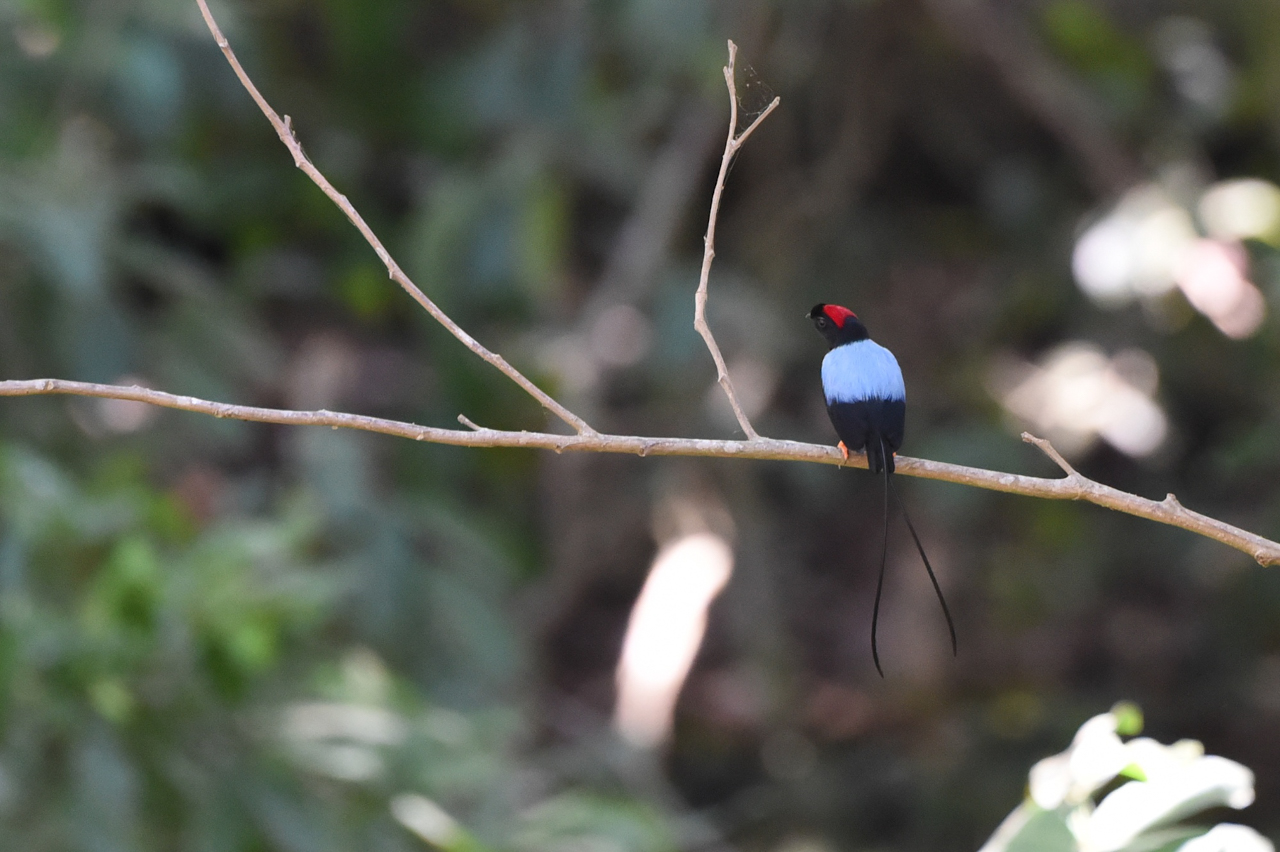
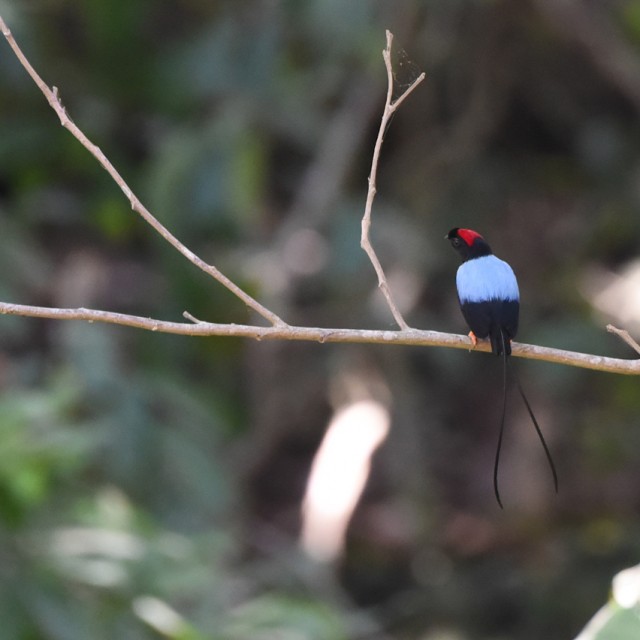
Today we will spend the morning birding the trails looking for dry forest species we may have missed earlier such as Olivaceous and Ivory-billed Woodcreeper, Ochre-crowned Greenlet and Thicket Tinamou, and nobody will complain about having more views of Long-tailed Manakins!
After lunch we will visit the hot springs for a relaxing end to the day. After dinner we will do a night walk to look for Pacific Screech-Owl, Common Pauraque and maybe even a Northern Potoo. Night near Rincón de la Vieja National Park.
Day 5: Caño Negro
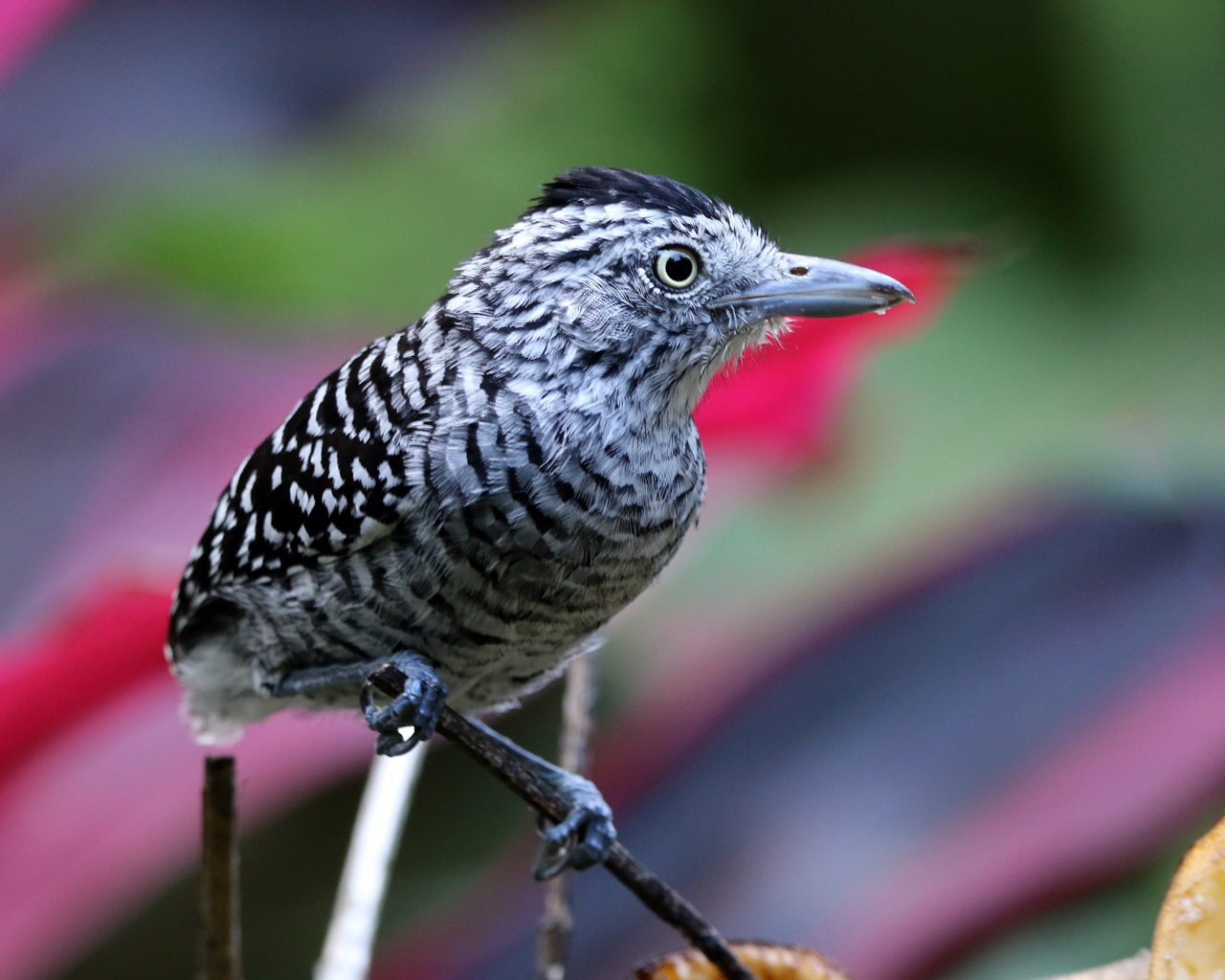
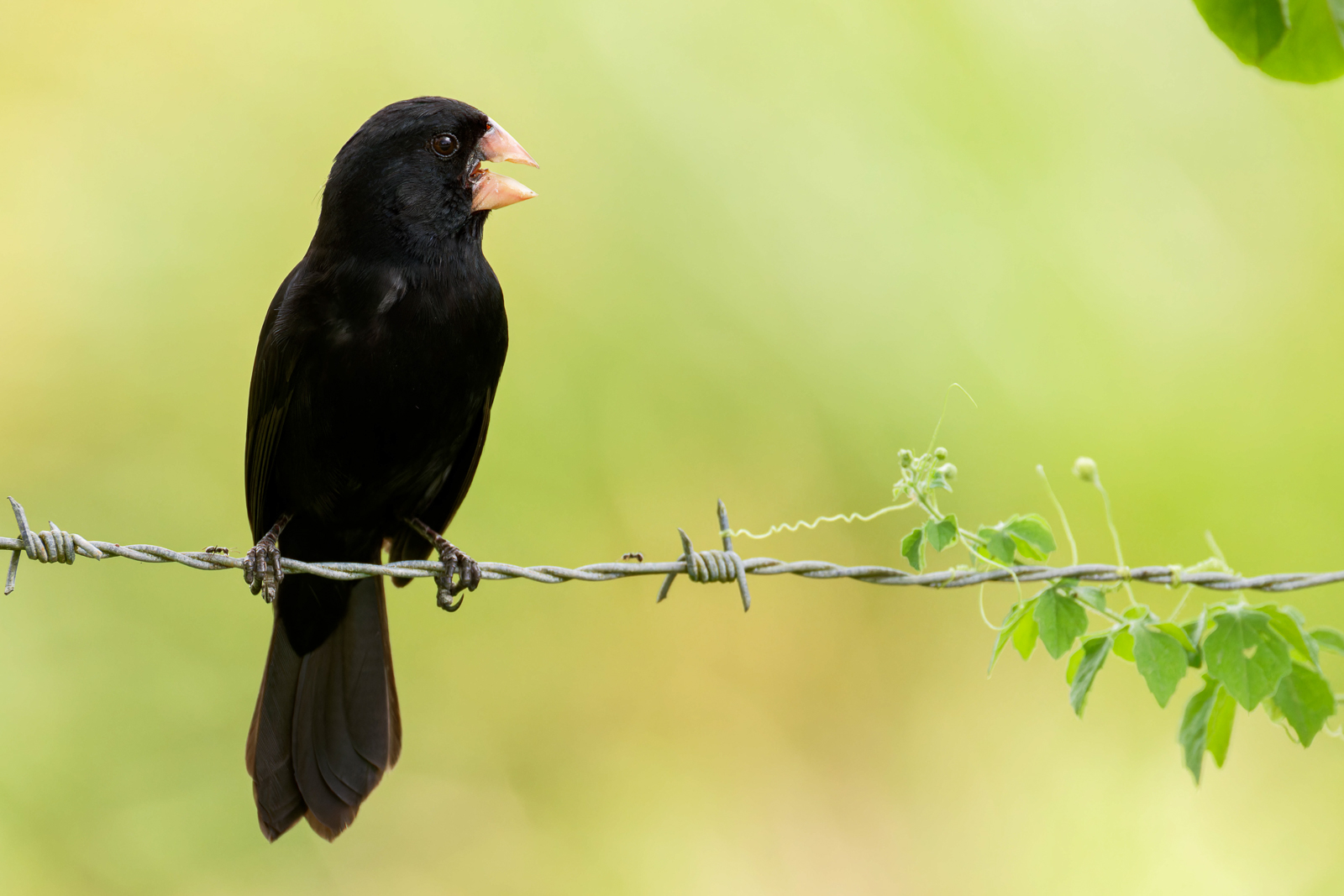
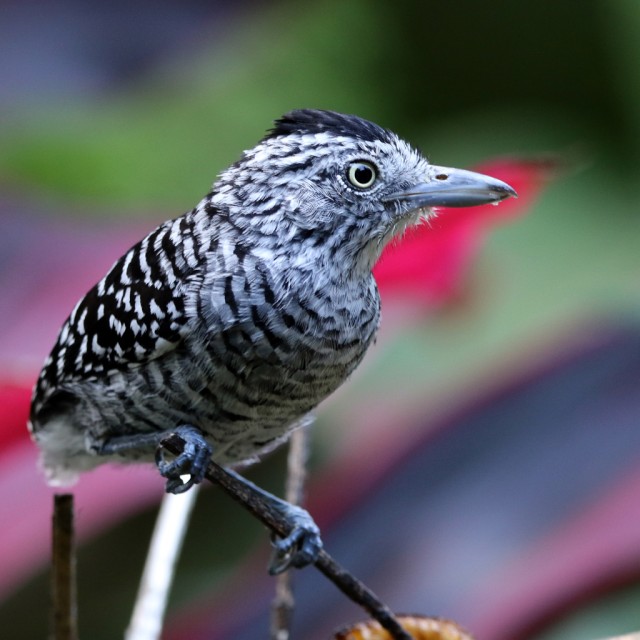
After breakfast we depart and head east to Caño Negro, a small village situated amid an important wildlife refuge with the same name. We make a few opportunistic stops along the way for species of open habitat such as Nicaraguan Seedfinch and Harris’s Hawk before arriving at our lodge. After checking in at our lodge we will do some afternoon birding around the village and look for a few northern specialties such as Spot-breasted Wren and Gray-headed Dove, as well as Black-cheeked Woodpecker, Olivaceous Piculet, Barred Antshrike and possible Central American Spider Monkeys. Night in Caño Negro.
Day 6: Caño Negro Boat Tours
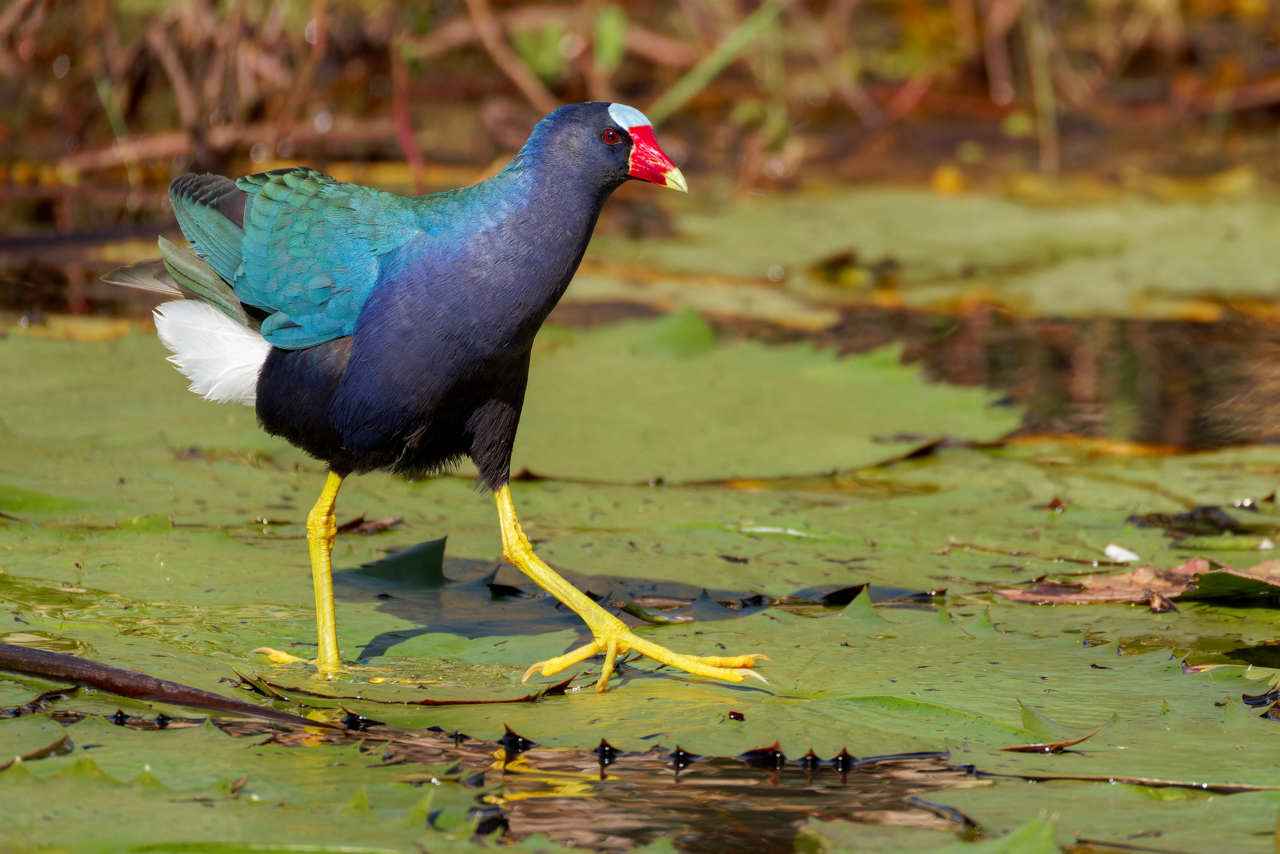
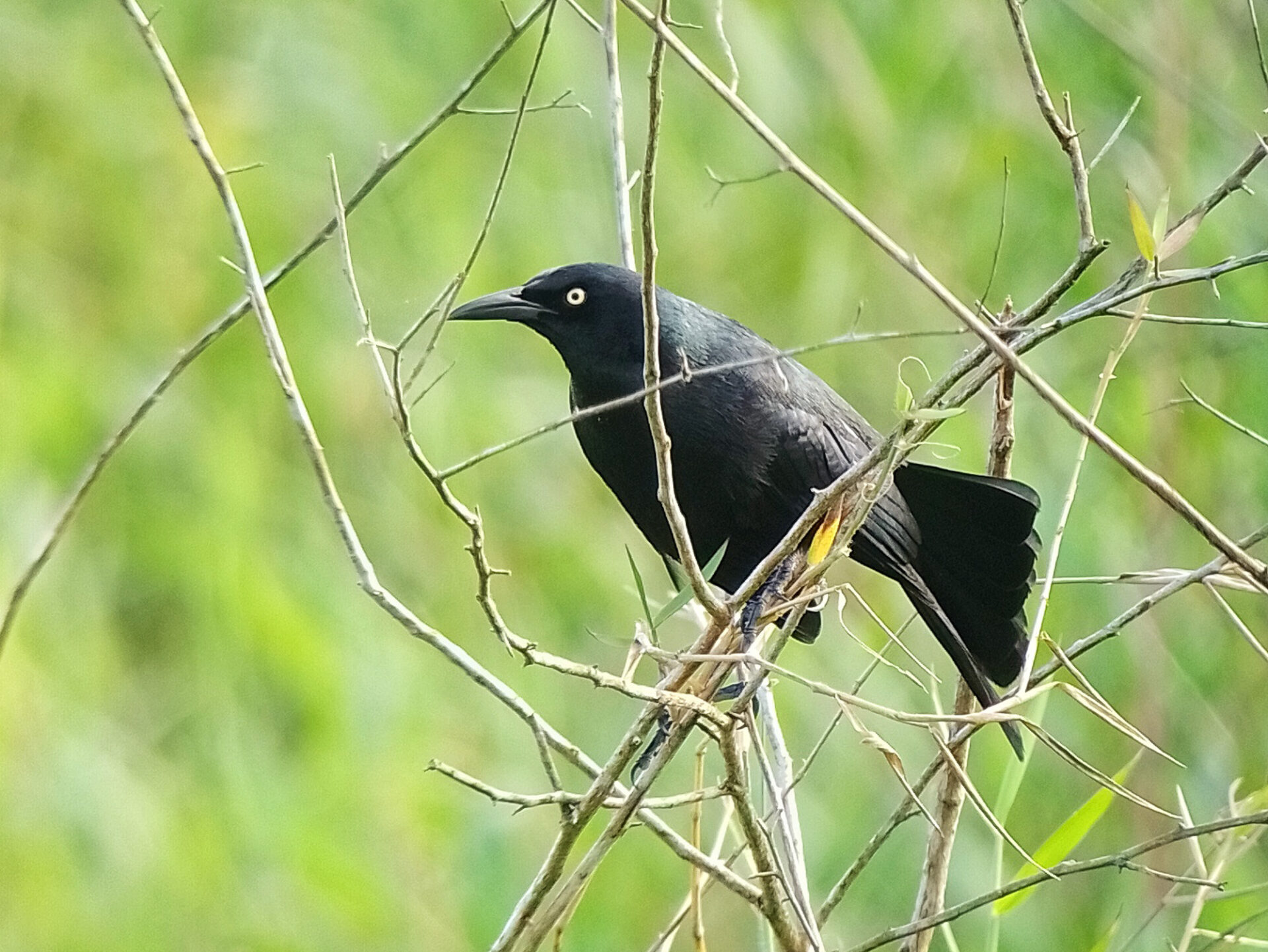
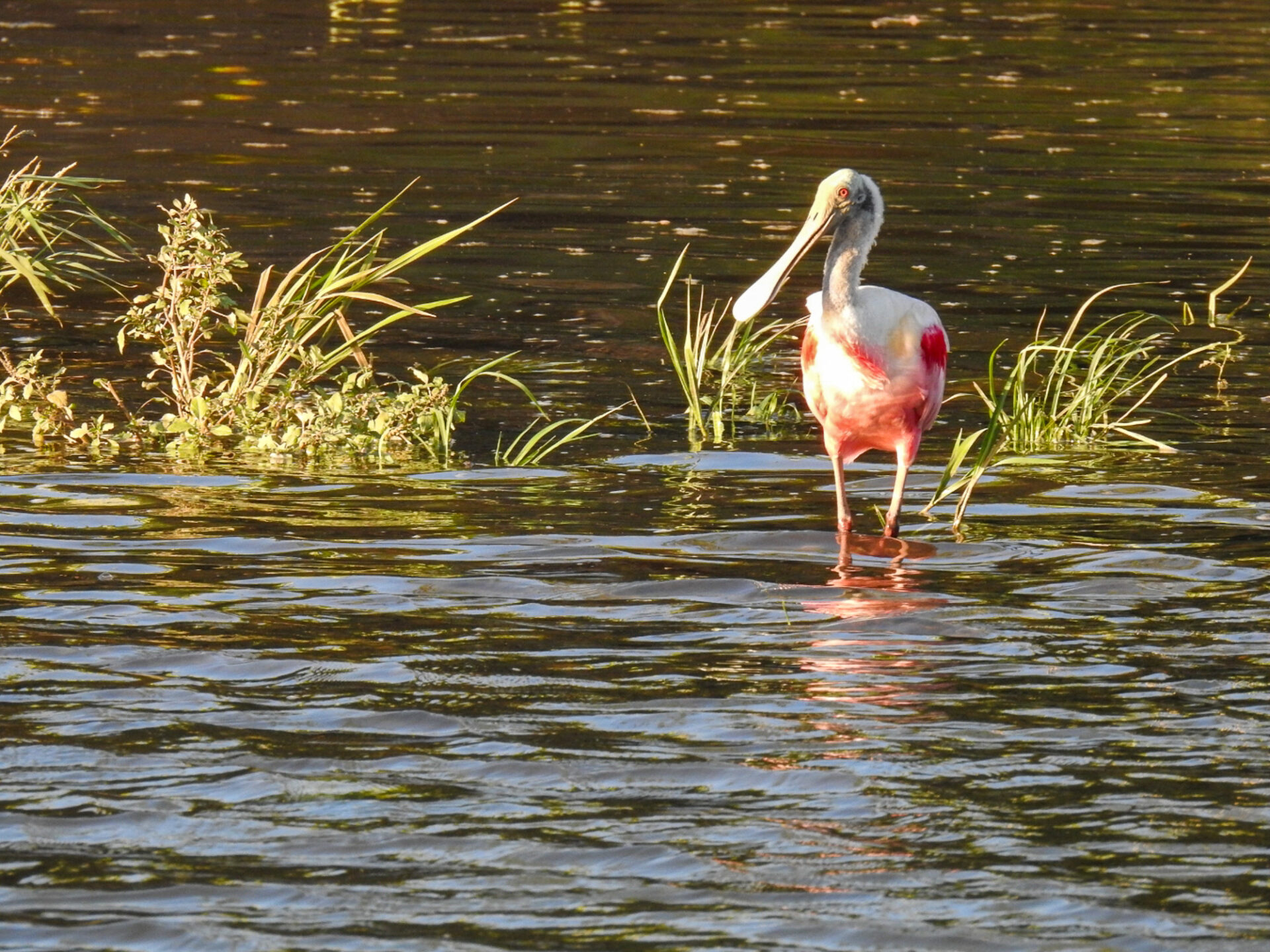
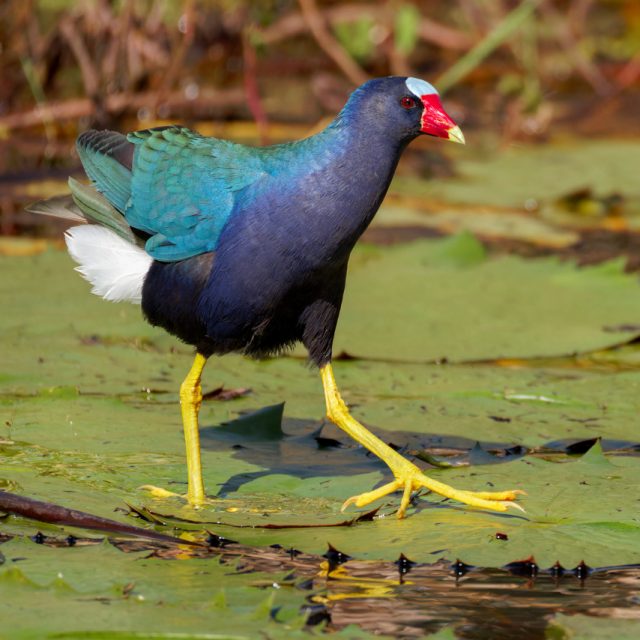
This morning we’ll take a boat trip around the extensive wetlands of Caño Negro. Water levels fluctuate from year to year but the bird action is always high. We’ll focus on seeing a few difficult species, two examples being the humongous Jabiru stork and the elusive Nicaraguan Grackle. Neither are easy to find but this part of the country is our best bet. Since we’re on a boat tour we’ll have a great chance to see all kinds of flamboyant—and buoyant—species, including Roseate Spoonbill, Russet-naped Wood-Rail, Black-bellied Whistling-Ducks, Purple Gallinule, Anhinga and White Ibis and many egrets and herons, kingfishers and chances of the largest bird in Costa Rica, the majestic Jabiru.
After a brunch back at the hotel and a little down time we will drive east to bird the San Emilio and Medio Queso Wetlands which are only a few kilometers from the Nicaraguan border. Here we will do a shorter boat tour in the later afternoon to have more chances at some of the specialties such as Sungrebe, Nicaraguan Seed-Finch, Pinnated Bittern, Least Bittern, Red-breasted Meadowlark, Nicaraguan Grackle and maybe even a crake or two. After this boat tour we will slowly drive back to Caño Negro hoping to spotlight possible owls and potoos, such as Striped, Black-and-white and Barn Owls and Common and Great Potoo. Night Caño Negro.
Day 7: Caño Negro to Arenal
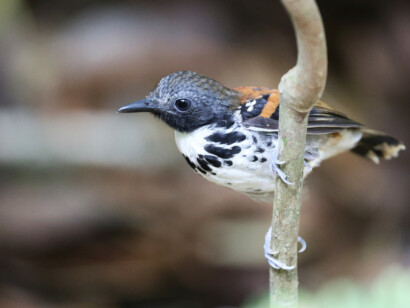
After breakfast we will continue our way northwest to Arenal. This area is at the northern fringe of the Caribbean slope and offers the most species diversity of any site in Costa Rica. We will look for Yellow-eared Toucanet and Semiplumbeous Hawk require some luck. Army ant swarms are common and can offer exciting viewing of Spotted, Ocellated and Bicolored Antbirds, among many other species. Rufous-tailed Jacamars sally out to catch butterflies and odd grunting noises come from Masked and Black-tailed Tityras. Mammals include Three-toed Sloth, Spider Monkey, Tamandua and Coatimundi. If it is clear, the view of the volcano is breathtaking! Night near Arenal Volcano National Park.
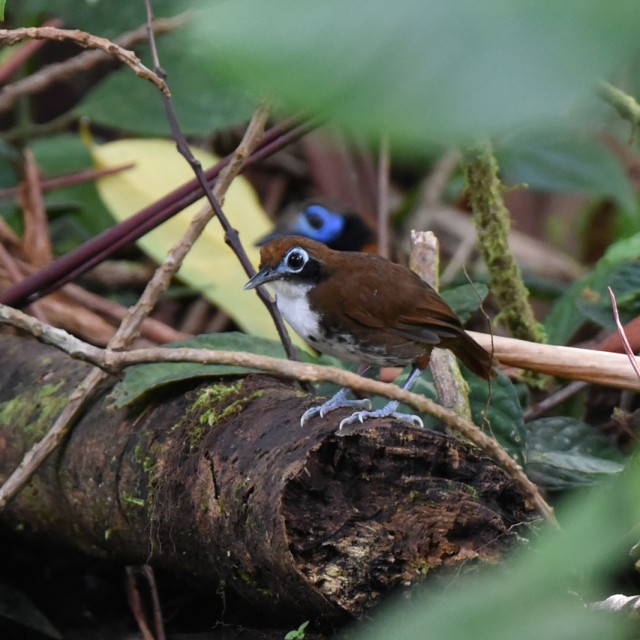
Day 8: Arenal
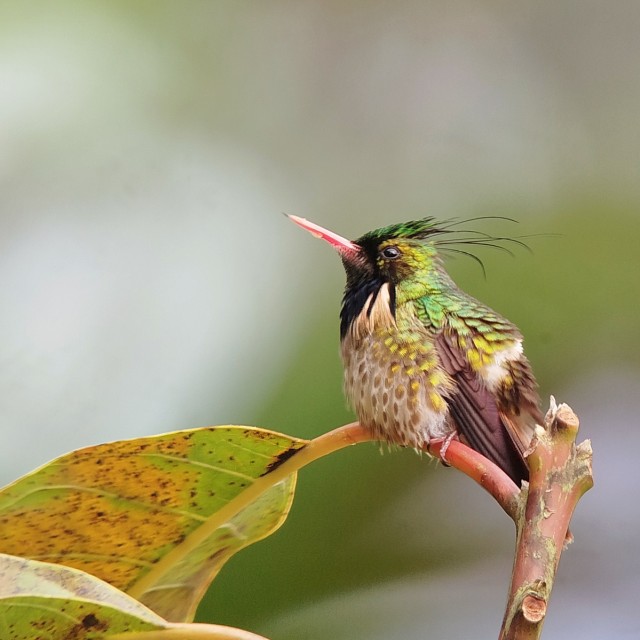
Today we will enjoy some feeders that attract Great Curassows and a myriad of tanagers and honeycreepers. Specialty birds of this area include: Black-crested Coquette, Rufous Mourner, Stripe-breasted Wren, an array of antbirds (eg. Bicolored, Ocellated and Spotted Antbirds) and, likely some surprises. In the vicinity we have found one of the most elusive birds in Costa Rica: the Rufous-vented Ground-Cuckoo, which is something every guide hopes for when encountering an army ant swarm, but luck is needed for this mythical bird to spring to life. After dinner we may go for a night walk in search of owls, in addition to a few species of amphibians, especially the Red-eyed Leaf-Frog and maybe a Northern Cat-eyed Snake. Night near Arenal Volcano National Park.
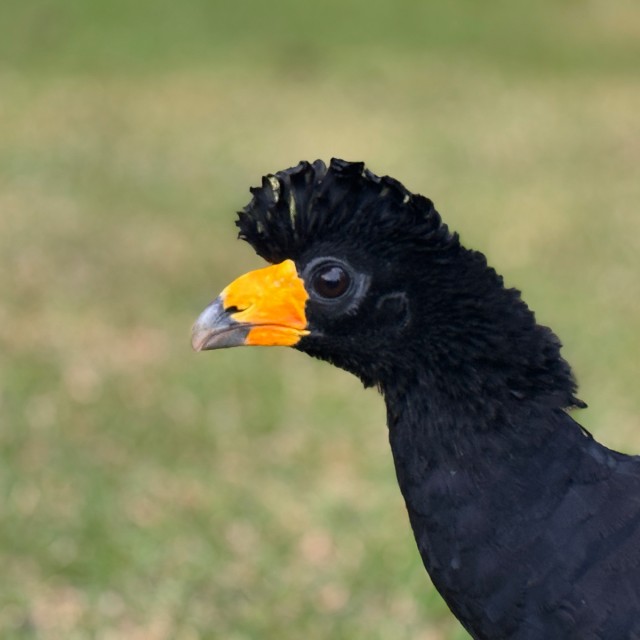
Day 9: Arenal and Tabacón hot springs
Today we will bird the entrance road and the peninsula which traverses parts of Arenal National Park and is a fantastic place to look for mixed species flocks, Slaty-tailed and Gartered Trogons, Rufous-tailed Jacamar, Keel-billed and Broad-billed Motmot and beautiful views of Lake Arenal. With luck we could also find Yellow-eared Toucanet, Rufous-winged Tanager and Ornate Hawk-Eagle. After lunch we will drive a short distance to enjoy one of the area’s most famous attractions, an evening visit to the hot springs to relax after all the exciting birding!
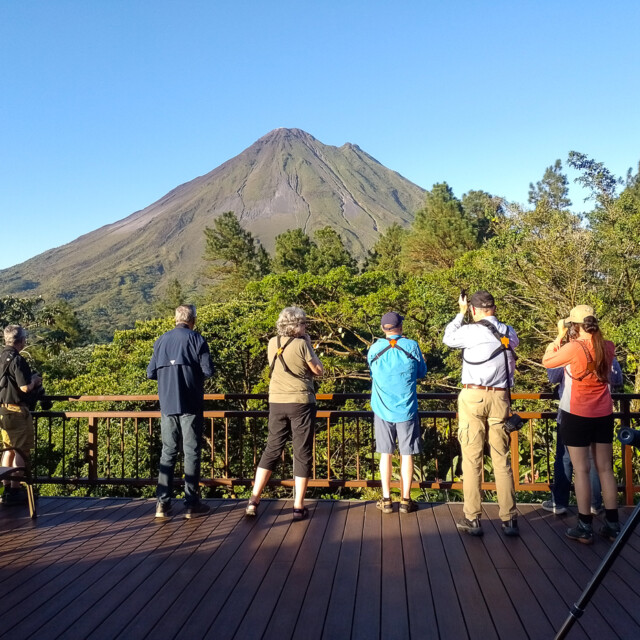
Day 10: Arenal to Bijagua
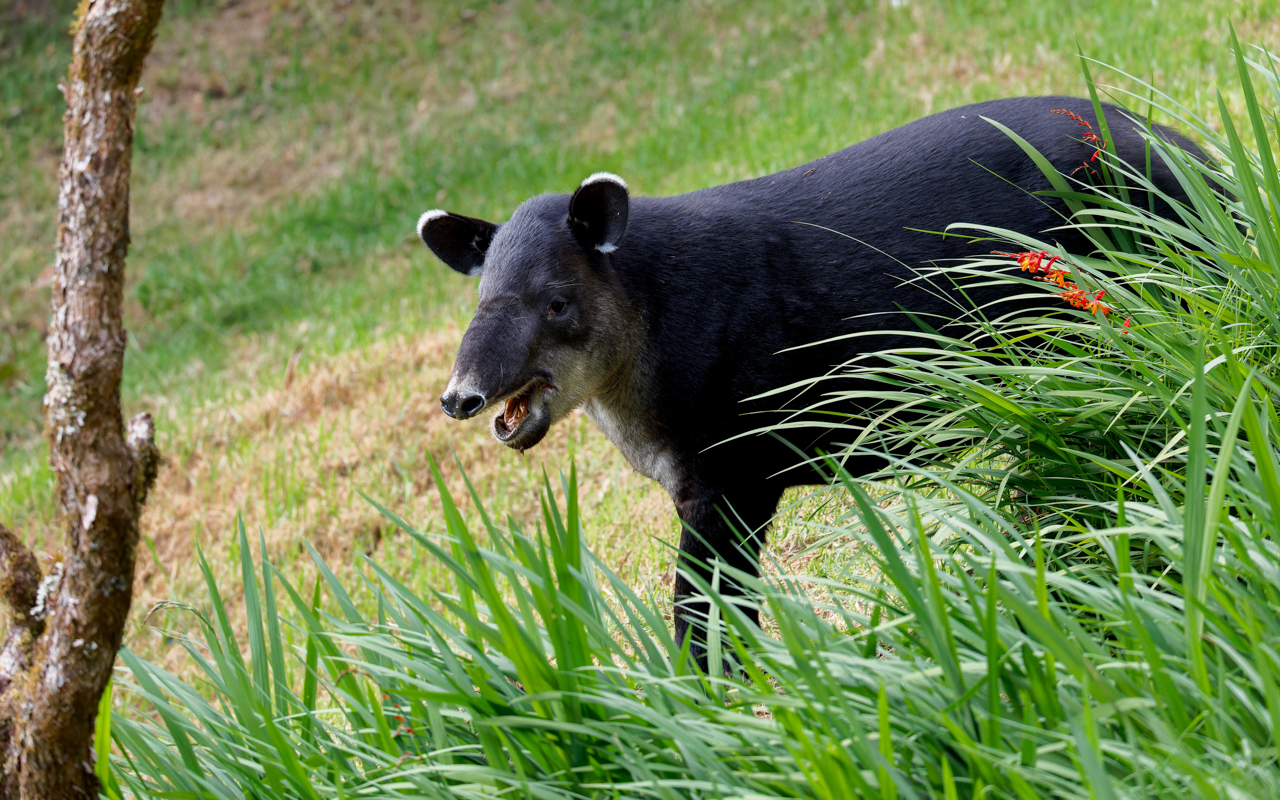
After breakfast we will pack up the bus to make our way to our next destination, but we will break-up the drive with birding along the way. We will reach the Bijagua area for lunch and in time to check-in to our lodge for some afternoon birding. The small town of Bijagua sits between the Tenorio and Miravalles Volcanoes and has incredible biodiversity and various small-scale ecotourism and conservation projects. After an early dinner we will visit one of these projects called Tapir Valley to do a night tour hoping to see Costa Rica’s largest mammal, the Baird’s Tapir and, depending on weather we may have the opportunity to see the Tapir Valley Tree Frog, which was only described to science in 2022 and is only found in a small wetland at this reserve. Night near Bijagua.
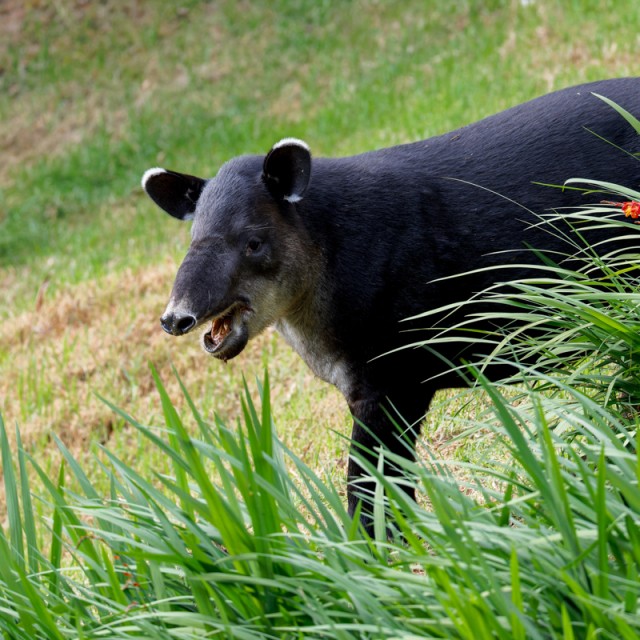
Day 11: Heliconias Lodge Trails
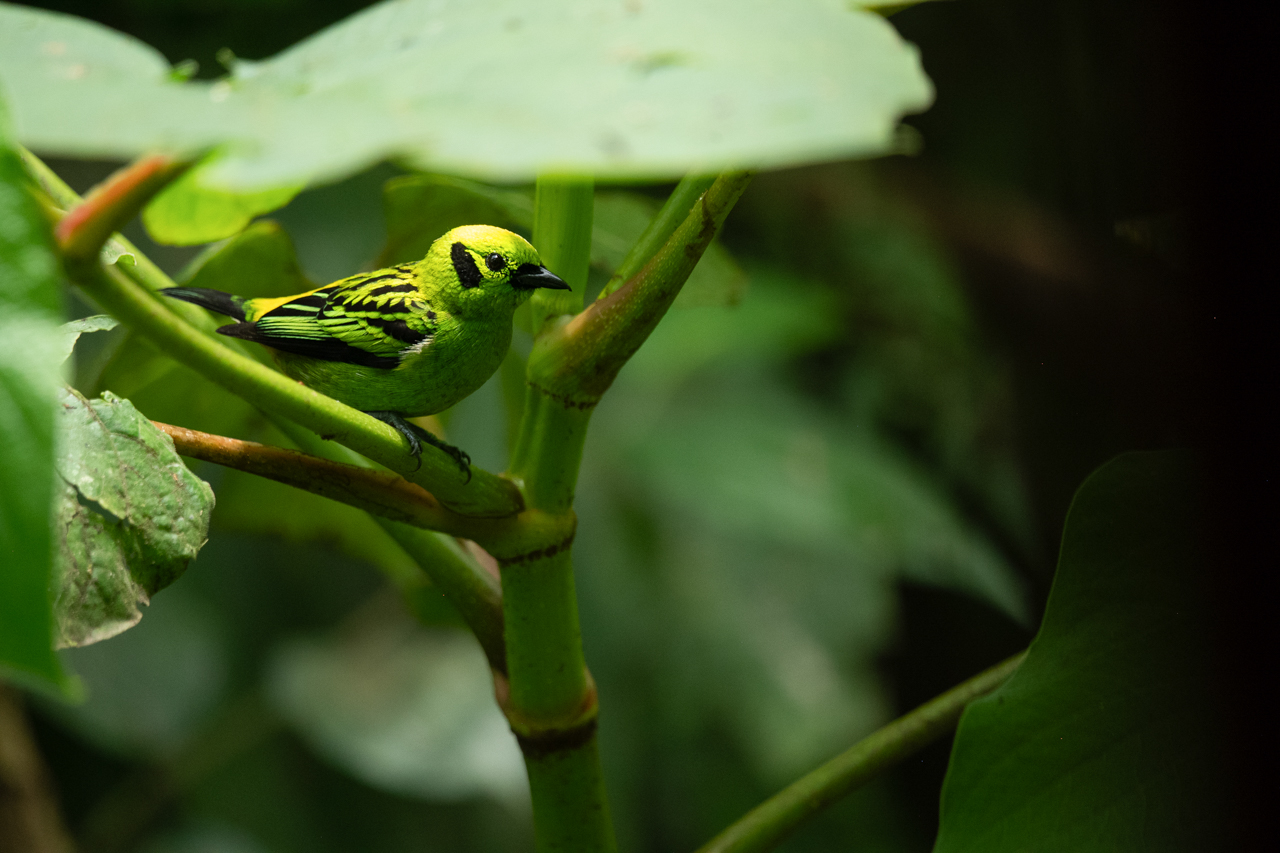
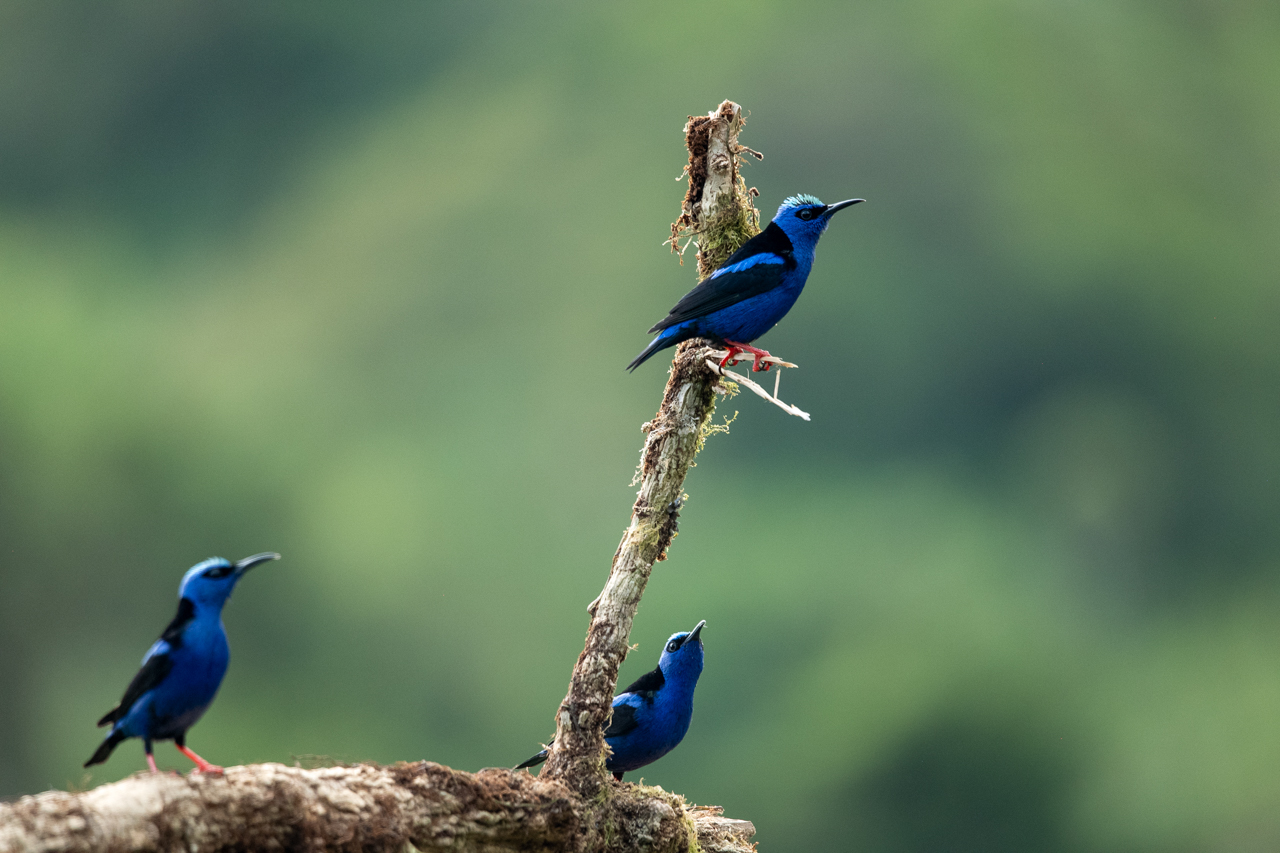
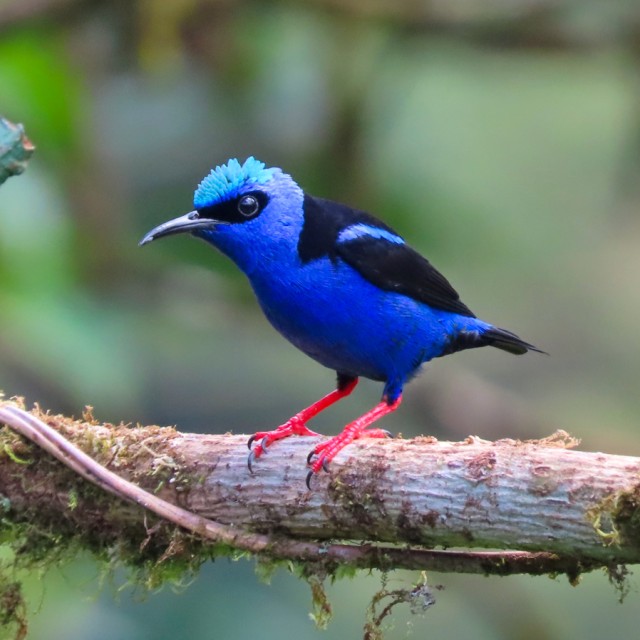
After breakfast we will bird the trails of Heliconias Lodge where we hope to encounter mixed species flocks with the likes of Emerald and Bay-headed Tanagers, Red-legged Honeycreeper, Montezuma Oropendola, Rufous Mourner, Stripe-breasted Wren, and hopefully an army ant swarm containing a variety of antbirds (eg. Bicolored, Ocellated and Spotted Antbirds, Great and Russet Antshrikes) and, doubtless, some surprises from the hanging bridges that give us a glimpse of the canopy with a bird’s-eye perspective. This is also a great place to look for Keel-billed, Rufous and the small Tody Motmot. After lunch we will visit a small hummingbird garden where we hope to see the tiny Black-crested Coquette, Snowcap and Bronze-tailed Plumeleteer. Night near Bijagua.
Day 12: Bijagua to Liberia
In the morning we will have the opportunity to explore more of the trails between these two beautiful volcanoes. After lunch we will bird our way down to Liberia for our final night and farewell dinner. Night near Liberia.
Day 13: Departure - Liberia, Costa Rica
Our Costa Rica North women’s birding tour ends this morning. You can depart anytime today.
What to Expect
What to Expect
Overview
The Costa Rica North Women’s Birding Tour tour is a moderately paced birding tour. We will have optional early morning (pre-breakfast) bird walks on most days. We will spend the morning in the field. We may return to our hotel for lunch and a short siesta in the afternoon when bird activity is slow and may bird again in the late afternoon. Occasionally we may go out after dusk to search for nightbirds.
Food
We generally have breakfast at the hotel before we head out for the day. We often stop at a restaurant or return to our lodge for lunch. In the evening we eat at the hotel or lodge where we are staying. At this time we discuss the day’s activities, review the list of birds and other wildlife that we have seen and heard, and prepare for the next day.
Accommodation
Generally we stay in standard hotel rooms or rustic lodges, in remote locations, close to where we want to go birding. If you would like to share a room with another guest, please let us know and we will try to match you up with someone.
Walking
The walking on this tour is rated easy to moderate. Generally we do not walk further than 5 km (3 miles), however the terrain can be uneven and muddy.
Driving
This trip involves a moderate amount of driving, as we relocate to several amazing locations throughout the tour, which are between 2 – 3.5 hours apart. We will take frequent rest stops and birding stops on these travel days. On the non-relocating days, we will drive just short distances to amazing birding locations. Throughout the tour, we travel on paved roads, however there will be some twisty roads when driving through the mountains. Please note that bus seating may be more compact than what travelers are accustomed to in North America.
Climate
On this tour we will experience a variety of climates and temperatures. In the lowland areas such as Liberia, Santa Rosa, and Caño Negro, daytime temperatures are typically warm to hot, ranging from approximately 28–35°C (82–95°F), with higher humidity near the wetlands. In the higher elevation regions around Arenal, Bijagua, and the volcanic foothills, temperatures are generally cooler and more comfortable, often between 18–28°C (65–82°F), especially during the mornings and evenings. Weather conditions can change quickly, and while many days may be sunny and dry, brief rain showers are always possible, particularly in rainforest areas and during the green season. We recommend bringing lightweight, breathable clothing, a light rain jacket, comfortable walking shoes, sun protection, and a warmer layer for cooler evenings and early morning birding outings.
Boat Trips
There is a three hour long boat tour of Cano Negro lagoon. There are no washrooms on board, but there are facilities nearby. We will also take a shorter boat tour in the Medio Queso Wetlands. The boats are small but fit the entire group.
Frequently Asked Questions
Land Tours FAQs
Whether you’re a seasoned birder or new enthusiast, these FAQs cover important details about our tours, including schedules, fitness requirements, group dynamics and more.
Featured Wildlife
Featured Wildlife
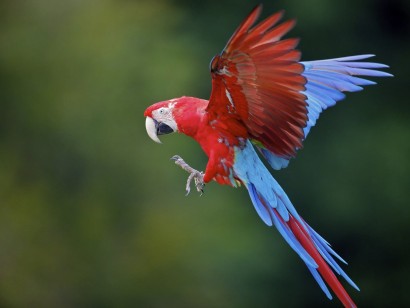
While we cannot guarantee sightings of the birds or mammals listed below, we believe that encountering these species is quite likely during this tour.
- Jabiru
- Yellow-eared Toucanet
- Turquoise-browed Motmot
- Long-tailed Manakin
- Keel-billed Motmot
- Black-crested Coquette
- White-necked Puffbird
- Elegant Trogon
- Ocellated Antbird
- Rufous-tailed Jacamar
- Great Curassow
- Pacific Screech-Owl
- Nicaraguan Grackle
- Montezuma Oropendola