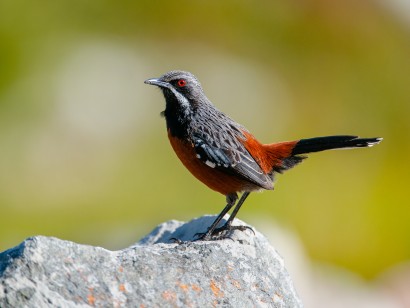
South Africa Birding & Wildlife Safari Trip Report 2025
Tour leaders: Renee Roussow, Charlie Ratcliffe and Mike Hoit
This was a tour that can truly be described as an epic! Over the course of three weeks, we visited five of the nine provinces of South Africa – not to mention the mountain kingdom of Lesotho – visiting a wide range of the ecosystems. From the coast, through adjacent strandveld, marshes, and thickets, across the bushland of huge national parks, up into the hills with afromontane forest and high-altitude grasslands and onto the highest peaks, it was hard to keep track of the highlights this staggeringly diverse country gave us. Among the 423 species logged were two complete bird families endemic to South Africa (the sugarbirds and the rockjumpers), sought after specialities like Black Harrier, Blue Crane, Orange Ground Thrush and Ground Woodpecker, plus a range of other typical afrotropical birds: sunbirds (a dozen species), nest-building weavers, displaying widowbirds and bishops, stately bustards, and huge Crowned and Martial Eagles and Spotted Eagle-Owls. Not many itineraries have a cast of mammals that rival the avian stars, but in many places here the four-legged fauna stole the show. We had close encounters with all of the “Big Five” – Lion, Leopard (an unbelievable seven seen!), African Savanna Elephant, White Rhinoceros and Cape Buffalo – but also saw numerous Spotted Hyenas, Southern Giraffes,Hippopotamus, nineteen species of antelope, and best of all, Painted Dogs (the tour leader may be biased here).
Days one to three, 28th – 30th October: the Highveld
Arriving into Johannesburg, our secluded hotel was perfect for both unwinding after long travels, and for a first introduction to the local avifauna. Explorations of the grounds produced including tame Karoo Thrushes (the only ones of the trip!) and Cape Robin-chats, nest-building Southern Masked Weavers, Rameron Pigeons, and noisy Hadada Ibis.
After breakfast on 29th, we headed east across the Highveld – a grassy upland region of Gauteng and Mpumalanga provinces. At a couple of roadside stops, we saw our first Blue Cranes – albeit a little far off – and picked up typical species of this habitat like Cape Canary African and Plain-backed Pipit and Orange-throated Longclaw. Two Oribi, a small antelope that is quite tricky to see in South Africa, were also seen. After lunch in the quaint village of Dullstroom, we were off to the natural high-altitude grasslands of Verloren Valei reserve. After some searching, we found our main target: the lovely Yellow-breasted Pipit, endemic to South Africa. We also had a flyby from a majestic Denham’s Bustard, gained good views of Eastern Long-billed Lark and, on the mammal front, saw Mountain Reedbuck.
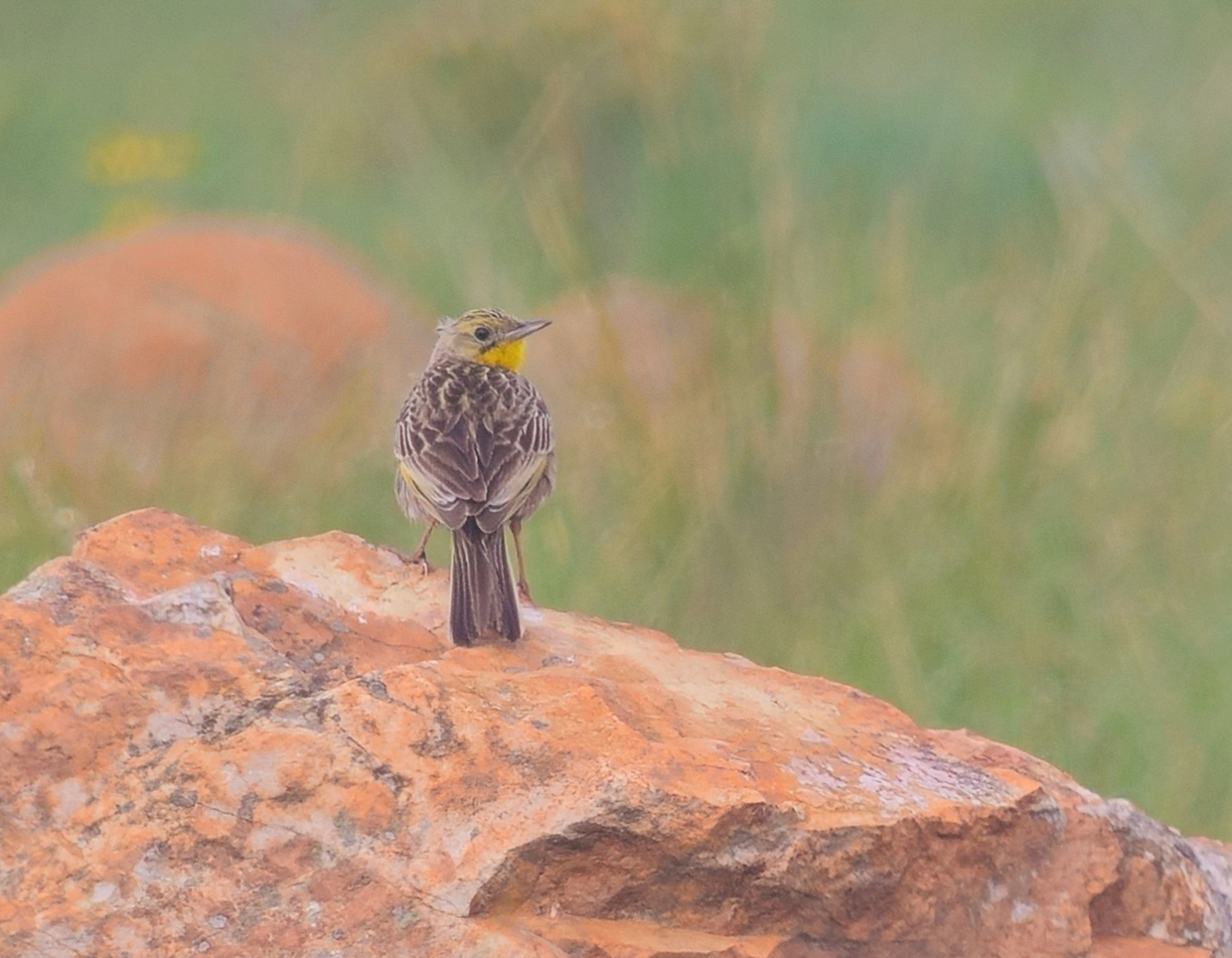
Yellow-breasted Pipit © Mike Hoit
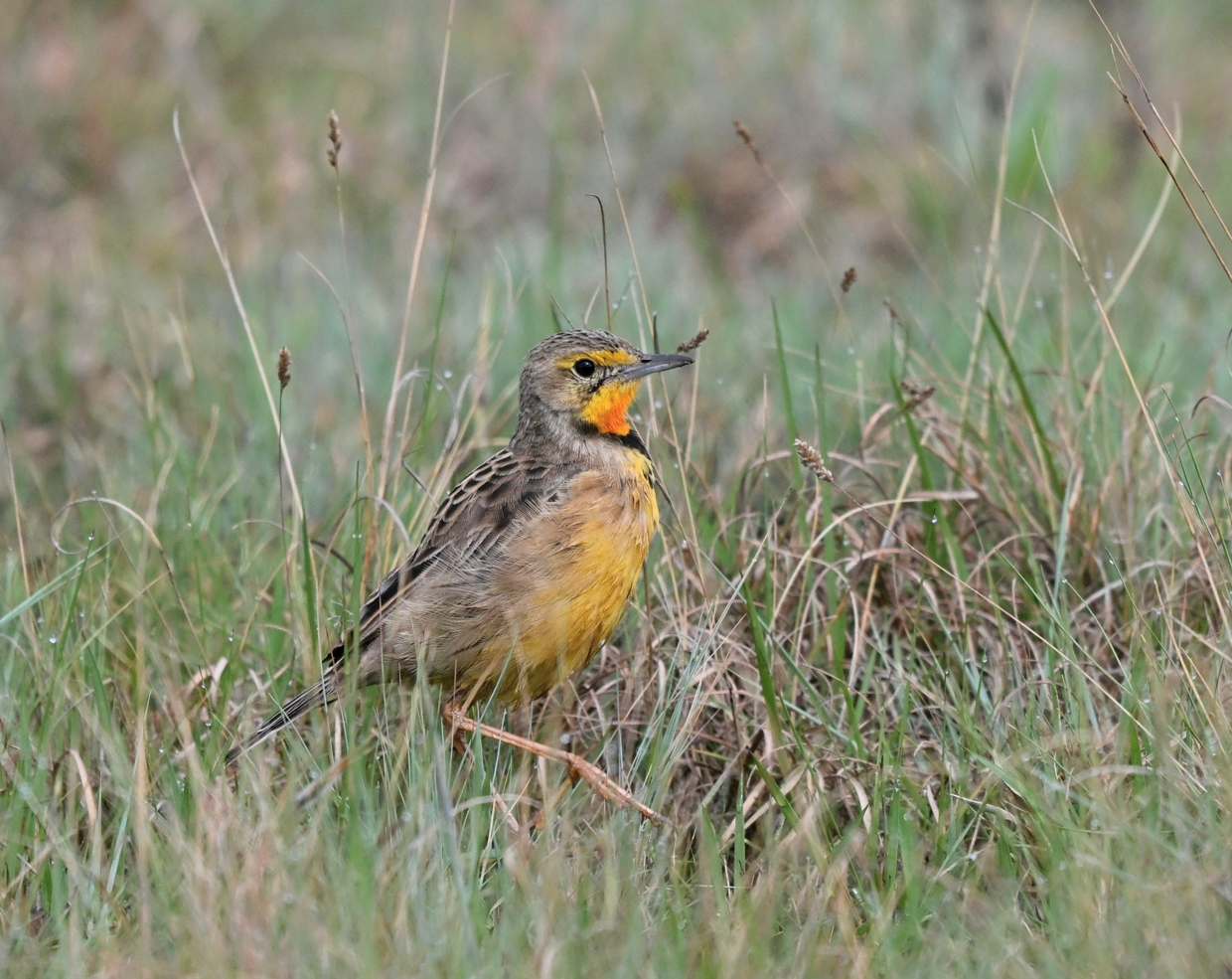
Orange-throated Longclaw © Renee Roussow
We were back in the same area the following morning, although we had to wait for the fog to clear – luckily tea and rusks were on hand! With improving visibility, we scoped raucous Red-winged Francolins, and enjoyed numerous singing Levaillant’s, Wing-snapping and Wailing Cisticolas, displaying Long-tailed Widowbirds, and better views of Yellow-breasted Pipits.
Travelling east again, further activities were curtailed by heavy rain for much of the day – fortunately we encountered very little wet weather on the tour. Fortunately, by the time we reached Blyde River Canyon, the clouds had lifted somewhat, and we could enjoy the spectacular vistas of the third largest canyon on earth, including the Three Rondavels rock formations. Against this backdrop, we saw White-bellied Sunbirds, Alpine Swifts, and White-necked Raven, plus Klipspringers around our cabins after dark.
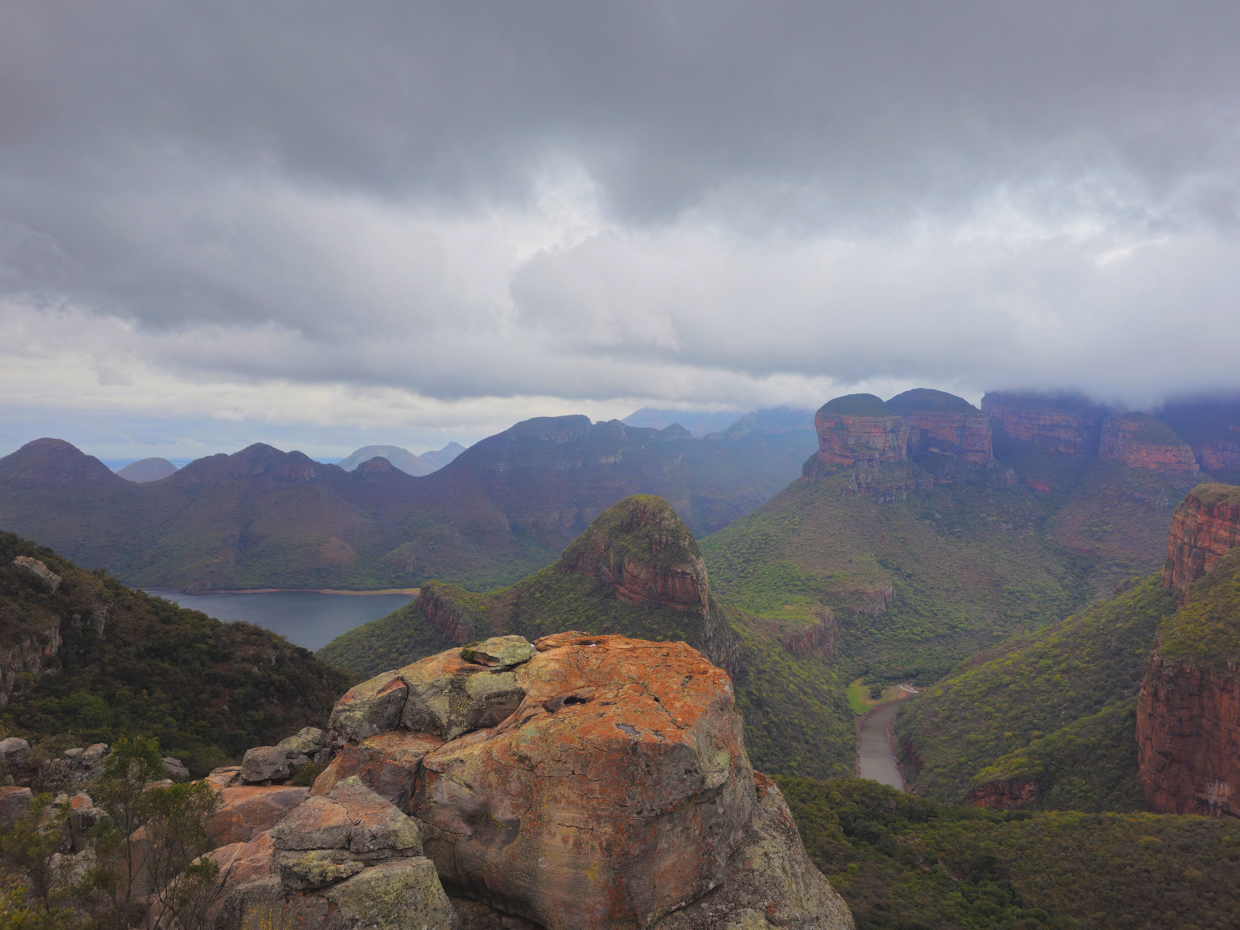
Blyde River Canyon © Mike Hoit
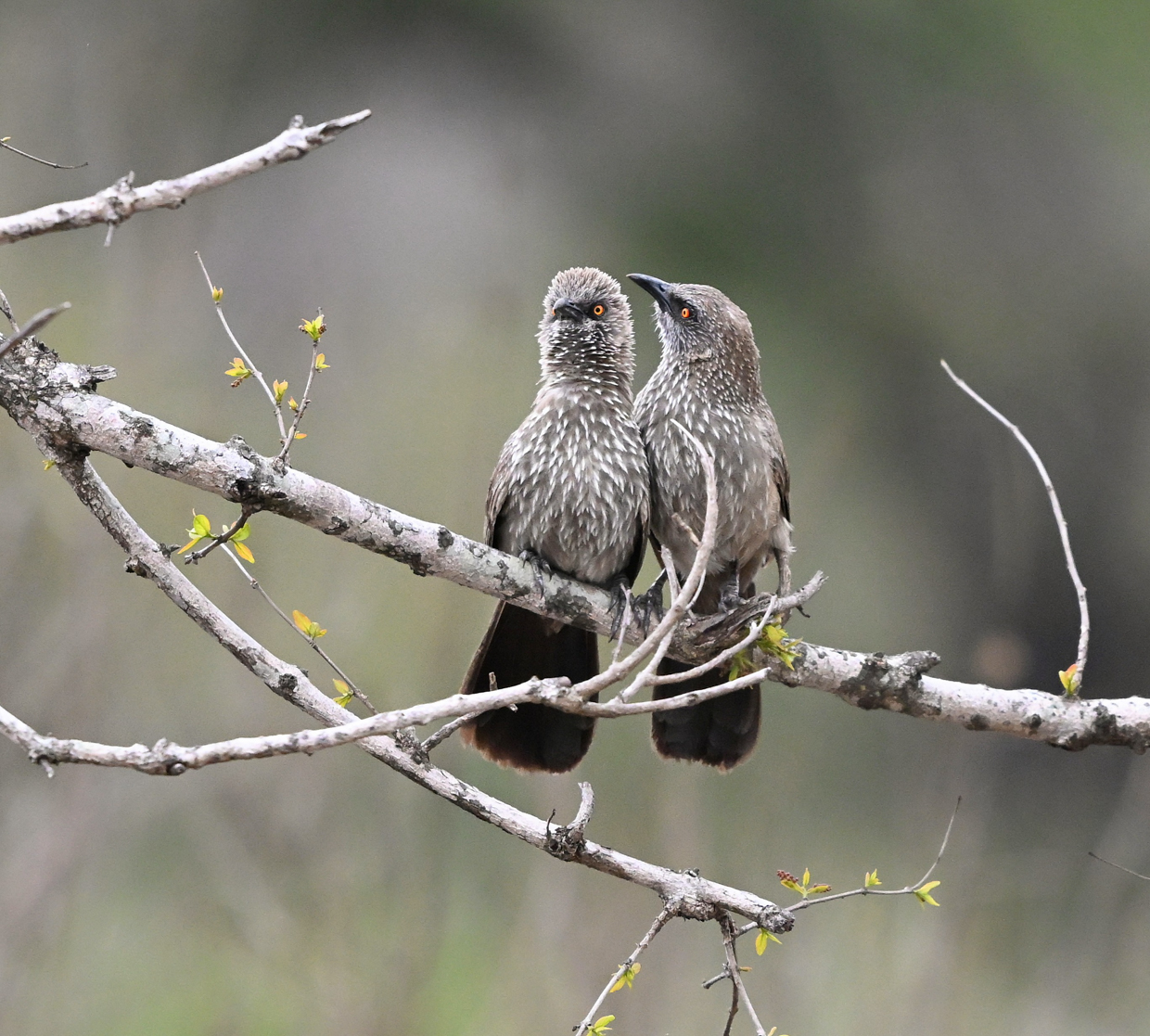
Arrow-marked Babbler © Renee Roussow
Days four to seven, 31st October – 3rd November: into the Lowveld and Kruger National Park.
The escarpment at Blyde River Canyon forms the border between the highveld and Lowveld, and birding the forest here produced Red-chested Cuckoo, Yellow-fronted Tinkerbird. Olive Bush Shrike, Red-capped Robin-chat, and great views of Striped Pipit.
After breakfast, we descended to the plains proper, where strategic stops yielded Cape Griffon Vulture and Red-headed Weaver, before excitement levels rose as we entered the famed Kruger NP. Over the next few days we would traverse a significant stretch of this vast protected area, whilst still only scratching the surface of the range of habitats present. The drive this afternoon from the Orpen Gate to Satara Rest Camp showed why Kruger is so highly-rated. A host of new birds included Saddle-billed Stork, Brown-headed Parrot, Pied Cuckoo, Wattled Starlings, Sulphur-breasted and Grey-headed Bushshrikes, and Sabota Lark, while mammals were abundant. Southern Giraffe (with both species of oxpeckers hitching a ride), African Savanna Elephant, Warthogs, Impala, Greater Kudu and Burchell’s Plains Zebras were all seen in good numbers, along with a family group of Spotted Hyenas, and the undoubted highlight of a pack of Painted Dogs – including nine pups – right by the car. All this within our first four hours in the park!
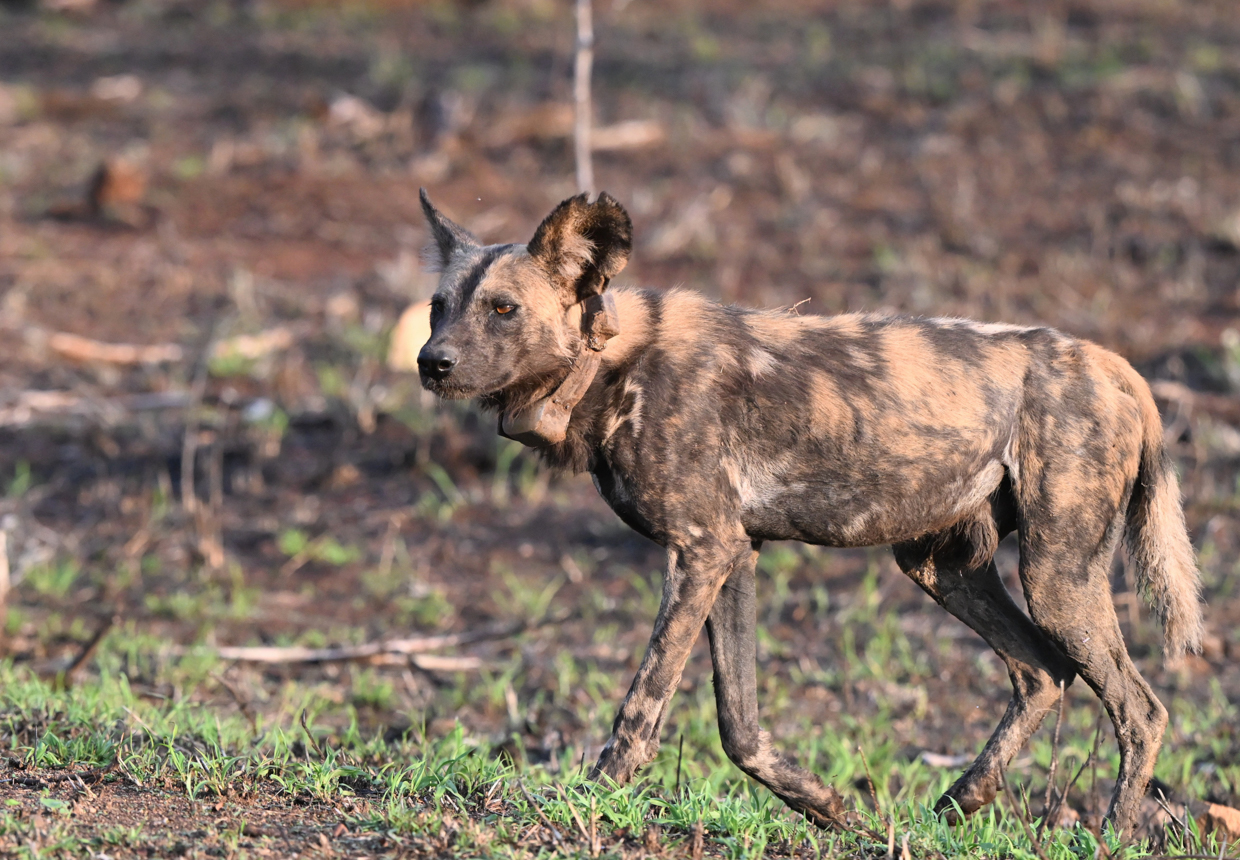
Painted Dog © Renee Roussow
Day two in Kruger saw us first exploring north from Satara, and found ourselves watching a large male Lion almost immediately! These open savanna were home to two species of bustard – the massive, stately Kori and the Red-crested, which we saw in full display – as well as Common Ostriches, Blue Wildebeest, and Steenbok. Breakfast was enlivened by Red-billed Buffalo-weavers building huge, untidy stick nests and tame Southern Red-billed Hornbills, before we hit the road south to Skukuza. Stops during the heat of the day yielded Secretarybird, Lilac-breasted Roller, Bateleurs in acrobatic flight, three species of vulture bathing together, and close encounters with Cape Buffaloes and elephants. Perhaps the highlight was chancing on a termite hatch, where White-fronted Bee-eaters, iridescent Violet-backed Starlings and a Lesser Spotted Eagle feasted just outside the vehicle. Arriving into Skukuza Rest Camp, two African Black Ducks were the best of some casual afternoon birding.

Red-billed Hornbill © Mike Hoit
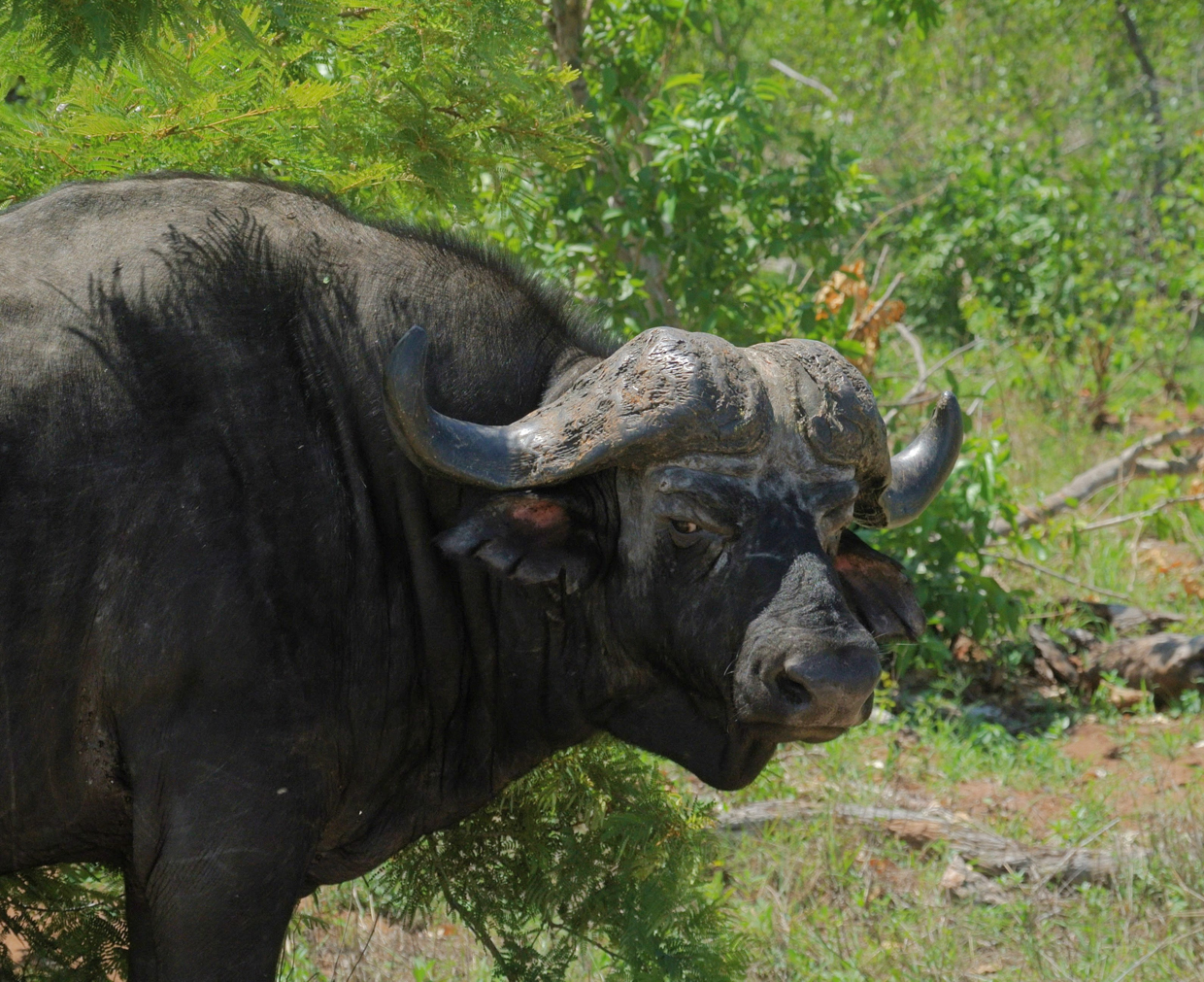
Cape Buffalo © Mike Hoit
November means early starts in Kruger, and on the agenda today was a long safari along the Sabie River. Even before it was fully light, we had enjoyed a Spotted Hyena family, and a closer-than-strictly-necessary encounter with a Hippopotamus in the road. The Sabie Road is famous for large carnivore sightings, and it did not disappoint: after spending time with a mated pair of Lions, we found another impressive male en route to a prolonged sighting of a Leopard loafing out in the open. A long list of good birds included White-crowned Lapwings, Goliath Herons, a point-blank Giant Kingfisher, astonishing views of both Four-coloured Bushshrike and Greater Painted-Snipes, and a European Honeybuzzard. Around the Lower Sabie Camp at lunchtime we were entertained by some close looks at waterbirds, Martial Eagle and European Bee-eater, plus some playful baby hippos, before heading back to base.
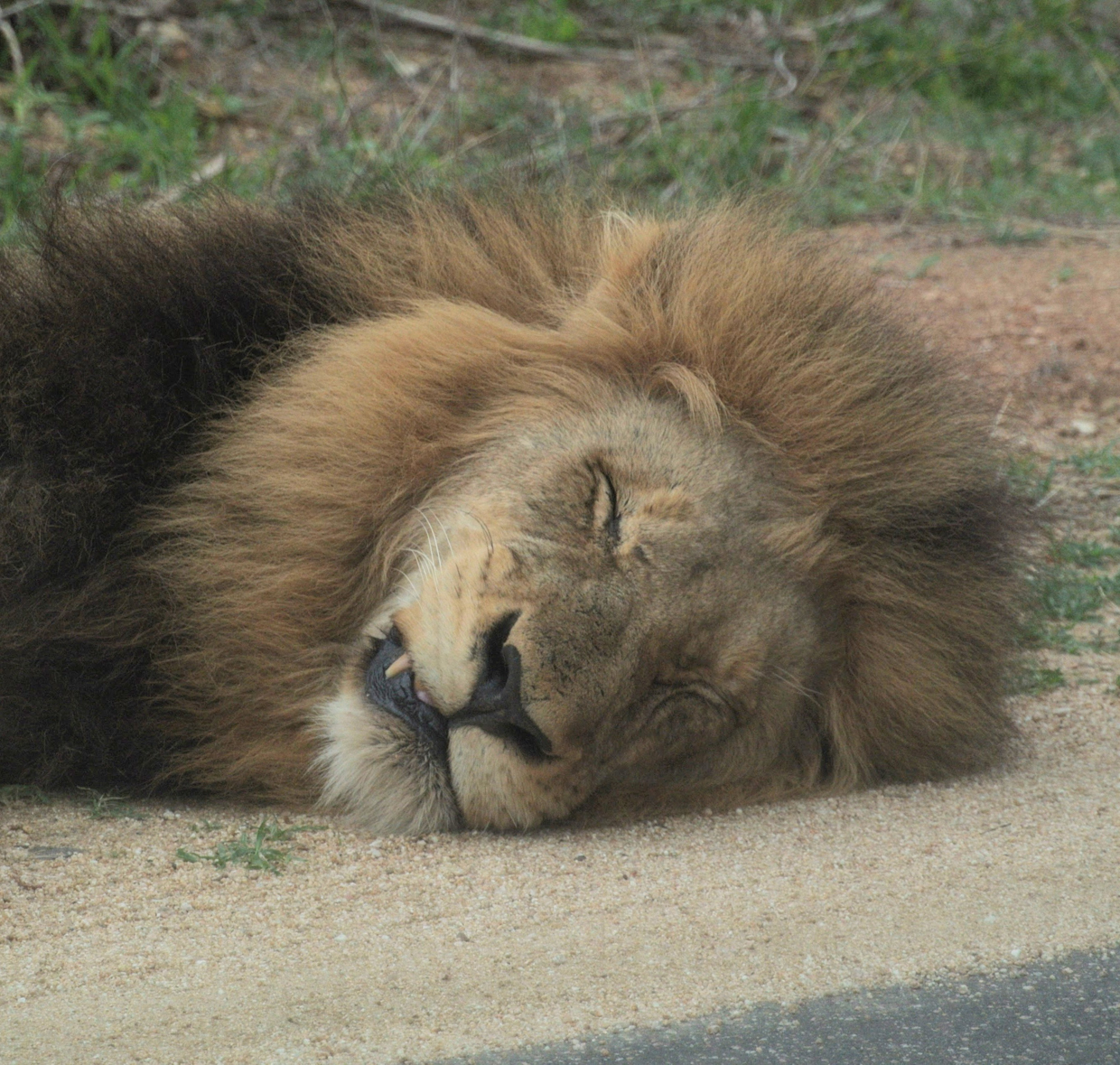
Lion © Mike Hoit
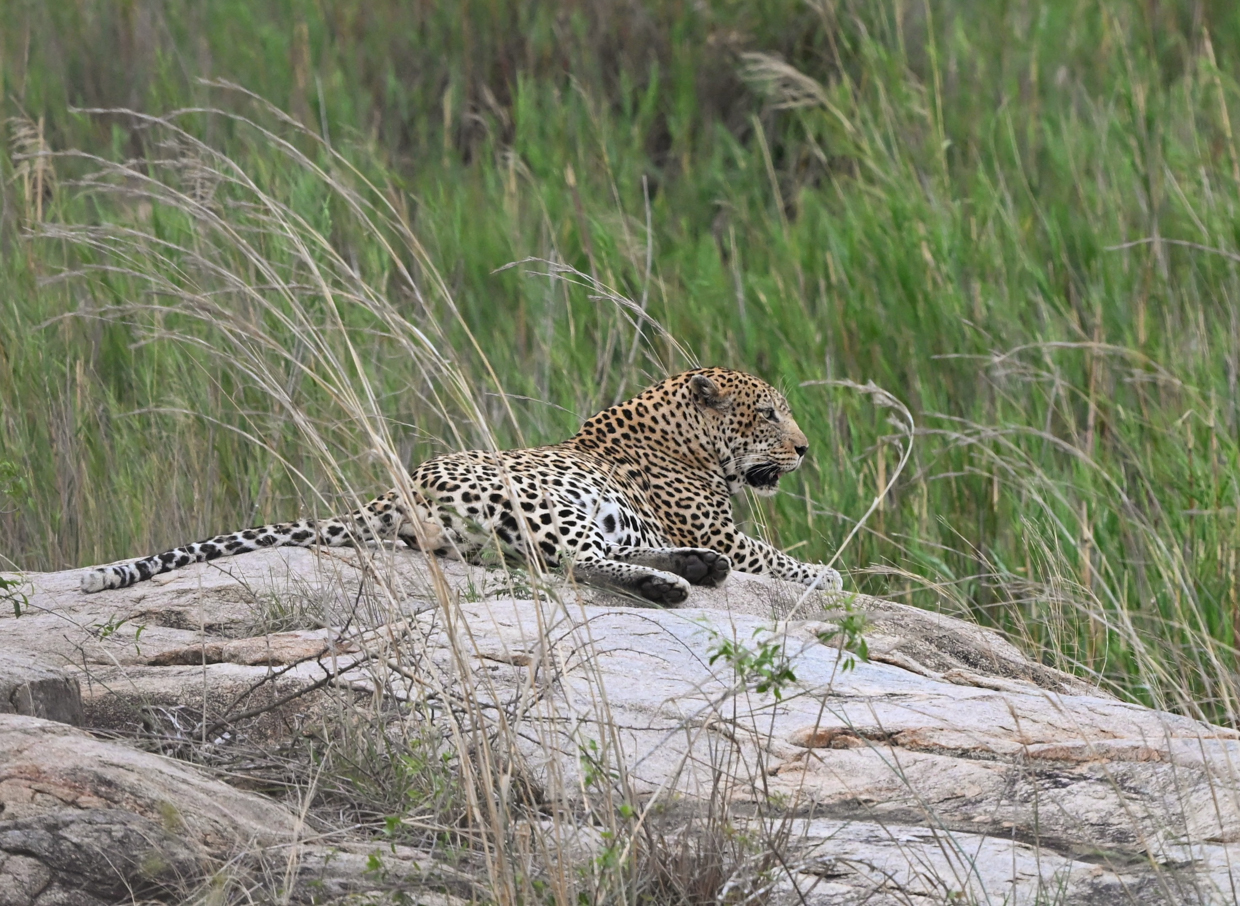
Leopard © Renee Roussow
We had arranged a night drive on our second evening at Skukuza, and it’s fair to say this exceeded expectations. The headline bird was the rarely-seen White-backed Night-Heron, while mammals included yet more close-up Lions, our second Leopard sighting of the day (a mother and a small cub), African Civet, Cape Porcupine, and White-tailed Mongoose. What a day!

Spotted Hyena © Mike Hoit
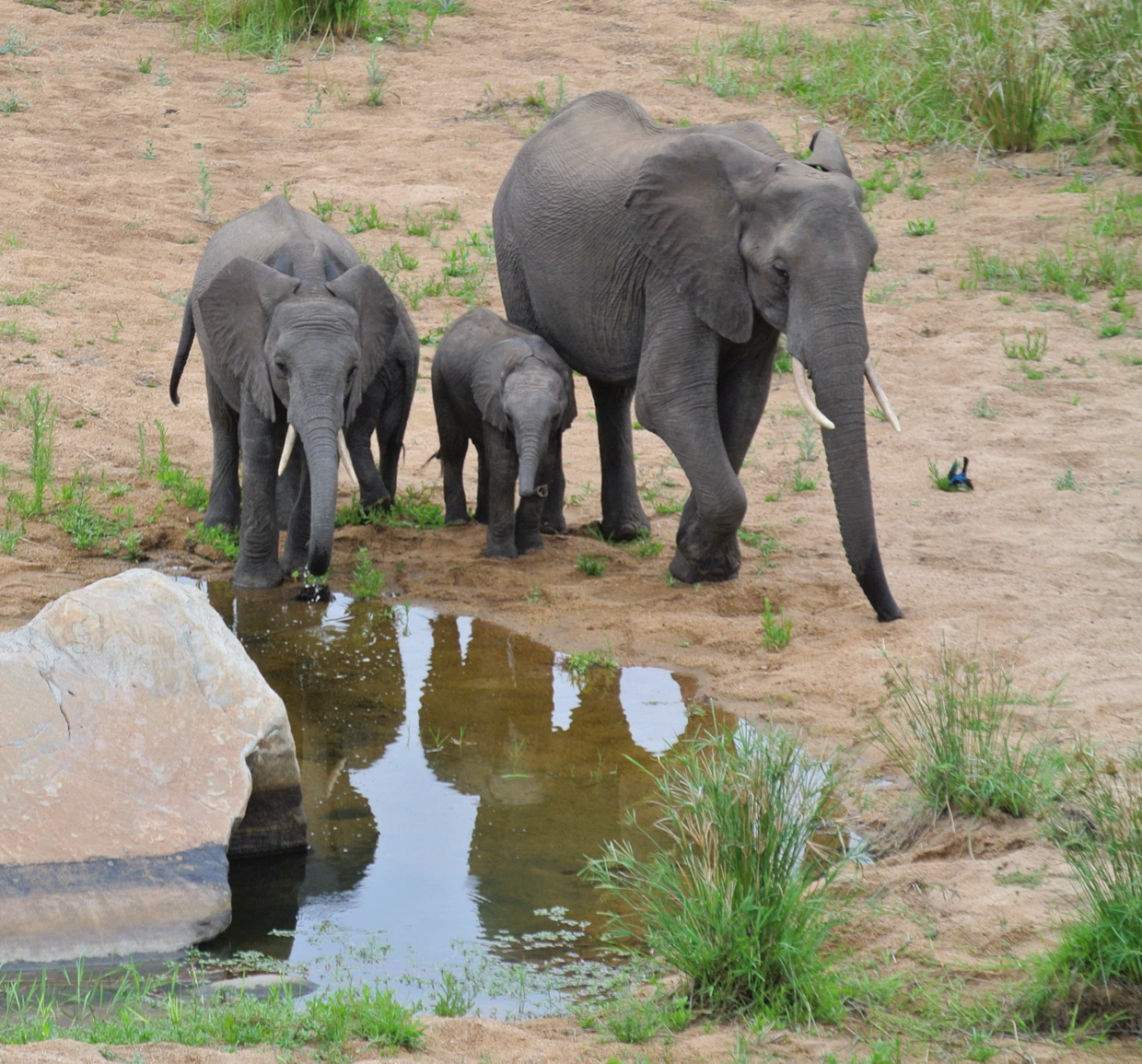
Savanna Elephants © Mike Hoit
Sadly, the time had come to leave Kruger, but we weren’t done with the quality sightings yet.
The day started with a great sighting of African Wood Owl in the camp itself, and the hyena cubs showed very well. Driving south to leave via the Malelane Gate new birds included Stierling’s Wren-Warbler, Bearded Woodpecker, while over breakfast we watched Crested Barbets and Bushbucks at close range. Some final wonderful elephant sightings saw us out of the park, before it was time to head back into the hills. Approaching Wakkerstroom, our first sightings of Southern Bald Ibis and South African Cliff Swallow whetted the appetite for tomorrow, and a Martial Eagle devouring a Meerkat while the surviving members of the mob looked on was an astonishing sight. After such a long drive, the hospitality of Ronell at Forellenhof Guest Farm was much appreciated.
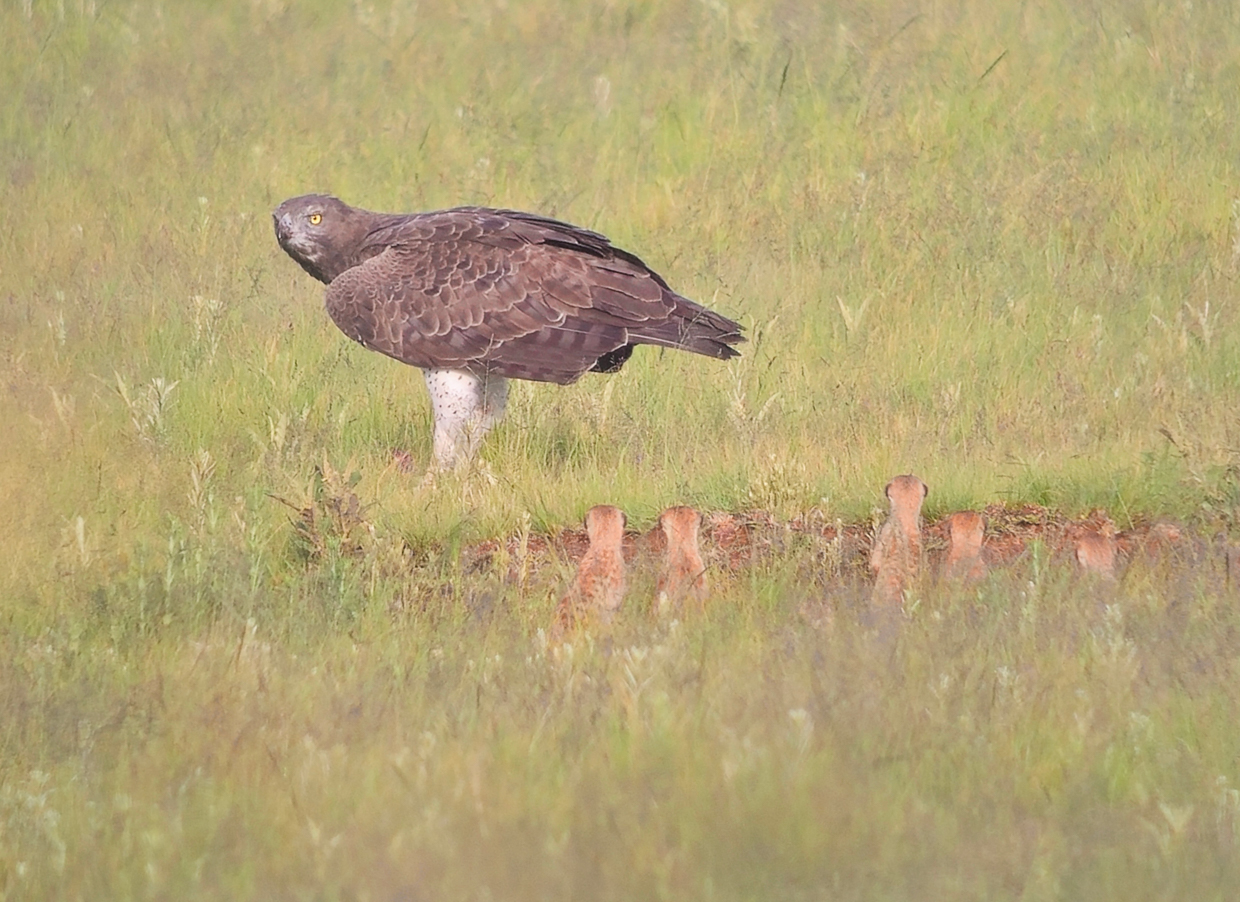
Martial Eagle and Meerkats © Mike Hoit
Days eight and nine, 4th – 5th November: Wakkerstroom.
Wakkerstroom is a prime area for open-country birds, but local knowledge is key. We were in safe hands with expert guide Lucky for a day of travelling widely to locate a long list of specialities. Highlights included Yellow-tufted (African Rock) Pipit singing from rocky slopes, White-bellied and Blue Bustards (the latter giving amazing views), Sentinel Rock-thrush, Buff-streaked Chats, Black-winged Lapwings with a chick, and Bush Blackcap singing atop dense cover. Later in the day we visited Wakkerstroom Wetlands, where a Red-chested Flufftail emerged from cover a few times, and then it was back to the farm for another home-cooked meal.
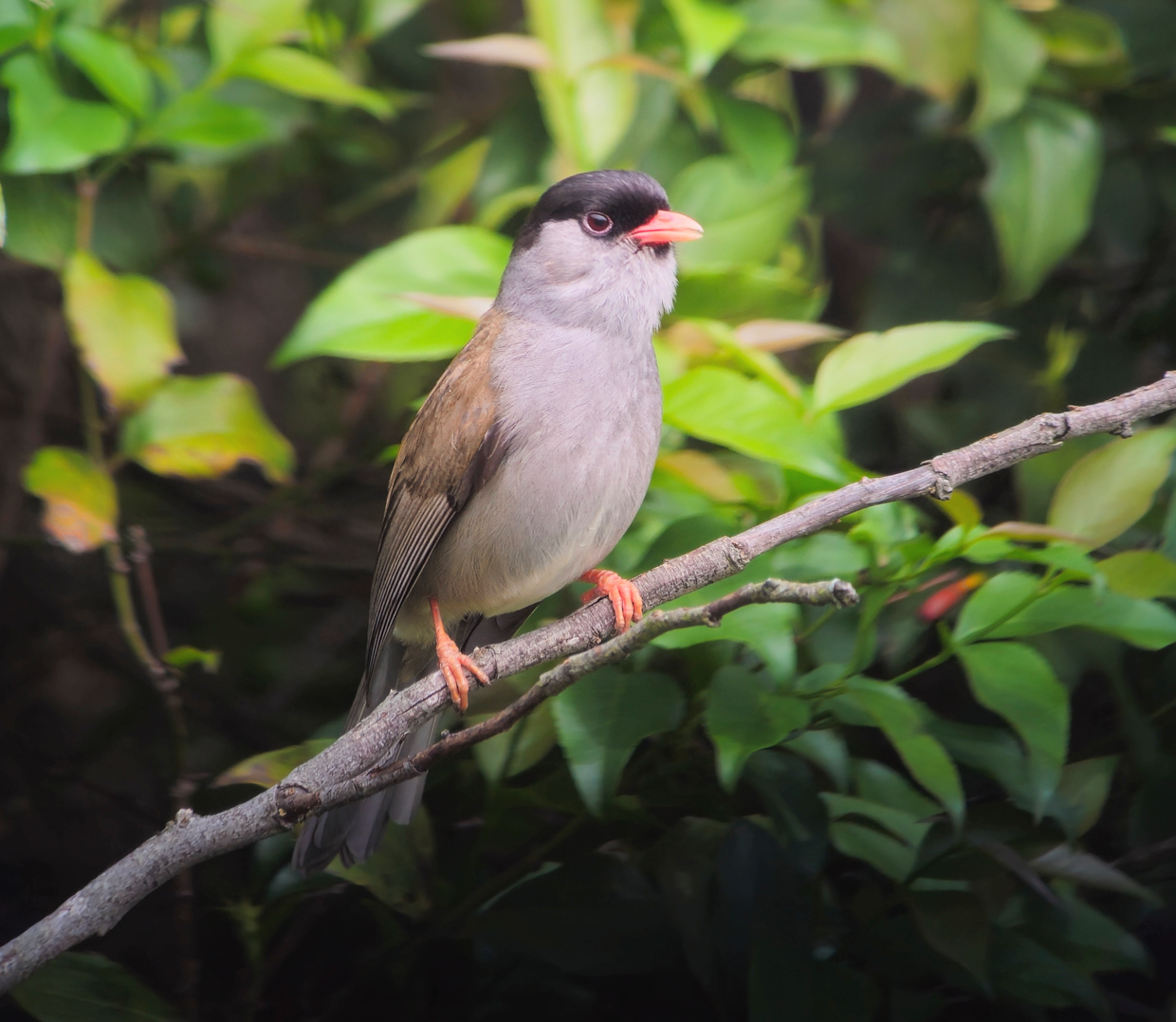
Bush Blackcap © Mike Hoit
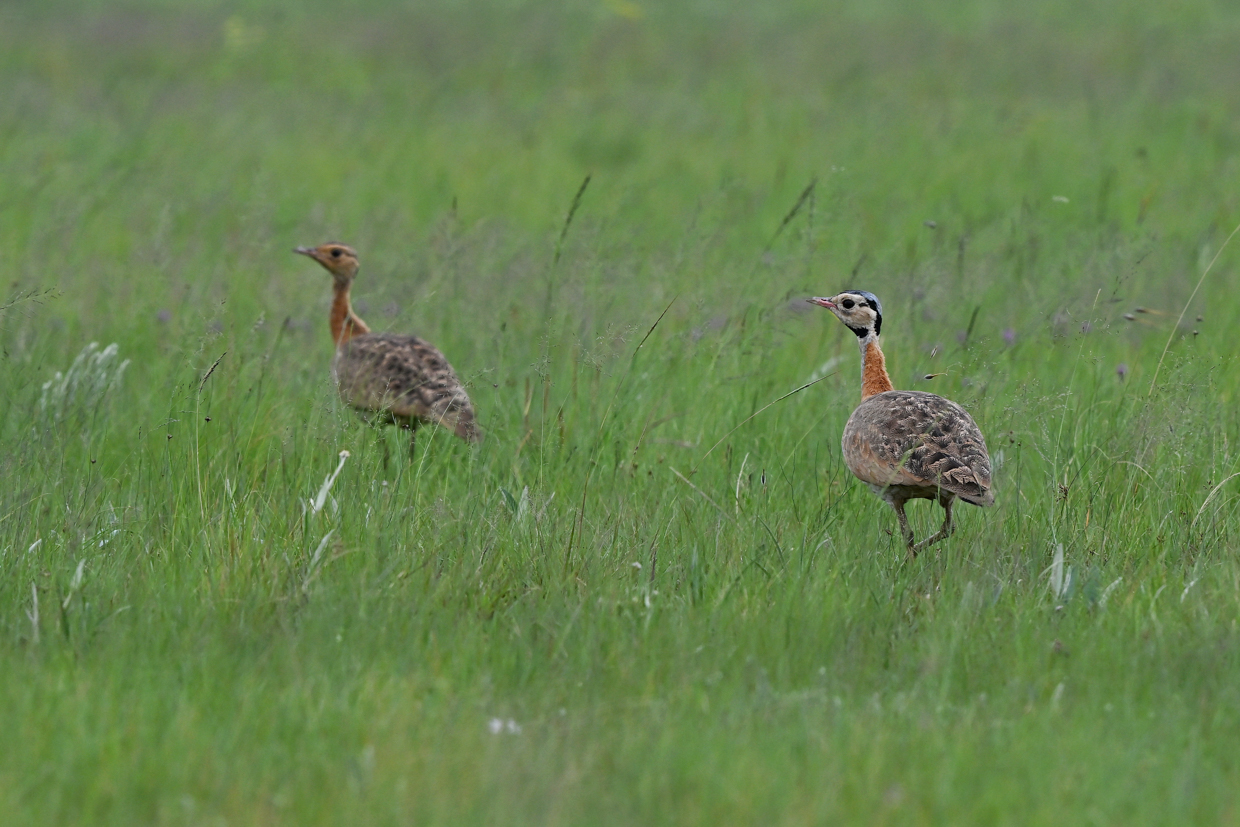
White-bellied Bustard © Renee Roussow
The next day was slated as a later start, but those who were woken early by bugling Blue Cranes were in for a surprise as a Serval strolled through the fields! Returning to the wetlands, the flufftail did not, unfortunately, feel like improving on his performance, but a Spotted-necked Otter put on a show instead. Other birds included African Snipe, African Swamphen and Lesser Swamp Warblers.
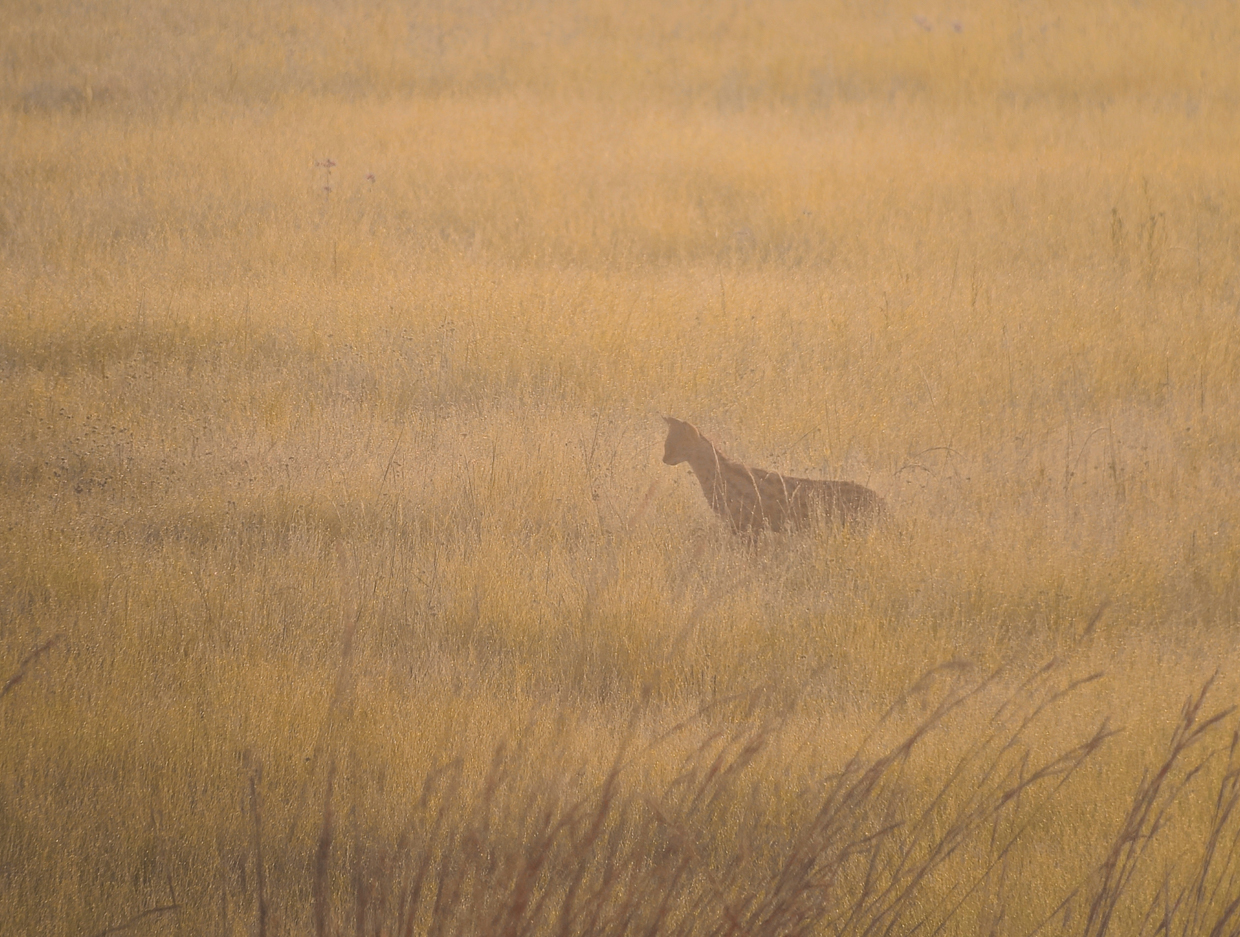
Serval © Mike Hoit
The drive to the KZN lowlands featured endless roadworks and slow trucks, but a few open country and wetland species kept us entertained. By late afternoon we were settling into the idyllic Mazuri Bush Cottages for some rest, seeing Little Bee-eaters on the way in and, after dinner, some lovely Thick-tailed Galagos (AKA bushbabies)
Days ten to thirteen, 6th – 9th November: southeastern KwaZulu-Natal Mkhuze NP
Mkhuzwe Game Reserve and iSimangaliso Wetland Park protect an almost continuous swath of marshland, savanna, sand forest and bush stretching from the coast to ninety kilometres inland. Our time in this outstanding area started in earnest with a morning in Mkhuze, seeing African Pygmy Kingfisher, Purple-crested Turaco, African Emerald Cuckoo and Bearded Scrub-Robin, among others. Apart from numerous beautiful Nyala, there were two big mammal highlights: another remarkable Leopard sighting, and a wallowing White Rhinoceros we watched from a hide. In the sand forests near our accommodation, we found Pink Twinspot, the range-restricted Rudd’s Apalis and Eastern Nicator.
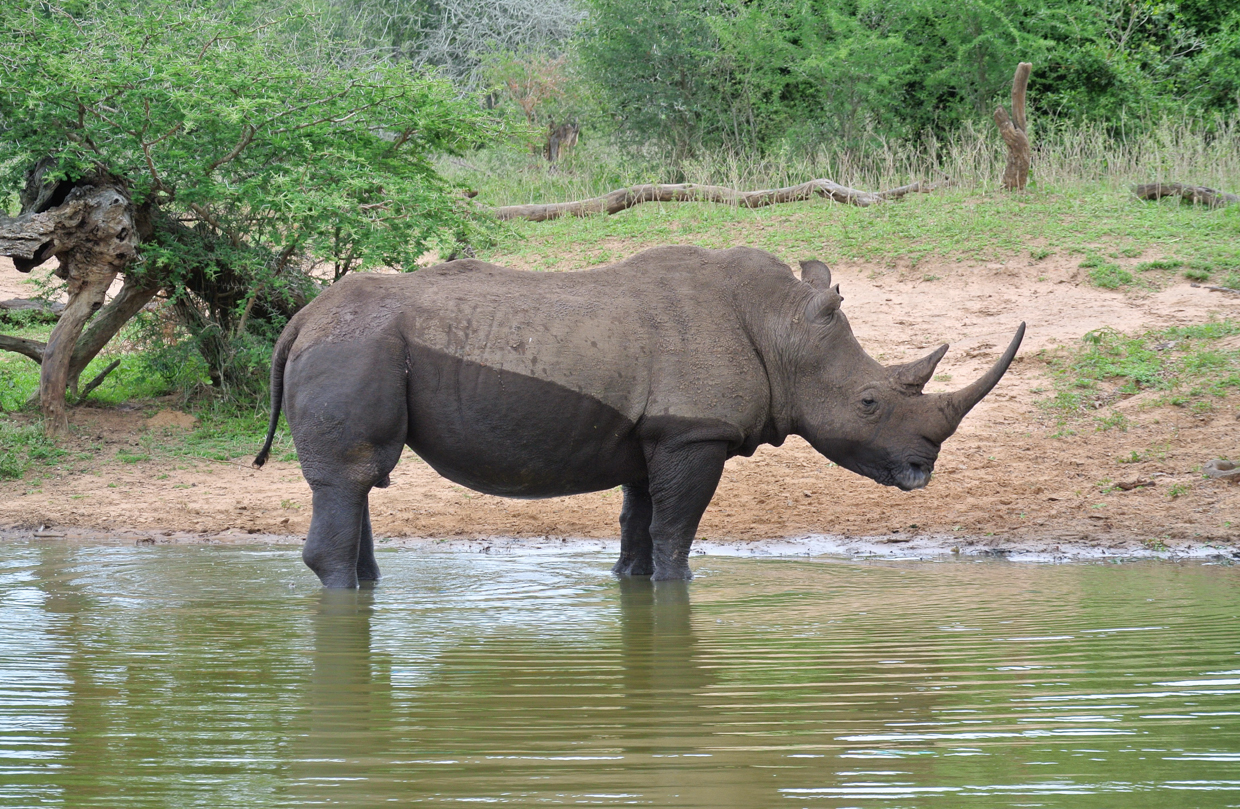
White Rhino © Mike Hoit
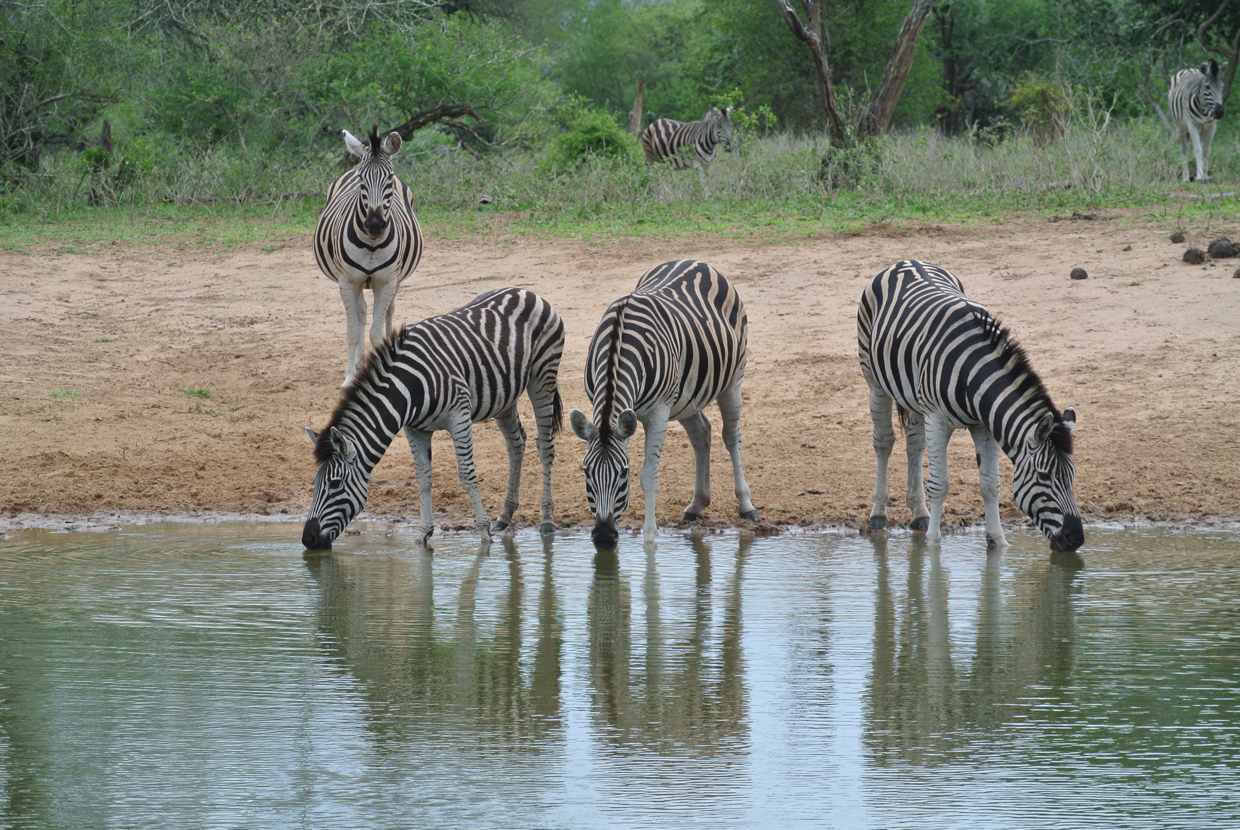
Plains Zebras © Mike Hoit
Making the short drive to St Lucia for a two night stay, a stop by the estuary produced good views of nesting African Golden and Southern Brown-throated Weavers. Southern Crested Guineafowl, Brown Scrub-Robin, Livingstone’s Turaco, White-eared Barbets all showed brilliantly during our initial explorations of forests and marshes around the town.

Brown Scrub-Robin © Renee Roussow
Venturing into wetlands, scrub and forest of the eastern part of iSimangaliso, birding highlights included Southern Banded Snake-Eagle, Rufous-bellied Heron, unbeatable views of African Pygmy Goose and White-backed Duck, while yet another Leopard sighting comprised a mother and two juveniles – incredible. Back in St Lucia, we gained stellar views of Narina Trogon, and our final morning produced point-blank Yellow-rumped Tinkerbirds, Grey (Mouse-coloured) Sunbird and African Harrier-hawk.
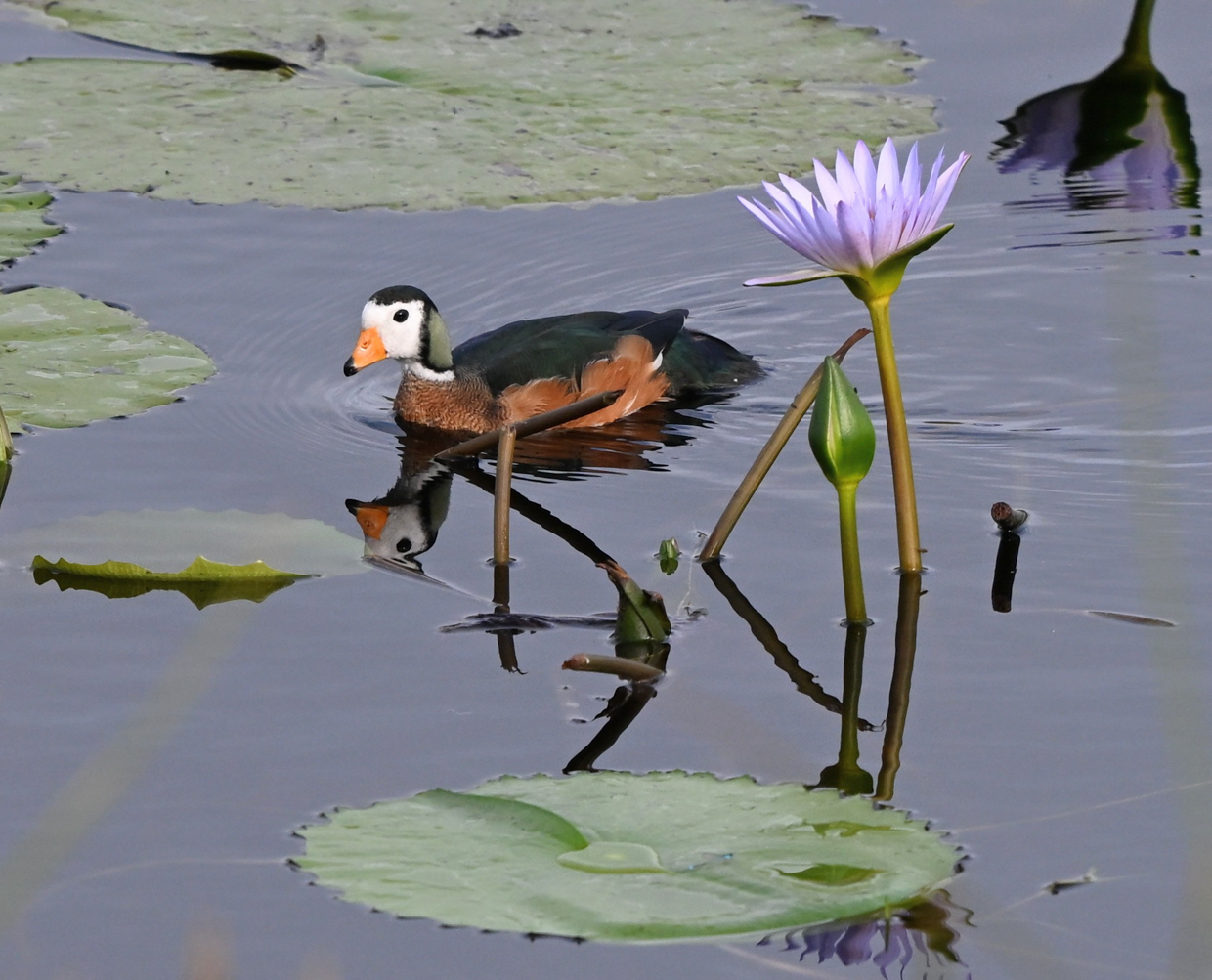
African Pygmy-Goose © Renee Roussow
Once again making our way to higher altitudes, a first visit to afromontane forest proved a little quiet, but we had good views of Knysna Turaco and Grey Cuckooshrike, before resting up in another delightful bed and breakfast.
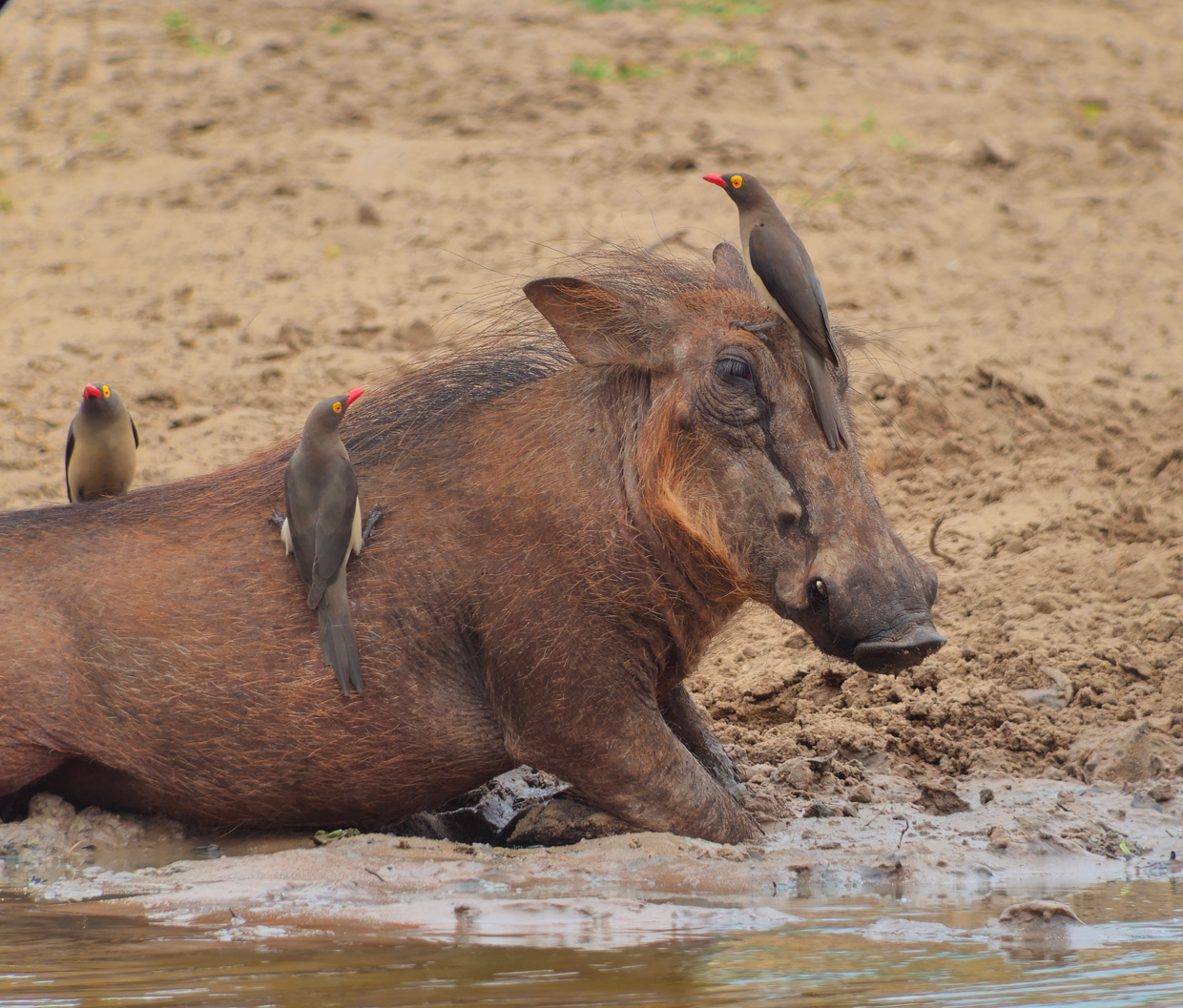
Warthog and Red-billed Oxpecker © Mike Hoit
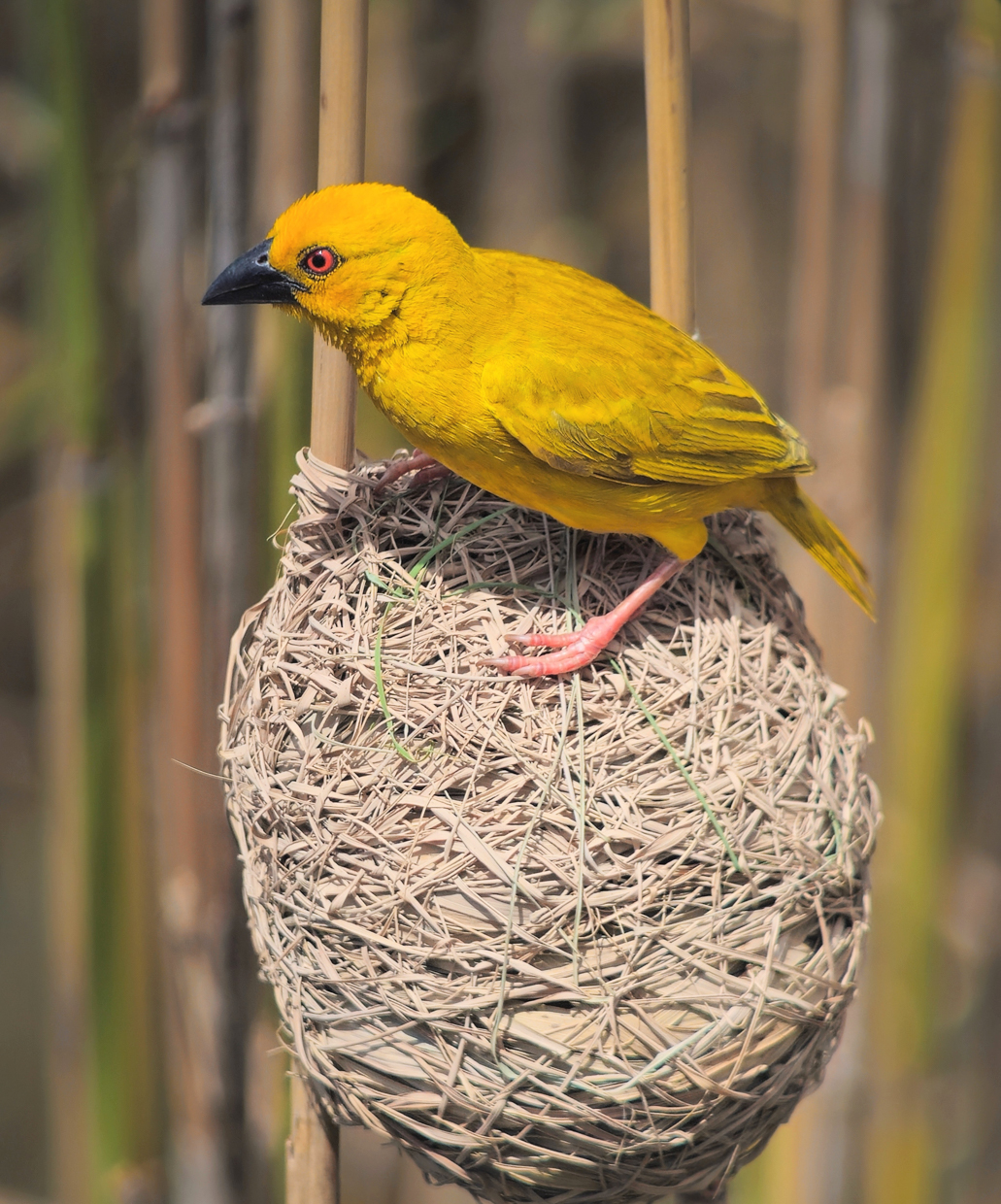
African Golden-Weaver © Mike Hoit
Days fourteen and fifteen, 10th – 11th November: Eshowe area and Karkloof.
We had just one morning with excellent local guide Junior, but he worked wonders to find us a laundry list of target birds across a variety of habitats. Among the many highlights were ‘Woodward’s Green Barbet, Green Malkoha, Palm-nut Vulture, Black Coucal, and Scaly-throated Honeyguide.
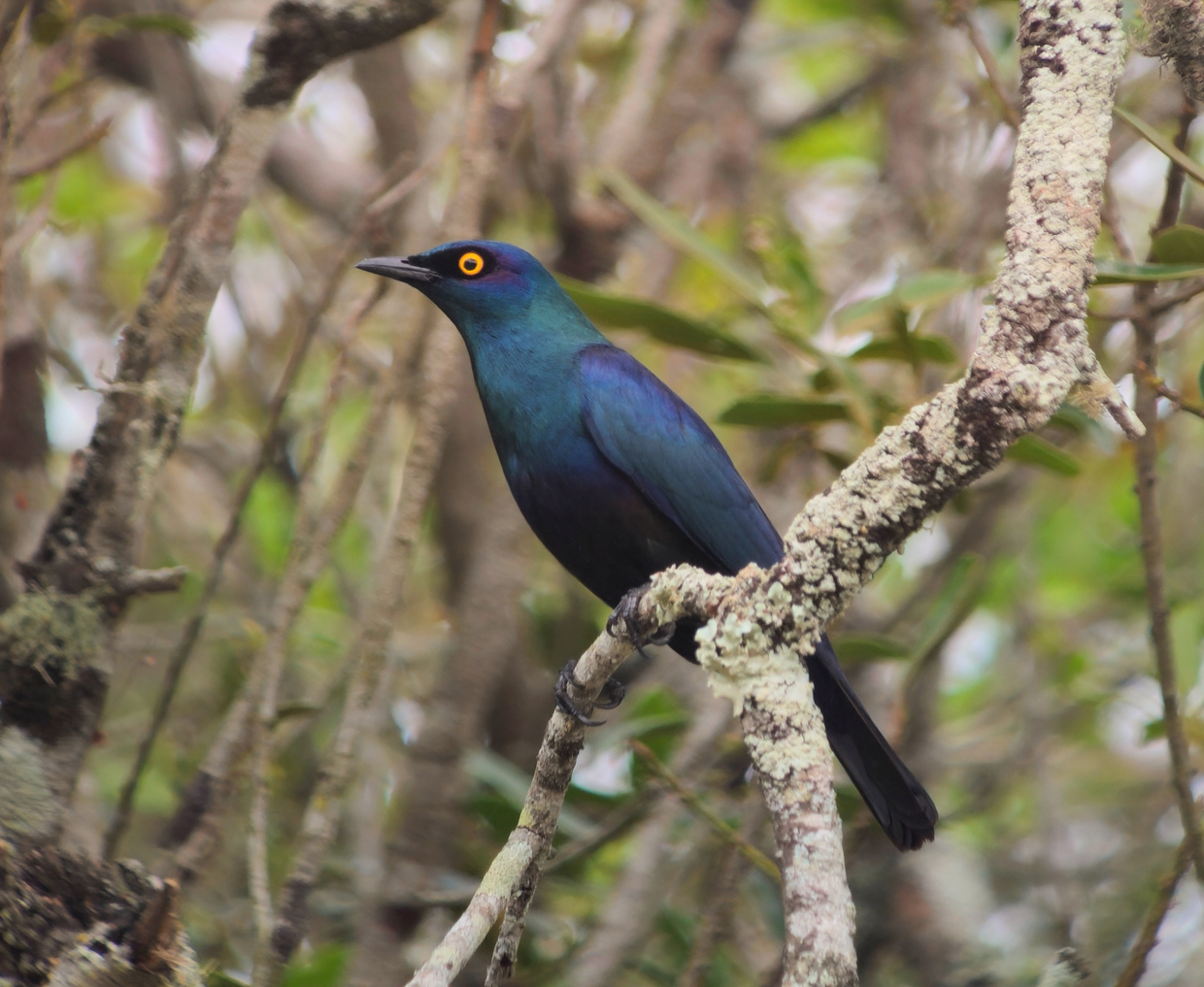
Black-bellied Starling © Mike Hoit
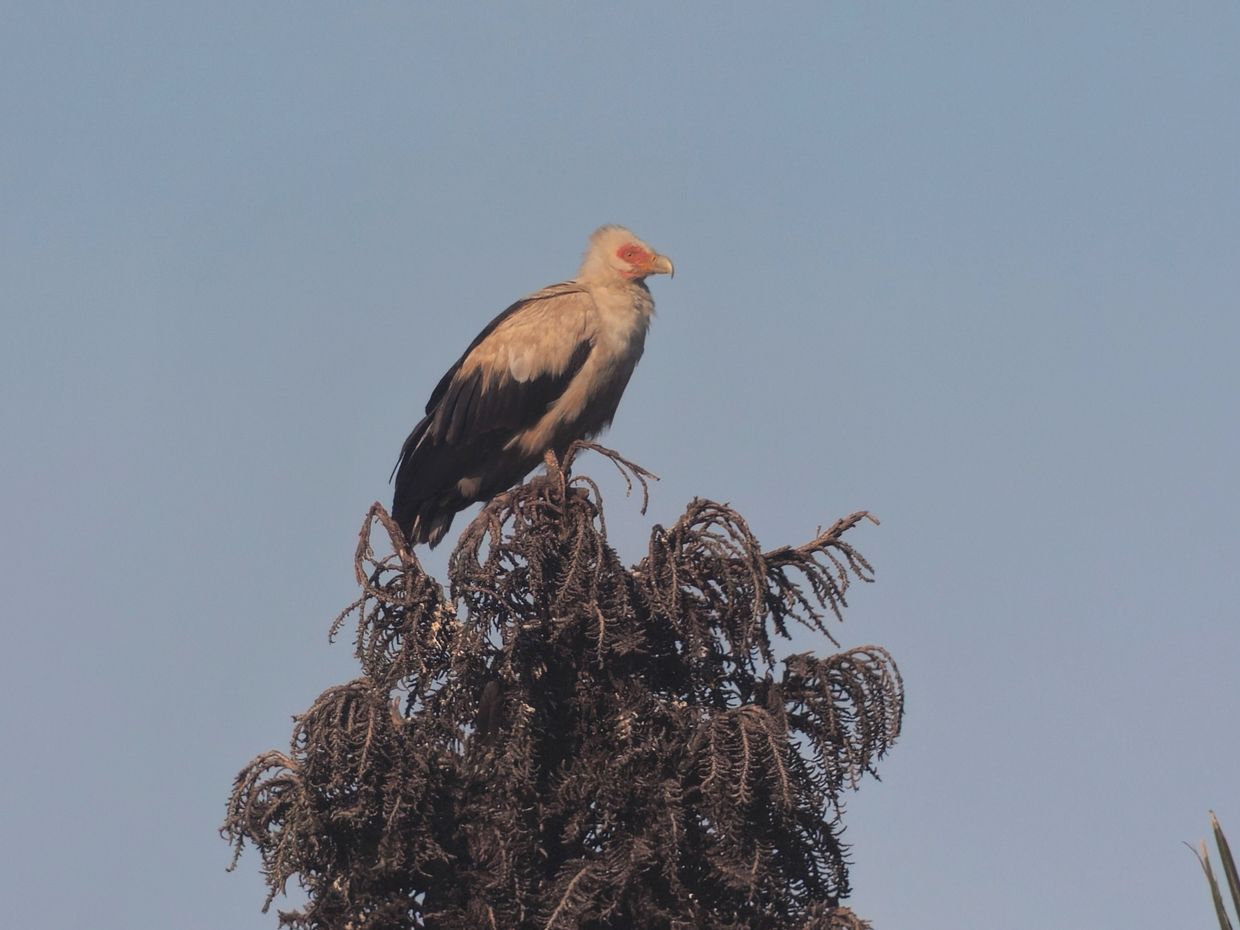
Palm-nut Vulture © Mike Hoit
After lunch, the journey to the Karkloof area coincided with heavy rain, so birding around the lodge would have to wait until the morning! Before breakfast, we watched Black Cuckoo and Red-backed Mannikins, before moving on to the unlikely settings of Benvie Gardens. Here, the normally difficult Orange Ground Thrush hopped on the lawns, and we saw a young Crowned Eagle in the nest. Dancing Grey Crowned Cranes and Southern Reedbuck at Karkloof conservancy were another highlight. In the afternoon we had a smooth journey to Underberg, seeing just a few species like African Paradise Flycatcher and Olive Thrush in the garden of the accommodation.
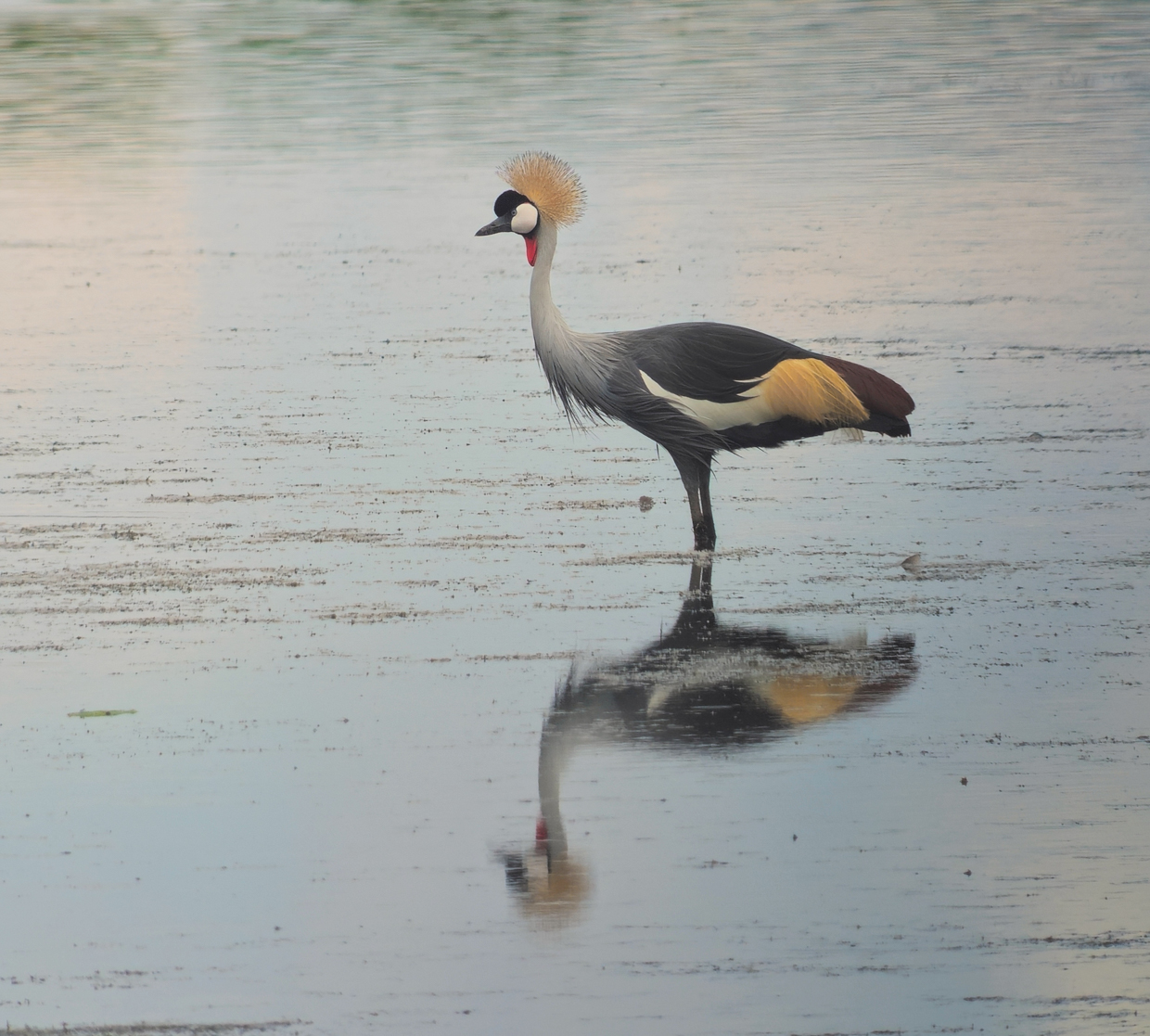
Gray-crowned Crane © Mike Hoit
Day sixteen, 12th November: Sani Pass and Lesotho
This was one of the most anticipated days of the whole trip: a journey up the Sani Pass road, among South Africa’s best birding locations home to a variety of very special species. It certainly lived up to hopes, and the weather was as spectacular as the scenery: blue skies, and no strong winds, perfect.
We were collected by local guides Stuart and Glen in 4WD vehicles and almost immediately felt the benefit of their extraordinary local knowledge with great views of Red-throated Wryneck, Brown-backed Honeybird and Cape Grassbird.
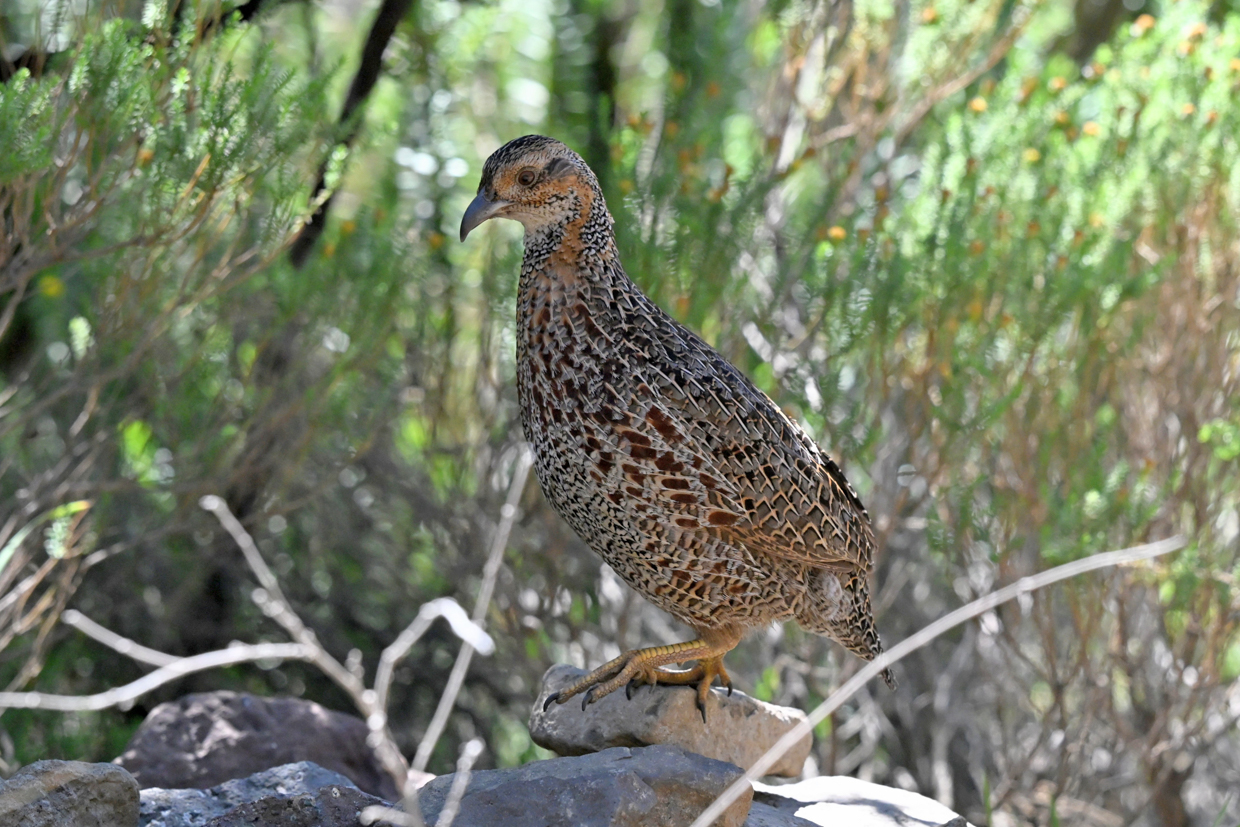
Gray-winged Francolin © Renee Roussow
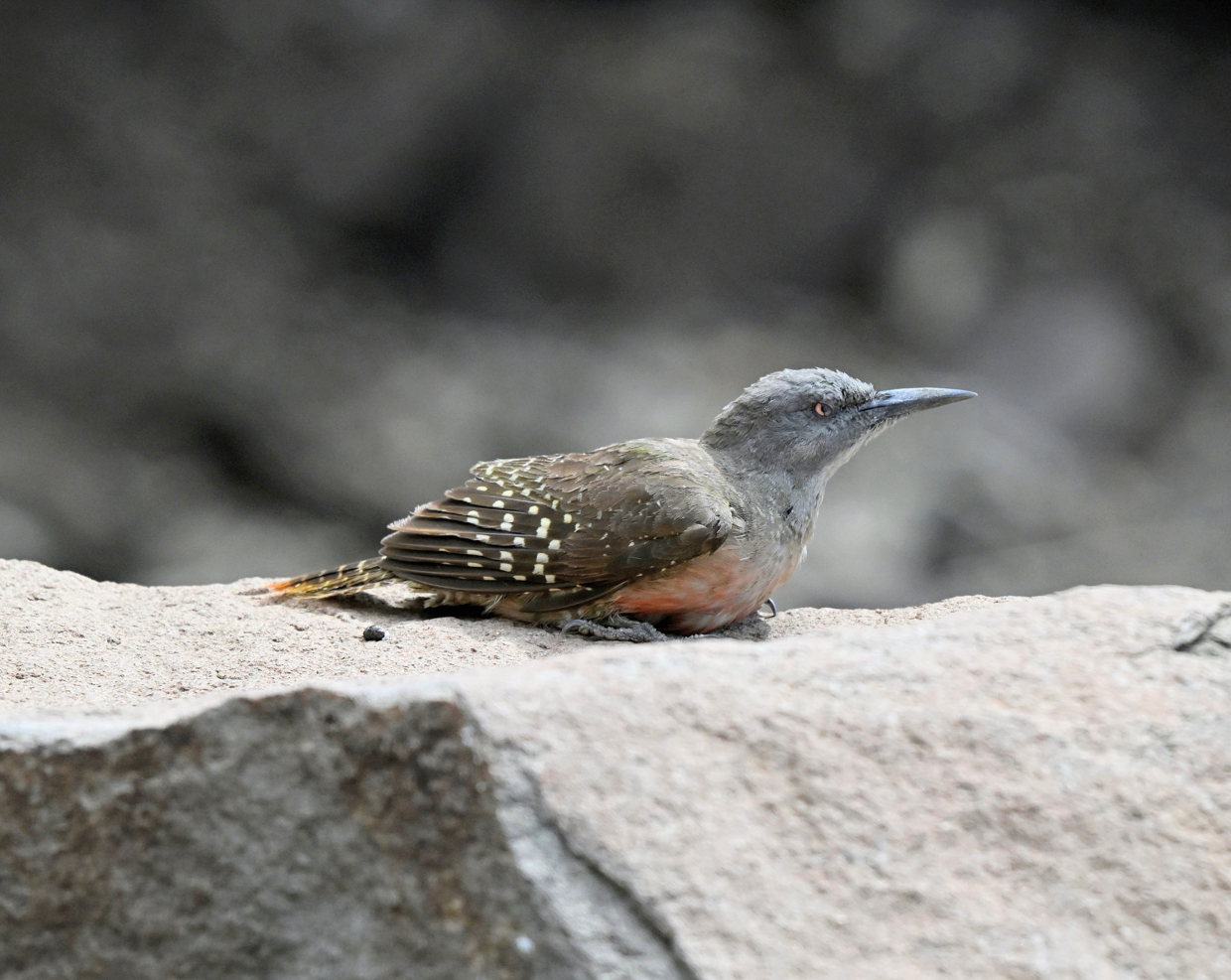
Ground Woodpecker © Renee Roussow
As the road wound up and up, Gurney’s Sugarbirds appeared in flowering proteas even before we reached the South African border post and were “stamped out” of the country. Along the dirt road of Sani Pass proper we were treated to a showy Barratt’s Warbler singing his heart out, Grey-winged Francolins running around our feet and Ground Woodpeckers at ridiculously close range.
High up, we soon found Drakensberg Siskins and Drakensberg Rockjumpers, again almost at touching distance, before our adventure continued into the mountain Kingdom of Lesotho. Mountain Pipits – which breed only in this range, and whose wintering grounds are as-yet unknown – were found at 3,000 metres above sea level, and the other highlights were too numerous to cover in full. Several Bearded Vultures,and Karoo specialist species such as Fairy Flycatcher and Black-headed Canary are certainty worth a mention, but the other endemic wildlife was not to be missed: the cute pika-like Sloggett’s Vlei Rat, numerous Drakensberg Crag Lizards, and an amazing Maluti River Frog (huge, despite being a juvenile).
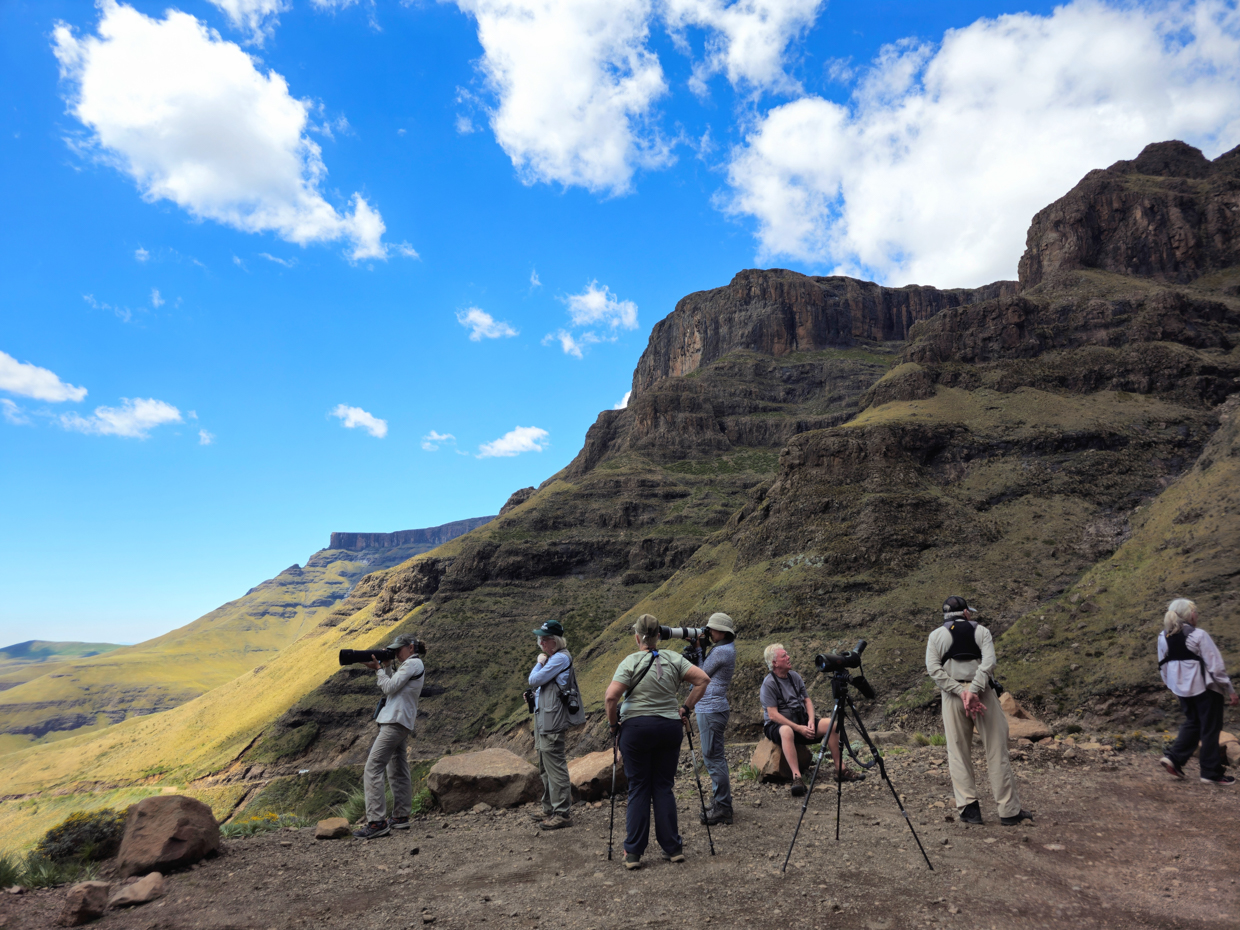
Birding at Sani Pass © Mike Hoit
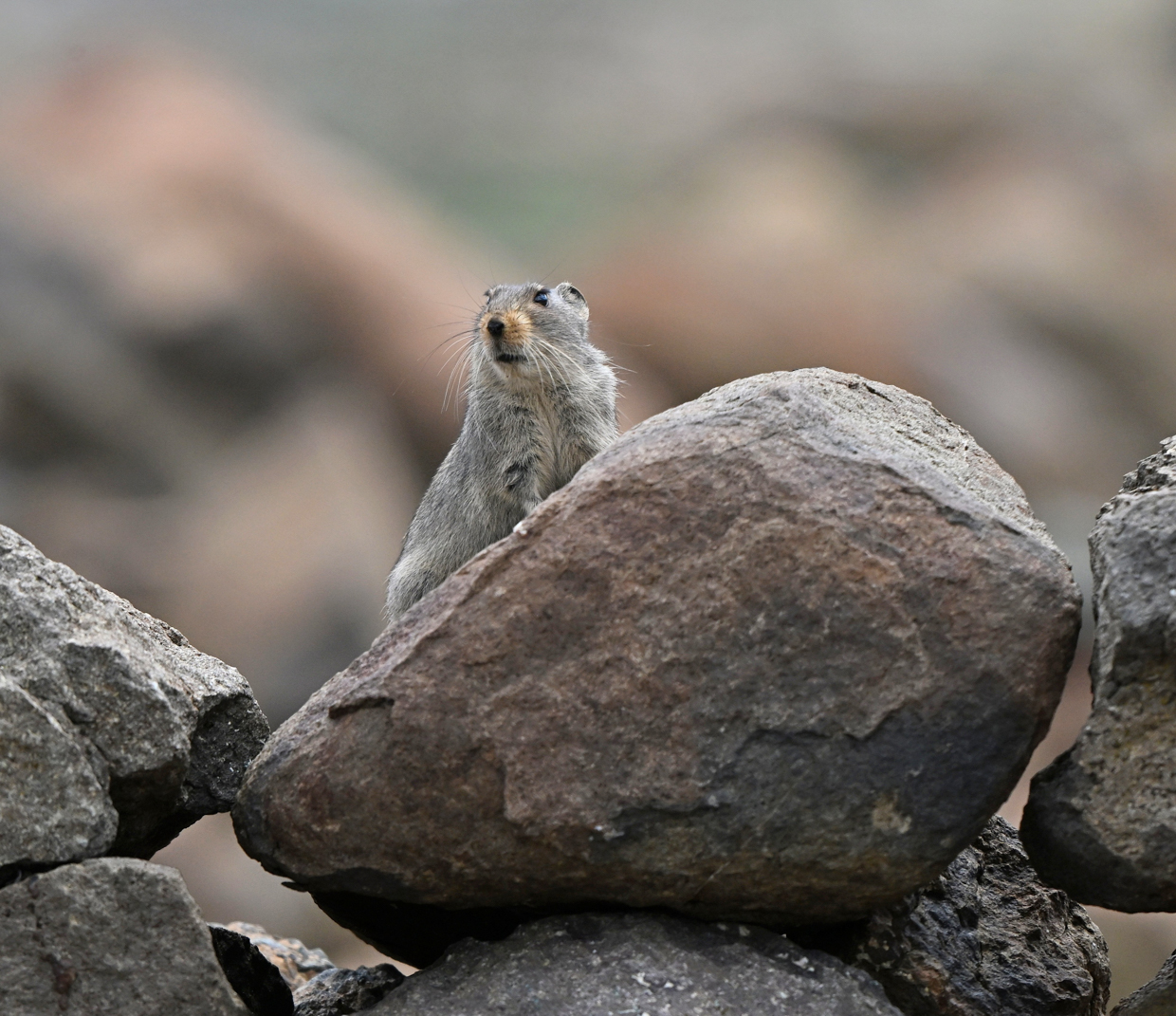
Sloggett’s Vlei Rat © Renee Roussow
Descending back to Underberg, we weren’t quite done with the birding. The grasslands gave us the full trio of cranes: Blue (our best views of the tour), Grey-crowned by the flock, and finally much-improved views of Wattled Cranes, fully-grown chick in tow. What a finish to one of the best birding days of the trip.
Day 17, 13th November: Underberg to Cape Town
After a feast of birding yesterday, this was the counterpoint: a day of travelling, with limited opportunities to raise the optics. Around the bed and breakfast, we watched Greater Double-collared Sunbirds on the feeders, before departing to Durban, finally gaining excellent views of Long-crested Eagle perched on a roadside pole, and our last fix of displaying widowbirds over the fields.
This was the morning we bade farewell to Renee, who had guided and organised so brilliantly during this leg of the tour, and true to form drove us safely and efficiently to the airport. Our flights were punctual, and by late afternoon we had landed in Cape Town, which is quite different from the parts of South Africa visited so far! Our new guide, Charlie, was waiting to whisk us through the fringes of the city, down the Cape peninsula, and to our hotel in Simon’s Town, sharing knowledge of his home region as we went. Our first delicious dinner in a restaurant overlooking the harbour – to become our local – was much-needed after a day in transit!

Cape Spurfowl © Mike Hoit
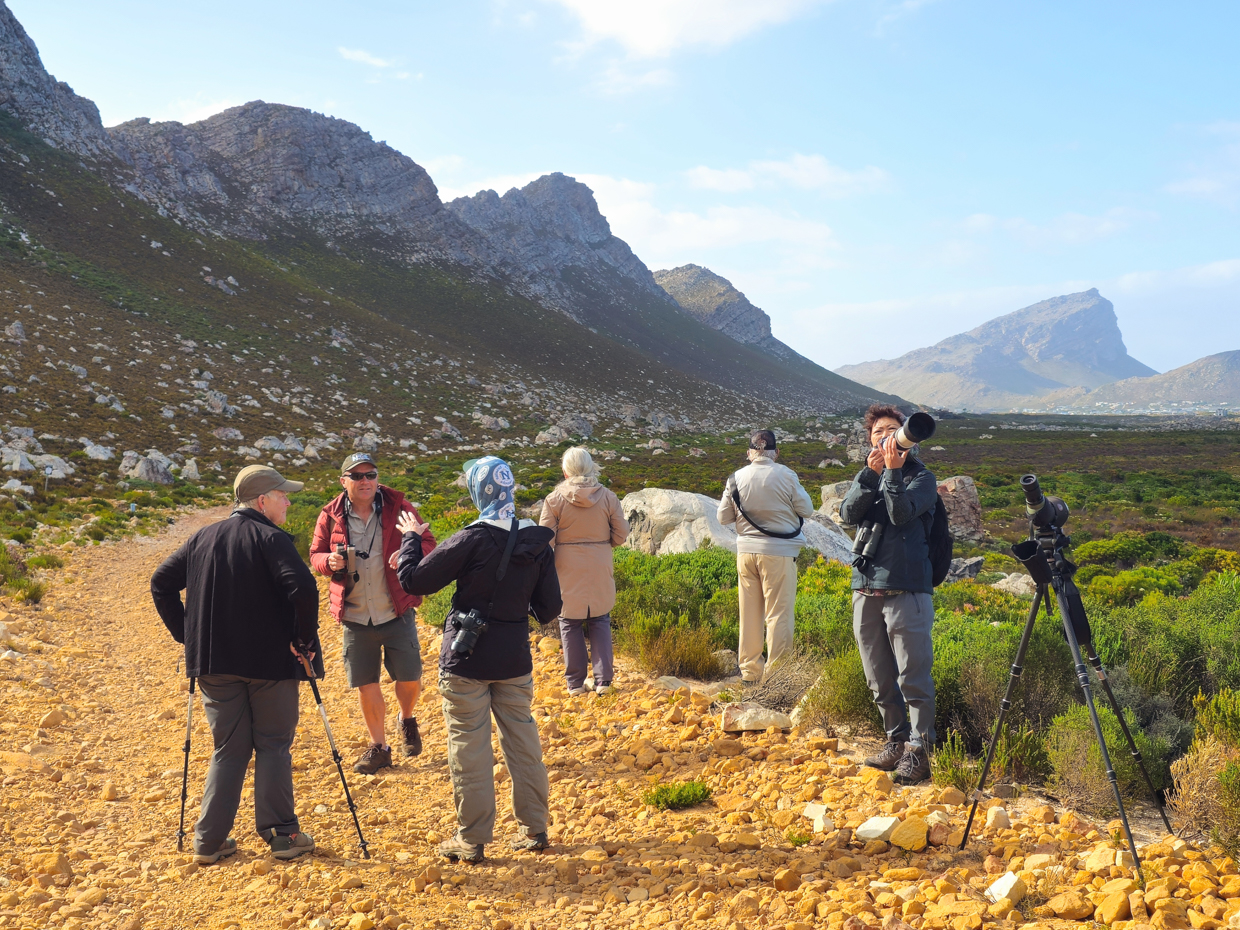
Group at Rooi Els © Mike Hoit
Days eighteen to twenty-one, 14th – 17th November: Western Cape
The first day in Western Cape was a long one, as we visited West Coast National Park. Most of our time was spent in the unique strandveld vegetation and around Langebaan lagoon: we found one main target, the exquisite and endangered Black Harrier surprisingly easily and had multiple sightings, but Southern Black Korhaan kept us waiting until the end before superb views were obtained. Lesser Flamingo, Karoo Scrub Robin and, among many shorebirds, a vagrant Eurasian Oystercatcher were found, and other wildlife included an impressive Boomslang snake, Angulate Tortoises, Eland and Bontebok. It had been hard work in the very strong winds, and it was no surprise to learn that the weather meant our hoped-for pelagic was cancelled. Fortunately, a plan B was in place and a fine dinner back in Simon’s Town awaited.
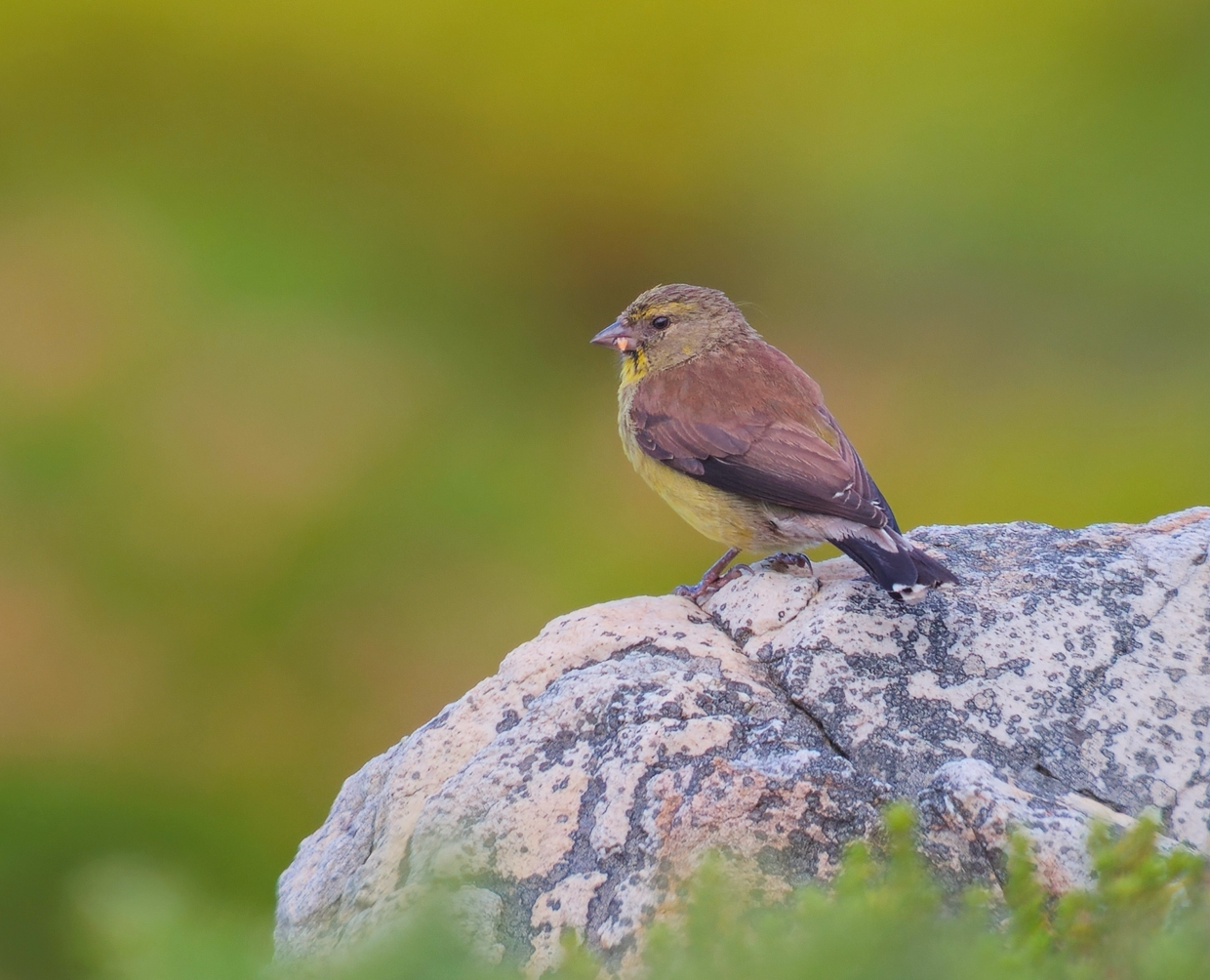
Cape Siskin © Mike Hoit
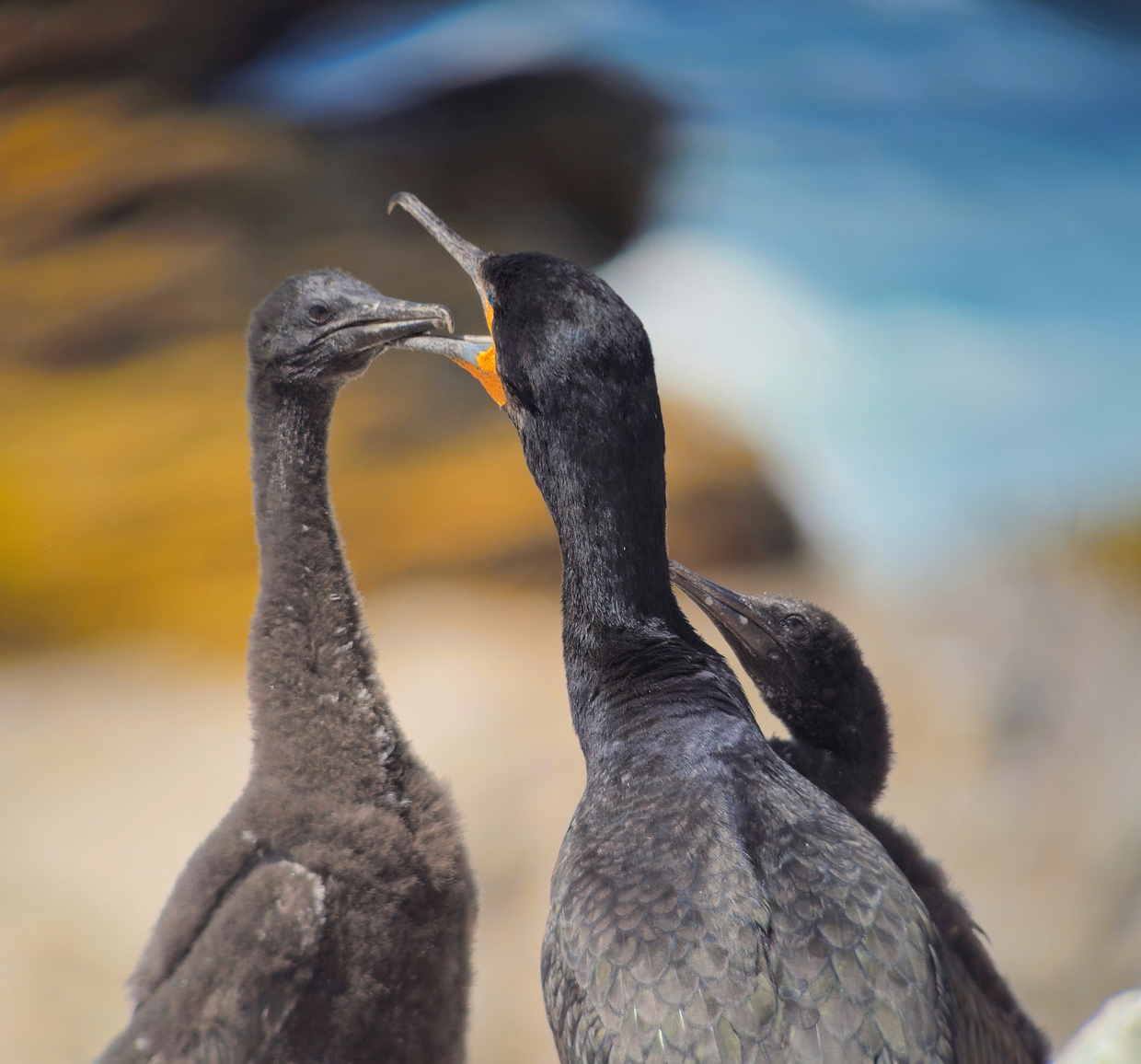
Cape Cormorant © Mike Hoit
Heading to the Kogelberg Biosphere, on the rocky eastern shores of False Bay, a day earlier than planned, we soon had brilliant sightings of a trio of “Capes”: Rockjumper, Sugarbird and Siskin, plus Verreaux’s Eagles and Orange-breasted Sunbird. At Stony Point we admired the
African Penguins and four cormorant species – including the endangered Bank Cormorant – and Cape Batis showed fabulously well in the leafy environs of Harold Porter Botanic Gardens.
With a day in hand, two other renowned Cape Town birding destinations were visited.The morning was spent in the national botanic gardens at Kirstenbosch, nestled between the suburbs and Table Mountain National Park. The most famous residents, the Spotted Eagle-Owls, showed absurdly well, as did Lemon Dove, Forest Canary and Cape Sugarbirds.
The less salubrious surrounds of Strandfontein Water Treatment Plant in strong winds (and smells) produced Fulvous Whistling and Maccoa Ducks among the huge numbers of Cape Shovelers and Cape Teals, plus a large Mole Snake.
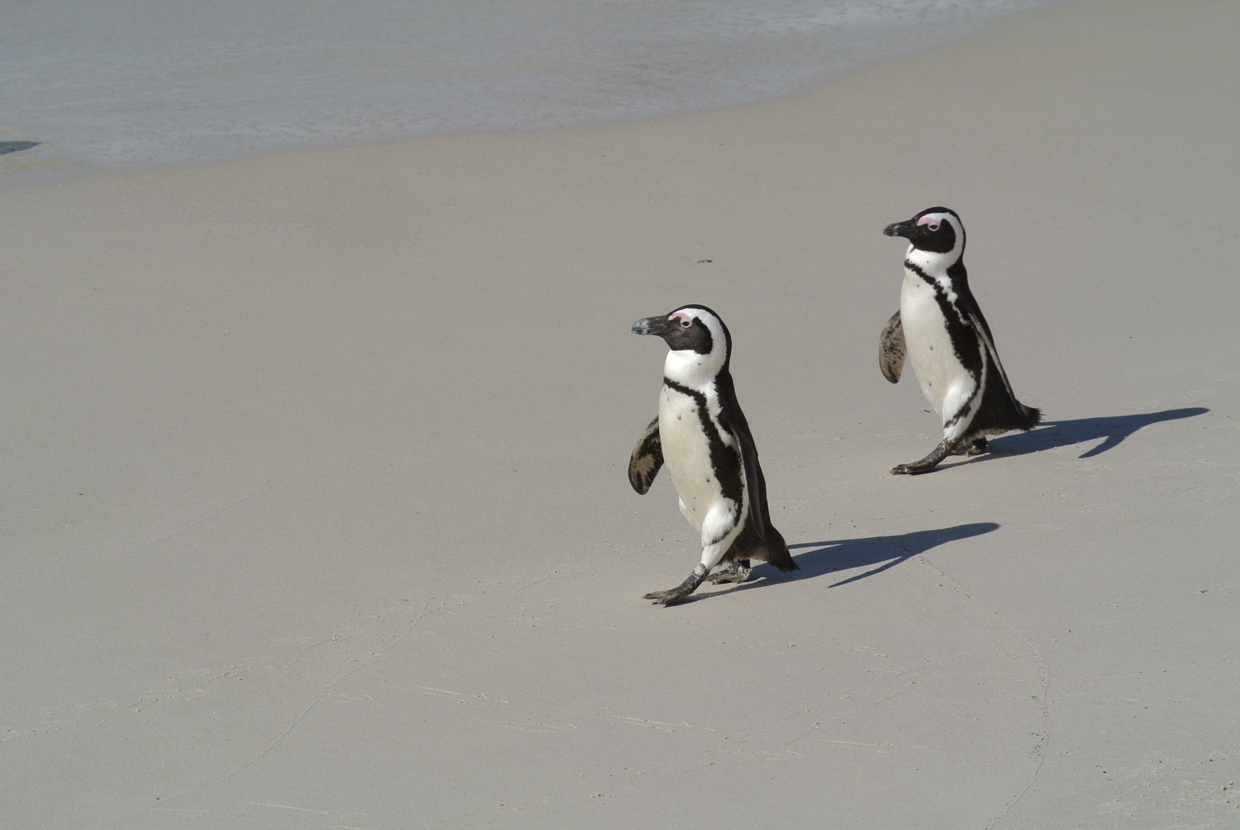
African Penguins © Mike Hoit
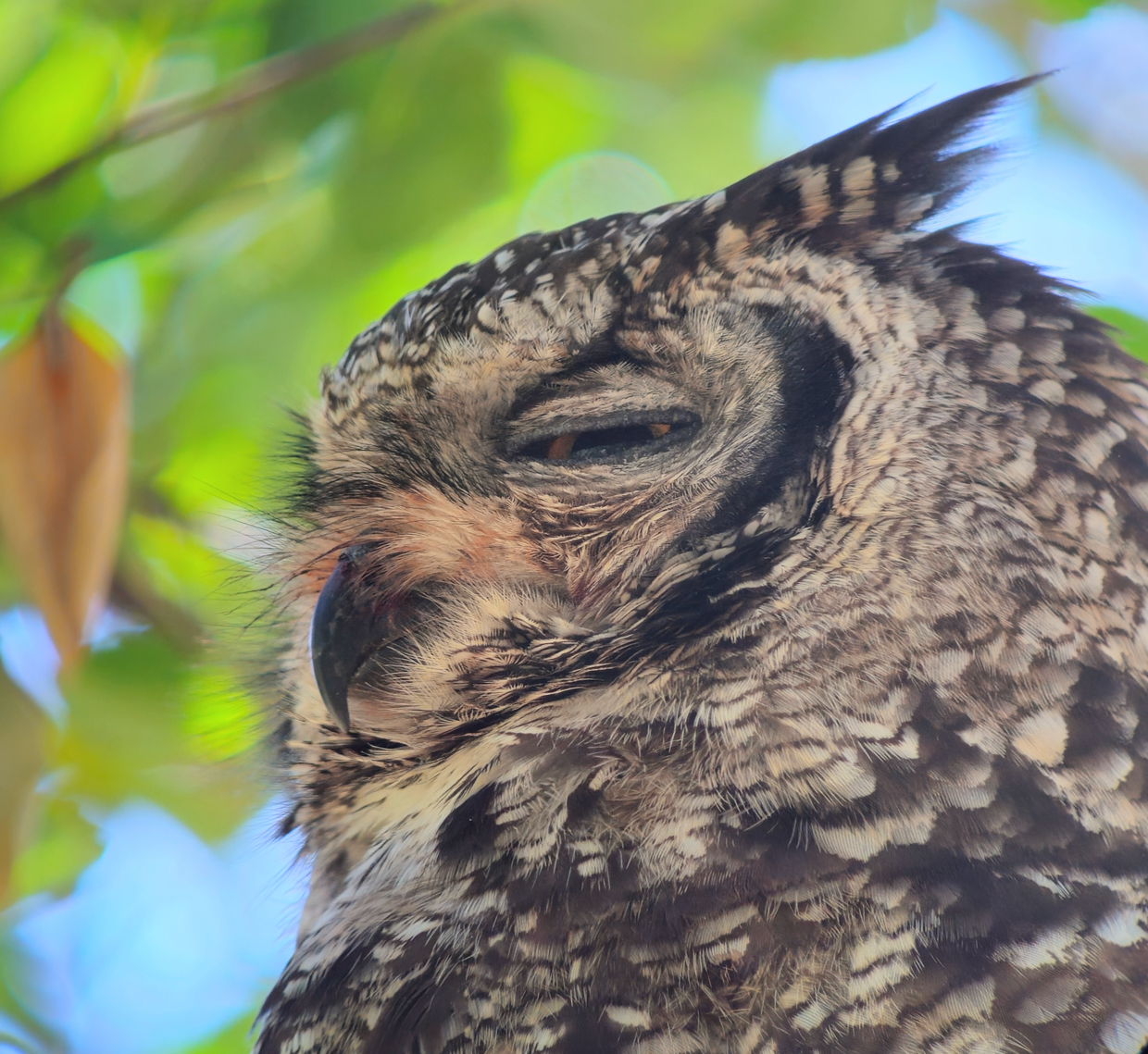
Spotted Eagle-Owl © Mike Hoit
Our adventures were almost at an end, with a final excellent group dinner in a restaurant right on False Bay the perfect way to toast some wonderful memories. However, those of us with evening flights home on 17th were able to take up Charlie’s generous offer of a scenic drive around the west side of Table Mountain to Cape Town. A singing Cape Grassbird, and final opportunity to see species such as African Swift and Familiar Chat were overshadowed by several groups of Humpback Whales (at least forty-five!) scoped from the coast road – what a way to end a spectacular tour!
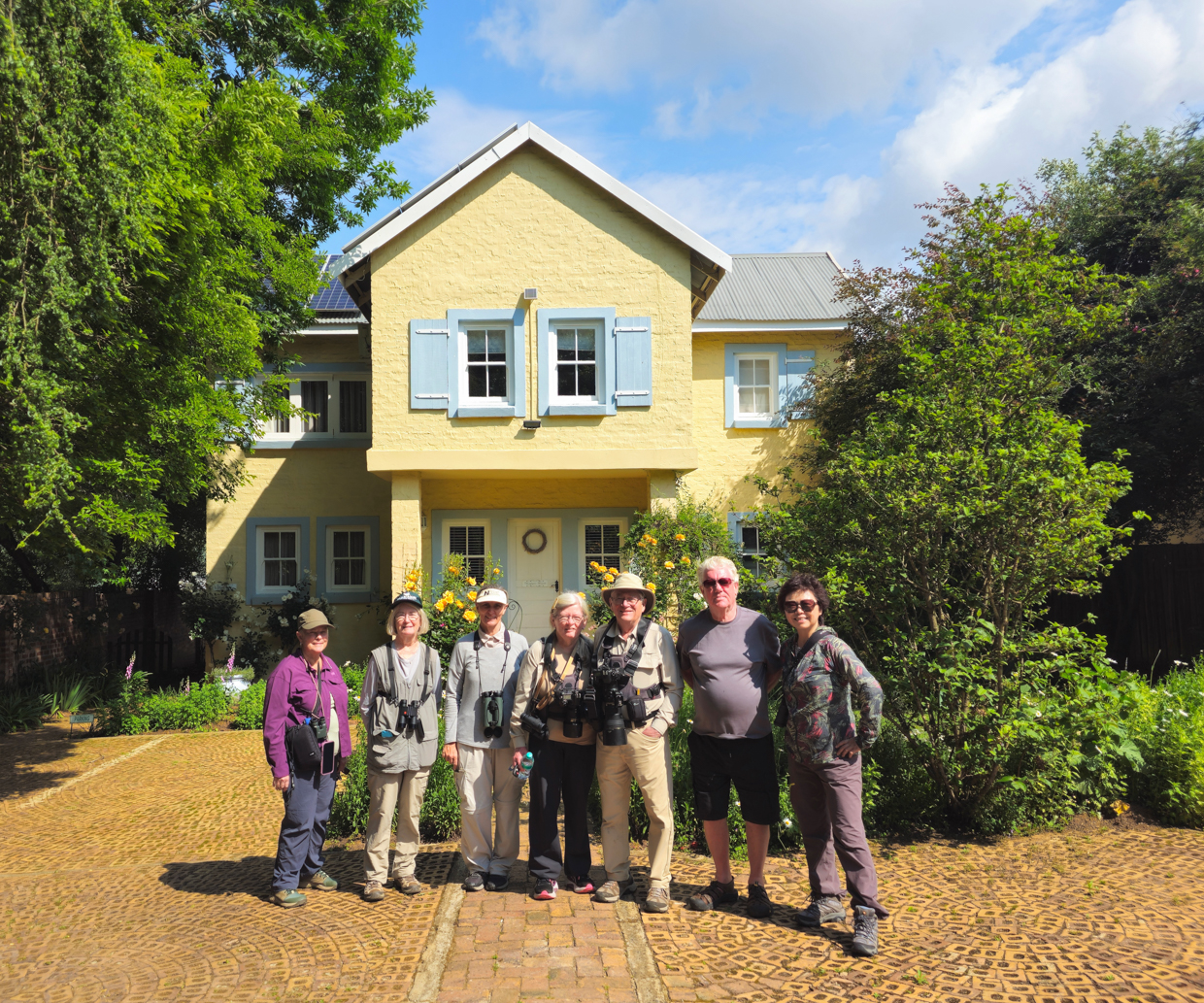
Our group in Dullstroom