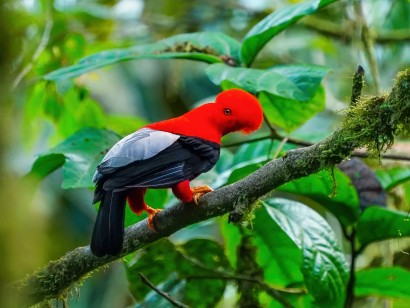
Ecuador Bird Photography Tour 2025 Trip Report
Trip report and photos by Liron Gertsman
October 26 – arrival in Quito
Our trip officially kicked off on the evening of October 26 as we settled into our hotel near Quito. Birds were abundant in the garden, with species such as Scrub Tanagers, Blue-and-yellow Tanagers, Blue-grey Tanagers and Croaking Ground Doves making appearances. The first hummingbirds of the trip were also seen: Western Emerald, Rufous-tailed Hummingbirds, and Sparkling Violetear. These sightings provided a lovely welcome as we got acquainted with one another and reviewed what to expect over the upcoming two-week journey across northern Ecuador!
October 27 – Journey to the Amazon Rainforest
Our first part of the trip would take us deep into the Ecuadorian Amazon for five days, exploring the region surrounding Yasuní National Park. As one of the most biodiverse places on Earth, the Amazon Rainforest is understandably a top bucket-list destination for nature enthusiasts. The journey began with a brief 30-minute flight from Quito to the city of Coca, gateway to the Ecuadorian Amazon. There, we met our expert trilingual local guide, Carlos, a member of the Sani Isla Kichwa Indigenous community, and boarded a motorized canoe for a three-hour trip up the Napo River. Along the way, we passed small riverside communities framed by beautiful forest and enjoyed our first amazonian bird encounters, photographing species such as the elegant Pied Plover and the uncommon Lesser Yellow-headed Vulture. After transferring to paddled canoes, we made the final approach through narrow waterways that opened into a stunning lagoon surrounded by beautiful rainforest, the location of our lodge and home for the next four nights.
As we settled in, we had our first chance to watch and photograph the resident birdlife around the lodge. Highlights included the wonderfully peculiar Hoatzin, gorgeous Masked Crimson Tanagers, the abundant Russet-backed Oropendolas and Yellow-rumped Caciques that were nesting around the lodge, the eye-catching Red-capped Cardinals, and the bold Violaceous Jays. We also spotted a large Black Caiman floating by in the lagoon.
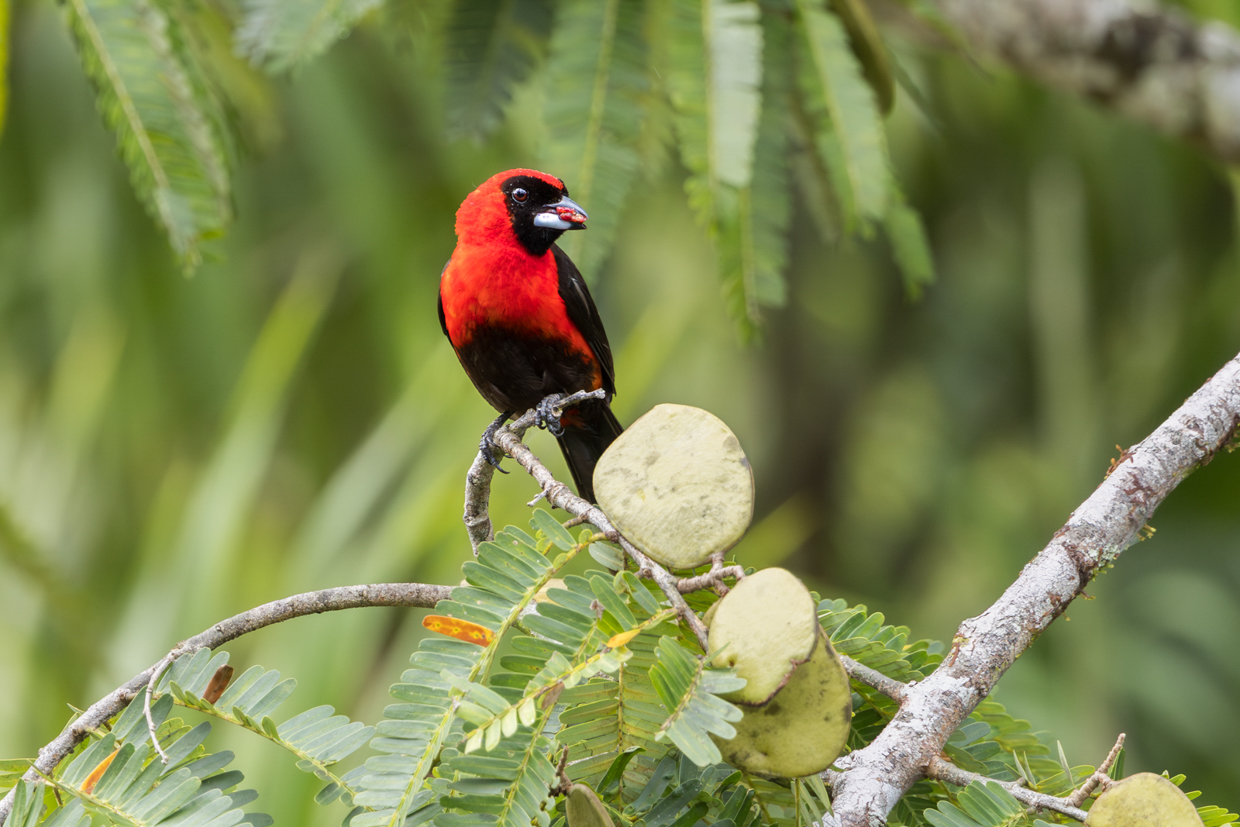
Masked Crimson Tanager © Liron Gertsman
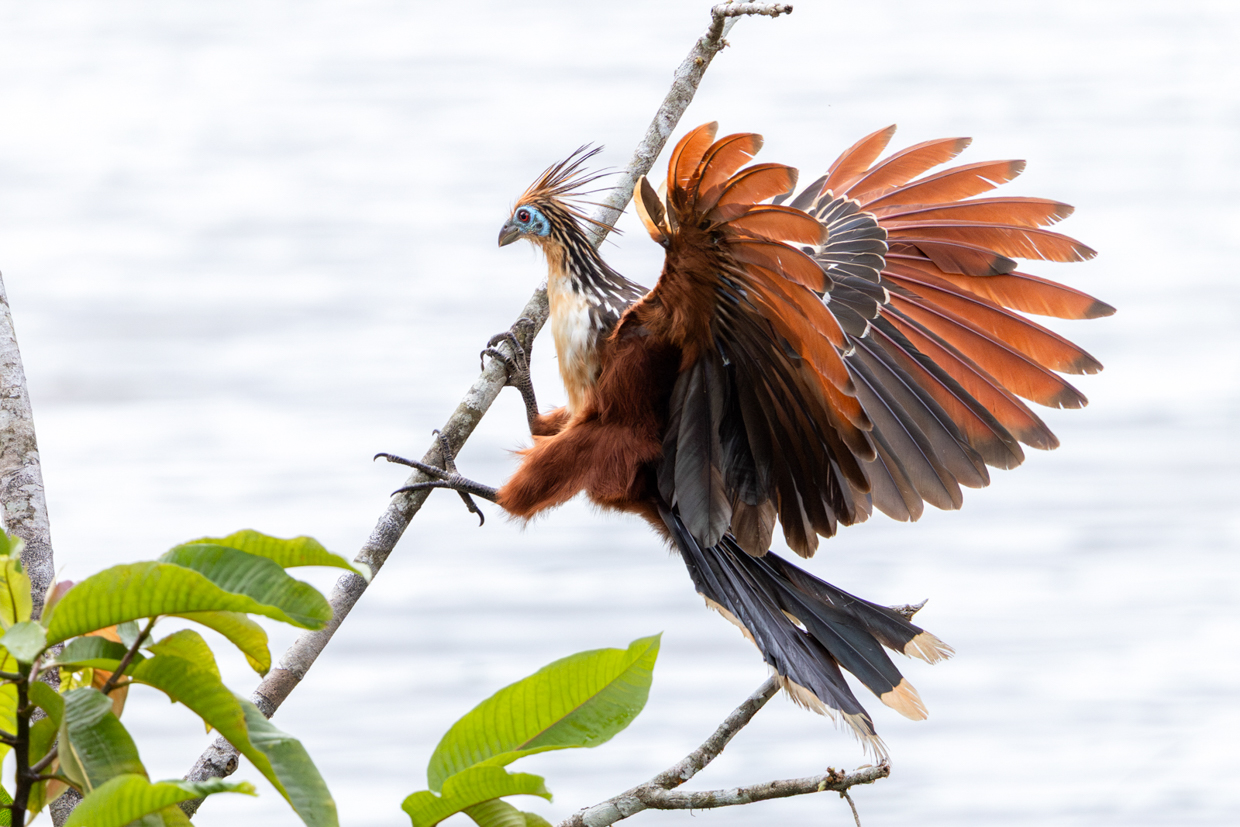
Hoatzin © Liron Gertsman
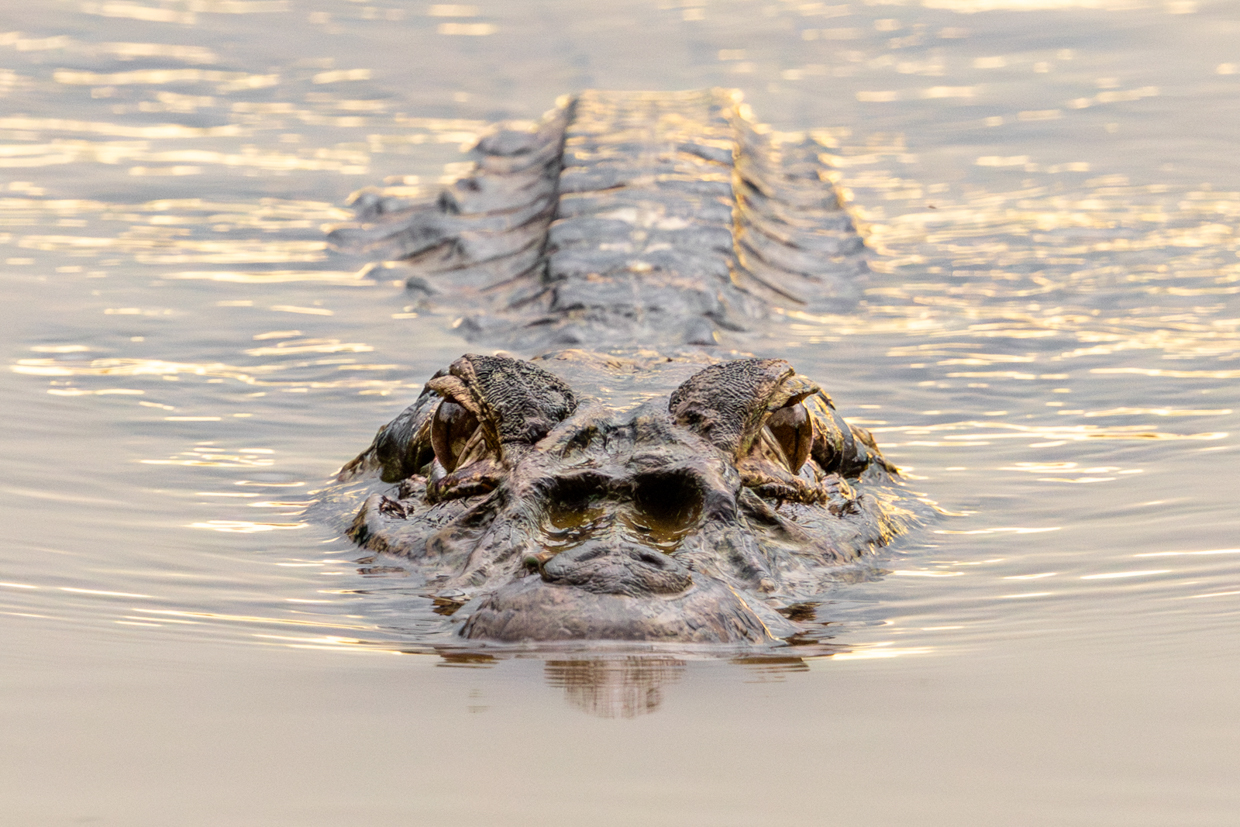
Black Caiman © Liron Gertsman
October 28 – The Clay Licks
One of the Amazon Rainforest’s most remarkable spectacles to experience is a clay lick, a natural gathering place where numerous bird and wildlife species come to obtain essential minerals from the soil. The most regular visitors are macaws, parrots, and parakeets, which consume the mineral-rich clay to neutralize the acids and toxins present in many of the fruits they eat. Watching these colourful flocks congregate is not only unforgettable, but it also offers extraordinary photographic opportunities. Fortunately, a few easily accessible clay licks are located near Sani Lodge, and we made sure to visit them all. At our first stop, we visited a clay lick where macaws visit decomposing treetops, where we got our first reasonable looks at Red-billed Macaw. We were also treated to nice views of a Lineated Woodpecker excavating a nest cavity, a Cocoi Heron, and Yellow-headed Caracaras nearby at the edge of the river. Our next stop was a riverside clay lick, where we watched hundreds of parrots gathering- Mealy Amazons, Blue-headed Parrots, and a few Yellow-crowned Amazons. Finally, we visited an iconic clay lick nestled in the lush rainforest, a short walk from the river. This clay lick sits at the mouth of a small, beautiful cave carved by natural processes into a lush forest cliff, where a pool of mineral-rich water and clay draws an impressive array of life. We spent the rest of the morning waiting here in the hide, and our patience was rewarded with incredible views of visiting Scarlet Macaws, Orange-cheeked Parrots, and Cobalt-winged Parakeets. A few Speckled Chachalaca also came to drink the nutrient-rich water at the clay lick.
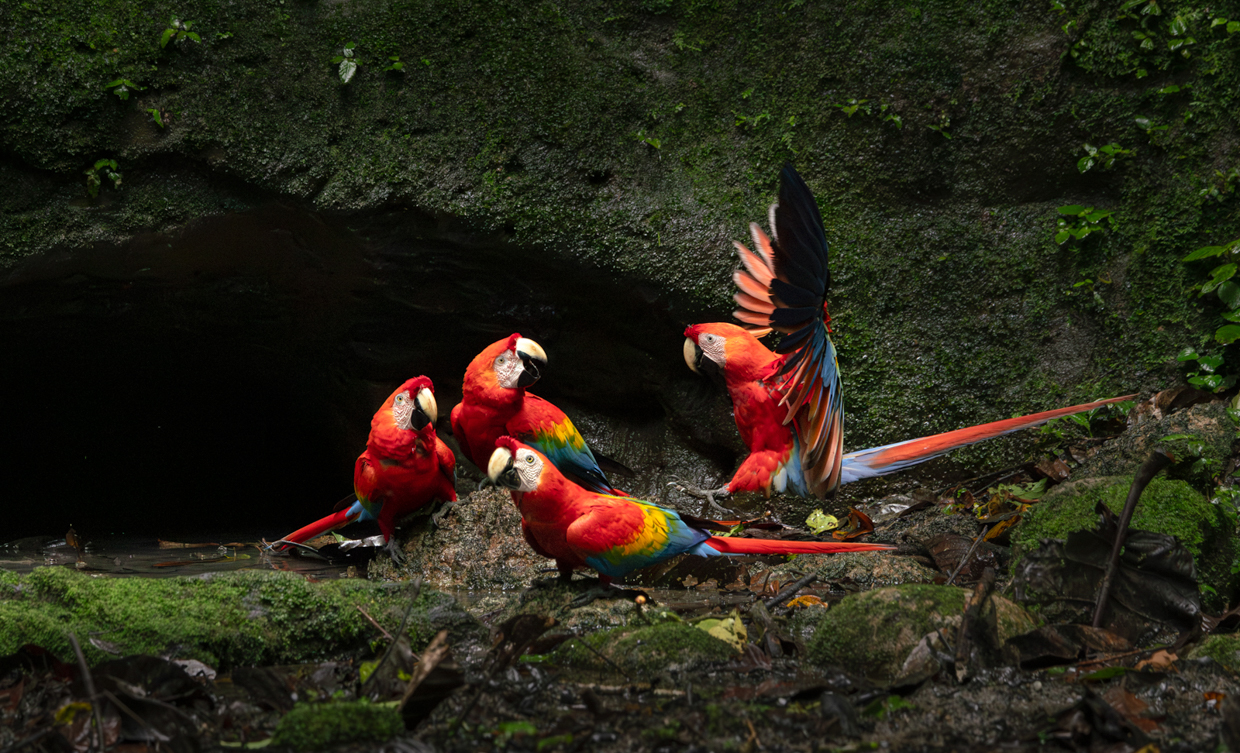
Scarlet Macaws © Liron Gertsman
After our morning of visiting clay licks, we visited the nearby Sani Isla indigenous community, who own and operate the lodge where we stay nearby. Here, we were treated to a delicious traditional lunch. We also spotted a variety of birds in the area, including Cattle Tyrant, Piratic Flycatcher, Orange-fronted Plushcrown, Swallow-winged Puffbirds, and Capped Heron. We also watched a pair of Western Pygmy Marmosets in the treetops. These adorable primates are just 5 inches tall when fully grown! We ended the day back around Sani Lodge, where we saw and photographed some more beautiful bird species: Collared Plover, Green-backed Trogon, Cream-colored Woodpecker, Amazonian Umbrellabird, White-winged Swallows, and much more. In addition to the birds, we also spotted Squirrel Monkeys and Brown-headed Capuchins, two of the common primate species in these forests.
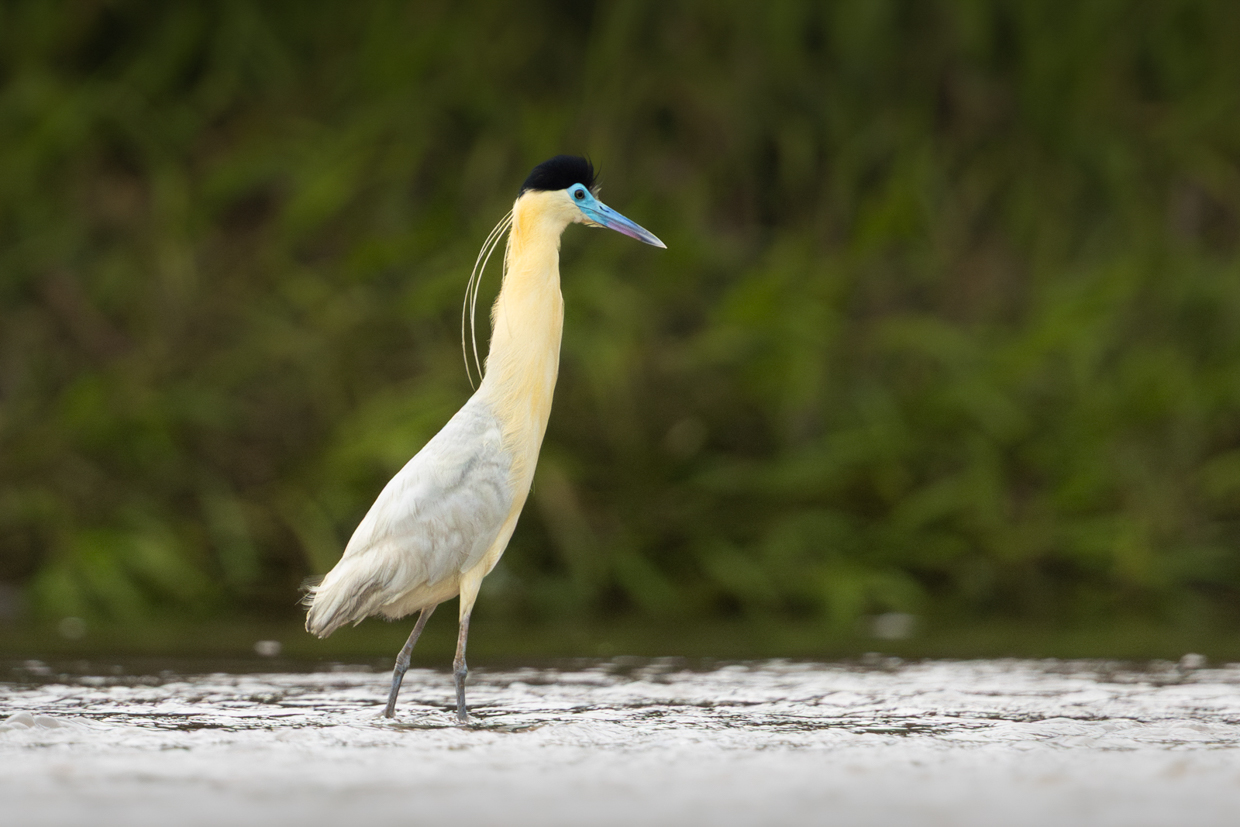
Capped Heron © Liron Gertsman
October 29 – The Rainforest Canopy
We boarded the canoe early in the morning as it began to get light outside, making our way towards the nearby canopy tower. Along the way, we witnessed the daily journey of birds waking up from their roosts and heading to their feeding areas. These included Orange-cheeked and Mealy Amazons, and Red-bellied and Chestnut-fronted Macaws. A few Chestnut-fronted Macaws landed down low next to the lagoon, and we had some fantastic views and photo opportunities with them as they interacted!
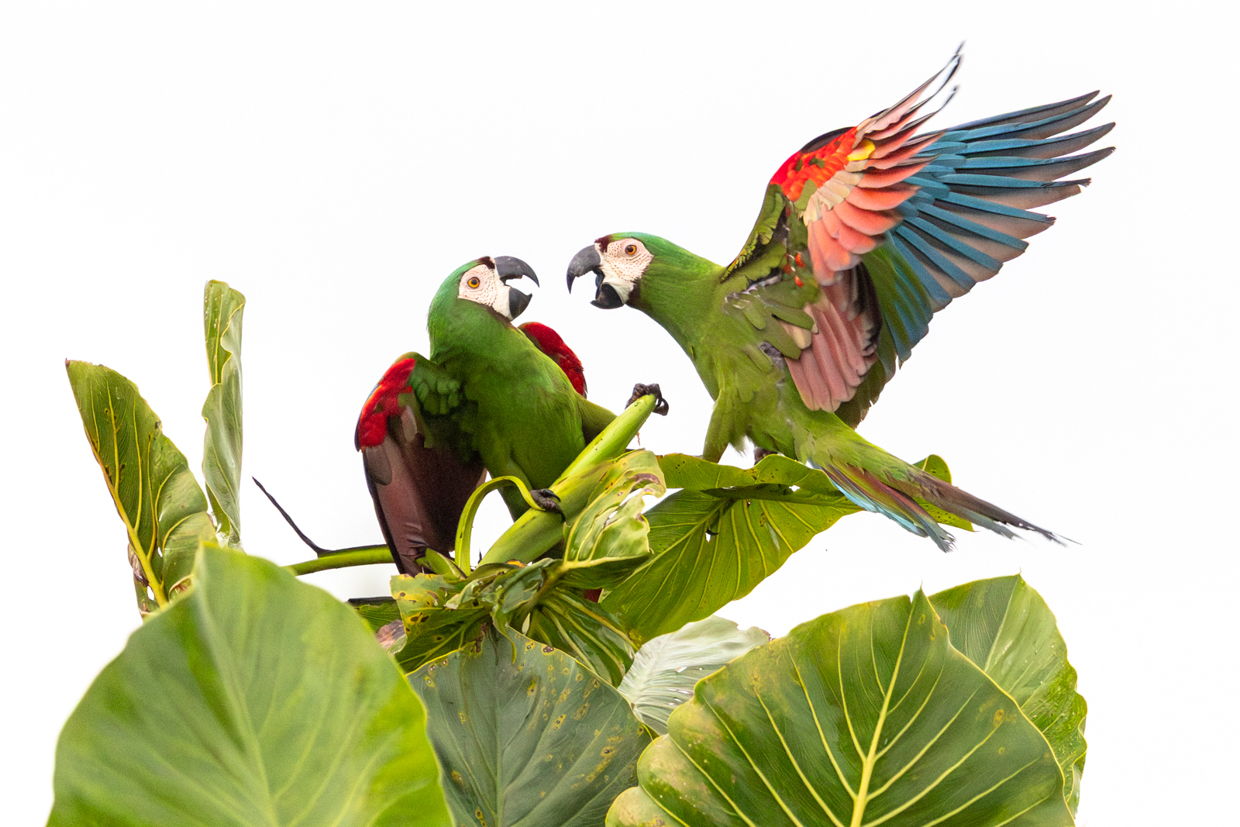
Chestnut-fronted Macaws © Liron Gertsman
Continuing on, the bird sightings remained abundant. Unique looking (and sounding) Greater Anis were common, a Ladder-tailed Nightjar was spotted, a few Cinnamon Attila posed for photos, and a pair of White-chinned Jacamars provided incredible up-close views from the canoe. After a picturesque canoe journey, we arrived at our destination, the canopy tower. Built into an ancient Ceiba tree, a staircase leads to a platform nestled in the canopy, providing eye-level views of species that can be challenging to see from ground level. We were immediately greeted by a Double-toothed Kite perched extremely close by to the canopy platform. It remained there for at least an hour, allowing for some amazing photo opportunities. A Great Potoo was also roosting right above the platform. So many more species came by over the next few hours, including Many-banded Aracari, Ivory-billed Aracari, White-throated Toucan, Blue-and-yellow Macaws, Plum-throated Cotinga, Spangled Cotinga, a pair of Golden-bellied Euphonias building a nest, Opal-rumped and Opal-crowned Tanagers, and so much more. To top it off, we watched a group of Red Howler Monkeys exploring some nearby treetops. Following a productive session at the top of the canopy tower, we went for a short walk on the rainforest floor, where a male Wire-tailed Manakin provided spectacular views.
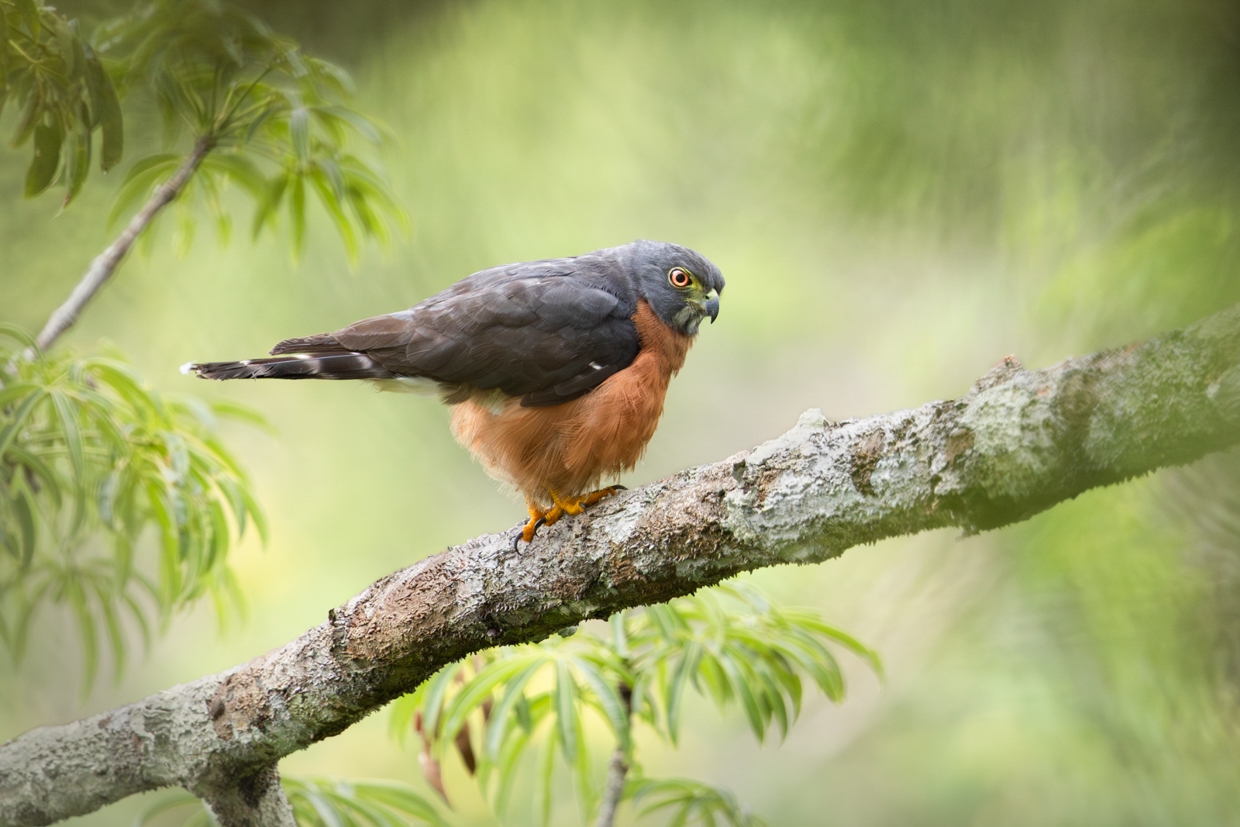
Double-toothed Kite © Liron Gertsman

Golden-bellied Euphonia © Liron Gertsman
After an amazing morning, we headed back to the lodge for lunch. Spending time in the afternoon around the lodge grounds, the birds kept coming. Highlights included a pair of Crested Owls, several Black-fronted Nunbird, a cooperative Scarlet-crowned Barbet, spectacular masked Crimson Tanagers and some secretive Sunbittern, making for a day with well over 100 bird species, and so many amazing photo opportunities!
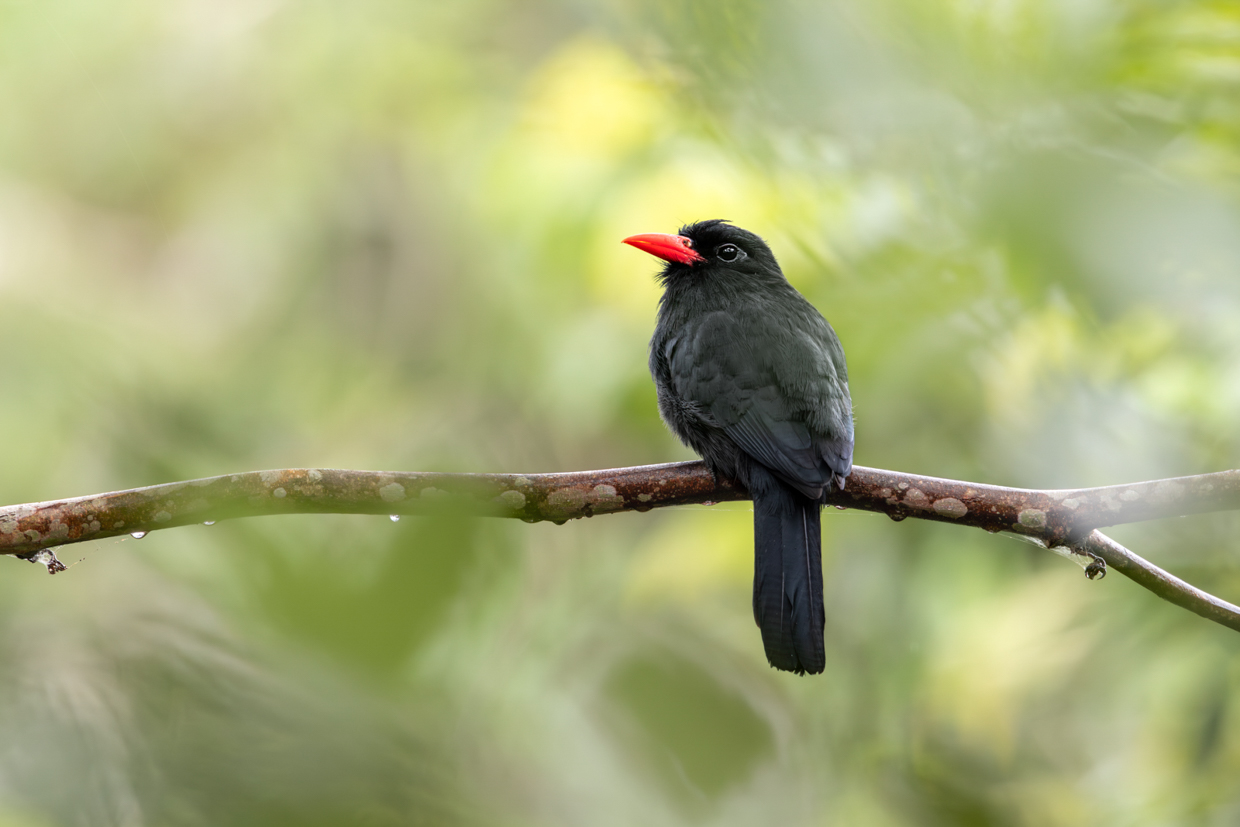
Black-fronted Nunbird © Liron Gertsman

Scarlet-crowned Barbet © Liron Gertsman
October 30 – The River Islands
For our last full day in the Amazon Rainforest, we got another early start, heading out after breakfast in the increasing light. Our destination today was the river islands, along the nearby Napo River. It didn’t take long to get some great sightings, including a Ladder-tailed Nightjar resting at the edge of the river, and a flock of Black Skimmers making their way downstream. The sightings along the river kept coming; we saw Horned Screamers, Large-billed Tern, a Burrowing Owl, Yellow-tufted Woodpecker, Red-billed and Chestnut-fronted Macaws, Oriole Blackbirds, Chestnut-bellied Seedeaters, and much more.
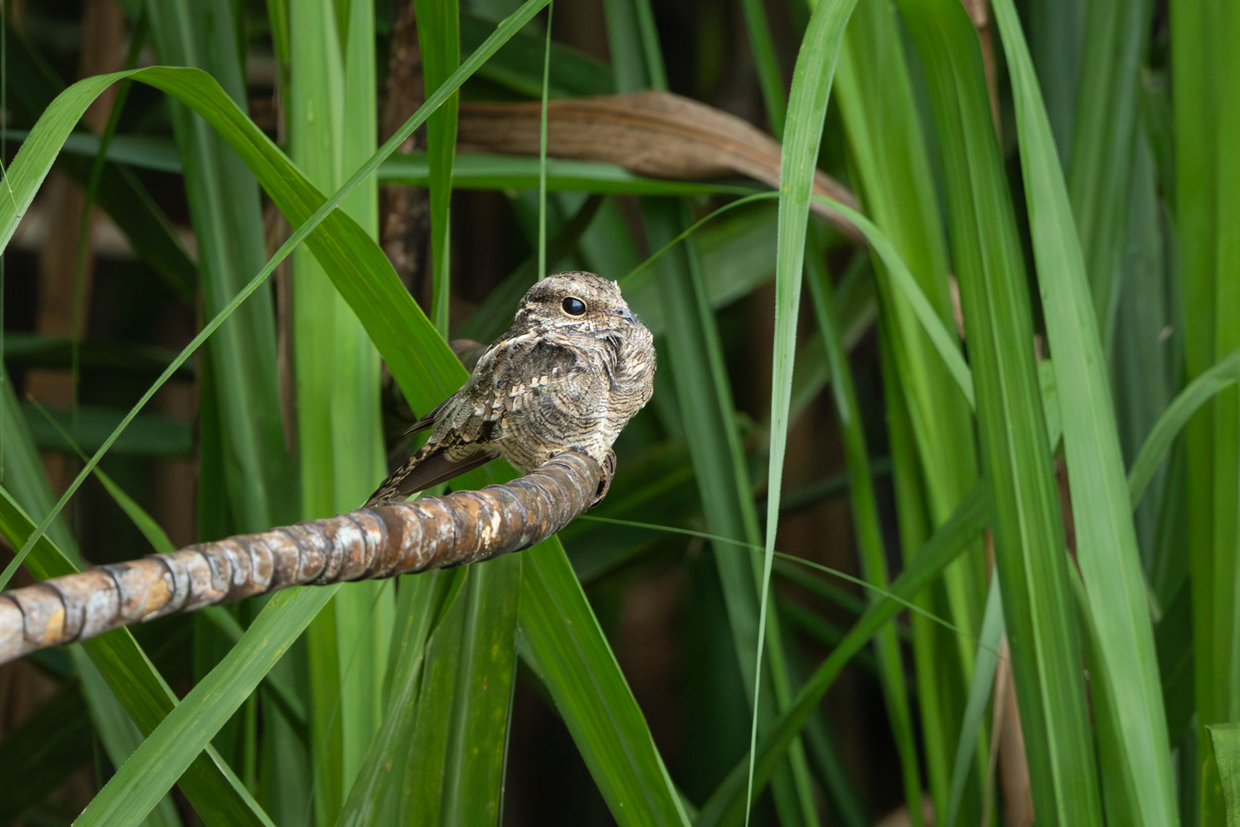
Ladder-tailed Nightjar © Liron Gertsman
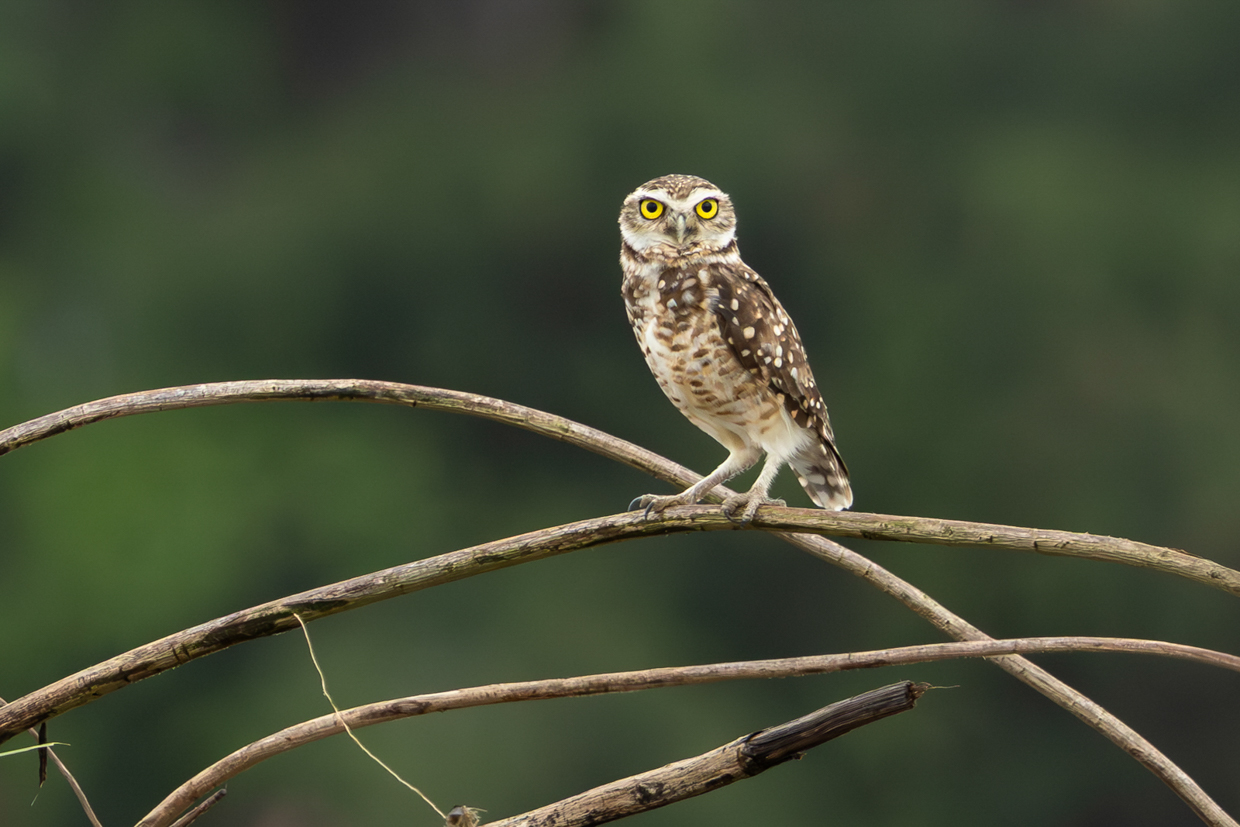
Burrowing Owl © Liron Gertsman
We then went for a short walk near the river’s edge, where we found the tiny Ferruginous Pygmy Owl, White-eared Jacamars, beautiful Lettered and Chestnut-eared Aracaris, Dusky-headed Parakeets, Orange-backed Troupial, Magpie Tanager, to name just a few highlights! The latter part of the day was once again spent around the lodge and lagoon. We made another visit to see a roosting pair of Crested Owls, got great views of Wattled Jacana, Black-capped Donacobius, Spot-breasted Woodpecker, and so many more species.
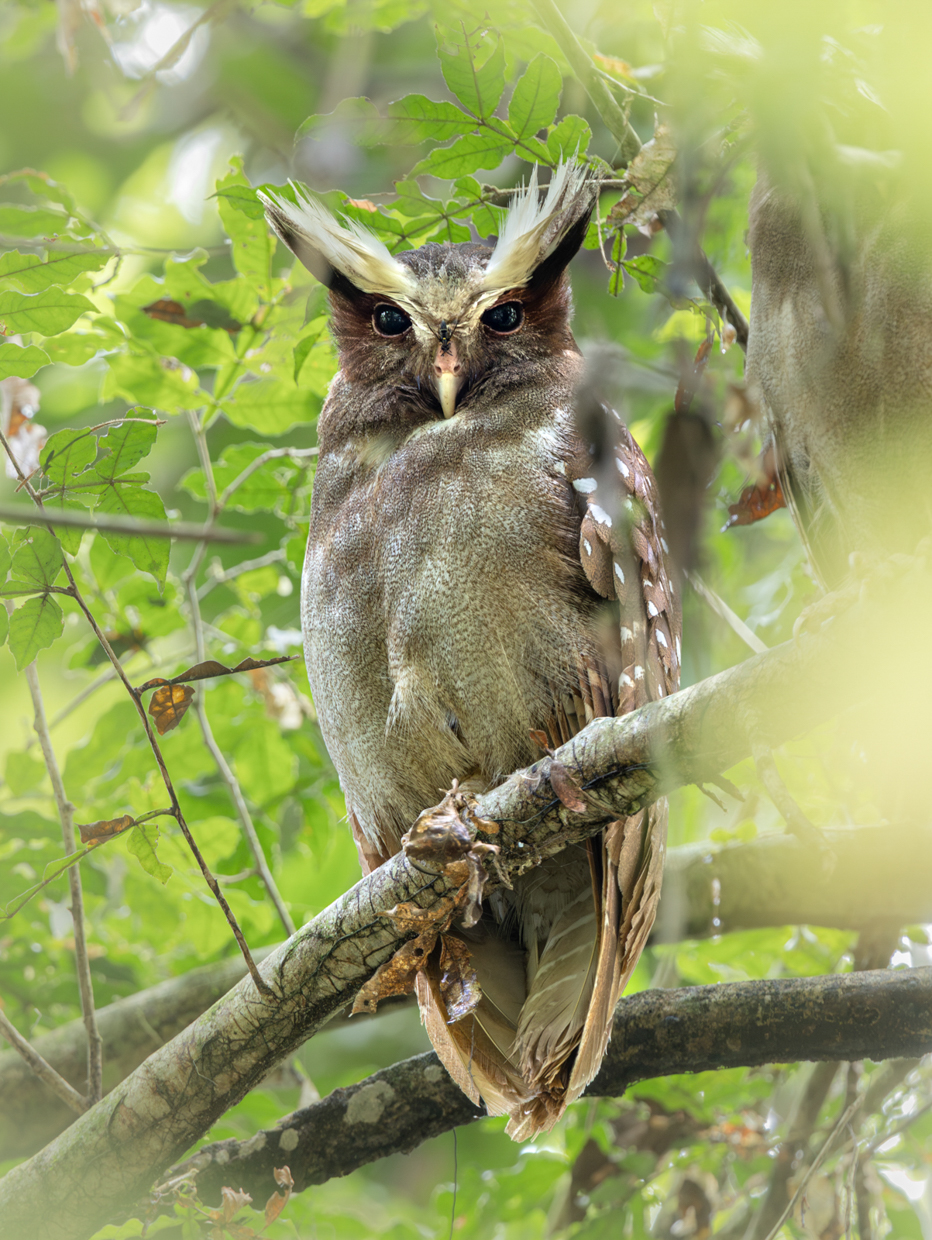
Crested Owl © Liron Gertsman
October 31 – from the Amazon to the Andes
After four unforgettable nights in the Amazon Rainforest, it was time to continue our journey into the Andes Mountains. Following heartfelt goodbyes to the incredible lodge staff, we enjoyed one last paddle through the narrow river channels to the main river, accompanied by the dawn chorus of birdsong. There, we boarded the motor canoe for our return trip. Upon arrival in Coca, we bid farewell to our Kichwa guide, Carlos, and met José, our local driver who would be joining us for the rest of the trip. We began to make our way towards the Andes, stopping at Wildsumaco in the Amazonian foothills for lunch. Here, we had some delicious food and sightings of 15 different hummingbird species, including the Gray-chinned Hermit, Wire-crested Chorntail, Peruvian Racket-tail, Rufous-vented Whitetip, Black-throated Brilliant, Gould’s Jewelfront, Napo Sabrewing, and the locally abundant Golden-tailed Sapphire.

Gray-chinned Hermit © Liron Gertsman
We made one more nearby stop after lunch, visiting another local reserve where we were treated to views of a juvenile Great Potoo, a pair of roosting Band-bellied Owls, Gray-breasted Sabrewings, and a striking Blue Dacnis. Continuing into the Andes, we slowly gained altitude. We also kept seeing birds, and made a stop to enjoy some Cliff Flycatchers hawking insects along the Loreto Road, as Swallow-tailed Kites circled in the skies above. As the sun set, we arrived at our home for the next two nights: San Isidro Lodge.
November 1 – the east slope of the Andes
Our morning began at San Isidro Lodge, where lights left on overnight draw hundreds of moths and other insects to the surrounding trees and building walls. In turn, this abundance attracts an impressive array of birds, which gather at first light to take advantage of the easy meal. Many of the birds are remarkably unconcerned by human presence, creating exceptional opportunities for both viewing and photography. Some of the cooperative species included Montane and Olive-backed Woodcreepers, Cinnamon, Pale-edged, Golden-bellied and Flavescent Flycatchers, Mountain Wrens, Gray-breasted Wood-Wrens, Scarlet-rumped Caciques, Blackburnian and Canada Warblers, Slate-throated Roadstarts, Black-eared Hemispingus, gorgeous Green Jays, and more. Also in the area we got fantastic views of White-bellied Antpitta, and some looks at Powerful Woodpecker and Saffron-crowned Tanager.
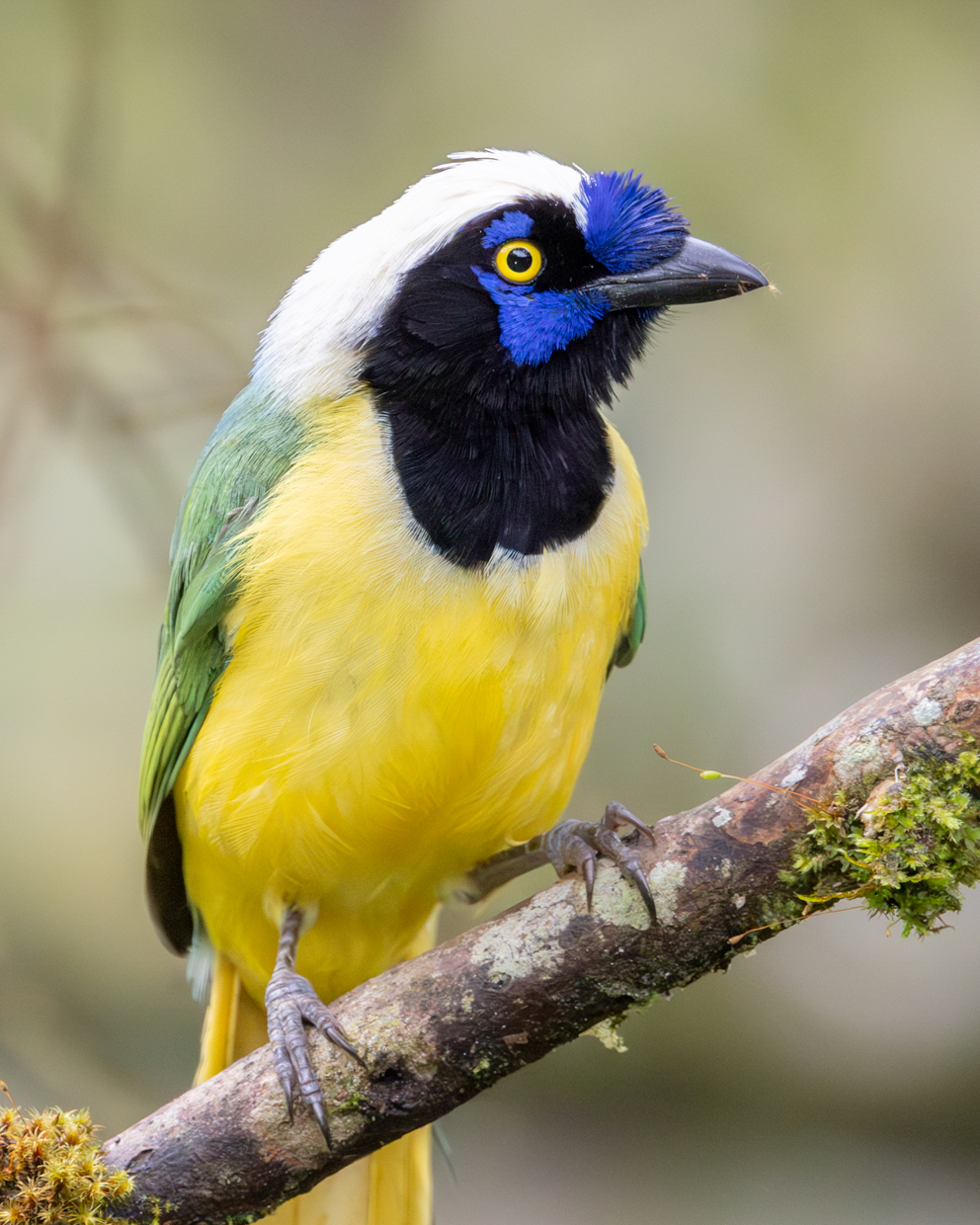
Green Jay © Liron Gertsman
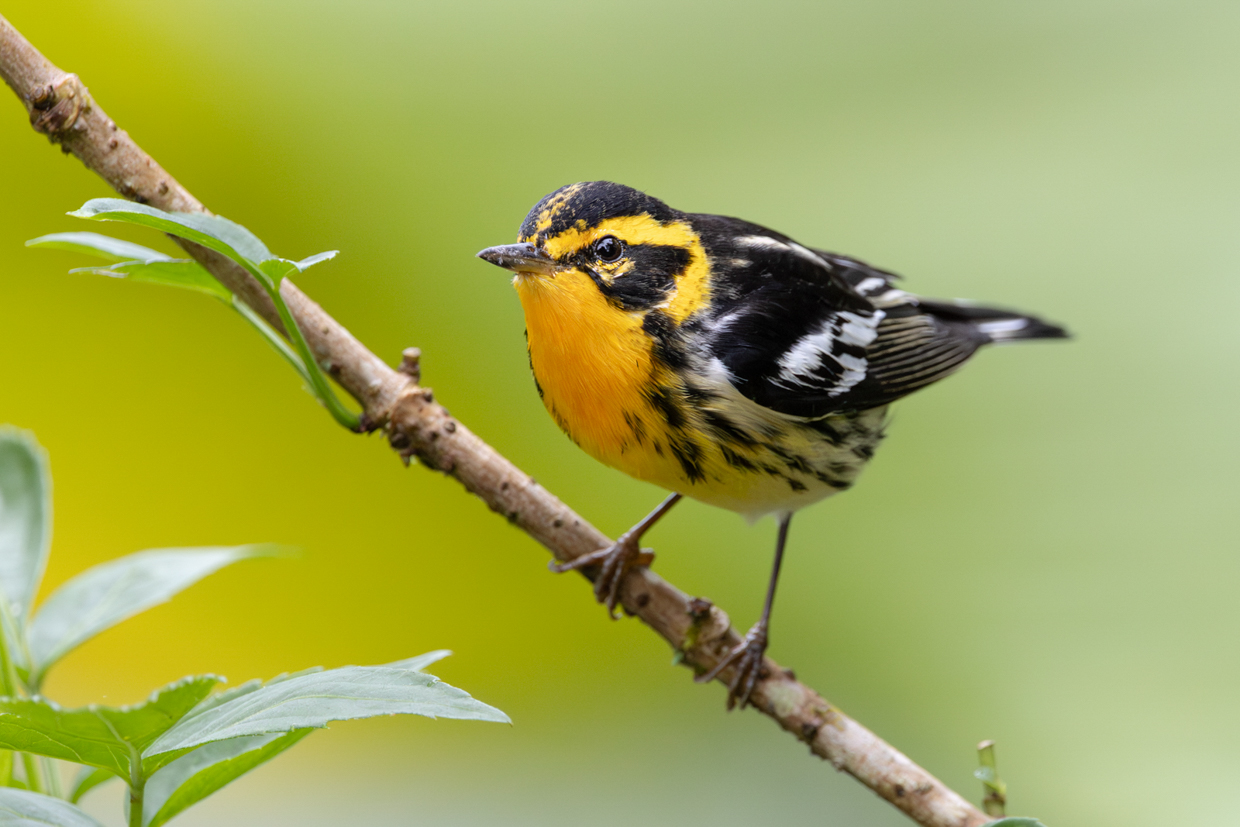
Blackburnian Warbler © Liron Gertsman
Later in the morning, we headed out to explore some nearby areas. At the Wayra Reserve, we spent time with Rufous-breasted Wood-Quail, White-throated Quail-Dove, Orange-bellied Euphonia, Orange-billed Sparrow, White-lined Tanager, Swallow-tailed Kites, and more. Some highly inquisitive Black-mantled Tamarin monkeys were also a highlight! At the Cosanga River, we spotted a female Torrent Duck, a couple Torrent Tyrannulet, Yellow-browed Sparrows, and more.

Black-mantled Tamarin © Liron Gertsman
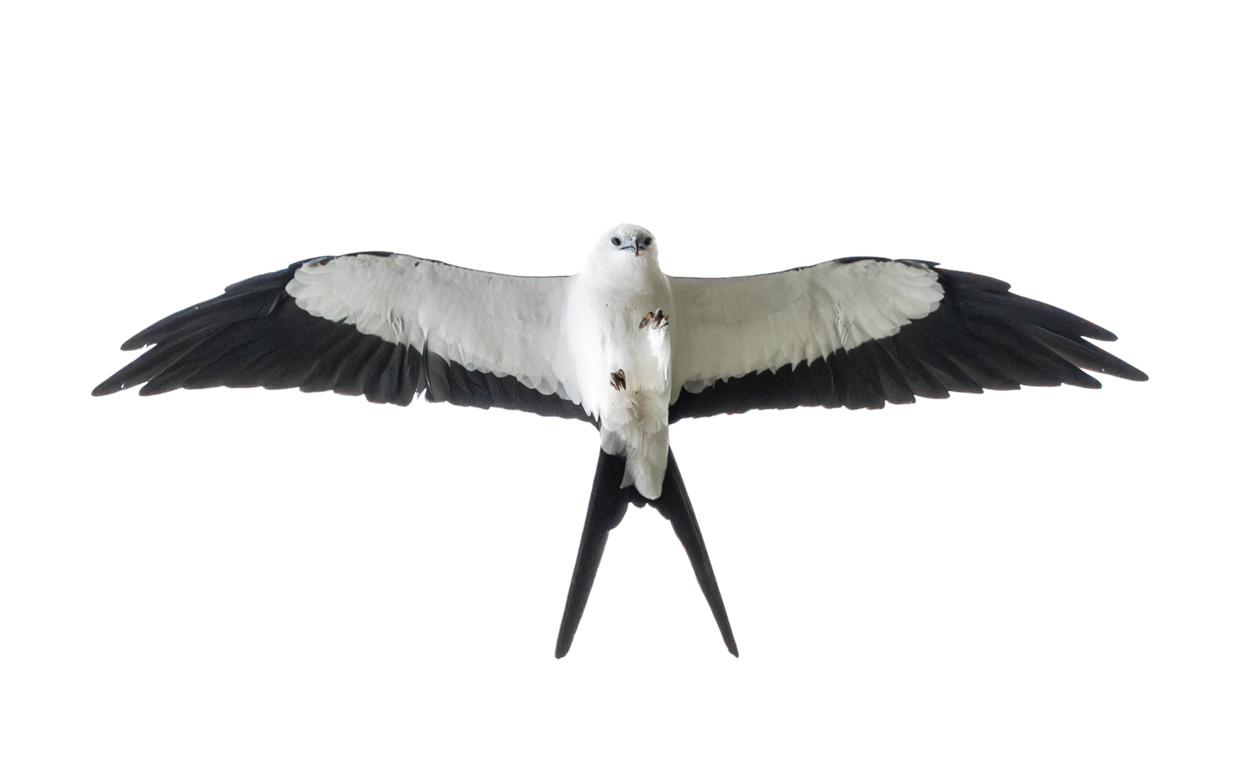
Swallow-tailed Kite © Liron Gertsman
Later in the day, we visited another reserve where 9 species of hummingbirds were visiting the feeders. Highlights included Green-backed HIllstar, abundant Violet-fronted Brilliants, Gorgeted Woodstar, Peruvian Racket-tails, Bronzy Inca, and spectacular Long-tailed Sylphs. We also got brief but good views of a female Andean Cock-of-the-Rock here! We ended the day back at San Isidro Lodge, where Chestnut-breasted Coronets were the most common hummingbird at the feeders.
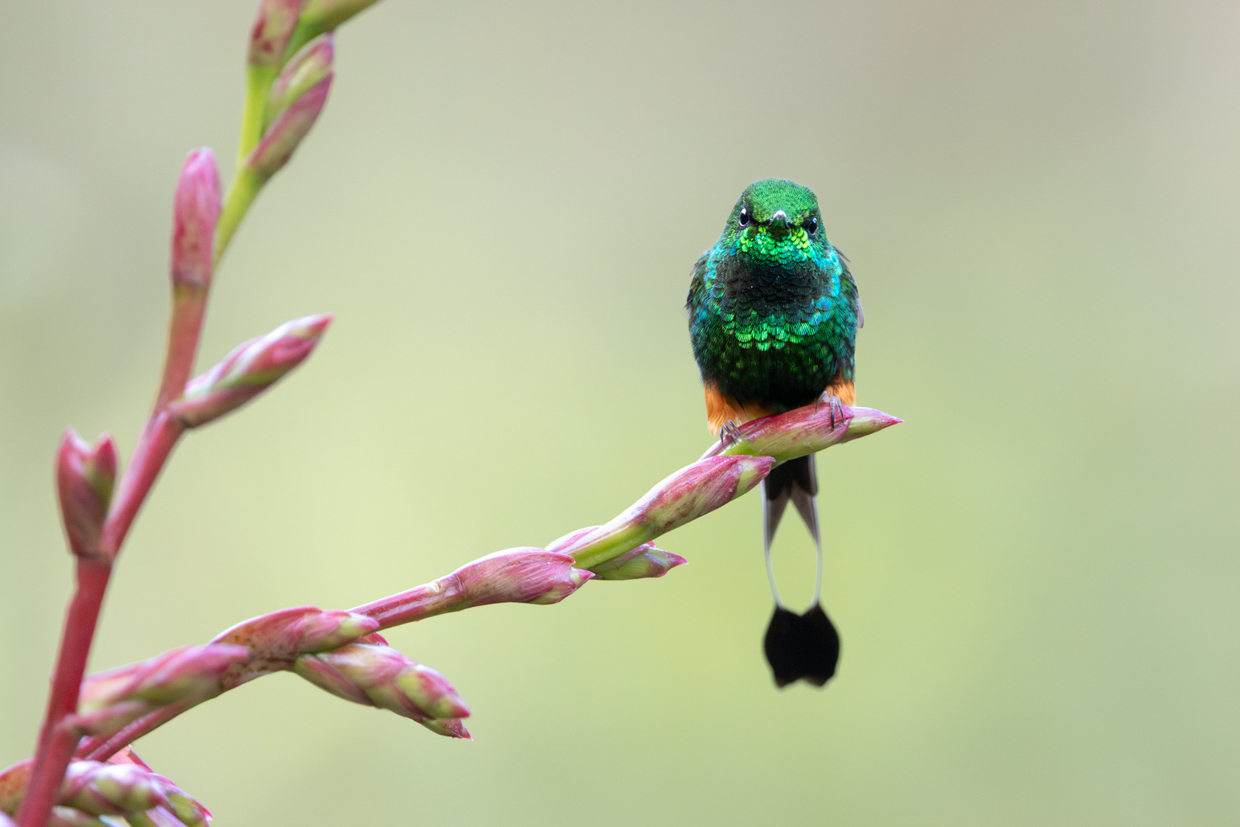
Peruvian Racket-tail © Liron Gertsman
November 2 – San Isidro to Guango
We began once again at San Isidro Lodge, enjoying the spectacle of birds coming in to feed on moths. The usual species were in attendance this morning, including highly cooperative Cinnamon Flycatchers. Today, a Masked Trogon joined the frenzy, providing wonderful views and photo opportunities. Blue-winged Mountain Tanager and Black-beilled Peppershrike were two more new species glimpsed in the treetops. After two wonderful nights at San Isidro Lodge, it was time to move on to the next location. In the mid-morning, we arrived at El Quetzal protected forest, a lovely reserve in the area. Here, we saw 13 hummingbird species, with a beautiful Tawny-bellied Hermit being one of the highlights. Lemon-browed Flycatcher and Chestnut-bellied Thrush also provided some good views.
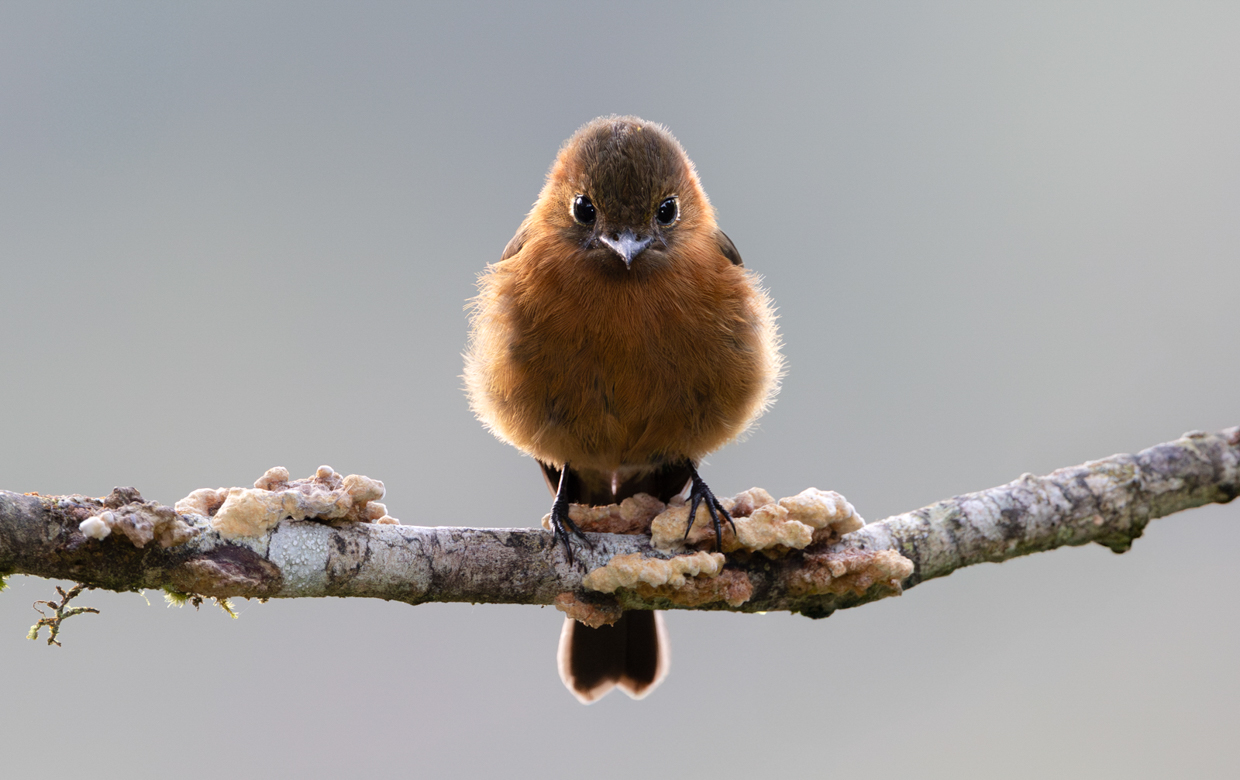
Cinnamon Flycatcher © Liron Gertsman
We then made our way along a nearby road, where we encountered a flock of Band-tailed Pigeons. While this species is widespread from western North America into western South America, the birds here represent a different subspecies from the North American population. We also encountered a beautiful Golden-olive Woodpecker, hundreds of “kettling” Black and Turkey Vultures, and a large flock of Black-and-white Seedeaters.
We then made our way to a nearby reserve for lunch. As we enjoyed our meal, we were entertained by Green-backed Hillstar, Summer Tanager, Black-capped Tanager, and more. After lunch, we continued on to Guango Lodge, which would be our base for the next two nights. Here, we enjoyed the evening bird activity around the lodge grounds. Highlights included some new hummingbirds, such as the Tourmaline Sunangel and White-bellied Woodstar. Down by the river, we found Fasciated Tiger-Heron, Torrent Duck and White-capped Dipper, ending another wonderful day of birds and photography in Ecuador.
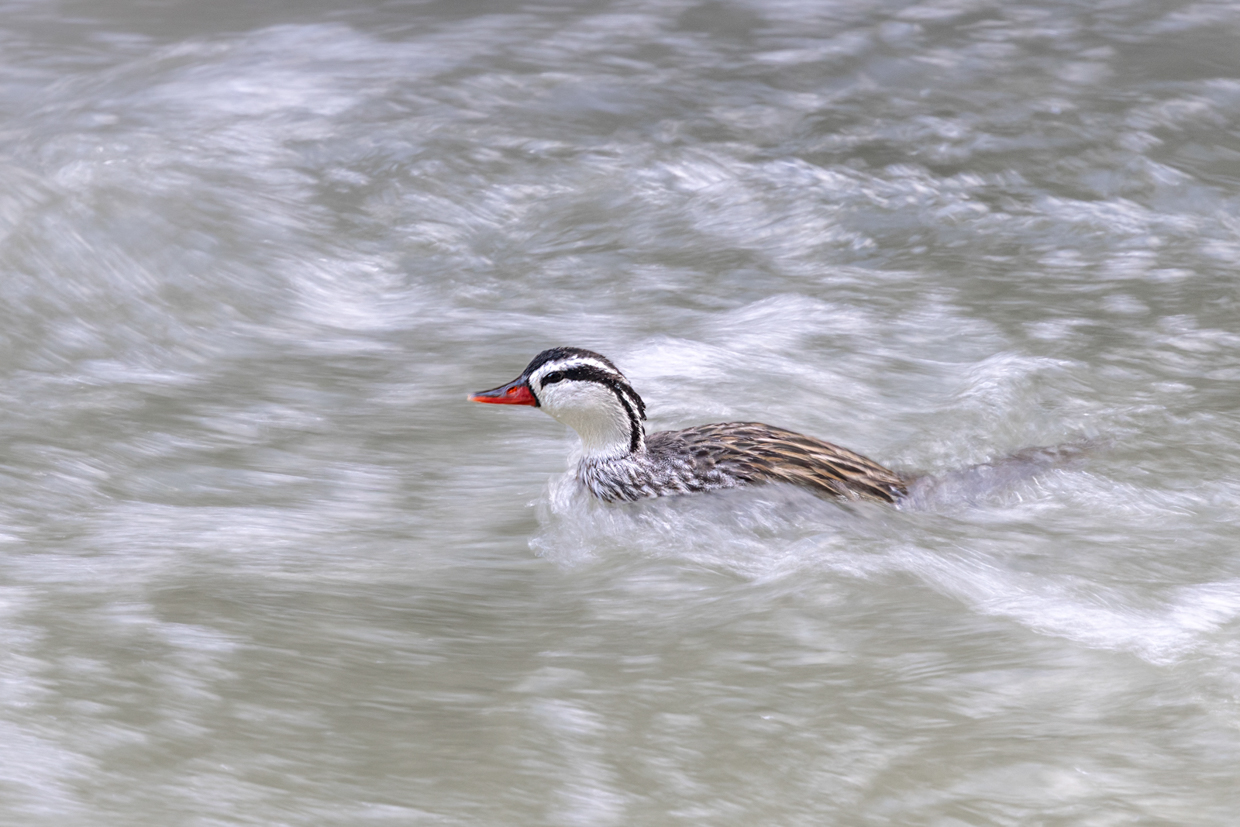
Torrent Duck © Liron Gertsman
November 3 – Guango and the High Andes
Our next morning began in a hide beside the lodge, where we waited to see which species would arrive to feed on the moths drawn in overnight by a light. We enjoyed excellent views of Turquoise Jays, Green Jays, Andean Guans, Chestnut-capped Brushfinches, Mountain Caciques, Russet-crowned Warblers, and more.
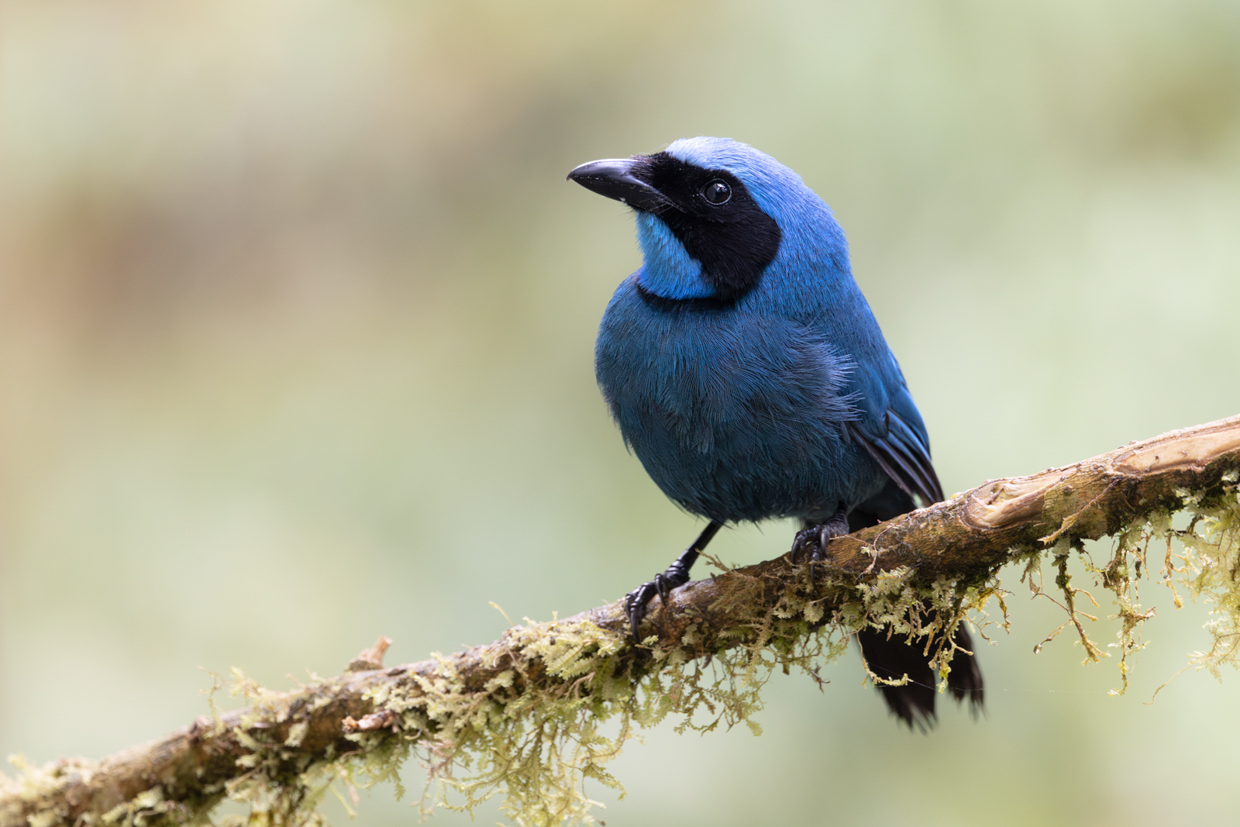
Turquoise Jay © Liron Gertsman
After breakfast, we took a short hike to a nearby feeding station in hopes of spotting the elusive Gray-breasted Mountain-Toucan. Almost immediately, a small group of toucans appeared, offering spectacular eye-level views and outstanding photographic opportunities. As we watched the toucans, a mixed species flock came through the nearby forest, including species such as Buff-banded Mountain Tanager, Blue-and-black Tanager, Pearled Treeruner, Capped Conebill, and much more. It was a productive morning, to say the least!
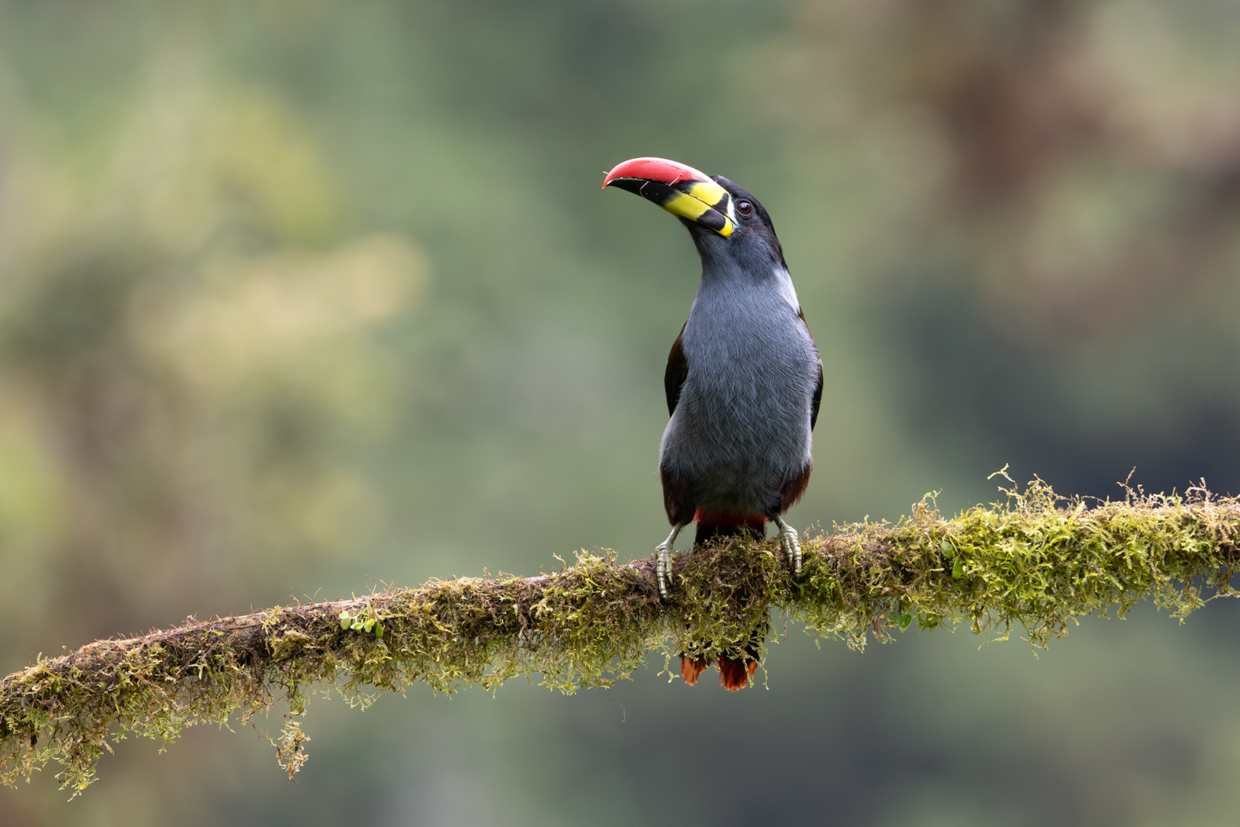
Gray-breasted Mountain-Toucan © Liron Gertsman
After our successful morning toucan mission, we headed out on a trip into the high Andes. Driving up above 4000 metres elevation, we were met with some challenging weather for finding birds- light rain, wind, and fog. Eventually, the conditions began to clear a bit, and we began to spot some of the high-elevation Páramo specialty species. This included Chestnut-winged Cinclodes, Andean Tit-Spinetail, Many-striped Canastero, Tawny Antpita, White-chinned Thistletail, Grass Wren, Plumbeous Sierra Finch, Variable Hawks, and more! After our high-elevation birding, we stopped by the nearby Papallacta Lagoon for a few more birds and some lunch at a popular local restaurant. From our viewpoint above the lagoon, we spotted more high Andean species, highlighted by Andean Gull and Purple-backed Thornbill. Back at the lodge in the evening, there were still many birds to be seen. A walk along the beautiful river at the lodge produced Torrent Ducks, Torrent Tyrannulet, White-capped Dipper, Hooded Mountain Tanager, and more.
November 4 – across the high andes to the west slope
Our morning began at Guango Lodge, where we spent time enjoying the abundance of hummingbirds, jays, brushfinches, woodcreepers, and other species frequenting the lodge grounds.
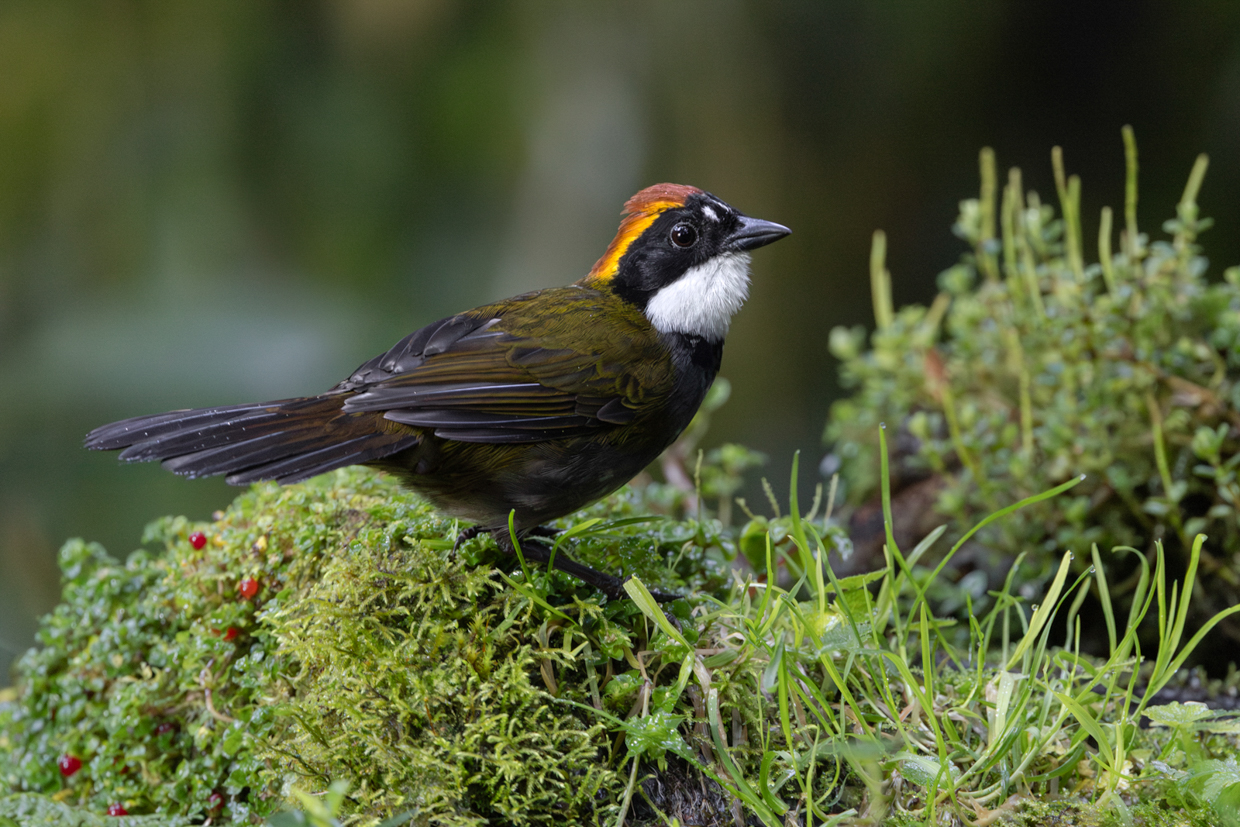
Chestnut-capped Brushfinch © Liron Gertsman
After an incredible several days on the east slope of the Andes, it was time to cross over to the west slope. On our way to the Tandayapa Valley, we planned an exciting stop to search for some more high-Andean specialties. A late-morning visit to a reserve and restaurant delivered fantastic activity. Before long, we were watching Andean Condors soaring overhead, an unforgettable sight. With a 10-foot wingspan, they are among the largest flying birds on Earth. With fewer than 150 individuals in Ecuador, every encounter is special! The hummingbird diversity here was also impressive, featuring Sparkling Violetears, Black-tailed Trainbearers, Tyrian Metaltails, Shining Sunbeams, and Great Sapphirewings. One of the highlights, however, was the world’s largest hummingbird: the Giant Hummingbird, which we observed and photographed beautifully. We also enjoyed our first views of the extraordinary Sword-billed Hummingbird, as well as two additional raptors: Black-chested Buzzard-Eagle and Carunculated Caracara.
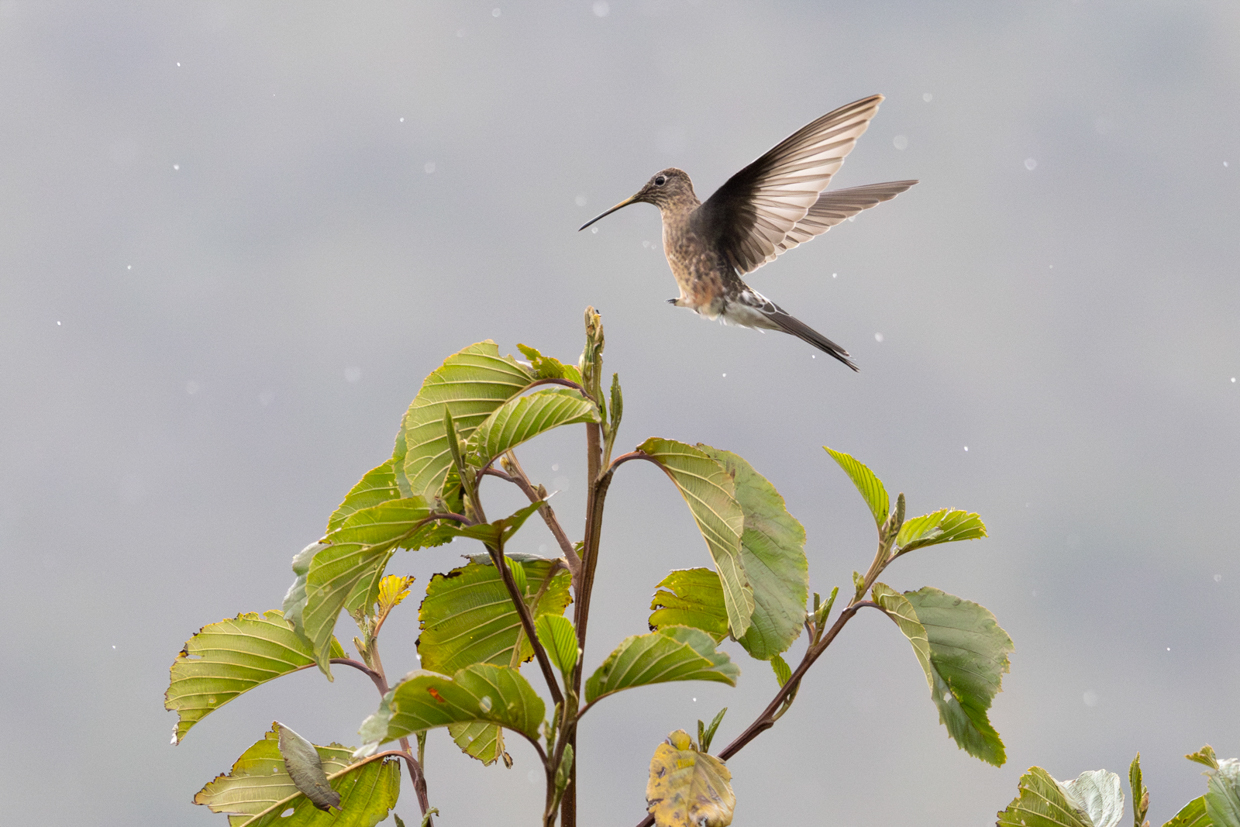
Giant Hummingbird © Liron Gertsman
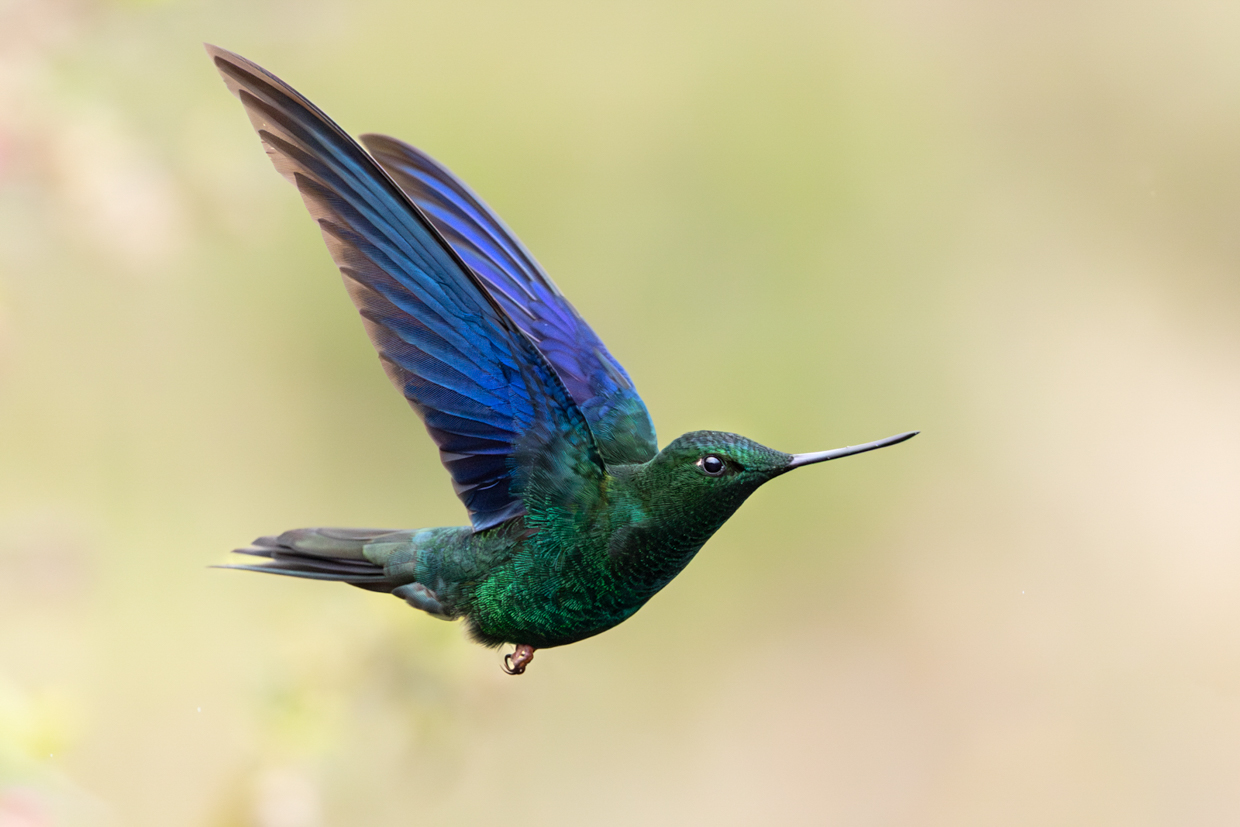
Great Sapphirewing © Liron Gertsman
Wrapping up our foray into the high andes, we headed further west, crossing through the outskirts of Quito. We made a stop at the famous “Mitad del Mundo”, where we crossed the equator line and continued our journey into the northern hemisphere. We arrived at our lodge for the next three nights right around sunset, where we got a taste of the incredible hummingbird diversity we’d be treated to in the coming days.
November 5 – Refugio Paz de Las Aves
Few places on earth can rival the abundance and diversity of easily accessible birding and photography opportunities that can be experienced in the Tandayapa and Mindo area. We got an early morning start, heading out before sunrise to visit the world-famous Refugio Paz de Las Aves. We began our visit to the reserve at a “lek” of the stunning Andean Cock-of-the-rock, where groups of males gather to display for females seeking a mate. Their brilliant red plumage glowed through the forest understory in the soft early morning light, an unforgettable sight.
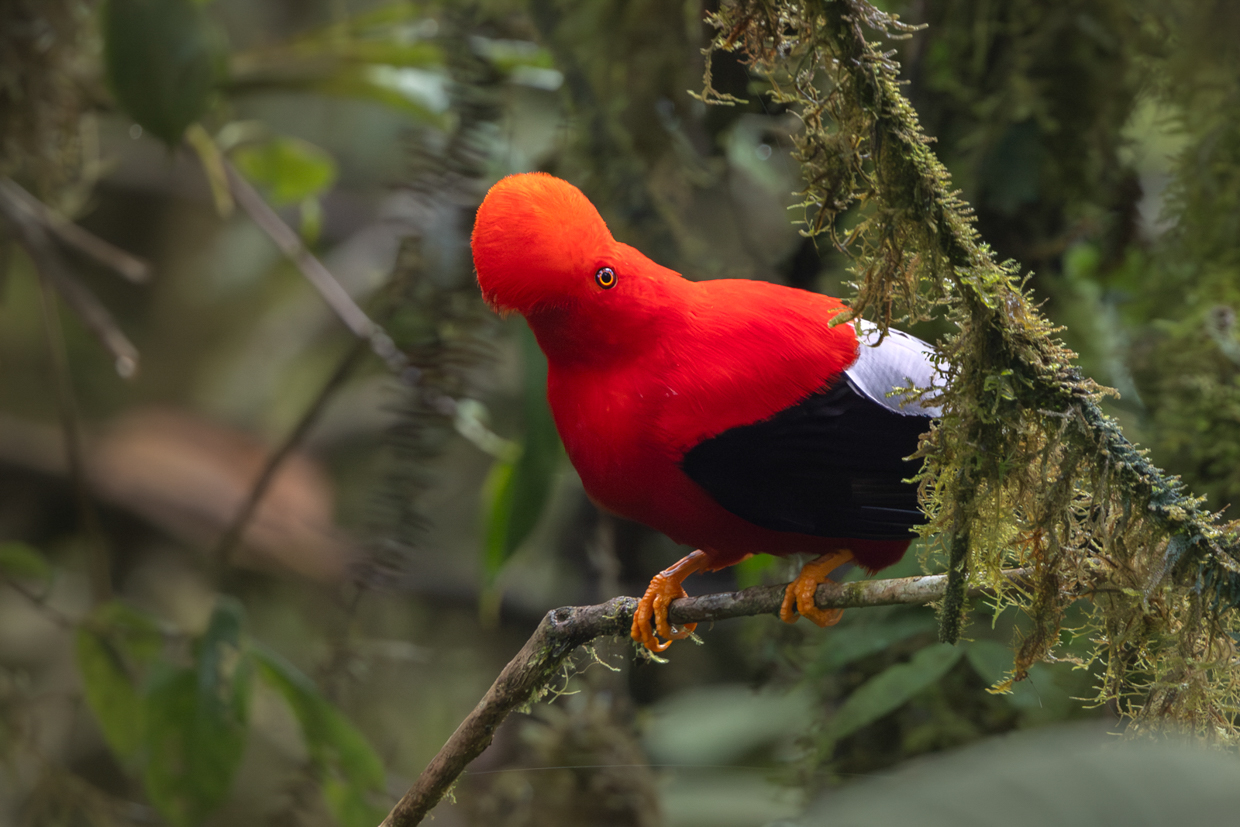
Andean Cock-of-the-rock © Liron Gertsman
After the lek, it was time to experience what Refugio Paz de Las Aves is most famous for: the antpittas. Once notoriously difficult to observe, these shy birds became accessible thanks to Angel Paz, who discovered that he could feed them, making them more visible to birders. This breakthrough transformed his family’s livelihood into one centered on bird and forest conservation. Their land became a protected reserve, supported by bird enthusiasts from around the world who travel here to see the antpittas. This model of bird-based ecotourism has since spread widely across South America. Throughout the morning, we enjoyed exceptional views of Giant, Yellow-breasted, and Ochre-breasted Antpittas. We also encountered and photographed several other special species, including the Empress Brilliant, Violet-tailed Sylph, Velvet-purple Coronet, Cloud-forest Pygmy-Owl, and a roosting Lyre-tailed Nightjar.
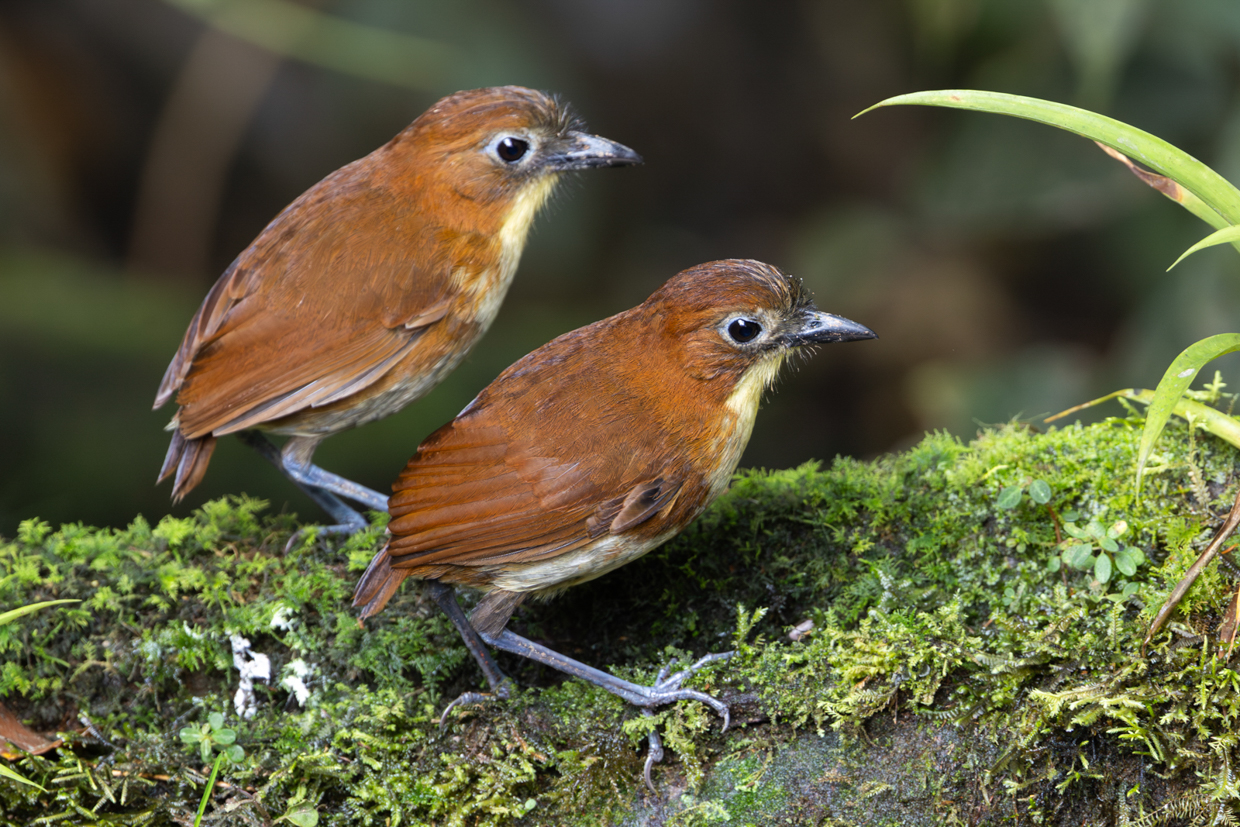
Yellow-breasted Antpittas © Liron Gertsman
After our morning visit to Refugio Paz De Las Aves, we stopped by Guaycapi Lodge for more birds, and some lunch. Here we were treated to beautiful birds, and a beautiful view! In addition to 15 different hummingbird species, we watched Thick-billed Euphonias, White-winged Brushfinch, Blue-capped Tanager, Blue-winged Mountain Tanager, Black-capped Tanager, Beryl-spangled Tanager, Flame-faced Tanager, Golden-naped Tanager, Golden Tanager, and more visiting the feeders and surrounding forest habitat.
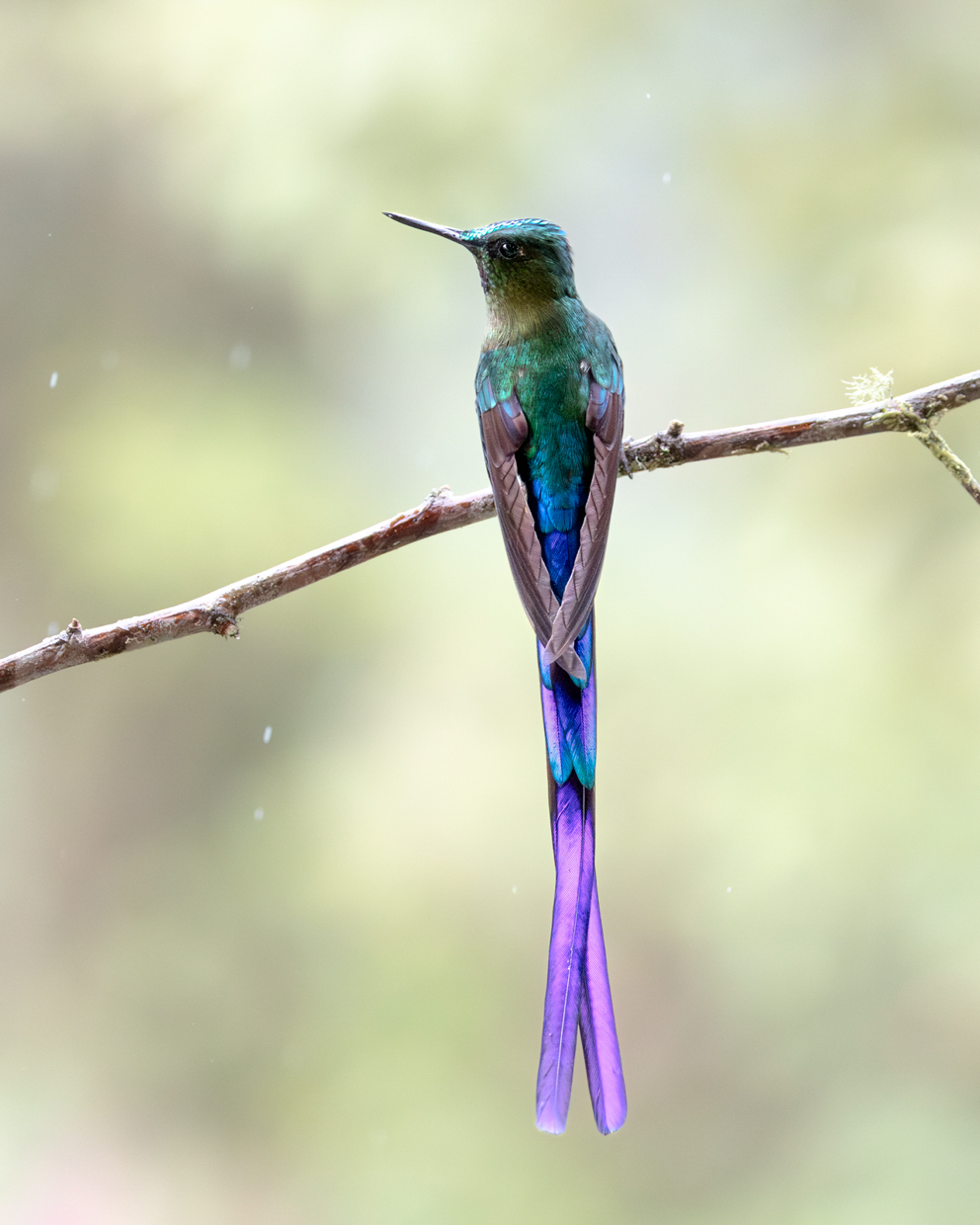
Violet-tailed Sylph © Liron Gertsman
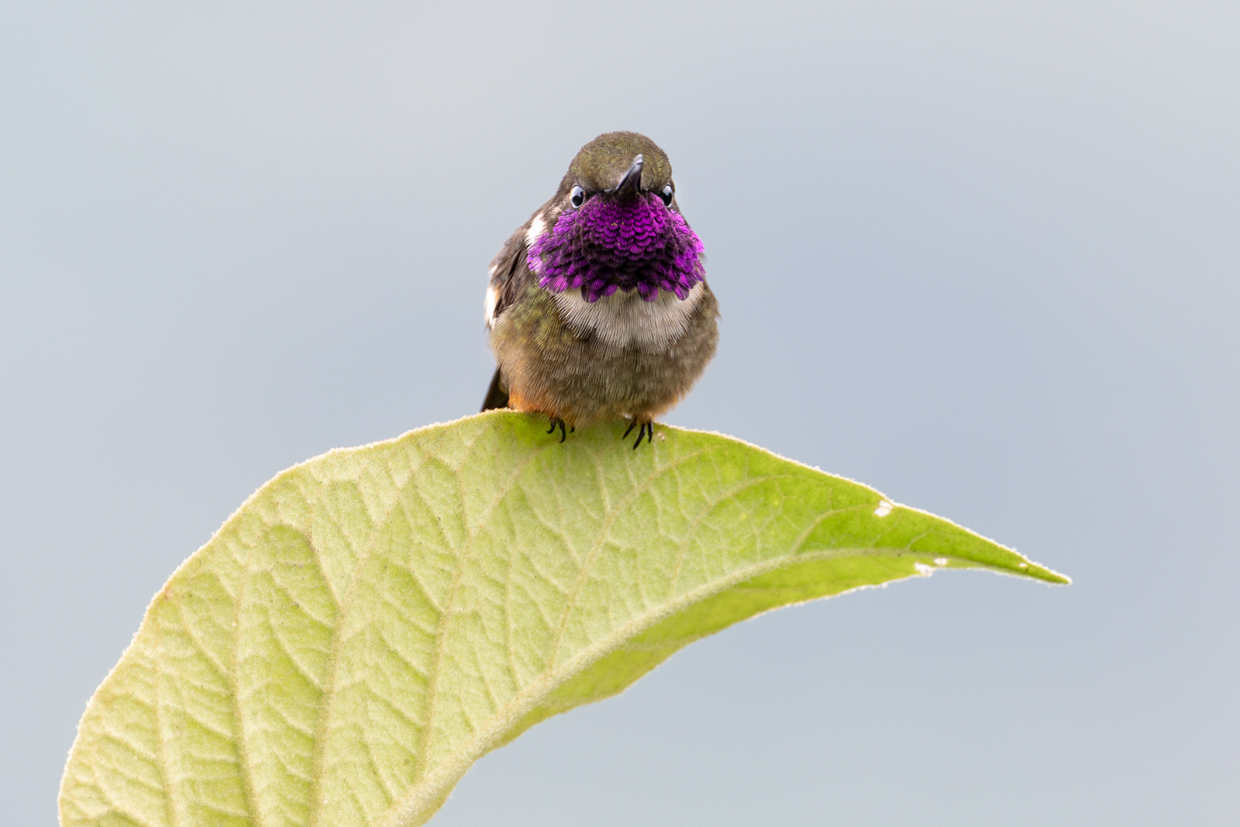
Purple-throated Woodstar © Liron Gertsman
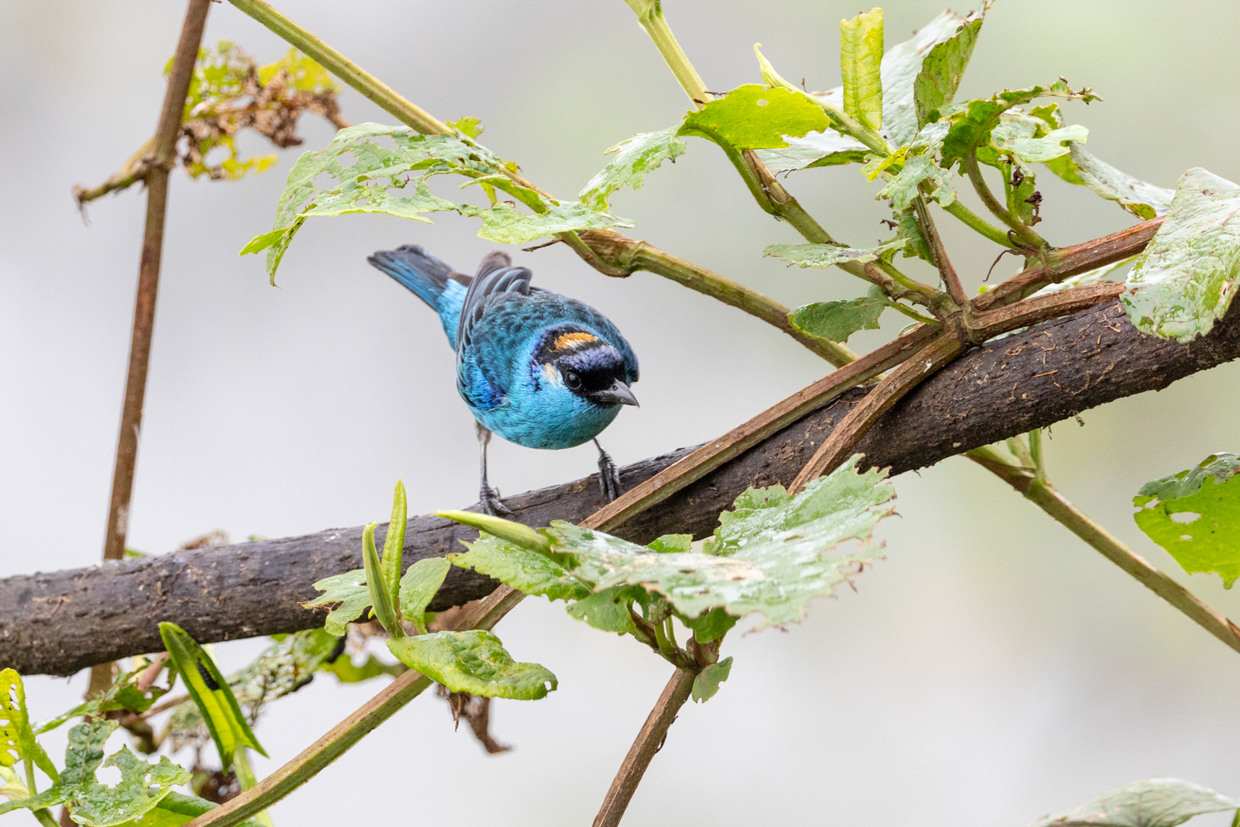
Golden-naped Tanager © Liron Gertsman
We ended the day back at Tandayapa, where we took some time to set up a “hummingbird studio”, using lighting, backdrops, flowers and feeders to capture some incredible studio-like images of these amazing birds. 13 hummingbird species were seen, including White-booted Racket-tails, White-necked Jacobins, Andean Emeralds, Purple-throated Woodstar, Green-crowned Brilliant, Fawn-breasted Brilliant and so many more. Also at the lodge, we watched a nest of Andean Cock-of-the-Rocks with two large nestlings being attended by their mother.
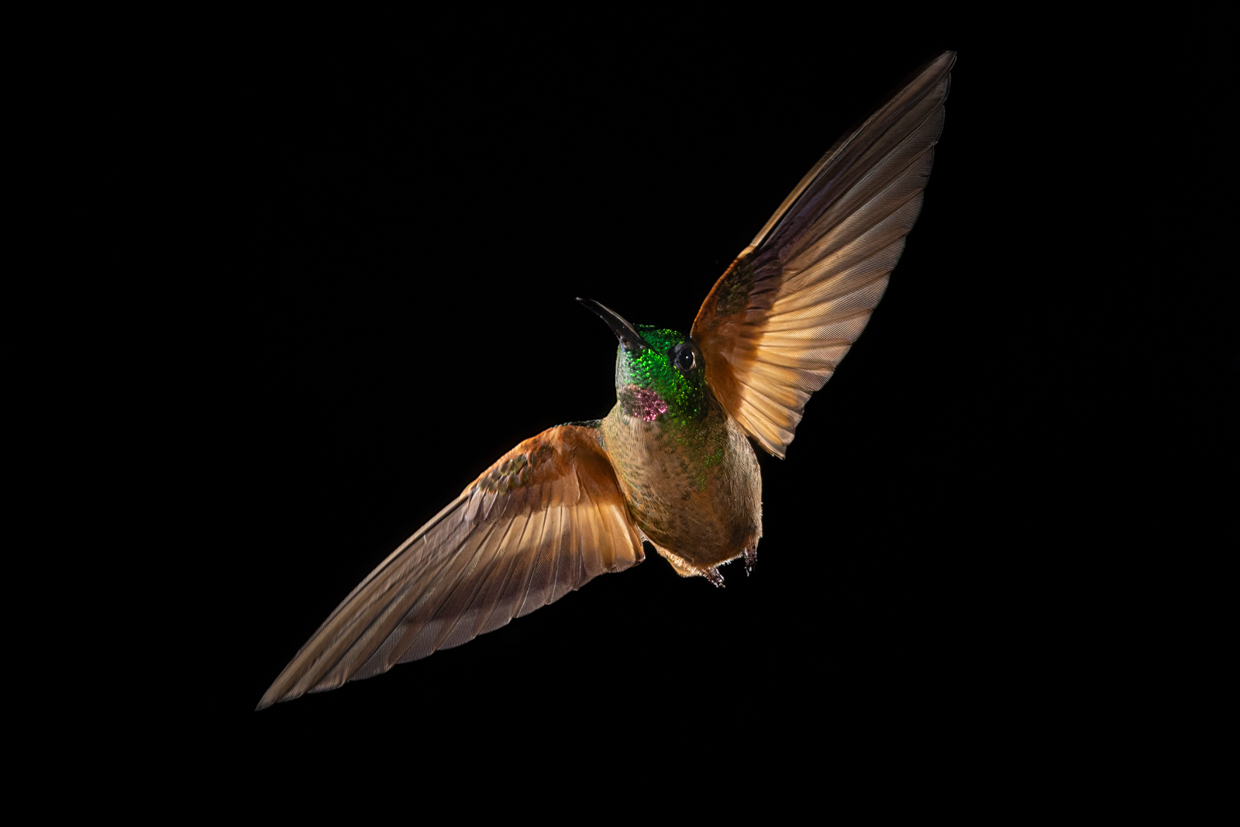
Fawn-breasted Brilliant © Liron Gertsman
November 6 – lower west slope
We began our day at the lodge in Tandayapa. Between the moth light, hummingbird feeders, and fruit feeders, there was much activity to be observed, including Rufous Motmots, Toucan Barbets, Uniform Antsrhikes, Spotted Woodcreeper, Streak-capped Treehunter, Golden-bellied Flycatcher, Three-striped Warbler, Canada Warbler, and more.
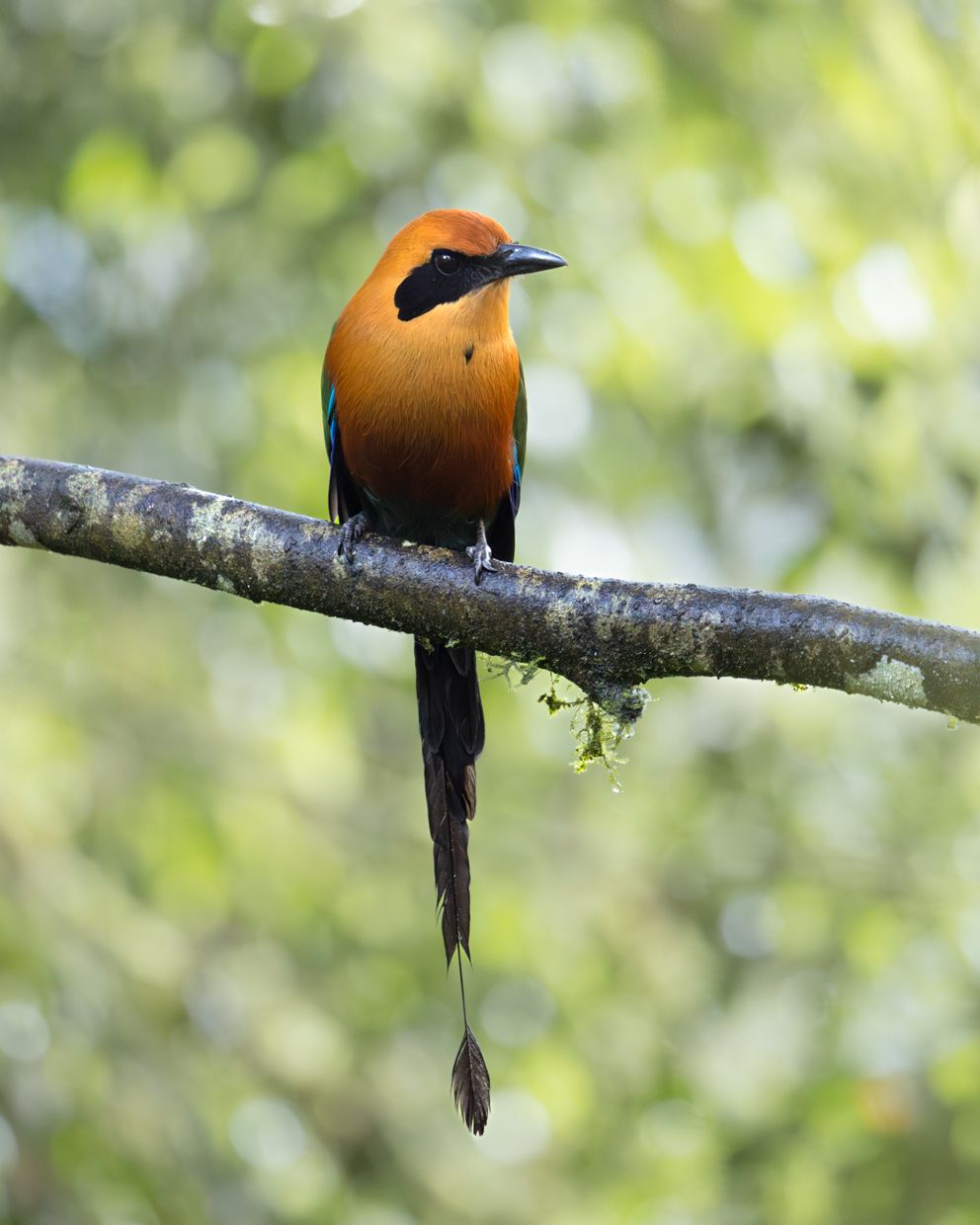
Rufous Motmot © Liron Gertsman
After breakfast, we drove to the west to explore some new environments. Our first stop was Bellavista Cloud Forest Reserve, where highlights included wonderful views of Gorgeted Sunangel and Blue-winged Mountain Tanager. We then continued on, heading to lower elevations where we would be greeted by many new bird species for the trip. Our destination was by the town of Pedro Vincente Maldondao, where we enjoyed an incredible abundance of bird activity at about 600 meters elevation (just under 2000 feet). 12 species of hummingbirds were seen, including White-necked Jacobin, Bronzy Hermit, White-whiskered Hermit, Purple-crowned Fairy, Long-billed Starthroat, Crowned Woodnymph, Purple-chested Hummingbird, Violet-bellied Hummingbird and more. The abundance made for some wonderful photo opportunities!
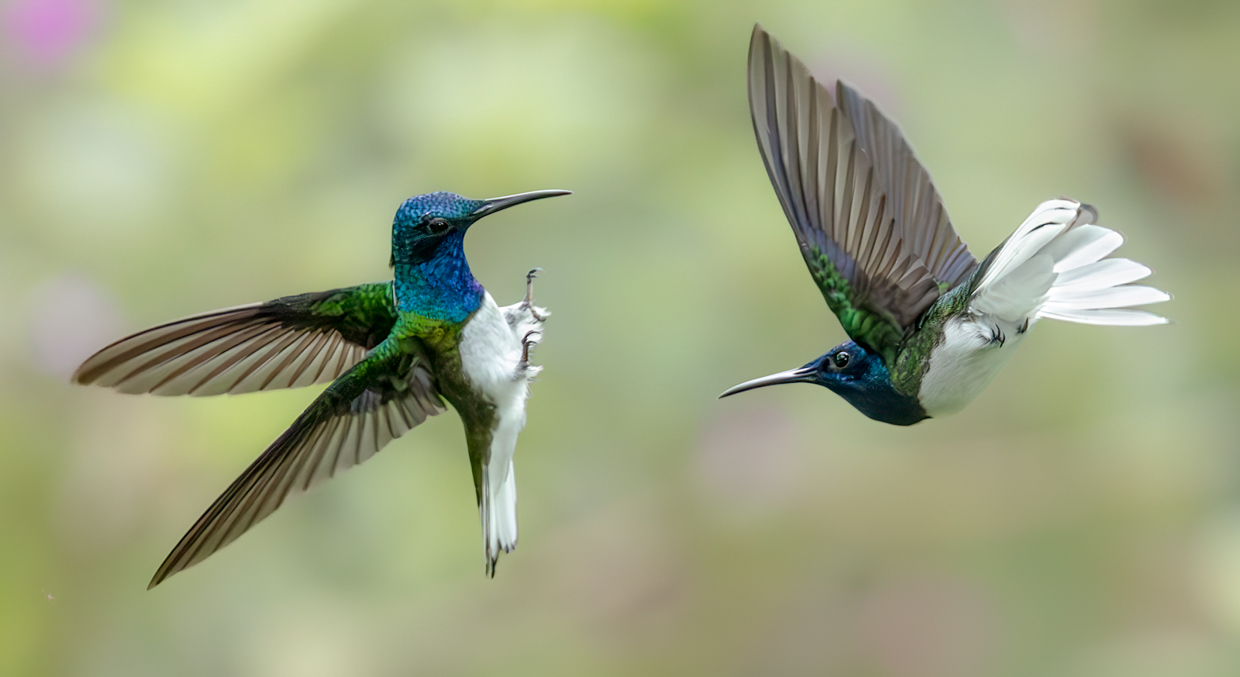
White-necked Jacobins © Liron Gertsman
The fruit feeders and neighboring forest habitat also had an amazing diversity of species. Highlights included Common Squirrel-Cuckoo, Red-headed Barbets, Scarlet-backed Woodpecker, Golden-olive Woodpeckers, Pacific Parrotlets, Marron-tailed Parakeet, Great Antshrike, Rusty-margined Flycatcher, Dusky-faced Tanager, Flame-rumped Tanager, Crimson-breasted Finch, and so many more.
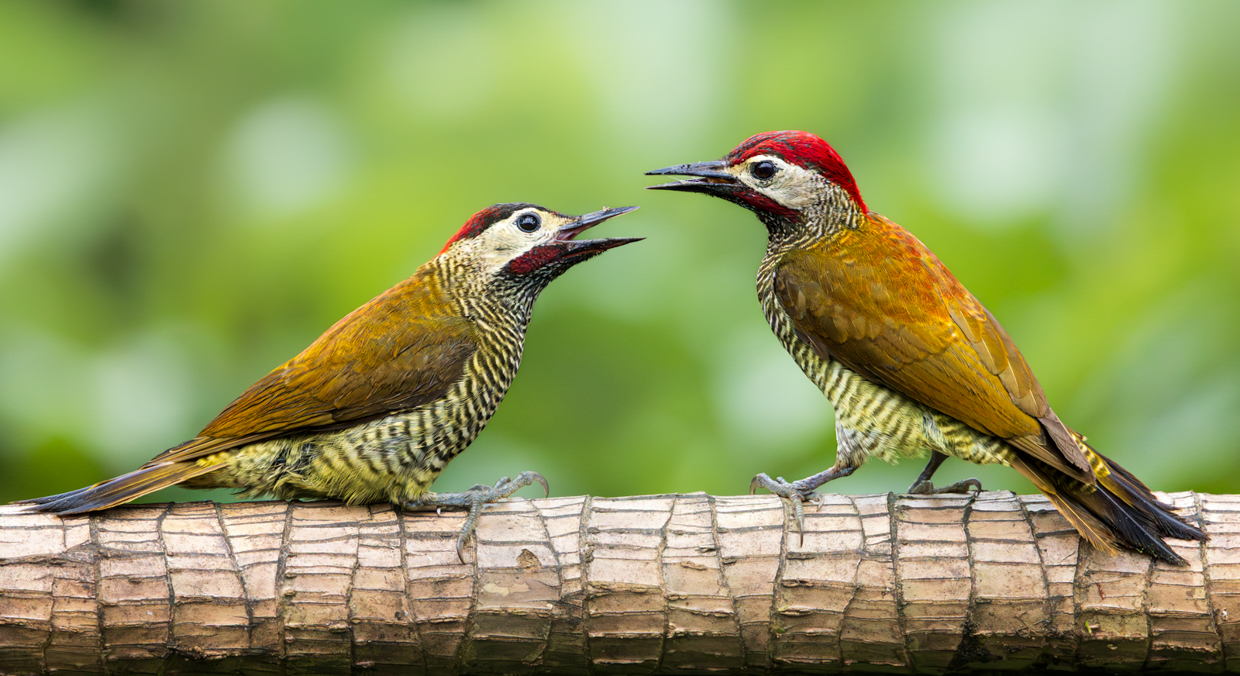
Golden-olive Woodpeckers © Liron Gertsman
After a productive few hours of bird photography, we headed back to the east. We had one more stop to make along the way, at the famous Birdwatcher’s House near Mindo. Here, we waited undercover during a rainshower and watched as hummingbirds, tanagers, and barbets flocked to the feeders. After about an hour, our target species showed up: the beautiful Plate-billed Mountain-Toucan. We had fantastic views and photo opportunities of a pair of these striking birds.

Plate-billed Mountain Toucan © Liron Gertsman
November 7-8: back to Quito and departure
It may have been our final full day of the tour, but there were still some amazing birds and photography opportunities waiting for us. The morning bird activity at Tandayapa was fabulous, highlighted by Crimson-rumped Toucanet, Ornate Flycatcher, Toucan Barbets, Rufous Motmots, many hummingbirds, and more.
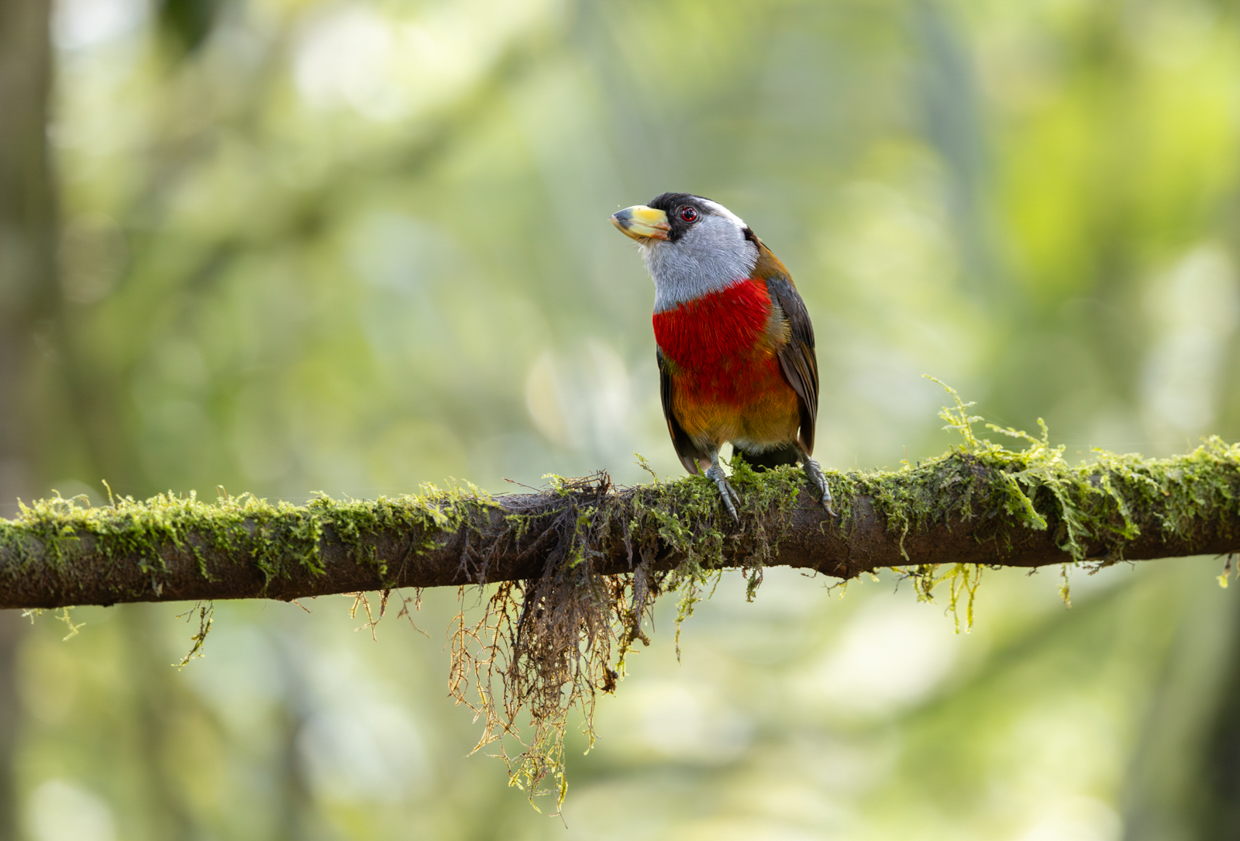
Toucan Barbet © Liron Gertsman
After some morning bird photography at Tandayapa, we headed back in the direction of Quito, passing through spectacular terrain in the vicinity of Pinchincha Volcano as we made our way to Reserva Zuro Loma. While there were many species to be excited about, one particular target here was the unique Sword-billed Hummingbird, the only bird in the world with a beak longer than the rest of its body. It wasn’t long before we spotted one, and ended up getting some fantastic views of this ridiculously unique species. In addition to the Sword-billed, we were also treated to fabulous opportunities with a large variety of hummingbirds: Tyrian Metaltail, Gorgeted Sunangel, Green-tailed Trainbearer, Speckled Hummingbird, Shining Sunbeam, Great Sapphirewing, Sapphire-vented Puffleg, Collared Inca, Sparkling Violetear, Buff-winged Starfrontlet, and Mountain Velvetbreast.
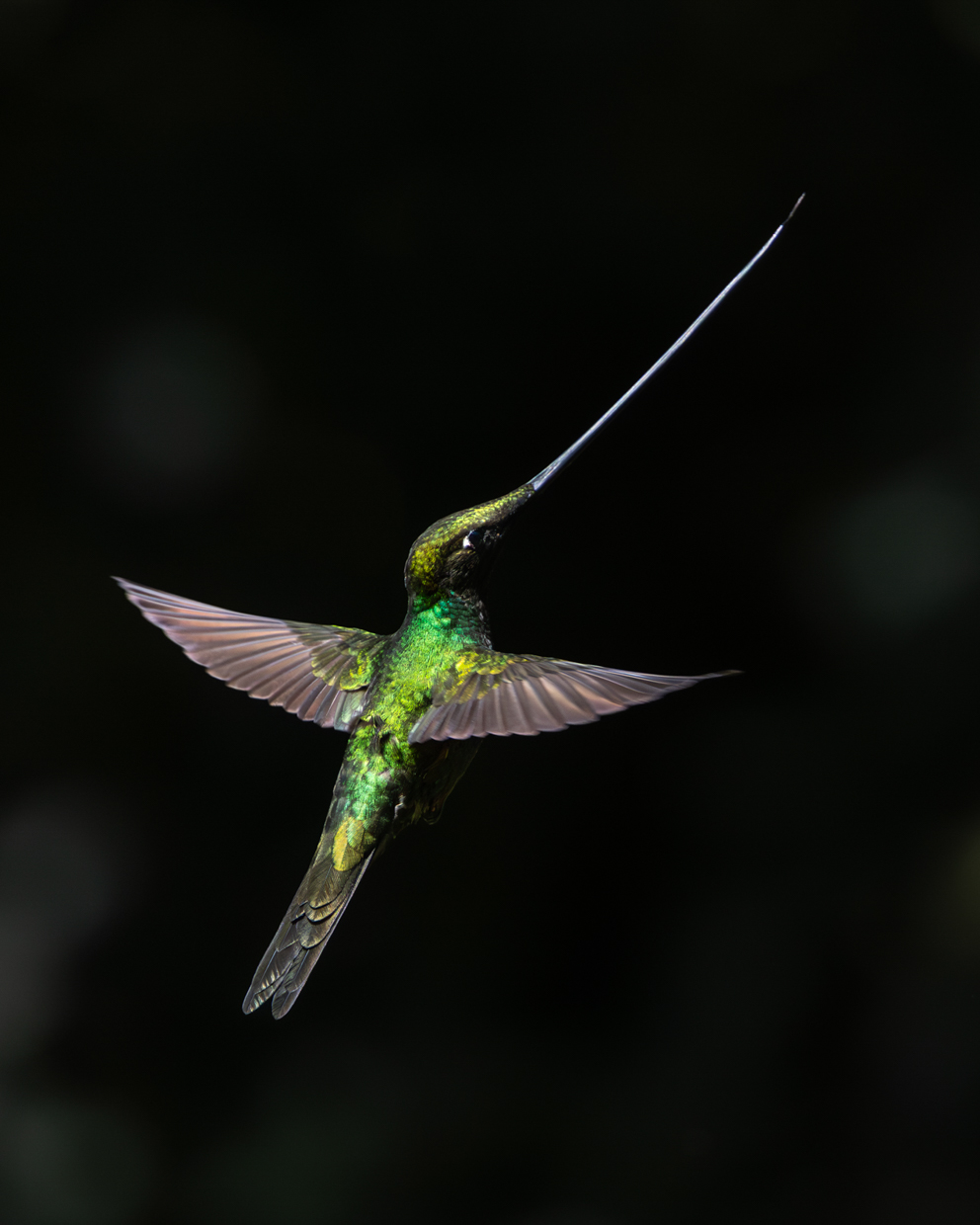
Sword-billed Hummingbird © Liron Gertsman
We also had fantastic views here of Masked Flowerpieces, Rufous-breasted Chat-Tyrants, Spectacled Redstart, Supercilliaried Hemispingus, Rufous-chested Tanager, Hooded Mountain Tanager, Blue-capped Tanager, Scarlet-bellied Mountain Tanager, and more. Nearby, two White-throated Screech Owls were roosting in the canopy of the cloud forest. What a special place!
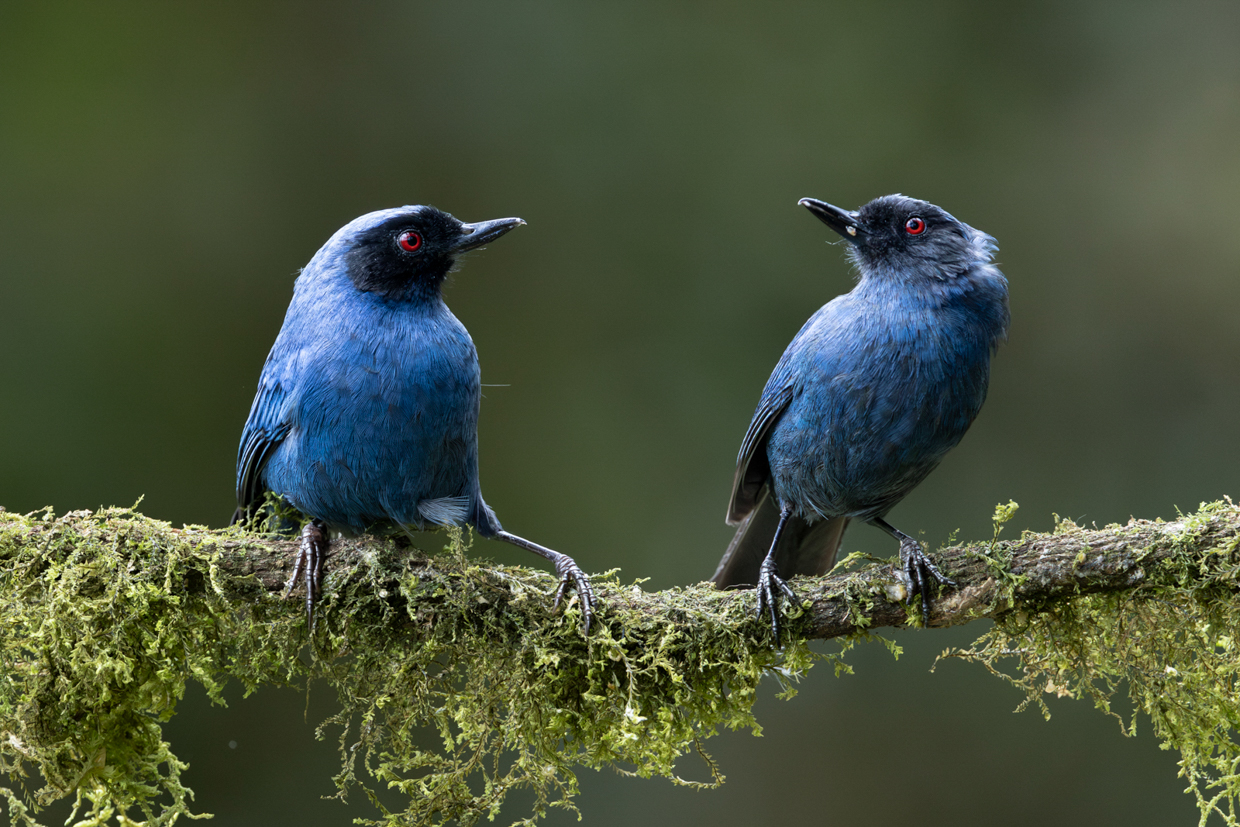
Masked Flowerpiercer © Liron Gertsman
After our visit to Zuro Loma, we made our way to the nearby Yanacocha Reserve, where highlights included cooperative Andean Guans, Carunculated Caracara, Yellow-breasted Brushfinch, Black-chested Mountain Tanager, Glossy Flowerpiercer, and an array of hummingbirds. From there, we continued the final stretch back to our hotel in Quito, bringing the journey full circle. Over dinner, we reflected on an unforgettable couple of weeks of bird photography in Ecuador and prepared to say our goodbyes, wrapping up on an unforgettable couple of weeks in this amazing country.
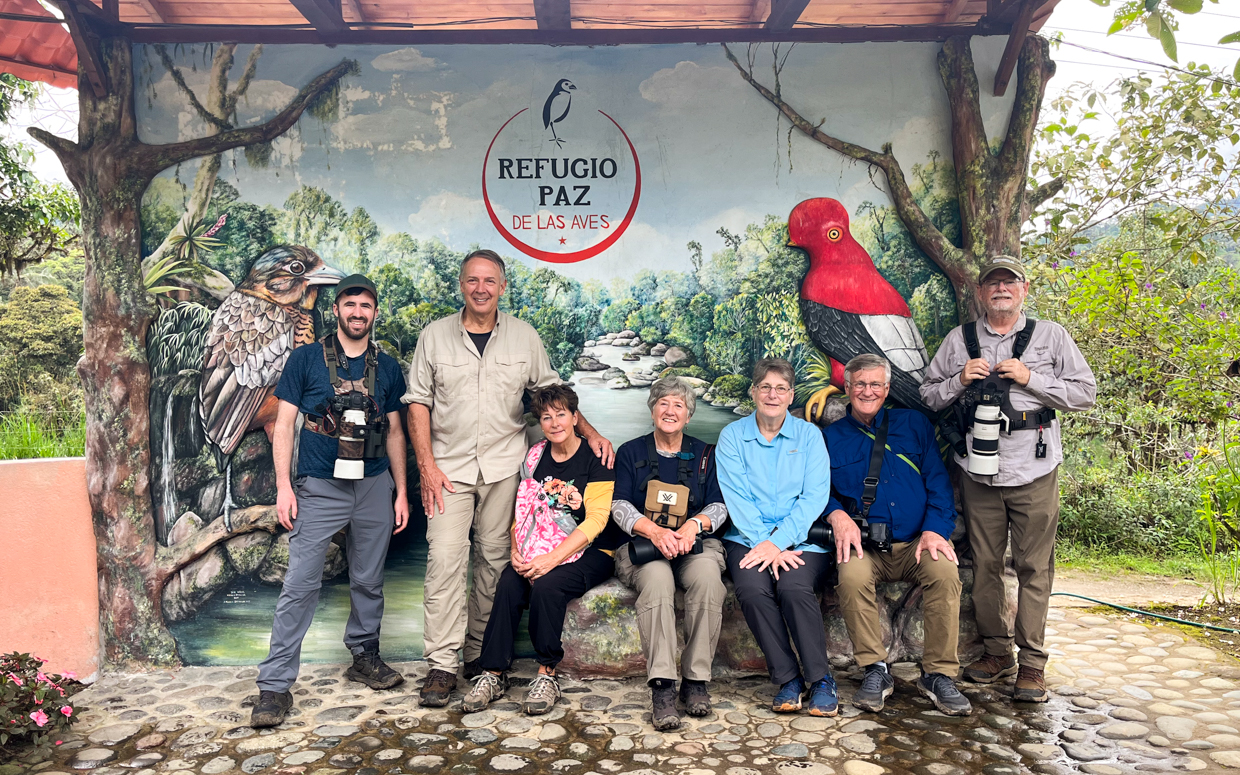
Our group of eager bird lovers and photographers at Refugio Paz De Laves Aves