Costa Rica Sampler Trip Report (Mar 1 – 12, 2026)
Day 1. Hotel Bougainvillea
We gathered in the late afternoon for our first group birding in the spectacular gardens of Hotel Bougainvillea where we saw a few of the common yard birds of Costa Rica’s Central Valley including Red-billed Pigeon, Social Flycatcher, Great Kiskadee, Lesson’s Motmot, White-tailed Kite and the resident Mottled Owl that roosts in the large bamboo clump. After birding we had our briefing and dinner before going to bed to get prepared for our first full day of birding.
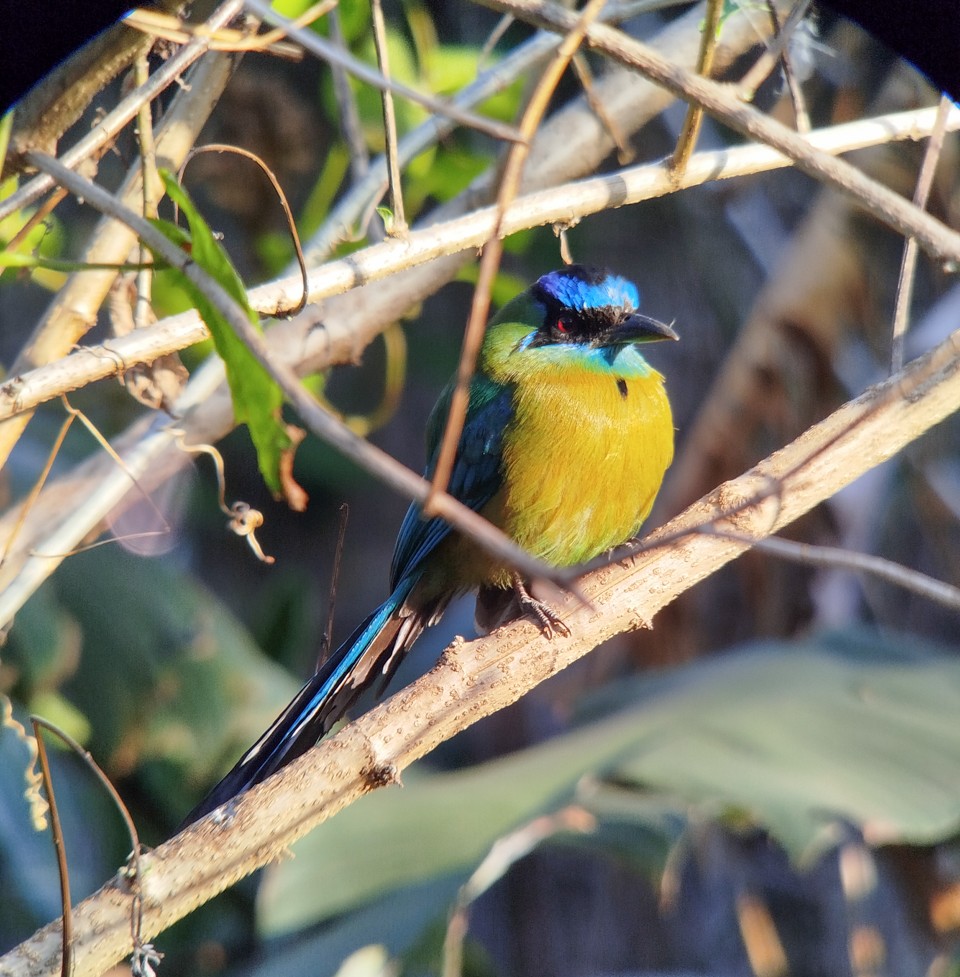
Lesson’s Motmot © E Carman
Day 2. Caldera Mangroves, Guácimo Road, Tárcoles, Hotel Santa Lucía
To avoid traffic and heat we departed Bougainvillea bright and early after a quick cup of coffee and drove west to the Pacific coast with our first stop being the Caldera mangroves. After a satisfying picnic breakfast we began seeing new birds very quickly as we had hit the jackpot with the native Chameleon Vines (Combretum farinosum) in full bloom and because of the shape of the flowers and the amount of nectar it produces, a wide variety of birds visit them. The most abundant bird at the flowers was Prothonotary Warbler, but over time we saw Tennessee Warbler, Rufous-backed Wren, Melodious Blackbird, Scaly-breasted and Cinnamon Hummingbirds. We also saw Orange-fronted Parakeets, Turquoise-browed Motmot, Baltimore and Streak-backed Oriole, Common Ground-Dove and Inca Dove, Short-tailed Hawk, Rose-breasted Grosbeak, and good views of some of the mangrove specialties including Northern Scrub and Panama Flycatcher, Mangrove Yellow Warbler and the endangered Mangrove Hummingbird.
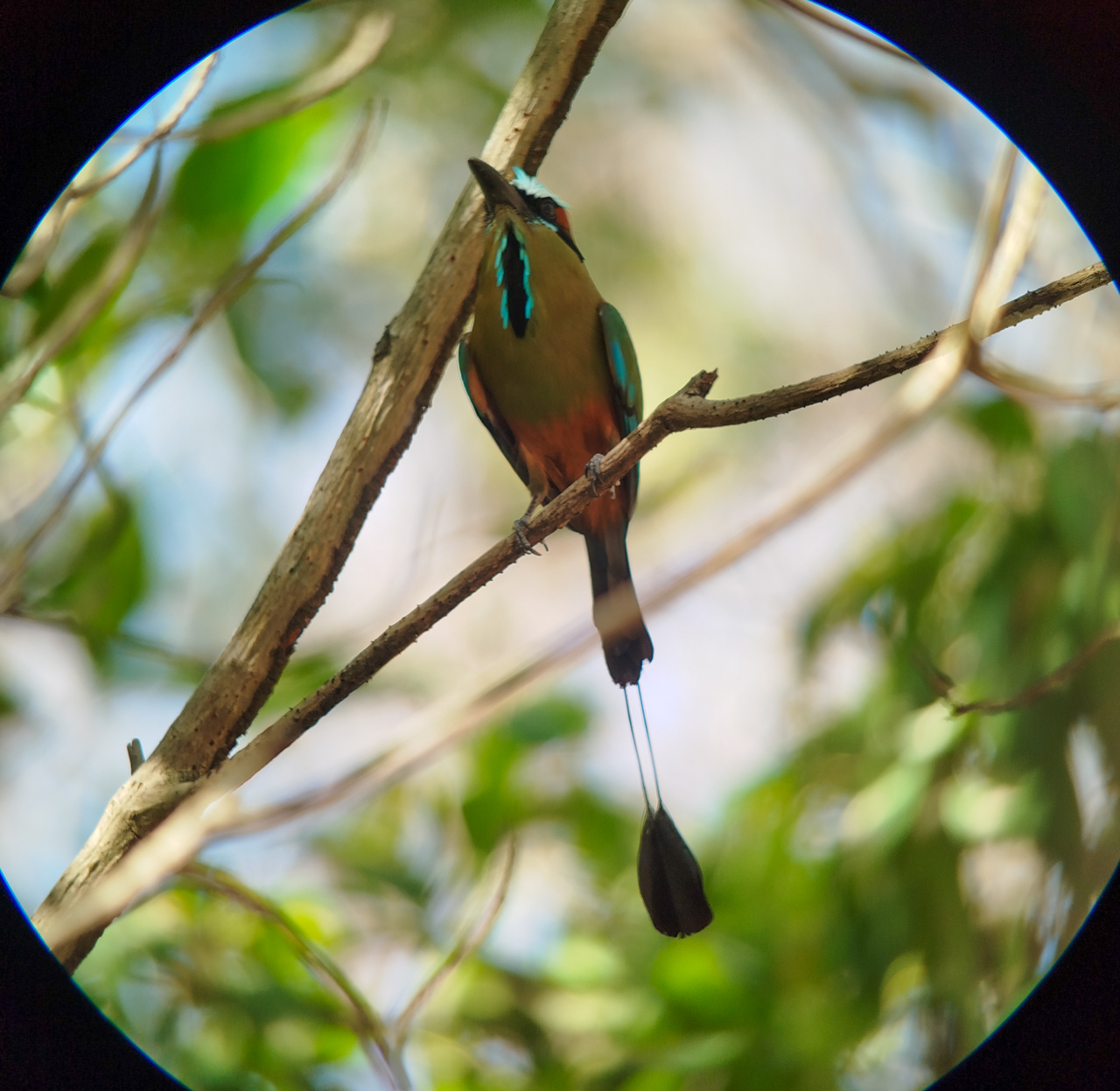
Turquoise-browed Motmot © E Carman
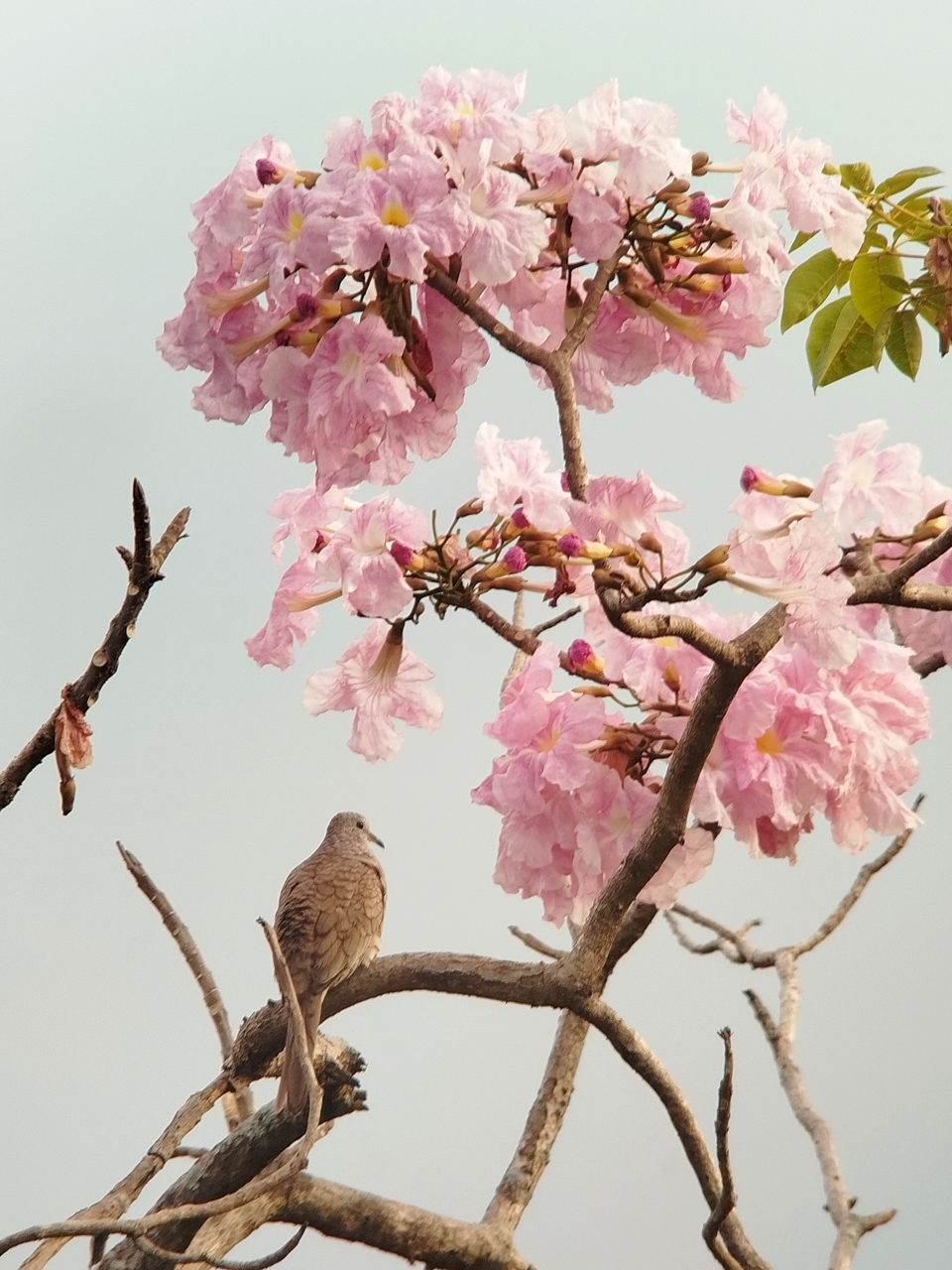
Inca Dove © E Carman
As the temperature began to soar we boarded the air conditioned bus and went birding along the Guácimo Road where we saw Hoffmann’s Woodpecker, White-throated Magpie Jay and another one of our targets for this road, the Double-striped Thick-Knee. After lunch we drove to the small village of Tárcoles where we saw Boat-billed Heron, Gray-cowled Wood-Rail, Scarlet Macaws and four species of Kingfisher (Ringed, Amazon, Green and American Pygmy)! From here we drove the short distance to our hotel where we settled in for the evening and enjoyed a fantastic dinner.
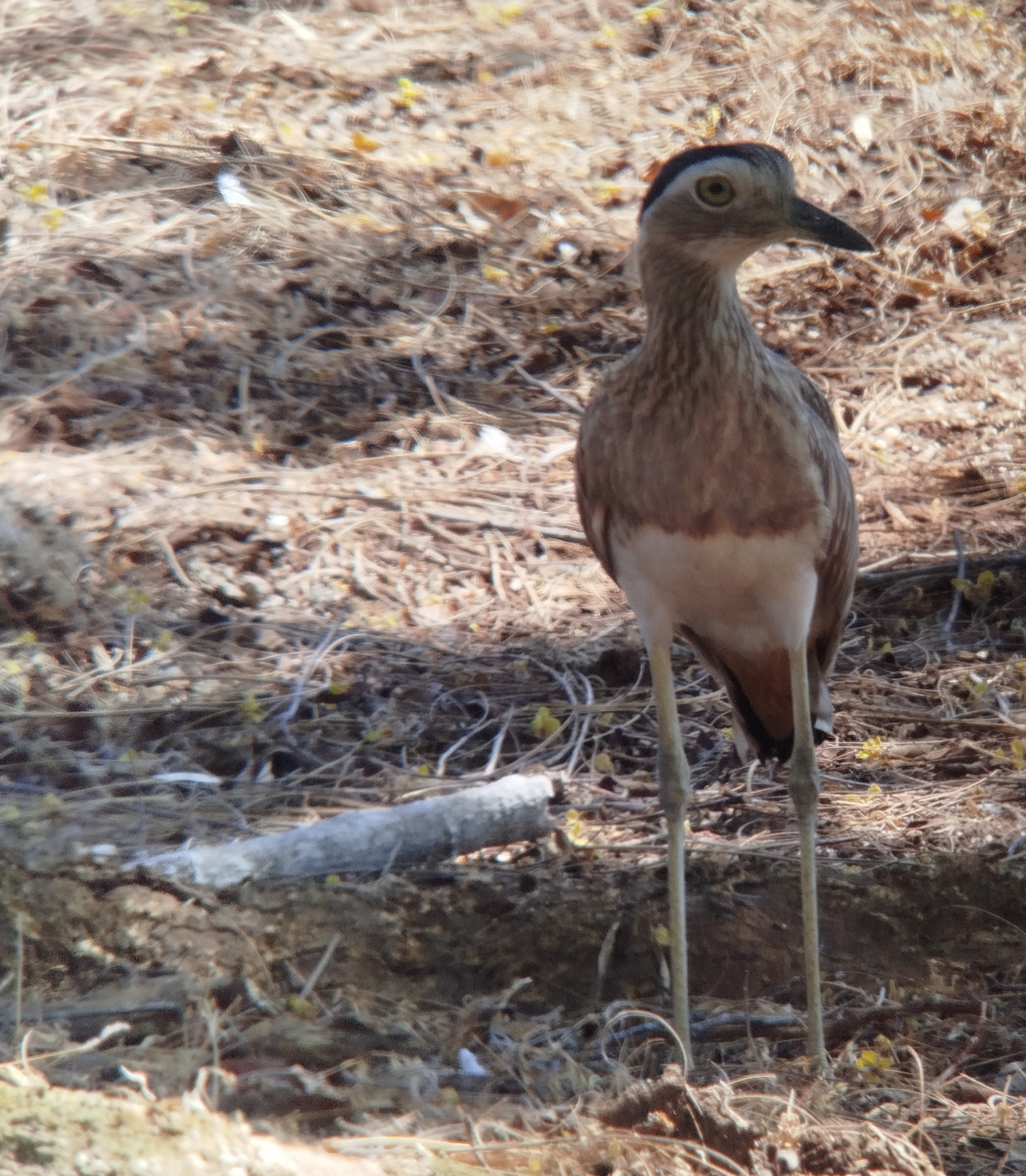
Double-striped Thick-knee © Ernesto Carman

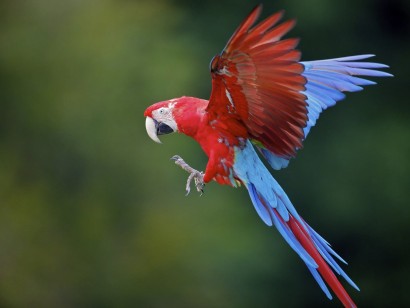
Scarlet Macaws © E Carman
Day 3. Santa Lucía and the Bijagual Road
We gathered at sunrise in the gardens of the hotel, surrounded by giant Rain Trees. Before breakfast we spotted some of the common yard birds of this hotel including Gray-capped, Social and Streaked Flycatchers, Buff-rumped Warbler, Gartered Violaceous Trogon and Bare-throated Tiger-Heron.
After breakfast we birded the trails at the hotel and though the cicadas made it very difficult to hear birds, we found Red-legged and Green Honeycreepers, Painted Bunting, Bright-rumped Attila, Rose-throated Becard, Lesser Greenlet, White-shouldered Tanager, Graceful Black-throated Trogon and Black-hooded Antshrike.
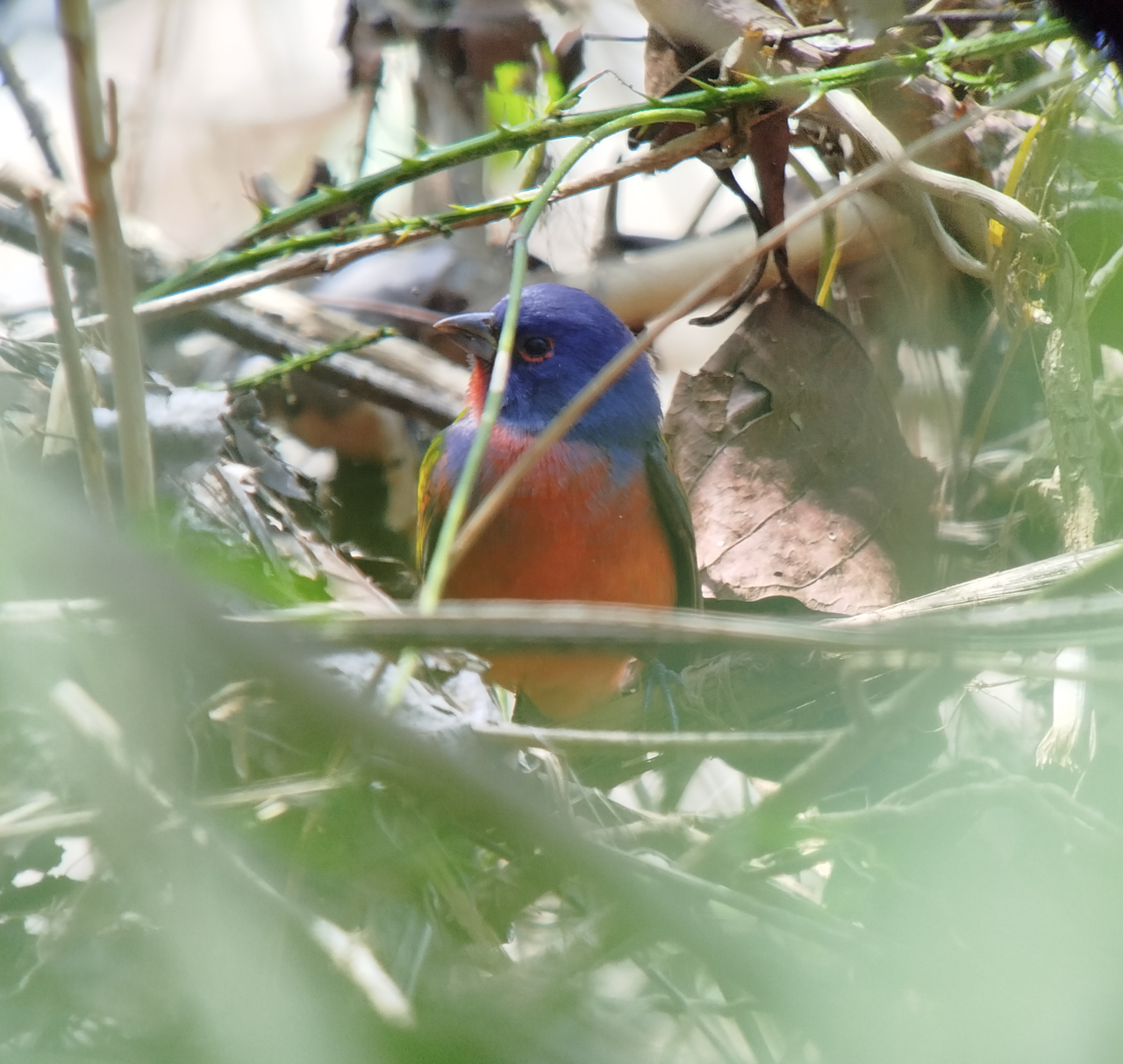
Painted Bunting © E Carman
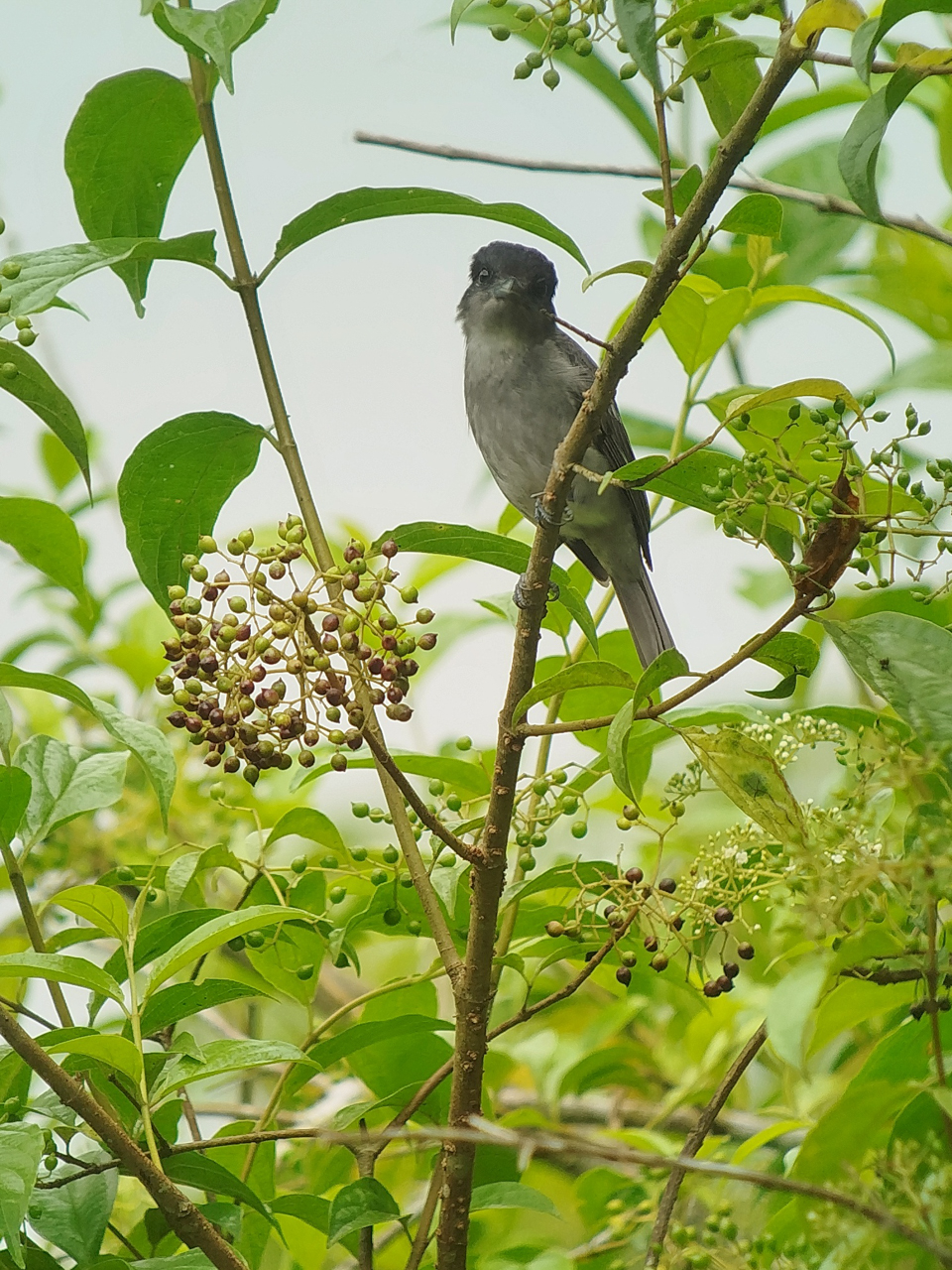
Rose-throated Becard © Ernesto Carman
After lunch we drove up the Bijagual road which climbs above the hotel and has a phenomenal view of the Pacific Ocean, as well as being a great place to watch birds! We had amazing views of Scarlet Macaws from all different angles as they interacted defending nesting sites, but we also saw many other species including Fiery-billed Aracari, Golden-naped Woodpecker, Yellow-throated Toucan, Crested and Yellow-headed Caracaras, Scarlet-rumped Tanager and White-crowned Parrot. After dinner we went for a night walk and saw Gladiator, Masked, Drab and Harlequin Tree Frogs, Red-eyed Leaf-Frog, Cane Toad and Dry Forest Toad.

Gladiator Frog and Dry Forest Toad © E Carman
Day 4. Carara National Park, Tárcoles River Boat Tour
After breakfast we visited Carara National Park and birded the Quebrada Bonita Trail which took us through portions of mature tropical rainforest with gigantic trees towering above us. Here we saw Black-hooded Antshrike, Chestnut-backed and Bicolored Antbird, Rufous Piha, unobstructed views of Scaly-throated Leaf-tosser and a pair of White-necked Puffbirds excavating a nesting cavity in a termite nest. We also saw Central American Spider Monkey and Central American Agouti.

Carara National Park
After lunch we drove to the Tárcoles River where we were going to embark on a boat tour for the rest of the afternoon. We met our captain, Juan Carlos, and began seeing new birds every time the boat moved! We had an amazing array of egrets and herons, Roseate Spoonbills, Wood Stork, Muscovy Ducks, Black-necked Stilts, three species of Kingfisher (Belted, Amazon and Green), Scarlet Macaws, Yellow-naped Parrots feeding with the golden afternoon light illuminating their plumage with neon green, Magnificent Frigatebirds and Brown Pelicans, Common Black Hawk, Peregrine Falcon, Osprey and a group Royal, Elegant and Sandwich Terns, Striped and Mangrove Cuckoo and views of very large American Crocodiles. We enjoyed a spectacular sunset as Lesser Nighthawks began leaving the mangroves for the night and we returned to the lodge for dinner and got a good night’s sleep.

Tarcoles Boat Ride © E Carman

Day 5. Punta Leona, Paraíso, Café Cristina, Hotel Quelitales
We loaded the bus and departed after breakfast and made our way east across the Central Valley. We made our first stop in the town square of the town of Paraíso where we saw the resident Barn Owls and Tropical Screech-Owls and learned about the local conservation efforts for the Cabanis’s Ground-Sparrow as we marveled over the large sculpture of this species which stands tall as the county bird of Paraíso.

Tropical Screech-Owl
Afterwards we reached Cafe Cristina, Ernesto’s family’s farm where his parents awaited us with a magnificent lunch before we learned all the ins and outs of producing coffee, specifically organic, shade-grown coffee and how doing it the right way can greatly benefit the environment. We also saw several species on the bird feeders including Tennessee Warbler, Summer Tanager, and Montezuma Oropendola. We made our way to Hotel Quelitales in time to do a little late afternoon birding and saw Sooty-faced Finch, White-eared Ground-Sparrow, Violet Sabrewing, Green-crowned Brilliant, Green Hermit and Green-fronted Lancebill.
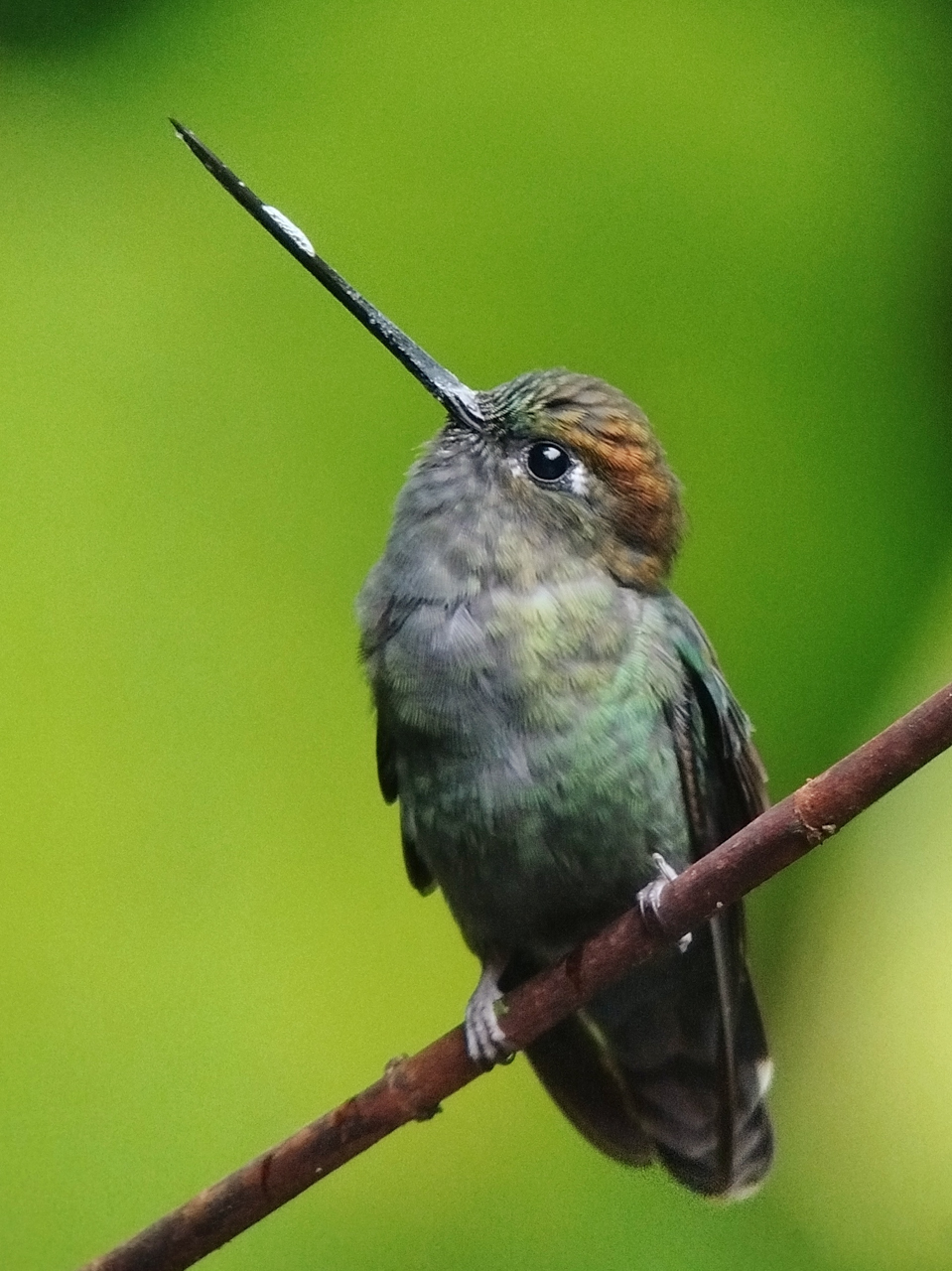
Green-fronted Lancebill © Ernesto Carman

Finca Cristina © P Angulo
Day 6. La Esperanza, Cerro de la Muerte, Paraíso Quetzal Lodge
We departed early as we had a mission: today we were going to look for the Resplendent Quetzal! Despite the wet and cold weather at the hotel we climbed up into the Talamanca mountains to the village of La Esperanza where we were met by our local guide Jesus. We walked up a short trail through a farm where we were going to wait in front of a fruiting wild avocado tree while we had our packed breakfast with plentiful tropical fruits for ourselves! There were no signs of the Quetzal at this point so we continued birding as we waited patiently until it finally happened: one of the most spectacular birds in the world appeared and perched where we could all see it and enjoy it! While we waited for the Quetzal we were certainly not bored as we enjoyed seeing many other highland specialties such as Ochraceous Pewee, Sooty-capped Chlorospingus, Mountain Thrush, Mountain Elaenia, Wilson’s Warbler, Large-footed Finch, Ruddy-capped and Black-billed Nightingale-Thrushes and Flame-colored Tanager.
After this amazing experience we drove even higher up the Talamanca Mountains, all the way up to Cerro de la Muerte at 3400 m.a.s.l. where it did not take long before we spotted another one of our targets, the Volcano Junco, which gave us fantastic views as it foraged on the ground and the low shrubs of the páramo. We then visited Paraíso Quetzal Lodge for lunch and more birds and the food was good, but the birds were even better! The hummingbird feeders were spectacular providing up-close and personal views of White-throated Mountain-Gem, Lesser Violetear, Talamanca and Volcano Hummingbirds and one the most colorful of all, the Fiery-throated Hummingbird with their multicolored gorgets. In the gardens we also saw Black-and-yellow and Long-tailed Silky-Flycatcher, Black-capped Flycatcher, Slaty Flowerpiercer, Yellow-thighed Brushfinch, Gray-breasted Wood-Wren, Hairy Woodpecker, Golden-browed Chlorophonia and Black-thighed Grosbeak. Satisfied with the amazing birds we had seen, we drove back down to Hotel Quelitales where the rain continued.

Paramo © P Angulo

Birding Cerro de la Muerte © Ernesto Carman
Day 7. Hotel Quelitales, Ujarrás and Cachí
Once again we departed the hotel early and drove 20 minutes to a rural corner of the Ujarrás Valley where it did not take long to find one of our two pre-breakfast targets, the endemic and threatened Cabanis’s Ground-Sparrow. At another site we learned all about Hook-billed Kites as we got phenomenal views of several individuals as they came in to feed in the chayote plantations. We made one more stop on our way back to breakfast to see and photograph a Bat Falcon which lives by the Cachí dam.

Chayote fields © E Carman

Bat Falcon © Ernesto Carman
We returned for breakfast and had a blast watching the feeder where Montezuma Oropendola, Scarlet-rumped, Silver-throated and Summer Tanagers, White-eared Ground-Sparrow and Baltimore Orioles joined us for breakfast. After breakfast we birded the hotel grounds and had a very productive session with Cinnamon and Rose-throated Becard, Olive-streaked Flycatcher, various birds with varying shades of blue including Golden-hooded Tanager, Scarlet-thighed Dacnis and Elegant Euphonia, White-throated Thrush, Green Honeycreeper and Bay-headed Tanager. We also had prolonged views of a Sunbittern, catching glimpses of its colorful wing patches every now and then. After lunch we birded the feeders by the waterfall and saw the usual hummingbirds and Green-fronted Lancebill, Louisiana Waterthrush, Sooty-faced Finch, Chestnut-capped Brushfinch and Slaty-backed Nightingale-Thrush.
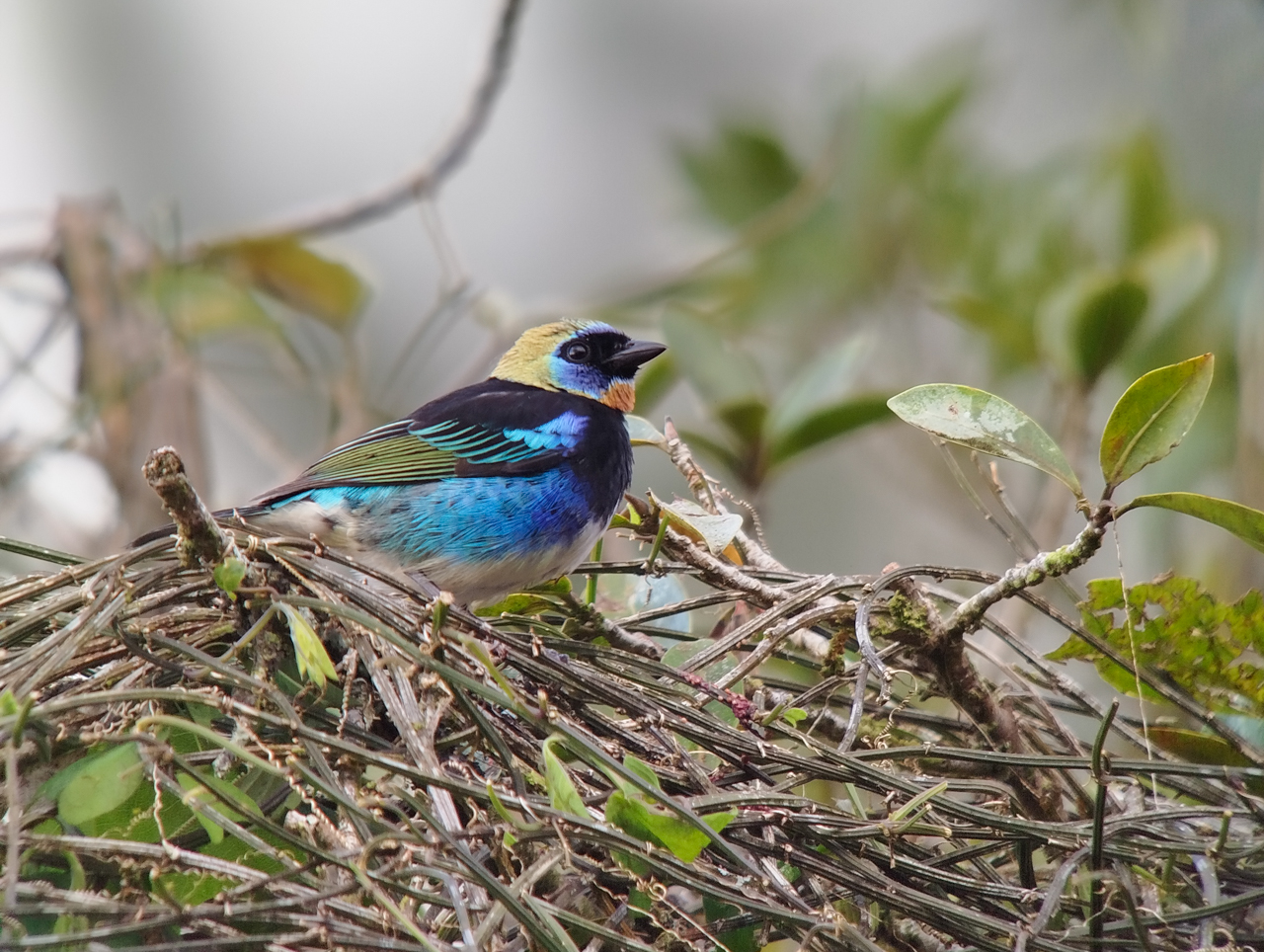
Golden-hooded Tanager © Ernesto Carman
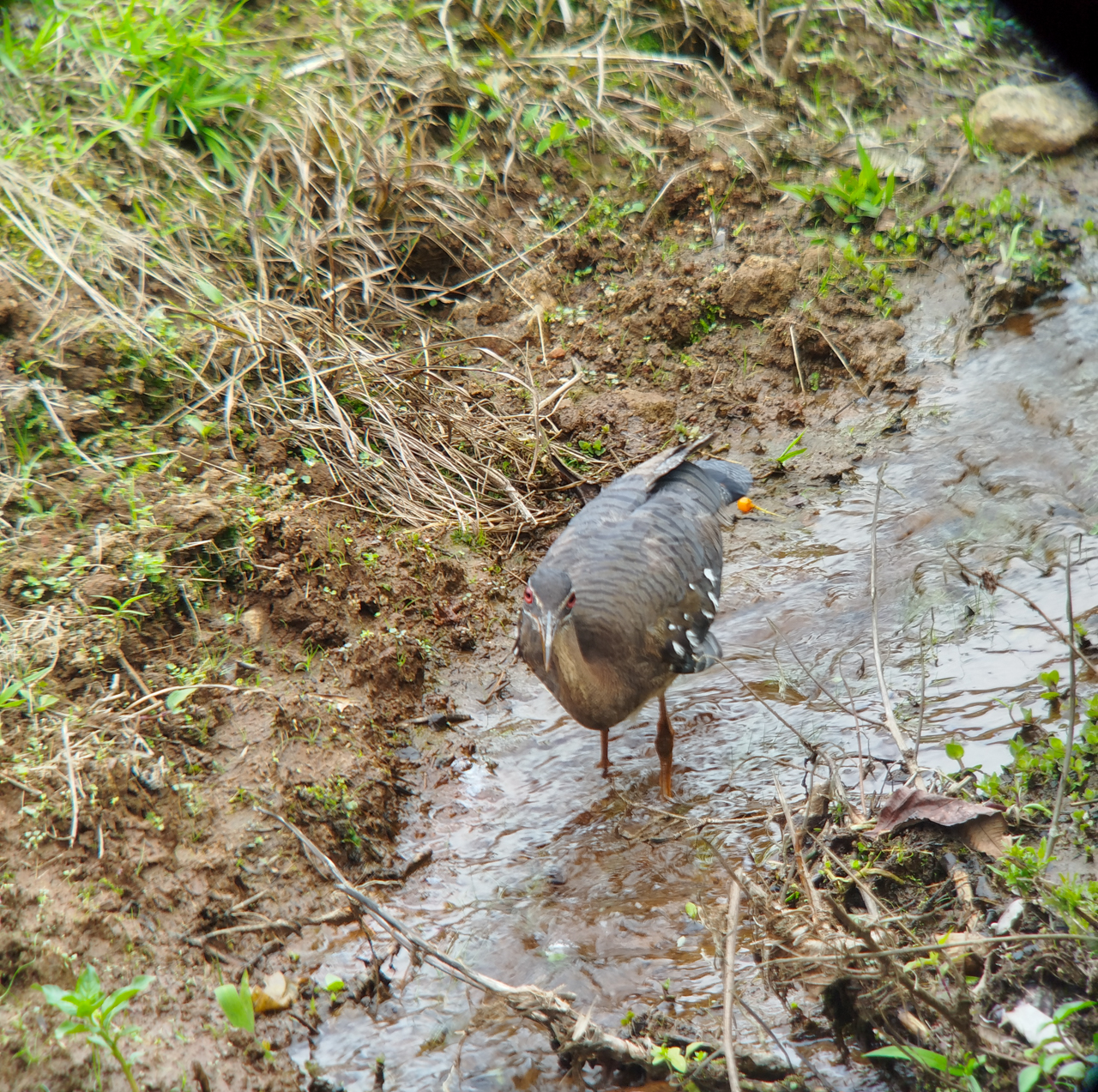
Sunbittern © Ernesto Carman
Day 8. Hotel Quelitales, La Hoja Garden, Arenal Observatory Lodge
Before breakfast we birded the feeders at the restaurant and enjoyed studying our usual subjects of oropendolas, chachalacas, Scarlet-rumped Tanager, Baltimore Oriole, Summer Tanager and White-naped Brushfinch. We had breakfast, packed the bus and began our drive east following the Reventazón River to Siquirres, which is a beautiful scenic route through rural Costa Rica and we drove through the heart of the most important stopover site for Cerulean Warblers and learned about the conservation efforts that are taking place in this region.
We stopped at La Hoja Garden near Guápiles for lunch and to watch the incredible bird feeders which were literally hopping with birds! All three species of Honeycreepers, Golden-hooded Tanager, Chestnut-headed and Montezuma Oropendolas, Baltimore Oriole, Black-cheeked Woodpecker, Collared Aracari and even Russet-naped Wood-Rails came in to feed from the plantains. We also had killer views of a male White-collared Manakin displaying in the trees behind the feeders and to top it all off we also saw a momma Three-toed Sloth with her baby in a tree just above the feeders. Bellies and memory cards full, we continued heading west towards Arenal Observatory Lodge, making one stop along the road to admire a very close White Hawk.
Day 9. Arenal Observatory Lodge
We gathered at 6:00 a.m. in the hotel gardens and saw many new birds at a rapid pace! Yellow-throated and Keel-billed Toucans, Collared Aracari, Crested Guans, Great Curassows, Collared Trogon, Red-lored Amazon and a Black-and-white Owl on its day roost. At the main deck in front of the restaurant which has a bird feeder at eye level, and the birds were lined-up and showing their pecking order with Great Curasows, Crested Guans and Montezuma Oropendolas feeding first, then all the smaller species came in including Red-legged and Green Honeycreepers, Yellow-throated Euphonias, Golden-hooded, Emerald, Silver-throated and Hepatic Tanagers.
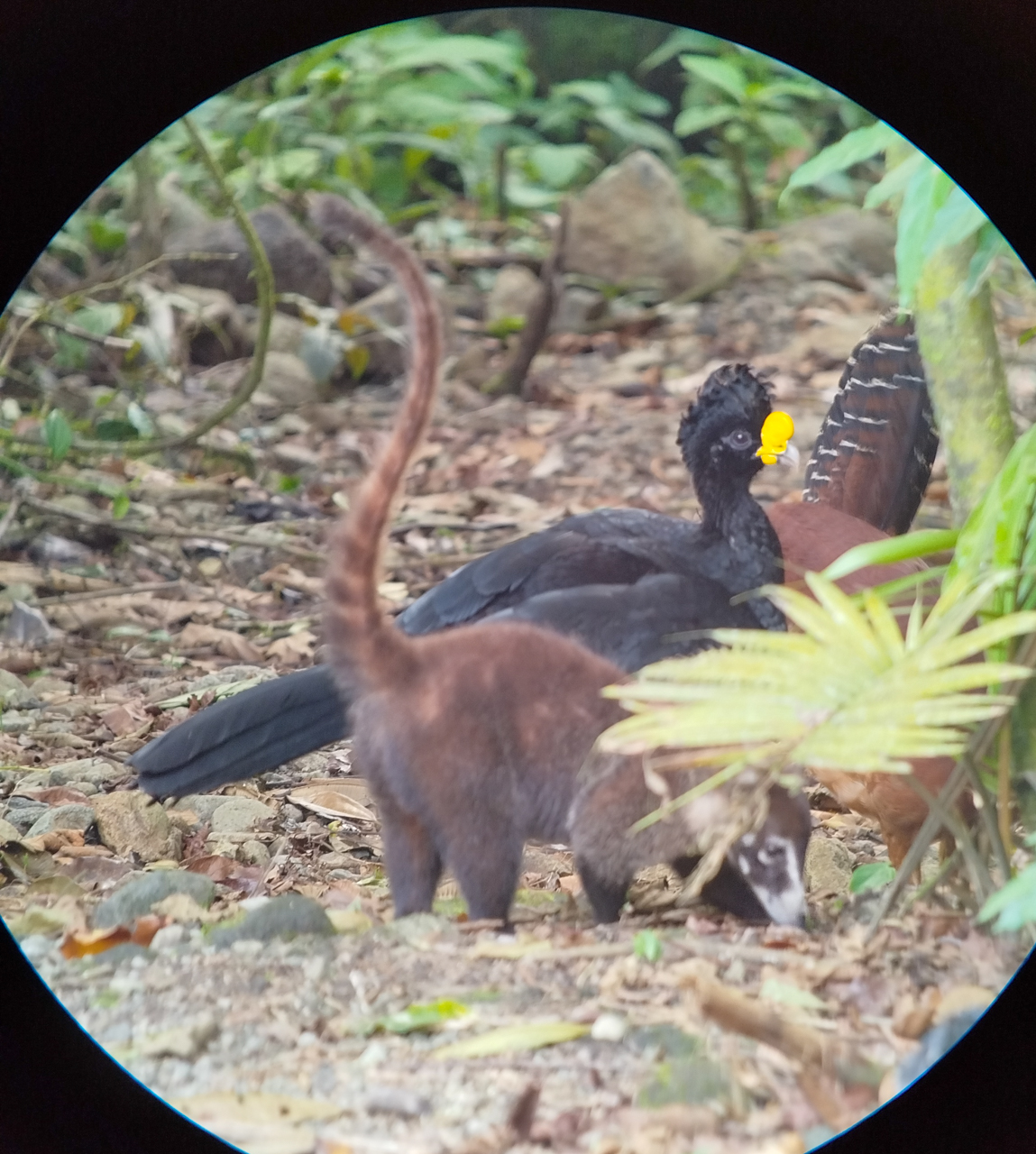
Great Curassow with Coati © Ernesto Carman
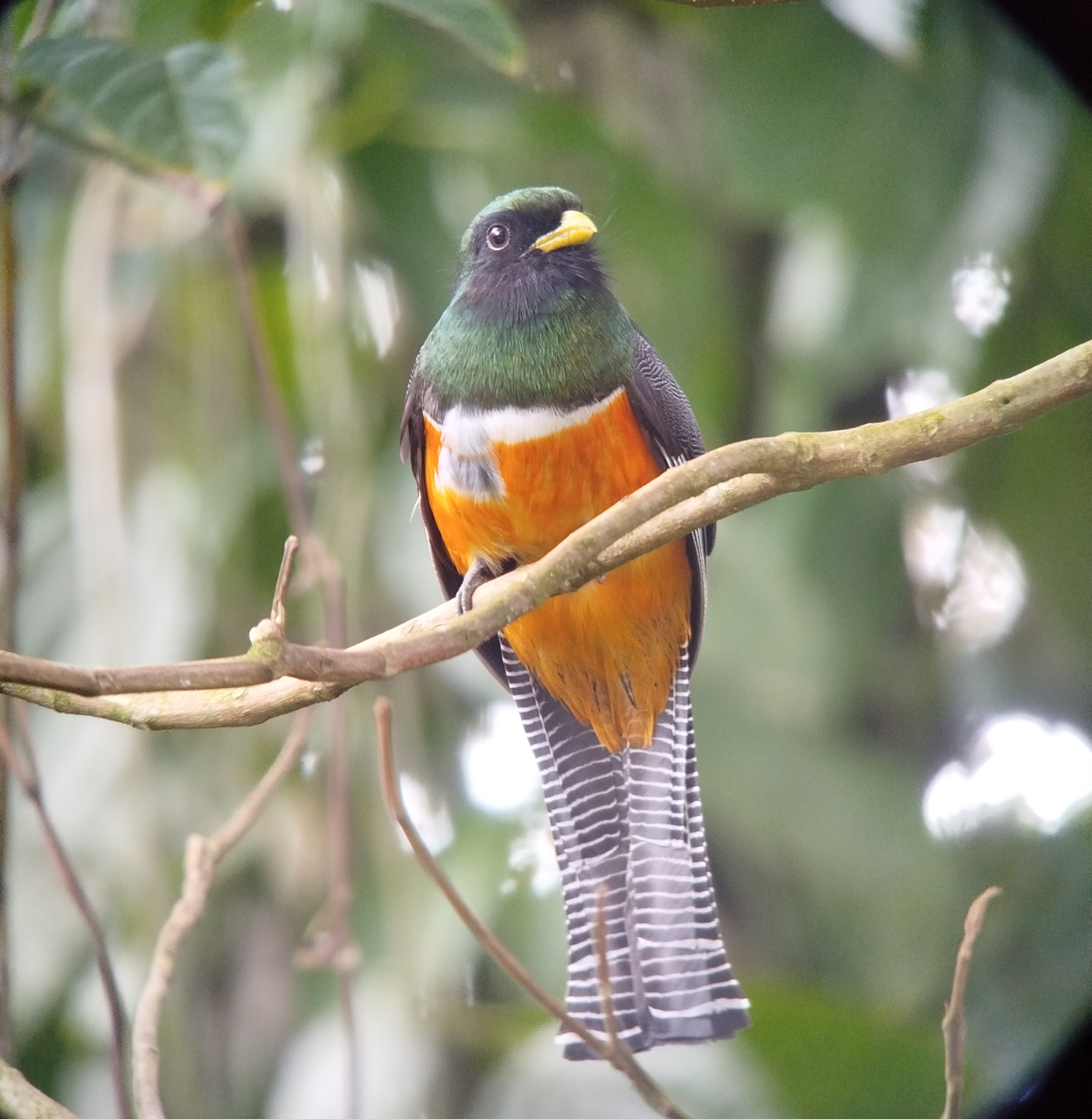
Collared Trogon © Ernesto Carman
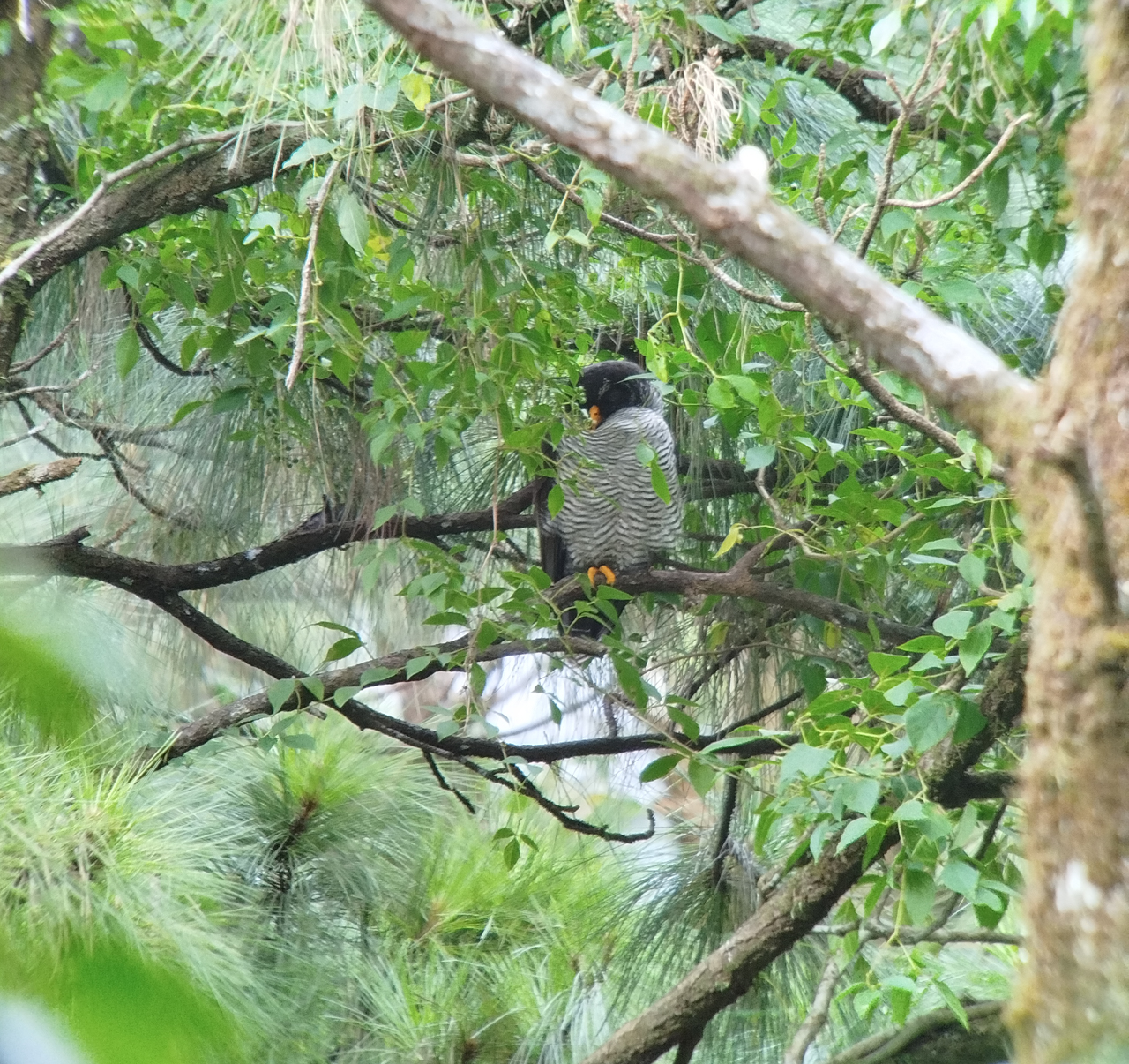
Black-and-white Owl © Ernesto Carman
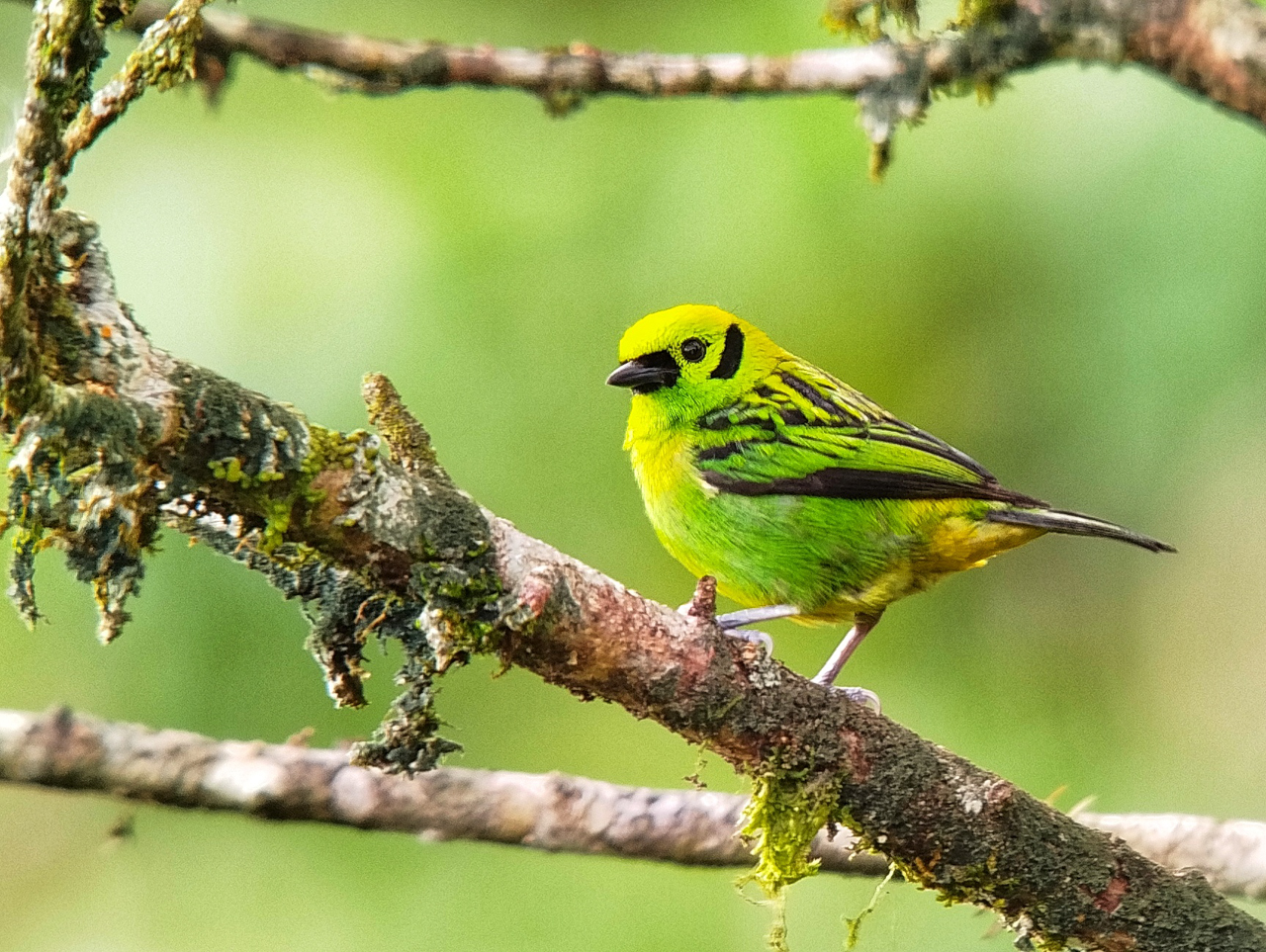
Emerald Tanager © Ernesto Carman
After breakfast we walked one of the forest trails and found Stripe-breasted Wren, Golden-crowned Warbler, Wedge-billed Woodcreeper, Slaty-tailed Trogon, a soaring Ornate Hawk-Eagle and fantastic views of the range-restricted Black-and-yellow Tanager. After lunch we drove five minutes to the bottom of the hill and had incredibly productive birding including Broad-billed Motmot, Rufous-tailed Jacamar, Rufous-winged Woodpecker, Southern Rough-winged Swallow and many toucans.
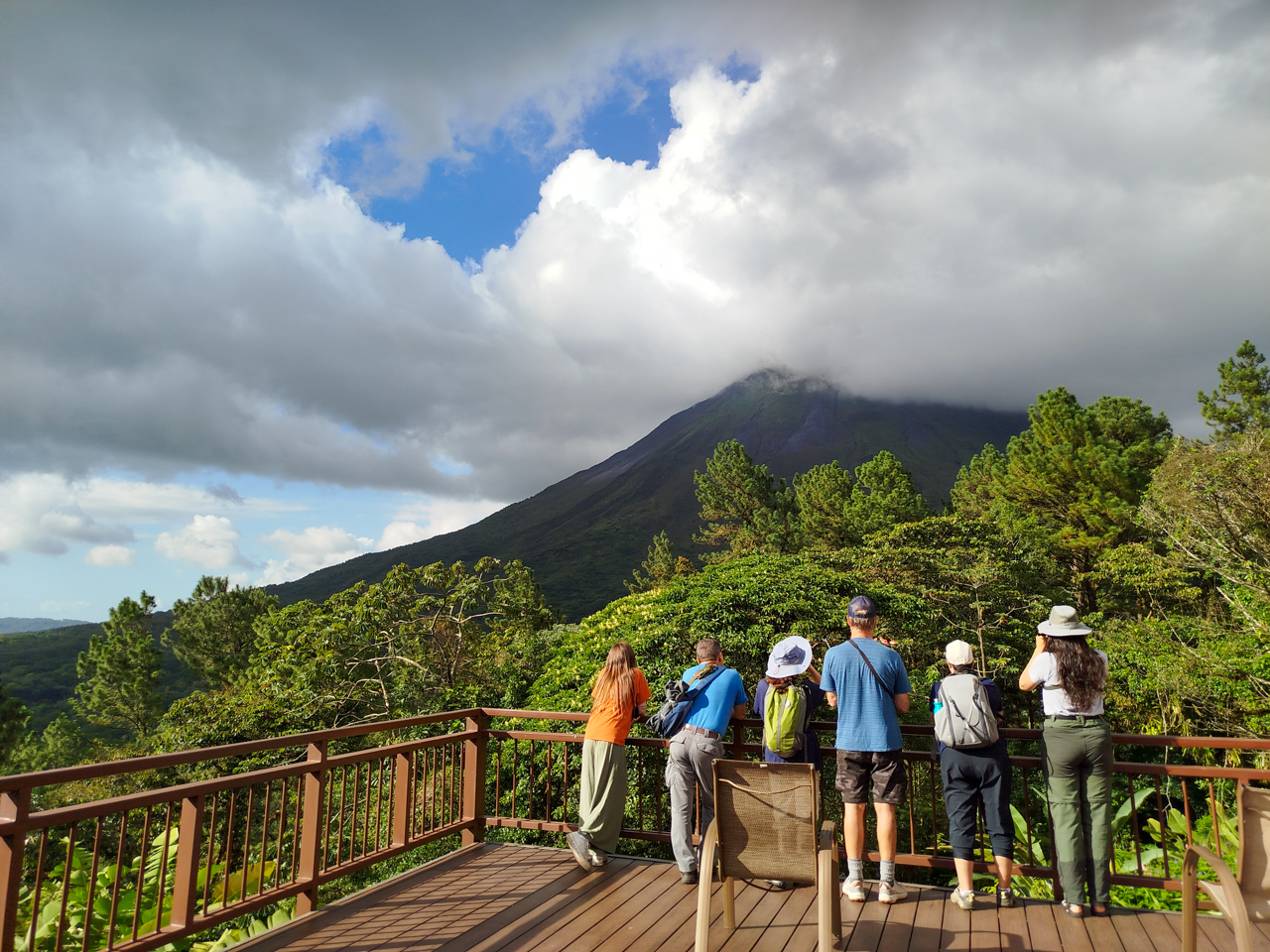
Birding at Arenal Observatory Lodge © Ernesto Carman
Day 10. Arenal Observatory Lodge, Peninsula Road
After breakfast we drove downhill to the peninsula road which traverses part of Arenal National Park and Lake Arenal. Here we had a great diversity of birds from Northern and Southern Rough-winged Swallows, Ringed Kingfisher, Red-throated Ant-Tanager, Buff-throated and Cinnamon-bellied Saltator, Black-cowled Oriole, Crimson-collared Tanager, both Broad-billed and Keel-billed Motmots, Great Curassows and a Gray-headed Kite perched over the road.
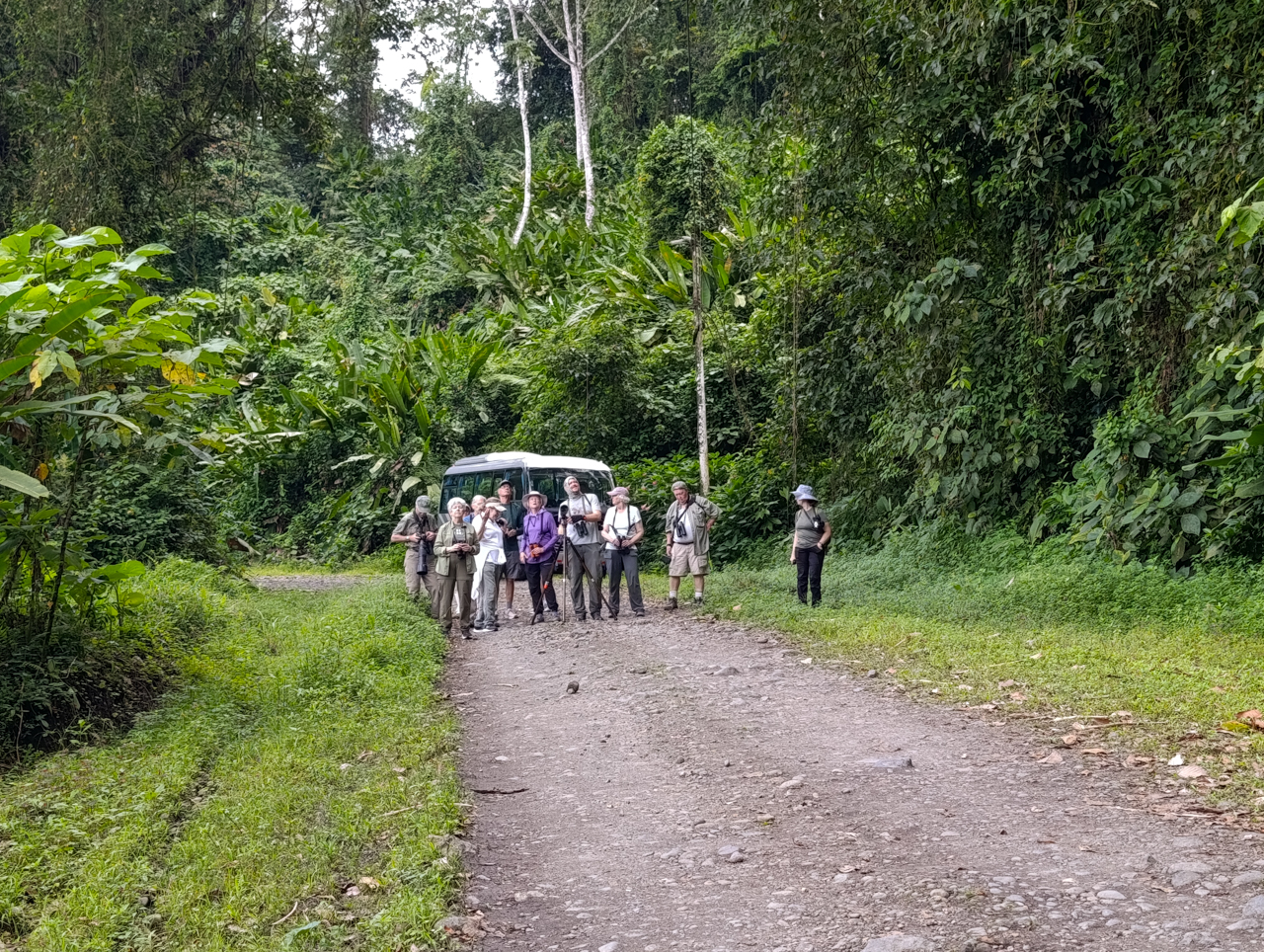
Peninsula Road Arenal © P Angulo
After lunch we walked the waterfall trail and encountered another mixed species flock where we saw Slaty-capped Flycatcher, Tawny-faced Gnatwren, Stripe-breasted Wren, Rufous Motmot, White-throated Thrush, White-throated Shrike-Tanager and a Golden-winged Warbler until suddenly everything dispersed as a Bicolored Hawk shot through the forest like a rocket, scaring everything into hiding!
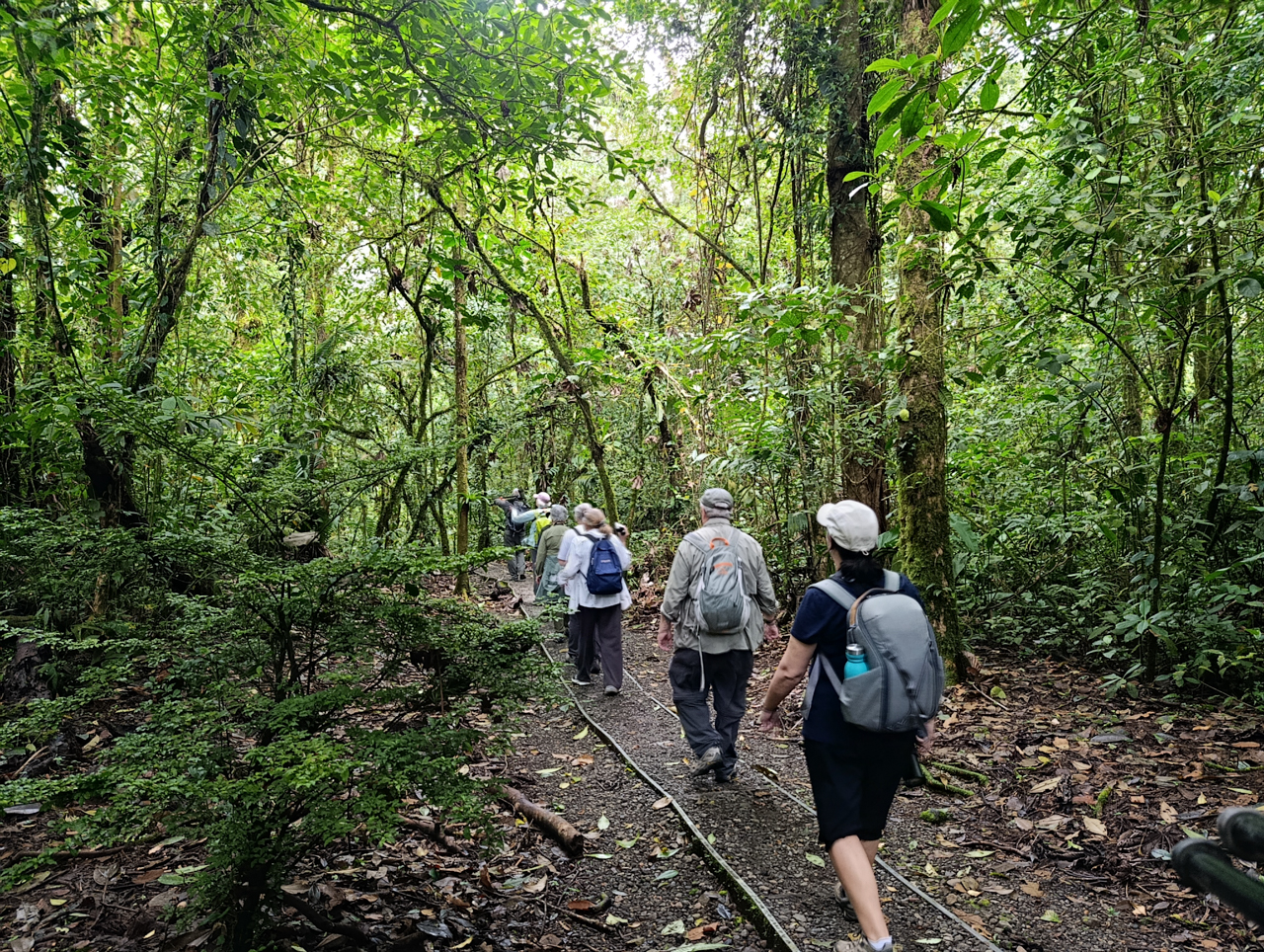
Birding in Arenal © P Angulo
Day 11. La Selva Biological Station, Cinchona and Hotel Robledal
We departed early to make our way east to La Selva Biological Station where we spent the morning birding the rich lowland tropical rainforest. Here we were met by a resident guide, Jehudi, who explained to us how La Selva and the Organization for Tropical Studies operates and all the research they do at the site. We were also greeted by a a whole slew of birds including a variety of flycatchers, Black-faced and Blue-black Grosbeaks, Wood Thrush, the critically endangered Great Green Macaws, Cocoa Woodcreeper, White-whiskered Puffbird, Rufous-tailed Jacamar and Cinnamon Woodpecker. We also saw several interesting non-bird species such as Brown-throated Three-Toed Sloth and the tiny White Tent-Making Bats.
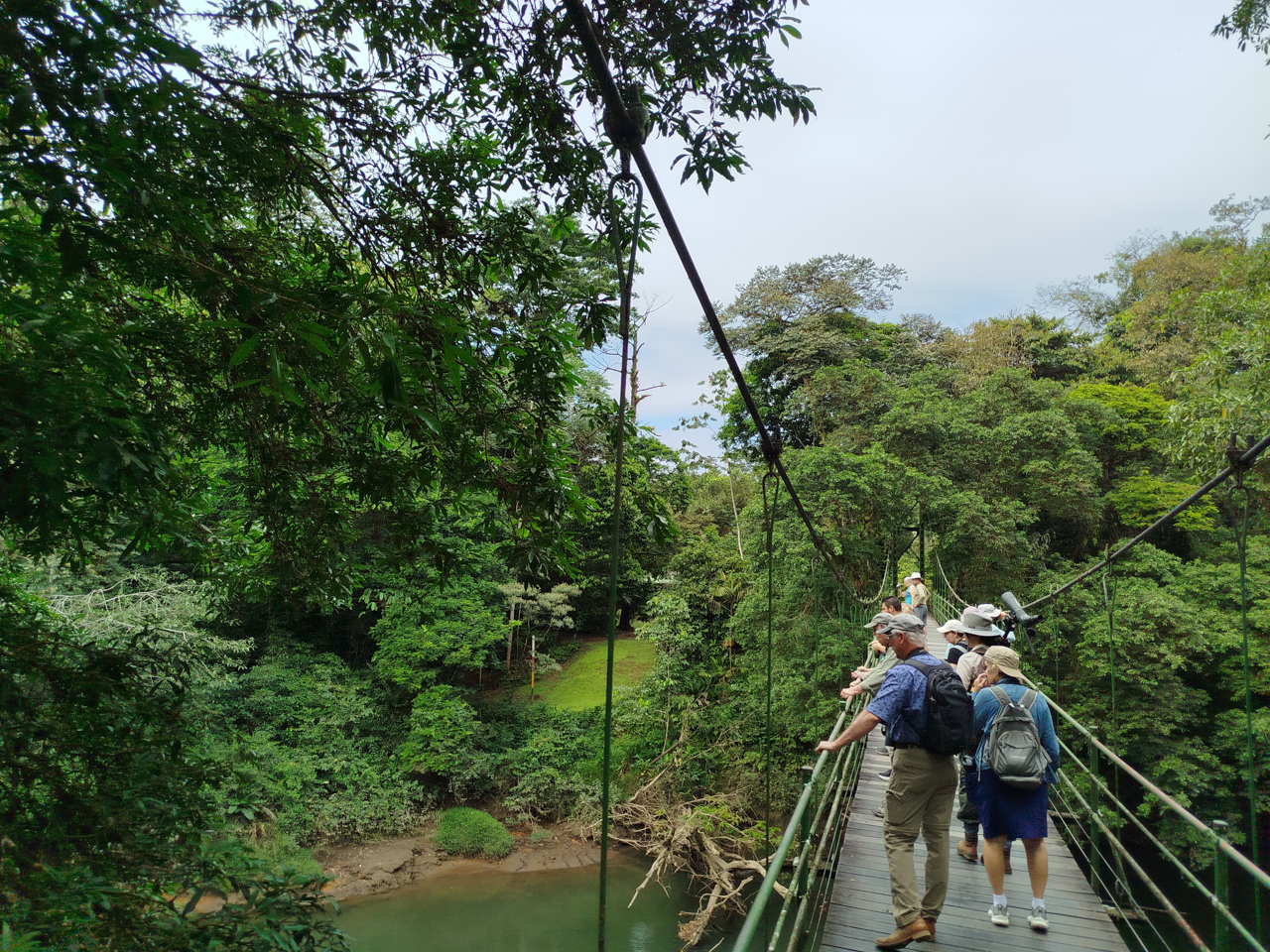
Birding from bridge in La Selva © Ernesto Carman
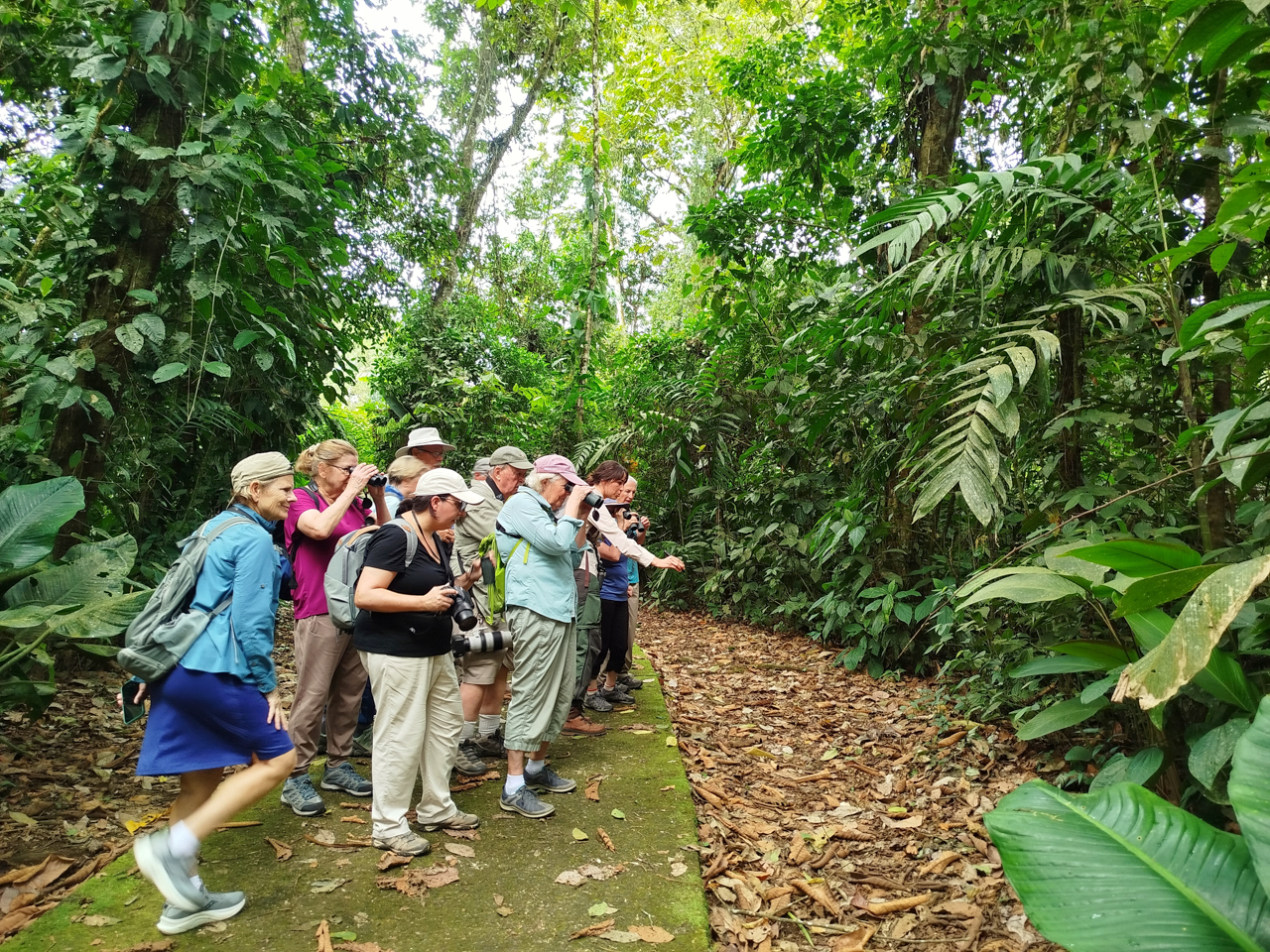
Birding group in La Selva © E Carman
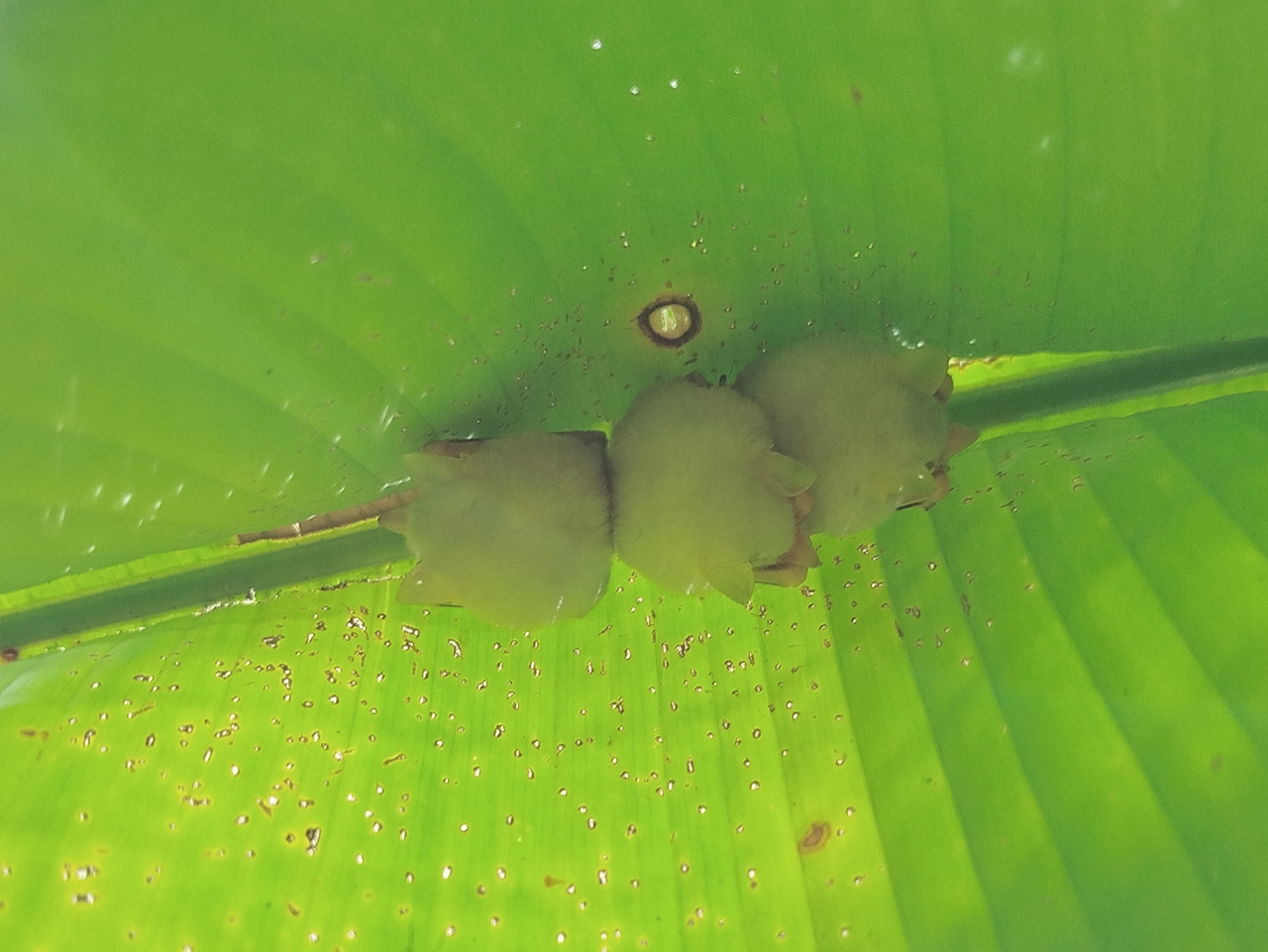
White tent bats
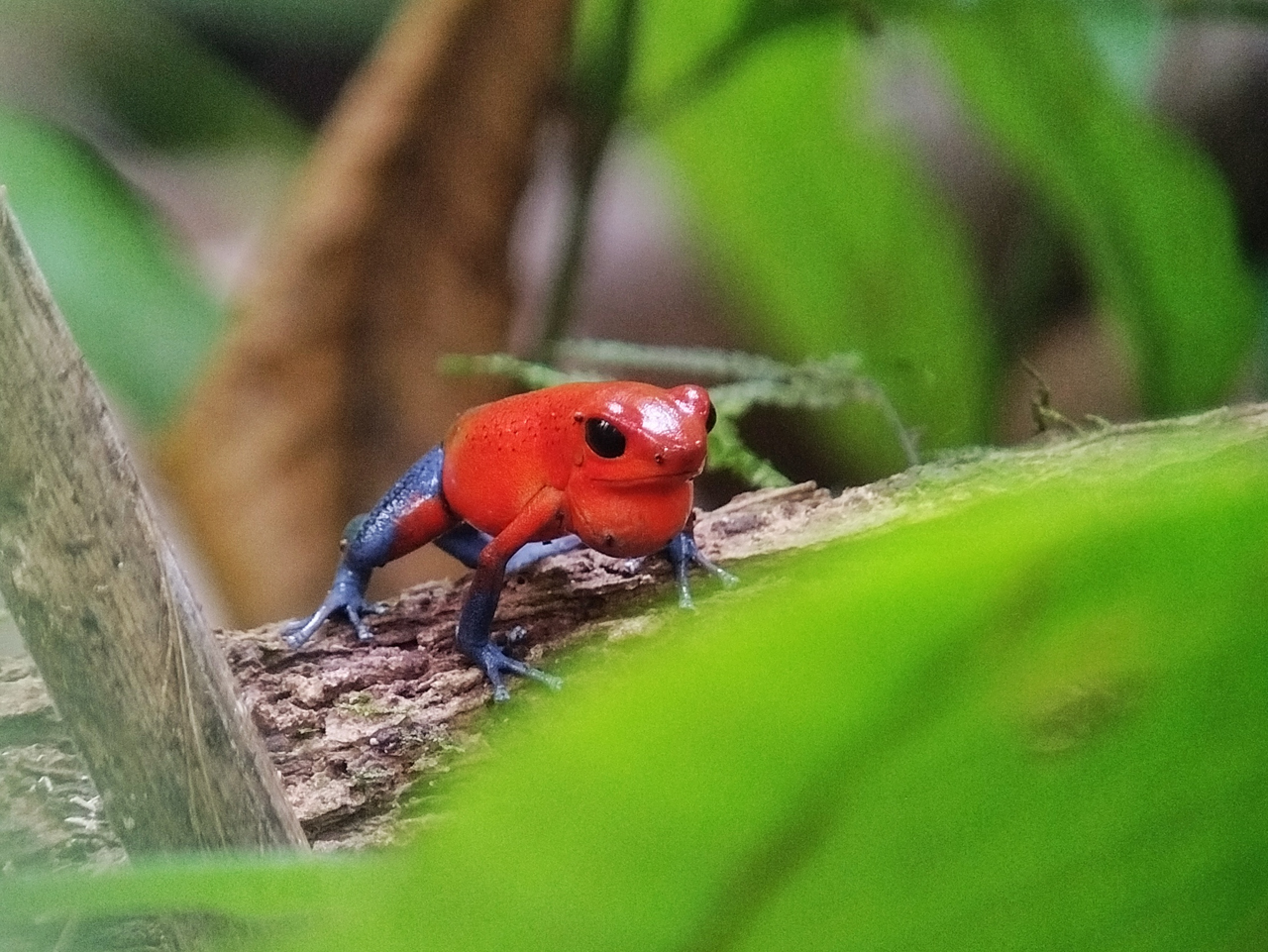
Strawberry Poison Frog © Ernesto Carman
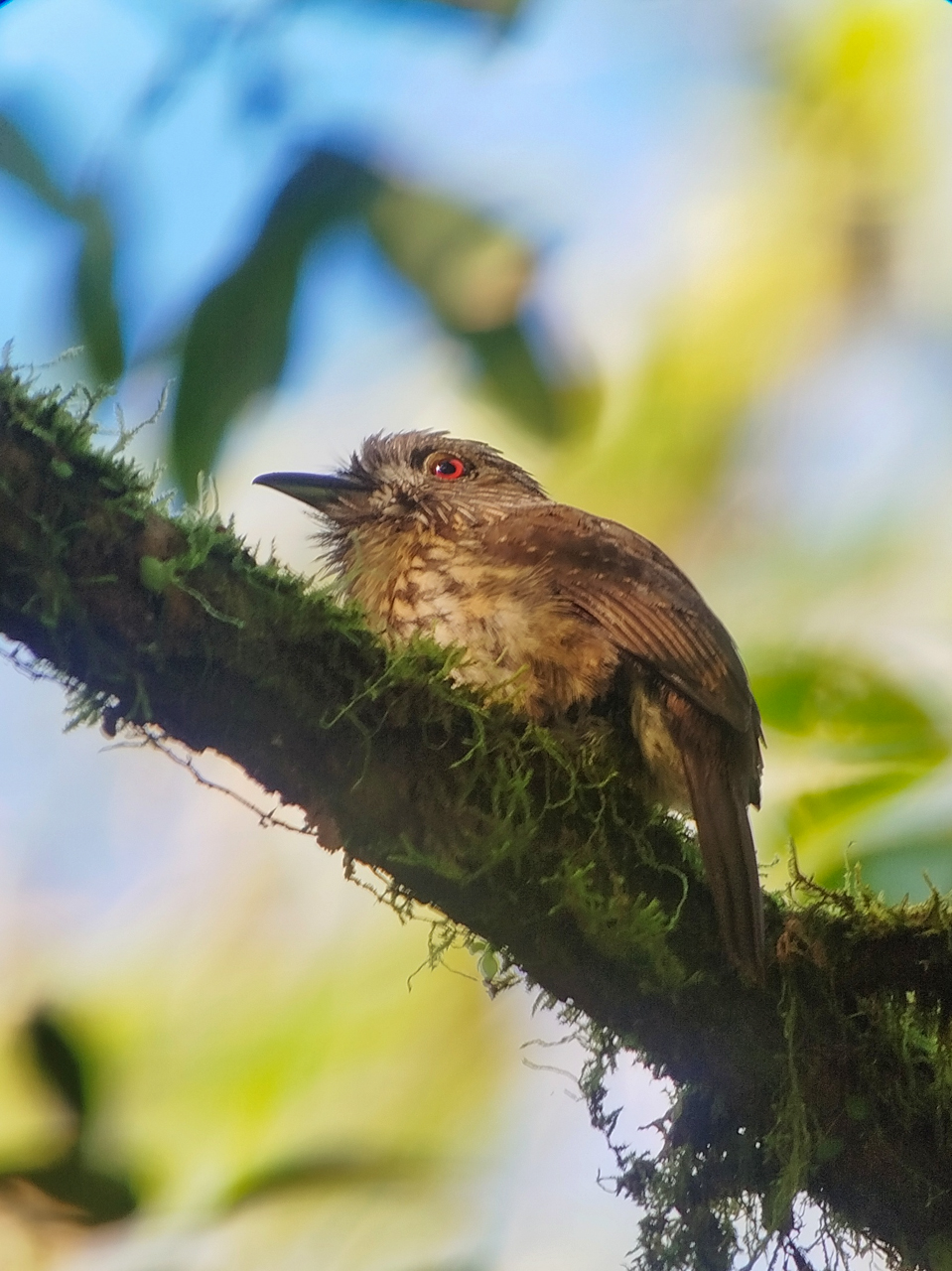
White-whiskered Puffbird © Ernesto Carman
After a fantastic visit to La Selva we drove to Mirador Cinchona for lunch and we saw Red-headed and Prong-billed Barbet and several tanagers we had seen previously coming to the feeders. We reached Hotel Robledal mid afternoon, checked in and had time for some late afternoon birding and saw Rufous-backed Wren, Lineated Woodpecker, Spot-breasted Oriole, Summer Tanager, a nesting Cinnamon Hummingbird and the pair of resident Ferruginous Pygmy-Owls before meeting for our farewell dinner and we reminisced over our favorite memories of our trip. Hasta pronto!
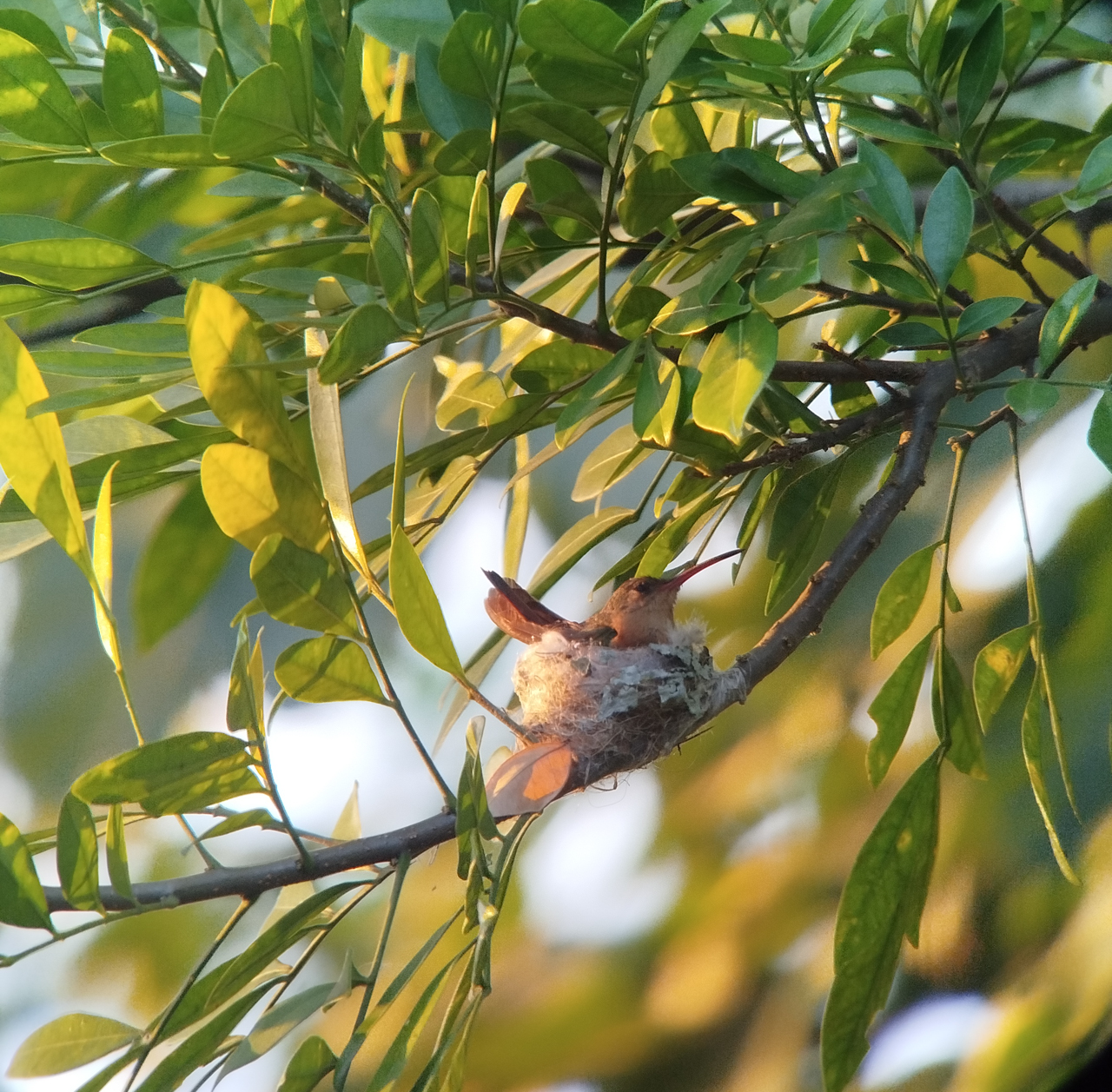
Cinnamon Hummingbird on nest © Ernesto Carman
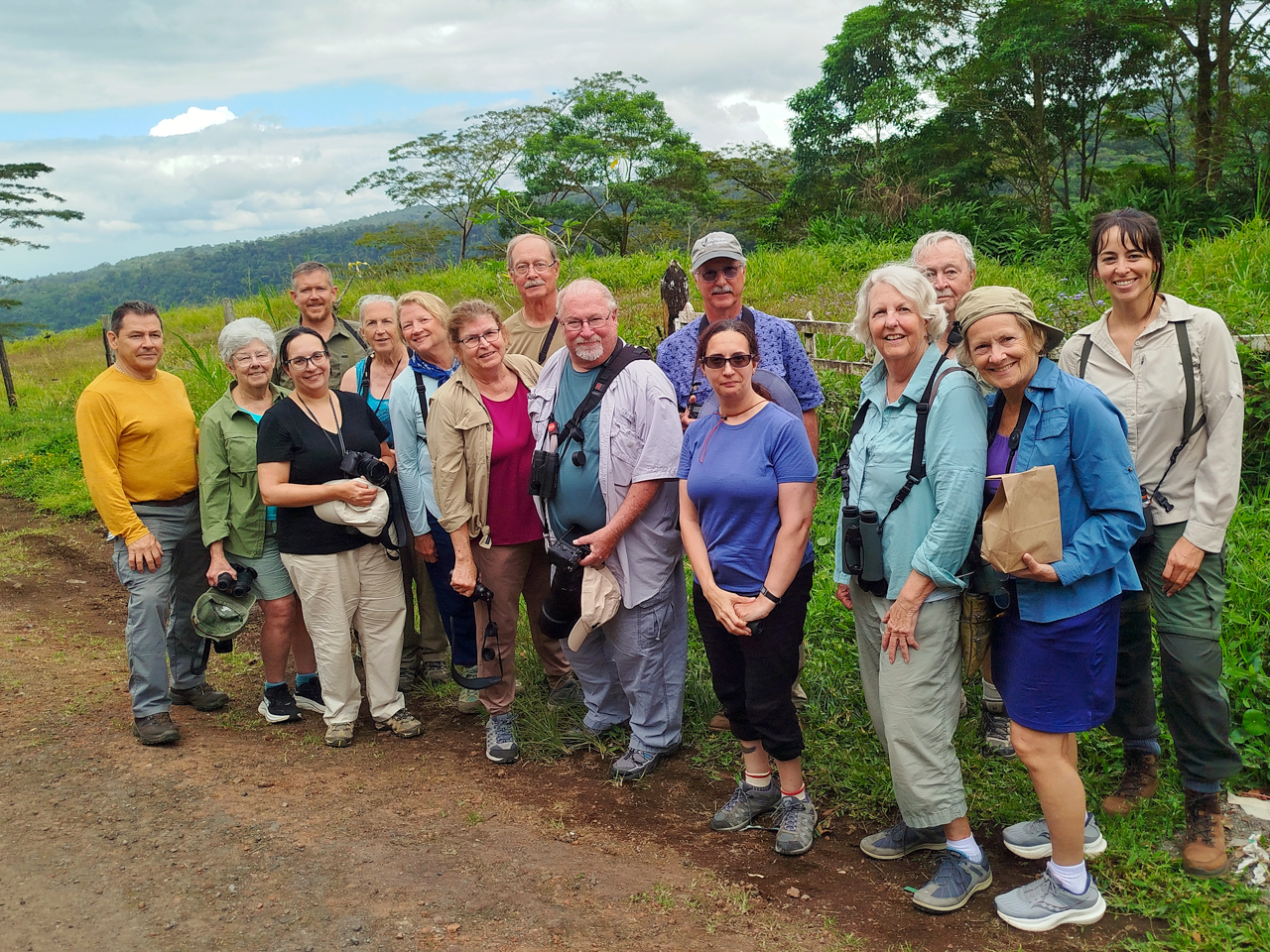
Our group © Ernesto Carman