Costa Rica Sampler #5 (Mar 13 – Mar 24, 2026)
Costa Rica lived up to its legendary reputation on this year’s Sampler tour, delivering an extraordinary eleven days of birding across some of the country’s most rewarding habitats. From the Pacific lowlands and mangrove-fringed estuaries of the Tárcoles River to the misty oak forests of the Talamanca highlands, and from the volcanic slopes of Arenal to the steamy Caribbean-slope rainforest of La Selva, the tour covered a remarkable sweep of the country’s avian diversity. By the time the group departed, the final tally reflected the richness and variety that make Costa Rica one of the world’s premier birding destinations.
Day 1. Arrival, San José & Hotel Bougainvillea
Our group arrived in San José and transferred to the comfortable Hotel in the eastern suburbs of the capital, a reliable first-night base that consistently rewards even a brief wander around its well-planted gardens.
The afternoon and early evening produced an encouraging start to the list: noisy flocks of Crimson-fronted Parakeets streamed overhead, White-fronted Amazon and White-winged Dove were noted in the garden trees, and the ubiquitous Clay-colored Thrush Costa Rica’s national bird announced itself from every corner of the grounds. Great Kiskadee, Social Flycatcher, Blue-and-white Swallow, and Rufous-backed Wren were all logged before dinner, and as darkness fell, a Mottled Owl was found roosting quietly on the hotel grounds was a most welcome first-night bonus. White-eared Ground-Sparrow, a smart and often skulking species, also showed well around the garden edges.
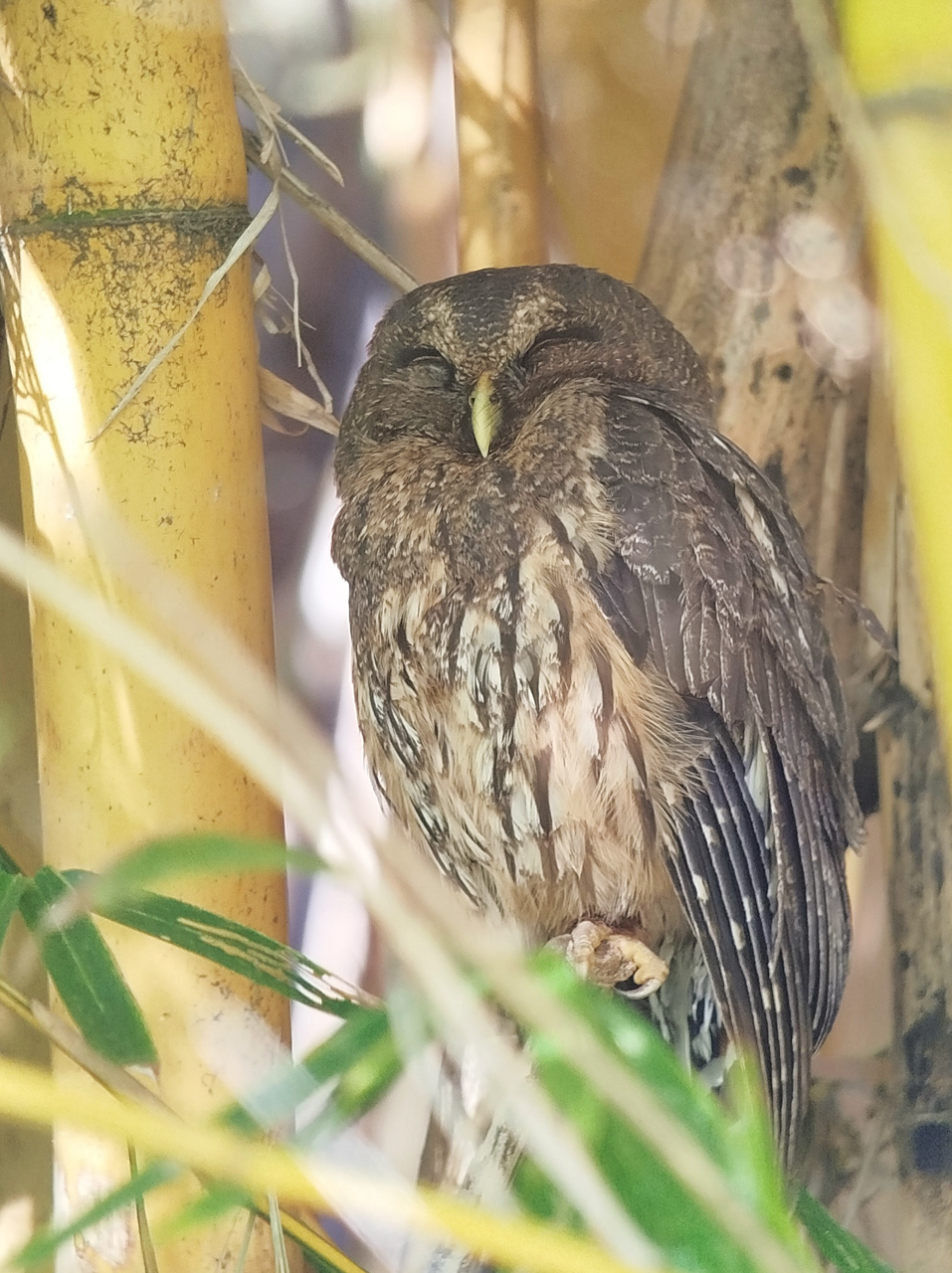
Mottled Owl ©E Carman
Day 2. San José to the Pacific Lowlands
After an early breakfast, the group departed San José and began the descent toward the Pacific coast, making productive stops along the way. A pull-in at the Delta Gas Station in Orotina an unlikely but well-known birding spot produced Green-breasted Mango and Blue-gray Tanager, while the roadside at Guacimo Road yielded Double-striped Thick-knee, Turquoise-browed Motmot, and Yellow-olive Flatbill.
The Caldera Mangrove area provided the first real waterbird action of the tour, with Mangrove Hummingbird a Costa Rican endemic and globally Near Threatened species seen well among the mangrove flowers, alongside Turquoise-browed Motmot, Stripe-headed Sparrow, White-throated Magpie-Jay, and a smart male Painted Bunting. Rose-breasted Grosbeak, Blue Grosbeak, and Streak-backed Oriole were further highlights among a rich assemblage of migrants and residents.
The afternoon brought the first views of Scarlet Macaws along the Camino de Tarcoles road, and by the time the group settled into their accommodation, the list was already looking very healthy.
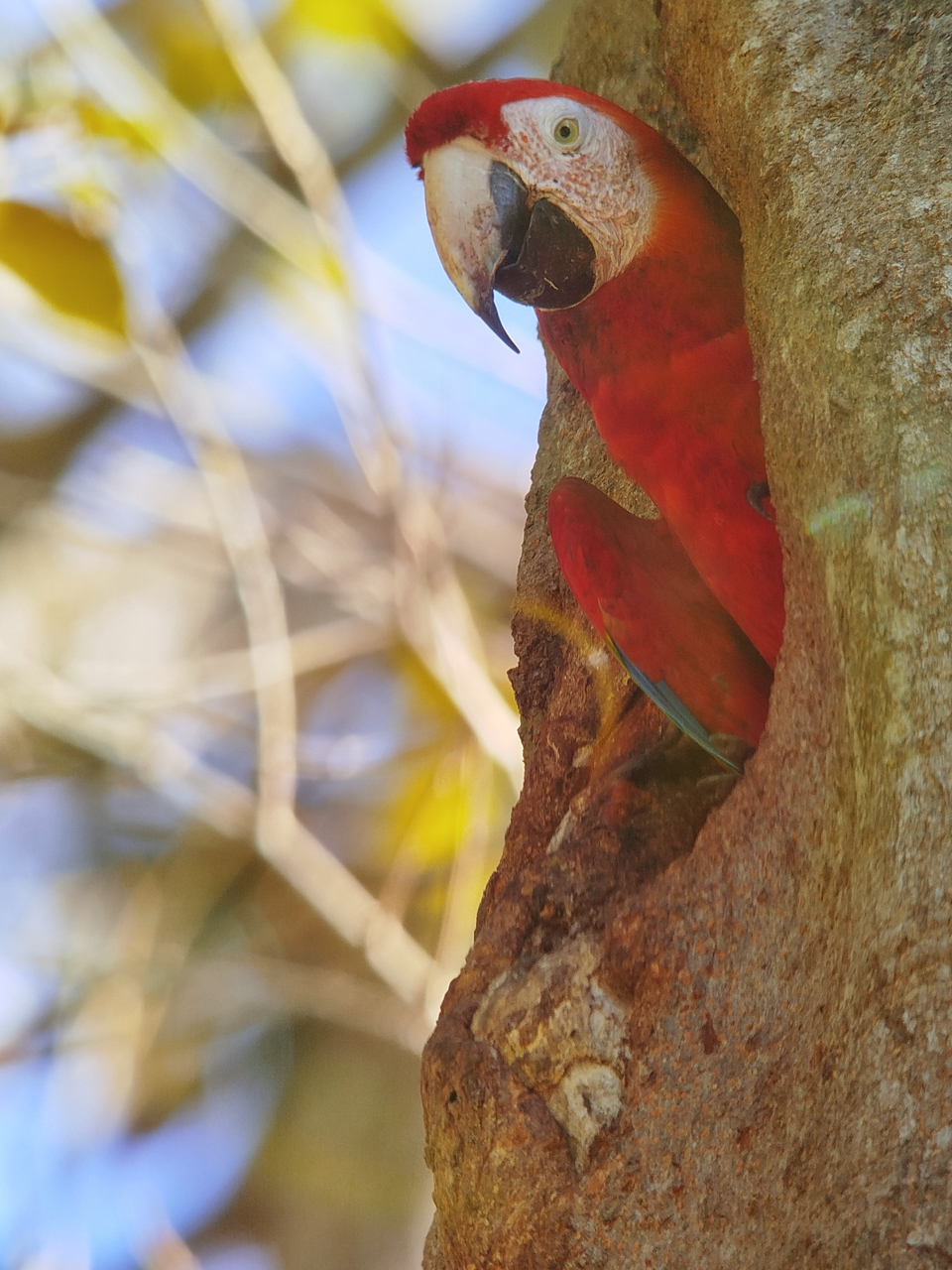
Scarlet Macaw ©E Carman
Day 3. Carara National Park & Punta Leona
An early start near the rooms before breakfast proved immediately rewarding, with Scarlet Macaws already moving in large numbers at first light a sight that never loses its impact. Pale-billed Woodpecker, Hoffmann’s Woodpecker, Northern Barred-Woodcreeper, and Black-hooded Antshrike were all found along this productive forest-edge road, along with Fiery-billed Aracari and a pleasing variety of hummingbirds including Blue-vented Hummingbird and Scaly-breasted Hummingbird.
The morning session in Carara National Park on the Sendero La Meandrica was the day’s centrepiece: the trail delivered the full lowland forest experience, with Great Curassow encountered at close range, Orange-collared Manakin performing in a lek, Long-billed Hermit visiting a heliconia patch, White-whiskered Puffbird sitting quietly overhead, and a superb mixed flock that included White-shouldered Tanager, Dot-winged Antwren, Ruddy-tailed Flycatcher, and Dusky Antbird. Great Tinamou was heard calling deep in the forest.
The afternoon road from Villa Lapas to the Pura Vida Waterfall Gardens added Golden-naped Woodpecker, Yellow-headed Caracara, and an impressive fly-over of 38 White-collared Swifts, rounding out a very full and satisfying day with a fantastic sunset to wrap it up.
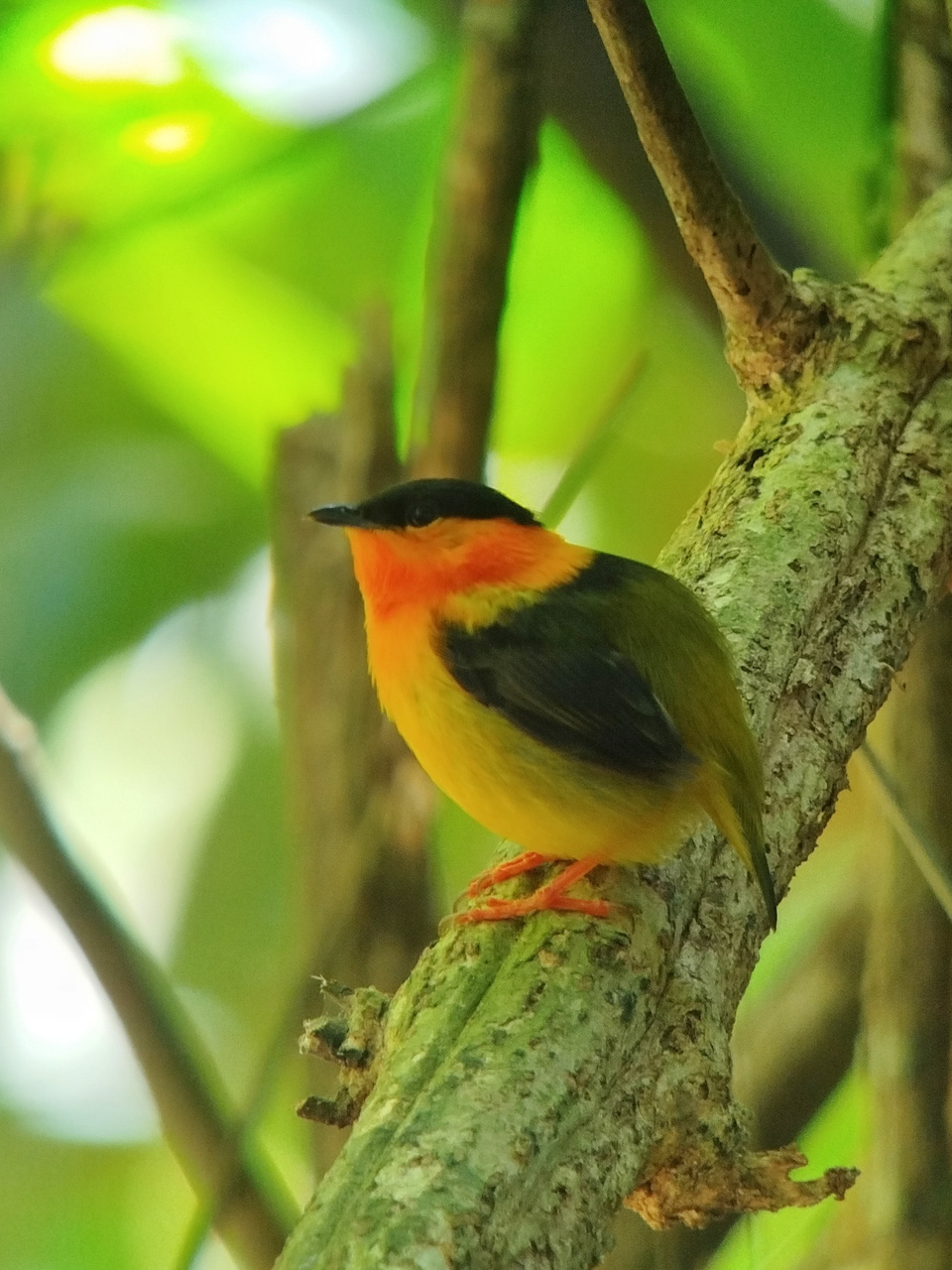
Orange-collared Manakin ©E Carman
Day 4. Carara National Park & Tárcoles River Boat Trip
A second morning at Carara, this time on the main trail system at the Quebrada Bonita and Universal entrance, allowed the group to consolidate some of the previous day’s species and add several key targets. Band-tailed Barbthroat, Charming Hummingbird, Ruddy Quail-Dove, Scaly-throated Leaftosser, and Velvety Manakin were all new for the tour list, along with Chestnut-backed Antbird, Riverside Wren, Gray-headed Tanager and amazing views of Royal Flycatcher. More Scarlet Macaws came and went overhead throughout the morning, with up to 32 birds counted in a single flock — a reminder of how important the Carara area is for this species’ Pacific population.
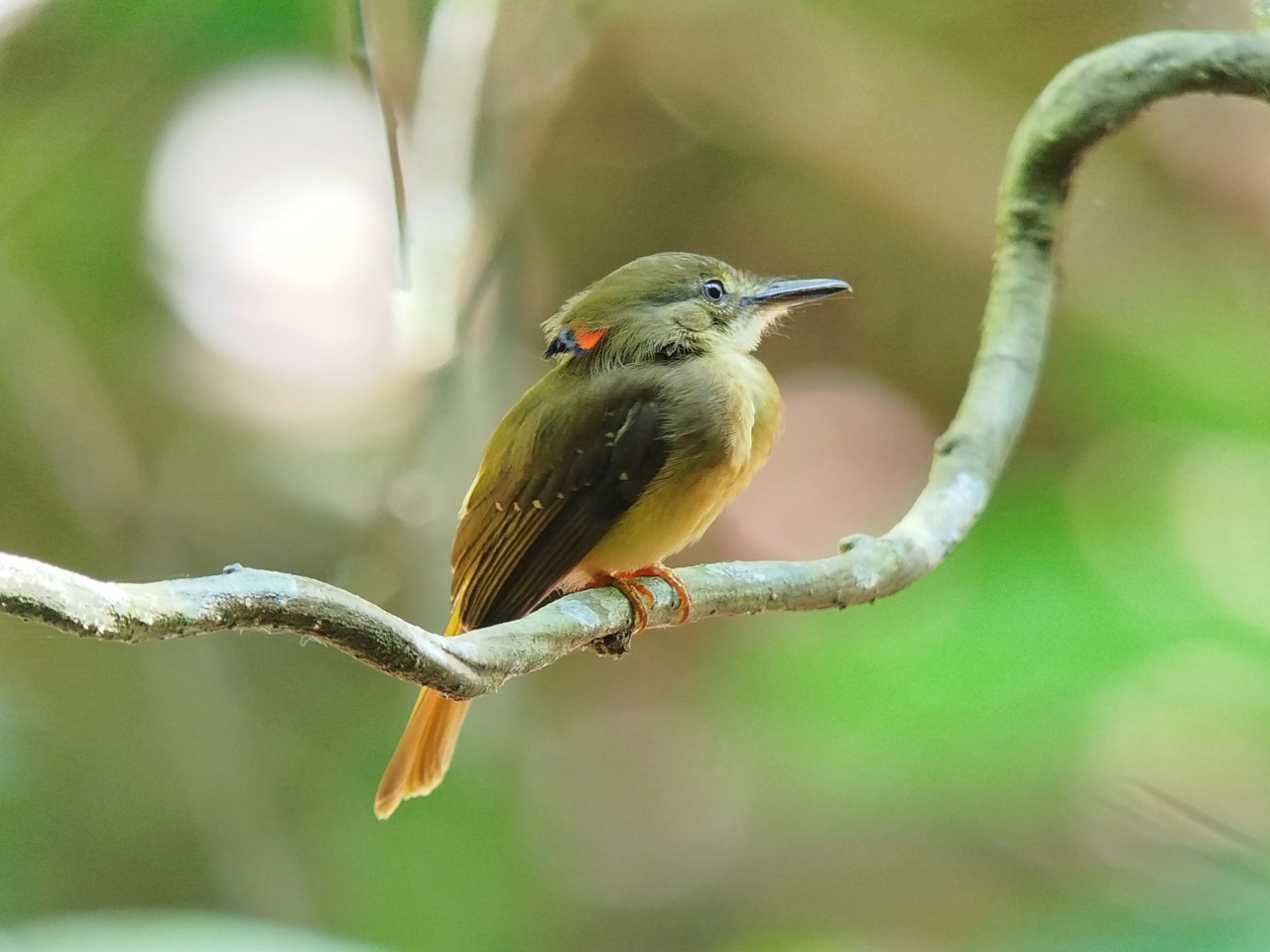
Royal Flycatcher ©E Carman
The afternoon boat trip on the Tárcoles River estuary was a tour highlight. The sheer concentration of wildlife along the river’s banks was extraordinary: enormous American Crocodiles lounged on every sandbar, while the birdlife included Roseate Spoonbill, Wood Stork, Bare-throated Tiger-Heron, Yellow-crowned Night Heron, Tricolored Heron, Reddish Egret, and both Neotropic and American cormorants.
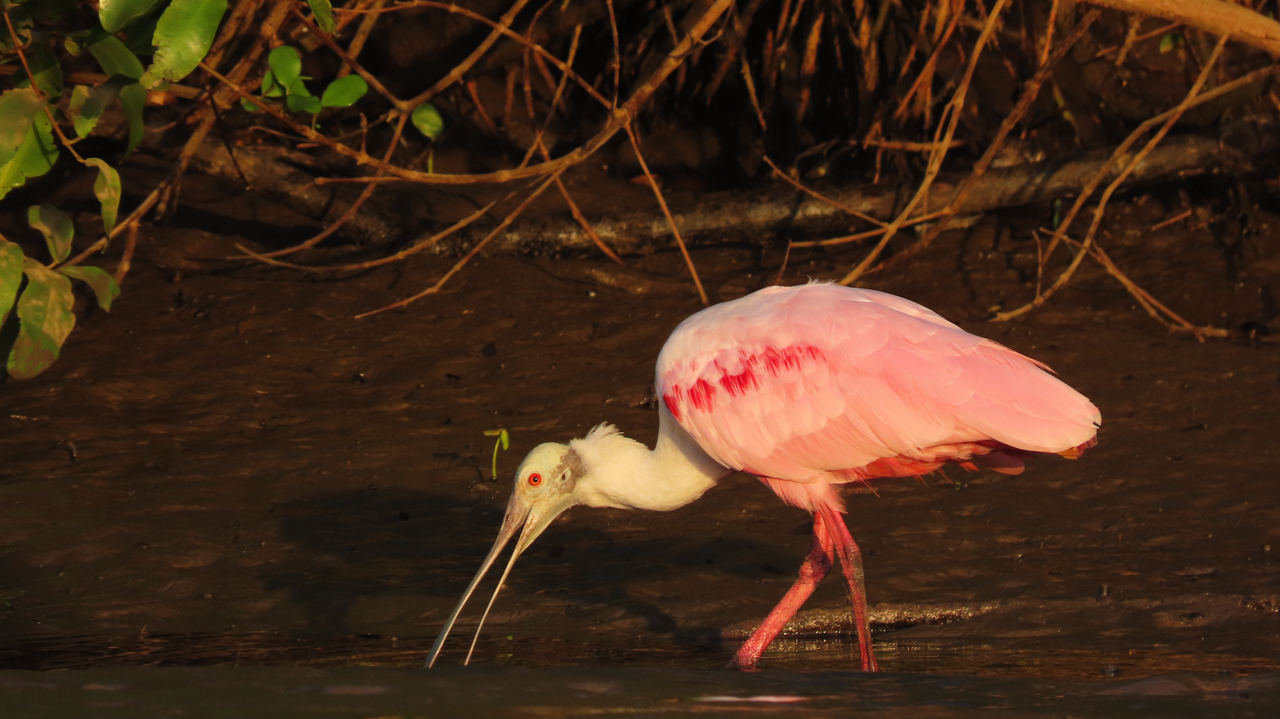
Roseate Spoonbill © E Carman
Shorebirds were abundant on the mudflats, with Hudsonian Whimbrel, Marbled Godwit, Ruddy Turnstone, Western and Least Sandpipers, and Semipalmated Plover all present in excellent numbers. Twenty-two Lesser Nighthawks hawking low over the estuary at dusk provided a memorable finale to an outstanding day.
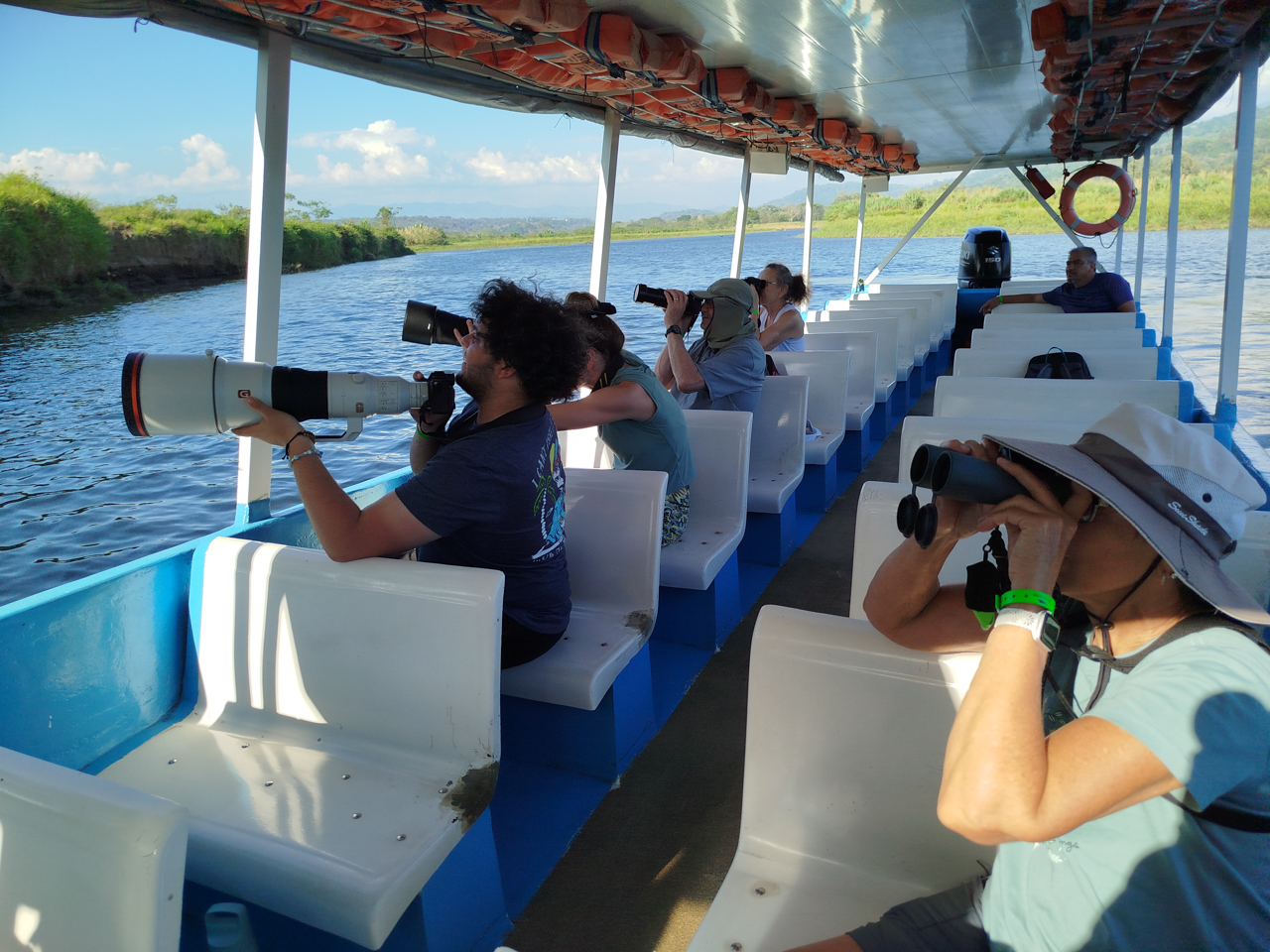
Tarcoles boat tour © E Carman
Day 5. Travel Day to Cartago via the Central Valley
The group departed the Pacific lowlands and made their way inland and upward through the Central Valley, with several worthwhile stops along the route.
Parque de La Paz offered a pleasant mid-morning break, yielding Northern Jacana, Tropical Screech-Owl found in a daytime roost, and a useful collection of common valley species. Parque de Paraíso added Crimson-fronted Parakeets in large flocks and more Clay-colored Thrushes. A visit to Finca Cristina provided good birding in agricultural and forest-edge habitats, with Brown Jay, Montezuma Oropendola, and Short-tailed Hawk among the birds noted.
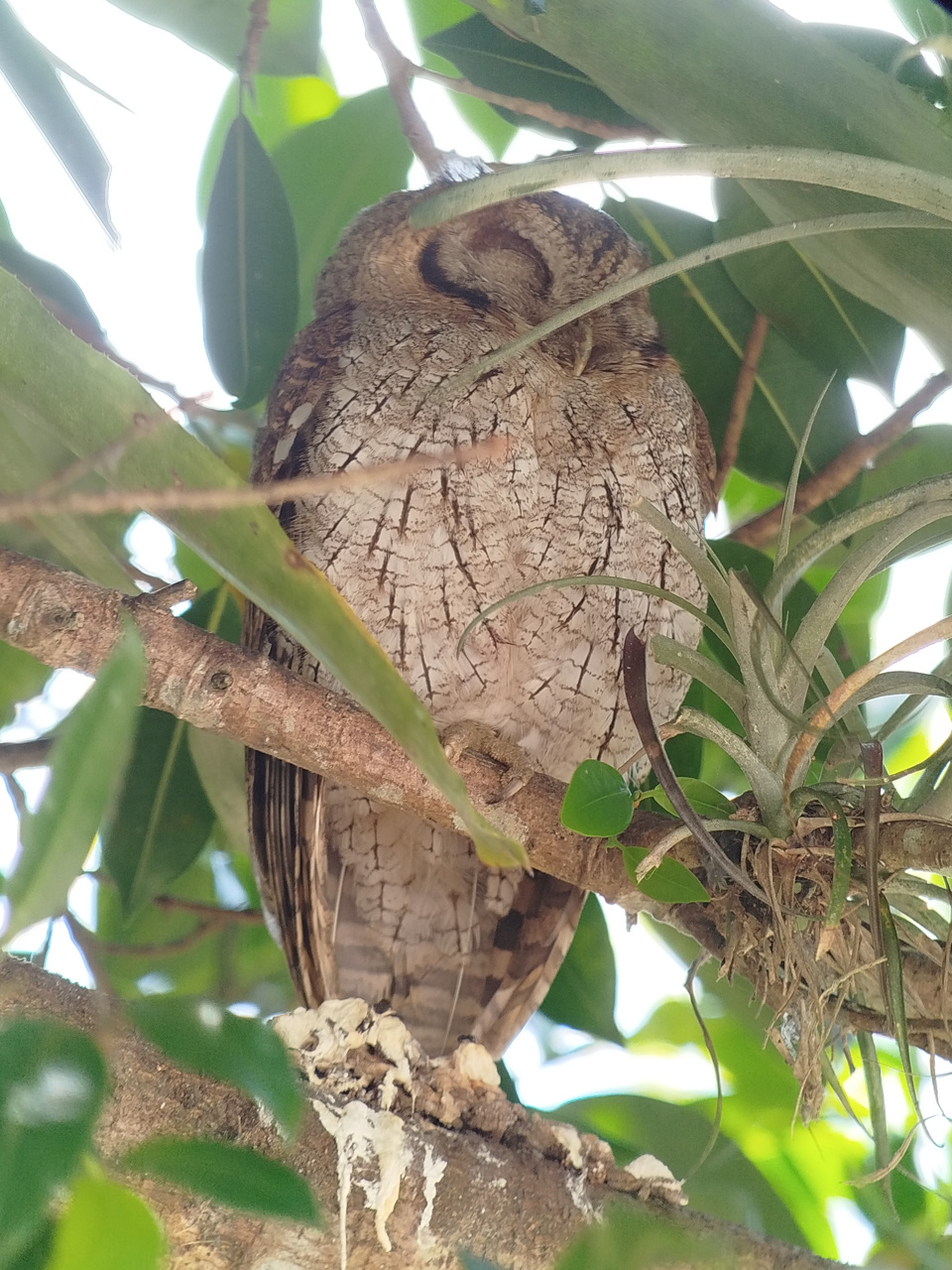
Tropical Screech-Owl © E Carman
By late afternoon the group had arrived at our Hotel in the foothills above Cartago a beautifully situated lodge surrounded by humid forest and fast-flowing streams. The first hours here were immediately productive: Green Thorntail, Violet Sabrewing, Green-fronted Lancebill, and Violet Sabrewing all visited the garden feeders, and a Sunbittern was spotted working its way along the stream below the lodge as the light faded a wonderful welcome to a new site.
Day 6. Talamanca Highlands — Cerro Buenavista & Paraíso Quetzal Lodge
This day’s pre-dawn departure into the Talamanca highlands produced one of the tour’s most treasured moments. We waited patiently at a nest where we could see two green tail feathers sticking out of a cavity, the group picked up a male Resplendent Quetzal arguably the most iconic bird in all of Central America sitting in a fruiting tree, his long iridescent tail feathers trailing in the morning air. The excitement was palpable.
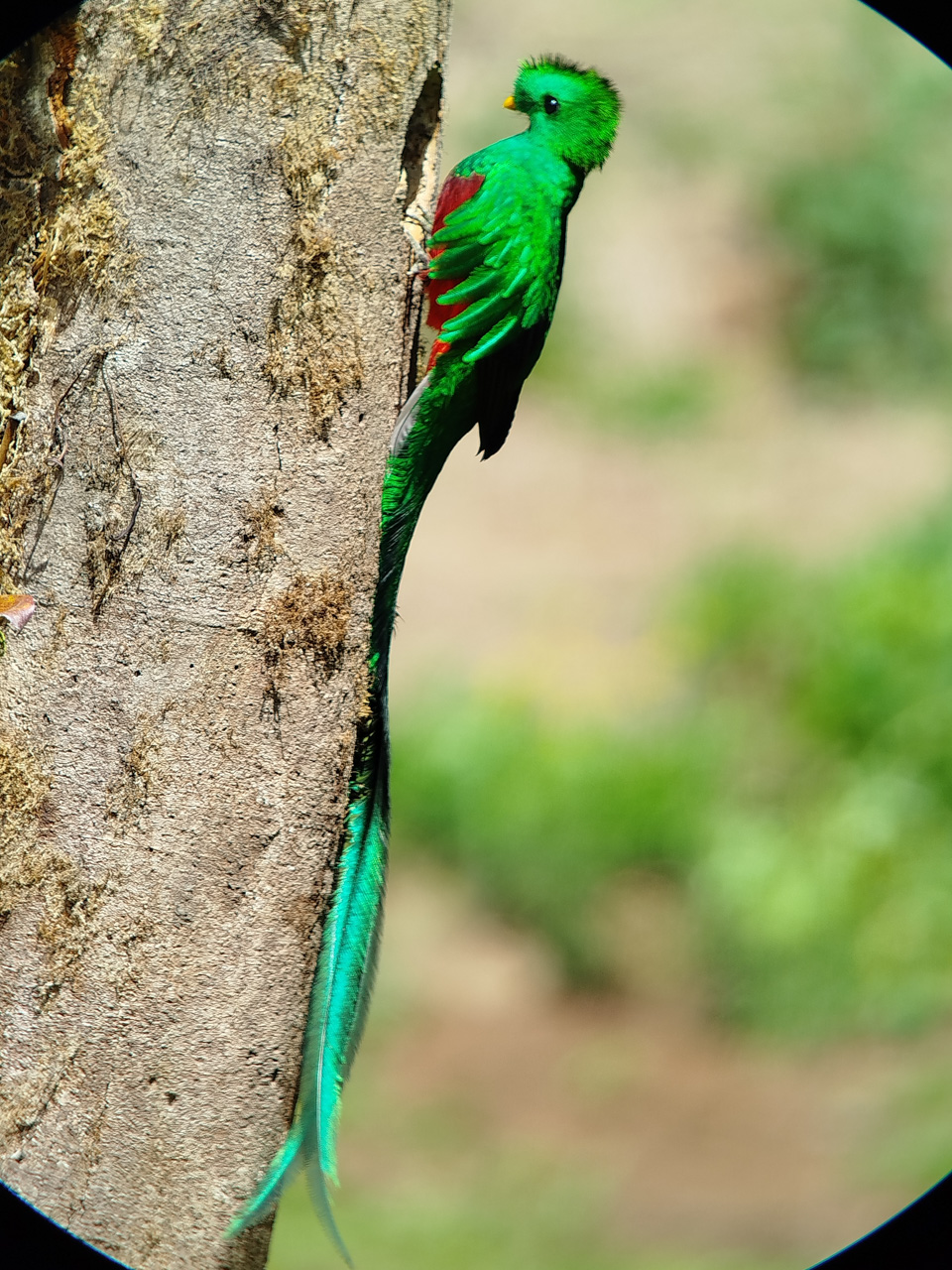
Replendant Quetzal © E Carman
The same area also yielded Flame-throated Warbler, Ruddy Treerunner, White-bellied Mountain-gem, Talamanca Hummingbird, Ochraceous Pewee, and both Long-tailed and Black-and-yellow Silky-flycatchers. Higher up, at the páramo near the Cerro Buenavista communication towers in Parque Nacional Los Quetzales, Volcano Junco hopped confidingly at the roadside, while Sooty Thrush, Black-billed Nightingale-Thrush, Timberline Wren, and Chestnut-collared Swift 24 birds in a fast-moving flock were all new for the tour.
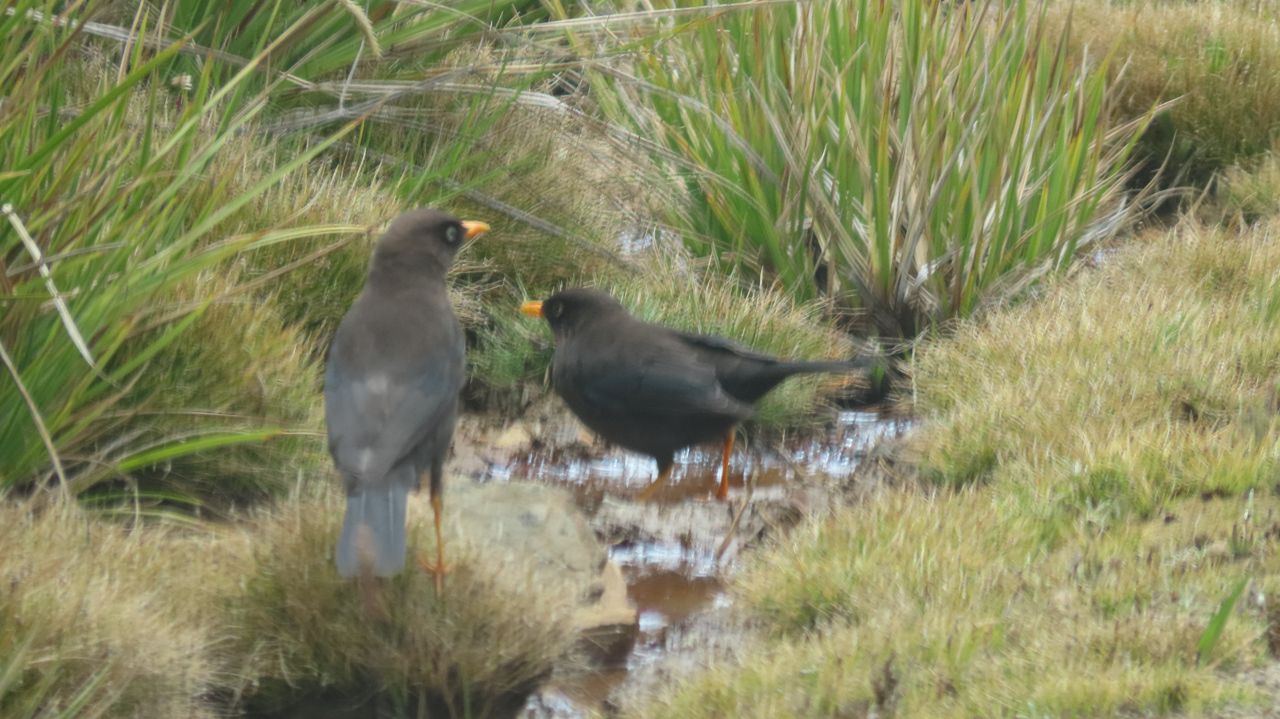
Sooty Thrush © E Carman
The afternoon at Paraíso Quetzal Lodge (km 70) was a feast of highland species: the feeders were alive with up to 21 Fiery-throated Hummingbirds at once, along with White-throated Mountain-gem, Volcano Hummingbird, Talamanca Hummingbird, Lesser Violetear, and Golden-browed Chlorophonia. Spangle-cheeked Tanager and Black-and-yellow Silky-flycatcher completed a remarkable day in the high country.
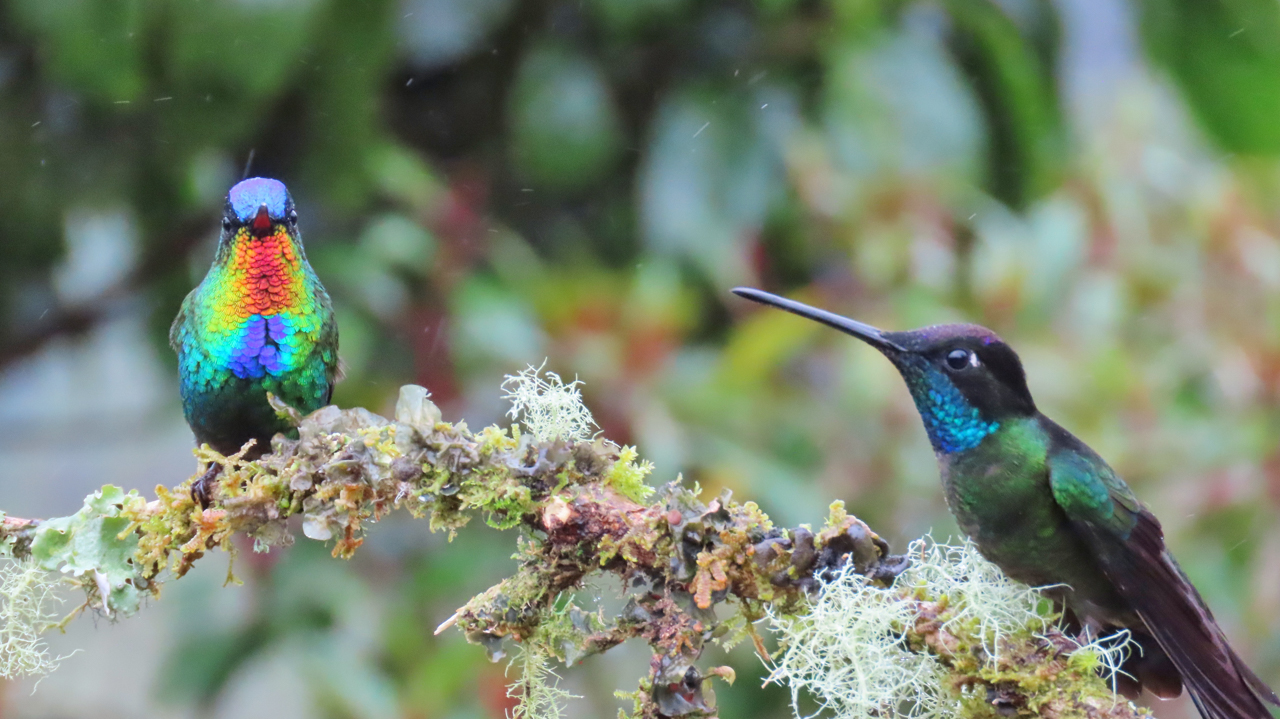
Fiery-throated and Talamanca Hummingbird ©E Carman.
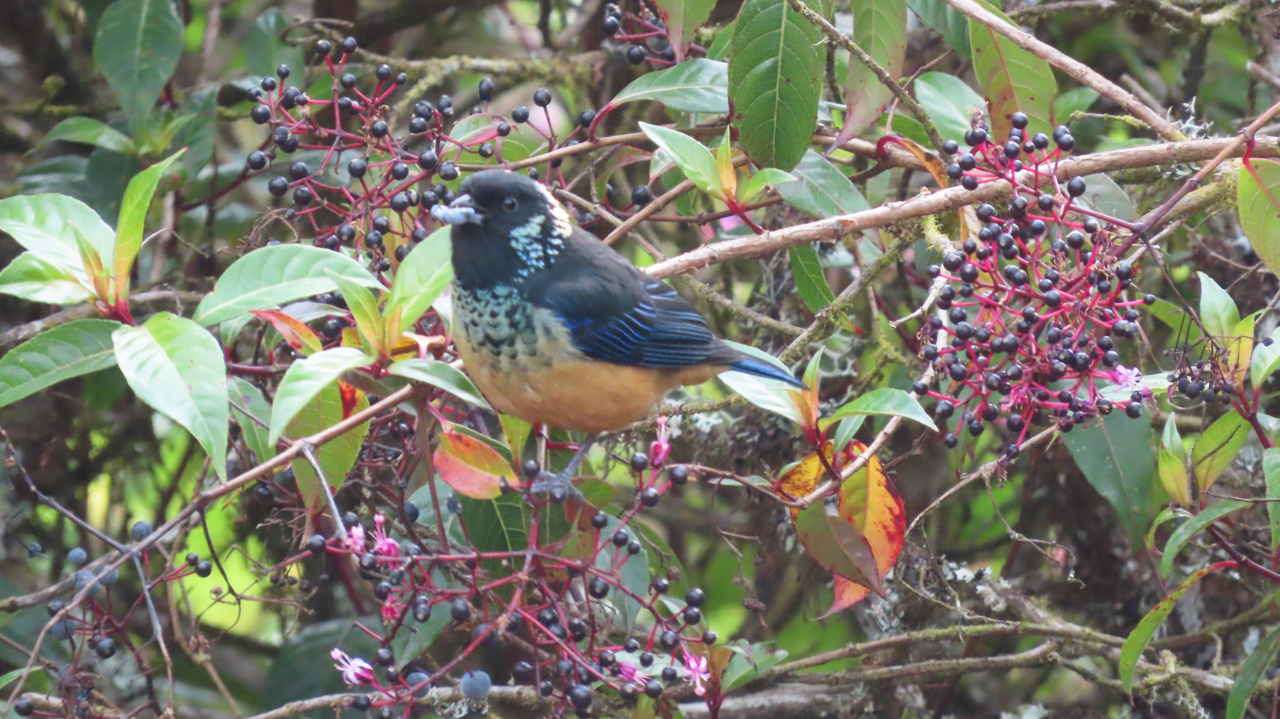
Spangle-cheeked Tanager © E Carman
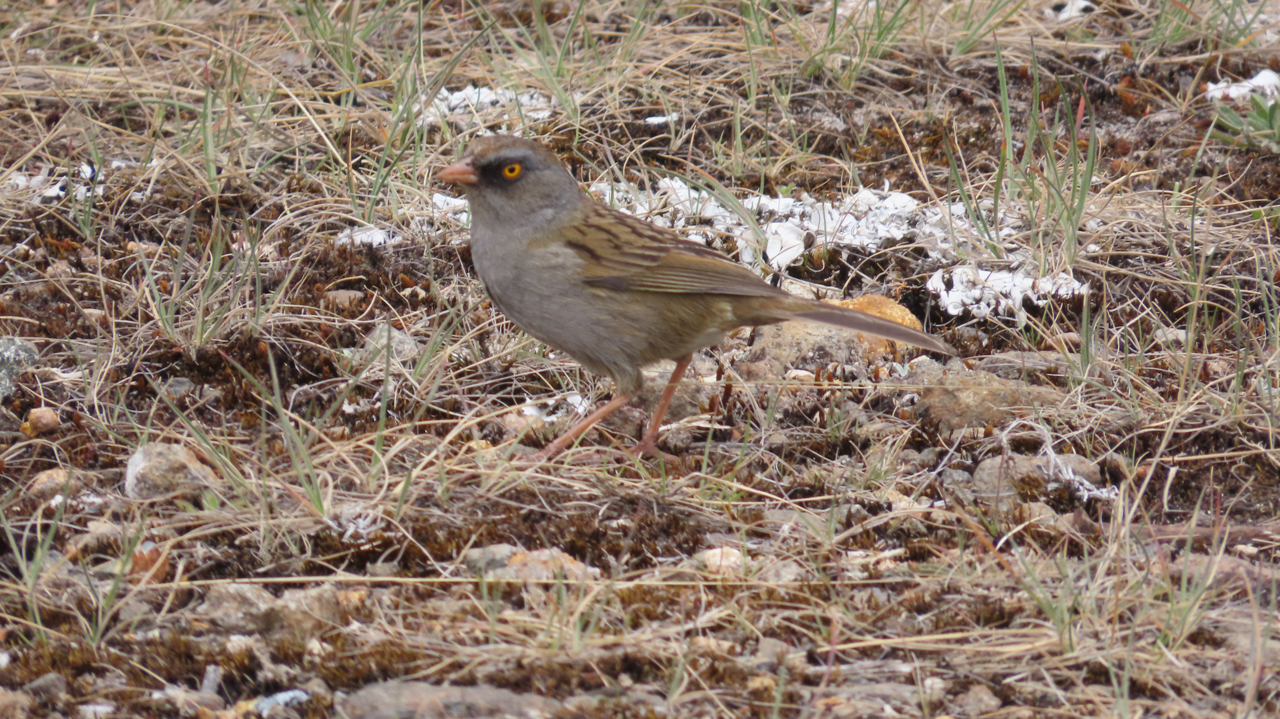
Volcano Junco © E Carman
Day 7. Hotel Quelitales & Surroundings
A full day based at Quelitales and its surrounding area proved extraordinarily productive. Early morning birding around the lodge turned up a regularly returning Black-cheeked × Hoffmann’s Woodpecker hybrid a well-watched individual known from previous visits alongside Common Chlorospingus, Sooty-faced Finch, White-naped Brushfinch, White-eared Ground-Sparrow, Chestnut-headed Oropendola, and multiple Montezuma Oropendolas displaying from the treetops.
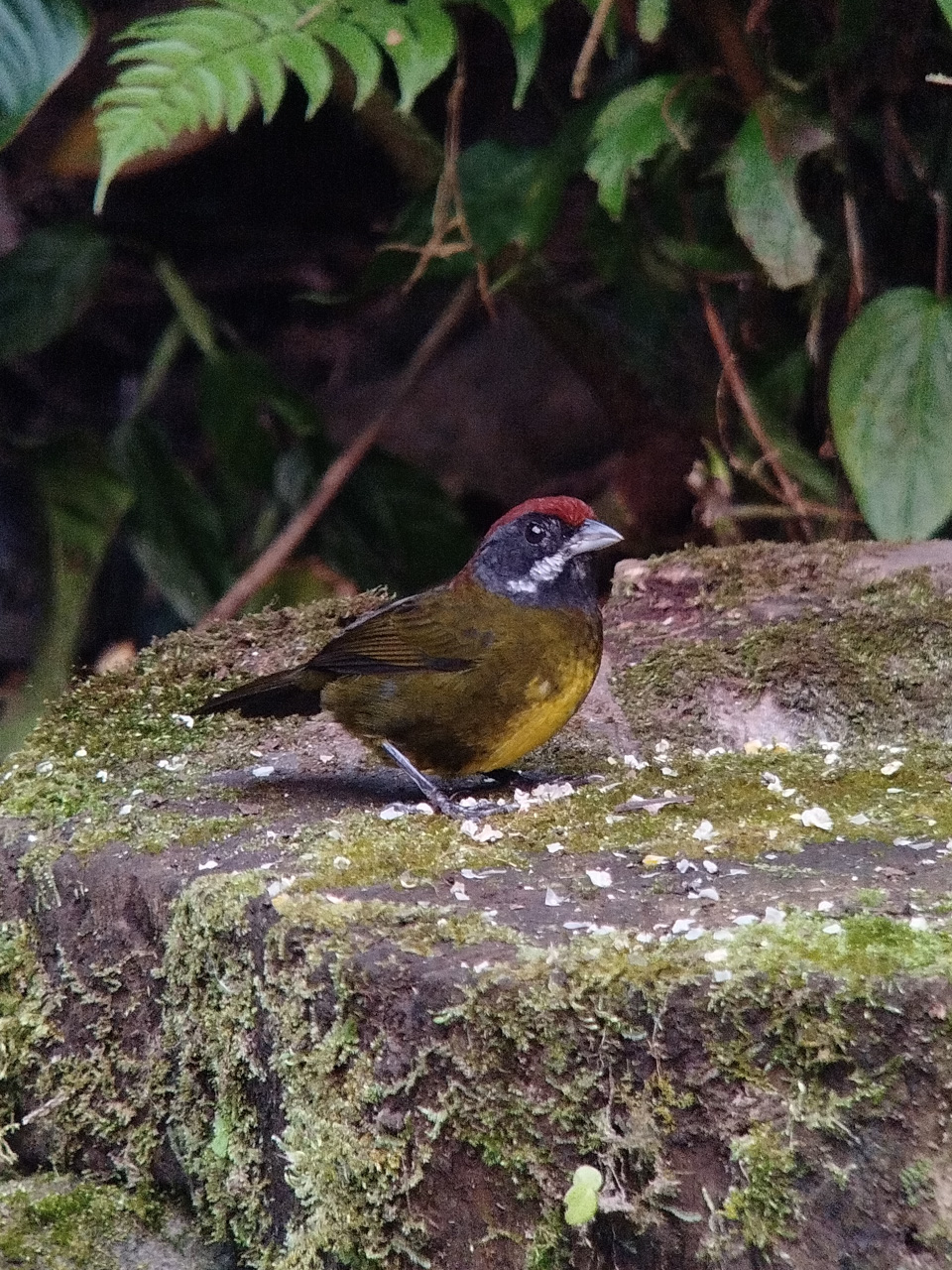
Sooty-faced Finch © E Carman
The Lago de Cachí dam sector provided a change of scenery, with Bat Falcon, Collared Aracari, Golden-hooded Tanager, and Scarlet-rumped Tanager all seen well. A visit to the HBKI stakeout at Culebra Brenes yielded the day’s most memorable moment: an impressive count of 18 Hook-billed Kites in the air simultaneously, circling overhead in the mid-morning thermals a quite extraordinary spectacle for this typically elusive species.
Back at Quelitales in the afternoon, the Sunbittern continued to perform along the stream, showing its remarkable wing pattern on several occasions, while the hummingbird garden hosted Green Hermit, Coppery-headed Emerald, White-bellied Mountain-gem, and a succession of tanagers including White-winged Tanager, Silver-throated Tanager, and a superb male Crimson-collared Tanager.
Day 8. Travel to Arenal via Las Alegría & Guarumo Lodge
Departing in the morning the group began the journey north toward the Arenal region, making productive stops en route. Las Brisas Abajo offered excellent open-country and forest-edge birding: Great Green Macaw was heard calling an exciting record of this globally Endangered species and Red-eyed Vireo, Golden-hooded Tanager, Green Honeycreeper, and a nice group of Keel-billed Toucans were all found. A large mixed swallow flock at this site included Bank Swallow, Barn Swallow, and 38 Cliff Swallows.
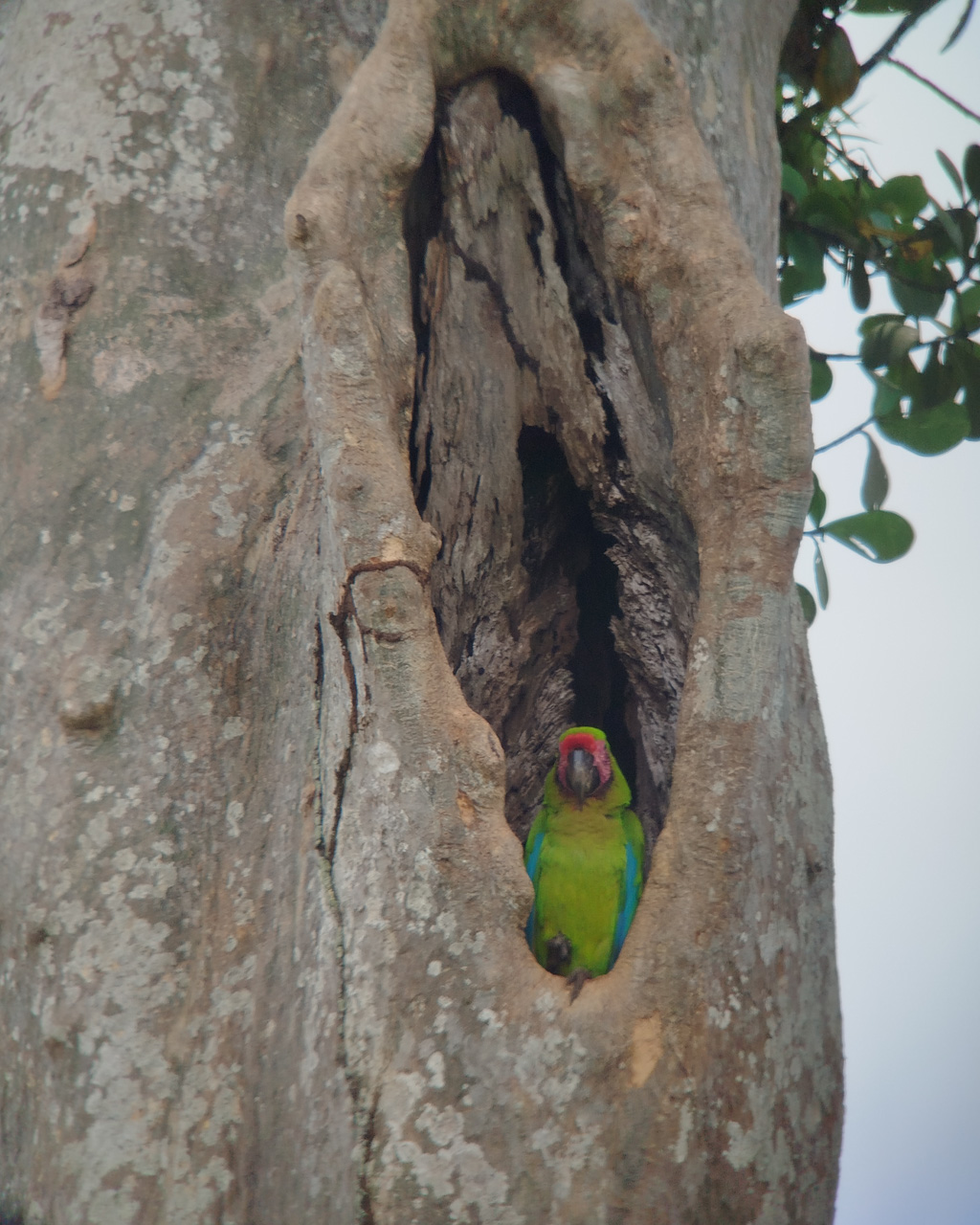
Great Green Macaw ©E Carman
Guarumo Lodge was a worthy lunch stop that added Russet-naped Wood-Rail, White-collared Manakin, Ringed Kingfisher, Cinnamon Woodpecker (heard), Blue-chested Hummingbird, and Louisiana Waterthrush to the running total.
By mid-afternoon the group had arrived at the Arenal Observatory Lodge, superbly situated with direct views across the lake to the cone of Volcán Arenal. An afternoon session on the lodge grounds immediately revealed the site’s quality, with Red-lored Amazon, Yellow-throated Toucan, Black-cheeked Woodpecker, Emerald Tanager, and Olive-sided Flycatcher all logged before dinner, and after dark a Black-and-white Owl was found hunting along the forest edge a very satisfying nocturnal addition.
Day 9. Arenal Observatory Lodge
A full day at Arenal Observatory Lodge delivered consistently excellent birding from dawn to dusk. The pre-dawn chorus was dominated by the booming calls of Great Curassow and the liquid whistles of Montezuma Oropendola, and it was not long before multiple Great Curassows were seen on the trail, along with Crested Guan feeding in the canopy above. The morning trail walk was packed with quality: Ornate Hawk-Eagle was spotted soaring above the forest a powerful and always exciting raptor while White-tipped Sicklebill, Violet-headed Hummingbird, and Crowned Woodnymph were among the hummingbirds encountered. A group of Carmiol’s Tanagers moved through with a mixed flock that also contained White-throated Shrike-Tanager, Spotted Antbird, and Bicolored Antbird, while the forest edge produced Sulphur-bellied Flycatcher, Long-tailed Tyrant, and multiple Rufous-tailed Jacamars. In the late afternoon, Red-legged Honeycreepers, and both Masked and Black-crowned Tityras were seen well. After dark, Common Pauraque called from the road and Nightingale Wren sang from dense cover near the lodge two audible additions to close a memorable day.
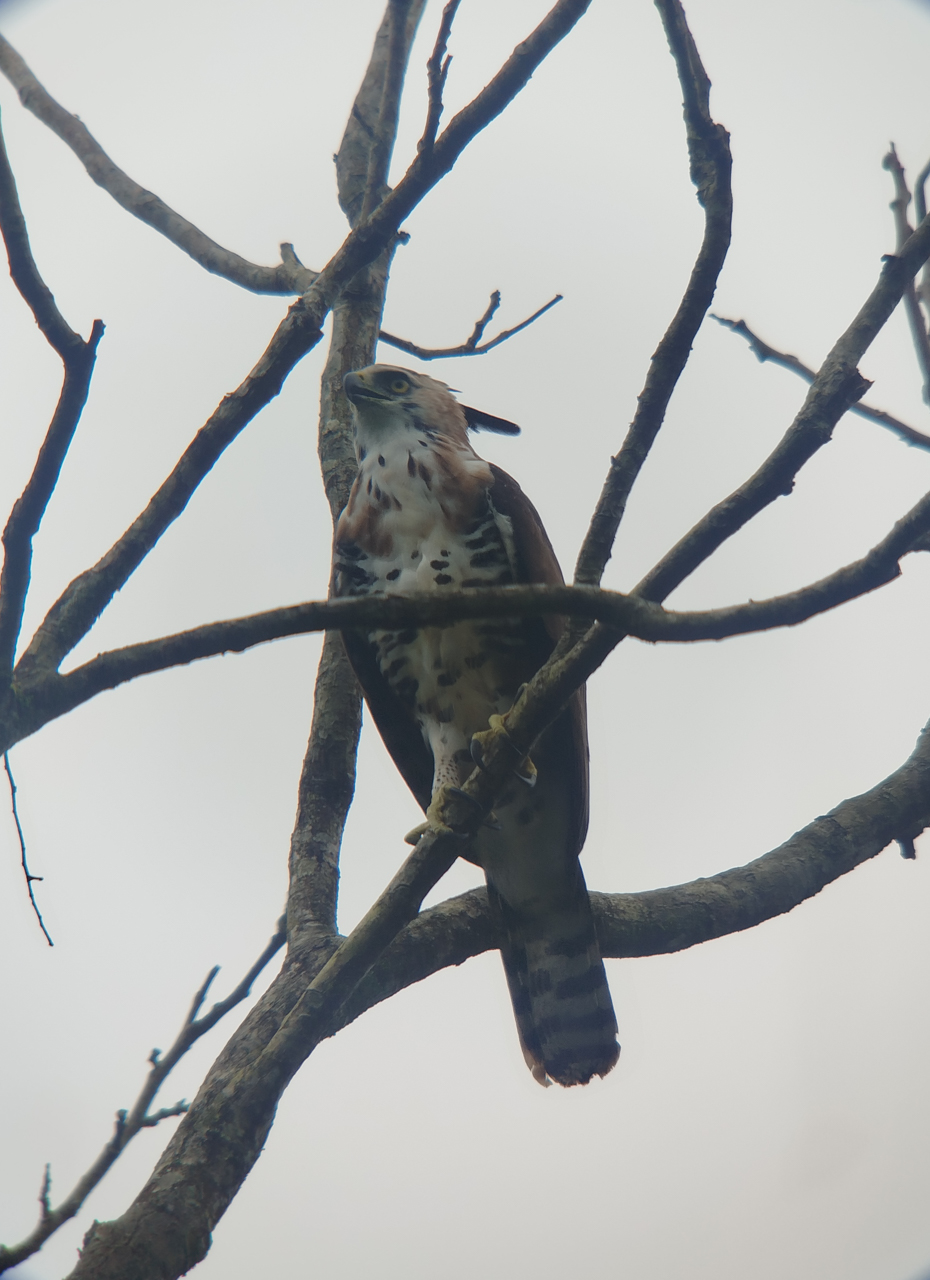
Ornate Hawk-Eagle © E Carman
Day 10. Arenal Peninsula Road & Observatory Lodge
A morning drive along the Arenal Peninsula road (the shortcut to the dam) provided a productive change of scenery, with the lakeside habitat yielding species that complemented the forest birds seen the previous days. Keel-billed Motmot was a notable find along this road always a sought-after species along with Great Antshrike, Thicket Antpitta (heard calling persistently from the undergrowth), Rufous-tailed Jacamar, and a fine showing of Cinnamon Becard and Crimson-collared Tanager.
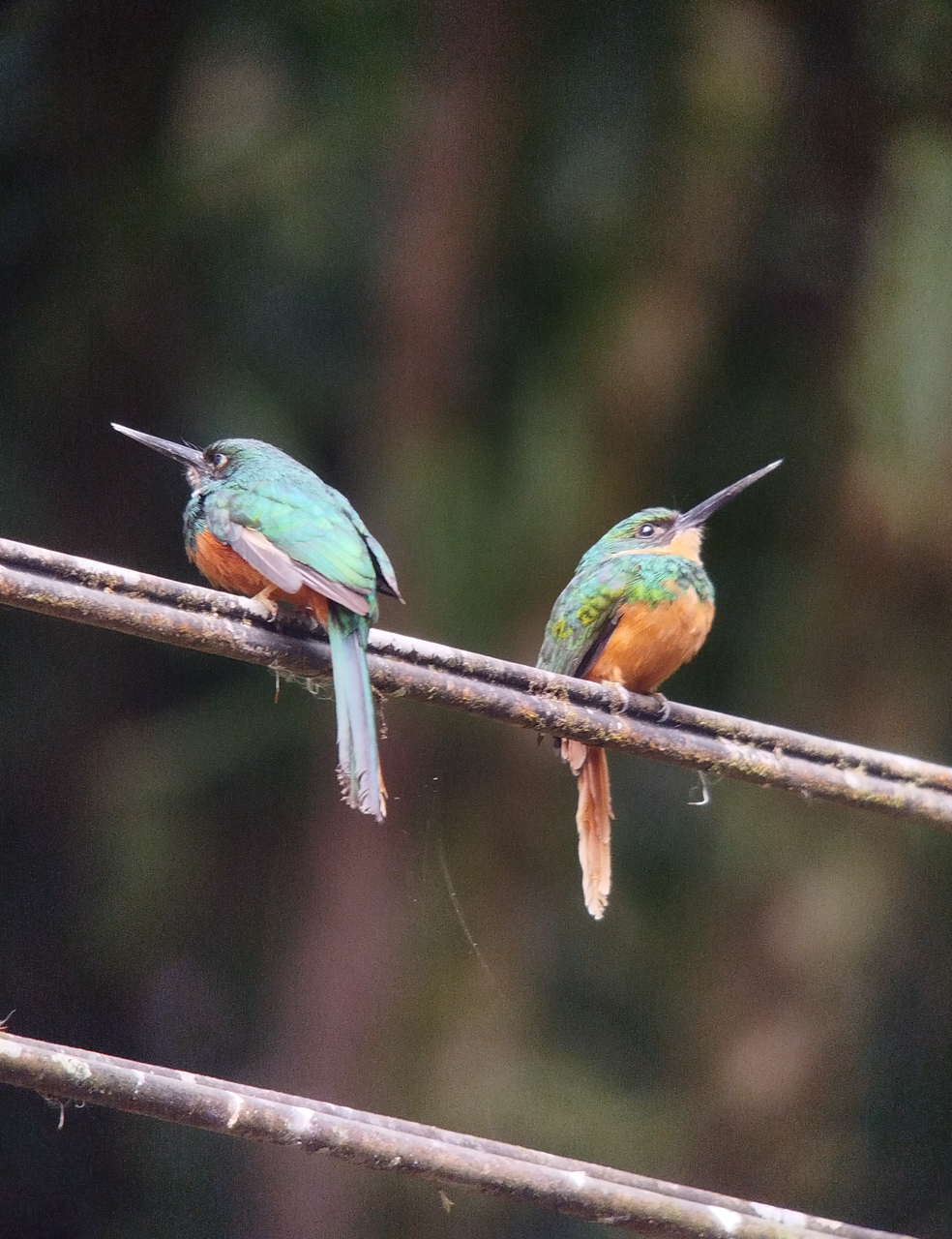
Rufous-tailed Jacamar © E Carman
Back at the Observatory Lodge, White Hawk circled overhead in the morning light, and the forest trails continued to produce: Black-crested Coquette visited a flowering tree, and Barred Forest-Falcon was heard calling at dawn.
The afternoon sessions around the lodge grounds were productive for tanagers and honeycreepers, with the big Red-legged Honeycreeper flocks still present, Black-and-yellow Tanager showing well, and both Emerald Tanager and Rufous-winged and Bay-headed Tanager seen at close range. A final evening walk produced more Common Pauraque and the distant calls of several wren species in the dark forest.
Day 11 — March 23: La Selva Biological Station & Departure
The final full morning of birding was spent at the renowned Estación Biológica La Selva, one of the most biodiverse lowland rainforest sites in all of Costa Rica, and it did not disappoint. The trail system delivered Agami Heron one of the most secretive and sought-after herons in the Neotropics, seen skulking along a forest stream as well as Snowy Cotinga perched high in an emergent tree, Mealy Amazon in a fruiting fig, and Graceful Black-throated Trogon singing from dense vine tangles. Olive-throated Parakeet screamed overhead in fast-moving flocks and Great Green Macaw was found again, confirming the species’ presence in this part of the Caribbean lowlands. Pied Puffbird, White-whiskered Puffbird, Chestnut-colored Woodpecker, Shining Honeycreeper, and Black-faced Grosbeak were further highlights of an excellent final morning.
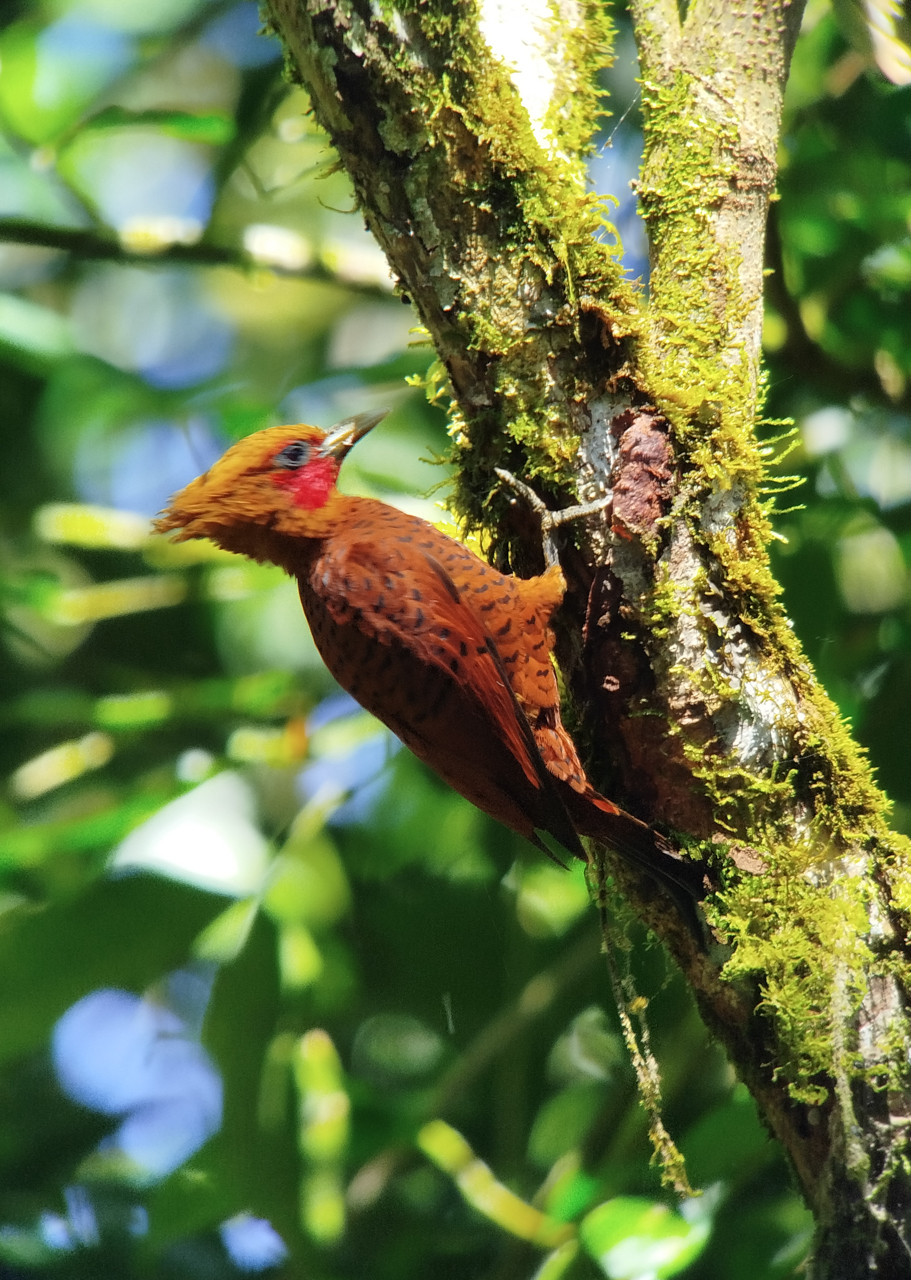
Chestnut-collared Woodpecker ©E Carman
An afternoon stop at the Galería de Colibrí at Cinchona, overlooking the spectacular Paz Waterfall canyon, provided a fitting swan song: Red-headed Barbet showed brilliantly at the feeders, Green-crowned Brilliant and Scarlet-rumped Tanager bathed in the afternoon light, and Silver-throated Tanager gleamed in the canopy above. With the birds of Costa Rica having performed magnificently throughout, the group departed for San José in high spirits, reflecting on an unforgettable eleven days in one of the world’s great birding countries.
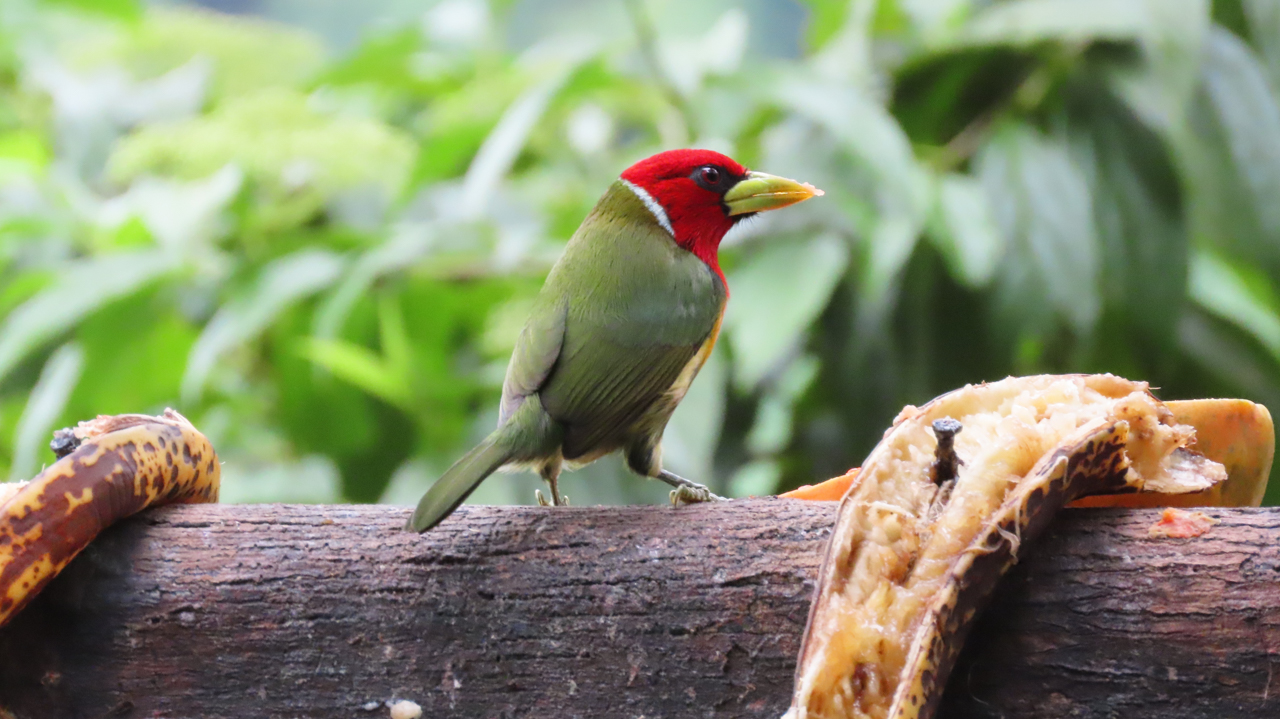
Red-headed Barbet ©E Carman
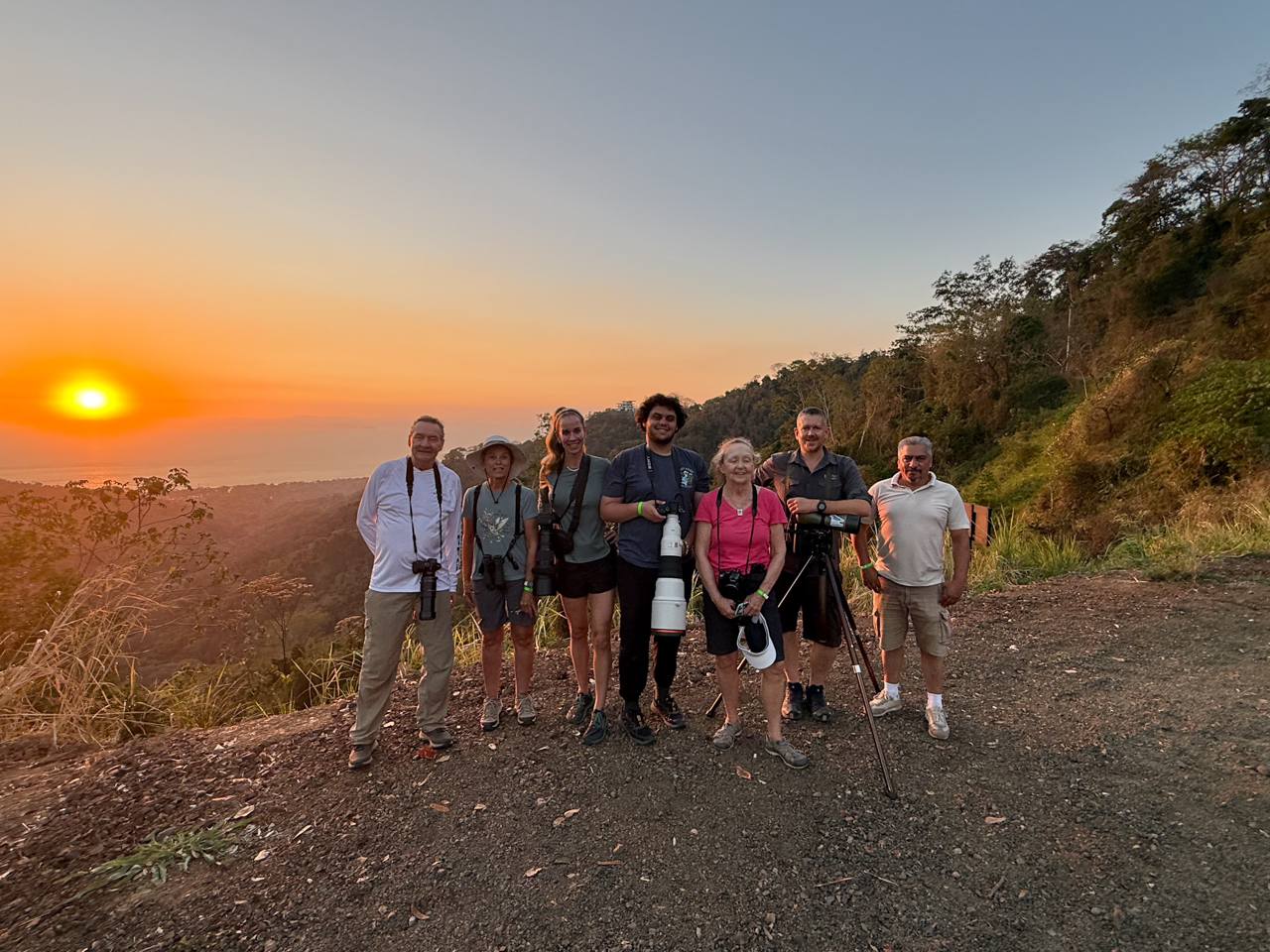
Group Photo ©E Carman.