Costa Rica: Caribbean Trip Report (Oct 1 – 13, 2026)
Day 1 & 2. Bougainvillea, Cerro de la Muerte, Paraíso del Quetzal and Hotel Quelitales
Our adventure began in the western Central Valley at Hotel Bougainvillea. A little typical afternoon rain turned out to be perfect for finding the endemic Golden-eyed Leaf-Frog in the gardens.
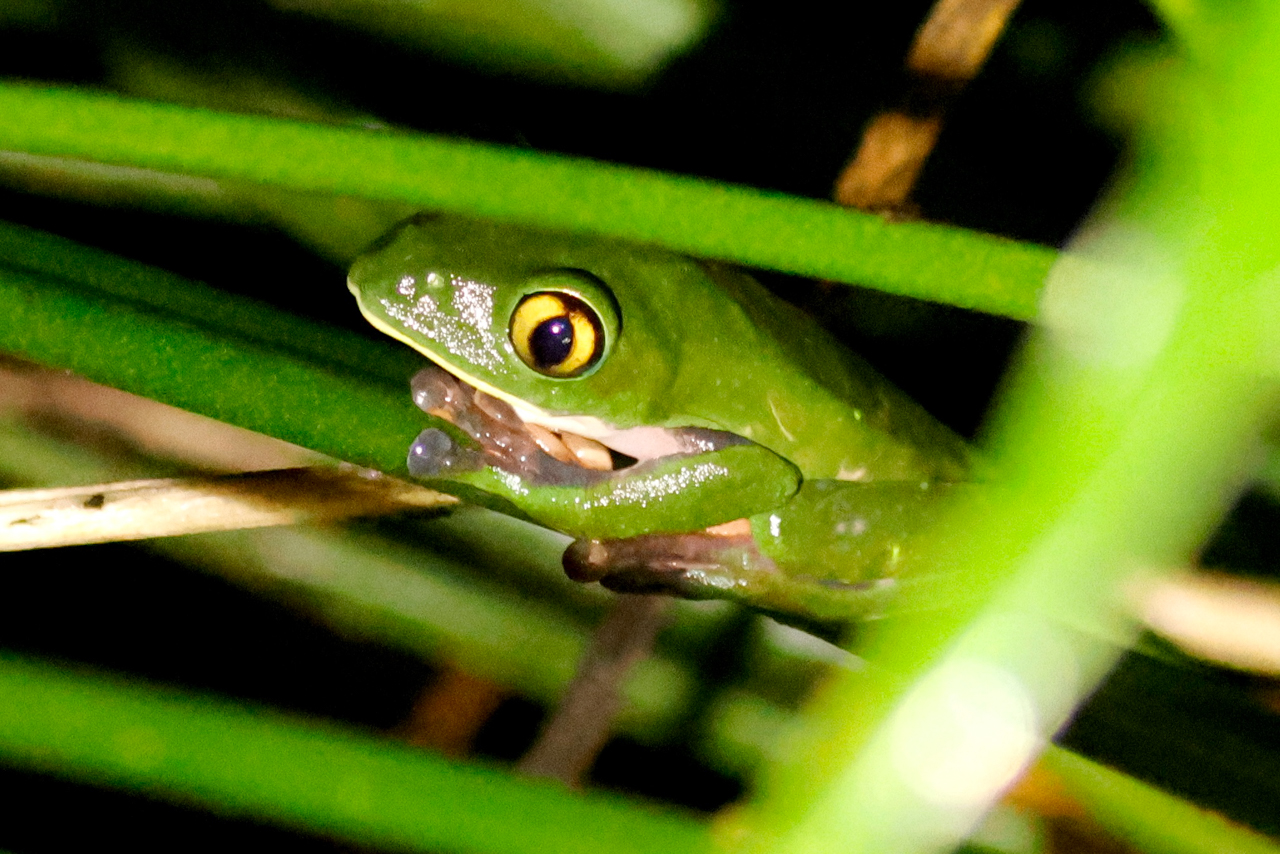
Golden-eyed Leaf-Frog © M Doucet
The next morning we set out early for the Talamanca Highlands, a region full of species found nowhere else and home to one of the world’s most spectacular birds, the Resplendent Quetzal.
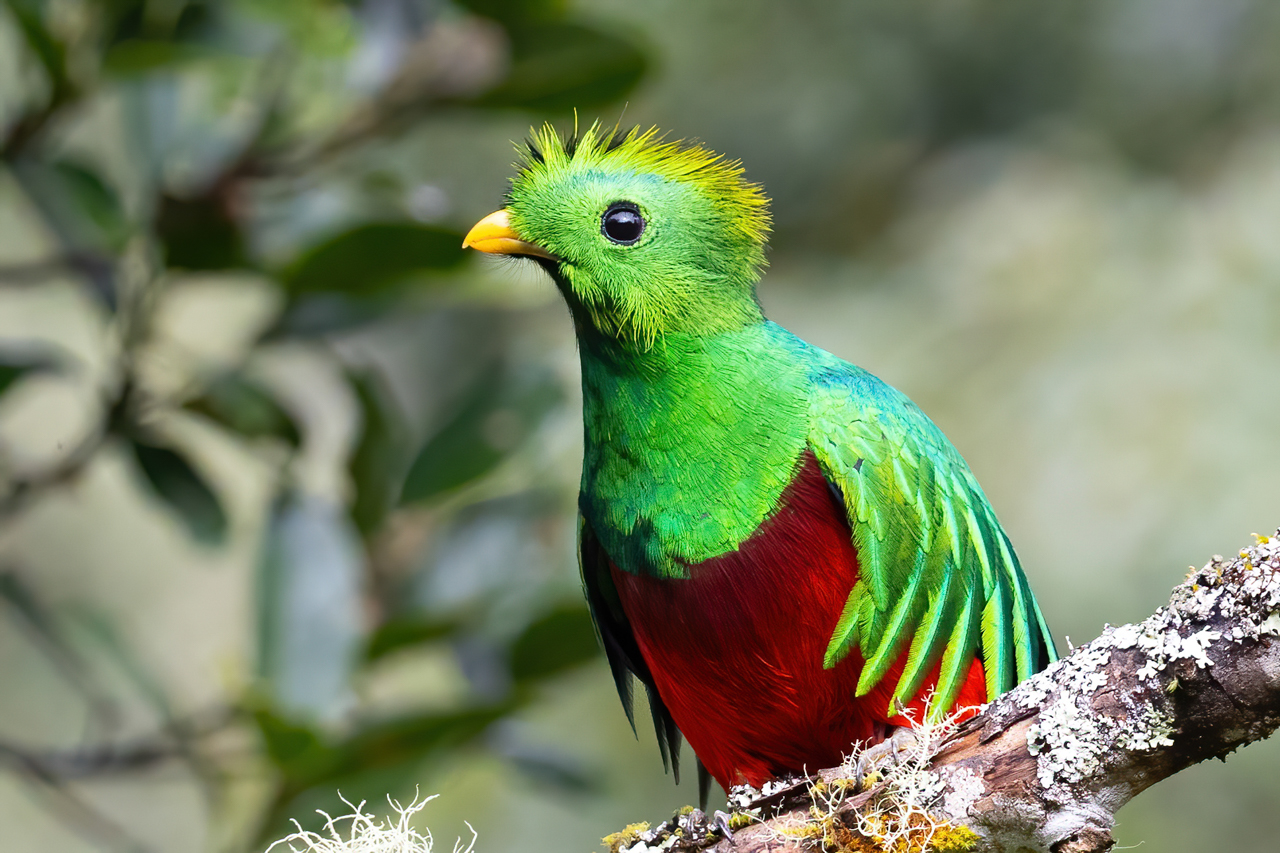
Resplendent Quetzal © M Doucet
At 2,500 m we met Jorge Serrano. Jorge and his family started a project with a network of local landowners who protect quetzal habitat on their farms. Birdwatchers and photographers pay an entrance fee to visit, which directly supports these families. Today we visited William’s property, and the quetzals were already there, feeding in a wild avocado tree when we arrived! We saw four different individuals, from different angles and in different light, with endless photo opportunities.
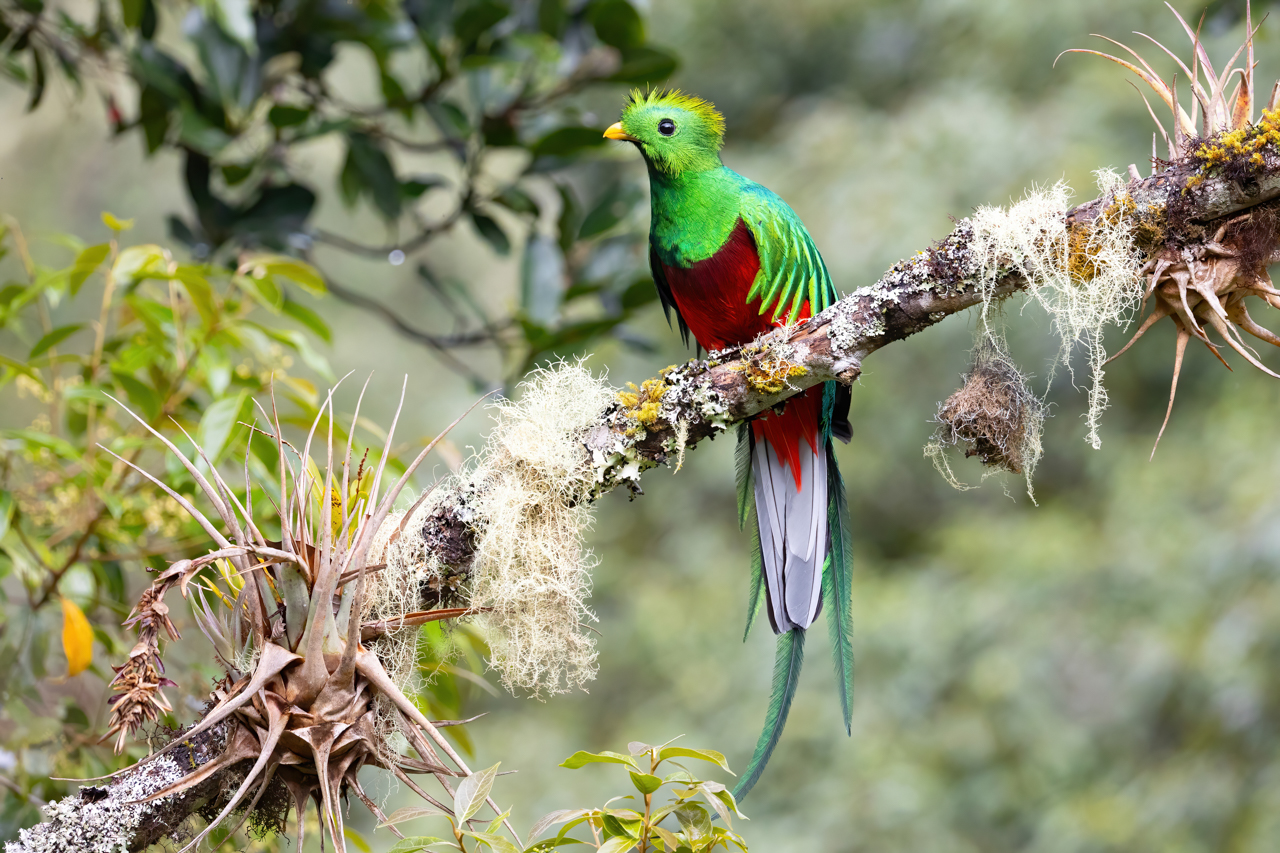
Resplendent Quetzal © M Doucet
With our big target already in the bag, we relaxed and looked for other highland specialties. We found a busy mixed-species flock with Sooty-capped Chlorospingus, Collared and Slate-throated Redstarts, Yellowish Flycatcher, Yellow-thighed Brushfinch, Large-footed Finch, Hairy Woodpecker, Ruddy Treerunner, Red-faced Spinetail, Slaty Flowerpiercer and Black-and-yellow Silky-Flycatcher. Our hummingbird list grew quickly too, with Purple-throated and White-throated Mountain-Gems, plus Talamanca, Scintillant, Volcano and Blue-vented Hummingbirds.
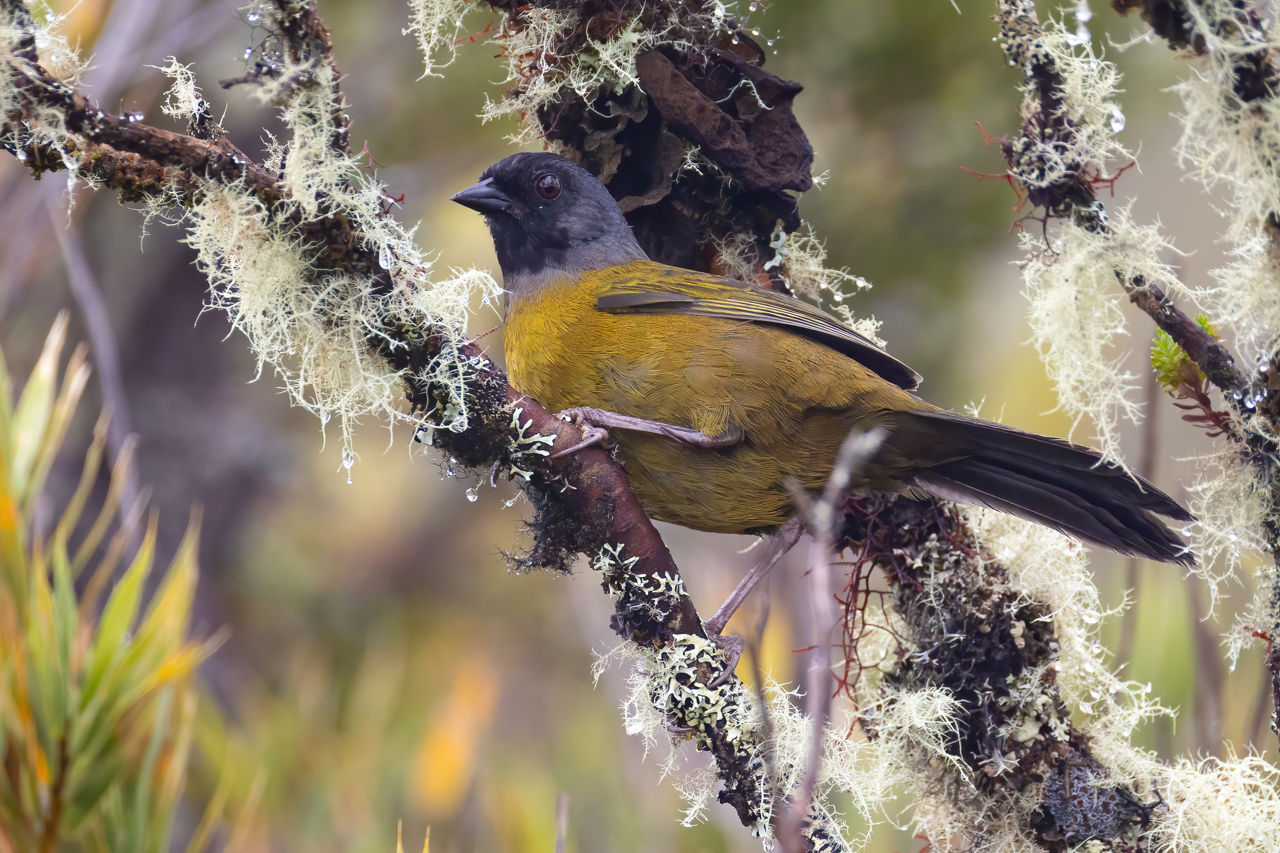
Large-footed Finch © M Doucet
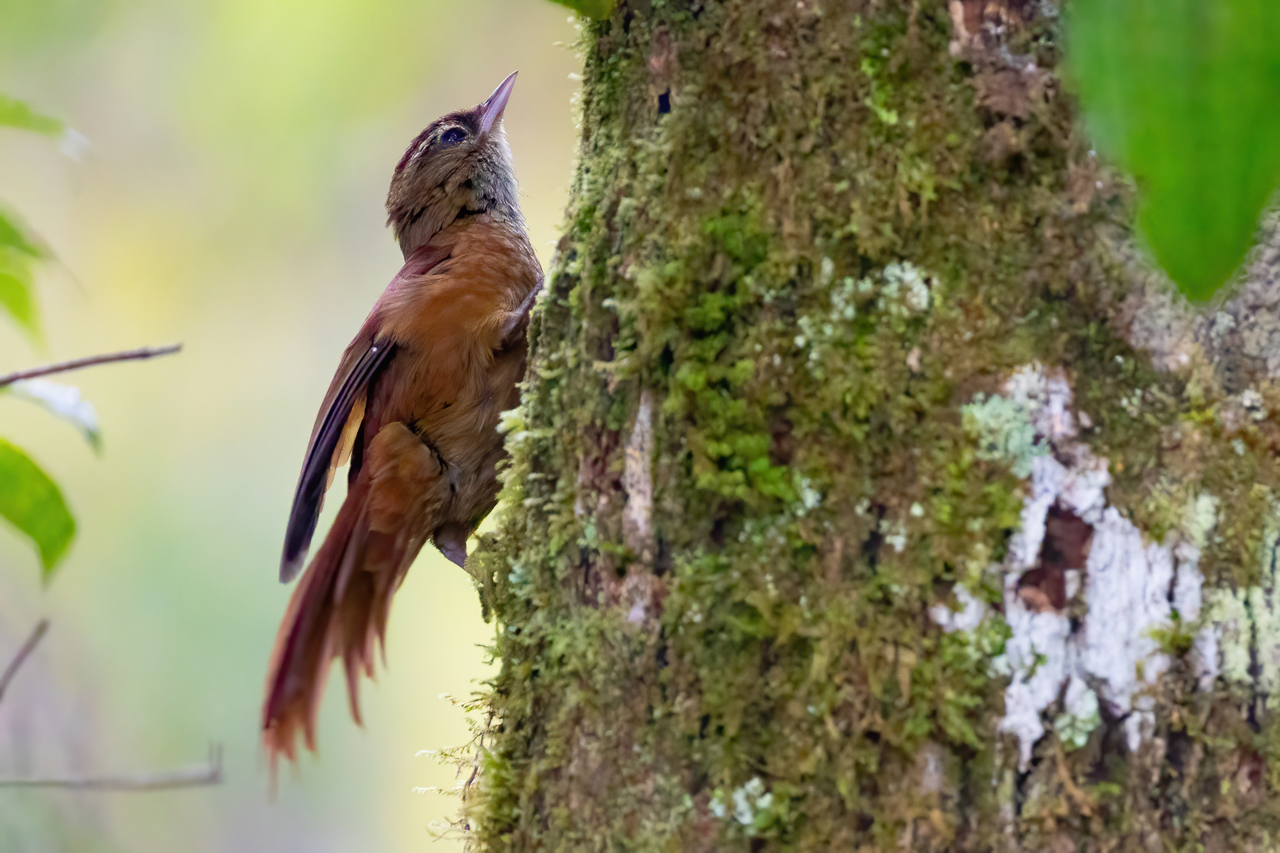
Ruddy Treerunner © M Doucet
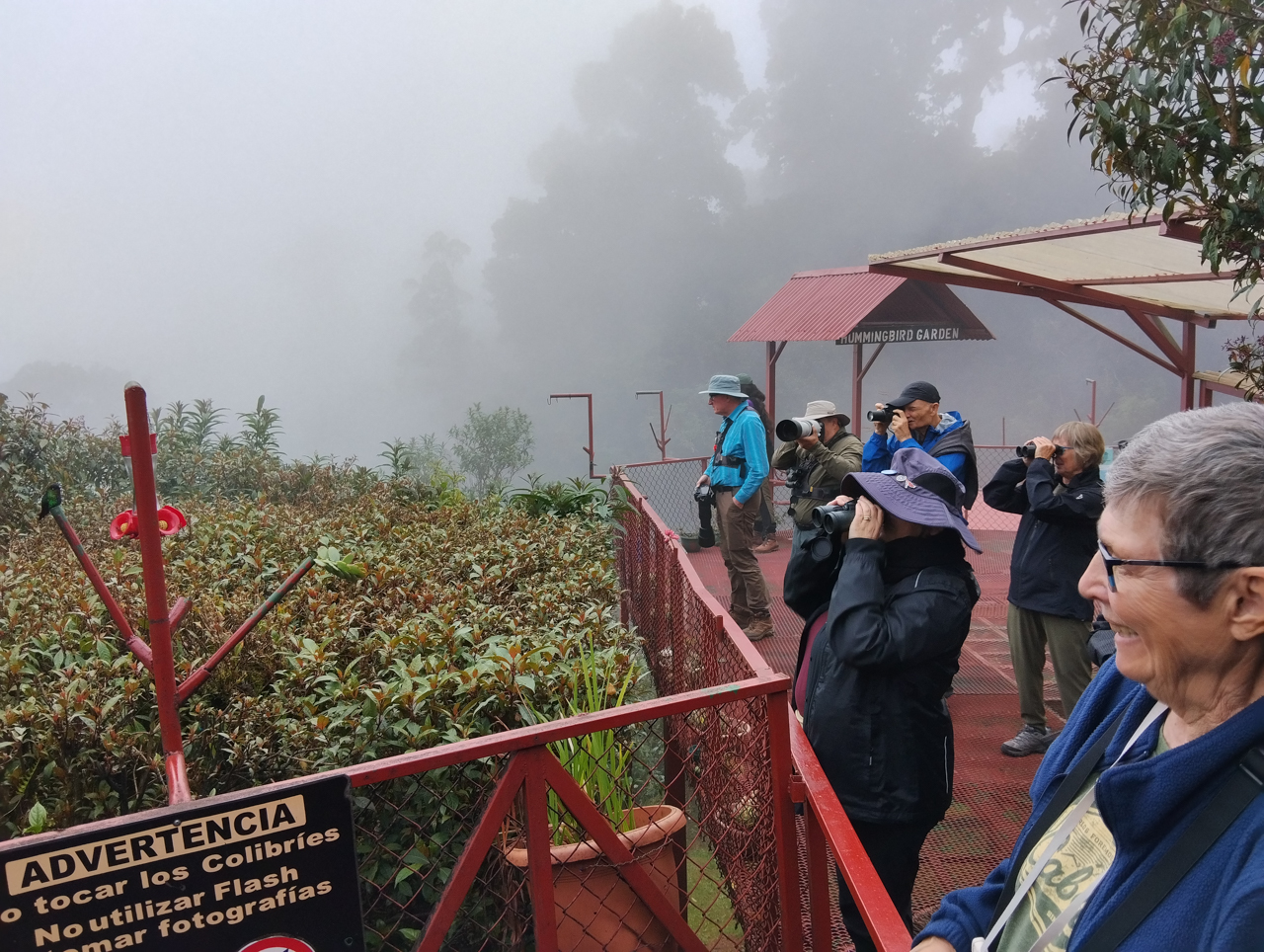
Birding Paraíso del Quetzal © E Carman
With the good weather holding, we drove to the top of Cerro de la Muerte at 3,400 m and found our target there, the Volcano Junco.
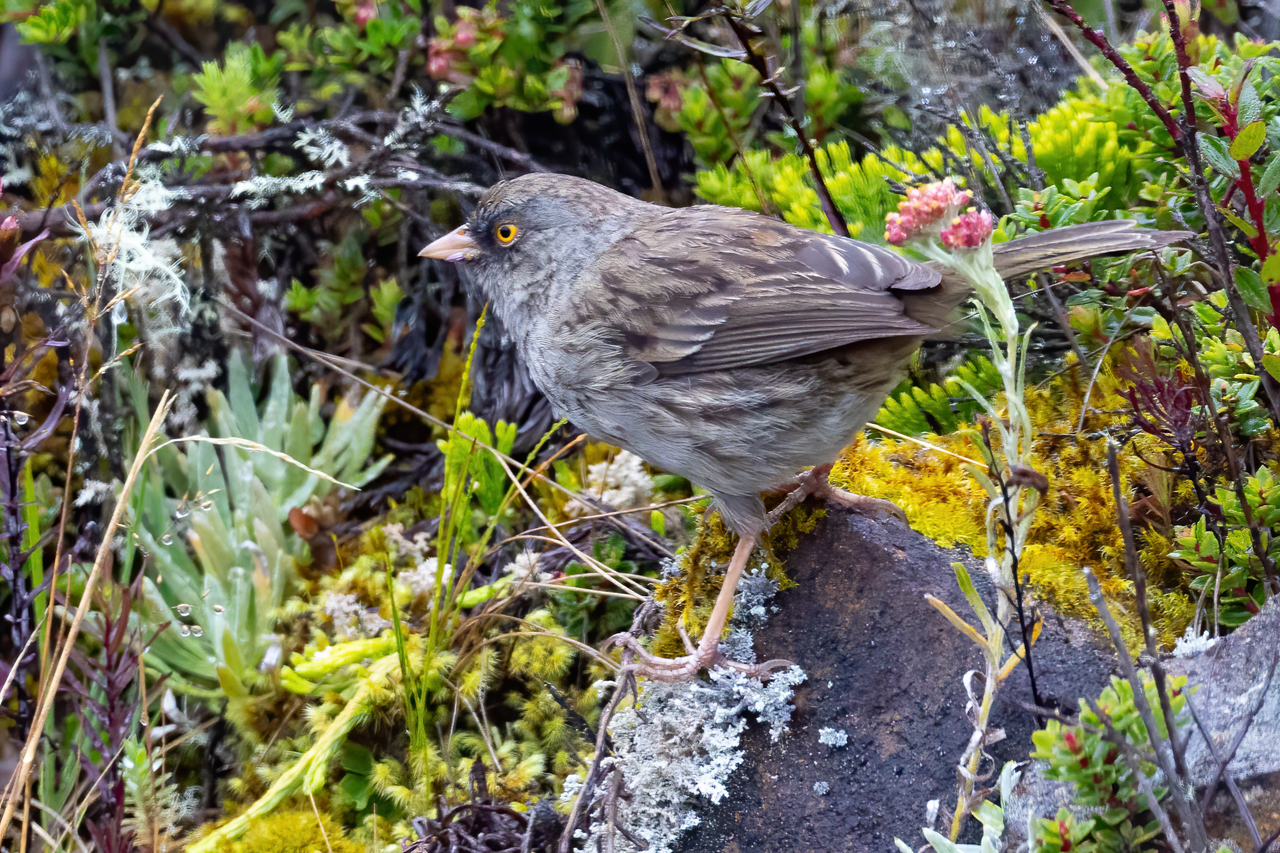
Volcano Junco © M Doucet
By late afternoon we reached Hotel Quelitales, where the resident pair of Sunbitterns greeted us right away! There was still some daylight left, so we birded the grounds and added more hummingbirds: Black-bellied Hummingbird, White-bellied Mountain-Gem, Green Hermit, Violet Sabrewing, Green-crowned Brilliant and Green-fronted Lancebill.
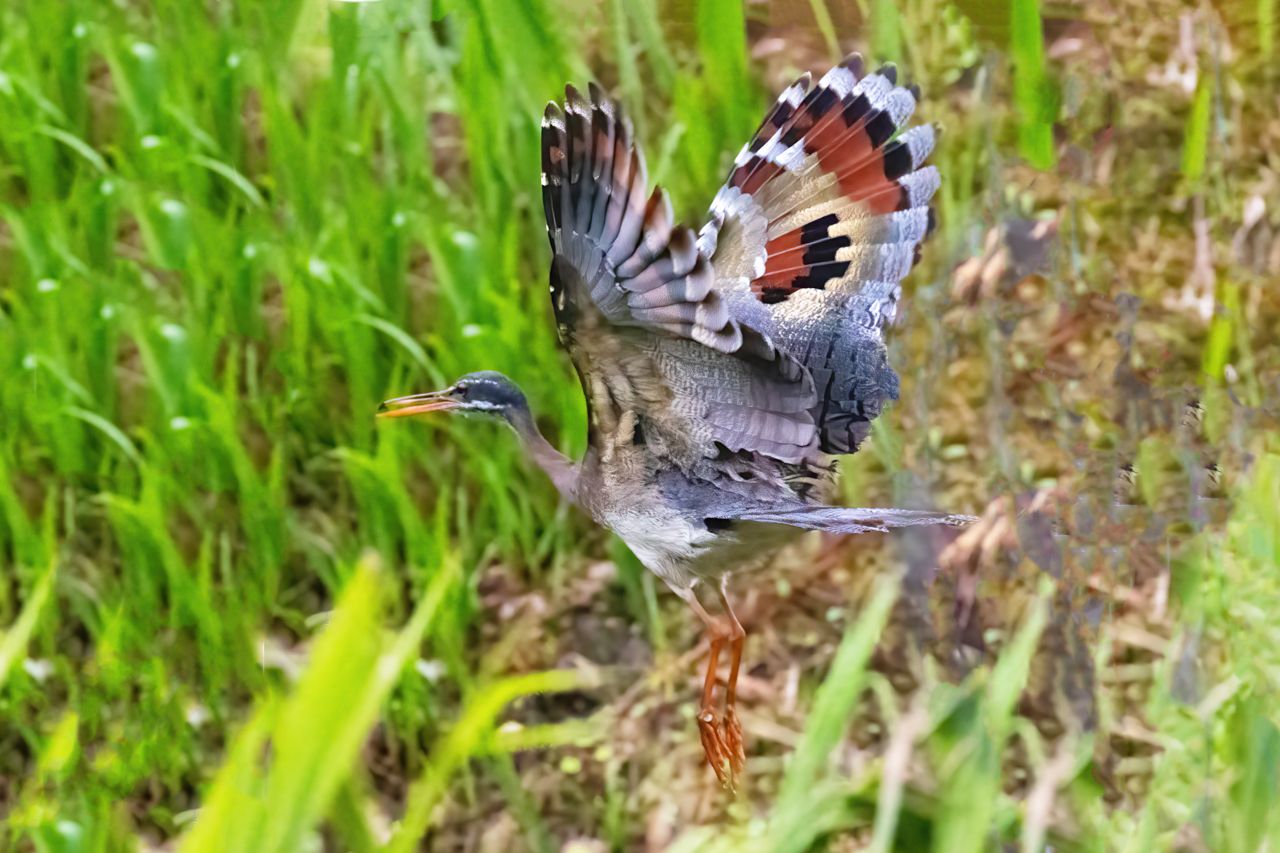
Sunbittern © M Doucet
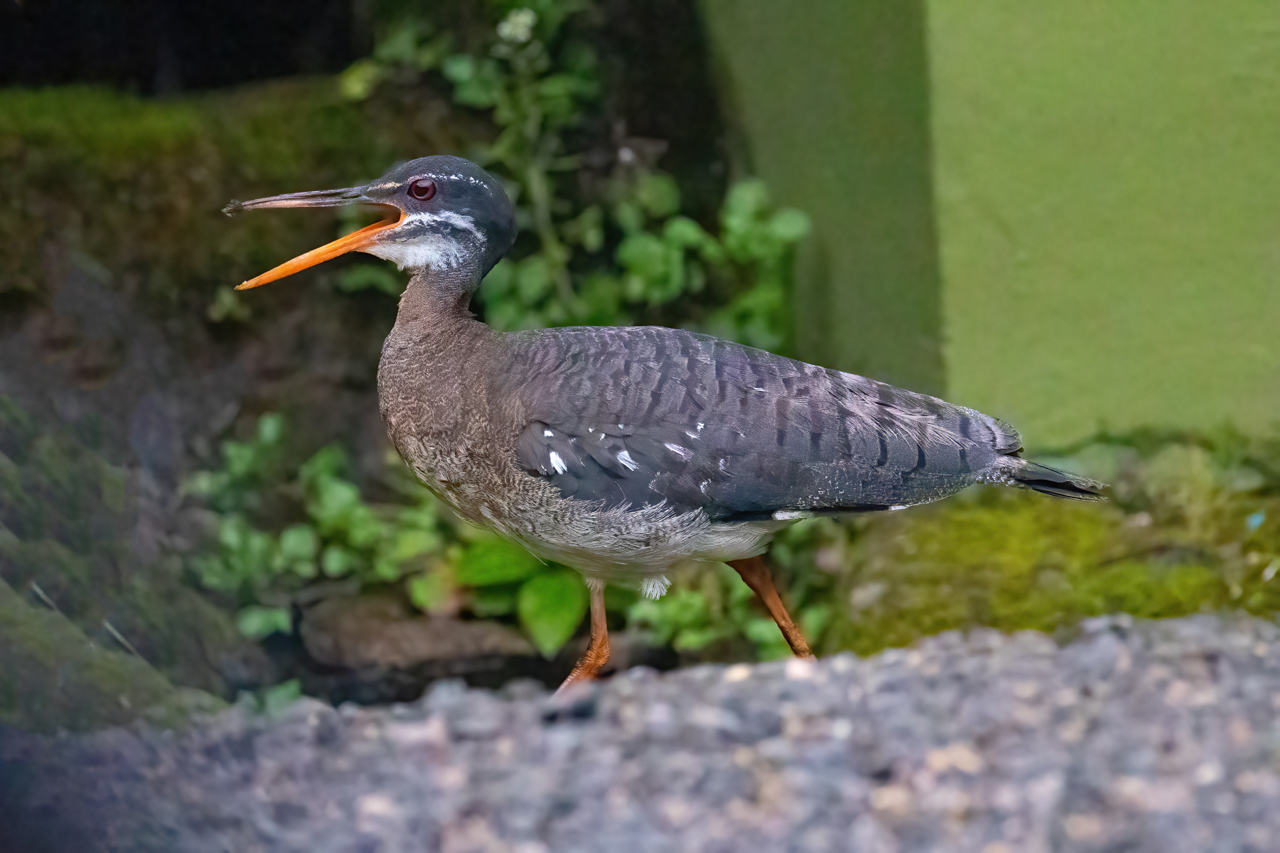
Sunbittern © M Doucet
Day 3. El Copal Reserve
We were off again at dawn, heading for El Copal Reserve, one of the most diverse areas in Costa Rica, in the foothills of the Talamanca mountains. We had barely stepped off the bus when the birds started coming. The first was the tiny Snowcap, which was high on many participants’ wish lists!
We birded from a balcony surrounded by forest, and the activity never stopped. A parade of spectacular tanagers visited the feeder: Speckled, Silver-throated, Bay-headed, Golden-hooded and Emerald Tanagers. Several mixed-species flocks also passed by the balcony, bringing White-winged, White-shouldered, Tawny-crested, Black-and-yellow and Carmiol’s Tanagers, along with Russet Antshrike, Ashy-throated Chlorospingus and Olivaceous Woodcreeper. Across the valley we spotted a Laughing Falcon and a Gray-headed Kite, and both gave us fantastic scope views.
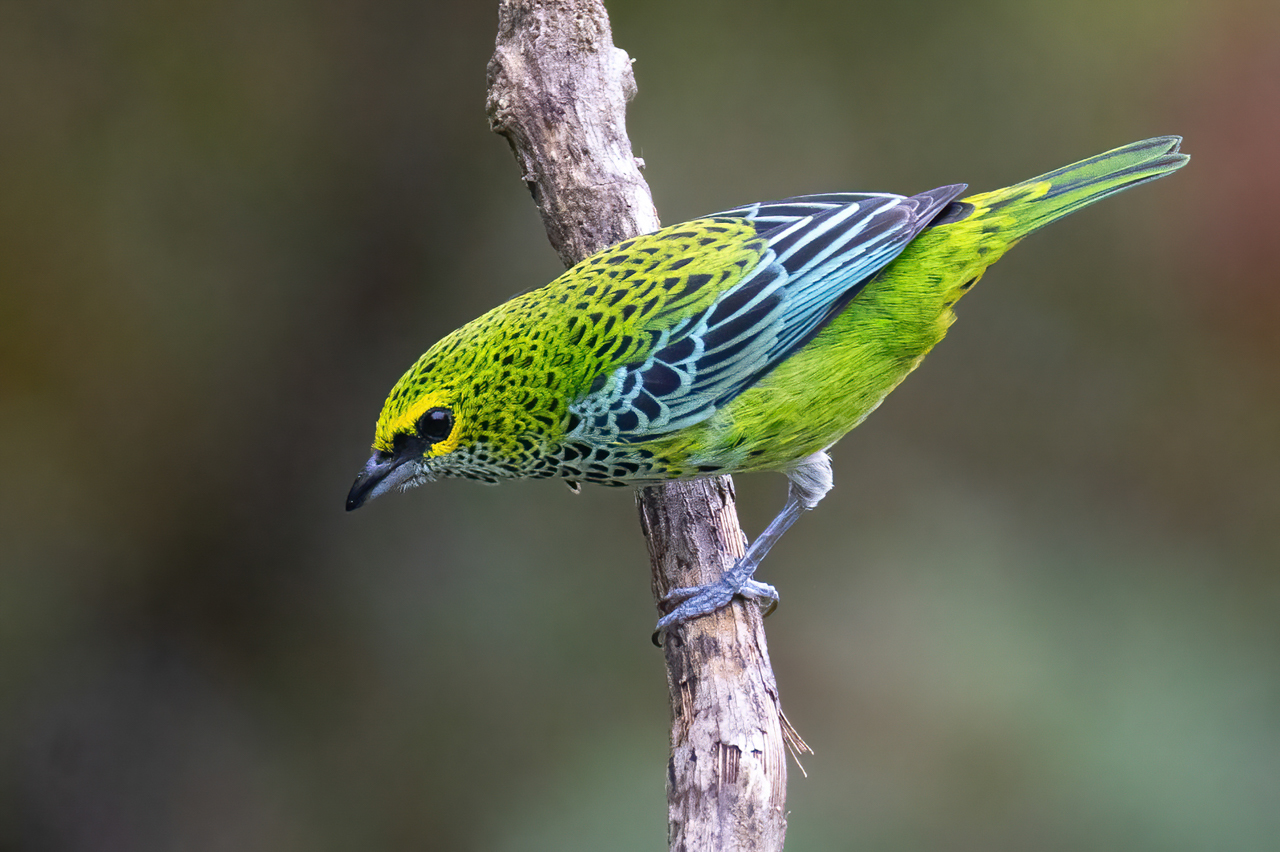
Speckled Tanager © M Doucet
But it was not just birds, we had a gorgeous Central American Eyelash Pitviper and even a Jaguarundi chasing an Agouti at the feeders!!!
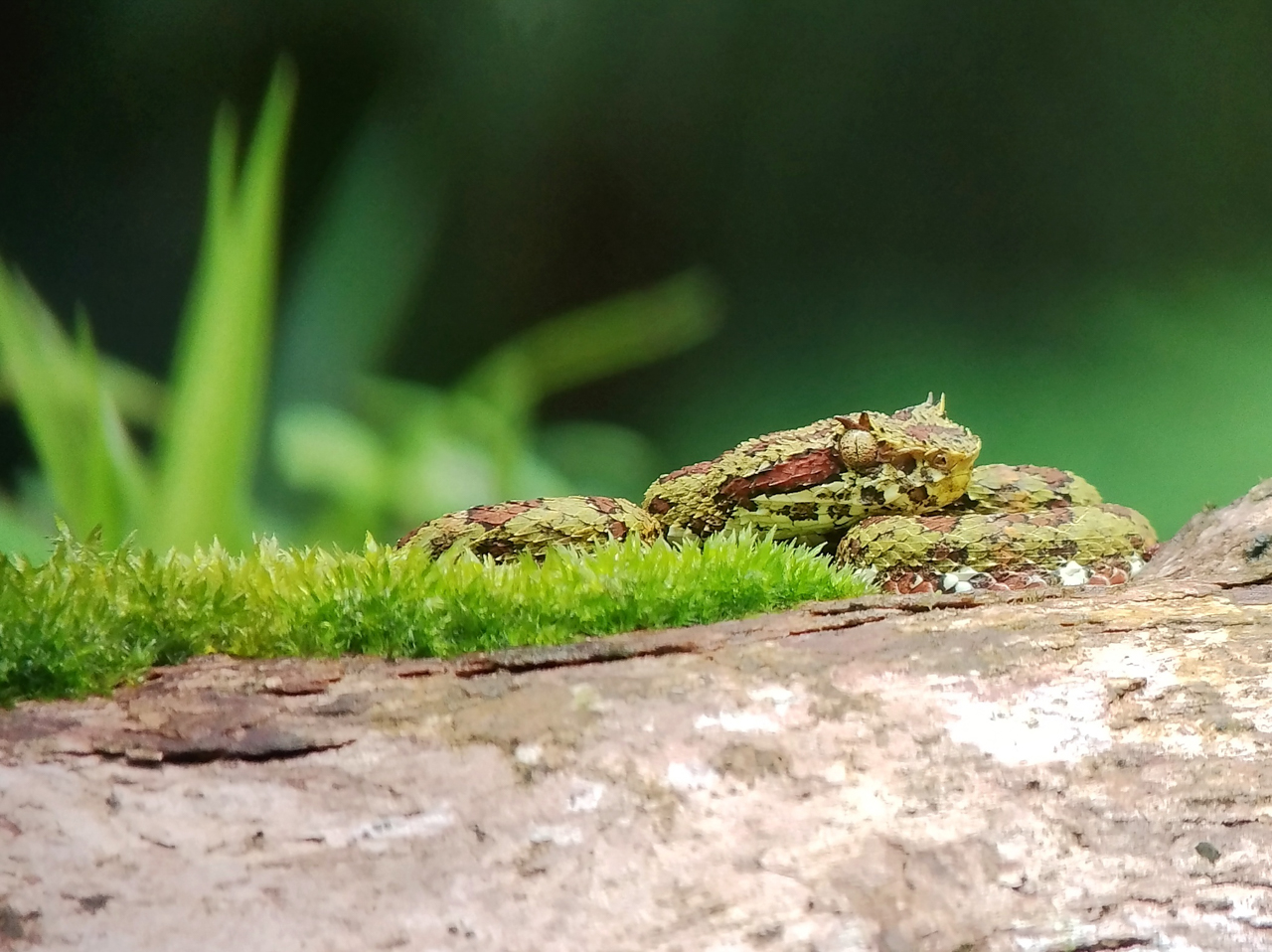
Eyelash Pitviper © E Carman
The fun continued on the drive back to our hotel, where we spotted Torrent Tyrannulet, Black Phoebe and Fasciated Tiger-Heron.
Day 4. Ujarrás Valley, Paraíso and Finca Cristina
After some early birding and breakfast, we packed our bags and headed to the nearby Ujarrás Valley, where we saw Hook-billed Kites, Southern Lapwing, Ruddy Ground-Dove and other open-country species.
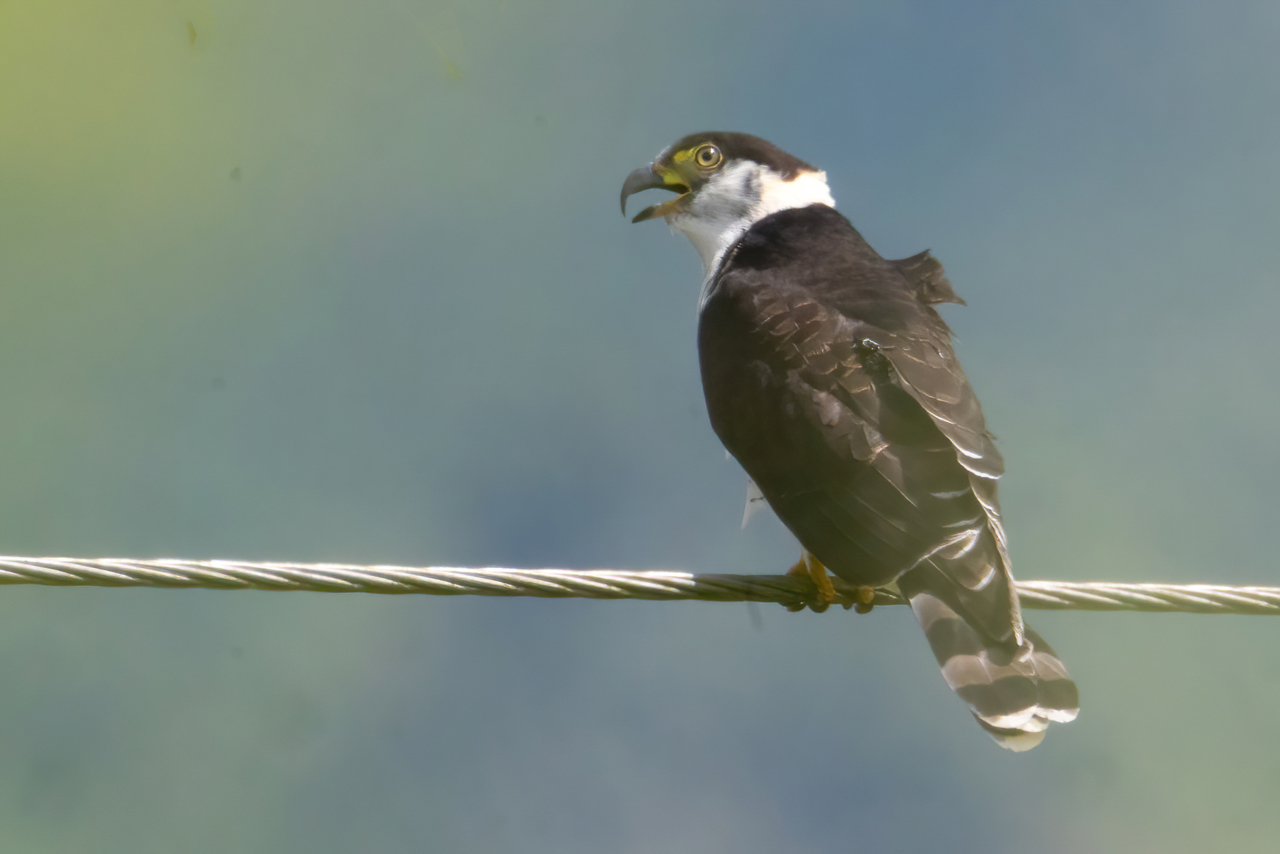
Hook-billed Kite © M Doucet
We also stopped at the town square in Paraíso, where the two resident owls, Barn Owl and Tropical Screech-Owl, were waiting for us, along with fantastic views of an adult Prothonotary Warbler.
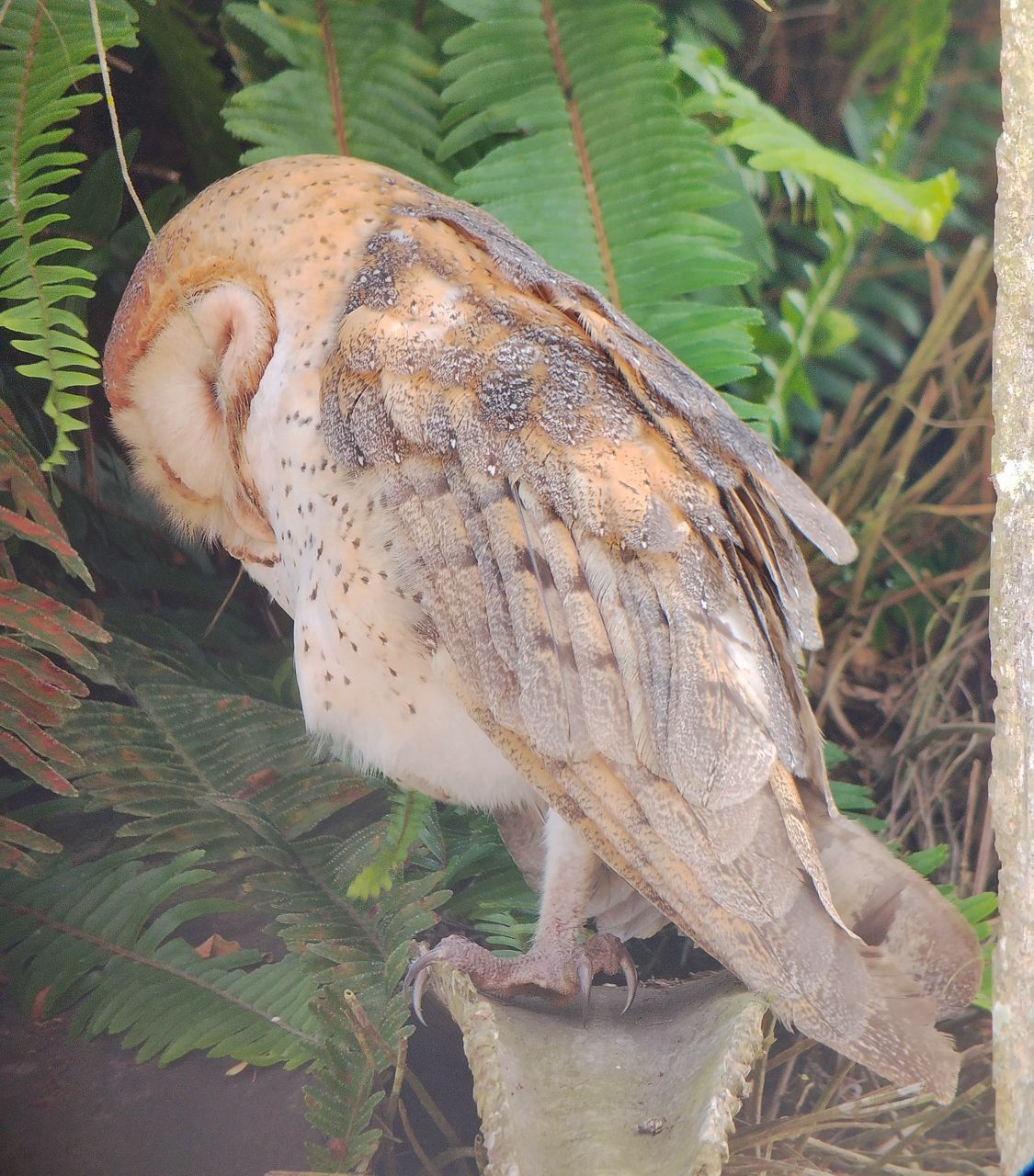
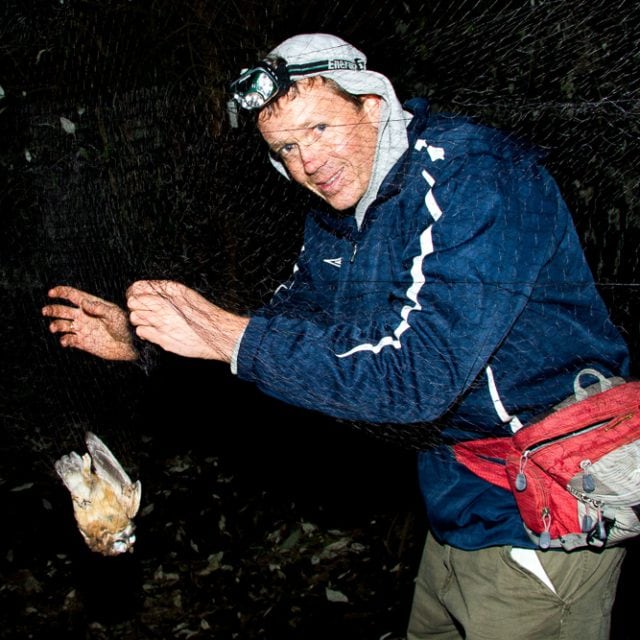
Barn Owl © E Carman
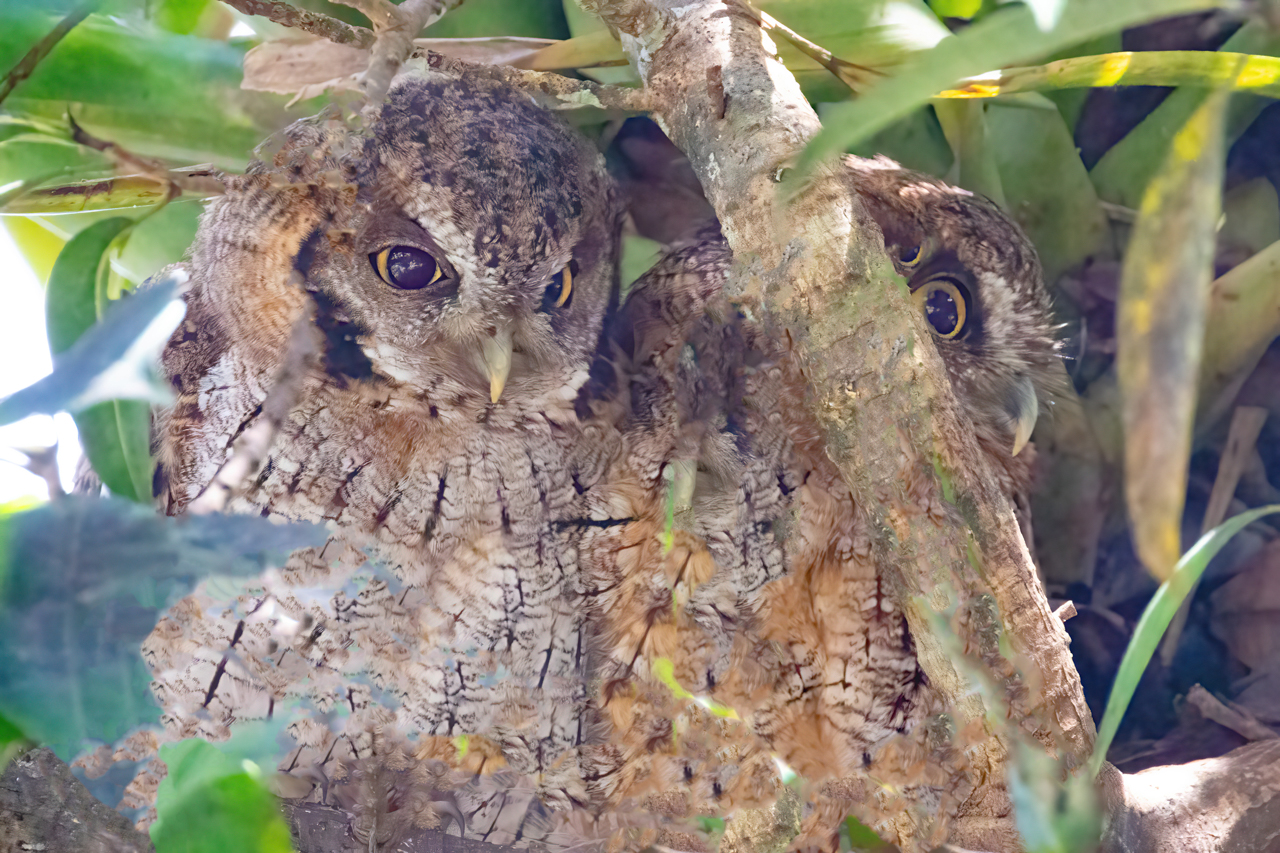
Tropical Screech-Owl © M Doucet
Before heading to the far south Caribbean, we made a special stop at Café Cristina, an organic, shade-grown coffee farm owned by Ernesto’s family. We followed the whole coffee process, from plant to cup!
By late afternoon we arrived at Hotel Cariblue in Cocles, ready for a change of scenery and all the new birds that came with it.
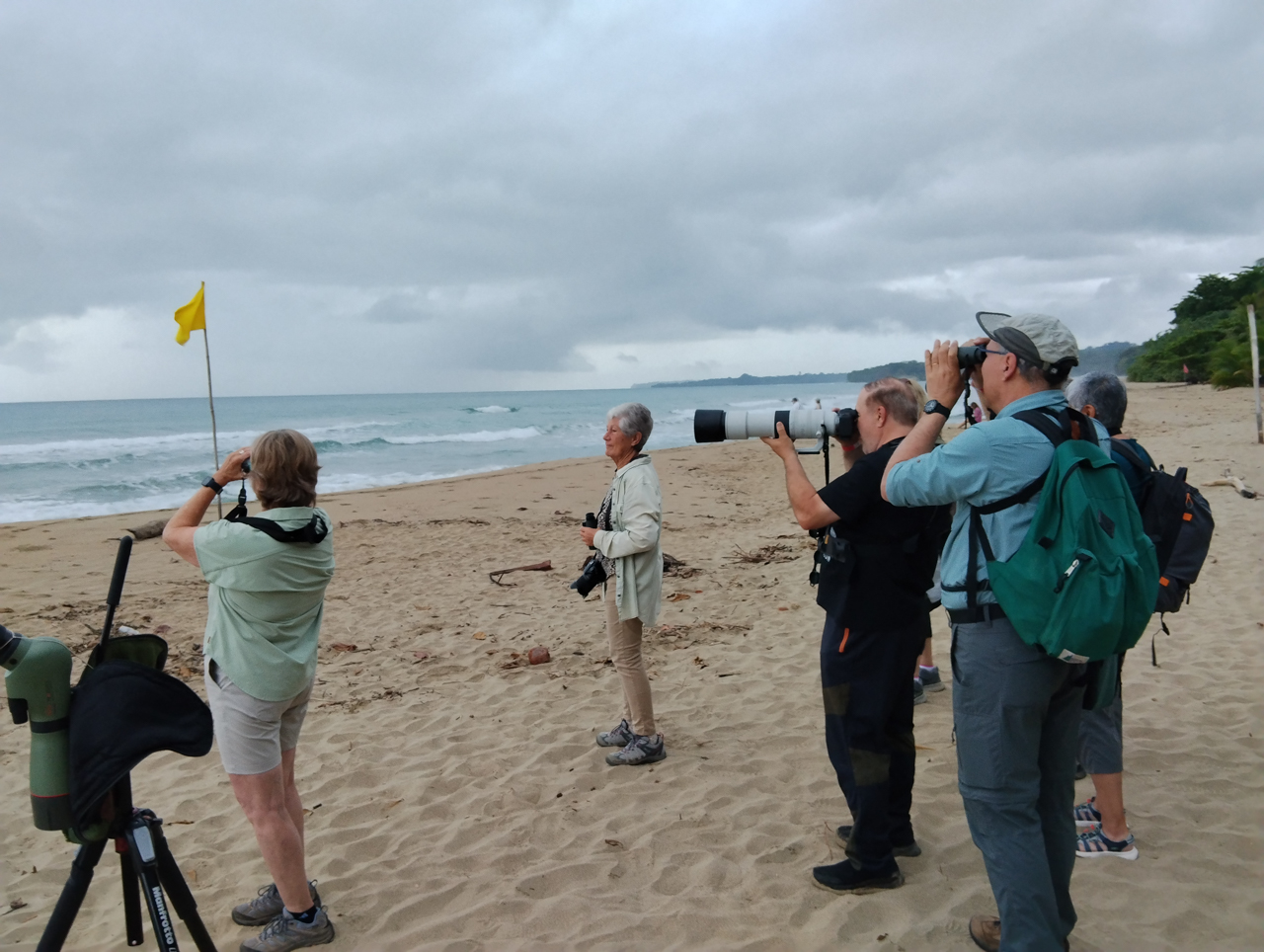
Birding Cocles Beach © E Carman
Days 5 – 7. Cocles and Cahuita National Park
One of the biggest attractions of the south Caribbean is raptor migration. This region sits in a narrow bottleneck between the Talamanca mountains and the Caribbean Sea, which funnels millions of raptors through during migration, and we were here to see it.
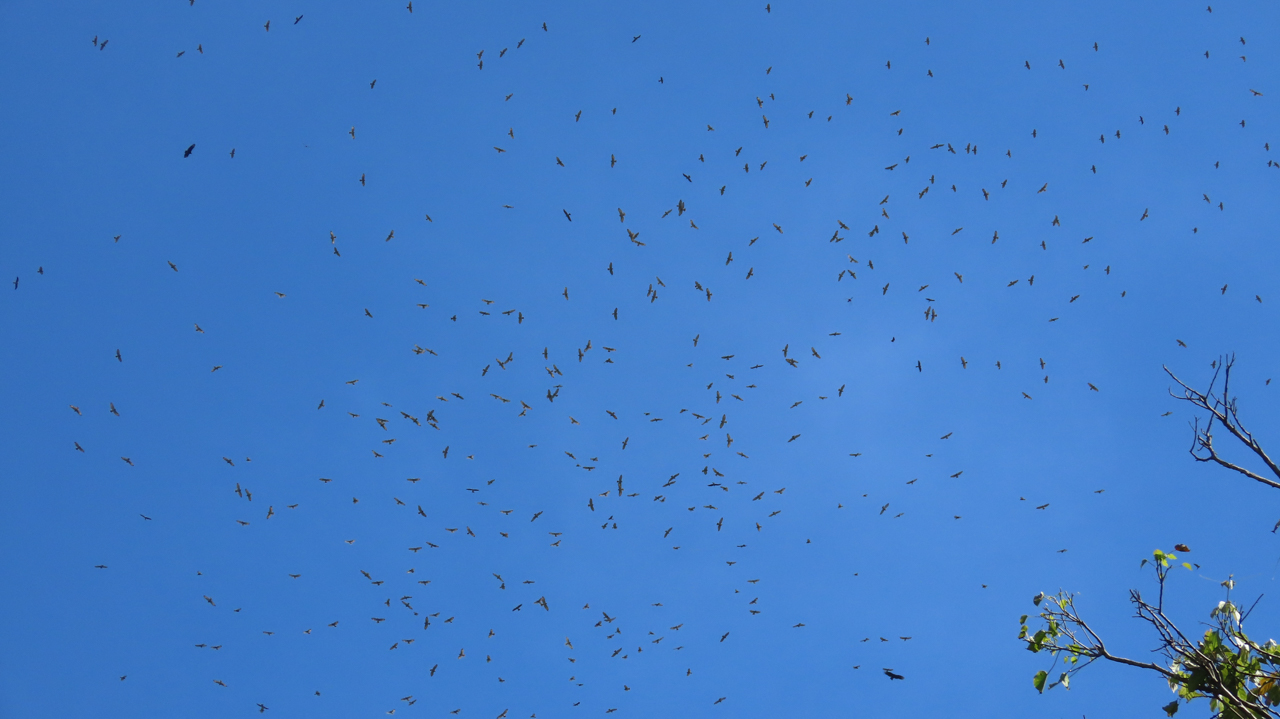
Raptor Migration © E Carman
We went to a spot where our chances were high, and the weather cooperated: hot and sunny. As soon as we stepped out of the vehicle we saw the first kettles of Broad-winged Hawks, with some Mississippi Kites and Turkey Vultures mixed in. The numbers kept growing, and in less than an hour we estimated that about 20,000 raptors had passed over our heads!!!
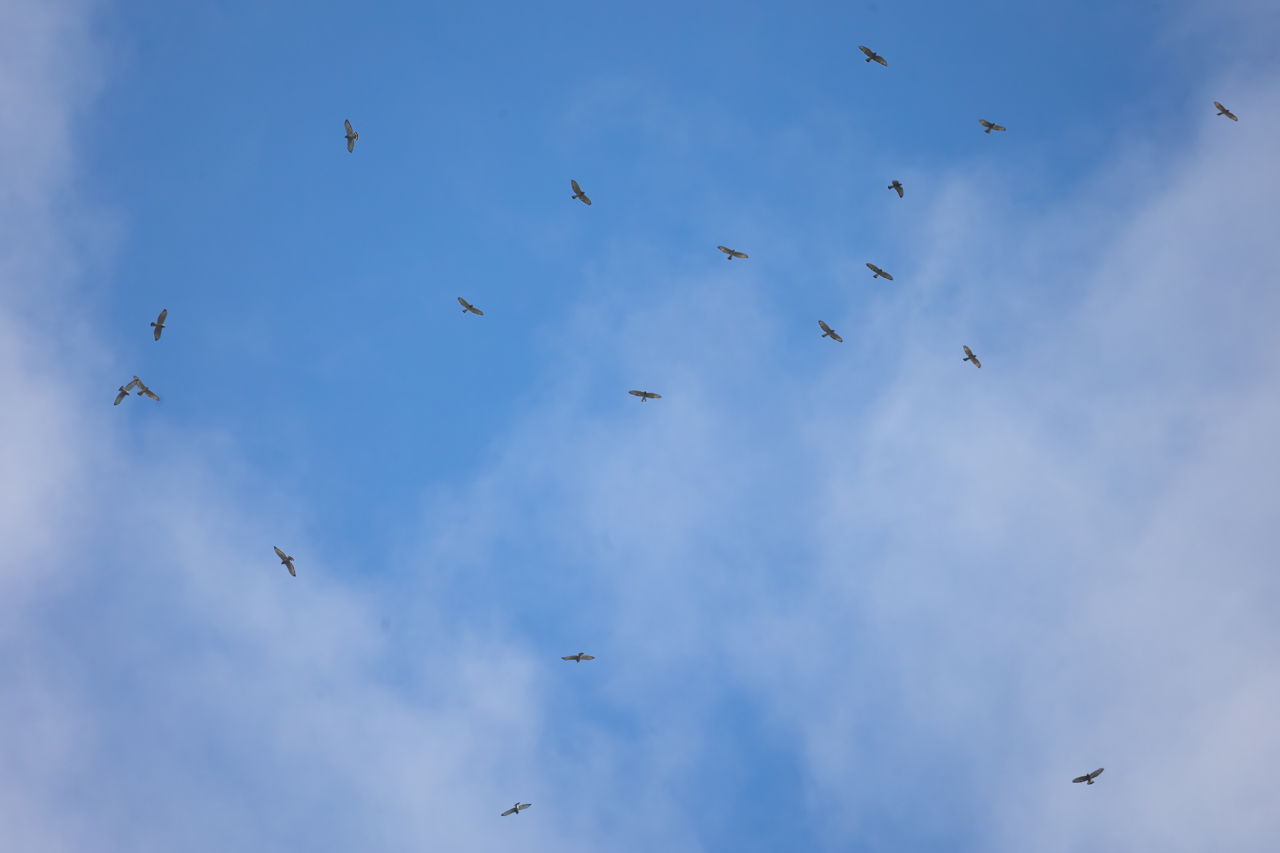
Broad-winged Hawk migration © M Doucet
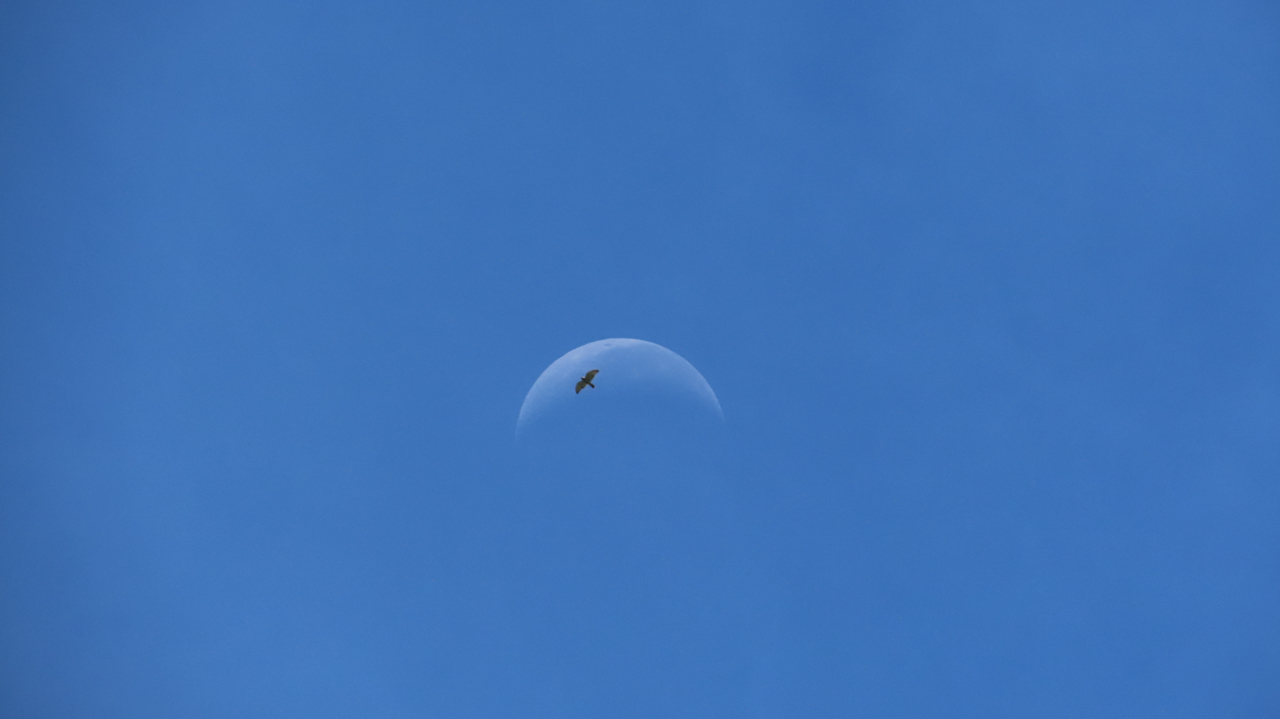
Broad-winged Hawk against moon © E Carman
Among the migrants we also spotted resident species soaring, including the majestic King Vulture, Double-toothed Kite and Short-tailed Hawk.
The side roads and Cahuita National Park were productive too, despite the extreme heat. Highlights included Fasciated and Black-crowned Antshrikes, White-flanked and Dot-winged Antwrens, Cocoa, Streak-headed, Wedge-billed and Black-striped Woodcreepers, Chestnut-backed Antbird, Snowy Cotinga, Purple-throated Fruitcrow and a skittish American Pygmy-Kingfisher.
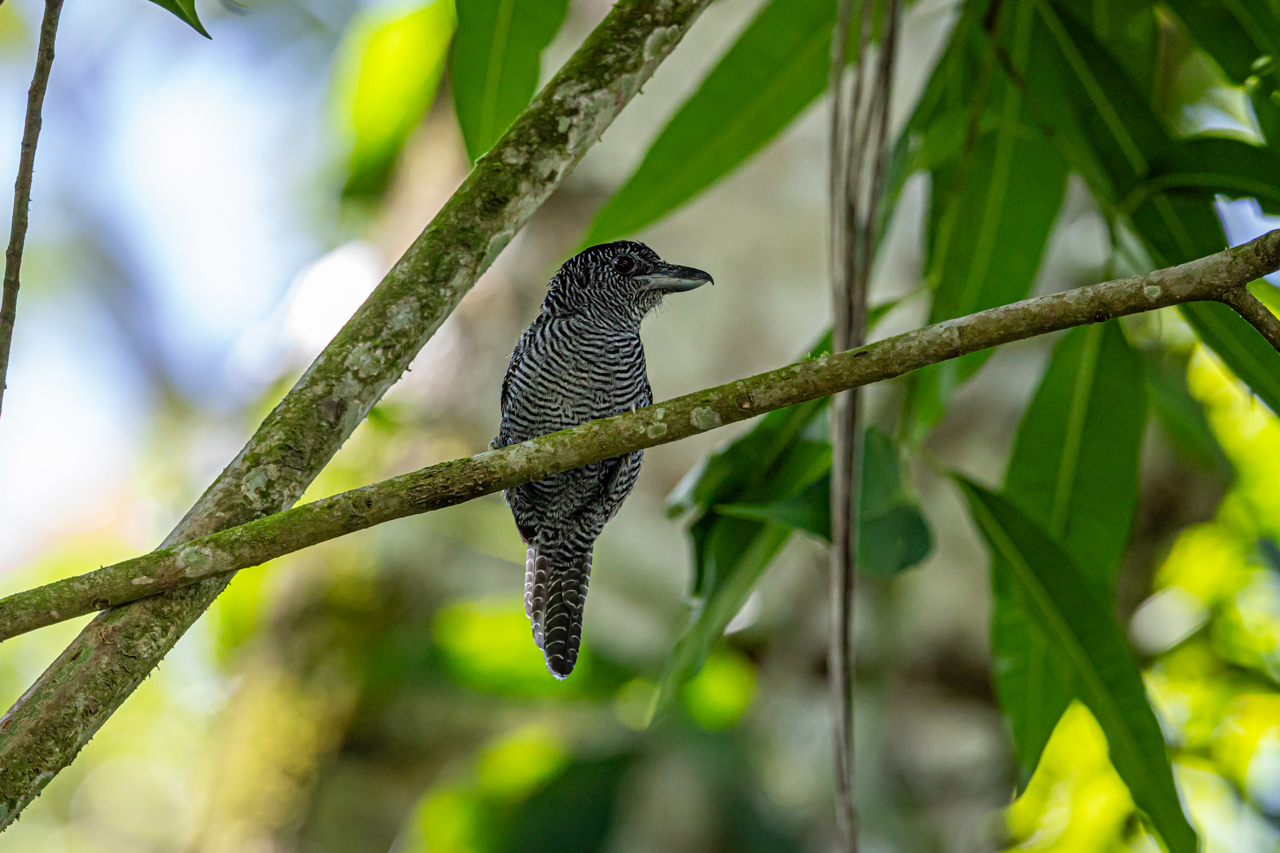
Fasciated Antshrike © M Doucet
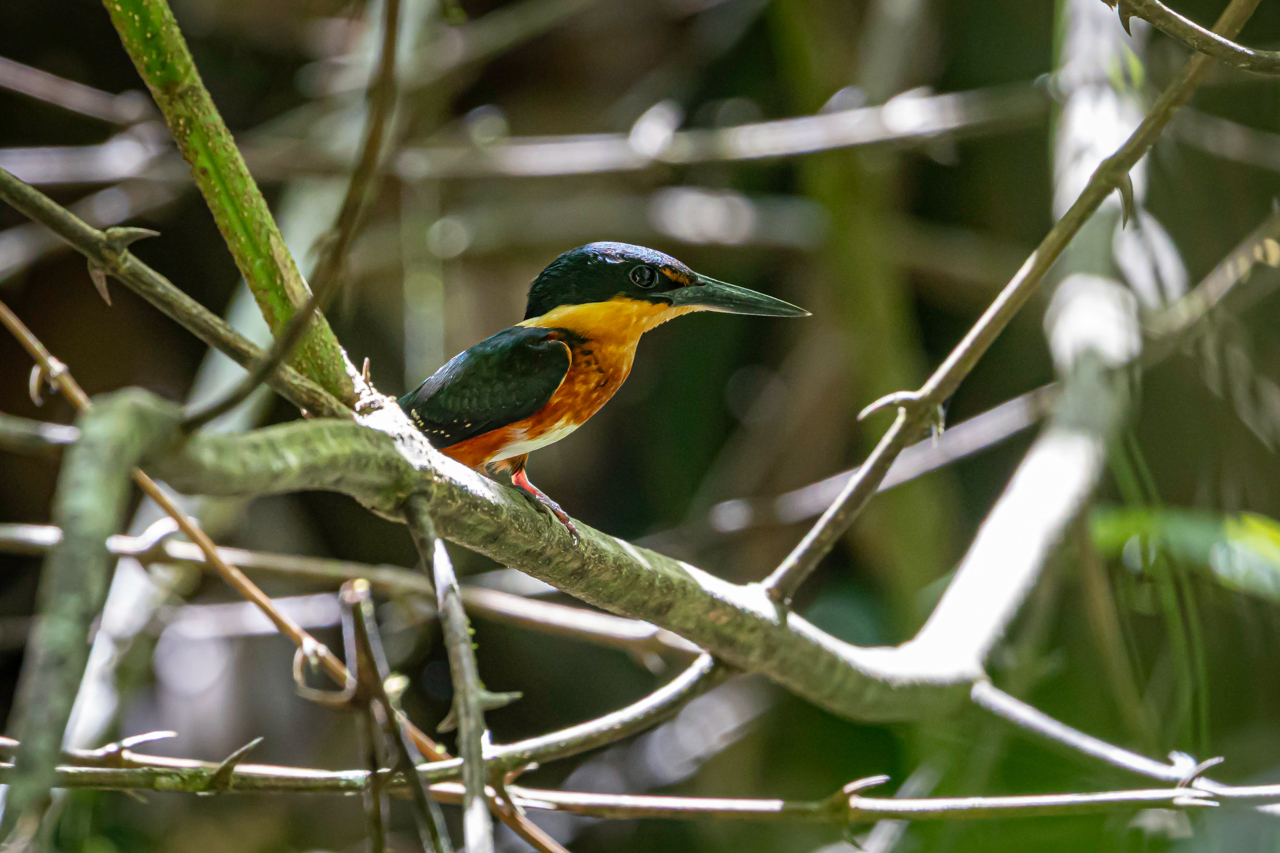
American Pygmy Kingfisher © N Lazare
Along the shore we found Semipalmated, Black-bellied and Collared Plovers, Sanderling, Western, Least and Spotted Sandpipers, Greater Yellowlegs, Whimbrel, Willet and a flock of Royal Terns.
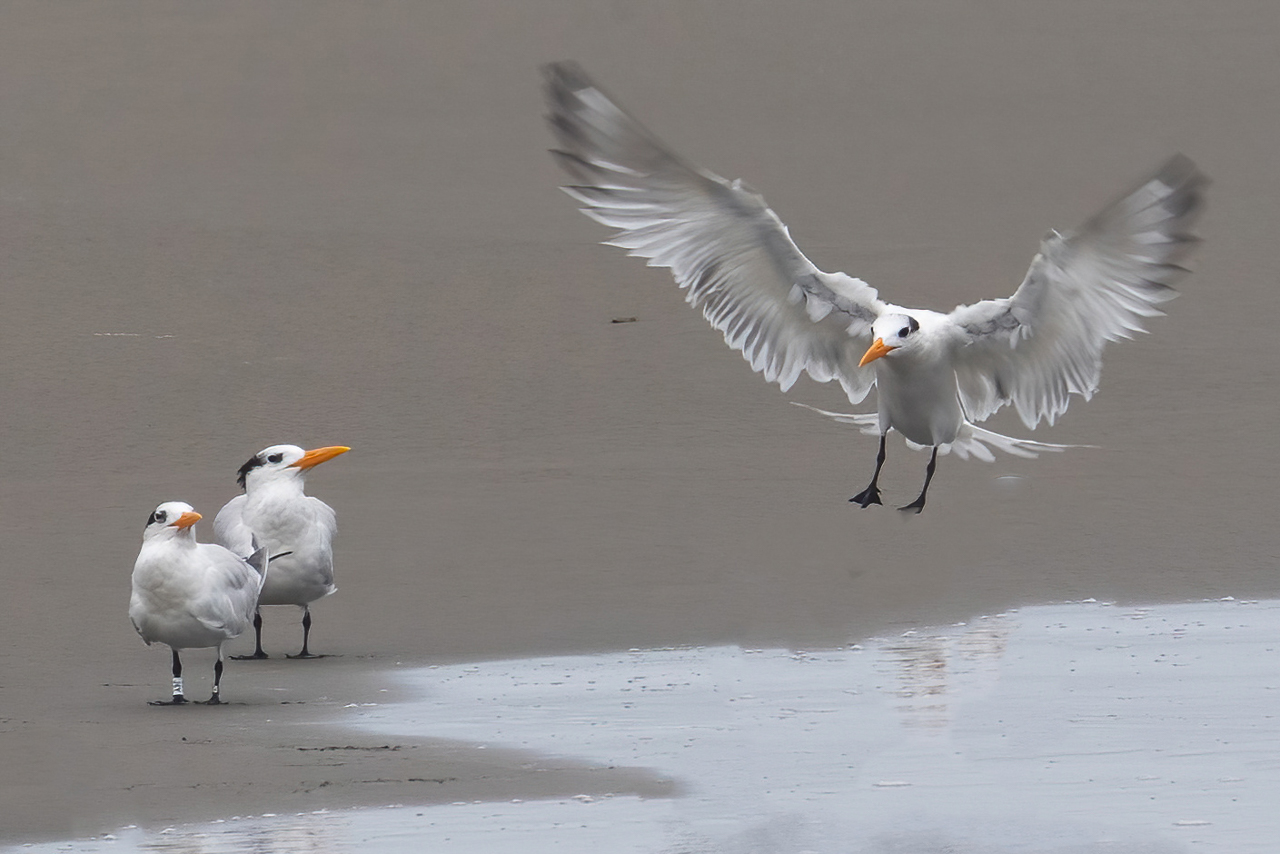
Royal Tern (banded) © M Doucet
When we looked closely at the terns, we noticed that three were banded and two had legible band numbers. We reported them to the North American Bird Banding Lab and learned that both had been banded as chicks in Virginia, in 2023 and 2024!
Every day, wherever we looked, the sky was dotted with migrating swallows: Cliff, Barn and Bank Swallows and Purple Martins.
Cahuita National Park also gave us a taste of lowland swamp forest, with a fantastic boardwalk winding through the understory beneath massive trees whose impressive buttress roots help hold them up.
Days 8 – 9. Lowland Tropical Rainforest, La Quinta and La Selva Biological Station.
From the south Caribbean we headed northwest to Sarapiquí, in the north Caribbean lowlands and the heart of Costa Rica’s tropical rainforest. We kept dodging the rain, though the days were windless and very hot. Even so, we saw an incredible number of birds in many habitats, from old-growth forest with trees towering over 40 m to open grassy meadows and wetlands.
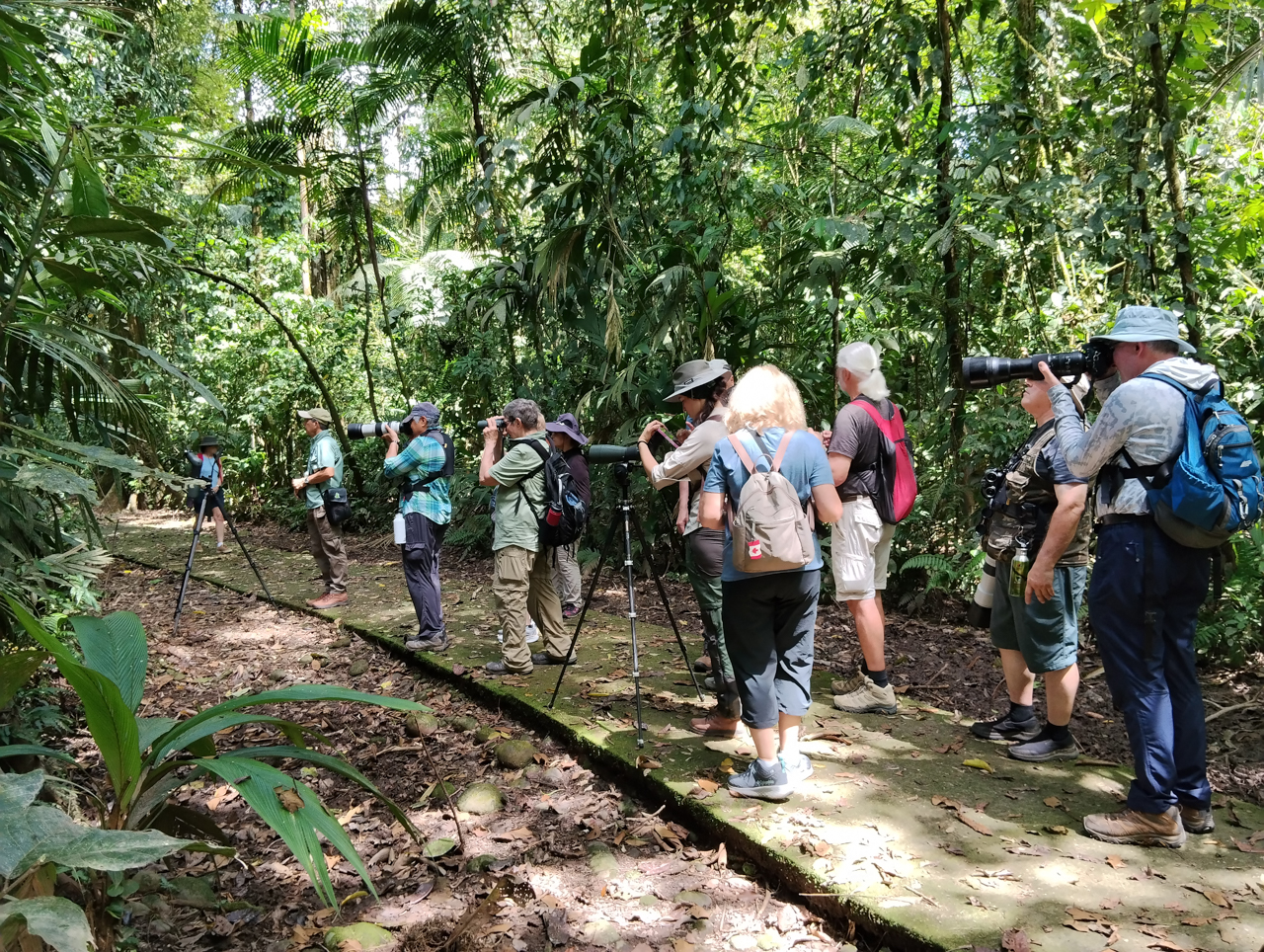
Birding La Selva © E Carman
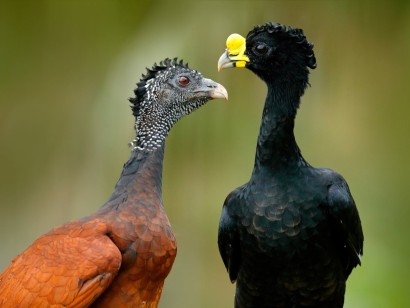
Among the highlights were many parrots and their relatives: Great Green Macaw, Olive-throated and Orange-chinned Parakeets, Brown-hooded Parrot, and Red-lored and Mealy Amazons. Toucans were abundant, and we had phenomenal views of Snowy Cotinga, Band-tailed Barbthroat, Spotted Antbird, Green, Amazon and American Pygmy-Kingfishers, Red-throated Ant-Tanager, Orange-billed Sparrow, White-whiskered Puffbird, Great Curassow, Crested Guan and Graceful Black-throated Trogon.
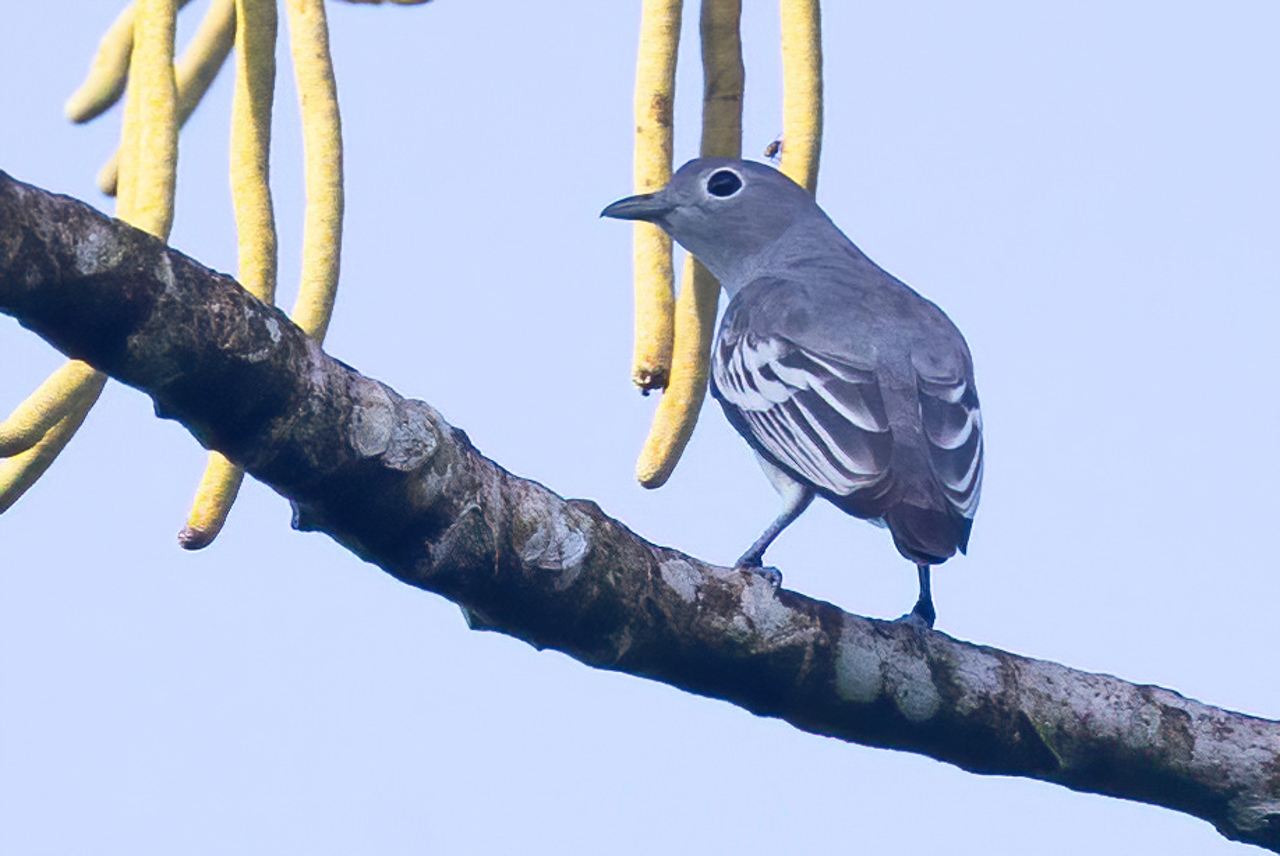
Snowy Cotinga © M Doucet
We also had great sightings beyond the birds: the yellow Eyelash Pitviper, Green Iguanas, Hoffmann’s Two-toed Sloth, Brown-throated Three-toed Sloth, Strawberry Poison Dart Frogs and an Olingo sleeping in a tree cavity.
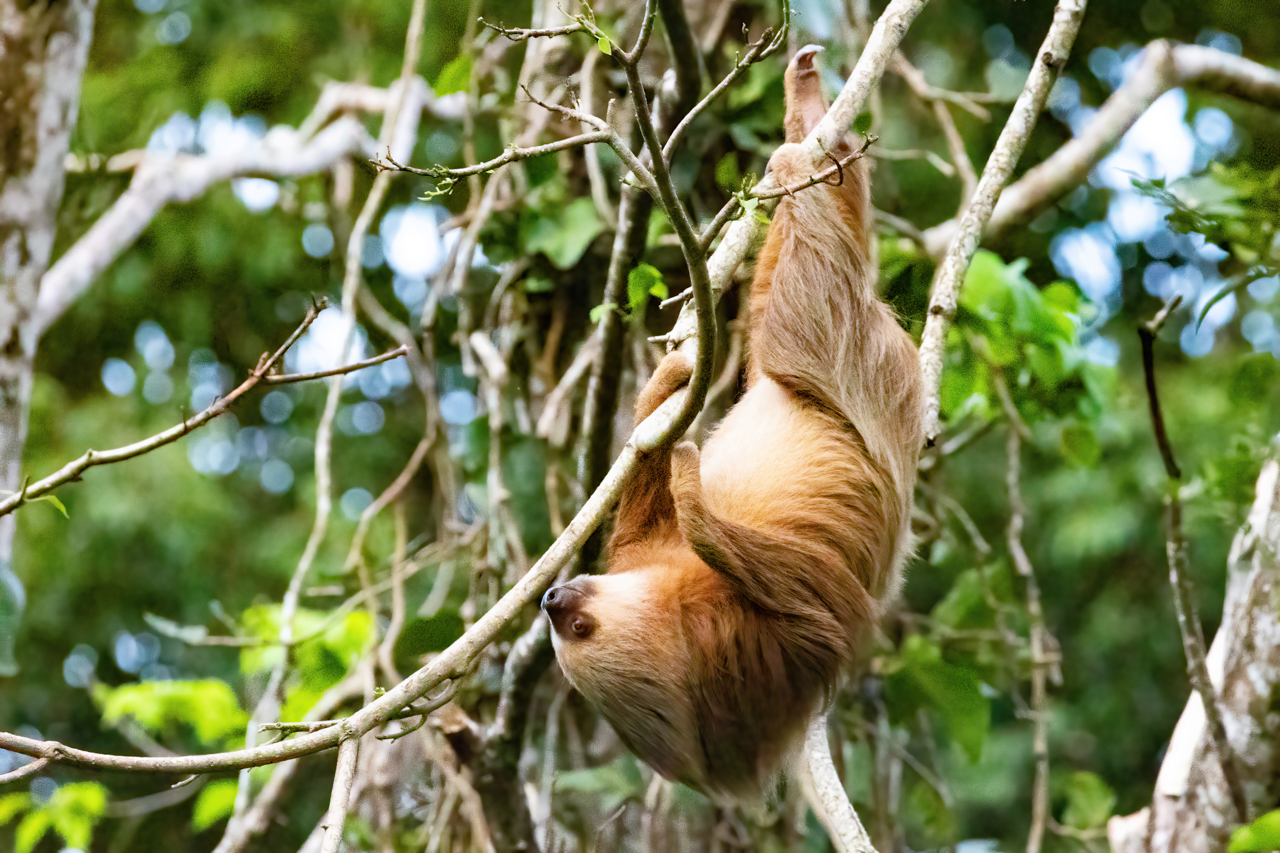
Hoffmann’s Two-toed Sloth © M Doucet
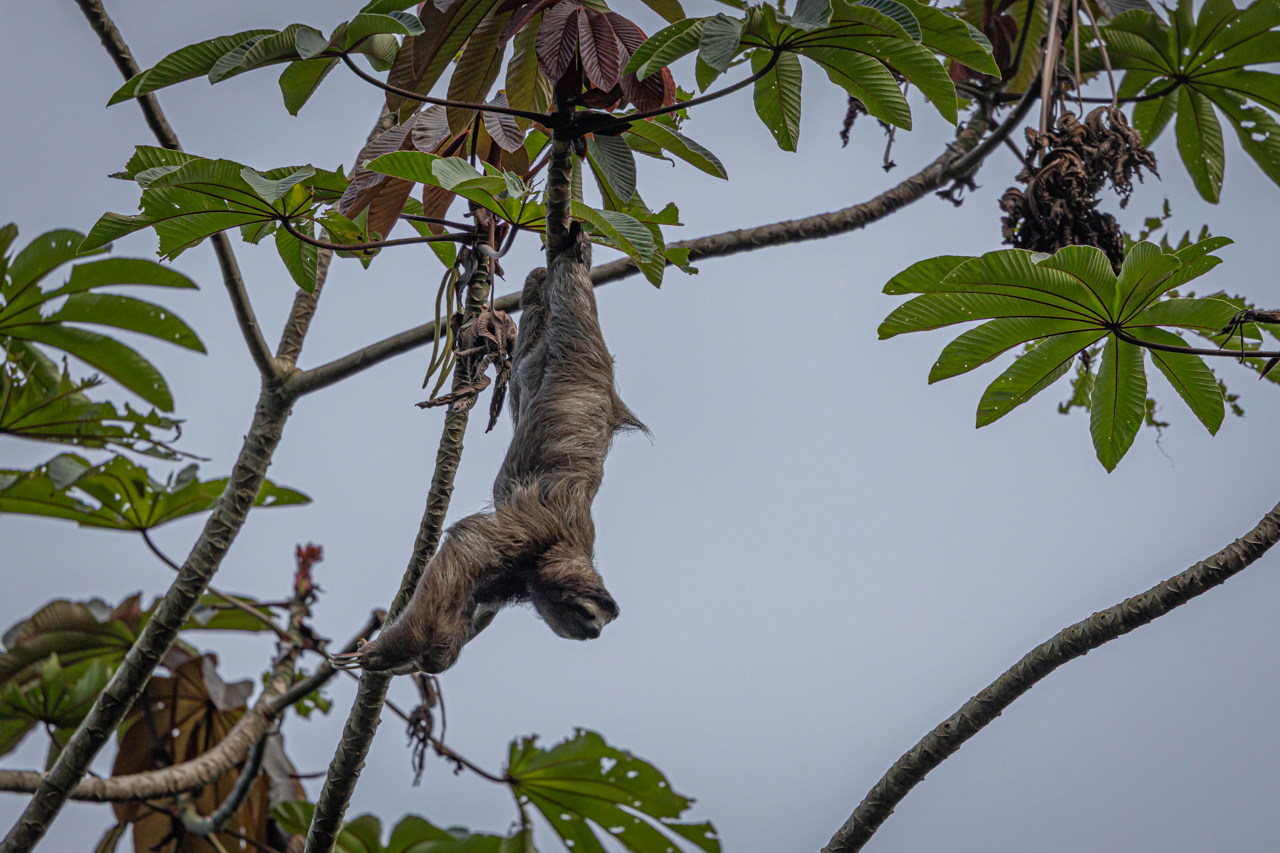
Three-toed Sloth © M Doucet
In the more open, human-influenced habitats we saw Slaty Spinetail, Yellow Tyrannulet, Rufous-tailed Jacamar, White-ringed Flycatcher, Black-faced Grosbeak, Black-cowled Oriole, Green Ibis and the regional endemic Nicaraguan Seed-Finch.
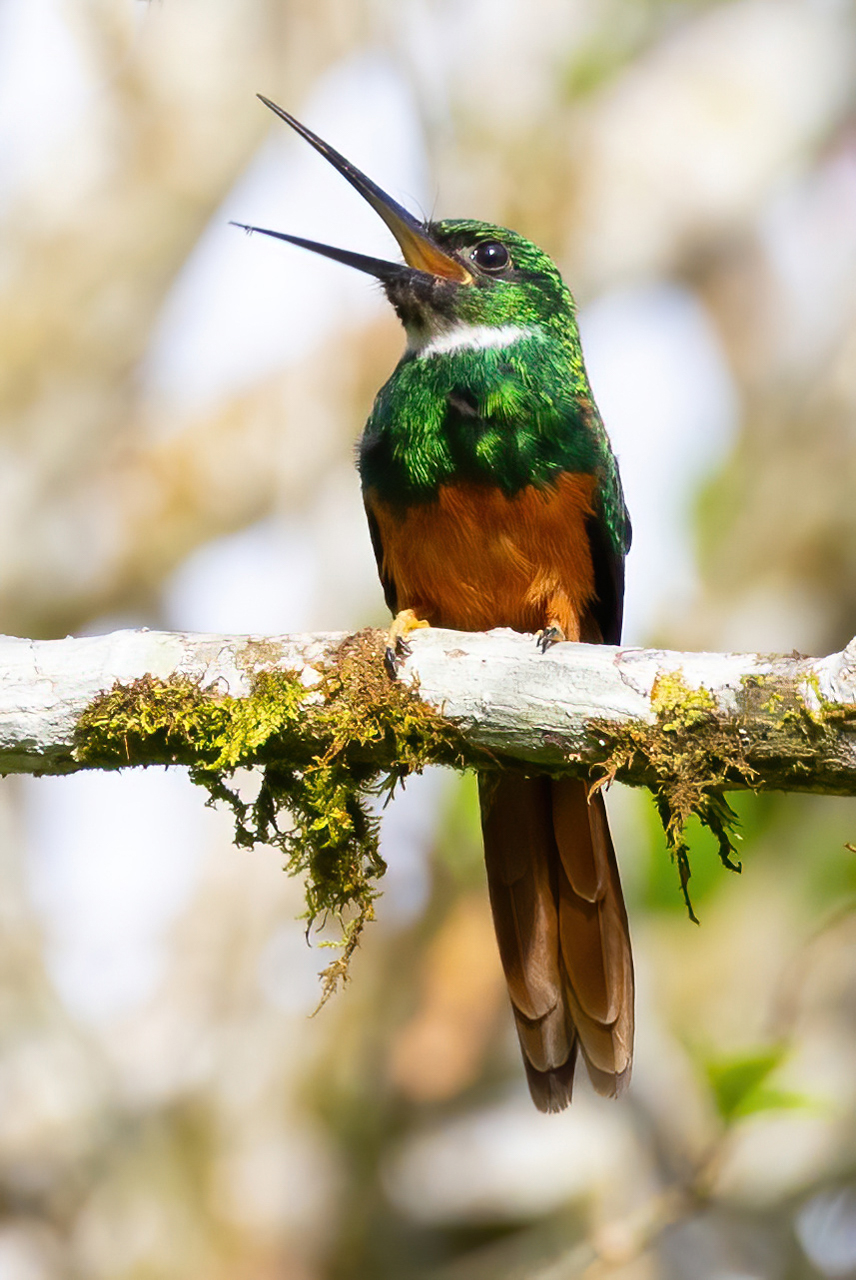
Rufous-tailed Jacamar © M Doucet
Before heading to our next destination, we visited the middle elevations on the north slope of Poás Volcano, where the roadside birding was incredibly productive because the Miconia brevitheca trees were fruiting! We saw Red-headed Barbet, Sooty-faced Finch, Tawny-capped and White-vented Euphonias, Bay-headed, Spangle-cheeked, Silver-throated, Speckled and Crimson-collared Tanagers, as well as American Kestrel and a pair of White Hawks!
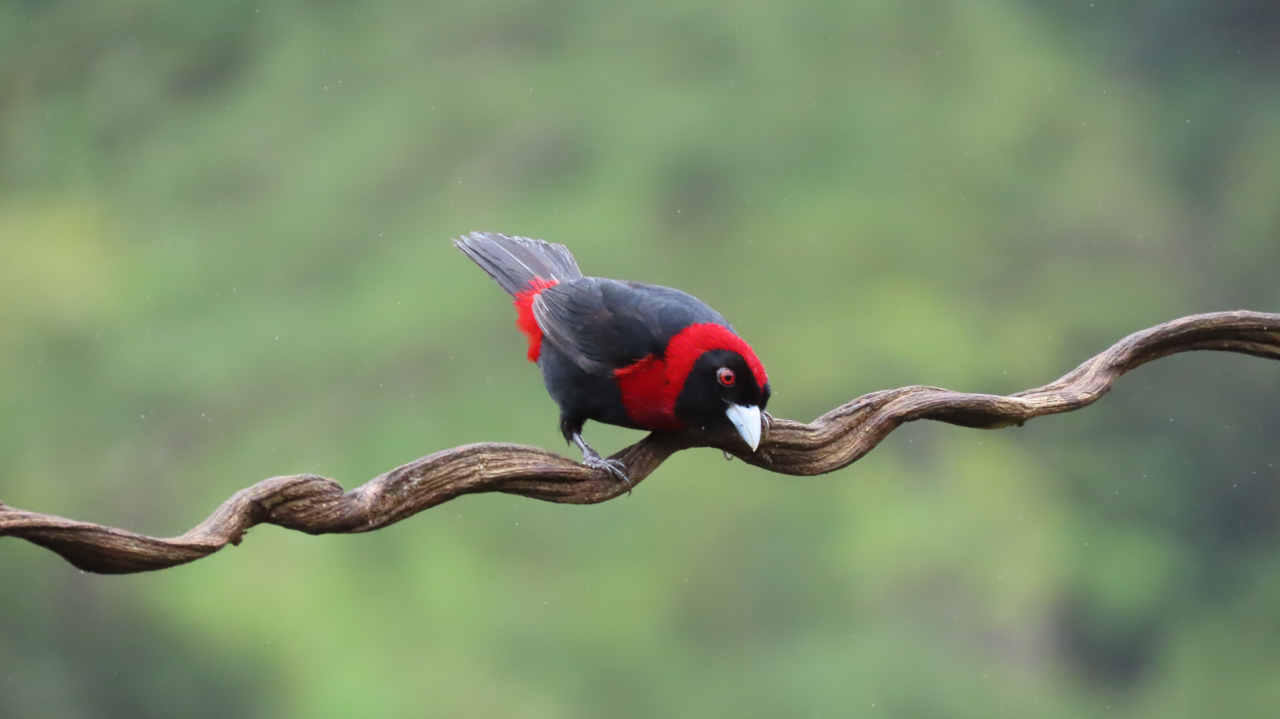
Crimson-collared Tanager © E Carman
We wrapped up our time here at the Cinchona feeders, where we saw Northern Emerald Toucanet and Prong-billed Barbet with the San Fernando Waterfall in the background.
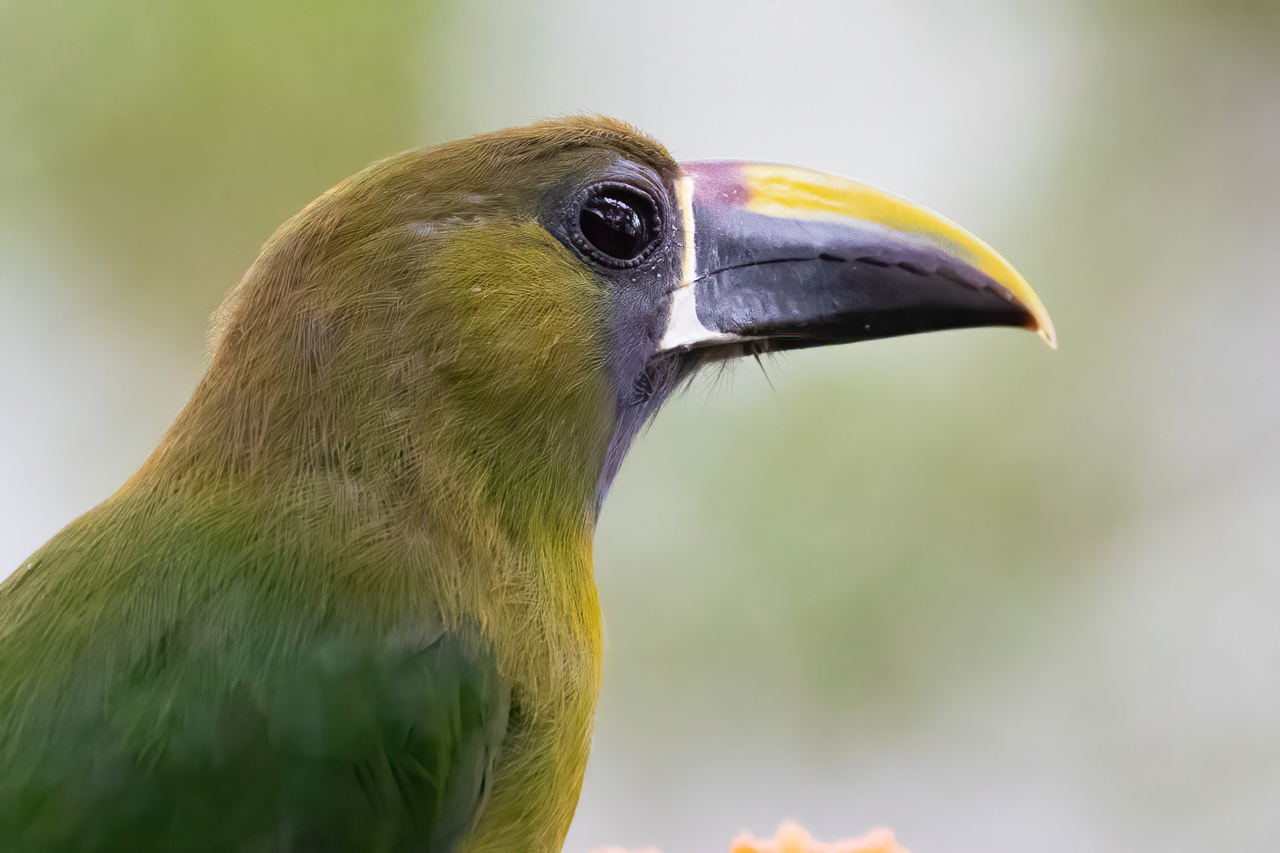
Northern Emerald-Toucanet © M Doucet
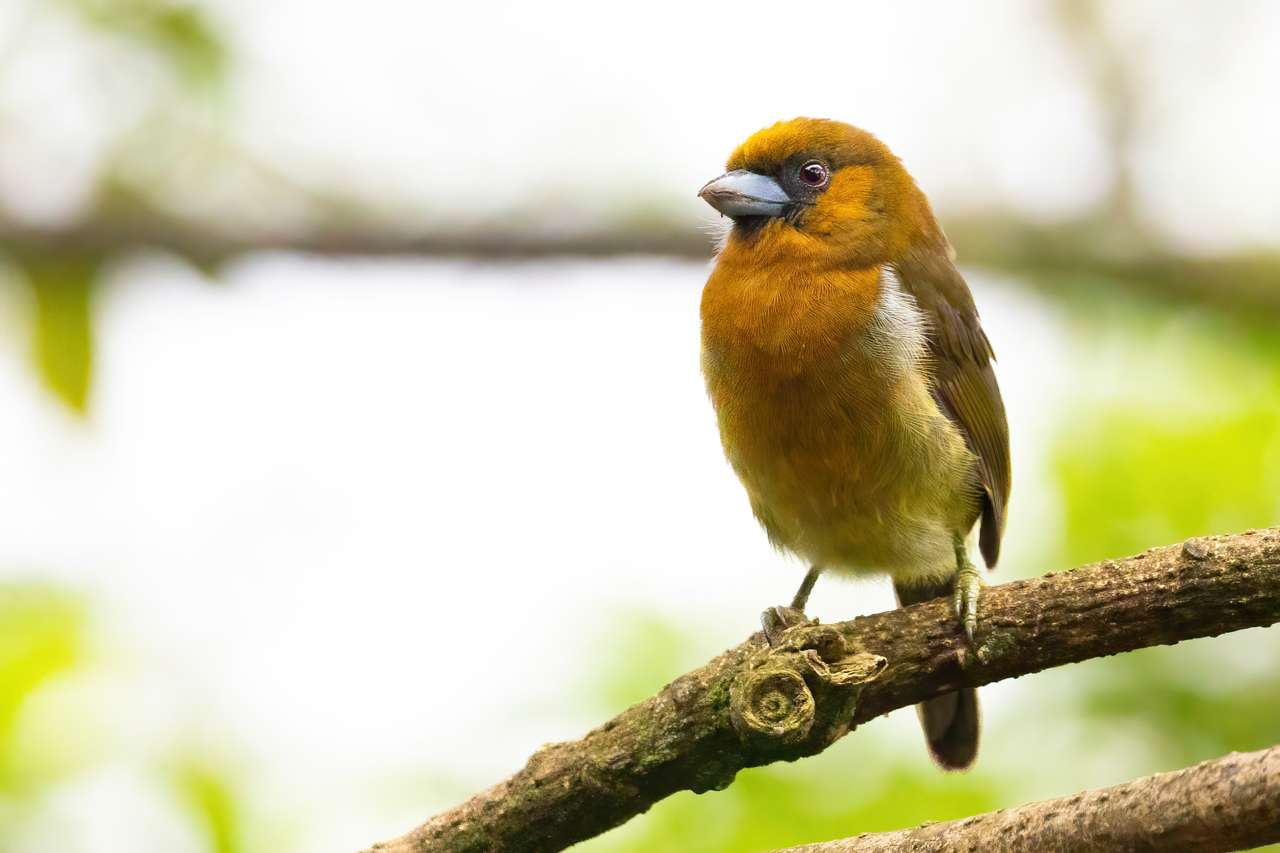
Prong-billed Barbet © M Doucet
Days 10 – 11. Arenal Observatory Lodge
When we arrived at Arenal Observatory Lodge, the Arenal Volcano was in full view! That was a real treat, since visitors often never see it through the clouds. We had great weather overall, with sunny mornings and a bit of refreshing rain in the afternoons, and we saw an astounding number of birds on the lodge’s extensive grounds and nearby areas. They ranged from large Crested Guans and Great Curassows to the small, sneaky residents of the forest understory, such as Scale-crested Pygmy-Tyrant, Golden-crowned Warbler, Slaty Antwren, Streak-crowned Antvireo, Stripe-breasted Wren, Long-billed Gnatwren, Slaty-capped Flycatcher and the rare Yellow-eared Toucanet.
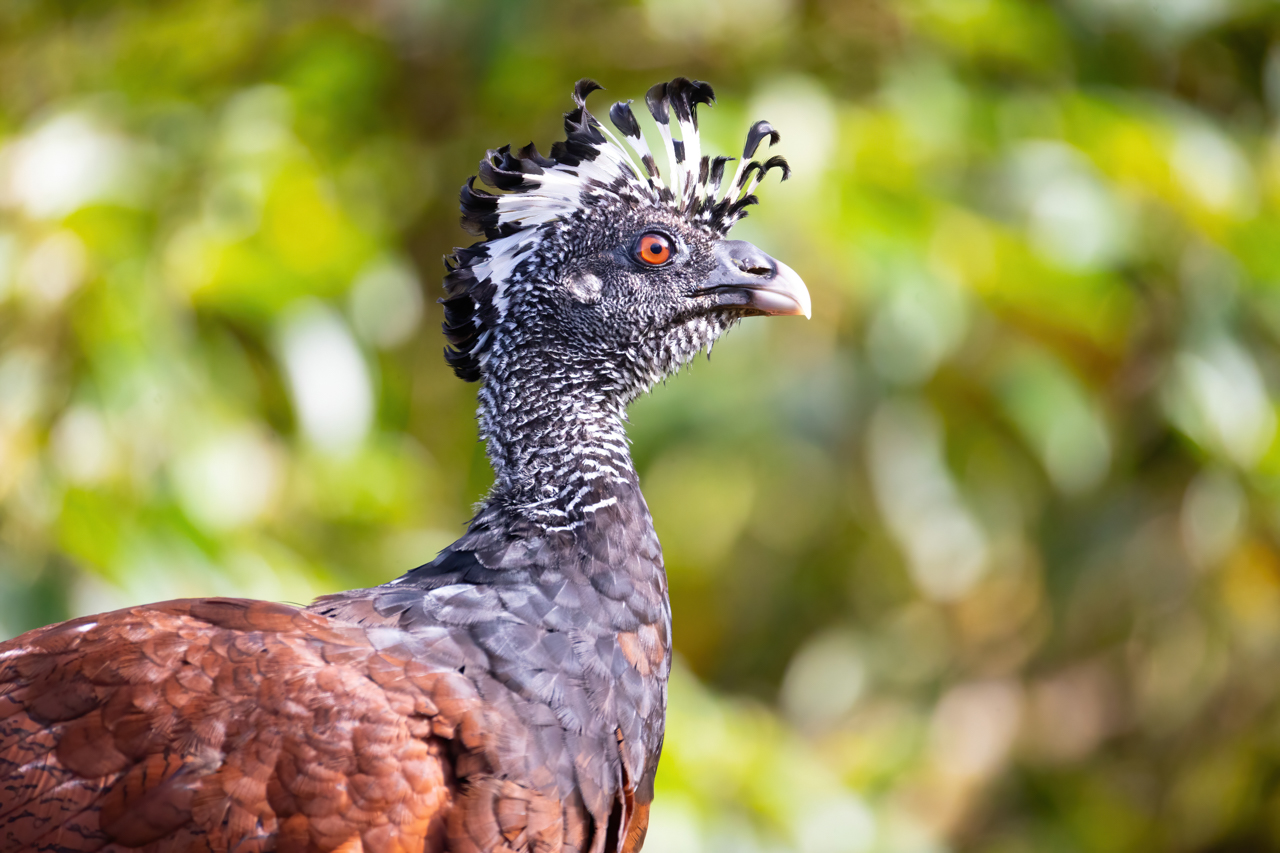
Great Curassow © M Doucet
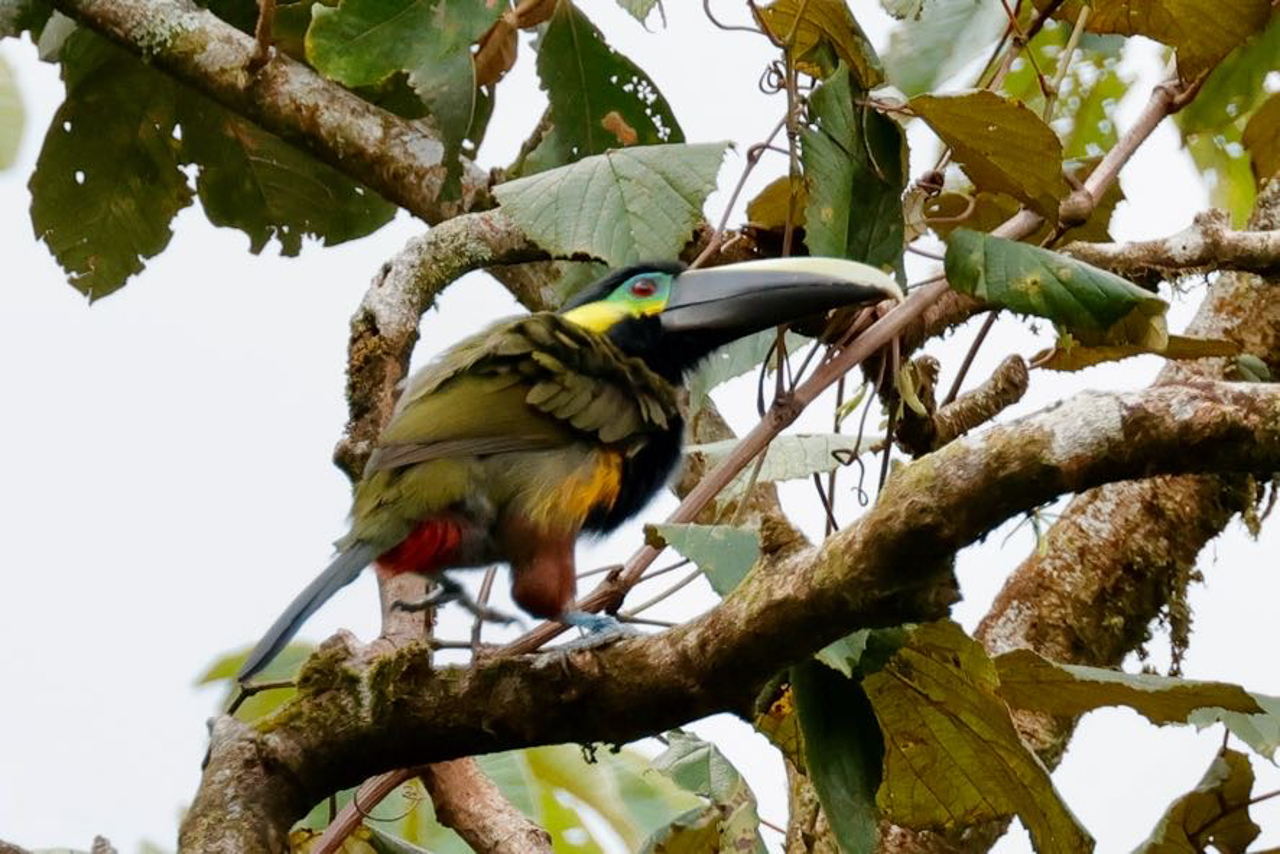
Yellow-eared Toucanet © Nillima Sonpal
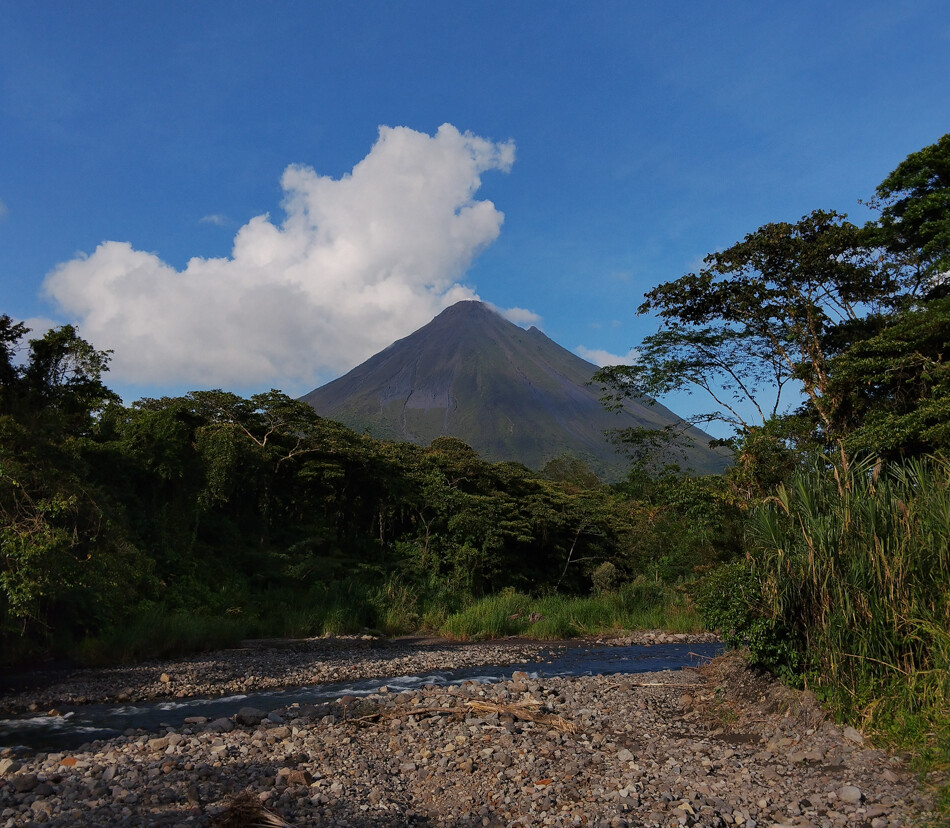
Arenal Volcano © E Carman
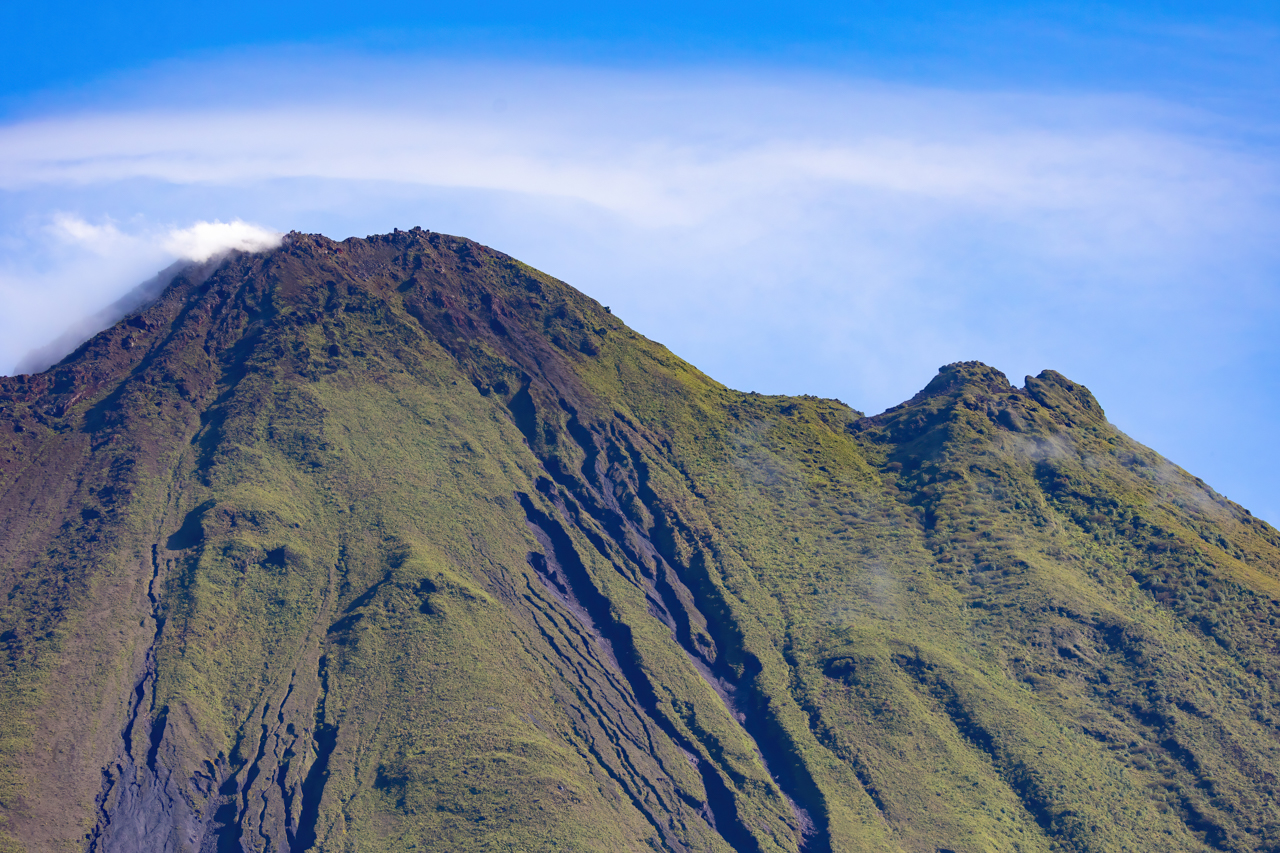
Arenal Volcano © M Doucet
Hummingbirds were very active in the vervain hedges and flowering trees, where we saw Black-crested Coquette, Green Thorntail, Bronze-tailed Plumeleteer, Violet-headed Hummingbird and Blue-throated Goldentail, and the list of tanagers, woodpeckers and warblers kept growing.
The resident Black-and-white Owl gave us great views as it hunted insects attracted to the parking-lot lights, Common Pauraques served as our morning alarm clock, and we even had extended scope views of a Crested Owl!
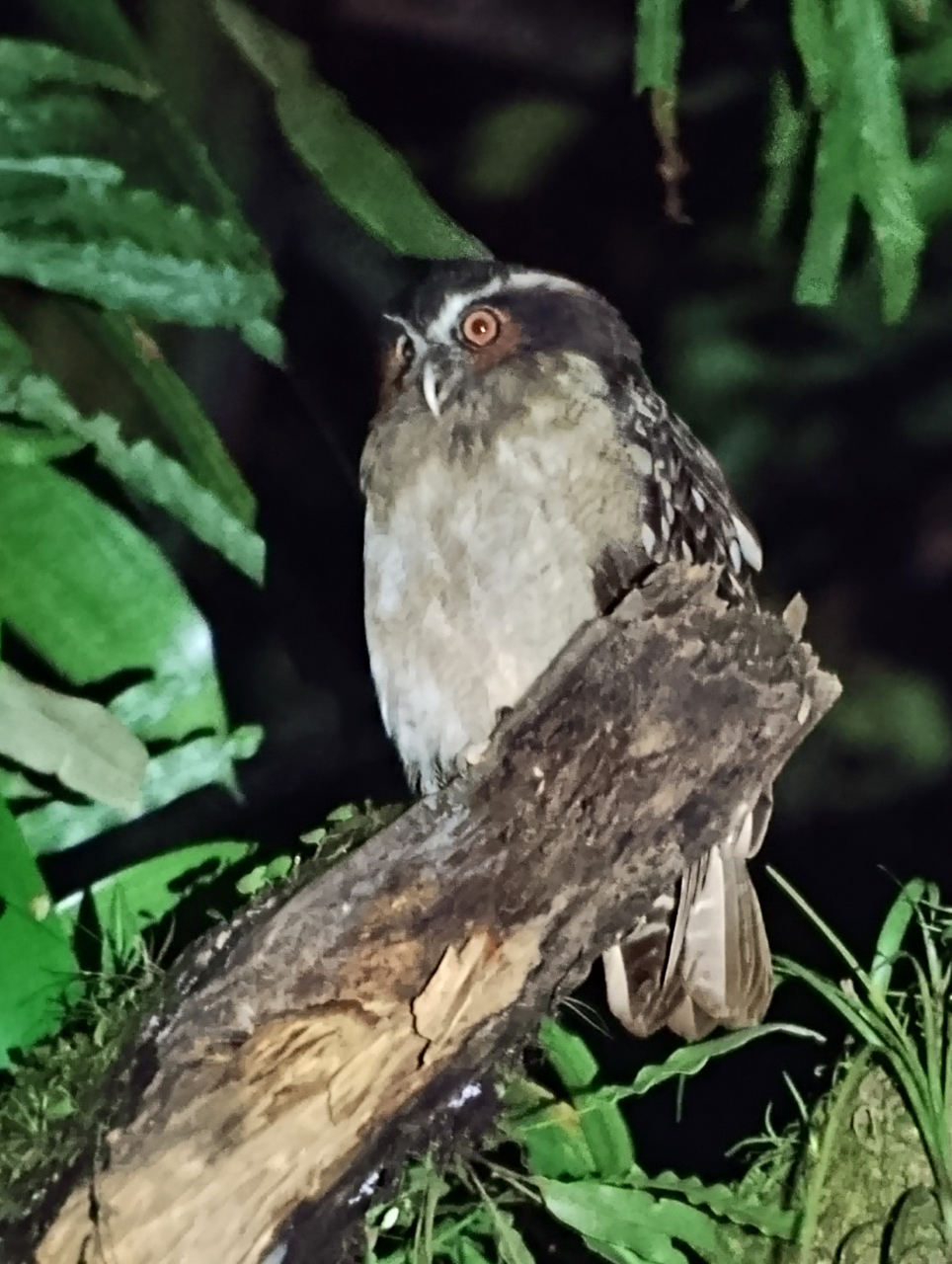
Crested Owl © E Carman
After a rainy afternoon we went out for a night walk, and the rain had brought the forest to life. We saw Brilliant Forest Frog, Common Dink Frog, Golden-groined Robber Frog, Harlequin Frog and the iconic Red-eyed Leaf-Frog, plus another Eyelash Pitviper and a gorgeous orange-and-black Halloween Snake!
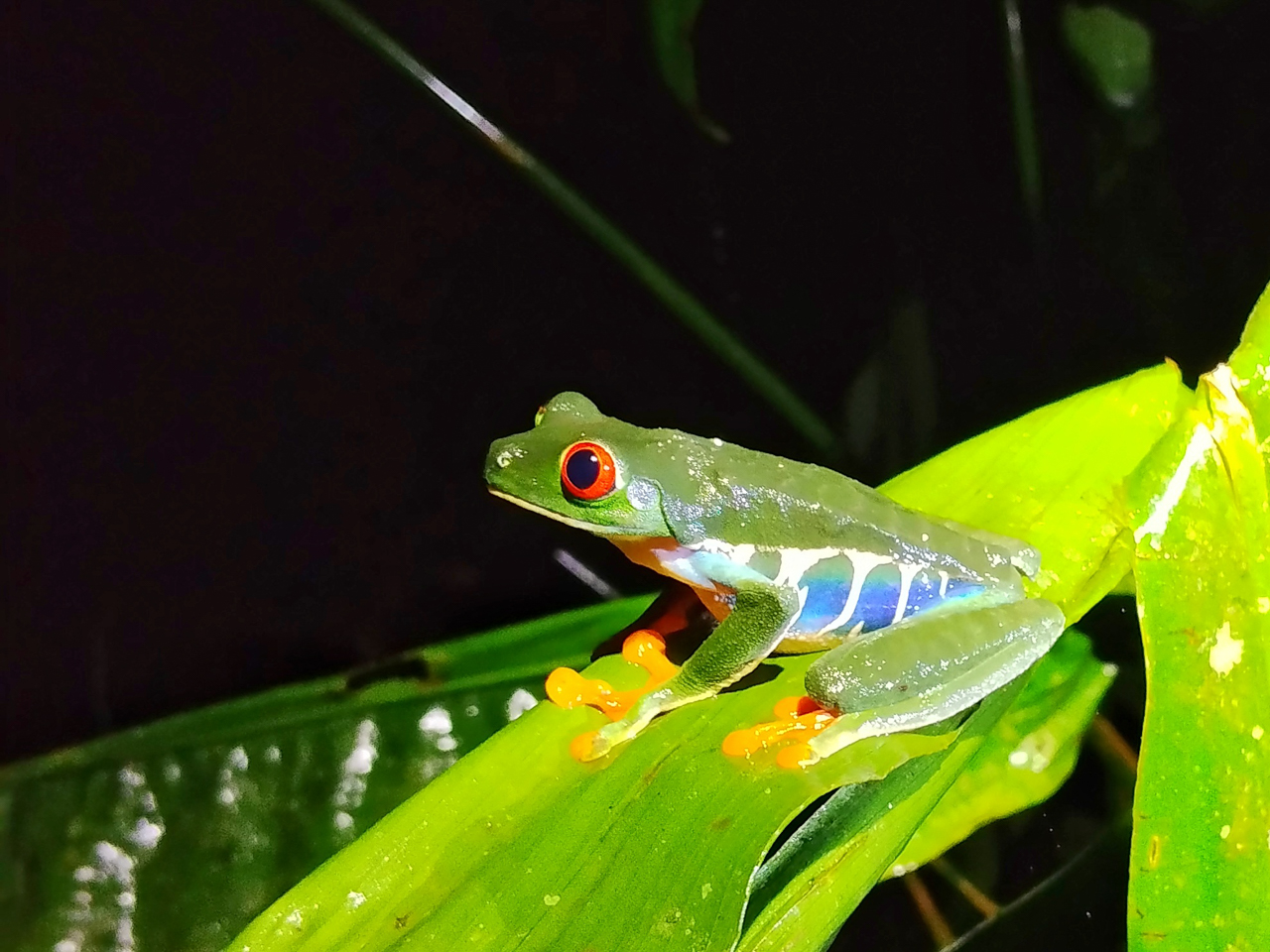
Red-eyed Leaf-Frog © E Carman
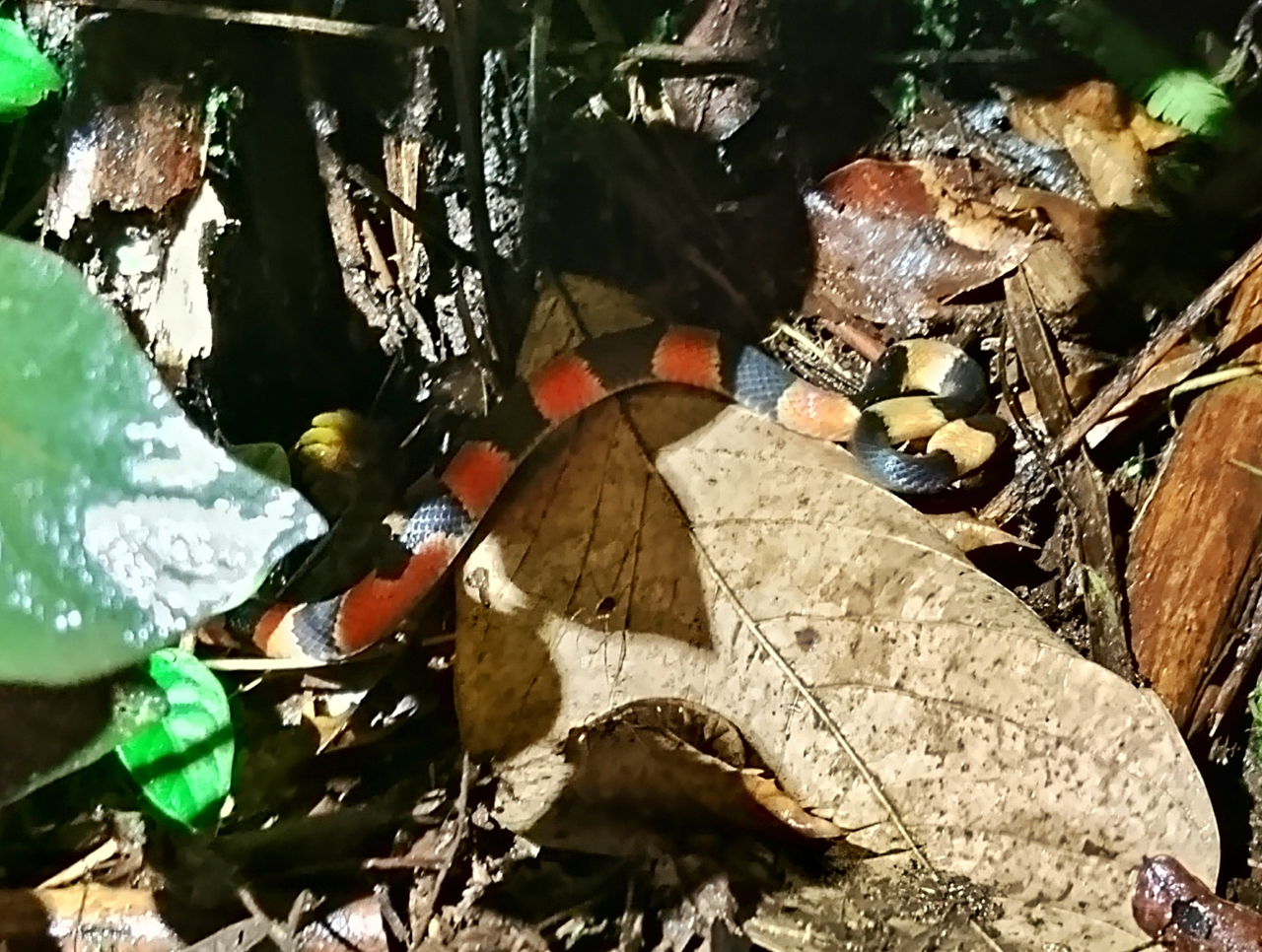
Halloween Snake © E Carman
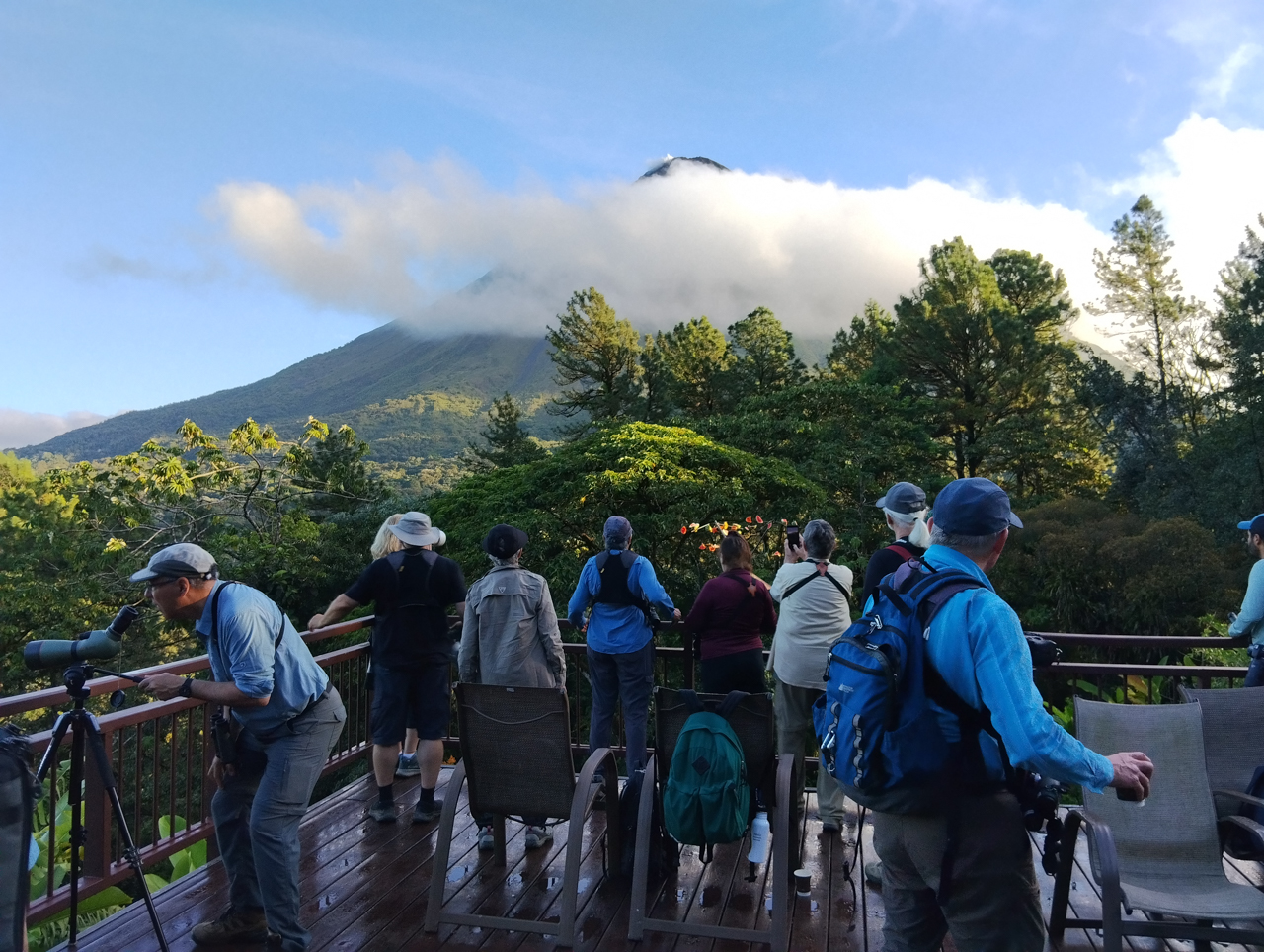
Birding Arenal © E Carman
Day 12. Canopy San Luis, La Paz de San Ramón and Hotel Robledal
A light rain sent us off as we headed back up into the foothills to Canopy San Luis. There we reviewed many of the tanagers we had seen earlier, with Bay-headed, Silver-throated, Scarlet-rumped and Emerald Tanagers sharing the plantains at the feeder in a wonderful palette of colors.
Then the chunky Blue-and-gold Tanager made its appearance, a lifer for everyone!
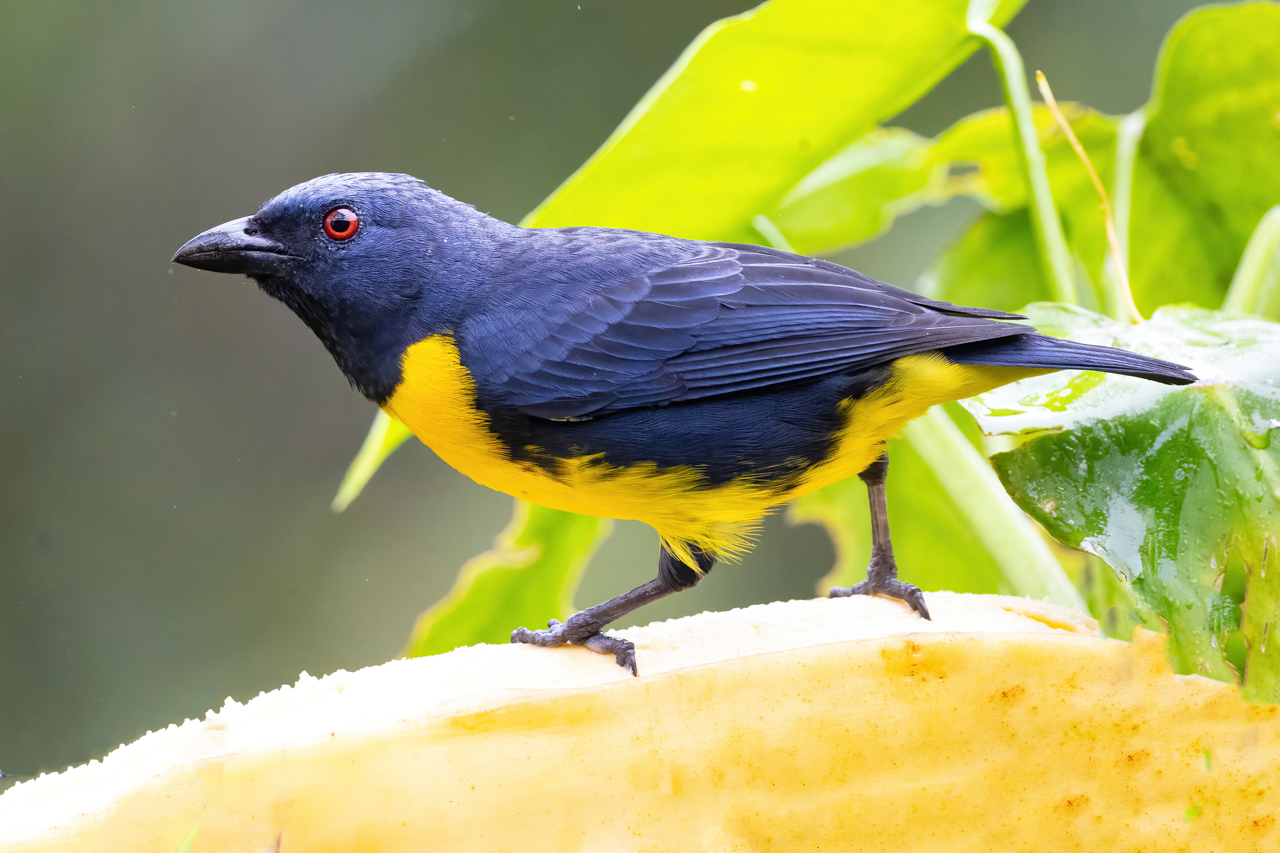
Blue-and-gold Tanager © M Doucet
Our next stop was another feeding station, at the home of Romain and Ignacio Arias, two brothers who have turned their property into an incredible bird habitat. Their work showed: we saw fifty species right there! Highlights included the endemic Coppery-headed Emerald, Canivet’s Emerald, White-eared Ground-Sparrow, Common Pauraque and the astonishing Long-tailed Manakin.
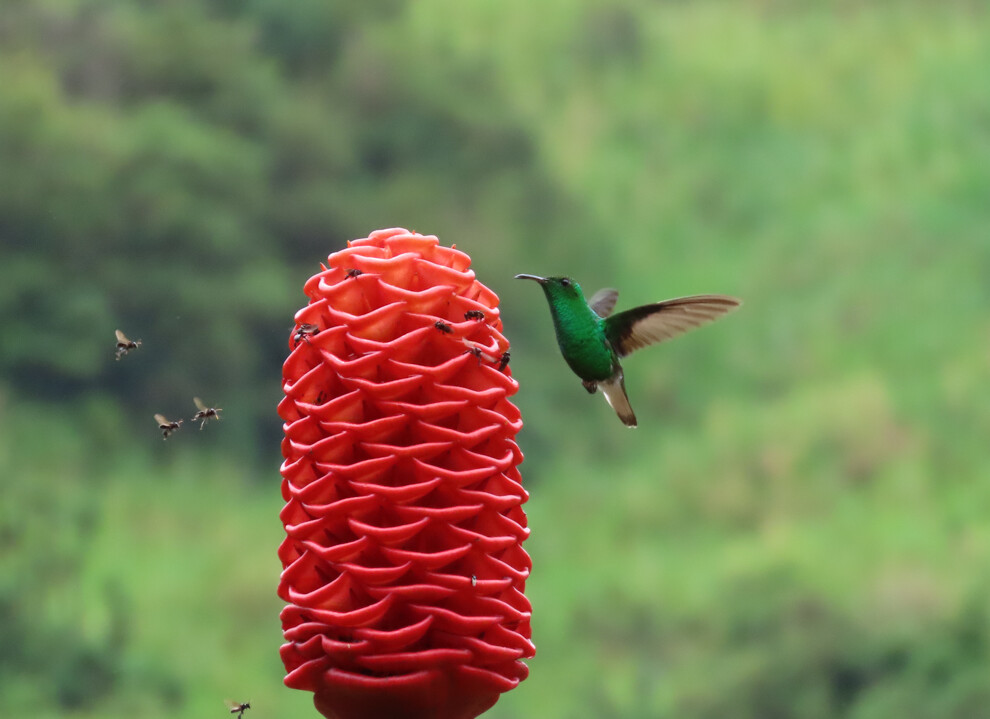
Coppery-headed Emerald © E Carman
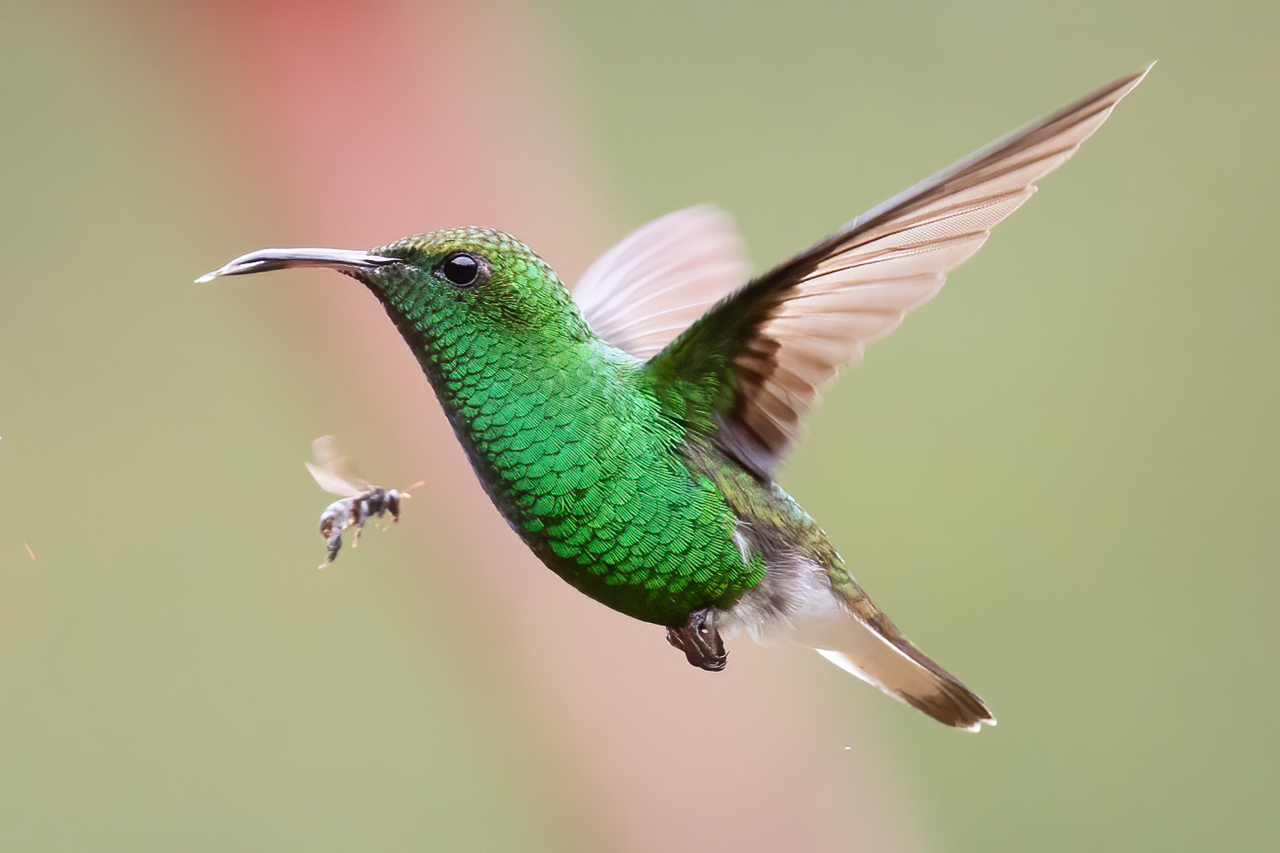
Coppery-headed Emerald © M Doucet
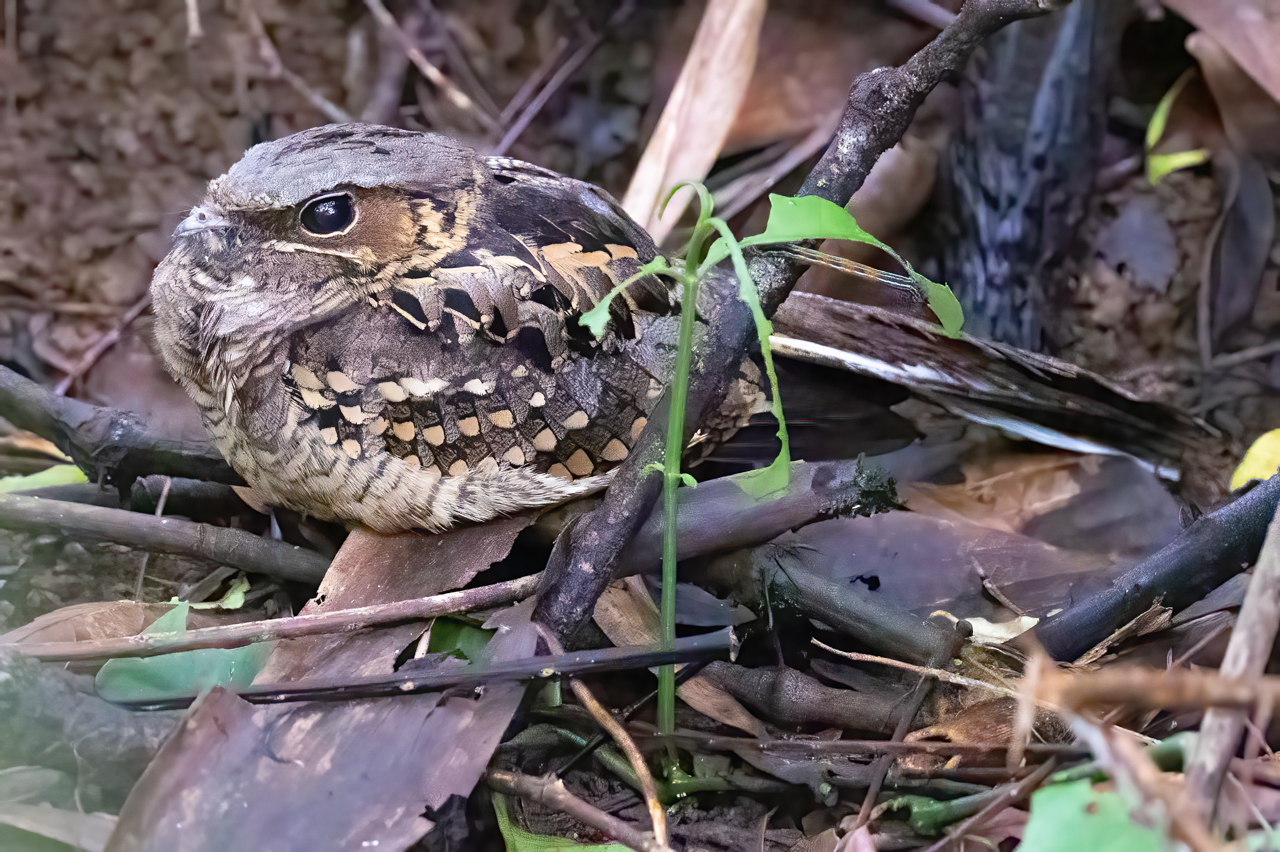
Common Pauraque © M Doucet
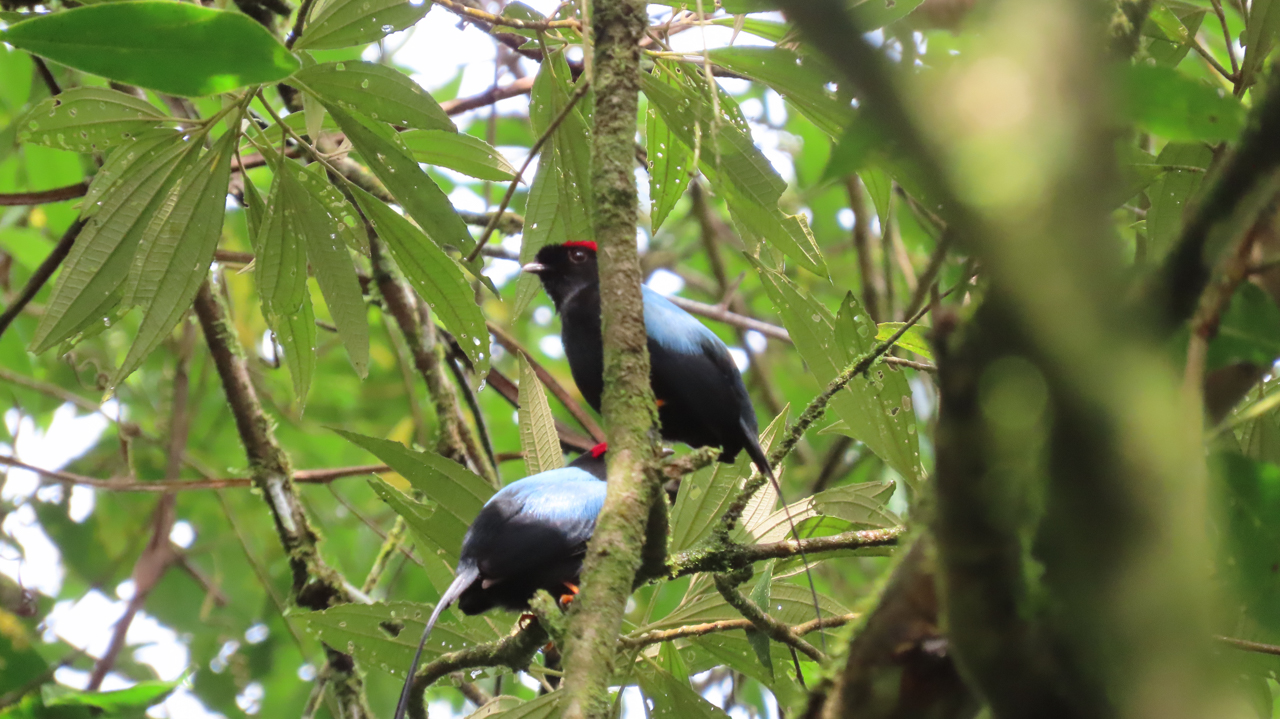
Long-tailed Manakin © E Carman
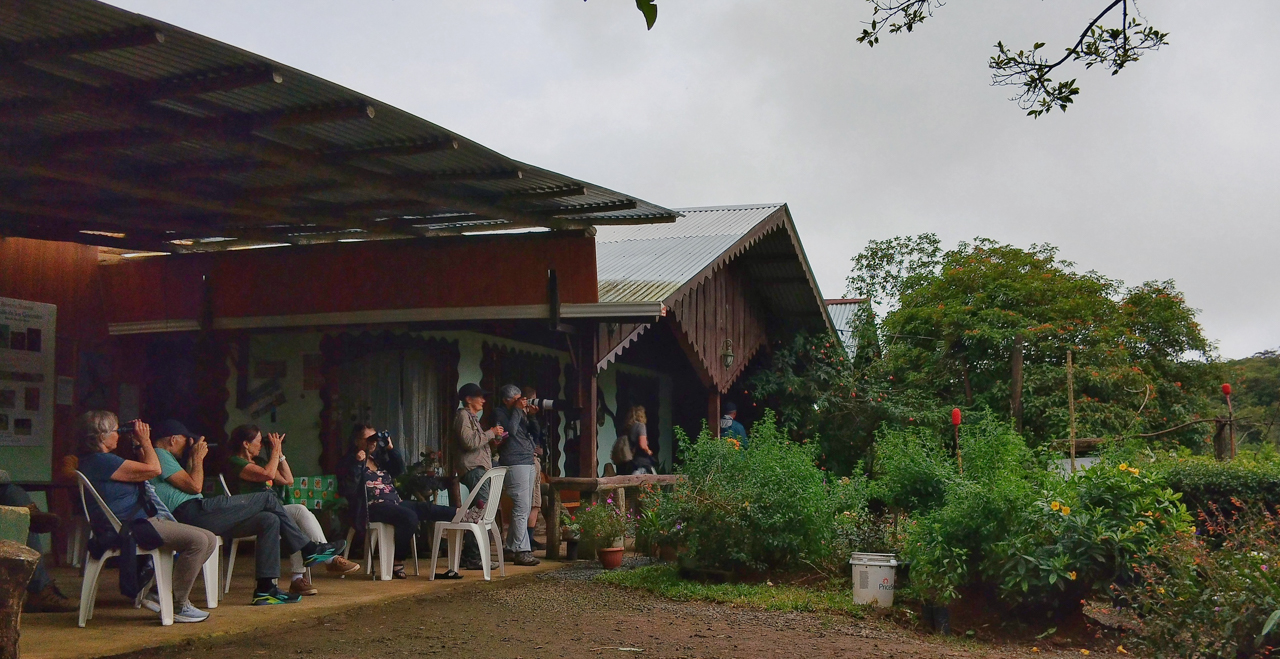
Birding at Romain’s Feeders © E Carman
After such a rush of birds, we drove the last stretch to Hotel Robledal, near the airport, but our birding wasn’t quite finished.
On a short walk around the grounds we saw Lineated Woodpecker, Spot-breasted Oriole, Black-bellied Whistling-Duck and the star of the hotel, the resident Ferruginous Pygmy-Owl! Then it was time for our farewell dinner. Hasta pronto!
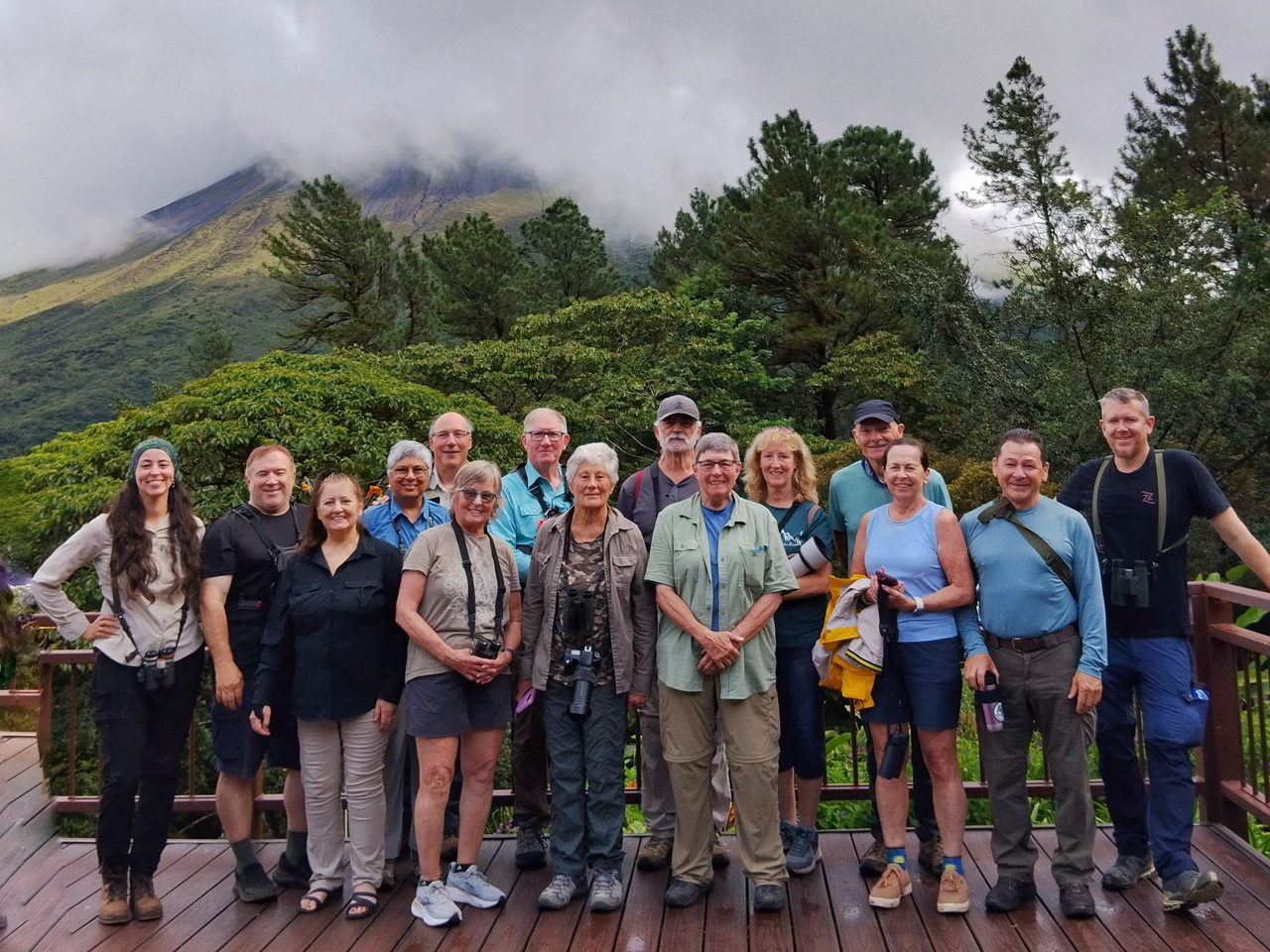
Our group
Leave a Reply