Colombia: Santa Marta Trip Report 2026
28 Mar – Day 1: Arrivals, Barranquilla
Participants arrived at the hotel throughout the day and gathered in the evening for our opening dinner and introductions. This was a great opportunity to meet one another and review plans for the days ahead.
29 Mar – Day 2: KM 4, Isla de Salamanca, Santa Marta Mountains
We began the day with an early breakfast before departing for our first morning of birding, meeting our local guide along the way. Our first stop was KM 4, a productive area combining open habitat, dry forest, and wetlands. Birding here was immediately rewarding, with 64 species recorded in just 90 minutes. Highlights included Northern Screamer, Dwarf Cuckoo, Chestnut-winged Chachalaca, Striped Cuckoo, Black-collared Hawk, Cocoi Heron, Russet-throated Puffbird, Spot-breasted Woodpecker, Yellow-crowned Amazon, and Turquoise-winged Parrotlet.
We then continued to Isla de Salamanca, where mangroves and forest edge provided a different suite of species. Notable additions included American Pygmy Kingfisher, Ringed Kingfisher, Pied Puffbird, Chestnut Piculet, Black-crested Antshrike, Northern Scrub-Flycatcher, and the endemic and critically endangered Sapphire-bellied Hummingbird.
Following lunch, we continued our journey toward the Santa Marta Mountains, arriving at our lodge in the late afternoon.
We closed the day with a beautiful sunset and views of the endemic Santa Marta Blossomcrown.
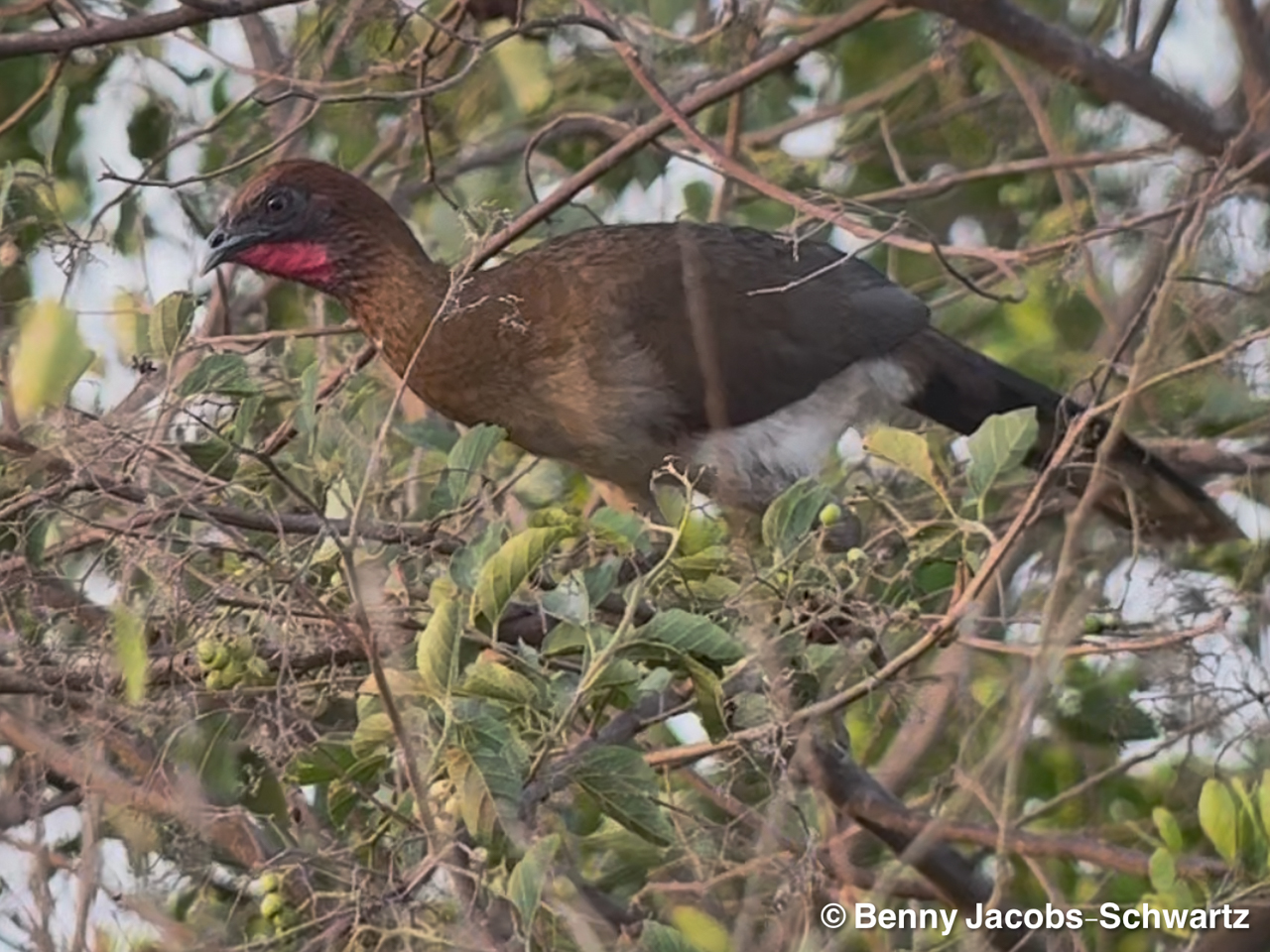
Chestnut-winged Chachalaca © Benny Jacobs-Schwartz
30 Mar – Day 3: Cuchilla de San Lorenzo, Santa Marta Mountains
We started the day early, departing before dawn in search of Santa Marta Screech-Owl. Although views were brief, we were successful.
We then continued our ascent to the San Lorenzo Ridge, arriving at sunrise to clear skies and excellent bird activity. This area produced a number of key endemics, including Sierra Nevada Antpitta, White-tailed Starfrontlet, Tyrian Metaltail (Santa Marta), Yellow-crowned Redstart, Streak-capped Spinetail, Rusty-headed Spinetail, Hermit Wood-Wren, Sierra Nevada Brushfinch, Black-cheeked Mountain-Tanager, and Carriker’s Mountain Tanager.
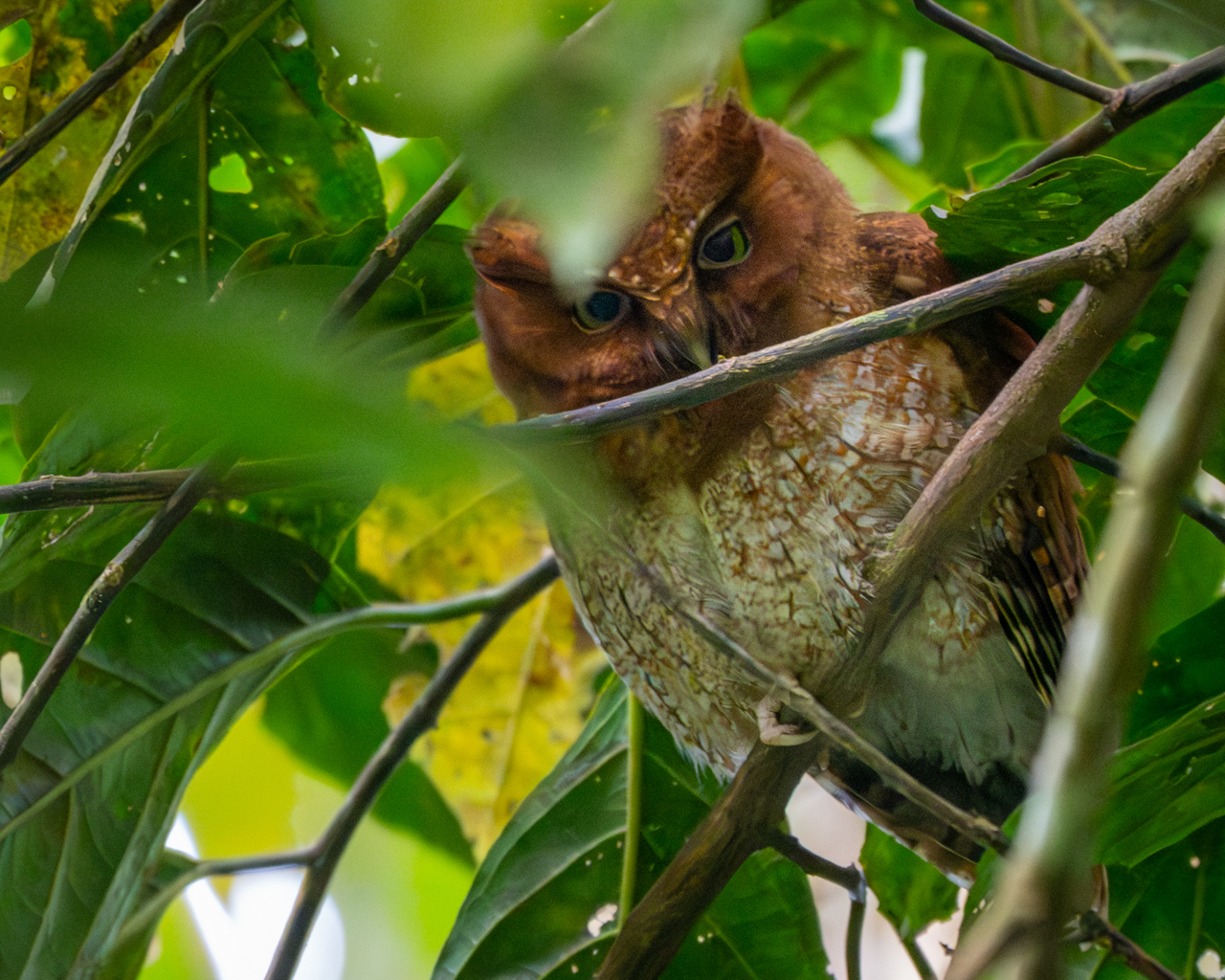
Santa Marta Screech-Owl © Deb Woeller
As we worked our way downslope, we made several stops and added species such as Southern Emerald Toucanet (Santa Marta) and Masked Trogon.
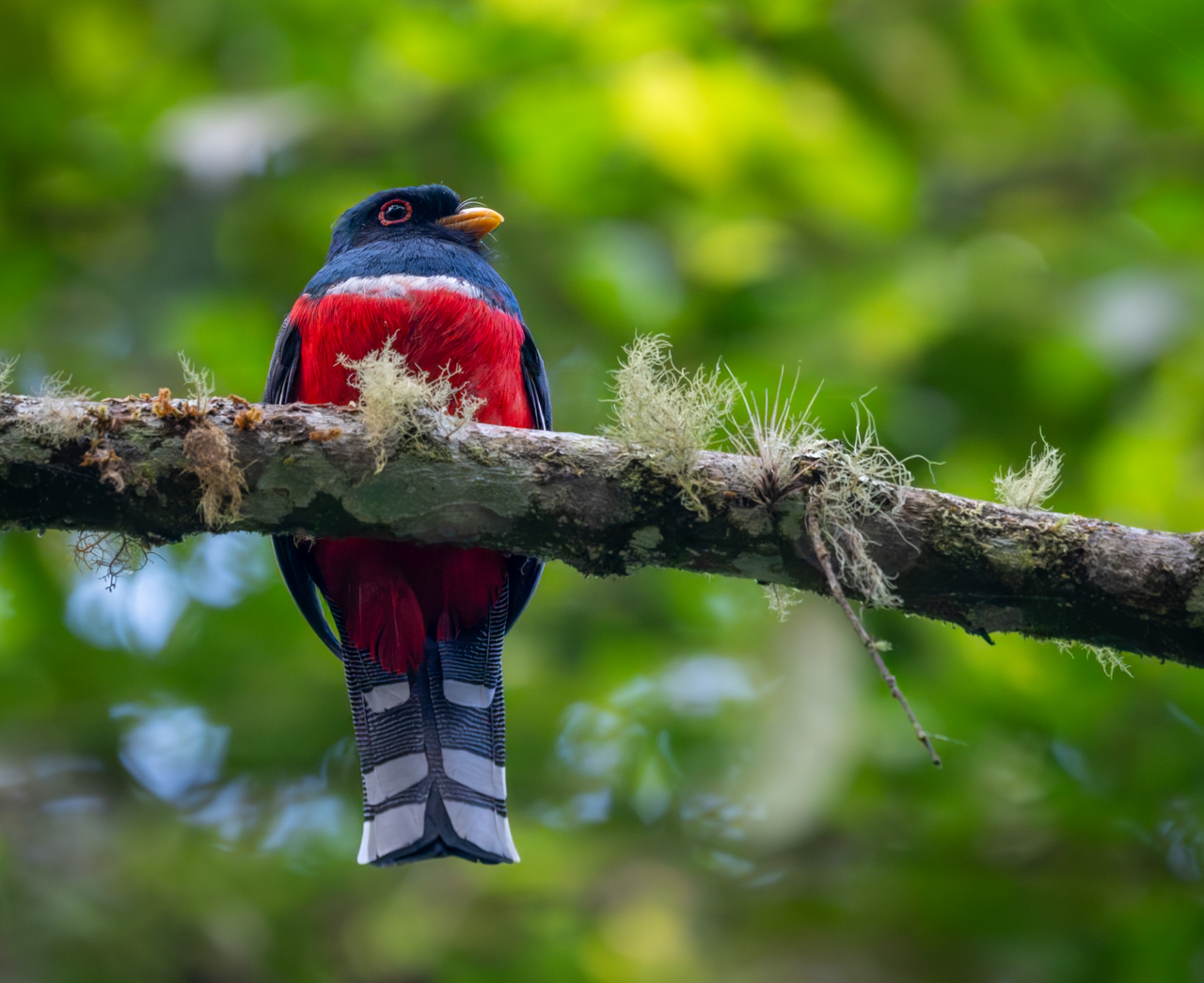
Masked Trogon © Deb Woeller
After returning to the lodge for lunch and a short rest, we resumed birding in the surrounding area. Additional endemics included Groove-billed Toucanet, Santa Marta Tapaculo, and White-lored Warbler. Other highlights included Golden-bellied Flycatcher, Bicolored Hawk, Black-hooded Thrush, Yellow-legged Thrush, Bicolored Wren, and Dull-colored Grassquit. We also heard a distant Gartered Violaceous Trogon.
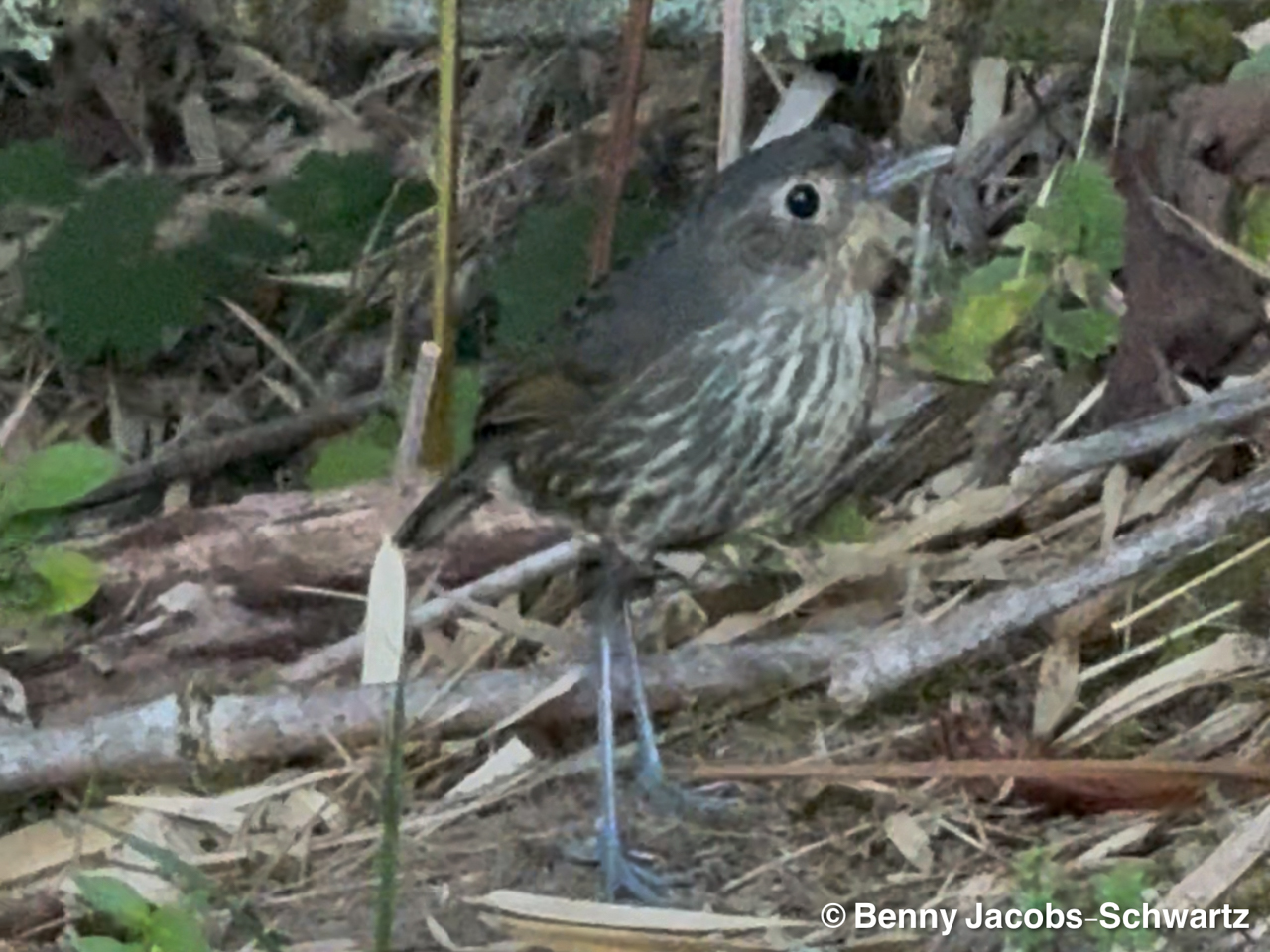
Sierra Nevada Antpitta © Benny Jacobs-Schwartz
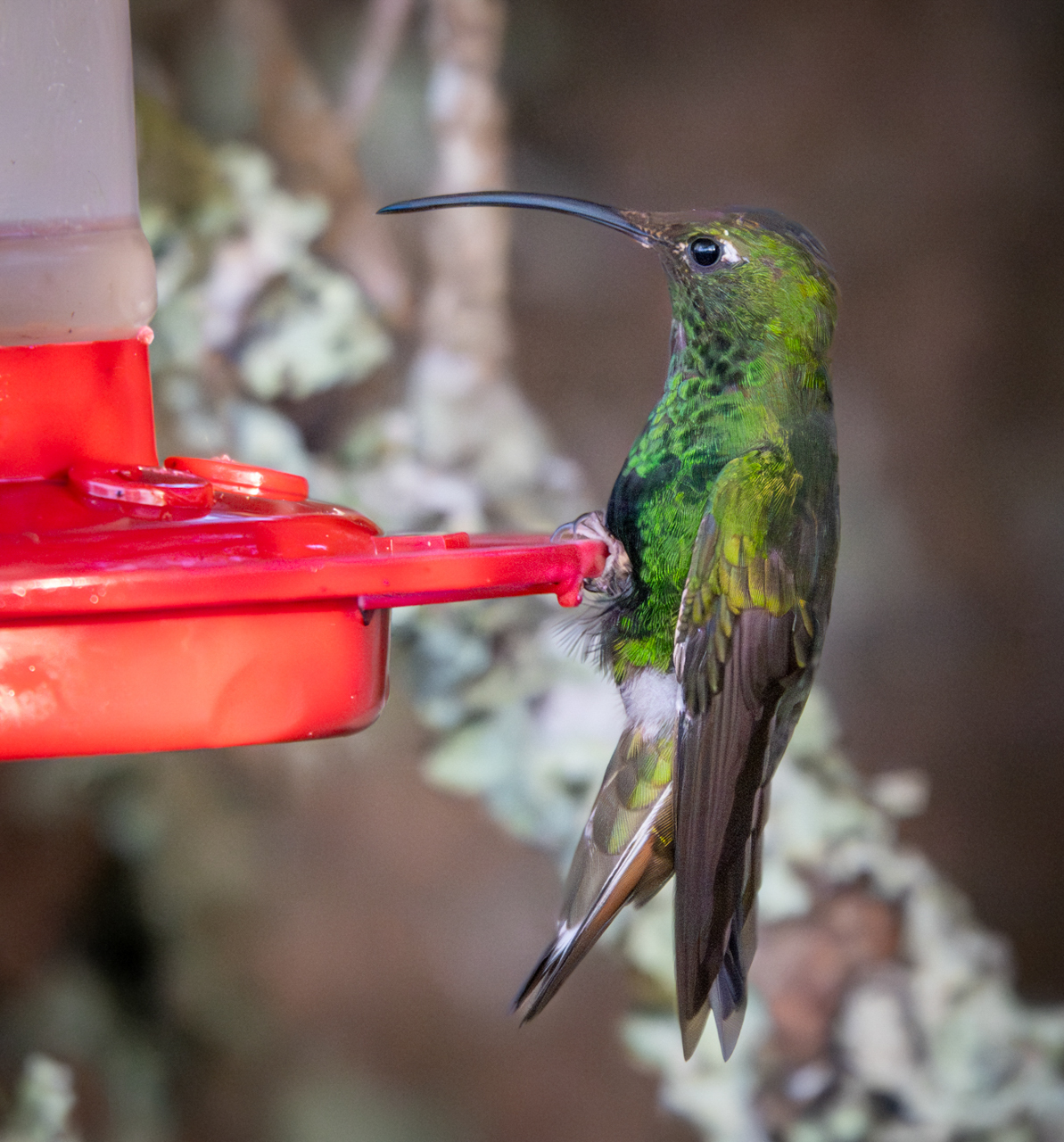
Mountain Velvetbreast © Deb Woeller
31 Mar – Day 4: Mid-elevation Santa Marta
After breakfast, we travelled downslope to visit a feeder site, which proved highly productive. We enjoyed excellent views of Black-fronted Wood-Quail, Santa Marta Antbird, Santa Marta Foliage-Gleaner, and Rufous-necked Wood-Rail—a notable sighting given its typical association with lowland mangroves.
We also visited a nest site of a juvenile Black-and-Chestnut Eagle. While the adults were not observed, we did hear Keel-billed Toucan and Golden-olive Woodpecker nearby.
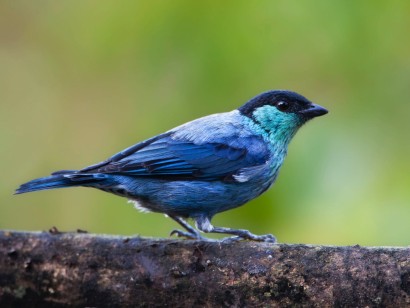
Following lunch and a short rest, we continued birding around the lodge. We located the endemic Santa Marta Woodstar and added further species, including Zone-tailed Hawk, Swallow Tanager, Black-chested Jay, Yellow-legged Thrush, Cocoa Woodcreeper, Blue-naped Chlorophonia, and Black-headed Tanager.
Before dinner, we made a final outing and detected two additional Santa Marta Screech-Owls.
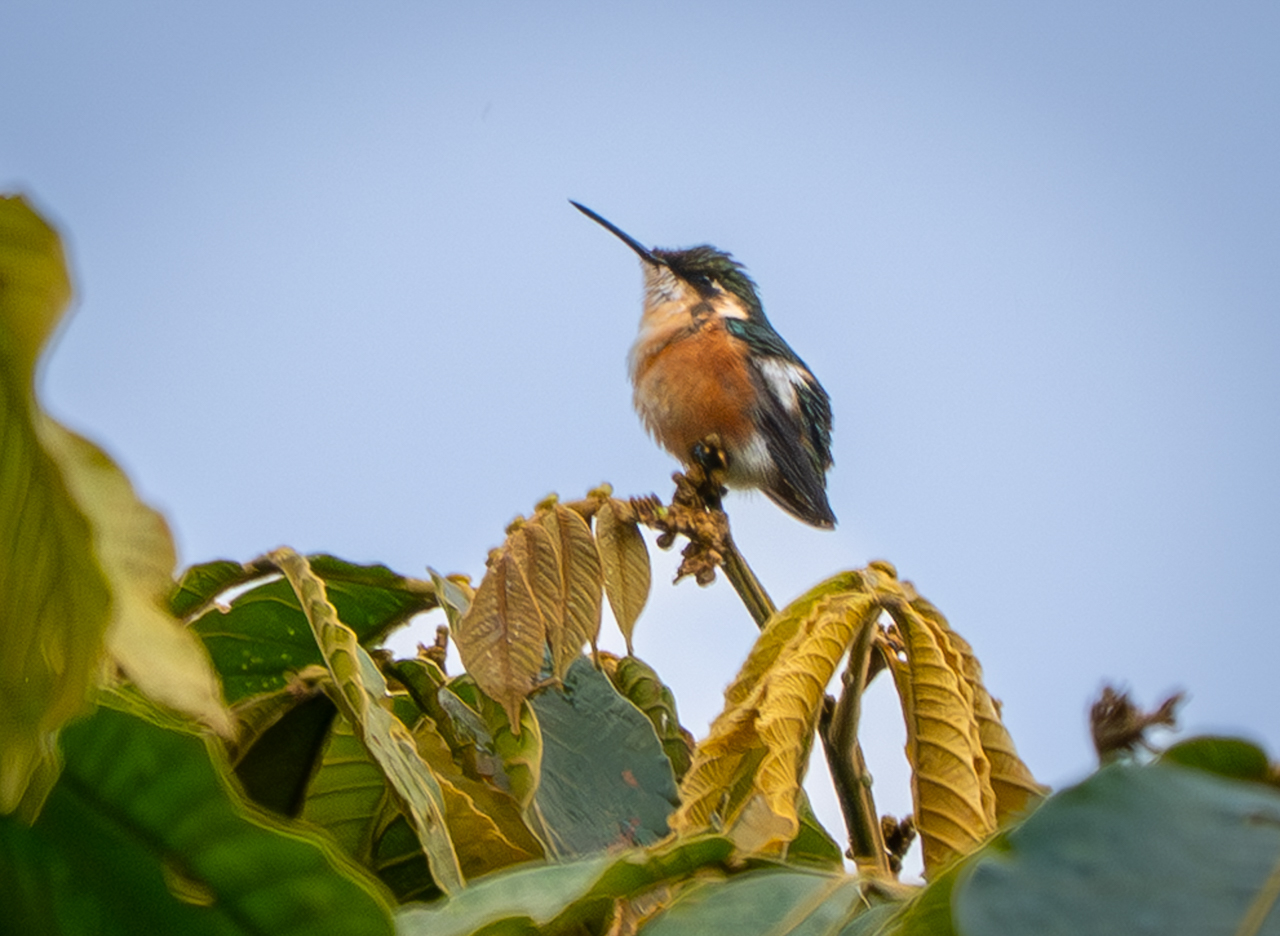
Santa Marta Woodstar, female © Deb Woeller
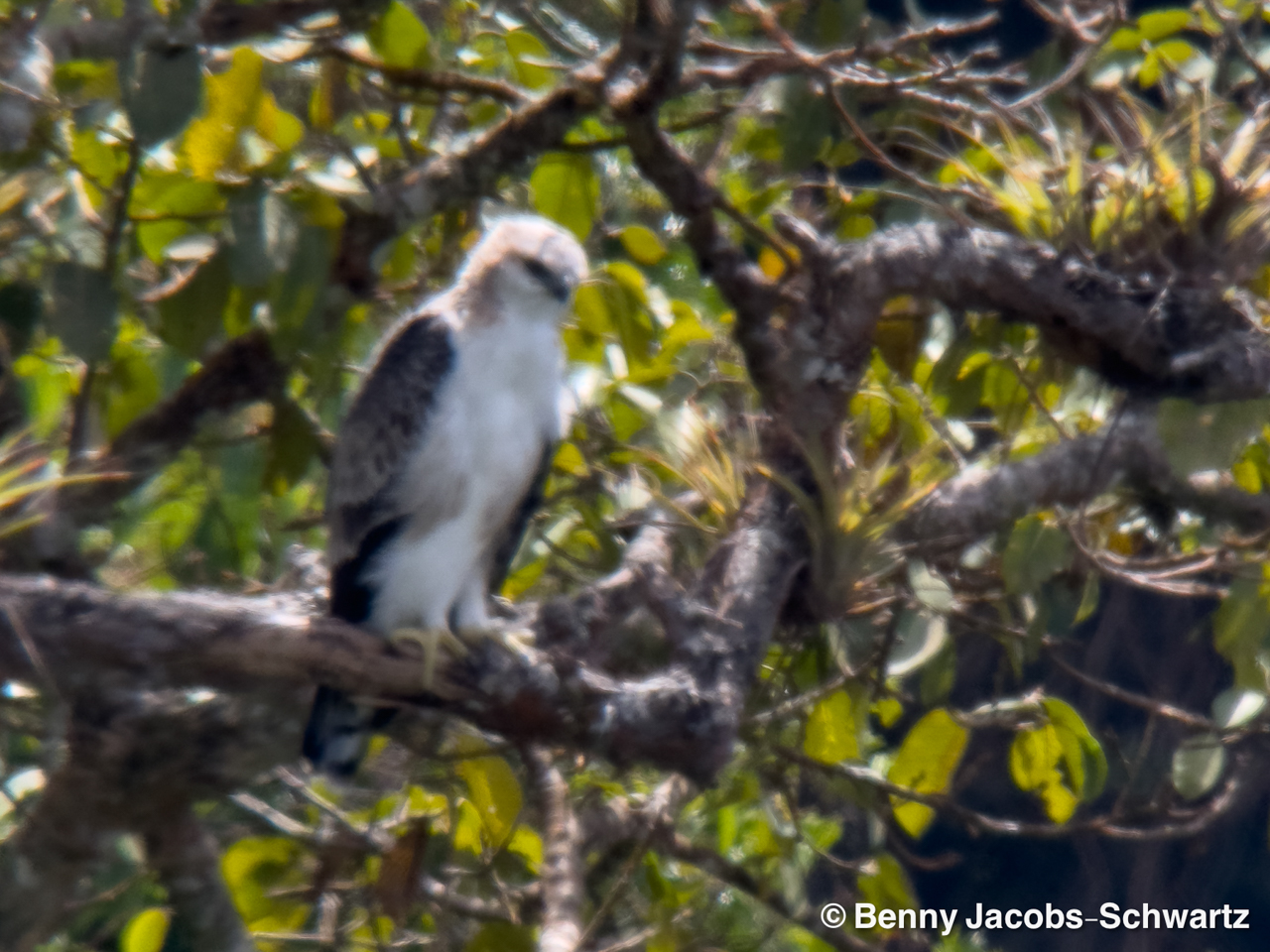
Black-and-chestnut Eagle © Benny Jacobs-Schwartz
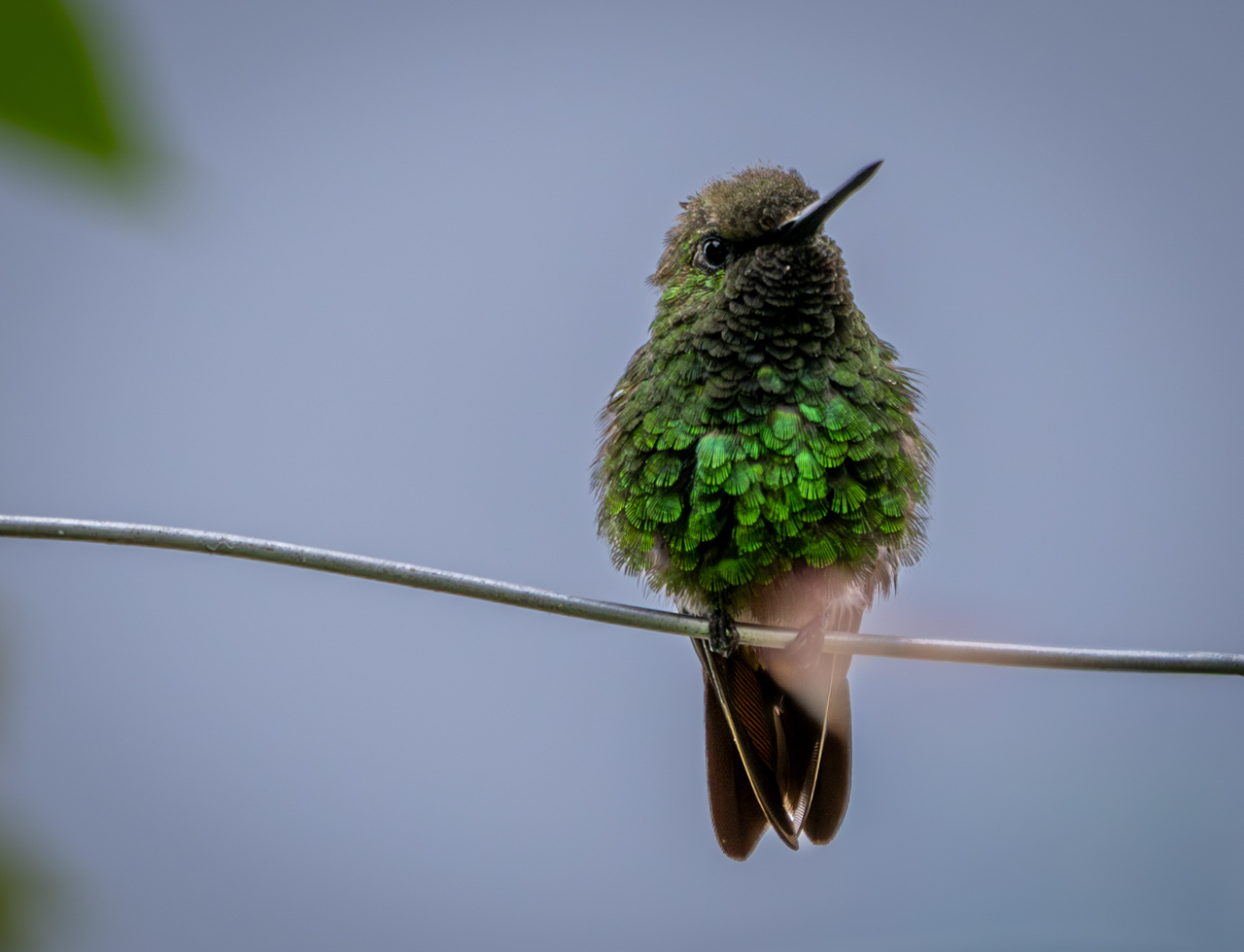
Coppery Emerald © Deb Woeller
1 Apr – Day 5: Santa Marta Region
We began the day with a short drive to higher elevation forest, focusing on several key targets. With persistence, we achieved excellent views of White-tipped Quetzal, Masked Trogon, Gray-throated Leaftosser, and Golden-breasted Fruiteater.
Other highlights included a soaring Double-toothed Kite and Strong-billed Woodcreeper. We also reconnected with the endemic White-lored Warbler.
After lunch, we descended into a transitional zone between dry forest and premontane forest. This productive afternoon yielded 48 species, including Long-billed Hermit, Hook-billed Kite, Short-tailed Hawk (dark morph), Whooping Motmot, Rufous-tailed Jacamar, Blue-headed Parrot, Black-backed Antshrike, Pale-eyed Pygmy-Tyrant, Yellow-olive Flatbill, Southern Beardless-Tyrannulet, and Streaked Flycatcher.
Additional highlights included Long-billed Gnatwren, Rufous-and-White Wren, Black-striped Sparrow, and Golden-winged Sparrow. We concluded the day with a distant flyover of Military Macaws at sunset.
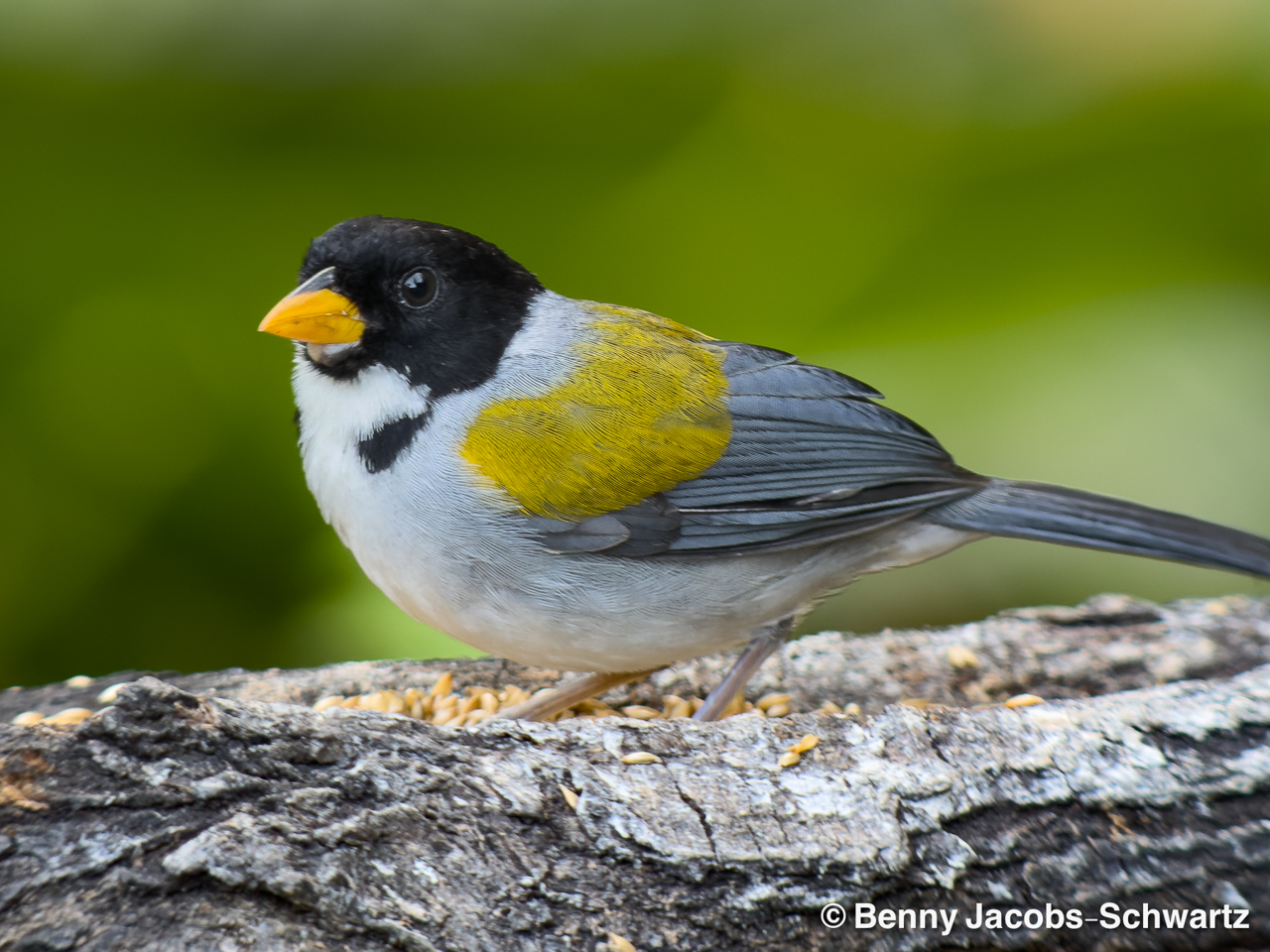
Golden-winged Sparrow © Benny Jacobs-Schwartz
2 Apr – Day 6: Transfer to Los Flamencos
We began our final morning in the mountains with views of four Military Macaws perched near the lodge. After breakfast and farewells, we travelled downslope, stopping at a feeder site near Minca. Here we observed a Plain-brown Woodcreeper, Golden-winged Sparrow, White-vented Plumeleteer, Gray-headed Tanager, Streaked Saltator, and Swallow Tanager.
We then continued across the Caribbean lowlands into La Guajira, transitioning into arid scrub and coastal wetlands. After lunch, we began birding near the lodge, adding Scaled Dove, Buffy Hummingbird, Red-crowned Woodpecker, Yellow Oriole, Vermilion Cardinal, Black-faced Grassquit, and Orinocan Saltator.
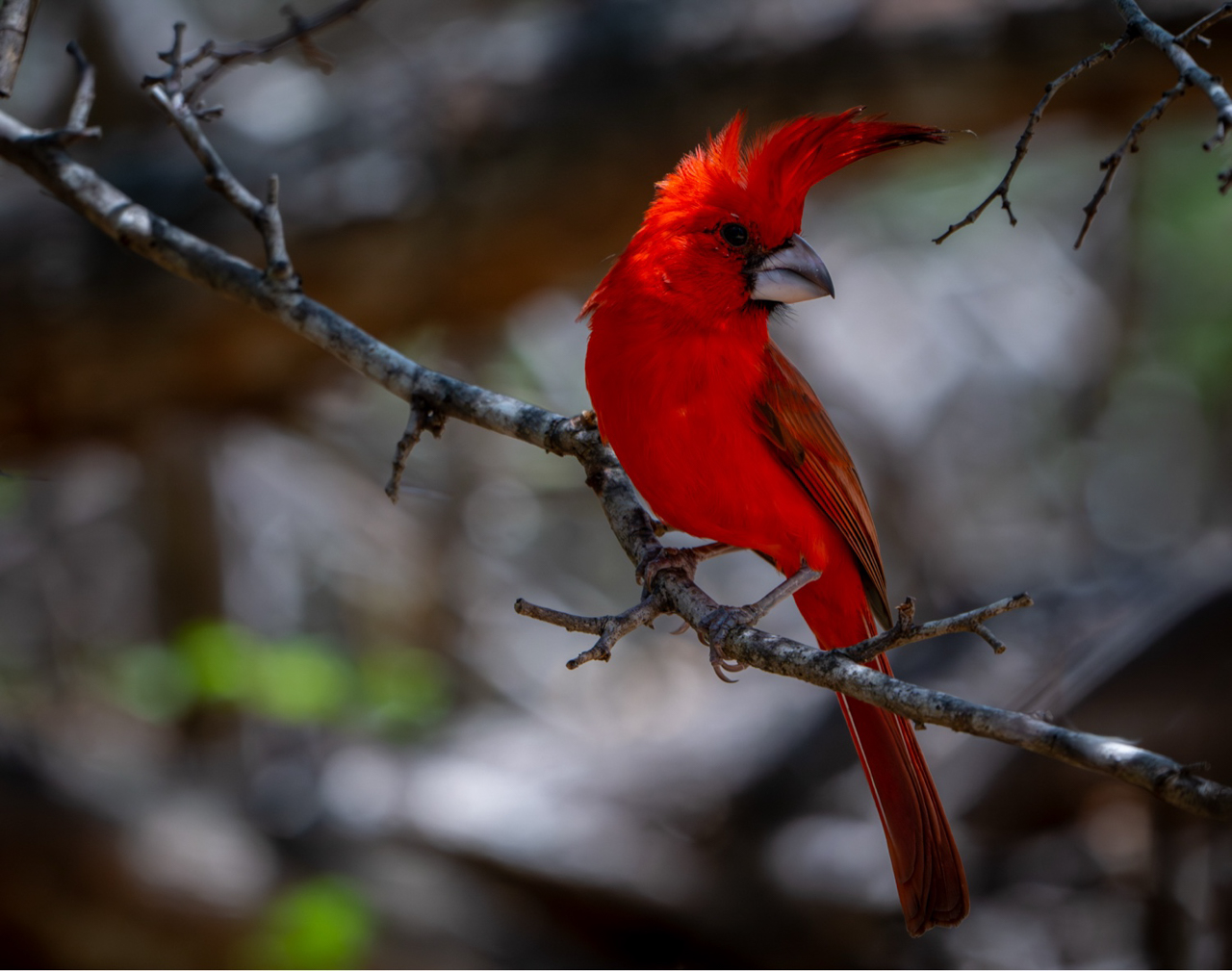
Vermilion Cardinal © Christian Engel
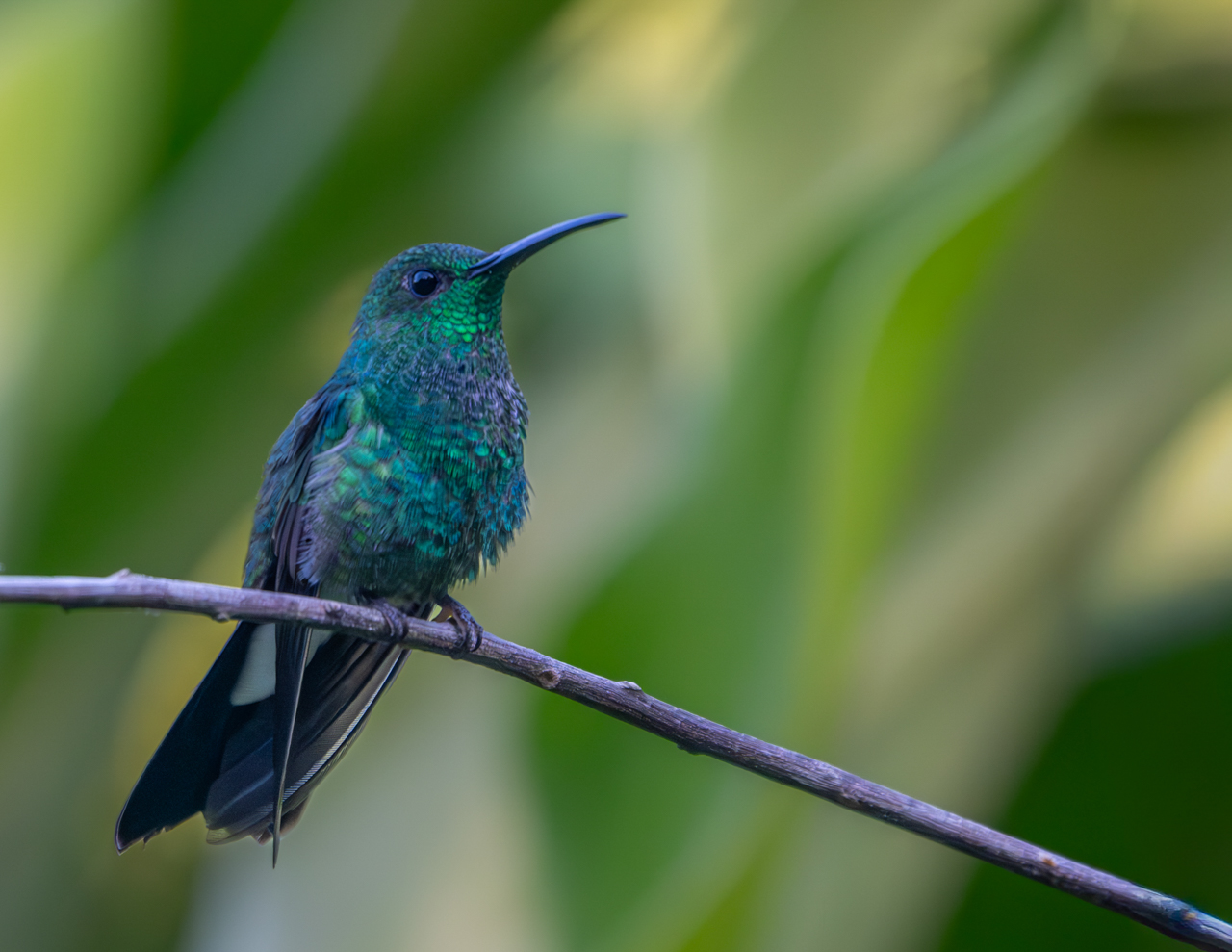
White-vented Plumeleteer © Deb Woeller
In the afternoon, we explored a nearby lagoon by boat. Shorebird highlights included Semipalmated Plover, Black-bellied Plover, Hudsonian Whimbrel, Greater Yellowlegs, and Least Sandpiper. Other species included Black Skimmer, Gull-billed Tern, Sandwich Tern, and Laughing Gull.Waterbirds included Reddish Egret, Tricolored Heron, American Flamingo, Roseate Spoonbill, and the striking Scarlet Ibis. A particular highlight was the elusive Mangrove Rail.
We concluded the day with a short walk along the beach, where we observed Green-rumped Parrotlet at roost.
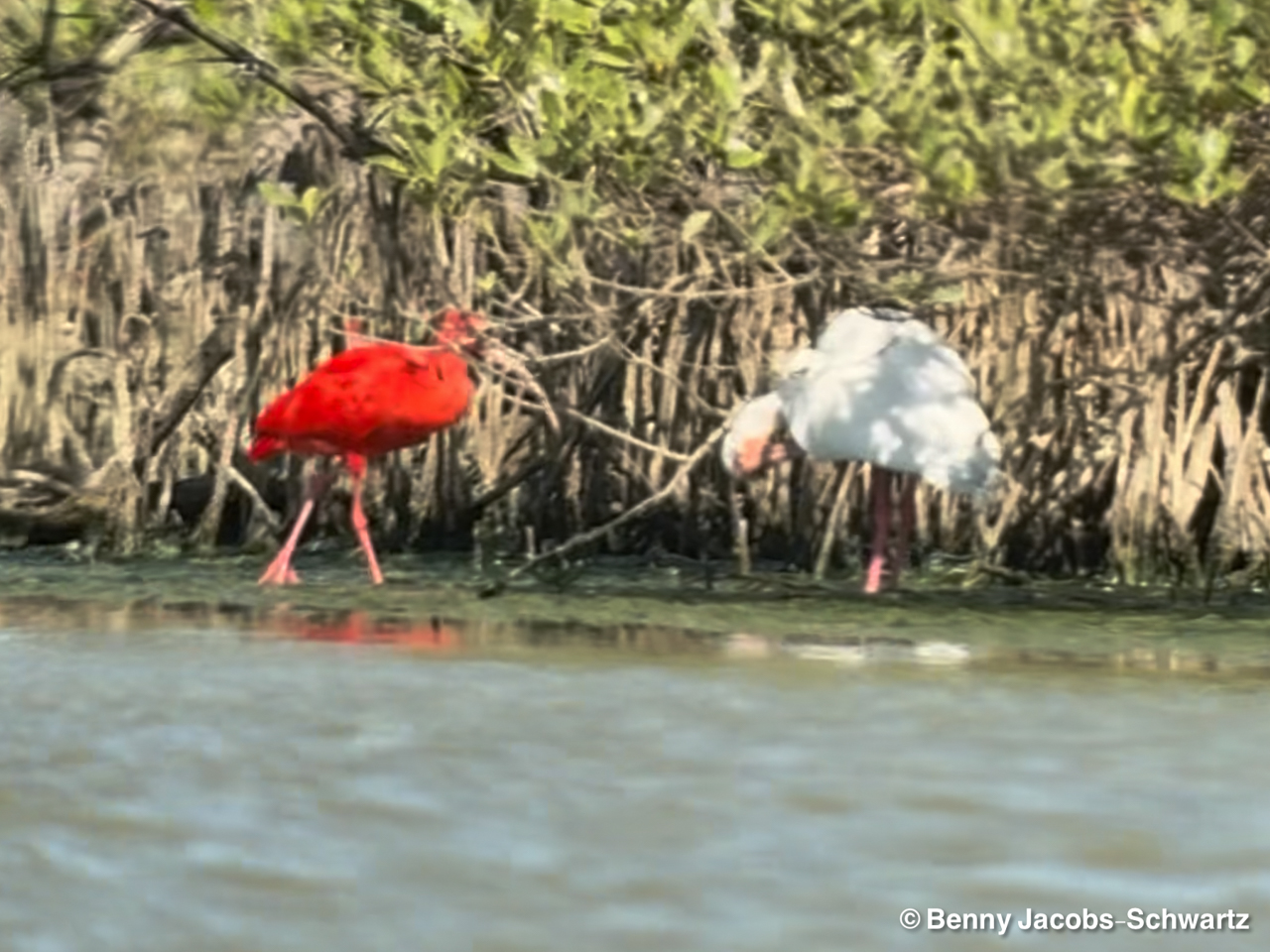
Scarlet Ibis © Benny Jacobs-Schwartz
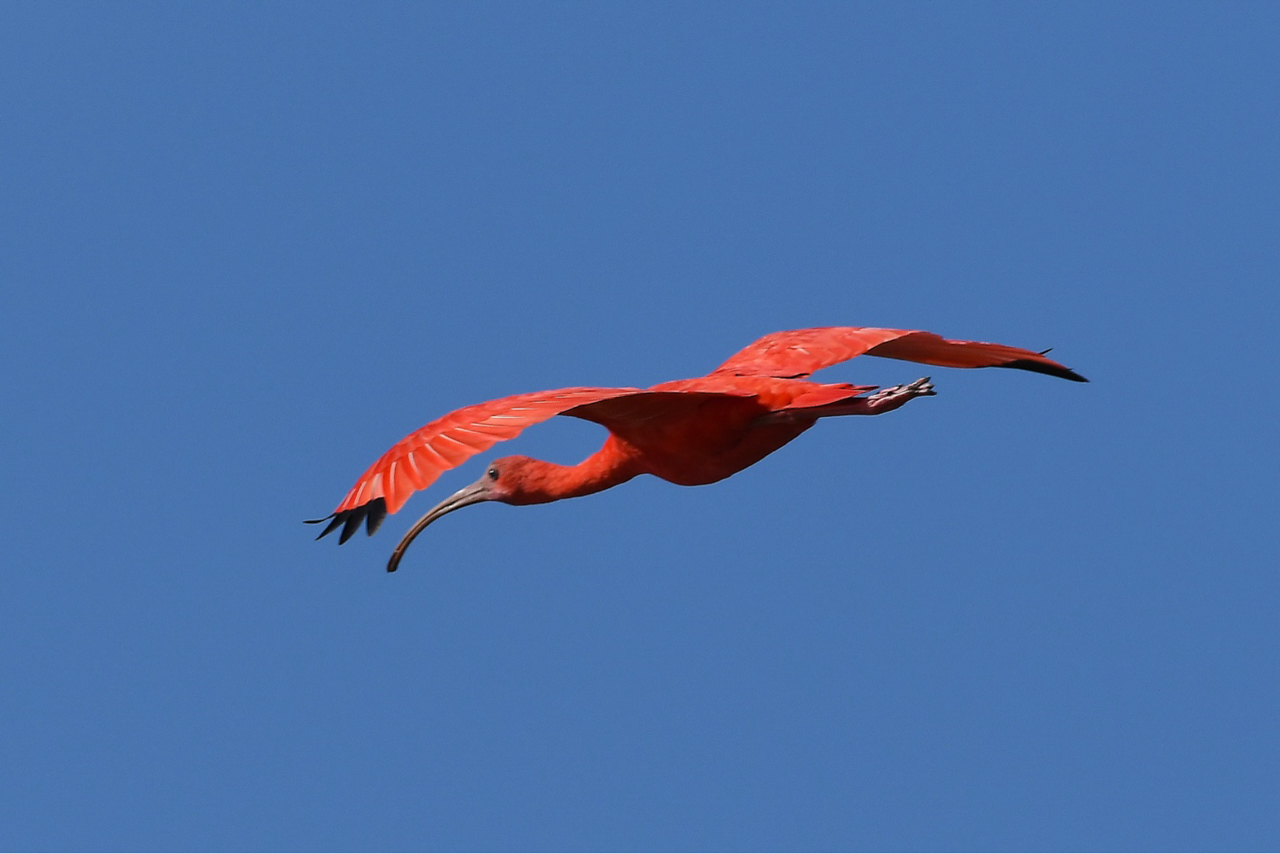
Scarlet Ibis © Christian Engel
3 Apr – Day 7: Return to Bogotá & Closing Dinner
We began the day birding dry forest near Riohacha. Highlights included multiple Rufous-vented Chachalaca and flocks of Bare-eyed Pigeon. Additional species included Smooth-billed Ani, Shining-green Hummingbird, Ferruginous Pygmy-Owl, Barred Antshrike, Black-crested Antshrike, Northern White-fringed Antwren, White-bellied Antbird, Ochre-lored Flatbill, Pale-tipped Tyrannulet, and Rufous-browed Peppershrike.
We also had excellent views of regional specialties such as Glaucous Tanager, Buff-breasted Wren, and Tocuyo Sparrow.
At a nearby site, we added White-whiskered Spinetail, Chestnut Piculet, and Pearly-vented Tody-Tyrant.
Our final additions for the tour were Double-striped Thick-knee and Vermilion Flycatcher.
We then transferred to Riohacha Airport for our flight to Bogotá, where we gathered for a final dinner and to conclude the tour.
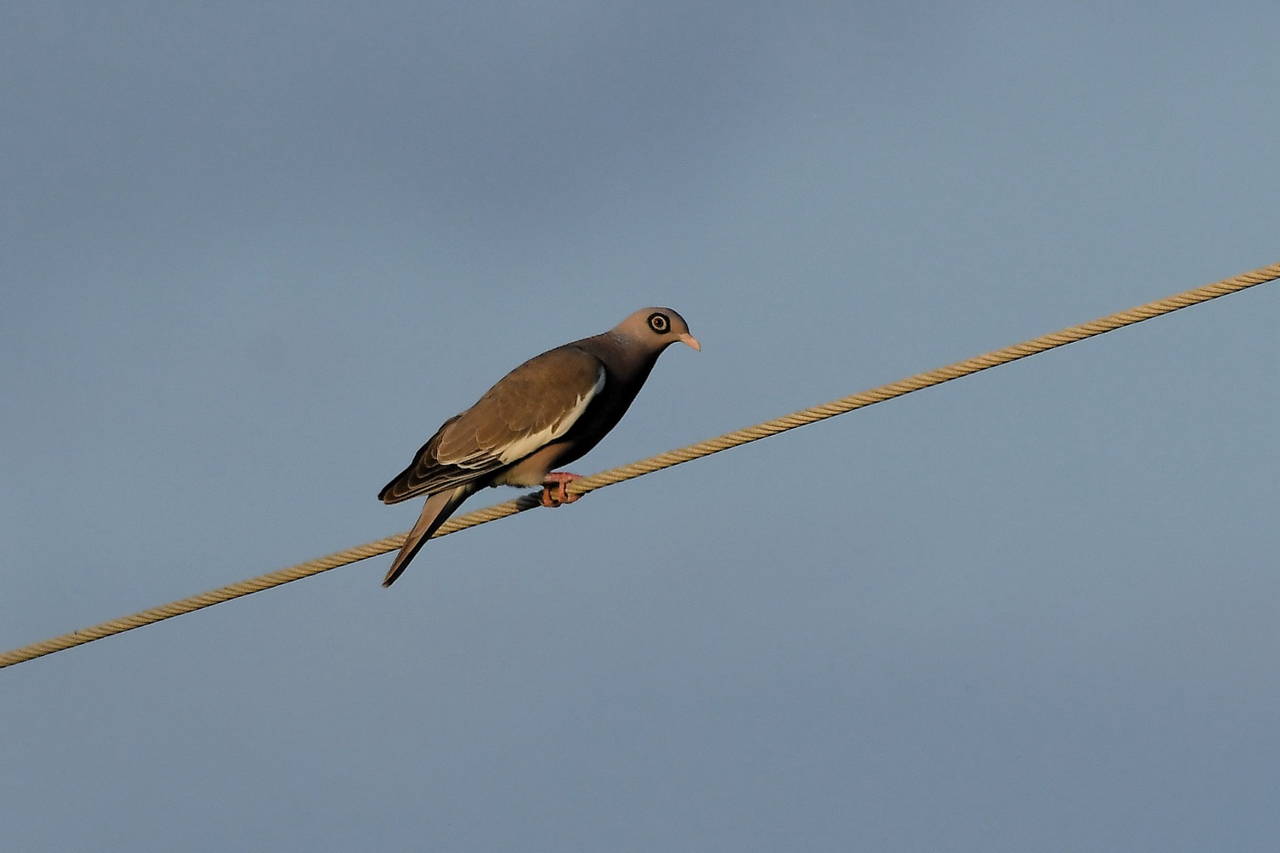
Bare-eyed Pigeon © Christian Engel
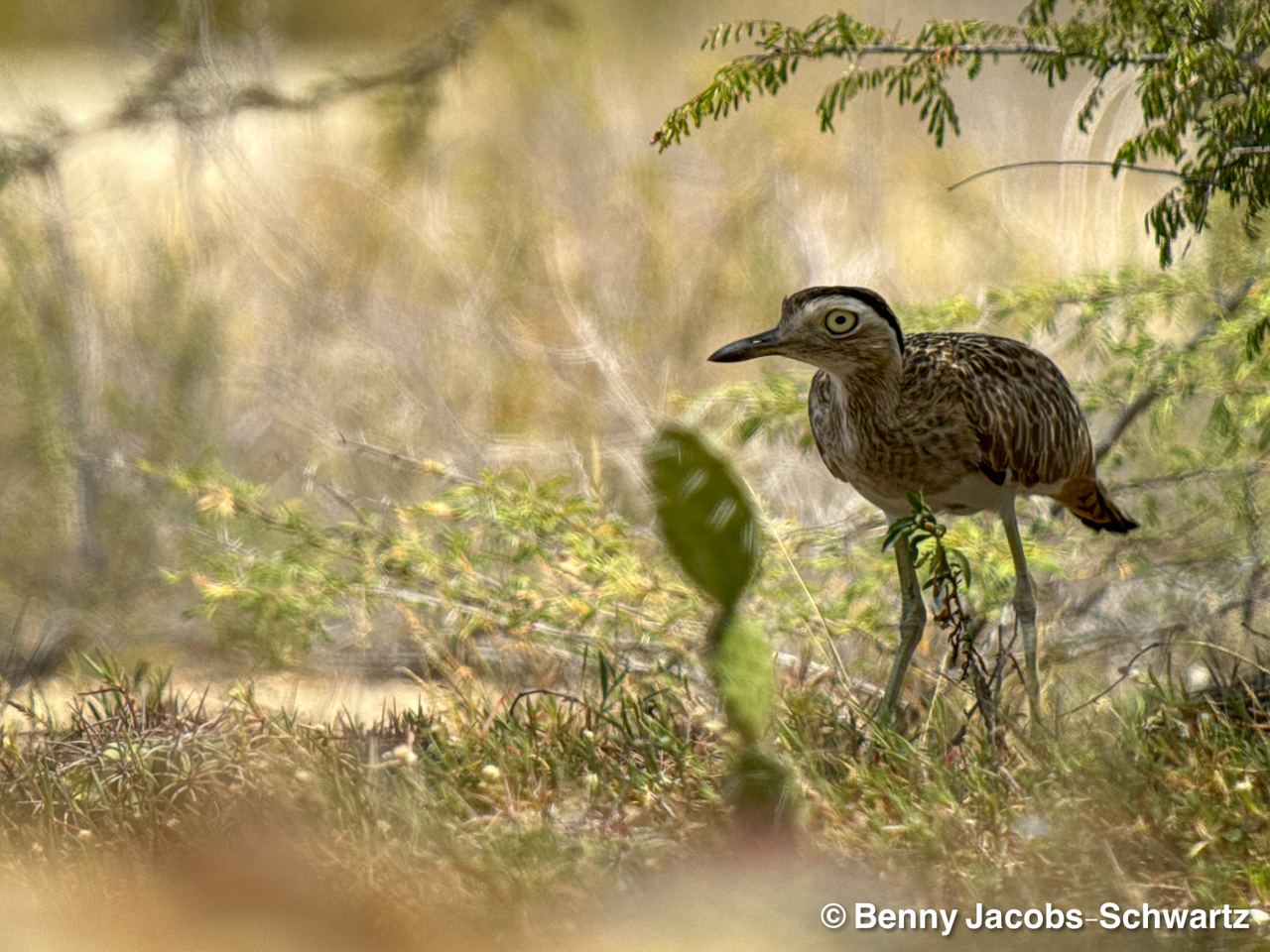
Double-striped Thickknee © Benny Jacobs-Schwartz
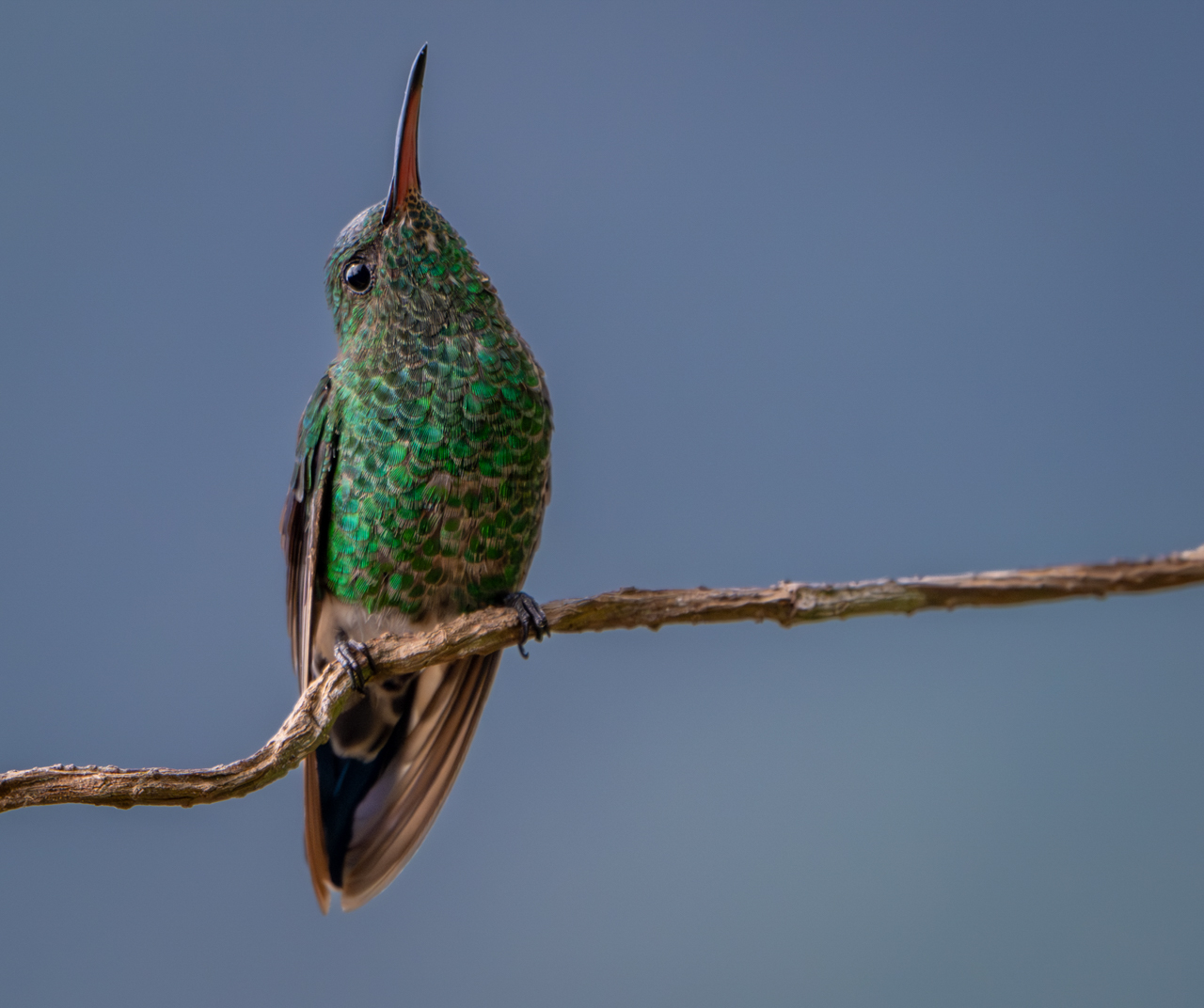
Red-billed Emerald © Deb Woeller
4 Apr – Day 8: Departures
Participants departed for home or continued onward travel. We also welcomed new arrivals for the next Colombia tour.
———————————
Endemics seen:
Chestnut-winged Chachalaca
Santa Marta Woodstar
Santa Marta Blossomcrown
Sapphire-bellied Hummingbird
Santa Marta Screech-Owl
Turquoise-winged Parrotlet
Santa Marta Antbird
Sierra Nevada Antpitta
White-tailed Starfrontlet
Santa Marta Tapaculo
Brown-rumped Tapaculo
Santa Marta Foliage-Gleaner
Santa Marta Brush-Tyrant
Hermit Wood-Wren
Sierra Nevada Brushfinch
Santa Marta Brushfinch
White-lored Warbler
Yellow-crowned Redstart
Black-cheeked Mountain Tanager
Carriker’s Mountain Tanager