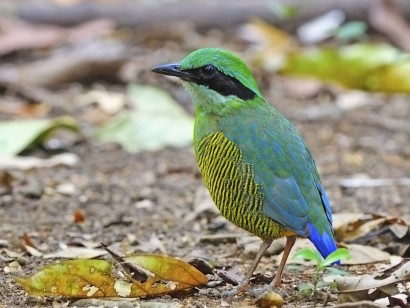
Cambodia & South Vietnam Trip Report 2025
Tour leaders: Sophal Chean “Naran” (Cambodia), Nguyen Van Thang (Vietnam) and Mike Hoit.
This route took us through neighbouring but very different countries, experiencing a diverse range of habitats. Beginning in Cambodia, we birded along the banks of the mighty Mekong River, in the largest remaining tract of dry dipterocarp forest in southeast Asia, and across seasonally-flooded grasslands and freshwater wetlands, culminating in the forests towered over by ancient temples. After flying to Vietnam, we birded both at sea level and in the isolated highlights of the Da Lat plateau, before dropping down to the lowlands again: the forests of Cat Tien NP form the best-preserved habitat of this type in Indochina, one of the best birding sites in all of Asia.
Day one, January 26th
Most of the group had arrived in Phnom Penh well in advance of the tour, and even before the welcome dinner we had said our hellos and taken a short late afternoon walk around Wat Phnom, a park and temple across the road from the hotel. Among common member of the southeast Asian avifauna like Coppersmith Barbets, Malaysian Pied Fantail and Black-naped Monarch, we saw spectacular Wreathed Hornbills, along with an almost equally-impressive large camp of Lyle’s Flying Foxes.

Our group in Kratie
Day two, January 27th
After breakfast, we set off on our journey, with the aim of finding the endemic, highly range-restricted Cambodian Tailorbird. The first stop in some fairly degraded open country on the outskirts of the city drew a blank; however many commoner species were seen, including Cotton Pygmy Goose, Asian Green Bee-eater and Black-winged Kite. Nearer Kompong Cham we met with success: despite the wind, tailorbirds were in good voice and some great views were had, making lunch a happier and relaxed affair! Heading on to Kratie, we birded paddyfields and the fringes of a large wetland, with highlights of Asian Golden Weaver, White-browed Crake, and Javan Mongoose. The sunset over the Mekong River from our hotel was quite something!
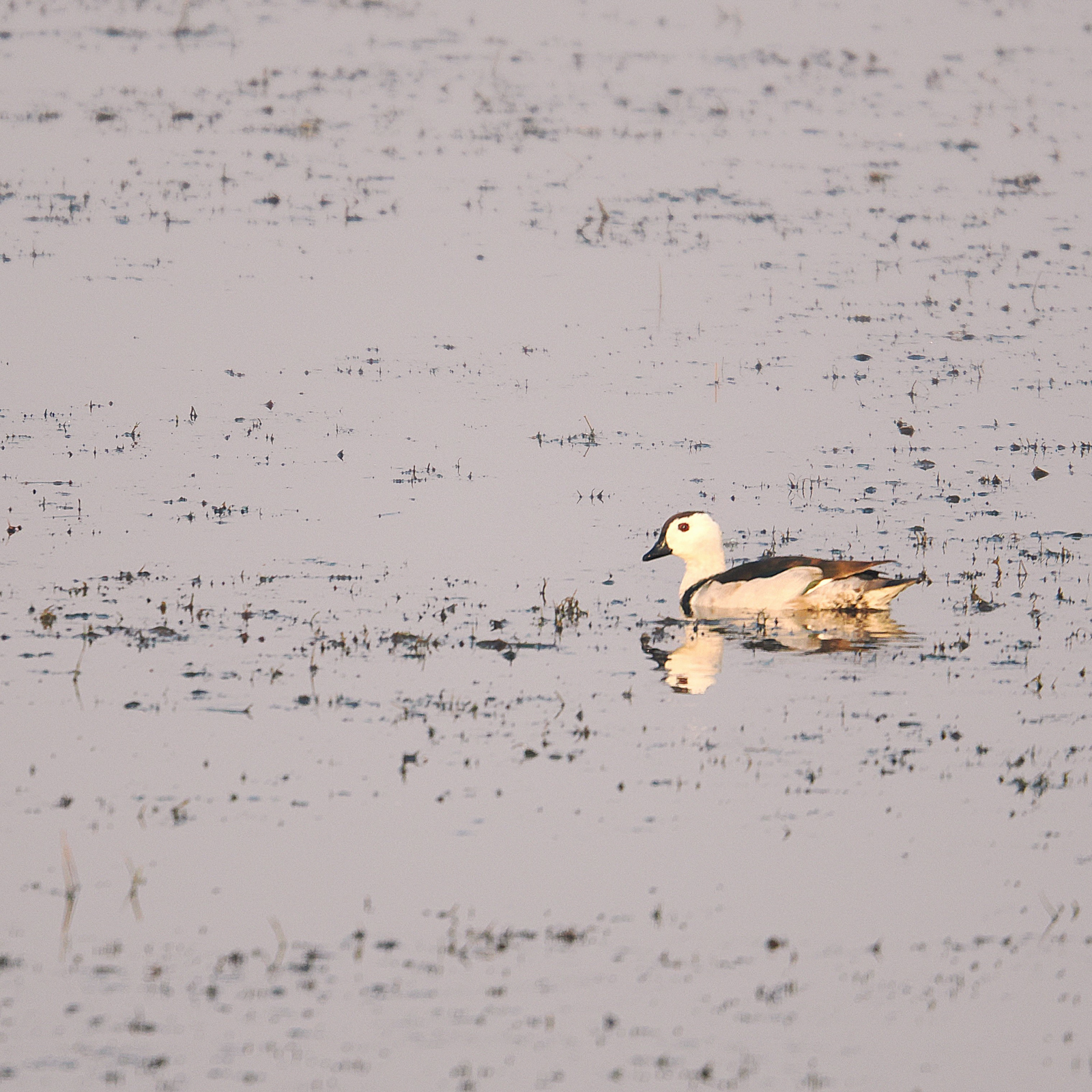
Common Pygmy Goose © Pablo Perez
Day three, January 28th
In the morning we birded the banks of the mighty Mekong River, where we found both Large Hawk Cuckoo (while we ate breakfast!) and a point-blank Plaintive Cuckoo, then boarded boats. The sedate trip around at Kampi Pool gave us the star turns of Mekong Wagtail and Irrawaddy Dolphin very quickly, and we also saw impressive Pied Kingfishers and more ‘subtle’ Grey-throated Martins. A pleasingly quick drive to Tmatboey gave us time to make our first birding excursion into open wooded landscape in the late afternoon. The excellent local rangers quickly took us to see one of the area’s main targets, White-shouldered Ibis, and we had great views of a family at the nest. Other characteristic birds of the area included Brown Prinia, Burmese Shrike and Common Woodshrike.

Plaintive Cuckoo © Pablo Perez

White-shouldered Ibis © Mike Hoit
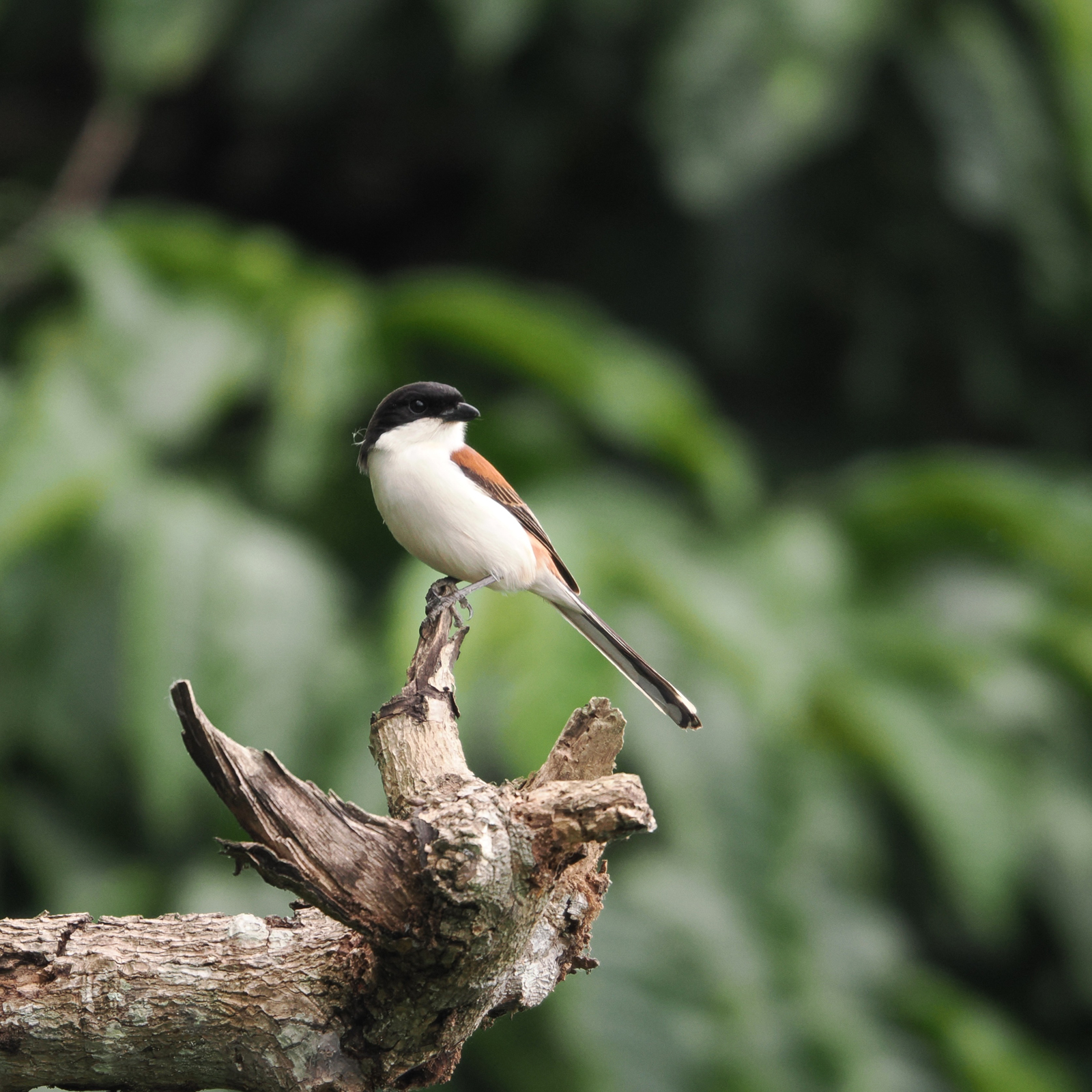
Burmese Shrike © Pablo Perez
Day four, January 29th
We spent all day spent exploring the special woodlands around Tmatboey, the world’s largest remaining tract of dry dipterocarp forests. Due to inspiring conservation works and ecotourism involving the whole community, a number of critically-endangered species persist – along with their habitat. The undoubted highlight was Giant Ibis, and we had the rare privilege of seeing a pair feeding a well-grown chick at the nest, from a safe distance of course! This incredible bird has a global population of just a few hundred individuals, confined to a tiny area of Cambodia and Laos. A very good supporting cast included White-rumped Falcon, Blossom-headed Parakeet, Ruby-cheeked Sunbird, Plain-backed Sparrow (far better-looking than the name suggests!), Rufous-bellied Woodpecker, Brown Boobook, both Collared and Oriental Scops Owls, and Savanna Nightjar.

Giant Ibis © Mike Hoit

Collared Scops Owl © Mike Hoit

White-rumped Falcon © Pablo Perez
Day five, January 30th
Morning birding in the forests gave us more White-rumped Falcons, and many woodpeckers including Grey-capped Pygmy, Freckle-breasted, Yellow-crowned and the superb Black-headed, the latter showing brilliantly in a display with red rump feathers fluffed up. In the afternoon we travelled to Prolay Grasslands, where the very birdy grasslands turned up another very special, very rare bird: Bengal Florican. This area is managed specifically for the species, and we had spectacular flight views of a male. A family of Sarus Cranes of the endangered subspecies sharpii was another highlight, as was the stunning Pied Harrier.
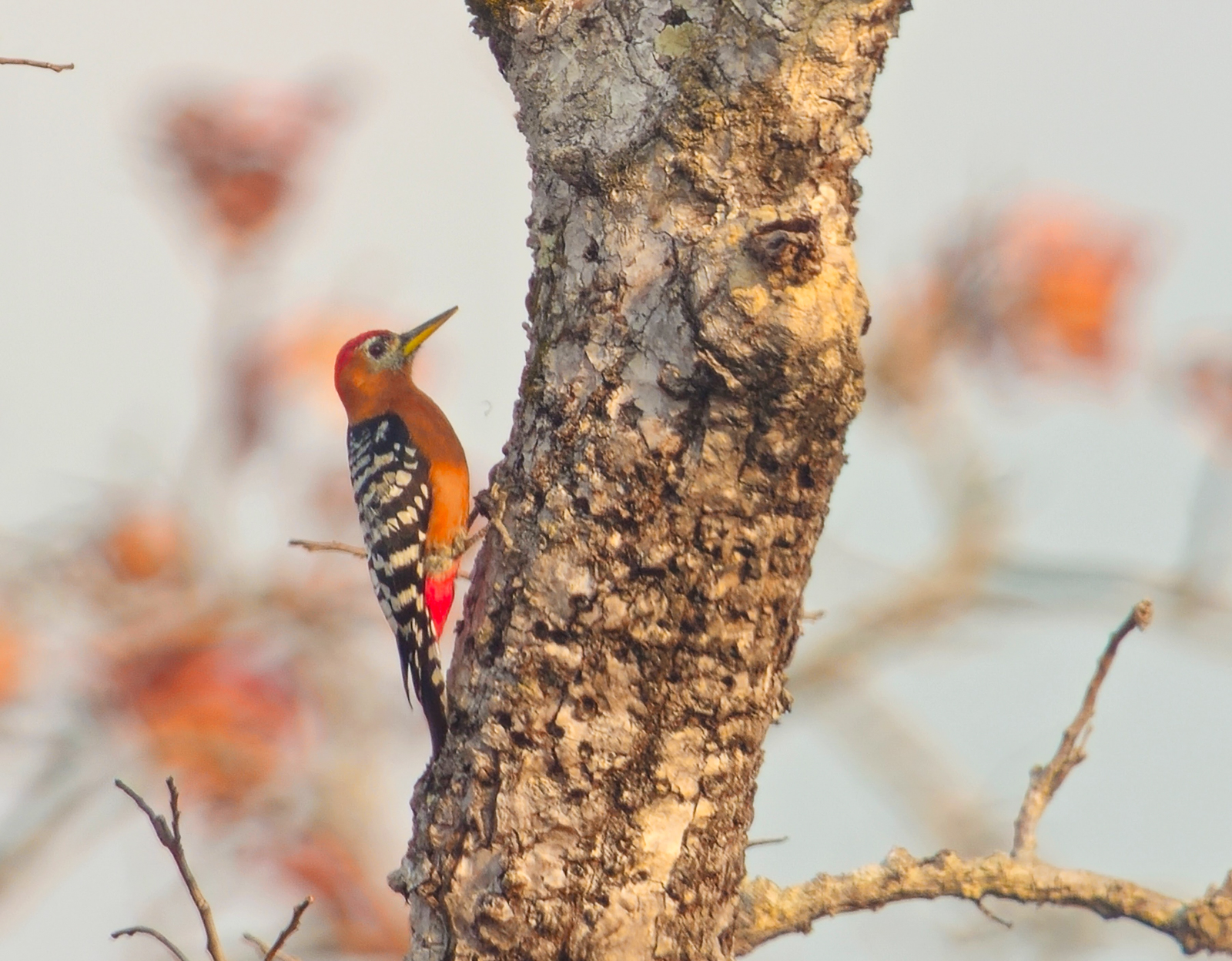
Rufous-bellied Woodpecker © Mike Hoit
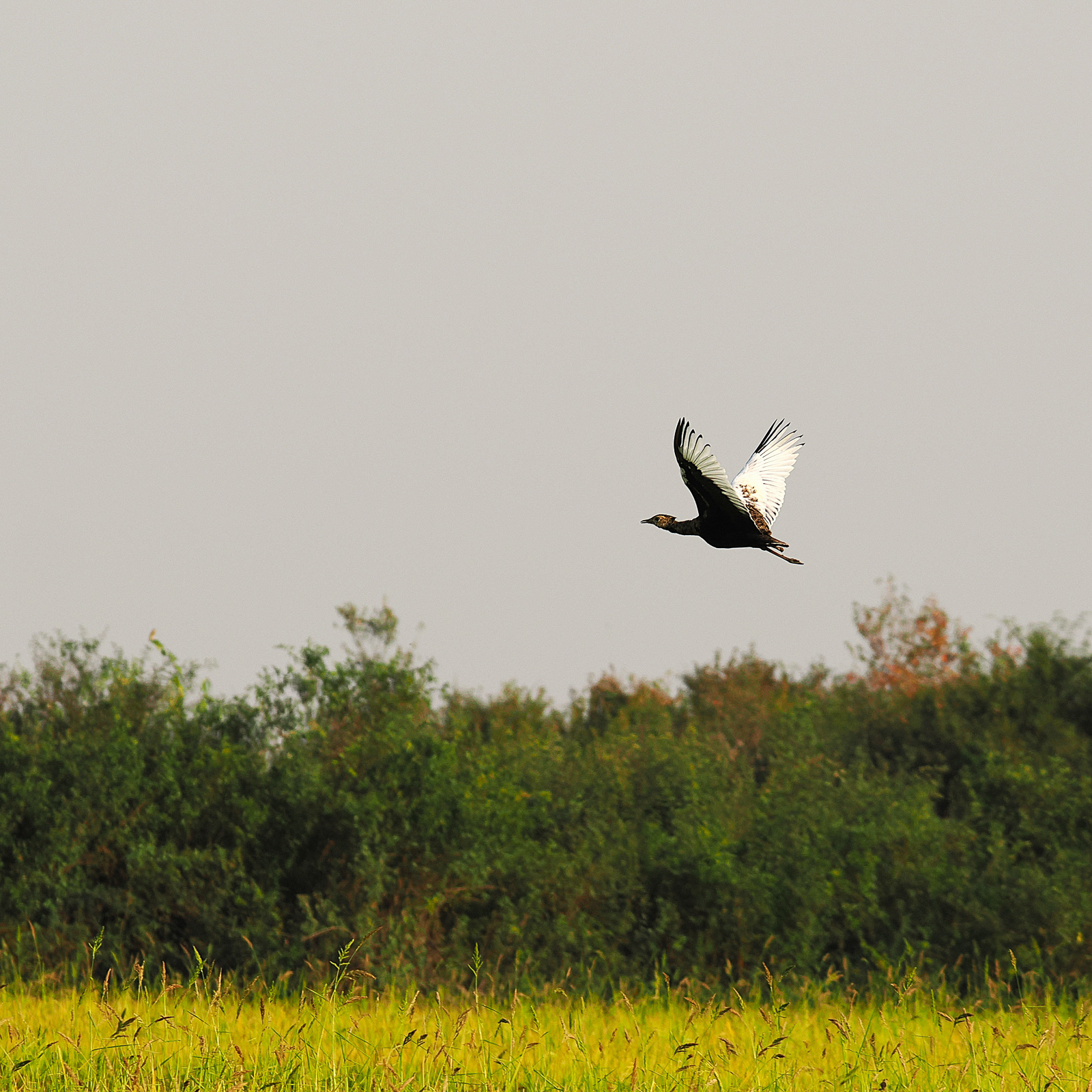
Bengal Florican © Pablo Perez
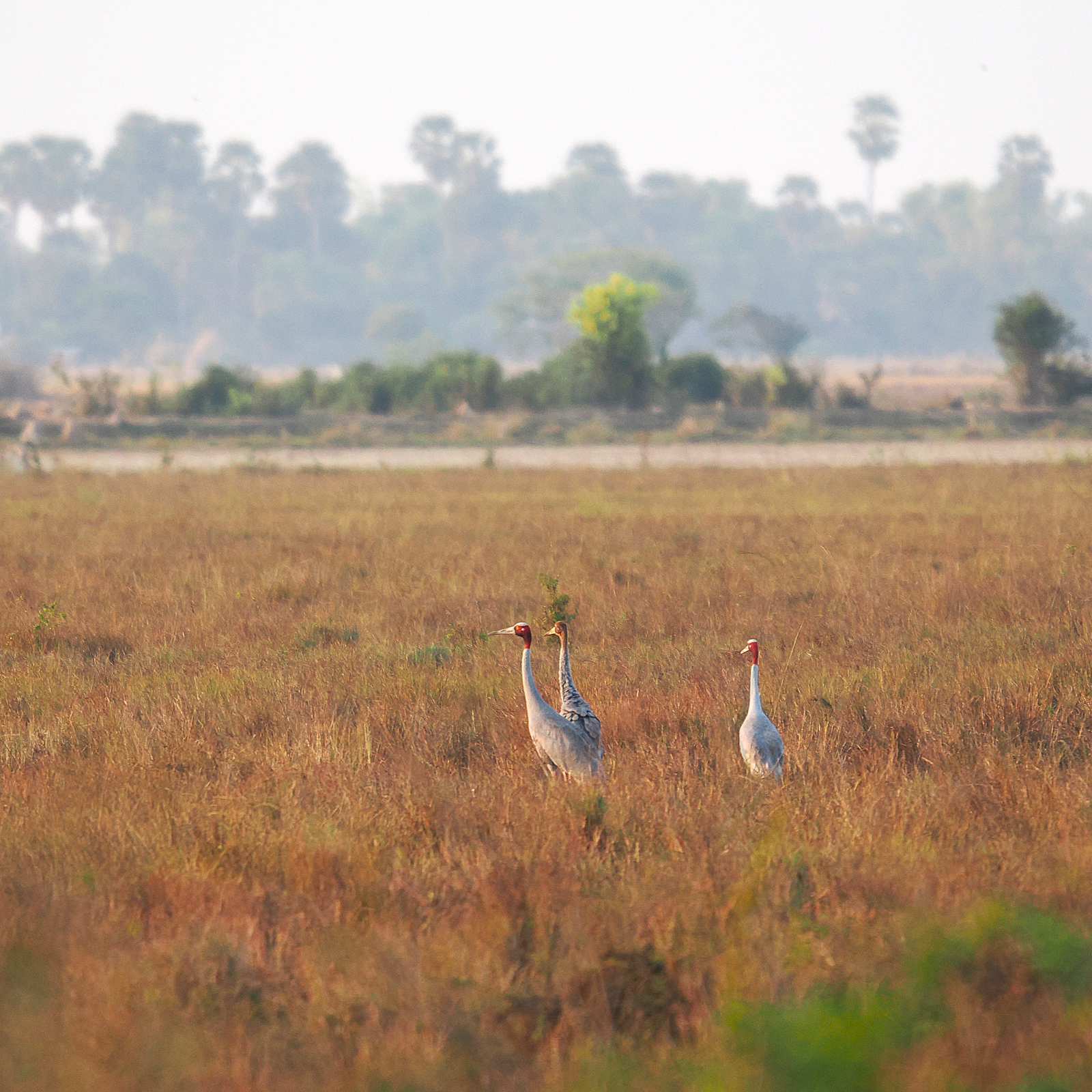
Sarus Crane © Pablo Perez
Day six, January 31st
From our base in Siem Reap, we journeyed northwest to Ang Trapaeng Thma. Exploring the mosaic of wetlands, woodland and open fields close to the large irrigation reservoir provided great birding. Alongside countless egrets, herons and Asian Openbills were huge flocks of Garganey and Lesser Whistling Ducks, and many Grey-headed Swamphens and Bronze-winged and Pheasant-tailed Jacanas, while Dusky and Oriental Reed Warblers were common in roadside vegetation. Spot-billed Pelicans and Painted Storks showed well, before we moved on to see roosting Spotted Wood and Eastern Barn Owls, found by our incomparable local guides, while raptor including Black Baza and Greater Spotted Eagles soared overhead. Before returning to the hotel we had another highlight: see how the local scarves are woven by hand, and even seeing the silkworms in action!
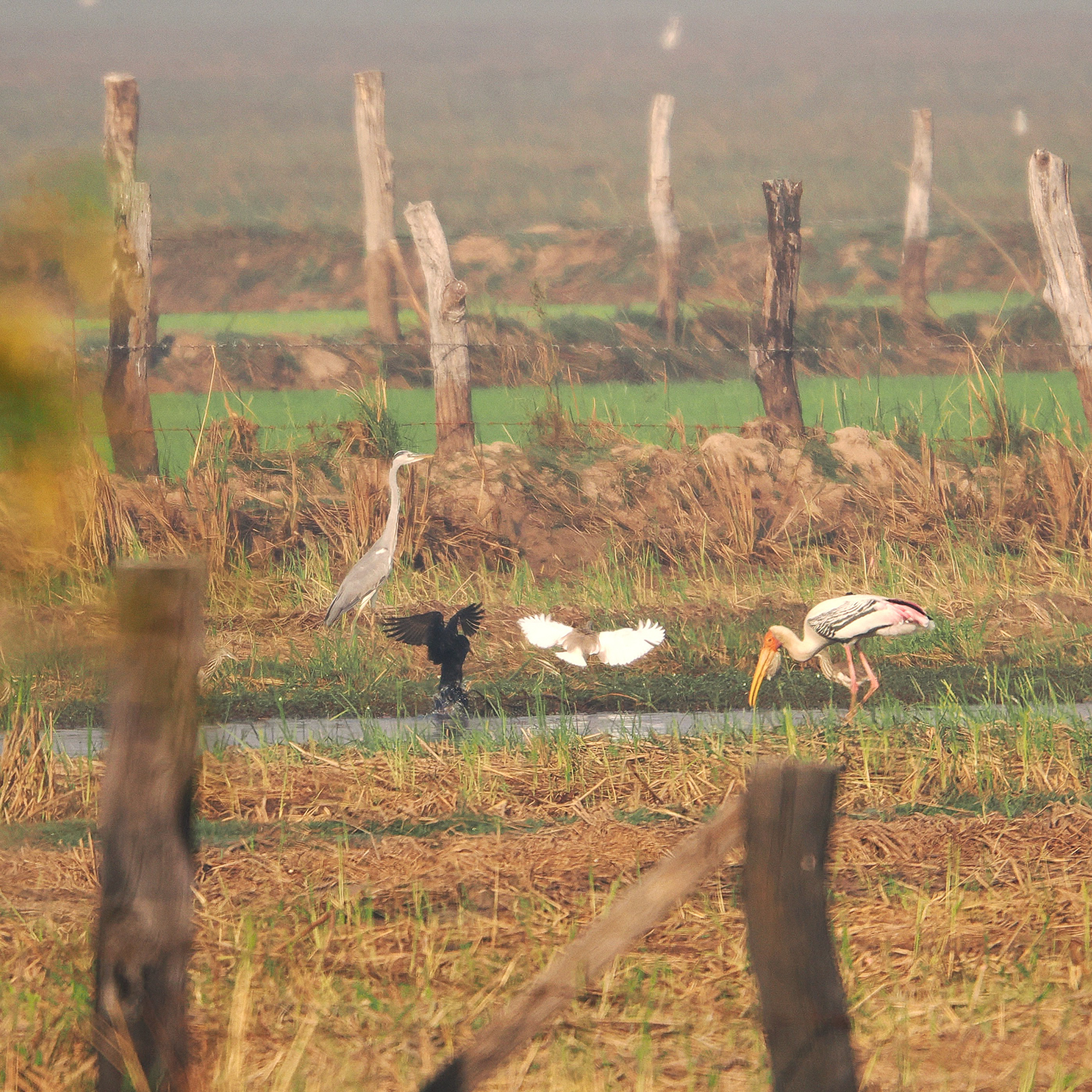
Painted Stork © Pablo Perez
Day seven, February 1st
A very early start had us in place to watch the sunrise over the incomparable Angkor Wat – complete with fly-by Great Hornbills, reintroduced here! Over the course of the morning we visited the main temple complex, plus Ta Prohm, where trees erupt from the ruins, and the stunning Bayon Temple. Birding in this most spectacular of settings was also productive: the many woodland and forest birds best included great views of a female White-throated Rock-Thrush, Asian Barred Owlet, Red-breasted and Alexandrine Parakeets, and Hainan Blue Flycatchers. After lunch we bade goodbye to Cambodia, and flew to Ho Chi Minh City for the Vietnamese leg of our adventure.
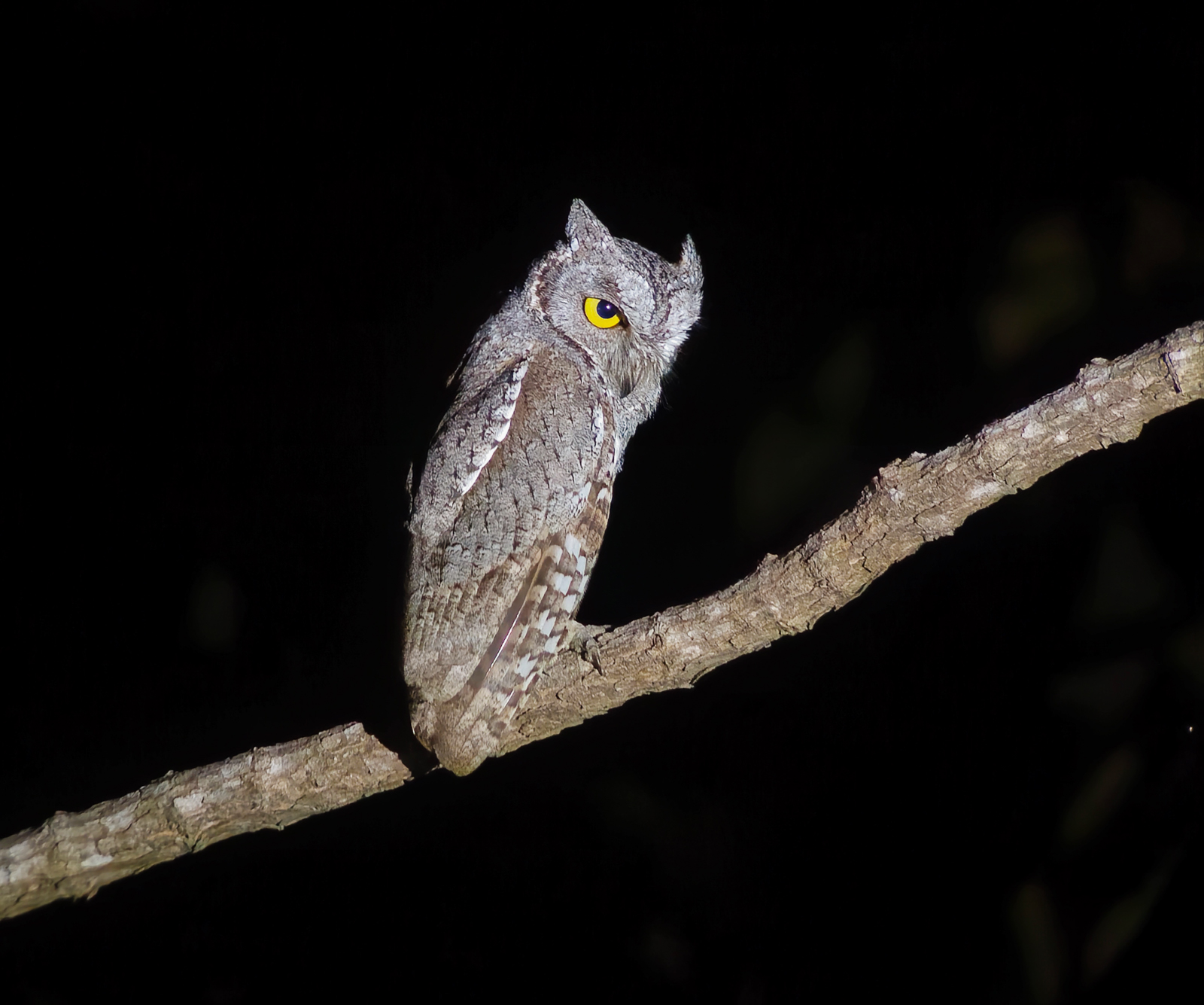
Oriental Scops Owl © Mike Hoit

Angkor sunrise © Mike Hoit
Day eight, February 2nd
Today was (very, very…) long travel day, but it began with our first Vietnamese coffees and birding in the Mekong Delta. Fortunately, we found the prime target – Spoon-billed Sandpiper – surprisingly easily, another amazing and critically-endangered bird. An impromptu shorebird ID session saw us getting to grips with a host of species that included Tibetan and Greater Sand-plovers, White-faced Plover and Terek Sandpiper. Comical mudskippers and Collared Kingfishers were a little more colourful! The rest of the day was spent on the road, before we finally arrived at the hill city of Da Lat.

Ta Prohm © Mike Hoit
Day nine, February 3rd
The forests of the Da Lat plateau form an Endemic Bird Area, home to nine species found nowhere else (a number that could grow, as some birds are present as endemic subspecies), and many other range-restricted birds. Our first morning attempting to find as many of these as possible was spent in the mixed pine and broadleaf forest on the west side of Tuyen Lam lake. The new birds came thick and fast, with Vietnamese Greenfinch, lots of Kloss’s Leaf-warblers, the endemic Da Lat subspecies of Green-backed Tit, Mrs Gould’s Sunbird and White-browed Shrike Babbler, a male White-throated Rock-thrush, and more widespread species such as Streaked Spiderhunter and Flavescent Bulbul. In the afternoon we headed onto a nearby open pine ridge for vocal but skulky Dalat Bush-warblers (which eventually showed to all!) and Hill Prinias, more Greenfinches, while after sunset we found singing Grey and Large-tailed Nightjars and a hidden Hodgson’s Frogmouth.
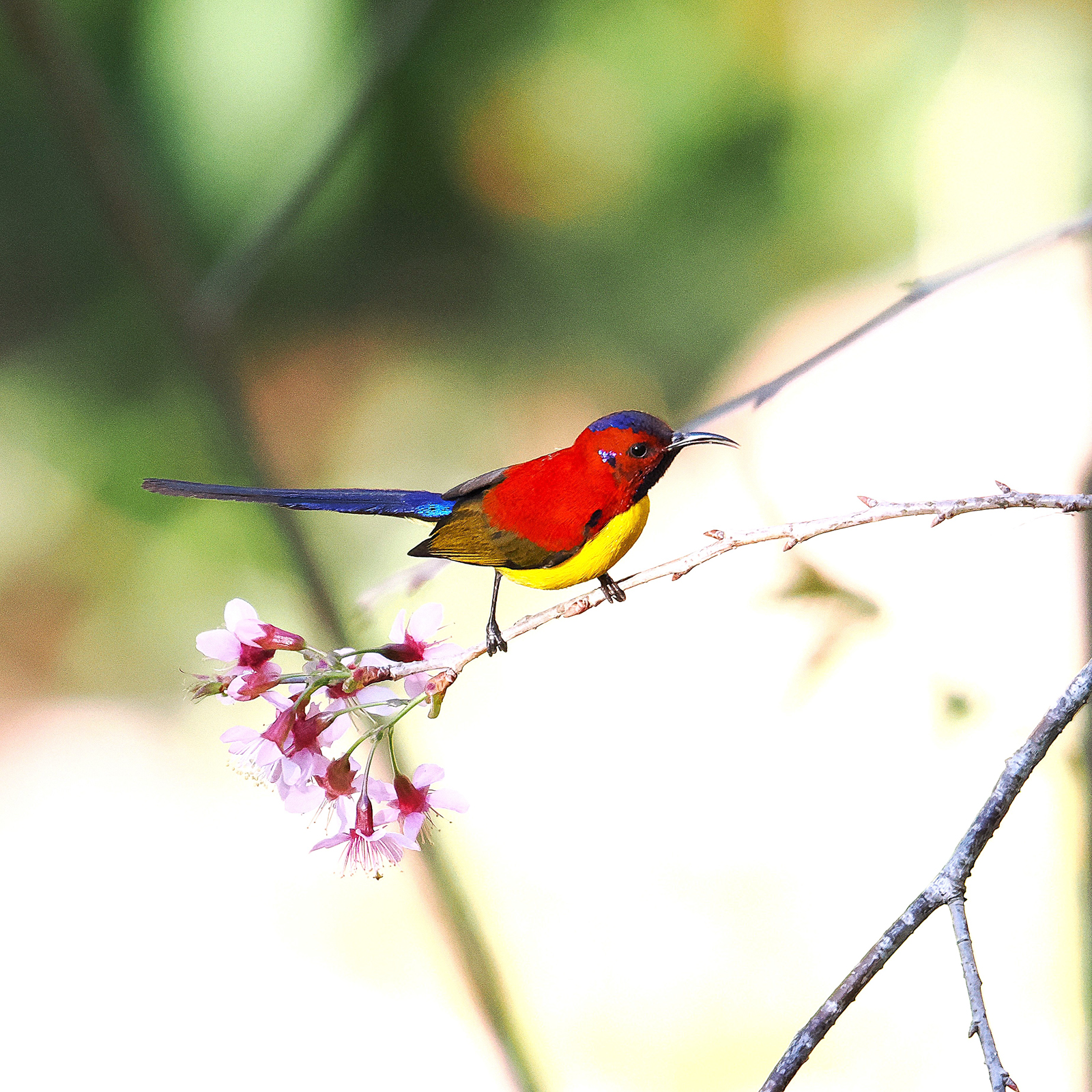
Mrs Gould’s Sunbird © Pablo Perez

Streaked Spiderhunter © Pablo Perez
Day ten, February 4th
Today we travelled north from the city, to Bidoup Nui Ba National Park, on the north side of the plateau. We spent the full day in the Cong Troi area, and the birding was fantastic. Black-crowned Fulvettas, “Langbian” Black-capped Sibias, “Langbian” Lesser Shortwings, and Necklaced Barbet were among the local specialities; however, the show was stolen by the obliging Green Cochoas, a tricky to find species which gave superb views. Other highlights included good views of Grey-bellied Tesia, White-tailed Robin and Snowy-browed Flycatcher, and we also saw a fascinating amphibian: one of the endemic beaked mountain toads of the genus Ophryophryne, again found only in the Da Lat area.
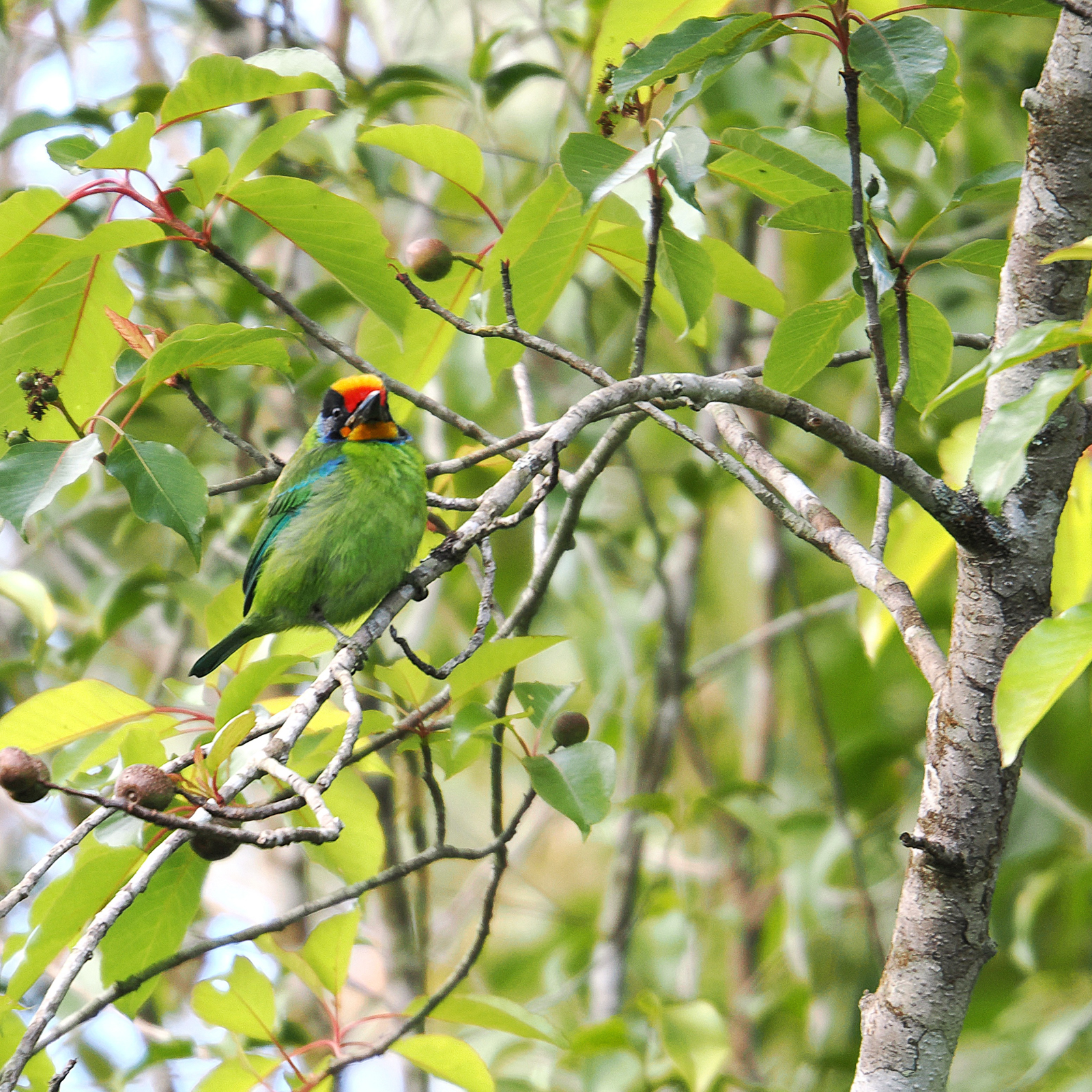
Necklaced Barbet © Pablo Perez

Large Niltava © Pablo Perez

White-tailed Robin © Pablo Perez
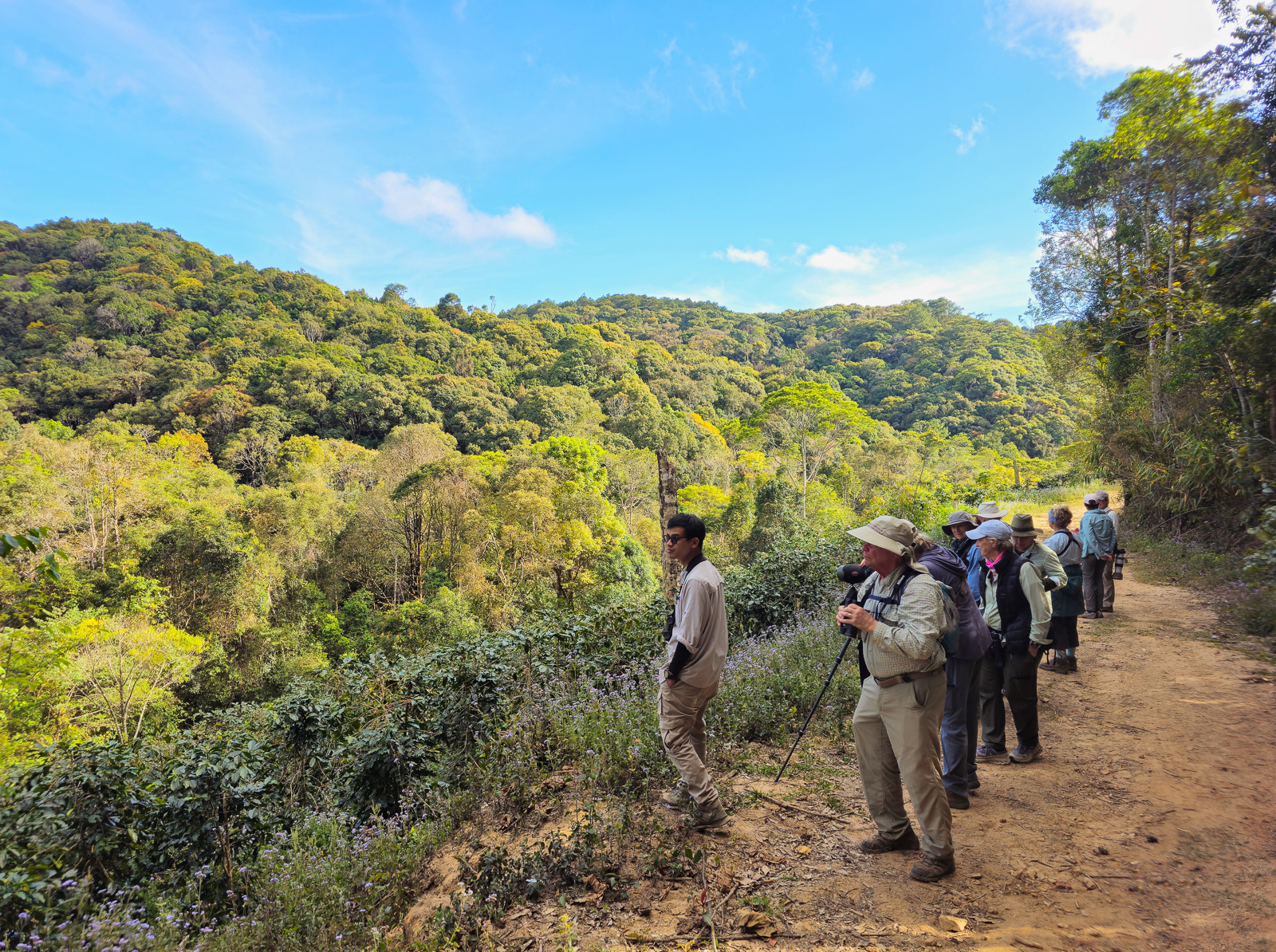
Birding at Dalat © Mike Hoit
Day eleven, February 5th
In the morning we returned to Bidoup Nui Ba, where the star birds included Vietnamese Cutia, fantastic views at last of Yellow-billed Nuthatch, Spotted Forktail, and seconds of the Green Cochoas, plus many of the species seen yesterday. After returning to Da Lat for a break, late afternoon birding in the Tuyen Lam area gave us new birds in the form of the pine-loving Slender-billed Oriole, flocks of White-cheeked Laughingthrushes, and more widespread species like Yellow-eyed Babbler.

Vietnamese Cutia © Pablo Perez

Spotted Forktail © Pablo Perez
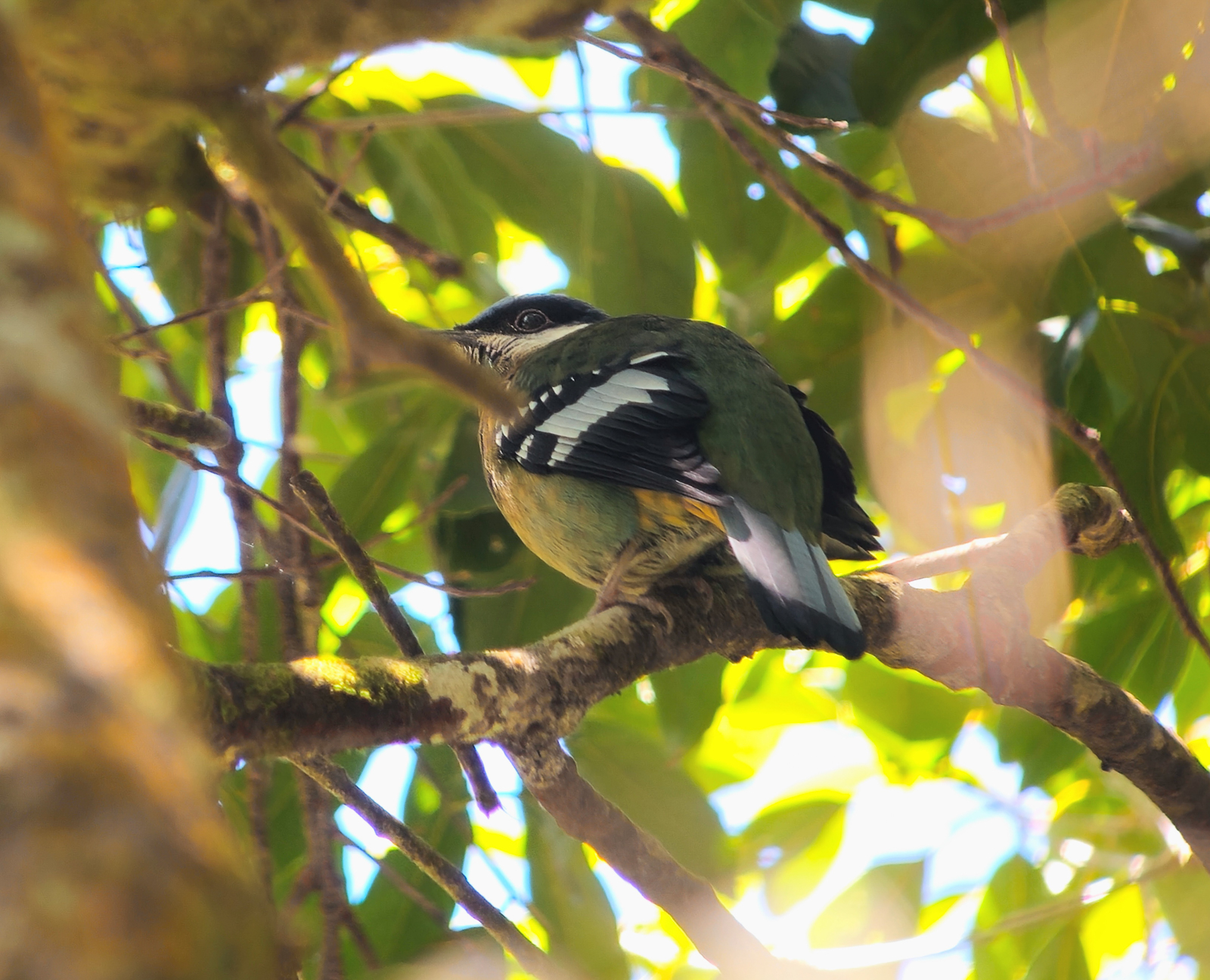
Green Cochoa © Mike Hoit
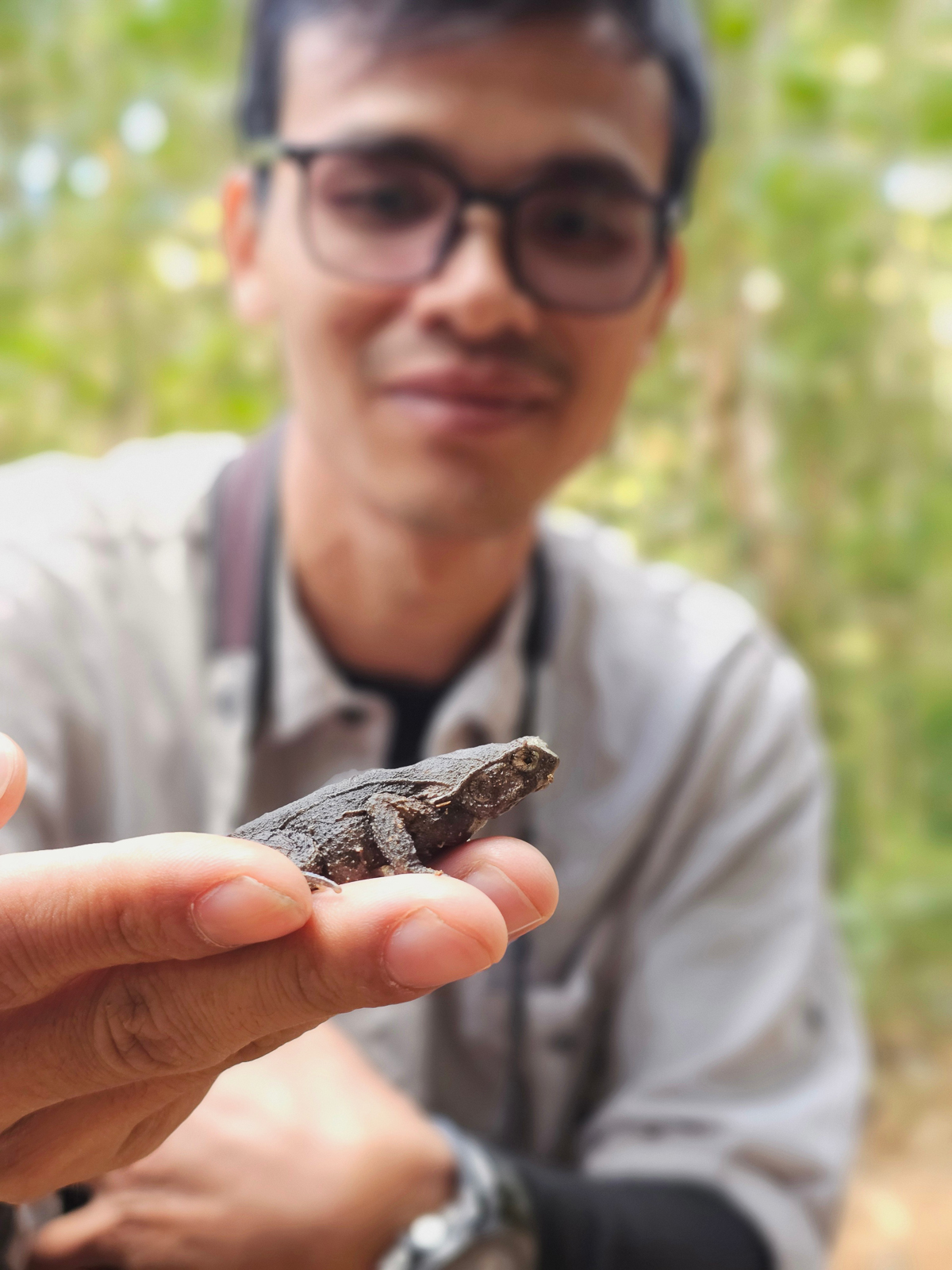
Thang and frog © Mike Hoit
Day twelve, February 6th
A final excursion to winkle out the last remaining Da Lat specials to the south of the city this morning we finally got great looks at brilliant Grey-crowned Crocias, plus elusive Black-headed Parrotbill and many bulbuls and sunbirds birds in the flowering cherries. Travelling on, we checked in early to our lovely hotel in Di Linh, where the birding wasn’t bad: Plaintive Cuckoo, Dark-necked Tailorbird, Cinnamon Bittern and Scarlet-backed Flowerpecker were all seen around the grounds. Later in the day headed up to the forests around Deo Nui San Pass. Being at a slightly lower elevation than Da Lat, this is a better area for Indochinese and Red-vented Barbets, both of which showed well, and we finished with remarkable-looking Long-tailed Broadbills.
Day thirteen, February 7th
Returning to Deo Nui San first thing, we began in open areas and obtained great looks at singing Annam Prinia, Vietnam’s most recently-split endemic. Back in the forests, it was striking how slow birding was, as rampant trapping has decimated some species and made others hard to see – a very sad scenario. Despite this, we improved on our views of noisy Black-headed Parrotbills and Maroon Oriole, and an impressive flock of White-throated Needletails circled low overhead.
From the hills, we transferred to Cat Tien, crossed the Dong Nai River by ferry, and checked into the national park accommodation, with birding right on the doorstep. Our first excursions along the forest edge turned up Oriental Pied Hornbill, Square-tailed Drongo Cuckoo and impressive numbers of drongos and other forest species – common birds actually proving common! The best sightings were some very close views of the often tricky Black-and-Buff Woodpecker and, at dusk, a spectacular flypast from huge, wolf-whistling Great Eared-Nightjars.
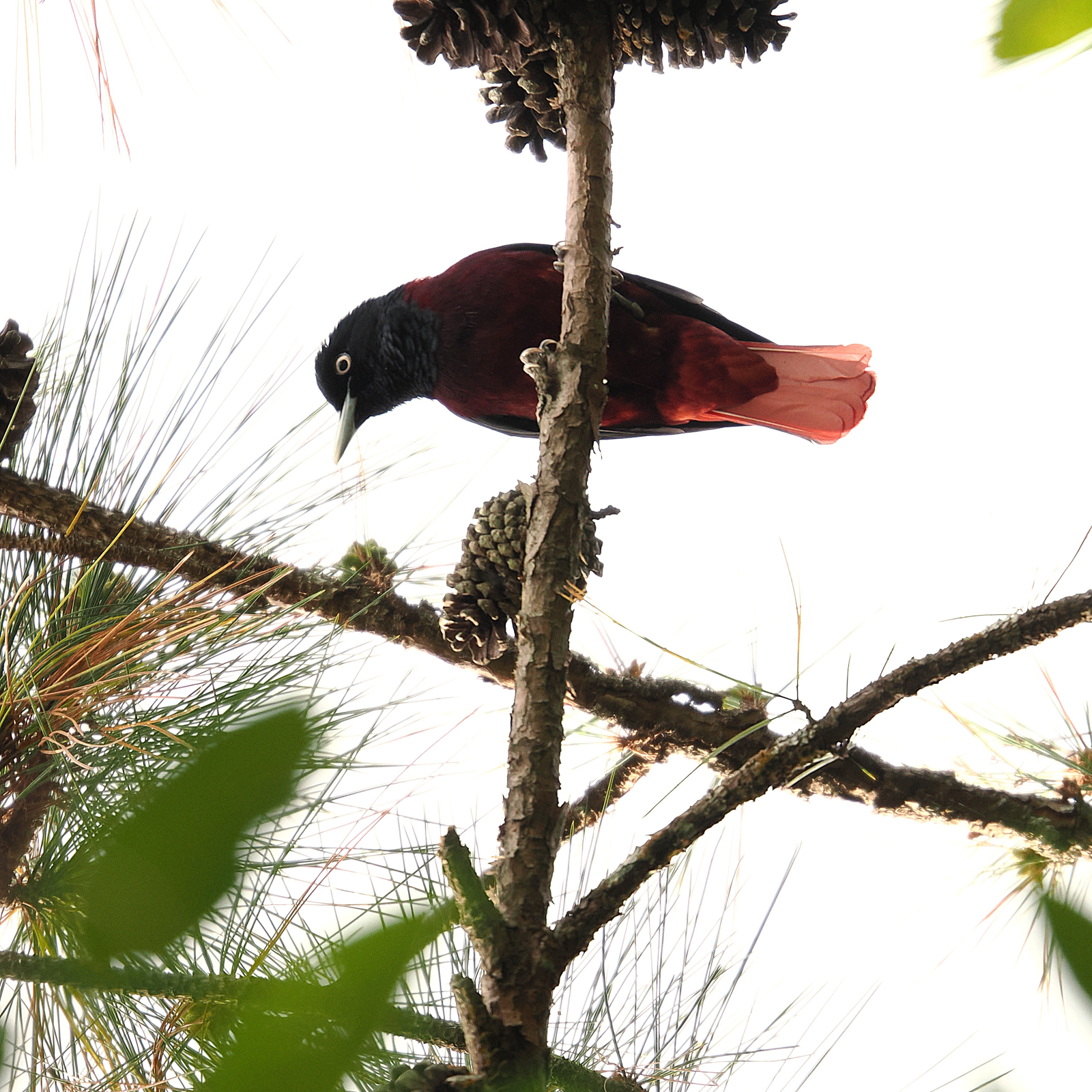
Maroon Oriole © Pablo Perez
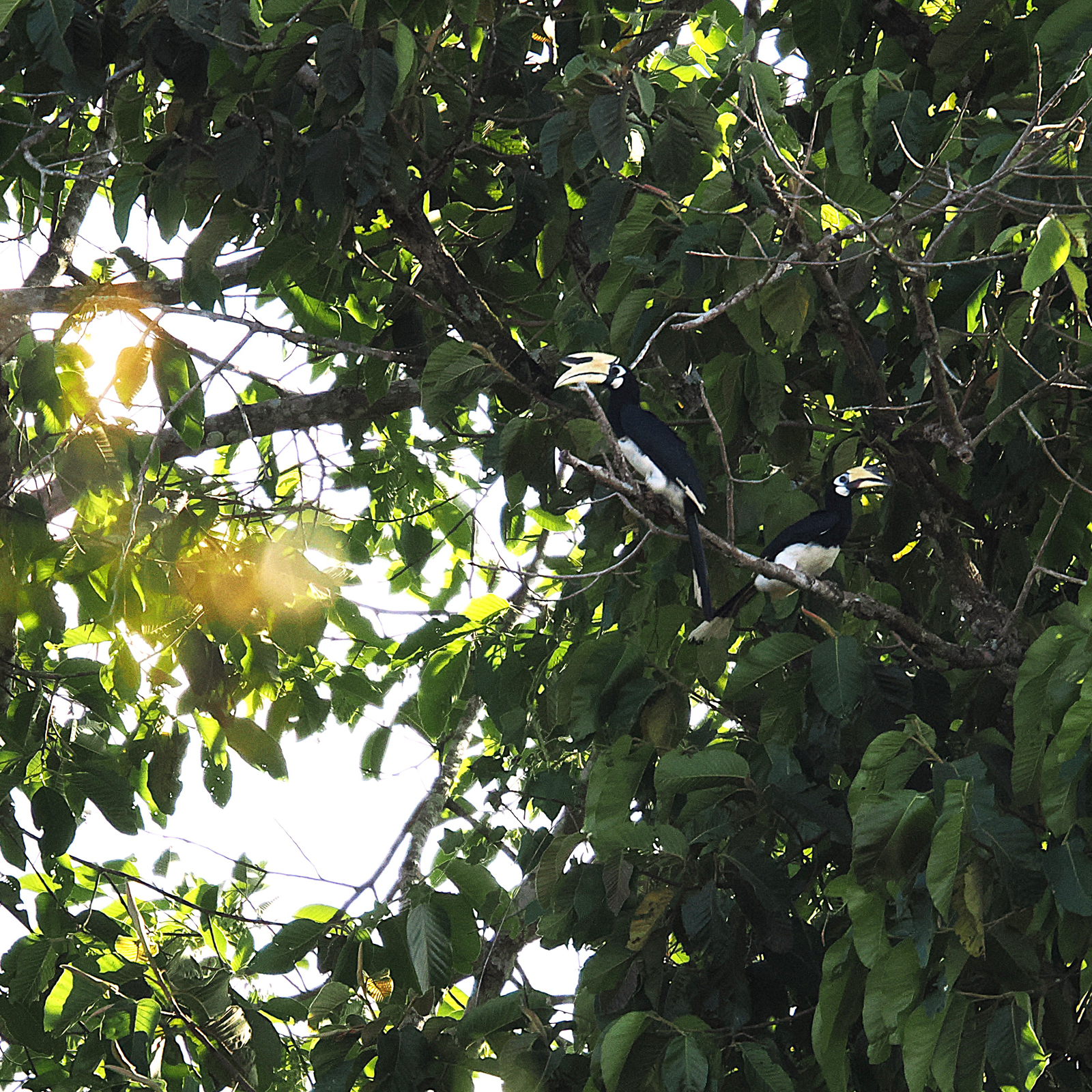
Oriental Pied Hornbill © Pablo Perez
Day fourteen, February 8th
This was a wonderful day spent in the bird-filled forests of Cat Tien National Park. A pre-breakfast stroll was so action-packed we only got a short distance down the road, with Dusky Broadbill being he pick of the bunch. The birding for the rest of the day was rather relaxing: much of the time was spent in hides overlooking watering holes and feeding stations – a real feature of Asian birding these days, and the hides at Cat Tien are rather comfortable! As well as many commoner species, we were afforded amazing views of Germain’s Peacock-Pheasants, Siamese Firebacks, Scaly-breasted Partridge, both Bar-bellied and Blue-rumped Pittas, and Siberian Blue Robin. Wow! On top of these stunning birds, we racked up ten species of mammals including Southern Yellow-cheeked Gibbons, Black-shanked Douc Langurs, and Northern Smooth-tailed Treeshrews.

Cat Tien ferry © Mike Hoit

Siberian Blue Robin © Mike Hoit

Scaly-breasted Partridge © Mike Hoit

Bar-bellied Pitta © Mike Hoit

Blue-rumped Pitta © Pablo Perez

Siamese Fireback © Pablo Perez
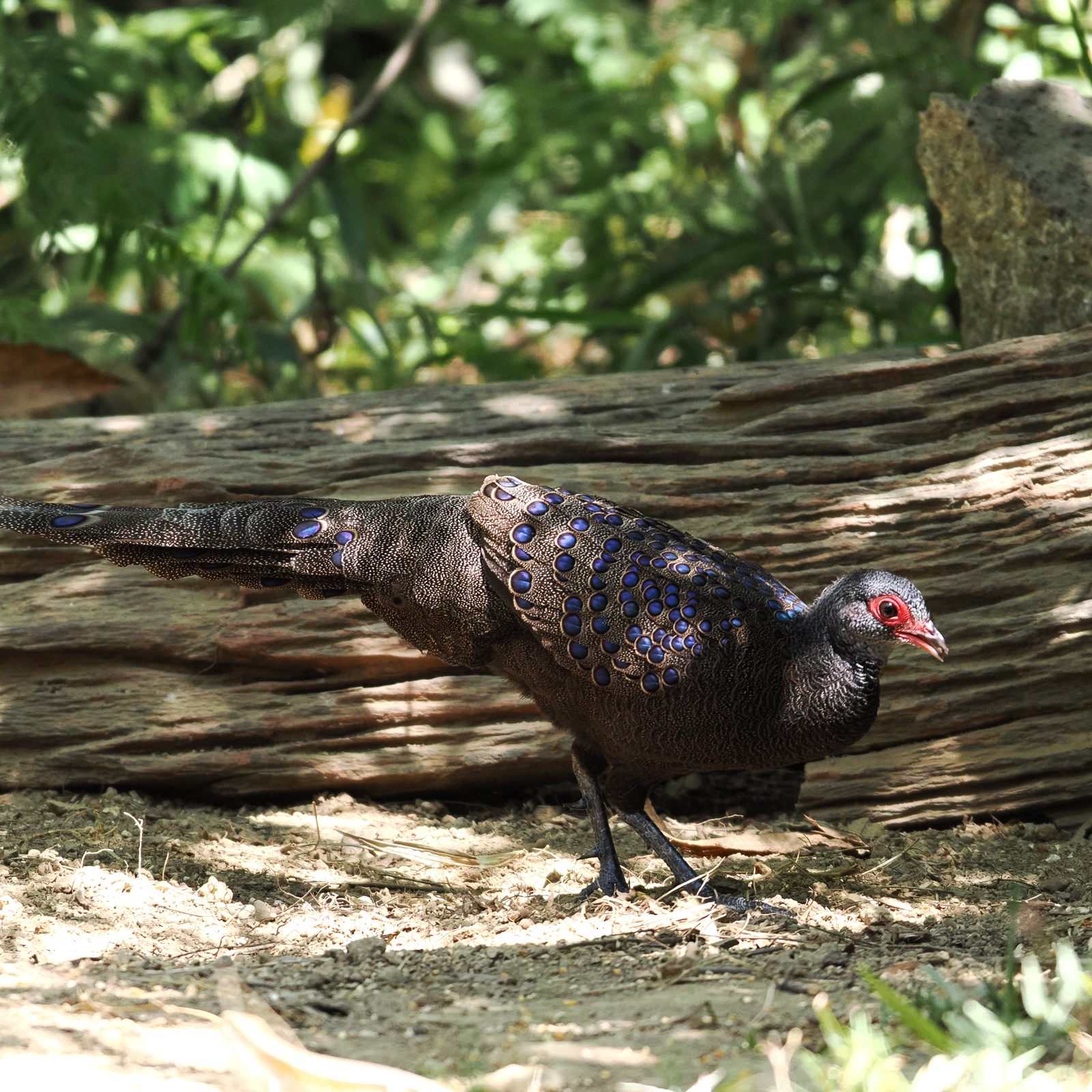
Germain’s Peacock-Pheasant © Pablo Perez
Day fifteen, February 9th
For the second full day in Cat Tien NP we visited two quite different habitats within the park. The tall broadleaved forests were a lovely place to be birding, and gave us Forest Wagtail, Banded Broadbill, Banded Kingfisher, Great Slaty Woodpeckers and a surprise Yellow-vented Green-Pigeon… and mildly aching necks from looking up into the canopy! Heading to the grasslands in the late afternoon proved a little breezy, but the Green Peafowls obliged: we saw a good number of these stunning beasts, including one female that strolled right through the group! Other nice sightings in this session included Black-and-Red Broadbill, Vinous-breasted Mynas, and Red Junglefowls. Staying out after dark, we were again hampered by a very bright moon, and Blyth’s Frogmouth only called distantly, but a brilliant Malayan Porcupine on the drive back the late finish worthwhile.

Black-and-red Broadbill © Pablo Perez
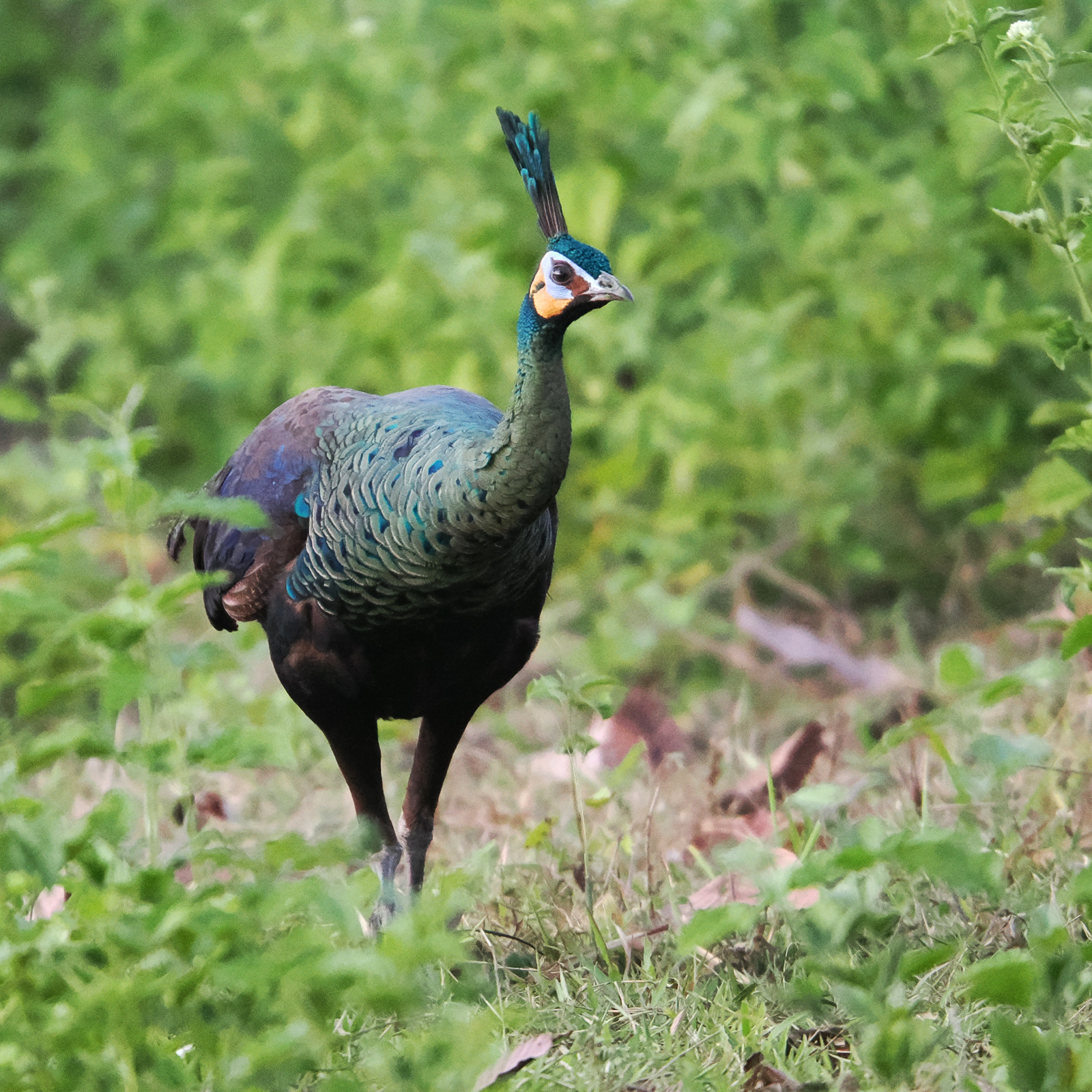
Green Peafowl © Pablo Perez
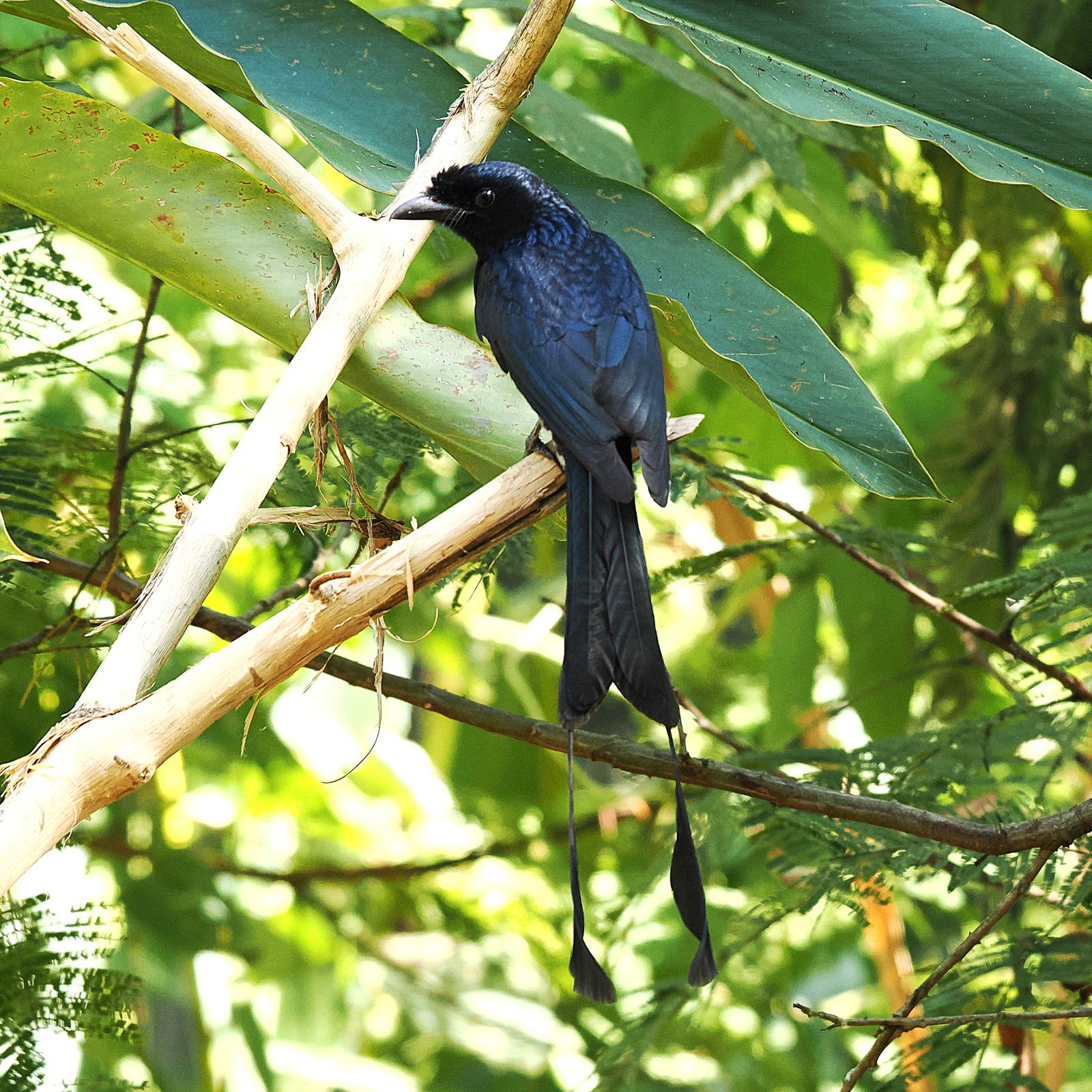
Greater Racket-tailed Drongo © Pablo Perez

Ashy Drongo © Pablo Perez
Day sixteen, February 10th
A final morning in the forests was another feast of birds! We encountered several feeding flocks comprising species such as Grey-faced Tit-babbler, Great Iora and Blyth’s Paradise Flycatcher; splashes of colour with more Banded Kingfishers and Orange-breasted Trogons, Blue-bearded Bee-eaters and a Blue-banded Kingfisher; a Collared Falconet; and a tree full of several species of sunbirds and flowerpeckers.
After a final lunch back at HQ prepared by the tireless restaurant staff, it was back across the river to be reunited with our drivers and minivans, and bar a few roadside sightings that was it for the birding. A few hours later we were back in Ho Chi Minh City, having tallied over 350 species on the tour. The birding isn’t always easy in Cambodia and Vietnam, but the rewards are great – and as we could see, ecotourism in Indochina can make a contribution to the conservation of some of the very special things we saw.

White-rumped Shama © Pablo Perez

Watching Banded Kingfisher © Mike Hoit

Our group, Cat Tien © Mike Hoit