Central California: Yosemite to Monterey
Highlights
Highlights
- Explore an exceptional range of habitats, from sagebrush and high-Sierra forests to oak woodland, chaparral, estuaries, rocky coastlines, redwoods and tidal marshes
- Visit some of California’s most spectacular natural areas, including Mono Lake, Yosemite National Park, Pinnacles National Park and the central Pacific coast
- Enjoy a full-day pelagic trip into the rich offshore waters of central California for albatrosses, shearwaters, storm-petrels, jaegers and marine mammals
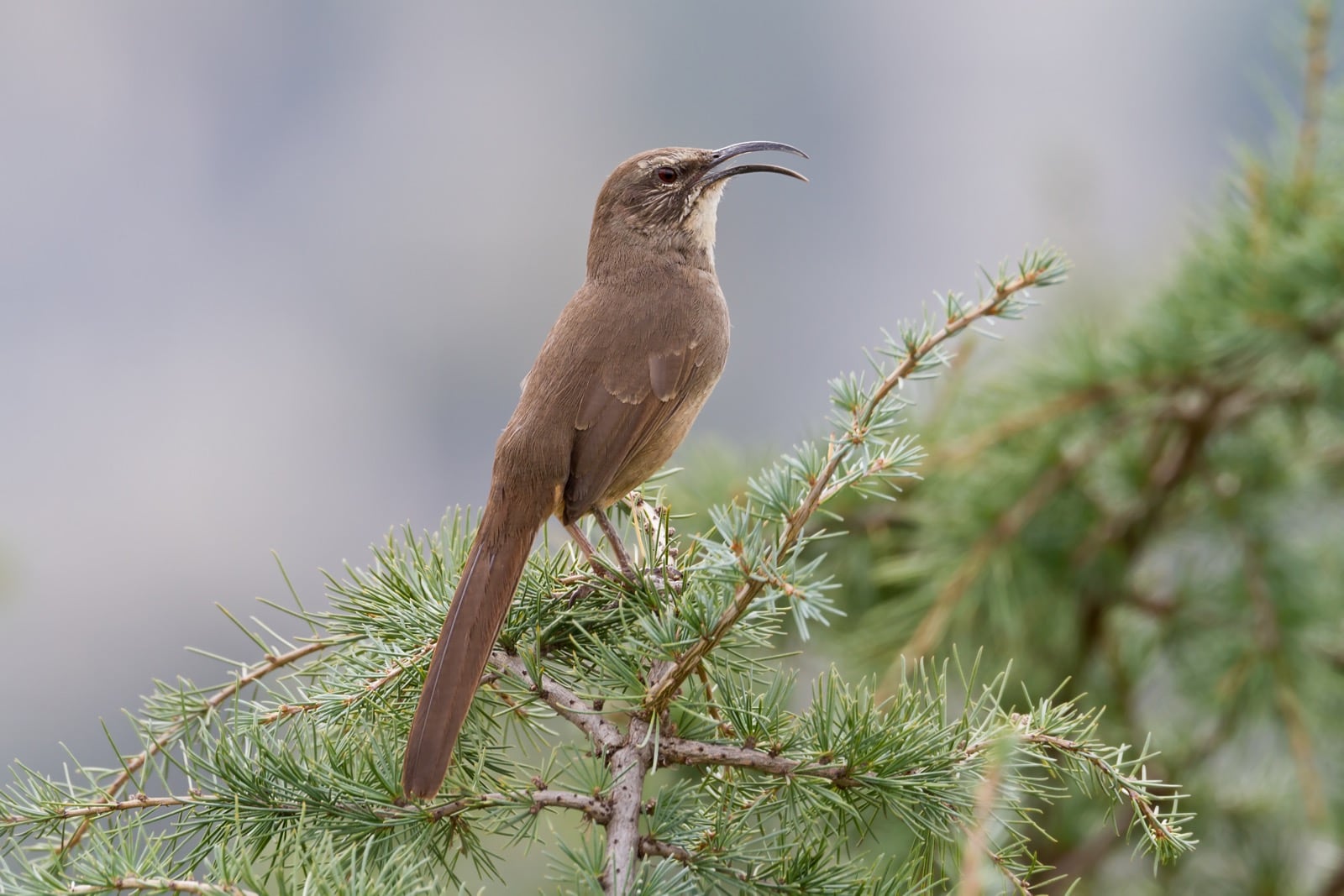
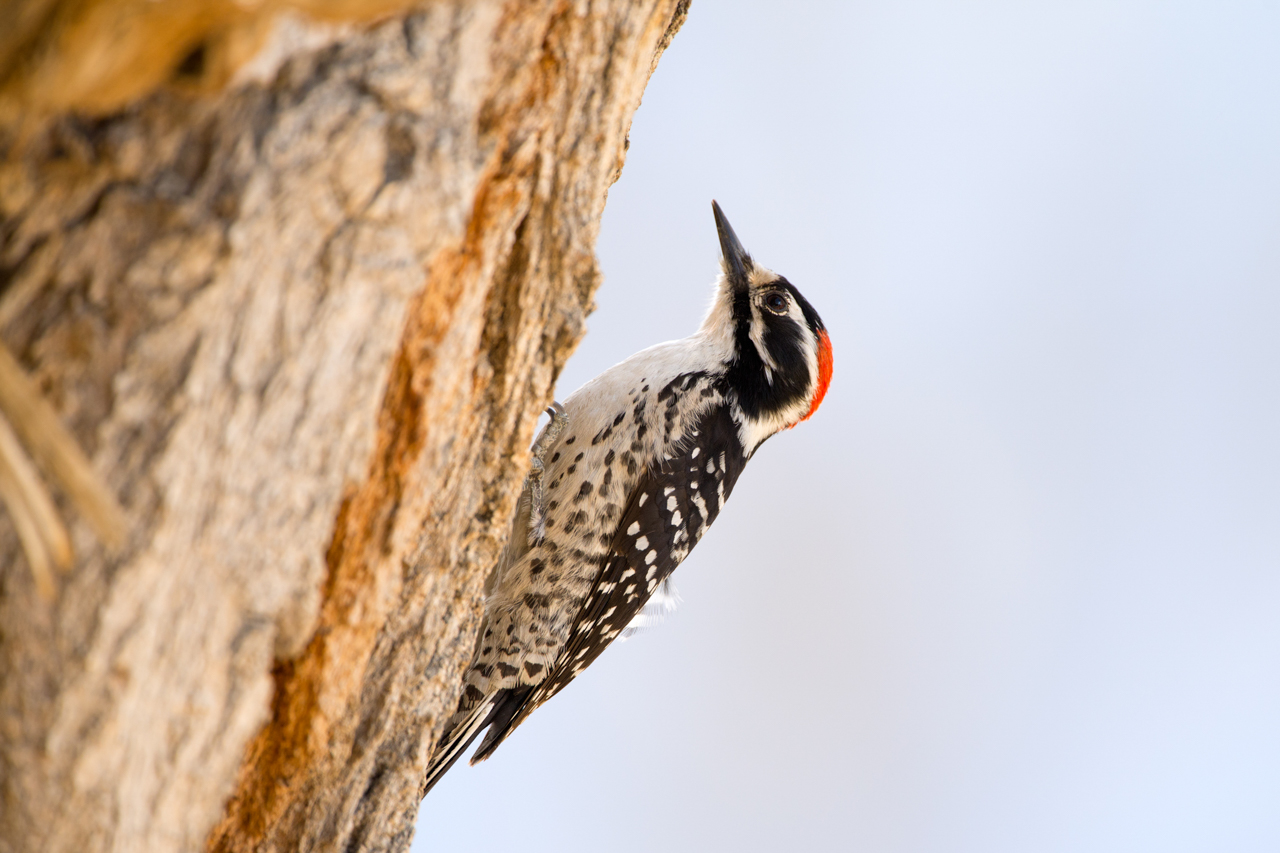
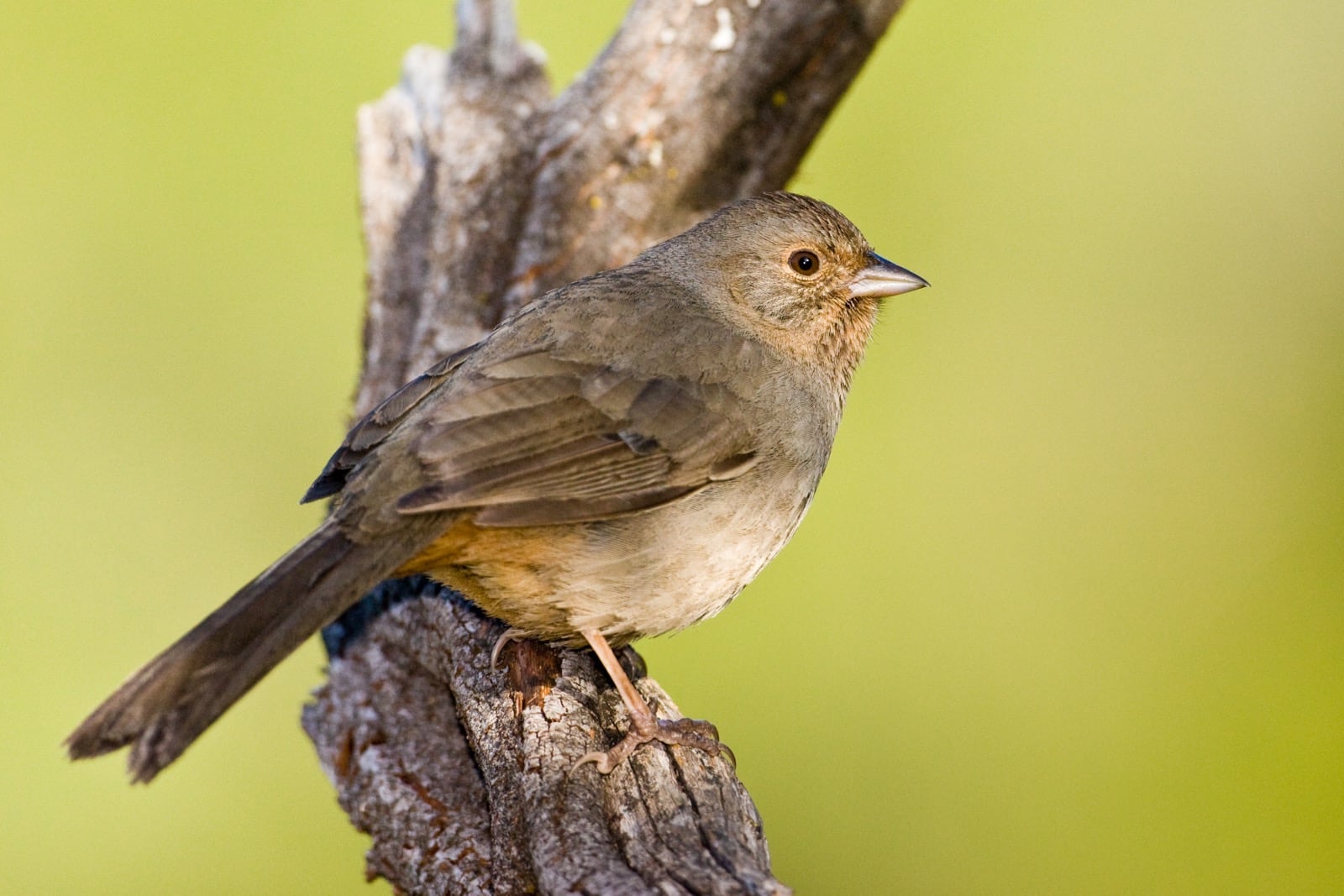
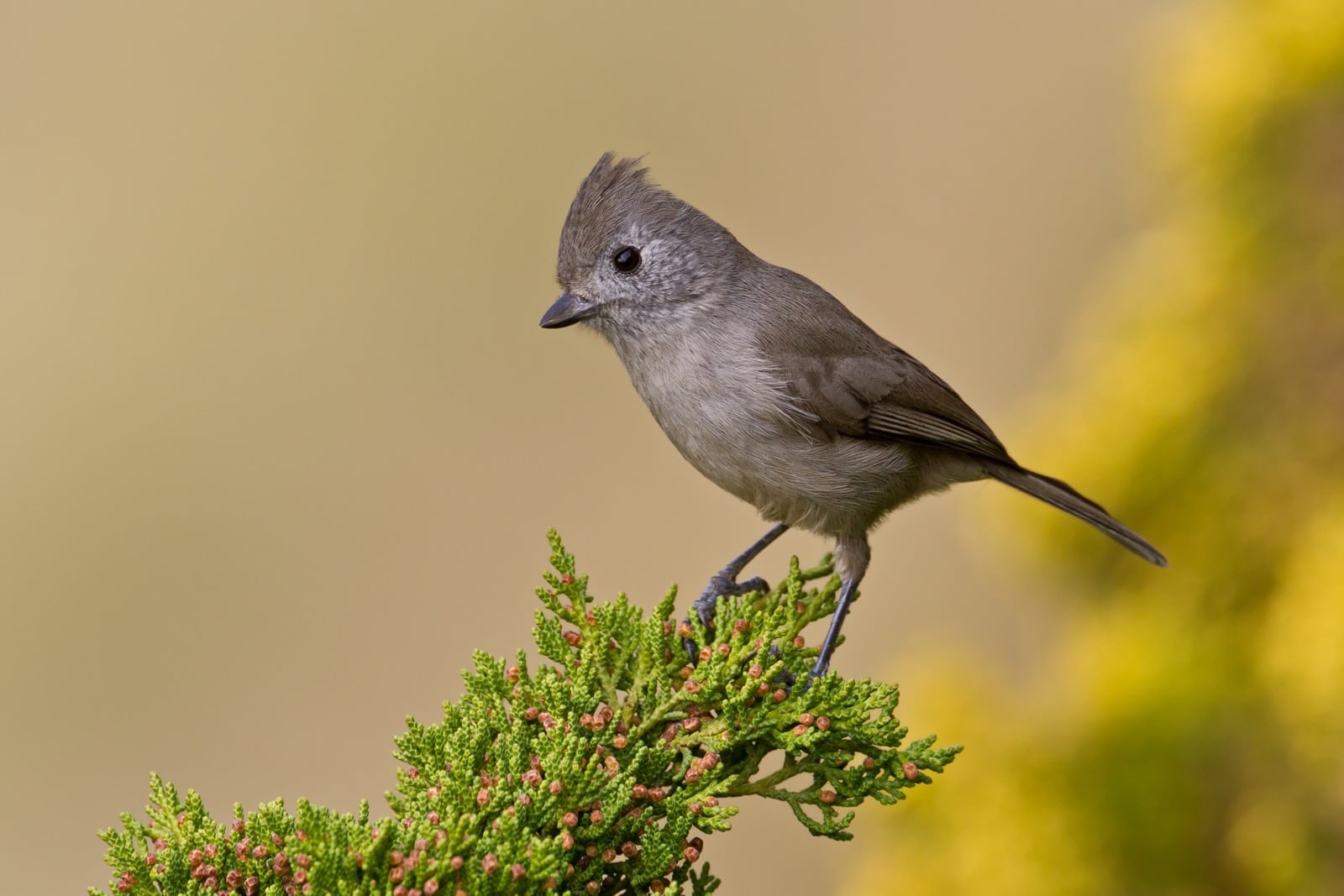
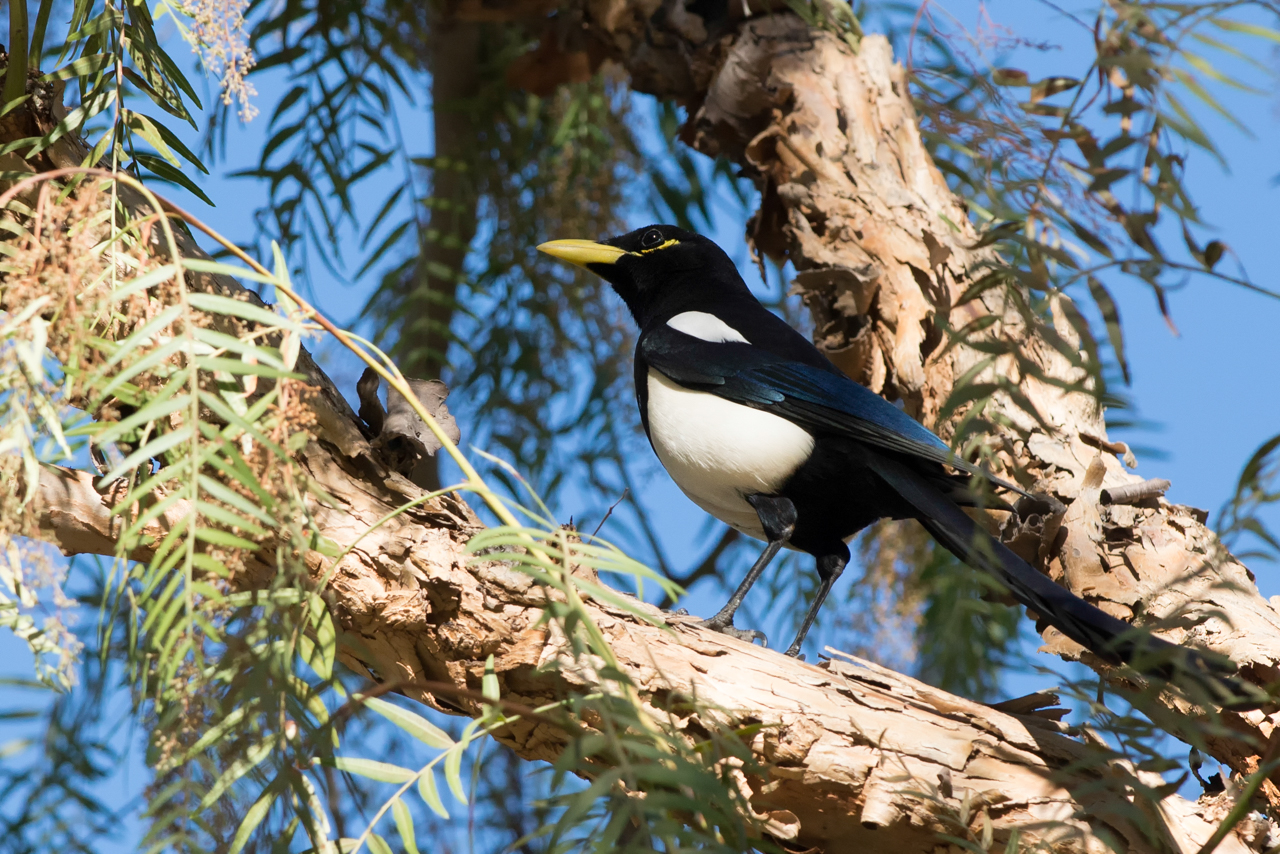
- Search for distinctive California specialties such as Yellow-billed Magpie, California Towhee, Wrentit, Oak Titmouse, California Thrasher and Nuttall’s Woodpecker
Map
Map
Overview
Tour Overview
California specialties, towering redwoods, Yosemite and world-class pelagic birding!
Our Central California birding tour explores an exceptional range of habitats, from the sagebrush country and saline waters of Mono Lake to the high mountains and conifer forests of the Sierra Nevada. From there we continue west through oak woodlands and chaparral to the rocky Pacific coast, productive estuaries, towering coast redwoods and the tidal wetlands of San Francisco Bay.
Along the way we search for many of California’s distinctive birds, including Yellow-billed Magpie, California Towhee, Wrentit and Oak Titmouse, together with a wonderful variety of sagebrush, mountain, woodland and coastal species. Yosemite National Park combines spectacular scenery with excellent birding, while fall migration brings shorebirds and songbirds through wetlands and coastal habitats.
A full-day pelagic trip takes us into the rich offshore waters of central California, where albatrosses, shearwaters, storm-petrels, jaegers and other seabirds are possible, along with whales, dolphins and other marine mammals. Sea Otters, dramatic landscapes and an extraordinary variety of habitats add to a wonderfully diverse California birding adventure.
Dates & Prices
Dates & Prices
What's Included
Tour Price Includes
- All accommodation
- All meals
- Ground transportation
- One guide with 4 - 8 participants, 2 guides and 2 vans with 9 - 12 participants
- All park, conservation and entrance fees
- One pelagic trip
Tour Price Does Not Include
- Flights to Reno and from San Francisco
- Travel Insurance
- Items of a personal nature
Gallery
Itinerary
Itinerary
Day 1: Arrival in Reno
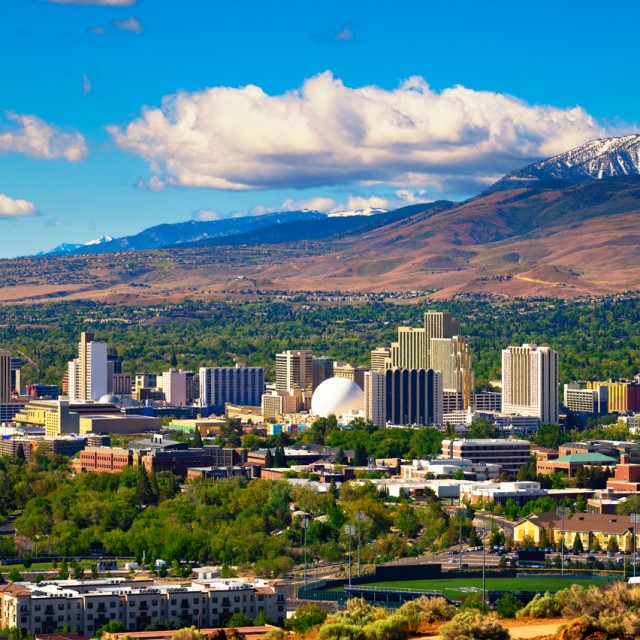
Our California birding tour begins with our arrival in Reno, Nevada, and a meet-and-greet dinner. This will be a chance to meet the other participants and discuss the upcoming adventure. Night in Reno.
Days 2–3: Mono Lake and the Eastern Sierra
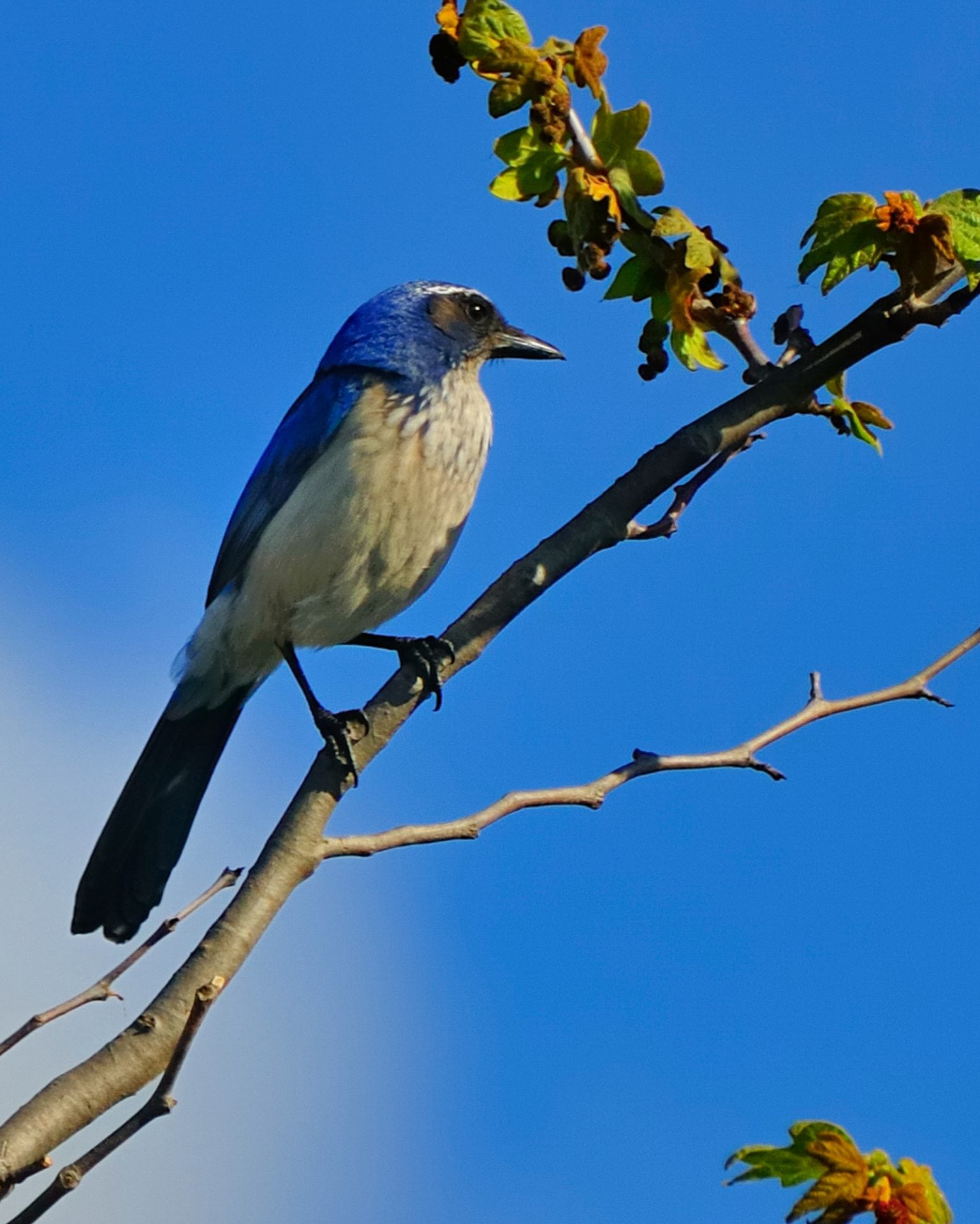
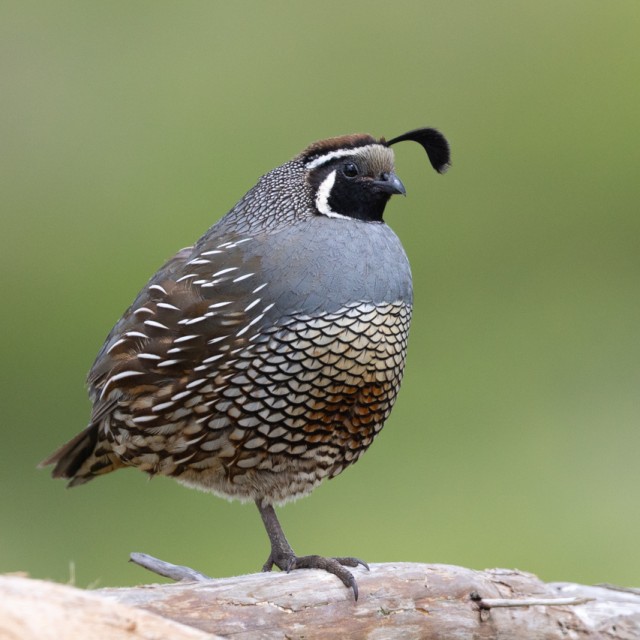
Today we head south through the Great Basin on our way to Lee Vining, stopping to look for birds along the way. We’ll look for western species such as California Quail, California Gull, California Scrub-Jay, Black-billed Magpie, Lesser Goldfinch and Bewick’s Wren. Lee Vining lies in a beautiful area where sagebrush desert meets the mountains on the shore of Mono Lake, an ancient saline and alkaline lake famous for its unusual tufa formations.
Birding around Mono Lake, we’ll focus on lakefront, wetland and wooded habitats. Migrant traps around the lake can be excellent for fall landbirds such as Northern Yellow, MacGillivray’s and Wilson’s Warblers, while nearby wetlands support Marsh Wren and Virginia Rail. On the lake we’ll look for Red-necked Phalaropes, Eared Grebes, California Gulls and other waterbirds and shorebirds.
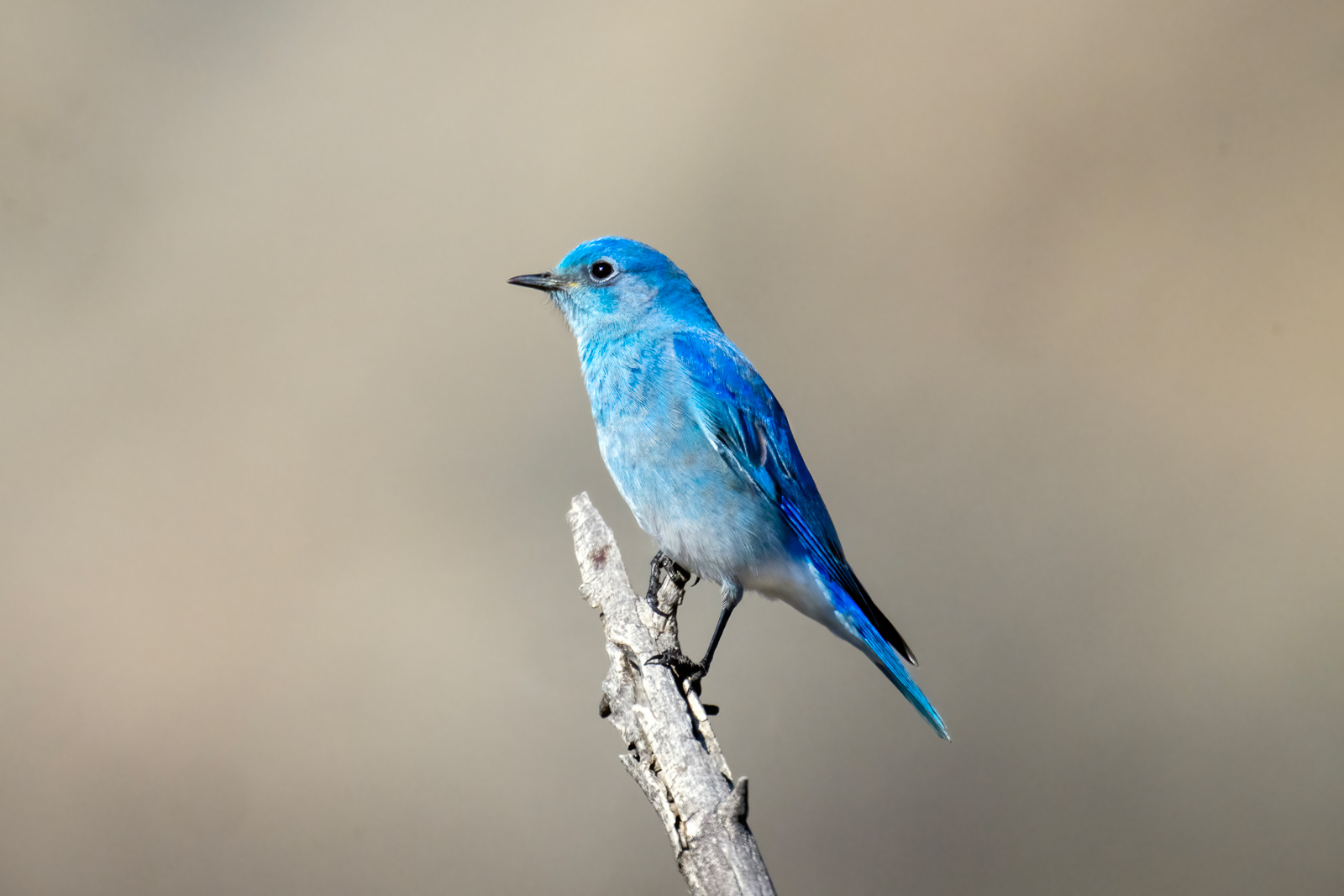
One of the highlights of the Mono Lake area is exploring the sagebrush country surrounding the historic ghost town of Bodie. Here we’ll search for sought-after sagebrush specialists such as Sage Thrasher, Sagebrush, Brewer’s and Vesper Sparrows, Green-tailed Towhee and Mountain Bluebird. With some luck, we may also encounter Greater Sage-Grouse. Pinyon Jay and Woodhouse’s Scrub-Jay are among the other possibilities, with Steller’s Jay more likely in forested habitats.
During our time in the area, we’ll also visit higher-elevation forests and mountain habitats in search of Williamson’s and Red-breasted Sapsuckers, Cassin’s Finch, Mountain Chickadee, Clark’s Nutcracker and other montane species. Red Crossbill and Gray-crowned Rosy-Finch are less predictable possibilities. Two nights in Lee Vining.
Days 4–5: Yosemite National Park
We travel up the eastern slopes of the Sierra Nevada, crossing 9,945-foot-high Tioga Pass on our way into Yosemite National Park for a two-night stay. The journey takes us through a wonderful variety of high-elevation habitats, including riparian woodland, mountain lakes, conifer forest and subalpine meadows.
In the high country we’ll look for Mountain Bluebird, Clark’s Nutcracker, Mountain Chickadee, Cassin’s Finch, Red-breasted Nuthatch and other montane birds, while Red Crossbill may be present in productive years. Belding’s Ground Squirrels are also characteristic of the high meadows.
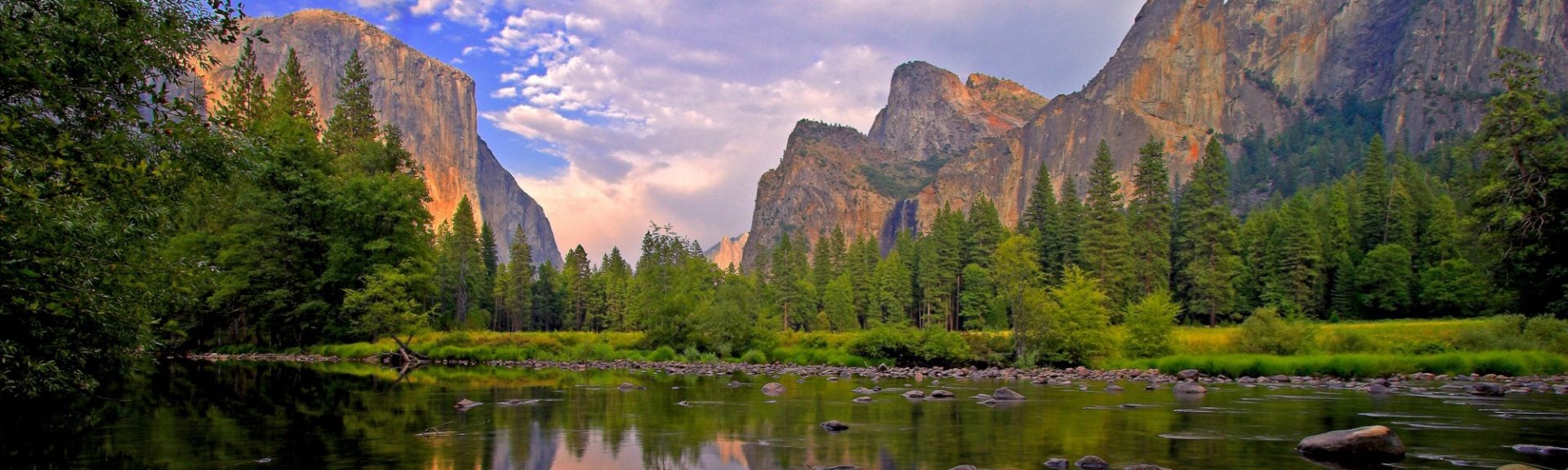
Yosemite National Park is a vast wilderness with some of the most spectacular scenery anywhere, encompassing dramatic valleys, waterfalls, meadows, sheer granite cliffs and forests stretching from the foothills to the alpine zone.
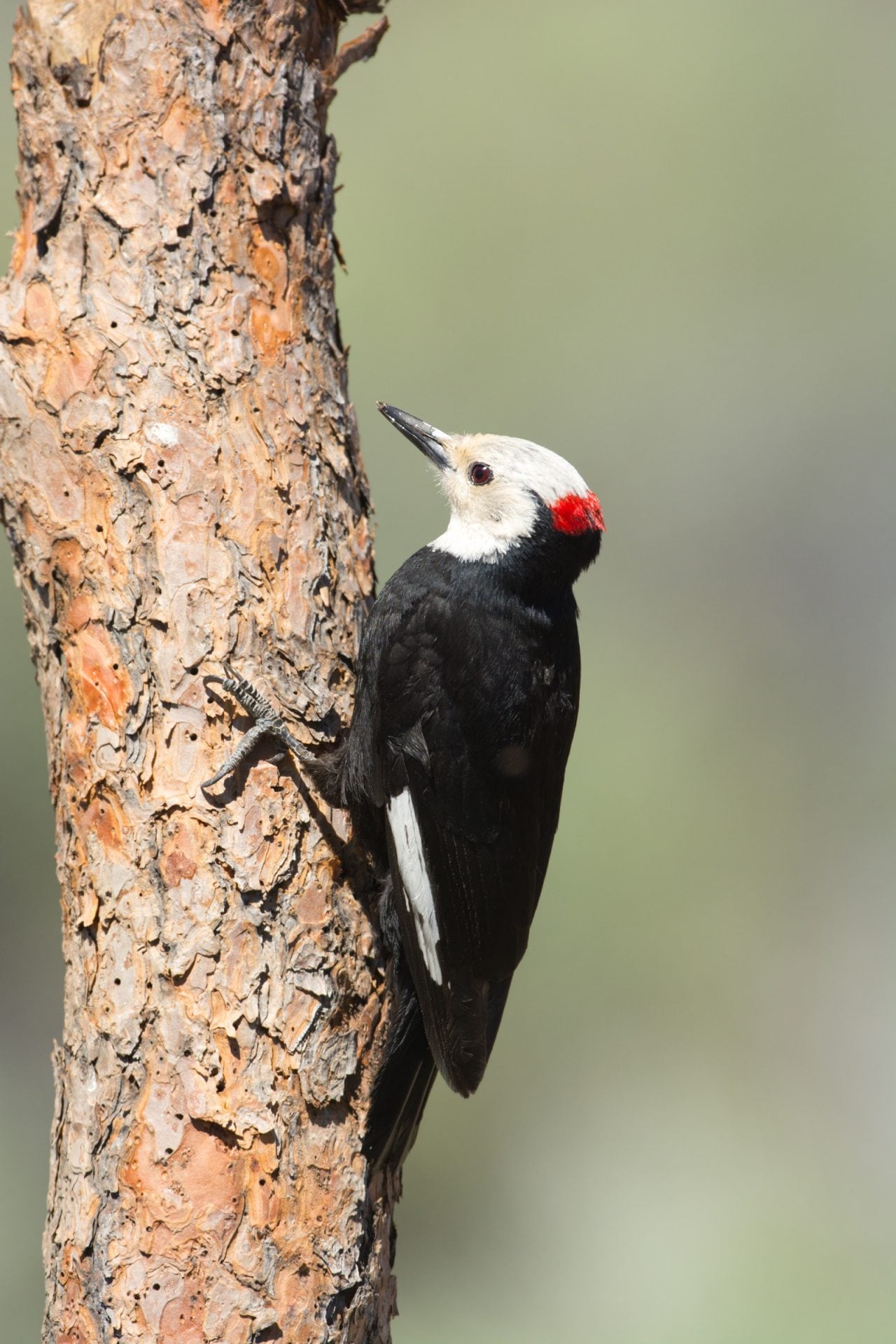
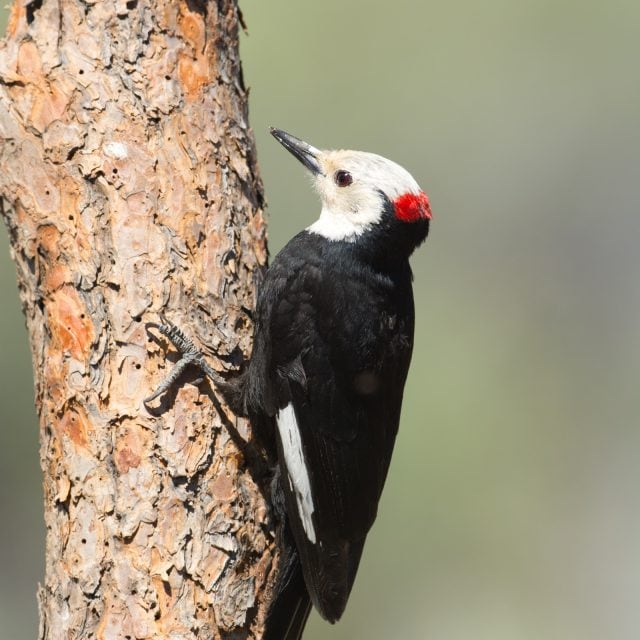
Woodpeckers are particularly well represented. White-headed Woodpecker is an important target, while Red-breasted and Williamson’s Sapsuckers and Hairy, Pileated and Black-backed Woodpeckers are among the other possibilities. Mixed forest flocks may include Brown Creeper, Western Tanager, Red-breasted Nuthatch and migrant warblers. Along the park’s rivers we’ll watch for American Dipper, while Mountain Quail and Sooty Grouse are possible but elusive. Two nights in Yosemite National Park.
Days 6 & 7: Monterey Area and Pinnacles National Park
After some early morning birding, we leave Yosemite and drive west toward Monterey. The journey takes us through Sierra foothill woodland, oak savannah and open country, providing opportunities for a different assortment of California birds. Acorn Woodpecker, Oak Titmouse, California Scrub-Jay, California Quail, Western Bluebird and Say’s Phoebe are among the species we may encounter, while Golden Eagle, Prairie Falcon and other raptors can occur over the open country.
Depending on current conditions and bird activity, we may also spend some time exploring Central Valley wetlands and grasslands, where shorebirds, waterfowl, White-faced Ibis and other wetland species can add to our growing list.
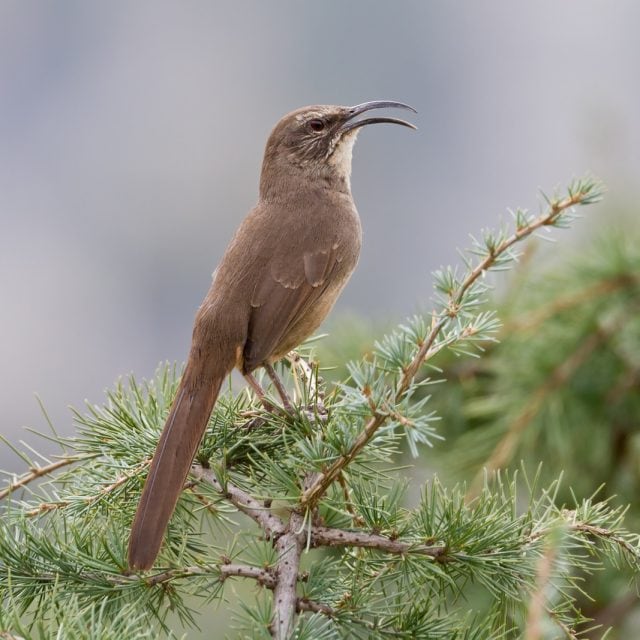
One day we travel inland to Pinnacles National Park, an area of oak woodland, riparian habitat, chaparral and spectacular eroded volcanic rock formations. Here we’ll search for some of California’s most distinctive birds, including Yellow-billed Magpie, California Thrasher, California Towhee, Oak Titmouse, Nuttall’s Woodpecker, Wrentit and Rufous-crowned Sparrow. Greater Roadrunner, Prairie Falcon, Lawrence’s Goldfinch and Phainopepla are also possible.
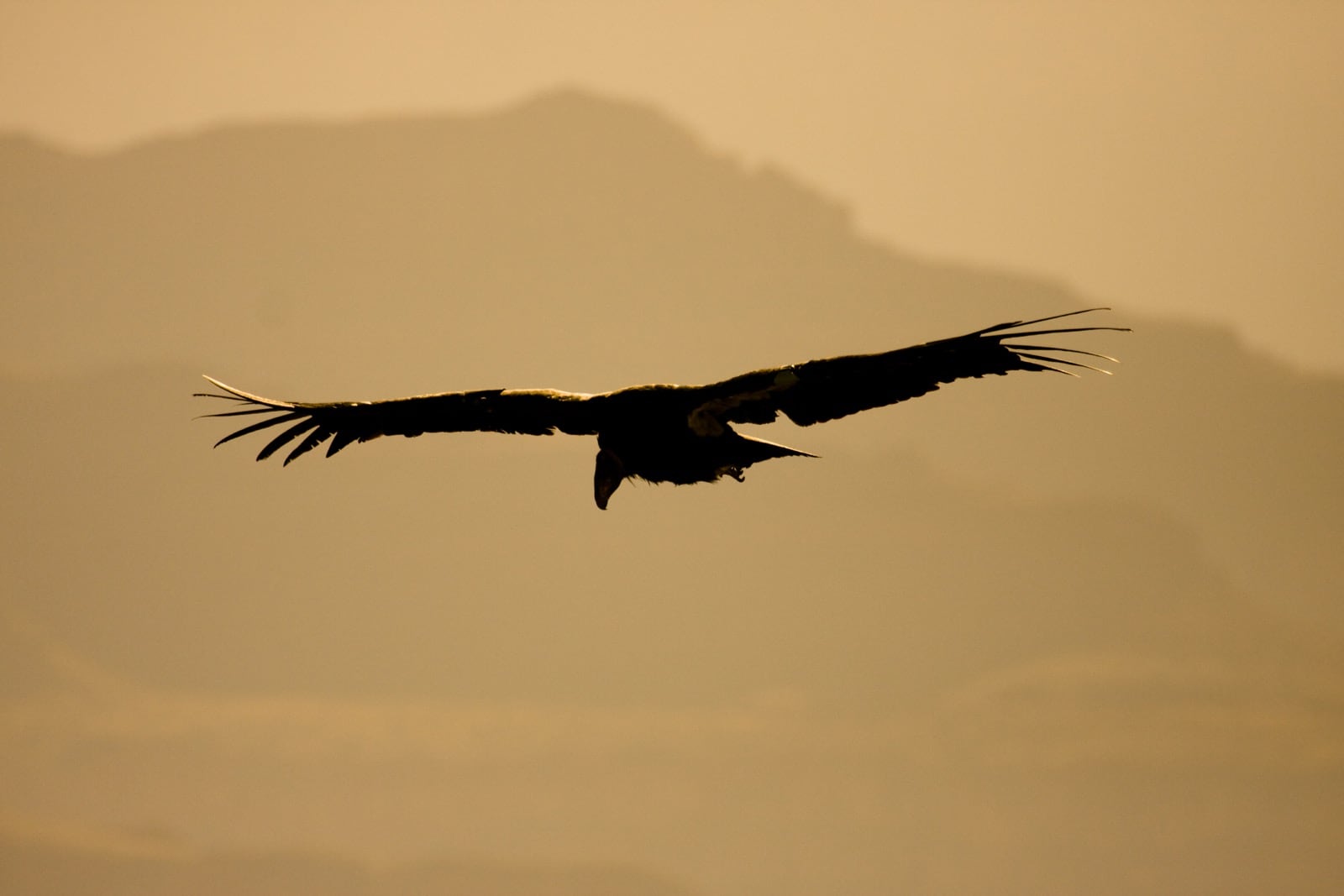
Pinnacles is especially famous for its role in the recovery of the California Condor, and we’ll spend time scanning the ridges and cliffs in hopes of seeing one of these magnificent birds soaring overhead. Two nights in Monterey.
Day 8: Monterey Coast to Half Moon Bay
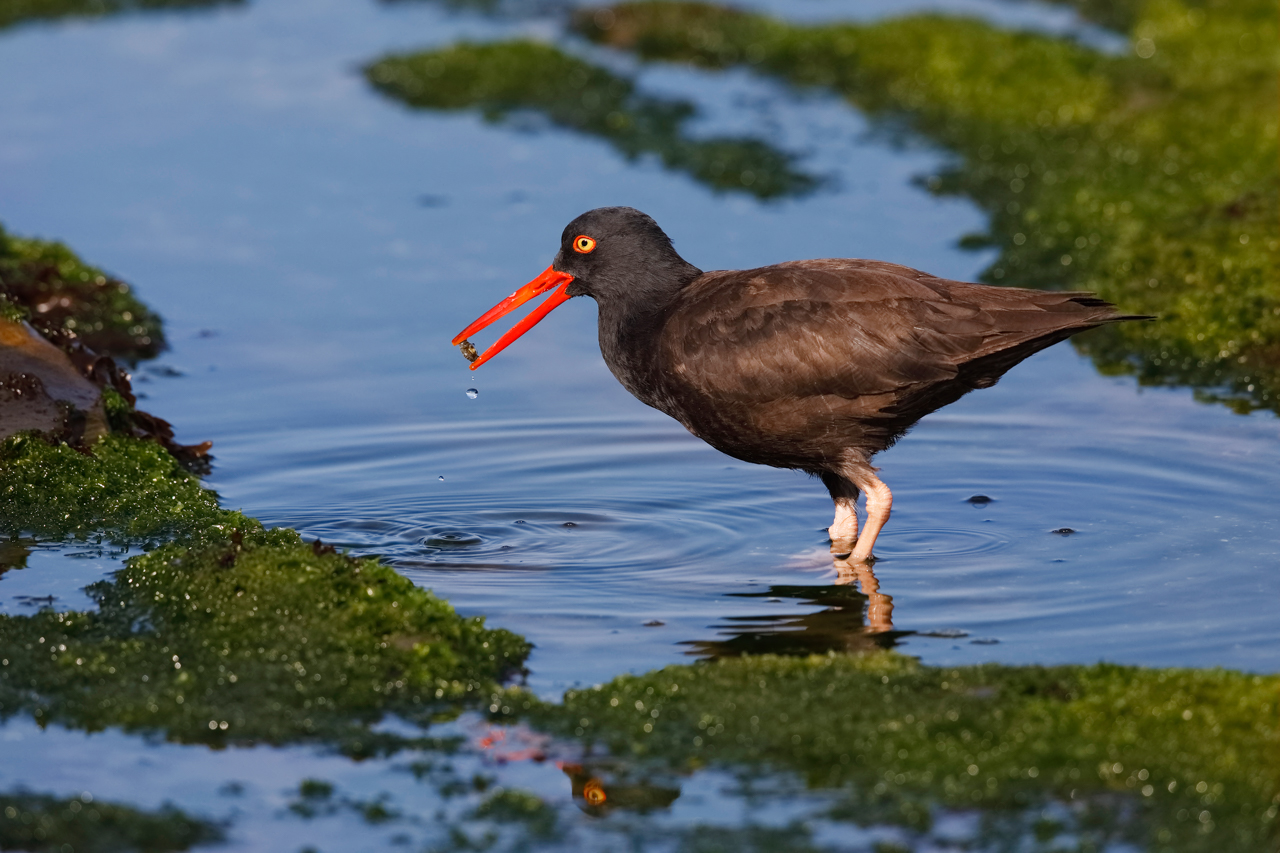
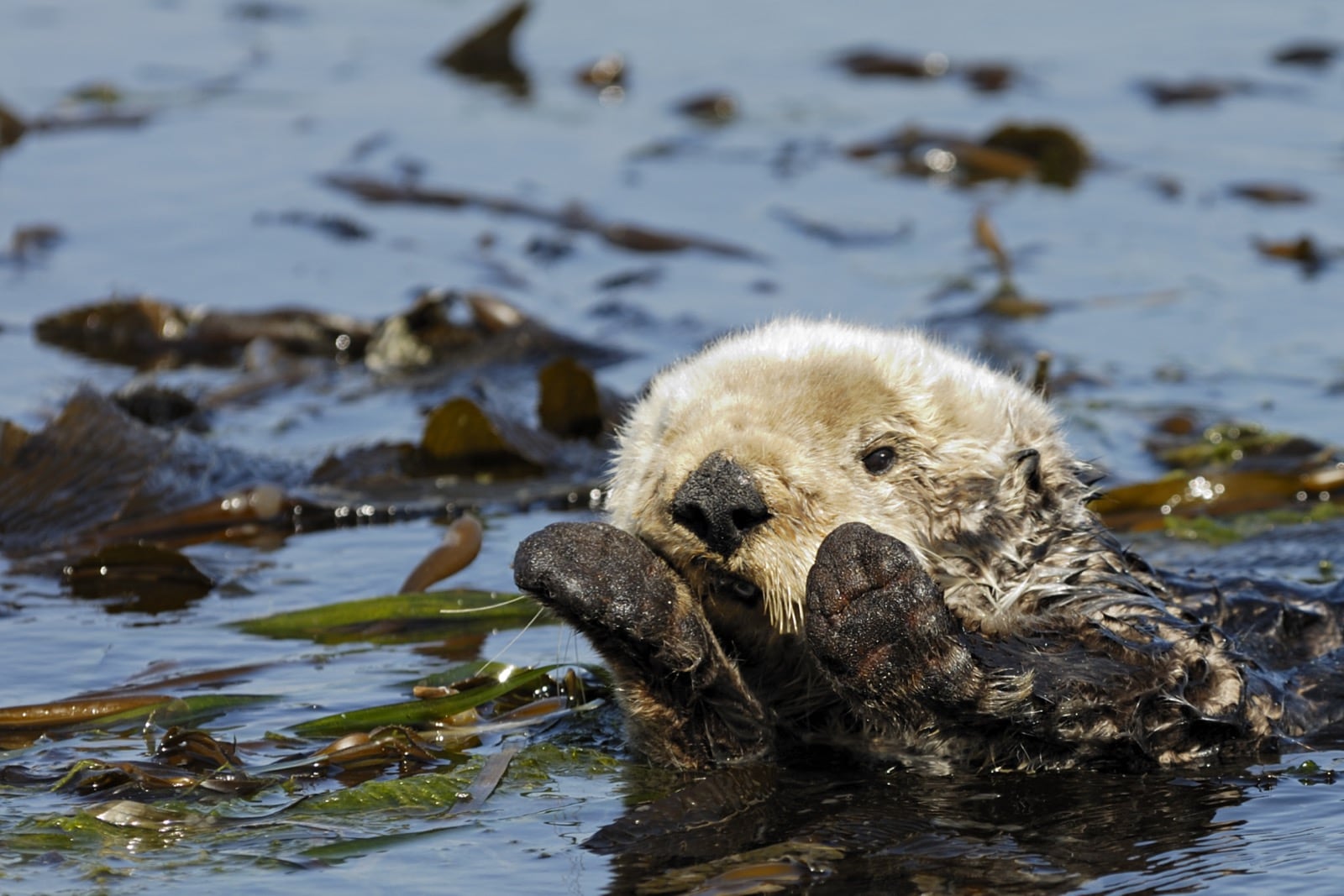
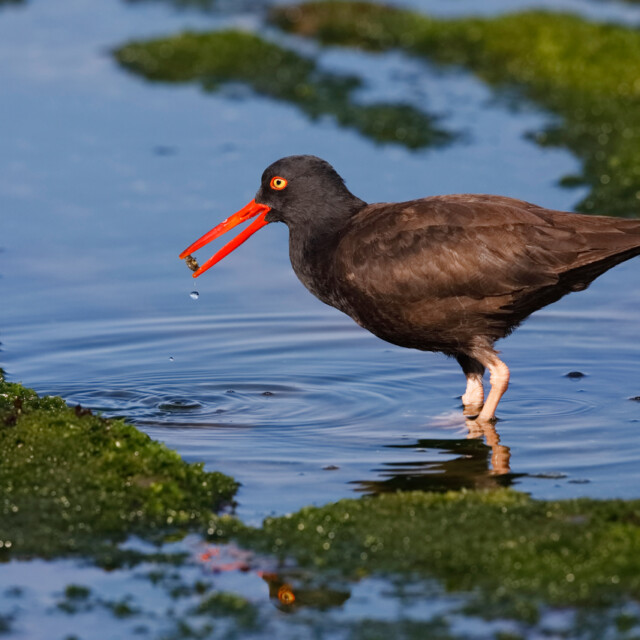
This morning we turn our attention to the rich coastal habitats around Monterey. Rocky shores are frequented by Brandt’s and Pelagic Cormorants, while exposed rocks can attract Black Oystercatcher, Black Turnstone, Surfbird, Wandering Tattler and other migrating shorebirds. Offshore we may see Pigeon Guillemot, passing shearwaters and other seabirds, while Sea Otters are often found among the kelp beds.
Nearby estuaries and wetlands provide another change of habitat. Western and Least Sandpipers, Marbled Godwit, Long-billed Curlew, dowitchers, Willet, American Avocet and Black-necked Stilt are among the many shorebirds possible, along with herons, egrets, waterfowl and migrant landbirds.
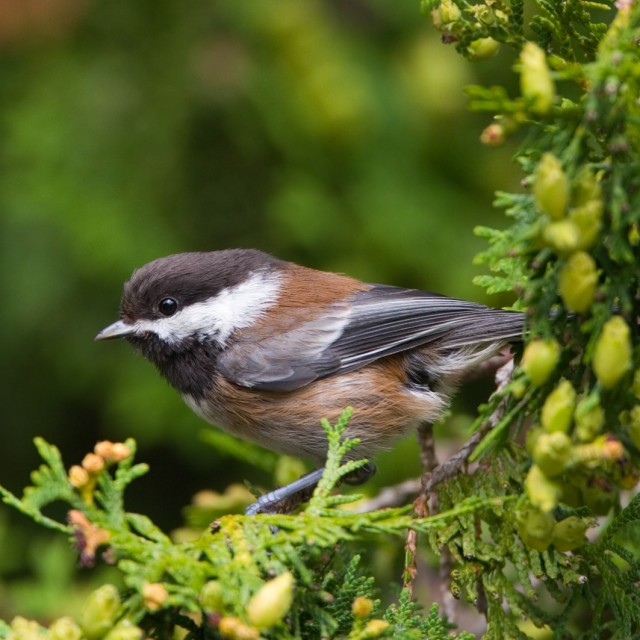
Continuing north, we visit the magnificent coast redwood forests, where we walk among some of the tallest trees in the world. Forest birds may include Pacific Wren, Chestnut-backed Chickadee, Brown Creeper, Western Flycatcher and Townsend’s Warbler.
We then continue to Half Moon Bay, where we spend the next two nights.
Day 9: Half Moon Bay Pelagic
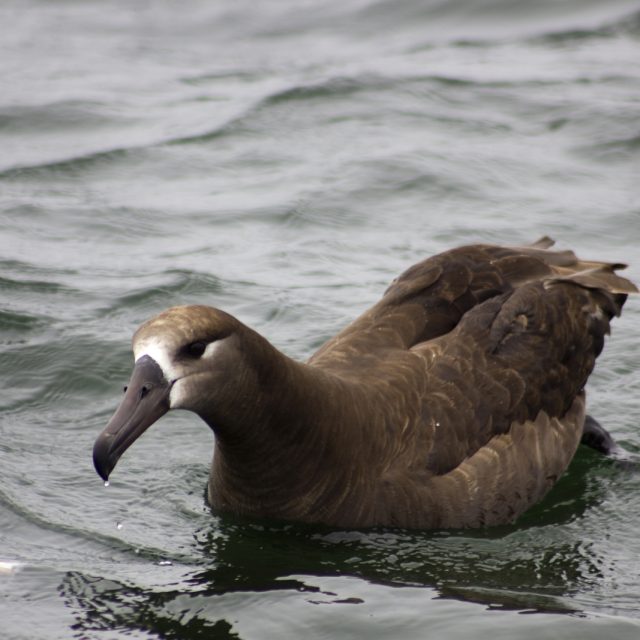
Today we head offshore from Half Moon Bay for a full-day pelagic into the rich waters of the eastern Pacific. Nutrient-rich currents and upwelling support an impressive diversity of marine life, and September is an exciting time for migrating seabirds.
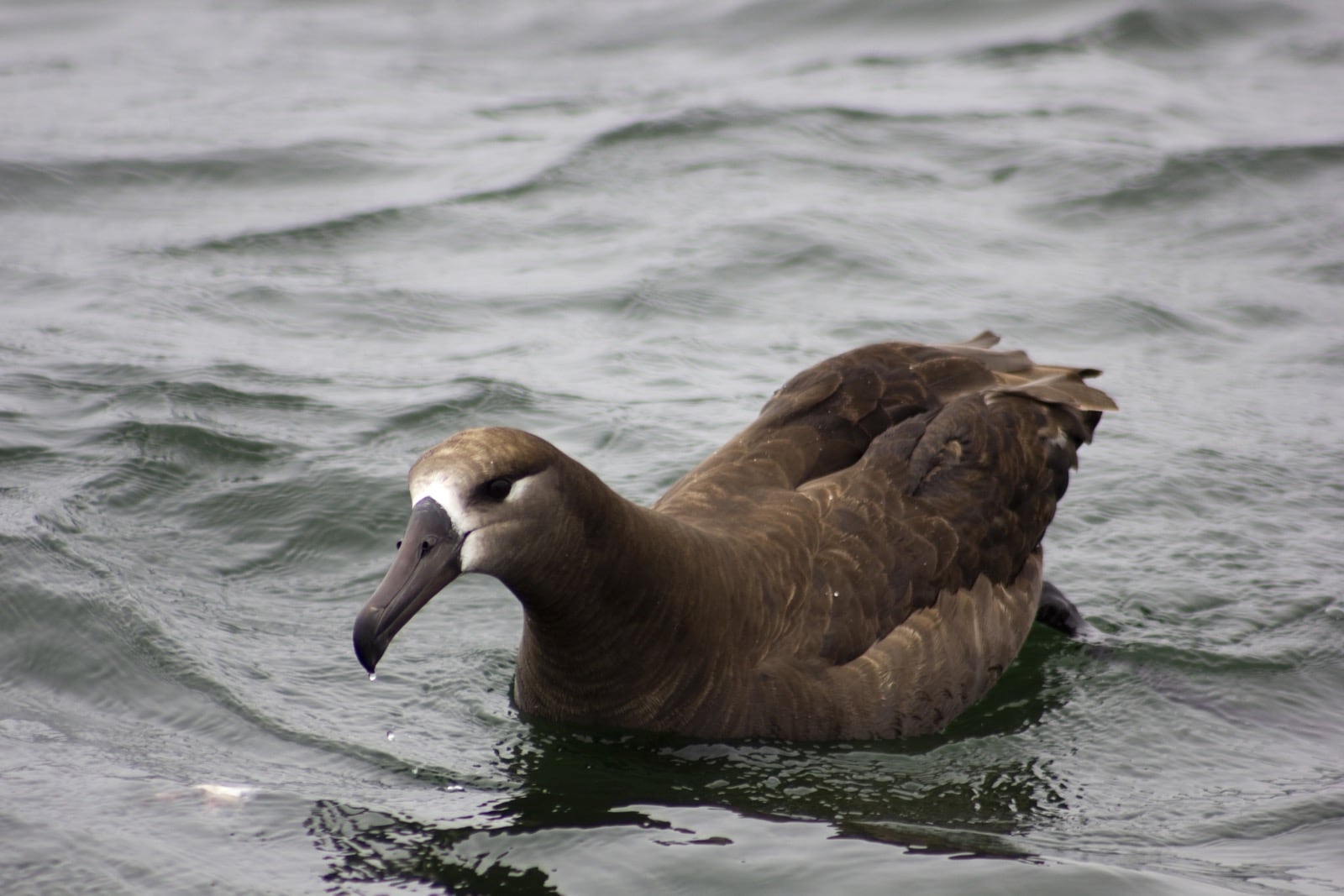
Black-footed Albatross, Sooty, Pink-footed and Buller’s Shearwaters, Ashy Storm-Petrel and Red-necked Phalarope are among the principal possibilities. Depending on conditions, we may also encounter other storm-petrels, jaegers, Sabine’s Gull, Red Phalarope, alcids and perhaps something completely unexpected.
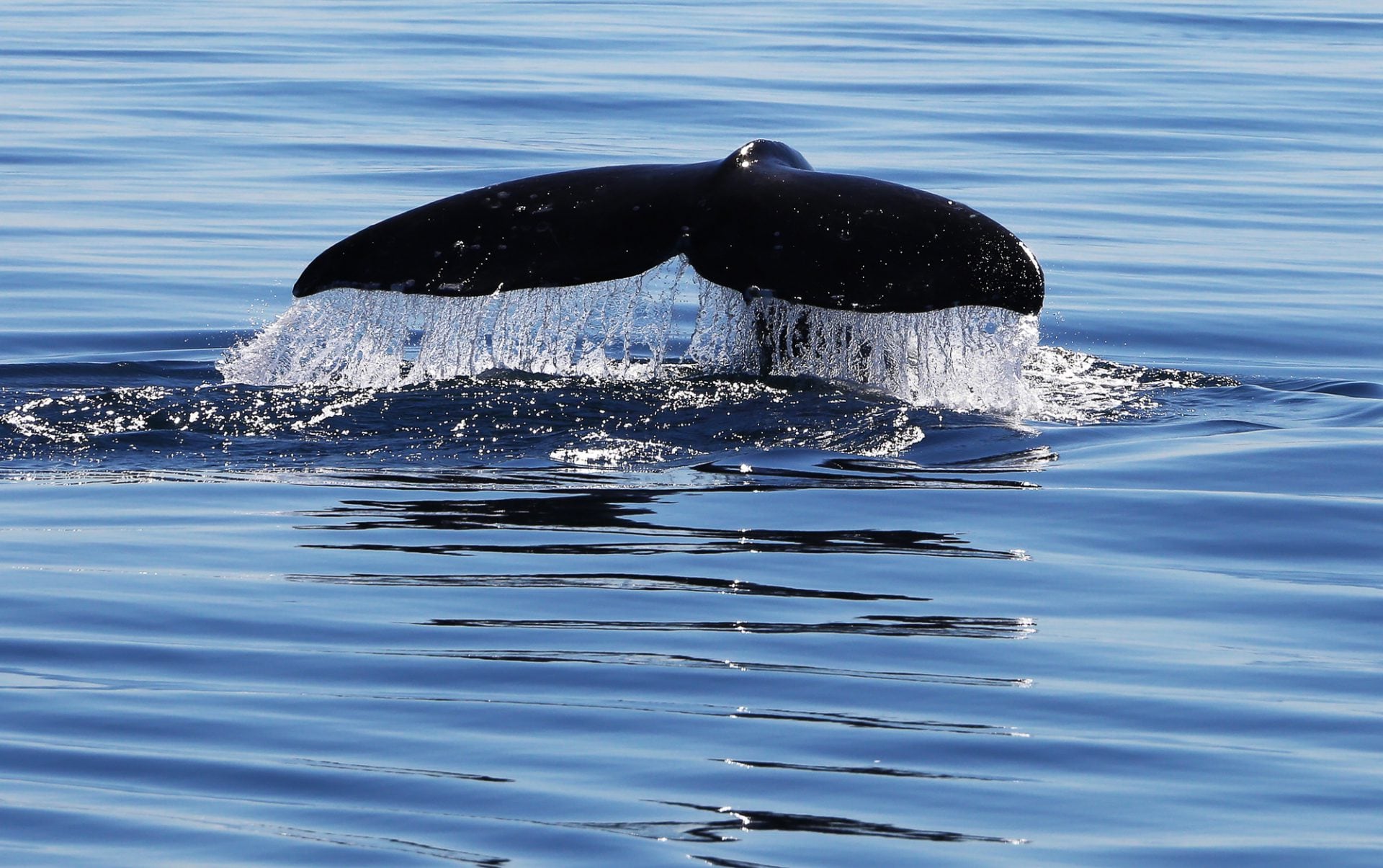
Marine mammals add further excitement, with Humpback Whales, dolphins and other cetaceans possible. The exact route offshore will depend on sea conditions and where concentrations of birds and marine life are occurring.
Night in Half Moon Bay.
Day 10: San Francisco Bay
Our final full birding day takes us from Half Moon Bay to the extensive wetlands surrounding San Francisco Bay.
Saltmarshes, tidal channels and mudflats support an impressive diversity of waterbirds and shorebirds. Our main target is Ridgway’s Rail, a secretive specialty of the Bay’s tidal marshes. We’ll time our birding according to tides and recent sightings, giving us the best opportunity to search for this elusive species.
American Avocet, Black-necked Stilt, Marbled Godwit, Long-billed Curlew, Willet, Black-bellied Plover, dowitchers and Western and Least Sandpipers are among the many other possibilities.
We finish our final day of birding with a farewell dinner near San Francisco. Night near San Francisco International Airport.
Day 11: Departure
Our Central California birding tour ends today, we can depart anytime for our flights home.
What to Expect
What to Expect
Overview
This is a moderately paced birding tour with a mix of early mornings, full days in the field and several travel days. Most birding is done from relatively easy trails, roadsides, viewpoints and short walks, but there are a few longer outings.
Food
Breakfast is generally at the hotel, although several days require an early departure and may involve a packed or boxed breakfast instead. Most lunches are picnics in the field, allowing us to maximize birding time, while dinners are usually at the hotel or a nearby restaurant. Each evening we review the day’s sightings and plans for the following day.
Accommodation
We stay in comfortable hotels or motels throughout the tour.
Walking
Most birding involves short, easy to moderate walks on trails, roads and relatively level terrain.
The most substantial walk is roughly 3.5 km / 2.2 mile loop with about 150 m / 500 ft of elevation gain. The route is considered moderate, and we can turn around earlier depending on temperatures, bird activity and the group’s ability.
Other walks, including those through the coast redwoods and along coastal and wetland areas, are generally shorter and easier.
Driving
Most days involve a small to moderate amount of driving, although there are several longer transfer days. We travel from Reno to the eastern Sierra, cross the Sierra Nevada through Yosemite, and later continue west to Monterey and north along the coast.
Most driving is on paved highways and park roads. Some roads around the Bodie area can be rough, and travel times may occasionally be affected by weather, road conditions or traffic.
Elevation
The tour spends two nights in Lee Vining at approximately 2,070 m / 6,800 ft. During our journey into Yosemite we climb to Tioga Pass at about 3,030 m / 9,945 ft, the highest point of the tour, and spend time birding around the high Sierra before descending into Yosemite Valley.
Climate
September generally brings pleasant weather to central California, but conditions vary considerably with elevation. Around Mono Lake and the eastern Sierra, mornings can be cool, often around 4–8°C (40–46°F), with afternoons typically warming to around 18–24°C (64–75°F).
At higher elevations in Yosemite and along Tioga Pass, mornings may be near 0°C (32°F) or even slightly below, while afternoons are often around 10–18°C (50–64°F). Wind and rapidly changing mountain weather are possible.
Farther west, inland areas such as Pinnacles can be much warmer, with afternoon temperatures sometimes reaching 25–35°C (77–95°F). Along the Monterey, Half Moon Bay and San Francisco coasts, temperatures are generally cooler, often around 10–20°C (50–68°F), with fog, wind and cool marine air common.
Participants should dress in layers and be prepared for everything from cold mountain mornings to warm inland afternoons.
Boat Trip
The tour includes a full-day pelagic boat trip from Half Moon Bay, currently expected to last about 10 hours. The boat travels well offshore into deeper waters, and it can take more than two hours to reach the main pelagic birding areas.
Conditions on the water can be considerably cooler and windier than on land. Bring warm layers, a waterproof/windproof outer layer, hat, sunscreen and binoculars, and wear comfortable closed-toe, non-slip footwear. Cameras and optics should be protected from salt spray. A packed lunch, snacks and water are carried aboard.
Anyone prone to seasickness should bring their preferred motion-sickness medication and follow their normal instructions. Pelagic trips can occasionally be cancelled because of weather or sea conditions; if this happens, we will substitute coastal birding.
Frequently Asked Questions
Land Tours FAQs
Whether you’re a seasoned birder or new enthusiast, these FAQs cover important details about our tours, including schedules, fitness requirements, group dynamics and more.
Featured Wildlife
Featured Wildlife
While we cannot guarantee sightings of the birds or mammals listed below, we believe that encountering these species is quite likely during this tour.
- Black-footed Albatross
- Pink-footed Shearwater
- Ashy Storm-Petrel
- California Condor
- Yellow-billed Magpie
- White-headed Woodpecker
- Nuttall’s Woodpecker
- California Thrasher
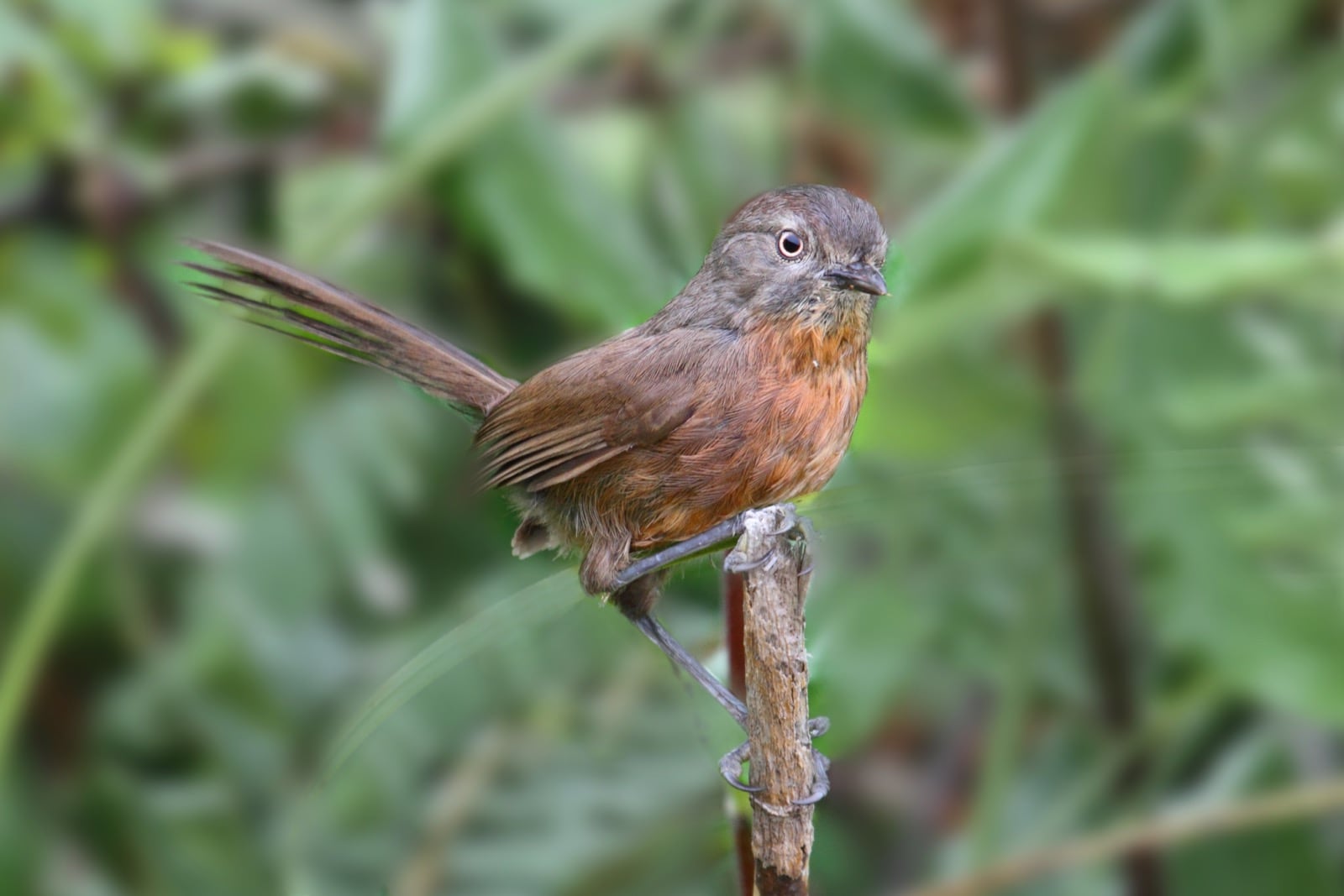
- Wrentit
- California Towhee
- California Scrub-Jay
- Tricolored Blackbird
- Oak Titmouse
- Bell's Sparrow
- Sea Otter
- Tule Elk
Past Tour Checklists
Past Tour Checklists
View the list of birds and other wildlife we encountered on our past tours.
- Central California 2018 species list
- Central California 2017 species list
- Central California 2010 species list
Compare your life list to our last tour
Get an estimate of how many new species you may see.
Try our Lifer tool